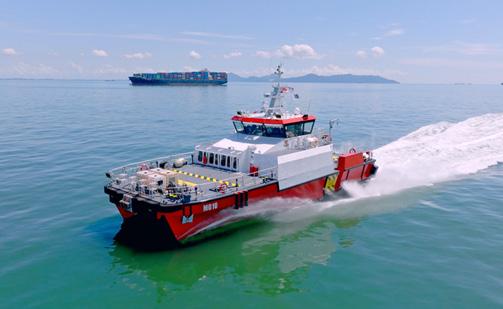
Strategic Marine completes 6-vessel order
The aluminium ships are built for offshore wind crew transfers in the North Sea. Singapore
Strategic Marine Ltd. has delivered six Supa Swath crew transfer vessels to UK-based Mainprize Offshore Ltd., strengthening its position in the growing offshore wind support market.
“Strategic Marine was selected for these builds due to their consistently high-quality construction and fit-out, which has proven to deliver reliable workhorses for demanding offshore operations,” according to Bob Mainprize, managing director of Mainprize Offshore.
The final four vessels were delivered in June, completing
the order signed at Seawork, Europe’s commercial marine and workboat exhibition, in June 2024. Strategic Marine had previously delivered two vessels, MO10 and MO11, to Mainprize Offshore in late 2023.
The aluminium vessels are designed for offshore wind crew transfers in the North Sea.
They use the Supa Swath hull developed by Walker Marine Design, combining a semi-Small Waterplane Area Twin Hull (SWATH) bow with a conventional propulsion system at the stern.
“It tries to adopt the best
of both worlds,” Chan Eng Yew, chief executive officer of Strategic Marine, told Marine & Industrial Report in March.
“Semi-SWATH at the front, and on the aft you can still use conventional propulsion systems without the challenges and complexity of a full SWATH vessel,” the chief executive told the publication.
Strategic Marine said the vessels would immediately begin supporting offshore wind operations and maintenance projects across Europe.
The company has also
BeeX unveils 24-hour underwater drone
Its battery capacity is up tenfold.
Singapore
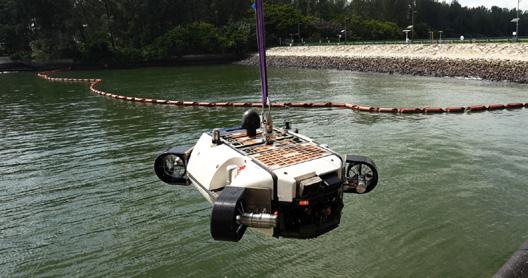
BeeX has unveiled BETTA, an autonomous underwater drone designed for long-endurance inspection missions, with higher battery capacity, improved positioning accuracy and enhanced autonomous capabilities.
The drone made its public debut at the company’s industry event on 18 June.
BETTA is rated for depths of up to 100 metres and features a 10-fold increase in battery capacity compared with BeeX’s previous platform.
The drone’s 12-kilowatthour battery supports up to 24 hours of continuous autonomous operations for inspections, surveys and light intervention work.
The new platform also builds on the artificial intelligence capabilities of BeeX’s flagship A.IKANBILIS autonomous underwater vehicle. The company said BETTA incorporates a seven-sensor suite and artificial intelligence
trained using 14 years of proprietary operational data to improve autonomous decisionmaking during missions around complex offshore structures and in challenging underwater environments.
BeeX said the drone is designed to simplify underwater operations whilst allowing users to conduct longer and more predictable inspection campaigns.
According to Grace Chia, CEO and co-founder of BeeX, BETTA weighs less than 300 kilogrammes, allowing it to use the same deployment and recovery methods as the company’s existing autonomous drones.
“At less than 300kg, BETTA shares the same simple logistics and deployment methods as our flagship drones. Further, its intelligence unlocks maximum productivity, especially when multiple drones can independently inspect multiple structures in the same mission window,” Chia said.
The drone is rated for depths of up to 100 metres
Supa Swath is a semi-Small Waterplane Area Twin Hull (SWATH) design developed by Walker Marine Design
ADVERTISING CONTACTS Shairah Lambat shairah@charltonmediamail.com
AWARDS Julie Anne Nuñez-Difuntorum awards@charltonmediamail.com
ADMINISTRATION Eucel Balala accounts@charltonmediamail.com
EDITORIAL marinereport@charltonmediamail.com


Banner Story...frompage1 secured orders for two bigger 33-metre Supa Swath crew transfer vessels, a scaled-up version of its 26-metre design, for delivery in 2027.
The larger vessels can carry 39 passengers, compared with 27 on the smaller model, and feature more than 63,800 litres of fuel capacity for longer operating range.
Powered by two Caterpillar C32B engines driving controllablepitch propellers, they can reach speeds of up to 30 knots (56 kilometres per hour).
Strategic Marine is also investing in lower-emission shipbuilding. The Singaporebased yard has joined the government’s low-carbon
You can still use conventional propulsion systems without the challenges and complexity of a full SWATH vessel
initiative and introduced augmented reality and artificial intelligence (AI)-based welder training to reduce the use of gas during training.
“We don’t actually use gas to train the welders,” Chan said.
“It’s a little more environmentally friendly because it’s AI- and augmented-reality-driven.”
The original agreement also includes an option for Mainprize
Offshore to order six more vessels. As part of Strategic Marine’s expansion, the yard has launched a new yacht support vessel designed exclusively for the pleasure craft sector in collaboration with MAG Subsea Pte. Ltd. and Southerly Designs Pty. Ltd.
The vessel is designed to extend the range, capability, and safety of superyacht expeditions worldwide, marking the company’s entry into the luxury yachting sector, according to a press release. The launch reflects the sector’s growing momentum as the global superyacht market is estimated to be valued at $24.04b in 2026 and is projected to reach $50.87b by 2033.
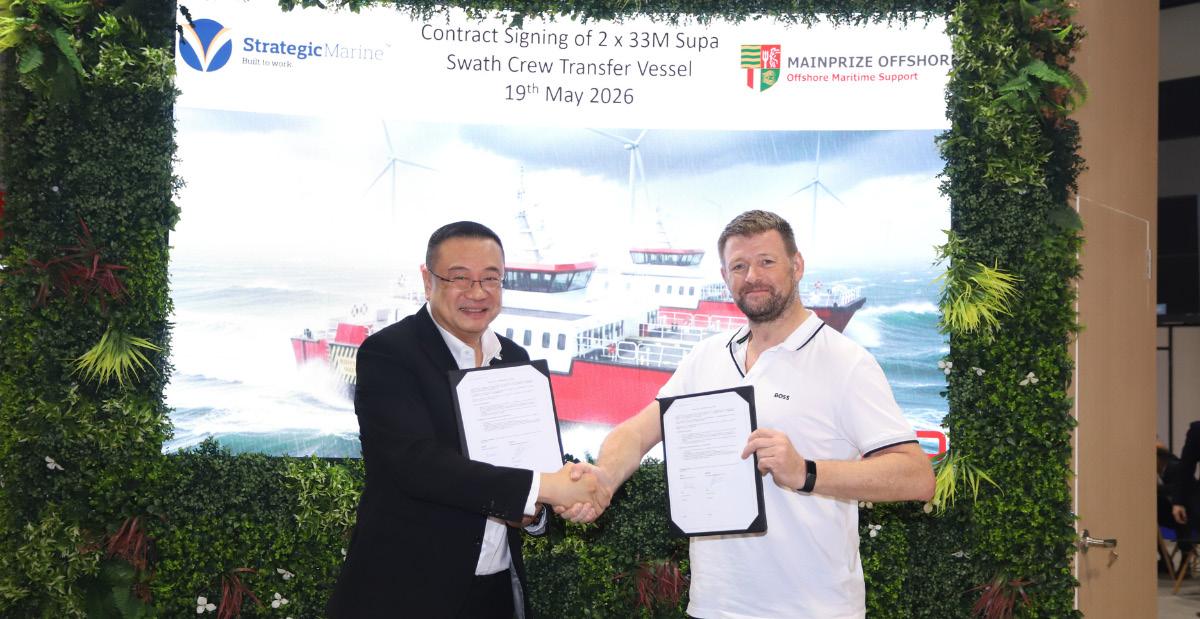










Strategic Marine has signed contracts for two new 33-metre Supa Swath CTVs — a scaled-up variant of the proven 26m design
PT Palindo targets Singapore fast ferry market
Its vessels can carry up to 250 passengers at speeds above 30 knots. Indonesia
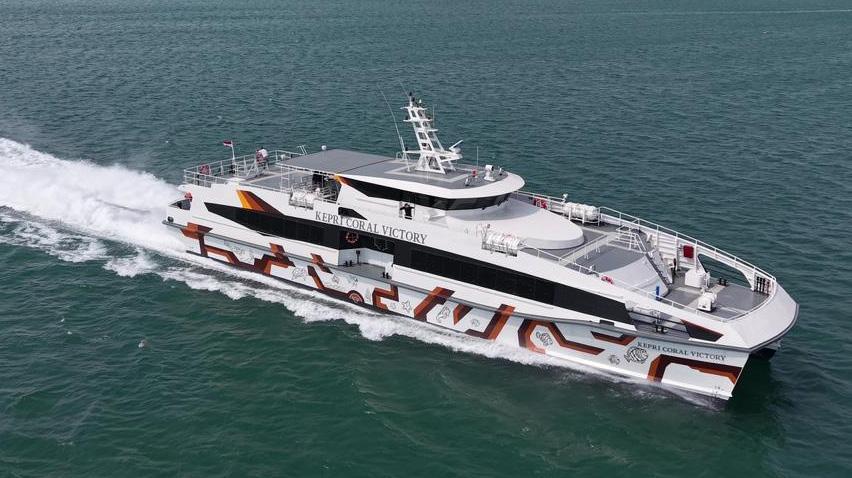
PT Palindo Marine is expanding its focus on high-speed passenger ferries for short-sea routes, particularly Singapore–Batam and other regional island services.
The Batam-based shipyard operates within the Free Trade Zone, allowing cost efficiencies in sourcing and logistics whilst supporting exports to nearby markets.
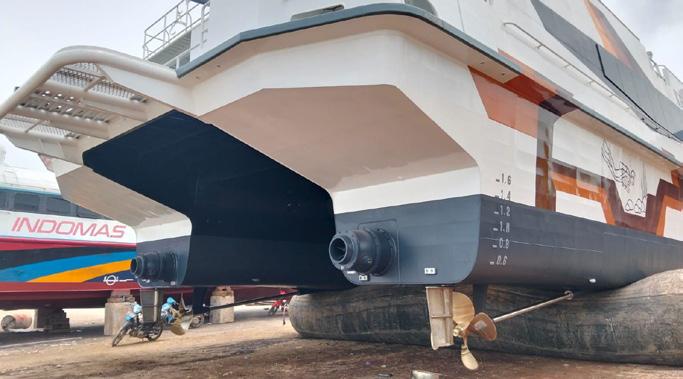
PT Palindo Marine specialises in High-Speed Craft (HSC) designed for ferry operations requiring speed, efficiency, and frequent service cycles. Its vessels typically reach speeds above 30 knots and are constructed using aluminium hulls, with customisable layouts capable of accommodating up to around
250 passengers depending on configuration.
The shipbuilder offers flexible vessel lengths of up to 40 metres, with interior designs tailored to operator branding and passenger comfort requirements.
PT Palindo Marine integrates waterjet and conventional propulsion systems to improve manoeuvrability, reduce draft, and enhance ride comfort. Its vessels commonly use Volvo Penta marine engine packages with electronic control systems and fuel-efficient performance for frequent ferry operations.
With a shipyard facility spanning more than seven hectares in Batam,
PT Palindo Marine conducts endto-end vessel production, including
Wah Kwong, CKS plan battery-swap network
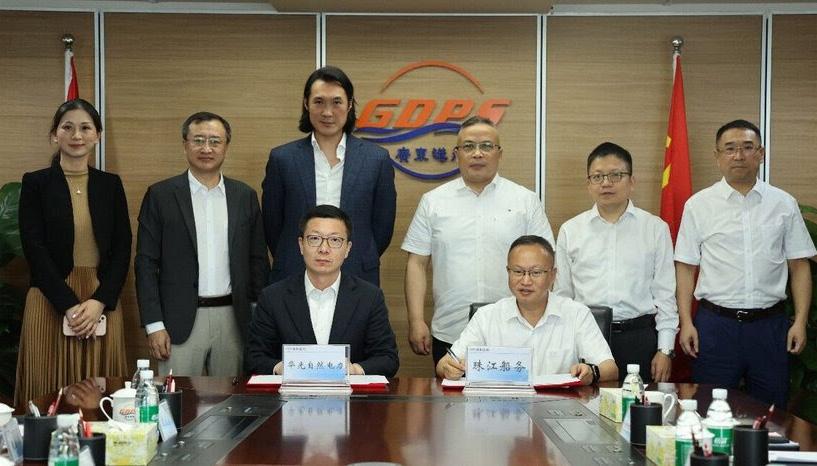
WahKwong NatPower Holdings and Chu Kong Shipping (CKS) have signed a memorandum of understanding (MoU) to develop cooperation on the electrification of Hong Kong–Guangdong inland water transport, according to a press release.
The agreement sets out a framework for collaboration on electric vessel construction, charging, and batteryswap networks at Guangdong–Hong Kong terminals, and related technology development.
The two companies will also exchange information on industry developments and policy and technical matters linked to the low-carbon transition in shipping.
The MoU provides for discussions on infrastructure and operational requirements to support water transport
electrification in Hong Kong and the wider Greater Bay Area.
Both parties will explore applications for electric vessels and supporting shore-based energy systems, the press release said.
Following the agreement, the companies will establish a joint working group and a collaboration framework to identify areas for further development and potential projects related to electrification of inland water transport.
Wah Kwong NatPower focuses on energy transition solutions for the maritime sector through clean energy, shore power, and related infrastructure; whilst CKS operates in port logistics and waterborne transport and is a subsidiary of Guangdong Provincial Port & Shipping Group Company Limited.
naval architecture, fabrication, welding, outfitting, systems integration, and sea trials.
Development plans
The Indonesian firm also integrates navigation, communications, and monitoring systems to deliver operationally ready vessels.
About 70% of output serves Indonesia, whilst the remainder is exported to Singapore, Malaysia, and Dubai. The company has delivered more than 200 vessels, including ferries up to 60 metres in length.
PT Palindo Marine said it plans to continue developing its high-speed ferry platforms, improving propulsion efficiency, and expanding export
The Batam-based shipyard operates within the Free Trade Zone, allowing cost efficiencies in sourcing and logistics whilst supporting exports to nearby markets
opportunities, particularly targeting Singapore-based ferry operators and regional short-sea transport providers.
The company is also exploring enhancements in systems integration and onboard comfort to meet evolving demands for faster, more fuel-efficient passenger vessels.

Wah Kwong, NatPower and Chu Kong Shipping Enterprises sign MoU
Hong Kong
About 70% of Palindo’s output serves Indonesia whilst the rest is exported to Singapore, Malaysia, and Dubai
The company has delivered over 200 vessels, including ferries up to 60 metres in length
ClassNK launches 3D ship design marketplace
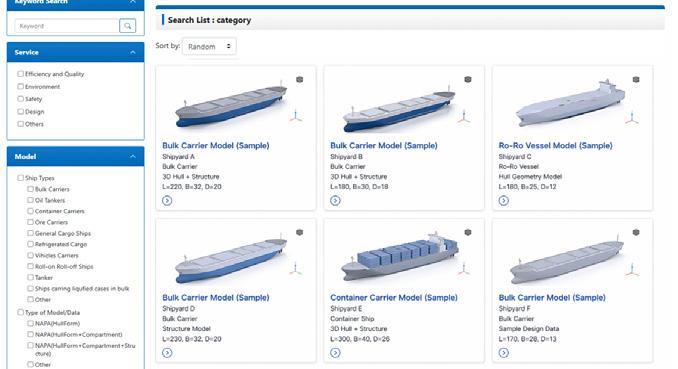
ClassNK has launched the ClassNK Design Data Marketplace, a digital platform for sharing and matching ship design data and 3D models across the maritime industry.
The marketplace connects shipyards, design firms, and software providers, allowing users to search, compare, and utilise 3D design models, engineering data, and related digital services.
It aims to improve the use of ship design data that is often underutilised after the design phase, and to support efficiency, safety, and broader lifecycle applications in ship operations.
The platform was developed under the Digital Twin Project, involving
shipyards, shipowners, software companies, and classification societies, to establish secure and standardised data-sharing frameworks.
Through feasibility studies and evaluations conducted by project members, ClassNK has advanced the development of the marketplace as an impartial entity to ensure that the marketplace is neutral and fair.
The system operates as a membership-based closed marketplace, where participants can register data and services under defined usage rules to ensure secure and fair data exchange.
Members may also refer to models and services offered by other participants and consider their use.
DNV approves HHI’s 90,000 m³ LPG tank
The design adds crack and fatigue safeguards.
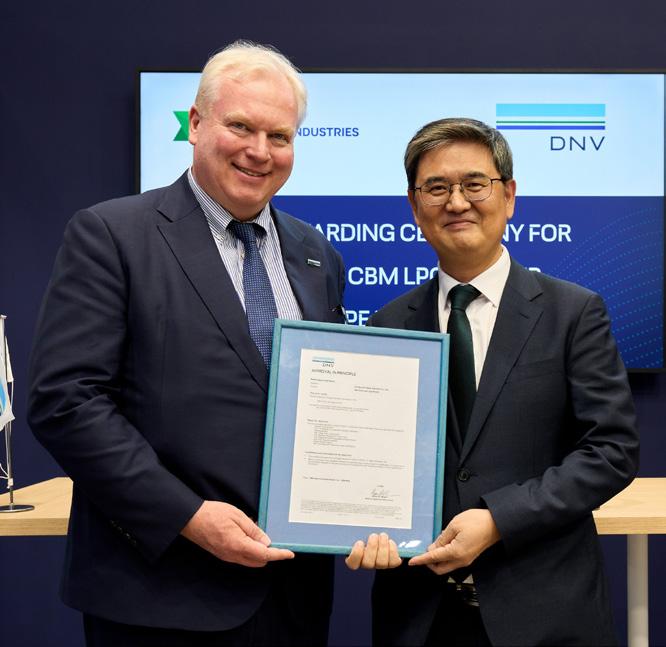
DNV has awarded an Approval in Principle (AiP) to HD Hyundai Heavy Industries (HHI) for its independent Type B LPG cargo tank design for Very Large Gas Carriers (VLGCs). The certificate was presented to Hongryeul Ryu, CTO from HHI by Vidar Dolonen, regional manager at DNV during the Posidonia trade fair.
The AiP covers HHI’s design for a new 90,000 m³ independent Type B containment system for LPG carriers. The utilisation of Type B tanks in VLGCs is intended to enhance operational safety and maintenance accessibility over the service life of the vessel, whilst giving yards greater latitude in the selection of inner hull materials at the design stage.
Analysis of the new tank covers both crack propagation and fatigue analyses, in addition to the standard buckling and sloshing analysis carried out for type A tanks.
About the design
The new design also aims to maximise structural reliability by preventing the propagation of surface defects through the tank wall over the design life of the tank.
A partial secondary barrier in the form of a leak path used as a spray shield over all welded areas, together with four dedicated drip trays per tank, enhances the overall safety of the design. This design package is designed to contain leakages and protect the surrounding hull structure throughout the operational life of the vessel.
“With our first LPG carrier design incorporating an independent Type B cargo tank, we are advancing safer and more adaptable gas carrier solutions. DNV’s AiP builds confidence as we move towards practical application,” said Ryu.
“Introducing new containment solutions into established segments calls for careful technical scrutiny,
DNV’s AiP builds confidence as we move towards practical application
which is why we are so pleased that HHI has chosen to trust DNV’s engineering insight on this exciting project. The Type B tank opens new design and operating choices for the VLGC market as owners look for longer asset lives, and to meet tighter safety and efficiency requirements. We look forward to continuing to build on this successful cooperation, supporting the development and realisation of the project,” said Dolonen.
An Approval in Principle (AiP) is an independent assessment of a concept within a defined framework of requirements. It confirms the feasibility of the design and verifies that no significant technical barriers exist to its implementation.
DNV has also awarded another AiP to the South Korean shipbuilding company for its LPG 1,400 twenty-foot equivalent (TEU), dual-fuel unit container vessel design in the same event.
The 1,400-TEU LPG dual-fuel design utilises an arrangement similar to liquefied natural gas (LNG) systems to reduce technical risk whilst maintaining operational reliability. The concept design adopts a forward accommodation arrangement to maximise container cargo capacity whilst ensuring crew segregation from hazardous zones. Additionally, the Type-C LPG storage tank, LPG Low Flashpoint Fuel Supply System, and bunker station are positioned on the aft open deck to optimise cargo handling operations and further reduce potential risks to the accommodation area.
The AiP covers HHI’s design for a new 90,000 m³ independent Type B containment system for LPG carriers
Greece
Registration to the marketplace is free of charge
Taiwan drives repeat orders for offshore vessels
Cost inflation and supply risks test shipbuilders as Taiwan’s wind market matures.
Asia’s offshore wind build-out is driving steady demand for specialised marine vessels, with Taiwan standing out as the clearest anchor market even as shipbuilders contend with higher costs and fragile supply chains.
“Unlike neighbouring markets such as Korea and Japan, which are in the early phases, Taiwan is a more mature market,” Chan Eng Yew, CEO at Strategic Marine Pte. Ltd., told Marine & Industrial Report.
That maturity is translating into consistent demand for offshore support assets, especially crew transfer vessels, he said in an interview.
Fleet standardisation
Chan said there have been repeat orders tied to wind-farm construction and operations rather than one-off campaign work, giving vessel owners and builders clearer use visibility.
Strategic Marine has delivered a 27-metre StratCat vessel to a Taiwanese company, designed as a multi-role asset capable of multiple mission profiles.
Chan said about eight units have been delivered in Taiwan to three owners, reflecting fleet standardisation by operators.
“These new-generation vessels are already demonstrating 10% to 15% faster speed capability in terms of deadweight and transfer time,” he said. Engineering demands in the Taiwan
We are facing noticeable increases, particularly in transportation costs alongside rising raw material prices
Strait have accelerated design changes, with operators requiring tighter station-keeping and higher transit speeds to maintain schedules in harsh conditions. Chan said vessels must handle extreme wind, wave, and current loads whilst preserving fuel efficiency.
Longer-term operational funding
According to Strategic Marine, the crew transfer vessel features an optimised hull form designed to enhance seakeeping, manoeuvrability, and operational performance under local offshore conditions.
The offshore wind supply chain is extending into financing. Chan said Taiwan has become the first Asian market where wind-farm projects have been refinanced, a signal that assets are moving from construction risk to longer-term operational funding.
Cost pressure remains the main counterweight to demand. “We are facing noticeable increases, particularly in transportation costs alongside rising raw material prices,” he said.
Aluminium prices have risen over the past six to 12 months, he said, reflecting both energy-intensive
OOCL orders 12 LNG dual-fuel container ships
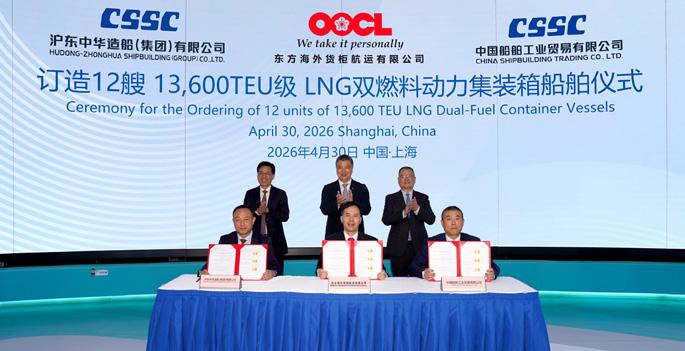
Orient Overseas Container Line Ltd. (OOCL) has ordered twelve 13,600 TEU LNG dualfuel container vessels as part of its push towards lower-emission shipping.
The company signed shipbuilding contracts with Hudong-Zhonghua Shipbuilding (Group) Co., Ltd. on 30 April, its press release said.
The vessels will feature dual-fuel main engines capable of operating on both liquefied natural gas (LNG) and conventional fuels.
Once delivered, they will be the first LNG-powered ships in OOCL’s fleet.
OOCL said the decision follows a comprehensive evaluation of tightening environmental regulations, evolving energy technologies, and the availability of alternative fuel infrastructure.
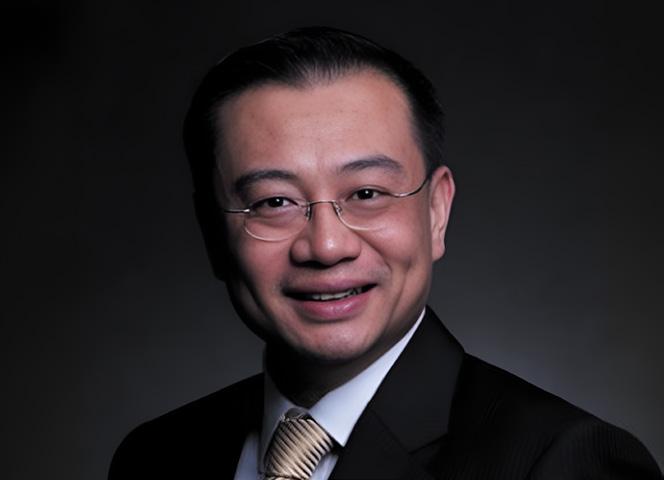
Chief Executive Officer Tao Weidong described the investment as a clear demonstration of the
company’s commitment to sustainable development in the shipping industry.
The chief executive added that the new vessels will also enhance fleet flexibility and diversification.
According to Tao, the expanded capacity will enable OOCL to strengthen its presence in emerging, regional, and third-country markets.
The move is expected to improve global capacity allocation and support more balanced international growth, whilst better meeting customers’ longterm and diverse shipping demands.
OOCL also held the naming ceremony of OOCL Wisdom in May, marking its first methanol dual-fuel container vessel and the first of a series of seven vessels.
OOCL Wisdom has a maximum capacity of 24,168 TEU, making it the world’s largest methanol dual-fuel container vessel to date.
smelting and logistics constraints. The increase has fed directly into vessel pricing discussions with buyers.
Geopolitical tension has tempered activity in some markets, though Chan said it has sharpened focus on domestic energy supply. Whilst demand in some regions has slowed into a holding pattern, awareness of energy security has increased, he pointed out.
Strategic Marine has moved to cushion near-term risk by locking in supply agreements and holding inventory with key vendors.
“All of our deliveries for the next 12 months are not expected to be
affected,” Chan told the publication, adding that longer disruptions would need reassessment.
The company has also delivered the first two Supa Swath vessels to the United Kingdom-based CTV operator, Mainprize Offshore, marking the start of a six-vessel contract signed at the Seawork 2024 exhibition to support offshore renewable operations in Europe.
Walker Marine Design created the Supa Swath design, featuring fuel-efficient propulsion systems and advanced navigation technology tailored for offshore wind operations.
DS Mermaid to revive idle support vessel
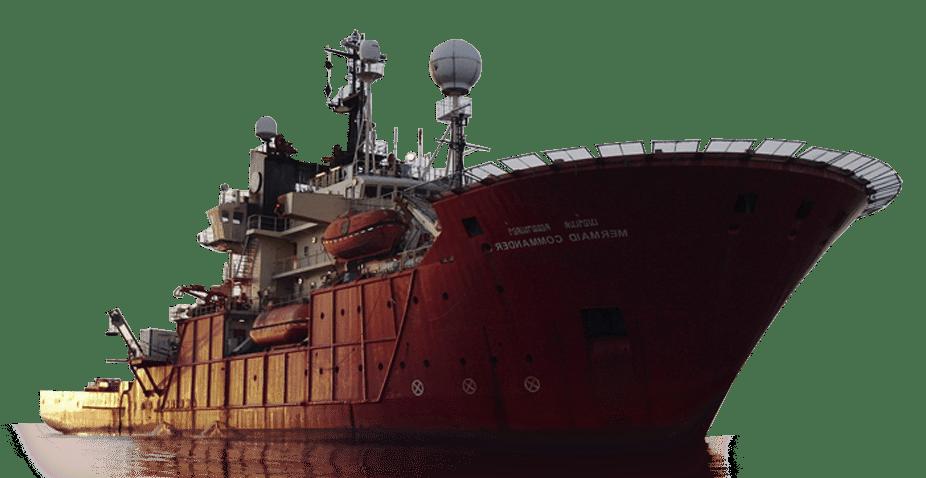
Mermaid Maritime Public Company Ltd has set up a Singapore-based joint venture with DS Global Offshore Engineering Singapore Pte Ltd to reactivate and commercialise an offshore support vessel.
The joint venture company, DS Mermaid Pte Ltd, is incorporated in Singapore and will serve as the investment and operating vehicle for the vessel’s reactivation and future deployment. Under the arrangement, the vessel Mermaid Commander will be reactivated and repaired by DS Global Offshore Engineering Singapore before being renamed DS Mermaid Commander upon completion.
Mermaid Maritime said its wholly owned subsidiary Mermaid Subsea Services (Thailand) Ltd holds a 50% stake in the joint venture through an
in-kind contribution of the vessel.
DS Global Offshore Engineering Singapore holds the remaining 50% stake in return for undertaking and funding the vessel’s reactivation, repair, and ship management services.
The joint venture has an issued and paid-up capital of $2, which is expected to be increased to $20m by the third quarter of 2026 to reflect the value of each party’s contribution.
Mermaid Maritime said the structure is intended to support the vessel’s reactivation and commercial deployment. It added that the investment is funded through the in-kind contribution of the vessel and is not expected to have an impact on net tangible assets.
The company said none of its directors or substantial shareholders has any interest in the transaction other than through their existing shareholdings or directorships, if any.
Chan Eng Yew, CEO at Strategic Marine Pte. Ltd.
The vessel Mermaid Commander will be reactivated and renamed DS Mermaid Commander upon completion
Once delivered, they will be the first LNG-powered ships in OOCL’s fleet
Singapore
Fuel-ready ships outpace low-carbon supply
Limited production, financing uncertainty, and policy gaps are keeping most vessels on conventional fuel.
Shipping’s transition to lowgreenhouse gas fuels is accelerating on the demand side, but supply constraints and structural barriers are putting decarbonisation targets at risk, analysts said.
As Asia Pacific Maritime 2026 concluded in Singapore, leaders warned that the gap between fuelready vessels and available low-carbon fuels is widening. “The gap is very real, and it’s widening, as we speak,” said Chris Chatterton, maritime adviser of the Global Centre for Green Fuels at Maritime Ethanol & Methanol Alliance (MEMA), citing a surge in dual-fuel vessel orders without matching fuel availability.
Costly conventional fuel
The industry is rapidly adopting technologies across methanol, LNG, and emerging ammonia pathways. However, fuel supply remains constrained by limited production, certification challenges and economic viability. “The ships are being delivered, fuel ready, but operating mostly on conventional fuels,” Chatterton added.
A key issue lies in how global energy investments are shifting. Torben Nørgaard, chief technology and analytics officer of the Maersk McKinney Møller Center for Zero Carbon Shipping said capital is increasingly directed towards
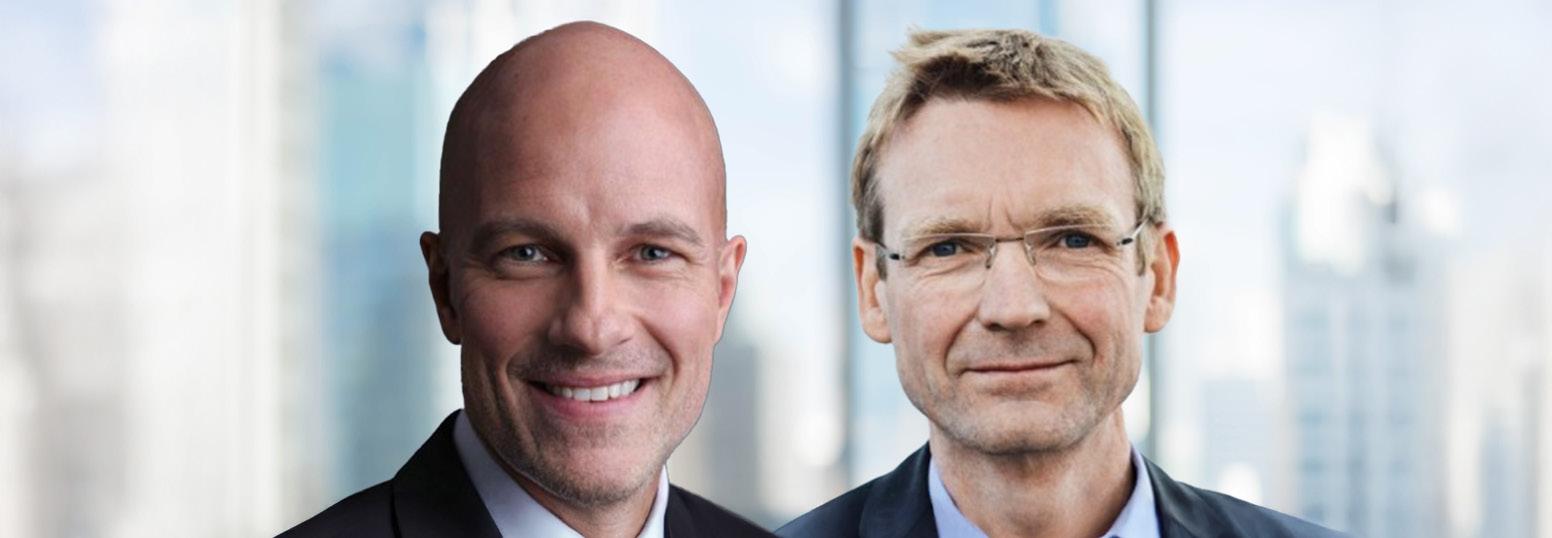
regional energy resilience rather than global fuel systems.
“We see less investments going into fuels that are suitable for global markets,” he said.
This trend reflects broader energy transition dynamics, where investments favour electricity, storage, and bio-based fuels serving domestic or regional markets, leaving shipping—an inherently global industry—struggling to secure scalable supply.
Policy frameworks are also creating bottlenecks. Chatterton pointed to “policy misalignment and the rigidity of the policy” as a major barrier, noting that current regulations often limit the adoption of viable alternative fuels.
In addition, financing uncertainty and infrastructure gaps continue to
Maritime leaders call for preventive crew care
Maritime executives and medical specialists have urged shipping companies to move crew healthcare away from emergency response and towards earlier intervention, warning that current systems are not keeping pace with risks at sea.
The warning was raised during a Posidonia 2026 seminar on seafarer healthcare, where shipowners, insurers, medical providers and welfare specialists discussed gaps in telemedicine, mental health support, onboard diagnostics and compliance.
OneCare Group CEO Marinos Kokkinis said the industry should not accept loss of life at sea as unavoidable.
“Some believe that the loss of life at sea in our industry is at acceptable levels, but I would argue it is not,” Kokkinis said. “We are talking about human beings, and every life counts.”
Panellists said many vessels still rely on emergency telemedical advice, uneven crew training and limited diagnostic equipment.
Audience polling showed about half of respondents viewed healthcare at sea as mostly reactive, with others citing inconsistent procedures and poor use of health data.
Mental health was a major focus. Speakers said fatigue, isolation, stigma, and fears over job security continue to stop seafarers from reporting distress. They called for more open health discussions onboard and better training for senior officers to identify
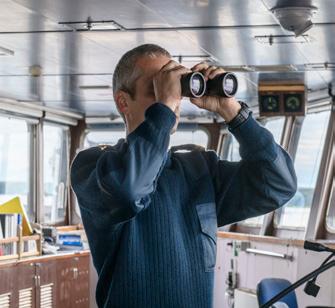
early signs of mental strain.
Technology could help close some gaps, panellists said, citing telemedicine devices, wearable sensors, rapid diagnostic tests, and artificial intelligence tools. But they warned that artificial intelligence should support clinical decisions rather than replace doctors.
Data privacy, certification and cybersecurity remain unresolved.
Speakers also cited inconsistent medical chest rules, medicine import restrictions and supply problems on remote or disrupted routes.
Insurers said certified and trusted systems would be needed before preventive healthcare gains wider backing from the market.
The seminar ended with calls for shipping companies to treat crew health, mental health and medical readiness as part of vessel safety rather than as separate welfare issues.
delay project development.
Chatterton said standards remain another overlooked constraint.
“The lack of flexible, globally aligned fuel standards is going to slow adoption,” he told the publication.
Wider interoperability across maritime fuel, aviation fuel and land transport applications could unlock supply faster, particularly for alcohol-based fuels such as ethanol and other blended solutions already being considered. Fuel producers require long-term offtake agreements and regulatory clarity, whilst logistics challenges—such as transporting fuel to ports with proper certification— remain unresolved.
Without decisive action, the sector risks falling short of its decarbonisation
We need to move from ambition and target setting to real execution and more pragmatic operations
ambitions. “We need to move from ambition and target setting to real execution and more pragmatic operations,” Chatterton said, calling for fuel-agnostic policies and faster deployment of transitional fuels. Nørgaard stressed that the industry must build internal capabilities and align with evolving energy systems. He noted that strategic planning and regulatory development will be critical to maintaining competitiveness in the future energy landscape.
Data privacy and cybersecurity also remain unresolved
Chris Chatterton, maritime adviser of the Global Centre for Green Fuels and Torben Nørgaard, CTO at the Maersk McKinney Møller Center for Zero Carbon Shipping
HD Hyundai integrates WindWings into newbuilds
The three-year tie-up will link WindWings controls with HD Hyundai’s vessel systems.
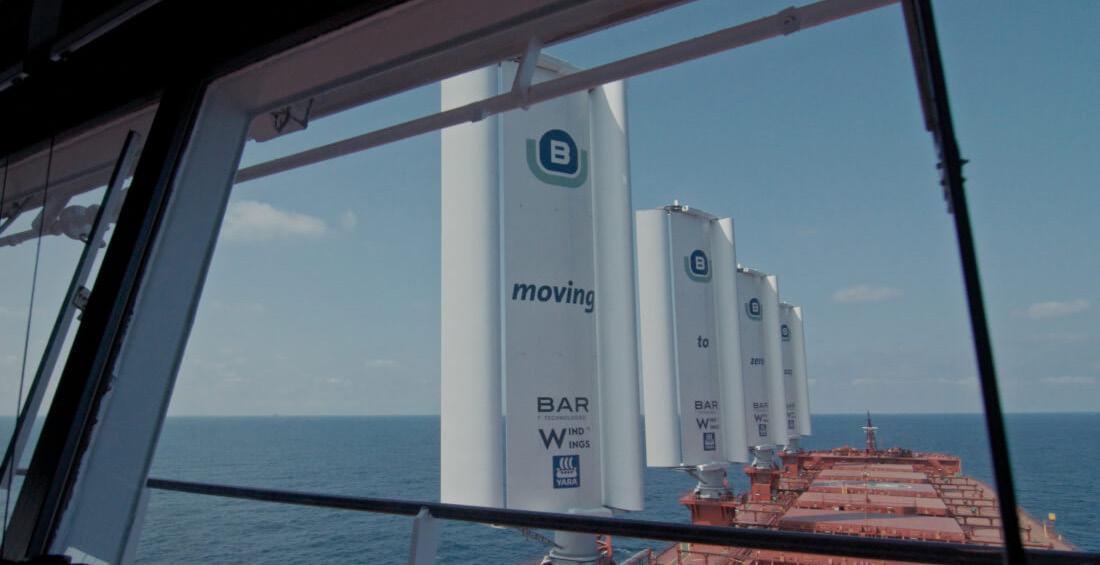
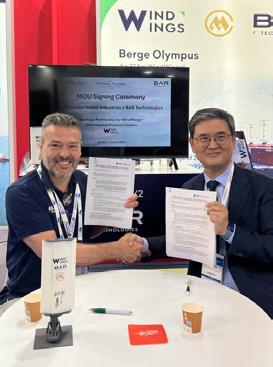
HD Hyundai Heavy Industries and BAR Technologies have signed a memorandum of understanding to form a strategic partnership aimed at integrating WindWings into newbuild vessel designs.
The three-year agreement will focus on technical collaboration and commercial opportunities for the windassisted propulsion technology. It will see the companies work together from the vessel design stage, allowing WindWings to be applied more consistently across newbuild projects.
Under the partnership, HD Hyundai Heavy Industries and BAR Technologies will jointly develop ways to connect the WindWings control system with HD Hyundai Heavy Industries’ integrated vessel control system. They will also work on performance verification methods to support wider commercial deployment.
The collaboration is expected to help expand the use of wind-assisted propulsion across more vessel types, including gas carriers. HD Hyundai Heavy Industries said its shipbuilding scale and technical experience
would support the wider rollout of the technology.
The South Korean shipbuilder operates its Ulsan yard, widely recognised as the world’s largest shipbuilding facility. Since its founding, it has delivered more than 5,000 vessels to shipowners in over 60 countries.
BAR Technologies’ WindWings use a three-element rigid wing sail design intended to reduce fuel consumption and emissions in commercial shipping. The companies said the agreement reflects shared confidence in the system’s performance and reliability.
PH strengthens maritime workforce with Mintra
The parties will examine AI tools and digital certification.
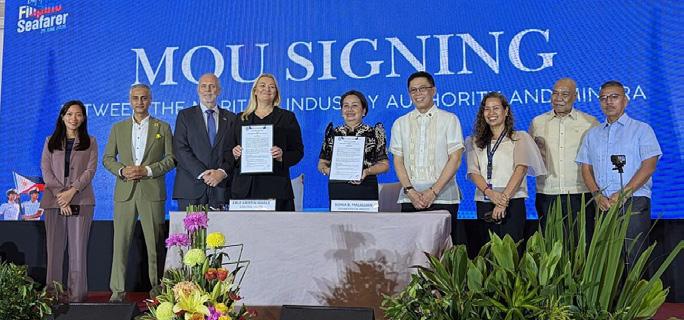
Norway’s Mintra and the Philippines’ Maritime Industry Authority (MARINA) have agreed to explore digital learning and workforce management initiatives for Filipino seafarers as the shipping industry adapts to decarbonisation, digitalisation and artificial intelligence (AI).
The memorandum of understanding will explore digital training, certification, and competence tracking to support workforce development in the Philippines, which supplies around 25% of the world’s merchant crews.
The partnership supports MARINA’s Maritime Industry Development Plan, which seeks to strengthen maritime human capital, enhance competitiveness of the Philippine maritime sector and prepare Filipino maritime professionals for changes in the global shipping industry.
Potential initiatives include digital learning programmes, train-the-trainer schemes, access to maritime learning resources, and digital certification through Mintra’s platform.
“These capabilities will help strengthen visibility of workforce skills, support more effective compliance management and improve confidence that training records accurately reflect individual competence,” Mintra said in a statement.
The partners will also explore the use of AI and data analytics in maritime education and training, alongside programmes aimed at increasing women’s participation in the industry.
“The maritime industry is undergoing significant change, and ensuring people have the right skills, knowledge and support will be critical to its future success,” said Kevin Short, chief executive of Mintra.
The partnership comes as shipowners face rising pressure to cut fuel use and reduce emissions under tightening regulatory frameworks.
Wind-assisted propulsion is increasingly being considered as a practical option for improving vessel efficiency, particularly as fuel costs and environmental requirements rise.
Hongryeul Ryu, senior executive vice president and chief technology officer of HD Hyundai Heavy Industries, said the collaboration would support wider adoption and technical development of wind-assisted propulsion systems.
“Through this commercial
We aim to support the wider adoption of wind-assisted propulsion systems
and technical collaboration with BAR Technologies, and the joint development of WindWings, we aim to support the wider adoption and technical advancement of wind-assisted propulsion systems as a key element of next-generation maritime transport,” Ryu said.
He added that the partnership went beyond technology integration and represented a step towards changing how ships are designed for the future.
John Cooper, chief executive officer of BAR Technologies, said the agreement would allow the company to expand WindWings beyond existing deployments and into new vessel segments.
“We already have WindWings deployed across a significant number of newbuild vessels. This agreement is about taking that further and into new segments,” Cooper said.
He said collaboration with major shipyards such as HD Hyundai Heavy Industries would help wind propulsion move from early adoption into mainstream shipbuilding.
Greece
WindWings use a three-element rigid wing sail design that reduces fuel consumption and emissions in commercial shipping
BAR Technologies’ Cooper and HHI’s Ryu
The Philippines supplies around 25% of the world’s merchant crews Philippines
Ship orders fill Asian yards through 2029
Chinese and South Korean yards secured 90% of first-quarter orders as slots tightened.
Global shipbuilding orders have pushed the industry’s order book to a 17-year high, straining Asia-Pacific yard capacity and tightening delivery slots through the end of the decade.
“The order book has been boosted by higher newbuilding contracting throughout the 2020s and most recently by the highest quarterly crude tanker contracting in history,” the Baltic and International Maritime Council (BIMCO) said in a report.
Chinese and South Korean yards captured about 90% of global newbuilding orders in the first quarter, tightening Northeast Asia’s grip on ship deliveries and pricing.
Growing influence
BIMCO estimates the global order book at 191 million compensated gross tonnes (CGT) at the end of the first quarter, the highest since 2009.
This is equivalent to 17% of the world fleet, the highest order book-tofleet ratio since 2011.
Chinese shipyards captured 70% of orders during the quarter, whilst South Korean yards accounted for 20%. Together, Northeast Asian builders secured about 90% of global contracting.
“The Asia-Pacific region is not merely participating in the cycle; it is increasingly defining it,” Sanjay C. Kuttan, principal professional officer at the Singapore Institute of Technology, told Marine & Industrial Report.

He said the concentration gives the region growing influence over delivery schedules, yard pricing, and technology choices across the global fleet.
The surge in orders is being driven by both fleet replacement and shipping demand. Filipe Gouveia, shipping analysis manager at BIMCO, said the average container ship is now 14.4 years old, whilst the average tanker is 14.2 years old, approaching the typical 20-year operating life of commercial vessels.
“The current order book should not be interpreted purely as fleet growth,” Kuttan said. “A substantial portion is replacement demand.”
According to Gouveia, demand remains a major factor.
“From the shipping sector side,
demand is the main driver,” he said. “As long as shipowners believe they can make a profit, they will keep ordering ships.”
Growing backlog
Container vessels account for 30% of the global order book, supported by years of cargo growth and fleet renewal. Liquefied natural gas carriers have benefited from rising gas demand, whilst tanker orders have accelerated following sanctions on Russian energy exports.
BIMCO said tankers accounted for 32% of first-quarter contracting, the highest share since 2017. It also noted that 21% of crude tanker capacity and 17% of product tanker capacity are already more than 20 years old.
The growing backlog is exposing
The Asia-Pacific region is not merely participating in the cycle; it is increasingly defining it
capacity constraints across Northeast Asia. “Because shipyards do not have the capacity to deliver as many ships as wanted, this leads to a gradual increase in the order book over time,” Gouveia told Marine & Industrial Report.
Kuttan said many yards are effectively full through 2028 and 2029, forcing owners to compete for increasingly scarce delivery slots.
Longer waiting times may also discourage some buyers.
“Shipowners, especially in more volatile markets, may be deterred from ordering new ships if they do not know what the market conditions will be by the time they receive them,” Gouveia said.
Emerging shipbuilding nations
The capacity squeeze is also creating an opening for emerging shipbuilding nations, the expert said.
Markets such as Vietnam, the Philippines, and India are expanding shipbuilding capabilities, though Gouveia said they remain at an early stage and are focused on less complex vessels.
For now, however, the bottleneck remains concentrated in Northeast Asia, where full order books are making shipyard capacity one of the industry’s most valuable assets.
K Line digitises UMS checks across fleet
Japan
Kawasaki
Kisen Kaisha, Ltd. has announced it will roll out an Electronic UMS (Unattended Machinery Space) Check System across its managed fleet starting around July 2026, following successful trials conducted between 2024 and 2026.
The system digitises UMS inspection procedures, which are required before engine room unattended operations such as night navigation or when vessels are at berth.
These checks involve around 1,000 inspection items and were previously recorded manually on paper.
Under the new system, crew members will use smartphones and a dedicated app to log inspection data. This allows one-handed operation, improving onboard safety by reducing the need to handle paper whilst moving in unstable shipboard conditions.
Crew can also temporarily store
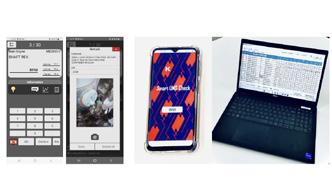
devices whilst moving between inspection points, helping maintain safer movement across the vessel. The shift away from paper documentation is also expected to reduce printing and storage requirements, lowering administrative burden and environmental impact.
Previously, inspection records were stored separately in paper format on each vessel. With the new system, data will be centrally collected and stored for long-term use, allowing for continuous monitoring of equipment conditions.
Sanjay C. Kuttan, principal professional officer at the Singapore Institute of Technology and Filipe Gouveia, shipping analysis manager at BIMCO

Rotor sail design clears DNV review for MR tankers
The folding system avoids underdeck strengthening and meets tanker safety requirements. China
Anemoi Marine Technologies and its project partners have completed a joint development project to integrate folding rotor sails into the design of a mediumrange tanker, giving shipowners a verified route to adopt wind-assisted propulsion in the segment.
The project was carried out with Guangzhou Shipyard International and ship operator Hafnia. DNV reviewed the design and issued an Approval in Principle for the rotor sail integration.
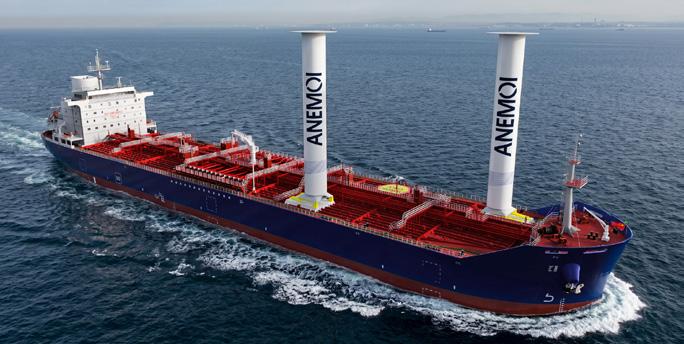
The concept uses two EX-rated 5-by35-metre folding rotor sails developed by Anemoi. The units are designed to meet explosion safety requirements for equipment installed in hazardous areas on product tanker decks.
Reducing barriers
The partners said the work addressed technical, structural, operational and regulatory issues linked to installing rotor sails on medium-range tankers, where deck space, cargo operations and safety rules can limit the use of additional equipment.
Working with Guangzhou Shipyard International, Anemoi also developed a lightweight deck seat for the sails. The arrangement does not require underdeck strengthening and is intended to allow easier inspection and long-term maintenance.
DNV reviewed the design package, including how the rotor sails would be treated under the International
Maritime Organization’s Energy Efficiency Design Index and Energy Efficiency Existing Ship Index requirements.
The review also considered potential interactions between the sails before the classification society issued the Approval in Principle.
Anemoi said the project could help reduce barriers to rotor sail adoption in the medium-range tanker market by giving owners a clearer technical basis for future projects.
Nick Contopoulos, chief production and partnerships officer at Anemoi, said the project showed that EX-rated rotor sails can be integrated safely and efficiently on medium-range tankers with limited structural impact.
“Demonstrating that our EX-rated rotor sail can be integrated efficiently,
NYK charters VLGCs for Japan ammonia first
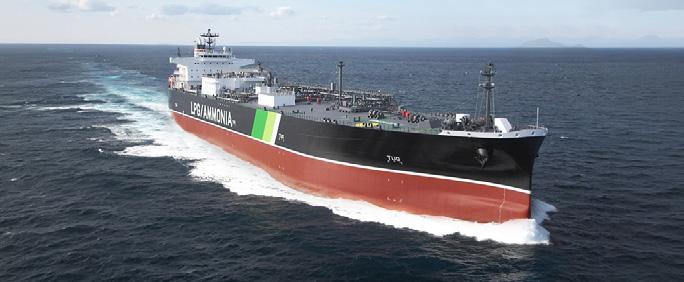
NYK Bulkship (Asia) Pte. Ltd. (NBAsia), a Singapore-based company within the NYK Group, has signed a time-charter contract with JERA Co., Inc. for two very large gas carriers (VLGCs) that are expected to carry Japan’s first shipment of low-carbon fuel ammonia for power generation. Under the agreement, the vessels will transport low-carbon ammonia produced in Louisiana, US to JERA’s Hekinan Thermal Power Station in the Japanese Prefecture of Aichi.
Commercial operation of large-scale ammonia co-firing at a 20% heat value ratio is scheduled to begin around fiscal year 2029 at the power station, according to a NYK media statement. The contract follows a memorandum of understanding signed by the two companies in 2022 and heads of agreements concluded in December 2025.
The vessels covered by the agreement will each have a cargo tank capacity of about 87,000 cubic metres.
They will be built at the Sakaide Works of Kawasaki Heavy Industries Ltd. and will operate on dual-fuel propulsion using liquefied petroleum gas (LPG) and very low sulphur fuel oil (VLSFO). According to NYK, the group will handle the marine transportation of the ammonia and apply its experience in ammonia cargo operations, safety management, and cargo handling.
Under Japan’s Hydrogen Society Promotion Act, low-carbon ammonia refers to ammonia that meets specified carbon dioxide emissions thresholds during production and contributes to reducing the country’s emissions.
NYK said it will continue efforts to support the development of nextgeneration fuel supply chains, including the marine transportation of ammonia.
safely and with minimal structural impact on MR tankers gives owners a clear, verified pathway to adoption,” he said in a press release.
New technical reference
Jesper Kristiansen, general manager technical at Hafnia, said the tanker operator is assessing practical efficiency measures as charterers and regulators increase pressure on emissions performance.
“The work undertaken with Anemoi, GSI, and DNV gives us a credible technical foundation from which to assess deployment of wind-assisted propulsion across this fleet,” he said.
Huang Jun, deputy chief engineer at Guangzhou Shipyard International, said the project addressed practical barriers to rotor
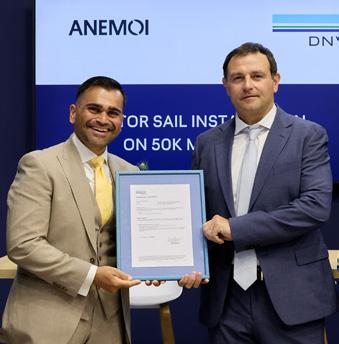
Demonstrating that our EX-rated rotor sail can be integrated with minimal impact on MR tankers gives owners a clear pathway to adoption
sail deployment and allows the yard to offer rotor sail-ready mediumrange tanker designs to owners.
Aakash Dua, regional business development manager at DNV, said independent verification is important for new onboard efficiency systems, particularly in tanker designs where deck integration can be complex.
He said the Approval in Principle provides a new technical reference point for wind-assisted propulsion in the medium-range tanker segment.
Marco Polo plans $107m shipyard RTO deal
Marco Polo Marine Ltd. has entered into a binding term sheet for a proposed reverse takeover involving its shipyard business, in a transaction with Fuji Offset Plates Manufacturing Ltd.
Under the deal, Fuji Offset Plates Manufacturing will acquire 100% of Marco Polo Shipyard Pte Ltd and MP Marine Pte Ltd, which own and operate Marco Polo Marine’s shipyard assets, including PT Marcopolo Shipyard in Indonesia.
The total consideration is up to $107m (S$139m), comprising $92.7m (S$120m) base consideration and up to $14m (S$19m) in deferred earn-out payments linked to adjusted net profit after tax targets for the financial years ending 30 September 2026, and 2027.
The shipyard entities may also declare up to $7m (S$10m) in dividends to Marco Polo Marine before completion.
Payment will be made entirely via
issuance of new shares in Fuji Offset Plates at $0.54 (S$0.701) per share. Upon completion, Marco Polo Marine is expected to hold about 74.1% of the enlarged company, rising to up to 76.8% if maximum deferred shares are issued.
As part of the restructuring, Fuji Offset Plates Manufacturing intends to seek shareholder approval to rename the company “MPSE Ltd.” to reflect its new core business focus.
Marco Polo Marine said the proposed transaction marks a key milestone in its strategy to unlock shareholder value by crystallising the intrinsic value of its shipyard assets at a premium to book value.
Post-transaction, the shipyard business will be separately listed, with full revenue recognition and improved transparency. It will also gain independent access to capital markets to fund expansion, including offshore
NYK will charter two gas carriers for the US-to-Japan energy supply chain route Japan
The completed MR tanker concept uses two Anemoi 5-by-35-metre EX-rated folding rotor sails DNV’s Dua and Anemoi’s Contopoulos
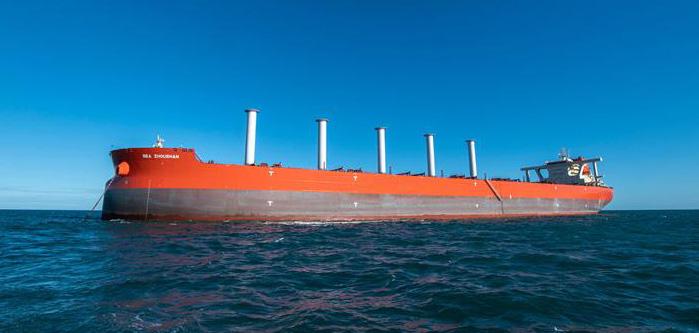
China yard lands first ethanol ship order
China will host the worldfirst newbuilding order for ethanol-fuelled ocean-going vessels after orders were placed for two Newcastlemax vessels to be built at Beihai Shipbuilding for Shandong Shipping Corporation.
Shandong Shipping will own and operate the vessels under long-term charters for Brazil-based mining company Vale, transporting iron ore between Brazil and China, with potential additional engines if the vessel series expands.
WinGD said in a press release that the 325,000 deadweight tonne ore carriers will be fitted with its six-cylinder 6X82DF-M/E engines, configured to run primarily on ethanol fuel.
It has adapted its X-DF-M/E engine platform for ethanol use by modifying fuel supply and injection pressure to account for differences
in energy density between ethanol and methanol, adding that the engine design builds on its existing methanolfuelled concept.
The ethanol-fuelled configuration forms part of WinGD’s broader X-DF engine family, which includes variants designed for methanol, liquefied natural gas, and ammonia fuels.
WinGD added the platforms share a common engine architecture and injection concept.
Vale said it expects ethanol use to reduce greenhouse gas emissions by around 90% compared with heavy fuel oil, depending on fuel type and lifecycle assumptions.
The company said ethanol use supports its shipping decarbonisation strategy and transport requirements.
WinGD said delivery of the engines is scheduled for early 2029, subject to shipyard requirements.
Inchcape enters Brunei offshore logistics network
Inchcape Shipping Services has opened a new office in Brunei Darussalam, strengthening its local presence in a strategically important market for offshore, naval and logistics operations in Southeast Asia.
Brunei presents a key berthing and operational environment for naval vessels. The country also has a long-established offshore and oil and gas tanker sector, underpinned by sustained activity linked to BSP and BSM operations.
The newly established Inchcape Shipping Services Brunei office will initially focus on supporting the offshore market, oil and gas tanker segment, navy-related activities, and integrated logistics support services. Inchcape has also recently been appointed as the authorised ship-to-ship agency in Brunei by MPABD, further strengthening its local operational capabilities.
Alongside core port agency services, Inchcape Shipping Services Brunei has established strategic partnerships with local vendors and service providers.
This enables the delivery of a broader logistics offering, including ambient
storage facilities, transportation services, fabrication yards for offshore equipment, private jetty access for offshore vessel loading operations, and minor spares supply and repair support where required.
The Brunei office is jointly supported by Inchcape’s Malaysia and Brunei teams, providing customers with coordinated regional expertise and strong local oversight. This structure ensures consistent service delivery across Brunei’s major shipping and industrial hubs, with efficient vessel turnaround and seamless coordination across all vessel segments.
“The opening of our Brunei office marks an important step in strengthening our support for customers operating in this market,” said Timothy Mpothraju, general manager for Inchcape Shipping Services Brunei.
“With strong local partnerships and regional backing from our Malaysia team, we are well positioned to support offshore, tanker, naval and logistics operations safely, efficiently and in full compliance with local requirements,” the manager continued.
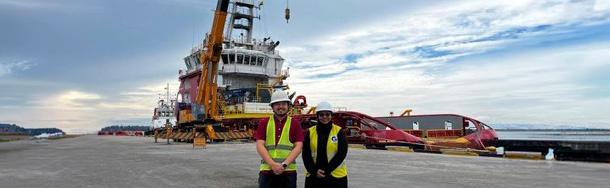
It will be built at the Beihai shipyard for Shandong Shipping Corp. China
The company has also been appointed as the authorised STS agency in the country
Brunei
Ageing fleets put shipping’s opex gains at risk
Maintenance, repair and drydocking costs are rising as the average vessel age hits 13 years.
Shipping companies must focus on operating expenditure (opex) and move beyond conventional cost levers to remain competitive in an increasingly unstable market environment.
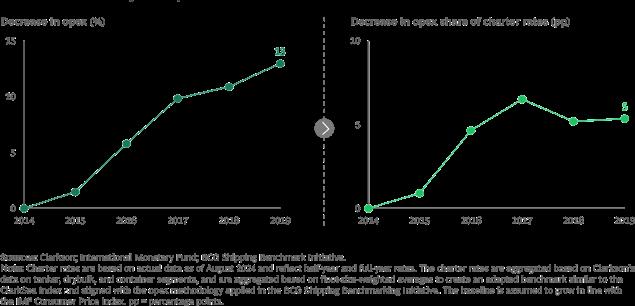
According to a Boston Consulting Group (BCG) report, opex spending across the shipping industry has been highly variable, falling from 2014 to 2019, rising for the next two years, and then falling again from 2022 to 2024.
From 2014 to 2019, inflationadjusted opex fell by an average of 2.7% annually, led by a 2.5% drop in crew costs, which account for 50% to 60% of total costs.
Shifting focus
During the pandemic, even after being adjusted for inflation, opex rose by 2.5% annually across the industry, with the container and drybulk segments climbing especially quickly, at 3.6% and 4.0% per year, respectively.
BCG noted that the surge in freight revenues during this period led many operators to shift focus from cost management to revenue optimisation — a costly mistake that left fleets exposed when the cycle turned.
The report warned that traditional measures are no longer sufficient on their own and identified three critical areas where shipping companies must now act on.
Firms must build contingency
plans for foreseeable shocks, including dual sourcing of parts and consumables for resilience, and framework agreements with drydocking yards across multiple countries for agility.
Maintenance, repair, and drydocking costs demand urgent attention.
The average vessel age was 13 years in 2024, the highest average on record—a situation likely to increase the importance of maintenance and repair and drydocking.
BCG urged firms to adopt intelligent drydocking schedules, bundled repair campaigns, predictive maintenance, and data-driven spare-parts forecasting to offset rising costs.
Overlooked risks
Shipping companies must lead technological change rather than follow it by exploring capabilities such as big-data-based predictive maintenance, semi-autonomous ships to lower crewing costs, and live fuel optimisation through weather analysis.
However, BCG’s benchmark also highlights an often-overlooked internal risk—inconsistency within fleets.
During the pandemic, intra-fleet variance rose to its highest level since the benchmark’s inception, exposing many fleets’ lack of contingency plans and an inadequate level of sharing of effective cost-cutting practices amongst ships within the same fleet.
Rolls-Royce digitises navy training system
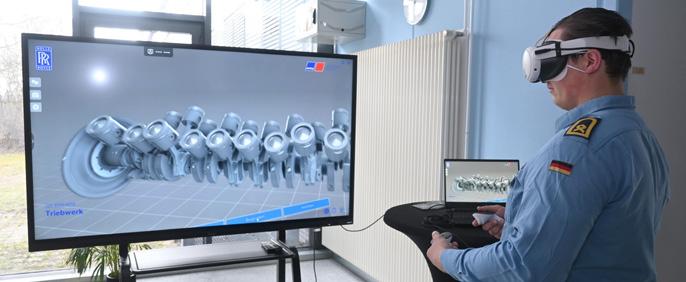
Rolls-Royce Power Systems is digitising training for German Navy engineers at the Naval Engineering School in Parow, allowing trainees to practise maintenance and fault diagnosis before boarding an F125 frigate.
The training uses a cold model of the 20-cylinder mtu 4000 series engine, supported by augmented reality, 3D visualisation and software that simulates maintenance, diagnostics and fault scenarios on land.
“For the first time, fault and damage scenarios can be simulated realistically. Participants practise not only diagnosis but also troubleshooting before they go on board. This ensures they are prepared when every minute counts,” said Knut Müller, senior vice president, Global Governmental Business at RollsRoyce Power Systems.
“What is new is that, for the F125, we are simulating real operational conditions on land for the first time:
the same engine, the same engine management system and the same tools. The training is supplemented by augmented reality and 3D visualisations. This allows the ship’s engineers to experience maintenance and fault scenarios in a realistic manner before they go on board,” said the project coordinator responsible at the Federal Office for Equipment, Information Technology and Use of the Bundeswehr (BAAINBw).
The cold model has been available since March 2026. It is identical to the mtu 20V 4000 M53B engine used on Germany’s Baden-Württemberg class F125 frigates, but operates without fuel, oil or compressed air.
The software gives engineers access to diagnostic guides, maintenance procedures and repair instructions. It also displays operating parameters and simulates faults, whilst augmented reality supports processoriented troubleshooting.
Inflation-adjusted opex per day (2020 $)
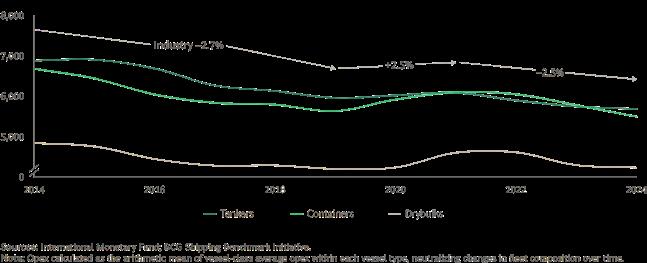
Cumulative inflation-adjusted Opex reductions since 2014
Novatug training centre to boost tug safety
Wärtsilä has delivered a simulation suite for Novatug’s new training centre in Terneuzen, the Netherlands, to support safer tug operations and specialised master training.
The suite includes full mission simulators, mixed reality sets, an instructor operating station, a debriefing room and custom digital vessel models, including a Carrousel Rave Tug model.
Novatug, the innovation and research division of Multraship Towage & Salvage, worked with Wärtsilä to develop the simulator. It allows tug masters to train on the Carrousel Rave Tug in a controlled setting before applying the skills in live port operations.
The tug uses a patented Carrousel towing system, where the towing point rotates around the vessel. The design keeps towing forces under control, reduces capsize risk from towload, and improves braking and steering in confined port waters.
Wärtsilä said the simulator can be used for mandatory training, professional development, competency assessment and applied research.
“We value Wärtsilä’s vast simulation expertise to model the Carrousel Rave Tug and provide the most realistic training environment possible. This strategic training partnership will elevate the safety and efficiency of tug operations for shipping companies and ports worldwide by raising the level of specialised training,” said Leendert Muller, managing director of Multraship Towage & Salvage.
Johan Ekvall, Director, Simulation & Training at Wärtsilä Marine, said new vessel technologies must be supported by training.
“By providing a realistic and controlled environment for specialised learning, simulation can help close critical skill gaps and better prepare tug masters for current and future operational demands,” Ekvall said.
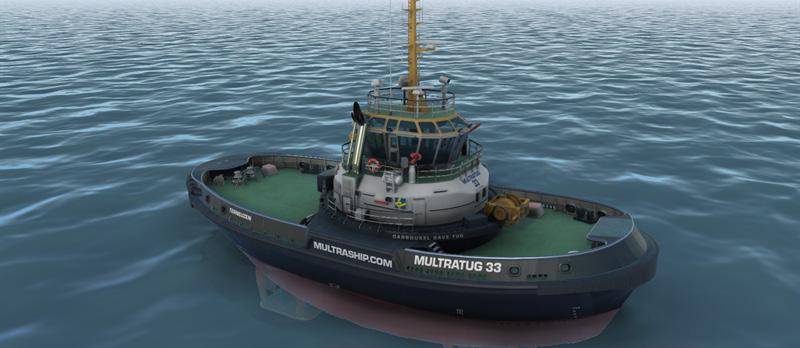
The suite includes full mission simulators and mixed reality sets including a Carrousel Rave Tug model Netherlands
The training uses a cold model of the 20-cylinder mtu 4000 series engine supported by augmented reality
Germany
Marine and industrial trailblazers lauded at the inaugural Oceanus Awards 2026
Asia’s marine, maritime, offshore, and industrial sectors are undergoing rapid transformation, and the region has been pushing the boundaries of progress, fostering advancements that help transform industries ranging from shipping and offshore energy to marine infrastructure and industrial development.
Companies that contributed to these milestones, as well as showcased excellence and impact, were honoured at the inaugural Oceanus Awards 2026
The awards programme, presented by Marine & Industrial Report, gathered industry leaders, executives, and innovators to celebrate their contributions to the industry that demonstrate their commitment to progress at the prestigious awards gala on 14 April 2026 at the Marina Bay Sands Expo & Convention Centre in Singapore.
The awardees represented a diverse range of sectors, showcasing impactful projects, breakthrough solutions, and initiatives. These were reviewed by a meticulous judging panel that consisted of Trillion So, Transport and Logistics Leader of PwC Singapore, and Truong Bui, Partner, Roland Berger.
Congratulations to this year’s winners!

OCEANUSAWARDS 2026WINNERS
ABB
• Emission Reduction Technology Initiative of the Year - Singapore
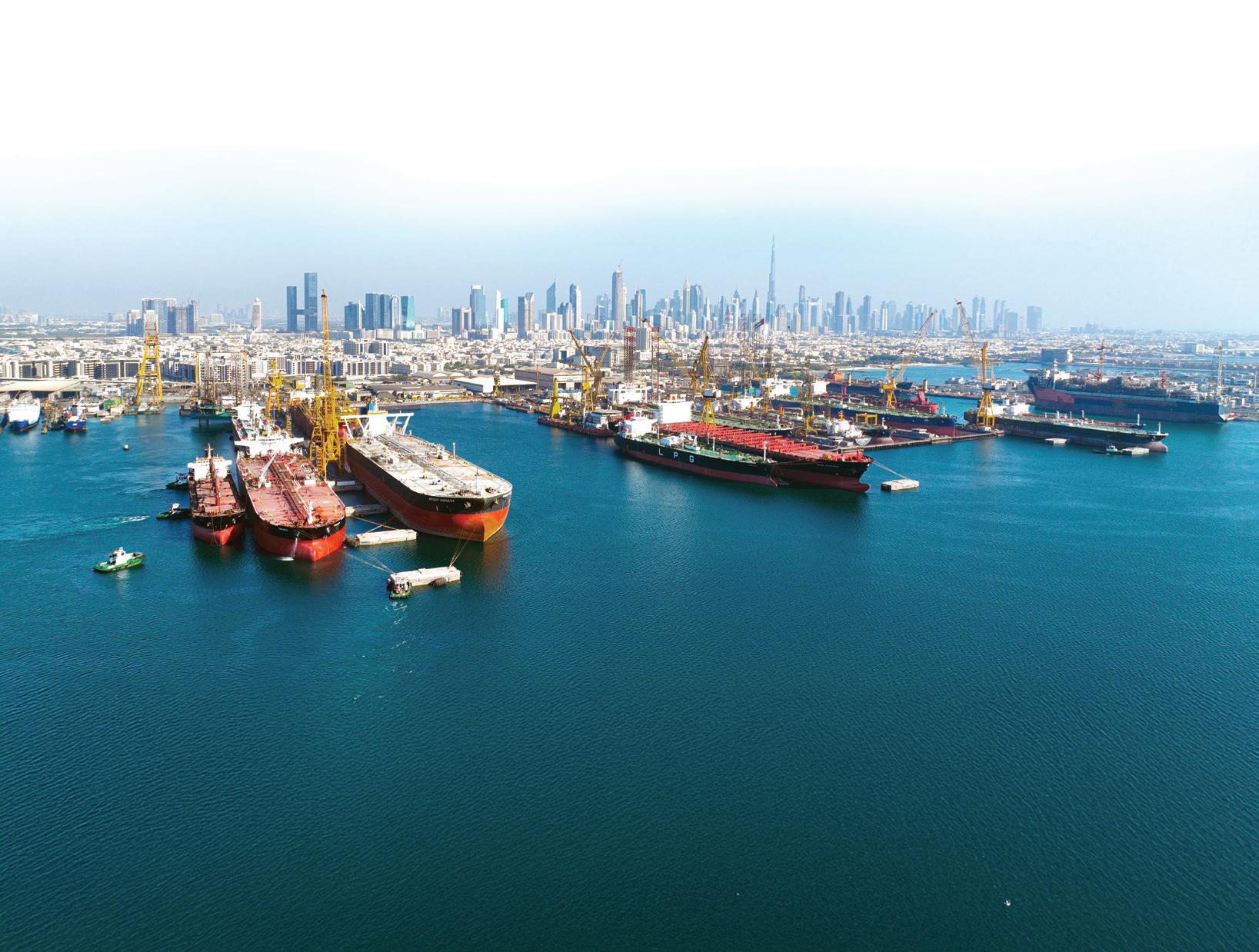
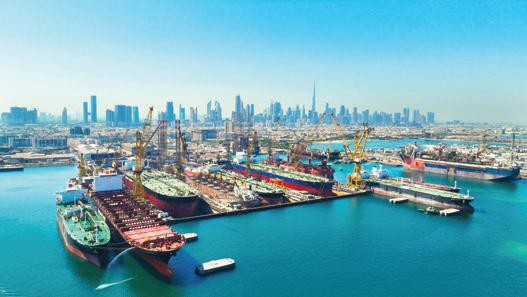
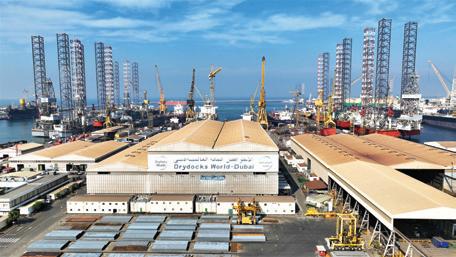
Drydocks World
• Carbon Reduction Initiative of the Year - United Arab Emirates
• Circular Economy Initiative of the Year - United Arab Emirates
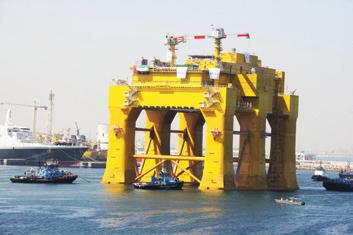
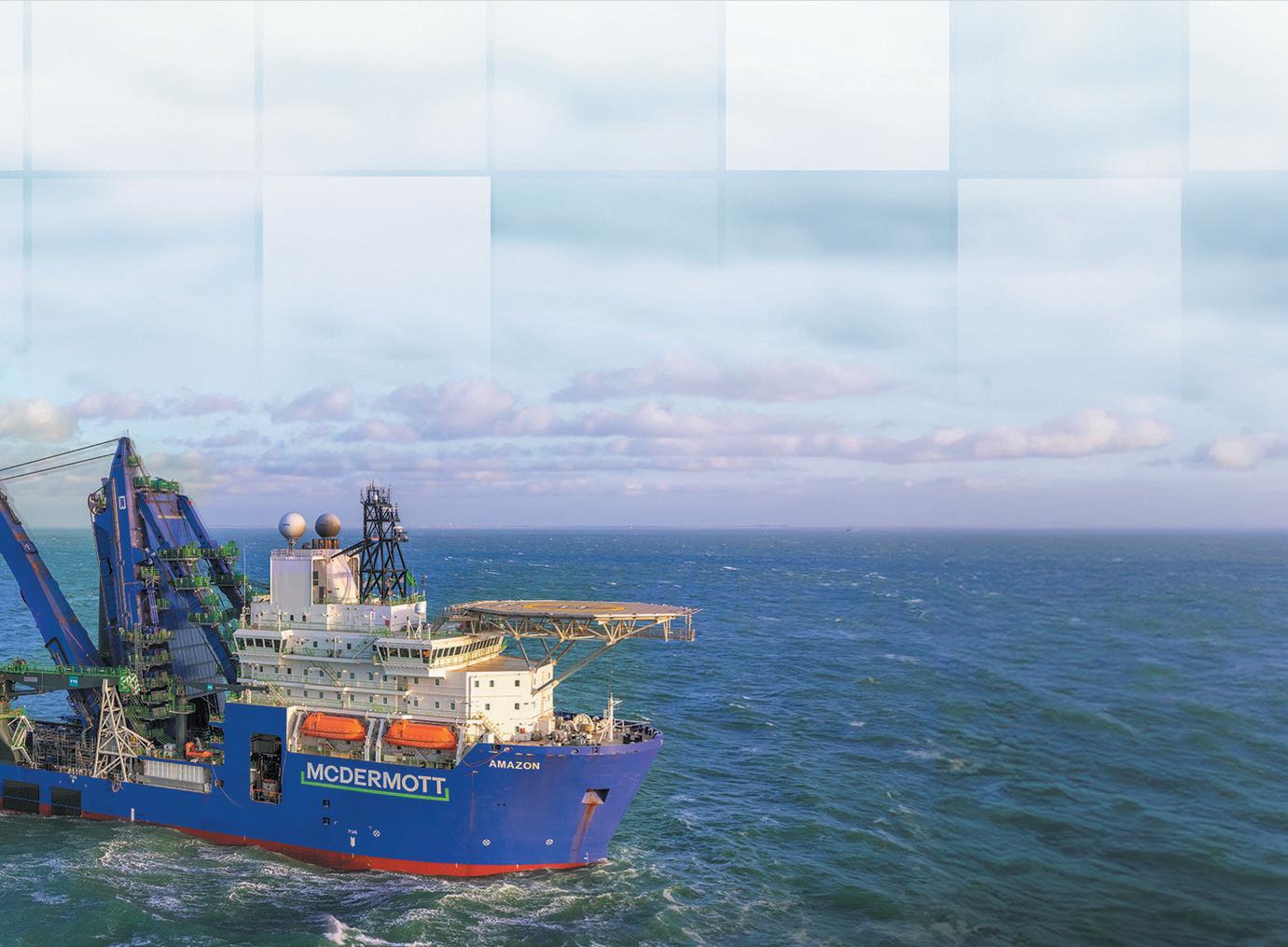
McDermott
• Offshore Energy Project of the Year - Malaysia
ORCAUBOAT
• Marine Navigation & Communication Technology of the Year - China
SeaMaster Management
• Maritime Digital Transformation Initiative of the Year - United Arab Emirates
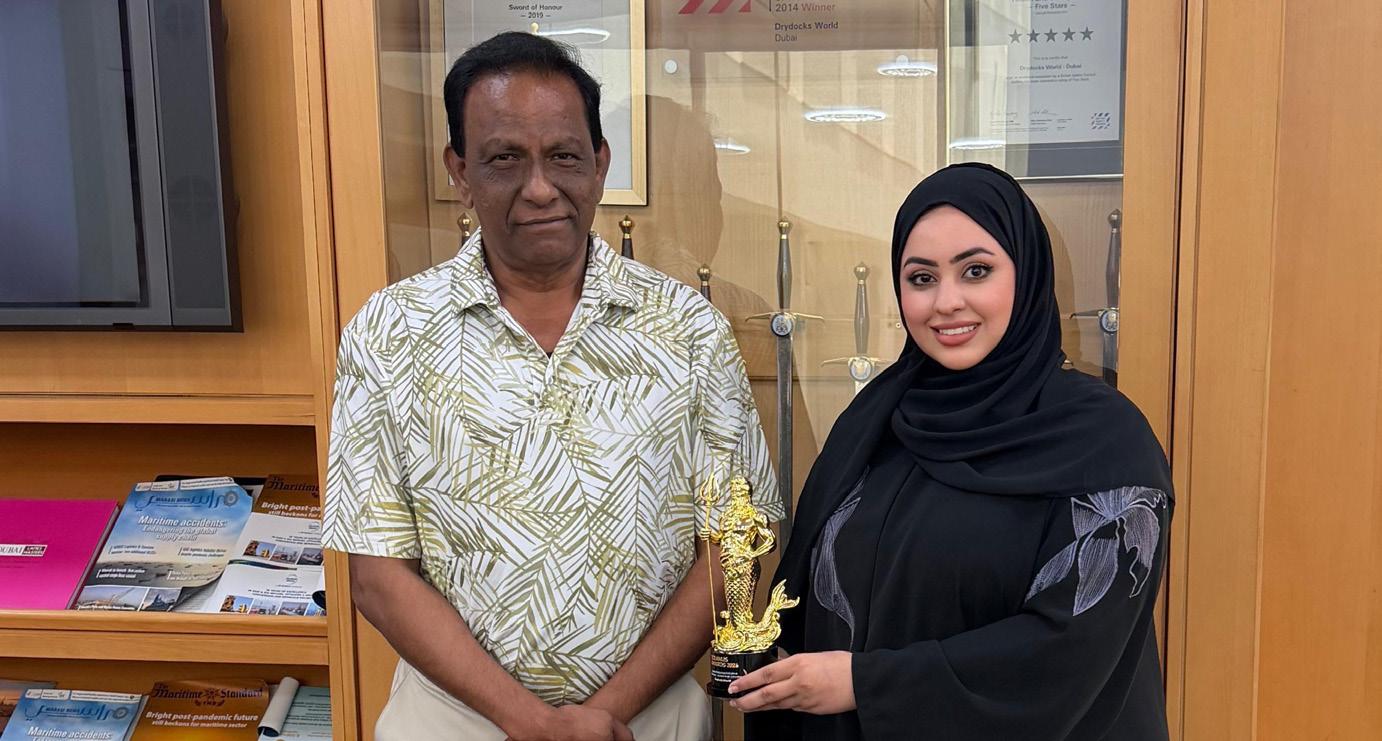
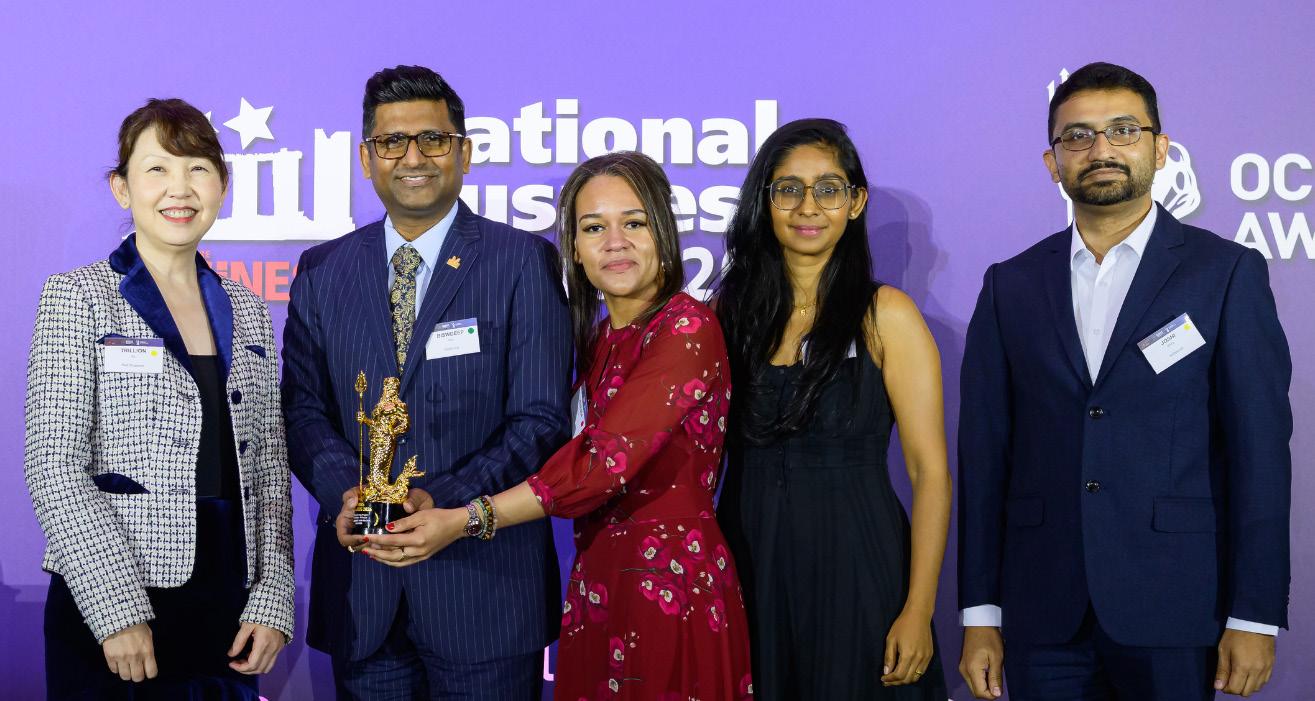
McDermott
Drydocks World
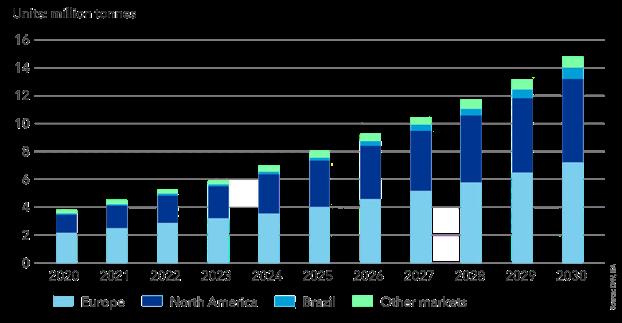
Low-GHG methane could keep LNG ships compliant. Biomethane production in key markets from 2020 to 2030
Can methane keep LNG ships compliant longer?
Excluding liquefied natural gas (LNG) carriers, over 800 ships can run on LNG using mature, proven technology, and established infrastructure, with over 600 more on order.
Under the FuelEU Maritime regulation, LNG-capable ships can remain compliant on fossil LNG until around 2035, depending on engine configuration.
Ships fitted with two-stroke high-pressure dual-fuel engines can remain compliant longer than those using four-stroke low-pressure dual-fuel engines, which are more common in cruise ships and RoPax vessels.
DNV’s white paper indicated that a potential compliance pathway is the use of LNG-compatible low-GHG fuels. LNG ships are compatible with alternatives such as liquefied biomethane and e-methane.
With tightening GHG intensity requirements, these ships are thus well positioned to transition towards lower GHG emission fuels without major retrofits for these alternatives.
“Bio-methane and e-methane can achieve very low, or even negative, life cycle emissions depending on how they are produced. LNG-fuelled vessels can progressively decarbonise by blending in or switching to these fuels,” said Øyvind Sekkesæter, senior consultant at DNV and lead author of the paper.
According to demand projections outlined in the paper, compliancedriven low-GHG methane demand under FuelEU Maritime alone could reach 2 to 4 million tonnes by 2040, rising to as much as 40 to 95 million tonnes under the proposed IMO Net Zero Framework’s base target.
On the supply side, current production of low-GHG methane is limited, but still higher than many other low-GHG fuel alternatives.
Global bio-methane production reached around 7 million tonnes in 2024 and is projected to increase to about 15 million tonnes by 2030.
E-methane remains nascent, with only 0.01 million tonnes of operational capacity today, but announced projects could lift this to 0.9 million tonnes by 2030.
Whilst there is significant potential to
Securing access to low-GHG methane may require longterm offtake agreements, partnerships with fuel producers, or participation in emerging fuel value chains
expand the global supply of low-GHG methane beyond today’s production levels, shipping will compete with other sectors for this supply.
Most available supply is already absorbed by power generation and road transport, meaning access for shipping will largely depend on its willingness to pay relative to other users.
Securing low-GHG methane Regulation will be decisive in shaping this competition. The paper noted that mechanisms such as the EU Emissions Trading System (EU ETS) and FuelEU Maritime are already incentivising lowGHG methane uptake in shipping.
Similar global measures could, over time, strengthen shipping’s willingness to pay to secure supply, whilst demand from less policy-driven sectors may remain more price-sensitive, it added.
“Securing access to low-GHG methane may require long-term offtake agreements, partnerships with fuel producers, or participation in emerging fuel value chains,” explained Sekkesæter.
“Fuel procurement therefore becomes both a strategic and an operational consideration for shipowners,” he continued.
From a technical standpoint, existing LNG infrastructure is largely compatible with liquefied bio-methane and e-methane and can, in principle, supply these fuels without physical modifications.
The more persistent constraint lies in economics and market access rather than infrastructure alone.
As of late 2025, liquefied bio-methane in Rotterdam was priced at around USD 1,860 per tonne, almost three times the price of fossil LNG. However, when regulatory incentives are taken into account, most notably reduced exposure under the EU ETS and pooling revenues under FuelEU Maritime, biomethane can already be cost-competitive on selected EU-to-EU voyages.
Beyond production volumes, availability to shipping is shaped by how low-GHG methane is accounted for and allocated across sectors.
“This places chain-of-custody models at the centre of the discussion,” says Sekkesæter. “Flexible approaches, such as mass-balance and bookand-claim systems, allow low-GHG methane to be injected into existing gas grids and attributed to end users without requiring physical delivery to a specific location.” Such models can significantly reduce distribution costs and logistical complexity.

SJIANBO WU
Secretary General Green and Smart Energy Organization
SG’s port model is under pressure
ingapore’s shipping, refining, and logistics sectors are facing a new kind of stress test. Disruptions to key maritime routes are not only raising costs but also forcing businesses to rethink how reliably global trade can move through established hubs.
For companies operating in Singapore, the issue is shifting from short-term volatility to longer-term structural change. For decades, Singapore has built its advantage on being the most efficient and predictable node in Asian trade. Its port operations, energy trading ecosystem, and refining cluster on Jurong Island have enabled firms to minimise delays and optimise costs.
The scale of bunkering operations and the concentration of trading desks have reinforced this position.
However, recent shipping disruptions suggest that efficiency alone may no longer be enough.
The immediate pressures are already being felt at the operational level. Shipping schedules have become less predictable and voyage times more variable. This has translated into higher fuel costs, longer waiting times, and more complex coordination for shipping lines calling at Singapore.
For refiners and fuel suppliers, volatility in feedstock flows and margins has become harder to manage. Traders operating out of Singapore’s energy desks are also navigating wider price swings and increased uncertainty in delivery timelines.
Port operations are not immune. Even highly efficient terminals, including those operated by PSA, face knock-on effects when vessels arrive off-schedule or in clusters.
Congestion risks increase, and the ability to maintain smooth turnaround times becomes more challenging. For logistics firms, this creates downstream pressure on warehousing, inventory management, and last-mile delivery commitments.
Yet the deeper shift lies beyond these immediate disruptions. As rerouting becomes more common and delays accumulate, the effective capacity of the global shipping system declines.
Companies that depend on tightly optimised, just-in-time supply chains need to reassess their exposure to disruption
Ships spend more time completing each journey, reducing the overall volume that can be moved within a given period. In such an environment, reliability and flexibility begin to matter as much as scale.
This has important implications for Singapore’s business model. The city-state’s success has been built on reducing friction and concentrating activity in a single, highly efficient hub. But when global trade becomes less predictable, companies start to prioritise optionality. Shipping lines may spread their port calls across multiple locations. Commodity traders may diversify storage and blending points. Some logistics flows may gradually shift towards secondary hubs that can provide backup capacity.
Singapore remains highly competitive, and there is no immediate risk to its position as a leading maritime centre.
However, the basis of competition is evolving. Instead of competing only on speed and efficiency, hubs are increasingly judged on how well they perform under stress.
Singapore has already invested heavily in maintaining its edge. Digital port systems, advanced traffic management, and its leadership in alternative marine fuels such as LNG and emerging options like ammonia all point to a forward-looking strategy. These investments strengthen Singapore’s role within the existing system. The question is whether they are sufficient if the system itself becomes less stable.
A more complex challenge is the need for functional flexibility across the wider maritime network. Capabilities such as rapid ship repair, retrofitting, and access to mid-tier shipyard services are often distributed across the region rather than concentrated in a single location. Strengthening these capabilities may require deeper operational linkages with neighbouring countries.
For Singapore, this introduces a strategic trade-off.
Greater regional integration could improve overall system resilience, but it may also dilute some of the centrality that has historically underpinned its success.
Managing this balance will be critical, not only for policymakers but also for businesses making long-term investment decisions.
For the business community, the implications are clear. Companies that depend on tightly optimised, just-in-time supply chains need to reassess their exposure to disruption. Building flexibility into logistics strategies, diversifying partnerships, and maintaining buffer capacity are becoming more important. Firms involved in energy trading, bunkering, and shipping services should also prepare for a more volatile and less predictable operating environment.
Note: Adapted from IEA (2025b). 2025 and onwards reflect projected production