THE ART ISSUE
ASIA’S COLLECTORS WANT PROOF BEFORE THE PADDLE GOES UP


Syntactic Nebula by Botto DAO
(Photo from Art Basel Hong Kong)

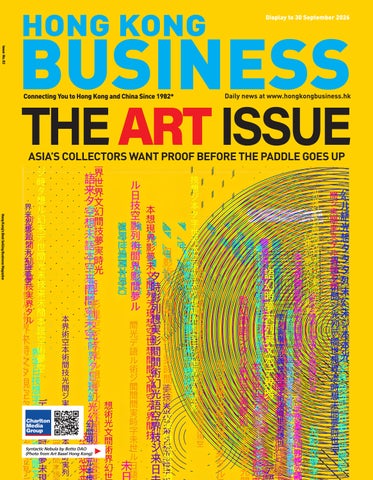
ASIA’S COLLECTORS WANT PROOF BEFORE THE PADDLE GOES UP
Established 1982
Editorial Enquiries:
Charlton Media Group Hong Kong Ltd
Room 1006, 10th Floor, 299 QRC, 287-299 Queen’s Road Central, Hong Kong | +852 3972 7166
PUBLISHER & EDITOR-IN-CHIEF Tim Charlton
ASSOCIATE PUBLISHER Louis Shek
EDITORIAL MANAGER Tessa Distor
PRINT PRODUCTION EDITOR Vienna Verzo
LEAD JOURNALIST Gwyneth Marie Bejer
PRODUCTION TEAM Frances Gagua
Vincent Mariel Galang
Jilliane Rae Manuel
Alec Maquiling-Cruz
Jaleen Ramos
Olivia Tirona
Sam Bernardo
EDITORIAL RESEARCHER Shiena Viene Sur
GRAPHIC ARTIST Cathlyn De Raya
EDITORIAL ASSISTANT Dylan Afuang
COMMERCIAL MEDIA TEAM Jenelle Samantila Dana Cruz
Danielle Goh
ADVERTISING CONTACTS Louis Shek +852 6099 9768 louis@hongkongbusiness.hk Shairah Lambat shairah@charltonmediamail.com
AWARDS Julie Anne Nuñez-Difuntorum awards@charltonmediamail.com
ADMINISTRATION Eucel Balala accounts@charltonmediamail.com
EDITORIAL editorial@hongkongbusiness.hk
SINGAPORE
Charlton Media Group 101 Cecil St. #17-09 Tong Eng Building Singapore 069533 +65 3158 1386
HONG KONG
Room 1006, 10th Floor, 299 QRC, 287-299 Queen's Road Central, Sheung Wan, Hong Kong +852 3972 7166
MIDDLE EAST
FDRK4467, Compass Building, Al Shohada Road, AL Hamra Industrial Zone-FZ, Ras Al Khaimah, United Arab Emirates
www.charltonmedia.com
PRINTED BY Gear Printing Limited Flat A, 15/F Sing Teck Fty. Bldg., 44 Wong Chuk Hang Road, Aberdeen, Hong Kong
Editorial Enquiries: If you have a story idea or press release, please email our news editor at editorial@hongkongbusiness.hk. To send a personal message to the editor, include the word “Tim” in the subject line.
Media Partnerships: Please email editorial@hongkongbusiness.hk with “Partnership” in the subject line.
Subscriptions: Please email subscriptions@charltonmedia.com. Hong Kong Business is published by Charlton Media Group. All editorial is copyright and may not be reproduced without consent. Contributions are invited but copies of all work should be kept as Hong Kong Business can accept no responsibility for loss. We will however take the gains.
Sold on newsstands in Hong Kong, Macau, Singapore, London, and New York. *If you’re reading the small print you may be

Auction houses are betting on rarer works as collectors in Asia-Pacific take a more careful, research-driven approach to buying.
At Christie’s, Southeast Asian collector spending rose 20% in March, whilst Phillips’ Hong Kong evening sale beat its high estimate by 30%. Discover the forces behind the region’s stronger auction results on page 28.
Capital is also moving. Hong Kong is entering what dealmakers call its “year of the carve-out,” as large groups sell noncore assets to fund expansion. M&A value hit $289b in the first quarter, the strongest start in a decade. Read the full story on pages 16 to 17.
The IPO rebound is feeding another shift: banks are hiring again, but selectively. Demand is rising for deal execution, trading, compliance, and technology talent, even as lenders keep a tighter grip on headcount. Turn to pages 30 to 31, with the latest bank rankings on page 32.
Family offices face a tougher test as tax breaks widen to cover more alternative assets. The new regime gives wealth managers more flexibility, but they must prove real local operations to qualify. Find out more on page 40.
Read on and enjoy!

HongKongBusiness is a proud media partner and host of the following events and expos:




HongKongBusiness is available at the airport lounges or onboard the following airlines:














Hong Kong medical costs to rise 9.9% in 2026
Medical cost inflation in Hong Kong is projected to reach 9.9% in 2026, continuing a trend of high but stable increases that remain below the broader Asia-Pacific average, according to a survey released by WTW. The report identified the introduction of new medical technologies (77%) as the most significant cost driver.

Mastercard pushes tokenisation as payments go passive
Mastercard is betting on a future where payments are largely automatic, leveraging tokenisation and AI agents to reduce friction in everyday transactions. The company envisions a system in which users rarely need to input payment details—similar to how a Grab ride automatically charges an e-wallet or card.
Regulators probe $315m alleged insider trading gains
Hong Kong’s securities regulator and anti-corruption agency have launched a joint probe into alleged insider dealing and bribery involving senior executives at three licensed corporations, with a hedge fund accused of making around $315m from trades linked to confidential share placement information.

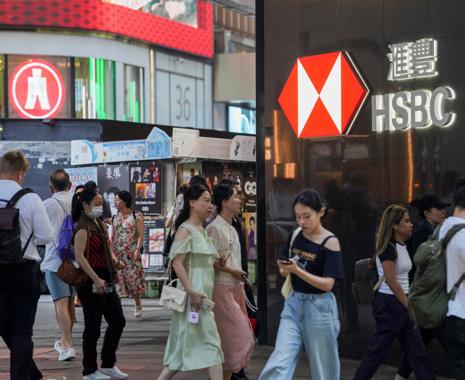
HSBC sees Hong Kong driving global RMB adoption
HSBC is betting Hong Kong will drive demand for China’s RMB as the currency strengthens and gains wider use in global trade. “We do see very supportive market conditions that the currency can play a bigger role in the global financial system,” said Vina Cheung, HSBC Holdings global head of RMB internationalisation.
Trust planners face pressure as Hong Kong entrepreneurs go global
Trust providers are struggling as entrepreneurs spread their businesses, assets, and families across multiple jurisdictions, making wealth structures designed for a single domicile ill-suited to clients whose lives span borders. Differing legal systems can create friction for businesses operating across borders.

Manulife Hong Kong taps Alibaba Cloud for AI push
Manulife Hong Kong has entered into a partnership with Alibaba Cloud to explore the use of artificial intelligence across its business, including customer services, fraud detection and operational processes. The insurer will test artificial intelligence uses across customer service fraud checks and operations.



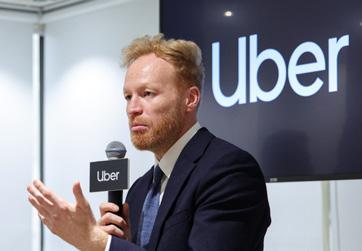
A15,000-cap on ride-hailing vehicle permits could cut active drivers by more than half, doubling passenger wait times and raising fares by as much as 70%, Uber warned.
The response comes after Chief Executive John Lee said the government would limit the number of ride-hailing vehicle permits issued under new regulations for the sector, citing road capacity and public transport usage as key considerations.
A proposed permit cap of between 10,000 and 15,000 vehicles would create a severe supply shock from day one, according to Andrew Byrne, Uber’s Global Head of Public Policy.
Byrne said ride-hailing demand in the city can swing by as much as 66% between peak and off-peak hours in a single day, requiring a flexible pool of drivers to meet demand.
“A quota set too far below current demand creates a supply shock that no subsequent review can easily undo, and that is the choice in front of Hong Kong today," he continued.
Uber said riders could see estimated arrival times exceed 15 minutes during busy commuting periods and late-night trips. Fares for airport journeys and rides from tourist destinations could exceed $430 at certain times.
The company also called for permit allocation rules that prioritise experienced drivers already relying on ride-hailing income, rather than systems based on lotteries or vehicle ownership duration.
Over 30,000 drivers earned through ride-hailing in Hong Kong over the past year.
Whilst Uber welcomed the government’s stated intention to include a quota review mechanism, it stressed that a review mechanism alone cannot fix a quota that is set too low from the start.

Family offices in Hong Kong will face tougher compliance demands to prove real local operations as the city expands tax incentives to cover a wider range of alternative assets, analysts said.
The proposed changes introduce real operation tests, including staff presence and annual spending in Hong Kong, Anthony Lau, Hong Kong tax and business advisory leader at Deloitte Touche Tohmatsu Certified Public Accountants LLP (Deloitte China), told Hong Kong Business.
“They are meant to ensure a genuine economic presence,” he said.
A reporting regime will also require firms claiming tax concessions to submit accounting records showing compliance with eligibility rules.
The government in February said it would amend the Inland Revenue Ordinance in the first half to let family office structures invest in digital assets, precious metals, and some commodities.
Jason Fong, global head of family office at Invest Hong Kong, said the changes could draw more capital into
the city’s investment ecosystem.
He cited a Deloitte report estimating that single-family offices contribute about $12.6b a year to the local economy through operating costs. “They also directly employ over 10,000 full-time professionals,” Fong said in an exclusive interview.
He added that the sector is shifting towards more formal structures as it grows. “This means moving beyond informal family-run setups and adopting professional management teams, stronger governance, and better technology systems,” he said.
Agnes Wong, private clients and family office tax leader at PwC South China, told Hong Kong Business that families would need stronger documentation, valuation records, and clearer asset classification to meet requirements.
She noted that eligible family-owned investment companies enjoy profit tax exemptions on qualifying transactions if they meet conditions, including a $240m asset threshold.
“This is particularly important because the family-owned investment holding vehicle tax concession is subject to the asset threshold,” Wong told the magazine in an interview.



The amendments will also remove a 5% cap on incidental income, such as bond interest, giving families more flexibility to consolidate assets under one structure. Wong said this could reduce the need for multiple entities and lower compliance risk.
The reform may also extend incentives to single-investor funds, though definitions remain unclear, said Patricia Woo, a partner at Squire Patton Boggs and co-head of its family office practice in Hong Kong.
“We already know that a familyowned investment holding vehicle can be owned by a single person,” she told Hong Kong Business.
“But it remains unclear whether a vehicle with only one investor will be treated as a fund.”
She added that clearer rules could let families centralise assets and cut costs and tax exposure.
The shift is also expected to benefit private banks, trustees, fund administrators, and advisers, Wong said.
Lau said demand would likely rise for legal, audit, tax, and structuring services as more families seek help meeting compliance and reporting rules.
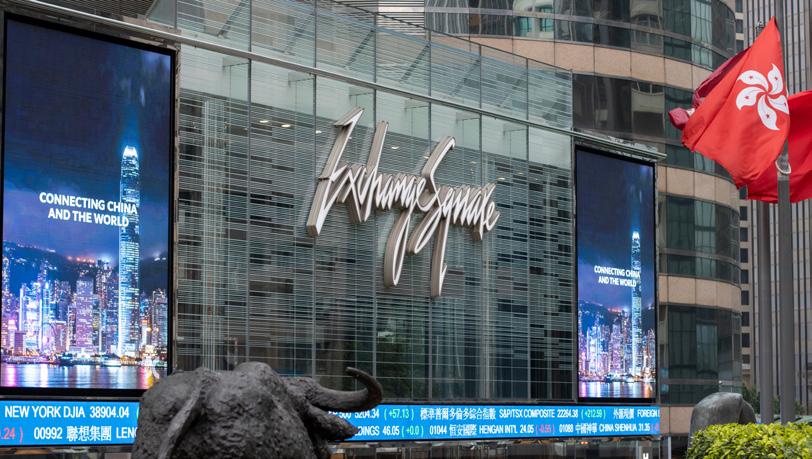
The government's plan to ease listing rules for founder-led companies could lift initial public offering (IPO) fundraising to $350b in 2026, though analysts said firms would still compare valuations and investor demand against rival markets before choosing the city.
Neha Singh, co-founder and CEO at Tracxn Technologies Ltd., told Hong Kong Business that companies would continue comparing how much capital they can raise in Hong Kong against mainland exchanges and the Nasdaq Stock Market.
“Hong Kong-listed companies often trade at lower prices,” she said. “This could also mean founders and existing investors would have to give up a bigger share of the company when they list.”
A report by KPMG International
Artificial intelligence (AI) is reshaping technology roles by removing routine tasks rather than replacing jobs, according to a report by Hays.
Ltd. showed Hong Kong IPO proceeds surged almost six times year on year to $109.9b in the first quarter, whilst listings rose to 40 from 15.
The government said in February it would review listing rules for companies with weighted voting right structures and make it easier for overseas-listed firms to pursue secondary listings.
Hong Kong Exchanges and Clearing Ltd. followed in March with proposals to lower financial thresholds for such companies, structures commonly used by founder-led firms seeking to retain control after listing.
KPMG expects Hong Kong IPO fundraising to rise to $350b this year from $285.8b in 2025.
Singh said trading remains concentrated in a small number of stocks, with Mainland Chinese



investors accounting for nearly 80% of participation. “Foreign capital has fluctuated because of geopolitics and broader market conditions,” she added.
Post-listing share performance might also affect investor appetite for future offerings, Singh said, citing weaker trading debuts by companies such as Pony AI, Inc. and WeRide, Inc.
“Not every company experiences a strong post-listing performance,” she pointed out. “When IPOs do not perform well, it can have a knockon effect on investor appetite for subsequent offerings.”
Eddie Wong, leader of capital markets at PwC Hong Kong, said lower thresholds could widen the pool of eligible companies, especially overseas founder-led firms.
He added that broader confidential filing arrangements could help technology companies protect sensitive business and financial information before listing.
“Only biotech and specialist technology companies, along with some secondary listing applicants, can file listing applications privately before going public with their plans.”
Kei Hasegawa, a partner and Hong Kong office manager at YCP Hong Kong Limited, said the reforms could benefit growth companies in sectors including healthcare, logistics, retail, and platform businesses.
“We are seeing increasing interest amongst growth companies across Southeast and Northeast Asia,” he said.
The recruitment firm’s latest Tech Talent Explorer findings showed that roles with strong software or data components, such as software developers, data architects, and AI engineers, are expected to see the highest exposure to AI-enabled transformation.
However, Hays said the overall impact remains modest, with AI expected to automate specific tasks rather than eliminate roles.
Human oversight, design, problem-solving, and quality control remain critical.
Roles that rely heavily on judgement, coordination, and organisational oversight, such as project and change managers, are expected to see lower levels of AI impact. Infrastructure-
oriented roles also remain important to the safe and reliable deployment of AI technologies.
Hays said these points to a “two-speed transformation,” where software-intensive roles evolve faster, whilst governance, leadership, and operational roles continue to grow in strategic importance. Hong Kong’s technology wage conditions remain driven mainly by supply, demand, and organisational budgets, rather than AI disruption.
The city ranked 10th out of 34 markets globally for the highest-paying permanent tech roles.
Permanent AI developers in Hong Kong ranked 5th globally, whilst security engineers ranked 9th and data architects ranked 15th.
Contract tech roles in Hong Kong were also competitive, with the city ranking 12th out of 34 markets globally. Contract data architects ranked 9th overall, security engineers ranked 13th, and AI developers ranked 16th.

Source: Tracxn

JAPJAP Zero Waste Ltd. is using Black Soldier Fly larvae, sensors, and artificial intelligence (AI) to process food waste where it is produced, as cities across Asia face rising waste volumes and growing pressure on urban infrastructure.
Founded in January 2023, the Hong Kong startup uses biological conversion technology to break down food waste at the point of generation rather than transporting it to distant treatment facilities.
“In cities like Hong Kong, thousands of tonnes of food waste are generated daily, yet the majority is transported to remote facilities for treatment,” Chief Executive Officer Rosie Chan told Hong Kong Business.
The startup’s concept came after working in Japan, where organic farms repurpose waste through circular systems, Chan said. She further noted that transporting waste to remote facilities raises emissions, logistics costs, and infrastructure strain in densely populated cities.
The company uses Black Soldier Fly larvae to break down food waste, whilst sensors monitor temperature, humidity, and operational performance. An AI engine automatically adjusts environmental conditions to boost efficiency.
“Most solutions focus on a single dimension—hardware, biological treatment, or software monitoring,” Chan said in an exclusive interview. “We integrate all these in our system.”
JAPJAP combines biological conversion, AI-powered environmental optimisation, Internet of Things sensor infrastructure, robotic automation, and a modular decentralised system design into one platform.
Aside from reducing food waste, the platform also produces by-products such as organic fertiliser and feed materials.
JAPJAP is at seed stage and is backed by the Hong Kong Polytechnic University Angel Fund, the Incubation Programme, and the Hong Kong SAR Government Recycling Fund. Chan declined to disclose funding figures.
The startup is expanding pilot projects across schools, malls, and commercial sites whilst developing robotics and AI features, the chief executive said.
It generates revenue through system sales, leasing models, subscription-based monitoring and maintenance services, and by-product development.
Over the next five years, the company plans to expand into high-density Asian markets, including the Philippines and Indonesia, where urban waste systems face increasing pressure from population growth and limited landfill capacity, she added.
The company is also seeking partnerships with institutions and property developers as it prepares for regional expansion.
Obita, Inc. is building a crossborder payment platform using both regular currencies and regulated stablecoins to help companies manage international money transfers.
The company, founded in 2025, lets businesses collect payments, make payouts, and track fund movements across markets, co-founder and Chief Business Officer Vincent Yang told Hong Kong Business.
“These issues are especially visible in cross-border scenarios and in markets where local payment infrastructure, banking access, and compliance requirements do not line up smoothly,” he said in an exclusive interview.
The business was built to address these problems in a more integrated way as traditional fiat-currency and compliant stablecoin workflows increasingly overlap in real business use, Yang added.
The platform supports collections in currencies including the US dollar, euro, pound, and Hong Kong dollar, alongside stablecoins such as USDC and USDT.
One of the startup's products, Nexus, converts and settles payments between fiat currencies and stablecoins depending on customer needs and compliance requirements.
Obita also operates Mesh, an open

network designed to help companies organise payment routes across markets and partners.
It also offers treasury and fund visibility.
Yang said the company was started after its founders saw businesses struggling with receiving funds, making payouts, and coordinating settlements across countries.
The startup has raised about $235m (US$30m) across angel and Pre-A funding rounds, though it has not disclosed its revenue model.
Over the next five years, Yang said the company plans to simplify payment workflows further for customers managing international transactions.
“We believe staying close to customer pain points and executing well matters more than trying to move too broadly, too quickly,” he added.
OWOWWW Creative (Hong Kong) Co. Ltd. is using fleets of drones and fireworks to stage aerial light shows whilst seeking to expand into other low-altitude aircraft services.
Founded in 2024, the startup owns more than 1,000 drones, including units designed to carry fireworks and create synchronised aerial patterns through preprogrammed flight sequences.
A typical project costs $700,000 to $1.2m depending on aircraft numbers, location, and seasonality, Chairman Alan Wan told HongKongBusiness.
“The key issue is flexibility—other competitors rent their equipment for each show,” he said in an interview. “When there is demand for a very quick turnaround, logistics becomes a bottleneck.”
According to Wan, their drones come from a robotics manufacturer in Shenzhen and were selected for reliability and weather resistance.
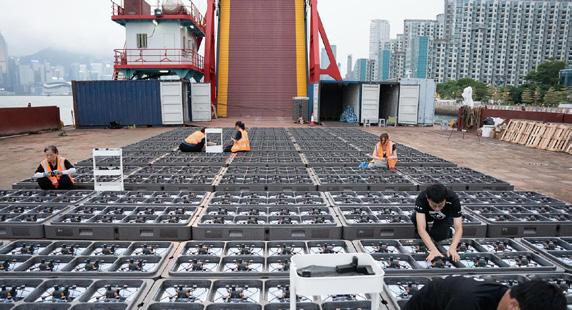
The startup has staged shows for financial institutions, insurers, brands, and the Hong Kong government. It also provides livestreaming, edited video clips, and social media distribution services.
Beyond entertainment, OWOWWW is developing low-altitude aircraft services after Hong Kong launched Regulatory Sandbox X in November 2025 to test drone uses including logistics, deliveries, inspections, and rescue operations.
According to the chairman, the company is discussing flight routes and landing sites with local authorities for potential passenger and cargo services.
Trusted partner. Proven results.

At RGA Hong Kong, we tackle industry-wide underwriting challenges decisively and at scale, partnering with clients to orchestrate trusted, end-to-end risk solutions.
Our MedScreen+ platform transforms complex medical data into faster, clearer decisions, delivering transparency and efficiency for customers, distributors, and underwriters alike.
Recognized by the Hong Kong Business High Flyers for “Outstanding InsurTech & Digital Underwriting Innovation,” we remain committed to expanding digital underwriting and making financial protection accessible to all.
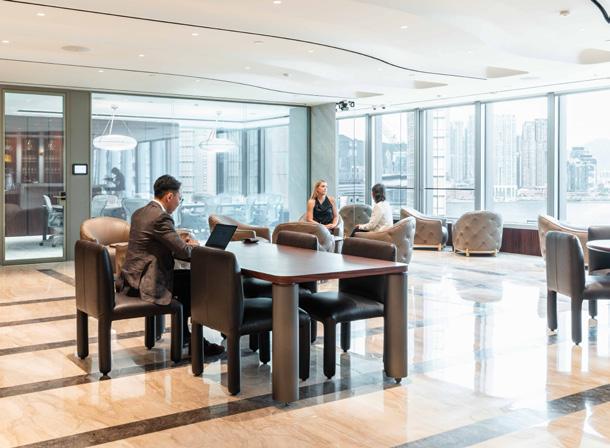
The floor features a lounge with interiors inspired by waves and the city skyline.
The Executive Centre has opened a second floor at One International Finance Centre, expanding its presence with a workspace designed for financial professionals seeking flexible offices with premium finishes.
The level 9 centre, opened in October 2025, features a lounge overlooking Victoria Harbour with interiors inspired by wave patterns and the city skyline.
“Beyond design, we focus on functionality and how clients use the space,” Jennifer So, city head of Hong Kong at The Executive Centre, told Hong Kong Business.
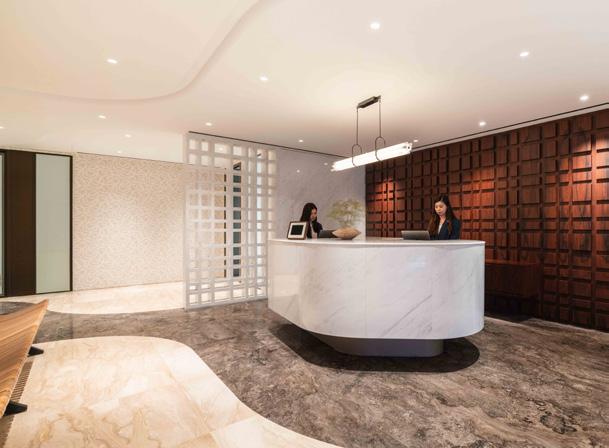
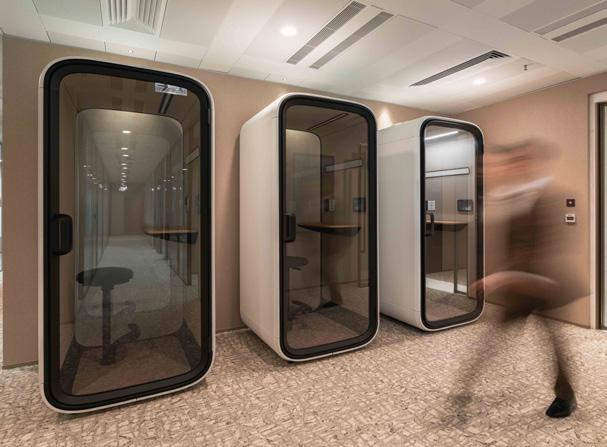
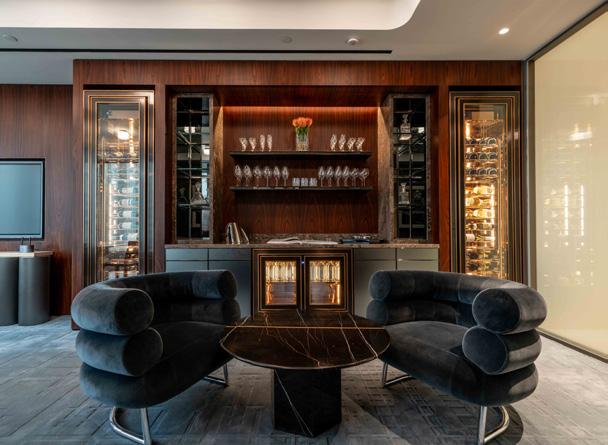
She said the lounge could be used for informal meetings and day-to-day work, and could be converted into an event space with movable furniture and a large LED wall.
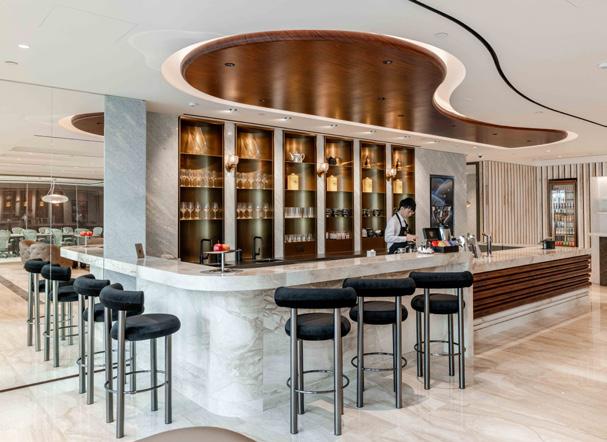
The centre includes a barista counter and grab-and-go station, serving breakfast in the morning and light refreshments in the afternoon. It also introduces the group’s first Titan Lounge, a space aimed at more informal client discussions.
“We wanted it to have a VIP, luxurious feel, whilst also being more informal,” So said in an interview. “It’s a space where you can sit on a sofa and sign a deal.”


Its 109 rooms and suites have been refurbished with lighter timber flooring.
Mandarin Oriental The Landmark, Hong Kong has reopened with refreshed dining, wellness and social spaces as the luxury hotel targets corporate, leisure and local guests.
Michael Groll, general manager at the hotel, said the redesign centers on creating social experiences around coffee, wine and champagne. “Going up, guests can view alcoves lined with cityscape-inspired art,” he told Hong Kong Business.
The hotel reopened on 1 June with a Queen’s Road Central entrance leading to a foyer inspired by historic




local residences and a lobby lounge connected by a curved stone staircase. COMMUNE, a coffee venue at the center of the lobby, is open to both guests and city residents.
The hotel also expanded its food and beverage offerings. Amber, one of its four Michelin-starred restaurants, has added a cellar with floor-to-ceiling wine walls for guided tastings, whilst BLANC DE NOIRS is a 30-seat champagne and cocktail bar with access to Amber’s 3,000-label wine collection. Its 109 rooms and suites have been refurbished with lighter timber flooring, silk wall coverings, and custom rugs.




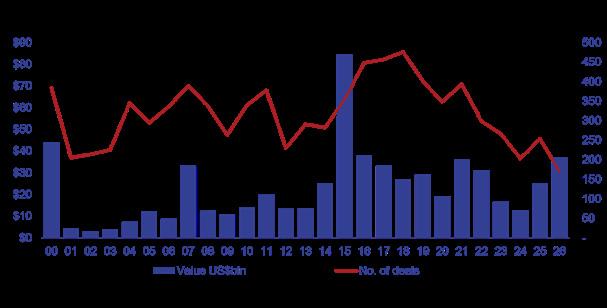
Deal value hit a decade-high $289b in the first quarter.
Hong Kong could see more mergers and acquisitions (M&A) this year as large business groups sell noncore assets to fund expansion, following a sharp rebound in dealmaking after a subdued 2025.
The city is entering its “year of the carve-out,” Angela Chiu, director for corporate finance and M&As at KPMG China, said in an exclusive interview.
She noted that companies are increasingly redeploying capital and reshaping portfolios, a trend that could continue through 2027.
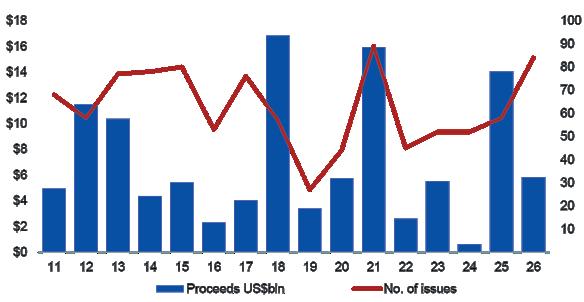
Hong Kong-related M&A reached $289b (US$36.9b) in the first quarter, up 47.2% from a year earlier and the strongest first-quarter total in a decade, according to London Stock Exchange Group Plc data.
Chiu cited Jardine Matheson Holdings Ltd., which has reportedly sold more than $14b (US$1.8b) of Hong Kong property assets and is seeking buyers for its KFC and Pizza Hut franchises in Hong Kong and Taiwan. Other deals include Swire Pacific Ltd.’s divestment of Swire Coca-Cola USA for $30.6b (US$3.9b), and China Travel International Investment Hong Kong Ltd.’s planned spin-off and separate listing of its Hong Kong and Macau business units.
Elaine Tan, senior manager for deals intelligence at the London Stock Exchange, said asset sales linked to CK Hutchison Holdings Ltd helped drive first-quarter activity.
One of the biggest transactions involved the sale of UK Power Networks Holdings Ltd., whilst CK Hutchison sold its remaining 49% stake in Vodafone UK Ltd. for $45.4b (US$5.8b), she said in a separate interview.
“These transactions lifted energy and power deals,


which accounted for 58.7% of total M&A value at $170 b (US$21.7b), up 89.5% from a year earlier,” Tan said.
Meanwhile, logistics transactions could also encourage more tie-ups in shipping and trade, citing Poseidon Corp., the holding company of Seaspan Corporation.
Tan cited Ocean Network Express Pte. Ltd., which agreed to raise its stake in Poseidon to 48.9%, whilst Yangzijiang Shipbuilding (Holdings) Ltd. agreed to buy a 10% stake.
“Overall, Hong Kong’s M&A activity remains defined by strategic capital rotation and a concentrated set of valuedefining transactions,” she added.
The stronger start marks a turnaround from 2025, when no M&A deals were recorded during the first five months of the year, according to Neha Singh, co-founder and chief executive officer at Tracxn Technologies Ltd.
“Hong Kong recorded five acquisitions in January 2026 alone,” she told Hong Kong Business.
Singh said fintech companies have become bigger acquisition targets, with strategic buyers from the US, Australia, and the UK driving activity.
Recent transactions included Payward, Inc.’s acquisition of Reap Technologies Holdings Ltd., TP ICAP Group Plc’s acquisition of Vantage Capital Markets, and Clear Street LLC’s acquisition of BOOM Securities (H.K.) Ltd.
Hong Kong recorded five acquisitions in January 2026 alone
Singh added that the city’s strength in stablecoins and specialised fintech segments has made such firms more attractive to global acquirers seeking market access.
Chiu said the recovery is also being supported by mainland Chinese companies using Hong Kong as a base for overseas acquisitions, stronger private equity activity, and
a healthier initial public offering (IPO) market.
Companies that recently listed are increasingly using IPO proceeds to fund acquisitions, whilst private equity firms face pressure to deploy capital as exit conditions improve, she told the magazine.
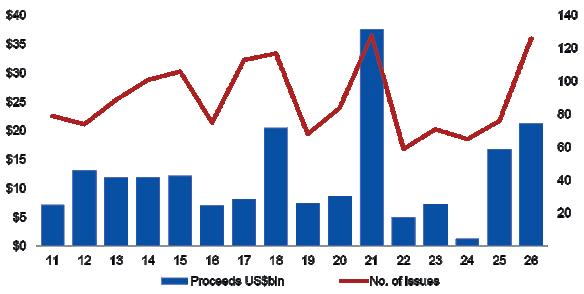
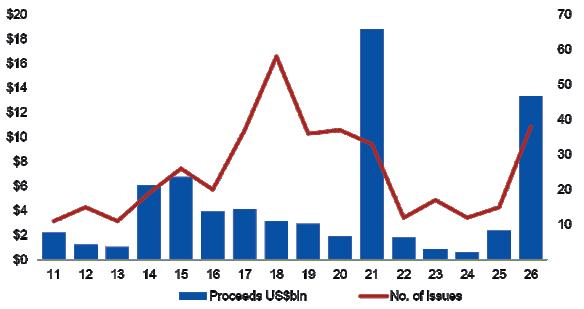
London Stock Exchange data showed Hong Kong’s new and secondary listings raised $104b (US$13.3b), more than five times the amount raised a year earlier.
Chinese companies accounted for almost all of the proceeds, or around $103.9b (US$13.26b).
At least 23 first-time listings raised $36.84b (US$4.7b), up 139.2% YoY, whilst 15 secondary listings raised $66.62b (US$8.5b), a 20-fold increase, it added.
Chiu said state-linked capital is also anchoring deal activity, with the Hong Kong Investment Corporation investing in over 190 projects in areas such as hard and core technology, biotechnology, new energy, and green technology.
Dealmakers are also watching the impact of Chinese regulations on foreign investment, which take effect on 1 July.
Cyan Sze, a partner for corporate finance and M&As at KPMG China, said the rules, published by the State Council on 1 June, introduce stricter scrutiny of technology exports, data security, red chip structures and offshore vehicles.
“This could lead to tougher negotiations over break-up fees and regulatory conditions,” she said.
Sze said the rules could boost Hong Kong’s role as a route for mainland outbound acquisitions, but they could also lengthen transaction timelines. It could also trigger restructuring of offshore holding companies and push more groups towards domestic M&A as traditional IPO routes face heavier regulatory hurdles, she added.
Deals facing geopolitical risks or regulatory scrutiny are already becoming harder to complete.
CK Hutchison’s planned $149b (US$19b) sale of Panama port assets to a consortium led by BlackRock, Inc. remains deadlocked, whilst the company also abandoned plans to sell PARKnSHOP.
New World Development Company Ltd. is another company being closely watched after Blackstone walked away from a proposed $31.3m (US$4b) acquisition in May.
Sze said investors should watch further portfolio reviews by major groups, including Jardine Matheson and New World Development, private equity deal flow, and how newly listed companies deploy IPO
year.
This could lead to tougher negotiation over breakup fees and regulatory conditions
Expanded eligibility lifts resale turnover and squeezes private flats.
RESIDENTIAL PROPERTY
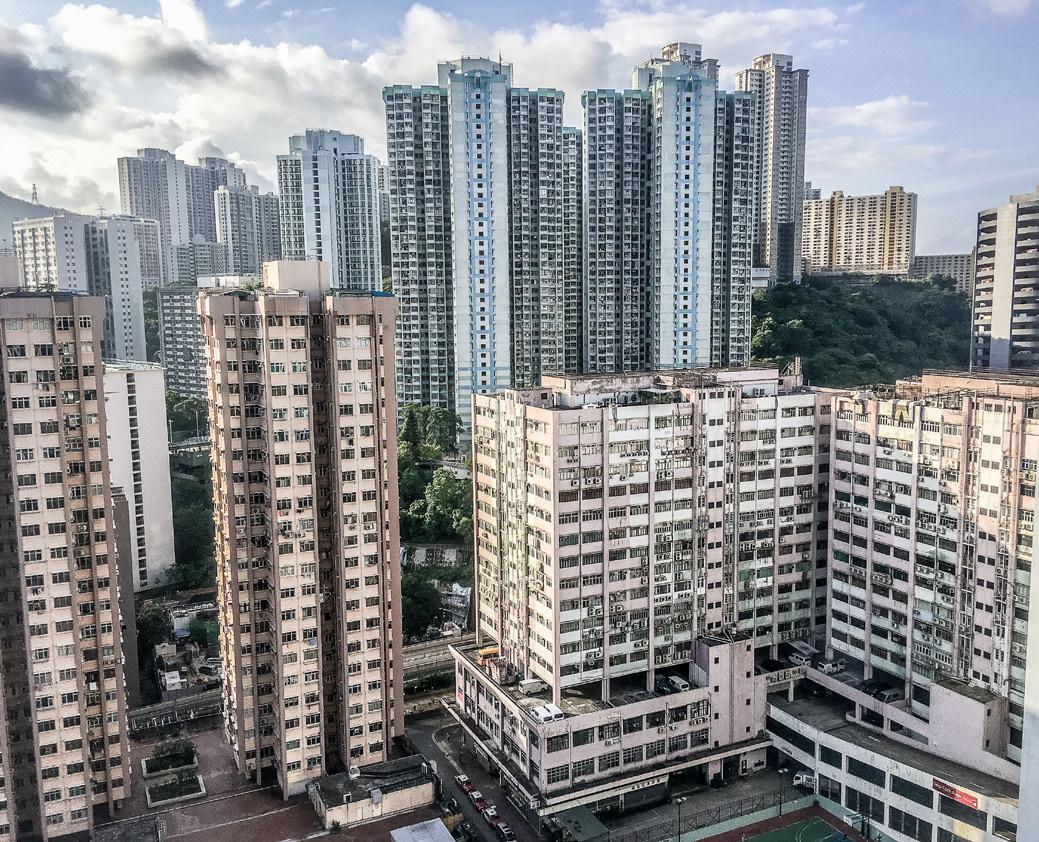
Hong Kong’s move to allow more first-time buyers to buy subsidised resale homes is redirecting demand away from entry-level private flats, raising transactions but limiting scope for sustained price gains, analysts said.
The policy expands access for eligible households to buy previously owned public sale flats, increasing turnover in the subsidised market whilst reshaping buyer behaviour across the wider residential sector.
“The main effect is to front-load demand and raise turnover, not permanently lift volumes,” Jack Tong, director of research and consultancy at Savills Hong Kong, told Hong Kong Business. He added that liquidity would improve faster than prices, leaving pricing power constrained.
The programme, known as the

White Form Secondary Market, had its quota lifted to 7,000 units, increasing the number of households allowed to enter the subsidised resale market.
According to the Hong Kong Housing Authority, 5,000 of those places fall under ordinary allocation — 4,500 for family applicants and 500 for oneperson households.
The remaining 2,000 are reserved for the Youth Scheme (WSM), split between 1,800 young family applicants and 200 young oneperson applicants.
Successful applicants get approved to buy eligible flats within a fixed period, creating cycles of concentrated activity.
But pricing momentum remains limited despite higher transaction levels. Subsidised resale prices are forecast to be flat or rise by as much
as 3% over the next 12 months.
Average prices for secondary home ownership scheme units rose 1.9% to about $4m in January from a month earlier — close to a 16-month high.
Transactions have picked up steadily. Secondary market volumes rose 12% in 2024 and a further 17% in 2025, with brokers projecting about 5,000 deals in the year ahead.
That implies growth of 10% to 15%, driven by quicker deal execution and tighter availability in popular estates.
Market activity has become more compressed around approval periods under the scheme.
“Purchasing activity will be compressed into a shorter window featuring quicker absorption, tighter availability in popular estates, and faster deal execution,” Edgar Lai, senior director for valuation and advisory at Cushman & Wakefield Plc, said in an exclusive interview.
Policy changes are improving buyer conversion, after 15% to 20% of approvals previously lapsed without purchases. Over-issuance and supplementary allocation aim to raise use to close to full take-up.
“More active buyers within the same 12-month certificate of eligibility to purchase window will intensify competition,” Tong told Hong Kong Business.
Buyer profiles are shifting towards younger and single buyers who are more price-sensitive but willing to compete for smaller units.
Demand has clustered around flats priced between $2.8m and $4m, typically under 450 square feet and close to transport links.
Lai said units around $3m in urban estates are drawing stronger interest, tightening supply and firming achieved prices in that bracket.
The diversion of first-time buyers is weighing on private homes priced below $5m, particularly older units and those farther from transport hubs, where price gains are expected to remain at about 2% to 3%.
Greater liquidity in the subsidised market is also enabling existing owners to trade up, supporting private homes priced between $5m and $10m, where prices are forecast to rise by 5% to 8%, Tong said.
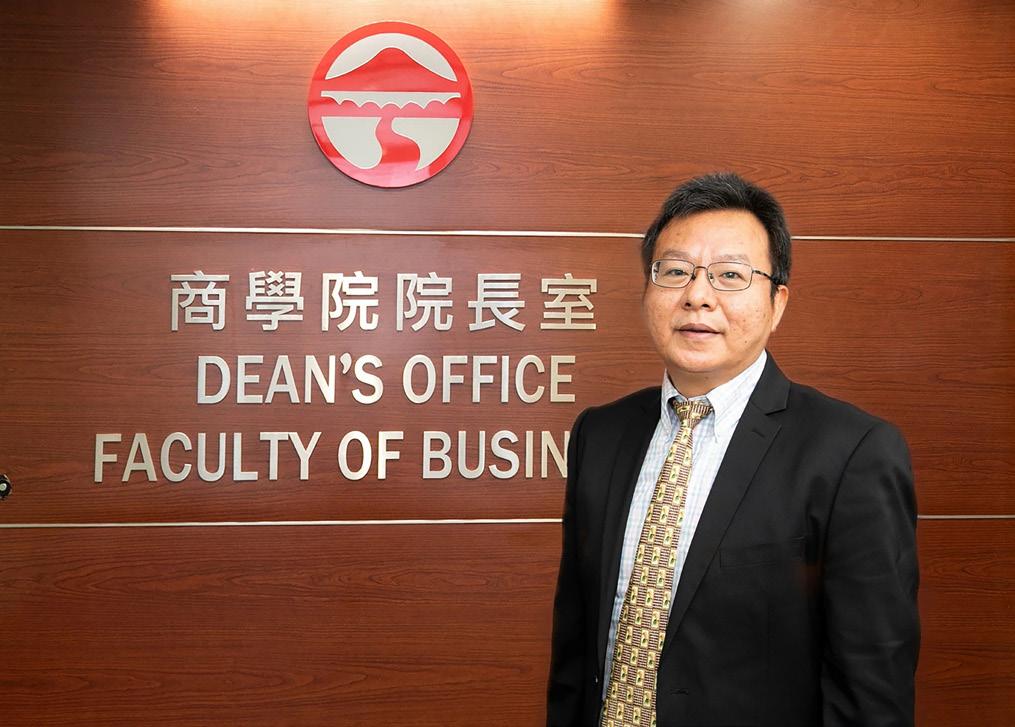
The Faculty of Business of Lingnan University proudly announces that Prof LENG Mingming, Dean of the Faculty of Business and Chair Professor of Operations and Risk Management, has been awarded the 2026 Beta Gamma Sigma (BGS) Dean of the Year Award. Chosen as the sole recipient worldwide from more than 640 universities across 39 countries and regions, Prof LENG will receive the honour this April in Seattle.
The President of Lingnan University, Prof S. Joe QIN, congratulated Prof LENG, noting that under his leadership, the Faculty of Business has strengthened its academic excellence and international impact. The Faculty now ranks 24th in the 2025 UTD24 journal rankings of Chinese scholars in the Greater China region.
Prof LENG said he was deeply honoured, highlighting his long-standing commitment since 2005 to curriculum innovation, interdisciplinary research, and student development. He noted that the award recognises the collective efforts of the Faculty in nurturing globally minded, innovative business leaders.
Founded in 1913, Beta Gamma Sigma is the international honour society for business programmes accredited by the Association to Advance Collegiate Schools of Business (AACSB). Its Dean of the Year Award recognises one exceptional dean annually for outstanding leadership in business education, strong support for students, and sustained commitment to academic excellence and professional development.

Ground-floor shops offer higher visibility for food and daily-need retail.
Street-level retail space is regaining appeal as retailers adjust location strategies amidst softer rents and a sharper focus on foot traffic, prompting a shift away from upstairs units once favoured for lower costs.
“Both local and overseas shoppers are value-driven, cultural- and experience-led nowadays in Hong Kong,” Kathy Lee, head of research and retail consultancy at Colliers International Group, Inc., told Hong Kong Business.
“This has increased competition for foot traffic, which in turn has led to brands shifting to store locations for higher visibility, particularly for food and beverage and daily-need retail,” she said in an interview.
Consumer spending has tilted further towards experience and engagement, reinforcing the appeal of streetfront stores. Brands see physical locations as spaces to tell stories, showcase products, and attract more customers rather than solely process transactions.
Lawrence Wan, executive director and head of retail leasing at CBRE Hong Kong, said many retailers, especially global luxury labels, are consolidating into fewer but bigger stores in prime districts to deepen customer interaction.
He said this strategy has helped keep vacancy rates relatively low on Tier 1 streets in core areas even as the wider market adjusts.
Lower rents have driven the shift, with street-level prices down sharply from past peaks and closer to upstairs rates, making high-visibility locations more accessible, Lee said.
Street shop rents are about 60% lower than their 2014 peak. “Streetlevel stores offer stronger footfall capture, higher brand recognition, and greater marketing value compared with upstairs locations,” Wan said in a separate interview.
The shift has drawn brands that once favoured upstairs units back to street level. Hing Kee Java Edible Bird’s Nest Co. Ltd. has opened ground-floor shops on Sai Yeung Choi Street South

and at East Ocean Centre, whilst canteen-style restaurant Autumn Feeling has expanded from a Kwun Tong industrial building to streetfront outlets in Quarry Bay and Wan Chai.
“Visibility matters again, and physical stores are now seen as marketing channels as much as sales outlets, which favours businesses to move to street level,” added Lee.


Flexible leasing is also gaining ground. Short-term leases and pop-ups let retailers enter highstreet locations with lower risk, whilst helping landlords keep spaces occupied and active, Lee said.
“Pop-ups and short-term leases have become a risk-management tool,” she said. “They allow retailers and restaurants to navigate the market without long-term rental commitments,” she continued.
Wan said pop-ups are increasingly used to test concepts, create buzz and support seasonal offers, with food and beverage, beauty, wellness and lifestyle brands amongst the most active users.
Market data points to a gradual recovery. Lee noted that highstreet rents in core districts such as Causeway Bay, Central, Tsim Sha Tsui, and Mong Kok rose 2.9%
year on year in 2025, although they remain about 65% below their peak in the second quarter of 2013.
Vacancy rates in those Hong Kong districts stood at about 9% by the end of 2025, roughly half the level recorded in early 2021.
Despite the renewed interest in streetfront locations, cost considerations remain a key concern for operators, the experts noted.
“Even after rental corrections, streetlevel rents remain higher than upstairs spaces,” Lee said, adding that sales performance becomes a key factor, especially for businesses with greater staffing needs and higher fit-out costs.
“Retailers should carefully evaluate their brand development direction alongside cost considerations,” said Wan.
Street-level shops in Hong Kong still cost 10% to 20% more than upstairs units, meaning higher rents only work if they lift sales.
“It ultimately comes down to the role of visibility in driving sales and how rent levels align with the retailer’s margin profile,” Lee said.
“In today’s market, the right location is less about prestige and more about operational fit.”
Solowin Holdings (NASDAQ: AXG) is a fintech company specializing in global stablecoin issuance and payments, asset tokenization and AI-powered services.




Complaints climbed 20% as wording disputes exposed gaps in claims and disclosure.
Insurers are facing rising pressure over the handling of claims and sales conduct as complaints increased for a fourth straight year in 2025, driven mainly by disputes over policy wording, coverage interpretation, and information disclosure.
The Insurance Complaints Bureau (ICB) recorded 857 cases in 2025, up 32.7% from a year earlier. The Insurance Authority logged 1,173 complaints, an increase of 19.9%, reflecting stronger consumer engagement in reporting and dispute escalation.
“We typically act for insurers in the financial lines and construction space who receive notification from an insured of a claim for indemnity under their insurance policy, and we are asked to advise whether the insurance responds,” Rebecca Wong, a partner at Reynolds Porter Chamberlain LLP, said.
Rising engagement
Patrick Peng, a partner and head of corporate for Greater China at Clyde & Co LLP, said disputes commonly span product sales, claim handling and policy administration, with many cases centred on interpretation of coverage scope rather than outright denial.
Peng attributed the rise partly to greater consumer awareness.
“This increase also reflects growing public awareness of their rights and willingness to report issues – a sign of a maturing, consumerconscious market,” Peng said. “In our experience, the majority of client concerns relate to insurance product sales-related issues, claim handling, and policy administration.”
The Insurance Authority issued a circular in February 2025 reinforcing expectations on claim processing, including avoidance of unjustified delays, clearer explanations for claim decisions, and improved transparency whilst maintaining fraud detection obligations.
“The IA has responded swiftly by enhancing standards of advice at the point of sale, introducing commission spreading requirements


for participating products that cap first-year commission at 70% of the total, reinforcing supervision on the insurer’s key person in charge of intermediary management, and expanding public education – demonstrating Hong Kong’s commitment to high regulatory standards,” Peng said.
Peng said rising engagement from mainland Chinese policyholders has also contributed to higher query volumes, particularly involving prepandemic life policies.
The ICB’S Complaints Panel ruled in favour of the complainants in 11 cases and upheld insurers’ decisions in 45 cases, the bureau said in a statement on 14 April. The highest single-case award amounted to $820,000 (US$105,000).
Wong told the magazine that most disputes are resolved through negotiation rather than litigation, since outcomes often hinge on the interpretation of policy wording
rather than factual disagreement. Wong added that escalation is typically driven by “the nature of the case (such as whether it is all or nothing), how strongly one side believes in its case, and of course, the amounts in dispute.”
Peng echoed this, pointing to structural features in Hong Kong’s dispute resolution framework. “Very few complaints escalate to formal legal proceedings – a testament to Hong Kong’s effective multi-tier dispute resolution system,” he said.
He added that the IA closed approximately 80% of complaints within six months in 2025, whilst the ICB handled hundreds of claimrelated disputes largely through mediation or internal processes.
Based on the IA’s 12th issue of Conduct in Focus, some reformative changes for this year include adjusting incentives, strengthening oversight, and improving transparency.

怎樣令幸福
可以不斷延續?

我們全面的健康保障, 讓你與摯愛創造更多幸福時光, 更好是用陪伴不斷延續愛。
It pays dividends for the city’s health system.
Hong Kong is changing healthcare policy around cost control as rising demand and spending pressure push policymakers towards prevention, faster drug approvals, and productivity gains, analysts said.
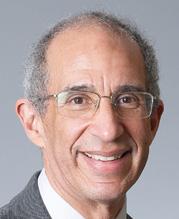
“The only way for Hong Kong to bend the cost curve so it doesn’t grow faster than the gross domestic product is primary prevention of disease,” David Bishai, clinical professor at the School of Public Health at the University of Hong Kong, told Hong Kong Business.
He said public health programmes deliver stronger long-term returns than treatment-focused care and should play a bigger role in controlling healthcare costs.
Healthcare, social welfare, and education are expected to account for about 60% of Hong Kong’s $843.4b budget for 2026-2027. Healthcare expenditure alone is estimated at $153.1b or about 18.2% of total spending.
The government is expanding


primary healthcare through a cocare network that will extend disease screening, boost chronic disease management, and improve access to diagnostic services.
The programme targets about 700,000 participants in the first five years. Authorities have also extended an elderly healthcare voucher reward scheme through 2028 to encourage greater use of preventive services.
“Spending money on primary prevention of the behaviours and risks for health pays dividends for the Hong Kong health system,” Bishai said.
He said diet is an area where Hong Kong has substantial room for improvement despite relatively strong performance in reducing smoking, limiting alcohol consumption, and encouraging physical activity.
“We are now at a point where less than 5% of Hong Kong people are getting five fresh fruits and vegetables a day,” he said. “One of the best investments for preventing diabetes and hypertension, heart

disease, and atherosclerosis and cancer is improving diet.”
Alongside prevention efforts, the Hong Kong government is using regulatory reform to strengthen its healthcare and life science sector.
Anna Cheung, assistant executive director at the Hong Kong Trade Development Council (HKTDC), said the government’s “OnePlus” mechanism for faster drug registration has approved 19 drugs since February.
Authorities are also planning a Centre for Medical Products Regulation, which Cheung said would function similarly to the US Food and Drug Administration by streamlining approvals and supporting the development of the city’s pharmaceutical sector.
Rising investor interest
Hong Kong is also deepening integration with mainland China through the Greater Bay Area Medicine and Equipment Connect scheme, which allows drugs and medical devices registered in Hong Kong and used in public hospitals to be used in designated healthcare institutions across the region, giving companies a pathway into the mainland market.
“Many are looking for silver health or silver-related knowledge, especially related to Alzheimer's,” Cheung said.
“We see a lot of interest from investors for artificial intelligencerelated technology.”
HKTDC arranged more than 400 business-matching meetings over two days at The Asia Summit on Global Health in May and hosted about 180 exhibitors, reflecting investor interest in health technology and ageing-related solutions.
Workforce shortages remain another challenge for the healthcare system. “Hiring from abroad is not a sustainable model,” Patricia Davidson, co-director at the International Centre for Future Health Systems at the University of New South Wales, told Hong Kong Business in an interview.
She said healthcare employers need better working conditions and retention as rigid work structures and limited support drive workers out of the sector.
The co-director added that planning should reflect workforce constraints and shifting system demands.

Its CEO’s first-year focus includes expanding coverage in Mainland China.
Cigna Healthcare Hong Kong is expanding services that help workers stay healthy and address illnesses earlier as rising medical costs put pressure on employers.
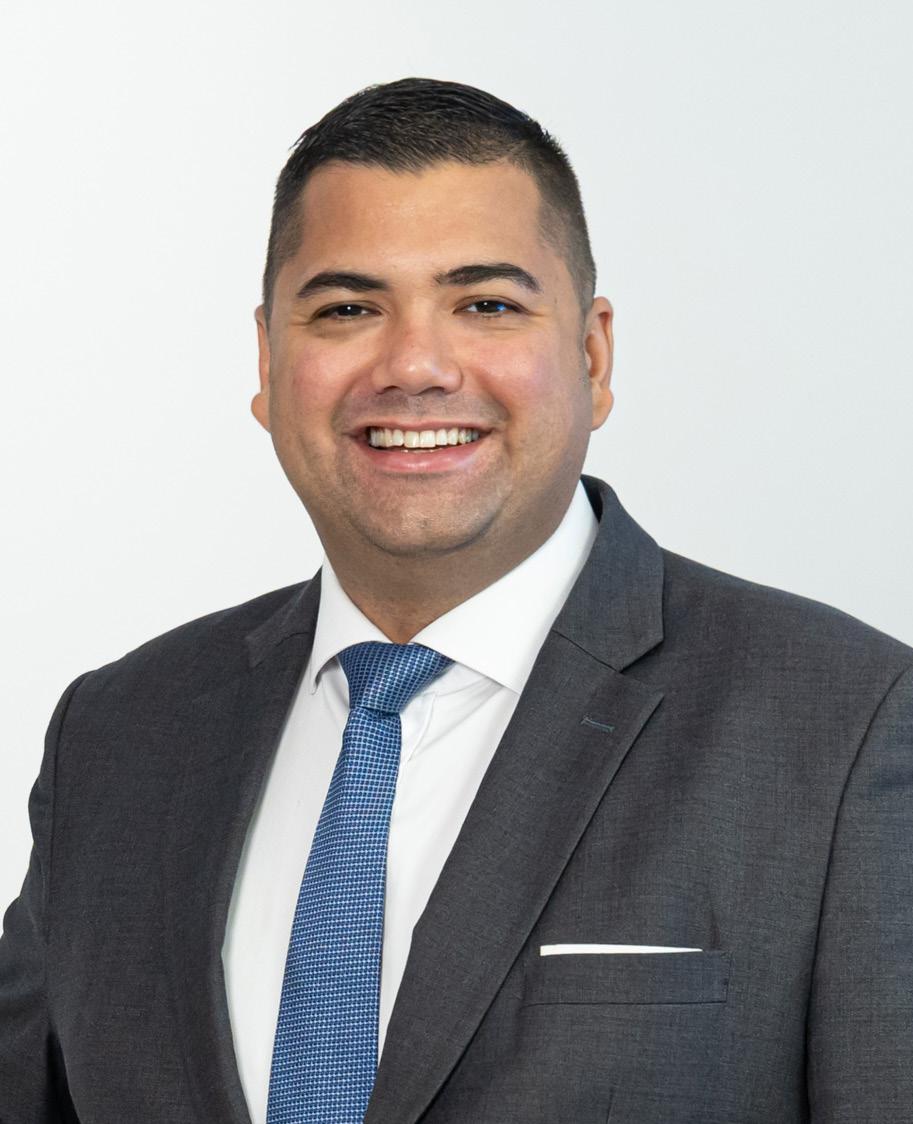
“In my first 12 months, the priority is execution on simplifying care access and strengthening support for customers with complex conditions,” Cigna Chief Executive Officer Michael Khan told Hong Kong Business.
Khan, who took over in April, said the insurer is using health data to identify common health issues and offer support before they become more serious and costly.
The move comes as medical inflation in Hong Kong is projected to approach 10% this year.
A March report by Howden Insurance Brokers (S.) Pte. Ltd. found that 51% of Asian employers expect significant increases in healthcare costs this year, compared with 41% globally.
Expanding coverage
Hong Kong’s public healthcare system remains heavily subsidised. The government said in March that patients would continue to receive subsidies of up to 95% after fee reforms took effect on 1 January.
Patients are nevertheless paying more for some services. Accident and emergency attendance now costs $400, up from $180, whilst acute inpatient charges have increased to $300 a day from $120.
Meanwhile, specialist outpatient services are now charged a flat $250, replacing the previous fees of $135 for an initial consultation and $80 for follow-up visits.
Khan said employers are increasingly looking for programmes that help workers address health problems before they require more intensive treatment.
“Cigna pairs these services with clinical support through its in-house teams and global provider network,” he said in an exclusive interview with the magazine.
“The shift towards prevention, early intervention and more coordinated care is what connects our strategy.”
Over the next two to three years, he said Cigna’s focus is on strengthening business performance, improving customer support, and helping employers manage rising costs more sustainably.
Khan joined the group after working across London, Singapore, and Hong Kong in health insurance and employee benefits, with roles focused on multinational clients, business growth, and increasingly complex healthcare needs.
“What drew me to Cigna was the chance to lead a business with a strong foundation at a moment when healthcare needs are becoming more complex and customers want simpler, more responsive support,” he said.
The insurer is also expanding coverage in Mainland China. In June, it broadened one of its health plans to include all Tier 3 hospitals in the country.
All plan levels provide medical coverage at standard private rooms outside Hong Kong and Macau. It also offers annual benefit limits of up to $30m, supported by services such as telehealth, care manager support, and a WhatsApp virtual assistant.
Moreover, the upgrade adds coverage of up to $600,000 per policy year for Phase 3 clinical trial drugs for designated cancers.
“The plan combines cross-boundary coverage with more personalised care, whilst placing greater emphasis on posttreatment and recovery support,” Khan said.
He added that the insurer’s strategy is also shaped by changing expectations amongst customers, who are no longer looking only for financial protection but also for greater flexibility in how and where they access care.
Still, public data on healthcare use across the border remains limited. In a February reply to the Legislative Council, the government said it doesn’t keep statistics on Hong Kong residents using healthcare services in Mainland China outside official programmes.
The shift towards prevention, early intervention and more coordinated care is what connects our strategy
Khan said Cigna is working with employers, brokers, and healthcare providers across the Greater Bay Area to make it easier for members to receive treatment across the region.
“We also need to understand context.”
“Every organisation’s needs are different, so I place high value on listening, understanding what works, and making decisions that reflect the realities of the business and its people,” the chief executive added.
Provenance and quality drive bidding amidst rising ultra-high-net-worth demand.

Auction houses are focusing on rare, museum-quality artworks with clear ownership histories as ultra-highnet-worth collectors in the AsiaPacific region become more selective and research-driven.
Collectors are tracking artists and categories over months before bidding, shifting away from volumebased buying, said Danielle So, Hong Kong head of auctions for modern and contemporary art at Phillips Auctioneers.
“They prioritise quality over volume, with modern and post-war art remaining particularly strong areas of interest,” she said.
Hong Kong remains Phillips’ top Asian market for buying and selling, accounting for more than 30% of regional transaction value in 2025.
Greater China including Hong Kong, Mainland China, and Taiwan remains Phillips’ biggest regional market, representing about 70% of Asia business, So said.
Phillips’ March Hong Kong evening sale closed 30% above its high estimate, with 60% of works



exceeding expectations. About 80% of buyers across modern and contemporary sales were from Asia.
Top lots included Liu Dan’s “Dictionary,” which sold for $11.5m and set a record for the Chinese ink artist. Pierre-Auguste Renoir’s “Paysage aux oliviers” fetched $4.9m, more than double its low estimate, whilst Adam Pendleton’s “Untitled (Days)” sold for $5.4m.
Emerging priorities
Collectors are increasingly prioritising provenance, with verified ownership history becoming a key factor in pricing and demand.
Established Impressionist and modern names remain highly sought after because they offer a sense of certainty, said Ada Tsui, senior vice president and head of 20th and 21st century art department at Christie’s Asia Pacific.
Blue-chip and mid-career artists remain core demand drivers, with So citing names such as Yayoi Kusama and Zao Wou-Ki as anchors of the market.
Southeast Asia is emerging as a key growth region. So said participation rose 62% year on year across buying, bidding, and selling, whilst first-time Phillips clients in the region more than doubled.
Singapore and Vietnam are leading activity, whilst South Korea and Japan have softened on the buying side but remain important sources of consignments.
At Christie’s, Southeast Asian collectors also increased participation in Hong Kong, with spending rising 20% year on year in March sales, driven by Singapore.
“Collectors in other markets such as Southeast Asia — particularly Indonesia, Thailand, and Vietnam — are rising and phenomenally active, including at the very top end of the market,” Tsui said in an interview.
Christie’s March Hong Kong 20th and 21st Century Art sales totalled $886.9m. The evening sale reached $655.8m and was fully sold.
Top results included Gerhard Richter’s abstract work at $92.1m, Sanyu’s horse painting at $63.9m, as well as Walter Spies’ Balinese landscape at $59.1m, which set a record for the artist.
Broader collecting strategies
Buyers are also expanding beyond regional artists to include global modern and contemporary names, Tsui said, reflecting broader collecting strategies in the Asia-Pacific region.
“They support works from Greater China, Southeast Asia, Korea, and Japan.”
She noted that the diversity was reflected in the mix of top-performing works in Hong Kong, which spanned Western post-war, Chinese modernist, and Southeast Asian art.
Christie’s also offered its first Old Master painting in a Hong Kong evening sale in March, with the Dutch still life highly competed for and setting an auction record price for the artist of $10.2m.
The Art Basel and UBS Art Market Report in March pointed to a broader recovery, with global art market sales rising 4% year-on-year to $467.1b (US$59.6b) in 2025.
The report showed that public

auction sales increased 9%, supported by renewed confidence in the second half and stronger activity for works priced above $10m. Dealer sales grew 2% to $272.7b (US$34.8b).
Younger collectors are adding momentum. Merryn Schriever, interim managing director for Asia at Bonhams, said Millennials and Gen Z now account for close to 40% of auction participants.
“They are digitally native, guided by aesthetics, artistic, and cultural significance, and compelling narratives,” she told Hong Kong Business in a separate interview.
“For them, collecting is a personal statement and a reflection of values.”
Greater China remains the dominant buying force across the auction house’s categories, as Chinese paintings with strong narratives and cultural resonance drew engagement.
Bonhams said the Chang Chun Collection of Chinese Paintings achieved a 100% sell-through rate across two sales in 2025, exceeding high estimates at both auctions.
Southeast Asia is also seeing
steady growth, Schriever said, particularly in luxury. “Singapore stands as an established regional centre, with notable strength in watches and wines & spirits, whilst Thailand and Malaysia are showing increased momentum.”
According to Bonhams, demand for rarity and strong provenance is also shaping interest in single-owner collections. Its March Hong Kong sale MORE THAN RED, featuring six Yayoi Kusama works from one collection, was fully sold, led by “Pumpkin” at $22.2m.
Provenance shaped results in Indian, Himalayan, and Southeast Asian Art sales, where works from Jules Speelman achieved $64m, the auction house added.
There was also strong demand for luxury collectables.
“The Legendary Cellar of Hostellerie Jérôme” wine collection sold for $25.9m, whilst a Cartier Paris “Model A” Mystery Clock, an early 20th-century collectable timepiece with provenance traced to the Delion family, fetched $6.35m.


Art markets are attracting more Southeast Asian collectors as buyers seek established artists and high-value works closer to home.
“People want to be sure that they purchase something that has a certain established career and background,” Carola Wiese, senior advisor for family advisory, art and collecting at UBS Group AG, told Hong Kong Business.
Collectors who attended Singapore’s Art SG in January later travelled to Hong Kong with a stronger interest in blue-chip works, she said. Art Basel Hong Kong drew 91,500 visitors during its 28-30 March run, slightly above the previous year’s attendance.
Global art sales rose 4% to $467.1b (US$59.6b) in 2025, supported by stronger auction activity and dealer sales, according to the Art Basel and UBS Art Market Report 2026 published in March.
“In 2025, net art exports from Hong Kong increased year-on-year substantially to 27%,” Wiese said.
Dealer sales increased 2% to $272.7b (US$34.8b), whilst art fairs accounted for 35% of market turnover, up from 31% a year earlier.
Decreased engagement
Fabio Rossi, owner of Rossi & Rossi (Hong Kong) Ltd., said the gallery has seen stronger engagement from Southeast Asian buyers this year, alongside collectors from Mainland China, Taiwan, South Korea, and Japan.
“However, we have seen a decrease in visitors from the West,” he said in a separate interview. The US and Europe remain important markets, though many experienced collectors are still based there, Rossi added.
Younger collectors are becoming more active, particularly those in their 30s and 40s. Rossi said these buyers tend to be more price-conscious and prefer works that are easier to understand.
“They are most comfortable buying works priced between $5,000 and $25,000,” he noted.
Digital art is also drawing interest from younger collectors, according to Angelle Siyang-Le, director at Art Basel Hong Kong.
She said buyers are exploring nonfungible tokens, generative art, and software-based works. “However, painting is still one medium that is very much leading the way,” she told Hong Kong Business.
She said collectors are increasingly focused on the long-term purpose of their collections rather than individual purchases. Women collectors are also becoming more prominent in the market.
Workforce across 15 lenders fell 0.73% to 74,376 in 2025.
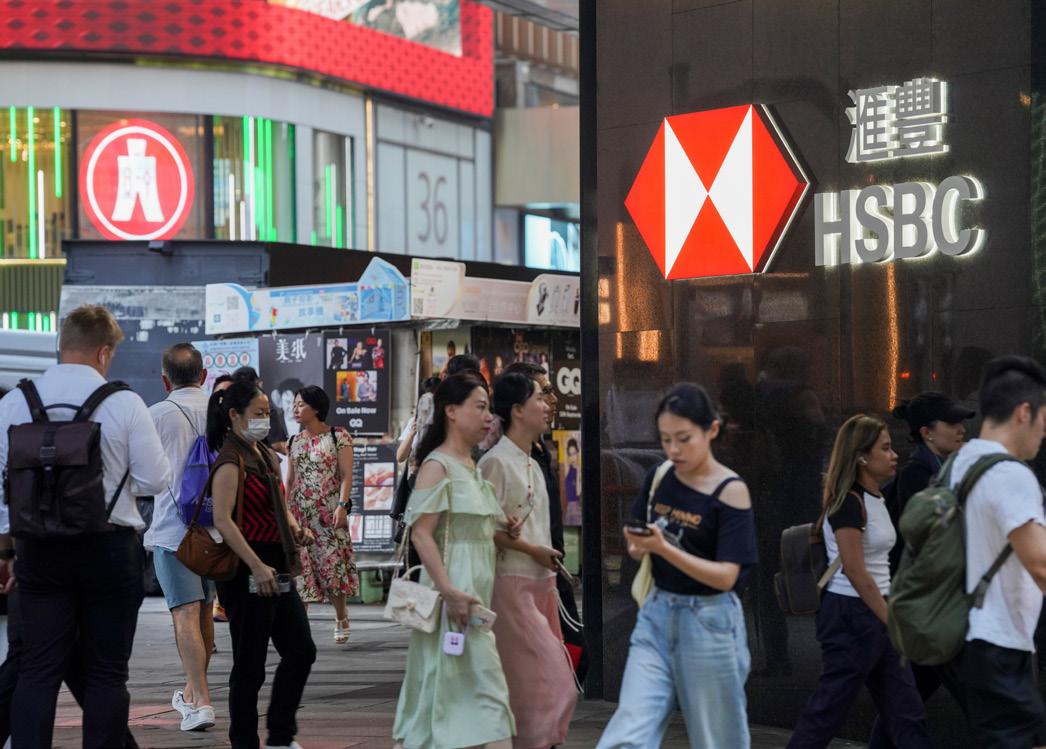
Middle- and back-office hiring has become more selective as banks tighten cost controls
Hong Kong’s banking industry is experiencing renewed hiring in 2026, driven by a capital market rebound and automation projects, after total headcount across major lenders declined slightly in 2025, recruitment executives said.
Workforce across 15 major banks in Hong Kong fell 0.73% year on year to 74,376 employees at end2025, according to data compiled by Hong Kong Business.
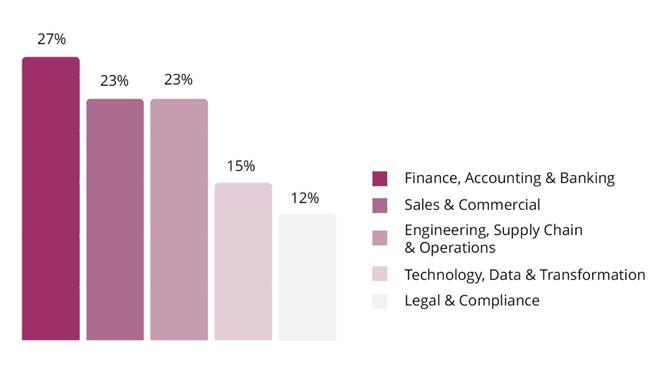
Recruiters said the flat headline figure masks a shift in hiring demand towards deal execution, trading, compliance, and technology roles as initial public offerings (IPO) increase and financial institutions expand automation programmes.
“Banking has been bouncing back,” Eric Zhu, director of financial services for Greater China at Morgan McKinley Ltd., told Hong Kong Business in an interview.
He said market activity improved between the last quarter of 2025 and the start of 2026 as more companies prepared listings on the Hong Kong Stock Exchange, lifting demand for deal professionals, engineers, and trading specialists. He added that
What the banks are thinking right now is how to duplicate the mind of a particularly good analyst


rising transaction volumes have reinforced demand for execution and post-trade operational roles.
Fiona Mak, senior managing director at Ambition Group Hong Kong Ltd. & AmbTech, in a separate interview, said that sanction monitoring, financial crime prevention, and risk analysis teams are expanding quietly across institutions as banks respond to faster shifts in global market conditions and rising cross-border exposure risks.
She said private banking, wealth management, and family office hiring are also strengthening, with some expatriate professionals returning to Hong Kong from other financial centres.
She noted that geopolitical tensions have supported inflows into the city, although it remains too early to determine whether the trend could be sustained.
Capital markets have also supported hiring in front-office functions, particularly stock trading and structured products, said Toby Miles, associate director of technology at Ambition Hong Kong. He added that trading skills
remain in demand as turnover increases across asset classes.
Regulatory complexity across multiple jurisdictions is also contributing to demand for compliance professionals, Miles said, noting that banks are expanding risk and assurance functions amidst tightening oversight requirements across financial services.
“It’s not just about hiring technologists within artificial intelligence (AI),” Miles said. “Banks are also looking for professionals in AI policy, legal, and compliance.”
This reflects a broader shift in hiring priorities, where banks are integrating governance and regulatory functions into technology deployment strategies rather than treating them as separate disciplines, he pointed out.
Reshaping hiring structures
Mak said middle- and back-office hiring has become more selective as banks tighten cost controls.
She said institutions are increasingly relying on contract staffing and flexible hiring models rather than expanding permanent headcount in support functions.
Automation is also reshaping hiring structures across the industry. Miles said junior roles are increasingly exposed to replacement by AI systems as banks prioritise revenue-generating positions and streamline operational workflows.
“There is a high possibility that more junior roles in banks will be taken up with AI in the next couple of years,” Miles told the magazine, adding that firms are already redesigning workflows to integrate machine-assisted analysis and decision support.
Zhu said banks are experimenting with models where AI tools replicate parts of analyst and trading workflows, reducing the size of support teams whilst increasing compensation for senior talent with high productivity.
“What the banks are thinking right now is how to duplicate the mind of a particularly good analyst,” Zhu said. “They're probably cutting down
the job volume but pumping up the salary to hire those worthy people.”
HSBC Holdings Plc is considering global job cuts of about 20,000 roles, according to Bloomberg News, citing people familiar with the matter.
Most of the cuts are expected in middle and back-office functions as the bank expands AI deployment across operations.
HSBC employs about 26,000 staff in Hong Kong, including employees of Hang Seng Bank Ltd., based on industry estimates compiled from public disclosures and sector data.
Bank of China (Hong Kong) Ltd. remained the second-biggest employer in the city’s banking sector with 12,333 employees at end-2025, up 1.25% year on year.
DBS Bank (Hong Kong) Ltd. employed 4,819 staff in the city at end-2025, whilst CMB Wing Lung Bank posted one of the strongest workforce increases among surveyed lenders over the same period.
DBS Bank (HK) Ltd. also announced plans in 2026 to expand
wealth management capacity across Asia, including wealth centres in selected markets, as part of a broader push to capture fee-based income growth in the region.
‘Work from anywhere’ Recruitment executives said banks are increasingly prioritising franchise-based revenue models, including asset management and advisory services, where institutions earn fees rather than deploying balance-sheet capital in risk-intensive activities.
Zhu said uncertainty driven by geopolitical risks, including trade policy shifts and global tensions, has accelerated the shift towards advisory and fee-generating businesses.
He said banks are reducing exposure to proprietary trading and limiting underwriting activities where capital is at risk, whilst increasing focus on wealth management and structured advisory services.
International hiring models are

also evolving. Zhu said banks are increasingly getting senior talent from other financial hubs without requiring relocation to Hong Kong, reflecting a shift towards distributed workforce structures.
Miles described this as a “work from anywhere” model, noting that hybrid arrangements remain common even as office attendance rises across the sector.
According to Mak, workplace benefits are becoming a differentiating factor in talent competition, with banks and hedge funds offering structured meals, wellness programmes, and in-house catering to attract and retain staff.
She said some firms provide dedicated kitchens and chefs, which candidates increasingly view as a signal of workplace investment and culture quality in competitive hiring markets.
for talent
Miles said flexible work arrangements remain widespread across financial institutions, although firms are gradually increasing in-office requirements for client-facing and trading roles.
They're probably cutting down the job volume but pumping up the salary to hire those worthy people
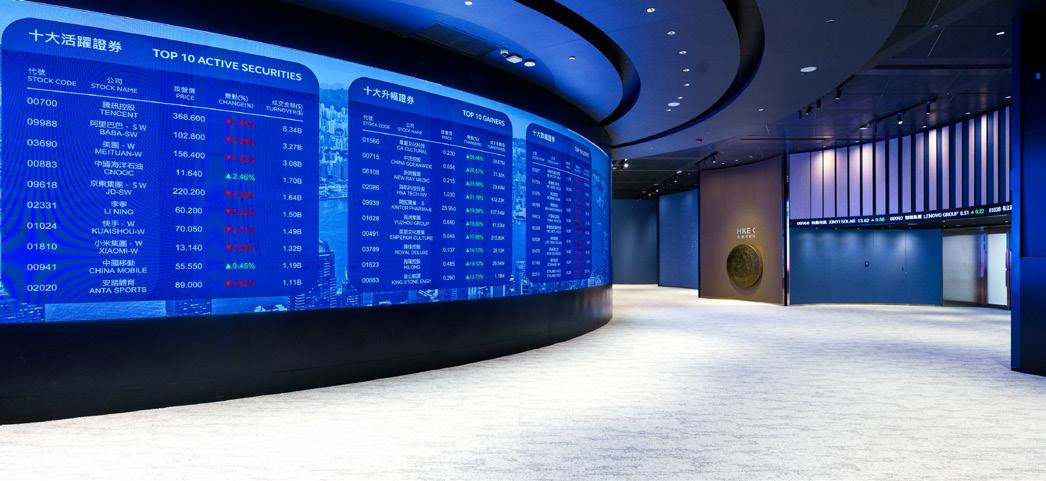
He added that language skills are becoming more important as mainland capital flows into Hong Kong increase, with Mandarin now carrying more weight alongside English and Cantonese in hiring decisions.
Mak said training support, subsidised courses, and upskilling programmes are becoming more important for job seekers, especially younger professionals entering the industry.
Recruiters said banks are competing not only within financial services but across sectors for talent, with technology firms, hedge funds, and digital platforms drawing from the same candidate pool.
Zhu said banks are no longer seen as the top employer for younger candidates, pushing institutions to improve pay and career development paths.
He added that firms are willing to pay more for top performers whilst cutting headcount in less productive roles.
Recruiters said this trend is expected to continue as AI use rises.



Cost and regulation remain hurdles to wider adoption of the clean fuel.
Hong Kong and China Gas Company Ltd. (Towngas) is targeting construction sites and data centres for its next phase of hydrogen projects as it moves from pilot testing toward early-stage deployment of low-carbon energy systems.
“Over the next one to two years, we are focused on moving from pilot testing to early-stage scaling,” Sammy Kong Siu-kuen, general manager for commercial and industrial marketing and sales at Towngas, told Hong Kong Business.
The company launched Hong Kong’s first hydrogenpowered charging system for a commercial building at its North Point headquarters in April, supplying zero-carbon electricity for electric vehicle charging.
Kong said Towngas is prioritising applications where grid limitations or reliability requirements create immediate demand for alternative power sources.
“These include construction sites with limited grid capacity, commercial operators, and critical-use facilities such as data centres,” he said in an emailed reply to questions.
Construction sites in Hong Kong frequently depend on diesel generators when grid connections are delayed or insufficient, creating an opening for hydrogen-based systems that can provide high power output for shortduration needs, according to Lawrence Iu, executive director at think tank Civic Exchange.
He said hydrogen systems also let developers and operators test energy demand patterns before committing to permanent grid upgrades, which can be costly and time-consuming.
Hong Kong has begun expanding hydrogen trials under its hydrogen strategy released in June 2024 that sets out market-led pilots, technical standards, and gradual adoption pathways. As of end-May, an inter-departmental working group had approved 38 hydrogen pilot projects covering transport, construction equipment, and generator applications.
Kong said the early projects are also expected to generate operating data needed to validate hydrogen systems under Hong Kong’s dense urban conditions.
“A strong safety track record will build confidence among regulators and customers,” he added.
Iu said in an exclusive interview that Towngas’ pilot could also support Hong Kong’s efforts to expand electric vehicle charging infrastructure in a city constrained by limited land availability and ageing building stock.
“If we want to fully electrify our commercial fleets, we still need to consider alternative solutions,” he said, adding that providing charging infrastructure for more than 800,000 vehicles would be difficult.
He pointed out that hydrogen could support such fleets
Over the next one to two years, we are focused on moving from pilot testing to early-stage scaling
as refuelling takes up to 10 minutes and can allow vehicles to travel about 400 to 500 kilometres.
“Fuel cell systems may also be easier to repair than batteries because the stack can be replaced relatively quickly,” he added.
Hong Kong’s existing gas network may also support hydrogen adoption, as it already reaches more than 90% of the population and carries a blended gas mix containing as much as 55% hydrogen.
However, analysts said regulatory clarity remains essential for scaling up deployment. Kong said more detailed rules on hydrogen import, storage, transport, and usage are expected to be submitted to the Legislative Council in the fourth quarter for vetting.
In a separate statement, Towngas also called for faster approvals for hydrogen projects and the creation of a dedicated energy office as Hong Kong aligns its development plans with mainland China’s 15th Five-Year Plan.
The group backed a proposal to set a two-month target for the Inter-departmental Working Group on Using Hydrogen as Fuel to decide on pilot applications.
Cost is another constraint on wider adoption.
Iu said shipping accounts for about 20% to 30% of Hong Kong’s retail hydrogen price, whilst current shipment sizes of 400 to 700 kilos remain too small to achieve scale efficiency. Bigger shipments in the range of several tonnes could reduce transport costs.
Officials are exploring options to lower import costs, with agencies including the Electrical and Mechanical Services Department and the Environment and Ecology Bureau reviewing supply and procurement frameworks.
Kong said Towngas could supply about 34 tonnes of hydrogen per day, which he said is sufficient for early and medium-scale projects in Hong Kong.
“By using town gas as a carrier for hydrogen transport and extraction, we avoid the massive upfront capital expenditure required for new production infrastructure,” he added.
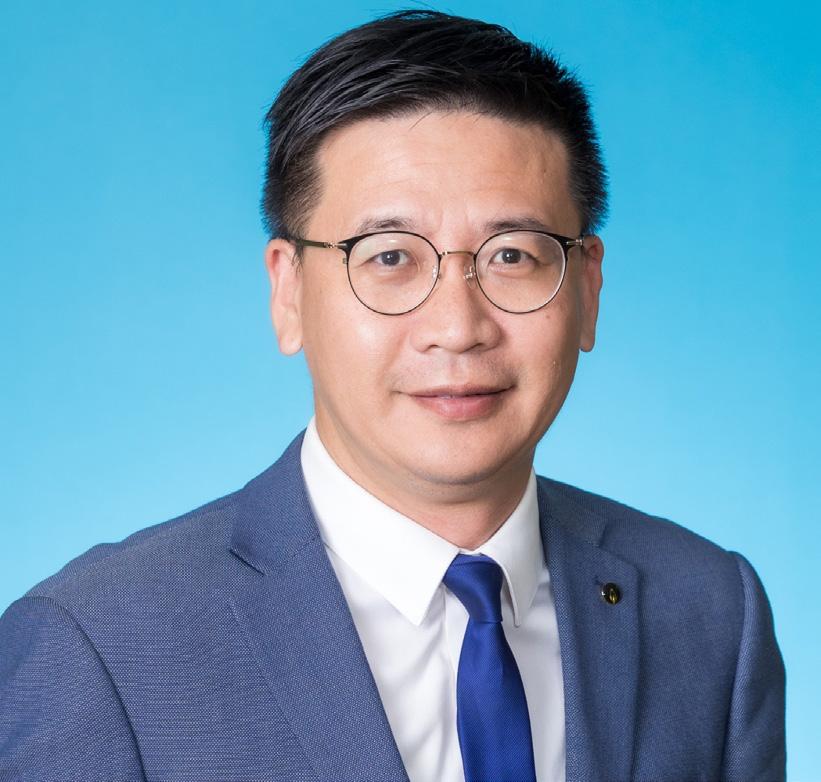

At The Lantau Group – a consulting firm – we help our global clients navigate the complexities and opportunities of the energy transition in APAC through robust market analysis and advisory; deep regulatory, competition, and policy expertise; and through effective strategies, and roadmaps. We work with leading energy stakeholders around the world who are increasingly focused on the dynamic APAC region.
Our quarterly market services combine market description, market development tracking, market analytics, and market forecasts. We cover China/Taiwan, India, all major ASEAN countries, and Korea:
• Overall background, context, and market developments of interest
• Actual outcomes and associated explanation and analysis
• Wholesale and retail market dynamics

• Solar and wind profile value capture rates
• Fuel contracting and cost implications
• Demand and supply drivers
• Green markets and REC value tracking
And more, using models and methods developed right here in Hong Kong.
Chinese SMEs test markets through Hong Kong and Singapore.
Chinese small and medium enterprises (SME) are accelerating expansion into Southeast Asia through low-cost digital strategies as war and shifting supply chains push firms to diversify beyond their home market, according to OCBC Bank (Hong Kong) Ltd.
OCBC is positioning its Hong Kong and Singapore network to capture rising cross-border activity as mainland Chinese and Hong Kong firms expand into Southeast Asian markets including Indonesia, Vietnam, Thailand and Malaysia.
“The key trend is they will build brands targeting overseas middle-class customers and leverage e-commerce platforms for quicker market entry,” Mimi Tsang, head of commercial banking cash, emerging business at OCBC Bank, told Hong Kong Business.
She said SMEs are increasingly entering overseas markets through a “small batch” strategy, letting firms test demand digitally before gradually expanding distribution and production operations.
Consumer goods, digital solutions, logistics and environmental, social and governance-related businesses are among the sectors driving outbound expansion, she told the magazine in an exclusive interview.
China’s Ministry of Industry and Information Technology in April rolled out measures identifying “quality” SMEs and encouraged local governments to support overseas expansion through financing, tax, and industrial policies, according to state-owned news agency Xinhua.
“We see our clients using Hong Kong for capital structuring and treasuries, whilst Singapore serves as their ASEAN operation hub,” Tsang said.
She said firms continue to face financing, compliance, and operational challenges even with digital-first expansion models. One issue that SMEs often face when expanding overseas is lack of financing, she pointed out.
OCBC lets clients open multi-market accounts across Hong Kong and ASEAN using a single set of documents, reducing setup costs and processing time, Tsang said.
The bank also provides multicurrency settlement services and offshore financing support to help firms deploy Hong Kong-based capital into Southeast Asian operations. “That will help the clients to have lower setup costs,” she said.
OCBC’s regional network spans 250 branches across Singapore, Malaysia, Indonesia, Thailand, and Vietnam, giving SMEs local banking access without rebuilding relationships in each market.
Tsang said SMEs are also increasingly seeking support beyond financing, including tax, legal, and compliance guidance as they navigate unfamiliar regulatory environments and fragmented supply chains.

“How do they acquire the talent on the ground in specific countries and build the brand?” she asked. “In these kinds of challenges, we could support our clients and provide seamless connectivity across different markets.”
She added that structural shifts in global supply chains and the rise of Southeast Asia’s middle class would continue pushing Chinese SMEs to expand overseas.
The rapid growth in young populations and the middle class will also push SMEs to go global, Tsang said.
OCBC earlier revealed plans to more than double its support for small and medium-sized enterprises (SMEs) through sustainable financing.
The Singapore-headquartered bank aims to support 12,000 SMEs across Singapore, Malaysia, Hong Kong and Indonesia by 2028, up from just 5,000 in 2025, it said in an April announcement.
Commitments will include social loans as well as dedicated programmes to women entrepreneurs and women-led businesses in the four markets.
We see our clients using Hong Kong for capital structuring and treasuries, whilst Singapore serves as their ASEAN operation hub
OCBC expects this move to drive its SME sustainable finance commitments from nearly $79.46b (US$10.14b) to $152.82b (US$19.5b) by 2028.
In 2025, OCBC said that the total number of SMEs it supported with sustainable financing rose by 34% group-wide, and its total commitments in the space for SMEs grew by approximately 40%. The number of sustainability-linked loans extended to SMEs also more than doubled, with over 70% of these borrowers being small SMEs with less than 25 employees, it said.
Sectors that drove the growth included building and construction, manufacturing, and transport and logistics.

Whether it’s delivering a full turnkey metro system, or increasing the capacity of an existing network, Hitachi Rail works as a trusted partner to help its customers to improve the safety, availability and reliability of new and existing urban railways – improving passenger experience and helping operators to optimise costs.
Cargo and customs data will help banks assess borrowers faster.
The Port Community System is expanding beyond cargo visibility into trade finance, with plans to help banks assess loans using shipment data and attract 10,000 more users over the next year.
The feature would target small and medium enterprises (SMEs) that face high financing costs and slow loan approvals, Venus Lun, special project director at Logistics and Supply Chain MultiTech R&D Centre Ltd. (LSCM), told Hong Kong Business in an exclusive interview.
The platform is expected to introduce a trade finance function within the next two years that will use cargo information to support faster credit assessments by lenders.
Lun said the system would rely on blockchain technology to verify deliveries and provide real-time updates on vessels, trucks, customs clearance, delayed containers, and temperature-sensitive cargo.
Potential benefits
Hong Kong’s Transport and Logistics Bureau launched the system in January to connect maritime, port, and logistics data.
Developed with LSCM, the platform, which has more than 6,000 registered users, also reduces duplicate data entry for trade declarations.
According to Lun, said the platform aims to add another 10,000 users within the next 12 months, with the LSCM also prioritising offshore cargo tracking and a smart customs module.
Anna Lin, CEO at GS1 Hong Kong Ltd., said the system could boost financing decisions by linking cargo information with internationally recognised product, company and location identifiers.
“This gives financial institutions and banks reliable alternative data for know-your-customer and credit assessment,” she said.
Lin said the system could also create broader trade and logistics connections when linked to the group's ezTRADE platform, which retailers and marketplaces use to



exchange electronic orders, invoices and shipment notices.
The platform’s potential extends beyond lending. Ryan Ip, vice president at Our Hong Kong Foundation Ltd. and executive director at the Public Policy Institute, said cargo insurers could use the data for underwriting, claim validation, and premium adjustments.
“Data timeliness and cargo tracking will also allow logistics providers to make predictive plans for storage and trucking instead of reactive, lastminute arrangements,” Ip said.
Oliver Miloschewsky, head of shipping for Asia at Aon Plc, said the system could reduce cargo dwell times, improve coordination between logistics operators, and strengthen responses to congestion and weather disruptions over the next 12 to 24 months.
He added that the Port Community System could support cargo flows across the Greater Bay Area, where shipments increasingly move through multiple ports, including Shenzhen and Guangzhou.
Adoption, however, will depend on industry support for data sharing and common standards.
“Port ecosystems remain inherently fragmented, and unlocking the full value of digital platforms requires coordination across commercial and regulatory participants.”
“At the same time, increased digitalisation introduces new forms of interconnected risk, particularly around cyber resilience and system dependencies,” Miloschewsky said.
Moreover, the city must also keep pace with other ports that have advanced in areas like automation and digital integration.
“Leading global ports such as Singapore and Rotterdam have made significant progress in automation and digital integration,” he said, adding that platform could help narrow the gap in data integration and ecosystem coordination.
Ip warned that a major power failure could disrupt cargo clearance and delivery schedules, citing the 2024 global breakdown of Microsoft Corporation cloud computing services for airports, whilst Lun said cybersecurity measures would continue to be upgraded as the platform expands connections with third-party systems.
“Predictive functions will also be developed later once we collect and validate sufficient industry demand and use cases from our registered users,” she said.
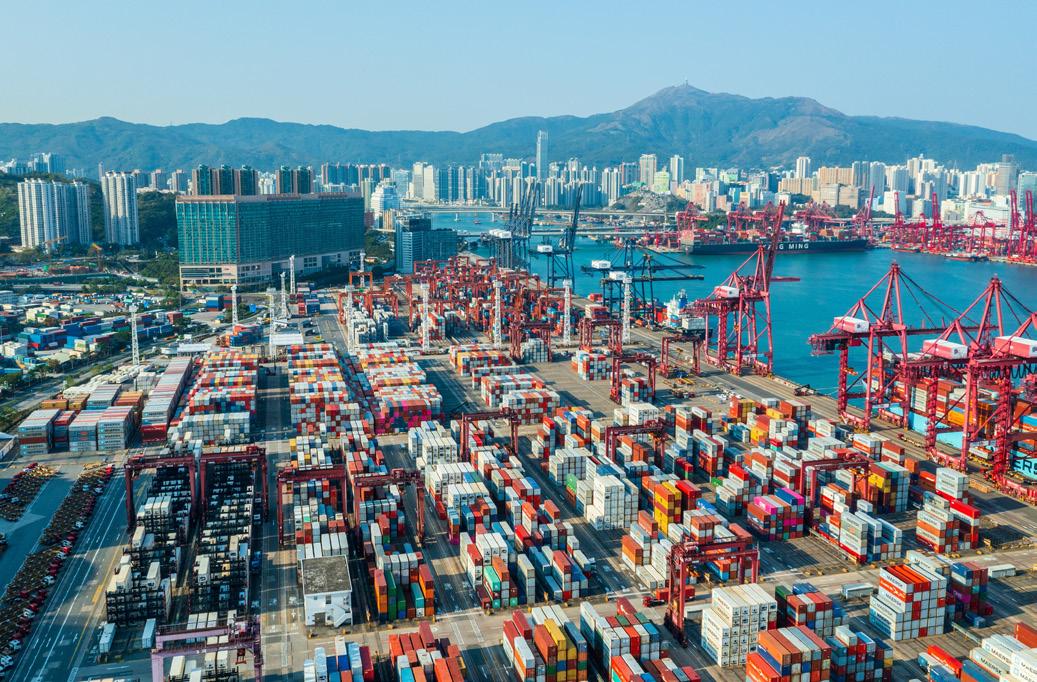


Allianz Trade in Hong Kong has supported businesses with:
✓ Over €457 million in insured trade
✓ Credit risk consultations for over €1 billion in trade business
We can help you today




The proposed expansion of stamp duty relief for property and share transfers could extend tax benefits to limited liability partnerships (LLP) after a court ruling excluded them, lawyers said.
Asset managers also stand to gain from the change, given their wide use of LLPs, Machiuanna Chu, a partner and head of the commercial group at Deacons, told Hong Kong Business.
“Statutory bodies and trust structures may also benefit from the expanded relief,” she said in an exclusive interview.
The government said in February it would amend Section 45 of the Stamp Duty Ordinance to let entities without ordinary company shares qualify for the incentives.
The proposal follows the June 2025 decision in John Wiley & Sons UK2 LLP and Wiley International LLC v The Collector of Stamp Revenue, where the Court of Final Appeal ruled that the tax perks did not apply to LLPs.
Chu said the case exposed a gap in the framework because ownership tests relied mainly on issued share capital, excluding structures without

conventional shares.
She said the ruling prompted calls for reform to keep Hong Kong’s tax regime aligned with modern business structures and keep the city’s competitiveness.
The proposed expansion would also lower the ownership threshold for related companies to qualify for relief from 90% to 75%.
The changes are expected to apply retrospectively to transfer instruments executed on or after 25 February.
Before the amendment is enacted, duty payers may submit review requests to the Stamp Office first. “The office will decide whether the relief can be approved after the amendment ordinance is passed.”
David Cheng, a corporate partner at Bird & Bird LLP, said the changes could encourage more internal transfers of assets and shares during corporate restructuring exercises.
“Businesses will be able to align their asset and corporate structuring decisions with their commercial goals, rather than be limited by strict tax rules,” he told the magazine.
He said some groups might centralise properties and shares under
common holding structures, whilst multinational companies, acquisition vehicles, and firms with big property portfolios are likely to benefit most from the revised rules.
The relief could also lead to a moderate increase in related corporate restructuring activity in the short term, as groups review whether properties and shares should be moved into common holding entities.
“This may also mean that Hong Kong as a city can be expected to see a boost in transaction volumes and investment flows,” Cheng added.
Chu said the proposal is in line with the government's company re-domiciliation regime, which came into effect on 23 May 2025 and allows overseas-incorporated companies to move their registration to the city whilst retaining their legal identity.
“Businesses will have a higher degree of flexibility in how they organise or reorganise their assets and investments without triggering tax obligations,” she added.
Still, Chu said companies would need to show they satisfy the 75% ownership requirement.
“Proving that there is 75% ownership may not be a straightforward exercise and may require detailed legal analysis,” she pointed out to the magazine.
Some groups may also remain outside the relief even under the lower threshold, particularly those with fragmented ownership across different holding companies or complex ownership and profitsharing structures.
Cheng added that companies must maintain the ownership relationship for at least two years after the transfer to keep the perks.
“Otherwise, the stamp duty relief would be withdrawn, and payment would have to be made retroactively,” he added.
Moreover, the transferor and transferee would be jointly and severally liable for the stamp duty if relief is withdrawn, and may also be subject to penalties.



The government's decision to allow earlier visa renewal applications may reduce the risk of work disruptions for foreign employees, but employers still face compliance challenges and are seeking broader immigration reforms to attract and retain international talent.
“The Immigration Department still expects applicants to demonstrate that they continue to meet all the criteria of the relevant immigration scheme,” Aoife Griffin, head of immigration at Lewis Silkin LLP in Hong Kong, told Hong Kong Business.
Hong Kong began allowing employment and dependent visa renewals to be filed up to three months before expiry on 1 March, up from four weeks previously, according to a report by Ernst & Young Tax Services Ltd. published in February.
The change gives employers more time to prepare applications and address any issues before visas expire.
“If complications do arise and the Immigration Department issues requisitions for further information, employers will not be racing against the deadline,” Griffin said.



The head of immigration said companies that employ large numbers of overseas workers are likely to benefit most from the longer renewal period. “This also sends a signal that the government takes talent retention seriously.”
The change is particularly useful for HR teams handling applications internally, especially where they may be less familiar with the supporting documents required by the Immigration Department, she added.
However, the longer filing window does not remove compliance requirements. Griffin said employers should use the extra time to check for changes in an employee's role, salary or sponsoring company that could affect visa renewal approval.
Magdalene Tennant, managing director at Fragomen (Hong Kong) Ltd., told the magazine that the previous four-week filing window often created pressure for employers.
If a renewal is not approved before expiry, employees may have to stop working, disrupting operations and delaying projects, she said.
She said the impact can also extend
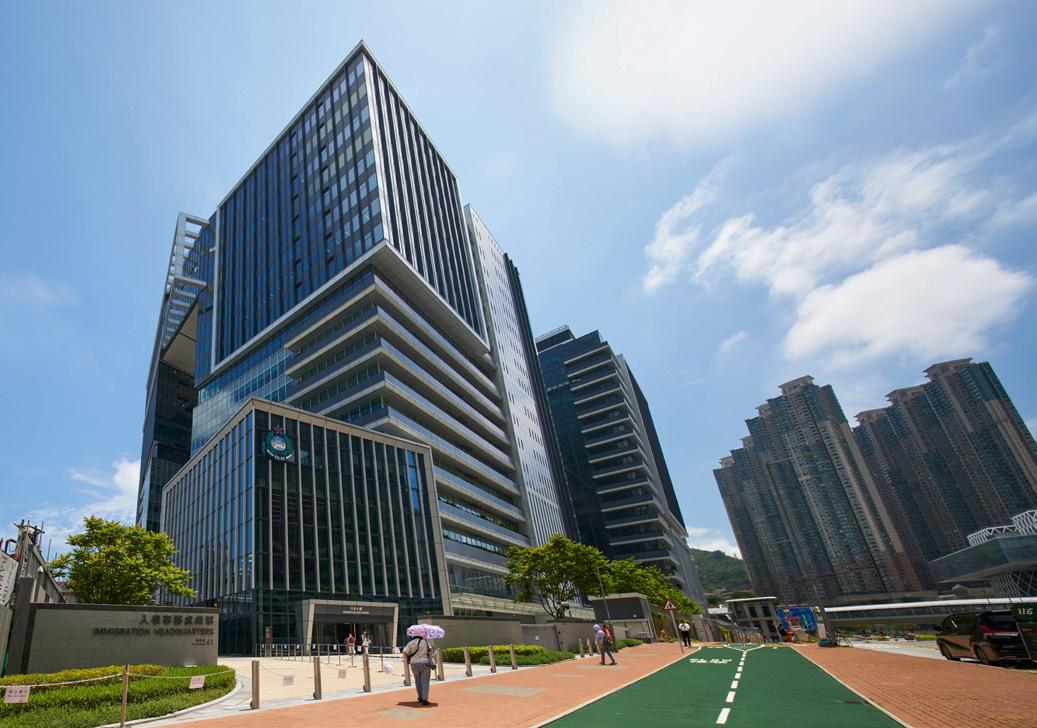
beyond the employee. “This could affect dependent family members, including spouses with work authorization and children attending school in Hong Kong,”
Employers should track visa expiries well in advance, Tennant added, rather than relying solely on the extended filing window.
Fion Yeung, director at Randstad Hong Kong Ltd., told the magazine that companies should notify both managers and employees 90 to 100 days before visa deadlines.
“This would give companies about 30 days to collect records and a 60-day buffer before expiry,” she said.
Yeung added that engineering firms could benefit significantly from the change because they frequently manage corporate transfers and employ large numbers of nonlocal professionals. Employers also want more flexibility for internal role changes amongst foreign staff.
“In today’s economy, careers evolve quickly,” Griffin said.
“People move up within companies and change roles internally, so you do not want to encounter immigration hurdles in those situations.”
Yeung said a unified digital immigration platform linking government departments could further streamline corporate visa sponsorship processes.
According to recruitment firm Hays' 2026 Asia Salary Guide, 40% of professionals in Hong Kong are not optimistic about the economic climate and employment prospects over the next two to five years.
Less than half (48%) said they feel secure in their current roles, whilst 17% feel insecure.
“Moreover, providing improved assistance for family members and establishing transparent, expedited routes to permanent residency for elite experts would greatly enhance talent loyalty,” she added.
Tennant added that employers want faster visa processing and a review of rules requiring some applicants to be in Hong Kong before receiving electronic visas.
Employers may also want greater recognition of the city’s talent shortages when assessing applicants without formal academic qualifications, she said.

Semiconductors are crucial to solve the energ y challenges of our time and shape the digital transformation. This is why Infineon is committed to actively driving decarbonization and digitalization.
A s a global semiconductor leader in power systems and IoT, we enable
game - changing solutions for green and as well as smar t and secure IoT.
We make life easier, safer, and greener. Together with our customers and par tners For a better tomorrow
Six in 10 patients delay treatment due to cost anxiety.
The healthcare sector is shifting focus to pricing transparency, clinical trial capacity, and biotech infrastructure as insurers, hospitals, and life science firms respond to rising cost uncertainty and gaps in drug development capacity.
Arjan Toor, CEO, Health at Prudential Corporation Asia Limited (operating locally in health services via Prudential Hong Kong Limited), said healthcare affordability is increasingly about uncertainty rather than headline prices alone.
“It’s not necessarily about the absolute expense, but it’s more about the anxiety that people feel, not knowing before the treatment how much they’re actually going to be paying out of their own pocket,” he told Hong Kong Business.
Cost concerns
Toor cited Prudential’s Patient Voices survey, saying that in Hong Kong six out of 10 patients delay care and that cost anxiety is one of the main reasons. He also said over half of surveyed patients found healthcare costs higher than initially expected.
Hong Kong’s medical cost inflation is projected to reach 9.9% in 2026, according to a health trends report by Marsh & McLennan Companies, Inc.’s specialised team, Mercer Marsh Benefits. It also found that Asia had the highest projected medical trend rates globally in 2025, with Asia at 13%, more than five times inflation.
Kwok Quek Sin, group chief business technology officer at IHH Healthcare Berhad, also linked artificial intelligence (AI) to affordability through fee advisory tools.
Kwok said IHH uses AI to provide patients with more certainty over expected costs, insurance coverage and out-of-pocket payments.
“Every time a patient is going to hospital, besides worrying about their own health, they have to worry about the cost as well,” he said in a separate interview.
He said AI should be deployed as an operational tool rather than a trend-driven investment, with a focus on clinical outcomes, hospital efficiency, and cost control.
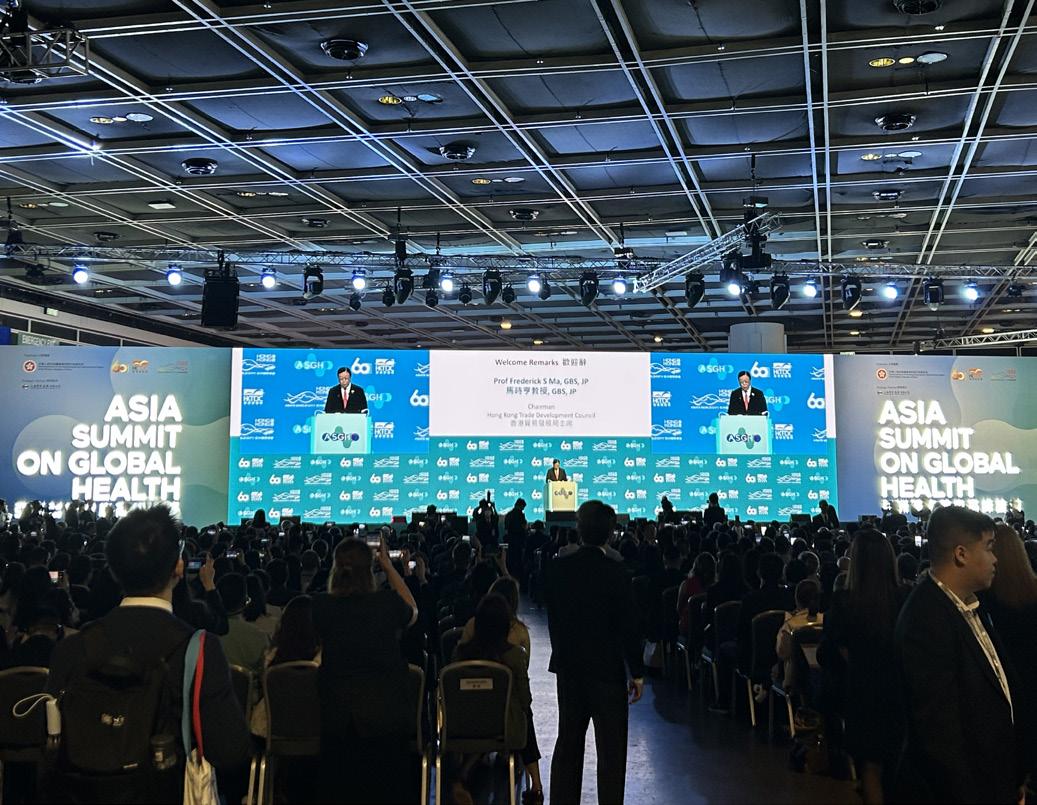



Hong Kong Chief Executive John Lee Ka-chiu said at the Asia Summit on Global Health in May the key issue has shifted to whether healthcare technology could be turned into tools that are clinically useful, commercially viable, and affordable at scale.
He said Hong Kong plans to expand clinical trial capacity and improve the pathway from research to commercial application.
He pointed to the Greater Bay Area International Clinical Trial Institute, operated by the University of Hong Kong, as part of that effort.
He said the institute and its Shenzhen counterpart operate under a “one institute one centre model” and draw on the Greater Bay Area’s population of “more than 87 million” to coordinate multicentre, crossboundary clinical trials.
The government’s 2026 to 2027 budget outlined a “One plus Three” life and health technology research framework centred on Hetao Hong Kong Park. Meanwhile, the 2025 policy address proposed a medical product regulator and faster drug approval pathways.
Zhu Tian, co-founder and CEO at GenEditBio Ltd., said Hong Kong still lacks shared contract manufacturing capacity for advanced therapies.
“For biological products, the process is a product,” Zhu said.
“So we have to spend a lot of resources and time on chemistry, manufacturing, and control advancement and optimisation.”
She said shared manufacturing facilities in Hetao could help startups move from lab research into earlystage human trials.
She added that regulatory differences across markets and uneven capital conditions remain key constraints for cell and gene therapy developers. Looking forward, Zhu said that healthcare professionals need to look into regulatory uncertainty for cell and gene therapy as various jurisdictions “have different stages of maturity.”
“[We need] to make sure that we have enough capital,” Zhu said.
“The capital market environment still has some uncertainty, so for different stages of biotech, the exit strategy has to be more balanced.”
















For corporate issuers targeting a Hong Kong listing, the dual pressures of investment banker shortages and Securities and Futures Commission (SFC) scrutiny of listing documentation, paired with parallel cross-border regulatory oversight of offshore structures, have made little room for delayed structuring or governance shortcuts.
Prioritising these foundational elements at the pre-IPO planning stage is no longer a compliance formality; it is a strategic necessity to navigate regulatory vetting, protect deal timelines, and sustain long-term market credibility for global and cross-border businesses.
There has been a documented investment banker shortage, which has created systemic bottlenecks in the Hong Kong IPO ecosystem. In turn, this has exacerbated risks for companies with underdeveloped governance and unrefined offshore structures.
Operational strains
A surge in cross-border listing mandates has stretched qualified sponsor bankers and signing principals to capacity.
With the SFC enforcing strict caps on active deal pipelines to prevent rushed due diligence and to ensure quality of IPO work, overloaded banking teams lack the bandwidth to conduct iterative fixes to complex ownership frameworks, resolve related-party transaction ambiguities, or shore up governance gaps mid-process.
Last-minute structural tweaks trigger prolonged document reviews, repeated regulatory queries, and potential sponsor resource reallocation to better-prepared peers. In this resource-constrained environment, companies with pre-built, regulatory-aligned offshore structures and governance frameworks avoid costly delays, as sponsors can focus on due diligence rather than retroactive compliance repairs.
Compounding this operational strain is the SFC’s review of offshore corporate structures with a view to ensuring governance rigour, alongside tightened cross-border regulatory coordination.
Hong Kong regulators now conduct deep-dive vetting of offshore holding architectures, particularly red-chip and VIE (Variable Interest Entity) structures, to verify beneficial ownership transparency, commercial substance, and alignment with both HKEX Listing Rules and cross-border regulatory filing requirements.
Priority is being given to identifying opaque shareholding arrangements and weak governance controls within offshore entities –flaws that naturally trigger enhanced regulatory interrogation, regardless of an issuer’s financial performance.
Structures with no genuine commercial rationale are difficult to support and demand clear documentation of structural necessity, such as cross-border investment flexibility, global investor accessibility, or compliance with foreign investment regulations.
This heightened regulatory focus makes early offshore structure governance review indispensable for corporate issuers. Rushing to set up holding vehicles without aligning with SFC and cross-border regulatory expectations leads to listing roadblocks: Regulators may require full structural restructuring, mandatory disclosure of ultimate beneficial owners, or strengthened independent governance within offshore
entities – changes that, in a resource-constrained environment, can derail IPO timelines and incur additional restructuring costs.
Early validation of structures ensures transparent ownership chains and aligns constitutional documents of relevant entities with Hong Kong’s corporate governance standards, addressing core regulatory concerns before sponsor due diligence begins.
Equally critical is embedding robust governance practices into both offshore and onshore entities simultaneously.
From an offshore perspective, the mandated consistent governance standards across the entire group structure require independent directorship and formal board oversight. and robust internal controls for offshore holding companies, not just the listed entity.
For offshore structures, this can mean appointing qualified independent directors, establishing formal board reporting protocols, and implementing rigorous anti-money laundering (AML) and knowyour-customer (KYC) compliance frameworks at inception.
For reputable offshore company formation providers, this is par for the course, and jurisdictions such as the Cayman Islands and the BVI are well-equipped to facilitate such governance.
Nevertheless, proactive governance planning avoids any last-minute delay to onboard independent directors or retrofit compliance protocols, a common pain point that draws regulatory review amidst the banker shortage.
For corporate issuers, in any view, early structural and governance readiness delivers tangible strategic benefits beyond regulatory compliance. Well-designed structures with transparent governance streamline sponsor due diligence, reducing reliance on overstretched banking teams and accelerating prospectus finalisation.
This efficiency can act to shield issuers from costly IPO delays, reputational damage, or application rejection.
Additionally, transparent, regulation-aligned governance frameworks signal credibility to global institutional investors, who increasingly prioritise cross-border compliance and sustainable appropriate governance over short-term financial metrics, supporting stable IPO pricing and long-term post-listing performance.
In conclusion, the current landscape – shaped by banker shortages, increased documentation scrutiny, and cross-border oversight of offshore structures – demands a proactive, corporate-centric approach to pre-listing preparation. For companies, delaying structural validation or governance setup can derail even financially robust listings.
By prioritising compliance and embedding robust governance practices from the outset, corporate issuers not only navigate regulatory vetting seamlessly but also build a resilient cross-border compliance foundation for sustainable long-term success.
In a market where regulatory discipline is non-negotiable, early and strategic structural and governance planning is the most reliable path to a seamless, successful Hong Kong IPO.

As Hong Kong’s private healthcare market continues to grow, more clinics and specialist practices are expanding beyond single-site operations into multi-location medical businesses.
But choosing premises for medical use is very different from leasing a standard office.
Factors such as floor loading, electrical capacity, plumbing system, licensing compliance, and accessibility can have a major impact on whether a site is truly viable.
Too often, operators focus first on district, rent, and floor area efficiency, only to discover later that the premises cannot support the technical or regulatory demands of medical use. By the time those problems surface, the lease may already be signed, fit-out plans may be finalised, and costs may begin to escalate.
For medical operators, site selection is not just a property decision. It is also a risk-management exercise.
Structural loading is a critical first filter
One of the most overlooked issues in medical site selection is floor loading. A normal office floor is designed for regular commercial activity, but medical operations may involve concentrated equipment loads. Dental machinery, diagnostic imaging systems, and other clinical installations can place far greater demands on a building than ordinary office fittings and workstations.
In some cases, structural limitations can be addressed through reinforcement or redesign.
However, these solutions often require professional engineering assessment, landlord or management approval, as well as additional time and cost. Not every building is suitable for such modifications, particularly older commercial blocks.
In practice, some projects are delayed or even abandoned because the premises cannot accommodate the intended equipment.
That is why structural capacity should be reviewed at the very beginning, not treated as a technical detail to be confirmed later. If the building cannot support the clinical model, an attractive address or competitive rent will not make the site workable.
Power supply is about infrastructure, not just budget
Electrical capacity is another essential consideration. Medical facilities may require not only sufficient power, but also stable supply, dedicated circuits, and, in some cases, integration with uninterruptible power supply systems or backup generators. Facilities dedicated to medical imaging and therapy require exceptionally stable infrastructure to prevent critical service interruptions.
A common misconception is that electrical shortcomings can always be solved with extra spending during fit-out. In reality, the building itself may have limited spare capacity, especially if it was designed for conventional office use rather than medical operations. If this is discovered too late, operators may be forced to scale back equipment plans and redesign services.
For that reason, healthcare tenants should assess available electrical capacity early, confirm whether upgrades are possible, and understand
MICHAEL WONG Senior Director Value Properties
the limitations of the building’s existing systems. In medical leasing, infrastructure often matters more than rental cost.
Even when a premises appears commercially attractive and technically feasible, it may still fail as a medical site if it cannot satisfy licensing and compliance requirements.
Clinics and day medical facilities in Hong Kong may need to meet detailed requirements relating to layout, circulation, accessibility, fire safety, and operational design.
These are not minor technicalities. Door widths, barrier-free access, disabled toilet provisions, and other specifications can all affect approval. If the completed premises do not comply, additional works may be required before operations can begin. During that period, the tenant may already be paying rent without generating revenue.
For medical operators, this can become one of the most avoidable costs in the expansion process. Compliance should therefore be treated as a core part of site selection, not something to be reviewed only after lease commitment. The earlier these issues are assessed, the lower the risk of expensive revisions and delayed opening.
Location strategy: Matching district to medical model
Once technical and compliance requirements have been addressed, the next question is location strategy. Many operators still assume that the more central the location, the better the outcome. But healthcare real estate is not simply about prestige or foot traffic.
The right district depends on service type, operational needs, and long-term expansion plans.
Prime districts such as Central, Admiralty, and Tsim Sha Tsui remain attractive for specialist outpatient practices, consultation-based services, and functions tied to insurance or corporate healthcare. These locations offer strong brand value, convenience, and professional positioning.
For many healthcare groups, fringe-core districts may present a more practical option.
Areas such as Mong Kok, Jordan, West Tsim Sha Tsui, and Causeway Bay combine strong transport links and public recognition with a wider range of building types and more operational flexibility.
Compared with top-tier core locations, these districts may provide more suitable floor plates, more manageable rents, and better conditions for accommodating medical infrastructure. This makes them particularly attractive for dental centres, imaging services, or integrated health screening clinics that require both visibility and technical practicality.

For operators seeking a flagship presence without the full constraints of the most premium districts, fringe-core areas can provide a strong middle ground between branding and function.
There is no universal formula for medical site selection in Hong Kong. The right location depends on whether the premises fit the operator’s service model, equipment needs, compliance obligations, and growth strategy. A consultation-led specialist practice may perform well in a prime business district, whilst an equipmentintensive or scalable medical operation may be better suited to a technically capable regional centre.