Charlton Media Group 101 Cecil St. #17-09 Tong Eng Building Singapore 069533 +65 3158 1386
HONG KONG
Charlton Media Group Room 1006, 10th Floor, 299QRC, 287-299 Queen’s Road Central, Sheung Wan, Hong Kong
MIDDLE EAST
FDRK4467, Compass Building, Al Shohada Road, AL Hamra Industrial Zone-FZ, Ras Al Khaimah, United Arab Emirates
www.charltonmedia.com
PRINTING
Midas Asiapac Pte Ltd 10 Admiralty Street, #06-22 North Link Building, Singapore 757695 +65 6383 5290
Can we help?
Editorial Enquiries: If you have a story idea or press release, please email our news editor at ha@charltonmedia.com. To send a personal message to the editor, include the word “Tim” in the subject line.
Media Partnerships: Please email ha@charltonmedia.com with “Partnership” in the subject line.
Healthcare Asia is published by Charlton Media Group. All editorial materials are covered by copyright and may not be reproduced without consent. Contributions are invited, but copies of all work should be kept as Healthcare Asia can accept no responsibility for loss. We will, however, take the gains.
Distributed to all CxO, board levels, doctors, and healthcare professionals of major private/public hospitals and health ministries in ASEAN and Hong Kong.
FROM THE EDITOR
Hospitals across Asia are trying to cut delays without simply adding more beds or staff. That has pushed technology from pilot projects into the harder work of changing workflows, access points, and care delivery.
On page 6, we examine how hospitals are using AI in documentation, diagnostics, patient engagement, and population health. But the limits are already showing. On page 8, Singapore providers warn that AI pilots are struggling to scale because data remains fragmented, systems stay siloed, and some markets still rely on handwritten prescriptions and invoices.
The same pressure is reshaping hospital operations. Alexandra Hospital is preparing for 1,300 beds by 2028 with automation and digital tools on page 22, whilst National University Hospital is redesigning workflows, staffing, and frontline decision-making to cut delays across care on page 24.
Care is also starting earlier. On page 12, OUE Healthcare opens Singapore’s first private sleep lab to shorten the path from testing to treatment for sleep apnoea. On page 30, we look at how health apps are forcing hospitals to rethink the “front door” to care as patients research symptoms before seeing a doctor.
On page 36, Singapore General Hospital shows how capitation can shift the focus from filling beds to keeping patients well, after its Hospital-at-Home pilot freed 8,700 bed days.
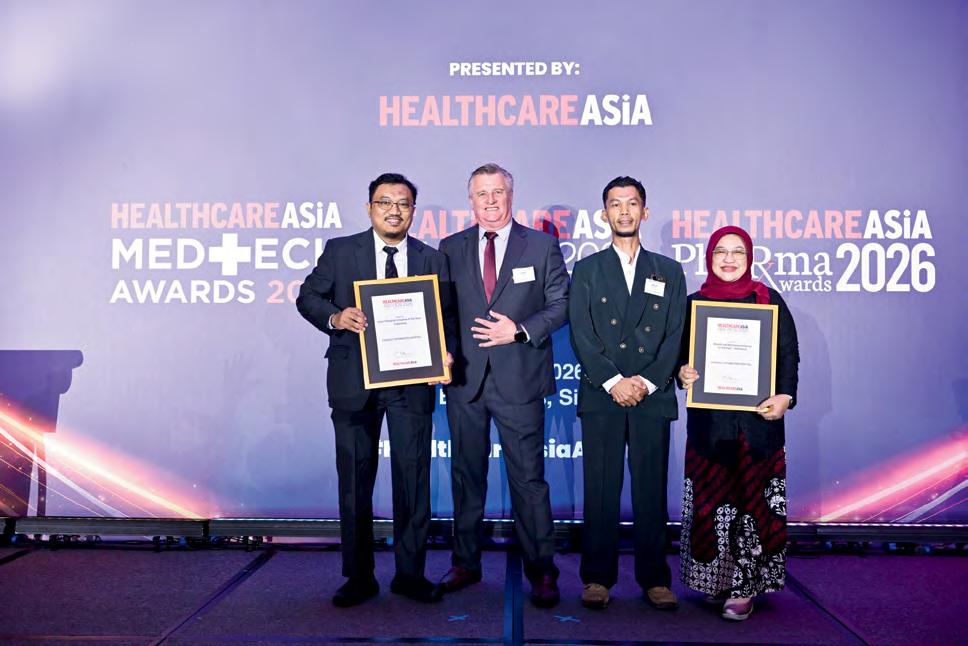
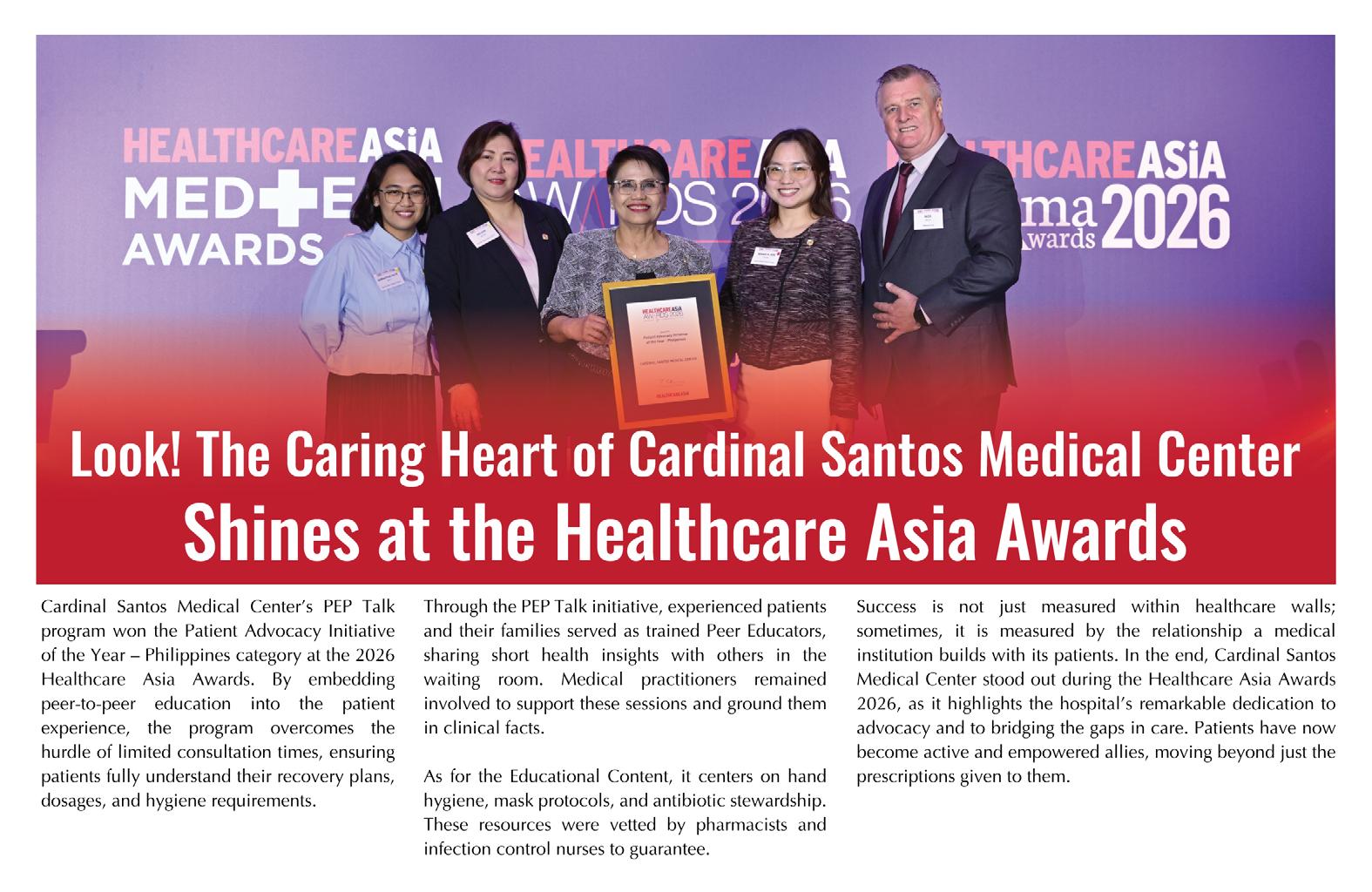
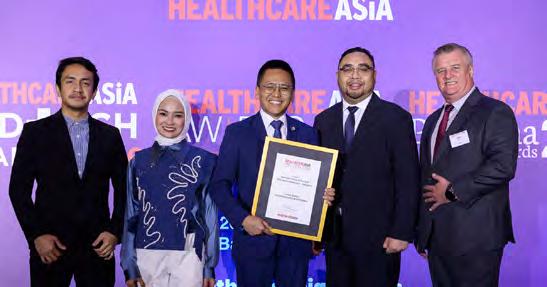
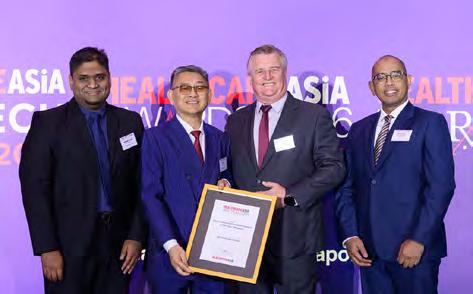
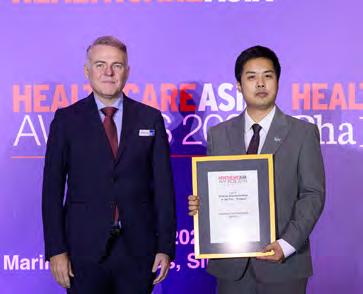
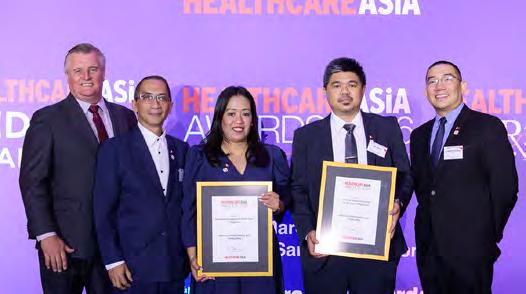
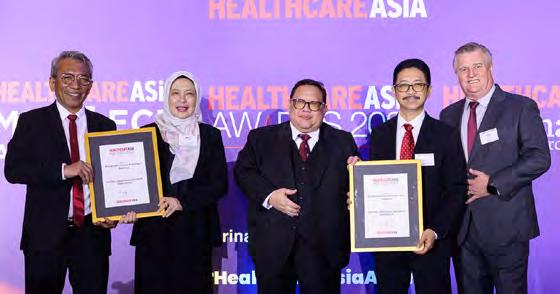
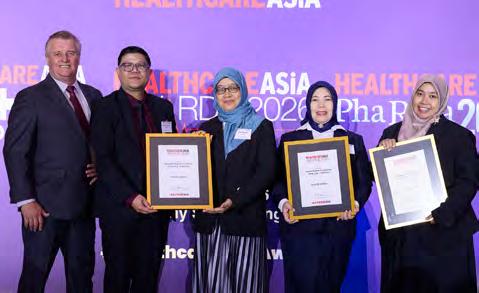
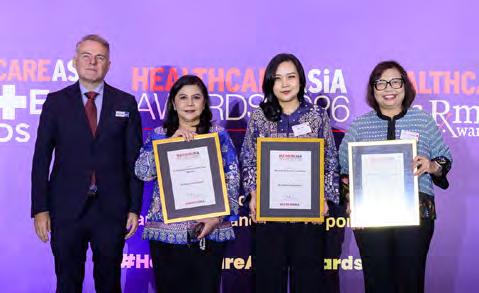
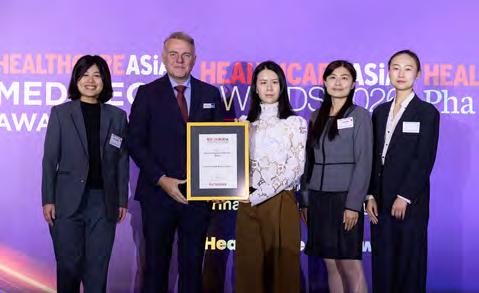
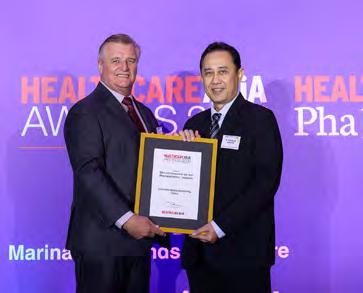
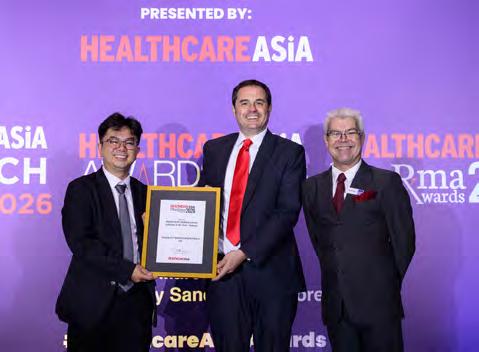
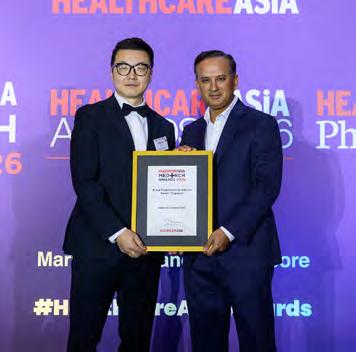
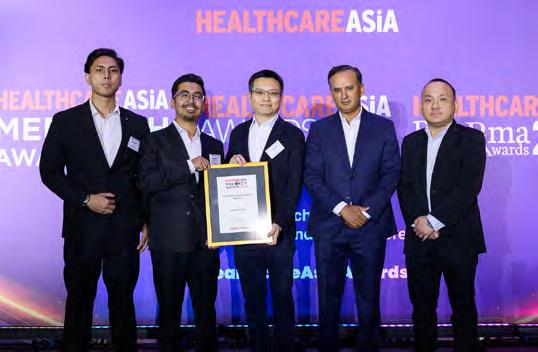
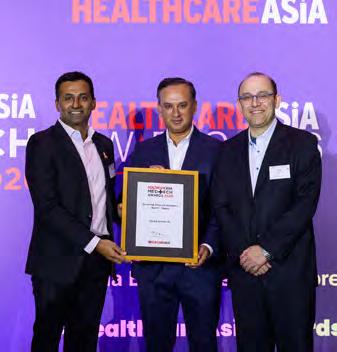
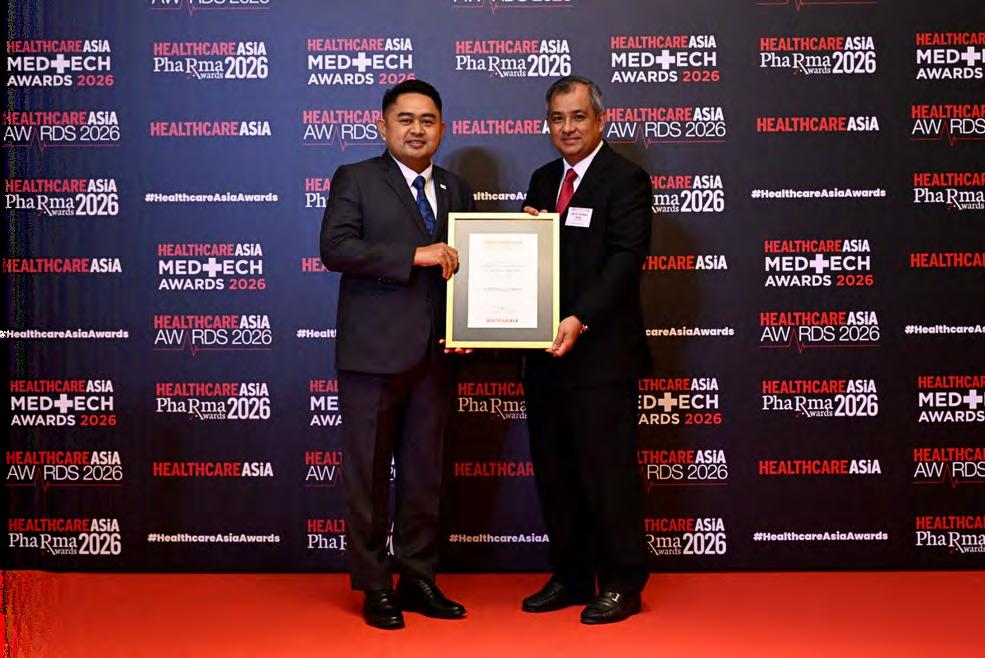
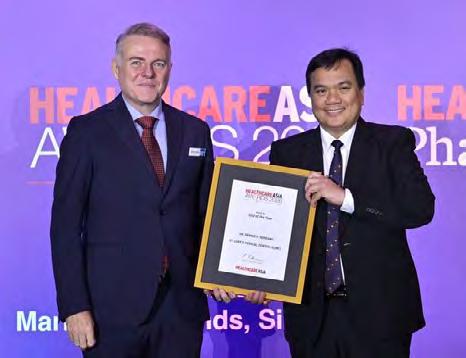
The issue concludes with the Healthcare Asia Awards 2026, Healthcare Asia Pharma Awards 2026, and Healthcare Asia MedTech Awards 2026. Turn to pages 46 onwards to meet the organisations transforming healthcare across the region. A well-deserved recognition for this year’s healthcare pioneers!
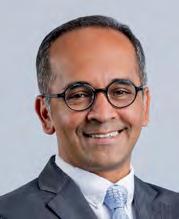
Tim Charlton
HealthcareAsia is also the media sponsor for the following events:
Forging new partnerships today to empower better health tomorrow.
Our Commitment
Anchored in a heritage that spans nearly 140 years, Menarini remains dedicated to invigorating lives and growing vibrant partnerships across Asia Paci c. Throughout our business, we operate with the highest levels of integrity and compliance. Today, some of the world’s most innovative biopharmaceutical companies continue to entrust us to expand their regional presence. While leveraging our omni-channel marketing and distribution strategy as well as our R&D and manufacturing capabilities, they also bene t from our unique ability to operate a fully integrated portfolio of high-quality proprietary and licensed healthcare brands and our strong presence in 13 major healthcare markets.
Together, we serve the unmet medical needs of every customer and patient throughout the region, meeting today’s healthcare needs and invigorating lives for tomorrow.
News from healthcareasiamagazine.com
Daily news from Asia
MOST READ
Sunway Healthcare targets $4.34b market cap with Malaysia IPO
Sunway Healthcare expects a market capitalisation of approximately $4.34b upon listing on the Main Market of Bursa Malaysia Securities Berhad, according to an announcement. The amount is based on a maximum IPO price of about $0.38 per share and an enlarged issued share capital of 11.5 billion shares.
Philippine private hospitals told to avoid reckless spending
Philippine private hospitals should cut costs by avoiding wasteful spending, including on medical supplies, to ease the burden on patients, as personal healthcare claims in the Southeast Asian nation could rise by 21% in 2025 — the highest in Asia. The country’s healthcare claims could increase by 21% this year.
AI training targets 50,000 doctors in India to strengthen medical skills
India's Union Ministry of Health and Family Welfare has launched an online training programme on AI to equip about 50,000 doctors with digital skills. The course, developed by the National Board of Examinations in Medical Sciences, will provide doctors with basic training in AI applications for clinical practice.
Wound care market to reach $34.64b by 2034 as chronic ulcers surge
The global wound care market is forecasted to reach $34.64b by 2034, growing at a compound annual growth rate of 5.3%, according to a Polaris Market Research report. One of the key growth drivers is the increasing prevalence of chronic wounds, including diabetic foot ulcers, pressure ulcers, and venous leg ulcers.
St. Andrew’s Community Hospital opens second facility in Bedok South
Singapore's St. Andrew’s Community Hospital has unveiled its second facility in Bedok South. The facility, developed with the Ministry of Health and MOH Holdings, has 100 community hospital beds and 140 transitional care beds. It will also install AI-driven falls prevention in beds and toilets by mid-2026.
Dubai Health and DFDF to scale medical startups in landmark deal
Dubai Health and Dubai Future District Fund inked a Memorandum of Understanding to advance Dubai’s global position in the HealthTech sector. They aim to build a HealthTech and TechBio ecosystem by accelerating the success of high-impact ventures. This includes advancing innovation across biotech and digital health.
How Asian hospitals use AI to cut delays
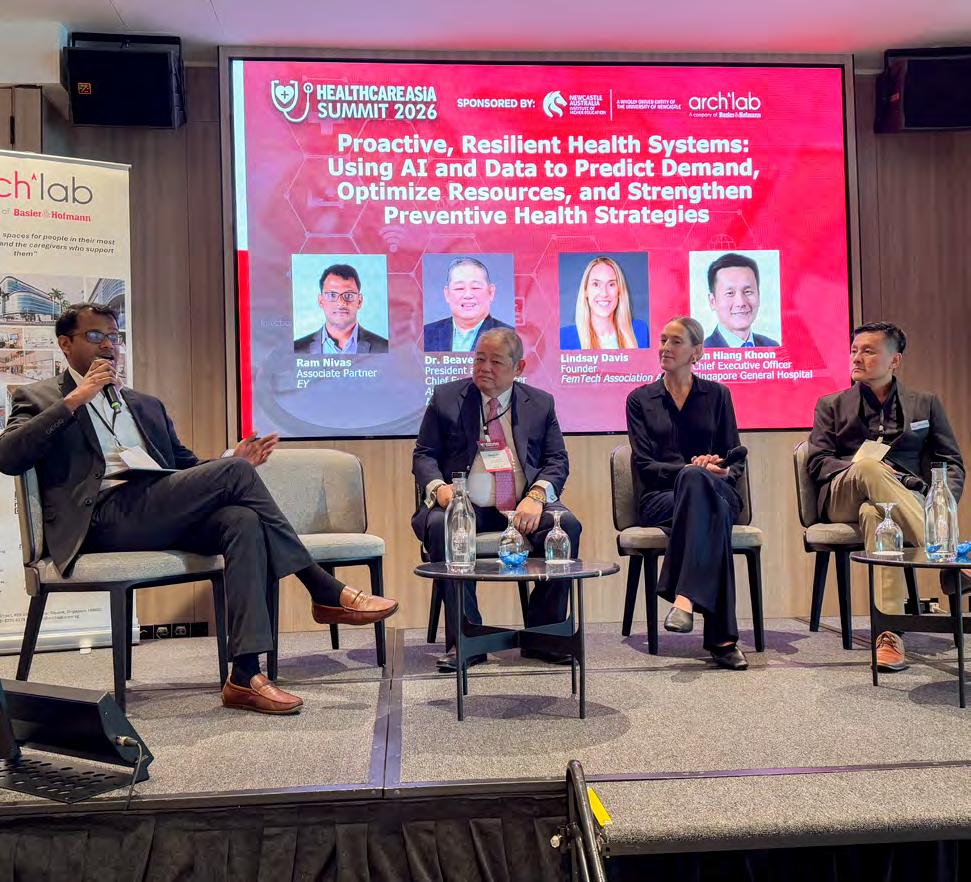
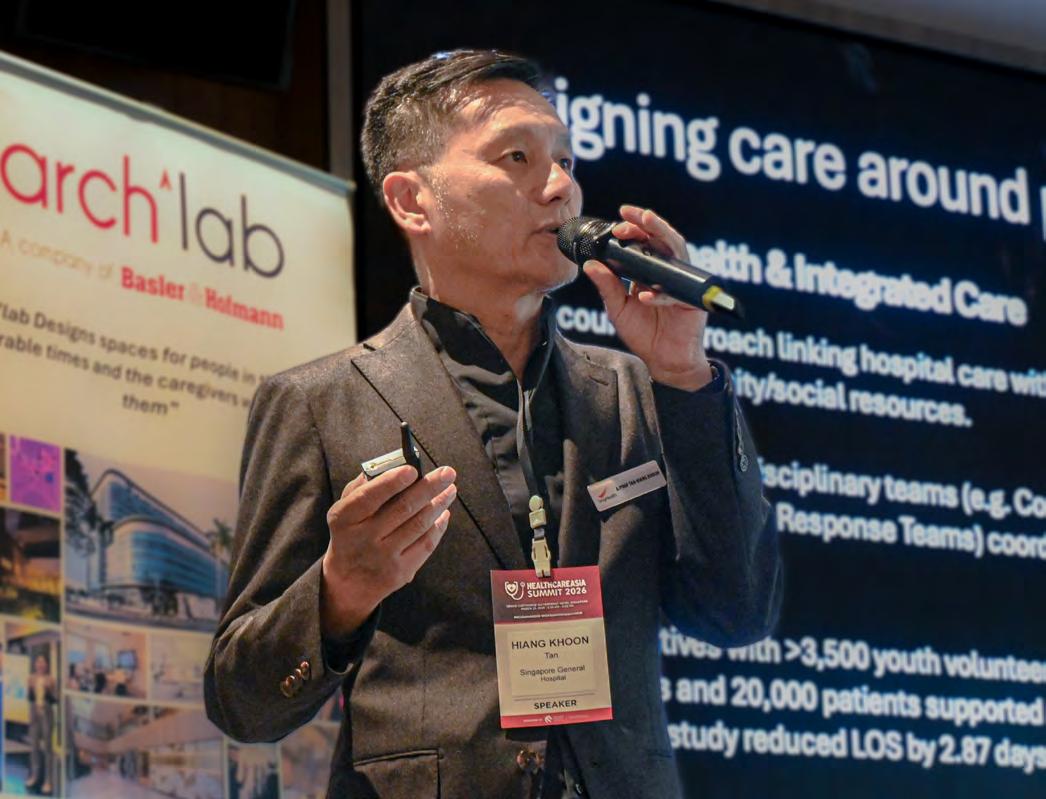
Hospitals are expanding the use of artificial intelligence (AI) across clinical workflows and patient services, with some initiatives moving beyond early testing to wider implementation, industry leaders told the Healthcare Asia Summit in Singapore.
Hiang Khoon Tan, CEO of Singapore General Hospital (SGH), said the hospital has rolled out an ambient tool, known as ‘note buddy’, to assist with clinical documentation during consultations.
“A lot of the conversation in a clinical setting is important for building rapport between the physician and the patient,” Tan said. “These are important social exchanges, but they don’t necessarily have clinical relevance.”
He noted that natural language processing (NLP) AI can automatically record and summarise consultations into clinically relevant notes, allowing doctors to focus more on patients rather than screens.
Furthermore, SGH is working with Singapore’s Ministry of Health to scale AI use in population health, including for early dementia screening.
Beaver Tamesis, president and chief executive officer at Asian Hospital and Medical Center, said AI is already supporting
decision-making in some settings.
The hospital is developing AI-powered patient engagement tools to address access issues, such as difficulty reaching hospitals through traditional channels.
These chats lead to patients getting what they want—be it information, an appointment, or safely accessing all their results, Tamesis said.
He added that AI is also being used to support faster interpretation of diagnostic tests, including radiology and EKGs, to reduce turnaround times. “Hopefully, within just an hour, we can give the patient back the results.”
However, scaling the solution across entire organisations remains difficult, particularly due to differences in workforce readiness.
Resistance also persists amongst some professionals concerned about the impact of automation on their roles.
Tamesis pointed out that strong governance frameworks are needed to ensure AI supports rather than replaces clinicians, with doctors remaining the final decision-makers in patient care.
“I think we can protect both our doctors and, at the same time, improve the quality,” he told Healthcare Asia Summit attendees.
Tan said broader structural pressures are accelerating the need for scalable AI solutions, including ageing populations, rising chronic disease burdens, and manpower shortages.
“If you look at what technology can do, the most valuable will be those that can solve these problems,” the chief executive said.
However, implementation challenges remain, particularly in talent and organisational structure. “You need a team of workers who understand the humanistic side of things—human behaviour, implementation science, change management, and communication.”
Women’s health
Meanwhile, Lindsay Davis, founder of FemTech Association Asia, said AI adoption in the femtech sector is already gaining traction globally, particularly in the areas of oncology, pregnancy, and fertility.
“I think many opportunities are emerging with ageing and healthy ageing, particularly when considering our consumers are going through their midlife and menopausal stage,” Davis told the panel.
She said one key focus for femtech firms is building more diverse and less biased datasets, often developed directly by companies to better reflect women’s health needs.
She pointed to wearable devices such as the ‘Oura Ring’. “They just released a women's health side to their ring, and it's nondismissive and empathetic.”
However, she said the sector’s startups continue to face structural challenges, particularly in funding and access to reliable information channels.
Globally, only about 2% of venture capital (VC) funding goes to women founders, whilst around 75% of decision-makers in Southeast Asian VC firms are male.
“We're over 80% women founders,” the association founder said on the panel.
Moreover, over half (52%) of women in Southeast Asia are hesitant to openly discuss their healthcare needs due to fear of judgment, according to the June 2024 FemTech Association Asia & Milieu Insight report, ‘Insights into the Femtech Landscape in Southeast Asia.’
Despite these constraints, Davis said partnerships with insurers and corporates are expanding the role of femtech in healthcare ecosystems.
You need a team who understands human behaviour, implementation science, change management, communication
However, implementation challenges remain, particularly in talent and organisation structure
TECHNOLOGY
‘Absorption capacity’ tops hospital tech hurdle
Hospitals across the Asia-Pacific region face a constraint that no longer centres on access to medical innovation, but on the ability to integrate it without straining operations, staff, and finances.
Advances such as precision medicine and digital diagnostics continue to expand clinical options, yet each addition places greater demands on infrastructure, workflows, and decision-making.
Capacity to absorb innovation, rather than availability, has become the binding factor for hospital management teams.
The gap between what medicine can deliver and what health systems can sustain is widening. The question
has shifted from whether to adopt innovation to how to prioritise it, and which investments must wait.
Deloitte Touche Tohmatsu Ltd. said healthcare providers are moving towards value-based decision-making, where investment cases must demonstrate clear clinical and operational returns.
Adoption driven by technology alone is giving way to more selective choices linked to system impact.
System maturity shapes this tension across the region. More developed healthcare markets have stronger digital infrastructure and governance frameworks, allowing advanced treatments to be embedded into structured care pathways.
Healthcare providers are moving towards value-based decision-making, where investment cases must demonstrate clear clinical and operational returns
Mixed-maturity systems in Southeast Asia face uneven uptake as hospitals contend with infrastructure limits and workforce capacity. Hospitals must also integrate rising clinical complexity into structures built for lower-intensity care.
Koninklijke Philips N.V. in a report cited trust as a central factor in adoption, particularly around data transparency, reliability, and interoperability.
As artificial intelligence tools move deeper into care delivery, readiness to rely on them in high-risk settings remains a concern.
Care models are also shifting towards greater coordination. Personalised therapies and technology-enabled treatment demand tighter alignment across departments and clearer clinical accountability.
Data from Willis Towers Watson Public Ltd. Co. show organisations are redesigning resources to support these care models.
Efficiency has gained weight as care becomes more technology-intensive, according to the Organisation for Economic Co-operation and Development. Value now extends beyond outcomes to include scalability, resource use and sustainability.
Hospitals face sharper trade-offs between adopting advanced treatments and ensuring long-term viability. Success depends less on adoption speed and more on the ability to embed innovation into durable care systems.
THE CHARTIST: APAC DIGITAL HEALTH VENTURE FUNDING STALLS AT $244M
Asia Pacific's digital health sector pulled in $2.65b in the first quarter of 2026 — but the actual venture capital picture was just $244m across 25 deals, according to a report by Galen Growth.
The gap — roughly 11 times larger on the strategic side — marks what analysts describe as a market in transition, moving from innovation-led growth to infrastructure-led consolidation. Two transactions dominated the quarter as South Korea's Rznomics secured a licensing collaboration with Eli Lilly, potentially worth up to $1.3b.
Meanwhile, US-listed Hims & Hers acquired Australia's Eucalyptus, the country's largest direct-to-consumer telehealth platform, for up to $1.15b, absorbing it into a global operation spanning the UK,
Germany, Japan, and Canada. Within the venture layer, 18 deals had disclosed amounts averaging $13.5m each.
Australia led with roughly $91m across five deals, followed by India at $70m across seven deals, and China at $58m across four deals. South Korea, despite the headline Rznomics deal, contributed only $13m in venture funding. Japan followed at $11m.
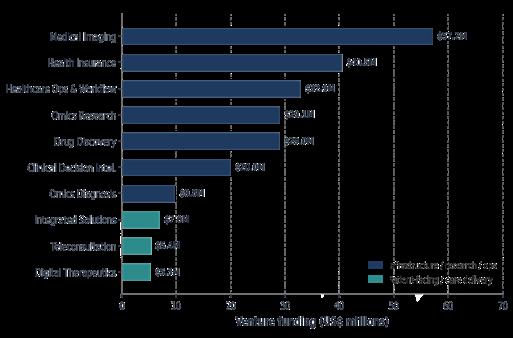
Medical imaging attracted the most venture capital of any single category at $57m across four deals. Health insurance and payer infrastructure followed at $41m, then healthcare operations and workflow at $33m, omics research at $29m, and drug discovery at $29m.
Consumer-facing categories such as teleconsultation drew less than $20m in true venture funding for the entire quarter.
Where the venture capital is going in APAC Q1 2026
Source: HealthTech Alpha
HEALTHCARE PROVIDERS
CHINA HEALTHCARE GOES GLOBAL TO BEAT POLICY DRAG
China’s healthcare sector’s innovation, artificial intelligence, and global expansion are offsetting persistent domestic policy pressures, according to a UOB Kay Hian report.
Most major healthcare companies reported satisfactory 2025 results with strong revenue and earnings growth concentrated in biopharmaceuticals, contract research and manufacturing services (CRDMOs), and internet healthcare platforms.
Drugmakers are moving towards higher-margin licensing deals and global partnerships. “Licence income becomes a new source of growth,” the report noted, highlighting how companies are monetising their research pipelines internationally.
Biopharma firms are increasing crossborder licensing deals, whilst CRDMOs are strengthening relationships with multinational pharmaceutical clients.
Standout segments
China’s CRDMO segment remains a standout beneficiary of global demand. WuXi AppTec and WuXi Bio both reported strong revenue and earnings growth in 2025, driven by rising demand from international biopharma companies.
At the same time, artificial intelligence (AI) is becoming a defining competitive advantage. Internet healthcare platforms are using AI to improve efficiency, enhance service delivery and expand margins.
Ali Health expects revenue growth of 10 to 15% and net profit expansion of 20 to 30%, whilst Ping An Good Doctor is expected to deliver profit growth of around 40%.
Corporate health management services are also gaining traction and could contribute more than half of total revenue within three to five years.
Moreover, artificial intelligence is also transforming medical devices, particularly in emerging categories such as surgical robotics.
In
up to 30% to 40% of prescriptions remain handwritten
Why aren’t AI pilots scaling in Singapore?
Healthcare providers in Singapore are stepping up efforts to deploy artificial intelligence (AI), but gaps in data and systems—seen across parts of Southeast Asia— are limiting their ability to scale.
A panel of experts at the Healthcare Asia Summit 2026 in Singapore on 25 March said that many providers still lack the foundational infrastructure needed to support AI at scale, despite adoption advancements in areas such as diagnostics and administrative functions. In some markets, up to 30% to 40% of prescriptions and invoices remain handwritten, constraining the use of data-driven tools.
“Number one is having digital processes and data in the first place,” said Uli Braun, group chief technology officer at Fullerton Health. “You can’t do any AI if you don’t have that.”
Even where digital systems exist, fragmentation persists, as hospitals, clinics, and insurers often operate in silos, with minimal data exchange and no standardised interfaces.
Specifically in Singapore, data sharing between public and private providers remains limited, and a
universal patient record is not in place, according to Braun.
Asst Prof. Aung Myint Oo, assistant chief clinical informatics officer at Tan Tock Seng Hospital, said data quality remains a persistent challenge as busy clinicians often struggle with the timeconsuming nature of manual entry into electronic medical record systems.
He said organisations are looking at ambient and generative AI to automate clinical documentation and reduce administrative workload.
He also highlighted the need to translate patient-generated data, such as from wearables, into clinical platforms.
“It becomes ‘garbage in, garbage out’,” he said, emphasising that a robust data architecture is essential to ensure AI-driven analytics are fed with clean, reliable information.
“Legacy systems are one part of the challenge, because the data is often not ready for AI to consume. But just as important is choosing the right platform and vendor,” according to Aslyn Koh, chief information officer at Thomson Medical Group.
She added that success of AI pilots in the healthcare sector depends on adopting solutions that can be governed effectively and work in practice.
Clinicians' worry
Clinicians see value in AI tools that reduce administrative workload but remain cautious about their use in clinical decision-making, citing concerns over reliability and accountability.
“When you introduce AI into hospitals, it can mean one of two things: helping reduce workload and burdens or helping with diagnoses,” said Dr Melvyn Chin, associate director of product & solutions management of ECRI. “The second part is where clinicians have a lot of worry.”
Hospitals are also grappling with legacy systems that are difficult to replace, with some providers shifting towards modular approaches that allow new AI tools to integrate with existing infrastructure.
Number one is having digital processes and data in the first place. You can't do any AI if you don't have that
“We have decided to make everything we develop composable,” Braun said, describing efforts to build modular systems that can plug into different processes across markets.
Despite growing interest, most AI initiatives have yet to move beyond the pilot stage. A survey cited during the discussion found that 95% of AI pilots in healthcare do not scale up.
some markets,
HEALTHCARE TECHNOLOGY MARKETS & INVESTING
How are hospitals adapting to self-guided healthcare?
More patients in Asia are researching symptoms, tracking their health, and making care decisions before seeing a doctor, forcing hospitals to rethink how they deliver service.
About seven in eight adults in Asia say they research symptoms or treatments before consulting a doctor, whilst 41% rely on the internet to guide their health decisions, according to a report by AIA Group Ltd. released in February.
The findings point to a growing culture of self-guided healthcare, where digital tools and online resources influence patient behaviour long before a clinic visit.
Yet access to reliable information remains a challenge. A 2025 report by Ipsos Group S.A., which surveyed 30 countries, found that 46% of respondents struggled to access trustworthy health information.
More than half, or 52%, said they had postponed or altered care due to
EXPERT OPINION
OThis is not about replacing clinicians, but about augmenting clinical care with better-informed patients and more efficient care navigation
insufficient guidance.
In Asia, uncertainty appears particularly pronounced. About 44% of respondents said they delayed seeing a doctor because they were unsure of the next steps.
Preventive care habits also vary. The AIA survey found that 35% of respondents undergo regular health check-ups, whilst 42% seek medical attention only when symptoms become serious. This suggests that despite greater access to information, many patients still don’t consistently engage in preventive care.
Mental health remains another concern. About 37% of respondents reported low levels of mental wellbeing, and 29% said they face barriers when seeking mental health support.
Digital platforms may offer new avenues for engagement, but concerns about stigma, cost, and accessibility persist.
Digital tools are now central to the self-guided model. Almost half,
ur job is to meet these patients exactly where they are. To do this, we are investing heavily in a “digital front door.” This means rolling out intuitive mobile apps, seamless online booking, and helpful AI assistants. More importantly, we are blending the convenience of virtual check-ins with the vital human touch of in-person visits, we are giving patients flexibility without ever compromising clinical oversight. We’re also starting to look at the data patients already collected on their wearable devices, allowing us to shift our focus toward highly personalised, preventive care. This evolution is about much more than just buying new technology. We are prioritising patient education, giving people the resources they need to confidently sit at the decision-making table with us. We are even reimagining our physical waiting rooms and clinics so they feel like a natural extension of our digital experience.
Self-guided healthcare is increasingly evident in Visayas, Philippines, particularly in major urban centres such as Cebu where internet access and digital health awareness expand. Patients are becoming more proactive in researching symptoms, treatments, and preventive strategies before consulting physicians. Whilst this empowers individuals to take greater ownership of their health, it also underscores the need for reliable medical guidance to address misinformation and misinterpretation of online resources.
Hospitals must strengthen digital engagement, enhance patient education, and integrate accessible services such as preventive health programmes, diagnostics, and other treatment services. By combining credible clinical oversight with digital accessibility, healthcare institutions in Visayas can position themselves as trusted partners in an increasingly informed and engaged patient population.
or 48%, use mobile apps or online platforms to track health metrics such as exercise, diet, or sleep. Three in 10 use online tools to identify lifestyle adjustments or treatments.
This shift presents both opportunities and operational challenges for healthcare providers.
Challenges
One challenge is ensuring that patients access accurate, evidencebased information.
The internet offers a wide range of content, but not all of it is reliable. Misinformation can lead to delayed treatment, unnecessary anxiety, or inappropriate self-diagnosis.
Another challenge is integrating patient-generated data into clinical workflows. As more patients arrive with app-based records or online research in hand, clinicians must decide how to incorporate that information efficiently without extending consultation times or disrupting care delivery.
Patients appear open to digital healthcare solutions if they are credible and accessible. The Ipsos survey found that 53% would be willing to use telemedicine or online consultations if available and reliable.
The industry has an opportunity to proactively share the latest information through regulated digital platforms and guide patients in a non-threatening manner, ensuring they consult the right medical professionals whilst avoiding unnecessary hospital visits, multiple referrals, and treatment delays. KPMG believes only trusted and regulated digital platforms are viable to prevent harmful or inaccurate information and advice.
From KPMG’s perspective, leading hospitals are rethinking the “front door” to care—using digital touchpoints, clearer care pathways, and transparent information to meet patients where they are. This is not about replacing clinicians, but augmenting care with better-informed patients and more efficient navigation.
KPMG sees the greatest impact when self-guided models are embedded into broader transformation agendas balancing access, quality, and trust.
DR. HUMA NAZ Director, Outpatient Services and Patient Access, AgaKhanUniversityHospital
PETER LIDDELL Life Sciences Sector Leader, Asia Pacific, KPMGinSingapore
MA LOURDES ROSITA ChongHuaMedicalMall
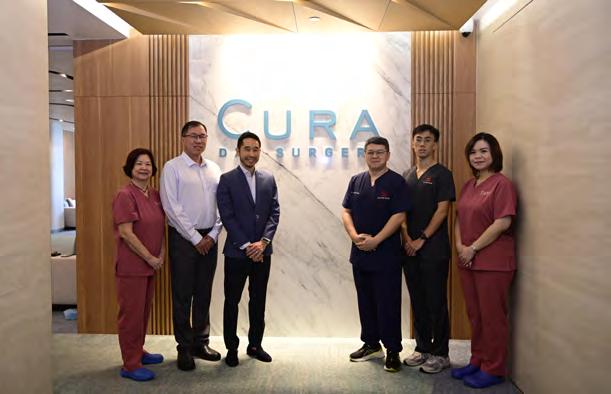
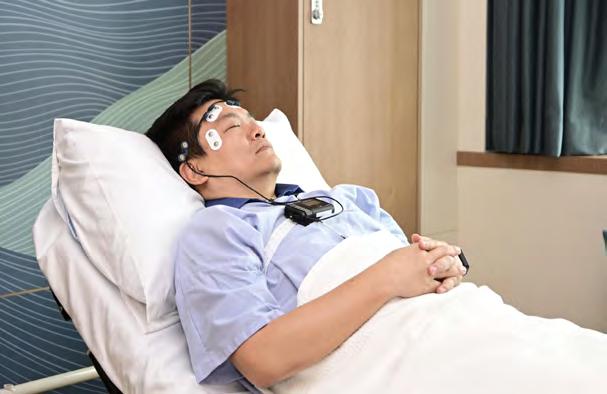
OUE Healthcare opens SG’s first sleep lab
O2 SleepWell Pte. Ltd. has opened Singapore’s first private sleep laboratory, betting that long public hospital wait times are leaving most sleep apnoea cases undiagnosed. The lab is positioning itself as an alternative to the public system, where more than 90% of sleep studies are conducted, and patients typically wait three to six months for testing, Medical Director Lee Chuen Peng told Healthcare Asia.
About 30% of Singaporean adults suffer from obstructive sleep apnoea, a condition linked to cardiovascular and metabolic disease, yet awareness remains low.
“Recent community-based studies indicate that the vast majority—over 90%—are unaware,” he said in an interview. The gap is larger across Southeast Asia, where access to sleep specialists and diagnostic facilities is limited.
Industry data show that for every patient in the
region who receives therapy, at least four others remain undiagnosed, Lee said.
In Singapore, private-sector services exist but are fragmented, often requiring patients to move between separate clinics for consultation, diagnostic testing, as well as treatment.
O2 SleepWell, which is owned by OUE Healthcare Ltd., consolidates those services into a single facility, aiming to shorten the time between diagnosis and care.
Demand is driven mainly by physician referrals, particularly from cardiologists and general practitioners, as links between sleep disorders and chronic illness become better recognised.
“Around 40% to 60% of patient demand is tied to chronic conditions, with obstructive sleep apnoea worsening cardiovascular and metabolic diseases,” Lee pointed out.
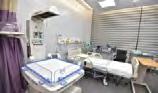
1 Launched on World Sleep Day, The SleepWell Lab is Singapore's first private sleep laboratory located outside of a hospital setting.
2 Featuring private rooms and en-suite bathrooms, the lab provides an environment tailored for uninterrupted rest.
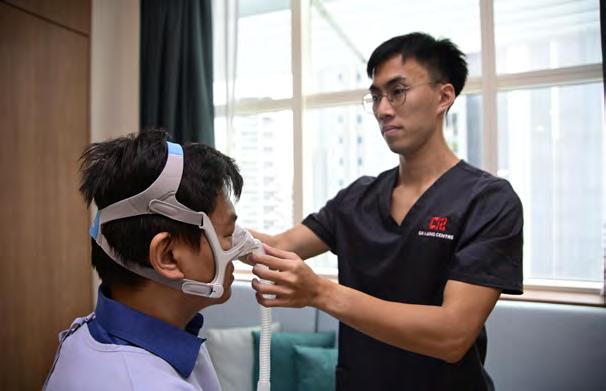
3 The SleepWell Lab ensures that CPAP therapy is correctly calibrated to improve patient adherence.
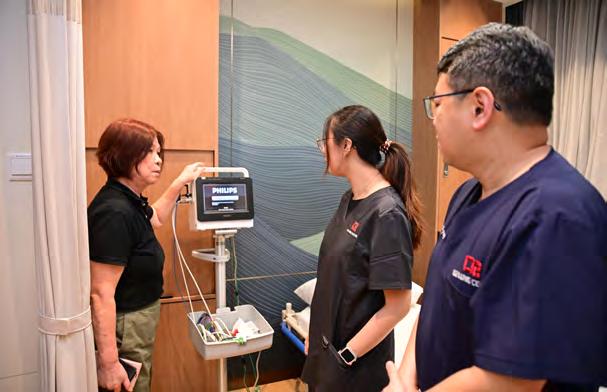
4 The lab provides polysomnography, which is required for patients with comorbidities such as heart failure or severe insomnia.
5 The lab has the full monitoring capability to diagnose complex sleep disorders beyond obstructive sleep apnoea.
6 Sleep technologists guide patients through the sleep study process and offer advice on lifestyle changes.
Lee Chuen Peng
KMI builds 100-bed hospital in Penang
Due in 2028, the facility will offer advanced imaging systems and modern surgical tech.
MALAYSIA
Malaysia’s Kumpulan Medic Iman Sdn Bhd (KMI Healthcare) is investing $34m (RM146m) in a 100-bed specialist hospital in Bertam, Penang state, where there are no private healthcare services.
“A new facility allows us to design solutions that meet both current and future needs of these communities,” KMI Healthcare CEO Rayney Azmi Ali told Healthcare Asia in an exclusive interview. “Our strategy focuses on singlebedded facilities, offering patients comfort and privacy whilst maximising bed occupancy.”
Called KMI Bertam Medical Centre, the hospital would be accessible via the PLUS highway, making it convenient for patients and their families, he added.
Bertam, a growing township, has no private facility, forcing residents to rely solely on a government hospital.
Ali said the hospital, which is expected to be completed by 2028, would also meet the demand for medical tourism in Malaysia, especially in Penang, which is slowly becoming a prominent destination.
The group’s investment in the facility will focus on diagnostic services, patient-centred care units, and specialised treatment centres. “We are looking at digitalised healthcare solutions, advanced imaging systems, and modern surgical technology,” he told the magazine.
The group follows an asset-light model for KMI Bertam,
with Bertam Specialist Hospital Sdn Bhd developing and owning the facility.
KMI Healthcare will lease the hospital under an 18-year operational agreement, with an option to extend it for 12 more years, the chief executive said.
“This allows us to focus on our core competencies— clinical governance, operational excellence and patient service,” he added. The group plans to implement a system that allows real-time data sharing and connectivity across its hospital network.
“We are also introducing business intelligence tools to support data-driven planning and performance monitoring,” according to Ali.
“In parallel, we are exploring the use of artificial intelligence (AI)-assisted diagnostic technologies, particularly in radiology and pathology,” he said.
“These tools will help clinicians detect patterns and anomalies with better speed and accuracy.”
KMI is overseeing two hospital projects in Kemaman and Bertam, along with expansion works in Kuala Terengganu and Kuantan. It plans to open four new hospitals in Kemaman, Temerloh, Kota Bharu, and Bertam in the next five years.
“Elsewhere, we remain open to strategic acquisitions where they align with our clinical and operational benchmarks,” Ali told the magazine.
Rayney Azmi Ali
KMI Healthcare is investing $34m in the hospital
It will lease the hospital under an 18-year operational agreement (Artist impression by KMI Healthcare)
Radjak targets cardiac, stroke response
It may roll out the model across its urban hospitals as demand grows.
Radjak Hospital Group launched a dedicated Advanced Cardiac & Stroke Response Unit in November 2025, targeting faster treatment for two of Indonesia’s most time-sensitive medical emergencies as urban hospitals struggle with rising cardiovascular cases and growing congestion.
“Our starting point was very practical,” Abdul Barry, director at Radjak Hospital Group, told Healthcare Asia. “In urban areas, distance and process are the biggest enemies of cardiac and stroke patients. We built this unit to remove both.”
Urbanisation has reshaped healthcare demand in Indonesia’s major cities. Population density has increased pressure on emergency services, whilst traffic, distance and fragmented hospital workflows continue to delay care for heart attacks and strokes, where survival often depends on minutes.
Conventional hospital care often sends patients through multiple departments—emergency, imaging, intervention, and intensive care— adding time at every step.
Radjak’s unit compresses those stages into a single, coordinated pathway that brings triage, advanced imaging, catheterisation access, and intensive monitoring under one system.
The unit is located in dense urban areas where emergency response times have been hardest to manage. By cutting internal transfers and aligning clinical teams, Radjak aims to shorten the time between diagnosis and intervention.
“For heart attack and stroke cases, the clock always wins if the system moves slowly,” Barry said in an exclusive interview. “Our goal is to make sure the system moves at the same speed as the emergency.”
Radjak sees the unit as a model
that can be replicated across its urban hospital network as demand rises.
Rather than relying on referrals between facilities, the group is focusing on standardised specialist services that can operate consistently across locations.
Early results show fewer delays in diagnosis and smoother patient flow, supporting Radjak’s view that city hospitals must handle constant demand, not just peak periods.
“Machines don’t save lives— systems do,” Barry said.
“Technology only matters when it shortens the path to treatment.”
The unit is supported by networkwide electronic medical records and artificial intelligence-assisted diagnostic tools, letting clinicians access patient data quickly and coordinate care across teams.
Barry said the integration has reduced administrative delays during critical cases.
Radjak's unit compresses multiple departments' stages into a single, coordinated pathway
The unit is supported by network-wide e-records and AI-assisted diagnostic tools
Population density has increased pressure on emergency services
Early results show fewer delays in diagnosis and smoother patient flow
Abdul Barry
INDONESIA
Protect the planet
We strive to reduce or eliminate adverse impacts that may be associated with our manufacturing, distribution, logistics, products and services; and we collaborate with our supply chain partners and customers to do the same. We advance key global frameworks as we do our part to combat global climate change, aligning our efforts with a science-based target, and we support communities with projects that uphold the human right to water and sanitation.
THE NEXT EVOLUTION OF A KIDNEY CARE LEGACY
Vantive is a newly independent healthcare company committed to advancing vital organ therapies. We exist to empower patients, their families and the clinicians who care for them.
70-YEAR LEGACY as Baxter Kidney Care
1 MILLION+ DAILY INTERACTIONS with patients across 100+ countries1,2
TRANSFORMING VITAL ORGAN THERAPIES
PRESERVING PATIENT FREEDOM WITH HOME DIALYSIS
~23,000 EMPLOYEES dedicated to advancing vital organs therapies
Our automated peritoneal dialysis (APD) products, such as our user-friendly Homechoice Claria APD System, are strengthened by the Sharesource Connectivity Platform, which enables remote patient monitoring.
EXTENDING OUR IMPACT IN CRRT AND MULTI-ORGAN SUPPORT
We have advanced lifesaving critical care therapy with systems capable of delivering continuous renal replacement therapy (CRRT) as well as multi-organ support, such as our PrisMax System. Beyond this, we continue to pursue novel diagnostic and therapeutic options for organ failure, including new approaches to sepsis management and to lung and liver function support.
OPTIMIZING CARE QUALITY AND EFFICIENCY WITH DIGITAL SOLUTIONS
Our landmark Sharesource Connectivity Platform helps empower care teams and patients alike in successful PD therapy, while our TrueVue technology uses timely data to support CRRT management in the acute setting.
PRIORITIZING THE PATIENT AND CLINICIAN EXPERIENCE THROUGH ADVANCED SERVICES
We provide a wealth of advanced services to help improve the therapy experience for both patients and clinicians – educational offerings, technical assistance, proactive patient support and online supply ordering.
portal is intended for use by healthcare professionals to remotely communicate with compatible dialysis instruments and transfer data to a central database to aid in the review, analysis, and evaluation of patients’ historical treatment results. This system is not intended to be a substitute for good clinical management practices nor does its operation create decisions or treatment pathways. For single use only. For safe and proper use of the products mentioned herein, please refer to the appropriate Operator’s Manual or Instructions for Use. References 1. Data on file. Vantive Health LLC. 2024. 2. Data on file. Vantive Health LLC. Installed base quaterly report. Q1 2024.
Can phone cams replace a dental check?
The mobile-powered tool detects dental issues in under a minute.
SINGAPORE
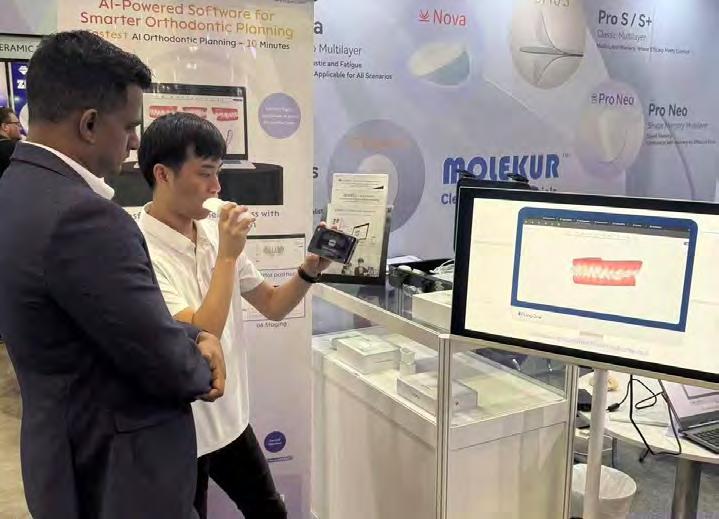
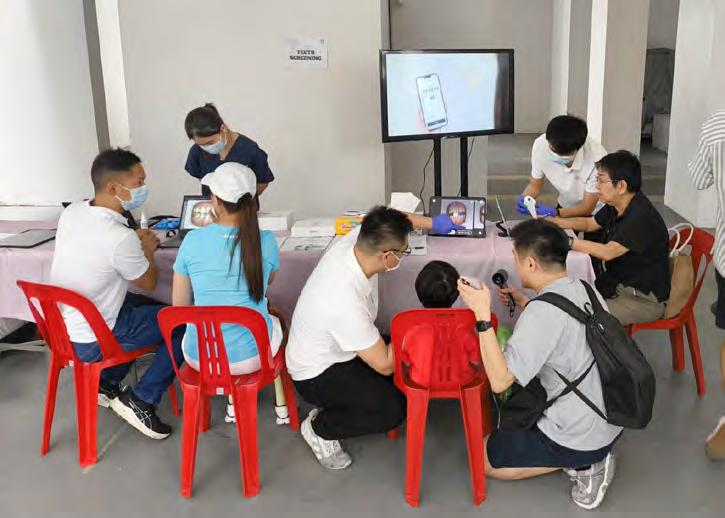
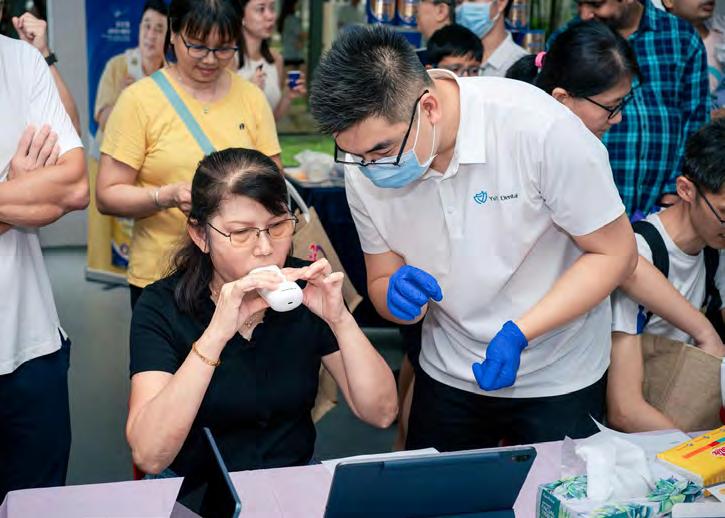
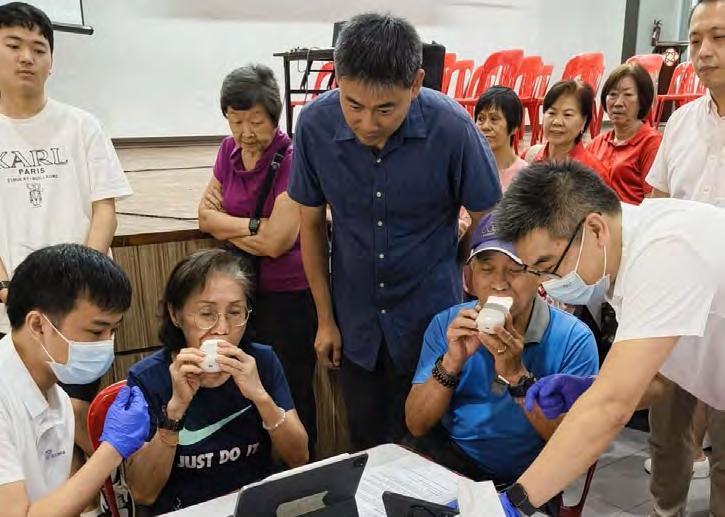
The National Dental Centre Singapore (NDCS) has partnered with Yuyi Dental Pte. Ltd. to roll out a portable dental screening device that allows oral checks at clinics, schools, and even in patients’ homes using a mobile phone.
The platform, called iOOELI, can detect common dental issues, including cavities, gum disease, crooked teeth, and deep overbite in less than a minute, Ellen Li, CEO at Yuyi Dental, told Healthcare Asia.
“It captures images inside the mouth using a mobile device and uploads them to the cloud,” Li said in an exclusive interview with the magazine.
Powered by artificial intelligence (AI), the system compares oral images with patient data to flag abnormalities and recommend next steps for dentists. Dentists can customise reports and share them with patients via mobile mini-apps, PDFs, or WeChat.
“Doctors can track patient engagement and follow-up intent in real time,” Li added.
The global dental imaging market is expected to grow
8.6% annually to $8.61b by 2032 from 2023, according to market research firm SNS Insider. The Asia-Pacific region is projected to be the fastest-growing region due to an increasing awareness about oral health.
In Singapore, more than 50% of people visit a dentist yearly, with 60% seeking preventive care, according to the Ministry of Health.
NDCS will initially deploy the device in projects focusing on gum disease in seniors, paediatric oral health, teledentistry, and teeth alignment.
“We will develop, validate, and adopt tools for data collection and automated risk detection that require minimal professional involvement,” said Yu Na, director of innovation at NDCS. “In dental settings, the platform supports collaboration across specialities, particularly during remote patient care.”
The collaboration will also create an Oral Health Innovation Fund to support new technologies, clinical testing, and scalable solutions. “The collaboration may also establish a skilled team and local enterprises,” she added.
Ellen Li Yu Na
iOOELI can detect common dental issues like cavities
NDCS will initially deploy the device in projects focusing on gum disease in seniors
The system compares images with patient data to flag abnormalities
In Singapore, more than 50% visit a dentist yearly (Photos from Yuyi Dental)
HEALING EDUCATING CARING
• Gastroenterology & Hepatology
• Ortopedic & Trauma
• Interventional Cardiology
Urology
Obstetric & Gynaecology
Internal Medicine
Nephrology
Endocrinology
Dermatology
Neurosurgery
Spine Surgery
General Surgery
Metabolic & Bariatric Surgery
GERD
Endocrine Surgery
Paediatric Surgery
General & Family Medicine
Paediatric
Ophthalmology
• Paediatric Ophthalmology
• Psychiatry
• Plastic, Reconstructive & Aesthetic Surgery
Ear, Nose & Throat Surgery
Anaesthesiology
Clinical & Interventional
Radiology
Dentistry
250-bed Including Critical Care Ward 6 Modern Operating Theatres
Referral Network for Complex Cases Emergency & Trauma Care
Kesehatan Anak &
Soerojo Hospital
HEALTHTECH WATCH: HISTOTRIPSY SYSTEM
SG trials therapy that kills cancer using sound
The treatment may be submitted for regulatory approval for some patients.
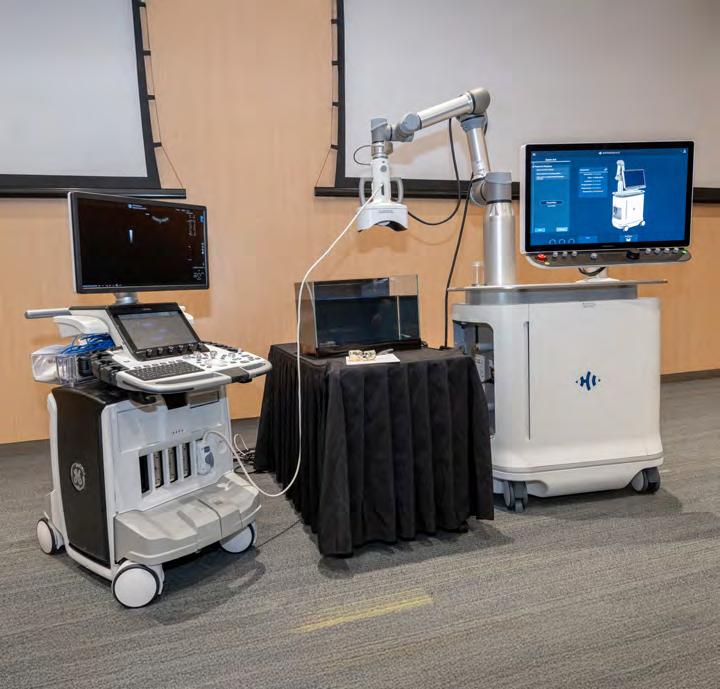
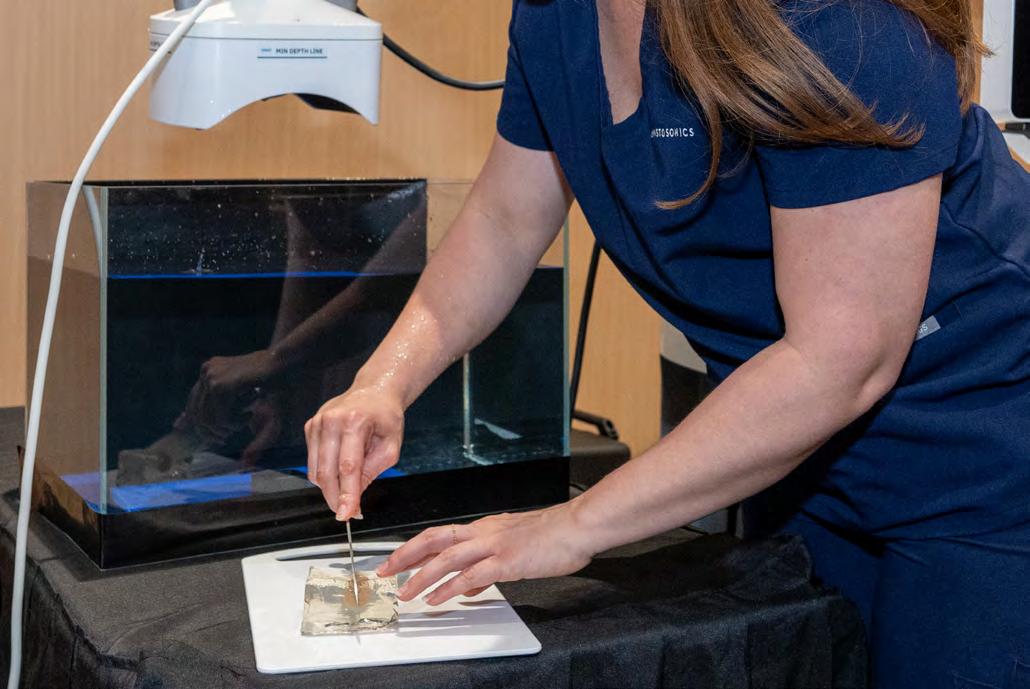
Singapore launched clinical trials in the second half of 2025 for a noninvasive treatment that uses microbubbles to destroy liver tumours in patients who can’t be operated on.
The trial assessed tumour response to HistoSonics, Inc.’s histotripsy system after six months, and monitored possible complications, Brian Goh, head of hepatopancreatobiliary and transplant surgery at the National Cancer Centre Singapore (NCCS) and Singapore General Hospital (SGH), told Healthcare Asia.
“If the results are positive, we will apply for the necessary approvals for treatment,” he said in an interview.
Forty patients at SGH and NCCS were enrolled in the trial, and they must be over 21, with tumours fewer than 3 centimetres long, Goh said.
The procedure was performed under general anaesthesia, with most sessions completed in 30 minutes, he added.
Liver cancer was the thirdmost common cause of cancer death amongst Singaporean men from 2018 to 2022, according to the annual report of the Health
Promotion Board’s Singapore Cancer Registry.
First histotripsy system
In April 2025, the city-state’s first histotripsy system was donated by the Li Ka Shing Foundation and Temasek Trust to the NCCS and National University Cancer Institute, Singapore, as part of a $9.3m (S$12m) investment.
Unlike high-intensity focused ultrasound, which destroys tissue using heat, histotripsy relies on controlled microbubbles in the target area, said Zhen Xu, Li Ka Shing endowed professor of biomedical engineering at the University of Michigan.
“These microbubbles rapidly expand and collapse, mechanically breaking down the tissue without significant thermal effects,” she said in a separate exclusive interview.
Xu, who co-invented the platform and serves as scientific co-founder of HistoSonics, said the team had to design ultrasound equipment and study how sound-generated bubbles could safely destroy tumours.
“It took our group at the
University of Michigan 10 years.”
“Histotripsy uses microsecondlength ultrasound pulses at very high pressure,” she said. “This requires new instrumentation that did not exist commercially.”
Research is also being done on how histotripsy can treat haemorrhagic stroke and epilepsy. “We have built a prototype histotripsy device to noninvasively remove blood clots in the vessel for cardiovascular diseases.”
An all-in-one transcranial device, which stimulates brain activity through the skull, is also being tested, she added.
Meanwhile, data shows the treatment’s potential to enhance immune response against cancer, said Glenn Bonney, a senior consultant at the Division of Hepatobiliary and Pancreatic Surgery at the Department of Surgery of National University Hospital and the Division of Surgical Oncology, National University Cancer Institute, Singapore.
“Local control of liver disease in this setting would be a new option for treatment,” he said.
“This technique may also enhance other treatment strategies such as immunotherapy.”
According to Bonney, he expects the national recruitment to be completed within a year. If successful, histotripsy may be submitted for regulatory approval as a treatment for some liver cancer patients.
The trial assessed tumour response to HistoSonics Inc.'s histotripsy system
Forty patients over the age of 21 at SGH and NCCS were enrolled in the trial
Brian Goh
Zhen Xu
Glenn Bonney
Your Health, Our Priority
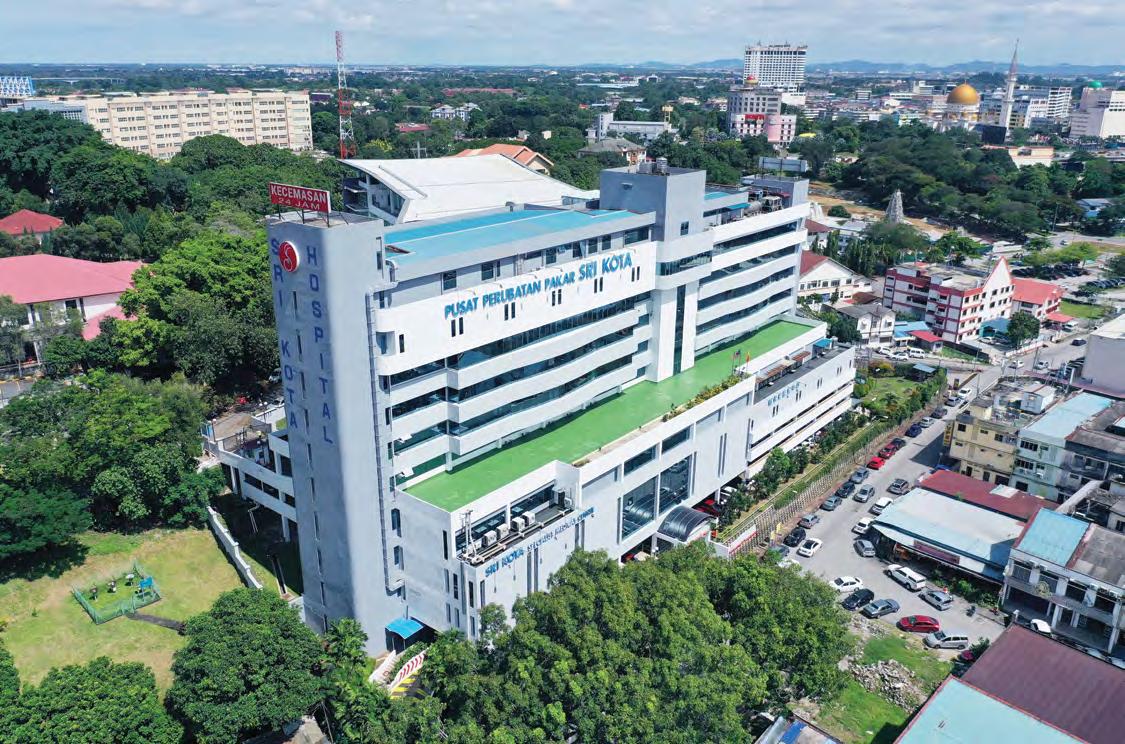
Sri Kota Specialist Medical Centre, your trusted specialist medical centre
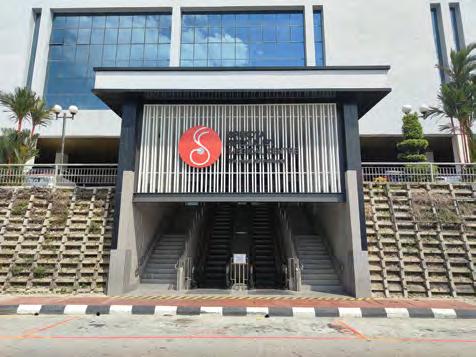
Sri Kota Specialist Medical Centre (Sri Kota) was established in 1999 and is strategically located in the heart of Klang. As a leading private specialist hospital in Klang, we are committed to delivering excellence in healthcare with a patient- centred approach, offering comprehensive and high-quality medical services.
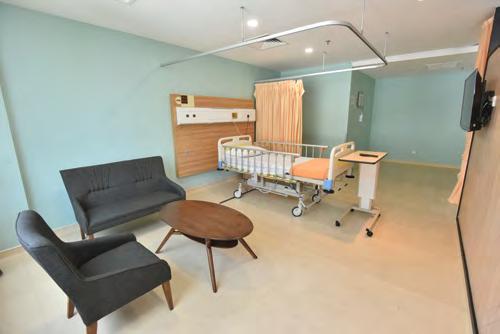
Sri Kota provides specialist outpatient services, inpatient care, precise diagnostics, surgical treatments & 24-hour emergency services ensuring every patient receives professional, accurate, and efficient medical care.
CEO INTERVIEW
Alexandra Hospital beds to hit 1,300
Technology could support nonclinical tasks such as logistics and documentation.
Singapore’s Alexandra Hospital plans to use automation to prepare for a fourfold increase in bed capacity by 2028, betting that technology can protect care quality as scale and staffing pressures intensify.
CEO Margaret Lee Kwee Hiang said automation would support the hospital’s care model, which keeps patients in the same bed and under the same team as their needs change.
“We aim to conserve the limited time we have and devote it to meaningful, high-quality human interactions for patient recovery,” she told Healthcare Asia
Unlike conventional hospital systems, the hospital’s beds are designed to support different levels of care under the same team.
This allows care teams to build stronger relationships with patients and caregivers whilst improving coordination across rehabilitation, caregiver support, and recovery planning, she added.
Supporting clinicians
Lee said automation could support nonclinical tasks, such as logistics and documentation, allowing clinicians to focus on patient care rather than routine work.
The new chief executive cited examples such as robots transporting supplies and artificial intelligence (AI)-assisted documentation systems that could help clinicians reduce administrative workloads.
Lee took over as CEO on 1 January 2026 after serving as chief nurse and chief culture officer, succeeding Jason Phua.
During her tenure as chief nurse, she developed the hospital’s “Future of AH Nursing” roadmap, which focused on integrated care, acuity-based staffing, and nurse-led care models.
The plan aligns with Alexandra Hospital’s redevelopment, which began in 2024 and is due for completion by the end of 2028. Bed capacity will rise to about 1,300 from 300, with the expanded campus adding emergency services, operating theatres, and critical care units.
The redevelopment will span approximately 13.3 hectares and comprise two main towers. The new inpatient tower will house a new emergency department (ED), inpatient wards, and diagnostic and treatment facilities.
Meanwhile, the outpatient tower will feature outpatient clinics and services, supported by diagnostic imaging, pharmacy, and other clinical support functions.
As part of the transition, the hospital resumed emergency ambulance services in October 2025 after a 10-year hiatus, initially handling selected non-life-threatening cases through its 24-hour Urgent Care Centre.
The facility will gradually accept more complex cases, including life-threatening emergencies, ahead of the rollout of
full ED services after the redevelopment is completed.
Meanwhile, the project has entered its next phase after the hospital appointed two main contractors last December.
The contractors are a joint venture comprising Shimizu Corporation, Ssangyong Engineering & Construction Co. Ltd, as well as Kimly Construction Pte Ltd, and Rich Construction Company Pte Ltd.
The new campus is expected to be integrated with the wider Queenstown community, and will operate as an integrated general hospital with a full suite of services focused on integrated medicine, rehabilitation, healthy ageing, psychological medicine, and supportive and palliative care.
Moreover, it will incorporate community spaces and links to the Rail Corridor under the Urban Redevelopment Authority masterplan, including pedestrian walkways, cycling paths, heritage trails, and age-friendly green spaces.
Works will be carried out in phases to allow key services to remain operational during construction.
Workforce strain is reinforcing the push towards automation, as healthcare staff manage longer patient life expectancy and a growing chronic disease burden.
We aim to conserve the limited time we have and devote it to meaningful, high-quality human interactions for patient recovery
Lee told the magazine that clinicians would need to build capabilities in artificial intelligence and digital tools to sustain care delivery at scale.
“Whilst our training—whether in nursing school or allied health—provides the basic foundation for practice, in the workplace, we need to adopt technology to be future-ready,” she added.
The hospital, which is under the National University Health System, also plans to broaden its clinical scope.
It seeks to expand surgical services and add more
Margaret Lee Kwee Hiang, CEO at Alexandra Hospital
NUH redesigns workflows to cut delays across care
It has expanded nurse-led care and frontline decision-making.
The National University Hospital (NUH) is restructuring workflows, staffing, and decision-making to reduce delays and duplicate work across its care system.
“Every handover, every referral, every duplicated note is a point where things can slow down — where intent gets lost, and outcomes start to drift,” Aymeric Lim, CEO at National University Hospital, told Healthcare Asia
Lim said the hospital has identified organisational friction as a major obstacle to sustainable care delivery.
The state-owned facility has adopted what it calls a “mission command” model, shifting more decisionmaking to frontline teams instead of adding layers of process and oversight.
“The natural instinct is to respond with more control, more processes, more detail,” Lim said in an exclusive interview. “But that usually makes things worse.”
The core of this strategy is the democratisation of artificial intelligence (AI) across the 9,000-strong workforce. NUH has already trained 41% of its staff, including the most junior ancillary employees.
“We should train everybody,” said Lim, noting that upskilling frontline support staff proved particularly valuable. Previously intimidated by physicians, these employees now use Copilot with confidence.
Responsible oversight
This newfound capability also extends to operations managers, many of whom are independently building their own chatbots and AI agents to streamline their daily tasks.
Lim said the practical impact of this “Mission Command” philosophy is already visible in clinical settings. By giving nurses back their time, the hospital has cut handover sessions from a full hour down to just 10 minutes.
The CEO attributed this to reducing documentation burdens, adopting voice-to-text tools, and enhancing the overall nursing role rather than replacing it.
On the medical side, inpatient diagnostic testing has dropped by 15% over two years, whilst AI-assisted robotic knee replacement surgeries now take half the time they once did. Lim emphasised that AI is the only solution capable of scaling to meet these challenges — not gradually, but exponentially, with meaningful advances arriving every month.
Even so, Lim stressed that rapid adoption must be paired with responsible oversight. The goal isn't to restrict AI use, but to ensure it remains safe and beneficial — without becoming a barrier to innovation that genuinely helps patients.
These improvements are a deliberate response to what Lim calls Singapore's “perfect storm” — a rapidly ageing population where one in four residents will be 65 or older by
The natural instinct is to respond with more control, more processes, more detail, but that usually makes things worse
2030, coupled with soaring healthcare costs.
National University Hospital estimates the healthcare system would need about 6,000 hires annually to maintain service levels, prompting the hospital to redesign roles and workflows instead of relying mainly on recruitment.
“We cannot recruit our way out of this,” Lim said.
The hospital has introduced a redeployment-beforerecruitment policy, requiring managers to assess whether existing employees can be reassigned before opening roles.
It has also expanded nurse-led services. Nurses in the eye clinic now perform eye injections, whilst advanced practice nurses collect bone marrow samples. Midwives also run prenatal clinics without physician oversight.
The same approach has been extended to allied health teams, with speech therapists and dietitians jointly operating a paediatric feeding clinic. Patient service associates previously assigned to administrative work have also been trained to perform triage and blood-taking.
Every January, the hospital conducts a “clean and clear month,” during which teams review workflows, remove redundant steps, and deploy automation or artificial intelligence tools where appropriate. “It gives people the permission and the protected time to change things that daily pressures would otherwise keep in place,” Lim said.
The hospital also launched a specialised facility, such as the National University Centre for Digestive Health (NUCD), to improve efficiency by focusing on catching digestive diseases early and delivering advanced care.
The NUCD is designed to speed up the patient journey, connecting those with digestive concerns more quickly to surgical specialists across upper gastrointestinal, hepatobiliary, pancreatic, and colorectal disciplines.
Aymeric Lim, CEO at National University Hospital
SINGAPORE
Your Strategic Healthcare Business Partner in Asia Pacific and Beyond
DKSH is the one-stop-shop for healthcare companies looking to grow their business in Asia Pacific.
We deliver integrated solutions and specialized services tailored to your business needs, so you can focus on your strengths, while we take care of the rest.
Scan here to discover new opportunities
IHH Healthcare eyes India's top 3 via Fortis stake
It plans to add 2,000 hospital beds by 2028.
IHH Healthcare Berhad is using its bigger stake in Fortis Healthcare Ltd. to accelerate expansion in India, aiming to become one of the country’s top three private healthcare providers and achieve profit margins of about 25% in its local operations.
The Kuala Lumpur-based hospital group completed a mandatory tender offer in December 2025, after which its shareholding in Fortis stands at 31.17% and at 62.73% in Fortis Malar Hospitals Ltd.
IHH, which has more than 5,000 beds across 35 hospitals in 11 Indian states, is the biggest shareholder in the publicly listed Indian company, giving it greater control over operations and growth plans.
“Our strategy is to progressively consolidate and increase our stake in Fortis as our platform for growth,” Ashok Pandit, IHH’s group chief corporate officer, told Healthcare Asia.
“Following the completion of the Fortis open offer, we expect margins to strengthen further, reaching marketaverage levels of around 25% for comparable assets,” he said in an exclusive interview with the magazine.
Growing middle class
The group’s India operations generated $1.09b (RM4.18b) in the financial year ended 31 December (FY2025), up from $1.05b (RM4.03b) a year earlier, according to IHH’s Annual Report 2025.
Earnings before interest, tax, depreciation, and amortisation rose to $200.2m (RM770m) from $188m (RM723m) over the same period. Moreover, inpatient admissions increased to 338,548 in FY2025 from 313,973 a year earlier, whilst operational beds expanded to 5,644 from 5,008. Average revenue per inpatient admission also rose to $2,395 (RM9,212) from $2,259 (RM8,688).
“[Fortis’s] results for the third quarter of 2025 also delivered robust earnings and healthy margin improvements across both its hospital and diagnostics businesses,” he added.
India contributed $185.4m (RM723m) to IHH’s earnings before interest, tax, depreciation, and amortisation (EBITDA) in 2024, up from $153.8 (RM600m) the previous year.
Whilst smaller than markets such as Singapore, Malaysia, and Türkiye, India’s large population, rising incomes, expanding health insurance coverage, and low hospital bed availability make it a priority for IHH.
Pandit also noted the country’s growing middle class, rising healthcare spending, and infrastructure gaps. “With hospital bed density remaining low, we see India as a key growth engine with substantial runway for scale.”
The company plans to add 2,000 hospital beds by 2028, focusing on both existing facilities nearing full capacity and projects in major and smaller cities, Pandit said.
IHH added more than 1,400 beds across all markets in FY2025 as part of its goal to add 4,000 beds globally by 2030.
Upcoming openings include a 200-bed hospital in Greater Noida and a 550-bed hospital in Lucknow under an agreement with Ekana Sportz City Pvt. Ltd.
It has also acquired the 228-bed Shrimann Superspecialty Hospital in Jalandhar, which has potential for expansion to more than 450 beds.
Pandit said expansion in India would focus on brownfield projects at hospitals nearing full capacity, alongside selective greenfield developments and expansion into tier-2 and tier-3 cities. In addition, the Operations and Maintenance Services Agreement between Fortis Healthcare and Gleneagles India is expected to improve operational efficiencies and strengthen its pan-India platform spanning 11 states.
IHH is also expanding digital initiatives, Pandit said. Fortis Healthcare is working with Virtuleap, Inc. to integrate virtual reality into cognitive therapy, whilst Gleneagles Hospital Chennai has partnered with Vellore Institute of Technology on AI-led neuroscience for epilepsy and neuro-oncology.
Meanwhile, Fortis Memorial Research Institute is piloting “FortisTR,” a patient-monitoring app using wearables to alert care teams in real time, he added.
The company launched the Fortis Institute of Genomic Medicine in Gurugram last year to expand precision diagnostics capabilities in oncology, cardiology, and neurology.
Fortis hospitals across the country have also performed more than 7,000 da Vinci robot-assisted surgeries to date, according to the group’s Annual Report 2024.
Fortis Mohali carried out 595 such procedures in the first nine months of 2024, whilst Fortis Gurugram performed more than 120 Gamma Knife procedures between June and November of the same year.
We expect margins to strengthen further, reaching market-average levels of around 25% for comparable assets
The group has expanded its investments in specialised medical technologies, such as Gamma Knife and magnetic resonance (MR) Linac systems, at Fortis Memorial Research Institute, and an interventional radiology cath lab at Gleneagles Hospital, Richmond Road in Bengaluru.
In addition, it has invested in a $63.1m (S$80m) innovation fund for healthcare startups, a $3.9m (S$5m) Clinical Research and Innovation Sandbox Programme, and a Global Incubator initiative for early-stage companies.
Ashok Pandit, group chief corporate officer at IHH Healthcare
INDIA
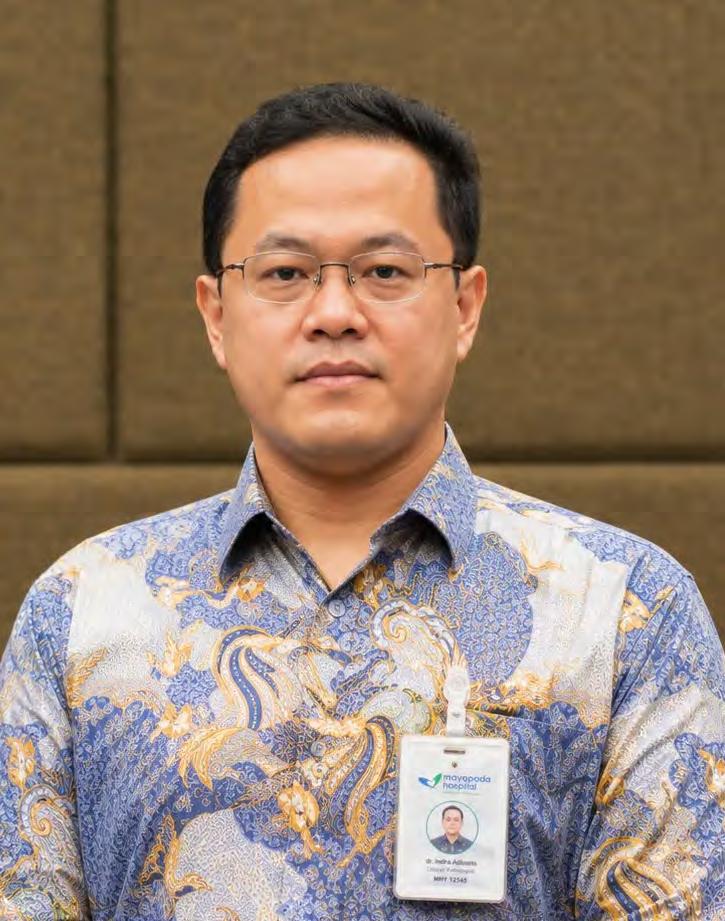
Mayapada moves to cut early lab mistakes
The aim is consistent test results across hospitals.
Mayapada Healthcare has started a group-wide effort to reduce errors that happen before lab samples are tested, an area where mistakes most often occur.
The programme began with a site check at Mayapada Hospital Bogor in West Java, Indonesia on 20 November 2025 and will be extended across the hospital network.
The focus is on how tests are ordered, samples are taken, and specimens are handled before analysis, rather than on new equipment, its leader said.
“The pre-analytical stage is the most critical phase in laboratory services, as the majority of diagnostic errors occur before samples are analysed,” Dennis Jacobus, head of the Mayapada Laboratory Network, told Healthcare Asia.
“Our priority is to ensure patients receive accurate diagnoses from the outset, so treatment decisions can be made faster and with greater precision.”
Hospitals are under pressure to deliver accurate results more quickly as cases become more complex.
In laboratory work, most errors occur before samples reach the analyser, making this stage a key factor in diagnostic quality.
Instead of adding technology, Mayapada is standardising basic work steps across hospitals. These include sample labelling, storage, transport, and documentation.
The goal is to reduce differences between sites so test results are more consistent.
Identifying gaps
Dennis said the programme follows established international laboratory practices. “Globally, laboratory quality improvement is increasingly directed towards standardising pre-analytical processes based on international guidelines,” he said in an exclusive interview. This approach reduces procedural variation and supports more consistent quality across facilities.
The review at the Bogor hospital provides a baseline. Findings are used to compare practices across locations and decide which issues need to be addressed first.
Mayapada uses a digital review tool to record findings and turn them into comparable data. This helps identify problems that may not be visible through routine checks.
The digital review allows them to identify gaps objectively and recommend improvements based on evidence, Dennis said.
Mayapada Healthcare tracks progress through practical measures, including fewer sample handling errors, better compliance with procedures, faster turnaround times, as well as more reliable results.
These indicators are reviewed regularly to confirm the changes improve accuracy and service quality, Dennis said.
The programme also covers staff capability.
Our priority is to ensure patients receive accurate diagnoses from the outset, so treatment decisions can be made faster and with greater precision
Mayapada is rolling out structured training, on-site guidance, and regular checks to ensure staff apply the same procedures across all hospitals.
“We aim to ensure all healthcare personnel apply preanalytical guidelines in line with international standards,” Dennis said, adding that patients should get accurate test results regardless of location.
Aside from the group-wide effort to reduce errors, Mayapada is also expanding into other areas of healthcare.
Mayapada Hospital Surabaya launched its Heart and Vascular Centre as an integrated heart and blood vessel service centre in Surabaya on 13 February.
It focuses on advanced technology and heart therapy-based services, including minimally invasive vascular procedures, arrhythmia treatment, and structural heart disease services.
The centre offers integrated cardiac emergency care, with specialists and subspecialists on call 24/7, alongside a preventive chest pain unit service.
In Bandung, Mayapada launched its Liver, Metabolic & Wellness Centre, with programmes focused on early detection, prevention, and comprehensive treatment of liver diseases linked to metabolic disorders.
This comes in response to rising liver disease cases globally, which are increasingly associated with metabolic conditions such as obesity, diabetes, and dyslipidemia, according to the hospital’s press release.
Dennis Jacobus, head of the Mayapada Laboratory Network
Hospitals redesign care around health apps
Seven in eight adults look up health information before seeing a doctor.
Hospitals across Asia are redesigning care delivery as more patients research symptoms and treatments before seeing a doctor, shifting how and when care begins.
About seven in eight adults in the region now look up health information in advance, whilst 41% use the internet to guide decisions, according to a February report by AIA Group Ltd.
“We are moving away from traditional access models and investing heavily in a ‘digital front door,’” Huma Naz, director of outpatient services and patient access at Aga Khan University Hospital in Pakistan, told Healthcare Asia. This includes intuitive mobile apps, seamless online booking, and helpful artificial intelligence (AI) assistants that guide people smoothly through the system, she said.
We are moving away from traditional access models and investing heavily in a ’digital front door‘
Hospitals are combining virtual and in-person services as part of hybrid care models to improve access without losing clinical oversight. “By offering hybrid models, blending the convenience of virtual check-ins with the vital human touch of in-person visits, we are giving patients flexibility without ever compromising clinical oversight,” Naz continued.
Providers are also starting to use patient-generated data, including information from wearable devices, to support more preventive care. “This allows us to shift our focus towards highly personalised, preventive care.”
Access to reliable information remains uneven. An October 2025 survey by Ipsos Group S.A. found that 46% of respondents struggled to find trustworthy health information, whilst 52%
said they had postponed or altered care due to insufficient guidance.
“As patients seek medical advice and information online, the industry has an opportunity to proactively share the latest information via regulated digital platforms,” said Peter Liddell, life sciences sector leader for AsiaPacific at KPMG in Singapore.
He added that this helps guide patients to the most relevant healthcare professionals, ensuring they see the right doctor the first time.
Clearer care pathways
Hospitals are redesigning how patients enter the system through clearer care pathways and stronger digital touchpoints.
“Leading hospitals are responding by rethinking the ‘front door’ to care—using digital touchpoints, clearer care pathways, and more transparent information to meet patients where they are,” Liddell told Healthcare Asia
“This is not about replacing clinicians, but about augmenting clinical care with better-informed patients and more efficient care navigation,” he added.
In Southeast Asia, the shift is already visible in patient behaviour. Ma Lourdes Rosita Orenza Jr., general manager at Chong Hua Medical Mall in Cebu City in central Philippines, said providers should boost digital engagement whilst maintaining access to care.
“Hospitals and ambulatory care facilities must strengthen digital engagement, enhance patient education, and integrate accessible services such as preventive health programmes, diagnostics, and other treatment services,” she told Healthcare Asia
Survey data suggests patients are open to deeper digital integration. Ipsos said 53% would use telemedicine if reliable, whilst 47% value doctor-provided symptom checkers and 42% are influenced by curated health information.
Hospitals are expected to operate in a more continuous care model, where engagement starts before diagnosis and extends beyond treatment, reshaping how services are delivered.
Providers are starting to use patient-generated data to support more preventive care
Advancing healthcare through digital innovation and community-based wellness, delivering smarter, safer, and more accessible care beyond hospital walls.
Representing Indonesia in advancing innovative, inclusive, and sustainable healthcare
Chinese medicine plans face digital and staffing hurdles
slots fill quickly, but gaps slow expansion.
Hong Kong’s first dedicated Chinese medicine hospital has drawn strong patient demand, but gaps in digital integration, workforce planning, and research commercialisation could limit its expansion, analysts said.
Subsidised outpatient appointments at the 400-bed Chinese Medicine Hospital of Hong Kong (CMHHK), which opened in December 2025, were fully booked in its first month shortly after reservations began.
The government later doubled quotas for the first 10 days of service and raised remaining monthly slots by 30% to meet demand.
The early surge underscores appetite for institutionalised Chinese medicine. Yet the longer-term test lies in whether the hospital can anchor a more integrated system that links clinics, laboratories, and the industry.
Only a small fraction of Hong Kong’s roughly 10,700 registered Chinese medicine practitioners are connected to electronic health record
systems, said Ryan Ip, vice president of Our Hong Kong Foundation.
“Workflow design and system integration also need to be optimised,” he said in an exclusive interview. “We recommend increasing promotion and engaging professionals to address practical concerns before gradually making eHealth participation mandatory.”
Ip added that low public understanding and limited crossdisciplinary awareness may slow adoption, requiring targeted education to improve confidence and appropriate use.
Without broader digital connectivity, patient data may remain fragmented, limiting coordination with Western medical providers and constraining clinical research.
Rathanesh Ramasundram, head of healthcare and life sciences, APAC Growth Advisory at Frost & Sullivan, Inc., said the hospital’s ability to fully use its bed capacity and clinical trial facilities would be critical.
The director also cited the need
for structured links between CMHHK, Western hospitals and community clinics to support integrated care models.
Next door, the Government Chinese Medicines Testing Institute (GCMTI) is developing testing and quality standards for Chinese medicine products.
“These institutions will likely turn Hong Kong’s Chinese medicine sector from a mainly outpatient, small-clinic model into a more integrated 'hospital–lab–industry' ecosystem,” Ramasundram told the magazine in a separate interview.
Possible challenges
Commercial translation remains a weak link. Whilst research and standard-setting may strengthen clinical credibility, mechanisms to convert findings into exportable products are limited, Ip said.
“We recommend creating a joint research platform, including a commercialisation office, to help bring CMHHK and GCMTI’s findings to market, along with stronger trade and intellectual property protections,” he added.
Clinical collaboration is focusing on areas such as stroke rehabilitation and cancer care, where Chinese medicine is positioned as complementary to conventional treatment, Ip said. Mental health, particularly sleep and stress-related conditions, might also offer room for expansion, he added.
Workforce constraints could pose another bottleneck. A 2020 Health Manpower Survey showed most responding practitioners worked in the private sector, though participation rates were low.
Ip called for a comprehensive manpower review, licensing reform with practical clinical examinations, along with a stronger crossdisciplinary training.
Expanding integrated care will require more doctors trained in both systems. CMHHK has been tasked with training Western practitioners in Chinese medicine and supporting integrated centres.
“In five years, this could create a strong base of practitioners who can operate in hospital-grade Chinese medicine and integrated settings,” Ramasundram said.
Only a small fraction of roughly 10,700 registered Chinese medicine practitioners are connected to e-health record systems
CMHHK
Rathanesh Ramasundram
Ryan Ip
REGION REPORT: SOUTHEAST ASIA
Medtech pilot to lure more regional investment
Participation would still hinge on market opportunity and product demand.
SINGAPORE
Singapore’s plan to speed up medical device approvals through a pilot programme with Malaysia could draw more medtech firms seeking a regional base, according to analysts.
The initiative, which ran through 28 February 2026, allowed Singapore’s Health Sciences Authority and Malaysia’s Medical Device Authority to rely on each other’s assessments for moderate- to high-risk devices, covering Classes B, C and D.
They both sought to cut review times by 50% for devices already cleared in Singapore and by 30% for those approved first in Malaysia.
“If the time-saving targets are achieved, regulators will have a strong case for continuation,” Rohit Anand, director of research and analysis for medical devices at GlobalData Plc, told Healthcare Asia in an interview.
Review times under Singapore’s full-evaluation route stretch up to 160 working days for Class B devices, 220 for Class C and as long as 310 working days for Class D.
Peter Liddell, principal adviser and head of healthcare and life sciences at KPMG in Singapore, told the magazine that the pilot is likely to attract more capital from venture funds, private-equity firms and corporate investors searching for high-growth opportunities in the medtech field.
He added that the city-state could see greater investment in digital health infrastructure and medtechspecific talent as companies position themselves for faster access to Southeast Asian markets.
Rising demand
Liddell also expects demand for regulatory technology to rise as startups and local enterprises alike seek digital tools that could help them navigate cross-border pathways.
“We may also observe the emergence of regulatory technology solutions as startups and local enterprises seek out digital platforms and services to navigate new pathways more efficiently,” he said in
an exclusive interview.
Anand noted that companies should prepare coordinated submissions for regulators and maintain a single documentation to enter the two markets with fewer added requirements.
Demonstrating that reliance can work without compromising safety would strengthen the case for extending the scheme, he said.
Still, participation will hinge on commercial considerations.
“A company’s decision to enter Singapore depends on the market opportunity, demand for the product, and whether the pilot makes expansion worthwhile,” according to Anand.
Local manufacturing decisions in Asia-Pacific also factor in labour, demand, and trade costs, the director of research pointed out.
Easing uncertainties
The pilot programme has the potential to help ease uncertainty across the ASEAN (Association of Southeast Asian Nations) regulatory landscape that investors often describe as fragmented.
“Instead of being in wave three, Singapore might move into wave two of a global product launch,” Stephen Sunderland, Partner & Head of Asia-Pacific Region, L.E.K. Consulting, told the magazine.
Singapore produced more than $15.6b worth of medtech products in 2021, according to the Economic Development Board, which sees the Asia-Pacific medtech market reaching $293.2b by 2030.
Sunderland said the pilot could pave the way for broader cooperation with countries such as Vietnam and Indonesia, potentially achieving as much as 95% of the benefit of wider regional alignment. Hospitals and patients could also gain from shorter approval windows, which may pull forward procurement cycles.
Still, the pilot’s relatively short duration may limit uptake, he said, noting that companies typically plan regulatory and launch strategies in three- to five-year cycles.
“Six months is pretty short in regulatory circles,” Sunderland said. “It might not actually get as much usage since firms take some time to shift their regulatory strategies.”
The initiative seeks to cut review times by 50% for devices already cleared in Singapore
Rohit Anand
Peter Liddell
Stephen Sunderland
Better Health, Brighter Future
Takeda is focused on creating better health for people and a brighter future for the world. We aim to discover and deliver life-transforming treatments in our core therapeutic areas, including gastrointestinal and inflammation, rare diseases, plasma-derived therapies, oncology, neuroscience and vaccines.
Since our founding in 1781 in a market stall in Osaka, Japan, our values endure by putting patient needs first, building trust with society, strengthening our reputation, and developing the business - in that order.
Together with our partners, we aim to improve the patient experience and advance a new frontier of treatment options through our dynamic and diverse pipeline.
www.takeda.com
C-ANPROM/VN/NON/0147 Apr 2026
EVENT NEWS: HEALTHCARE ASIA SUMMIT 2026
SGH frees 8,700 bed days via capitation
Under the capitation model, SGH is paid upfront to keep 1.8 million citizens healthy.
Singapore faces a “perfect storm” of a shrinking workforce and a rapidly ageing population, yet its healthcare system remains stagnant— stubbornly anchored to a 20-year-old model of acute, hospital-based care.
“The question that we need to ask is how we as a health system are truly going to cope with these changes,” Hiang Khoon Tan, CEO of Singapore General Hospital (SGH), said during the Healthcare Asia Summit held in Singapore on 25 March.
Data from the Ministry of Health showed that Singapore has 14,331 public hospital beds as of 2025, slightly up from 14,138 beds the previous year. Health manpower also increased to 138,000 in 2024 from 130,500 in 2023.
For years, the industry has relied on the old adage that “if you build a hospital, the beds will be full,” but Tan warns that in the Singaporean context, “no matter how many beds you build... your pressure will come back.”
To break this cycle, SGH is shifting its entire operational and financial philosophy. Central to this is a move away from the traditional fee-forservice model toward capitation.
The behaviour of [the] healthcare system, the behaviour of people, do follow how we reward them and how we pay for them
As a surgeon by profession, Tan noted the personal impact of this structural change within the Singapore Ministry of Health’s new framework: “In the past, where I used to do 100 surgeries, I claimed 100 surgeries' worth of money from the government. Now the money is given upfront to me, and I manage it the best way possible.”
This financial alignment is the catalyst for SGH’s “Hospital Without Walls” strategy. Each health cluster in Singapore now manages between 1.4 to 1.8 million citizens, and with funding provided upfront, the hospital’s primary KPI shifts from filling beds to sustaining health.
“The behaviour of [the] healthcare system, the behaviour of people, do follow how we reward them and how we pay for them,” Tan said.
Under this new mandate, SGH is now incentivised to invest in preventing patients from getting sick in the first place.
The economic impact of this shift is most visible in cost avoidance through micro-efficiencies.
Tan highlighted that at SGH,
even a marginal reduction in the average length of stay by just 0.1 day translates into significant institutional cost avoidance.
To achieve this, SGH is deploying unconventional social interventions, such as the “TriGen” initiative, where Singaporean college students engage with geriatric patients. A pilot of this programme reduced the average length of stay by 2.87 days, effectively unlocking millions in value through social interaction rather than medical procedures.
Technology is being used as a precision tool to scale this preventive care across the island. SGH developed “Pensive AI,” a selfadministered dementia detection tool that reduces screening time from 55 minutes to just 10 minutes.
“Time saving from 55 to 10 minutes from trained professional to selfadministered... imagine the impact that you will have on the ability to scale this across the population,” Tan said, noting a planned national rollout in Singapore for 2026.
Other efforts
Similarly, a “Hospital-at-Home” pilot saved over 8,700 bed days, allowing SGH to admit 1,300 additional acute patients without expanding its physical footprint.
Ultimately, the hospital's transition proves that technology and data are only effective when aligned with national policy.
“You can have all the tools... but if you do not align with policy, it is very hard to invest in preventative care,” Tan told the summit.
SGH has also been making efforts to expand its capabilities. This includes expanding its surgical capabilities through two new memoranda of understanding with Johnson & Johnson MedTech.
The first establishes a minimally invasive colorectal surgery exchange programme to facilitate knowledge-sharing and best practices amongst surgeons across Singapore and Southeast Asia, whilst the second targets improvements in hepatopancreatobiliary and transplant surgery.
SGH's TriGen pilot programme reduced geriatric patients' average length of stay by 2.87 days
advance glucose biosensing technology
Dexcom leads in advanced glucose biosensing technology, providing innovative, real-time monitoring solutions that empower individuals with diabetes to better manage their condition and improve quality of life through accurate, continuous data.
Move Better with Advanced Joint Replacement
Advanced
Robotic-assisted
Personalised
MAKO VELYS
Mission Command drives NUH's 20% target
By flattening its hierarchy, ground teams now have the autonomy to make faster decisions.
Singapore’s National University Hospital (NUH) is pursuing a radical 20% swing in practice through an operational philosophy termed “Mission Command.”
By granting ground teams autonomy and flattening the organisational hierarchy from six layers to four, the hospital has moved away from traditional top-down micromanagement, Professor Aymeric Lim, CEO of NUH, said during the Healthcare Asia Summit held in Singapore on 25 March.
“No micromanagement—teams on the ground have autonomy within certain parameters,” Lim said. This structural shift ensures “fewer layers of approval” and faster decision-making as the institution prepares for its 2030 targets.
The core of this strategy is the democratisation of artificial intelligence across the 9,000-strong workforce. NUH has already trained 41% of its staff, including the most junior ancillary employees.
“We should train everybody,” Lim said, adding that “training our ancillary staff was very useful. They used to be scared of the doctors... but now they use Copilot... and they’re confident.” This empowerment extends to operations leaders who are now “creating their own chatbots or their own agentic AIs to help them in their work.”
Perfect storm
The results of this “Mission Command” approach are surfacing in clinical workflows.
By freeing nursing time to focus on what matters, the hospital has reduced nursing handovers from one hour to just 10 minutes.
“Part of this is freeing nursing time... voice to text, but the most important was decreasing documentation and also augmenting the nursing role,” Lim said.
In the medical domain, inpatient tests have been reduced by 15% over the past two years. Furthermore, the use of AI-planned robotic surgery has resulted in a 50% reduction in surgery time for knee replacements.
NUH also estimates the healthcare
Looking at healthcare, I think we’re far behind many other industries— finance, transport, retail, manufacturing... we need to close the gap
system would need about 6,000 hires annually to maintain service levels, prompting the hospital to redesign roles and workflows instead of relying mainly on recruitment.
In line with this, the hospital has introduced a redeploymentbefore-recruitment policy, requiring managers to assess whether existing employees can be reassigned before opening roles. It has also expanded nurse-led services, with staff performing eye injections, collecting bone marrow samples, and running prenatal clinics without physician oversight.
These efforts are a direct response to what Lim describes as “Singapore’s perfect storm,” where one in four citizens will be older than 65 by 2030 and healthcare spending is going very high. Facing these pressures, the hospital is targeting a 10% increase in productivity for 10% decrease in inefficiency.
“The thing that's only—the AI
is the only scalable lever... It’s not incremental, it’s exponential. Every month there’s something new coming out, and it’s just a crazy ride,” Lim said.
Whilst the expansion of capabilities is rapid, Lim is clear that governance safety is key.
“We don’t want to stop people from using AI. We just want it to be controlled. We don’t want us to be a block for people and develop things which are good for patients,” he said.
Ultimately, Lim believes healthcare must close the gap with other sectors. “Looking at healthcare, I think we’re far behind many other industries—finance, transport, retail, manufacturing... we need to close the gap,” Lim said. By 2030, NUH intends to be an organisation where technology is a democratised tool used by everyone. “It’s finding that balance and coming up with things which are useful,” Lim said.
NUH has trained 41% of its staff in AI, including the most junior ancillary employees
SINGAPORE
EVENT NEWS: HEALTHCARE ASIA SUMMIT 2026
‘Trust builds bridges, and bridges create hubs’: CMUH
The non-capital city hospital builds regional healthcare connections.
China Medical University Hospital (CMUH) reframed its role from competing with capital-based institutions to linking patients, physicians, and governments across markets, with trust at the centre of its model.
“Trust builds bridges, and bridges create hubs. This is exactly what we experienced,” said Aichi Chou, CEO of International Center at CMUH, during the Healthcare Asia Summit 2026 in Singapore on 25 March.
She said most global medical hubs are located in capital cities such as Singapore, Tokyo, and Bangkok, but a non-capital city can still serve as a regional connector in international healthcare networks.
The chief executive also outlined a model for international healthcare expansion built on long-term trust, patient experience and governmentlevel partnerships, developed through the Taiwanese hospital's overseas patient programmes.
“Every month, we serve about 200,000 outpatient visits and perform nearly 6,000 surgeries.
Trust is not established in one visit; it is built over time through every patient's journey
This is a significant volume for a non-capital city. This strong clinical capacity provided the foundation for our international healthcare development,” she said.
To expand beyond Taiwan, the hospital focused on international patients with private insurance and self-pay models. It developed a fivestep approach covering niche market focus, national-level alignment, a trust-based service model, in-hospital marketing and global recognition.
Chou cited Guam as a case study, with CMUH building a partnership with the United States territory over the past decade, which she described as the hospital’s most developed cross-border case.
“CMUH has received more than 1,300 medical visits from Guam, and more than 80% were government employees. This did not happen overnight; it reflects a very strong level of institutional trust that allows the programme to continue growing,” she told the summit attendees.
She said the partnership demonstrated how sustained
patient flows can be built through institutional referrals, rather than short-term medical travel campaigns.
“International healthcare is not built by marketing; it is built by trust. Trust is not established in one visit; it is built over time through every patient's journey,” she said.
During the COVID-19 pandemic, the hospital worked with the Taiwan government to donate 200,000 medical masks to Guam in 2020 and arranged a charter flight in 2021 to transport patients to Taiwan for treatment. The figures underscore sustained cross-border demand driven by institutional referrals rather than one-off medical travel.
The partnership later expanded to government-level cooperation as Taichung and Guam signed a sister-city agreement in 2022, and two Guam governors visited the hospital.
“Over the years, our international healthcare programme has received global recognition, including the Healthcare Asia Awards and the International Medical Travel Journal Award,” said Chou, adding that it boosted their international standing.
Expansion efforts
Expansion efforts in Southeast Asia are focused on government-linked engagement and patient referral pathways, with CMUH extending its international programme to Malaysia and Brunei as part of its regional strategy.
In Malaysia, its healthcare engagement reached the government level from 2023 to 2025, including engagements with senior government officials.
“These are different markets but they share the same foundation of trust,” she emphasised.
Chou said the hospital was invited by Japan’s health ministry to share its experience in international healthcare collaboration, reflecting interest in models developed outside capital cities. She said noncapital cities can play a larger role in regional healthcare networks through sustained trust-building and institutional collaboration.
“International healthcare is not built overnight. It requires patience, relationships, and trust. This is a longterm commitment. Even a non-capital city can become an international healthcare connector,” she said.
CMUH handles about 200,000 outpatient visits and performs nearly 6,000 surgeries each month
EVENT NEWS: ASIA SUMMIT ON GLOBAL HEALTH 2025
Ageing science could be medicine’s master key
The size of the global longevity industry is expected to hit $40.5t in 2026.
Targeting the biology of ageing could unlock a powerful and cost-effective way to prevent and treat multiple chronic diseases at once, leading to healthier, longer lives, according to health experts.
Instead of managing several chronic conditions such as Alzheimer’s, cancer, heart disease, diabetes, and osteoarthritis, which all skyrocket with age, a therapy that slows ageing can reduce the risk for all of them.
Studies showing that drugs could extend people’s healthspan and lifespan have convinced the industry to invest in the biology of ageing, Alexandra Bause, co-founder and venture partner at Apollo Health Ventures, told the Asia Summit on Global Health 2025 in Hong Kong.
She noted that companies that develop drugs to help people live longer are now testing their treatments for diseases that come with age.
“Since 2017, we have witnessed a surge in innovation, with investor interest significantly increasing, whilst major pharmaceutical companies are engaging in this space,” said Bause, who is a trained pharmacist.
Silver health
The number of people aged 60 and above is expected to hit 1.4 billion globally by 2030 from 1.1 billion in 2023, Patrick Lau, deputy executive director at the Hong Kong Trade Development Council, told Healthcare Asia in an interview, citing a World Health Organization report.
“In this year’s Asia Summit on Global Health, we are particularly focusing on ‘silver health,’ a crucial area given Asia's ageing population, a trend prevalent across the entire region, not just Hong Kong,” he said.
Sanja Tomovska, founder and CEO at Swiss life science technology company Quant Biomarkers AG, said the size of the global longevity industry is expected to hit $40.5t (£30t) in 2026 from $33.7t (£25t) in 2022.
“A remarkable aspect of this field is the ability to detect early the signs of ageing to contextualise what an
A remarkable aspect of this field is the ability to detect early the signs of ageing to contextualise what an increased biological age means
increased biological age means,” she told the event in Hong Kong.
For instance, Tomovska noted that 75% of costs in brain health stem from the hospitalisation of people with dementia.
“Early detection is key,” she said, noting that the US Food and Drug Administration in May cleared a blood test that measures the ratio of tau and beta-amyloid plaques—two proteins associated with Alzheimer's disease—in the brain.
This allows early detection of Alzheimer’s pathology in symptomatic adults aged 55 and above, streamlining who gets referred for treatments when they’re most effective, she added.
At the summit organised by the trade council, state-owned Hong Kong Science & Technology Parks Corp. set up an exhibition area featuring hightech medical solutions.
There was the HandTasker, a robotic suit designed by Hopebotics to help stroke patients regain movement and strength in their hands. AusMed Global Ltd. showed
its handheld breath ketone analyser, which measures ketones from a single breath in three minutes, helping diabetes patients monitor ketosis and control their weight.
Meanwhile, an artificial intelligence (AI) health monitoring app developed by PanopticAI Ltd. showed people how a smartphone or tablet camera could monitor users' health data, such as heart and respiratory rates, and blood pressure.
James L. Kirkland, director of the Centre for Advanced Gerotherapeutics at Cedars-Sinai Medical Centre in California, said the industry now understands ageing's basic biology better, allowing it to come up with drugs and treatments that can help with the process.
“Science can now target rootcause processes that contribute to the majority of conditions causing morbidity, mortality, and increased health expenditures,” he said.
He added that the ageing process could start before conception, influencing health across a person’s lifespan. For example, post-traumatic stress disorder experienced by a woman before she becomes pregnant could accelerate the ageing process of her child.
“These processes are tightly interlinked, such that if you target one, you tend to affect all the rest.”
The global longevity industry is expected to hit $40.5t in 2026 from $33.7t in 2022
(Photo from ASGH)
HONG KONG
From screens to patients: How Indonesia’s leap into AI-native healthcare earned global recognition
has become the first country in the world to deploy InterSystems IntelliCare™, an AI-native Electronic Healthcare Record (EHR) system that frees clinicians from screens so they can focus on people. This leap has earned InterSystems the Indonesia Technology Innovation of the Year - Healthcare Technology award at the Asian Innovation Excellence Awards 2025.
This recognition is rooted in a universal truth of modern healthcare that technology should serve people, not the other way around. Across hospitals worldwide, clinicians are burdened by complex systems and data entry. InterSystems set out to change that dynamic, using AI to remove administrative barriers and help doctors refocus on what matters most: their patients.
As a data technology provider managing over one billion healthcare records globally, InterSystems launched InterSystems IntelliCare in early 2025 and has quickly achieved a major milestone with the world’s first live deployment of InterSystems IntelliCare at EMC Healthcare, a leading hospital group in Indonesia. Built on InterSystems’ TrakCare Electronic Health Record system, InterSystems IntelliCare includes a comprehensive portfolio of AIenabled clinical, administrative, revenue cycle management and departmental modules. With InterSystems IntelliCare AI capabilities, the clinicians can focus more on patients with less documentation burden, care teams can deliver a better patient experience, and the healthcare organisations can improve operational and financial performance.
Indonesia’s leap forward in digital health Indonesia’s healthcare system continues to face familiar challenges, such as fragmented hospital systems, disconnected patient data, and time-consuming administrative work that reduces the time doctors can spend with patients. At the same time, the country is accelerating its SATUSEHAT initiative, a national digital health framework designed
to achieve interoperability across hospitals, laboratories, insurers, and public health systems.
To bridge these challenges, InterSystems delivers a combination of technologies that bring data together for efficiency and better patient outcomes.
The first is InterSystems IntelliCare, an AI-native electronic health record (EHR) that automates clinical documentation, streamlines workflows, and returns valuable time to clinicians. The second is InterSystems IRIS for Health, a data platform that powers InterSystems IntelliCare and allows medical data to flow securely across hospitals, laboratories, insurers, and government systems to support population health initiatives in the ageing era.
Together, these innovations make Indonesia the first country in the world to implement an AI-native healthcare system at a national scale, positioning the country as a regional leader in digital health transformation.
InterSystems healthcare solutions enable healthcare data to flow securely across hospitals, laboratories, insurers, and government systems to support population health initiatives in the ageing era. InterSystems technology is trusted by leading healthcare organisations and local IT providers, including EMC Healthcare, Prodia, Tzu Chi Hospital, EKA Hospital, Pondok Indah Group, Asia One Healthcare and Bali International Hospital, to modernise care delivery, improve interoperability, and enhance patient outcomes.
Real-world results from EMC Healthcare
At EMC Healthcare, part of the EMTEK Group and the world’s first adopter of InterSystems IntelliCare, results from early pilots show tangible, measurable improvements. It shows a 75% reduction in clicks (from 8 to 2) for retrieving lab results, enabling faster decision-making and smoother workflows, whilst data completeness increased from 68% to 98% across its hospitals. Seven EMC hospitals deployed EMR within 18 months after the first hospital went live, one of the fastest rollouts of its kind. Furthermore, over 700 clinicians are now supported by InterSystems IntelliCare’s AI-driven
documentation and data retrieval.
“At EMC Healthcare, we believe technology should not hinder a doctor’s work; it should strengthen it,” said Dr Bella Desra Andae, Chief Medical Informatics Officer, EMC Healthcare. “This is not just a tech upgrade; it reflects our deep understanding of frontline burdens and gives clinicians the space to think, analyse, and care for patients with full attention.”
“With AI at its core, InterSystems IntelliCare enables providers to spend more time with patients and less time on paperwork. This award proves that healthcare innovation isn’t about adding more technology; it’s about making technology invisible so human care comes first,” added Luciano Brustia, Regional Managing Director, Asia Pacific, InterSystems. Before InterSystems IntelliCare, clinicians often spent valuable minutes typing notes. Now, AI listens, transcribes, and learns, allowing doctors to look their patients in the eye again.
At EMC Healthcare Jakarta, InterSystems IntelliCare’s AI now captures the patientdoctor conversation (with consent), generates structured medical notes, and prepares billing automatically. The patient leaves with a prescription and the reassurance that their doctor was fully present.
“Our goal at EMC has always been to combine the highest medical standards with meaningful patient relationships. InterSystems IntelliCare helps us achieve that balance, with technology behind the scenes and people at the centre,” said Jusup Halimi, President Director, EMC Healthcare.
More than an award, a new responsibility
For InterSystems, this award is not the finish line but the starting point for broader impact. Moving forward, the company is committed to expanding InterSystems IntelliCare’s implementation to more hospitals and health networks across Indonesia; collaborating with government and industry partners to strengthen the national health data ecosystem; and sharing Indonesia’s success story with other AsiaPacific countries, accelerating their digital health transformation.
“This award strengthens our direction, but it also deepens our responsibility. Technology must continue to help doctors do what they do best: care for people. Our mission now is to extend that impact to more hospitals and more patients,” said Luciano Brustia.
With AI at its core, InterSystems IntelliCare enables providers to spend more time with patients and less time on paperwork
InterSystems IntelliCare receiving an award at the Asian Innovation Excellence Awards 2025
EVENT: HEALTHCARE ASIA AWARDS
Exceptional medical innovations celebrated at Healthcare Asia Awards 2026
Asia continues to transform its healthcare landscape through digitalisation, patient-centred care, and clinical innovation that are driven by pioneering hospitals and forward-thinking healthcare technology providers.
These institutions shape the region’s dynamic healthcare landscape by elevating standards and improving outcomes.
Shining a spotlight on these industry leaders, the 2026 Healthcare Asia Awards, Healthcare Asia Pharma Awards, and Healthcare Asia Medtech Awards honoured those who are driving meaningful change in the healthcare, pharma, and medtech sectors.
• Healthcare Asia Awards is dedicated to honouring exceptional hospitals across Asia that redefine the standards of excellence in the healthcare industry.
• Healthcare Asia Pharma Awards is focused on celebrating outstanding Asian pharma companies that demonstrate excellence.
• Healthcare Asia Medtech Awards recognises exemplary medtech companies across Asia that deliver significant impact on
HealthcareAsiaAwards 2026Winners
Al Ahli Hospital
• Laboratory Initiative of the Year - Qatar
• Technology Innovation of the Year - Qatar
Alkharj Health Zone, Member of Riyadh First Health Cluster
• Integrated Healthcare Provider of the Year - Saudi Arabia
Alpha International Women's Specialist (Sabah) Sdn. Bhd.
• Health Promotion Initiative of the Year - Malaysia
Alpha IVF Group Berhad
• Technology Innovation of the Year - Malaysia
Ampang Puteri Specialist Hospital Sdn Bhd
• Specialty Hospital of the Year (Hematology) - Malaysia
Asian Hospital and Medical Center
• Marketing Initiative of the Year - Philippines
• Technology Innovation of the Year - Philippines
Audy Dental
• Dental Clinic of the Year - Indonesia
• Marketing Initiative of the Year - Indonesia
Bangkok Hospital Ratchasima
• Public-private Healthcare Partnership of the Year - Thailand
Bataan St. Joseph Hospital & Medical Center Corp.
• Health and Wellness Initiative of the Year - Philippines
BDMS Wellness Clinic
• Dental Clinic of the Year - Thailand
• Marketing Initiative of the Year - Thailand
Beacon Hospital Sdn Bhd
• Marketing Initiative of the Year - Malaysia
Bethsaida Healthcare
• Clinical Ecosystem of the Year - Indonesia
BICOL MEDICAL CENTER
• ICT Initiative of the Year - Philippines
• Specialty Clinic of the Year (Neonatology) - Philippines
healthcare transformation.
These awards programmes highlight accomplishments, innovations and leadership across Asia’s healthcare ecosystem.
Amongst this year’s winners was Dr Dennis P. Serrano of St. Luke’s Medical Center (SLMC), who was named CEO of the Year.
“It is with deep humility and great pride that I accept this award, not just for myself, but in behalf of the extraordinary people who work with me at St. Luke's Medical Center in our two hospitals—the more than 10,000-strong workforce of doctors, nurses, and associates who show up each day with skill, with purpose, and with compassion. These are the true heroes of our daily lives,” said Serrano. “Central to our mission is the delivery of the best patient care that we can afford to our customers. Moving goalposts, we know, but we chase nonetheless every day in this infinite game that we call healthcare delivery.”
The winners of Healthcare Asia Awards 2026 were unveiled at a prestigious gala dinner on 26 March 2026 at Marina Bay Sands & Convention Centre, where senior healthcare executives, policymakers, and industry stakeholders from the region gathered.
BIMC Hospital Nusa Dua, Bali
• Medical Tourism Hospital of the Year - Indonesia
Bloom Healthcare Dental (Central) Sdn Bhd
Bloom Healthcare (Northern) Sdn Bhd
SPH Dental Sdn Bhd
• Dental Clinic of the Year - Malaysia
Buch International Hospital
• Hospital of the Year - Pakistan
• Technology Innovation of the Year - Pakistan
Burjeel Hospital
• Hospital Group of the Year - Oman
• Infection Control Initiative of the Year - Oman
Cagayan Valley Medical Center
• Service Delivery Innovation Initiative of the Year - Philippines
Calamba Medical Center
• Infection Control Initiative of the Year - Philippines
Capitol Medical Center
• Patient Safety Initiative of the Year - Philippines
Cardinal Santos Medical Center
• Patient Advocacy Initiative of the Year - Philippines
Cathay General Hospital
• ESG Program of the Year - Taiwan
• Patient Safety Initiative of the Year - Taiwan
CDC HIV Treatment & Support Centre People's Medical University
Hospital Nawab shah
• Integrated Healthcare Provider of the Year - Pakistan
CENGILD G.I. Medical Centre
• Specialty Hospital of the Year (Gastroenterology) - Malaysia
Chang Gung Memorial Hospital, Linkou
• Health and Wellness Initiative of the Year - Taiwan
China Medical University Hospital, Taiwan
• Marketing Initiative of the Year - Taiwan
• Smart Hospital Initiative of the Year - Taiwan
• Technology Innovation of the Year - Taiwan
City of Ilagan Medical Center
• Secondary Hospital of the Year - Philippines
Damansara Specialist Hospital 2
• Specialty Hospital of the Year (Women's) - Malaysia
East Avenue Medical Center
• Outpatient Service Initiative of the Year - Philippines
Emirates Health Services
• Patient Safety Initiative of the Year - UAE
Femto Research Group Co.,ltd.
• Service Innovation of the Year - Thailand
French Medical Institute for Mothers and Children (FMIC)
• Hospital of the Year - Afghanistan
Gan Advanced Osseointegration Center - GAOC Dental Clinics
• Dental Clinic of the Year - Philippines
Gleneagles Hospital Kota Kinabalu
• Stroke Care Management Initiative of the Year - Malaysia
Guam Memorial Hospital Authority
• Facilities Improvement Initiative of the Year - Guam
• Hospital of the Year - Guam
Health Delivery System Inc.
• Corporate Healthcare Solutions Award - Philippines
Healthway Medical Network
• Patient Care Initiative of the Year - Philippines
• Public-private Healthcare Partnership of the Year - Philippines
Indonesian Psychological Healthcare Center
• Specialty Clinic of the Year (Psychiatry) - Indonesia
Ipoh Specialist Hospital
• Patient Safety Initiative of the Year - Malaysia
JEC Eye Hospitals & Clinics
• Clinical Service Initiative of the Year - Indonesia
• Specialty Clinic of the Year (Ophthalmology) - Indonesia
Johor Specialist Hospital
• Specialty Hospital of the Year (Cardiology) - Malaysia
• Specialty Hospital of the Year (Oncology) - Malaysia
Jose B. Lingad Memorial General Hospital
• Service Innovation of the Year - Philippines
Julius K. Quiambao (JKQ) Medical and Wellness Center, Inc.
• Corporate Wellness Initiative of the Year - Philippines
Kaikoukai Healthcare Group
• Medical Tourism Hospital of the Year - Japan
• Service Innovation of the Year - Japan
King Fahd Medical City
• Patient Safety Initiative of the Year - Saudi Arabia
King Salman Hospital
• Infection Control Initiative of the Year - Saudi Arabia
KING SAUD UNIVERSITY MEDICAL CITY (KSUMC)
• Facilities Improvement Initiative of the Year - Saudi Arabia
• Management Innovation of the Year - Saudi Arabia
Klinik BAMED (PT Bintang Ades Multimedika)
• Specialty Clinic of the Year (Preventive Medicine) - Indonesia
KPJ Healthcare Berhad
• ESG Program of the Year - Malaysia
• Hospital Group of the Year - Malaysia
KPJ Penang Specialist Hospital
• Employee Engagement of the Year - Malaysia
KPJ Perdana Specialist Hospital
• Hospital Expansion Initiative Award - Malaysia
KPJ Pusat Pakar Mata Centre for Sight
• Specialty Clinic of the Year (Ophthalmology) - Malaysia
Kuching Specialist Hospital
• Specialty Hospital of the Year (Orthopaedics) - Malaysia
Labaid Cancer Hospital and Super Speciality Centre
• Hospital of the Year - Bangladesh
Makati Life Medical Center
• Hospital of the Year - Philippines
Medi Linx Laboratory
• Laboratory Initiative of the Year - Philippines
Medical Center Manila, Inc - ManilaMed
• Clinical Service Initiative of the Year - Philippines
• Employee Engagement of the Year - Philippines
Metro Pacific Health
• Health Promotion Initiative of the Year - Philippines
MSU MEDICAL CENTRE
• Service Delivery Innovation Initiative of the Year - Malaysia
Muscat Private Hospital
• Hospital of the Year - Oman
National Cardiovascular Center Harapan Kita
• Allied Health Initiative of the Year - Indonesia
• Patient Care Initiative of the Year - Indonesia
Nueva Ecija Good Samaritan Health Systems Inc.
• Catheterization Laboratory Initiative Award - Philippines
Omotesando Wellness Integrative Medicine Clinic
• Integrated Healthcare Provider of the Year - Japan
Orchid Koh Pich Co., Ltd.
• Health and Wellness Initiative of the Year - Cambodia
• Hospital of the Year - Cambodia
Oriental Melaka Straits Medical Centre
• Clinical Risk Reduction Program Award - Malaysia
Our Lady of Lourdes Hospital
• Customer Service Initiative of the Year - Philippines
Gleneagles Hospital Johor
• Tertiary Hospital of the Year - Malaysia
Philippine Heart Center
• Specialty Hospital of the Year (Cardiology) - Philippines
Phyathai 2 International Hospital
• Medical Tourism Hospital of the Year - Thailand
PMCK BERHAD (Putra Medical Centre,Kedah)
• Management Innovation of the Year - Malaysia
Praram9 Hospital
• Smart Hospital Initiative of the Year - Thailand
Premier Life Center of Phyathai 2 Hospital
• Health and Wellness Initiative of the Year - Thailand
Prince Court Medical Centre Sdn. Bhd.
• Clinical Service Initiative of the Year - Malaysia
• Medical Tourism Hospital of the Year - Malaysia
EVENT: HEALTHCARE ASIA AWARDS
Princ Hospital Suvarnabhumi
• ESG Program of the Year - Thailand
• Tertiary Hospital of the Year - Thailand
Prinz Keponggi Sdn Bhd
• Customer Service Initiative of the Year - Malaysia
PT Siloam International Hospitals Tbk
• Hospital Group of the Year - Indonesia
• Service Delivery Innovation Initiative of the Year - Indonesia
Pt Stella Mandiri Husada (RSIA Stella Maris)
• Specialty Hospital of the Year (Women's & Children's) - Indonesia
Queens Medical Center
• Dental Clinic of the Year - UAE
Radlink Philippines Corporation
• Specialty Clinic of the Year (Executive Health) - Philippines
Riverside Bacolod Cancer Care Center
• Health Prevention Awareness Award - Philippines
Riverside Medical Center, Inc.
• Workforce Transformation Initiative of the Year - Philippines
RS Awal Bros Group
• Integrated Healthcare Provider of the Year - Indonesia
• Healthcare Reliability Initiative of the Year - Indonesia
RS Persahabatan
• Infection Control Initiative of the Year - Indonesia
RS Pondok Indah Group
• Diagnostics Provider of the Year - Indonesia
• Hospital of the Year - Indonesia
• Technology Innovation of the Year - Indonesia
RS. Ortopedi Prof. Dr. R. Soeharso Surakarta
• ESG Program of the Year - Indonesia
• Specialty Hospital of the Year (Orthopaedics) - Indonesia
RSP Rotinsulu
• Specialty Hospital of the Year (Pulmonary) - Indonesia
RSUP dr. Kariadi
• Health Promotion Initiative of the Year - Indonesia
• Management Innovation of the Year - Indonesia
• Specialty Hospital of the Year (Geriatrics) - Indonesia
Saigon Eye Hospital Chain (SGEH)
• Specialty Hospital of the Year (Ophthalmology) - Vietnam
• Technology Innovation of the Year - Vietnam
Samitivej PCL
• Health Promotion Initiative of the Year - Thailand
Samitivej Sukhumvit Hospital
• Service Delivery Innovation Initiative of the Year - Thailand
Show-Chwan Memorial Hospital
• Service Innovation of the Year - Taiwan
Siloam Heart Hospital
• Specialty Hospital of the Year (Cardiology) - Indonesia
Singapore Cancer Center Inc. by Curie Oncology
• Integrated Healthcare Provider of the Year - Philippines
• Specialty Clinic of the Year (Oncology) - Philippines
Singapore Diagnostics
• Diagnostics Provider of the Year - Philippines
• Facilities Improvement Initiative of the Year - Philippines
Siriraj Piyamaharajkarun Hospital
• Hospital of the Year - Thailand
• Patient Safety Initiative of the Year - Thailand
Soeharto Heerdjan Hospital (RSSH)
• Specialty Hospital of the Year (Neuropsychiatry) - Indonesia
Soeradji Tirtonegoro Hospital
• Health and Wellness Initiative of the Year - Indonesia
• Smart Hospital Initiative of the Year - Indonesia
Soerojo Hospital, Magelang
• Community Hospital Of The Year - Indonesia
Sri Kota Specialist Medical Centre
• Facilities Improvement Initiative of the Year - Malaysia
St. Luke's Medical Center - Quezon City
• Tertiary Hospital of the Year - Philippines
Sunway Medical Centre Damansara
• Health and Wellness Initiative of the Year - Malaysia
Sunway Medical Centre Penang
• Medical Tourism Initiative of the Year - Malaysia
Sunway Medical Centre Sdn. Bhd.
• Hospital of the Year - Malaysia
• Smart Hospital Initiative of the Year - Malaysia
Sunway Medical Centre Velocity
• Infection Control Initiative of the Year - Malaysia
Synapse Sdn Bhd (Synapse Laboratory)
• Diagnostics Provider of the Year - Malaysia
Tawakkal Specialist Hospital
• Specialty Hospital of the Year (Neurology) - Malaysia
The Medical City
• Hospital Group of the Year - Philippines
• Medical Tourism Initiative of the Year - Philippines
The Medical City Clinic
• Clinic Group of the Year - Philippines
TRIA Dental Specialist Centre
• Patient Care Initiative of the Year - Malaysia
UKM Specialist Centre
• Outpatient Service Initiative of the Year - Malaysia
UM Specialist Centre (UMSC)
• Specialty Hospital of the Year (Quaternary) - Malaysia
Putra Medical Centre, a subsidiary of PMCK Berhad / PMCK Berhad
• Service Innovation of the Year - Malaysia
UNIVERSITAS NEGERI SEMARANG
• Chronic Disease Management Award - Indonesia
Vinmec Healthcare System
• ESG Program of the Year - Vietnam
• Hospital Group of the Year - Vietnam
• Patient Care Initiative of the Year - Vietnam
VitalLife Scientific Wellness Center
• Specialty Clinic of the Year (Preventive Medicine) - Thailand
Westlake Medical Center
• Management Innovation of the Year - Philippines
WQ Medic Sdn Bhd
• Integrated Healthcare Provider of the Year - Malaysia
YOMA-OUE Pun Hlaing Hospitals Group
• Hospital Group of the Year - Myanmar
Dr. Dennis P. Serrano,
St. Luke’s Medical Center (SLMC)
• CEO of the Year
HealthcareAsia Medtech Awards 2026Winners
Abbott Laboratories (S)
• Diagnostic Product Innovation of the Year
Abbott Laboratories Ltd.
• Patient Advocacy Program of the Year - Thailand
Boston Scientific
• Most Differentiated Service of the Year - Thailand
Concept Medical
• Endovascular Product Innovation Award
Cryoviva Lifesciences Private Limited
• Most Differentiated Service of the Year - India
• Sustainability Initiative of the Year - India
Cynosure Lutronic APAC
• Brand Transformation Initiative Award - Singapore
Dexcom Malaysia
• Automation Initiative Award - Malaysia
Digital Life Line Pte Ltd
• Cataract Product Innovation of the Year
DKSH
• AI Initiative Award - Singapore
DKSH Malaysia Sdn Bhd
• Digital Innovation of the Year - Malaysia
DKSH Management Pte. Ltd.
• Marketing & Communications Initiative of the Year - Singapore
Fresenius Medical Care Singapore Pte Ltd
• Digital Innovation of the Year - Singapore
• Patient Advocacy Program of the Year - Singapore
FUJITSU LIMITED
• Digital Innovation of the Year - Japan
Guardant Health Pte Ltd
• Oncology Product Innovation of the Year
Hologic Taiwan Ltd.
• Screening Program Innovation Award - Taiwan
Johnson and Johnson
• Vision Care Product Innovation of the Year
MAXM Skate
• Health & Wellness Initiative of the Year - Australia
Medtronic (Thailand) LTD.
• Hospital Partnership of the Year - Thailand
Meril
• Cardiology Product Innovation Award
• Patient Advocacy Program of the Year - India
Philips
• Digital Patient Advocacy Award - Singapore
Shenzhen Lanmage Medical Technology Co.,Ltd.
• Radiography Product Innovation Award
Zimmer Biomet
• Digital Innovation of the Year - Australia
• Marketing & Communications Initiative of the Year - Thailand
• Orthopaedic Product Innovation Award
HealthcareAsia PharmaAwards 2026Winners
Alpro Alliance Sdn Bhd
• Community Initiative of the Year - Malaysia
• Health and Wellness Initiative of the Year - Malaysia
Champion Biotech & Pharma Corporation
• Hospital Partnership of the Year - Philippines
Dr Reddy's Laboratories Malaysia
• Initiative Award for Patient Support Program - Malaysia
FPT LONG CHAU PHARMA JOINT STOCK COMPANY.
• Health and Wellness Initiative of the Year - Vietnam
Hamdard Laboratories (Waqf) Bangladesh
• Most Differentiated Service of the Year - Bangladesh
Generika Drugstore
• Community Initiative of the Year - Philippines
Go2Meds (Pharmacy)
• Initiative Award for Health Promotion - Philippines
IE Medica Inc
• Employee Engagement of the Year - Philippines
• Supply Chain Initiative of the Year - Philippines
MedAsian
• Health and Wellness Initiative of the Year - China
MedEthix Inc
• ESG Program of the Year - Philippines
MEGHMANI LIFESCIENCES LTD
• Digital Innovation of the Year - India
Menarini
• Digital Innovation of the Year - Vietnam
• Hospital Partnership of the Year - China
• Marketing & Communications Initiative of the Year - Thailand
MSD HH VIETNAM LTD
• Patient Advocacy Program of the Year - Vietnam
Novartis Corporation (Malaysia) Sdn. Bhd
• Digital Innovation of the Year - Malaysia
• Marketing & Communications Initiative of the Year - Malaysia
• Patient Advocacy Program of the Year - Malaysia
Takeda Healthcare Philippines, Inc.
• Most Differentiated Service of the Year - Philippines
• Patient Advocacy Program of the Year - Philippines
Takeda Viet Nam Pharmaceuticals Ltd.
• Marketing & Communications Initiative of the Year - Vietnam
Tipharco Pharmaceutical Joint Stock Company
• ESG Program of the Year - Vietnam
Viatris Malaysia
• Employee Engagement of the Year - Malaysia
• Most Differentiated Service of the Year - Malaysia
Viatris Vietnam Limited Company
• Initiative Award for Public-Private Partnership - Vietnam
EVENT: HEALTHCARE ASIA AWARDS
Alpha International Women's Specialist (Sabah) Sdn. Bhd. and Alpha IVF Group Berhad
Ampang Puteri Specialist Hospital Sdn Bhd, Damansara Specialist Hospital, and KPJ Healthcare Berhad
Bangkok Hospital Ratchasima
Bethsaida Healthcare
Bloom Healthcare
Cardinal Santos Medical Center
CENGILD G.I. Medical Centre
AUDY Dental
BDMS Wellness Clinic
BIMC Hospital Nusa Dua, Bali
Capitol Medical Center
Cathay General Hospital
Asian Hospital and Medical Center
Bataan St. Joseph Hospital & Medical Center Corp.
Bicol Medical Center
Calamba Medical Center
Chang Gung Memorial Hospital, Linkou China Medical University Hospital, Taiwan
City of Ilagan Medical Center
Dr. Dennis P. Serrano - St. Luke’s Medical Center (SLMC) East Avenue Medical Center
Femto Research Group Co.,ltd.
Healthway Medical Network
Indonesian Psychological Healthcare Center
JEC Eye Hospitals & Clinics
Johor Specialist Hospital
Julius K. Quiambao (JKQ) Medical and Wellness Center, Inc.
Kaikoukai Healthcare Group
Klinik BAMED (PT Bintang Ades Multimedika)
KPJ Healthcare Berhad
Gan Advanced Osseointegration Center - GAOC Dental Clinics
EVENT: HEALTHCARE ASIA AWARDS
Metro Pacific Health
MSU MEDICAL CENTRE
National Cardiovascular Center Harapan Kita
Orchid Koh Pich Co., Ltd.
Our Lady of Lourdes Hospital
Gleneagles Hospital Johor Philippine Heart Center
Phyathai 2 International Hospital
PMCK BERHAD (Putra Medical Centre, Kedah)
Premier Life Center of Phyathai 2 Hospital
Kuching Specialist Hospital
Medi Linx Laboratory, Inc.
Makati Life Medical Center
Medical Center Manila, Inc - ManilaMed
PT Siloam International Hospitals Tbk
Princ Hospital Suvarnabhumi Prince Court Medical Centre Sdn. Bhd.
Prinz Keponggi Sdn Bhd
PT Siloam International Hospitals Tbk
Radlink Philippines Corporation
RSUP dr. Kariadi
Siloam Heart Hospital
Siriraj Piyamaharajkarun Hospital
RS Persahabatan
Saigon Eye Hospital Chain (SGEH)
Singapore Cancer Center Inc. by Curie Oncology
Soeharto Heerdjan Hospital (RSSH)
RS Pondok Indah Group
Show-Chwan Memorial Hospital
Singapore Diagnostics
Soeradji Tirtonegoro Hospital
EVENT: HEALTHCARE ASIA AWARDS
Soerojo Hospital, Magelang
Sunway Medical Centre Sdn. Bhd., Sunway Medical Centre Penang, Sunway Medical Centre Damansara, and Sunway Medical Centre Velocity
Sri Kota Specialist Medical Centre
The Medical City and The Medical City Clinic
St. Luke's Medical Center - Quezon City
UKM Specialist Centre
YOMA-OUE Pun Hlaing Hospitals Group
Generika Drugstore
IE Medica Inc
UM Specialist Centre (UMSC)
Dr Reddy's Laboratories Malaysia
Go2Meds (Pharmacy)
MedAsian
Vinmec Healthcare System
FPT Long Chau Pharma Joint Stock Company
Hamdard Laboratories (Waqf) Bangladesh
MedEthix Inc
Menarini
Takeda Viet Nam Pharmaceuticals Ltd.
Cynosure Lutronic APAC
Fresenius Medical Care Singapore Pte Ltd
Takeda Healthcare Philippines, Inc.
Viatris Vietnam Limited Company
DKSH and DKSH Management Pte. Ltd.
Shenzhen Lanmage Medical Technology Co., Ltd.
Zimmer Biomet Medtronic (Thailand) LTD.
Hologic Taiwan Ltd.
Viatris Malaysia
Dexcom Malaysia
Guardant Health Pte Ltd
Cengild’s next chapter: Building on eight years of specialised care
The centre evolves into a multidisciplinary hospital, advancing GI care with AI diagnostics, expanded specialities, and patient-centred innovation.
Overthe past eight years, Cengild G.I. Medical Centre has grown into a trusted name in digestive and liver care in Malaysia, managing thousands of patients and performing more than 7,000 endoscopic procedures each year. What began as a specialised centre has steadily evolved through a combination of clinical expertise, innovation, and a clear commitment to improving patient outcomes.
From its early beginnings, Cengild focused on delivering high-quality care in gastroenterology, hepatology, and bariatric surgery. Supported by modern medical technology and a specialised team, the centre built a strong foundation in diagnosing and managing a wide range of gastrointestinal and liver conditions. Over time, this consistency in specialised care has allowed Cengild to earn both patient trust and professional recognition within the healthcare community.
As the organisation progressed, so did its ambition to do more.
A key milestone in this journey was its listing on Bursa Malaysia in 2022, reflecting not only its growth but also its readiness to expand its capabilities and reach. This step enabled greater investment in medical technology, infrastructure, and talent, strengthening its ability to serve a growing patient population.
This growth has also been recognised by industry partners. In 2025, Cengild was acknowledged as a panel hospital under The Great Journey by Great Eastern, as well as a Smart Hospital by AIA, reflecting its commitment to accessible quality care.
At the same time, Cengild continued to advance its clinical capabilities. The introduction of ENAD AI-assisted
endoscopy software from South Korea marked an important step forward in enhancing diagnostic precision, facilitating doctors to detect subtle abnormalities such as hidden polyps in real time. This reflects a stronger commitment to integrating innovation into everyday clinical practice.
In the field of bariatric care, Cengild has also gained international recognition. Its designation as a training centre for the Spatz intragastric balloon highlights its role not only in treating patients but also in advancing medical education and contributing to the development of obesity management in the region.
Today, many health conditions are interconnected and require a more comprehensive approach to care. A patient with obesity may also experience related conditions such as diabetes, fatty liver disease, cardiovascular disorders, or sleep apnoea. Addressing these complexities requires more than a single speciality. It requires collaboration across disciplines.
Recognising this shift, Cengild is now entering its next phase of development, expanding beyond its core focus whilst continuing to build on the strengths it has established over the years.
This transformation marks its evolution into Cengild Specialist Hospital. The aim is to provide more integrated care.
With this expansion, patients will have access to a broader range of services, including cardiology, internal medicine, otorhinolaryngology (ENT), and urology, alongside new specialities such as cardiothoracic surgery, nephrology, endocrinology,
rheumatology, and respiratory medicine.
Oncology, which is already part of Cengild’s services, will be further strengthened within this new environment, enabling more coordinated cancer care across early detection, diagnosis, treatment, and ongoing management. By bringing these specialities together within a multidisciplinary model, specialists can share insights and align treatment plans to address the full picture of a patient’s health. This approach ensures that care is more comprehensive and personalised.
Alongside its clinical expansion, the future Cengild Specialist Hospital will also introduce a wider range of facilities which includes advanced imaging such as MRI and PET-CT. Treatment facilities will feature more operating theatres, a new cardiac catheterisation laboratory, and radiotherapy services under oncology. Supporting services such as rehabilitation, physiotherapy, dietetics, and various health screening programmes, will ensure that patients receive continuous and comprehensive care at every stage.
This next chapter represents a natural progression built on years of experience, innovation, and community trust.
As Cengild moves forward, it remains grounded in what has defined it from the beginning: a commitment to specialised expertise, patient-centred care, and better health outcomes. With its transition into a multidisciplinary hospital, it is now better positioned than ever to meet the evolving healthcare needs of patients in Malaysia and beyond.
With future expansion, Cengild will remain a centre of excellence for digestive health
Cengild G.I. Medical Centre
ENAD AI-assisted endoscopy software
Singapore Cancer Center Inc. by Curie Oncology recognised at Healthcare Asia Awards 2026
The Cebu-based centre combined survivorship care, integrative oncology, molecular diagnostics, and advanced therapeutics in one facility.
Singapore
Cancer Center Inc. by Curie Oncology received accolades in the Integrated Healthcare Provider of the Year - Philippines and Specialty Clinic of the Year (Oncology)Philippines categories at the Healthcare Asia Awards 2026 for its integrated oncology care model and specialty cancer services in the Philippines.
The centre opened in Cebu City on 7 February 2025 after three years of development. The facility was established in response to the demand for expanded cancer care services in the Philippines, where more than 180,000 new cancer cases are recorded annually.
Built for comprehensive treatment
The nearly 1,000 square metre centre houses an infusion and advanced therapeutics unit with 10 beds and 10 recliners. The outpatient department includes nine clinics covering medical oncology, surgical oncology, survivorship care, integrative oncology, and family counselling. During 2025, the centre conducted 840 infusions and 2,600 outpatient consultations.
Clinical services incorporate a cancer survivorship programme integrated into routine treatment cycles. Patient
assessments include screening for sleep quality, nutrition intake, pain score, psychosocial status, and comorbidities using the ESMO Quality Issues in Oncology Practice Checklist. The centre also uses the InBody BWA 2.0 metabolic analyser to measure hydration status and lean muscle mass before treatment cycles.
The facility was established in response to the demand for expanded cancer care services in the Philippines
The clinic operates an integrative oncology programme that evaluates herb-drug interactions and includes nutrition guidance, relaxation techniques, and caregiver fatigue monitoring as part of oncology care.
Precision engineering for a safe treatment environment
Facility design incorporates a HEPAfilter barrier system with MERV 8, MERV 13, and MERV 17 filtration and 12 air exchanges per hour.
Chemotherapy preparation meanwhile takes place in a compounding area equipped with an ESCO laminar flow isolator to protect pharmacy and nursing personnel.
Treatment options include access to all US FDA-approved targeted therapies and immunotherapies. The clinic can also obtain certain medications not yet commercially available in the Philippines through regulated import procedures.
The centre also functions as a molecular oncology hub serving the Visayas and Mindanao regions. Diagnostic collaboration takes place with laboratories including NextGen in Manila, SGH Pathology in Singapore, ACT Genomics in Taiwan, and Foundation One in Boston for immunostaining, next-generation sequencing, and genetic testing.
Healthcare Asia Awards is an awards programme focused on acknowledging exceptional hospitals across Asia that redefine the standards of excellence in the healthcare industry. It proudly shines a spotlight on Asian hospitals that consistently go beyond conventional boundaries to provide top-tier patient care and have a lasting impact on their local communities.
Singapore Cancer Center Inc. by Curie Oncology
WHERE HEALING FEELS LIKE HOME. WORLD-CLASS CARE AT SINGAPORE CANCER CENTER, CEBU.
FIRST CENTER IN THE PHILIPPINES WITH ALL TARGETTED THERAPIES AVAILABLE WORLDWIDE THRU PILLS & POKES PHARMACY SINGAPORE
FIRST IN VISAYAS & MINDANAO MOLECULAR ONCOLOGY HUB W/ NGS/PCR TESTING; TOTAL HEPA FILTER MERV-17 BARRIER SYSTEM
The Philippine touch in world-class care
ForDr Dennis L. Sta. Ana, President and CEO, Makati Life Medical Center represents a bold shift: “This is not just a place for treatment— it’s a healthcare movement, pioneering a model for Philippine healthcare that puts inclusivity, innovation, and humanity at its core.” Makati Life Medical Center is built on Filipino DNA, the quiet strength of compassion, hospitality, and care that feels personal from the very first moment.
Beyond medical treatment: The
healing smiles and warmth of Filipino care “Mabuhay,” sealed with a big smile, not formal, not distant, but warm, familiar, and sincere, a heartfelt welcome reflecting the essence of Filipino hospitality. That same spirit lives in Makati Life's Patient Experience team, who walk with patients through every step of their journey. From scheduling and care navigation to medical education, logistics, and everyday support, they provide both practical assistance and emotional reassurance. They give care that not only treats but also connects and supports.
But the warmth of Filipino care goes beyond smiles. Across the world, Filipino nurses are recognised as amongst the most trusted and respected healthcare professionals. They have earned a reputation not just for their skills but also for their heart. With strong training, adaptability, and the ability to connect with patients from all walks of life, they have become one of the most valued healthcare workforces globally. And at Makati Life Medical Center, nurses continue to carry this culture of excellence and compassionate care, offering something deeply personal, grounded in resilience, empathy, and a genuine desire to help.
In
Family-oriented care
In Filipino homes, healing is never done alone, and we bring that same belief into the hospital. Filipino families are known for their strong bonds, and Makati Life reflects this through its patient-centred design. Patient rooms are paired with family spaces, allowing loved ones to stay close throughout the healing journey. Simple comforts like a sofa bed, private comfort room, and space to stay make a big difference , so they can move comfortably whilst taking care of their patients.
Even in critical care, this philosophy continues. Families are not left outside looking in. The hospital's Intensive Care Units combine advanced medical technology with thoughtfully designed family spaces, ensuring both patients and loved ones receive comfort, support, and presence during critical moments.
The Bayanihan spirit that lives through accessible care
The famous Filipino spirit of "Bayanihan," or helping one another without being asked, is also embedded in the culture of care of Makati Life Medical Center that extends beyond its walls. Bayanihan lives on through outreach and partnerships that bring care to more communities. In less than three years, the hospital conducted over 50 medical missions and supported national initiatives like the YAKAP programme, helping patients access much-needed medical assistance. With nearly 30 HMO and insurance partners, Makati Life Medical Center continues to expand access to care that is both world-class and within reach, supporting not just individuals but entire communities.
In every moment of care, Filipino DNA lives in everything Makati Life does. It’s the way it welcomes, the way it cares for patients and families, and the way it stands with its communities. Because at Makati Life Medical Center, world-class healthcare is not just about technology or treatment, it’s about people caring for people, the Filipino way.
Makati Life Medical Center embeds Filipino DNA into world-class service for exceptional and accessible care.
Dr Dennis L. Sta. Ana, President and CEO of Makati Life Medical Center
every moment of care, Filipino DNA lives in everything Makati Life does
Bicol Medical Center earns 2 accolades at Healthcare Asia Awards 2026
BMC received the following recognitions: ICT Initiative of the Year - Philippines and Specialty Clinic of the Year (Neonatology) - Philippines.
BicolMedical Center (BMC) earned two major honours at the Healthcare Asia Awards 2026 held at Marina Bay Sands, Singapore, on 26 March 2026.
The awards recognised BMC’s efforts to strengthen healthcare delivery through integrated digital systems and specialised neonatal care, reflecting the institution’s continuing transformation under its Performance Governance System (PGS) as a 2,000-bed Model Universal Health Care Medical Center at the forefront of healthcare innovation.
Integrated systems improving patient care
According to Dr Ronnie Gregorio B. Gigantone III, Medical Center Chief II, one of the hospital’s major operational challenges in previous years was fragmentation across systems and services.
“Our biggest challenge was fragmentation. Fragmented systems, fragmented workflows, and fragmented care delivery,” Dr Gigantone explained.
To address this, BMC strengthened its Integrated Management Information System Section (IMISS), anchored on an enhanced Integrated Hospital Operations and Management Information System (iHOMIS) platform.
The initiative connected services across the continuum of care, including telemedicine,
Because information now moves in real time across departments, staff coordination improved, waiting time for patients was reduced, and hospital operations became more predictable and efficient.
Dominic C. Tapan, Information Systems Analyst III of the Integrated Management Information System Section, said the recognition reflects the collaboration behind BMC’s digital transformation.
“This award validates the collaboration and commitment of the IMISS team in building systems that support both patient care and hospital operations. By integrating our platforms and enabling real-time access to information, we are helping healthcare teams work more efficiently and focus more on patient-centred care.”
Neonatal care that saves more lives BMC also received the Specialty Clinic of the Year (Neonatology) - Philippines award for innovations implemented by the BMC Neonatology Specialty Center.
Over a five-year period, neonatal mortality decreased from 25 to 18 per 1,000 live births, representing a 28% reduction resulting from coordinated improvements across prenatal, delivery, and neonatal care.
The hospital strengthened a continuum of neonatal care that begins before birth and continues through intensive care and postnatal support. Standardised protocols, including the timely administration of dexamethasone and magnesium sulfate, were implemented to
improve outcomes for preterm births.
Inside the Neonatal Intensive Care Unit (NICU), expanded use of non-invasive respiratory support systems such as CPAP and NIPPV, together with additional ventilators and incubators, strengthened the hospital’s ability to care for high-risk newborns.
One of the most significant innovations cited in the award is BMC’s Neonatal Emergency Transport System.
Specialised transport teams were trained and ambulances were equipped with transport incubators and life-support equipment, effectively transforming them into mobile neonatal intensive care units capable of stabilising infants during transfer.
The programme also integrates Kangaroo Mother Care during transport, whilst complementary initiatives such as the revitalisation of the Human Milk Bank and a Bereavement Support Program strengthened developmental and compassionate neonatal care.
Through these initiatives, BMC continues to strengthen specialised neonatal care and referral networks serving South Luzon, particularly the Bicol Region.
Recognition for Public Healthcare Innovation
For Dr Gigantone, the recognition carries deeper meaning for public healthcare institutions. “Winning at the Healthcare Asia Awards tells us that even within the constraints of a public hospital, transformative change is possible,” he said. He added that the recognition strengthens BMC’s commitment to continuously improve systems, expand services, and deliver accessible, compassionate, and patientcentred care.
“This honour belongs to our healthcare workers, our patients, and the communities we serve,” Dr Gigantone added.
L-R: BMC’s Dr Donna T. Rances, Dr Ronnie Gregorio B. Gigantone III, Dr Jose Manuel Rañola III, Dr Mary Ann Cyril Mesalucha, Dr Viviene L. Bombita, and Ms Ruth Gienyle A. Rully, with Dr Feras Mahdi of LEK Consulting during the Healthcare Asia Awards 2026
Dr Mary Ann Cyril Mesalucha, Head of the BMC Neonatology Specialty Center, leads neonatal capability-building initiatives as part of the hospital’s continuing efforts to strengthen specialised newborn care in South Luzon, particularly the Bicol Region
Leading kidney care through exceptional patient care and innovation
Fresenius Medical Care is the world’s leading provider of products and services for individuals with renal diseases.
Asa leading vertically integrated MedTech and kidney healthcare company, Fresenius Medical Care offers products and services for the entire kidney care value chain. The company’s goal is not only to treat, but also to innovate, to improve the lives of patients by offering them highquality products as well as innovative technologies and treatment concepts. In Singapore, the company’s efforts are recently recognised with two awards, namely, Digital Innovation of the Year - Singapore and Patient Advocacy Program of the YearSingapore at the Healthcare Asia Medtech Awards 2026.
Personalised kidney care powered by AI
The Patient Advocacy Program of the Year - Singapore award recognised
the company’s personalised dialysis approach at the Fresenius Kidney Care dialysis clinics. The Company’s EuCliD system, a health data platform, collects real-time patient treatment information, including demographics, laboratory results, dialysis machine data, and body composition monitoring. This consolidated view enables care teams to track key
outcomes such as hospitalisation rates and quality of life, supporting more informed and individualised clinical decision-making. Advanced analytics and artificial intelligence models further enhance care planning. Multiple predictive analytics & AI models are leveraged to enable tailored treatment for individual patients.
Based on an artificial neural network trained on over one million health records, ACM provides physicians with optimal dosage recommendations for erythropoiesisstimulating agents (ESA) and iron therapy. Under medical supervision, it enables more efficient anaemia management, significantly reducing haemoglobin cycling and generating potential cost savings.
Utilising routinely collected clinical data, FFM predicts the risk of arteriovenous (AV) fistula failure within the next three months. This enables early hospital intervention, thereby reducing emergency procedures, hospitalisation rates, and overall costs.
Hypotension
Advanced Benchmarking Models
This tool predicts the likelihood of intradialytic hypotension during upcoming sessions, as well as the risk of recurrent hypotension (more than four episodes within a month). Early identification allows clinical staff to implement proactive, preventive measures.
These models adjust for patient case mix and risk profiles, allowing fair, meaningful comparisons of clinical outcomes and highlighting potentially actionable high-risk situations.
Fresenius Medical Care Singapore Pte Ltd receives two accolades at the Healthcare Asia Medtech Awards 2026
Anaemia Control Model (ACM)
Fistula Failure Model (FFM)
Prediction Model
Together, these data-driven approaches have contributed to reduced hospitalisation rates, even as patient populations age, whilst maintaining low mortality rates relative to registry data.
AR training to support delivery of quality care
The Digital Innovation of the Year - Singapore award recognised the company’s augmented reality (AR) re-training programme. Nurses use AR to visualise and rehearse steps for operating Continuous Kidney Replacement Therapy (CKRT) devices. The training solution leverages augmented reality to allow nurses to practise on a flexible schedule. Nurses can train at their own pace, rehearse troubleshooting scenarios, and better prepare for handling complex situations while caring for patients in intensive care units (ICUs).
Results showed clear gains: nurses reduced setup times by a median of 20%. Confidence also increased in complex scenarios, and stress levels were lower as staff felt better prepared for real-world use. AR transforms training into an engaging experience that bridges initial instruction and hands-on practice.
Strive to enhance clinical outcomes and patient safety with innovation
With decades of experience in kidney care and products, together with the research and development efforts, Fresenius Medical Care is at the forefront of the kidney care industry and nephrology field. By translating millions of health data collected worldwide into actionable AI insights, Fresenius has strengthened early intervention, reduced risk, and supported better clinical outcomes
for dialysis patients. At the same time, the company has facilitated the wellbeing and preparedness of critical care nurses by giving them flexible, advanced tools to perform life-saving treatments with greater confidence.
The journey of Fresenius Medical Care does not stop here – the company is committed to leading kidney care through exceptional care and innovation, and creating value for patients and healthcare professional partners.
Julius K. Quiambao Medical and Wellness Center redefines preventive and
corporate healthcare
A
Pangasinan
medical centre is bringing healthcare beyond hospital walls with a corporate wellness plan focused on preventive care.
JuliusK. Quiambao (JKQ) Medical and Wellness Center, Inc. continues to strengthen its role as a trusted healthcare provider in Pangasinan through programmes that prioritise preventive care, accessibility, and long-term wellness. In recognition of these efforts, the medical centre received the Corporate Wellness Initiative of the Year - Philippines at the Healthcare Asia Awards 2026.
The institution has developed programmes that extend healthcare beyond hospital walls through bringing medical services closer to families, communities, and workplaces.
Expanding the role of a medical centre
As healthcare systems evolve, JKQMWCI has expanded its services to include preventive healthcare programmes, community engagement, and corporate partnerships.
Recognising that healthcare must go beyond treatment, the institution promotes early detection, continuous care, and improved accessibility. Through these initiatives, the medical centre supports individuals not only during illness but throughout their overall wellness journey.
Strengthening corporate wellness through the CARE Plan
Central to this strategy is the Comprehensive Access to Reliable Employee Health and Wellness Plan (C.A.R.E. Plan), a provider-led corporate healthcare programme developed by the medical centre.
The programme has significantly improved healthcare access for employees across partner organisations in Pangasinan by providing structured
and coordinated medical services, including consultations, health screenings, diagnostics, and specialist referrals.
“The CARE Plan has significantly improved healthcare access and preventive consultations for employees across our partner organisations in Pangasinan,” said Atty. Arnel C. Glorioso, Hospital Administrator. “Through this programme, employees are given easier access to medical consultations, health screenings, and wellness services.”
Beyond improving access, the programme promotes a shift towards preventive healthcare by encouraging regular check-ups and early health assessments. A defining feature of the programme is its integrated operational design, which enables seamless coordination across the healthcare network.
“The strength of the CARE Plan lies in its integrated operational design,” Atty. Glorioso explained. “Consultations, diagnostics, and referrals function seamlessly within our healthcare network, ensuring continuity of care and timely intervention.”
Through strong collaboration with employers, the programme also supports more structured and sustainable workforce health management.
Leadership
guiding healthcare innovation
The continued development of the institution is guided by the leadership of Dr Estrella Q. Glorioso, President and Chief Executive Officer, who oversees the strategic direction of the organisation and its healthcare programmes.
Supporting operational leadership is Atty. Arnel C. Glorioso, Hospital Administrator, who plays a key role in strengthening programme implementation, partnerships, and service delivery.
Together, the leadership team continues to advance initiatives that integrate preventive care, corporate wellness, and community health—ensuring that the organisation remains responsive to the evolving needs of patients and partner organisations.
A continuing commitment to health and community
As healthcare continues to evolve, JKQMWCI remains committed to delivering accessible, high-quality, and patient-centred care.
Reflecting on the recognition, Atty. Arnel C. Glorioso emphasised its significance in reinforcing the institution’s mission.
“Receiving this recognition is both an honour and a validation of our mission to bring accessible, preventive, and peoplecentred healthcare to the communities we serve,” he shared. “It inspires us to continue innovating in preventive healthcare and strengthening our role as a trusted partner in community health and corporate wellness.”
Through its medical services, community initiatives, and programmes such as the CARE Plan, the institution continues to build a healthcare model that integrates compassion, innovation, and collaboration.
Grounded in its founding purpose and guided by its enduring principle of “Embracing Family, Enhancing Health,” the medical centre continues to bring healthcare closer to the communities it serves—supporting families, workplaces, and organisations across Pangasinan and beyond.
The programme shifts the focus from reactive treatment to proactive and preventive care
JKQMWCI Leaders
Dr Julius K. Quiambao
OUTPATIENT
SERVICE INITIATIVE OF THE YEAR – MAL AYSIA
March 2026
At UKM Specialist Centre, the Outpatient Service Initiative improves patient flow and service efficiency, making visits smoother and more convenient for patients
St. Luke’s Medical Center: Advancing world-class healthcare
Two Awards. One Commitment to Excellence.
St.Luke’s Medical Center (St. Luke’s) was recognised at the Healthcare Asia Awards 2026, which honours outstanding organisations and leaders in the healthcare sector across the continent. St. Luke’s Medical Center - Quezon City received the Tertiary Hospital of the Year - Philippines award, whilst Dr Dennis P. Serrano, President and CEO, was named CEO of the Year. These distinctions celebrate St. Luke’s legacy of medical innovation and dedication to patientfocused systems that deliver efficient, worldclass healthcare. Building on this foundation, St. Luke’s continues to drive excellence by upholding global standards, a commitment evident throughout its history.
A legacy of global standards
St. Luke’s Medical Center is known as one of the Philippines' premier healthcare institutions for its medical excellence and patient-centred care. The hospital has set benchmarks for clinical quality, technology, and innovation in the country and the Asian region. Founded with a vision to provide comprehensive, compassionate, and top-tier medical services, St. Luke’s Medical Center has grown into a multi-specialty facility equipped with state-of-the-art technologies and staffed by highly trained professionals. The hospital prides itself on its extensive
range of services, which include general medicine, surgery, cardiology, oncology, neurology, paediatrics, and numerous other specialties. Its faculty comprises some of the most respected physicians, surgeons, and healthcare providers, many of whom have received training and recognition both locally and internationally.
St. Luke’s has long been a pioneer of clinical governance in the Philippines. It became the first hospital in the country to receive Joint Commission International (JCI) accreditation in 2003. The hospital consistently fulfills rigorous international standards for safety and management. The institution continues to set benchmarks across Southeast Asia particularly in: Academic excellence: Recognised as the Philippines’ first JCI-accredited Academic Medical Center Hospital in 2016.
Specialised care: The first in the region to receive JCI Clinical Care Program Certification for its Kidney Transplant Program and Primary Stroke Program.
Surgical innovation: A leader in robotic surgery, completing almost 3,000 procedures. St. Luke’s recently achieved historic milestones, including the country’s first robotic-assisted kidney transplant (2023) and first robotic-assisted cardiac surgery (2024). Further solidifying its leadership in global healthcare, St. Luke’s has been officially accredited by the Department of Tourism (DOT) as the country’s lead medical tourism facility, delivering world-class medical services. Additionally, St. Luke’s has achieved Global Healthcare Accreditation (GHA), further cementing its status as a preferred destination
for international patients and partners. These accreditations confirm St. Luke’s unwavering commitment to safety, quality, and patient experience at every touchpoint.
Digital transformation & patient efficiency
St. Luke’s implements innovative digital solutions to streamline the patient experience. The eHealth Hub mobile platform enables patients to securely access laboratory results, schedule appointments, and manage billing.
A real-time discharge tracker has also been implemented. It coordinates physician clearances and pharmacy preparations, reducing discharge turnaround time by 12.9%. This enhancement has notably improved patient flow and experience.
A culture of care
Beyond technology, St. Luke’s remains firmly grounded in its culture of care. This initiative has empowered the workforce and resulted in a 22% increase in associate satisfaction over 18 months.
This spirit of service extends to the community through:
The Evelyn D. Ang/Dana Charity Ward: Providing 40 beds for underserved patients. The HERE Foundation: Launched to support health equity, research, and policy advocacy across the Philippines.
Community Missions: Regular surgical outreach in partnership with Quezon City and Taguig.
By integrating advanced technology with a deep commitment to Filipinos, St. Luke’s Medical Center continues to set new global standards of care. This ongoing pursuit was further recognised in 2026, when St. Luke’s was named by Newsweek as one of the World’s Best Hospitals, reinforcing the institution’s outstanding quality and global reputation. This recognition reflects the hospital’s consistent excellence in patient outcomes, clinical practice, and operational efficiency.
St. Luke’s Medical Center
Robotic surgery at St. Luke’s
St. Luke’s Medical Center
Robotic surgery at St. Luke’s
Kaikoukai Healthcare Group was honoured at Healthcare Asia Awards 2026
The healthcare group's integrated care drives 126% dialysis tourism growth, leading innovation in diagnostics and global care.
Kaikoukai
Healthcare Group’s integrated service model has driven 126% growth in inbound dialysis tourism. In recognition of these outstanding efforts, the group was honoured with two prestigious awards at the Healthcare Asia Awards 2026: Medical Tourism Hospital of the Year - Japan and Service Innovation of the Year - Japan. These achievements are built on more than a decade of experience in providing comprehensive medical services to international patients. As the number of international patients continues to grow, demand has increased year by year for stronger support in areas such as language services, medical coordination, and travel and accommodation arrangements. To meet these needs, Kaikoukai established its International Medical Division, which consistently manages the entire patient journey—from pre-arrival consultations to post-treatment follow-up. Multilingual medical interpreters fluent in English, Chinese, Indonesian, Portuguese, and Spanish accompany patients from admission through discharge, ensuring smooth and accurate communication in the clinical setting while providing a strong sense of reassurance and trust.
Preventive care & diagnostic excellence
Japan is globally recognised for excellence in preventive healthcare and health screening, which serves as a key foundation for the country’s world-leading life expectancy. Kaikoukai Healthcare Group has distinguished itself, particularly in diagnostic imaging, and is widely known as the first medical institution in Japan to introduce PET-CT into clinical practice. With more than 24 years of experience and over 200,000 examinations performed, the group now conducts approximately
10,000 PET-CT scans annually across its organisation. Through continuous investment in advanced technology, standardised clinical protocols, and ongoing education of specialised staff, Kaikoukai continues to lead the field of early cancer detection.
At Kaikoukai facilities, MRI, CT, ultrasound, mammography, and endoscopy are integrated with PET-CT to enable multidimensional, highly precise diagnoses that cannot be achieved through a single modality alone. Only a limited number of medical institutions in Japan are capable of in-house FDG production using cyclotrons and providing ammonia PET examinations, and Kaikoukai is amongst this select group. The group also offers breast PET imaging, which is particularly effective for women with dense breast tissue, a condition more prevalent amongst Asian women.
Why health screenings matter
Many diseases present little to no noticeable symptoms in their early stages, and by the time symptoms appear, the condition may already be advanced. Health screenings should not be viewed as something to undergo only after feeling unwell; rather, they are most important when you appear healthy. Regular checkups enable the early detection of disease or abnormalities, expanding treatment options while also reducing physical burden, treatment duration, and medical costs. Understanding your health status before symptoms arise and preparing for future risks is a vital first step toward a long and healthy life.
With this perspective, Kaikoukai Healthcare Group views its mission as extending
beyond medical tourism to sharing Japan’s culture of preventive healthcare with the world. In Japan, it is common practice to undergo comprehensive annual health screenings regardless of symptoms, a system that supports early detection and early treatment of disease and contributes to a high national standard of health.
Kaikoukai believes that as preventive screenings become more widely adopted worldwide, early diagnosis will be further promoted, leading to reduced healthcare burdens and improved survival rates and quality of life (QOL).
Travel dialysis with kaiseki cuisine
Kaikoukai Healthcare Group also serves as a major destination for dialysis travelers from Taiwan, Singapore, Malaysia, Indonesia, the United States, and Europe. Receiving dialysis treatment overseas can pose substantial logistical and emotional challenges. In response, the Group launched the “Travel Dialysis Plan with Kaiseki Cuisine.”
This programme combines physiciansupervised dialysis treatment with luxury accommodation at the Nagoya Tokyu Hotel, Nadaman restaurant’s low-sodium kaiseki cuisine supervised by registered dietitians from Nagoya Kyoritsu Hospital, transportation services, and medical interpretation support—allowing patients to safely balance treatment and sightseeing. Since April of last year, inquiries regarding travel dialysis have increased by 126%.
The International Medical Division plays a central role in managing and coordinating this programme, helping reduce the burden on patients with chronic conditions whilst further promoting the growth of medical tourism.
Looking ahead
Kaikoukai Healthcare Group will continue to deepen partnerships with organisations across a wide range of industries and pursue the creation of innovative healthcare services. By uniting multidisciplinary collaboration with advanced medical expertise, the group will further accelerate its efforts to position Japan as a medical leader of choice worldwide in the three key areas of preventive healthcare, treatment, and dialysis tourism.
Kaikoukai Healthcare Group is widely known as the first medical institution in Japan to introduce PET-CT
Kaikoukai Healthcare Group receiving two accolades at the Healthcare Asia Awards 2026
Scan to hear our Jingle
Building more than hospitals: YOPHH's vision for a resilient Myanmar
Through a hub-and-spoke model, multidisciplinary care teams, and a unified Electronic Medical Record ecosystem, YOPHH is connecting hospitals, clinics, and digital platforms into one coordinated system of care.
AtYOMA-OUE Pun Hlaing Hospitals (YOPHH), the journey has never been solely about building hospitals. It has been about building resilience, trust, and the future of healthcare in Myanmar.
As healthcare needs continue to evolve, YOPHH has remained focused on strengthening an integrated healthcare ecosystem designed to serve communities sustainably. The group’s recognition as Hospital Group of the Year - Myanmar by Healthcare Asia reflects not only operational achievement but also a deeper commitment to nation-building through healthcare transformation.
An integrated hub-and-spoke model
YOPHH’s model is anchored on a hub-and-spoke strategy, connecting tertiary hospitals, medical towers, primary care clinics, laboratories, digital health platforms, and outreach services into one coordinated system of care. This enables patients to access the right level of healthcare closer to home whilst ensuring seamless escalation to advanced specialist services when needed. At the core of this system is multidisciplinary team (MDT) care
and digital integration. Through the group’s Electronic Medical Record (EMR) ecosystem, clinicians across facilities are connected through shared patient records, laboratory data, imaging systems, and coordinated care pathways. This allows its teams to deliver safer, faster, and more collaborative clinical decision-making, particularly for complex cases such as cancer, cardiac care, renal transplants and chronic diseases.
Resilience as a defining principle
Beyond technology and infrastructure, resilience has been YOPHH’s defining principle. During periods of uncertainty, YOPHH remained focused on sustaining essential healthcare services, protecting workforce stability, strengthening clinical governance, and continuing modernisation efforts. The group believes resilience is not simply about surviving disruption, but continuing to move forward with purpose.
Today, YOMA-OUE Pun Hlaing Hospitals (YOPHH) stands as one of Myanmar’s leading integrated
healthcare groups, guided by a simple but enduring purpose — to build a better Myanmar for its people. Its journey has never been defined only by growth, infrastructure, or technology. It has been shaped by a commitment to survive through challenges, protect the communities it serves, and continue contributing to the nation’s healthcare future with responsibility and compassion.
As healthcare needs evolve, YOPHH remains committed to strengthening a healthcare ecosystem that is accessible, connected, compassionate, and future-ready — one that not only delivers quality care, but also develops healthcare talent, advances clinical standards, and supports the long-term resilience of Myanmar’s healthcare system.
The group believes healthcare institutions carry a responsibility beyond hospitals themselves: to stand with the people during difficult times, continue investing in the future, and help build stronger communities for generations to come.
YOPHH has remained focused on strengthening an integrated healthcare ecosystem
YOPHH at the Healthcare Asia Awards 2026
Scaling new heights: How Bloom Healthcare Dental is redefining accessible dentistry across Malaysia
The group expands nationwide, delivering affordable, inclusive care with consistent standards.
BloomHealthcare Dental is reshaping what community-rooted dental care looks like in Malaysia. With a rapidly expanding network, meaningful grassroots programmes, and a pioneering commitment to inclusive care, the group is setting a new standard for the industry.
Bloom Healthcare Dental began with a clear and quietly radical idea: quality dental care should not be a privilege. When the first clinic opened its doors in Kuala Lumpur's historic Jalan Tun H.S. Lee, the mission was straightforward – bring clinical excellence to everyday Malaysians at a price they could actually afford. More than three decades on, that founding philosophy remains unchanged, but the scale has grown dramatically.
From one clinic to a multi-brand network
The expansion of Bloom Healthcare Dental has been deliberate in structure and broad in reach. The group has established a meaningful presence in Malaysia's most active healthcare markets through two strategic arms — Bloom Healthcare Dental (Central) in the Klang Valley, home to Kheng Dental and Klinik Pergigian Tulen, and Bloom Healthcare Dental (Northern), anchored in Penang, featuring Wong & Sim Dental and Joy Dental. Each arm also operates a dedicated branch of the flagship brand TRIA Dental Specialist, completing the group's specialist coverage across both regions. Together, these brands operate as part of a network exceeding 50 outlets across
Malaysia, each with its own heritage, patient community, and clinical identity. What distinguishes this approach is how Bloom Healthcare Dental strengthens the portfolio from within by drawing on shared clinical standards, operational structure, and leadership from Bloom Healthcare Group, itself a subsidiary of publicly listed Salcon Berhad.
This architecture is intentional. Rather than building a monolithic chain, Bloom Healthcare Dental chose a federated model, integrating and establishing local brands that patients trust. The result is a network that feels local wherever it operates yet performs to a single unified standard: consistent treatment protocols, transparent pricing across all outlets, and a patient experience that does not vary by postcode.
Structured outreach, real communities
Bloom Healthcare Dental has structured its outreach efforts to move beyond the walls of its clinics and towards the people who may never walk through their doors without active engagement. The group runs recurring outreach programmes — dental screenings, oral health education, and consultations — deploying staff to schools, welfare homes, and community centres on a scheduled basis. The clinics
do not merely serve their communities; they invest in them.
This philosophy of access extends to the group's formalised inclusive care programme for patients with disabilities and special needs — a structured clinical commitment, rare in the Malaysian dental landscape, that has become one of the group's most defining qualities. In an industry where such patients are too often an afterthought, Bloom Healthcare Dental has made them a priority.
From Malaysia to the world
The group's ambitions extend beyond its domestic footprint. As an accredited member of the Malaysia Healthcare Travel Council (MHTC) — a government-backed programme designed to streamline the endto-end journey of international patients, from medical visa facilitation through to in-clinic care — Bloom Healthcare Dental has welcomed patients from Australia, Singapore, the United Kingdom, the United States, China, Indonesia, and many more around the world. The value proposition is clear: world-class clinical care at up to 70 per cent less than equivalent treatment in Western markets, delivered by internationally trained clinicians with full pricing transparency and no hidden fees.
International patients can submit records and imaging remotely before they travel, receiving a personalised treatment plan before they board a flight. It is a small but telling detail: a group that built its reputation on making dental care accessible to Malaysians has applied the same thinking to patients arriving from the other side of the world.
A standard worth recognising
The Healthcare Asia Awards 2026 recognition, Dental Clinic of the YearMalaysia, arrived not as a surprise but as a reflection of years of consistent execution. Bloom Healthcare Dental has not grown by being the loudest name in the room. It has grown by building something that works, replicating it with discipline, and refusing to let scale become an excuse for inconsistency. That, ultimately, is the story behind the award and the foundation for everything that comes next.
Bloom Healthcare Dental has structured its outreach efforts to move beyond the walls of its clinics
Bloom Healthcare Dental receives an accolade at the Healthcare Asia Awards 2026
Integrated Thoracic Surgery & Hyperbaric Respiratory Services
Integrated Minimally Invasive & Urology Services
Integrated Cancer Services
Integrated Medical Rehabilitation & Geriatric Services
Integrated Diabetes Services
Philippines Department of Health - East Avenue Medical Center transforms elective surgery access
The hospital’s outpatient surgical hub improves access, reduces wait times, and boosts efficiency in public hospital elective care.
Publichospitals in the Philippines continue to face mounting pressure from increasing patient demand, limited operating room capacity, and overcrowded inpatient services. For DOH-East Avenue Medical Center, one of the country’s major government tertiary hospitals, these challenges became especially evident in elective surgery services, where emergency procedures frequently displaced scheduled operations and prolonged waiting times for patients.
Under the leadership of Medical Center Chief Alfonso G. Nuñez and through the efforts of the Ambulatory Care Surgery Center (ACSC) team led by Dr Glomar Malana, the hospital established a dedicated outpatient surgical hub designed to improve access, efficiency, and patient flow within the public healthcare system. The initiative earned DOH-East Avenue Medical Center the Outpatient Service Initiative of the Year - Philippines recognition at the Healthcare Asia Awards 2026.
A system under strain
Serving nearly three million residents through its 1,000-bed tertiary government hospital in Quezon City, DOH-East Avenue Medical Center previously struggled with limited elective surgery capacity, with only around 22% of waitlisted elective patients accommodated monthly due to emergency case prioritisation and an inpatientfocused surgical model.
Rather than constructing a completely separate facility, the hospital maximised existing infrastructure within its Ambulatory Care Service building and reorganised operational systems to create a dedicated
day-surgery pathway. The ACSC now operates two operating rooms on weekdays from 7:00 a.m. to 8:00 p.m. across 240 operating days annually, focusing on clean elective procedures such as hepatobiliary, breast, and hernia surgeries.
By transferring suitable elective procedures away from congested inpatient operating rooms, the ACSC enabled more predictable scheduling whilst simultaneously freeing inpatient resources for emergency and complex surgical cases. This reduced cancellations caused by emergency admissions and improved the hospital’s overall surgical throughput.
One-stop care
A major innovation of the initiative was the redesign of the patient journey into a streamlined “one-stop” outpatient process. Instead of patients navigating multiple departments independently, a single multidisciplinary team now manages referral intake, social service coordination, PhilHealth and financial clearance, preoperative assessment, patient education, scheduling, surgery, and discharge planning.
This integrated approach significantly reduced administrative delays, overlapping bookings, and discharge bottlenecks that previously prolonged waiting times and contributed to missed surgical schedules. Standardised clinical pathways and perioperative protocols further strengthened efficiency and patient safety, whilst real-time dashboards enabled monitoring of queue
duration, surgical volume, utilisation, and financial performance.
The outpatient surgery model also generated measurable operational efficiencies and financial gains for the institution. By shifting appropriate procedures into a same-day surgery setting, the hospital reduced unnecessary admissions, shortened length of stay, and improved patient turnover without compromising quality of care.
Beyond efficiency, the ACSC was specifically designed to improve access for low-income patients who often delay elective procedures because of financial barriers. As a government hospital integrated with PhilHealth and social services, DOH-East Avenue Medical Center aligned the ACSC model with zerobalance billing mechanisms for indigent patients, allowing many procedures to be delivered with minimal or no out-of-pocket cost. This approach not only improved affordability but also helped prevent disease progression amongst patients who previously postponed surgery until conditions became emergencies.
The road ahead
The hospital now plans to further expand the platform by incorporating additional specialities, including orthopedics, urology, gynecology, dental, and plastic surgery services. At the same time, DOH-East Avenue Medical Center is investing in electronic health record integration, data analytics, and future clinical research initiatives to strengthen the ACSC as both a service delivery and innovation platform for public healthcare.
As healthcare systems across the region continue searching for ways to improve access whilst managing limited resources, DOH-East Avenue Medical Center’s Ambulatory Care Surgery Center demonstrates how operational redesign, integrated workflows, and strategic resource utilisation can transform elective surgery delivery in the public sector. Through innovation, accessibility, and patient-centred care, DOH-East Avenue Medical Center continues to embody its commitment to “Going Beyond” for every Filipino patient.
DOH-East Avenue Medical Center continues to embody its commitment to “Going Beyond” for every Filipino patient
Philippines Department of Health - East Avenue Medical Center receives an accolade at the Healthcare Asia Awards 2026
Your trusted healthcare partner in Cambodia for Women, Children, and Families' Health
Located in the heart of Phnom Penh, Orchid Hospital provides premium medical solutions through their specialized departments, combining international standards with compassionate care:
• Women’s Health: Comprehensive support for maternity journeys
and delivery, preventative health screenings, gynecology treatments from puberty to menopause, and advanced laparoscopic (minimally invasive) surgery.
• Skin & Beauty: Professional dermatology services, aesthetic treatments, and revitalizing IV drips for
wellness and confidence at every age.
• Pediatrics & Neonatal Care: Specialized medical team focused on the health and long-term well-being of newborns and children.
• General Medicine & Diagnostics: Full body health checkups, Cancer screenings, Imaging, and Vaccinations.
• Ear, Nose, and Throat (ENT): Expert ENT specialists and a diverse team of specialist doctors equipped to handle complex medical cases.
• 24/7 Emergency: ER team with fullstandard hospital facilities available 24 hours a day for both children and adults. Committed to delivering high-quality, tailored healthcare for every woman, child, and family.
Phyathai 2 International Hospital recognised at Healthcare Asia Awards 2026
Its integrated medical tourism model combines advanced orthopaedic care with a patient-focused international service.
Phyathai 2 Hospital, part of the renowned Phyathai–Paolo Hospital Group, has been awarded the prestigious Medical Tourism Hospital of the Year - Thailand at the Healthcare Asia Awards 2026, one of the region’s most respected healthcare awards.
The recognition reflects Phyathai 2 Hospital’s continued commitment to advancing world-class healthcare standards and strengthening Thailand’s position as a leading global medical tourism destination. Over the years, Phyathai 2 Hospital has continuously invested in enhancing its International Patient Services through strategic collaborations with global insurance companies, international medical assistance organisations, corporate partners, embassies, and healthcare networks. The hospital’s multidisciplinary approach ensures that every patient receives coordinated, personalised, and efficient care throughout every stage of treatment.
A key factor behind this achievement is the hospital’s systematic enhancement of the International Patient Journey, which includes prearrival medical coordination and treatment planning; international insurance support and direct billing services; dedicated multilingual patient support teams; multidisciplinary
care coordination during treatment; personalised inpatient and outpatient care experiences; and post-treatment follow-up and continuity of care after the patient’s return home.
These integrated services are designed to provide international patients with confidence, convenience, safety, and highquality clinical outcomes whilst receiving medical treatment in Thailand.
Mr Sorawong Siribunpan, Director of International Marketing at Phyathai 2 Hospital, stated, "This award represents not only the achievement of our organisation but also the dedication and collaboration of our physicians, nurses, multidisciplinary teams, business partners, and international healthcare networks. We remain committed to continuously enhancing the patient experience and supporting
Thailand’s vision of becoming a trusted global healthcare destination.”
Looking ahead, Phyathai 2 Hospital will continue expanding its international healthcare collaborations whilst further developing specialised treatment programmes, preventive healthcare services, and integrated care capabilities tailored to international patients. Through these ongoing initiatives, the hospital aims to strengthen its role as a world-class healthcare provider and contribute to the sustainable growth of Thailand’s medical tourism industry.
Its integrated medical tourism model combines advanced orthopaedic care with a patient-focused international service
Phyathai 2 International Hospital receives an accolade at the Healthcare Asia Awards 2026
Phyathai 2 Hospital
Vinmec Healthcare System secures multiple wins at Healthcare Asia Awards 2026
The recognitions highlight Vinmec’s advancements in sustainable healthcare, nationwide expansion, and patient-centred oncology care.
VinmecHealthcare System received three recognitions at the Healthcare Asia Awards 2026, taking home the ESG Program of the Year - Vietnam, Hospital Group of the Year - Vietnam, and Patient Care Initiative of the Year - Vietnam. The awards recognised the organisation's comprehensive sustainability strategy, the growth and governance of its nationwide hospital network, and the implementation of a structured palliative care initiative supporting oncology patients.
Expanding a nationwide hospital network Hospital Group of the Year - Vietnam recognised the continued development of Vinmec Healthcare System’s national healthcare network. Established in 2012, the system now operates 17 hospitals and clinics across Vietnam, serving millions of patients with internationally aligned medical standards and advanced clinical capabilities.
Clinical services are organised through specialised Centers of Excellence in cardiology, orthopaedics, oncology, and immunology. Multiple facilities within the network maintain Joint Commission International accreditation and other specialised international certifications related to disease management and laboratory operations.
Recent developments have further strengthened Vinmec’s clinical leadership through the adoption of advanced medical technologies and pioneering procedures. A paediatric stereo electroencephalography procedure using robotic guidance was performed for drug-resistant epilepsy, and 3D printing technology was applied
in orthopaedic surgery for complex reconstruction procedures.
Integrating sustainability across healthcare delivery
Recognition for ESG Program of the Year - Vietnam acknowledged the integration of environmental, social, and governance practices across patient care, community programmes, and workforce development. In 2025, the system delivered medical services for more than 1.2 million patient visits across its facilities. Financial assistance programmes also expanded through the Patient Support Fund, which allocated VND178b to support treatment for patients facing financial difficulty.
Community outreach programmes formed another part of the initiative.
Vinmec Healthcare System organised more
Established
than 60 free health screening activities across multiple provinces, reaching nearly 7,000 people and improving access to preventive healthcare services in underserved communities.
Improving patient care through integrated palliative services
Patient Care Initiative of the YearVietnam recognised the “Redefining Comfort” programme introduced at Vinmec Central Park International Hospital. The initiative integrates palliative care into oncology treatment for adult cancer patients at different stages of illness, with a focus on improving quality of life alongside clinical outcomes.
The programme established a multidisciplinary palliative care team composed of physicians, nurses, pharmacists, psychologists, social workers, and allied health professionals. Clinical guidelines and care pathways aligned with international oncology standards were introduced to support symptom management, psychosocial care, and treatment coordination.
Training programmes developed with VinUniversity strengthened clinical capability in palliative care. Healthcare professionals participated in structured courses covering pain management, communication with patients and families, and ethical decision-making in oncology care.
Vinmec Healthcare System at the Healthcare Asia Awards 2026
Vinmec’s integrated palliative care model supports cancer patients physically and emotionally from the time of diagnosis
Vinmec implemented the “Compassionate Medicine Cabinet” programme at SOS Children’s Village Go Vap (HCMC), providing healthcare support to more than 100 children
Femto wins at Healthcare Asia Awards 2026
Femto
Research Group Co.,ltd. received the Service Innovation of the YearThailand at the Healthcare Asia Awards 2026 for its Genome Infections: Mysterious Risk Factor Observed in Erectile Dysfunction initiative. The company’s diagnostic service detects infectious genetic remnants in human DNA associated with erectile dysfunction (ED), including cases observed in COVID-19 survivors and individuals with a family history of cancer.
Genomic screening service
The initiative stemmed from earlier research conducted by Femto Research
Group Co.,ltd. on genome infections in infertility. Subsequent laboratory observations and literature reviews identified similar patterns of bacterial, parasitic, helminthic, fungi, and viral genomic integrations in patients presenting with ED. Infectious agents observed in these cases included microbiomes also reported in published cancer genome studies, as well as SARS-CoV-2 genetic material in certain individuals.
In 2026, the service formalised these findings into a structured screening process. The procedure uses dried saliva samples collected non-invasively. Nucleic acids are extracted from the samples, amplified using polymerase chain reaction, sequenced through Sanger technology and analysed using established bioinformatics tools such as the BLAST search programme. Clients prepared samples at home, completed the required consent
documentation, and submitted specimens to the laboratory by post.
Diagnostic role and commercial profile
The service is positioned as a complementary diagnostic tool alongside existing ED treatments. Identification of infectious genomic remnants provides additional clinical information that may inform management decisions based on an individual’s health profile. The company also noted that infectious agents detected in ED cases overlap with those reported in certain cancer genomes, supporting further monitoring and follow-up where clinically indicated. In 2025, Femto Research Group Co.,ltd. reported revenue of approximately THB2m. The company continues to operate from Pathum Thani, Thailand, focusing on laboratory-based genomic diagnostics and molecular analysis services.
The service is positioned as a complementary diagnostic tool alongside existing ED treatments
Femto Research Group at Healthcare Asia Awards 2026
Engineering the extr ao rd i nar y
Alleviate pain. Restore health. Extend life.
Six powerful words that inspire us to engineer the extraordinary, innovate lifetransforming technologies, and create better outcomes for our world.
Shenzhen Lanmage Medical Technology Co.,Ltd. wins at Healthcare Asia Medtech Awards 2026
AI-enhanced dynamic diaphragm imaging improves respiratory disease diagnosis with high accuracy and lower radiation.
Shenzhen Lanmage Medical Technology Co.,Ltd. won in the Radiography Product Innovation category in the Healthcare Asia Medtech Awards 2026.
The award recognises the company's AI-driven dynamic diaphragm detection system. This system integrates into its Dynamic DR series. It addresses the limits of traditional static 2D chest X-rays that miss subtle diaphragmatic motion in early COPD or
postoperative issues.
Shenzhen Lanmage Medical Technology Co.,Ltd. developed a dual-modality AI algorithm for this purpose. Multi-scale convolutional neural networks detect lung changes at the 0.1mm level with 98.2% sensitivity. A dynamic 3D reconstruction engine quantifies diaphragmatic excursion through 4D imaging. Meanwhile, a pathological segmentation module identifies atelectasis and pneumothorax with 97.5% accuracy in clinical trials.
The system tracks diaphragm motion in 5-second intervals during respiration cycles, flagging abnormal patterns linked to more
than 12 respiratory conditions and supporting doctors in making clinical decisions. Through this method, the radiation dose dropped by 40% compared to conventional DR protocols. A 2024 multicentre study across 37 hospitals showed strong results. The solution cut misdiagnosis rates by 36% in early-stage tuberculosis detection, diagnostic workflows were shortened by 22 minutes per case, and it reached 91% accuracy in differentiating COPD subtypes. As a leading and professional manufacturer, the company exports to over 80 countries and supports the WHO targets with deployments in 14 African nations under UNICEF partnerships. Their AI training programme has reached 3,200 clinicians in low-resource settings since 2023. The system also costs 30% less than equivalent Western models.
The company exports to over 80 countries and supports the WHO targets
Pun Hlaing Hospitals Hlaing Tharyar
DELIVERING EXCELLENCE ACROSS EVERY STAGE OF CARE
Sunway Medical Centre Velocity (SMCV) is a tertiary hospital located approximately 4km away from Kuala Lumpur city centre and easily accessible via public transport. With a capacity of 337 beds, 92 consultant suites, 6 operating theatres, and a catheterisation laboratory, SMCV provides comprehensive outpatient and inpatient care, health and wellness programmes, and 24-hour emergency services supported by advanced medical technology.
As part of the Sunway Group, SMCV is the second hospital under its Healthcare division. SMCV maintains high standards in quality and patient safety, with the upcoming Tower A expansion enhancing its facilities and services for both local and international patients.
As
KSUMC wins at Healthcare Asia Awards
Its strategic engineering and governance initiatives enhance hospital efficiency and patient care.
KingSaud University Medical City won the Facilities Improvement Initiative of the Year - Saudi Arabia and Management Innovation of the Year - Saudi Arabia at the Healthcare Asia Awards 2026, in recognition of transformative initiatives that significantly enhanced operational efficiency, governance, and patient safety.
The first initiative focused on optimising the Pneumatic Tube System (PTS)—a missioncritical infrastructure that supports the rapid transport of laboratory samples, medications, blood products, and clinical documentation. Rather than pursuing a capital-intensive system expansion exceeding SAR5m, the organisation implemented a strategic, facilities-led optimisation approach.
This initiative included comprehensive
mapping of system routes, reconfiguration of stations, operational process improvements, and targeted staff training to minimise misuse and disruptions.
As a result, system capacity improved significantly, achieving more than a fivefold increase in throughput, with transactions exceeding 37,000 per month by 2024. This led to faster laboratory turnaround times, enhanced reliability in specimen transport, and smoother clinical workflows—whilst avoiding substantial capital expenditure and reinforcing a culture of operational excellence and innovation.
Then, the second initiative established an enterprise-wide Corrective Action Plan (CAP) Governance Dashboard, transforming engineering, safety, and quality performance management across the medical city. Previously, corrective actions were tracked through separate spreadsheets and manual follow-ups, resulting in limited visibility and delayed closures.
The CAP Dashboard centralised all corrective actions, categorising them by risk, ownership, timeline, and regulatory relevance. Automated escalations ensured unresolved actions reached the appropriate leadership levels. The system allowed executives and engineering teams to monitor trends, prioritise interventions, and allocate resources based on real-time data. This approach improved accountability, accelerated closure rates, reduced repeat findings, and embedded a culture of proactive risk management aligned with international governance practices.
Healthcare Asia Awards is an awards programme focused on acknowledging exceptional hospitals across Asia that redefine the standards of excellence in the healthcare industry. It proudly shines a spotlight for Asian hospitals that consistently go beyond conventional boundaries to provide top-tier patient care and have a lasting impact on their local communities.
Automated escalations ensured unresolved actions reached the appropriate leadership levels
King Saud University Medical City
TRUSTED CARE. FASTER RECOVERY.
Malaysia’s 1 Certified Hospital st For Total Knee Arthroplasty Protocol
2026 biotech playbook: Hong Kong at the centre of China’s globalisation
For the past decade, the narrative of Chinese biotech was largely defined by potential but plagued by scepticism. Founders faced a “credibility gap” – could Chinese labs produce molecules that would withstand the Food and Drug Administration (FDA) scrutiny and compete with Western-originated assets?
In recent years, that question has been answered increasingly in the affirmative. The Chinese biotech industry hit another inflection point in 2025, another breakthrough year marked by tremendous deal flows rooted in domestic innovation, prompting global pharmaceutical players to pay closer attention.
By year’s end, the National Medical Products Administration (NMPA) reported over 150 out-licensing deals for China-originated drugs valued at more than $130b (HK$1.016t), breaking previous records. China’s share of the global drug pipeline expanded to approximately 30%. It is no longer a peripheral contributor to global innovation, but a central one.
Yet validation, whilst essential, is no longer the defining challenge. As Chinese biotech gains global recognition, the core question now is how to convert that into scalable capital, durable partnerships, and sustained global presence in an increasingly fragmented regulatory and geopolitical environment.
Anchored in Hong Kong
The validation of China-originated innovation arrives amidst rising competition and complexity in the global industry. Fortunately, as investment regulations tighten and cross-border scrutiny intensifies, Hong Kong has re-emerged as the critical financial market and often the only anchor for successful fundraises and elevated profiles.
Beyond initial listings, Hong Kong increasingly provides durable, repeat access to capital for already-public biotech companies. Unlike the more episodic windows seen elsewhere, the Hong Kong market has supported a steady cadence of follow-on offerings.
These have helped issuers raise growth capital, extend cash runways, and finance late-stage clinical programmes, as seen in Akeso’s $149.53m (HK$1.2b) follow-on public offering and $1.9b follow-on public offering.
Importantly, momentum in the secondary market has begun to meaningfully spill over into the primary market. Active trading, improved liquidity, and more resilient aftermarket performance have reinforced investor risk appetite, making it easier for private-stage biotech companies to secure pre-IPO and crossover financing.
Success in today’s biotech industry is no longer just about good science. As competition intensifies and capital becomes more selective, companies must demonstrate strategic clarity in how they advance and monetise their technologies. Increasingly, value is created not only through discoveries, but from choosing and executing the right transactional path at the right time.
As a result, many biotech companies now pursue dual- or multitrack strategies, evaluating IPOs, business development deals, and asset-level spin-outs in parallel. Increasingly, they are flexible in how they monetise platforms and pipelines, with choices shaped by the nature of underlying technologies.
YIMING LIU & ALEX WU Partner & Associate Cooley
Given its unique position, Hong Kong is often where Chinese biotech charts its roadmap for 2026 and beyond.
A fundamental shift in how biotech assets are valued. In the previous cycle, investors favoured companies selling broad, ambitious technologies promising multiple future products. Today, the due diligence paradigm has shifted.
Global pharma and public investors are no longer “shopping” for concepts; they are auditing for differentiation. They are assessing how a drug works, its distinct advantages, and whether it can be manufactured at scale. The market is rewarding companies that have moved beyond “fast follow” strategies to produce complex, next-generation therapies.
This explains why recent IPO valuations are more grounded – settling in the $505.83m (HK$3.96b) range rather than the inflated “decacorn” valuations of the past. It reflects a healthier focus on asset value over hype.
Scaling through Hong Kong
Whilst access to public funding has narrowed elsewhere in the world, the Hong Kong Stock Exchange (HKEX) has successfully reinvigorated its 18A board. Chapter 18A has matured into a predictable and attractive pathway for biotech IPOs. This predictability has materially reduced execution uncertainty for issuers and investors alike.
Regulators are taking a more supportive stance towards biotech and specialist tech listings. In 2025, the Securities and Futures Commission (SFC) and Hong Kong Exchanges and Clearing Limited (HKEX) launched the Technology Enterprises Channel (TECH), creating a dedicated engagement pathway for biotech companies and specialist technology companies, including earlier regulatory interaction and, importantly, a confidential filing option for eligible issuers.
These developments bring Hong Kong closer to international best practices whilst preserving robust regulatory oversight. At the same time, the new Fast Interface for New Issuance (FINI) mechanism has cut settlements cycle from five days to two (T+2), maximising capital efficiency, whilst reformed allocation rules protect institutional anchors from mandatory retail clawbacks.
We have seen this momentum firsthand in Cooley’s 2025 landmark 18A listings, with the market reacting positively to Bao Pharmaceuticals’ $127.73m (HK$1b) debut and Duality Biologics’ $209.49m (HK$1.64b) listing, reflecting sustained investor interest in innovative biotech issuers.
Alongside a steady stream of other successful IPOs, these transactions confirm a crucial reality: the Hong Kong window remains wide open for issuers demonstrating clinical value.
Alongside public-market strategies, global business development (BD) has become an important and flexible route for Chinese biotech companies to internationalise their innovation.
Rather than a single model, BD today encompasses a spectrum of structures tailored to the maturity, scope, and geographic relevance of specific assets or platforms. These include asset-level out-licensing, broader platform or portfolio partnerships, and, in selective cases, NewCo-style spin-outs.
OPINION
Technology’s role in making Indian healthcare truly patient-centric
India's healthcare system is gradually evolving beyond hospitals. Today, instead of merely making appointments, waiting hours in line, and receiving paperwork, people are experiencing greater connectivity and accessibility to their healthcare.
As India’s telemedicine service supported 282 million telemedicine consultations through artificial intelligence (AI)-assisted differential diagnosis, an AI system for monitoring malnutrition, the creation of an ecosystem for infectious disease management, cancer care, and traditional Ayurvedic medicine, and the National One Health Programme.
More than simply implementing new technology in hospitals, this change is also about improving responsiveness, continuity, and humanity in the delivery of care.
Preventive healthcare begins before getting sick
The healthcare system in India has primarily been reactive in nature. People typically visit a physician after they have developed serious symptoms. However, advancements in technology have transformed this method of responding to health issues toward prevention and early intervention.
Wearable technology and health tracking devices have become extremely valuable. Many of the older devices were limited to tracking the number of steps travelled. Today’s wearable devices have the capability of tracking heart rate variance, sleep patterns, oxygen levels, and the presence of irregular heartbeats.
Adoption and utilisation of digital health technology
AI is an integral part of India’s restructuring of its Public Health Delivery System, allowing the government to close specialist gaps and provide proactive care. This can be seen in how the government integrated AI-enabled tools into the National Tuberculosis (TB) Elimination Programme, 27% reduction in poor TB outcomes, and the National Diabetic Retinopathy Screening Programme, 4,500 alerts of TB outbreaks, using non-specialist personnel for higher levels of screening than before.
AI diagnostics works by analysing medical data such as x-rays, scans, lab reports, and patient history using trained algorithms to identify patterns that may not be easily visible to the human eye.
For example, it can quickly detect signs of tuberculosis in chest X-rays or early stages of diabetic retinopathy in eye images. The role of AI is to support doctors by providing faster, more consistent, and data-backed insights, helping prioritise critical cases and reduce diagnostic errors. In India, this is especially valuable in areas with limited specialists, as it improves early detection, speeds up treatment decisions, and makes quality healthcare more accessible.
The IoT technology has commenced utilising IoT technology by providing assistance, allowing patients to better manage their health, improving the quality of services provided by service providers, reducing costs, and increasing the efficient management of resources within hospitals. The use of IoT-based solutions can enhance patient care quality and encourage their adherence to the self-care tenets
SURJEET THAKUR Founder & CEO
Triotree Technologies
necessary for improved self-management.
Service providers can use IoT-based systems to monitor patients who require continual monitoring and attention, thereby improving the overall quality of healthcare. Finally, IoT can facilitate new approaches to resource management within healthcare organisations, resulting in cost reductions.
PHRs are electronic resources that enable people to easily view, control, and share their own health records electronically. As healthcare transitions to focus on preventive care rather than just treating illnesses, usage of PHRs has increased. The most widely used form of PHRs is EMR-linked PHRs, which have a direct link to a patient’s hospital records.
Overall, the use of health information technology (health IT), including PHRs, creates better quality and management, and saves money throughout the entire health care system as they generate improved clinical outcomes, such as safety and fewer medical errors, patient engagement and satisfaction, hospitals’ operational efficiencies, and save money.
The number of telemedicine services has dramatically increased in India as a result of the COVID-19 pandemic. To aid in this, the Ministry of Health and Family Welfare announced the e-Sanjeevani platform through which individuals can receive an online consultation with a doctor to alleviate pressure on the healthcare system.
The platform can be divided into two modules: The e-Sanjeevani OPD, a platform for remote consultations between the doctor and patient; and e-Sanjeevani AB-HWC, which helps connect Health and Wellness Centres (HWCs) to specialist doctors, providing better access to healthcare services in remote locations.
By utilising the Aarogya Setu app, individuals can sign up for the Ayushman Bharat Health Account through which they may engage with healthcare providers and receive digital lab reports, prescriptions, and diagnoses through verified healthcare professionals and providers.
Through the use of the app, individuals may also schedule online appointments with doctors by using the e-Sanjeevani OPD application. This will allow individuals to have a doctor consultation from the comfort of their own home.
How technology is making Indian healthcare truly patient-centric Digital strategies have been revolutionising healthcare by putting the patient at the centre of care. Today’s patients are empowered by their ability to use digital technologies and expect their healthcare to meet their needs and wants.
By utilising digital tools, providers can strengthen the relationship between patients and doctors, as well as provide a more personalised and seamless experience.
Platforms such as mobile apps, wearables, and patient portals allow patients to track their vital signs, manage medications, and connect with their doctor in real time, whilst also providing one place for all of the patient’s information to be stored for quicker, more informed decision-making by the physician and improved quality of care overall.