LUXURY TURNS TO ASIA’S RICH AS 20 MILLION BUYERS EXIT
FOREIGN FINTECH FINDS A BANKING BACKDOOR
WHY INSURERS CAN’T OUTRUN LEGACY TECH
JAPAN’S MEGABANKS BET ON INDIA
DATA DEMAND FORCES TELCOS TO CONSOLIDATE
PERMIT NO. MDDI (P) 037/07/2025
The Asian Business Review is a regional magazine serving Asia’s dynamic business community. Essential coverage includes the economy, investment, manufacturing, technology, travel, and trade. It offers fresh perspectives and ideas to guide its readers through the challenges and complexities of their businesses, providing opinion and analysis on all areas of business to improve performance.
HONG KONG Room 1006, 10th Floor, 299 QRC, 287-299 Queen’s Road Central, Sheung Wan, Hong Kong +852 3972 7166
MIDDLE EAST FDRK4467, Compass Building, Al Shohada Road, AL Hamra Industrial Zone-FZ, Ras Al Khaimah, United Arab Emirates
PUBLISHED BY Charlton Media Group Pte Ltd
PRINTED BY Times Printers Private Limited 18 Tuas Avenue 5, Singapore 639342 www.timesprinters.com a member of Times Publishing Limited
Can we help?
Editorial Enquiries: If you have a story idea or press release, please email our news editor at asianbusinessreview@charltonmedia.com. To send a personal message to the editor, include the word “Tim” in the subject line.
Media Partnerships: Please email asianbusinessreview@charltonmedia.com with “partnership” in the subject line.
The Asian Business Review is published by Charlton Media Group. All editorial contents are copyrighted and may not be reproduced without consent. Contributions are invited but copies of all work should be kept as The Asian Business Review can accept no responsibility for loss. We will however take the gains.
Sold on newsstands in Singapore, Malaysia, Hong Kong, London, and New York. Also out in asianbusinessreview.com with online readership of 215,000 monthly unique visitors*.
FROM THE EDITOR
Luxury just lost 20 million customers, and the industry is more profitable for it. Brands have quietly abandoned the mass market and rebuilt their strategy around a smaller, wealthier clientele, most of them in Asia. Our cover story tracks how regional buyers are now driving global luxury growth, with Asia-Pacific expanding at nearly twice the global rate. Read it on page 8.
Technology debt is also becoming harder to ignore. Asia-Pacific insurers face a $200b burden from outdated systems and processes, raising the cost of modernisation as customers, regulators and digital rivals demand faster execution. The full story is on page 6.
The Philippines is showing what happens when fintech capital meets a quieter banking licence. Foreign-backed firms — from Singapore's Sea Group to UAE-based Salmon Group — are acquiring small rural banks and using them as launching pads for nationwide digital lending, raising questions about mandate, competition, and the regulatory limits of a 30-year-old law. The case study is on page 28.
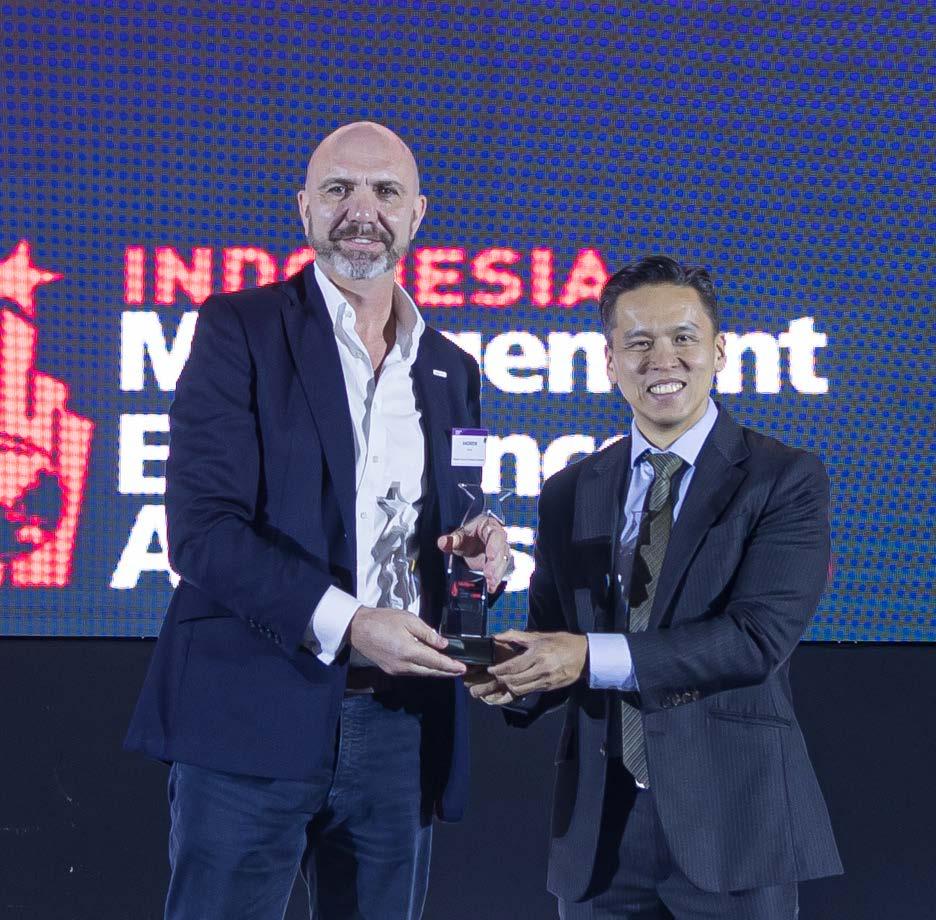
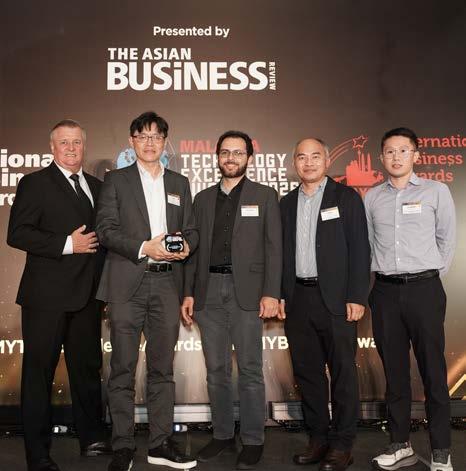
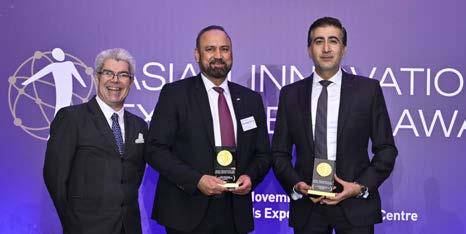
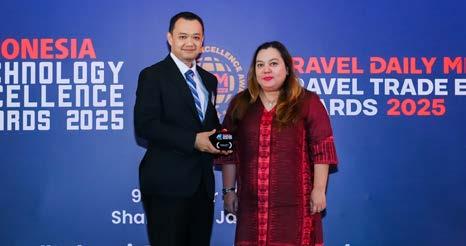
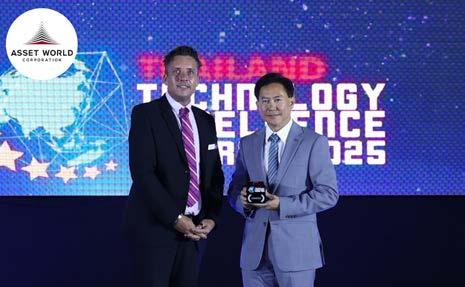
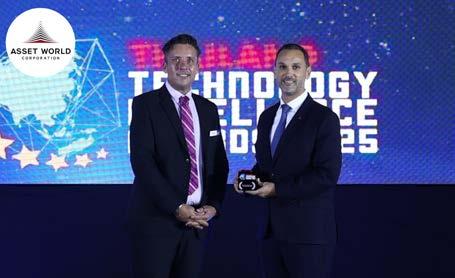
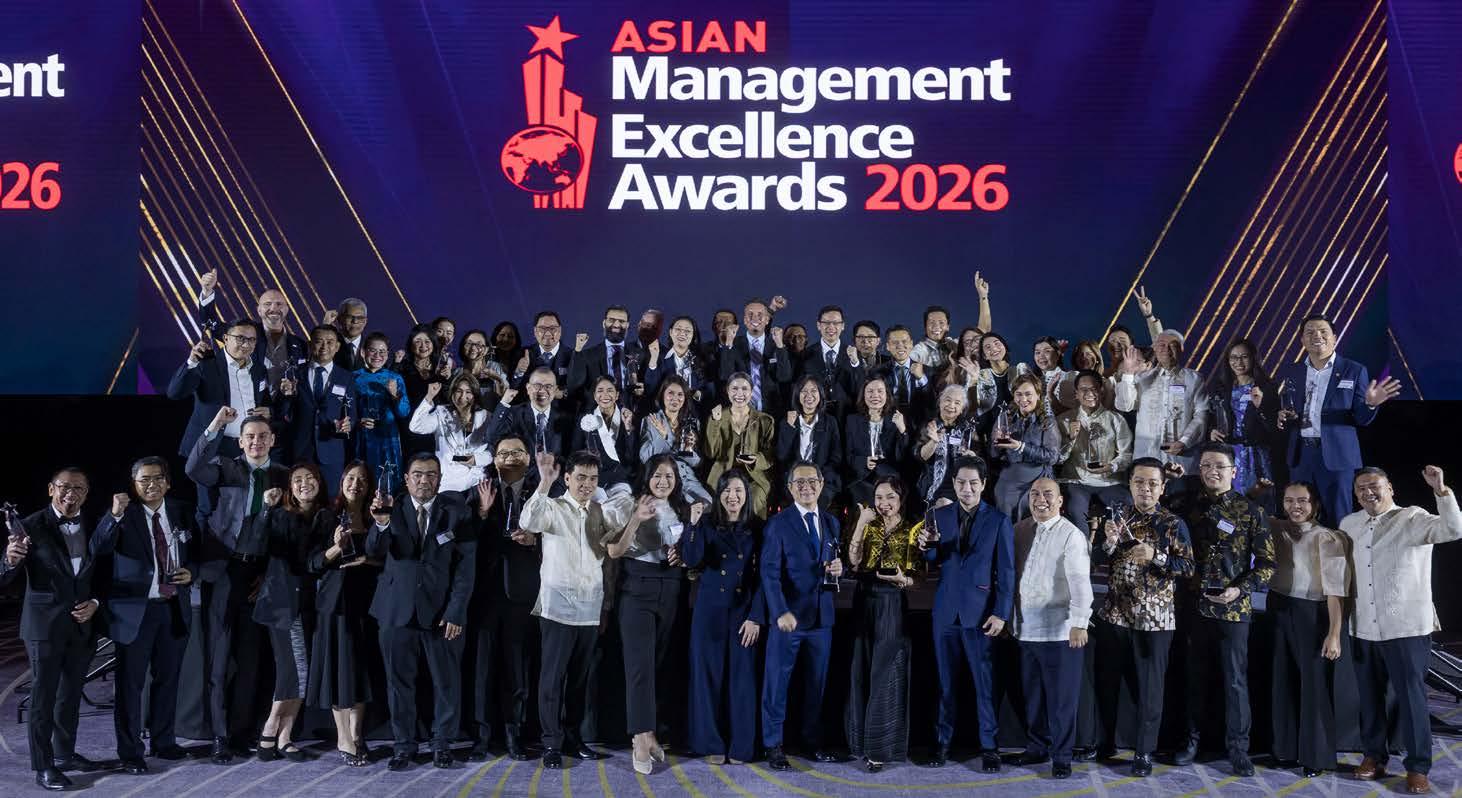
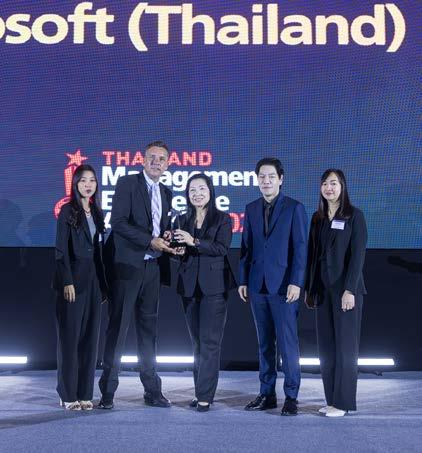
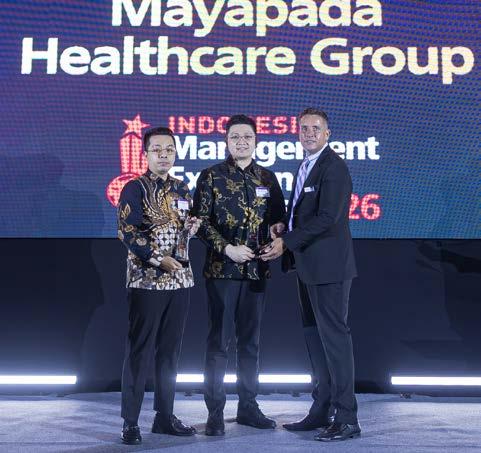
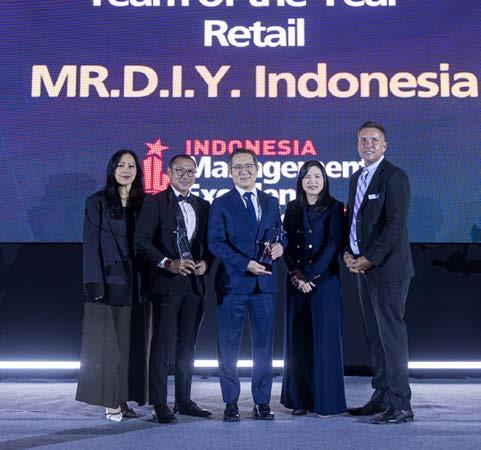
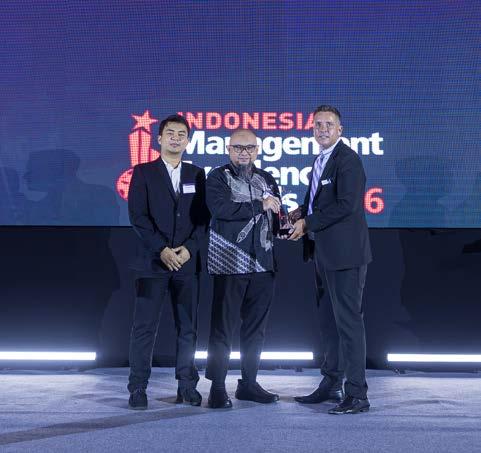
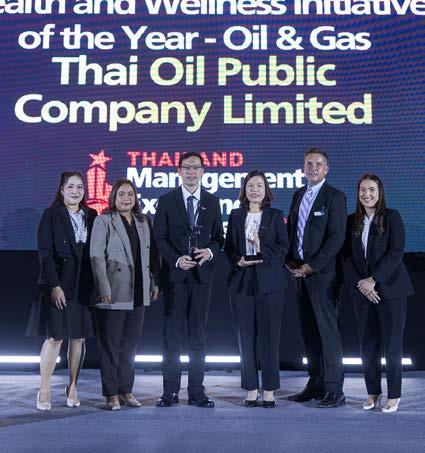
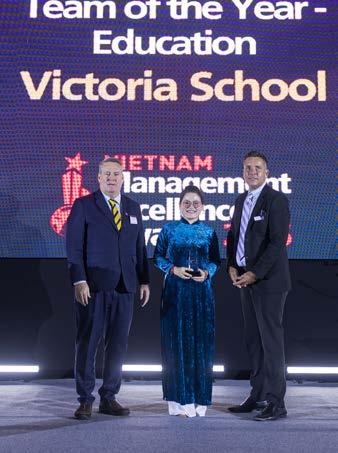
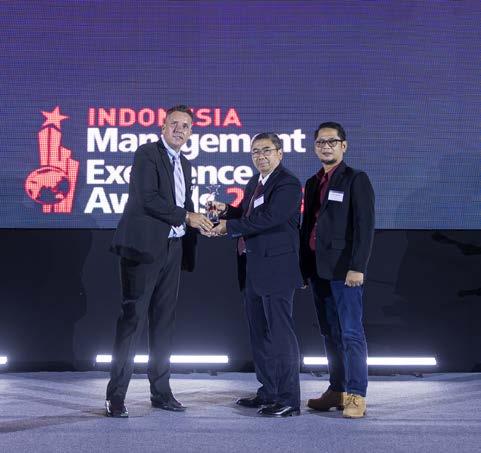
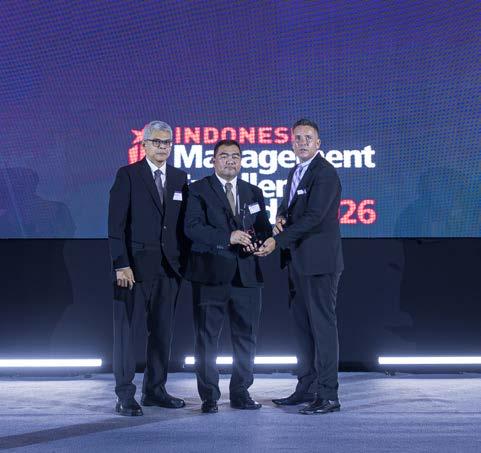
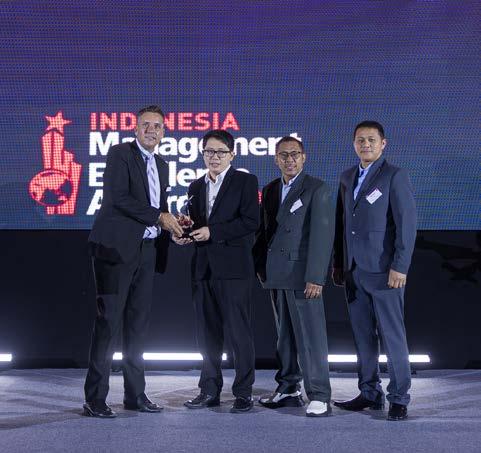
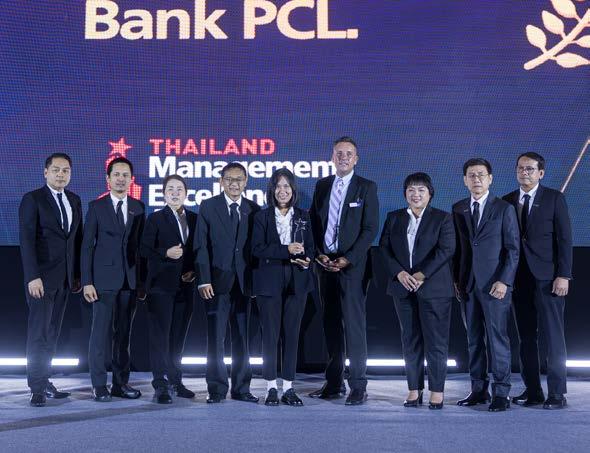
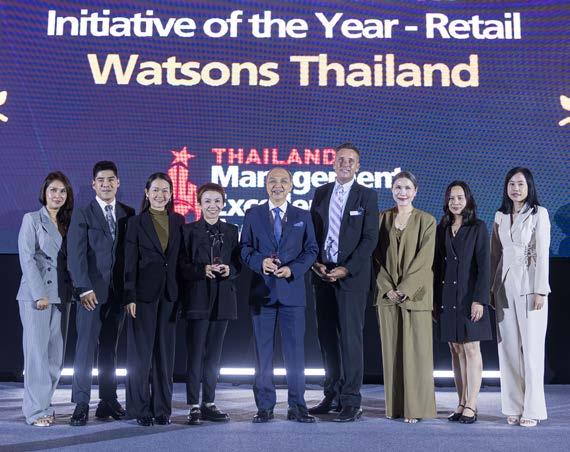
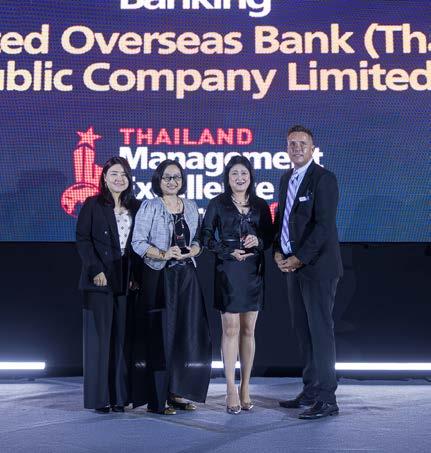
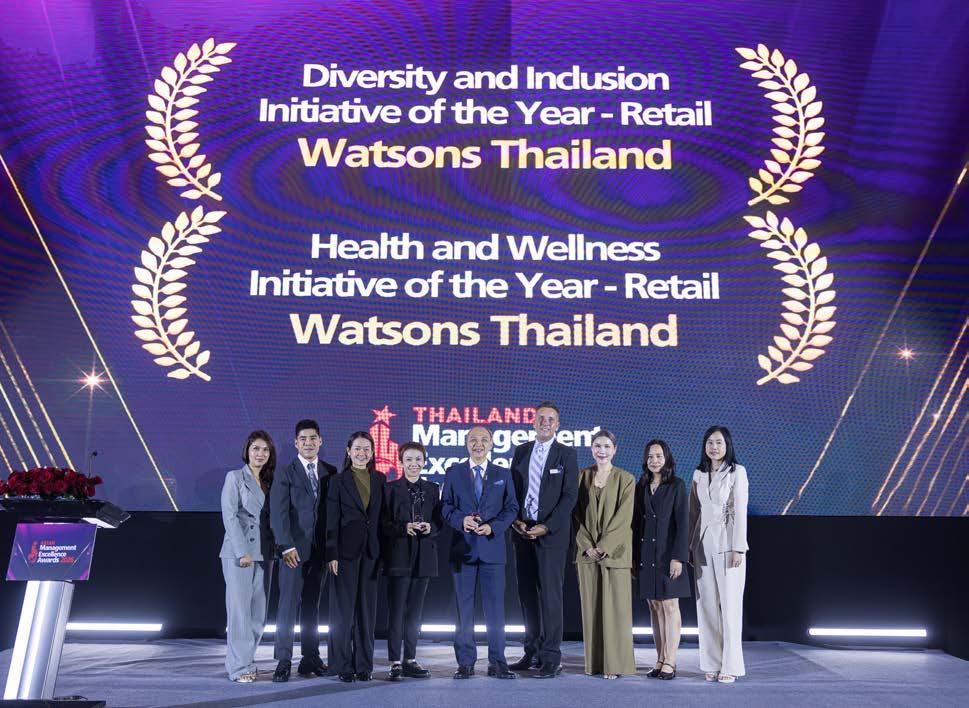
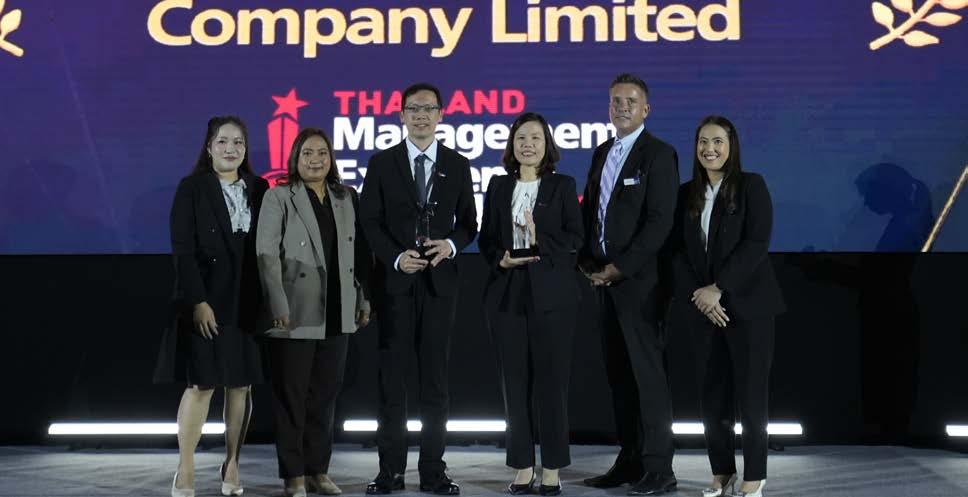
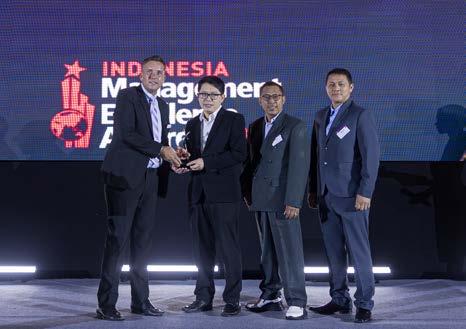
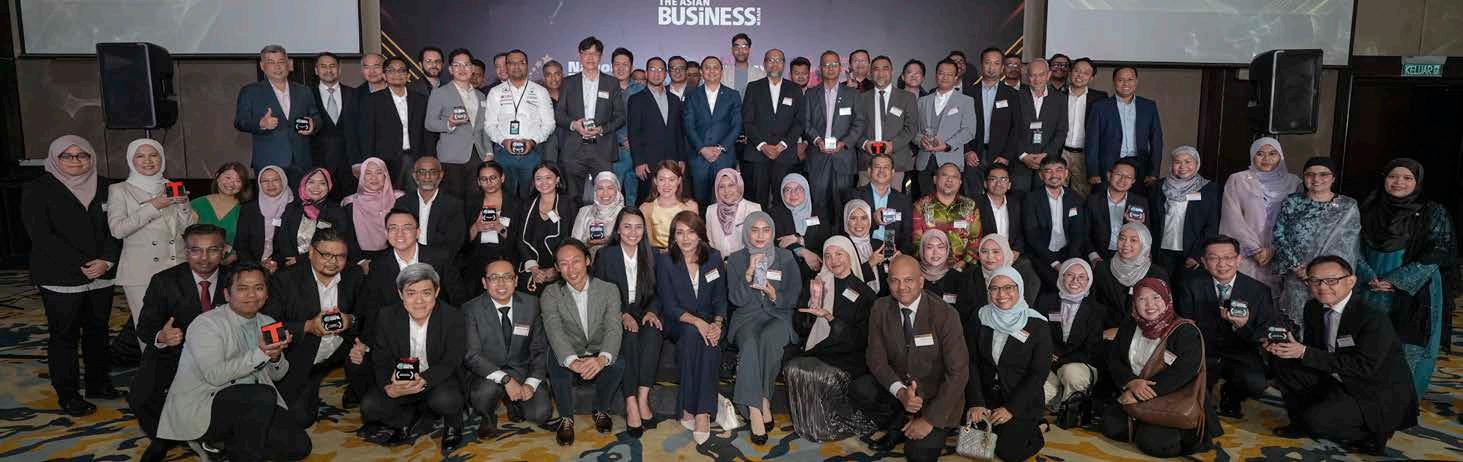
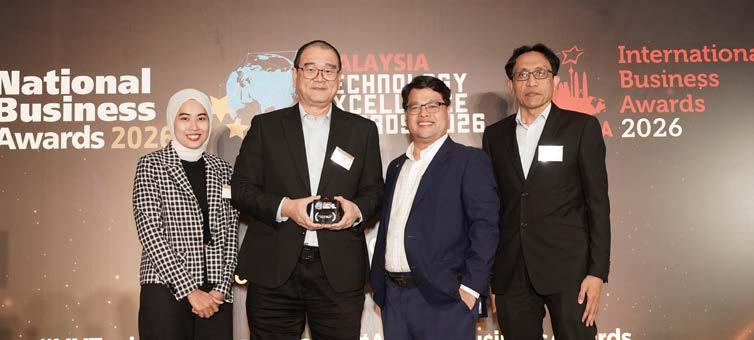
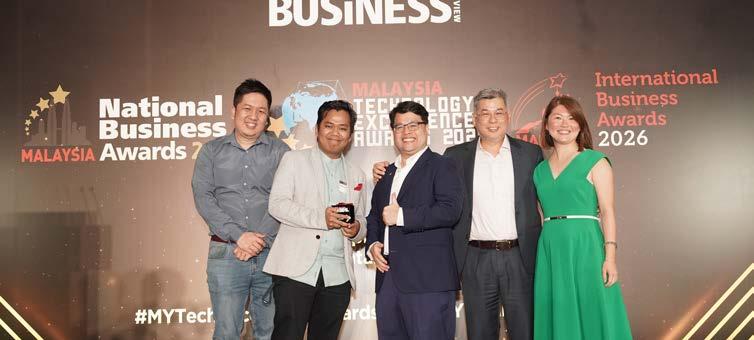
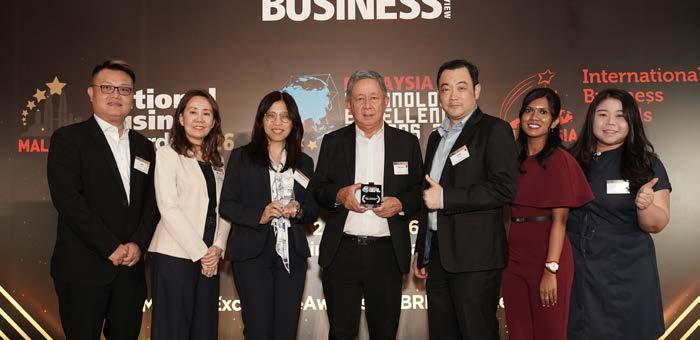
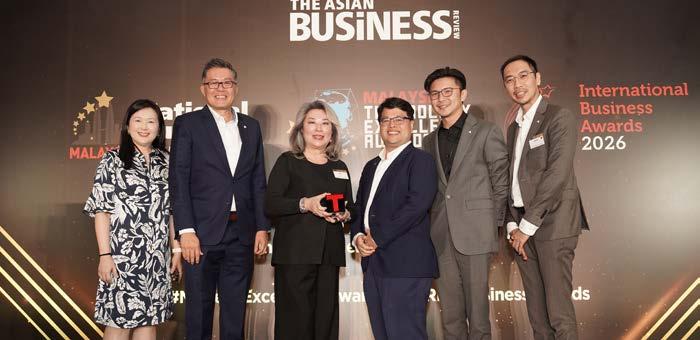
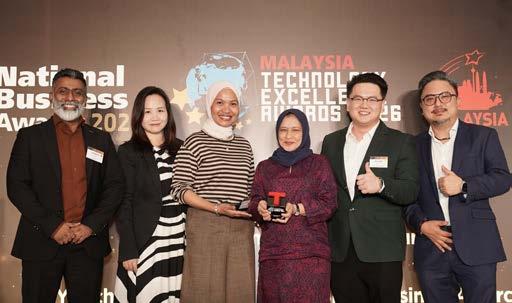
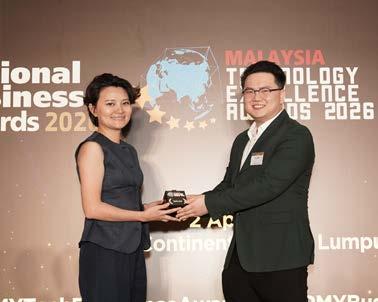
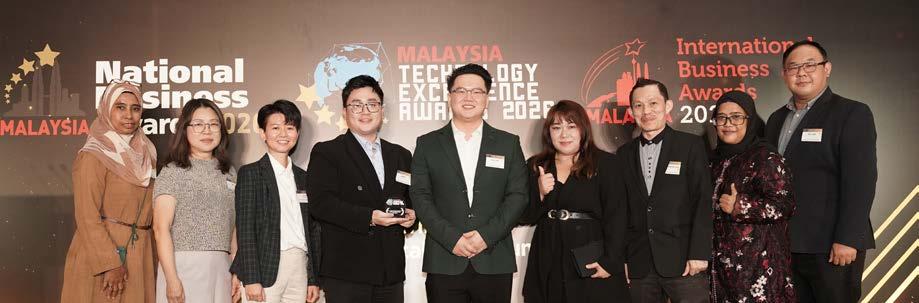
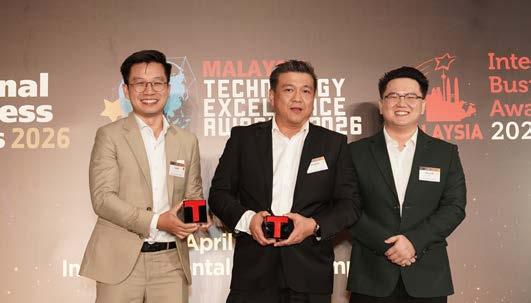
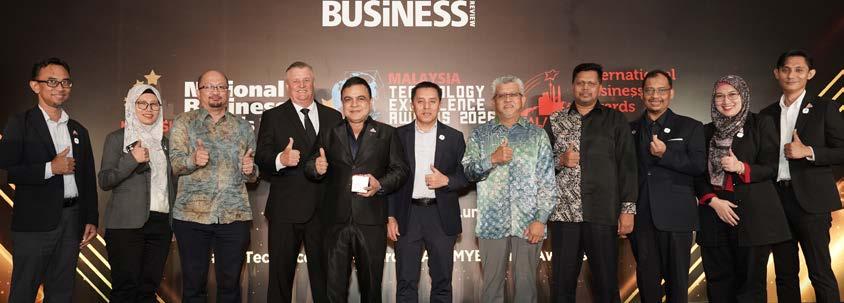
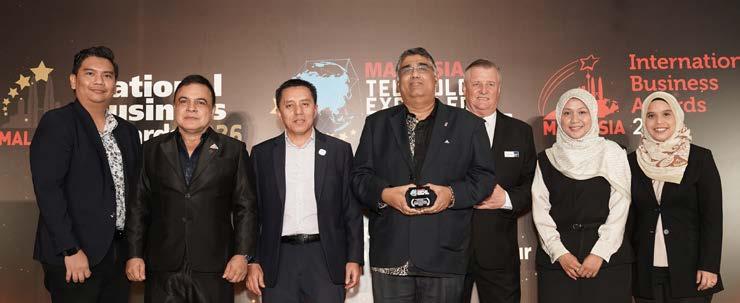
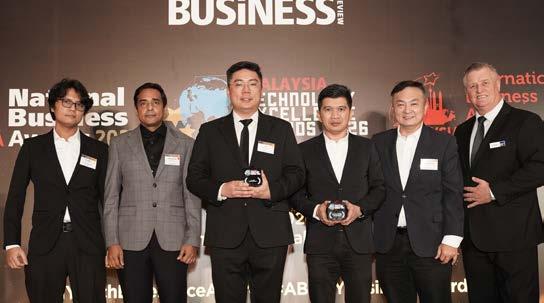
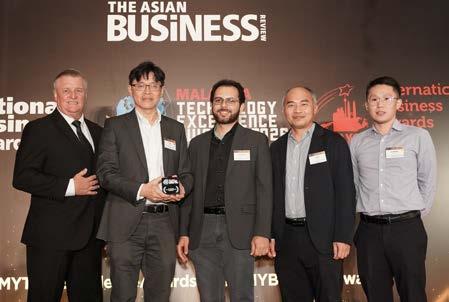
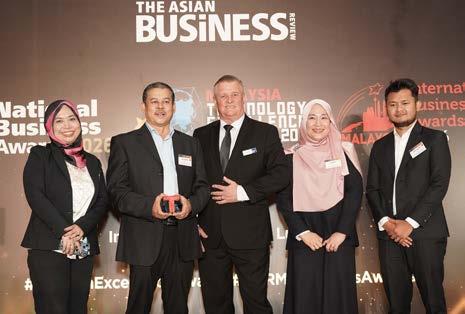
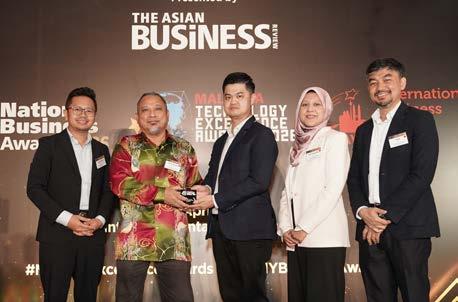
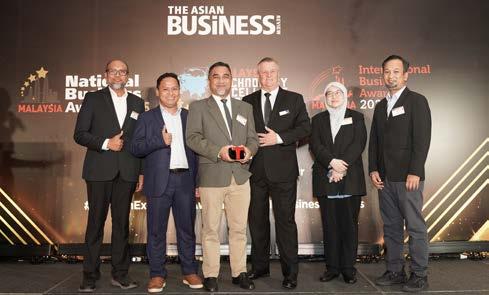
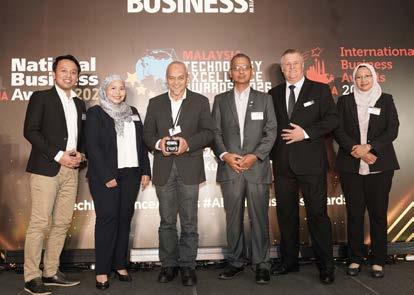
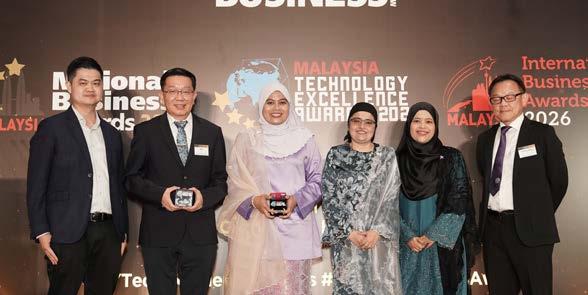
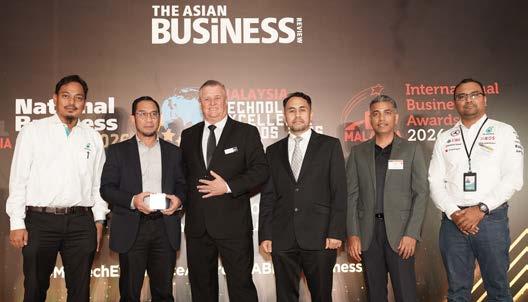
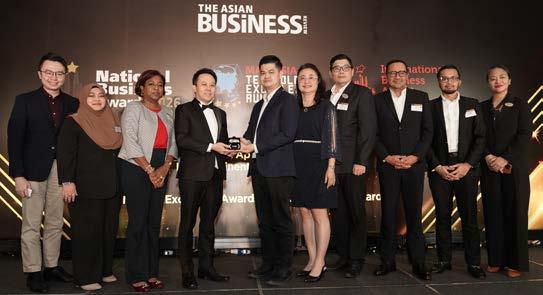
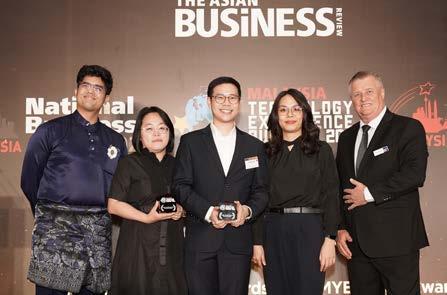
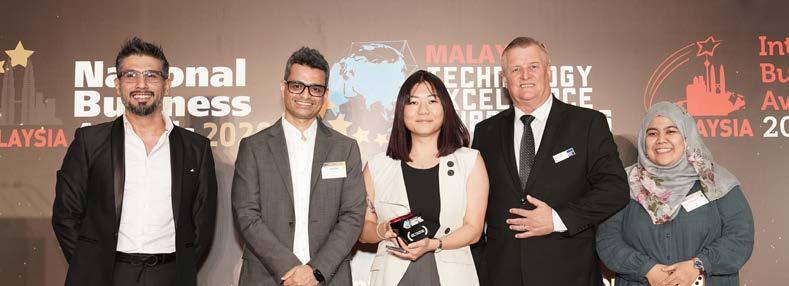
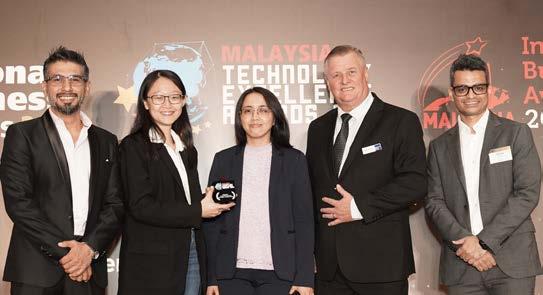
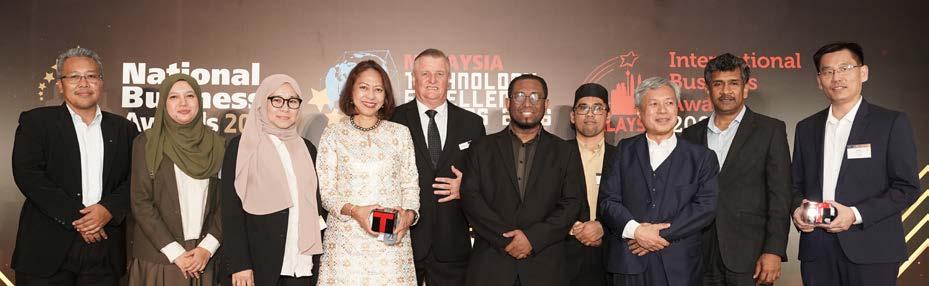
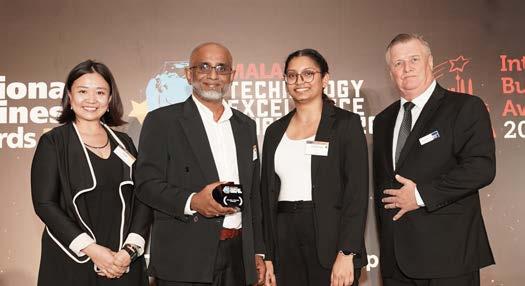
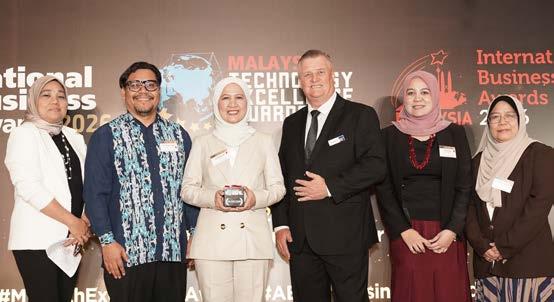
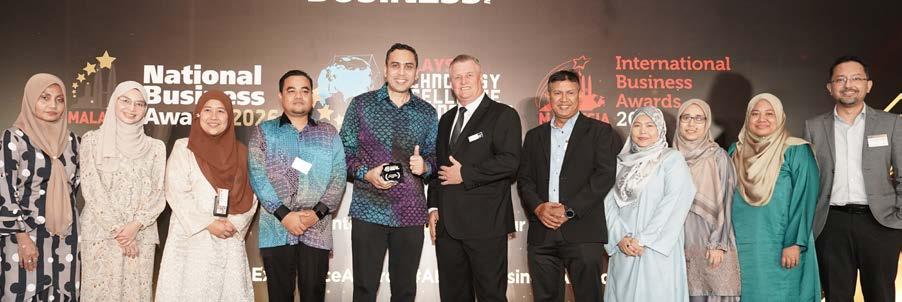
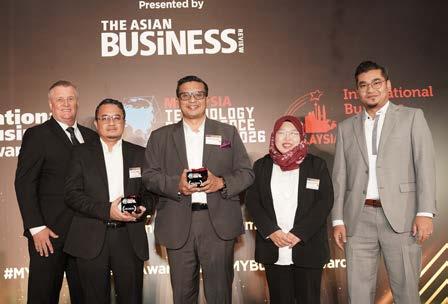
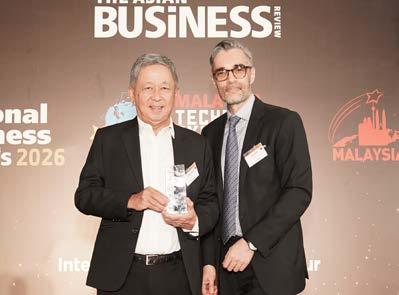
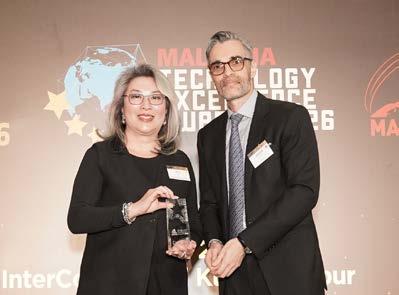
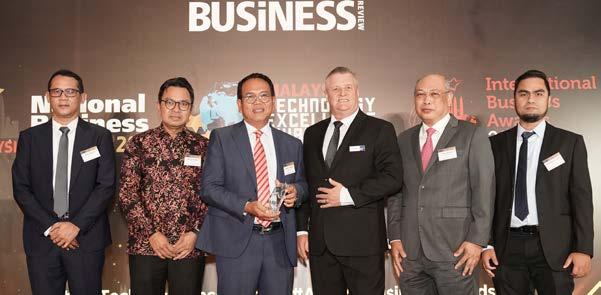
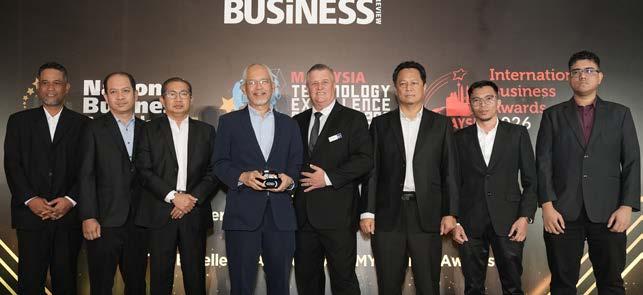
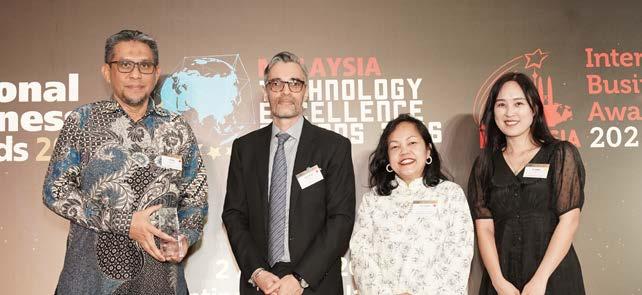
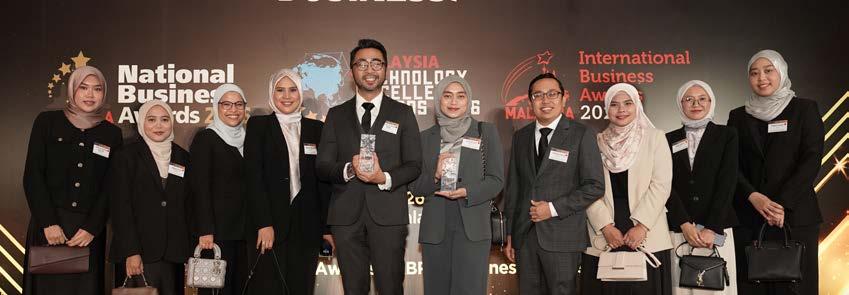
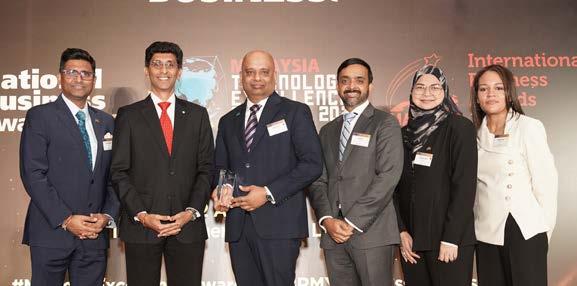
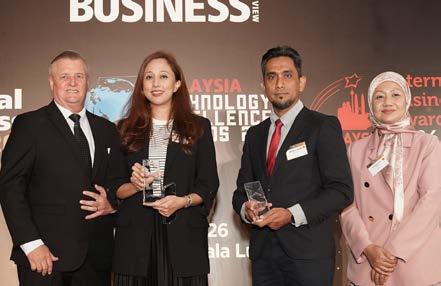
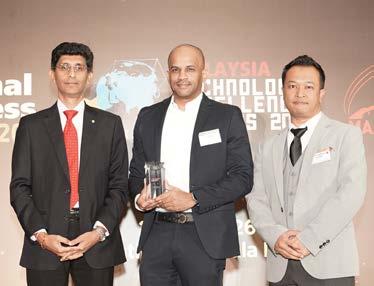
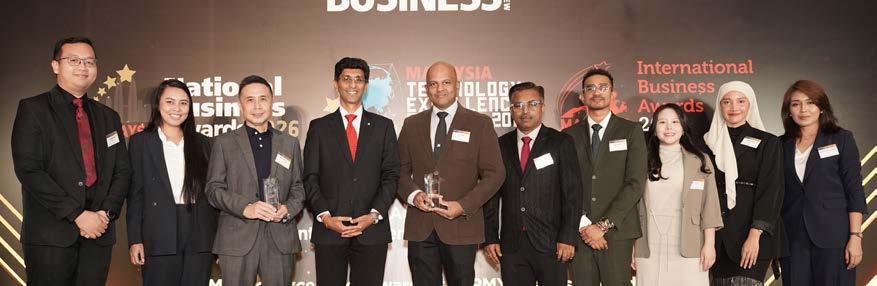
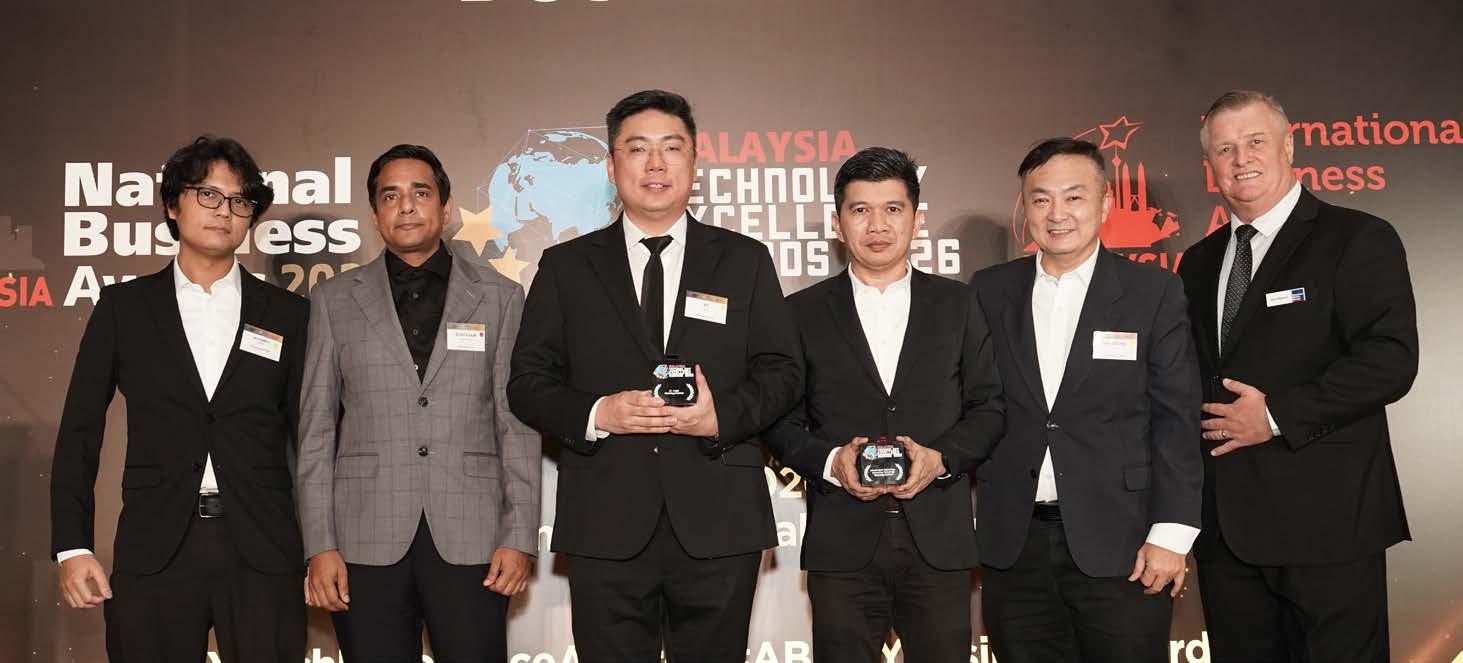
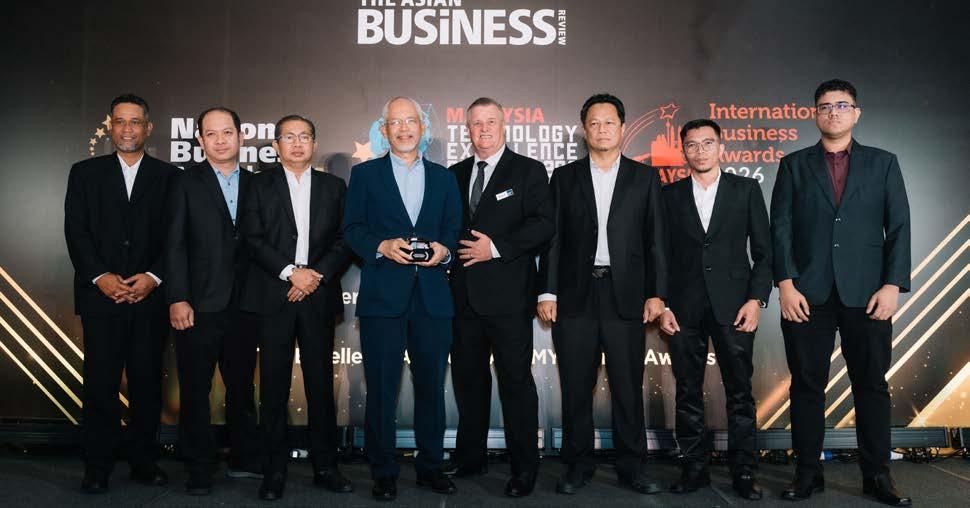
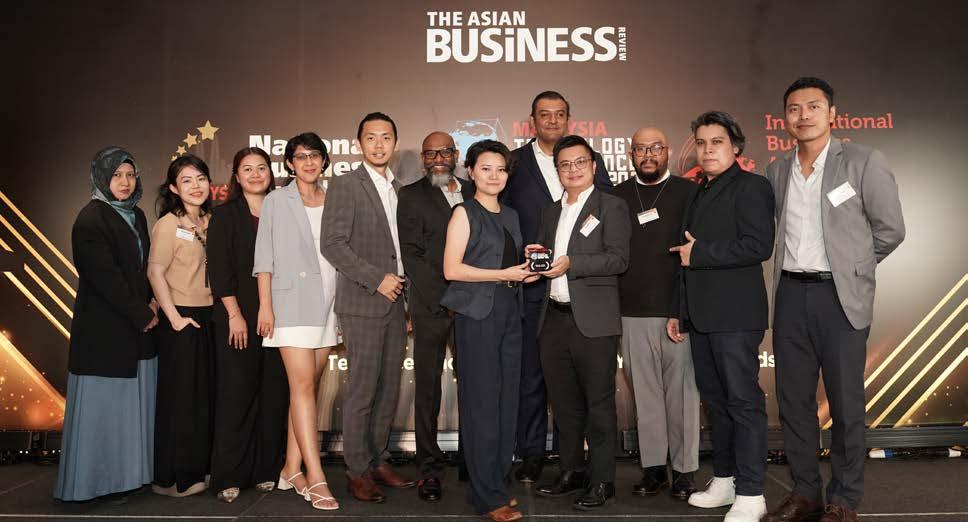
We also recognise the companies, executives and teams honoured at the Asian Management Excellence Awards 2026, Malaysia Technology Excellence Awards 2026, and Malaysia National and International Business Awards 2026. Their work shows practical leadership and measurable impact across the region.
Congratulations to all winners!
Tim Charlton
The Asian Business Review is a proud media partner and host of the following events and expos:
Live Smarter, Live Sustainably
At Setia eGreenLiving, technology and sustainability come together to redefine the way we live. With smart home systems, solar PV conduit readiness, EV port readiness and green switches thoughtfully integrated into every home, sustainable living becomes effortless and meaningful.
Setia’s commitment goes beyond homes. It’s about shaping eco-friendly communities that create lasting impact, for today, and generations to come.
News from asianbusinessreview.com
Daily news from Asia
MOST READ
Affluent women force rethink of legacy planning in Asia-Pacific
Insurers and advisors in the Asia-Pacific region should rethink legacy planning as affluent women gain control of assets and redefine succession around stable growth and long-term governance, analysts said. Data from HSBC Insurance showed 54% of women prioritise stable growth, compared with 49% of men.
Generative AI in healthcare to hit $30.4b by 2032 on imaging boom
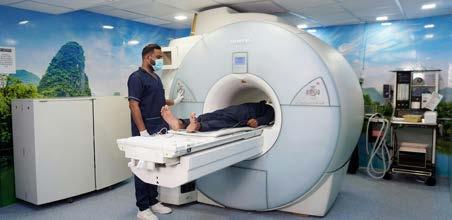
The global generative artificial intelligence in healthcare market is projected to reach $30.4b by 2032, expanding at a compound annual growth rate of 34.9%, according to an Allied Market Research report. It is driven by a surge in the adoption of gen AI for medical image analysis and AI-enabled workflow automation.
Singapore dominates SEA PE dealmaking in Q1: report
Singapore remained Southeast Asia’s main private equity hub in the first quarter of 2026, accounting for about 68% of deal volume and 94% of total deal value, according to EYParthenon. The region recorded 19 PE deals worth $9.2b during the quarter, the highest quarterly deal value in the past five years.
Thai consumers split spending between value and premium goods
Thai shoppers are split between price sensitivity and willingness to pay for quality, according to Roland Berger. About 56% plan to increase grocery spending, whilst 79% prioritise quality and brand reputation over price. This is driving a split market where both budget-focused and premium segments are growing.
India’s solar energy share rises to 28.4% of total power capacity in Q1
India’s solar energy sector rapidly expanded in Q1 2026, accounting for 28.4% of the country’s total installed power capacity and 55% of total renewable energy capacity, according to data compiled from the Central Electricity Authority, Ministry of New and Renewable Energy, and Mercom’s India Solar Project Tracker.
Malaysian bank loan growth to stabilise at 4.5% to 5.5% in 2026
Malaysia’s banking sector is set to see steady loan growth in 2026, following a slight slowdown in 2025, CGS International Securities said. “We expect banks’ loan growth to be stable in 2026, with a projected growth rate of between 4.5% and 5.5% on the back of our GDP growth forecast of 4.6%,” the brokerage said.
HEALTHCARE
RETAIL
& OFFSHORE
RETAIL BANKING
Trusted for over
30 years
Singapore’s Choice
Ever y Time.
Sweet & Tangy Buffalo Wings where bold flavours meet mouth-watering perfection. A trusted favourite for 30 years and counting. A crowd-pleaser from sunrise to sunset. Quick, Flavourful, Always Loved. Enjoy the Moments
BANKS WASTE AI SPENDING ON OLD WORKFLOWS
Financial institutions won't see substantial returns from their artificial intelligence (AI) investments if they don't redesign workflows, as rising transaction volumes and declining headcount do not translate into proportional cost reductions.
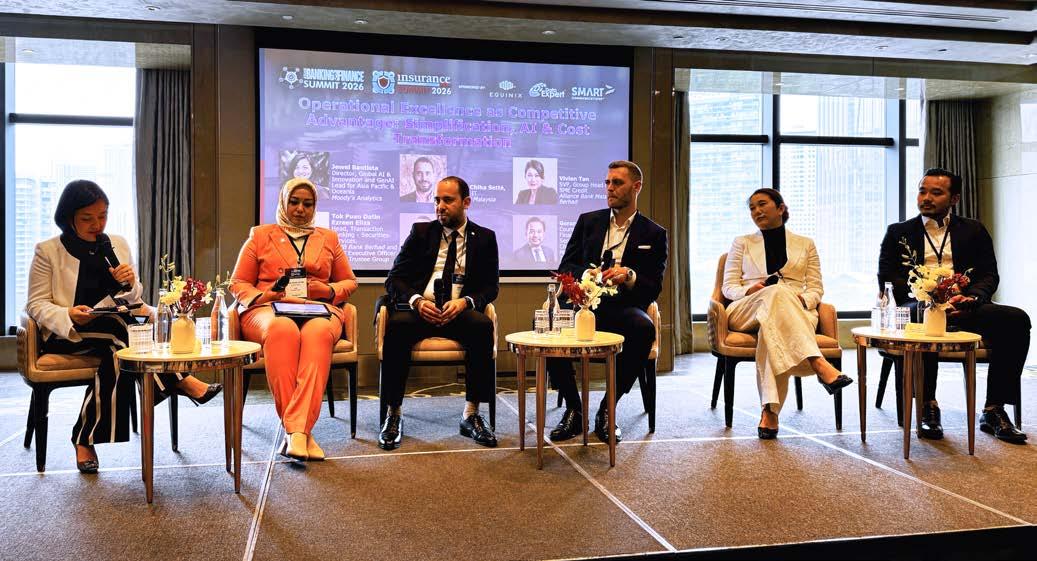
AI optimisation is primarily an operating model issue, not a technology deployment challenge, said Christopher Saunders, Partner and head of Advisory, Financial Services at KPMG Thailand, at the Asian Banking & Finance and Insurance Asia Summit in Thailand on 28 April.
Saunders said a small group of financial institutions, which he estimated at around 10%, are beginning to realise stronger outcomes by simplifying operating models and integrating AI into redesigned workflows.
Fragmented workflows
The majority, however, continue to focus on deployment rather than structural change, limiting the impact of AI investments.
Saunders said this reflects a structural issue where operational complexity offsets efficiency gains.
Whilst digital adoption has reached maturity in markets such as Thailand, with transaction growth moderating to around 5% to 8% annually, Saunders said cost pressures continue to build from regulatory requirements, cyber security, real-time monitoring and biometric controls, alongside recurring cloud and engineering costs.
Saunders said many institutions initially realise efficiency gains through targeted digital and AI use cases, but later add new platforms without removing legacy systems. This creates duplicated processes and fragmented workflows, limiting the net value generated.
Without workflow redesign, AI increases speed but does not improve outcomes because bottlenecks such as approvals, handoffs and manual reconciliation remain unchanged, he told the summit attendees.
APAC insurers face $200b legacy tech burden
Asia-Pacific (APAC) insurers risk falling behind digital competitors if they continue relying on legacy technology, which limits their ability to respond to customer demands and global risks, according to analysts.
“Insurance is a ‘sleep-at-night’ solution,” Simon Smallcombe, Asia-Pacific insurance partner at Capco, told Asian Business Review. “Interactions with insurers are much less frequent, and there has been a lag in modernisation and investment,” he said.
But insurers have been rapidly catching up, he said, citing significant investment in tech for claim optimisation, digital tools at the point of sale, financial need analysis, product recommendations, and transformation.
A 2025 HFS Research Ltd. report estimates that insurers in the region carry $200b in technical and process debt: $134b tied to legacy systems and $66b to outdated processes, largely concentrated in claims handling.
The study found that consumers increasingly benchmark insurers against banks, expecting fast,
seamless digital experiences.
Clearwater Analytics Holdings, Inc. reported that 75% of insurers focus heavily on immediate operational challenges rather than long-term transformation; amongst the biggest firms, that rises to 90%. “Some of these companies are well over 100 years old, and there are entrenched ways of doing things,” Shane Akeroyd, Clearwater’s APAC chief, said in an interview.
Despite these obstacles, insurers are investing heavily. Smallcombe cited AIA Group Ltd. and Prudential Plc, which have each invested about $1b in technology, data, and analytics over the past five years. These investments cover digital tools at the point of sale, claim optimisation, product recommendations, workflow automation, and transformation programmes.
Yet significant spending does not automatically yield results. Many insurers have focused on digitising frontend journeys whilst leaving core systems intact. Innovation requires more than updating interfaces, said Ryan Kim, chief technology and digital officer at FWD Group Holdings Ltd. “It demands agile governance, cross-functional ownership, and the willingness to retire or reinvent legacy processes.”
Looming talent crunch
Generative artificial intelligence (AI) has become increasingly central to operations. FWD’s AI-powered underwriting system in Japan cut processing times by 30%, whilst Clearwater reported that 92% of reconciliation tasks now use AI, improving speed and accuracy.
The sector also faces a looming talent crunch. Many experts who maintain legacy platforms are retiring, creating gaps in institutional knowledge.
“Finding new entrants skilled in some of these older technologies, by definition, is going to become tougher over time,” Akeroyd said.
“Those who knew how to work on legacy systems are leaving. They’re older, in their 50s and 60s,” he added.
Insurance executives said modernisation is no longer optional. Rising customer expectations, digital competition, and regulatory pressures demand both technological upgrades and process reinvention.
“The narrative seems to have shifted from innovation, like buying new things, to execution or making them work at scale,” Akeroyd said.
Outdated tech and entrenched processes continue to hamper operations
Simon Smallcombe
Shane Akeroyd
Ryan Kim
INSURANCE
Asia‑Pacific airports rework strategies to lift retail sales
Rising passenger spending on luxury is prompting airports across the Asia-Pacific region to rethink retail layouts and technology, as operators seek to lift spending per traveller amidst slower growth in traffic.
“Airports are no longer simply places for transactional shopping,” Sarah Branquinho, president of the Tax Free World Association (TFWA), told Asian Business Review. “Passengers increasingly look to find something new and unique, and expect engaging, experience-led environments that enhance their journey.”
Passenger spending at Asia-Pacific
airports rose 13% from January to October 2025 compared with the same period in 2019, according to the Airports Council International Asia-Pacific & Middle East, even as domestic traffic increased only 2%.
The gap has sharpened airport focus on retail sales rather than passenger volume alone.
Luxury sales rose 9% and spending on local products climbed 7%, reflecting demand for highervalue purchases and destinationlinked items. Leading sources of spending include travellers from China, India, the United Arab
Emirates, and Saudi Arabia.
Airport operators are responding by changing tenant mix, store layouts, and checkout systems to capture higher-yield spending during the time passengers spend airside between security and boarding.
With a passenger base skewed towards Millennials and Gen Z who are digitally fluent and open to discovery, Asia-Pacific airports are “an ideal environment for experimentation that can later be scaled globally,” Branquinho said.
The region accounts for 42% of global duty-free and travel retail sales, she pointed out.
Millennials and Gen Z travellers form a large share of outbound traffic in markets such as China, India, and Southeast Asia, she said.
That group typically researches purchases in advance, compares prices digitally and expects a consistent experience across channels.
Passengers increasingly look to find something new and unique, and expect engaging, experience-led environments that enhance their journey
Retailers have adjusted by moving away from standard duty-free formats. Hybrid layouts that combine retail, food, and beverage and seating areas have become more common in larger terminals, as have short-term brand installations designed to capture attention during dwell time.
Interactive engagement has practical value rather than marketing appeal, according to Emily Stella, a principal analyst at GlobalData Plc.
She said trial and discovery zones remain effective, particularly in categories like fragrance and cosmetics that rely on testing and consultation.
THE CHARTIST: APAC RETAIL INVESTMENT JUMPS $7.2B AS RENTS SLIDE
The Asia-Pacific (APAC) retail investment volumes reached $7.2b in the fourth quarter of 2025, increasing by 80% year on year (YoY) amidst mixed conditions across the region, according to a JLL report.
Unlisted property funds and private companies in Australia led investment activity.
Japanese real estate investment trusts returned to acquisitions through selective deals.
Singapore recorded higher transaction activity, including the sale of Clementi Mall.
Retail leasing demand across APAC centred on food and beverage (F&B) and fashion.
Experiential retail and high-footfall locations recorded strong demand. Personal care tenants contributed to demand but maintained selective expansion strategies.
The APAC Retail Rental Index fell for a fourth consecutive quarter, driven by
weakness in Greater China. Most other markets recorded flat or modest rental growth.
India’s prime retail submarkets recorded the strongest rental growth, whilst Tokyo’s high streets also posted gains, supported by higher inbound tourism.
Landlords in weaker markets offered rental concessions and flexible lease terms to maintain occupancy. Landlords in stronger markets adjusted tenant mix through asset management strategies.
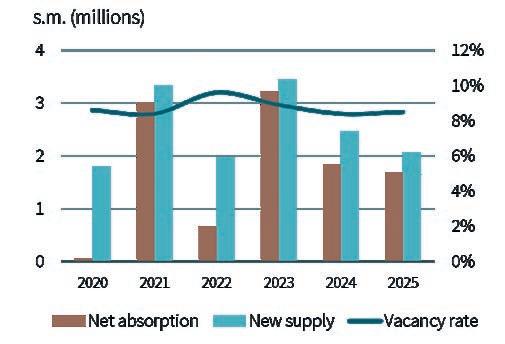
APAC retail fundamentals showed net absorption of 1.678 million square metres in 2025 against completions of 2.055 million square metres. Vacancy stood at about 8.5%, whilst rents fell 2.5% YoY, JLL added. Tourism recovery supported commercial hubs across the region. Consumer caution continues to affect discretionary spending in some markets.
Sarah Branquinho
RETAIL
Brands ditch 20 million global shoppers for 'Crazy Rich Asians'
Luxury brands are leaning harder on Asia’s wealthiest shoppers as the global customer base shrank for a second straight year in 2025, forcing the industry to defend margins with fewer buyers.
About 20 million consumers exited the personal luxury goods market last year, reducing the global active client base to about 330 million, according to a Bain & Co. and Fondazione Altagamma report released in December 2025.
Even so, high-end clients account for as much as 40% of global luxury spending, KPMG said in its Luxury in the Midst of Change report in October.
That concentration of spending is reshaping strategy. Brands are channelling resources towards invitation-only capsules, private salons, bespoke services, and curated cultural events aimed at their most valuable customers, particularly in Asia.
“Top-tier Asian clients expect highly personalised clienteling, private and discreet engagement, and cultural or artistic immersion rather than transactional retail,” James Wilson, a partner and head of consumer and retail at KPMG in Singapore,
told Asian Business Review.
“Increasingly, exclusivity must extend beyond products into experiential, emotional, and heritage-based dimensions,” he said in an exclusive interview.
Price increases have underpinned growth. Luxury brands have lifted prices by 54% since 2019, according to KPMG.
From 2019 to 2023, about 80% of market expansion came from higher prices, with only 20% driven by volume growth.
As demand softens, 42% of surveyed companies have kept prices unchanged, whilst 39% raised them further to reinforce premium positioning.
The emphasis remains on protecting margins rather than rebuilding scale.
The shift comes with trade-offs. “One of the biggest challenges is balancing democratisation with desirability,” Wilson told the magazine.
“As brands expand to serve a growing
aspirational middle class, there is a real risk of diluting exclusivity if access is not carefully curated,” he continued.
Exclusivity redefined
Gen Z is redefining exclusivity. Younger consumers place more weight on access and community than on scarcity alone.
About 63% of Gen Z consumers in Asia say social commerce shapes their buying decisions, according to KPMG.
“Gen Z tends to favour limited drops, phygital experiences and culturally resonant collaborations that are socially shareable whilst still preserving clear signals of scarcity,”
Sharon Iles, senior apparel analyst at GlobalData Plc, said in a separate interview.
Brands are testing tiered models that preserve private, high-touch experiences for elite clients whilst offering curated entry points for younger buyers.
LVMH’s Xiamen Beach Boutique, Hermès’ Shanghai pop-up and Chanel’s digital collections blend limited access with social engagement.
“[It] supports the idea of participatory exclusivity, turning purchases into a gamified, location-based collecting journey that aligns well with Gen Z preferences,” said Iles.
Exclusivity is also evolving around sustainability and purpose.
“Exclusivity today must align with authenticity, integrity, and purpose,” Wilson said, noting that brands are highlighting curated cultural experiences and environmental, social, and governance commitments to appeal to aspirational buyers.
Even as the global customer base contracts, Asia remains a growth engine. Southeast Asia benefits from young, digitally native populations, rising incomes, and demand for experiential consumption.
Experiential, wellness, and travel-related luxury are growing faster than traditional goods, according to Iles.
GlobalData projects the region’s luxury apparel market will grow about 4% annually through 2029, outpacing the 2.8% global rate.
With fewer buyers worldwide, brands are betting Asia’s affluent and aspirational consumers can sustain growth.
“The winners will be those that practise balanced exclusivity—protecting highly intimate, high-touch experiences for toptier clients whilst creating curated, culturally relevant access points for aspirational and next-generation consumers,” Wilson told Asian Business Review.
Asia's luxury apparel market will grow about 4% annually through 2029
RETAIL
SPACE WATCH
HSBC opens largest wealth centre in SG
The 7,884 square foot space also features its first-ever Premier Elite exclusive space.
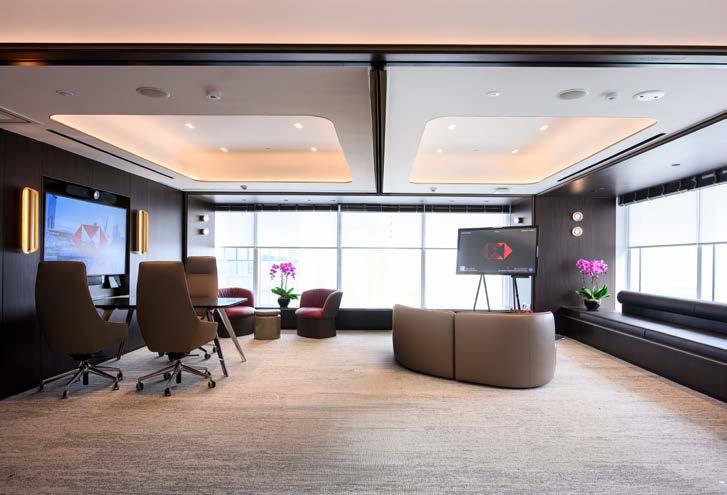
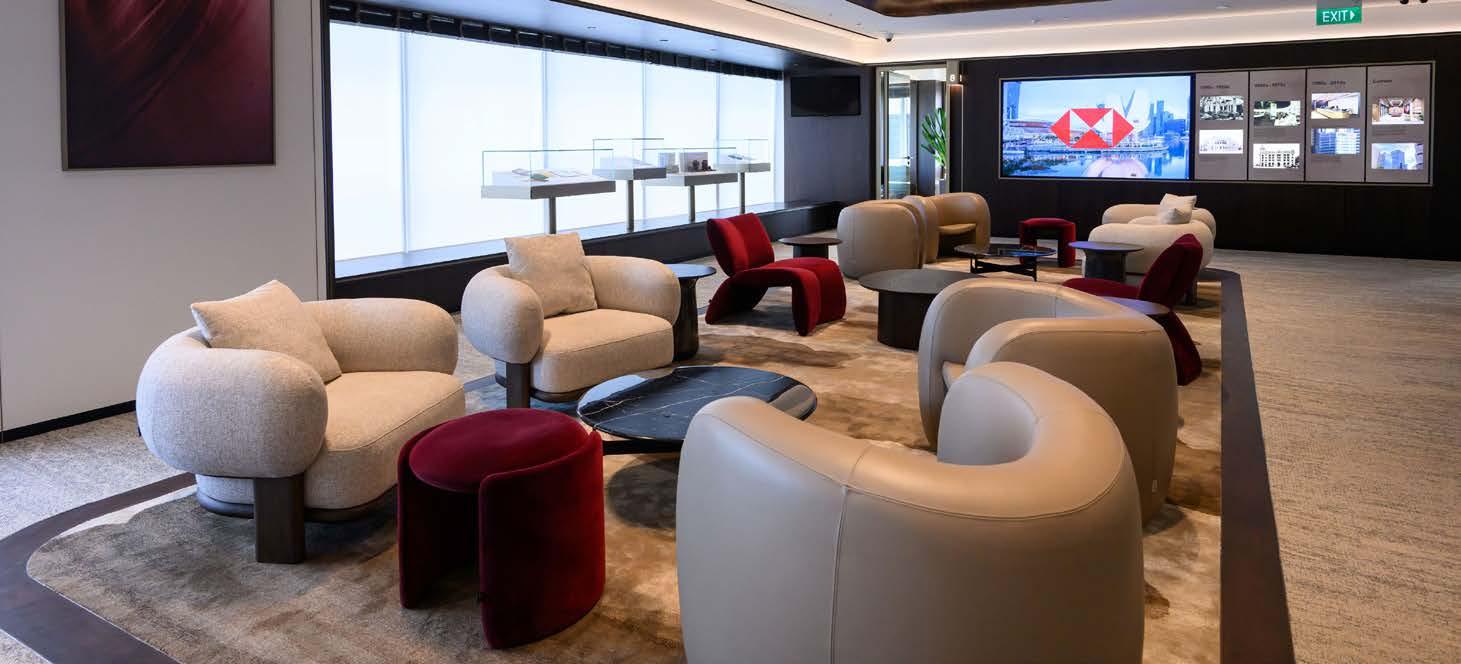
HSBC Singapore’s largest wealth centre in Singapore Land Tower is its first sky lounge and first-ever dedicated Premier Elite Space in the city.
The 7,884 square foot space, occupying the 33rd floor of the tower, features 14 meeting rooms decorated with premium finishings, textured upholstery, custom scents, and panoramic skyline views.
It also has enclosed teller rooms and private client advisory rooms. Premier and Premier Elite customers—clients with a minimum total relationship balance of over $954,000 (S$1.2m)— have their own exclusive spaces, bridged by a sky lounge overlooking Singapore’s financial district.
The wealth centre also has a family room that provides privacy for “complex and multi-generational wealth discussions,” according to HSBC Singapore in a press release published on 27 February 2026.
“This wealth centre, with our first dedicated Premier Elite space, has been meticulously designed to integrate the wealth and lifestyle aspirations of our clients, bringing together the best of our advisory, service and hospitality expertise to elevate their wealth journey in meaningful ways,” said Ashmita Acharya, head of International Wealth and Premier Banking (IWB) Singapore at HSBC Singapore.
Hospitality offerings include bespoke creations from celebrity chef Janice Wong, seasonal petit fours flown in from France, and a signature fragrance inspired by the HSBC Papilionanda Orchid.
The Singapore Land Tower wealth centre is the bank's fourth opened since 2004. It is part of the bank’s five-fold investment towards increasing its physical network in Singapore, the bank said.
Ashmita Acharya
The wealth centre is located at Singapore Land Tower's 33rd floor, spanning 7,884 sq ft It is the bank's fourth opened since 2004
Premier and Premier Elite customers have their own exclusive spaces (Photos from HSBC) SINGAPORE
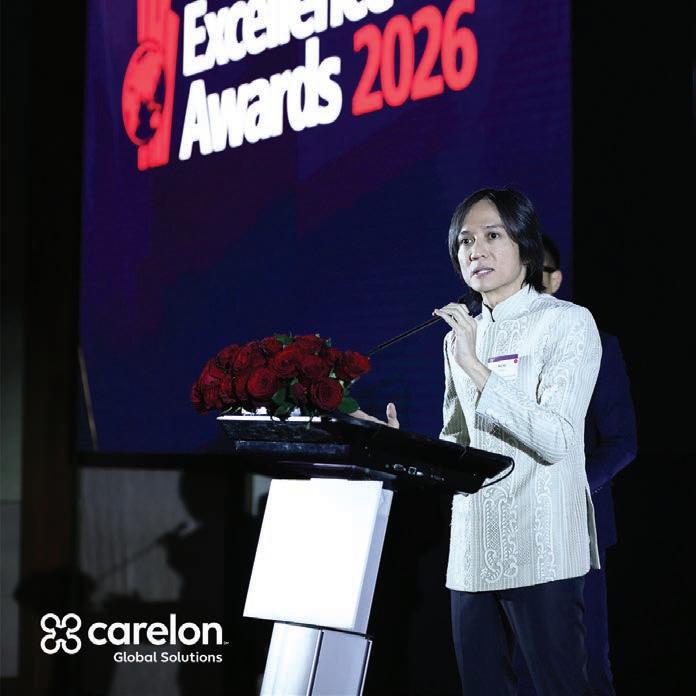
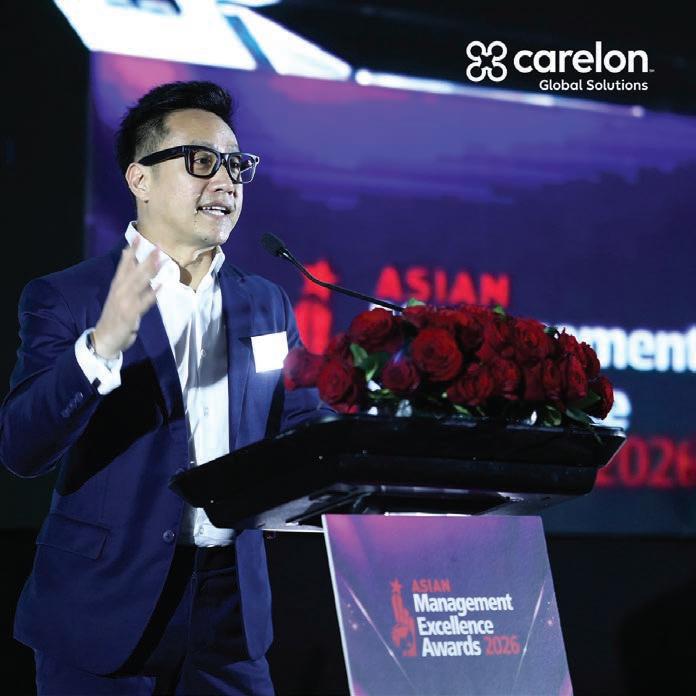
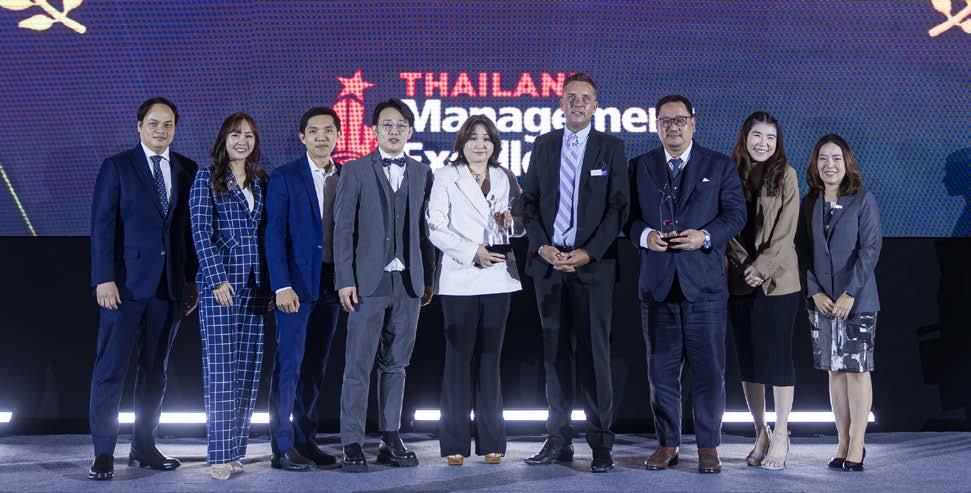
Carelon Global Solutions Philippines wins dual honours at AMEA 2026
Royal Garden expands suites for family stays
Rooms range from 388 square feet for standard units to 1,000 square feet for suites.
Sun Hung Kai Properties’ The Royal Garden Kowloon East in Tseung Kwan O is targeting families, multigeneration travellers, and guests with pets by offering bigger rooms, family-friendly layouts, and outdoor spaces.
General Manager Johnny Cheung said the hotel’s advantage lies in its spacious rooms and calmer environment. “Our big competitive advantage is larger room sizes, fully renovated spaces, and calm, relaxed setups—not only inside the hotel rooms but also in the surrounding areas,” he told Asian Business Review.
Rooms range from 388 square feet (sq ft) for standard units to 1,000 sq ft for suites. The hotel offers interconnecting suites for grandparents, parents, and children, bunk-bed layouts for kids, and “Family Fortress” rooms that can house two to three generations.
Terrace suites include private outdoor areas suitable for small business meetings or entertaining guests.
“Business travellers… want comfort whilst keeping up with work,” Cheung told the magazine.
Room rates start at $178 for standard rooms, $319 to $383 for villas, and $510 to $638 for suites.
The hotel is undergoing phased renovations that began in June 2025. The first phase, completed in December, covered the lobby, function rooms, and a third of the rooms.
The second phase finished in March, and the final phase, from April to July, will complete the remaining rooms and reopen the rooftop Italian restaurant, Ponentino.
The hotel is adjacent to an MTR station, and shuttle services connect it to the Express Train station and Tsim Sha Tsui, making it convenient for travellers.
Johnny Cheung
HONG KONG
1 The Royal Garden Kowloon East's hotel entrance. 4 The Ponentino is an Italian restaurant at the hotel's rooftop.
The “Sunset Terrace Suite”
Fortress” room,
Partnering to protect what matters most
bolttech enables telcos, retailers, e-commerce platforms, travel brands, financial institutions, mobility providers, healthcare innovators, and consumer electronics leaders to embed protection and insurance into their customer journeys – growing your business while driving customer loyalty and trust.
bolttech’s ecosystem connects insurers, distributors, and consumers to deliver simple, scalable protection solutions at the point of need.
Discover how we can help you offer protection within your customer experiences.
Singapore plans long‑term LNG supply deals
Contracts from the US and Qatar will support the nation’s RE shift.
Singapore plans to secure long-term liquefied natural gas (LNG) supply contracts for its power sector starting early 2026 to support its low-carbon energy goals through 2035.
“We will be going out into the international market to procure long-term LNG,” Singapore GasCo Pte. Ltd. Chief Executive Officer Alan Heng told Asian Business Review.
“We anticipate starting this process in the first quarter of 2026. Once we issue our request for proposals, we will build a portfolio tailored for Singapore.”
Singapore GasCo is a fully government-owned entity established in May 2025. Its primary purpose is to centralise the procurement and supply natural gas for the power sector, where gas accounted for 93.1% of generation as of the first half of 2025.
Puah Kok Keong, chief executive of the Energy Market Authority, has said that Singapore GasCo’s “aim is to secure more diversified sources of natural gas and strengthen Singapore’s bargaining position.” It will also focus on ensuring gas infrastructure can meet future demand.
Heng said the city-state’s renewable energy efforts necessitate increasing the availability of renewable sources like solar and wind.
Given Singapore’s land constraints, however, this green transition will inherently rely on importing clean electricity from neighbouring nations.
During the LNG2026 Qatar’s Spotlight Session on Trading Places: How Buyers are Redefining the LNG Landscape, Heng noted that “buyers and sellers face the same uncertainties — from geopolitics to shipping and supply chain disruptions.”
“We can’t design portfolios for every scenario, but closer collaboration, flexibility and partnership are how we mitigate risk together,” he added.
Tapping neighbours
Singapore is already tapping Indonesia, Vietnam, Cambodia, and Malaysia to import low-carbon power, with a target of 6 gigawatts by 2035. The intermittency of renewable imports, however, makes reliable gas supply critical.
“The role of Singapore GasCo is to help with the energy transition and enable gas-fired generation to support green energy,” Heng told the magazine.
Before, power generators contracted gas independently under the Energy Market Authority’s supervision.
Centralising supply allows Singapore GasCo to aggregate demand, negotiate better deals, and secure flexible contract terms.
“It does not just improve price competitiveness, but it also enables us to secure terms that may be more suited and more flexible to our requirements today and into the
The role of Singapore GasCo is to help with the energy transition and enable gas-fired generation to support green energy
future,” the chief executive officer said.
“By doing this, we hope that it will actually enhance the overall stability of supply and ensure that prices are affordable over time,” he added.
The company plans to diversify LNG sources to manage geopolitical and market risks: 35% from the US, 35% from the Middle East—mainly Qatar—and the remaining 30% from other regions.
Singapore also imports 35% to 40% of its gas via pipelines from Indonesia and Malaysia, which will continue to supplement LNG supplies.
“We need to find a way to create sufficient diversity through different geographic regions and take into account not just the dynamics of pricing, but also the potential geopolitical challenges ahead of us,” Heng said in an exclusive interview with the magazine.
Singapore GasCo is working with Southeast Asian neighbours like Thailand and the Philippines to build a shared emergency gas supply network.
“Singapore’s current framework has to transition to the new one,” Heng said. “Existing contracts will be grandfathered, so we need to work with them whilst adding value to the overall generators.”
Critical function
Aside from diversifying, Heng told the magazine that the company will also contract downstream with generators and ensure that they get a value proposition that is better than what they can currently get.
“At the same time, we recognise that we play a critical function in the system, and we want to make sure we are able to respond to any emergencies or supply disruptions rapidly and efficiently,” he said.
“So part of our goal will also be to make sure we set ourselves up to deal with these potential supply disruptions and volatility in the market,” he added.
Alan Heng, CEO at Singapore GasCo
SM bets $2.6b on mall upgrades
The group plans to open one flagship mall each year, targeting 115 malls by 2030.
SM Supermalls is committing $2.6b (P150b) to upgrade and expand its Philippine portfolio through 2030, betting that bigger, experience-led centres and digital systems would lift traffic and tenant sales despite uneven consumer spending.
“Change is inevitable, and that’s what makes retail exciting,” Steven Tan, president at SM Supermalls, told Asian Business Review in an exclusive interview. He recalled that SM’s first mall, SM North EDSA in Quezon City, opened in the 1980s as a purely utilitarian shopping venue.
That same mall is set for a $104.2m (₱6b) upgrade as part of a programme that covers redevelopment of key assets and a steady pipeline of openings.
SM Megamall in Mandaluyong will get about $121.5m (₱7b) for works that include a 20,000-square-metre expansion, a four-level basement car park with more than 1,600 slots, additional cinemas, a revamped Megatrade Hall and a redesigned food court.
New projects include SM Nuvali in Santa Rosa, Laguna province and SM Harrison Plaza in Manila.
The group plans to open one flagship mall each year, alongside regional and provincial centres, targeting 115 malls by 2030, Tan told the magazine.
Four to five other malls are slated to open annually. Site selection is based on catchment size, spending power and land availability, with a growing focus outside Metro Manila, the president told the magazine.
Domestic scale
The capital outlay comes as Singapore and other regional markets compete for listings and capital, but SM is concentrating on domestic scale.
In 2025, parent company SM Prime Holdings, Inc. posted net income of $847m (₱48.8b), up 7% from 2024. The mall segment accounted for 60% of revenue at $1.5b (₱85.1b). Management cited higher commercial property revenue and cost discipline.
Within the portfolio, the tenant mix is shifting. Food now takes up roughly 30% of mall space, reflecting demand for dining and leisure over discretionary retail.
The company is redesigning layouts to widen corridors and introduce more open areas. At SM Nuvali, a one-hectare, airconditioned indoor park is under construction.
Meanwhile, Megamall's “Crystal Islands” concept will add natural light and organic forms.
Tan said the aim is to raise dwell time and repeat visits rather than chase headline footfall targets. He declined to provide projections for traffic or tenant sales.
Digital spending is part of the plan, though the group frames it as operational rather than experimental.
Systems under rollout include smart parking, app-based promotions, artificial intelligence for customer service, and data tools to manage utilities.
Sustainability features in the redevelopment pipeline include a 500-cubic-metre rainwater harvesting system, ETFE (ethylene tetrafluoroethylene) roofing, LED lighting and sensor-activated escalators, with solar panels under study at selected sites.
The investment cycle follows a period of recovery for brick-and-mortar retail after pandemic disruptions accelerated online shopping.
Tan said malls and e-commerce are complementary, with retailers expected to operate across both channels. He argued that physical stores remain central for brands seeking scale in the Philippines, where logistics costs and last-mile delivery constraints can limit pure online models.
Financing details were not disclosed, though SM Prime has historically relied on a mix of operating cash flow and debt.
The group’s balance sheet has allowed it to expand during downturns, including after the Asian financial crisis and the global financial crisis, Tan said.
“We have always believed in the Philippines, and we will continue to invest in the Philippines over the next five years,” the president continued.
Risks remain. Consumer sentiment is sensitive to inflation and interest rates, and provincial expansion can dilute returns if catchment estimates prove optimistic. Construction costs and project timelines also pose execution challenges, particularly for complex redevelopments of operating malls.
Change is inevitable, and that's what makes retail exciting
Still, SM Supermalls is proceeding with its biggest capital programme in years, positioning its malls as mixed-use anchors in growth corridors. Whether the ₱150-billion spending translates into faster rental growth and higher margins will depend on tenant demand and the pace of household spending through the next cycle.
Steven Tan, president at SM Supermalls
PHILIPPINES
CEO INTERVIEW
Wong Sze Keed builds people‑first culture at AIA
‘Leadership must be anchored in clarity, courage and humanity.’
For Wong Sze Keed, becoming CEO at AIA Singapore Pvt. Ltd. at the height of the COVID-19 pandemic was less a career milestone than a defining leadership test.
Stepping into the role in 2020, she was forced to make high-stakes decisions under extreme uncertainty, balancing business continuity with the responsibility to protect employees, advisers, and customers facing one of the most disruptive periods in recent history.
“These moments cemented my conviction that leadership at AIA must be anchored in clarity, courage and humanity— values that ensure we prioritise our people and customers above all,” Wong said in an exclusive interview.
Today, those principles shape how AIA Singapore builds its leadership pipeline, embeds equity into promotion decisions, and links diversity directly to business performance.
Under her leadership, women now hold 40% of senior leadership roles at AIA Singapore—double the industry norm. Wong credits this not to chance, but to deliberate design: measurable promotion criteria, bias-aware evaluation, visible leadership pathways and senior advocacy.
For Wong, inclusive leadership is not a social initiative. It is a strategic discipline—one that strengthens decision-making, sharpens risk management, and builds resilience in a people-driven business.
The rest of the interview follows.
How has AIA made leadership promotions more equitable?
“I’m a firm believer that equity cannot be left to chance; it must be engineered into the system. At AIA Singapore, we’ve deliberately and proactively focused on diverse, unbiased hiring and promotion practices, not just for women but for all emerging talent.
We recognised that more intentional efforts were needed to embed diversity, equity, and inclusion principles into every stage of our talent development pipeline, starting at the very first step.
To do this, we re-evaluated our promotion assessment criteria to ensure they focused on measurable performance and leadership behaviours rather than subjective perceptions of readiness. We complemented this with unconscious bias training for hiring managers to ensure fairer evaluation. This ensures that potential is recognised and rewarded based on capability, not stereotypes or unconscious biases.
Through the Executive Committee mentorship programme, we nurture high-potential individuals— including women—and help them gain exposure to senior leadership conversations and strategic decision-making early in their careers.”
How does leadership diversity lift business performance?
“At AIA Singapore, we are proud to have built one of the most gender-balanced leadership teams in the industry, with women holding 40% of senior leadership positions in an industry where women typically represent around 20% of C-suite roles. This diversity of perspectives has translated into stronger customer empathy, more balanced decision-making, and sharper risk assessment—fundamental advantages in a people-first industry like insurance.
In my experience, a diverse leadership team improves
Equity cannot be left to chance; it must be engineered into the system
financial performance not simply because of “better ideas,” but because of better decisions. When leaders don’t all think alike, they are forced to assess risks and decisions from multiple perspectives and challenge assumptions early in the decision-making process, reducing strategic blind spots and avoiding expensive course corrections.
Diverse teams are also more likely to anticipate shifts in consumer needs, adapt to changing markets, and innovate boldly, helping their companies to gain a competitive edge.”
How can flexible work support senior women leaders?
“As organisations navigate return-to-office expectations, we’ve been very intentional about protecting flexibility as part of our culture. Inclusive workplace policies such as flexible work arrangements enable women to balance multiple responsibilities without compromising their career growth. Women can thrive in both their professional and personal lives, and at AIA Singapore, we are committed to creating an environment where they have the opportunity to do both. At AIA, “Believe in Better” is not just a programme; it is a core part of our culture.
Through this initiative, we offer a comprehensive range of benefits designed to support our employees’ well-being, including wellness days, free counselling sessions, mental health insurance, wellness webinars, and flexi-cash to help offset wellness-related expenses.
As a unique feature of this initiative, we have introduced “Believe in Better Days,” giving employees the afternoon off on the second Friday of every month to focus on their personal well-being and enjoy quality time with their families.
To truly thrive at work, employees need more than just the right tools and skills—they need to feel supported both mentally and physically.
Wong Sze Keed, CEO at AIA Singapore
MINISO turns fandom into loyal sales
It is counting on character-based items and collector behaviour to drive visits.
MINISO is aiming to turn fandom into a repeat revenue driver by linking social media discovery with in-store experiences, following the opening of Southeast Asia’s biggest MINISO LAND in Selangor, Malaysia.
The 1,700-square-metre store at Sunway Pyramid reflects a shift in how the global lifestyle brand approaches physical retail, moving beyond transactions toward encouraging repeat visits driven by character-based merchandise and collection-led behaviour.
“Consumer demand in Malaysia is shifting from functional purchasing towards interest-driven and emotionally led consumption,” Jerry Gong, CEO at MINISO Malaysia, told Asian Business Review. “IP has become a powerful way for consumers to express identity and build emotional connections with brands.”
The outlet carries more than 8,000 items, with over 70% tied to intellectual property (IP). Products are arranged across 15 themed zones built around character universes rather than traditional categories, encouraging browsing, discovery, and repeat engagement.
The strategy is designed to capture increasingly collectiondriven consumer behaviour, as shoppers return to complete sets or purchase limited releases. MINISO said the Selangor store, which opened on 28 February, set a single-day sales record for its Malaysia operations, with its YOYO tilted-head collection emerging as the top seller.
Shareability
Social media plays a key role in driving that behaviour. Online discovery often leads to store visits, whilst in-store experiences generate user content that feeds back into digital platforms, creating a self-reinforcing loop.
“Many customers first discover a character or product online, then come to the store to experience it in person,” Gong said in an exclusive interview.
To support this model, stores are designed with “shareability” in mind, featuring large character installations and photo spots that encourage user-generated content on platforms such as TikTok and Instagram. When certain characters gain traction online, the company adjusts in-store displays and product allocation to match demand.
Malaysia’s mall-driven retail environment has made it a suitable testing ground for the format. High foot traffic and strong immediate conversion make experiential stores particularly effective, especially compared with more highly digitalised markets such as China, Gong said.
The company is also shortening product cycles and introducing exclusive designs and regional first launches to sustain repeat visits. More than 100 licensed and proprietary characters are featured in the Selangor store, including global brands such as Sanrio and Snoopy,
alongside MINISO’s own IPs.
MINISO plans to further localise its character portfolio, including the introduction of a Malaysian character inspired by the Malayan tapir.
The broader aim is to integrate shopping, collecting, and social engagement into a single retail model.
“This model—combining global IP capabilities with local cultural elements—creates a blueprint for scalable growth in mature mall-centric markets,” Gong said.
Similar to Malaysia, MINISO Thailand opened its first MINISO LAND store in October 2025 at Bangkok’s Siam Square. The IP-based store debuted its Disney’s Zootopia collection ahead of the release of Disney’s Zootopia 2.
The store also featured iconic characters from Harry Potter, Sanrio, and Disney’s Stitch. Its layout spans more than 40 zones, showcasing a wide range of IP collections as well as categories such as toys, travel essentials, and fragrances.
Many customers first discover a character or product online, then come to the store to experience it in person
MINISO LAND Bangkok is spread across three floors and features more than 8,300 products, including merchandise from over 80 IP characters. In addition to these IP characters, MINISO debuted vinyl blind boxes such as Hello Kitty POP STAR in Thailand on opening day, alongside Thailandthemed products such as the Muay Thai DUNDUN Chicken plushies and Thai elephant plush toys.
To promote the store’s opening, MINISO Thailand collaborated with the BTS Skytrain system on a Zootopiathemed train wrap that ran from October to November 2025.
Jerry Gong, CEO at MINISO Malaysia
The store set a single-day sales record for its operations, with its YOYO collection being the top seller
MALAYSIA
NUH redesigns workflows to cut delays across care
The Singaporean hospital has expanded nurse-led care and frontline decision-making.
The National University Hospital (NUH) is restructuring workflows, staffing, and decision-making to reduce delays and duplicate work across its care system.
“Every handover, every referral, every duplicated note is a point where things can slow down — where intent gets lost, and outcomes start to drift,” Aymeric Lim, CEO at National University Hospital, told Asian Business Review.
Lim said the hospital has identified organisational friction as a major obstacle to sustainable care delivery.
The state-owned facility has adopted what it calls a “mission command” model, shifting more decisionmaking to frontline teams instead of adding layers of process and oversight.
“The natural instinct is to respond with more control, more processes, more detail,” Lim said in an exclusive interview. “But that usually makes things worse.”
The core of this strategy is the democratisation of artificial intelligence (AI) across the 9,000-strong workforce. NUH has already trained 41% of its staff, including the most junior ancillary employees.
“We should train everybody,” said Lim, noting that upskilling frontline support staff proved particularly valuable. Previously intimidated by physicians, these employees now use Copilot with confidence.
Responsible oversight
This newfound capability also extends to operations managers, many of whom are independently building their own chatbots and AI agents to streamline their daily tasks.
Lim said the practical impact of this “Mission Command” philosophy is already visible in clinical settings. By giving nurses back their time, the hospital has cut handover sessions from a full hour down to just 10 minutes.
The CEO attributed this to reducing documentation burdens, adopting voice-to-text tools, and enhancing the overall nursing role rather than replacing it.
On the medical side, inpatient diagnostic testing has dropped by 15% over two years, whilst AI-assisted robotic knee replacement surgeries now take half the time they once did.
Lim emphasised that AI is the only solution capable of scaling to meet these challenges — not gradually, but exponentially, with meaningful advances arriving every month.
Even so, Lim stressed that rapid adoption must be paired with responsible oversight. The goal isn't to restrict AI use, but to ensure it remains safe and beneficial — without becoming a barrier to innovation that genuinely helps patients.
These improvements are a deliberate response to what Lim calls Singapore's “perfect storm” — a rapidly ageing population where one in four residents will be 65 or older by 2030, coupled with soaring healthcare costs.
The natural instinct is to respond with more control, more processes, more detail, but that usually makes things worse
National University Hospital estimates the healthcare system would need about 6,000 hires annually to maintain service levels, prompting the hospital to redesign roles and workflows instead of relying mainly on recruitment.
“We cannot recruit our way out of this,” Lim said.
The hospital has introduced a redeployment-beforerecruitment policy, requiring managers to assess whether existing employees can be reassigned before opening roles.
It has also expanded nurse-led services. Nurses in the eye clinic now perform eye injections, whilst advanced practice nurses collect bone marrow samples. Midwives also run prenatal clinics without physician oversight.
The same approach has been extended to allied health teams, with speech therapists and dietitians jointly operating a paediatric feeding clinic. Patient service associates previously assigned to administrative work have also been trained to perform triage and blood-taking.
Every January, the hospital conducts a “clean and clear month,” during which teams review workflows, remove redundant steps, and deploy automation or artificial intelligence tools where appropriate. “It gives people the permission and the protected time to change things that daily pressures would otherwise keep in place,” Lim said.
The hospital also launched a specialised facility, such as the National University Centre for Digestive Health (NUCD), to improve efficiency by focusing on catching digestive diseases early and delivering advanced care.
The NUCD is designed to speed up the patient journey, connecting those with digestive concerns more quickly to surgical specialists across upper gastrointestinal, hepatobiliary, pancreatic, and colorectal disciplines.
Aymeric Lim, CEO at National University Hospital
Sun Life Philippines to boost sales force
It is pushing insurance in a nation where death and money are taboo topics.
Sun Life of Canada (Philippines), Inc. plans to expand its sales force, deepen bancassurance partnerships, and push greater use of digital tools as it transitions to new leadership amidst low insurance penetration in the country.
Jonathan Juan “JJ” Moreno has assumed the role of chief executive officer on 1 April, succeeding Benedict Sison, who is staying as chairman of Sun Life Philippines Holding Co. and the Sun Life Foundation, Inc.
Moreno joined Sun Life last year as president of its life insurance business and will lead the insurer’s next phase as it seeks to defend its market position and boost coverage in a market where insurance remains underused.
Moreno told Asian Business Review his immediate focus would be on strengthening distribution, particularly the company’s agency force, whilst continuing partnerships with banks and expanding advisory technology.
“We will strengthen our distribution system starting with our agency force, enabling them with technology,” Moreno said in an exclusive interview. “We will also strengthen our asset management capabilities and maximise our bancassurance partnerships.”
Death and money
Sun Life maintains bancassurance arrangements, including a joint venture with Rizal Commercial Banking Corp. through Sun Life Grepa Financial, Inc.
The leadership change comes as insurance penetration in the Philippines remains low by regional standards.
Premiums as a share of gross domestic product stood at 1.78% to 1.79% last year, up from 1.67% a year earlier, according to the Insurance Commission.
Total premiums reached $8.3b (₱499.23b), with life insurance accounting for more than 80% of the market.
Under Sison, Sun Life expanded its health and protection portfolio, helping raise the contribution of health products to 22% of total sales from 5% before the pandemic. One such product, Sun Fit and Well, was launched during COVID-19 and covers more than 100 critical illness conditions.
“This product addresses not only the financial needs of the client but also their health needs,” Sison said.
He said the company’s biggest constraints remain affordability and limited understanding of insurance products, which are typically sold through agents rather than bought directly by consumers.
“In the Philippines, death and money are often considered taboo topics,” he pointed out.
Sison said Sun Life launched its “It’s Time” campaign in 2009 to encourage more open discussions around money management and financial planning.
He said there were signs financial literacy had improved over time, pointing to higher banking participation and
stronger investment activity amongst younger Filipinos compared with earlier generations.
Moreno said technology and digital financial platforms were helping prepare more consumers for products such as life insurance. He cited the growing use of digital payment accounts as one indicator that more Filipinos are participating in the financial system.
He also told the magazine that insurers would need to work together to improve financial literacy and encourage more people to view life insurance as a necessity rather than a discretionary expense.
The CEO described distribution as the industry’s main bottleneck. Life insurance products are complex and often require financial advisers to explain them, he said, adding that the industry needs to professionalise advisory roles to attract talent and improve customer outcomes.
Sun Life plans to continue investing in digital platforms for advisers to support client onboarding, policy service and engagement, whilst maintaining its reliance on face-to-face distribution.
Performance will be measured not just by premium growth but by policy quality and retention, Moreno said.
Persistency ratios, which track whether policyholders continue paying premiums over time, will remain a key metric.
Moreno said client satisfaction scores and the company’s financial strength would also be used to measure progress under his leadership.
We will strengthen our distribution system starting with our agency force, enabling them with technology
He added that Sun Life aims to help expand insurance penetration and reduce underinsurance in the Philippines as part of broader industry growth.
The leadership transition positions Moreno to steer Sun Life as insurers compete for growth in a market where insurance density reached $73 (₱4,384.56) per capita in 2025, underscoring both the sector’s progress and its remaining headroom.
Jonathan Juan “JJ” Moreno, CEO at Sun Life of Canada (Philippines)
PHILIPPINES
Mathew drives real‑time cash visibility at DBS
Treasurers need better cash visibility as payments accelerate.
SINGAPORE
For all the changes sweeping global finance—from instant payments to artificial intelligence—the core job of corporate cash management has remained the same: making sure companies have money where and when they need it.
That task has become harder as payments move faster and companies operate across more markets, said Tesy Mathew, managing director and group head of cash product management at DBS Bank Ltd.
What has changed is the speed and complexity of global finance. Many companies now operate across multiple countries, with payments moving in real time and trade flows shifting rapidly. That leaves corporate treasurers under pressure to track liquidity and avoid sudden funding gaps.
“We have many corporate clients who are not just based in one location, but across multiple locations,” Mathew told Asian Business Review.
“Treasurers need liquidity and visibility. They don’t want any surprises when it comes to cash.”
“Making sure cash is available when it is required, where it is required, at the right time. That is what customers are expecting,” Mathew said in an exclusive interview.
Her team works with companies to monitor cash positions across regions and ensure they can move funds quickly between markets when needed.
The challenge, she said, is growing as payment systems multiply and businesses adopt digital tools.
As group head of cash product management at DBS, Mathew oversees teams that design and develop solutions for businesses to manage their payments, collections, liquidity and cash positions. The role requires balancing customer needs, regulatory rules and emerging technologies.
“It’s really a 360-degree view of everything,” she told the magazine, noting that one has to understand what clients need today, what they will need tomorrow, what regulators expect, and what technology is coming.
Next stage
Amongst the developments banks are studying most closely is tokenisation—the process of representing financial assets digitally on blockchain-based systems.
DBS has introduced tokenised deposits, which allow companies to move funds instantly across different markets whilst keeping tighter control of their liquidity, she said.
Real-time and embedded payments are also expected to spread across more international corridors.
Whilst many banks already support instant payments in certain countries, Mathew said the next stage would be linking more of these systems across borders.
“At the moment, most banks cover only certain locations,” she said. “But we do see this becoming more pervasive across corridors.”
Faster payments and expanding trade routes also introduce fresh risks. Currency volatility remains a major concern for companies operating globally, particularly during periods of geopolitical tension.
“How do you help customers when some things are not in their control—for example what happens overnight in the
Treasurers need liquidity and visibility. They don't want any surprises when it comes to cash
US?” Mathew asked, referring to sudden moves in global markets that could affect exchange rates and funding costs.
From teller to group cash head
Mathew’s own career in banking began by chance. Originally from India, she moved to Singapore in 1998 to study at the National University of Singapore.
Towards the tail end of her studies in 2002, she worked as a bank teller for three months at the Jurong branch of Post Office Savings Bank (POSB), which DBS acquired in 1998.
“It wasn’t really planned, but because the economy was in such a [bad] state, I thought getting an internship would help, and it really did.” At the time, Singapore’s economy was just emerging from its worst recession since its independence, contracting 2% in 2001 from a 10% growth a year earlier.
After graduating, she joined DBS’s consumer banking division before moving into transaction banking, where she has spent much of her career.
One of her early assignments involved Singapore’s cheque truncation system, which allows cheque images to be processed electronically. The technology reduced the need to physically transport cheques between banks. More than two decades later, Singapore is preparing to phase out physical cheques entirely by 2027.
The banking industry has also changed in other ways, particularly in how it supports working parents and women in leadership roles.
When she had her children, maternity leave was three months, Mathew told the magazine.
Today, there are flexible work arrangements that include letting new parents fully work from home for up to six months, the managing director added.
Tesy Mathew, managing director and global head of cash product management at DBS Bank
MARKET REPORT: PHILIPPINES
Rural licences beat PH's $17m digital bank rule
Digital lending models are stretching the rural banking mandate.
The Philippine rural banking sector faces an identity crisis as foreign-backed firms acquire small lenders and use them as launching pads for digital banking platforms, raising concerns about mandate, competition, and regulatory limits.
Three lenders have either launched or signalled plans to build digital banks from rural banking licences: MariBank Philippines, Inc. (A Rural Bank), Salmon Bank (Rural Bank), Inc., and First Digital Finance Corp., operator of the digital lending brand Billease. Each traces its roots to overseas capital rather than traditional community banking.
“They’re mostly into consumer lending, which was not the traditional rural bank market,” Rafael Francisco D. Amparo, executive director of the Rural Bankers’ Association of the Philippines, told Asian Business Review in an exclusive interview.
“Given their presence, a lot of rural banks are now exploring consumer loan-heavy portfolios.”
Amparo questioned whether
the newcomers adhere to the principles that rural banking was built on, including support for agriculture and underserved communities. The digital-focused entrants target nationwide retail consumers, using technology and scale rather than proximity.
MariBank Philippines is owned by SeaBank Ltd. of Singapore, part of the group linked to Shopee Pte. Ltd. Salmon Bank’s parent, Salmon Group Ltd., is registered in the United Arab Emirates. First Digital Finance Corp. is wholly owned by Jin Chan Invest Pte. Ltd., a Singapore-based fintech investment company.
The Philippines has more than 360 rural banks, most without the capital base or systems to expand at the same pace. Industry concern centres less on size and more on how the newcomers’ strategies influence behaviour across the sector.
Jose Paolo M. Palileo, chairman of Bayanihan Bank, Inc. and a former president of the rural bankers’ association, said buying a rural bank offers a lower hurdle than applying
directly for a digital bank licence.
The capital requirement for a digital bank licence is “exponentially higher,” he said. “Some would view this as an easier or a cheaper entry into the digital banking sector,” he said in the joint interview with Amparo.
The legal framework allows such moves. The Rural Bank Act of 1993 does not restrict ownership to lenders serving only agriculture or micro, small and medium enterprises.
The industry itself asked for relaxed foreign ownership rules in 2013, citing generational shifts.
“A lot of second- and thirdgeneration rural bankers became American citizens,” Amparo said. At the time, rural banks had to be fully Filipino owned. He stressed that many foreign owners retained strong local links, having been Filipino citizens before taking dual citizenship.
Supervisory actions
The Bangko Sentral ng Pilipinas said acquisitions by foreign companies remain subject to scrutiny.
Applicants undergo checks covering fitness, financial capacity, business plans, and risk management.
“Should a rural bank’s operations significantly shift towards a digital bank business model, the BSP will deploy the necessary supervisory action,” Lyn Javier, deputy governor for financial supervision, said.
This can include compliance with digital bank rules, such as the $17m (₧1b) minimum capital requirement, she pointed out in a separate interview.
The three banks are already shaping industry strategy, as their emphasis on consumer credit, especially buy now, pay later lending, encourages other rural banks to consider similar products.
“They’re becoming drivers of trends in the industry given their size and technology,” Amparo said, warning that some lenders might move too quickly without fully assessing risks.“They shouldn't enter without adequate study just for the sake of competing.”
Rural banks have long offered salary-backed products such as teachers’ loans and lending to local government employees. Digital consumer lending, however, operates faster and at a larger scale, raising conduct, credit, and operational risks.
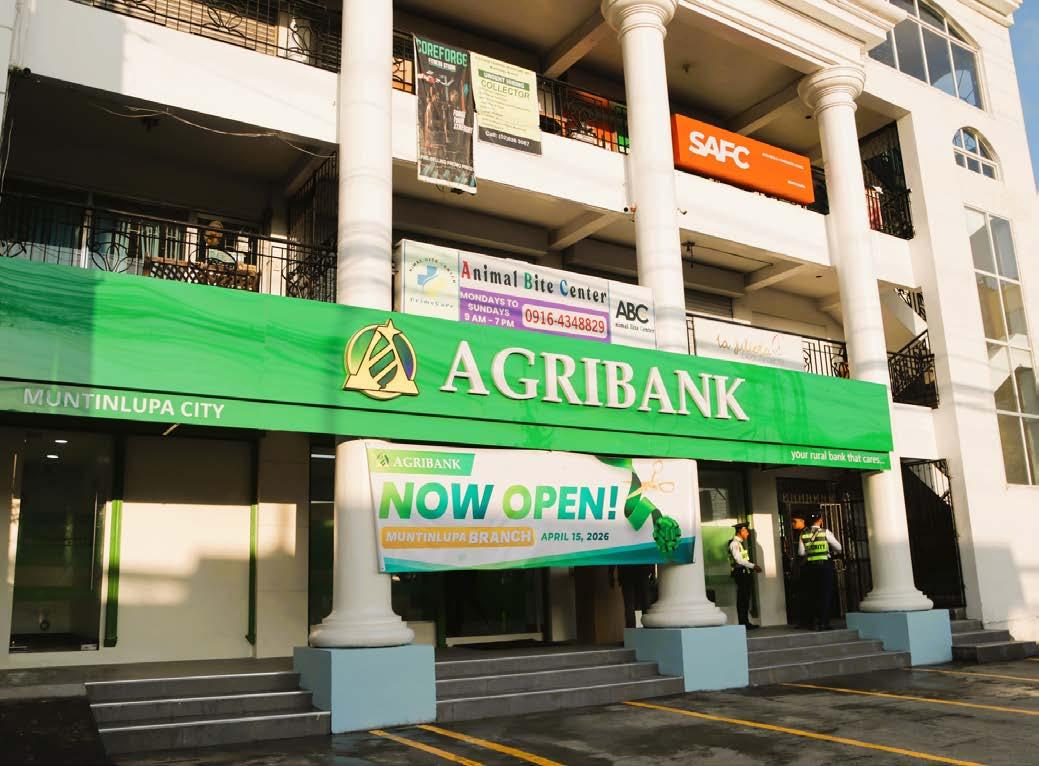
The Philippines has over 360 rural banks (Photo from Agribusiness Banking Corporation)
Lyn Javier
Rafael Francisco D. Amparo
Stay ahead of threats. Build cyber resilience.
Move beyond reactive security and anticipate, defend, and respond to modern cyber threats at a global scale with unified, AI-driven protection with Tata Communications Cyber Security Services.
Build cyber resilience with Tata Communications
Explore the latest threats business leaders are reading about Scan the QR Code
Japanese banks bet billions on Indian finance, tech growth
GFTN is working with both sides on talent, technology, and market access.
India and Japan are being linked through a flow of capital and technology, as Japanese banks deploy long-term funds into one of Asia’s fastest moving technology and finance markets.
The appeal is straightforward. Japan brings deep pools of capital, conservative regulation and institutions trusted by global investors. India offers scale, lower costs and a willingness to test digital finance models at speed. Together, they are forming what financiers describe as a functional corridor rather than a formal alliance.
“Japan is strong, developed, wellestablished with a strong capital base,” Sopnendu Mohanty, group CEO at Global Finance & Technology Network Pte Ltd. (GFTN), told Asian Business Review. “India is a bedrock for innovation, growth and inclusion. When you bring these together—the institutions, the regulators, the bloc—
We believe Asia in the next decade will be the front-runner and flag-bearer of innovation
they create an interesting corridor.”
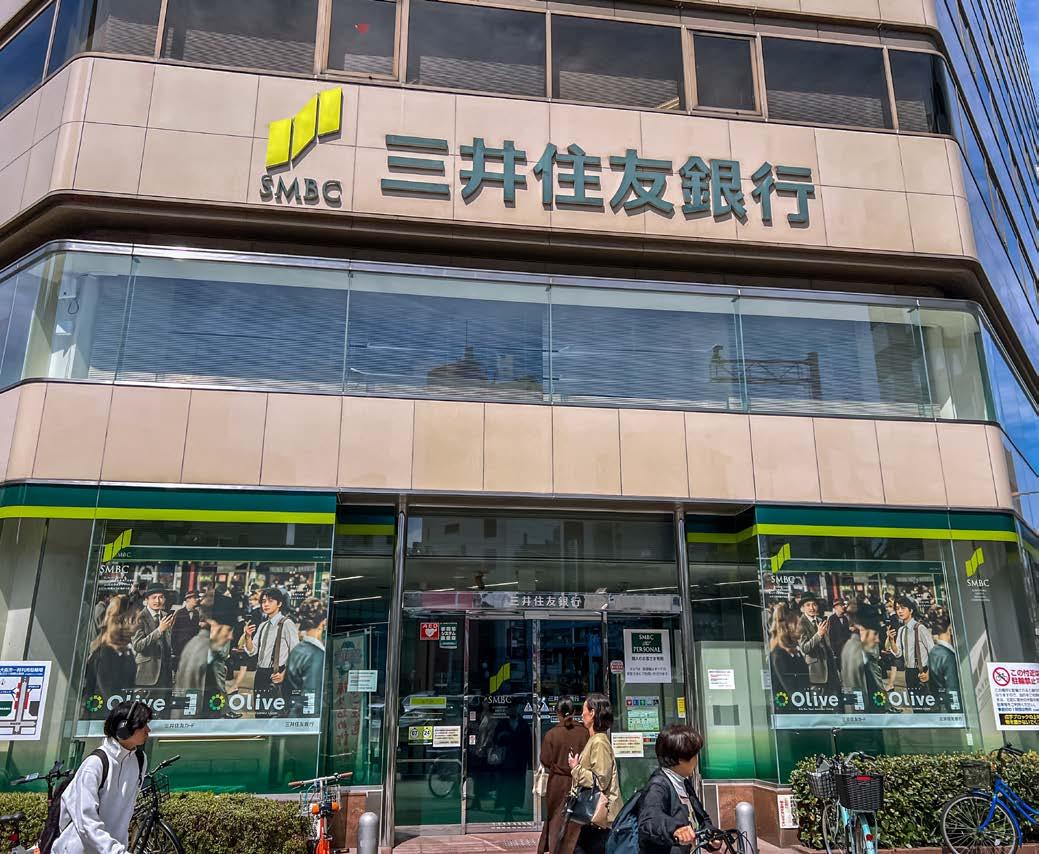
Japanese lenders have begun placing large bets. Sumitomo Mitsui Banking Corp. (SMBC) paid about $1.6b for a 20% stake in Yes Bank in May 2025 and added another 4% stake months later. Mitsubishi UFJ Financial Group, Inc. (MUFG), Japan’s biggest bank by assets, is investing $4.3b for a 20% stake in Shriram Finance Ltd., a lender focused on car and small-ticket loans.
The deals underscore how Japanese institutions are using India as a growth outlet at a time when returns at home remain constrained by low interest rates and an ageing population.
For India, the inflows bring balancesheet strength and credibility at a time when its financial system is expanding to serve millions of borrowers.
GFTN, a Singapore-based platform spun out of the Monetary Authority of Singapore’s fintech initiatives, is working with banks and companies on both sides to
structure cooperation across talent, technology, and market access.
Japanese companies have long operated global capability centres in India, but many are now upgrading those units to support core banking, payments and risk functions rather than back-office work.
One pilot, the BharatNetra Initiative in Odisha, focuses on developing fintech talent for digital finance roles.
GFTN has also worked with MUFG and SMBC to bring Indian students to Tokyo and partnered with Odisha’s state government to train almost 190 students through a six-month fintech programme administered by the National University of SingaporeAsian Institute of Digital Finance (NUS-AIDF).
Practical use cases
Beyond talent, Japanese banks are working with Indian partners to test practical use cases, particularly for small and medium enterprises.
These include trade finance, supplychain lending, climate-linked finance, insurance, and digital identity tools.
For Japanese lenders, India provides a live market to test products that can later be adapted elsewhere in Asia.
India’s digital public infrastructure has become a central attraction. Over the past decade, the country has built interoperable rails for identity, payments, and data sharing that let private firms deliver financial services at very low marginal cost.
Mohanty said this has turned India into a reference point for delivering inclusive finance at scale.
Japan’s role, by contrast, is less about speed than credibility. Its banks can underwrite large transactions and support longer-term transformation in emerging markets such as India, the Philippines and Thailand. Its regulators are cautious but willing to engage in new areas, including digital assets and sustainability-linked finance.
The broader goal, Mohanty said, is not regulatory uniformity but workable harmonisation.
“It’s about building trusted bridges between compatible regimes,” he said in a video call. That only works if it’s tied to real use cases in the economy, he pointed out.
“GFTN is putting a bet on Asia first,” Mohanty said. “We believe Asia in the next decade will be the frontrunner and flag-bearer of innovation.”
Sumitomo Mitsui Banking Corp. paid about $1.6b for a 20% stake in Yes Bank in May 2025
INDIA
Sopnendu Mohanty
INDUSTRY INSIGHT: RETAIL
Easing rents lure retailers back to HK
Ground-floor shops offer higher visibility for food and daily-need retail.
HONG KONG
Street-level retail space is regaining appeal in Hong Kong as retailers adjust location strategies amidst softer rents and a sharper focus on foot traffic, prompting a shift away from upstairs units once favoured for lower costs.
“Both local and overseas shoppers are value-driven, cultural- and experience-led nowadays in Hong Kong,” Kathy Lee, head of research and retail consultancy at Colliers International Group, Inc., told Asian Business Review.
“This has increased competition for foot traffic, which in turn has led to brands shifting to store locations for higher visibility, particularly for food and beverage and daily-need retail,” she said in an emailed interview.
Consumer spending has tilted further towards experience and engagement, reinforcing the appeal of streetfront stores. Brands see physical locations as spaces to tell stories, showcase products, and attract more customers rather than solely process transactions.
Consolidation
Lawrence Wan, executive director and head of retail leasing at CBRE Hong Kong, said many retailers, especially global luxury labels, are consolidating into fewer but bigger stores in prime districts to deepen customer interaction.
He said this strategy has helped keep vacancy rates relatively low on Tier 1 streets in core areas even as the wider market adjusts.
Lower rents have driven the shift, with street-level prices down sharply from past peaks and closer to upstairs rates, making high-visibility locations more accessible, Lee said.
Street shop rents are about 60% lower than their 2014 peak. “Streetlevel stores offer stronger footfall capture, higher brand recognition, and greater marketing value compared with upstairs locations,” Wan said in a separate interview.
The shift has drawn brands that once favoured upstairs units back to street level. Hing Kee Java Edible Bird’s Nest Co. Ltd. has opened ground-floor shops on Sai Yeung Choi Street South
and at East Ocean Centre, whilst canteen-style restaurant Autumn Feeling has expanded from a Kwun Tong industrial building to streetfront outlets in Quarry Bay and Wan Chai.
“Visibility matters again, and physical stores are now seen as marketing channels as much as sales outlets, which favours businesses to move to street level,” added Lee.
Flexible leasing is also gaining ground. Short-term leases and pop-ups let retailers enter highstreet locations with lower risk, whilst helping landlords keep spaces occupied and active, Lee said.
“Pop-ups and short-term leases have become a risk-management tool,” she said. “They allow retailers and restaurants to navigate the market without long-term rental commitments,” she continued.
Wan said pop-ups are increasingly used to test concepts, create buzz and support seasonal offers, with food and beverage, beauty, wellness and lifestyle brands amongst the most active users.
Market data points to a gradual recovery. Lee noted that highstreet rents in core districts such as Causeway Bay, Central, Tsim Sha Tsui, and Mong Kok rose 2.9%
year on year in 2025, although they remain about 65% below their peak in the second quarter of 2013.
Vacancy rates in those Hong Kong districts stood at about 9% by the end of 2025, roughly half the level recorded in early 2021.
Despite the renewed interest in streetfront locations, cost considerations remain a key concern for operators, the experts noted.
“Even after rental corrections, streetlevel rents remain higher than upstairs spaces,” Lee said, adding that sales performance becomes a key factor, especially for businesses with greater staffing needs and higher fit-out costs.
“Retailers should carefully evaluate their brand development direction alongside cost considerations,” said Wan.
Street-level shops in Hong Kong still cost 10% to 20% more than upstairs units, meaning higher rents only work if they lift sales.
“It ultimately comes down to the role of visibility in driving sales and how rent levels align with the retailer’s margin profile,” Lee said.
“In today’s market, the right location is less about prestige and more about operational fit.”
High-street rents in core districts rose 2.9% year on year in 2025
Kathy Lee
Lawrence Wan
INDUSTRY INSIGHT: VENTURE CAPITAL
SG startups pivot to deep tech as funding tightens
Founders must show stronger unit economics and expansion strategies.
SINGAPORE
The Singaporean startup economy is poised for modest growth this year as founders pivot toward deep-tech innovations, particularly in artificial intelligence (AI) and robotics.
“We foresee not a broad bull market, but a strong environment for high-quality startups with clear ASEAN (Association of Southeast Asian Nations) expansion pathways,” Mike Maté, a general partner at Kickstart Ventures, Inc., told Asian Business Review
The cautious outlook follows a strong 2025. Singapore, home to more than 48,000 startups, climbed to fourth place globally from fifth a year earlier, according to StartupBlink Ltd.’s Global Startup Ecosystem Index.
Data from Kickstart Ventures’ January report showed equity funding in Singapore rose 35% to $4.2b (S$5.4b) in 2025, with fintech leading at $1.3b (US$1b).
Of the top 10 equity fundraisers in the state, three were fintech firms, and the rest were a mix of data centre, health tech, general trade, utility, logistics and supply chain, data analytics, and e-commerce.
Some of the top equity raisers last year were Princeton Digital Group (Singapore) Pte. Limited,
Ultragreen.ai Ltd., TransferTo
Mobile Financial Services Ltd., AddVita Pte. Ltd., and Endowus Singapore Pte. Ltd.
Maté noted that whilst the ecosystem’s value remains resilient at $144b (S$184.7b), investors have become more selective.
Founders must now show stronger unit economics, clear regional expansion strategies, or categorydefining products.
Nick Cocks, a partner at Velocity Ventures Pte. Ltd., said the shift reflects a more disciplined funding environment. “A lot of funds are sitting on investments that are underperforming,” he said.
“That’s what caused the so-called funding winter over the last 18 months. But we’re starting to see funds deploy more rationally.”
Whilst fintech led deal activity, health technology had the strongest rebound, signalling renewed investor interest in regulated, high-impact sectors, according to Maté.
Kickstart Ventures reported that health tech raised $323m (S$413.44m) in 2025. Ultragreen. ai reached unicorn status after raising $188m (S$240.64m) in a pre-maiden round that valued the company at $1.3b (S$1.66b).
Herston Elton Powers, founding
managing partner at 1982 Ventures Pte. Ltd., said founders are entering the market more prepared and globally focused.
Many are building for multiple markets from the outset rather than expanding later, he told Asian Business Review
Zen Liew, investment director for Singapore at Gobi Partners Venture Capital, said investors are prioritising sustainable business models over rapid expansion.
“There is a shift towards deeper technology, business-to-business startups, particularly in AI, fintech, infrastructure, and enterprise,” he said in a separate interview.
Sun Sun Lim, vice president for partnerships and engagement at Singapore Management University, said the ecosystem is becoming more science-driven, supported by stronger investment in research and development. “This creates that ecosystem with scientific innovations, with scientific talent,” she told the magazine, adding that there’s a growing appetite for “defensible” technologies that address structural challenges across the region.
Key sectors in 2026
Analysts see AI, sustainability, and health tech as key sectors in 2026.
“AI infrastructure, climate tech, and digital health are the three sectors most likely to see accelerated funding,” Maté said, citing strong adoption and regional scalability.
These sectors are backed by government initiatives like the Smart Nation Agenda and Green Plan 2030, which attract both public and private capital. Beyond these, growth is expected in enterprise solutions, driving digital transformation, urban sustainability, agri-tech, and maritime technology.
Lim said that AI-enabled enterprise solutions are a big growth area as various tools allow people to take on tasks outside of their expertise and allow organisations to fuel their digital transformation.
“Industries that are linked to the hard sciences and infrastructure transformation remain relatively underfunded, and that's got to do with the long arc of development. But ultimately, when these mature, the impact that they will make can actually be very long-term,” she said.
Health technology had the strongest rebound in 2025, signalling renewed investor interest
Mike Maté
Nick Cocks
Herston Elton Powers
EARN STAR$® SEAMLESSLY
As a CapitaStar member, enjoy these exclusive benefits and more! Scan for full details. Not a CapitaStar member yet? Download the CapitaStar app to get started!
EVENT NEWS: ASIAN TELECOM SUMMIT 2026
Telco network APIs hit million‑dollar revenue surge
China dominates this rising sector with over 90% of global adoption volume.
Telecommunications executives said network application programming interfaces (APIs) are beginning to generate revenue in the millions of dollars, but scaling them will require deeper operator collaboration and structural change.
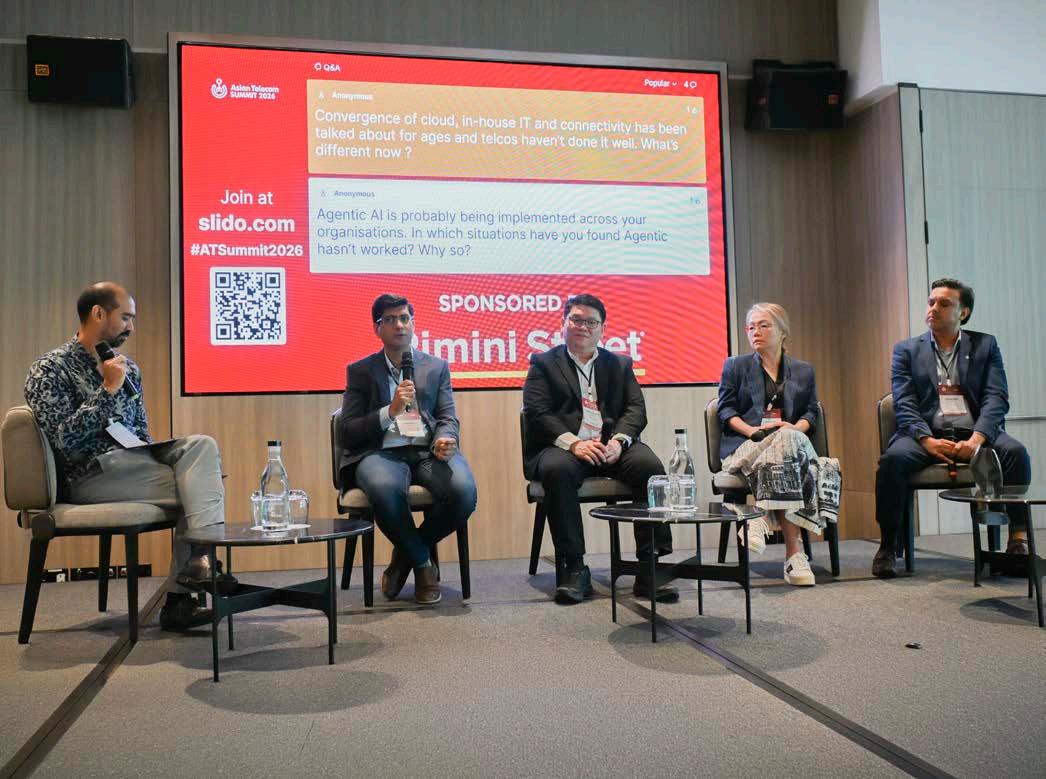
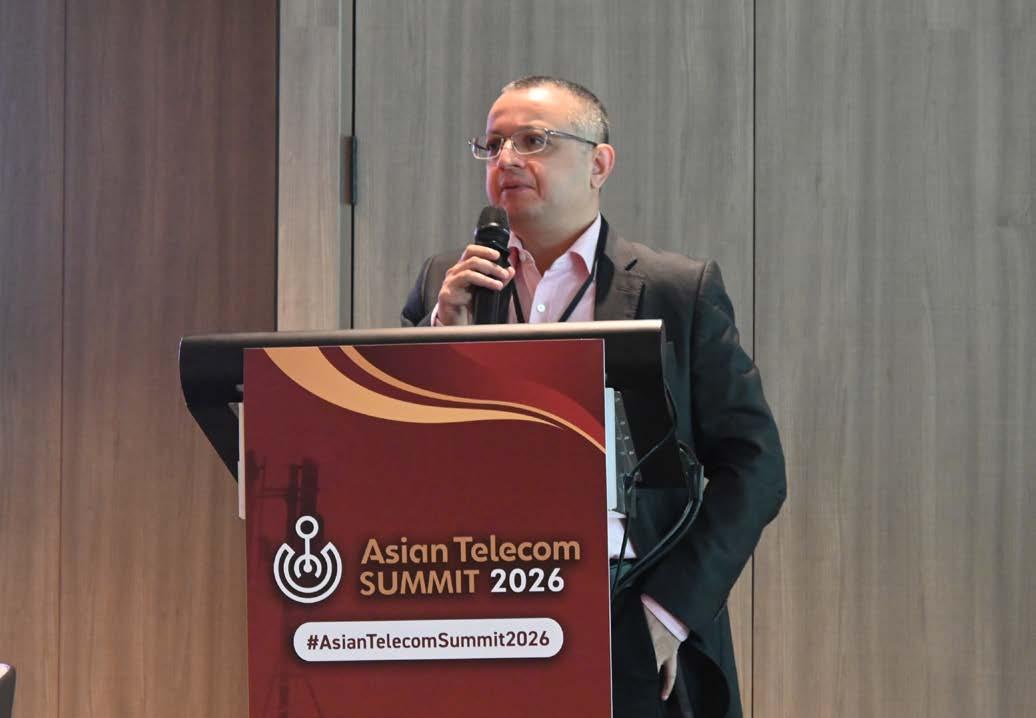
Speaking at the 2026 Asian Telecom Summit in Singapore, industry leaders discussed whether Network-as-aService (NaaS) and APIs could unlock new revenue streams for telcos. They emphasised collaboration, ecosystem partnerships, and practical use cases as critical to scaling adoption.
“Traction is there,” said Jawwad Zaki, Information Technology Director at Telenor. “Numbers go into millions of USD already.”
“In Asia, the global market— though reaching around a billion USD—may seem small compared with the overall telecom business, but for NaaS, it represents a significant increase,” he added.
However, Zaki noted that adoption remains concentrated. “Looking at figures from around one to one and a
Customers do not look for APIs. They look for a solution to the fraud that they have
half years ago, over 90% came from a single market, China.”
The panellists stressed that exposing APIs alone will not drive scale.
“It’s good to say that I have 1,000 APIs which I can open up,” said Saurabh Ohri, vice president and general manager for Asia at Circles.
“But you have to solve some real industry problem,” he continued.
Ohri cited real-time risk checks for banks and fintechs as a potential use case, where telcos could leverage network data to support onboarding and fraud detection.
ShuFen Lin, head of enterprise mobility product and Internet of Things at Singtel, said customers are not seeking APIs themselves.
“Customers do not look for APIs. They look for a solution to the fraud that they have,” she said.
“Telcos can extend the ecosystem northbound, partnering with independent software vendors and solution providers, and embed these APIs within practical use cases.”
In addition, Lin said speed and scale
will be critical as enterprise demand grows across markets.
“Telcos with scale will have an advantage, as AI is set to accelerate the regionalisation of many enterprise customers’ businesses,” she said.
Lin told the attendees that operators must demonstrate capability beyond connectivity.
“A right to play has to be earned first,” she said, pointing to the need to orchestrate cloud, connectivity and enterprise systems.
Executives also acknowledged legacy constraints within telecom organisations. “How can we orchestrate business decisioning real time and not wait for weeks before my platforms can come out with some kind of tangible view?” Ohri asked.
Zaki said scaling APIs will require more than technology upgrades.
“This change is not about bringing in a tech stack or just engaging the developer community,” he said, adding that telcos must open up core capabilities that have historically been closed.
Collaboration over competition
Rather than competing directly with hyperscalers, the panel favoured collaboration. “Winning formula may not be essentially competition,” Zaki said, adding that telcos should expose capabilities through platforms where developer communities already operate.
Opening up core network capabilities requires a cultural shift, he added. “Change is not about bringing in a tech stack or just engaging the developer community,” Zaki said.
“It is also about encouraging an ecosystem where telcos’ core, which has always been locked, is now open for certain capabilities to be used by people that we didn’t know before.”
Timotius Max Sulaiman, chief executive officer of MyRepublic Indonesia, said consolidation can also support scale. “Collaboration is key.”
“My company focuses solely on the FTTH layer,” Sulaiman said.
“We are currently in the process of merging with the largest backbone provider in Indonesia, Moratel.”
Whilst MyRepublic focuses on business-to-consumer, Moratel specialises in business-to-business. The merger enables the group to serve both segments and expand network access to other players in Indonesia.
Zaki, Sulaiman, Lin, and Ohri on a panel moderated by Roland Berger's Ahmad Ridhwan Azizan
SINGAPORE
EVENT NEWS: ASIAN TELECOM SUMMIT 2026
Data demand pushes SEA telcos to team up
Smartphone users in the region currently consume over 20 GB of data every month.
SINGAPORE
The telecom sector in Southeast Asia is turning to consolidation and digital ecosystems as it faces rising data demand and cost pressures, according to Himanshu Sahasrabudhe, director for Southeast Asia at Monitor Deloitte.
“Over the last five years, across our region, there has been a lot of activity in terms of market consolidation,” Sahasrabudhe told the Asian Telecom Summit 2026 in Singapore in February, linking past mergers to future opportunities in investments, partnerships, and growth for telecom players.
Consumer smartphone data usage is already over 20 gigabytes (GB) per month and could nearly double to 40 GB per month by 2030, he said.
Sahasrabudhe also noted strong interest in home broadband, including fibre-to-the-home (FTTH) and fixed wireless access (FWA).
“Most of the telecom operators are looking at this as the battle for the home,” he said, noting opportunities in smart homes, Internet of Things devices, and digital ecosystems.
Key drivers and pressures
Sahasrabudhe highlighted that “almost $1.7t worth of payments will pass through the digital payment system by 2030,” noting interoperability amongst national quick response (QR) codes across borders, such as Indonesia’s QRIS and Singapore’s PayNow.
Enterprise demand is another key driver. “Most of the companies are looking for how to become [artificial intelligence] (AI)-native, how to embed AI in their operations, and for that, they’ll require a lot of storage and compute,” Sahasrabudhe said, pointing to a surge in demand for data centres across Singapore, Malaysia, and Indonesia.
He added that governments are also emphasising network resilience, sovereign AI, and data residency.
Despite strong demand, Sahasrabudhe said telecom operators face cost pressures.
Average revenue per user is stagnating, and competition from over-the-top platforms is intense.
Most of the telecom operators are looking at this as the battle for the home
“It really boils down to how do telecom operators then make money? How do they get their return on investment? And that has kind of driven the whole move towards consolidation,” he said.
Recent regional mergers include Indosat in Indonesia (2021), TrueDTAC in Thailand, and CelcomDigi in Malaysia. “These mergers show that most markets are now restricting themselves to two or three players,” Sahasrabudhe noted.
Consolidation also extends to mobile and fibre convergence, allowing operators to create scale and unlock synergies.
“Almost all mergers have given around 400 to 500 million worth of synergies to the shareholders,” Sahasrabudhe told the summit attendees, noting that these enable reinvestment into infrastructure, cyber, AI, and data centres.
Sahasrabudhe said this approach “is helping, not as a cost-cutting exercise, but rather a growth-focused exercise, because it is allowing us to create a scale that we will be able to play with.”
Enterprise services are becoming a larger focus, with operators providing AI, cybersecurity, cloud, and network slicing, he added.
With consumer revenues plateauing, operators are shifting toward enterprise services offering AI, cybersecurity, cloud, and network slicing, Sahasrabudhe said.
Hyper-ecosystem
On the consumer side, telecoms are consolidating digital offerings into “super apps” or hyper-ecosystem apps. “Two to three years ago, all the apps started to be consolidated into one,” he said, citing True in Thailand and Telkomsel in Indonesia as examples.
Sahasrabudhe cited the importance of pursuing mergers and acquisitions and complementary partnerships, highlighting Indosat’s mobile-mobile merger, where the company later acquired 350,000 home connections to expand its ecosystem.
He also recommended separating infrastructure and services businesses to enhance market valuation and operational focus. Additionally, Sahasrabudhe highlighted the need to build enterprise ICT and cloud capabilities to provide connectivity-plus solutions. The director also urged telecoms to embrace AI internally, becoming “customer zero” before selling AI solutions externally.
Recent regional mergers include Indonesia's Indosat, Thailand's True-DTAC, and Malaysia's CelcomDigi
EVENT NEWS: RETAIL ASIA SUMMIT MALAYSIA
Malaysian retailers told to adopt multi‑layer strategy
Marketplaces remain a critical entry point for consumer discovery.
Malaysian retailers should adopt a multi-layered digital commerce strategy spanning marketplaces, direct-to-consumer (D2C) channels, and retail media networks to effectively monetise audiences whilst sustaining profitability.
Speaking at the Retail Asia Summit Malaysia 2026, Crystal Yeoh, senior regional manager and apparel category lead at ZALORA Group, said marketplaces remain a critical entry point for consumer discovery and acquisition across Southeast Asia, including Malaysia.
Yeoh noted that many retailers continue to rely heavily on platforms such as Shopee, Lazada, TikTok, and ZALORA as primary revenue drivers due to their large traffic volumes and strong consumer reach.
“However, retailers that do it well, focus on building a multilayer approach,” she said. Yeoh highlighted that marketplaces continue to serve as a key customer acquisition channel, as consumers often encounter brands for the first time on these platforms.
She said retailers should recognise that “a lot of the initial first touch base of the customer with your brand might also come from platforms,” making marketplace optimisation essential for visibility and conversion.
D2C importance
Retailers, Yeoh added, can optimise performance on marketplaces through targeted promotions such as bundle deals, voucher campaigns, and acquisition-focused incentives designed to convert first-time shoppers into repeat customers.
Beyond marketplaces, she also emphasised the importance of strengthening direct-to-consumer (D2C) channels as an additional layer focused on retention, loyalty, and brand-building.
Whilst marketplaces are effective for scaling reach, she said D2C
Do not look at data on face value. Instead, understand the why behind the data
platforms allow retailers to develop stronger brand identity and customer relationships, ultimately improving long-term profitability.
Yeoh also highlighted retail media networks, including social media advertising, affiliate marketing, and digital ad ecosystems as a growing opportunity for monetising consumer attention.
The senior regional manager said the focus is shifting beyond direct sales toward “monetising attention,” where brands aim to build topof-mind awareness so consumers naturally associate product categories with specific brands.
On data strategy, Yeoh pointed out to the attendees that first-party data remains underutilised by many retailers, who often use it only for internal optimisation rather than external collaboration.
She said retailers and platforms should translate insights such as customer behaviour, browsing patterns, and purchase history into
actionable strategies that enable more targeted campaigns and improved marketing efficiency.
Trade-offs
Yeoh said stronger collaboration around data can shift commercial discussions away from discountdriven promotions toward more strategic, insight-led partnerships.
She also emphasised the importance of developing a more analytical and inquisitive mindset when working with data.
“Do not look at data on face value. Instead, understand the why behind the data,” she noted.
Addressing marketplace expansion, Yeoh cautioned that whilst marketplaces are powerful growth engines, they come with trade-offs such as cost pressures and pricing considerations.
She stressed the importance of maintaining pricing and assortment consistency across channels to protect brand equity and avoid customer confusion.
Retailers that succeed, she added, are those that intentionally balance marketplace scale, D2C engagement, and brand storytelling whilst maintaining a cohesive customer experience across all touchpoints.
Yeoh also emphasised the importance of D2C channels as an additional layer focused on retention
Legacy systems stall Malaysia's AI push
Finance executives say technology should support decisions, not fully replace human roles.
Malaysia’s financial institutions are accelerating investments in artificial intelligence (AI) and digital capabilities, but industry leaders warn that weak operational foundations—not lack of technology—are the real barrier to transformation.
Tok Puan Datin Ezreen Eliza, head, Transaction BankingSecurities Services, CIMB Bank Berhad and chief executive officer, CIMB Trustee, said Malaysia is making “very good progress” in digitalisation, citing movement into digital assets and tokenised instruments.
But she also said the industry needs “additional funds to actually enhance our technology,” adding, “We need more money. We need more support from the board, as well as our government as well, so that we can actually evolve to the next level.”
Panellists said at the Asian Banking & Finance and Insurance Asia Summit in Malaysia on 14 April that banks and insurers need to simplify processes first, fix data quality, strengthen governance, and apply AI to specific operational pain points rather than treat it as a shortcut to full automation.
Building faster institutions
Panel moderator, Jewel Bautista, director, Global AI & Innovation and GenAI Lead for Asia Pacific & Oceania at Moody’s Analytics, set the tone by saying the issue is not simply whether firms adopt AI, but whether they can “build institutions that can be faster, more resilient, and frankly, it’s going to be more useful to our customers.”
David Brandl, chief IT officer of Allianz Malaysia, said operational teams are often too busy dealing with daily demands to rethink the process itself. Using an analogy, he described “a person, like, 200 years back” pulling a cart with square wheels, and when offered a better solution, the person says, “Sorry, I don’t have time for your ideas.”
Brandl said Allianz Malaysia has tried to address this by making
Can AI do everything for now? My answer is no.
The nonstructured information, you will still need humans to decide for now
simplification and productivity part of its strategic agenda, with teams reviewing products, processes, and systems to determine “what we have to change, what we don’t touch, and what we basically can get rid of.”
He added that simplification should not be pursued only to save money, but to improve service and product delivery.
This was echoed by Ezreen Eliza, who said financial institutions in Malaysia must work through more than just operational issues when introducing new tools. In custody and trustee services, she noted, firms answer to multiple regulators.
“We have two sets of regulators,” she said, referring to the Securities Commission and Bank Negara Malaysia. “On top of whatever the SC have imposed on trustee company, I also have to ensure that we are compliant to the bank.” That makes process redesign more complex, particularly when new technology touches regulated workflows.
Vivien Tan, SVP, group head of SME Credit at Alliance Bank Malaysia Berhad, said the banking industry may already have AI targets built into annual plans, but applying the technology in SME banking is much harder than it appears.
“AI is very good with structural information,” she said, but “when it comes to seasonal information, or
call it SME information, it’s that is the most difficult part.”
Tan pointed to non-standard terminology in SME data and warned that “garbage in, garbage out” still applies.
“Can AI do everything for now? My answer is no,” she said. “The nonstructured information, you will still need humans to decide for now.”
That caution was reinforced by Ezreen Eliza’s account of a discussion inside CIMB on whether AI could speed up KYC and account opening.
She said she had asked whether an internal AI tool could do the work of three staff and shorten turnaround times. The answer she received was no. “You can’t actually expect AI to do that,” she said.
“What they can do is they can actually create a system logic within our system, the existing system, and to actually, you know, come up with exception, to actually help to simplify the process, but not entirely removing the people.”
The discussion on cost transformation was also more measured than the usual industry narrative.
Gerard Ang, country head, Financing & Securities Services, Standard Chartered Bank Malaysia Berhad Trustee Berhad, said that the industry should stop thinking only in terms of cutting cost whilst holding revenue constant.
Banks and insurers should simplify processes first rather than treating AI as a shortcut to full automation
MALAYSIA
UNITED ARAB EMIRATES CUSTOMER-CENTRIC INNOVATION OF THE YEAR - FINANCIAL SERVICES UNITED ARAB EMIRATES FINANCIAL INNOVATION OF THE YEAR - FINANCIAL SERVICES
Mashreq triumphs at the Asian Innovation Excellence Awards 2025 for breakthrough financial solutions
The bank’s end-to-end real estate escrow solution and customer-centric initiatives were recognised for driving innovation across the UAE’s financial services ecosystem.
Mashreq was recognised at the Asian Innovation Excellence Awards 2025 for advancing the financial services landscape in the United Arab Emirates. The bank received two national accolades: United Arab Emirates Customer-Centric Innovation of the Year - Financial Services and United Arab Emirates Financial Innovation of the YearFinancial Services.
Revolutionising real estate finance through automation
Mashreq’s Real Estate Industry End-toEnd (E2E) Escrow Solution was created to address growing complexities in managing
off-plan property projects across the UAE.
The country’s property market, valued at more than AED150bn, had outpaced the manual systems used to reconcile investor deposits and update regulatory databases. Developers were spending days resolving discrepancies, and each error risked delaying project financing.
The bank worked closely with regulators, developers, and technology partners to design a centralised platform that automates every step of escrow management. It combines API channels, virtual accounts, and real-time credit notifications to replace manual reconciliation with continuous, system-to-system reporting. Each unit within a project is tied to a unique virtual account, providing regulators and developers with a live view of deposits as they occur.
Reconciliation, which once took several days, now completes in under an hour. Regulators receive immediate confirmation of inflows,
reducing audit lag. Developers, meanwhile, have benefitted from a sharp improvement in data accuracy and fund traceability.
Mashreq improved how it serves clients by applying analytics to cash management. Businesses using the bank’s digital platforms can now view every transaction, deposit, and payment trend through a single dashboard. The interface collates data from internal systems and partner integrations, enabling finance teams to make informed daily operational decisions with clear visibility into their liquidity positions. This integration also reduced manual entry errors and shortened reporting cycles for corporate customers. For financial partners, the model offers a structured framework for exchanging data securely and in real time.
Mashreq receives an honour at the Asian Innovation Excellence Awards 2025
JAPAN
Challenging Japan's longevity dilemma: How Manulife sparked a new conversation on ageing
Why Manulife chose courage over convention — tackling taboo conversations to reframe ageing as a chapter of possibility.
InJapan, where life expectancy is amongst the highest globally, ageing remains a sensitive and often avoided topic –frequently associated with anxiety, financial uncertainty, and resignation.
In this context, Manulife Japan took a deliberate and courageous step in January 2025 to confront these long-standing anxieties through its bold brand campaign "Living Longer, Living Better." At its heart was a simple but provocative question: "A long life isn't worth living. Really?," a direct challenge to the prevailing belief that longevity is a burden rather than an opportunity.
In a recent interview with Asian BusinessReview, Caragh Hartwright, Chief Marketing Officer, Manulife Japan, explained how the campaign used storytelling to shift perceptions and support Japanese consumers in planning for longer, more fulfilling lives.
"By asking 'Really?' in response to the notion that longevity isn't desirable, we aimed to spark reflection and conversation, encouraging people to see ageing as a chapter of possibility, not a burden," she said.
Leveraging authentic voices
The campaign was grounded in a powerful insight from the 2025 Manulife Asia Care Survey. Only 6% of Japanese respondents expressed a desire to live longer, despite the country's exceptional life expectancy, and 77% feared insufficient retirement funds, well above the Asian average. This disconnect highlighted a dual challenge, addressing both financial preparedness and emotional readiness. "Our goal was to reframe the narrative around longevity, shifting it from anxiety to empowerment and optimism," Hartwright noted.
The campaign also reinforced Manulife's broader brand purpose. "Supporting individuals in building financial, physical, and mental wellbeing so they can live richly and independently throughout their longer lives." This resonated across generations, particularly younger audiences who increasingly view wealth in terms of legacy and life choices, not just accumulation. By tapping into these insights, Manulife Japan built on its global tagline, "Where will better take you," positioning itself as a partner helping people actively grow their legacies and live fuller lives.
To bring this to life, Manulife Japan collaborated with acclaimed 89-year-old
photographer Kazumi Kurigami, whose life journey exemplifies the campaign's message.
"His personal story — how thoughtful decisions shaped his present — captured our core belief: the right choices lead to a meaningful life," said Hartwright. Kurigami-san’s authenticity and life experience with his career in fashion, advertising, and film added credibility and emotional depth, helping to humanise the concept of ageing. More broadly, this marked a shift from marketing products to shaping a national conversation — not just about how people insure their lives, but how they choose to live them.
The company also earned the Japan Customer-Centric Innovation of the Year - Life Insurance and Japan Distribution Innovation of the Year - Life Insurance accolades at the Asian Innovation Excellence Awards 2025.
Inspiring choices with stories
Building on this momentum, Manulife Japan introduced the follow-up "Better Stories" campaign in 2025, featuring real advisorclient relationships. These narratives, showcased in cinemas nationwide, highlighted how structured planning supports confident life decision-making.
Results and impact
The "Living Longer, Living Better" campaign ranked in the top 2% for uniqueness and top 4% for persuasiveness amongst all Japanese campaigns over the past five years, according to Kantar. It also contributed to increased consideration amongst target customer demographics.
The campaign's bold and thoughtful execution earned Manulife Japan the Japan Brand Innovation of the Year - Insurance Broker accolade at the Asian Innovation Excellence Awards 2025.
At its core, the campaign demonstrated how culturally grounded storytelling can shift both perception and behaviour.
Kazumi Kurigami
"Each story focused on conversations around choices, reinforcing that meaningful dialogue leads to better outcomes," Hartwright noted.
The work underscored a broader truth: "Japanese consumers respond strongly to authentic, emotionally resonant storytelling — especially when it addresses real concerns," Hartwright remarked. She added: "Leadership in marketing requires courage to challenge societal norms and provoke meaningful reflection."
Through this approach, Manulife Japan is not just reflecting Japan’s ageing reality — it is helping reshape how a nation chooses to live longer, with confidence, purpose, and possibility.
Our goal was to reframe the narrative around longevity, shifting it from anxiety to empowerment and optimism
Red Sea Utility Assets and Infrastructure Project: Benchmark for green, smart, integrated development
The project pioneers off-grid renewable utilities, zero-water cooling, and smart systems for tourism
Asa flagship initiative under Saudi Arabia’s Vision 2030, the Red Sea Utility Assets and Infrastructure Project stands as the world’s first large-scale commercial multi-energy complementary utility complex, setting a new paradigm for sustainable, resilient, and eco-friendly urban development. Located along the pristine western Red Sea coast and undertaken by SEPCOIII as the EPC contractor, this landmark undertaking integrates power generation, water supply, waste management, telecommunications, and district cooling into one intelligent system, delivering reliable utility services to the upcoming world-class tourism destination whilst preserving the unique marine and terrestrial ecosystems.
The largest global off-grid energy storage
The project’s core strength lies in its trailblazing hybrid energy system, featuring 1,300MWh energy storage—the world’s largest off-grid battery energy storage system—paired with large-scale photovoltaic generation, wind power, and biofuel internal combustion engines. This multi-energy complementation enables a round-the-clock, 100% renewable power supply without reliance on the national grid. Advanced microgrid energy management systems dynamically balance generation, storage, and load, ensuring stable power for hotels, residences, and public facilities across the 28,000km2 development zone. By storing surplus solar energy during the day and discharging at night or in cloudy conditions, the project achieves zero-carbon operations and maximises efficiency.
Zero-water dry cooling and smart district cooling
To overcome extreme desert heat
and water scarcity, the project adopts a zero-water-consumption dry cooling district-cooling system, a pioneering solution in arid regions. Using high-efficiency magnetic bearing compressors and marine-grade anti-corrosion dry coolers, the system eliminates water use for cooling while boosting energy efficiency by around 12% compared to traditional cooling systems. Coupled with large-capacity thermal energy storage tanks, the system stores excess cold energy during daytime peak solar periods to support stable nighttime cooling, fully aligning with renewable energy supply and significantly reducing operational energy use.
Closed-loop water cycle
The project delivers a self-sufficient water system that combines seawater desalination and constructed-wetland wastewater recycling. Seawater intake from deep offshore areas is treated via reverse osmosis to produce high-quality domestic water. Wastewater is purified through artificial wetlands, achieving near-full reuse and zero contaminated discharge into the Red Sea, protecting fragile marine habitats and biodiversity. This closed loop turns scarcity into abundance, supporting long-term, resilient water security.
Eco-priority construction and lowimpact engineering
Environmental stewardship underpins every phase. Submarine cables are installed using underwater robots to minimise disturbance to marine life. Innovative full-prefabricated bridges and pile-beam
integrated machines enable construction above ecologically sensitive mangrove areas without damage to vegetation or habitats. Strict zero-discharge and low-noise standards are enforced across the site, balancing rapid infrastructure delivery with conservation goals.
Integrated smart city infrastructure
Beyond energy and water, the project delivers a full utility ecosystem: long-distance transmission and distribution networks connecting islands and coastal zones, solid waste management aiming for zero landfill, and a high-reliability telecommunications backbone.
All subsystems are unified under a centralised intelligent control platform, enabling real-time monitoring, predictive maintenance, and optimised dispatch— laying a digital foundation for a nextgeneration smart tourism city.
The Red Sea Utility Assets and Infrastructure Project is more than an engineering achievement; it is a global model for sustainable urban utilities. By merging world-leading renewable storage, zero-water cooling, closed-loop water systems, and ecological engineering, the project demonstrates how large-scale development can harmonise with nature. As a cornerstone of Saudi Arabia’s Vision 2030, it showcases Chinese engineering expertise and green development solutions, offering replicable experience for resilient, low-carbon, and eco-friendly mega-projects worldwide.
Photovoltaic Plant
Battery Energy Storage Power Station
PT. Bank Sinarmas Tbk recognised at Indonesia Technology Excellence Awards 2025
The company introduced a PEGA-powered loan origination platform that reduced manual workloads by 74%, improved accuracy by 80%, and accelerated approvals for customers.
Bank Sinarmas Tbk received an accolade in the Automation - Banking category at the Indonesia Technology Excellence Awards 2025 for its Mortgage Loan Origination System (LOS), a webbased platform designed to transform the mortgage approval process.
How the system works
The system integrates application submission, credit scoring, underwriting, and approvals into one workflow, replacing manual processes that were prone to delays and errors.
PT. Bank Sinarmas Tbk’s LOS was built using PEGA, a workflow automation platform that helps organisations streamline complex operations. One of its standout features is the automated credit ratio scoring engine. The tool applies objective assessments based on indicators such as debt-to-income and utilisation rates. This raised scoring accuracy by 80%.
The platform also introduced an Acceleration Flow for salaried applicants.
Since implementation, the results have been significant. Applications increased by 174%, whilst loan disbursements rose by 291%. Revenue also grew by 76%, manual workloads dropped by 74%, and loan processing speed improved by 75% through streamlined workflows.
PT. Bank Sinarmas Tbk has reported positive
internal feedback. Credit officers noted higher productivity and fewer bottlenecks. Customers, meanwhile, experienced faster applications, real-time status updates, and fewer physical touchpoints.
Future development plans
The company has plans to expand the LOS further. Configurable eligibility rules will allow greater alignment with sector-specific risk strategies. A dynamic workflow engine will tailor approval paths based on product types and debtor profiles. More third-party integrations are expected to strengthen verification processes and reduce fraud. In addition, the use of machine learning and big data will help refine credit scoring models and support more personalised lending.
The system integrates application submission, credit scoring, underwriting, and approvals into one workflow
PT. Bank Sinarmas Tbk receives their trophy at the Indonesia Technology Excellence Awards 2025
Asset World Corporation wins at Asian Technology Excellence Awards 2025
Its Generative-AI powered internal platform and lifestyle app were recognised for transforming hospitality and leisure experiences.
Asset
World Corporation (AWC) was awarded the Thailand Technology Excellence Award for AI - Hospitality & Leisure and Digital - Hospitality & Leisure at the Asian Technology Excellence Awards 2025. The recognition highlights the company’s commitment to leveraging advanced digital platforms and artificial intelligence to not only lead in the real estate, hospitality, and leisure sectors but also to ensure the highest standard of customer engagement and experience.
OWLAI
Generative AI-powered assistant is a cornerstone of AWC's digital transformation, enhancing operational agility and revolutionising internal knowledge management.
Organization Wide Library Artificial Intelligence (OWLAI) is an internal generative AI platform for AWC, trained on internal data from multiple departments. OWLAI uses role-based access control, ensuring users can only access documents and databases within their own department.
Driving business excellence across all properties and business lines
Whilst OWLAI operates as an internal system, its real impact translates directly into tangible benefits for every AWC customer and partner across all of AWC’s properties, retail spaces and wholesale operations.
By centralising critical knowledge and streamlining internal workflows, OWLAI ensures that all business units are equipped with instant, accurate and comprehensive information. This organisational agility allows AWC to elevate service delivery, enhance efficiency & responsiveness, and ensure consistent quality. By providing staff with instant access to complex data, AWC ensures its service is faster, more precise and tailored to evolving customer needs.
The platform has already achieved significant internal gains, including a 20% reduction in information search times for investment teams and a 50% decrease in waiting times and translation costs for the legal department.
The future of hospitality
Developed by AWC’s Enterprise Data Analytics teams and deployed on AWC’s private cloud using OpenAI’s LLMs via Azure AI, OWLAI is more than just a tool; it is a strategic asset.
This achievement confirms to customers and stakeholders that AWC is not just a leader in physical asset development but also a leader in digital innovation. The company is building an organisation powered by a modern, convenient and fast internal framework that pushes operational boundaries, ensuring AWC remains highly effective in meeting and anticipating customer demands.
The result is a promise: a continually improving and more efficient customer journey across the entire AWC ecosystem.
Pikul: Powering connected lifestyles through digital innovation
As Thailand’s leading hospitality and lifestyle group, AWC is redefining how customers connect across its ecosystem through Pikul, its flagship digital lifestyle app.
Launched in late 2023, Pikul has evolved from a simple voucher marketplace into a comprehensive engagement platform that unites AWC’s hospitality, retail, and lifestyle experiences under one seamless digital journey. The app now features e-wallet payments, property Wi-Fi onboarding, voucher redemption campaigns, and a tier-based loyalty programme, creating new ways for customers to discover, engage and earn rewards across AWC destinations.
Seamless and rewarding experiences
By early 2024, Pikul’s in-app eWallet enabled users to top up via PromptPay and credit card, linking everyday spending with lifestyle rewards. Integration with AWC’s public Wi-Fi network further deepened engagement, introducing visitors to tailored offers and on-site campaigns. Initiatives such as the Food
Lounge Campaign drove over 11,000 voucher redemptions and attracted nearly 3,800 new members, demonstrating how digital experiences can translate into real-world customer activity.
Pikul has rapidly expanded its user community and engagement across AWC’s hospitality and retail ecosystem, driven by continuous UX improvements and integration with a Customer Engagement Platform (CEP) for real-time, personalised interaction. These enhancements enable AWC to foster deeper connections and longterm loyalty amongst customers.
Towards Thailand’s most generous lifestyle ecosystem
AWC is preparing to launch Thailand’s most generous lifestyle loyalty programme – a unified ecosystem connecting hotels, retail spaces, dining venues, and partners under one rewarding platform. Through the expansion of Pikul’s partner network and the use of AI-driven customer insights, AWC is shaping a new era of connected hospitality – one where every interaction is seamless, meaningful, and personal.
Together, these two achievements reflect AWC’s strategic vision to become a fully digital and data-driven organisation. By integrating advanced AI capabilities with customer-centric digital platforms, AWC is transforming how it operates internally and engages externally - setting new benchmarks for innovation, efficiency, and experience within Thailand’s hospitality and lifestyle sectors.
Guided by its mission of “Building Better Future For All” AWC continues to lead the way in redefining Thailand’s hospitality landscape through technology, creativity, and collaboration. These recognitions reaffirm AWC’s commitment to driving sustainable growth, empowering people and partners and creating lasting value for communities across every touchpoint.
AWC is shaping a new era of connected hospitality – one where every interaction is seamless, meaningful, and personal
Asset World Corporation receives the AI - Hospitality & Leisure trophy at Asian Technology Excellence Awards 2025
Asset World Corporation receives the Digital - Hospitality & Leisure trophy at Asian Technology Excellence Awards 2025
SM Supermalls charts a greener future through sustainability leadership
The mall operator continues to pioneer eco-friendly programmes.
SMSupermalls’ quest to create a more sustainable, greener planet began in the 1990s with the installation of a wastewater treatment plant at SM Southmall. The pioneering initiative, which recycles wastewater for irrigation and sanitary systems, laid the foundation for the company’s long-standing drive toward environmental stewardship as well as resource conservation.
The man behind the concept was Mr Hans Sy, the current Chairman of the Executive Committee of SM Prime Holdings. Apart from his business acumen, Mr Sy is regarded within the community as a champion of environmental sustainability, believing that business growth and environmental responsibility should go hand in hand.
Mr Sy’s groundbreaking vision has been deeply ingrained in how SM Supermalls are designed and managed. Over the years, the institution has launched industryfirst programmes that focus on waste management, water conservation, energy efficiency, and air quality — all of which
have helped improve environmental conditions and the quality of life in surrounding communities.
SM Supermalls’ enduring commitment to sustainability was already in motion before the Securities and Exchange Commission’s mandate for publicly listed companies and large non-listed entities to submit sustainability disclosures, effective in fiscal year 2026.
Its water conservation efforts have recycled approximately 6.6 million cubic metres of wastewater — equivalent to almost 3,000 Olympic-sized swimming pools — across its malls annually. In SM Baguio specifically, over 19,000 cubic metres of rainwater have been recycled for kitchen and operational use, benefiting adjacent communities by conserving valuable water.
Water conservation by the numbers Moreover, its Trash To Cash Recycling Market has collected approximately 1.5 million kilogrammes of recyclables every
year, and has continuously encouraged patrons to visit their most-loved SM Supermall to join the movement toward waste segregation. Its energy management initiatives have seamlessly woven form and function into its SkyGardens and open spaces, which provide natural ventilation and have drastically improved air quality for its patrons.
Over the last few years, the mall operator has been leading the charge towards eco-friendly power options. It currently has an estimated 200,000 solar panels on 65 hectares of rooftops across its properties. The vast energy system powers mall operations whilst reducing the overall carbon footprint. The initiative has equipped SM Supermalls amidst pressures to seek alternative energy sources during the energy crisis.
Harnessing the sun at scale
SM Supermalls is continuously expanding its electric-vehicle charging infrastructure to support the shift to sustainable mobility networks. It currently has 160 EV charging stations across its malls, with plans to scale up. As it moves forward, SM Supermalls will continue to pioneer innovative solutions that aim to create long-term positive impact for future generations. It will leverage its decades-long pledge to help shape greener, more resilient urban spaces. Sustainability will remain at the core of SM Supermalls’ vision. As it broadens its footprint across the country, so will its commitment to strengthening the wellbeing of nearby communities.
Asian Management Excellence Awards 2026 celebrates finest business leaders
Asia’s business leaders and organisations have demonstrated outstanding vision, leadership, and impact, setting new benchmarks for excellence across industries. Their achievements reflect a strong commitment to innovation, people, and sustainable growth throughout the region.
The Asian Management Excellence Awards 2026 took the spotlight as it honoured the most distinguished executives, visionary innovators, high-performing teams, and purpose-driven initiatives across diverse sectors in the region.
Hosted by Asian Business Review, the Awards Dinner was held on 22 January 2026 at the Conrad Bangkok in Thailand, bringing together leaders and innovators who are shaping the future of business across Asia.
• Financial Services - Abdul Jakfar, DPLK Manulife Indonesia
• Financial Technology - LinkAja Syariah, LinkAja
• Healthcare - Jemsner Stenly Iroth, Mayapada Healthcare Group
• Insurance Broker - bolttech Insurance Broker
• Logistics - IT Division, PT Asian Bulk Logistics
• Retail - Meutia Kumala, PT Home Center Indonesia
The programme showcased remarkable achievements in leadership, innovation, and team performance, as well as noteworthy contributions in employee engagement, diversity and inclusion, and health and wellness initiatives.
The distinguished panel of judges for this year's awards included Mark Maclean, HR Strategy & Technology Leader, Deloitte Southeast Asia; Jason Seng, Partner, People Consulting, Ernst & Young Advisory Pte Ltd; Wei Li Tea, Partner, Risk, Advisory, KPMG in Singapore; Parul Munshi, Asia Pacific Workforce Leader, Workforce Transformation Partner and Regional Sustainability Consulting Leader, PwC South East Asia, Consulting, PwC Singapore; and Damien Dujacquier, Senior Partner, Managing Partner Southeast Asia, Roland Berger.
Congratulations to all the winners!
Philippines
• Healthcare - Dr Corazon A. Ngelangel, Asian Hospital and Medical Center
• Technology - Cambridge University Press & Assessment Philippines
Thailand
• Banking - Operations Business Unit, The Siam Commercial Bank PCL.
• Oil & Gas - Thai Oil Public Company Limited
Diversity and Inclusion Initiative of the Year
Indonesia
• Consumer Products (Non-Durables) - Godrej Consumer Products Indonesia
• Financial Services - PT FWD Insurance Indonesia
Laos
• Banking - Agricultural Promotion Bank Company Limited
Philippines
• Retail - MR.DIY Philippines
• Technology - Cambridge University Press & Assessment Philippines
Thailand
• Banking - United Overseas Bank (Thai) Public Company Limited
• IT Services - Gosoft (Thailand)
• Retail - Watsons Thailand
Health and Wellness Initiative of the Year
Indonesia
• Financial Services - PT FWD Insurance Indonesia
Pakistan
• Oil & Gas - Cnergyico Pk Limited
Philippines
• Life Insurance - AIA Philippines
• Oil & Gas - Shell Companies in the Philippines
Thailand
• Oil & Gas - Thai Oil Public Company Limited
• Retail - Watsons Thailand
Editor’s Choice Award
Indonesia
• Insurance - PT Asuransi BRI Life
Award winners
AIA Philippines
AgriS
EVENT: ASIAN MANAGEMENT EXCELLENCE
ARISE BY INFINITAS
Asian Hospital and Medical Center
Carelon Global Solutions Philippines
Chubb Life Assurance PCL.
bolttech Insurance Broker
Cnergyico Pk Limited
HP International Pte. Ltd., Taiwan Branch
HUNGHAU AGRICULTURAL CORPORATION
Mayapada Healthcare Group
Filinvest Business Services Corporation
Gosoft (Thailand)
Baiduri Bank
MR.D.I.Y. Indonesia
PT Asian Bulk Logistics
Thai Oil Public Company Limited
Victoria School Watsons Thailand Zoetis Thailand Limited
The Siam Commercial Bank PCL.
United Overseas Bank (Thai) Public Company Limited
PT Pertamina EP Cepu
PT SKS Listrik Kalimantan
MR.DIY Philippines
Pertamina Hulu Rokan
Zoetis Thailand lands two wins at Asian Management Excellence Awards 2026
The company won Thailand Innovator of the Year - Pharmaceuticals and the Thailand Team of the YearPharmaceuticals at the awards programme.
Zoetis
Thailand was honoured at the prestigious Asian Management Excellence Awards 2026 for delivering double-digit market share growth, deep penetration in key accounts, and strong customer loyalty through innovative platforms, stronger veterinary partnerships, and enhanced loyalty programmes.
Unbox IMAGYST
The company has set itself apart in the market by delivering superior value, trusted support, and ongoing educational initiatives. A major driver of this success is the introduction of Unbox IMAGYST to key opinion leader groups—an artificial intelligence (AI)-enabled, in-clinic diagnostic platform. Unbox IMAGYST dramatically accelerates diagnostic turnaround time, reducing wait periods from up to seven days with referral laboratories to same-day results, thereby enhancing clinical efficiency and customer satisfaction.
Launched under the leadership of Companion Animal Diagnostic Lead Orapat Kaewthumchai, IMAGYST stands out as a truly unique innovation in the Thai market. Its launch and adoption model is comprehensive and difficult to replicate, combining Thai-language training, handson onboarding, integrated workflows, pathologist support, and a disciplined 90day enablement programme.
Built on VS2 and HM5 success, we will use the same approach for IMAGYST: clinician education with Thai-language CPD and KOL webinars, structured training and 90-day onboarding, in-clinic workflow mapping and SOPs, pathologist
engagement for case confidence, and responsive post-install support. This model standardises clinic adoption, strengthens performance and data quality, and will expand AI-enabled, in-clinic workflows for clearer results and better medicine.
Operational efficiency is also maximised through seamless onboarding, comprehensive training, and ongoing support, ensuring clinics can fully leverage the system’s capabilities.
“The Zoetis Thailand Companion Diagnostics team stands as a model of repeatable, scalable innovation, transforming clinical practice, strengthening business performance, and delivering measurable benefits for veterinarians, pets, and clinics across Thailand,” the company said.
Kaewthumchai and the Diagnostics team received the Thailand Innovator of the Year - Pharmaceuticals in the awards programme for this revolutionary approach.
Beyond trusted partner
Meanwhile, its Companion Animal Business (CBU) Sales and Marketing Team has also achieved a major turnaround in 2025. After facing competitive pressures, shifting customer preferences, economic uncertainties, and supply chain disruptions in 2024, the business unit has used these challenges as a foundation for transformation.
The team has launched the “Beyond Trusted Partner” strategy, which focuses on strengthening loyalty programmes, driving business transformation, and launching impactful products. The strategy has been executed through a 360° Excellence Marketing, which has integrated digital campaigns, targeted field activation, and robust veterinary partnerships.
Key opinion leaders and high-impact events have anchored the approach, delivering education and loyalty in priority segments. Real-time dashboards have enabled campaign optimisation, whilst listening sessions with clinics have shaped tailored solutions.
As a result, the CBU Team has achieved 17.1% YoY growth, far exceeding the 9.7% market growth. Parasiticide sales have also rebounded by 26.4%— twice the market growth rate— driven by integrated campaigns and field activation. Flagship brands such as Simparica Trio, Revolution Plus, and APOQUEL have also delivered sustained double-digit growth, reinforcing leadership in companion animal care.
The team has also led Thailand’s first launch of a deep learning AI diagnostic solution for companion animals, advancing clinical accuracy and efficiency. SOLENSIA, in particular, has expanded feline osteoarthritis treatment opportunities, raised standards of care and improved patient outcomes.
“CBU’s journey from 2024 to 2025 highlights dedication to business impact, veterinary innovation, and workforce engagement, building trust, driving turnaround, and creating lasting value for the companion animal health community,” the company said. For this achievement, the CBU Team was hailed as the Thailand Team of the Year - Pharmaceuticals.
About the awards programme
The Asian Management Excellence Awards celebrates the finest business leaders, innovators, and companies in Asia, recognising exceptional achievements in employee engagement programmes, diversity and inclusion projects, and health and wellness initiatives.
The Zoetis Thailand Companion Diagnostics team stands as a model of repeatable, scalable innovation
Zoetis Thailand Limited at the Asian Management Excellence Awards 2026
ACROSS THE PHILIPPINES
How Filinvest Business Services is transforming the future of Filipino conglomerates
Filinvest Business Services Corporation brings bayanihan in action to life by uniting people, processes, and purpose to power a bold, future-ready transformation across the Filinvest Group.
InFilipino culture, bayanihan represents the belief that no challenge is too heavy when carried together. Traditionally symbolised by villagers carrying a house on their shoulders to help a neighbour move, the spirit of bayanihan lives on today— not in physical strength but in collaboration and shared purpose. Nowhere is this spirit more evident than in Filinvest Business Services Corporation (FBSC), the shared services arm of the Filinvest Group.
For over 70 years, Filinvest has grown into one of the Philippines’ most established conglomerates with businesses that stretch across banking, property development, hospitality, and utilities. It embarked on a major transformation journey by launching FBSC in January 2025 to streamline and modernise operations across its diverse portfolio. The goal was ambitious: consolidate multiple business functions, standardise processes, improve efficiency, and build a future-ready organisation capable of supporting long-term growth.
Leading this transformation is Perdasille “Perds” Carlos-Mesina, a seasoned shared services executive with an impressive track record in global organisations such as Chevron, Johnson & Johnson, General Electric, Henkel, and ING. With deep expertise in finance, transformation, and operations, she was appointed to build FBSC from the ground up and transform it into a strategic partner for the entire Filinvest Group.
FBSC
4Ms at the heart of
transformation
Within just its first year of full operations, FBSC has grown into a 400-member organisation providing finance, human resources, and corporate administration shared services across the conglomerate. Nearly 90% of its workforce transitioned from various Filinvest subsidiaries, making the integration a significant organisational undertaking. This required the alignment of mindsets, service standards, and ways of working across teams that previously operated independently.
To build a unified service culture, all employees underwent customer-centricity workshops where the FBSC brand of service was introduced. The FBSC 4Ms Service Philosophy, May Malasakit (genuine care and commitment), Maaasahan (reliable), Madaling Kausap (easy to work with), and Mahusay (excellent), became a shared language that became the foundation of service delivery and customer engagement across the organisation.
FBSC maintained service stability with zero major escalations in critical processes
To support consistent service delivery, FBSC applied Value Stream Mapping (VSM) of over 30 key processes, eliminating waste and streamlining workflows across multiple systems and legacy ways of working. Together, the 4Ms and process standardisation initiatives provided a common framework for how work is delivered, how teams collaborate, and how customer service is defined across the organisation.
Despite the scale of transition and process changes, FBSC maintained service stability with zero major escalations in critical processes—demonstrating the strength of its governance, transition planning, and operational discipline.
Delivering results with impact
The results of this transformation are both strategic and operational.
Finance delivered record cycle time reductions by accelerating month-end closing from 12 to just 4 days whilst also strengthening accounts payable health, centralising tax audit support, and generating over PHP9.6m in efficiency gains through automation and process optimisation. Human
Resources standardised onboarding across the group, reduced separation processing time from 60 to 25 days, and launched digital self-service portals, which delivered an efficiency gain of PHP2.2m. Lastly, corporate administration implemented digitalisation initiatives such as paperless records management and workspace optimisation.
Marking a major milestone in FBSC’s digital transformation journey was the successful embedding of Oracle Fusion Cloud Enterprise Resource Planning (ERP) into its daily operations, providing the organisation with a centralised, integrated platform that strengthens controls and enables data-driven decision-making. Following its Oracle ERP go-live, FBSC has been leading the functional design, data governance, controls, and change adoption efforts for Oracle rollouts across various other Filinvest businesses.
These initiatives strengthened Filinvest’s operational backbone, improved efficiency, enhanced service delivery, and positioned the organisation for sustainable growth. FBSC achieved a Service Reliability Index of 93.2%, surpassing industry benchmarks for stabilised shared services organisations.
Moving dreams forward and further In just over a year, FBSC evolved from a consolidation initiative into a strategic partner that drives efficiency, governance, and transformation across the Filinvest Group.
Yet beyond systems, processes, and metrics, the true transformation lies in people and culture. Building a shared services organisation required trust, collaboration, and a shared vision across business units that once operated independently. Through Perds’ leadership approach that balances strategic discipline with human-centred leadership, FBSC strengthened stakeholder partnerships, developed internal capabilities, and fostered a culture of accountability, continuous improvement, and customer focus.
More than a support function, FBSC has become a strategic engine for transformation within the Filinvest Group. What it has built goes beyond operational efficiency; it represents a new operating model for Filipino conglomerates— integrated, agile, and driven by shared purpose. And in doing so, FBSC continues Filinvest’s long-standing legacy of moving dreams forward, not just for the organisation, but for the future of Filipino enterprise.
Perdasille Carlos Mesina
Filinvest Business Services Corporation Core Leadership Team
Watsons Thailand recognised for people initiatives at Asian Management Excellence Awards 2026
The company was recognised for sustained initiatives that strengthened workplace inclusion and employee wellbeing.
Watsons
Thailand received recognition at the Asian Management Excellence Awards 2026 for Thailand Diversity and Inclusion Initiative of the Year - Retail and Thailand Health and Wellness Initiative of the Year - Retail.
The recognition reflected multi-year people programmes implemented across Watsons Thailand’s retail stores, offices, and distribution centres nationwide, covering a workforce of six thousand employees. The awards acknowledged formal structures, participation outcomes, and reported engagement indicators linked to workforce inclusion and employee wellbeing.
Embedding inclusion
A formal diversity and inclusion strategy guided Watsons Thailand’s workforce practices, with leadership accountability forming a central pillar of implementation. Clear policies covered recruitment, career progression, and compensation reviews, whilst structured interview processes and diverse
selection panels reduced bias within people processes. Progress tracking formed part of regular leadership reporting, allowing performance against diversity and inclusion indicators to remain visible across business units.
A formal diversity and inclusion strategy guided Watsons Thailand’s workforce practices
Operational initiatives translated these commitments into daily practice. Workforce engagement activities included Pride Month programmes, gender equality partnerships, and open employee forums that facilitated direct communication with senior management. Educationto-employment pathways expanded through dual vocational training programmes, whilst age diversity initiatives introduced roles for retired pharmacists aged 60 and above. Internal engagement surveys reflected
strong results in commitment to organisational goals and sense of belonging, whilst career advancement data showed significant internal promotion outcomes for female employees. Customer experience indicators also recorded sustained scores above 90 points, linking inclusive workforce practices with service delivery outcomes.
Advancing employee wellbeing
Employee wellbeing formed part of Watsons Thailand’s broader people and sustainability framework, supported through an organisation-wide health and wellness programme designed for scale and adaptability. Oversight from a dedicated internal committee guided programme development across four areas: mental wellbeing, physical health, social connection, and financial education. Activities combined professional services such as counselling and health talks with structured group programmes delivered across multiple operational locations. Participation exceeded 90% across wellness activities, reflecting sustained engagement rather than one-off attendance. Feedback collected after programme delivery indicated lower reported stress levels, improved work-life balance, and stronger interpersonal connections amongst colleagues. Programme adjustments followed employee input and emerging health needs, allowing activities to remain relevant over time. Integration into routine operations supported workforce morale, retention, and day-to-day productivity across the retail network.
The Asian Management Excellence Awards celebrates the finest business leaders, innovators, and companies in Asia, recognising exceptional achievements in employee engagement programmes, diversity and inclusion projects, and health and wellness initiatives.
Watsons Thailand at Asian Management Excellence Awards 2026
INDONESIA INNOVATOR OF THE YEAR - HEALTHCARE
INDONESIA TEAM OF THE YEAR - HEALTHCARE
Mayapada Healthcare advances global healthcare standards in Indonesia
The group reaffirms its commitment to advancing global healthcare standards in Indonesia by continuously strengthening clinical capabilities and integrated care services.
Mayapada
Hospital Tangerang (MHTG) earned the Indonesia Team of the Year – Healthcare title at the Asian Management Excellence Awards 2026, reinforcing Mayapada Healthcare’s commitment to advancing oncology care. The award recognised MHTG’s achievement in optimising service capacity and treating more than 1,300 radiotherapy patients by mid-2025. The team also established the MHTG Cancer Community, a structured patient support programme that provides end-to-end guidance from early treatment through recovery.
Building on this achievement, Mayapada Healthcare continues to strengthen oncology services through integrated cancer care with enhanced Oncology Center capabilities supported by nuclear medicine and theranostics innovations, including PET-CT and SPECT-CT imaging at Mayapada Hospital Jakarta Selatan (MHJS).
Commitment to global standards is further reinforced through the Joint Commission International (JCI) accreditation awarded to MHJS, underscoring international standards in patient safety, clinical accuracy, and quality of care.
This strengthens the integrated cancer care ecosystem across the Mayapada Hospital network, enabling a faster and more precise diagnostic-to-treatment pathway. The model is supported by a multidisciplinary
team (Tumour Board) and Patient Navigator, ensuring coordinated, personalised, and data-driven care.
In addition to oncology, Mayapada Healthcare, through Mayapada Hospital Surabaya (MHSB) was also recognised as Indonesia Innovator of the YearHealthcare for its Fast Track Boarding Preadmission Programme, which improves efficiency and responsiveness in patient admission. This capability is also reflected in its Cardiovascular Center, where Emergency 24/7 readiness is prioritised, as demonstrated by MHSB’s achievement in the East Java Code Blue competition, highlighting strong clinical responsiveness in emergencies. Further information is available via Call Center 150770, MyCare application, and Emergency Call 150990.
Mayapada Healthcare continues to strengthen oncology services through integrated cancer care
Thai Oil earns two distinctions at Asian Management Excellence Awards 2026
It won for enhancing employee wellbeing across all demographics and creating a “space of happiness.”
ThaiOil emerged victorious at the prestigious Asian Management Excellence Awards 2026 with two accolades. It was lauded in the Thailand Health and Wellness Initiative of the Year - Oil & Gas and Thailand Employee Engagement of the Year - Oil & Gas categories for its Holistic Health and Wellness Programme and its Value Engagement strategy.
Holistic Health and Wellness Programme
The Holistic Health and Wellness Programme is designed to deliver a positive and enriching experience for employees by integrating the science of integrated wellbeing, proprietary and off-the-shelf digital technologies, and data analytics. It represents an innovative approach to holistic wellbeing management through a fully digital platform, elevating traditional wellness programmes from offline to a fully online experience.
For this programme, the company has developed a long-term strategic plan divided into three phases. Phase 1 has introduced digital systems to elevate employee wellbeing, whilst Phase 2 involves the integration of Diversity, Equity & Inclusion into its wellbeing strategy. Phase 3, which is set to be implemented starting 2027, is set to promote and cultivate awareness amongst employees regarding the importance of taking care of their own and their families' wellbeing, whilst also expanding the scope of care to the surrounding communities and society to jointly achieve a good quality of life. Thai Oil allocates resources and budgets, along with operational efforts,
to achieve maximum efficiency and effectiveness for these projects. The management of wellbeing enhancement includes organising activities and procuring facilities to continuously promote good wellbeing within the company, as well as new strategic projects launched annually to support the evolving business strategies of the organisation.
The company also uses the ADKAR change model, strong executive participation, continuous improvement, and bottom-up employee engagement to drive behavioral change. Data collection through surveys, digital platforms, and satisfaction tracking guides proactive well-being enhancements.
With an impressive 100% employee participation rate across all work locations, the company has found that 84% of employees are able to manage their own stress, and 71% of employees are able to achieve a balance between their work life and personal life, indicating that employees were more engaged, satisfied, and committed to their roles.
Most importantly, it has recorded a low resignation rate, from 2.01% to 1.17% in 2024, a rate notably lower than the industry average for oil & gas companies.
For this feat, Thai Oil has won the Thailand Health and Wellness Initiative of the YearOil & Gas in the awards programme.
Meanwhile, the company’s Value Engagement initiative focuses on elevating good quality of life and delivering valuable
work experience in line with the new ways of working to enhance employee satisfaction and engagement.
Happy employees, happy company
Thai Oil has executed this strategy across three levels: organisation, leaders, and staff. At the organisational level, employee hackathons have been launched through the Joyfinity Project. This has provided an opportunity for employees to form teams to brainstorm and create innovations aimed at generating DIY happiness.
Through this project, innovation culture and cross-functional collaboration within the organisation have been enhanced. The company has received 61 project submissions, with 225 participants and an 89% satisfaction score being recorded.
Meanwhile, the Rewire Leader programme provides leaders with the opportunity to learn how to become a Value Leader and a Healing Leader, which are essential skills for managing teams and increasing team engagement. It has observed an impressive 100% participation, with 88% leadership commitment implementation and 70% leadership satisfaction. This programme has also resulted in stronger morale, reduced turnover, and higher productivity.
Lastly, Thai Oil launched the Micro Engagement project, which launches activities designed to enable each business unit to develop and conceive initiatives that can leverage strengths or address weaknesses. The project’s goal is to encourage teams to articulate their most critical strengths, define their mission, and establish guidelines for collaboration. 31 departments have participated, recording 92% satisfaction.
The company brought home the Thailand Employee Engagement of the Year - Oil & Gas for this achievement.
The Asian Management Excellence Awards celebrates the finest business leaders, innovators, and companies in Asia, recognising exceptional achievements in employee engagement programmes, diversity and inclusion projects, and health and wellness initiatives.
Thai Oil at Asian Management Excellence Awards 2026
SKS Listrik Kalimantan recognised at the Asian Management Excellence Awards 2026
The team’s success rested on the optimisation of the existing Fast Cut Back logic.
SKS
Listrik Kalimantan (SLK) won the Indonesia Team of the Year - Energy at the Asian Management Excellence Awards 2026 for its team’s success in spearheading a transformative effort to strengthen the reliability and stability of the Kalimantan interconnection electricity system.
Ensuring grid stability
Prior to the project, the grid had already been marred with rapid load growth, a mostly
radial and disturbance-prone network, and strict availability targets. The most critical vulnerability threatening grid stability has been the low success rate of the House Load (HL) operation, the power plant’s primary defence mechanism to remain energised when disconnected from the grid. In 2021, SLK’s operation success rate was only 50%, which placed the grid at high risk of a widespread blackout with every major disturbance.
To address this, the team re-engineered the HL mechanism by optimising the Fast Cut Back logic in its steam power plant units. Through key innovations such as a 1.5-second critical delay and a 7% load reference set point, the team has enabled automatic, smooth transitions to HL mode during disturbances.
This in-depth technical optimisation proved capable of automatically and smoothly
triggering the HL mode during disturbances, making the unit resilient during crises.
Standard for excellence
This achievement positions the SLK Team as a benchmark for operational excellence, whilst also earning the company recognition for successfully transforming a significant operational weakness into absolute operational superiority.
“The team’s innovation in optimising operations and their collaborative spirit not only protects the power plant’s assets but also makes a vital contribution to regional energy stability, positioning SLK as a model for modern, reliable power plant operation and a vital contributor to the realisation of a self-healing grid vision and society in Indonesia,” it said.
This achievement positions the SLK Team as a benchmark for operational excellence
SKS Listrik Kalimantan at Asian Management Excellence Awards 2026
EVENT: MALAYSIA AWARDS
Leading companies lauded at Malaysia Business and Technology Excellence Awards
Malaysia’s economic fundamentals, government initiatives, and thriving digital ecosystem have strengthened its position as one of Southeast Asia’s most dynamic business and technology hubs.
To highlight this global competitiveness, three of the country’s prestigious programmes return to recognise these outstanding companies.
• Malaysia National Business Awards 2026 – Recognises the achievements of homegrown Malaysian companies that are contributing to the nation’s economic progress.
• Malaysia International Business Awards 2026 – Celebrates international and multinational organisations that have established a strong presence and impact within Malaysia.
• Malaysia Technology Excellence Awards 2026 – Honours organisations that lead the way in digital transformation and technological innovation.
Outstanding businesses and technology pioneers in the region gathered at the awarding ceremony held on 2 April 2026 at Intercontinental Kuala Lumpur to celebrate excellence, forward-thinking leadership, and technological achievements across different sectors.
Amongst those that earned accolades were transformative digital platforms, cutting-edge technologies, and impactful business strategies— with the event highlighting the role Malaysian organisations and international enterprises play in accelerating the country’s development as a regional hub for business and technology.
MALAYSIATECHNOLOGY EXCELLENCE AWARDS 2026
AEON Co. (M) Bhd
• Smart Technology - Retail
AEON CREDIT SERVICE (M) BHD
• SD-WAN - Financial Services
AIA BERHAD
• AI - Life Insurance
AIA Bhd.
• Insurtech - Life Insurance
Alliance Bank Malaysia Berhad
• E-Commerce - Banking
Bank Islam
• AI - Banking
• RegTech - Banking
BANK ISLAM MALAYSIA BERHAD
• CSRtech - Government Organisation
Bank Muamalat Malaysia Berhad
• Cloud - Banking
BANK NEGARA MALAYSIA
• AI - Government Organisation
Basis Bay
• Green Technology - Data Center
Blue Rose Technologies Pte Ltd
• AI - Human Resources Consulting
Rigorous judging
All nominations underwent a transparent evaluation process conducted by an independent panel of industry experts.
The judging panel for Malaysia National Business Awards 2026 and Malaysia International Business Awards 2026 consisted of the following:
• Murali Samy, Audit Partner, Deloitte Malaysia PLT
• Gary Ling, Partner, International Tax and Transaction Services, Ernst & Young Tax Consultants Sdn Bhd.
• Olivier Letant, Partner (Malaysia), KEARNEY
• Esther Yap, Partner, Audit, Forvis Mazars
Meanwhile, judges of the Malaysia Technology Excellence Awards 2026 were:
• Nazerim Amir, Associate Partner, Technology Consulting, Ernst & Young Consulting Sdn Bhd
Petroliam Nasional Berhad (PETRONAS) P MET (PETRONAS Metocean)
• Big Data - Oil & Gas
Petrosains Sdn. Bhd.
• Robotics - Education
SARAWAK SHELL BERHAD
• Cloud - Oil & Gas
• Information Management - Oil & Gas
ShopeePay Malaysia
• E-Wallet - Financial Technology
• Fintech - Financial Technology
S P Setia Berhad
• AI - Real Estate
SPEED
• Enterprise Software - Government Organisation
STANDARD CHARTERED GLOBAL BUSINESS SERVICES SDN BHD
• Cybersecurity - Financial Services
Starmedia
• Automation - Media & Entertainment
Tealive
• Digital - Food & Beverage
Teleport Platforms Sdn. Bhd.
• AI - Supply Chain
• Computing - Supply Chain
TM Research & Development and Group Network Technology, TM
• Automation - Telecommunications
• Network and Broadband - Telecommunications
TP Malaysia
• Automation - Outsourcing
Tookitaki
• RegTech - Financial Services
UM Specialist Centre (UMSC)
• Digital - Healthcare Technology
Unifi
• Automation - Broadband Telecommunication
University Malaya Medical Center
• Smart Technology - Healthcare Technology
University Malaysia of Computer Science & Engineering (UNIMY)
• IT - Education
Worldwide Holdings Berhad
• Analytics - Conglomerates
• Digital - Conglomerates
Yayasan Pahang
• Data Management - Government Organisation
MALAYSIA NATIONAL BUSINESS AWARDS 2026
AEON CREDIT SERVICE (M) BHD
• Initiative Award - Financial Services
Affin Islamic Bank Berhad
• Innovation Award (Non-tech Aspect) - Banking
Alliance Bank Malaysia Berhad
• Excellence Award - Banking
Astro Audio (Astro Radio Sdn Bhd)
• Excellence Award - Media & Entertainment
• Initiative Award - Media & Entertainment
Blair & Associates Sdn. Bhd
• Excellence Award - Apparel
Boustead Curve Sdn Bhd
• Innovation Award (Non-tech Aspect) - Retail
Boustead Petroleum Marketing Sdn Bhd
• Excellence Award - Oil & Gas
CAPITAL STITCH INNOVATION SDN BHD
• Excellence Award - Marketing
EVENT: MALAYSIA AWARDS
Central Water Reclamation Sdn. Bhd.
• Initiative Award - Utilities
CIMB Bank Berhad
• Initiative Award - Banking
EZZAH ELIA & ASSOCIATES
• Excellence Award - Legal
• Initiative Award - Legal
FMX Group of Companies
• Initiative Award - Logistics
• Innovation Award (Non-tech Aspect) - Logistic
LUMUT MARITIME TERMINAL SDN BHD
• Excellence Award - Cargo Handling
N.U.R Power Sdn. Bhd.
• Initiative Award - Energy
SPEED
• Excellence Award - Computer Software
• Initiative Award - Digital Transformation Consulting
The Budimas Charitable Foundation
• Initiative Award - Non-profit Organisation
MALAYSIA INTERNATIONAL BUSINESS AWARDS 2026
CITIGROUP TRANSACTION SERVICES (M) SDN BHD (CTSM)
• Initiative Award - Banking
Daikin Malaysia Sdn Bhd
• Innovation Award (Non-tech Aspect) - Manufacturing
Kimberly Clark Regional Services
• Excellence Award - Financial Services
MCDERMOTT
• Excellence Award - Oil & Gas
Sandisk
• Excellence Award - Manufacturing Technology
• Initiative Award - Manufacturing Technology
The Westin Kuala Lumpur
• Excellence Award - Hospitality & Leisure
UMW Toyota Motor Sdn Bhd
• Excellence Award - Automotive
Award winners
AEON Co. (M) Bhd
AIA BERHAD
AEON CREDIT SERVICE (M) BHD
Alliance Bank Malaysia Berhad
Boost Bank
CIMB Bank Berhad Gigabit Inc.
Healthy World Lifestyle Sdn. Bhd.
Juris Technologies Sdn Bhd
Malaysian Communications and Multimedia Commission (MCMC)
Maxis Broadband Sdn Bhd
Mesiniaga Berhad
Mudah.my
Novartis Malaysia
OCBC Bank (Malaysia) Berhad
Petroliam Nasional Berhad (PETRONAS) - AIMaintenance, Repair, And Operations (MRO)
Petroliam Nasional Berhad (PETRONAS) - AI - Oil & Gas
Malaysian Communications and Multimedia Commission
Mah Sing Group Berhad
EVENT: MALAYSIA AWARDS
Petroliam Nasional Berhad (PETRONAS) - Big Data - Oil & Gas
Petroliam Nasional Berhad (PETRONAS) - Analytics - Oil & Gas
Petroliam Nasional Berhad (PETRONAS)Performance Management Technology - Oil & Gas
Petroliam Nasional Berhad (PETRONAS) - Design Technology - Oil & Gas
S P Setia Berhad
SARAWAK SHELL BERHAD
Tealive
SPEED
ShopeePay Malaysia
Starmedia
Petroliam Nasional Berhad (PETRONAS)Emerging Technology - Industrial Services
UM Specialist Centre (UMSC)
University Malaya Medical Center
YAYASAN PAHANG
AEON CREDIT SERVICE (M) BHD
Alliance Bank Malaysia Berhad
Central Water Reclamation Sdn. Bhd.
EZZAH ELIA & ASSOCIATES
Kimberly-Clark Regional Services
Sandisk
MCDERMOTT
N.U.R Power Sdn. Bhd
Boustead Curve Sdn Bhd
Worldwide Holdings Berhad
University Malaysia of Computer Science & Engineering (UNIMY)
One wallet, one journey: AEON Credit is powering a customer-led digital ecosystem
As customer expectations evolve toward instant access, certainty, and personal control, digital transformation is no longer about convenience—it is about confidence.
AEON
Credit Service (M) Berhad (ACSM) is accelerating its digital evolution to redefine how financial journeys are experienced—moving beyond isolated touchpoints to deliver a connected, customer-led ecosystem that serves customers, merchants, and the wider AEON ecosystem as one. By anchoring every journey on the customer, AEON Credit is fundamentally reshaping how financing is discovered, enabled, and completed.
The AEON Wallet: One entry point, infinite journeys
At the centre of this transformation is the AEON Wallet—ACSM’s secure, scalable digital platform that serves as the primary gateway into the AEON ecosystem. More than a payment tool, the wallet is designed as a unified engagement layer, bringing together cashless payments, loyalty rewards, insurance services, and digital value tracking into one coherent experience. For customers, this translates into faster transactions, unified rewards, and effortless access to financial services— without fragmentation or repetition. For the ecosystem, it establishes a consistent digital foundation that supports shared campaigns, connected journeys, and deeper long-term engagement across AEON’s retail and financial landscape.
Embedding digital into daily life
Rather than positioning cashless payments as an alternative, AEON Credit focuses on making them habitual. By combining speed, relevance, and rewards, the AEON Wallet becomes embedded in everyday
spending— naturally shaping behaviour rather than forcing adoption.
Each interaction strengthens engagement and generates meaningful behavioural insights. Over time, this enables more relevant interactions, stronger loyalty, and better alignment between customer preferences and ecosystem offerings.
Fin+
Membership: Confidence before the decision
A defining strength of AEON Credit’s digital journey lies in how customer confidence is established before a purchase. Through Fin+ membership within the AEON Wallet, customers gain early visibility into their financing eligibility—viewing and unlocking their eligible credit limit directly in the app. This upfront clarity removes uncertainty from the decision-making process.
Scan2Apply: Converting intent into action
When customers are ready to proceed, Scan2Apply transforms intent into immediate action. Embedded within the AEON Wallet, Scan2Apply enables customers to initiate financing directly at participating merchants—precisely at the point of purchase. With a simple QR scan, customers continue their journey without interruption. Supported by their Fin+ profile, the experience remains fluid and intuitive—without form-filling fatigue or repeated verification.
Merchant enablement, purposefully invisible
Whilst customers experience a clean, wallet-led journey, merchants are
empowered quietly behind the scenes. Scan2Apply submissions flow securely into the Merchant Online Submission (MOS) system, where merchants progress applications within a structured and reliable digital workflow. This intentional separation ensures simplicity on the front end and operational clarity on the back end. Customers move effortlessly, merchants operate efficiently, and each party remains focused on their role.
Designed for trust. Engineered for scale.
Every interaction within the AEON Wallet is underpinned by robust security controls and a future-ready architecture. Customer data is protected, whilst the platform remains flexible to support continuous enhancement without major disruption. At the enterprise level, this integrated approach reduces fragmentation, improves efficiency, and enhances data visibility —laying a solid foundation for scalable, sustainable growth across the AEON ecosystem.
Letting customers lead forward
By enabling customers to prepare, decide, and act digitally—whilst equipping merchants with the right systems behind the scenes—AEON Credit is building an ecosystem where confidence replaces complexity.
In a landscape where experience determines adoption, AEON Credit’s strategy is clear: start with the customer, simplify every step, and let engagement lead the ecosystem forward.
From blind spots to national insight: How MCMC NEXUS is redefining digital regulation in Malaysia
Malaysia's MCMC transforms digital regulation by turning millions of citizens into network sensors, replacing reactive complaint-handling with real-time, AI-powered oversight across the nation.
TheMalaysian Communications and Multimedia Commission (MCMC) recognised that traditional regulatory tools were no longer sufficient for a hyperconnected, data-driven society. Periodic drive tests, operator-reported data, and reactive complaint handling offered only fragmented views of reality. Large geographic areas remained unobserved, service degradation went undetected until complaints arose, and regulatory intervention often lagged behind real user experience.
This shift gave rise to MCMC NEXUS—a bold reinvention of regulatory capability designed to replace blind spots with clarity and reaction with anticipation.
Citizens into sensors, data into insight
Through the nationwide rollout of the MCMC NEXUS mobile application across Android, iOS, and Huawei platforms, everyday users became voluntary contributors to national network intelligence. Millions of real-world measurements— covering speed, coverage, latency, and quality of experience—are now continuously captured across urban centres, rural villages, high-rise environments, and previously unobserved locations. This democratisation of data collection allows MCMC to observe connectivity as Malaysians actually experience it, whilst maintaining stringent privacy and data governance standards.
From observation to intelligent oversight
Data alone does not deliver transformation. What distinguishes MCMC NEXUS is how insight is operationalised.
The MCMC NEXUS Analytics Platform
(SmartNetwork) consolidates crowdsourced measurements, drive tests, operator submissions, and secondary datasets into a single, organisation-wide geospatial intelligence environment. By breaking down internal silos, SmartNetwork enables regulatory teams—without specialised GIS expertise—to visualise trends, identify anomalies, and generate evidence-based insights efficiently.
Building on this foundation, MCMC internally developed the MCMC NEXUS Auto Alert System, a rule-based intelligence capability aligned with national MSQoS benchmarks. Instead of waiting for complaints, the system detects service degradation and compliance risks in near real time, enabling earlier engagement with operators and faster corrective action.
Command centre for critical moments
Recognising that network resilience is mission-critical during major national events, MCMC established the MCMC NEXUS Monitoring Center (NMC).
Activated during National Day celebrations, elections, and other highimpact events, the NMC provides realtime situational awareness, coordinated engagement with mobile network operators, and post-event accountability. Capabilities that were once fragmented or manual are now unified—strengthening preparedness, responsiveness, and public confidence.
Precision regulation, real impact
Beyond national events, MCMC NEXUS delivers precision where it matters most—at the community level. NetInsiders Kampung Analyses and Network Performance Intelligence tools apply analytics and automation to identify underserved areas, correlate performance
with infrastructure gaps and complaints, and guide targeted interventions.
This enables a move away from broad, assumption-based actions toward datadriven, community-specific regulation, ensuring areas that were previously invisible are now systematically addressed.
A platform built for the future
MCMC NEXUS is a long-term digital foundation. Future enhancements will progressively embed advanced data science, machine learning, and predictive analytics to anticipate network risks before service degradation occurs.
Deeper integration across MCMC’s regulatory ecosystem—from complaints platforms to infrastructure databases— will support end-to-end visibility from public experience to regulatory action. Public-facing transparency initiatives will further strengthen trust, digital literacy, and stakeholder engagement.
Enabled through close collaboration with mobile, fixed, and 5G providers, MCMC NEXUS functions as a neutral, evidence-driven platform that strengthens accountability whilst fostering constructive industry coordination.
A new standard for digital governance
More than a system, MCMC NEXUS represents a regulatory philosophy—one that is intelligent, inclusive, and forwardlooking. By embedding data, automation, and geospatial intelligence at its core, MCMC is redefining how digital connectivity is governed in the modern era.
From blind spots to national insight, MCMC NEXUS is shaping a more resilient, equitable, and futureready digital Malaysia.
Beyond national events, MCMC NEXUS delivers precision where it matters most—at the community level
MCMC NEXUS
Creating a Digital Nation
Cybersecurity
Human-Machine
Coding
Business
XR
Mesiniaga Berhad wins at Malaysia Technology Excellence Awards 2026
It introduced LegalEye, which automates contract analysis, and NetSysCare, which identifies ICT system anomalies.
MesiniagaBerhad won two accolades in the AI - Legal and Infrastructure TechnologyNetworking Technology categories at the Malaysia Technology Excellence Awards 2026.
LegalEye analyses contracts against an organisation’s approved legal and business standard clauses, highlighting where the text diverges from those references. The system evaluates provisions such as termination, force majeure, service levels, indemnity, and data protection.
Clauses that differ from approved standards are flagged, whilst provisions outside predefined categories are surfaced as additional risks.
Explanatory notes accompany each flagged section, enabling reviewers to understand implications and align clauses with company standards. This helps corporates and SMEs simplify the contract review process by surfacing key risks early, allowing legal and business teams to manage obligations with greater clarity and confidence.
One workspace, complete visibility
The platform structures the entire review workflow within a single workspace,
enabling legal reviewers, contract owners, and delivery teams to collaborate on the same document in real time. At the conclusion of the review cycle, the system compiles a report summarising clauselevel compliance findings, identified risks, and decision history.
Enterprise security you can trust LegalEye is designed with enterprisegrade security considerations, ensuring that sensitive contract data remains protected and is not used for public large language model (LLM) training, providing organisations with greater assurance when handling confidential information.
Meanwhile, Mesiniaga’s NetSysCare platform addresses the operational challenge of maintaining a reliable IT infrastructure in environments where downtime can significantly disrupt business processes. The platform continuously monitors ICT systems to detect anomalies early, enabling organisations to respond proactively and minimise disruptions.
By ensuring IT assets are continuously monitored, NetSysCare helps businesses achieve the uptime, stability, and reliability required to run their operations effectively. The platform supports timely incident detection and response, allowing organisations to maintain business continuity whilst reducing operational risks.
Built for the complexity of modern IT environments
Designed for complex ICT environments with multiple interdependent systems, NetSysCare enables IT teams to maintain system performance and availability, whilst allowing business units to focus on their core operational priorities.
The Malaysia Technology Excellence Awards, presented by Asian Business Review, recognises exceptional companies at the forefront of technological innovation and digital transformation, playing a pivotal role in driving Malaysia's rapidly growing economytogreaterheights.
The platform structures the entire review workflow within a single workspace
DIGITAL - PHARMACEUTICALS
Novartis Malaysia earns top technology honour for incubating AI solution
Award-winning virtual assistant unites multilingual support, real-time enterprise resource planning insights, and human expertise to create a smarter, more seamless support experience.
Novartis Malaysia won the DigitalPharmaceuticals category at the Malaysia Technology Excellence Awards 2026 for transforming Sourceto-Pay enquiry management with an AI-enabled virtual assistant.
The solution offers support in 120+ languages, real-time ERP insights, and access to human agents through a single interface, helping employees resolve procurement queries faster and with greater confidence.
Previously, employees used email and knowledge portals, which could lead to
delays and repeated follow-ups. Now, the chatbot provides 24/7 conversational support and guidance, helping close procurement tickets faster.
Integrated with the ERP system, the chatbot delivers procurement information instantly in chat. For complex cases, it guides users to submit the right request or escalate to live agents.
Teh Inn Joo, Head of Novartis Corporate Center Kuala Lumpur (NOCC KL), said the recognition reflects the wider value of digital innovation across the organisation.
"This award is a proud reflection of what is possible when innovation is guided by purpose. By making it easier for employees to access information and resolve routine enquiries, we are not only improving
efficiency and experience but also unlocking more time and capacity for higher-value work. Ultimately, that allows our teams to stay focused on what matters most, supporting the timely delivery of medicines so we can reach more patients and help improve and extend their lives."
After a successful rollout in Malaysia, the AI-powered Source to Pay chatbot is being introduced in other international markets, highlighting the strength of the Malaysia-led incubator approach and local talent behind the solution.
The Malaysia Technology Excellence Awards, presented by Asian Business Review, recognises organisations driving technological innovation and digital transformation in Malaysia.
This award is a proud reflection of what is possible when innovation is guided by purpose
Novartis Malaysia receives an accolade at the Malaysia Technology Excellence Awards 2026
Yayasan Pahang’s MyTahfiz supports Quran memorisation
amongst 140,000 preschoolers
The digital platform enables teachers and administrators to monitor hafazan progress nationwide more efficiently and with greater precision.
Yayasan
Pahang’s MyTahfiz application is supporting Quran memorisation learning amongst about 140,000 Kemas kindergarten pupils nationwide, helping strengthen efforts to nurture young huffaz from as early as the preschool level.
The Sistem Pemantauan Hafazan Pra Tahfiz Kemas, or MyTahfiz, was developed as a centralised digital platform to record, monitor and analyse the hafazan progress of children under the Kemas Pre-Tahfiz Kindergarten programme.
Yayasan Pahang’s Chief Executive Officer Dato’ Indera Mahmud Mohd Nawawi said the application had played an important role in supporting the expansion of the programme from a Pahang-developed hafazan module into a nationwide initiative.
He said MyTahfiz enabled teachers and administrators to monitor pupils’ progress in a more structured, consistent and data-driven manner across participating Tabika Kemas centres throughout the country.
Centralised Quran learning platform
MyTahfiz allows teachers to update pupils’ hafazan progress regularly, whilst administrators can view overall performance through a standardised reporting system.
“This is not merely a digital recordkeeping tool. MyTahfiz is part of a wider
effort to strengthen Quran-based early childhood education and support the development of young huffaz from an early age,” he said.
Through the platform, teachers can submit weekly updates using the mobile application, whilst administrators can access dashboards showing participation rates, memorisation progress, and performance trends across Tabika Kemas centres.
The system also supports monitoring at various administrative levels, including parliamentary constituencies, states and the national level, providing a comprehensive overview of the programme’s implementation.
Mahmud said the platform had reduced dependence on manual record compilation and streamlined the reporting process, allowing administrators to identify areas that may require additional teaching support.
The wider Tabika Pra-Tahfiz Kemas initiative is aligned with Kemas’ target of producing 100,000 young huffaz by 2026, following the formal collaboration between Kemas and Yayasan Pahang through a Memorandum of Agreement in 2023.
The application was developed in collaboration with the Kemas Early
Childhood Education Division and adopts a hafazan module developed by Tadika Tahfiz Negeri Pahang.
National recognition and support
The initiative also reflects the continued support and vision of Al-Sultan Abdullah Ri’ayatuddin AlMustafa Billah Shah, Sultan of Pahang, in strengthening Quranic education, as well as the commitment of the Pahang state government under Menteri Besar Dato’ Seri Diraja Haji Wan Rosdy Wan Ismail in advancing education and digital innovation.
Al-Sultan Abdullah, who was then the Yang di-Pertuan Agong, had graced the MoA ceremony between Kemas and Yayasan Pahang in 2023, which marked an important milestone in expanding the pre-tahfiz programme at the national level.
Yayasan Pahang recently earned national recognition for the initiative at the Malaysia Technology Excellence Awards 2026, winning the Data Management - Government Organisation category for its innovation and impact in digital transformation.
Yayasan Pahang receives an accolade at the Malaysia Technology Excellence Awards 2026
Dato’ Indera Mahmud Mohd Nawawi, Chief Executive Officer of Yayasan Pahang
Inside Standard Chartered's new global security nerve centre in Kuala Lumpur
As phishing, deepfakes and AI-driven fraud blur the lines between digital and physical risk, Standard Chartered is consolidating its defences in Kuala Lumpur and exporting the model to India and Poland.
Intoday's environment, where digital trust faces ongoing threats, Standard Chartered is taking a strategic approach by positioning its global cybersecurity operations in Kuala Lumpur at the forefront. Threats such as phishing, deepfakes, and AI-driven fraud have evolved from isolated incidents into coordinated, cross-domain challenges targeting the financial sector. To address these risks, the bank has established its inaugural global Fusion Centre in Kuala Lumpur—a unified command hub that integrates cyber, fraud, and physical security for enhanced resilience.
Although Standard Chartered has maintained a significant team of cybersecurity professionals within its Kuala Lumpur operations, the launch of the Fusion Centre represents more than an incremental enhancement. It marks a shift in the bank’s risk management strategy, underscoring its dedication to operational resilience and fiduciary responsibility.
As security threats become increasingly complex and interconnected, traditional approaches are insufficient.
“As an institution, trust forms the foundation of our relationships. Emerging technologies are testing this trust,” notes Cezary Piekarski, Group Chief Information Security Officer, during his recent visit to Kuala Lumpur. “Our clients value not only asset protection but also our commitment to resilience.” Regulatory bodies are strengthening requirements, now emphasising end-to-end operational resilience rather than mere uptime. This necessitates a proactive
approach, embedding resilience at every level and maintaining active engagement with clients and regulators.
Piekarski further observes that threats often span multiple domains. “A cyberattack may serve as the entry point for broader financial crimes, whilst a physical security incident could precede a digital theft. By consolidating signals within the Fusion Centre, the bank is better positioned to identify patterns early and anticipate adversaries’ actions before damages occur.”
Why Malaysia
The selection of the location for a global hub of this scale was a considered decision. According to Piekarski, "As Malaysia’s oldest operating bank, we have developed alongside the country since opening our initial branch in Penang in 1875." Standard Chartered’s Cyber Defence Centre and fraud team were previously based in Kuala Lumpur, facilitating a seamless transition to an integrated Fusion Centre. He further explains, "By co-locating these teams, we enhance collaboration and enable more rapid, coordinated responses to threats."
Historical context is only one aspect of the decision. Presently, Malaysia provides a robust operational platform: the Global Business Services network of Standard Chartered employs over 4,400 individuals locally, with Malaysians comprising 85% of the workforce.
Piekarski emphasises, "A significant talent pool in cybersecurity and operations underpins the Fusion Centre's ability to function continuously, year-round." The design of the Kuala Lumpur centre serves as a reference point for replication in other strategic locations, including India and Poland. Insights gained in one facility can be applied cross-border, thereby reinforcing operational resilience across 54 markets and bolstering the broader ASEAN financial ecosystem.
Staying ahead of evolving threats whilst remaining fully compliant The bank evaluates effectiveness based on outcomes rather than merely the tools employed. Piekarski explains, “We measure success at two levels. Operationally, each Fusion use case is assessed for its delivered value—whether through
financial gains, fraud-loss mitigation, risk reduction, or mean-time-to-detect incidents. Strategically, the Fusion Centre is reviewed for its capacity to foster collaboration across cyber, fraud, and physical security functions, enhance overall resilience, and provide assurance to stakeholders, regulators, and clients.” This dual approach enables the institution to balance measurable impact with quality execution, which remains essential in a discipline prone to over-promising and facing significant consequences from under-delivery.
As distinctions between cyber and financial crime diminish, so too do the boundaries of the bank’s defence mechanisms. Collaboration and intelligence-sharing have become fundamental elements of organisational resilience. According to Piekarski, “Collaboration forms the core of our Fusion strategy. We actively engage with regulators, industry organisations, and peer banks in major markets to exchange intelligence and collectively reinforce the financial ecosystem.” In practical terms, this initiative involves contributing to sector-wide situational awareness, as cybercriminals often replicate tactics and move laterally between institutions. “This integrated ecosystem ensures we remain prepared for emerging threats while maintaining compliance and focusing on client needs.”
Standard Chartered is investing in colocation, real-time analytics, and shared methodologies to accelerate response times and increase the difficulty for potential attackers. Furthermore, this demonstrates Malaysia’s evolving role as a strategic hub in the global pursuit of digital trust – supported by skilled talent, robust infrastructure, and a longstanding relationship with the bank spanning over 150 years.
As an institution, trust forms the foundation of our relationships
Cezary Piekarski says collaboration is central to Standard Chartered Fusion approach: “We work closely with regulators, industry bodies and peer banks in key markets to share intelligence and collectively strengthen the financial ecosystem”
The bank's global Cyber Defense Centre in Kuala Lumpur
Transforming banking operations through automation and digital innovation
CIMB Bank Berhad earns Automation - Banking recognition at the Malaysia Technology Excellence Awards 2026 for delivering measurable efficiency gains and accelerating enterprise-wide transformation.
CIMB
Bank Berhad has been recognised at the Malaysia Technology Excellence Awards 2026 for successfully driving large-scale automation and innovation initiatives that enhance productivity and strengthen operational performance across the organisation.
The recognition highlights CIMB’s rollout of 25 automation and innovation initiatives designed to simplify workflows, reduce manual effort, and improve efficiency. These initiatives support the bank’s Forward30 strategy, which focuses on delivering simpler, better, and faster services.
Scaling impact through structured delivery and leadership
Central to this achievement is CIMB’s innovation acceleration programme, where selected projects are rapidly developed and deployed within six months—from ideation to full-scale implementation. Spearheaded by the bank’s Innovation Centre, the programme empowers teams to adopt new technologies, scale solutions effectively, and embed innovation into day-to-day operations.
Khairul Rifaie, Group Chief Financial & Strategy Officer at CIMB, said the recognition reflects the bank’s continued focus on strengthening its digital capabilities.
“This achievement reinforces our commitment to transforming how we operate through technology, data, and automation. By empowering our teams to lead innovation from within, we are building a more agile organisation that can respond effectively to evolving customer needs and market dynamics,” he said.
Unlocking efficiency with automation and AI
The initiatives place strong emphasis on automation and intelligent decisionmaking. One standout project streamlined a process involving 154 manual steps into a largely automated workflow—significantly improving efficiency whilst reducing operational risk.
Several projects also integrate artificial intelligence (AI) to enhance speed and accuracy in areas such as compliance checks, business verification, and regulatory screening. These solutions enable employees to complete tasks more efficiently whilst focusing on higher-value activities, significantly improving turnaround times.
Embedding capabilities across teams
Monica Chee, Head of Innovation Centre at CIMB, highlighted the broader transformation impact.
“The SBF Lab acceleration programme is not only about delivering solutions, but also about building capabilities and fostering the democratisation of AI and automation knowledge across the organisation. This ensures we continuously evolve how we work and deliver best-in-class experiences,” she said.
Amongst the key initiatives is a unified digital platform for third-party submissions, replacing previously fragmented processes. Featuring intuitive digital forms, automated validations, and real-time tracking, the platform enhances transparency and improves the experience for both clients and employees.
Enhancing platforms, data, and business outcomes
CIMB has strengthened its data integration capabilities, enabling seamless data flow across systems and reducing the need for manual intervention. This has improved consistency, enhanced collaboration, and streamlined end-to-end workflows across teams.
The Innovation Centre has also supported enhancements in transaction banking and cash management services, improving service delivery and cross-functional collaboration.
Collectively, these initiatives have delivered significant business impact, including freeing up capacity equivalent to approximately 300 employees and generating an estimated RM225m in value uplift over four years. By reducing manual processes and strengthening integration, CIMB continues to build a more efficient, scalable, and future-ready organisation.
By empowering our teams to lead innovation from within, we are building a more agile organisation
CIMB Bank Berhad at the Malaysia Technology Excellence Awards 2026
Khairul Rifaie, Group Chief Financial & Strategy Officer at CIMB
Resilience amidst oil volatility: Implications for Southeast Asia’s energy security
Over the past two decades, global oil markets have been rocked by a series of high-amplitude shocks – and with increasing frequency in recent years. The latest conflict in the Gulf has sent another jolt to oil prices and supply chains.
Parts of Southeast Asia source as much as 70% of their crude oil and 100% of their gas from the Middle East.
Supply shocks not only carry immediate impacts on Southeast Asian energy and petrochemical companies’ balance sheets, but they also pose longer-term questions for their competitiveness, in addition to national energy security and affordability.
The first consequence of the Gulf crisis has been export curbs and regional supply shortages across Southeast Asia. As Gulf flows tighten, we expect refiners in Southeast Asia to have no choice but to scramble for replacement cargoes from farther afield, paying steep premiums in volatile spot markets, which will exacerbate the disruption.
Compounding this, several countries within the region regulate or subsidise fuels domestically, which means prices cannot immediately be raised to match surging import costs. This will, in turn, shift the burden onto governments in the form of higher subsidy bills.
The region’s petrochemical sector faces an equally acute challenge. With vital naphtha input flowing through Hormuz choked off, many cracker plants have responded by cutting production rates, reshuffling feedstocks, or even declaring force majeure on customer orders in some cases. Furthermore, highly import-dependent refiners and petrochemical players can expect higher costs of capital and insurance. Flexibility in assets and contracts may also come at a premium. Firms can expect greater scrutiny from the respective governments as nations relook at their national reserve and stockpile policies.
With war-driven uncertainties adding yet another input to their strategic assumptions, firms may also make extraordinary measures to realign their investment portfolios.
In storms like these, the most serious impacts will not come from getting the wrong answers, but from asking the wrong questions. We identify five strategic questions, spanning from immediate measures to safeguard business continuity and cash management, to longerterm structural changes.
Do we have robust market and supply chain sensing capabilities?
In today’s digital age, misinformation leads to delayed or uncertain decision-making – which can be critical especially when the longevity of the war in the Gulf remains unclear. Therefore, organisations should relook at their current market intelligence mechanisms and formalise robust techniques to channel information to executive decision-makers. This should take the form of a “supply chain tower” that integrates price, freight, inventory, and disruption indicators together for leaders to gain a clearer picture of cargo nominations, arbitrage, and run cuts.
Is our operating model robust enough in times of uncertainty?
To deal with frequent shocks, players need more dynamic hedging strategies, flexible pricing formulas, and the ability to reopen terms in extraordinary circumstances. According to Deloitte’s 2026 Oil and
SAMRAT BOSE & KEITH DAVIES Monitor Deloitte Deloitte Singapore
Gas Industry Outlook, artificial intelligence and digital twins are modernising contract life cycle management, providing agility that can protect companies from the worst cash-flow hits when markets gyrate.
In practice, this requires tight coordination across functions, including trading, treasury, tax, shipping, terminals, and storage and commercial teams. Hedging decisions cannot sit in isolation from physical trading or logistics constraints; similarly, commercial teams cannot reprice contracts effectively if they lack real-time visibility into inventory, counterparty exposure, or working capital capacity.
Do we need to revisit our physical supply chains going forward?
Supply chain resilience goes beyond simply switching suppliers on a spreadsheet. For crude and naphtha, this can mean building long-term relationships and term contracts with non-Gulf counterparties, investing in blending and compatibility capabilities to handle a wider range of crude qualities, and, where feasible, taking minority stakes or offtake-linked investments in upstream or midstream assets to secure flow priority.
This will also include re-thinking shipping and tanker exposure to take the reins on alternative routes and storage considerations. Decisions will go beyond whether to hold more inventory, but also how to segregate inventories across business segments, optimise inventory costs against strategic risks, and explore shared or thirdparty storage arrangements in less vulnerable hubs.
Governments’ own strategic reserve policies will influence private storage strategies and should be considered.
Is there a stronger business case for sustainability?
The volatility in oil markets has brought a renewed focus on the green energy transition, from a lens of resilience. After all, more renewable energy installations mean less reliance on fossil fuel imports.
ASEAN’s new target of 45% renewables in its installed power capacity by 2030, up from 35% by 2025, already signals a commitment in this direction.
This moment also strengthens the business case for recycling. In polymers, for instance, every ton of high-quality recycled polyethylene terephthalate (rPET) displaces virgin PET and therefore part of its embedded oil and naphtha exposure.
As oil prices spike, the cost premium of rPET over virgin PET typically narrows, making long-term offtake contracts and investments in collection and sorting infrastructure more attractive.
Energy and petrochemical leaders should therefore re-examine the cost calculus to sustainability, since the conventional wisdom that “green costs more” may not hold up.
How can we tap intra-ASEAN cooperation?
Systemic vulnerabilities cannot be addressed by one company or country alone. The scale of supply-chain shocks like a Hormuz Strait closure should create the business case for Southeast Asian nations to strengthen collective energy security schemes to address systemic vulnerabilities.