In-depth explorations and explanations of fetish wear throughout history
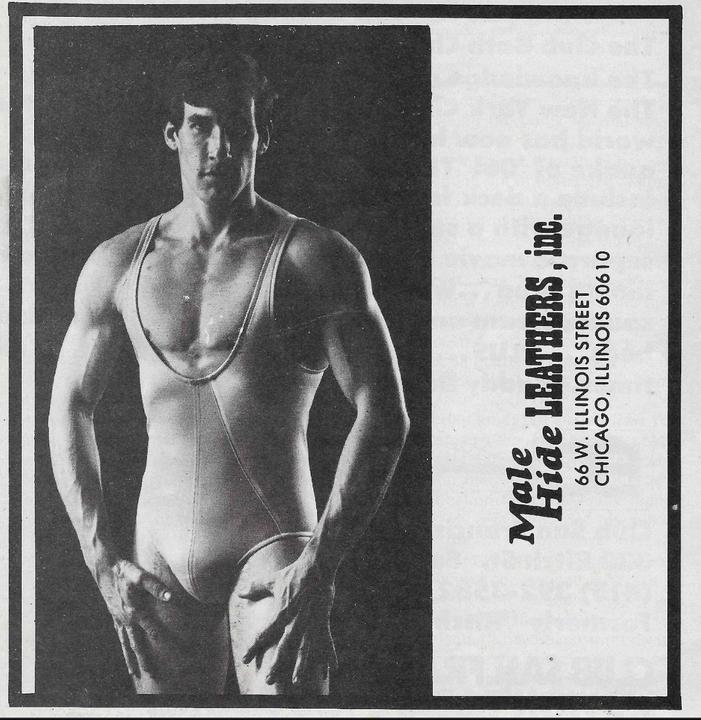
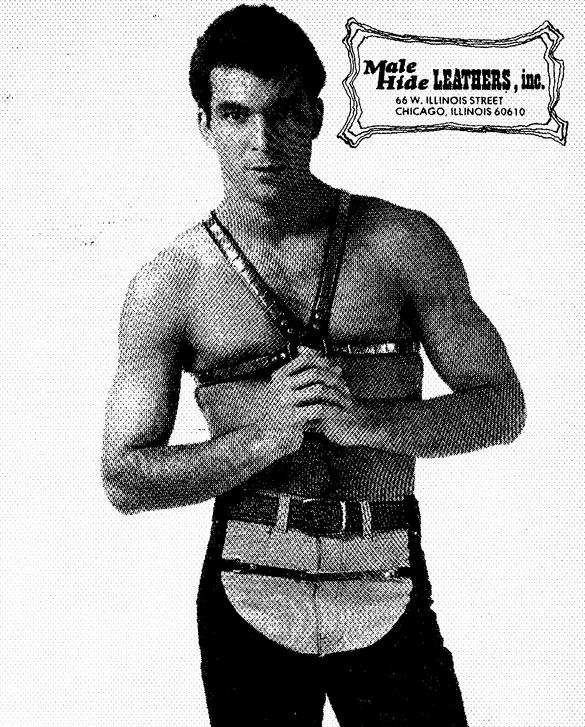
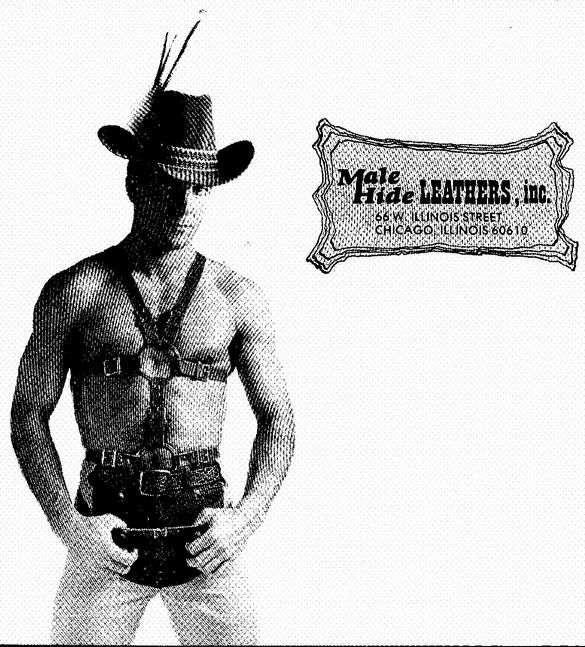
3.Male Hide Leather INC
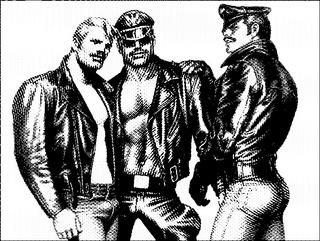
An ode to the advertisements of the nowdefunct Iconic Gay Leather Store
4.Un(popular) Opinions
Results from an anonymous survey providing insight into public perception
5.Interview with a Vampire(al)
A personal insight into a fetish wear wearer
Editor’s Note
“There is a little bit of fetishist in everyone,” says Valerie Steele, the patron saint of Fetish Fashion research, and this statement rings true even in the modern era. To take it literally, “fetishwear” for style and for purpose in fashion is nothing new, and throughout my research, my theories have evolved. My question keeps getting different answers/opinions. Why is “fetishwear” worn in alternative subcultures?
This question may seem obvious; of course, alternative subcultures are reactions to societal norms and this rebellion manifests itself through style and image. What better way to do that than the sexual taboo in fashion? But nowadays, is it that simple? Is it now just a nod to the past punks, just the image without holding the history and context it used to? Or does the symbolism of “fetishwear” speak more than just what meets the eye?
In studying the history of fetish fashion, surveying people and how they integrate it (or not) in their style, conducting a personal interview, etc, I have explored this topic and found that people have many different opinions about why they personally think “fetishwear” is worn in alternative subcultures. Personally, I have grown an appreciation for “fetishwear” because of how it gives women the power over their own bodies to choose how to restrain (figuratively and literally) and empower themselves. As well as it being visually striking, I think the history itself is fascinating, and I think there are parts I can identify with as it changed throughout history. Fetishista Fashionista’s goal is to uncover what’s beneath the latex and studs and find where the sociological opinion lies within the “underground”to try and answer the question of “Why IS fetishwear worn in alternative subcultures?”
Charlotte Boda CharlotteBoda,Editor in Chief
History Lesson:
1930s:
Late 1800s-1900s:
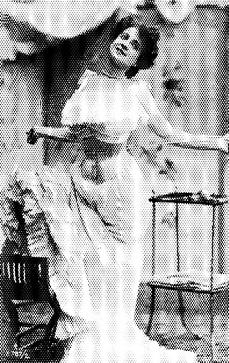
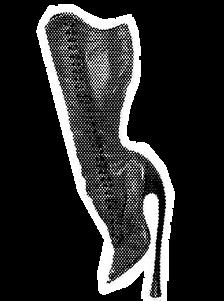
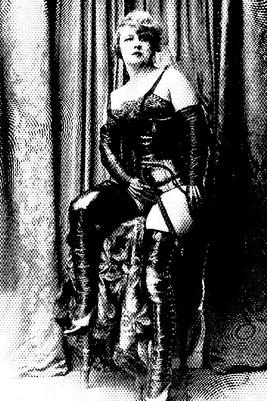
Seen as the start of fetish fashion by some, the Victorian era marked the beginning of “fetishwear” in the West. With tight-laced corsets and sky-high button boots, we can see how the era transformed the perception of sexual attraction from the body itself into something worn on the body
1920s:
In 1914, the Richards couple created “Yva Richard,” the first ever fetish boutique lingerie brand that became a success in the 1920s. Their extreme designs featured everything from chastity belts to eventually dog collars in their mail-order catalog.
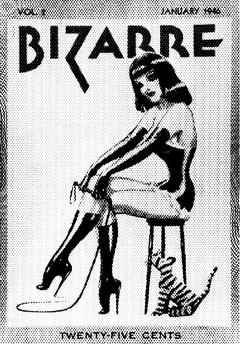
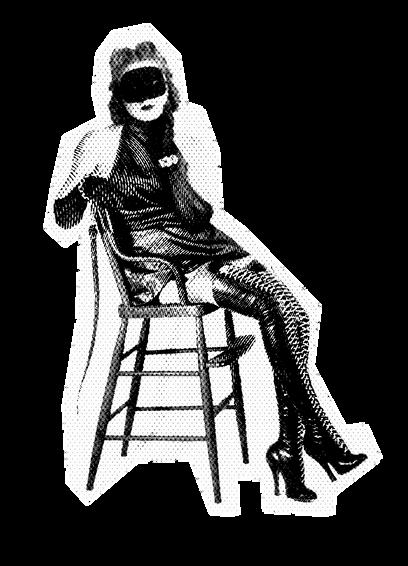
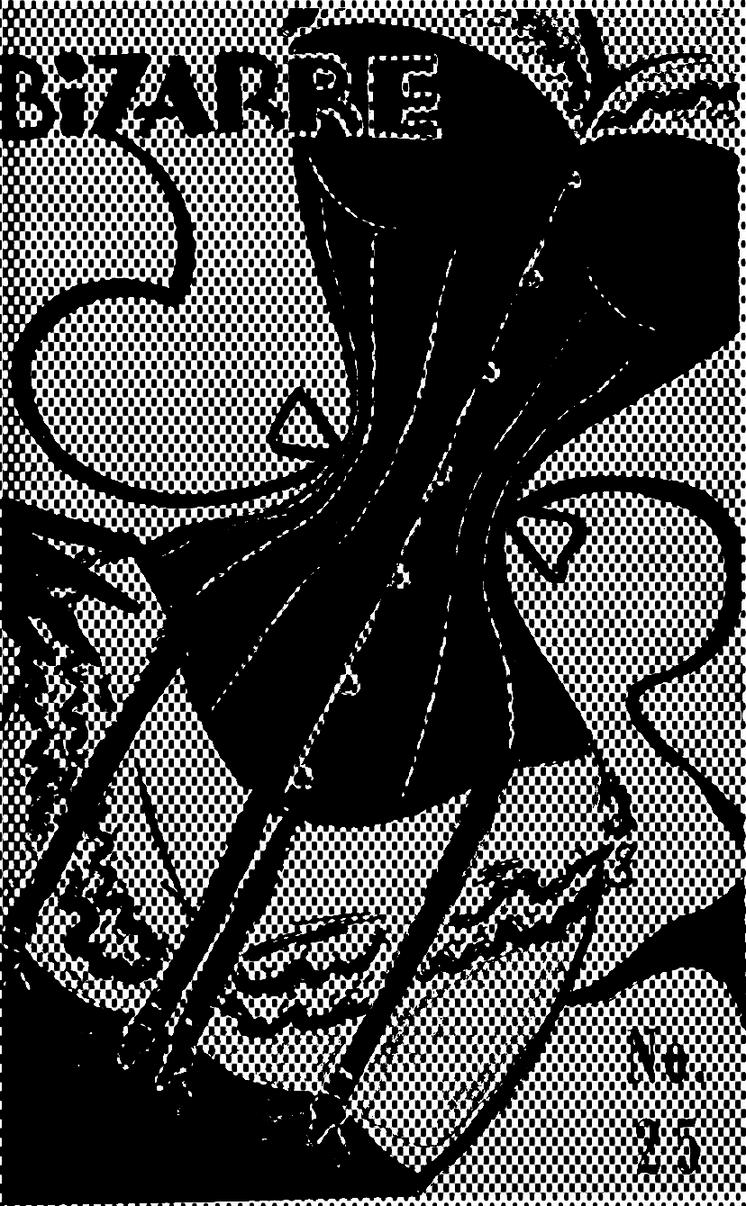
Charles Guyette, known as the Godfather of Fetish Art, was a costumer for Burlesque shows and quickly became an innovative designer for fetishwear throughout the 1930s Guyette influenced John Willie, the creator of Bizarre magazine, a soon-to-be prominent fetish magazine. Both became lasting names within the fetish communities.
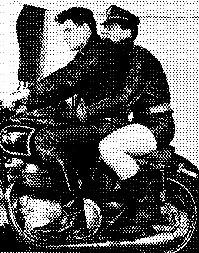
After WWII, the “Blue Discharge” kicked many men out of service for having “undesirable” characteristics like homosexuality. This left many gay men seeking communities to join motorcycle gangs; they emphasized leather jackets and hats to form the image of the hyper-masculine male. Using distinct fashion garments helped them express their identities and sexualities.
1940s:
History Lesson:
1950s:
1970s:
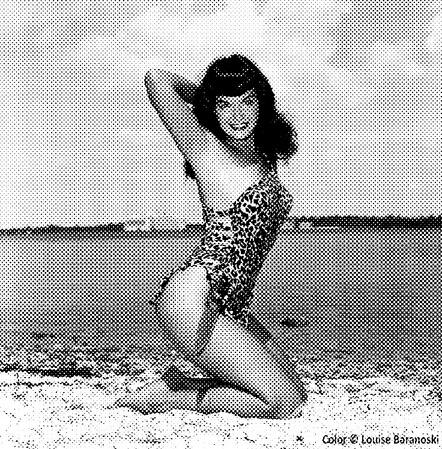
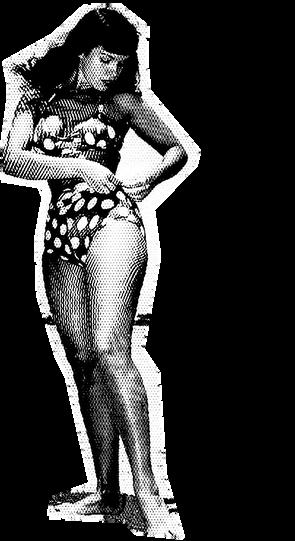
The Queen of Pinups, Bettie Page, was a fetish icon of her time in the 1950s. Her curvaceous figure made her a star, and she would frequently sport fashionable garments to help play the alluring part. In her early career, she sewed her own bikinis and costumes, which is a unique piece to fetish fashion history
1960s:
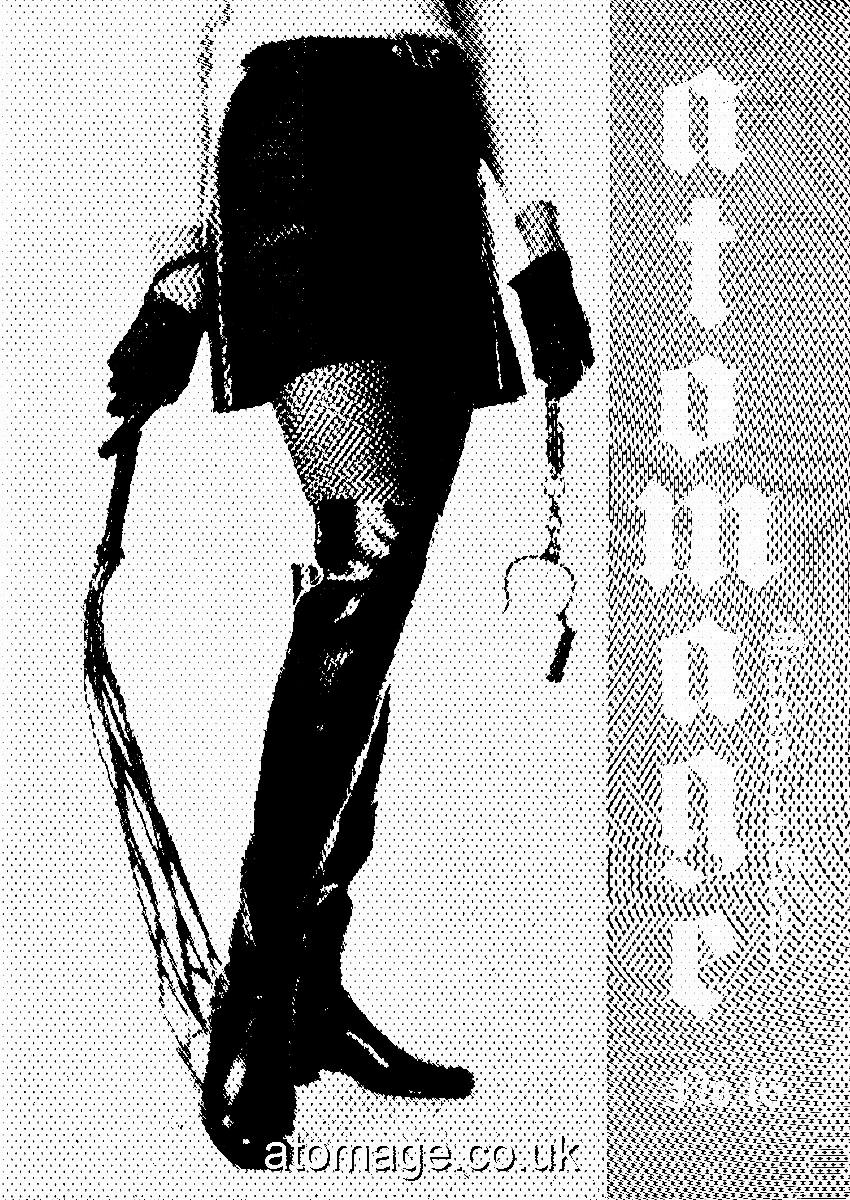
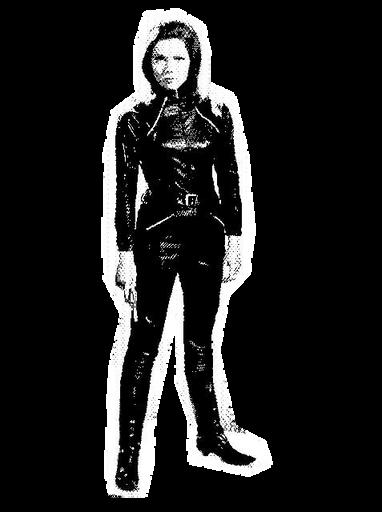
Emma Peel’s character in the 60s Avengers was a pop culture moment that featured a classic fetish catsuit. The ensemble was assembled by John Sutcliffe, founder of the magazine Atomage. Atomage was a fetish magazine that focused specifically on the fashion itself, like the catsuits and outfits of rubber and latex he would make himself.
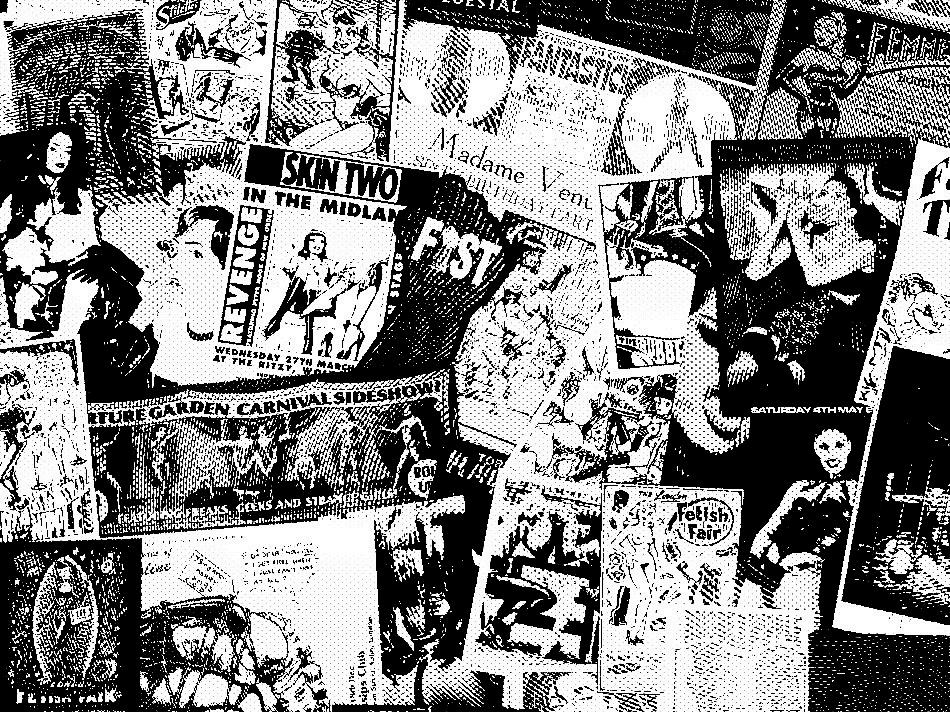
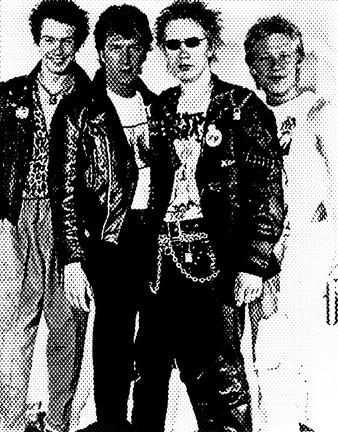
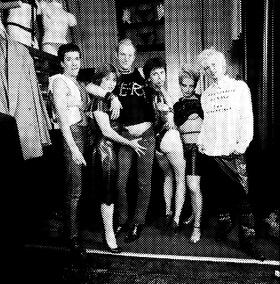
It is hard to discuss fetishism in fashion without mentioning the 70s, which saw the most integration of fetishwear in everyday style by the punk subculture. A notable moment in fashion fetish history is the SEX boutique opened by Vivienne Westwood and Malcolm McLaren, manager of the Sex Pistols.
Inspired by bondage and leather, Westwood used the band as the image and marketing for her brand and became the image of “Punk.”
1980s + 90s:
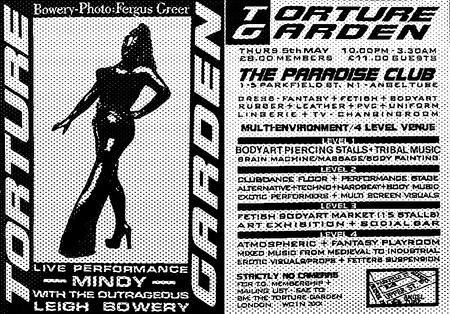
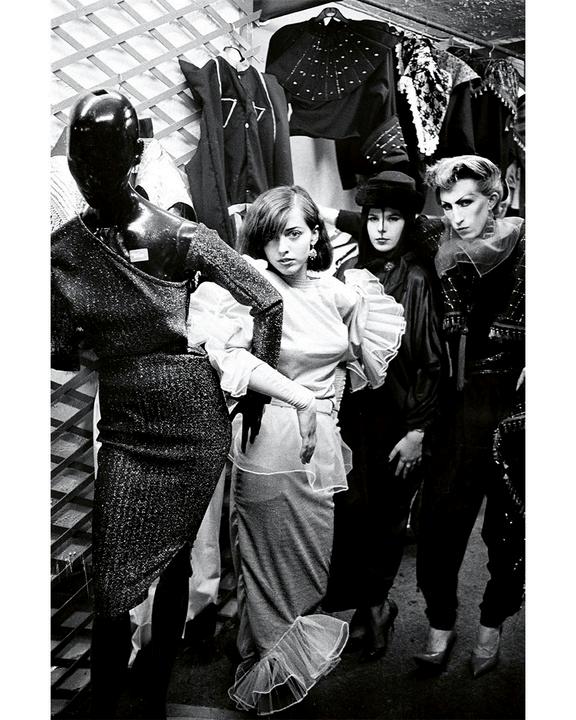
The club scene in the 80s was at its peak, and it was more than just a night out; it was a lifestyle where the more extravagant and over the top you were, the better. Leigh Bowery played a prominent role in the scene and was considered “living art” by many. His bold outfits were often inspired by fetish symbols and materials.
Un(Popular) Opinions:
anonymous survey of 33 participants
Do you think your style is influenced at all by punk / alternative subcultures?
have you ever worn anything in public that may be considered "fetish wear" and not in a sexual context?
“I think fetish wear has always inspired fashion, but I have had negative reactions like people thinking it is an inherently sexual style of dress and being judgemental based on that when I just enjoyed how it looked and didn’t necessarily have a fetish for the type of style worn. 2327, male, bisexual
Do you feel like your sexuality and/or sexual interests inspire how you dress?
Personal Responses:
“genuinely just style, it’s hard for me to even think that wearing a spiked collar is inherently sexual to many rather than inherently stylish, or seen as a fashion choice before a sexual choice.” 18-22, female, straight
“I noticed that the older I get the less comfortable I am with wearing clothing that could be hyper sexualized like o-ring chokers and fishnets” 23-27, female, bisexual
“Yes, I do feel social media influenced my view on fetish wear A big example that I’ve found common is social media influencers wearing items such as lingerie tops, fishnets, garter tights, and collars casually, normalized the fetish wear to a young me; making me want to dress in such items without necessarily knowing the history and or context behind such pieces.” 18-22, non-binary, pansexual
Interview with A @Vampire(al):
Vampireal:
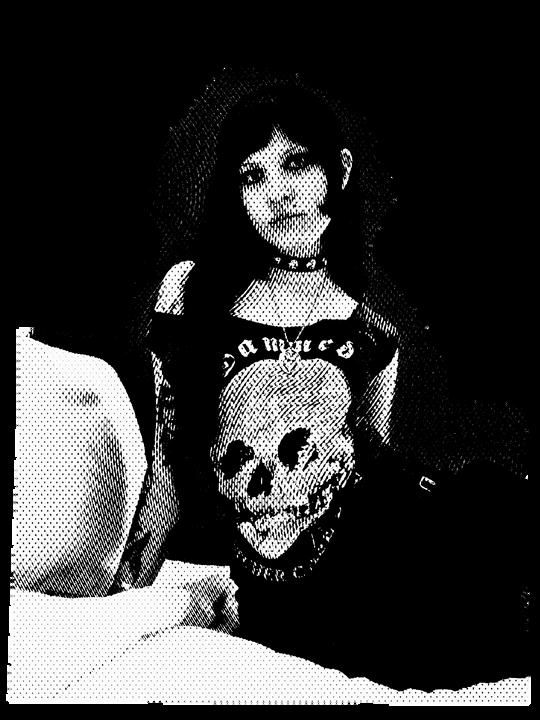
25, They/Them, Pisces, Queer
3 words that describe them: Eclectic, Gothic, and Antiqueinspired
What inspires your interest in fetishwear?
Growing up, they had stark memories of seeing club kids in the 80s and 90s and their dramatic displays of kinks + fetish. The emerging gothic and punk styles through history, like the Vivienne Sex Boutique, inspired them to incorporate it in their style.
What is your opinion on wearing fetishwear in an everyday context?
How do you incorporate fetishwear in your style and what does it mean to you?
They mostly wear accessories, bondage cuffs, leather boots, and jackets to incorporate them. They like to blend punk elements with other styles. Their time working at Howl + Hide gave them a deeper affinity for leather, which helped them connect to past Leather Gay History.
Wearing any fetishwear in general can cause unwanted attention, and because of the context it can hold, people can make assumptions. Now, they don’t really pay much attention to the glances because it does seem to be more normalized now. Chains and chokers are sold almost anywhere.
Do you think understanding the culture and history behind wearing fetishwear is important when people wear it for style?
Understanding the history of fetishwear and how it can be read is absolutely essential to wearing it for style, they said. When you are queer, you have a different relationship with fetish culture, where it isn’t about looking the part, it’s about the sexual identity of it.
Acknowledging how the past was not as friendly towards the look and how it was an underground “if you know you know” thing is important in keeping the historical context alive.