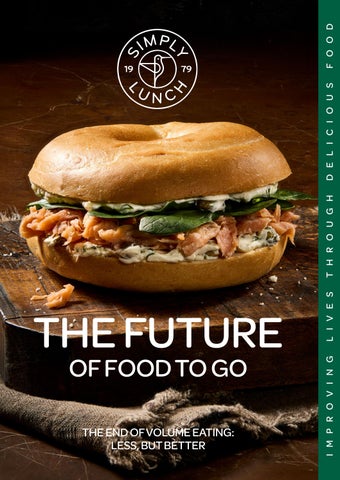
THE FUTURE OF FOOD TO GO
THE END OF VOLUME EATING: LESS, BUT BETTER
THE END OF VOLUME EATING: LESS, BUT BETTER
• ABOUT SIMPLY LUNCH
• EXECUTIVE SUMMARY & MARKET OVERVIEW
• THE SHIFT TO INTENTIONAL EATING
• KEY TRENDS 2026–2027
• THE APPETITE RESET
• SMART NUTRITION
• EVERYDAY FUNCTIONALITY
• FLAVOUR WITH PROVENANCE
• THE ERASURE OF DAYPARTS
• SECTOR & MARKET CONTEXT
• PRODUCT & FORMAT OPPORTUNITIES
• DECLINING TRENDS
• STRATEGIC OPPORTUNITY & SUMMARY
At Simply Lunch, we do more than deliver food. We create food with purpose. Founded in 1979, we’re a proud second-generation family business with a simple mission: to make food that not only tastes great but does good. As a national food to go manufacturer, we combine quality, sustainability and innovation to create products that reflect the evolving values of today’s conscious consumer.
We specialise in fresh, handmade food to go from sandwiches, wraps and salads to workplace hospitality. Produced daily in our BRCGS AA+ accredited facility, everything we do is rooted in transparency, traceability and care. With nationwide distribution and a scalable operation, we deliver fresh products with consistency, flexibility and speed.
Through our award-winning brands and strategic partnerships, we help our customers grow their categories, drive footfall and meet every consumer mission. Our purpose-led approach guides every decision we make from reducing our carbon footprint to supporting communities and embracing innovation. Together, we can create food that tastes good, does good and helps your business thrive.
Collaborative and transparent, we are committed to NPD driven by data and insights.
NUTRITIOUS, INNOVATION.
Simply Lunch is your agile partner, supporting you to maximise your opportunity in the food to go category.
As a company, we’re dedicated to driving meaningful change in UK communities through our charity initiatives.






This report outlines the key shifts shaping the food to go market through 2026–2027. The category is undergoing a structural transformation driven by health awareness, economic pressure and behavioural change.
Food to go is entering a period of structural reset. Historically, growth has been driven by increasing frequency, accessibility and portion size. However, this model is now under pressure as consumer behaviour fundamentally shifts.

OVER of consumers cite cost as a barrier to food to go purchases (Vypr, 2026), yet over 60% actively prioritise healthier options (Mintel, 2026). This contradiction highlights a key shift: consumers are not simply trading down, but becoming more selective, reducing frequency, whilst expectations have increased.
Kantar (2025) highlights a decline in out-of-home eating frequency, while Lumina Intelligence (2025) identifies fewer but more purposeful visits.
The data suggests a consistent shift: consumers are purchasing fewer items, but placing greater importance on quality, nutritional value and overall satisfaction. Growth is no longer driven by volume, but by value, quality and purpose.
Consumers are eating less, but expecting more. This shift is driven by:
• Health as a lifestyle priority
• Economic pressure and selective spending
• Appetite awareness and GLP-1 behaviours
• Growing rejection of ultra-processed foods
Value in food to go is also being fundamentally redefined. Consumers are no longer evaluating food by size or price alone, but by satiety per calorie, nutrition per gram, emotional reward per occasion and overall consumption e ciency.
Brand loyalty is becoming increasingly fragile. Purchasing behaviour is more promotional-led, digitally influenced and fluid than ever before. Operators are responding through app ecosystems, loyalty schemes, personalised o ers and membership-driven value propositions, shifting the category from static loyalty to dynamic, incentive-led engagement.
Simply Lunch is strongly positioned within this evolving landscape. Today, its range already supports customers with convenient, balanced and reliable food to go solutions across all sectors. However, the opportunity is expanding significantly.
New product development will enable customers to drive long-term growth by aligning with structural shifts in the market, including smaller, high-satiety formats, fibre-led and functional nutrition innovation, authentic global flavours with provenance storytelling, modular eating solutions for fragmented consumption occasions, and cleaner labels with reduced ultra-processed ingredients.
Food to go is no longer defined by convenience alone, but by how e ectively it fits into a more intentional, performance-led consumer lifestyle.
To understand how macro forces are reshaping food to go, it is essential to examine how consumer behaviour is evolving at an individual level.
The structural reset in the market is being driven by a fundamental shift in how consumers think about eating, value and consumption occasions.
This is leading to a new model of consumption: intentional eating.
Consumer behaviour is shifting from habitual to intentional.
Where food to go was once driven by routine, convenience and repetition, it is now increasingly shaped by conscious decision-making, evaluation and trade-o s.
IGD (2025) highlights increasing focus on portion control and waste reduction. Mintel (2026) shows over 70% of consumers are actively trying to eat more healthily, while Deloitte (2025) highlights growing evaluation of both health and financial e ciency.
At the same time, GLP-1 adoption and wider appetite awareness are reshaping how consumers think about food volume, driving reduced snacking and increased focus on satiety.
This is not a short-term behavioural adjustment, it reflects a deeper shift in consumption logic:
• Reduced snacking frequency
• Greater awareness of appetite and portion size
• Increased scrutiny of nutritional value per occasion
• Stronger expectation that food delivers functional benefit
Consumers are moving from passive consumption to active decision-making. They are no longer simply responding to availability, they are actively assessing need, value, and outcome before purchase.
Every product must now justify its role within the consumer’s day through:
• Functional value
• Nutritional value
• Emotional value
This shift in intentionality is the behavioural foundation behind all emerging category trends.
69% 48% 68% of GLP-1 users are eating fewer snacks (IGD 2026). eating fewer meals overall (IGD 2026). of UK consumers are more careful with food spending (IGD 2025–2026).




Smaller pots, lighter options
“Balanced for You” range (controlled portions, calorie-aware, vitamins & minerals)
Maximum nutrition in controlled formats Lighter, portion-conscious Asian-inspired meals
Consumers are reassessing how much they need to eat, driving a shift toward smaller portions and fewer eating occasions.
of consumers say cost limits food to go purchases (Vypr, 2026), while IGD highlights growing demand for portion control. Kantar shows reduced basket sizes but increased spend per item.
This reflects a move away from volume-led value. Consumers no longer equate size with value, instead they are looking for e ciency: food that delivers satiety, nutrition and satisfaction in smaller formats.
Smaller, high-satiety formats
Nutrient-dense meals
Snackable but complete options
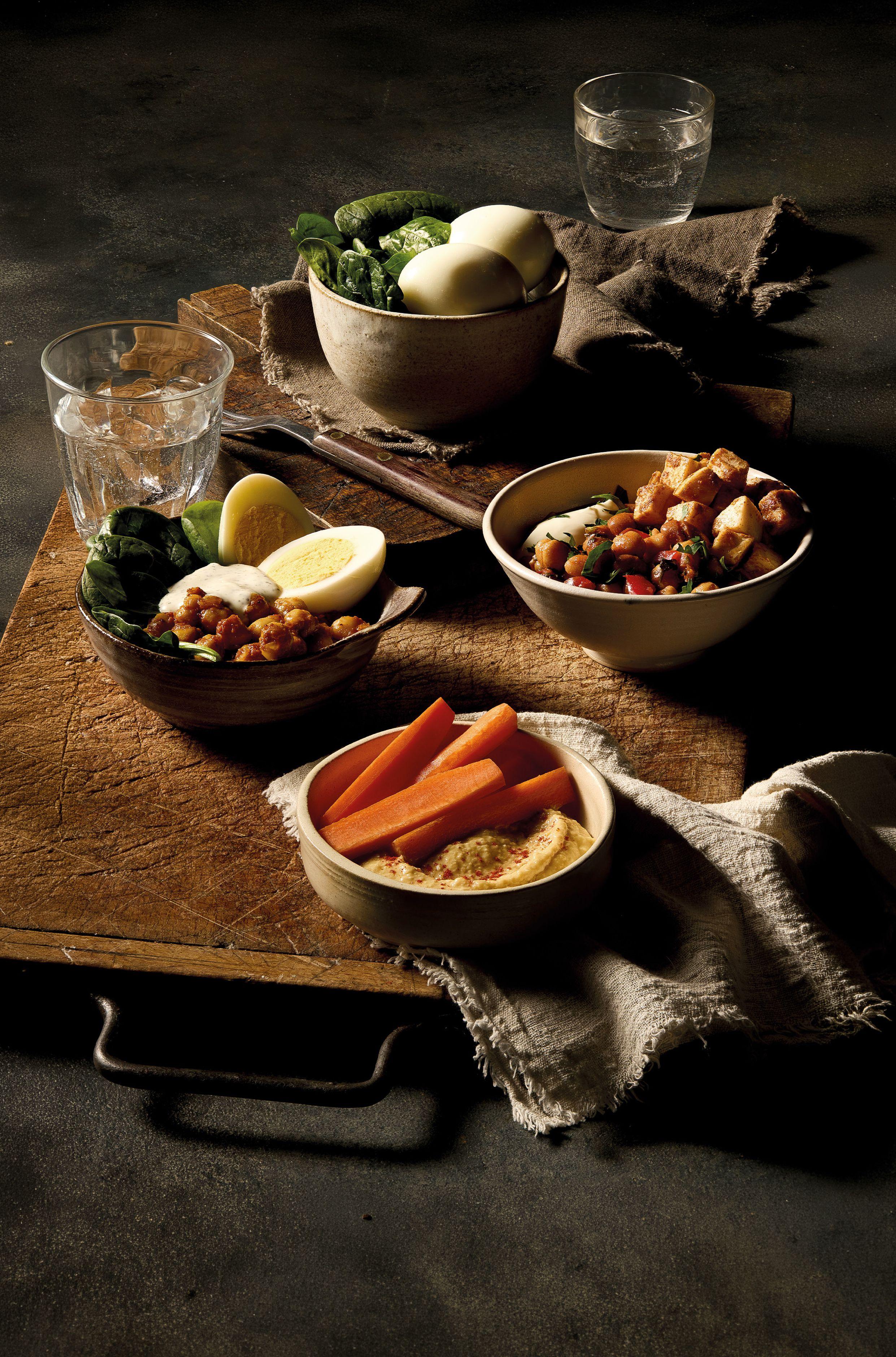
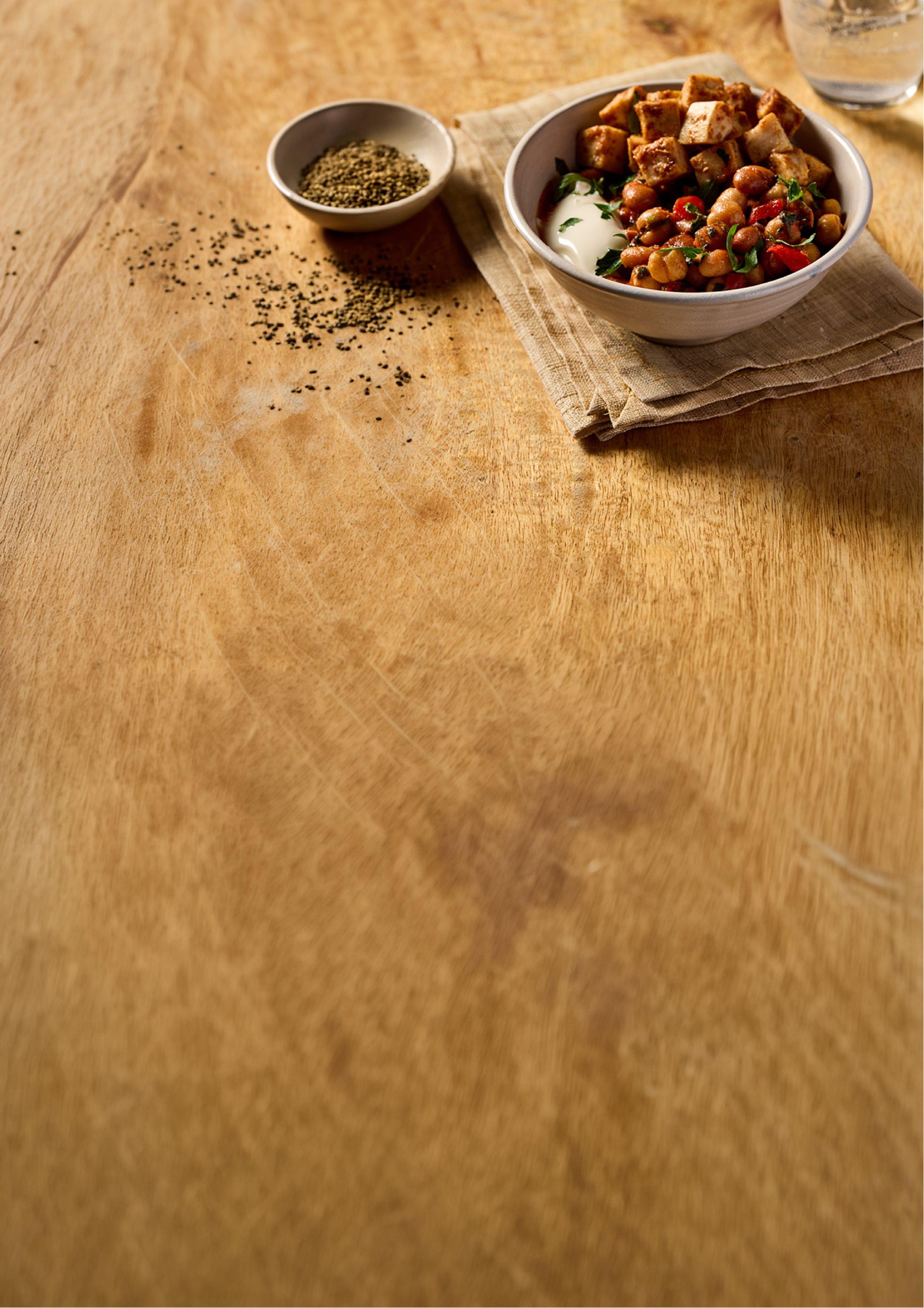
Deliver “more per bite”, maximising satiety, nutrition and flavour in smaller portions, e.g. our Tandoori Chickpea & Egg Snack Pot.
The Association of UK Dietitians states that a range of dietary fibre can:
• Improve microbiota diversity.
• Improve constipation and lactose tolerance.
• Enhance immunity.
• Reduce gut inflammation.
• Consumers are increasingly informed and expect food to go to reflect this understanding.




RESPONSE: SIMPLY LUNCH
Fibre-first positioning
Functional plant-based nutrition
Hard-boiled eggs #1 Tesco meal deal snack (Clubcard Unpacked 2025)
High fibre, wholegrain, balanced SKUs
Nutrition is evolving beyond protein into a more holistic understanding of health.
of consumers recognise fibre as being essential to health of (Mintel 2026), while McKinsey (2025) highlights growing demand for minimally processed, whole foods.
Fibre is emerging as a key nutrient and “fibermaxxing” is becoming a major menu trend. UK adults are recommended 30g of fibre per day, yet average intake is around 60% below this level.
INSIGHT: Health is no longer a di erentiator; it is a baseline expectation.
OPPORTUNITY
Fibre-rich ingredients (fruit, nuts, seeds, grains, pulses & vegetables)
Gut health positioning Balanced macro meals
Lead with balanced nutrition, focusing on whole ingredients, fibre and natural functionality.

Consumers expect food and drink to actively support how they feel physically and mentally.
Functionality is moving from niche to mainstream.
Key functional ingredients:
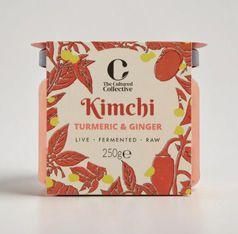

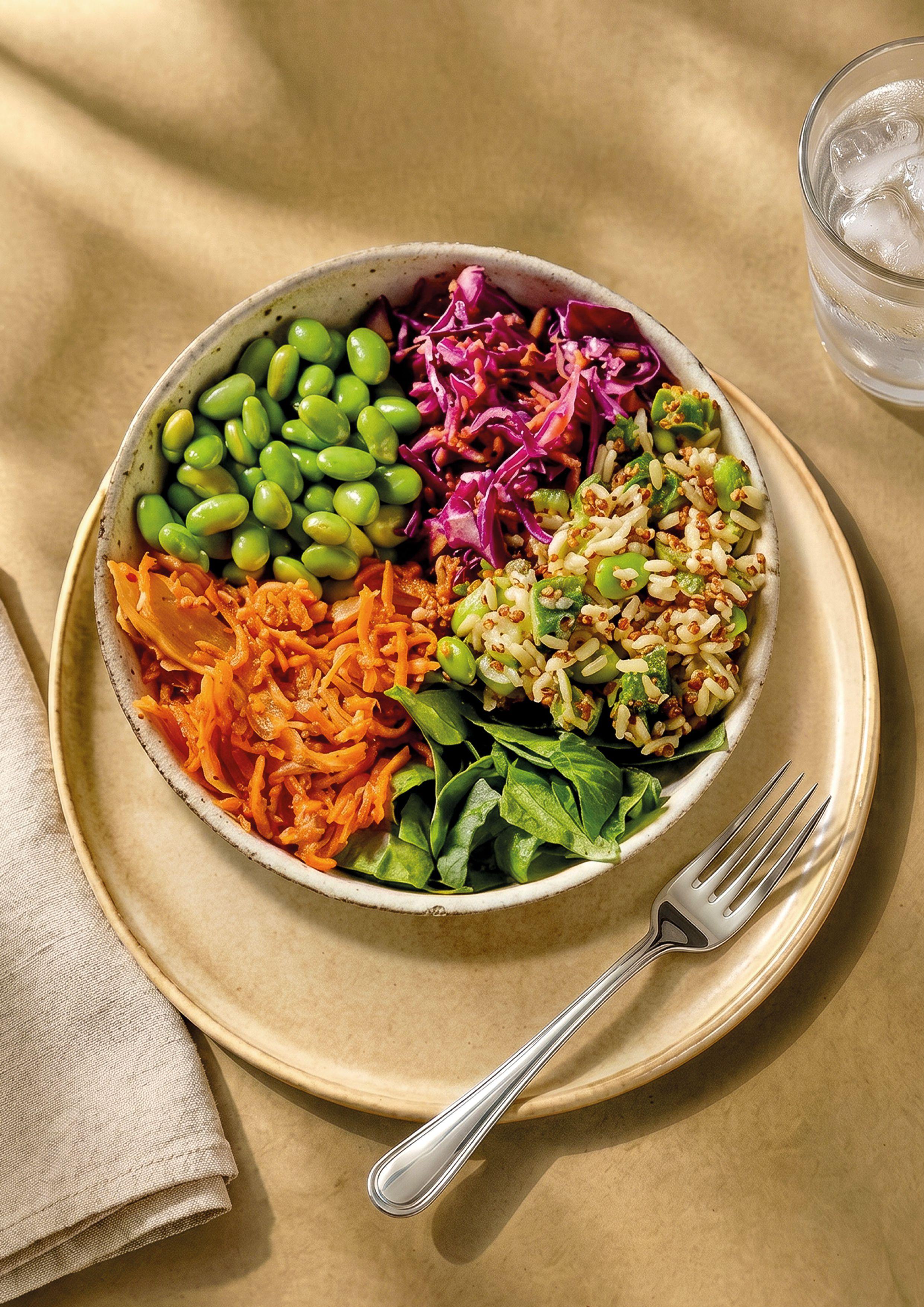
Fermented foods (kimchi, kefir).



Adaptogens (matcha, ashwagandha).


Matcha-based energy
Functional smoothies & drinks
Complete nutrition / performance
Brain food range (smoothies, salads, bars)
Functional canned drinks focused on calm and stress reduction
Mintel (2026) highlights rising demand for foods that support energy and cognitive performance, while Deloitte (2025) highlights wellbeing-led consumption.
There is a clear shift towards functional, better-for-you beverages, with Mordor Intelligence (2026) forecasting the functional beverage market to grow at a CAGR of 7.93% between 2026 and 2031. This reflects growing demand for drinks that deliver tangible benefits such as improved gut health, increased energy, stress reduction and enhanced mental alertness.
INSIGHT: Food and drinks are becoming tools for performance.
Energy-supporting snacks
Functional beverages
Mood and focus-led products
Embed functional benefits into core ranges without overcomplicating messaging, while expanding the o ering through partnerships such as Flawsome!, introducing low-sugar & fruit-led beverages.

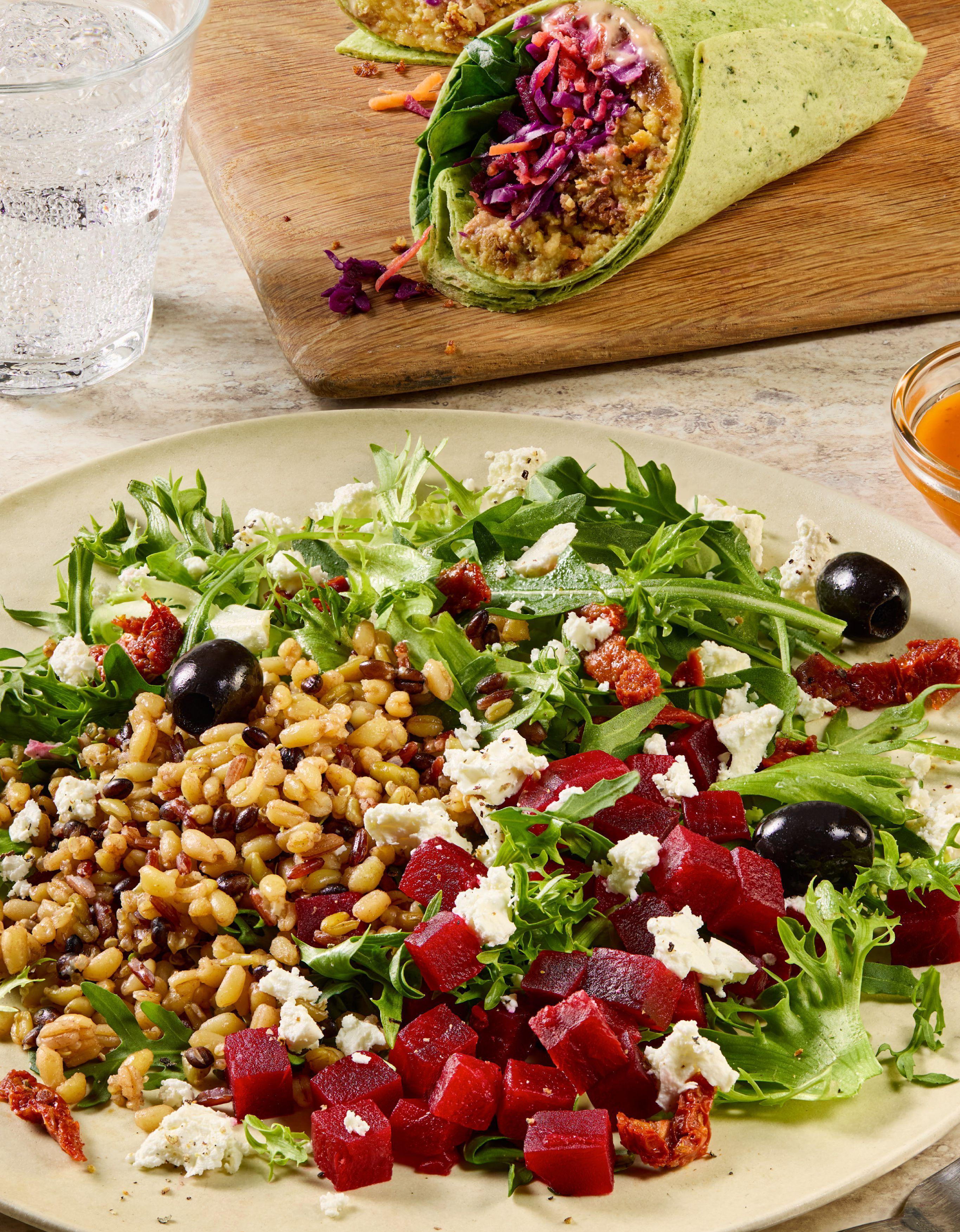
Consumers want adventure, but within trusted frameworks.

Globally inspired menus
Strong storytelling & authenticity




Ingredient-led
Globally inspired menus
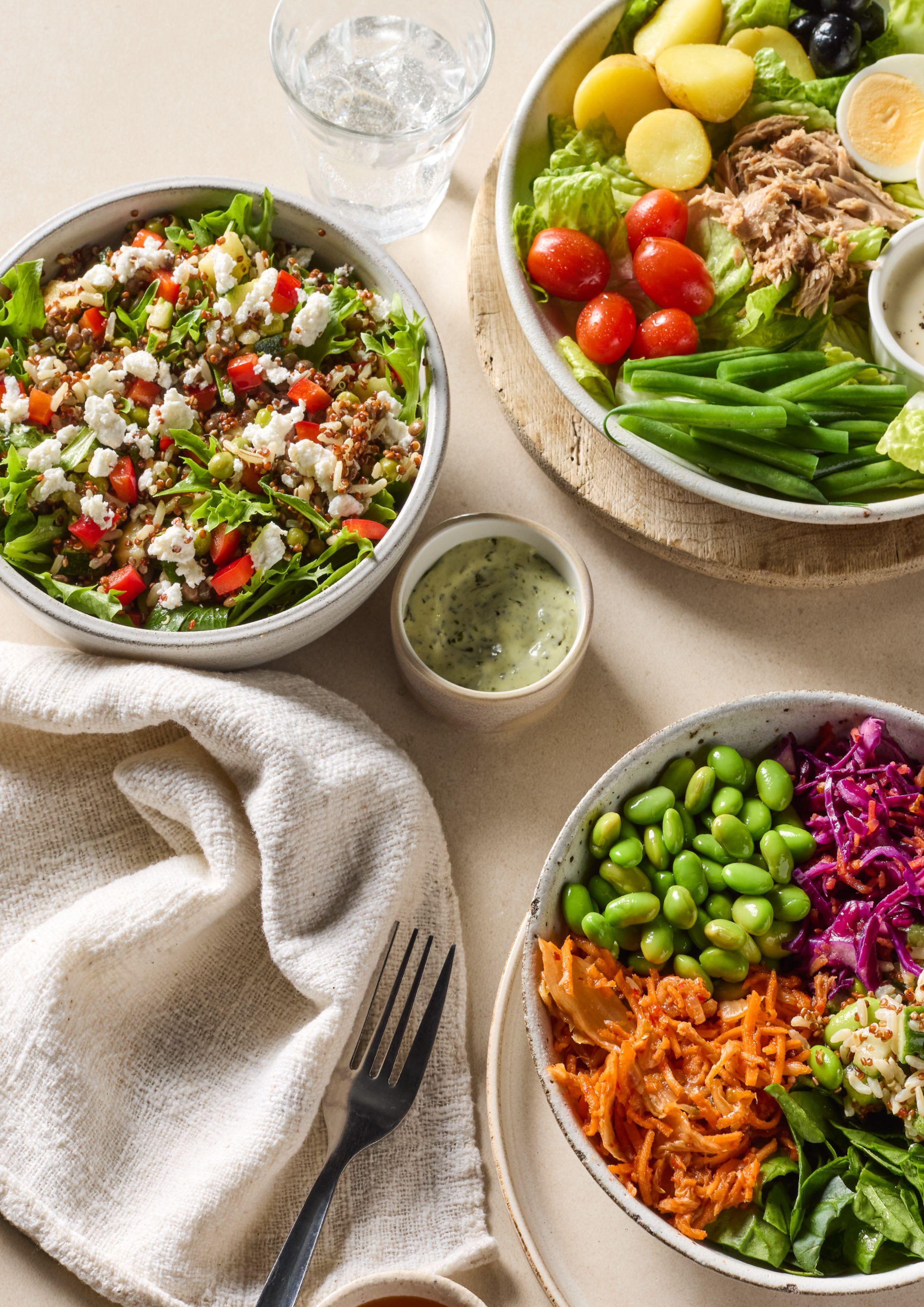
Korean kimchi innovation eg. MADE Korean Style Salad
Flavour remains a key driver of choice, but expectations are evolving toward both discovery and reassurance.
of consumers seek global flavours (Mintel, 2026). IGD (2025) highlights growing importance of provenance and transparency.
51% of UK consumers say they would be likely to try Korean cuisine in the next 1-2 years.
Global flavour profiles
Regional authenticity Story-led ingredients
Combine familiar formats with bold global flavours and strong provenance storytelling.

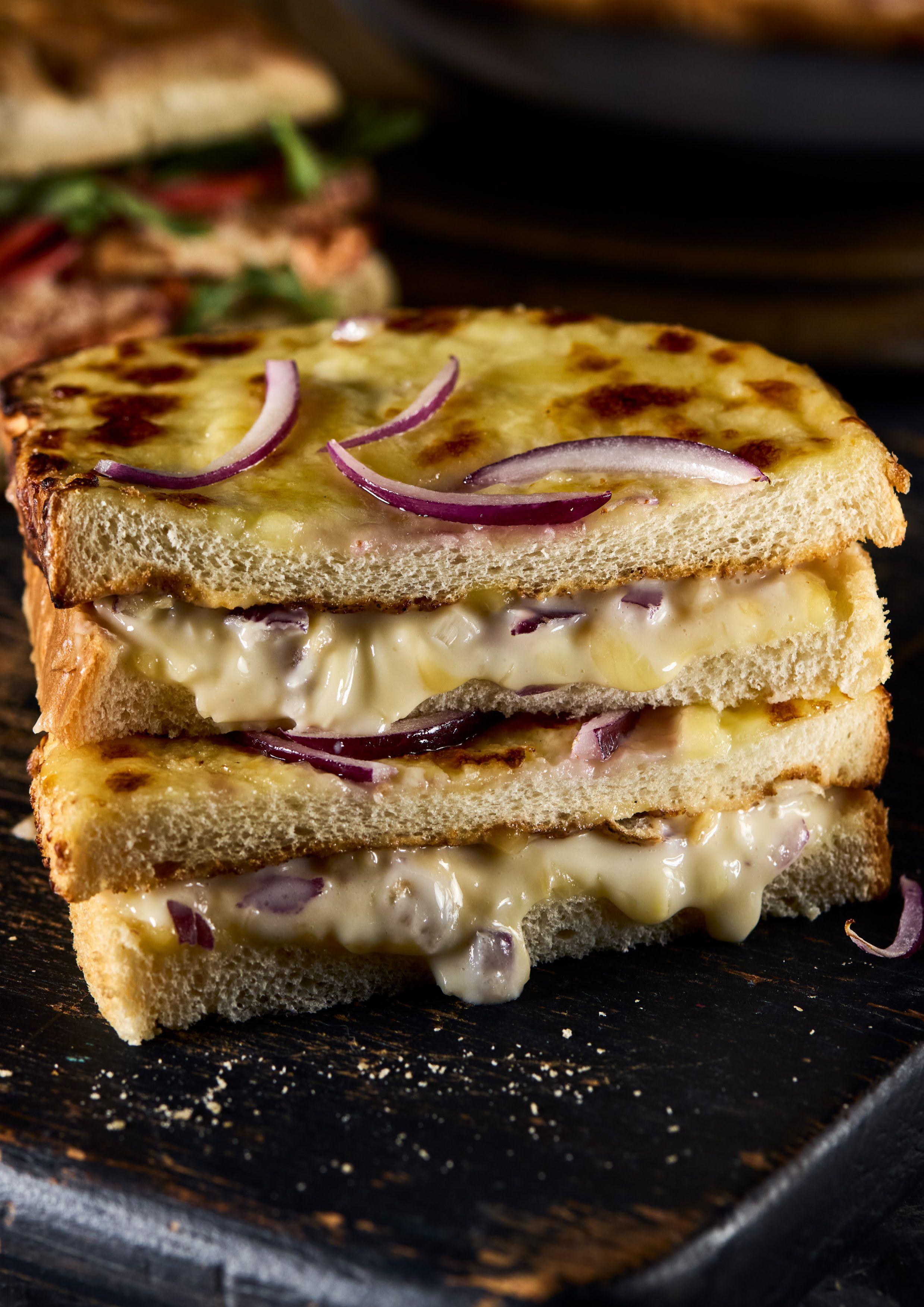
THIS SHIFT IS DRIVEN BY:
• Hybrid working removing fixed mealtimes where traditional meal definitions no longer apply.
• Declining relevance of structured meal occasions.
• Energy-based rather than time-based eating.
• Growth of grazing and multi-item consumption.




RESPONSE:
All-day food o erings
Meal deal used across multiple occasions
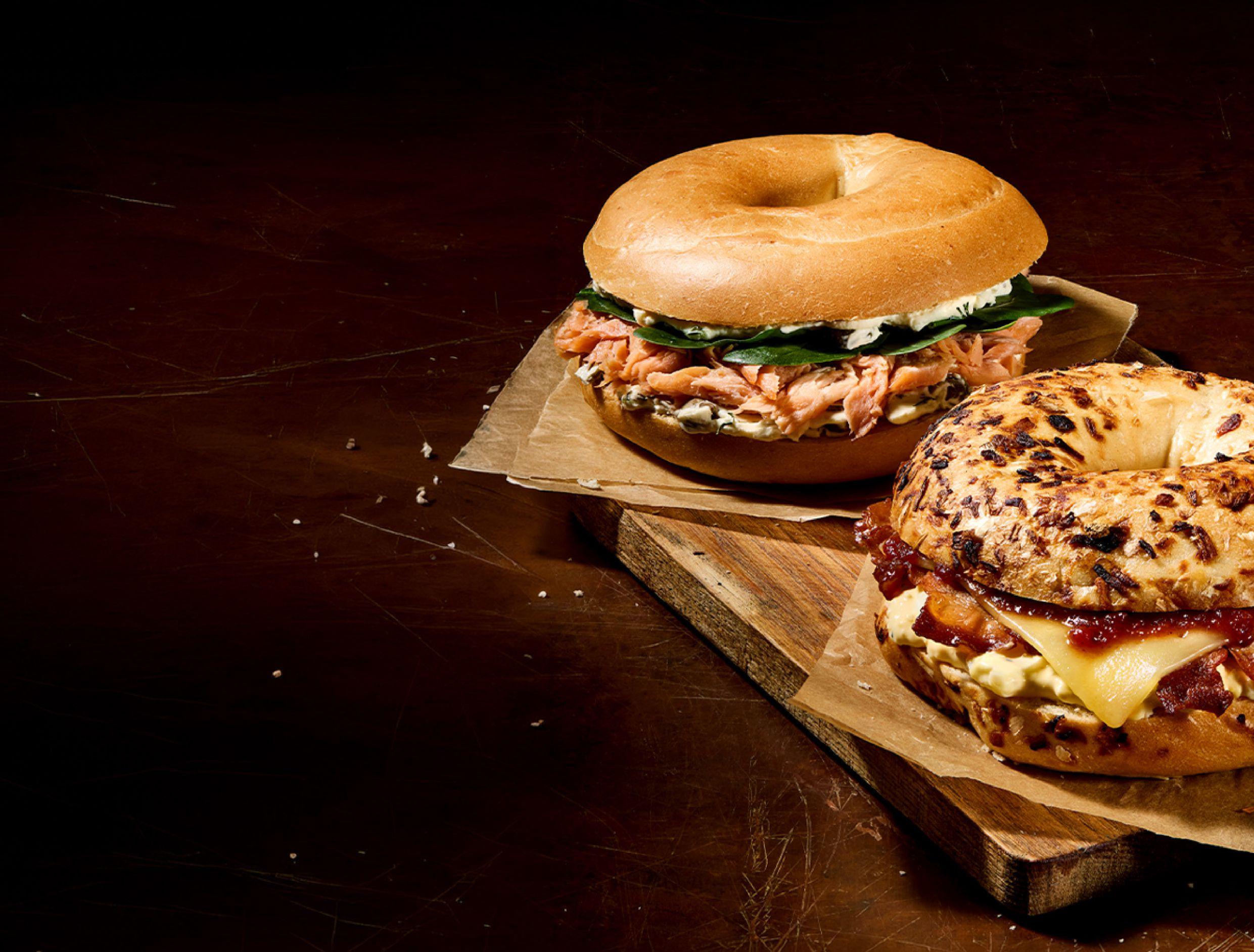
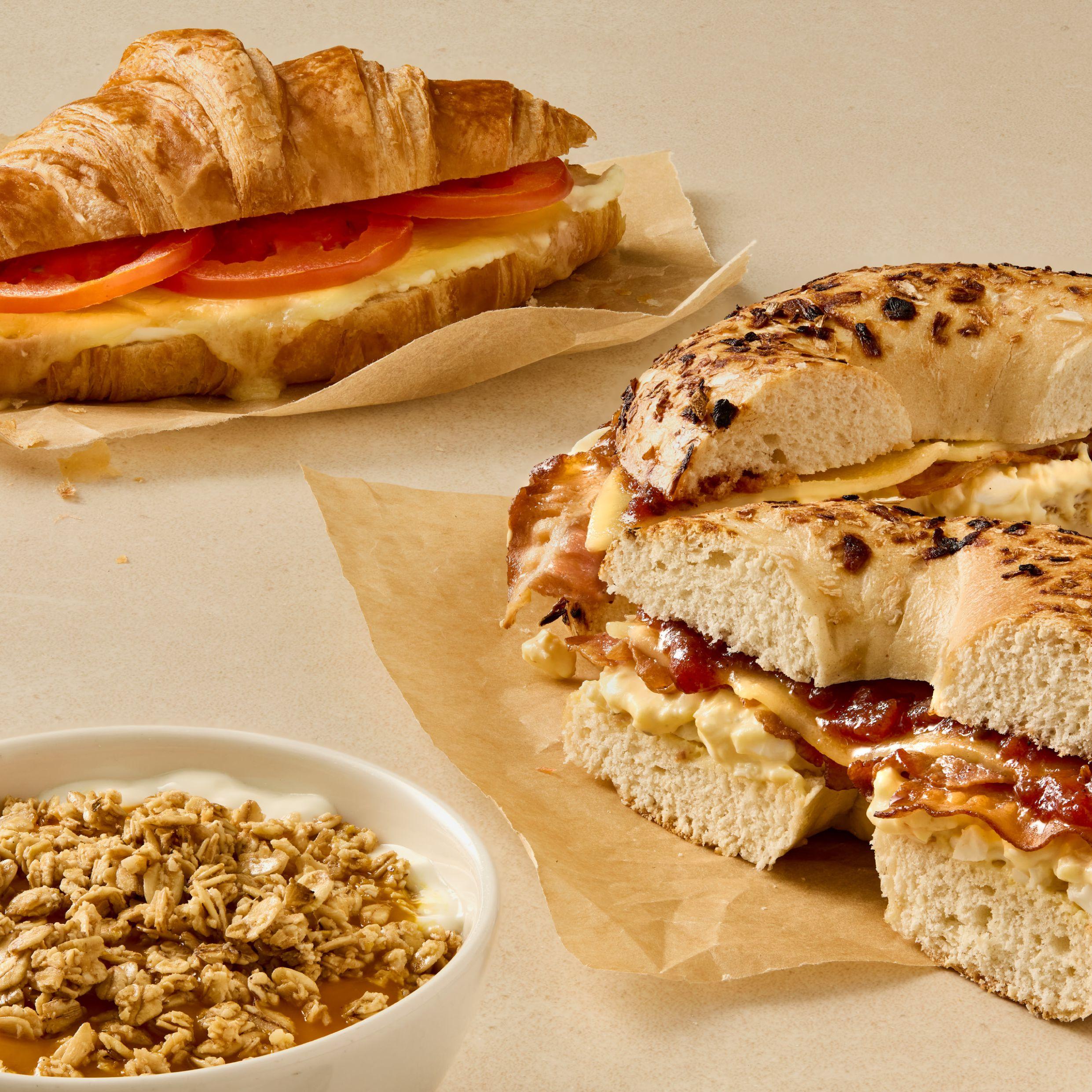
Breakfast options available all day
Evolving into all-day food providers
Traditional meal structures are breaking down as consumers move toward continuous, time-independent eating.
Food is increasingly decoupled from fixed dayparts, with breakfast, lunch and dinner no longer acting as rigid consumption anchors.
Instead, consumers are eating based on need-state, energy and convenience, creating “anytime eating” occasions where traditional meal definitions no longer apply.
Lumina Intelligence (2025) highlights growth in snacking-led missions, while Kantar shows increasing frequency of smaller, flexible eating occasions. 71% of Gen Z prefer on-the-go snacks over traditional meals (Bidfood 2026).
Anytime positioning vs meal-specific SKUs
Breakfast/lunch formats repositioned as universal fuel
Modular, cross-occasion product systems
Removal of rigid day part architecture
Develop flexible food to go solutions that operate independently of traditional dayparts, enabling consumption across any time of day.
• Premiumisation driven by demand for experience-led food.
• Expansion of functional, health-led o erings.
• Greater customisation and flexibility in ordering.
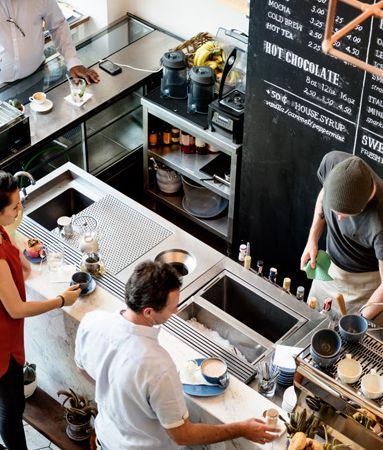
This section translates the key consumer and category trends into real-world channel impacts, showing how di erent food to go environments are being reshaped in practice.
These macro consumer shifts are reshaping how food to go performs across key channels, driving structural change in how di erent sectors define value, format and experience.
• Focus on a ordable, balanced nutrition.
• Reformulation of everyday staples.
• Greater demand for convenience without compromise.

• Functional meal deals and “better-for-you” positioning.
• Smaller, portion-controlled formats.
• Clean label becoming a baseline expectation.
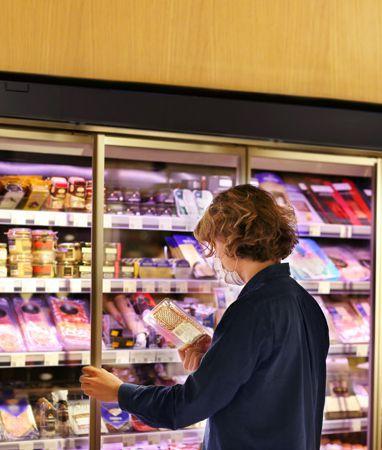
• Portable, high-energy formats for on-the-go consumption.
• Strong emphasis on speed and convenience.
• Grab-and-go solutions designed for short dwell time.

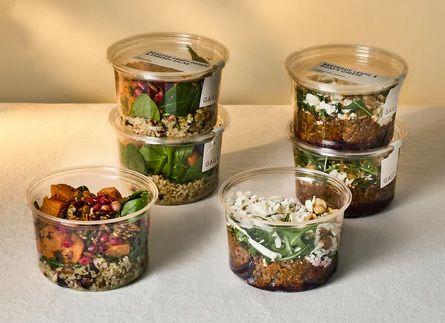
Snack pots and modular meals
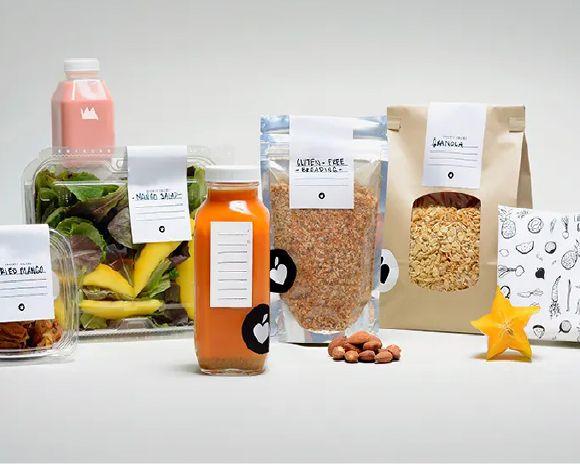
Sustainable packaging (EPR compliance)
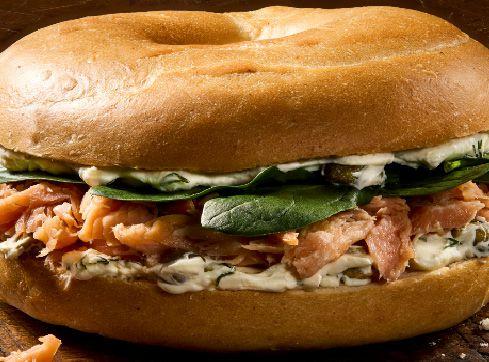
High protein and high fibre products

Functional food, beverages and shots
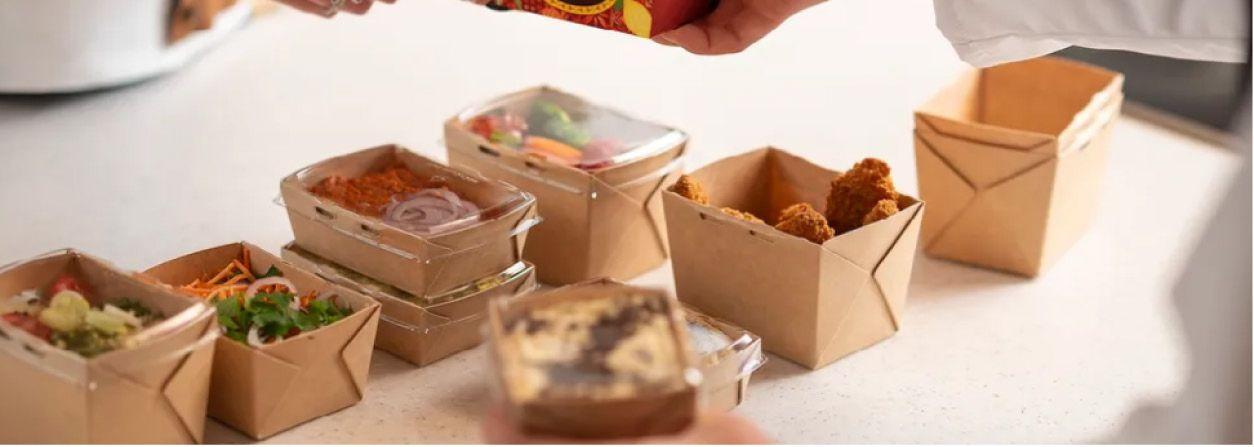
Modular and customisable formats
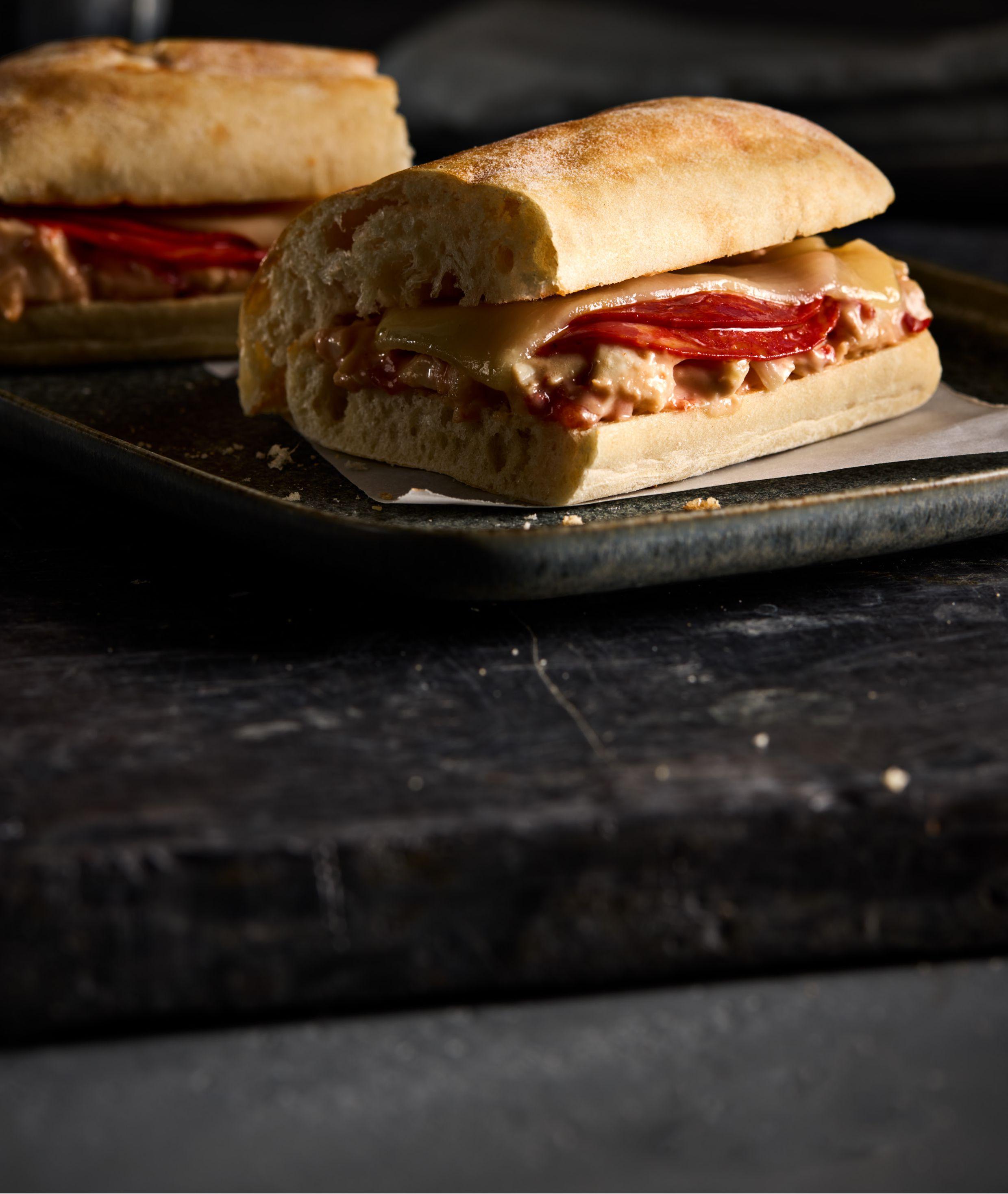
Ultra-processed foods with long ingredient lists
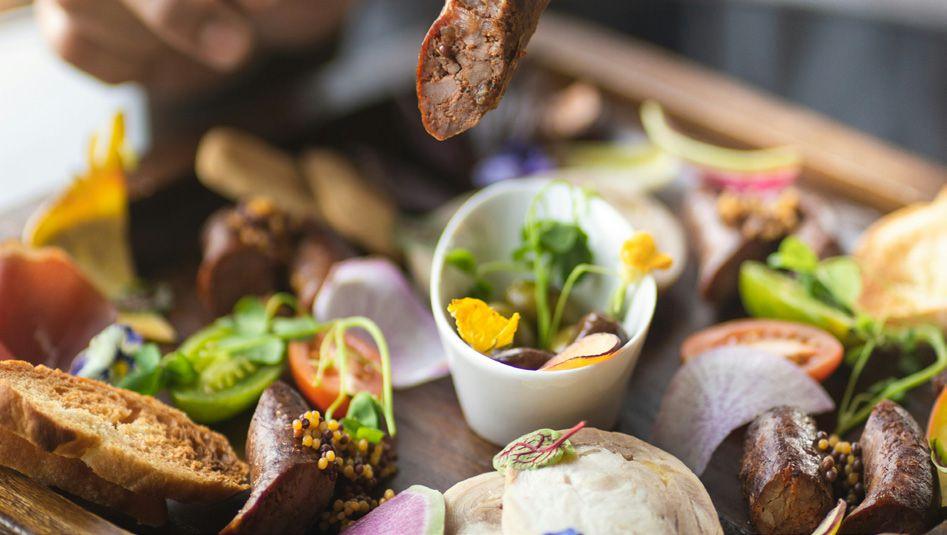
Overcomplicated menus
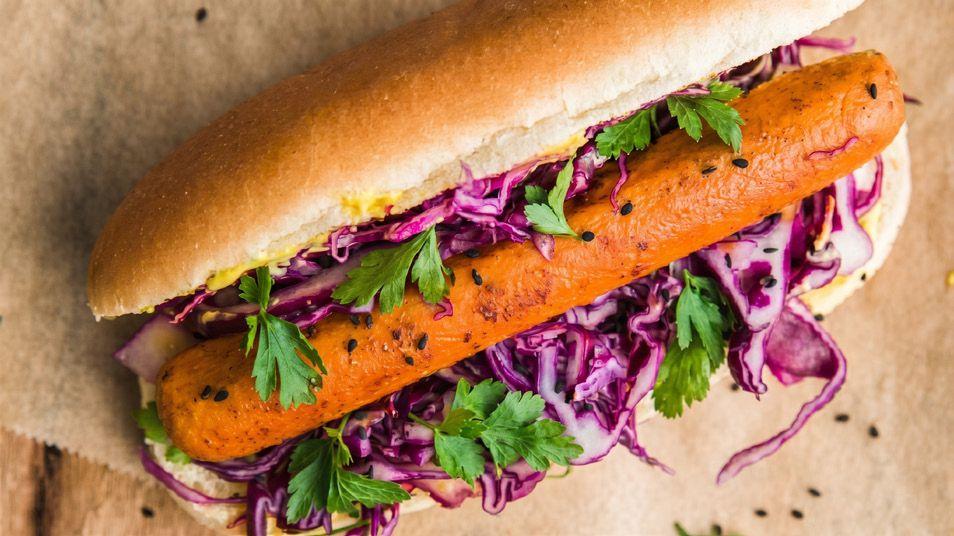
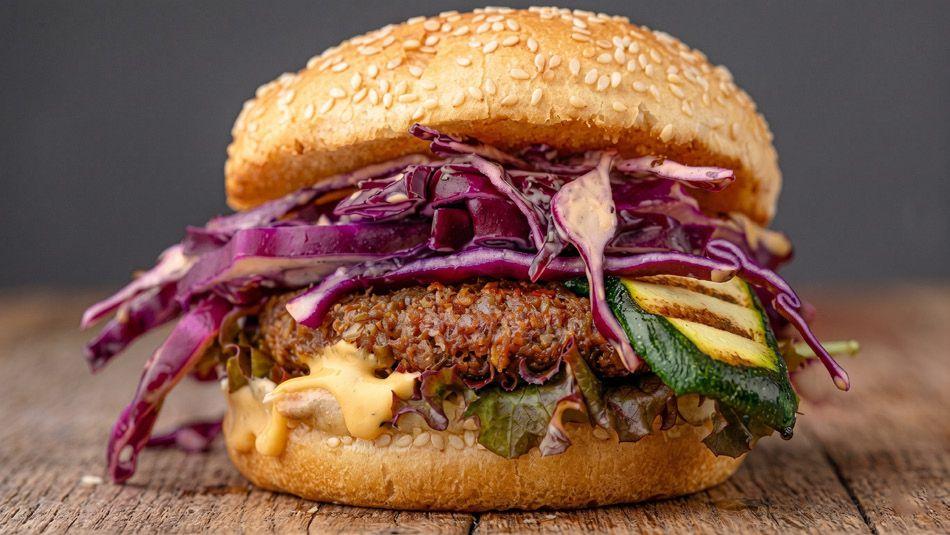
Generic plant-based products
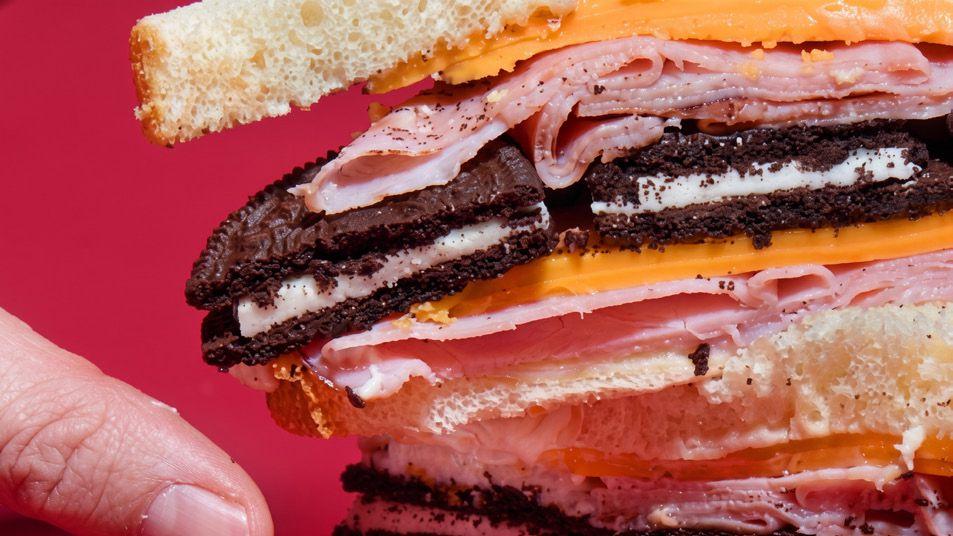
Undi erentiated sandwiches
Sustainability is now a baseline expectation, not a di erentiator.
Simply Lunch is strongly positioned to lead this next phase of food to go.
The category is shifting toward smarter consumption, where value is defined by nutrition, satisfaction and trust rather than volume.
Simply Lunch supports customers today with reliable, balanced food to go solutions.
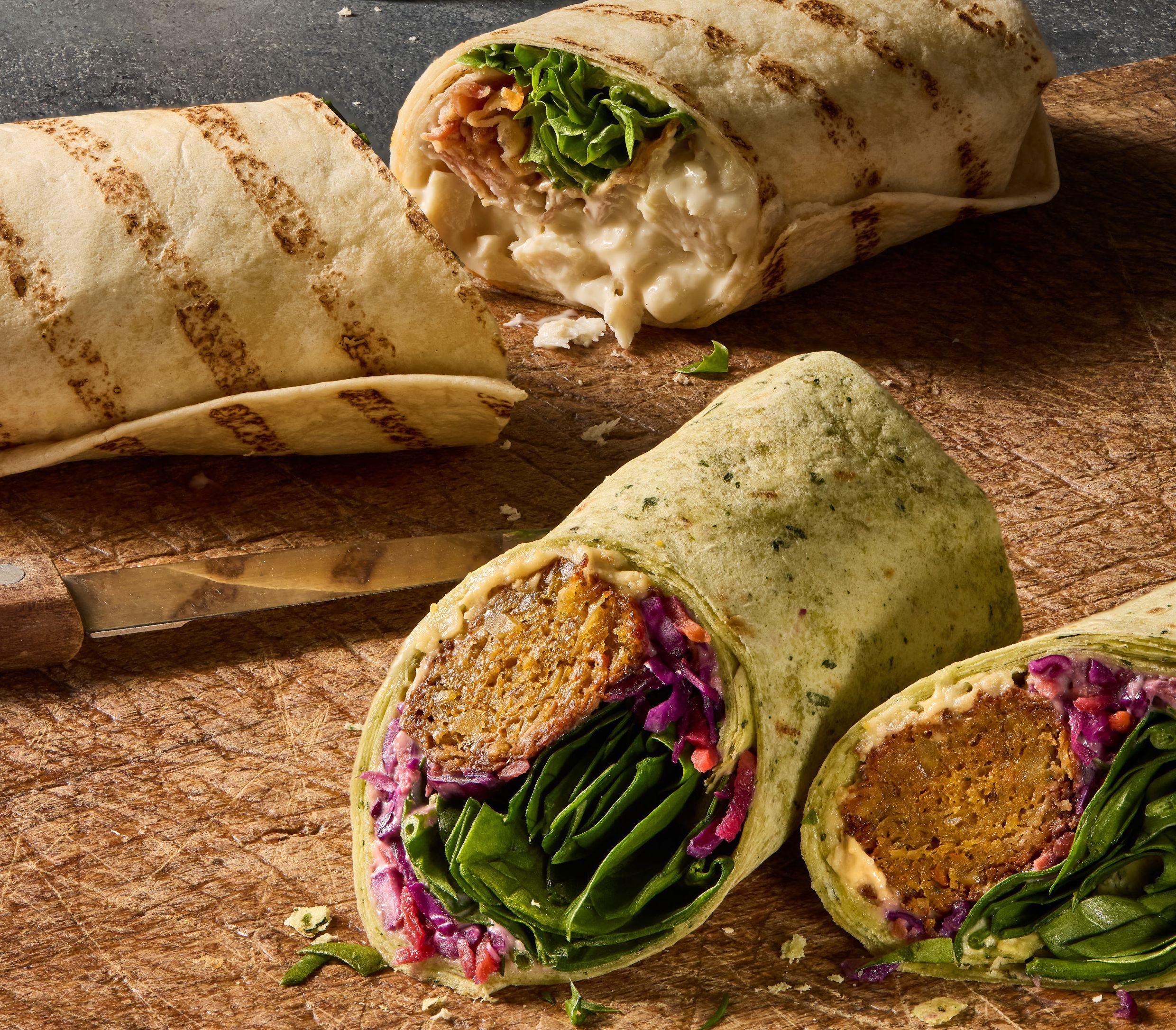
New product development will enable customers to drive long-term growth through:
• High satiety formats
• Functional nutrition innovation
• Global flavour development
• Modular eating systems
• Cleaner labels and reformulation
This ensures both current relevance and future category leadership.