Welcome
Welcome to the fourth edition of Neuro Narratives magazine. I am delighted to present another diverse array of articles crafted by our Year 12 pupils, delving into the realms of intellectual inquiry. This is truly the students’ work, designed and written by the students, in their own words with no teacher input or editing.
In this edition, the articles explore topics such as the, how does social influence affect rational decision making in economic decisions? The Psychology behind getting ‘the ick’, as well as delving in the relationship between childhood trauma and the development of personality disorders as well as how your brain responds to traumatic events.
I extend my heartfelt congratulations to the pupil contributors, whose passion and diligence have breathed life into these articles. Your unwavering commitment to rigorous and thoughtful analysis is the cornerstone of Neuro Narratives’ success, and for that, I am deeply grateful.
Building on our commitment to highlighting important contemporary voices, this edition shines a spotlight on the achievements of women in psychology. I trust that their profiles will serve as a source of inspiration for our readers.
As you immerse yourself in this edition of Neuro Narratives magazine, I urge you to challenge preconceived notions, broaden your intellectual horizons, and embark on a journey towards a deeper understanding of the world around us.
I hope you enjoy this edition and please let me know if you would like to contribute to the next issue.
Mr Philip Starr Head of Psychology

Francesca Happe CBE (1967 - )
• Current Position: Professor of Cognitive Neuroscience and Director of the MRC Social, Genetic & Developmental Psychiatry (SGDP) Centre at the Institute of Psychiatry, Psychology & Neuroscience, King’s College London
• Her research explores autism spectrum conditions, specifically: Social cognition and “mind-reading” (theory of mind) challenges in autism.
The concept of “ weak central coherence”—a detail-focused cognitive style—and its role as a cognitive trait rather than a deficit.
Emerging areas like mental health across the autism spectrum, aging in autism, and underresearched subgroups, including women with autism and older adults
• British Psychological Society Spearman Medal (1998)
• Experimental Psychology Society Prize (1999)
• Royal Society Rosalind Franklin Award (2011)
• Named a Fellow of the British Academy (2014)
• Elected Fellow of the Academy of Medical Sciences (2017)
• Awarded Commander of the Order of the British Empire (CBE) in the 2021 New Year Honours for her services to the study of autism
How Sleep Affects Your Mood
by Jemima M
We all know that getting enough sleep is crucial, but not everyone realizes just how deeply it can influence our emotions. Whether you’re having a fantastic day or grappling with stress, the quantity and quality of your sleep can significantly impact your mood. After diving into some psychology research and reflecting on my own experiences, it’s evident that sleep does so much more than just help us recharge — it’s actually one of the key players in how balanced or emotional we feel.
To grasp why sleep has such a strong effect on our mood, it’s helpful to understand what goes on in our brains while we sleep. Our sleep cycles consist of various stages, including deep sleep and REM sleep, both of which are vital for processing emotions. During REM sleep, for instance, our brains sift through the memories and feelings from the day, aiding us in managing our reactions to challenges or stressful situations. If we skimp on REM sleep, this emotional processing can get thrown off, leaving us feeling more sensitive or reactive to the little things.
A major player in our emotional responses is the amygdala. When we don’t get enough sleep, the amygdala kicks into overdrive, amplifying our emotional reactions. This can lead us to feel more anxious, angry, or sad than we typically would, even over minor issues. Meanwhile, the part of our brain
responsible for logical thinking and decision-making — the prefrontal cortex — tends to slow down when we’re tired. This combination can easily lead to emotional outbursts or mood swings.
Making these changes has truly made a significant difference for me and many others. When I get a good night’s sleep, I feel more emotionally balanced and better equipped to tackle stress or unexpected challenges. On days when I haven’t slept well, it’s so much tougher to stay calm or motivated, which really impacts my mood and productivity. It’s clear that sleep isn’t just a luxury or a break from being awake — it’s a vital part of our emotional health.
In conclusion, sleep has a profound effect on our mood because it influences how our brain processes and manages emotions. Without enough quality sleep, our emotional reactions can become more intense and difficult to control, leading to mood swings, anxiety, and even depression. Especially in today’s fast-paced, screen-filled world, prioritizing sleep is one of the best things we can do for our mental and emotional wellbeing. So, the next time you’re tempted to stay up late, remember that those extra hours of sleep might be just what you need to feel better — not just physically, but emotionally too.


Tali Sharot (1978 - )
Professor of Cognitive Neuroscience at University College London (UCL) and affiliated with MIT. She directs the influential Affective Brain Lab at UCL, where her research dives deep into how emotions shape decisionmaking and well-being.
• Early Work: Sharot’s interest in emotional memory began after witnessing and studying the impact of the 9/11 attacks, leading her to focus on how emotion influences memory and cognitive biases.
• Sharot discovered that people tend to expect positive outcomes more than negative ones—often beyond what’s realistic. This phenomenon, known as the optimism bias, is wired deep in the brain.
• Her brain imaging studies revealed that people update their beliefs more readily in response to good news than bad news, a trait rooted in neural patterns.
• Her research shows that stress dampens the bias—when under stress, individuals are more open to negative information.
• She directly linked optimism bias to the 2008 financial crisis, noting how investors and officials collectively ignored risks due to overly rosy expectations.
• Sharot has delivered widely viewed TED talks (over 15 million views combined), and is a recognized science communicator.
• She has earned several accolades, including British Psychological Society Book Awards (for The Optimism Bias and The Influential Mind ).

Why are people fascinated by true crime?
by Ava M
True crime
A genre of non-fiction work, generally tv shows, movies or podcasts, in which a crime is examined. The events that took place are dissected as well as the motives’ and analysis of the perpetrator is discussed. They tend to be documentaries but there are also many notable movies that are based on real events. Although this is a very specific genre, it is widely watched around the world, with 84% of the American population aged 13+ watching or consuming true crime through different means (according to Edison Research).
The reasoning behind interest in true crime
There are many different factors behind why people are so fascinated with true crime. Firstly, due to the basic survival instincts we are born with, humans are wired to make sense of threats in their environment. The interest behind true crime partially stems from our need to understand the logic behind crimes, specifically serial killers, because of self-preservation. If we understand and are aware of a threat early, then they may have a higher survival chance if they ever encounter it. Additionally, humans have an innate need to understand everything we are presented with, even when there isn’t reasoning behind things; this extends to crimes.
Another reason for this interest is simply escapism and entertainment. People are able to face danger and feel involved from the safety of their own homes: it is less personal and real. Unlike dramas or comedies, full attention is dedicated to true crimes in order to be a part of the mystery and pay attention to all the “clues”: it is like a puzzle unfolding in front of you. This also extends to the biological effects of consuming true crime. Although there is no risk, true crime activates the brain’s fear and danger response resulting in increased heart rate, muscle tension and release of adrenaline. This is similar to what people feel on a rollercoaster but both in enjoyable ways. People who seek this tend to have the psychological personality trait “sensation seeking”. They enjoy putting themselves into scary situations as this tends to invoke our fight or flight response. During fight or flight cortisol is one of the hormones that is released, but in ‘high sensation seekers’ they tend to release less cortisol and more of the neurotransmitter dopamine involved in pleasure.
Gender Impacts
Research shows that women tend to be more interested in true crime than men: the demographic is usually an 80% female audience. The main reasoning behind this is because of vulnerability and safety. Because women are statistically more likely to experience violence and assault than men, they are more interested as a way of becoming prepared. This intrigue also stems from their empathetic nature which causes them to identify and empathize with female victims.
However, there is also an extreme to interest in true crime.
“Particularly in America, there is a growing trend of going to where serial killers lived or where these violent crimes happened, which reflects the dark side of human curiosity.”- Melanie Haughton (lecturer in psychology at the University of Derby)
The Psychology behind getting ‘the ick’
by Cerys T

‘The ick’ is a term used in dating and relationships to describe a sudden feeling of repulsion or discomfort towards someone you were previously attracted to. This term is subjective and can vary from person to person, often triggered by specific behaviours, habits, or personality traits. On social media there is a broad understanding that it is a real concept and a problem that exists, but there is little understanding of what exactly causes it and why the majority of people can name at least one situation in which they have ‘got the ick’. There are many theorised reasons, and most are dependent on personality, background, expectation and situation; by no means is there necessarily an explanation for each moment of the ick.
One possible reason for the ick could be that it is actually a subconscious notice of something that clashes with your ideal image of the person. This could be something almost imperceptible to anyone else, like the way they chew food or the way they laugh, but it can trigger a disconnect between what you thought they were and what you are now perceiving. Even if it does not seem like a strong enough reason to change an opinion on somebody, it can easily translate to the ick. Similar to this, it could be due to early attraction being fuelled by dopamine and excitement at the unknown; once getting comfortable, the brain shifts from idealisation of the person to observation. At this stage, the most minuscule of quirks can suddenly seem unbearable. These reasons relate to the overall possibility of a sudden discomfort between expectation and reality, a sudden disengagement between the idealised perception of a person and their behaviour in the moment. Causing a cognitive dissonance between expectation and reality.
Some believe the ick is sometimes your gut catching on to something your conscious mind hasn’t, a sign of incompatibility, emotional immaturity or a mismatch in values. For example, if they don’t take their shoes off when coming into the home, which is something you always prioritise. Or in more serious situations there has been research into whether we can detect psychopathy from appearance. Holtzman (2011) showed
people pictures of men’s faces with neutral expressions, all of which had been tested for psychopathy, and some that tested positively. They found that people were able to detect psychopathy at a slightly higher rate than just chance would suggest. Therefore, there is an argument that in some cases the ick may actually be an almost warning sign.
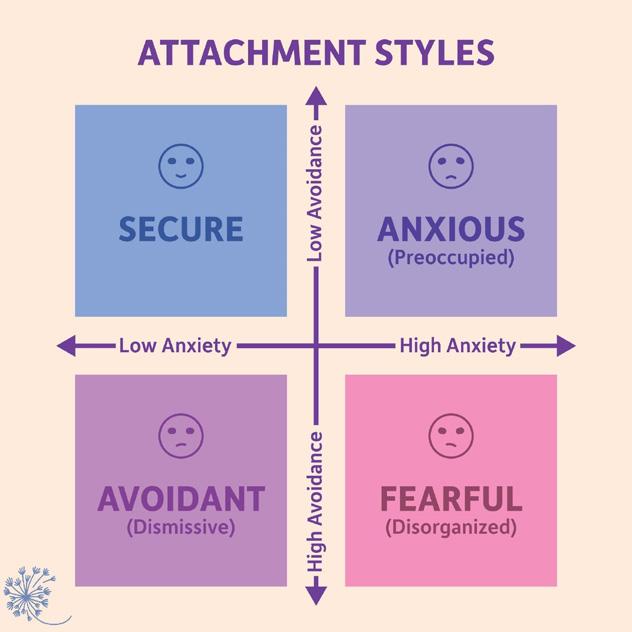
There is an argument that the ick can stem from attachment styles; for example, individuals with an avoidant attachment might be more prone to suddenly disengage when intimacy increases, causing the ick. This suggests that some people may be more susceptible to the ick and may experience it more. Whilst there is no statistically tested research on how many people have or will have experienced the ick, the range of the concept on social media and widespread use of the term show how many people can relate to it.
From a similar survival-based perspective, there is an argument that humans are wired to seek out strong, competent and healthy partners. So behaviours that seem clumsy, over-eager or strange might trigger a biological response warning us away, as they are not the best fit. Even if it is not logical, it could be protective.
Or it could be a projection of internal insecurities, something you are secretly insecure about in yourself that makes you project fears, flaws or unresolved experiences onto the other person. So feeling repulsed by their habit is the brain’s way of rejecting what you don’t want to confront in yourself.
Although the ick may have begun as a silly, relatable social media trend, it has evolved into a widespread feeling of validation for many people who thought their reaction was exaggerated and dramatic. Some even argue it is a developed protective mechanism or evolved survival tactics. The next time a wave of disgust or disappointment in someone hits you, don’t just brush it off as the ick; dig deeper and decide what caused your reaction; you may find it wasn’t actually nothing.
The Link Between Trauma and Addiction
by Lila H
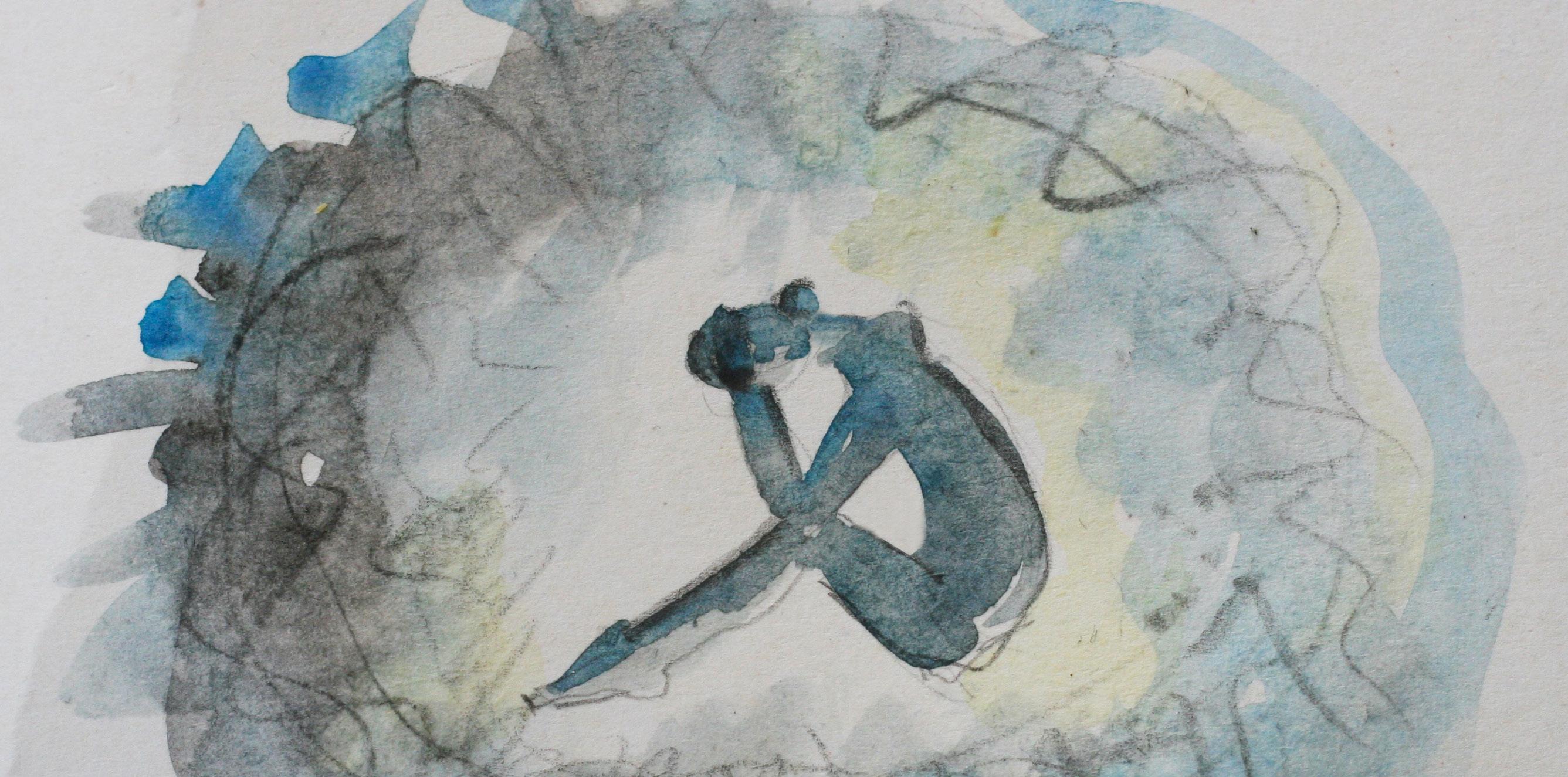
Many people see addiction as a personal weakness or a problem with self-control, but psychology offers a different perspective. Trauma is one of the most powerful and complicated factors that can lead to addiction. Students learning about psychology should recognize that trauma and addiction are closely linked. This means that addiction is not just a behavior; it is often a way of coping with deep emotional pain.
Trauma is when someone goes through very upsetting or frightening experiences that are too much for them to handle. These experiences can involve physical or emotional harm, neglect, sexual assault, accidents, or the death of someone close to you. Not everyone who goes through a traumatic experience will become addicted, but studies indicate that trauma greatly raises the chances of developing an addiction.
One big reason for this connection is how the brain reacts to trauma. When a person goes through a traumatic event, their brain can stay in a state of increased stress. Constant stress can interfere with how the brain handles rewards and manages emotions. Things like alcohol, nicotine, or drugs can provide a short-term escape from anxiety, dull painful memories, or create a feeling of being in control. This makes them especially tempting for someone who has gone through trauma. As time goes by, this relief turns into a way of coping that people learn, and it can lead to an addiction.
Research consistently reveals that people who have gone through trauma often have high rates of addiction. People with post-traumatic stress disorder (PTSD) are much more likely to struggle with substance use disorders compared to those who do not have PTSD. The National Child Traumatic Stress Network states that as many as 75% of teens in treatment for substance abuse have experienced trauma in their past.
Childhood trauma can have lasting effects. The Adverse Childhood Experiences (ACE) study found that people who went through four or more kinds of childhood trauma were much more likely to have issues with alcohol, tobacco, and illegal drugs as adults. This shows that trauma doesn’t just impact a person right away; it can influence their actions and mental health for many years.
It’s important to understand that experiencing trauma does not automatically lead to addiction. Many individuals who have experienced trauma do not go on to have problems with drug or alcohol use. Things like genetic traits, support from friends and family, personality characteristics, and availability of mental health services all influence whether a person uses substances to cope. Moreover, individuals who experience trauma and get help early through therapy and support are less likely to become addicted.
How much does trauma play a role in addiction? Although it isn’t the only reason, it is a significant and frequently ignored factor. Trauma leaves emotional scars, and people often turn to addiction as a way to cope with or avoid dealing with those scars. By recognising this connection, psychologists and society can move from blaming people to providing care and support that takes trauma into account.
In summary, addiction usually isn’t just about the drug or alcohol itself; it’s often connected to the personal experiences and feelings behind it. For a lot of people, that story involves some kind of hurt or pain. Understanding and dealing with trauma is important for preventing and recovering from addiction. This makes it a key focus for young psychologists and mental health supporters.
Why are there only four types of attachment?
by Matilda A
When studying attachment, you’ll often see references to four main types: secure, insecure-avoidant, insecure-resistant, and insecure-disorganised. But why are there only four types? The answer lies in the history of research, the methods used to study attachment, and the need for clear, reliable categories.
The foundation for classifying attachment types comes from Mary Ainsworth’s “Strange Situation” study (1971, 1978). In this controlled observation, infants were subjected to a series of separations and reunions with their caregiver and a stranger, and their behaviors were closely observed. Ainsworth identified three distinct patterns of attachment based on how infants responded:
• Secure Attachment (Type B): Infants were upset when the caregiver left, sought comfort upon their return, and used the caregiver as a secure base for exploration.
• Insecure-Avoidant (Type A): Infants showed little distress when separated and avoided the caregiver upon return.
• Insecure-Resistant/Ambivalent (Type C): Infants were highly distressed when separated but were not easily comforted upon reunion, often showing ambivalence— seeking contact but also resisting it
These three types were not arbitrary; they reflected consistent, observable patterns in how infants managed the stress of separation and reunion. The categories were grounded in empirical evidence and provided a framework for understanding individual differences in attachment.
Later research, notably by Main and Solomon (1986), identified a fourth pattern: insecure-disorganised attachment (Type D). These infants did not fit neatly into the original three categories. Instead, they showed inconsistent, confused, or contradictory behaviors—such as approaching the caregiver but with their head averted, or freezing in place. This type was especially common in children who had experienced neglect or trauma.
The addition of the disorganised type was not about expanding categories for the sake of it, but about accurately capturing the range of behaviors seen in real children. Thus, the four types— secure, avoidant, resistant, and disorganised—reflect the main patterns that have been reliably observed in research settings.
The four types emerged from systematic observation and rigorous analysis. Researchers looked for patterns that were:
• Consistent: Behaviors grouped together reliably across different children and observers.
• Distinct: Each type reflects a unique way of relating to the caregiver.
• Predictive: Attachment types were found to predict later social and emotional outcomes, supporting their validity.
Practicality and Reliability
Psychological research values categories that are:
• Clear and usable: Too many categories would make the system confusing and less reliable.
• Replicable: Other researchers must be able to observe the same types in different samples. The four types have shown high inter-observer reliability.
Theoretical Coherence
Attachment theory, as developed by Bowlby and Ainsworth, posits that children develop internal working models of relationships based on their early experiences. These working models are shaped by the caregiver’s responsiveness:
• Consistently responsive: Leads to secure attachment.
• Consistently unresponsive: Leads to avoidant attachment.
• Inconsistently responsive: Leads to resistant attachment.
• Frightening or erratic caregiving: Linked to disorganised attachment
This framework doesn’t leave much room for additional types without losing explanatory power or clarity.
Cross-Cultural and Longitudinal Support
Research across cultures and over time has generally supported the existence of these four types, even if the proportions vary between societies. This cross-cultural consistency strengthens the case for limiting the number of types to those that are most robustly supported by evidence.
Are There Other Types?
Some critics argue that attachment is more of a continuum than discrete types, or that cultural differences might require different categories. However, the four-type model remains dominant because it is simple, supported by extensive research, and useful for predicting outcomes and guiding interventions.
What effect does music have on mental health and wellbeing?
By Teresa G

Music is what some people would describe as a universal language, evoking all sorts of emotions and affecting everyone in different ways. Some people may not actually realise the positive effect music has on their mental health and the way they feel, whereas for others, music can be a form of escaping and is purposefully used to help them calm down and improve their mental health. Data has shown that a large portion of the world’s population (around 90%) engages with music. But what does music actually do for us? How does it affect our mental health?
Music has been shown to reduce stress, the effects of depression and anxiety. Some evidence even suggests that music may work more effectively in helping with anxiety than anti-anxiety drugs such as midazolam. In fact, there was research conducted in 2019 which found that university students who listened to classical music every day for two months had significantly lower levels of anxiety. Music has also been found to help raise your mood and fend off depression as it can lead to people managing and expressing their emotions. This can be through listening to music, singing or playing a musical instrument.
For alleviating stress, very specifically, researchers say that a tempo of about 60 beats per minute works best for encouraging the alpha brainwaves (sometimes referred to as the brain’s ‘idle’ state) that signal and maintain a relaxed and conscious mind.
In addition to simply listening to music, both making music and/or playing a musical instrument have a significant effect. This is due to the fact that playing and learning an instrument combines our motor, sensory, auditory, visual and emotional parts of the nervous system and ensures that the brain is fully engaged. The learning of a musical instrument is also said to be one of the activities that most stimulates the brain and this, in turn, can be a way to take someone’s mind off certain problems or struggles they may be dealing with.
In relation to the more biological side of music helping mental health and well-being, it can work to decrease your blood
pressure, lower your levels of the stress hormone cortisol and reduce your heart rate. As well as this, it can also help in the release of dopamine, what is often called the ‘happy hormone’ as well as the release of endorphins. In a study it was found that levels of dopamine were found to be 9% higher when volunteers were listening to music that they enjoyed. Both dopamine and endorphins contribute to feelings of pleasure and reward and therefore greatly increase one’s mood and positively affect one’s mental health. In addition, a lot of people listen to music as a distraction or a way of escaping negative thoughts, feelings and situations. This can be particularly helpful for those struggling with specific mental health issues, such as depression, who are struggling to cope with the everyday challenges that are associated with the disorder.
There have also been studies done which provide evidence that music can be highly beneficial for people with disabilities, particularly those with learning difficulties. It can encourage communication, social connection and more. Looking at the emotional and cognitive benefits, music can help these individuals express their emotions, find a more creative way to express themselves and their feelings too.
It is interesting that, due the fact that it has been recognised as a helpful factor in improving mental health, music therapy is widely used. It is there to help people whose lives have been affected by disability, illness or injury by supporting their emotional, cognitive, physical, communicative needs and more, and it has shown to be effective. The effectiveness has been seen through it reducing physical pain, improving sleep quality, decreasing anxiety and inducing relaxation. All of this accumulates and leads to an improved quality of life. An important factor in music therapy which aids its success is there being an established and developed relationship between the client and the therapist which can be achieved by shared musical interests and experiences, empathy and building trust and rapport between the two.
To conclude, it is clear that music affects everyone differently but a common factor is its role in improving our mental health and our quality of life.
The Relationship Between Childhood Trauma and the Development of Personality Disorders
By Lila S
Childhood trauma is distressing and disturbing experiences that overwhelms a child’s ability to cope. Personality disorders refer to groups of mental health conditions that are characterised by long lasting inflexible patterns of thinking, feeling, behaving and relating to others in significantly different ways from cultural expectations. The topic of both childhood trauma and personality disorders are highly relevant as there is increasing diagnosis rates of personality disorders and both have impactful effects on daily life.
Childhood trauma can be displayed in various ways such as physical and sexual abuse and emotional neglect. The psychological effects of this trauma often continues beyond just the event, it can affect how the child develops psychologically, physically and emotionally. A framework that is often used to help understand this is the Adverse Childhood Experiences study, where it’s highlighted that repeated exposure to trauma increases the possibility of mental health issues later on in life. Research shows that the more adverse childhood experiences one endures, the higher their risk of developing disorders, substance abuse and anxiety.
Personality disorders can impair functioning and cause distress. Based on the DSM-5, personality disorders often surface in early adulthood and persevere throughout the person’s life. There are three clusters that personality disorders are classified into based on their characteristics. Cluster A are often paranoid and schizoid which frequently leads them to having odd and eccentric behaviour. Cluster B are those who are borderline, antisocial and narcissistic personalities which are characterised by erratic and dramatic behaviours. Cluster C contains those with OCD, avoidant behaviours and those who are highly dependent, these people often have anxious and fearful thinking. All of these disorders can lead to difficulties in relationships as they find it hard to regulate emotions. Despite different disorders being a result of different things, they are most commonly seen to be the result of trauma in the child’s earlier years.
One of the earliest foundations for understanding how childhood experiences affect personality development comes from the psychodynamic theory proposed by Freud. The psychodynamic theory suggests that conflict and traumatic experiences that occur in childhood set the mental blueprint in the person’s mind and therefore influence behaviour through their later life. Object relations theory builds on this idea, emphasising the importance of early relationships, specifically between the child and primary caregivers. This theory views that neglectful and traumatic interactions in early childhood leads to distorted mental representations, leading those people to have
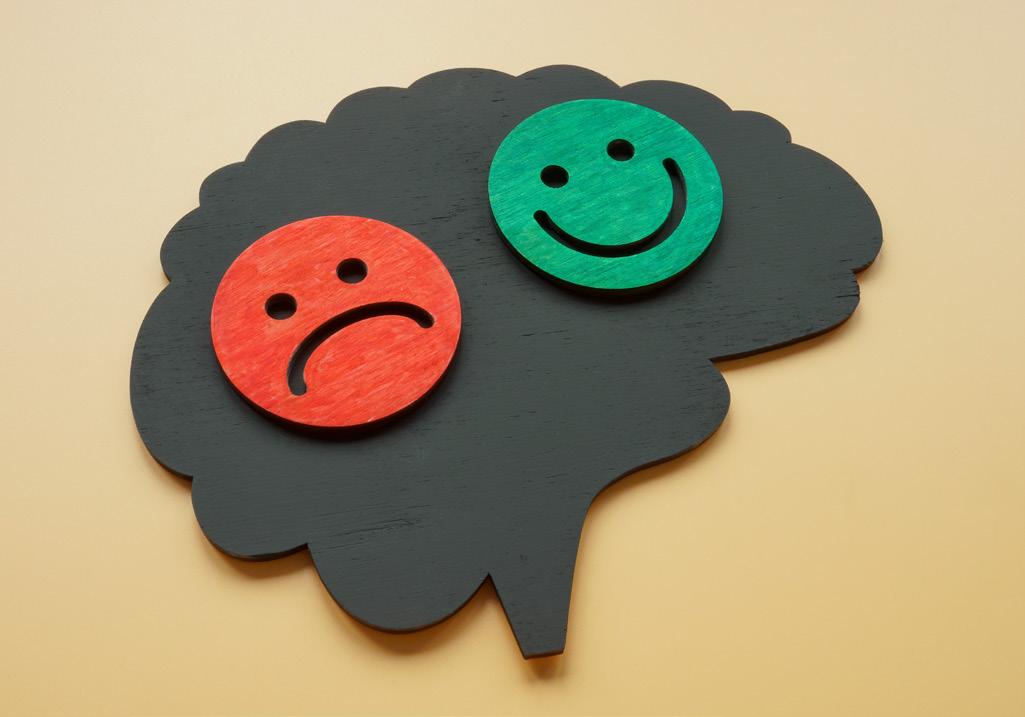
issues with trust and self worth which are common features of personality disorders.
Another link between childhood experiences and trauma is the use of attachment theory, researched by Bowlby and Ainsworth. This theory points out the critical role of secure emotional bonds that are formed in early childhood between a child and their caregiver. When these secure emotional bonds are interrupted by trauma, children will develop insecure attachment styles, including avoidant or resistant. The insecure attachments can lead to difficulties later in life maintaining relationships and having a positive view of the self. This can be seen in disorders such as BPD, those who have BPD often have disorganised attachment, which reflects on their early experiences of an inconsistent caregiver.
However, the cognitive behavioural theory emphasises the idea that childhood trauma can lead to negative schemas about the person and the world around them. The negative schemas influence behaviours and emotions which reinforce patterns of characterising personality disorders. An example of this, is someone with Avoidant Personality Disorder, they may avoid any social interactions due to beliefs about being rejected, which may be rooted in past experiences of harsh criticism from childhood.
There are many studies that show how childhood trauma influences personality disorders, but one of the most influential ones was conducted by Zanarini et al. He found that the majority of those diagnosed with Borderline Personality Disorder reported histories of neglect or abuse in childhood. Therefore, there is a strong association of early traumas and the disorder’s symptoms, for example the fear of abandonment and emotional instability.
How does social influence affect rational decision making in economic decisions?
by Rachel H
Social influence is the process when an individual’s thoughts, emotions and behaviours are altered or controlled by other people. In economics, consumers are thought to act rational, this is where they make decisions that maximize their utility (happiness) based on information which is available to them. Yet, there is psychological research which has shown that humans don’t consistently act in ways which would benefit them the most.
Traditional economists view individuals as self interested agents who make logical decisions to maximise their own personal benefit. However, behavioural economics which is a field combining psychology and economics has challenged this view by highlighting how real life decisions are influenced by emotions, cognitive biases and most importantly social pressures. Social influence reveals how people consistently make economic decisions based on how others around them behave or what they believe others expect of them.
Informational social influence is where people conform purely because they want to be ‘correct’ in a situation which explains a lot behind this type of decision making. People align their behaviours with a group especially in uncertain situations. In economic contexts this can lead to herd behaviour which is where individuals copy the actions of a larger group even if those actions or behaviours go against their own private information or personal judgement. An example of this can be seen in financial markets, where investors may buy a stock simply because others are doing so which fuels events like the 2008 housing crisis. Fear of missing out can overthrow independent analysis and in such cases social influence can lead to inefficient markets and irrational consumer behaviour.
Peer pressure is another strong social force. Economic decisions, especially among young people, are often made with social acceptance in mind. This is called normative social influence where individuals conform due to a need to be accepted by others. This is an emotional process and can lead to a type of conformity called compliance. This is where people change their behaviour or beliefs in the presence of a group simply to be accepted by them. This can also be explained by the social comparison theory which suggests that individuals evaluate themselves based on how they measure up to others. These decisions can lead to suboptimal financial outcomes like reduced savings or overspending. While these choices may maximize social utility they can conflict with personal financial well being, this reveals a divergence between economic rationality and social rationality.
Social norms are unwritten rules about how society ‘should’ in theory behave, this also shapes economic decisions. These norms influence acceptable spending, saving or investing behaviour within a group or culture. For example, tipping in restaurants or donating to charity may not always be economically rational in the personal sense but are done to adhere to societal expectations. Marketing strategies can also exploit social norms and influence. A lot of firms use social proof, such as customer reviews to help consumers make certain choices. This tactic helps to tap into the human desire to follow the crowd which increases the likelihood of purchasing goods and services, regardless of whether the decision aligns with consumers personal financial interests.
Another part of social influence in psychology comes through obedience to authority as people are often influenced by perceived experts or authority figures when making economic decisions. For instance, consumers may invest in a financial product simply because a celebrity or trusted news source recommends it. This is not always a rational decision based on product fundamentals but rather a result of obedience to authority as a result of an authoritarian personality. In public policy, governments often rely on authority driven messaging to encourage economic behaviors, such as saving energy or contributing to pensions. While such influence can be used for good, it highlights how easily economic decisions can be swayed by figures of perceived power or credibility rather than independent evaluation.
Social influence significantly shapes economic decision making, it often steers individuals away from the purely rational behavior assumed in classical economics. Through conformity, peer pressure, social norms, and obedience to authority, people make choices that reflect the values, actions, and expectations of those around them. While such behavior may serve social or emotional needs, it frequently results in decisions that are inconsistent with objective utility maximization.
How Advertisers Use Psychology
by Sophie s

You open your phone to scroll for five minutes, and twenty minutes later, you’re still there - suddenly wanting those trainers, that skincare serum, or a gadget you didn’t even know existed. Sound familiar?
That’s not a coincidence. It’s psychology. It explains how and why we’re persuaded by adverts. Advertisers are experts at tapping into how our brains work - not just to grab attention, but to guide how we think, feel, and spend. From colour choices to emotional stories, almost every part of advertising is rooted in psychology.
The learning approach helps explain how advertising works. Researcher, Skinner, demonstrated operant conditioninglearning through reinforcement - using rats in a box called the Skinner Box. He found that positive and negative reinforcement increase the chances of behaviour repeating. Advertisers use this through loyalty schemes and discounts like “Buy One Get One Free.” Another researcher, Pavlov, investigated Classical conditioning (learning through association) by conditioning a dog to elicit a new learned behaviour, salivation, to a neutral stimulus, the sound of a bell. Advertisers apply this by pairing products with positive stimuli like happiness or fun, so that we associate the product with that feeling. Think of soft drink ads showing fun parties - over time, the product itself feels joyful. This links to emotional appeal - one of advertising’s strongest tools. People often choose based on feelings, not logic. An ad that makes you laugh, cry, or feel inspired sticks in your memory. This increases the likelihood of purchasing the product in the ad. Research shows emotional ads are more memorable and effective at building trust. Think of the John Lewis Christmas ads - they barely show the product, but their emotional stories build brand connection.
Even colour shapes our choices. Ever noticed fast-food chains use red and yellow? That’s colour psychology. Red triggers urgency and appetite, yellow creates warmth and happiness - together, they subtly increase hunger and cheerfulness. Different colours trigger different associations: green feels natural and calming, so it’s used for eco or health products. Black suggests luxury and power, often used in high-end fashion and cars. Advertisers pick colours to influence mood and
identity. A product in green and yellow might feel more ecofriendly - even if it isn’t.
We also fall for ads because of each other. We’re social creatures. When we see a product is popular, we’re more likely to trust it. That’s why ads say “Best Seller,” “Over 1 Million Sold,” or feature influencer testimonials. This is called social proof. It is especially powerful online - high ratings and reviews boost confidence and help us avoid buyer’s remorse. Psychologists explain this in two ways: informational social influence is when we copy others because we believe they know better and Normative social influence is when we conform to fit in or avoid embarrassment. Advertisers tap into both to persuade us.
Another clever tactic is anchoring. Ever seen a product at £99 next to one at £299? Suddenly, £99 seems like a deal. That’s anchoring - our brains compare prices, not judge them in isolation. Showing a “worse deal” first makes the target product look better. This is also why prices are listed as £99 instead of £100 - the £1 difference feels bigger because we see two digits instead of three.
Then there’s the mere exposure effect. The more we see or hear something, the more familiar we become with it and the more we like it - even without realising. That’s why brands repeat logos, jingles, and slogans. Familiarity builds preference. One day, in a shop, you might pick up a product just because you’ve heard its jingle a hundred times.
Modern advertising isn’t just about products - it’s about lifestyles. Nike ads aren’t just about trainers; they’re about ambition and drive. Apple isn’t just a phone - it’s sleek and premium. Psychologically, people crave identity and belonging. If a brand makes you feel part of something bigger - a community, a movement - you’re more likely to buy in.
So next time you feel tempted by an ad, ask yourself: do I really need this - or has the advert just done its job really well? Advertising isn’t evil - it’s clever, creative, and calculated. But knowing the psychology behind it helps us become more aware, thoughtful consumers.
How Far Does Your Brain Go to Protect You?
by Yasmine O
The brain is essential for life. It is responsible for everything –breathing, thinking and moving, to name the basic few. It is also responsible for protecting you when you experience a trauma. To clarify, your mind ensures that you are able to react to, cope with and function after a trauma. However, what is truly remarkable is the extent to which your brain protects you which is what will be explained and explored in this article.
Firstly, it is important to define what a trauma actually is. From the British Psychological Society, psychologist Dr Heather Sequeira defines a trauma as ‘when an event or a series of events overwhelms our abilities to cope, which has lasting effects on our nervous system, brain and body’. This definition highlights an important aspect of a trauma which is when your ‘abilities to cope’ are ‘overwhelmed’, but how exactly does your mind consequently deal with this?
During the traumatic experience, your brain will direct the body to fight or flee by stimulating the release of adrenaline and preparing the body for physical action. However, when your brain assesses that you are unable to do either, it will likely freeze and you will become literally frozen in fear in the sense that your heart rate drops and muscle tension increases. This idea of ‘freezing’ is incredibly interesting as it is closely linked to dissociation which is one of the ways your brain protects you. According to the British Psychological Society, dissociation is the ‘disconnection or lack of connection between things usually associated with each other’. With regards to a trauma, it is when a person becomes detached from themselves during the event. In the brain, it happens when nerve cells in the posteromedical cortex fire synchronously at a specific rate. Some people who have experienced it claim it is like watching yourself from outside your own body. The mind does this because it realises that you are in a threatening situation and you need to be able to manage that, so it creates this feeling of disconnect and numbness in order to distance you from the traumatic event and lessen the effect of it on you. However, dissociation can go far beyond feeling outside your body, which comes under the essence of this article – just how far your brain goes to protect you.
Dissociation can happen after an event as well and, in extreme cases, it can become dissociative amnesia. This is a type of dissociative disorder that involves the inability to recall certain events or aspects of your life that would not typically be forgotten. For instance, someone may experience a traumatic event one night and may not remember what happened the next morning. This amnesia is quite frightening and very real. There are even cases of severe amnesia, such as that of Naomi Jacobs who forgot 17 years of her life that included drug abuse, homelessness and bankruptcy. Dr Darlene McLaughlin,
a psychiatrist and clinical assistant professor, supports this idea of the brain trying to protect you and argues that ‘there is a threshold of trauma where the human brain cannot overcome without dissociation’. Essentially, if your brain knows that you will not be able to cope with certain traumatic memories, it will make it so that you cannot remember them. However, it is not uncommon for people to remember the event afterwards, whether in full like Naomi Jacobs, after eight weeks or in small flashes when you are better able to cope with them.
Similarly and extraordinarily enough, your brain could also do something even more extreme in order to protect you. Typically happening during childhood, your brain may split up in the sense that it creates multiple personalities, or alters, to assume responsibility for different aspects of yourself. This is known as Dissociative Identity Disorder (DID) and, although quite rare, 1.5 per cent of the global population, according to the National Institute of Health, usually develops it in response to lengthy and extreme trauma endured during childhood such as physical abuse, war or severe neglect. As with other dissociative disorders, it is a way to distance yourself from the trauma endured, however it takes it much further. For instance, certain personalities may recall none of the trauma and be more childlike, representing the child that could have been without the abuse, while other personalities carry the burden of all the trauma to protect the other alters from having to remember it. By doing this, the brain has protected you from having to endure the trauma on your own and has shared it to lessen the burden or ensure some alters cannot remember it at all to remove suffering.
In a completely different manner, your brain, instead of blocking or repressing the trauma, can also distort the trauma to show it in a different capacity. One way this has been seen is through the example of Stockholm Syndrome. This is the proposed, although not officially recognised, theory of a psychological response wherein a captive begins to identify closely with their captors, developing even positive feelings towards them. Although, the event and woman this is based on has been proved to have been falsely portrayed, the basis of this theory is relevant in cases of many other historical events, such as the kidnapping of Mary McElroy by four criminals. She was held at gunpoint and held for 34 hours by them. Despite this, she befriended them and even protested the death sentence of one of the arrested criminals. The idea is that the brain, in order to protect you from this terrifying and inescapable situation, will try to distort the captor into someone more positive. For instance, if you are fed by them, the brain will convince you this is an act of kindness to create a feeling of gratitude towards them. In this way, your brain protects you from that terror felt
in a life-threatening situation that you are unable to process.
Trauma bonding works in a similar manner. A term coined by Dr Patrick Carnes in 1997, it refers to the unhealthy relationship that forms between an abuser and the victim which develops due to a cycle of abuse and positive reinforcement and is most commonly found in domestic abuse victims. After each instance of abuse, the abuser will show regret and affection as a type of reward for the victim. This works as positive reinforcement for the victim whose brain is ultimately trying to protect them. After being betrayed by someone you have a great emotional bond with, your brain has to deal with the fallout of this relationship and, for some people, their brains deny this is happening, because to accept it would compromise your ability to cope and to function. Therefore, to stop your mind from breaking down, it denies it. Then when abuse occurs and then it is positively reinforced, your brain, like with Stockholm Syndrome, will convince you that this person is kind and good for doing this. This unfortunately can be sustained for years before your mind manages to escape the cycle and accept the situation.
In conclusion, these examples clearly demonstrate most evidently how far your brain goes to save you. It could cause dissociation so that you feel the events did not happen to you, or it could make it so that those events do not even exist in your mind. Going further, it could create multiple personalities to ease the burden of such heavy trauma on one person. Sadly enough, your mind may even deceive you into genuinely believing that the person causing the trauma is a good, wellintentioned person to save you from the devastating effects of accepting the reality of a hostage situation or the fact of a husband and father causing such damage to his wife and mother to his children. Ultimately, whilst these coping mechanisms used by the brain may not make sense to someone who has not experienced a trauma, these mechanisms are the brain’s principal protective responses to dealing with the situation, especially given the shock that the feeling of trauma causes. The brain will go to great lengths to keep you as protected as possible, no matter how extreme.
Channing The Bank, Highgate London N6 5HF
T: 020 8340 2328
info@channing.co.uk www.channing.co.uk
INDEPENDENT DAY SCHOOL FOR GIRLS AGED 4-18