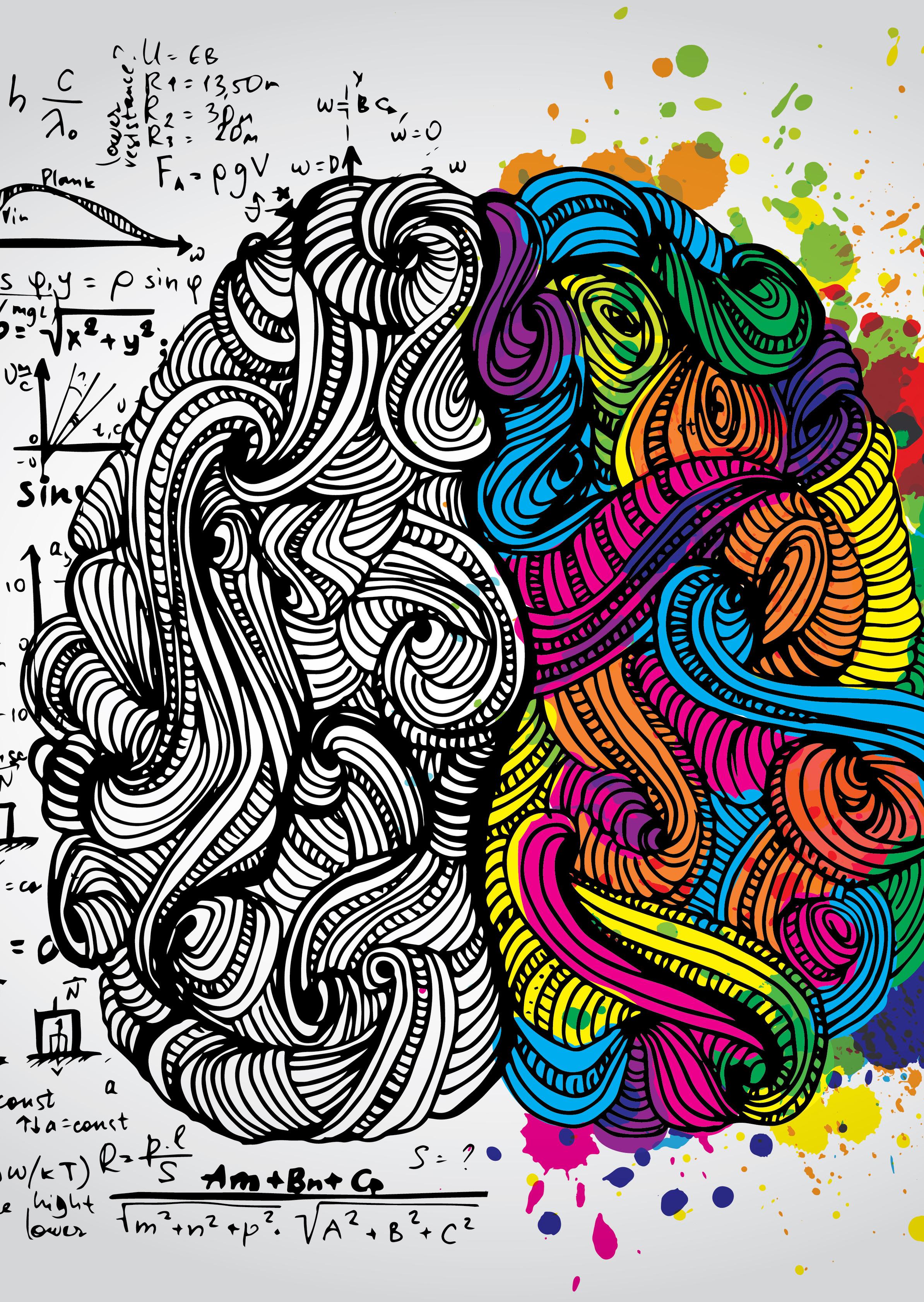
A magazine written and produced by psychology students at Channing School.

A magazine written and produced by psychology students at Channing School.
Welcome to the third edition of Neuro Narratives magazine. I am delighted to present another diverse array of articles crafted by our Year 12 pupils, delving into the realms of intellectual inquiry. This is truly the students’ work, designed and written by the students, in their own words with no teacher input or editing.
In this edition, the articles explore topics such as the psychology of dreams and interpretations, the dangers of sleep deprivation as well as delving into the gender differences of celebrity crushes and the impact of family separation and the family court system on childhood development.
I extend my heartfelt congratulations to the pupil contributors, whose passion and diligence have breathed life into these articles. Your unwavering commitment to rigorous and thoughtful analysis is the cornerstone of Neuro Narratives’ success, and for that, I am deeply grateful.
Building on our commitment to highlighting important contemporary voices, this edition shines a spotlight on the achievements of women in psychology. I trust that their profiles will serve as a source of inspiration for our readers.
As you immerse yourself in this edition of Neuro Narratives magazine, I urge you to challenge preconceived notions, broaden your intellectual horizons, and embark on a journey towards a deeper understanding of the world around us.
I hope you enjoy this edition and please let me know if you would like to contribute to the next issue.
Mr Philip Starr Head of Psychology

by Amelie R
In today’s fast-paced society, sleep is often the first thing we sacrifice when life gets busy. Whether it’s staying up to revise for exams, doom-scrolling through social media, or bingewatching a new series, many of us are familiar with running on just a few hours of rest. But what most people underestimate is the serious toll that sleep deprivation can take on our mental health. Psychology research has shown a strong connection between sleep loss and disorders such as anxiety and depression.
Sleep isn’t just a passive state where our brains shut off. It’s a highly active process involving a cycle of non-REM and REM stages, each with specific functions. During these stages, the brain consolidates memories, repairs neural connections, and clears out waste products that build up during the day. Missing out on this process can have immediate effects on our mood, attention, and emotional regulation.
According to the NHS, adults generally need between 7 to 9 hours of sleep per night to maintain mental and physical health. However, studies suggest that around one-third of UK adults regularly get fewer than six hours. Chronic sleep deprivation begins to alter the way the brain functions, particularly in areas responsible for emotional control and decision-making.
One of the most immediate psychological effects of sleep deprivation is an increase in anxiety. A 2019 study published in ‘Nature Human Behaviour’ found that sleep-deprived participants showed significantly higher levels of anxiety the next day. Brain scans revealed hyperactivity in the amygdala, a key area involved in fear and threat detection, while activity in the prefrontal cortex, which helps regulate emotional responses, was reduced.
Essentially, without enough sleep, the brain becomes more reactive to negative stimuli and less able to calm itself down. This creates a perfect storm for anxiety symptoms to worsen. Over time, this heightened sensitivity can lead to generalised anxiety disorder, panic attacks, or social anxiety, especially in vulnerable individuals.
Depression and sleep problems are so closely linked that they’re often difficult to separate. Around 75% of people with depression report experiencing insomnia or disturbed sleep. While it’s long been assumed that poor sleep is a symptom of depression, newer research suggests the relationship may be two-way.
Lack of sleep reduces levels of serotonin, dopamine, and other neurotransmitters linked to mood regulation. It also affects the brain’s ability to generate positive emotions or feel motivated, two key components of depressive episodes. This can lead to a vicious cycle where poor sleep worsens depression, and depression in turn makes sleep even harder to achieve (insomnia).
CBT-I (Cognitive Behavioural Therapy for Insomnia) is one of the most effective treatments for both insomnia and depression, highlighting the importance of tackling sleep as a core mental health issue, not just a side effect.
Sleep deprivation doesn’t just affect our emotions it also impairs basic cognitive processes. Concentration, memory, and decision-making are all significantly reduced after just one night of poor sleep. Long-term, chronic sleep loss is associated with increased risk of neurodegenerative diseases such as Alzheimer’s.
In teenagers and young adults, lack of sleep can interfere with academic performance, problem-solving skills, and the ability to regulate behaviour factors that may contribute to school problems, social isolation, and even early-onset mental health issues.
The good news is that improving sleep habits can make a real difference. Sleep hygiene practices such as maintaining a consistent sleep schedule, reducing screen time before bed, and creating a relaxing night-time routine can support mental resilience.
Psychologists also recommend viewing sleep as a health priority, not a luxury. While therapy and medication play important roles in treating anxiety and depression, ensuring high-quality sleep is a crucial foundation for recovery and emotional stability.
Sleep deprivation is more than just feeling tired, it’s a significant risk factor for mental health problems. By understanding the dangerous cycle linking poor sleep to anxiety, depression, and cognitive decline, we can begin to prioritise rest not just for productivity, but for psychological well-being. In the end, getting enough sleep might be one of the simplest and most powerful things we can do for our minds.
by Charlotte M

We all procrastinate; we put off an assignment or avoid doing one task by cleaning our room, scrolling on our phone or finding literally anything else to do. These are examples of procrastination, and despite knowing it often leads to even more stress and regret, we continue to do it. But why? Procrastination isn’t just laziness or poor time management, but a deeply rooted way that our brain deals with stress and motivation. However, we can try to overcome it by understanding how it works and how to beat it.
Procrastination is a universal thing. According to a study published in the Psychological Bulletin in 2007, around 20% of adults identify themselves as chronic procrastinators. And, procrastination in students is even higher - surveys have found that up to 70-90% of college students procrastinate when doing work-related tasks. Furthermore about half of these people say they use the internet to procrastinate. This is becoming increasingly common due to constant distractions from our phones and the instant gratification we get from them.
But what is the psychology of procrastination? One of the main explanations in psychology comes from the emotion-regulation theory, developed by researchers Sirois and Pychyl (2013) Their aim was to explore the emotional roots of procrastination. They found that people procrastinate to avoid negative emotions such as anxiety, self doubt and stress. And it is also a mood repair strategy: we delay tasks to feel better temporarily. From this research it can be concluded that procrastination is not really about poor time management but instead a fundamental way of coping with emotions.
Avoidance is also a key part of procrastination and neuroscience helps to explain why. Functional MRI studies have shown that procrastinators tend to have increased activity in the amygdala which is a part of the brain that processes emotions, particularly fear and emotional responses. Also, the prefrontal cortex, responsible for things like self control, planning and decision making have shown to be underactive when procrastination occurs. This means that when we are faced with a difficult task, or something that we perceive to be emotionally challenging, the emotional parts of our brain can override the rational parts. Rationally, we might know that finishing the task early is best, but our brains are wired to prioritise avoiding the feelings of discomfort we get from actually having to do it. This explains why
procrastination often feels like an internal tug of war between two parts of your brain - because it is.
But procrastination isn’t just about avoidance, it is also about motivation; or lack of. Motivation is influenced by three factors: expectancy (which is how likely we are to succeed), value (how important or enjoyable the task is) and delay (how far off the reward is). This means that if we class a task low on expectancy or value and high on delay, we lack the motivation to complete it. In other words, if we don’t think we will succeed, don’t care about the task and have to wait a long time to see results, we are much more likely to put it off. So it is easy to understand why we procrastinate, but it’s not quite as easy to actually beat it. After all, I did write this the day of the deadline.
So, how can we beat it? Understanding the factors that influence motivation can help us to win the battle. For example, breaking a large task into smaller chunks increases expectancy, and adding immediate rewards like having a break or a treat can help imitate the feeling of gratification we get from other activities, like going on our phones.
To stop procrastination, we also need to acknowledge that it is not a character flaw but actually just a habit, influenced by emotional and neurological factors. Therefore we can use strategies that target our emotions and environment. These can include: using timers to create a sense of urgency, remove distractions for the area you work in, reward yourself when a small or big task is completed and break your tasks into chunks so they become more manageable. But it is also just as important to have awareness about how and when you procrastinate. For example, when you notice the moment you start to avoid something, simply asking yourself what am I feeling or why am I avoiding this can help reduce its power to stop you from doing something.
In conclusion, procrastination shouldn’t be seen as a fault, and instead a coping mechanism our brain uses to respond to discomfort and motivation. So by understanding the psychology behind it, you can stop seeing procrastination as a personal failure and instead start seeing it as something you can overcome.
by Scarlett S
The Psychology Behind Political Decision-Making
Political decisions made in Parliament or polling stations may seem purely rational, based on facts and policies presented in the government manifesto. However, decades of psychological research suggest that human behaviour in political contexts is heavily shaped by unconscious processes, cognitive shortcuts, and social influences.
Cognitive psychologists suggest that people often rely on heuristics, or mental shortcuts, when making complex decisions, including political ones. A heuristic is a simple mental shortcut that helps people to make quick decisions or solve problems without thinking too much. Similar to schema in the brain which forms the basis of our mental framework.
One such bias is the confirmation bias, where individuals seek out information that confirms their existing beliefs and ignore contradictory evidence. For example, a voter who strongly supports one political party might dismiss credible reports of economic mismanagement by that party while amplifying minor flaws in the opposition.
Another common heuristic is the availability heuristic, where people assess the probability of an event based on how easily examples come to mind. For instance, if media coverage disproportionately highlights crimes committed by immigrants, individuals might overestimate crime rates among that group and support harsher immigration policies, despite data suggesting otherwise.
Research by Tversky and Kahneman in 1974 was important in showing how these cognitive biases affect judgment under uncertainty. Their work remains highly influential in political psychology today.
Social Influence and Conformity
Social influence is crucial in understanding political behaviour. Conformity, as studied in Asch’s (1951) experiments, demonstrates how individuals often go along with a majority view even when it contradicts their own judgments. This tendency can explain why people sometimes support popular policies despite personal reservations, especially in tightly knit communities or within political party structures.
Normative social influence is the desire to be liked and accepted by a particular group and can cause voters to adopt political views shared by family, peers, or cultural groups. Conversely, informational social influence is the desire to be correct and can occur when people turn to perceived experts or the media to shape their political views, particularly in uncertain situations like a financial crisis or global pandemic. An example of this would have been in the 2008 financial crash or COVID-19.
Milgram’s (1963) famous study on obedience reveals how people may comply with orders from authority figures even when it
involves actions they personally find immoral. In a political context, this helps explain how civil servants, soldiers, or even voters justify following orders or supporting policies they might otherwise oppose, especially when these policies are endorsed by trusted leaders or framed as protecting the greater good.
Politicians often use legitimising language to encourage obedience or individual legislation. For example, governments might invoke national security or tradition to justify controversial legislation, persuading the public to accept it without question.
While majorities often dominate political discourse, minority influence, as explored in Moscovici’s (1969) study also plays a critical role in political change. Persistent, confident minorities can shift public opinion over time. Historical examples include the civil rights movement or LGBTQ+ rights activists which both began as minority voices that gradually changed mainstream views through consistent messaging and moral appeal.
In current politics, grassroots campaigns and activist groups use similar strategies, often leveraging social media to amplify their influence. Minority influence is particularly successful when the minority exerts the following methods: commitment, consistency and flexibility. These were identified by Moscovici.
Group Polarisation and Deindividuation
Group psychology offers further insight into political behaviour. Group polarisation refers to the tendency of group members to adopt more extreme positions after discussing an issue collectively. This can be seen in political groups who discuss their views online and reinforce their beliefs and others. However, this can often become more radical in the process and possibly lead to extremist views or support for parties with extremist views.
Deindividuation, a process where individuals lose self-awareness in group settings, this may also explain violent behaviour during political protests or rallies. For example when Trump indirectly ordered the storming of the capital when he lost the election in 2020 and many were seriously injured. Therefore, when anonymous in a crowd, people may engage in behaviours they wouldn’t consider individually, driven by emotion rather than reason.
Conclusion
Political decision-making is far more complex than we thought. It is shaped by cognitive biases, social conformity, authority, minority influence, and group dynamics. Understanding the psychological underpinnings of political behaviour not only sheds light on why people vote the way they do but also reveals how political movements rise and fall, and how leaders shape public opinion. By applying these psychological insights, we can become more self-aware and better equipped to question our political opinions , resist manipulation by powerful leaders, and engage meaningfully in democratic society.
by Satine M

Something that is a big influence in many people’s lives is social media. We are constantly on social media, and this is especially true for the younger generations and teenagers in general. Social media can be an amazing platform to stay connected with friends and family, and to learn new things, but it also has its drawbacks. There are many negative consequences of social media to mental and physical health. One of the negative impacts of social media is a negative self image, body dysmorphia that can lead to disordered eating or negative views of self.
Social media displays unhealthy beauty standards for both men and women. Women are expected to be thin and men are expected to be muscular to be considered having an ideal body type. Studies have found that 70% of the female models which are considered thin and having the ideal body type are actually underweight, and aren’t considered at a healthy weight. As the years go on, the ideal body type has become thinner and thinner for women and more and more muscular for men. This is detrimental for the average person to observe on social media because this isn’t a healthy standard of living. With social media, there is also the possibility to constantly change your appearance. There are photo editing tools so that you can adjust the way you look, there are also many filters that people have access to use. These looks that the filters put forth are unattainable as they are AI generated and aren’t natural.
Studies have found that adolescents are more obsessed with their body image and how they look in recent years more than before and this can be correlated with the rise of social media and how it is unregulated for children and teens. A meta-analysis of 25 studies involving female subjects, examined the effect of exposure to media images of the slender body ideal. Body image was significantly more negative after viewing thin media images than after viewing images of either average size models, plus size models or inanimate objects. This effect was found to be stronger in women younger than 19 years of age. Tiggemann et al also studied body concerns in adolescent girls (aged 16 years old) and attempted to understand the underlying motivations for their wish to be thin. The factor exerting the strongest pressure to be thin was the media. Another study done into the affects of social media on eating behaviour found that after spending time
on social media, women had disordered eating symptoms, drive for thinness, body dissatisfaction, and ineffectiveness, in men they found that they had the endorsement of personal thinness and dieting.
Eating disorders can take place in a variety of different forms. When many people think of an eating disorder, they think of extremely slim unhealthy people who have a poor relationship with food, unwell sick people, vomiting, and a variety of other extreme things. While these things all can take place when someone has an eating disorder, this isn’t the only way an eating disorder can be described. The Oxford definition of an eating disorder is any of a range of mental conditions in which there is a persistent disturbance of eating behaviour and impairment of physical or mental health. The most common eating disorders are anorexia, bulimia, and binge eating disorder.
Studies show how unrealistic the media is and how the expectations of how bodies should look are inaccurate when depicted in the media. This feeds an unhealthy relationship for people with their body and can lead to more serious things such as negative body image or disordered eating. These can have quite serious and detrimental effects on people’s mental health. Just in the same way that driving on roads is regulated for adults, social media should also be regulated for adolescents as there are some damaging effects of social media that can cause negative consequences in the lives of young people.

by Anoushka S
In 2024 around 35% (71,227 offences) of all sexual offences recorded by the UK office for national statistics were rape offences. It is then further estimated that of all reported rape cases only 2.4% of cases made it to court (Evennett - House of Lords library) and even fewer are convicted. Previous research has identified rape myths — beliefs and language that typically place blame on survivors of sexual assault, rather than rapists as a factor affecting conviction. One study, for example, found that the more a juror believes in rape myths, such as the victim not knowing their assaultant, the more likely they are to acquit. (Reynolds - British Psychological Society)
The low reporting and conviction rates of sexual assault are worrying, considering the grave consequences for those victimised. A North American meta-analysis from 2020 found that 36% of people who had been sexually assaulted met the criteria for life-long post-traumatic stress disorder, compared to 9% of people who had not been sexually assaulted (Dworkin 2020). The prevalence of other disorders such as anxiety, depression, eating disorders and substance abuse was also higher among sexual assault survivors (Dworkin 2020).
Recent research led by Kirsten Rinde, published in the Scandinavian Journal of Psychology, examines whether descriptions of victims’ behaviors are associated with sentencing in rape trials. The study analysed a total of 2054 Norwegian court decisions from 2013 to 2023 in judicial records - 51 of these included descriptions of the victims’ behavior as operationalised by a subscale of the Illinois Rape Myth Acceptance Scale called ‘She Asked For It’ which contains 45 items that ask respondents to rate their level of agreement when considering statements about women and sexual assault. Items were categorised into the following seven subscales: she asked for it (SA), it wasn’t really rape (NR), he didn’t mean to (MT), she wanted it (WI), she lied (LI), rape is a trivial event (TE), and rape is a deviant event (DE). Matching cases without such descriptions were then selected, resulting in a total sample of 102 court decisions. In addition, a randomly selected comparison group (n = 51) was included for robustness analysis.
The results of this study revealed that defendants who had attacked a victim whose case sored highly on the Illinois Rape Myth Acceptance Scale in the group were sentenced to fewer months in prison than defendants from the comparison group. This type of description of victims’ behavior was significantly associated with shorter prison sentences when controlling for medical evidence, age of the defendant, and use of violence.
Similar research has also been completed by Susan Ehrlich who analysed how linguistic and rhetorical devices in direct and crossexamination are deployed by lawyers in sexual assault trials to shade the narrative rendering of the event. These and further
issues with examining rape in court were dramatically explored in Suzie Miller’s play ‘Prime Facie’.
This research has implications for real - world court rooms suggesting that implementing measures to reduce the influence of rape myths on judge’s and jury’s evaluations in rape trials could lead to fairer court decisions.
by Amelia S
For centuries, dreams have captivated the interest of psychologists, philosophers, and the general public. In the field of psychology, dreams are characterised as a series of images, emotions, and thoughts that occur during sleep, especially in the rapid eye movement (REM) phase. Understanding the psychology of dreams, one must investigate both the biological processes that produce dreams and the various theories that seek to interpret their meanings. This topic of dreams closely relates to psychological approaches, the psychodynamic perspective, and elements of sleep and biopsychology.
Dreaming is primarily linked to REM sleep, a phase of the sleep cycle characterised by increased brain activity and vivid mental imagery. During REM sleep, the brain exhibits significant activity while the body experiences a temporary paralysis. The activation-synthesis hypothesis, introduced by Hobson and McCarley (1977), offers a fundamental biological perspective on dreaming. This theory suggests that dreams emerge from the brain’s efforts to interpret random neural activity that arises in the brainstem during REM sleep. The cortex then integrates this activity into a coherent narrative, frequently weaving in memories, emotions, and sensory experiences.
Although this theory offers a biological rationale, it fails to address the symbolic or emotional aspects of dreams. Critics argue that dreams frequently mirror personal issues and experiences, indicating a psychological dimension beyond random activation.
Freud’s Psychodynamic Theory
One of the most significant theories regarding dream interpretation originates from Sigmund Freud, who is recognised as the founder of psychoanalysis. In his work, ‘The Interpretation of Dreams (1900),’ Freud proposed that dreams serve as the “royal road to the unconscious.” His theory proposes that dreams provide a means for unconscious desires, particularly those of a sexual or aggressive nature, to be expressed in a disguised form.
Freud made a distinction between manifest content (the actual narrative of the dream) and latent content (the hidden psychological meaning). Through a mechanism known as dreamwork, repressed desires are converted into a symbolic representation that is evident in the dream. Common dream symbols, such as flying, falling, or being chased, are analysed by psychoanalysts to reveal deeper thoughts and emotions.
Jungian Perspectives
Carl Jung, who was once a colleague of Freud, formulated a different perspective on the interpretation of dreams. While he agreed that dreams hold significance, Jung dismissed the notion
that they are primarily based on repressed desires. Instead, he perceived them as manifestations of the unconscious mind that facilitate psychological development, a process he referred to as individuation. Jung believed that dreams frequently encompass archetypes (universal symbols that appear across various cultures), such as the hero, the shadow, or the wise old man.
Jungian dream analysis emphasises the understanding of both personal and collective unconscious elements to foster selfawareness and the integration of the psyche.
From the perspective of cognitive psychology, dreams may fulfill roles associated with memory consolidation and problemsolving. Researchers such as Cartwright (1991) argue that dreams help the processing of emotional experiences, allowing for their integration into long-term memory. Research indicates that individuals deprived of REM sleep exhibit deficits in learning and emotional regulation, thereby implying a cognitive role for dreaming.
The information-processing theory posits that dreams are a secondary effect of the brain organising the experiences of the day. This perspective is supported by studies revealing that students frequently dream about academic worries during examination periods, suggesting that dreams mirror their waking concerns.
Current studies on dreams integrate aspects of biological, cognitive, and psychological theories. Functional MRI research has identified the brain regions that are engaged during dreaming, thereby reinforcing the biological foundation of REM activity. At the same time, empirical investigations into nightmare disorders, lucid dreaming, and dream recall indicate the potential practical uses of dream research within clinical environments.
Dream interpretation continues to be a controversial field due to its subjective characteristics. Although there is no agreement on a singular theory of dreams, the majority of psychologists agree that dreams represent a complex interaction among brain activity, emotions, and personal experiences.
Conclusion
The study of dreams in psychology encompasses various methodologies, ranging from Freud’s symbolic interpretation to modern cognitive theories.Understanding dreams involves not only biological processes but also how different psychological perspectives interpret their content. While dream analysis may not offer definitive conclusions, it remains a significant source of understanding regarding the human mind and consciousness.
by Edie R
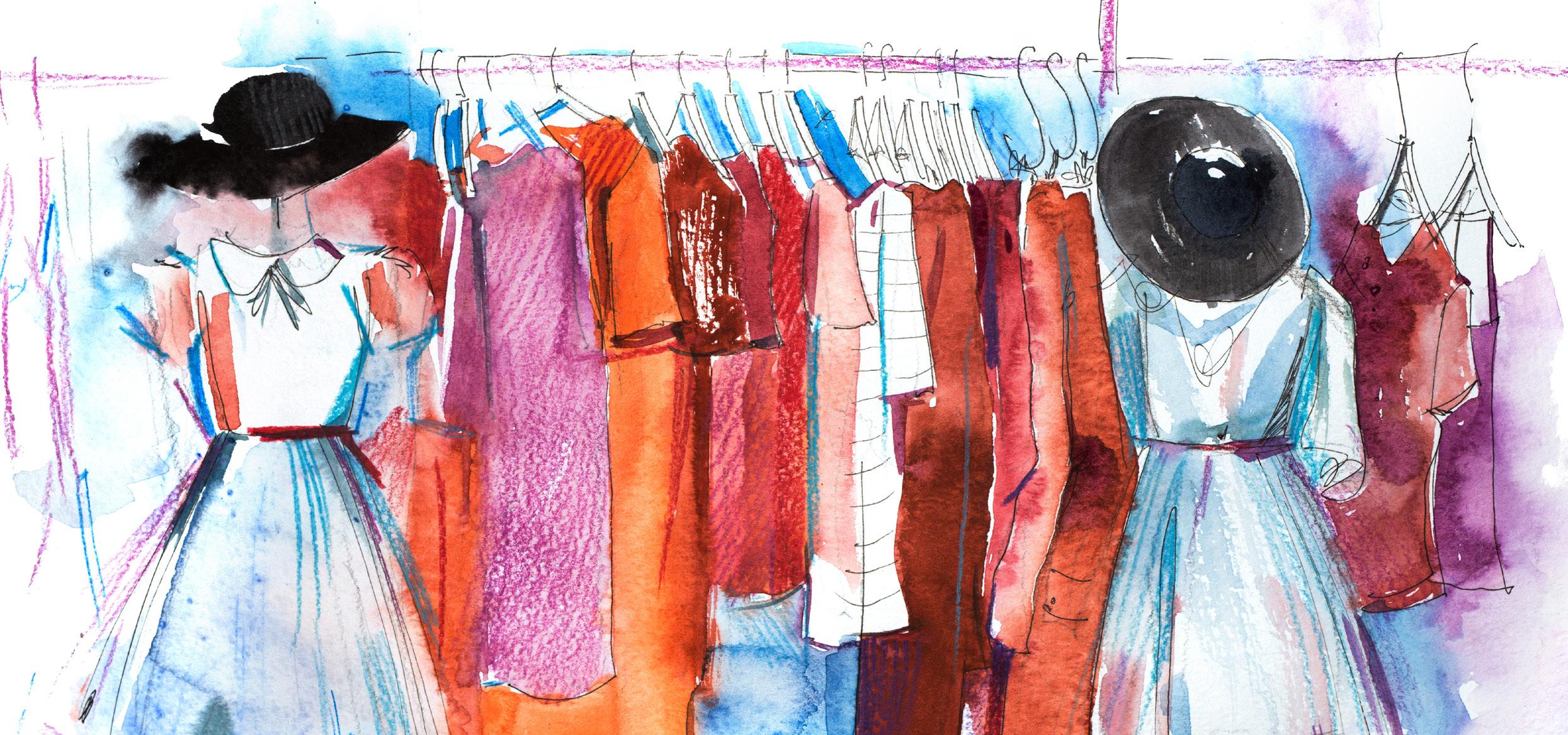
Fashion is often seen as a visual art form, a way to express creativity, identity, or social belonging. But beyond fabric and trends lies a deeper connection-one that intertwines with the human mind. The link between fashion and psychology reveals how our clothing choices reflect who we are, influence how others perceive us, and even affect how we feel about ourselves.
Fashion as Self-Expression:
One of the most immediate ways fashion and psychology intersect is through self-expression. Just as art can convey emotion, personality, and intent, so can clothing. What we wear can signal our values, interests, cultural background, or even our mood on a given day. For instance, someone might wear bold prints to project confidence or creativity, while someone else may prefer minimalist designs to reflect a more reserved personality. Our wardrobe becomes a psychological mirror, reflecting our inner world to the outside.
How Clothes Affect the Mind:
It is suggested that the clothes we wear can influence our psychological processes. For example, individuals who wear white lab coats (associated with intelligence) perform better on concentration tasks. This shows that clothing doesn’t just influence how we are perceived; it also changes how we think and behave. A business suit may enhance feelings of power and authority, while athletic wear might increase motivation to exercise. This effect explains why people often “dress for success” or wear specific outfits to boost confidence before important events.
Fashion, Identity, and Social Belonging:
Fashion also plays a significant role in forming identity and social connections. In adolescence, for example, clothing choices often reflect the desire to belong to a peer group or subculture-whether it’s emo, boho, preppy, or another style. These fashion tribes offer psychological safety and a sense of shared identity during a formative life stage.
Adults, too, use fashion to signal group membership or status. Professional attire can mark someone as part of the corporate world, while bohemian styles might align a person with artistic values. Clothing can even become a political statement, used to challenge norms or promote social change.
Mood and Emotional Regulation:
Fashion can also be a powerful means of emotional regulation. Many people intuitively “dress to feel better” on tough days, selecting bright colors or favorite pieces as a form of self-care. This is backed by research: studies show that wearing certain colors or styles can elevate mood, reduce anxiety, and promote feelings of well-being.
Color psychology plays a role here. Warm colors like red and orange are often associated with energy and passion, while cool tones like blue and green evoke calm and stability. While individual responses to color vary based on personal and cultural associations, most people experience at least some emotional impact from what they wear.
The Dark Side of Fashion Psychology:
While fashion can empower, it can also contribute to psychological stress. The pressure to look a certain way or keep up with trends can lead to issues like low self-esteem, body image concerns, and even shopping addiction. Social media exacerbates this by flooding users with idealized images and the constant need to be “on-trend.”
Conclusion:
Fashion and psychology are deeply intertwined, influencing each other in complex ways. From the clothes we choose to how those clothes make us feel, fashion is a psychological language we all speak, whether consciously or not.
Understanding this connection allows us to make more mindful choices about what we wear and why. Fashion becomes more than a reflection of the self-it becomes a tool for shaping identity, influencing emotion, and navigating the social world.
By Mimi H

Celebrity crushes are a common experience during adolescence, yet observation suggests that girls tend to develop these crushes more frequently and intensely than boys. This could be due to a number of factors, and this article explores why girls might be more prone to celebrity crushes through the lenses of emotional development, parasocial relationships, hormonal influences, and media culture.
Firstly, one of the primary explanations for gender differences within celebrity crushes is Bandura’s social learning theory. According to this theory, children learn behaviors and emotional responses by observing and imitating others - particularly influential figures like parents, peers, media personalities, or those who they deem attractive. From an early age, girls and boys receive different social cues and reinforcements. Girls are often encouraged to be emotionally expressive and nurturing, however in contrast boys are socialized towards assertiveness, and achievement.
As an outcome these gendered expectations shape how adolescents engage with media figures as girls are more likely to admire and emotionally connect with celebrities in ways that align with relational and romantic ideals whereas boys might channel admiration toward athletes, superheroes, or other role models emphasizing competition and reputation rather than romance. As a result this directs girls toward forming parasocial romantic attachments — emotionally invested, onesided relationships with celebrities which then often manifest as celebrity crushes.
Parasocial relationships are one-sided emotional bonds where individuals feel connected to media personalities who are unaware of their existence. The Attachment theory (Bowlby, suggests why parasocial attachments may be more prominent during adolescence. Adolescence is a critical period for identity formation and developing secure attachments. Some young people may turn to celebrities as idealized figures to satisfy emotional and security needs in a low-risk context (Cole & Leets, 1999). Girls, socialized to be more relationally oriented, might therefore be more motivated to form these bonds as part of their emotional development.
Additionally, psychological and neuroscientific research indicates that girls generally develop emotional recognition, empathy, and verbal communication skills earlier than males. This
emotional sensitivity enhances girls’ capacity to interpret social and emotional cues presented by celebrities, making it easier to develop feelings of admiration or romantic attraction. Girls also tend to outperform boys in mind tasks, which is the ability to understand others’ mental states, intentions, and emotions (Baron-Cohen et al., 2001). This ability enables girls to imagine reciprocal emotional interactions with celebrities, strengthening the fantasy aspect of celebrity crushes and these mental simulations may intensify feelings of attachment and attraction.
Another factor is the entertainment industry, which plays a significant role in shaping romantic ideals within adolescents. Psychologists have shown that popular culture often constructs celebrities as idealized romantic objects - especially in content marketed to female audiences. Teen magazines, music videos, movies, and social media often emphasize celebrities’ attractiveness, kindness, and accessibility, which as a result encourages girls to view celebrities as potential romantic partners.
In contrast, media aimed at boys typically promotes different role models including athletes, action heroes, or video game characters, emphasizing competition and adventure over romance This differential representation reinforces the idea of gendered expectations.
In summary, girls tend to develop celebrity crushes more often than boys due to several psychological reasons working together. From a very young age, girls are encouraged to value emotional connections and admiration, which supports one-sided romantic feelings toward celebrities. Their emotional and cognitive development also allows them to respond much more deeply to celebrities’ emotions. Additionally, factors such as hormonal changes during puberty increase girls’ interest in romance earlier than boys. Media and cultural messages further encourage these romantic fantasies by targeting female audiences.
Though sometimes these crushes are seen as unimportant, as a whole celebrity crushes play a key role in development. They provide girls with a safe way to explore feelings of attachment, identity, and romance during an important stage of growth. Understanding these psychological reasons helps explain why girls experience celebrity crushes more often and sheds light on adolescent emotional and social development.
By Amelie C
Traits are defined as the different characteristics that make up an individual’s personality. However personality traits are relatively stable patterns of thoughts, feelings and action in which each individual is different from the others. Personality traits are fairly stable over time and across situations however they are still able to change
There are said to be 5 personality traits. The big 5 personality traits is a theory that was developed in 1949 and was later expanded on. Researchers had spent years before trying to pin down character traits as a way of analyzing people’s behavior. At one point there were around 4,000 traits.
The first characteristic is openness. This is a characteristic that includes imagination, creativity, curiosity and a willingness to try new things. The conscientiousness trait represents organisation, discipline and goal oriented behaviours. Extraversion includes traits such as talkativeness and encapsulates sociability. Agreeableness reflects kindness, empathy and affection. Lastly neuroticism measures emotional instability, sadness and moodiness.
There is no set age that a child develops their personality. However, a child’s personality has roots in early temperament, which is observable as early as 4 months. Temperament consists of two core parts: reactivity, or emotional responses, and self- regulation, or the ability to control these responses. For example, a child who shows significant limb movement when shown a toy is considered highly reactive. If that child smiles and verbalises, then the child is considered high in positive affect, which is linked to the personality trait of extraversion. Also, personality traits continue to change throughout childhood and adulthood, particularly between ages 20 to 40. Although everyone is unique, researchers note that many people exhibit increased self-confidence, self-control, and emotional stability with age.
The study was called the Minnesota study of twins reared apart, the study aimed to seek the genetic and environmental influences on the development of psychological traits, however they also found out about personality. The study was conducted in 1979 at the University of Minnesota and was led by Thomas Bouchard. The researchers investigated the similarities between identical twins monozygotic and fraternal dizygotic twins who were raised in separate environments. They separated 137 twin pairs 81 who were identical and 56 who were fraternal. The researchers were able to provide a way to separate the influence of environmental and genetic factors on human characteristics. The research concluded that genetics play a significant role in the development of personality traits as identical twins who were reared apart were as similar in personality as those raised together. The big 5 helped measure these personality traits

No single “personality gene” exists. Instead, many genes, each with small effects, interact in complex ways to shape personality. These genes influence biological processes such as:
• Neurotransmitter systems: Genes regulating dopamine, serotonin, impact traits like reward-seeking, emotional stability, and impulsivity.
• Brain structure and function: Genetic influences on brain areas like the prefrontal cortex contribute to personality traits like self-control, anxiety, and sociability. However a 2018 study published in the journal Molecular Psychiatry concluded that interactions between more than 700 genes had a greater influence on certain personality traits than cultural and environmental influences.
Environmental factors such as upbringing, culture, geographic location and life experiences greatly influence our personality However there are different environmental influences on specific personality traits such as patience and etiquette. The environment in which a child is raised can influence their level of patience and reaction to stressors. There was a study which was conducted which measured the patience of children. They found that the children who lived in more rural areas tended to be more patient compared to those who lived in more industrialized city locations. Another example of this is etiquette. People within different communities or cultures will have contrasting practices when it comes to manners. Etiquette depends on the country which you are brought up in and how your parents teach you manners.
It has been proved that the family environment has an effect on personality. There are two main factors which affect personality. It has been concluded that warm, supportive, and responsive parenting can foster traits like agreeableness and conscientiousness, while harsh or inconsistent parenting may lead to higher levels of neuroticism and the child may be more impulsive. Scientists say this is because this environment activates impulsive temperament genes that may have otherwise been dormant. Siblings and birth order can also have an effect on personality. For example, firstborns are sometimes more conscientious and responsible, while later-born children may develop more rebellious tendencies This could be due to the style of parenting that parents chose to inhibit with their first born compared to their last.
by Opal H

Dr Gordon Wright, a psychology researcher and lecturer, described the series ‘The Traitors’ as being ‘like a large scale psychological experiment, but aired for our viewing pleasure’. Although this isn’t necessarily completely accurate, it is true that many psychological theories play a role in how the game is set up and how the players behave, particularly when voting each other off as suspected ‘Traitors’.
Confirmation bias is the tendency to look for information that supports, rather than rejects, one’s preconceptions, typically by interpreting evidence to confirm existing beliefs while rejecting or ignoring any conflicting data. This term was coined by Peter Wason (1960), and, during his study, participants were asked to find an experimenter’s rule for sequencing the number ‘2, 4, 6’, by testing other examples. The findings showed that, when they had formed a hypothesis, some participants only tested examples that fit it, rather than trying to falsify it. This behaviour can be seen in The Traitors, when players focus on a suspect and then interpret all of their actions as suspicious, even when there is clearer evidence for other players’ guilt. However, it is important to note that Wason’s findings are often exaggerated, as 79% of participants were able to identify the rules by the fifth trial, so were not completely trapped by any initial confirmation bias, and many of those who guessed correctly on the second trial did try falsifying their hypothesis.
It seems more likely that it is group dynamics which play the greatest role in players’ seemingly irrational voting behaviour. Gustave Le Bon’s (1895) foundational theory of crowd psychology helps to explain group dynamics and players’ behaviour at the round table. Le Bon argued that individuals within a crowd feel less personal responsibility, meaning they are led by collective emotions which cause them to act more impulsively, due to ‘crowd contagion’. This is demonstrated in The Traitors, as the group often collectively targets one player based on emotionally charged suspicions and the majority opinion. Le Bon also suggested that ‘impulsiveness, irritability [and] incapacity to reason’ are amplified by crowds, which further explains the charged atmosphere and the unreasonable decisions made at every round table.
It is also notable that the structure of the game means that players are forced to discuss their opinions as a group at the round table, under time pressure, and then vote publicly, rather
than voting privately and individually. Consequently, conformity has a huge effect on how people choose to vote, and even what they genuinely believe. Conformity is defined as ‘A change in a person’s behaviour or opinions as a result of real or imagined pressure from a person or group of people’. Solomon Asch (1951) investigated the extent to which a person will conform to others, even when they are clearly incorrect. In his study, participants had to repeatedly say which of three lines was the same length as another, in groups of 6-8, but only one person in the group was a genuine participant. Everyone else was a confederate, and, after the first few trials, chose lines that were obviously too long or short. The findings showed that 75% of genuine participants still conformed to the group at least once, even though the answer was clearly wrong. Furthermore, Asch’s ‘task difficulty’ variation investigated the effect on conformity when the correct answer was less obvious, with lines that were more similar in length. He found that participants were more likely to conform in this variation, due to informational social influence, as they were less sure as to what the right answer was, so looked to others for guidance. This is more accurate to the situation the players are dealing with in The Traitors: some people have no suspects at all at the round table, but know they have to vote, so hope that the suspicions of others must be right. Additionally, outsiders who seem to differ from the group or confidently resist commonly accepted theories are often targeted in the series, placing even more pressure on players to conform.
Another related theory when considering this herd mentality is groupthink, which is when individuals accept a conclusion that represents a perceived group consensus, whether or not each member agrees it to be correct. This theory was developed by Irving Janis (1972), who explored the factors that affect group decision making and can lead to groupthink. Some of the factors that he identified were pressure, an illusion of unanimity and an unquestioned belief in the morality of the group. All of these factors play a role in The Traitors, as the ‘Faithfuls’ are under constant pressure to eliminate threats, and they feel unified as the ‘good’ players in comparison to the apparently evil traitors.
In conclusion, there are many psychological theories and studies which help to explain the setup of the series and the behaviour of the players, with those relating to group dynamics and crowd psychology perhaps being the most relevant.
by Georgie B
What is addiction?
The NHS defines addiction as not having control over doing, taking or using something to the point where it could be harmful to you. It is considered a brain disorder, because it involves functional changes to brain circuits involved in reward, stress, and self-control. It is most commonly associated with drugs, alcohol, smoking and gambling. However addiction can also be to do with work, the internet, shopping or solvents. There are many reasons which may cause addiction which has led to a debate over whether it is mainly caused by genetic or environmental factors.
In this article I will cover the debate whether it is genetic or environmental factors that contribute most significantly to the formation of addiction.
Genetic factors
Scientists have been able to assess the role of genetic factors in addiction by using genetic studies. Many genes with roles in addiction have been studied in animal models like mice. This is because humans, like mice have a reward pathway, so the genes involved in addiction in mice are similar to the genes involved in addiction for humans. From these experiments researchers learnt that by selectively breeding rats or mice with certain addiction traits, they can see the genetic sequences that can cause addiction. From this they could breed mice with differences in drug preference, sensitivity, tolerance, dependence and withdrawal symptoms.
They have found Mice with certain variations in a gene called Per1 and Per2 drink much more alcohol than normal— especially under stressful circumstances. This links to human, especially teenagers, with specific Per1 and Per2 variations also appear more likely to follow this pattern. And in rats, missing the mGluR2 receptor adds both risk and protection. Because If they have to work to get the drug, they tend not to bother. But if the drug is easily available, they consume a lot of it to feel the effects.
Other studied include Dr. Hatoum and his research team. they discovered various molecular patterns underlying addiction, including 19 independent alleles significantly associated with general addiction risk and 47 alleles for specific substance disorders among the European ancestry sample. Researchers use family histories too. They compare DNA sequences of family members to identify genes involved in addiction.They have come to the conclusion that addictions are It’s influenced by variations in multiple genes, plus factors from the environment.
Effect of environmental factors
Upbringing, peer pressure, trauma/ stresses and media are all significant in the development of addiction. Firstly, upbringing and homelife can lead to addictive behaviour. Family interactions can play a role as people can develop bad hobbies and habits in the face of adversity. Additionally, parental supervision can have an effect. Too much or too little supervision may increase the risk of partaking in addictive activities. Also, peer pressure and friend groups can have an effect on addiction. It can be challenging to avoid using substances when a person’s social interactions rely on these activities so people may fall victim to peer pressure. Younger people whose brains are still developing are even more at risk and are more likely to repeat the behaviours they learn early on. Also, a person who feels like an outcast at school or is socially isolated and bullied may turn to substances to feel less lonely or depressed. Trauma and life stresses also have an effect. PTSD is often a co-occurring disorder of addiction meaning PTSD can lead to the development of a substance use disorder. Finally, media and culture can lead to addictions because they can desensitise people to the harmful effects of substance abuse which can lead to increased experimentation and even addiction.
To help explain how genetic predisposition interacts with stress to influence the development of mental health conditions, including addiction, a diathesis- stress model is used by psychologists. The diathesis part of the model looks at the biological vulnerability that makes people more likely to develop an addiction, so the genetics of a person. The stress part of the model includes trauma, social isolation, poverty or exposure to substance use, so the environmental factors
The diathesis stress model suggests addiction is more likely to develop when someone with a genetic vulnerability (diatheseis) experiences significant life stressors. This stress can overwhelm the individual’s coping resources leading to substance abuse.
The diathesis- stress model, genetic studies and environmental studies have all lead psychologists that both genetic and environmental factors are crucial in understanding addiction and someone with a genetic predisposition may not develop an addiction until they go through the environmental factors that cause Both sets of factors are often interconnected, and their combined influence can vary for each individual. Understanding this balance is needed for developing effective prevention and treatment strategies that address the diverse needs of those affected by addiction.
by Bella M
What Is a ‘Gut Feeling’?
A ‘gut feeling’ is a term to describe an instinctive sense that something is right or wrong without conscious reasoning. It is a powerful internal sensation that seems to arise spontaneously, usually directing actions or choices in the absence of clear evidence or rationale. People often associate gut feelings with sudden clarity or conviction, despite lacking an obvious source. Although these experiences can appear mysterious, psychological and neurological research provides insight into their underlying mechanisms. These feelings typically stem from a combination of emotional and physiological responses, they may feel irrational however, they are often rooted in a person’s previous experiences and memories.
The Psychology of Intuition
Gut feelings can be understood through the lens of dual process theory. This distinguishes between two types of thinking. System 1 is fast, intuitive, and automatic, meanwhile System 2 is slower, more deliberate, and logical. Intuition arises from System 1, where the brain makes rapid decisions based on stored knowledge, experiences, and recognition of patterns. This system allows individuals to make quick judgments by efficiently processing large amounts of information below the level of conscious awareness. While this process bypasses detailed analysis, it often operates with surprising effectiveness, especially in familiar contexts. It is important to note that System 1 is not inherently flawed or less valuable than System 2. In fact, System 1’s ability to draw upon a vast reservoir of past experiences allows it to identify situations or outcomes that may not be immediately apparent through logic alone. The key lies in recognizing when this intuitive process is helpful and when it might lead to error. What Does Science Say About the Gut–Brain Connection?
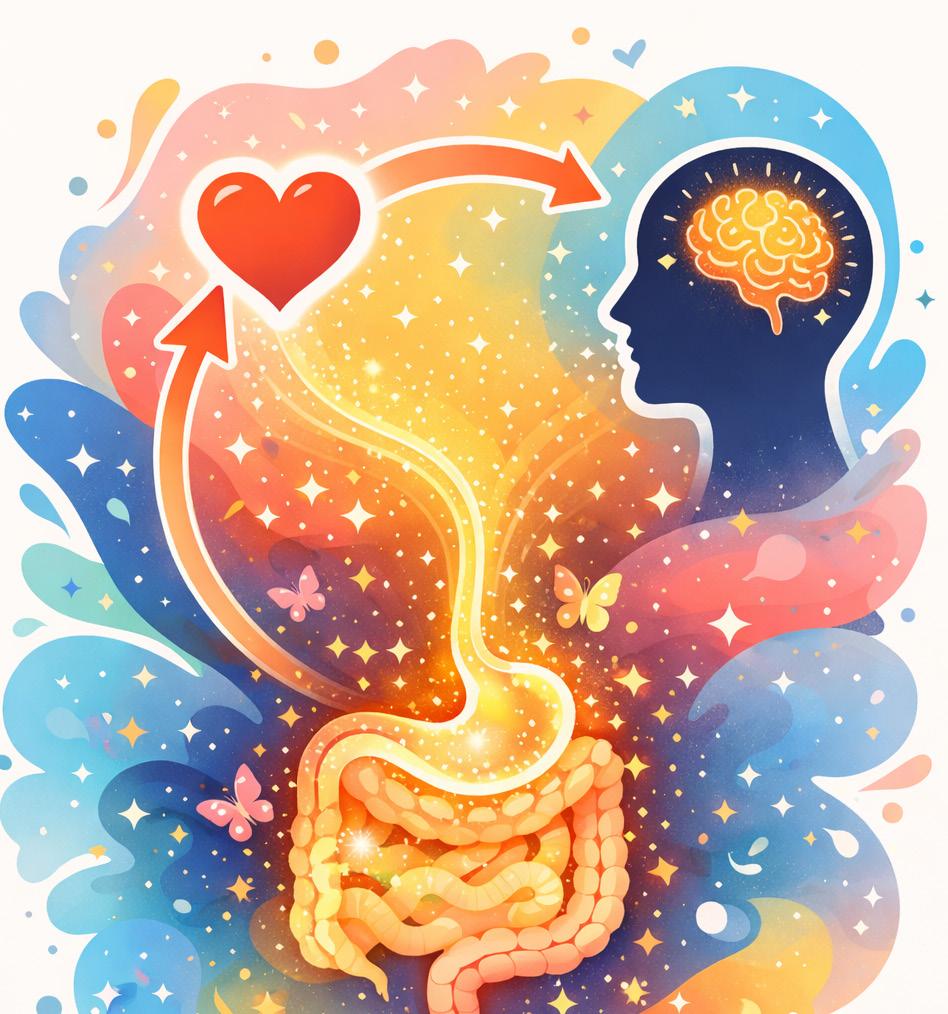
Scientific findings support the idea that gut feelings have a physiological foundation. The gut and the brain are linked by the vagus nerve, forming what is known as the gut–brain axis. This communication network includes the enteric nervous system, often called the “second brain,” consisting of a vast number of neurons and is responsible for regulating digestive processes. Additionally, the gut produces a significant portion of the body’s serotonin, a chemical involved in mood and emotional regulation. This bidirectional communication suggests that the state of the gut can influence cognitive and emotional processes, providing a biological basis for the sensation of a gut feeling. Research in the field of neurogastroenterology continues to uncover how gastrointestinal function affects mental states, and vice versa.
An unhealthy gut can potentially lead to increased anxiety and mood disturbances, which in turn may affect the reliability and clarity of one’s intuitive sense.
Gut feelings can be effective guides in certain situations, particularly when an individual has substantial experience in a specific area. In such cases, intuitive judgments are shaped by an accumulation of knowledge and repeated exposure to relevant cues. The brain, having encountered similar situations numerous times, can draw upon this background to generate quick assessments. These intuitive processes can support efficient decision-making and are particularly useful in time-sensitive or complex environments where conscious deliberation may be impractical or too slow. When an individual operates within their area of expertise, their intuitive judgments are more likely to be accurate. Over time, experiences are encoded in memory and can subtly influence perception and reaction without conscious effort. Recognizing patterns, detecting anomalies, or sensing incongruities are often byproducts of these deeply embedded, experiencebased learning processes.
Despite their potential benefits, gut feelings can be flawed. Intuitive judgments are vulnerable to cognitive biases, which are mental shortcuts that can lead to distorted conclusions. These biases can arise from overgeneralization, selective memory, or emotional influence. Additionally, personal fears or unresolved psychological issues can interfere with the accuracy of intuition, causing individuals to misinterpret signals from their internal states. As a result, not all gut feelings should be trusted without scrutiny, especially when the stakes are high or when the situation is unfamiliar. For instance, anxiety can mimic the bodily sensations associated with a gut feeling, leading to avoidance behaviors that may not be warranted. Furthermore, societal influences and cultural conditioning can shape intuitive reactions in ways that reinforce stereotypes or prejudices. Therefore, while intuition can be useful, it should not be the sole basis for critical decisions without further analysis.
While some aspects of intuition are innate, it is possible to cultivate and improve intuitive decision-making through deliberate practice. Reflecting on past decisions and analysing their outcomes can help individuals become more aware of their intuitive tendencies. Developing mindfulness, the practice
of paying attention to present-moment experiences. It can also enhance awareness of bodily signals and internal cues. Through consistent effort and self-awareness, people can learn to distinguish between helpful instincts and misleading impulses, strengthening the reliability of their intuition over time. Developing intuition also involves fostering emotional intelligence, as being in tune with one’s own emotions and responses can enhance the ability to interpret gut reactions accurately.
Deciding whether to trust a gut feeling depends on the context. Intuition is not irrational; it is grounded in the brain’s capacity to process information quickly and outside of conscious awareness. When supported by experience and refined through reflection, gut feelings can lead to sound decisions. However, they can also be swayed by bias and emotion, making them unreliable in certain circumstances. The most effective approach combines intuitive insight with analytical thinking, allowing for balanced and informed decision-making. Trusting both instinct and intellect may offer the most dependable path forward. As with any mental process, self-awareness and critical thinking are essential tools. A well-calibrated intuition can provide a strong foundation for judgment, but it reaches its fullest potential when paired with a rational evaluation of evidence and outcomes. In the end, the balance between gut and head is not a competition, but a partnership that, when understood and refined, offers a deeper understanding of the human mind.
by Lottie S
Introduction
Anxiety is one of the most common mental health challenges faced by teenagers today. About 25% of teenagers experience some form of anxiety disorder. While anxiety is a natural response to stress, such as before an exam or social event, persistent anxiety that interferes with daily life is considered a disorder. Common types include Generalized Anxiety Disorder (GAD), Social Anxiety Disorder, and Panic Disorder, each with symptoms like excessive worry, rapid heartbeat, sweating, and difficulty concentrating.
Teenagers are especially vulnerable due to hormonal changes, brain development, and social pressures. Their brains are still maturing, especially areas responsible for emotional regulation, making it harder to cope with anxiety. Effective and accessible coping strategies are essential for improving their mental health, and one increasingly supported by research is music. Music has the ability to regulate emotions, reduce stress, and serve as a form of expression and emotional processing, making it a powerful tool in anxiety management for teens.
Adolescent anxiety stems from a combination of biological, psychological, and social factors. Biologically, puberty brings hormonal surges and brain changes that affect emotional stability. Psychologically, teens experience identity struggles, perfectionism, and pressure to succeed. Socially, they navigate academic stress, peer relationships, social media, and increasing independence, all of which can heighten anxiety. These complex dynamics make adolescence a particularly highrisk period for developing anxiety disorders.
Music affects the brain both consciously and subconsciously. It activates areas associated with emotion, memory, and reward, including the amygdala, hippocampus, and nucleus accumbens. Pleasant music triggers the release of dopamine (the “feelgood” hormone) while stressful music can stimulate a stress response. People often use music to match or shift their moods. For instance, calming music can lower anxiety, while emotionally intense music can offer release and clarity. Music allows teens to regulate emotions in a way that feels natural, safe, and engaging.

Classical
Classical music is particularly effective at reducing anxiety due to its soothing qualities—slow tempos, predictable structures, and harmonious melodies. Composers like Mozart and Bach have been shown to lower cortisol levels and activate the parasympathetic nervous system, which helps reduce physical anxiety symptoms like elevated heart rate and shallow breathing.
Modern music’s effects are more varied. Fast-paced genres like rock or electronic music can increase anxiety in already stressed individuals, whereas ambient or chill genres may have calming effects. A key distinction is that modern music often includes lyrics, which can help teens feel understood or validated, providing emotional comfort that instrumental classical music might not.
Personalised music choices are crucial in anxiety management. Teens often gravitate toward songs that reflect their mood or are linked to positive memories. Listening to familiar, comforting music can trigger dopamine release, reduce anxiety, and provide a sense of emotional stability. Studies show that self-chosen music is more effective at lowering anxiety than standardised playlists, underscoring the role of personal connection in music’s impact on mental health.
Distraction and Mindfulness
Music helps break the cycle of anxious thoughts by redirecting focus to the melody, rhythm, or lyrics. For teens, who often experience emotional intensity and cognitive overload, this redirection can be a form of mindfulness—drawing their attention to the present moment and away from intrusive worries, particularly anticipatory anxiety around things like exams or social events.
Teenagers often struggle to articulate their emotions. Music, especially with meaningful lyrics, provides a way to express and process feelings. Songs that mirror their experiences can validate emotions, offer comfort, and foster resilience. Feeling understood—either by the music itself or by others who relate to it—helps reduce feelings of isolation.
Actively engaging with music—through playing an instrument, singing, or composing—can significantly reduce anxiety. It encourages creativity and emotional expression while offering a healthy distraction from stress. Activities like drumming also help regulate brain activity and induce a calm, focused state.
Playing music requires presence and concentration, much like mindfulness exercises, promoting mental clarity.
Building
Music helps teens form friendships based on shared tastes, creating a sense of belonging. Group musical activities, such as choirs or bands, foster teamwork, emotional support, and community. These connections can reduce social anxiety and loneliness—two key contributors to teen anxiety.
Music therapy is a structured, clinical approach using music to support emotional, cognitive, and social needs. It’s especially effective for teens, offering non-verbal ways to explore and manage emotions. Techniques include:
Listening : Guided sessions using music aligned with emotional needs.
Composition: Songwriting to express feelings and gain emotional control.
Improvisation: Spontaneous music-making to encourage emotional freedom.
Drumming : Rhythmic activities to reduce stress and build community.
Music therapy is used in schools, hospitals, and clinics, helping teens build coping strategies, express emotions, and find emotional relief.
Music has a significant effect on anxiety in teenagers. Its ability to calm, distract, validate, and connect makes it a uniquely powerful tool for emotional regulation. Whether through listening, creating, or participating in group music activities, teenagers can benefit from the emotional and psychological relief music offers. With growing evidence supporting its effectiveness, music—both as a personal coping strategy and a therapeutic tool—should be considered a valuable part of mental health support for adolescents facing anxiety.
by Sophie W

Imagine a butterfly flapping its delicate wings in Brazil, setting off a chain of events that eventually leads to a tornado in Texas. The concept of the Butterfly Effect holds a huge place in psychology,revealing how small, seemingly insignificant moments can wave through our minds and shape who we become.
Originating in chaos theory, the Butterfly Effect suggests that tiny changes in the original states of a condition can lead to hugely different outcomes over time showing that small causes can have big effects. Applying the butterfly effect to psychology encourages us to see our experiences not as isolated events, but as connected threads weaving our personalities, decisions, and behaviors together.
The Butterfly Effect in psychology highlights the sensitivity of humans to small events. Such as a brief compliment from a stranger that brightens your day, or a minor negative comment that sticks with you longer. These tiny moments can trigger shifts in mood, influence decisions and even alter life. This suggests that even small positive changes,like a supportive compliment, a new habit, or a fresh perspective can turn into meaningful growth over time.It also warns us about the potential long-term impact of negative experiences, encouraging compassion and mindfulness in our interactions.
One piece of research comes from a 2017 study by psychologist Dr. Teresa Amabile at Harvard Business School. They studied the daily experiences of employees and found that small events had an effect on their motivation and creativity over weeks.
In the study, participants reported daily experiences and mood levels, while their creative performance was also evaluated.The researchers discovered that small positive events such as brief recognition from a manager or a small personal win significantly boosted employees’ motivation and creativeness over time.
This research supports the Butterfly Effect at work in the workplace showing tiny daily moments shape the overall trajectory of performance and well-being.Even small positive interventions can have ripple effects that enhance long-term success and happiness.
The Butterfly Effect shapes our relationships and self-concept. Childhood experiences can influence adult attachment styles, coping mechanisms, and emotional regulation,for example, a simple act of kindness from a parent, teacher, or friend might provide a long term sense of security and increases self-worth. On the other hand, seemingly minor negative experiences, such as an offhand comment or exclusion from a social group, can lead to self-doubt or social anxiety that echoes into adulthood. This explains why early interventions in childhood development and mental health are so crucial: small positive changes early on can redirect a life course for the better.
• Practice mindfulness: Become aware of the small experiences and choices that affect your mood and mindset.
• Offer genuine positivity: Small acts of kindness or encouragement can have larger-than-expected impacts on others.
• Create daily rituals: Tiny habits, like journaling or gratitude reflections, build up over time to promote wellbeing.
• Reflect on your past: Recognize how past small moments shaped your current self, which can empower you to rewrite your narrative moving forward.
The Butterfly Effect shows that life is not just about gestures or events, it’s about the delicate, everyday moments that quietly ripple through our minds and lives. From workplace motivation to childhood development and personal growth, the smallest changes can truly make the biggest difference.
Yael SM
There were around 2.5 million separated families in Britain in the financial year ending 2024. Many families turn to the Children and Family Court Advisory and Support Service (Cafcass) in order to manage the child’s living arrangements (GOV.UK, 2025). 89% of single-parent families are headed by single mothers while 11% are headed by single fathers (Gingerbread, 2025).
The impacts of ongoing custody disputes between parents, parental alienation and parentification lead damaging effects on childrens’ development, mental health and education.
According to a study conducted by the Observatory which studied 17,000 children involved in private law proceedings in Wales from 2011 to 2018, found that rates of depression among the children were 60% higher than that of the control group. Rates of anxiety were 30% higher among the children involved in private law proceedings than the control group. Furthermore girls were more likely to develop depression and anxiety in both groups (Griffiths et al., 2018).
Often a process known as parentification occurs when the roles between parents and child are reversed and the child falls into the role of being an emotional, physical and logistical caregiver to the parent (Romanoff & Gupta, 2023). This can have negative effects on children’s mental health as they feel as though they have to be committed to caring for their parents and thus may feel a sense of needing to protect that parent. This can lead to children feeling they must prioritise the needs of their parents over their own.
The term ‘Parental alienation’ has been frequently used in recent years to describe behaviours of one parent which alter a child’s perspective of their other parent in a negative way. These pessimistic beliefs and false stories are used to denigrate and demonise the child’s other parent. This is accompanied by the absence of any observable positive information about the other parent (Johnston and Sullivan, 2020). According to Baker (2010) alienating behaviours often encourage children to believe that the other parent being subject to the alienating behaviour is dangerous or unworthy. This can lead to children developing a negative view of one parent and resisting to spend time with that parent (Cafcass, 2025). This is particularly crucial
with children who engage in Child Inclusive Mediation as one parent is easily able to distort a young child’s perspective of their situation and convince them to provide certain wishes to a mediator.
However some research has suggested that the use of the term ‘parental alienation’ has been used predominantly by fathers testifying that they are a victim of gender bias treatment by the family court system to dismiss allegations of abuse against many fathers. A study published in the Journal of Social Welfare and Family Law describes three cases in which children aged 9 to 17 years old were removed from their mothers against their will and made to live with their fathers despite abuse allegations. One of the cases two children were made to undergo a “therapeutic residential reunification plan”. The children described the father as coercive and controlling. The children escaped in the middle of the night by smashing and jumping through a first floor window. The author Dr Sonja Ayeb-Karlsson (UCL Risk & Disaster Reduction, UCL Everyday Disasters and Violences Research Group) said once the children had been labelled as ‘alienated’ they were legally entrapped and silenced. ‘Parental alienation’ has become a contested concept, it received criticism by the UN Special Rapporteur on Violence Against Women and Girls, called upon governments to ban the use of the label in custody and family law proceedings, according to them this concept has led to family courts dissmissing histories of domestic violence and abuse in custody cases particularly when credible alligations of physical and sexual abuse and corecive control are brought forward (AyebKarlsson, 2024).
Discussions over whether the family court system has led to conflict between feminist groups and men’s rights groups such as Fathers 4 Justice which has carried out multiple public demonstrations which has brought attention to their cause.
The impacts of parental separation and particularly continued feuding between parents long after the separation has a profound impact on children. Especially when children are used by both or one parent as messengers to pass on these responses and criticisms or fall into the role of mediator. Research has shown an increase in behavioural issues among children of divorced parents compared to couple families.

Additionally research has shown that children from separated or lone parent families often have lower academic performance and difficulty concentrating on schoolwork, on average children of divorced parents achieve lower grades than children from stable families (Yassin, 2022).
References
Ayeb-Karlsson, D. S. (2024, November 14). Unregulated experts can cause harm to children in family courts. UCL. Retrieved May 19, 2025, from https://www.ucl.ac.uk/ news/2024/nov/unregulated-experts-can-cause-harm-childrenfamily-courts
Cafcass. (2025). ‘Alienating behaviours’. Cafcass. Retrieved May 19, 2025, from https://www.cafcass.gov.uk/parent-carer-orfamily-member/applications-child-arrangements-order/howyour-family-court-adviser-makes-their-assessment-your-childswelfare-and-best-interests/alienating-behaviours
Gingerbread. (2025, March). Single parents facts and figures. Gingerbread. Retrieved May 19, 2025, from https://www. gingerbread.org.uk/our-work/single-parents-facts-and-figures/
GOV.UK. (2025, March 27). Separated families statistics: April 2014 to March 2024. gov.uk. Retrieved May 19, 2025, from https://www.gov.uk/government/statistics/separated-familiesstatistics-april-2014-to-march-2024/separated-families-statisticsapril-2014-to-march-2024
Griffiths, D. L. J., McGregor, J., Pouliou, T., Cusworth, D. L., North, D. L., Ford, P. D., & John, P. A. (2018). Uncovering private family law: Anxiety and depression among children and young people. Nuffield Family Justice Observatory. Retrieved May 19, 2025, from https://www.nuffieldfjo.org.uk/resource/ uncovering-private-family-law-anxiety-and-depression-amongchildren-and-young-people
Romanoff, S., & Gupta, S. (2023, January 5). Parentification: Types, Causes, and Effects. Verywell Mind. Retrieved May 19, 2025, from https://www.verywellmind.com/parentificationtypes-causes-and-effects-7090611
Ugbede, M. T. (2023, August). Impact of Single Parenting on the Academic Performance of Early Childhood Education. ResearchGate. Retrieved May 19, 2025, from https://www.researchgate.net/profile/Ugbede-Meshach/ publication/373148879_Impact_of_Single_Parenting_on_the_ Academic_Performance_of_Early_Childhood_Education/ links/64df99141351f5785b730cfe/Impact-of-Single-Parentingon-the-Academic-Performance-of-Early-Chi
Yassin, F. (2022, September 12). The Effects of Divorce on Children - thewaveclinic.com. The Wave Clinic. Retrieved May 19, 2025, from https://thewaveclinic.com/blog/the-effects-ofdivorce-on-children/
Channing The Bank, Highgate London N6 5HF
T: 020 8340 2328
info@channing.co.uk www.channing.co.uk
INDEPENDENT DAY SCHOOL FOR GIRLS AGED 4-18