2nd
4-6 September 2026
Masks, Myths, and Monkeys
The royal epic still dancing in Luang Prabang
Meuang Xay
See it before the crowds arrive JULY / AUGUST 2026






2nd
4-6 September 2026
Masks, Myths, and Monkeys
The royal epic still dancing in Luang Prabang
Meuang Xay
See it before the crowds arrive JULY / AUGUST 2026
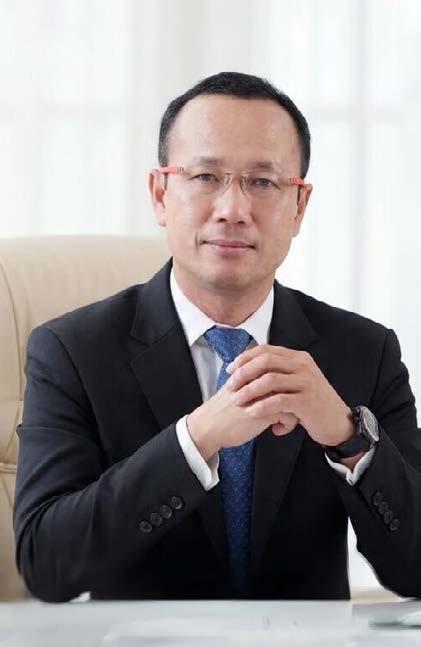
Saleum Tayarath
Acting CEO of Lao Airlines
Dear Valued Passengers, Welcome aboard Lao Airlines, and thank you for choosing to travel with us.
As we enter the green season, Laos takes on a special beauty, with lush landscapes, flowing rivers, and a quieter rhythm that invites travelers to explore, reconnect, and discover meaningful experiences. This is also a time when communities across the country prepare for the beginning of Buddhist Lent, a season of reflection, merit-making, and cultural tradition.
Whether you are traveling for business, returning home to loved ones, or setting off on a well-deserved holiday, we are honored to serve you along the way.
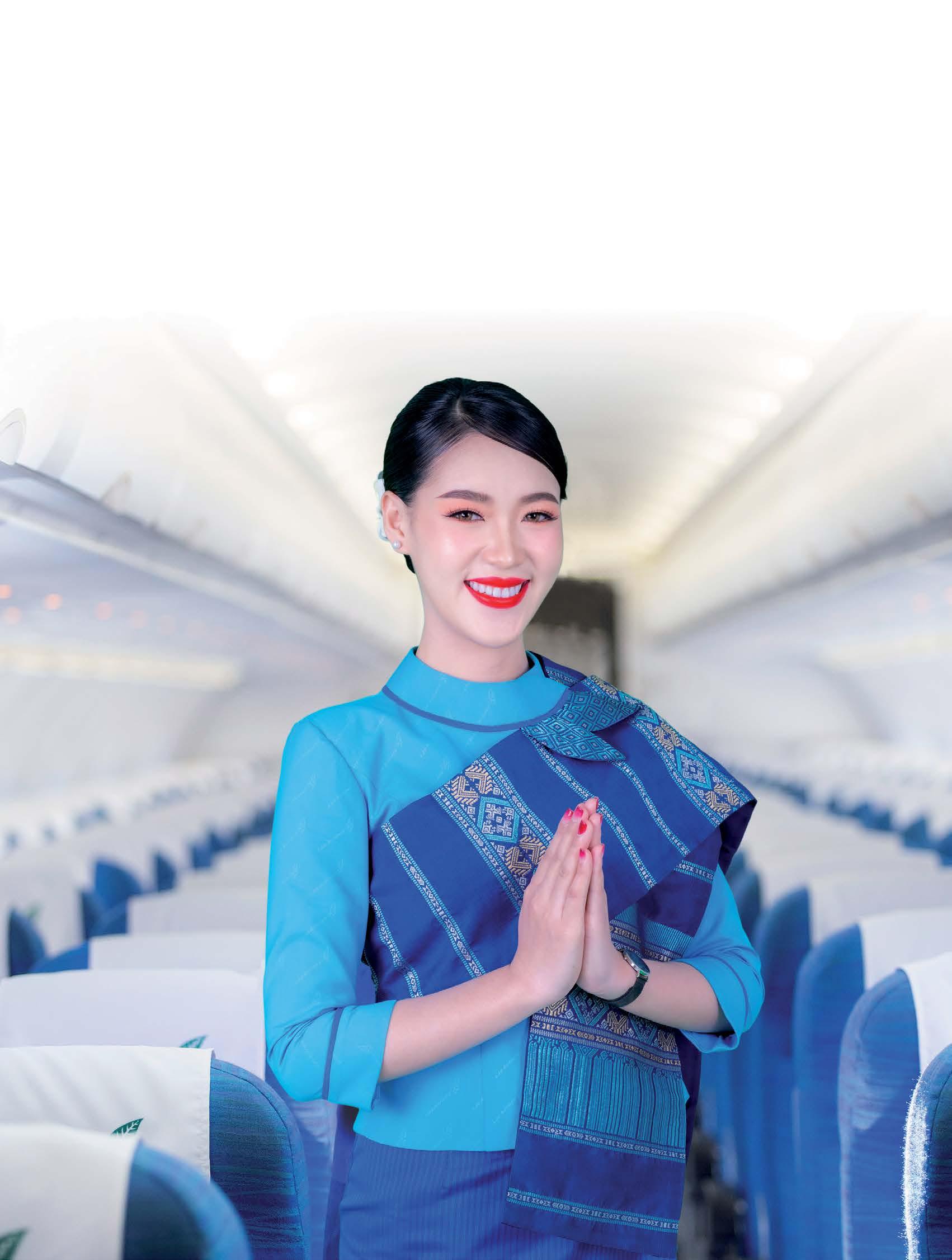
At Lao Airlines, we remain committed to providing safe, reliable, and comfortable service while continually improving the travel experience for all our passengers. We take pride in offering a warm welcome that reflects the hospitality, care, and cultural values of the Lao people, and we strive to make every journey with us smooth and memorable.
Thank you once again for your continued trust and support. It is our privilege to serve you, and we hope Lao Airlines will remain your preferred travel companion wherever your plans may take you.
Wishing you a pleasant journey and many rewarding experiences ahead
With our highest respect,































Hello Readers,
Welcome to the new issue of Champa Meuanglao. In these pages, we invite you to slow down and look a little closer, through stories of riverside retreats, coastal journeys, beloved Vientiane restaurants, northern discoveries, and timeless Lao performance traditions.
In this issue:
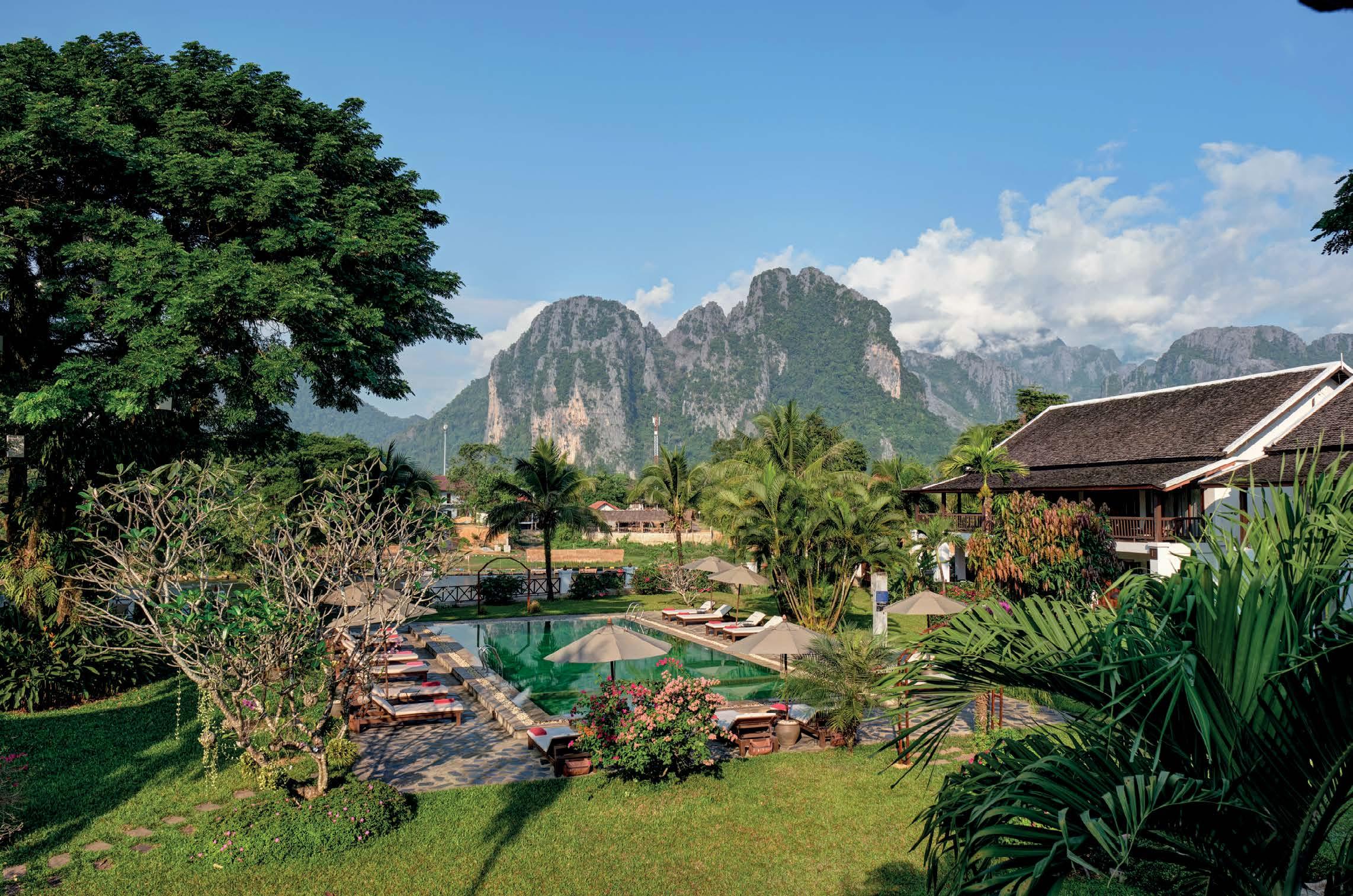
Rise above Vang Vieng at The Elephant Crossing Hotel, where river mist, limestone cliffs, hot air balloons, and rooftop sunsets frame a gentler way to experience the Nam Song.
Discover Danang and Hue, where Vietnam’s coastal beauty, hilltop escapes, imperial history, and riverside traditions come together in a journey through the country’s cultural heart.
Step inside Sticky Fingers, the beloved Vientiane institution that began on a dusty road and grew into a restaurant shaped by friendship, resilience, loyal regulars, and 25 years of stories.
Travel north to Meuang Xay, a fast-changing town of hilltop temples, local markets, ethnic culture, forest adventures, and quiet charm, best seen before the crowds arrive.
Enter the world of Phralak Phralam in Luang Prabang, where gilded masks, royal dance traditions, music, myth, and the Lao Ramayana continue to come alive on stage.
Safe travels,
The Champa Meuanglao team
Saleum Tayarath
Acting Managing Director
Sitthideth Douangsiththy
Deputy Managing Director of Ground Handling and Cargo
Fongsisouphan Phommavong
Deputy Managing Director of Finance
Headquarters Wattay International Airport Vientiane Capital, Laos Tel: (856-21) 513243-46, Fax: (856-21) 513247 www.laoairlines.com
Follow the official Facebook Page at www.facebook.com/laoairlines to get the latest news and updates from the national carrier of Laos.
DISCLAIMER
Jason Rolan
Soulinthong Sanyadeng Monlady Souliyavongsa Tacksida Chanthakoumman
Phounsouk Samounty
Anita Preston Mick Shippen
Phoonsab Thevongsa
Anita Preston / Evensong Film Mick Shippen
sales@rdkgroup.la (856-20) 56581416
134 Samsenthai Road, Xiengyeun Village, Chanthabouly District, Vientiane Capital, Laos (856-20) 55731717 info@rdkgroup.la
Champa Meuanglao is published bi-monthly for Lao Airlines State Enterprise by RDK Group. The views and opinions expressed or implied in Champa Meuanglao do not necessarily reflect those of Lao Airlines State Enterprise or its publishing agents. All information in Champa Meuanglao is correct at time of printing. No part of this magazine may be reproduced without the written permission of the publisher.
All rights reserved. Copyright © 2026 by Lao Airlines State Enterprise and RDK Group. www.champameuanglao.com








皮肤护理
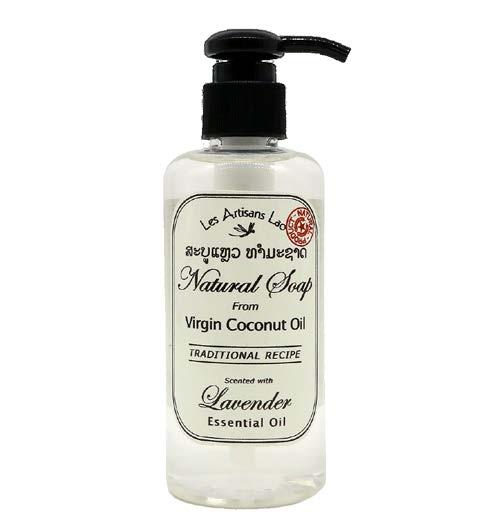
天然手工皂
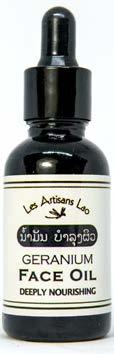
纯天然精油
香薰蜡烛
手工艺术品





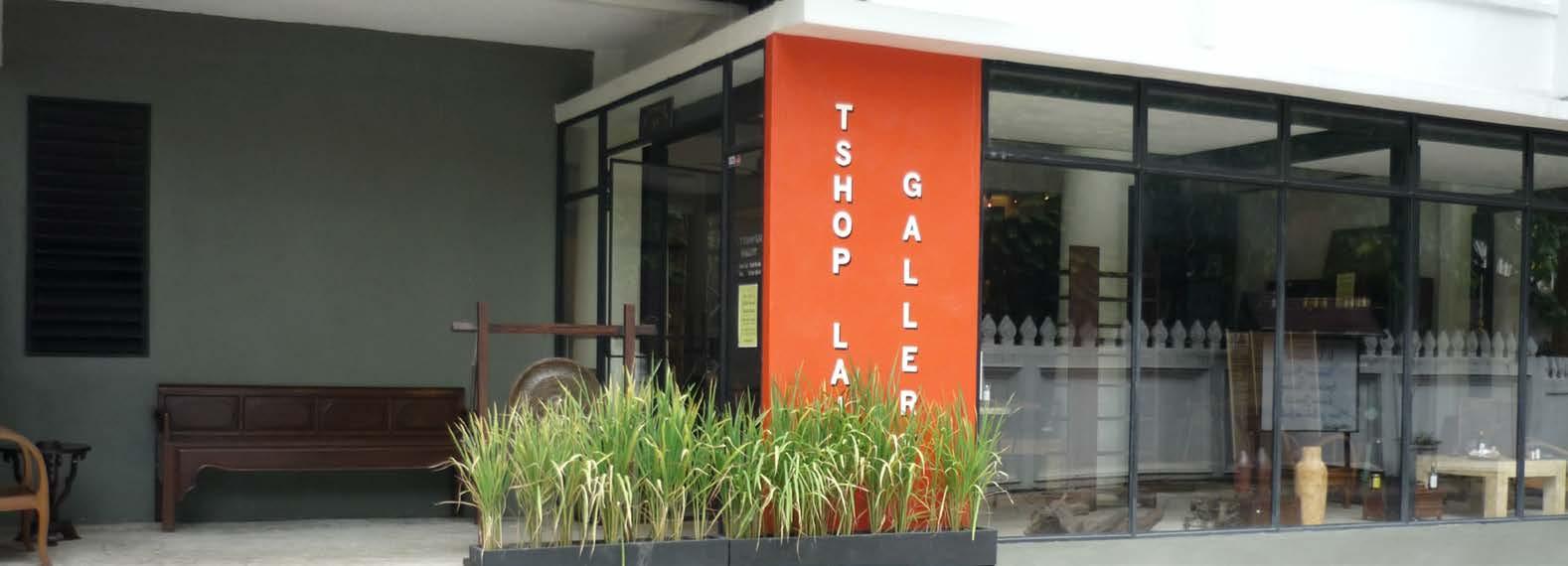
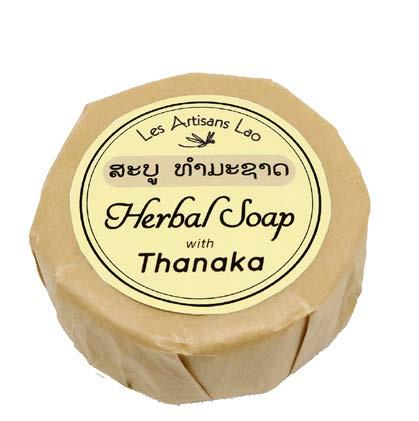
天然手工皂
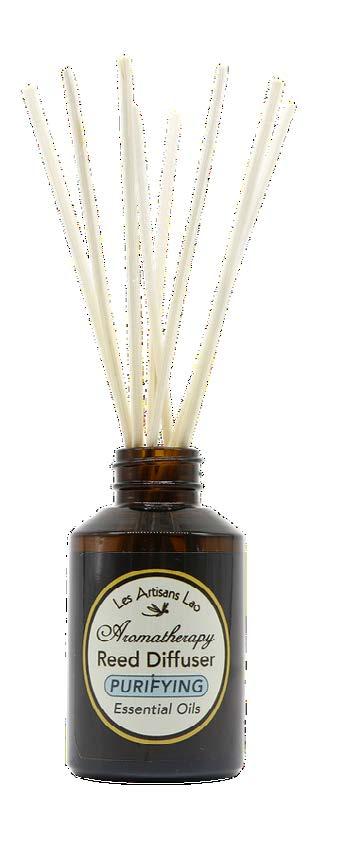
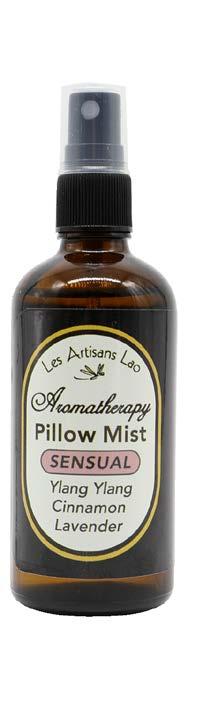
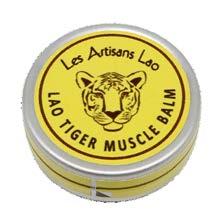



来自老挝纯手工制作的天然有机产品
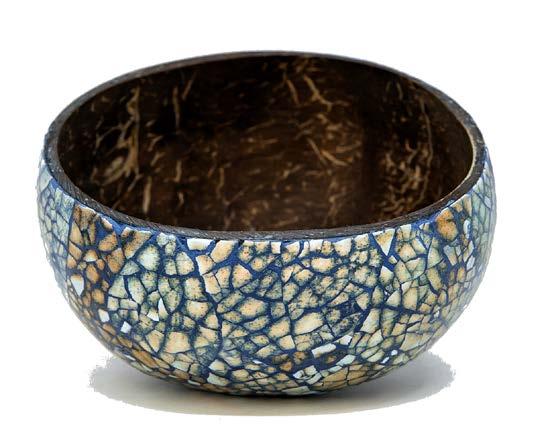
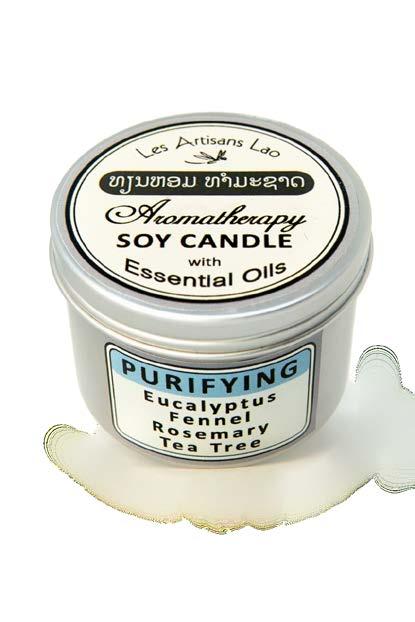
天然精油大豆香薰蜡烛


Chubby Hands — a delightful culinary adventure through Vientiane. From street snacks that burst with unexpected flavors to hidden cafés, cozy noodle bowls, and weekend treats that are worth the wait, I share the places that bring a smile to my face, stimulate my appetite, and keep me excited to explore more. My reviews are straightforward, authentic, and honest — just me enjoying the city one delectable moment at a time.
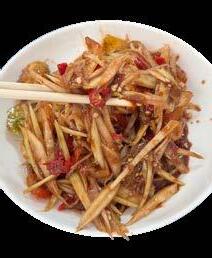
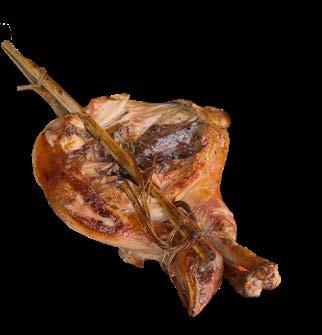
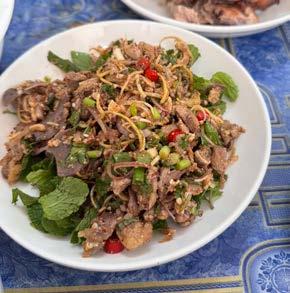
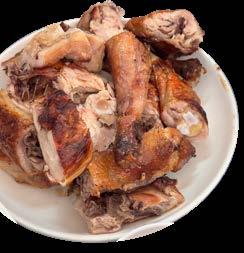
S in Lao Restaurant is a family-style spot known for its standout laap, especially the duck laap and beef laap. If you’re craving authentic local flavors, this is a great place to try. The laap is bold, fresh, and full of character, pairing perfectly with a warm soup, grilled chicken, or even a spicy papaya salad. Every dish comes together in a satisfying, well-balanced way that really hits the spot. The restaurant has a casual, local vibe and tends to get quite busy during lunchtime, so be prepared for a short wait. It’s definitely worth it once the food arrives.
Hongkae, Vientiane
Open Daily | 8:00AM - 3:00PM
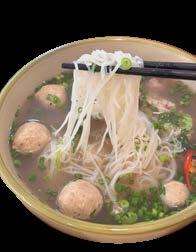
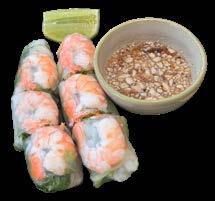
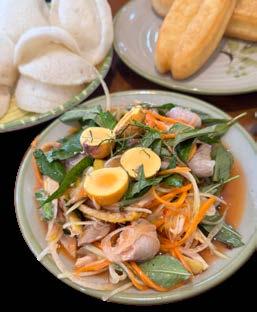

Chubby Hands is a food vlogger based in Vientiane Capital.
Follow him on TikTok: @chubbyy.hands
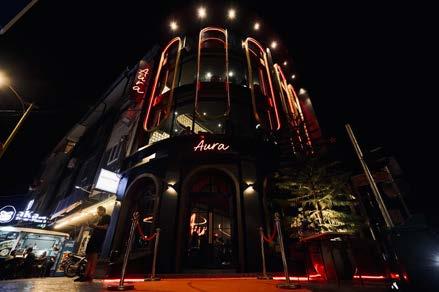
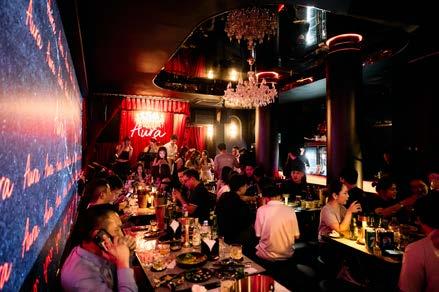
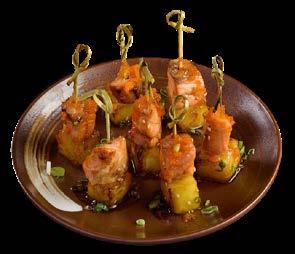
Aura Bar Vientiane is a trendy, vibrant spot in the heart of the city, just steps from Nam Phou Square. The location is super convenient, making it an easy choice for a night out. The atmosphere is lively and energetic, with live music and cool DJs setting the mood every evening. It’s the kind of place that works well whether you’re starting your night or staying late with friends. Beyond the drinks, Aura also offers a variety of food and appetizers that pair surprisingly well with their menu. The dishes are thoughtfully prepared, making the experience feel more complete than a typical bar visit. don't miss.
Khampheangmeung Road, Vientiane
P ho Home brings the taste of Hanoi to Vientiane with its comforting bowls of pho. Their signature chicken pho stands out with a light, fragrant broth and tender noodles that feel clean and satisfying. The beef pho is just as reliable, rich in flavor, and wellbalanced as you would expect from a good Vietnamese spot. Beyond pho, the menu includes a range of Vietnamese favorites, along with drinks and desserts, making it easy to settle in for a full meal or a casual café break.
Rue Setthathilath, Ban Mixay, Vientiane
Open Daily | 8:30AM - 4:00PM Open Daily | 6:00PM - 2:00aM



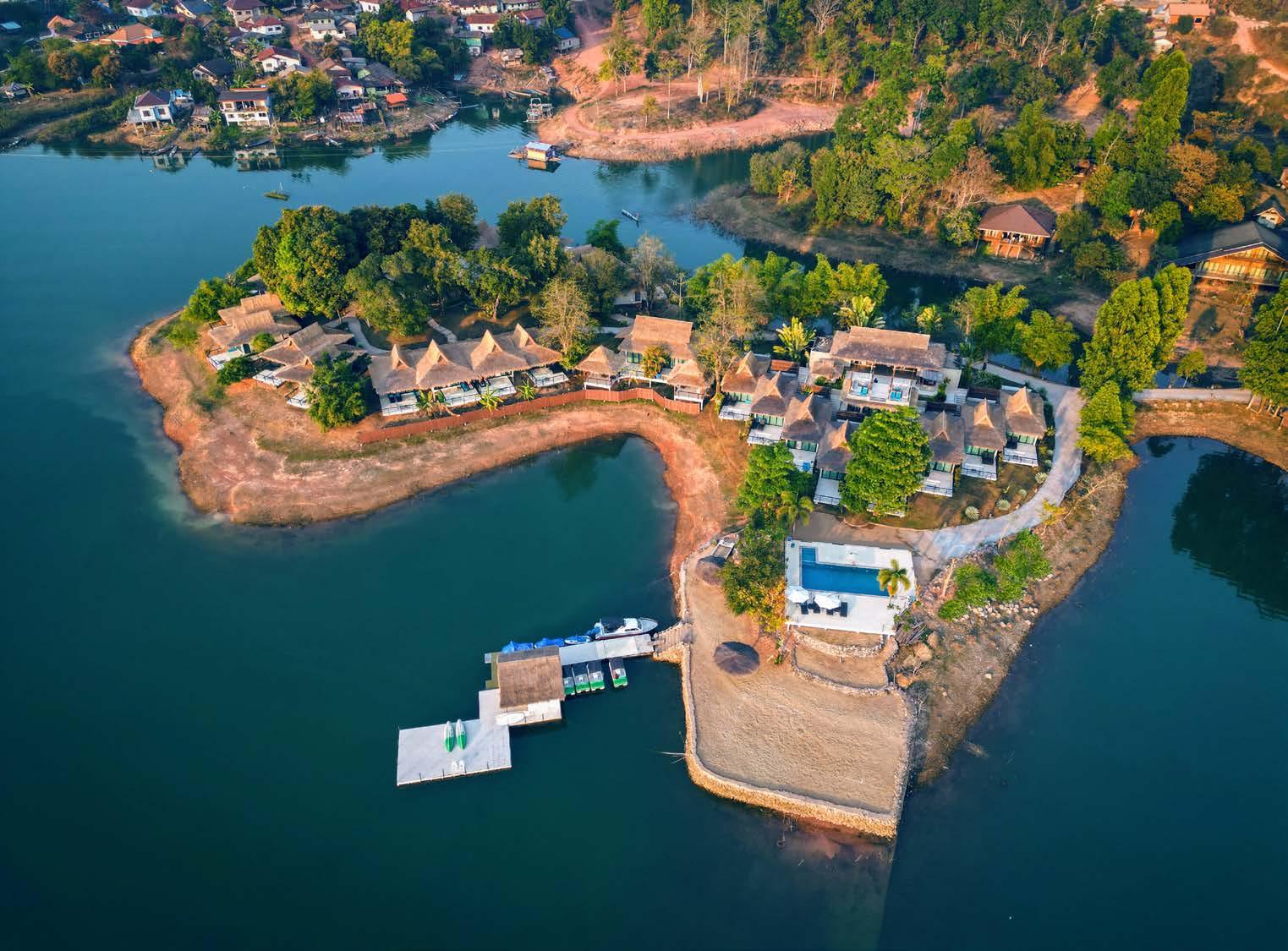
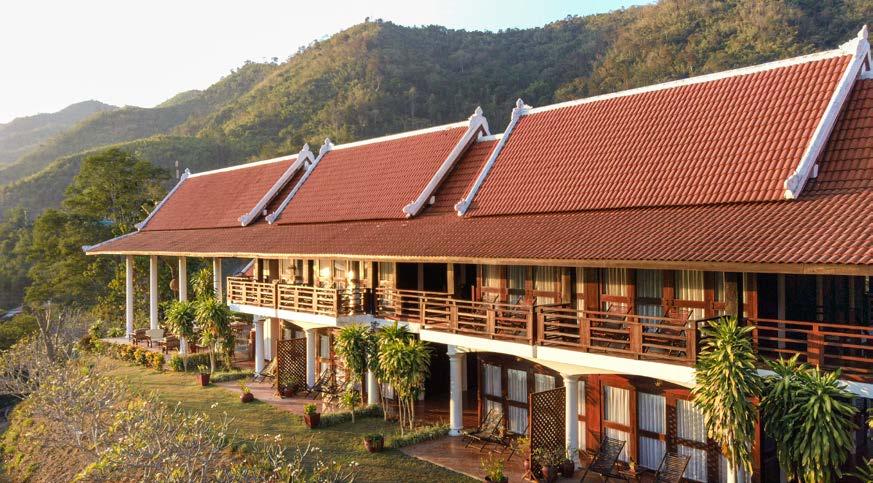
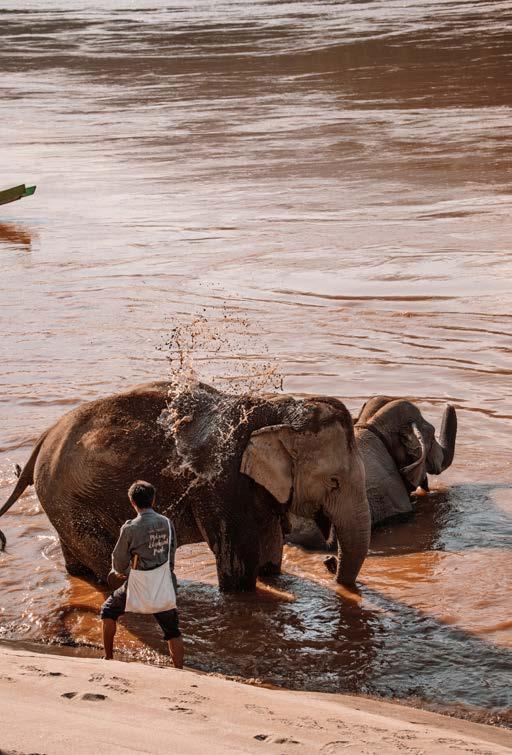


OPPORTUNITIES, CHALLENGES, AND THE FUTURE VISION OF LAO GOLD
LAO BULLION BANK: DRIVING INNOVATION, EXPANDINGOPPORTUNITIES, AND SHAPING A NEW VISION FOR THE GOLD INDUSTRY OF THE LAO PDR
Text and photos by: Lao Bullion Bank
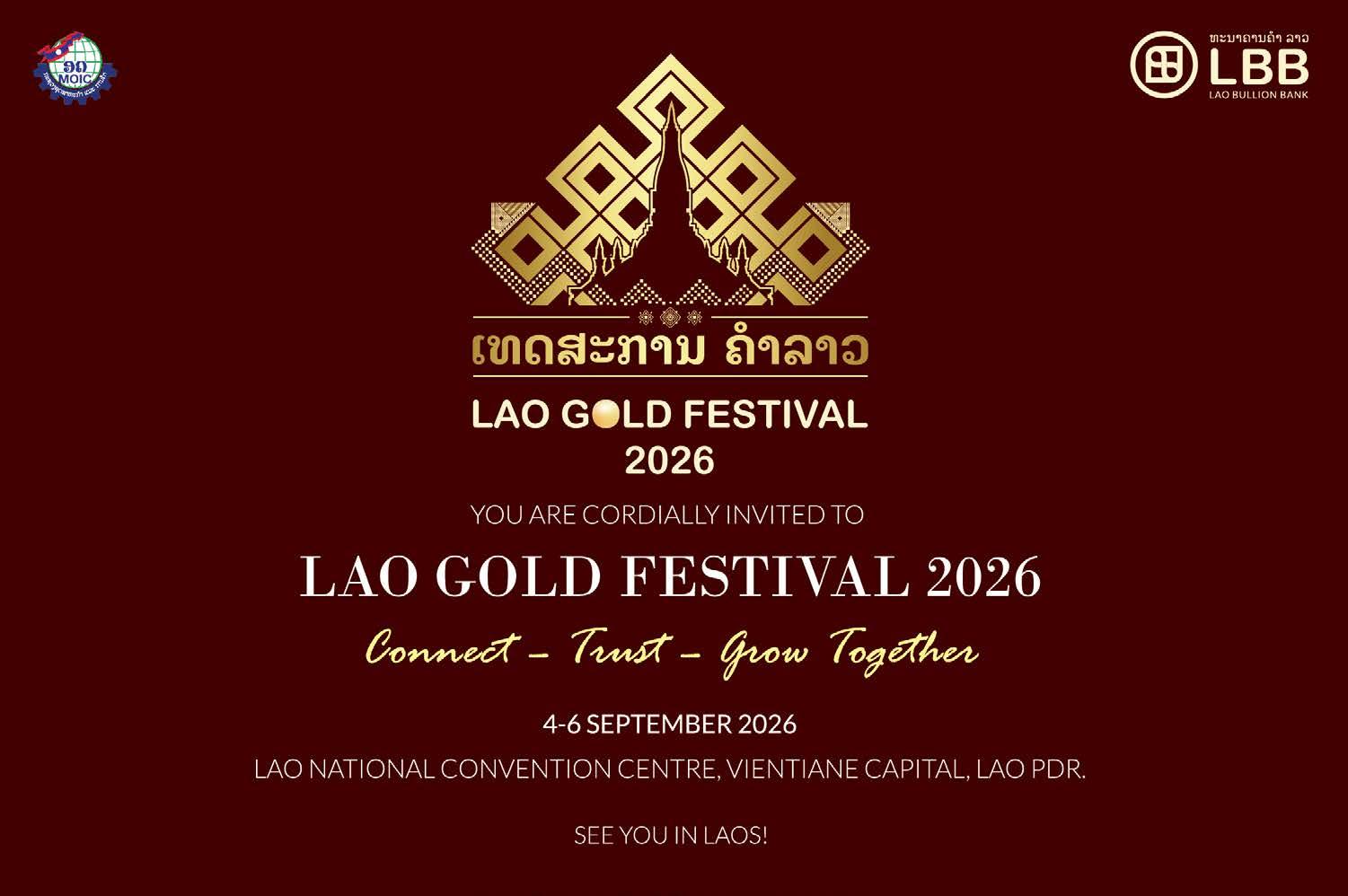
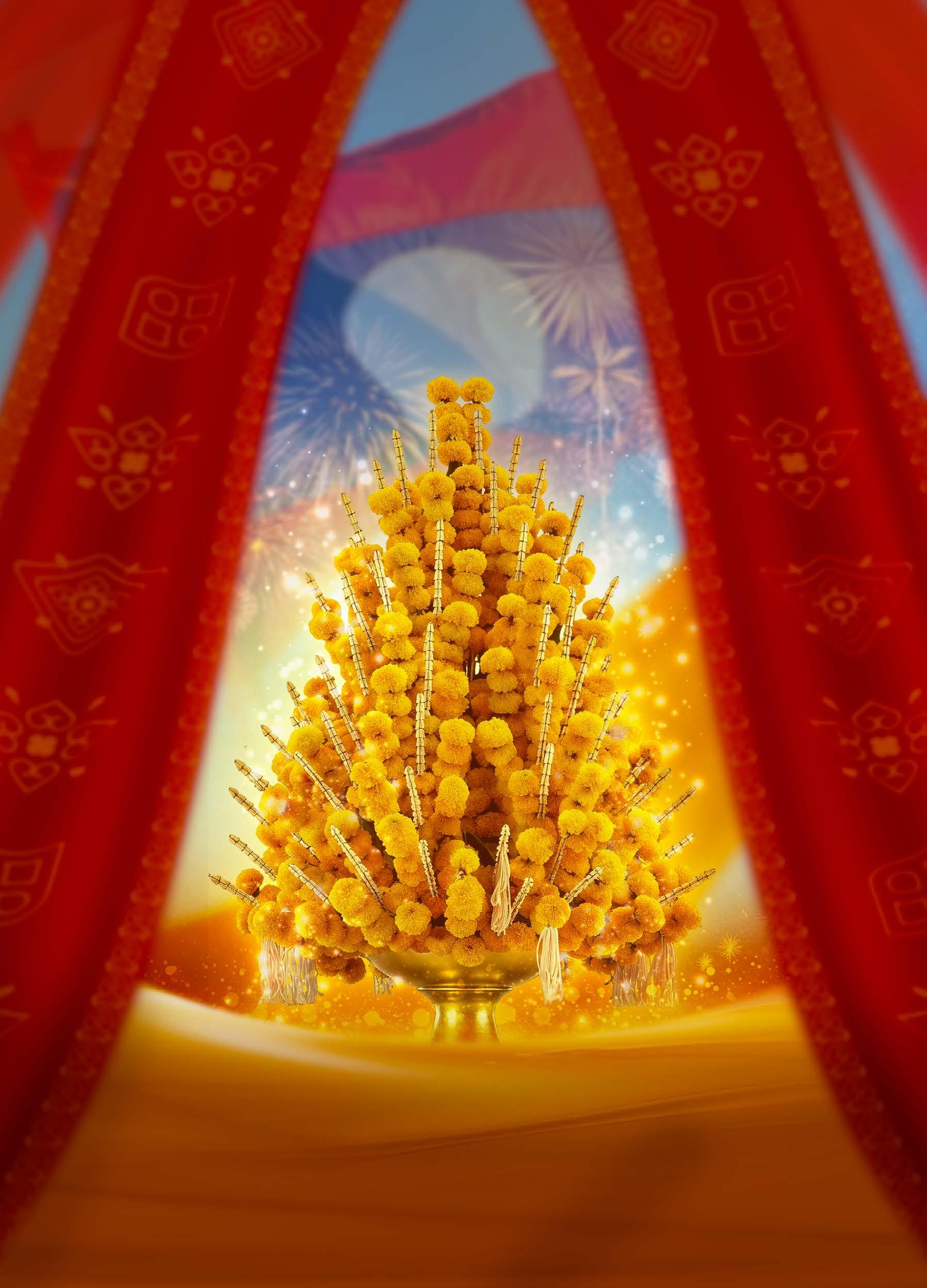
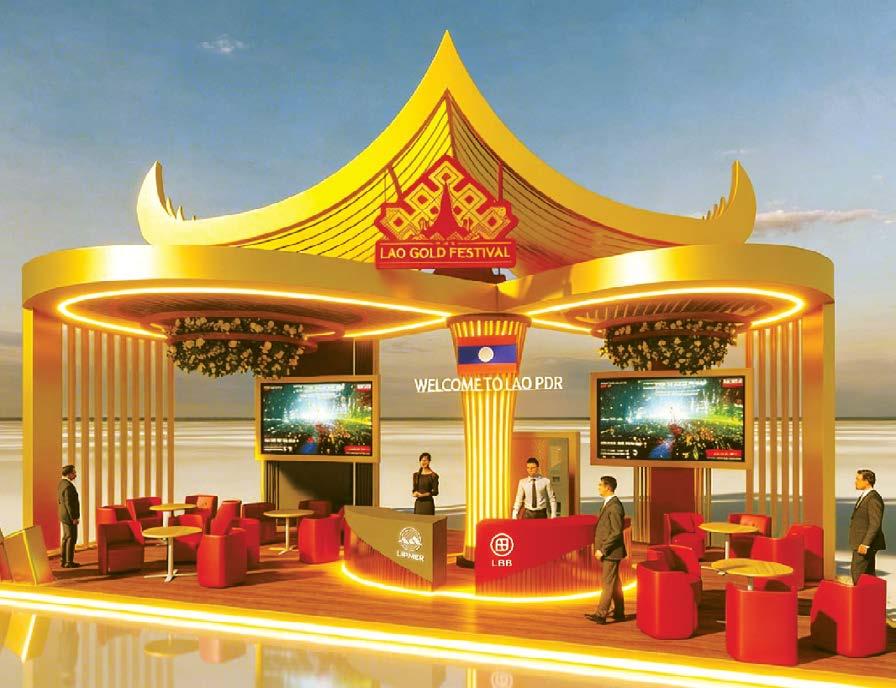
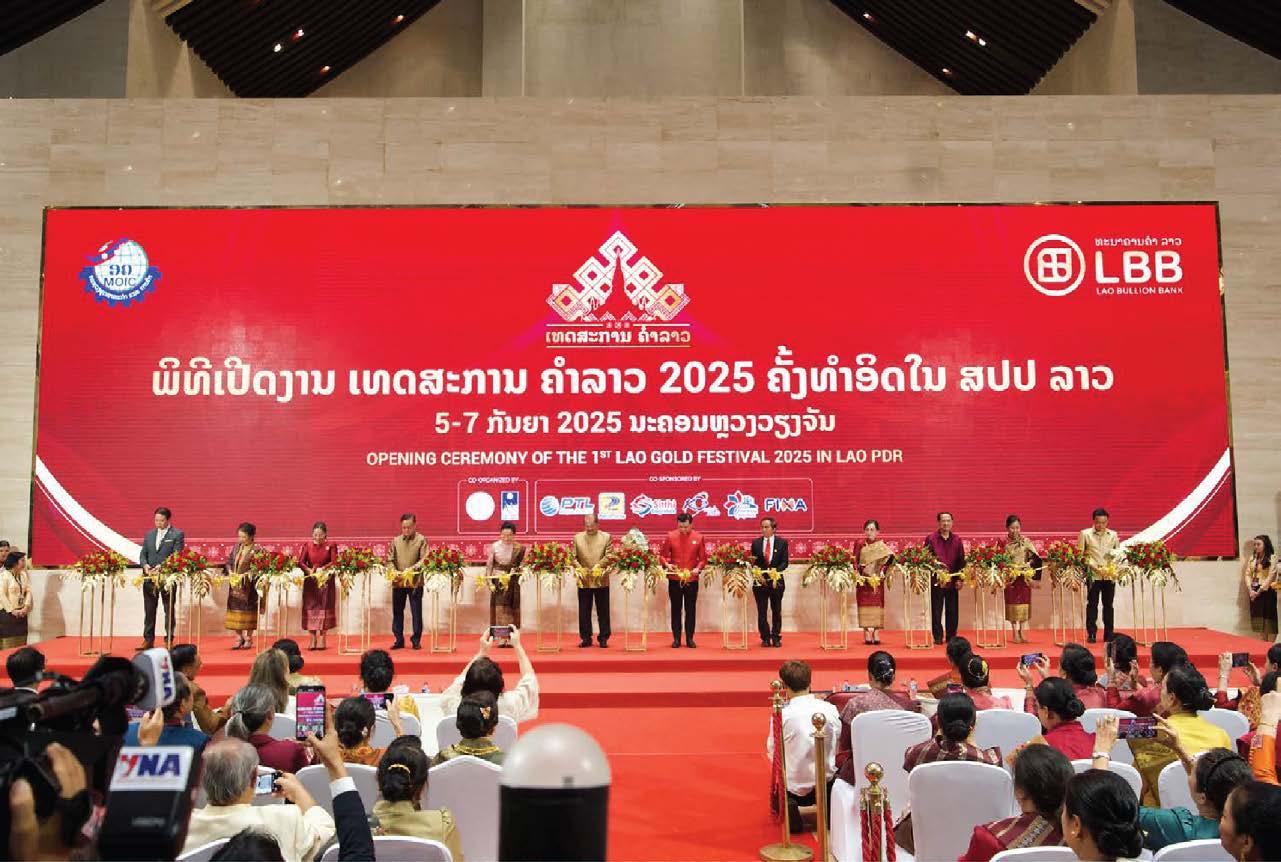
Lao Bullion Bank (LBB) cordially invites everyone to attend the Lao Gold Festival 2026 , which will be held from 4–6 September 2026 at the National Convention Centre, Vientiane Capital
A s a major national event, the
Lao Gold Festival is organized to elevate the gold industry, investment ecosystem, and cultural heritage of Laos, promoting greater recognition at both regional and international levels.
The event will bring together gold trading, investment, craftsmanship,
culture, innovation, and education on one platform, reflecting the unique identity of Laos while strengthening connections with the global gold market under the theme:
“Connect • Build Trust • Grow Together”
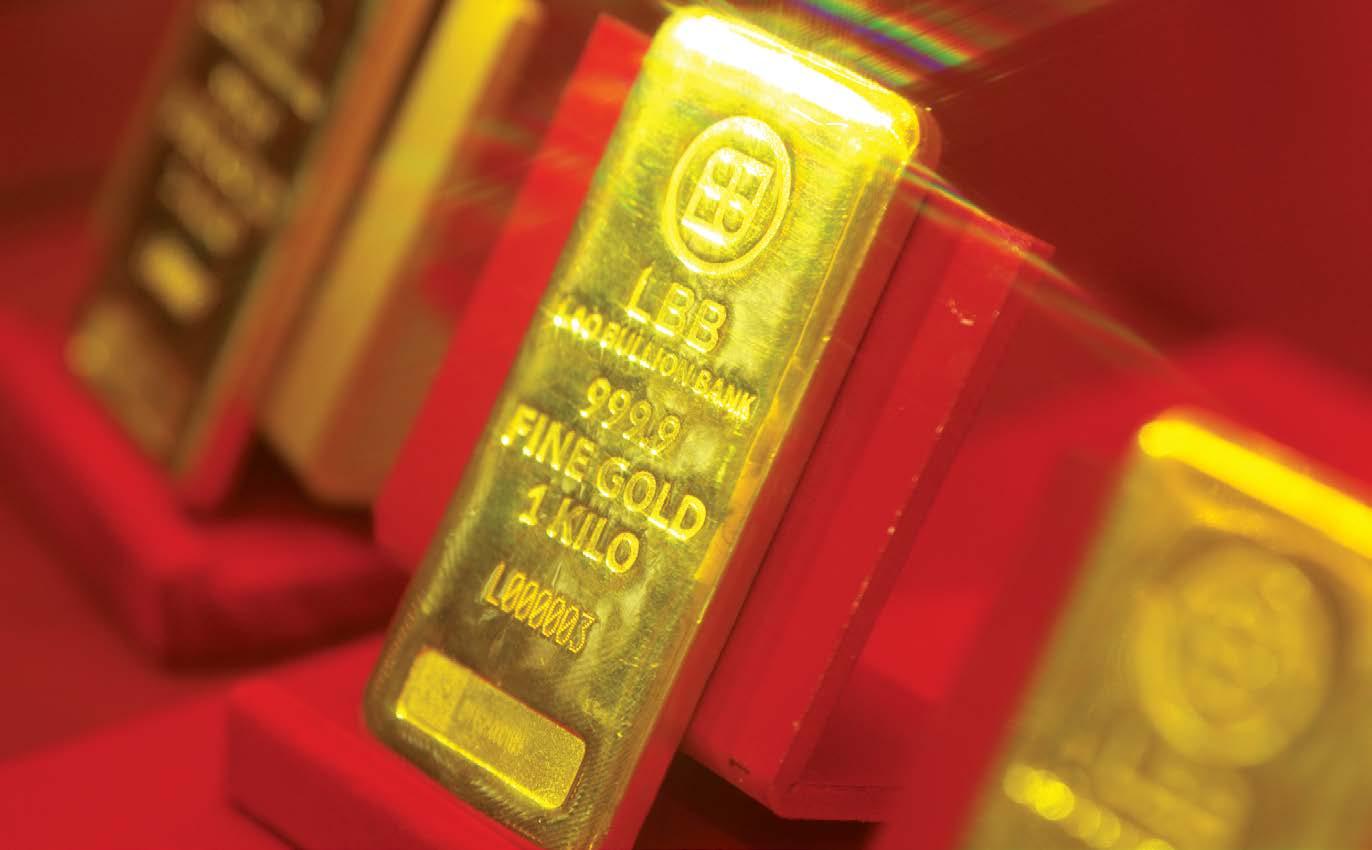
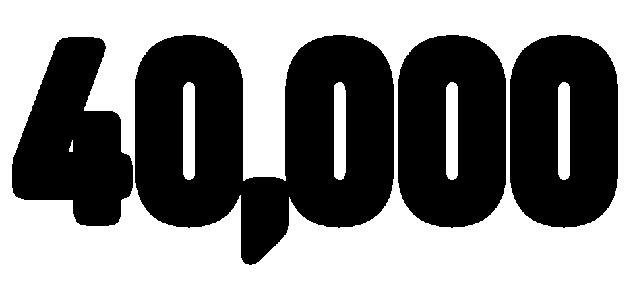
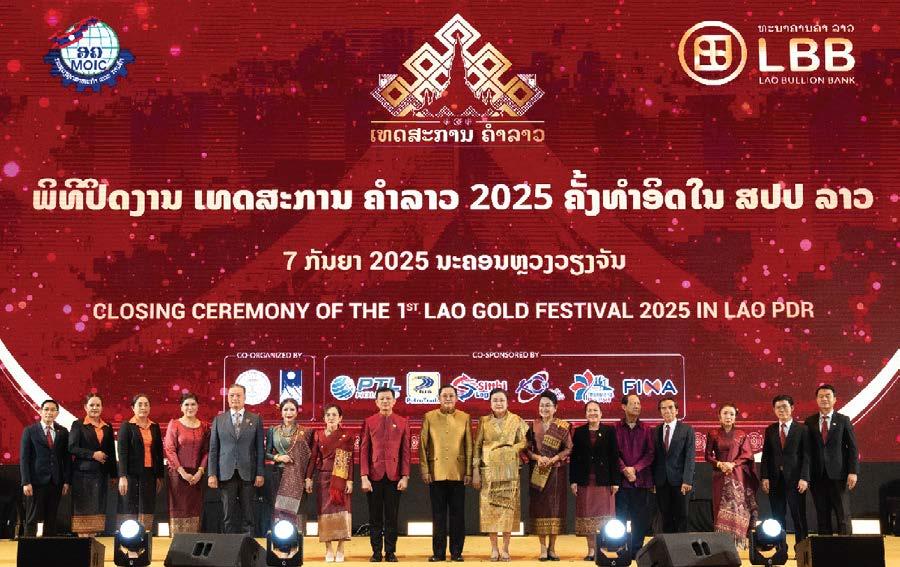
The first Lao Gold Festival, held in 2025, received strong positive feedback from both l ocal and international visitors. As the first large-scale gold event in the history of Laos’ gold industry, the festival attracted up to 30,000 visitors and featured more than 60 exhibitors , including gold shops, silk shops, and other businesses.
Following this success, Lao Bullion Bank is proud to present the 2nd Lao Gold Festival 2026 , which will be
larger, more comprehensive, and held to an even higher standard.
C ombining modern technology with convenience, Lao Bullion Bank is ready to introduce a new form of Automatic Gold Deposit Machine, offering customers an enhanced experience in gold deposit services. The machine will be officially launched at the 2nd Lao Gold Festival 2026.
" Elevating Gold Investment Experience into the Digital Era"
The Digital Gold Certificate is a digital certification of gold holdings that enables customers to verify and access their gold ownership status anytime, anywhere through a secure digital platform. It offers greater convenience, enhanced security, and a more advanced user experience than ever before.
G old Paper Trade platform provides real-time gold trading directly linked to global gold prices. This allows investors to monitor market movements, analyze trends, and buy or sell gold quickly and efficiently.
To further enhance convenience and enrich customers' financial experience, Lao Bullion Bank will soon launch the LBB VISA Credit Card. The card will offer exclusive privileges, greater value, and seamless access to a wide range of financial services, providing customers with an even more rewarding banking experience.

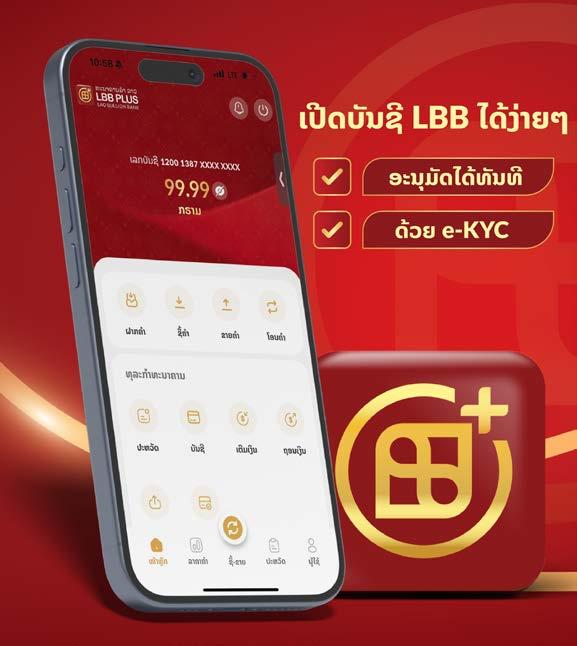
E asy, Fast, and Secure Account Opening with E-KYC
Customers can conveniently, quickly, and securely open an account with Lao Bullion Bank through a digital registration process using E-KYC technology.
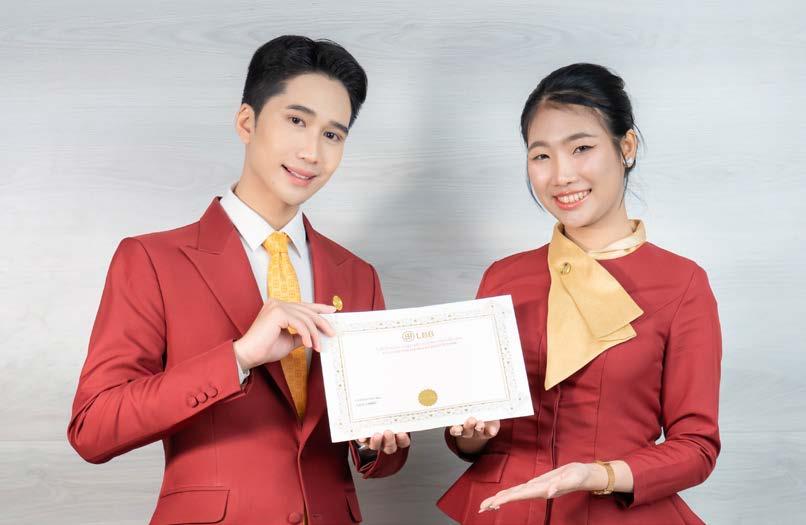
A Gold Certificate is a financial document issued based on deposited gold. It can be used as collateral when applying for loans with banks or financial institutions that are partners of Lao Bullion Bank.
• Customers may borrow up to 90% of the value of deposited gold, subject to the credit policy of each financial institution.
• Customers who deposit at least 15 grams of gold with Lao Bullion Bank are eligible to apply for the Gold Certificate.
The Gold Metal Loan is a credit service provided in the form of “gold” by Lao Bullion Bank. It is designed to support gold shops by improving liquidity, enabling them to use gold bars for resale, production of gold jewelry, and business expansion, with interest rates starting from only 7% per annum.
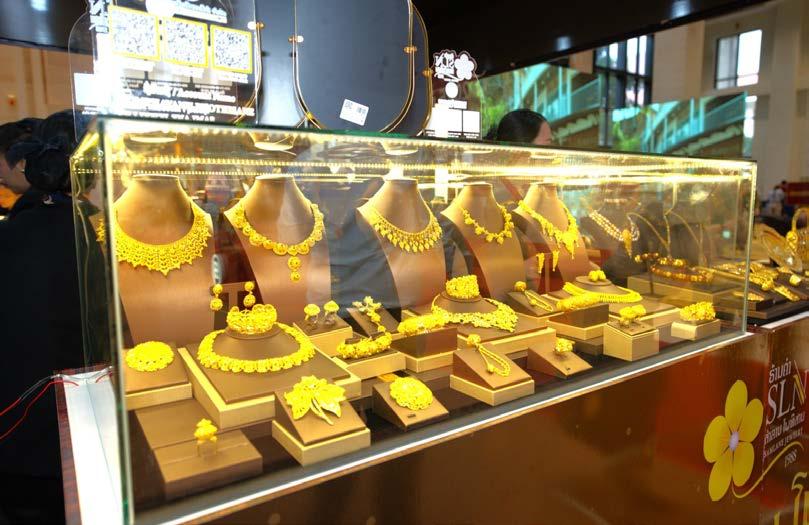
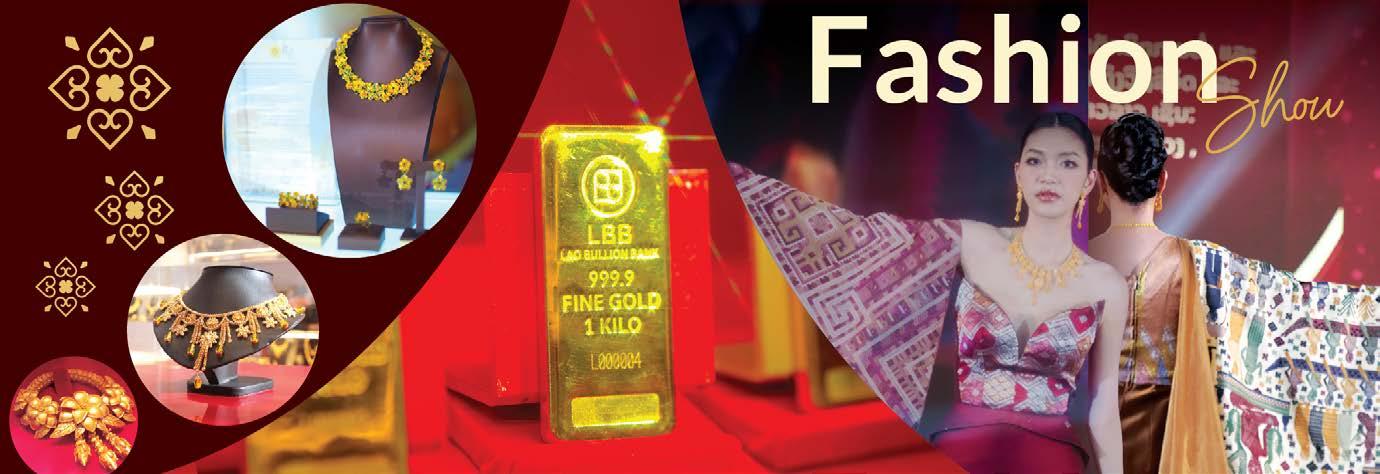
Gold Rental is a new service from Lao Bullion Bank for customers who deposit gold and obtain a Gold Certificate with the Bank. This service is offered in cooperation with Samlane Jewelry, allowing customers to rent gold jewelry for events and special occasions under the concept:
“Keep your gold deposit unchanged, continue receiving interest, and enjoy gold jewelry rental for every occasion.”
T his allows customers to enjoy gold jewelry without the need to purchase additional gold.

L ao Bullion Bank is committed to developing service standards, transparency, security, and operational systems in line with international standards in order to build trust among customers, business partners, and investors.
At the same time, the Bank places strong emphasis on building long-term relationships t hrough knowledge exchange, business opportunity expansion, cooperation networks, and the joint development of financial products to support sustainable growth in the r egional and international financial and gold markets.

L aunch of LBB PLUS Service Unit in Vientiane Capital
Lao Bullion Bank will soon launch the LBB PLUS Service Unit in Vientiane Capital. This service center will provide consultation on the use of the LBB PLUS application, goldr elated services, and other related financial services, while enhancing convenience and d elivering a new customer experience.
This initiative reflects Lao Bullion Bank’s vision to develop modern services that r espond to changing customer behavior in the digital era and expand access to b anking and gold-related services
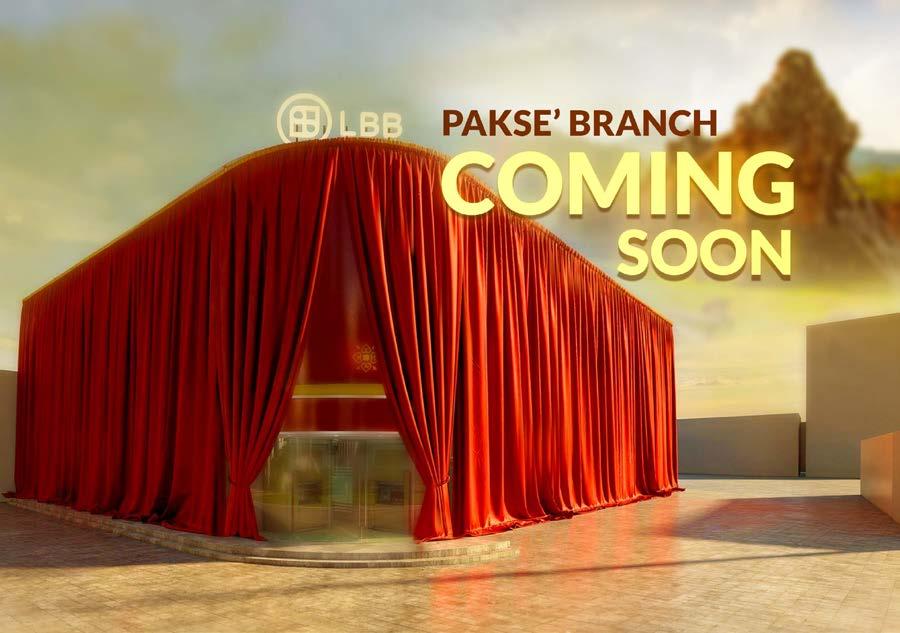
O pening of a Service Unit in Pakse, Champasak Province
L ao Bullion Bank will officially open a new service unit in Pakse City, Champasak Province, in 2026. This new service unit will expand the Bank’s service coverage and support customers in the southern region of Lao PDR.
The opening of this new service unit will increase convenience, expand opportunities, and enable customers across the four southern provinces to access Lao Bullion Bank’s p roducts and services more easily, conveniently, and efficiently
L aunch of Lao International Precious Metals Refinery (LIPMER)
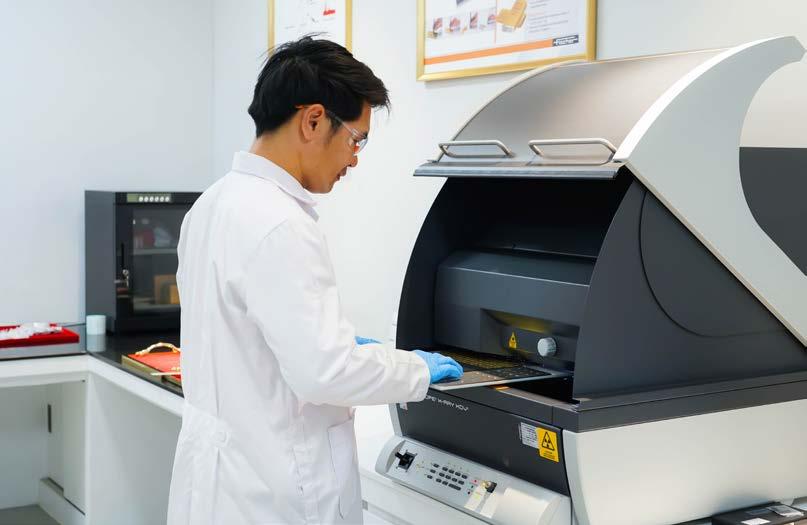
O n 28 March 2026, the Lao International Precious Metals Refinery (LIPMER), one of the major precious metals refineries in Lao PDR, officially commenced operations.
• Refining capacity of up to 150 tons of gold per year;
• Supports the development of Laos’ gold industry and the growth of the regional gold market;
• D eveloped with modern technology and production systems, supported by strict safety and quality control standards;
• Produces gold with 99.99% purity, in accordance with international gold refining standards.
For more information, visit laobullionbank.com





E-KYC.
(Gold Certificate)
(Gold Metal Loan)
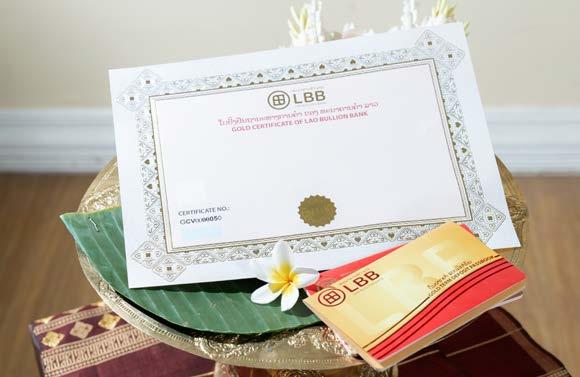
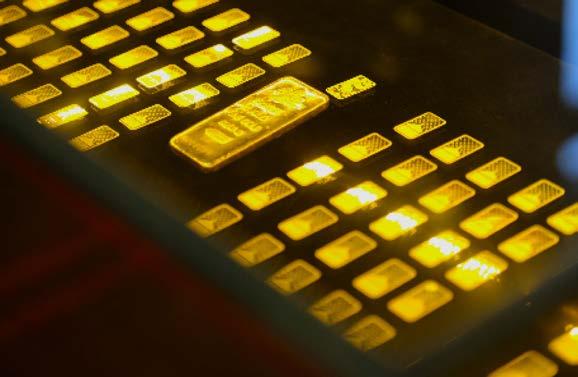
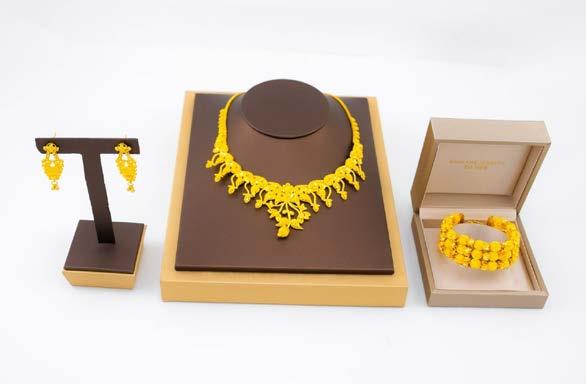
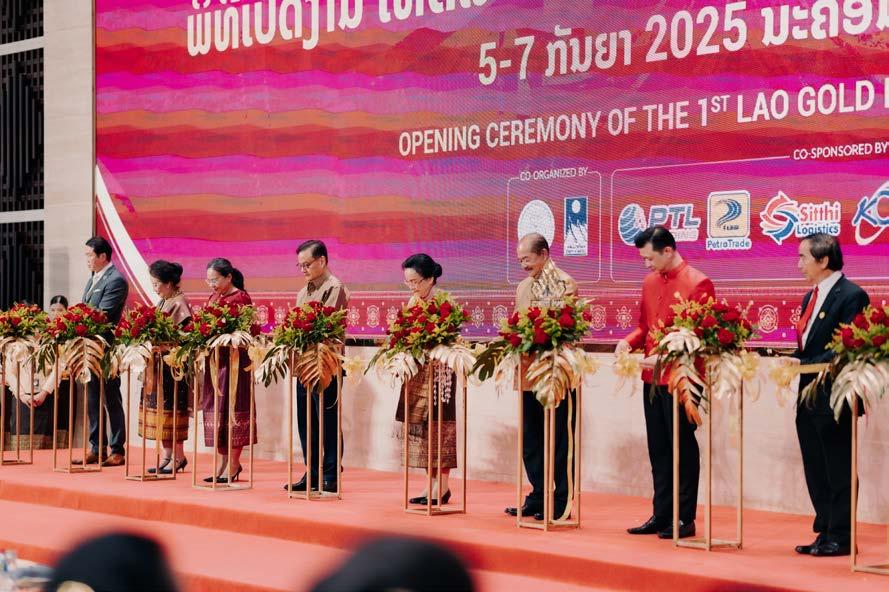
Text
by: Jason Rolan
Photos by: Phoonsab Thevongsa
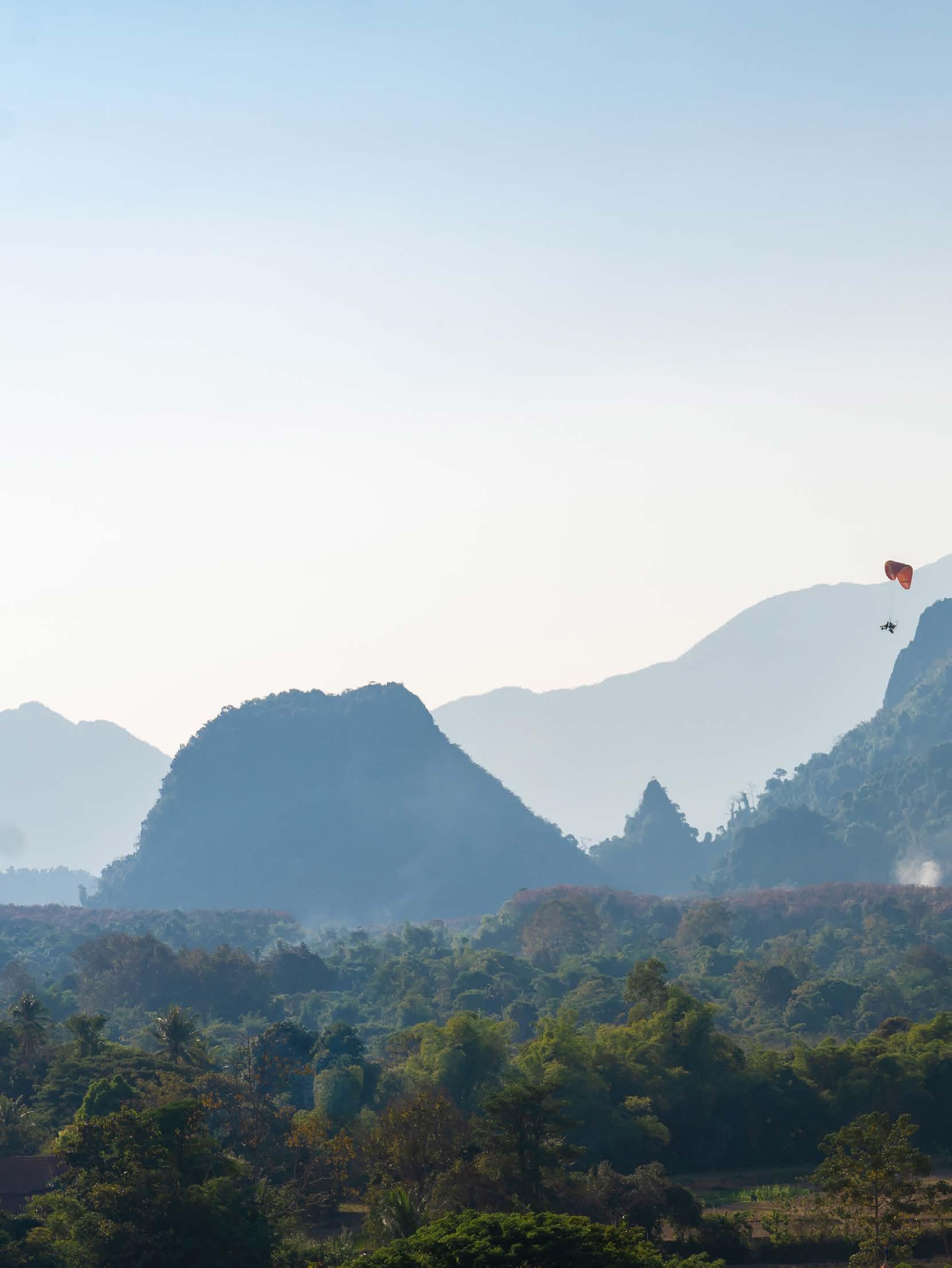
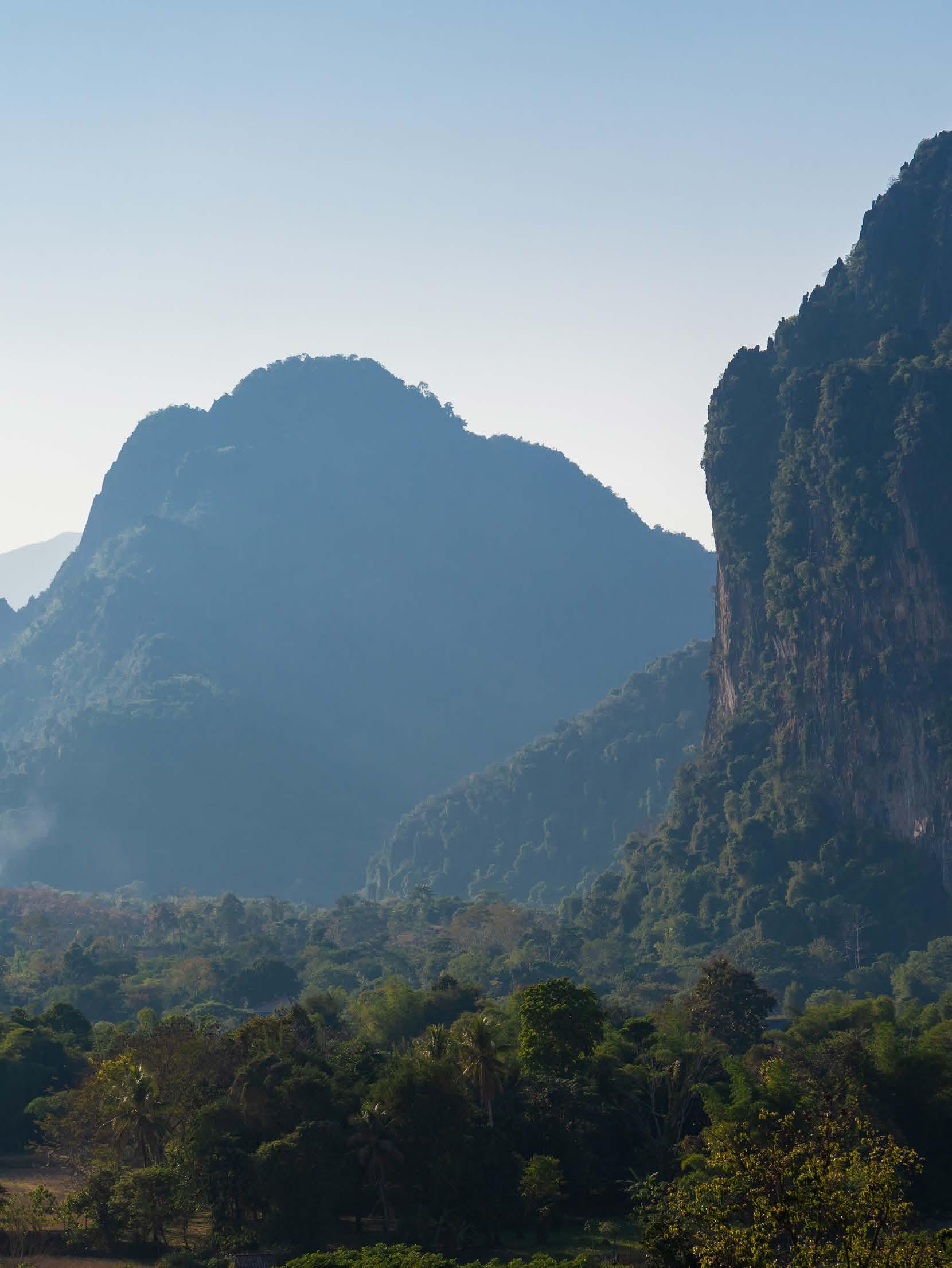
The river is constant. Before the town stirs, before shop shutters lift and kayaks slide into the water, the Nam Song drifts past in a steady hush, under pale limestone cliffs and the soft grey-purple of early morning. Then, almost imperceptibly, the sky begins to change.
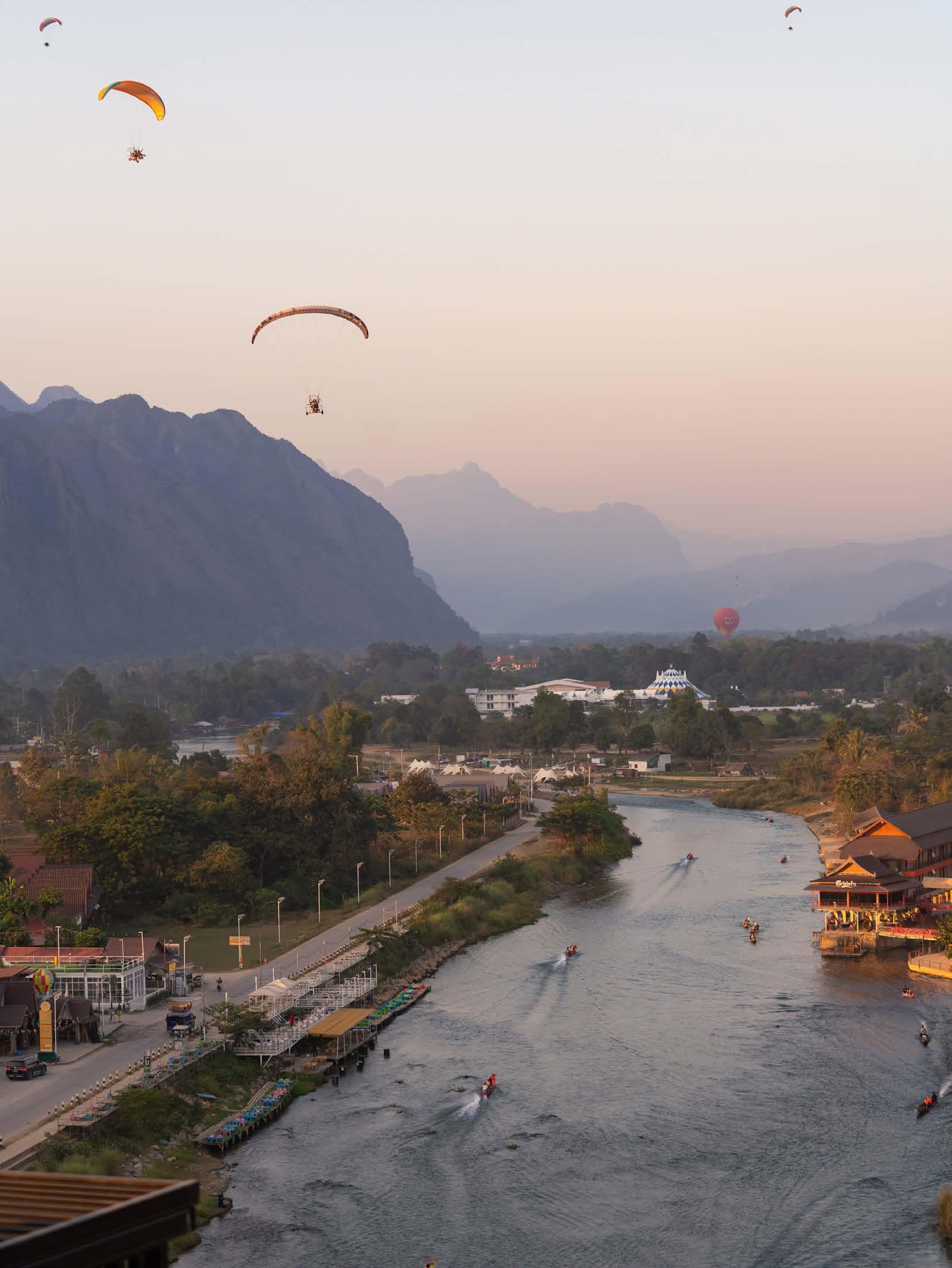
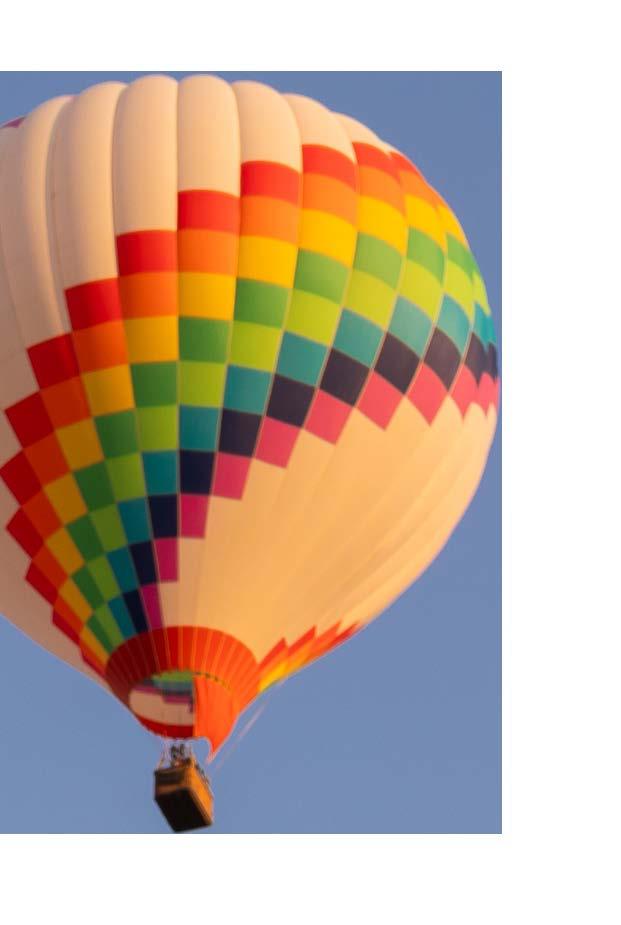
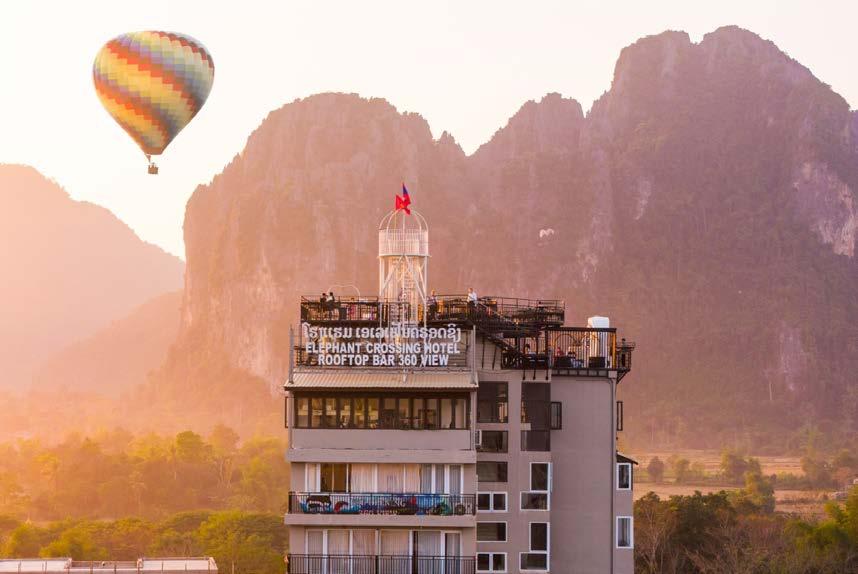
At first, there is no obvious source; just a sudden movement above the valley. One by one, hot air balloons appear over the limestone ridges, already airborne, their colors emerging softly from the mist. Flashes of fire accompany the roar of their burners, pushing the balloons higher. By the time the sun brightens the mountains, a dozen or more drift silently across the sky, floating above the river and fields below. It is one of Vang Vieng’s most quietly arresting moments, best witnessed in stillness.


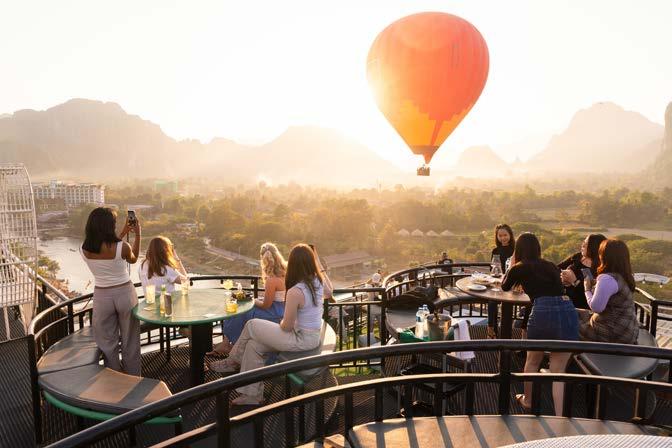

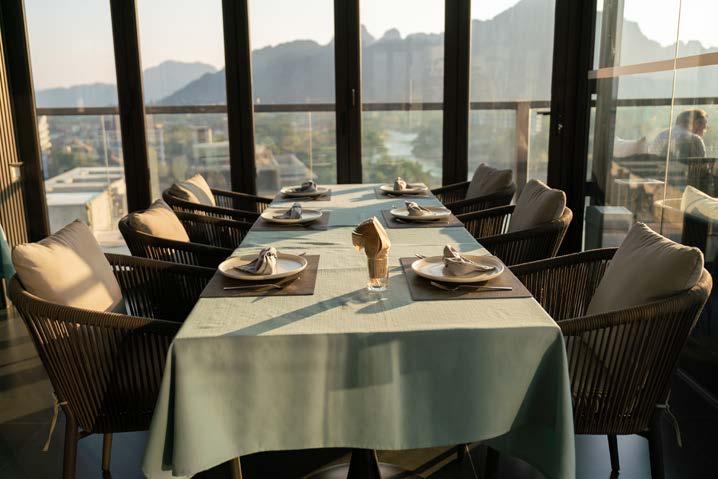
On the river’s edge, The Elephant Crossing Hotel sits perfectly placed for this daily ritual. Recently rebuilt, the hotel is shaped as much by its setting as by its design, with the Nam Song and the surrounding mountains forming a constant presence. It is close enough to town to feel connected, yet its views of the landscape feel escapist.
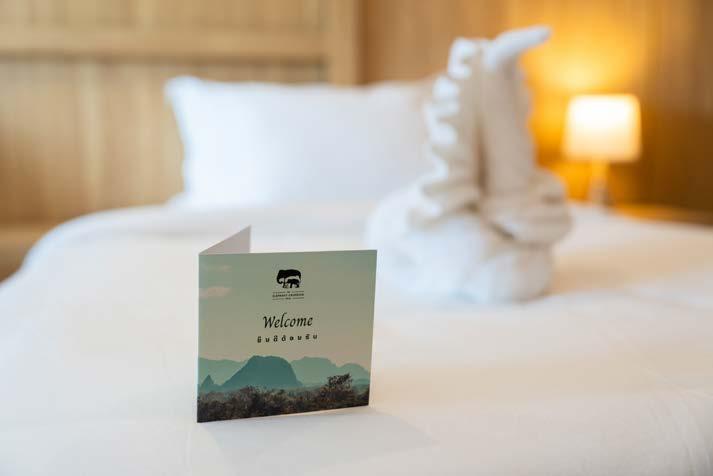
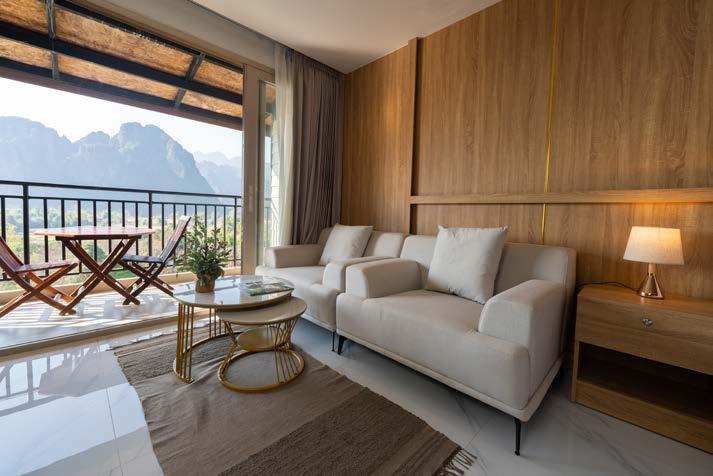
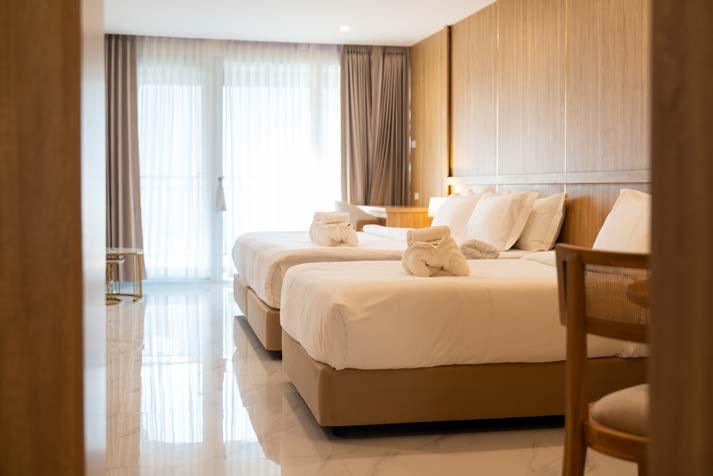
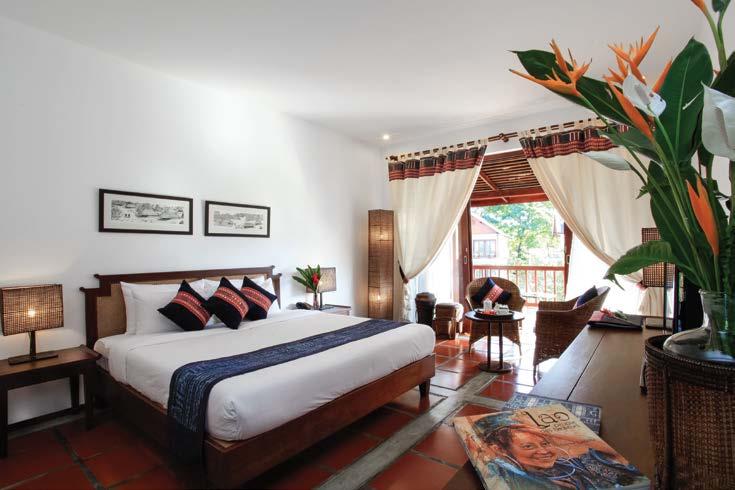
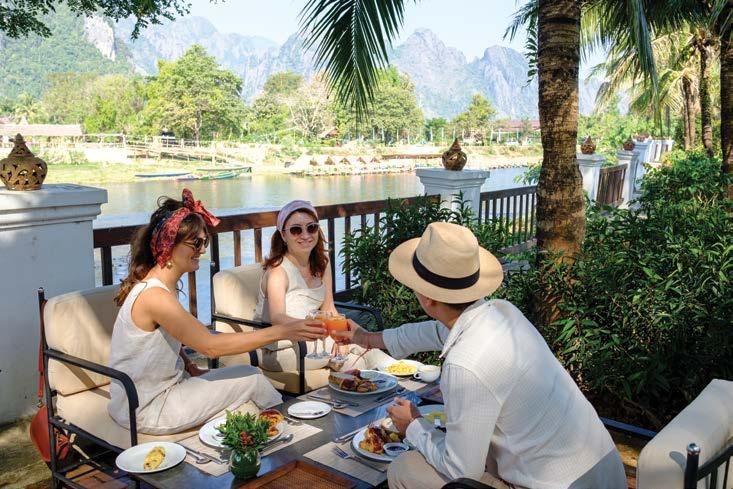
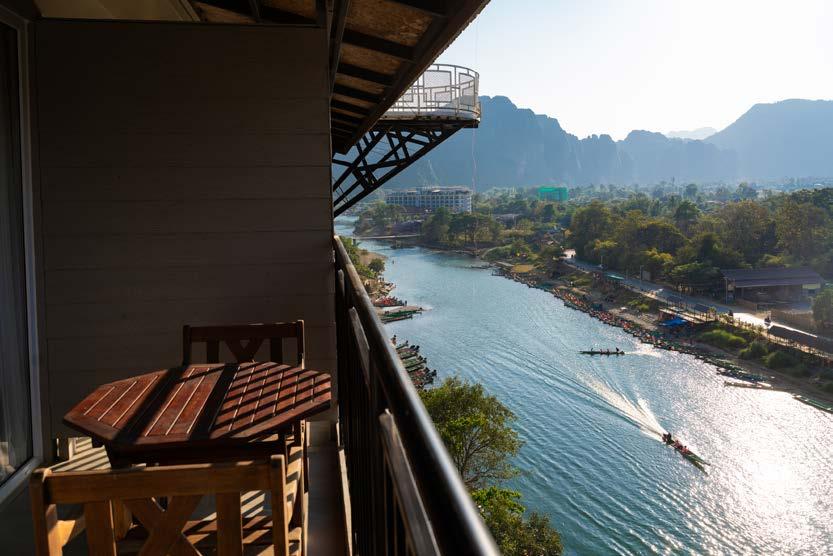
At The Elephant Crossing Hotel, the view is not an afterthought. River-facing suites open onto private balconies, framing the Nam Song as it curves through the valley. In the early hours, guests can step outside with a cup of coffee and watch balloons drift past at eye level, their reflections briefly touching the river below. It is a moment that feels both cinematic and strangely intimate, shared only with a handful of early risers.
Inside, the mood is calm and contemporary. Rooms are spacious and uncluttered, finished in warm tones and natural textures that echo the environment beyond the glass. Comfort is prioritized, think generous beds, air-conditioning, and modern bathrooms, without unnecessary embellishment. City-view rooms offer a different rhythm, looking out across rooftops and toward the hills that ring the town.
As the day unfolds, the town grows livelier. Kayaks appear on the river, bicycles roll through dusty lanes, and the once-quiet sky clears. By late afternoon, attention turns upward once more.
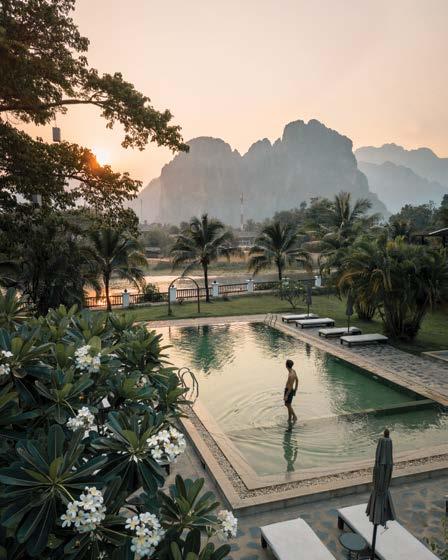
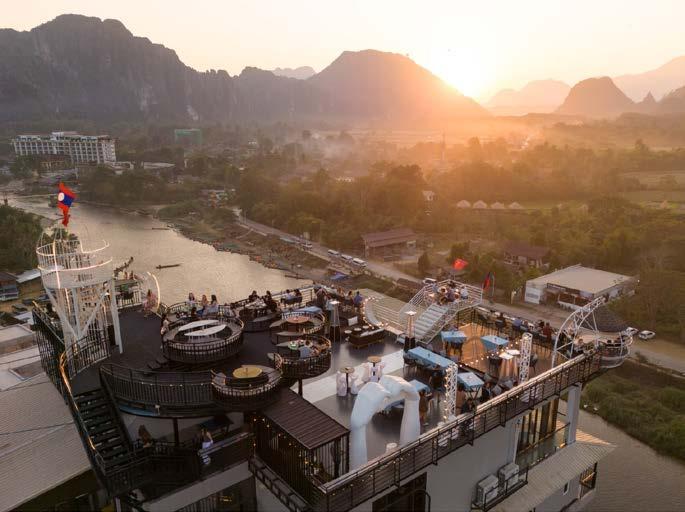
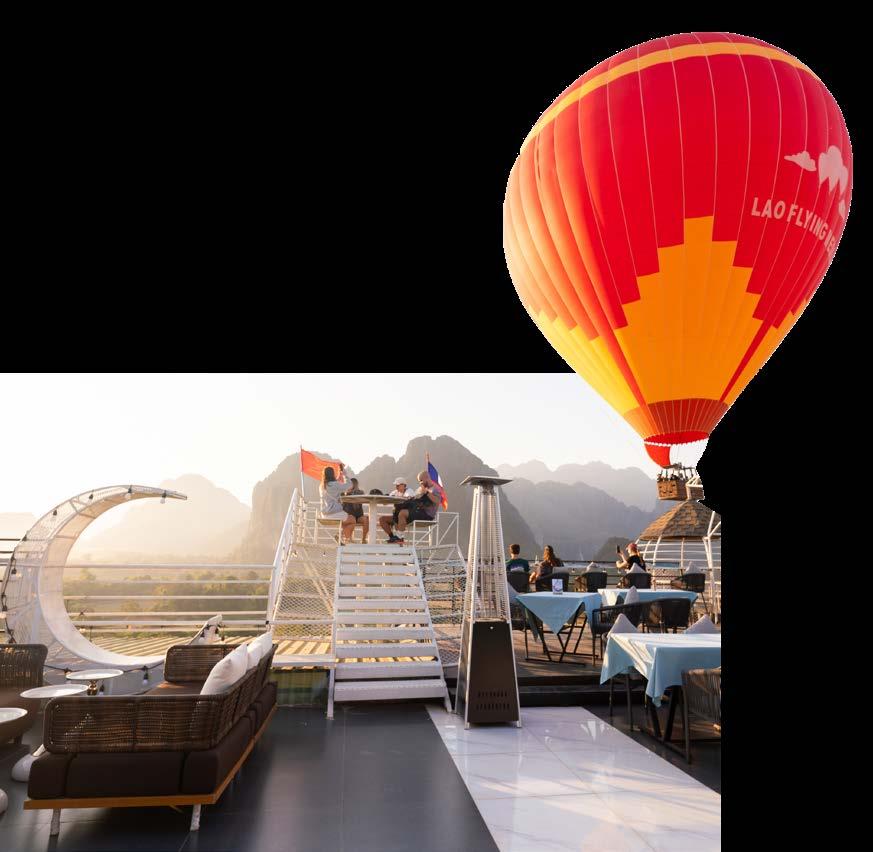
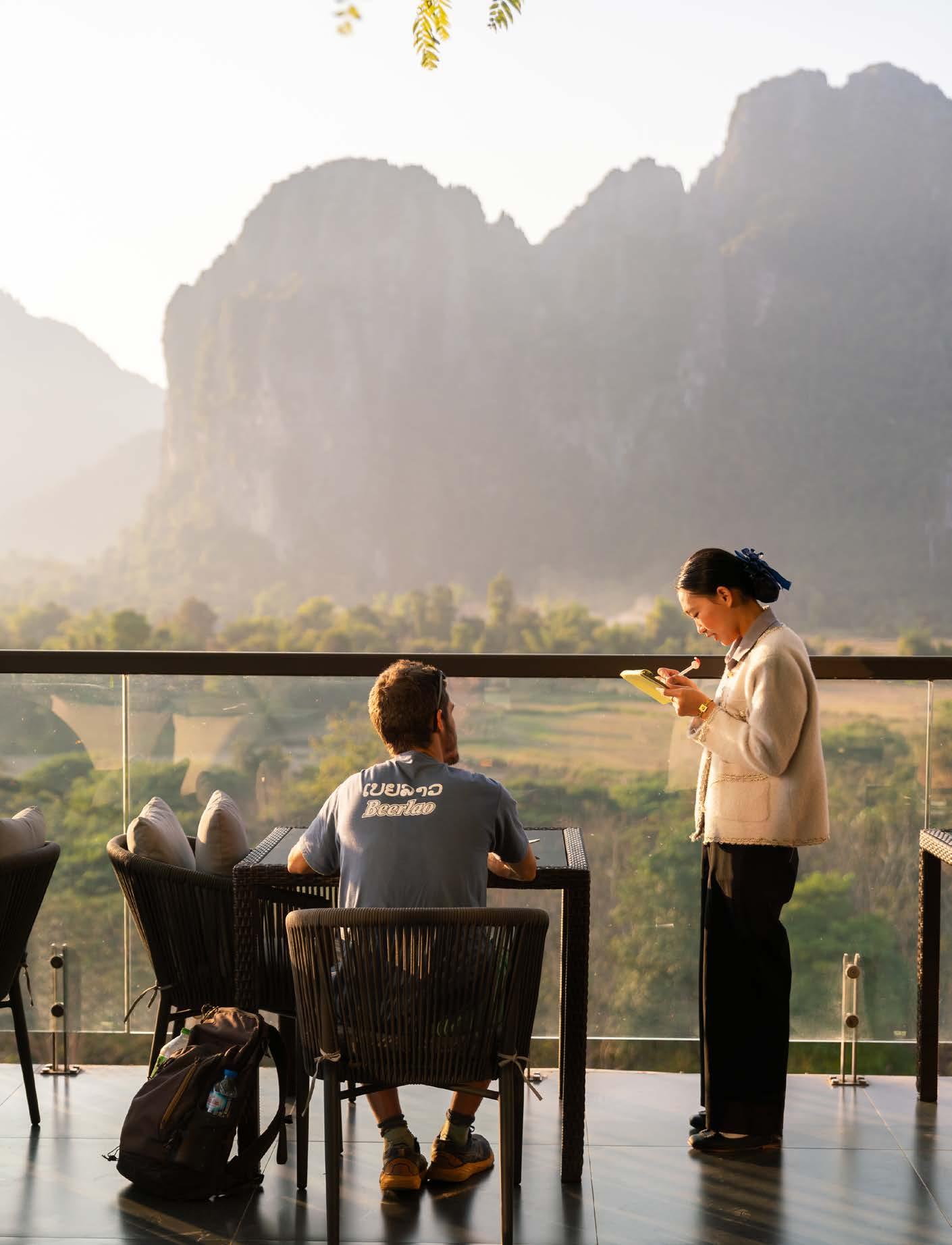
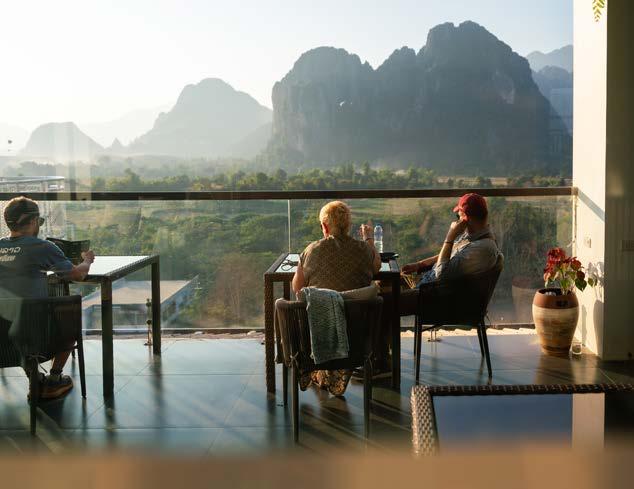
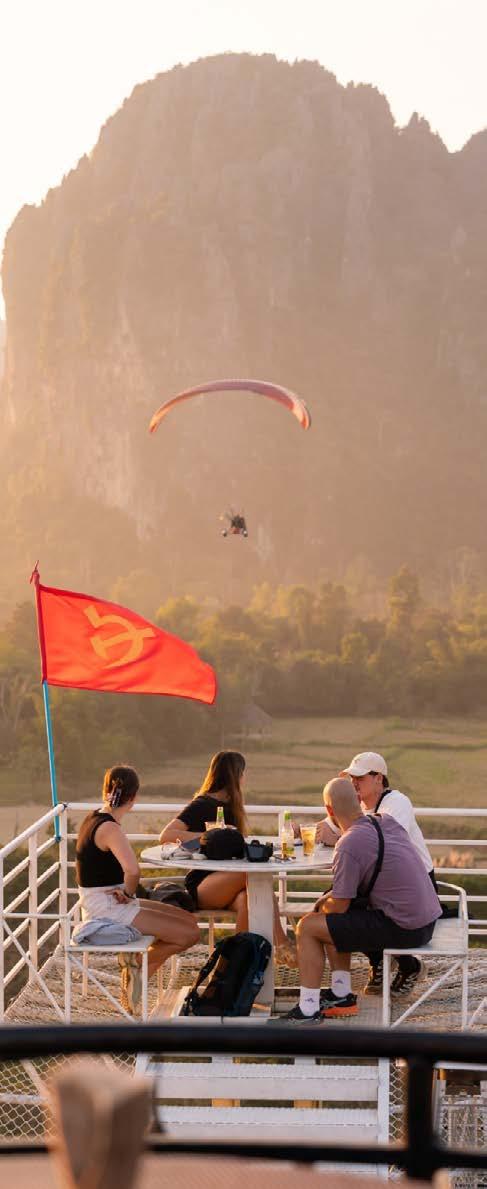
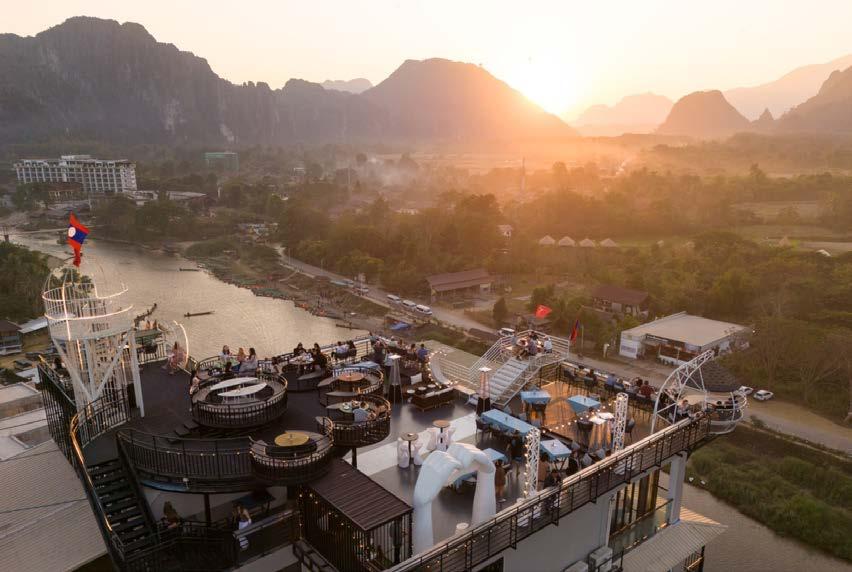
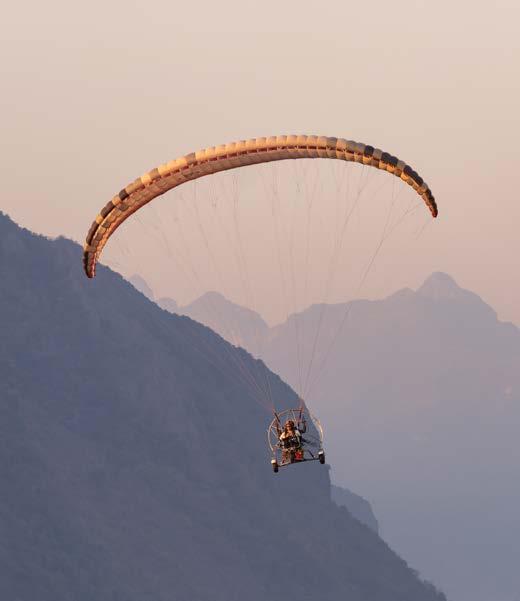
At Elevate 9, the hotel’s rooftop restaurant and lounge, the view widens dramatically. From this vantage point, the valley stretches in all directions, the Nam Song rushing below and limestone formations beyond. Just before sunset, the sky animates again. Another wave of hot air balloons lifts off, joined by paramotors that hum gently as they arc across the horizon.
From the rooftop, the effect is mesmerizing. Balloons puff as burners ignite, paramotors glide low against the cliffs, and the mountains shift through shades of amber and rose after the sun sets. Guests linger over dinner or a drink, pausing mid-conversation as the sky steals focus once more.
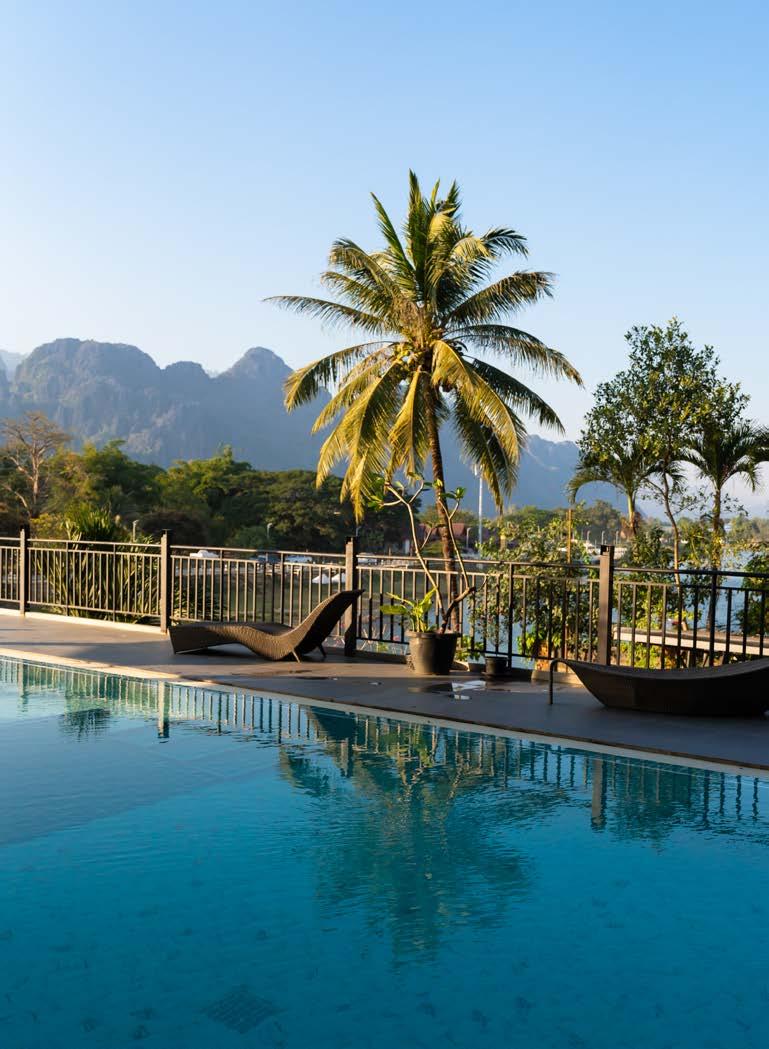
Back at ground level, the hotel’s swimming pool offers a quieter counterpoint to the drama above. Framed by palms and mountain views, it is a place for floating, reading, or simply watching the river pass. As daylight fades, the sounds of the town soften, replaced by the rhythm of water and distant laughter drifting from terraces nearby.
While Vang Vieng is known for adventure, with an abundance of kayaking, cycling, horseback riding, caves, and lagoons to explore, The Elephant Crossing Hotel offers a gentler way to experience Vang Vieng. Its location allows easy access to activities, while preserving a sense of retreat at day’s end. After hours spent exploring, returning to the river’s edge feels grounding.
For couples, independent travelers, and small groups, the appeal lies in balance: comfort without excess, connection without crowds, and a front-row seat to a landscape that steals the show.
For bookings or more info, visit: theelephantcrossinghotel.com. Contact us +856 20 5878 3472
Getting there: Vang Vieng is a short drive north of Vientiane.
Elephant Crossing Hotel)
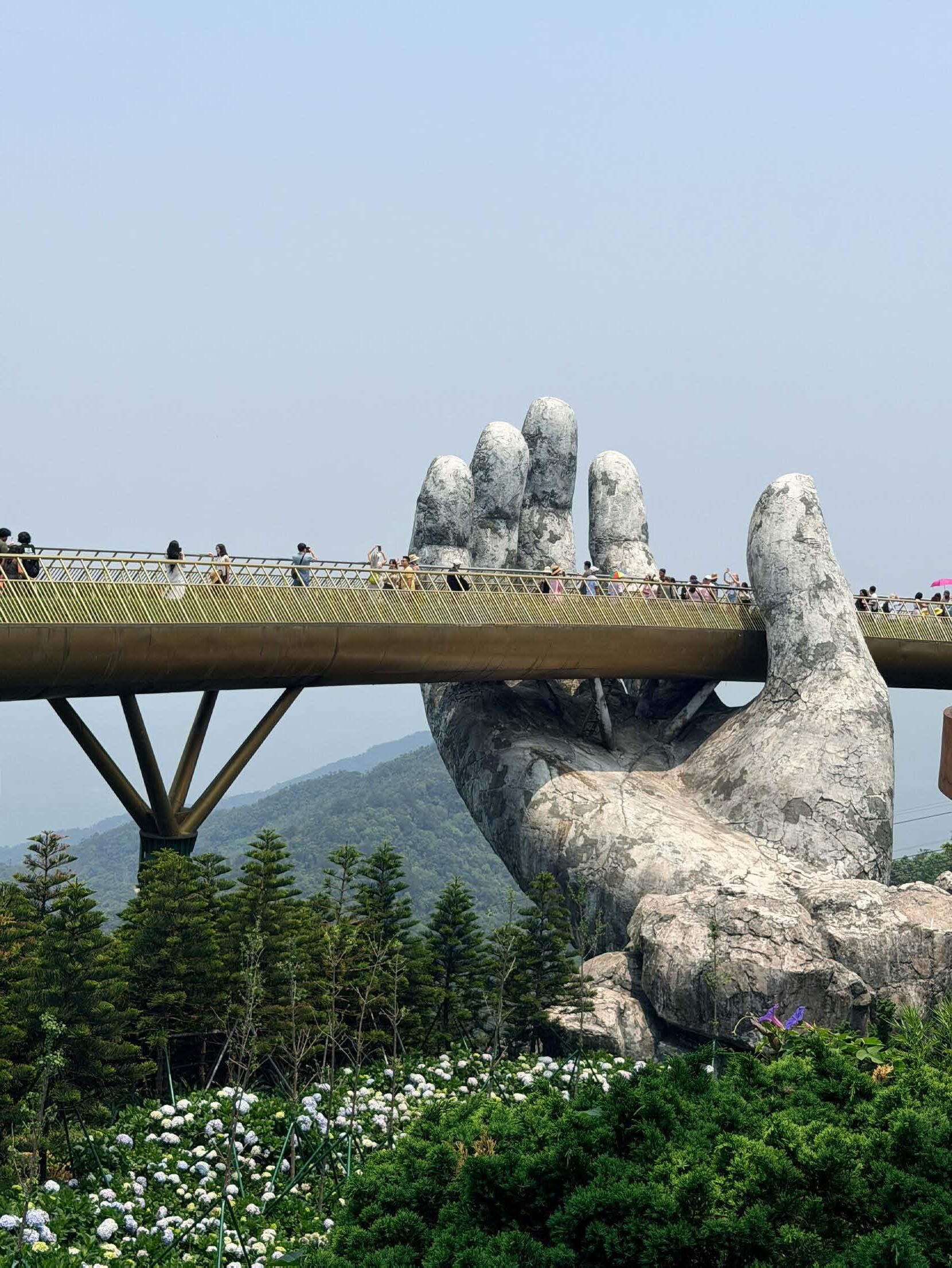
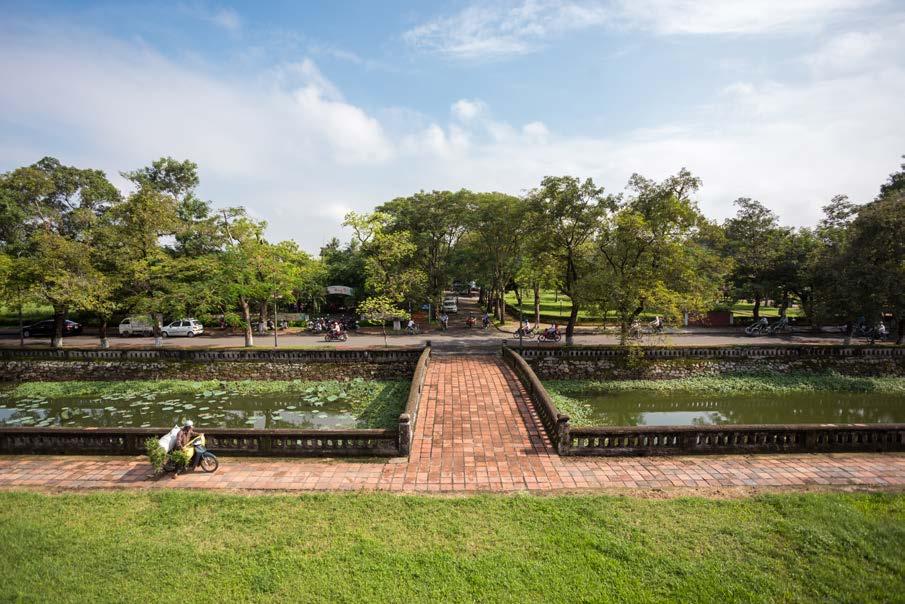
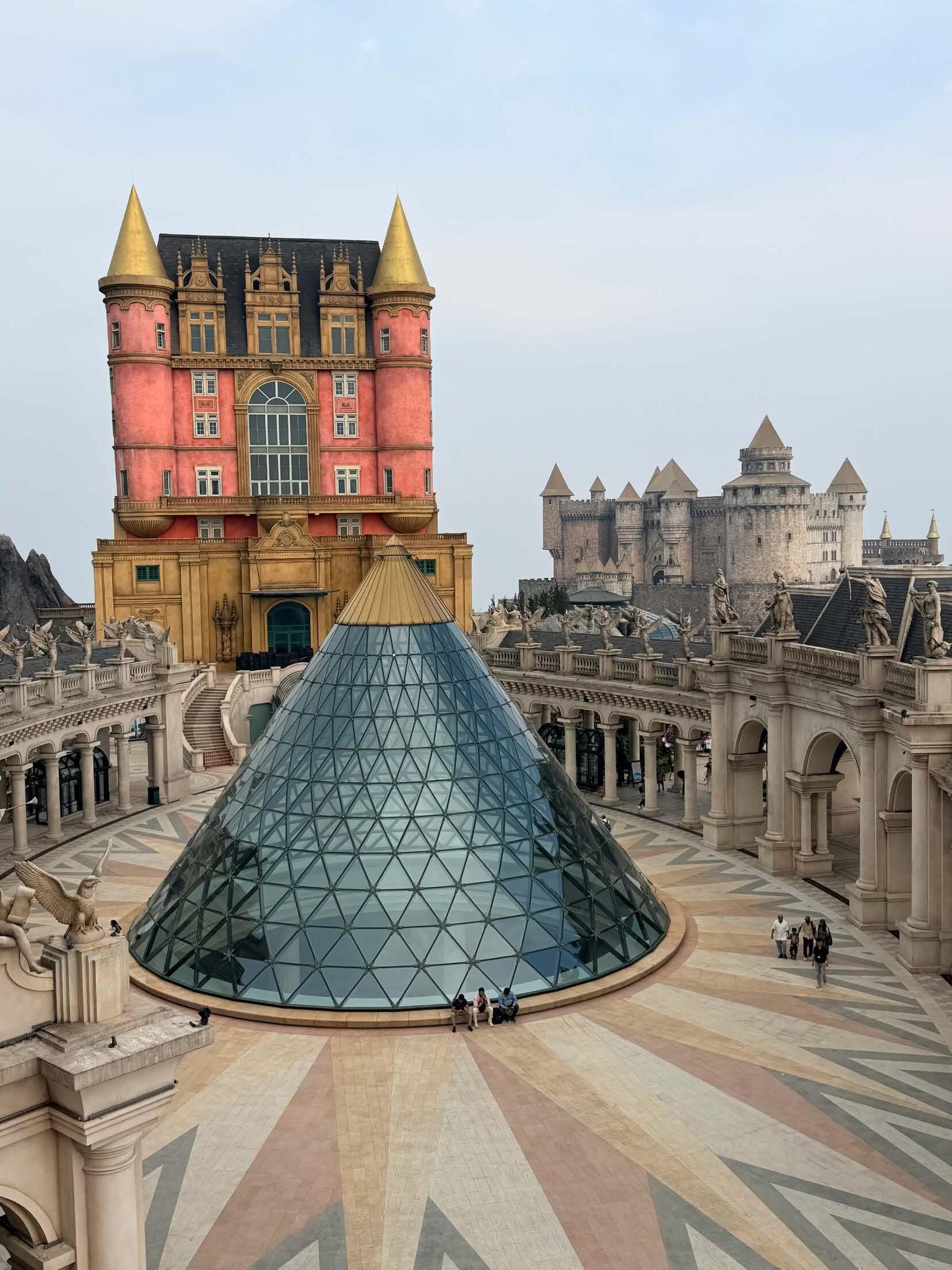
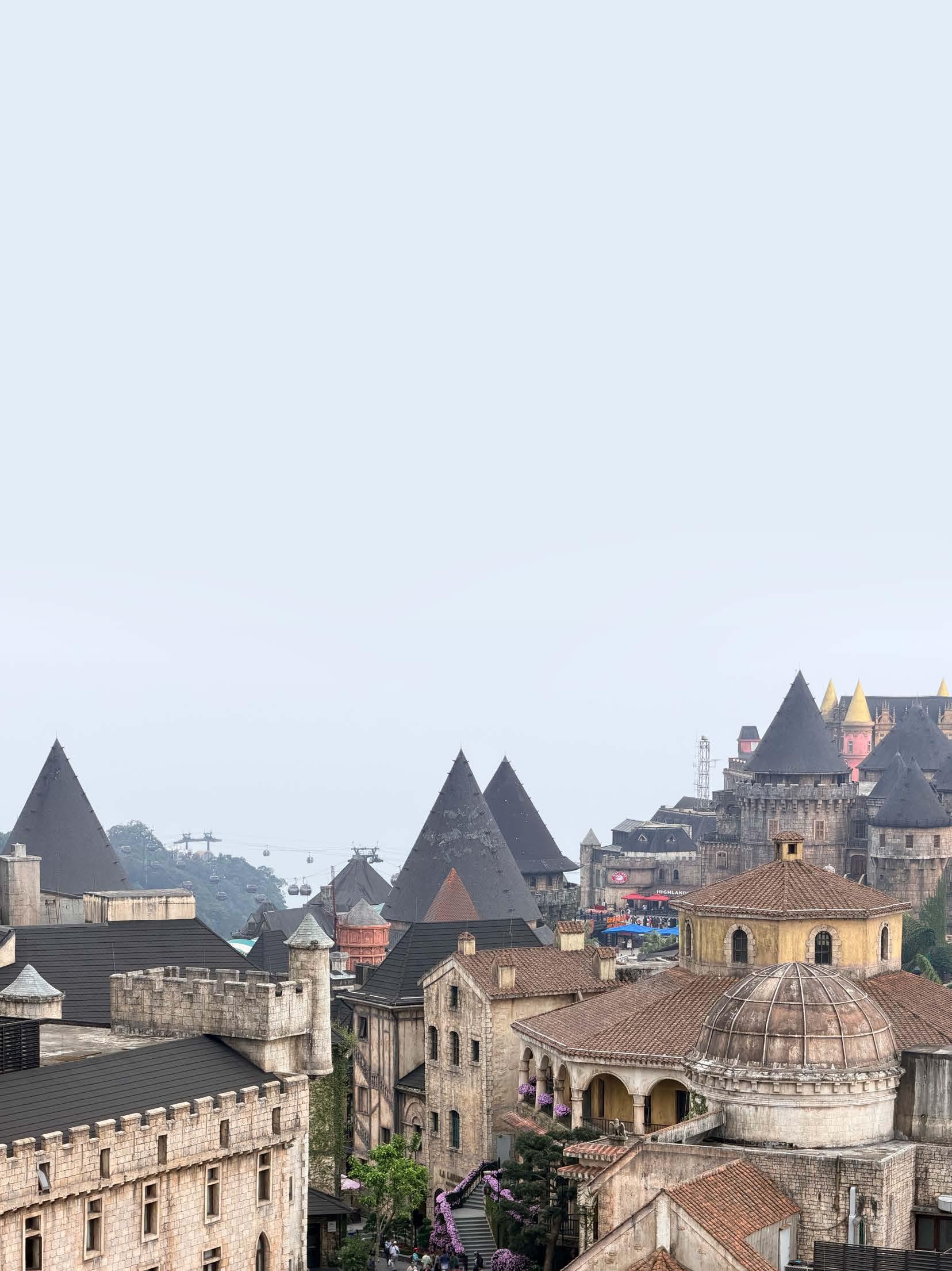
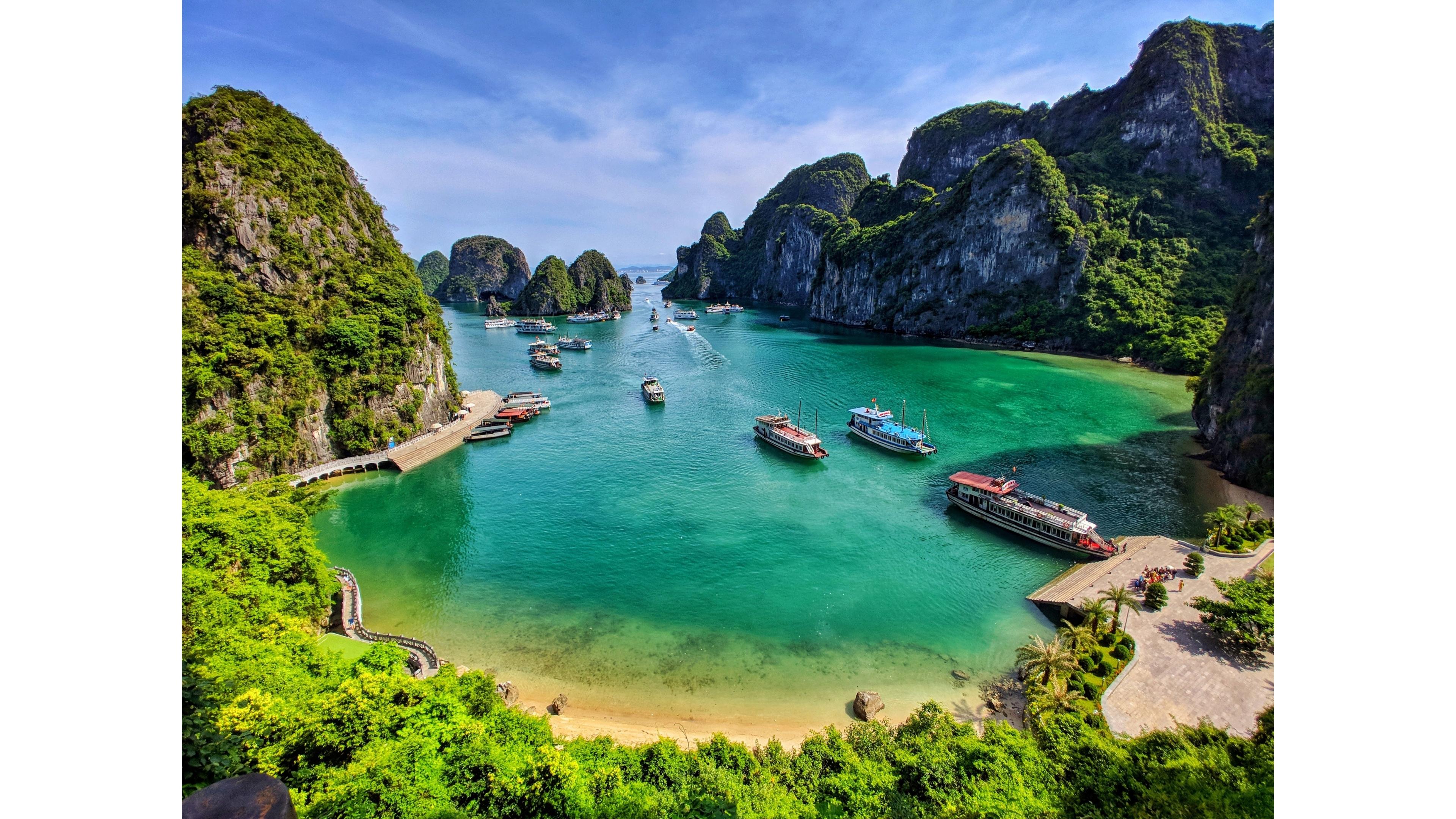
The morning sun rises softly over the coast of Danang, blurring the line between sea and sky as fishing boats drift out across the water. Along the wide stretch of My Khe Beach, the day begins unhurriedly as locals walk the shoreline, the sand still cool beneath their feet. Beyond the coast, the land rises toward the misted heights of Ba Na Hills, now an enchanting entertainment complex on what was formerly a French colonial hill station.
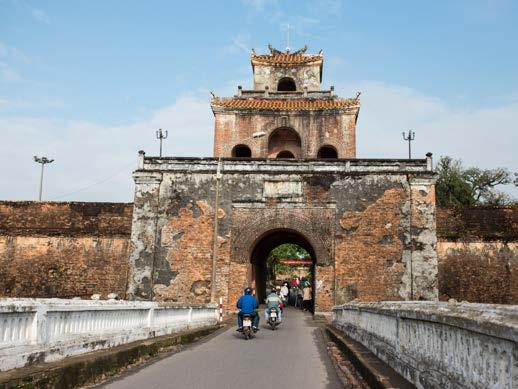
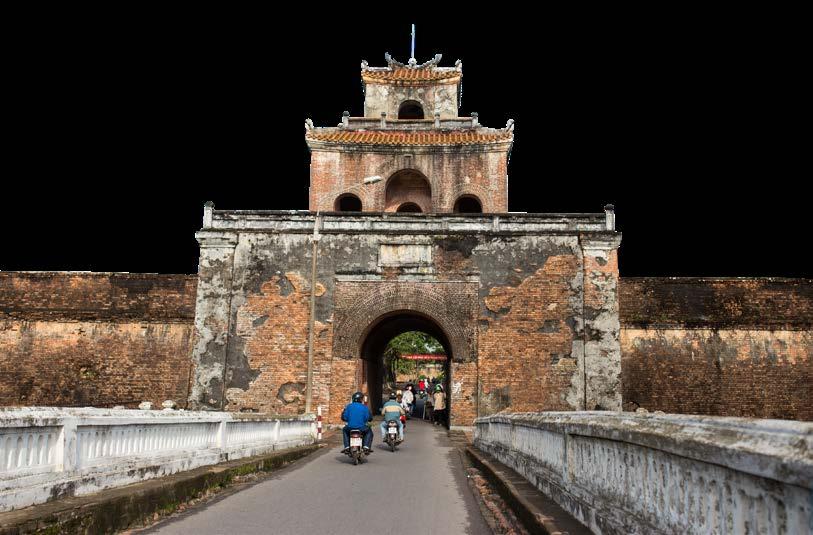
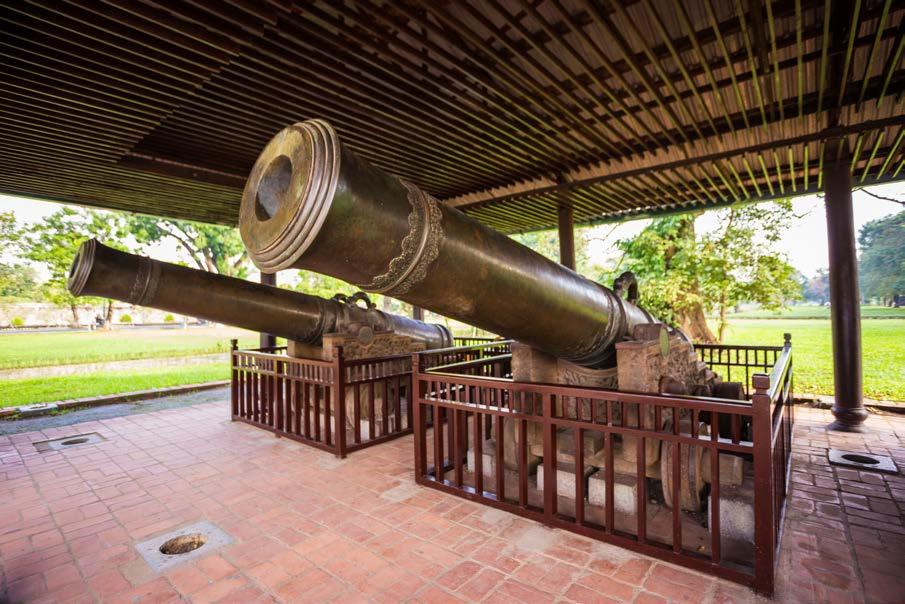
Further north, Hue carries a history not preserved behind glass, but woven into daily life. Within the walls of the Imperial Citadel of Hue, the legacy of the Nguyen dynasty lingers in weathered stone and quiet courtyards. Along the Perfume River, boats move gently with the current as traditional music drifts across the water at dusk. Together, Danang and Hue offer more than a change of scenery; they trace a passage through Vietnam’s cultural and historical heart.
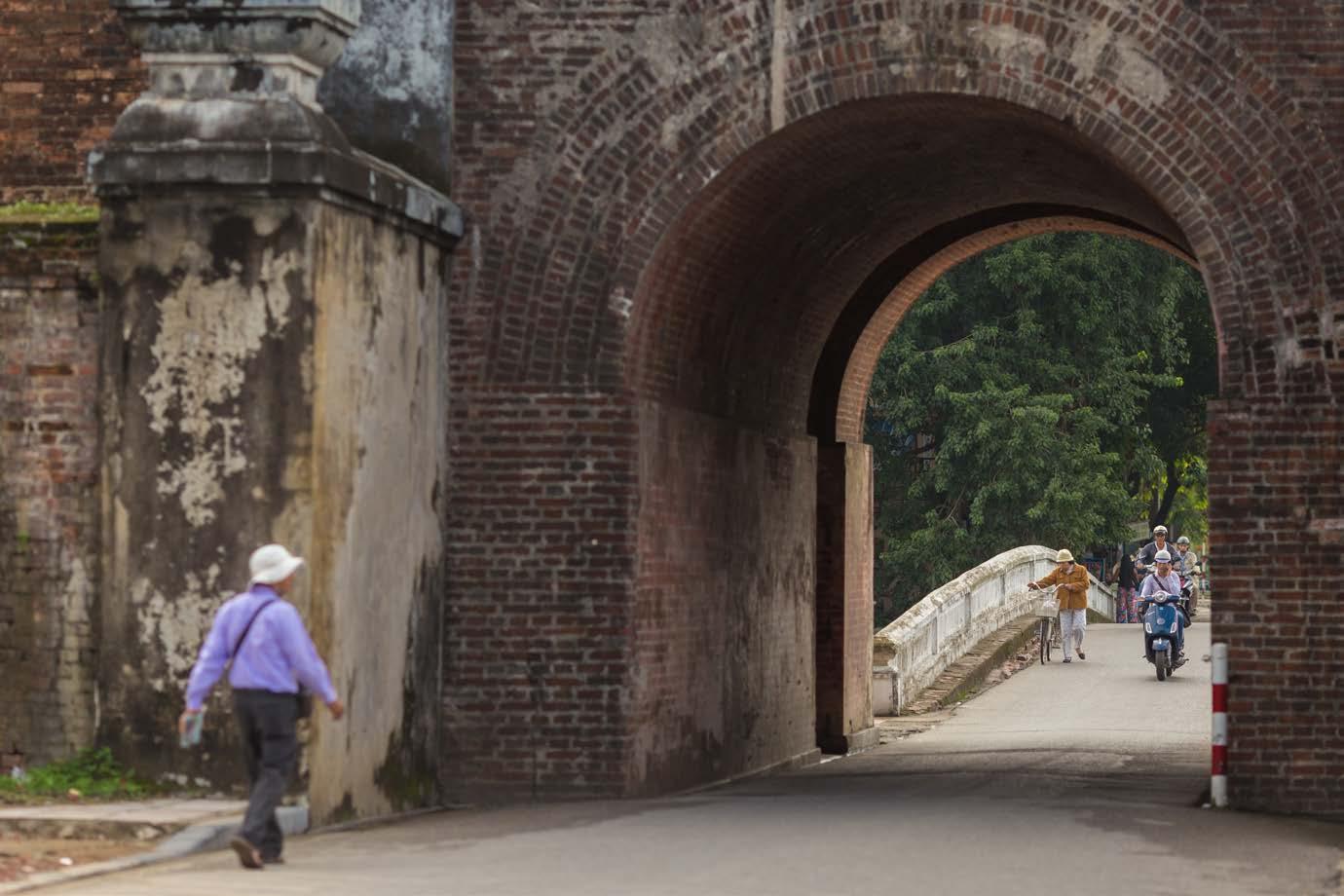
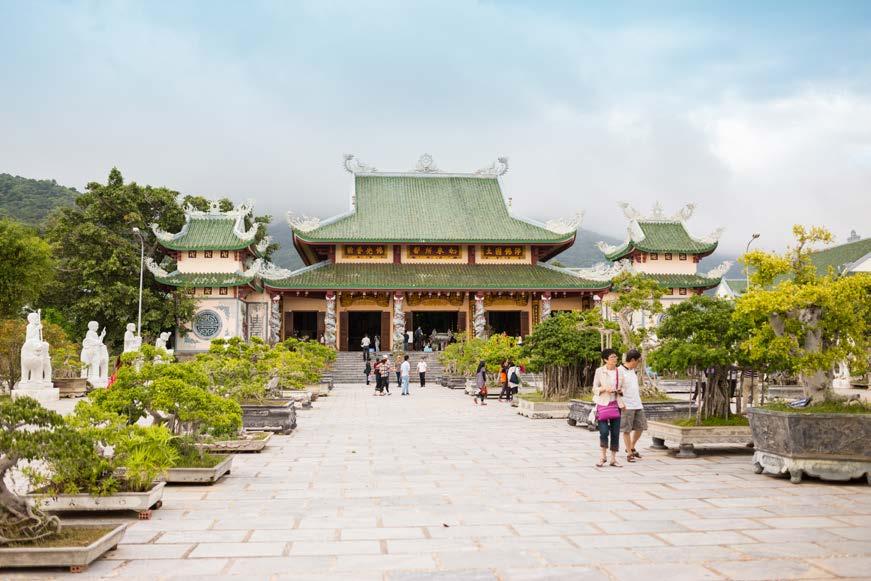
1: Linh Ung Pagoda in Danang
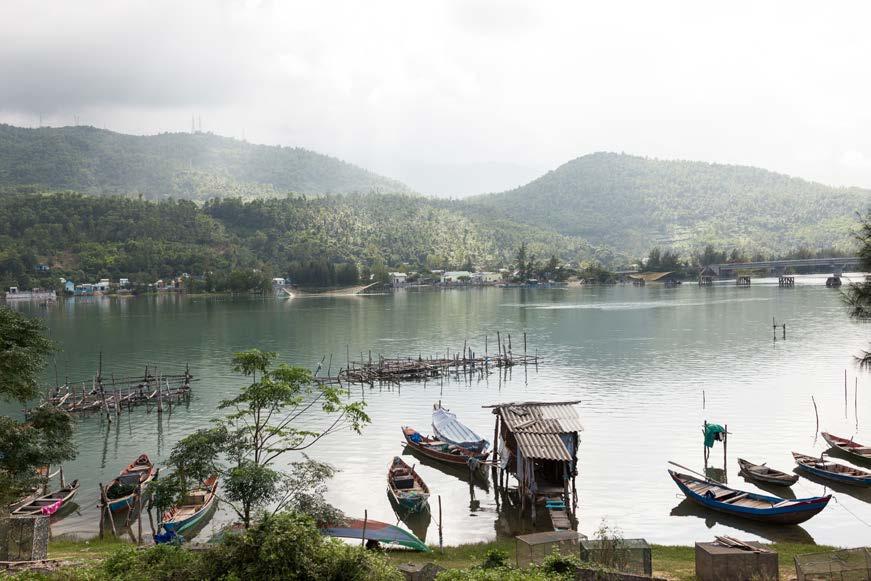
2: Fishing boats
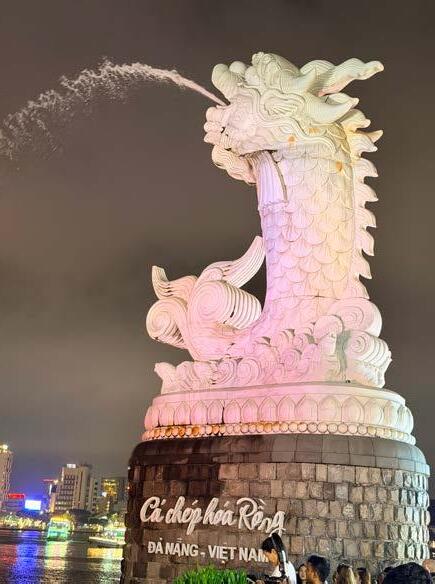
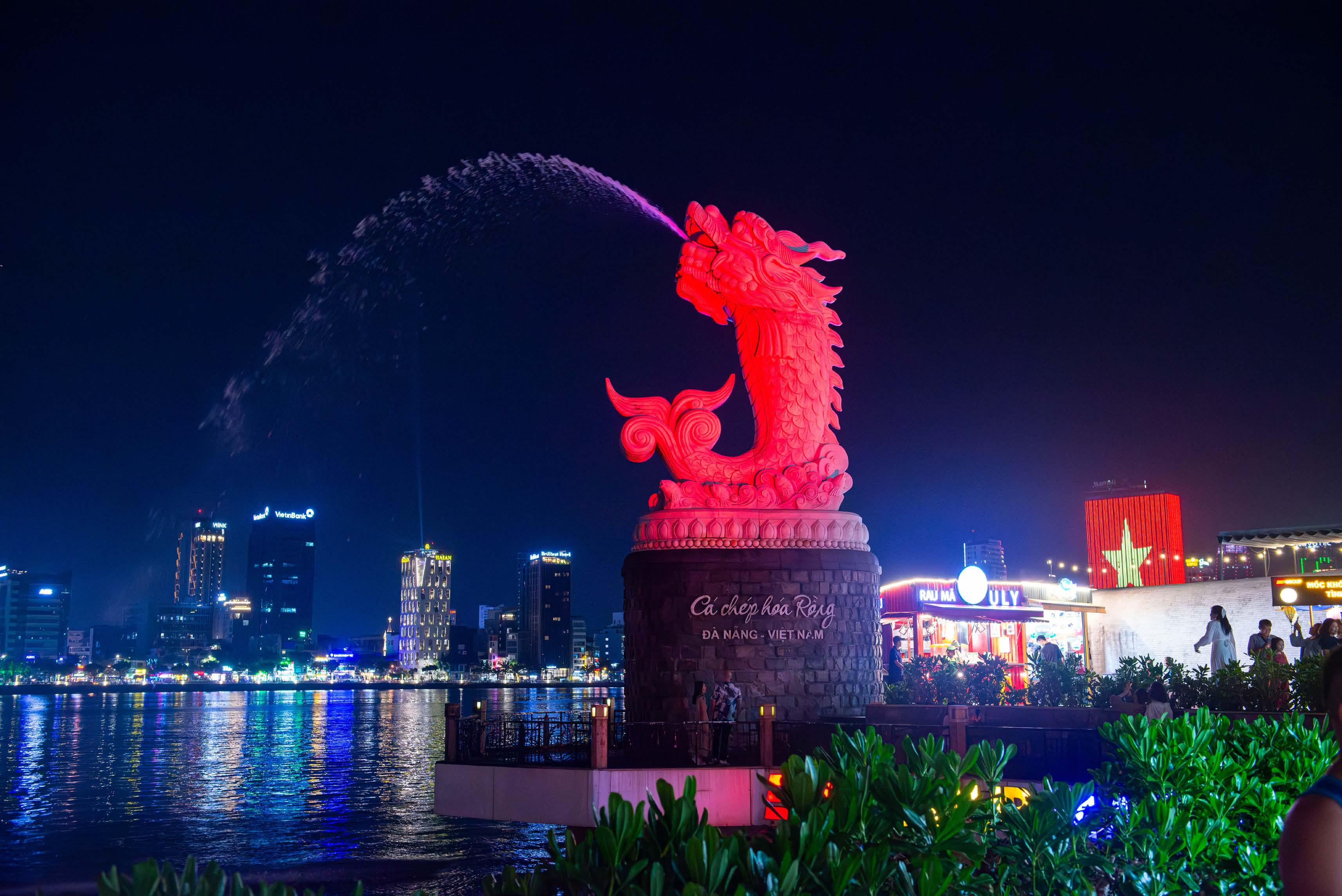
3: A Dragon Carp fountain
4: Walking along Danang's beautiful beach
5: A golden dragon statue in the Hue citadel
6: The Thai Hoa Throne Hall
7: Landscaped gardens in the palace
8: The Imperial Grand Cannons
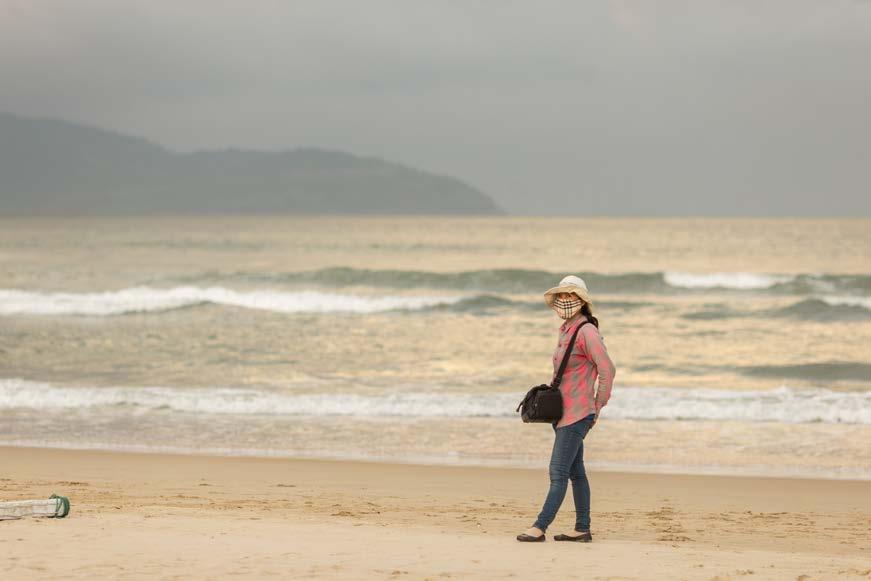
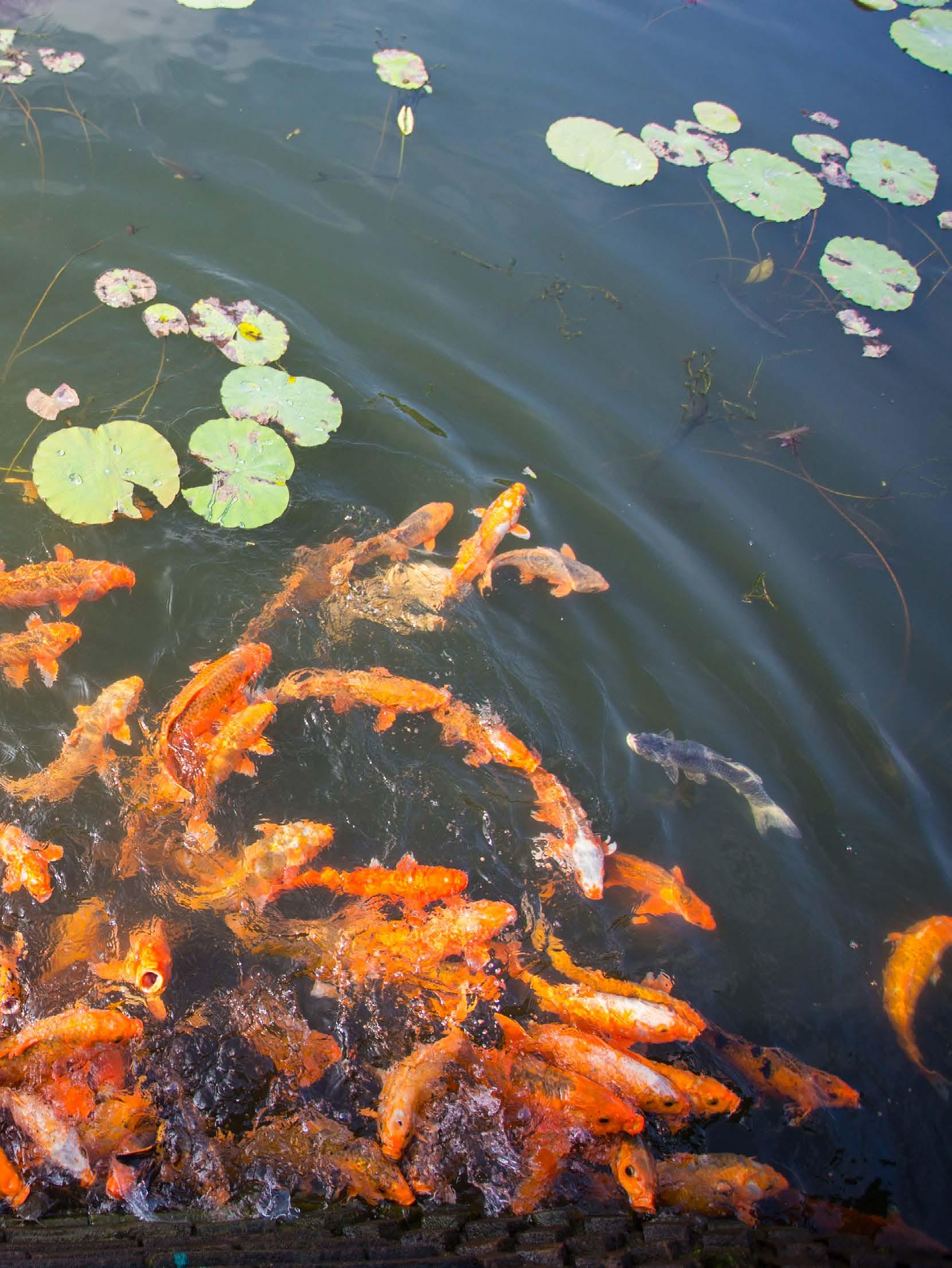
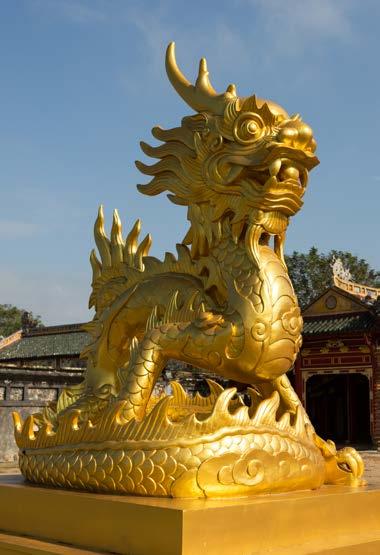
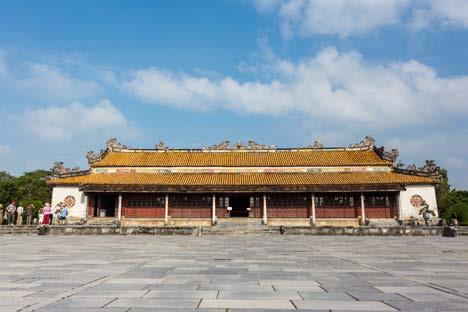
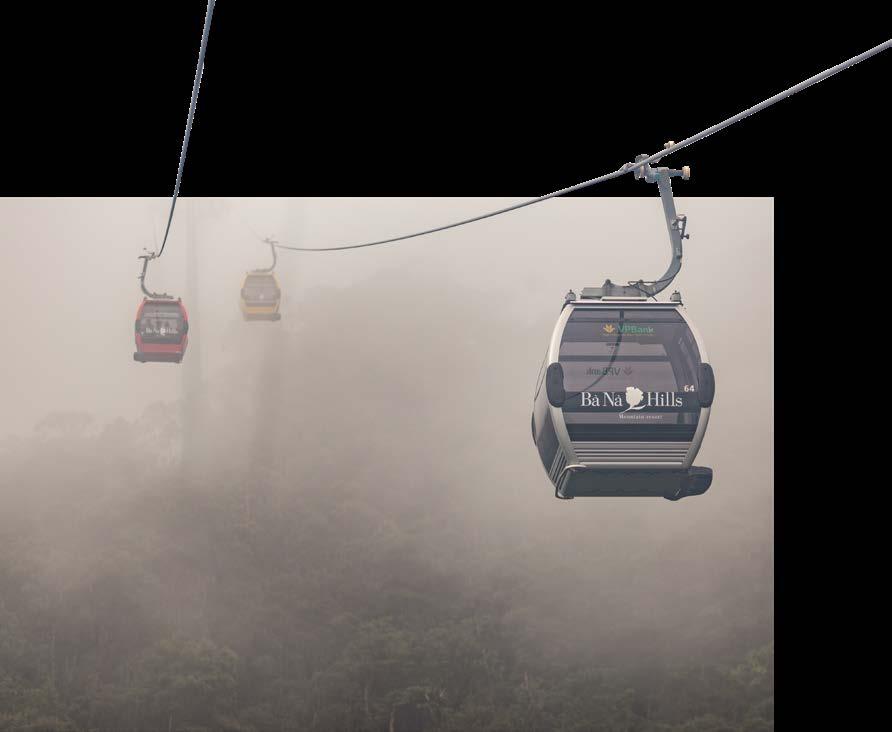
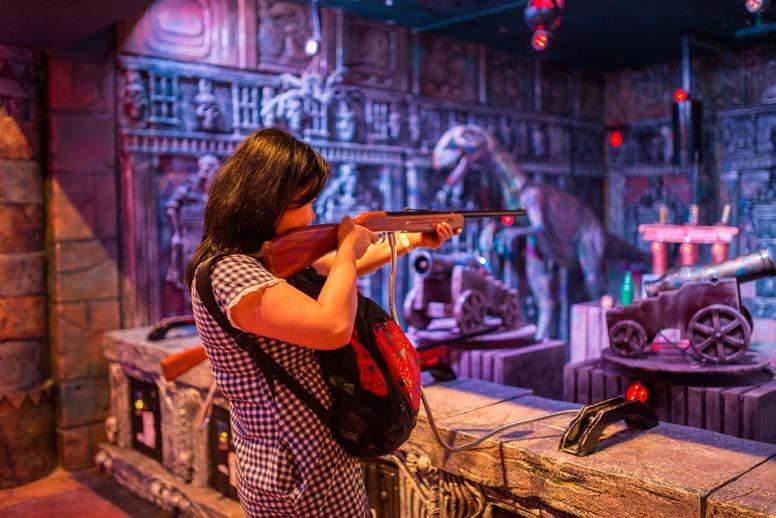
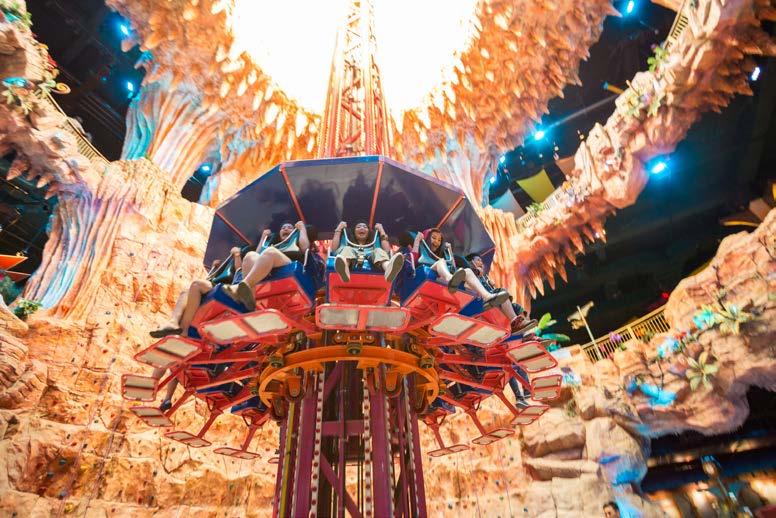
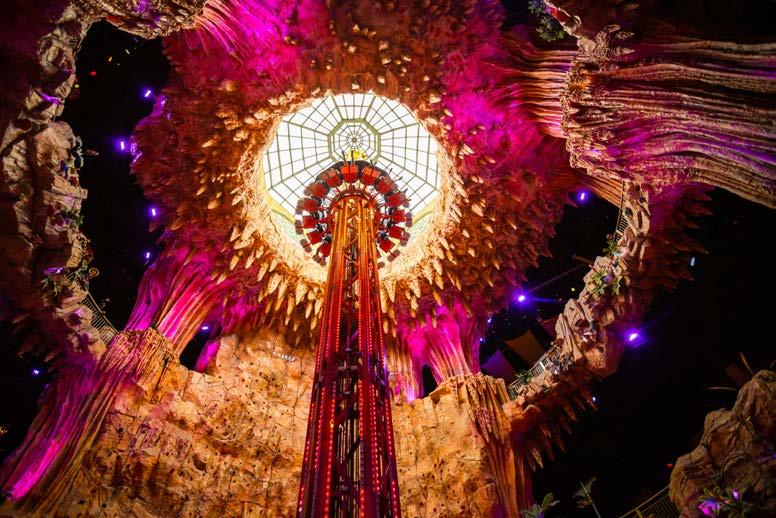
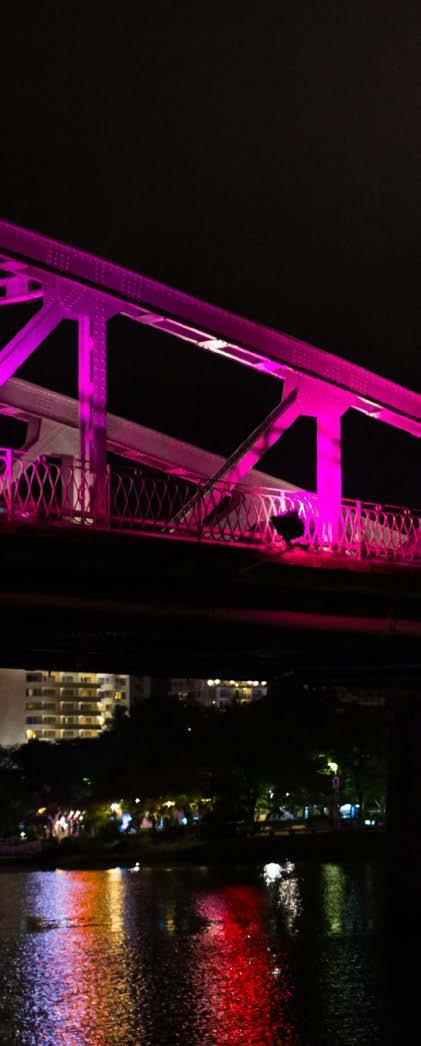
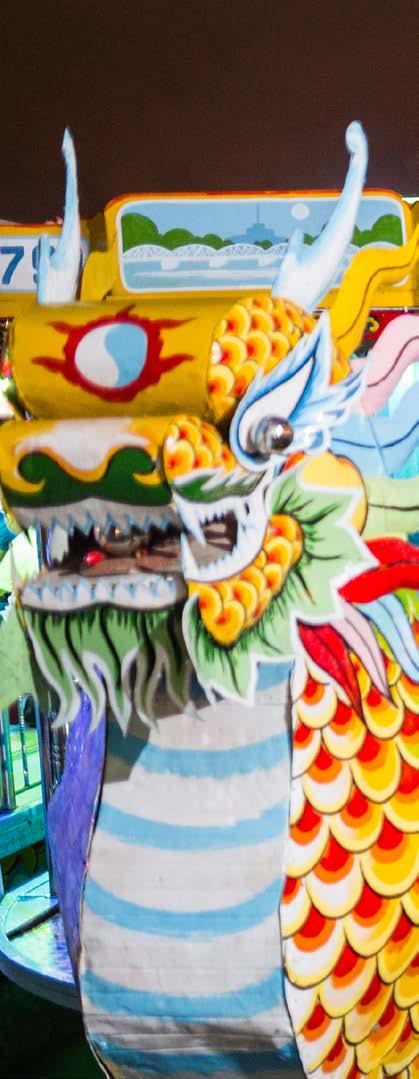
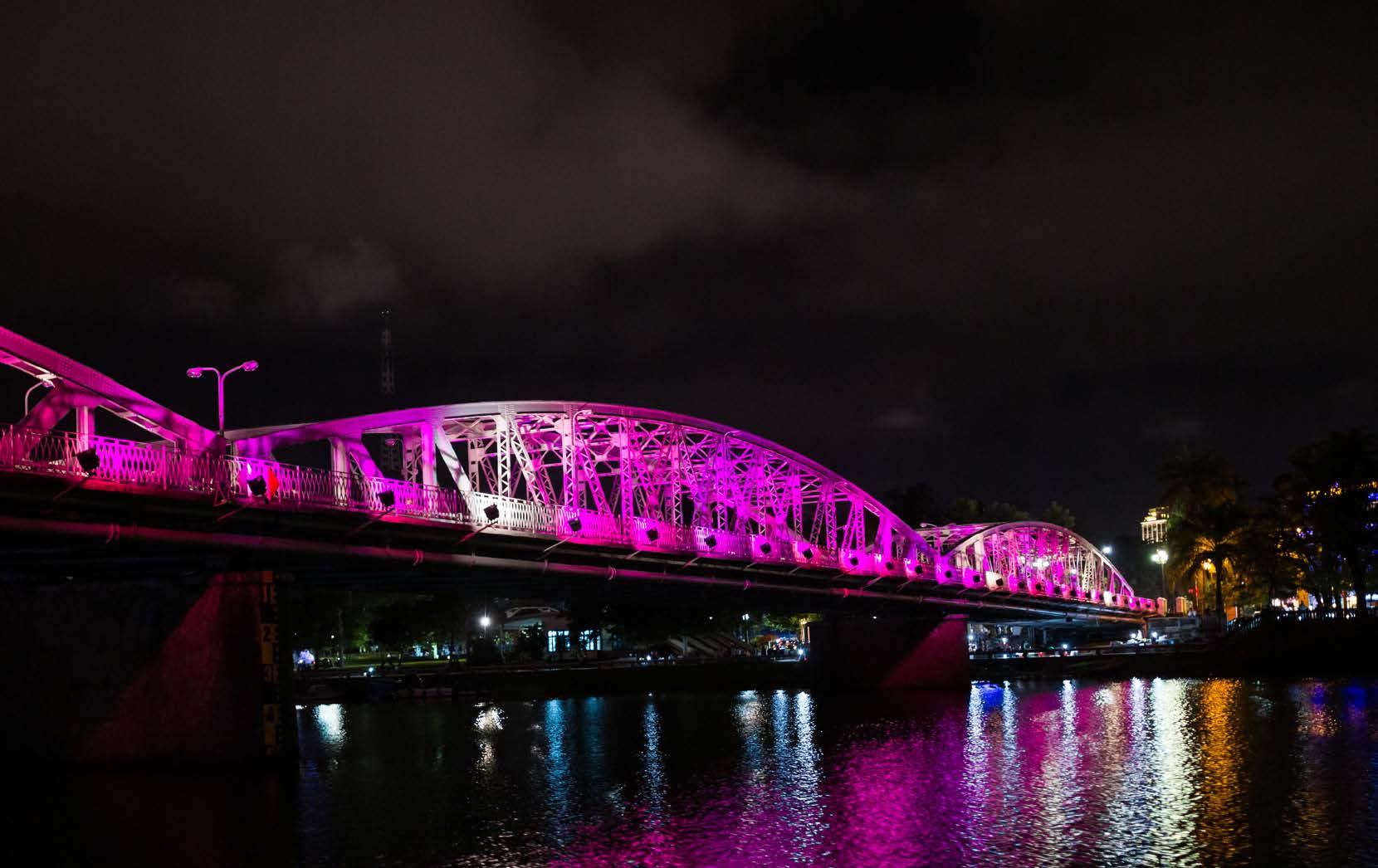
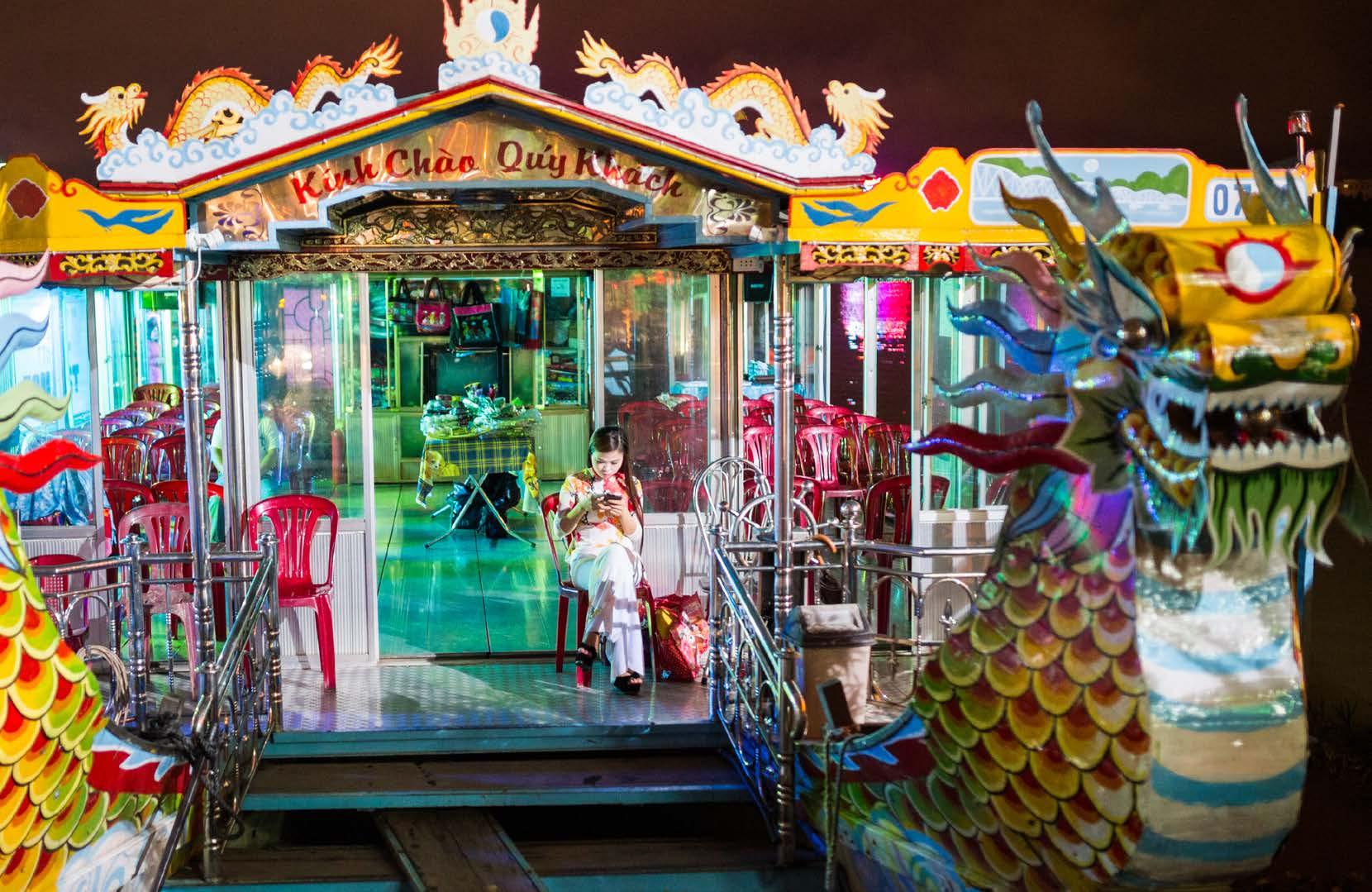
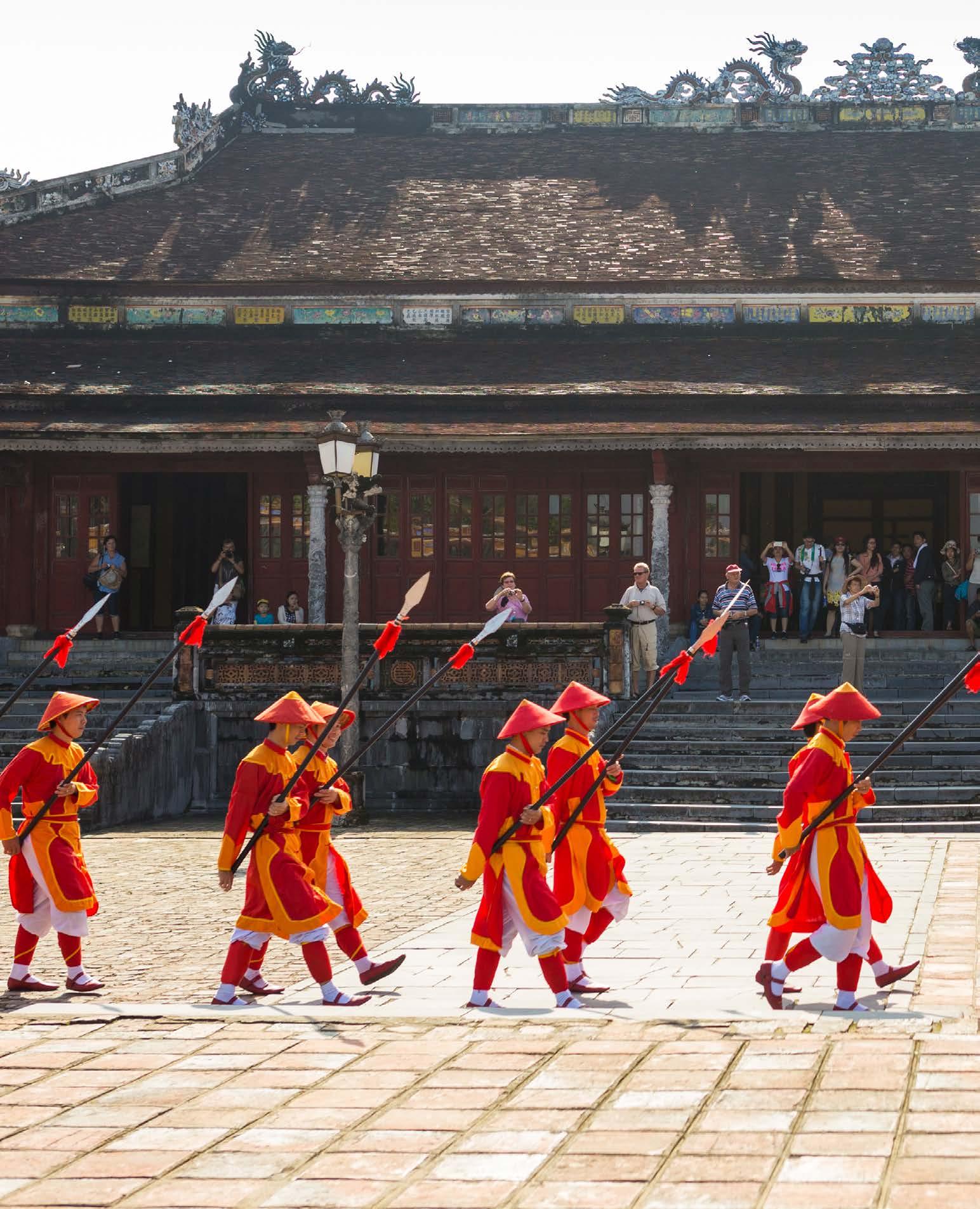
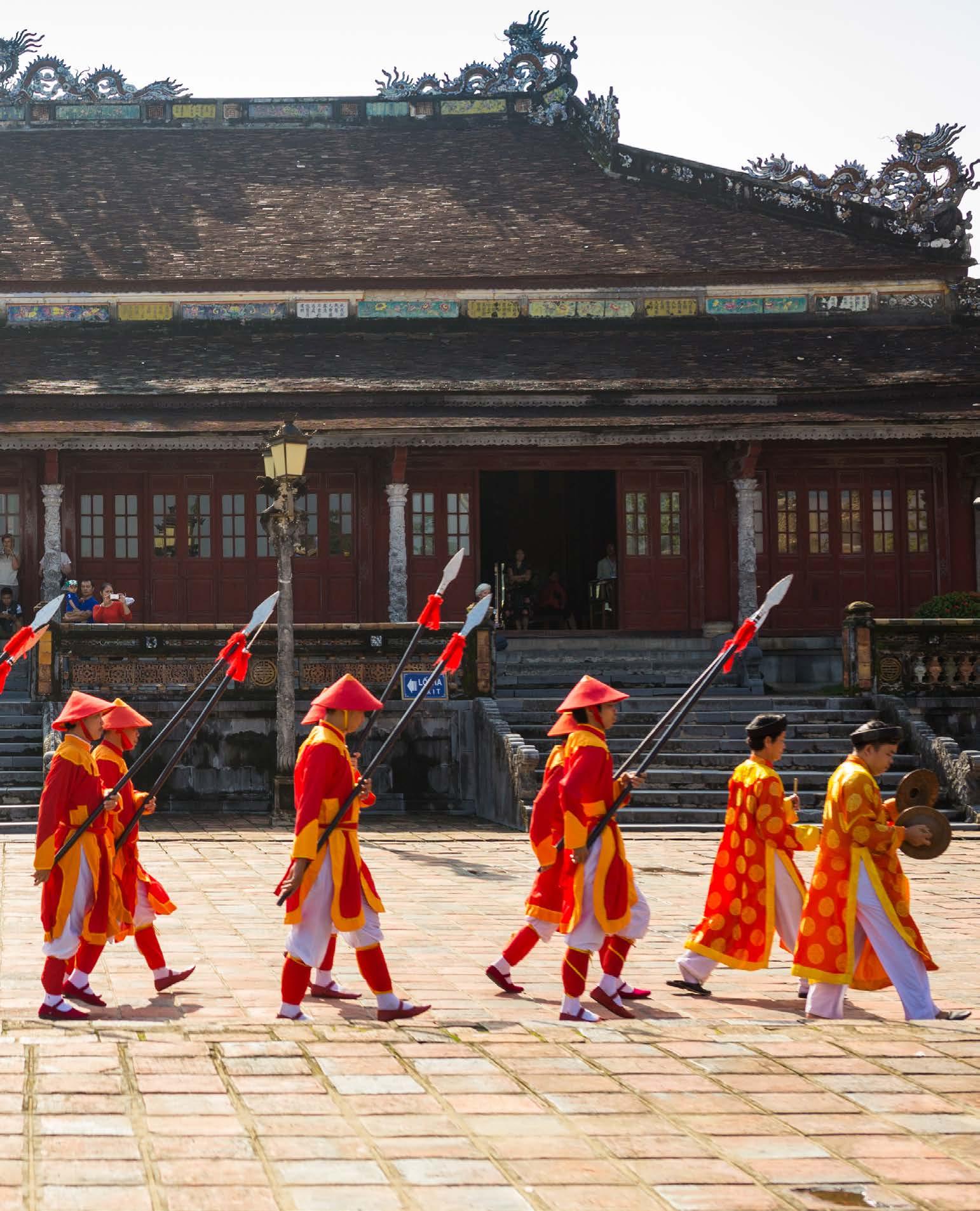
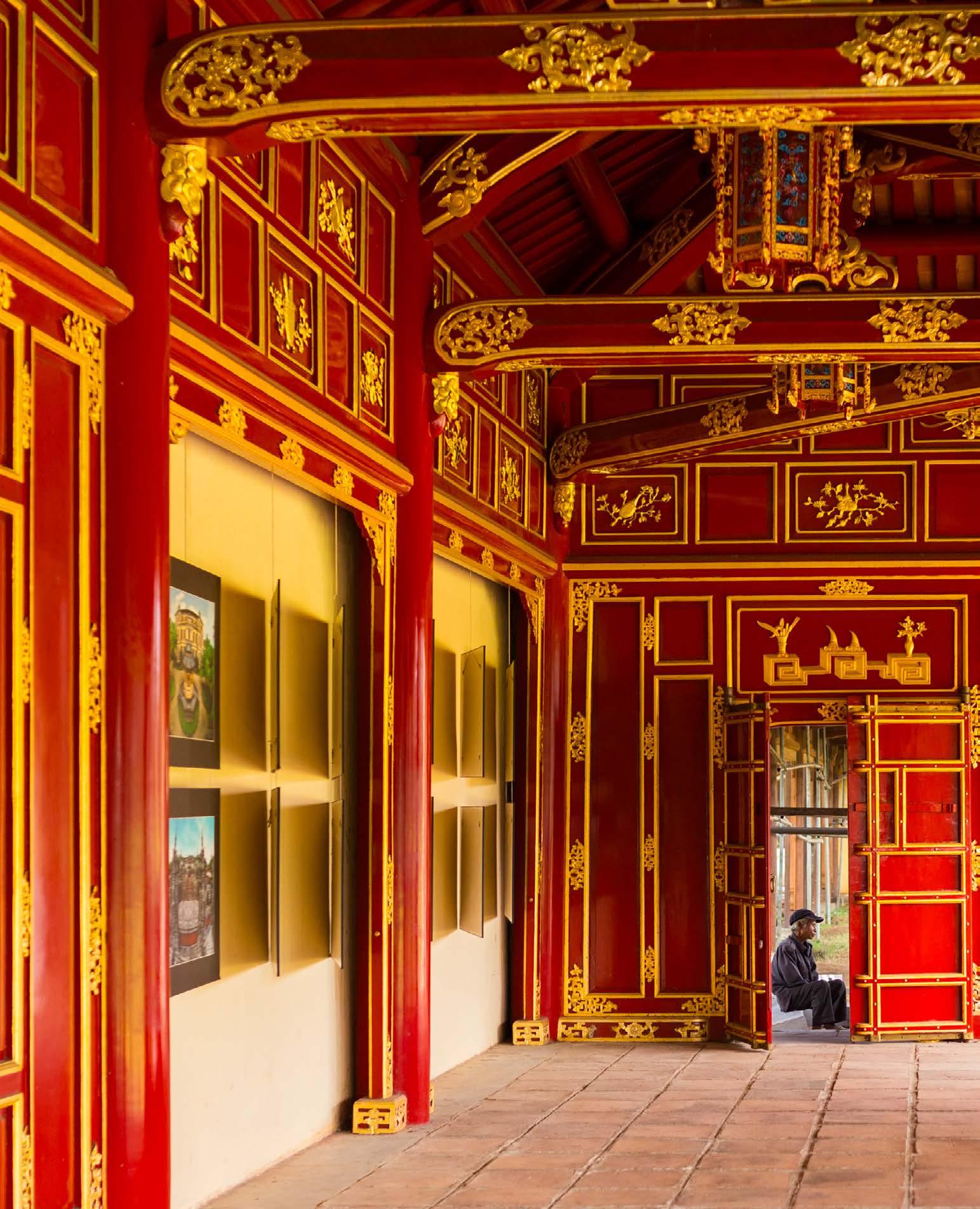
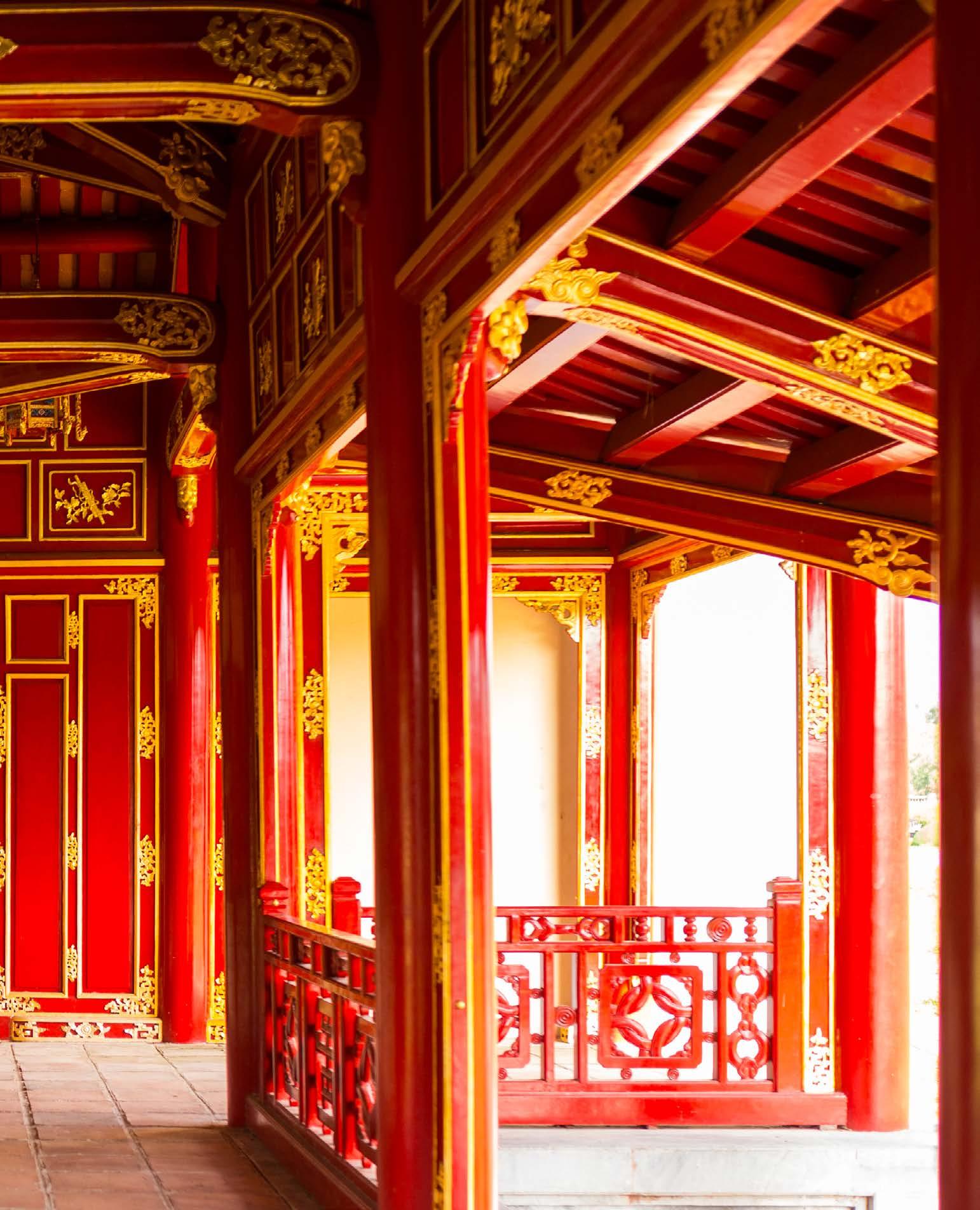
Text by: Jason Rolan
Photos by: Phoonsab Thevongsa
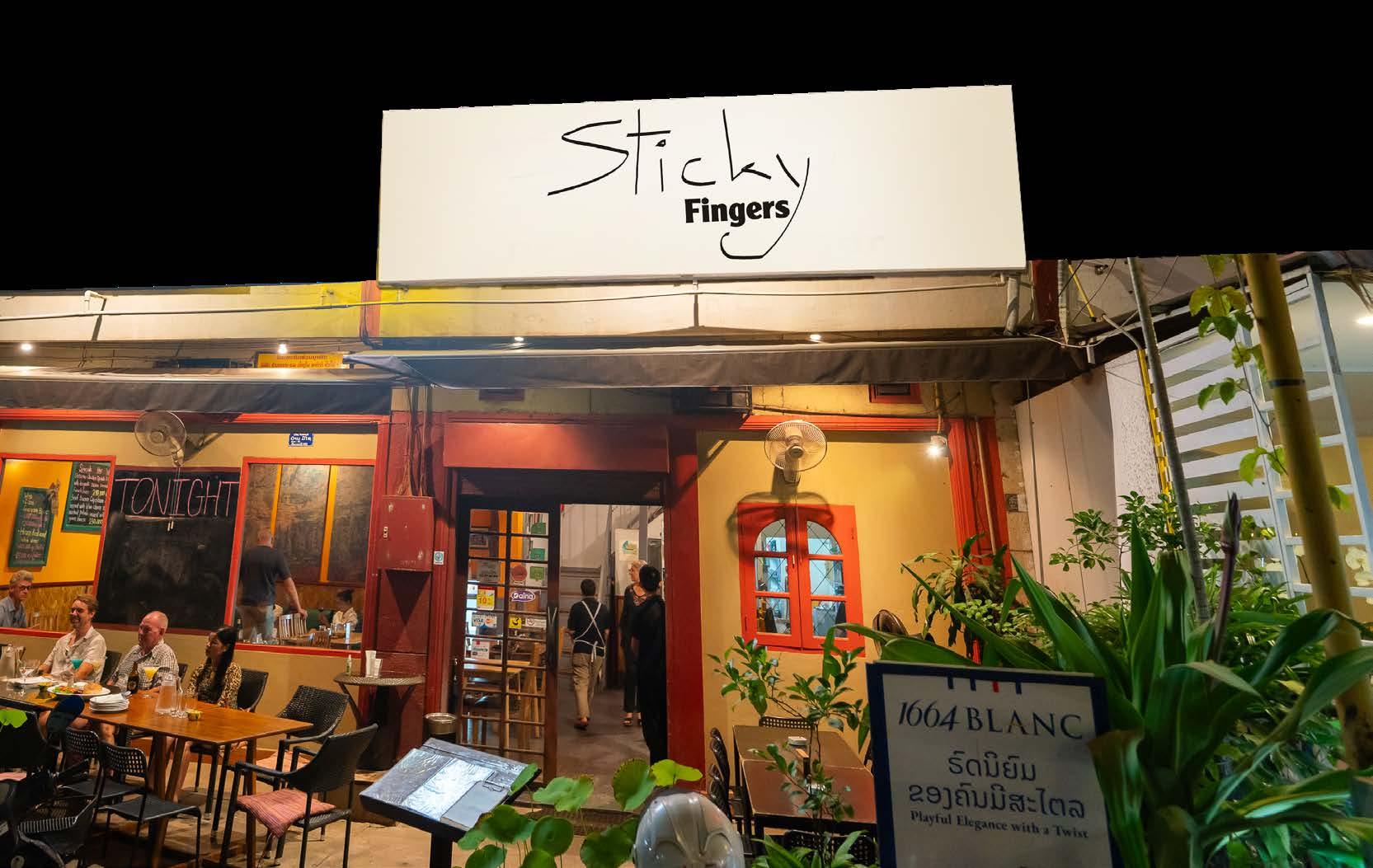
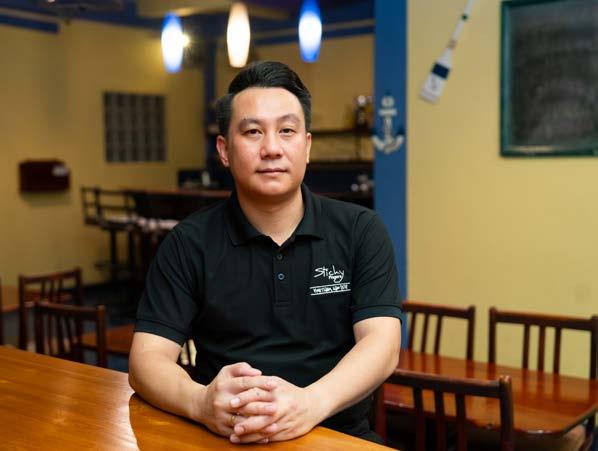
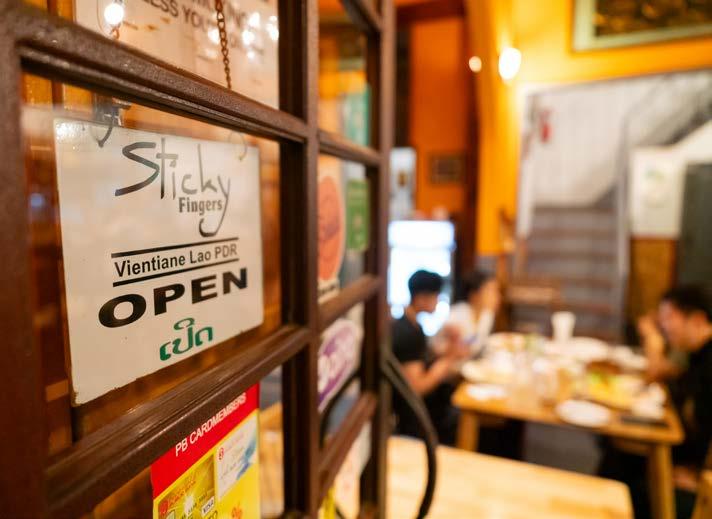
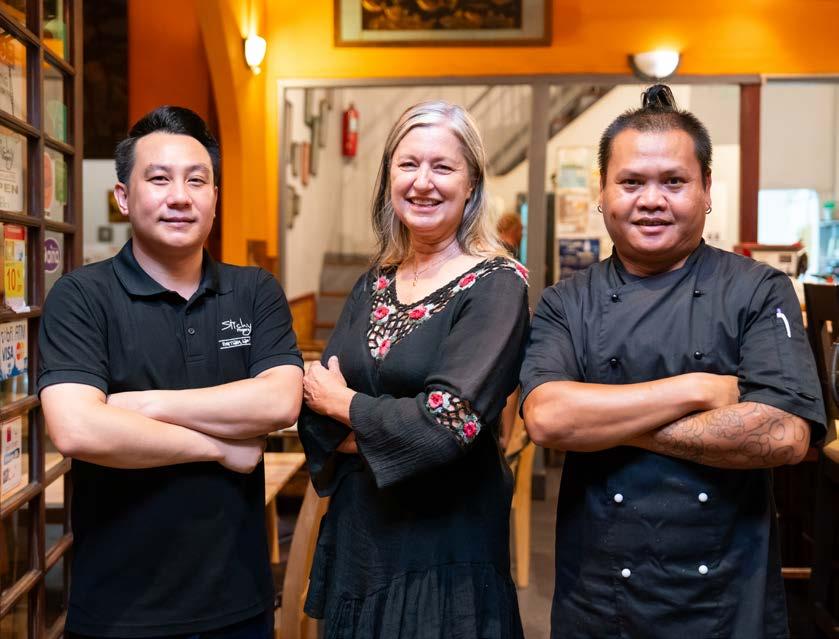
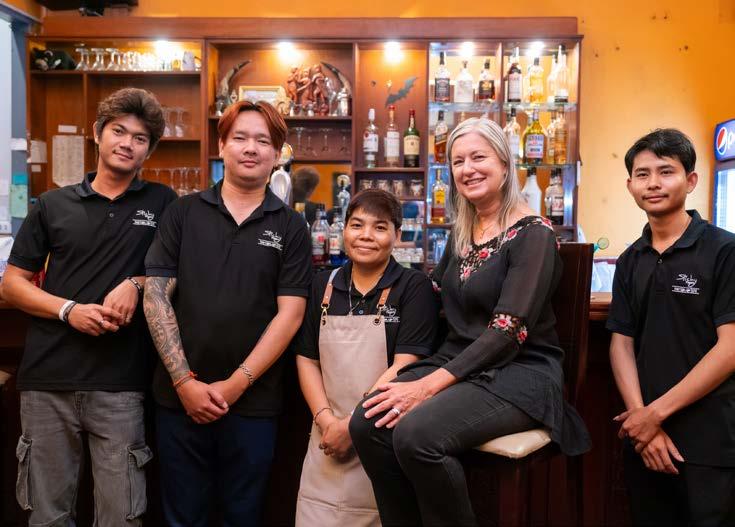
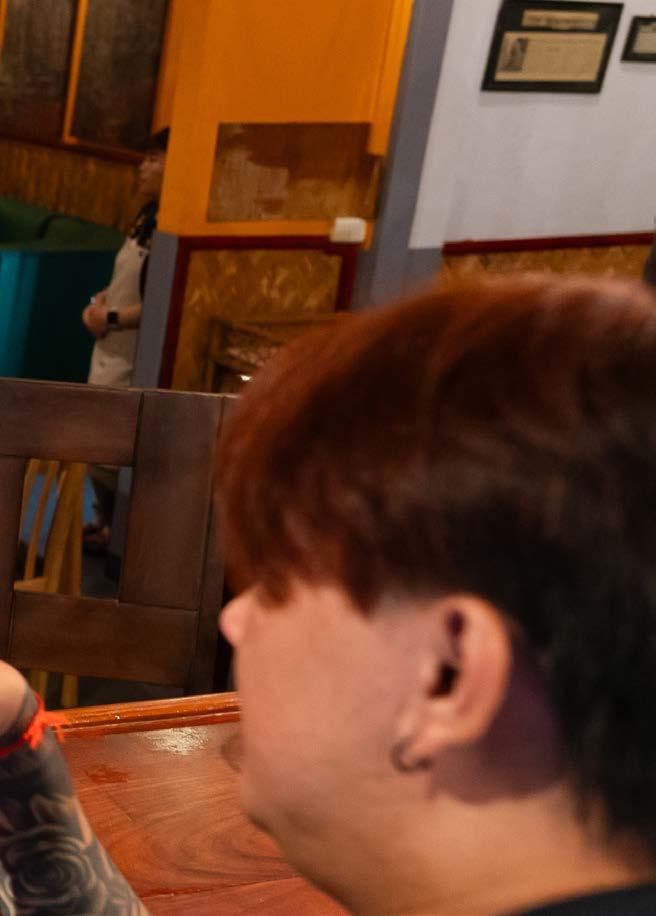
Long before Vientiane's food scene blossomed into what it is today, a small restaurant on a dusty dirt road was quietly becoming something far greater than its founders had anticipated. Sticky Fingers opened in 2001, born from a simple frustration: nowhere in the city stayed open all day, cocktails were virtually impossible to find, and there was no place where you could simply sit, linger, and feel at home. Three friends — Sophie Steller (now the sole owner), Marnie McDonald, and Damian Kean — decided to fix that.
The name was put to a vote among Vientiane College teachers, and "Sticky Fingers" won on the strength of its dual meaning: a nod to the beloved Lao staple of sticky rice, and a name easy enough for the whole city to remember. When a venue called Le Bistrot came up for sale, the three went in equal thirds on the license, and the rest, as they say, is history.
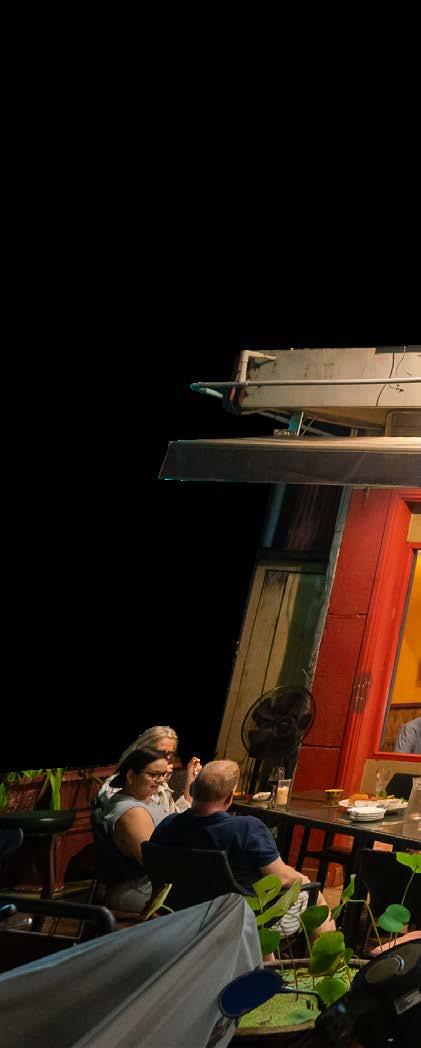
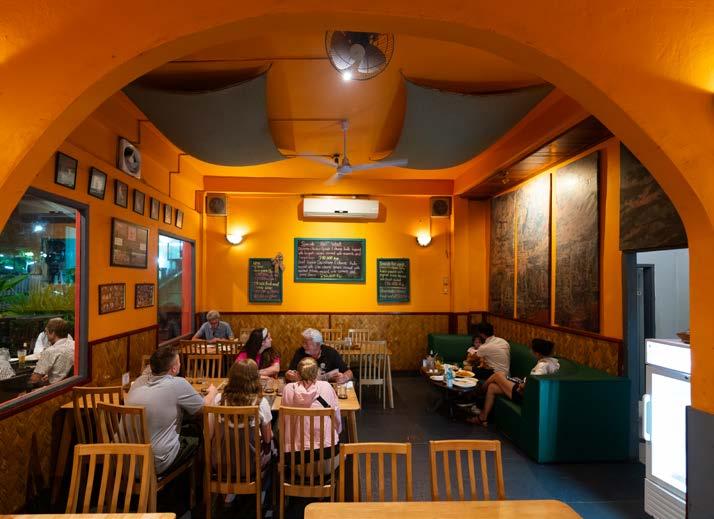
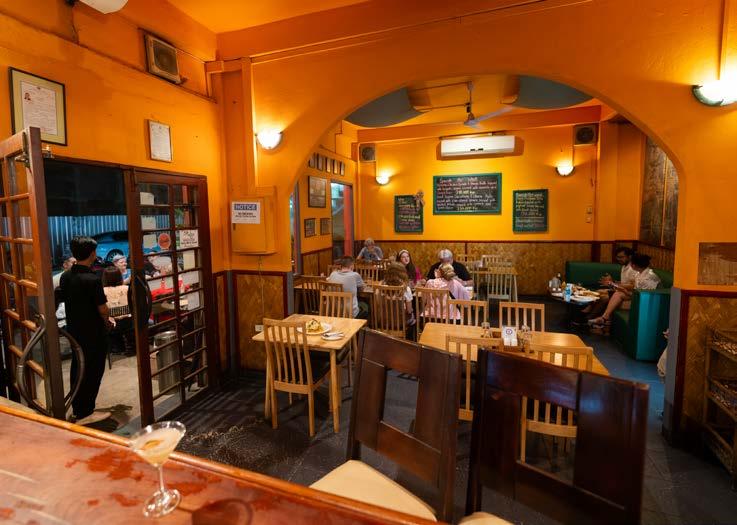
In those early days, the capital was a different world. Wi-Fi didn't exist, the street out front was unpaved, and traffic consisted largely of bicycles and motorbikes. Yet Sticky Fingers quickly became something of a gravitational center for Vientiane's expat community; a place where jobs were found, deals were struck, and friendships formed during long afternoons. Before the internet arrived, the restaurant maintained one of the only notice boards in town. The team half-jokingly called their extended services "Sticky Care," fielding calls to deliver food and milk, and even helping one regular track down a kitten.
1:
2:
3:
4:
The road to 25 years was far from smooth. In 2004, during the ASEAN summit, road-widening works swallowed the entire front of the building, reducing Sticky Fingers to a narrow sliver of its former self. The restaurant was forced to close during the summit , a nd the financial strain was significant. The team explored other venues, briefly operated a second location, and eventually found salvation in securing the shopfront next door. Stubbornness, by Sophie's own admission, was a key ingredient in their survival.
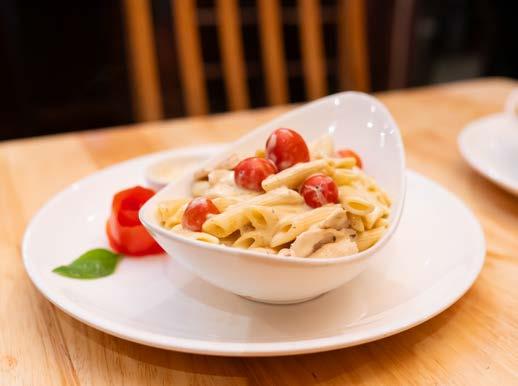
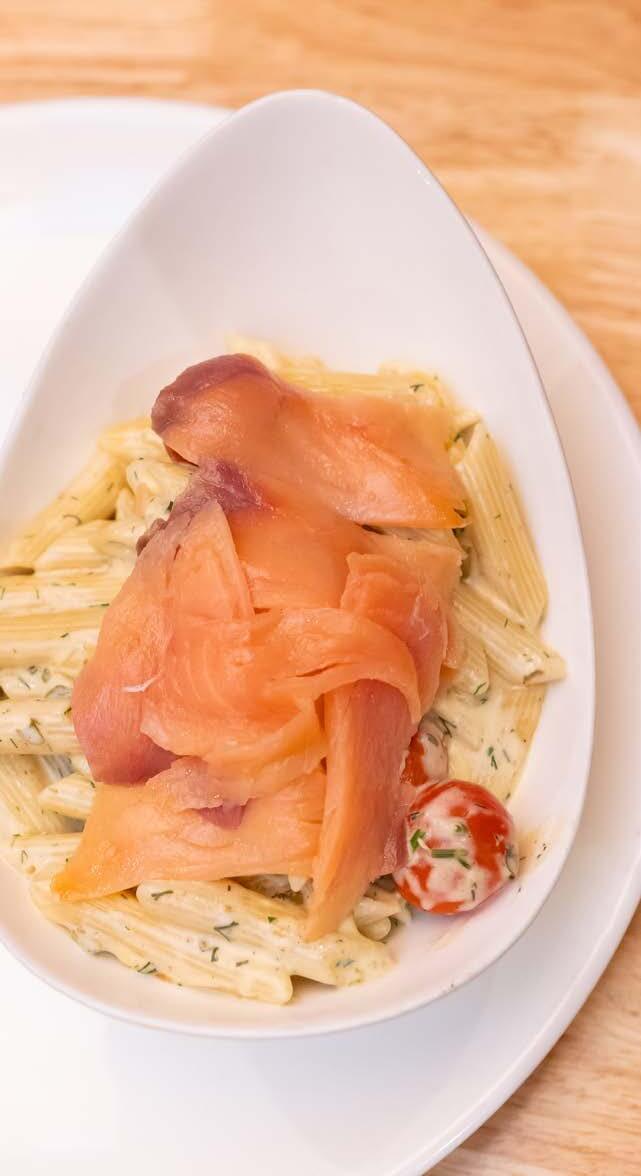
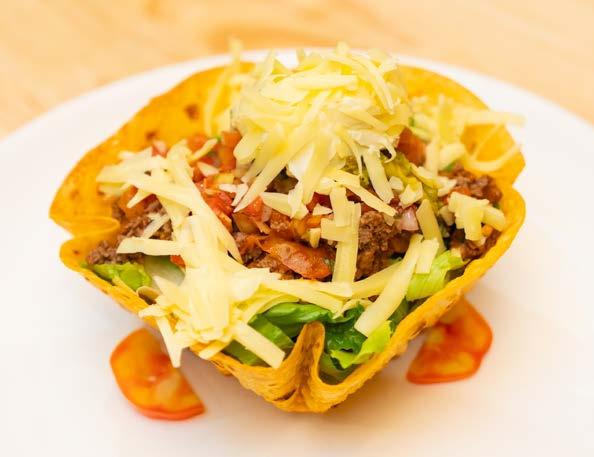
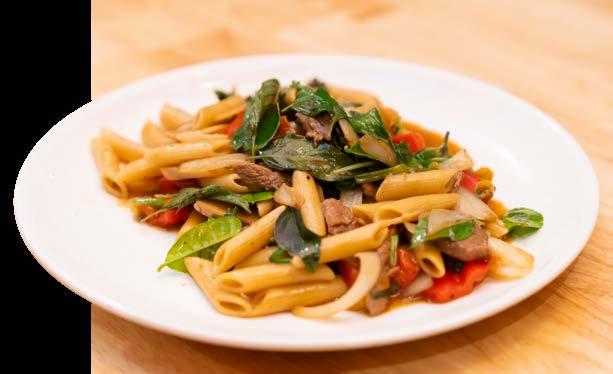
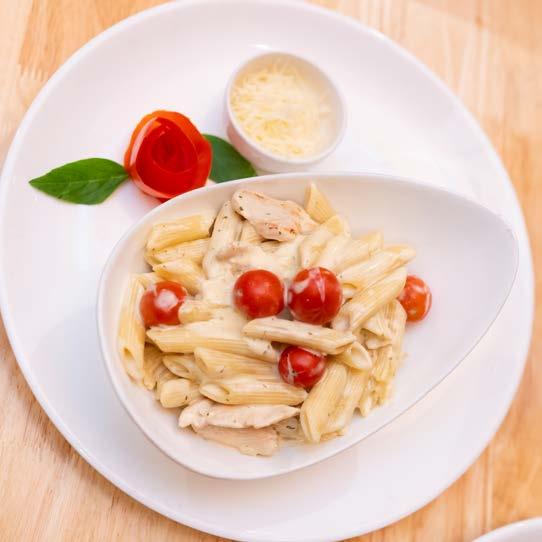
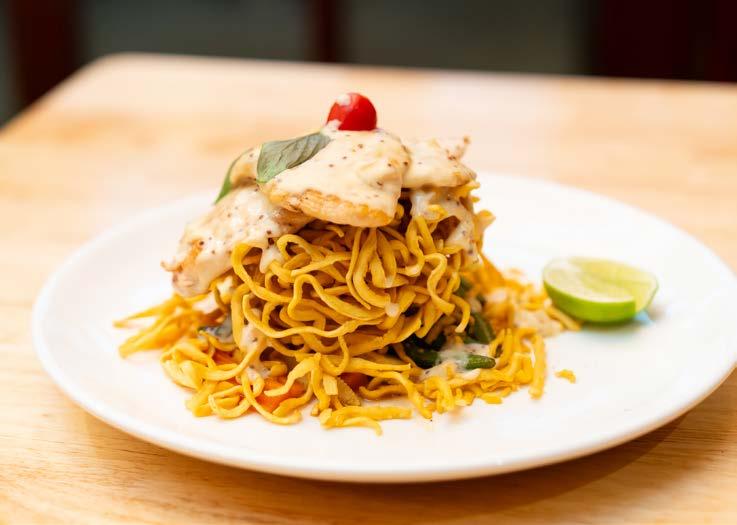
Over the decades, the menu evolved in ways its founders never fully predicted. Initially determined not to serve Lao food, the team gradually adapted as local customers began ordering it directly from the kitchen. A creative workaround became a signature: the restaurant's take on Phad Khee Mao, made with penne pasta when other noodles weren't available, somehow worked and never left.
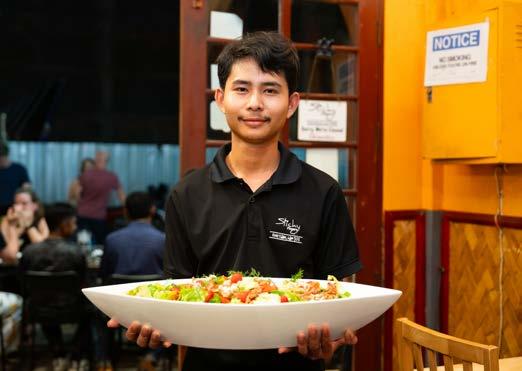
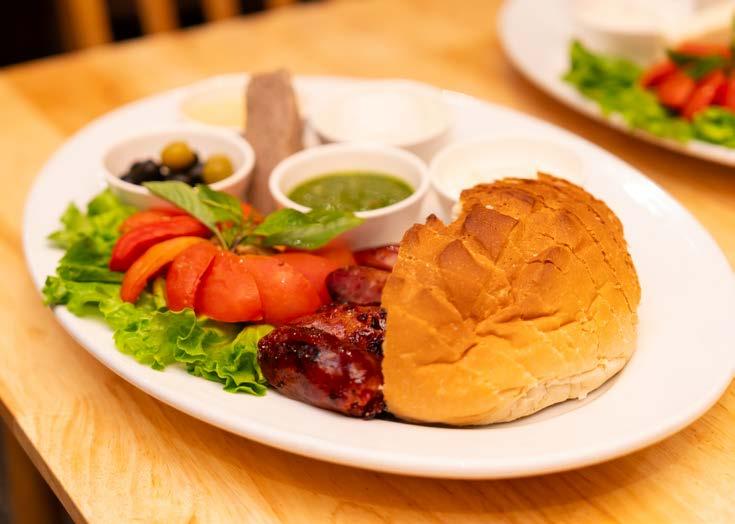
1: A giant salad boat, available on request.
2: A fusion dish - Phad Khee Mao with pasta!
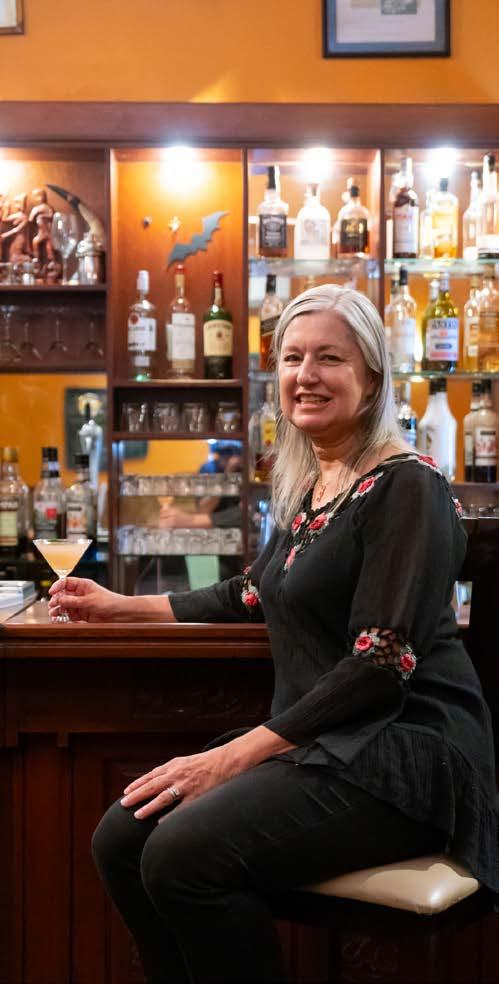
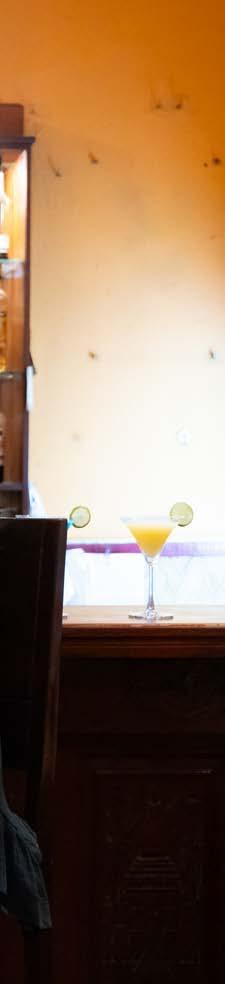
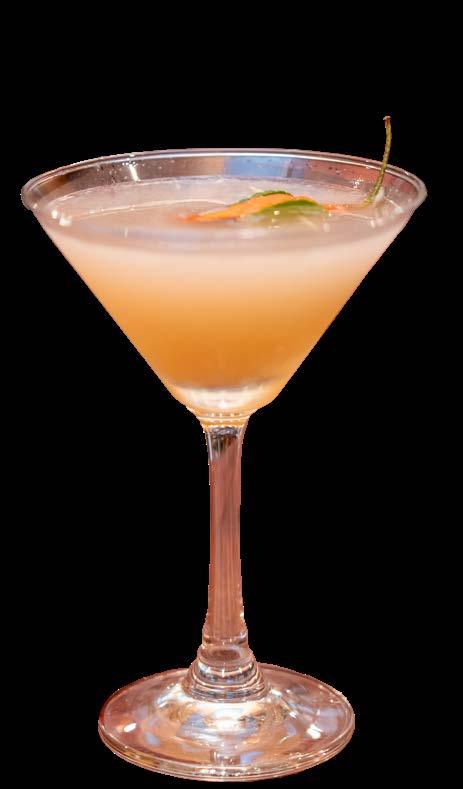
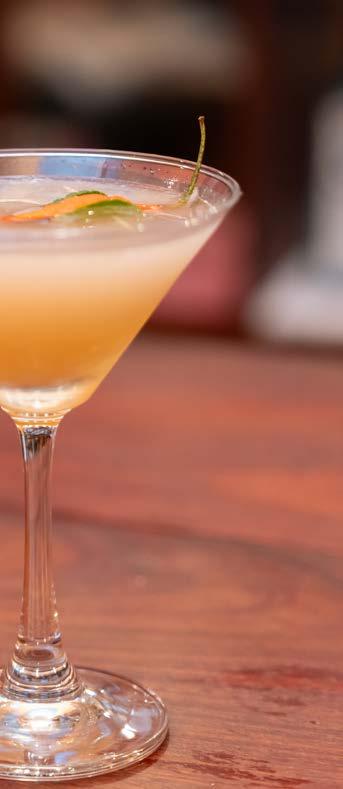
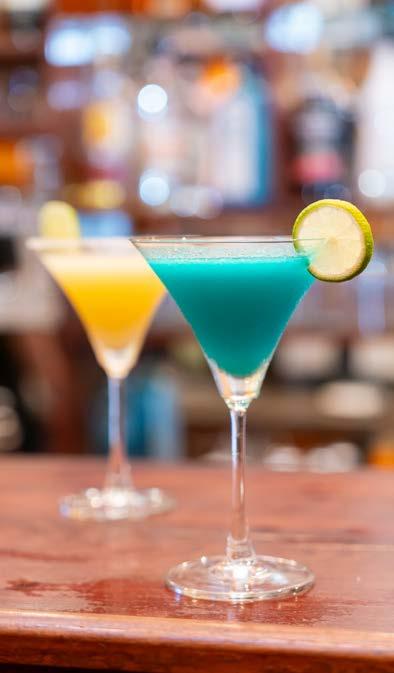
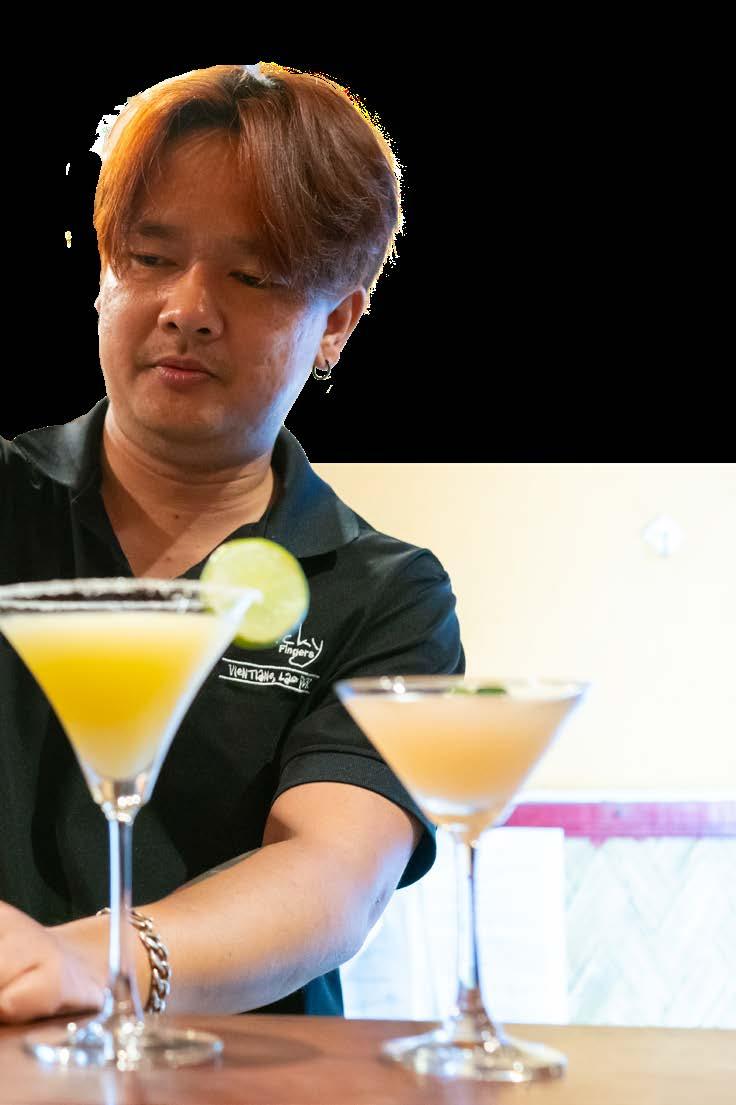
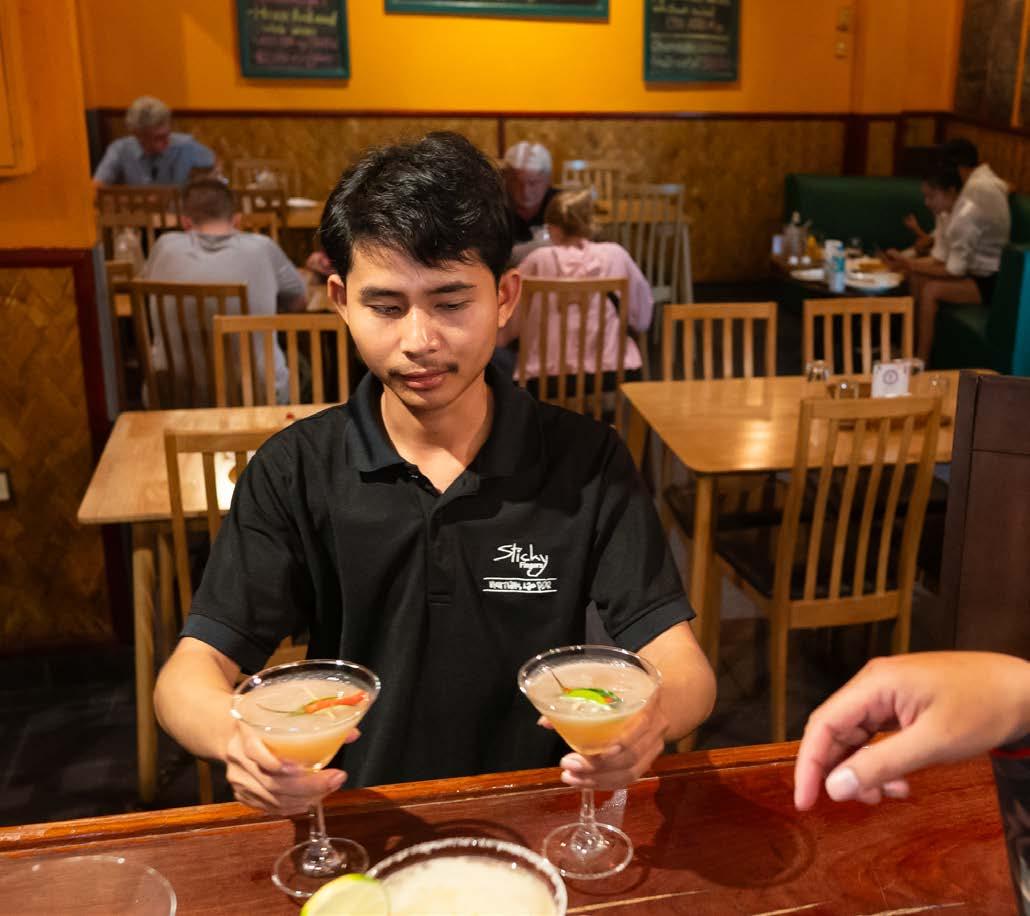
3: The special house cocktail: Tom Yum Martini.
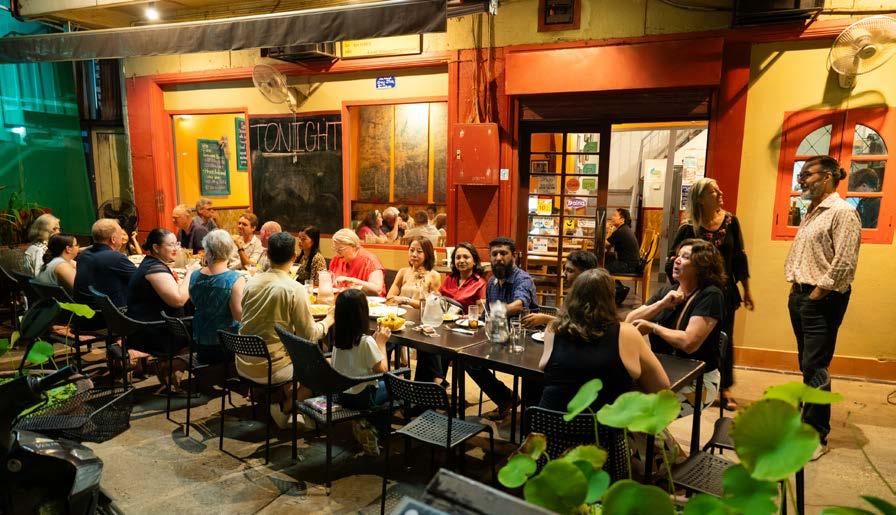
4: The convivial al fresco atmosphere.
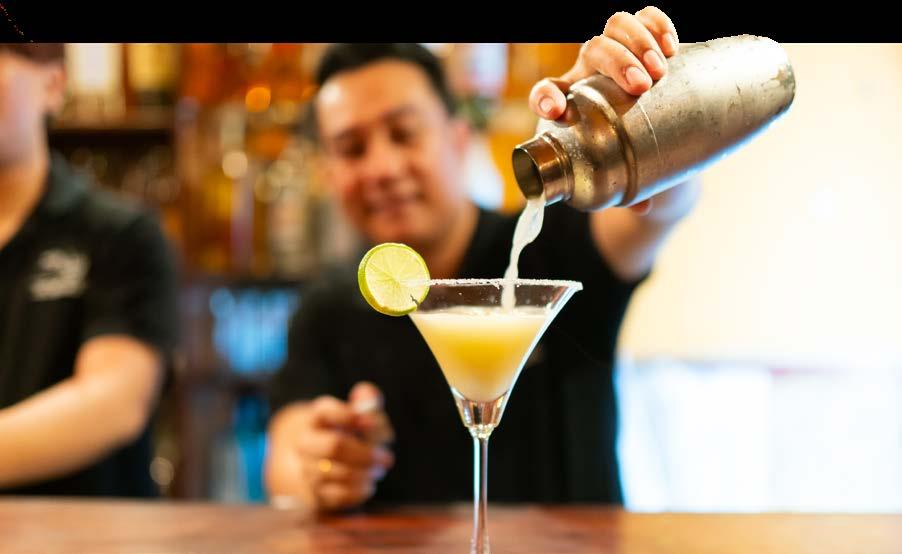
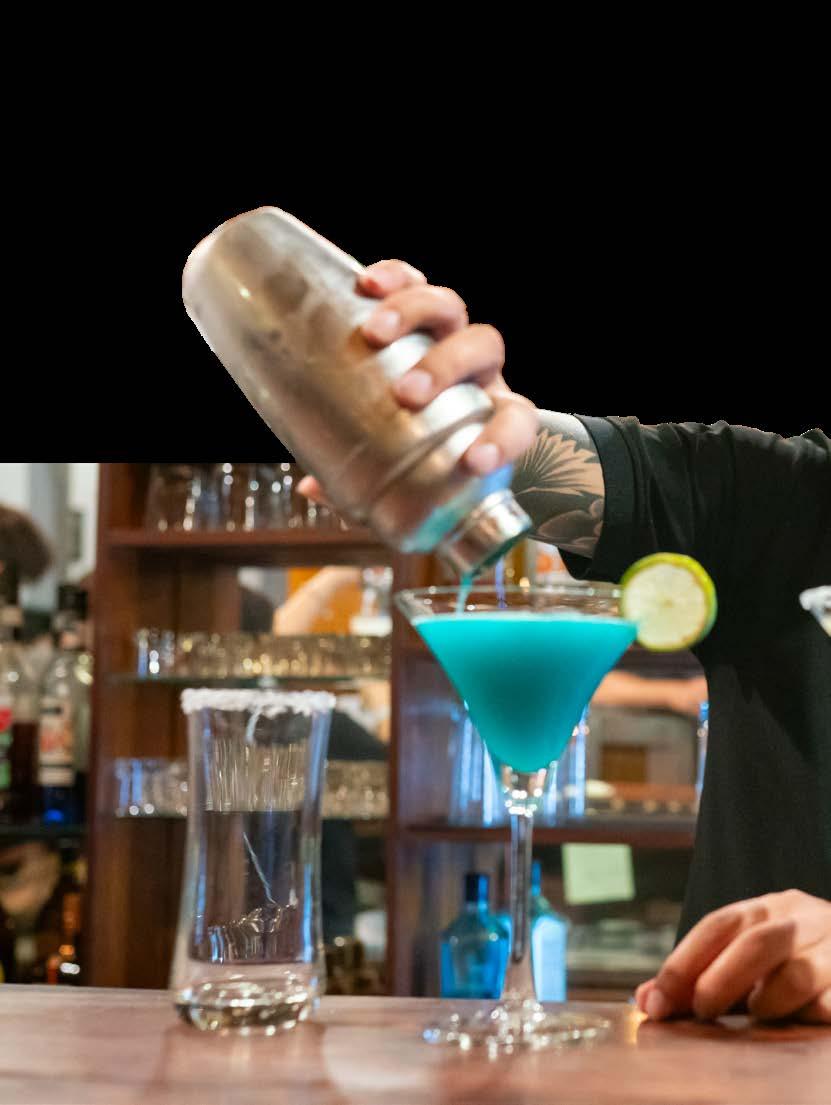
5: Noy pours a delicious margarita.
6: Chef bestowed his name on this dish: Phom's Crispy Chicken.
7: Patrick's Pasta has sated patrons for decades.
8: Locals flock to Sticky Fingers for its Happy Hour specials.
For more information, visit fb.com/StickyFingersLaos
Getting there:
Lao Airlines flies to Vientiane from many domestic and regional airports.
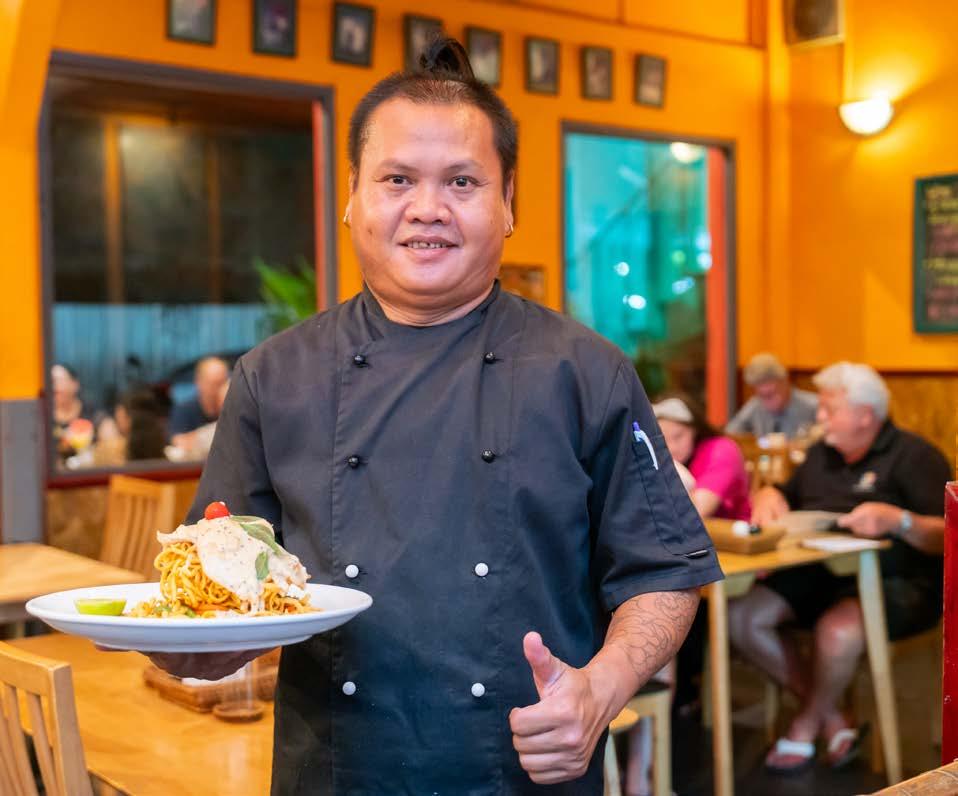
C hef Phom, who has grown alongside the restaurant for years, embodies this spirit of improvisation. His philosophy is straightforward: "We'll figure it out." Whether cooking for a table of four or catering for 500 at short notice, he does exactly that. What began as a single weekly special under his watch has expanded to three; Sophie admits she has quietly doubted some of his combinations and been wrong every time. His creativity finds its fullest expression in those weekly specials; unlikely pairings that might give a cautious diner pause, yet somehow, reliably, work. Alongside him, front-of-house manager Noy has been equally integral to the atmosphere that makes Sticky Fingers tick. Between the two of them, the kitchen and the dining room have been in steady, experienced hands for years.
Some menu items have become institutions in their own right. Dishes named after regulars — Kim's Salad, Paul's Best, Patrick’s Pasta — sit alongside international
comfort food and a hangover breakfast that, the restaurant is clear, can be ordered at any hour. Then there is the Tom Yum Martini, born from a customer cocktail competition and refined ever since into something with a genuinely secret recipe. Depending on the ginger, it runs golden or unexpectedly pink.
What has perhaps meant most to the team is how the restaurant's audience has shifted. Once predominantly expat-driven, Sticky Fingers has built a deep and loyal local following. During COVID-19, it was Vientiane's Lao community that kept the place afloat, a moment Sophie describes as feeling like the restaurant had truly put down roots.
Twenty-five years on, Sophie is known around the city simply as "Sticky's Sophie." In Vientiane, the restaurant has become something rarer than a good meal: an institution that has grown alongside the city and stayed true to itself throughout.
Sticky Fingers
Sticky Fingers.
Sticky Fingers

fb.com/StickyFingersLaos
Text by: Anita Preston
Photos by: Anita Preston / Evensong Film
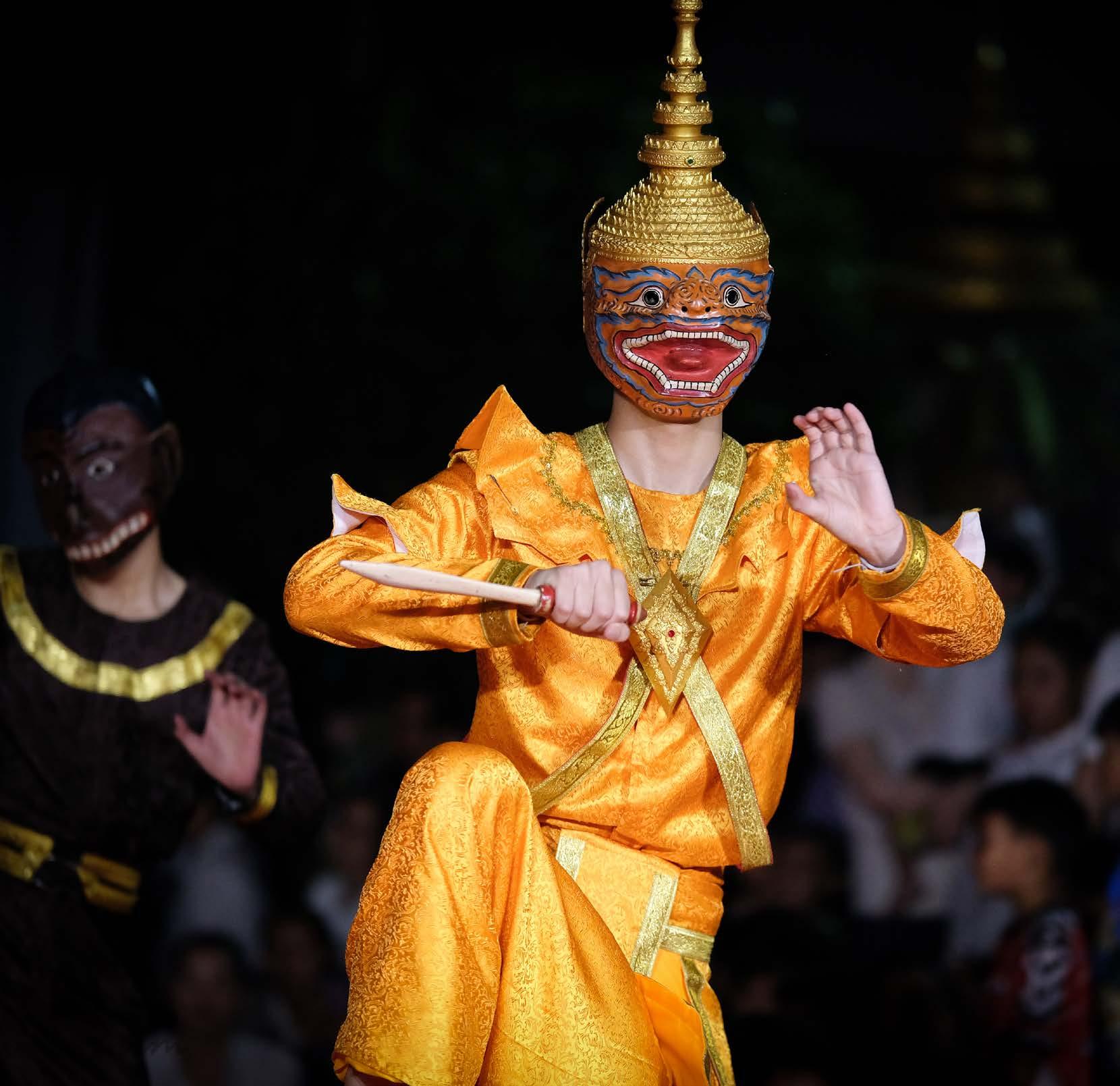
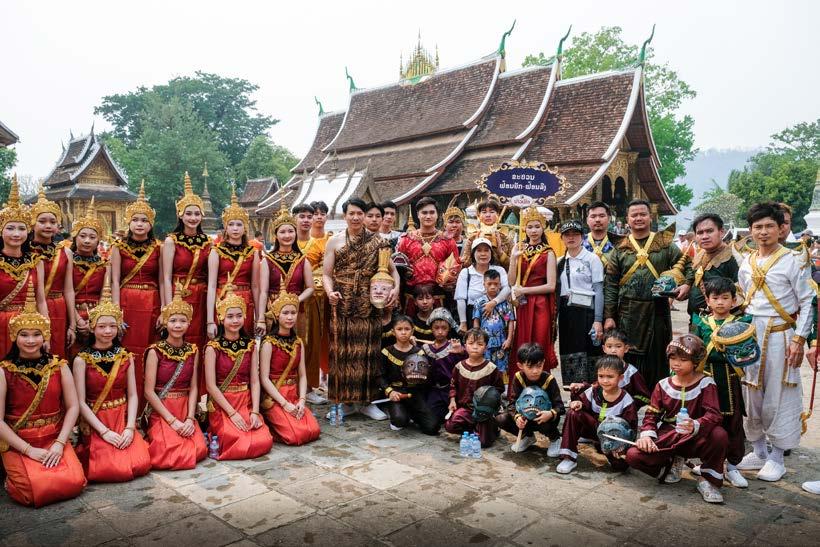
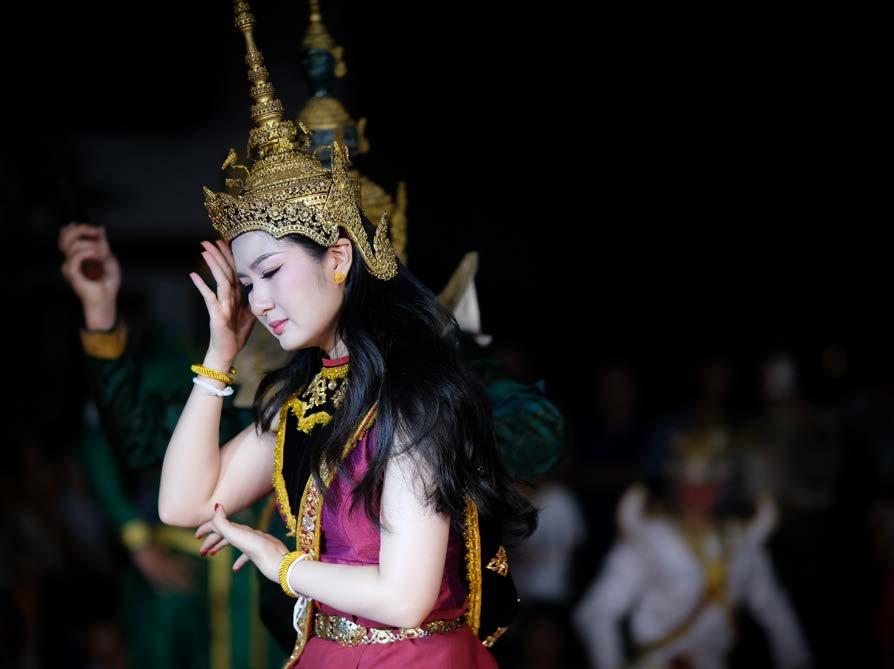
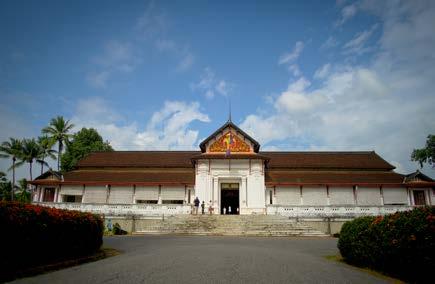
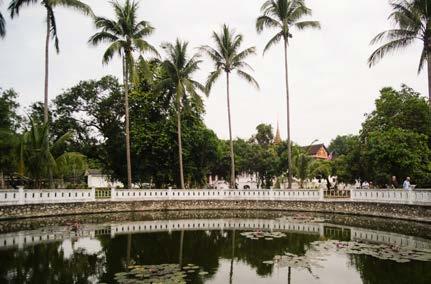
Outside the former royal palace in Luang Prabang, beside a large round pond filled with lotus, a theater stands amongst the lush foliage of the palace garden. Come sunset, strains of gongs and music fill the warm air, carried on the breeze, and the scent of exotic flowers and the whirr of cicadas add to the tropical atmosphere. Inside the building, to the left of the elegant white palace with its gilt-and-red spire,
a dance troupe delights guests with its performance. Elaborate and colorful costumes clothe the dancers. On their heads sit gilded and painted masks, and centuries-old routines are performed with grace and elegance.
H ere, one can watch the Lao version of the Hindu epic Ramayana, known here as Phralak Phralam, named for two of its central characters.
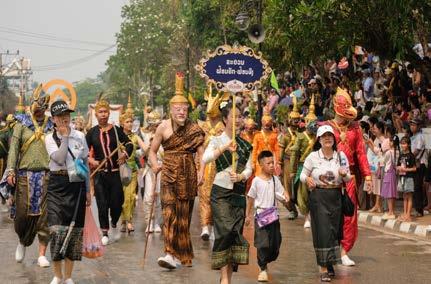
Performances were once held exclusively in the palace for the king and staged at important celebrations. Each Lao New Year, a series of free performances still takes place on the grounds of Wat Mai, where younger audiences delight in watching Hanuman perform cartwheels, and the monkey troop scratches itself in comic imitation of fleas.
The Ramayana is one of the great Hindu epics, composed as a moral teaching that carries a message of duty, devotion, and righteousness. Over centuries, it spread across Southeast Asia, where it was absorbed and reinterpreted through Buddhist cultural lenses. In Laos, this adaptation became Phralak Phralam, now set in the Mekong Valley. The epic’s influence runs deep: scenes from the epic decorate the funerary carriage house at Wat Xieng Thong and adorn temples throughout Luang Prabang. Similar interpretations remain popular in Cambodia and Thailand, and all predate the Lao version.
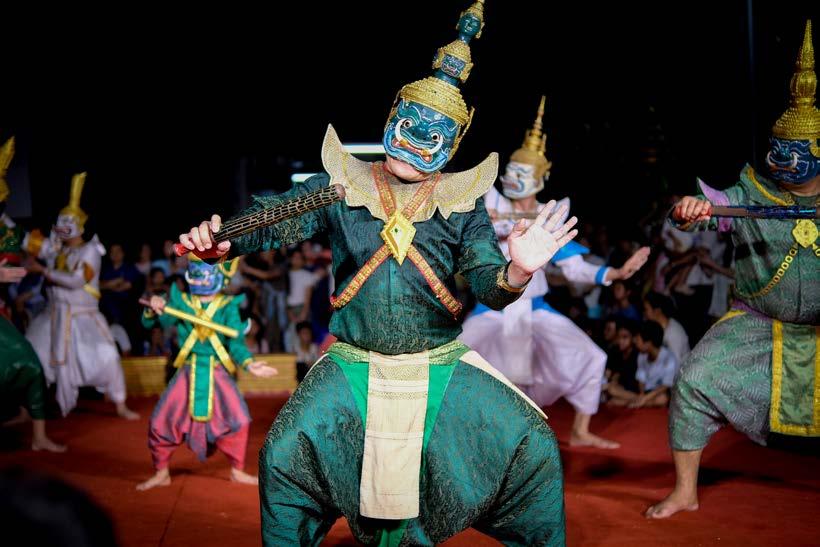
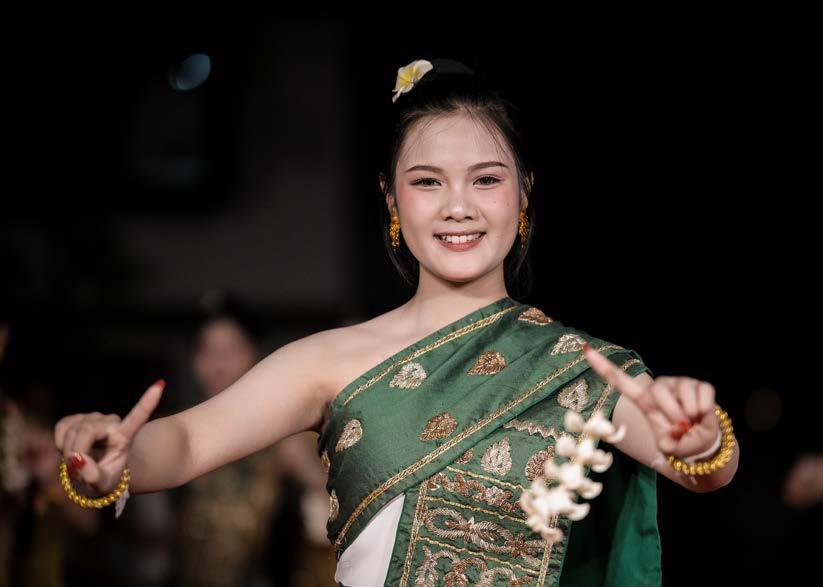
A ccording to tradition, when the first king of Lane Xang, Chao Fa Ngum, returned to Laos from Cambodia in the 14th century, he brought with him an entourage of artists, musicians, and dancers from Angkor who were already familiar with the epic. These performers were used to teach Buddhist values and to preserve and carry forward old traditions and customs. The story also serves a mythological function: it moves the action to the Mekong and the landscapes of Laos, reinforcing the founding myths of Lao culture.
Left: Sukhip, the half monkey, half god member of the monkey army
1: Phralak Phralam performers at Wat Xieng Thong
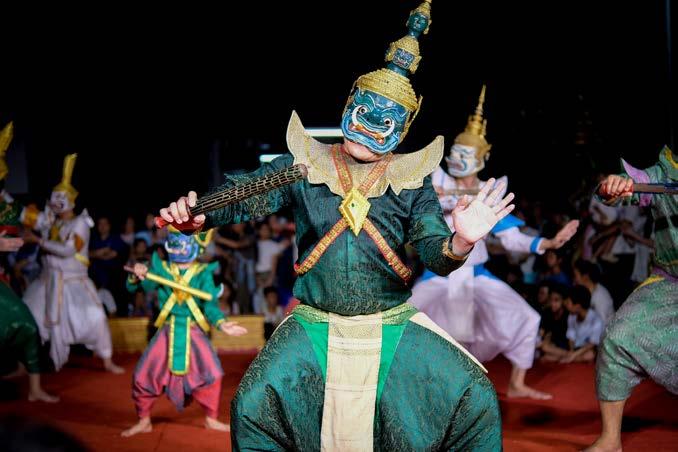
2: Thodsakan, the 10-faced villain of the Ramayana epic
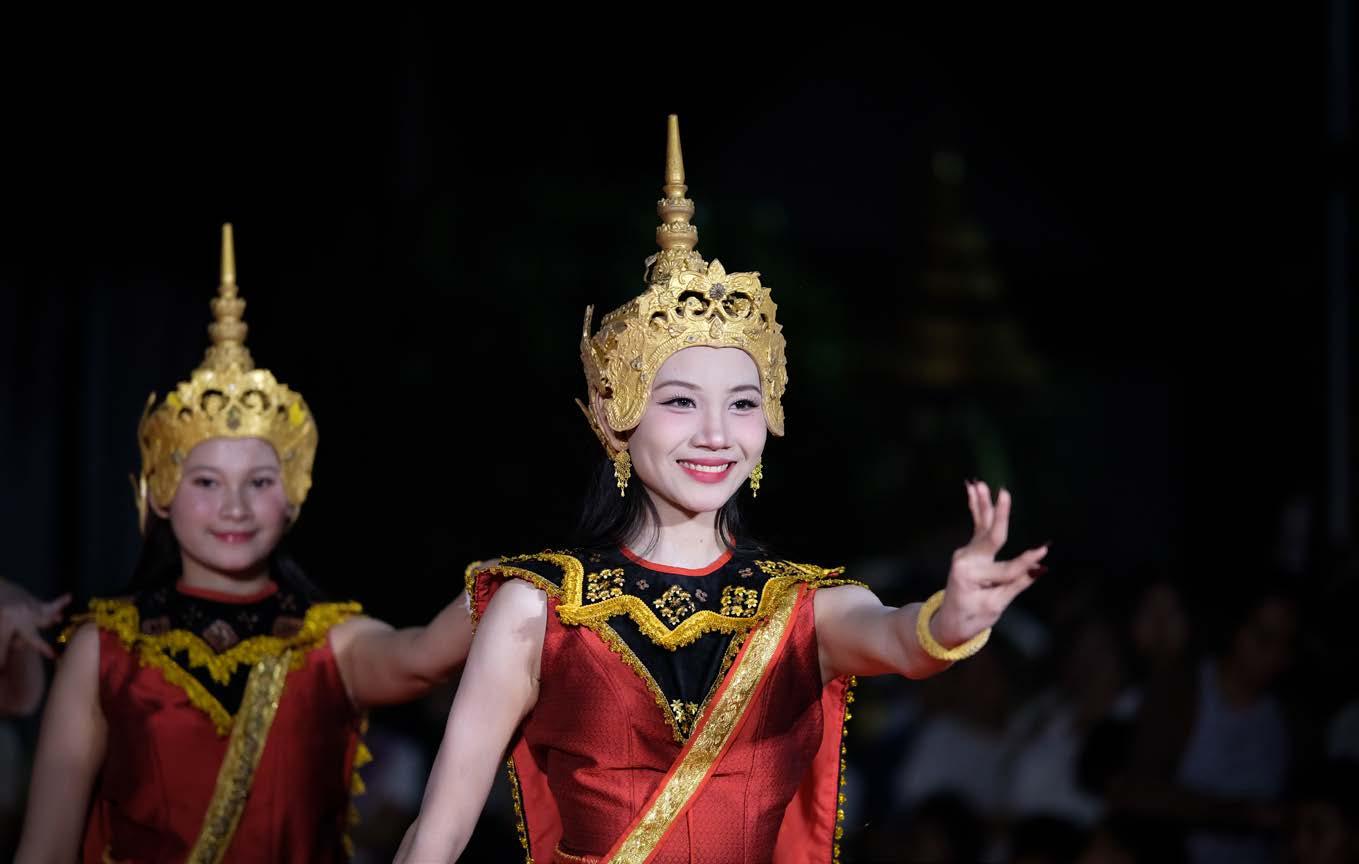
3: A traditional dancer
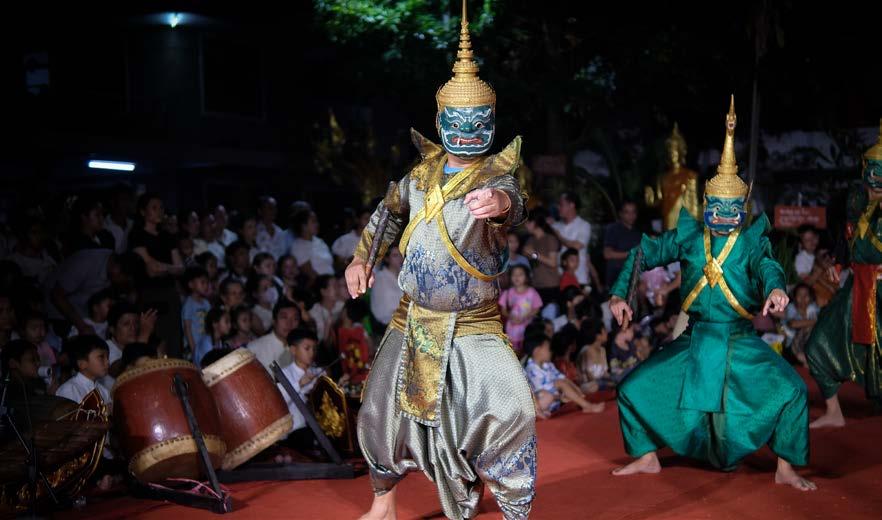
Two of the nine chapters of Phralak Phralam are performed in each sitting, lasting approximately two hours. A live ensemble of musicians accompanies the dancers throughout, playing wooden xylophones, gongs, flutes, cymbals, and drums to add atmosphere and dramatic tension. The musicians play from memory — no sheet music is followed — and some are young apprentices who have grown up learning the craft within their families. The theater itself houses more than one hundred masks, some very old, crafted from a combination of papier-mâché and wood using traditional techniques passed down through generations.
The story begins in the kingdom of Ayutthaya, where Phralam, the noble and virtuous prince, lives happily with his devoted wife, Nang Sida. Their peace is shattered when Thodsakan, the powerful demon king of Lanka, becomes consumed by desire for Nang Sida and devises a scheme to abduct her. Using trickery and dark magic, he lures Phralam away and seizes Nang Sida, carrying her across the sea to his island fortress. Phralam, grief-stricken and resolute, vows to bring her home.
1: The army of giants prepares an attack
2: Nang Keo dancers perform this dance that originated in Angkor
3: A giant battles Samphati
4: Phralam and Phralak hold court with the monkey army
5: Samphati in flight
6: Nang Sida, Phralam's wife
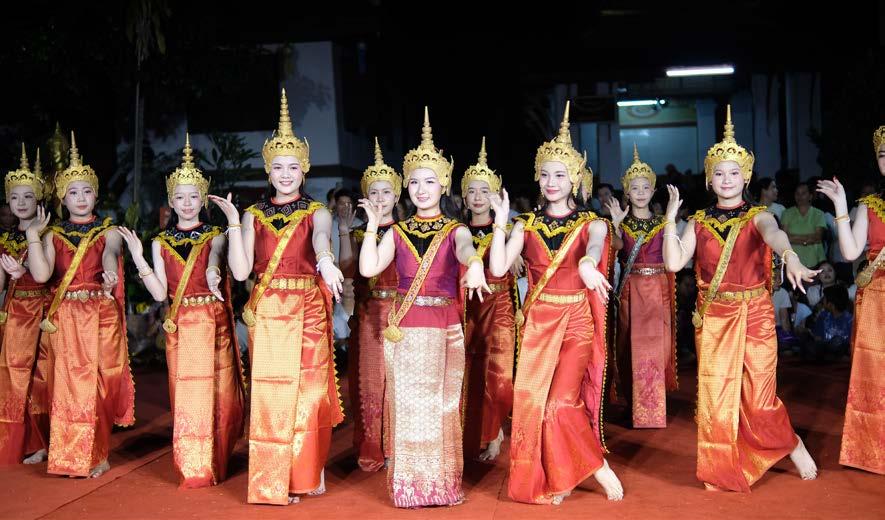
To do so, he forges an unlikely alliance. The monkey god Hanuman pledges his loyalty and musters his vast army of monkeys, who perform the seemingly impossible feat of constructing a bridge of stone and timber across the ocean to Lanka. The battle that follows is long and costly. Thodsakan is a formidable enemy, shielded by divine protections granted to him by the gods — protections against all mythological beings and celestial creatures. Yet in his pride,
he never thought to ask for protection against mortal men, and it is this oversight that proves fatal. Phralam, a human incarnation of the god Vishnu, ultimately defeats him and rescues Nang Sida, restoring order and righteousness to the world.
Throughout the epic, the deeper moral current is clear: duty, loyalty, and virtue will ultimately prevail over power obtained through treachery and violence.
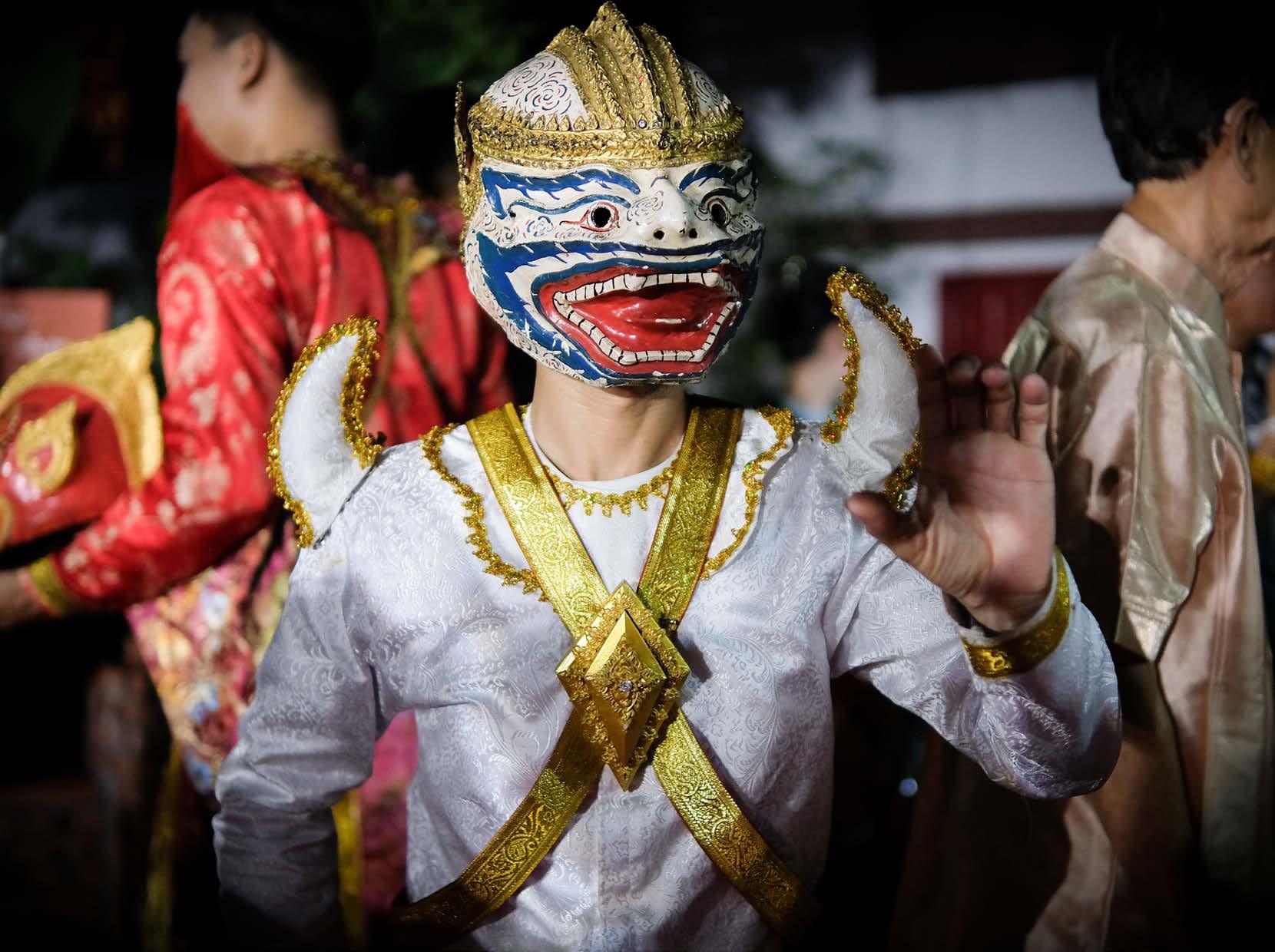
Each character in the performance is identified by a distinctive mask and costume color, making them easy to follow even for first-time visitors.
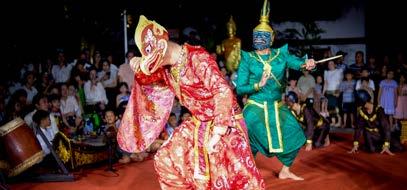
Phralam (Rama)
W earing a green mask and carrying a bow, Phralam represents the perfect manifestation of man and the seventh incarnation of Vishnu. Brave and virtuous, he shares many adventures with his devoted companion, the monkey god Hanuman.
Phralak (Lakshmana)
Recognizable by his golden mask and yellow costume, Phra Lak is the stoic and loyal younger brother of Phralam. Together, the two brothers set out to rescue Nang Sida from Thodsakan’s island kingdom of Lanka.
Married to Phralam and a symbol of love and devotion, she is abducted by Thodsakan and held captive in Lanka until Phralak and Phralam come to her rescue.
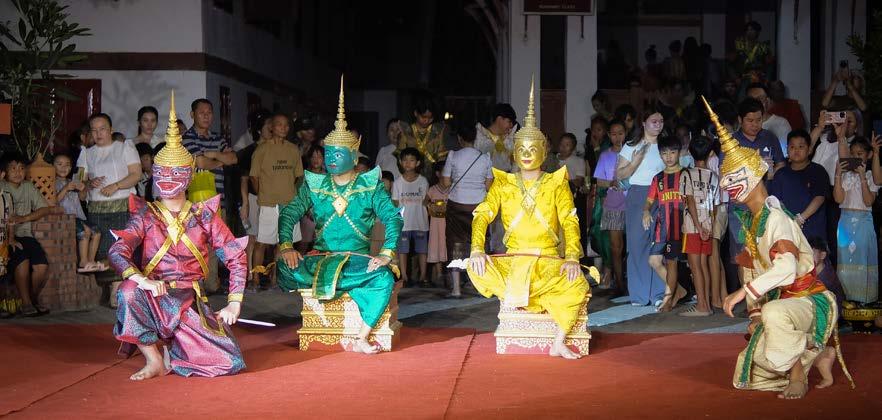
Thodsakan (Ravana)
The ten-headed demon antagonist of the story is identifiable by his green face. Thodsakan seizes the throne of Lanka, kidnaps Nang Sida, and imprisons her on his island. Though protected from mythological creatures by a divine boon, he made one fatal oversight: he never sought protection from humans.
Clothed in white with a monkey’s head, Hanuman is the Lord of the Monkeys and one of the most beloved characters in the epic. He serves as the messenger between Nang Sida and Phralam and, at the story’s end, undergoes a transformation into human form.
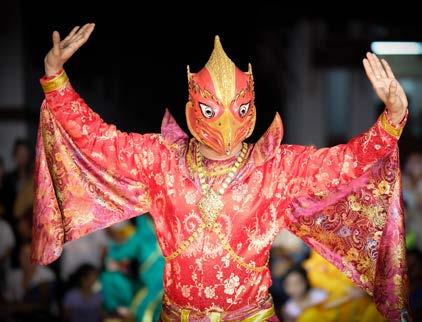
This blue-robed garuda (half-man, half-bird) is said to be 60,000 years old. Sadayu witnesses Nang Sida’s abduction and confronts Thodsakan directly, losing his wings in the struggle and falling into the jungle. Phralam finds him and receives Nang Sida’s ring from him as proof of her captivity.
Clothed in red, Samphati is the older brother of Sadayu and was the guardian of the mountains facing Lanka. Initially opposed to Phralam, he eventually joins the alliance against Thodsakan and carries Hanuman on his back into battle.
Hanuman’s loyal forces, who help rescue Nang Sida by constructing a bridge from the mainland to the island of Lanka. Their antics — scratching for fleas, tumbling across the stage — are a highlight for younger audiences.
For more information: Performances occur several times per week, depending on the season. Tickets can be bought at the ticket office at the Luang Prabang National Museum.
Getting there:
Lao Airlines flies to Luang Prabang from Vientiane, Bangkok, Hanoi, and Chiang Mai.
Text
Photos by: Mick Shippen
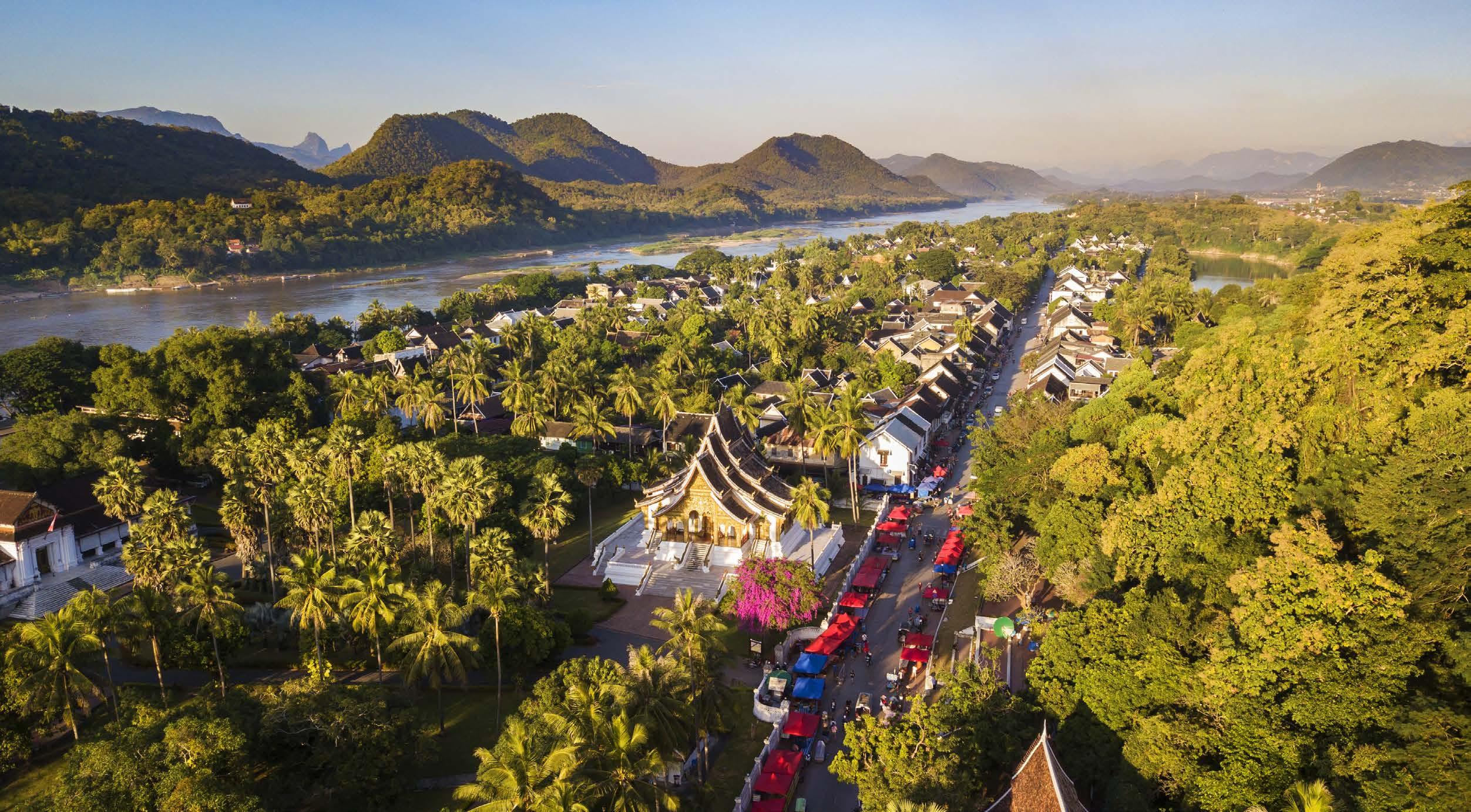
Luang Prabang is often called one of the most beautiful places in Laos. But travelers should also look north to Meuang Xay, the capital of Oudomxay Province. It is only about 45 minutes from Luang Prabang by high-speed train, making it an easy and interesting stop on a northern Laos trip.
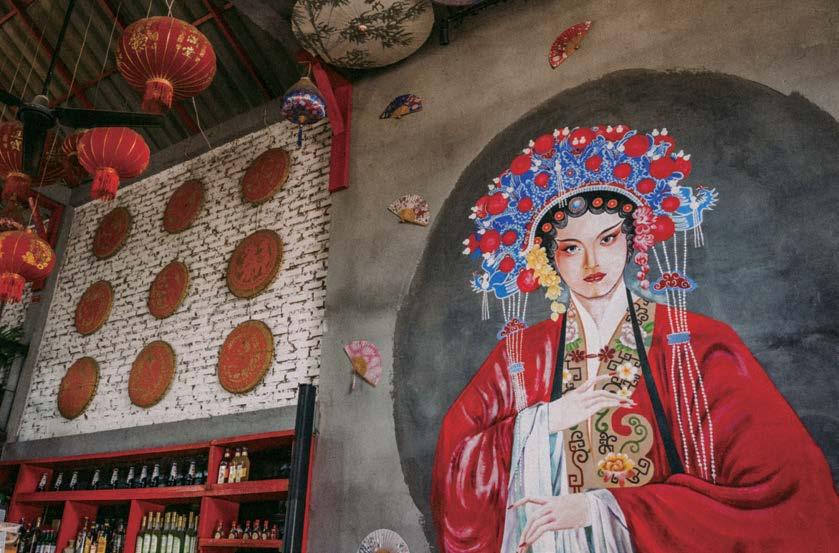
M euang Xay is a town that is changing quickly. When visitors arrive at the train station, electric buses are ready to take them into town or to their hotel for only 10,000 kip. Around town, new cafés, restaurants, and small businesses are opening. Popular places such as Hong Tieng Coffee and Bar, the arrival of Amazon café, and many Chinese restaurants show that Meuang Xay is becoming more modern and better connected to the region.
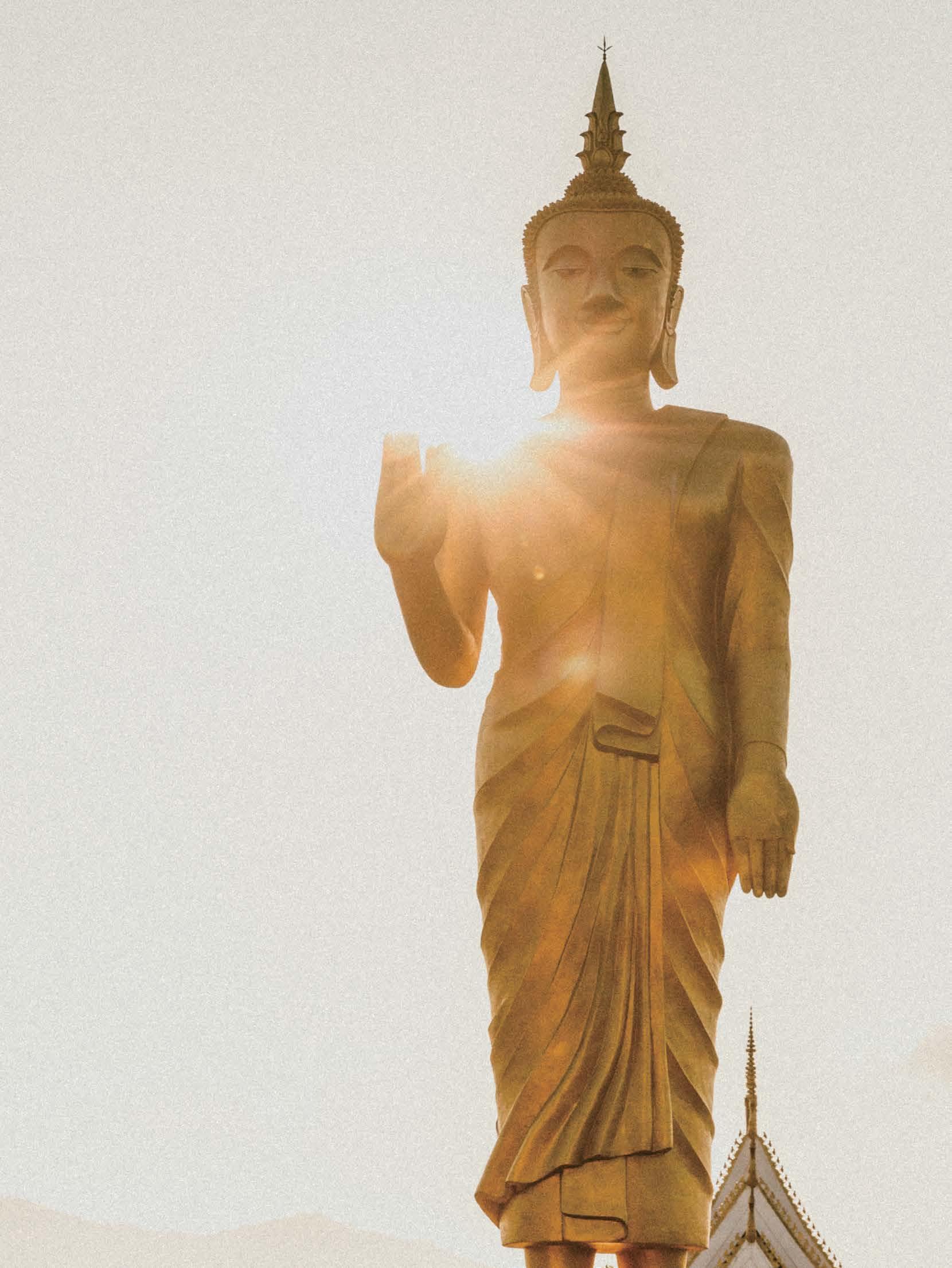
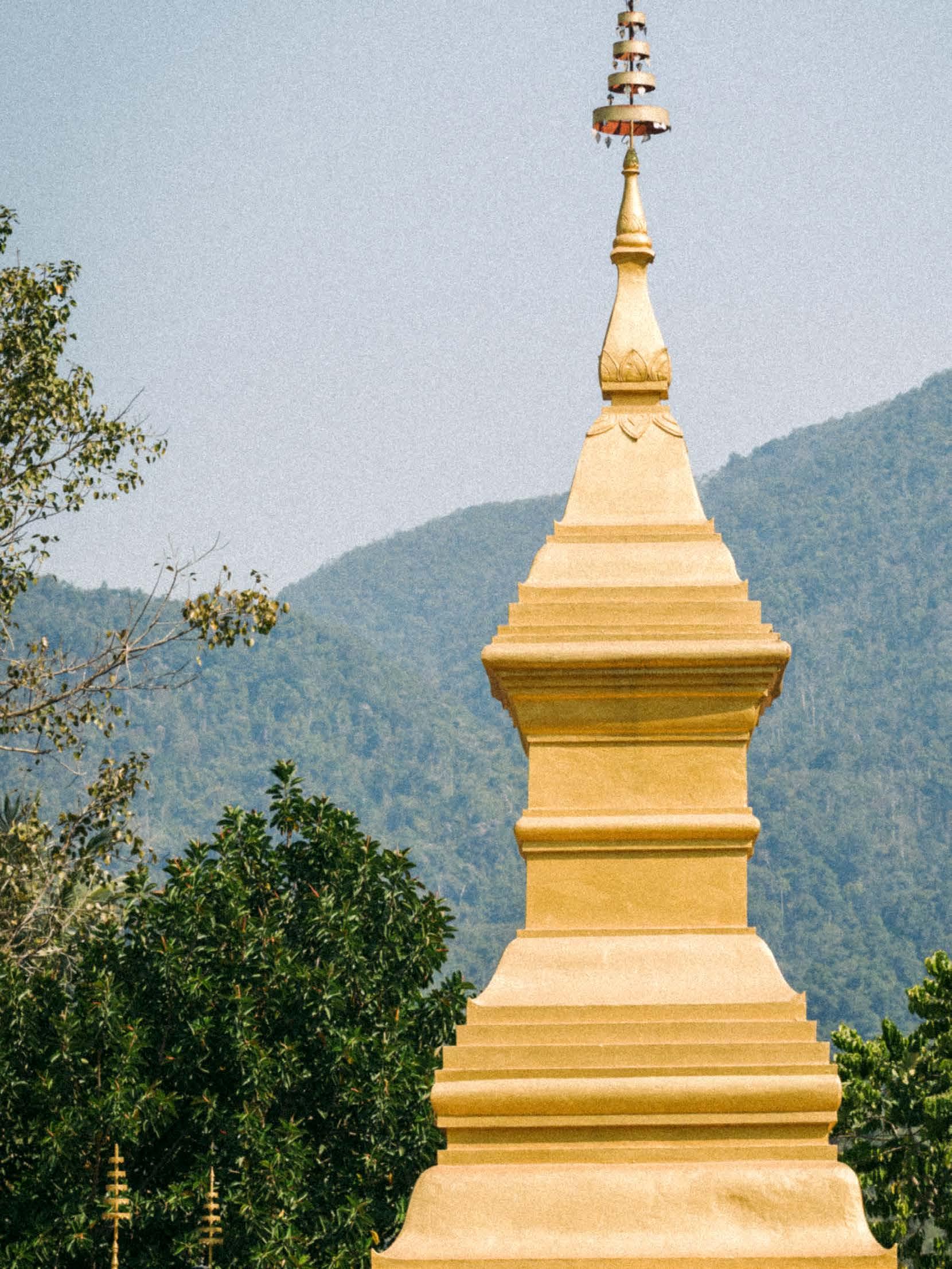
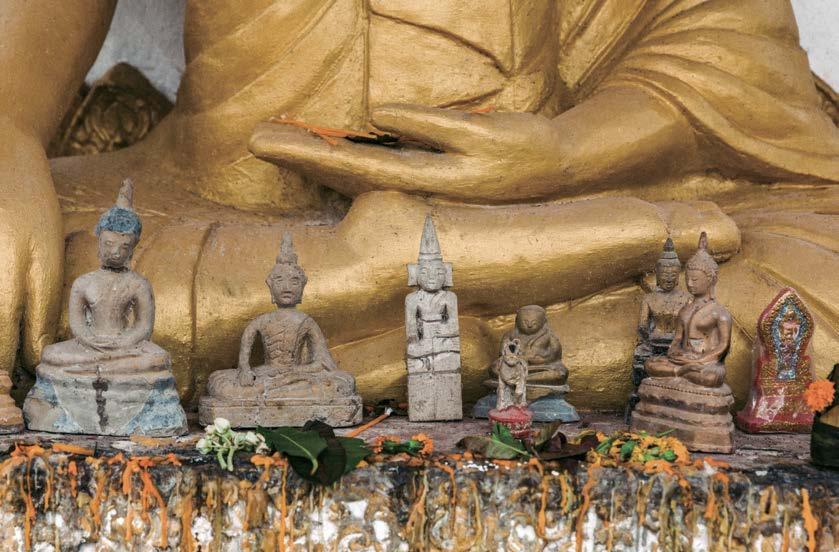
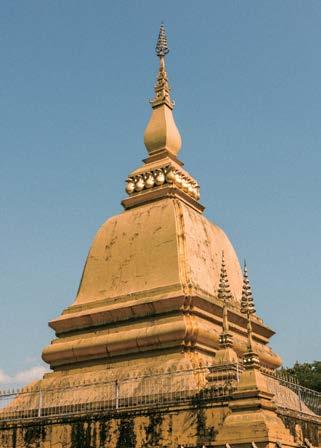
Visitors can easily spend two or three nights here. One of the main places to visit is Phou That, a hilltop stupa near the main street. The temple is believed to have been built by the Tai Leu people as early as the 14th century. Today, visitors can see a golden stupa and a large 18-meter standing Buddha. The best time to visit is in the late afternoon, when the sunset lights up the hilltop.
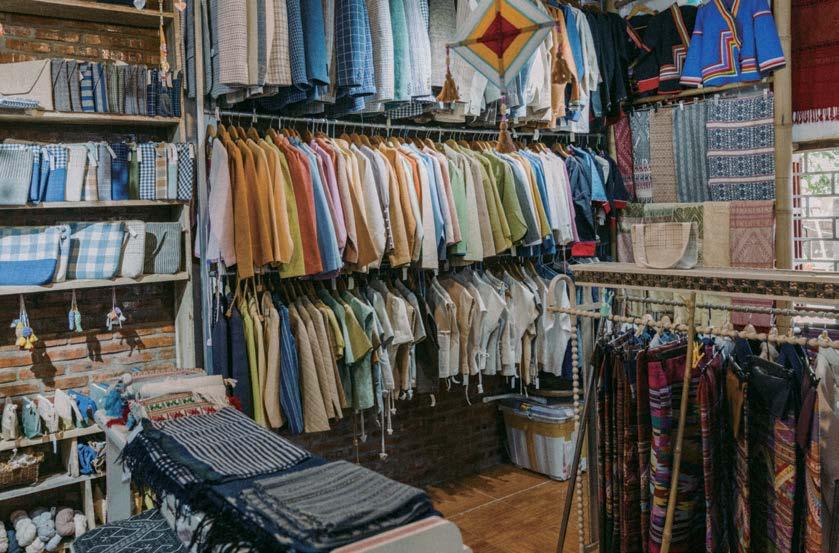
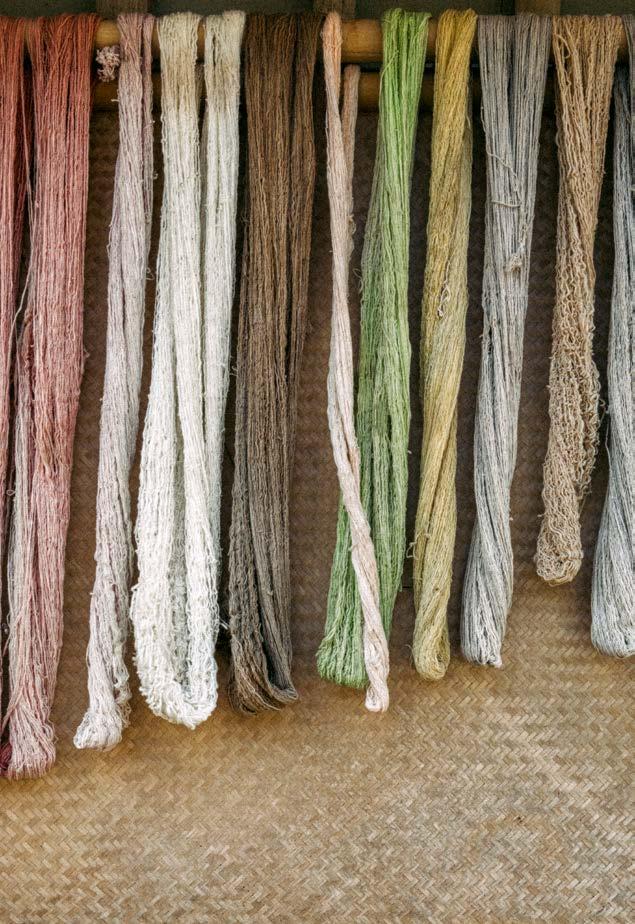
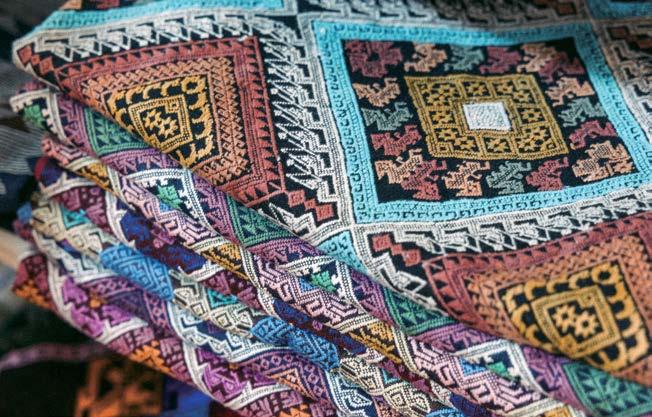
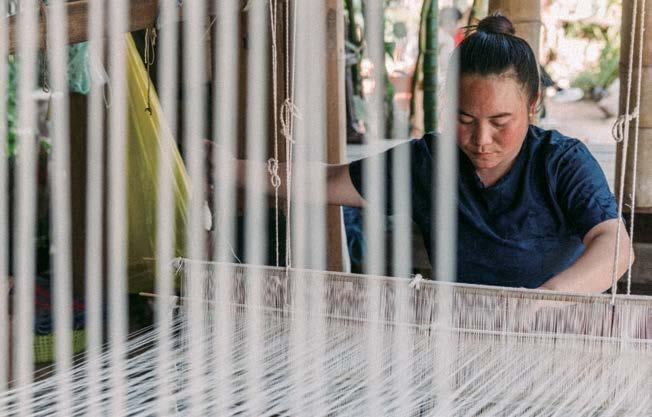
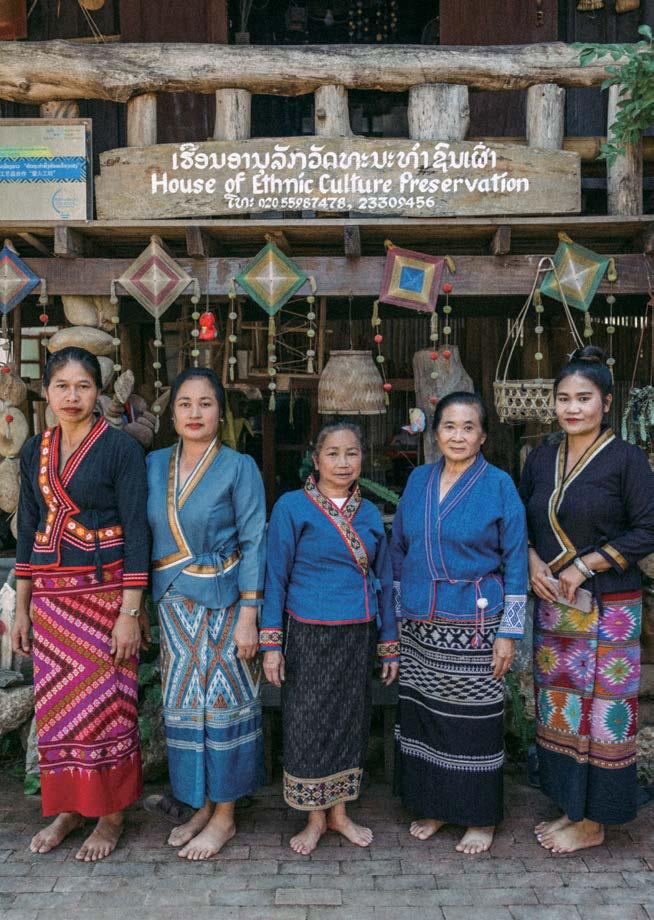
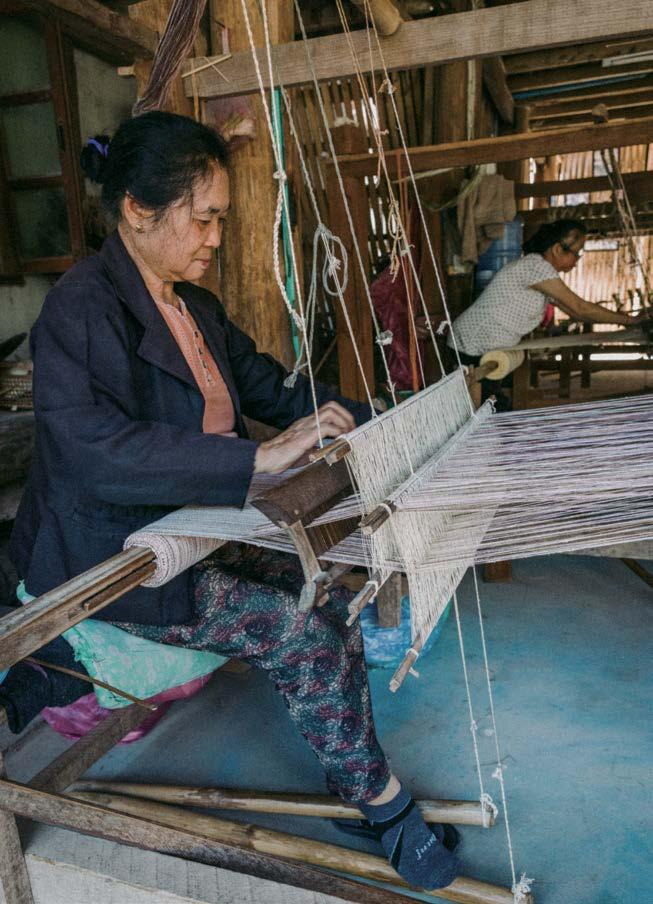
F or those interested in local crafts, the House of Ethnic Culture Conservation, also known as the Tai Leu Handicraft Center, is worth a visit. Travelers can watch local weavers at work and buy handmade textiles and clothing.
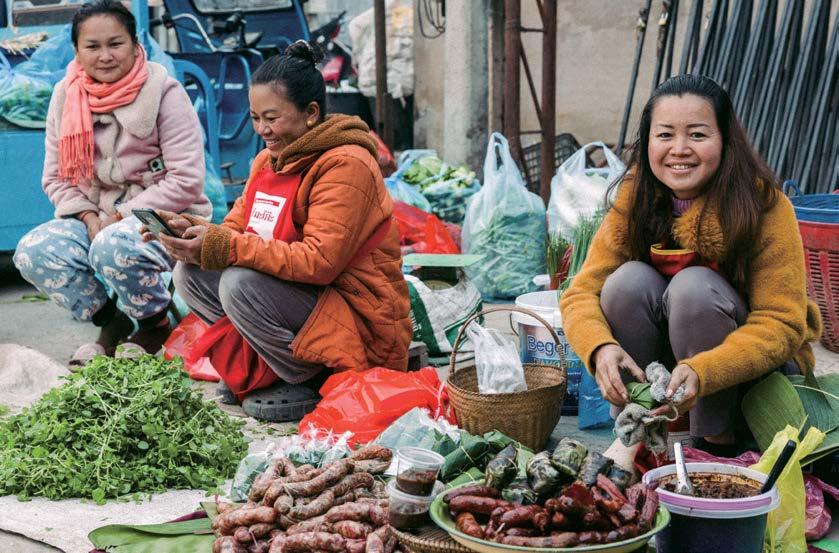
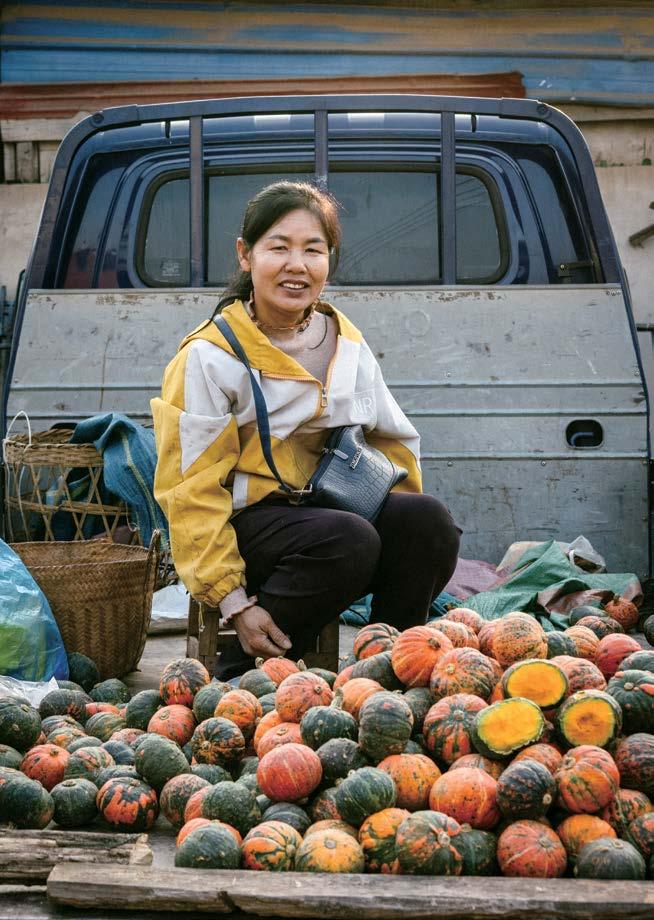
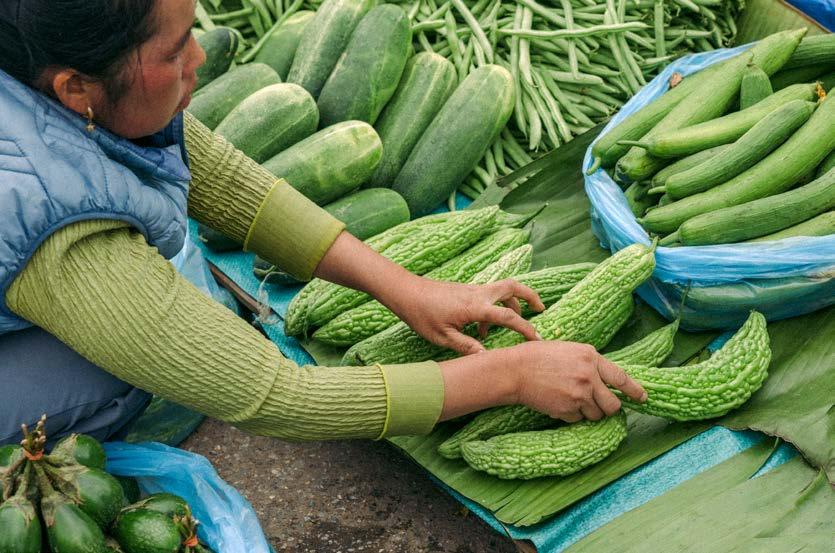
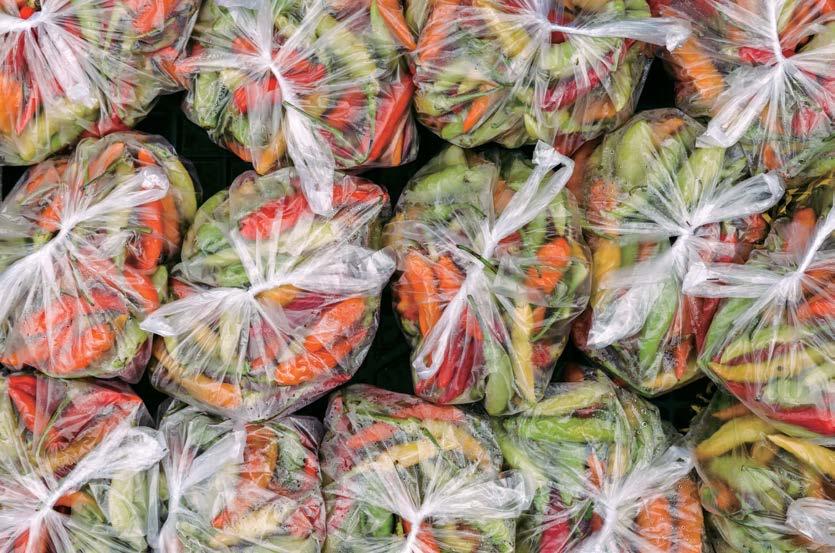
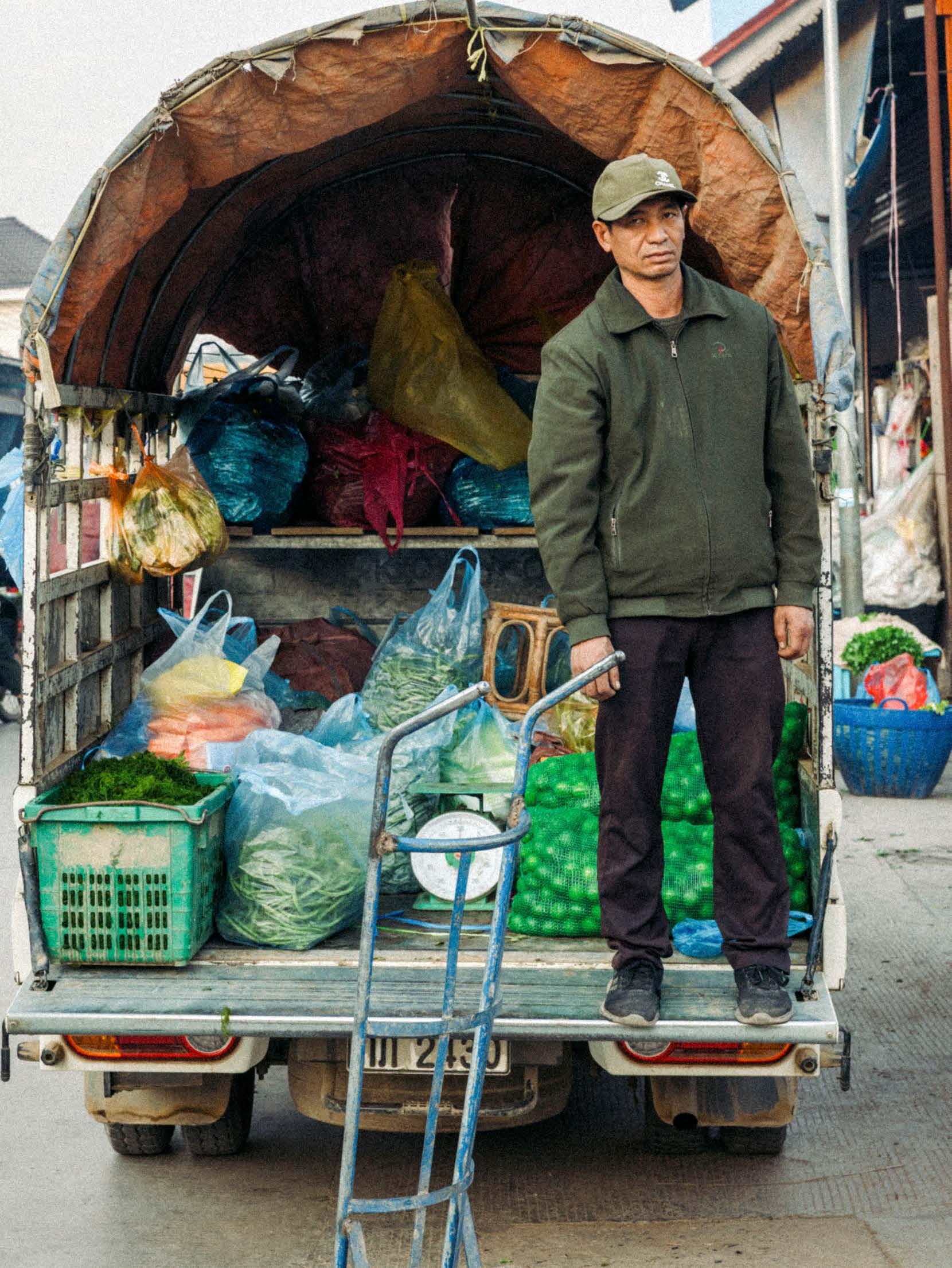
Meuang Xay is also a good place to enjoy local food. The town has two fresh markets: Thin Market, near Charming Lao Hotel, and the larger Talat Nong Maeng Da. These markets are colorful places to see local vegetables, forest products, snacks, and seasonal ingredients.
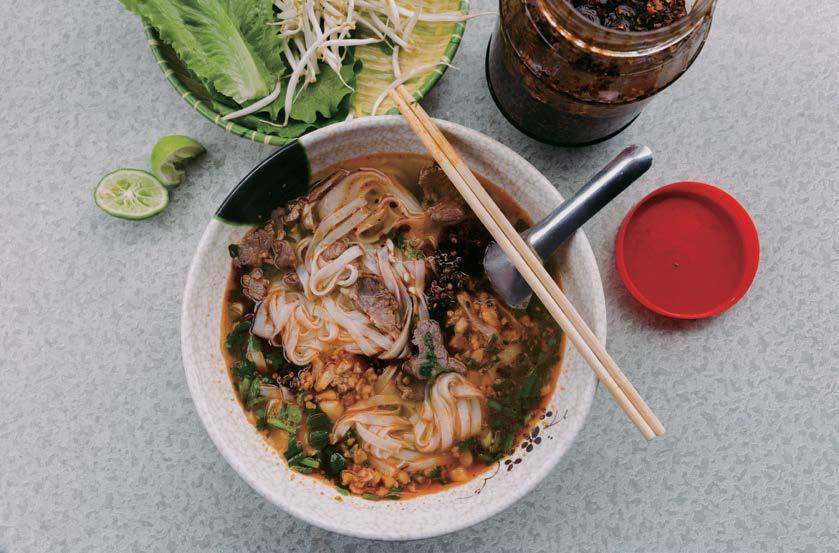
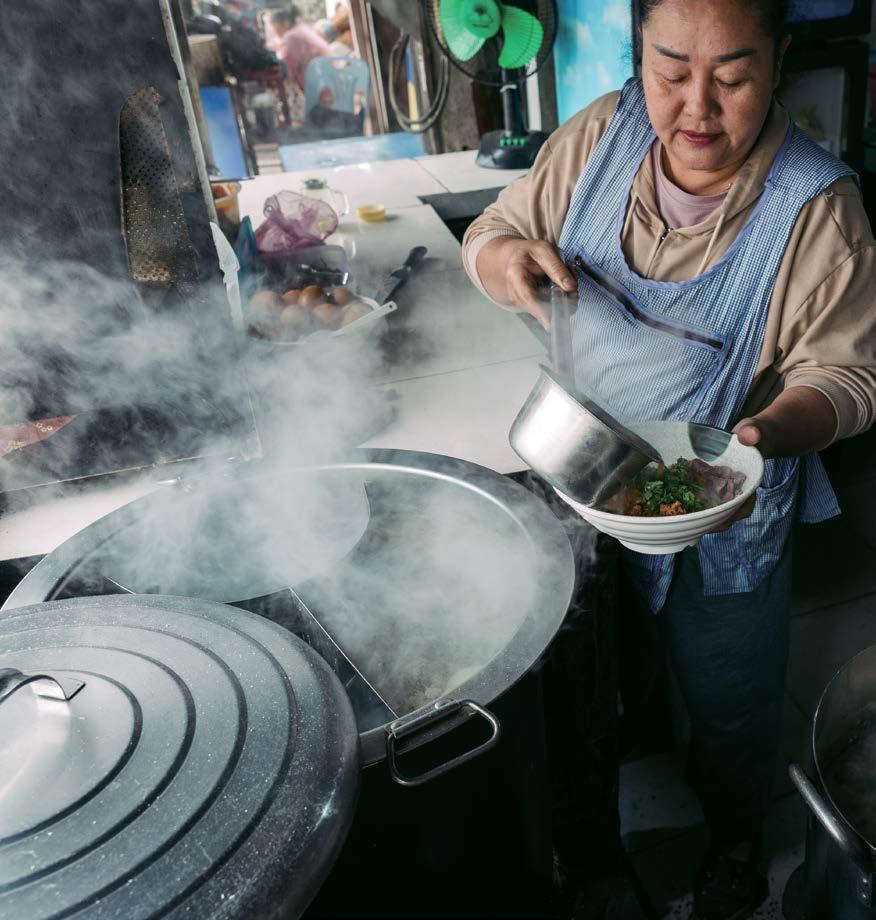
Along the main street, visitors can find simple and tasty Lao meals such as stewed pork leg with rice, steamed chicken with rice, jeo som dipping sauce, and northern Lao khao soi noodle soup. There are also more Chinese restaurants now, especially near Charming Lao Hotel and Thin Market.
2: Rise early for a visit to Thin Market.
3:
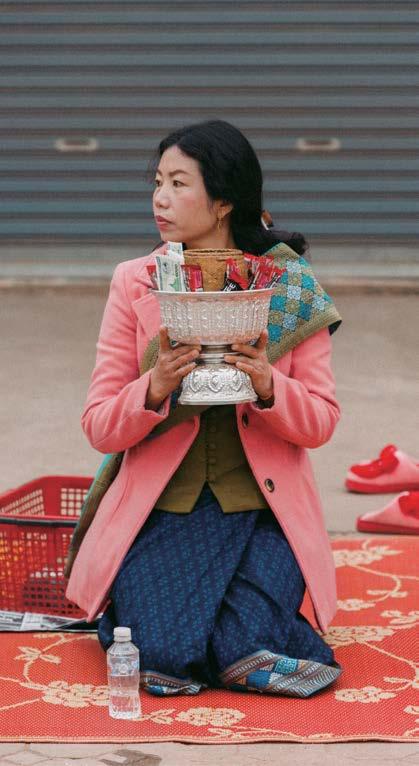
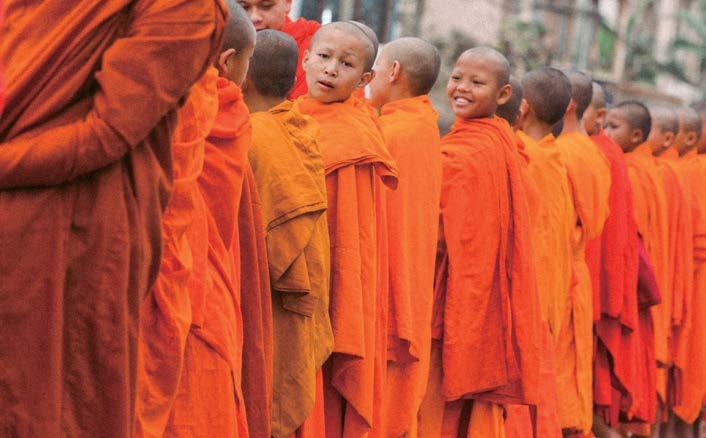
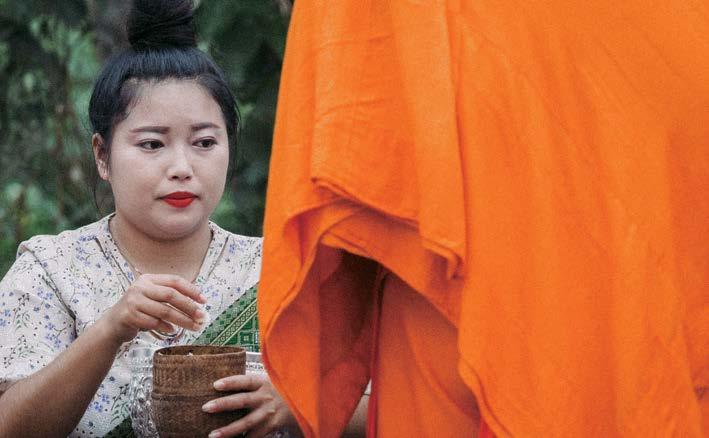
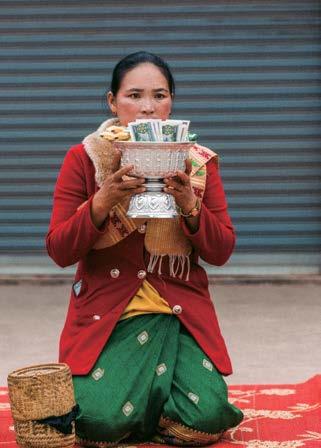
Another quiet experience in Meuang Xay is tak baat, the morning almsgiving ceremony. It usually begins around 6:30 a.m. Unlike in Luang Prabang, visitors can watch from a respectful distance without large crowds.
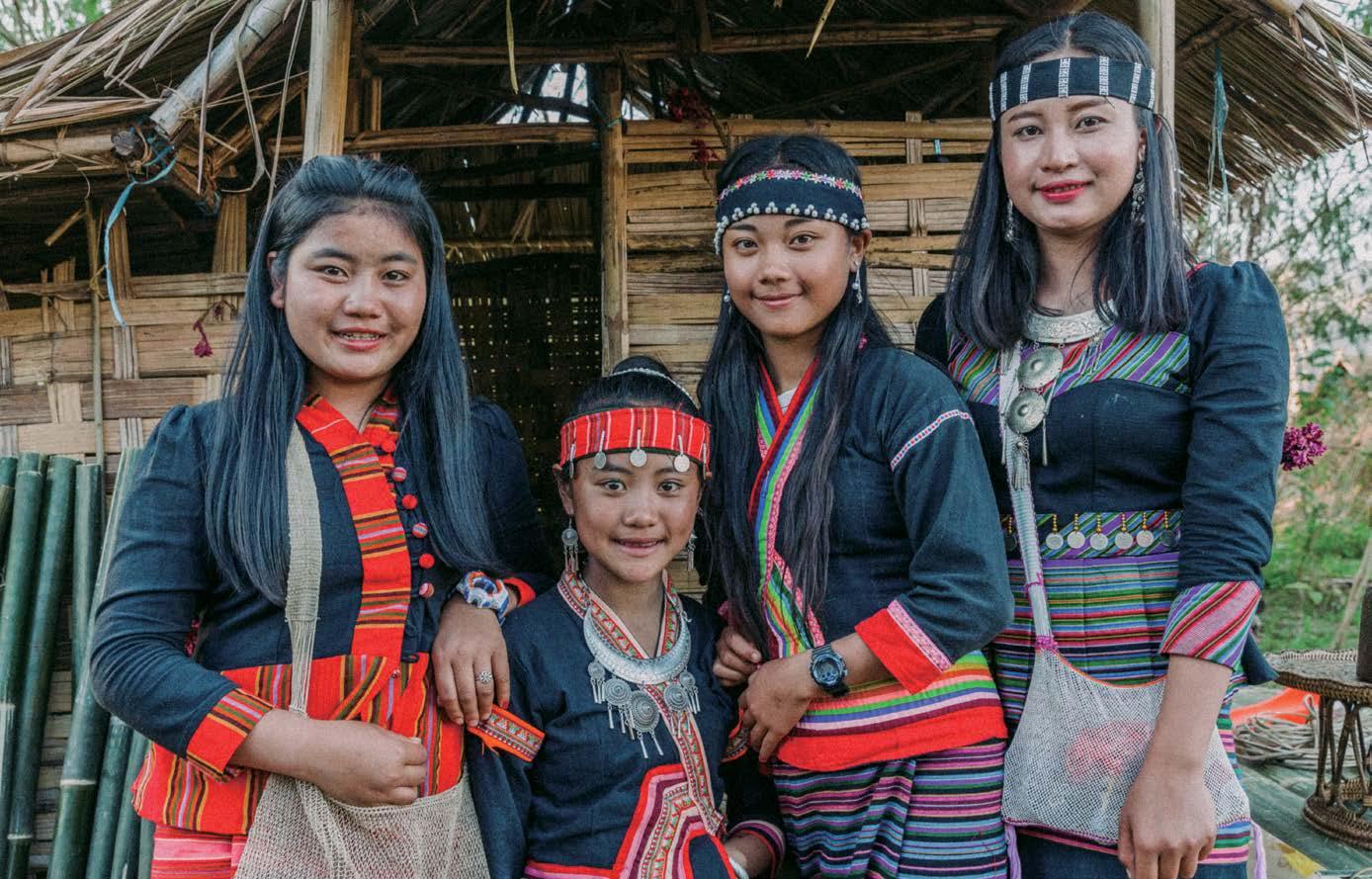
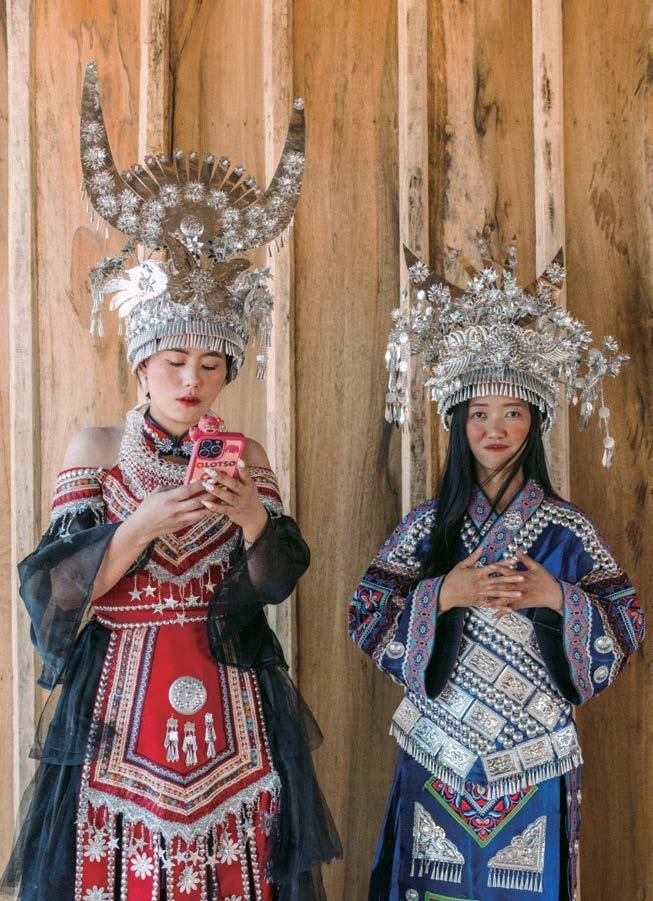
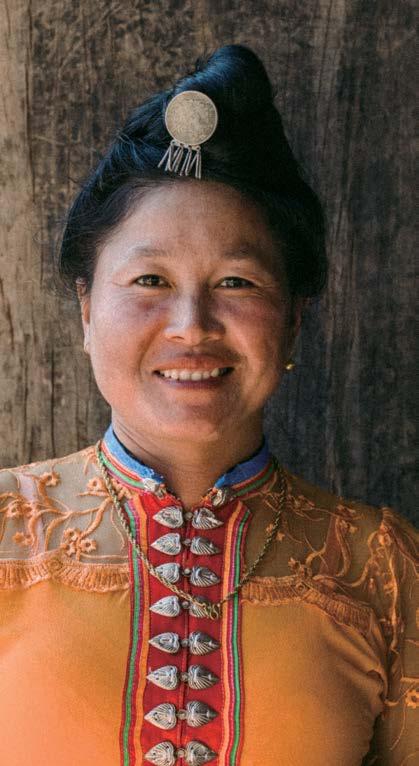
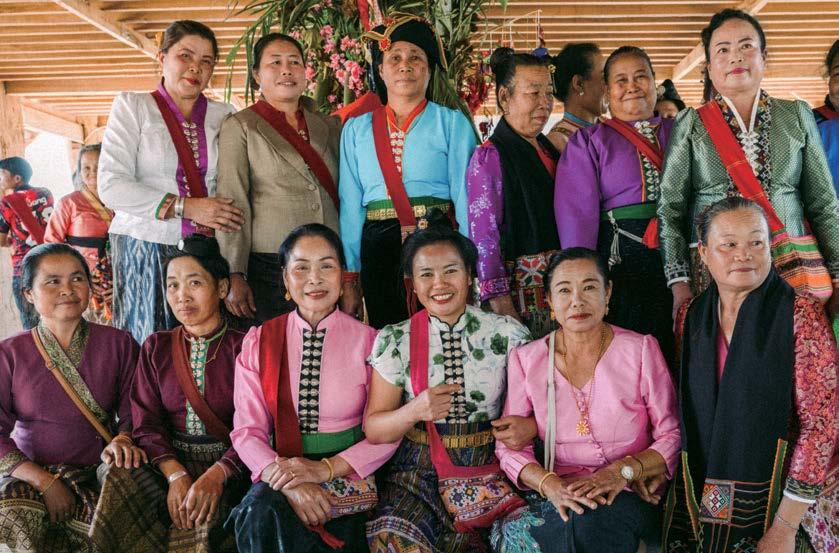
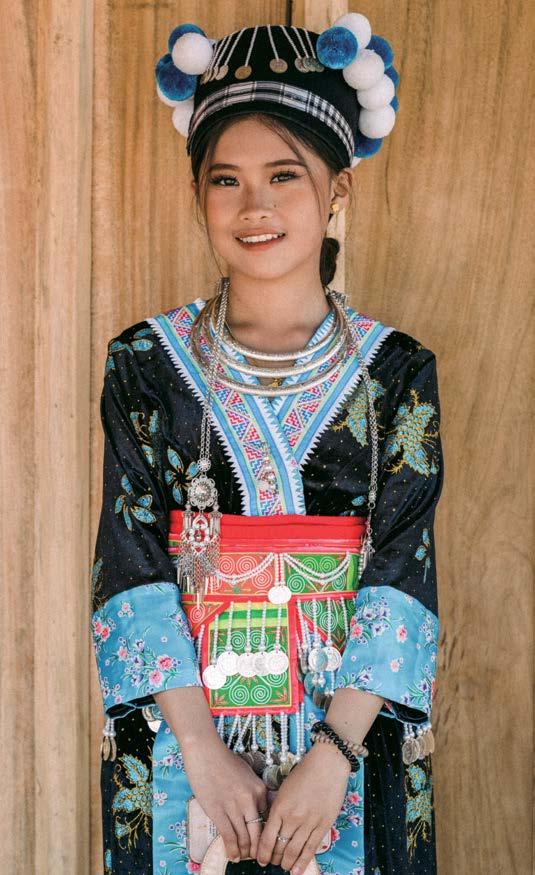
O udomxay Province is home to many ethnic groups, including Kmhmu, Hmong, Akha, Lanten, Tai Dam, Tai Leu, Phouan, and Phou Noi. The Kmhmu are believed to be one of the earliest groups to settle in the area. This cultural diversity is celebrated during the Ethnic Cultural Festival, usually held in January or February at the town’s sports stadium. The festival features performances, food, and local traditions.
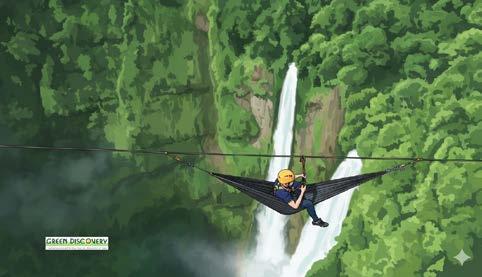
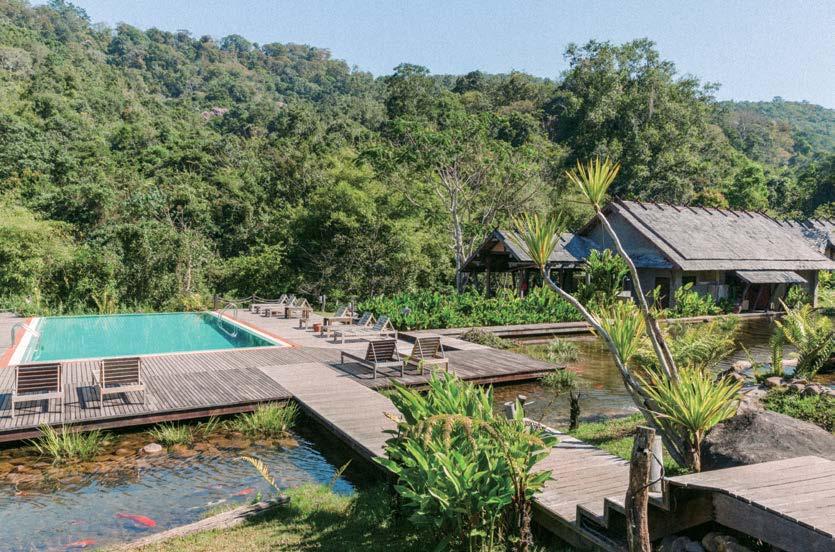
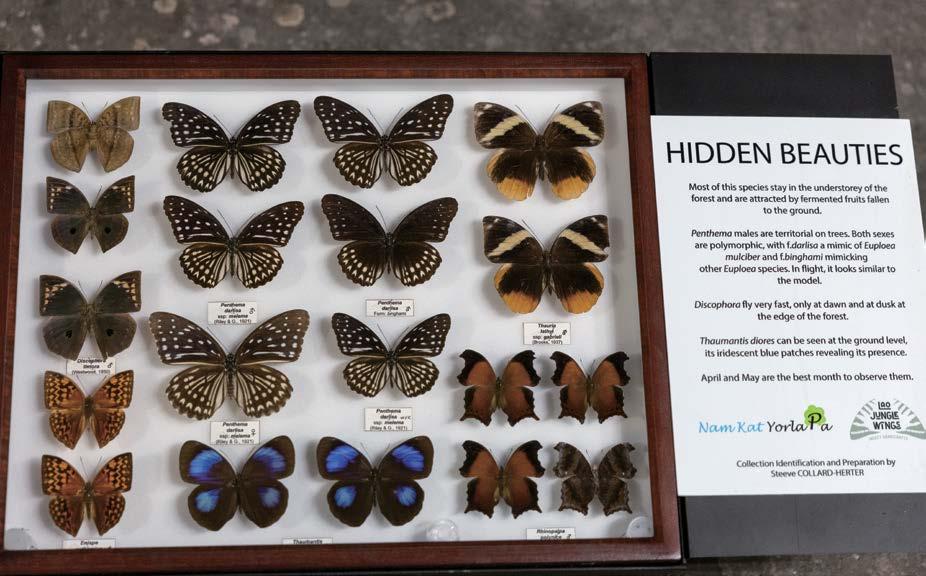
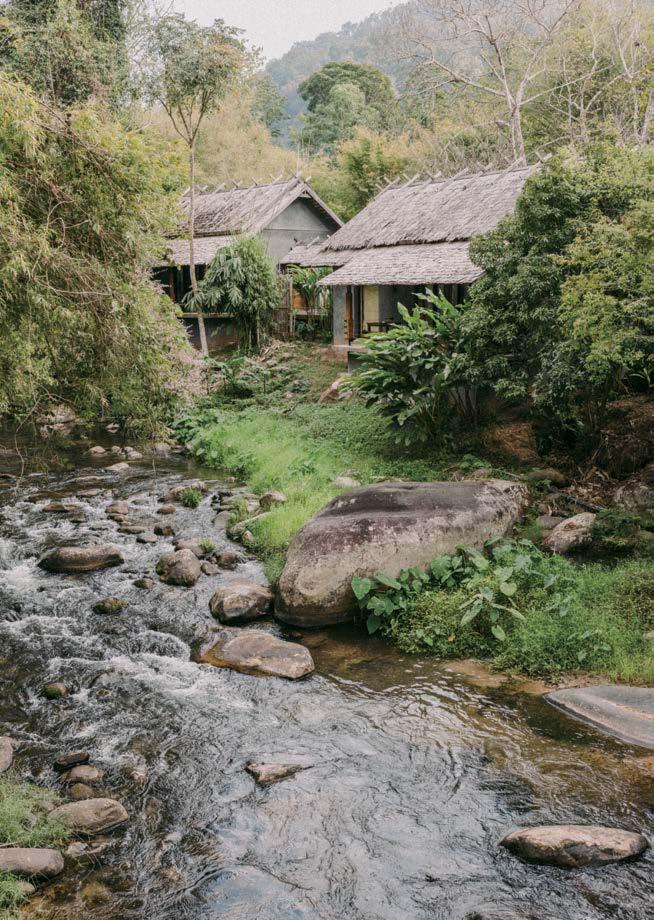
For nature and adventure, Nam Kat Yorla Pa is one of the best places to visit. The resort is about 17 kilometers from Meuang Xay, on the edge of a protected forest. Guests and day visitors can hike, cycle, ride ATVs, try zip-lining, take a cooking class, or learn more about Kmhmu culture. Families can also enjoy the activity center and swimming pool. The resort also has a biodiversity museum showing the wildlife of the Nam Kat forest.
Travelers with more time can visit Meuang La district, about 28 kilometers from Meuang Xay. The road passes through mountain scenery and a hilltribe market before reaching a peaceful village with Phra Chao Singkham temple, an important pilgrimage site.
Meuang Xay is growing fast because of the Laos-China Railway. It is still quiet, local, and full of charm, but that may not last forever. Visit now, before more travelers discover it.
1: Serving up khao soi.
2: Kmhmu ladies at the annual Ethnic Festival.
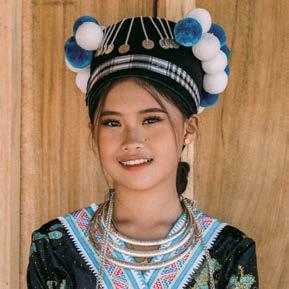
3: Hmong girls in their finery at the annual Ethnic Festival.
4: Pumpkin seller at Thin Market.
Getting there and around town:
Travelers can fly with Lao Airlines from Vientiane to Luang Prabang, then continue to Meuang Xay by train. Daily trains are available and can be booked through the Laos-China Railway app.
Getting around Meuang Xay is easy. Electric buses wait at the station to take visitors to hotels and can also be hailed around town or arranged for return trips to the station.
2:
3:
在人潮涌入之前,一睹为快
图文:Mick Shippen 译者:航
琅
勃拉邦常被誉为老挝最美 的地方之一。但旅行者还 可将目光投向北方——乌 多姆塞省的首府孟塞。这里距琅勃拉邦 乘高铁仅约45分钟,是老挝北部之旅中 一个轻松而有趣的停靠站。
孟塞是一座变化飞快的城镇。当游 客抵达火车站时,电动巴士已准备好载 客进城或前往酒店,每人仅需10,000基 普。城镇里,新的咖啡馆、餐厅和小型商 铺如雨后春笋般涌现。从宏天咖啡吧、 亚马逊咖啡的入驻,到众多中餐馆的开 业,无不彰显着孟塞正在变得更加现代 化,与区域联系也更加紧密。
游客在此可轻松住上两三晚。主要 景点之一普塔是位于主街附近山顶的 一座佛塔。人们相信这座寺庙早在14世 纪由傣泐人所建。如今,游客可以参拜 金色的佛塔和一尊高达18米的立佛。最 佳游览时间是落日余晖洒满山顶的傍 晚时光。
如果你对当地手工艺品感兴趣,民 族文化保护馆(又称傣泐手工艺中心) 值得一游。旅行者可以观看当地织工现 场劳作,并购买手工制作的纺织品和服 饰。
左图: 班廷市场的一位摊贩。
1: 普塔寺的供品。
2: 时尚的鸿天咖啡酒吧引人 注目的装饰。
3: 一年一度的民族节上,傣族 妇女身着传统服饰。
孟塞也是品尝当地美食的好地方。 镇上有两个生鲜市场:一个是位于魅力 老挝酒店附近的新市场,另一个是规模 更大的农孟达市场。在这些市场可以见 到色彩丰富的当地蔬菜、山林物产、小 吃与时令食材。
沿着主街,游客可以品尝到简单 又美味的老挝餐点,例如猪腿炖饭、蒸 鸡饭、酸味蘸酱以及老挝北部的咖喱面 汤。中餐馆如今也多了起来,尤其是在 魅力老挝酒店和新市场附近。
孟塞另一项宁静的体验是清晨的 布施仪式,通常在早上6点30分左右开 始。与琅勃拉邦不同,这里游客相对较 少,可以在不打扰僧侣的距离之内静静 观赏。
乌多姆塞省民族众多,包括克木 族、赫蒙族、阿卡族、兰腾族、傣丹族、傣 泐族、普安族和普诺族。克木族被认为 是最早定居于此的民族之一。这种文化 多样性会在民族文化节期间得到庆祝, 节日通常在每年一月或二月于镇上的 体育场举行,包含表演、美食和当地传 统展示。 1
对于热爱自然与探险的人来说,南 卡约拉帕(Nam Kat Yorla Pa)是最佳 去处之一。该度假区距离孟塞约17公 里,坐落于一片森林保护区的边缘。无 论是住店客人还是日间访客,都可以体 验徒步、骑行、全地形车、丛林滑索、烹 饪课程,或深入了解克木族文化。家庭 游客还可畅享活动中心与游泳池。度假 区内还设有一个生物多样性博物馆,主 要展示南卡森林中的野生动植物。
时间更充裕的旅行者,可前往距离 孟塞约28公里的勐腊县。沿途可欣赏山 地风光并在一个山地部落市场停留片 刻,最终抵达一处宁静的村庄,村中坐 落着重要的朝圣地——帕昭辛卡姆寺。
得益于中老铁路,孟塞正在迅速发 展。目前它依然安静、质朴、充满魅力, 但这份光景或许不会持续太久。请趁更 多游客发现它之前,现在就出发吧。
抵达交通与城镇出行 旅行者可搭乘老挝航空从万象 飞往琅勃拉邦,随后转乘火车前 往孟塞。每日均有车次,可通过 中老铁路应用程序购票。
在孟塞出行十分便利。电动巴士会 在火车站等候,将游客送至酒店;游 客也可以在镇上随时招手叫车,或 预订返回车站的车辆。
1-2: 泰琉手工艺中心是观赏 织工现场制作和购买精美纺 织品的绝佳去处。
3: 入住南卡特约拉帕,亲近 自然。
4-8: 在乌多姆赛,您可以体验 地道的布施仪式,了解包括苗 族在内的多个民族,并参观重 要的宗教场所,例如山顶寺庙 普塔寺。
RDK Group is a full-service communications agency that speaks your language – literally. We’re a lively ensemble of linguistic virtuosos, marketing maestros, and media mavens, specializing in translation, market research, campaigns, and media relations, all with a dash of wit. Our spirited team your business struts center stage on any platform. Our diverse clients become long-term partners, as we conjure up campaigns and services striking a chord with their audiences in perfect harmony.
At RDK Group, we’re all about language creativity, and making your brand’s voice sing loud and clear, resonating throughout the marketplace.
Airlines Updates
LAO AIRLINES NEWS | AIRLINE PARTNERS FLIGHT ROUTES | OFFICES

QV701 QV702 VTENEU 08:20 09:10 C909 DAILY NEUVTE 09:50 10:40 C909 QV703 VTENEU 15:20 16:10 MON, WED, FRI & SUN QV704 NEUVTE 16:50 17:40
PKZVTE QV303 11:40 12:40 C909 DAILY QV304 13:20 14:20 QV223 VTEZVK 08:20 09:20
QV305 VTEPKZ 08:00 09:00 C909 DAILY QV306 PKZVTE 09:40 10:40


Xi’An, CHN


Beijing, CHN
Tianjin, CHN

Changzhou, CHN
Incheon, KOR

Muan, KOR

Chengdu, CHN
Wuxi, CHN
Hangzhou, CHN
Ningbo, CHN
Changsha, CHN

New Delhi, IND
Kunming, CHN
Guangzhou, CHN
Nanning, CHN
Hanoi, VNM
Luangprabang
Chiangmai, THA
Vientiane
Bangkok, THA
Siemreap, KHM
Quanzhou, CHN
Jieyang, CHN
Shenzhen, CHN
Zhenjiang, CHN
Savannakhet
Danang, VNM
Luangnamtha
Bokeo Oudomxay
Luangprabang
HuaPhan

Pakse
Phnompenh, KHM
Hochiminh, VNM

Phuket
Xiengkhouang

VIENTIANE

Singapore
Savannakhet
Pakse

Jakarta

Tokyo, JPN
FLIGHT OPERATED BY
Lao Airilines

Future route Study �lights


Code share �lights
Charter ights





KUNMING | CHINA (KMG)
KMG Office
Tel:(86-871) 68 10 99 91
e-mail: kunming@laoairlines.com, vilaichid@laoairlines.com
GUANGZHOU | CHINA (CAN)
CAN Office
Tel:(86-20) 83 88 40 85, | Tel:(86-20) 83 88 40 95 e-mail: canqv@laoairlines.com, qv881882@126.com
INCHEON, SEOUL | KOREA (ICN)
Seoul Office (GSA)
Tel: (+82) 2 63 27 0007
e-mail: cs@laoairlines.co.kr | Homepage: www.laoairlines.co.kr
Incheon Airport Office
Tel: (+82) 32 743 5018
e-mail: qvicn@laoairlines.co.kr
BANGKOK | THAILAND (BKK)
Suvarnabhumi Airport Office
Tel: (66-2) 134 2006 to 2007
e-mail: bkkairport@laoairlines.com
CHIANGMAI | THAILAND (CNX)
CNX Airport Office
Tel: +(66) 81 8826 510, 65 9851 442 e-mail: cnxairport@laoairlines.com
HANOI | VIETNAM (HAN)
Town Office
Tel:(84-24) 39 42 5362, +84 90 425 4217 | Fax:(84-24) 39 42 5363
e-mail: ticketing.han@laoairlines.com
Noi Bai Airport Office
Tel: +84 93 111 0855
e-mail: qvhan@laoairlines.com
HOCHIMINH | VIETNAM (SGN)
SGN QV
Tel: +84 58 818 3333
e-mail: qvsgn@laoairlines.com

VIENTIANE (VTE)
Ticketing and Reservation Office
Tel:(856-21) 212 051-54 or 1626 | WhatApp + 856 20 55 54 1626
e-mail: vtersqv@laoairlines.com, onlinesbooking@laoairlines.com
Airport Office
Tel: (856-21) 513 032
LUANG PRABANG (LPQ)
Town Office
Tel:(856-71) 212 172 | WhatApp + 856 20 57 64 1616
e-mail: lpqssqv@laoairlines.com
Airport Office
Mob | WhatApp: + 856 20 57 65 1616
e-mail: lpq@laoairlines.com
XIENGKHOUANG (XKH)
Town Office
Tel:(856-61) 312 027 | Fax:(856-61) 312 027
e-mail: xkh@laoairlines.com
Airport Office
Tel: (856-61) 312 177
LUANG NAMTHA (LXG)
Town Office
Tel:(856-86) 212 072, 212 186
e-mail: lxg@laoairlines.com
Airport Office
Tel: (856-86) 312 053
Houeixay (HOE)
Town Office
Tel:(+856-84) 211 026 | Fax: (+856-84) 211 471
WhatsApp: (+856 20) 56 08 9624, 91 27 4868
e-Mail: hoe@laoairlines.com
SAVANNAKHET (ZVK)
Airport Office
Tel:(856-41) 212 140
WhatApp: +856 20 2266 1626
e-mail: zvk@laoairlines.com
PAKSE (PKZ)
Town Office
Tel:(856-31) 212 252 | Fax:(856-31) 212 751 | WhatApp: +856 20 59 64 2555
e-mail: pkz@laoairlines.com
Airport Office
Tel: (856-31) 251 921






















14:30 15:30




M T W T F S S QV312


T W T F S S QV311 16:20 17:20








11:20 12:40


M T W T F S S QV318


M T W T F S S QV317 13:50 15:10


VIENTIANE-BANGKOK



M T W T F S S



07:20 08:40





BANGKOK-VIENTIANE



M T W T F S S



M T W T F S S QV441 18:20 19:40 QV445 09:40 10:50

M T W T F S S QV442 20:50 22:10 QV446