THE NEED FOR PRIMARY SOURCE RESEARCH
EXPERT conjecture on the changing character of war is easy to come by, but objective, evidence-driven analysis of the character of actual war drawn from recent and current conflicts is paltry. A gap in field research and collection exists and must be remedied. A significant challenge in producing analysis and military history is in dealing with gaps, the blank spaces left by the absence of sources. Concurrent or contemporary research is one important way of closing the gaps. Increasingly in contemporary wars, military learning is conducted through remote observation and is heavily dependent on unstructured video, photo, and audio recordings posted by participants. While remote observation and evidence gathering is important, to have constructive value it must be complimented by – and, we argue, framed by – field research centered on timely
interviews with participants. Field research adds essential context to historical narratives, and oral interviews place people back in the centre of the story, where they belong. Military and civilian defence leaders should acknowledge the shortcomings of remote approaches, fund structured battlefield research in Ukraine (and elsewhere), and re-evaluate the evidentiary basis for their understandings of the character of war.
Many important military questions that need answering are presently ripe for study in Ukraine. Has the character of war truly changed? How can modern militaries fight and win while under constant aerial and electronic surveillance? Has armour, and perhaps even cannon artillery, been made redundant, or will traditional weapons continue on at the heart of modern combined arms formations? How can leaders adjust military training and education to meet the changing
demands of war? More narrowly, Ukraine offers us the most panoramic view of Russian combat capabilities since the end of the Second World War.
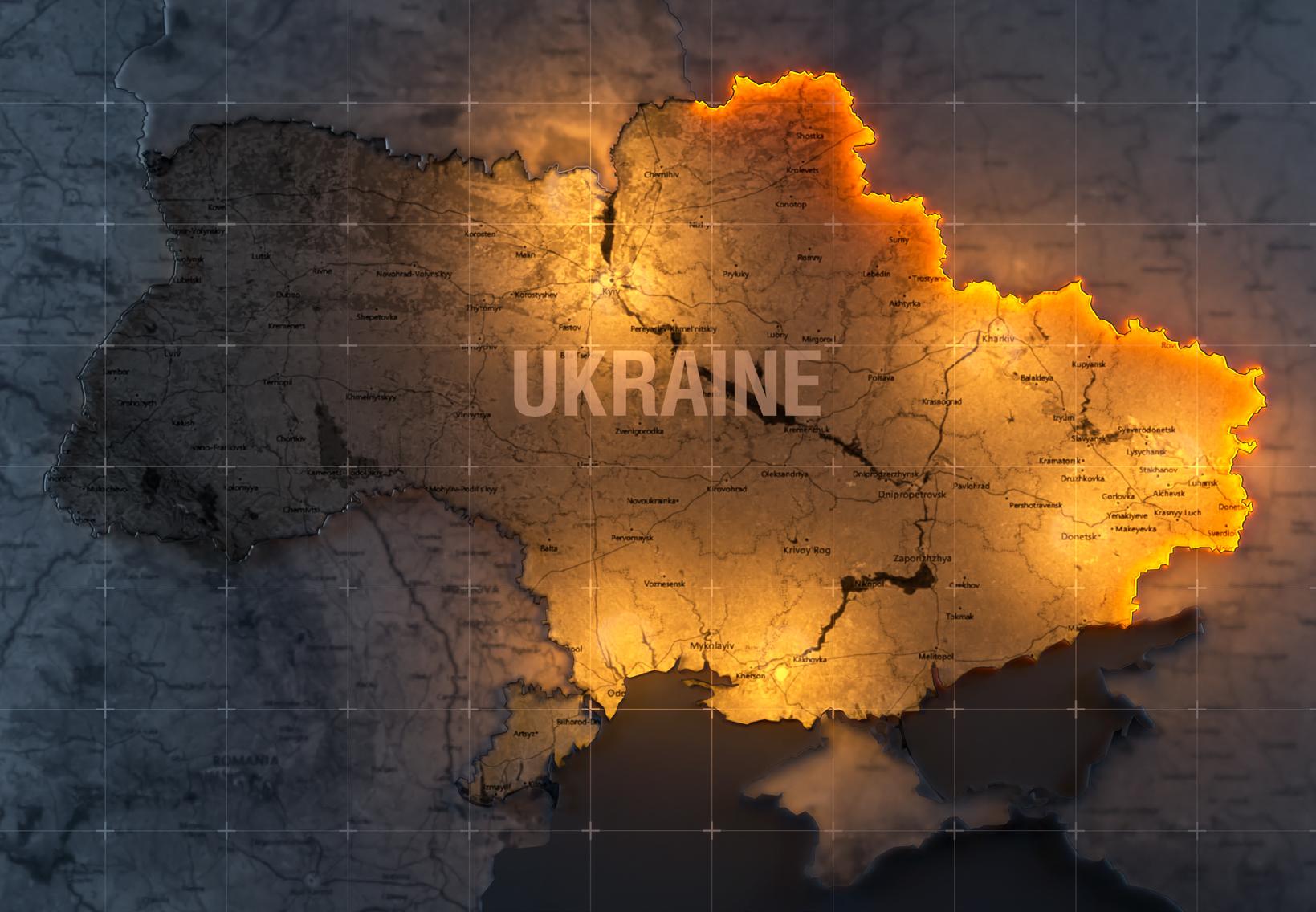
Given opportunities to answer these questions in Ukraine, and given the many billions of pounds of planned investment stimulated by this conflict, one might assume many Western researchers would be in the field vacuuming up primary source accounts. This appears to be an unsafe assumption. Some isolated efforts are occurring, notably reflected in a recent report published by the Royal United Services Institute (RUSI). Such efforts are invaluable but surprisingly rare.
Military organizations are certainly (yet quietly) gathering technical evidence – abandoned Pantsir S-1s, shattered remnants of Orlan-10 drones, et al. – but structured evidence gathering from the people fighting this war appears to be quite limited. Our colleagues in the research
1 // IN-DEPTH BRIEFING // CHACR IN-DEPTH BRIEFING // #36 // SEPTEMBER 22
community routinely (yet also quietly) lament the lack of interest in field research in Ukraine. Most publicly available observations are being captured from afar through social media, satellite, and video accounts. While videos and digital images offer an unprecedented window to view the conflict and are compelling to watch, they are often selective and lack context. These secondary-source collections will be insufficient to help answer the fundamental and often confounding questions posed above. Failure to conduct transparent, on-the-ground, human-focused research now, while the war is ongoing and evidence is fresh, may lead to catastrophic misunderstandings later.
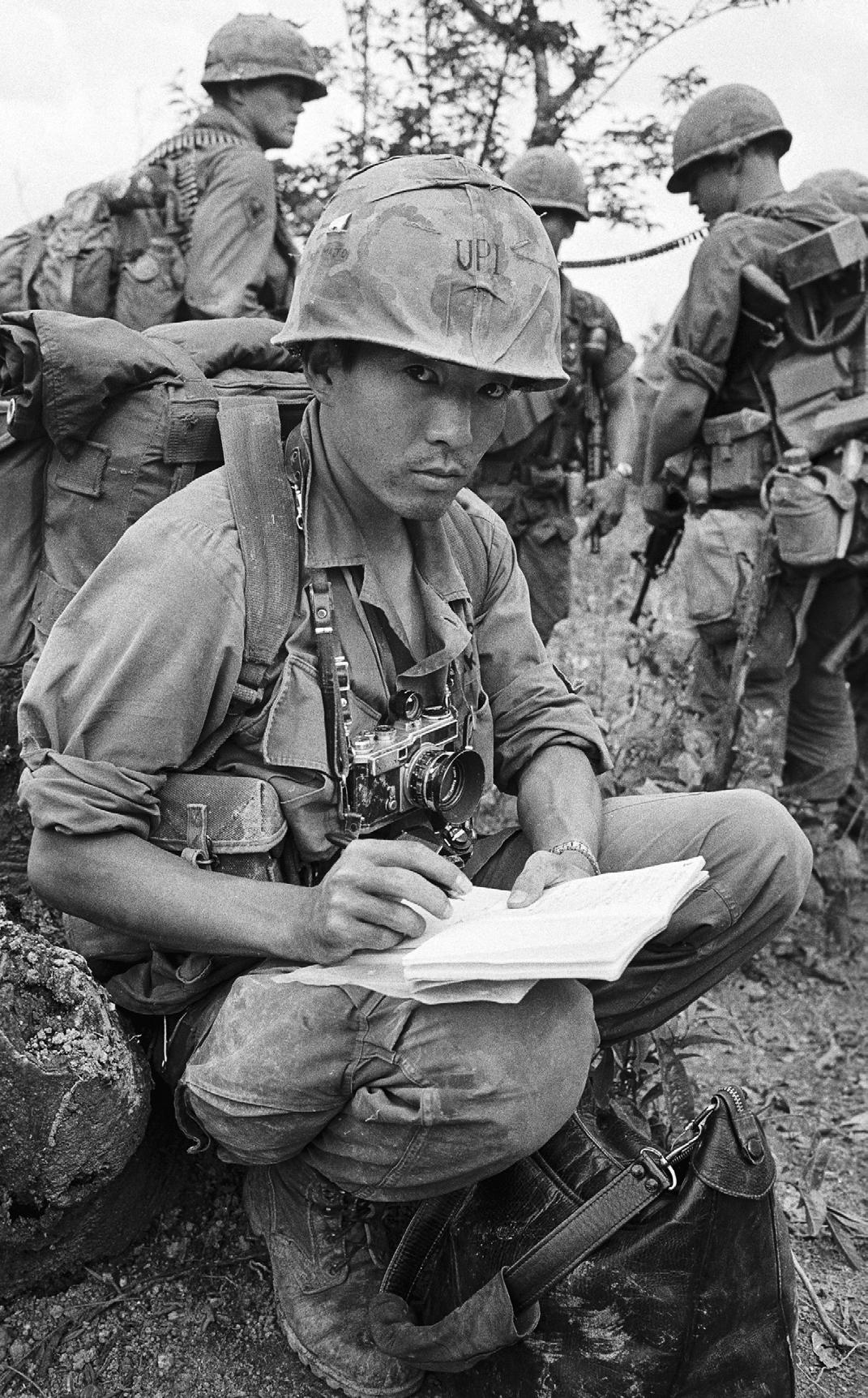
Contrasts in research approaches between the U.S.-led Vietnam War (~1965-1975) and the recent conflicts in Ukraine, Nagorno-Karabakh, Ethiopia, Yemen, Syria, Mali, Libya, the Democratic Republic of Congo (DRC), Nigeria, et al., suggest a fundamental change in the way battle narratives are captured for later study. Throughout the Vietnam War, Western researchers and military interviewers flooded the Republic of Vietnam where they toured battlefields, conducted faceto-face interviews, and then published scholarship that to this day still informs professional military education across NATO. Some similar approaches were taken in Iraq and Afghanistan, yet on an ever-dwindling scale as those conflicts wound down.
Across civil and interstate wars just over the last decade, hundreds of thousands of soldiers have fought each other in midto large-scale combined arms combat, offering up plentiful opportunities for on-theground research and learning. Together, these wars have generated countless prospective interviewees and many thousands
of pages of oral, visual, and written evidence that can best be obtained through localized engagement. Yet primary-source scholarship on these wars is quite limited.
Has remote observation provided us with the best insights from these wars? Raw primary source evidence is certainly voluminous and readily available online. Open-source analysis, both institutional and citizen led, has established itself as an essential strand of research. However, we
argue that it compliments rather than replaces other research approaches. There is as good a chance that the nature of remote evidence gathering has misled present descriptions of the character of modern war. It also raises some uncomfortable ethical issues which we touch on below.
Remote evidence from modern war is plentiful and gripping. These are wars brought to life by sousveillance, in which combatants, civilians, and
participants of all forms, are filming and capturing their own experiences though their own respective lenses. Combatants and remote data collectors add to the flood of raw data. Together, drone strike videos, helmet-mounted camera videos, interrogation videos, remote press interviews, intercepted phone call transcripts, cell phone photos, and satellite imagery give researchers and even average citizens unprecedented frontline views of war. Yet fundamental problems emerge from this remote perspective.
Most remote evidence is narrowly focused, edited, and tightly curated. It appears to provide unbiased insight, but it most often provides controlled messaging by interested parties. And to borrow General Rupert Smith’s analogy, each picture, video, and satellite image is a like looking down a singular drinking straw, a quite narrow aperture. Devoid of context we are unable to meaningfully make sense of what is going on in the theatre as a whole.1 For example, this carefully edited Azeri video montage of drone strikes against Armenian targets, cued to dramatic music, gives the impression of absolute dominance and perfect precision. Here, another, equally compelling drone-strike montage compiled by the Turkish government showing strikes against regime forces in Syria, and another produced by the Ukrainian government showing strikes against Russian soldiers.
Some analysts and generals watched drone footage from the Nagorno-Karabakh and Ethiopia-Tigray wars (et al.) and drew or reinforced their existing conclusion that drones
1General Sir Rupert Smith in conversation with Professor Richard Holmes, Hay Festival, 30th May, 2006, https://www. hayfestival.com/p-1630-richard-holmesand-general-sir-rupert-smith.aspx, accessed 7 July 2022.
“WESTERN RESEARCHERS AND MILITARY INTERVIEWERS FLOODED THE REPUBLIC OF VIETNAM WHERE THEY TOURED BATTLEFIELDS, CONDUCTED FACE-TO-FACE INTERVIEWS, AND THEN PUBLISHED SCHOLARSHIP THAT TO THIS DAY STILL INFORMS PROFESSIONAL MILITARY EDUCATION ACROSS NATO.”
Picture:
IN-DEPTH BRIEFING // THE NEED FOR PRIMARY-SOURCE RESEARCH 2 // IN-DEPTH BRIEFING // CHACR
CC BY 2.0
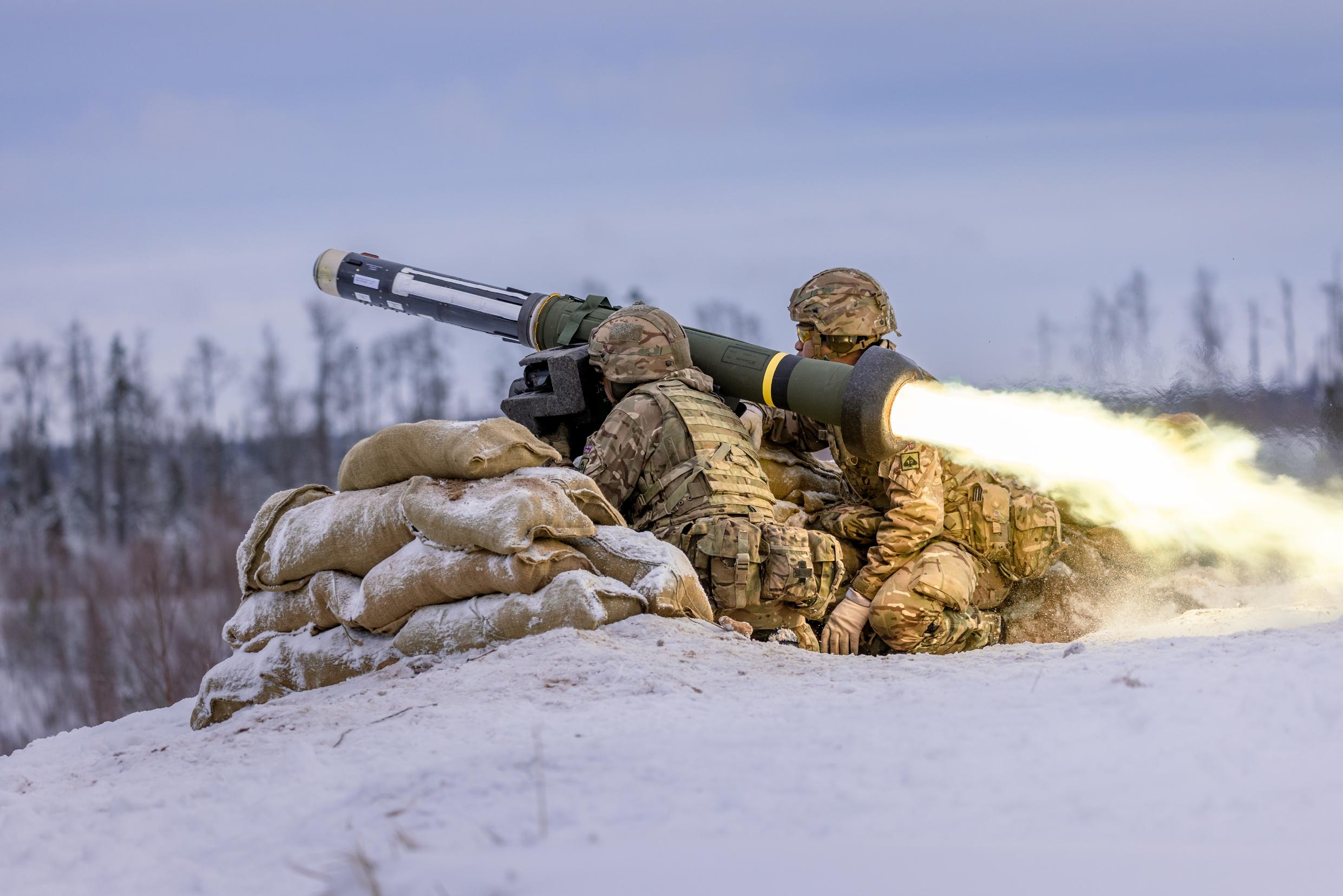
and precision-guided munitions (PGMs) had fundamentally altered the character of war. But while drones and PGMs have played an important role in both of these wars and others – drones have clearly changed the modern battlefield to some extent – less dramatic and harder-to-find battle narratives suggest more grueling and personal fights may still characterize most modern combat interactions. Videos of drones missing their targets or being shot down, or of Javelin missiles or NLAW rockets failing to kill their targets are very hard to find, yet they certainly exist.2 More importantly, many observers are unaware of, or perhaps unwisely discount key ground battles fought between infantry and armour with cannon artillery support, in part because these battles have
2Michael Kofman has noted that people have paid a great deal of attention to videos showing the success of drones in Nagorno Karabakh, yet there are not many videos of drones be destroyed. A signifcant number of the same types of drones were destroyed in Libya, yet few videos of these exists. The International Institute for Strategic Studies, ‘The Nagorno Karabakh conflict: military lessons for middle powers’, online webinar, 18 Dec 2020, https://www.youtube.com/ watch?v=xf8f26mY9fs
been thinly described through secondary sources or unrefined primary sources.
The 2020 Battle of Shusha provides a good example of the hidden narrative. During the Nagorno-Karabakh war between Armenia and Azerbaijan, approximately 400 Azeri special operations troops executed a multi-pronged approach and assault to seize the strategically important city of Shusha, which was defended by anywhere between 1,000 and 2,000 Nagorno Karabakh and Armenian troops. The battle was characterized by traditional rocket and artillery fire, ambushes, brutal houseto-house infantry fighting, and a blunted counterattack led by Armenian tanks that had been hidden from Azeri Bayraktar TB2 drones by a thick fog.
English language narratives of the Shusha battle generally amount to little more than secondary-source summaries, leaving remote observers heavily dependent on raw visual imagery and press reporting. Armenian and Azeri reports tend to be heavily biased and
also generally thin on explicit, practical detail. But in this article and podcast, John Spencer, the chair of urban warfare studies at the U.S. Military Academy’s Modern War Institute, presents results of battlefield touring and interviews with (primarily Azeri) combatants. Spencer relates insights into the planning and conduct of the battle that could only be obtained from the participants and with the opportunity to cast objective eyes on the battlefield. His narrative offers lessons for warfighters ranging from the importance of tactical planning, to the nature of modern close combat and the will to fight, to technical issues like weapons penetration against stone buildings, to the tactical limitations of aerial observation and precision fires.
Spencer’s narrative lends weight to other analyses suggesting drones and PGMs were less decisive than some made them out to be. But his publications did not prevent at least one organization in the U.S. Army from learning lessons by spending “hours poring over footage from the Nagorno-
Karabakh fight,” or prevent some UK defense analysts and leaders from becoming perhaps unreasonably enamored with the Turkish Bayraktar TB2 after watching Azeri videos.
While Spencer’s on-the-ground research would have benefitted from equivalent interviews with Armenian participants and greater published detail, it offers a sound alternative methodology to YouTube and Telegram learning: A qualified research team visits the battlefield while memories are fresh and while some detritus of the battle remains scattered about. Interviews are conducted, photographs are taken from multiple angles, and people closest to the battle inevitably provide new insights and sources of information that are not readily available online. The researchers are then able to put other raw information like drone and helmet-cam videos into grounded, holistic perspective.
Carefully structuring and recording primary source battle information can also help address a relatively new and worrying phenomenon in data retention.
“VIDEOS OF JAVELIN MISSILES OR NLAW ROCKETS FAILING TO KILL THEIR TARGETS ARE VERY HARD TO FIND, YET THEY CERTAINLY EXIST.”
3 // IN-DEPTH BRIEFING // CHACR IN-DEPTH BRIEFING // THE NEED FOR PRIMARY-SOURCE RESEARCH
Picture: Cpl Eden RLC, UK MOD © Crown copyright
Electronic evidence is far more accessible and undoubtedly far more voluminous than paper and wet photographic evidence recorded in the wars of the 20th Century. But it is also dangerously ephemeral and surprisingly difficult to archive for later analysis.
It is unclear who is responsible for saving and making permanently accessible tens of thousands of hours of video evidence captured by often anonymous sources. Other electronic evidence like emails, cellphone photos, and audio recordings are equally difficult to capture, organize, and retain. Cloud storage services researchers rely on today may not exist tomorrow, or ten years from now, to feed ongoing military history research. By contrast, paper and wet photographic evidence from the Vietnam War is both physically archived and increasingly available in electronic format for accessibility. Well-structured and transparent field research guided by strict data storage guidelines is specifically designed to help alleviate emerging problems with electronic data.
Moreover, sousveillance and force-fed, algorithm-guided military propaganda videos pose a host of potential ethical problems for military historians, and particularly those who are or may be funded by NATO nation and other allied government research money. For example, under various sections of U.S. law guiding professional research, strict rules protect prisoners and other vulnerable populations from potential harm. Gaining access to interview prisoners is (justifiably) extraordinarily difficult, and publishing videos of prisoner interviews is unheard of; it might constitute a federal crime in the United States. Evidence gathered from illegal data collection probably would be unusable in publications.
Similar rules apply in the United Kingdom. Using any of this material in published research – including in battle studies intended to help military organizations learn from the Ukraine war – might be unethical and therefore also impractical.
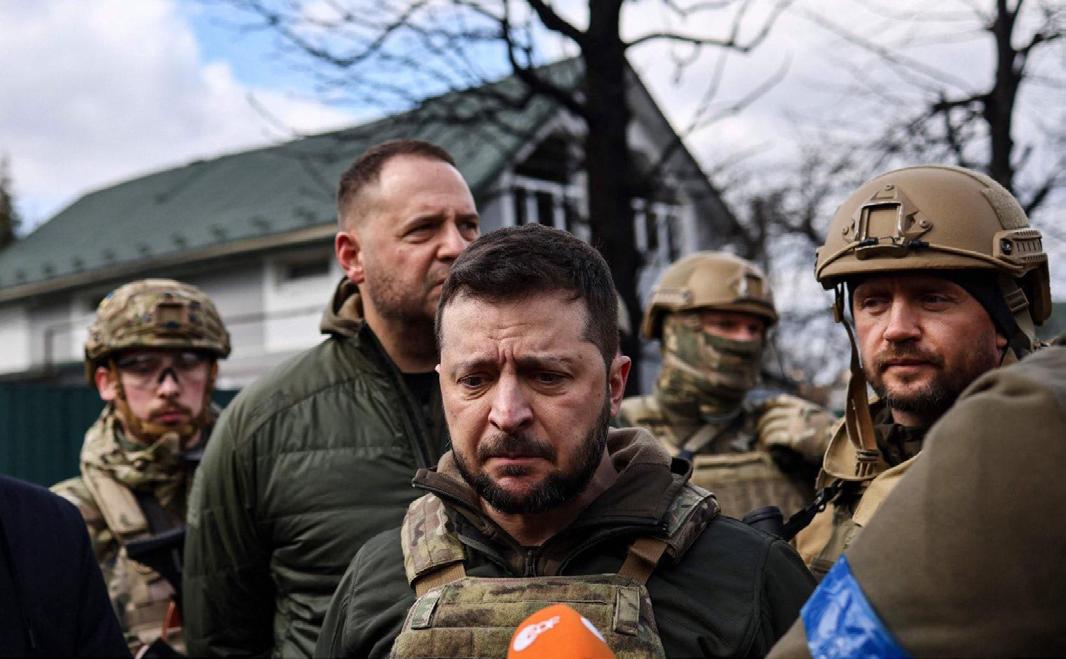
So, what looks at first to be an embarrassment of primarysource data riches may actually constitute a partly misleading and unreliable morass. Journalism has helped ameliorate the lack of structured primary source data collection, helping to narrow the gap between raw sousveillance and research. But while both Ukrainian and international journalists have provided a wealth of on-theground reporting, there is still a need for oral histories to be gathered by researchers from multiple disciplines. Even the most courageous journalism is insufficient to provide the first rough draft of history. It serves the editorial needs of the now and in doing so, lacks the structure and strong evidentiary value only research can provide.
Given all of these challenges with remote scholarship and
a narrow space and at a given moment in time. Together, accumulated narratives help develop a holistic picture of the theatre of war as a whole, as experienced by the participants. It teases out their understanding at the time, their decision making, the pressures and stresses they felt, and their respective rationales for making tacticallyand strategically-important decisions.
absence of focused collection, the imperative to apply structured, primary-source field research is clear. Time is of the essence in Ukraine. Missed opportunities are mounting by the day as combatants disperse or are killed, battlefields are cleared, and as memories morph. We suggest several steps be taken swiftly.
Foremost, those who seek to learn practical lessons from the Russia-Ukraine conflict should re-centre on the soldier’s perspective. War is and remains a fundamentally human endeavor. The best way to capture the human element of war is by obtaining oral interviews that provide narrative accounts. As historians Robert Perks and Alistair Thomson have argued, oral history has transformed the practice of contemporary history over the last seventy years.3 The best sources to build reliable oral histories will be the combatants themselves, followed by noncombatant observers. These narratives contextualize war, describing its character in
3Robert Perks and Alistair Thomson, (eds.), The Oral History Reader (Routledge, Abingdon, 2016), pp. xiii.
Understanding the ways in which humans perceive and overcome – or succumb to – uncertainty and friction provides a firmer basis for the kind of learning most useful to improving training and education, and even towards making investments in technology. Military technology enables, and is enabled by people, and its value is inextricably linked to human decision-making.
Institutions interested in learning practical lessons from the RussiaUkraine war should coordinate and fund structured battlefield research projects. Research teams following recognized human subject protection guidelines should be pushed forward into Ukraine with careful but reasonable accounting for risk. Like good journalistic reporting, good field research can be dangerous. But researchers need not run forward to the sound of the guns; their best work will be done on battlefields recently secured. Research teams should also take their own photographs and videos with the intent of describing the geometry of the battlefield for military education and historical analysis. With sufficient funding, maps and even three-dimensional electronic recreations of battles can be made available to the general public.
Passively collected digital video and audio evidence can then supplement rather than lead analysis. Unlike scattershot video data, the finest history scholarship usefully informs
“WHILE BOTH UKRAINIAN AND INTERNATIONAL JOURNALISTS HAVE PROVIDED A WEALTH OF ON-THE-GROUND REPORTING, THERE IS STILL A NEED FOR ORAL HISTORIES TO BE GATHERED BY RESEARCHERS FROM MULTIPLE DISCIPLINES. EVEN THE MOST COURAGEOUS JOURNALISM IS INSUFFICIENT TO PROVIDE THE FIRST ROUGH DRAFT OF HISTORY.”
Picture: CC BY 2.0
IN-DEPTH BRIEFING // THE NEED FOR PRIMARY-SOURCE RESEARCH 4 // IN-DEPTH BRIEFING // CHACR
generations of military professions, providing lessons and material for debate and information for years. This is not to slight remote scholarship and raw digital data. Instead, we argue both are necessary but insufficient in the absence of field research and oral interviews. That said, we recognize that a shift towards human-centric analysis will be difficult given increasing reliance on YouTube and Telegram to inform professional learning and decisionmaking. But this shift is a necessary first step to institutional improvement.
Any worthy research must be conducted with Ukrainians. Field research and in particular interviews, inescapably create what Perks and Thompson describe as an active human relationship between the researcher and the source.4 Both share and shape the account in
ways both explicit and implicit. This can bring both a richness to oral histories, as well as issues of memory, reliability and bias.5 Some of the best, richest and detailed accounts of the current conflict are being produced by Ukrainians. Research with Ukrainians as partners, not as subjects nor objects, is essential.
Research teams operating in Ukraine will need the explicit permission of the Ukrainian government to conduct their work. This inevitably adds both obvious and sometimes hidden bias: the Ukrainian military needs to preserve operational security in what is an ongoing
4Perks, R; Thompson, A., (eds.), The Oral History Reader, (1st Ed), Routledge, London, pp. 1.
5Perks, R; Thompson, A., (eds.), The Oral History Reader, (1st Ed), Routledge, London, pp. 1-2.
war; preferred interviewees could be made available to the research teams; some battle sites may be restricted; favorable narratives will be offered. Further, interviewing Russian combatants will be all but impossible, rendering battle narratives inherently one sided. Yet all of these biases and shortfalls can be accounted for and at least partly mitigated through transparent analysis.
Finally, military leaders – and particularly those leaders of NATO states presently reframing their defense strategies – should reconsider the evidentiary basis they have applied to generate their respective understandings of the modern character of war. To paraphrase the anthropologist Clifford Geertz, culture is the stories we tell ourselves, about ourselves.6 Powerful stories are emerging from Ukraine. They
will be absorbed and refracted through current military cultures. Over time these stories will help to reshape military cultures and frame ideas about the character of war. It is important that the stories from Ukraine are diverse, evidence-driven, professionally shaped, and to the greatest extent possible, accurate and unbiased. Learning the wrong lessons, and telling the wrong, or inaccurate stories from Ukraine – and also Nagorno-Karabakh, Ethiopia, Mali, Yemen, DRC, et al. – and applying those lessons towards multi-billion-pound military investments in technology, training, and education, may unnecessarily risk both treasure and blood in the wars that most assuredly lie on our horizons.
6Clifford Geertz, ‘Notes on the Balinese Cockfight’, in The Interpretation of Cultures, Selected Essays, (New York, N.Y., 1973), pp. 448.
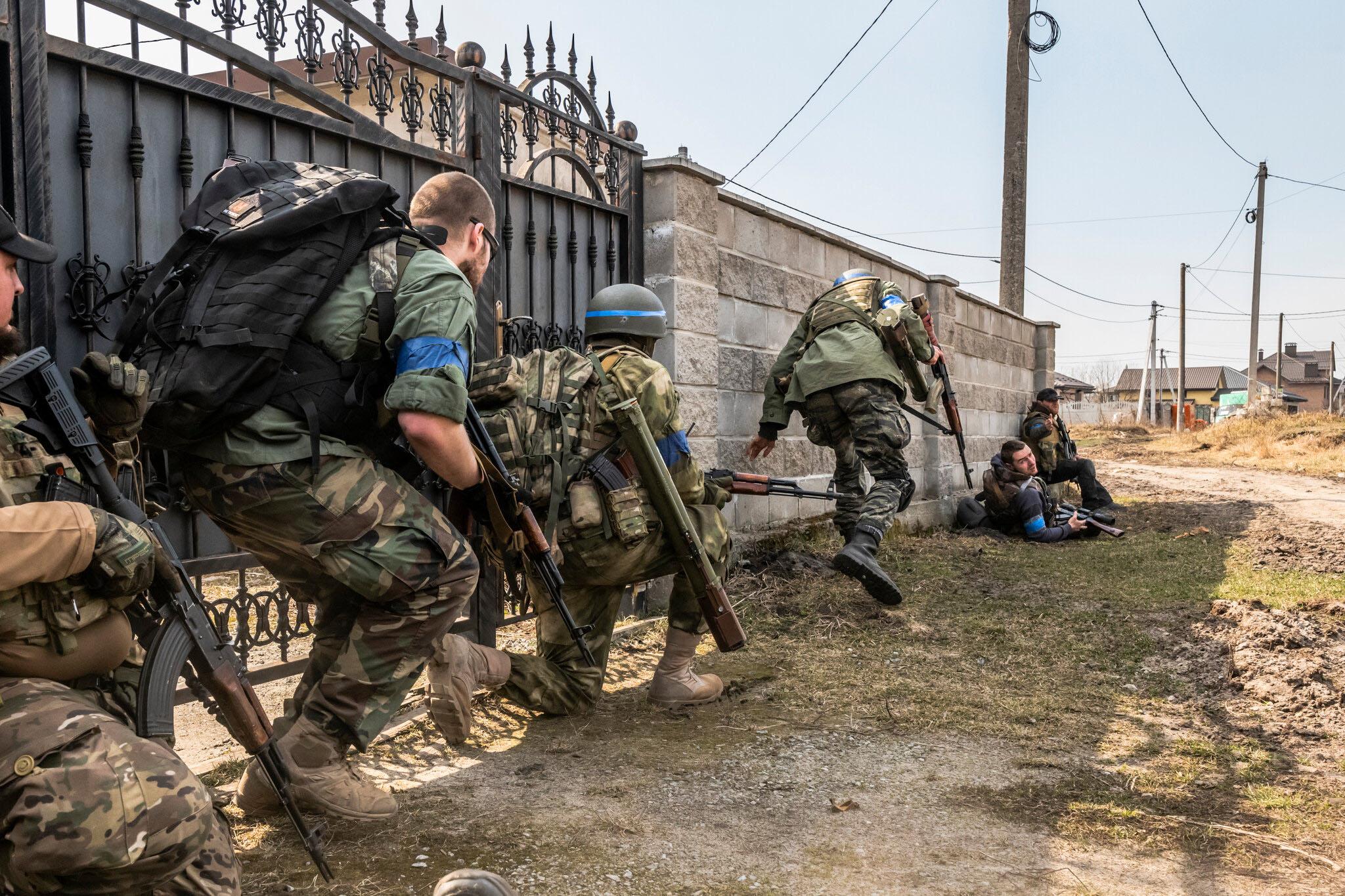
“INTERVIEWING RUSSIAN COMBATANTS WILL BE ALL BUT IMPOSSIBLE, RENDERING BATTLE NARRATIVES INHERENTLY ONE SIDED. YET ALL OF THESE BIASES AND SHORTFALLS CAN BE ACCOUNTED FOR AND AT LEAST PARTLY MITIGATED THROUGH TRANSPARENT ANALYSIS.”
Picture: Daniel Berehulak, CC BY 2.0
IN-DEPTH BRIEFING // THE NEED FOR PRIMARY-SOURCE RESEARCH 5 // IN-DEPTH BRIEFING // CHACR