
AND (IN)SECURITY
AUTHOR Louise Selisny Senior Research Associate Climate Change & (In) Security Project**a collaboration between the University of Oxford and CHACR. Louise will also be collaborating with the PIIRS Global Systemic Risk Research Community at Princeton University and is currently co-editing a book on climate and security for Routledge.
CHACR

The Centre for Historical Analysis and Conflict Research is the British Army’s think tank and tasked with enhancing the conceptual component of its fighting power. The views expressed in this In Depth Briefing are those of the author, and not of the CHACR or the British Army. The aim of the briefing is to provide a neutral platform for external researchers and experts to offer their views on critical issues.
This document cannot be reproduced or used in part or whole without the permission of the CHACR.
THE Ministry of Defence (MOD) has a clear Mission Statement: “We work for a secure and prosperous United Kingdom with global reach and influence. We will protect our people, territories, values and interests at home and overseas, through strong armed forces and in partnership with allies, to ensure our security, support our national interests, and safeguard our prosperity.”
Working with this Mission Statement, the key priorities of the MOD are to: protect the UK; project the UK’s global influence; and promote UK prosperity.
The military and civilian assets of the MOD deliver against these priorities in relation to context and resources. Climate is a fundamental context. Climate change limits resources. As such, the Ministry of Defence: Climate Change and Sustainability Strategic Approach states that “the UK Government will make tackling climate change and biodiversity loss its number one international priority”.
Following Global Britain in a
Competitive Age: the Integrated Review of Security, Defence, development and Foreign Policy, the UK Government published a Defence Command Paper in March 2021. The paper states that the UK military must remain “persistently engaged globally” and regain a pro-active stance, in acknowledgement that the UK’s “approach to warfare has evolved relatively slowly in recent years, while our adversaries have invested in equipment and forces that expose our vulnerabilities”. The paper goes on to direct a focus for the UK that will see it emerging as a global leader in climate change security. This united front extended to the Defence Safety and Environment Committee, which reaffirmed that, “responding to climate security” is the primary objective.
Highlighting the international military consensus, NATO defines climate change insecurity in strong terms, stating that: “The implications of climate change include drought, soil erosion and marine environmental degradation. These can lead to famine, floods, loss of land and livelihood, and have a disproportionate
impact on women and girls as well as on poor, vulnerable or marginalized populations, as well as potentially exacerbate state fragility, fuel conflicts, and lead to displacement, migration, and human mobility, creating conditions that can be exploited by state and non-state actors that threaten or challenge the Alliance” (NATO, 2021).
As regards defining security itself, the concept of ‘Human Security’, is used by a number of Western militaries, including the UK and the US. It is also used by the United Nations Intergovernmental Panel on Climate Change (IPCC) in order to integrate relevant socioeconomic and development factors into climate change security considerations (Adger, 2014). The ‘Human Security Approach’ of the UN presents five fundamental principles that should steer decision making. Security considerations should be: people-centred; comprehensive; context-specific; prevention-orientated; and facilitate protection and empowerment.
One of the first commentators to
1 // IN-DEPTH BRIEFING // CHACR IN-DEPTH BRIEFING // #38 // OCTOBER 22
www.chacr.org.uk
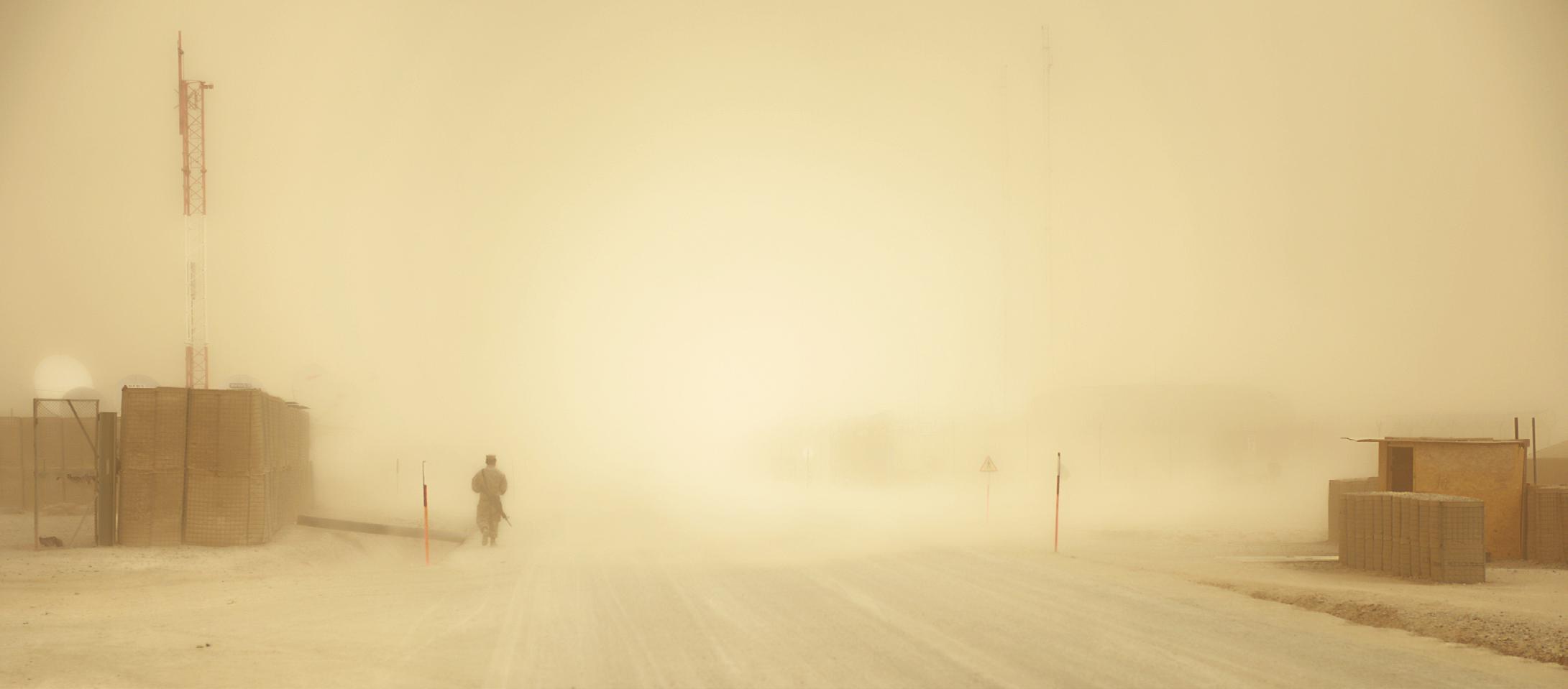
Picture: Sgt Dan Bardsley, Crown Copyright
AND
consider the security implications of environmental degradation caused by climate change, Thomas Homer-Dixon, analysed how the resulting scarcity of vital resources such as freshwater and fertile soil exacerbate and combine with other stressors to trigger violent conflict. HomerDixon identified three types of scarcity: supply induced; demand induced; and structural.
“A simple pie metaphor illustrates these three kinds of scarcity. Supply-induced scarcity gets worse when the resources pie shrinks because it has been depleted in quantity or degraded in quality. Demandinduced scarcity rises when, for example, a growing population divides a static resource pie into smaller slices for each individual. Structural scarcity is aggravated when some groups get disproportionately large slices of the pie while other groups get slices that are too small” (HomerDixon 1999: 48).
Building on the holistic definition of Human Security and HomerDixon’s scarcity framework, the Climate Security Chain of
Causation below articulates the defence and security implications that result from climate change.
The Climate Security Chain of Causation begins with the ‘climate’ system itself and works through the ‘causes of climate change,’ the ‘effects of climate change,’ ‘climate change hazards’ and then on to the ‘primary (natural systems) impacts’ and the ‘secondary (human systems) impacts.’ The chain then moves to ‘compound cascade risks.’ These compound cascade risks have the potential
to interact with and amplify each other, resulting in political, and then defence and security implications, in ways that will be expanded on in Section 3. In short, climate change constitutes a global crucible that reshapes and redefines risk so as to multiply, magnify, and intensify threats to (inter)national security.
resilience of fixed and deployed assets is crucial in order to minimise the disruption to military access and mobility. As Jens Stoltenberg, NATO Secretary General, stated with regards to climate change: “NATO must assess this challenge, adapt to it, and contribute to mitigating its effects while always maintaining military effectiveness.”
Climate Security Chain of Causation (Louise Selisny: Climate Change & (In)Security Project)
Climate change has security implications for national militaries and international organisations at the strategic, operational, and tactical level. Increasing the
Also relevant is how defence contributes to climate change. In fact, 50% of UK Central Government emissions are caused by defence. The report Decarbonized Defense: The Need for Clean Military Power in the Age of Climate Change by the International Military Council on Climate Change Security underscored the need for governments around the world to reduce carbon emissions within their militaries. The report highlights technological advances such a heat pumps, electric vehicles, and solar panels in bases at home and abroad, as well as the logistics of decarbonising fighter jets, tanks, and warships whilst maintaining operational readiness and national security.
IN-DEPTH BRIEFING // CLIMATE CHANGE
(IN)SECURITY 2 // IN-DEPTH BRIEFING // CHACR
Climate (System Components) Atmosphere Land Surface Oceans Biosphere (Eco systems) Cryosphere (Land and Sea Ice) Interactions Between Components Causes of Climate Climate Change Burning of Fossil Fuels Manufacturing Deforestation Agriculture Natural Effects of Climate Change Atmospheric Build up of 'Greenhouse Gases' and Reduced Modulation of Solar Radiation (Greenhouse Effect) Atmospheric Build up of Water Vapour and Increased Frequency and Severity of Storms Increased/Altered Transpiration and Evaporation Reduced/Altered Precipitation Increased Land Surface Temperature Increased Oceans Volume, Temperature, and Acidity Ecosystem Collapse Melting Land and Sea Ice Climate Change Hazards Floods Drought Heatwaves Rising Sea Level Reduced Biodiversity Primary (Natural Systems) Impacts Inundation of Critical Assets Sea Incursion of Land Surface Reduced Fresh Water Supply Reduced Vegetation Moisture and Growth Wildfires and Massive Smoke Events Soil Erosion Expansion of Disease Zones Expansion of Desert and Sandstorm Ranges Secondary (Human Systems) Impacts Overwhelming of Societal Infrastructure Fresh Water Scarcity Reduction in Agricultural Capacity Reduction in Economic Productivity Increased Scale and Severity of Disease and Illness Reduction in Positive Public Sentiment Compound Cascade Risks Global Food Shocks Economic Instability Migration and Displacement Competition for Resources Deepening of Intergroup Cleavages Health Crisis and Pandemics Socio economic Inequality Commodity Shortages Supply Disruptions Inflation Interest Rate Spikes Debt Servicing Crisis Political Implications Economic Collapse Civil Instability/Disorder Destabilisation of Political Systems Perception of State Legitimacy Deficit Support for Populist/Anti Democratic Groups Proliferation of Authoritarian Regimes State Weakness/Failure Defence and Security Implications Increase in Organised Violence and Rent Seeking Increase in Extremist Organisations Increase in Inter/Intra State Violent Conflict Increased Public Order/Military Intervention Increased Likelihood of (Tactical) Nuclear Weapon Use
“INCREASING THE RESILIENCE OF FIXED AND DEPLOYED ASSETS IS CRUCIAL IN ORDER TO MINIMISE THE DISRUPTION TO MILITARY ACCESS AND MOBILITY.”
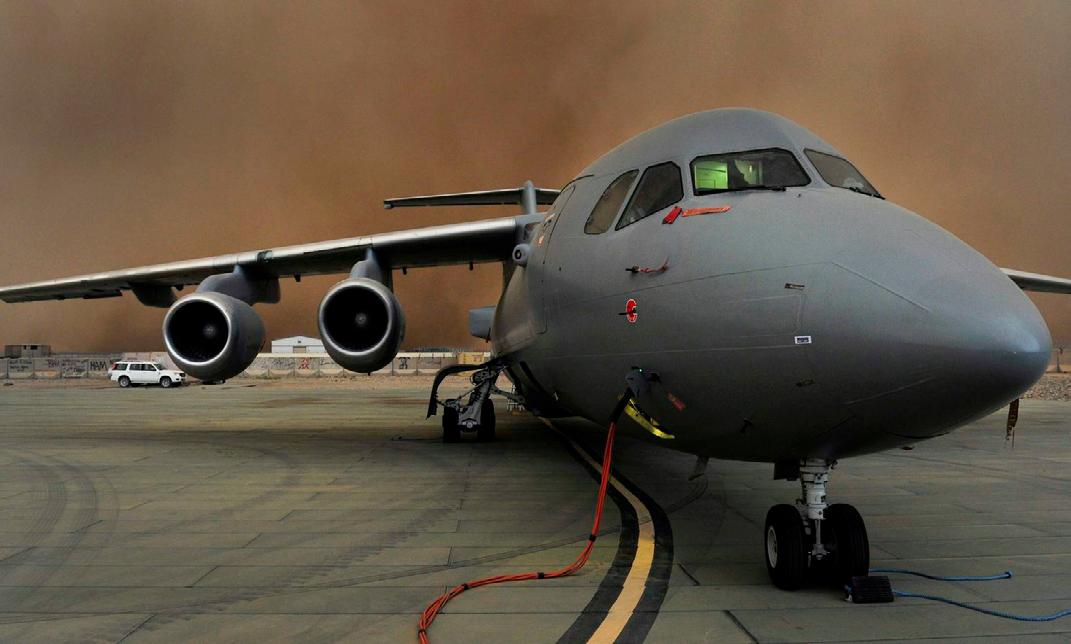
Credit: Louise Selisny Picture: Cpl Babbs Robinson, Crown Copyright
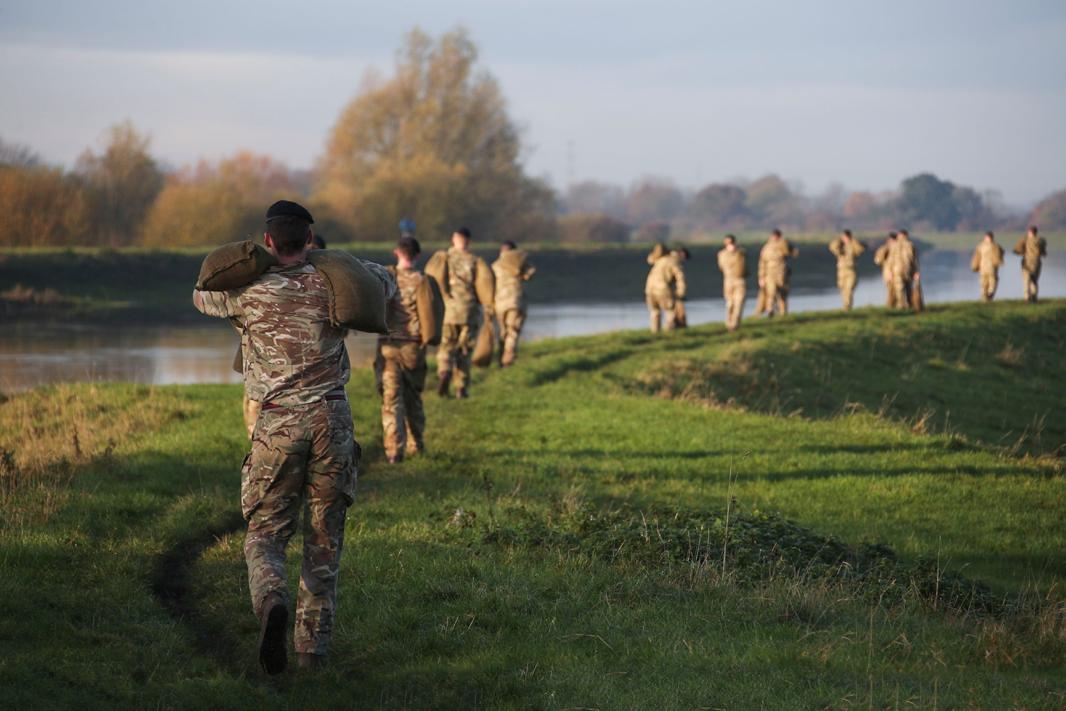
Climate change also impacts military capacity. In response to domestic emergencies in the UK, the military is mobilised via Military Aid to Civilian Authorities (MACA) operations. The military have been called upon to support emergency relief efforts in recent years following significant floods in Somerset in 2014, Lincolnshire in 2019, and Yorkshire in 2020. In the London flash floods of July 2021, 76mm of rain fell in just 90 minutes. In 2015, Storm Desmond caused 149 flood warnings across the country, leading to the government’s emergency COBRA committee being convened to deploy military personnel in Yorkshire and Lancashire. As climate change worsens, flooding is expected to be one of the most prominent risks to UK citizens, communities and infrastructure. By 2050, the UK population living in areas at risk of flooding may double from 1.8 million to 3.3 million.
In addition, the international equivalent of MACA, Humanitarian Assistance and Disaster Relief (HADR) operations, respond to emergencies outside the UK created by extreme weather and other natural disasters. As will be expanded upon in Section 2, climate change is resulting in increased sea levels which will impact the 50% of the global population that live in coastal regions. Climate hazards such as droughts and heatwaves will exacerbate food
insecurity across already fragile regions. Climate change will potentially compromise both military and civil capacity unless new modalities of integration across military, humanitarian, development, and climate change intervention are established. As will be expanded upon in Section 5, collaborative coalitions are vital in order to respond to the defence and security implications of climate change effectively.
SECTION 2: WHAT IS CLIMATE?
The security of all life and prosperity on Earth relies upon a thin protective layer of atmosphere. The atmosphere is our ultimate security blanket. Without the atmosphere, ocean water would evaporate and be scattered by winds, leaving a surface that would be cold, hostile, and arid. Our protective layer is being degraded by the emissions of ‘greenhouse gases’, primarily carbon dioxide (CO²). This degradation is impacting our entire ‘climate system,’ and creating climate change.
The term ‘climate change’ is now mainstream and is often included in economic forecasting, military analysis, and political discussions. In order to fully understand the impact of climate change on defence, we need to know what climate is, and why it is the essential foundation of our collective security.
Climate is best understood as a
Atmosphere
Land Surface

Oceans
“CLIMATE CHANGE WILL INCREASINGLY COMPROMISE BOTH MILITARY AND CIVIL CAPACITY UNLESS NEW MODALITIES OF INTEGRATION ACROSS MILITARY, HUMANITARIAN, DEVELOPMENT, AND CLIMATE CHANGE INTERVENTION ARE ESTABLISHED.”
complex and interactive system made up of components, namely: n the atmosphere; n oceans; n land surface; n cryosphere (ice on sea or land); n biosphere (the ecosystems of all living organisms); and n all the interactions and connections between them.
Understood in this way, as an interconnected and interactive system, we can see that a change to one component of the system causes an effect in another, which in turn disturbs/changes the system itself.
As seen in the Climate Security Chain of Causation on page 2, causes of climate change result in the effects of climate change. These effects result in climate change hazards. These hazards result in primary (natural systems) impacts, which in turn result in secondary (human systems) impacts. For example, Climate Security Chain of , we saw that melting sea and land ice (an effect of climate change) results in (amongst other things) rising sea level (a climate change hazard), which in turn (amongst other things) results in sea incursion
of land surface, which in turn (amongst other things) results in the overwhelming of societal infrastructure, the reduction in agricultural capacity and the reduction in economic productivity. As will be examined in Section 3, this chain of causation leads to ‘compound cascade risks,’ such as global food shocks and competition for resources, which in turn results in political and then defence and security implications such as an increase in civil instability/ disorder and inter/intra state violent conflict, respectively.
So, in terms of cause, what makes the ice melt? The atmosphere is made up of gases and particles that modulate the incoming heat radiation from the Sun and outgoing heat radiation from the Earth. In short, (uninhibited) the atmosphere (a component of the climate system) transports the heat from the Sun to Earth, and then exports the excess so that the Earth doesn’t get too hot. The oceans (a component of the climate system) have the capacity to store heat, as well as transport heat from one location to another. The land surfaces (a component of the climate
3 // IN-DEPTH BRIEFING // CHACR
IN-DEPTH BRIEFING // CLIMATE CHANGE AND (IN)SECURITY
CryosphereBiosphere
Two hundred UK Armed Forces personnel deployed to South Yorkshire in late 2019 to bolster flood defences in the area Picture: Ben Shread, UK MOD © Crown copyright
system) reflects and store heat. The biosphere (a component of the climate system) cycles gases such as carbon dioxide (CO²).
Prior to human industrialisation, the CO² levels were such that the Earth’s climate remained generally balanced and stable. However, the burning of fossil fuels (coal, oil and natural gas) for energy has emitted increasing levels of CO², resulting in a build-up in the atmosphere. This build-up acts like a layer of artificial insulation, preventing the natural modulation of heat radiation. This is why CO² and other gases such as methane are collectively called ‘greenhouse gases.’ These greenhouse gases create a ‘greenhouse effect’ that means that heat can’t escape from our atmosphere – this over heats the oceans – this excessively evaporates moisture from vegetation and soil - making the land surfaces hotter and drier. The Earth gets too hot and this excess heat melts the ice of our cryosphere (a component of the climate system).
Is melting ice such a big problem? Melting ice affects the density and salinity of seawater – this has direct implications for littoral warfare. Melting
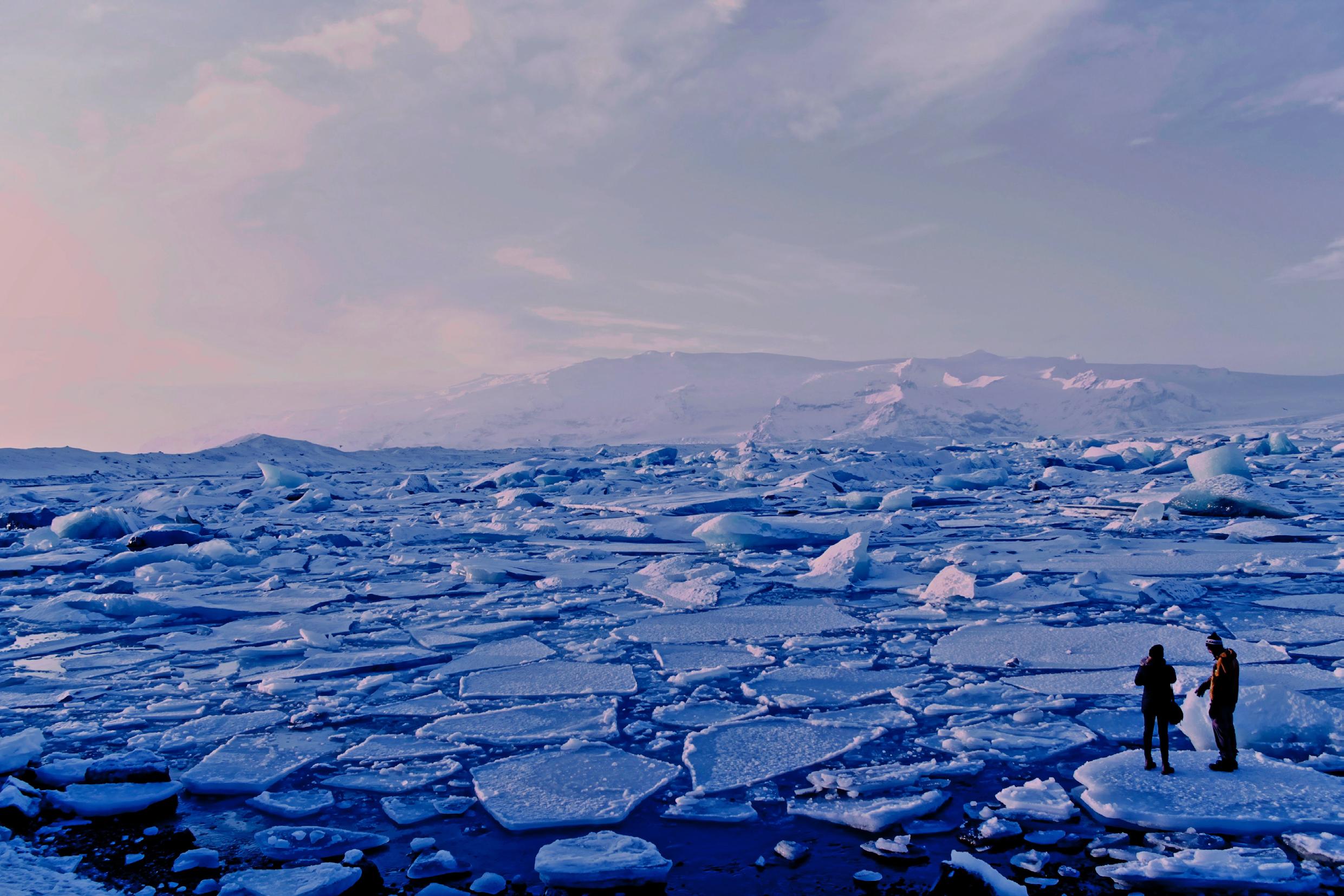
sea ice also has direct security implications that include strategic competition over emerging trade routes. China and the US have publicly stated that they consider the Northern Sea Route (NSR) to be in the “international domain”. In contrast, Russia has declared the NSR a “national transportation corridor” that it will defend exclusive access to (Clack and Nugee 2022). In response to subsequent Russian military posturing in the Arctic, in 2021 the US relaunched its Cold War training programme Arctic Warrior in Norway. Mirroring the dispatch of the iconic B-1B Lancer bombers, designed to carry their nuclear payload to strategically important Soviet sites without detection by early warning systems, supersonic B-1B Lancer bombers, with the ability to rapidly deploy large quantities of precision and nonprecision munitions, have been installed within reach of Russian military targets.
What other climate change interactions are caused by burning fossil fuels? Melting ice also increases the volumes and surface area of our oceans, which in turn increases the cumulative amount of evaporation, which in turn creates more clouds and more rainfall. In addition, the CO² that caused the ice to melt also disrupts the way the atmosphere circulates and transports heat and water from the equator to the polar regions as the atmosphere converts thermal energy from the sun into mechanical energy of winds, cyclones, and anticyclones. In short, increased CO² alters the composition of the atmosphere and, as a result, the pattens of weather. The implications for security? – ‘extreme weather’ events that result in increased military intervention via MACA or HADR operations, in addition to increased intra/interstate violent conflict created by the interaction and amplification of compound cascade risks.
Can’t we just adapt to having bigger storms and less land? The CO² from burning fossil fuels that causes the ice to melt, an increase in extreme weather events, also makes our oceans acidic. Our oceans should be alkaline – the balance being maintained by the complex interaction of positive and negative ions in chemical components such as sodium, calcium and chloride. Increased ocean temperature and increased levels of dissolved CO² makes our oceans more acidic. This disrupts the formation of shells and skeletons of marine organisms – which dissolve into the ocean water. The so what? Reduced sources of food and livelihoods that result in economic instability and food shocks/scarcity, that compound and cascade with other risks and lead to defence and security implications such as an increase in organised violence and the increase in extremist organisations.
Just as sources of food and livelihoods from the ocean are reduced, so are those from the land surfaces. The excess heat caused by increased CO² also evaporates water from vegetation and soils – leaving it drier and less able to sustain crops and grassland for grazing
IN-DEPTH BRIEFING // CLIMATE CHANGE AND (IN)SECURITY 4 // IN-DEPTH BRIEFING // CHACR
“MELTING SEA ICE HAS DIRECT SECURITY IMPLICATIONS THAT INCLUDE STRATEGIC COMPETITION OVER EMERGING TRADE ROUTES... RUSSIA HAS DECLARED THE NORTHERN SEA ROUTE A ‘NATIONAL TRANSPORTATION CORRIDOR’ THAT IT WILL DEFEND EXCLUSIVE ACCESS TO.”Picture: Roxanne Desgagnes on Unsplash
CHANGE AND (IN)SECURITY
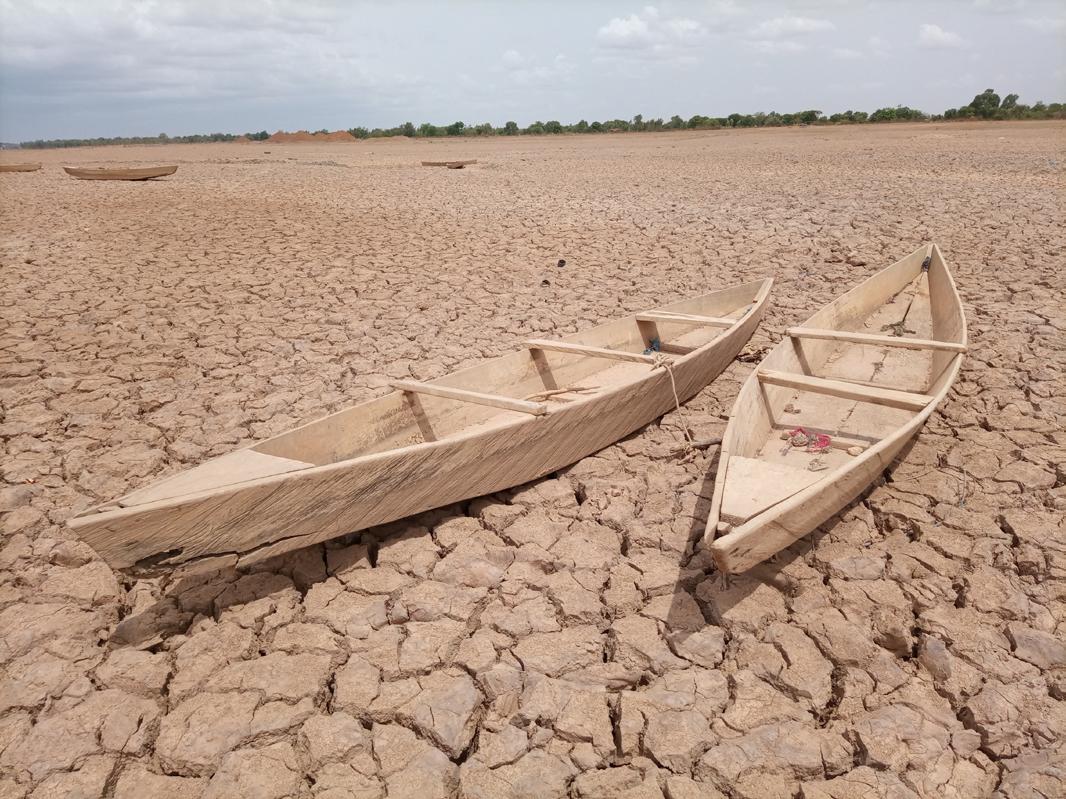
animals. What’s more, this excess evaporation actually affects the level of water vapour in the atmosphere (through transpiration) creating heavy downpours and the potential for floods in other regions. And the hotter the Earth becomes, the more extreme these droughts and storms become. The so what? The compound cascade risks here include mass migration/displacement that result in security implications that include the increase in intra/international violent conflict over resources.
SECTION 3: HOW DOES CLIMATE CHANGE RESULT IN IMPLICATIONS FOR DEFENCE AND SECURITY?
The Climate Security Chain of Causation on page 2 articulates the broad pathway that moves from climate and the causes of climate change through to defence and security implications. It can be seen that the causes of climate change result in effects, that in turn create a number of climate hazards, namely: n Floods n Drought n Heatwaves n Rising sea level n Reduced biodiversity
These climate hazards result in primary (natural systems) impacts, namely: n Inundation of critical assets n Sea incursion of land surface n Reduced fresh water supply n Reduced vegetation moisture and growth n Wildfires and massive smoke events n Soil erosion n Expansion of disease zones n Expansion of desert and sandstorm ranges
It’s at this point that we can see how climate hazards result in a degradation of natural systems and the resources, such as fresh water and fertile soil, they provide. We can also see how climate hazards increase the
“THE EXCESS HEAT CAUSED BY INCREASED CO² EVAPORATES WATER FROM VEGETATION AND SOILS – LEAVING IT DRIER AND LESS ABLE TO SUSTAIN CROPS AND GRASSLAND FOR GRAZING ANIMALS... AND THE HOTTER THE EARTH BECOMES, THE MORE EXTREME THESE DROUGHTS AND STORMS BECOME.”
range of vector-borne diseases such as Malaria, Dengue and Zika – this happens due to the shifts in temperature and precipitation patterns making conditions more favourable to insects such as mosquitoes. These primary (natural systems) impacts result in secondary (human systems) impacts, namely: n Overwhelming of societal infrastructure n Fresh water scarcity n Reduction in agricultural capacity n Reduction in economic productivity n Increased scale and severity of disease and illness n Reduction in positive public sentiment
It’s at this point that we can see the impact on human systems such as agriculture and the economy. We can also see that positive public sentiment, the basis of civil order, is reduced as human systems are degraded. These secondary (human systems) impacts result in a number of ‘compound cascade risks’, namely: n Global food shocks
n Economic instability n Migration and displacement n Competition for resources n Deepening of intergroup cleavages n Health crisis and pandemics n Socio-economic inequality n Commodity shortages n Supply disruptions n Inflation n Interest rate spikes n Debt servicing crisis
Risk is used here to denote the probability, severity, or scale of loss resulting from climate hazards. The ‘loss’ is articulated through the factors listed – that is, the climate hazards, through the chain of causation, result in loss that includes global food shocks and socio-economic inequality. These compound cascade risks interact with and amplify one another. For example, global food shocks can amplify migration and displacement as people attempt to move away from areas constrained by food scarcity to areas where food is more readily available, which in turn can exacerbate the deepening of intergroup cleavages as
‘indigenous groups’ seek to maintain their resources and resentment towards waves of ‘new groups’ increases. Economic instability can amplify socio-economic inequality as individuals lose sources of livelihoods. This instability can lead to inflation and interest rate spikes, resulting in debt servicing crisis at individual and state level.
These compound cascade risks result in a number of political implications, namely: n Economic collapse n Civil instability/disorder n Destabilisation of political systems
n Perception of state legitimacy Deficit n Support for populist/anti democratic groups n Proliferation of authoritarian regimes n State weakness/failure
As with the compound cascade risks, political implications can intersect and reinforce one another, resulting in the breakdown of civil societal order. In turn, these political implications result in defence and security implications, namely: n Increase in organised violence and rent seeking n Increase in extremist organisations n Increase in inter/intra state violent conflict
n Increased public order/ military intervention n Increased likelihood of (tactical) nuclear weapon use
It’s here where the implications for defence and security become most apparent, however, these implications result from chain of causation that begins with climate and the causes of climate change. As such, interventions at each state of the chain have the potential to reduce the overall impacts on the defence and security.
Does the science back this interpretation? Yes, the Intergovernmental Panel on
IN-DEPTH BRIEFING // CLIMATE
5 // IN-DEPTH BRIEFING // CHACR
Picture: Yoda Adaman on Unsplash
Climate Change (IPCC 2021) had high confidence that for every 0.5 degree Celsius increase in temperature, there will be noticeable increases in the intensity and frequency of droughts. A NASA study states that the likelihood of ‘megadroughts’ (droughts that last 10 years or more) will increase from a current rate of 12% to a rate of 60% by 2050.
So, how much hotter are things going to get? Modelling from the National Oceanic and Atmosphere Administration (NOAA) indicates that failing to reduce current CO² emissions would lead to a temperature increase in excess of 2°C by 2050. Further, other predictions indicate that, without a reduction in CO² emissions, we are set on a vertical trajectory of 3-3.5°C of warming by 2100 (IPCC 2018).
2 or 3 degrees doesn’t sound much – is it really something we should be worried about? Yes, for context, the average surface temperature is currently around
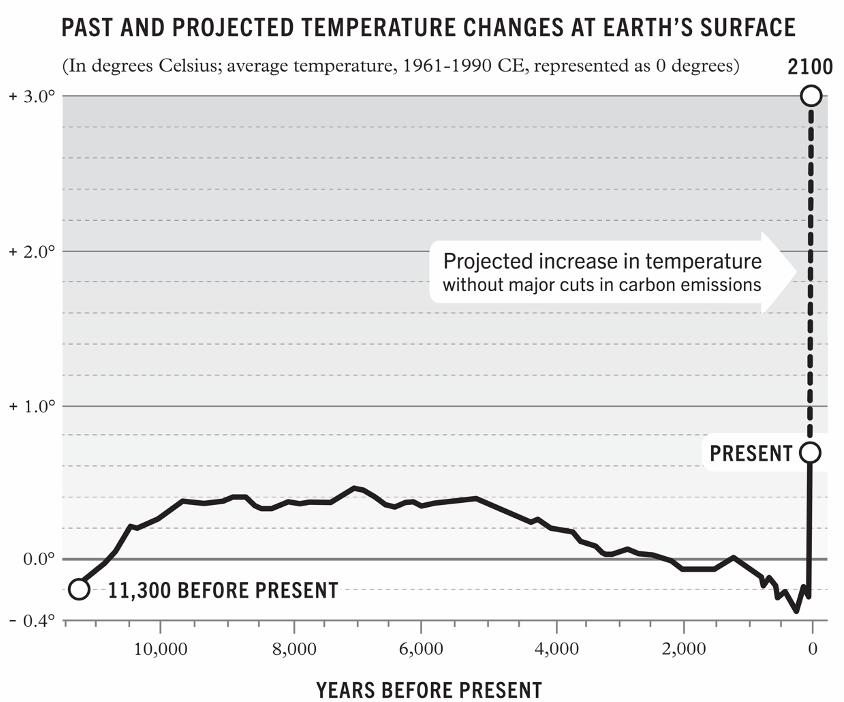
13.5-13.60C. An increase to 16.60C in this relatively incredibly short timeframe (our climate system stabilised slowly over four billion years) would mean that the climate system does not have enough time to adapt. Most ecosystems would be destroyed by a 30C increase in temperature, including 100% of coral reef, an ecosystem that directly supports the food supply and economic wellbeing of 500 million people worldwide. Agricultural capacity and economic productivity would be severely reduced. Extreme heat would constrain labour capacity and economic development. In addition to increasing loss of life, extreme weather would increase humanitarian disasters as well as the level and frequency of civil/ military intervention required. Biodiversity loss would constrain medical capacity and exacerbate global food shocks. These pathways would result in a number of defence and security implications.
But this is just going to affect hot continents like Africa, right? Wrong, this affects the
Northern Hemisphere too. This hotter state reduces snowfall –with precipitation falling as rain instead. This reduces ‘snowpacks’ and snow reservoirs that store water during the cooler months for release in the warmer months. Hotter temperatures also result in these reduced reservoirs melting earlier in the spring, reducing the time period the land surface is kept moist. This results in drier vegetation and soils in the Northern Hemisphere too, further increasing the potential for food shocks/scarcity.
I see the ‘problems’ – but
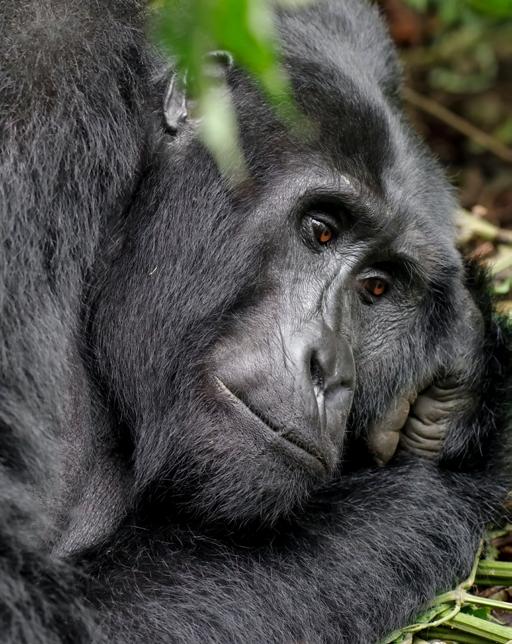
can’t we just find ‘solutions’? It’s worth noting here that the complex climate system of interactions and interconnections had developed into a relatively stable state that allowed life on Earth to evolve. And most life on Earth is actually microscopic – in fact, the total mass of microbes far exceeds the total mass of plants and animals. When we ‘see’ the near extinction of iconic animals such as the White Rhino or Mountain Gorilla or the mass deforestation of the Amazon – it’s not even the tip of the iceberg. The vast complexity that created everything from plankton to people, as well as the chemical compounds that support their existence, is a product of billions of years of development, refinement, and fine tuning.
This immeasurable complexity defies our ability to quantify, predict, and even coherently analyse problems in ways that point to solutions. The only thing we can be sure of is that we will not be able invent a solution to climate change in time to prevent wide-scale and exponential insecurity. So, our only viable option is to stop changing the climate in the first place. For context in terms of decarbonisation, in order to limit warming to 1.5°C, global emissions would have to reach net zero by 2050. In order to limit warming to 2°C, net zero must be reached by 2070. Therefore, decarbonisation is essential and urgent. It should be of the highest priority for all those who
IN-DEPTH BRIEFING // CLIMATE CHANGE AND (IN)SECURITY 6 // IN-DEPTH BRIEFING // CHACR
Credit: Thomas Homer-Dixon
Picture: Bob Brewer on Unsplash
“WHEN WE ‘SEE’ THE NEAR EXTINCTION OF ICONIC ANIMALS SUCH AS THE WHITE RHINO OR MOUNTAIN GORILLA OR THE MASS DEFORESTATION OF THE AMAZON – IT’S NOT EVEN THE TIP OF TIP OF THE ICEBERG.”
contribute to defence and security.
SECTION 4: WHO IS IN THE FIGHT?
An unprecedented quartet of reports (Department of Defense, 2021; National Intelligence Council, 2021; The White House, 2021; US Department of Homeland Security, 2021) published by the US government in October 2021 set out a road map for the integration of climate change security across the political agenda, in acknowledgment that “there is little about what the Department [of Defense] does to defend the American people that is not affected by climate change” (Department of Defence: 2021: 5). This followed a prominent report published by the UK Ministry of Defence in March 2021, which outlined the British military’s ‘Climate Change and Sustainability Strategic Approach’ (UK Ministry of Defence, 2021). Building on NATO’s Climate Change and Security Action Plan (CCSAP), approved in June 2021, the Canadian government offered to host the NATO Centre of Excellence on Climate and Security (NATO, 2021).
The 2021 US National Intelligence Estimate (NIE), published by the National Intelligence Council, was the first one on climate change risk and collated the current analysis of all 18 US intelligence agencies. One of the key judgments of NIE was that “the increasing physical effects of climate change are likely to exacerbate crossborder geopolitical flashpoints as states take steps to secure their interests” (NIC 2021: i). One of the key observations was that military activity in the Arctic region would increase as states seek to protect their investments and resources. For example, warming ocean temperatures would push Bering Sea fish stocks northward into the Arctic Ocean, thereby exacerbating regional tension over fishing rights. In
relation to predicting potential scarcity flashpoints, the NIE focused on resources that are shared between nations. Today, in the Middle East and North Africa around 60% of surface water is transnational and all countries share at least one aquifer. Over half the world’s population is supplied with fresh water from one of 263 river basins – only half of these have cooperative agreements, and few specifically address the reduction in supply caused by climate change.
Another first, the White House Report on the Impact of Climate Change on Migration, highlighted the causal link between climate change and migration and displacement. As well as considering migration in terms of climate risk adaption strategy, the report hypothesised the potential for an increase in the influence of malign actors,
both state and non-state. It also touched on the potential for reduced positive public sentiment in relation to strained public resources, the deepening of inter-group cleavages, and the escalation of political tensions.
The US Department of Defense’s ‘Climate Risk Assessment’ (DCRA) expanded the national security remit, with considerations of the strategic and geopolitical impacts of climate change. The DCRA presented the methodology for cross-departmental integration of climate risk, and emphasised the role of climate risk data collation and interpretation.
The European Union’s ‘Climate Change and Defense Roadmap’ was updated in 2022 and focuses on three key areas:
n “Operational dimension
to enhance situational awareness, early warning and strategic foresight, as well as mainstreaming climate change and environmental aspects into the planning and implementation of Common Security and Defence Policy (CSDP) civilian and military missions and operations. It will help us to raise awareness about the impact of climate change on the security environment in which our CSDP missions and operations are deployed.”
n “Capability development, focusing on new challenges, such as ensuring that military equipment remains effective under extreme weather conditions and more energy efficient technologies for our missions and operations. It also addresses the reduction of energy demand and increasing energy resilience for our armed forces and their infrastructure in Europe. Ongoing and new actions under this area seek to enhance the energy efficiency of our CSDP engagements, while carrying forward the development and application of new technologies and practices that will reduce the carbon and environmental footprint of the defence sector.”
n “Diplomatic outreach in multilateral fora and partnership frameworks dealing with climate change and defence. The EU and its Member States can leverage existing channels to seek cooperation and synergies with relevant partner organisations, including the UN and NATO, as well as partner countries, while highlighting the EU’s global leadership in this regard.”
In 2018, the United Nations Department of Political and Peacebuilding Affairs established a ‘Climate Security Mechanism’ in order to “address climate-related security risks more systematically”. The UN Assistance Mission to Somalia (UNSOM) was the first UN
IN-DEPTH BRIEFING // CLIMATE CHANGE AND (IN)SECURITY 7 // IN-DEPTH BRIEFING // CHACR
Picture: POA(Phot) Dave Husbands, Crown Copyright
peacekeeping mission mandated to report on climate security risks and enact necessary risk management responses. Further, in December 2021, the UN Security Council voted on a draft resolution that defined climate change as a threat to international peace and security. Russian and India voted against the resolution and China abstained. Speaking on behalf of Ireland, co-sponsor of the draft resolution, Ms. Byrne Nason expressed her disappointment over the use of the veto to block a “ground breaking” resolution [despite it being voted for by the majority of member states] that would have been another step towards addressing security risks posed by climate change.
Although NATO, the pre-eminent international (inter)military organisation has no formal role within the United Nations, the pre-eminent international (inter) governmental organisation, NATO Secretary General Jens Stoltenberg participated in the climate security discussion that formed part of the UN Climate Change Conference (COP26) agenda in Glasgow. Stoltenberg committed NATO to increasing awareness and understanding of climate security, reducing military emissions, and adapting force strategies and operations so as to maintain resilience.
Climate change is the overarching challenge of our time…that has significant security implications for NATO on a tactical, operational and strategic level. – NATO, June 2022
NATO has six environmental protection standards (STANAGs) that govern the administration of military camps, waste management, and the sustainability of military training areas. As well as forming a prominent part of the Strategic Concept, climate change mitigation and adaption is also integrated via the adoption of
the Green Defence Framework. Commitments to environmental considerations are now standard throughout the design and build process for all NATO assets. As part of its Climate Change and Security Action Plan, NATO has committed to: n increasing allied awareness; n adapting to climate change; n contributing to the mitigation of climate change; n enhancing outreach.
In conclusion, reliable intelligence on climate security hazards and risks is now directing the actions of governments, militaries, and international organisations across the globe. The next section will look at what more could be done to further enhance climate security preparedness.
SECTION 5: WHERE CAN CLIMATE SECURITY PREPAREDNESS BE ENHANCED?
Security preparedness will be enhanced with collaboration and integration across disciplines and organisations. This will allow a variety of necessary skill-sets and capacities to be utilised, targeted, and deployed effectively. As has been demonstrated, the ‘climate-conflict narrative’ is now articulated by a range of militaries and governments, including the United States. Amplifying this focus with section 103(c) of Executive Order 14008, the US Secretary of Defense is required to develop “an analysis of the security implications of climate change (climate risk analysis) that can be incorporated into modelling, simulation, wargaming, and other analyses” (DOD 2021: 2).
Wargaming and academic analysis highlight that any violent conflict, regardless of its aetiology, will result in military intervention being considered by interested parties. As demonstrated, climate security is marked by cause-and-effect
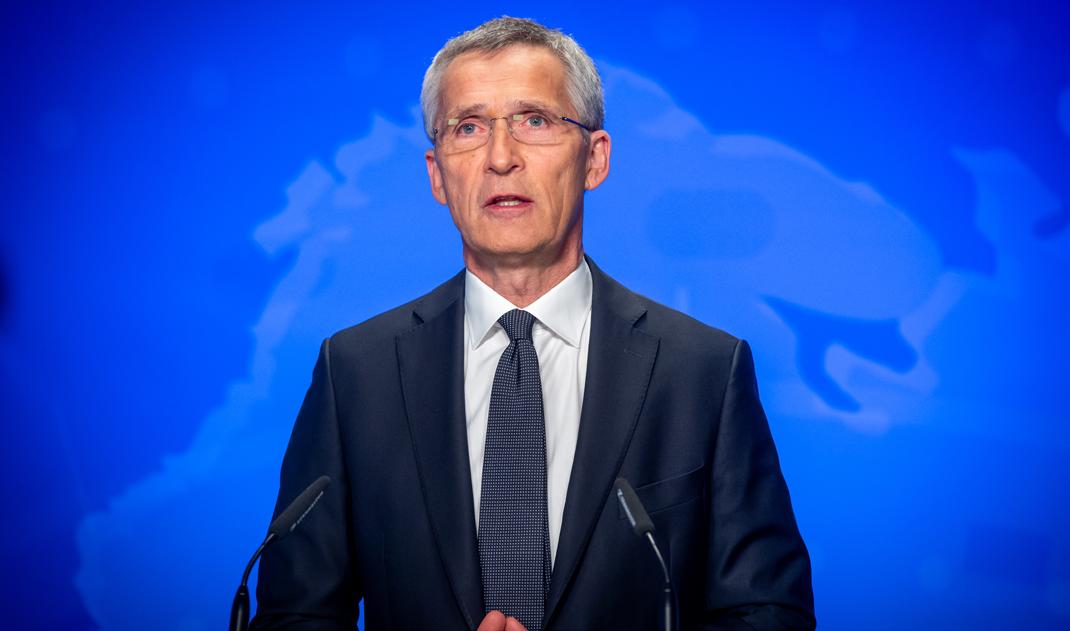
“[JENS] STOLTENBERG COMMITTED
NATO TO INCREASING AWARENESS AND UNDERSTANDING OF CLIMATE SECURITY, REDUCING MILITARY EMISSIONS, AND ADAPTING FORCE STRATEGIES AND OPERATIONS SO AS TO MAINTAIN RESILIENCE.”
complexity that has implications for defence. Of particular note, is that conflict and instability will develop and escalate across different time-frames and in context-specific ways. Generally, fragile states will bear the brunt of climate insecurity, however, developed Western nations will also continue be impacted.
As such, climate security specific considerations should be incorporated into all levels of predicative analysis and military training. Such considerations would include how climate change: n alters the operating environment; n reduces operational effectiveness; n effects the performance of assets such as aircraft; n reduces range and accuracy; n reduces mobility and access; n impacts supply chains; and n impacts training and warfighting.
Climate change challenges a state’s capacity to maintain critical infrastructure and provision. Without mitigation and adaptation, climate change will disrupt communication, transport, and economic productivity as well as limiting the availability of essential resources such a food and water.
Military, civil, and commercial infrastructure needs to be ‘future proofed’ with climate security in mind. This requires building in resilience across critical infrastructure such as railways, ports, and airfields as well as energy grids, medical facilities, and supply chains.
However, it must also be noted that climate security responses can themselves drive and shape insecurity. One key area in this regard is how the increase in renewable energy technologies is simultaneously increasing competition for access to component minerals, particularly in fragile regions and countries with weak governance structures. As such, coherent strategies need to consider the compound cascade risks of any mitigation and adaptation responses.
Consideration must also be given to coherent and equitable policies that pre-empt and de-escalate potential tensions, that include, but are not limited to, highemitting nations compensating and supporting those nations on the front line of climate insecurity. Fiji’s presidency of COP23, in November 2017, reignited the force of ‘low-lying’ and ‘small-island’ nation states with what was termed the ‘Fiji
IN-DEPTH BRIEFING // CLIMATE CHANGE AND (IN)SECURITY 8 // IN-DEPTH BRIEFING // CHACR
Picture: NATO
Momentum for Implementation’ (of the Paris Agreement). The climate changing carbon emissions of developed nations create an immediate existential security threat to low lying and small island nation states. When combatting climate change insecurity, no nation should be left behind as, echoing Fiji Prime Minister Bainimarama, “cowards don’t make history”. Of vital importance here is the maintenance of ambitious resolve.
In relation to this, indigenous centric case studies such as those examined by Ritu Bharadwaj and Clare Shakya in their article on loss and damage, and subsequent socio-economic insecurity, caused by climate change are vital learning aids. The distinction between the oft referenced ‘mitigation and adaption’ is that loss and damage relates to the impacts of anthropogenic climate change that exceed the capacity to mitigate or adapt. The work of Bharadwaj and Shakya brings together urgent case studies that include climate-vulnerable developing countries such as Bangladesh, Tuvalu, and Vanuatu with a view to illustrating the additional support required to achieve sustainable development.
In certain theatres, marginalised actors can be engaged effectively to enhance resilience. A prominent example of contextual local action was the reestablishment of ‘market gardens’ in northern Mali. The presence of the Islamic State in the Greater Sahara (ISGS) impacted the lives of all Malians, but compromised the autonomy and development of women particularly. Market gardens helped to develop local food security and commerce, and assist women with opportunities for generating income. It also provided a necessary anchor point from which to platform women-centred support systems that had gone ‘underground’
or atrophied prior to the MINUSMA intervention. To a degree this increased financial stability and enabled enhancements to wellbeing and physical security.
In relation to this, a number of case studies highlight how climate change insecurity exacerbates ‘gender-based violence’ (GBV) (see Gevers, Tmusuya and Bukuluki 2019, IUCN 2020, UN Women Fiji, 2014, UN Women 2009, UN Women 2016). For example, water scarcity can increase the frequency and distances women and girls travel to access water supplies. This makes then more vulnerable to sexual assault and also results in girls missing days from school or being withdrawn completely in order to assist with increasingly protracted household chores. Case studies have also highlighted examples of girls being traded for resources during times of peak scarcity, thereby increasing their vulnerability to sexual exploitation and trafficking. Girls are also married off at increasingly younger ages so as to pass the burden of provision on to the husband’s family from the parents. Climate change insecurity disproportionately impacts women, particularly those subject to additional vulnerabilities.
Climate change related increases in GBV further highlights the need for a ‘joined up’ and holistic approach. The importance of
the ‘Women, Peace and Security (WPS) Agenda’ on peacekeeping missions and contemporary stabilisation operations cannot be overstated. Militaries have been slow to follow the lead of civilian actors in adapting their behaviours so as to facilitate gender mainstreaming and women’s participation as well as the prevention of primarily women-centred crimes such as modern slavery and human trafficking. In 2019, the UK MOD adopted the statement of policy ‘JSP 1325 Human Security in Military Operations’ which formalised the implementation of the UN Security Council Resolution 1325 and additional UN Security Council Resolutions on Women, Peace, and Security. The then UK Secretary of State for Defence, Gavin Williamson, stated that “the implementation of the UNSCR 1325 will spark a deeper analysis, broader plans, and more effective operations. By ignoring this area, or viewing it as a humanitarian agenda, we are missing the clear link between the security of an individual and an enduring stability for all... this policy is to be implemented throughout the Department of State, from the strategic planning process through to the activity we perform at the operational and tactical levels”.
It is essential that climate security is fully integrated
across military frameworks and keystone documents. All concepts and doctrines must include climate security considerations in accordance with Fusion Doctrine and Whole Force Concept. This would support the National Security Council (NSC) in coordinating national security strategy, with integration across government. This is important as climate change security requires collaboration with government departments beyond the MOD, as well as international allies and civil society experts and stake holders in order to produce effective and coherent responses.
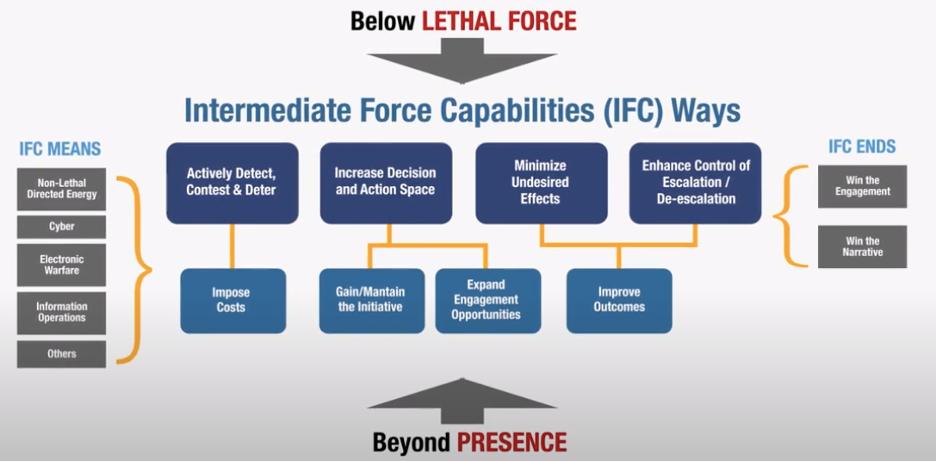
As illustrated above, NATO’s Intermediate Force Capability concept seeks to expand the space in which it is possible to maintain engagement below the threshold of violence. At the forefront of this concept is a focus on the ‘Competition Continuum’ (Cooperation → Competition below armed conflict → Armed Conflict) where personnel attempt to: n understand the situation / the drivers of conflict; n prevent armed conflict; n expand the decision space and time; n decrease casualties; n prevent unnecessary destruction and loss of life; and n boost versatility and adaptability across the competition continuum.
IN-DEPTH BRIEFING // CLIMATE CHANGE AND (IN)SECURITY 9 // IN-DEPTH BRIEFING // CHACR
Intermediate Force Capabilities (Credit: NATO)
Within the context of climate change security, the traditional lines between tactical, operational and strategic operations have faded. Understandably, tactical engagements utilising lethal force often result in strategic repercussions in terms of public opinion, media coverage and political relations. The situation is complicated by the fact that the probability of violence is increased by the stresses that climate change and competition for resources are placing on volatile situations and pre-existing fault lines. A basic tenet of warfighting is that capabilities evolve in response to threats and potential threats.
As such, in order to better understand the drivers of climate conflict, reinforcing positive engagement with civil actors, including academia and NGOs, is essential. As well as technologies and equipment, militaries could share climate
CHANGE
security best practice, insights and innovations. Experts would be able to constructively challenge prospective responses, as well as steer in terms of focus.
Specialists could also assist in the development of relevant curricula and exercises that could be disseminated through military academies, units, and workshops. Sharing information and insights as widely as possible would ensure that resources are utilised effectively. Such collaboration would also create a strong foundation for strategic horizon scanning and risk mapping and should therefore form a central part of climate change adaptation within the military and across government.
In conclusion, climate change will become an increasingly dominant adversary as we move vertically up the line towards 3 degrees warming. As with any dominant adversary, coordinated
coalitions are crucial. Imperative too is the operational and tactical leveraging of intermediate force capabilities. In the case of climate change, this includes ongoing sustainable development that builds resilience to longer term risk, including the repetition of climate change induced shocks. Only effective integration will facilitate a layered strategy that supports and amplifies the contributions of a range of actors and entities so as to work towards scaling the climate change prevention, mitigation, and adaptation, necessary to maintain effective defence and security. In short, whilst individual national militaries and international security organisations provide a vital stabilisation role, the mobilisation of actors from across civil society, the public sector, and private enterprise, is essential in order to create a comprehensive and resourced solution to a complex and diffuse problem.
IN-DEPTH BRIEFING // CLIMATE
AND (IN)SECURITY 10 // IN-DEPTH BRIEFING // CHACR
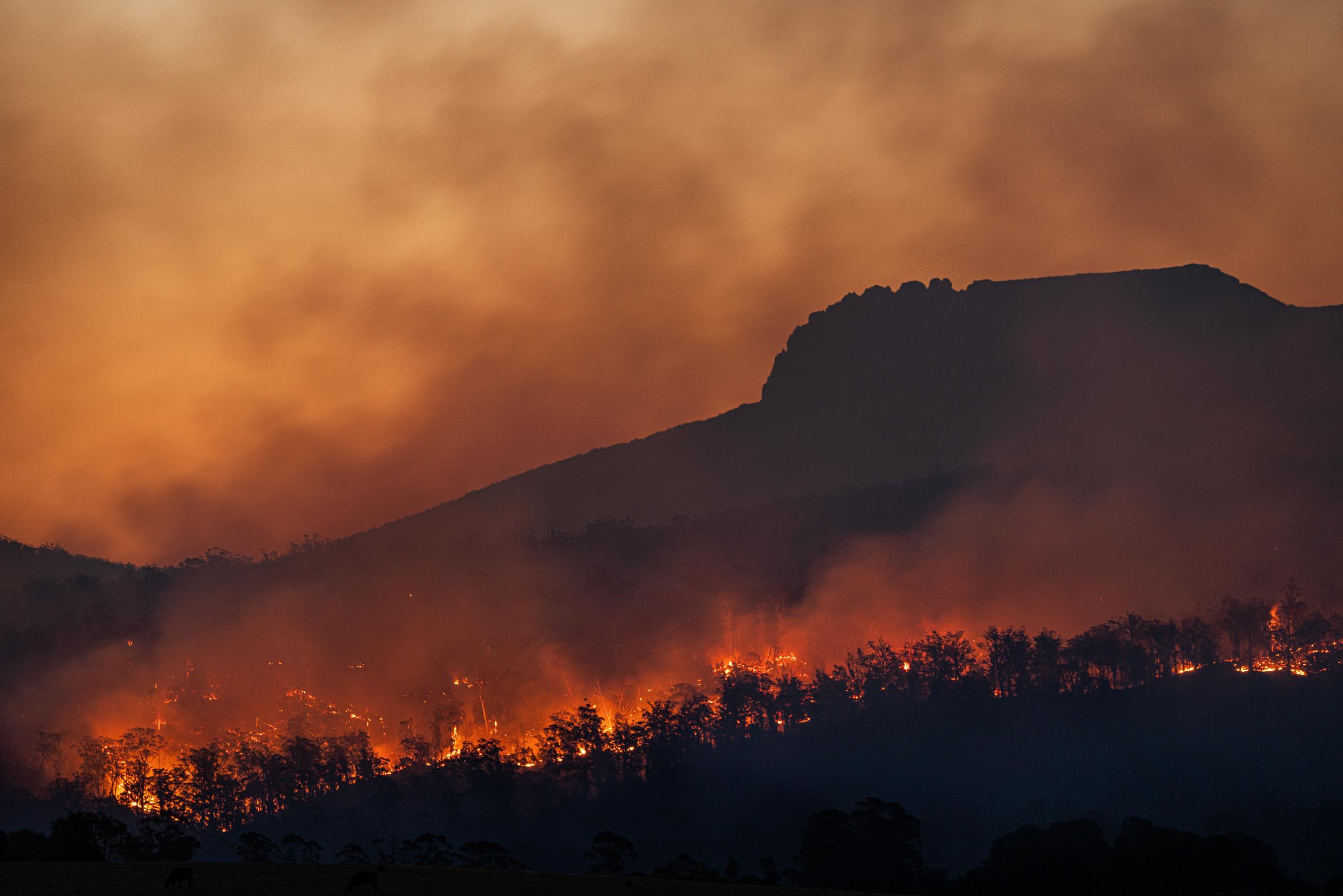
“CLIMATE CHANGE WILL BECOME AN INCREASINGLY DOMINANT ADVERSARY AS WE MOVE VERTICALLY UP THE LINE TOWARDS 3 DEGREES WARMING. AS WITH ANY DOMINANT ADVERSARY, COORDINATED COALITIONS ARE CRUCIAL.”Picture: Matt Palmer on Unsplash
REFERENCES
Adger, W.N., J.M. Pulhin, J. Barnett, G.D. Dabelko, G.K. Hovelsrud, M. Levy, Ú. Oswald Spring, and C.H. Vogel, 2014: Human security. In: Climate Change 2014: Impacts, Adaptation, and Vulnerability. Part A: Global and Sectoral Aspects. Contribution of Working Group II to the Fifth Assessment Report of the Intergovernmental Panel on Climate Change [Field, C.B., V.R. Barros, D.J. Dokken, K.J. Mach, M.D. Mastrandrea, T.E. Bilir, M. Chatterjee, K.L. Ebi, Y.O. Estrada, R.C. Genova, B. Girma, E.S. Kissel, A.N. Levy, S. MacCracken, P.R. Mastrandrea, and L.L. White (eds.)]. Cambridge University Press, Cambridge, United Kingdom and New York, NY, USA, pp. 755-791.
Reference: Clack, T. and R. Nugee 2022. Climate change is creating security threats around the world – and militaries are responding. The Conversation https://theconversation.com/climatechange-is-creating-security-threats-around-the-world-and-militaries-are-responding-173668
Department of Defense. 2021. Climate Risk Analysis. https://media.defense.gov/2021/Oct/21/2002877353/-1/-1/0/DOD-CLIMATE-RISK-ANALYSIS-FINAL.PDF
European Union. 2020. Towards a climate-proof security and defence policy: a Roadmap for EU action. https://www.eeas.europa.eu/eeas/towards-climate-proof-security-and-defence-policyroadmap-eu-action_en
Homer-Dixon, T.F. 1999. Environment, Scarcity, and Violence. Princeton: Princeton University Press.
Intergovernmental Panel on Climate Change (IPCC). 2018. Global Warming of 1.5°C. https://www.ipcc.ch/site/assets/uploads/sites/2/2019/06/SR15_Full_Report_High_Res.pdf
Intergovernmental Panel on Climate Change (IPCC). 2021. https://www.ipcc.ch/report/sixth-assessment-report-working-group-i/
NATO. 2021. NATO Climate Change and Security Action Plan. https://www.nato.int/cps/en/natohq/official_texts_185174.htm
NATO 2022. Climate Change & Security Impact Assessment. https://www.nato.int/nato_static_fl2014/assets/pdf/2022/6/pdf/280622-climate-impact-assessment.pdf
National Intelligence Council. 2021. National Intelligence Estimate. https://www.dni.gov/index.php/newsroom/reports-publications/reports-publications-2021/item/2253-nationalintelligence-estimate-on-climate-change
The Whitehouse. 2021. Report on the Impact of Climate Change on Migration. https://www.whitehouse.gov/wp-content/uploads/2021/10/Report-on-the-Impact-of-Climate-Change-onMigration.pdf
UK MOD 2019. Joint Service Publication 1325 (JSP-1325): Human Security in Military Operations. https://assets.publishing.service.gov.uk/government/uploads/system/uploads/ attachment_data/file/770919/JSP_1325_Part_1_2019_O.PDF (accessed 5 July 2022).
UK MOD 2021. Ministry of Defence: Climate Change and Sustainability Strategic Approach. https://www.gov.uk/government/publications/ministry-of-defence-climate-change-andsustainability-strategic-approach
IN-DEPTH BRIEFING // CLIMATE CHANGE AND (IN)SECURITY 11 // IN-DEPTH BRIEFING // CHACR
Picture: Wesley Tingey on Unsplash