ARES&ATHENA29
Coming, ready or not...




Coming, ready or not...
Introduction: Are we ready... or not?
Resilience as preparation
Home defence and national resilience
Part 1: Approaches to resilience
Part 2: The threat from the North East
Part 3: The scale of the supporting task

Published by: Centre for Historical Analysis and Conflict Research, Robertson House, Slim Road, Camberley, Surrey GU15 4NP. Tel: 01276 412708/412660 chacr.org.uk
CHACR business partner: QinetiQ Training & Simulation Ltd (formerly NSC), Cody Technology Park, Old Ively Road, Farnborough, Hants. GU14 0LX Ares & Athena © CHACR 2026




Major General (Retd) Dr Andrew Sharpe Director, CHACR
In late Autumn 2025 the newly-in-post Commander of the Stading Joint Command (SJC) (responsible for the security of the UK mainland in war and conflict) asked the CHACR to conduct some first-order thinking in respect of the task facing him. The question that he asked of us, in simple language, boils down to who should be responsible for what, in terms of home defence/Article 3,1 within the UK, as a matter of routine, in times of escalated tension and in the event of hostilities or war.
We started with three or four very basic thoughts, before we moved on to do some digging to deliver some background and historical substance to the discussion. The simple point to raise, as a starter, is that whoever it is that is ‘in charge’ ought, surely, to be the same person/organisation for all of the above. Why would you wish to change leadership and management of a challenge from those most routinely invested and versed in that challenge as the severity of the issue escalates? In the most basic of terms that seems to make little sense.
Next, traditionally (and in equally basic terms) the commander of Homeland Defence (and posts with that
1Article 3 of the NATO treaty requires all member states to build their civil and military resilience, thereby strengthening the Alliance. It states: ‘In order more effectively to achieve the objectives of the Treaty, the Parties, separately and jointly, by means of continuous and effective self-help and mutual aid, will maintain and develop their individual and collective capacity to resist armed attack.’
responsibility have varied) has been, by definition, responsible for ‘home matches’ while either NATO or PJHQ and its various predecessor organisations were specifically invented to run ‘away matches’ (and, even then, PJHQ was set up to administer ‘away matches’ rather than be responsible for the detailed tactics thereof). Thus SJC would be responsible for protecting the UK, and PJHQ responsible for projecting those deployed from that secure home base, while NATO would be expected to be the source of strategic and operational direction in an existential fight. (And it remained important to consider that those to be projected, and sustained once projected, could only prosecute their mission if the home base was secure and capable of projecting and sustaining them.) It also immediately occurred to us that the UK has a long history of assuming that the homeland is going to be relatively safe and that our fighting (especially by the Army) will always be done at arm’s length from the UK’s national soil. Admiral John Jarvis is famously and repeatedly quoted as saying during the Napoleonic Wars that “I do not say the French cannot come, I only say they cannot come by sea!”. And, in parallel, Admiral Jackie Fisher in 1907, expressing a view of the correct weight of importance of the various services, observed that “the British Army is a projectile to be fired by the Navy”. Two quotes, by the way, that have seen a great deal of wear over the last 30 years in the in-Whitehall struggle for resource and recognition. So what? Well, both quotes, and their repeated and recent use, illustrate that the British view of its own defence (and thus Defence) has changed little for a very long time – and thus the real nitty-gritty of the physical protection of the home base has been long (and dangerously) on the back burner.
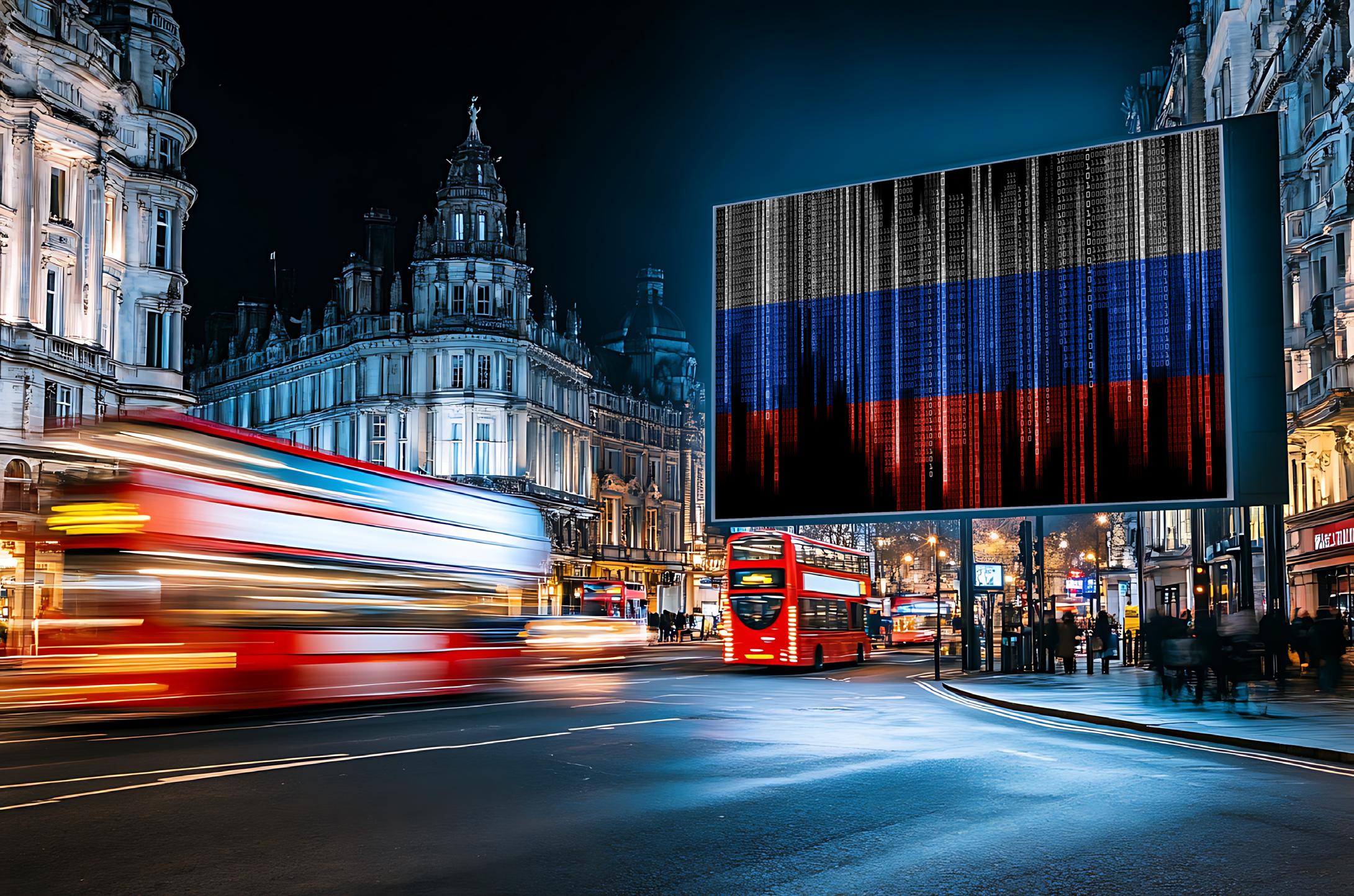
They do not need to ‘come by sea’ and are, indeed, amongst us every day trying to disrupt our security – whether through cyber-attack, nuisance drone, fifth column, democracy interference, economic stealth, literal shots across the bows or any other of the plethora of so-called ‘sub-threshold’ threats that Russia call ‘Active Measures’.
Finally, as opening thoughts, we considered that this is, and has increasingly become, an endeavour that is ‘joint’, ‘comprehensive’, ‘combined’, ‘integrated’, or whatever current buzz-phrase for ‘everyone relevant working together’ may be. Jarvis could make his smug ‘the Navy won’t let them get near us’ remark because (despite fantastical contemporary drawings of balloons and tunnels) one could be fairly sure that ‘by sea’ was the only way to bring suffering directly to Britain. The UK’s economic dominance was such that all attempts at harming her interests through economic means were likely to be circumvented by protagonists who had more to lose from refraining from trade with the UK than through trading on regardless of the pressures from others (such as Napoleon).
But technology and the march of time have changed that –from Zeppelins to the Blitz, the air dimension became real (along with the early squabbles over who was responsible for air defence), and, as the technology curve climbs and Britain’s relative global power wanes, the threat to the homeland becomes much more complex and multi-faceted – which makes the Jarvis quote not only now long past its sell-by date, but unhelpful in every respect. They do not need to ‘come by sea’ and are, indeed, amongst us every day trying to disrupt our security – whether through cyber-attack, nuisance drone, fifth column, democracy interference, economic stealth, literal shots across the bows or any other of the plethora of so-called ‘sub-threshold’ threats that Russia call ‘Active Measures’, being pursued daily by those who do not recognise the ‘thresholds’ that we give ourselves.
Yet much of our security does still ‘come by sea’. We have heard a lot recently about our undersea cables and pipelines. There are more than 60 such ‘cables’ that carry over 99 per cent of our internet and data traffic. Should their security be the responsibility of PJHQ (an ‘away match’) or SJC (as a ‘home match’)? And consider the problem posed by a network of pipelines that carry energy to the UK mainland (from Norway (mostly gas), other European neighbours, the North Sea and our various undersea oil reservoirs). We know that the Russians are snooping around the cables and pipelines, both above and below the surface, and we know that they are not sniffing around them innocently or benignly; but how are we to protect them? How much of our energy needs can we provide for ourselves? How much of that energy comes, or could come, from the North Sea? How safe are our oil and gas rigs? What is the plan to protect them? How many assets, from the ever-dwindling pool of our Armed Forces, are earmarked, trained, ready to deploy to, or even actually deployed upon, our own North Sea energy platforms? The North Sea currently provides about a third of our natural gas and half of our oil. What is the plan to keep this flowing in times of war and crisis, and what assets will be available, ready and trained (not double-hatted or double-earmarked – because if war really does come you can bet that every Defence asset that we own, on land, sea, air, and in the ether, will be fully occupied doing only one of its multi-tasked roles)?
These are just the tip of the iceberg of questions that confront the Commander of the SJC responsible for the safety of the UK in times of war and conflict. The problem is huge and all-encompassing. From the most basic to the most complex. At the most basic end of our needs, food, the UK imports roughly half of what it consumes. We do not need Jeremy Clarkson to tell us that this green and pleasant land can no


At the most basic end of our needs, food, the UK imports roughly half of what it consumes. We do not need Jeremy Clarkson to tell us that this green and pleasant land can no longer feed itself and that farmers are increasingly unable or unwilling to keep farming – thus our food security is a problem.
longer feed itself and that farmers are increasingly unable or unwilling to keep farming – thus our food security is a problem that is only likely to get worse. At the more technological and complex end of our needs we are equally, or more, dependent upon others. Take satellite dependency – we may have worldleading research, design and manufacturing capabilities, but we are highly dependent on others from launch onwards; and key tools such as GPS and the Skynet upon which Defence depends are not ours to control. In between those extremes there is a huge list of assets, from infrastructure to industrial base, that we will need to nurture and protect in order to keep the country running, and to keep our Defence capability sustained and equipped in war and conflict.
The size of the task set the CHACR was daunting, and we have succeeded only in scratching the surface of the range of questions that immediately sprung to mind. This Ares & Athena provides a summary of some of those thoughts, provided to Commander SJC, as he addresses the huge task ahead of him. We have, broadly, split the articles into three categories. After an introductory section, which explains what NATO expects of the UK in terms of its Article 3 obligations to the Alliance, and also offers some historical perspective, we then: provide insight into what other nations (mostly NATO allies, but others too, including enemies) are doing in terms of home Defence and national resilience; examine not just the UK’s problem in terms of resilience, but the accompanying problem of a direct threat to the UK by way of NATO’s Northern Flank; and, finally, offer some food for thought on the breadth and scale of the task, with a sample of the logistic, industrial and infrastructure challenges that will need to be addressed.
This has resulted in a very large publication. Yet, still, we feel that it has only succeeded in providing a glimpse of the full picture. Long read though it is, we are convinced that every page offers value to anyone who is interested in the security of the UK. And, ‘spoiler alert’ our conclusion to the implied challenge of the seeker’s cry in the publication’s title of “coming, ready or not!” is: at best, we are not as ready as others are... at worst, our answer is simply ‘not’.
Oksana Huss
Residential Research Fellow, NATO Defense College
Resilience has re-emerged as a central concept in EuroAtlantic security at a moment when the boundary between peace and war has become increasingly blurred. For NATO, this return is not accidental. It reflects both the changing threat environment shaped by Russia’s aggression and the Alliance’s own institutional adaptation after decades in which collective territorial defence had receded from priority. Resilience has become a language through which NATO seeks to prepare for war while still operating politically and administratively in perceived peacetime.
Originally rooted in the natural sciences, resilience refers to an object’s ability to absorb shocks and retain core functions.1 The concept later expanded into psychology, organisational management2 and environmental governance.3 In security and defence, resilience refers to the capacity of military, state, economic and societal systems to continue performing essential functions despite disruption. This perspective has gained renewed urgency through the experience of Ukraine since 2022. Russia’s full-scale invasion has provided a costly real-world test of resilience under wartime conditions, demonstrating the importance of civil-military cooperation, adaptive governance, societal mobilisation and technological innovation.4 Ukraine also exposes the limits of resilience when preparation is incomplete and war becomes prolonged.5 As such, it serves both as an example and as a measure of the ‘homework’ still facing the Allied states.
1R. Fox Vernon, ‘A Brief History of Resilience’, in Caroline S. Clauss-Ehlers and Mark D. Weist (eds.), Community Planning to Foster Resilience in Children (Springer US, 2004), https://doi.org/10.1007/978-0-306-48544-2_2
2Alessandro Annarelli and Fabio Nonino, ‘Strategic and Operational Management of Organizational Resilience: Current State of Research and Future Directions’. Omega 62 (July, 2016): 1–18. https://doi.org/10.1016/j.omega.2015.08.004
3Carl Folke, Stephen R. Carpenter, Brian Walker, Marten Scheffer, Terry Chapin, and Johan Rockström, ‘Resilience Thinking: Integrating Resilience, Adaptability and Transformability’, Ecology and Society (Vol.15, No.4; 2010), jstor.org/stable/26268226
4Oksana Huss, ‘What Makes Ukraine Resilient in the Asymmetric War?’, KHK/GCR21, Global Cooperation Research - A Quarterly Magazine, vol. 4, no. 1 (2022), researchgate. net/publication/362265952_What_Makes_Ukraine_Resilient_in_the_Asymmetric_War
5Julia Langbein et al., Resilience Reconsidered: Lessons from Ukraine’s Response to War, no. 1 (ZOiS, 2026), zois-berlin.de/en/press/press-releases/understanding-ukraines-resiliencesnew-zois-report-offers-reality-check
6Guillaume Lasconjarias, Deterrence through Resilience, Eisenhower Paper 7 (NATO Defense College, 2017), ndc.nato.int/download/deterrence-through-resilience-nato-thenations-and-the-challenges-of-being-prepared
This article examines resilience as a political and strategic concept within NATO’s current transformation. It asks why resilience has re-emerged now, how it is being translated into institutional practice, and what tensions shape its future development. It argues that NATO’s resilience agenda represents an Alliance in transition: combining older principles of national responsibility, newer ideas of wholeof-society security and institutional practices drawn from civil emergency planning. For member states, the challenge is no longer whether resilience matters, but how to turn NATO standards into practical systems of strategy, learning, adaptation and cooperation that can function under real wartime conditions.
NATO’s resilience framework: something old, something new, something borrowed Russia’s first invasion of Ukraine in 2014, through the illegal annexation of Crimea and Donbas, became the initial strategic shock that accelerated NATO’s adaptation after two decades of post-Cold War drift. Since the collapse of the Soviet Union, the Alliance had gradually moved beyond its original purpose of collective territorial defence against a peer-state adversary. NATO reoriented towards crisis management, expeditionary operations, counter-terrorism and partnership missions in the Balkans, Afghanistan and beyond. The return of coercive interstate revisionism on NATO’s borders exposed the limits of that post-Cold War posture. It pushed the Alliance back towards its foundational tasks of deterrence and defence.6
This recalibration became visible at the Warsaw Summit in 2016,7 where NATO reinforced its forward military presence, improved readiness and formally adopted the Commitment to Enhance Resilience.8 In that document, allies pledged to maintain and develop their “individual and collective capacity to resist any form of armed attack,” while enhancing resilience against the “full spectrum of threats, including

7‘Warsaw Summit Communiqué’, Official Texts and Resources | NATO, accessed 11 May 2026, nato.int/en/about-us/official-texts-and-resources/official-texts/2016/07/09/ warsaw-summit-communique
8‘Commitment to Enhance Resilience’, Official Texts and Resources | NATO, accessed 11 May 2026, nato.int/en/about-us/official-texts-and-resources/officialtexts/2016/07/08/commitment-to-enhance-resilience


Article 5 may embody the political promise of mutual assistance. Yet, Article 3 establishes the practical condition that makes such assistance credible: allies must preserve their own capacities for resistance in peacetime so that they can contribute effectively in crisis or war.
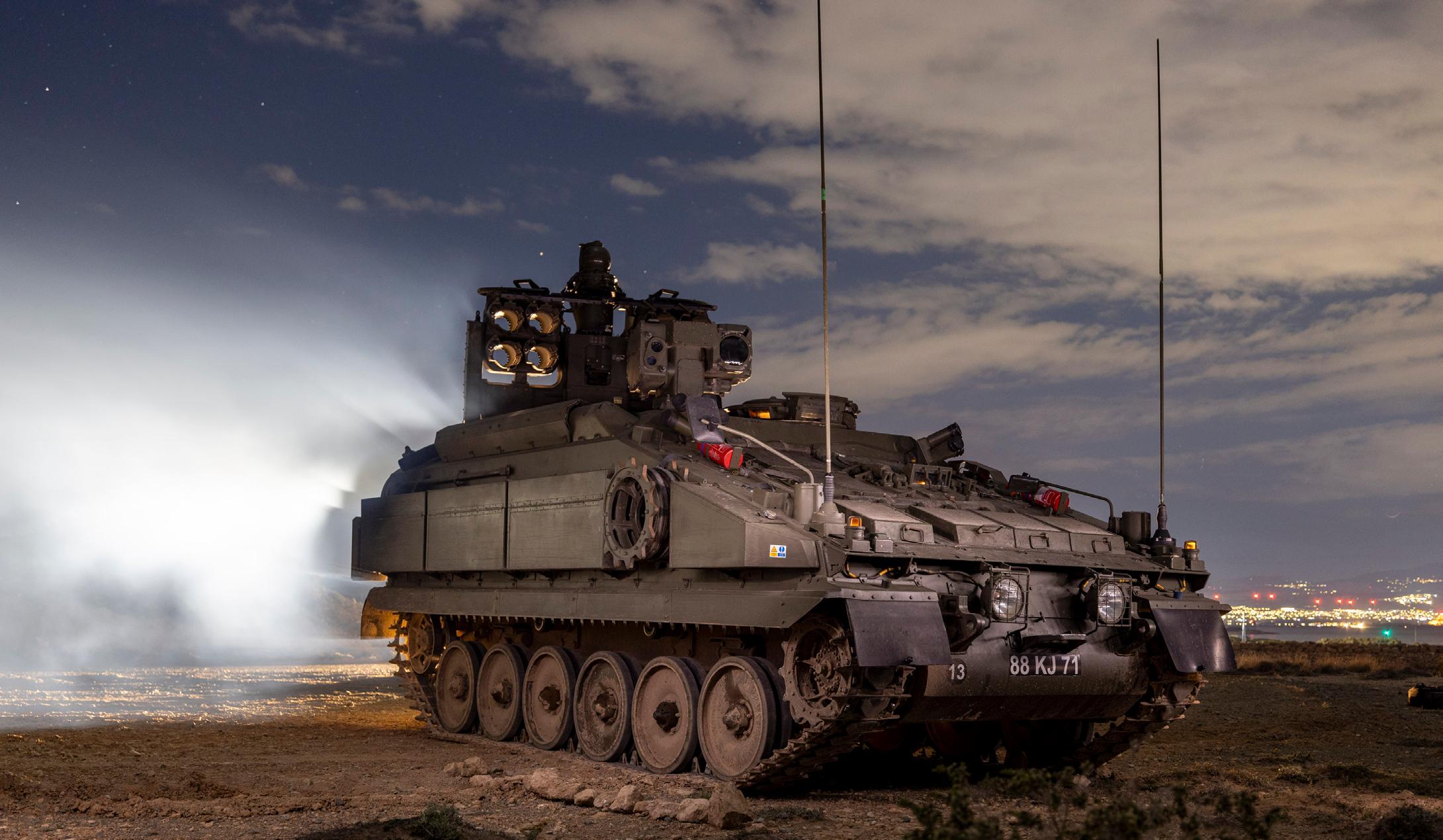
Sign of resistance:
The Royal Artillery’s Stormer high-velocity missile system is a highly mobile, tracked air-defence vehicle designed to neutralise low-flying aircraft, helicopters and drones.
hybrid threats, from any direction”. Resilience was explicitly defined as an “essential basis for credible deterrence and defence,” linking civil preparedness, continuity of government and societal endurance to military security. Thus, what has emerged since then is not a wholly new NATO, but an Alliance adapting old purposes to new forms of vulnerability. This raises the question of how far NATO’s practices have transformed while its underlying logic has endured.
At the core of NATO’s contemporary resilience agenda lies a much older principle contained in Article 3 of the North Atlantic Treaty which states that the Parties “separately and jointly, by means of continuous and effective self-help and mutual aid, will maintain and develop their individual and collective capacity to resist armed attack”.9 Read in this light, resilience is not a novel strategic invention, but a renewed reminder that collective defence depends on the sustained preparedness of each member state. Article 5 may embody the political promise of mutual assistance. Yet, Article 3 establishes the practical condition that makes such assistance credible: allies must preserve their own capacities for resistance in peacetime so that they can contribute effectively in crisis or war.
This reminder became particularly necessary after the Cold War, when many NATO states sharply reduced defence expenditures, downsized their armed forces, diminished their reserve structures and abolished or suspended mandatory military or civil service that had previously underpinned their societal mobilisation capacity. These material reductions were accompanied by a broader discursive shift in which territorial defence appeared increasingly obsolete within the optimistic assumptions of the liberal international order, economic interdependence and Francis Fukuyama’s “end of history”. Security policy in many capitals moved from preparedness for high-intensity conflict toward efficiency,
crisis management and the expectation of a benign strategic environment.
NATO’s recent turn to resilience can therefore be interpreted as an effort to revive the neglected logic of Article 3: that deterrence ultimately rests not only on Alliance guarantees, but on the continuous maintenance of military, civil, economic and societal capacities to endure, absorb and resist coercion. The limitation of this logic is the Alliance’s consensus-based functioning, which reduces baseline requirements to the minimum common denominator that is politically acceptable to adopt. The 2025 Secretary General’s annual report highlights resilience as “national responsibility and collective commitment”, which deprives resilience baseline requirements for states of any strong accountability mechanism and leaves it to the intrinsic reasonability of national states and their societies to build them.10
What was qualitatively new in the institutional adoption of resilience was the recognition that security could no longer be understood solely as a state function provided to passive citizens. Instead, resilience framed citizens, communities and non-governmental actors as active contributors to prevention, response and recovery. NATO’s first engagement with this logic came at the 2012 Washington civil protection conference, where the Federal Emergency Management Agency presented lessons from hurricane response, demonstrating that affected populations are not only victims but also essential responders.11
9‘The North Atlantic Treaty’, Official Texts and Resources | NATO, accessed 11 May 2026, nato.int/en/about-us/official-texts-and-resources/official-texts/1949/04/04/ the-north-atlantic-treaty
10The report can be found at nato.int/content/dam/nato/webready/documents/ publications-and-reports/annual-reports/sgar25-en.pdf
11‘From a conversation with NATO HQ representative.

This development coincided with a broader shift in state-citizen relations, reflected in the global framework of the Open Government Partnership, launched around the same time, which promoted citizen and stakeholder participation in cocreating public goods, including security.12 Thus, the resilience concept highlighted citizens’ agency and the involvement of non-state stakeholders in security and defence. This is especially relevant under the condition outlined by a number of senior European political figures that NATO is “neither at war, nor at peace”.
The Russian invasion of Crimea and Donbas in 2014 accelerated an encompassing approach to security and defence by exposing limitations of silo-thinking. The artificial separation between military and civilians, security, politics and economy became obsolete in the face of aggressive hybrid13 and cognitive14 warfare that Russia escalated against the NATO and EU states. Through hybrid warfare adversaries combine cyber-attacks, disinformation, economic pressure, covert sabotage, proxy actors and selective military coercion while avoiding clear attribution. These actions often target civilian systems rather than armed forces: power grids, communications networks, ports, transport systems, hospitals or elections. In such cases, the first line of defence is usually not the military but civilian authorities, regulators, emergency services, intelligence agencies and private infrastructure operators. Resilience, therefore, points to a whole-of-government model in which military and civilian institutions must coordinate to prevent disruption and sustain essential functions – a challenge of growing but necessary complexity.
“”
Cognitive warfare operations target the social foundations of defence: political legitimacy, democratic cohesion and public confidence. Yet this is also an area where NATO has limited authority. As a military alliance, it cannot regulate media systems or manage domestic democratic processes.
A further challenge lies in cognitive warfare and foreign interference. The adversaries’ aim here is not to seize territory or disrupt physical space, as in a hybrid war, but to weaken states internally by spreading distrust, polarising debate, manipulating information and influencing elections or public policy. Cognitive warfare operations target the social foundations of defence: political legitimacy, democratic cohesion and public confidence. Yet this is also an area where NATO has limited authority. As a military alliance, it cannot regulate media systems or manage
12Teresa M. Harrison et al., ‘Open Government and E-Government: Democratic Challenges from a Public Value Perspective’, Information Polity 17, no. 2 (2012): 83–97, https://doi. org/10.3233/IP-2012-0269.
13‘Countering Hybrid Threats’, NATO, nato.int/en/what-we-do/deterrence-and-defence/ countering-hybrid-threats.
14‘Chief-Scientist-Report-Cognitive-Warfare-Final.Pdf’, n.d., accessed 11 May 2026, sto. nato.int/wp-content/uploads/chief-scientist-report-cognitive-warfare-final.pdf.
15Maria Mälksoo, ‘Risk, Resilience, and Resistance’, in The Oxford Handbook of NATO, 1st edn, ed. James Sperling and Mark Webber (Oxford University Press, 2025), https:// doi.org/10.1093/oxfordhb/9780198851196.013.14.
16‘Resilience Committee | NATO Topic’, accessed 11 May 2026, nato.int/en/about-us/ organization/nato-structure/resilience-committee.
17Mälksoo, ‘Risk, Resilience, and Resistance’.
domestic democratic processes. Building cognitive resilience, therefore, depends on cooperation with actors such as the European Union, the Organisation for Economic Co-operation and Development, national governments and civil society. NATO’s role is to recognise that these societal domains have become part of modern conflict and must be included in collective security planning. Rhetorically, the whole-of-society approach is present in the NATO declarations; the task for the member states now is to translate it into practice.
Something borrowed: institutional root in civil emergency planning
Institutionally, NATO’s resilience agenda is rooted in its long-standing system of civil emergency planning – the Civil Emergency Planning Committee (CEPC), which was first created in the 1950s. During the Cold War, the Alliance developed structures to ensure continuity of government, protect populations and sustain military reinforcement in wartime through functioning transport, communications, energy and supply systems. After 1991, these mechanisms were adapted for disaster relief, crisis response and support to civilian authorities.15 More recently, climate change has been incorporated into this tradition, as extreme weather, infrastructure disruption and supply-chain stress are increasingly treated as security-relevant risks requiring preparedness. Since the 2016 commitment to enhance resilience, NATO has increasingly framed resilience as the civil foundation of deterrence and defence, drifting away from mere civil emergency planning. Ultimately, the Resilience Committee at NATO HQ replaced the CEPC in 2022, indicating changing dynamics.16
Thus, there is an implicit tension in NATO’s resilience agenda, namely the blending of two distinct logics – the borrowed one from civil emergency response and the intended one of deterrence and defence.17 In the first case of civil emergency response, resilience prepares societies to absorb inevitable shocks and maintain essential functions during disruptions, while the latter logic of deterrence aims to prevent such disruptions in the first place by discouraging adversary action. This nuanced difference has significant strategic implications. When carefully calibrated, however, resilience in civil emergencies can still play a reinforcing role by strengthening public confidence, signalling societal endurance and communicating to potential adversaries that coercion or disruption will not yield easy gains. However, if overemphasised, resilience risks normalising crisis conditions and replacing vigilance, political resolve and timely counteraction with a passive expectation of recovery after harm occurs. In war-related contexts, the test of civil and societal resilience should therefore remain a last, supporting, line of defence, given the real economic, political and social costs of absorbing attacks. In contrast, conventional deterrence, forward defence and active resistance must remain the primary means.
NATO’s institutional structure for resilience
NATO’s contemporary approach to resilience was institutionalised in 2016 with the Warsaw Commitment to enhance resilience, defined as three core national civil preparedness functions: (1) continuity of government; (2) essential services to the population; and (3) civil support to the military.18 Currently, 1.5 per cent of the dedicated five per cent of defence spending should be allocated to this commitment, the so called ‘resilience target’ set during the NATO 2025 Summit in The Hague.19 The states agreed on seven specific baseline requirements (see table) for national civil preparedness, further specified into capacity indicators that the parties self-report.20 On this basis, NATO assesses national capacities to maintain an overview of allied preparedness and identify vulnerabilities. The Resilience Committee and dedicated planning groups support Alliance states in implementing the requirements.
The rationale behind these requirements is to set the minimum standard for Alliance states to be prepared for a polycrisis – simultaneous shocks that reinforce each other, ranging from environmental catastrophes to pandemics to wars. Importantly, the requirements support the resilience of the Alliance and do not interfere with national governance systems, which ensure them.
In other words, the purpose of NATO’s oversight and support is to ensure that Allied Command Operations, which leads military operational planning, can assume the minimum level of civilian capabilities that nations must provide to support collective defence, including transport, energy, logistics, communications and other critical functions required for military operations. The Supreme Headquarters Allied Powers Europe, which serves as the headquarters of Allied Command Operations, maintains a list of pre-agreed response measures that can be activated rapidly in a crisis to sustain operations and support the civilian environment.21
Yet the next step is becoming more dynamic and strategic. NATO increasingly recognises the need for a shared picture of the civilian domain, including the infrastructure, economic activity and social systems that shape military effectiveness yet often fall outside traditional situational awareness.22 This points to a shift from static preparedness requirements towards resilience, underpinned by continuous situational awareness,
18“To complement and enable our military capabilities, we will continue to improve civil preparedness. Noting that civil preparedness is above all a national responsibility, we will strive to achieve the agreed requirements for national resilience”, nato.int/en/about-us/ official-texts-and-resources/official-texts/2016/07/08/commitment-to-enhance-resilience
19‘The Hague Summit Declaration’, Official Texts and Resources | NATO, accessed 11 May 2026, nato.int/en/about-us/official-texts-and-resources/officialtexts/2025/06/25/the-hague-summit-declaration
20‘Resilience, Civil Preparedness and Article 3’, Site Name Seo, accessed 11 May 2026, nato.int/en/what-we-do/deterrence-and-defence/resilience-civil-preparedness-and-article-3
21-22NATO ALLIED COMMAND TRANSFORMATION, ‘Horizons’ Resilience, 2025, 1:54, youtube.com/watch?v=lUrAGzccZwY
23Such as NATO-EU Structured Dialogue on Resilience, NATO-EU Task Force on the Resilience of Critical Infrastructure and various joint UN-NATO projects.
24‘NATO Warfighting Capstone Concept’, NATO’s ACT, n.d., accessed 11 May 2026, act. nato.int/our-work/nato-warfighting-capstone-concept
25‘Chief-Scientist-Report-Resilience-Final.Pdf’, n.d., accessed 11 May 2026, sto.nato.int/ wp-content/uploads/chief-scientist-report-resilience-final.pdf
Assured continuity of government and critical government services
Resilient energy supplies
Ability to deal effectively with the uncontrolled movement of people
Resilient food and water resources
Ability to deal with mass casualties and disruptive health crises
Resilient civil communications systems
Resilient transport systems
Energy Planning Group
Civil Protection Group
Food and Agriculture Planning Group
Joint Health Group
Civil Communications Planning Group Transport Group
data integration and real-time adaptation across military and civilian spheres.
Designed in 2016, the seven baseline requirements reflect an earlier threat environment and increasingly face operational limits as risks evolve across cyberspace, digital networks, finance, supply chains and privately owned critical infrastructure. Simply adding new sectors to the framework would risk creating further silos, while resilience increasingly depends on how systems interact rather than on each sector in isolation. A more effective path is therefore to deepen and update the baseline requirements through cross-cutting indicators that integrate issues such as digitalisation, cyber security, financial continuity and private-sector dependencies into existing requirements. This also requires closer coordination with other international organisations,23 particularly the European Union, whose Critical Entities Resilience Directive overlaps with many domains for most Allied states. In practice, NATO’s baseline requirements remain the civil layer of Alliance resilience, building on the ‘borrowed’ emergency response planning. When looking to the future, NATO increasingly recognises an additional layer of societal resilience.
The resilience approach became institutionally entrenched not only in current mission planning but also in NATO’s vision of future warfare. Allied Command Transformation, the strategic body of NATO focused on adapting and modernising military capabilities to meet future threats, identified Layered Resilience as one of five Warfare Development Imperatives in the NATO Warfighting Capstone Concept – an agreedupon 20-year vision for NATO military adaptation.24 The Layered Resilience Concept links military resilience to civilian systems and societal capacities to absorb shocks and sustain operations. Rather than signalling abandonment, it implies mutual reinforcement: each layer depends on and sustains the others. The societal layer is the least elaborated due to NATO’s focus on the military domain.
Beyond the political and military bodies, NATO member states support resilience work through research initiatives and centres of excellence. The NATO Science & Technology Board announced resilience as its strategic research
challenge.25 The NATO Science & Technology Organisation is engaging in a strategic partnership with the Resilience Committee to connect planning groups with relevant science and technology communities for joint problem-solving. Centres of excellence, especially those dedicated to civilmilitary cooperation in The Hague, provide a platform to connect resilience analysis with practice and to support NATO states with training.26 The research and analysis of resilience in these structures explicitly highlight the lessons they are systematically drawing from Ukraine.27
Ukraine’s reality check: what resilience is and what it is not NATO treats resilience as a framework for preparing for a polycrisis under war conditions while still operating in perceived peacetime. Ukraine offers a reality check by exposing where those assumptions hold and where they fail under the pressures of prolonged war.
n Resilience depends on a relational process of adaptation in uncertainty. Resilience is frequently treated as synonymous with preparedness, especially in traditional
26‘CIMIC’, CIMIC COE, n.d., accessed 11 May 2026, cimic-coe.org/cimic 27cimic-coe.org/wp-content/uploads/2026/02/20260212_O_CCOE_Case-StudyUKR_3.0-DOWNLOAD-EDITION.pdf
28Oleksandra Keudel et al., Local Democracy and Resilience in Ukraine: Learning from Communities’ Crisis Response in War, Research Report no. 33 (ICLD Swedish international centre for local democracy, 2024), https://cdn.icld.se/wp-content/ uploads/20250922103639/ICLD_ResearchReport_33_2024-web.pdf.
29Oleksandra Keudel and Oksana Huss, ‘Polycentric Governance in Practice: The Case of Ukraine’s Decentralised Crisis Response during the Russo-Ukrainian War’, Journal of Public Finance and Public Choice, Journal of Public Finance and Public Choice 39, no. 1 (2024): 10–35, https://doi.org/10.1332/25156918Y2023D000000002; Inna Melnykovska and Sarah Wilson Sokhey, ‘The Local and Regional Dimension of Ukraine’s Resilience during Russia’s Full-Scale Invasion: An Introduction’, Post-Soviet Affairs 41, no. 5 (2025): 401–10, https://doi.org/10.1080/1060586X.2025.2545626; Olga Reznikova, ‘The Ukrainian Approach to Ensuring National Resilience: Experience Proven in Peace and Wartime’, in Emerging Varieties of Resilience: Experiences from Germany, Poland and Ukraine, ed. Maciej Stępka et al., Routledge Studies on Challenges, Crises and Dissent in World Politics (Routledge, 2025), DOI: 10.4324/9781003503255-7.

capacity-focused thinking. This is a reasonable approach to ensure, in practice and during peacetime, that the basic functions of critical infrastructure necessary for security are covered. For instance, if the healthcare system fails to provide timely support to regular patients in peacetime, it will certainly not improve under the pressure of a polycrisis, such as war combined with pandemics. However, there is never sufficient time or resources for a society to be prepared for war, especially given political constraints in compromisebased democracies and denial bias that leads to the belief that things cannot go that wrong. In terms of civil preparedness and resilience, critical infrastructure is a useful common denominator to start with; although necessary, it is not sufficient for building national resilience.
Ukraine was not an exception. Russia launched the full-scale invasion on 24 February 2022, amid the COVID-19 pandemic and amid ongoing reforms, such as decentralisation, digital transformation, judiciary, public service and market reforms etc., which were restructuring Ukrainian governance in depth. These were highly disruptive conditions for preparedness when Russia moved its armed forces to the Ukrainian border in 2021. Community-level data indicate that most Ukrainian municipalities lacked basic preparedness for the scale of the war in 2022: few had contingency plans, reserves or evacuation strategies, despite the war with Russia having been ongoing since 2014.28
Nevertheless, public governance systems remained operational and adaptive under extreme pressure. Resilience did not stem from ex-ante planning or stockpiling, but from the ability to coordinate under uncertainty.29 Ukrainian society experienced several revolutionary disruptions and developed the practice of collaborative governance – i.e., solving societal issues through partnerships among stakeholders from the state, society and the private sector. The inherent mistrust of public authorities, combined with mechanisms for societal
participation, resulted in a constructive process of learning and adaptation. This process requires flexible space to initiate solutions to problems, recognise mistakes and navigate the conflicts that arise when pointing out and fixing them. Thus, preparedness is a necessary, but insufficient, condition for resilience, as it should be combined with the relational process of governance.
n Resilience is about continuity and change simultaneously. Resilience is frequently treated as synonymous with adaptation or resistance under conditions of shock. Yet resilience is more than emergency coping: it has a strategic dimension because it seeks to preserve continuity in what is essential while allowing change in how that essential core is protected. In this sense, resilience combines stability and transformation simultaneously.
A more precise definition describes resilience as coping with crisis in ways that preserve a clearly defined core, even as institutions, practices and routines adapt to wartime pressures.30 Ukraine illustrates this clearly, as the purpose of Russia’s war of aggression is not only territorial conquest but also the elimination of Ukrainian statehood and political independence. The core to be preserved, therefore, includes the continuity of state institutions, public administration, tax collection and the delivery of basic services, as well as democratic self-government, national identity and sovereign decision-making. Wartime adaptations have often altered the form of governance – through relocation, digitalisation, emergency coordination and new support systems for displaced people – but not its purpose. Resilience lies in ensuring that these functions and principles endure despite sustained attack.
A focus on local governance and social services shows that continuity has often depended on overburdened municipal staff, care workers, volunteers and public servants operating under staff shortages, mobility constraints, administrative overload, trauma and constant insecurity. Ukraine’s coping with the Russian war has therefore generated resilience through exhaustion as much as through innovation.
Defining the core of resilience is a strategic exercise that depends on the scope of the system: NATO’s core of resilience is to be negotiated collectively by the Alliance, while each state can define its own values and public functions as priorities to sustain.
n Resilience is not a strategy but a necessity. Resilience is often celebrated as a strategic asset, but in prolonged war it is more accurately understood as a necessity imposed by circumstances rather than a freely chosen strategy. Societies under sustained attack do not decide in abstract terms whether to be resilient; they must adapt simply to preserve basic functions and survive. In this sense, resilience should be analysed less as heroic performance and more as compelled coping under pressure.
Research on Ukraine emphasises that praise for resilience can obscure its costs.31 Some analysts warn that the term can mask vulnerability, structural weakness and inadequate external support. A focus on local governance and social services shows that continuity has often depended on overburdened municipal staff, care workers, volunteers and public servants operating under staff shortages, mobility constraints,
administrative overload, trauma and constant insecurity.32 Ukraine’s coping with the Russian war has therefore generated resilience through exhaustion as much as through innovation.
This has two implications: first, the purpose of preparedness and adaptation should be to reduce the social cost of coping; second, resilience should be measured not only by whether systems continue to function, but also by how quickly, efficiently, and equitably they absorb shocks without depleting the people who sustain them.
National resilience-building starts with governance for three tasks: strategy, learning and adaptation practice and systems to manage the complexity of collaboration with stakeholders beyond the national government level. For the national states, NATO provides a shared framework for resilience that translates collective commitments into standards, coordination mechanisms and the exchange of good practices across Allied states. NATO’s institutional resilience structures, engaging with over 1,000 direct stakeholders, are currently unprecedented in their outreach and scope of a whole-ofgovernment approach, bridging political and sectoral silos.33 While national governments retain primary responsibility for implementing baseline requirements, they can use NATO as a platform to overcome domestic political constraints and short-term disagreements and to build national resilience frameworks. In doing so, they can leverage Alliance cooperation to make the strategic decisions required for effective
26‘CIMIC’, CIMIC COE, n.d., accessed 11 May 2026, cimic-coe.org/cimic
27cimic-coe.org/wp-content/uploads/2026/02/20260212_O_CCOE_Case-StudyUKR_3.0-DOWNLOAD-EDITION.pdf
28Oleksandra Keudel et al., Local Democracy and Resilience in Ukraine: Learning from Communities’ Crisis Response in War, Research Report no. 33 (ICLD Swedish international centre for local democracy, 2024), https://cdn.icld.se/wp-content/ uploads/20250922103639/ICLD_ResearchReport_33_2024-web.pdf.
29Oleksandra Keudel and Oksana Huss, ‘Polycentric Governance in Practice: The Case of Ukraine’s Decentralised Crisis Response during the Russo-Ukrainian War’, Journal of Public Finance and Public Choice, Journal of Public Finance and Public Choice 39, no. 1 (2024): 10–35, https://doi.org/10.1332/25156918Y2023D000000002; Inna Melnykovska and Sarah Wilson Sokhey, ‘The Local and Regional Dimension of Ukraine’s Resilience during Russia’s Full-Scale Invasion: An Introduction’, Post-Soviet Affairs 41, no. 5 (2025): 401–10, https://doi.org/10.1080/1060586X.2025.2545626; Olga Reznikova, ‘The Ukrainian Approach to Ensuring National Resilience: Experience Proven in Peace and Wartime’, in Emerging Varieties of Resilience: Experiences from Germany, Poland and Ukraine, ed. Maciej Stępka et al., Routledge Studies on Challenges, Crises and Dissent in World Politics (Routledge, 2025), DOI: 10.4324/9781003503255-7.
30Zentrum für Osteuropa-und internationale Studien, ‘Ukraine’s Resilience: From Buzzword to Useful Concept’, accessed 2 May 2026, zois-berlin.de/en/publications/zois-spotlight/ ukraines-resilience-from-buzzword-to-useful-concept
31Langbein et al., Resilience Reconsidered: Lessons from Ukraine’s Response to War.
32Yuliya Yurchuk and Kateryna Zarembo, The Human Face of Ukrainian Resilience (Södertörns högskola, 2024), 244–52, urn.kb.se/resolve?urn=urn:nbn:se:sh:diva-55849
33From a conversation with NATO HQ representative.

communication, whole-of-society engagement and practical resilience-building at the national level.
A resilience-oriented way of thinking goes beyond traditional threat assessment and requires a clearer strategic definition of the ‘core’ that must remain constant and protected across any type of disruption. This is closely linked to a whole-of-society approach, in which national resilience depends on the coordinated contributions of state institutions, private actors and civil society to safeguard the continuity of government, essential services for the population and civil support to the military. For this to function effectively, society must understand what it is collectively contributing to protect and why. This is not a one-way communication effort, but a two-way process in which societal input, values and priorities are actively integrated into resilience planning. Such an approach is particularly relevant for ongoing debates across Alliance states on civil preparedness, military or civil service and the broader organisation of societal support in crisis. It also strengthens the ability to anticipate and structure reliance on non-military actors in the event of war.
the intersection of civil emergency response and deterrence and defence, linking the logic of absorbing shocks to that of preventing them. This makes resilience a bridge between the two, rather than a replacement for either. To make this work in practice, states need strong feedback loops between civil and military stakeholders that enable them to learn from crises in real time, adjust policies and integrate lessons from local and societal responses into national and Alliance-level planning. Such continuous adaptation is essential to ensure preparedness for the unknown.
Security is no longer produced solely by governments, but through networks that include local communities, civil society, private actors and transnational organisations.
Resilience should not be treated as a oneoff planning exercise based on fixed capacities, but as an ongoing process of adaptation and learning. Civil emergency planning offers a useful starting point in peacetime, as it focuses on maintaining essential functions under shock. Still, it is insufficient to address the complexity of polycrises such as war, pandemics and infrastructure disruptions occurring simultaneously. NATO’s resilience agenda sits at
Managing resilience in today’s security environment requires moving beyond national frameworks towards layered cooperation across society, the state and international partners. Security is no longer produced solely by governments, but through networks that include local communities, civil society, private actors and transnational organisations. This whole-ofsociety logic operates at multiple levels: locally through community networks and digital and discursive spaces and internationally through coordination with other organisations and shared frameworks. As resilience tasks expand, so does complexity, making trust, a common language and coordination across actors essential. NATO’s layered resilience approach reflects this shift by recognising that security and defence depend not only on institutions and infrastructure, but also on social cohesion, trust networks and shared values. Managing resilience therefore means accepting complexity as a permanent condition and building systems that can connect and align diverse actors rather than trying to simplify them.
Professor Andrew Stewart Head of Conflict Research, CHACR
In 2022, only four months after Russia launched its attempt to absorb Ukraine, and following on from its annexation of Crimea in 2014 and years of further destabilisation conducted through surrogate forces fighting in the east of the country, in his first public speech as Chief of the General Staff, General Sir Patrick Sanders referred to a ‘1937 moment’. He warned: “We are not at war – but must act rapidly so that we aren’t drawn into one through a failure to contain territorial expansion.” Strengthening the British Army, he urged, and making sure it was prepared to fight in Europe once again, would demonstrate not only resolve but also act as a deterrent to Russia and halt any ambitions it might hold for further territorial expansion.1 Subsequently, there have been numerous other references to a ‘1938 moment’ and speculation about conditions that existed nearly 90 years ago and those Britain faces now.2 Yet, when asked earlier this year how well the country was progressing with strengthening national resilience, Air Chief Marshal Sir Richard Knighton responded “not as well as I would want us to”.3 Arguing that “a complete national defence plan” is needed, the subsequent comments made by the Chief of the Defence Staff and the concerns he publicly raised clearly resonated with the House of Commons Defence Select Committee in front of which he was speaking. They also suggested there remains a continuing failure to identify whatever lessons might be drawn from a perilous but also formative, even defining moment, in recent British history.4
Whilst there remains huge national pride in a perceived belief that British resolve and character proved sufficient to halt German ambitions to invade the country in the summer of 1940, this is not matched by any understanding of the critical, nearly disastrous failings, that had permeated preparations for a coming war. This is mirrored in the modern ambivalence about what is termed as resilience, a concept which is clearly set out in Article 3 of the North Atlantic Treaty. There are only 14 articles in the treaty that was signed in Washington in April 1949 and, whilst much emphasis is always attached to the fifth with its guarantee of collective
cooperation in security and mutual defence, this one is just as significant.5 The text mandates that members “separately and jointly, by means of continuous and effective self-help and mutual aid, will maintain and develop their individual and collective capacity to resist armed attack”.6 With seven baseline requirements, it requires each country to be prepared for a full spectrum of modern crises, ranging from natural disasters and infrastructure failures through to armed or hybrid attacks.7 For NATO members, resilience is viewed as a societal commitment, indeed it is a core idea
1Danielle Sheridan, ‘British Army chief: Ukraine is our “1937 moment”’, Daily Telegraph, 27 June 2022; Chanel Zagon, ‘Why Britain faces a “1937 moment” in Ukraine’, Daily Telegraph, 28 June 2022.
2Deborah Haynes, ‘Russian invasion of Ukraine shares “similarities” with run-up to Second World War, armed forces minister says’, Sky News, 24 Feb 2026; Max Boot, ‘Trump is letting Putin manipulate him, again’, The Washington Post, 9 Aug 2025; Tim WillaseyWilsey CMG, ‘Will 2025 be a Repeat of 1938 for Europe?’, RUSI Commentary, 6 Jan 2025, rusi.org/explore-our-research/publications/commentary/will-2025-be-repeat-1938europe
3House of Commons Defence Committee, ‘Oral Evidence: The work of the Chief of Defence Staff’, HC 974, 12 January 2026, committees.parliament.uk/oralevidence/16982/html
4According to research conducted in 2019 for RUSI, the Second World War remains “deeply ingrained in the national psyche”; Joel Rogers de Waal, ‘British Public Attitudes Towards the Second World War’, RUSI Newsbrief, 30 May 2019, rusi.org/explore-our-research/ publications/rusi-newsbrief/british-public-attitudes-towards-second-world-war
5See Major General James Senior and Major General James Bowder, ‘Homeland Operations: A Case of Back to the Future?’, The British Army Review (Issue #191; Spring 2025), 6-10.
6‘The North Atlantic Treaty’, NATO, Washington D.C., 4 April 1949, nato.int/en/aboutus/official-texts-and-resources/official-texts/1949/04/04/the-north-atlantic-treaty
7‘To measure preparedness, NATO has translated the core functions of civil preparedness (continuity of government, essential services, and civil support to the military) into seven baseline requirements. These require states to ensure: assured continuity of government, resilient energy supplies, the ability to deal with the uncontrolled movement of people, secure food and water resources, the ability to deal with mass casualties, resilient civil communications systems, and resilient transport systems. As of May 2026, these are under review.


that robust military defence is impossible without strong civil preparedness. At the same time, and equally significant as an underpinning philosophy, the effort of each ally to strengthen its own domestic resilience reduces the overall vulnerability of the entire Alliance and directly underpins the critical deterrence effect by demonstrating the ability to survive an attack and fight on.8
In the current strategic environment, the need to enshrine Article 3 grows ever greater – as is demonstrated by the frequency of meetings at NATO headquarters to discuss how resilience is not just promoted but also evolved.9 This is a strong indication of the urgency which exists across a European continent preparing for potential conflict, one that has not passed Britain by. The three external experts – Lord Robertson, General Sir Richard Barrons and Dr Fiona Hill – who were tasked by the government with developing the 2025 Strategic Defence Review have worked hard to stimulate a national discussion about the apparent weakness affecting the country’s armed forces and what might happen if deterrence failed.10 Following comments from the head of domestic intelligence in October 2025, and a warning that Russia is now “committed to causing havoc and destruction”, the chairman of the UK’s National Preparedness Commission – a body which is likely largely unknown outside of Westminster – urged the country to be better prepared for possible war, not just militarily but across society as a whole.11 Such concerns are not hyperbole but a much needed response to a very real threat. In February 2007, the Russian leader Vladimir Putin gave a speech to the Munich Security Conference and a recent review has argued that his words were meant to “be a serious warning that his patience had run out” and indicated “he needed to start a more confrontational approach to the West”. As was evidenced by responses to his subsequent military aggression against Georgia and two attacks against Ukraine, this was either not understood or, more simply, ignored.12
The political failings and defence inertia of the inter-war years offer valuable and relevant lessons when reviewing Britain’s current defence position. This is not the first time the country has faced an expansionist despotic leader who insists their hostile actions are, in fact, defensive in nature and intended only to correct unfair penalties levelled at their countries. Much the same was the case as the German leader Adolf Hitler, in both words and deeds, sought to overthrow the post-First World War peace settlement and correct what
he viewed as its many wrongs. In so doing, he edged his country towards another pan-European conflict, testing the resolve of, amongst others, Britain which struggled to deter him and present any compelling evidence of preparedness and national resilience. This begins with the failure at the political level to provide sufficient financial support for its military lever of power. From 1919 to 1932, policy was fundamentally underpinned and undermined by the ‘Ten Year Rule’, a decision taken at the end of the First World War, a societally exhausting and financially overwhelming global conflict. This mandated an assumption the British Empire would not engage in a major war for a ten-year period and, in July 1928, the then Chancellor of the Exchequer, Winston Churchill, persuaded the Committee of Imperial Defence to implement the rule on a rolling, daily basis. His intention was to allow the military to experiment with new ideas while deliberately holding back mass production until it could not be avoided. In practice, however, this placed serious restrictions on the purchasing power of the armed forces and nearly dismantled the national military-industrial base. By the early 1930s, this complete lack of orders had led to the severe dilapidation of Britain’s specialist armaments industry, leaving all three services with dangerous material deficiencies. Following the Japanese invasion of Manchuria in late 1931, which directly threatened the balance of power in East Asia, it became glaringly obvious that the policy was strategically untenable. In their 1932 Annual Review, the British Chiefs of Staff strongly condemned it as “contrary to the lessons of
8‘Resilience, civil preparedness and Article 3’, NATO, 13 November 2024, nato.int/en/ what-we-do/deterrence-and-defence/resilience-civil-preparedness-and-article-3. See also: E.H. Christie and K.Berzina, ‘NATO and Societal Resilience: All Hands on Deck in an Age of War’, Policy Brief, The German Marshall Fund of the United States (2022); J. Hall and H. Sandeman, ‘NATO’s Resilience: The first and last line of defence’, LSE IDEAS (2021).
9‘Senior national officials for resilience meet at NATO to address the crucial role of resilience in Allied security’, NATO, 28 April 2026, int/en/news-and-events/articles/ news/2026/04/28/senior-national-officials-for-resilience-meet-at-nato-to-address-thecrucial-role-of-resilience-in-allied-security
10Deborah Haynes, ‘“Corrosive complacency” - Lord Robertson tears into Starmer and Reeves in extraordinary intervention on defence spending’, Sky News, 15 April 2026; Larisa Brown, ‘There is no money for new weapons until 2030, former military chief warns’, The Times, 3 May 2026; Megan Gibson, ‘Fiona Hill: We are heading into absolute chaos and brutal slaughter’, The New Statesman, 3 March 2026.
11Jane Merrick, ‘Britons told to prepare for “widespread” war in Europe within three to four years’, The iPaper, 19 October 2025.
12Benedikt Franke (ed.), Munich Security Conference 2007: Speech by Vladimir Putin and Selected Reactions (Mittler, 2026), 268.
history” and with no equivalent in any foreign country. When rearmament finally began, restarting complex manufacturing from a standstill created often insurmountable bottlenecks.
As successive governments emphasised diplomatic solutions to manage the territorial ambitions of others, there was often confusion and a sense of strategic dissonance in terms of preparing for what might lie ahead.13 In terms of the actual threat, the conviction was that this most likely came from the air as opposed to a threat to maritime coastal trade or an invasion and this, incrementally, became almost all encompassing for planning and preparations.14
As early as 1924, a sub-committee of the Committee of Imperial Defence accepted the principle that “the civil population will be so vitally affected by air attacks that the responsibility for observation and warning cannot be considered exclusively military”. With the abandoning of the Ten Year Rule and the creation the following year of the Defence Requirements Committee, the RAF was able to overcome “organisationally determined myopia” and secure an increasingly dominant position; between 1933 and 1939, Army and Royal Navy spending doubled but for the RAF it quintupled. The breakthroughs of what would become radar, as well as improvements in fighter design that would lead to a new generation of fast, agile, metal monoplanes with powerful armaments, suggested technology and innovation could provide the answer, not just for how to fight and win a war but also how to secure the home base while it was being conducted.
“”
British military planners operated under the firm assumption that any future war would be fought on the Continent and virtually no anti-invasion plans or coastal defence preparations were made.
As such, this pathway held a seductive appeal for Britain’s most senior politicians. Writing to his sister in February 1936, Neville Chamberlain confided to her, “I cannot believe that the next war, if it ever comes, will be like the last one and I believe our resources will be more profitably employed in the air & on the sea than in building up great armies”.15 Once appointed as prime minister the following May, almost immediately he initiated a defence review which, mirroring today’s debates, stressed the need to balance economic health and an effective armed force.16 The Army was assigned a lower priority than the Royal Navy and the RAF, its continental ‘Field Force’ being temporarily eliminated
13Basil Collier, The Defence of the United Kingdom (History of the Second World War) (HMSO, 1957), 1-75.
14Collier to Butler, 15 April 1952, CAB 140/99, The National Archives, Kew [hereafter ‘TNA’].
15Chamberlain to Hilda (his sister), 9 February 1936, NC 18/1/949 (Neville Chamberlain MSS, Birmingham University Library, Birmingham) [hereafter ‘BUL’].
16D. Dilks, Neville Chamberlain, Volume I: 1869–1929 (Cambridge, 1984), 199–250.
17Andrew Stewart, A Very British Experience: Coalition, Defence and Strategy in the Second World War (Sussex Academic Press), 28-47.
18Jonathan Fennell, Fighting the People’s War: The British and Commonwealth Armies and the Second World War (Cambridge University Press, 2019), 24, 28.
19S.P. Mackenzie, The Home Guard: A Military and Political History (Oxford University Press, 1995), 5-17; David French, ‘Doctrine and Organization in the British Army, 19191932’, The Historical Journal (Vol.44, No.2; 2001), 497.
20Collier to Butler, 17 May 1951, CAB 140/99, TNA.
entirely, as the focus switched exclusively to air and maritime power. In many ways just as serious, and reflecting a wider conceptual failure, was the absence of spending on the parttime Territorial Army which, as a consequence, suffered from severe manpower shortages, inadequate training facilities and a lack of modern equipment. Despite carrying the burden of home defence and the manning of anti-aircraft guns, this meant it could not be held at the same degree of readiness as Regular units. This formed part of a wide ‘amateur tradition’ of not taking seriously home defence, British military planners operated under the firm assumption that any future war would be fought on the Continent and virtually no anti-invasion plans or coastal defence preparations were made. As a result, the coastline was left practically undefended forcing, after the German conquest of continental Europe which it completed by June 1940, a frantic and desperate improvisation.17
Despite such omission, there remain historians today who argue that, in terms of military power, “Britain remained close to peerless” for most of the inter-war period and that the Army enjoyed considerable political and financial support.18 Once the fighting of the First World War was over, there were many who were much happier once again preparing for “the cosy familiarities of colonial soldiering” and it was nearly 14 years before a committee was established to consider the lessons of that conflict and incorporate them into doctrine.19
Something of a ‘Cinderella service’, in drafting the relevant volume – The Defence of the United Kingdom, published in 1957 – the official historian explained the almost complete absence of any reference to it in the opening four chapters of the book, which covered this period. This was explained with the observation that “the army at home was not expected to have to do much” and the attitude of the authorities, even beyond September 1939 and the outbreak of the Second World War, was that invasion “was not likely to happen”.20 It was only as evidence mounted that Chamberlain’s best efforts had failed that, in March 1939, the government took drastic steps to expand its military manpower, doubling the Territorial Army from 170,000 to 340,000 men. More significantly, two months later it finally broke with deep-seated peacetime traditions by passing the Military Training Act which introduced compulsory military service for young men. This was quickly followed by the National Service (Armed Forces) Act upon the outbreak of war, extending conscription to generate the vast reserves of personnel required to fight a war of national survival.
It would be wrong to overlook the examples of national resilience and preparedness which can be observed from the inter-war years. Particularly noteworthy was the creation of a modern Civil Defence organisation and a proactive effort to prepare the civilian population for the anticipated horrors of aerial bombardment. An October 1936 report produced by the Joint Planning Committee of the Chiefs of Staff examined the probable course of a fictional war starting three years later. This highlighted the now much enhanced destructive potential of a German air offensive and calculated that there would be 150,000 casualties within the first week leaving “angry and frightened mobs of civilians”,
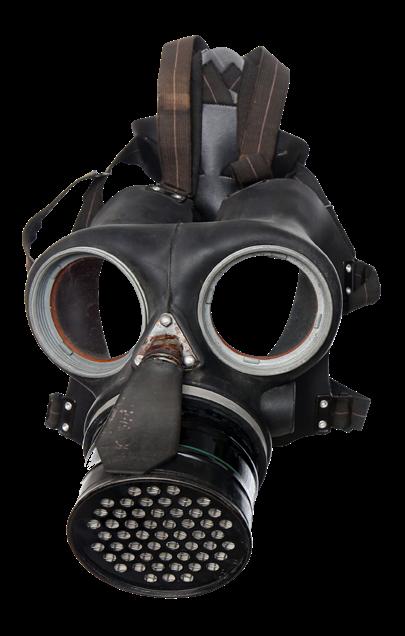

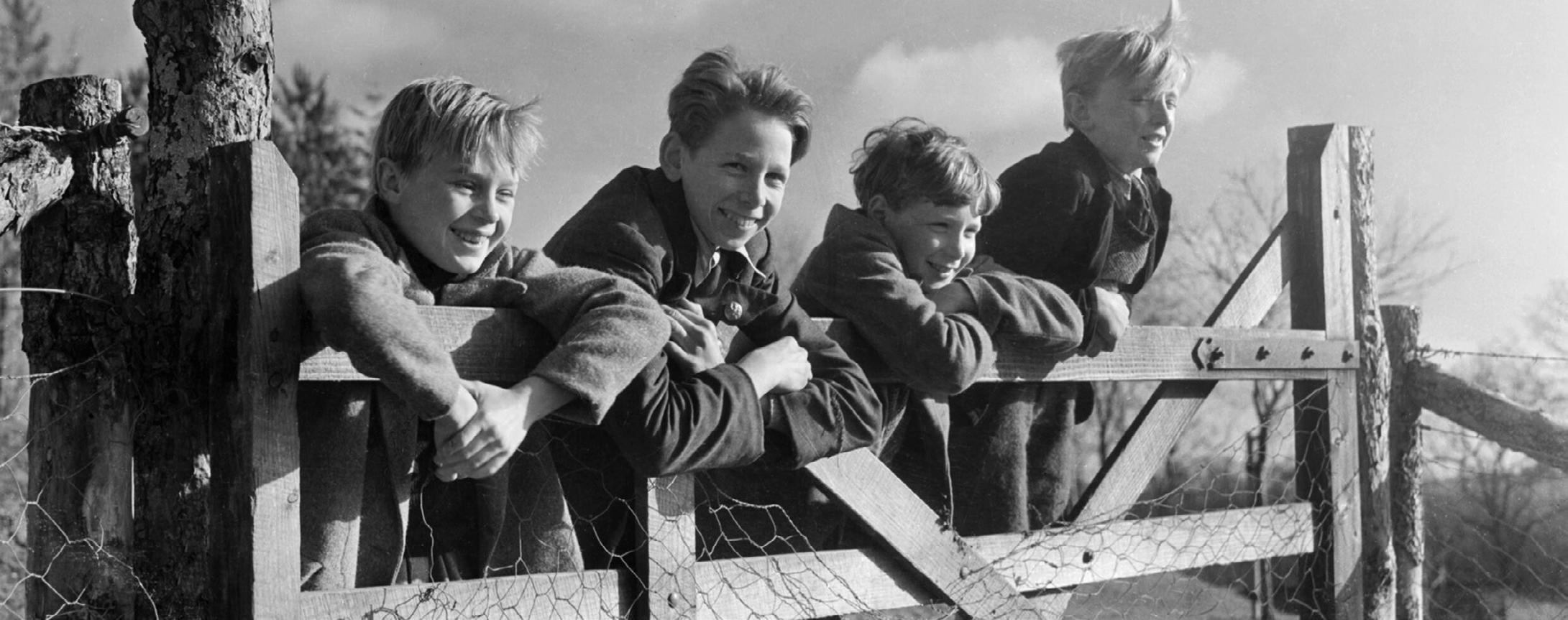
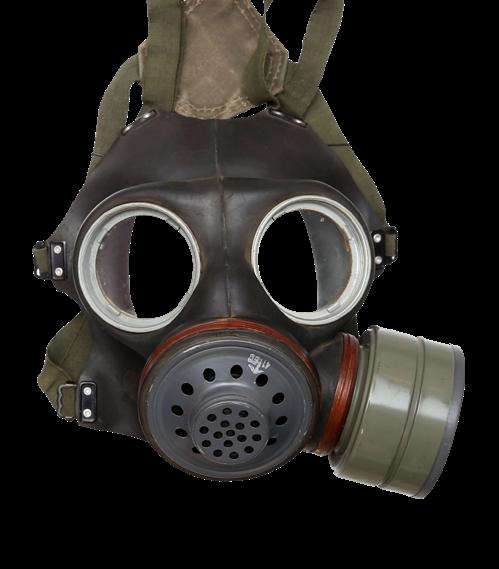
Operation Pied Piper, a massive scheme to evacuate children and pregnant women from vulnerable target areas to the countryside... worked with surprising effectiveness in the days following the war’s outbreak. Furthermore, the state also implemented a thorough chemical warfare defence programme; the entire populace was equipped with respirators, and Air Raids Precaution services received extensive training in anti-gas techniques.
threatening the complete collapse of civil society. Even before this, the previous year the Home Office established the Air Raids Precaution Department, followed two years later by the landmark Air Raid Precautions Act which legally compelled local authorities to create active schemes for warning systems, public shelters and rescue operations. Planners also sought to mitigate urban casualties by devising Operation Pied Piper, a massive scheme to evacuate children and pregnant women from vulnerable target areas to the countryside and which worked with surprising effectiveness in the days following the war’s outbreak. Furthermore, the state also implemented a thorough chemical warfare defence programme; the entire populace was equipped with respirators, and Air Raids Precaution services received extensive training in anti-gas techniques. The ‘Shadow Industry’ scheme also needs recognition and potential examination for renewed utility. Because the nation’s specialist arms industry had severely atrophied during the 1920s, this aimed from 1935 onwards to create a latent industrial potential. Combined, the construction of hidden, dispersed factories, the distribution of ‘educational contracts’ to train civilians in munitions work, and the provision of the jigs and tools that would be needed set the conditions for rapid transition to war-scale production should an emergency arise. Added to this, there was also considerable foresight in the strategic stockpiling of essential
21The March 1936 re-occupation of the demilitarized Rhineland, violating the Treaty of Versailles and the Locarno Treaties, marked the overtly visible beginning of German militarisation.
22League of Nations Armaments Year Book (Geneva, June 1940), 74-75; figures are for the financial year, 1 April to following 31 March.
23Cited in J.P.D. Dunbabin, ‘British Rearmament in the 1930s: A Chronology and Review’, The Historical Journal (Vol.18, No.3; Sept. 1975), 588.
24Ibid., 608-609.
raw materials and eventually, in 1939, the creation of the Ministry of Supply to better coordinate industrial output and help maximise the nascent war effort.
However, resilience is a by-product of strength, both physical and also material, and, as such, it depends on financial commitment to progress from rhetorical promises to actual capability. According to one assessment, produced by the League of Nations, Britain’s budget expenditure on national defence in 1935/1936 was £122 million, of which £36.4 million was dedicated to the Army including ordnance factories.21 For the final year prior to the outbreak of war, 1938/1939, it had increased to £391 million, with £116.5 million for land forces and munitions.22 According to another estimate, British defence expenditure as a percentage of gross national product increased during the same period from three per cent to 8.9 per cent; for Germany, the same figures were 5.5 per cent and 18.1 per cent.23 It was only as conflict with Germany became more probable that spending increased dramatically, the figures for 1939/1940 being £736 million and £263.7 million, a budget that was now six times the level of four years before and approaching that of the country’s principal threat. Ultimately, this level of spending does support the claim that, whilst there were many serious mistakes in policy design and implementation, it proved adequate in creating a ‘just in time’ fix. Critically, however, “insofar as British rearmament influenced [Hitler] at all, it was to bring forward the time when he was prepared to risk war, not to deter him from war”.24
Writing post-war about how Britain had managed its defence spending, the Oxford don W.K. Hancock began with a long and often highly critical summary of the immediate years before the conflict and what he and his co-author identified as the many policy failings of successive governments.
Prominent amongst these was not adopting what was termed ‘industrial conscription’, a full mobilisation of industry as an urgent response to an emerging expansionist national threat. Whilst this was possible in Germany – whose “sole god [was] might” – in Britain “the psychological and political barriers were insuperable”. The government firmly believed that large-scale state intervention in the economy during peacetime would severely damage the country’s export trade and financial stability. There was also hesitancy about the associated costs imposed on a doubtful population to finance the initiative. Only following the March 1938 annexation and incorporation of Austria into Nazi Germany was the military given special powers to direct skilled labour or commandeer industrial capacity. Notwithstanding the achievements of the ‘Shadow Industry’ scheme, this severely hampered the development of vital infrastructure, such as cordite and TNT factories, and left the Army drastically short of modern tanks, artillery and anti-aircraft guns. The Treasury’s refusal to relax its grip on rearmament funding and its ideological insistence on a ‘business as usual’ approach meant that, with the failure of appeasement – never really more than a poorly conceived diplomatic form of deterrence – the country was found lacking in its basic needs in every sector of the war effort. As Hancock put it: “To prepare plans for war is to prepare moulds into which the fluid strength of the nation may be poured when the time of danger comes.” In 1939, what moulds there were proved to be inadequate.25 Today, the debate seems remarkably similar as do the conclusions which can be drawn.
With Britain undergoing what increasingly appears a traumatic strategic shift, transitioning rapidly from the ‘Expeditionary Era’ to what might be termed the ‘Article 3 Era’, it is easy to see the value of the inter-war example. The British military has traditionally been optimised to fight elsewhere, whether it be defending scattered Imperial territories and the northern boundaries of a Cold War Europe or, more recently, fighting non-state actors on the global periphery. However, Russia’s full-scale 2022 invasion of Ukraine shattered any lingering post-Cold War assumptions about security and stability. Article 3 explicitly mandates a collective capacity to resist armed attack directly and, as part of a re-energised Alliance of 31 other member states, to deliver on its commitment Britain faces simultaneous threats that require both high-intensity warfighting readiness and societal resilience: the homeland itself is now the primary strategic depth but developing the necessary culture and conviction will not prove easy.26 In the winter of 1940, the Ministry of Information published a pamphlet titled Assurance of Victory in which it included a sentence from a speech given by Chamberlain less than three months after the war had begun. In this he had declared: “The Allies are bound to win the war in the end and the only question is how long it will take them to achieve their purpose”. Ultimately, this proved an entirely accurate argument but, instead of months, it was a war that lasted years and, it can be said, hastened Britain’s gradual decline as a great power.27
There is also the danger of how long remedying the weakness identified by the Chief of the Defence Staff and others will take. Prior to 1939, Anglo-French strategy consisted of three phases: defeat the enemy’s knock-out blow and begin to apply economic pressure; build up offensive power and focus this against the principal belligerent’s junior partners (in

this case, Italy); and continue to develop fighting power and direct it against what remained. Whilst he encouraged better diplomatic relations with Germany and Italy, Chamberlain recognised that Britain needed to rearm and viewed his actions as providing the critical time.28 But, as the great historian A.J.P Taylor later argued: “Men, particularly statesmen, do not always think with precise and rigorous logic. Yet Chamberlain was not muddled or an appeaser by nature. On the contrary, he was more hard-headed than most of his contemporaries; he liked to get things settled one way or the other... Chamberlain was neither blind nor stupid, least of all was he a coward. On the contrary, his courage was his undoing. He wanted to end uncertainty, to speed things up. In this he succeeded. His policy helped to produce in 1939 the war which everyone else, including Hitler and [Benito] Mussolini, expected in 1943. His aim was to avert war. He failed; and failure on this scale cannot be excused by a plea of good intentions.”
29
In 1940, the Allied plan nearly failed, not least because the means and ways were lacking. Highlighting the importance of the first phase, combined with Hitler’s conviction that his opponent’s weakness presented an opportunity, also encouraged him to direct all of his nation’s energy and efforts in ensuring there would be no second or third phases. Facing a similar situation as existed prior to the last great European war, it is to be hoped that Russia’s strategic assessments are not being made on the same basis.
25W.K. Hancock and M.M. Gowing, British War Economy (HMSO, 1949), 62; Lord Lloyd of Dolobran, ‘The Need for the Re-Armament of Great Britain: Its Justification and Scope’, International Affairs (Vol.15, No.1; Jan-Feb 1936), 68-69.
26Andrew Stewart, ‘Time to talk “Total Defence”’, CHACR Commentary, 12 April 2024. 27Ibid., 72.
28Chamberlain to Hilda and Ida (his sisters), 1 August 1937, NC 18/1/1014, BUL.
29A.J.P. Taylor, Essays in English History (Penguin Books, 1986), 294-295.
Pole position
Operationsplan Deutschland
A compass to prepare the nation for crisis?
Finland comprehensive security and total defence
Canada and honouring Article 3
More than simple rearmament
Dr Paul C Latawski Emeritus Senior Lecturer, Royal Military Academy Sandhurst
The Russian seizure of Crimea in 2014, its invasion of Ukraine in 2022 and ongoing sub-threshold ‘hybrid’ activity against NATO and European Union member states have highlighted an increasingly dangerous and diverse threat environment. NATO has been championing – both collectively and individually – the importance of enhancing national resilience in keeping with Article 3 of the North Atlantic Treaty for more than a decade in the face of these threats. The Alliance defined national resilience as the ability ‘to withstand a major shock such as a natural disaster, failure of critical infrastructure, or a hybrid or armed attack’.1 Moreover, NATO has articulated seven baseline requirements for fostering national resilience that can be summarised as encompassing the ‘functions of civil preparedness... continuity of government, essential services to the population, and civil support to the military’.2 Poland has certainly embraced NATO’s baseline requirements as a guide to building national resilience, which is seen as an important government priority. As a frontline state to the Russian threat on NATO’s eastern flank, Poland has made major efforts to strengthen its society and state infrastructure against sub-threshold hostile activity and the possibility of the outbreak of armed conflict. This article will consider some of the key elements in Poland’s efforts to strengthen and build national resilience.
Foundation: Polish civil protection/ civil defence (CP/CD) legislation
While a range of legislation plays a role in providing for Polish national resilience, the Ustawa o ochronie ludności i obronie cywilnej (Law on Protection of the Population and Civil Defence (UOLOC)) of December 2024 occupies a central place. It creates what is in effect a support system for Polish society against a range of threats in peacetime, during a period of crisis and in armed conflict. The associated organisations in peace time are titled ‘civil protection’ and become ‘civil defence’ with the declaration of martial law and at the outbreak of war.3 The UOLOC legislation aims, in practical terms, to build seven functional pillars designed to
strengthen national resilience in the context of civil protection and civil defence:
n Creation of a warning and alarm system;
n Planning for the evacuation and reception of the population;
n Identifying and developing shelters and hiding places for the population;
n Strengthening social resilience;
n Building resources and structures for civil protection and civil defence;
n Functioning civil protection in times of war;
n Allocating financial resources for civil protection and civil defence.4
The seven pillars lay the groundwork for a national effort that carries associated costs to construct a CP/CD system. It is difficult to measure the scale of Polish ambition, with an obvious gold standard comparator being something akin to the Nordic CP/CD systems. Whatever the aspiration, it will be shaped by the financial resources available to build national resilience. Article 155.1 of the UOLOC legislation requires that ‘funds of no less than 0.3 per cent of the gross domestic product shall be allocated annually for the financing of tasks in the field of population protection and civil defence’.5 With Poland’s gross domestic product now just over $1 trillion per annum, this suggests approximately a minimum of $300 million of the state budget will be allocated to the development of CP/ CD. This monetary amount may seem small but undoubtedly there are areas where activity is covered by existing government budgets, which makes a full assessment of resources difficult.
The Polish model of CP/CD can be described as one of
1‘Resilience, Civil Preparedness and Article 3’, 13 November 2024, nato.int/en/what-wedo/deterrence-and-defence/resilience-civil-preparedness-and-article-3
2‘7.2 Seven Baseline Requirements – CIMIC COE’, CIMIC-COE Handbook, CIMIC Centre of Excellence, cimic-coe.org/handbook-entries
3Dziennik Ustaw, Rzeczypospolitej Polskiej, Ustawa z dnia 5 grudnia 2024 r. o ochronie ludności i obronie cywilnej, Poz. 1907 (hereafter ‘UOLOC’).
4Rozdział 1, UOLOC, 1. See also Rafał Piotr Depczyński, ‘Wybrane aspekty praktycznego wykorzystania ustawy o ochronie ludności i obronie Cywilnej’, Kwartalnik Bellona (No.3; 2024), 13-14.
5Rozdział 11, UOLOC, 46.
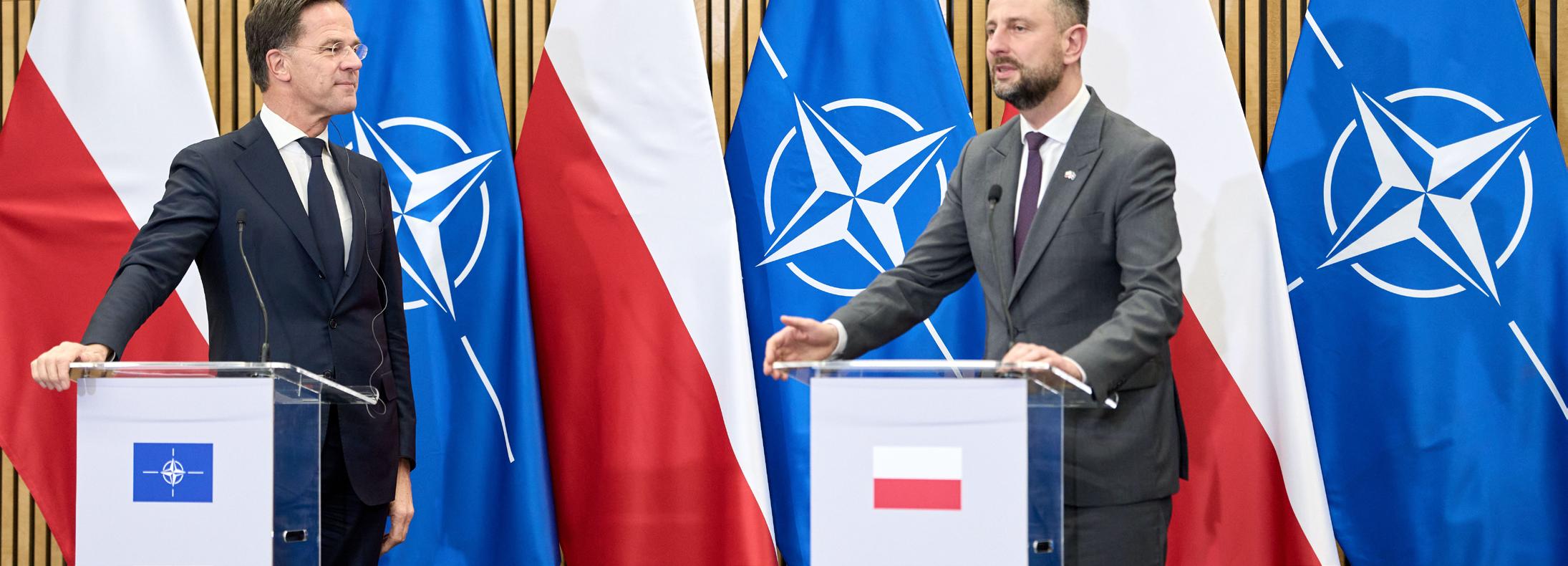
central direction and coordination with layered decentralised territorial delivery. Heading the ‘Civil Protection Authorities/ Government Civil Protection Team’ is the Minister of Internal Affairs. The Internal Affairs Ministry is responsible for implementation of state policy and coordination of CP/ CD activity.6 The delivery of activity is the responsibility of a range of entities. The core of these are government authorities at the provincial, district and local levels, which are responsible for delivery within their territorial areas of responsibility. These include the national government appointed provincial executives, provincial administrators, district administrators and elected municipal leaders. Other ministries that have CP/CD roles exercise supervision (for example, the Health Ministry oversees medical aspects). The Polish CP/CD system is predicated on integrating the relevant capabilities of existing government entities and civil organisations into a coherent structure.7
CP/CD central coordination, information enablers and planning

The State Fire Service inspected over a quarter of a million buildings and determined that over 300,000 people could be accommodated in ‘shelters’.
The development of policy and the shaping of decisions regarding CP/CD is the role of the Government Population Protection Team (Rządowy Zespół Ochrony Ludności (RZOL)), chaired by the Minister for Internal Affairs. The UOLOC legislation describes the RZOL as being ‘an advisory and consultative team operating under the Council of Ministers’. The Polish Prime Minister determines the ‘organization and procedures’ of the RZOL with the CP/CD legislation allowing for a wide degree of latitude in representation by ministries, government agencies and public bodies. It is a flexible committee structure that allows tailoring of its composition to meet the needs of the circumstances of a CP/CD issue, event or crisis. Apart from the Minister for Internal affairs, the only other permanent representation on the RZOL includes representatives of the Ministry of National Defence and the Minister Coordinator of the security services. The RZOL supports the national decision-making of the Council of Ministers and the Minister of Interior’s extensive responsibilities regarding state policy regarding CP/CD.8
Polish government legislation on building CP/CD recognises
6Rozdział 2, UOLOC, 10-11.
7Ibid., 4-10.
8Ibid., 11-12.
9Rozdział 4, UOLOC, 15-18.
10Rozdział 9, UOLOC, 35-37.
11‘Poland Launches App for Finding Nearest Bomb Shelter’, Notes from Poland, 22 December 2025, notesfrompoland.com/2025/12/22/poland-launches-app-for-findingnearest-bomb-shelter
12Poland Orders Check of Bomb Shelters to “Prepare for Darkest Scenario” amid Ukraine War’, Notes from Poland, 11 October 2022, notesfrompoland.com/2025/12/22/polandlaunches-app-for-finding-nearest-bomb-shelter; ‘Poland Has Bomb Shelters for 300,000 People but “Places of Shelter” for 48 Million, Finds Inventory’, Notes from Poland, 7 April 2023, notesfrompoland.com/2025/12/22/poland-launches-app-for-finding-nearestbomb-shelter
the importance of information enablers. The Polish Minister for Internal Affairs owns a number of critical databases of facilities and resources that underpin policy and implementation of CP/CD work. The database with the broadest information remit is the Central Records of Civil Protection and Civil Defence Resources, shortened to the Central Records of Resources (Centralnej Ewidencji Zasobów Ochrony Ludności i Obrony Cywilnej or Centralną Ewidencją Zasobów (CEZ)). The populating of this repository and its operation is shared by the Ministry for Internal Affairs with the provincial level administration. Maintained in electronic form, the CEZ carries a legal requirement for the maintenance of up-to-date and timely input of information. The CEZ records in broad terms all types of CP/CD entities and the type, quantity and location of resources. The dissemination of information held on the CEZ is the responsibility of the Minister for Internal Affairs and the appointed Provincial Executive (Wojewoda), filtered on the basis of need.9
A second database entitled Central Register of Collective Protection Facilities (Centralnej Ewidencji Obiektów Zbiorowej Ochrony (CEOZO)) covers the provision of ‘collective protection facilities’ or a network of shelters to protect the population from natural disasters, terrorist incidents or acts of war. The CEOZO register is maintained by the State Fire Service (Państwowa Straż Pożarna (PSP)).10 Apart from the CEOZO’s role in supporting Polish government CP/CD planning and policy, the shelter database provides the basis for public information on where to find shelter in an emergency. A Ministry of Interior app called ‘Where to Hide’ (Gdzie się ukryć) determines the user’s location and provides a map indicating nearby shelters and routes to get there.11 In 2022, the Polish government tasked the State Fire Service to conduct a national survey of existing shelters and other suitable protective structures. The survey employed typology of three protective shelters: ‘shelters (schrony), hiding places (miejsca ukrycia), and places of temporary shelter (miejsca doraźnego schronienia)’. The typology ranged from shelters able to withstand military effects to temporary shelter for people made homeless by natural disasters such as flooding. During the inventory, the State Fire Service inspected over a quarter of a million buildings and determined that over 300,000 people could be accommodated in ‘shelters’ and another 48 million in the other two categories.12
The Polish civil protection and civil defence legislation also establishes planning and preparation for population evacuation in times of both natural disaster and war. The legislation takes into account all of the associated needs including numbers evacuated, reception centres, means of transportation and stockpiles of life sustaining resources. Provincial authorities are responsible for formulating evacuation plans within their administrative boundaries, drawing inputs from lower levels of geographical administration. The ultimate outcome of the planning
process is the formulation of a national evacuation plan. There is also a planning requirement in the legislation for the protection and, if necessary, evacuation of the national cultural patrimony – for example, the removal of contents from museums and archives.13
The Polish Territorial Defence Forces (Wojska Obrony Terytorialnej (WOT)) is at the centre of the Polish Ministry of National Defence’s contribution to national resilience. The WOT by design is distributed across Poland to operate at the regional and local level of Polish society. Thus, it is well placed to carry out crisis management tasks driven by armed conflict, natural disasters, threats to health and human life. The WOT’s force structure facilitates its ability to support national resilience across Polish society. It consists of brigades, battalions and companies, with each assigned to a ‘specified region of responsibility’ (stałych rejonach odpowiedzialności (SRO)). These SROs base a brigade in each province (Województwo), a battalion in multiple districts (Powiaty) and a company in a single district (Powiat), paralleling the location of key administrative levels of government in Poland. For military aid to the civil power in support of crisis management, the WOT has ‘become a crucial pillar of the country’s resilience’.15 Within the Polish National Crisis Management structure, the Polish Ministry of National Defence operates the Crisis Management System of the Ministry of National Defence (System Zarządzania Kryzysowego resort obrony narodowej (SZK RON)). Since June 2018, the WOT has become an integral part of the SZK RON and when activated it deploys on crisis management tasks. WOT has established cells for monitoring, analysis and assessment in support of its crisis management function in its SROs at the local and regional levels. It has established support assessment teams (zespoły oceny wsparcia) and reconstruction support teams (zespoły wsparcia odbudowy) toward this end. The former are for rapid response to guide the deployment of WOT resources working with local authorities, while the latter are to assist beyond the immediate crisis.16 It is a clear aim of the


The Polish Territorial Defence Forces is at the centre of the Polish Ministry of National Defence’s contribution to national resilience. “”
13Rozdział 5, UOLOC, 19-23.
14Paul Latawski, ‘Always Ready Always Close - Mass Multiplier: Poland’s Territorial Defence Forces’, CHACR In-Depth Briefing (No.96, February 2026).
15Joanna Smarż and Sławomir Gąsior, ‘Rola Wojsk Obrony Terytorialnej w budowaniu odporności narodowej’, Journal of Modern Science (Vol.3, No.63; 2025), 242. 16Bartłomiej Składanek, ‘Rola Wojsk Obrony Terytorialnej w systemie zarządzania kryzysowego’, Studia Bezpieczeństwa Nardowego, 20 (2021), 18-19; Tadeusz Szczurek, ‘Resort Obrony Narodowej w systemie zarządzania kryzysowego’, Roczniki Nauk Społecznych (Vol.15, No. 2; 2023), 8-18.
17Smarż and Gąsior, ‘Rola Wojsk Obrony Terytorialnej w budowaniu odporności narodowej’, 239.
18Col. Marek Pietrzak, ‘Summary of Resilient Spring – an anti-crisis operation held by the Polish Territorial Defence Forces’, Biurze prasowym, Dowództwa Wojsk Obrony Terytorialnej, media.terytorialsi.wp.mil.pl/informacje/503046/summary-of-resilientspring-an-anti-crisis-operation-held-by-the-polish-territorial-defence-forc%E2%80%A6
19Sławomir Byłeń and Wojciech Nyszk, ‘Support for the non-military system by the territorial defense forces in the fight against COVID-19’, Systemy Logistyczne Wojsk (Vol.56; 2022), 39.
20Małgorzata Karolina Kochanowicz, ‘Evaluation of Territorial Defense Forces’ Activities During Recovery from the Flood Occurring in Poland in 2024’, Systemy Logistyczne Wojsk (Vol.62; 2025), 200; Grzegorz Piątkiewicz, ‘Territorial Defence Forces and Continuity of Action in Combating Natural Disasters’, Security Forum (Vol.2; 2025), 29, 34.
In the comparatively short period of its existence, the WOT has gained considerable operational experience in crisis management operations. It has deployed in support in three arenas of crisis response: dangers to public health (COVID-19), natural disasters (flooding) and hybrid threats (border security and infrastructure protection). The outbreak of the COVID-19 pandemic saw the WOT extensively deployed in two major operations. The first of these was Operation Resilient Spring (Odporna Wiosna) in 2020, which initially involved the delivery of food and medicine to people quarantined in isolated areas. In June 2020 the WOT operation was renamed Enduring Resilience (Trwała Odporność). The change heralded a shift in emphasis to supporting the Polish national healthcare system with a range of tasks including the national vaccination programme and in border management to close ports of entry.17 The scale of the initial operation was large with over 12,000 engaged in the first month.18 The two operations responding to the COVID-19 emergency lasted for two years (20202022) and at the height of the effort saw 5,500 soldiers deployed daily.19
More recently, the WOT deployed in 2024 to help mitigate the effects of severe flooding in western Poland. Of the 13,000 members of the Polish armed forces deployed on Operation Phoenix (Feniks), more than 2,000 were WOT troops. The tasks of the WOT element included reconstruction of infrastructure and flood defences. Polling of local government officials and the public in areas affected by flooding indicated that the view of the WOT’s deployment was positive and generally well received.20 As a contributor to national resilience, the diversity of crisis management activity served as valuable experience in validating one of WOT’s domestic roles.
Another and arguably more demanding contribution of the WOT to national resilience is the product of growing hybrid
threats emanating on NATO’s eastern flank, which is driving internal security and protection activity. Poland has seen an intensification of hostile activity including espionage, cyberattacks and sabotage of infrastructure.21 Among the most challenging threats, however, was the instrumentalised illegal migration into Poland, orchestrated by the Russian Federation and the Republic of Belarus on Poland’s northeastern frontier from 2021 onwards.22 The WOT deployed on Operation Griffin (Gryf), in support of the Polish Border Guard (Straż Graniczna), in an effort to prevent illegal border crossings. After August 2024 the WOT contribution in border control became part of Operation Secure Podlasie (Bezpieczne Podlasie).23 As this enduring commitment disrupted the WOT training cycle, the decision was taken to establish a ‘Border Defence Component’ (Komponent Obrony Pogranicza (KOP)) of four WOT border defence brigades that included support of border management within their mission.24
and nuclear threats; terrorist threats and digital threats. While the book does offer information on dealing with the challenges of domestic emergencies, such as a natural disaster, the content is overwhelmingly directed at keeping the Polish public safe in the event of armed conflict.29
“”
The Polish effort to enhance national resilience reflects urgency, ambition and pragmatism.
With a rise in attacks and disruption of Polish national infrastructure and with suspicions that Russia lay behind these hybrid activities, the WOT has been increasingly engaged in infrastructure protection tasks. In November 2025, the sabotage of a railway line between Warsaw and Lublin using an explosive device led to a significant uplift of increased security for critical national infrastructure.25 This in turn led to the launch of Operation Horizon (Horyzont), which involves the deployment of the WOT in joint patrols with the railway and national police.26 WOT’s role in contributing to national resilience with force protection for national infrastructure only seems likely to grow.
The Government Security Centre (Rządowe Centrum Bezpieczeństwa (RCB)) sits at an important crossroads in delivering Polish national resilience. The mission of the ‘Government Security Centre is to support the Prime Minister and the Council of Ministers in crisis management and to build the resilience of the state and its citizens to threats’.27 Its remit is broad in supporting both government action and wider Polish society in dealing with threats requiring crisis management. It engages both in monitoring and planning regarding threats to national security. As a security hub supporting both government and Polish society it liaises with component organisations of national infrastructure and has international links relevant to national resilience (for example, NATO, EU and other national governments). Domestically, it has a central role in education for security, strategic communication and providing geoinformation (mapping threats).28 The RCB role as a national hub is epitomised by its website, which offers a one-stop-shop for information related to Polish national resilience.
In terms of strategic communication and upskilling Polish society to add to national resilience, two initiatives exemplify government efforts and sense of urgency. The first of these is the issuing of a Safety Handbook (Poradnik Bezpieczeństwa) to every household in Poland. The publication is readily available online from the Polish government website and is also published in English. Among the topics addressed are evacuation; shelter; blackouts; air raids; chemical, biological
Another important initiative to promote resilience in Polish society at large is the wGotowości (in Readiness) programme. Set up in 2025, ‘in Readiness’ is a universal voluntary defence training scheme designed to provide knowledge in dealing with crisis situations, first aid training and how to respond to threats. The programme offers two types of courses. The first is called Path to Resilience (Ścieżka Odporność) and the second Path to the Reserve (Ścieżka Rezerwy). The former is open to individuals and groups and teaches things such as cyber security, first aid and a range of survival skills. The latter is geared toward building the pool of military reservists with an emphasis on voluntary basic military training and leadership. The roll out of the programme began in November 2025 with the start of the Path to Resilience course and the Path to the Reserve course followed in mid2026. The courses are run by the Polish Ministry of National Defence and offered across Poland via an online application system. WOT cadre have an important role in the delivery of the resilience course. What the Safety Handbook and the in Readiness programme demonstrate is a strong government willingness to reach out to the public to promote national resilience.
The Polish government’s determined approach to build national resilience represents a logical corollary to the major defence build-up underway since 2014. While not initiated as early as the defence build-up, the Polish effort to enhance national resilience still reflects urgency, ambition and pragmatism. Undoubtedly investment in expensive resilience infrastructure, such as shelters for the population along the lines of those found in Nordic states, can only be a long-term project. However, resources in the short and medium term have been devoted to planning and integration of existing resources and organisations. This has had a significant impact in a comparatively short period of time toward the objective of building a coherent and effective system of strengthened national resilience.
21-22Dr Aleksander Olech, Justyna Smoleń, Amelia Wojciechowska, Poland as a Target of Russian Hybrid Attacks (Defence 24; April 2026), defence24.com/geopolitics/reportpoland-as-a-target-of-russian-hybrid-attacks
23-24Testimony by Acting Commander WOT, Brigadier General Krzysztof Stańczyk, X Kadencja, Sejm Rzeczypospolita Polska, Pełny zapis przebiegu posiedzenia, Komisji Obrony Narodowej (nr 11) z dnia 24 kwietnia 2024 r.
25‘Poland confirms act of sabotage behind explosion that damaged rail line’, Notes from Poland, 17 November 2025, notesfrompoland.com/2025/11/17/poland-confirms-act-ofsabotage-behind-explosion-that-damaged-rail-line
26‘Operacja Horyzont – WOT w wsparciu ochrony infastruktury krytycznej’, 22 November 2025, Biuro Prasowe, Dowództwo Wojsk Obrony Terytorialnej, media.terytorialsi.wp.mil. pl/informacje/861096/operacja-horyzont-wot-w-wsparciu-ochrony-infrastrukturykrytycznej
27-28O RCB, Misja RCB, Rządowe Centrum Bezpieczeństwa, gov.pl/web/rcb/o-rcb2
29A copy of the Polish and English versions of the Poradnik Bezpieczeństwa can be found at gov.pl/web/poradnikbezpieczenstwa
ProfessorMatthias Strohn Head of Historical Analysis, CHACR
In recent decades, the German approach to matters related to Article 3 of the NATO Treaty and resilience has changed drastically. During the Cold War, West Germany occupied a central position within NATO’s defence strategy. Located directly on the border between East and West, the Federal Republic was expected to serve as a principal battlefield in any confrontation between NATO and the Warsaw Pact. Defence planning consequently emphasised territorial defence, mobilisation and Alliance reinforcement. Large military formations were maintained, reserve systems were extensive and civil defence measures formed an integral component of national security planning. The collapse of the Soviet Union fundamentally altered these assumptions. The disappearance of the immediate military threat from Eastern Europe encouraged a significant restructuring of German defence policy. Military resources were reduced, force structures were reorganised, and strategic attention shifted towards crisis management and peace support operations. German participation in missions such as in Bosnia, Kosovo, Afghanistan and Mali reflected this new orientation. During this period, territorial defence and civil preparedness gradually declined in importance.
Although Russia’s annexation of Crimea in 2014 prompted renewed concern regarding European security, it was the invasion of Ukraine in 2022 that transformed strategic thinking in Germany. The conflict has represented a strategic shock for the country that challenged many of the
NATO Secretary
assumptions that had shaped defence and security policy since the end of the Cold War. The expectation that large-scale interstate warfare had become unlikely in Europe encouraged a security posture focused on international crisis management, peacekeeping operations and expeditionary deployments. The war in Ukraine has demonstrated instead that conventional military conflict remains a central feature of international politics and highlighted the continuing importance of territorial defence, logistics, infrastructure resilience and societal preparedness. It has shown the scale of resources required for modern warfare and revealed the vulnerability of critical infrastructure, supply chains and civilian institutions. The war has underscored the importance of resilience, highlighting that military effectiveness depends not only upon combat capabilities, but also upon the ability of societies to continue functioning under conditions of extreme stress.
Consequently, defence planning has required a more comprehensive approach capable of integrating military and civilian capabilities. Within this context, the German military, the Bundeswehr, developed Operationsplan Deutschland (Oplan Deu), a comprehensive and secret defence framework of approximately 1,400 pages designed to prepare Germany for crises ranging from hybrid attacks to large-scale conventional warfare.1 Oplan Deu seeks to coordinate federal ministries, state governments, municipalities, emergency services, critical infrastructure operators and private-sector actors in support of national and Alliance defence. The plan therefore reflects a significant evolution in German security
1bundeswehr.de/en/organization/bundeswehr-joint-force-command/missions/operationalplan-for-germany [accessed 03/05/2026].

In the event of a major conflict, allied forces from North America and other NATO states would likely move through German territory before reaching their operational areas... Military mobility has therefore become a central concern of German defence planning. Railways, highways, airports, inland waterways and ports are increasingly viewed as strategic assets, with their protection considered essential for Alliance defence.
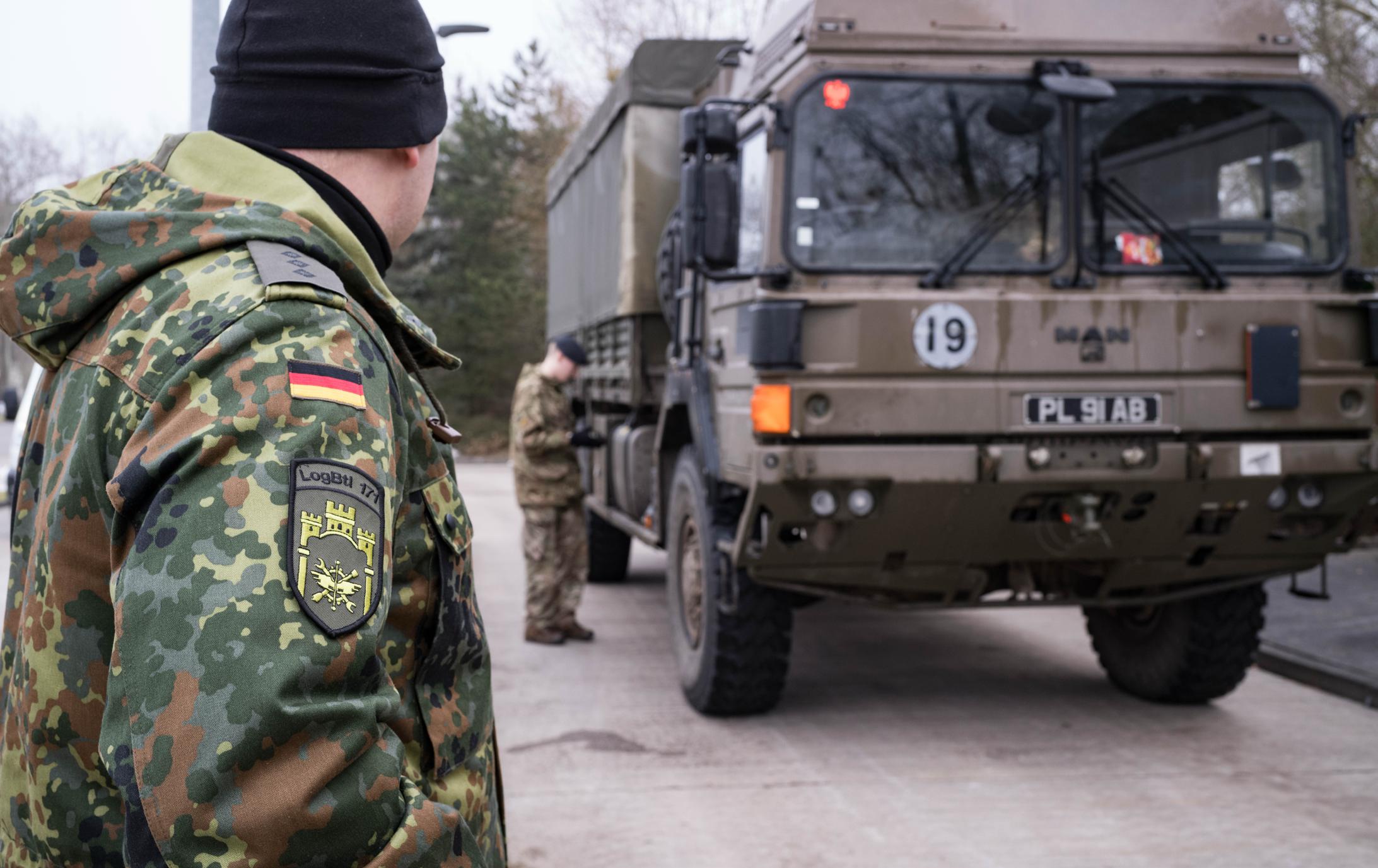
policy and represents arguably the most ambitious defenceplanning initiative undertaken since reunification.
The first objective concerns home defence, the traditional and new main task of the armed forces after the period of ‘out of area’ operations. The plan aims to ensure that Germany possesses the institutional capacity and organisational structures necessary to protect its territory during periods of crisis or conflict. This involves coordinating military operations with civilian support mechanisms, while ensuring the continuity of governmental functions and essential public services. Part of this is the re-structuring of the armed forces, in particular the Army. In this context, the forming of a new division, the fourth of the German Army, in 2025 is of special interest. This is a ‘home defence division’, currently consisting of 6,000 military personnel.2 The overwhelming majority of these troops are reservists. The main tasks of this division fall into the category of military and wider resilience: protecting vital infrastructure points and host nation support.
The second objective focuses on Germany’s obligations within NATO. Germany occupies a geographically central position within Europe and serves as a critical transit corridor linking Western Europe with NATO’s eastern members. In the event of a major conflict, allied forces from North America and other NATO states would likely move through German territory before reaching their operational areas. Oplan Deu therefore seeks to facilitate the reception, sustainment and onward movement of allied forces while protecting the infrastructure necessary for such operations. Military mobility has therefore become a central concern of German defence planning. Railways, highways, airports, inland waterways and ports are increasingly viewed as strategic assets, with their protection considered essential for Alliance defence. Oplan Deu seeks to ensure that these systems remain functional
under conditions of crisis while providing the capacity necessary to support large-scale military movements.
A third objective involves strengthening national resilience. Contemporary conflicts increasingly target civilian infrastructure and social systems. The plan therefore seeks to improve the resilience of transportation networks, communications systems, energy infrastructure, healthcare services and emergency management institutions. By enhancing the ability of society to withstand disruption, Oplan Deu contributes to broader national security objectives. Part of this is also an increased investment into infrastructure – in particular the transport and road network. In addition to Germany’s pledge to increase its defence budget to 3.5 per cent of the country’s gross domestic product, an additional 1.5 per cent has been ringfenced to be spent on these infrastructure projects. This is money that is needed badly, because underinvestment in recent decades has led to a deterioration of the German transport network.
The protection of critical infrastructure occupies a central position within Oplan Deu. Contemporary conflicts have demonstrated that infrastructure networks are often among the first targets of military and hybrid attacks. Disruptions to energy systems, transportation networks or communications infrastructure can have significant consequences for both military operations and civilian life. Energy security is particularly important for the nation. Modern societies depend heavily on reliable electricity and fuel supplies, while military operations require substantial energy resources. The plan therefore emphasises measures designed to enhance the resilience of energy infrastructure and reduce
2For further information on the division, see bundeswehr.de/de/organisation/heer/struktur/ heimatschutzdivision [accessed 20/05/2026].
One of the most important aspects of Oplan Deu is its recognition that modern conflict frequently occurs below the threshold of conventional warfare . Hybrid threats such as cyberattacks, disinformation campaigns, espionage, sabotage and economic coercion can weaken societies before military hostilities begin.
vulnerabilities to disruption. As mentioned, transportation infrastructure represents another priority. Railways, roads, bridges, airports and ports are essential not only for economic activity but also for military mobility. Their protection is therefore critical to both national and Alliance defence. Digital infrastructure has become equally important. Military command systems, emergency services, financial institutions and public administration all depend upon secure communications networks. Oplan Deu consequently places considerable emphasis on cybersecurity and the protection of telecommunications systems.
One of the most important aspects of Oplan Deu is its recognition that modern conflict frequently occurs below the threshold of conventional warfare. Hybrid threats such as cyberattacks, disinformation campaigns, espionage, sabotage and economic coercion can weaken societies before military hostilities begin. The plan therefore seeks to improve cooperation among military authorities, intelligence services, law-enforcement agencies, cybersecurity organisations and private-sector operators. Information sharing and coordinated response mechanisms are intended to enhance situational awareness and reduce vulnerabilities.
Civil-military cooperation forms a cornerstone of this approach. Modern armed forces depend extensively upon civilian infrastructure and services. Transportation companies, healthcare providers, telecommunications firms and energy operators all contribute capabilities essential to military effectiveness. By incorporating these actors into defence planning, Oplan Deu seeks to ensure continuity of operations during periods of crisis. Information events about the Oplan Deu are regularly held at companies or associations, upon request. Framework contracts cover any civilian business requirements identified in the Oplan Deu. For example, agreements have been concluded between the Bundeswehr and Rheinmetall for rest areas and staging areas, and there are standing contracts with the Deutsche Bahn railway company and other logistics and transport companies. On 30 June
3bundeswehr.de/en/organization/bundeswehr-joint-force-command/missions/operationalplan-for-germany [accessed 01/06/2026].
2025, a standardised nationwide agreement was concluded with Autobahn GmbH des Bundes for large-capacity and heavy transport, as well as closed formations travelling on the autobahn, in order to ensure standardised framework conditions for military transport operations in Germany’s autobahn network.3
Despite its significance, Oplan Deu faces several challenges. Infrastructure modernisation requires substantial financial investment, while coordination across multiple levels of government can be administratively complex. Germany’s federal structure, although beneficial in many respects, may complicate rapid decision-making during emergencies. Public awareness also represents an important issue. Effective resilience depends not only upon government planning but also upon societal preparedness. Encouraging citizens and institutions to adopt a greater awareness of security challenges remains an ongoing task. Decades of cashing in on the ‘peace dividend’ not only undermined the readiness of the forces but has also had an impact on infrastructure. Finally, maintaining political support for long-term defence investments may prove difficult, particularly during periods of economic pressure. The success of Oplan Deu will depend upon sustained commitment from successive governments and continued cooperation between public and private actors.
Due to the constitutional reality of modern Germany, the support of civilian agencies in the homeland by the armed forces is restricted to cases of national emergencies and catastrophes. As a consequence, the Oplan Deu focuses on the military aspects of resilience, although cooperation and coordination of responsibilities with civilian agencies cannot be ruled out and are, indeed, part of the plan. Thus, there is an emphasis on coordination across multiple levels of government and society. Responsibility for the plan lies primarily with the Bundeswehr Operational Command,
which was established in October 2024, and which serves as the central coordinating authority for military planning and cooperation with civilian institutions.
At the federal level, numerous ministries contribute to implementation. The Ministry of Defence plays the leading role, but effective execution also requires cooperation from ministries responsible for internal security, transportation, economic affairs, energy policy and foreign relations. These institutions collectively ensure that military requirements are integrated into broader national planning processes. Germany’s federal structure means that state (Länder) governments also play an important role. Responsibilities related to healthcare, emergency response, law enforcement and civil protection are often exercised at the state level. Consequently, the successful implementation of Oplan Deu depends upon close coordination between federal and regional authorities. The Bundeswehr’s 16 regional territorial commands are subordinated to the Bundeswehr Joint Force Command. The commanders of the 16 regional territorial commands are the Bundeswehr’s military representatives in the federal states, making them the first point of contact for the state governments, as well as associations and organisations above the municipal level, in promoting civil-military cooperation. Municipal governments and local agencies contribute additional capabilities. Emergency services, public utilities, transportation operators and healthcare institutions all form part of the broader resilience framework envisioned by the plan. This multi-level governance structure reflects the recognition that defence in the 21st century extends beyond military institutions alone.
The sabotage of the Nord Stream pipeline in 2022 particularly reinforced concerns about the vulnerability of energy infrastructure and highlighted the strategic importance of underwater and cross-border systems.
relief organisations are closely intertwined. This ensures that, in theory, the best people are on the scene as quickly as possible to provide assistance and to protect citizens.5
Within this context, critical infrastructure protection has become a central pillar of Germany’s national security strategy in response to an increasingly complex and contested international environment. The integration of cybersecurity, physical infrastructure resilience, hybrid threat preparedness and civil-military cooperation reflects a broad transformation in how Germany conceptualises security. Rather than treating infrastructure as a purely economic asset, Germany now increasingly views it as a strategic resource essential to both societal stability and military effectiveness. At its core, German critical infrastructure policy is based on the assumption that modern societies are highly interdependent systems in which disruption in one sector can rapidly cascade into others. As a consequence, German critical infrastructure protection is structured around a sector-based model that identifies essential services whose disruption would have significant societal consequences. These sectors include energy, transport, information technology and telecommunications, water supply, health, food supply, finance and government administration. Each sector is governed by a combination of federal regulation, industry standards and operator responsibilities.
In the German system, civil defence, resilience and preparedness for war and conflict are aspects that come under the lead responsibility of the Federal Ministry of the Interior and its Federal Office of Civil Protection and Disaster Assistance.4 While the Federal Government has the task of protecting the population from war-related threats (‘civil protection’), the states are responsible for protecting people in the event of major accidents and disasters in peacetime (‘disaster management’). The federal and state governments as well as private relief organisations cooperate closely in the framework of an integrated emergency response system. This means that the resources provided by the Federal Government for civil protection can be used by the federal states for disaster management as if they were their own resources. At the same time, the organisations involved in disaster management at state level are prepared to make their resources and capabilities available to the Federal Government in a state of national defence. With this system, the resources provided by the Federal Government, the federal states and private
The energy sector is widely considered the most strategically sensitive. Germany’s transition toward renewable energy under the Energiewende (energy transition) has introduced new vulnerabilities, particularly in grid stability and dependency on decentralised systems. At the same time, the phase-out of nuclear energy, and the restructuring of gas supply chains following the Russia-Ukraine war, have increased attention on energy security. The sabotage of the Nord Stream pipeline in 2022 particularly reinforced
4bundeswehr.de/en/organization/bundeswehr-joint-force-command/missions/operationalplan-for-germany [accessed 02/06/2026]
5bmi.bund.de/EN/topics/c.ivil-protection/civil-and-disaster-protection/civil-protectiondisaster-management-node.html [accessed 25/05/2026].

concerns about the vulnerability of energy infrastructure and highlighted the strategic importance of underwater and cross-border systems. In January 2026, an arson attack on the electricity network in Berlin resulted in the longest post-war blackout. The repairs lasted from 3-7 January and left 45,000 households without electricity in the south-west of the German capital. Physical protection of energy infrastructure, as well as the cybersecurity of smart grids and industrial control systems, has therefore become a priority.
Digital infrastructure has emerged as a new strategic domain. Telecommunications networks, data centres, cloud services and undersea cables form the backbone of both economic activity and government operations. Cybersecurity threats targeting these systems have increased significantly in recent years, prompting stronger regulatory oversight and increased cooperation between public authorities and private technology providers.
The importance of critical infrastructure protection has grown significantly in response to the rise of hybrid threats. These threats include cyberattacks, sabotage, espionage, disinformation campaigns and coercive economic measures designed to weaken state capacity without triggering formal armed conflict. Germany has experienced a range of such incidents, including cyberattacks on public institutions, attempted sabotage of energy infrastructure and disinformation campaigns linked to geopolitical tensions.
Despite significant progress, Germany faces several challenges in strengthening critical infrastructure protection. One of the most persistent issues is the high degree of privatisation in key sectors, which means that much of the infrastructure critical to national security is not directly controlled by the state. Ensuring consistent security standards across diverse private operators requires complex regulatory frameworks and sustained cooperation.6
Developed in response to a rapidly changing security environment, Oplan Deu seeks to integrate competencies and resources into a comprehensive framework for territorial defence, Alliance support and societal resilience. Its emphasis on military mobility, infrastructure protection, civil-military cooperation and preparedness reflects the realities of contemporary conflict.
Another challenge is infrastructure modernisation. Germany’s transport and digital infrastructure have faced criticism for underinvestment and slow modernisation, particularly in rail networks and digital connectivity. These weaknesses can reduce resilience in crisis scenarios and complicate rapid military mobility. Cybersecurity capacity also remains an evolving field. The speed of technological change and the increasing sophistication of cyber threats require continuous adaptation. The shortage of skilled cybersecurity professionals further complicates efforts to maintain robust defence.
Finally, coordination across Germany’s federal system presents structural challenges. Responsibilities are distributed among federal, state and municipal authorities, which can
slow decision-making during fast-moving crises. The strict data protection laws in Germany hamper the exchange of important information among agencies. Effective critical infrastructure protection therefore depends heavily on established coordination mechanisms and regular joint exercises. As detailed, the Bundeswehr Joint Force Command holds responsibility for the military measures. Civil resilience and protection are the responsibility of the German federal Home Office. In 2022, the Home Office founded the Gemeinsames Kompetenzzentrum Bevölkerungsschutz (joint competency centre for civil protection), which serves as the coordinating point for all matters of federal and state related resilience.7 This centre was founded as a reaction to the Covid pandemic and, in particular, to the flood disaster in the Ahr River valley in 2021, which killed 134 people and caused the federal and state governments to provide around 30 billion Euros for reconstruction programmes. One important factor for the disastrous outcome of this flood was the lack of coordination between different agencies at different levels within the federal state system.8 As can be seen by the establishing of the centre, lessons have been learnt, but it is fair to say that the amorphous structure of the German state with its multitude of institutions and agencies can hamper the effective coordination of matters in the areas of Oplan Deu, civil defence and general resilience.
Despite these shortcomings, it is clear that Germany has come a long way in recent years. Oplan Deu, in particular, represents a landmark development in German defence policy. Developed in response to a rapidly changing security environment, the plan seeks to integrate competencies and resources into a comprehensive framework for territorial defence, Alliance support and societal resilience. Its emphasis on military mobility, infrastructure protection, civil-military cooperation and preparedness reflects the realities of contemporary conflict. Ultimately, Oplan Deu illustrates the evolving nature of security in the 21st century. Defence is no longer solely a military matter. It encompasses infrastructure, governance, economic resilience, cybersecurity and societal preparedness. By recognising these realities, Germany has taken an important step towards adapting its defence posture to the challenges of a more uncertain world.
6See, on this, the work done by the Department for the protection of the economy, based at the German Center for Intelligence and Security Studies, based at the German Armed Forces University in Munich, hunibw.de/ciss/wirtschaftsschutz [accessed 07/05/2026].
7bmi.bund.de/SharedDocs/pressemitteilungen/DE/2023/06/kompetenzzentrumbevoelkerungsschutz.html [accessed 15/06/2026].
8Some of the issues are detailed in the official report on the flood compiled by the home office, see bmi.bund.de/SharedDocs/downloads/DE/veroeffentlichungen/2022/abschlussberichthochwasserkatastrophe.pdf?__blob=publicationFile&v=1 [accessed 10/06/2026].
Dr. Guillaume Lasconjarias Director of Studies and Research IHEDN
Published on 13 July 2025, the new National Strategic Review (Revue Nationale Stratégique) establishes resilience as the principle by which France would defend itself in an increasingly dangerous strategic environment.1 Presenting it, Emmanuel Macron emphasised that the country – and Europe too – found itself at a tipping point. The President called for a radical change of mindset, stating that: “to be free in this world, one must be feared. To be feared, one must be powerful.”2 This discourse on what constitutes a source of power in the 21st century is based on one key observation: instability and uncertainty now define our strategic environment. The assessment of threats bears similarities to exercises and analysis carried out by France’s partners and allies: the significance of international competitors (Russia and China); the persistence of jihadist terrorism; and the rise of organised crime. It also now includes the strain on resources caused by climate change and the decline in biodiversity. More specifically, the French document recognises the centrality of the Russian threat to “the interests of France, its partners and allies, and the very stability of the European continent and the Euro-Atlantic area”.
Yet, it goes further. The review’s seventh paragraph explicitly states: “It is now clear that we are entering a new era, one in which there is a particularly high risk of a major, highintensity war in Europe, outside our national territory, involving France and its allies – particularly European ones – by 2030, and which would see our territory targeted at the same time by massive hybrid operations.”3 This comes at a time when the institutional and governing frameworks that were previously favoured – multilateral action, treaties on arms control and other confidence-building measures –are deeply destabilised or collapsing. Above all, the trust in solid alliances or partnerships is deeply questioned, as is the belief in the enduring value and strength of the transatlantic relationship.
To address this series of issues, the review set out a bold national ambition for 2030. This choice is no coincidence: France is preparing for the most demanding and dangerous of
1La Revue nationale stratégique 2025 can be read online, see the official website of the Secrétariat général pour la Défense et la Sécurité nationale, sgdsn.gouv.fr/publications/revuenationale-strategique-2025
2Emmanuel Macron, Discours du Président de la République aux armées depuis l’Hôtel de Brienne, Paris, 13 juillet 2025, elysee.fr/emmanuel-macron/2025/07/13/discours-auxarmees-depuis-lhotel-de-brienne
3Revue nationale stratégique, paragraphe 7.
4In The Two Faces of Resilience: Against the Misappropriation of a Concept (Les Deux Visages de la résilience. Contre la récupération d’un concept, Paris: Odile Jacob, 2024), Cyrulnik warns against the over-extension and misuse of the concept in the public sphere, urging that it be confined to the social and psycho-emotional dimensions he advocates.
5Livre blanc de la défense et de la sécurité nationale, 2008, chapter 11, 175 sqq: viepublique.fr/files/rapport/pdf/084000341.pdf
scenarios, namely our country being involved in a major conflict – in Europe or on its borders – with repercussions on our national territory, carried out by hybrid actors employing courses of action intended to threaten the continuity of national life. Faced with this worst-case scenario, France must be prepared, hence the priorities placed on the preparedness of the armed forces, the State and the country as a whole. And this preparedness, this mindset, is summed up in one word: resilience – understood as the capacity to defend against all manner of threats and risks.
A concept gradually incorporated into strategic documents (2008-2022)
Resilience was only incorporated into French strategic documents at a late stage, particularly as there is no collectively accepted definition of what it entails. The concept is not new, it first being conceptualised by Boris Cyrulnik who brought the idea into public debate. His thinking, however, was based around the capacity of the individual to recover from a traumatic event.4 Almost by osmosis, this spread into the realm of state action, as evidenced by the drafting of the 2008 Livre blanc sur la defense et la sécurité nationale (White Paper on Defence and National Security). Recognising the transformation of a world where threats had become increasingly hybrid in nature, the White Paper broadened the concept of national defence beyond the military alone. And in the face of complex and multifaceted crises, resilience has emerged as the capacity to overcome a range of external shocks – natural disaster, technological risk or any form of threat not yet anticipated. Indeed, resilience is consistent with the strategic function of ‘protecting’ the population and the territory, covering 12 sectors of vital importance. The objective is simple: “to maintain, in all circumstances, the functioning of public authorities and the continuity of national life.”5
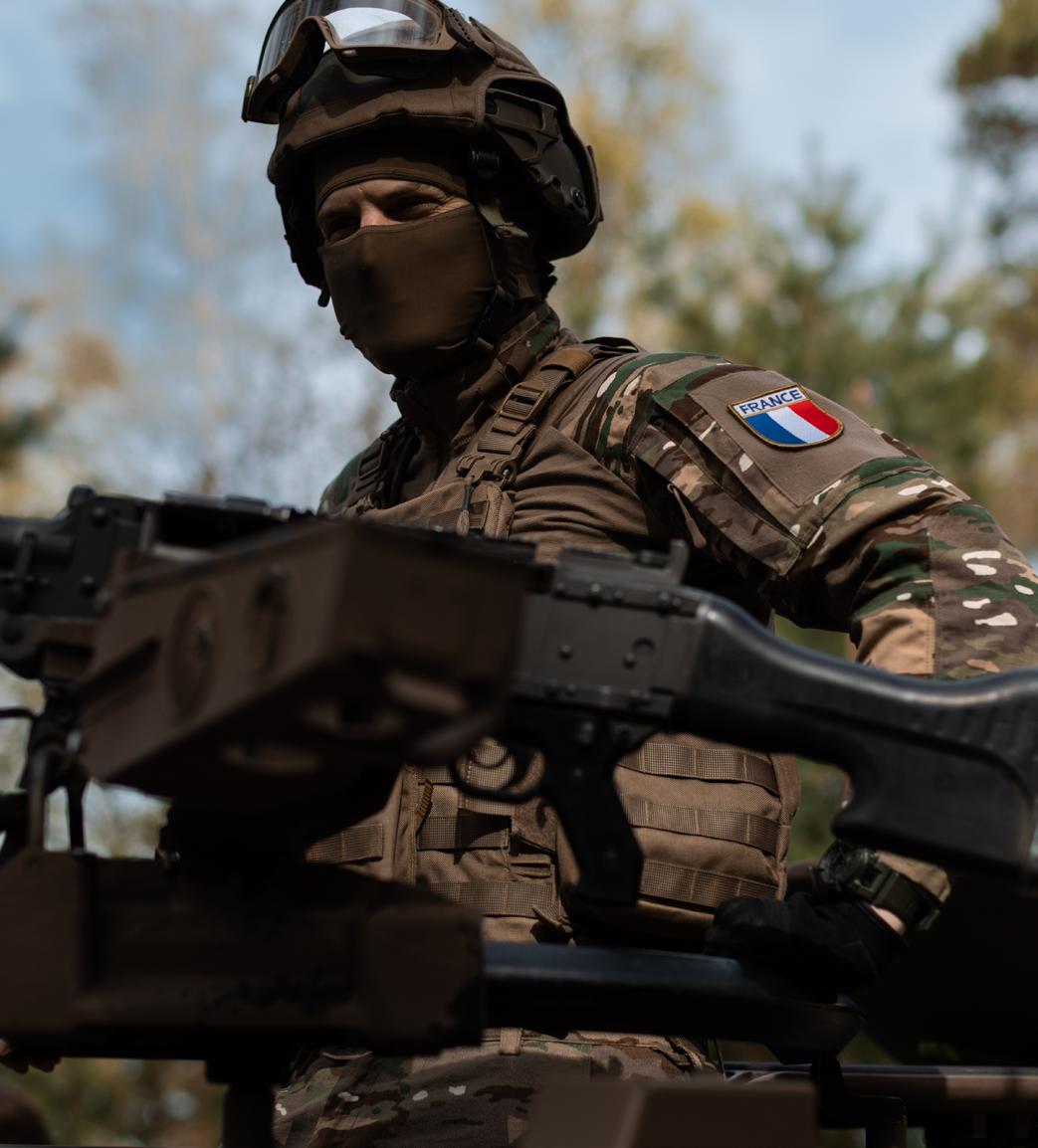
France is preparing for the most demanding and dangerous of scenarios, namely our country being involved in a major conflict – in Europe or on its borders – with repercussions on our national territory, carried out by hybrid actors employing courses of action intended to threaten the continuity of national life.

The subsequent 2013 White Paper explored this approach in greater depth.6 This included recognising the importance of mobilising a large number of stakeholders, the majority of whom are not military personnel. Resilience was viewed as becoming a priority to be built upon, based on the legitimacy of public action and the support of the nation. Critical to its success, there needed to be confidence “in the actions taken by the public authorities and the certainty that the latter are doing everything in their power to guarantee France’s independence and ensure the protection of its population”. Resilience is therefore based on a sense of collective ownership of the national defence and security strategy, extending from citizens to local authorities, elected representatives and operators of critical infrastructure and networks.7
The 2017 Strategic Review took this conceptual and practical development a step further. Firstly, the term ‘resilience’ appeared 15 times in the document (compared with 11 in 2013 and only eight in 2008). There was also a section devoted to what it encompasses: “National cohesion and the resilience of the functions essential to the continuity of the State and the life of the Nation constitute the indispensable foundation of our freedom of action.” This takes on greater significance as the document increasingly incorporated discussion of hybrid threats and their exploitation of the vulnerabilities of democratic, open – and therefore vulnerable – societies. Here again, context matters: this followed Russia’s illegal annexation of Crimea and, above all, the domestic Islamist attacks at the Bataclan (November 2015) and Nice (July 2016). However, in 2017, new initiatives were added to these traditional concepts; indeed, the review linked resilience to the importance of the Defence Industrial and Technological Base. The procurement and maintenance of military equipment, particularly that contributing to nuclear deterrence, determines France’s

freedom of action and, as such, constitutes a pillar of its strategic autonomy. In making these revisions, the concept could no longer be viewed solely as relating to civil preparedness or government continuity, but it was now extended to the industrial and technological dimension.8
Towards a systemic approach: the 2022 National Strategic Review (Revue nationale stratégique) and the National Resilience Strategy (Stratégie nationale de résilience)
Drafted in the immediate aftermath of the invasion of Ukraine, the November 2022 National Strategic Review drew its initial conclusions from the return of high-intensity warfare to European soil and fundamentally reoriented France’s approach to national preparedness. Mentioned 37 times across 60 pages, it was clear that resilience was only made possible by the bolstering of the nation’s moral strength. Indeed, it could be viewed as a form of self-confidence, confidence in institutions and confidence in the resources deployed to safeguard the nation.9 In this document, the concept was built around three complementary pillars. The first was military resilience, with the planned strengthening of the Armed forces under the 2024-2030 Military Planning Law.10 Economic and industrial resilience was second, with the preservation of the
6Livre blanc. Défense et sécurité nationale, Paris, La Documentation française, mai 2013. 7Ibid., 23.
8Ibid, para. 176, 177.
9Revue nationale stratégique 2022, English version available sgdsn.gouv.fr/publications/ revue-nationale-strategique-2022
10Under President Macron, the defence budget is set to increase by more than 60 per cent, with the aim of reaching €73 billion by 2030, representing around 2.5 percent of GDP.
defence industrial base and the securing of critical supply chains, and finally – and seen as a major new development – resilience was described as becoming a strategic function in its own right, what was termed ‘protection-resilience’. As the document’s authors put it: “The concepts of protection and resilience complement one another, with resilience being an essential prerequisite for ensuring the protection of the French people and the national territory and guaranteeing the continuity of the nation’s essential functions.”11 Importantly, it is in this last development that the overseas territories are primarily involved with the review, drawing lessons from repeated crises, from Hurricane Irma in Saint-Martin and SaintBarthélemy (2017) to various local pandemics (Zika in the West Indies, Chikungunya in Réunion and Mayotte, and dengue in French Guiana).
Alongside this strategic document, in April 2022 the General Secretariat for Defence and National Security (SGDSN) adopted the first National Resilience Strategy (SNR). This document constituted the first interministerial roadmap explicitly dedicated to resilience. The SNR aimed to bring the whole of public action on board, starting with the central government departments in the broadest sense, with concrete achievements and a timetable for implementation. Two priorities were highlighted: ensuring the continuity of the nation’s economic life; and bringing together and engaging all citizens in the service of the nation’s resilience. An analysis of the country’s vulnerabilities – from its networks to its supply chains – led to the development of a ‘layered’, concentric strategy that mobilises all stakeholders, whether state-run or not. Above all, it focused efforts on educating and raising awareness about major risks across society as a whole, across all age groups and in all regions. As a consequence, resilience is not just a word but has become a practice incorporated into academic curricula and training programmes. For example, 13 October of each year has been designated as National Resilience Day, aimed at informing citizens about major risks and safety behaviours. In the overseas territories, this initiative takes the form of specific preparedness measures integrated into the government’s ‘Antilles Earthquake’ plan, such as ‘Replik Week’ in the Caribbean islands.12 By focusing on concrete actions, there is a raising of awareness in these territories about specific risks, informing citizens about the best way in which to protect themselves and mitigate the effects.
All Responsible encourages people to build up a few days of supplies including water, food and batteries and even to ensure the wellbeing of pets.
Towards practical implementation: the All Responsible booklet and citizenship education The publication of the booklet All Responsible serves as a public-facing version of the national resilience strategy.13 The widespread distribution of citizen guides covering all risks (the ‘all-hazard’ approach) and elevating civil preparedness to the status of a lever of sovereignty served as a model for France. Notable comparisons include the 2022 publication in Estonia of Be prepared! (Ole valmis!) and, two years later, Prepared for crises in Denmark and the reissue in Sweden of In case of crisis or war (2024), which formalises an explicit citizen-state pact. Available on the French government’s website dedicated to risks, All Responsible is a joint effort developed by the SGDSN in cooperation with ministries, local authorities (associations of regions and mayors of France) and civil protection. It embodies the paradigm shift referred to in the 2022 review: moving from a ‘culture of protection’ (passive) to a ‘culture of resilience’ (active), where every citizen gets involved and becomes an active participant sharing responsibility for their own safety and that of their community. The idea is to raise individual awareness of the repercussions of crises (such as climate-related, cyber-attacks, supply chain disruptions) and geopolitical events.
The strength of the guide lies in setting out simple, logical actions structured around a three-pronged approach:
n Staying informed: understanding the risks and the appropriate behaviours to adopt, starting by familiarising oneself with potential adversarial destabilisation tactics. This aspect focuses on combating disinformation and the ability to identify trusted third parties.
n Protect yourself: develop reflexes and automatic safety measures and organise a minimum level of material self-sufficiency for first aid (notably via a survival kit). The booklet also encourages people to build up a few days of supplies including water, food and batteries and even to ensure the well-being of pets.
n Get involved and help one another: view selfsufficiency during the first 72 hours not as ‘everyone for themselves’, but as ‘everyone helping out’ in order to prioritise the protection of the most vulnerable.
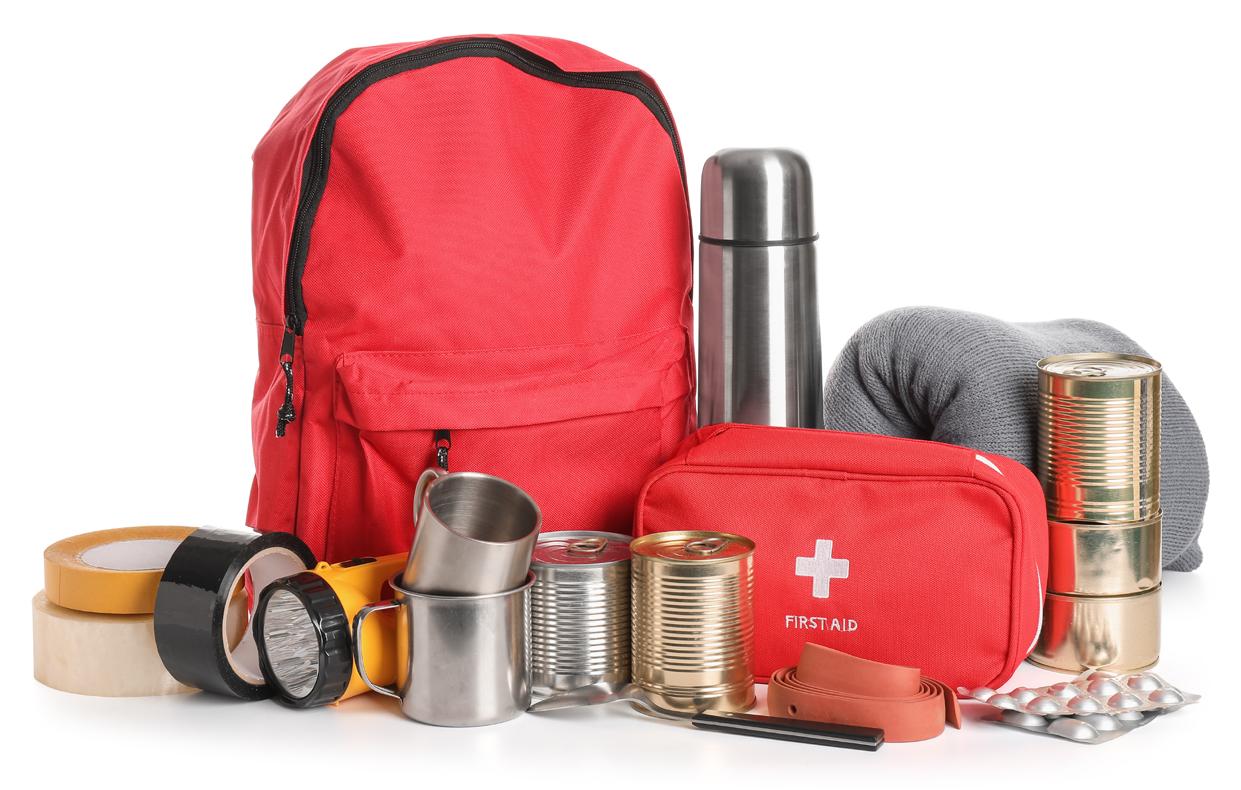
This three-part approach makes perfect sense when viewed within the context of the state being potentially overwhelmed during a major crisis: healthcare and emergency services, as well as infrastructure networks, would be systematically vulnerable to gridlock. Drawing lessons from the major crises of the 2020s – Covid-19 but also the impact caused by sustained periods of intense heat – households are encouraged to manage independently for a few days. This is intended to
11Ibid., para. 78.
12For instance, martinique.gouv.fr/Actions-de-l-Etat/Securite/Securite-civile-Risquesmajeurs/Risques-majeurs/Les-risques-naturels/Risque-sismique/La-semaine-Replik-2024
13See in French the booklet info.gouv.fr/upload/media/mixed/0001/16/ b250783992e0c766ae97bce7cb6eb1e8f081fe33.pdf
reduce pressure on essential services and free up capacity for responding to the most serious cases. Resilience thus becomes a multiplier of public capacity: it does not replace the state, but it gives it time and strategic depth. Above all, it brings the key levels of government closer together with elected representatives such as mayors who face the most immediate challenge when responding to these types of crisis.
Whilst All Responsible illustrates the civic dimension of resilience, the ORION (‘Large-scale operations for Resilient, Interoperable, High-intensity combat-oriented and Innovative armed forces’) exercise embodied its inter-ministerial, operational and military dimensions. One of the most ambitious exercise programmes ever organised by France, this was conceived as providing the means to assess resilience in the face of a high-intensity conflict scenario. The first iteration, conducted in 2023, was aimed primarily at training armed forces for high-intensity operations, understanding the challenges of a heavy and protracted engagement on national/ European territory, and demonstrating how the French armed forces are the primary agents of resilience in action. It was deemed necessary to rediscover mechanisms and reflexes lost since the end of the Cold War and where ORION differs from other traditional military exercises is in the inclusion of a civilmilitary phase. Admittedly, major exercises (NATO and others) largely include a diplomatic and economic dimension, as well as interactions with the population, but ORION tested civilmilitary cooperation mechanisms for the first time. Designed as a ‘truth exercise’, it aims to advance our doctrine and the use of our resources, as part of the shift from an expeditionary approach to one of major engagement.14
The geopolitical context of this first exercise played a major role: it took place one year after the invasion of Ukraine, with immediate observations on the rapidly evolving nature of the conflict and on the ability to learn lessons from the country’s formidable resistance. In France, in a different environment and facing different types of threats, ORION served to
14Commission de la défense nationale et des forces armées, Audition du général de division Yves Métayer, chef de la division « emploi des forces » à l’état-major des Armées, sur le retour d’expérience d’Orion, 7 juin 2023 (assemblee-nationale.fr/dyn/16/comptes-rendus/ cion_def/l16cion_def2223087_compte-rendu).
15Actualisation de la Revue nationale stratégique 2025, paragraphe 189, sgdsn.gouv.fr/ publications/revue-nationale-strategique-2025
Leo Visions/Unsplash
highlight the consequences for the national territory of a major military engagement. Several significant shortcomings had been identified, notably in coordination between military and prefectural levels, in the management of logistics flows under conditions of ‘saturation’ and in the continuity of essential services in the face of prolonged disruptions.
Held in the first half of this year, ORION 2026 marked a further milestone in its inter-ministerial scope. It mobilised not only the Ministry of the Armed Forces but the entire government chain – the Ministries of the Interior, Health, the Economy, Energy and Transport – as well as operators of vital importance, local authorities and strategic private sector stakeholders. Faced with the possibility of several major crises occurring simultaneously – combining overseas military engagement, hybrid attacks on national territory, disruptions to critical infrastructure and the management of displaced populations – its aim was to identify bottlenecks and streamline coordination at all levels. ORION 2026 thus tested and sought to consolidate decision-making chains between the political, prefectural, military and operational levels, under realistic pressure conditions. Within the NATO framework, this exercise takes on an additional dimension: it forms part of the commitment made at the 2024 Washington Summit to integrate civil plans into national and collective defence planning. By organising ORION on this scale, France is demonstrating to its allies its ability to fulfil the obligations of Article 3 in practice, and is positioning its model of inter-ministerial preparedness as a potential benchmark for the Alliance.
The publication of the 2025 National Strategic Review has significantly expanded on the work carried out since the previous review three years before. The key point is that resilience is now enshrined as France’s second strategic objective, taking its place directly between nuclear deterrence and preparing the economy for war. Used more than 70 times in the text, it primarily corresponds to an ambition: “to be able to cope, simultaneously, with domestic crises (pandemics, organised crime, riots and terrorism in particular) and hybrid actions by our competitors and adversaries on the national stage. This also implies the capacity to contribute to the armed forces’ efforts in the event of a major engagement outside national territory. This objective concerns the entire nation.”15 To ensure there is sufficient preparation to anticipate and absorb shocks, the priority is to continue the initiatives already underway. This is done by modernising defence and security plans to guarantee in the event of a major crisis the continuity of the State’s essential functions and services delivered to its citizens. The development of a ‘crisis culture’, involving greater familiarisation of key decision-makers with crisis simulation exercises, aims both to better train them and to instil essential reflexes. However, the National Security Strategy also emphasises the need to implement national guidelines at the local level (prefectures and local authorities) to ensure that regions have autonomous


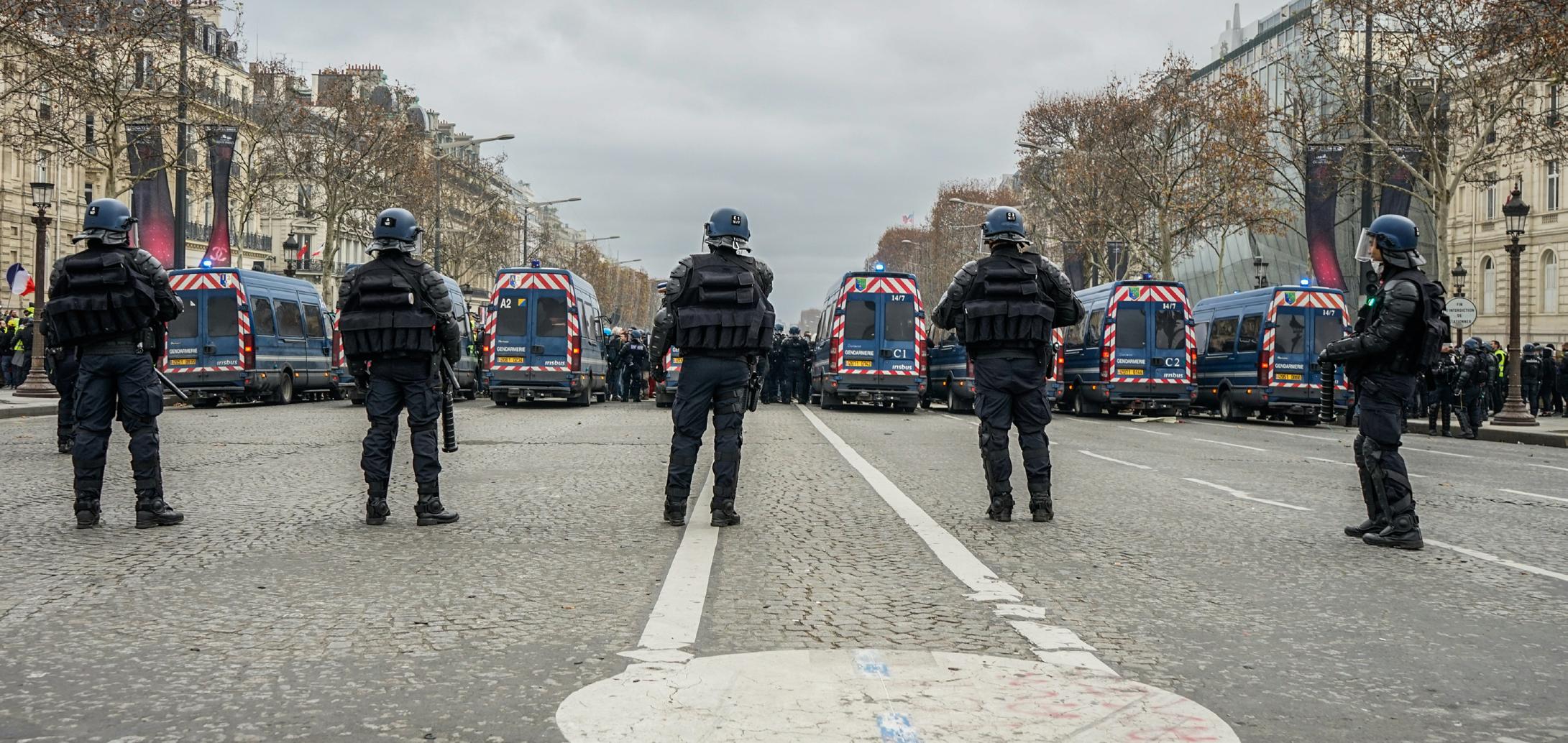
Plans to build up operational reserves are being rolled out not only within the armed forces, but more broadly across all uniformed services including police, gendarmes and firefighters. This is indeed a concrete manifestation of the broader mobilisation in which citizens are actively engaged.
response capabilities in the event of network outages or temporary isolation. Finally, significant emphasis has been placed on infrastructure resilience, starting with cyber security – which is the subject of its own updated strategy – and the monitoring and protection of sectors of vital importance (SAIV) – energy, transport, health – through rigorous audits, cyber-resilience exercises (such as the national REMPAR25 exercise) and the deployment of sovereign detection tools.
The French approach to resilience aligns with policies advocated by supra-national organisations but it also has a very specific understanding. The 2025 review does not rule out a high-intensity war, but it refers to such a scenario outside national borders – without, however, ruling out feedback loops within the territory. France’s status as a nuclear-armed power gives it other levers: the main risk remains that of hybrid destabilisation actions carried out in retaliation for its external projections and support for its allies. This creates a subtle doctrinal tension for Paris. Resilience remains a national responsibility, but it must also meet a collective NATO framework. A think tank comprising IHEDN [Institut des hautes études de défense nationale] students noted in 2025 that a partial collapse of the French national defenceindustrial base (Base Industrielle et Technologique de Défense) or of critical French infrastructure would not merely be a matter of national sovereignty: it would constitute a direct breach of Article 3 of the Alliance. This is why, from the 2017 Strategic Review to the 2025 National Security Review, societal, industrial and civil resilience has been elevated to the status of an integral pillar of France’s overall defence posture.
To illustrate this link, it is worth noting that French resilience operates in concentric circles: at the core lies national cohesion, a set of values and a desire to live together that is reminiscent of the very definition of the Nation as articulated by Ernest Renan at the end of the 19th century. The most recent review equates this cohesion with a capacity for ‘moral rearmament’, that is to say, a strong collective will. This work goes beyond the State’s efforts alone to extend its influence across society, through a struggle against separatism, political fragmentation and the absence of a common project.
To protect this community, a security and defence force is required. Without going into the massive financial efforts made by the State at a time of budgetary constraints, this amounts to a build-up in capability from which the armed forces must benefit. An interesting point, and one linked to resilience, is that armed forces engaged in operations must be able to rely on their rear echelons and on the ability to rebuild their depth and strength. Plans to build up operational reserves are being rolled out not only within the armed forces, but more broadly across all uniformed services including police, gendarmes and firefighters. This is indeed a concrete manifestation of the broader mobilisation in which citizens are actively engaged. In a more original but similarly minded approach, the French National Procurement Agency (DGA) has set itself the challenge of designing an industrial defence reserve to secure critical production chains within the defence industry and address supply vulnerabilities. Finally, on the international stage, there is France’s integration with its allies and partners, as a power capable of negotiating and taking action within the agencies and organisations where we hold seats. Advocating a form of multilateralism where law still takes precedence over force, France was, until recently, still using the term ‘balancing power’ to defend its ability to speak with everyone and be heard by everyone.
In conclusion, the French concept of resilience has established itself as a strategic priority in an unstable environment. Initially conceived as the ability to withstand a shock, it has gradually evolved into a capacity to deter through the preparedness of society as a whole. Based on the principle that a clear-sighted and well-prepared society drastically increases the cost of an attack by an external adversary, this is by no means simply a matter of strengthening military defences and security, but rather of rethinking society’s vigilance. For this deterrence to work, it relies on mutual trust and a new social contract with a committed population that understands why we are fighting and supports (and is supported by) public authorities that guarantee transparency, fairness and operational capability. Faced by political, cultural and societal realities that are difficult to rectify with the stroke of a pen, and the forthcoming 2027 presidential elections, considerable uncertainty remains about how this ambitious vision might develop.
Kari Pelkonen, Secretariat, Finnish Security Committee and Veli-Petteri Valkamo, Senior Staff Officer, National Defence Unit, Finnish Ministry of Defence
Modern security environments are characterised by strategic competition, rapid technological change and increasingly complex threat vectors that span military, political, economic, informational and societal domains. In this context, credible deterrence and the ability to sustain high intensity conflict require far more than conventional military capabilities alone. They depend fundamentally on the preparedness, resilience and cohesion of society as a whole. For NATO Allies, this principle is codified in Article 3 of the North Atlantic Treaty, which obliges each member state to maintain and develop its individual and collective capacity to resist armed attack.
Finland’s model provides a practical and mature interpretation of this obligation. Built on the concepts of Comprehensive Security and Total Defence, Finland’s approach integrates civil preparedness, societal resilience and military capability into a coherent and mutually reinforcing whole. This article examines Finland’s concept of Comprehensive Security, explaining the role of Total Defence within it, and placing both within the context of NATO Article 3, NATO’s seven baseline requirements, and the organisational doctrines Allied Joint Doctrine (AJP) 01 and AJP 3.19. The analysis demonstrates why Finland’s experience is highly relevant at a time when resilience has become a central pillar of deterrence and defence.
The concept of Comprehensive Security Comprehensive Security forms the conceptual foundation of Finland’s societal resilience. It is based on the understanding that security is not solely the responsibility of defence institutions or internal security authorities, but
a shared endeavour involving society as a whole. Under the Comprehensive Security concept, the vital functions of society are safeguarded through close collaboration between public authorities, the private sector, civil society organisations and individual citizens. This collaboration is established and maintained under normal conditions, ensuring that preparedness is embedded well before any crisis occurs.
Unlike ad hoc crisis management arrangements, Comprehensive Security is proactive and institutionalised. It is supported by legislation, long-term planning, regular exercises and systematic information sharing across administrative boundaries. The objective is to ensure that society can continue its functions and maintain essential services under all circumstances, including severe disruptions, hybrid campaigns and armed conflict.
Finland’s current approach is articulated in the Security Strategy for Society, adopted as a government resolution in 2025. The strategy provides all actors with a shared framework for crisis preparedness and response, recognising that effective security policy depends on a common understanding of roles, responsibilities and interdependencies. While the state retains a central coordinating role, the strategy deliberately emphasises inclusivity, recognising businesses, non governmental organisations and citizens as indispensable contributors to national security.
Finland’s whole of society approach has its roots in the concept of Total Defence, which emerged after the Second World War. Faced with geopolitical vulnerability and limited resources, Finland developed a security model that relied on mobilising the entire nation in defence of its sovereignty. Total Defence encompassed not only the armed forces, but also civil
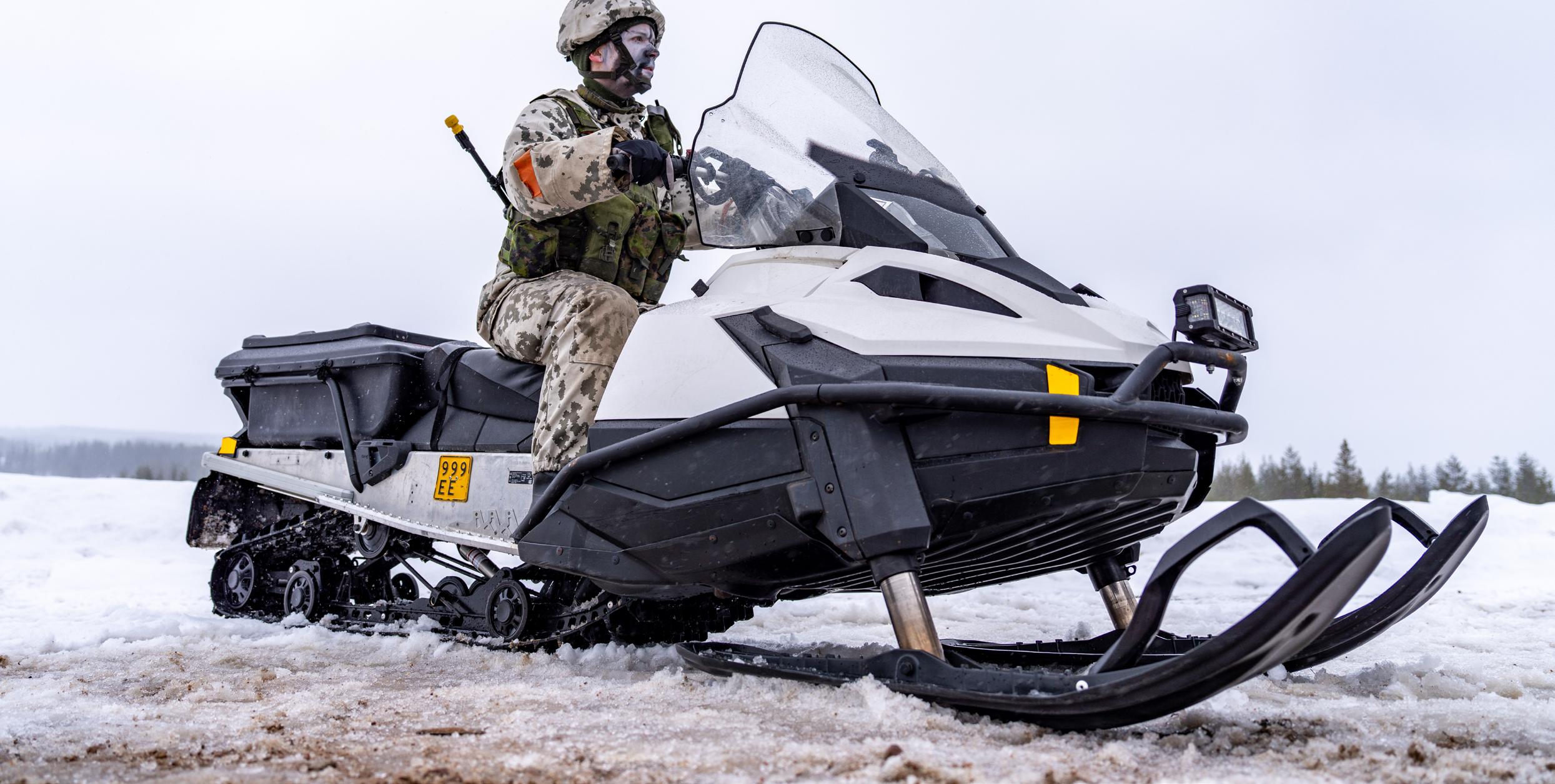

defence, economic mobilisation, infrastructure protection and population resilience.
Over time, the security environment and threat spectrum changed significantly. While the risk of large scale conventional war never disappeared, new challenges such as cyber threats, disinformation, economic coercion and complex technological dependencies emerged. In response, Finland gradually broadened the Total Defence concept into Comprehensive Security. This evolution did not replace military defence but embedded it within a wider societal framework capable of addressing all kinds of threats.
Today, Comprehensive Security and Total Defence are not parallel or competing concepts. Comprehensive Security provides the overarching framework for safeguarding society, while Total Defence represents the military civil integration required in severe crises or armed conflict. Comprehensive Security enables Total Defence, and Total Defence constitutes an integral component of Comprehensive Security.
Finland’s security philosophy aligns closely with NATO’s interpretation of Article 3. The article obliges allies to strengthen their resilience through continuous and effective self help and mutual aid. In practical terms, NATO has defined resilience through three core civil preparedness functions: continuity of government, continuity of essential services and civil support to military operations.
Finland’s Comprehensive Security concept operationalises these requirements systematically. Continuity of government is ensured through robust legal frameworks, succession planning and secure decision making arrangements. Continuity of essential services is supported by extensive preparedness obligations placed on both public authorities and private companies responsible for critical infrastructure and supply chains. Civil support to military operations is enabled through Total Defence including host nation support arrangements, logistics planning, healthcare preparedness and close civil military cooperation.
For NATO, this approach is particularly relevant in the context of reinforcement and sustainment. The ability to receive, support and sustain allied forces depends not only on military infrastructure, but also on resilient civilian transport networks, energy systems, communications and public trust. Finland’s model demonstrates how these requirements can be addressed comprehensively under normal conditions.
At the core of Finland’s Comprehensive Security concept are seven vital functions of society (illustrated above right)1 These functions provide a structured basis for preparedness planning, risk assessment and responsibility sharing. Because these functions are deeply interconnected, disruptions in one area can have cascading effects throughout the system. Safeguarding them therefore requires an integrated and cross sectoral approach.
Leadership refers to society’s capacity to make decisions, provide direction and coordinate action under all circumstances. This includes political, administrative and operational leadership at national, regional and local levels.
Securing leadership capability requires clear legal mandates, well defined responsibilities, situational awareness and resilient communications.
International and EU activities: Finland’s security is closely linked to international cooperation, particularly within the European Union and NATO. As a NATO ally, Finland contributes to and benefits from collective defence, while EU cooperation strengthens resilience in areas such as civil protection, supply chains and countering hybrid threats. These frameworks are complementary and mutually reinforcing.
Defence capability aims to deter the use or threat of military force. Should deterrence fail, Finland’s military defence is conducted as part of NATO’s collective defence. Defence capability encompasses not only readiness of the armed forces, but also mobilisation systems, reserve structures and sustained societal support.
Internal security encompasses society’s ability to prevent and manage crime, accidents, environmental damage and other threats to public safety. It is grounded in the protection of human rights, democracy, the rule of law and social stability. Trust in institutions is a key component of resilience.
Economy, infrastructure and security of supply:
A functioning economy and secure infrastructure are prerequisites for resilience. Finland places particular emphasis on security of supply, ensuring access to critical goods, services, energy and finance under all circumstances. This includes preparedness measures related to logistics, stockpiling and financial system resilience.
Functional capacity of the population and services:
The functional capacity of the population is maintained through reliable health, social and educational services. These enable individuals and communities to cope with disruptions, support one another, and participate in crisis response.
Psychological resilience refers to the ability of individuals and society to withstand stress, maintain cohesion and recover from crises. It is built primarily under normal conditions through trust, inclusion, credible communication and shared values. Psychological resilience plays a decisive role in countering disinformation and sustaining national will.
Threats and risk assessment: Finland applies a comprehensive, 360 degree approach to threat assessment.
1Illustrations supplied by authors and Finnish Ministry of Defence.
National risk assessments are conducted through cross sectoral cooperation and aligned with the EU Civil Protection Mechanism. They focus on risks with nationwide impact, including hybrid operations, cyber incidents, critical infrastructure disruptions, pandemics and military escalation.
The national risk assessment identifies risks that have a wide national impact and assesses their impact on the vital functions of society. These assessments provide the analytical basis for preparedness measures and support the implementation of the Security Strategy for Society. By identifying interdependencies and potential cascading effects, they enable more effective planning and prioritisation.
The vital functions of society are secured through the implementation of 56 strategic tasks founded on legislation, confirmed by agreements and supplemented by voluntary activities. These tasks are executed through preparedness planning and regular exercises.
Strategic tasks are fully integrated into areas of NATO’s seven baseline requirements. They include secure energy, food and water; transportation; communications; healthcare for casualties; continuity of government; and management of mass population movements. Other examples of strategic tasks are: ensuring the functioning of the financial system; ensuring the availability of space services; maintaining the educational, training and research system; and maintaining cultural services and protecting cultural heritage. Vital function defence capability is enabled by two strategic tasks: Finland’s military defence and co-ordination of Total Defence.
Preparedness and response are closely linked. Preparedness reduces vulnerability and builds readiness, while response activities manage and mitigate the effects of realised threats. In complex crises, preparedness and response often occur simultaneously, requiring adaptive leadership and coordination.
Guiding principles of Comprehensive Security concept include democracy, the rule of law, transparency, competence, inclusion and collaboration. These ensure that resilience measures strengthen societal trust.
Finland’s Comprehensive Security concept relies on continuous cooperation between public authorities, businesses
and civil society. Ministries provide strategic direction and ensure preparedness within their respective administrative sectors. The private sector plays a crucial role as the owner and operator of much critical infrastructure. Individuals’ functional capacity, as well as knowledge, skills and security strengthening attitude, form the foundation of society’s resilience. Civil society organisations contribute through training, inclusion and voluntary activities. Trust, information sharing and regular interaction are essential enablers of this cooperation. Relationships built under normal conditions enable rapid and effective action during crises.
NATO’s AJP 01 emphasises a comprehensive approach integrating political, military and civilian instruments. It recognises that military operations take place within a broader societal context and require coordination with non military actors. For Civil Military Cooperation (AJP 3.19), this provides practical guidance for engaging with the civil environment, supporting civil authorities and enabling military operations. Together, these doctrines closely align with Finland’s Comprehensive Security concept and Total Defence, in which civil military integration is a permanent feature rather than a crisis driven exception.
As a frontline state, Finland recognises that under wartime conditions the resilience of society constitutes a vital element of national defence. This understanding is reflected in Finland’s concept of Total Defence, which forms an integral part of Comprehensive Security. The core idea is that preparedness for the most severe threat – an actual war carrying with it the potential for a direct attack on Finnish territory and citizens – simultaneously builds readiness to manage less demanding crises.
Historical experience demonstrated that to remain independent and resist invasion, all societal resources must be mobilised for national defence. With a population of approximately 5.5 million and a large land area, Finland has long understood that the Defence Forces alone cannot carry the responsibility for national defence.
Over time, the threat environment evolved. During the Cold War’s later stages and after its end, emphasis shifted towards managing disruptions under normal conditions, shaping the
emergence of the Comprehensive Security concept in the early 2000s. The relevance of Total Defence returned sharply with Russia’s invasion of Ukraine in February 2022, underscoring the enduring importance of high end preparedness.
While Comprehensive Security provides a broad societal foundation across multiple threat scenarios, Total Defence focuses on securing the prerequisites for military national defence in all security situations. Within the Ministry of Defence, coordination of Total Defence primarily concerns the rest of society: ensuring access to support and coordinating preparedness measures that enable the Defence Forces to operate effectively. The Defence Forces’ operational plans define the scope, quality, destination and readiness of support required from other actors. Under the 2026 performance agreement between the Ministry of Defence and the Defence Forces, the Defence Forces are empowered to define support requirements across administrative sectors, taking NATO’s regional defence plans into account. They are also capable of receiving support from other countries in accordance with Total Defence principles.
By embedding preparedness across society and integrating a whole scale of capabilities, Finland strengthens deterrence by denying adversaries easy avenues for coercion or harassment.
System Plan (Transport 12) and the defence administration establishes a structured framework in which defence objectives, strategic transport planning and technical expertise are aligned. This cooperation extends across Nordic, EU and NATO structures. Specific reference could also be made to the provision of medical support under emergency conditions. The operational capability of the Defence Forces’ field medical services and the public healthcare system under emergency conditions is being strengthened through close cooperation between relevant ministries, the Defence Forces and wellbeing services. Implementation of the identified development measures began in early 2025 and is supported by significant earmarked funding. The objective is sustained civil military cooperation in both normal and crisis conditions.
There are many examples of Total Defence in practice but military mobility is particularly significant. It is developed on the principle of dual use, whereby the same infrastructure serves civilian needs under normal conditions and military requirements during emergencies. This ensures freedom of movement for both civilian society and military forces. Cooperation between Traficom, National Strategic Transport
Finland’s Comprehensive Security and Total Defence demonstrates that resilience is not an abstract concept, but a practical and operational foundation for both national and collective defence. By embedding preparedness across society and integrating a whole scale of capabilities, Finland strengthens deterrence by denying adversaries easy avenues for coercion or harassment. Finland’s Comprehensive Security enables the arrangements required for Total Defence. In crisis situations, Total Defence plays a central role in delivering Comprehensive Security and enables society to act collectively by defending the country together with its allies. In this way, Finland fulfils the purpose of NATO’s Article 3 in a credible and sustainable manner. In an era defined by complex and multidimensional threats, this approach remains a cornerstone of effective deterrence and defence.
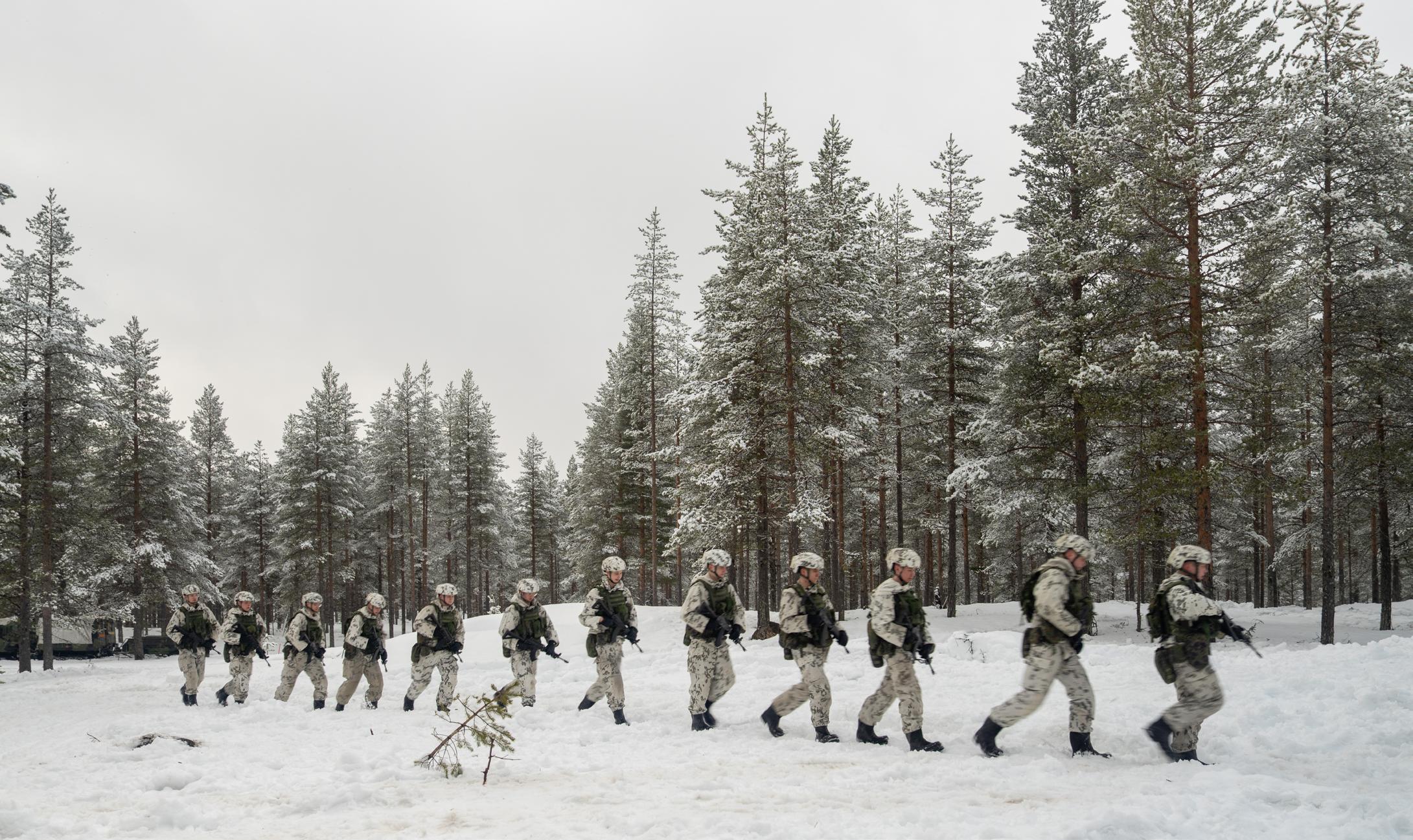
Doctor J.R. McKay Department of Political Science and Economics, Royal Military College of Canada
“...in this association of Mutual Insurance against fire, the risks assumed by the different States are not equal. We live in a fire-proof house, far from inflammable materials.” – Canadian Senator Raoul Dandurand to the Assembly of the League of Nations, 1924
After the election of Donald Trump in 2024, then Canadian Prime Minister Justin Trudeau met with the US President and the latter suggested that Canada should become the 51st state.1 It was not clear if this was a joke, a tactic to gain the upper hand in future negotiations or an ambition. The use of this proposition, combined with the imposition of tariffs in 2025, proved to be a catalyst for Canadians to take a greater interest in matters of defence. Mr Trump’s statements played on one of the two traditional fears – absorption. Canada is a middle power with a great power neighbour whose population is at least eight times greater than its own.2 The other Canadian fear is dissolution; this is a product of being a federation than spans across a continent, which means regional interests vary and can be at odds with national or other regional interests.3 While the fear of dissolution has been the norm, the play on the other fear catalysed a Canadian reaction which manifested itself in a number of ways. Part of this reaction was a renewed interest in national resilience, which accelerated earlier initiatives.
Canadian efforts at increasing resilience existed prior to the 2024 US Presidential election, demonstrating themselves as part of a renewed interest in mobilisation planning and force expansion efforts, including addressing capability gaps, resulting from the quest to reach the 2014 NATO summit pledge of two per cent of gross domestic product spending on defence.4 Events since President Trump’s re-election have increased their salience. Between the federal governments, its provincial counterparts and the Canadian Armed Forces, there has been an increased urgency and resolve in
strengthening national resilience consistent with Article 3 of the North Atlantic Treaty.
No longer a ‘fire-proof house’ Senator Dandurand’s words have become less relevant in recent years. For over a century, Canada had the geographic fortune of being distant from zones of conflict and having a benign superpower for a neighbour and then ally. This has meant that many Canadians have been less willing to spend on defence as they did not perceive a need to do so. Several members of the Alliance have, to varying degrees, exhorted Canada to increase its defence efforts. The list includes Germany, the United Kingdom and the United States. More recently, the American reserve of patience for Canada’s relative lack of investment in defence matters has worn thin.
Pluralist theory provides an explanation for Canadian defence spending. Revenue flowing into the government is finite relative to the number of requests and demands from Canadian civil society. Since the early 1960s, defence has been seen as less important and tends to be framed in a ‘guns versus butter’ argument in domestic debates. Increases in defence spending are often presented in competition with healthcare spending. Historical data shows that Canadians have been willing to spend when they perceive that the
1Saba Aziz and Sean Boynton, “Trump joke on Canada becoming U.S. 51st state was ‘silly talk’: ministers”, Global News Canada, 3 December 2024, globalnews.ca/ news/10899148/trump-trudeau-meeting-51st-state-canada
2As of 0730 EDT on 8 April 2026, Statistics Canada estimated Canada’s population to be 41,517,457. See: Statistics Canada, “Canada’s population clock (real-time model), https://www150.statcan.gc.ca/n1/pub/71-607-x/71-607-x2018005-eng.htm. The U.S. Census bureau, at the same time, estimated the U.S. population as 342,423,576. See: United States Census Bureau, “U.S. and World Population Clock”, census.gov/popclock. By this calculation, the U.S. population is 8.25 times larger than its Canadian counterpart
3This observation about absorption and dissolution originates from Dr David Last, a colleague at the Royal Military College of Canada
4“The North Atlantic Treaty”, 9 April 1949, nato.int/en/about-us/official-texts-andresources/official-texts/1949/04/04/the-north-atlantic-treaty; NATO, “Wales Summit Pledge”, 5 September 2014, nato.int/en/about-us/official-texts-and-resources/officialtexts/2014/09/05/ wales-summit-declaration


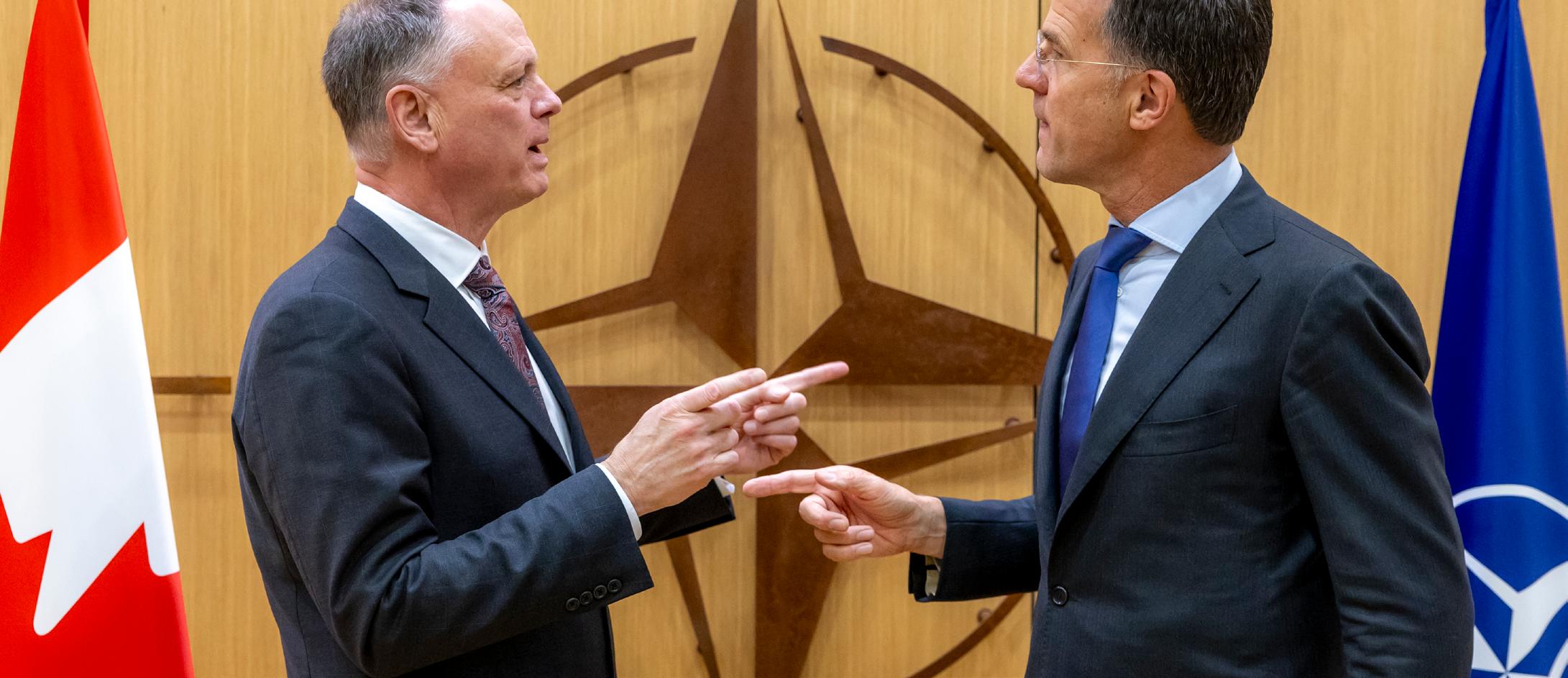

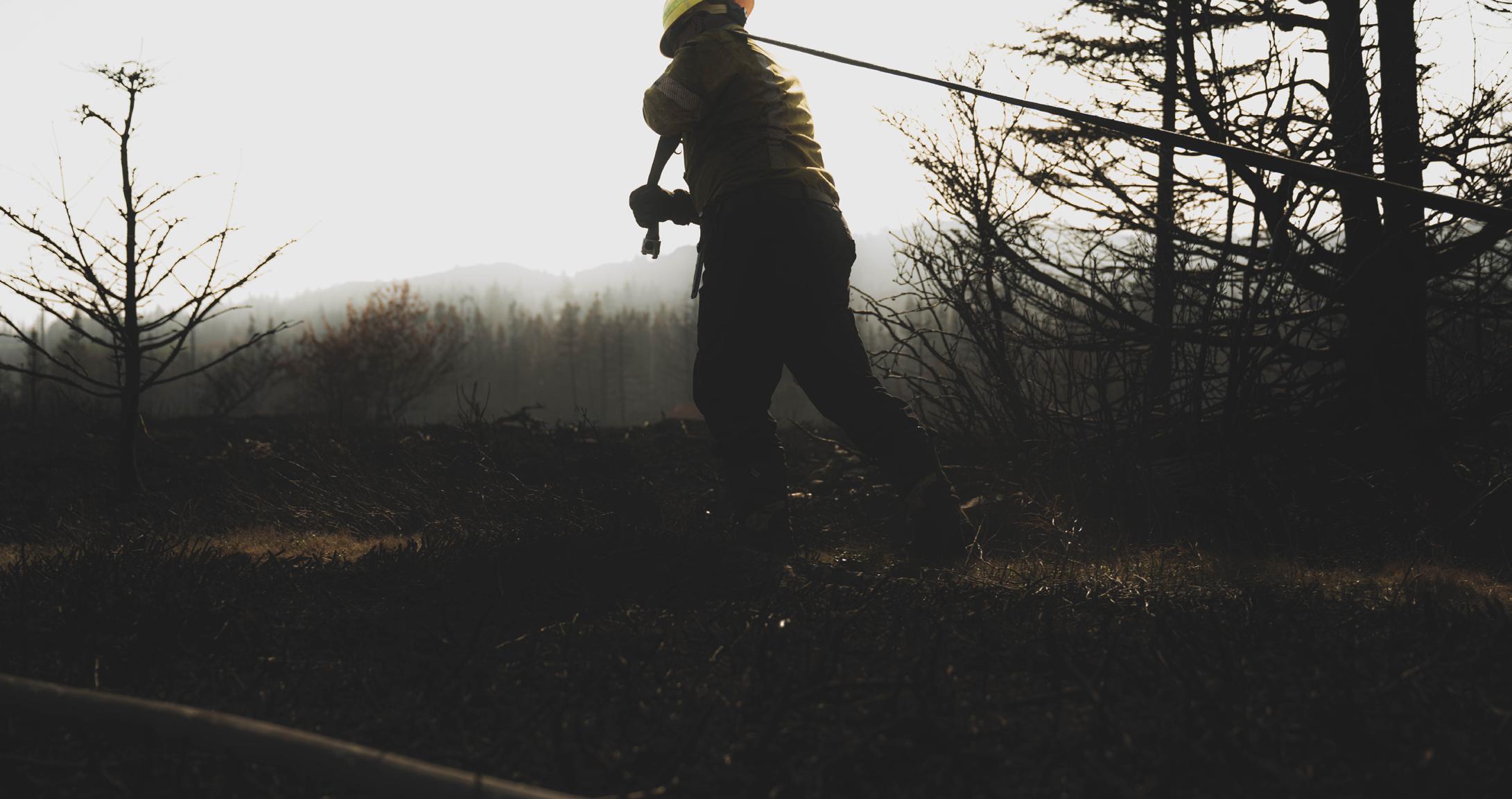
For many [Canadians], a reasonable return [on investment] is the provision of military assistance for natural disasters. Given Canada’s geographic span... these recurring events can run from floods to wildfires to hurricanes to earthquakes to evacuations of entire communities.
situation warrants it; the last time that this occurred, it should be noted, was the 1950s. In 1960, Canada spent 4.2 per cent of gross domestic product on defence. By 1970, this was down to 2.2 per cent, and ten years later it was 1.8 per cent. It increased in the late Cold War only to drop back down to 1980 level in 1993 and was as low at 1.1 per cent in 2000. In the last quarter century, it fluctuated between one and 1.4 per cent of gross domestic product.5 This perceived lack of need on the part of Canadians has led successive governments to adopt an approach described as ‘how much is just enough?’.6 What this meant is that Canada would spend and contribute forces sufficiently to have influence and ensure its interests remained secure. Geographic circumstances, where it was a neighbour of a great power with whom it is economically interdependent, made this much easier. This, however, did not go unnoticed and successive administrations in the US expressed concerns. Yet Canadians could be accused of ‘selective hearing’. For example, when President Obama addressed the Canadian Parliament, he made a polite plea: “As your ally and as your friend, let me say that we will be more secure when every NATO member, including Canada, contributes its full share to our common security, because the Canadian Armed Forces are really good and if I can borrow a phrase, the world needs more Canada. NATO needs more Canada. We need you.”7 National media noted the phrase, but omitted the context, framing it in terms of national identity as opposed to recognising a polite call for greater effort in foreign and defence efforts.8 The first and second Trump Administrations are merely the most vocal in their exhortations for greater efforts in terms of defence spending; others have tried, with varying degrees of politeness, to encourage Ottawa to invest and act.
Canadians, naturally, would like to see returns on investment in defence. For many, a reasonable return is the provision of military assistance for natural disasters. Given Canada’s geographic span and variance in regions, these recurring events can run from floods to wildfires to hurricanes to earthquakes to evacuations of entire communities. Emergency preparedness and response is a provincial responsibility, but
provincial governments can request assistance from the federal level. Defence is a federal responsibility, and the Department of National Defence is the best available to the federal government for such situations. When provinces request assistance, it is most frequently the capability of the Canadian Armed Forces they have in mind. They have made requests with relative frequency in recent years. Yet the requests for assistance are nominally based on cost recovery, which means the provinces making requests should be reimbursing the federal government. This has not always occurred.9 More recently, the federal government appears to have signalled a desire for cost recovery, which may have curbed the provinces’ appetite for requests. In addition, some of the provinces concluded in the wake of the COVID-19 pandemic that it would be more effective and efficient to increase their emergency preparedness capabilities to reduce the number of requests for assistance made to the federal government. This was welcomed at the federal level, especially in the Canadian Armed Forces, which sees itself as the ‘tool of last resort’. In the fall of 2022, there were a series of hearings before a Parliamentary committee about domestic operations, and the case was made that there were too many requests made by the provinces, and that domestic operations were a distraction from the core business of preparing forces for operations,
5World Bank, “Military expenditure (% of GDP) – Canada”, https://data.worldbank. org/indicator/MS.MIL.XPND.GD.ZS?locations=CA
6For a summary, see: Christian Leuprecht and Joel Sokolsky, “Defense Policy ‘Walmart Style’: Canadian Lessons in ‘not-so-grand’ Grand Strategy”, Armed Forces & Society, Vol.41, No.3: 541-562.
7See: “Address of the Honorable Barack Obama, President of the United States of America to both Houses of Parliament in the House of Commons Chamber, Ottawa, on Wednesday, June 29, 2016”, ourcommons.ca/Content/Misc/Address-To-Parliament-POTUS-e.pdf
8For example, see: Neil Macdonald, “Obama tells us what we want to hear, and Canadians love him for it”, CBC News, 30 June 2016, cbc.ca/news/politics/trudeau-obama-ottawameeing-macdonald-1.3658538
9Colonel Mike Babin, “Wasted Resources: The Need to Rationalize the Canadian Armed Forces’ Use in Domestic Disaster Relief Operations”, Policy Brief, July 2024, Vol.9, No.5: 1-9, queensu.ca/cidp/sites/cidpwww/files/uploaded_files/9-5%20CIDP%20-%20 POLICY%20BRIEF%20MBabin.pdf
which for large parts of the Canadian Armed Forces means preparing for rotations on international operations.10 Ironically, domestic operations associated with disaster relief, a core activity supporting resilience, can hinder force generation for international operations.
The means available to defence has been a limiter on efforts to develop greater resilience. The previous federal government stated that it intended to reach the two per cent of gross domestic product target for defence expenditure over time, although there were reports that this was merely declaratory on the part of the then Prime Minister.11 The 2017 White Paper on National Defence, titled Strong, Secure, Engaged, stated that the expectation was 1.4 per cent by 2024-2025. The first increases were due to changes to accounting to include costs from other federal government departments associated with defence matters, which brought Canada into alignment with the practices of a number of other member-states.12 The 2024 White Paper, titled Our North, Strong and Free, assigned a spending target of 1.76 per cent by 2029-2030.13 Canada, according to NATO estimates, met the Wales pledge in 2025, although the Canadian government did not announce this achievement until March 2026.14 This was a remarkable acceleration of the government’s plan, which begs the question of how this came to be.
The second Trump Administration’s rhetoric and declared ambitions, joking or not, served as a catalyst for greater investment in defence. What was ‘just enough’ was more significant than in the recent past, and the federal government saw a need to increase defence spending more quickly than planned. One way to accelerate spending was to develop a defence industrial strategy, which was announced in early 2026. As Canadian Prime Minister Mark Carney described it “its framework is simple: build, partner, buy”.15 ‘Build’ refers to building and prioritising domestic companies; if that is not feasible, then the approach will be to partner with ‘like-minded allies’; buying from another country will be the approach if, and only if,
the others are not feasible. The government also established the defence investment agency as a means of streamlining defence procurement.16 Most importantly, the strategy calls for consistency in terms of long-term demands to encourage private sector investment.17 The Prime Minister stated that the “overall objectives are to increase Canadian defence sector revenues by over 220%, our defence exports by 50%, and to create 125,000 new jobs”.18 These are all significant goals, and these would contribute to a more resilient Canada by creating a foundation for the materiel needed by the Canadian Armed Forces. It would also ensure that Canadian spending associated with major equipment and research and development stayed over 20 per cent of overall defence spending.19 This is the most significant move as it could reduce the degree to which partisan politics affects equipment procurement.
The strategy also affords greater opportunities for the Canadian Armed Forces to address capability gaps and ageing equipment. In terms of the former, this was occurring already with the Canadian contribution to the enhanced Forward
10The Committee report and the Government’s response are available at: Standing Committee on National Defence, Report 13 – Providing Aid to the Civil Power, 44th Parliament, 1st Session, ourcommons.ca/committees/en/NDDN/ Work?parl=44&session=1&show=reports
11For example, see: Steven Chase, “Trudeau privately told NATO Canada would never meet 2-per-cent defence spending target”, The Globe & Mail, 20 April 2023, theglobeandmail. com/politics/article-trudeau-privately-told-nato-canada-would-never-meet-2-per-cent-defence
12Government of Canada, “3. Fixing Defence Funding”, Strong, Secure, Engaged: Canada’s Defence Policy, 2017, canada.ca/en/department-national-defence/corporate/reportspublications/canada-defence-policy/fixing-defence-funding.html
13Government of Canada, “Annex A: Funding”, Our North, Strong and Free: A Renewed Vision for Canada’s Defence, 2024, canada.ca/en/department-national-defence/corporate/ reports-publications/north-strong-free-2024/annex-a-funding.html
14NATO, “Defence Expenditure of NATO Countries (2014-2025)”, 3 June 2025, nato.int/ content/dam/nato/webready/documents/finance/def-exp-2025-en.pdf, and Prime Minister of Canada, “Prime Minister Carney announces Canada has achieved the NATO 2% defence spending target”, 26 March 2026, pm.gc.ca/en/news/news-releases/2026/03/26/primeminister-carney-announces-canada-has-achieved-nato-2-defence
Prime Minister of Canada, “Prime Minister Carney announces the launch of Canada’s first Defence Industrial Strategy”, 17 February 2026, pm.gc.ca/en/news/speeches/2026/02/17/prime-ministercarney-announces-launch-canadas-first-defence-industrial NATO, “Defence Expenditure of NATO Countries (2014-2025)”.
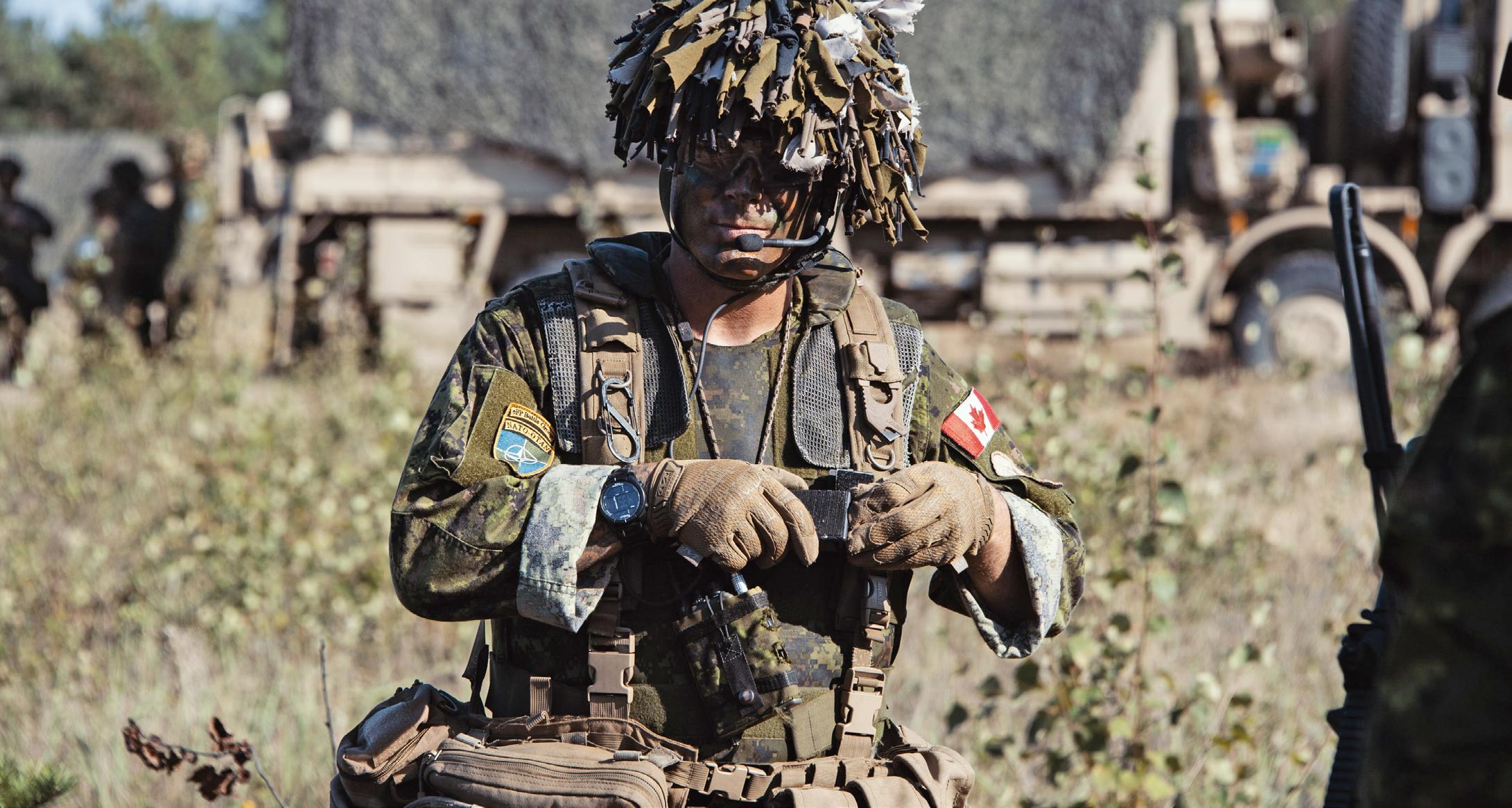
Presence in Latvia. This mission led to the Army’s fielding of new anti-armour and ground-based air defence capabilities, first in Latvia and later in the field force in Canada, and others are planned as part of the Army’s modernisation. The Royal Canadian Air Force is in the throes of replacing the ageing CF-18 Hornet fleet with significant public interest. Canada is part of the F-35 consortium and has purchased some, but Saab has made attractive offers that led to serious consideration of the Gripen. The Royal Canadian Navy is examining a replacement for the Victoria-class submarine, with contenders from a German-Norwegian consortium and South Korea. In addition, it is in the build phase of the River class destroyers, which are based on the design of BAE’s Type 26 frigate. These are examples of partnership under the new defence industrial strategy, but some of these partners have offered to build under licence in the country and to draw material such as steel from mills suffering from a decline in demand from US markets. Such offers and overtures make such bids attractive to the government as they contribute to the ‘build’ in Canada.
The Canadian Armed Forces’ interest in mobilisation, loosely defined herein as the capacity to increase the size of the full-time force in an emergency, has been haphazard over the years. The last time this was deemed a priority was in the wake of the Land Force Reserve Restructure of the 1990s. This plan was based on the need to sustain the ‘main contingency force’ on an international operation, which meant the trigger for the plan was a contingency that required the deployment of at least an army brigade group with air and naval components on similar scales. As more pressing issues required the Canadian Armed Forces’ attention and efforts, the plan faded into obscurity. The mobilisation plan went unused during the Canadian commitment in Afghanistan as reserve contributions were, in the main, drawn from individuals volunteering to deploy and the triggering event for mobilisation did not occur. Neither the 2017 nor the 2024 defence white papers mention mobilisation. The latter discusses “building back to its authorized force size of 71,500 Regular Force and 30,000 Primary Reserve force members and lay the foundations for future growth”.20 To be clear, this means reaching the current authorised establishment. Efforts are ongoing and beginning to achieve the desired results, but laying the foundation remains a challenge as training capacity acts as a governor on the growth of the force.
of National Defence launched an initiative to plan for the expansion of the Primary Reserve to 100,000 and the other reserve entities to 300,000.22 Media reporting of the initiative, starting in late October 2025 and continuing into December, highlighted the challenges with an expansion of that scale, including public scepticism.23 Notably, the Minister of National Defence, during a media interview in December 2025, stated that this was not his “top priority”.24 Yet this was a directive to develop a plan; this does not a plan make. It is certainly ambitious and a worthwhile effort to develop a contingency should an expansion of the Canadian Armed Forces become necessary. It is illustrative, however, that such initiatives are being offered and considered to increase Canada’s resilience. Yet the vital first step is to reach the maximum established strength.
Canadians have come to realise that their proverbial house is no longer fire-proof and that more time, resources and energy need to be devoted to increasing the country’s resilience in the face of a variety of challenges.
Canadians have come to realise that their proverbial house is no longer fire-proof and that more time, resources and energy need to be devoted to increasing the country’s resilience in the face of a variety of challenges. What this has generated is a series of initiatives that are mutually reinforcing but not necessarily coordinated. There is no resilience ‘czar’, so to speak, directing all related activities across all levels of government, let alone a single level. At the federal level, the government has sought to meet the pledge for defence spending meeting or exceeding two per cent of the country’s gross domestic product (including the 20 per cent of that on equipment and research and development) as well as the development of a defence industrial strategy to support that effort in a sustainable way. The Canadian Armed Forces are working through fielding new equipment while on operations in Latvia, at sea or in the skies over North America. They are also working through how they could set the conditions for expansion if the situation were to warrant that in the future, which means reaching full authorised establishment. For their part, at least some of the provinces are investing in emergency management capabilities to be better able to respond to disasters, which should reduce the demands on Canadian Armed Forces organisations over time. Canada is building a stronger foundation for national defence and sharing the labour across the levels of government to balance efficiency with effectiveness. They are doing all this because Canadians see the need for greater resilience.
20Our North, Strong and Free, 19.
The situation in early 2025 saw the government and the Canadian Armed Forces examine mobilisation with a much greater level of interest. The Cascade Institute, a research institute partnered with Royal Roads University, submitted a proposal to the federal government in early May 2025 for a national service initiative that included the Canadian Armed Forces but also a variety of other organisations in which Canadians could serve.21 This was done as there was a sense that such unsolicited proposals would be welcome at the highest levels as a means to reach the Wales pledge targets as well as address issues. In June 2025, Canada’s Chief of Defence Staff and the Deputy Minister of the Department
21David Last, “National Service to Support Community and National Security: A preliminary outline of components, implementation, and costs”, 1 May 2025, Cascade Institute, https://cascadeinstitute.org/wp-content/uploads/2025/08/Last-et-al.-Strategyfor-National-Service-v1.6.pdf
22David Pugliese, “Canadian military wants mobilization plan in place to boost reserves to 400,000 personnel”, Ottawa Citizen, 31 October 2025, https://ca.news.yahoo.com/ canadian-military-wants-mobilization-plan-080006408.html
23Murray Brewster, “DND scrambles to figure out how to mobilize and equip a citizens’ army: documents”, CBC News, 10 December 2025, and David Pugliese, “Is the Canadian military’s ambitious mobilization plan even doable?”, Ottawa Citizen, 18 December 2025, ca.news.yahoo.com/canadian-militarys-ambitious-mobilization-plan-090005147.html 24Pugliese, “Is the Canadian military’s ambitious mobilization plan even doable?”.
Professor Andrew M. Dorman School of Security Studies, King’s College London

Although Russia’s 2022 illegal invasion of Ukraine did not mark the beginning of that conflict,1 it has provided a major wake-up call for much of Europe. War has, once again, returned to the continent with the result that rearmament, resilience and concepts such as total defence are back in vogue for the time since the end of the Cold War.2 Russia’s ongoing sub-threshold attacks on the United Kingdom and its allies, through various deniable activities ranging from cyber-attacks, assassinations, interest in the UK’s critical infrastructure and so forth,3 have highlighted the vulnerabilities of advanced Western societies to disruption and potential blackmail. Added to this was the impact of the Covid-19 pandemic on international supply chains, which continues to have reverberations today4 and will be exacerbated by the impact of America’s war with Iran and the consequences of the closure of the Strait of Hormuz. Doubts surrounding the US security guarantee to its NATO allies make the situation even more complex.5 Donald Trump has been openly scathing about NATO and some of its members and has sought to unpick NATO’s Article 5 guarantee on a number of occasions.6
1Mark Galeotti, Putin’s wars: from Chechnya to Ukraine, Osprey Publishing, 2022; Samir Puri, Russia’s road to war with Ukraine: invasion amidst the ashes of empires, Biteback Publishing, 2022.
2Jan Angstrom & Kristin Ljungkvist, ‘Unpacking the varying strategic logics of total defence’, Journal of Strategic Studies, 47(4), 2024, 498-522, https://doi.org/10.1080 /01402390.2023.2260958, Jana Wrange, Rikard Bengtsson and Douglas Brommesson, ‘Resilience through total defence: Towards a shared security culture in the Nordic–Baltic region?’, European Journal of International Security, 9(4), 2024, 511-532, https://doi. org/10.1017/eis.2024.15
3Mikhail Triotskiy, ‘Tacit Coercion and Its Dilemmas: Russia and the West’, Survival, 68(1), 2026, 77-90, https://doi.org/10.1080/00396338.2026.2620292, Ministry of Defence, ‘UK exposes covert Russian submarine operation in and around UK waters’, MoD Press Release, 9 April 2026, gov.uk/government/news/uk-exposes-covert-russiansubmarine-operation-in-and-around-uk-waters
4Roland Hellberg, David Sprängare, Olov Candell, Claes Carpenfelt, Kristian Lundberg, Per Samuelsson, Imoh Antai, Per Andersson & Lars Backlund, ‘Performance constraints in defence industry supply chains: evidence from case studies’, Defence and Peace Economics, 26(8), 2025, 1078-1,113, https://doi.org/10.1080/10242694.2025.2500362
5Ivo Daadler, ‘Time for a different kind of NATO’, Politico, 27 April 2026, politico.eu/ article/different-nato-defense-security-us-donald-trump
6Andrew Gray and Lili Bayer, ‘Trump’s Germany troop cuts show limits of NATO efforts to keep US on board’, Reuters, 4 May 2026, reuters.com/world/trumps-germany-troop-cutsshow-limits-nato-efforts-keep-us-board-2026-05-04
7‘How to bolster the arsenal of democracy’, The Economist, 22 April 2026, economist.com/ leaders/2026/04/22/how-to-bolster-the-arsenal-of-democracy
8Ministry of Defence, ‘Strategic Defence Review Making Britain Safer: secure at home, strong abroad’, Policy Paper, 2025, assets.publishing.service.gov.uk/ media/683d89f181deb72cce2680a5/The_Strategic_Defence_Review_2025_-_Making_ Britain_Safer_-_secure_at_home__strong_abroad.pdf
9North Atlantic Council, The Hague Summit Declaration, 25 June 2025, nato.int/en/ about-us/official-texts-and-resources/official-texts/2025/06/25/the-hague-summitdeclaration
10Keir Starmer, ‘Introduction’ to Ministry of Defence, ‘Strategic Defence Review Making Britain Safer: secure at home, strong abroad’, Policy Paper, 2025, 2, assets.publishing.service. gov.uk/media/683d89f181deb72cce2680a5/The_Strategic_Defence_Review_2025_-_ Making_Britain_Safer_-_secure_at_home__strong_abroad.pdf
As a consequence, the European members of NATO are currently projected to spend an additional $350 billion per year on defence by the end of this decade compared to 2025 which, in itself, is significantly higher than in 2022.7 Within this context, the British Government has conducted a defence review led by a panel of three experts and accepted all its recommendations.8 The Government has also pledged to increase defence spending to 2.5 per cent of gross domestic product by 2027 and NATO’s 3.5 per cent plus 1.5 per cent by 2035.9 However, the much delayed Defence Investment Plan, which is supposed to unveil how the Strategic Defence Review will be delivered, remains to be published. In his introduction to the 2025 Strategic Defence Review, Prime Minister Sir Keir Starmer noted: “In this new era for defence and security, when Russia is waging war on our continent and probing our defences at home, we must meet the danger head on. We must recognise the very nature of warfare is being transformed on the battlefields of Ukraine and adapt our armed forces and our industry to lead this innovation. And we must understand that global instability affects economic security too, driving down growth and driving up the cost of living for working families here at home.”10
It is within this context that this article considers the twin challenges of rearmament and (re-)building resilience in the United Kingdom. It draws on official documents, interviews conducted with policy makers and officials, reports and studies carried out by third parties, and wider academic and thinktank literature; and uses historical and comparative examples to underpin the analysis.
Setting aside the potential role that rearmament might play in regional/industrial renewal, which the Government has
sought to emphasise,11 rearmament itself presents a series of options and challenges that revolve around the nature of the threat being countered, the timeframe involved and the process itself. For the United Kingdom there are two historical examples of rearmament which potentially offer insights but also have differences with the context today.
The first of these, and the one that is most often cited, is the decision to set aside the ‘Ten Year Rule’ in 1932 and to begin rearmament from 1934 to counter the perceived threats of Nazi Germany and Imperial Japan in the second half of the decade.12 Here, the United Kingdom began rearmament on a steadily increasing scale that ultimately failed to deter Germany from invading Poland in September 1939. In this example, the national government initially focused on building the UK’s maritime and air capabilities – initially against Japan and then in response to German rearmament – only latterly looking to build an army capable of supporting a land commitment to the defence of Europe.

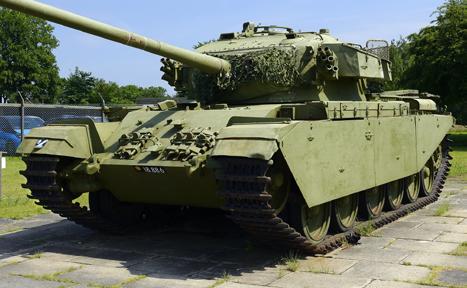
within a few years which gave emphasis to those capabilities that could be quickly produced. Holdings of tanks, fighter aircraft, light bombers and minesweepers were amongst those that rose exponentially. To support this, the period of national service was extended from 18 months to two years in 1950.17 This contrasts with the earlier period of rearmament when conscription was avoided until very late on –April 1939 following the decision to commit land forces to the defence of France.18
“”
In 1950 there was a real fear of a third world war within a few years which gave emphasis to those capabilities that could be quickly produced. Holdings of tanks, fighter aircraft, light bombers and minesweepers were amongst those that rose exponentially.
The second example follows the fall of China to the communists in 1949 and the subsequent outbreak of the Korean War in 1950. Here, the Labour government of the day pushed through a major rearmament programme to counter the threat posed by the communist world, ultimately resulting in a prolonged Cold War and not the feared World War 3.13 In this case, the emphasis in both the 1950 and 1952 Defence Policy and Global Strategy papers was on nuclear deterrence, with the key difference between the two being that of how long any conventional phase might last.14 Reflecting on this rearmament, the 1957 Sandy’s review noted: “Over the last five years defence has taken 10 per cent, of Britain’s gross national income. Some 7 per cent, of the working population are either in the Services or supporting them. One-eighth of the metal-using industries, upon which the export trade so largely depends, are engaged on defence production. About two-thirds of this country’s expenditure on research and development, and a large proportion of its highly qualified scientists and engineers engaged on this work, are employed on defence projects. In addition, the retention of such large forces abroad gives rise to heavy charges which place a severe strain upon the balance of payments.”15
A number of lessons can be drawn from these historical examples about the challenges associated with rearmament. First, there is a question of timeframe. In the 1930s there was an increasing urgency to the government’s actions but with no specific starting point in mind or clarity in terms of end-state.16 By the break of war in 1939 the British armed forces were in the throes of rearmament, still seeking to catch up with Germany and having a very limited capacity to deter Japan. Nevertheless, Britain’s armed forces were in a substantially better place than a few years previous and the economy was able to transition to a war-footing much more quickly and, in areas such as aircraft production, rapidly overtake Germany.
In contrast, in 1950 there was a real fear of a third world war
The timeline is important for several reasons. It provides a guide to what force capabilities should be retained and what should be dispensed with because they will be obsolete at the point of need. For example, in the second half of the 1930s the Royal Navy stopped scrapping some its older destroyers and cruisers, recognising that sufficient new ships would not be delivered in time. Instead, it started to earmark the former to convoy duties and would develop a programme that converted them to this task. Likewise, some of the C-class cruisers were stripped of their six-inch guns and converted to the role of anti-aircraft cruiser.19 It is also worth noting that the German lead in rearming its air force and focus on expansion meant that later in the war it found itself still producing obsolete aircraft whilst the Royal Air Force had newer designs coming into service.
Today, there are mixed messages on timeframe. A number of serving officers and pundits have spoken of a ‘1937’ or a ‘1938 moment’.20 This would imply a timeline of being ready in one to two years and a requirement to be ready to fight with what you have. Some in NATO have spoken of needing to be ready by 2027, 2030 or four
11Ibid.
12See N.H Gibbs, Grand Strategy: Volume 1 – Rearmament Policy, Official History of the Second World War, HMSO, 1976; Phil Tinline, ‘Rearming Britain: lessons from the 1930s’, The World Today, 82(1), Spring 2026, 20-24, chathamhouse.org/publications/ the-world-today/2026-03/what-britain-can-learn-its-struggle-rearm-1930s; Paul Mason, ‘Lessons from the 1930s: Rearm according to the threat, not the fiscal rules’, Council on Geostrategy, 8 May 2024, geostrategy.org.uk/britains-world/lessons-from-the-1930srearm-according-to-the-threat-not-the-fiscal-rules
13-14John Baylis and Alan Macmillan, ‘The British global strategy paper of 1952’, Journal of Strategic Studies, 16(2), 1993, 200-226, https://doi. org/10.1080/01402399308437514
15Minister of Defence, ‘Defence: Outline of Future Policy’, Cmnd.124, HMSO, 1957, 3-4, web.archive.org/web/20090222150934/http://filestore.nationalarchives.gov.uk/ pdfs/small/cab-129-86-c-57-84-34.pdf
16See Gibbs, Grand Strategy: Volume 1.
17Prime Minister, ‘Defence Programme’, Cmd.8, 146, HMSO, 29th January 1951.
18bbc.co.uk/history/british/britain_wwtwo/ff1_conscription.shtml
19David K. Brown, The Design and Construction of British Warships 1939-1945. Vol.I: Major Surface Ships, Conway, 1995.
20General Sir Patrick Sanders, ‘Chief of the General Staff Speech at RUSI Land Warfare Conference’, MoD, 28 June 2022, gov.uk/government/speeches/chief-the-general-staffspeech-at-rusi-land-warfare-conference; Chris Lunday, Jacopo Barigazzi and Veronika Melkozerova, ‘Why Munich 1938 concessions to Nazi Germany haunt Washington 2025 talks’, Politico, 18 August 2025, politico.eu/article/donald-trump-vladimir-putin-russiawar-in-ukraine-adolf-hitler-czechoslovakia
years once the war in Ukraine ends.21 This has led the likes of Poland to make significant orders for equipment, such as main battle tanks from the likes of South Korea and the United States, whilst also struggling to provide the associated trained personnel and question marks about their ability to sustain such forces.22 Yet, the June 2025 NATO summit points to a longer timescale, committing the allies to increase spending to 3.5 per cent of gross domestic product on defence along with an additional 1.5 per cent on wider defence and security measures by 2035.23 The funding deadline would suggest rearmament over a much lengthier period. Given the NATO-first emphasis contained within the 2025 Strategic Defence Review and the earlier Integrated Review Refresh, the primary focus is on Russia and a relatively short timeframe of being able to help deter Russia, yet ironically NATO’s 2035 compromise target is in many ways more relevant for countering China.
Second, there is the question of the character of conflict one is seeking to deter, and if necessary, fight. Rearmament in the 1930s assumed that any conflict would be long term and need to be sustained as such. Similarly, the rearmament in the early 1950s envisaged an initial conventional conflict that required significant conventional forces (the first thermonuclear test was not until 1952). However, nuclear weapons, initially atomic bombs and later hydrogen bombs, did have an impact, particularly in terms of civil defence planning. In British thinking this contrast can be seen between the 1950 and 1952 variants of the ‘Defence Policy and Global Strategy’ papers – the logic of which only really became apparent in the 1957 defence review.24 The belief was that war would be quick and nuclear with the result there would be no expectation on British industry to sustain any conflict. As a result, the Navy scrapped much of the extensive reserve fleet that would have supported a new Battle of the Atlantic whilst the Royal Air Force reduced its air defence capabilities and the Army ended national service, thereby scrapping the reserve divisions previously earmarked for the defence of the European mainland.
Both case studies show that identifying the character of the likely war is a major determinate of the necessary approach to rearmament and societal preparation. The inference from statements made in the 2025 Strategic Defence Review and the earlier Integrated Review Refresh is that success should be measured in the deterring of Russia, Iran, North Korea and China.25 Conflict is viewed essentially in terms of three
21Interview with senior NATO official.
22Krystyna Marcinek and Scott Boston, Polish Armed Forces Modernization: A New Cornerstone of European Security?, RAND, 29 May 2025, rand.org/pubs/research_ reports/RRA2971-1.html
23North Atlantic Council, The Hague Summit Declaration, 25 June 2025, nato.int/en/ about-us/official-texts-and-resources/official-texts/2025/06/25/the-hague-summitdeclaration
24Minister of Defence, ‘Defence: Outline of Future Policy’, Cmnd.124, HMSO, 1957, 3-4, web.archive.org/web/20090222150934/http://filestore.nationalarchives.gov.uk/ pdfs/small/cab-129-86-c-57-84-34.pdf
25Ministry of Defence, ‘Strategic Defence Review Making Britain Safer: secure at home, strong abroad’, Policy Paper, 2025, assets.publishing.service.gov.uk/ media/683d89f181deb72cce2680a5/The_Strategic_Defence_Review_2025_-_Making_ Britain_Safer_-_secure_at_home__strong_abroad.pdf
26Michael S Smith, ‘Rearmament and deterrence in Britain in the 1930s’, Journal of Strategic Studies, 1(3), 1978, 323-337, doi.org/10.1080/01402397808437005
focus on China. “”
Four potential opponents have been identified – with the immediate focus being on Russia and the longer-term
levels. The first is the current sub-threshold level in which there is competition that falls short of conventional conflict but involves areas such as cyber-attacks, election interference, assassinations and damage to critical infrastructure, essentially where we are now. If deterrence should fail, there is the potential for conventional conflict similar to that being engaged in Ukraine but with no escalation to nuclear weapons. The third level involves the use of weapons of mass destruction. What this means is that society and industry will therefore need to be in a position to deter any escalation to conventional conflict and, if this fails, sustain such a conflict into the longer term whilst deterring any escalation to weapons of mass destruction.
Third, in both historical case studies the United Kingdom was operating in partnership with allies against multiple potential opponents. In the 1930s this involved working closely with France to counter the threat posed by Germany whilst unsuccessfully seeking to work with the US to deter Japan. This led to a maritime-air prioritisation until 1938 when the decision was taken to also embark on a land commitment to the defence of France. This left the British Army ill-equipped for deployment in 1939.26 In 1950 rearmament was viewed within the context of NATO and the requirements of NATO war planning. Focus here was on the UK’s contribution to the Central Front, the defence of allied convoys crossing the Atlantic and developing a nuclear deterrent.
Today, four potential opponents have been identified – Russia, Iran, North Korea and China – with the immediate focus being on Russia and the longer-term focus on China. In all these cases the UK is looking to work with allies both bilaterally and multilaterally, either through formal alliances and partnerships or on a more informal basis. This means rearmament needs to be set within the context of allied capabilities.
In countering Russia, NATO is the primary tool and the United Kingdom’s geographical location should provide a key driver of its contribution to alliance defence. The UK is a base both for the deployment and long-term sustainment of forces to NATO’s Nordic nations and a base to counter Russian activities in NATO’s northern flank, including the Arctic and Atlantic. Within this context, mobility and sustainability need
to be emphasised. This contrasts with the second half of the Cold War where the primary focus of British war plans sought to rapidly reinforce 1 (BR) Corps, stationed in Germany alongside RAF Germany, with the expectation that these would only need to fight for a few weeks at most. The UK is also one of only two European nuclear powers and the only one to formerly declare their nuclear forces to NATO. The US also declares nuclear forces to NATO and provides the nuclear bombs for the Alliance’s dual-capable aircraft, but doubts are increasing about this US commitment given the comments of President Donald Trump.
Fourth, within the context of sustaining operations in the long term, the role of industry is vital. The historical cases identify a number of elements that need to be borne in mind. Industry will not cooperate unless it is incentivised to do so. The muchcited example of the Shadow Factory scheme, designed to expand the production of aircraft and aircraft engines prior to the Second World War, relied on government money to pay for the new factories and their associated equipment.27
In a similar manner to the historical examples, today the UK’s defence industry is struggling with skills shortages brought about by post-Cold War reductions to defence manufacturing. As in both case studies, a significant associated training programme is needed. Simply building new factories or providing funding for an additional shift will not work unless the requisite skilled labour can be found. For example, the Ministry of Defence announced that Tekever would operate a major new drone factory in Swindon. The choice of Swindon was interesting and linked to Honda’s closure of its car plant. Similar considerations are currently being applied to the promised new munitions plants. The historical examples have also shown that with a mobile workforce there is the potential for labour simply to move between sites, leading to wage inflation rather than work force growth. Building capacity, both
in terms of the physical structures and the associated workforce, is a challenge. A good example here is the work currently being undertaken at Barrow-in-Furness (pictured below) to grow and sustain nuclear submarine production in the long term.28
Fifth, in both historical cases there were unforeseen bottlenecks revealed. For example, in the late 1930s the Royal Navy was forced to accept delays to some of its ships because of limitations in the production of some of its guns. Delays in the Dido-class cruisers ordered between 1936 and 1939 were caused by limitations in the production of 5.25-inch turrets. This led to some of the ships being equipped, at least initially, with four rather than five turrets and in some cases with a set of 4.5-inch turrets. Similarly, plans to build new battleships were limited by the capacity to build main gun turrets, resulting in the order for a one-off design, HMS Lion, that used spare 15inch turrets left over from two First World War battlecruisers29 whilst consideration was given to re-using the main turrets from the Royal Sovereign-class battleships as they were retired.
Interestingly, in recognition of how bottlenecks caused construction delays prior to the Second World War, the Royal Navy retained a significant number of warships in its reserve fleet for the first decade following the conflict that would have been used in any new ‘Battle of the Atlantic’.30 Similarly, the Covid-19 pandemic had a significant impact on international supply chains and demonstrated a fragility which continues
27Stephen E Little and Margaret Grieco, ‘Shadow factories, shallow skills? An analysis of work organisation in the aircraft industry in the Second World War’, Labor History, 52(2), 2011, 193-216, https://doi.org/10.1080/0023656X.2011.571476
28Defence Nuclear Organisation, ‘A National Endeavour: Nuclear as part of the Defence engine for growth’, Corporate Report, 23 April 2026, gov.uk/government/publications/ the-uks-nuclear-deterrent-a-national-endeavour/a-national-endeavour-nuclear-as-part-of-thedefence-engine-for-growth
29Angus Konstam, British light cruisers 1939-45, Osprey Publishing, 2012.
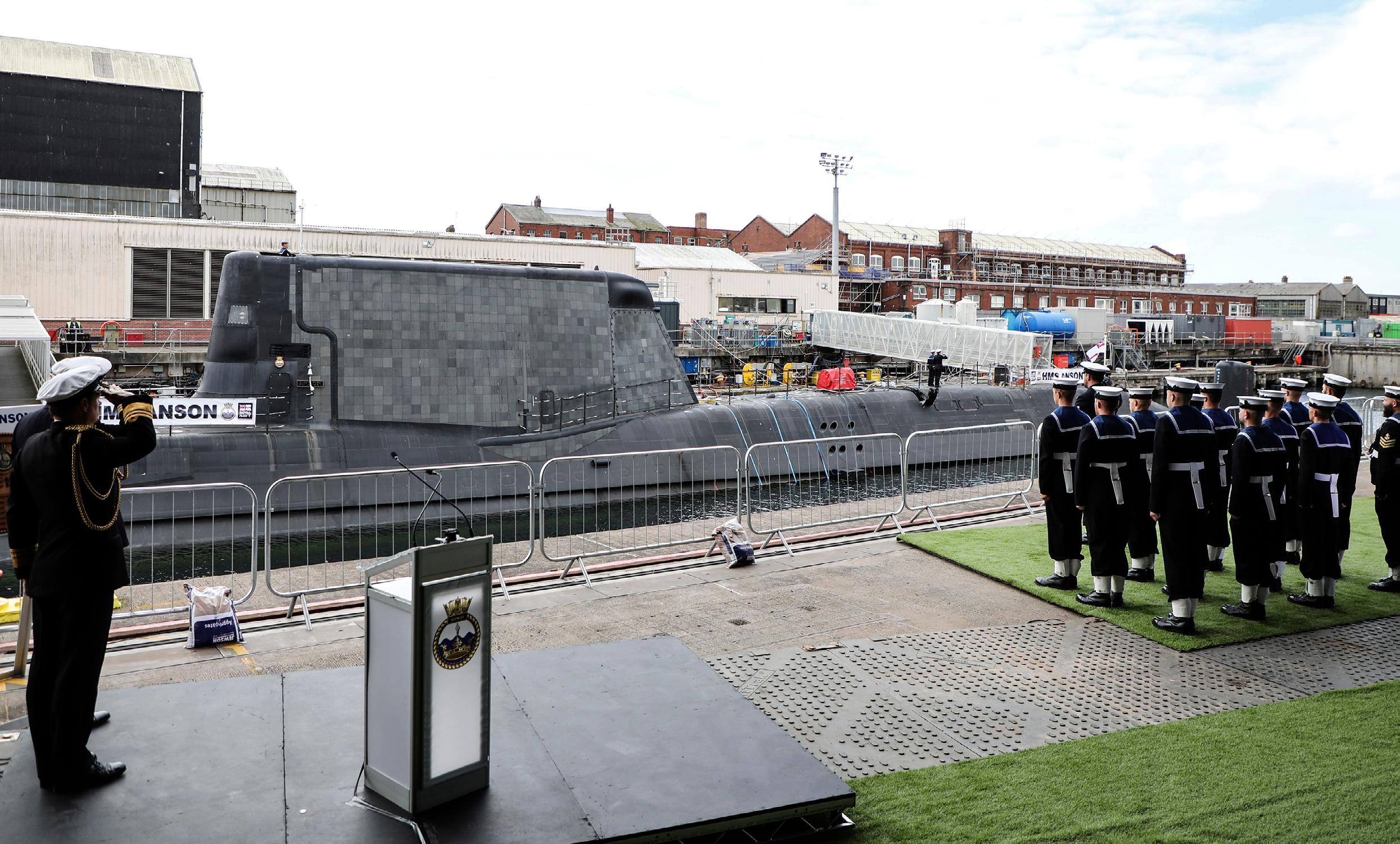

The increasing questions that surround the US commitment to NATO and the so-called ‘special relationship’ with the United Kingdom suggest that the 2025 Security Defence Review does not go sufficiently far enough in helping the UK, as part of Europe, to develop the requisite defence capabilities and resilience to counter Russia without America.
today.31 This ongoing experience has been felt by a number of defence primes and led to delays in the delivery of a number of pieces of equipment. The principal difference with the historical examples is the increased internationalisation of supply chains with a number of surprises about dependencies. At the same time, there are question marks surrounding the US commitment to European defence and whether America remains a source of assured supply. Interestingly, the Ministry of Defence has recently carried out a test of supply chains.32
Lastly, resilience goes beyond simple rearmament. At the state level, it represents the ability of the state and society in general to adapt to adversity, trauma or significant stress, allowing both to respond to these challenges, recover from misfortune and continue moving forward. Russia’s illegal invasion of Ukraine in 2022 and its engagement in what has been termed sub-threshold warfare, plus the lessons from (and ongoing impact of) Covid-19 on global supply chains, have once again raised the importance of resilience.
In the case of 1930s rearmament, there was a significant accompanying element of civil defence both to counter concerns about the threat from the air and also the UK’s dependence on the import of raw materials and food to sustain itself. The Government has already identified the availability of key critical minerals and their associated refining processes as a major concern.
33 More fundamental, for UK defence the transition of approach from one that emphasised competition and value for money to one that is increasingly moving towards resilience is a real challenge. It encompasses many areas of defence and the state more widely and raises significant questions about the state’s approach to its suppliers and its relationship with them.
To say that we live in interesting times would be somewhat
of an understatement. The British Government has taken a number of steps along the road of rearmament and is actively considering the question of resilience. That said, delays to the Defence Investment Plan and the associated decisions that will flow from it suggest a lack of urgency when compared to some of its NATO partners. The 2025 Strategic Defence Review’s recommendations are, in many cases, sensible but they require significant change at pace and are predicated on a financial profile that the Government appears reluctant to formally endorse.
Moreover, the increasing questions that surround the US commitment to NATO and the so-called ‘special relationship’ with the United Kingdom suggest that the 2025 Strategic Defence Review does not go sufficiently far enough in helping the UK, as part of Europe, to develop the requisite defence capabilities and resilience to counter Russia without America, whilst remaining relatively quiet about the acknowledged concerns that persist around China. The historical case studies have highlighted that understanding the timeline in which one is operating is essential. Here, the Government appears to be out of kilter and would be wise to consider how to close this gap.
30Eric Grove, Vanguard to Trident: British Naval Policy since World War 2, The Bodley Head Ltd., 1987.
31Javid Moosavi, Amir M. Fathollahi-Fard and Maxim A. Dulebenets, ‘Supply chain disruption during the COVID-19 pandemic: Recognizing potential disruption management strategies’, International Journal of Disaster Risk Reduction, June 2025, https://doi. org/10.1016/j.ijdrr.2022.102983
32Ministry of Defence, ‘UK tests defence supply chains under war conditions in major exercise’, Press Release, 29 April 2026, gov.uk/government/news/uk-tests-defence-supplychains-under-war-conditions-in-major-exercise
33Department of Business and Trade, ‘Vision 2035: Critical Minerals Strategy’, Policy Paper, 23 January 2026, gov.uk/government/publications/uk-critical-minerals-strategy/ vision-2035-critical-minerals-strategy

The vital periphery
Treasure chests and fortresses
Challenges to NATO’s northern flank
A thawing of the peace
Professor Andrew Stewart Head of Conflict Research, CHACR
Throughout the Cold War, the defence of NATO’s Northern Flank – comprising Norway, Denmark, the adjacent seas and the vital Greenland-Iceland-United Kingdom (GIUK) Gap [see Figure 1] – was a matter of profound strategic importance for Britain. For defence planners, this was not merely a peripheral theatre of operations; it was the essential strategic prerequisite both for the successful defence of the likely critical Central Front in West Germany and the survival of the British Isles.1 This conviction was driven, in large part, by the historical memory of the disastrous Anglo-French 1940 Norwegian campaign and the subsequent devastating attacks on convoys carried out by German forces based in occupied Norway. This served as a constant reminder that Britain could not survive any future major conflict if hostile forces
1Gen. Fredrik Bull-Hansen, ‘Norway, NATO’s Strategic Pivot?’, RUSI Journal (Vol.132, No.3; Sept. 1987), 16; J.L. Moulton, ‘The Defense of Northwest Europe and the North Sea’, US Naval Institute Proceedings (Vol.97/5/819; May 1971), usni.org/magazines/ proceedings/1971/may/defense-northwest-europe-and-north-sea
2Gen. Sir Peter Whiteley, ‘The Northern Flank of NATO’, RUSI Journal (Vol.125, No.1; 1980), 9-13; House of Commons Defence Sub-Committee, ‘Oral Evidence: Defence in the Arctic - James Gray MP’, HC 388, 15 Nov. 2017, committees.parliament.uk/ oralevidence/7187/html
3Rowan Allport, ‘Fire and Ice: The Defence of Norway and NATO’s Northern Flank’, Human Security Centre, 2 Apr. 2017, hscentre.org/uncategorized/fire-and-ice-the-defenceof-norway-and-natos-northern-flank
4Prof. Knut Einar Eriksen, ‘The Northern European Command: Establishment and the First 10 Years’, in Headquarters Allied Forces Northern Europe, 1951-1994 (Engers Boktrykkeri A/S, 1994), 26-43.
5AFNORTH existed as a NATO command from 1951 to 1994 during which time there were 16 CINCNORTHs, all British and eleven of whom were 4* Army officers, four were 3* appointments and the one other was the first to hold the post, Admiral Sir Patrick Brind.
If the Soviet Union secured the airfields and ice-free fjords of northern Norway, their naval and air forces could project power directly into the North Atlantic, outflanking the nascent NATO and isolating the United Kingdom. Consequently, when the Alliance formally established its command structure in April 1951, Britain took a leading role in terms of a commitment to guard the Northern Flank.
controlled the Scandinavian coastline.2 The resulting response evolved through several distinct phases: an initial post-war period of leadership and deep integration with Scandinavian defence; a middle period of distraction caused by lingering imperial commitments ‘East of Suez’ and an irresistible fixation with the Central Front; and finally, a late-Cold War renaissance during which British maritime and amphibious forces were eventually reoriented northwards to counter the massive expansion of the Soviet Northern Fleet.
The British strategic mindset at the beginning of the Cold War was painfully aware of the vulnerability of the Atlantic Sea Lines of Communication which remained absolutely essential for the reinforcement and resupply of Europe from North America in the event of another European war.3 If the Soviet Union secured the airfields and ice-free fjords of northern Norway, their naval and air forces could project power directly into the North Atlantic, outflanking the nascent NATO and isolating the United Kingdom. Consequently, when the Alliance formally established its command structure in April 1951, Britain took a leading role in terms of a commitment to guard the Northern Flank. In large part, this was actively at the behest of local partners; Jens Christian Hauge, the influential Norwegian Defence Minister from 1945 to 1952, sought a British or American commanderin-chief for Allied Forces Northern Europe (AFNORTH) as a “pledge of goodwill” to better bind the major Atlantic powers to Norway’s defence.4 The British accepted this responsibility, and throughout the Cold War, the position was traditionally held by a senior British Army general.5 With AFNORTH’s headquarters at Kolsås near Oslo deliberately structured to better ensure British and American integration into the defence of Scandinavia, the Northern Command was consequently seen as something of a “British Army fiefdom”.6


Although both founding NATO members, Norway and Denmark strictly prohibited the permanent peacetime stationing of foreign combat troops or nuclear weapons to avoid provoking Moscow. From AFNORTH’s earliest days, and with the British presence having to be carefully managed, British naval power was therefore considered the absolute guarantor of Northern Flank security.7 The assessment was that forward maritime operations in the Norwegian Sea were necessary to contain the Soviet threat at its source before it could break out into the broader Atlantic and the Royal Navy was, effectively, the only service fully committed to the region’s defence.8 However, as the decade progressed British strategic attention began to drift. The 1957 Sandys Defence Review marked a pivotal shift in British policy, reorienting the Royal Navy’s priorities away from European waters towards imperial and post-colonial commitments ‘East of Suez’. This deeply alarmed NATO planners and forced the United States to significantly upgrade its own naval commitment to the region as, throughout the
6Eivind Berdai, ‘AFNORTH in NATO’s Military Command Structure’ in, Headquarters Allied Forces Northern Europe, 76-83; Diego A. Ruiz Palmer, ‘A Strategic Odyssey: Constancy of Purpose and Strategy-Making in NATO, 1949-2019’, NATO Defense College Research Paper 3 (2019), 49; T. Ross Milton, ‘The Northern Flank’, Air & Space Forces Magazine, 1 Apr. 1988, airandspaceforces.com/article/0488flank
7Eriksen, ‘The Northern European Command: Establishment and the First 10 Years’, 32-33; Karsten Friis, ‘Norway: NATO in the North?’ in, Nora Vanaga and Toms Rostoks (eds.), Deterring Russia in Europe: Defence Strategies for Neighbouring States (Taylor & Francis Group, 2018); Col John H. Roush Jr, ‘Norway’s Significance’, Military Review (Vol.55, No.7; Jul. 1975), 24-27.
8Mats Berdal, ‘NATO’s Northern Flank in a Strategic Perspective: The Formative Years from “Massive Retaliation” to “Flexible Response”’ in, Headquarters Allied Forces Northern Europe, 51-53.
9Col. Robert P. McQuall, ‘Kruschev’s Right Flank’, Military Review (Vol.44, No.1; Jan 1964), 15.
10Eugene Hinterhoff, ‘Problems Along NATO’s Flanks’, Military Review (Vol.45, No.6; Jun. 1965), 49.
11Sir James Cable, ‘Surprise and the Single Scenario’, RUSI Journal (Vol.128, No.1; 1983), 36.
12Gen. Sir Walter Walker, ‘Problems of the Defence of Nato’s Northern Flank’, RUSI Journal, (Vol.115, Issue 659; 1970), 13.
13Tom Pocock, The Fighting General: The Public & Private Campaigns of General Sir Walter Walker (Collins, 1973), 261.
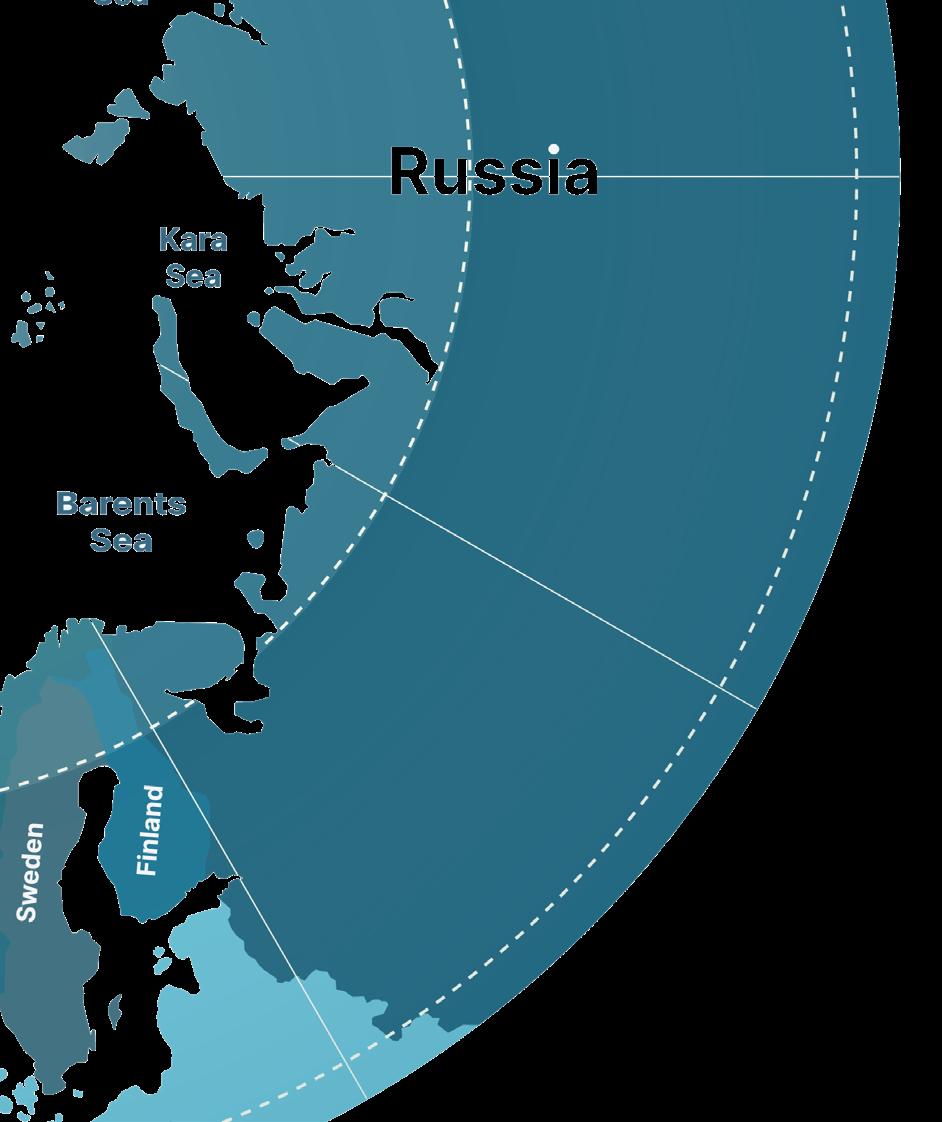
1: Arrows depict the GreenlandIceland-United Kingdom Gap
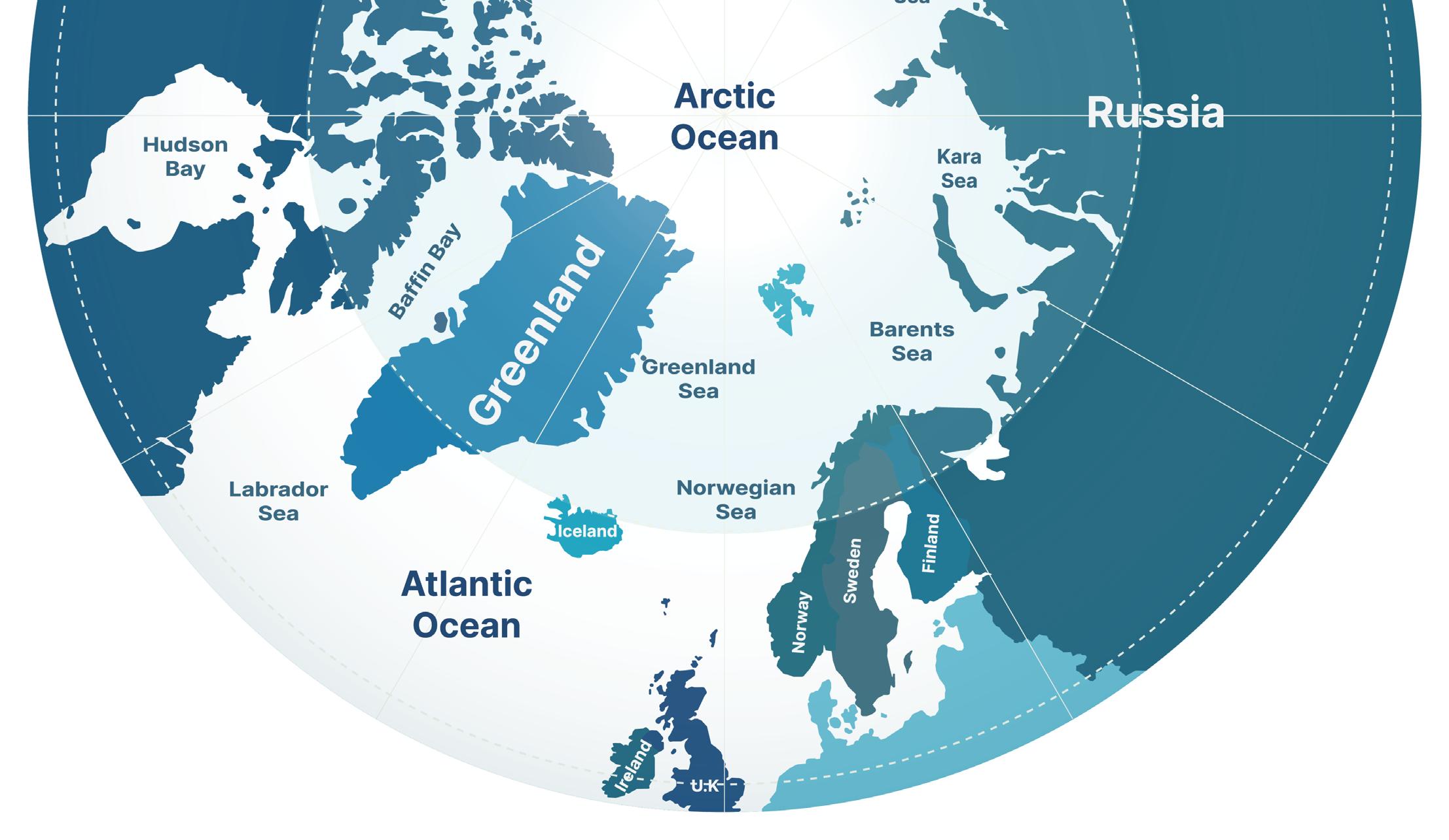
1960s, concerns grew about a growing Soviet capability and the potential threat this posed, particularly to Northern Norway.9 As one commentator, writing in 1965, described it: “...a Soviet drive toward the Narvik-Tromsø fiords, combined with amphibious operations, would be a textbook manoeuvre crowned with easy success. Furthermore, quick reinforcement in this area would be difficult since there is only one small airfield in Bardufoss, and this could easily be rendered useless by a few Soviet bombs or seized by Soviet paratroopers.”10
An apparent ambivalence existed within the British defence establishment as the intellectual and, increasingly, financial focus on military commitments in Germany incrementally began to dominate military planning. With the British Army of the Rhine (BAOR) and the Second Allied Tactical Air Force (2 ATAF) consuming the vast majority of the UK’s conventional defence budget, the Northern Flank was frequently relegated to a secondary priority. Planners anxious to protect the BAOR from budget cuts consistently “oversold the vulnerability of the Central Front”, inadvertently fostering a dangerous orthodoxy that the maintenance of the Inner German Border was the sole justification for Britain’s armed forces.11
For the British commanders posted to Oslo, the imbalance was obvious as were the potential dangers it presented. For General Sir Walter Walker, who became Commander-inChief NORTH on 1 August 1969, the lack of interest in NATO’s Northern Flank was of critical concern and he spent the next three years doing his utmost to raise awareness of “an exposed area, the defence of which is vital to the defence of Great Britain herself”.12 As his biographer described it “... while opinion in the West, lulled by more than twenty years of peace under NATO protection, seemed generally to doubt whether the Russians had any active designs on Scandinavia, to Walker it was an article of faith that they would risk anything short of nuclear war to neutralise these countries as an essential preliminary to westward expansion”.13 He was an often controversial character, never afraid to express “truths that someone finds uncomfortable or embarrassing”, and his public criticisms about the weakness of the Northern Flank
and the regional response led to tension with the Norwegian and Danish governments.14 Prior to Walker’s arrival, “NATO policy had been to humour the Scandinavians for fear of upsetting the delicate balance of loyalties and apprehensions” and, whilst the political leadership in London disagreed with his public criticisms, it was widely accepted that the problems he highlighted were real.15 With his “ridiculously puny” forces by comparison with those assembled by the Soviets, he advocated the development in vital forward areas of a system of what he termed ‘porcupines’, each held by a battalion group with its own artillery, tanks, anti-tanks guns and helicopters. It was assessed that up to an enemy division would be needed to defeat them and, if they held, this would allow time to send reinforcements and compel the Russians to choose between escalating their attack, with the potential for precipitating a more general conflict, or withdrawing. The porcupines in themselves would constitute a deterrent.16
With his tour concluded, returning to London in February 1972, Walker’s farewell report began by noting the continuing inaction he had observed despite a major shift in the balance of power he had witnessed on the Northern Flank. His greatest concern was the maritime threat, warning that what had been the smallest in the Soviet Navy at the end of the Second World War was now their biggest; as he put it, the Soviet Northern Fleet had become “the superfleet of a supernavy of a superpower”.17 The Soviets had developed the ‘Bastion Concept’, transforming the Barents and Norwegian Seas into a heavily defended sanctuary for its ballistic missile submarines (SSBNs).18 To protect this they deployed a staggering concentration of attack submarines, surface combatants and long-range aviation, fundamentally shifting the regional correlation of forces.19 In Walker’s report, he highlighted they were adding a major new surface vessel on average every nine weeks and a modern submarine to replace an old one every five weeks and “less than 1% of East Bloc ships are more than 20 years old, whereas about 40% of NATO’s ships are older”. Convinced that the Russians
Reinforcing reputations: The UK Commando Force reaffirmed its commitment to the High North by deploying to the Arctic circle for Winter Deployment 25 UK MOD © Crown copyright
had “learned from past history” and concluding they could “achieve their political aims without in fact going to war”, he presented his assertions to the Chiefs of Staff Committee, highlighting also the value of the porcupines and the critical importance of being able to surge rapid reinforcements.20 Responding to this, the Chief of the General Staff, General Sir Michael Carver, confessed to “grave doubts about the military wisdom of reinforcing Norway in times of crisis” but it was important the Russians believed any incursion would be resisted by NATO. He went on, reinforcement was intended “to demonstrate as quickly as possible during time of tension the unity of NATO and the determination to resist aggression”; he did not believe a “reinforcement plan could be implemented once a war had started”. The wider committee discussion confirmed this was a common view, demonstrating the wider issue and the apparent military indecision which existed in London.
Walker’s successors continued to warn about the growing danger, General Sir Peter Whiteley described the maritime faces opposing him as a means of “interdicting that vital supply line across the Atlantic without which the North Atlantic Treaty becomes meaningless”.21 General Sir John
14‘Tom Pollock, ‘New appeasers – by NATO chief’, Evening Standard, 9 February 1972.
15Pocock, The Fighting General, 240; Sir Michael Alexander to Lord Bridges, 23 Feb. 1972, FCO41/985, The National Archives (hereafter ‘TNA’).
16Pocock, The Fighting General, 263-264.
17Gen. Sir Walter Walker, Commander in Chief Allied Forces Northern Europe, ‘The Situation in Northern Europe Command’, 1 Feb. 1972, 1, 3, FCO41/985, TNA; Gen. Sir Walter Walker, ‘The Defence of the Northern Flank’, RUSI Journal (Vol.118, No.3; 1973), 29.
18Palmer, ‘A Strategic Odyssey’, 49; John Olav Birkeland, ‘Maritime airborne intelligence, surveillance and reconnaissance in the High North: The role of anti-submarine warfare –1945 to the present’, PhD Thesis, University of Glasgow (June 2020), 95-96; Jonas Kjellén, ‘The Russian Northern Fleet Bastion Revisited’, Journal of Advanced Military Studies (2025), 7-12.
19Walker, ‘Problems of the Defence of Nato’s Northern Flank’, 13; Bull-Hansen, ‘Norway, NATO’s Strategic Pivot?’, 13-14.
20‘Chiefs of Staff Committee’, 29 February 1972, FCO41/985, TNA.
21Whiteley, ‘The Northern Flank of NATO’, RUSI Journal, 9.
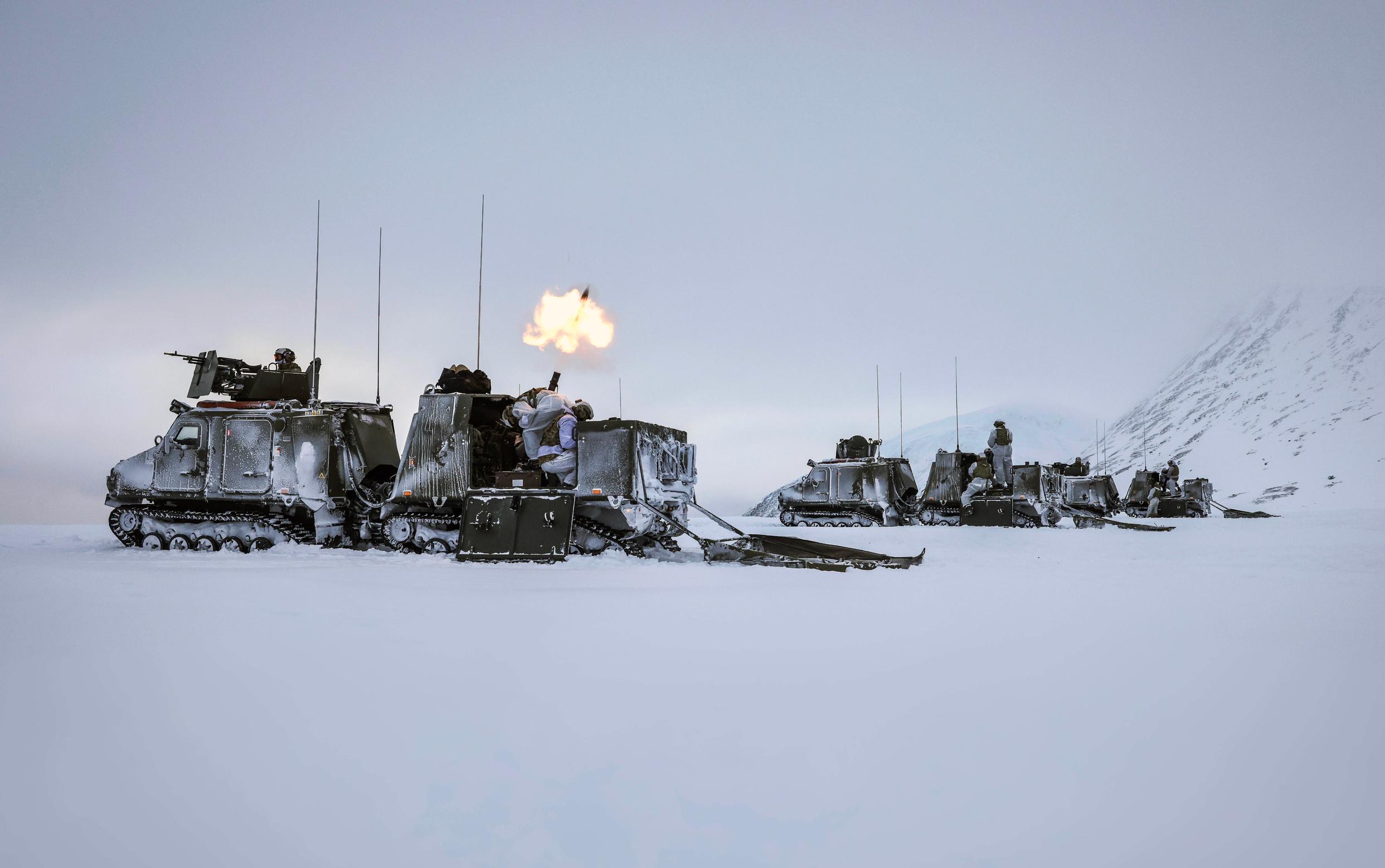
The ability of British commandos to operate in the treacherous, snow-bound topography of the fjords was highly respected within NATO. “”
Sharp meanwhile complained in 1976 that “too many people of influence in this country look at the defence of Western Europe with Central Front ‘blinkers’ on”.22 For General Sir Anthony Farrar-Hockley, who arrived in Oslo in July 1979, the situation remained much the same. At the end of the decade, the Baltic Approaches to the Arctic Ocean was under the jurisdiction of the Soviet Military District Leningrad, which consisted of eight army divisions and one frontal aviation army. The main role of the 85,000 combat troops and estimated 1,700 first-line battle tanks remained, however, to support the Soviet Northern Fleet. There were also special duty brigades which it was believed were intended to conduct long-range penetration missions to target command and control and interdict any attempted logistical and troop reinforcement. With local NATO forces outnumbered 4:1 on the ground, 7:1 in the air and 6:1 on the sea, one commentator concluded: “AFNORTH relies on deterrence, not defensive power, to accomplish its mission. If deterrence fails, the areas is indefensible with the present forces.”23
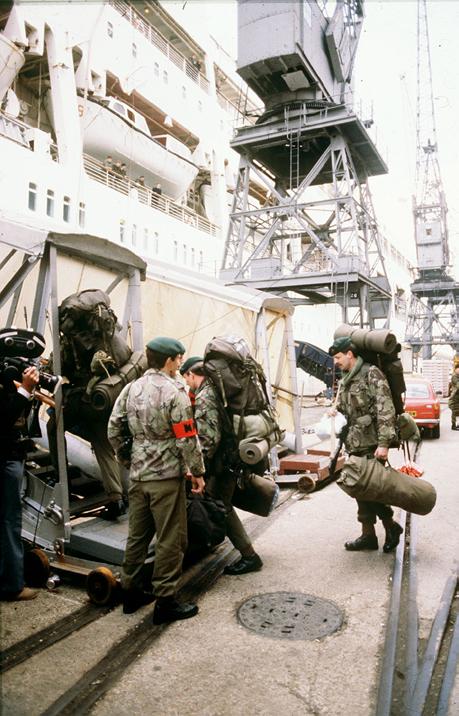
It
took the strategic shock of the 1982 Falklands War to abruptly remind the British political establishment of the enduring necessity of amphibious shipping and flexible maritime power projection.
This is not to say efforts were not being taken to strengthen the ground forces available for local defence, albeit with the continuing local political restrictions which existed and continued to challenge the planners. There were British troops within the Allied Command Europe Mobile Force, a multinational brigade designed to deploy rapidly to NATO’s flanks to demonstrate political solidarity during any crisis period prior to hostilities beginning.24 In addition, beginning in 1973, the UK/Netherlands Amphibious Force, centred around the Royal Marines 3rd Commando Brigade which would later lead the landings around San Carlos Water in the Falkland Islands, trained annually in extreme Arctic warfare conditions in northern Norway.25 The ability of British commandos to operate in the treacherous, snow-bound topography of the fjords was highly respected within NATO.26 By 1979, agreements were established to pre-position over-snow vehicles and heavy equipment in Norway, drastically reducing the deployment time required to reach the front lines in the northern Norwegian region of Troms, where it was believed any Soviet invasion would occur.27 Farrar-Hockley still, however, “had very few forces immediately available and was critically dependent on large-scale reinforcement”.28 According to his biographer, if there “was sufficient political will to mobilise and reinforce in the event of crisis, then he could probably hold his ground; if the Warsaw Pact was able to mount a surprise attack, or seize the initiative, the game would be over before it started”.
In London, political tensions continued to frequently clash with these military commitments. The 1981 Defence Review (The Way Forward) instituted severe cuts to the Royal Navy and threatened the very core of Britain’s Northern Flank strategy.29 Critics again argued that the British government’s obsession with forward defence on the European continent meant “too many of Britain’s eggs are in a German basket”, leaving the flexible, maritime response needed elsewhere
starved of investment.30 This included General Sharp who had previously warned that paying off amphibious assault ships like HMS Bulwark and converting HMS Hermes to an antisubmarine role would catastrophically deprive the commandos of their assault capability, forcing reliance on vulnerable civilian roll-on/ roll-off ferries.31 It took the strategic shock of the 1982 Falklands War to abruptly remind the British political establishment of the enduring necessity of amphibious shipping and flexible maritime power projection, not to mention the importance of securing Norwegian airfields to provide fixed bases from which to conduct vital air operations.32
As the arguments continued – and Britain fought a war in the South Atlantic – the Soviet maritime threat on the Northern Flank grew. In Farrar-Hockley’s assessment, the problem for his opponent remained much as it had in 1949: “...the approach to its home waters is bordered by Norway as it enters or exits from the Barents Sea on which its complex of bases lie in the Murmansk area. It can never pass on the surface and for the most part below the surface without being observed by forces in Norway. If it wants to have free operation for war, sending ships out to refuel, replenish and the like, bringing damaged vessels back for repair and so on, it really cannot do that freely if that northern coast of Norway is not in its possession. So the Soviet Union needs to capture that area, beginning at H-hour on D-Day.”33
The British did adopt a highly active, albeit often covert, role in
22Gen. Sir John Sharp, ‘The Northern Flank’, RUSI Journal, 121:4; 1976), 15.
23Maj. John F. Meehan III, ‘AFNORTH – NATO’s Assailable Flank?’, Military Review (Vol.55, No.1; Jan 1975), 10; Capt. Kenneth J. Strafer, ‘“Haven Spent”’, Military Review (Vol.57, No.7; Jul. 1977), 63-64.
24Lt-Col. Calvin H. Creasey, ‘A Perspective of the ACE Mobile Force’, Military Review (Vol.55, No.11; Nov. 1975), 14-22; John Lund, ‘Don’t Rock the Boat: Reinforcing Norway in Crisis and War’, Rand Graduate Institute, Dec. 1987, 55-56; Andrew Stewart, ‘Firefighting on NATO’s Flanks? The United Kingdom’s Mobile Force’, The British Army Review (Winter 2025; Issue 196), 26-29.
25‘Norway: Key to the North’, The Adelphi Papers (Vol.23, No.181; 1983), 25.
26Whiteley, ‘The Northern Flank of NATO’, 11.
27Lund, ‘Don’t Rock the Boat’, 62.
28Lt-Gen. Jonathon Riley, “Oft in Danger”: The Life and Campaigns of General Sir Anthony Farrar-Hockley (Helion, 2015), 395; Andrew Stewart, ‘Russian surprise?’, CHACR In-Depth Briefing #92, 30 Sept. 2025, 3.
29Sangho Lee, ‘Deterrence and the Defence of Central Europe: The British Role from the Early 1980s to the End of the Gulf War’, PhD Thesis, Department of War Studies, King’s College London, Aug. 1994, 15-16.
30Cable, ‘Surprise and the Single Scenario’, 38; David Greenwood, ‘The United Kingdom’s Defense Effort, 1975-84’, Military Review (Vol.56, No.3; Mar 1976), 44-45.
31Sharp, ‘The Northern Flank’, 13.
32‘Norway: Key to the North’, 25.
33Gen. Sir Anthony Farrar-Hockley, ‘Dynamic Defence: The Northern Flank’, RUSI Journal (Vol.128, No.4; 1983), 7.
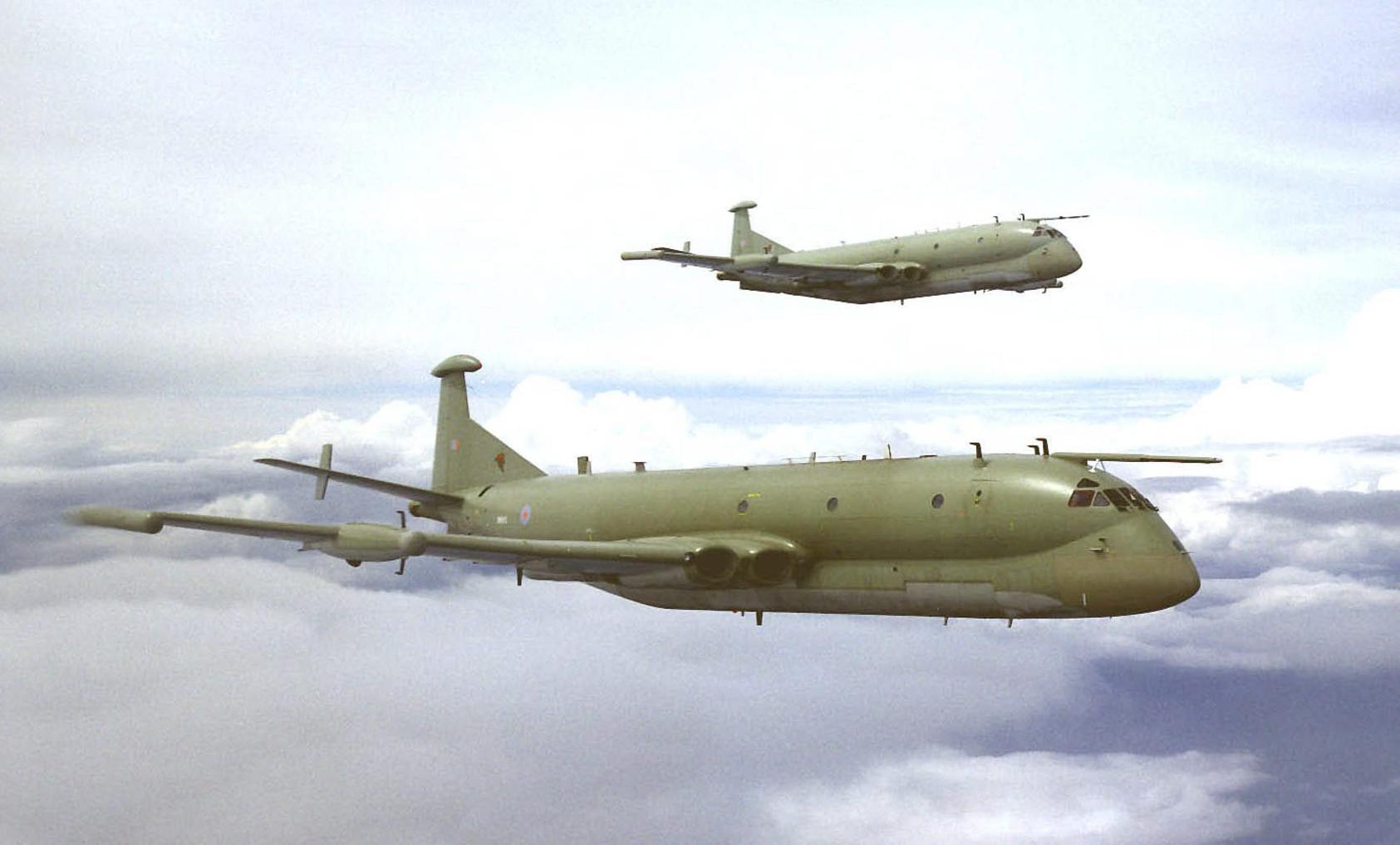
intelligence gathering and maritime surveillance. RAF Coastal Command, using RRS Shackleton and later Nimrod maritime patrol aircraft (pictured above), operated extensively out of Norwegian airbases such as Bodø and Andøya, conducting surveillance on Soviet maritime movements. Through bilateral and trilateral arrangements, these aircraft systematically shadowed enemy naval exercises and submarine deployments. The British attitude was clear: maintaining situational awareness in the High North and ensuring any Soviet attempt to transit the GIUK gap would be intercepted early was not merely a contribution to NATO but a vital imperative for Britain’s national survival.34 As Farrar-Hockley concluded, in a lecture at RUSI delivered in 1983: “It is true that if war comes it will not be won in the Northern Region. But my belief is and my advice is it could equally be lost there.”35
By this stage the United States, supported by Britain, had adopted an aggressive Forward Maritime Strategy.36 This doctrine rejected the passive defence of the GIUK gap, arguing instead that NATO must cross the gap and challenge the Soviet Northern Fleet directly in the Norwegian Sea. The goal was to force it onto the defensive, protecting SSBN bastions rather than surging into the Atlantic to attack NATO supply lines. Royal Navy nuclear attack submarines were tasked with penetrating the forward areas to target Soviet counterparts, while British anti-submarine warfare task groups, operating alongside massive US Carrier Battle Groups, pushed deep into the Norwegian fjords. The British attitude had evolved to believe “flexible response is more important than forward defence” on the Central Front. Returning to AFNORTH’s origins, an active maritime strategy capable of winning a limited war in the North was seen as essential insurance against the possibility of the Alliance failing on the European continent.
The presence of significant maritime forces, along with enhanced Norwegian coastal defences, restored credibility
to NATO’s deterrence during the final decade of the Cold War. Despite the draw of the Central Region and the resulting paucity of resources for the Northern Flank, British policymakers recognised that its security was inextricably tied to Norway’s fjords and frozen archipelagos. Losing these to Soviet control would expose the British Isles to potentially devastating air and submarine attacks and run the risk of severing the vital Sea Lines of Communication required for national survival. Writing in 1987, the retired General Frank Kitson believed in the event of a major war, Soviet forces would still look to quickly capture the airfields in North Norway as bases to target NATO naval forces and prevent the arrival of American reinforcements. In his vivid scenario, an overland attack through Finland or northern Sweden supported by air, or an amphibious attack co-ordinated with the use of heliborne or airborne troops, seemed the most likely option, beginning in early spring or late summer.37 In reality the strains imposed by its long and disastrous military intervention in Afghanistan, combined with the crippling economic costs of a technology driven arms race instigated by the United States, meant that the Soviet Union, and with it the entire Warsaw Pact, would soon collapse. The final commander-in-chief NORTHs enjoyed quiet, largely ceremonial roles devoid of the security concerns that had dominated the thinking of their predecessors. For NATO planners, the Northern Flank had once again become of marginal concern. Today, the situation looks increasingly different.
34Birkeland, ‘Maritime airborne intelligence…’, 84-85, 90-92.
35Farrar-Hockley, ‘Dynamic Defence: The Northern Flank’, 11; Lund, ‘Don’t Rock the Boat’, 33-51.
36Commodore Jacob Børresen, Royal Norwegian Navy (Retired), ‘Alliance Naval Strategies and Norway in the Final Years of the Cold War’, Naval War College Review (Vol.64, No.2; Spring 2011), 97-115.
37Frank Kitson, Warfare as a Whole (Faber and Faber, 1987), 35, 40-42.
President Vladimir Putin takes pride from Russia’s status as the largest Arctic power. He has long emphasised the strategic importance of the region for both Russia’s prosperity and protection, reflecting a tension at the heart of Russian strategy towards the region between opportunity and risk. On the one hand, Putin has expressed desire for economic development and practical cooperation for mutual benefit in the interests of a common ‘zone for peace’.1 On the other, he has invested heavily in militarising the region due to a perception of increased geopolitical competition and a sense of strategic vulnerability.
Over 25 years of Putin’s rule, there has been a steady drift away from the former and peaceful cooperation towards the latter and securitisation of the Arctic. This drift has accelerated after the invasion of Ukraine in February 2022 as Russia has become more isolated from its former Arctic partners and shifted its strategic focus eastwards from Europe. Putin’s ambition for the north is also linked to his belief that Russia is both a Great Power and a ‘great maritime power’, that the Arctic affords Russia unique and historic opportunities, and that it is an avenue to build alternative supply chains, in particular by development of the Northern Sea Route, free from Western control.
This article examines these competing narratives, how they are reflected in state policy, how this is evolving due to geopolitical changes over the last five years, how Russia is going about business in the Arctic and what may come next. It argues that Russia’s strategic position in the Arctic, although regarded as aggressive by its neighbours, is fundamentally defensive in order to establish regional control for greater economic exploitation.
The treasure chest is enormous. At a major international Arctic forum in Murmansk in 2025, Putin hailed the generations of Russians who pioneered Arctic exploration
and opened it up for resource extraction. He informed delegates that the Arctic contributes about seven per cent of Russia’s gross domestic product and approximately 11 per cent of its exports. It is central to the country’s extractionheavy economy with over 80 per cent of Russia’s gas and approximately 17 per cent of its oil produced in the Arctic, and with an estimated 80 per cent of untapped oil resources located there.2
Russia is also seeking to exploit deposits of rare-earth elements, nickel, platinum and palladium. Nearly two and a half million Russians live and work in the Arctic Zone. Russia’s focus on the north will likely endure: Putin said the Arctic would remain central to Russia’s development over “a horizon spanning decades, if not centuries”.
Putin’s northern focus is not only driven by economics. The enormous Russian Arctic Zone, which extends over a quarter of its territory, is a source of pride and part of its national identity. Russia’s size has always led it to conclude that it is, and always will be, a Great Power and a country that should be afforded respect. Hardline geopolitical theorists such as Aleksandr Dugin argue that mastery of the Arctic is part of the nation’s manifest destiny. The explorer who led the 2007 expedition to plant a Russian flag on the sea bed at the north pole stated: “The Arctic is Russian. We must prove the North Pole is an extension of the Russian coastal shelf.” With shrinking ice opening up new exploitation opportunities, in 2015 Russia claimed over 463,000 square miles of continental shelf extending more than 350 nautical miles from the shore. This claim conflicts with similar ones submitted by Canada and Denmark.
If the Arctic is a key pillar of Russia’s economic power, it may also be “its Achilles’ heel”.3 Russia’s sparsely populated northern shore is approximately 15,000 miles long, encompassing half of the Arctic coastline, and has thinly
1Mikhail Gorbachev, ‘Let the North of the globe, the Arctic, become a zone of peace’, 1 October 1987, marxists.org/archive/gorbachev/1987/00001.htm

2-3Ondrej Ditrych, ‘The northern frosts: The EU should contain and unpower Russia in the Arctic’, European Union Institute for Security Studies, 30 October 2025, iss.europa.eu/ publications/analysis/northern-frosts-eu-should-contain-and-unpower-russia-arctic
spread, dilapidated infrastructure. Poor communication links and harsh conditions make operating in the Arctic very resource intensive. Easily accessible oil and gas reserves are being exhausted, with new reserves hard to reach without substantial foreign resources and technology.
Melting permafrost is threatening Russia’s energy sector, industry and the towns built upon it; 70 per cent of the energy infrastructure in Russia’s Arctic region “is at risk, including major oil and gas fields, pipelines, and mines”.4 Russia has played lip service to its commitments under the United Nations Climate Change Conference. The effects of climate change are seen as opening the Arctic as a potential avenue of hostile approach to Russian shores. The Kremlin has expressed concerns over western ‘encroachment’. Nikolai Patrushev, presidential aide and now Chair of the Maritime Collegium, complained in 2024 that the US and its allies were increasing their presence in the Arctic and that the NATO membership of Finland and Sweden ‘worsened the situation’.5
Russian Arctic policy
The strategic importance of the Arctic to Russia is set out in several policy documents. It features as a thread throughout many of the 20 different Presidential National Projects. In 2020, the Kremlin published its Fundamentals of the State Policy of the Russian Federation in the Arctic for the Period up to 2035 (Fundamentals).6 This established six Russian national interests:
n ensuring Russia’s sovereignty and territorial integrity;
n preservation of the Arctic as a zone of peace;
n ensuring a high quality of life and well-being of the local population;
n development of the Arctic as a strategic resource base and its use to accelerate Russia’s economic growth;
n development of the Northern Sea Route and;
n protection of the environment, habitat protection and traditional way of life of indigenous peoples.
4Cassandra Brown, ‘Melting Permafrost in Siberia is Threatening Russia’s Energy Industry’, International Relations Review, 29 March 2025, irreview.org/ articles/2025/3/29/melting-permafrost-in-siberia-is-threatening-russias-energy-industry
5‘Патрушев отметил необходимость повышения боеготовности Северного флота’, TASS, 19 August 2024.
6Decree of the President of the Russian Federation, ‘On the Fundamentals of State Policy of the Russian Federation in the Arctic for the Period up to 2035’, 5 March 2020, garrant.ru
7Anton Vasiliev, ‘Russia: The New Arctic Strategy’, Arctic Circle, 26 January 2021, arcticcircle.org/journal/russia-the-new-arctic-strategy
8‘Strategy for Development of the Arctic Zone of the Russian Federation and Provision of National Security for the Period up to 2035 (Revised)’, 26 October 2020 (amended 27 February 2023), usnwc.edu/_images/portals/0/NWCDepartments/RussiaMaritime-Studies-Institute/16MAR23_20201026_ENG_RUS_Arctic-Strategy2035_ FINAL_16MAR238f95.pdf
9‘Russian National Security Strategy 2021’, 2 July 2021, rusmilsec.blog/wp-content/ uploads/2021/08/nss_rf_2021_eng_.pdf
10Elizabeth Buchanan, ‘Russia’s 2021 National Security Strategy: Cool Change Forecasted for the Polar Regions’, RUSI Commentary, 14 July 2021, rusi.org/explore-our-research/ publications/commentary/russias-2021-national-security-strategy-cool-change-forecastedpolar-regions
11‘Concept of Foreign Policy of the Russian Federation’, 31 March 2023 via Ministry of Foreign Affairs.
12Lipunov and Devyatkin, ‘The Arctic in the 2023 Russian Foreign Policy Concept’, The Arctic Institute, 30 May 2023.
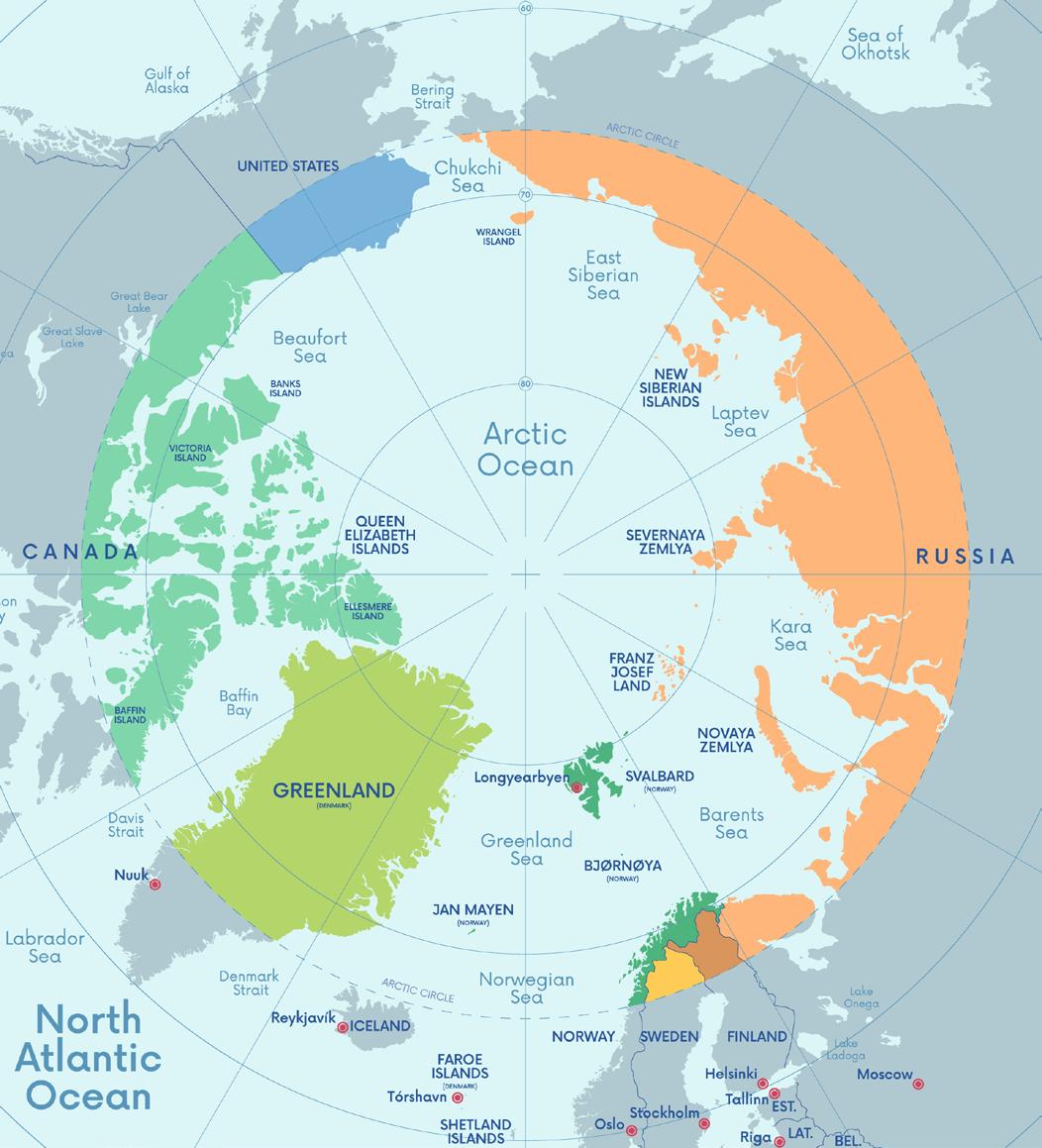
“”
If the Arctic is a key pillar of Russia’s economic power, it may also be ‘its Achilles’ heel’. Russia’s sparsely populated northern shore is approximately 15,000 miles long, encompassing half of the Arctic coastline, and has thinly spread, dilapidated infrastructure.
The two priorities highlighted in bold were new from the previous 2013 Fundamentals document, reflecting heightened regime threat perception and a desire to make “consumption a stronger factor of economic growth, as well as attracting people to the High North”.7 The Fundamentals was followed up by a 2020 Strategy document to implement the policy.8
Despite being a policy goal, in Moscow the traditional view of the Arctic as a ‘zone for peace’ is failing. The hawkish 2021 Russian National Security Strategy read like a defiant manifesto from the occupants of a besieged fortress.9 The West was accused in it of seeking to ‘curb the development of Russian industry, to establish control over transport routes, to prevent Russia from developing the Arctic’. It shifted emphasis from “mutually beneficial international cooperation” to “ensuring the interests of the Russian Federation” in the region.10
The 2023 Foreign Policy Concept was equally hostile.11 The Arctic was deemed the second most strategically important region next to the ‘near abroad’. Instead of “constructive international cooperation” towards a common good, there were now more domestically orientated policy objectives: “increasing environmental sustainability; reducing threats to national security in the Arctic; and, crucially, ensuring favourable international conditions for the socio-economic development of the Arctic zone of the Russian Federation”.12 Priority is given to “neutralise attempts” by unfriendly states “to militarize the region and limit Russia’s opportunities to
exercise its sovereign rights in the Arctic Zone”. Cooperation was encouraged with non-Arctic nations.
In normal times, the Maritime Doctrine of 2022 would have been a useful document to help identify areas of potential bilateral convergence on common maritime issues, including in the Arctic.13 Instead, it was a document for confrontation at sea, not cooperation. It lamented the role of the US and its allies in challenging Russia’s national security and trying to limit its access to the ‘World Ocean’. There was renewed focus on the Northern Sea Route. One of Russia’s priorities was ‘enforcing control over the activities of foreign navies in the waters of the Northern Sea Route’. This is incompatible with the UN Convention on the Law of the Sea. The region probably featured heavily in the unpublished naval development strategy issued in June 2025, which promised 8.4 trillion rubles (£7.2 billion) for new warships over the next decade.
The connective tissue for nearly all regions across the huge Russian Arctic Zone is the sea. Although a continental power, a need to get national wealth to new markets due to events since 2022 is forcing Russia to re-consider its approach to deal with its maritime dilemmas. The Maritime Collegium established in 2024 under Patrushev is now the key body to link Russian national maritime policy, security in the Arctic and global maritime challenges.14 It is directly subordinated to the President. There is also a new integrated long-term Arctic Fundamentals policy and strategy documents to reflect increased militarisation and reliance on Asian partnerships since the 2020 versions.
In Murmansk in 2025, Putin set out his own Arctic development priorities. Vowing to ‘steadfastly safeguard
our national interests’, he focused heavily on development of transport links, in particular the Trans-Arctic Transport Corridor (TTC). This aims to connect “global industrial, agricultural, and energy hubs with consumer markets via a shorter, safer, and more economically viable route”. It encompasses major Russian ports at St. Petersburg, Murmansk, Arkhangelsk and Vladivostok and also the Northern Sea Route, seeking to integrate this with hubs on Russia’s major rivers, roads, railways and airports. The TTC hopes to reduce loading on the Trans-Siberian railway. To realise the TTC, Putin focused on delivery of new icebreakers, development of ice-capable merchant shipping (such as container, bulk and gas carriers, and supply vessels), the growth of cargo shipments, and improvement of port and river infrastructure. These initiatives will be conducted in parallel with further development of Russian oil and gas, metals and other mineral deposits.
As ever with Russia, there is a great difference between presidential ambition and economic reality. Despite Putin setting a target in 2018 of over 80 million metric tonnes of cargo shipment along the Northern Sea Route by now, cargo shipments were actually around 37 million metric tonnes in 2025. This was down 2.3 per cent from 2024.15 Despite the Northern Sea Route being hailed as shorter than the traditional
13‘Russian Maritime Doctrine’, 31 July 2022, usnwc.edu/_images/portals/0/ NWCDepartments/Russia-Maritime-Studies-Institute/20220731_ENG_RUS_ Maritime_Doctrine_FINALtxt7e1e.pdf
14Sergey Sukhankin, ‘Russia’s New Maritime Collegium Inaugurated in Renewed Focus on Arctic Policy’, Jamestown, 9 April 2024, jamestown.org/russias-new-maritime-collegiuminaugurated-in-renewed-focus-on-arctic-policy/#:~:text=The%20new%20entity%20 will%20be%20directly%20subordinated,of%20the%20Security%20Council%20 and%20long%2Dterm%20Putin
Delays to new icebreakers jeopardise Russia’s ability to
keep the Northern Sea Route open all year round and hence its economic viability.
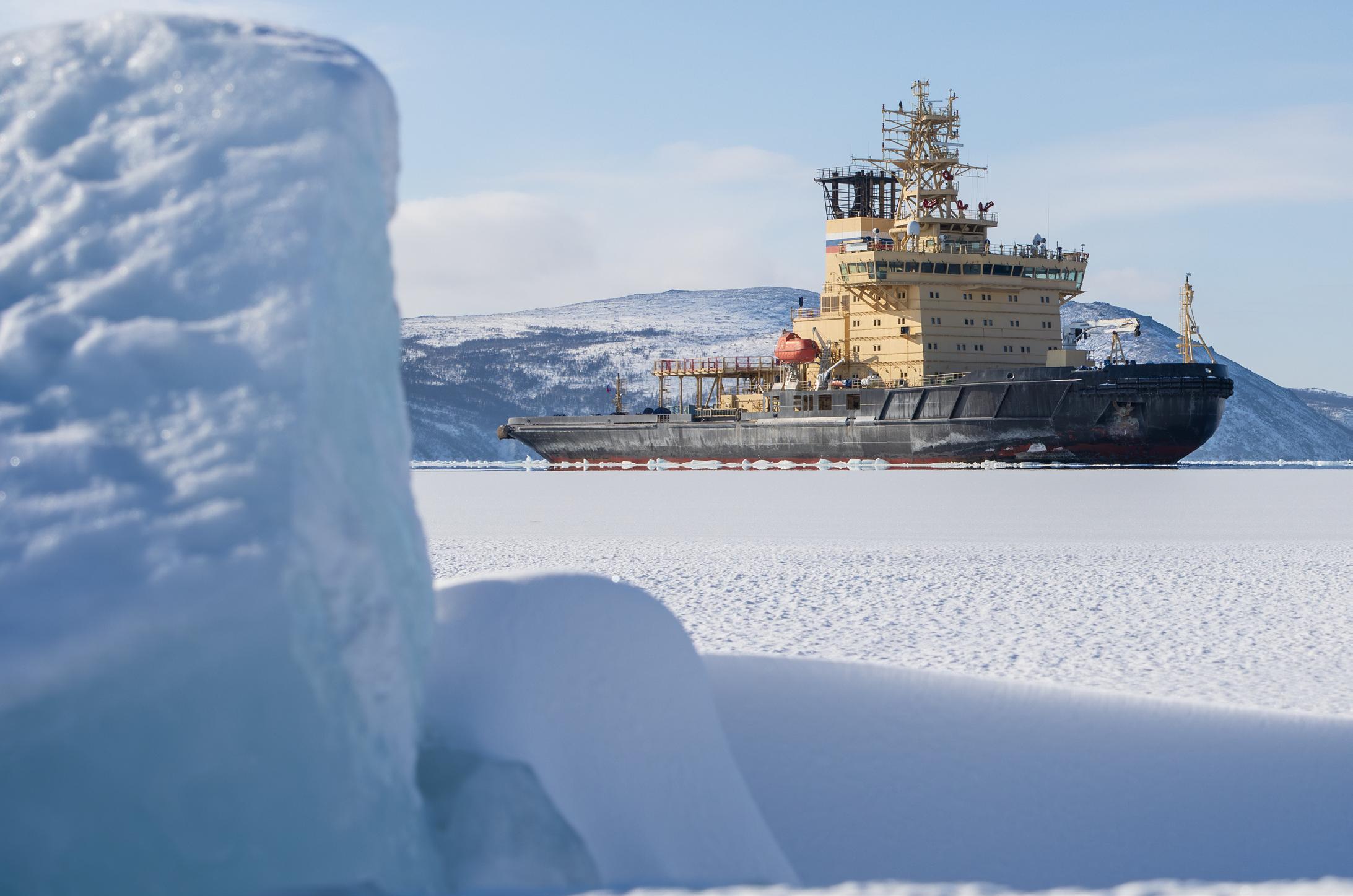
Suez route, demand for it remains low due to seasonal navigability, higher insurance and icebreaker costs, limited port infrastructure, and geopolitical, navigation and sanctions-related risks. A target of 200 million tonnes by 2030 appears fantastical.
Speaking to his ministers this April, Putin said the Arctic was key for Russia’s economy, industrial potential, and ensuring national security and sovereignty. But he acknowledged that work to update the Arctic Zone development strategy and prepare a financial and economic model for the TTC was not complete. This is due to macro-economic fragility due to the war in Ukraine which has sharply reduced funds available for Arctic investment. Western sanctions have impacted Russian Arctic energy projects, forcing a pivot to China for technological support.
Russia’s icebreaker programme is under severe pressure with “sanctions, disrupted supply chains, and technological dependence on foreign components all significantly slowing progress”.16 Delays to new icebreakers jeopardise Russia’s ability to keep the Northern Sea Route open all year round and hence its economic viability. Experts also argue whether the Northern Sea Route will ever be as profitable as hoped for Russia due to global emphasis on renewable energy.
Russia places great store in new non-Western partnerships to secure investment and bypass sanctions, in particular with China under its own Polar Silk Road initiative and also with India.17 During Putin’s visit to New Delhi in December 2025, Russia formalised “Indian military access to Arctic naval ports, training in polar operations, and logistics support under a five-year agreement”.18 The two sides also committed to developing key transport routes, including the Northern Sea Route, the International North-South Transport Corridor, and the Chennai-Vladivostok Eastern Maritime Corridor, aiming to shorten shipping distances between Europe and Asia. Russia has also dangled increased energy cooperation in the Arctic with the US as part of its ‘peace’ proposals to resolve the war in Ukraine, albeit on its terms. Of course, any deepening of foreign involvement in the Arctic will butt up against traditional Russian wariness of encroachment in its backyard, even as it becomes more dependent on foreign capital.
The accession of Finland and Sweden to NATO fundamentally transformed the regional security landscape, forcing Moscow to adapt and reinforce its presence. At Russian Navy Days in July 2022, Putin designated the Arctic,
15‘‘Russia’s Northern Sea Route Cargo Volumes Fall for Second Straight Year’, Moscow Times, 9 February 2026, themoscowtimes.com/2026/02/09/russias-northern-sea-routecargo-volumes-fall-for-second-straight-year-a91895
16Heiner Kubny, ‘Russia’s Icebreaker Program under Pressure’, Polar Journal, 15 April 2026, polarjournal.net/russias-icebreaker-program-under-pressure
17Sergey Sukhankin, ‘Beijing Eyes NSR Through Russia to Advance Arctic Goals’, Jamestown, 22 October 2025, jamestown.org/beijing-eyes-nsr-through-russia-to-advancearctic-goals
18John C. K. Daly, ‘Russia and India Formalize Arctic Partnership’, Jamestown, 13 January 2026, jamestown.org/russia-and-india-formalize-arcticpartnership/#:~:text=Executive%20Summary:,distances%20between%20Europe%20 and%20Asia
19James Rothwell, ‘Russia massing nuclear fleet in Arctic Circle “for war with Nato”’, Daily Telegraph, 24 October 2025.
20Lough et al, ‘Mistress of the seas’.
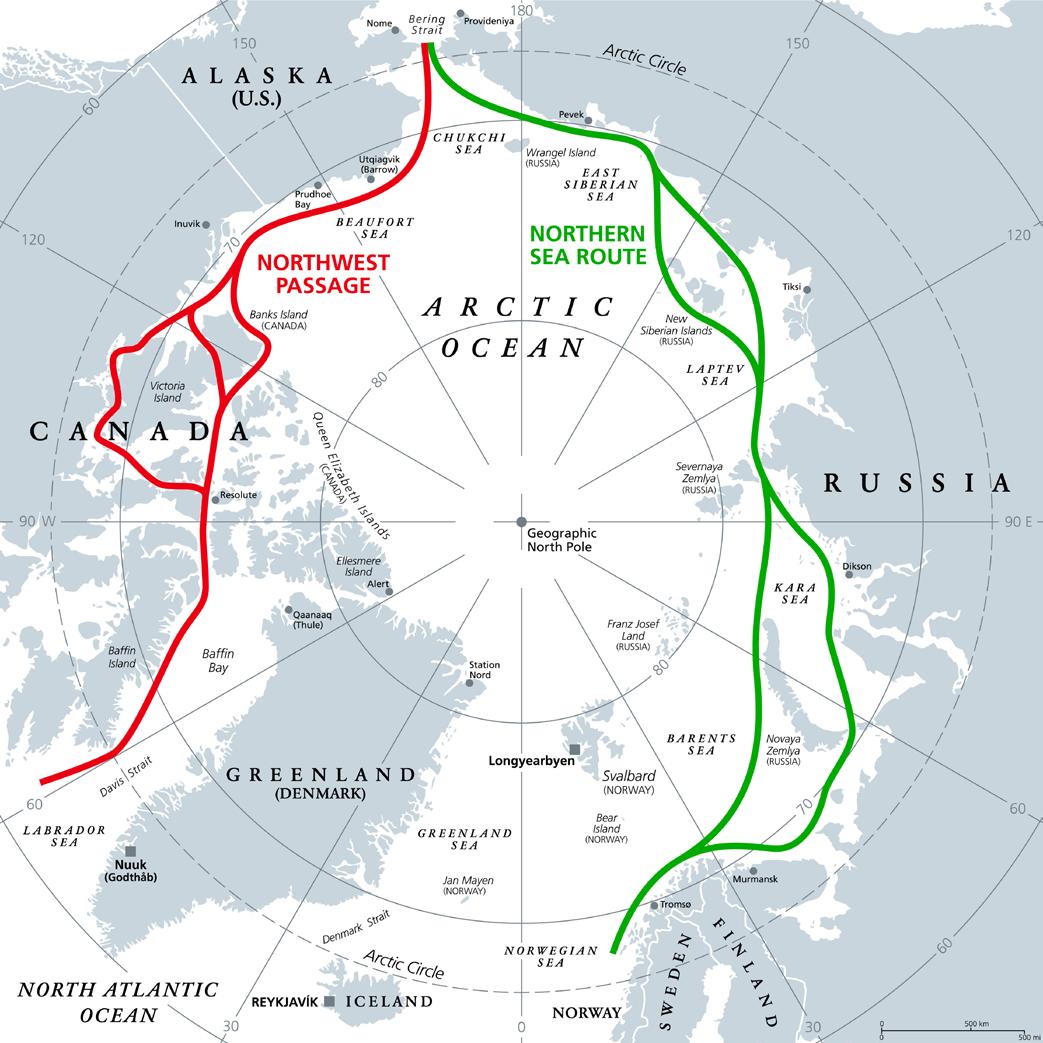
Despite the Northern Sea Route being hailed as shorter than the traditional Suez route, demand for it remains low due to seasonal navigability, higher insurance and icebreaker costs, limited port infrastructure, and geopolitical, navigation and sanctions-related risks.
Black Sea, Sea of Okhotsk, Bering Sea, Baltic and Kuril Straits as ‘vital and strategic’ naval waters (note: not the Norwegian Sea or North Atlantic). In 2024, the Kremlin reformed the Leningrad military district to strengthen Russia’s defensive posture. Patrushev has said that increasing the combat readiness of the Northern Fleet is one of the priorities for ensuring Russia’s national interests in the region. The Northern Fleet is designed to deploy into Russia’s sea lanes of approach, challenge allied lines of communication, deny US and NATO access to the ‘vital’ local waters, and hold allied capitals and infrastructure at risk via long-range cruise missiles as part of a defence policy of active defence. Hyperbolic claims that Russia is massing naval forces in the north as preparation for war are, however, wide of the mark.19
The Kola peninsula remains “central to the defence of Russia’s north, delivery of its strategic nuclear deterrent, and as the foundation for power projection into the Arctic and North Atlantic”.20 The Northern Fleet is tasked with protecting the Northern Sea Route and supporting exploration activities in the Arctic. Of the over 50 northern military sites reportedly opened since 2005, Russia has modernised 13 airbases and 10 radar stations to monitor Arctic airspace and maritime traffic. Greater security will require further substantial investment to improve surveillance and anti-access/area-denial capabilities. These bases are far apart with limited linkages between them and are difficult to support logistically.
Russia believes it is in a position of strategic advantage in
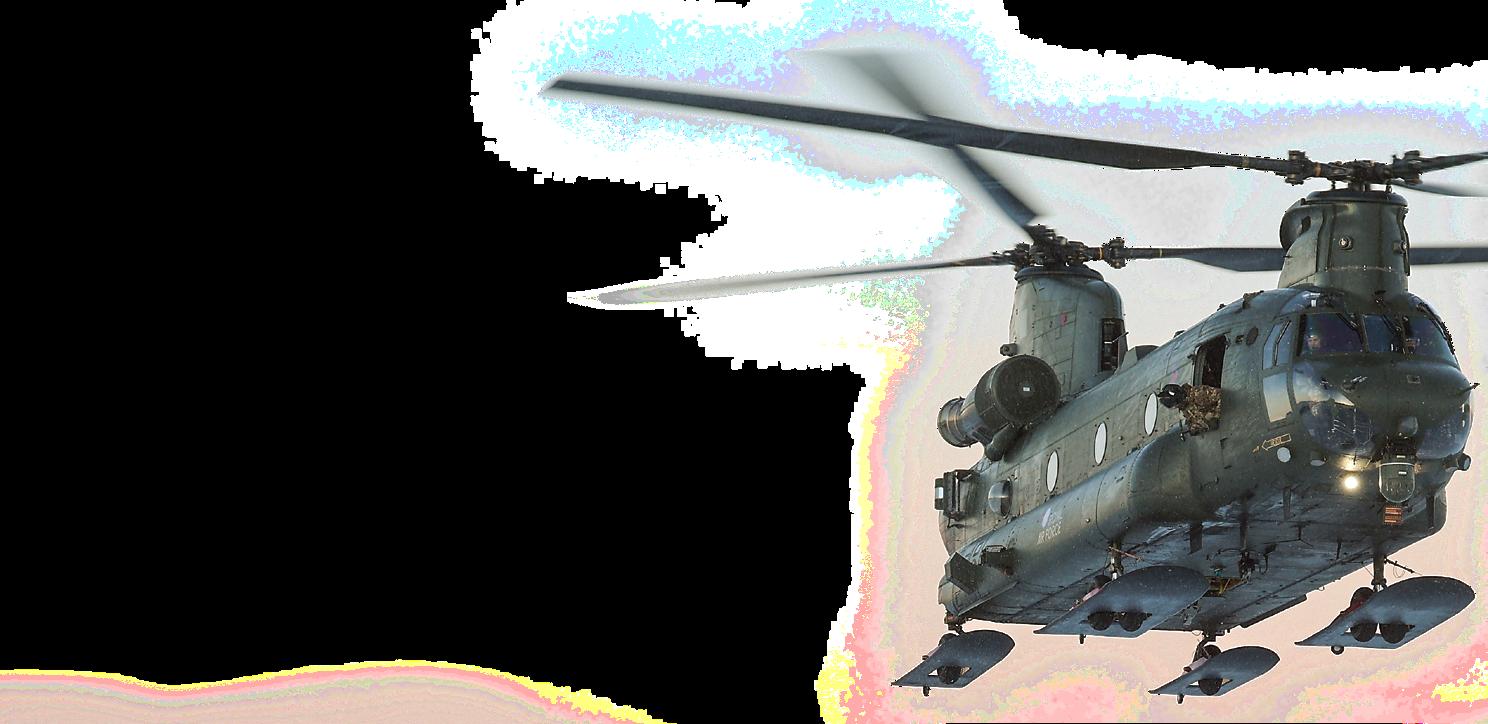
including in the High North, and is promoting economic development while strengthening its defences. This is also driving renewed US interest in Greenland.
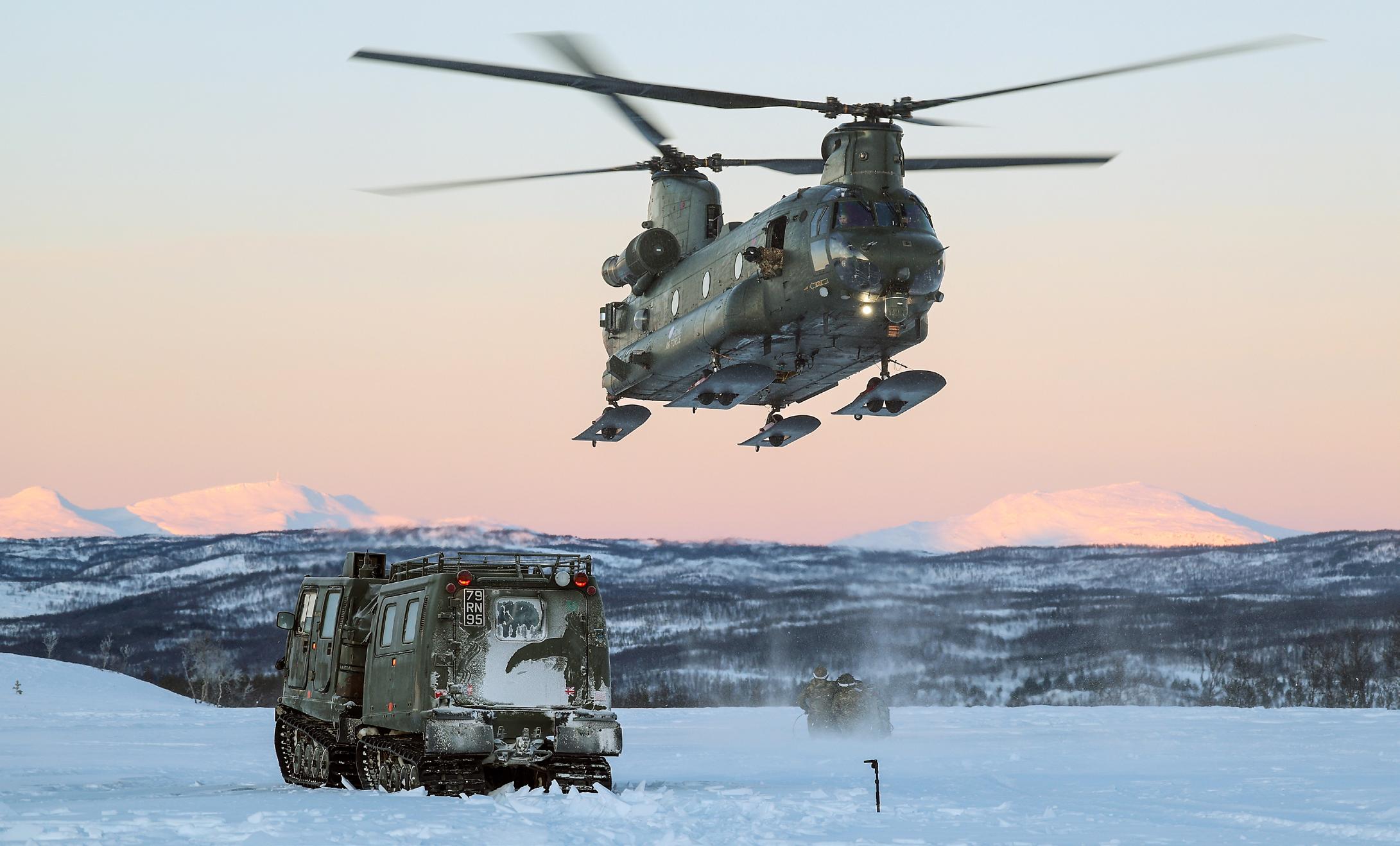
the Arctic and is trying to strengthen its position further. Pursuit of greater national socio-economic benefit from the Arctic ‘treasure chest’ is necessitating an increasingly assertive ‘fortress’ posture to defend it. But it remains to be seen whether Russia can secure the funding – domestic or foreign –to realise its ambitions, achieve adequate Chinese investment to develop the Northern Sea Route, fill the technological gap left by western companies or redress its conventional military weakness in relation to NATO.
Unfortunately, avenues for risk management, dialogue and cooperation with Russia on issues of mutual benefit such as climate change, fisheries, search and rescue, and environmental research are greatly reduced. Cooperation with Russia within the Arctic Council has been suspended since 2022. Yet, at present, there is no clear trigger for direct conflict between Russia and NATO. A prolonged standoff, similar to that before 1990, is more likely with the potential for confrontation at the seams, including over demarcation of the continental shelf or Russian access to the Atlantic Ocean. Russia is increasingly employing non-kinetic tools to project power below the threshold of open conflict to strengthen its position. It is probing NATO’s critical underwater infrastructure.
Meanwhile, the Arctic itself is changing. Extant US Department of Defense Arctic policy from 2024 notes that increased Chinese and Russian activities in the region, including their growing cooperation, NATO enlargement, and the effects of climate change are continuing to make the Arctic security environment more dynamic and less stable.21 The US is concerned that melting sea ice provides a new avenue of hostile approach to its homeland and also that China will “pursue greater influence and access, take advantage of Arctic resources, and play a larger role in regional governance”. The more recent US National Security Strategy made it clear that the US will no longer cede access to or influence over key terrain in the Western Hemisphere,
The UK has the same concerns. It recognised tensions between economic opportunity and risk, between cooperation and competition, when it published its own Arctic Policy Framework.22 Although the UK’s long-term strategic aspiration is to maintain the Arctic “as an area of high cooperation and low tension”, changes in the Arctic and Russia’s invasion of Ukraine are “bringing increased interest from Arctic and non-Arctic States alike” and threatening the stability of the region. The UK will work with partners to “contest malign and destabilising behaviours and activity”. The 2025 Strategic Defence Review also noted the likelihood that the Arctic will be ‘ice-free’ each summer by 2040, “providing access to more actors and creating a new site for competition within the UK’s wider neighbourhood”.
NATO’s increased focus on the north is welcome. As RUSI noted in 2022, Russia’s posture in the Arctic represents both a challenge and an opportunity for NATO.23 On the one hand, Russian assets in the Arctic could pose a significant challenge to NATO’s freedom of action. However, defensive Russian weaknesses and proximity to NATO territory of major military installations in the Kola peninsula leaves them vulnerable to long-range precision weapons and make them a pressure point for escalation management.
The recently launched NATO activity ‘Arctic Sentry’ will help bolster collective security, increase alliance presence, build understanding of operating in the area, and strengthen deterrence and defence. UK leadership of the Joint Expeditionary Force, the UK-Norwegian Strategic Partnership, and the Atlantic Bastion programme to prevent Russian submarine egress into the North Atlantic all contribute to the activity by strengthening deterrence by denial and punishment. Large-scale exercises such as Exercise Lion Protector – scheduled for September 2026 – are essential for maintaining the ability of British personnel to fight and win in extreme Arctic conditions.
21United States Department of Defense, ‘2024 Arctic Strategy’, 21 June 2024, media.defense.gov/2024/Jul/22/2003507411/-1/-1/0/DOD-ARCTICSTRATEGY-2024.PDF
22‘Looking North: The UK and the Arctic. The United Kingdom’s Arctic Policy Framework’, UK Government, 9 February 2023.
23Dr Sidharth Kaushal, James Byrne, Joe Byrne, Dr Giangiuseppe Pili and Gary Somerville, ‘The Balance of Power Between Russia and NATO in the Arctic and High North’, RUSI Whitehall Papers, 12 April 2022, rusi.org/explore-our-research/publications/whitehallpapers/balance-power-between-russia-and-nato-arctic-and-high-north
Adjunct Professor, Doctor of Military Sciences, Colonel (Retd.) Janne Mäkitalo
Acting as a critical gateway both to the Arctic and the Atlantic, the High North is one of the foundations of NATO’s current strategic architecture. Seven of the eight Arctic countries are NATO members and three of them – Norway, Sweden and Finland – have territories in Lapland which act as the Alliance’s recently revised and expanded first line of defence.1 Fennoscandia forms a peninsula which includes the Scandinavian and Kola peninsulas, mainland Finland and Karelia, and where peer competition demands special capabilities. Russia’s stated interests include:
n Resisting grouping of any threatening weapon system to Russia’s neighbourhood;
n Removing the threat that the Alliance presents against the key structures of Russia’s nuclear triad (including the bases of submarine-launched ballistic missiles);
n Creating a buffer zone to shield the second largest Russian city, St. Petersburg;
n Removing the de facto NATO naval blockade following Finland and Sweden’s entry, which has limited freedom of movement of the Baltic Sea Fleet and Russia’s merchant shipping;
n Removing the threat against oil refineries and terminals in the eastern end of the Bay of Finland;
n Strengthening Russia’s position in competing for control of the natural resources in the Arctic and to weaken the ‘grip’ of others.2
The author’s experiences of multi-national military exercises in Lapland and other parts of Finland have confirmed that
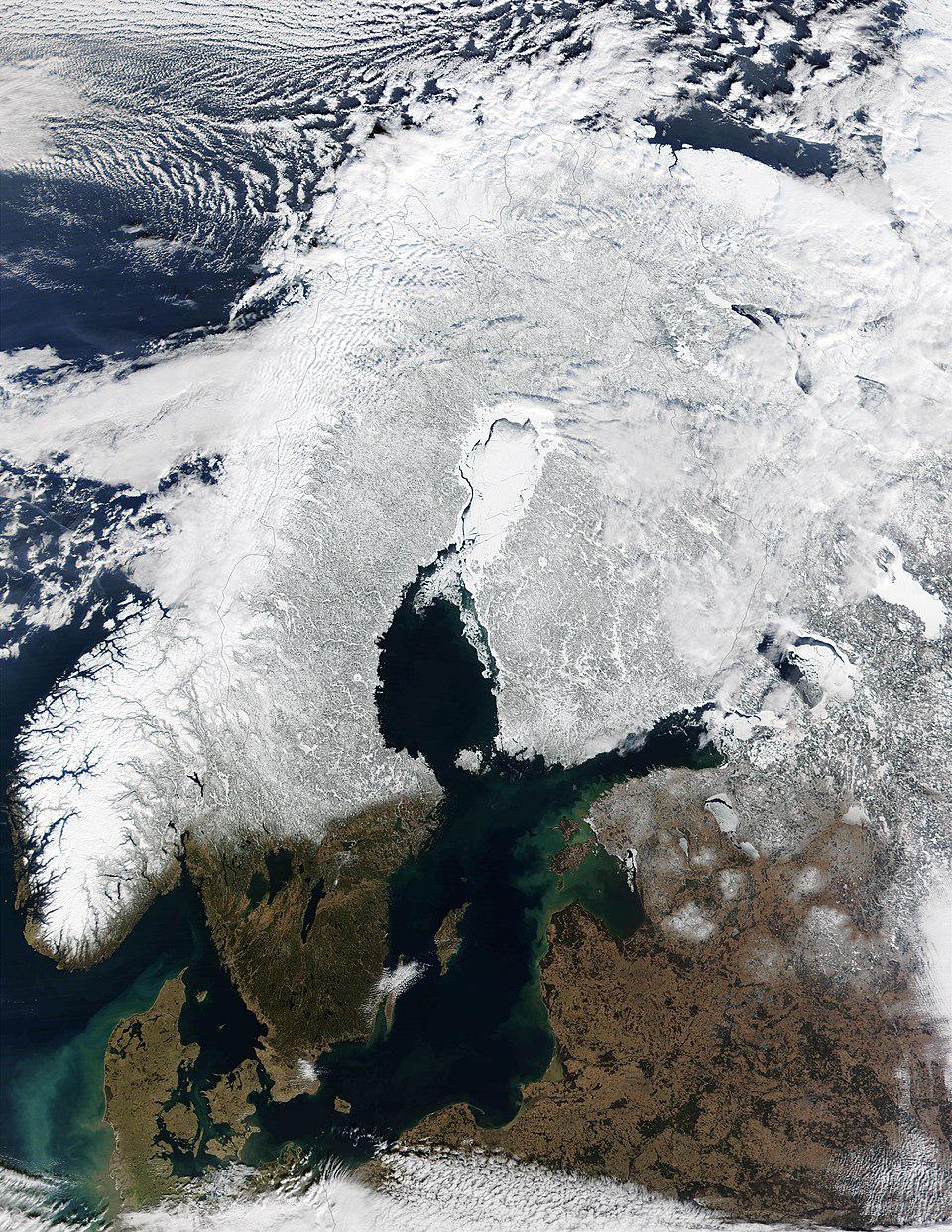
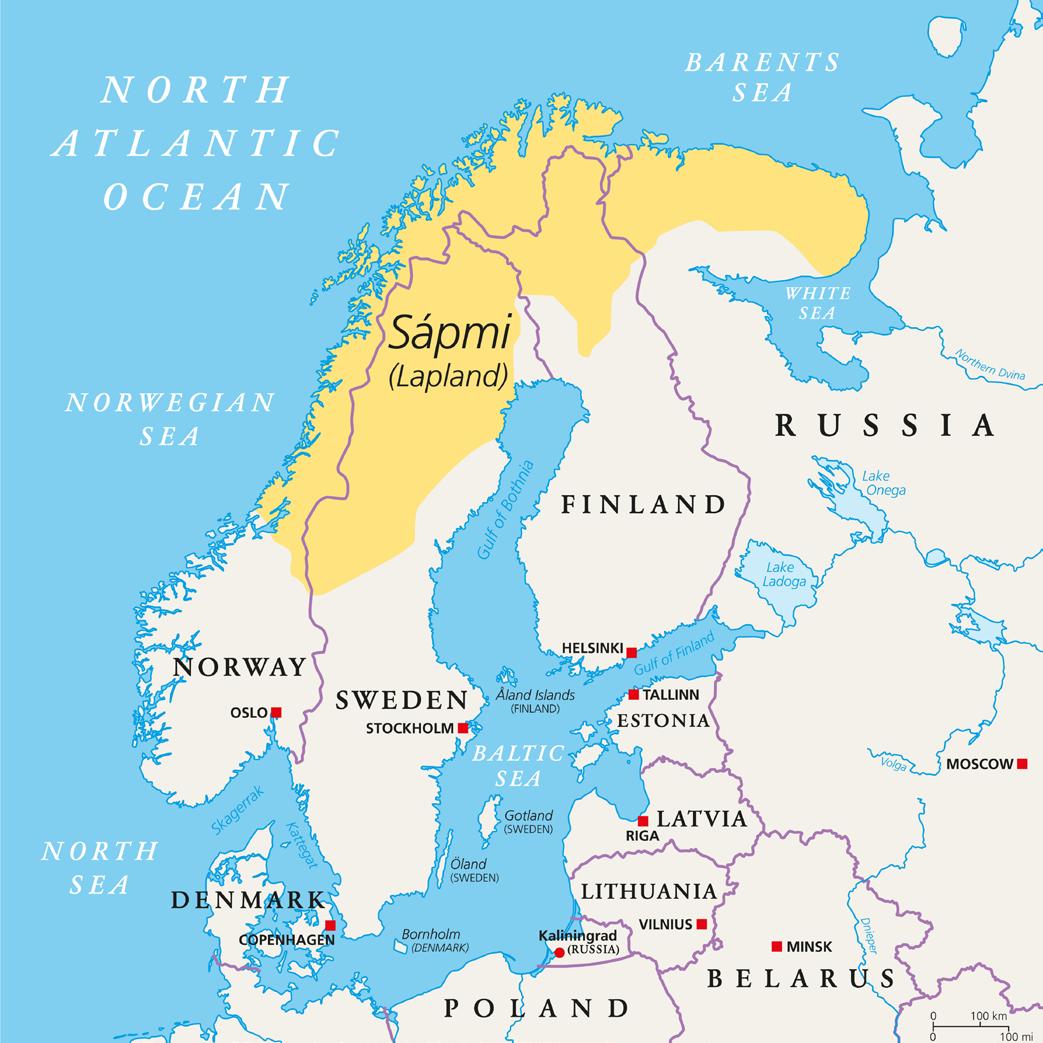
Allied military that have participated in these demonstrate a good level of professionalism and readiness to operate in this often difficult environment. But not all units have the opportunity to join a military exercise in northern Fennoscandia and the aim is to describe the features of NATO’s northern flank, especially in Finland, with its specific terrain, climate, lighting conditions and other challenging characteristics. Different elements are depicted in a way that will, hopefully, offer soldiers and officers from other parts of the Alliance a good overall picture of the Northern operational environment, both from the perspective of individual and collective training. Employing the UK’s warfighting functions – command and control, movement and manoeuvre, fires, intelligence, and sustainment and protection – as a means of enquiry, it is also intended to demonstrate links that, despite an absence of ground connection with the British Isles, and no route through which its land forces could manoeuvre, Russian interest and activity in Fennoscandia –what might be termed as NATO’s North-Eastern flank – do impact upon British security and national interests.
Russia’s military forces in the Kola peninsula and in Karelia are under the command of the Leningrad military district. Units of the Army are grouped under the command of the 6th Combined Arms Army, headquartered at St. Petersburg. Under its command are the 14th Army Corps in Petsamo, the 44th Army Corps in Karelia and the 11th Army Corps
1‘Arctic Security’, NATO, 16 February 2026, nato.int/en/what-we-do/deterrence-anddefence/arctic-security
2Kettunen, Ossi (toim), ‘Arktisen alueen geopolitiikka 2000-luvulla’, Julkaisusarja 2: Tutkimusselosteita nro 17. Maanpuolustuskorkeakoulu, Sotataidon laitos, Helsinki 2022 [Ossi Kettunen (ed.), ‘Geopolitics of the Arctic in the 21st century’, Publication Series 2: Research Reports No.17. National Defence University, Department of Military Studies, Helsinki 2022], 193, 198, 215; Thomas Nilsen, ‘Kola and in Karelia likely to get tens of thousands of new soldiers’, The Barents Observer, 24 January 2025, thebarentsobserver. com/news/kola-and-in-karelia-likely-to-get-tens-of-thousands-of-new-soldiers/423579; Sotilastiedustelu julkinen vuosikatsaus 2025 [Military Intelligence Annual Review 2025 – Public Version] (Helsinki; Pääesikunta 2025), 10, 14; Michelle Grisé et al, ‘Russia in the High North. Russian Strategy and Escalation Risks in the High North After the RussiaUkraine War’, RAND Corporation 2026, passim.
in Kaliningrad. Other significant units under its command are the 6th Air and Air Defence Army, 61st and 336th Naval Infantry Divisions, one Spetsnaz brigade, one artillery brigade and two missile brigades. Also of note, in 2024 the Northern Fleet of the Russian Navy was transferred under the command of the Leningrad Military District with the headquarters and main base located in Severomorsk.3
The biggest threats which are challenging NATO military command and control in the High North are caused by Russia’s electronic warfare and long-range weapon systems. Russian armed forces have a wide selection of sophisticated systems for electronic intelligence. Employing this electromagnetic dimension helps to create a transparent battlefield on which command posts can be identified and destroyed. Russia is also especially strong in the field of electronic jamming. The performance of their systems is even better in those areas of Lapland where there are no significant terrain limitations, most notably large mountains or fells. A sparse network of mobile phone base stations and the shape of the terrain creates lots of ‘dead spaces’ which cause challenges to civilian phone and data connections. Satellite systems are important but relying on these alone creates another vulnerability. There is also a significant environmental consideration, the long winter and freezing weather forces electronic systems to consume more power than in the summer and can cause malfunctions in communication systems.
Almost inevitably, the Nordic power grid and power stations would be among the high value targets for Russian missiles and glide bombs. With access to electricity restricted or denied entirely, command posts would need to make greater use of generators, creating a stronger heat signature and, in turn, providing the enemy with favourable and more dangerous targeting opportunities. There is, therefore, a serious constraint in terms of power consumption and military units and command posts which operate in the northern parts of Fennoscandia should be able to work off-grid. Creating as little heat as possible, they will also have little or no access to GPS and should be prepared to
manoeuvre without contact with their higher echelon.
Lapland is a large and multifaceted area which links Finland, Sweden, Norway and Russia. This area consists of mountain areas and fjords, mainly in Norway and Russia. Taiga and tundra can be found in all four countries and create specific operational challenges and limitations. Taiga ends in the north at the point at which the trees and forests can no longer grow and it is here that the tundra begins. In addition to the rough terrain there are limited roads – the level of infrastructure in northern Finland and Norway, not to mention the Russian side, is quite low in general – and this combines to cause major challenges to military mobility and freedom of movement.4 In Lapland distances between different locations are long and, in some directions, there is only a single road to be used. Other than the few main routes, the roads are quite narrow and with few detours which, when available, are very long. This all means that it is painfully slow to transfer military units and even dangerous during winter time. Lakes, swamps, marshlands and forests canalise the movement and in many areas it is only possible to move by foot or by skis.5 As a consequence, operational planning in Lapland is above all about planning for transferring forces in a way that they will maintain their battle effectiveness even after the manoeuvre. This can be achieved only by rigorous planning, preparations – with the support of knowledge of local units – and by equipping units with suitable transport.
To assist its movement across the region, the Finnish Army has successfully used tracked snow vehicles such as the Sisu Nasu and Bandvagn Bv206. Since the lifecycle of those vehicles is coming to and end and they lack armoured protection, new solutions have been created. Patria’s TRACKX and Sisu’s GTT (pictured) both exert very low ground pressure and this
4-5Ibid., 45.
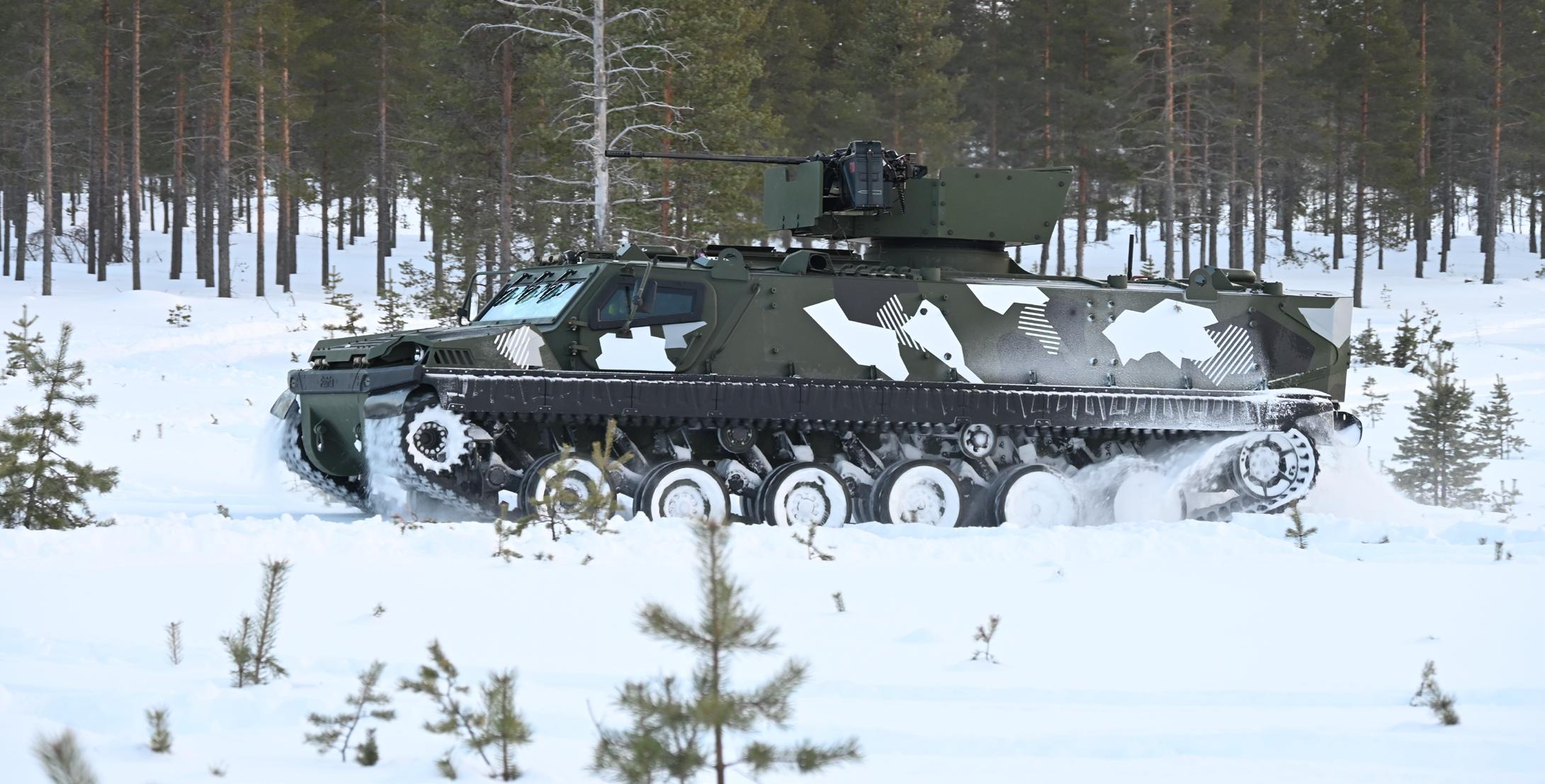
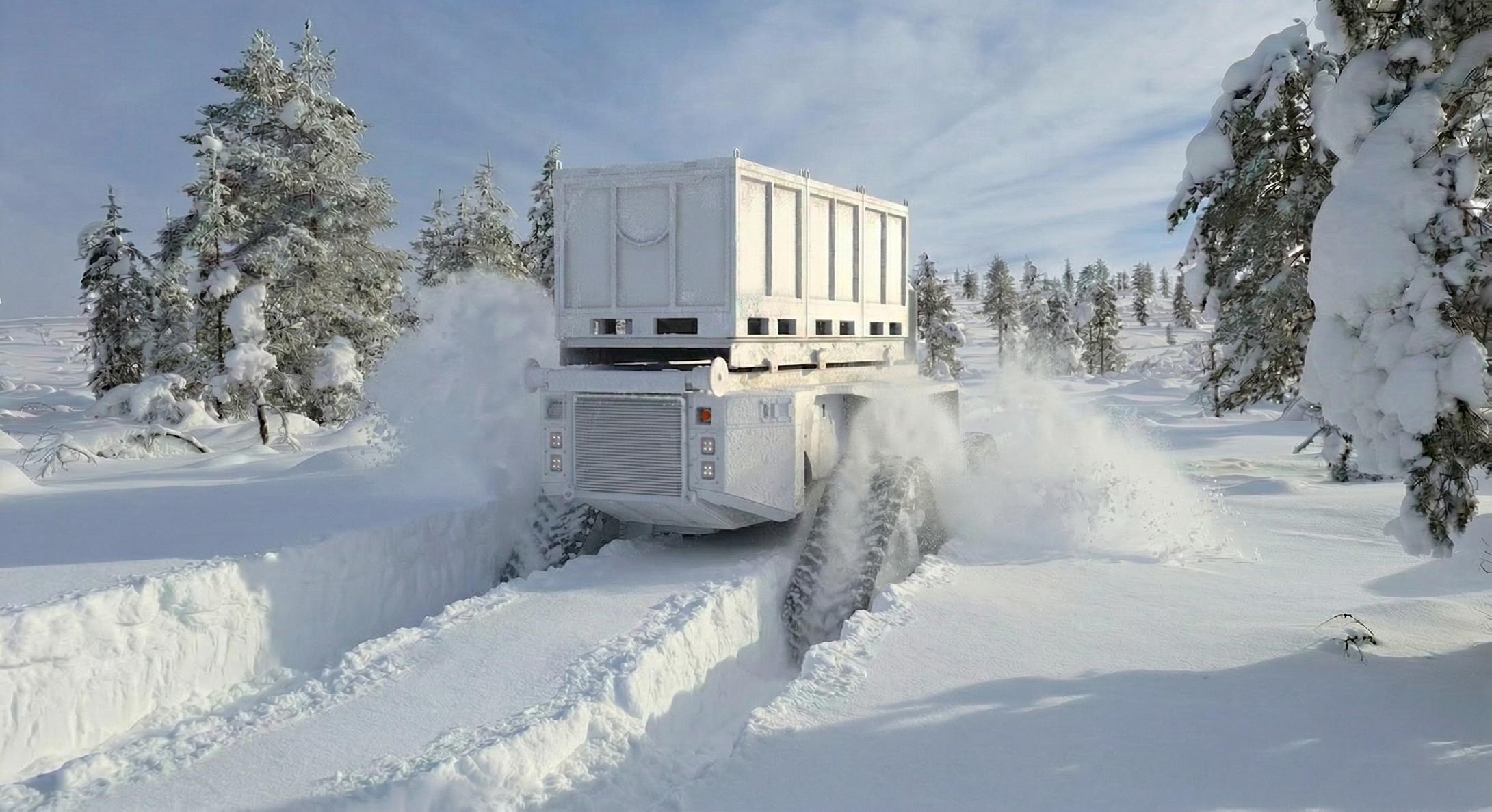
makes them ideal vehicles to be used for troop transportation and weapon platforms in snow during the winter and in certain types of swamps and other marshlands. The Russian Army is also proving effective in terms of maintaining military mobility in Lapland, with its MT-LBv armoured personnel carrier a match for its western counterparts. Such a capability could be a source of surprise to a defender expecting only straight-forward manoeuvring on and from roads and not deep and wide pinching manoeuvres.
Lessons observed and being learned from the conflict in Ukraine have a particular significance in terms of potential future operations in Lapland and, more widely, across Fennoscandia. For NATO land forces, delivering long-distance fires is made easier by the visibility afforded from the region’s wide open areas. On the other hand, for the same reason, fire controllers and joint terminal attack controllers will face difficulties in terms of survivability. What can be seen, can be destroyed and it is the drone threat that will be the most difficult to counter in Lapland. The long distances involved mean covering main supply routes with anti-drone nets is not feasible; fitting steel cages around armoured vehicles is not foolproof; and jamming devices are not proven to be an entirely effective counter-measure.
It is perhaps also worth noting that the most obvious threat to British security from the High North takes the form of submarine-launched ballistic missiles. Consequently, it is essential to take military action to ensure these highly potent platforms are not able to leave the Zapadnaya Litsa naval base in Murmansk and to move to firing positions in open waters.
Intelligence is never easy but, compared to other operating environments, Lapland is a somewhat easier area for surveillance and reconnaissance because of the openness of the terrain. For example, while ground radar systems and signal intelligence sensors have disadvantages in rough terrain,
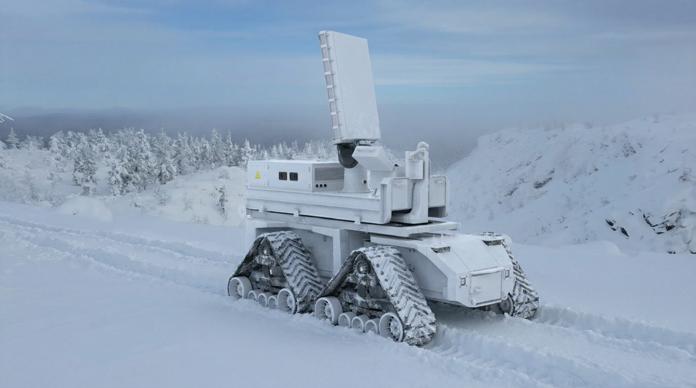
electro-optical and infrared sensors and airborne radar systems are efficient. The importance of satellite imagery has become increasingly high because of the need for early warning of the build-up and preparation of enemy offensive actions or, crucially, launch preparations for ballistic and cruise missiles.
Military operations in the High North will face several challenges caused by the environment, infrastructure, human factors and technology. They all present risks to sustainment but, taken in combination, it is a challenge that can be overcome, albeit only through the use of specialist equipment, preparations, training and continuous exercises. High demands are set on vehicles, whether it be in terms of sending supplies forward to units or movements to the rear, such as for medical evacuations. The vehicles described previously form one part of the solution. Once again, experiences observed in Ukraine have highlighted the need for new capabilities, not least due to the establishment of drone ‘death zones’ and an increasingly transparent battlespace. With an increased need for uncrewed ground vehicles (UGVs) for logistical purposes, it has been found that current models are too light and not mobile enough for the demanding environmental conditions. The Finnish defence industry has responded by creating a new type of UGV (pictured above) capable of delivering up to three tons of supplies to units fighting in the most difficult terrain in Lapland. They remain vulnerable to first-person view drones but – as of today – there is not yet any safer way to sustain forces operating in forward areas.
Environmental conditions are a constant consideration. The climate in Lapland is subarctic and the winter is long and cold. Snow covers the ground for six to seven months and temperatures vary from -30 Celsius, sometimes even -40, to +30.6 This stresses personnel, vehicles, weapon systems and
electronics. Weather conditions can also vary wildly. At one moment driving conditions may be good, but within hours these may deteriorate courtesy of thick fog or even a heavy blizzard and strong winds. In spring and autumn both the terrain and sand and gravel roads become wet and difficult to drive on – main battle tanks and self-propelled howitzers are particularly difficult to use during these seasons.
Lighting conditions are one special feature of Lapland which have an almost unique impact. In winter the Polar night, kaamos in Finnish, means that for several weeks the sun does not rise at all and there is no natural light. This requires particular training and preparation including in the use of night-vision gear. There also needs to be collective and individual training for when to use artificial light and when not to; if not properly trained, even without the use of sensors, a military unit can look like a Christmas tree to an enemy. For those who are not used to kaamos, it is also a very difficult period psychologically to maintain performance. Constant darkness may tempt a soldier to just rest and sleep and there can be a lethargy when it comes to leaving the accommodation bunker and heading into the dark, cold and hostile wilderness. The converse of this period is that of the midnight sun, starting from mid-May and ending by the end of July, during which there is little or no cover provided by darkness. Troops need to be well dispersed and camouflaged to protect them against surveillance, both electronic but also potentially visual. Another effect for troops is the potential for sleep deprivation and windows have to be covered and sleep masks worn. Without sleep a soldier’s performance will decline markedly after three days.
Finally, it is important to be aware of the mosquito season, räkkä in Finnish, which starts in mid-June and lasts for four to five weeks. Sustainment throughout this period is very challenging if proper protective gear and repellents are not being used and these conditions impact adversely not just on maintaining military logistics but also on soldiers’ spirits.
The geography and terrain of the region presents a number of limitations for force protection. Only one per cent of the most northern areas are forested, a figure similar to other Nordic countries. Across Lapland, there are almost six million hectares of swamps and, in the Finnish part of the region, 6.4 per cent is covered by lakes.7 This all reduces the ability to avoid detection from air or ground-based reconnaissance. An obvious response – building fortifications – is also challenging. For example, German forces operating in Finnish Northern Lapland in 1941-1945 prepared most of their bunkers and foxholes on the surface, not underground, by constructing concrete structures or merely by piling rocks on top of each other. The proximity to Russia creates further concerns as response times are much reduced. With its ability to launch its ballistic and cruise missiles from both land and sea, the opportunity to employ counter measures – whether it be to attempt to repel any inbound missiles or more simply to take cover – would be extremely short. Responding to this missile and drone threat requires a layered air defence system which might be difficult to create in such a large operating environment.
7Daniel Aston, ‘Chapter 3: Suot, metsät ja vesistöt’ [’Bogs, forest and water bodies’], n.d., Peda.Net, https://peda.net/p/Mega_Frog_Awesome_Destroyer_69/maantieto/ maakuntaty%C3%B6/3smjv
“”
An embedded Sámi reindeer herder could be the secret weapon of a British infantry company operating in Lapland. They can read the nature, they know how to survive there, they know the routes, they know the weather – they own Lapland in many ways and can act as both multiplier and enabler.
The region’s climate does present one benefit, during late spring, autumn and early winter heavy smog is quite often experienced in Lapland. It is so thick and low that aerial operations and drone actions are impossible, as too is the use of anti-tank missiles. This smog, tymä as it is called in Finland, creates great opportunities for infantry and mechanised operations.
The greatest challenges affecting military operations in Lapland are not caused by any single factor described here but the combined effect of a low level of infrastructure, extreme conditions, long distances and the resulting logistical challenges. Together, these all have the potential to impact on a soldier’s performance and limit a defending force’s fighting power. Overcoming these challenges requires military units to be equipped with suitable systems for this operating environment, to be provided with specialised training, to carefully pre-plan all activities and to participate in as many exercises as possible above the Arctic Circle. They should also seek to make best use of local knowledge and experience and draw upon a local liaison officer to support their preparations. This does not always have to be a military officer: an embedded Sámi reindeer herder could be the secret weapon of a British infantry company operating in Lapland. They can read the nature, they know how to survive there, they know the routes, they know the weather – they own Lapland in many ways and can act as both multiplier and enabler. NATO’s North-Eastern flank is a harsh and challenging operating environment but it is also one the Alliance cannot afford to overlook.
Professor Andrew M. Dorman School of Security Studies, King’s College London
The issue of the defence of NATO’s northern flank has risen exponentially over the last few years for a number of reasons.1 The region is re-emerging as an area of geopolitical rivalry and climate change is raising the possibility of new sea lanes connecting the Pacific with the Atlantic through the Arctic waters of Canada or Russia.2 Linked to this, a resurgent Russia has sought to establish a far greater presence in the Arctic region.3 Climate change is also raising the prospect of access to raw materials, oil, gas and rare earth minerals4 and has led the US president, Donald Trump, to make demands that Greenland becomes part of the United States.5 Drawing on official documents, interviews conducted with policy makers and officials, reports and studies carried out by third parties and the wider academic and think-tank literature, allows for some limited consideration of what impact these changes are having on the region and what this will mean for NATO’s northern flank.
Climate change and the impact of geopolitics
Climate change is having a significant impact on the region at a time of heightened geopolitical rivalry and competition.6 First, the receding perennial ice sheets that cover the polar north have raised the potential opening of sea lanes directly connecting the Pacific and Atlantic. One set of options flow through Canadian waters and the others follow Russia’s northern coastline.7 If any of these routes were to open, they would potentially shorten the journey time between the two oceans, which could have a profound impact on trade at a time when economic power is shifting from the Atlantic to the
Pacific. It also potentially unpicks the strategic bottlenecks of the Suez and Panama Canals.
Second, the receding polar sheets and thawing of some of the land areas that form the polar region raises the prospect of access to new sources of critical minerals.8 At present, China undertakes most of the mining and has exerted significant control over the market, maintaining significant reserves along with Russia.9 In contrast, no mining is currently
1Ioannis Alexandris & Dimitra Koutouz, ‘From Nuuk to Reykjavik: The High North’s geopolitical scramble and the consequences for the EU and its enlargement policy’, Schumann Network Policy brief, no. 4, March 2026, schumannetwork.eu/2026/04/01/from-nuukto-reykjavik-the-high-norths-geopolitical-scramble-and-the-consequences-for-the-eu-and-itsenlargement-policy
2Willy Østreng, Karl Magnus Eger, Brit Fløistad, Arnfinn Jørgensen-Dahl, Lars Lothe, Morten Mejlænder-Larsen and Tor Wergeland, Shipping in Arctic Waters: A Comparison of the Northeast, Northwest and Trans Polar Passages, Springer, 2013.
3Liste Odgaard, ‘Russia’s Arctic Designs and NATO’, Survival, 64(4), August–September 2022, pp.89–104.
4Meredith Schwartz and Gracelin Baskaran, ‘Greenland, Rare Earths, and Arctic Security’, Center for Strategic and International Studies Research Report, January 2026, jstor.org/ stable/resrep77899?seq=1
5John Curtis and Stefano Fella, ‘President Trump and Greenland: Frequently asked questions’, House of Commons Library Briefing Paper, 23 January 2026, commonslibrary. parliament.uk/research-briefings/cbp-10472
6Amitav Acharya, Antoni Estevadeordal and Louis W Goodman, ‘Multipolar or multiplex? Interaction capacity, global cooperation and world order’, International Affairs, 99(6), 2023, pp.2339-2665, https://doi.org/10.1093/ia/iiad242, G John Ikenberry, ‘Three Worlds: the West, East and South and the competition to shape global order’, International Affairs, 100(1), 2024, pp.121-138, https://doi.org/10.1093/ia/iiad284
7Adam Knight and Joshua Hastey, ‘The Danger of Emergent Opportunities: Perverse Incentives, Climate Change, and Arctic Shipping’, Global Perspectives, 3(1), 2022, https://
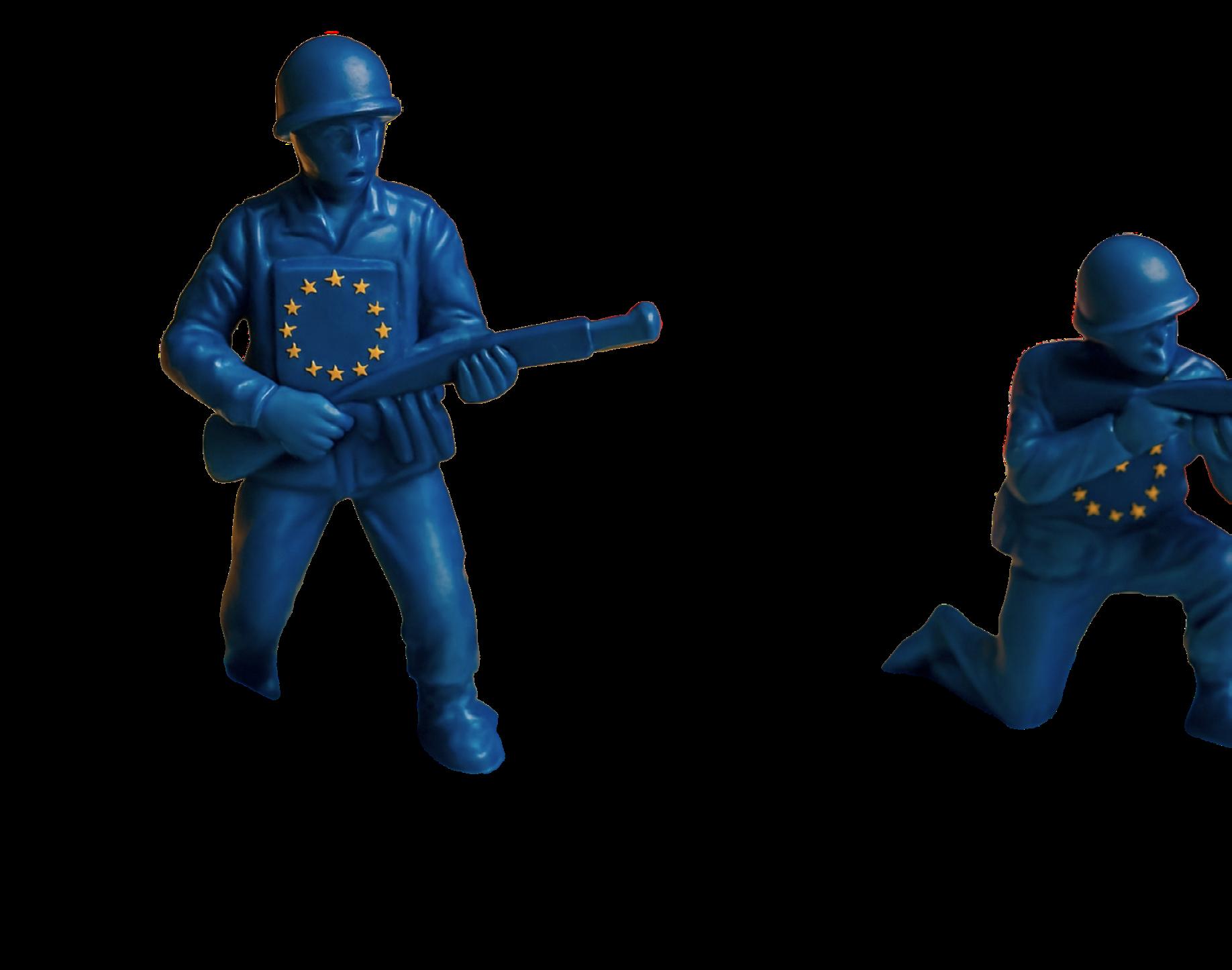
Meredith Schwartz and Gracelin Baskaran, ‘Greenland, Rare Earths, and Arctic Security’, CSIS Briefing Paper, January 2026, jstor.org/stable/resrep77899?seq=1
House of Lords International Relations and Defence Committee, ‘Adjusting to new realities: rebalancing the UK-US relationship’, HL Paper 290, Third Report of Session 2024-26, 2026, p.8, publications.parliament.uk/pa/ld5901/ldselect/ldintrel/290/290.pdf
taking place in Greenland, but it holds significant reserves that are likely to become more accessible as climate change intensifies.10 Interestingly, China’s interests in Greenland have grown and Donald Trump has repeatedly demanded that the territory should become part of America.11 Trump’s claim on Greenland has raised significant issues for NATO, further fracturing the US relationship with the rest of the Alliance.12
Third, the Arctic region currently supplies the world with approximately 10 per cent of its oil and 25 per cent of its natural gas, mainly through onshore developments, and it is estimated that the region holds about 22 per cent of the world’s undiscovered reserves.13 The importance of this has risen, first with the partial embargo on Russia following its illegal invasion of Ukraine in 2022. Second, demand has been heightened by the current war between Israel, the US and Iran, which has resulted in the closure of the Persian Gulf.
Russia has become increasingly active in the Arctic for a number of reasons. First, for more than two decades we have seen attempts to expand Russian influence and control in the region.14 This has been, in part, economic, but it is also political and links to the Russian narrative about being a Great Power and by implication one not subject to the same international laws as others.15
Second, Russian motives have, in part, been defensive.16 The Arctic waters play an important role for Russia’s submarinelaunched ballistic missile capabilities, which are charged with providing an assured second-strike capability to complement Russia’s ‘offensively’ roled land-based forces. Moreover, Russia
10U.S. Geological Survey, Mineral Commodity Summaries, February 2026, https://pubs. usgs.gov/periodicals/mcs2026/mcs2026-rare-earths.pdf
11Diana Roy and Jonathan Masters, ‘The Trump Administration’s Push for Greenland: What to Know’, Council on Foreign Relations, 22 January 2026, cfr.org/articles/ greenlands-independence-what-would-mean-us-interests
12Rosa Balfour, ‘The EU finally used an economic threat against Trump. But the markets forced his climbdown’, Guardian online, 24 January 2026, theguardian.com/ commentisfree/2026/jan/24/eu-economic-threat-donald-trump-greenland
13World Wildlife Fund, Oil and Gas, arcticwwf.org/threats/oil-and-gas
14Tom Parfitt, ‘Russia plants flag on North Pole seabed’, Guardian online, 2 August 2007, theguardian.com/world/2007/aug/02/russia.arctic
15Gergely Egedy, ‘The civilization state in the war against Ukraine’, Journal of Contemporary Central and Eastern Europe, 32, 2024, pp.499-512, doi.org/10.1080/25 739638.2024.2367904
16Stephen Blank, ‘How Ukraine reveals Russian nuclear strategy’, Defense and Security Analysis, 39(3), 2023, pp.353-368, tandfonline.com/doi/ pdf/10.1080/14751798.2023.2204595?needAccess=true
17Michelle Wiese Bockmann, ‘Cable-cutting, seized Russia-linked ‘spy ship’ left anchor drag marks over Baltic seabed’, Lloyds List, 30 December 2024, lloydslist.com/LL1152039/ Cablecutting-seized-Russialinked-spy-ship-left-anchor-drag-marks-over-Baltic-seabed
18Ministry of Defence, ‘UK exposes covert Russian submarine operation in and around UK waters’, Press Release, 9 April 2026, gov.uk/government/news/uk-exposes-covert-russiansubmarine-operation-in-and-around-uk-waters
19Paul Taylor, ‘Trump’s tantrums over Nato are prompting European leaders to think the unthinkable’, Guardian online, 7 May 2026, theguardian.com/commentisfree/2026/ may/07/trump-nato-european-leaders-russia-attacks-us-allies
20Anthony Zurcher, ‘What Trump really wants from Canada’, BBC online, 15 April 2025, bbc.co.uk/news/articles/c15vl99dw0do, Sarah Smith, ‘Trump says US needs to ‘own’ Greenland to prevent Russia and China from taking it’, BBC online, 9 January 2026, bbc. co.uk/news/articles/c78vj5n7jg3o
“”
Russia routinely deploys specialist submarines and surface ships around the critical undersea infrastructure that carries oil and gas between various countries, such as Norway and the United Kingdom; is associated with non-carbon energy creation, such as wind farms; and facilitates much of the transatlantic internet traffic.
has significant critical infrastructure related to its oil and gas industry that needs to be protected. Also, as mentioned, it is looking to develop its Northern Sea Route as a major trade thoroughfare it can exercise an element control of and from which it can raise income.
Third, Russia views the region as a base from which to project power. It routinely deploys specialist submarines and surface ships around the critical undersea infrastructure that carries oil and gas between various countries, such as Norway and the UK; is associated with non-carbon energy creation, such as wind farms; and facilitates much of the transatlantic internet traffic. In the Baltic there have been a number of examples of Russian merchant ships damaging underseas pipelines and cables17 and the UK has highlighted the covert actions of Russian submarines around British waters.18 Russian operations have also included the attempted tracking of US, British and French ballistic missile carrying boats.19
Finally, there is real concern within NATO that Russia’s illegal actions against Ukraine might escalate to NATO territory.
Within the context of great power competition brought about by climate change and Russia’s historical interests in the region, there has been one additional dynamic at play. Historically, the US in partnership with Canada, through forums such as the North American Aerospace Defense Command and NATO, has sought to manage the changes within the region on a collective basis. However, Trump’s election as the 47th US president has changed things. He has made demands at different points that both Canada and Greenland become part of the United States.20 Trump’s actions are having a number of consequences. First, it is leading many to question the US commitment to NATO’s collective defence pledge (Article V). Trump has openly and repeatedly questioned whether the US would respond to any Russian aggression on NATO territory, whilst at the same time mistakenly conflating the Alliance’s commitment with his war on Iran.
Second, nations – both individually and collectively – are responding by bolstering the region’s defence capabilities, which has included the deployment of European personnel to Greenland in support of Denmark.21 These commitments have been on a relatively low scale, but they are important politically. Moreover, Europe via the European Union and its historical links with the UK, has sought to foster closer economic relations and increased military cooperation.
Third, Trump’s actions – supposedly about securing US national security – are challenging America’s security. The defence of the United States from the north is heavily dependent on allies, most notably Canada, but also on other nations for bases, including Greenland and the UK. An under appreciation of the importance of such an early warning network could hamper America’s ability to exercise its power and influence.
In response to Russia’s illegal invasion of Ukraine in 2022 we have seen a range of national and multinational responses. Most notably, Finland and Sweden joined NATO, abandoning long held policies of neutrality.22 During the Cold War NATO’s Allied Forces Northern Europe (AFNORTH) was one of three subordinate commands reporting to NATO’s Supreme Allied Commander Europe (SACEUR).23 Stretching from Norway to the Baltic, it included Norway’s northern border with the Soviet Union to West Germany north of the Elbe, including the Baltic Sea. The command encompassed three NATO members – Norway, Denmark and West Germany – who would have received substantial air, land and maritime reinforcements from the United States, UK, Netherlands and Canada. Alongside this there was a US-Canadian working group and NATO’s Supreme Commander Atlantic (SACLANT), who was responsible for the defence of the North Atlantic stretching into the Norwegian Sea and countering the Soviet ballistic missile carrying submarines patrolling in the North Atlantic and Arctic waters.24
Following the end of the Cold War, less attention was given to the region. AFNORTH was initially reconfigured into AFNORTHWEST, which was based in the UK and subsequently merged with and relocated to AFCENT in Germany, even as nations such as Poland and the Baltic States joined NATO. However, NATO’s de-emphasis on the region has reversed as Russia has become more assertive.25 Moreover, following Russia’s illegal invasion of Ukraine in 2022 both Finland and Sweden have joined NATO, with the former sharing a significant land border with Russia and both being Baltic powers.26 This has led NATO to reorganise its regional boundaries and transfer responsibility for Denmark, Sweden and Finland from Joint Force Command Brunssum to Joint Force Command Norfolk, the Alliance’s newest joint force command. According to SACEUR, General Grynkewich, “in terms of NATO’s joint force commands, Norfolk is the strategic bridge between North America and Europe, defending far more than just our sea lines of communication”.27 In essence, it has created a AFNORTH and SACLANT combination.
In support of this, Multi-Corps Land Component Command North has been established in Finland and the Swedish Armed Forces are tasked with establishing a Joint Logistics Support Group Headquarters in 2027. To provide further muscle, a
Nordic Combined Air Operations Centre has been established in Norway, and NATO and the Nordic countries are establishing new military units and structures on the northern flank in support of the regional defence plan for the north-west. The Nordic states are also pursuing the ambition of forming an integrated military northern pillar within the Alliance.28 The UK, through its Atlantic Bastion framework, is leading NATO’s response to Russian activities in the Atlantic, North Sea and Norwegian Sea.29 In support of this there is increasing maritime cooperation, such as a shared Type 26 force between Norway and the UK and closer cooperation in Norway, Germany and the UK’s Boeing P-8A maritime patrol force.
The northern flank is becoming an increasing area of geopolitical contestation for the reasons identified and there are competing visions for the region. There is Putin’s vision of an increasing and assertive Russia dominating, which can be seen as both contradicting and complementing the thinking of the Trump administration. And there is also a strengthening European-Canadian view that is at odds with the Russian and US visions. Added to this is an increasing arms race in the region, one which gives greater prominence to the Scandinavian and Baltic States as they seek to deter Russia within the context of NATO. Along with Poland and Germany, they are demonstrating the most visible national responses in terms of strengthening their military posture, with the UK and France appearing to be falling behind. Representing a significant change in NATO thinking compared with the first two decades of the post-Cold War world, there remains considerable uncertainty about how this competition will develop and what the future holds in terms of regional security implications.
21Paul Kirby, ‘European military personnel arrive in Greenland as Trump says US needs island’, BBC online, 15 January 2026, bbc.co.uk/news/articles/cd0ydjvxpejo
22Andrew Dorman, ‘Finland brings great value to NATO’s future deterrence’, Chatham House Expert Comment, 23 April 2023, chathamhouse.org/2023/04/finland-bringsgreat-value-natos-future-deterrence, Andrew Dorman, ‘Sweden brings benefits for NATO but accession delay raises difficult questions’, Chatham House Expert Comment, 27 February 2024, chathamhouse.org/2024/02/sweden-brings-benefits-nato-accession-delay-raisesdifficult-questions
23Colin Wall and Njord Wegge, ‘The Russian Arctic Threat Consequences of the Ukraine War’, CSIS Briefs, January 2023, jstor.org/stable/pdf/resrep47094. pdf?acceptTC=true&coverpage=false&addFooter=false
24G. Schmidt (ed), History of NATO: The First Fifty Years, Palgrave Macmillan Ltd, 2001, Eric Grove, Battle of the Fiords: NATO’s Forward Maritime Strategy in action, London, Ian Allan Ltd., 1991.
25Colin Wall and Njord Wegge, ‘The Russian Arctic Threat Consequences of the Ukraine War’, CSIS Briefs, January 2023, jstor.org/stable/pdf/resrep47094. pdf?acceptTC=true&coverpage=false&addFooter=false
26Andrew Dorman, ‘Finland brings great value to NATO’s future deterrence’, Chatham House Expert Comment, 23 April 2023, chathamhouse.org/2023/04/finland-bringsgreat-value-natos-future-deterrence, Andrew Dorman, ‘Sweden brings benefits for NATO but accession delay raises difficult questions’, Chatham House Expert Comment, 27 February 2024, chathamhouse.org/2024/02/sweden-brings-benefits-nato-accession-delay-raisesdifficult-questions
27NATO, ‘NATO’s Allied Command Operations to update provisional, regional boundaries’, News Release, 4 December 2025, https://shape.nato.int/news-releases/natos-alliedcommand-operations-to-update-provisional--regional-boundaries-
28Jacek Tarociński, ‘Nordic countries: a common vision for the development of defence cooperation’, Centre for Eastern Studies, 8 May 2024, osw.waw.pl/en/publikacje/ analyses/2024-05-08/nordic-countries-a-common-vision-development-defence-cooperation 29Sidharth Kaushal and Edward Black, ‘The Atlantic Bastion’, RUSI Research Report, 16 December 2025, static.rusi.org/the-atlantic-bastion-december-2025-research-paper.pdf


The UK’s ability to sustain forces in the field
Logistics amid a full-scale invasion
Deterrence by sustainment
Fighting power through medical capability
Stop buying readiness
Major Gareth Eason Executive Officer, CHACR
“My logisticians are a humourless lot... they know if my campaign fails, they are the first ones I will slay.”
– Alexander the Great
Warfare by its very nature is an extremely demanding and complex venture. The technology used by militaries to kill one another may have evolved over the centuries but the basic tenets of armed conflict remain, one being you need brave individuals willing to risk their lives to take the fight to the enemy. Equally enduring, however, is the principle that no matter how those protagonists execute their fight, doing so requires huge amounts of resources to sustain them, at every level, and that that support or lack thereof will shape the battle far more than any individual or group actions – regardless of courage, manoeuvrability or technology. Sustainment is, has and always will be the key enabler to how warfare is conducted. It is with this in mind that this article seeks to explore the UK’s strategic resilience and how the nation might prepare for an Article 5 event.
Critical to any such analysis is an understanding of logistics – a statement which will undoubtedly illicit a weary reaction from many military readers. Logisticians, of whom the author is one, are a humourless lot – as Alexander the Great alluded to – and we are seen by many as a speed bump to the rapid execution of operations. Our humourless nature is, however, well founded. The battle of Isandlwana, Napoleon’s ill-fated march on Moscow, Japan’s overly ambitious and shortsighted plan to attack the US and the more recent wars in
1Logistics for Joint Operations (JDP 4-00 Fourth edition).
2Training, Equipment, Personnel, Infrastructure, Concepts & Doctrine, Organisation, Information, and Logistics.
3Napoleon Bonaparte: www.azquotes.com/author/1621-Napoleon_Bonaparte
4military-history.org/behind-the-image/behind-the-image-number-of-people-mobilised-inworld-war-ii.htm
5npr.org/2007/11/11/16131857/wwi-munitions-still-livebeneath-western-front
Iraq and Afghanistan all demonstrate that failures in logistic planning can have a devastating impact. Logistics isn’t simply the movement of ‘stuff and things’ but the survival and maintenance of all capabilities. As defined by Joint Doctrine Publication 4-00:1 “It is the science of planning and carrying out the movement and maintenance of forces. In its most comprehensive sense, the aspects of military operations which deal with: design and development, acquisition, storage, movement, distribution, maintenance, recovery and disposal of materiel; transport of personnel; acquisition or construction, maintenance, operation and disposition of facilities; acquisition or furnishing of services; and medical and health service support.”
In short, logistics covers the entire sustainment pipeline from factory to the front line, from Role 4 hospitals to the team medic in the trenches, from the home guard to those on the zero line and all defence lines of development,2 as well as the deployment and recovery of assets, human or otherwise. It is by its very nature enduring, complex and hugely demanding just like the conflicts it sustains. Consequently, to provide some semblance of long-term sustainability you don’t just need a whole force approach, but a whole nation approach. As all logisticians and great generals will tell you, an army which cannot be reinforced is already defeated.3
With the last existential threat to our nation now somewhat distant, many today will be forgiven for not truly realising the sheer scale of men and material employed during the war periods of the last century. In the First World War the British Empire mobilised almost nine million


Both [Ops Telic and Herrick] were strategically demanding in terms of sustainment, not least as much of the combat in Iraq and Afghanistan was concurrent, but the expenditure in men and materiel was significantly smaller than in previous conflicts. Yet they still bent the military out of shape.
World War,5 and whilst casualty figures vary, estimates suggest that roughly 886,000 British soldiers died in the First World War with an estimated 384,000 military fatalities during the Second World War.6-7 The overwhelming lesson from that period was that peer-on-peer combat resulted in monumental levels of attrition and expenditure which, in the UK’s case, equated to spending more than 50 per cent of its gross domestic product on defence.8
Modern history also provides examples of smaller, more limited, conflicts providing equally complex challenges to nations as they waged war at a distance. In Korea and Vietnam the US and its allies felt the stresses of foreign interventions, not only as a consequence of the geographic stretch between troops and their manufacturing bases, but because the need for significant levels of air and artillery support generated a substantial logistical burden.
With the collapse of the Soviet Union in the early 1990s, Western nations willingly (and to a degree understandably) took advantage of the peace dividend that accompanied Francis Fukuyama’s “end of history”.9 The generation of combat that followed was entirely expeditionary, typically opposing smaller, less capable asymmetric threats, and this influenced not just how NATO nations fought, but how
6Approximately 280,000 British soldiers were wounded during the Second World War.
7nationalarchives.gov.uk/help-with-your-research/research-guides/british-army-casualtylists-1939-1945
8articles.obr.uk/300-years-of-uk-public-finance-data/index.html
9theguardian.com/books/2014/mar/21/bring-back-ideology-fukuyama-end-history-25years-on
10nam.ac.uk/explore/iraq-war-counter-insurgency#:~:text=The%20cost,and%20 created%20millions%20of%20refugees.
11https://publications.parliament.uk/pa/cm200304/cmselect/cmdfence/57/5709. htm#:~:text=Table_title:%20Our%20use%20of%20cookies%20Table_content:%20 header:,Between%201%20and%202%20weeks:%205179%20%7C
12theguardian.com/uk-news/2020/dec/04/uk-soldiers-more-likely-die-us-troops-war-terror
they sustained missions. The UK’s operations in Iraq and Afghanistan, while major campaigns, were much reduced in scale when compared to the world wars. The UK deployed 141,640 personnel between 2003 and 2011 on Op Telic and more than 150,000 personnel on Op Herrick between 2001 to 2014,10 and it is assessed that, over an almost 10-year period, the British Army fired roughly 80,000 artillery shells.11 During the ‘Global War on Terror’ more than 5,000 British soldiers were wounded and 638 were killed.12 Both theatres were strategically demanding in terms of sustainment, not least as much of the combat in Iraq and Afghanistan was concurrent, but the expenditure in men and materiel was significantly smaller than in previous conflicts. Yet they still ‘bent’ the military out of shape – the Army was required to rotate through available units in its force readiness cycle and meet urgent operational requirements to counter new and evolving threats. Ultimately this demand created the conditions for Op Entirety and a strategic shift to support the campaign in Afghanistan above all other considerations and potential/ emerging threats.
In the 2020s militaries have found themselves revisiting tactics of the past but in conflicts augmented with modern and evolving technologies. The current fighting in Ukraine and Iran varies wildly but both theatres provide valuable lessons to the UK and wider West. In Ukraine we are witnessing highly attritional, almost static warfare, akin to the conditions on the Western Front in the First World War – an absence of air superiority, in-depth defences, massed artillery fires and waves of human assaults. In Iran we have seen the use of precision fires and stealth technology against a technologically inferior adversary, but one that has a significant stockpile of mediumand short-range missiles augmented by an abundance of cheap and effective drones capable of projecting power at reach with little human investment. The logistic demands of each remain hugely complex and reaffirm that there is no onesize-fits-all solution to sustainment... quite the contrary.
The new ‘old way’ of fighting?
At the beginning of the Ukraine war Russia had amassed
some 200,000 troops to pit against circa 170,000 active Ukrainian military personnel.13 Russia’s initial blitzkrieg, using deep strikes and massed armoured manoeuvre, met with some success but was rapidly degraded by (but not limited to) guided munitions, artillery fire and the stalwart defence of the Ukrainian Armed Forces (UAF). This degradation of combat capability and constant offensive manoeuvre against a military willing to trade space for time led to expenditure and casualties akin to the industrial warfare of the last century, rather than a three-day ‘special operation’. What was originally intended to be a limited campaign has forced Putin to shift the focus of his nation to a full war footing and defence expenditure of more than seven per cent of gross domestic product.14 Much of the attrition to the Russian Armed Forces can be attributed to a lack of planning and preparation for protracted combat, which ultimately led to the ‘cream’ of its military being ground down in the early phases of the war and has resulted in wider mobilisation and a significant qualitative drop in combat capability.
Ukraine, on the other hand, facing an existential threat and also being largely unprepared for large-scale combat, has had to rely on allies, novel approaches to rearmament and the resilience of its defenders and populace. The first 12 months of the conflict placed an almost unbearable pressure on the nation’s critical national infrastructure (something Russia has continued to target), armed forces and population, whilst the influx of military and civilian casualties placed an unsustainable strain on the nation’s medical system, both in terms of its people and infrastructure. Fortunately for Ukraine, like many Soviet-style militaries it had a significant reserve of equipment (in varying states of disrepair), much of it not fully accounted for, residing in various hardened bunkers. This reserve and the gifting of assets from allied forces enabled Ukraine to blunt Russian advances, but doing so proved costly – during the first six months of combat, Ukraine consumed over 630,000 155mm rounds, in excess of 240,000 152mm rounds, more than 330,000 122mm artillery rounds and circa
8,000 Guided Multiple Launch Rocket System (GMLRS) missiles.15
The UAF’s subsequent counter offensive to recapture Kherson, which took place from 1 September to 10 November 2022, involved six brigades, over 27,000 troops and consumed 130,000 155mm rounds and over 2,000 GMLRS rounds.16 Although not the scale of warfare seen during the 20th century, the monthly estimated consumption levels of artillery was 60,000 rounds – a figure that suggests Ukraine may have expended more than three million rounds of NATO standard artillery to date. By order of magnitude, Russia will have expended significantly more. Back in 2022 these estimates were deemed to be unsustainable, even with the collective strength of NATO in support. The Alliance had neither the manufacturing capacity nor the strategic reserve to sustain this level of attrition, even with the might of the US, whilst the increase in demand for munitions outweighed both the manufacturing capacity and supply of propellant and explosives globally. In short, production choke points and the scarcity of resources meant that even with significant development in artillery manufacturing there was no way to provide the necessary quantities of materiel to assemble the weapons. Ukraine’s only solution was to diversify its standoff capability, embrace evolving technology and make ammunition cheaper to produce. At the same time, they needed to reduce the demand on propellant and explosives by combining new and old technologies (for example removing explosives from cluster rounds and attaching them as warheads to drones).17 The challenge was further compounded by Ukraine having a significantly smaller population than its opponents and a strategic policy aimed at protecting the younger generation for post-war reconstruction (i.e. there was a need to reduce the demand on its finite human resources, whilst still defending almost 2,000 kilometres of front line). Four years after the start of hostilities, Ukraine is looking to produce more than seven million drones as part of the wider scaling up of its defence industrial capability and now produces approximately 50 per cent of the weapons and military equipment used by the UAF.
13carnegieendowment.org/research/2018/02/ukraines-toughest-fight-the-challenge-ofmilitary-reform?lang=en
14sipri.org/publications/2026/sipri-insights-peace-and-security/budget-fifth-year-warmilitary-spending-russias-budget-2026
15-16Data from UAF sources.
17DPICM: Dual-Purpose Improved Conventional Munitions – are cluster munitions for 155mm which are still held by some NATO countries (and have been gifted to or purchased by the UAF).
Readers might ask why this level of detail is relevant. Ukraine was forced to cannibalise its own stockpiles whilst NATO trawled the planet for those nations, companies and organisations willing to sell or gift their own stocks. If NATO and a peer were at war, there’d be very few places left from which you could borrow or purchase munitions. America’s aim to produce 100,000 155mm artillery rounds a month by the autumn of 202518 is still to be met, whilst the UK – having taken significant steps to expand its production from circa 10,000 rounds a year – aims to be able to produce roughly 80,000 annually by 202619 (effectively six weeks of UAF consumption).
If you review the divergent conflict in Iran, the US has overwhelming superiority and a unique ability to project power, yet there has been almost no direct military combat between the two nations. The asymmetric approach of Iran and its horizontal escalation (attacking neighbouring states) and the distance from which the US is required to engage has led to a strategic stalemate. In less than two months the US consumed between 1,380 and 1,970 air interceptors (estimates vary between 25-50 per cent of US stockpiles),20 over 850 tomahawks and more than 1,000 joint air-to-surface standoff missiles21, lost numerous strategic platforms.22 The potential cost of the conflict is likely to run into the tens of billions of dollars and, regardless of the longevity of any peace deal, the strife surrounding the Straits of Hormuz has had a detrimental impact on the global economy.23 The Centre for Strategic & International Studies argues that America’s over reliance on exquisite capabilities (all of which have multi-year lead times to produce) have left the US strategically weakened to face the threat of a resurgent China.24 As a consequence of the shortage of interceptors, the most powerful nation and military on the planet is now reliant on cheap Ukrainian drone technology as a replacement for multi-million dollar platforms. The dawning realisation from both conflicts is that NATO finds itself at an inflection point – does it follow Stalin’s oft used maxim that quantity has a quality of its own (which in itself presents significant logistic issues) or should it follow the American idiom of ‘getting bang for your buck’, or a mix of the two approaches? Whatever the choice, the outcome is an increase in the size of arsenal.
The dawning realisation from both conflicts is that NATO finds itself at an inflection point – does it follow Stalin’s oft used maxim that quantity has a quality of its own or should it follow the US idiom of ‘getting bang for your buck’.
The blockade of the Strait of Hormuz illustrated how the denial of a strategically important trade route can have profound global implications on wider industry, farming and manufacture. Short supplies of fertiliser, nitrates, oil, gas and sulphur all have second order impacts on wider manufacturing and the ability of countries to extract raw materials, such as copper and cobalt, that are key to the defence industry. This is by no means a new problem and the fragility of the global trading system and our interdependence on that trade cannot be underestimated.
During the First World War the competing nations found themselves struggling to import essential raw materials, including coal, oil, wood, rubber, iron ore and cotton. In Germany’s case, the allied blockade forced it to develop a new synthetic process to produce enough fertiliser and explosives and exploit civilian sources for military production. In 1915 both sides, having not anticipated a protracted war at such scale, faced a major shell shortage that impacted their ability to fight (the British lack of artillery support during the Battle of Aubers, for example, had profound consequences).
During the Second World War the issues were much the same with rubber, oil and petroleum. Germany, as a consequence of its geography and lack of key natural resources, was heavily reliant on Romanian oil fields and a synthetic fuel industry that could not meet the demands of the Wehrmacht. In the Pacific theatre the need for oil and natural resources to fuel the war effort was a primary driver for Japan’s expansion into Southeast Asia and arguably its reason for trying to reduce US capability to project maritime power. The Allies also faced issues, from the Atlantic and Arctic convoys to the US launching a massive synthetic rubber programme to support its war demands,25 they struggled to counter a lack of natural resources and economic choke points.
18nationalinterest.org/blog/buzz/us-army-just-opened-new-155mm-artillery-ammo-plantkansas-ps-041626
19theguardian.com/uk-news/2026/feb/15/welsh-munitions-factory-delay-bae-systemsglascoed-delay-shells-ukraine
20PATRIOT, THAAD and SM variants.
21nytimes.com/2026/04/23/us/politics/iran-war-cost-military.html
22trtworld.com/article/2b79f0696c2a
23nytimes.com/2026/04/26/opinion/iran-cost-united-states-iraq-ukraine.html
24csis.org/analysis/last-rounds-status-key-munitions-iran-war-ceasefire
25histclo.com/essay/war/ww2/eco/raw/w2er-rmf.html
26cirsd.org/horizon-article/the-mineral-wars
More recently Russia’s invasion of Ukraine created an acute energy crisis in Europe, accelerating the continent’s transition to liquefied natural gas (from the US) as well as resources from the Middle East (subsequently disrupted by trouble in the Straits of Hormuz) and renewable energy. With Ukraine and Russia being two of the biggest exporters of grain and fertiliser, the war has increased global food insecurity whilst Russia’s occupation of areas with significant natural resources (including mineral deposits in the Donbas) has created a geopolitical fight for critical resources needed for technology and energy transitions.26
None of the aforementioned statistics and outcomes are predetermined if the UK were to fight a peer but if we look at the consumption levels and rates of attrition in the Ukraine and Iran, and the second order consequences those wars have had on the global economy and trade, put simply the nation is not currently prepared for enduring high intensity conflict – be it with conventional or smart munitions.27 In contrast, some of our adversaries have spent the last 10 years preparing for conflict and learning lessons from current ones.
China has been analysing both events in Ukraine and Iran with great interest, learning and preparing for what seems an almost inevitable war with the West over Taiwan, which controls more than 90 per cent of the world’s most advanced chip manufacturing capacity as of 2026.
Russia and Iran may be draining significant amounts of their respective nation’s resources to conduct war, but they have also evolved as fighting forces and, in Russia’s case, stepped on to a war footing. By some metrics, Russia is at an advantage over Western nations in terms of its ability to rebuild and rearm.28
All the while China remains a strategic storm looming just over the horizon. It boasts the largest reserve of oil and gas reserves in the world,29 a choke hold on the refined rare earth industry –controlling approximately 90-94 per cent of global separation (a key component in obtaining rare earths) and owns or mines roughly 60-70 per cent of global raw ores.30 China has been analysing both events in Ukraine and Iran with great interest, learning and preparing for what seems an almost inevitable war with the West over Taiwan, which controls more than 90 per cent of the world’s most advanced chip manufacturing capacity as of 2026.31 Why is this important? China is already the largest manufacturing base in the world and with its ownership/control of raw and rare earth materials, if it were to take Taiwan it would also undermine the West’s ability to manufacture the microchips and processors used in advanced weapons. It would become the leading world power, if not global hegemon, a title the US is unlikely to accept, dragging many other parties into conflict (including the UK as a consequence of the Five Powers Defence Arrangements32 and long-standing relations with Japan and other regional powers). These issues are political rather than military, but that does not mean they should not inform military planning. In almost every conflict throughout history, nations have underestimated the duration of war – we cannot afford to make that mistake again.
While some may argue that the aforementioned global tensions do not necessarily correspond to a direct threat to the UK, and therefore do not require a commensurate response, in doing so they are demonstrating an attitude at odds with the insecurities of international relations. Splendid isolation does not work – we cannot simply assume we won’t get involved in conflicts because they are elsewhere. In a truly globalised world every event has profound strategic consequences (as Iran and Ukraine have highlighted). If you don’t have the basic building blocks for manufacturing (oil, hardware components, mineral resources etc) then you can’t sustain your own
economy let alone your military forces, and the actions of one ally or adversary can force you into a position you had not anticipated, hence the need for a well-funded, maintained and sustained armed forces. As our traditional allies realign their interests, and with NATO under increasing pressure, the UK finds itself in an invidious position of having to significantly reinvest in its collective and individual deterrence whilst also becoming individually more self-sufficient and sustainable at scale (against a backdrop of global economic strain). The Ukraine conflict has underlined the need for countries to have significant strategic stocks and has highlighted the impact poor strategic planning has on a soldier’s ability to survive. None of these lessons are new, yet we seem unwilling or incapable of learning them. Regardless, all of the above should serve as a warning as the UK seeks to modernise the Army for tomorrow’s fight, whatever that may look like.
“I am tempted to make a slightly exaggerated statement: that logistics is all of war-making, except shooting the guns, releasing the bombs, and firing the torpedoes.”
– Admiral
Lynde D. McCormick, United States Navy
27blesma.org/iraq/#:~:text=Iraq%20War%20British%20Casualties,divisions%20 were%20particularly%20hard%20hit.
28nato.int/en/news-and-events/events/transcripts/2025/12/11/keynote-speech-by-natosecretary-general-mark-rutte-and-moderated-discussion-with-the-minister-for-foreign-affairsof-germany-johann-wadephul
29theguardian.com/world/2026/mar/20/china-oil-reserves-global-energy-crisis 30polytechnique-insights.com/en/columns/geopolitics/china-has-a-monopoly-on-rare-earths 31trade.gov/country-commercial-guides/taiwan-semiconductors-including-chip-design-ai; mordorintelligence.com/industry-reports/taiwan-semiconductor-market
32fivepowerdefencearrangements.org
Serhii Kuzan, Chairman of the Ukrainian Security and Cooperation Centre (USCC), and Anton Zemlianyi, Senior Analyst, USCC
Russia’s full-scale invasion of Ukraine, characterised by highintensity warfare and the ever-present threat of air strikes, has made effective logistics one of the most critical factors for the defenders’ survival. In fact, since 24 February 2022, Ukrainian logistics has transformed from just a supporting function into a key instrument of national resilience amid an ongoing war of attrition. As of 2026, this system has not merely recovered, but has become one of the most adaptable models in the world, capable not only of withstanding constant attacks on critical infrastructure and supporting a nation at war but providing lessons in readiness for allies.
The Russian invasion in 2022 largely paralysed Ukraine’s logistical capabilities. Russia’s command understood the importance of logistical links in the context of a full-scale offensive against Ukraine and sought to disrupt them as severely as possible, focusing on rail transport, maritime and air links. From the early stages of the war up until the second half of 2022, Russia largely succeeded in its aim of restricting Ukrainian logistics, which caused significant difficulties in the supply of weapons, logistical resources and food. Indeed, civilian air traffic was completely paralysed from the start of hostilities – the last passenger aircraft left Ukraine on the eve of the full-scale invasion. Ukrainian airspace was subsequently closed to civilian aviation, and remains so as of the first half of 2026.
In an attempt to achieve its goal of a logistical blockade in the first weeks of its ‘special operation’, Moscow launched
1pravda.com.ua/eng/news/2022/05/12/7345774
2youtube.com/live/ZFCzAofVje0
an offensive campaign in the southern regions of Ukraine – towards Mykolaiv and Odesa, as well as Berdiansk and Mariupol. The main objective was to occupy the Black Sea and Azov Sea coasts in order to cut Ukraine off from maritime transport routes and block Ukrainian exports. At the same time, Russia was conducting a blockade of Ukrainian logistics at sea. Exploiting the superiority of its Black Sea Fleet, the Kremlin gained complete control of the northern Black Sea region, primarily by using missile cruisers to strike ships and ports and by laying mines in the waters. Moreover, in the early days of the invasion, the superior Russian forces seized Zmiinyi Island – a patch of Ukrainian territory at sea, 30 kilometres from mainland Ukraine. Here they established a powerful defence hub, which enabled them to directly threaten Ukrainian vessels that had previously sailed from Ukrainian ports along the western coast of the Black Sea. As a result, Ukraine lost access to air links and seaports, which brought global supply chains to a standstill. A decisive factor for survival was a complete shift towards land corridors with European Union countries. Rail and road routes became the main arteries for supplies, including military and humanitarian aid, food and other cargo.
The Russian military command understood that Kyiv would seek alternative transport routes and, in the second half of 2022, the Kremlin launched a campaign to destroy Ukrainian oil refineries and storage facilities for fuel and lubricants, among other targets.1 The Russians wanted to deprive Ukraine of access to fuel and destroy operational fuel stocks, which are crucial both for the functioning of logistics and for direct combat operations involving mechanised units on the battlefield. Thus, Ukraine lost a significant portion of its fuel production capacity. Of particular note, in 2022 the Russians destroyed the largest oil refinery at Kremenchuk, striking it with 60 missiles and 260 drones, and other domestic facilities which, prior to the war, had met 18 per cent of Ukraine’s fuel consumption.2 As a result of this campaign, Ukraine faced an acute fuel shortage at petrol stations, requiring a complete overhaul of logistics and a switch to fuel imports from Europe.

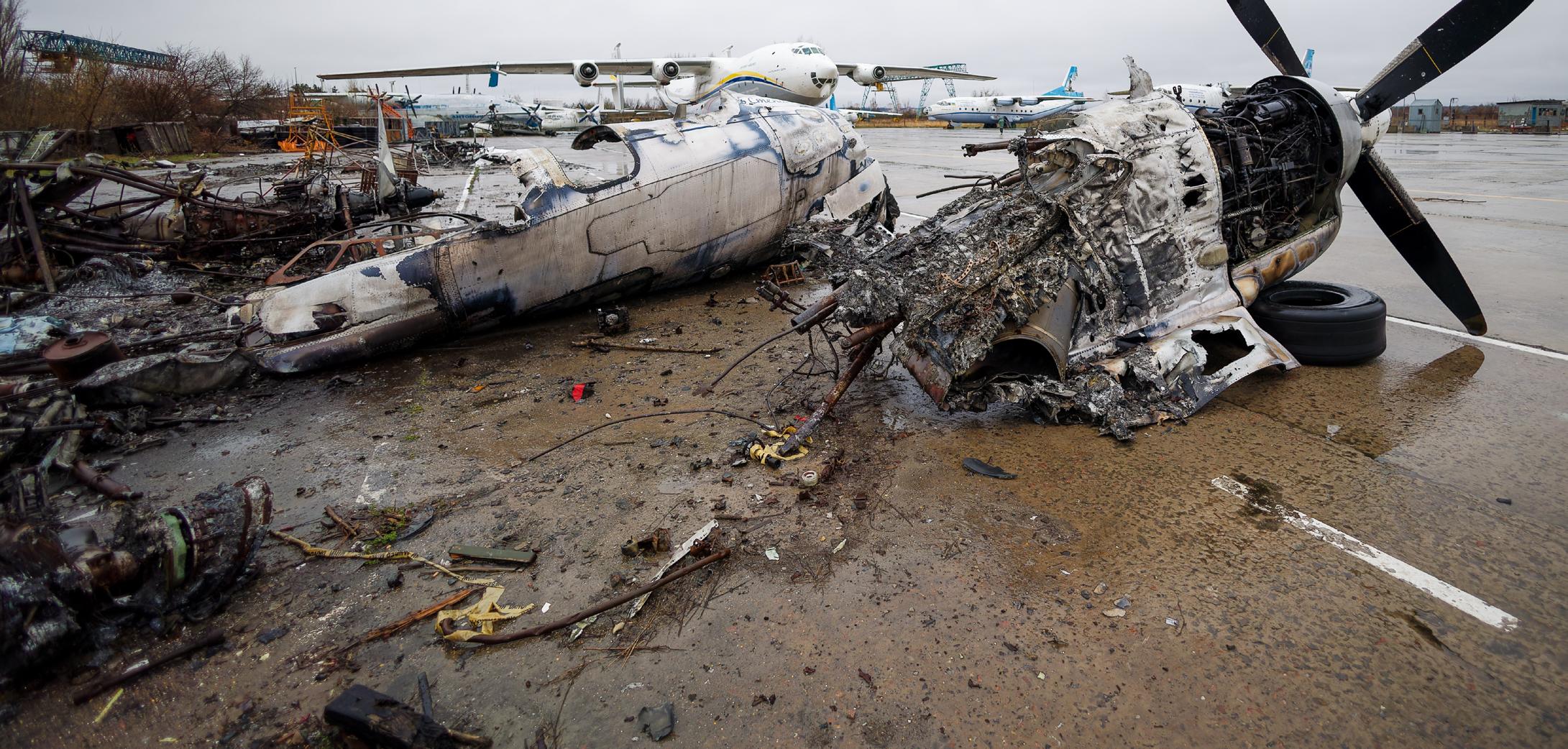
According to Ukraine’s Deputy Prime Minister, as of 12 February 2026, 686 port infrastructure facilities and 150 civilian vessels had been damaged or destroyed since the start of the full-scale invasion.3 Moscow carried out over 4,700 strikes on Ukraine’s railway infrastructure, damaging nearly 24,000 facilities. Since the start of 2026 alone, 266 strikes on rolling stock and railway facilities have been recorded.
Consequently, Ukraine faced the following challenges: a complete blockade of air and sea transport, destruction of transport and fuel infrastructure, the occupation of part of the Black Sea coast, and the disruption of global supply chains, all of which led to fuel shortages and significant difficulties in transporting goods.
The state, however, immediately began to address these threats to logistical resilience. Overcoming the challenges that constrained Ukrainian logistics can be considered in two vectors: the politicaleconomic and the military. The politicaleconomic vector is linked to the reorientation of logistics routes towards the European Union – the abandonment of transit from the east, the development of hubs in countries neighbouring Ukraine, the development of multimodal chains via Baltic ports and transport corridors, as well as the conclusion of institutional agreements on priority clearance of goods and coordination with partners.
The military dimension involved the practical restoration of control over the Black Sea – the unblocking of sea lanes and the creation of safe shipping routes, opening up Ukrainian maritime logistics for exports and imports.
At the beginning of the full-scale war, Ukraine implemented a set of state initiatives that combined legal mechanisms for property requisition, the mobilisation of confiscated resources, the simplification of procedures for importing humanitarian and military aid, and the use of state institutions such as Ukrzaliznytsia [Ukrainian Railways] as central logistics operators. One of the government’s first targeted decisions to mobilise material resources was the order of 26 February 2022: On the Transfer of Property for the Needs of the Armed Forces. The document permitted the legal transfer of confiscated and vacant properties to the Ministry of Defence and other central executive bodies and law enforcement agencies. The State Customs Service, implementing this order and accompanying government decrees, systematically
transferred confiscated goods and transport throughout 2022 to support the defence forces. According to customs data, since 24 February 2022, the value of property – which includes 1,368 vehicles – passed into state ownership is worth hundreds of millions of hryvnias.4
Additionally, on 3 March 2022, the law On the Basic Principles of Compulsory Seizure in Ukraine of Property Rights of the Russian Federation and its Residents was adopted, allowing for the seizure, in favour of the state, of any property of the Russian Federation and its residents – funds, securities, corporate rights, real estate and movable assets (including vehicles).
As part of this, Ukrzaliznytsia nationalised at least 2,000 wagons belonging to Russian companies. Overall, according to Ukrainian government estimates, there were approximately 15,000 railway wagons belonging to 250 Russian companies in Ukraine at the time of the invasion.5
“”
In the first months of the war, it was non-governmental organisations, informal initiatives and individual citizens that took on responsibility for a significant portion of unit supplies – using their own transport, resources and time to purchase and deliver necessary equipment, gear and humanitarian cargo.
As part of the nationalisation of Russian assets, Ukraine claimed other movable property, including hundreds of cars belonging to Russian companies. In October 2023, the Ministry of Economy of Ukraine reported that the draft National Security and Defense Council decision on compulsory seizure ‘acquired’ around 500 wagons and tankers, an oil tanker and more than 300 trucks, cars and road tankers.6
The state strategy demonstrated high efficiency, ensuring rapid resource mobilisation and continuity of supply for the defence forces. The combination of legal tools, institutional capacity and operational decisions allowed for the formation of a resilient and adaptive logistics system under crisis conditions – strengthening capabilities at the expense of the aggressor.
A critical element of Ukraine’s logistics system in 2022 was the transport network of private volunteers and carriers. In the first months of the war, it was non-governmental organisations, informal initiatives and individual citizens that took on responsibility for a significant portion of unit supplies – using their own transport, resources and time to purchase and deliver necessary equipment, gear and humanitarian cargo. With state channels overloaded, ‘people’s logistics’ functioned as a rapid response mechanism. It provided flexibility, speed and the ability to meet critical needs where centralised mechanisms had not yet been deployed or adapted to the new conditions of war. Private carriers, volunteer crews and mutual aid networks effectively formed a parallel logistics infrastructure that integrated with the official supply system. Their contribution was particularly noticeable in supplying front-line units, where the speed and targeted nature of delivery were of decisive importance.
3https://t.me/MinDevUA/13786
4https://customs.gov.ua/news/zagalne-20/post/z-24-liutogo-2022-rokuderzhmitsluzhba-peredala-na-potrebi-oborontsiv-konfiskovanikh-tovariv-ta-transportnikhzasobiv-na-6113-mln-grn-1740
5https://bukoda.gov.ua/news/ukrzaliznicya-pochinaye-nacionalizaciyu-rosijskih-vagonivshcho-perebuvayut-v-ukrayini
6https://me.gov.ua/News/Detail?lang=uk-UA&title=ProPrimusoveViluchenniaRukhomog oMainaRf&showMenuTree=true
The Ukrainian experience of 2022 demonstrates that ‘people’s logistics’ can serve not only as an auxiliary but also as a system-forming element of the state’s logistical resilience in wartime. This phenomenon deserves separate study as an example of an effective decentralised supply model capable of complementing and strengthening traditional military logistics structures.
Following Russia’s blockade of sea and air routes, major military shipments and a significant portion of civilian goods began arriving via Ukraine’s western border with Poland. The border town of Rzeszów became a key logistical centre for the supply of military and humanitarian aid. Its location and large airport allowed for the reception of military aircraft carrying weapons from partners from the beginning of the hostilities.7
In addition, a significant proportion of the cargo destined for Ukraine is now delivered to Polish ports on the Baltic Sea, after which it is transported directly to Ukraine by rail and road. Poland’s NATO membership – and the Kremlin’s reluctance to enter into open confrontation with the Alliance – has provided Ukraine with critically important logistical resilience. A similar hub is currently being developed in Romania, which is also becoming one of the rear areas for Ukrainian logistical support.8
Despite the strengthening of logistical cooperation with Poland, Ukraine has faced new challenges in the transport sector. Massive Russian strikes on fuel infrastructure –oil depots and storage tanks, as previously noted – have hampered road and rail transport operations that were delivering military and humanitarian supplies across the western border. The fuel shortage posed a risk to the stability of logistics routes, particularly those running from Polish ports and from Rzeszów to Lviv and further into the interior of Ukraine.
In response to these threats, Ukraine launched a largescale operation to decentralise fuel stocks. The main focus was on mobility: the Ministry of Defence and other services purchased hundreds of mobile refuelling units,
7https://www.wsj.com/world/europe/weapons-for-ukraines-fight-against-russia-flowthrough-small-polish-border-towns-11648066417
8https://www.defenseromania.ro/romania-devine-al-doilea-nod-strategic-nato-pentruaprovizionarea-ucrainei_639341.html
9https://www.kmu.gov.ua/news/350-tis-tonn-paliva-z-absolyutno-novih-logistichnihmarshrutiv-otrimaye-ukrayina-v-travni
10https://pulaski.pl/en/pulaski-policy-paper-past-present-and-the-future-of-the-ukrainianfuel-sector-the-origins-of-the-fuel-crisis-and-analysis-of-the-viable-support-options-duringand-post-the-russian-aggression-piotr/
11https://me.gov.ua/News/Detail/52ba65ad-4852-4727-985d1532bfd9d69c?lang=uk-UA&title=Minekonomiki-ZaPivrokuUkrainaV12RazivNarostilaImportPalnogo-AzhiotazhuNaRinkuVzheNema
12https://gmk.center/en/infographic/cargo-transshipment-in-ukrainian-ports-in-2024increased-by-57-at-once/
which constantly changed their deployment locations. This minimised the risk of air strikes and ensured an uninterrupted supply of fuel for convoys, armoured vehicles and rail transport. This model became part of a new defence and logistics strategy aimed at enhancing the resilience of the fuel infrastructure during the war.
Furthermore, in March-April 2022 the Ukrainian government implemented measures that increased the daily volume of fuel imports from the EU from 4,000 tonnes to 12,000 tonnes.9 The Ukrainian government abolished authorisations and entry permits for tankers from abroad, unblocked fuel reception at Danube ports, created a priority ‘green lane’ across the border for petrol tankers from Poland and secured changes to price regulation mechanisms to ensure that such supplies were economically viable for traders.
The main impetus for the recovery of Ukrainian logistics came from the revival of rail transport, which by May 2022 was already bringing in approximately 180,000 tonnes of fuel per month to Ukraine (five times more than in March 2022). Over the same period, road deliveries increased 15-fold –from 5,000 to 85,000 tonnes per day – whilst river transport from the Danube ramped up, pumping from 4,000 to 22,000 tonnes, a fivefold increase. In parallel, Ukraine agreed to commence a fuel reverse flow via pipeline from Hungary, reserving 35,000 tonnes per month with the potential to increase to 50,000 tonnes.
Before the war, up to 80 per cent of fuel was imported from the east (Belarus and Russia). Thanks to the actions taken by the Ukrainian authorities, the fuel situation has been stabilised and Ukrainian logistics have become more resilient to such challenges.10 For example, whilst 58,800 tonnes of petrol, diesel and liquefied gas were imported in March 2022, the figure had risen to 709,500 tonnes by the August.11
The recovery of maritime logistics: from blockade to resilience under Russian attacks
It is estimated that by 2022 around two-thirds of Ukraine’s total exports passed through its seaports, primarily those in the Greater Odessa region. In the pre-war years, transhipment volumes at the ports reached around 135-160 million tonnes per annum, making maritime logistics a key pillar of Ukraine’s foreign trade and supply chain.12 The blockade of the Black Sea in 2022 virtually eliminated this channel. A forced restructuring of logistics chains took place: a significant portion of exports shifted to rail and road transport across western borders, as well as towards the Danube ports, leading to increased distances, queues at borders, rising costs and some buyers turning away from Ukrainian goods. The loss of
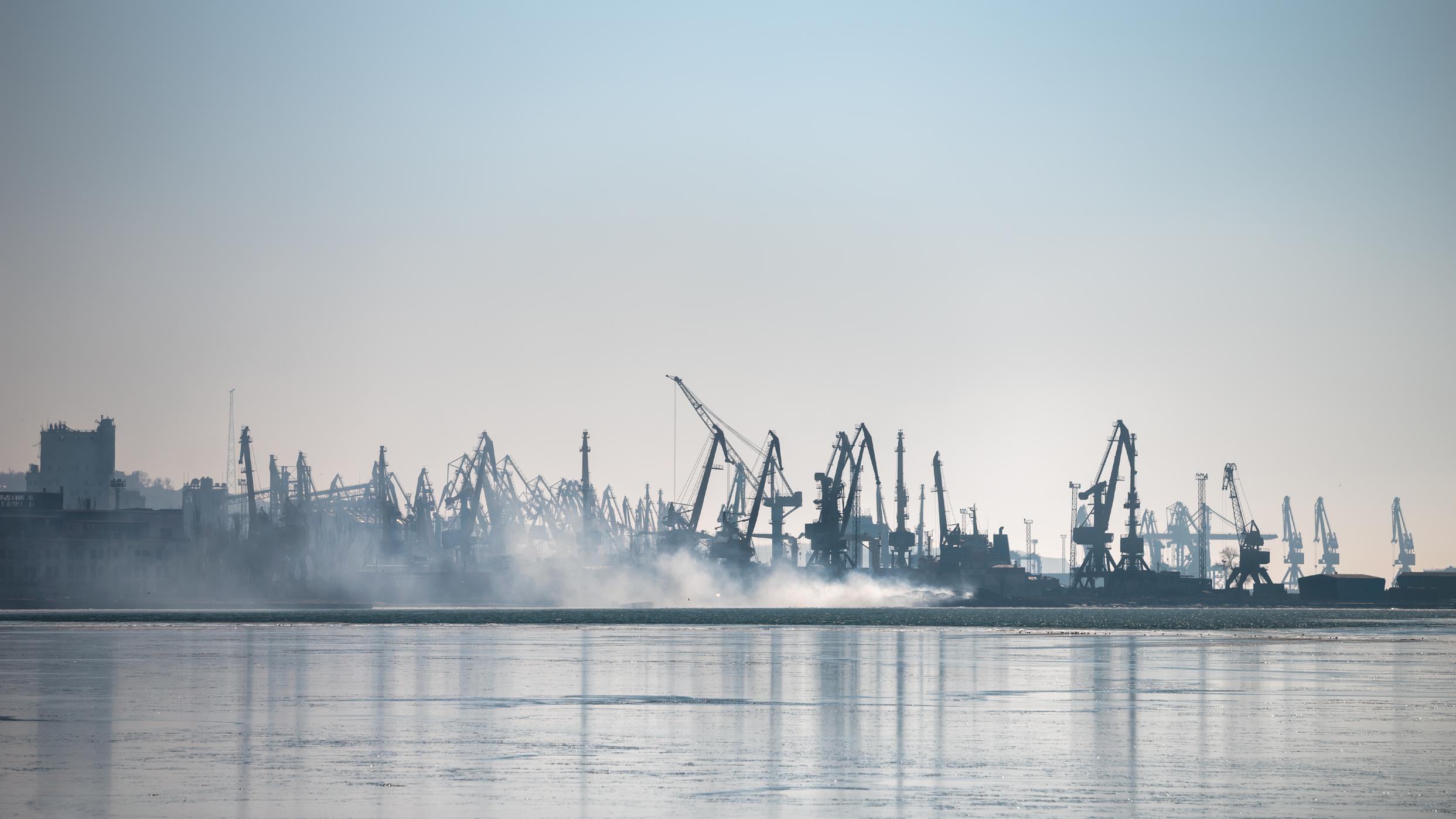
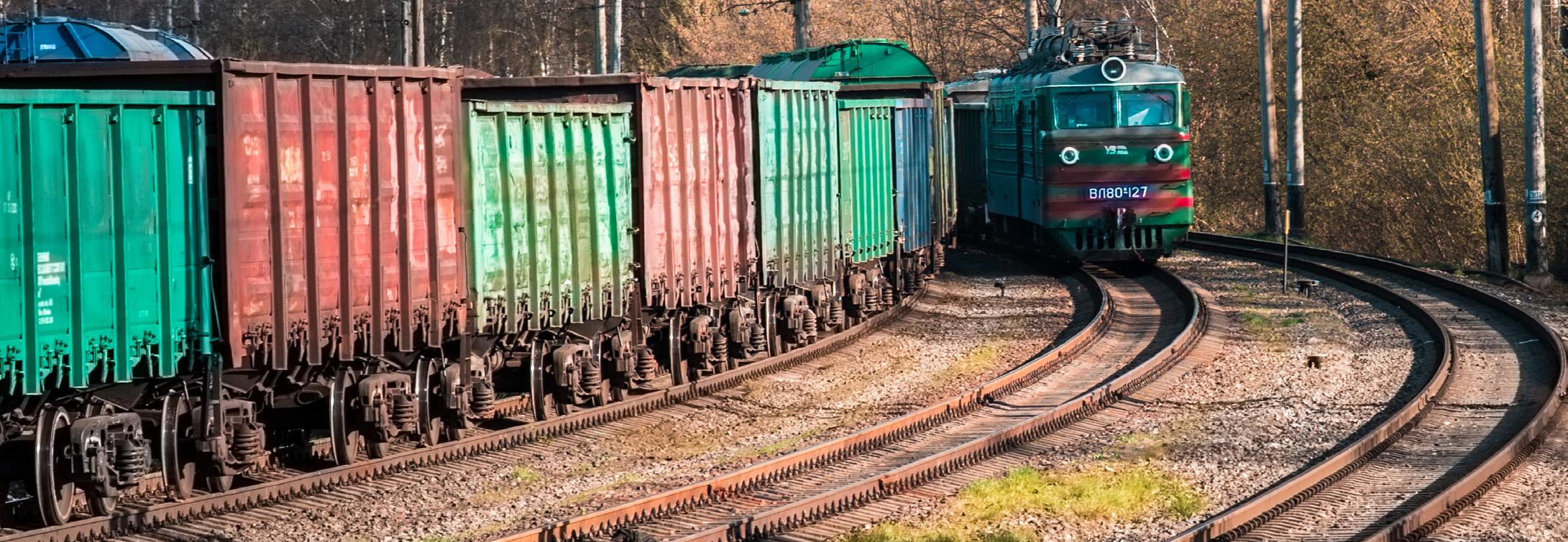
the Azov Sea ports dealt a further blow to the metallurgical and related industries, which had historically been tied to these routes.
A turning point came with the establishment of maritime corridors – as part of the Black Sea Grain Initiative – and the creation of a shipping route along the western coast of the Black Sea. However, it is worth noting that this only became possible following a series of successful Ukrainian naval operations in the region. The Ukrainian Defence Forces destroyed the flagship13 of the Russian Federation’s Black Sea Fleet, the missile cruiser Moscow, using ‘Neptune’ anti-ship missiles and carried out a multi-stage operation to liberate Zmiinyi Island , depriving the Russian fleet of a key stronghold in the north-western part of the Black Sea.14
The continued systematic use of maritime drones enabled the targeting and damaging of a number of Russian ships and forced a significant portion of the fleet to withdraw to remote bases. This drastically reduced the Russian presence near the Ukrainian coast and created a window of opportunity for the resumption of shipping. Against this backdrop, Ukraine, together with its partners, organised the clearance of key routes, which, combined with the weakening of the Russian fleet, made the concept of a safe corridor15 for the export of Ukrainian cargo via the Black Sea a practical reality.16 By 2024, the physical volumes of maritime exports had begun to approach pre-war levels, and in some months, transhipment figures were already comparable to, or even slightly better than, those of the pre-war period.
Despite constant missile and drone attacks on ports, the Ukrainian port system demonstrated considerable resilience: in 2025, seaports handled around 82.2 million tonnes of cargo against a target of 86.2 million tonnes, fulfilling over 95 per cent of the annual target, of which over 44 million tonnes
13https://militarnyi.com/en/news/moskva-missile-cruiser-the-flagship-of-the-russian-sblack-sea-fleet-sank/
14https://www.theguardian.com/world/2022/jun/30/ukraine-forces-reportedly-recapturesnake-island-in-strategic-win
15-16https://www.consilium.europa.eu/en/policies/ukraine-solidarity-supporting-ukrainetrade/?st_source=ai_mode
17https://gmk.center/en/news/ukrainian-seaports-handled-82-2-million-tons-of-cargoin-2025/
18railinsider.com.ua/u-2024-roczi-chastka-eksportu-v-zaliznychnyh-vantazhnyhperevezennyah-zrosla-do-48/
were agricultural goods.17 This means that in less than three years since the start of the full blockade, the country was able to partially restore the Black Sea’s role as the main logistics ‘hub’ for exports, whilst maintaining traffic on western land corridors as a backup channel.
The search for alternative routes has forced the state and businesses to invest in Danube ports, improve coordination between rail, road and river transport, and integrate more actively into EU logistics chains. The resumption of maritime exports via the Ukrainian corridor has partially restored traditional markets for Ukrainian producers and enabled a reduction in freight rates, which at certain times have even become more competitive than pre-war levels. Finally, the stress test demonstrated the ports’ readiness to operate under conditions of constant threat – with flexible schedules, backup power supply systems and rapid restoration of damaged infrastructure.
Maritime logistics remains a strategic resource for Ukraine’s economic resilience, and the war has highlighted its role not only as a transport ‘artery’ but also as an element of national security. Indeed, the reopening of sea routes has significantly eased the pressure on other logistics routes by diversifying cargo flows.
The railway is a key element of Ukraine’s logistics, accounting for more than 80 per cent of freight transport. In the context of the full-scale war, it has become a strategic artery for exports (grain, ore) and military supplies, ensuring the rapid movement of goods, military equipment and civilians over long distances – up to 1,000 kilometres within 24 hours. This ensures operational mobility and the rapid reallocation of logistics routes. In 2024, the volume of rail freight reached 174.9 million tonnes – the highest annual figure since the start of the war, 18 per cent higher than in 2023.18 Such volumes are virtually impossible to handle using road transport alone, which once again highlights the central role of the railway in the integrated logistics system.
However, the transport system remains vulnerable: a shortage of rolling stock and platforms limits the operational manoeuvrability of troops, whilst the ageing and loss of railway resources exacerbate routing problems. As such, Ukraine is actively modernising its locomotive fleet, engaging international partners to increase capacity and minimise dependence on foreign suppliers.
Recognising their strategic importance, Russia is systematically targeting Ukraine’s railway infrastructure with the aim of destroying key junctions. In 2025, over 800 strikes were carried out against Ukrzaliznytsia facilities, and since August 2025 the intensity of attacks has risen to nearly 300 strikes –25 per cent more than previously.19
Russia has also changed its tactics, making extensive use of Shahed-type drones to strike energy facilities powering the railway, as well as locomotive depots, substations and individual rolling stock. This allows for targeted strikes on logistics hubs, complicating the reorganisation of trains and the resumption of services. Despite the scale of the attacks, Ukrzaliznytsia is demonstrating high operational resilience: infrastructure is restored on average within three to four hours of strikes, allowing train services to resume on the same day. In addition, the company continues to build protective structures for its own infrastructure facilities, primarily substations, on which the stability of the railway network’s power supply depends (and in turn the stability of passenger and freight train services).20
The size of Ukraine’s territory and its dense road network facilitate logistics processes by distributing the load across different modes of transport. Consequently, local disruptions to rail services do not always lead to a complete breakdown in front-line supplies, although it is the civilian population and urban infrastructure that suffer most from Russian attacks.
Road transport plays a complementary role, particularly in the final stage of delivering goods to the front line. This interaction between different modes of transport allows for the rapid reallocation of flows in the event of damage to specific sections of infrastructure, ensuring resilience.
At the outbreak of war, Ukraine’s civilian sector almost instantly became part of the military system. The largest retailers and postal operators made their warehouses and vehicle fleets available for defence needs, integrating commercial routes into military logistics. Private transport companies provided vehicles, drivers and fuel. According to some estimates, it was only thanks to this level of mobilisation of private resources that made it possible to quickly meet the critical logistical needs of the front line – particularly during a period when the state procurement system was undergoing a reboot.
Front-line logistics is currently one of the most complex and vulnerable elements of Ukraine’s defence. Russia is systematically targeting railways, bridges, fuel infrastructure and road transport in front-line regions, attempting to disrupt
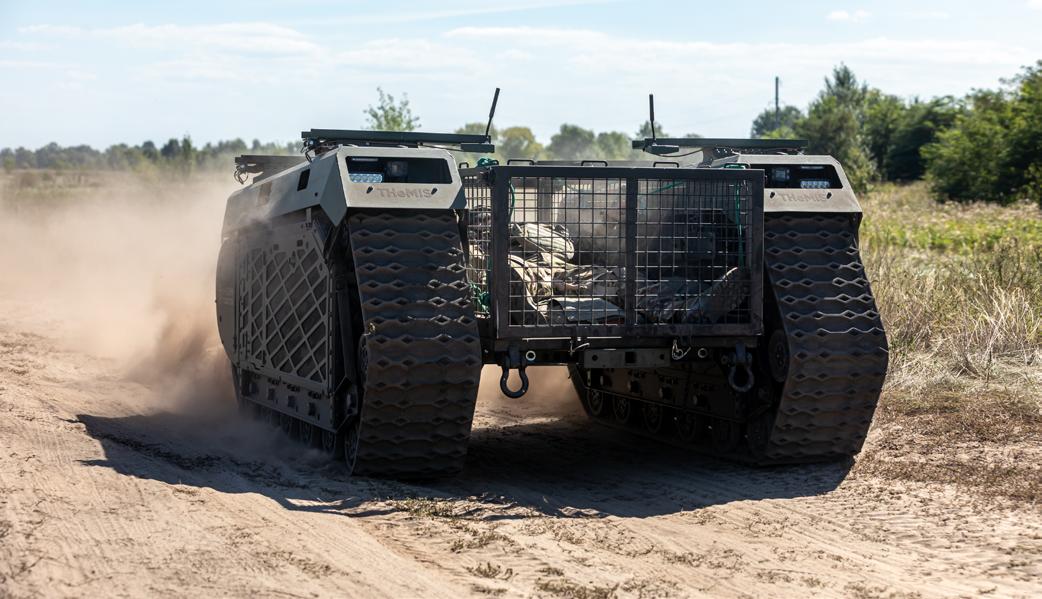
the delivery of ammunition, fuel and humanitarian supplies to towns and troops near the front line. Since 2025, there has been a wave of coordinated attacks on railway junctions, traction substations and depots, as well as on civilian stations and trains heading to front-line areas, with drone and missile strikes being supplemented by attempts to disable the energy infrastructure on which the transport system depends.
On the front line itself, logistics are changing just as rapidly. Within the range of first-person view drones and reconnaissance unmanned aerial vehicles, all vehicles – be they armoured or conventional – become an easy target, so unmanned systems are increasingly taking on some of the tasks of delivering ammunition, food and evacuating the wounded. Ukraine is developing both aerial logistics drones, including heavy multi-copters capable of carrying out medical evacuations, and ground-based robotic systems that operate in areas where the risk to humans is too high. These ‘robots’ have the capacity to deliver ammunition and equipment right to the front line and carry out tens of thousands of logistical and combat missions every month. In effect, the front line is gradually turning into a testing ground for robotic logistics, where unmanned platforms are becoming a key tool for reducing personnel casualties and maintaining the sustainability of supply lines under constant fire and drone pressure.
Full-scale war has forced Ukraine to shift from a logistics model focused on minimising costs to one where resilience, flexibility and alternative routes are paramount. A naval blockade, a closed airspace, strikes on fuel and transport infrastructure, and attacks on the railway and front-line communications have shown that logistics is not just about the economy, but also about national security. Ukraine quickly redirected freight flows to western land corridors, integrated more actively into EU logistics systems, dispersed critical stocks and began developing new solutions – from multimodal transport to robotic systems at the front.
In the medium and long term, it is precisely this forced ‘war-driven modernisation’ that could form the basis for a qualitative leap in Ukrainian logistics. The war has accelerated the development of combined routes (sea-rail-road), the emergence of external hubs in Poland and Romania, digital services (electronic queues, priority corridors) and a new understanding of the role of logistics in defence planning.
Russia will continue to target logistics facilities. Therefore, the future model for Ukraine will be based on decentralisation, redundancy of critical links, maximum automation and the widespread use of unmanned and robotic platforms in high-risk areas. This means that even after the war, a significant proportion of the solutions developed under combat conditions are likely to remain part of Ukraine’s updated doctrine. As a result, logistics is finally transforming from an ‘invisible service’ into one of the key instruments for preserving Ukraine’s statehood, economic stability and military effectiveness.
19https://www.theguardian.com/world/2025/nov/15/russia-targeting-trains-ukrainerail-network-attacks
20https://t.me/UkrzalInfo/7911
Captain Alex Shepherd
The UK Homebase is often characterised as ‘NATO’s unsinkable aircraft carrier’, but, in that mould, it is also ‘NATO’s unsinkable rear area and logistics hub for the Central and Northern Fronts’. It may be unsinkable, but it is not immune to attack. From the most strategic to the most tactical, the UK’s logistics capability is likely to play decisive roles, from the deterrence of war to sustainment in war, as events over the coming years unfold. The ability of NATO allies to not only deploy sufficient combat power, but also to sustain that power under conditions of industrial-scale consumption, contested theatre logistics and persistent tactical surveillance is critical for Alliance deterrence and warfighting capacity. Indeed, the strategic wisdom that ‘logistics wins wars’ has again been validated in the Ukraine War. In the first week of Russia’s full-scale invasion of Ukraine in February 2022, a column of Russian armoured vehicles stalled on the road to Kyiv. The convoy, characterised by its length, concentration and immobility, suffered from fuel shortages, tyre failures and a lack of resupply of food and ammunition. Intended to rapidly incapacitate the Ukrainian state, the force instead became a stationary target along a single axis of advance. By mid-March, the column had dispersed into nearby forests, its logistics system having failed before its combat power could be effectively employed.
adversary’s pre-conflict assessment includes not only the order of battle but also the systems that sustain, move and replenish Alliance forces over time. Deterrence by denial requires a credible force, but this credibility is hollow if the sustainment chain cannot withstand the conflict it is meant to deter. Therefore, deterrence must be viewed through the entire sustainment chain, not just its most visible elements.
“”
Uncrewed aerial systems, the category of weapon most associated with this war, have exhibited consumption rates of a different order of magnitude.
To fully grasp its role in deterrence, sustainment must be understood as a continuum, from factory to front line. Strategically, a nation’s defence industrial base must produce munitions and materiel at rates sufficient for high-intensity conflict. Operationally, this output must move through a theatre logistics system capable of surviving systematic attack. Tactically, supplies must reach combat units in forward areas defined by constant observation and nearinstantaneous lethality. A failure at any level breaks the sustainment chain, and adversaries will judge NATO by its weakest link, not its strongest.
Recent
Some observers interpreted this outcome as evidence that Russia’s defeat resulted from its sustainment system’s inability to support its combat formations. However, the initial reassurance drawn by Western audiences from this failure has diminished over time. In the subsequent four and a half years, Russia has rebuilt its wartime industrial base, Ukraine has demonstrated the realities of mass consumption of munitions, drones and air defence systems, and conflicts in the Middle East have revealed that ammunition stockpiles accumulated over decades can be depleted within weeks.1 In December 2025, NATO Secretary General Mark Rutte warned that Russia could be capable of using military force against the Alliance within five years.2 General Carsten Breuer, Inspector General of the Bundeswehr, was even more explicit, stating that NATO must be ready by 2029 to face a Russian force he believes is rebuilding faster than Western planners recognise.3
For NATO, deterrence extends beyond initial deployment. An
The first and most significant strategic lesson from Ukraine is a reminder that major conventional combat consumes munitions, drones and air defence interceptors at rates Western defence industries are not equipped to meet. By early 2024, Russia was firing an average of 10,000 artillery rounds per day against Ukrainian positions. Ukraine averages approximately 2,000 rounds in return.4 A senior NATO official stated in March 2024, “what we are in now is a production war”.5 This was not an exaggeration, but a recognition that industrial output, rather than manoeuvre, has become the decisive constraint on battlefield outcomes.
The consumption problem extends well beyond artillery shells. Uncrewed aerial systems, the category of weapon most associated with this war, have exhibited consumption rates of a different order of magnitude again (this consumption driven by lacking enough artillery ammunition in the first place). By mid-2023, Ukrainian forces were losing approximately 10,000 first-person view (FPV) drones per month, mostly to Russian
1Natasha Bertrand et al., ‘US used up about a quarter of its high-end missile interceptors during Israel-Iran war’, CNN, 28 July 2025, cnn.com/2025/07/28/middleeast/usthaad-missile-interceptor-shortage-intl-invs
2Mark Rutte, NATO Secretary General, keynote speech, Berlin, 11 December 2025, nato. int/en/news-and-events/events/transcripts/2025/12/11/keynote-speech-by-natosecretary-general-mark-rutte-and-moderated-discussion-with-the-minister-for-foreign-affairsof-germany-johann-wadephul
3General Carsten Breuer, Inspector General of the Bundeswehr, statement, 1 June 2025, as reviewed in Euromaidan Press, 7 April 2026, euromaidanpress.com/2026/04/07/natosgenerals-warn-of-war-by-2029-europe-wont-be-ready-until-2035
4Oleksii Borovikov et al., Ore to Ordnance: Disrupting Russia’s Artillery Supply Chains, Open Source Centre and RUSI, 10 October 2024, https://static.opensourcecentre.org/ assets/osc_ore_to_ordnance.pdf
5Natasha Bertrand et al., ‘Russia producing three times more artillery shells than US and Europe for Ukraine’, CNN, 10 March 2024, edition.cnn.com/2024/03/10/politics/ russia-artillery-shell-production-us-europe-ukraine
electronic warfare.6 Ukrainian production responded at pace, approximately 2.2 million FPV drones were produced in 2024. By early 2026, Ukraine’s National Security and Defence Council stated that domestic industry capacity had reached more than eight million FPV drones per year.7
The Middle Eastern conflicts corroborate the mass consumption point in a different category. During the recent US-Israel-Iran conflict, the United States expended approximately a quarter of its total stockpile of Terminal High Altitude Area Defence (THAAD, pictured below) interceptors, whose production rate is measured in the low hundreds per year. The Centre for Strategic and International Studies (CSIS) subsequently estimated that, across the 2025-26 campaigns, the United States fired between 20 and 50 per cent of its expected SM-3 and THAAD inventories.8 The Middle East conflicts do not replicate Ukraine’s artillery consumption pattern, but we can draw the same strategic point.
Ukraine’s experience also illuminates a structural, rather than merely quantitative, strategic failure. For three decades after the Cold War, Western defence procurement operated on a just-in-time model optimised for peacetime efficiency. A series of procurement decisions has left the West in a dire position, for instance, between summer 2014 and autumn 2015, the US added no new 155mm shells to its stockpile.9 In 2021, the US Army proposed reducing its 155mm procurement from the $306.3 million appropriated in FY21 to $174 million in FY22.10 On top of this, the shells produced in 2021 were found to be faulty, cutting production capacity in half. Allied imports to Ukraine then exposed the cumulative consequences. Admiral Rob Bauer, then Chair of the NATO Military Committee, stated in October 2023 that the Alliance had “started to give away from half-full or lower warehouses” and that “the bottom of the barrel is now visible”.11
Ukraine has addressed some of their industrial challenges by relying heavily on Chinese-made components for drones. The industry scaled rapidly through the help of alternative supply chains: at the war’s outset, about 97 per cent of Ukrainian drone producers cited China as their main source, and in early 2024, roughly 89 per cent of drone-related imports by value came from China.12 This strategy might not be feasible for NATO in a comparable conflict, especially one involving the Indo-Pacific. NATO cannot rely on critical components from a country that may also supply its adversary, nor can it replicate Ukraine’s supply chain flexibility under wartime conditions.
At the strategic level, Ukraine has reminded the world that high intensity conflict consumes resources at industrial rates that far exceed peacetime procurement capacity. Ukraine’s
reliance on external components is not a viable model for NATO in a potential European war. As a result, NATO faces an even more complex sustainment challenge. Recent conflicts underscore the need for substantial stockpiles to ensure credible deterrence. Technological superiority in interceptors is not enough if adversaries can overwhelm them with massproduced, low-cost alternatives.
NATO assessed: the gap between commitment and delivery
The gap between commitment and delivery has become a strategic vulnerability. The United States, the largest industrial contributor to the Alliance, pledged to produce 100,000 155mm rounds per month by October 2025. By mid-2025, production was only about 40,000 per month, and the 100,000 target was delayed to mid-2026.13 In March 2023, the European Union promised to deliver one million 155mm shells to Ukraine within a year. By March 2024, it had delivered just over half, with the rest postponed to
6Jack Watling and Nick Reynolds, Meatgrinder: Russian Tactics in the Second Year of Its Invasion of Ukraine, RUSI Special Report, 19 May 2023, rusi.org/explore-our-research/ publications/special-resources/meatgrinder-russian-tactics-second-year-its-invasion-ukraine
7National Security and Defence Council of Ukraine, ‘Results of Ukraine’s Defense Industry in 2025: FPV Drones’, early 2026, https://www.rnbo.gov.ua/en/Diialnist/7370.html
8Wes Rumbaugh, ‘The Depleting Missile Defense Interceptor Inventory’, Center for Strategic and International Studies, 5 December 2025, csis.org/analysis/depleting-missile-defenseinterceptor-inventory
9Stephen Grey et al., ‘Years of miscalculations by U.S., NATO led to dire shell shortage in Ukraine’, Reuters Special Report, 22 July 2024, reuters.com/investigates/special-report/ ukraine-crisis-artillery
10Tony Bertuca, ‘Army to cut 155 mm artillery spending, citing budget pressure’, Inside Defense, 1 June 2021.
11Ivana Kottasová and Sugam Pokharel, ‘Western ammo stocks at bottom of the barrel as Ukraine war drags on, NATO official warns’, CNN, 4 October 2023, cnn. com/2023/10/04/europe/uk-nato-ukraine-war-ammunition-intl-hnk-ml/index.html

12Grant Ashley, ‘China is a Key Factor in Ukraine’s Surging Drone Industry – Beijing’s New Export Controls May Ground It’, Foundation for Defense of Democracies, 10 October 2025, fdd.org/analysis/2025/10/10/china-is-a-key-factor-in-ukraines-surging-droneindustry-beijings-new-export-controls-may-ground-it
13Meredith Roaten, ‘Army Falls Short of 155mm Production Goal’, National Defense Magazine, 14 August 2025, nationaldefensemagazine.org/ articles/2025/8/14/army-falls-short-of-155mm-production-goal
the following year.14 This is not to say that significant steps forward have been taken, for instance Armin Papperger – the chief executive officer of Rheinmetall – has stated that “production capacities for military trucks has risen from 600 to 4,500 per year... and for artillery from 70,000 to 1.1 million rounds”, he goes on to say that “Germany now has more production capacity for conventional ammunition than America”.
Target slippage reflects underlying industry confidence, which serves as a critical constraint on further expansion. A 2023 survival assessment by IISS analysts noted that defence-industrial capacity relies on a complex array of factors, including factory infrastructure, tooling, systems, software, supply chain networks and specialised labour.15 As a result, industry remains cautious about committing to expansion due to the risks associated with capital investment; if anticipated demand does not materialise, contractors may be unable to recover their costs. Many major defence firms, having survived post-Cold War market contractions, are reluctant to assume additional risk. Although governments have signalled the threat posed by Russia, these signals have not been matched by multi-year contractual commitments based on wartime consumption assumptions. Consequently, governments are often surprised when supply does not quickly scale in response to demand signals.

NATO currently only has one single supplier of TNT, the explosive filler in the large majority of NATO-standard artillery shells, within its own borders (whose current output is approximately 10,000 tonnes per year). Russia, by contrast, is estimated to produce in the order of 50,000 tonnes of TNT annually.
The upstream supply chain compounds this problem. NATO currently only has one single supplier of TNT, the explosive filler in the large majority of NATO-standard artillery shells, within its own borders (Nitro-Chem in Bydgoszcz, Poland, whose current output is approximately 10,000 tonnes per year).16 Russia, by contrast, is estimated to produce in the order of 50,000 tonnes of TNT annually.17 The TNT case is not the only shortfall in components and it is illustrative of a wider defence-industrial pattern in which single points of failure have proliferated through three decades of consolidation, offshoring and the pursuit of efficiency. A European defence industrial base that can be halted by the disruption of one Polish factory cannot credibly be described as resilient.
14Rudy Ruitenberg, ‘European ammo firms tell EU to hurry up with 155mm shell aid top-up’, Defense News, 20 June 2024, defensenews.com/global/europe/2024/06/20/ european-ammo-firms-tell-eu-to-hurry-up-with-155mm-shell-aid-top-up
15Hannah Aries, Bastian Giegerich and Tim Lawrenson, ‘The Guns of Europe: DefenceIndustrial Challenges in a Time of War’, Survival, vol. 65, no. 3, June–July 2023, iiss. org/online-analysis/survival-online/2023/06/the-guns-of-europe-defence-industrialchallenges-in-a-time-of-war
16Reuters, ‘New TNT Production Line to Double Polish Explosives Plant’s Output in 3–4 Years’, 16 March 2026, reuters.com/business/new-production-line-polish-tnt-explosiveplant-double-output-deputy-pm-says-2026-03-16
17Jaroslaw Adamowski, ‘Swedish, Polish firms invest in TNT plants to quench Europe’s ammo thirst’, Defense News, 14 April 2026, defensenews.com/global/europe/2026/04/14/ swedish-polish-firms-invest-in-tnt-plants-to-quench-europes-ammo-thirst
18Congressional Research Service, Insight IN12668, congress.gov/crs-product/IN12668
The conflict in Iran has demonstrated the risk of dual theatre strain that NATO faces. During the conflict, the US military reportedly moved Patriot and THAAD munitions from South Korea to the Middle East in order to sustain its combat operations in the region.18 Additionally all USAF E-3 Airborne Early Warning Aircraft that were forward deployed to Japan and Alaska for Indo-Pacific Command were transferred to Central Command for Epic Fury.19 The US has also prioritised the reconstitution of its own stockpiles, telling buyers of Patriot, such as Switzerland, that their deliveries would be delayed by four to five years.20 This is but a small example of what Europe could expect if the US faced threats in the IndoPacific or another theatre during the same period that Europe faced their own threats at home. This would impose vastly greater simultaneous demand than anything the Alliance has yet experienced. The possibility that US industrial output would be directed to the Pacific in a crisis should be a key concern for European militaries when considering ‘buying American’.
Three responses are necessary at the strategic level. First, multi-year contracting based on wartime consumption assumptions. The problem at the strategic level is not that the industry is incapable of producing more. It is that the industry has not been given the sustained multiyear-long demand signal that would justify the capital investment. It is understandable that this is not a norm, most NATO states have a fiscal architecture that requires annual appropriation. But the US Army Science Board recommended, in its FY23 report on the defence munitions industrial base, the establishment of “minimum sustaining rates and multi-year contracts for select munitions... smoothing out erratic and unpredictable purchases into a more reliable procurement plan”.21 Multi-year contracting is not a new instrument. It is a well-established mechanism in aviation and shipbuilding procurement. Extending it to munitions, the drone supply base and further, in both the United States and Europe, removes the single largest rational objection to further industrial expansion. Contracts should derive from realistic Day 30 and Day 180 consumption rates under the current NATO defence plans, not from peacetime demand. In categories where the technology curve is steep, such as FPV drones, the counter argument would be that multi-year
19Kumar, Aditya. “U.S. Air Force Sends Six E-3G AWACS to Europe in Expanded BuildUp Focused on Iran.” The Defense News, 18 Feb. 2026, https://www.thedefensenews. com/US-Air-Force-Sends-Six-E-3G-AWACS-to-Europe-in-Expanded-Build-Up-Focusedon-Iran
20Rudy Ruitenberg, ‘Patriot Production Delays Prompt Switzerland to Seek European AirDefense Fallback’, Defense News, 6 March 2026, https://www.defensenews.com/global/ europe/2026/03/06/patriot-production-delays-prompt-switzerland-to-seek-european-airdefense-fallback
21US Army Science Board, Surge Capacity in the Defense Munitions Industrial Base, FY23 report, https://asb.army.mil/Portals/105/Reports/2020s/ASB%20FY%2023%20 DMIB%20Report%20(E).pdf
contracting will result in acquisition of obsolete technology. To mitigate this the contracts could be written for output classes rather than specific designs to allow in-contract upgrades to the system.
Second, a comprehensive upstream audit of the defence industrial base. The TNT situation is just one of the most visible examples of the issue. An audit should proceed against a consistent standard: can this input be sourced from reliable allied or domestic suppliers at sufficient volume, without competing with dual theatre demands, under wartime conditions? The US Army Science Board has identified “over one hundred single points of failure throughout the supply chain” in the US ammunition industrial base alone.22 The audit should cover three categories: materiel inputs (propellants, energetics, rare earths, precision electronics); the industrial prerequisites for their manufacture (machine tooling, specialist workforces, testing facilities); and dual-use electronics and components in mass-consumption categories, particularly dronerelevant motors, batteries, optics and microcontrollers, where Chinese sourcing currently dominates global supply. Re-mediation should have binding timelines, measured capacity targets and, where single-point dependencies cannot be eliminated by a determined date, accepted substitution plans.
The threat timeline frames the urgency of the adaptation agenda. The Kiel Institute has estimated that European production must increase approximately fivefold to tilt the European balance against Russia by 2030.23 That figure is a demanding but not impossible target. It is also the standard against which the strategic adaptation agenda should be judged. If the factory cannot yet produce at the scale a war would consume, the theatre architecture downstream has less to work with and the tactical edge less still.
Between August 2024 and March 2025, weekly Shahed launches rose from approximately 200 to more than 1,000, with this number continuing to rise.
European production autonomy is the third strand of strategic adaptation. Autonomy in European defence production cannot deliver a substitute for the US industrial base in the short term within the threat horizon in the categories where the gap is largest (such as high-end air and missile defence interceptors, long-range precision-strike munitions and certain classes of intelligence and targeting infrastructure). The arithmetic of these categories is set by decades of accumulated US investment that no European programme on a five-year horizon is likely to replicate. What autonomy can deliver is dependency reduction in categories where Pacific demand is likely to compete with European supply, and where European industrial capacity exists or can be built within the threat timeline. Artillery ammunition, second-tier air defence, small UAS/UGV and upstream inputs, including TNT and propellants, are the categories in which European autonomy is both achievable and additive to transatlantic capacity. The Security Action for Europe instrument and the Readiness 2030 programme provide the financial scaffolding; the policy question is whether allies will direct that scaffolding at categories where autonomy is achievable rather than at categories where the substitution claim is symbolic.
22US Army Science Board, Surge Capacity in the Defense Munitions Industrial Base.
23Alexandr Burilkov et al., Fit for War by 2030? European rearmament efforts vis-à-vis Russia, Kiel Institute / Bruegel, 2025, kielinstitut.de/publications/fit-for-war-by-2030european-rearmament-efforts-vis-a-vis-russia-18193
24Center for Strategic and International Studies, ‘Drone Saturation: Russia’s Shahed Campaign’, csis.org/analysis/drone-saturation-russias-shahed-campaign
25Matthew Bint and Fabian Hinz, ‘Russia Doubles Down on the Shahed’, IISS Military Balance Blog, 14 April 2025, iiss.org/online-analysis/military-balance/2025/04/ russia-doubles-down-on-the-shahed
Production at the factory is only effective if materiel reaches the theatre. The strategic failures identified above are compounded at the operational level by a logistics architecture originally designed for Cold War-era threats.
Recent lessons: the collapsed threshold for rear area threat
At the operational level, the Ukrainian experience demonstrates that while rear areas have always been vulnerable, the ability to strike these zones has become significantly cheaper and more widespread. Previously, systematic attacks against logistics nodes at operational depth required expensive and scarce platforms, and their use represented a substantial operational commitment by the adversary. For example, a manned aircraft conducting a deep strike sortie entailed considerable costs in terms of airframe value, aircrew risk and support requirements. These factors previously constrained both the frequency and scale at which adversaries could credibly threaten rear areas. Cyber and sabotage vectors have followed comparable cost curves against the same target set, however, the analysis below focuses on ranged kinetic strike.
Two classes of weapons have changed this equation. The first are the medium to large one-way attack drones, such as the Shahed and Geran, and to a lesser extent FPVs deployed from aerial or surface mothership drones. Russia has used these systems against Ukrainian logistics, energy and transport infrastructure at rates that have risen more than threefold in less than 12 months. Between August 2024 and March 2025, weekly Shahed launches rose from approximately 200 to more than 1,000, with this number continuing to rise.24 IISS identified in April 2025 that Russia was “intensifying its focus on Shahed One Way Attack-Uncrewed Aerial Vehicle (OWA UAV) operations by launching ever-increasing numbers, expanding production capabilities, and refining tactics”.25 By October 2025, the International Energy Agency reported that almost 60 per cent of Ukrainian gas production was offline, with a projected winter supply of 17.6 GW against peak demand of 18.5 GW.
The second class of weapons is the intermediate range missile (both ballistic and cruise). Unlike the OWA UAVs, this is not a new type of weapon, but what is new is the ability to make them cheaper and more easily. The calculus of their usage has changed; where they were once saved for the exquisite, prestigious targets, they are now being used more widely by both sides of the conflict. Ukraine has managed to produce its own system through the development of the Flamingo.26
Its use has proved successful in Ukraine’s campaign against Russian oil fields, bringing targets that Russia previously viewed as safe into the war. The strike corridor from the forward edge to operational depth is now two-way traffic. Both sides can project effects into each other’s rear. The advantage, at the operational level, is to the side whose logistics architecture is more dispersed, more concealed and more resilient to cumulative degradation.
The Iranian campaign of February 2026 again shows that this situation is not totally unique to the war in Ukraine. Iran’s ballistic missile strikes targeted US logistics bases across the Middle East, demonstrating that fixed, concentrated operational-depth logistics infrastructure is broadly targetable at intercontinental range as well as at tactical depth.27
NATO assessed: an architecture untested under fire NATO’s theatre architecture has made real institutional progress since 2022. The Joint Support and Enabling Command (JSEC) at Ulm, originally established in 2018 and elevated to the full NATO Command Structure at the Washington Summit in July 2024, has – in an assessment from the Atlantic Council – “achieved a level of planning detail unseen since the 1990s”.28 The NATO Security Assistance and Training for Ukraine (NSATU) logistical hub in Poland manages approximately 18,000 tonnes of materiel per month and has tracked approximately 60,000 movements since March 2025.29 These are not minor institutional accomplishments. But they tell planners little about contested resilience: NSATU in Rzeszów operates in a permissive environment, and so the performance characteristics of the hub have not been tested against the aerial threat described above. We saw in 2025 that NATO infrastructure is vulnerable to the threat posed after Russia directed UAVs into NATO airspace.
The core operational-level assessment concerns military mobility. The European Commission has identified approximately 500 ‘hotspot’ projects to remove critical
bottlenecks on priority military mobility corridors; the projects cover bridge reinforcement, tunnel widening and capacity increases at ports and airports.30 The challenge is both physical and administrative. Physically, most EU roads are weight-limited at 40 tonnes, against modern main battle tanks that weigh 55 to 70 tonnes. EU High Representative Kaja Kallas stated in November 2025 that “if a bridge can’t carry a 60-ton tank, we have a problem”. It is unacceptable 11 years after Russia’s annexation of Crimea.31 The German rail wagon fleet capable of moving heavy armour has fallen from more than 1,000 units in 1990 to a few hundred today; Deutsche Bahn’s 2023 military contract reserves only 343 flat wagons and two daily timeslots.32 This habit of buying out logistics architecture through civilian contracts is understandable during peace time – allowing countries not to have upkeep on expensive capabilities – but those
26Fabian Hinz, ‘Ukraine’s Flamingos Take to the Skies’, International Institute for Strategic Studies, 5 September 2025, iiss.org/online-analysis/missile-dialogue-initiative/2025/09/ ukraines-flamingos-take-to-the-skies
27‘Iran fires missiles at US bases across Middle East after American strikes on nuclear, IRGC sites’, Fox News, 28 February 2026, foxnews.com/politics/iran-fires-missiles-usbases-across-middle-east-after-american-strikes-nuclear-irgc-sites
28Clément Gaubert et al., Enhancing Land Military Mobility in Europe: Advocating a Pragmatic Approach, Atlantic Council, 19 December 2025, atlanticcouncil.org/in-depthresearch-reports/report/enhancing-land-military-mobility-in-europe-advocating-a-pragmaticapproach
29Major General Maik Keller, NSATU Deputy Commander, interview, Ukrinform, 29 August 2025, ukrinform.net/rubric-ato/4030791-major-general-maik-keller-nsatu-deputycommander.html
30European Commission, ‘Military Mobility – Questions and Answers’, November 2025, https://transport.ec.europa.eu/transport-themes/military-mobility/questions-answers_en
31Kaja Kallas, EU High Representative, cited in Rikard Jozwiak, ‘Wider Europe Briefing’, RFE/RL, 19 November 2025, rferl.org/a/wider-europe-jozwiak-military-schengeneu/33593920.html
32Jannik Hartmann, ‘Military Mobility: Getting Germany’s Transportation Infrastructure Up to Speed’, DGAP Policy Brief no. 12, June 2024, https://dgap.org/en/research/ publications/military-mobility
contracts could become an operational risk during conflict. The Baltic states and Finland are still struggling with their rail infrastructure and changing the gauge to allow their networks to be connected to Europe. Administratively, the European Court of Auditors has found that “the granting of authorisations still takes up to 45 days in most cases”.33 Rail signalling remains non-standardised across NATO Europe; only 17.3 per cent of the nine Trans-European Transport Network key corridors are equipped with interoperable systems.34 Often leaders can wash their hands of some of these administrative issues stating that in a time of crisis we would adapt quickly but this is irresponsible, the work should be done now so that the focus can be put on the task at hand should a conflict arise.
Funding is a mixed story. The European Union’s military mobility budget for the 2021-27 Multiannual Financial Framework was €1.7 billion, against an initial European Commission proposal of €6.5 billion.35 However, the 1.5 per cent of the five per cent of gross domestic product for defence that has been agreed to will hopefully focus the budget towards these bottlenecks. It has been estimated that closing the full set of 500 bottleneck projects would require approximately €100 billion. The gap between the requirement and the funding allocated is the structural reason why the physical infrastructure has not been fixed over the decade during which the problem has been publicly understood.
Mobile bridging is another capability that has faced degradation since the end of the Cold War. Lieutenant General Todd Semonite, then Chief of US Army Engineers, observed in 2019 that “if you took all the bridging in NATO and put it together, we couldn’t get a Brigade Combat Team across a 400-meter river”.36 Five years on, the assessment is largely unchanged. The movement of combat troops across wide wet gaps is exercised regularly, but the latter stages of managing sustainment across the gap are rarely, if ever, exercised and come with a whole host of additional challenges.
At the operational level, the cumulative effect of vulnerabilities is decisive. An adversary does not need to destroy NATO’s logistics system; it only needs to slow it sufficiently so that consumption rates exceed resupply capacity. A large-scale Shahed drone campaign
targeting European rail, port and energy infrastructure, similar to Russia’s operations against Ukraine, would exploit a system constrained by peacetime regulations, limited capital investment and outdated assumptions of a more permissive rear area. These assumptions are no longer valid.
How to adapt: dispersal by design, enabling mobility, robotic management
The operational adaptation agenda is three-sided: dispersal of the theatre logistics architecture, military mobility as its enabling condition, and AI-enabled logistics management alongside autonomous systems to reduce the command and control cost of operating a distributed network under fire. The three pieces are mutually reinforcing. None of them is the answer in isolation.
Dispersal by design is the response to the increased threat within the rear created by the proliferation of systems that can strike at operational depth. The principle is to replace single large hubs with multiple smaller forward supply points, with camouflage, concealment and redundancy built into site selection from the outset rather than added later under contract. Lieutenant General Alexander Sollfrank, the former JSEC commander, and Sergei Boeke state that: “The implications for pre-positioning, static headquarters and stocks are profound. There is no sanctuary in conflict, and only dispersal can mitigate this vulnerability.”37
33European Court of Auditors, Special Report 04/2025, as reported in European Security & Defence, February 2025, euro-sd.com/2025/02/major-news/42477/eu-militarymobility-woes
34Clément Gaubert et al., Enhancing Land Military Mobility in Europe: Advocating a Pragmatic Approach, Atlantic Council, 19 December 2025, atlanticcouncil.org/in-depthresearch-reports/report/enhancing-land-military-mobility-in-europe-advocating-a-pragmaticapproach
35Rafael Loss, ‘Showstoppers: How to fix Europe’s military immobility and improve deterrence’, European Council on Foreign Relations, 2025, ecfr.eu/article/showstoppershow-to-fix-europes-military-immobility-and-improve-deterrence
36Lieutenant General Todd Semonite, cited in ‘Mind the Gap: The Army Looks to a New Assault Bridge’, Breaking Defense, 17 October 2019, breakingdefense.com/2019/10/ mind-the-gap-the-army-looks-to-a-new-assault-bridge-for-heavy-armor-maneuvers-in-europe
37Lieutenant General Alexander Sollfrank and Sergei Boeke, ‘Enablement and Logistics as Critical Success Factors for Military Operations: Comparing Russian and NATO Approaches’, RUSI Journal, December 2024, tandfonline.com/doi/full/10.1080/03071 847.2024.2434137

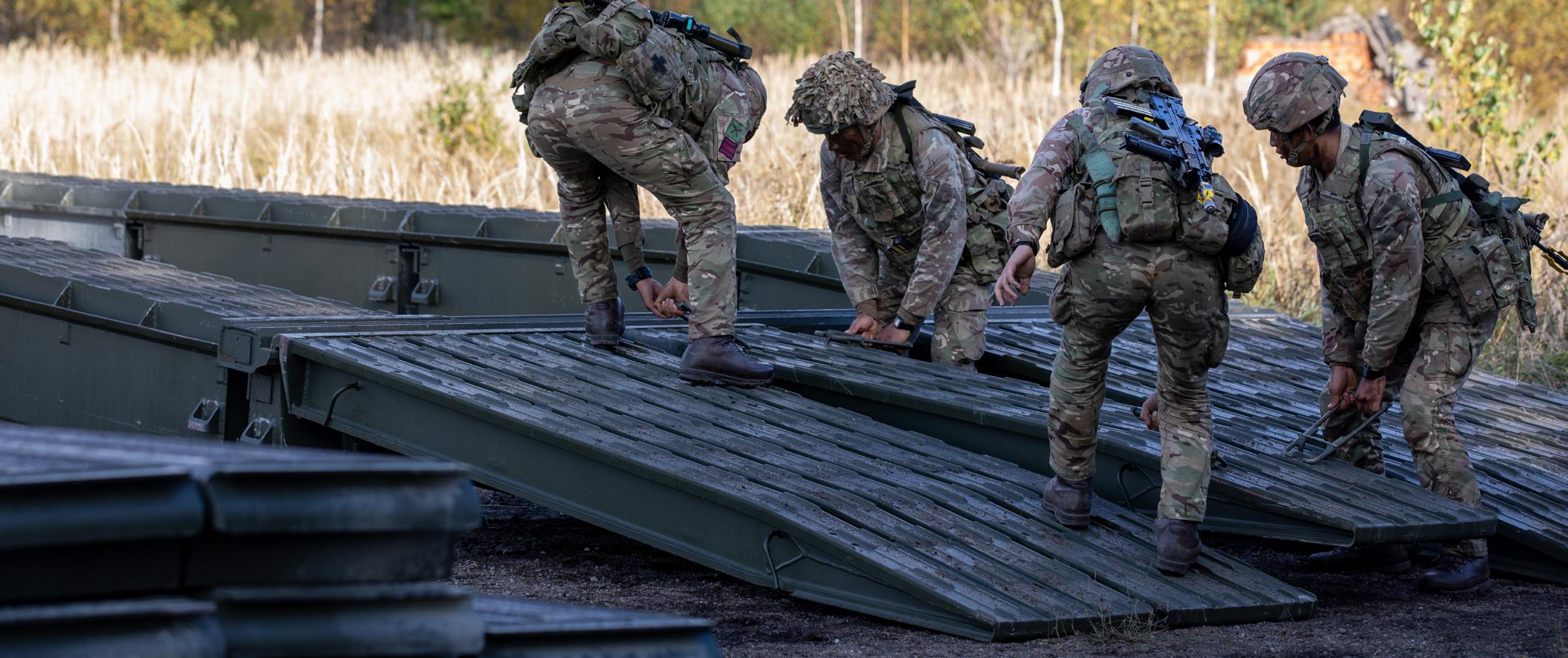
However, this approach involves trade-offs. A dispersed logistics architecture reduces throughput efficiency per node, increases the security burden across multiple perimeters and adds complexity to command and control across more decision points. These are substantive costs that must be acknowledged. Rather than serving as arguments against dispersal, they should be treated as design requirements. Nodes must be collectively sized to maintain network throughput, rather than individually replicating hub capacity. Security should be integrated into site design from the outset and command architecture should be structured for distribution rather than centralisation. Concentrating resources in targetable hubs is significantly more dangerous as it provides adversaries with precisely the target set that Ukrainian experience indicates will be attacked first and most aggressively.
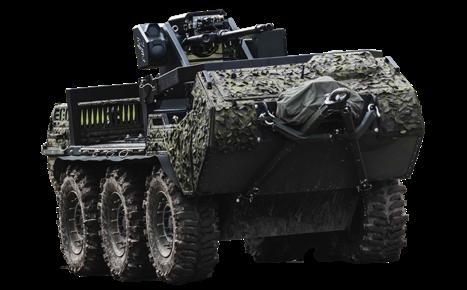
operationalised through the European Military Mobility Enhanced Response System, provides the administrative framework in which physical infrastructure investment would actually deliver effect.41 Finally, the NATO Gap Crossing project has already identified the shared stockpile model as the most efficient way to close a bridging gap that every European army recognises, but no single one can solve alone.42
Unmanned ground vehicle resupply between dispersed nodes, which has already been identified as operationally routine in some Ukrainian units, reduces the human exposure that dispersal would otherwise impose. These capabilities do, however, need to be doctrinal and systematic across NATO. They are neither at present.
Artificial intelligence (AI) and robotic systems can make the command-and-control cost of dispersal manageable where it would otherwise be prohibitive. It has been argued that “AI can support predictive maintenance of critical stockpiles; forecast demand for ammunition, fuel, and spare parts; and anticipate bottlenecks in transportation networks”.38 Real-time stock visibility across dispersed nodes, automated re-routing when a node is struck or a route interdicted, and predictive demand modelling derived from consumption rates at the forward edge: these are the capabilities that shift dispersal from a tactical improvisation into an institutional design principle. Unmanned ground vehicle resupply between dispersed nodes, which has already been identified as operationally routine in some Ukrainian units, reduces the human exposure that dispersal would otherwise impose.39 These capabilities do, however, need to be doctrinal and systematic across NATO. They are neither at present.
Military mobility is the enabling condition for dispersal. A dispersed architecture is only more resilient than a concentrated one if forces and supplies can move between nodes quickly enough to compensate for the loss of any single point. Without the infrastructure to support that movement, dispersal produces isolated pockets rather than a resilient network. The 500 priority infrastructure projects, the mobile bridging capability and the administrative barriers resolved through pre-authorised transit rights are therefore not parallel recommendations sitting alongside dispersal. They are the prerequisites that make dispersal viable.
Steps are already being taken to bridge the gaps identified. At the 2025 Hague Summit, NATO allies committed to an annual investment of 3.5 per cent of gross domestic product on core defence requirements and an additional 1.5 per cent on defence and security-related spending, including “critical infrastructure... (and), ensure our civil preparedness and resilience”.40 The European Commission’s November 2025 proposal for a ‘Military Schengen’, targeting an EU-wide military mobility area by 2027 with a three-day processing maximum for cross-border military movements,
While theatre architecture establishes the broader conditions, the tactical challenge remains ensuring supplies reach front-line personnel. At this level, the drone threat is immediate, persistent and specifically intended to disrupt the final stage of resupply. NATO logistics units are currently trained and equipped for environments where such threats do not exist at the scale observed in Ukraine.
At the tactical level, the Ukrainian lesson is the most physically immediate and brutal. The last mile of resupply has become, in contested sectors, one of the most dangerous tasks on the battlefield, often more consistently lethal than the assault itself, because it must be repeated, can be predicted and is done in terrain under permanent observation.
In Ukraine, the last tactical mile extends out to around 40km from either side of the forward line of troops, a band of continuous observation. The response time between detection and attack has compressed to minutes or less. A vehicle that stops is a target. A supply point used twice in the same location is a target. A route used on a regular schedule is a target. The rear has always been contested. What has changed is that the cost of contesting it has collapsed. The democratisation of precision strike at tactical depth is not a temporary anomaly that will be overtaken by the next wave of electronic warfare. It is a structural feature of the tactical environment that NATO’s logistics doctrine has not yet been redesigned to address.
Fibre-optic drones, which replace the FPV wireless link with a physical cable, remove the primary countermeasure that
38Franklin D. Kramer et al., How NATO Can Integrate AI to Prevail in Future Algorithmic Warfare, Atlantic Council, 2025, atlanticcouncil.org/in-depth-research-reports/report/hownato-can-integrate-ai-to-prevail-in-future-algorithmic-warfare
39Jack Watling, Emergent Approaches to Combined Arms Manoeuvre in Ukraine, RUSI Insights, October 2025, rusi.org/explore-our-research/publications/insights-papers/ emergent-approaches-combined-arms-manoeuvre-ukraine
40International Institute for Strategic Studies, ‘NATO agrees on investment pledge’, IISS Military Balance Blog, June 2025, iiss.org/online-analysis/military-balance/2025/062/ nato-agrees-on-investment-pledge
41European Commission, ‘Commission moves towards Military Schengen and transformation of defence industry’, 19 November 2025, ec.europa.eu/commission/presscorner/detail/en/ ip_25_2724
42NATO, ‘Multinational Capability Cooperation: Gap Crossing’, updated 2024–25, nato. int/cps/en/natohq/topics_163289.htm
Western logistics units might reasonably have expected to reduce the threat. Ukrainian and Russian fibre-optic drones now operate at ranges commonly understood to be between ten and 20 kilometres, with specialist unit and manufacturer claims of 50 to 65 kilometres under particular conditions.43
Ukrainian tactical adaptations include the prioritisation of night resupply, civilian-signature vehicles rather than military, irregular routes rather than established ones, small loads moved frequently rather than large loads moved on schedule and, increasingly, unmanned ground vehicles (UGVs) in place of manned resupply altogether. The Ukrainian 3rd Separate Assault Brigade’s UGVs conduct approximately 80 per cent of logistics operations. Ukrainian industry delivered 15,000 UGVs to front-line units in 2025, up from 2,000 in 2024.44 These are not experimental employments. They are the operational standard in the most contested sectors of the Ukrainian front, and they represent an adaptation that became necessary because the alternative, manned resupply under persistent drone surveillance, produced casualty rates that could not be sustained.
The tactical consideration observed by RUSI in late 2022 has not changed: “There is no sanctuary in modern warfare... survivability depends on dispersing ammunition stocks, command and control, maintenance areas and aircraft.”45 Any fixed, repeated or predictable pattern creates a signature that drone observation will identify and attack will follow. Predictability, in the environment Ukraine has produced, is lethal.
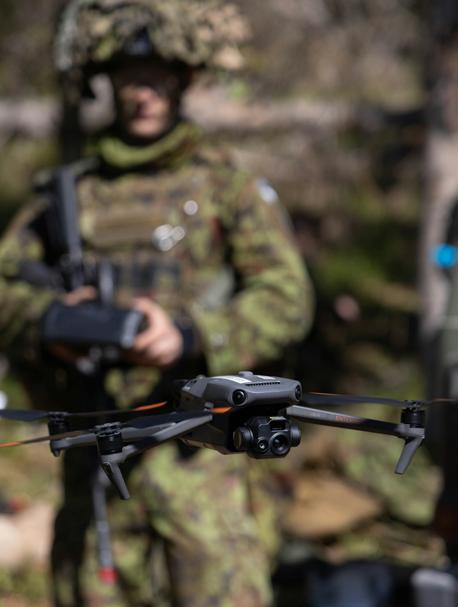
Estonia invited ten Ukrainian front-line drone operators to act as part of the opposing force. Over the course of approximately half a day, the team mockdestroyed 17 armoured vehicles and conducted 30 other strikes, effectively neutralising two NATO battalions.
NATO assessed: doctrine calibrated for a vanished threshold This is not an argument that NATO’s logistics units are poorly trained or poorly led. It is an argument that they are trained for a battlefield that no longer exists, against a threat that was not present when their doctrine was written, and with equipment that was not designed for the modern operational environment.
NATO’s tactical logistics doctrine was calibrated for an environment in which rear area threats existed but were constrained by the cost and scarcity of the systems needed to generate them. That calibration is now wrong because the cost and scarcity constraints have been removed. The rear is not newly dangerous; it is newly, continuously, and cheaply dangerous, in a way that changes the frequency, scale and persistence of the threat rather than its fundamental character. The threat tactical NATO logistic units most regularly exercise against is a special purpose force that conducts sabotage operations. It is only recently that the UAS threat has been utilised. US Army Field Manual 4-0, updated in 2024, recognises that future sustainment will be “more complex, demanding, visible to the enemy, vulnerable, and therefore, must be more synchronised, dispersed, and responsive than ever before”.46 The doctrine is correct. The
training environment and the equipment fielding have not caught up to it.
One of the best examples of the doctrinal gap comes from Exercise Hedgehog 2025, the Estonian-led multinational serial that ran from May 5 to 23 2025. It involved more than 16,000 troops from 12 NATO nations and was designed in the Estonian Defence Forces’ own framing to model ‘a high-tempo and overloaded’ battlefield, creating maximum stress for participating units.47 Estonia invited ten Ukrainian front-line drone operators to act as part of the opposing force. Over the course of approximately half a day, the team mock-destroyed 17 armoured vehicles and conducted 30 other strikes, effectively neutralising two NATO battalions.48
The specific tactical failure was not an isolated unit error. During one engagement, a group of several thousand troops, including a British brigade as part of the Estonian division, conducted an offensive while, in the words of the Ukrainian operators observing, “just walking around, not using any kind of disguise, parking tents and armoured vehicles”.49 A Ukrainian UAV platoon commander from the 412th Nemesis Brigade summarised the Ukrainian assessment: “The infantry reacted weakly to approaching threats... they did not understand it was a threat.”50 An Estonian reserve major concluded that: “The old manoeuvre tactics, moving in large daytime convoys, just aren’t viable on the battlefield anymore. In a worstcase scenario, we could lose an entire brigade by evening, or at least most of its combat equipment.”51 What is stunning here is that these are assumptions that were drawn from the early days of the conflict, but ones that NATO
43Watling, Jack, and Nick Reynolds. Tactical Developments During the Third Year of the Russo-Ukrainian War. Royal United Services Institute, Feb. 2025, static.rusi.org/tacticaldevelopments-third-year-russo-ukrainian-war-february-2205.pdf
44Jorge Rivero, ‘Networked for War: Lessons from Ukraine’s Ground Robots’, Modern War Institute at West Point, 9 March 2026, mwi.westpoint.edu/networked-for-war-lessonsfrom-ukraines-ground-robots
45Mykhaylo Zabrodskyi et al., Preliminary Lessons in Conventional Warfighting from Russia’s Invasion of Ukraine: February–July 2022, RUSI Special Report, 30 November 2022, static.rusi.org/359-SR-Ukraine-Preliminary-Lessons-Feb-July-2022-web-final.pdf
46US Department of the Army, FM 4-0 Sustainment Operations, August 2024, rdl. train.army.mil/catalog-ws/view/100.ATSC/0D7107B6-A6B7-445A-B598253BB85CC28A-1308676390333/fm4_0.pdf
47Estonian Defence Forces, ‘Exercise Hedgehog 2025’, mil.ee/en/exercise-hedgehog-2025
48Jillian Kay Melchior, discussed in ‘10 Ukrainians Humbled Two NATO Battalions. When Will NATO Wake Up?’, War on the Rocks, February 2026, warontherocks. com/10-ukrainians-humbled-two-nato-battalions-when-will-nato-wake-up
49Ukrainska Pravda (English), relaying Wall Street Journal reporting, 13 February 2026, pravda.com.ua/eng/news/2026/02/13/8020940
50‘Nick’, UAV platoon commander, 412th Nemesis Brigade, interview with Ukrainska Pravda, 18 February 2026, pravda.com.ua/eng/news/2026/02/18/8021681
51‘Ukrainians demonstrate inefficiency of yesterday’s war at Estonia’s Exercise Hedgehog’, ERR News, 15 May 2025, news.err.ee/1609696302/ukrainians-demonstrateinefficiency-of-yesterday-s-war-at-estonia-s-exercise-hedgehog
commanders are only now realising their failure to adapt to.
Exercise Hedgehog was primarily aimed at first echelon combat forces, these forces are predominantly better equipped to face the FPV threat but, in this case, they were still found wanting (and logistics elements are bigger, slower and softer). Beyond the specific findings from Hedgehog, three vulnerabilities in NATO’s tactical logistics posture require treatment.
First, the absence of organic counter-uncrewed aerial systems (C-UAS) capability at the logistics unit level. Manoeuvre units across several NATO armies have begun to receive C-UAS systems. Logistics units have not kept pace. This is nothing new to logistics professionals who are used to receiving equipment after the fighting units but logistics vehicles and supply points are priority targets, not incidental ones. As Jack Watling of RUSI observed: “All platoons must have the ability to detect the presence of UAS and have electronic countermeasures to protect themselves from them... Battalions should have a dedicated counterreconnaissance capability with hard-kill C-UAS systems.”52 Current NATO C-UAS capability is generally concentrated at brigade and above. Waiting for a brigade air defence asset to respond to a drone engaging a resupply vehicle is not a viable defensive posture.
Second, NATO has not universally institutionalised Ukrainian lessons or seemingly trained it at scale. Large convoy operations, centralised load planning and predictable movement cycles, with a dismounted special purpose forces threat, often remain the norm in tactical exercises. The Steadfast Defender series and equivalent large-scale exercises are being too slow to systematically incorporate the contested rear-area environment. Training space has often been found to be the limiting factor, often tapering the realism of tactics exercised. The training environment does not prepare logistics units for the battlefield they would actually face.
Third, Alliance friction amplifies both prior vulnerabilities under pressure. In a multinational NATO operation, tactical logistics already carries significant national-seam friction: different procedures, vehicle types, radio systems, fuel standards and command relationships between national logistics units and multinational headquarters. Under the persistent drone threat, that friction becomes acutely dangerous. Coordination delays, communications failures and the absence of shared situational awareness about enemy activity in the tactical rear all create the predictability and hesitation that make logistics targetable.
How to adapt: organic protection, doctrine, dispersal, and robotics
To adapt tactically, survivability must be built into how logistics units are organised, equipped and trained. Four adaptations could go a small way to helping this: organic counter UAS at the unit level; doctrinal adaptation; camouflage, concealment, deception and dispersal (C2D2) at every level; and robotic primacy in logistics.
First, organic counter-UAS capability at the logistics unit level. If the threat is present at the lowest level, the capability to counter it must be too as a soldier will operate better if they believe that they have the means to protect themselves. Systems range from the more capable electronic warfare jammers, drone interceptors and short-range air defence, to simpler and more accessible assets. Detection is a highly important layer – passive radio frequency detection, acoustic sensors and short-range radars purpose-built for small UAS such as the US Army’s Light Integrated Drone Defence System family, which is now small enough to be carried at battalion level and below. Their value is the warning rather than the kill: time to disperse, time to mask, time to bring a kill system to bear. Soft-kill, primarily radio frequency and global navigation satellite system jamming, has been the dominant Ukrainian and Russian counter-UAS layer for most of the war and accounts for the bulk of FPV losses.
Hard-kill kinetic systems span a wide cost range. Short-range air defence and adapted counter-rocket-artillery-mortar guns give the most reliable kill probability, but at a per-round cost unsustainable against cheaper FPV drones if used routinely. Among the accessible systems, the humble shotgun has earned its place. Ukrainian units have used semi-automatic shotguns against FPV drones ‘at 80 to 120 metres’ to useful effect. Systems such as Smart Shooter’s ‘SMASH’ have also increased the kill probability of standard infantry weapons. But as Watling rightly cautions, “relying on soldiers as a significant layer in C-UAS defence is a terrible strategy because of the inherently low probability of kill”.53 However, the psychological dimension of the shotgun argument is not negligible. A logistics soldier with a shotgun has a means of engaging a drone threat rather than simply enduring it. That difference between a unit that can act and one that can only wait has real consequences for behaviour under persistent UAS contact, and behaviour under contact is the tactical variable that the unit-level adaptation is designed to change.
52-53Jack Watling and Justin Bronk, Protecting the Force from Uncrewed Aerial Systems, RUSI Occasional Paper, 2024–25, static.rusi.org/protecting-the-force-from-uncrewed-uas.pdf

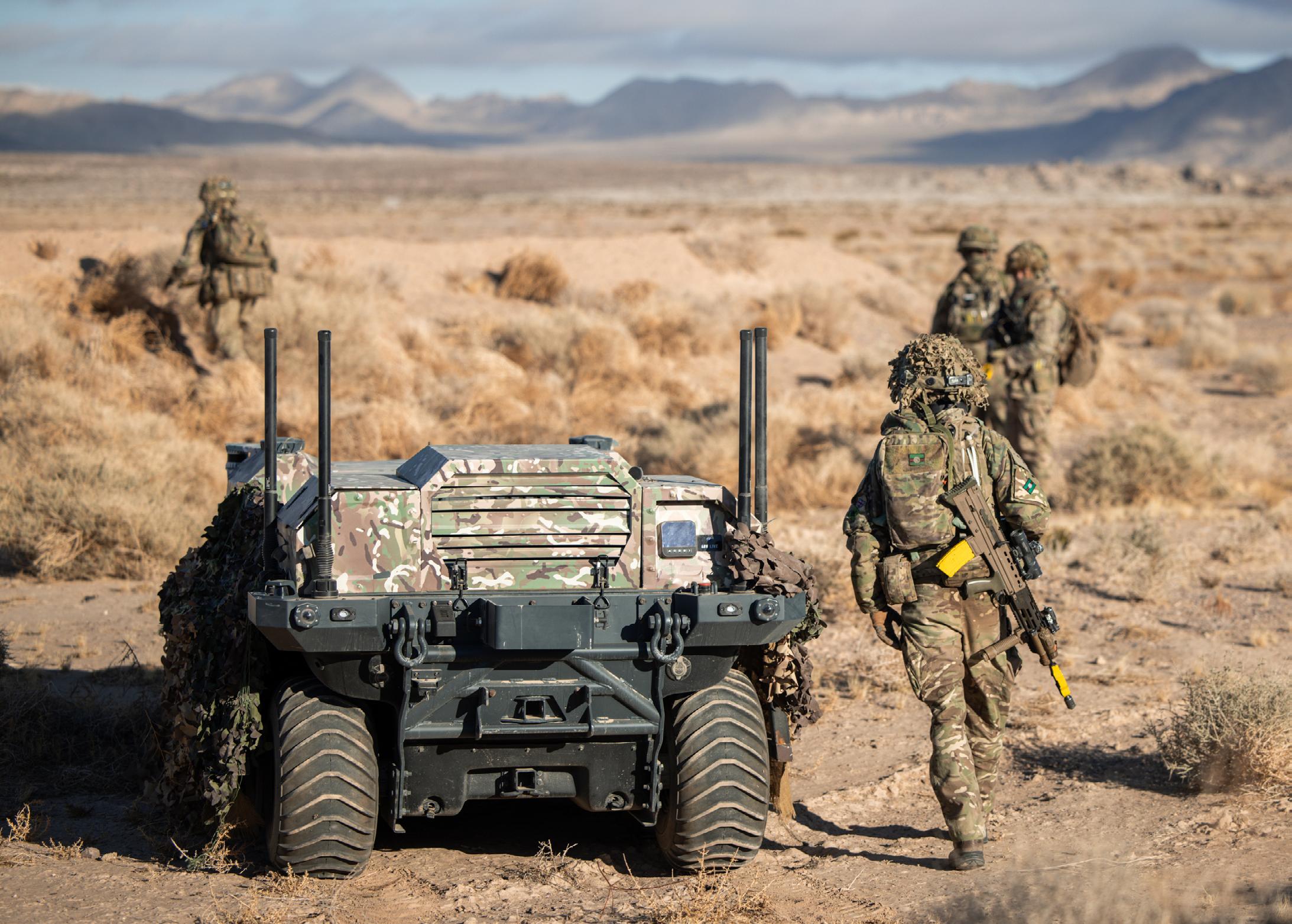
UGVs reduce human exposure at the most dangerous point in the resupply chain, create smaller and less predictable signatures than manned vehicles, can operate at night and along routes too dangerous for human drivers, and can be expended without the human cost that makes manned vehicle losses operationally and politically significant.
Shotguns and smart sights are not the total solution, but they are a component of a layered solution that has both a material and a physiological impact.
The second adaptation is doctrinal rather than technical: replacing large, predictable convoy operations with small, irregular, dispersed resupply movements that do not create the observable patterns drone operators exploit. Sustainment must “evolve from fixed, vulnerable hubs to dispersed, autonomous nodes dispatching mobile sustainment teams that displace frequently, adapt quickly, and align with manoeuvre formations”.54 Smaller loads moved more frequently rather than larger loads on predictable schedules; route variation as a standing requirement rather than a precaution; and the abandonment of fixed supply point locations in favour of temporary, concealed, and regularly changed positions. The efficiency cost is real and should be acknowledged honestly. Small, dispersed convoys are slower, more labour-intensive and harder to coordinate than large, centralised ones, but the survivability gain justifies it. An efficient logistics system that cannot survive contact is worth less than a less efficient one that can. This change is happening, but too slowly, with exercises like Hedgehog teaching the hard lessons to commanders.
Third and linked to the second point is C2D2 as a logistics discipline. Hedgehog’s most damaging finding was not the drone kill count. It was the demonstration that lessons from Ukraine, evident from early in the conflict, had not been taken on, including simple things like operating without camouflage. That is a training failure at the institutional level rather than a tactical error by individuals. The adaptation to embed C2D2 into logistics training from the outset, rather than treating it as a combat arms responsibility, is vital.
Fourth, robotic systems should begin to be the primary resupply solution for the last tactical mile. The collapsed threshold for rear area threat means that manned resupply vehicles are consistently targetable on any route that can be observed. Ukraine’s experience shows that the human cost of manned vehicles became unsustainable in the most contested sectors, and the operational response was UGVs carrying ammunition, water and medical supplies along routes too dangerous for manned movement. By 2025, this was not experimental. It was operationally routine. For NATO, they must keep pace with these advancements; the first UGVs only recently arrived at a front-line British Royal Logistic Corps unit for testing. UGVs reduce human
exposure at the most dangerous point in the resupply chain, create smaller and less predictable signatures than manned vehicles, can operate at night and along routes too dangerous for human drivers, and can be expended without the human cost that makes manned vehicle losses operationally and politically significant.
Current UGV systems do have limitations in range, payload, terrain handling and communications resilience under jamming. But they are continually evolving and becoming more and more effective. The AI integration reappears here at the tactical level, autonomous route selection and obstacle avoidance reduce the command and control burden on logistics units already operating under stress conditions. A UGV that can navigate to a forward position and return without continuous operator attention makes for a most efficient system, rather than one that requires a dedicated operator for every movement.55 That level of autonomy is not yet fully available, but it is the direction of travel and NATO procurement decisions made now will determine whether it is available within the threat timeline identified.
In short, by 2027, every logistics unit should hold an organic C-UAS kit comprising at a minimum a detection element, an electronic warfare element, and a hard-kill element at the battalion level. By 2028, NATO logistics exercises at Steadfast Defender scale should routinely contest the rear area with drone opposing force units trained to Ukrainian standards. By 2029, robotic resupply should be doctrinal at the brigade level across the Alliance’s reinforcing formations, not reserved for specialist units or experimental programmes.
An adversary conducting a pre-conflict assessment will examine the strategic, operational and tactical dimensions of NATO’s ability to sustain large-scale combat operations. The central question is whether the Alliance can maintain and sustain combat power at the scale, pace and range required by modern conflict.
Currently, the answer is no – NATO members are not yet fully prepared. Industrial production cannot meet the demands of a major European conflict: delivery delays and shortfalls and single points of upstream failure all indicate a system that has not internalised the lessons of mass consumption from Ukraine. Theatre architecture is unable to transport materiel rapidly or securely enough under the new threat picture, with military mobility gaps, insufficient funding and unresolved administrative barriers compounding operational challenges. At the tactical level, logistics units are likely to struggle to deliver necessary supplies without incurring unsustainable losses, as demonstrated by Exercise Hedgehog 2025. Each level represents a critical link, and none is currently robust enough to support the demands of the conflict it is intended to deter.
Deterrence depends on more than the size of a force. An adversary does not need to just believe it can outmatch NATO militarily to consider aggression acceptable; it must also assess whether NATO can be out-sustained. If Russian strategic planning concludes that the Alliance’s ammunition production cannot support high-intensity consumption beyond a limited period, that its theatre logistics architecture will degrade under systematic OWA UAV and missile strikes, and that its tactical
logistics units will struggle to resupply forward forces under persistent drone threat, then NATO’s order of battle becomes less decisive than its sustainment credibility. The adversary is not just deterred by what NATO has at the start. It is deterred by what NATO can sustain through to the end.
The areas for adaptation laid out in this article are a snapshot of what is necessary to change the answer. Multiyear contracting based on wartime consumption, collective stockpile mechanisms with inspectable commitments, and an upstream audit of the defence industrial base against a single credibility standard. Dispersal of the theatre architecture by design rather than improvisation, military mobility funded from the 1.5 per cent infrastructure pledge as a first-order priority, and AI and robotic systems scaled to make dispersal manageable. Organic counter-UAS at logistics unit level, dispersed small-convoy doctrine trained at scale, C2D2 as a logistics discipline, and robotic resupply as the primary last-mile solution. Most of this is institutionally feasible within the threat timeline. None requires a technological breakthrough. All require institutional commitment and procurement decisions that do not currently exist at the pace the evidence demands.
The urgency is not hypothetical. The threat timeline articulated by Secretary General Rutte and the more specific 2029 figure cited by General Breuer, the consumption rates Ukraine and Iran have demonstrated, and the doctrinal gaps Hedgehog 2025 has made visible all point in the same direction. The window for closing the gap between NATO’s current sustainment credibility and the standard that deterrence requires is narrower than the Alliance’s procurement and training cycles currently acknowledge. The fiscal framework exists, the Hague pledge provides the envelope, but the detailed decisions needed to deliver the adaptations have yet to be taken.
This article began with Russia’s logistics collapse on the road to Kyiv in 2022. That collapse was, at the time, read as confirmation that a well-equipped Western force could not be defeated by a numerically superior adversary with a weaker sustainment system. The reading was true in the particular case, but NATO risks being on the other side of the same coin if it does not act faster. Russia has reconstituted; Iran has demonstrated what stockpile depletion looks like in weeks rather than months; and the combined evidence from two theatres points to a condition in which sustainment is not a supporting function of deterrence but one of its constituent parts.
Deterrence by sustainment is not an additional layer; it is foundational to all other aspects of NATO’s defence posture. An Alliance that allocates five per cent of gross domestic product to defence over the next decade, without concurrently addressing sustainment credibility, risks investing in an order of battle that an adversary could systematically erode.
54Captain Stephanie Torres, cited in ‘Why Army logistics need to think like combat units to survive drones’, Defense News, 23 October 2025, defensenews.com/news/yourarmy/2025/10/23/why-army-logistics-need-to-think-like-combat-units-to-survive-drones
55‘Chasing True AI Autonomy: From Legacy Mindsets to Battlefield Dominance’, War on the Rocks, December 2025, warontherocks.com/2025/12/chasing-true-ai-autonomy-fromlegacy-mindsets-to-battlefield-dominance
Major Cat Kemeny General Practitioner, Royal Army Medical Services
The evolution of warfare is not a gradual incremental process; there are plateaus, steps, mis-steps and leaps of change and progress. Throughout history there have been significant sudden changes that have fundamentally altered the nature of war but also changed battlefield medicine. The use of the longbow demonstrated that a highly armoured and technically superior cavalry could be beaten by a well-trained massed infantry.1 The invention of gunpowder changed the ground again – with ballistic and blast injuries becoming the dominant injury pattern. The machine gun and tanks again changed the battlefield with blast, crush, amputation and burns leading to mass casualties and the development of forward surgical teams and medical evacuation. Drones have brought in a further evolutionary shift: they are used to deliver surveillance, intelligence and medical aid, but they also deliver catastrophic injuries and prevent the treatment
1Battle of Agincourt 25 Oct 1415. longbow-archers.com/historyagincourt.html (Accessed: 12 May 2026).
2In Ukraine grey zone refers to the physical area immediately behind the Forward Line of Own Troops (FLOT). It is highly dangerous and heavily contested, usually by unmanned vehicles making freedom of movement almost impossible in the Russio-Ukraine war. Often extending up to 20km back from the FLOT. The grey zone term is used in this context throughout the article, rather than the conceptual meaning of a level of action below the threshold of direct state on state conflict which aims to coerce governments or erode their ability to function (see publications.parliament.uk/pa/cm5901/cmselect/cmdfence/405/ report.html).
and movement of casualties due to persistent loitering threats. Medicine and warfare are therefore intimately entwined and understanding how best to exploit these evolutionary jumps will be crucial to NATO’s ability to fight, survive and recover. Medical capability cannot be an afterthought; it is a crucial element of fighting power.
It might seem incongruous to suggest that medicine is a combat function – historically medics have held the protected status of a non-combatant, firing a weapon only in selfdefence and the defence of their patients. However, the Russio-Ukrainian war has reinforced a truth long understood but perhaps insufficiently articulated: medical capability is not just a minor supporting function but underpins the physical and moral core components of fighting power. Medics are, in clear contravention to the Rules of Conflict within the Geneva Convention, seemingly considered ‘legitimate’ and sought after targets by some of NATO’s expected adversaries. In high intensity warfighting, within a highly contested, congested, constrained and cluttered physical grey zone2 dominated by drones, medical systems have emerged as determinants of operational endurance, survivability, maintenance of morale and by extension force lethality when wounded soldiers return to the fight and deliver combat effectiveness. They therefore function as a force multiplier rather than a purely supporting capability.
NATO Articles 3 and 5 are often discussed in terms of deterrence, manoeuvre, fires and sustainment. Medical capability underpins all of these. Article 3 obliges allies to
maintain the resilience required to resist attack and Article 5 binds them to collective all-for-one defence in extremis. In both, the ability to preserve life, regenerate combat power and sustain morale and the will to fight is required. Where medical systems collapse, operations can disintegrate and fail – regardless of tactical competence or technological advantage. Commanders must be aware of this. Medical planning is not an inconvenience to the main battle preparations; it is a cornerstone of the overall plan. Trauma care, evacuation, medical logistics, force physical and mental health protection and medical advice to commanders must be fully integrated into how the Army understands, generates and maintains fighting power. Traditional planning assumptions and doctrine must now evolve to meet current threats when faced with a large-scale peer-onpeer conflict.
Article 3: resilience as the capacity to survive UK defence doctrine defines resilience as the ability to “anticipate, prepare for, withstand, recover from and adapt to shocks and stresses”.3 Medical capability is central to each of these functions and NATO Article 3 places a continuing obligation on allies to maintain national capacity to resist armed attack. In Article 3 scenarios where forces prepare, posture and deter, unnecessary preventable deaths reduce both readiness and credibility before combat even begins.
strategic vulnerabilities rather than temporary shortfalls. Such vulnerabilities translate directly into reduced fighting power, as the inability to treat and return personnel to duty constrains force generation and limits operational endurance.

A consistent lesson from current operations is that medical capacity regenerates more slowly than most other capabilities. Blood products, oxygen, pharmaceuticals, medical specialists and sterile consumables cannot be generated at speed once depleted.
Current operational data consistently demonstrates that the leading cause of preventable battlefield death is uncontrolled haemorrhage, particularly from compressible extremity wounds.4 This is seen across the whole spectrum of conflict, between state actors and in asymmetric warfare involving non-state actors. Haemorrhage control must therefore be treated as a whole force resilience function, not simply a clinical task for the medics. UK doctrine already recognises this implicitly through Role 1 medical care and enhanced first aid at soldier level. The implication is clear: widespread training in haemorrhage control, combined with assured access to tourniquets, haemostatic agents and pressure bandages, constitutes a resilience function under Article 3; it is not an operational luxury. Everyone must become adept at battlefield medicine. Individual medical skills become a distributed component of fighting power, embedded across the force rather than confined to the medical chain.
Joint doctrine places sustainment at the heart of operational endurance.5 A consistent lesson from current operations is that medical capacity regenerates more slowly than most other capabilities. Blood products, oxygen, pharmaceuticals, medical specialists and sterile consumables cannot be generated at speed once depleted. Doctors take years to train and although medical programmes can be accelerated,6 it will still take many months to train a combat medic to the current UK standard. From a medical perspective, this also means that Article 3 resilience is partly determined by the robustness of national and multinational medical supply chains. Chronic shortages represent significant structural and
In delivering resilience, the medical logistics must be enhanced to support this obligation and must be viewed as a critical industrial scale output. The sheer quantity of medications, basic medical consumables and all of the attendant medical equipment must be produced and personnel generated at mass levels if we are to support a division or more for the long term. Healthcare is an extremely heavy user of consumables and we must ensure that supply matches the expected demand for large scale high casualty operations. Long delivery chains of (medical) equipment from distant countries will become a significant vulnerability in large scale conflicts. Resilience must be built from our own sovereign capability and manufacturing ability.7 Furthermore, we must look to stockpile strategically – and we should use our allied partners to assist in this burden – but we must not abdicate responsibility in producing our own resources.
Importantly, Article 3 permits and encourages multinational cooperation to enhance resilience. Medical collaboration of shared blood systems, interoperable evacuation arrangements and forward surgical partnerships should be normalised in peacetime preparation rather than improvised in crisis. However, national restrictions and governance, particularly on blood products, but also other medications and treatment pathways, means that there is often very little multinational co-operation within NATO, as each nation sticks rigidly to its sovereign rules and regulations. While the need for cooperation is well understood, the practical reality of arranging this, without a total war scenario, means that progress towards these cooperative concepts is often very slow. If not addressed, the medics at the front will be left improvising solutions in a desperate crisis, despite the clear need for integration to occur prior to total war.
Regarding the resilience of the military to manage and evacuate casualties, Army medical doctrine focuses on a role-
3Ministry of Defence (n.d.), UK Defence Doctrine (JDP 0 01). Available at: .gov.uk/ government/publications/uk-defence-doctrine-jdp-0-01 (Accessed: 12 May 2026).
4Jarrassier, A., Boutonnet, M., Duranteau, J., Travers, S., Prat, N., Dubourg, O., Pasquier, P. and Libert, N. (2025) ‘Initial management of haemorrhagic war casualties: tactical priorities and innovative approaches in modern and future warfare’, PubMed Central. Available at: ncbi.nlm.nih.gov/pmc/articles/PMC12664260 (Accessed: 14 May 2026).
5Ministry of Defence (n.d.), Allied Joint Doctrine for Medical Support (AJP 4.10). Available at: gov.uk/government/publications/allied-joint-doctrine-for-medical-supportajp-410 (Accessed: 12 May 2026).
6Schwartz, C.C., Ajjarapu, A.S., Stamy, C.D. and Schwinn, D.A. (2018) ‘Comprehensive history of 3-year and accelerated US medical school programs: a century in review’, Medical Education Online, 23(1), p. 1530557. doi: 10.1080/10872981.2018.1530557. https://pmc.ncbi.nlm.nih.gov/articles/PMC6211283 (Accessed: 14 May 26).
7Ministry of Defence (2022), Medical Operating Concept. Available at: gov.uk/mod/dcdc (Accessed: 12 May 2026).
based linear chain (combat medic to Role 1 to Role 2 hospital, Role 3 and then to Role 4 hospitals). The casualty moves back from the point of injury through the various roles until they recover and are returned to the fight, or they are rehabilitated and transitioned away from fighting. This concept also focuses on the ‘golden hour’, with lifesaving interventions occurring at or near to the point of injury. Operations from 20 years ago (Herrick and Telic) with air supremacy, largely uncontested logistics and generally low numbers of casualties allowed bypassing of this linear concept. Many unexpected survivor casualties went from the point of injury via a highly specialised medical evacuation response team on a helicopter directly to a world-class trauma focused Role 2/3 hospital. In the Ukrainian grey zone there is no aviation air movement and the golden hour has been replaced by the ‘golden day’8 concept, with all soldiers needing to be well versed in basic trauma management (controlling haemorrhage and medication for pain and infection). Prolonged hold of casualties at or near the point of injury is the norm and the evacuation chain becomes a grid-based network due to the threat picture and extreme restriction of movement around the battlefield. Casualty holds at or near the point of injury may last a week until the conditions are such that an evacuation can be attempted. Casualty rates in this context of the golden day will be higher due to the delayed evacuations and the lack of medical supplies and logistics at the point of injury. The unexpected survivors of Afghanistan will become the expected fatalities in a peer-to-peer conflict. This represents not only a clinical challenge but a fundamental degradation of fighting power, as losses that might previously have been recoverable now become permanent reductions in combat strength.
Some military medical opinion is that figures of around 30 per cent fatalities from battle injuries should be anticipated from a lack of sufficient medical care at the level required and evacuation availability for the casualty.9 This raises a further question regarding the management of the dying. Survival rates of casualties on Herrick were astonishingly good – over
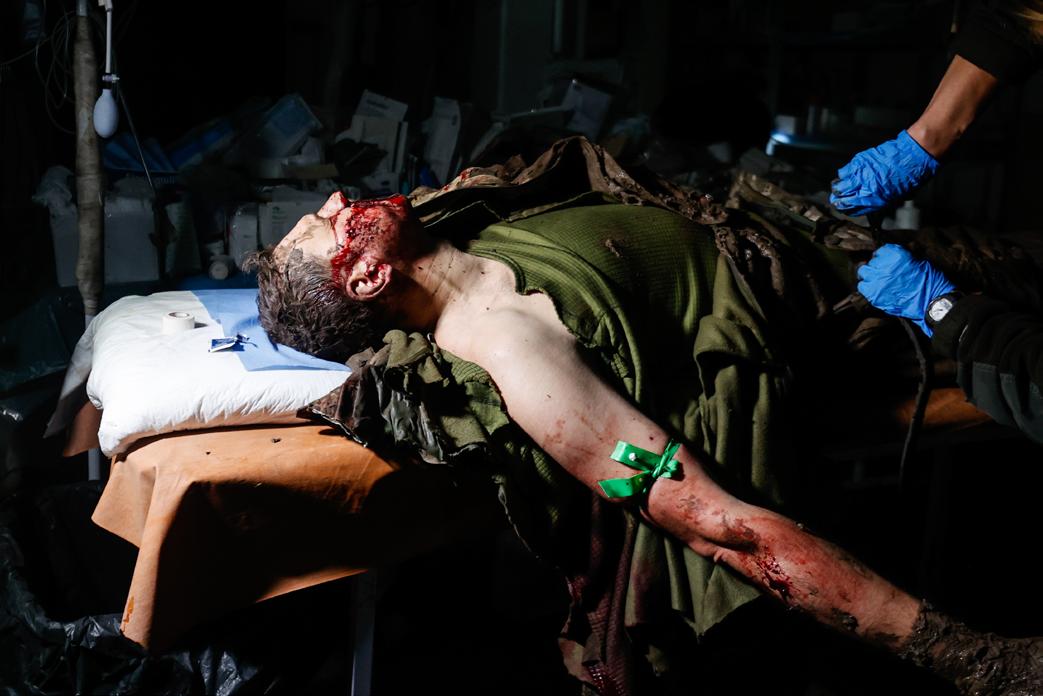
93 per cent of trauma patients who arrived at Camp Bastion Hospital survived10-11 due to the exceptionally quick and almost entirely uncontested medical evacuation process. In Ukraine, casualties are dying, mostly pre-hospital, in large numbers because they cannot be brought to the level of care needed, in the time required. There is a clear need to establish the multinational protocols to manage those casualties that we cannot save, to provide compassionate care and to reduce the moral injury on those trying (and failing) to provide the quality of care that we have achieved in previous well-resourced conflicts with air superiority.
What matters is that such degradation is anticipated, trained and ethically framed. Clear doctrinal guidance protects patients, medics and commanders by enabling lawful, proportionate decision making under extreme pressure. In Ukraine, ethical ‘pre-decisioning’ is used; commanders clearly articulating specific actions they will or will not take during periods of overwhelming chaos. This prevents paralysis of decision making by commanders in the moment and moral injury to the medics unable to provide the care they ideally want to.
Trauma dominates popular conceptions of war, but military medical planners have long known that disease and non battle injuries usually provide the majority of force degradation. Joint Medical Support doctrine identifies infection, musculoskeletal injury and psychological stress as predictable features of operations.12 Article 3 environments, characterised by persistent tension, uncertainty and prolonged readiness postures, significantly intensify these risks. Cardiovascular disease, infectious illness, fatigue related injuries, dental health and mental health conditions worsen under sustained operational pressure, particularly when access to routine care is difficult or intermittent. Left unmanaged these issues reduce fitness, cohesion and resilience within the force and significantly reduce combat effectiveness. Collectively, these factors represent a persistent erosion of fighting power, often exceeding that caused by direct enemy action.
Mental health requires particular focus: anxiety, depression, acute stress reactions and moral injury do not require physical engagement with the enemy to emerge. British Army doctrine increasingly recognises that psychological resilience is a determinant of fighting power, aligning with the moral component of combat effectiveness identified in doctrine for
8Ukrainian note to ReactAid (2026), unpublished internal paper.
9Dilday, J., Webster, J., Holcomb, E., Barnard, E. and Hodgetts, T. (2024) ‘“Golden day” is a myth: rethinking medical timelines and risk in large scale combat operations’, BMJ Military Health, 172(1), p. 13. Available at: militaryhealth.bmj.com/content/172/1/13 (Accessed: 12 May 2026).
10Ministry of Defence (2014), Final address: closure of the Bastion Role 3. Unpublished address, Camp Bastion, Afghanistan, 22 September.
In the Ukrainian grey zone there is no aviation air movement, and
the golden hour has been replaced by the ‘golden day’ concept, with all soldiers needing to be well versed in basic trauma management.
11Ministry of Defence (2013), Defence Statistics Health: draft template for Patient Injury Tables (PITs). https://assets.publishing.service.gov.uk/ media/5a7c5ffde5274a7ee501a8ac/recovery-rate-of-UK-service-personnel-admitted-tocamp-bastion-field-hospital.pdf
12Ministry of Defence (n.d.), Allied Joint Doctrine for Medical Support (AJP 4.10). Available at: gov.uk/government/publications/allied-joint-doctrine-for-medical-supportajp-410 (Accessed: 12 May 2026).
13Ministry of Defence (2022), Allied Joint Doctrine for Land Operations (AJP 3.2), Edition B, Version 1. Available at: assets.publishing.service.gov.uk/media/62b45b2de90e0 765cdf62e03/20220207-AJP3-2_EDB_Land_Ops.pdf (Accessed: 12 May 2026).
land operations.13 Duration and rotation-to-the-front policies, recovery periods, leadership, ethical foundations and early mental health interventions should therefore be viewed as methods of force resilience, directly supporting Article 3 obligations by preventing cumulative degradation before combat escalation takes both a physical and mental toll.
In Article 5 collective defence, the scale and intensity of combat impose extraordinary demands on medical systems. Under these conditions, medical capability becomes a decisive determinant of fighting power, governing how long forces can endure, regenerate and continue offensive operations. British and NATO doctrine consistently link casualty survival to operational tempo and morale.14 Soldiers fight with greater confidence when they trust that injury does not equate to abandonment and knowing they have a better chance of survival when there is a robust medical plan.
Forward trauma care – damage control resuscitation, rapid blood replacement, airway control and prevention of hypothermia – directly affects survival rates. High survivability, however, introduces a secondary challenge. Modern warfare produces large numbers of survivors with injuries that remove them from combat effectiveness, including traumatic brain injuries, burns and complex musculoskeletal trauma, but generates persistent attritional effects in providing recovery and rehabilitation at mass scale.15 The implication is that Article 5 planning must integrate rehabilitation and return to duty pathways into force generation models, rather than treating them as post conflict activities. There must be systems in place to ensure the effective integration of military and civilian healthcare services. In the UK this is known as reception arrangements for military patients: a bridging mechanism to transfer military casualties into the civilian system for longer term recovery and rehabilitation.
Large-scale intense conflict increasingly generates repeated mass casualty events, not isolated surges.16 While medical systems can be designed to absorb short-term shocks through triage and surge capacity, repeated saturation leads to systemic degradation.17 Multinational cooperation between allied partners is crucial in maintaining force regeneration as
14Ministry of Defence (n.d.), Allied Joint Doctrine for Medical Support (AJP 4.10). Available at: gov.uk/government/publications/allied-joint-doctrine-for-medical-supportajp-410 (Accessed: 12 May 2026).
15Vershinin, A. (2024), The attritional art of war: lessons from the Russian war on Ukraine*. Royal United Services Institute. Available at: rusi.org/explore-our-research/ publications/commentary/attritional-art-war-lessons-russian-war-ukraine (Accessed: 12 May 2026).
16NATO Special Operations Forces Medical Panel (2025), NATO Special Operations Forces Medical Panel (SOFMedP) position statement on care of the dying patient during conflict. BMJ Military Health. Available at: https://militaryhealth.bmj.com (Accessed: 12 May 2026).
17Ukrainian note to ReactAid (2026), unpublished internal paper.
18Ministry of Defence (n.d.), Allied Joint Doctrine for Medical Support (AJP 4.10). Available at: gov.uk/government/publications/allied-joint-doctrine-for-medical-supportajp-410 (Accessed: 12 May 2026).
19Ukrainian note to ReactAid (2026), unpublished internal paper.
20Railway Gazette International (2020), Italians develop train with onboard intensive care. Available at: railwaygazette.com (Accessed: 12 May 2026).


“”
Modern warfare produces large numbers of survivors with injuries that remove them from combat effectiveness, but generates persistent attritional effects in providing recovery and rehabilitation at mass scale. The implication is that Article 5 planning must integrate rehabilitation and return to duty pathways into force generation models, rather than treating them as post conflict activities.
particular system.
Joint Medical Support doctrine therefore explicitly recognises that medical capability can become a limiting factor on operations if casualty flow exceeds evacuation and treatment capacity.18 In such circumstances, delays in evacuation and treatment become a constraining effect on manoeuvre, forcing commanders to reduce tempo or halt operations altogether. Bulk medical evacuation planning, multiple evacuation routes and close multinational coordination are therefore operational requirements in Article 5 scenarios. Commanders at all levels must understand medical care and medical evacuation as a function equivalent to fuel, ammunition or fires support. The experience of Ukraine is that rail is the only effective method of mass casualty evacuation at sufficient strategic depth, but frequently individual casualty evacuation is more common due to the tactical situation at the front.19 Italy has already developed a specialised train capable of offering intensive therapy unit standards of medical care and evacuation to help in disaster relief.20 A contingency plan that can move populations, rather than small numbers of patients, needs to be identified when hundreds or thousands of casualties can be expected. Reactive plans across all domains that can redeploy
Cold Response 2026:
Simulated patients are evacuated by train for further treatment and onward transport during NATO’s Arctic health preparedness exercise in Norway.
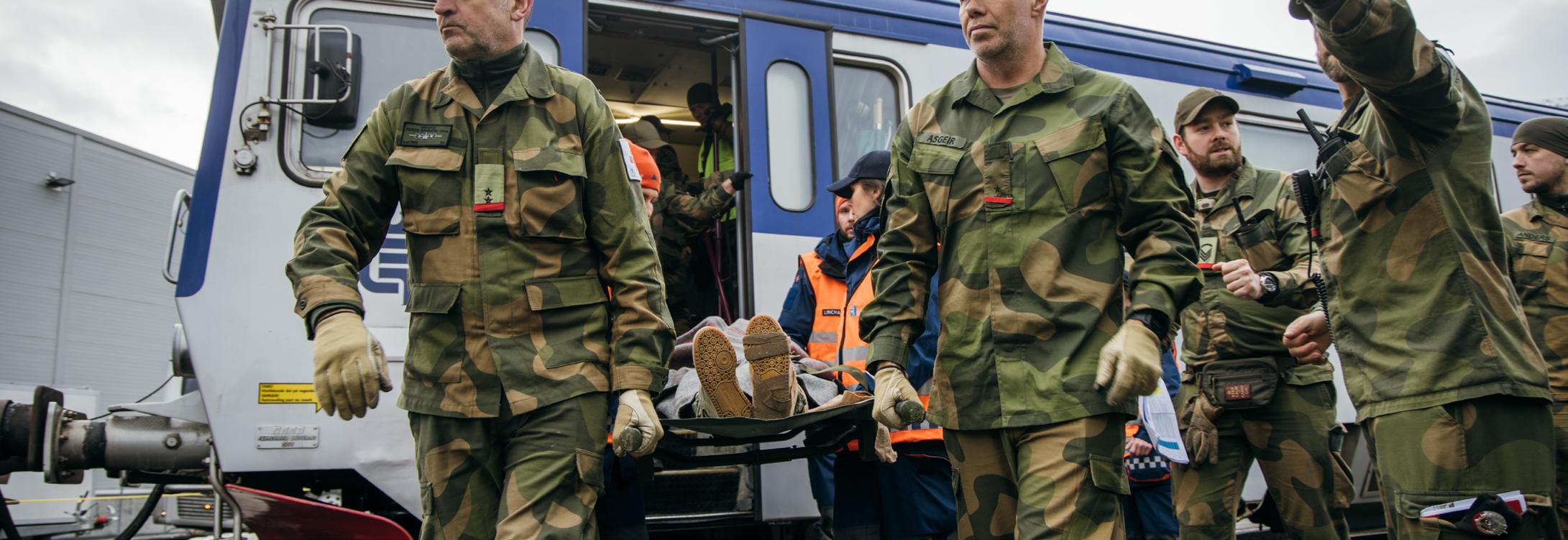
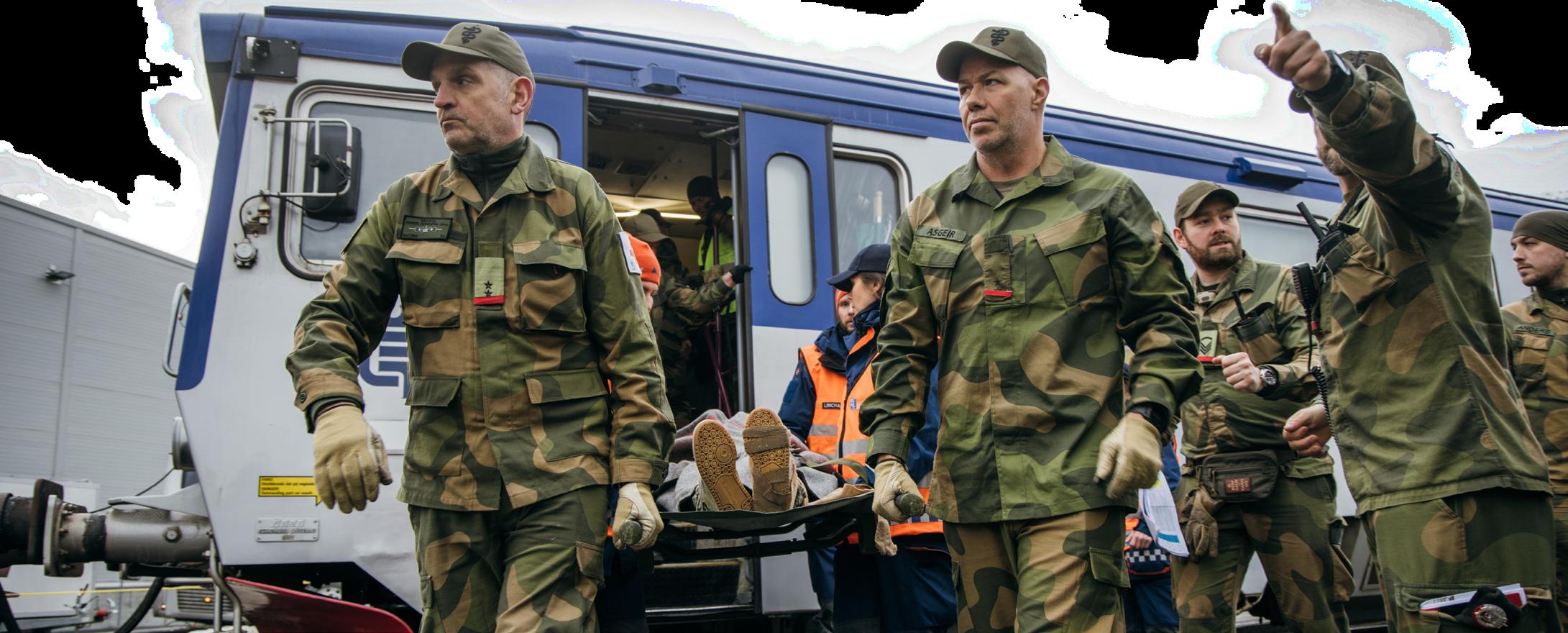
medical facilities and personnel into higher intensity areas of need at short notice are also needed, for example, the United States uses the unarmed hospital ships Mercy and Comfort to provide theatre assets and movement. The UK has no current equivalent, RFA Argus (a primary casualty receiving ship) was retired in February 2026.
In sustained high intensity operations, commanders and clinicians will face periods where ‘gold standard’ medical care is unattainable and a degradation plan or contingency approach is needed. Necessity may require flexible treatment based on clinical prioritisation and resource availability, for example, reverse triage,21 rather than highly specialised lifesaving interventions with optimal clinical outcomes when unlimited resources are available. Medics must be supported (rather than criticised) for relatively worse outcomes when operating under resource scarcity. This in turn reduces the risk that medical personnel become casualties from the psychological burden and keeps the medics (themselves a scarce resource) ‘in the fight’.
Modern military medical systems produce valuable operational data: casualty rates, injury patterns, disease trends and capacity thresholds. Medical intelligence can indicate evolving enemy tactics (for example, rising blast-related traumatic brain injuries), highlight environmental or hygiene failures to reduce non-battle injuries or signal approaching operational climax through evacuation saturation. Cohort analysis is crucial to identify key trends and threats and aid research for improving clinical outcomes. When integrated effectively, medical intelligence enhances commanders’ situational awareness and supports informed decision making. If ignored, predictable degradation is often mis-attributed to poor morale or discipline issues rather than systemic strain. Policies on gathering medical information and working cooperatively should be joined up, with standardised formats (such as the NATO 9 liner for medevac request) to facilitate accurate data gathering across the many languages used in the Alliance. However, it must avoid being overly constrained by national doctrine at the expense of developing organically according to the need on the ground. Clear policies and procedures help different teams and nationalities work together but they must be flexible and responsive and avoid becoming overly cumbersome. Maintaining optimal clinical outcomes must be at the centre of all policies and procedures.
Article 5 operations will inevitably be highly cluttered: involving civilians, detainees and coalition partners. UK
defence doctrine and the Law of Armed Conflict require non discriminatory humane medical treatment based on clinical need.22 Beyond legal obligation, medical conduct has a strategic effect. Professional, consistent medical care reinforces legitimacy, Alliance cohesion and moral authority. Conversely, inconsistent practice undermines trust and provides adversaries with strategic narratives. Multinational interoperability – shared triage principles, co-ordinated medical care, evacuation protocols and rehabilitation – is therefore a critical enabler of coalition warfare, not simply an administrative convenience.
Across NATO Articles 3 and 5, medical capability emerges as a determinant of resilience, combat power and legitimacy. It preserves forces in preparation, sustains them in combat and underwrites political and moral authority throughout. For the British Army, the implication is not that medicine should be prioritised above manoeuvre, fires or sustainment, but that it must be understood as integral to them. An Army that cannot preserve its people cannot deter credibly, fight effectively or endure strategically. In summary, medical capability is not a support function to fighting power, but a constituent part of it, shaping the physical capacity, moral strength and operational endurance of the force.
Note from author: I am very grateful for the team at ReactAid UK who have helped me with this article. Their close links with senior Ukrainian medical commanders as well as medics on the ground have helped provide context and the coal face reality of a modern peer-on-peer war. I have used their information to help provide the evidence of why medicine matters to us all. Any errors in understanding are my own. I am grateful also to the following people who peer reviewed my works and provided edits and comments: Surg Lt Cdr Ben Williamson, Academic Research Fellow, Dep Principle Medical Officer; Lt Col Andy Pelham, Consultant in Occupational and Aviation Medicine; Lt Col Rob Porter, CO 28 C-CBRN RE; Maj Frazer Harper, GPST 3; Sergeant First Class Jeffrey Wadford, Observer Coach Trainer Mustang Team, Joint Multinational Readiness Center; plus one or two others who prefer to remain publicly uncredited.
21A strategy that prioritises soldiers with minor injuries/illnesses who can be rapidly returned to the fight (often less than 72 hours) to conserve fighting strength, over those casualties with severe or life-threatening injuries who will require significant resources and are unlikely to return to the fight. Used when resources are highly constrained or in mass casualty scenarios.
22Ministry of Defence (n.d.), UK Defence Doctrine (JDP 0 01). Available at: gov.uk/ government/publications/uk-defence-doctrine-jdp-0-01 (Accessed: 12 May 2026).
Louise Atkinson1 CEO, Mission Systems, Babcock International Group
Defence often sees its challenges – a surge in demand, obsolescence, fragile supply chains, sovereign capability, readiness under uncertainty – as uniquely hard-edged and exceptional. The reality is less comforting but far more useful: industries have been grappling with these same dynamics since the beginning of the industrial revolution, often under equally unforgiving commercial and operational pressures.
While the context may differ, the underlying problems of speed, scale, resilience, incentives and risk are well-trodden ground. If defence wants to solve them, it must be willing to look beyond its own ecosystem and learn from how others have done so. And however much it might wish otherwise, defence cannot deliver capability, readiness or resilience alone – nothing functions without the industrial base. Embracing that dependency, rather than resisting it, is the starting point for building an enterprise that can truly respond when it matters most.
‘What does she know?’, I hear you ask. Industry does not share defence’s life-and-death sense of duty. But while our incentives may differ, the risk is shared, and increasingly so. The concept of a ‘whole force’ is a reality and the industrial base is part of the battlespace: an active target for our adversaries, both implicitly and explicitly.

And there are green shoots. Parts of the enterprise are moving towards this: where teams have treated the industrial base as part of the operating model (not a distant vendor), aligned to a small set of readiness outcomes, and empowered decisions at the right level, the system has moved faster, surfaced risk earlier and reduced friction on both sides. These are not edge cases; they are proof that the constraints are as much behavioural and structural as they are financial. The task now is to turn those pockets of progress into the default, codify what works, scale it across domains and accelerate before today’s lessons are relearned in tomorrow’s crisis.
Look outside: why defence must learn from other industries
Industries that must respond at pace, whether to shifting consumer demand, production disruptions or competitive pressure, treat the supply chain as an extended enterprise: one that is jointly planned, jointly informed and jointly incentivised. The most effective strategies do not default to more inventory. They improve signal quality, decision speed and supplier motivation through relationship stability and outcome-aligned commercial terms, so supplier partners can surge without being punished for doing the right thing.
Ukraine’s wartime reforms, and sovereignty-first approaches in Sweden and France, further illustrate that speed and resilience come from energising supply chains and treating industrial capacity as a strategic asset, not a procurement afterthought.
1The views expressed in this paper are those of the author alone, informed by research and cited sources. They do not constitute, and should not be interpreted as, the formal position of Babcock International Group PLC or any of its subsidiaries
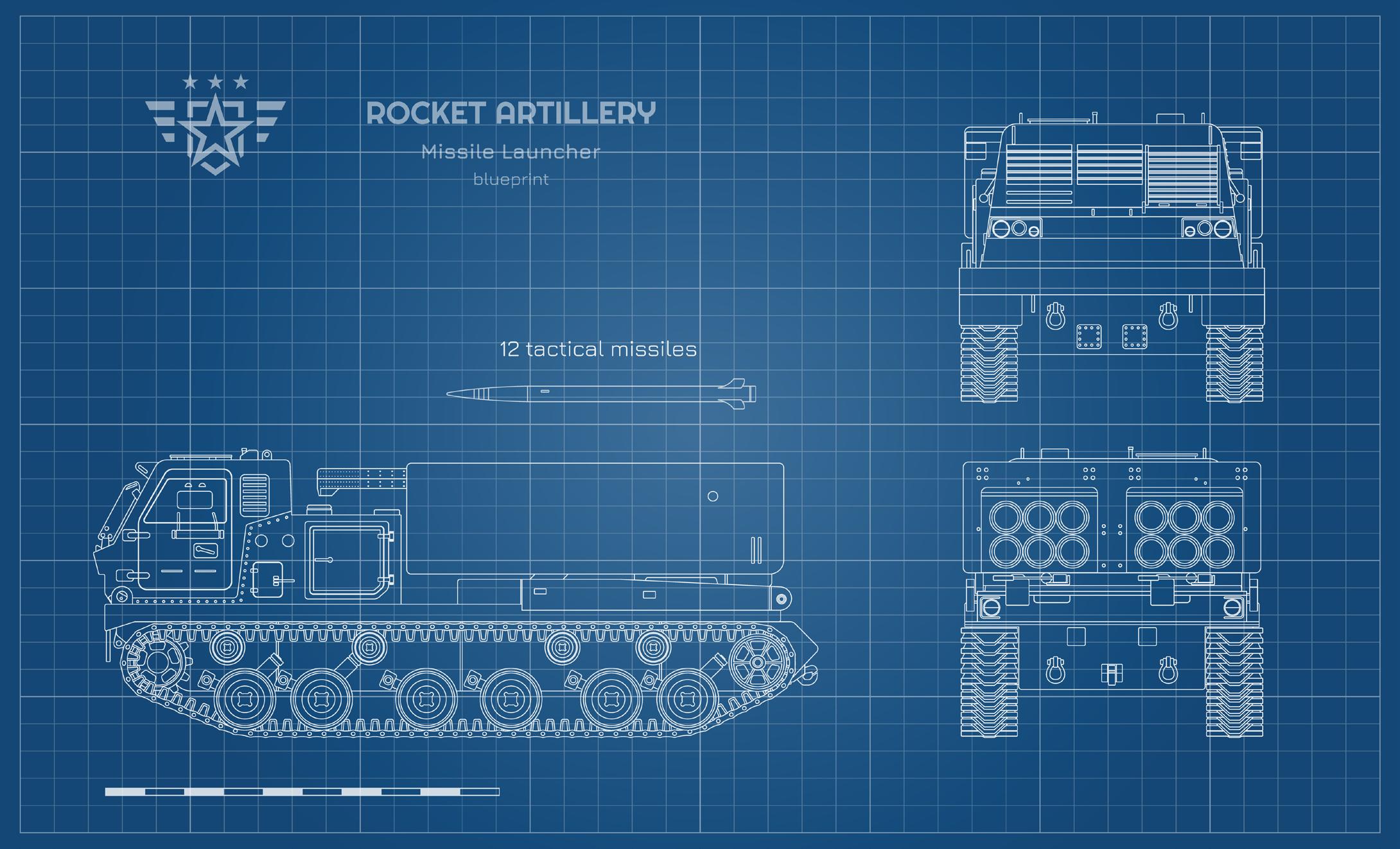
Design surge: align the industrial base, don’t ‘manage the supply chain’
When defence talks about ‘surge’, it often jumps straight to outputs: more stock, more contracts, more funding. But surge is not something you buy at the point of crisis, it is something you design into the system in advance. Across industries that operate under pressure, the same few inputs show up again and again. When they are present, the system moves quickly and coherently. When they are absent, effort fragments, friction grows and everyone defaults to protecting their own bit of the problem.
At its core, the question is simple: what conditions make industry willing and able to move fast for you? The answer is not morality, energy or goodwill. It is structure, clarity and alignment. The critical inputs are:
n A clear and credible demand signal. Suppliers respond to what they believe, not what is written in a requirement. When demand signals are volatile, over-specified or constantly revised, companies hedge – they slow decisions, limit investment and protect capacity for customers they trust more. Where demand is transparent, explained and stable enough to plan against, even when volumes change rapidly, industry can move with confidence rather than caution.
n Fast decisions, made at the right level. Speed is lost far more often in governance than in factories. If substitutions, re-prioritisation, alternate sourcing or engineering trade-offs require repeated escalation, surge grinds to a halt. High-performing systems pre-agree decision rights so problems are solved where they arise, not passed upward until it is too late.
ages, degrades and locks capital into yesterday’s assumptions.
Seen together, these inputs explain why many defence surge initiatives struggle. They attempt to bolt speed onto a system that is structurally misaligned – one where incentives conflict, decisions are slow, relationships are unstable and industry is treated as an external supplier rather than part of the operating model. Fixing that does not require radical reorganisation or unlimited budgets. It requires being deliberate about how defence chooses to behave as a customer – because that behaviour is what ultimately determines whether the industrial base moves with you or protects itself from you.

Surge is not something you buy at the point of crisis, it is something you design into the system in advance.
n Aligned incentives around a single outcome. Surge collapses when each part of the system optimises for a different goal – cost here, compliance there, availability somewhere else. When defence, primes and suppliers are all geared to the same outcome (availability, turnaround time, mission effect), behaviour changes immediately. Discretionary effort increases, trade-offs are accepted faster and partners act in the interest of the whole rather than protecting their own scorecard.
n Relationship stability and mutual confidence. Industry does not invest, flex or prioritise for customers it expects to walk away at the next re-compete. Stability does not mean complacency – it means clarity about where long-term partnership matters and where competition genuinely adds value. Confidence in the relationship is what unlocks early warning, honesty about constraints and willingness to go first when demand spikes.
n Flexible capability, not fixed buffers. The most resilient systems focus on shortening repair cycles, improving throughput and reducing failure rates so demand itself becomes more manageable. Flexibility built into processes beats inventory built into warehouses. The former adapts; the latter
Automotive: capability-building and multi-tier coordination (surge via flow, not buffer).2 Automotive leaders operate in a world where a missing part can stop an entire production line, so they invest heavily in coordination across tiers, supplier development and operational discipline. A recurring theme in automotive supply chain commentary is that disruptions often originate deep in the network (tier 3/4), and without multi-tier visibility and trust, organisations feel the impact too late – when options are already limited.
n They reduce volatility through planning cadence and clearer data-sharing, improving suppliers’ confidence to flex capacity.
n They invest in supplier development through tier 1 (primes) and capability uplift (quality, throughput, technology readiness), recognising that supplier capability is a performance lever, not a cost line.
n They pursue lean disciplines (including just-in-time principles) to improve flow and responsiveness, while acknowledging that lean only works when coordination and trust are mature.
Defence takeaway: build surge through supplier capability and coordination (repair throughput, test/diagnostics speed, quality stability) and multi-tier early warning – rather than assuming ‘holding more’ is the only way to reduce risk.
2. Fast fashion: short feedback loops and ‘pull’ replenishment.3
Fast fashion is designed around volatility. Zara is repeatedly cited for an agile supply chain that uses frequent refresh cycles, tight feedback loops and rapid replenishment to respond to real demand signals quickly. The model emphasises demandled decisions, small batches and high-frequency logistics that keeps inventory moving and decisions current.
2Capgemini. Supply Chain in Automotive (report PDF, 2023); KPMG. “The future of automotive supply chains: Connected, collaborative and resilient” (2 Sep 2024).
3The Supply Chain Link. “Zara – Fast Fashion and the Agile Supply Chain”.
n They create clarity through short decision cycles: what is repeating, what is stopping and what must be prioritised now.
n They reduce commitment risk by working in smaller batches and more frequent replenishment – enabling rapid reallocation without carrying large buffers.
Defence takeaway: adopt a pull mindset for selected categories (repairables, consumables, high-failure items) using consumption/condition signals and faster replenishment cadence, so the system pivots quickly without stockpiling. Buying ‘mass’ means you might end up with last season’s drone.
3. Retail/consumer packaged goods and consumer electronics: CPFR [Collaborative Planning, Forecasting and Replenishment] and exception-based control (surge via shared planning). Retail and consumer goods have developed structured models specifically to reduce volatility and improve availability without bloating inventory. CPFR formalises shared data, shared forecasts and coordinated replenishment.
n Joint business planning turns demand variability into a shared problem that can be addressed early rather than through late surprises.
n Exception management focuses leadership attention on the few issues that truly threaten availability rather than ‘managing every transaction’.
Defence takeaway: stand up a defence version of CPFR for readiness-driving categories; establish shared demand drivers (training tempo, deployments, maintenance cycles), shared constraints and a disciplined exception cadence so partners can plan and surge with less waste.
Practical enablers: agility without more spend or stockpiles
n Build and rehearse a pre-authorised surge playbook. Commercial leaders do not improvise surge. They pre-agree decision rights, substitution rules, escalation paths and prioritisation logic. Defence logistics strategy discussions similarly emphasise improving forecasting and aligning performance to readiness outcomes – conditions that make surge playbooks executable rather than theoretical.
n Act like a steward of the industrial base (the procuring entity’s role). Commercial maturity is not only about negotiating leverage; it stewardship of the industrial base that the mission depends upon. NATO and US industrial-base thinking increasingly emphasise
capacity, resilience and demand aggregation as strategic levers – implicitly acknowledging that procurement instability creates fragility.
n Use partnerships strategically: prioritise tier 1s and design for mutual success. A defining feature of surge-capable supply chains is a deliberate choice to treat critical tier-1 suppliers and partners as strategic assets, not as interchangeable vendors. Continuous re-procuring and unnecessary competition can create the illusion of control, but it often destroys the very behaviours defence needs: investment in capacity, retention of skilled workforces and early transparency about constraints.
n Contract for outcomes, not transactions (availability, reliability, turnaround). Performance-based logistics4 is explicitly designed to align incentives to defence outcomes by moving away from transactional buying and incentivising reliability improvements and process innovation that reduce support demand over time. Properly executed, this reduces both cost and volatility: fewer failures, faster repairs and more predictable demand signals, without simply buying more spares.
n Remove supplier friction: simplify interfaces and standardise information exchange. Automotive industry commentary highlights that fragmented systems and mistrust create manual burden and slow response; suppliers end up managing patchwork interfaces that undermine speed. Defence can unlock agility by standardising data exchange, reducing bespoke reporting and building trust so suppliers surface risks earlier – often with more impact than incremental inventory. Building genuine embedded and integrated teams enables long-term relationships to be built for when it matters most – there is much truth in the saying ‘you can’t surge trust’.
n Use commercial terms to incentivise the right behaviours. High-performing sectors use commercial design to shape behaviour:
n Longer-term contracts that justify investment in skills, tooling and production methods.
n Outcome metrics (availability, turnaround time, reliability) rather than purely transactional key performance

Buying ‘mass’ means you might end up with last season’s drone.
Gainshare for demand reduction and reliability improvement, rewarding suppliers for reducing failures and
Transparent demand drivers and stability bands so suppliers can plan without pricing in excessive risk premiums.
What arm’s-length procurement breaks. An
Ukraine’s Ministry of Defence launched DOT-Chain Defence to regulate the procurement and supply of drones, explicitly aiming to shorten delivery times and create verified demand information that manufacturers can use to plan production scaling.

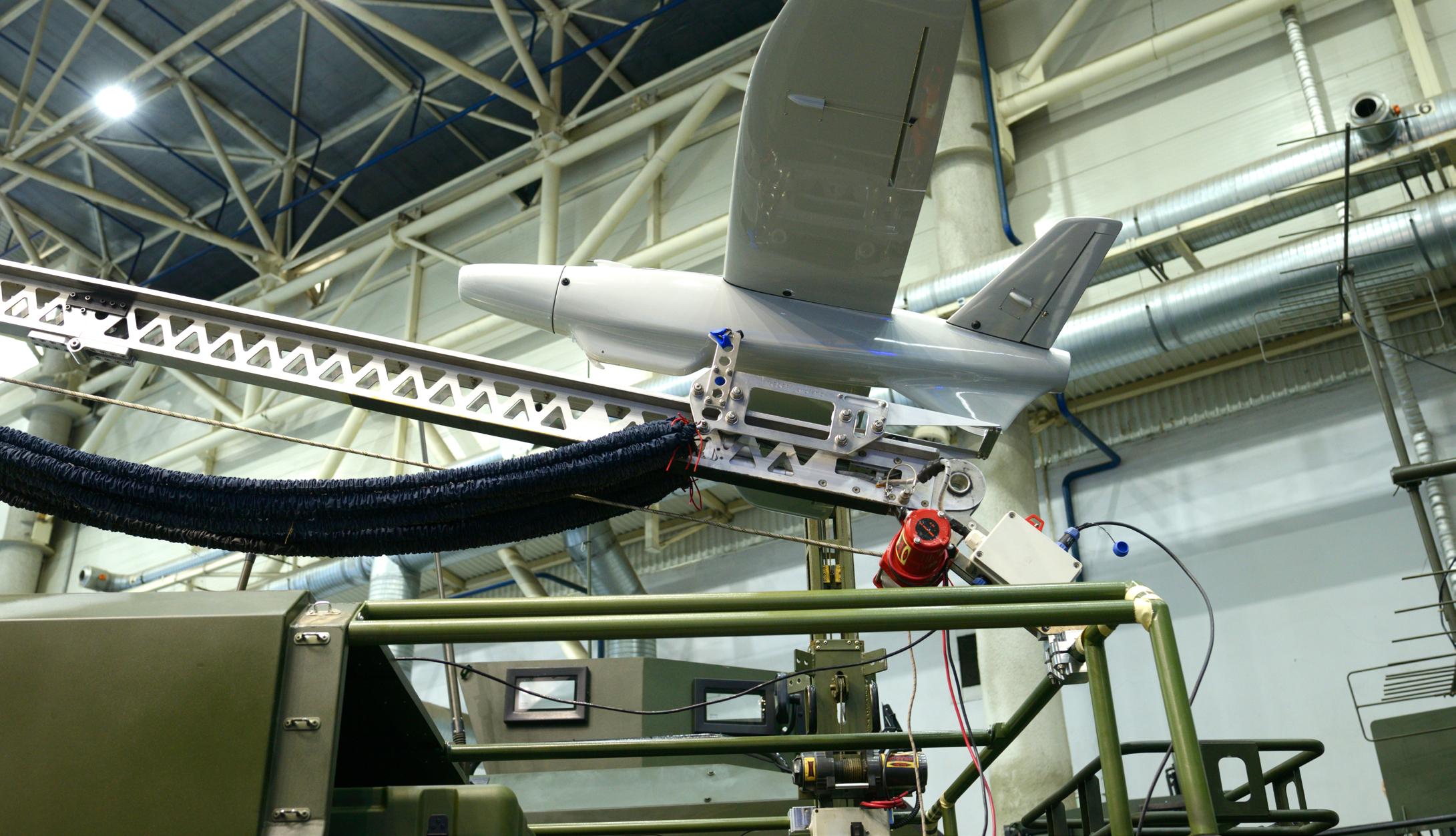
arm’s-length posture produces predictable damage. It assumes suppliers are automatically the enemy and that they are homogenous and interchangeable, like a commodity. It values specification on paper and price over relationships and genuine alignment, and it puts a commercial-first approach into contracts that often punishes suppliers for doing the right thing.
n It creates hidden fragility as suppliers hedge and underinvest.
n It drives minimum-compliance behaviour and reduces discretionary effort and innovation.
n It delays risk visibility: bad news surfaces late because trust is low.
n It increases total cost through inefficiency, risk premiums and avoidable disruption outside the procurement ledger.
Primes and SMEs: primes as the route to scale (not the enemy of SME [small and medium-sized enterprise] engagement)
A critical but often misunderstood reality is that prime contractors are the primary route to effective SME engagement at scale. Ukraine and commercial sectors both show that speed comes from removing friction and translating demand into executable work packages; exactly what primes are structured to do.
Defence policy frequently talks about ‘engaging SMEs directly’, but at scale that often becomes wishful thinking. Many SMEs cannot absorb volatility, meet security/assurance requirements or manage complex governmental procurement and commercial processes without being crushed by overhead. Primes exist to aggregate demand, manage programme risk, provide commercial cover and create an environment where SMEs can contribute and scale sensibly. The smarter model is to set primes up as enablers of SME contribution, with explicit expectations and incentives to cultivate SME ecosystems, rather than treating primes as an obstacle to be bypassed.
Wartime speed and sovereign supply chains: lessons from Ukraine and ‘sovereignty-first’ nations
If the commercial examples show what ‘good’ looks like, Ukraine and sovereignty-first nations show what happens when these principles become national strategy rather than theory.
n Ukraine: digitised ‘pull’ and an extended enterprise under fire. Ukraine’s Ministry of Defence launched DOTChain Defence to regulate the procurement and supply of drones, explicitly aiming to shorten delivery times and create verified demand information that manufacturers can use to plan production scaling.5 This is a practical wartime version of demand sensing and pull replenishment; tightening the loop between frontline need and industrial output.
Ukraine also demonstrates a pragmatic structure: decentralised choice at the edge combined with centralised contracting and oversight, separating speed of selection from the bureaucracy of contracting. NATO’s Strategic Defence Procurement Review for Ukraine reinforces that procurement reform and modern agency design are central to building an effective, industry-engaged defence sector aligned to EuroAtlantic practice.6
n Sweden: long-term orders and state–industry cooperation by design.7 Sweden’s Defence Industry Strategy explicitly focuses on innovation, increased production and better cooperation with industry, including a production pillar that emphasises long-term, large-scale orders, joint
5Ministry of Defence of Ukraine. “The MoD is launching the DOT-Chain Defence System for the procurement and supply of drones” (20 Feb 2025).
6NATO-Ukraine Council. NATO-Ukraine Strategic Defence Procurement Review: HighLevel Recommendations (4 Jul 2024).
7Government of Sweden (Ministry of Defence). “Defence industry strategy for a stronger Sweden” (12 Jun 2025).
The question for the UK is whether it wants to be a predictable, serious customer that enables an industrial ecosystem, or a volatile one that slowly erodes it?
procurement with partners, and government measures to expand capacity where necessary. This is industrial stewardship as policy: the state positions itself as a predictable customer and partner so industry can invest and deliver at pace.
n France: procurement that sustains the defence technological and industrial base and sovereignty. France’s procurement architecture embeds the mission to ensure the defence technological and industrial base can meet requirements ‘in all circumstances’ to preserve sovereignty; explicitly covering primes and the wider supply chain.8 This demonstrates a clear principle: where sovereign capability matters, procurement policy must sustain industrial competence, not just extract price.
n What this implies for the UK approach. These examples collectively support the core thesis of this article: adversarial procurement and market churn can create fragility, while sovereignty-minded nations use stable partnering, capacity investment and demand aggregation to build resilience and speed. The question for the UK is whether it wants to be a predictable, serious customer that enables an industrial ecosystem, or a volatile one that slowly erodes it?
If defence wants a faster response, greater resilience and better outcomes without defaulting to more stock or more spend, the answer is not another transformation programme. Rather, it is a small number of deliberate choices about how defence behaves as a customer and how it works with its industrial base. In practice, it comes down to three moves.
1. Clarify what really matters. Stop trying to optimise everything at once. Identify the small number of platforms, systems or commodities where availability and response speed genuinely determine operational credibility and focus effort there. This is a leadership choice, not a data problem. Until defence is clear on what is truly readiness-critical, industry will continue to receive mixed signals and respond cautiously.
2. Align the system to a single outcome. Pick the outcome that matters most – availability, turnaround time, mission effect – and align requirements, incentives and governance behind it. When defence asks one part of the system to minimise cost, another to maximise compliance and
a third to deliver speed, the result is friction and delay. When everyone is judged on the same outcome, behaviour changes quickly and decisively.
3. Pre-agree and rehearse how surge works. Surge should never be improvised. Substitutions, alternates, priority rules, decision rights and risk trade-offs should be agreed in advance and rehearsed. When demand spikes, speed comes from permission already granted, not approvals requested at the point of crisis.
Conclusion: this isn’t a spending problem
Defence cannot buy its way to speed, surge or resilience. This is not a funding issue, it is a system design failure. Across industry, wartime Ukraine and sovereignty-focused nations, the lesson is consistent: capability is co-produced with the industrial base. Speed comes from clear signals, fast decisions, aligned incentives and relationships stable enough to justify investment, not from stockpiles or last-minute contracts.
The reality is stark. Defence cannot surge faster than its industrial base can respond, and industry will not respond well to instability, churn and conflicted incentives. Adversarial procurement and slow governance do not create control; they create fragility.
Neither defence nor the defence industry can assume that, in extremis, there will be a timely ‘surge now’ order from His Majesty’s Government. ‘Just in time’ is always later than either side hopes, and neither of us owns the clock. Democratic government takes time to decide, even in a deep crisis; that decision lag is a feature, not a bug. So we must design and rehearse for it: factor the lag into our readiness assumptions and war-game the surge pathways now before events force choices at the worst possible moment.
The choice is simple. Continue funding complexity and compensating for misalignment – or redesign how defence works with industry around outcomes that actually matter. Industry is not optional. Surge is not something you buy. Readiness is not a budget line. Until defence acts accordingly, it will keep paying more – and getting less than it needs, when it matters most.
8French Ministry of Armed Forces / DGA. International Defence Companies – Notebook (2024 Edition) (Jan 2024).
Emily Ferris RUSI Senior Associate Fellow
If there was an expectation among the most senior echelons of the Russian government that the Ukraine war would be a short-lived and perfunctory one, most of the Russian government were only made aware of the plans, scale and duration of the war on the very eve of the invasion. This meant that the country and its military and civilian infrastructure had very little time to prepare for war, short or otherwise, and was forced to swiftly accept and adapt to the new reality.
If initially Russia believed that it would fight a short local war with Ukraine with relatively clear goals of regime change and ultimate absorption of the country into Russia proper, the reality of the attritional war meant that the Kremlin was obliged to shift its strategy onto an entirely new model. There were many ways in which these adaptations presented themselves. But examining Russia’s logistical supply chains and some of the political, international and practical problems it has encountered offers a sense of how flexible the Russian political and military ecosystem may be, and where it retains its rigidity.
Over the past six years, the Russian government has been
1Meduza (2026), meduza.io/en/feature/2026/03/03/no-one-expected-mikhailmishustin-to-last-as-russia-s-pm-but-after-four-years-of-war-he-s-become-synonymous-withthe-role, Meduza, 3 March 2026, accessed 1 May 2026.
2Belarusian Investigative Center (2025), В больницах
[Belarusian hospitals are secretly treating Russian soldiers who participated in the invasion of Ukraine], Meduza, 10 June 2025, accessed 2 May 2026.
operating in a state of semi-crisis. Since the coronavirus pandemic in 2020, followed by Russia’s invasion of Ukraine in 2022, the Duma (parliament) has been lurching from one emergency measure to another, variously to control the population, prevent civil unrest and direct resources to counter the immediate threat.1 If Russia was initially unprepared to meet the demand for military and civilian resources for the frontline, it was nevertheless able to ramp up production, operationalise civilian enterprises into military ones and reroute swathes of its economy in service of the war.
This article examines how Russia’s international bilateral relationships have assisted in plugging logistical gaps for a new kind of warfare, identifies where innovation might be emerging from within the defence industrial complex, and underpins this with a discussion of some of Russia’s fundamental structural weaknesses that are undermining its own logistical supply chains in the longer term.
I. Political changes – plugging the gap
The nature of Russian warfare is changing, and its bilateral relationships are playing an increasingly significant role in supporting and defining its character.
Russia recognised early in the war that the western sanctions meant it would need to rely on allies China, Iran, Belarus and North Korea to plug fundamental logistical supply chain gaps, be they support of the tyl (rear), ammunition supplies or manpower.
Belarus’s railway network and territory served as a staging ground for the initial invasion of Kyiv from the North, and latterly supported the tyl through its morgue and medical services.2 China, reluctant to provide Russia with
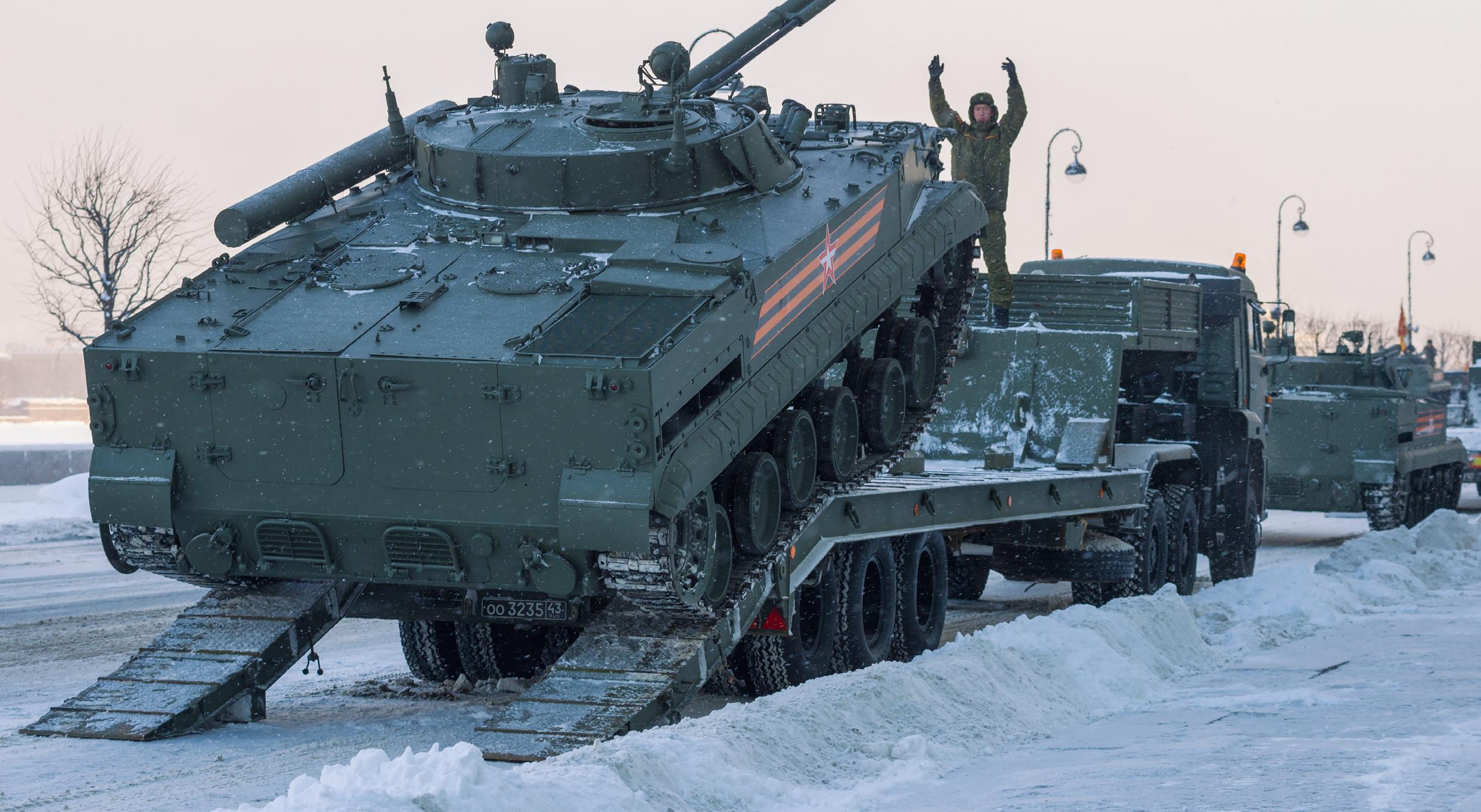
sufficient materiel to move the dial on the war, nevertheless supplied dual use products and components, albeit at a significant and expensive mark-up.3 North Korea supplied ammunitions and manpower, one of Russia’s critically low resources, with a contingent of around 11,000 soldiers supporting the Russian armed forces’ repulsion of Ukraine’s counterattack on the southern region of Kursk in 2023-24.4
Russia managed to localise Iran’s supply of Shahed drones, which it supplied through the Caspian Sea smuggling route throughout 2022, leaving its support confined to strategic partnership agreements (2025) and pledges to reinvigorate the long-awaited International North South Transport Corridor (INSTC). But as the war progressed and Russia’s war needs shifted, Iran’s role became less pressing. Indeed, the structural limitations of that particular bilateral relationship were laid bare in Iran’s wars with Israel and the US in 2025 and 2026. While Russia’s strategic partnership agreement with Iran does not include a mutual defence clause and Moscow was not obligated to come to Tehran’s aid, Russia was constrained from involving itself in the war first by resources and second by diplomacy and the febrile nature of its relationship with the US. Moreover, targeted Israeli bombing campaigns of critical supply chain routes between the Iranian port of Bandar Abbas and Russia’s Caspian Sea also exposed some of the geopolitical vulnerabilities of Russia’s reliance on these routes.5
quickly repurposed civilian factories and assets for military purposes, as the Western sanctions cut off certain components, specialised knowledge and software systems and forced it to localise production and reduce supply chain vulnerabilities.

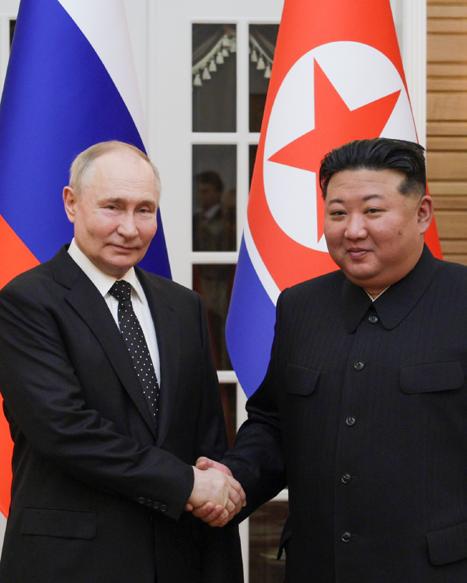
“”
Although many of Russia’s allies have played crucial roles in the war thus far to patch up supply chain gaps, only North Korea has supplied Moscow with troops.
Although many of Russia’s allies have played crucial roles in the war thus far to patch up supply chain gaps, only North Korea has supplied Moscow with troops – despite their political closeness, Belarus’s leader Alexander Lukashenko long resisted any suggestion that the Belarusian army would send manpower to the front.
As Russia’s logistical requirements have shifted, so has the significance of its bilateral relationships, as seen from the current deepening of ties between Russia and North Korea, as well as moves to redefine the Russia-Iran relationship using logistics as a structural basis. Russia’s logistical needs have therefore begun to shape the contours of its closest allies, and will continue to do so as Russia considers its military reconstitution whenever the war comes to an end.
While Russia’s international relationships serve an important purpose in reframing external supply chains, on the home front the shift was much more immediate and allencompassing. The reorientation of Russia’s defence industrial complex (OPK) and heavy industry towards total warfare was probably one of quickest and most adaptable parts of society.
Long neglected since the fall of the Soviet Union and previously highly dependent on Ukraine and Belarus to make up the shortfall in its heavy industry, Russia’s OPK and the civilian companies that support it were forced with no notice to ramp up production and operationalise 24/7. Russia
This has not been a smooth transition. One of the key features of this war has been Russia’s return to a reliance on Belarus for the repair and maintenance of its military hardware, which has shifted in stages throughout the war depending on requirements. If in 2022 Russia relied on Belarus to provide mostly rear medical and logistical services for its troops invading Kyiv from the North, as the war progressed and became localised around eastern Ukraine,6 Belarus’s role morphed into an auxiliary service that repaired and maintained military vehicles, as well as rail cars used to supply military cargo and troops to the frontline. Heavily sanctioned itself and isolated from international supply chains, now Belarus is probably best thought of as the soft underbelly of Russia’s defence industrial complex.7
However, this is a vulnerability in and of itself. While Russia has since at least 2018 sought to bring Belarus under more formalised political control through the Union State agreement, the Ukraine war cemented not only their essentially contiguous military (and in Russia’s mind, territorial) ties, but also highlighted their reliance on each another. In particular, Russia’s own economic pressures have limited its ability to finance some of the critical military repairs it requires from Belarus, putting additional pressure on Belarus’s resources.
Within Russia, the Kremlin has sought to increase control over its defence industrial complex in a bid to regulate the sector, and force public ownership over critical assets. To centralise decision making on the OPK, Putin, in December 2022, set up the Military-Industrial Commission (VPK), chaired by former president Dmitry Medvedev, the current hawkish head of the Security Council, and ultimately overseen by Putin himself.8 The VPK allows Putin to have broad control over
3The Moscow Times (2025), themoscowtimes.com/2025/11/24/china-hikes-prices-ondual-use-goods-exports-to-russia-study-a91227, The Moscow Times, 24 November 2025, accessed 3 May 2026.
4Khang Vu (2025), lowyinstitute.org/the-interpreter/are-there-actually-north-korean-troopsinside-ukraine, The Lowy Institute, 11 September 2025, accessed 3 May 2026.
5Emily Ferris (2026), rusi.org/explore-our-research/publications/commentary/iranisrael-war-presents-problem-russias-military-supply-chains, Royal United Services Institute (RUSI), 1 May 2026, accessed 19 May 2026.
6Eliza Mackintosh et al (2022), Inside the hospitals that concealed Russian casualties, CNN Special Report, 25 October 2022, accessed 10 May 2026.
7Sergei Valchenko (2025),
[Unified defence system: join projects between the Russian and Belarusian defence industry sectors revealed], Moskovsky Komsomolets,13 December 2025, accessed 10 May 2026. mk.ru/politics/2025/12/13/edinyy-oboronnyy-konturstali-izvestny-sovmestnye-proekty-opk-rf-i-belorussii.html
8Meduza (2022), meduza.io/en/news/2022/12/26/putin-creates-new-position-formedvedev-appointing-him-first-deputy-chairman-of-the-military-industrial-commission, Meduza, 26 December 2022, accessed 5 May 2026.

Russia is acutely aware of the need to adapt its military systems to new technological realities... automation, machine learning and artificial intelligence are... specific priorities for the coming five years.
disagreements between defence companies and government ministries. The greatest challenge of adaptability in this sector will be not only the immediate supply chain problems, but the clash between government departments.
The Ministry of Defence is led by Andrei Belousov, an economist and chief proponent of state-driven investments for the defence industry. While only in post since May 2024, Belousov’s authoring of the Concept of Technological Development until 2030 highlights this – he maintains the importance of relying on domestically-produced technology as opposed to imports, and deepening the OPK’s integration with government structures.9 This move back towards central planning and increasing control over potentially smaller companies appears to run counter to the degree of adaptability that the OPK will require to stay abreast of changes in this war.
9Nicholas Velazquez et al (2024), csis.org/analysis/defense-industrial-implications-putinsappointment-andrey-belousov-minister-defense, CSIS, 23 May 2024, accessed 10 May 2026.
10Army Recognition (2025), armyrecognition.com/news/aerospace-news/2025/ kalashnikov-expands-russias-uav-arsenal-with-new-line-based-on-archangel-drone-project, 1 December 2025, accessed 9 May 2026.
11Dmitry Steshin (2024), Умный
[The ‘Lightening’ smart drone finds its own enemy: It was invented by simple craftsmen in garages, and the state established production] Komsomolskaya Pravda, 5 October 2024, accessed 14 May 2026.
12Pavel Luzin (2022), jamestown.org/russias-defense-industry-growing-increasinglyturbulent, Jamestown Foundation, Eurasia Daily Monitor, Vol 19 Issue 173, 17 November 2022, accessed 11 May 2026.
But Belousov’s vision for the OPK is consistent with the way in which Russia’s defence manufacturing industry has always worked – with heavy state investment as opposed to private individuals or companies, and almost entirely funded through the State Defence Order –
заказ (GOZ) – a line of the defence budget allocated for this purpose. That system is designed to ensure the consistent large-scale production of assets such as ammunition, rather than rewarding innovative products that can be high-risk.
Despite this structural bedrock, the war seems to have been a catalyst for some innovative defence ecosystems to flourish, without significant state control. Project Archangel is a good example of this – a civilian grassroots drone initiative specialising in manufacturing FPV strike drones and delivering training to the Russian armed forces.10 Project Archangel is part of an increasing number of what has been dubbed the ‘people’s military industrial complex’, with civilian groups designing technology that is subsequently institutionalised into larger scalable production lines within state-controlled companies such as Kalashnikov. While this decentralisation appears to run counter to Belousov’s 2024 edicts, although he at the end of 2024 gave his public approval of such innovations in drone and electronic warfare systems specifically, other officials have noted that the system works effectively and can bypass many of the state restrictions.11
Perhaps the way in which the Kremlin approaches adaptability and innovation runs counter to our Western definitions due to Russia’s structure of state investments and control. There are plenty of pressures and failures to remark
upon in its OPK, not least its labour shortages in an industry that employs at least two million people in the country.12 This is not only due to the volumes of soldiers killed in action, but also a more general brain drain from Russia following the invasion, in a bid to avoid increasingly aggressive methods of coercive mobilisation. Raising salaries to counter the labour shortage only put more pressure on the already overburdened economy.13 This will be a long-term demographic issue for Russia that the Kremlin is acutely aware of. Supply chain issues such as a lack of bearings, microchips and precision tools are all creating serious industrial bottlenecks presenting practical barriers to innovation, obliging Russia to rely on poorer quality components and lower tech software.
But Russia is acutely aware of the need to adapt its military systems to new technological realities. In President Putin’s May 2024 decree on Russia’s National Development Goals up to 2036, automation, machine learning and artificial intelligence are all given express mentions as specific priorities for the coming five years.14 There is evidence that Russia is already adapting its models from the battlefield, building software that deals with immediate issues such as the Glaz/ Groza targeting software, which reduces time from detecting targets to impact.15
Although Russia’s military artificial developments are still in relative infancy, they do demonstrate a degree of flexibility within an outwardly rigid political structure that permits these innovations to function independently of the state.
III. The tyl Russia is and always has been predominantly a land power, albeit with maritime dimensions. Russia’s logistical supply chains and support from the tyl remain heavily dependent on static railways systems to move ground forces and military cargo to the front line in the west, to account for domestic
demand within Russia itself, and to reorientate trade to China in Russia’s East. Russian Railways (RZhD) is the backbone of Russia itself, given that it is charged with delivering not only military cargo but also transporting most of Russia’s exports. Weaknesses in the rail network affect the entirety of Russia’s economic and military supply chains, and has proven to be a rigid and unadaptable system that has defied successive Soviet and Russian governments.
The Russian logistical model relies disproportionately on moving large volumes via railway infrastructure, and, as the early days of the Ukraine war indicated, its land forces struggle when operating far from rail heads. The Russian armed forces by 2025 had increasingly moved towards using uncrewed remote buggies and other stop-gap vehicles due to its insufficient truck capacity.16
Given the lack of forward planning about the invasion of Ukraine and the expectation of a short duration, Russia’s current railway systems were not designed to cope with such an influx of cargo. The railway network is already overburdened by multiple pressures in different directions, as well as a steel shortage which impacts on the construction of new lines. Merely adding railcars to the already strained
13Dmitry Gorenberg et all (2024), cna.org/reports/2024/10/Crafting-the-Russian-WarEconomy.pdf, Center for Naval Analysis, October 2024, accessed 10 May 2026.
14President of Russia (2024),
[Decree on national development goals of the Russian Federation for the period up to 2030 and with a projection up to 2036], 7 May 2024, accessed 15 May 2026.
15Kateryna Bondar (2026), csis.org/analysis/how-russia-reshaping-command-and-controlai-enabled-warfare, CSIS, 10 February 2026, accessed 15 May 2026.
16Matthew Loh (2025), businessinsider.com/russia-experimenting-ukraine-robot-war-rocketlauncher-hoverboard-buggy-2025-8, Business Insider, 18 August 2025, accessed 20 May 2026.
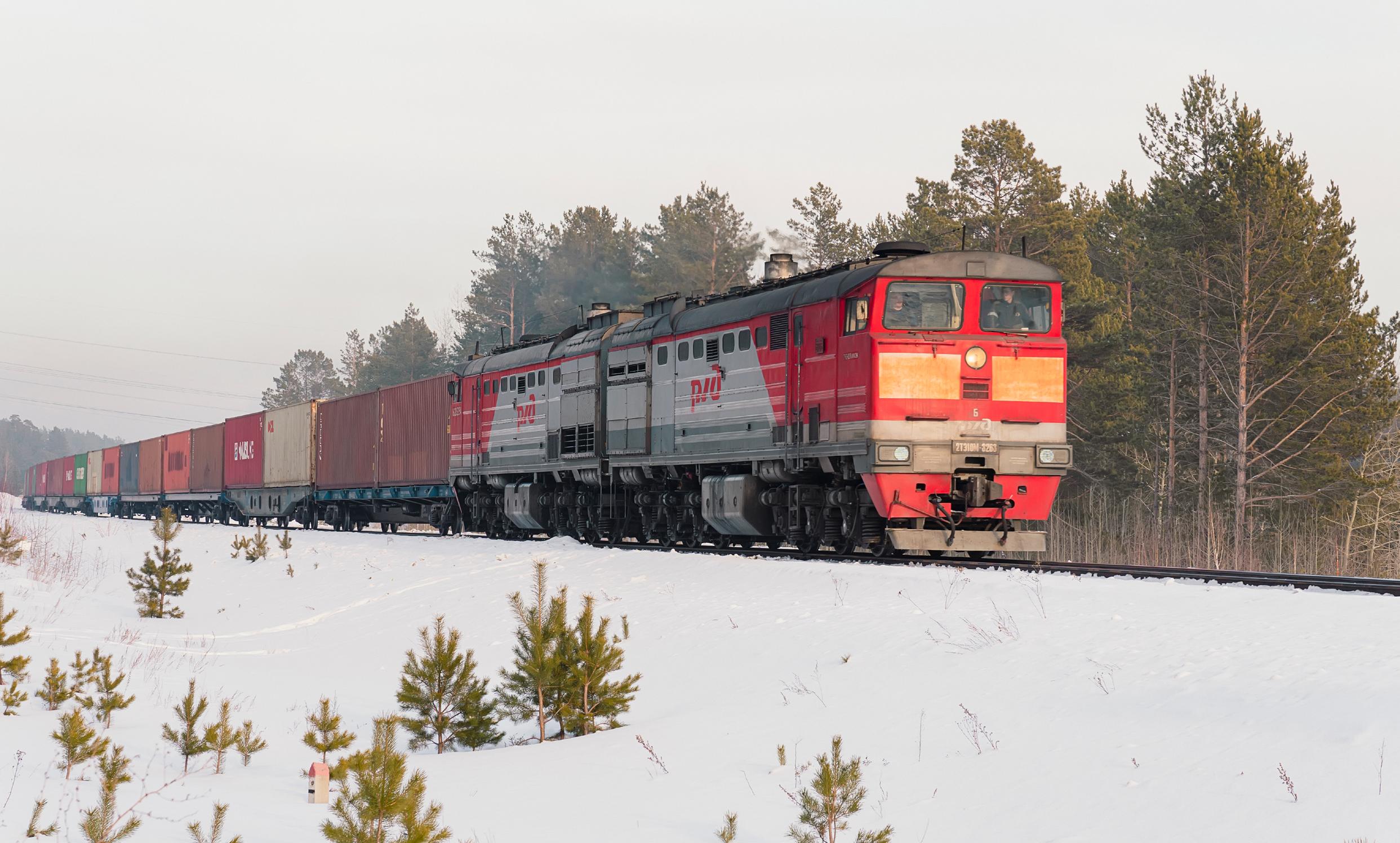
network does little more than create bottlenecks and slow down military transfers.
Reliance on mostly the long vulnerable single-track TransSiberian and the Baikal Amur Mainline (BAM) in Siberia is a structural weakness that the Kremlin is aware of, and a geographical issue that has plagued successive governments for over a century of military campaigns without resolution. At a political level, there is some understanding of the need to move away from an excessive reliance on land transport for military logistics, but implementation remains elusive, chiefly for economic and geographical reasons.
The government does have long-term plans to move away from reliance on rail to a mixed network of inland waterway systems as part of its Maritime strategy to 2050, in an effort to spread the risk around. Powerful Putin ally Nikolai Patrushev, head of the Maritime Board, is overseeing this strategy, linked into Russia’s own Transport Strategy.17 But this is a longterm investment that will require significant funding, and transporting military cargo via inland waterways requires the dredging and expansion of canals that have not been modernised since the Soviet period.
To meet this demand, the Kremlin’s approach has been to adapt its strategies. Russia announced in 2025 that it would be updating its Transport Strategy to reflect political changes since the war, with the development of international transport corridors – particularly those involving some of its allies outlined above – a major cornerstone of this.18 Russia’s planned investments in these transport networks are a means to supplement some of the logistical bottlenecks it faces in terms of supplies, manpower and components, both in the current conflict and future warfare.
Part of the problem in fulfilling any of these plans will lie in Russia’s economic uncertainties. While far from outright collapse, the Russian economy is under strain, with many planned investment projects cut and funding almost fully diverted to the war. RZhD, the state-owned behemoth that coordinates with the Ministry of Defence to oversee military and civilian transport, is in significant spiralling debt (at the time of writing totalling an eye-watering RUB 4 trillion by early 2026) as a result of federal pressure, corruption and high interest rates.19 Funding for many of its planned projects for 2026 has been cut, and without investment in upgraded electrified systems – particularly in the Russian Far East –plans to boost trade with China or connect land and maritime systems to Iran via the INSTC will remain elusive, amplifying existing supply chain gaps.
A corollary of the prioritisation of the frontline has meant a disproportionate focus on logistics and structures that serve the immediate needs of the war, rather than the Russian public, with a displacement of social and economic resources from Russia’s regions. Although Russia has been able to effectively mobilise parts of its home front to meet the demands of the war, this precludes longer term planning that relies on a structural basis of a workforce and steady economy from which to build out.
While the lessons that Russia is supposedly learning from different phases of this war, both in the military and political
The Russian economy is under strain, with many planned investment projects cut and funding almost fully diverted to the war.

arenas are still ongoing, there have been clear points of adaptability that belie the outward perceptions of a monolithic centralised system.
With parts of Russia’s OPK exhibiting signs of innovation and removed from the centralised system; flexible politics to rejig strategies when required, and the pragmatic use of bilateral international relationships to shore up supply chains to meet logistical gaps, the Russian system is more malleable than it first appears. But this potential flexibility is met by inherent structural issues of geography, demography and economics, which if unaddressed will continue to hold Russia back from implementing many of the adaptations it has been able to make since the war began.
However, adaptation to circumstance is not an inherently new quality in Russia, it has adapted to many successive rounds of Western sanctions since its annexation of Crimea in 2014, with varying degrees of success and using multiple tools available – such as its ‘shadow fleet’ to transport sanctioned oil, or import substitutions to transport banned products via Belarus. Finding workarounds for pressing demands has long been a feature of Russia’s political environment, but the durability of these solutions poses another question about the way in which Russian political and military thinking is able to evolve and learn from past errors, and then institutionalise this effectively.
From a strategic perspective, while the war’s pressing needs are driving much of the Kremlin’s current urgency in developing logistical supply chains with international partners, these land and sea routes are nevertheless likely to form the basis of much more long-term regional partnerships. Russia may not be able or willing to overcome many of its own structural weaknesses. There are questions over the extent to which Russia can maintain such high levels of output from its OPK. But identifying partners willing to act as a stopgap for these requirements is likely to be one of the key lessons that Russia has brought out of the war.
17Interfax (2025), Russian Maritime Board chairman wants complete overhaul of internal waterways infrastructure for safe navigation, interfax.com/newsroom/top-stories/109647, 6 February 2025, accessed 21 May 2026.
18Government of Russia (2026), government.ru/en/news/57960, 2 March 2026, accessed 10 May 2026.
19John C. K. Daly (2026), jamestown.org/russian-railways-faces-economic-setbacks, Eurasia Daily Monitor, 18 February 2026, accessed 10 May 2026.
Lieutenant Colonel Bruce Ekman Defence Supply Chain Operations and Movements
Strategic logistic resilience is often reduced to a catalogue of assets: ports, cranes, railheads, warehouses, fuel farms and vessel capacity. Those variables matter, but they describe only potential. From a Defence Supply Chain Operations and Movements (DSCOM) perspective, strategic logistic resilience is best understood as an outcome: the ability to convert national capacity into taskable throughput, at the speed of operational relevance, under conditions of disruption, contest and competing national priorities. This distinction is not academic. It sits at the heart of contemporary deterrence and collective defence. A force that can be generated but not moved is not a credible instrument. A supply chain that can be described but not prioritised is not resilient. Mobilisation at warfighting scale is therefore less about discovering capacity in crisis and more about shaping a national system in peace so that it can be directed and sustained under pressure.
To strengthen clarity and analytical rigour, this article uses a simple conceptual model that is consistent with DSCOM thinking. It frames resilience through four lenses:
1. Capacity. The practical availability and throughput potential of logistic modes and nodes, including infrastructure, platforms, enablers, workforce and storage.
2. Throughput. The rate at which capacity can be converted into movement and sustainment flow, including loading, staging and network performance.
3. Governance. The decision rights, legal and policy frameworks, commercial instruments and prioritisation mechanisms that allocate scarce resources under stress.
4. Contest. The adversary and environmental pressures that disrupt or

cyber; positioning, navigation and timing denial; sabotage; disinformation; industrial action; and energy shocks.
The model is deliberately straightforward. Its purpose is not to create a new doctrine, but to provide disciplined signposting for an argument that can otherwise become a list of vulnerabilities. It also supports a central thesis that applies to both questions posed in this article: the UK’s strategic logistic resilience is credible in breadth and competence, but conditional at warfighting scale. The binding constraints lie less in physical port capacity and more in shipping availability, national inload primacy, workforce resilience, energy and digital dependencies, and policy clarity. For the Army, this means Article 3 credibility and Article 5 tempo depend on a joint and whole of government ability to turn national capacity into sustained throughput under contest.
The UK’s strategic logistic resilience is credible but conditional. Credible because it rests on a diverse port estate, a mature commercial logistics sector and demonstrated adaptive behaviour through recent shocks. Conditional because warfighting scale resilience is constrained by shipping availability, national inload primacy, workforce fragility, energy and digital dependencies, and policy and regulatory friction, all under conditions of contest and visibility. The analysis below follows a four lens model: capacity, throughput, governance, contest.
Maritime and port capacity. The UK possesses a wide variety of ports capable of handling different vessel types and cargo mixes. This breadth provides optionality, including the ability to disperse activity and switch between ports when
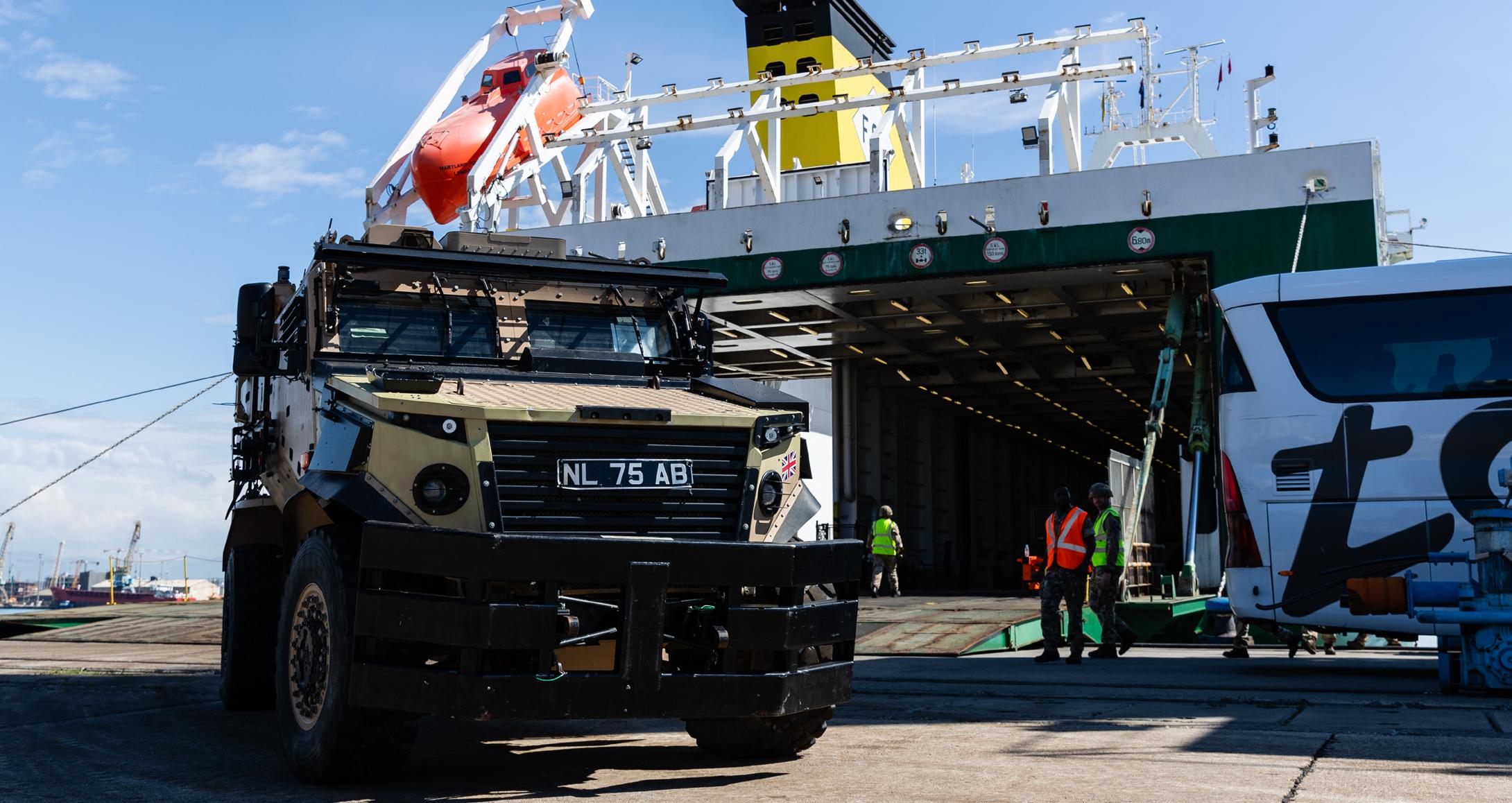
local disruption occurs. Port group ownership adds adaptive capacity because personnel and equipment can be shifted across networks, and operational deconfliction can occur at the group level rather than purely locally.
Capacity is asymmetric. Some ports can accept very large vessels and carry a disproportionate share of national inload value. Some ports are better suited to roll-on/roll-off throughput, others to container operations. Some are resilient to energy shock, others are energy intensive. These differences matter because wartime scale outload coincides with national inload pressure. Resilience is therefore not the number of ports. It is the availability of the right ports, with the right enabling conditions, at the right time.
Shipping capacity. National shipping capacity is not only what is domestically owned. It is what can be accessed through markets, charters and commercial frameworks. This is where capacity becomes conditional. The availability of additional roll-on/roll-off vessels at short notice is likely to be limited by global market demand, charter rates and risk appetite. Lift-on/lift-off shipping can mitigate, but it introduces different handling and time costs. Therefore, capacity exists, but its accessibility is uncertain without prior agreements and credible risk management frameworks.
goods handling rather than berth availability. This creates a practical implication. Any national outload plan must treat ammunition staging, licensing, storage and safety constraints as a primary throughput design parameter, not a subordinate detail.
Shipping as the pacing factor. At warfighting scale, throughput is likely to be limited by commercial shipping availability rather than by port infrastructure. This matters most for land power, where heavy equipment and rolling stock typically require roll-on/roll-off. If additional roll-on/rolloff hulls are scarce, then the outload timetable is governed by sailing availability. Lift-on/lift-off substitution can preserve some throughput, but it changes the handling equation and can slow the rate of flow. Throughput therefore becomes a function of market access and contractual readiness, not simply military scheduling.
The availability of additional rollon/roll-off vessels at short notice is likely to be limited by global market demand, charter rates and risk appetite.
Storage, staging and enablers. Strategic movement depends on staging space, dangerous goods storage permissions and enabling commodities such as containers, lashings, chains and packaging materials. These enablement factors are often overlooked because they are mundane. Yet they can be binding constraints. Container availability, and the ability to position containers where needed, can determine whether sustainment moves at the required tempo. Ammunition staging space and licensing can constrain throughput even when berth space is available.
Workforce capacity. Workforce capacity is a national asset in its own right. Port operations depend on trained, certified personnel. Logistics networks depend on drivers, planners, warehouse staff and specialist maintainers. Labour markets in some specialties are tight. The resilience of labour supply in crisis depends on workforce protections, ability to travel, access to fuel, security vetting processes and industrial relations. Capacity therefore exists, but its availability is conditional on social, political and administrative factors.
The UK has broad strategic logistics capacity, but it is uneven and conditional. The decisive questions are not whether capacity exists, but whether it can be accessed, prioritised and sustained in crisis.
Throughput: converting capacity into movement at pace is the real test
Port throughput and critical path constraints. Port throughput is determined by a set of critical path activities: marshalling, staging, loading, dangerous goods compliance, documentation and surface access. At warfighting scale, the limiting factor at the port interface can be ammunition staging and dangerous
Workforce as a throughput limiter. Ports can be physically available while throughput collapses due to labour shortage. Loading, marshalling, tug operations, pilotage and security are labour dependent. Two systemic factors make this acute in warfighting conditions. First, reserve mobilisation can remove niche skills from the civilian workforce precisely when demand rises. Second, domestic constraints and risk perceptions can reduce workforce willingness or ability to report for duty, especially if fuel is rationed or travel is restricted. The concept of essential worker protections, as seen in recent national emergencies, becomes relevant. Throughput is therefore intimately linked to national resilience measures that protect the workforce.
Energy and digital dependencies as throughput chokepoints. Modern ports are cyber physical systems. Container terminals often rely on electrified cranes, automated gate systems and digital scheduling. Energy disruption can reduce throughput dramatically. Cyber incidents can degrade operations without physical damage. Positioning, navigation and timing disruption can affect navigation and, in some cases, terminal equipment that depends on GPS for synchronisation. These factors mean that throughput is not a linear output of infrastructure. It is a fragile product of system continuity.
The UK can generate throughput in benign conditions and can likely surge in many crisis conditions. At warfighting scale, throughput is conditional on shipping access, workforce availability, energy continuity, cyber resilience and dangerous goods staging. These are the levers that determine whether movement plans become reality.
Inload primacy and prioritisation. The most important governance challenge is the competition between national inload and Defence outload. In crisis, government will be under pressure to protect food, energy, medicines and economic continuity. The maritime system that enables Defence outload is the same system that sustains national life. Therefore, a credible outload concept requires a pre-agreed framework for prioritisation
and decision rights. Without that, the system defaults to local negotiation and risk aversion. Governance is therefore a throughput enabler.
Indemnity and liability clarity. In contested conditions, commercial partners and insurers require clarity on liability if ports or vessels are damaged while supporting Defence activity. Industry practice is typically based on negotiated limits of liability rather than unlimited exposure. If indemnity positions are unclear, decisions slow. Slow decisions reduce throughput. This is not a narrow financial issue. It is a strategic tempo issue. The faster Defence needs to move, the more it must remove ambiguity about risk allocation in advance.
Devolved regulatory variation. The UK’s devolved governance landscape introduces variation in regulation relevant to strategic movement, including dangerous goods licensing, workforce constraints and local implementation of safety requirements. Such variation is manageable in routine conditions. In crisis, it becomes friction. Friction is delay. Therefore, resilience requires mapping regulatory differences and establishing a practical playbook that can be executed rapidly under ministerial direction.
Commercial frameworks and contractual readiness. A key feature of modern mobilisation is reliance on commercial frameworks for freight booking, container management, customs and onward distribution. These frameworks can be a strength if they are understood, current and exercisable. They can also be a weakness if they are assumed rather than rehearsed. Governance includes contractual readiness, not only in the procurement sense, but in the operational sense of knowing how commercial levers are pulled at speed.
The UK’s resilience is conditional on governance maturity. Pre-agreed prioritisation, clear indemnity, mapped regulatory freedoms and exercisable commercial frameworks are the mechanisms by which national capacity becomes taskable throughput.
Threat vectors and port vulnerability. ports and approaches are exposed to disruption that does not require spectacular attack. A minor incident can close a channel, slow security posture or trigger cautious decision making. Even where gate security is strong, the seaward approach and
subsurface awareness may be less robust in some localities, particularly when local maritime patrol and response capabilities are limited. Resilience therefore depends on layered security integration and incident response, not merely static access control.
Cyber and positioning, navigation and timing contest are attractive to adversaries because they can create disproportionate disruption at low cost and with plausible deniability. A cyber incident that slows terminal operations can delay sailings, and delays create cascading effects across mobilisation. Positioning, navigation and timing disruption can create uncertainty and slow decision making even if absolute loss of navigation does not occur. This reinforces the need for rehearsed degraded mode operations and reversionary procedures.
Information contest and industrial pressure. Mobilisation will be visible. Commercial ports are public spaces. Workers and members of the public can film unusual loads. Online communities track ship movements. Disinformation can amplify narratives and apply pressure to local communities and workforces. This has two practical effects. First, it makes classic operational security assumptions unrealistic. Second, it increases the likelihood of domestic disruption through protest or industrial action. Resilience therefore includes narrative preparedness and the ability to operate credibly in public view.
The UK’s strategic movement system will be contested across physical, cyber, positioning, navigation and timing, and information domains. Resilience is therefore the ability to continue operating through disruption, not only the ability to prevent it.
The nation’s strategic logistic resilience is credible in breadth but conditional at warfighting scale. The UK has diverse ports and a competent commercial logistics sector, but its ability to execute strategic movement under stress is constrained by shipping availability, national inload primacy, workforce fragility, energy and digital dependencies, and policy and regulatory friction. In the four lens model,
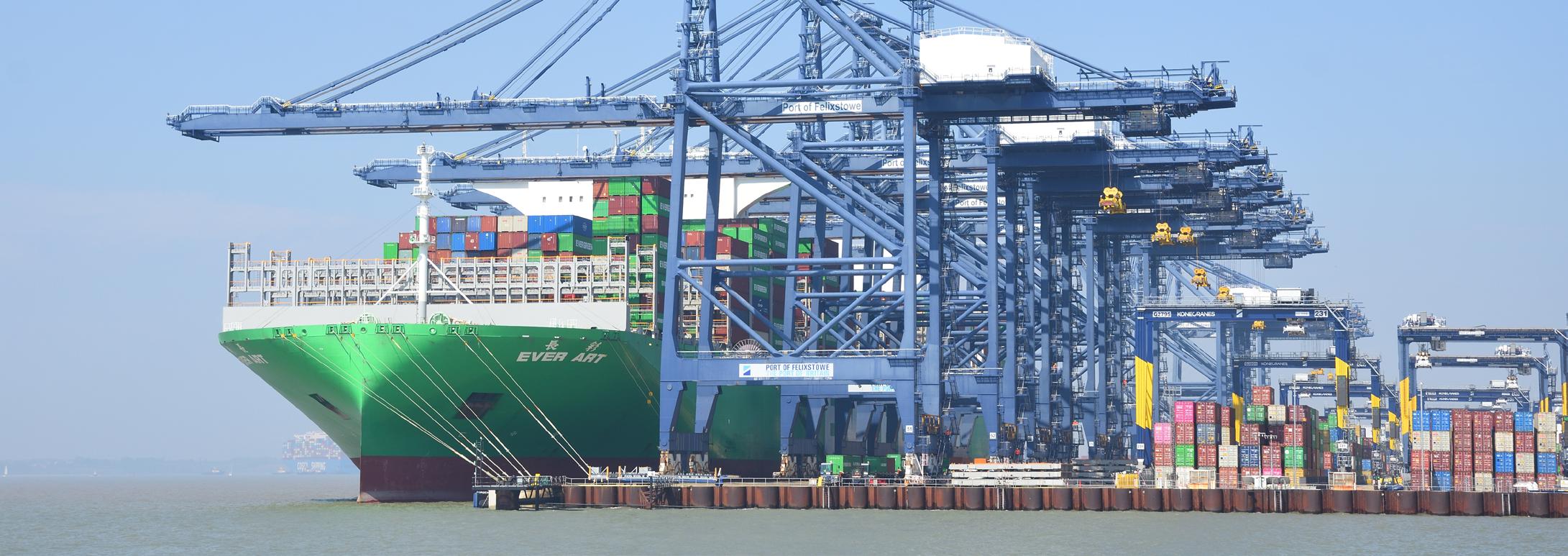
Question 2: what does that mean should the Army be required to conduct Article 3 or Article 5 activities?
This section distinguishes the operational meaning of resilience under Article 3 and under Article 5, then translates that meaning into implications for Army planning, joint enabling functions and DSCOM’s specific contribution. The argument is structured in four parts. First, Article 3 meaning: resilience as deterrence, mobilisation as a strategic signal. Second, Article 5 meaning: tempo and endurance under contest, mobilisation as a campaign. Third, implications for Army planning: force packaging, sequencing, sustainment and visibility. Fourth, implications for DSCOM and joint enabling: what DSCOM must enable and what the system must provide.
Article 3: resilience as deterrence, mobilisation as a strategic signal
Article 3 is the obligation to maintain and develop capacity to resist armed attack. In practice, it is the foundation of deterrence, because it signals to adversaries that the Alliance can mobilise and respond before coercion becomes success. From a DSCOM perspective, Article 3 credibility rests on more than the readiness state of formations. It rests on the credibility of the strategic base as a mobilisation system.
Article 3, implication 1: the Army’s readiness is only credible if movement is credible. If strategic movement depends on shipping availability and commercial participation, then Article 3 credibility is weakened when shipping access is uncertain, indemnity is unclear and degraded mode operations are untested. The Army can be ready to move, but readiness without movement is not a credible deterrent. Therefore, Article 3 should incorporate movement credibility as a measurable component of readiness, including demonstrable shipping activation pathways and exercised port throughput plans.
Article 3, implication 2: governance maturity is deterrence infrastructure. Deterrence is not only a military function. It is a national responsibility. If national inload priorities are likely to take primacy, then government must have a mechanism to prioritise Defence movements without destabilising essential supplies. This is a whole of government requirement, but it has direct operational consequences. Under Article 3, the existence of a clear prioritisation mechanism is itself a deterrent signal. It suggests the state can decide and act quickly.
DSCOM can add value, by designing exercises that stress the interfaces between Defence, industry and governance.
Article 3 synthesis. Article 3 activity should treat strategic movement as a capability that must be demonstrated. Credibility is created when the UK can show it can secure shipping, load safely at scale, operate through disruption and prioritise movements nationally. Without that, the Army’s readiness will be discounted.
Article 5: tempo and endurance under contest, mobilisation as a campaign
Article 5 triggers collective defence. For the UK Defence, it means deploying, reinforcing and sustaining force as part of NATO’s defensive posture. Under Article 5, the resilience constraints described in question one become operational determinants. The mobilisation problem becomes a campaign problem. It is not only the first sail that matters, but the sustained flow of reinforcements, ammunition, spares and sustainment.
Article 5, implication 1: the Army must be shipping aware in force design, packaging and sequencing. If roll-on/roll-off is scarce and lift-on/lift-off substitution is frictional, then the Army’s deployment plan must be designed to work within those constraints. This has practical consequences. Force packaging must be mode flexible. Packaging that assumes roll-on/roll-off may fail if roll-on/roll-off capacity is constrained. Loads should be designed to transition between roll-on/roll-off and lift-on/lift-off where feasible, and sustainment should be containerisation aware. Sequencing must reflect sailing availability. The timetable is governed by ships as much as by unit readiness. Sustainment must be treated as part of the first problem. Article 5 operations are not short. Sustainment flow must be planned alongside initial deployment, not as an afterthought.
Credibility is created when the UK can show it can secure shipping, load safely at scale, operate through disruption and prioritise movements nationally. Without that, the Army’s readiness will be discounted.
Similarly, clear indemnity positions and mapped regulatory freedoms are not administrative details. They are tempo enablers. Article 3 therefore implies a need to invest in policy clarity and cross-government alignment as part of resilience.
Article 3, implication 3: exercising degradation must be normal, not exceptional. If cyber and positioning, navigation and timing contest are likely, and if energy disruption can affect port throughput, then Article 3 preparedness must include exercises that assume disruption rather than perfection. The credibility of deterrence increases when the system is tested and the weaknesses are corrected. This is precisely where
Article 5, implication 2: ammunition staging becomes a critical line of operation. At warfighting scale, ammunition is both essential and constraining. If ammunition staging is a limiting factor at the port interface, then it sits on the critical path of deployment. Under Article 5, ammunition throughput is a centre of gravity for combat credibility. If licensing, storage and handling constraints slow the system, sailing schedules slip and Defence’s ability to fight is degraded. Therefore, Defence, military commands and DSCOM must integrate ammunition staging and dangerous goods compliance as a primary line of operation in mobilisation. It should be planned early, exercised and supported by regulatory playbooks that reduce crisis time friction.
Article 5, implication 3: workforce resilience becomes an operational dependency. Article 5 mobilisation increases demand for port labour, drivers and logistics specialists at the same time as labour availability may reduce due to reserve call out, domestic disruption, risk perceptions and industrial pressure. Even when infrastructure is intact, labour shortages can reduce throughput. Defence’s timelines should
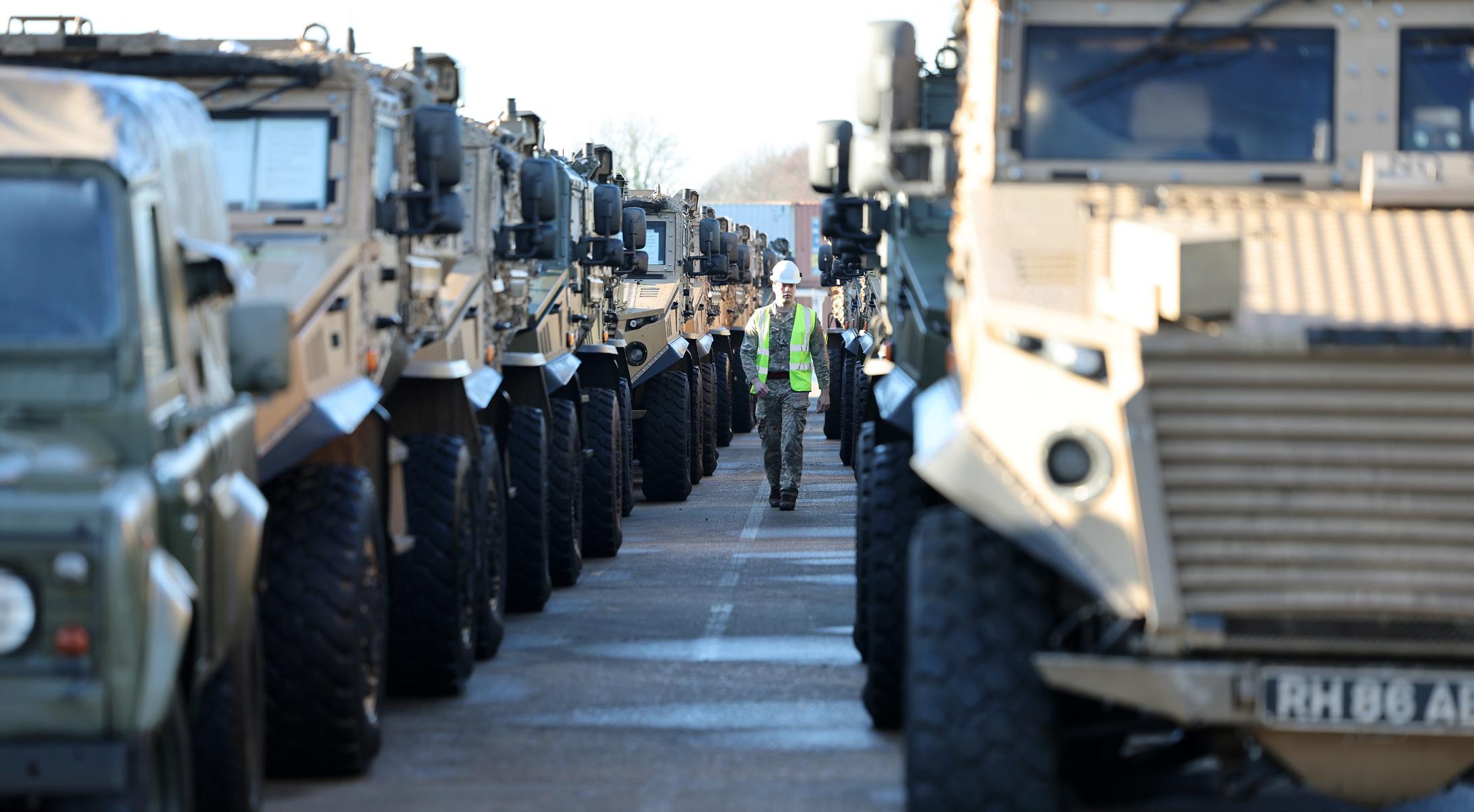
Operational security must evolve into resilience by design. Mobilisation will be visible. Under Article 5, adversaries will seek to exploit visibility for targeting and disinformation.
therefore assume workforce constraints and incorporate switching options. Defence policy should ensure essential worker protections and resource access, such as fuel access, for critical port and logistics workers. Joint planning must also manage the paradox of reservist call out. Mobilising the military should not collapse the civilian capacity required to move the military.
Article 5, implication 4: contested domain protection and degraded operations are the baseline. Under Article 5, disruption should be assumed. Ports and approaches are vulnerable to a range of threat vectors. Cyber and positioning, navigation and timing contest can slow operations. Energy disruptions can create bottlenecks. Information contest can apply pressure to communities and workforces. The operational implication is that strategic movement planning must assume degraded conditions and include reversionary procedures, manual workarounds and rapid incident response coordination. This is a joint problem. It touches maritime, cyber, civil authorities and industry. DSCOM’s role is to integrate the movement system with the protection and response system, and to ensure that disruption does not automatically equal delay.
Article 5, implication 5: Operational security must evolve into resilience by design. Mobilisation will be visible. Under Article 5, adversaries will seek to exploit visibility for targeting and disinformation. Therefore, operational securiy cannot rely solely on secrecy. It must rely on operational design, including dispersal across multiple ports, route variability, switching capacity and disciplined information management. Narrative preparedness becomes part of movement resilience. If movement is visible, then legitimacy and coherence in public messaging reduce the effectiveness of adversary narratives and help protect workforce willingness to operate.
Under Article 5, Defence’s ability to deploy at pace and sustain combat power depends on the joint ability to convert national capacity into sustained throughput under contest.
Force package design must include movement constraints as a design input. Defence’s force packages must be designed with strategic movement constraints as a first order design parameter. That includes mode flexibility, ensuring loads can be embarked via roll-on/roll-off or lift-on/lift-off where feasible; containerisation strategy, designing sustainment, spares and stores flow so that it is compatible with container availability and terminal handling constraints; securing and enabling equipment, ensuring availability of lashings, chains, packaging and documentation processes; and sailing aware sequencing, aligning readiness states to realistic shipping availability, not ideal schedules.
The deployment plan must be networked, not node based. Resilience increases when deployment is designed as a network. A nodebased plan that relies on a small number of ports is vulnerable to disruption. A networked plan uses port groups, dispersal and switching options. Defence should therefore plan multiple embarkation options and ensure that force packages can be rerouted without major redesign.
Sustainment must be treated as a mobilisation campaign line, not an administrative follow on. Article 5 demands endurance. Sustainment flows, including ammunition, fuel, spares and medical support, should be integrated into the mobilisation plan from the outset. This includes staging and storage pathways, customs and freight processing, container and enabler availability, and the ability to sustain maritime lift over time.
Degraded mode assumptions should be normalised in training and exercising. Defence should assume that cyber disruption, positioning, navigation and timing degradation, and energy instability may occur during mobilisation. Exercises should
therefore include degraded port operations, degraded movement control systems, route switching under pressure and rehearsed decision making under uncertainty. This is not simply a technical training issue. It is a mindset shift. Resilience is the ability to operate through disruption, not only to prevent disruption.
Visibility and narrative should be integrated into mobilisation planning. Mobilisation will be visible and politically contested. Defence’s planners should assume that adversaries will exploit visibility through disinformation and that domestic pressure may arise. Therefore, mobilisation planning should include realistic operational security measures aligned to commercial environments, disciplined information management and coordination with relevant authorities for public communication to reduce ambiguity and protect legitimacy.
From a DSCOM perspective, enabling Defence’s Article 3 and Article 5 activity requires turning national logistics into taskable movement outcomes. This can be expressed in five enabling outcomes aligned to joint thinking.
Outcome 1: access. DSCOM must secure access to ports, shipping, staging areas and commercial logistics services. Access is not only physical. It is contractual and relational. It depends on trusted partnerships, clear activation pathways and understood commercial frameworks.
Outcome 2: throughput. DSCOM must convert access into throughput. That includes the practicalities of staging, loading, dangerous goods compliance, surface access deconfliction and movement control. It also includes the labour model. Throughput fails if loading labour is not available.
Outcome 3: protection and continuity. DSCOM requires continuity across cyber, positioning, navigation and timing, energy and security domains. This means integration with joint protection functions, including maritime security considerations, cyber defence and incident response. Continuity also means
reversionary procedures, so that movement can continue under degradation.
Outcome 4: visibility management. DSCOM must plan for mobilisation in public view. This means operational design that is resilient to observation, and it means coordination of information discipline and narrative readiness. Visibility management is not propaganda. It is a resilience measure.
Outcome 5: governance and prioritisation. DSCOM needs a national mechanism that reconciles inload and outload priorities and provides clear decision rights. This is a whole of government function, but it has direct consequences for movement tempo. Without governance, the system fragments and fragmentation creates delay.
System dependencies. To deliver these outcomes, DSCOM requires policy clarity on indemnity and liability, mapped regulatory playbooks, essential worker protections for critical labour and exercised commercial frameworks that can be activated at speed. These dependencies should be treated as part of Defence readiness, not externalities.
If Defence is required to conduct Article 3 or Article 5 activity, the state of national strategic logistic resilience implies that readiness and credibility depend on the joint and national ability to secure shipping, sustain port throughput and operate through contest and domestic competition for resources. Under Article 3, resilience is deterrence and mobilisation credibility must be demonstrated through exercised mechanisms, clear governance and realistic degraded mode operations. Under Article 5, mobilisation becomes a sustained campaign in which tempo and endurance are constrained by shipping scarcity, ammunition staging, workforce resilience, energy and digital continuity, and policy clarity. Therefore, Defence’s planning must be shipping aware, networked across multiple ports, designed for switching and degradation, and supported by DSCOM and wider Defence efforts that treat the strategic base as a national system to be cohered, not a Defence asset to be assumed.
Defence should assume that cyber disruption, positioning, navigation and timing degradation, and energy instability may occur during mobilisation. Exercises should therefore include degraded port operations, degraded movement control systems, route switching under pressure and rehearsed decision making under uncertainty.
Claymore Richardson Department of Health and Social Care
Medical supply chains are global in their nature, highly regulated and complex. There are approximately 14,000 medicines and over three million medical devices licensed for supply in the UK, and the vast majority are in good supply at any given time. Disruption at any point in the end-to-end supply chain – from raw materials and packaging production (upstream) to regulatory compliance testing and certification and ‘last mile’ delivery to patients (downstream) – can impact the timely availability of products for patients when and where they are needed. The medical supply chain operates in a highly regulated and carefully controlled environment to ensure patient safety. Unlike most other commercial products and sectors, even minor deviations in pharmaceutical products can have serious consequences for the end user, in this case for patients. Regulations control every aspect of manufacturing, testing, storage and distribution and are essential in safeguarding public health. That is why every step of the medical supply chain, from active pharmaceutical ingredients and raw material production through to finished product delivery, must meet the necessary safety and quality standards.
Marketing authorisation holders are responsible for ensuring their medicines and medical devices are manufactured, supplied and distributed in line with regulatory requirements, and for taking reasonable steps to maintain a continuous and adequate supply for UK patients. Wholesalers and pre-wholesalers distribute medical goods to hospitals, pharmacies and other providers by managing stock levels and responding to changes in demand, while pharmacies, hospitals and others dispense medicines to patients and manage local stock to meet day-to-day needs.
have a license for manufacturing in India, the UK (domestically produced) and Germany.2
Roles of industry and government
Medical supply chains involve many domestic and international supply chain actors with a model that relies on market forces to adapt to changes in supply and demand to help ensure that there is sufficient supply to meet demand. In the overwhelming majority of cases, this system, based on industry business continuity plans, works and allows for flexibility when responding to emerging changes. The government does not have direct control or oversight of these supply chains. As a result, the government’s role is to:

The UK Government is committed to creating an attractive environment where the UK’s medicine manufacturing capabilities can grow and excel... It is not viable to produce all medicines domestically, but by investing in domestic manufacturing we can help diversify our supply and reduce our dependency on imports and thereby strengthen overall medicine supply resilience.
While 18 per cent of medicines for the UK market are manufactured within the UK, our supply chains depend on imports from other countries.1 Many active pharmaceutical ingredients – the biologically active components that produce the intended therapeutic effect – have a license for manufacturing in India, Germany, China, Italy and the US. Similarly, many of our finished products – that is, the products we use –
1This
n help ensure the medical supply chain ecosystem operates effectively, through regulatory, commercial and industrial policy; and
n to work with industry partners where there is risk to patients that cannot be managed.
Risk assessment and management
The majority of cross-cutting disruption poses a risk to multiple sectors beyond medical products. Examples include logistics through the Red Sea, cyber-attacks or threats to energy supplies. For these risks, we work with a range of internal and external partners to understand the scale of risk posed to medicines (and other medical products). This intelligence is fed into crossgovernment activity, often co-ordinated by the responsible department or the Cabinet Office and communicated to industry as required.
To help the Department of Health and Social Care rapidly assess the risk to medicines, we have developed a global dependencies tool to instantly identify where products are sourced from and so might be at risk from an event that impacts a particular region or country. Another common tool is the utilisation of preparedness exercises, often considering a ‘reasonable worstcase scenario’ to test the extent that our existing response mechanisms would mitigate the risk and identify gaps to strengthen our response plans.
The Department of Health and Social Care undertakes significant proactive risk evaluation to assess readiness against any threats on the National Risk Register that could lead to potential disruption of medical supply chains. This includes through large-scale preparedness exercises, to continually improve our understanding of critical vulnerabilities. It has also participated in and led on a number of preparedness exercises – spanning across national power outages, cyber-attacks and global pandemics – to test and improve our ability to respond to supply disruption.

The UK medicines and medical device supply chains, like in many other countries, operate largely on a just-in-time model, with wholesalers holding limited levels of stock and relying on frequent replenishment; this supports efficiency under normal conditions but reduces tolerance to disruption when demand spikes or manufacturing issues occur. The government holds specific stockpiles to ensure resilience in the event of a pandemic or serious infectious disease outbreak (such as antibiotics and influenza antivirals). Current policy for non-pandemic purposes favours targeted buffer stocks rather than large, centralised stockpiles. There are also supplierheld buffer stocks for secondary care medicines and medical devices on NHS England frameworks.
Given the inherent globalised nature of medical supply chains, international collaboration is key to strengthening supply resilience, reducing critical dependencies and helping to ensure continued access to medical products.
The UK Government is committed to creating an attractive environment where the UK’s medicine manufacturing capabilities can grow and excel as outlined in the 10 Year Health Plan and the Life Science Sector Plan. It is not viable to produce all medicines domestically, but by investing in domestic manufacturing we can help diversify our supply and reduce our dependency on imports and thereby strengthen overall medicine supply resilience.
The UK is actively supporting the domestic life science sector and the Life Sciences Sector Plan is supported by £2 billion of government funding over the lifetime of the Spending Review, including funding for innovative medicines manufacturing as part of the up to £520 million Life Science Innovative Manufacturing Fund.
The UK actively collaborates in multinational organisations, such as the G7, G20, World Trade Organization and Organisation for Economic Co-operation and Development, to champion strong international co-operation and harmonisation, as well as the removal or reduction of regulatory and trade barriers. The Department of Health and Social Care is also a member of the Critical Medicines Alliance and is using its participation in this forum to support our wider engagement with the EU and member states on strengthening the resilience and security of medical supply chains. The UK also engages bilaterally with partner countries to address shared global supply chain challenges collaboratively. For example, in early 2025, the UK signed a memorandum of understanding with the Government of India, a major supplier of pharmaceuticals globally, agreeing collaboration on a range of health and life sciences priorities, including medical supply chain resilience.
The system on which the Department of Health and Social Care’s medical and pharmaceutical supply chain relies, although not perfect, affords the UK some risk mitigation against shocks in the global market and unexpected increases in demand for key drugs. It also provides a, albeit limited, strategic reserve for use in supporting and sustaining the nation in the event of more demanding times. Current assurance measures allow the UK to forecast with some certainty the need for medical goods, whilst strategic relationships, partnering projects and continued investment in domestic medicine manufacturing mean there is both resilience and adaptability in the supply chain. And although the focus of pharmaceutical stockpiles presently sits primarily with those items required to combat a pandemic, there is scope to shift the focal point. Ascertaining how robust the UK supply chain is to a large-scale conflict – and the likely resulting competition for resources with other nations – is, however, extremely difficult to measure.
Major General (Retd) Dr Andrew Sharpe Director, CHACR
If you have read this far then the last thing that you need is a blow-by-blow summary of the preceding hundred-or-so pages. So, this conclusion will be short. As we have seen, Article 3 of the NATO treaty expects, in fact requires, member countries ‘separately and jointly, by means of continuous and effective self-help and mutual aid, to maintain and develop their collective capacity to resist armed attack’. So, by being a member of NATO we can rely, under Article 5, on NATO helping us in the event of attack, but by that same token NATO relies on us, in return, to contribute to Article 5 activity and to be secure in Article 3 terms. In plain language that means NATO requires the UK to be able to do three things: look after our own security and resilience; act as a secure ‘rear area’ for the Central and Northern Fronts (as a minimum); and be able to outload and deploy a war-winning (or certainly ‘war-changing’) corps as Supreme Allied Commander Europe’s principal reserve force. And the UK needs not only to be able to do these three things, now, but actively to demonstrate that it is able to do them.
The articles included in this research publication have taken you, the patient reader, on an endurance march through (just some of) the factors effecting the conclusions of the Standing Joint Command (SJC) staff estimate as they try to address the scale of the demand that faces them. We have seen some background, both in terms of our national history
and in terms of NATO’s expectation of us. We have seen that others, many others, Poles, Germans, French, Finns and Canadians to name but a few, are taking their responsibilities for national resilience extremely seriously – and are acting, on a national level, now. We have looked at the scale of the task facing the UK and examined, in depth and detail through several articles, the direct threat via NATO’s Northern Flank to UK Homeland security and safety. We have then offered the reader (or over-burdened staff officer) a wide range of perspectives – from logistics to strategic outload, to medical readiness, to pharmaceutical self-reliance (or lack of it), to industrial capacity (and Defence’s chequered relationship with it), and to the capacity of our ports. And all of this, unfortunately, only scratches the surface of the task at hand.
The Army’s corps’ ability to prevail on the battlefield is the responsibility of its Commander, the rest of that list of expectation is the responsibility of Commander SJC. And it is not just a wartime responsibility. The purpose of the Army is to be ready to fight and win the nation’s wars on and from the land. Being ready means that much, or even most, of the work needs to be done in advance of the call to act. As a simple example, from many, it is unreasonable, unrealistic and even naïve to expect our national Defence industries to be ready when we need them to deliver, at scale and according to our urgent needs, if they have been neglected and unsupported up until that point of need. Furthermore, as we have seen throughout this publication, the nation is already on the receiving end of a range of unfriendly and hostile acts that seek to unsettle and undermine resolve and resilience. Thus
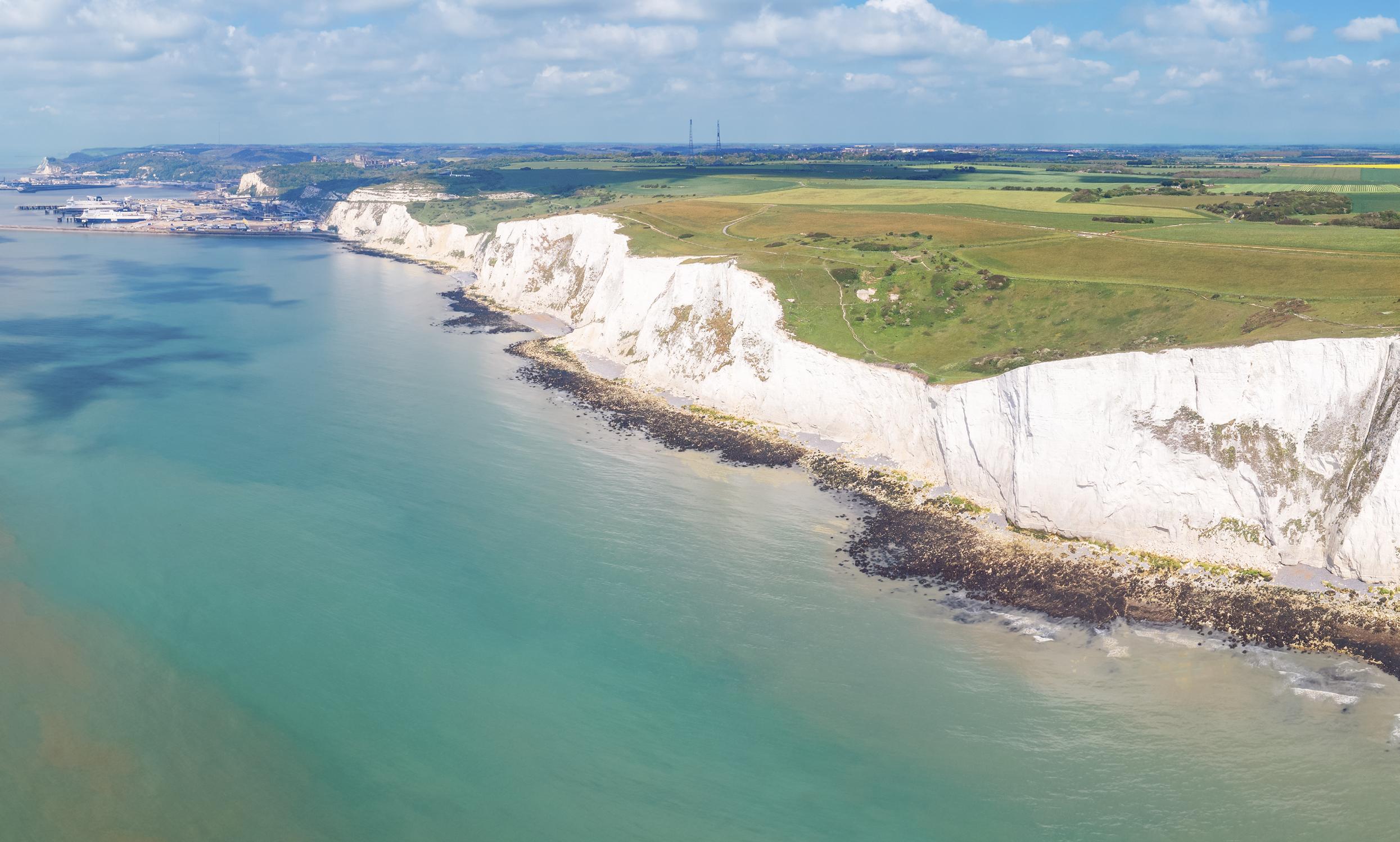
The UK has a long history of feeling secure as it sits on the edge of Europe with the drawbridge up and the English Channel moat keeping enemies at frustrated bay. That mindset is delusional in the 21st century. As we have seen, the UK gets much of its food, raw materials, medicine, power, defence industrial products (including ammunition, weapons and equipment), satellite capability and intelligence from abroad.
this is not an ‘in case of’ problem but an ‘already happening’ problem; in other words, this is a challenge to be met and resolved now, not later when it suits us, as a nation, better.
In addition, and importantly, the majority of the contributions to this work have made it clear that readiness, resolve and resilience, both actual and communicated, have considerable deterrent effect. Potential enemies that feel that their hostile acts are likely not only to be endured, countered or circumvented, and therefore ultimately rendered ineffective, but also met with robust retaliation, are enemies who are likely to remain potential rather than active.
The UK is a target, now, of hostile acts. The UK will, without doubt, be the target of widespread and increasingly lethal hostile acts in the event of war. The UK needs to be ready to deal with those acts, now, both in order to deter them from developing into warlike acts, and to overcome them in the
event that deterrence fails. Our infrastructure, and every other element of national resilience that has been explored in the foregoing pages, is vulnerable, visible, under scrutiny, and, in places, even already under attack. The practical security alone of the huge range of physical infrastructure critical points will, in war, need to be met with huge numbers of people – in uniforms, both military and civil and private sector – that do not currently exist. To deliver, deploy and sustain a warfighting corps the British Army will have to bend its every sinew (and person) out of shape: what will be left for the commanders under the SJC to wield?
The UK has a long history of feeling secure as it sits on the edge of Europe with the drawbridge up and the English Channel moat keeping enemies at frustrated bay. That mindset is delusional in the 21st century. As we have seen, the UK gets much of its food, raw materials, medicine, power, defence industrial products (including ammunition, weapons and equipment), satellite capability and intelligence from abroad. At the same time the vulnerability of the nation and its infrastructure to physical, cyber, virtual and cognitive interference is a present and real problem. The scale of the challenge is huge and wide-ranging – and the Army cannot focus every ounce of its thinking, and every asset at its disposal, on being ready to deliver a warfighting corps to NATO (vital though that may be), because it also holds the responsibility to command and lead the military contribution to the UK’s Article 3 obligation.
We hope that the work that has gone into this publication offers useful support to those in SJC who are tackling the problem; gives hope and encouragement to those, at home and abroad, who are supporting UK Defence in the challenge; and reassures a wider readership that the task is in hand, its scale has been identified and understood, and that solutions are being addressed and delivered.
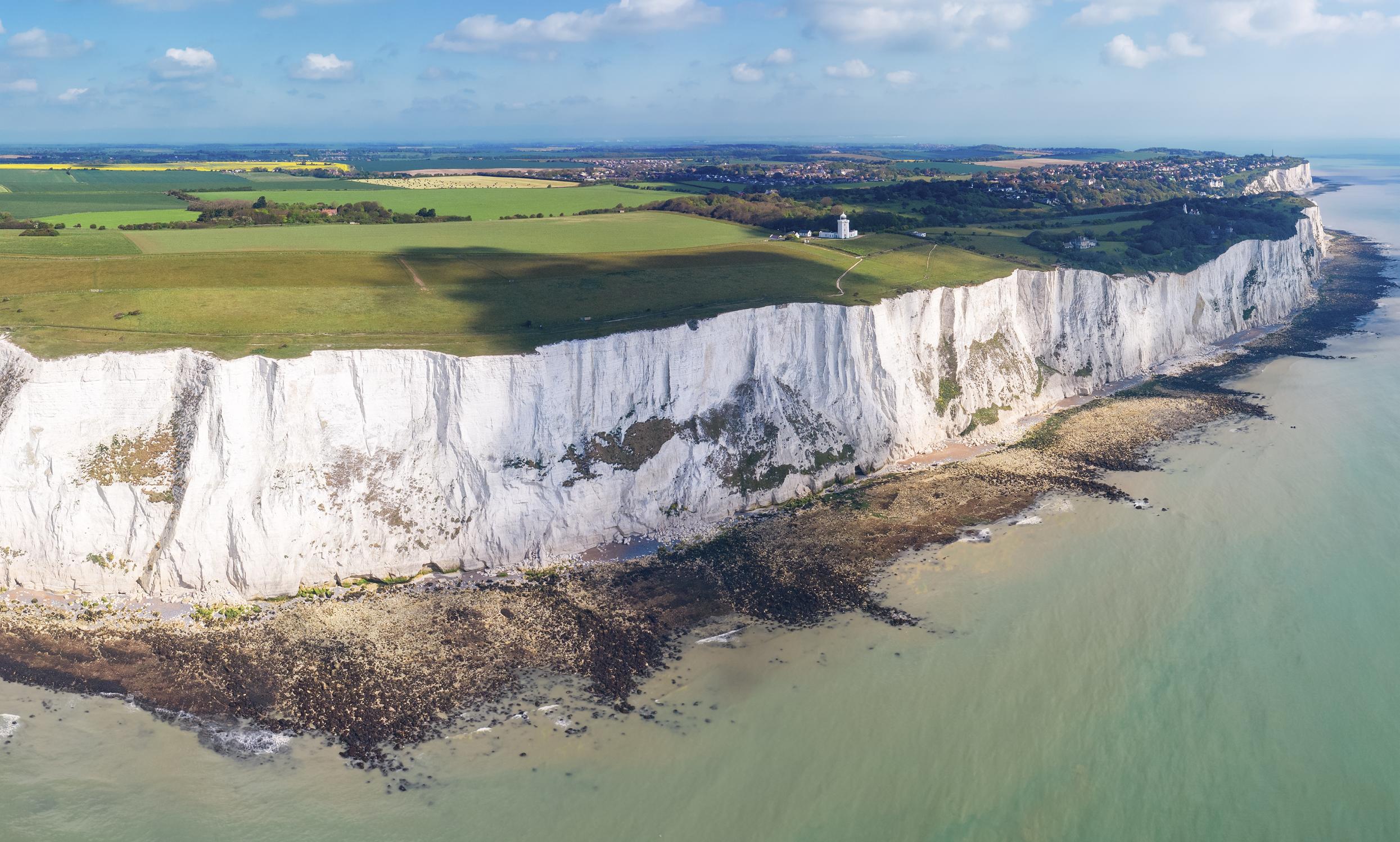

To conduct and sponsor research and analysis into the enduring nature and changing character of conflict on land and to be an active hub for scholarship and debate within the Army in order to support the development and sustainment of the Army’s conceptual component of fighting power.