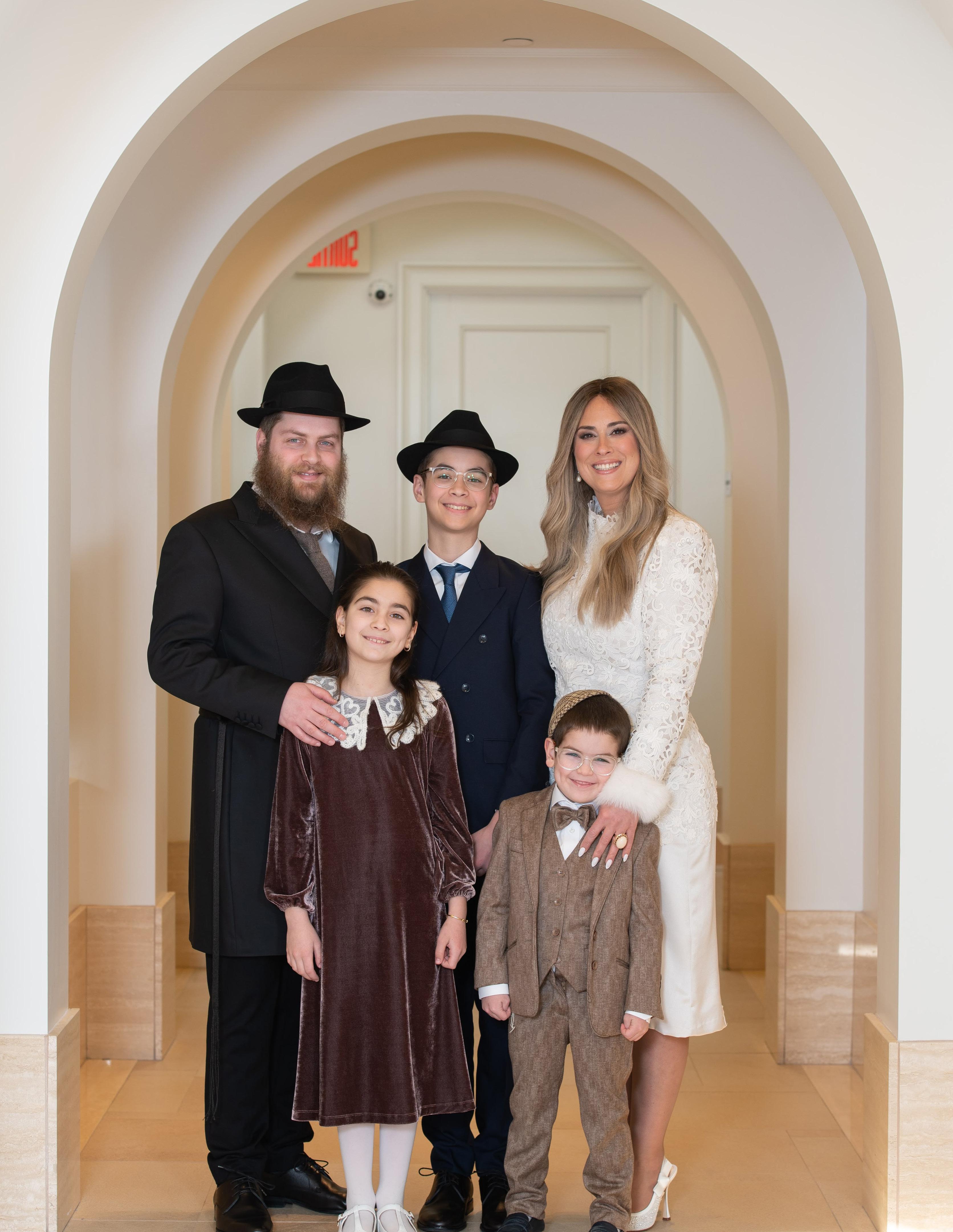
I love the High Holidays because they bring us back to what matters most. They remind us that beneath our busy lives, we are one family, united by a shared history, a shared purpose, and an eternal Father and King in Heaven.
The call of the shofar is the sound of our own soul, awakening our connection to the Jewish people, the Land of Israel, and our G-dgiven purpose. Then we gather on sukkot, discovering that our greatest blessings come through Jewish unity. Finally, we celebrate Shemini Atzeret and Simchat Torah, the most joyful days of the year, dancing with the Torah and experiencing the simple happiness of being Jewish.
I hope the stories in our magazine inspire you throughout the holiday season. If you enjoy an article, please share it with a friend. Great ideas are meant to be passed along.
From our family to yours, we wish you a sweet New Year filled with good health, happiness, and blessings. If you need a seat for the High Holidays, we’d love to welcome you. Just give us a call.
Shanah Tovah!
Rabbi and Mrs. Shluchim
Directors, Chabad Jewish Center
PS: For the full schedule of our High Holiday events please visit our website
the High Holidays in High Gear
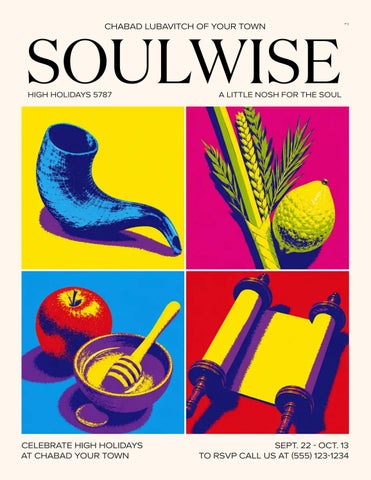
As mankind turns 5787 years old, we hand selected the perfect items to help you celebrate.
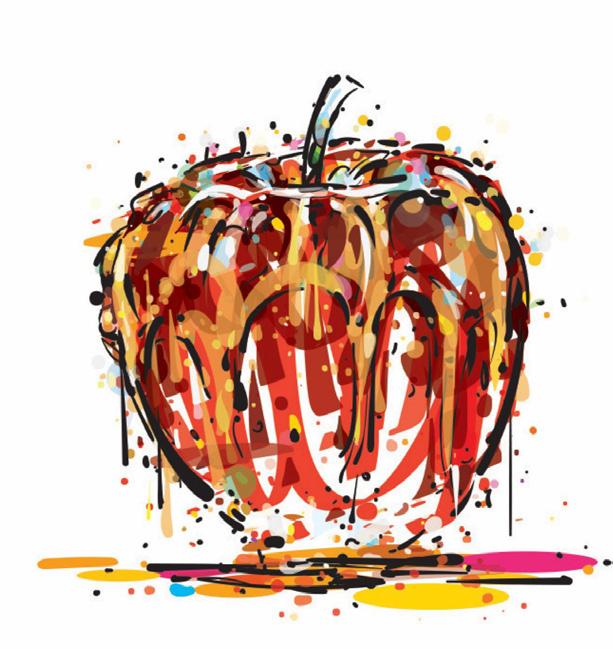
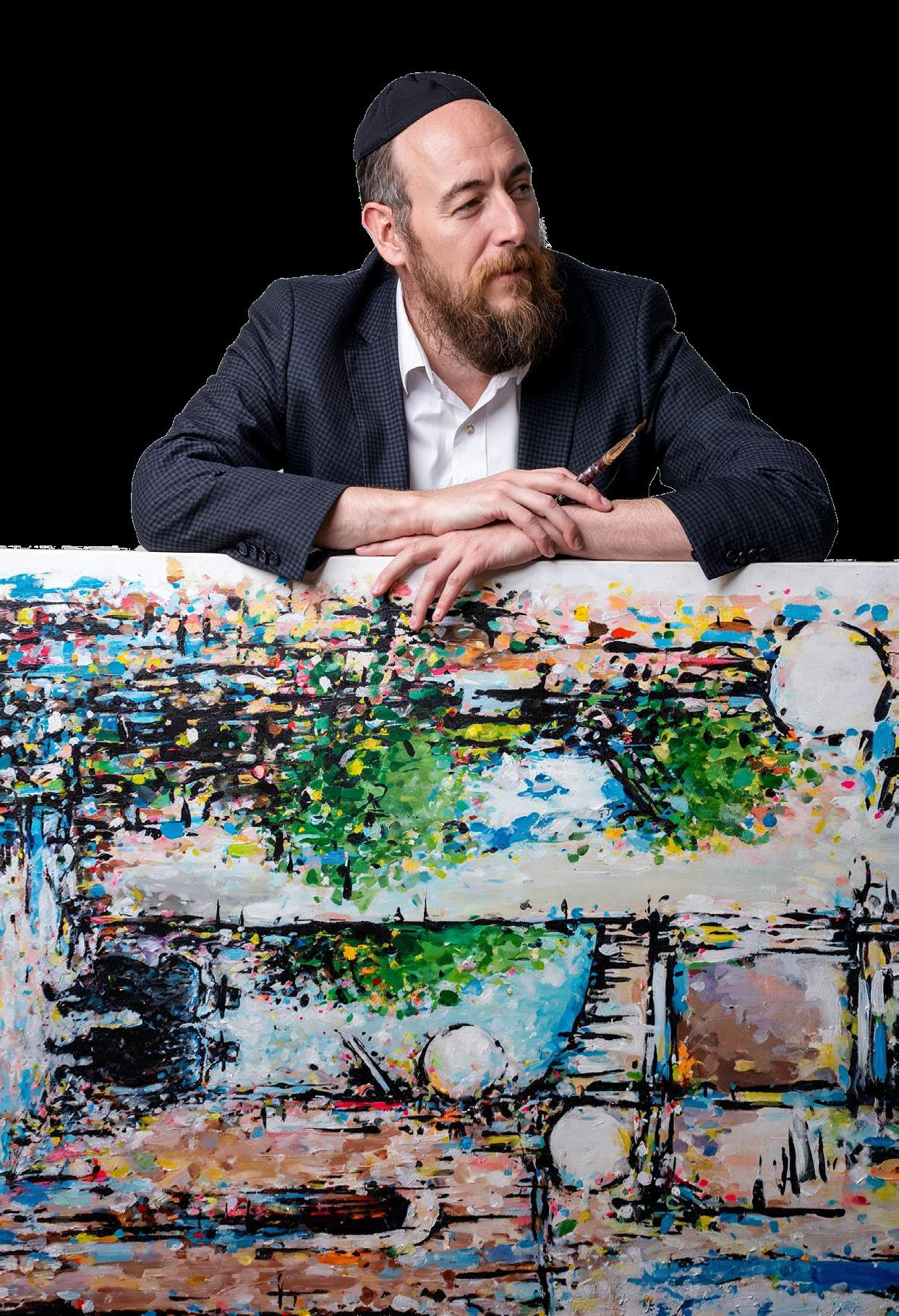
Apple & Honey Art
by Yehudah Lang
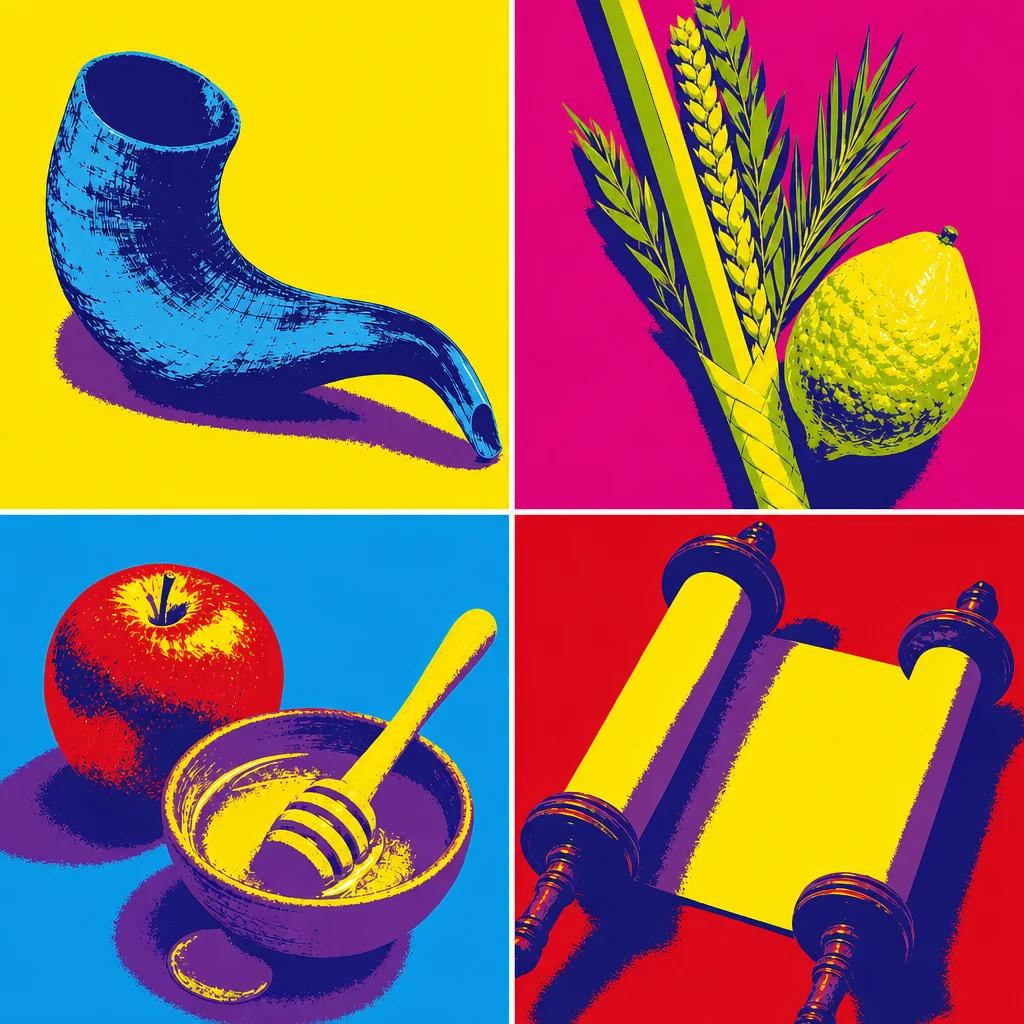
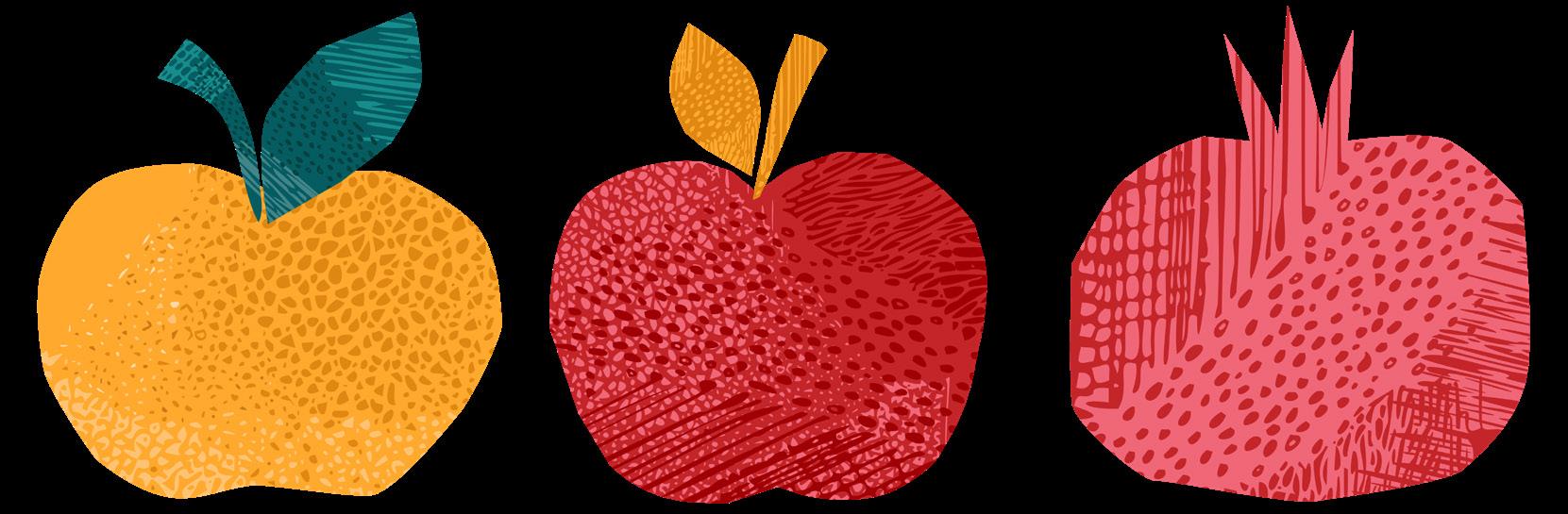
The apple is sweet, but the honey is even sweeter. Together, they express our hope for a New Year overflowing with blessings, sweetness, and goodness. Using bright colors bursting with joy, Yehudah Lang transforms this timeless Rosh Hashanah symbol into a oneof-a-kind work of art that is sure to sweeten your year.
Available at yehudalang.com
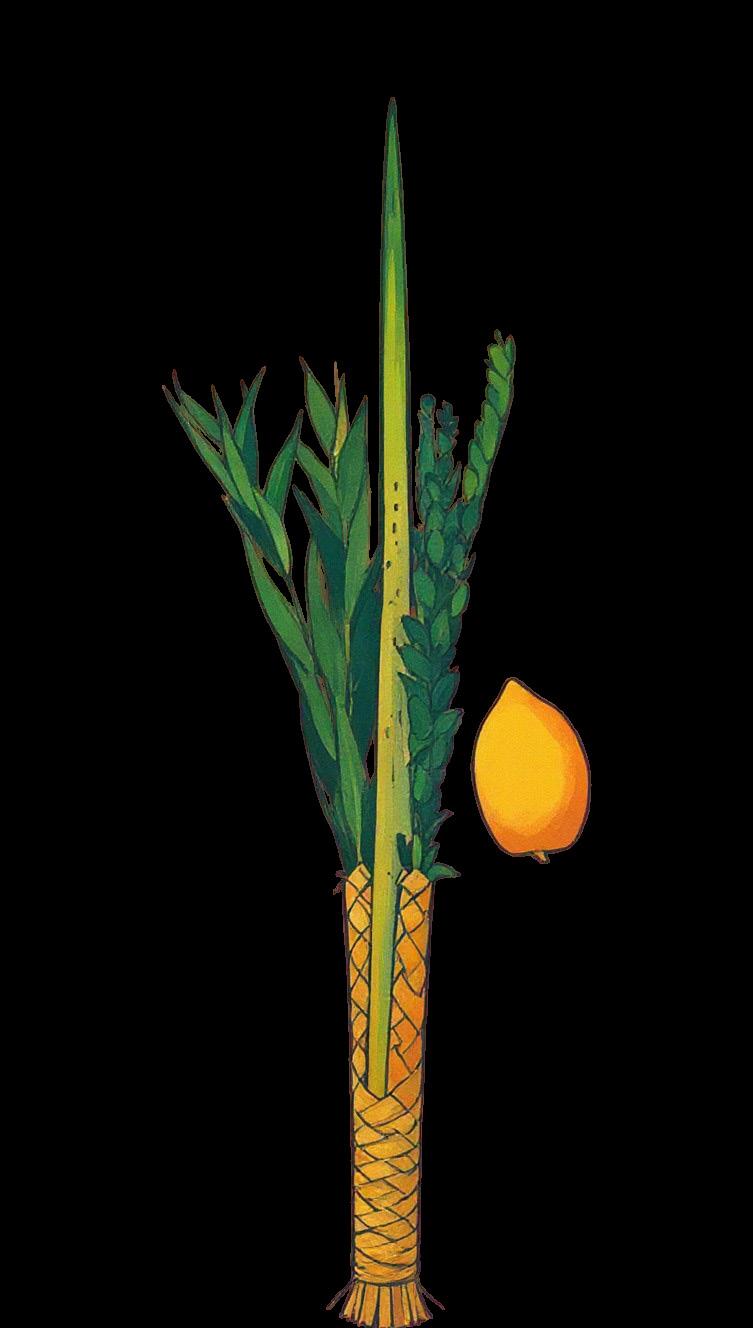
The Lulav & Etrog
Also known as the Four Kinds, these freshly grown, biblically mandated species include a palm branch (lulav), myrtle, willow, and citron (etrog). They are held together and waved during the festival of Sukkot, drawing the blessings of the High Holidays into our hearts, our homes, and our daily lives.
Contact your local Chabad for availability.
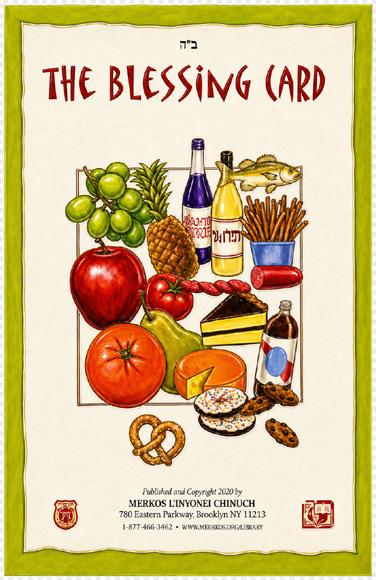
Blessing Card
Do you know the right blessing to say before enjoying an apple, a cup of coffee, or a slice of cake? This handy pocket-sized Blessing Card includes the most common blessings over food in Hebrew with vowels, along with English translations and transliterations, making it easy to bring a little more gratitude into every meal year round.
Visit: Kehot.com
Rabbi Bourbon Honey
Sweet meets spirited. This small-batch Louisville honey is aged for two months in freshly emptied barrels to create an exceptionally smooth, creamy taste with notes of cinnamon, caramel, and vanilla.
A delicious addition to your Rosh Hashanah table and a thoughtful gift for family, friends, or your favorite host.
Visit bourbonrabbi.com
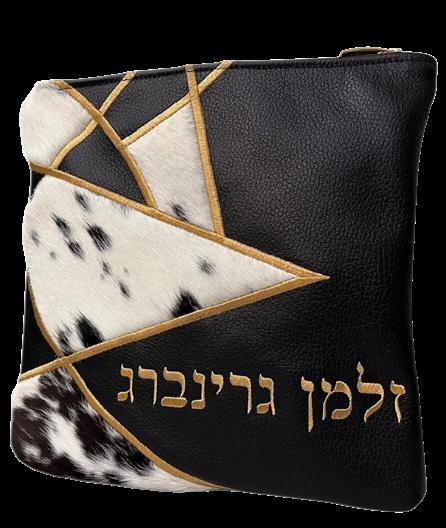
Custom Leather Talit Bag
Make it personal. Here’s a holiday gift idea for your man: an Ohr Judaica handcrafted leather tallit bag, personalized with his name, is a gift he’ll cherish for years to come.
Ohr Judaica creates beautiful, heirloom-quality leather Judaica, including personalized tallit bags, challah covers, and other elegant ritual items, each crafted with exceptional attention to detail. View the full collection at www.myboxmitzvah.com
OLIDAYS HIGH SHORT INSIGHTS:
BASED ON THE TEACHINGS OF THE REBBE
Rosh Hashanah
The Wordless Shofar
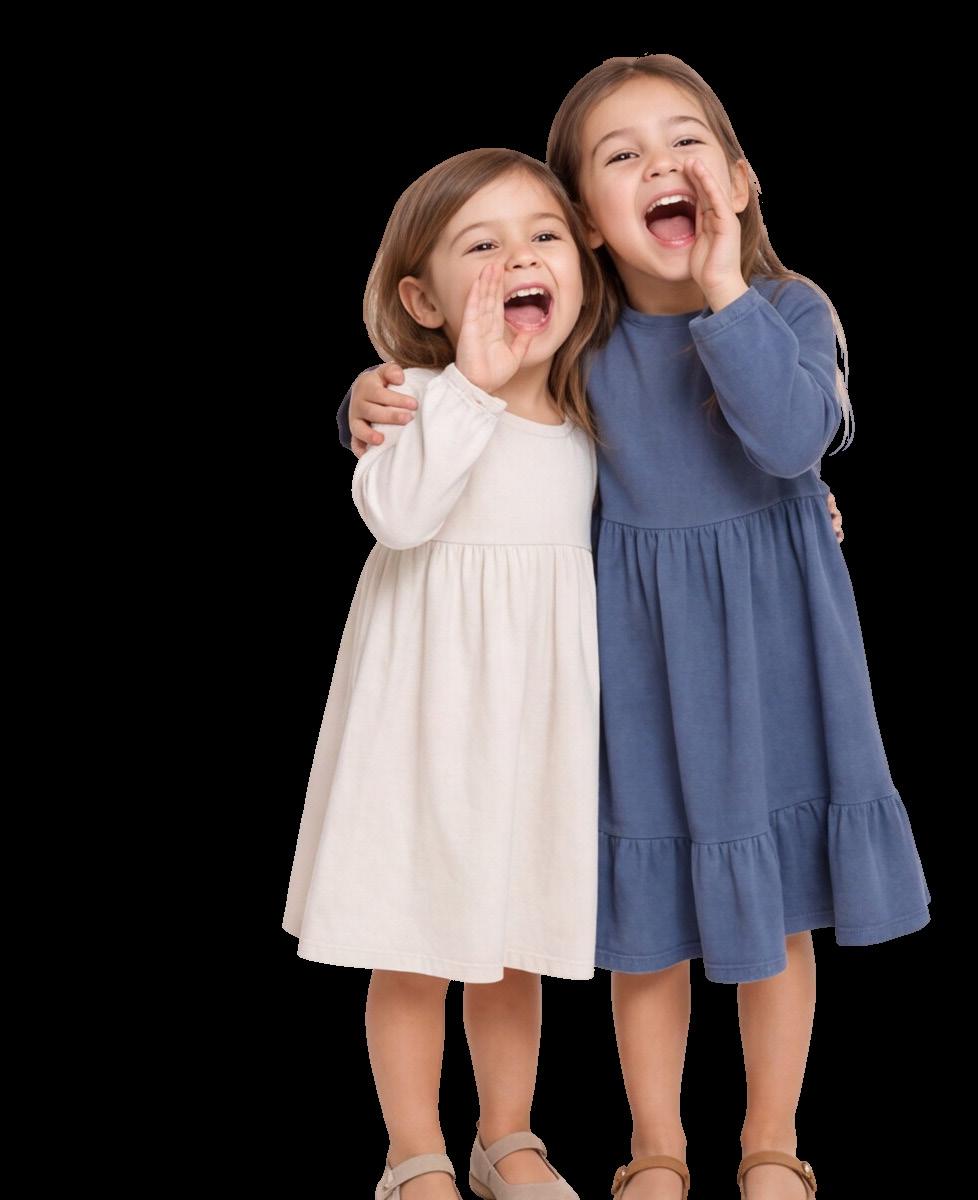
Words are good for expressing how you feel or describing a vacation. But some things are so powerful that our vocabulary fails us, and all we can do is cry in pain or scream with joy. That's the shofar.
As we begin each year, we begin our relationship with G-d based on who we are at our core, beyond any titles or descriptions. The words and details can come later. On Rosh Hashanah, the shofar is that shout and cry that comes from our innermost and truest self.
The shofar's cry awakens the part of us that is always pure and connected. The shofar's wordless calling reaches beyond any Divine titles or descriptions and remains the foundation of our relationship with G-d throughout the year.
Yom Kippur
“Once” in a Lifetime
Yom Kippur holds a unique position among the biblical holidays in the way it is referred to by the Torah as the “one day a year.”
Technically, the “one day a year” service in the Temple refers to when the High Priest would enter the Holy of Holies and atone for the people. That happened only once each year.
In Hebrew, “once” and “oneness” share the same root, so that moment in the Holy of Holies not only happened once, but also created a profound spiritual oneness. That oneness is what Yom Kippur is really about. That’s why the Torah calls Yom Kippur the holiday of “one” day a year.
We live in a world of diversity, and the many details of life can leave us feeling fragmented. Once a year, Yom Kippur helps us discover the intrinsic unity and oneness that exists within every part of our lives.
Yom Kippur is not merely about fasting and seeking forgiveness. It is a celebration of our core Jewish identity that lies at the center of everything we do. This core self is intrinsically one with G-d and remains untouched by negativity.
The Rebbe beautifully explains that the phrase “one day a year” can also mean that we should carry this sense of oneness throughout the entire year.
Sukkot
Let's Step Outside
Our comfortable homes and our vast collection of possessions provide an illusion of safety. But the truth is that G-d is our true protector.
This Divine protection was on full display during our miraculous Exodus from Egypt, when G-d surrounded us with the Clouds of Glory. Today, our sukkah reminds us of those protective clouds.
The mighty empires that once towered over us, with their stone castles and fortified walls, have crumbled into history. Yet the little nation of Israel continues to celebrate in flimsy huts, knowing that the Guardian of Israel always watches over His people.
Shmini Atzeret
How to Make a Holiday
There is only one biblical holiday that isn't tied to a specific historical event. It's called Shmini Atzeret.
Almost all of our holidays commemorate something that happened on that day. Rosh Hashanah marks the creation of humanity. Yom Kippur falls on the day G-d forgave the Jewish people for the sin of the Golden Calf. Sukkot commemorates the Clouds of Glory, and Passover celebrates the Exodus from Egypt. Shavuot marks the giving of the Torah at Mount Sinai. But Shmini Atzeret is different.
The Torah commands us to celebrate an additional day after Sukkot for no specific historical reason. G-d creates a holiday that isn't about a miracle that happened to us. It is simply a holiday that celebrates us. It is a loving gesture, and we respond with great joy.
The Rebbe points out that this Divine gesture of love also empowers us to do the same. Just as G-d made an ordinary day into a holy day, we are given the ability to transform ordinary moments into holy ones. That is the unique, year-round power of Shmini Atzeret.
Some things are so powerful that our vocabulary fails us, and all we can do is cry in pain or scream with joy.
Simchat Torah
The Joy of Dancing
Outside of Israel, Shmini Atzeret and Simchat Torah are celebrated on separate days.
Interestingly, when it comes to Simchat Torah, the Joy of the Torah, we put away our reading glasses and take out our dancing shoes. That seems like an unusual way to celebrate a book of laws and wisdom. Yet that is exactly how we celebrate the Torah, by dancing with it.
Shavuot celebrates the giving of the first tablets and emphasizes the Torah's intellectual and informational dimension. So, we prepared with rational steps for seven weeks. But then came the sin of the Golden Calf, and those tablets were shattered by Moses.
Simchat Torah is our first opportunity, after Yom Kippur's atonement for the Golden Calf, to celebrate the second tablets. So we celebrate the Torah’s unbreakable essential core, untouched by negativity. We keep the Torah closed, hug it, and dance with it. There will always be time to study the Torah, but Simchat Torah is the time to celebrate not the details or even the wisdom of the Torah, but our connection to its pure divinity.
⊲
By Shira Gold
SANDY KOUFAX:
A Yom Kippur
Home Run
"A man is entitled to his belief, and I believe I should not work on Yom Kippur."
"He never had a clue it would turn him into a new patriarch… he may not have thought it was a big deal, but it was a big deal to everybody else who had been bar mitzvahed or was going to be bar mitzvahed."
– Author and biographer Jane Leavy on Koufax inadvertently becoming a religious icon for young Jewish boys.
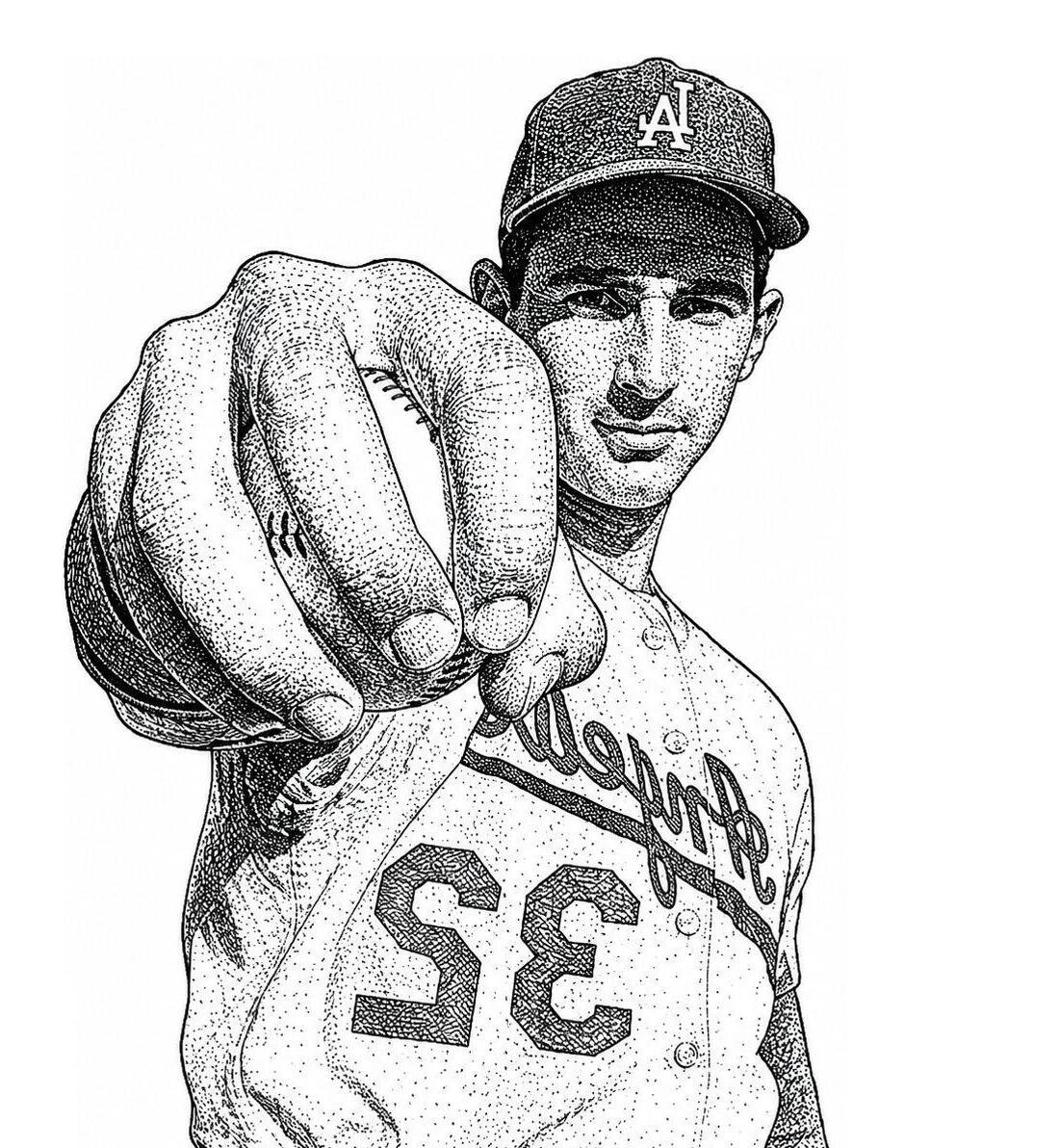
More than one of baseball's greatest pitchers, Sandy Koufax became a symbol of Jewish pride. In 1965, at the height of his career, he chose not to pitch Game 1 of the World Series because it fell on Yom Kippur. His decision to place his faith above the biggest game of the season inspired Jews around the world to proudly prioritize their Jewishness.
Pitcher Don Drysdale took Koufax’s place in Game 1 and gave up seven runs in less than three innings. When manager Walter Alston came out to pull him, Drysdale famously said, “I bet right now you wish I was Jewish, too.”
Historian and journalist Dovid Zaklikowski writes that on the day after Yom Kippur, Sandy Koufax received a special visitor in his St. Paul hotel room. Rabbi Moshe Feller of Chabad in Minnesota came to congratulate him on his courageous decision and thanked him for "the great assistance he gave rabbis and Jewish educators the world over."
Rabbi Feller also brought Sandy a gift of tefillin. "Since you bat right and throw left," he joked, "I wasn't sure which pair to bring you. Tefillin are worn on the weaker arm. But considering what your left arm has accomplished, I decided to bring you the pair worn on the right."
Koufax gratefully accepted the gift.
Two weeks later, during a Simchat Torah gathering, the Rebbe spoke about how we should influence the young generation of Jews. He spoke about the Jewish pitcher who refused to play on Yom Kippur, illustrating that the greatest way to influence a child is not through words but through personal example.
"When a parent gives up personal interests or career opportunities to live by Jewish values, that sacrifice leaves a lasting impression."
Koufax's decision to put Yom Kippur before the World Series became just such an example, inspiring Jews around the world.
Meet Elie Kligman:
The First Observant Jew in NCAA Division I Baseball
⊲ By Nate Dusek
Nate Dusek is a sports writer who lives in Los Alamitos, California.
Eliyu "Elie" Kligman is breaking barriers while smashing baseballs. NCAA Division I baseball has been around since the 1940s, but 2026 marks the first time that a Shabbat-observant Jew has played at that level. The 23-year-old previously played at Sacramento State and was even drafted by the Washington Nationals into the Minor Leagues in 2021.
Now a graduate student, the 23-year-old catcher entered the transfer portal for his final year of eligibility. The University of Michigan answered the call and recruited him to its Division I baseball program, making history.
Kligman understands the importance of balancing high-level athletics with a deep commitment to his faith. He navigates challenges such as finding kosher food while on the road and games that run into Shabbat.
"Fridays are actually simpler than you may think. While the sun is still up, I play. Once Shabbat begins, I leave and go to shul, or, when I am on the road, back to the hotel."
Kligman's faith and love of baseball can both be traced back to his family. His brother Ari was also a college baseball player, and his father, Marc, is a sports agent who represents multiple Major League Baseball players. He also coached his sons throughout high school.
"People don't have to sacrifice their Judaism for what they want to accomplish in life."
Sandy Koufax famously missed a World Series game for Yom Kippur. And just like Koufax, Kligman hopes to make his mark in the Major Leagues while inspiring other Jewish athletes. As Jewish rapper Matisyahu once said, "Reach for the sky, keep your eye on the prize."
what do jews really believe?
Jewish tradition tells us that our purpose on earth is to transform this world into a dwelling place for G-d. Beautiful idea, but it raises an obvious question. How do you change a world that feels impossible to change?
In exploring the basics of Jewish belief, the Rebbe answers this question by demonstrating that creation itself rests on a reality that transcends it. The things that appear immovable, like darkness, fear, or our own ego, are not as solid as they seem. Like paper dragons, they appear powerful until you discover what lies beneath them: a garden of possibility and a world waiting to reveal its Divine potential.
And it all starts with understanding what exactly the Jewish belief in G-d is.
Maimonides opens the first law in Mishneh Torah with a line that could have been carved into stone:
"The foundation of all foundations and the pillar of wisdom is to know that there is a Primary Being who brought all existence into being... and if you imagine that He does not exist, no other being could exist."
The first part sounds like classic Jewish theology. There is a Creator. The second part is surprising. Why imagine the impossible, a reality
in which G-d does not exist?
Also, the moment you say you believe in a G-d who truly fills all of reality, an obvious question arises: How can the world or anything else exist?
Chassidic thought explains that G-d alone is absolute reality. Our existence is entirely dependent on His, so much so that it doesn’t interfere with G-d’s absolute reality. Yet our dependent existence is “real” enough for us to fulfill our purpose within it.
For example, think of an airplane. We casually say planes fly, but they don't actually fly themselves. They are flown. In the same way, creation is “flying” and appears to stand on its own, but it doesn't. The Primary Being is sustaining every moment of existence.
But here, Maimonides immediately takes us one step further and asks you to imagine G-d beyond the very category of being or existence. At that point, existence itself has no Primary Being from which to exist. The entire framework of being collapses. So Maimonides concludes,
⊲ By Rabbi Shmuel Marcus.
Adapted from the Rebbe’s
Hadaran 19th of Kislev, 1975.
"If you imagine that He does not exist, no other being could exist."
Step one in Maimonides’ opening law is actually describing two critical components to Jewish faith:
First, it is our belief that G-d chose to create existence and is present within creation by being the Primary Being. However, Maimonides is insisting that even after creating the existence of the world, we must believe that G-d retains His pre-creation, or pre-existence, status.
In other words, G-d is simultaneously both Being and beyond being, within existence and beyond existence. This duality is not a philosophical or semantic issue; it’s critical to our mission.
If our mission is to change the world, how does that work? We can encourage people to act kinder, but can we change our unkind nature? Is a mezuzah simply something we impose on a doorway, or does it actually make the home more holy? In other words, are we just adding holiness to the world, or is the world itself capable of becoming holy?
According to the Rebbe, this law is teaching us the Jewish view of G-d in a way that helps us understand reality.
That's why Maimonides doesn't simply begin by saying, "Believe in G-d or a Creator." Instead, he speaks about the "Primary Being who brings all beings into existence," and then asks us to imagine a G-d beyond existence.
The lesson is that creation is not as solid or self-sufficient as it appears. So, the first rule of Judaism is not to be fooled by an unchangeable or "flying" world.
Our faith in G-d means that a solid river can split, and a small pebble can take down a goliath. The world is far more malleable than it appears. This is one of the Rebbe's "scientific" bases for how the world is changeable and an ungodly world can become G-d’s home.
The Rebbe takes this idea one step further:
In practical terms, this paradox of a Creator that is both a Being and beyond being reveals a force greater than both. And once we discover that third reality, we not only look past the world’s surface but we begin to measure life differently.
Greatness is no longer determined by size, complexity, or sophistication. A simple mitzvah, a kind word, or a single dollar bill placed in a charity box are just as valuable as the greatest intellectual achievement.
That's the foundational Jewish belief. Yes, G-d created the world with a framework of big and small, being and non-being, but He is not confined by it. So, to believe in G-d is to believe that the world can change, and every mitzvah, no matter how ordinary it appears, carries the power to transform the world for good.
That’s the Jewish pillar of wisdom: the world is not fixed, and neither are we.
That’s the Jewish pillar of wisdom: The world is not fixed, and neither are we.
IT’S TOTAL SLOP
By: Ben Sherman
By now you’ve probably heard the word of the year: slop. AI slop. It’s the internet’s name for content that’s massproduced by artificial intelligence. It sounds like AI and it’s empty. No thought. No heart. No soul. Just words stitched together to create content that most people scroll right past.
The good news is that once you know something is slop, you don’t waste your time on it. You simply click “Next.”
And that’s how G-d sees many of our mistakes.
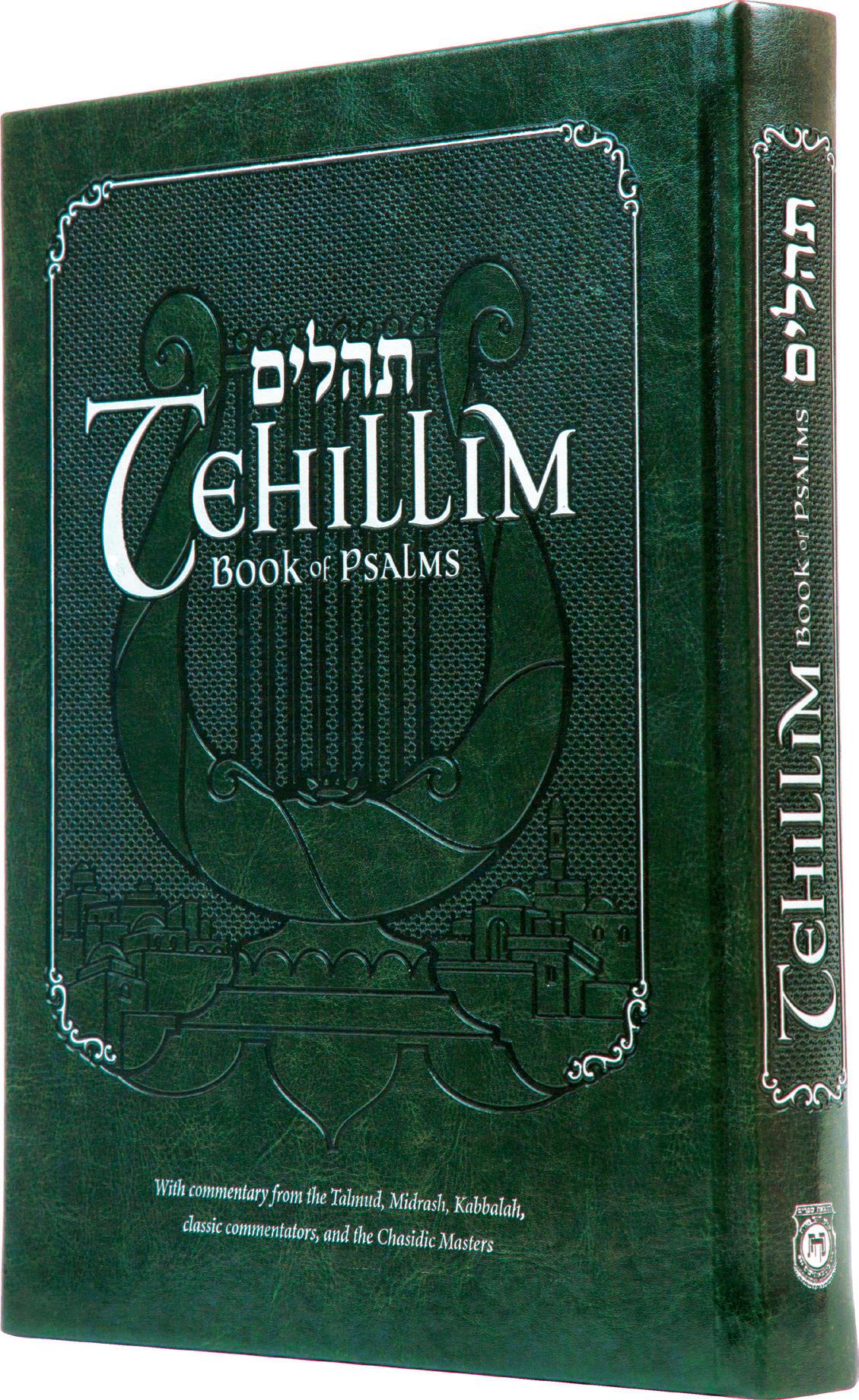
The Majesty of Psalms in Your Hands
Let the timeless prayers and praises of King David take on profoundly personal meaning with this historic treasury of commentary, insights and inspiration.
Interpretive translation
Commentary from Talmud, Midrash, Kabalah and Chasidut
Halachic implications
Intuitive design
Original artwork
Deluxe gift edition in leatherette with 696 gilded pages
From Rabbi Yosef B. Marcus compiler of Kehot's acclaimed Haggadah & Pirkei Avot!
about the artist:
art soul &
Chasidic Artist
Yehudah Lang
Igot my first paid job as an artist about twenty-six years ago, illustrating covers for a monthly Jewish magazine in Toronto. Since then, thank G-d, I’ve made my living through art in one form or another.
Yet even after all these years, I still feel strange when someone asks what I do for a living and I answer, “I’m an artist.”
If someone says they’re a doctor, a lawyer, or any other profession, there’s usually a clear point when they earned that title. What about an artist? When exactly do you become one? Is it when you start making art? When someone buys your work? When it becomes your way of making a living?
Truth is, I don’t know the answer. While I don’t know exactly when I became an artist, I do know when I first believed I was one.
I was about five years old. My mother had taken me with her while she visited friends, and to keep me busy, someone handed me a page of animal drawings and a box of crayons. As I colored, one of the women smiled and said, “That’s beautiful. You must be an artist.”
She was probably just being kind to a little kid. But the thing is, I believed her. If an adult said I was an artist, they must be right. From that day on, I believed I was an artist. The only thing is, I needed to figure out exactly what that meant.
At first, I thought being an artist meant mastering realism. I spent years studying light, shadow, composition, and anatomy, convinced that success meant making a drawing look as close to real life as possible.
That all changed in my first year of college, when I enrolled at the Ontario College of Art & Design.
While studying there, I spent countless hours drawing as realistically as I could, honing my technical skill. Then, bam! During one random drawing assignment, it hit me. I didn’t want to spend my life simply reproducing what I saw. Technical skill was important, but it wasn’t enough. I wanted my work to express something deeper.
At the same time, I was becoming increasingly influenced by the teachings of Chabad, particularly the idea that everything’s inner essence lies beneath its outward appearance, and it’s our job to reveal it. That idea became the foundation of my work. Rather than simply painting what I see, I try to reveal what I feel: the emotion, energy, and inner life of my subjects.
My paintings are still grounded in strong structure and recognizable form, but they are completed through color, movement, and feeling. To me, the outer and inner dimensions of a subject are inseparable.
I still don’t know exactly when someone becomes an artist. But I do know when art becomes art. I believe it’s the moment a viewer feels what I was trying to express beneath the surface of the painting. When they connect with it, when they have that “aha” moment, that’s when the artwork truly comes to life.
View full gallery at www.yehudalang.com
Rejoice!
It's Tishrei
SUNDAY MONDAY TUESDAY
SEPT 13 | TISHREI 2 Rosh Hashanah Day 2
Hear the Shofar Do Tashlich at a body of water
On this day in 1677 BCE our matriarch Sarah passed away after hearing the good news that Abraham had not sacrificed her only son Isaac.
the Month
Before:
During Elul, the month before the High Holidays, we begin practicing blowing the Shofar daily and reciting Psalm 27 in our daily prayers. The code of Jewish Law encourages people to visit the resting place of a great tzadik to pray to G-d before the High Holidays. Many people today use the online form at www.OhelChabad.com to send their letters for blessings to the resting place of the Rebbe.
Tefilin:
Tefillin are not worn on Shabbat or biblical holidays, including all of Sukkot, because these sacred days are themselves a sign of our special bond with G-d.
SEPT 20 | TISHREI 9 Erev Yom Kippur
KAPAROT
Give extra charity Light candles 18 minutes before sunset. FAST begins Remove leather shoes
KOL NIDREI prayer
SEPT 27 | TISHREI 16 Sukkot Day 2
Shake the Lulav and Etrog Kidush and all meals in the Sukkah and dip challah in honey!
Tonight’s Guest: Jacob
OCT 4 | TISHREI 23
Simchat Torah
Perform Hakafot and dance with the Torah Kidush and all meals in the house Havdalah after nightfall
SEPT 14 | TISHREI 3 Fast of Gedaliah
Fast day mourning the assassination of the Jewish royal Gedaliah ben Achikam in 423 BCE
SEPT 15 | TISHREI 4
SEPT 21 | TISHREI 10 Yom Kippur
No eating or drinking
Sounding of Shofar at conclusion of Neilah
Havdalah & break-fast after nightfall
On this day G-d said: “I forgive the Jewish people.”
SEPT 28 | TISHREI 17
Chol Hamoed
Shake the Lulav and Etrog All meals in the Sukkah
Enjoy a glass of wine. No tefilin.
Tonight’s Guest: Moses
SEPT 22 | TISHREI 11
Start building the Sukkah
Don’t forget to order your set of The Four Kinds
SEPT 29 | TISHREI 18
Chol Hamoed
Shake the Lulav and Etrog
All meals in the Sukkah
Enjoy a glass of wine. No tefilin.
Tonight's Guest: Aaron
Did you know?
The Shofar is made of a ram’s horn to recall the Binding of Isaac which also occurred on Rosh Hashanah, in which a ram took Isaac’s place as an offering to G‑d. We evoke Abraham’s merit as we pray for a year of life, health and prosperity.
SEPT 9 | ELUL 27
SEPT 10 | TISHREI 28
SEPT 11 | ELUL 29 Erev Rosh Hashanah
Give extra charity
Light candles 18 minutes before sunset
BLESS your friends with the words “May you be inscribed and sealed for a good year.”
SEPT 30 | TISHREI 19
Chol Hamoed
Shake the Lulav and Etrog
All meals in the Sukkah
Enjoy a glass of wine. No tefilin.
Tonight’s Guest: Joseph
OCT 1 | TISHREI 20
Chol Hamoed
Shake the Lulav and Etrog
All meals in the Sukkah
Enjoy a glass of wine. No tefilin.
Tonight’s Guest: David
SEPT 18 | TISHREI 7
Light candles 18 minutes before sunset
SEPT 12 | TISHREI 1 Rosh Hashanah Day 1
Light candles after nightfall from preexisting flame
Happy Birthday Adam & Eve. On this day 5787 years ago G-d said: “Let Us make man in Our image.”
SEPT 19 | TISHREI 8 Shabbat of Teshuva
Torah portion Ha’azinu
Havdalah after nightfall
One of only two Shabbats that a rabbi is required to sermonize in Shul. The theme of this sermon is to inspire people to return to their true pure selves and pristine relationship with G-d.
SEPT 25 | TISHREI 14
Erev Sukkot
Prepare your set of the four kinds
Light candles 18 minutes before sunset.
Kidush and all meals in the Sukkah, and dip challah in honey!
On Sukkot, supernal “guests” (Ushpizin) grace our Sukkah.
Tonight’s Guest: Abraham
OCT 2 | TISHREI 21
Hoshana Rabba
Shake the Lulav and Etrog
Perform Hoshanot
Light candles 18 minutes before sunset
Kidush and all meals in the Sukkah
Perform Hakafot and dance with the Torah
SEPT 26 | TISHREI 15 Sukkot Day 1
Kidush and all meals in the Sukkah and dip challah in honey!
Light candles after nightfall from preexisting flame
Tonight’s Guest: Isaac
OCT 3 | TISHREI 22
Shemini Atzeret
Recite Yizkor Memorial Prayer
Recite Prayer for Rain
Kidush and all meals in the Sukkah
Light candles after nightfall from preexisting flame
Perform Hakafot and dance with the Torah
Kidush and all meals in the house
SHEMINI ATZERET
Shemini Atzeret is the only Jewish festival not tied to a historical event. The Midrash uses the following parable to describe Shmini Atzeret:
A king once invited his children and guests to a seven-day feast. At the end of the seven days, he said: "Children, please, let's continue to feast one more day with only you and me, for your separation is difficult for me."
"Shemini" means eighth, and "Atzeret" means to stop or stay, signifying G-d's invitation to extend Sukkot for an additional eighth day. This "extension," notes the Rebbe, is the only biblical holiday of its kind, and it empowers us year-round to continue extending holiness to the world and transforming ordinary days into Divinity.
ZUSHA
⊲ By Shira Gold
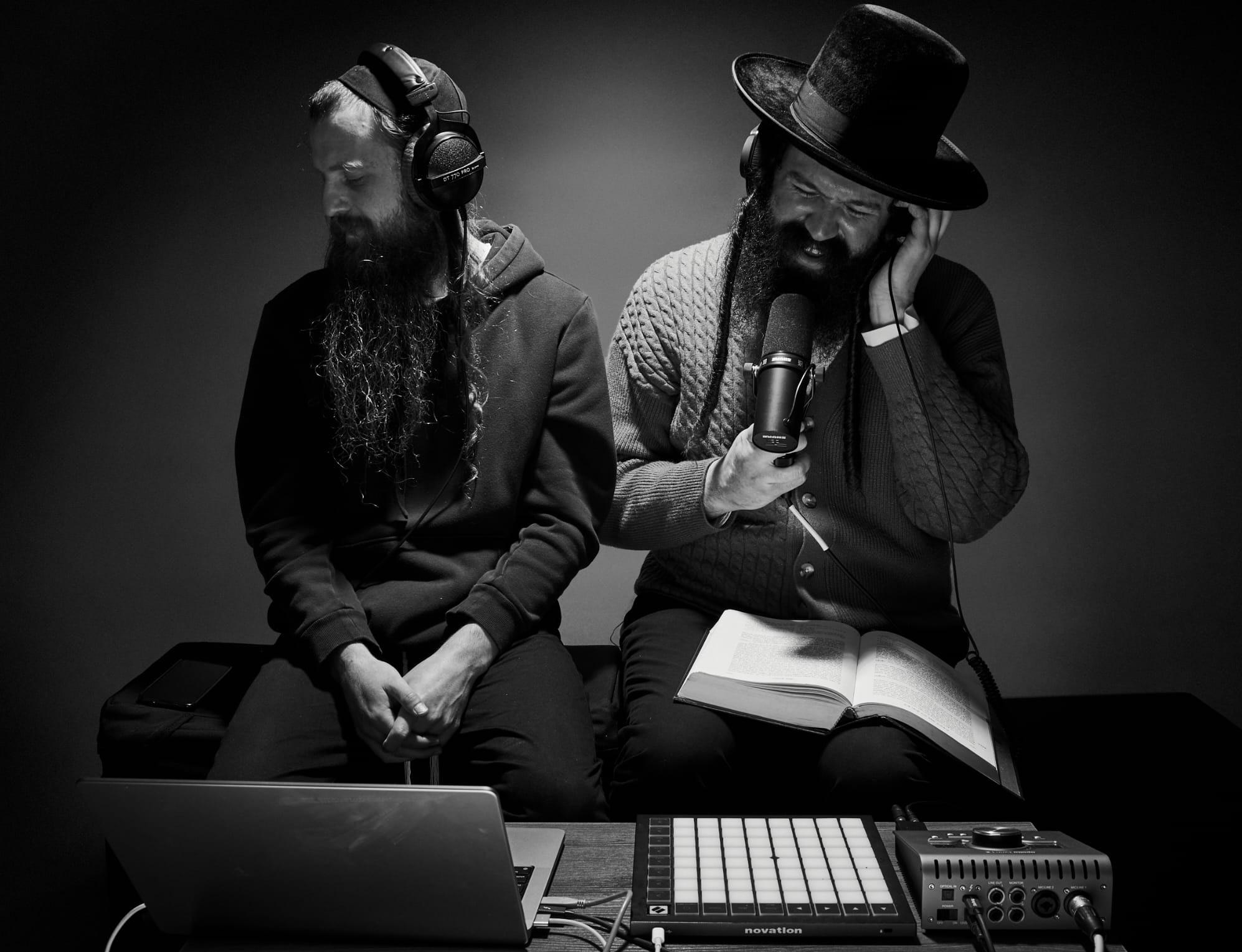
a chasidic soundtrack
Long before Zusha became one of the most recognizable names in Jewish music, Shlomo Gaisin and Zachariah Goldschmiedt were simply searching for something authentic. Growing up with diverse musical influences ranging from Bob Dylan and reggae to folk and soul, they found themselves drawn to a different kind of treasure while spending time at New York University's Chabad House: the timeless wisdom of Chasidic teachings.
Those teachings changed everything.
Inspired by the Baal Shem Tov and the early Chasidic masters, they discovered a world where every person possesses an infinite soul, every moment has purpose, and music can become a path to G-d. Rather than simply singing about Judaism, they wanted their music to feel Jewish, carrying the warmth, simplicity, joy, and longing found in a Chasidic niggun.
Formed in 2013, Zusha quickly developed a
sound all its own. Their music blends traditional Chasidic melodies with folk, rock, soul, jazz, reggae, and world music, creating songs that feel ancient and completely new at the same time. Their debut EP climbed to Billboard's World Albums chart, and each album since has expanded their audience far beyond the Jewish community.
Today, millions have discovered Zusha through Instagram, where short clips of their music and messages regularly reach audiences searching for something deeper than entertainment. Their songs have introduced countless listeners to Chasidic ideas they may never have encountered otherwise.
In many ways, Zusha is continuing the Chasidic work that began 300 years ago. They have simply exchanged the horse and wagon for guitars, microphones, and social media. Their mission remains unchanged: to reveal the beauty of the Jewish soul and spread timeless Chasidic wisdom, one hit song at a time.
Photography by Marko Dashev
A staff writer for Chabad Magazine. She lives in Southern California with her five children.
12 IDEAS
worth spreading
Fifty years ago, the Rebbe announced a Year of Education and launched the 12 Pesukim campaign. The 12 verses from the Torah and the sages , encouraging children to learn, memorize, and share 12 foundational Torah truths. Each one captures a core Jewish value and idea to be shared with others.
9. Only Hard Work Works!
1. Good News, You’ve Inherited the Torah!
“The Torah that Moses commanded us is the inheritance of every Jew.”
Deuteronomy 33:4
2. True Monotheism
“Hear O Israel, G-d is our G-d, G-d is One.”
Deuteronomy 6:4
3. You’re Free!
“In every generation you must see yourself as if you personally left Egypt.”
Talmud, Pesachim 116b
4. You’re a Real VIP
“All Israel have share in the World to Come, as it is stated [Isaiah 60:21]:
‘And Your people are all Tzaddikim [righteous].’ They shall inherit the land forever. They are the branch of My planting, the work of My hands, in which I take pride.” [Sanhedrin 90a]
5. You Can Do It!
“It is within reach to observe the Torah in speech, feeling, and action.”
Deuteronomy 30:14
6. G-d’s Rooting for You!
“G-d stands over us and the whole earth is full of His glory and He searches our mind and heart to see if we are serving Him properly.”
Tanya, Chapter 41
7. Who's the Boss?
"In the beginning G-d created the heavens and the earth."
Genesis 1:1
8. On Jewish Education
"And you shall teach the Torah to your children and you should speak about it when you are at home and when you travel, before you lie down to sleep and when you wake up."
Deuteronomy 6:7
"If someone says: 'I have worked hard but I have not been successful,' don't believe him. If someone says: 'I have not worked hard and I have been successful,' don't believe him. If someone says: 'I have worked hard and I have been successful,' believe him!"
Talmud, Megillah 6b
10. You’ll Love This One
"Love your fellow as yourself. Rabbi Akiva says, this is a fundamental principle of the Torah."
Leviticus 19:18, Rabbi Akiva
11. Your True Goal
"The purpose of the creation of every Jew and of all the worlds is to make a dwelling place for G-d in this world." Tanya, Chapter 33
12. Be Happy!
"The Jews should rejoice in their Maker. Every Jew should share in G-d's joy, who rejoices and is happy in His dwelling in this world."
Tanya, Chapter 33
THEY CALL HER
REBBETZIN
WHAT BEGAN AS A FIGHT FOR SURVIVAL BECAME A YOUNG WOMAN'S JOURNEY OF FAITH, PURPOSE, AND DISCOVERING THE EXTRAORDINARY STRENGTH OF HER JEWISH SOUL.
MY STORY: AMANDA SPIRO
Igrew up in a very well-to-do home. From a young age, I was searching. I just didn’t know what I was looking for. When I was seventeen, my best friend passed away in a car accident. I sought help from every professional, but nothing truly helped. It was a very dark period for me.
I went on the March of the Living and then on Birthright, and that’s when I was first introduced to the teachings of Chabad. That’s really where I slowly started exploring and learning.
I was diagnosed with cancer at twenty-one. A huge part of my identity had been based on how I looked. I was a model, very focused on appearances. Then suddenly, all of that was stripped away. I lost my hair from chemo, I was bloated from steroids—I was unrecognizable. That forced me to connect to something deeper, to my inner beauty. That became a journey in itself.
I began to keep Shabbos, and really appreciated the idea of unplugging. By age twenty-two, I was doing everything an observant Jew does, to the extent that I knew. And, like I always say, I'm still on the journey.
I reconnected with my husband Aaron at a wedding, we knew each other from childhood, and we got married a year later.
Opening a Chabad center felt like a dream for another lifetime. I knew how challenging it was. But we decided early on that we would simply open our home and do what Chabad emissaries do. Then, during COVID, my husband began visiting Trois-Rivieres, and one thing led to another. We realized there was a real need, and soon we became the Chabad of Trois-Rivieres. There are moments when I realize I won’t be with my family, and that can be emotional. But I remind myself that this is exactly where I’m meant to be.
My journey helps me relate to people. When I say, “I’ve been there—I went to college, I partied,” it breaks down barriers, it creates a sense of connection. I tell my story all around the world. It exposes me to so many people from different communities. I learn so much from them—I benefit even more than the people I’m speaking to.
I would tell my younger self: don’t take life or people so seriously. The only thing to truly take seriously is your relationship with G-d. Everything else is part of the journey.”
Rebbetzin Amanda Spiro, is the Rebbetzin at Chabad of Trois Riveres, Canada. You can reach her at Amandaspiro.com
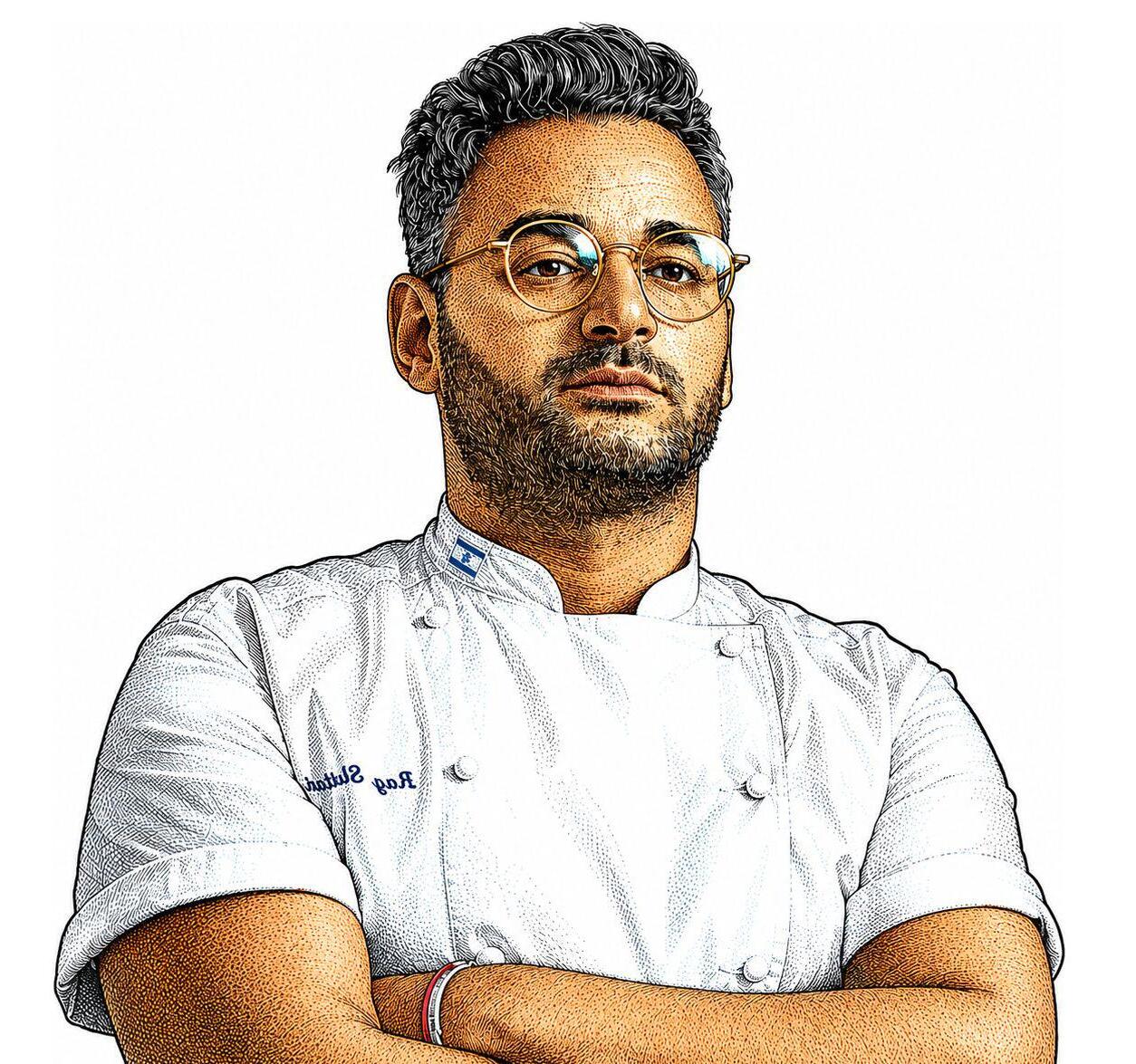
Kosher Gets A Michelin Star
Chef Raz Shabtai’s made history at Mutra in North Miami, becoming the world’s first kosher restaurant to earn a MICHELIN Star.
For Shabtai, great cooking began long before the kitchen. As a child, he accompanied his grandmother through Jerusalem’s Machne Yehuda market, learning how to choose the freshest ingredients before watching her prepare Shabbat meals. Named in her honor, his Michelin-starred restaurant, Mutra, reflects those early lessons. “My grandmother is the host,” he says, “I’m just the chef.”
The laws of kashrut don’t limit Shabtai’s creativity, they inspire it. At Mutra, they replace butter with garlic confit, use fermentation, pickling, and root vegetables instead of dairy and shellfish, and transform humble ingredients into extraordinary dishes. Each plate tells a personal story, from his grandmother’s stuffed cabbage to “Chicken Liver Dreaming to Become Foie Gras,” inspired by a childhood favorite.
His philosophy is simple: “Food is holy. We don’t just feed the body, we feed the soul.” MUTRA
a living legacy:
The Mother Rebbe’s
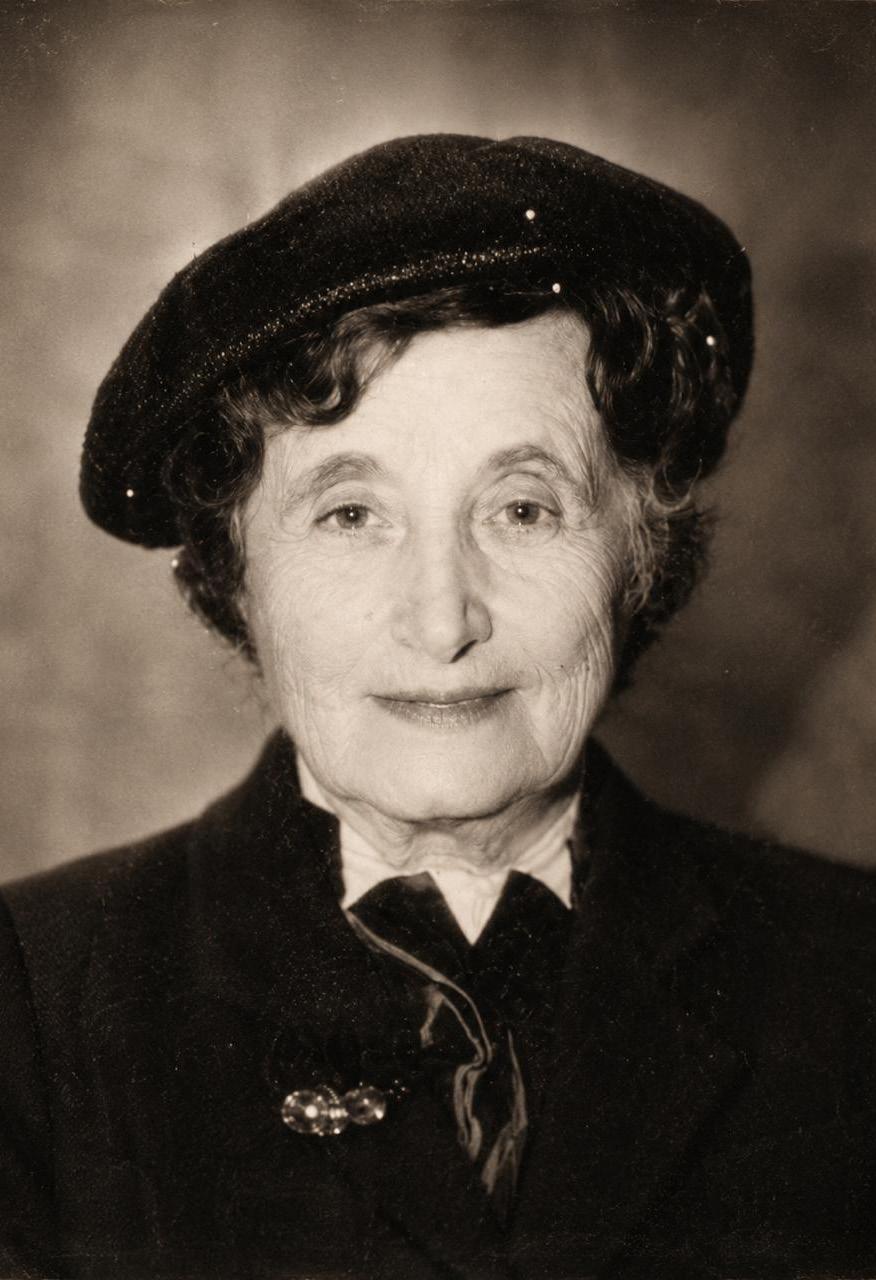
Born into a distinguished rabbinic family in Nikolayev, Ukraine, Chana was known from a young age for her intelligence, scholarship, and deep devotion to Torah. After marrying Rabbi Levi Yitzchak Schneerson, she helped build a vibrant Jewish community in Dnipro, Ukraine, opening her home to students, families, and anyone seeking guidance, warmth, or encouragement.
Together with her husband, Rabbi Levi Yitzchak Schneerson, the Chief Rabbi of Dnipro, Rebbetzin Chana endured years of Soviet persecution for preserving Jewish life.
After her husband's arrest and exile, she secretly prepared ink from herbs and plants so he could continue writing his Torah insights, risking her own safety to support his sacred work. Following his passing in exile, she eventually made her way to New York, where she was reunited with her son after years of separation.
In 1951, Rebbetzin Chana experienced a new chapter of joy, as her son became the seventh Chabad Rebbe. She was proud of her son and often spoke of his exceptional character that she noticed in her son while he was a small child.
While living in Brooklyn, Rebbetzin Chana wrote her memoirs, later published as A Mother in Israel, preserving a firsthand account of Jewish faith and resilience under Communist oppression. She especially enjoyed the daily visits by her son, the Rebbe, who would personally prepare her tea and spend time with her.
She passed away on Shabbat, the 6th of Tishrei, in 1964, at the age of 84.
Today, Rebbetzin Chana's legacy lives on through countless schools, institutions, and women who bear her name. Her life reminds us that quiet strength, selfless devotion, and unwavering faith can shape generations and leave an eternal impact on the Jewish people.
The Rebbe found a beautiful connection between his mother's name and the special role of Jewish women. He pointed out that the three mitzvot especially entrusted to women, Challah, Niddah (family purity), and Hadlakat Nerot (Shabbat candle lighting), spell the name Chana.
In her memory, the Rebbe encouraged every Jewish woman and girl to embrace these mitzvot, to bring holiness, light, and blessing into our homes and the world.