Cgb pUbLIshIng canadian o ffice: sidney B.c canada
U. s. Office: seattle, Wa www.franchisingmagazineusa.com
Welcome to the april 2026 issue of Franchising Magazine Usa!
a s we step into spring, the franchising world is buzzing with exciting developments and opportunities. t his month, we’re thrilled to bring you a diverse range of stories, insights, and expert advice to help franchisees and franchisors thrive in an ever-evolving industry.
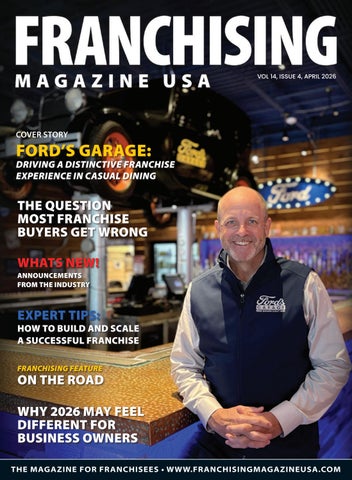
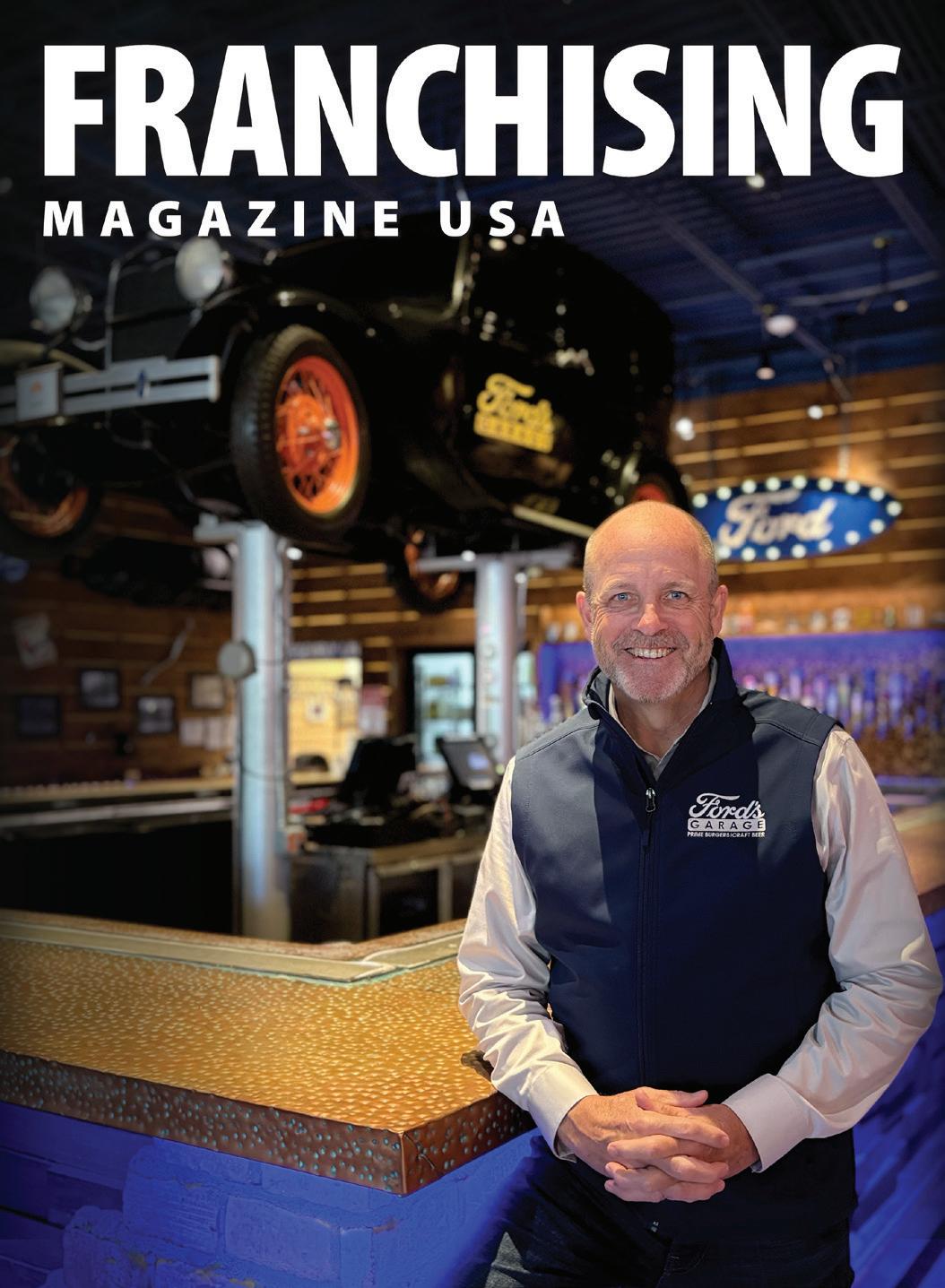
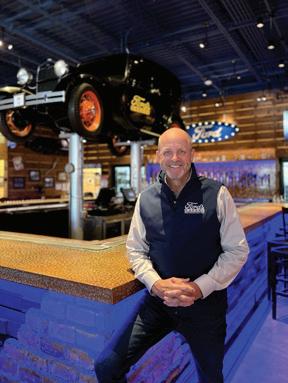
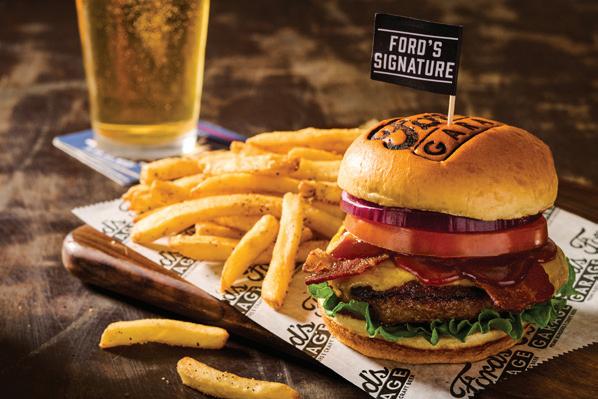
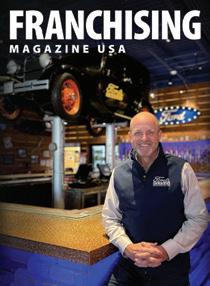
o ur cover story highlights Ford’s g arage, a distinctive franchise that has carved out a unique position in the casual dining sector. With its nostalgic 1920s service station vibe, high-quality comfort food, and official licensing from the Ford Motor company, Ford’s g arage is setting itself apart in a competitive market. Learn more about their strategic growth and franchise opportunities.
We also explore the question that most franchise buyers get wrong, as g eorge Knauf shares his insights on why the structure of a franchise system matters more than individual unit income potential.
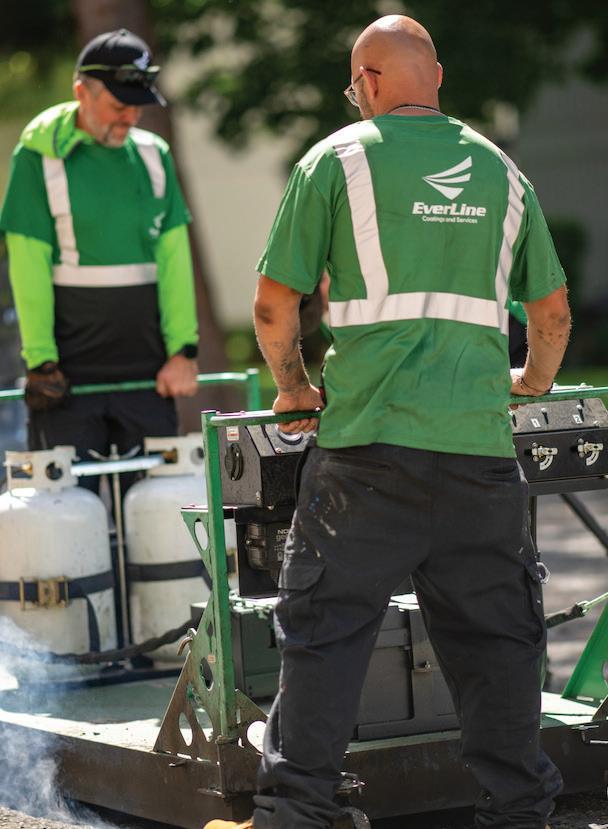
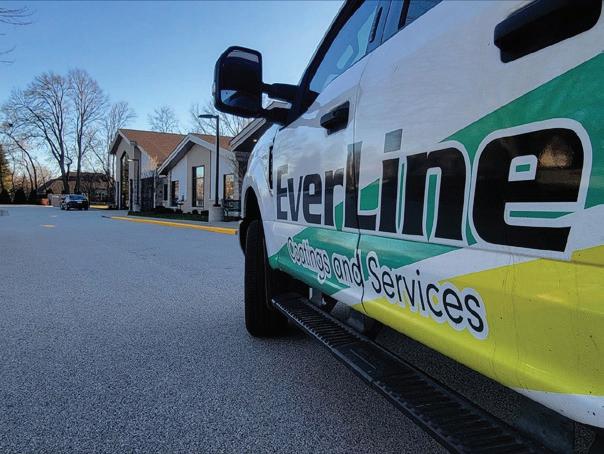
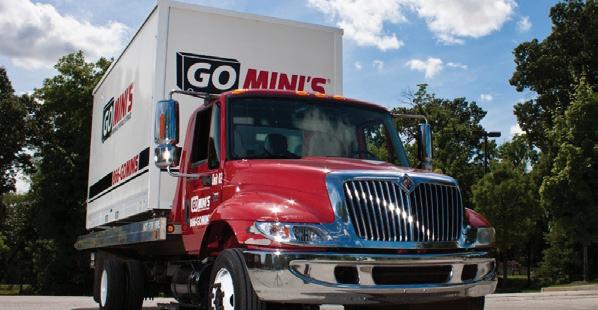
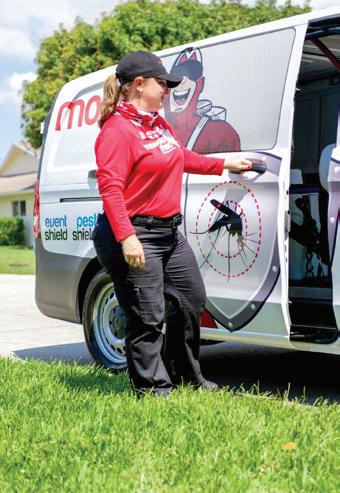
This issue features a special supplement on Mobile and o n the r oad Franchising, showcasing some great franchise systems and great advice from experts in this industry. chis conner our resident feature expert discusses the Freedom Economy and how mobile Franchising gives us a flexible lifestyle. Everline coatings reports another great year of growth and we also
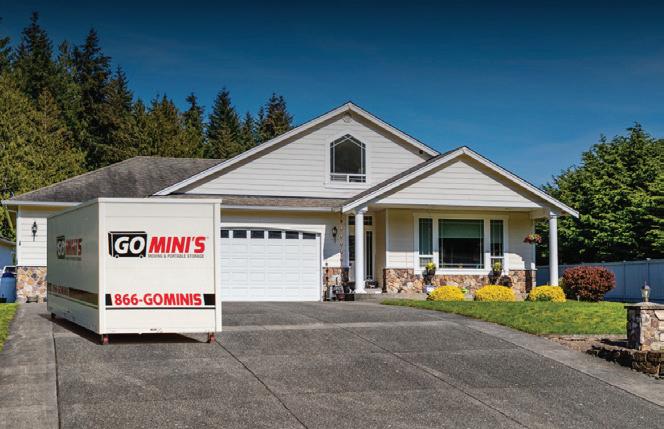
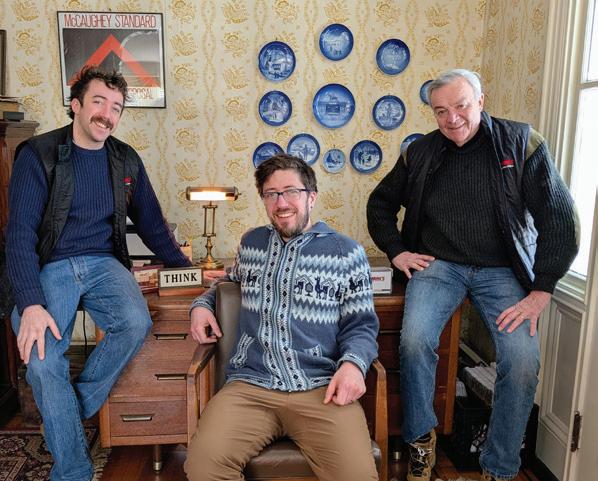
meet the Mc c aughey family who are building on family roots with g o Mini’s.
For our veteran readers, the Veterans section is packed with stories of military veterans who have transitioned into successful franchise ownership. From shaun harris’s journey with g arageExperts to Jeremy Eide’s leadership at TWo MEn and a T rUcK, these stories demonstrate the resilience and leadership veterans bring to the franchising world.
a s always, we’ve included expert advice on topics like building scalable franchises, adaptive branding, and the benefits of mobile-first and essential service franchises. Plus, don’t miss our a-Z Franchise d irectory, which offers a comprehensive guide to exciting franchise opportunities across industries.
We hope this issue inspires and equips you to take your franchise journey to the next level. happy reading!
Vikki Bradbury | Publisher Franchising Magazine USA
member of the IFa:
The public and policymakers need to understand franchising.
Our purpose
@OurFranchise is an industry-wide campaign created to spread the word about the value of franchising and share the stories of men and women just like you, who are leading the way as franchisors, franchisees, and franchise employees. The franchise business model has been proven time and time again to work, but it’s threatened when the public and politicians don’t understand how it operates to benefit local, independent franchise establishment owners and their communities. Putting a spotlight on real leaders succeeding with the franchise model is how we’ll ensure franchising is stronger than ever before.
Follow us
Share the tools and resources offered on AtOurFranchise.org/resources
Help us keep the momentum going
Since our launch in June 2016, we’ve reached 1.7 million people through outreach efforts, including events in key cities and states, where we spoke directly with business owners, employees, policymakers, and the media. Additionally, we’ve reached people across America through our website and social media channels, digital advertisements, and the promotion of We the Franchisees on Politico – but there is much more work to do. As a franchisor, franchisee, or franchise vendor, you are a leader in your community – and we need your support, now more than ever.
b a x
Our Franchise @OurFranchise @OurFranchise
You benefit by joining
By joining @OurFranchise, you’ll get access to exclusive stories and resources that can help grow your franchise business, educate employees at all levels about the franchise business model, and share the economic importance of franchising with consumers. You will also have the opportunity to share your franchise success story with your peers.
Visit AtOurFranchise.org
Contact Erica Farage, Senior Director of Political Affairs and Grassroots Advocacy and Multi-Unit Franchisee Engagement International Franchise Association efarage@franchise.org (202) 662-0760
This is just the beginning
Make sure you stay up to date with the campaign’s latest efforts through email updates and social media. Visit our website to read and share the latest stories of franchisors and franchisees making an impact in their communities. Become a franchise advocate to help ensure Americans, now and in the future, have the opportunity to start franchise businesses. Take the lead today!
Franchisor in Depth
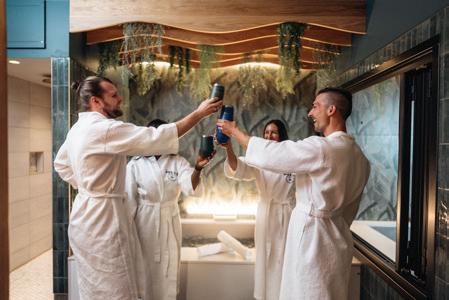
Oakwell Beer Spa: From Beer Bath to Business Model
The Red Chickz: Turns up The heat in The southeast and northeast with Multi state Franchise Expansion
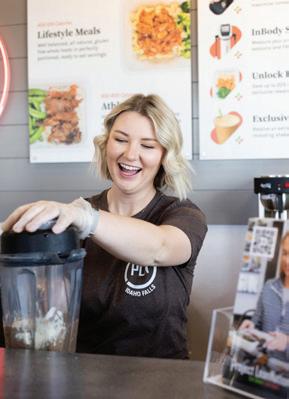
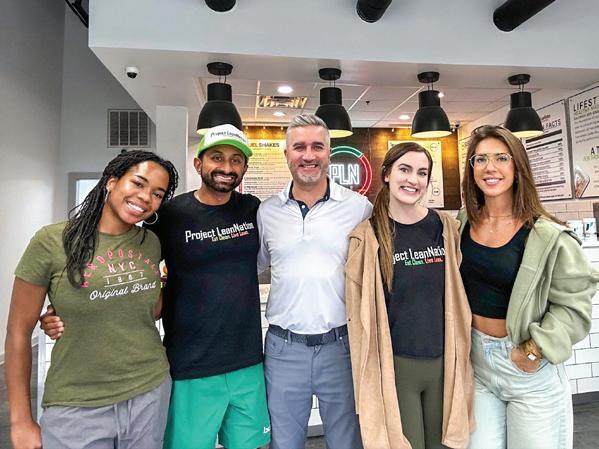
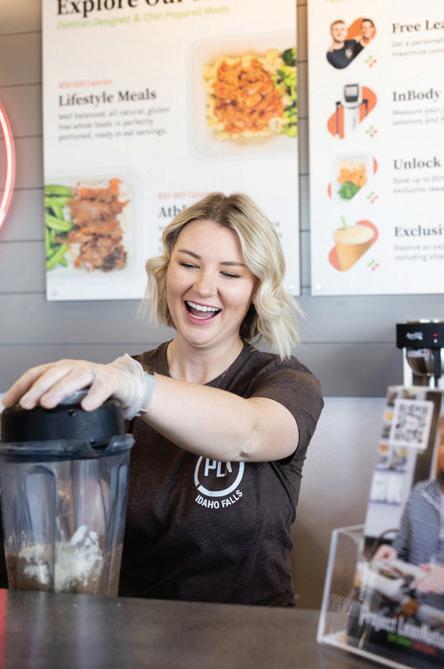
Project LeanNation: Beyond The help desk
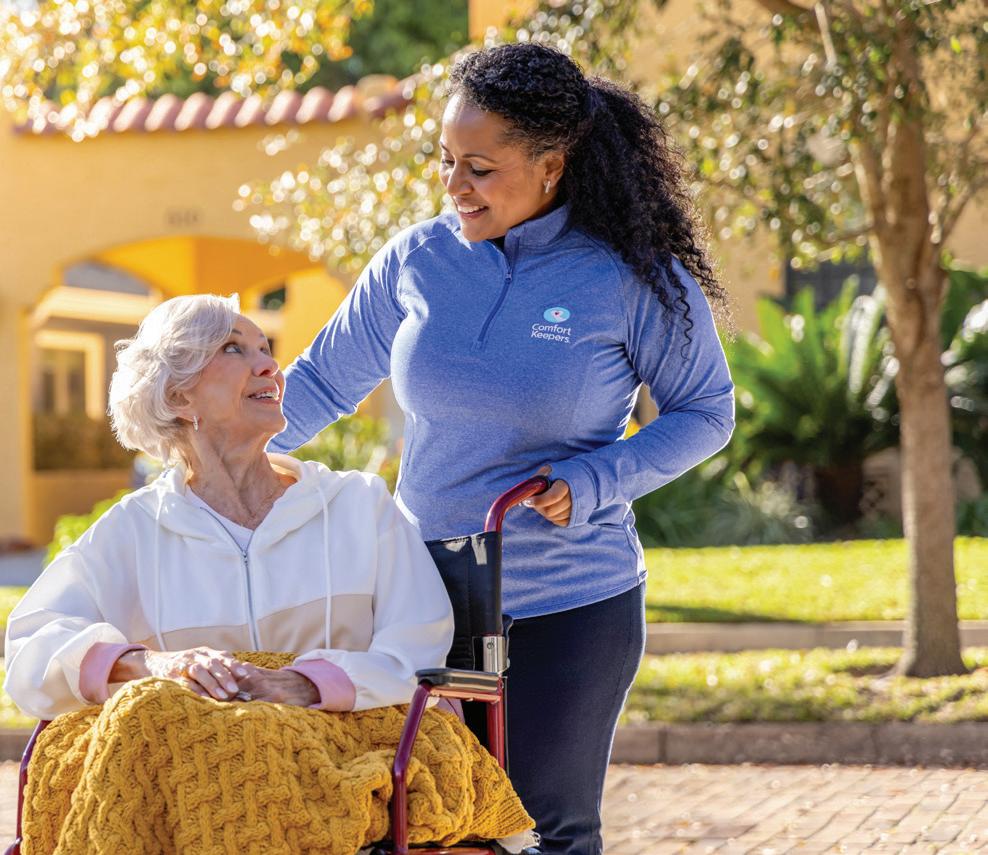
Comfort Keepers: Why the 25 Year old Brand is growing Fast Like a startup
Expert Advice
Lucas Frey: Your calendar is Your Leadership signal
Hackel:
Have Your Say
Torossian:
Jon Franz:
Carlos White:
George Knauf: The Question Most Franchise Buyers get Wrong 66 Vinil Ramchandrun: Why 2026 May Feel different For Business
68 GarageExperts: Mission after service, how Veteran shaun harris Built his next chapter
70 Two Men And A Truck: how a Veteran Leader is growing in Montana
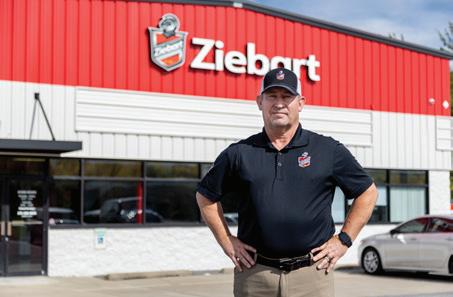
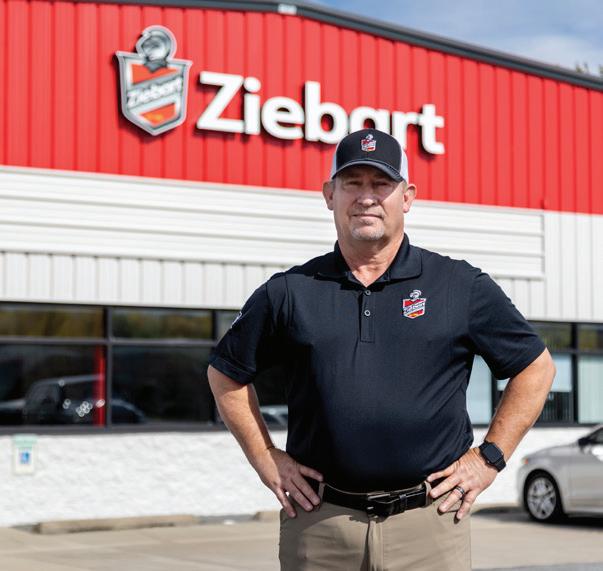
72 Ziebart: rodney souder, From The Engine room to Entrepreneurship
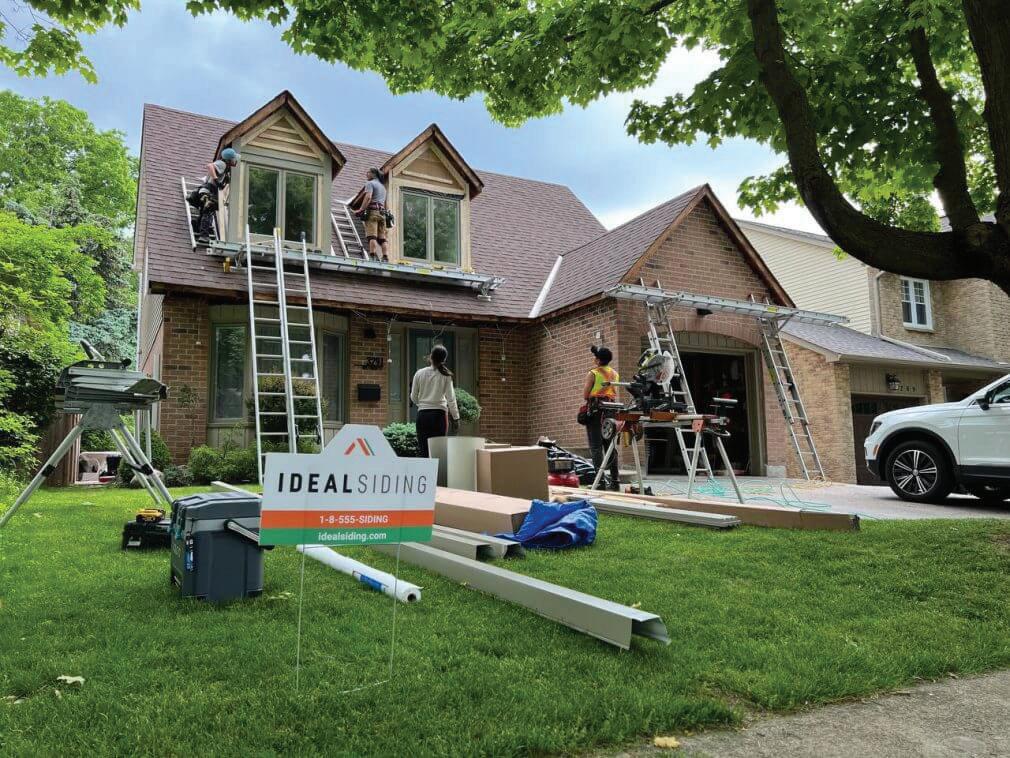
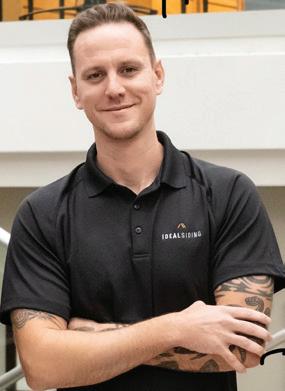
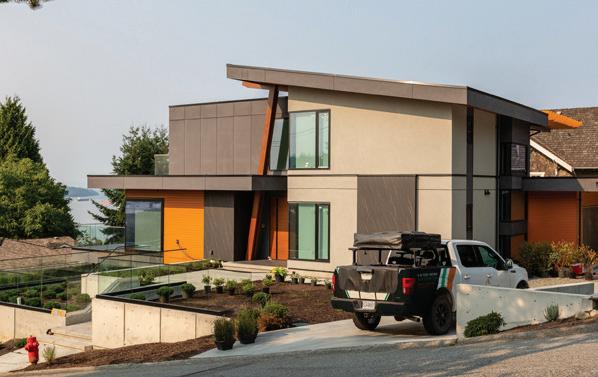
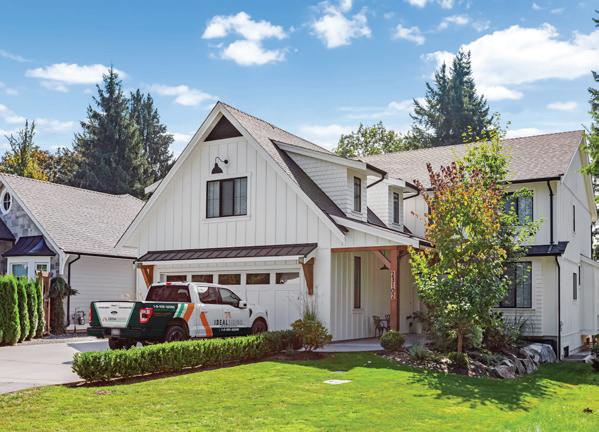
74 Ideal Siding Francise: aaron Lay From The Flight Line to The Front Lines of Business
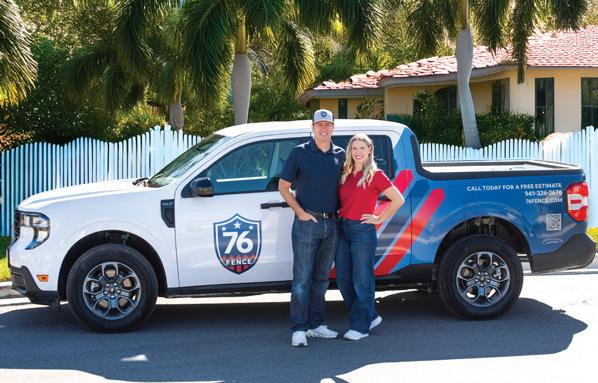
76 76 Fence: accelerates Florida growth With Veteran- owned regional development
United Franchise Gro U p Ranked No. 1 on South Florida Business Journal’s 2026 Best Places to Work
United Franchise Group™ (UFG), home to an affiliated family of brands, franchise services and consultants, has been rated No. 1 on the South Florida Business Journal’s 2026 Best Places to Work list for large companies with over 100 employees. in announcing the award, the s outh Florida Business Journal noted, “United Franchise g roup has earned a reputation as an employee-focused workplace by cultivating a people-first culture that empowers employees to thrive.” it praised UFg for “investing in employee growth, connection and wellness” with coaching and mentorship programs, lifelong learning through the UFg academy and other events aimed at fostering engagement, camaraderie and well-being. The publication also cited events beyond the workplace that strengthen employee bonds, such as Bring Your child to Work day, company picnics and holiday celebrations.
“What an incredible honor to be recognized along with all the other local companies who help create amazing job opportunities in the s outh Florida market and beyond,” said r ay Titus, UFg’s chairman, founder and cEo
Each year, the Business Journal asks readers to nominate companies for the list and then has employees of the nominees fill out confidential online surveys in a program developed by Quantum Workplace. survey topics range from compensation and benefits to trust in senior leadership; respondents are also asked about the level of engagement exhibited by employees.
“a strong culture directly fuels performance across our brands worldwide,” Titus added. “We want UFg to be more than a place to work; it should be a place to grow, belong and make an impact. The fact that our employees recognize and appreciate our efforts means everything to us.”
The Best Places to Work winners were announced at a recent awards celebration at the Broward county convention center, where 60 companies were honored. www.UnitedFranchiseGroup.com.
h appy Joe’s Cuts a Slice of History with New Shop in Old Pueblo
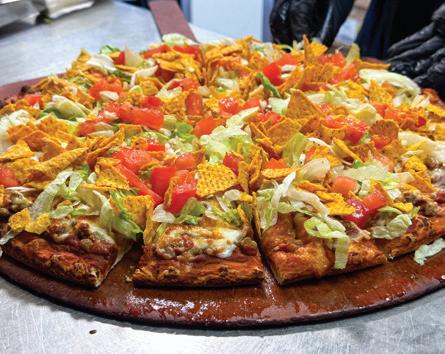
Happy Joe’s Pizza & Ice Cream is bringing its signature brand of fun to The Grand Canyon State for the first time, celebrating the opening of its Tucson-area location with a signature pizzacutting ceremony that puts the brand’s playful spirit front and center.
Located at 11695 n o racle r d., happy Joe’s opens its doors with a twist on tradition, swapping scissors for pizza cutters as company leaders and local community members mark the occasion by slicing into a fresh, oversized pie. The moment reflects what happy Joe’s does best — turning everyday meals into full-on experiences where great food, over-the-top fun and family collide.
The new o ro Valley restaurant introduces arizona families to happy Joe’s, a Midwest brand known for joyful dining experiences centered on pizza, ice cream and child-like wonder fitting for parents and kids alike. g uests attending the grand opening can expect the full happy Joe’s experience, from made-to-order pizzas and ice cream treats to a welcoming atmosphere designed for families, friends and community connection.
“o ur restaurant has always been about more than what’s on the plate,” said Tom s acco, cEo, President and chief happiness o fficer of happy Joe’s. “o ur pizza-cutting ceremonies capture that spirit perfectly. They’re fun, memorable and reflect the happiness we aim to bring into every community we serve.”
The arizona shop is operated by Mc 2 Entertainment g roup, LLc, an entrepreneurial team with a lifelong connection to happy Joe’s. inspired by childhood memories of the brand and its emphasis on family and celebration, the group chose o ro Valley’s family-friendly atmosphere as the ideal place to bring happy Joe’s spirit to the community.
Visit happyjoes.com. For information on starting a Happy Joe’s Pizza franchise, contact Kat Davidson at KatD@drhnow.com
aLe X is L aU ren Brings Fitness-Style Membership Model to Booming Medspa Market
ALEXIS LAUREN is redefining how aesthetic wellness brands scale with The Vault, its proprietary membership-driven model designed to transform client loyalty into predictable, recurring revenue. The ultra-luxe, female founder-led brand has moved beyond the traditional pay-per-treatment approach, introducing a structured program that strengthens long-term engagement while creating greater financial stability for franchise partners.
“consistency is key in wellness, whether it’s fitness or skincare,” said alexis renda, Founder and cEo of aLEXis L aUrEn. “We applied the same principles that drive loyalty in fitness—recurring engagement, flexible access, and clear value—into a medspa setting. The result is The Vault, our prepaid program that rewards clients for investing in their self-care, while giving franchise partners predictable revenue and stronger retention.”
The Vault is a structured prepaid program that allows clients to deposit monthly credits to use toward any treatment or product at exclusive pricing, shifting the medspa experience from occasional visits to consistent, long-term engagement. Unlike traditional gym-style memberships where unused sessions expire, every dollar deposited into The Vault belongs to the client. credits roll over automatically, creating what the brand calls “a self-care bank for your skin.”
highlights include:
• Contribute to Your Vault: Clients add monthly credits to their personal Vault, and every dollar stays theirs to use on any service or product, with built-in savings and perks.
• Zero Hidden Fees: Every dollar goes toward treatments or products.
• No Expiration: Unused Vault credits roll over automatically, giving clients complete control.
• Exclusives: Discounts on facials, injectables, microneedling, lasers, and birthday perks.
Founded in 2022, aLEXis L aUrEn is an ultra-luxe beauty collective and luxury medspa delivering personalized, medical-grade aesthetic treatments through a simplified, intention-led approach. headquartered in Miami, aLEXis L aUrEn currently operates two corporate locations and has launched franchising to support thoughtful expansion into new U.s. markets.
Usa n in Ja c haLLen G e appoints thomas dievart as Chief Marketing Officer
USA Ninja Challenge has named Thomas Dievart as its new chief marketing officer, bringing nearly two decades of global marketing leadership to the youth fitness franchise as it accelerates growth nationwide.
d ievart joins the brand after holding senior
marketing roles across sports, fitness and sporting goods, including global brands such as Wilson Tennis, ironman Triathlon and Technogym. his background spans international brand strategy, digital marketing and growth-focused leadership within high-performance sports environments.
“ i love the fact that first and foremost it’s a sports company giving kids the ability to challenge themselves, to grow and to gain confidence,” d ievart said. “ i think there’s a lot of room for growth for the company.”
in his new role, d ievart will focus on strengthening marketing foundations across the system, supporting new openings and ensuring franchise owners are equipped with consistent, high-quality tools as the brand scales.
“Putting all the foundations in place so that they are successful, that’s first and foremost,” he said.
“We are going to heavily focus on the Pentathlon partnership as well,” he said. “We’re working on a rebranding and a new website.”
support for existing franchise owners will include structured, month-to-month marketing packages designed to drive local engagement and consistency across markets.
“We are developing a calendar of content and month-to-month packages that we would deliver to them, including blogs, articles, photos, campaigns, and advertising both for print and digital,” d ievart said.
“The mission is to empower kids to grow stronger and braver through fun and challenging obstacle training that builds skills for life,” he said. “and the vision is to create a world where every child feels capable, unstoppable and empowered to overcome any obstacle in the gym or in life.”
p ost n et earns spot on Franchise Direct’s 2026 Top 100 Global Franchises list
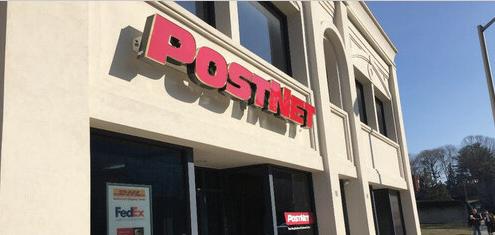
PostNet, a global leader in high-quality printing and shipping solutions, announced today that it has been ranked No. 88 on Franchise Direct’s 2026 Top 100 Franchises list, a well-known industry benchmark that evaluates franchise brands worldwide on a range of performance, growth and support metrics.
Franchise d irect’s Top 100 Franchises report assesses brands using a comprehensive methodology that considers factors such as system sales performance, number of locations, year-over-year unit growth, company longevity, franchising experience, financial assistance, and standard investment and royalty structures.
“Postn et was chosen because of the measurable performance of our network and the stability of our franchise model,” Postn et Vice President of r etail n etwork d evelopment Bill McPherson said. “We’ve demonstrated steady unit growth, strong sales across markets and a support structure that allows entrepreneurs to enter the industry with clarity around investment, training and operational guidance.”
With nearly three decades of franchising experience, Postn et continues to expand its footprint by equipping franchise owners with diversified revenue streams that include:
• Design services for small and mid-sized businesses
• Commercial and digital print solutions
• Shipping and logistics services
• Ecommerce and fulfillment support
• Marketing services tailored to small and mid-sized businesses
“o ur model stands out for its balance of accessibility and scalability,” McPherson said. “We provide franchise owners with a practical initial investment, comprehensive onboarding and ongoing business coaching, which translates into sustainable performance at the center level. This recognition from Franchise d irect underscores Postn et’s commitment to practical, sustainable growth across our network.”
a s part of the Fortidia platform, Postn et leverages global infrastructure and resources while maintaining a locally owned, community-focused business model that empowers franchisees to serve small and mid-sized businesses effectively.
To learn more about franchise opportunities, visit www. postnetfranchise.com.
Purpose Brands Deepens Japan Footprint, Planning 100+ o ran G etheory Studios Nationwide
Purpose Brands, the world’s largest and most trusted portfolio of fitness, health and wellness franchise brands, is charting a major expansion across Japan. The brand recently announced plans to open 86 new Orangetheory Fitness studios by 2034, bringing the heartrate-based workout to more than 100 locations in the country. The growth initiative is led by regional master franchisor Orangetheory Japan Co., Ltd., part of the ITS Co., Ltd. portfolio, under a renewed long-term agreement with Purpose Brands, parent company of Orangetheory Japan.
“We are excited to continue our relationship with Purpose Brands and bring more o rangetheory Fitness studios to Japan,” said Takamasa o kubo, chief Executive o fficer, o rangetheory Japan co. Ltd. “ in the last decade, we have seen studio fitness grow in popularity across the country. o rangetheory is the premier brand, with a strong local following and dedicated members who understand the power of o rangetheory to build muscle and burn fat. We are honored to bring this extraordinary workout to more people across Japan.”
Expansion will begin across the greater Tokyo area, with new studios planned for Kanagawa, chiba, s aitama, and extending
to nagoya—all markets that build on the momentum of flagship locations such as a zabu Juban.
a decade after launching in Japan, o rangetheory has cultivated a loyal and energetic member base. The renewed agreement between i T s and Purpose Brands shows strong confidence in the brand’s continued traction in the region. g lobally, o rangetheory operates in more than 20 countries.
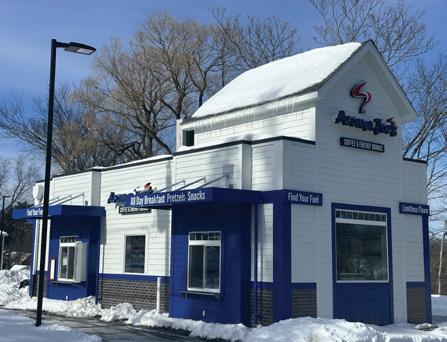
aro M a J oe ’s OPENS NEW LOCATION IN METHUEN, MA
Aroma Joe’s, one of the nation’s leading handcrafted beverage franchises, is proud to announce the opening of its newest location at 65 Haverhill Street in Methuen, Mass. The newly built, 800-square-foot drive-thru location expands the brand’s footprint in Massachusetts and reinforces its commitment to serving local communities with positivity, passion, and exceptional coffee.
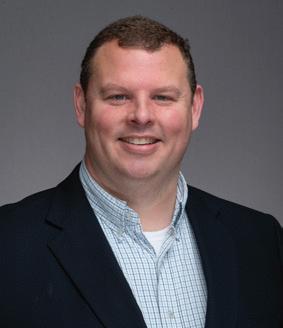
First-time aroma Joe’s franchisee chandrasekhara r aju Muppala, who goes by ‘Mc’ for short, has wanted to be an entrepreneur since childhood and has now achieved this goal. h e is originally from india, where he studied electrical engineering; he moved to the U. s . in 2001 and has worked in i T in various roles and companies. h e first discovered the aroma Joe’s brand about 10 years ago and became passionate about its high-quality coffee and dedication to creating positive, personalized experiences. h e also looks forward to becoming more involved in community activities in Methuen. Muppala lives in Lee, n h ., with his wife and two daughters – one of whom is a barista at the Lee aroma Joe’s. “ i want to make peoples’ days start with a smile and a nice coffee,” said Muppala. “ i plan to serve coffee at the window myself to see the smiles from our customers. That is my passion, and if they share their feedback – that’s the best part.” in addition to coffee, his family, and his i T career, Muppala also loves movies and has produced two regional indian films.
The new Methuen shop will employ 15 to 20 local team members, creating new jobs while continuing aroma Joe’s tradition of friendly, upbeat service.
aroma Joe’s has become a major disruptor in the quick-service coffee space by delivering a uniquely personal approach. Unlike traditional drive-thru coffee chains, every order is taken face-toface, ensuring customers feel valued and heard.
Visit https://franchising.aromajoes.com/
atWork Franchise Owner Named Franchisee of Excellence
AtWork®, an award-winning staffing agency franchise, proudly announces that David Walker, owner of AtWork Columbia, South Carolina, has been named a 2026 Franchisee of Excellence Award recipient by Franchise Business Review.
This prestigious honor recognizes top-performing franchise owners who demonstrate exceptional leadership, financial performance, and commitment to their teams and communities. david is one of only 50 recipients of this coveted award.
a former educator with more than 17 years in teaching and school leadership, Walker transitioned into franchise ownership to broaden his impact in the community. since joining atWork, he has built a people-first business rooted in trust, service, and meaningful employment.
Under david’s leadership, atWork columbia has achieved extraordinary business results. his performance stands out even more given that much of this growth occurred during a period when the staffing industry overall experienced decline. Leveraging his deep ties to local schools, Walker has helped place hundreds of individuals into school-related roles,
earning long-standing trust within his local district.
“ david represents the very best of atWork,” said Jason Leverant, President and coo of atWork. “ his leadership, heart for people, and ability to drive growth while making a real difference is exactly what this award is meant to recognize. We’re so proud he’s part of the atWork family.”
Known for his servant leadership style, Walker fosters a family-like culture where employees feel valued and supported. h e remains deeply involved in mentoring youth through his church and local community, continuing his lifelong commitment to education and service.
AF ter
david Walker’s recognition reflects not only exceptional business performance, but also a legacy of service that continues to change lives in columbia and beyond.
https://www.atwork.com/franchise/.
Ford’s GaraG e: Driving a Distinctive Franchise
e xperience
in c asual Dining
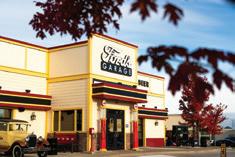
Ford’s Garage has carved out a unique position in the highly competitive full-service casual dining sector by blending nostalgia, hospitality, and highquality food into a one-of-akind guest experience.
Since its inception in 2012, the brand has grown steadily, guided by a clear mission: to drive a unique and nostalgic dining experience where the vibe is right, the food and drink are awesome, and the service is unrivalled. That mission continues to fuel the brand’s expansion and appeal among experienced restaurant operators.
After establishing its first locations, Ford’s Garage began franchising in 2015.
Today, the brand has 10 franchise groups operating a total of 34 restaurants across the United States. This measured and strategic growth has allowed the company to protect brand integrity while building a strong foundation for long-term scalability.
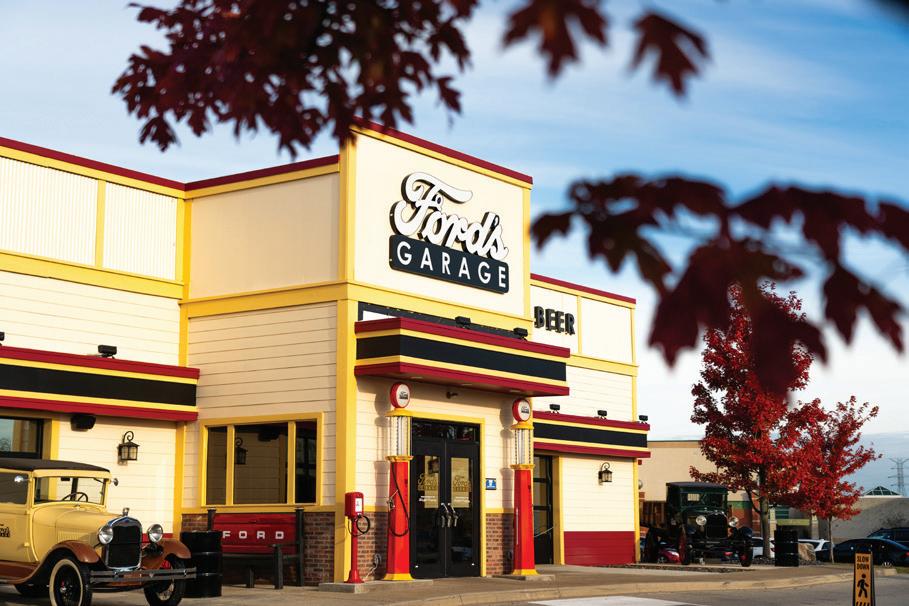
At its core, Ford’s Garage is a full-service casual dining concept built on craveable comfort food and burgers, complemented with a bar and beverage program. While the menu is a major draw, it is only one part of the overall experience. Every restaurant is designed to immerse guests in the rich history and spirit of the Ford Motor Company in a 1920s service station atmosphere that feels both familiar and exciting. Notably, Ford’s Garage is the only restaurant brand that is an official licensee of the Ford Motor Company, a distinction
that sets it apart from competitors and gives it an authenticity that cannot be replicated.
The brand’s ideal franchisee profile reflects the complexity and opportunity of the concept. Ford’s Garage is best suited for multi-unit operators with proven experience in full-service casual dining. These operators understand the nuances of hospitality, operational discipline, and team leadership required to deliver consistent guest experiences at scale. Cultural alignment is equally important; franchisees must be committed to the brand’s values and hands-on approach to partnership.
Geographically, Ford’s Garage already has a strong footprint, with locations currently operating in New York, Virginia, Florida, Kentucky, Indiana, Ohio, Michigan, and Texas. The growth pipeline remains active, with new restaurants coming soon in New Jersey, Tennessee, Wisconsin, and Iowa.
Looking ahead, franchise opportunities are available in markets east of the Mississippi River, offering significant white space for qualified operators seeking to bring the brand to new communities.
The demand for Ford’s Garage stems from its ability to deliver something genuinely different in a crowded dining landscape. While many concepts compete on price or speed, Ford’s Garage focuses on experience. The combination of licensed Ford heritage, thoughtful design, strong hospitality, and consistent food quality resonates with guests seeking more than just a meal. This experiential differentiation, paired with an unwavering focus on guest satisfaction, has helped the brand build loyalty and repeat visitation. Supporting franchisees is a cornerstone of the Ford’s Garage franchise model. New franchise partners participate in a comprehensive 10-week training program
designed to prepare them for all aspects of ownership and operations. Beyond initial training, the brand maintains ongoing engagement through Franchise of Record meetings held twice annually, quarterly Operations Partner meetings, and an annual Garage Partner Conference. These touchpoints foster collaboration, knowledge sharing, and alignment across the system, reinforcing the sense of partnership rather than a traditional franchisor-franchisee hierarchy.
Looking to 2026, Ford’s Garage plans to stay true to what has driven its success so far: a relentless focus on the guest and the quality of food. At the same time, the brand is investing in the expansion of its loyalty program, recognizing the importance of data, personalization, and guest engagement in the evolving restaurant industry. These initiatives are designed to enhance the guest experience while supporting franchisee profitability.
Over the next five years, Ford’s Garage will build upon its well-earned reputation and continue growing as a recognized leader in the full-service, casual dining space. Rather than chasing rapid, unchecked growth, the brand’s vision emphasizes sustainability, consistency, and trust—both with guests and with franchise partners.
For those exploring franchise opportunities, Ford’s Garage offers clear and grounded advice: conduct thorough due diligence, ensure you are a cultural fit for the brand, and commit fully to the business. Success in franchising requires more than capital; it demands alignment, dedication, and a willingness to engage deeply with the brand and its systems.
Motivation within the franchise network is driven by collaboration. The Ford’s Garage leadership team works side by side with franchisees to help grow their businesses, reinforcing a shared commitment to excellence. This partnership-driven approach continues to be a key factor in the brand’s growth and long-term success.
In an industry where differentiation is increasingly difficult, Ford’s Garage stands out by paying homage to the past while driving forward—one guest, one restaurant, and one franchise partnership at a time.
For more information on Ford’s Garage visit: https://fordsgarageusa.com/ franchise/
Your Calendar Is Your leadershIp sIG nal
On an emergency scene, time isn’t neutral. Moments carry weight, and how the incident commander uses time impacts lives.
My priorities were clear and always in the same order: protect the fire crews working the scene, ensure public safety, and mitigate the dangers created by the emergency, whether that was an active structure fire, a car wreck, or pulling someone from the Little Miami River. What mattered wasn’t how busy we were. It was how intentionally we used time. Crews could be working nonstop and still be moving the situation in the wrong direction if priorities weren’t clear. The same is true in leadership.
For business owners, franchise founders, and franchise CXOs, time is the most powerful resource you control; not capital, not strategy, time. How you allocate your time shapes decisions, culture, and outcomes for everyone working with you. When time is spent reacting, the organization reacts. When time is spent choosing, the organization gains direction.
This week’s conversation is about where leadership accountability shows up, not in intentions or values statements, but in how you spend your time and what that signals to the people depending on you.
When accountability increases, Busy often Follows
As your accountability increases, emotions get louder. We covered that last week.
What often goes unsaid is what many leaders do next.
They fill time.
When emotions get louder, calendars fill, meetings multiply, emails get answered faster, research deepens, and activity increases. It feels productive, responsible, and safe.
Busy feels like progress. It often isn’t.
employee Week: time is assigned
In an employee role, whether corporate, military, or franchise operator, the week is largely predetermined. Your boss assigns tasks, meetings appear on your calendar, and time gets filled.
Employee success is measured by completion:
• Did you respond to your boss’s email requests?
• Did you attend the meetings others scheduled for you?
• Did you execute your weekly tasks?
There’s comfort in a full calendar. It signals usefulness. More importantly, it means someone else decides what matters. Responsibility is real, but it is distributed. Those habits aren’t wrong. They are appropriate for the role.
owner Week: transitional phase
Ownership introduces choice, but not mastery. You select priorities then override them when crisis pops up. Urgent requests crowd out important work. Time is partially protected, and easily breached.
This is where many franchise owners and founders stall. They’re accountable, but still reactive. They’re deciding, but mostly in response to someone else’s urgency.
It’s an uncomfortable middle ground; responsible, but not yet intentional.
ceo Week: time is protected
CEOs measure weeks differently. They don’t ask, “What did we do?” They ask, “What value are we creating?”
Time becomes an asset to defend, not a container to fill. Meetings are fewer and with greater impact. Decisions carry more weight. White space isn’t laziness. It’s capacity for important functions.
Peter Drucker put it plainly: “Until we can manage time, we can manage nothing else.”
CEOs internalize that truth early, or they pay for it later.
the ceo Metric Most people Miss
The real metric isn’t hours worked. Your metric is what value you create.
One decision can save months of effort.
One avoided decision can quietly cost years.
Luke Frey is a seasoned franchise strategist with over two decades of experience in leadership and business development. His journey from the front lines as a fire chief to the helm of his own successful franchise has equipped him with unique insights into the challenges and triumphs of franchise ownership. As the author of Your Guide to 90-Day Success: The Franchisee’s Strategy for Early Wins, Luke empowers franchisees to achieve early wins and sustainable growth by shortening the steep learning curve of business ownership.
Passionate about helping others succeed, Luke offers actionable strategies that blend practical business acumen with a deep understanding of human dynamics. Through his work, he’s committed to shaping the future of franchising, one successful business at a time.
This is where last month’s article connects directly. Discomfort shows up before highvalue decisions.
That’s not coincidence. It’s protection.
Why Busy Becomes a trap
Busy provides cover. Especially for leaders who were previously high-performing employees. It delays accountability without looking like avoidance.
Busyness shows up as avoidance patterns disguised as diligence: more emails, more research, more voices in the room.
Activity increases. Decisions stall. McKinsey Global Institute found that knowledge workers (leaders are a subset) spend nearly 60% of their time on coordination, communication, and internal processes rather than value-creating work (McKinsey Global Institute, The Social Economy).
Busy fills the week. Value waits. Busy is often fear wearing productivity clothes.
the Weekly activity audit
This is not a time-management exercise. It’s an awareness accounting.
For one week, track your work at a high level. Not every minute, just the tasks. At the end of each day, label them:
E - Employee-level: execution, response, maintenance
O - Owner/Operator-level: prioritysetting, delegation, improvement Don’t judge. Don’t optimize. Just label for now.
What Many people discover
Their week is heavier on E than expected. Their highest-stress moments cluster around O tasks.
Their most avoided tasks are usually the most valuable.
That’s not failure. That’s data, and data is where progress starts.
how this Fits the Framework
Month 1 reframed a leader’s identity from employee.
Month 2 reframed how emotional signals are amplified with greater responsibility. Month 3 reframes time allocation.
You can’t think your way into CEO behavior.
You have to see how you’re spending your time. Awareness precedes change every time.
this Week’s action
Track your activities for one week. Label tasks E-employee or O-owner. Circle one O task you avoided or delayed. That’s your leverage point. Don’t fix everything. Fix one thing.
normalize
the e xperience
If this exercise feels uncomfortable, that’s expected. Awareness comes before improvement. You’re not behind. You’re earning clarity.
As Andy Grove said, “The output of a manager is the output of the organization.”
Your calendar is telling you what your output will be.
#LeadershipDevelopment
#CEOGrowth
#FranchiseOwner
#FranchiseFounder
#DecisionMaking
#TimeManagement
#WeeklyShift
#94XMovement
What r eC ent r estaurant
Gro W th teaC hes Fran C hI sors about sC ale
Over the last several years, the restaurant industry has been forced to navigate rapid change, including labor shortages, inflation pressure and evolving consumer expectations for value, speed and, increasingly, quality. Even so, some emerging brands are proving that successful growth is still possible by leaning on discipline and strategy. These examples offer practical lessons for franchisors looking to scale responsibly through 2026 and beyond.
One clear trend is sharper category focus. Restaurant brands can’t be everything to everyone, and the ones that try to often struggle. Many brands are simplifying their menus and doubling down on their strongest sellers. The tighter focus makes operations easier to run and helps keep the guest experience consistent from market to market. The power of this approach is becoming increasingly clear in the fastcasual chicken space, which continues to outperform broader quick-service and fast-casual restaurant trends despite competition.
Chicken concepts generally benefit from supply chain stability and mass appeal, but the brands that see stronger growth are doing more than riding category momentum. Brands that build systems with replication in mind are the ones making real gains.
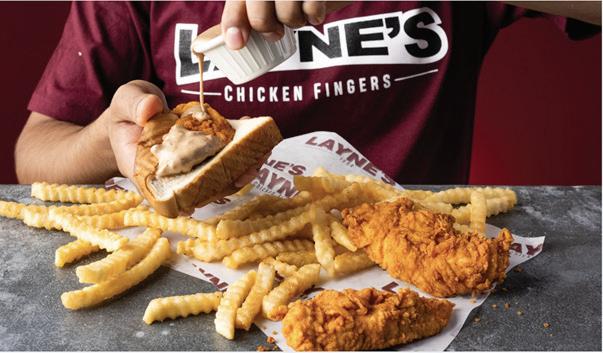
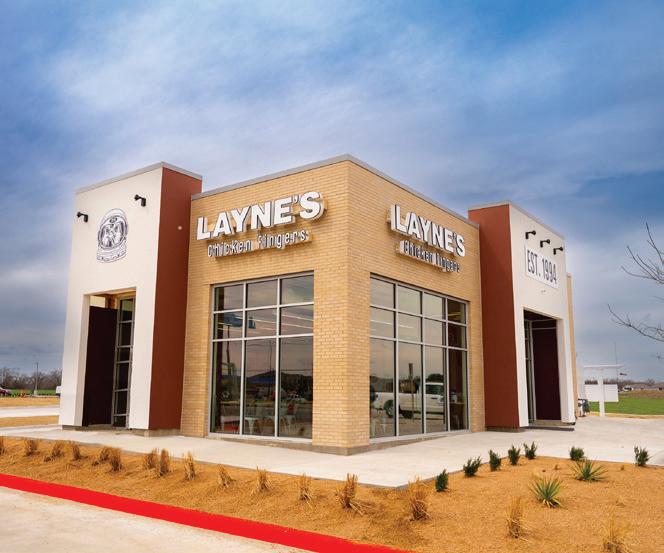
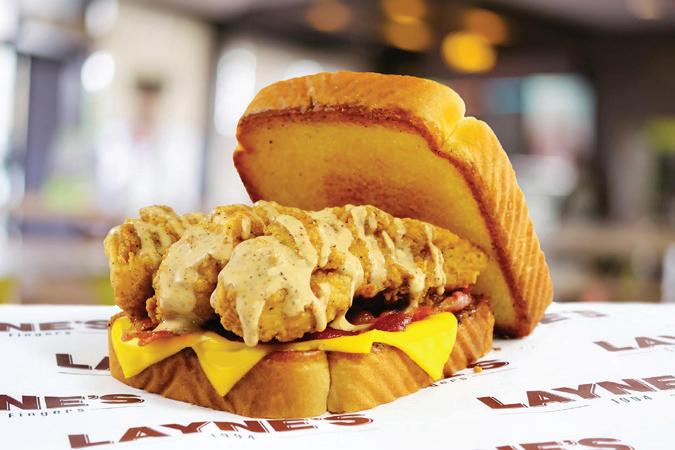
Layne’s Chicken Fingers is a current example of how a focused concept with
operational discipline can accelerate expansion without sacrificing quality or guest experience. The brand closed out 2025 having doubled its restaurant count, achieved record systemwide sales growth and earned recognition from several industry publications focused on emerging restaurant performance.
While the numbers and awards paint a strong picture, Layne’s underlying drivers of growth can be applied across the restaurant franchise space at large.
Growth Measures reach Beyond Unit count alone
Many franchisors look to the total number of units sold as an indicator of success. That approach is becoming hard to sustain, especially as franchisee expectations evolve. Modern franchisees are looking for more sophisticated systems and long-term scalability, and brands have to deliver on both.
In 2025, Layne’s expanded its restaurant footprint while adding headcount at the home office. The takeaway is simple: Support has to scale as fast as the unit count. Brands that do not invest early in operations, training, marketing and even culture risk overextending themselves, while franchisors that prioritize internal growth are better equipped to support franchisees through new market entry, labor challenges and competitive pressure.
Multi-Unit Franchisees are Voting With their capital
Another notable shift is who is driving expansion. Growth is fueled increasingly by experienced multi-unit franchisees. These entrepreneurs may already operate established national brands. They have the experience necessary to drive success, and they come to the table with clear expectations for franchisor systems and support. When they choose to invest in a given brand, they’re signaling confidence in both the business model and the franchisor’s leadership and execution.
Layne’s recent growth has included agreements signed with operators from multiple national and legacy restaurant brands. In addition to the vote of confidence, this signals a broader shift in the industry. As legacy brands saturate markets nationwide, seasoned franchisees are gravitating toward emerging brands that offer growth potential, strong unit economics and a collaborative franchiseefranchisor relationship.
For franchisors, attracting experienced operators requires more than strong sales numbers. It demands transparency, realistic growth planning and a support model that respects franchisees as long-term partners rather than short-term revenue drivers.
Culture Is Becoming a Competitive Advantage
As franchisees become more discerning
“ Layne’s Chicken Fingers is a current example of how a focused concept with operational discipline can accelerate expansion without sacrificing quality or guest experience.
with their investments, the organizational culture has become a key differentiator. Brands that articulate clear values and back them up in practice tend to align better with franchisees, retain team members and deliver a more consistent experience across markets.
Layne’s has remained committed to this, keeping culture central as it grows. Recently, it has even expanded its leadership team with roles dedicated to operational support and company culture. This reflects a broader recognition of the fact that culture isn’t created or developed automatically. It must be built and reinforced across all levels.
For franchisors eyeing national expansion, culture can no longer be treated as an afterthought. It influences everything from franchisee onboarding to guest experience, and it becomes increasingly important as systems grow beyond their regional roots.
strategic Growth Beats aggressive Growth
As Layne’s has grown, it has demonstrated just how powerful measured, strategic expansion is. Rather than onboarding every potential franchisee for the sake of dropping pins in new markets, successful franchisors are prioritizing market selection, franchisee alignment and the long-term health of the system.
As the industry enters 2026, the brands most likely to thrive will be those that treat growth as a byproduct of doing the fundamentals well. That means delivering a compelling product, supporting franchisees effectively and building organizations capable of sustaining scale. Layne’s recent run shows what this looks like when it’s done well. The brand has big long-term goals, but the more useful takeaway for other franchisors is simpler: growth holds up better when it’s deliberate, not just fast. v
Wh Y dI vers It Y Is the lIFeblood o F Your Fran C hIse’s suCC ess
Franchising has always been about scale, replication, and the power of a proven system. But in today’s marketplace— where customer expectations shift quickly and communities are more diverse than ever— the old model of relying on a narrow profile of franchise owners simply doesn’t work.
The brands that thrive are the ones that understand a fundamental truth: diversity among franchisees isn’t a “nice to have.”
It is a strategic, economic, and cultural advantage that directly fuels growth.
A franchise system is only as strong as the people who represent it in the field. When
those people reflect the customers they serve, everything becomes easier: sales, hiring, expansion, brand reputation, and long term sustainability. Diversity isn’t an HR initiative. It’s a business engine.
Below are the core reasons why a diverse group of franchisees is essential to your franchise’s long term success—and why the most forward thinking franchisors are making diversity a central pillar of their development strategy.
diverse Franchise owners offer better, more organic customer service—and they sell more
When franchise owners share a broader perspective with their customers, the connection is immediate and authentic.
This isn’t theoretical. It shows up in the numbers:
• Higher customer satisfaction
• Stronger repeat business
• More effective local marketing
• Increased unit level revenue
A diverse ownership base naturally mirrors the diversity of the marketplace. That alignment translates directly into stronger sales performance.
they make it easier to sell your franchise to members of more and more different groups
People are more likely to invest in a business when they see people from many backgrounds succeeding in it. The
franchise suddenly feels accessible and achievable.
This creates a powerful multiplier effect:
• Diverse franchisees attract more diverse franchisees
• Development pipelines expand
• New markets open organically
• The brand becomes more inclusive without forcing the issue
In other words, diversity begets diversity— and your system grows stronger because of it.
they understand deeper buying trends that market research will probably fail to uncover
Traditional market research is valuable, but it has limits. It often misses the subtle cultural nuances, informal networks, and community specific behaviors that influence real world purchasing decisions.
Diverse franchise owners bring insights that no survey or focus group can replicate:
• Why certain products resonate in one neighborhood but not another
• How cultural traditions shape buying patterns
• Which local partnerships will drive traffic
• What messaging feels authentic versus performative
These insights help franchisors avoid costly missteps and make smarter, more targeted decisions about product offerings, marketing, and expansion.
they streamline the hiring of new employees who want to work for owners like themselves
Labor shortages are one of the biggest challenges in franchising. Diverse franchisees often have easier access to talent pools within their own communities—people who trust them, relate to them, and want to work for them. This leads to:
• Faster hiring
• Lower turnover
As an author, keynote speaker, consultant, and entrepreneur, Evan hackel has been instrumental in launching more than 20 businesses and has managed a portfolio of brands with systemwide sales of more than $5 billion. He is the creator of Ingaged Leadership, the author of the book Ingaging Leadership: The Ultimate Edition, and a thought leader in leadership and success.
Evan is the CEO of Ingage Consulting. Visit www.evanhackel.com
• Stronger team cohesion
• Better customer experiences
When employees feel culturally aligned with their leadership, they stay longer and perform better. That stability strengthens the entire system.
they ease succession planning when current franchise employees step up to become buyers
One of the most overlooked benefits of diversity is its impact on internal mobility. When franchisees reflect the communities they serve, employees from those same communities can more easily envision themselves as future owners.
This creates a powerful internal pipeline:
• High performing employees become managers
• Managers become multi unit operators
• Multi unit operators become area developers
Succession becomes smoother, more predictable, and more sustainable. Instead of scrambling to find qualified buyers, franchisors cultivate them from within.
they reduce or eliminate the need for language training in certain markets
In many communities, language is a barrier—not just for customers, but for employees. Franchisees who already speak the dominant language of their market eliminate friction that would otherwise require training, translation, or additional support.
This saves time, reduces costs, and improves communication across the board. It also ensures that customers feel welcomed and understood from the moment they walk in the door.
they are proactive in identifying new areas and locations to expand your franchise
Diverse franchisees often have deep roots in communities that franchisors may overlook. They understand which neighborhoods are growing, which shopping centers are gaining traction, and which cultural or demographic shifts are creating new opportunities.
Their insights help franchisors:
• Enter emerging markets early
• Avoid over saturated areas
• Build stronger local partnerships
• Expand with confidence
In many cases, diverse franchisees become the brand’s most valuable scouts— identifying opportunities long before they appear on demographic reports.
the bottom line
Diversity isn’t a checkbox. It’s a competitive advantage that touches every part of your franchise system: sales, hiring, development, expansion, customer experience, and long term stability. A franchise that embraces diversity isn’t just doing the right thing—it’s doing the smart thing.
The brands that understand this will lead the next generation of franchising. The ones that ignore it will fall behind. v
From beer bath to bus Iness model:
h ow oakwell Beer spa B ecame a Franchise-rea Dy wellness concept
Wellness and craft beer are booming.
The global wellness economy exceeds $5.6 trillion and is projected to reach $8.5 trillion by 2027, according to the Global Wellness Institute. Meanwhile, U.S. craft beer retail sales reached $28.8 billion in 2024, with breweries increasingly serving as community gathering spaces.
But before Oakwell Beer Spa emerged as a concept blending these two industries, we weren’t studying market trends.
We were backpacking the globe looking for a scalable business idea.
a spark that started halfway around
the World
After successful corporate careers in New York City, we quit our jobs, sold everything, and embarked on a 14-month, 25-country journey to discover what the U.S. market might be missing. Our passion for wellness and hospitality led us to explore spa cultures around the world—from Japanese onsens to Korean jjimjilbangs to European thermal baths.
What stood out wasn’t luxury. It was accessibility.
Abroad, spas felt social, casual, and integrated into everyday life. Friends and families spent hours relaxing in baths and saunas, then gathering in communal lounges with a cold beer or a bowl of noodles.
In contrast, spas in the U.S. often felt formal, transactional, and geared toward an elite or predominantly female clientele.
At the same time, we observed another powerful force: craft beer’s role in creating community. Breweries had evolved into
neighborhood gathering spaces.
That led to a simple question: what if wellness could feel as approachable as a neighborhood taproom?
That idea became the foundation of Oakwell Beer Spa.
a Market ready for reinvention
Back in the U.S., we saw a cultural shift underway.
Spa participation among men was increasing. Younger consumers were prioritizing experiences over possessions. Wellness had gone mainstream. And craft beer was evolving into a lifestyle.
Oakwell Beer Spa was designed to bring these forces together.
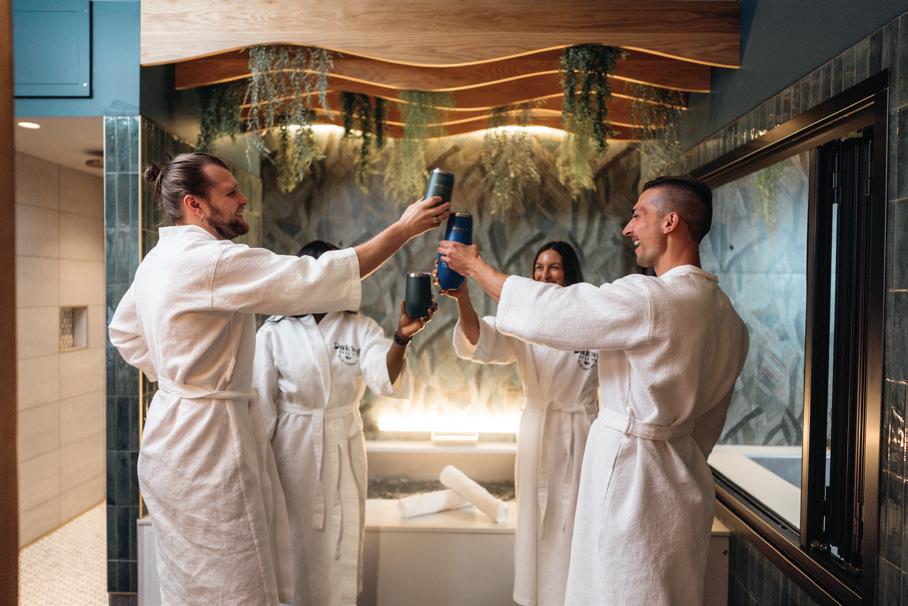
We envisioned private spa suites, each featuring a personal soaking tub, infrared sauna, and rain shower, designed for individuals, couples, or small groups. Equally important, we created a welcoming taproom offering light snacks, craft beer, wine, and non-alcoholic options.
Inspired by global bathing rituals, we
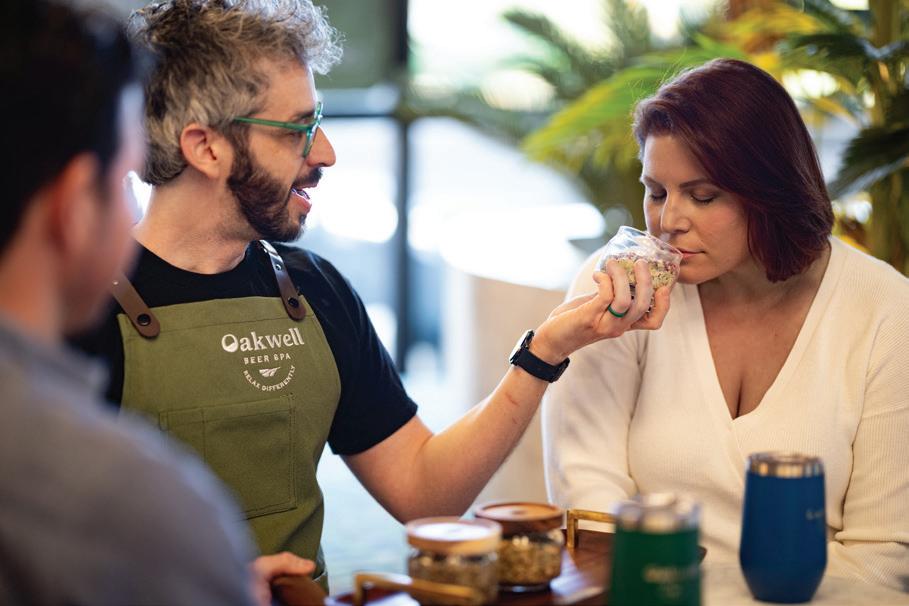
incorporated the therapeutic properties of hops and barley into our soaking tubs. While botanical bathing has existed for centuries around the world, it had never been presented in the U.S. in such an accessible, modern format.
The real differentiator, however, wasn’t the water. It was the atmosphere.
Oakwell Beer Spa was designed to feel social, celebratory, and unintimidating. Couples could unwind, groups could gather, and first-time spa users—especially men—would feel comfortable walking in.
From day one, we achieved something rare in the spa industry: a nearly even gender split. We also attracted large numbers of first-time spa-goers, a demographic often underserved by traditional wellness concepts.
designed to solve industry pain points
We believed guests would love the experience. But we also wanted a model operators could run and scale successfully. Before opening, we spent months
interviewing owners in personal service and food service industries and asked one simple question: what keeps you up at night?
The same concerns surfaced repeatedly: staffing shortages, volatile food costs, operational bottlenecks, complex workflows, slim margins, and unpredictable demand.
We designed Oakwell Beer Spa to address those challenges:
• A standout, category-defining concept that is memorable and highly marketable
• Broad, gender-neutral appeal attracting both seasoned spa users and first-timers
• Technology-enabled services that do not require licensed providers
• A streamlined labor model drawing from hospitality talent pools such as servers, bartenders, and housekeepers
• Multiple revenue streams including spa services, enhancements, food and beverage, retail, and memberships
• High average transaction value (around $300) with natural upsell opportunities
• Predictable demand driven by reservations and recurring memberships
• Pre-packaged food and beverage offerings that eliminate the complexity of traditional kitchens
• Low perishable inventory risk and reduced exposure to fluctuating food costs
By intentionally designing around these pain points, Oakwell Beer Spa delivers the atmosphere of a high-touch wellness and hospitality experience without the operational complexity that often accompanies it.
Guests enjoy the experience—and operators enjoy running the business.
engineering a Franchiseready Model
Our first Denver location opened in 2021 and validated demand almost immediately. We operated near full capacity, maintained strong year-round occupancy, and saw exceptionally high repeat visitation.
But demand alone does not make a strong franchise system. Repeatability does.
Before launching franchising, we spent four years refining the model, including:
• Five-star service standards inspired by world-class hospitality brands
• Guest flow and operational efficiency
• Appointment timing and upsell consistency to maximize transaction value
• A labor model not reliant on licensed providers
• Construction budgets and scalable buildout standards
• Marketing systems aligned with modern technology, including AI optimization
We applied these learnings to our second corporate location in Highlands Ranch, Colorado, which opened in 2025 as our franchise prototype.
By the time we launched national franchising in January 2026, we were not offering a novelty concept. We were offering a refined, data-backed business model.
the Unit economics Behind the e xperience
Experiential brands succeed only when emotional appeal aligns with sound economics.
The initial investment for a single Oakwell Beer Spa begins at $1.2 million. While the buildout is capital-intensive, the operational model—with lower labor dependency, diversified revenue streams, and high per-visit spending—creates strong profit potential.
Revenue comes from spa services, enhancements, food and beverage, retail, and memberships, providing franchisees with multiple income channels and recurring revenue opportunities.
Local connection Baked into the Model
Oakwell Beer Spa also benefits from strong connections to local breweries. Each location partners with regional craft producers, giving franchisees immediate brand credibility, cross-promotion opportunities, and strong community engagement.
That means franchisees enter their markets not as outsiders but as collaborators within the local ecosystem.
Oakwell Beer Spa locations thrive in:
• Urban lifestyle or tourism centers
• High-traffic historic or entertainment districts
• High-income suburban communities
• Power retail centers
• Mixed-use developments
The ideal footprint is a 3,000–4,000 square-foot ground-floor retail space in a high-visibility area.
Who is the ideal oakwell Beer spa Franchisee?
Our strongest partners are experienced operators who understand brick-and-mortar businesses. Many come from:
• Hospitality and restaurant operations
• Boutique fitness or wellness brands
• Real estate development
• Multi-unit franchise ownership
• Corporate leadership roles transitioning into entrepreneurship
As wellness, hospitality, and experiential retail continue to converge, Oakwell Beer Spa is positioned to lead the next wave of category-defining, operator-friendly franchise concepts.
Damien and Jessica Zouaoui are the cofounders of Oakwell Beer Spa. To learn more about the franchise opportunity, visit OakwellFranchise.com.
the art o F adaptI ve brand In G:
h ow Franchises s tay r elevant in c hanging m arkets
Ronn Torossian is the Founder & Chairman of 5W Public Relations, one of the largest independentlyowned PR firms in the United States. Since founding 5WPR in 2003, he has led the company’s growth and vision, with the agency earning accolades including being named a Top 50 Global PR Agency by PRovoke Media, a top three NYC PR agency by O’Dwyers, one of Inc. Magazine’s Best Workplaces and being awarded multiple American Business Awards, including a Stevie Award for PR Agency of the Year
Franchise brands succeed when they remain relevant to customers over time. Markets change, consumer expectations shift, and new technologies reshape how people discover and evaluate businesses. The franchises that continue to grow are the ones that understand how to adapt their brand while maintaining a clear identity.
Adaptive branding is the strategic process of evolving messaging, positioning, and communication without losing the values that originally built the brand. It is not about abandoning a brand’s foundation. Instead, it is about adjusting how that foundation is communicated to new audiences and new market realities.
Strategic communication plays an essential role in this process. Effective PR helps franchises reinterpret their brand story in ways that reflect current customer priorities while maintaining credibility. Through media engagement, leadership visibility, and consistent messaging, franchise systems can refresh their identity without confusing their audience.
Balancing consistency With Flexibility
Consistency remains one of the most important elements of a successful franchise brand. Customers expect the same standards, messaging, and experience regardless of location. A recognizable identity builds trust and strengthens longterm brand equity.
However, strict consistency without flexibility can create stagnation. Consumer expectations change as new generations enter the market and cultural priorities evolve. Franchise brands must therefore maintain core messaging while adjusting how it is presented.
Effective franchise marketing allows systems to balance national brand guidelines with local adaptability. Franchise operators often understand their communities better than corporate leadership. When local teams are empowered to communicate authentically while staying within brand standards, the franchise becomes both recognizable and relevant.
This balance allows a brand to feel consistent across markets while remaining responsive to the needs of individual communities.
communication as the engine of Brand evolution
Brand evolution rarely happens through visual identity alone. Logos and color palettes may change occasionally, but communication strategy ultimately determines how audiences perceive a brand.
Public relations allows franchise leaders to reshape the narrative surrounding their business. Thought leadership, media commentary, and community engagement give executives the opportunity to address emerging industry conversations. When leaders actively participate in these discussions, they reinforce the brand’s relevance.
Marketing campaigns also play an important role in this evolution. Messaging that reflects customer concerns, lifestyle trends, and social priorities demonstrates that a franchise is listening to its audience. This type of communication shows awareness rather than simply repeating familiar advertising language.
Adaptive branding relies on strategic storytelling. It ensures that a brand’s voice evolves alongside the expectations of its customers.
digital discovery is reshaping Brand Visibility
The way consumers discover franchise brands has also changed significantly. Search engines, voice assistants, and AI-driven platforms now influence how customers research businesses and evaluate options.
Modern marketing strategies must therefore prioritize digital discoverability. Structured content that answers common customer questions improves visibility across search platforms. Articles, educational resources, and clear service explanations help audiences find relevant information quickly.
Traditional SEO remains an important foundation. Clear site architecture, accessible content, and relevant keyword usage allow search systems to index information effectively. These technical practices ensure that franchise websites remain visible when potential customers are researching products or services.
New approaches to search are also emerging. Generative Engine Optimization strategies focus on preparing brand content for AI-driven search tools that summarize information rather than simply listing links. Brands that structure their content
clearly are more likely to appear in these generated responses.
By aligning communication strategy with modern search behavior, franchise brands can maintain visibility even as discovery methods evolve.
Building authority through Leadership and e xpertise
Relevance is also closely tied to credibility. Consumers and potential franchise partners look for signals that a brand understands its industry and operates with integrity.
Leadership visibility strengthens these perceptions. When executives contribute thoughtful commentary on industry trends, operational insights, or customer expectations, they demonstrate expertise. Media interviews, published articles, and public speaking engagements reinforce the brand’s authority.
These signals are increasingly important in digital discovery. Search systems often prioritize content that demonstrates expertise, experience, authority, and trust. Franchise organizations that communicate openly and share valuable insights are more likely to be recognized as credible sources of information.
Authority does not come from marketing
claims alone. It develops through consistent, transparent communication that educates audiences and contributes meaningfully to industry discussions.
designing content for accessibility and engagement
Adaptive branding also requires thoughtful content design. Information should be presented in ways that are easy for both audiences and digital platforms to interpret.
Clear headings, concise explanations, and structured sections help readers quickly locate relevant insights. Visual content such as images, charts, and infographics can make complex information more accessible. These materials also increase the likelihood that content will appear across multiple digital formats.
Technical accessibility is equally important. Fast loading websites, secure hosting, and organized navigation improve both user experience and search performance. These factors ensure that content remains discoverable and accessible to customers exploring franchise opportunities or services.
When communication is structured clearly and supported by strong technical foundations, franchise brands strengthen both engagement and digital visibility.
adaptation Without Losing identity
The most successful franchise brands understand that adaptation does not mean abandoning their identity. Instead, it means refining how that identity is expressed in response to changing markets.
Strategic communication, strong leadership voices, and thoughtful digital strategy allow franchise systems to evolve while maintaining their core values. Marketing and public relations guide this process by ensuring that brand messaging reflects both tradition and progress.
Franchises that master the art of adaptive branding remain visible, credible, and meaningful to their audiences. By adjusting their communication while protecting the foundation of their brand, they position themselves for long-term relevance in an increasingly competitive marketplace. v
the red ChICkz
t urns u p the h eat in the s outheast an D n ortheast with multi-s tate Franchise e xpansion
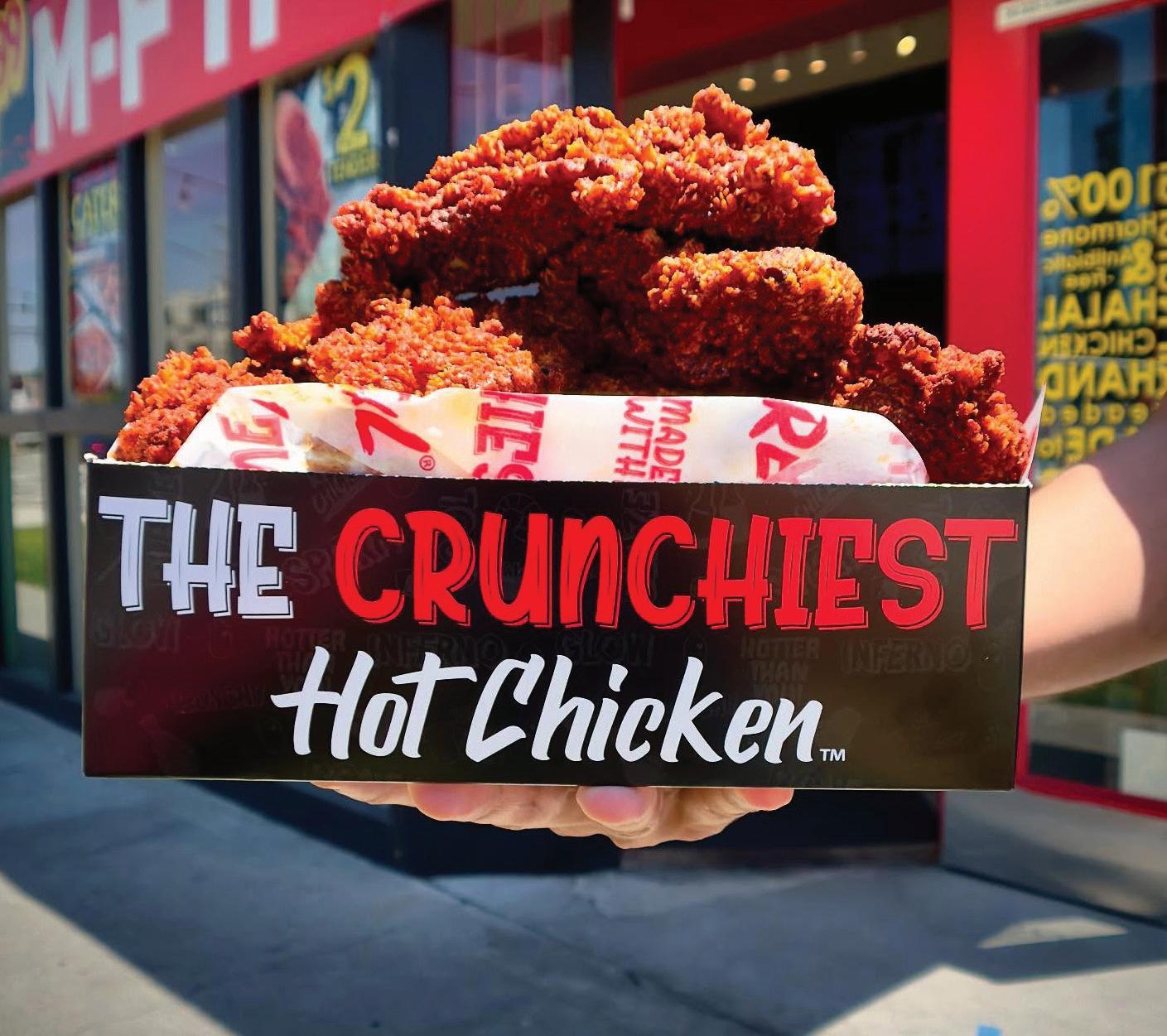
The Red Chickz, the fast-casual powerhouse known for its bold West Coast twist on the crunchiest, most flavorful Nashville Hot Chicken, is accelerating its national expansion with newly signed franchise development deals in Alabama, Connecticut, and Georgia.
These strategic agreements introduce The Red Chickz to three high-potential markets across the Southeast and Northeast, further solidifying the brand’s coast-tocoast expansion strategy and reinforcing its position as one of the most exciting concepts in the hot chicken segment.
“This is exactly the kind of growth we’re focused on: strategic, intentional, and aligned with strong franchise partners in dynamic markets,” said Shawn Lalehzarian, Co-Founder and CEO of The Red Chickz. “Alabama, Connecticut, and Georgia each present incredible opportunities for us to introduce our bold flavors and high-energy dining experience to new communities across the country.”
Building heat in high-Growth Markets
The Southeast continues to prove itself as a natural fit for The Red Chickz’s craveworthy menu and vibrant brand personality. With development planned in Alabama and Georgia, the brand is expanding deeper into a region known for its appreciation of Southern-inspired flavors – now elevated with a West Coast twist.
Meanwhile, the Connecticut deal marks an exciting entry into New England, extending the brand’s rapidly growing East Coast footprint. As The Red Chickz gains traction in states like New Jersey and North Carolina, expansion into Connecticut further strengthens its presence in densely populated, food-forward markets.
“We’re expanding with purpose,” said Spencer Sabatasso, VP of Development for The Red Chickz. “Our model is built for scalability, strong unit economics, and operational simplicity. These new agreements reflect the confidence franchisees have in what we’re building: a brand with real staying power, not just trend appeal.”
a Brand Built for Momentum
Since opening its first location in Downtown Los Angeles in 2018, The Red Chickz has gained national attention for reinventing Nashville Hot Chicken with a California twist. The brand has cultivated a cult-like following driven by:
• The most innovative menu in the hot chicken space, redefining creativity and flavor at every level
aBoUt the r ed chickz:
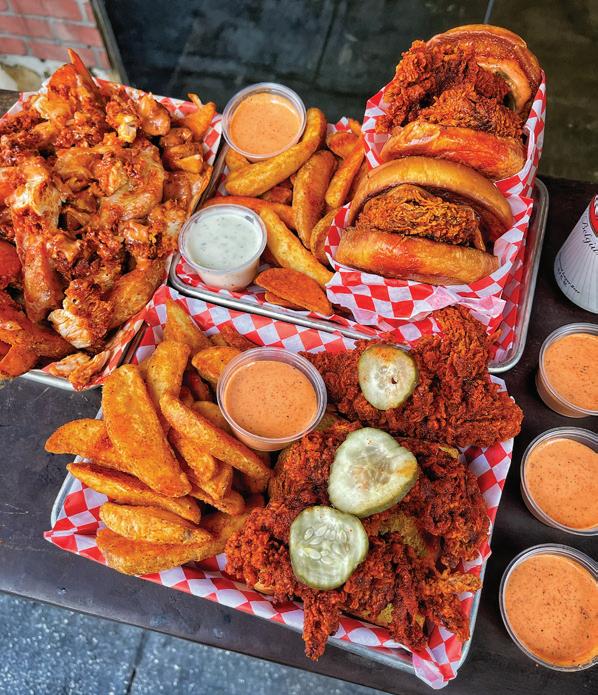
Since 2018, Shawn Lalehzarian’s dream of opening a concept restaurant based on his trip to discover the secret to making the perfect Nashville Hot Chicken has become a reality. The Red Chickz puts its West Coast spin on the Southern favorite, offering the most innovative menu within the hot chicken segment. The menu features items like Nashville Hot Chicken sandwiches available in six different spice levels, and more unconventional items like their Honey Butter Sandwich, French Toast Sandwich, Tacos, and Cauliflower options, and sides like cheese curds and corn ribs in addition to classic options. The brand has made its tagline, “The Crunchiest Hot Chicken” come to life with acknowledgments from national food publications such as Nation’s Restaurant News’ The Power List and QSR’s 40/40 list, praising Lalehzarian’s strong leadership and The Red Chickz continued innovation in food and technology within the fastcasual dining space.
Today, The Red Chickz has six locations open in Los Angeles, CA, Culver City, CA, Carlsbad, CA, Fresno, CA, Woodland, CA, and Cypress, TX, with an additional 55 locations in development and more on the way with franchising opportunities to bring the crunchiest, most flavorful chicken to communities across the nation. Please visit https://www.theredchickz. com/ for more information. Check out pictures and videos of their delicious food on Facebook, Instagram, and TikTok.
• Viral social media traction with over 1.2 million TikTok followers
• Streamlined and efficient operational systems designed to support franchisee success
With franchise agreements now spanning multiple regions – including Texas, California, North Carolina, New Jersey, Alabama, Connecticut, Georgia, and beyond – The Red Chickz continues to grow with discipline and momentum. The brand has 55 locations in development currently nationwide, with additional multiunit agreements expected throughout 2026.
“We’re not chasing growth for the sake of headlines,” added Lalehzarian. “We’re building a national brand the right way: one strong partner, one strong market at a time.
For more information about The Red Chickz or to explore franchise opportunities, please visit www.theredchickzfranchise.com or email franchise@theredchickz.com.
h old an o nlIne au C tI on to s ell Your Fran C hI se
What’s better than finding a buyer for your franchise?
Finding four buyers.
That’s why we recommend that owners work with a business broker when they’re ready to sell. Our process isn’t exactly an online auction, but we do know how to optimize prospective buyers and get the best terms and highest offers for our clients. Here’s how our process works.
s tep o ne: package and list your business
We make sure your business is visible in all the right places without disclosing any in-depth financial details. Because we specialize in selling franchises, we know the most effective sites for attracting the attention of the most motivated buyers. We also have a large national database of buyers who are looking for franchise opportunities. As of this writing, there are over 23,000 buyers in our database looking for a business just like yours.
s tep tWo: screen potential buyers
When a prospect expresses an interest in your business, we send out a NonDisclosure Agreement (NDA). Before we send any financial documents, we ask for information from buyers. We assess their business experience and their financial
viability. We ask for proof of funds to ensure they have the means to secure financing for the deal. We screen out anyone who is kicking tires or trying to get inside information on a competitor or their employer.
s tep t hree: collect offers from serious buyers
Occasionally, a seller will tell us that they already have a buyer for their business. We always recommend that they wait to see what other potential buyers might be offering. At the very least, competition means that every buyer will have a greater sense of urgency about making the deal happen. At any time during the process, our sellers can log into our system to see how many buyers have matched with their listing and view details about who’s considering making an offer.
When we talk to buyers, we tell them to lead with their highest and best offer; they understand that the seller has options and can move on to the next buyer or better terms. Having multiple bids for the business saves the seller time and resources that might be spent on negotiation with one buyer at a time.
s tep Fo U r: help the seller evaluate the offers
We always leave the decision about which offer to accept completely in the
seller’s hands. But based on our initial conversations before the business is listed, we can present the pros and cons of each offer. A local buyer might be able to close sooner, for example. The seller may prefer to sell to someone who will run the business themselves rather than be an absentee owner. They may prefer to sell to a veteran or someone with ties to the community surrounding the business.
Whatever the final result, we know that the owner is making an informed decision by comparing offers point by point. It’s not the same as an online auction, but the result is the peace of mind that they’ve received the best offer the current market will present.
For the past two years, we’ve averaged 4.2 offers for every franchise we’ve sold. More competition means better offers and better terms, and once in a while, even an offer above asking price. If we can help you sell your franchise, contact us here.
Jon Franz is the founder of Franchise Clearly. Since 2015, he has led more than $135M in closed sales and developed proprietary software that brings transparency to every deal. He holds an MBA in Finance from the University of Central Florida and is a Certified Business Intermediary.
What 2025 revealed about Fran C hI se r es IlIen C e In the s taFFIn G s eC tor
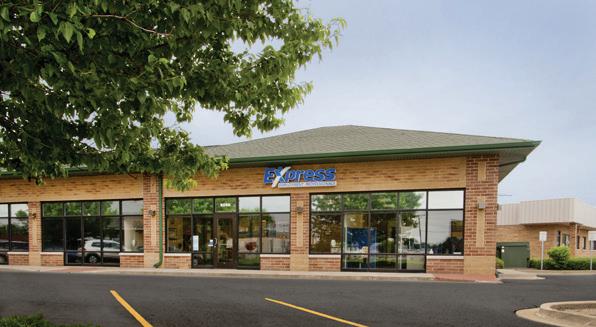
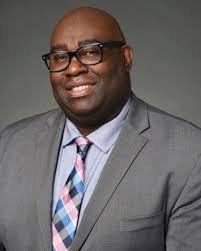
Melissa Davis, Vice President of Franchising at Express Employment Professionals
Economic pressure, shifting workforce expectations, and persistent hiring challenges defined much of 2025 for franchised businesses. These obstacles forced franchise systems to prove not only their relevance, but their durability.
Against that backdrop, the staffing sector stood out as one category that continued to attract franchise interest and expansion. By year’s end, Express Employment Professionals closed out 2025 with measurable franchise momentum, expanding its footprint while reinforcing why staffing remains a compelling franchise investment even during uncertain economic cycles.
The brand signed 54 new and resale franchise agreements, welcomed 38 first-time franchisees, and saw five existing owners expand their portfolios by acquiring additional locations. Express also entered seven new U.S. territories, bringing the system to nearly 850 locations globally. While the numbers alone are notable, the broader story offers insight into what drives sustainable franchise growth when conditions are anything but predictable.
Franchise confidence in a high- demand category
Staffing has long been considered a resilient industry, but recent years have tested even the most established systems. Employers faced persistent labor shortages while simultaneously tightening hiring decisions, and job seekers reevaluated everything from flexibility to long-term career stability.
Despite these challenges, interest in
staffing franchises remained strong. In 2025, more than 5,000 individuals expressed interest in becoming Express franchise owners. According to a recent Express Employment Professionals Harris Poll Survey, nearly 78 percent of job seekers believe employers have the upper hand in today’s job market, underscoring the ongoing need for trusted staffing solutions. That sustained demand reflects a growing recognition among franchise candidates that staffing addresses a fundamental, ongoing need: connecting businesses with qualified talent and helping people find meaningful work.
For many prospective owners, staffing offers a rare combination of professional services, recurring demand, and local market relevance. Unlike consumer-facing concepts tied to discretionary spending, staffing franchises are embedded in the daily operations of their communities. That relevance becomes especially valuable during periods of economic uncertainty, when businesses need adaptable workforce solutions and job seekers need trusted guidance.
discovery days and disciplined e xpansion
One of the most significant drivers of Express’s 2025 franchise momentum was its approach to candidate engagement. Over the course of the year, the brand hosted 12 Discovery Days designed to provide prospective owners with a transparent, indepth look at franchise operations, support systems, and expectations.
Rather than functioning solely as a recruitment tool, Discovery Day at Express serves as mutual evaluation opportunity.
Prospective franchisees gain clarity on the realities of operating a staffing business, while the franchisor identifies candidates aligned with its mission and operational standards. That discipline is increasingly important as franchise candidates become more selective and informed.
For franchisors, Discovery Days offer strategic opportunities beyond immediate recruitment. This is a unique environment to assess leadership skills, operational aptitude, and cultural fit, which helps reduce future franchisee attrition. Franchisors should use this time to communicate expectations, highlight training resources, and showcase operational best practices, fostering alignment and consistency across the system. Additionally, the feedback collected during Discovery Days can inform broader development strategies, helping franchisors refine messaging, identify high-potential markets, and better tailor support programs.
This deliberate approach to franchisee selection and engagement not only strengthens individual unit performance but also supports sustainable system growth. By investing in mutual evaluation upfront, franchisors can prioritize longterm success over short-term unit count increases, ensuring that expansion is disciplined, strategic, and value-driven.
resilience, Leadership, and Long-term Vision
Franchise systems will inevitably face challenges that test leadership, culture, and operational infrastructure. For Express Employment Professionals, the past year was one that highlighted these dynamics,
demonstrating how strong systems and aligned franchisees can maintain momentum even amid sudden change and uncertainty.
One key takeaway for franchisors is the importance of building resilient structures and clear processes. When leadership transitions or unexpected events occur, systems that have emphasized training, operational consistency, and open communication can help ensure that franchisees continue to execute effectively and serve their local markets. These structures not only support day-to-day operations but also reinforce long-term brand stability.
Another critical lesson is the value of fostering a shared mission and culture across the network. When franchisees understand and buy into a brand’s purpose—whether it is helping communities thrive or meeting local workforce needs—they are motivated to navigate challenges, innovate within their territories, and sustain growth. This alignment can be particularly important in service-driven sectors like staffing, where franchisee engagement directly impacts client satisfaction and long-term performance.
Finally, strategic planning and disciplined growth remain central to franchise success. Franchisors that prioritize market readiness, owner capability, and operational support over rapid unit count increases are more likely to achieve sustainable system expansion. By combining strong internal systems, mission-driven culture, and thoughtful development strategies, franchisors can maintain resilience and create enduring value for both franchisees and the communities they serve.
As 2025 demonstrated, resilient franchise systems are built on disciplined growth, strong leadership, and a clear mission. For franchisors and franchisees alike, the lessons from a challenging year showcase the value of strategic planning, operational excellence, and alignment with market needs, ensuring that success is sustainable, even in and especially during uncertain times. v
e xpert tIps: hOw TO Bu ILD AND S CALE A Su CCESSFuL FRANC hISE
The most successful franchises in the marketplace – like Taco Bell, Wingstop, 7-Eleven, Fast Signs, and Neighborly Brands – have proven strategies in place to ensure they’re successful on a large scale. For one thing, they each have strong brand recognition, with unified signage, marketing, and offerings across all their locations. Additionally, they’ve implemented standardized systems and processes that ensure consistency across their networks.
Customers know they can go to any Fast Signs location for high-quality, professionally made signs, or get a Taco Bell chalupa that tastes exactly the same,
regardless of location visited.
These well-known, highly respected brands also demonstrate the significant benefits of the franchising model. As these organizations have demonstrated, franchisors can:
• Secure new revenue streams
• Accelerate growth
• Enter new markets
• Expand brand visibility
• Increase customer acquisition and retention
• Have a substantial, positive impact on the franchisors, franchisees, and the U.S. economy overall
Not surprisingly, franchises are on the rise, as more entrepreneurs embrace the idea of flexible business ownership opportunities. Whether you’re looking to build and scale a franchise in the restaurant, home
cleaning, hospitality, retail, fitness, or wellness space – or other sector – follow these steps to maximize your successes:
determine the feasibility
Analyze demographics, competition, and demand in the areas you’re considering. Ensure there’s a need for your concept –and that you’re not oversaturating a market that already has tremendous competition.
Is there enough demand to sustain your convenience store, restaurant concept, dog washing emporium, or gym start-up? Is there a need for your products and services – or have competitors captured the market share? In addition to a winning concept, do you have a solid, replicable infrastructure that can be implemented across multiple locations? Do you have a solid way to fund your franchise – which can cost between $15,000 to $100,000 to launch – and sufficient working capital to sustain the franchise system?
“ Building and scaling a franchise can be a great way to accelerate growth and brand recognition. As you embark on this endeavor – and as you grow – align with the right people that will help your business succeed.”
develop a franchise-specific plan
Just as you wouldn’t build a house without a blueprint, don’t jump into franchising without a detailed, franchise-specific business plan that takes into account the operational, financial, and marketing requirements to build and sustain the franchise system.
Build a trustworthy team
First, work with franchise-specific experts, including franchise attorneys and financial advisors, who will help you understand –and conquer – franchising. These advisors can help you develop and implement effective market-based strategies for a profitable, sustainable franchise system. Secondly, align yourself with trustworthy, motivated, hardworking people – from the employees who manage the day-to-day operations to passionate franchisees who will represent your brand with integrity.
Carlos white, Founder of The Impactor, is a leading franchise attorney in Dallas and the first Franchise Impactor Ambassador in the U.S., appointed by Dallas Mayor Eric Johnson. Mayor Johnson also nominated White to the Workforce Solutions Board of Greater Dallas, which was recently approved by the Texas Workforce Commission. White has been recognized four times by D Magazine as one of the city’s best lawyers. A graduate of the University of Pennsylvania’s Carey Law School, he has worked as a Partner at leading law firms and has experience working with top franchise concepts, including Wingstop, Pizza Hut, Dunkin Donuts, and Little Ceasar’s.
For more information, please visit https://www.The-Impactor.com, set up a call with Carlos here, or email Carlos at carlos@the-impactor.com.
Being selective about who you bring into the fold is essential to your brand’s strong reputation, profitability, and growth.
reduce risks and exposures
Due to the broad scope of federal and state franchise and distribution laws, many socalled licensing arrangements are actually illegal franchises. Having an illegal franchise without complying with federal and state franchise laws will subject the enterprise (and its owners and directors) to regulatory actions, penalties, and lawsuits. Having a franchise program that adheres to applicable franchise laws will help reduce adverse legal exposure, misrepresentation, and fraud claims.
create a scalable and uniform model
A scalable and uniform business model enables you to maintain consistency across the franchise network. Create business systems that can are easily replicated and standardized. Standardization ensures that all locations are aligned, using the same branding, messaging, logos, signage, etc. for unified experiences across the network. Develop and follow franchise operations manuals that standardize everything in your business – from customer service standards to employee training and quality control.
Build a strong brand identity
Customers are more likely to trust – and visit – a familiar brand, even if it’s a local or regional franchise. A strong brand identity – and consistent, repeatable experiences – improve customer relationships, trust, loyalty, retention, and referrals.
position franchisees for success
Give your franchisees what they need to grow and thrive. Provide training, marketing, and networking opportunities –plus ongoing support – so your franchisees are equipped to accelerate profits and growth. Also, create a supportive, empowering, team-oriented company culture that’s embraced by all staff, upheld by all franchisees, and that permeates every location.
invest in technology
Innovative technology is vital to every company, so invest in connected, scalable tech solutions. Connected and scalable technologies enable better collaboration, communication, and networking across your network. Leverage tools that will optimize operations, standardize systems, centralize data, and provide a holistic view of Key Performance Indicators (KPIs) across the enterprise.
Building and scaling a franchise can be a great way to accelerate growth and brand recognition. As you embark on this endeavor – and as you grow – align with the right people that will help your business succeed. Importantly, work with franchise-specific experts who can guide you on this journey. Collaborate with people who will be more than just your cheerleaders – they’ll provide honest, valuable advice based on firsthand experience and industry trends. These experts can help you develop and implement the right strategies, mitigate risks, protect your assets, and create a sustainable, scalable franchise. v
Car In G s en I or s erv IC e multI -un It o W ner
C IndY s heller honored WIth mCk n IG ht’s
Women o F dI stIn C tI on aWard
The experienced business leader recognized as a Veteran VIP for her 30 years of service in home care
Caring Senior Service, a non-medical, personalized home care services company, announced today that Cindy Sheller, a multi-unit owner of several locations across Arizona, Nevada and Texas, has been named a Veteran VIP in the eighth annual McKnight’s Women of Distinction awards program.
A joint initiative of McKnight’s Long-Term Care News, McKnight’s Senior Living and McKnight’s Home Care, the Women of Distinction program recognizes women who have made significant contributions to the senior living, skilled nursing or home care fields. The Veteran VIP category honors women with more than 15 years of experience in the industry.
Nominations were judged by an external panel of industry experts. All winners will be honored during an in-person celebration on May 4 in Chicago.
“Cindy’s leadership reflects the very heart of what quality home care should look like,” said Jeff Salter, founder and CEO of Caring Senior Service. “She has built strong, sustainable operations across multiple markets while never losing sight of the people at the center of the work. Her commitment to mentoring caregivers, supporting families and developing future leaders within her organization has strengthened our brand and elevated the standard of care in every community she serves.”
three decades of senior care e xperience
Sheller began her senior care career in 1994, holding leadership roles in assisted living, memory care, hospice and home
health before opening her first Caring Senior Service location in Tucson, Arizona, in 2015. She has since expanded to nine territories across Arizona, Nevada and Texas. Her Tucson office consistently ranks among the top performers in the system.
She attributes that success to a peoplefirst leadership philosophy grounded in Caring’s mission and GreatCare® method.
“Home care is about building relationships and trust,” Sheller said. “When we prioritize clients and caregivers, everything else follows. I have been fortunate to learn from mentors and to work alongside teams who lead with integrity and compassion every day. This recognition reflects the standard of care and leadership we strive to uphold in every community we serve.”
a record of recognition and Mentorship
Throughout her career, Sheller has received multiple honors, including Caring Senior Service’s Hedgehog Award and the 2024 Franchise Rock Star award from Franchise Business Review. She also previously hosted the Home Care Today podcast, which addressed topics related to aging in place and care planning.
Building a Family Legacy
Sheller continues to focus on mentorship and building a lasting legacy within the organization. Her eldest son, Nicholas, now serves as co-owner and operating partner of one of her Dallas-area offices, continuing the family’s commitment to service and leadership.
For more information about Caring Senior Service, visit www.caringseniorservice.com.
e ver l ine coaT in G s r epor T s a no T her y ear o F GroWT h in 2025 as Franchise con T inues To s cale
Why Mo B ile-Firs T, e ssen T ial s ervice Franchises a re Gainin G Mo M en T u M in To Day’s e cono M y
The Free D o M e cono My:
Mo B ile Franchisin G For a Flexi B le li F es T yle
M o B i LE F ranchising
On the Cover
38 EverLine Coatings
36 Chris Conner: The Freedom Economy Mobile Franchising For a Flexible Lifestyle
44 John Dobelbower: Why Mobile First, Essential service Franchises are gaining Momentum in Todays Economy
Have Your Say
40 Stefan Figley: running a successful Packout company requires Empathy
50 Daniel McCarty: Key differentiators can be a Make or Break Proposition For Emerging Franchise Brands
Franchisee In Action
46 Go Mini’s: Building on Family roots
Franchisor In Depth
38 EverLine Coatings: eports another Year of growth in 2025 as Franchise continues to scale HOMEstretch: Maximizing seller roi Scott Ossim: ontractor commerce
Michael Moorhouse: President of Mosquito shield
Snapshot
Units Moving and Portable Storage: ees surge in Future Focused Moving Quotes
the Freedom eConom Y:
m obIle Fran C hI s In G For a Flex Ible lIFest Y le
In today’s world, the traditional 9-to-5 office job isn’t the only path to a stable, rewarding career. People increasingly crave freedom, independence, and the ability to shape their work around their lives — instead of the other way around, as once dominated traditional career landscapes.
According to the Bureau of Labor Statistics, the median job tenure in January 2024 was just 3.9 years, reflecting a growing desire for flexibility and control over one’s schedule. Mobile franchising fits perfectly into this “Freedom Economy,” giving entrepreneurs the chance to build a thriving business while maintaining a lifestyle that’s flexible, mobile, and truly their own.
the rise of Flexibility and Mobile Work
Remote work, flexible schedules, and the gig economy have all reshaped the way people think about work. Between 2020 and 2023, specifically sparked by the pandemic of 2020, the U.S. saw a 74% increase in remote work adoption, with 32% of all jobs still offering some degree of telework flexibility, according to Pew Research Center. Consumers, too, have adjusted their expectations: they want services on their terms, often delivered to their homes, offices, or wherever they happen to be. Even Amazon has reset our expectations for speed, leaving consumers surprised when shipping takes longer than two days.
Mobile franchising leverages this shift, letting owners meet customers where they
Chris Conner has worked in the franchise development industry for almost 20 years and helped over 600 brands franchise their brand and develop franchise distribution channels. He founded Franchise Marketing Systems in 2009, which now includes a team of 27 franchise consultants based in and Canada and supports brands around the world to grow and scale through franchise expansion.
Visit www.fmsfranchise.com for more information
are rather than waiting for them to walk through a storefront door.
Mobile Franchising can Be powerful
Unlike traditional franchises that require retail space, inventory, and a full staff, mobile franchises operate a little more lean. Lower overhead costs translate into more freedom, faster scaling, and the ability to reach customers directly. Entrepreneurs can start with a single vehicle or service truck and grow into multiple territories without the complexity of additional real estate. In other words, the business model is designed to work around your life, not consume it — an idea that we could all use more of.
Mobile franchises also appeal to aspiring business owners seeking both financial and lifestyle flexibility. Many owners report that mobile operations give them more control over their schedule, the ability to travel while maintaining business operations, and a better work–life balance — benefits that traditional brick-andmortar setups can rarely match.
a deeper dive into key Benefits
• Freedom and Flexibility
Owners can set their own schedules,
choose service territories, and even pivot services based on local demand. This autonomy makes mobile franchising a natural fit for today’s flexible workforce.
• Lower Startup Costs
Without the need for storefront rent, large inventories, or a big staff, initial investments are significantly reduced. Franchisees can allocate more capital to marketing, equipment, or expanding their territory instead of fixed costs.
• Scalability and Territory Expansion
Mobile operations can cover larger geographic areas without additional locations. This creates opportunities for multi-unit growth while keeping overhead lower.
• Faster Market Penetration and Brand Recognition
With mobile services, franchisees can establish a presence quickly, generate referrals, and build a loyal customer base by meeting clients where they live or work.
• Work–Life Integration
By integrating business operations into everyday life rather than forcing life around the business, owners often report higher satisfaction, increased productivity, and lower burnout rates.
Mobile Franchises now available
This flexible model that strikes an ideal work-life balance is no pipe dream. Several franchises throughout the world are successfully operating this model and growing quickly, with franchisees and franchisors enjoying a business that fits seamlessly into life with family, kids, friends, personal health, and lifestyle goals. Here are a few examples:
Majeski Wheel Restoration offers elite, on-site wheel restoration. Franchisees gain access to a refined platform designed to operate efficiently, launch quickly, and deliver consistent results. With minimal fixed costs and mobile infrastructure, owners can tap into a rapidly growing, underserved market while enjoying personal freedom.
Sewer Scope fills an essential niche in the home inspection process. Specializing in sewer line inspections, franchisees deliver professional, high-margin services directly to homebuyers, real estate agents, and inspectors. No storefront, minimal overhead, and a proven system make launching and growing straightforward.
Yardsweepers provides residential and commercial pet waste management services. From apartment complexes to parks, Yardsweepers allows franchisees to offer much-needed solutions with a low-overhead, mobile operation. By addressing recurring, everyday problems, owners can build a loyal client base quickly.
These brands illustrate the versatility and profitability of mobile franchising — offering hands-on operators the chance to deliver specialized services efficiently while maintaining personal freedom.
the aerial View of Mobile Franchising
Mobile business models aren’t limited to automotive or home services; they’re expanding across multiple industries. From cleaning franchises like The Highland Cleaning Co. to mobile food services like Wee Irish Pubs, consumer demand for convenient, on-demand services continues to grow. For franchisees, this means opportunity — lower barriers to entry, faster growth potential, and a business model designed for today’s modern mobility.
Mobile franchising isn’t just a trend — it’s a response to the way people want to work, live, and consume services and it will only increase as time goes on. By eliminating storefronts, lowering overhead, and offering scalable, simplified operations, mobile franchises give entrepreneurs the freedom to shape their business—and their lifestyle—while serving a consumer market that values flexibility just as much.
Whether you’re a hands-on operator, an investor, or someone seeking a way out of the traditional desk job, mobile franchising offers a pathway to success that’s aligned with the realities of modern work. With proven systems, strong brand support, and direct access to customers, these businesses are built to deliver results, all while giving owners the freedom to enjoy an era of flexibility.
For more information on mobile franchising opportunities or to explore how to launch your own mobile franchise, visit www.fmsfranchise.com or email the team at info@franchisemarketingsystems.com.
e ver lIne CoatIn G s r eports another
Year o F Gro W th In 2025 as Fran C h I se
Cont
Inues to sC ale
Line striping and pavement maintenance franchise closes the year with expansion across North America, systemwide performance gains, and industry recognition.
EverLine Coatings, North America’s fastest-growing line striping and pavement maintenance service business, closed out 2025 with another year of strategic growth and progress toward its long-term goal of becoming the largest single-source provider of pavement maintenance services across the North America.
Now in its third year operating in the U.S. and 14th year since its establishment in Canada, EverLine Coatings continued to scale its footprint in 2025, expanding into new regions while also seeing strong performance across its existing franchise network.
Over the course of the year, the brand added 17 new franchise locations across North America, bringing the system to 123 open and operating locations by year-end, with 17 additional locations in development and 15 expected to open in 2026.
everLine coatings closes out 2025 with another year of strategic growth
EverLine Coatings saw strong samelocation performance in 2025, with franchisees benefiting from increased demand for pavement maintenance services, continued investment in system development, and operational efficiencies introduced across the network. 13 of EverLine Coatings locations exceeded $1 million in annual revenue with the topperforming location in Calgary generating over $2.8 million in revenue.
“We’ve been intentional about building the systems and support our franchisees need to succeed, and in return, they continue to raise the bar in their local markets,” said John Evans, Founder and CEO of EverLine Coatings. “Seeing that effort translate into real momentum across the network has been incredibly rewarding.”
everLine coatings earns industry recognition
EverLine Coatings continued to earn recognition from leading franchise and business organizations for its performance, culture, and franchisee support:
• Ranked #258 on Entrepreneur’s 2026 Franchise 500, a 183-spot jump from the previous year, and ranked #128 on Entrepreneur’s Top Global Franchises of 2025.
• Received multiple awards from Franchise Business Review including Top Franchise for Veterans, Top Franchise for Women, and Top Franchise Satisfaction.
• Presented with the Award of Excellence Grand Prize for the third time in four years by the Canadian Franchise Association and awarded Gold status for the fourth year in a row.
• Received the Sustainable ScaleUP Of The Year award from ScaleUP.
These accolades strengthen EverLine Coatings’ distinction as a standout franchise brand in a traditionally fragmented industry, recognized for its commitment to customer and franchisee satisfaction as well as responsible and sustainable growth.
paving the Future of Line striping and pavement Maintenance
EverLine Coatings invested in system
development, training, and administrative efficiency throughout 2025, to best equip franchisees to meet the growing demand from their clients for our services. The brand also continues to strengthen its core capabilities by adding new service lines and pursuing additional revenue streams across offerings like striping, sealcoating, crack filling, asphalt repair, custom stenciling and interior epoxy flooring solutions utilizing the brand’s EverFloor Durable Systems division.
In the past year, the brand completed a full revamp of its technology infrastructure, launching the “EverLine Hub,” a fully integrated software suite designed to streamline estimation, proposal generation, CRM integration and operational workflows. The company also introduced a newly structured System Development Department focused on improving franchisee certification, operational
training, and launching new revenue streams across the network.
scaling a Franchise system Built for Long-term success
With demand for safe, compliant, and well-maintained properties continuing to rise, EverLine Coatings enters 2026 positioned for continued expansion and performance across North America. The company will continue its pursuit of ninefigure systemwide revenue, reinforcing its commitment of becoming North America’s leading single-source pavement maintenance provider.
Looking ahead to 2026, EverLine Coatings is focused on bolstering franchisee support and accelerating systemwide growth through several strategic initiatives:
• Double revenue in the interior coatings division, while accelerating growth of the EverFloor Durable Systems platform.
aBoUt eVerLine coatinGs:
EverLine Coatings and Services is the first franchise company to bring sophistication to the underdeveloped, highly fragmented line striping and pavement maintenance industry as a full-service provider, positioning itself as the premier choice for parking lot maintenance. Since its founding in 2012, the company has seen significant growth with 123 locations open and operating across North America with several more currently in development in the U.S. and Canada. EverLine provides a muchneeded solution for property owners and managers across North America looking for a professional, credible, communicative, and quality-focused line striping and pavement maintenance service provider.
• Roll out an automated prospecting and follow-up system to drive consistent franchisee sales activity.
• Streamline administrative operations to free up franchisee time with expanded in-house bookkeeping resources.
• Conduct field visits for all franchisees in strengthen hands-on support.
“We’re proud of the strides made in 2025, and even more excited to continue building alongside our franchisees,” Evans added.
“Our focus is on maintaining a durable, people-first franchise system that delivers value for our franchisees and customers, year after year.”
For information on becoming an EverLine Coatings franchise owner, visit everlinefranchise.com/us.
If you’ve ever felt like major storms and other catastrophic weather events have become more common, you’re not wrong. According to the Centre for Research on the Epidemiology of Disasters (CRED), there averaged somewhere around 100 natural disasters per year during the 1970s. Over the past two decades, that number has climbed to 400, accelerated by the broader forces of climate change.
As the frequency of savage storms increases, so does the need for responsive recovery and relief efforts, including services that work alongside insurance adjusters to help homeowners—and entire communities—get back on their feet. Packout services are a prime example. Following a serious weather event, packout companies come into the home, take a careful inventory of all affected assets, and remove them to an off-site facility where they can be cleaned and restored. Packouts are a service that can feel truly invaluable to homeowners in a time of crisis, taking items—clothing, electronics, family heirlooms and photo albums—that seem damaged beyond repair, and then making them seem just like new again.
For aspiring entrepreneurs who want to be helping hands within their local community, buying a packout franchise can provide an easy entry point. But it’s important to keep in mind that success in this field involves more than just business savvy or technical expertise. It also requires a deep reserve of compassion, and the ability to convey sympathy and understanding to neighbors experiencing crisis. The franchising model can provide the practical resources needed to channel these qualities most effectively.
how franchising facilitates compassion and care
Customers are undoubtedly beset by ongoing anxieties about the state of their property, the chances that their assets
can ever be fully recovered, and the various costs and inconveniences involved with having their home temporarily uninhabitable.
Packout services can make this entire experience a little bit easier to bear, simply by demonstrating a real awareness of—and sympathy for—the homeowner’s difficult situation.
Packout franchises provide unique opportunities for owners to demonstrate compassion and care. For example:
• Franchising equips owners and their teams with comprehensive training. Working with customers who are overwhelmed and vulnerable can require an extra dose of patience—and plenty of emotional sensitivity. Those qualities don’t always come easily, but training can go a long way. Franchiselevel training resources equip packout owners and employees to offer a calming presence, and ample emotional support, when homeowners really need it.
• Franchises provide the necessary tools for clear, consistent communication. When packout companies communicate well, it helps homeowners to feel seen, heard and valued. Franchise systems can provide owners with the communication tools and technologies they need, along with proven cadences for follow-ups and check-ins—ultimately helping homeowners feel like they are in the loop throughout the restoration process. The upside for local owners is a much higher level of client satisfaction, which can help establish them as the regional packout service of choice.
• Franchise systems help local owners anticipate customer needs. It’s perfectly reasonable, in the wake of a crisis or disaster, for homeowners to feel a bit dazed. They may not be thinking clearly about short-term needs, like having sufficient clothing to wear while the rest of their assets are being restored. Packout companies can help anticipate these needs and advise homeowners on making the necessary arrangements. Again, franchise-level training and support can help to hone these anticipatory powers, drawing from proven track records supporting homeowners weathering crises.
aBoUt ste Fan FiGLey: Stefan Figley is president of 1-800-Packouts, a leader in the contents and personal property restoration franchise industry since 2016 and part of the Five Star Franchising platform of home service brands. Figley has nearly 30 years of experience in the franchise and marketing industries, with a focus on brand growth. He has held executive and leadership positions with nationally recognized companies such as Terminix, Steamatic, Merry Maids and Jani-King International, as well as prominent international roles in the marketing industry.
• Franchise systems support careful documentation. Franchise owners can communicate empathy for their customers simply by making it clear that they are handling items safely and securely—and that they know where homeowner assets are at all times. Having advanced inventory systems can be essential here. Franchising offers a huge technology advantage, allowing local owners to benefit from sophisticated technology without having to invest their own money in research, development or implementation.
• Franchises come with built-in reputations for sympathy and support. Finally, when homeowners experience traumatic incidents, they want to find vendors and service providers they can trust. Franchising offers established name recognition, meaning local owners benefit from a brand name that’s already associated with compassion and care. This can be a significant boost when it comes to earning trust.
As natural disasters become more numerous, the services offered by packout companies become more valuable— particularly when paired with a real sense of compassion. Franchising provides some unique benefits here, helping local owners to be effective as helping hands in their community. v
scott ossim of Contractor Commerce with
service franchises were slower to adopt ecommerce than retail. Why do you think that was, and what’s changed?
Retail deals with static products; a hat is a hat. Service franchises, particularly in home services, deal with endless variables.
The question becomes: How do we serve homeowners online while setting realistic expectations? This challenge only became possible with AI-powered buying tools that can adapt to complex scenarios. Using newer methods, we can bridge the historical gap between product and service models.
From your perspective, what is driving the current tipping point for hVac and home service franchises when it comes to online pricing and ecommerce?
The fear of losing out to competition. Our market is split into two groups: early adopters who have dominated their local search volume for a decade, and everyone else.
The second group is realizing how much business they’ve missed out on without pricing transparency. What we’re seeing now is a surge of estimators being created as companies scramble to catch up.
“ Ecommerce drives efficiency. Customers who enter the sales funnel with better information close faster and with less confusion. Prequalified leads generated through online estimators typically yield 15% higher ticket averages because of the convenience.
”
how does ecommerce impact performance for franchisees?
Ecommerce drives efficiency. Customers who enter the sales funnel with better information close faster and with less confusion. Pre-qualified leads generated through online estimators typically yield 15% higher ticket averages because of the convenience.
Many franchise owners worry that posting pricing online will attract price shoppers. What are you actually seeing in the field?
Online pricing is not a “race to the bottom.” In fact, it’s quite the opposite:
The most successful companies using online estimates are rarely the cheapest. Premium buyers value their time above all else. If a provider doesn't offer transparent pricing, these high-value homeowners simply overlook them. People aren’t just interested in the lowest price. They’re looking for the path of least resistance.
how does instant pricing and online estimating change the customer journey before the first phone call?
When the first mention of price is convenient, the follow-up call shifts from negotiation into a productive consultation. One of our contractors said it best: “Get the bear out of the room and make the whole thing easier.”
For franchisors, how does ecommerce create more consistency across multiple locations?
Ecommerce provides a unified and consistent method for selling. Transparent online pricing ensures a customer in New York receives the same professional experience as one in Philadelphia. This is the only way to protect brand integrity at scale.
What are private equitybacked franchise groups paying attention to when it comes to digital sales tools?
Predictability and scalability. PE groups want high-margin channels that don't rely on a few "rockstar" salespeople. Self-guided options create a baseline of consistency that allows scaling without guesswork.
across contractor commerce customers, nearly $2 billion in instant estimates have been generated. What does that number tell you about how homeowners are buying today?
The $2B milestone is a massive signal that homeowners want autonomous shopping. They are effectively saying: "Give me the data, let me compare options in private, and I will reach out if your process has been transparent."
This once-in-a-generation consumer shift has already become standard practice for many markets.
What mistakes do franchise systems make when trying to introduce ecommerce or instant pricing?
Launching the platform but failing to market the convenience. Homeowners need to know they can shop online. If "Easy & Online" isn't a central marketing message, you're leaving money on the table.
if you were advising a home service franchise owner who hasn’t embraced ecommerce yet, what practical first step would you recommend?
Step into your customer's shoes. Search "HVAC estimate near me" and see what your competitors are doing. You’ll likely be surprised by how many of them are already offering the seamless digital experience you might be currently missing! v
Wh Y m obIle-FIrst, e ssentI al
s erv IC e Fran C hI ses are GaInIn G m omentum In t odaY ’s eConom Y
Over the past several years, the franchising landscape has continued to evolve as investors take a closer look at how different business models perform in a changing economic environment. While traditional retail concepts remain an important pillar of the franchise industry, many prospective owners are also increasingly drawn to essential service businesses, especially those built around mobilefirst operations that support infrastructure, trades, and other B2B services.
Rather than replacing retail, these models are expanding the definition of what a successful franchise system can look like.
The growing interest in essential-service franchises reflects broader economic realities. Industries such as construction, logistics, utilities, and manufacturing rely on equipment, vehicles, and systems that must remain operational regardless of economic conditions. When something breaks, the priority is restoring functionality quickly so businesses can continue operating.
Because of this, service providers that keep equipment and infrastructure running often operate in environments where demand is tied more closely to productivity than to consumer spending cycles. This dynamic
has made essential service businesses increasingly attractive to entrepreneurs looking for resilient opportunities within franchising.
the advantages of Mobility
A defining feature of many emerging service franchise models is mobility. Mobile-first operations bring services directly to customers, whether that’s a construction site, industrial facility, warehouse, or fleet yard.
For franchise owners, mobility can offer several advantages.
First, mobile operations often require a smaller real estate footprint compared to traditional retail locations. While many systems still maintain storefronts or service
centers, the ability to reach customers on-site allows brands to operate efficiently without relying entirely on high-traffic retail corridors.
Second, mobile service models prioritize responsiveness. In industries where equipment downtime can halt productivity or delay projects, businesses place significant value on partners who can respond quickly and solve problems onsite.
Third, the mobile model allows franchise systems to scale by expanding service capacity across a territory. Adding additional vehicles, technicians, and service routes can increase coverage without necessarily requiring additional brick-and-mortar locations.
These operational advantages are one reason mobile-first models are becoming more common across a variety of service sectors within franchising.
Why essential services continue to perform
Another factor supporting the growth of essential-service businesses is the increasing complexity of modern infrastructure. From transportation networks to construction equipment and manufacturing systems, industries rely on highly specialized machinery that requires consistent maintenance and rapid repair when problems arise.
At the same time, extreme weather events and climate-related challenges are placing additional strain on infrastructure across North America. Storms, flooding, and temperature extremes can accelerate wear
As Vice President of Franchise Development at PIRTEK, John Dobelbower is responsible for the company’s franchise expansion. John brings nearly 20 years of franchise development and small business ownership experience to his current role. As the leader of PIRTEK’s franchise development team, John is a driving force behind developing and implementing PIRTEK’s aggressive strategic initiatives for North American franchise development.
on equipment and systems, increasing the need for reliable service providers who can keep critical operations running.
For franchise investors, this environment highlights the value of businesses that operate at the intersection of infrastructure, maintenance, and operational support. These services often address urgent needs rather than discretionary spending, which can provide a degree of resilience during periods of economic uncertainty.
the role of retail in serviceoriented Brands
Importantly, many successful franchise systems combine mobile service capabilities with physical retail or service locations. Rather than viewing retail and mobile operations as competing models, many brands use them together to better serve customers.
Retail locations can provide centralized service hubs, inventory access, and walkin support, while mobile units extend a brand’s reach into the field. This hybrid approach allows franchisees to meet customers where they are or be right where they need to be.
For many franchise systems operating in the trades and industrial services sectors, this combination of mobility and retail presence creates a balanced operational
model that supports both responsiveness and long-term growth.
What today’s Franchise investors are Looking For
Prospective franchise owners today are approaching opportunities with a more analytical mindset than ever before. In addition to brand recognition, investors are evaluating business models based on operational durability, scalability, and the types of customers they serve.
Service-oriented franchise systems that support essential industries often stand out in this analysis. These businesses typically serve commercial clients with recurring needs and build long-term relationships that extend beyond one-time transactions. Equally important, many of these models allow owners to focus on building teams, managing operations, and expanding service capacity within their territories rather than relying solely on consumer foot traffic.
a Broader Future for Franchising
The continued growth of mobile-first service franchises reflects a broader evolution within the franchise industry. As the economy becomes more serviceoriented and infrastructure demands increase, franchising is expanding beyond traditional retail concepts to include a wider range of operational models.
Retail will always remain a vital part of the franchise ecosystem, but the rise of essential service brands with strategic mobility and retail placement is showing how franchising continues to adapt to the needs of the modern economy.
For entrepreneurs exploring opportunities in the trades, industrial services, and infrastructure support sectors, these models offer a compelling blend of stability, scalability, and long-term demand. v
bu Ild In G on Fam IlY r oots:
H OW THE MCC AUGHEY FAMILY IS G ROWING
G O M INI’S OF S OUTHERN N EW E NGLAND
When Tom McCaughey first learned about Go Mini’s in the early 2000s, he had an immediate thought: That’s a smart business. I should be a part of that. Already established in transportation and logistics, industries where efficiency, reliability, and strong customer relationships are essential, the portable storage model immediately clicked. It combined trucking, logistics, and service in a way that perfectly aligned with his expertise.
The timing wasn’t quite right at first, but the idea stayed with him. Years later, the opportunity to bring Go Mini’s to Southern New England finally aligned with Tom’s vision and his desire to build a business alongside his sons, Patrick and
Sam. Together, the three recognized it as the perfect moment to combine their experience and launch a venture that would become a family enterprise.
a Family Business with Generations of history
For the McCaugheys, entrepreneurship is part of their family story. Go Mini’s of Southern New England operates out of Pawtucket, Rhode Island, on property that has been part of the family for generations.
The home and yard where the business now operates once belonged to Sam and Patrick’s great-great-grandfather, who immigrated from Northern Ireland and opened a furniture business there. Over the decades, the property has hosted several family-run enterprises, including a paint shop and a waste disposal company. Today, it serves as the yard and office for the McCaugheys’ portable storage operation. Operating from that same location carries special meaning for the family. The
property has supported businesses in their family for more than a century, and continuing that tradition ties their newest venture to the generations that came before them.
combining e xperience across industries
One of the advantages the McCaugheys bring to the business is the range of experience across the family. Tom has spent most of his life in the transportation industry. Early in his career, he co-founded a waste management company that hauled dumpsters and handled disposal services for more than two decades before the company was acquired by a national firm. After that, he launched a charter bus operation that transported school sports teams and community groups, running the business successfully for many years before it was also eventually acquired.
Those decades in transportation gave Tom extensive experience in logistics, fleet management and customer service, skills that translate naturally to portable storage.
His sons bring their own entrepreneurial backgrounds. Patrick, the company’s Chief Technology Officer, has spent years starting and building businesses. He ran specialty coffee ventures for nearly a decade, launched pop-up food businesses and later worked in automotive shipping and logistics before moving into the transportation software sector. Now, he uses that experience to help the company modernize its systems and operations.
Sam, Chief Operating Officer, spent much of his career working in food and beverage, primarily with small, locally owned businesses. After college, he built a career helping those businesses grow and eventually co-founded a restaurant. Later,
he stepped away from that venture to join his father and brother in building the Go Mini’s business, something he had long hoped to do.
Why Go Mini’s stood out
When evaluating the opportunity, the McCaugheys quickly saw how closely the Go Mini’s model aligned with their experience. Portable storage sits at the intersection of transportation, logistics and customer service, areas the family already knew well.
Still, what ultimately confirmed they had made the right decision was the strength of the franchise network itself. Just a few weeks after purchasing Go Mini’s of Southern New England, the family attended the annual Go Mini’s conference in San Diego. Meeting other franchise
owners and learning more about how the system operates gave them confidence they were joining a brand designed to support its operators.
The Go Mini’s network provides franchisees with an in-house customer relationship management system, national preferred vendor partnerships and ready-to-use marketing materials that help local operators establish their presence. Franchise owners also stay connected through regular check-ins with leadership and fellow operators, creating opportunities to share ideas and best practices.
Operating a Go Mini’s location still requires hard work and local initiative, but the McCaugheys say the framework provided by the brand allows them to focus on building their business locally.
a Local approach in a national industry
Portable storage is a competitive industry, but the McCaugheys believe their biggest advantage is their local presence.
While some competitors operate primarily through large national systems, Go Mini’s of Southern New England emphasizes relationships within the community.
The family works directly with local businesses and organizations and is actively introducing the brand throughout the region.
Their goal is to become a recognizable and trusted name in the communities they serve. The team attends trade shows, meets with business owners and builds connections across Providence County and Bristol County in both Rhode Island and Massachusetts.
At the same time, they are continuing to modernize the business. After taking over the franchise, the team implemented updated workflows and introduced digital tools such as online payment options. These improvements help streamline operations while maintaining the personal customer service the family values.
Looking ahead
Today, Go Mini’s of Southern New England serves communities across Rhode Island and nearby Massachusetts, including Providence County and Bristol County. As the business grows, the McCaugheys are focused on expanding their operations, building brand recognition across the region, and giving back to their communities.
After decades of experience across industries and years of watching the Go Mini’s brand from afar, Tom and his sons are confident they have found the right fit.
“The systems and support are important, but what really excites us is the chance to build something locally,” the McCaugheys say. “We want people in Southern New England to know our name and know they’re working with a family that lives and works in their community.” v
m ax I m I z In G s eller ro I:
W HY H OME PREPARATION IS THE “E ASY B UTTON” FOR THE 2026 SPRING M ARKET
What a TRANSFORMATION...from this to this
As the real estate industry heads into the peak spring selling season, the stakes for homeowners and real estate professionals have never been higher. With over 4 million existing homes that are expected to change hands this year, competition for buyer attention is fierce. Data consistently shows that spring is the most lucrative time to list, with sellers netting thousands of dollars more in April and May compared to the late-year slowdown.
However, there has been an ongoing paradigm shift in what buyers, particularly younger buyers, expect for their new homes. The age of the “fixer-upper” has passed the newest generation of buyers with lightning speed. Instead of looking for bargains that need months of TLC, these homeowners are looking for a turnkey, move-in-ready experience where they can simply hang a TV and feel at home. For the modern seller, the challenge isn’t just listing; it’s preparing. This is where professional home preparation has emerged as the essential strategic advantage for sellers.
the home preparation Gap
Historically, preparing a home for sale was a fragmented, high-stress ordeal. A realtor or homeowner would have to manage a steady rotation of unreliable, independent contractors who operated on different timelines, speeds, and deliverables.
To even settle on a final vendor list, homeowners had to spend weeks, if not months, calling two or three vendors per
service, scheduling consultations, waiting for proposals, and coordinating start dates. Each vendor brought their own disconnected schedule, varying level of professionalism, and lack of understanding regarding real estate timelines. This often left the real estate agent acting as a de facto general contractor. Instead of prospecting and selling homes, real estate agents spent their time pleading, negotiating, or threatening painters for subpar work that was two weeks past the anticipated listing date.
HOMEstretch was founded in 2019 to solve this exact problem, creating a new "lane" in the home services industry. By providing a one-stop-shop for the core cosmetic services that home sellers require to list their home efficiently and for top dollar such as junk removal, painting, flooring, landscaping, and cleaning. Creating the "easy button" in the industry.
speed as a competitive currency
In the real estate world, time is money. A home that sits on the market for more than 30 days begins to lose its luster in the eyes of buyers, often leading to price reductions that far exceed the cost of the home preparation work.
To win the spring market, sellers must move with a "culture of speed". Traditional major renovations can take months and involve complex permitting processes that are difficult to accelerate. In contrast, professional home preparation focuses on high-impact, low-complexity improvements that can be executed in a fraction of the time.
At HOMEstretch, our non-negotiable standards include providing a consultation
within 24 hours of contact, sending a quote within 24 hours of the consultation, and starting a job within five business days of a signed contract. Most typical projects are completed in just 5 to 7 business days. This efficiency allows agents to schedule listing photos with confidence, ensuring they hit the market while buyer energy is at its peak.
the roi of "neutralizing" the home
Sellers are often hesitant to spend money on a property that they are leaving. It’s a tough ask for somebody to invest $10,000 in new flooring and painting when they don’t get to enjoy the final product. However, strategic investment in the "90% of the home"—the walls, ceilings, and floors—consistently yields a higher return on investment than major structural remodels. Instead of spending $10k to prepare your home for sale, homeowners should look at it as an investment in the biggest asset that they own. Which should generate a desired return-on-investment from higher sale prices and faster closings. This means eliminating months of paying for ongoing carrying costs; mortgages, insurance, and property taxes..
The goal of professional preparation is to "neutralize" the space. Moving away from loud, personalized choices toward simplified, neutral palettes allows potential buyers to envision their own lives in the home. For example, replacing worn, dated 1980s green carpet with a neutral carpet can radically transform a property’s aesthetic appeal in a single day. By removing these visual hurdles upfront, you eliminate the buyer’s mental 'to-do list,' allowing them to focus on
aBoUt hoM estretch:
HOMEstretch is a pioneer in the emerging home preparation industry, with 70+ locations across North America. Founded in 2019 and franchising since 2023, the company provides a turnkey solution for junk removal, painting, flooring, landscaping, and cleaning, helping homes list faster and sell for top dollar.
furniture placement rather than potential renovations.
By focusing on these "cosmetic overhauls," sellers can bypass the risks, delays, and costs of structural renovations while still delivering the move-in-ready product that today’s market demands.
removing Financial Barriers: the pay-at- close revolution
One of the most significant innovations in the home preparation space is the emergence of deferred payment solutions. Many sellers are "equity rich but cash poor," meaning they have the funds to prep the home, but those funds are currently locked in the house's walls.
Offering "Pay-at-Close" options allows these sellers to fund essential updates using the home’s future equity. Through partnerships with financing providers like Notable or Wisetack, sellers can access up to $75,000 for prep work with no upfront payment and a "soft credit pull" that doesn't impact their ability to secure a mortgage for their next home. This flexibility empowers sellers to make the necessary investments to maximize their sale price without the immediate financial strain.
a partnership for performance
For real estate agents, partnering with a professional home prep service isn't just about the physical work; it’s about brand protection. When an agent recommends a turnkey solution that delivers on time and on budget, they become the hero in the eyes of their client.
As the 2026 spring market heats up, the divide between homes that are "listed" and homes that are "prepared" will become increasingly clear. Professional home preparation is no longer a luxury for highend listings—it is a strategic necessity for any seller looking to maximize their ROI and cross the finish line faster. v
Each year hundreds of new franchise brands enter the marketplace across a wide range of industries. Many are built by passionate founders who believe strongly in their concept and the opportunity to scale it through franchising.
But franchising is a competitive arena. Some brands build strong, thriving networks. Others struggle to gain traction and eventually fade out.
One of the biggest factors separating the two often comes down to a single question:
What truly makes the brand different?
For emerging franchise brands, clearly defining that difference can determine whether a brand gains real momentum or fades into mediocrity.
reviewing the scorecard
Research on emerging franchise systems consistently shows that scaling a brand is harder than most founders initially expected.
Industry reports suggest only a small percentage of franchise systems reach the 100-unit milestone within their first decade. Many stall long before that point. Others never move beyond a handful of locations.
For most franchise systems, reaching 40 to 100 locations is often necessary just to support the overhead of the franchisor organization.
That reality underscores an important point. A brand cannot rely on simply being “good.” It needs to stand out in a meaningful way.
When “Better Marketing” isn’t enough
This lesson became clear to me early on while building JunkStart.
Like many founders, I initially entered the junk removal industry believing differentiation could come from branding, marketing, and service. My thinking was simple: build a strong brand, respond faster than competitors, and deliver a better customer experience.
Those things matter, but they weren’t enough.
In a crowded market filled with volumebased junk removal companies, we quickly found ourselves in what I would describe as a sea of sameness. Everyone claimed great service. Everyone promised quick turnaround. Everyone marketed themselves as the best option.
From the outside looking in, the differences were difficult for customers to see.
That realization forced us to step back and ask a harder question: what if the real opportunity wasn’t improving the model, but changing the model entirely?
rethinking the Business Model
In the junk removal industry, most companies price jobs based on estimated truck volume. The problem is that volume pricing can feel subjective to customers. What one company calls a “half truck” might be different from another.
That lack of transparency creates frustration and uncertainty.
We saw an opportunity to rethink the model by pricing jobs based on weight instead of volume. By implementing certified onboard weighing technology and pricing removal by the pound, customers would know they were paying for exactly what they disposed of.
That shift changed everything.
The pay-by-weight model immediately created a level of pricing transparency that customers had not seen before in the industry. Instead of guessing what a pile of junk might cost, customers could understand the price in a clear and measurable way.
For franchise owners, the model also created better operational clarity and margin control.
a differentiator that changed the Game
What began as a simple idea ultimately became one of JunkStart’s most powerful differentiators.
Today the company operates as the first and only pay-by-weight junk removal franchise brand in the United States, bringing transparency and fairness to pricing while also improving operational efficiency for franchise owners.
An unexpected benefit has been the impact on commercial business. For many B2B customers, the weight-based model makes it far easier to plan, budget, and manage recurring waste removal compared to traditional volume estimates.
That operational clarity has helped open
aBoUt the aUthor:
Daniel McCarty is the founder and CEO of JunkStart Franchising, a junk removal franchise brand built around a payby-weight pricing model designed to bring transparency and fairness to the junk removal industry. The company’s innovative weighing technology and high-capacity trucks support an efficient operating system designed for scalable growth across residential and commercial markets.
Learn more at: junkstartfranchising.com.
the door to significantly more commercial opportunities.
More importantly, it transformed how the brand stands out in a crowded marketplace.
the Lesson for emerging Brands
For founders building emerging franchise brands, the lesson is simple.
Differentiation rarely comes from surfacelevel improvements alone. Faster service, better marketing, or stronger branding can help, but they may not be enough if the underlying business model looks the same as everyone else’s.
The strongest differentiators often emerge when founders step back and rethink the fundamentals of how their business operates.
When a brand truly offers something new, different, and meaningful to customers, it becomes far easier to communicate its value and build momentum in the marketplace.
In a competitive franchising landscape, that kind of differentiation can make all the difference. v
Michael Moorhouse is president of Mosquito Shield, America’s trusted provider of effective residential mosquito and tick control service. Mosquito Shield, part of the Five Star Franchising platform of home service brands, was ranked the #1 franchise in pest control by Entrepreneur in 2023, 2024 and 2025.
michael moorhouse President of Mosquito Shield with
Does it seem like mosquito season begins earlier and lasts longer each year? That’s not just your imagination. As climate patterns shift, mosquitos and other outdoor pests are becoming more problematic, leading to rising demand for outdoor pest control services.
That demand is creating new opportunities for entrepreneurs looking to build a streamlined, recurring-revenue service business, without having to worry about maintaining a physical storefront or a massive staff.
Mosquito Shield has become one of the foremost names in mobile pest control franchising. Brand president Michael Moorehouse explains how the business works, and what makes it a uniquely appealing option for new entrepreneurs.
What is a mobile mosquito control business and how does it work?
In a mobile mosquito control business, we send technicians directly to customer properties in order to provide them with outdoor pest control services, such as mosquito and tick prevention. The “mobile” component just means that we don’t need a retail storefront. Local franchise owners may operate out of their home, their garage or a simple commercial office space, deploying trained technicians and specialized spray equipment to treat residential and commercial outdoor spaces.
These outdoor pest treatments are applied on a recurring schedule during peak mosquito and tick season, providing customers with greater safety and comfort as they enjoy time in their outdoor spaces. From a business perspective, the model is built around route density and recurring revenue. Customers typically enroll in seasonal plans, allowing local operators to establish predictable service routes and consistent cash flow.
What are the benefits of owning a mobile mosquito control business?
It’s a highly focused, streamlined business, which appeals to many operators. You’re not managing a complex inventory, a huge
staff or significant overhead. Instead, you’re locked in on serving recurring customers in a way that offers strong margins. Mosquito control is a need-based service. Homeowners want to enjoy their backyards, host gatherings and protect their families, all of which create strong demand and repeat business.
Another benefit is lifestyle flexibility. Owners can build a team to run daily operations while focusing on growth, marketing and community relationships. It’s a scalable model that allows you to grow at a pace that aligns with your personal and financial goals.
Why is mobile mosquito control a smart option for first time business owners?
First, it’s a business that customers readily understand. With outdoor pest control, there is a clear problem and solution.
Second, the business is operationally straightforward, especially when compared to restaurants or complex trades. Franchising provides established systems, training and ongoing support so
owners aren’t reinventing the wheel. Instead, they’re stepping into a proven framework with marketing, operational processes and technology already in place.
Finally, this field can be especially appealing for proven operators, thanks to its route-based model and emphasis on recurring revenue. As franchise owners grow their customer base, service routes become more dense and therefore more efficient, allowing them to increase their income while keeping operations lean.
how does a mobile mosquito control business keep startup and operating costs
low?
Again, there’s no need for a storefront, heavy equipment or large crews. That ensures that startup costs remain manageable. Vehicles are branded and outfitted with specialized spray systems. Beyond that, the infrastructure is lean, and inventory mostly involves treatment materials and basic operational supplies.
Operating expenses are similarly efficient. With route-based scheduling, fuel and labor are optimized, and recurring customers create predictable revenue. Owners are able to focus their capital on growth and territory expansion rather than overhead.
is mosquito control a seasonal business and how do mobile owners plan for it?
Outdoor pest control is seasonal, but experienced operators understand how to plan ahead. For example, many owners generate the bulk of their annual revenue during spring and summer, then use less-busy months to focus on tasks like marketing, hiring and building a strategic vision.
how does local ownership improve mosquito control service for customers?
Franchise owners live in the communities they serve. They understand local weather patterns, neighborhood layouts and the specific outdoor pest concerns unique to their area. That insight makes it easier to earn the trust of local customers and to provide truly responsive service.
Customers also appreciate working with a local business owner who is invested in the community. In a service business like this one, personal connection is a major competitive advantage.
What makes mobile mosquito control easier to scale than traditional service businesses?
Scaling is mostly a matter of buying new territories, extending service areas and expanding the available pool of technicians and vehicles. It’s usually not about adding physical locations or heavy infrastructure. Once systems are in place, growth becomes repeatable. Marketing drives new customer acquisition, route density improves efficiency and additional crews expand capacity.
It’s also important to note that, because treatments are recurring, growth compounds with time. A new customer is not just a one-off, but ideally part of an ongoing, seasonal revenue model. That recurring structure makes forecasting and scaling far more predictable than in other traditional service businesses.
Why is mobile mosquito control well suited for growing local markets?
When communities grow, they see an uptick in residential developments, HOAs and outdoor living investments. When there are more homes with decks, patios and landscaping, that means more demand for mosquito control. And more families in the area means a greater desire for kids and pets to play outside without fear of picking up ticks.
Mobile mosquito control meets these needs directly. It’s a practical, high-demand service that aligns perfectly with expanding suburban and exurban communities.
how does joining a franchise system like Mosquito shield ensure local operators are well-supported with marketing resources and technology?
Not only does an established name like Mosquito Shield provide brand awareness, but a franchise system will also offer centralized marketing and lead generation services to create demand. Routing and scheduling technologies enable local teams to meet that demand as efficiently as possible. v
un Its m ov In G and p ortable s toraG e
SEES SURGE IN “F UTURE F OCUSED ” M OVING Q UOTES
AS N ATIONAL M OVING M ONTH D RAWS N EAR
As mortgage interest rates continue to influence housing decisions nationwide, UNITS Moving and Portable Storage is seeing a notable shift in consumer behavior: homeowners and renters are actively planning future moves, even if they are delaying final purchase decisions.
an increase in Quote requests
UNITS reports a record increase in moving and portable storage quote requests from consumers who are ready to sell their home, upgrade from an apartment, or relocate to a larger space but are waiting for mortgage rates to ease before making a final commitment. Based on internal data and direct conversations with customers across its nationwide franchise network, UNITS estimates that approximately 20–25% of recent moving quote requests are coming from consumers who are proactively finalizing expected moving costs with the intention to purchase a new home in 2026.
“Our franchise owners are having real, one-on-one conversations with customers
every day,” said Michael McAlhany CEO of UNITS Moving and Portable Storage. “What we’re hearing consistently is that people are motivated, organized, and financially preparing for a move. Mortgage rates are the primary factor slowing action, but not intention or their desire to move.”
Moving industry trends
Many of these prospective movers have expressed strong eagerness to upgrade to larger homes, accommodate growing families, or make long-planned relocations once financing conditions become more favorable. UNITS views this sustained volume of moving quote activity as a leading indicator for future housing and moving demand.
This trend aligns with broader housing market commentary. As noted in a recent Yahoo! Finance article, “Expert housing market predictions for 2026 suggest a market where preparation, flexibility, and local conditions are more crucial than chasing the perfect moment to buy, sell, or relocate.” Consumers appear to be heeding that advice, planning ahead, budgeting carefully, and positioning themselves to act when conditions align.
contributed to modest national home price adjustments, with prices leveling off or declining by approximately 1–2% in many markets. While not a dramatic drop, the stabilization follows years of rapid appreciation and may further support increased buyer confidence heading into 2026.
“Even if rates begin to fall next year, they may not return to historic lows,” Michael McAlhany added. “That’s why we’re encouraging consumers to focus on preparedness, understanding their total moving costs, building equity when possible, and making informed decisions rather than waiting indefinitely.”
With locally owned franchises operating across the United States, UNITS Moving and Portable Storage maintains a unique, ground-level perspective on consumer sentiment. The company’s combination of portable storage solutions and moving services allows customers to plan with flexibility. Whether they are moving immediately or preparing for a future transition.
As expectations remain that the Federal Reserve may begin easing the Federal Funds Rate target, UNITS anticipates that today’s planning activity could translate into a strong resurgence of home purchases and moving demand in 2026.
UNITS also notes that the current slowdown in home purchases has aBoUt Units MoVinG and portaBLe storaG e:
UNITS Moving and Portable Storage is a national leader in portable storage and moving solutions, offering secure, weatherresistant containers delivered directly to homes and businesses. With a network of locally owned franchises across the United States and internationally, UNITS provides flexible storage and moving options tailored to residential, commercial, and long-distance needs.
For more information, visit www.unitsstorage.com
G For d urabIlIt Y:
THE C ASE FOR MULTI-R EVENUE F RANCHISE
M ODELS IN A H IGH-COST E NVIRONMENT
The economics of franchising are shifting. Higher labor costs, rising construction expenses, and evolving consumer behavior are forcing operators to rethink how each location drives profitability.
In response, many franchise brands are moving beyond single-revenue models and building businesses designed to generate income in several strategic ways. Done right, this approach doesn’t just increase sales—it improves margins, creates operational flexibility, and gives franchisees more options for growth.
For franchisors, the real challenge is striking the balance between innovation and focus: expanding revenue opportunities without complicating the model that made the brand successful in the first place.
start with demand, not ideas
One of the most common mistakes brands make when pursuing new revenue streams is starting with an internal idea rather
than a customer’s need. A new program or offering may sound compelling internally, but if it doesn’t align with how customers already engage with the brand, it rarely gains traction.
The strongest diversification strategies begin with understanding customer behavior. When do customers visit? What additional needs do they express? Where are the gaps in their experience?
Often, these answers reveal opportunities that already exist within the customer base. In many cases, the most successful new revenue streams are simply extensions of the value a brand is already delivering.
pressure-test every idea against operations
Not every revenue opportunity is worth pursuing. A new offering may generate incremental sales, but it can weaken the business if it creates operational issues. That’s why successful franchise systems pressure-test new initiatives against the realities of daily operations. Leaders should ask a few simple but critical questions:
• Will it require additional staffing?
• Does it disrupt the customer experience during peak hours?
• Does it introduce complexity that reduces consistency?
Innovation should strengthen the model, not dilute it.
Build one strong core, then Layer strategically
Successful diversification starts with a strong core business. The primary product or service defines the brand, attracts customers, and anchors operations.
Additional offerings should build on that foundation, not compete with it.
In education-focused franchises, the core might be structured through weekly learning programs, with complementary experiences such as camps, workshops, or advanced classes layered in to deepen engagement and create new revenue opportunities.
At Code Ninjas, the core experience centers on learning to code through game development, helping kids build critical thinking, logic, and collaboration skills. Around that foundation, franchisees can offer robotics programs, AI-focused learning, and seasonal camps that expand how students explore technology. As artificial intelligence becomes embedded across industries, introducing these concepts in age-appropriate ways helps students understand how intelligent systems make decisions and how AI tools can be used responsibly and creatively.
When diversification reinforces the core, it strengthens both the brand and the economics of each location.
Monetize time, not Just products
One of the most overlooked growth opportunities is time. Every location has a natural downtime; hours, days, or seasons when space, staff, or equipment are underused. Turning those gaps into revenue can significantly improve the performance of a unit without adding major costs.
Programs like camps, workshops, special events, or short-term classes are effective ways to activate those windows while introducing new customers to the brand.
In education-focused concepts, for
example, school holidays and summer breaks create natural opportunities for immersive learning programs that keep students engaged outside of their regular schedule. By thinking strategically about how time is utilized, franchisees can expand revenue while making better use of the resources they already have.
design for Long-term resilience
The purpose of a multi-revenue model is not simply to increase short-term sales. It is to build a business that can adapt as markets evolve.
Consumer expectations will continue to shift. Technology will reshape industries.
Economic conditions will fluctuate. Franchise systems that rely on a single revenue stream may find themselves vulnerable when those changes occur. Brands that intentionally design complementary revenue streams create a buffer against volatility. If one area slows temporarily, other revenue sources can help stabilize the business. For franchisees, that diversification creates confidence and allows them to invest in their locations knowing the model is designed to evolve alongside the communities they serve.
a More strategic approach to Franchise Growth
While expansion will always be important,
today’s environment is pushing franchise systems to think differently about what sustainable growth really looks like.
Increasingly, the focus is shifting toward maximizing the strength and performance of each individual unit. Brands that help franchisees unlock more value from every location, through stronger unit economics and diversified revenue opportunities, are building systems that can better withstand market shifts and economic pressure. Success isn’t just about opening more doors. It’s about building a model that supports operators, adapts to change, and delivers consistent performance over time. v
be Yond the help d esk:
h ow w e use t echnology For proactive, personalizeD Franchise support
For decades, franchise support relied on a fundamentally reactive model. A franchisee would struggle with a problem, watch their margins dip, and eventually call corporate. Support teams would diagnose the issue and move on to the next fire. This rigid system often gave a multi-unit enterprise operator the exact same checklist as a single-unit owner.
Today, that obsolete model fails to drive growth. Exceptional support must be proactive and highly tailored to meet franchise partners exactly where they are.
To scale this hyper-personalized coaching, franchisors must leverage technology. Here is how we use our technology stack to transform data into high-touch, human-led support.
the end of “one-size-Fits-all” coaching
Before we can support a franchise partner, we must understand their specific game plan. A strategic investor relying on regional managers for multi-unit
development has entirely different needs than a single-unit owner-operator.
Tailoring this approach starts on day one. We assess their operating model to align our new store opening, finance, and field support teams around a customized path forward. Long-term success requires flexible tools that adapt as partners evolve. To achieve this, we built PLN Storefront.
As the all-in-one operating system for Project LeanNation, it centralizes CRM, operations, billing, and support into a single login. Because it integrates Multi-Location Management, our teams seamlessly provide precise coaching:
• For multi-unit partners: Support teams leverage dashboards to drive strategic coaching based on high-level portfolio metrics. They focus on cross-store success and scalable workflows using centralized Training & Onboarding
pathways while still being able to dive into the metrics on each location.
• For single-unit owner-operators: Field support drills into granular details to optimize tactical execution. They utilize granular performance indicators to help franchise partners improve member retention, drive conversion, and streamline store-level hiring and training.
Business intelligence as an early Warning system
The most valuable support happens before a partner realizes they are off track. Instead of waiting for an end-of-month profit and loss statement, PLN Storefront acts as a proactive early warning system. We pull POS data and merge it with first-party data from the PLN App and in-store experience.
This seamless integration powers our reporting and scorecards for our
Performance Pillars. By tracking these KPIs, we accurately measure member experience, community conversion rates, and overall operational strength.
When metrics slip, the platform triggers a “check engine” light. This allows our team and the partner to conduct a root cause analysis and pinpoint immediate action items. These real-time insights are actively leveraged during weekly and bi-weekly coaching calls. Because all leading and lagging indicators live inside PLN Storefront, we clearly measure how behavioral changes impact profitability. Rather than handing out generic advice, we coach the next step with genuine intention. We are a proactive co-pilot helping partners navigate obstacles before they hit them.
dynamic, performancetriggered training
Training cannot stop after initial onboarding. Blasting the network with identical mandatory webinars is inefficient. Instead, our Learning Management System
is built directly into PLN Storefront. This integration allows our Training and Ops team to leverage real-time performance data and push targeted training into the field based on systemwide trends. Furthermore, field support coaches assign specific modules based on actual performance scenarios to drive localized growth.
We also made it incredibly simple for operators and their teams to find solutions on demand. From anywhere in the app, a user can ask for help using our AI chat feature, Instant Answers. The AI immediately locates the best practice recommendation, summarizes the solution, and provides direct links to the full source content. This curates the educational journey, ensuring every partner spends their limited time executing the exact skills that yield the highest return.
high-tech enables hightouch
Introducing more technology into franchise support does not make the relationship
cold. When technology handles the heavy lifting of data aggregation, it frees our support team to do what humans do best: build relationships and offer nuanced strategic advice.
When our field coaches sit down for a review, they never waste the first hour asking for an update on the numbers. PLN Storefront has already highlighted the strengths and pinpointed opportunities. This means 100 percent of the conversation is dedicated to high-value coaching. Our team asks strategic, forward-looking questions like how to empower a local leadership team to own more of the process.
Data alone cannot run a business, and software cannot celebrate a recordbreaking week. However, technology gives our support team the exact insights needed to deliver human coaching at the precise moment it matters most. By leveraging targeted data inside PLN Storefront, we ensure our franchise partners feel seen, understood, and aggressively supported as they build and expand their enterprise. v
h ome Care Is a s mart Cho IC e For s avv Y e ntrepreneurs Who Want
t o d o Well bY d o In G
The numbers don’t lie. More than 10,000 Americans turn 65 each day, according to AARP. The number of older adults will more than double over the next several decades to 88 million people, representing over 20 percent of the population by 2050. Further, more than 90% of people 65 and older prefer to age in place in the comfort of their own home.
That represents a tremendous opportunity for people who want to start a business primed for growth, not just for now, but far into the future.
SYNERGY HomeCare, the fastest growing home care franchise for the last five years, offers a turnkey franchise model that provides operational processes, systems and platforms; onboarding specialists and dedicated franchise performance consultants and sophisticated brand marketing and national referral partners, all of which combine to set franchisees up for success.
Franchise Business Review has lauded SYNERGY HomeCare, not only as a top 200 franchise, but also a top franchise for women, veterans and multi-unit operators. In addition, SYNERGY HomeCare is recognized as a top recession resistant and low-cost franchise opportunity.
As a fast growing, needs driven category backed by national brand recognition and a large geographic footprint (626 territories in 44 states), SYNERGY HomeCare offers a scalable, recurring hourly care revenue model. It is an asset light, people driven
Good
franchise fueled by building teams and processes, not hard costs.
Home care, widely regarded as a franchising segment previously dominated by single-office providers, is now seeing more multi-unit operators, a trend seen in many other franchised industries.
“I’ve been in franchising for a long time and multi-unit operators have been the norm for me,” said SYNERGY HomeCare Growth Officer Mike Steed. “That model is now evolving in home care. We see a few unique things occurring. We continue to attract compassionate entrepreneurs who want to scale quickly in more than one territory. We are also benefiting from the ultimate compliment as many of our existing franchisees are now opening in new territories and acquiring existing offices. In all of these instances, there is a recognition that strong back-end systems can support multiple local operations. Our asset and hard costs light model is tailor made for the multi-unit operator.”
Here’s a snapshot of three multi-unit operators in the SYNERGY HomeCare network.
southern stronghold
Mark and Lisa Piegza and Bob and Melissa Risk, the owners of five SYNERGY HomeCare locations in the Southeast, know first-hand what it’s like to be a caregiver for a loved one, having cared for their parents. The hardest job you’ll ever love, some say.
So, when the two couples were thinking about a second act for their careers, they were thrilled to learn there was a turn-key way to open a home care business. By partnering with SYNERGY HomeCare, the fastest growing home care franchisor in the industry, they have been able to scale a business that at its core is focused on delivering highly personalized, one on one care to its clients.
“It’s hard to get your head around sometimes, that there's proven
Mark and Lisa Piegza and Bob and Melissa Risk
infrastructure and extensive systems to support the delivery of individualized service to one person at a time,” said Mark.
As an industry, home care is relatively new so it’s not a business opportunity that may be top of mind for people interested in running their own company.
Home care franchises have a low initial investment cost because of low brick and mortar costs. That is also why home care is great for multi-unit operators.
Today, Mark and Bob have the largest geographic footprint in the SYNERGY HomeCare network with five locations: their first in Hilton Head, SC, which opened in 2019, Charleston, SC which opened in 2021 and is operated by Bob’s nephew. Chattanooga, TN came online in 2024 and is led by Mark’s daughter. The fourth location in Orlando, FL, is the first collaborative partnership merger in the SYNERGY HomeCare network that was finalized in the fall of 2025, uniting two existing SYNERGY HomeCare locations with an independent operator, Jarod Carter, who manages the business locally. And in February, a fifth SYNERGY location was acquired in Birmingham, AL.
solid in socal
Sam Hismeh, owner of SYNERGY HomeCare of Camarillo in Southern California, indirectly started his franchising journey with Domino’s Pizza at the age of 18 as a delivery driver, ultimately working his way up to ownership. Today, he and his family own and operate more than 100 Domino’s Pizza locations throughout California and Arizona.
When COVID hit, he started delivering ready-made meals to seniors in his community and decided he wanted to pursue a next career as a home care provider. He and his daughter Samantha Saleh, chose to franchise with SYNERGY HomeCare because of the low entry cost, turn-key business model, national partnerships and robust ongoing support.
As a savvy franchisee with many years of experience, Sam was confident he would be successful as a SYNERGY HomeCare
operator in Camarillo, CA. And he is. He just recently acquired another SYNERGY location in Santa Clarita, CA.
Virginia is for home care Lovers
Felix Gbee (pronounced Bay), a U.S. Army veteran, pivoted from serving in the military to serving veterans and older adults in Northern Virginia as the owner of SYNERGY HomeCare franchises in Leesburg, Great Falls and Williamsburg, Virginia. He opened his first office in 2020, acquiring the second location a few years later and opening a third brand new location in 2025.
“After 20 years in the U.S. military, I was searching for a way to continue serving others,” said Gbee. “I realized that the number of older Americans eager to ‘age in place’ might need some assistance. I met with several home care companies but recognized that SYNERGY HomeCare was the right fit for me. They had so much to offer and by following their lead, I was able to launch and grow my business to three locations in five years.”
Looking ahead
The Pew Research Center recently reported that 93% of U.S. adults aged 65 and older currently live in their own home and most of them want to stay there. Home care is the solution that makes that happen. For compassionate entrepreneurs looking to make an impact in their community and beyond, franchising offers a great opportunity to build a robust business that serves a growing need.
For more information about joining SYNERGY HomeCare, visit https://synergyhomecarefranchise.com.
Sam hismeh
Felix g bee and his wife Sabita
the q uestI on m ost Fran C hI se bu Y ers Get Wron G
For more than 30 years, I’ve watched people enter franchising for the first time.
Corporate executives.
Military veterans. Sales leaders.
Operators looking for the next chapter of their careers.
Almost all of them begin the process by asking the same question. It sounds logical.
It sounds responsible.
It sounds like the right place to start.
But in my experience, it is the wrong question.
The question most people ask when evaluating a franchise is:
“how much money can i make?”
It’s understandable.
But it reveals a deeper misunderstanding about how franchising actually works.
Because the most successful franchise owners don’t begin with income. They begin with structure.
That observation led me to what I call Knauf’s First Law of Franchising.
knauf’s First Law of Franchising
The structure of the franchise system matters more than the income potential of the individual unit.
Most buyers reverse those priorities. They look at Item 19 earnings claims. They ask about average owner income. They search for the highest potential return.
But those numbers rarely tell the full story.
What truly determines long-term success in franchising is not the theoretical income of one location.
It is the design of the system itself.
What
30 years in Franchising teaches you
When you’ve spent three decades inside franchising, you start to see patterns.
I began my career in the industry as a young operator working inside a franchise system. Over the years I worked my way through nearly every role franchising offers — operator, franchise owner, regional manager, consultant, and advisor to thousands of prospective buyers. Across that time, I’ve seen people build extraordinary wealth through franchising.
I’ve also seen capable, hardworking people struggle.
And the difference almost never comes down to intelligence, effort, or even work ethic.
The difference almost always comes down to the system they chose.
Some franchise systems are built in a way that allows owners to scale, add units, develop leadership teams, and grow enterprise value.
Others are built primarily to support single-unit operators.
Both models can work.
But they lead to very different long-term outcomes.
Understanding that difference is one of the most important insights a new franchise owner can develop.
the systems that can create Wealth
The franchise brands that create extraordinary outcomes share certain characteristics.
They are structured to allow operators to scale.
They support:
• Multi-unit ownership
• Market density
• Operational leverage
• Strong unit economics
• Leadership infrastructure
These systems allow owners to move from operating a single location… to building something far more powerful. A franchise enterprise.
And that distinction — between owning a location and building an enterprise — is becoming increasingly important in modern franchising.
the trap of the “income opportunity”
Some franchise concepts look fantastic on paper.
They advertise high potential income for a single location.
They show attractive unit-level economics. They promise quick break-even timelines.
But they lack the infrastructure needed for real scale.
These businesses may create strong operators.
But they rarely create enterprise value.
And in today’s franchising environment, that distinction matters more than ever.
Because the biggest financial outcomes in franchising increasingly come from building multi-unit platforms, not simply operating individual locations.
the
Quiet transformation of the industry
Over the past decade, something profound has been happening inside franchising.
Private equity firms have begun acquiring large multi-unit franchise groups at increasingly strong valuations.
These acquisitions have revealed a powerful truth.
The real financial upside in franchising often comes not from operating a single successful location…
g eorge Knauf is a trusted franchise advisor with over 20 years of experience helping individuals and companies—from startups to public brands—build success through franchising. He founded OrcaZee.com (Orca Franchising ), a program for elite franchise owners seeking to build portfolios and exit to private equity. MyPerfectFranchise.com, a free service, to guide aspiring owners toward the right opportunities and provided the deep knowledgebase behind AskFranchiseGPT.com, the #1 AI tool for franchise discovery and growth.
…but from building a structured group of locations designed for scale.
Groups with:
• Professional leadership teams
• Operational systems
• Market density
• Predictable performance
In other words, the value is not just in operating the system.
It is in owning the platform.
This shift is quietly redefining what success looks like in franchising.
From operator to architect
Because of these changes, a new mindset is emerging among the most sophisticated franchise owners.
They are no longer simply operators. They are becoming architects.
Instead of evaluating a franchise as a single business, they evaluate it as the foundation of a future enterprise.
They think about questions like:
• Can this system support multiple units in one market?
• Is there territory density available?
• Can this business support leadership beyond the owner?
• Does the model scale operationally?
• Can this eventually become a platform business?
These are not beginner questions. They are enterprise questions.
And they represent a new way of thinking about franchise ownership.
Why this Matters for new Buyers
Franchising remains one of the most accessible pathways into business ownership.
But the buyers entering the industry today have an opportunity that didn’t exist 20 years ago.
They can design their ownership path intentionally.
Instead of asking:
“How much can this location make?”
They can ask:
• Can this brand support multiple units?
• Is there territory density available?
• Can this business support leadership beyond the owner?
• Does the model scale operationally?
These are the questions that determine whether someone is buying a job… or building something far more valuable.
the Beginning of a Bigger conversation
Franchising is evolving.
New capital is entering the industry.
Private equity is reshaping exit opportunities.
And more sophisticated operators are beginning to approach franchise ownership differently.
Over the years, I’ve come to believe that franchising follows a set of underlying strategic principles.
Principles that determine whether an owner simply operates a location… or builds a scalable enterprise.
The first of those principles is simple.
Structure comes before income.
When buyers understand that idea, the entire franchise evaluation process changes.
And in many cases, so does the outcome.
Wh Y the 25-Year- o ld
Com Fort k eepers® brand Is Gro WIn G Fast lIke a s tartup
Many mature franchise systems focus heavily on automation and efficiency as they look for ways to streamline operations and protect margins.
At Comfort Keepers®, we invested in technology as well, but we made a deliberate decision not to let automation define our growth strategy. Instead, we doubled down on the one differentiator that has powered our brand for more than 25 years and cannot be replaced by technology: human empathy.
That decision showed up in real results. Comfort Keepers finished 2025 with more than 20 new territories awarded, marking one of the strongest development years in our history. In a mature franchise system, that kind of momentum does not happen
by accident. It comes from staying focused on who we are and being willing to evolve how we tell our story to today’s franchise candidates.
Over the past 18 months, we have taken a hard look at how we position the opportunity, how we engage candidates and how we support franchise owners once they join the system. Rather than lean solely on our legacy status, we chose to operate with a founder’s mindset by moving with greater speed, clarifying our message and being intentional about where and how we grow.
Home care remains, at its core, a peopledriven business. While software can enhance scheduling, reporting and communication, it cannot replace the trust that families place in a caregiver or the leadership required to recruit and retain high-quality team members. Our caregivers
are central to the value we deliver, and the strength of each franchise location depends on how effectively owners build, manage and support those teams.
Candidates often tell us they are drawn to home care because they want a business that performs financially but also lets them make a real difference in their communities. We have leaned into that instead of trying to position the business as purely operational or numbers-driven.
At the same time, we have modernized our development engine to ensure that our message reaches qualified operators. We overhauled our franchise development website, improved our digital engagement strategy and expanded our development team to provide faster follow-up and more personalized guidance.
That allows us to engage candidates earlier, move them through the process more smoothly and stay focused on finding the right fit. We’ve seen increased inbound interest across multiple regions, including markets that previously had lighter coverage. Seattle has moved up the list. We’re also targeting Dallas, Houston, Boston and Miami, along with Salt Lake City and other parts of Utah.
Today’s franchise candidates are looking for strong and steady demand, predictable margins, a model that can scale, and the demographic trends in senior care continue to support those expectations. They also want to join a system with a clear identity and a culture that prioritizes long-term relationships over short-term gains.
Strong support has been a big part of being able to grow without losing who we are. We have put more emphasis on training,
coaching and day-to-day guidance so franchisees can build healthy businesses and still deliver the level of care our brand is known for.
Growth only works when existing owners are expanding, new franchisees feel supported and the client experience remains consistent across the system.
Balancing technology adoption with an empathy-first approach has been a defining theme for us. We embrace tools that improve efficiency and visibility, but we do so in service of our caregivers and clients rather than as a replacement for human interaction. Families choose a home care provider based on trust, responsiveness and compassion, and our role as a franchisor is to equip owners with systems that free them to focus on those priorities rather than distract from them.
As we look ahead to 2026, our goal is to expand into 30 to 40 new territories while continuing to attract purposedriven operators who understand both the business and mission sides of home care.
Even with more than 600 territories in the U.S. and more than 40 in Canada, there are still plenty of strong markets where we see room to grow. If we stay disciplined about where we expand and stay true to who we are, we can keep building at a healthy pace without losing the empathy-first foundation the brand was built on.
With so much attention on technology, 2025 was a reminder that innovation in home care is not about taking people out of the equation. It is about strengthening the human side of the business and building a system that grows because of it. v
Wh Y 2026 m aY Feel dIFFerent For bus Iness oWners
Most business owners assume that the forces shaping business sales change slowly. In reality, the rules that influence who can buy a company, how deals are financed, and what buyers are willing to pay often shift quietly - long before most owners notice.
Over the past several months, a series of policy changes has begun to alter the M&A landscape. Individually, none of these developments drew much attention. Taken together, they may meaningfully affect buyer demand, deal structures, and valuations in the coming years, particularly in the lower middle market.
Below are three changes worth paying attention to:
e xpanded sBa Lending for Manufacturing acquisitions
In December, Congress passed the “Made in America Manufacturing Finance Act,” which doubles SBA loan limits for manufacturing businesses from $5 million to $10 million.
This is an important shift. For companies valued between $5 million and $15 million, the increased lending capacity may allow more well-capitalized buyers to participate in transactions that previously stretched the limits of SBA financing. This expanded lending capacity may lead to more demand from Buyers potentially driving up valuations for companies needing loans in the $5 to $10 million range.
Since I work on a lot of manufacturing deals, I expect to witness this change first-hand and see increased activity from
Buyers for the right kind of manufacturing businesses.
Lower interest rates and the cost of capital
The Federal Reserve’s recent quarter-point reduction may seem modest, but it lowers the overall cost of borrowing across the lending environment, including SBA and conventional acquisition financing. While business acquisition loans are tied to the “prime” rate and not directly to the fed funds rate, there is an indirect relationship that eventually causes rates to go down especially if there are additional rate cuts in 2026.
For buyers, lower rates improve cash flow and return profiles. For sellers, this often translates into increased buyer confidence and improved deal economics. Even small reductions in interest rates can
meaningfully affect debt service at the transaction level, particularly in leveraged acquisitions common in the lower middle market.
new tax Law changes affecting Buyers and sellers
The One Big Beautiful Bill Act, signed into law in July 2025, introduces several tax provisions that directly impact mergers and acquisitions.
Key elements include the permanent restoration of 100% bonus depreciation, the ability to immediately expense domestic R&D costs, and a return to an EBITDA-based calculation for business interest expense deductions. Together, these provisions improve after-tax returns for buyers, especially in capital-intensive industries.
For companies that qualify for the Section 1202 exclusion (QSBS – Qualified Small Business Stock), the Act makes it easier for sellers to keep more of the profit from
a business sale. It raises the lifetime capital gains exclusion from $10 million to $15 million and introduces a graduated schedule based on how long you’ve owned the stock: 50% if held three years, 75% if held four years, and 100% if held five or more years. For owners of qualifying businesses, this can significantly increase after-tax proceeds from a sale.
What this Means for Business owners
For business owners, these shifts don’t necessarily signal a need to sell, but they do suggest that the market environment may be evolving in ways that create new options.
Understanding how financing availability, buyer behavior, and tax treatment intersect can help owners make better long-term decisions, whether that means preparing for a sale in the near future or simply strengthening the business with an eventual exit in mind.
Because selling a business is a process that unfolds over time, owners who start planning early are often best positioned to take advantage of favorable conditions when they arise.
If you’d like to discuss how these changes may apply to your business or what buyers are currently focused on in the lower middle market, I’m always happy to chat. To have a confidential conversation about your situation, click here.
Vinil Ramchandran, Founder of Dream Business Brokers, is a Certified Mergers & Acquisitions
mIss I on aF ter
s erv IC e: How Veteran Shaun Harris Built His Next Chapter with GarageExperts in Central Florida
I grew up in Sanford, Florida, in a family where military service was not an abstract concept. It was part of the rhythm of life. My dad served, and that example shaped how I thought about purpose, responsibility, and what it means to be part of something bigger than yourself. After high school, I tried college, but it did not take long to realize I was looking for something more structured, something with a mission attached to it. That desire led me to the Army.
Lessons
from 20 years
in Uniform
I spent 20 years in the United States Army, and those two decades taught me lessons I still carry into every part of my life today. Accountability. Discipline. And the importance of being the kind of teammate others can rely on. My career unfolded during a period when the world changed quickly, and service demanded adaptability as much as grit. Over the course of my time in the Army, I completed seven combat deployments, experiences that leave their mark not only in what you remember, but in how you think and how you lead.
In the military, leadership is not a slogan. It shows up in decisions and consequences. It is how you plan, how you communicate, and how you care for the people you are responsible for. It is also how you keep moving forward when things are uncertain. Those years shaped my belief that strong leadership is inseparable from trust. Trust is built the same way whether you are in a unit or running a business. You do what you say you will do. You take care of people. You hold yourself to a standard even when no one is watching.
transitioning to civilian Work
When I retired in 2018, I did not feel done. Like a lot of veterans, I still wanted challenge, contribution, and forward motion. I stayed on in contracting and later took a role supporting U.S. Special Operations Command in Tampa, helping
develop war games and analyze threats. It was strategic work that demanded focus, creativity, and the ability to anticipate what might happen next. I liked the problemsolving, the planning, and the constant push to think several steps ahead.
Then COVID happened, and like many families, my priorities sharpened. I wanted to work closer to home. I wanted a different kind of stability, and I wanted to be present in a way that can be hard when your work is intense and far-reaching. That shift led me to Amazon, which was my first real look at the corporate civilian world from the inside and taught me a lot about systems, operations, and scale..
After Amazon, I moved into manufacturing with defense manufacturers contracted to build anti-submarine warfare systems. That role was fulfilling in a different way. I got to see the assembly process from start to finish and watch tangible work become a finished product. There is something powerful about that. You can see the result, you know what went into it, and you understand how many people had to do their jobs well for the final outcome to be right.
Even then, the thought kept returning. What would it look like to build something of my own?
Why Franchise ownership
I had always been interested in entrepreneurship, not for the buzzword appeal, but for the idea of ownership.
Ownership of outcomes. Ownership of culture. Ownership of standards. I was not looking for a quick win. I wanted a business where I could lead well, serve customers well, and build a team that felt proud of the work we delivered.
I knew I wanted something service-related, something I could see myself doing longterm, and something that produced results customers could see immediately.
That is what drew me to GarageExperts. What stood out first was the structure and professionalism. There was a sense of organization that mattered to me, and at the same time, the company felt receptive to franchisee input. That combination is rare. Strong systems paired with a willingness to listen to the people in the field. It reminded me of the best teams I have been part of, the ones that hold a high standard while staying open to improvement.
Building a Business in central Florida
Today, I am proud to be building GarageExperts in Central Florida, serving Volusia County and surrounding communities. We became fully operational the first week of November, and in those early days, one of the most meaningful moments came from something simple. I posted about the business on Facebook, and people started reaching out almost immediately. I grew up in this area, and that local connection matters. It is a reminder that businesses do not grow only
through marketing. They grow through relationships and trust, especially in a community where people want to know who they are hiring.
For me, this business is built on the same values that guided my military career. Show up prepared. Communicate clearly. Take ownership of the result. Treat people with respect. I want customers to feel confident from the first conversation to the final walkthrough, and I want them to know they can count on us to do the job right. That is how trust is earned, and that is the standard I intend to keep as we grow in Central Florida.
advice for aspiring Franchise owners
If you are considering franchising or entrepreneurship, my advice is simple. Do it. There are unknowns, there always are, but you gain something incredibly valuable. More control over your life, and the opportunity to see the direct fruits of your effort. Ownership changes how you show up. It changes how you think. And when you care about doing things the right way, it gives you a platform to build a company culture that respects people, both customers and team members.
For me, this is not a departure from service. It is a continuation of it, just in a new form. v
h o W a v eteran leader Is Gro WIn G
t
Wo
men and a tru C k® In m ontana
Jeremy Eide leads the Billings TWO MEN AND A TRUCK location, building a business to support fellow veterans in his community.
Many veterans leave military service with leadership skills, discipline, and a strong work ethic. Translating those qualities into civilian careers can take time. Franchising and jobs at franchises often provides a path that allows veterans to apply those strengths while building something of their own.
Jeremy Eide, a Marine veteran and the general manager of the Billings, Montana, location of TWO MEN AND A TRUCK®, discovered that opportunity through an unexpected series of events. Today, he operates the Billings location while also investing in a branch serving the Bozeman and Belgrade area.
In 2020, he moved from Seattle to Montana to start a food truck business. The venture did not work out as planned.
After stepping away from the food truck, Eide began exploring real estate investment opportunities. While connecting with veteran organizations in Billings, he met another veteran preparing to open a moving company.
That introduction led him to the opening of a new TWO MEN AND A TRUCK franchise in Billings.
Working through the ranks
Eide joined the Billings location as a customer service representative when the office was still in its early stages. His willingness to learn the business quickly led to advancement.
“I started from the ground up. I’ve done the moving,” he said. “I started as a customer service rep and moved all the way up to general manager and then ownership of a branch. I’ve been able to see every different level of the moving business here.”
Hands-on experience helped shape his leadership approach. Daily work includes coordinating crews, managing customer relationships and guiding the team that serves the Billings community.
Employees at the location follow a company core value known as THE
GRANDMA RULE®. The principle encourages team members to treat every customer the way they would want their own grandmother treated.
As the Billings operation gained momentum, leaders within the company began looking at nearby markets for expansion. The Bozeman and Belgrade area quickly rose to the top of the list, and discussions about the new branch soon included Eide as a potential investor. Stepping into ownership reinforced his belief in the franchise system.
“I love the idea of franchising,” Eide said. “Franchising is, to me, a proven model with support on the back end. I was excited to get into something from the ground up in a different market, but with a lot of support on the back end.”
supporting Veterans in the community
Military service continues to influence Eide’s priorities as a business leader.
Supporting fellow veterans has become an important focus for the Billings operation.
“I am always looking for opportunities to assist our veterans,” Eide said. “The Marines taught me that we take care of our own and the less fortunate. I am thankful that TWO MEN AND A TRUCK has given our team the opportunity to provide moving services for veterans who are not able to move themselves.”
For example, the 3 For Free Giveaway provides complimentary moving services to deserving veterans in the area. Residents began submitting nominations in September through an online entry form, and the TWO MEN AND A TRUCK
Billings team selected winners on Veterans Day.
Strong participation during the program’s first year encouraged the team to expand the initiative. Six veterans were selected to receive free moving services. One of them was Manny Sedillos.
Sedillos served in the U.S. Air Force from August 1981 to December 1992 before continuing his service with the New Mexico Air National Guard from April 1993 to September 2008. His nearly 27 years of service included deployments and assignments across multiple countries including Korea, England, Denmark, Kuwait, Iraq and Turkey. As a munitions system specialist, he inspected, assembled, and managed munitions within the Air Force inventory.
“When I found out I had won this free move from TWO MEN AND A TRUCK, we weren’t ready to relocate yet, but they assured us they would be there when we were,” Sedillos said. “Now we are ready, and it makes me feel extremely lucky and blessed to know they’re going to help us. It takes so much stress out of the moving process. My wife and I are very grateful for the assistance.”
Moving Veterans Forward
From supporting military families during PCS moves to helping veterans transition into meaningful civilian careers, TWO MEN AND A TRUCK is committed to moving veterans forward — in business, in their communities and in life.
Franchising can provide a clear path into business ownership as the leadership and discipline developed during military service often translate well into running a business.
With over 30 franchise units owned by veterans, TWO MEN AND A TRUCK continues to grow its reputation as a veteran-friendly franchise. The brand has offered a veteran discount on the franchise fee since 2005, which was recently increased to 20% off.
Eide’s experience shows how franchising with brands like TWO MEN AND A TRUCK can create opportunities for veterans to build successful businesses while continuing to serve their communities. v
From the e n GIne r oom to e ntrepreneurshIp
I served in the U.S. Navy from 1988 to 1992 as a gas turbine technician aboard Spruanceclass destroyers. Most of my time was spent in the engine room, working on the main engines and auxiliary systems that provide the main propulsion for the ship and keep the ship running.
It wasn’t glamorous work, but I loved the technical side of it. More importantly, the military gave me habits and behaviors that have stuck with me ever since. Discipline, accountability, and work ethic aren’t just words in the Navy, they’re expectations.
Those lessons followed me long after I left the service. At the time, I didn’t realize just how important they would become later in life.
Building a career after the Military
After leaving the Navy, I spent several years working different jobs in the private sector, mostly labor work. Eventually, in 1999, I joined the Tennessee Valley Authority (TVA), the nation’s largest power provider. I stayed there for 26 years.
Like a lot of veterans, I found stability in that work. It was steady, challenging, and something I could take pride in. But after a couple of decades, my wife and I started having conversations about what the future might look like.
I began thinking about retiring early and possibly starting a business of my own. I had never owned a business before, but the idea of building something for myself, and for my family, was appealing.
Around the same time, my son, Nathan,
was working in a body shop and developing a strong set of technical skills in the automotive world. The more we talked about it, the more the idea of starting a business together started to make sense.
Why Franchising Made sense
I knew from the beginning that if I went into business, I wanted some support behind me. Owning a business was new territory, so the idea of franchising felt like a good fit. It offered structure, training, and a system that had already been tested.
Nathan’s background in the automotive industry led us to start researching detailing and automotive service franchises. That search eventually led us to Ziebart.
What stood out to me was the company’s
long-standing reputation and the positive reviews we kept seeing from customers and franchisees alike. Another factor that meant a lot personally was that Ziebart waives the franchise fee for veterans. It showed me that they value the military community and understand what veterans bring to the table.
But what really made the decision easier was knowing we would have guidance along the way. When you’re stepping into business ownership for the first time, having a franchisor that can help you navigate things, from training to operations, makes a big difference.
Bringing something new to paducah
Paducah, Kentucky, is home for me.
I’ve lived here since I was about two
years old, and it’s where I spent most of my career working for TVA. When we started looking at opportunities, I realized something pretty quickly: Paducah didn’t have a one-stop shop for automotive appearance and protection services.
You could find places that did bits and pieces of the work, but nothing that combined services like rust protection, detailing, and bed liners in one place.
That’s what made the opportunity exciting. We weren’t just opening a business, we were bringing something new to the community.
Our location officially opened in the middle of 2025, and we’re already starting to see repeat customers come through the doors. For me, that’s one of the most
rewarding parts of the experience so far, seeing people come back because they trust the work you’re doing.
Working side by side with Family
One of the biggest reasons I pursued this path was the opportunity to work with my son. Nathan is 23 and a co-owner in the business. Our long-term plan is for him to eventually take it over completely.
We work together every day. Like any father and son, we have moments where we knock heads, but that’s part of the process. Nathan handles a lot of the technical side of the operation, while I focus more on the business side with tasks like planning, operations, and long-term strategy.
Working alongside my son has been one
of the most rewarding parts of this entire experience, but he’s not the only family member involved. My wife, Pam, has been part of this journey from the very beginning. In fact, she was the first person whose approval I needed before even considering starting a business. When I first brought up the idea, she was all in, but if she hadn’t been, I probably wouldn’t have even mentioned it to Nathan. Today she still plays an important role behind the scenes, helping with bookkeeping and running payroll. Like a lot of family businesses, what we’re building is truly a team effort, and having that kind of support at home makes a big difference.
advice for Veterans considering Franchising
If there’s one thing I’d tell other veterans thinking about entrepreneurship, it’s this: do your homework.
Take the time to research the opportunity thoroughly. Talk to other franchisees. Call the franchisor. Ask questions about the good and the bad.
When I first started exploring franchising, I realized something about myself, I was so excited about the idea that I was only hearing the parts I wanted to hear. That’s easy to do when you’re looking at a new opportunity.
You have to slow down and really understand what goes into running a business.
Another piece of advice is to find something that genuinely interests you. Owning a business takes time and energy, and there will be long days. But if you care about what you’re doing, it makes those days a lot easier.
Veterans should also look into the financial resources available to them. There are programs and lenders that specifically support veterans who want to go into business.
And finally, don’t overlook the structure that franchising can provide. For someone transitioning from the military where systems, procedures, and teamwork are part of everyday life, the franchise model can feel like a natural fit. v
From the FlIG ht lIne to the Front lInes o F bus Iness
When I left the military, I knew one thing for sure: I wasn’t cut out for a traditional corporate job.
I’ve always had an entrepreneurial mindset. Even while serving, I found myself thinking about investments, business ideas, and ways to create something of my own. The structure of the military was something I respected and appreciated, but I also knew that eventually I wanted more freedom to build, create, and lead on my own terms.
That journey eventually led me to franchising and opening my location with Ideal Siding in San Marcos, Texas
in July 2024. But like many veterans, the path from military service to business ownership wasn’t something I had mapped out from the start.
the Military Gave Me the Blueprint
I served in the U.S. Air Force from 2003 to 2007 and spent four years stationed in Germany. After active duty, I spent time in the reserves while attending Texas State University, graduating in 2013.
My role in the Air Force was in logistics, coordinating aircraft operations, making sure planes were loaded, unloaded, and running efficiently. It required oversight, planning, and communication. In many
ways, I think of it like conducting an orchestra. You’re not playing every instrument yourself, but you’re responsible for making sure everything works together.
As a franchise owner, I see my role the same way: building the plan, assembling the right team, and making sure everything runs as smoothly and efficiently as possible.
discovering Franchising
Interestingly, franchising wasn’t something I had seriously considered early on.
Like a lot of people with entrepreneurial ambitions, I assumed starting from scratch was the only real path. Before getting into franchising, I was involved in real estate and construction projects, including rental homes and some general contracting work. Through those experiences, I learned a lot but I also saw the risks and complexity that can come with building everything
yourself. While researching different business opportunities, I started looking into franchising and was surprised by what I found. The success rates were strong compared to many independent startups, and the structure offered a balance between independence and support.
ideal siding stood out to me for a few reasons
First, the entry cost was manageable compared to many franchise systems. Second, the business model itself was straightforward and focused. And third, the work largely happens on the exterior of homes, which simplifies operations in a lot of ways.
But more than anything, what convinced me was the people. In any business, the right partners and team members make all the difference.
the power of the right crew
One of the most important lessons I’ve learned, both in the military and in business, is that you’re only as strong as the people around you.
Finding the right crew took time, but once we clicked, everything started to move faster. Communication is everything. If your team talks, problems get solved quickly. If they don’t, small issues turn into big ones.
Recently we landed our largest project yet, an apartment complex that will take three to four months to complete. Moments like that are incredibly motivating. They remind you why you took the leap in the first place.
Because the truth is, entrepreneurship has its ups and downs. When things are slow, it’s easy to question yourself. But those wins keep you pushing forward.
advice for Veterans considering Franchising
For veterans thinking about starting a business or entering franchising, my biggest piece of advice is simple: find a mentor.
There are people who have already walked the path you’re considering. Seek them out. Learn from them. Volunteer to help. Ask questions. Put yourself in environments where you can absorb as much knowledge as possible.
I’ve been fortunate to have mentors and other entrepreneurs who were willing to share their experiences and guidance. Having someone who’s “a few steps ahead” can save you years of trial and error. That doesn’t mean you’ll avoid mistakes. In fact, mistakes are part of the process.
Earlier in my career, I used to dwell on failures. If something went wrong, I’d replay it in my head over and over. Over time, I realized that mindset doesn’t help you move forward.
Now I see failures differently. They’re lessons.
If something goes wrong, you analyze it, learn from it, and make sure you don’t repeat it. Those experiences stick with you far more than easy wins ever will. v
76 Fen C e aCC elerates Flor I da
Gro W th WIth v eteran- oW ned
r eGI onal d evelopment
76 FENCE, one of the fastestgrowing fencing franchise brands in the country, has announced its newest regional development in Florida with the addition of John and Kristen Campbell as Regional Developers and franchise owners serving Greater Tampa, Bradenton, and Sarasota.
The Campbells’ launch represents another milestone in the brand’s accelerated national expansion and continued investment in high-growth residential and light industrial markets.
Veteran-owned and family-operated, the Campbells’ business will bring 76 FENCE’s signature combination of professionalism, modern systems, and white-glove customer service to Florida’s Gulf Coast, an area experiencing sustained population growth, new construction, and rising demand for quality home improvement services.
“John and Kristen exemplify exactly what we look for in our Regional Developers, strong leadership, operational discipline,
and a genuine commitment to their community,” said Ed Samane, CEO of 76 FENCE. “Florida continues to be a strategic growth market for us, and their decision to develop multiple territories in the Greater Tampa, Bradenton, and Sarasota region speaks to both the strength of the brand and the opportunity ahead.”
Kristen Campbell brings a unique blend of healthcare, business, and marketing experience, holding a Doctor of Pharmacy degree alongside a business background. She will lead marketing, administration, sponsorships, and community partnerships, ensuring the business is deeply integrated into the neighborhoods it serves. John Campbell, a U.S. veteran, will oversee operations and growth strategy, bringing leadership, structure, and a service-driven mindset to the organization.
“We were drawn to 76 FENCE because it’s a business built on systems, integrity, and long-term opportunity,” said John Campbell. “As a veteran, ownership and accountability matter to me. This franchise allows us to build something meaningful for our family while delivering a level of service that homeowners in this region truly deserve.”
The Campbells relocated to Florida from Colorado in pursuit of warmer weather, family-focused living, and entrepreneurial opportunity. After evaluating market demand and industry trends, they identified fencing as a resilient and growing sector, particularly in Florida, where property development, safety, and outdoor living are top priorities.
“Our goal is to build a multimillion-dollar, veteran-owned family business that gives back to the community that’s given us so much,” said Kristen Campbell. “From youth sports and local schools to faithbased organizations and community events, we want 76 FENCE to be known not just for beautiful fences, but for being a positive local presence.”
The new territories will offer residential and commercial fencing solutions, backed by 76 FENCE’s proprietary technology, streamlined installation process, and customer-first approach. The Campbells plan to prioritize clear communication, reliable timelines, and a professional experience from estimate to installation, setting a new standard for fencing services in the region.
This Florida expansion follows a period of rapid national growth for 76 FENCE, as the brand continues to attract professional and entrepreneurial-minded individuals seeking scalable business opportunities in the home services sector. With rising demand across construction and property improvement industries nationwide, 76 FENCE is positioning itself as a category leader through disciplined expansion and locally owned, professionally operated territories.
Additional announcements regarding local hiring, community partnerships, and upcoming grand opening events will be shared in the coming weeks.
For more information please visit www.76fence.com/sarasota.
PhOTO (by Baier Life Photography): 76 FENCE greater Tampa Regional Developers and Franchise Owners John and Kristen Campbell
a ro M a Joe’s
Founded in 2000, aroma Joe’s is a coffee and beverage destination known for handcrafted drinks, signature a J’s rUsh ® Energy drinks, and all-day food served in a friendly, upbeat environment. headquartered in scarborough, Maine, the brand has grown to more than 100 locations across the East coast and continues to expand.
aroma Joe’s is committed to positively impacting people through passion, caring, and commitment to excellence. its proprietary coffee is craft roasted and rainforest alliance certified, ensuring it is sustainably
Batteries pLU s
Batteries Plus is the nation’s leading battery and power solutions service center, offering a comprehensive selection of products, technical expertise, and customized services through a nationwide network of over 800 locations open and in development. headquartered in hartland, Wisconsin, and
British sW i M s choo L
British swim school is a leading swim education franchise dedicated to building confidence in every stroke and safety for life. With over 45 years of experience, British swim school empowers swimmers of all ages and abilities with essential water survival skills that last a lifetime.
serving communities across the United states and canada, British swim school offers expert-led swim lessons through a progressive, skill-building program designed to meet swimmers where they are, whether they are just getting comfortable in the water or refining advanced techniques. Lessons are held at
c a M p B oW WoW
camp Bow Wow is the premier dog care franchise, built upon a proven, scalable business model successfully operating for 25 years. recognized as a leader in brand awareness, we offer an emotionally rewarding and robust business opportunity through four key revenue streams: d oggy daycare, o vernight Boarding, grooming, and Training/Enrichment.
The “campLife” experience is defined by an uncompromising focus on safety and fun. d ogs
co Lor G Lo i nternationa L
color glo international is a world leader in restoration and reconditioning, offering patented, environmentally safe, and iso -certified products that serve automotive, residential, commercial, marine, and aviation markets. Founded in 1976, color glo has grown from eight proprietary products to more than one hundred, empowering franchisees with unmatched quality, global demand, and a system designed for long-term success.
Today, color glo enters a new era of expansion under the leadership of cEo James M., cFo anthony V., and
grown and ethically sourced. in partnership with its roaster, the company also supports a coffee Farmers group of 40 family-owned farms in honduras, each audited annually for environmental, social, and economic standards.
Focused on genuine connection, every customer is greeted by a barista and served with a smile. With flexible build-out options, strong community engagement, and multi-unit franchise opportunities, aroma Joe’s
For more information contact a shley sidney at: franchising@aromajoes.com franchising.aromajoes.com
owned by Freeman spogli, Batteries Plus is dedicated to providing reliable, commercial and residential power solutions – including batteries, lighting, and repair services – to help organizations and customers minimize downtime and maximize efficiency.
For more information about Batteries Plus and its franchising opportunities visit batteriesplusfranchise.com.
convenient, accessible pool locations and taught by highly trained instructors in a warm, welcoming environment.
British swim school’s inclusive approach ensures that everyone, from infants and toddlers to adults and individuals with special abilities, has the opportunity to become a safe and happy swimmer. Through trusted instruction and a proven method, British swim school helps families swim smarter, safer, and stronger at every age and every stage.
For more information contact a shley gundlach at: Phone: 844-576-2796
enjoy supervised, all-day play in dedicated yards, overseen by our certified camp counselors® who are trained in pet first aid and cPr . We provide pet parents peace of mind with 24/7 live-streaming webcams. With over 220 locations and high multiunit ownership, camp Bow Wow offers a strong, established system for entrepreneurs passionate about dogs.
For more information contact Mark L. Jameson at : Phone: 214-346-5679
President Mike a ., whose combined vision, analytical discipline, and global development expertise are propelling the brand forward. With extensive franchise training, ongoing support, world-class r&d, and Faa-compliant processes for aviation interiors, the company continues to raise the bar for quality and professionalism.
recognized among Entrepreneur Magazine’s Top global Franchises for 2025, color glo international remains committed to innovation, opportunity, and international growth. www.colorglo.com
corn W e LL Q Ua L ity too L s co M pany
cornwell Quality Tools has been “The choice of Professionals®” since 1919. For more than 100 years, we’ve been building a reputation for producing the best tools and equipment around, trusted by professionals across the automotive, heavy-duty, and related repair industries.
We proudly manufacture quality tools and storage equipment that’s built to last. and we make it convenient for automotive technicians and shops to purchase what they need, so they can spend more
c reati V e a rts ManaG e M ent i nc.
robodrone’s work is incredibly interesting and certainly additive to the wider conversation and growth of the digital art and nFT market”- Matthew rubinger, g lobal head of corporate & digital Marketing, christie’s (world’s most famous art gallery and auction house).
he was awarded 9 Us patents (1997-2001) for digital inventions by the Us Patent & Trademark o ffice and has licensed, all the technologies in them to some of the largest Us tech companies in the world between 2007 and 2012.
robodrone pioneered social Media-Enabling art, from
FR an C h I s I ng Usa
a-Z Listings are a great way to promote your business, giving you a presence within our publication and also the Franchising Usa website.
Each detailed, full colour a-Z listing comes with a 150 word write up and your logo.
Ford’s GaraG e
The franchise offered is for a Ford’s garage restaurant that offers Prime Burgers and craft Beers alongside a full menu and full bar.
Ford’s garage gives customers the vibe of being in a 1920’s service station/ prohibition bar with its old-style brick, dark
Free Way i ns U rance
Becoming your own boss is a wish held by many, and franchising makes that possible. The insurance industry is an incredible option with a unique mix of limitless potential and true security: People will always need insurance — no matter the state of the economy.
choosing your insurance franchise partner relies on forming an alliance with a company that shares your values, growth expectations and, most of all, offers you the life you envision. Freeway insurance guarantees a franchise model built with your success
time focusing on getting their job done.
o ur franchisees become the go-to source for these professionals in their communities, offering them the tools and equipment they want at competitive prices. o ur franchise owners provide excellent, reliable customer service, meeting the demand as they expand and manage all aspects of their tool truck franchise.
For more information contact andrew scott at: Phone: 330-336-3506
2012, based on some of his digital technology inventions including official collaborations with and exhibitions at Meta-Facebook and Twitter-X hQ’s in London.
robodrone’s social Media-Enabling art, has been used and celebrated by some of the biggest stars in hollywood, LoVE isL and reality TV and members of Monty Python.
2.3 billion people, worldwide, have viewed/shared robodrone’s giFs via giphy.com, the world’s largest library of animated gifs.
For more information:
Ph: 1.574.500.6515
Email: velma@camdc.org
Web: robodrone.cam
Excellent for branding and recognition. choose a 12 or 6 month package or simply add the a-Z directory onto your Focus, Profile or ad! To learn about the a-Z directory or any other products please contact Vikki Bradbury: advertising@cgbpublishing.com or 778-426-2446
colors, rich wood and hand-hammered copper bar tops.
The atmosphere allows customers to enjoy music, sports on the big-screen, and a delicious meal with friends or family.
For more information contact david ragosa at: dragosa@fordsgarageusa.com Fordsgarageusa.com
as top priority. Freeway’s winning culture revolves around people first: You, your customers and your community. simply put, we deliver the best cost, choice and convenience. That’s our customer Trifecta. With Freeway insurance’s established franchise model, focus on diversity and accessibility, and continuous support, we will turn your passion into a winning business.
For more information contact alex Trachtman at: Phone: 214-505-6973; Email: alex.trachtman@confie.com or visit www.freewayfranchise.com
kUM on n orth aM erica i nc.
high school math teacher Toru Kumon developed the Kumon Method of learning more than 60 years ago in Japan, when his son was struggling with second-grade arithmetic.
realizing that a strong foundation in the basics-addition, subtraction, multiplication and division-was essential for higher-level math, Kumon created a series of math worksheets for his son to work on after school.
n erds toGo
Build a future with the computer service industry pioneers and accomplish your business dreams with NerdsToGo!
computers, handheld devices, tablets, and mobile phones are all things that only continue to grow and change the landscape of the technology industry in the 21st century. That is why nerdsTo g o is such a lucrative concept. With businesses, homeowners, and individuals continuing to rely
FR an C h I s I ng Usa
a-Z Listings are a great way to promote your business, giving you a presence within our publication and also the Franchising Usa website.
Each detailed, full colour a-Z listing comes with a 150 word write up and your logo.
penn s tation e ast coast sUB s
Penn station is a fast-casual sandwich franchise built on craveable flavor, operational discipline, and a commitment to doing things right. For more than 40 years, the brand has been known for grilled-to-order subs, classic deli sandwiches, fresh-cut fries, and fresh-squeezed lemonade—made with care by teams who take pride in the food they serve. Penn station meets guests where they are, offering sandwiches, wraps, salads, and kid meals, with options available grilled or served cold as deli classics. customers can order in-store, online for pickup, or delivery, and enjoy
at Pillar To Post we are the leader in the home inspection industry, as we have more owners and inspectors than any other home inspection company, highest average invoice, more million-dollar producers, more innovations, more hours of training, and more coaches than any other brand.
We offer an executive model, where the franchise business owner has full-time involvement in the business but does not have to be a home inspector.
With daily practice, Kumon’s son gradually expanded his mastery of mathematical skills and by sixth grade was able to solve differential equations and integral calculus problems.
Today, at locations throughout north america, Kumon franchisees apply this method of daily practice and self-paced advancement to children’s math and reading skills.
Phone: 201-928-0444
Website: Kumonfranchise.com
on technology, handling the repairs, computer service and support, and other computer services that can accompany a technologically based society seems like second nature. This means franchise owners can tend to the high demands of a reliable customer base and reap the financial benefits by taking advantage of a constantly innovative, inventive, and lucrative industry.
contact us today to learn why nerdsTo g o is one of the fastest growing computer service and technology franchises in the United states!
Excellent for branding and recognition. choose a 12 or 6 month package or simply add the a-Z directory onto your Focus, Profile or ad! To learn about the a-Z directory or any other products please contact Vikki Bradbury: advertising@cgbpublishing.com or 778-426-2446
a welcoming, energetic in-restaurant environment.
Behind the scenes, the brand is deeply focused on franchise owner profitability, investing heavily in training, operations support, marketing, and technology. Penn station strives to turn customer love into repeat visits, stronger sales, and long-term, sustainable growth for its franchisees.
The owner is focused on building a scalable locale team.
With an established brand of 450+ franchises in the Us and canada, with a reputation for integrity and professionalism, inspiring our clients to trust us in every market. By focusing on these values, we have become the largest home inspection franchise in north america and we’re proud of our rapid growth. We are also under the First service Brands umbrella alongside Floor coverings international, certaPro Painters, Paul davis, and california closets.
https://franchise.pillartopost.com/
r andy’s d on U ts
Randy’s donuts: a Franchise built on Iconic history and Fresh Opportunity
Founded in 1952, randy’s d onuts is world-famous for its giant rooftop donut and handmade treats. The brand has grown from a southern california icon to a global sensation featured in film, TV, and pop culture. since 2015, under the Kelegian family’s leadership, randy’s has modernized operations while preserving its legacy of quality and freshness. With over 70 years of donut-making expertise, the brand has earned top franchise rankings and continues expanding through
r hea Lana’s Franchisin G
s yste M s, i nc.
rhea Lana’s is the nationally recognized, awardwinning children’s consignment franchise that helps families save money, earn income, and shop highquality items for their kids.
Founded in 1997, our mission is to serve families with excellence by hosting seasonal, week-long consignment events that feature gently used, name-brand clothing, toys, baby gear, and more at a fraction of retail prices. consignors earn a generous percentage on their items, while shoppers enjoy
r odizio Gri LL
Established in 1995, rodizio grill® The Brazilian steakhouse™ is the first authentic Brazilian steakhouse in the U.s
Founded by ivan Utrera, who wanted to bring this popular Brazilian churrascaria concept, along with cherished family
s trat U s B U i L din G s o LU tions
stratus Building solutions offers one of the most powerful Master Franchise opportunities in the industry.
ranked consistently among the top commercial cleaning franchises, stratus empowers entrepreneurs to build scalable businesses by granting exclusive regional rights to develop their own network of unit franchisees.
a s a Master Franchise o wner, you step into a proven $100+ billion industry with multiple recurring revenue streams, low overhead, and recession-resistant demand. stratus provides unmatched training, marketing,
a proven hub-and-spoke model ideal for multi-unit investors. Franchisees benefit from flexible formats, no corporate markups on supplies, and hands-on training and support.
From onboarding to grand opening and beyond, randy’s provides tools, proprietary recipes, and ongoing guidance to help owners thrive. Backed by strong brand recognition, a focus on quality, and multiple revenue streams, randy’s d onuts offers a one-of-a-kind opportunity to grow with one of the most beloved brands in the world.
https://randysdonuts.com
incredible value. With locations nationwide, rhea Lana’s has become a trusted name in communitybased resale, combining a professional, organized shopping experience with a heart for giving back through charitable donations. o ur proven business model offers franchise owners flexibility, profitability, and the opportunity to make a meaningful impact in their communities.
For more information contact riley norman at:
Ph: (501) 499-0009
Email: rileynorman@rhealana.com
Web: www.rhealana.com
recipes, to the Usa from his home country of Brazil. rodizio grill’s all-inclusive menu offers unlimited Brazilian sides, over 30 gourmet salads, and rotisserie grilled meats and grilled items, carved tableside by rodizio gauchos.
For more information, visit rodizio.com.
technology, and back-office support so you can focus on growth, recruiting and leadership.
This isn’t just another franchise it’s a business empire in a box. With more than 93 Master Franchise territories awarded across north america, stratus is changing the way ambitious professionals enter franchising, offering stability, scalability and true legacy-building potential. if you’re ready to control your future, stratus is the opportunity that puts you at the top.
For more information contact rob Lancit at: Phone: 516-551-4773 Email: rlancit@stratusclean.com Web: www.stratusfranchsing.com
FR an C h I s I ng Usa
a-Z Listings are a great way to promote your business, giving you a presence within our publication and also the Franchising Usa website.
Each detailed, full colour a-Z listing comes with a 150 word write up and your logo.
Excellent for branding and recognition. choose a 12 or 6 month package or simply add the a-Z directory onto your Focus, Profile or ad! To learn about the a-Z directory or any other products please contact Vikki Bradbury: advertising@cgbpublishing.com or 778-426-2446