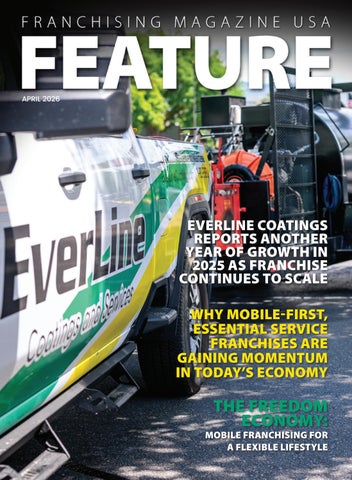
e ver l ine coaT in G s r epor T s a no T her y ear o F GroWT h in 2025 as Franchise con T inues To s cale
Why Mo B ile-Firs T, e ssen T ial s ervice Franchises a re Gainin G Mo M en T u M in To Day’s e cono M y
The Free D o M e cono My:
Mo B ile Franchisin G For a Flexi B le li F es T yle
M o B i LE F ranchising
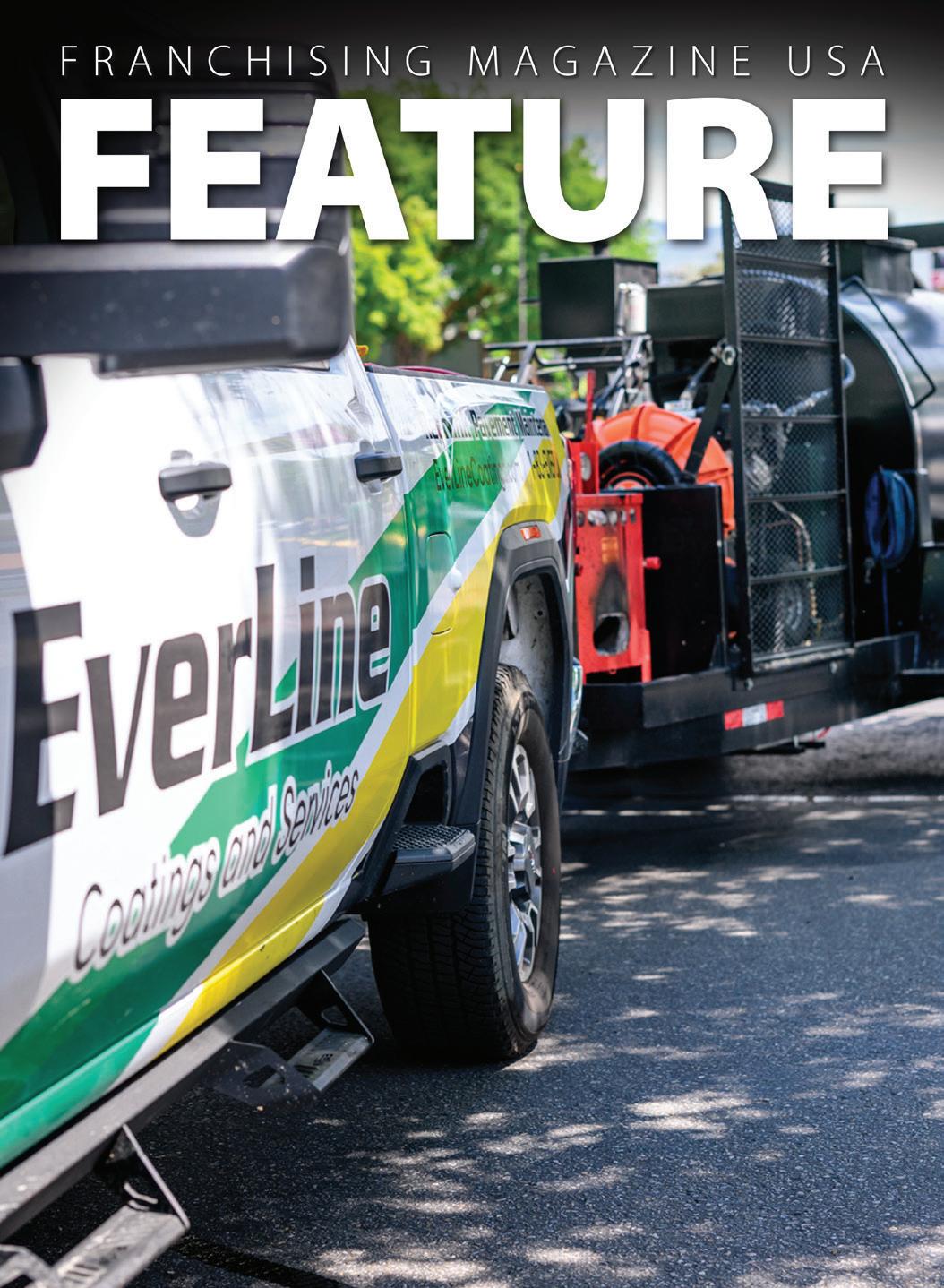
On the Cover
38 EverLine Coatings
36 Chris Conner: The Freedom Economy Mobile Franchising For a Flexible Lifestyle
44 John Dobelbower: Why Mobile First, Essential service Franchises are gaining Momentum in Todays Economy
Have Your Say
40 Stefan Figley: running a successful Packout company requires Empathy
50 Daniel McCarty: Key differentiators can be a Make or Break Proposition For Emerging Franchise Brands
Franchisee In Action
46 Go Mini’s: Building on Family roots
Franchisor In Depth
38 EverLine Coatings: eports another Year of growth in 2025 as Franchise continues to scale HOMEstretch: Maximizing seller roi Scott Ossim: ontractor commerce
Michael Moorhouse: President of Mosquito shield
Snapshot
Units Moving and Portable Storage: ees surge in Future Focused Moving Quotes
the Freedom eConom Y:
m obIle Fran C hI s In G For a Flex Ible lIFest Y le
In today’s world, the traditional 9-to-5 office job isn’t the only path to a stable, rewarding career. People increasingly crave freedom, independence, and the ability to shape their work around their lives — instead of the other way around, as once dominated traditional career landscapes.
According to the Bureau of Labor Statistics, the median job tenure in January 2024 was just 3.9 years, reflecting a growing desire for flexibility and control over one’s schedule. Mobile franchising fits perfectly into this “Freedom Economy,” giving entrepreneurs the chance to build a thriving business while maintaining a lifestyle that’s flexible, mobile, and truly their own.
the rise of Flexibility and Mobile Work
Remote work, flexible schedules, and the gig economy have all reshaped the way people think about work. Between 2020 and 2023, specifically sparked by the pandemic of 2020, the U.S. saw a 74% increase in remote work adoption, with 32% of all jobs still offering some degree of telework flexibility, according to Pew Research Center. Consumers, too, have adjusted their expectations: they want services on their terms, often delivered to their homes, offices, or wherever they happen to be. Even Amazon has reset our expectations for speed, leaving consumers surprised when shipping takes longer than two days.
Mobile franchising leverages this shift, letting owners meet customers where they
Chris Conner has worked in the franchise development industry for almost 20 years and helped over 600 brands franchise their brand and develop franchise distribution channels. He founded Franchise Marketing Systems in 2009, which now includes a team of 27 franchise consultants based in and Canada and supports brands around the world to grow and scale through franchise expansion.
Visit www.fmsfranchise.com for more information
are rather than waiting for them to walk through a storefront door.
Mobile Franchising can Be powerful
Unlike traditional franchises that require retail space, inventory, and a full staff, mobile franchises operate a little more lean. Lower overhead costs translate into more freedom, faster scaling, and the ability to reach customers directly. Entrepreneurs can start with a single vehicle or service truck and grow into multiple territories without the complexity of additional real estate. In other words, the business model is designed to work around your life, not consume it — an idea that we could all use more of.
Mobile franchises also appeal to aspiring business owners seeking both financial and lifestyle flexibility. Many owners report that mobile operations give them more control over their schedule, the ability to travel while maintaining business operations, and a better work–life balance — benefits that traditional brick-andmortar setups can rarely match.
a deeper dive into key Benefits
• Freedom and Flexibility
Owners can set their own schedules,
choose service territories, and even pivot services based on local demand. This autonomy makes mobile franchising a natural fit for today’s flexible workforce.
• Lower Startup Costs
Without the need for storefront rent, large inventories, or a big staff, initial investments are significantly reduced. Franchisees can allocate more capital to marketing, equipment, or expanding their territory instead of fixed costs.
• Scalability and Territory Expansion
Mobile operations can cover larger geographic areas without additional locations. This creates opportunities for multi-unit growth while keeping overhead lower.
• Faster Market Penetration and Brand Recognition
With mobile services, franchisees can establish a presence quickly, generate referrals, and build a loyal customer base by meeting clients where they live or work.
• Work–Life Integration
By integrating business operations into everyday life rather than forcing life around the business, owners often report higher satisfaction, increased productivity, and lower burnout rates.
Mobile Franchises now available
This flexible model that strikes an ideal work-life balance is no pipe dream. Several franchises throughout the world are successfully operating this model and growing quickly, with franchisees and franchisors enjoying a business that fits seamlessly into life with family, kids, friends, personal health, and lifestyle goals. Here are a few examples:
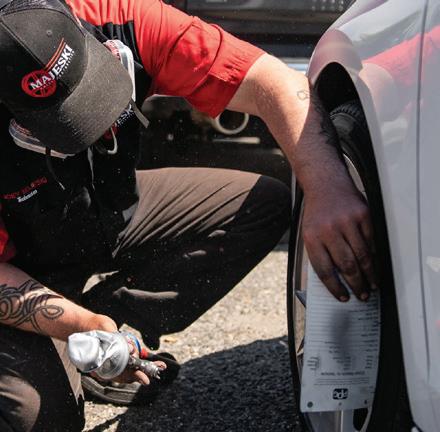
Majeski Wheel Restoration offers elite, on-site wheel restoration. Franchisees gain access to a refined platform designed to operate efficiently, launch quickly, and deliver consistent results. With minimal fixed costs and mobile infrastructure, owners can tap into a rapidly growing, underserved market while enjoying personal freedom.
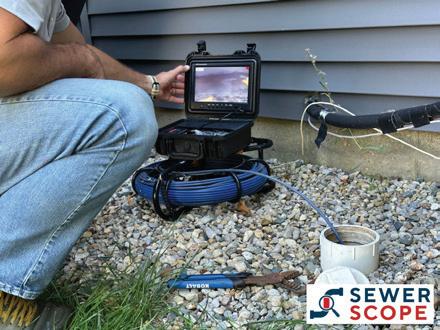
Sewer Scope fills an essential niche in the home inspection process. Specializing in sewer line inspections, franchisees deliver professional, high-margin services directly to homebuyers, real estate agents, and inspectors. No storefront, minimal overhead, and a proven system make launching and growing straightforward.
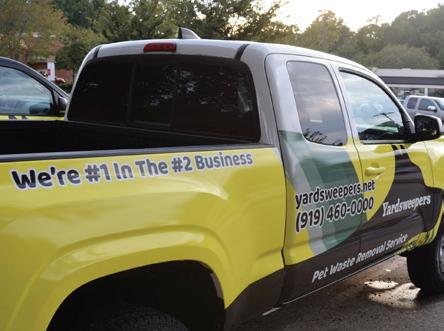
Yardsweepers provides residential and commercial pet waste management services. From apartment complexes to parks, Yardsweepers allows franchisees to offer much-needed solutions with a low-overhead, mobile operation. By addressing recurring, everyday problems, owners can build a loyal client base quickly.
These brands illustrate the versatility and profitability of mobile franchising — offering hands-on operators the chance to deliver specialized services efficiently while maintaining personal freedom.
the aerial View of Mobile Franchising
Mobile business models aren’t limited to automotive or home services; they’re expanding across multiple industries. From cleaning franchises like The Highland Cleaning Co. to mobile food services like Wee Irish Pubs, consumer demand for convenient, on-demand services continues to grow. For franchisees, this means opportunity — lower barriers to entry, faster growth potential, and a business model designed for today’s modern mobility.
Mobile franchising isn’t just a trend — it’s a response to the way people want to work, live, and consume services and it will only increase as time goes on. By eliminating storefronts, lowering overhead, and offering scalable, simplified operations, mobile franchises give entrepreneurs the freedom to shape their business—and their lifestyle—while serving a consumer market that values flexibility just as much.
Whether you’re a hands-on operator, an investor, or someone seeking a way out of the traditional desk job, mobile franchising offers a pathway to success that’s aligned with the realities of modern work. With proven systems, strong brand support, and direct access to customers, these businesses are built to deliver results, all while giving owners the freedom to enjoy an era of flexibility.
For more information on mobile franchising opportunities or to explore how to launch your own mobile franchise, visit www.fmsfranchise.com or email the team at info@franchisemarketingsystems.com.
e ver lIne CoatIn G s r eports another
Year o F Gro W th In 2025 as Fran C h I se
Cont
Inues to sC ale
Line striping and pavement maintenance franchise closes the year with expansion across North America, systemwide performance gains, and industry recognition.
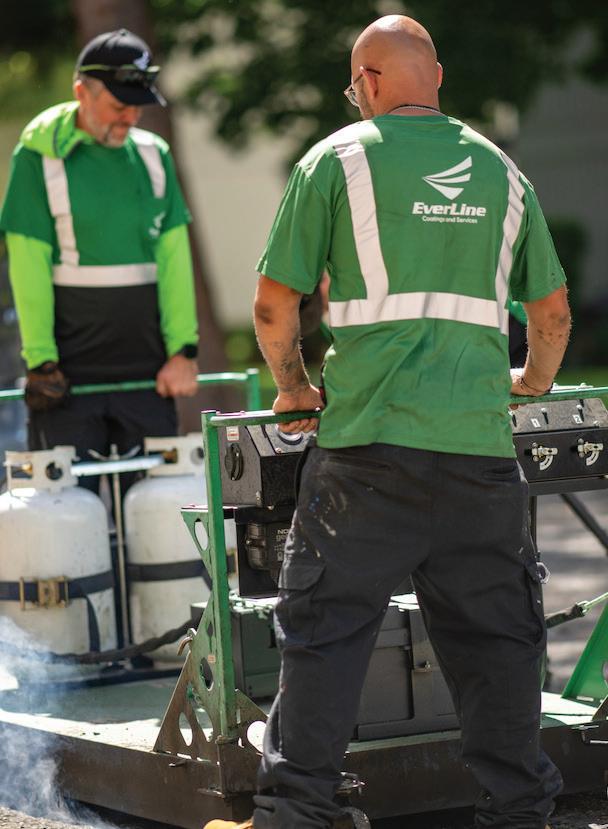
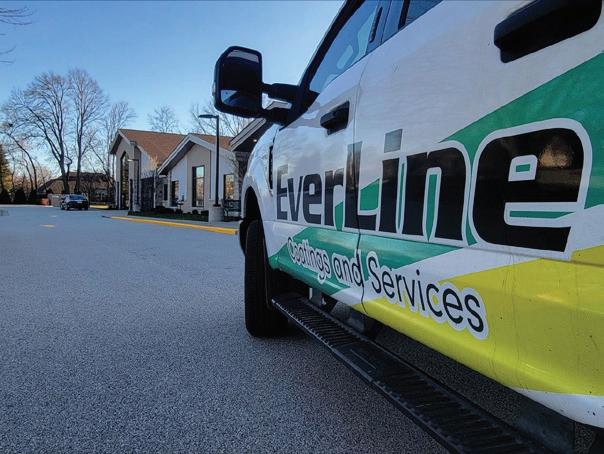
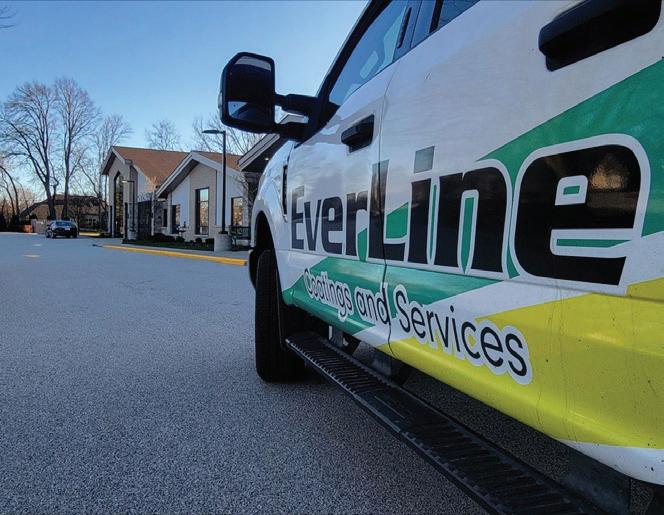
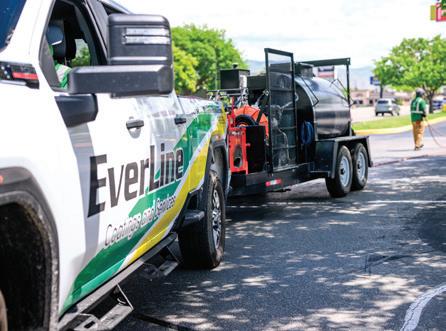
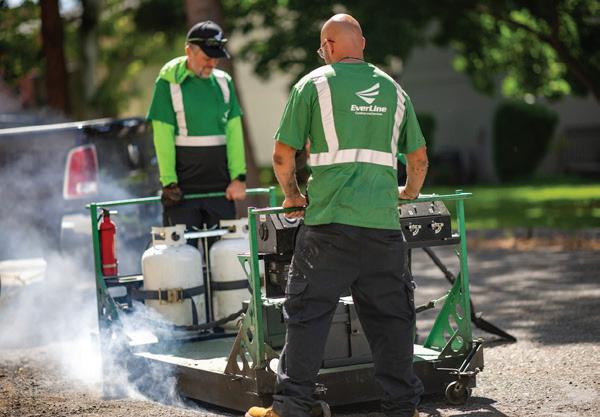
EverLine Coatings, North America’s fastest-growing line striping and pavement maintenance service business, closed out 2025 with another year of strategic growth and progress toward its long-term goal of becoming the largest single-source provider of pavement maintenance services across the North America.
Now in its third year operating in the U.S. and 14th year since its establishment in Canada, EverLine Coatings continued to scale its footprint in 2025, expanding into new regions while also seeing strong performance across its existing franchise network.
Over the course of the year, the brand added 17 new franchise locations across North America, bringing the system to 123 open and operating locations by year-end, with 17 additional locations in development and 15 expected to open in 2026.
everLine coatings closes out 2025 with another year of strategic growth
EverLine Coatings saw strong samelocation performance in 2025, with franchisees benefiting from increased demand for pavement maintenance services, continued investment in system development, and operational efficiencies introduced across the network. 13 of EverLine Coatings locations exceeded $1 million in annual revenue with the topperforming location in Calgary generating over $2.8 million in revenue.
“We’ve been intentional about building the systems and support our franchisees need to succeed, and in return, they continue to raise the bar in their local markets,” said John Evans, Founder and CEO of EverLine Coatings. “Seeing that effort translate into real momentum across the network has been incredibly rewarding.”
everLine coatings earns industry recognition
EverLine Coatings continued to earn recognition from leading franchise and business organizations for its performance, culture, and franchisee support:
• Ranked #258 on Entrepreneur’s 2026 Franchise 500, a 183-spot jump from the previous year, and ranked #128 on Entrepreneur’s Top Global Franchises of 2025.
• Received multiple awards from Franchise Business Review including Top Franchise for Veterans, Top Franchise for Women, and Top Franchise Satisfaction.
• Presented with the Award of Excellence Grand Prize for the third time in four years by the Canadian Franchise Association and awarded Gold status for the fourth year in a row.
• Received the Sustainable ScaleUP Of The Year award from ScaleUP.
These accolades strengthen EverLine Coatings’ distinction as a standout franchise brand in a traditionally fragmented industry, recognized for its commitment to customer and franchisee satisfaction as well as responsible and sustainable growth.
paving the Future of Line striping and pavement Maintenance
EverLine Coatings invested in system
development, training, and administrative efficiency throughout 2025, to best equip franchisees to meet the growing demand from their clients for our services. The brand also continues to strengthen its core capabilities by adding new service lines and pursuing additional revenue streams across offerings like striping, sealcoating, crack filling, asphalt repair, custom stenciling and interior epoxy flooring solutions utilizing the brand’s EverFloor Durable Systems division.
In the past year, the brand completed a full revamp of its technology infrastructure, launching the “EverLine Hub,” a fully integrated software suite designed to streamline estimation, proposal generation, CRM integration and operational workflows. The company also introduced a newly structured System Development Department focused on improving franchisee certification, operational
training, and launching new revenue streams across the network.
scaling a Franchise system Built for Long-term success
With demand for safe, compliant, and well-maintained properties continuing to rise, EverLine Coatings enters 2026 positioned for continued expansion and performance across North America. The company will continue its pursuit of ninefigure systemwide revenue, reinforcing its commitment of becoming North America’s leading single-source pavement maintenance provider.
Looking ahead to 2026, EverLine Coatings is focused on bolstering franchisee support and accelerating systemwide growth through several strategic initiatives:
• Double revenue in the interior coatings division, while accelerating growth of the EverFloor Durable Systems platform.
aBoUt eVerLine coatinGs:
EverLine Coatings and Services is the first franchise company to bring sophistication to the underdeveloped, highly fragmented line striping and pavement maintenance industry as a full-service provider, positioning itself as the premier choice for parking lot maintenance. Since its founding in 2012, the company has seen significant growth with 123 locations open and operating across North America with several more currently in development in the U.S. and Canada. EverLine provides a muchneeded solution for property owners and managers across North America looking for a professional, credible, communicative, and quality-focused line striping and pavement maintenance service provider.
• Roll out an automated prospecting and follow-up system to drive consistent franchisee sales activity.
• Streamline administrative operations to free up franchisee time with expanded in-house bookkeeping resources.
• Conduct field visits for all franchisees in strengthen hands-on support.
“We’re proud of the strides made in 2025, and even more excited to continue building alongside our franchisees,” Evans added.
“Our focus is on maintaining a durable, people-first franchise system that delivers value for our franchisees and customers, year after year.”
For information on becoming an EverLine Coatings franchise owner, visit everlinefranchise.com/us.
If you’ve ever felt like major storms and other catastrophic weather events have become more common, you’re not wrong. According to the Centre for Research on the Epidemiology of Disasters (CRED), there averaged somewhere around 100 natural disasters per year during the 1970s. Over the past two decades, that number has climbed to 400, accelerated by the broader forces of climate change.
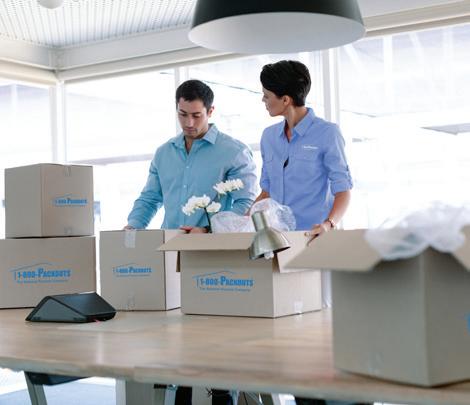
As the frequency of savage storms increases, so does the need for responsive recovery and relief efforts, including services that work alongside insurance adjusters to help homeowners—and entire communities—get back on their feet. Packout services are a prime example. Following a serious weather event, packout companies come into the home, take a careful inventory of all affected assets, and remove them to an off-site facility where they can be cleaned and restored. Packouts are a service that can feel truly invaluable to homeowners in a time of crisis, taking items—clothing, electronics, family heirlooms and photo albums—that seem damaged beyond repair, and then making them seem just like new again.
For aspiring entrepreneurs who want to be helping hands within their local community, buying a packout franchise can provide an easy entry point. But it’s important to keep in mind that success in this field involves more than just business savvy or technical expertise. It also requires a deep reserve of compassion, and the ability to convey sympathy and understanding to neighbors experiencing crisis. The franchising model can provide the practical resources needed to channel these qualities most effectively.
how franchising facilitates compassion and care
Customers are undoubtedly beset by ongoing anxieties about the state of their property, the chances that their assets
can ever be fully recovered, and the various costs and inconveniences involved with having their home temporarily uninhabitable.
Packout services can make this entire experience a little bit easier to bear, simply by demonstrating a real awareness of—and sympathy for—the homeowner’s difficult situation.
Packout franchises provide unique opportunities for owners to demonstrate compassion and care. For example:
• Franchising equips owners and their teams with comprehensive training. Working with customers who are overwhelmed and vulnerable can require an extra dose of patience—and plenty of emotional sensitivity. Those qualities don’t always come easily, but training can go a long way. Franchiselevel training resources equip packout owners and employees to offer a calming presence, and ample emotional support, when homeowners really need it.
• Franchises provide the necessary tools for clear, consistent communication. When packout companies communicate well, it helps homeowners to feel seen, heard and valued. Franchise systems can provide owners with the communication tools and technologies they need, along with proven cadences for follow-ups and check-ins—ultimately helping homeowners feel like they are in the loop throughout the restoration process. The upside for local owners is a much higher level of client satisfaction, which can help establish them as the regional packout service of choice.
• Franchise systems help local owners anticipate customer needs. It’s perfectly reasonable, in the wake of a crisis or disaster, for homeowners to feel a bit dazed. They may not be thinking clearly about short-term needs, like having sufficient clothing to wear while the rest of their assets are being restored. Packout companies can help anticipate these needs and advise homeowners on making the necessary arrangements. Again, franchise-level training and support can help to hone these anticipatory powers, drawing from proven track records supporting homeowners weathering crises.
aBoUt ste Fan FiGLey: Stefan Figley is president of 1-800-Packouts, a leader in the contents and personal property restoration franchise industry since 2016 and part of the Five Star Franchising platform of home service brands. Figley has nearly 30 years of experience in the franchise and marketing industries, with a focus on brand growth. He has held executive and leadership positions with nationally recognized companies such as Terminix, Steamatic, Merry Maids and Jani-King International, as well as prominent international roles in the marketing industry.
• Franchise systems support careful documentation. Franchise owners can communicate empathy for their customers simply by making it clear that they are handling items safely and securely—and that they know where homeowner assets are at all times. Having advanced inventory systems can be essential here. Franchising offers a huge technology advantage, allowing local owners to benefit from sophisticated technology without having to invest their own money in research, development or implementation.
• Franchises come with built-in reputations for sympathy and support. Finally, when homeowners experience traumatic incidents, they want to find vendors and service providers they can trust. Franchising offers established name recognition, meaning local owners benefit from a brand name that’s already associated with compassion and care. This can be a significant boost when it comes to earning trust.
As natural disasters become more numerous, the services offered by packout companies become more valuable— particularly when paired with a real sense of compassion. Franchising provides some unique benefits here, helping local owners to be effective as helping hands in their community. v
scott ossim of Contractor Commerce with
service franchises were slower to adopt ecommerce than retail. Why do you think that was, and what’s changed?
Retail deals with static products; a hat is a hat. Service franchises, particularly in home services, deal with endless variables.
The question becomes: How do we serve homeowners online while setting realistic expectations? This challenge only became possible with AI-powered buying tools that can adapt to complex scenarios. Using newer methods, we can bridge the historical gap between product and service models.
From your perspective, what is driving the current tipping point for hVac and home service franchises when it comes to online pricing and ecommerce?
The fear of losing out to competition. Our market is split into two groups: early adopters who have dominated their local search volume for a decade, and everyone else.
The second group is realizing how much business they’ve missed out on without pricing transparency. What we’re seeing now is a surge of estimators being created as companies scramble to catch up.
“ Ecommerce drives efficiency. Customers who enter the sales funnel with better information close faster and with less confusion. Prequalified leads generated through online estimators typically yield 15% higher ticket averages because of the convenience.
”
how does ecommerce impact performance for franchisees?
Ecommerce drives efficiency. Customers who enter the sales funnel with better information close faster and with less confusion. Pre-qualified leads generated through online estimators typically yield 15% higher ticket averages because of the convenience.
Many franchise owners worry that posting pricing online will attract price shoppers. What are you actually seeing in the field?
Online pricing is not a “race to the bottom.” In fact, it’s quite the opposite:
The most successful companies using online estimates are rarely the cheapest. Premium buyers value their time above all else. If a provider doesn't offer transparent pricing, these high-value homeowners simply overlook them. People aren’t just interested in the lowest price. They’re looking for the path of least resistance.
how does instant pricing and online estimating change the customer journey before the first phone call?
When the first mention of price is convenient, the follow-up call shifts from negotiation into a productive consultation. One of our contractors said it best: “Get the bear out of the room and make the whole thing easier.”
For franchisors, how does ecommerce create more consistency across multiple locations?
Ecommerce provides a unified and consistent method for selling. Transparent online pricing ensures a customer in New York receives the same professional experience as one in Philadelphia. This is the only way to protect brand integrity at scale.
What are private equitybacked franchise groups paying attention to when it comes to digital sales tools?
Predictability and scalability. PE groups want high-margin channels that don't rely on a few "rockstar" salespeople. Self-guided options create a baseline of consistency that allows scaling without guesswork.
across contractor commerce customers, nearly $2 billion in instant estimates have been generated. What does that number tell you about how homeowners are buying today?
The $2B milestone is a massive signal that homeowners want autonomous shopping. They are effectively saying: "Give me the data, let me compare options in private, and I will reach out if your process has been transparent."
This once-in-a-generation consumer shift has already become standard practice for many markets.
What mistakes do franchise systems make when trying to introduce ecommerce or instant pricing?
Launching the platform but failing to market the convenience. Homeowners need to know they can shop online. If "Easy & Online" isn't a central marketing message, you're leaving money on the table.
if you were advising a home service franchise owner who hasn’t embraced ecommerce yet, what practical first step would you recommend?
Step into your customer's shoes. Search "HVAC estimate near me" and see what your competitors are doing. You’ll likely be surprised by how many of them are already offering the seamless digital experience you might be currently missing! v
Wh Y m obIle-FIrst, e ssentI al
s erv IC e Fran C hI ses are GaInIn G m omentum In t odaY ’s eConom Y
Over the past several years, the franchising landscape has continued to evolve as investors take a closer look at how different business models perform in a changing economic environment. While traditional retail concepts remain an important pillar of the franchise industry, many prospective owners are also increasingly drawn to essential service businesses, especially those built around mobilefirst operations that support infrastructure, trades, and other B2B services.
Rather than replacing retail, these models are expanding the definition of what a successful franchise system can look like.
The growing interest in essential-service franchises reflects broader economic realities. Industries such as construction, logistics, utilities, and manufacturing rely on equipment, vehicles, and systems that must remain operational regardless of economic conditions. When something breaks, the priority is restoring functionality quickly so businesses can continue operating.
Because of this, service providers that keep equipment and infrastructure running often operate in environments where demand is tied more closely to productivity than to consumer spending cycles. This dynamic
has made essential service businesses increasingly attractive to entrepreneurs looking for resilient opportunities within franchising.
the advantages of Mobility
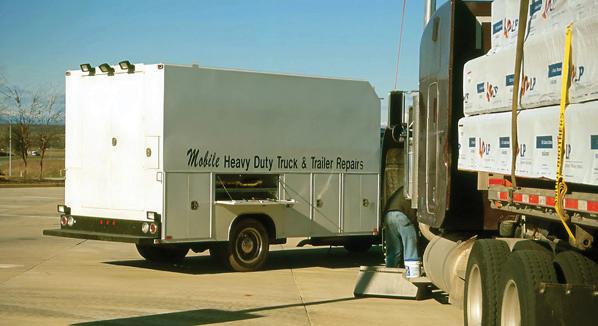
A defining feature of many emerging service franchise models is mobility. Mobile-first operations bring services directly to customers, whether that’s a construction site, industrial facility, warehouse, or fleet yard.
For franchise owners, mobility can offer several advantages.
First, mobile operations often require a smaller real estate footprint compared to traditional retail locations. While many systems still maintain storefronts or service
centers, the ability to reach customers on-site allows brands to operate efficiently without relying entirely on high-traffic retail corridors.
Second, mobile service models prioritize responsiveness. In industries where equipment downtime can halt productivity or delay projects, businesses place significant value on partners who can respond quickly and solve problems onsite.
Third, the mobile model allows franchise systems to scale by expanding service capacity across a territory. Adding additional vehicles, technicians, and service routes can increase coverage without necessarily requiring additional brick-and-mortar locations.
These operational advantages are one reason mobile-first models are becoming more common across a variety of service sectors within franchising.
Why essential services continue to perform
Another factor supporting the growth of essential-service businesses is the increasing complexity of modern infrastructure. From transportation networks to construction equipment and manufacturing systems, industries rely on highly specialized machinery that requires consistent maintenance and rapid repair when problems arise.
At the same time, extreme weather events and climate-related challenges are placing additional strain on infrastructure across North America. Storms, flooding, and temperature extremes can accelerate wear
As Vice President of Franchise Development at PIRTEK, John Dobelbower is responsible for the company’s franchise expansion. John brings nearly 20 years of franchise development and small business ownership experience to his current role. As the leader of PIRTEK’s franchise development team, John is a driving force behind developing and implementing PIRTEK’s aggressive strategic initiatives for North American franchise development.
on equipment and systems, increasing the need for reliable service providers who can keep critical operations running.
For franchise investors, this environment highlights the value of businesses that operate at the intersection of infrastructure, maintenance, and operational support. These services often address urgent needs rather than discretionary spending, which can provide a degree of resilience during periods of economic uncertainty.
the role of retail in serviceoriented Brands
Importantly, many successful franchise systems combine mobile service capabilities with physical retail or service locations. Rather than viewing retail and mobile operations as competing models, many brands use them together to better serve customers.
Retail locations can provide centralized service hubs, inventory access, and walkin support, while mobile units extend a brand’s reach into the field. This hybrid approach allows franchisees to meet customers where they are or be right where they need to be.
For many franchise systems operating in the trades and industrial services sectors, this combination of mobility and retail presence creates a balanced operational
model that supports both responsiveness and long-term growth.
What today’s Franchise investors are Looking For
Prospective franchise owners today are approaching opportunities with a more analytical mindset than ever before. In addition to brand recognition, investors are evaluating business models based on operational durability, scalability, and the types of customers they serve.
Service-oriented franchise systems that support essential industries often stand out in this analysis. These businesses typically serve commercial clients with recurring needs and build long-term relationships that extend beyond one-time transactions. Equally important, many of these models allow owners to focus on building teams, managing operations, and expanding service capacity within their territories rather than relying solely on consumer foot traffic.
a Broader Future for Franchising
The continued growth of mobile-first service franchises reflects a broader evolution within the franchise industry. As the economy becomes more serviceoriented and infrastructure demands increase, franchising is expanding beyond traditional retail concepts to include a wider range of operational models.
Retail will always remain a vital part of the franchise ecosystem, but the rise of essential service brands with strategic mobility and retail placement is showing how franchising continues to adapt to the needs of the modern economy.
For entrepreneurs exploring opportunities in the trades, industrial services, and infrastructure support sectors, these models offer a compelling blend of stability, scalability, and long-term demand. v
bu Ild In G on Fam IlY r oots:
H OW THE MCC AUGHEY FAMILY IS G ROWING
G O M INI’S OF S OUTHERN N EW E NGLAND
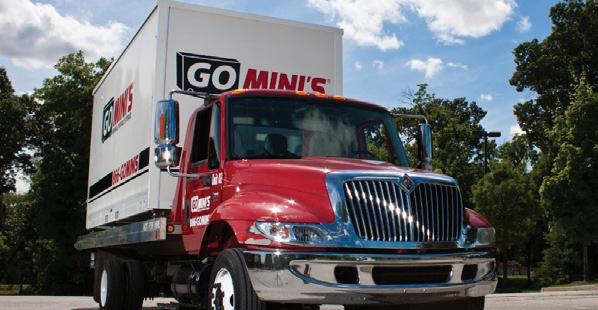
When Tom McCaughey first learned about Go Mini’s in the early 2000s, he had an immediate thought: That’s a smart business. I should be a part of that. Already established in transportation and logistics, industries where efficiency, reliability, and strong customer relationships are essential, the portable storage model immediately clicked. It combined trucking, logistics, and service in a way that perfectly aligned with his expertise.
The timing wasn’t quite right at first, but the idea stayed with him. Years later, the opportunity to bring Go Mini’s to Southern New England finally aligned with Tom’s vision and his desire to build a business alongside his sons, Patrick and
Sam. Together, the three recognized it as the perfect moment to combine their experience and launch a venture that would become a family enterprise.
a Family Business with Generations of history
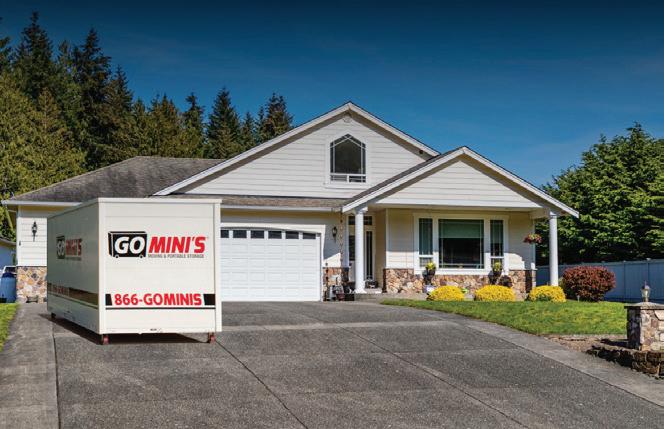
For the McCaugheys, entrepreneurship is part of their family story. Go Mini’s of Southern New England operates out of Pawtucket, Rhode Island, on property that has been part of the family for generations.
The home and yard where the business now operates once belonged to Sam and Patrick’s great-great-grandfather, who immigrated from Northern Ireland and opened a furniture business there. Over the decades, the property has hosted several family-run enterprises, including a paint shop and a waste disposal company. Today, it serves as the yard and office for the McCaugheys’ portable storage operation. Operating from that same location carries special meaning for the family. The
property has supported businesses in their family for more than a century, and continuing that tradition ties their newest venture to the generations that came before them.
combining e xperience across industries
One of the advantages the McCaugheys bring to the business is the range of experience across the family. Tom has spent most of his life in the transportation industry. Early in his career, he co-founded a waste management company that hauled dumpsters and handled disposal services for more than two decades before the company was acquired by a national firm. After that, he launched a charter bus operation that transported school sports teams and community groups, running the business successfully for many years before it was also eventually acquired.
Those decades in transportation gave Tom extensive experience in logistics, fleet management and customer service, skills that translate naturally to portable storage.
His sons bring their own entrepreneurial backgrounds. Patrick, the company’s Chief Technology Officer, has spent years starting and building businesses. He ran specialty coffee ventures for nearly a decade, launched pop-up food businesses and later worked in automotive shipping and logistics before moving into the transportation software sector. Now, he uses that experience to help the company modernize its systems and operations.
Sam, Chief Operating Officer, spent much of his career working in food and beverage, primarily with small, locally owned businesses. After college, he built a career helping those businesses grow and eventually co-founded a restaurant. Later,
he stepped away from that venture to join his father and brother in building the Go Mini’s business, something he had long hoped to do.
Why Go Mini’s stood out
When evaluating the opportunity, the McCaugheys quickly saw how closely the Go Mini’s model aligned with their experience. Portable storage sits at the intersection of transportation, logistics and customer service, areas the family already knew well.
Still, what ultimately confirmed they had made the right decision was the strength of the franchise network itself. Just a few weeks after purchasing Go Mini’s of Southern New England, the family attended the annual Go Mini’s conference in San Diego. Meeting other franchise
owners and learning more about how the system operates gave them confidence they were joining a brand designed to support its operators.
The Go Mini’s network provides franchisees with an in-house customer relationship management system, national preferred vendor partnerships and ready-to-use marketing materials that help local operators establish their presence. Franchise owners also stay connected through regular check-ins with leadership and fellow operators, creating opportunities to share ideas and best practices.
Operating a Go Mini’s location still requires hard work and local initiative, but the McCaugheys say the framework provided by the brand allows them to focus on building their business locally.
a Local approach in a national industry
Portable storage is a competitive industry, but the McCaugheys believe their biggest advantage is their local presence.
While some competitors operate primarily through large national systems, Go Mini’s of Southern New England emphasizes relationships within the community.
The family works directly with local businesses and organizations and is actively introducing the brand throughout the region.
Their goal is to become a recognizable and trusted name in the communities they serve. The team attends trade shows, meets with business owners and builds connections across Providence County and Bristol County in both Rhode Island and Massachusetts.
At the same time, they are continuing to modernize the business. After taking over the franchise, the team implemented updated workflows and introduced digital tools such as online payment options. These improvements help streamline operations while maintaining the personal customer service the family values.
Looking ahead
Today, Go Mini’s of Southern New England serves communities across Rhode Island and nearby Massachusetts, including Providence County and Bristol County. As the business grows, the McCaugheys are focused on expanding their operations, building brand recognition across the region, and giving back to their communities.
After decades of experience across industries and years of watching the Go Mini’s brand from afar, Tom and his sons are confident they have found the right fit.
“The systems and support are important, but what really excites us is the chance to build something locally,” the McCaugheys say. “We want people in Southern New England to know our name and know they’re working with a family that lives and works in their community.” v
m ax I m I z In G s eller ro I:
W HY H OME PREPARATION IS THE “E ASY B UTTON” FOR THE 2026 SPRING M ARKET
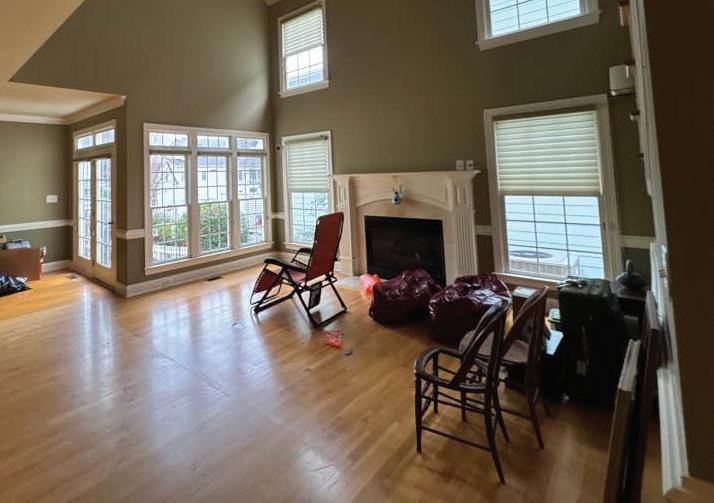
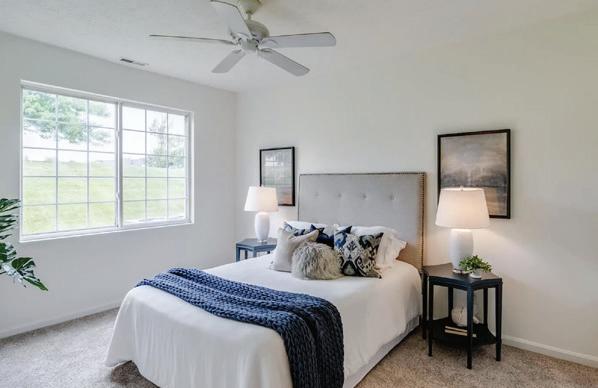
What a TRANSFORMATION...from this to this
As the real estate industry heads into the peak spring selling season, the stakes for homeowners and real estate professionals have never been higher. With over 4 million existing homes that are expected to change hands this year, competition for buyer attention is fierce. Data consistently shows that spring is the most lucrative time to list, with sellers netting thousands of dollars more in April and May compared to the late-year slowdown.
However, there has been an ongoing paradigm shift in what buyers, particularly younger buyers, expect for their new homes. The age of the “fixer-upper” has passed the newest generation of buyers with lightning speed. Instead of looking for bargains that need months of TLC, these homeowners are looking for a turnkey, move-in-ready experience where they can simply hang a TV and feel at home. For the modern seller, the challenge isn’t just listing; it’s preparing. This is where professional home preparation has emerged as the essential strategic advantage for sellers.
the home preparation Gap
Historically, preparing a home for sale was a fragmented, high-stress ordeal. A realtor or homeowner would have to manage a steady rotation of unreliable, independent contractors who operated on different timelines, speeds, and deliverables.
To even settle on a final vendor list, homeowners had to spend weeks, if not months, calling two or three vendors per
service, scheduling consultations, waiting for proposals, and coordinating start dates. Each vendor brought their own disconnected schedule, varying level of professionalism, and lack of understanding regarding real estate timelines. This often left the real estate agent acting as a de facto general contractor. Instead of prospecting and selling homes, real estate agents spent their time pleading, negotiating, or threatening painters for subpar work that was two weeks past the anticipated listing date.
HOMEstretch was founded in 2019 to solve this exact problem, creating a new "lane" in the home services industry. By providing a one-stop-shop for the core cosmetic services that home sellers require to list their home efficiently and for top dollar such as junk removal, painting, flooring, landscaping, and cleaning. Creating the "easy button" in the industry.
speed as a competitive currency
In the real estate world, time is money. A home that sits on the market for more than 30 days begins to lose its luster in the eyes of buyers, often leading to price reductions that far exceed the cost of the home preparation work.
To win the spring market, sellers must move with a "culture of speed". Traditional major renovations can take months and involve complex permitting processes that are difficult to accelerate. In contrast, professional home preparation focuses on high-impact, low-complexity improvements that can be executed in a fraction of the time.
At HOMEstretch, our non-negotiable standards include providing a consultation
within 24 hours of contact, sending a quote within 24 hours of the consultation, and starting a job within five business days of a signed contract. Most typical projects are completed in just 5 to 7 business days. This efficiency allows agents to schedule listing photos with confidence, ensuring they hit the market while buyer energy is at its peak.
the roi of "neutralizing" the home
Sellers are often hesitant to spend money on a property that they are leaving. It’s a tough ask for somebody to invest $10,000 in new flooring and painting when they don’t get to enjoy the final product. However, strategic investment in the "90% of the home"—the walls, ceilings, and floors—consistently yields a higher return on investment than major structural remodels. Instead of spending $10k to prepare your home for sale, homeowners should look at it as an investment in the biggest asset that they own. Which should generate a desired return-on-investment from higher sale prices and faster closings. This means eliminating months of paying for ongoing carrying costs; mortgages, insurance, and property taxes..
The goal of professional preparation is to "neutralize" the space. Moving away from loud, personalized choices toward simplified, neutral palettes allows potential buyers to envision their own lives in the home. For example, replacing worn, dated 1980s green carpet with a neutral carpet can radically transform a property’s aesthetic appeal in a single day. By removing these visual hurdles upfront, you eliminate the buyer’s mental 'to-do list,' allowing them to focus on
aBoUt hoM estretch:
HOMEstretch is a pioneer in the emerging home preparation industry, with 70+ locations across North America. Founded in 2019 and franchising since 2023, the company provides a turnkey solution for junk removal, painting, flooring, landscaping, and cleaning, helping homes list faster and sell for top dollar.
furniture placement rather than potential renovations.
By focusing on these "cosmetic overhauls," sellers can bypass the risks, delays, and costs of structural renovations while still delivering the move-in-ready product that today’s market demands.
removing Financial Barriers: the pay-at- close revolution
One of the most significant innovations in the home preparation space is the emergence of deferred payment solutions. Many sellers are "equity rich but cash poor," meaning they have the funds to prep the home, but those funds are currently locked in the house's walls.
Offering "Pay-at-Close" options allows these sellers to fund essential updates using the home’s future equity. Through partnerships with financing providers like Notable or Wisetack, sellers can access up to $75,000 for prep work with no upfront payment and a "soft credit pull" that doesn't impact their ability to secure a mortgage for their next home. This flexibility empowers sellers to make the necessary investments to maximize their sale price without the immediate financial strain.
a partnership for performance
For real estate agents, partnering with a professional home prep service isn't just about the physical work; it’s about brand protection. When an agent recommends a turnkey solution that delivers on time and on budget, they become the hero in the eyes of their client.
As the 2026 spring market heats up, the divide between homes that are "listed" and homes that are "prepared" will become increasingly clear. Professional home preparation is no longer a luxury for highend listings—it is a strategic necessity for any seller looking to maximize their ROI and cross the finish line faster. v
Each year hundreds of new franchise brands enter the marketplace across a wide range of industries. Many are built by passionate founders who believe strongly in their concept and the opportunity to scale it through franchising.
But franchising is a competitive arena. Some brands build strong, thriving networks. Others struggle to gain traction and eventually fade out.
One of the biggest factors separating the two often comes down to a single question:
What truly makes the brand different?
For emerging franchise brands, clearly defining that difference can determine whether a brand gains real momentum or fades into mediocrity.
reviewing the scorecard
Research on emerging franchise systems consistently shows that scaling a brand is harder than most founders initially expected.
Industry reports suggest only a small percentage of franchise systems reach the 100-unit milestone within their first decade. Many stall long before that point. Others never move beyond a handful of locations.
For most franchise systems, reaching 40 to 100 locations is often necessary just to support the overhead of the franchisor organization.
That reality underscores an important point. A brand cannot rely on simply being “good.” It needs to stand out in a meaningful way.
When “Better Marketing” isn’t enough
This lesson became clear to me early on while building JunkStart.
Like many founders, I initially entered the junk removal industry believing differentiation could come from branding, marketing, and service. My thinking was simple: build a strong brand, respond faster than competitors, and deliver a better customer experience.
Those things matter, but they weren’t enough.
In a crowded market filled with volumebased junk removal companies, we quickly found ourselves in what I would describe as a sea of sameness. Everyone claimed great service. Everyone promised quick turnaround. Everyone marketed themselves as the best option.
From the outside looking in, the differences were difficult for customers to see.
That realization forced us to step back and ask a harder question: what if the real opportunity wasn’t improving the model, but changing the model entirely?
rethinking the Business Model
In the junk removal industry, most companies price jobs based on estimated truck volume. The problem is that volume pricing can feel subjective to customers. What one company calls a “half truck” might be different from another.
That lack of transparency creates frustration and uncertainty.
We saw an opportunity to rethink the model by pricing jobs based on weight instead of volume. By implementing certified onboard weighing technology and pricing removal by the pound, customers would know they were paying for exactly what they disposed of.
That shift changed everything.
The pay-by-weight model immediately created a level of pricing transparency that customers had not seen before in the industry. Instead of guessing what a pile of junk might cost, customers could understand the price in a clear and measurable way.
For franchise owners, the model also created better operational clarity and margin control.
a differentiator that changed the Game
What began as a simple idea ultimately became one of JunkStart’s most powerful differentiators.
Today the company operates as the first and only pay-by-weight junk removal franchise brand in the United States, bringing transparency and fairness to pricing while also improving operational efficiency for franchise owners.
An unexpected benefit has been the impact on commercial business. For many B2B customers, the weight-based model makes it far easier to plan, budget, and manage recurring waste removal compared to traditional volume estimates.
That operational clarity has helped open
aBoUt the aUthor:
Daniel McCarty is the founder and CEO of JunkStart Franchising, a junk removal franchise brand built around a payby-weight pricing model designed to bring transparency and fairness to the junk removal industry. The company’s innovative weighing technology and high-capacity trucks support an efficient operating system designed for scalable growth across residential and commercial markets.
Learn more at: junkstartfranchising.com.
the door to significantly more commercial opportunities.
More importantly, it transformed how the brand stands out in a crowded marketplace.
the Lesson for emerging Brands
For founders building emerging franchise brands, the lesson is simple.
Differentiation rarely comes from surfacelevel improvements alone. Faster service, better marketing, or stronger branding can help, but they may not be enough if the underlying business model looks the same as everyone else’s.
The strongest differentiators often emerge when founders step back and rethink the fundamentals of how their business operates.
When a brand truly offers something new, different, and meaningful to customers, it becomes far easier to communicate its value and build momentum in the marketplace.
In a competitive franchising landscape, that kind of differentiation can make all the difference. v
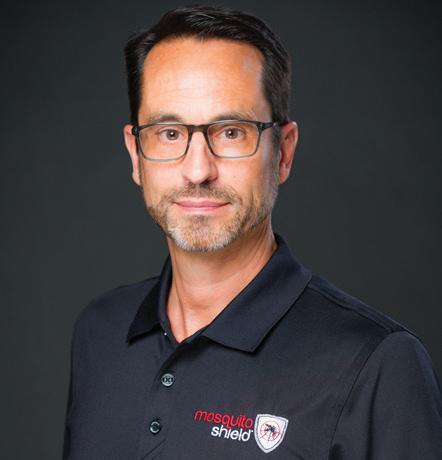
Michael Moorhouse is president of Mosquito Shield, America’s trusted provider of effective residential mosquito and tick control service. Mosquito Shield, part of the Five Star Franchising platform of home service brands, was ranked the #1 franchise in pest control by Entrepreneur in 2023, 2024 and 2025.
michael moorhouse President of Mosquito Shield with
Does it seem like mosquito season begins earlier and lasts longer each year? That’s not just your imagination. As climate patterns shift, mosquitos and other outdoor pests are becoming more problematic, leading to rising demand for outdoor pest control services.
That demand is creating new opportunities for entrepreneurs looking to build a streamlined, recurring-revenue service business, without having to worry about maintaining a physical storefront or a massive staff.
Mosquito Shield has become one of the foremost names in mobile pest control franchising. Brand president Michael Moorehouse explains how the business works, and what makes it a uniquely appealing option for new entrepreneurs.
What is a mobile mosquito control business and how does it work?
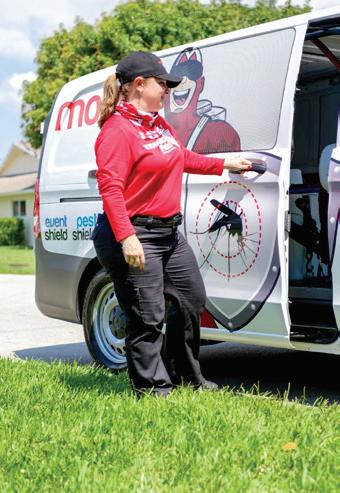
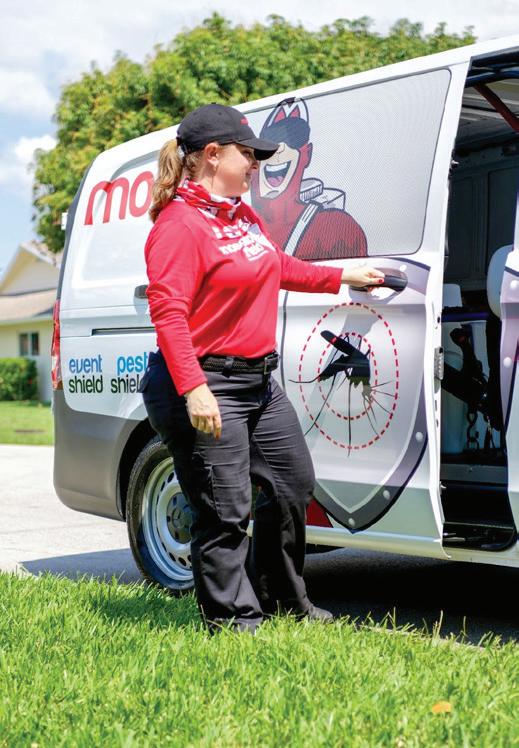
In a mobile mosquito control business, we send technicians directly to customer properties in order to provide them with outdoor pest control services, such as mosquito and tick prevention. The “mobile” component just means that we don’t need a retail storefront. Local franchise owners may operate out of their home, their garage or a simple commercial office space, deploying trained technicians and specialized spray equipment to treat residential and commercial outdoor spaces.
These outdoor pest treatments are applied on a recurring schedule during peak mosquito and tick season, providing customers with greater safety and comfort as they enjoy time in their outdoor spaces. From a business perspective, the model is built around route density and recurring revenue. Customers typically enroll in seasonal plans, allowing local operators to establish predictable service routes and consistent cash flow.
What are the benefits of owning a mobile mosquito control business?
It’s a highly focused, streamlined business, which appeals to many operators. You’re not managing a complex inventory, a huge
staff or significant overhead. Instead, you’re locked in on serving recurring customers in a way that offers strong margins. Mosquito control is a need-based service. Homeowners want to enjoy their backyards, host gatherings and protect their families, all of which create strong demand and repeat business.
Another benefit is lifestyle flexibility. Owners can build a team to run daily operations while focusing on growth, marketing and community relationships. It’s a scalable model that allows you to grow at a pace that aligns with your personal and financial goals.
Why is mobile mosquito control a smart option for first time business owners?
First, it’s a business that customers readily understand. With outdoor pest control, there is a clear problem and solution.
Second, the business is operationally straightforward, especially when compared to restaurants or complex trades. Franchising provides established systems, training and ongoing support so
owners aren’t reinventing the wheel. Instead, they’re stepping into a proven framework with marketing, operational processes and technology already in place.
Finally, this field can be especially appealing for proven operators, thanks to its route-based model and emphasis on recurring revenue. As franchise owners grow their customer base, service routes become more dense and therefore more efficient, allowing them to increase their income while keeping operations lean.
how does a mobile mosquito control business keep startup and operating costs
low?
Again, there’s no need for a storefront, heavy equipment or large crews. That ensures that startup costs remain manageable. Vehicles are branded and outfitted with specialized spray systems. Beyond that, the infrastructure is lean, and inventory mostly involves treatment materials and basic operational supplies.
Operating expenses are similarly efficient. With route-based scheduling, fuel and labor are optimized, and recurring customers create predictable revenue. Owners are able to focus their capital on growth and territory expansion rather than overhead.
is mosquito control a seasonal business and how do mobile owners plan for it?
Outdoor pest control is seasonal, but experienced operators understand how to plan ahead. For example, many owners generate the bulk of their annual revenue during spring and summer, then use less-busy months to focus on tasks like marketing, hiring and building a strategic vision.
how does local ownership improve mosquito control service for customers?
Franchise owners live in the communities they serve. They understand local weather patterns, neighborhood layouts and the specific outdoor pest concerns unique to their area. That insight makes it easier to earn the trust of local customers and to provide truly responsive service.
Customers also appreciate working with a local business owner who is invested in the community. In a service business like this one, personal connection is a major competitive advantage.
What makes mobile mosquito control easier to scale than traditional service businesses?
Scaling is mostly a matter of buying new territories, extending service areas and expanding the available pool of technicians and vehicles. It’s usually not about adding physical locations or heavy infrastructure. Once systems are in place, growth becomes repeatable. Marketing drives new customer acquisition, route density improves efficiency and additional crews expand capacity.
It’s also important to note that, because treatments are recurring, growth compounds with time. A new customer is not just a one-off, but ideally part of an ongoing, seasonal revenue model. That recurring structure makes forecasting and scaling far more predictable than in other traditional service businesses.
Why is mobile mosquito control well suited for growing local markets?
When communities grow, they see an uptick in residential developments, HOAs and outdoor living investments. When there are more homes with decks, patios and landscaping, that means more demand for mosquito control. And more families in the area means a greater desire for kids and pets to play outside without fear of picking up ticks.
Mobile mosquito control meets these needs directly. It’s a practical, high-demand service that aligns perfectly with expanding suburban and exurban communities.
how does joining a franchise system like Mosquito shield ensure local operators are well-supported with marketing resources and technology?
Not only does an established name like Mosquito Shield provide brand awareness, but a franchise system will also offer centralized marketing and lead generation services to create demand. Routing and scheduling technologies enable local teams to meet that demand as efficiently as possible. v
un Its m ov In G and p ortable s toraG e
SEES SURGE IN “F UTURE F OCUSED ” M OVING Q UOTES
AS N ATIONAL M OVING M ONTH D RAWS N EAR
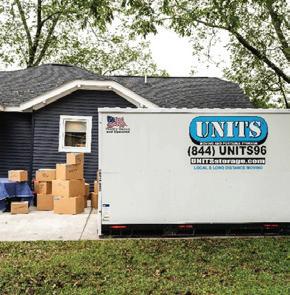
As mortgage interest rates continue to influence housing decisions nationwide, UNITS Moving and Portable Storage is seeing a notable shift in consumer behavior: homeowners and renters are actively planning future moves, even if they are delaying final purchase decisions.
an increase in Quote requests
UNITS reports a record increase in moving and portable storage quote requests from consumers who are ready to sell their home, upgrade from an apartment, or relocate to a larger space but are waiting for mortgage rates to ease before making a final commitment. Based on internal data and direct conversations with customers across its nationwide franchise network, UNITS estimates that approximately 20–25% of recent moving quote requests are coming from consumers who are proactively finalizing expected moving costs with the intention to purchase a new home in 2026.
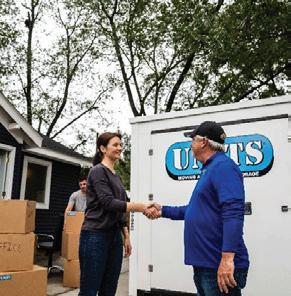
“Our franchise owners are having real, one-on-one conversations with customers
every day,” said Michael McAlhany CEO of UNITS Moving and Portable Storage. “What we’re hearing consistently is that people are motivated, organized, and financially preparing for a move. Mortgage rates are the primary factor slowing action, but not intention or their desire to move.”
Moving industry trends
Many of these prospective movers have expressed strong eagerness to upgrade to larger homes, accommodate growing families, or make long-planned relocations once financing conditions become more favorable. UNITS views this sustained volume of moving quote activity as a leading indicator for future housing and moving demand.
This trend aligns with broader housing market commentary. As noted in a recent Yahoo! Finance article, “Expert housing market predictions for 2026 suggest a market where preparation, flexibility, and local conditions are more crucial than chasing the perfect moment to buy, sell, or relocate.” Consumers appear to be heeding that advice, planning ahead, budgeting carefully, and positioning themselves to act when conditions align.
contributed to modest national home price adjustments, with prices leveling off or declining by approximately 1–2% in many markets. While not a dramatic drop, the stabilization follows years of rapid appreciation and may further support increased buyer confidence heading into 2026.
“Even if rates begin to fall next year, they may not return to historic lows,” Michael McAlhany added. “That’s why we’re encouraging consumers to focus on preparedness, understanding their total moving costs, building equity when possible, and making informed decisions rather than waiting indefinitely.”
With locally owned franchises operating across the United States, UNITS Moving and Portable Storage maintains a unique, ground-level perspective on consumer sentiment. The company’s combination of portable storage solutions and moving services allows customers to plan with flexibility. Whether they are moving immediately or preparing for a future transition.
As expectations remain that the Federal Reserve may begin easing the Federal Funds Rate target, UNITS anticipates that today’s planning activity could translate into a strong resurgence of home purchases and moving demand in 2026.
UNITS also notes that the current slowdown in home purchases has aBoUt Units MoVinG and portaBLe storaG e:
UNITS Moving and Portable Storage is a national leader in portable storage and moving solutions, offering secure, weatherresistant containers delivered directly to homes and businesses. With a network of locally owned franchises across the United States and internationally, UNITS provides flexible storage and moving options tailored to residential, commercial, and long-distance needs.