t he r eigning d i FF erentiator in a h igh- d e M and, h igh-t urnoV er i ndustry h eart to h o M e Meals f ro M g lobal l egacy to local iM pact
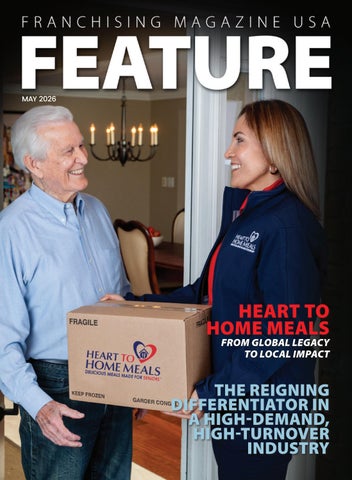
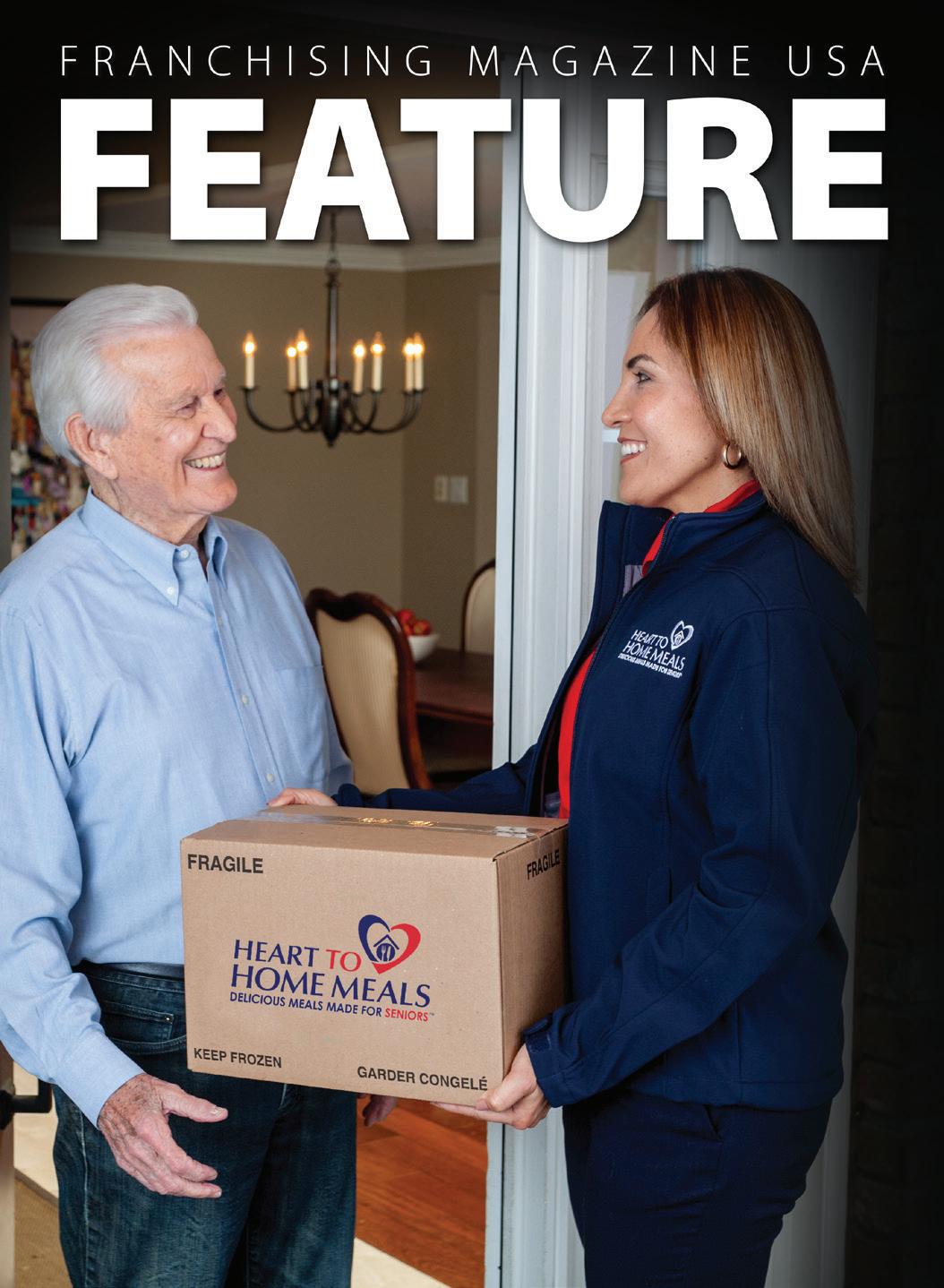
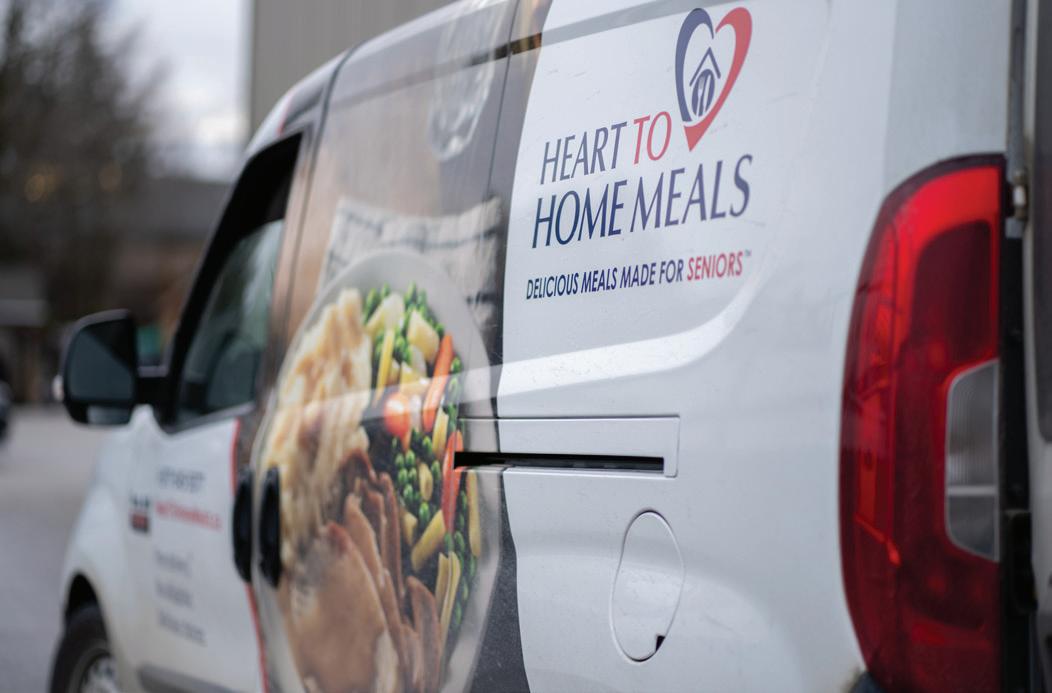
Heart To Home Meals: From global Legacy To Local impact
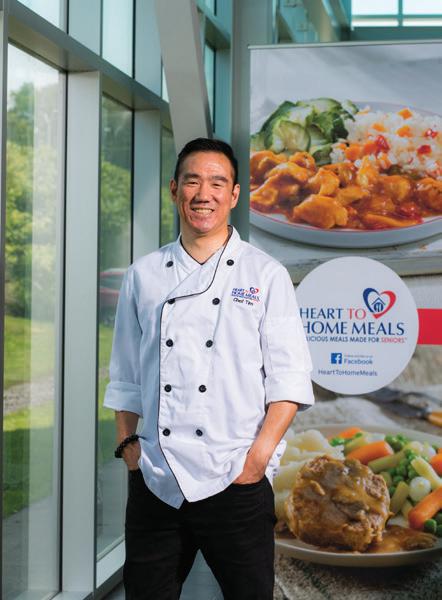
42 Chris Conner: The reigning Differentiator in a high-Demand, high-Turnover industry
Dan Deak: home halo Launches home caring Franchise opportunity
Jake Brown: always Best care, Why senior care Franchising is The opportunity Entrepreneurs shouldn’t overlook 52 Bryan Dylewski: solenvia caregivers, in senior home care Franchising, caregiver reliability is a Winning growth strategy
Fatema Kapasi: owner of a Place at home – Dublin and 2026 Franchisee Excellence award Winner
Fro M g lobal legac Y T o local iMPac T:
h oW hear T T o h o M e Meal S
iS Scaling Pur P o S
e- d riven Franchi S ing in T he u.S.
In franchising, there is often a gap between concept and proof. Many brands enter the U.S. market with compelling ideas, but few arrive with the operational depth and track record needed to scale with confidence.
At Heart to Home Meals, our U.S. story is just beginning, built on nearly seven decades of experience delivering nutrition-focused care across Europe and North America. Today, as we expand our franchise footprint, we are seeing clear validation that our model resonates with both consumers and franchise partners alike.
Our most recent milestone, a newly signed development agreement in Somerset, New Jersey, marks our third U.S. franchise and an important step forward in our Northeast growth strategy. More than a single deal, it is a signal that our approach is working in the U.S. market.
A model Built on decades of Global success
Heart to Home Meals traces its roots back to 1958 in the United Kingdom, where our parent company, apetito, began with a simple but powerful mission: to provide high-quality, nutritious meals to those who need them most. Over the decades, that mission has expanded across Europe and into Canada, where we launched in 2010 and built a strong, scalable operation serving thousands of seniors annually.
Today, apetito generates more than $1 billion in global annual sales and has earned multiple awards for innovation and sustainability. This foundation gives us a unique advantage as we grow in the United States. We are not testing a concept. We are refining and localizing a proven system.
That distinction matters to franchisees. They are not stepping into uncertainty. They are joining a brand with established supply chains, tested operating systems, and a deep understanding of how nutrition supports health outcomes, particularly for aging populations.
meeting a defining demographic moment
The timing of our U.S. expansion is not accidental. Every day, approximately 10,000 Americans turn 65, and the demand for solutions that support aging in place continues to accelerate.
This shift is reshaping multiple industries, from healthcare to housing to foodservice. For us, it reinforces a simple truth: access to nutritious, medically aligned meals is not a convenience. It is essential to maintaining independence and quality of life.
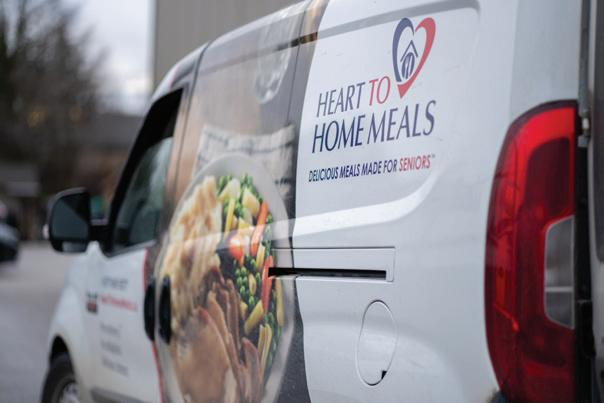
Our model sits at the intersection of food and care. We provide chef-prepared meals tailored to a range of dietary needs, delivered directly into the homes of seniors. But what truly differentiates us is the human element. Our trained drivers do more than deliver meals. They build relationships, offer a moment of connection, and serve as an extra set of eyes and ears for families.
That combination of operational efficiency and genuine social impact is what draws many of our franchise partners to the brand.
From massachusetts to momentum
Before launching franchising in the U.S. in 2024, we established a strong corporate presence in New England, serving communities across Massachusetts, New Hampshire, and parts of Connecticut and Rhode Island.
This footprint allowed us to validate the model and adapt to U.S. market dynamics. From there, we began expanding through franchising, starting with our first U.S. franchise in Raleigh, North Carolina.
That early momentum has continued with growth in the Chicagoland area and now our entry into New Jersey.
The Somerset County development deal is particularly meaningful. It represents our first entry into New Jersey and aligns with our targeted focus on the Northeast and Mid-Atlantic, regions with strong senior demographics and established healthcare infrastructure.
Why the model is resonating with Franchisees
As someone who has spent more than 30 years in franchise development, I have seen firsthand what attracts entrepreneurs to a brand and what ultimately sustains long-term growth.
Today’s franchisees are looking for more than financial returns. They want purpose, stability, and community impact.
Heart to Home meals delivers on all three.
First, there is the mission. Our franchisees are not simply running a food business. They are helping seniors maintain independence and dignity in their own homes. That sense of impact is a powerful motivator and a key driver of engagement at the local level.
Second, the model is designed for performance. With a relatively
low initial investment, no ongoing royalties, and strong average unit economics demonstrated in Canada, we offer a compelling financial opportunity supported by real-world data.
Third, we provide a level of support that reflects our long-term commitment to franchisee success. From training to ongoing coaching and marketing support, we are focused on building sustainable businesses, not just selling territories.
Proof in the early results
The true test of any franchise system is how it performs in new markets. While we are still in the early stages of U.S. expansion, the signs are encouraging.
We are seeing strong interest from prospective franchisees, particularly in regions where demographic trends align with our service offering. More importantly, we see validation at the community level, where demand for reliable, high-quality meal solutions continues to grow.
The New Jersey development deal is a clear example of this momentum. It reflects both market demand and confidence in our model from new franchise partners who recognize the opportunity to combine purpose with performance.
Looking Ahead
Our focus now is on thoughtful, strategic growth. We are targeting key regions including the Northeast, Florida, Texas, and other high-potential markets where we can build density and support franchisees effectively.
At the same time, we remain committed to preserving what makes our brand unique. We are focused on the right partners, those who are service-driven and aligned with our mission.
Franchising, at its best, is about more than expansion. It is about creating opportunities for entrepreneurs while delivering meaningful value to the communities they serve.
At Heart to Home Meals, we believe we are doing exactly that. With a proven international foundation, a growing U.S. presence, and milestones like our Somerset, New Jersey deal, we are building a franchise system that is both scalable and truly impactful.
And in today’s market, that combination is what sets a brand apart. v
The r eigning d iFFerenTiaT or in a high- d e M and, highTurnover induSTr Y
How are franchise systems building reliable caregiver teams in the middle of a labor shortage that continues to worsen year after year? It’s certainly not by accident; it’s by design.
In a labor-constrained environment, engineered retention has become the defining growth strategy in senior care. Increasingly, franchise systems are proving that with the right infrastructure, a willingness to adapt, and a stronger focus on employee-first culture, staffing challenges can be managed and even turned into a competitive advantage.
Senior care remains one of the most attractive service-based franchise categories in the country, driven by rising demand and a never-stopping supply of aging individuals. Unlike many home service businesses, success in this space depends entirely on people — more specifically, qualified and dependable caregivers.
High turnover rates, scheduling complexities, and the emotional demands of caregiving have long created a constant hiring cycle for many business owners. This can even become the limiting factor to growth for independent businesses.
Franchise systems, however, have developed approaches that reduce the turnover plaguing many industries, and they build those strategies directly into scalable operating systems. Rather than reacting to staffing shortages, they are building structured models designed to recruit, train, and retain caregivers more effectively from the start.
Staffing challenges in senior care aren’t
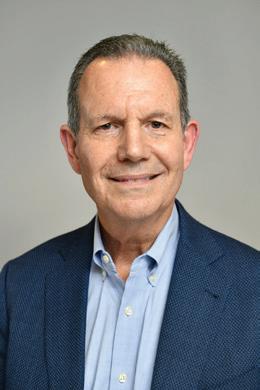
and develop franchise distribution channels. He founded Franchise Marketing Systems in 2009, which now includes a team of 27 franchise consultants based in and Canada and supports brands around the world to grow and scale through franchise expansion.
Visit www.fmsfranchise.com for more information
a new phenomenon, but the past several years have accelerated them dramatically. The COVID-19 pandemic placed unprecedented strain on the healthcare workforce, with many providers facing critical staffing shortages. Burnout, safety concerns, and emotional fatigue pushed many workers out of the field throughout the years to follow, while others retired or transitioned into less demanding roles.
As demand for care continues to rise, many of us are beginning to recognize a sobering reality — we are helping build the very systems we may rely on ourselves in the decades ahead. There is a widening gap between the number of people who need care and the number of qualified professionals available to provide it. That gap is expected to persist for years to come.
And this is where the rubber meets the road: franchise systems are beginning to separate themselves, not by avoiding the staffing crisis, but by building models designed to operate within it.
An Intentional structural Advantage for Franchises
The most effective senior care franchise systems have shifted their focus from simply filling roles to building sustainable workforce models. Recruiting qualified caregivers is only the first step. Without a strong structure in place, even solid
teams can quickly erode. Instead, leading franchises are engineering retention directly into the business, creating systems designed to support, develop, and keep caregivers long-term.
Instead of leaving hiring and team development up to individual operators, these franchise systems are implementing structured approaches that prioritize caregiver support from day one. This includes standardized onboarding, ongoing training programs, clear communication channels, and outlined pathways for professional growth.
Another critical element of retention is recognizing the caregiver as a person — not just a position. The brands seeing the most success are investing in the culture of their teams, creating meaningful recognition opportunities, and building clear paths for long-term growth within the company. It’s not just about compensation in healthcare — it’s about caring for the employee in a more holistic way and acknowledging the very real emotional and physical demands that come with senior care. These are the elements that ultimately shape a sustainable, successful staffing strategy.
Some emerging concepts, such as In Home Care 4u, have embraced a caregiver-first philosophy that places equal emphasis
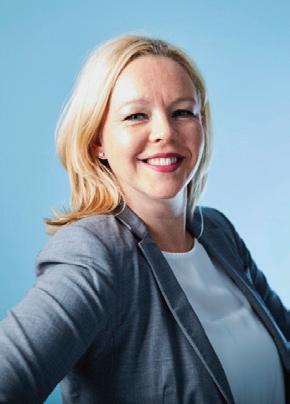
Chris Conner has worked in the franchise development industry for almost 20 years and helped over 600 brands franchise their brand
on employee experience and client care. Through ongoing training, performancebased incentives, and a focus on career development, franchisees are equipped with tools to build more stable, engaged teams. Initiatives like paid training, education support, recognition programs, and incremental benefits growth are designed not only to attract caregivers, but to give them a reason to stay.
This type of approach — one that marries intentionality with structure — is what separates franchise systems from many stand-alone brands. These franchise models recognized the problem and wove the solution into their framework before they even hit the first stroke on their FDD.
Where the Burden differs
While staffing is a defining challenge across senior care, not all franchise models approach it in the same way. Understanding these differences is critical for prospective franchise owners evaluating where they fit within the industry.
Traditional non-medical home care franchises tend to be the most laborintensive. These models rely on a consistent pipeline of caregivers to meet ongoing client needs, often requiring careful scheduling, active recruitment, and strong retention practices to maintain quality care and service.
Other segments within the senior services space, however, offer alternative
approaches for franchise buyers.
Care management and advocacy franchises, for example, typically operate with smaller, more specialized teams. These models focus on coordination, planning, and oversight rather than direct care, which can reduce the volume of staff required while still addressing a critical need within the senior population. Coordinating moves, advocating for patients, and placing individuals in better living situations simply don’t require the same level of hands-on staffing — and therefore don’t demand the same level of operational evolution.
Similarly, nurse staffing service models, like 247 All Staff, approach the market from a different angle. Rather than ongoing care, these types of businesses provide staffing for facilities and businesses in the medical field. The business model is low overhead and produces strong margins by placing staff in positions with organizations within the medical field.
Even within companion care and lifestylefocused services, the staffing model can differ, with less clinical demand and more flexibility in hiring and scheduling.
For a franchise buyer, these distinctions in each model will mean all the difference.
the competitive Advantage You Want
The question is not whether or not these staffing issues exist, but how a franchise
system has chosen to design their systems around them.
Franchise systems provide a tested framework designed to support workforce development from the outset. They are built not on guesswork, but on thorough examination. This includes everything from recruitment messaging and onboarding systems to operational support and performance tracking. More importantly, it creates consistency, allowing franchisees to focus less on reinventing processes and more on executing them effectively.
In a market where staffing can make or break a business, that level of structure is the competitive advantage needed to thrive.
Senior care franchising continues to stand out as both a meaningful and resilient investment opportunity — but success in this space is about more than meeting demand. It’s about building teams, supporting caregivers, and creating systems that can sustain growth in the face of real workforce challenges.
At its core, this is an industry rooted in care; that care is not just for clients, but for the people delivering that care every day. The brands that recognize this, and continue evolving their models around it, are the ones setting the pace for the future of senior services.
For franchise buyers, that presents a unique opportunity: to invest in a business that is not only positioned for long-term growth, but one that makes a tangible difference in the lives of others, and, ultimately, in the kind of care we all may come to rely on.
For those exploring senior care franchise opportunities, Franchise Marketing Systems works with a range of emerging and established brands designed to meet the demands of today’s market. With experience supporting over 1,500 franchise systems and entrepreneurs, the team helps connect prospective owners with opportunities built for both impact and scalability.
To learn more, visit www.fmsfranchise.com or start the conversation by email Chris Conner at chris.conner@fmsfranchise.com.
d e S igned For c lien TS, builT For Franchi S ee Succe SS: a ne W S Tandard in Parkin S on’S c are
As the population ages and the demand for specialized senior care continues to rise, families are seeking solutions that allow their loved ones to age safely and comfortably at home. For individuals living with Parkinson’s disease, finding the right care can be particularly complex.
Recognizing both the care gap and the growing demand for age-in-place support, ComForCare, a leading franchised provider of in-home caregiving services, has introduced Parkinson’s Pathway, an innovative program designed to deliver personalized, holistic care to individuals living with Parkinson’s, further elevating its quality of care and franchise system in an increasingly competitive landscape.
rising demand for conditionspecific senior care
According to the Parkinson’s Foundation, more than 1.1 million people currently live with Parkinson’s disease, making it the second most common neurodegenerative
disorder after Alzheimer’s. With approximately 90,000 new diagnoses each year, the need for specialized in-home care continues to grow.
What makes Parkinson’s particularly challenging is its complexity. Symptoms vary widely and evolve over time, ranging from tremors and mobility issues to cognitive and emotional changes. This progression often places a significant burden not only on individuals diagnosed with the disease, but also on family caregivers. And traditional, generalized home care models often fall short.
“Parkinson’s disease presents a complex set of physical, cognitive and emotional challenges that evolve over time, and families often struggle to find care that truly understands those nuances,” said Stephanie Wierzbicka, director of strategic health programs at ComForCare.
For franchisees, that complexity translates into a clear opportunity: communities are actively seeking providers equipped to handle specialized, condition-specific care.
A systemwide model
Built for consistency and differentiation
While there currently is no cure, research shows there are steps individuals living with Parkinson’s can take to improve quality of life and slow disease progression. That’s where ComForCare’s Parkinson’s Pathway comes in.
Importantly for franchisees, the program is not simply a concept. It is a systemwide framework supported by standardized training, operational guidelines and caregiver education tools designed to ensure support that goes beyond basic assistance, focused on holistic care. This ensures consistent execution across markets while allowing small business owners to confidently position themselves as specialists within their local communities.
the four pillars of Parkinson’s Pathway are:
Medication Management – Caregivers are trained to support accurate dosing, ensuring medications are taken within a precise 15–30 minute window to keep symptoms at bay. By keeping a watchful eye on side effects and tracking “on” and “off” periods, caregivers gather small details that help doctors make a big difference in treatment. More than just technical support, they bridge the gap for families offering the training and consistency needed to significantly impact symptom control and overall stability in the home.
Movement and Exercise – According to the Parkinson’s Foundation, regular physical activity is a cornerstone of Parkinson’s care, with guidelines recommending adults aim for at least 150 minutes of moderate-intensity exercise per week to support overall health and brain function. The Parkinson’s Pathway program incorporates prescribed exercise plans, balance training and mobility to support strengthening dopamine signals, maintain strength, reduce fall risk and promote independence.
Nutrition – Caregivers and agency teams that support them provide a vital layer of safety and health for clients by overseeing mealtime needs, from planning nutrient-rich diets that boost medication effectiveness to monitoring for signs of swallowing difficulties. By adjusting food textures and ensuring proper hydration, caregivers help prevent complications like aspiration, turning daily nutrition into a powerful tool for consistent symptom management and long-term stability.
Emotional Support – Social isolation, a sedentary lifestyle, anxiety and depression are common among those living with chronic conditions like Parkinson’s. Through companionship, engagement
and attentive monitoring, caregivers help foster emotional well-being and a sense of connection for individuals living with Parkinson’s.
This structured approach allows franchisees to move beyond basic hourly care and toward more specialized, valuedriven service offerings.
training that strengthens care and referral relationships
At the heart of Parkinson’s Pathway is caregiver education. The program equips ComForCare’s care teams with resources and tools to better understand the progression of Parkinson’s, respond to its unique challenges and educate the families impacted.
“With Parkinson’s Pathway, we are
equipping caregivers with training and structured support so individuals living with Parkinson’s can remain safe, active and engaged at home,” Wierzbicka said. “At the same time, we’re easing the burden on family caregivers who are navigating this journey alongside them.”
For franchisees, that training does more than elevate care delivery. It strengthens credibility with referral partners, including physical and occupational therapists, physicians, neurologists and rehabilitation professionals, a key driver of sustained growth in home care markets. For families, this support can be transformative. Having access to trained professionals who understand Parkinson’s can provide both practical assistance and peace of mind knowing their loved ones are in good hands.
e xpanding a researchBacked Portfolio of care Programs
Parkinson’s Pathway is the latest addition to ComForCare’s Care Enhancement Programs, a suite of specialized, researchbacked offerings designed to address a range of conditions and care needs. These programs reflect the brand’s broader strategy to equip franchisees with structured, scalable tools that meet evolving healthcare demands.
“Our mission is to deliver care that is not only clinically informed, but also aligned with our brand mission: to help clients live their best lives,” said Rebecca Bouchard, brand president of ComForCare. “We do that by equipping caregivers with the necessary education to be true partners in care, building confidence, encouraging acceptance in-home support and fostering a greater sense of well-being achieved together.”
By integrating specialized programs like Parkinson’s Pathway across its franchise network, ComForCare continues to strengthen systemwide consistency while meeting the diverse and changing needs of aging adults and their families.
Positioned for Long-term Growth in Aging-in-Place services
The number of Americans aged 65 and older is projected to increase from 58 million in 2022 to 82 million by 2050. And as more seniors express a desire to age in place, the role of in-home care providers will only become more critical. Programs like Parkinson’s Pathway highlight an important shift in the industry from generalized care to specialized, conditionspecific support that addresses the full spectrum of a person’s needs.
For individuals living with Parkinson’s, this evolution offers greater independence, dignity and stability at home. For families, it provides reassurance. And for franchisees, it represents a strategic investment in specialized training, competitive positioning and longterm market relevance within one of franchising’s fastest-growing sectors.
T uniTY aFTer Scaling Tech-For Ward
S acro SS e igh T S TaTe S
After growing its presence across multiple states and solidifying a tech-forward infrastructure, Home Halo is now franchising, positioning operators for success in the evolving senior care landscape
The senior population is growing faster than ever, and the opportunity in the home care franchise space is growing accordingly. While the market potential is clear, it’s crucial that home care leaders recognize the industry's demands, too. Home care is not an industry where we can hand a franchisee an operations binder and wish them luck, and that’s exactly why we waited to launch franchise opportunities with Home Halo.
Rather than rolling a franchise program out immediately, we dedicated time and effort to building a corporate presence across eight states, stress-testing the playbook and building a model that operators trust. By outlining clear standards and building robust support systems, we ensure our franchise partners are positioned to provide personalized in-home care that helps seniors live safely and independently in the comfort of their homes while protecting
the Home Halo name and reputation as we scale.
Building the Foundation
Through our experience operating corporately owned Home Halo businesses, we learned how detail-oriented and peopledriven the senior care industry really is. There are specific local requirements that must be met, best practices to embrace and soft skills that must be fine-tuned before launching a local senior care business. As we identified these demands in our own businesses, we proactively documented them and their solutions to ensure we could address the same concerns with future franchisees.
With this, we’ve built a next-generation home care brand. We built a 160-step onboarding process, covering caregiver hiring and retention, business development and lead conversion, and validated it through real experiences during our corporate growth phase. Now, it serves as a blueprint to ensure franchisees launch with something tangible and proven, and we remain hands-on throughout the business's lifespan.
As we’ve built the foundation, we’ve validated our current practices while staying open to more forward-thinking tools and processes that will keep us at the forefront of an evolving industry.
Integrating technology at scale
As a part of our intentional growth, we’ve looked closely at how technology can support Home Halo. We’re not removing the personal aspect of caregiving from the equation. Rather, we’re identifying ways to enhance our offerings and clients’ safety and satisfaction without driving up costs for local owners or their clients.
This has been another key benefit as we’ve prepared to grow through franchising. We know we need to take an innovative approach to how we service the industry, and we understand how difficult it can be to implement technology tools in a disjointed system.
For us, laying the foundation for a technology-forward brand was another necessity before launching franchising. This way, modern tools and processes serve as the baseline, not something
owners must make a significant effort to update or replace.
For example, Home Halo is operating with SENSI, an artificial intelligence tool that captures environmental insights to identify risks, changes in routine or potential safety concerns and help us service our clients even more thoroughly. Given we’ve thoroughly tested the tool in our own businesses, we felt confident rolling it out system-wide and making it a standard part of the business model. Because it’s fully integrated, SENSI offers a decisive competitive edge to Home Halo franchisees simply by joining the system.
A Growth opportunity combining Forward thinking and operational maturity
As we look toward the future of Home Halo, the entire team is incredibly optimistic. The need for non-medical inhome care is only climbing, and research
has consistently shown that seniors prefer to age in place whenever possible.
The demand is there. For franchises, the next hurdle is having a model that’s both systematically strong and clearly differentiated in the market. We do. We spent years building Home Halo up and are now entering the franchise landscape from a place of operational maturity.
Now, with the backing of a strong brand and a leadership team that is not only passionate about the industry but well aware of what it demands, franchise owners have an opportunity to bring dependable, high-quality in-home care to their communities. As they develop the business, lead teams and ensure top-notch service each day, making a real difference in clients’ lives, Home Halo franchisees are able to do so with confidence, knowing we’ve put in the work to position them for the best outcome possible.
ABoUt dAn de AK:
Dan Deak is the founder and CEO of Home Halo®, a non-medical home care agency dedicated to providing compassionate, personalized care for seniors and veterans. A seasoned professional with over a decade of expertise in the home care industry, including launching and operating offices across the United States, Deak’s passion for senior care was ignited by his personal experience caring for his mother after a life-changing injury. His experience includes serving as Director of Business Development for Emerging Markets at FirstLight Home Care, specializing in launching new locations, and as Executive Director for Cornerstone at Home, where he built a non-medical home health agency from the ground up. Witnessing firsthand the challenges seniors face when their independence is compromised, he developed a deep understanding of their unique needs and a desire to make a positive impact. Driven by this personal connection, Deak established Home Halo® to empower seniors and veterans to live fulfilling lives at home, offering comprehensive support that honors their dignity and unique needs. His leadership and vision are the driving force behind Home Halo®’s mission to provide exceptional care and enhance the well-being of those they serve.
Fatema kapasi
owner of a Place at home – d ublin
and 2026 Franchisee excellence award Winner with
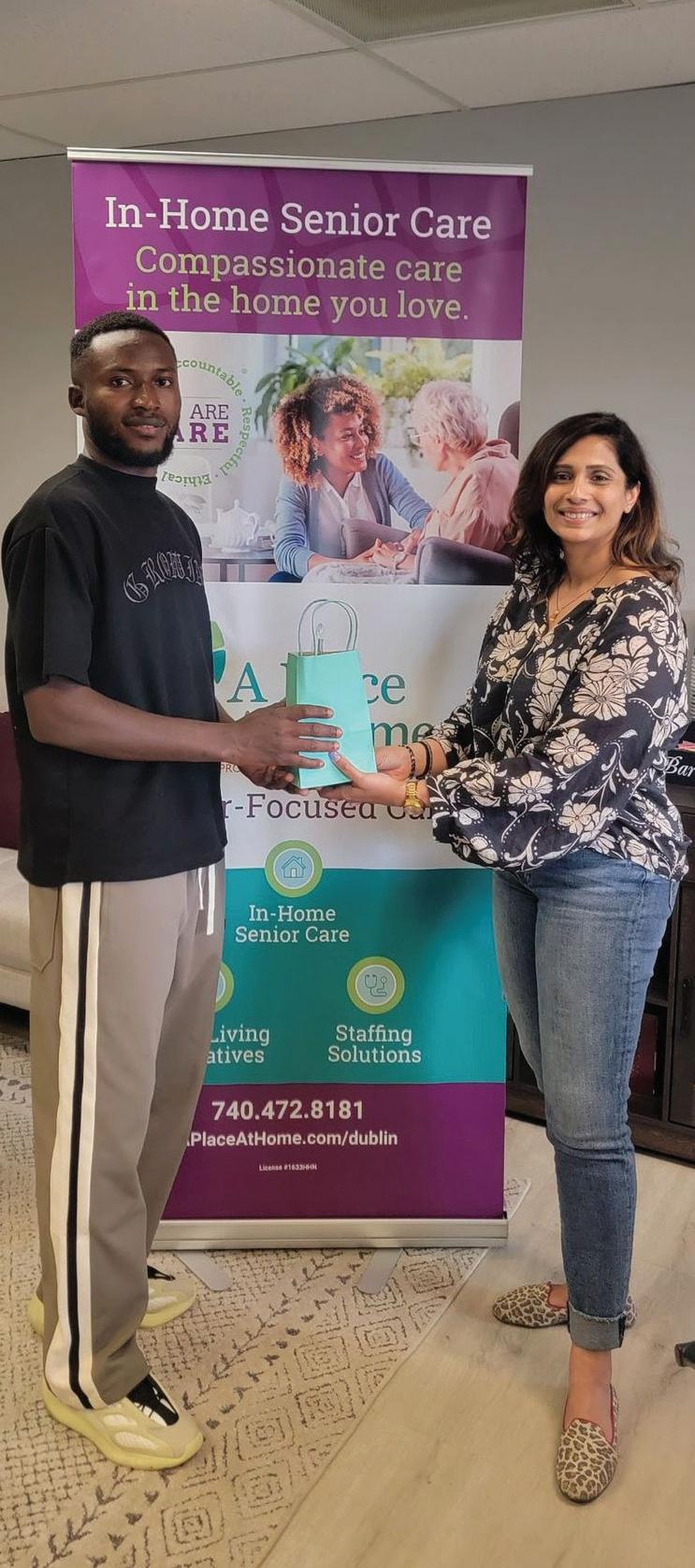
When Fatema Kapasi opened A Place At Home – Dublin in January 2024, she brought nearly two decades of experience as a physical therapist and a deep understanding of what families need when navigating care transitions. Since opening, she has been named one of the top 50 franchise owners in North America through the 2026 Franchisee Excellence Awards, recognizing franchisees for performance, leadership and community impact.
In this Q&A, Fatema shares how she made the leap from healthcare to franchise ownership, what fueled her early success and why empathy remains the core of her leadership.
What led you from physical therapy into franchise ownership, and what did your early months look like?
I started as a physical therapist in 2007, and about a decade ago, I moved into the business side of healthcare. I led business development at Encompass and later became Director of Business Development at an inpatient rehab hospital in Dublin. When the hospital was acquired, my path would have meant going regional and traveling — and I didn’t want that.
More importantly, I’d spent years watching the same challenge play out: patients ready to go home, but families stuck waiting on authorizations, equipment, and support.
I saw how often the discharge plan broke down once someone got home. That’s when I realized I could build something that blended my clinical background and my business experience — right here in my community.
Pre-launch was all hands on deck: management software, payroll, office space, and hiring caregivers. I pretty much lived in my car for the first six months. I was constantly out meeting people — nurses, case managers, discharge planners — introducing myself and building trust one conversation at a time. I knocked on many doors, introduced myself everywhere and shared my passion and my vision because that’s all I had at the beginning.
You earned dozens of fivestar reviews within your first six months. How did you build trust so quickly, and how does your Pt background shape your leadership?
From day one, I was clear that etiquette and customer service aren’t optional, they’re part of care. The tone you set in the first call, the first visit, the first follow-up matters. We talk about responsiveness,
professionalism, and communication constantly, because that’s what earns trust.
And yes, reviews matter, especially in a market where some agencies have been established for years. Early on, our reputation and the way families felt after interacting with us were everything.
People call caregiving “non-medical, but it’s not un-skilled. There is a lot of skill involved in caring for an individual. And while you can train skills, you can’t teach heart — and I hire for that. I’ve always had that caregiving heart. I’ll jump in any minute to help with a transfer, a shower or toileting. I don’t think twice about it. That empathy comes through, and I think it’s important for any business owner in this field.
can you share a moment when your team really demonstrated that care-driven leadership?
I see examples daily, but one recent moment stands out. One of my patients who has been with me since the very beginning had a fall at night when she was alone and fractured her hip. My caregivers visited her in the hospital and at the rehab facility. They constantly checked in with the office to see how she was doing. When she was preparing to come home, two caregivers took time out of their day to attend a therapy session and get full education from the therapists and nurses. They wanted to know exactly how to support her at home - transfers, pain management, exercises - so her transition would be safe. That’s the kind of care we aim for: personal, prepared, and consistent.
What has been the most meaningful part of being a franchise owner, and how has the system supported you?
Ownership can be isolating, and I’ve never felt alone here. If I have a question, someone at headquarters responds quickly, and the owner network is just as strong. When something comes up, there’s always someone who’s been through it and will talk it through with you. I really enjoy being part of a community. I’ve always felt supported at A Place At Home.
What does winning the Franchisee e xcellence Award mean to you, and what’s next for your location?
I’m grateful for the recognition, but what matters most to me is the impact we’re making. This award belongs to my caregivers and my office team. They’re the reason families trust us.
We’ve grown quickly, from our first caregiver hire to 70 active caregivers in two years, and we expanded by purchasing two additional territories last year. Now we’re focused on doing the fundamentals even better: strengthening our office team, investing in training, and continuing to raise our standing in the community.
A Place At Home was recently acquired by dovida, a global home care provider. What does that change mean to you as a franchise owner?
The more I learn about Dovida, the more optimistic I am. The company has deep experience in home care internationally, and I’m encouraged that they’re investing in this space long-term. If that support translates into stronger training, better tools, and more resources for owners, it helps everyone, especially caregivers and the families we serve. Health care is always changing, so I’m focused on staying adaptable and using any added support to keep raising the standard locally.
Wh Y Senior c are Franchi S ing
iS The oPP or T uniTY e nTre Preneur S Shouldn’ T overlook
The most common assumption entrepreneurs make when they first consider senior care franchising is that it requires a healthcare background. It doesn’t. What it requires is something far more transferable: the ability to hire well, manage a team, execute a sales process, and build relationships in a community.
Those skills have produced some of the most successful operators in our system. They came from corporate management, retail operations, financial services, and logistics and found in senior care a business that rewards exactly what they’d spent their careers developing.
The demographic case for entering this space is no longer speculative. For more than 15 years, over 10,000 Americans
have turned 65 every day. But 2025 and 2026 mark a more significant inflection point: those same Baby Boomers are now turning 80, and the 80-plus population is projected to grow by more than 55 percent by 2035 – outnumbering children for the first time in U.S. history, according to the Census Bureau. That population requires the most intensive care, and that demand is not discretionary. Families don’t defer care for an aging parent because the stock market is down. That’s what makes this sector structurally different from most franchise categories. When entrepreneurs ask me whether senior care is recessionresistant, I tell them it’s more than that — it’s necessity-driven.
Built to run lean
One of the things that surprises prospective franchisees most is how efficient the financial model can be. Because most services are delivered in the client’s
home, operators don’t need significant commercial real estate. The initial investment for a non-medical in-home care franchise can range from approximately $89,725 to $145,900, which, relative to the revenue potential of a mature franchise, represents a strong multiple. A new franchise can start with two full-time office staff and five caregivers; our most established franchisees operate with more than 10 office personnel and more than 100 caregivers.
The non-medical in-home care model is the largest entry point in the sector, and it’s where most entrepreneurs begin. Caregivers provide personal support for activities of daily living — bathing, grooming, meal preparation, transportation, and companionship — that allows older adults to remain in their homes safely and with dignity. Increasingly, seniors and their families alike are clearly expressing a preference for aging in place, and the model is built to meet that preference.
multiple revenue streams within a single system
What distinguishes a well-structured senior care franchise from a singleservice operator is the ability to serve a family across the continuum of care. To use Always Best Care as an example, franchisees can operate across three distinct revenue streams: non-medical inhome care, skilled home health care, and assisted living placement services. Each addresses a different point in a client’s care journey, and together they allow a franchisee to serve a family from the earliest need for companionship through to clinical support or, when appropriate, a transition to a residential facility.
• Skilled home health care is a distinct operating model from non-medical care. It involves nurse-supervised delivery of doctor-ordered clinical services — physical therapy, wound care, postsurgical support, and pain management — and requires accreditation, certification, and licensed clinical staff. The regulatory environment is significantly more complex, and so is the revenue profile. Operators considering this model need to understand the reimbursement landscape, including the payer mix dynamics introduced by Medicare and Medicaid, and approach compliance with rigor from day one.
• Memory care is one of the fastestgrowing segments in the sector, driven by the prevalence of Alzheimer’s disease and other forms of dementia. Effective delivery in this segment requires careful caregiver matching — pairing clients with caregivers who have both the training and the temperament to provide consistent, dignity-centered support. Franchisees who have built strong memory care practices tend to share a common approach: they work closely with families to develop individualized care plans, partner with organizations such as the Alzheimer’s Association, and often establish referral relationships with assisted living and memory care facilities for families considering longerterm transitions.
• Assisted living placement is often misunderstood as a secondary or supplemental activity, but it’s a genuine
business model in its own right. A franchisee matches a family with the right facility based on budget, care level, location, and preferences. If the client moves in, the facility pays a referral fee. The skills that drive success here are relational: the ability to build trusted relationships with facility staff and to serve families who are often making emotionally difficult decisions under time pressure. Networking and sales experience translate directly.
trust is the product
The most durable competitive advantage in senior care isn’t brand recognition — it’s the depth of relationships an operator builds within the local care ecosystem. Hospital discharge planners, case managers, geriatric social workers, VA program administrators, long-term care insurance coordinators, and senior center staff are referral sources that franchisees can convert into recurring business partners. These relationships require persistent, consultative engagement — understanding how referral sources manage their patient populations and consistently deliver quality so they will send the next family, and the one after that. This is where the operational discipline of following a proven model matters most. Entrepreneurs who know how to hire and develop the right office personnel — the individuals who build those external relationships every day — tend to be the ones who scale. As the business grows, the franchisee’s role shifts from doing that work personally to building the team that
does it. Those who make that transition successfully are the ones who build genuinely strong businesses.
What separates the top performers
The entrepreneurs who tend to thrive in this sector ask a specific question during the evaluation process: not “what is the average revenue?” but “why do some franchises significantly outperform others — and what do I need to do to be in that group?” That question signals the orientation that predicts success.
The answer, consistently, comes down to executing the sales and marketing model, the quality of caregiver recruitment and retention, and the operational discipline to follow the system as the business scales.
Senior care is not a passive investment. It is a people-intensive, relationship-driven business that rewards operators who bring genuine energy to both the commercial and mission-driven dimensions of the work.
The entrepreneurs who last are typically those who find that building a financially strong business and improving the quality of life for seniors and their families are, in practice, the same objective.
The market window for that kind of work has never been more open. v
Jake Brown is the President and CEO of Always Best Care Senior Services, a franchise system offering non-medical inhome care, skilled home health care, and assisted living placement services across the United States.
in
Senior h o M e c are
Franchi S ing, c aregiver
r eliabiliTY iS a Winning g ro WTh S TraTeg Y
In senior home care, operators learn that the more challenging part isn’t finding clients. It’s delivering consistent, reliable care to those clients regardless of circumstances.
That consistency depends on a caregiver getting to a client’s home on time and ready to work. When that breaks down, everything else can break with it.
Caregiver reliability is the central operational challenge in senior home care. It’s also one the industry has been slow to address. For franchisees, that gap does create risk. However, it also represents a meaningful competitive advantage if addressed properly.
caregiver turnover data is Just Half the
story
Most franchisees entering senior home care understand that caregiver turnover is high. PHI National’s workforce data puts annual home care turnover at roughly 75%, which is among the highest of any industry in the country. The standard response is to recruit more aggressively or adjust wages. Both are important, but they don’t address a more fundamental barrier, and that’s whether caregivers can reliably get to work.
Transportation is a chronic, but underappreciated strain. Many caregivers don’t have consistent access to a personal vehicle. In suburban and rural markets, public transit is limited or nonexistent. In urban markets, long commutes and
traffic increase the likelihood of delays. Rideshare does offer a partial solution, but costs fluctuate during early morning shifts, evenings and severe weather, making it unsustainable over time.
The impact is predictable and includes missed visits, last-minute cancellations and rescheduled coverage. Client trust erodes, while caregiver morale suffers. Franchisees find themselves between a service promise and a logistics issue they didn’t anticipate.
A missed visit isn’t just a scheduling inconvenience. For a senior living alone, it can mean missed medications, a skipped meal, increased fall risk or hours of worry for a family counting on peace of mind. For a franchisee, it’s a client relationship –and referral source – at risk.
Why this challenge Hits Franchisees differently
Franchisees aren’t building from scratch. That’s a fundamental value proposition of the franchise model, incorporating proven processes, operational standards and infrastructure that doesn’t require reinvention. The challenge is that caregiver reliability, and the transportation barriers that drive it, is rarely treated as a system-
level problem. It’s absorbed locally, meaning franchisees are left managing an unpredictable issue largely on their own.
The economics make this costly. Franchisees invest significantly in training, marketing and client acquisition.
Every missed visit is a hit to revenue, reputation and the referral relationships that sustain growth. Senior home care franchisees depend on discharge planners, hospital case managers and senior living communities to generate business.
Those referral sources expect that care will arrive when promised. When it doesn’t, the referrals stop.
The franchisee who can demonstrate reliable, on-time care delivery has an advantage over competitors who can’t. In a market where word-of-mouth and referral relationships drive a ton of new business, that advantage compounds fast.
reliability Is a Franchisor’s responsibility
My journey into this industry came through personal experience. When my father was battling ALS, our family navigated in-home care firsthand. We had capable, compassionate caregivers, but reliability was a continuous challenge. The issue wasn’t caregiver quality or commitment, but logistics. That experience showed me that caregivers can’t be expected to solve this problem on their own.
Franchise systems that take reliability seriously need to build it into their operating model. For senior home care, that means confronting the transportation issue directly. Absorbing the transportation burden at the corporate level, rather than pushing it onto individual caregivers and franchisees, leads to fewer missed visits,
more consistent caregiver performance and stronger client retention.
The results show up most clearly under pressure. When significant winter weather recently disrupted operations across the Northeast, widespread caregiver callouts affected home care providers throughout the region. Since we’ve addressed transportation infrastructure across the system, care continued as normal, while other providers had real challenges getting to clients.
response time should be a Franchise Growth metric
Focusing on caregiver reliability also means optimizing response time. Across the senior home care industry, families often wait several days from initial inquiry to the start of services. In many cases, caregivers are available but can’t get to the client quickly and reliably.
Franchise systems that address transportation at the operational level can close that window significantly. Our ability to deploy a caregiver within 2-3 hours of a request is a meaningful departure from industry norms and a tangible differentiator across markets. For a family managing a hospital discharge or a sudden care gap, that response time is often the deciding factor in which provider they choose.
Speed to service builds trust! In this industry, trust is the business.
the Franchisees that Win Will Focus on reliability First
The senior home care market is expanding at a rate few other franchise industries can match. The U.S. Bureau of Labor Statistics projects employment for home health and personal care aides to grow 17% until 2034. That’s well above the national
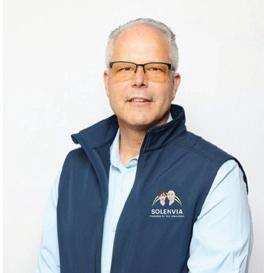
Bryan Dylewski is the founder of SOLENVIA Caregivers and a longtime leader in the senior care industry, with more than three decades of experience. He previously built and scaled a durable medical equipment company into one of the largest mobility providers in the country, operating across 42 states.
In 2014, Bryan founded SOLENVIA Caregivers following his personal experience caring for his father during his battle with ALS and has serviced more than 3,500 families throughout Connecticut and Massachusetts. Through franchising, SOLENVIA Caregivers is now looking to grow in markets nationwide.
average across all occupations. An aging population, longer life expectancy and a strong preference for aging in place are all sustaining that demand.
That growth creates genuine opportunity for franchisees, but capturing it requires building a business that families and referral sources trust.
Recruitment strategies, the right marketing, competitive wages and proper training programs are all vital. However, none of those investments protect a franchisee from the reality that care can’t be delivered if a caregiver can’t get there.
Caregiver reliability is the foundation of the client relationship, referral pipeline and the franchisee’s sustained growth. Franchisors that address it give operators a structural advantage that is difficult for competing brands to replicate.
Transportation, as an example, has long been treated as the caregiver’s problem to manage. The franchisees who benefit most from senior home care’s growth will be the ones whose systems made reliability a nonnegotiable, while building the complete infrastructure for long-term franchisee success. v