
www.communityfoundation.org.uk/vitalsigns
www.communityfoundation.org.uk/vitalsigns
Vital Signs is a Community Foundation North East programme which gathers and presents information about issues affecting our region. It draws on statistics, research, local expertise and knowledge gathered through funding to ‘take the pulse’ of communities and inform a better philanthropic response to their needs.
Vital Signs covers ten key themes affecting our region:
We published our Vital Signs reports in 2024, covering issues facing people in our region, and the opportunities for philanthropy to make a difference. Many of these issues are structural, and we continue to chip away at the barriers that prevent people in our region from thriving But things change rapidly. Since we published the first edition of our Vital Signs summary, there is a new national Government, a new North East Combined Authority and a raft of new policies and strategies both nationally and regionally. This includes the Civil Society Covenant, the government’s flagship policy for ‘resetting’ the relationship between the state and civil society. This second edition follows up on the themes from 2024 reports, to see what’s changing and what is the same. It sets out our key messages for those involved in giving and philanthropy, as well as for businesses and public bodies. It’s also informed by our On the Table conversations with around a thousand people about our Vital Signs themes. Feedback from these is woven into this report.
Full theme reports with links to all our evidence sources are on our website www.communityfoundation.org.uk/vitalsigns
Many challenges for the North East are national – and some global – in scope. They require action by government and private investors. Cutting across all our Vital Signs themes, we think philanthropy can have a bigger impact through a stronger focus on:
1. Reducing our region’s unacceptable poverty and inequality
2. Widening access and inclusion so more people benefit from opportunities
3. Supporting people to live healthier and safer lives
4. Strengthening culture, community life and the resilience of our places
5. Taking and resourcing action to address climate change
Community Foundation North East’s strategy from 2025 reflects these in our five new impact areas. Longer-term, unrestricted funding, where possible within the scope of our funds and programmes, will maximise the impact we can have on some of the challenges facing our region.
We also call on the public and private sectors, alongside individuals, families and wider civil society in the North East to:
Recognise the value of civil society and invest in it accordingly.
Our region has over 7,000 charities and community organisations, employing 37,000 employees alongside 152,000 volunteers, and has a financial value of £1.7bn, but a total social and economic contribution closer to £6bn. Long-term and core financing is vital to enable civil society organisations to respond to changing needs in their communities, and contracts with the sector must be fair, fully funded and deliverable. We also need to support civil society to advocate on those issues affecting their communities.
Increase impact by growing philanthropy.
There is not enough giving of money, time and expertise to go around, but philanthropy can do more, and better, if individuals, businesses and employers work to grow the philanthropic cake. Fundamentally, philanthropy should be adding value and getting ahead of problems, not filling the gaps left by under-resourcing of public services.
Build renewed civic identity to ensure everyone benefits from growth.
Devolution offers an opportunity to create a renewed sense of local identity and pride, restore civic participation and give people and communities the power to shape decisions that affect them. The North East Combined Authority has the chance to lead the way in building a region where philanthropy and civil society can flourish so everyone benefits from growing prosperity.
The North East lags behind other parts of the UK when it comes to growth, prosperity and economic development, and successive programmes from governments to close the performance gap have so far not delivered. But the North East has huge potential, with the skills, passion and people to succeed. The North East Combined Authority, with its ambitious Local Growth Plan, hopes to unlock key industries and create joined-up pathways around skills, infrastructure and investment. Civil society has a critical role to play in ensuring growth and development profits everyone, that residents benefit from local success and that no-one is left behind.
• National challenges: economic volatility heavily affected by international factors and global instability; low productivity; an ageing population; workforce challenges; historic underinvestment in infrastructure.
• North East challenges: long-term economic weaknesses; crumbling physical infrastructure; fewer good jobs leading to loss of skilled younger workers; a sharp jump in economic inactivity.
* Figure for England and Wales
North East opportunities:
• An ambitious Local Growth Plan focusing on key industries with significant potential including advanced manufacture, green revolution and creative
• High calibre universities with a strong reputation for research
• Growing and thriving tourism, particularly in rural areas, and a strong night-time economy
• Significant cultural, natural and civil society assets
On the Table
Economy was an important topic for our conversations that formed the On the Table project. We heard about barriers to employment people face, particularly disability and caring commitments, barriers faced by women, including older women, and the need for routes for women into higher paid roles in emerging industries like green energy, as well as access to training and enterprise.
“Investment in hands-on learning for young people is needed as there is no one-size-fits-all approach to getting young people into employment.”
Community Foundation North East believes philanthropy can have the most impact on the economy in three areas:
1
2 3
Helping ensure everyone can contribute to, and benefit from, a prosperous regional economy:
• nurture interest and opportunities for entrepreneurship and self-employment where this is the right option for people
• support people with talent and ability from all backgrounds to become worldclass innovators
• foster arts, heritage and environment initiatives that underpin our tourism offer
• address individual and institutional prejudice and discrimination
Ensuring local people can access good jobs:
• support people affected by disadvantage to realise their potential through access to vocational education and skills
• support provision of opportunities to gain skills and experience through civil society, including volunteering
• tackle low economic activity rates through action on health inequalities
• create pathways into advanced training and well-paid, higher skilled jobs
Increasing civil society organisations’ capacity to be strong economic partners:
• provide long-term core funding to effective organisations
• support organisations to negotiate fair contracts and financing
• fund work focused on ensuring the voices of economically marginalised people are heard by those in positions of influence
• resource civil society organisations to be good employers
Academic attainment in the North East has long lagged behind other regions, even taking poverty and disadvantage into account. Attainment at GCSE and A level, and the rate of young people progressing into higher education, are low, particularly compared to London and the South East. The pandemic had a huge impact on children’s social and emotional development, and school attendance rates are still much lower than pre-Covid. Philanthropy can’t fix the structural challenges around education. However, it can increase opportunities for people from all backgrounds to achieve their potential, and to continue to benefit from learning throughout their lives – as an end in itself, and to improve their understanding of, and engagement with the world around them.
• National challenges: demand outstrips supply in childcare and early education; school budgets and teacher shortages; increasing costs of special educational needs (SEN) provision; the growing rate of young people aged 16-24 who are not in education, employment or training (NEET).
• North East challenges: lowest proportion of voluntary sector early years providers in England; the growing attainment gap; high levels of persistent and severe absence from school; issues around the physical quality and safety of school buildings.
% of pupils receiving SEN support/marked as SEN without an Education Health and Care [EHC] plan)
• The North East Combined Authority’s Child Poverty Strategy includes a dedicated focus on improving access to childcare and early years education
• Schools do well in attainment at the end of primary school, and at GCSE among disadvantaged pupils
• Universities in the region offer excellent higher education, with a commitment to widening participation access for local students
• The North East Combined Authority creates a vehicle for a more coherent adult education and training pathway better aligned to the needs of business
On the Table
We heard from young people about their experiences of education, and the kinds of barriers they face to enjoying and getting the most out of school, college and university, including caring and being care-experienced, but also experience of misogyny in schools and how this affects girls and young women. Groups also talked about the need for improved lifelong learning opportunities.
“Our conversation focused on what needs to be in place to make sure that everyone leaving care feels supported to achieve their full potential at university.”
Community Foundation North East believes philanthropy can have the most impact on education in three areas:
1
2 3
Supporting civil society organisations to add value in education and training:
• Enhance and add value to high quality early years provision, and widen access for the most disadvantaged families
• Expand access to sports, culture and the arts within and outside mainstream education, recognising their importance in building aspiration, confidence and emotional wellbeing, and in increasing attainment
• Deliver engaging opportunities for children from disadvantaged backgrounds to gain experience and an interest in Science, Technology, Engineering and Maths (STEM)
• Meet gaps in provision for children with Special Educational Needs and Disabilities (SEND) and those at risk of becoming NEET
• Deliver affordable, accessible lifelong learning opportunities in communities
• Support and strengthen pathways into vocational skills and training at all stages of life, and including for those in disadvantaged groups
Address the cost barriers that prevent disadvantaged pupils from meeting their potential:
• Help low-income families with the direct costs of the school day and access to extra-curricular opportunities
• Provide mentoring and tuition support for those who need it
• Support young people facing financial hardship for whom this is a barrier to higher education
Promote better inclusion in schools, training and community learning:
• Proactively work to identify and remove barriers that inadvertently exclude people
• Support advocacy to enable children with SEND to access education provision which meets their needs
• Support routes for adults experiencing multiple disadvantage to re-engage with education and training
• Enable tailored support for those facing additional barriers to school and higher education, including those who are care-experienced and those with caring responsibilities
The North East has greater health inequalities, lower life expectancy and significantly lower healthy life expectancy than other parts of the country, largely linked to deprivation and lifestyle factors. North East hospital trusts perform better than average, wait times are shorter than many other parts of England, and we have more GPs per person. But many people still face long waits for diagnosis and treatment, especially around mental health and conditions like autism. The Government plans to modernise and reform the NHS around three big ‘shifts’ – moving care from hospital to the community, moving from analogue to digital systems and the focus of the system from sickness to prevention. Philanthropy can help increase the health of our communities through early intervention, building confidence to make lifestyle changes and tackling the wider circumstances that contribute to ill-health.
• National challenges: increasing care needs of an ageing population; more patients with complex health needs; workforce shortages and high sickness rates in the NHS; the impact of long-Covid and increasing mental health needs in the general population.
• North East challenges: changes to the structure and scope of national and regional NHS bodies creating uncertainty around the future role of civil society as a partner in health.
North East opportunities:
• A commitment by healthcare leaders in the region to work collaboratively with civil society
• Better than average uptake of vaccinations
• A strong civil society working into communities to address health behaviours and meet gaps around health and wellbeing
On the Table
We heard about people’s experience of healthcare, how public health advice can be helpful but also how both cost and cultural/community values and expectations can make it harder to make healthy choices. Some groups, including disabled people and women said they can struggle to be taken seriously and access the care they need. We heard about practical challenges people have accessing GP appointments and being given enough time at appointments.
“By allocating more resources to mental health, we could significantly reduce waiting times, enabling people to access the support they need before their issues escalate.”
Community Foundation North East believes philanthropy can have the most impact on health in three areas:
1 2 3
Tackling root causes of poor health and promoting healthy lifestyles:
• support around lifestyle changes including smoking, alcohol and weight-loss programmes
• increase accessible and affordable opportunities for sport and physical activity, and social interaction
• promote good diet and healthy eating, and access to nutritious food in culturally appropriate ways within different communities
• promote safer sexual behaviours, increasing access to contraceptives and uptake of screening for sexually transmitted infections
Addressing gaps and adding value, especially around earlier intervention:
• support for new parents through pregnancy and early years, parenting support and promoting good maternal health
• mental health support and recovery, including crisis support, early intervention and longer-term recovery, wellbeing and peer support approaches
• access to dental products
Increasing accessibility of healthcare and healthy lifestyle options:
• facilitate health resources and services in local communities
• support digital inclusion to enable people to access online resources to manage health needs and appointments, and advice and information to selfcare
• provide specialist services for minoritised groups including those from the Black, Asian and Minority Ethnic, and lesbian, gay, bisexual and transgender communities
• advocacy-based approaches to identifying and removing barriers to healthcare for those experiencing poverty or marginalisation
We live in a region renowned for its beautiful and expansive coastlines and countryside. Access to open spaces is vital for our mental and physical health and wellbeing, but not everyone is able to benefit because of poverty and inequality. Climate change and its impacts, including loss of habitats and biodiversity affect everyone. Protecting the environment is all our business, but many of us are unsure how we can make a difference. Collective action, from recycling to maintaining our local green spaces, can improve our immediate environments and make a difference to our global challenges, and philanthropy can help support and drive these changes.
• National challenges: political tensions compromising commitment to net zero; an increase in major weather events including heatwaves and floods; management of the water industry and pollution of beaches and waterways.
• North East challenges: increased risks from storms and floods which disproportionately hit the most vulnerable; access to nature and the countryside for people from inner-city areas and those from less privileged backgrounds; lack of buy-in around environmental sustainability.
% who agree there is so much conflicting information about climate change it is difficult to know what to believe
% who agree “if everyone does their bit, we can the effects of climate change’
North East opportunities:
• Potential home of the ‘green energy revolution’
• Well served with green spaces where people live
• Fewer concerns around air quality than in other regions
• Increased interest in nature restoration and promoting biodiversity
On the Table
Some groups shared with us their views and thoughts on protecting our environment, such as engaging local communities, including young people, around themes of biodiversity and climate change, and how recycling, upcycling and repurposing objects can help projects, including in the arts and culture sector, to become more sustainable.
“The group were very aware of climate change and felt strongly that any contribution no matter how small was better than doing nothing.”
Community Foundation North East believes philanthropy can have the most impact on the environment in three areas:
1
Tackling environmental issues at a local level:
• fund activities to increase awareness, education and action on climate change, sustainability, biodiversity and other environmental issues, including those which also have wider benefits for communities around health and wellbeing
• support projects to reintroduce biodiversity, nature restoration and greening of urban and suburban areas
• work to target specific environmental issues affecting local communities such as litter and pollution
• support civil society organisations to improve their own sustainability and environmental practices
2 3
Enabling local people to benefit from the green energy revolution:
• fund activities and opportunities for young people which spark an interest in STEM, with a focus on green energy and environmental innovation and technology
• provide access to vocational and academic training programmes enabling local people to develop or pivot to careers in the green energy sector
Giving communities a voice on environmental issues:
• support communities to understand and positively engage with the growth of green energy infrastructure in their communities
• support environmental civil society organisations and infrastructure bodies to have an independent voice and hold leaders to account on performance against environmental issues
Culture enriches all our lives and exists within every place and community. Engaging with arts, sport and heritage brings people together, broadens horizons and increases wellbeing. The North East has a strong and proud identity and heritage, and a growing, thriving arts and culture scene. But this isn’t available to everyone; reduced state funding and low incomes prevent many people from being able to benefit, and the ‘culture’ of culture itself can also lead to people from disadvantaged backgrounds feeling excluded. Philanthropy has a critical role to play in making arts, heritage and sport accessible to more people and communities, and in celebrating our shared history, identity and culture.
• National challenges: reduced or standstill budgets for funders of arts, heritage and sport; reduced extra-curricular capacity within schools; squeezes on local authority budgets affecting local investment in culture.
• North East challenges: London is disproportionately favoured for investment; pressure on household incomes limits engagement.
North East opportunities:
• A rich and proud regional identity with arts, sport and heritage particular to the region
• Active organisations offer many routes to participation and enjoyment
• A commitment to culture and ‘creative’ as a key growth industry in the Combined Authority’s Local Growth Plan
• Burgeoning creative industries including film and TV production
On the Table
Participants shared how important arts, sport and heritage opportunities are for them in reducing loneliness, especially among older people, but also highlighted how many people find culture inaccessible, because of cost, transport or just feeling it is ‘not for them,’ and how important programmes to proactively engage different groups are.
“(We) need philanthropy to bridge the gap, and expose people positively to culture...attitude change in leadership to think outside of the box ‘how can more people access culture’.”
Community Foundation North East believes philanthropy can have the most impact on culture in three areas:
1
Ensuring everyone can benefit from culture – for fun and fulfilment, as well as to develop skills, increase opportunity and improve wellbeing:
• expand participative programmes in local communities and among people from Black, Asian and minoritised ethnic backgrounds, lesbian, gay, bisexual and transgender people, and other communities of interest
• support art, heritage and sports projects which help address health and educational inequalities
• fund access to arts and cultural events for people who face barriers because of poverty
• investigate what barriers communities face in accessing culture and what steps can be taken to increase engagement of non-traditional audiences
• increase opportunities and experiences for children and young people
2
3
Nurturing local talent:
• invest in opportunities for exceptional people to flourish in the region’s creative industries
• meet the costs of participation in sport, art and heritage programmes for young people who otherwise would not be able to afford them
• support the expansion of high-quality facilities in the region for training, production and performance
• create routes into employment for people from all backgrounds into the culture sector
Support civil society to play a full role in this area
• provide core funding and multi-year awards to support planning and growth
• support volunteering and volunteer-led culture projects to bring arts, sport and heritage into local communities
• promote strong partnerships between grassroots arts projects and major culture venues
Historically housing has been more affordable in the North East than the rest of the country. This is still true, but rents and house prices are now rising faster than in any other region, and the gap is starting to close. There is also a greater shortfall between rents and housing-related benefits in some parts of the region than even in London. This is creating significant hardship for the growing number of households forced into the private rented sector because of the shortage of social housing. Homelessness also continues to be a significant challenge in our region. When it comes into force, the Renters Reform Bill should improve the rights of tenants, prevent inappropriate evictions and improve the condition of rental properties. Civil society and philanthropy have an important role to play in preventing homelessness and supporting people to access and maintain a decent and secure home.
• National challenges: housing stock shortages; insufficient housebuilding and loss of social homes; issues with private rented housing around price, quality and security; unacceptable levels of homelessness and rough sleeping.
• North East challenges: rising house prices and rents; long waiting lists for social housing; high numbers at risk of homelessness; shortage of affordable homes in rural and coastal areas.
• Opportunity and appetite to increase housebuilding under the North East Combined Authority with some major brownfield sites already identified
• Strong local expertise within civil society organisations working to prevent and support those affected by homelessness
• Good co-operation between frontline homeless charities and those with statutory duties around housing
• Higher than average levels of homes meeting the Government’s Decent Homes Standard in the social rented sector
On the Table
Housing charities and people with lived experience of homelessness talked not just of being without a home, but the complexities of navigating systems so people get the help they need. Participants also discussed the shortage of affordable, decent homes but how tackling the number of empty homes and bringing them back into use might be part of the solution.
“private rented accommodation has become unaffordable in some areas - in one (supported accommodation) project, not a single one of their 200 young people had moved on to private rented in the last two years.”
Community Foundation North East believes philanthropy can have the most impact on housing and homelessness in three areas:
1
2
Preventing homelessness:
• fund advice and support services for those at risk of homelessness, especially young people and families with children
• back advocacy to support households facing illegal or unfair eviction
• support work to develop tenancy and financial management skills to help prevent tenancy failure
Supporting those in acute housing need:
• support outreach to find those sleeping rough and support them into safe temporary accommodation
• support other services meeting immediate needs for food and clothing of those homeless or inadequately housed
• facilitate access to healthcare support and addressing other needs of those in acute housing need
• resource access to tenancies in the social and private rented sectors, including navigating issues around bonds and deposits
3
Shaping a better housing market:
• support local people to have a meaningful voice and input into design and location of new housing developments
• back advocacy work to hold rogue landlords to account and ensure all homes meet the Government’s Decent Homes Standard
Inflation has fallen since its peak in 2022, and jobs data shows wages have been rising above inflation since then, but projections suggest people’s spending power is likely to decrease rather than increase in the coming years. In short, people do not feel better off and that is unlikely to change soon. The cost of essentials like food and energy is continuing to rise fastest, meaning those on the lowest incomes are most affected, and across the country child poverty is rising. High rates of debt and lower savings make households in the North East particularly vulnerable to future shocks. Civil society plays a critical role in supporting people through hardship, through meeting immediate needs, support around benefits, debt, health, employment and mental health. Philanthropy’s part in enabling this is vital.
• National challenges: global instability and climate change mean further price rises are likely; changes to global trade relationships pose a threat to jobs and growth; national dependence on imports for goods and energy; sluggish growth data and the possibility of further tax rises.
• North East challenges: particularly high rates of economic inactivity holding back growth; low pay and insecure work; inter-related poverty and ill-health resulting in more people reliant on charity to meet their basic needs, including many working households.
% of people in households with less than 60% median 22 (31) 22 (31)
(25) UK income after housing costs (% children in brackets)
% of individuals with financial debts they find to
be a heavy burden
of people without sufficient emergency savings (Lowell’s Financial Vulnerability Index)
of jobs paying below the Real Living Wage
* Figure for the UK
• The first region in the country to have a Child Poverty Strategy, with £28m dedicated investment
• Potential for growth of good jobs through civil services roles moving out of London, the ‘green industrial revolution’ and Local Growth Strategy
• Strong history of charitable organisations supporting those in hardship
• Increasing numbers of employers committing to paying the Real Living Wage
On the Table
Poverty and the cost of living was one of the biggest themes people wanted to talk about. Communities see this as affecting every part of their lives and wellbeing, limiting opportunity and quality of life, and they were particularly concerned about the hidden impacts of poverty in rural areas, fuel poverty, ‘in-work poverty’ and that many people are not claiming welfare benefits they are entitled to or lack the skills to manage their resources and avoid falling into hardship.
“We... wanted to see more money advice services...and more support for carers and toddlers’ clubs as a way of teaching parents. We wanted to see life skills such as financial numeracy taught in schools.”
Community Foundation North East believes philanthropy can have the most impact on living standard in three areas:
1 2 3
Helping people with immediate needs:
• support projects which ensure basic needs for food, warmth, clothing and shelter are met, and prioritise models which provide people with dignity and choice
• provide access to advice, guidance and support around budgets and costs
• improve the breadth of low or no cost opportunities available for people to have positive experiences and participate in community life
• fund advocacy for those in financial crisis and with problem debt
Supporting civil society to respond:
• broker in-kind donations which can allow community organisations to respond to need and manage their budgets effectively
• support organisations to provide or broker access to safe, accurate advice and guidance for those in financial crisis
• resource civil society organisations to be good employers
• support accessible and affordable models of savings and credit to enable people to increase their financial resilience
• build financial literacy and financial inclusion for people facing complex disadvantage
• promote and increase the uptake of social tariffs for people on low incomes, and ensure people are claiming benefits they are entitled to
Communities shape our lives. The North East historically has strong, close knitcommunities, but economic shifts, immigration, and the digital revolution are changing what these look like. Increasingly people are finding their sense of belonging not just in where they live, but spaces – physical and digital - built around shared interest and identity. Civil society exists to further the common and collective good, and ‘anchor organisations’ like village halls and community centres foster trust and belonging, giving them a unique ability to engage and support those on the margins. Government is looking to more collaboration between state and civil society, through its new Civil Society Covenant. Philanthropy should serve to strengthen communities of every kind, so everyone can thrive with connection to other people, and in spaces they feel safe, respected and welcome.
• National challenges: community cohesion; spread of misinformation on social media; increased civic unrest; the rise of populist politics; widespread loss of trust in institutions; falls in volunteering; charitable giving and civic engagement.
• North East challenges: charitable giving skewed towards London and the south; lower levels of civic participation; cost of living and high rates of need putting pressure on civil society organisations; weaker ties between people from different backgrounds and communities.
North East opportunities:
• Strong ties within communities
• Strong history of grassroots organising and new models of participation and community engagement emerging
• Network of trusted and established civil society organisations acting as community anchors - and new community anchors becoming established, including through asset transfer
• Strong tradition of home-grown philanthropy and two leading community foundations
On the Table
In their conversations, many people talked about the experience of loneliness and importance of activities and opportunities which allow people to connect with others, and to build organic support networks. We also heard about the kind of support community organisations need to thrive, including skills, volunteers and affordable spaces they can use. We heard about the power of events and culture projects in bringing communities together.
“Neighbourhood youth and community centres are really important, and they all benefited from coming to the centre and made friends for life. They talked about communities of interest and communities of place and how a community centre can bring both together.”
The Community Foundation believes philanthropy can have the most impact on community in three areas:
1
2
Grow and strengthen the infrastructure serving communities:
• provide long-term, core funding support to community anchor organisations, particularly in disadvantaged neighbourhoods and those serving marginalised communities of interest
• support activities which grow civic engagement, such as voter registration, citizens’ assemblies, grassroots organising and democracy reporting
• co-ordinate responses to emergencies to address immediate need and longerterm recovery in a coherent way
• support digital inclusion and awareness of online safety
Enable more and better giving, philanthropy and volunteering:
• increase the proportion of people giving to charity in the North East and champion local giving to meet local need
• provide match-funding leverage to inspire increased giving, and collective giving models to increase impact and connection between donors and causes they support
• grow endowments as long-term community assets which can continue to generate a return and make a difference in communities
• grow giving among the business community including a commitment to donating 1% of pre-tax profit and supporting work-based volunteering as standard
• invest in organisations’ ability to recruit, train and support volunteers
3
Strengthening civil society organisations:
• broker pro-bono support for civil society organisations around governance, strategy and finance, to strengthen and secure the future of the sector
• build capacity of civil society around infrastructure, digital and use of data
• support the ongoing pipeline of those with skills, experience and time to invest in civil society organisations as trustees
• training, facilitating and convening civil society partners to share best practice, learn from one another and use their shared voice to influence those in power in their communities
Our justice system is struggling. The data overall shows a mixed pattern of crime rates fluctuating, with serious crime falling but shoplifting rising, and some real areas for concern, especially around knife crime and sexual violence. Court backlogs have taken a long-time to recover from the pandemic, and in recent months civil unrest has increased, and prison overcrowding has resulted in significant earlier releases. In the North East, younger people have shared concerns about feeling safe in public places and using public transport. Trust in police is low, and reoffending rates remain stubbornly high. But on crime and anti-social behaviour, prevention is better than cure, and that is where philanthropy can make a significant contribution.
• National challenges: performance and public trust in the justice system; prison overcrowding; disparities between regions; supporting victims; capacity of police forces alongside loss of trust in the police over high-profile failures relating to grooming gangs.
• North East challenges: higher than average crime rates, violent crime and extremely high reoffending; high rates of domestic abuse and sexual violence; young people entering the criminal justice system.
* Figure for England and Wales
North East opportunities:
• Strong civil society involvement with innovative approaches to reducing reoffending
• Strong and joined up sector supporting women and girls, particularly those affected by domestic abuse and sexual violence
On the Table
We heard voices from communities talking about the loss of youth services and activities for young people leading to a rise in anti-social and risky behaviours, and about the difficulties people with offending backgrounds have getting into work, which can result in a cycle of crime. People also talked about civic unrest in 2024 being driven by disinformation alongside a lack of access to opportunity leading to resentment among people in communities, and a reduced police presence to tackle anti-social behaviour.
“[Women] would value...services to educate girls on sexual violence and healthy relationships should be prioritised; Women only support service as women do not trust statutory services, and they are places where women can receive support and build trust.”
The Community Foundation believes philanthropy can have the most impact on justice in three areas:
1
Preventing crime and anti-social behaviour:
• resource opportunities for young people at risk of becoming involved in crime and anti-social behaviour, particularly through high quality youth work
• fund education programmes with young people to reduce risky behaviours like carrying a knife, and to challenge misogynistic attitudes and behaviours and build understanding of consent and abuse
• support online safety through schemes which help people know how to stay safe online, including young people, risks around grooming, and risks from scams
• meet immediate needs to prevent those in acute need and destitution resorting to shoplifting and other crime
2
3
Supporting victims:
• fund specialist support to help victims overcome trauma and break patterns of abuse, particularly for those who have experienced domestic and sexual violence
• support mediation and restorative justice approaches to bring resolution for families and communities affected by crime and anti-social behaviour
• restore civic pride by investing in revitalising public places and spaces, including those affected by anti-social behaviour
Helping offenders make a fresh start:
• support prisoners to maintain contact with their families during their time in prison and families to cope during this period
• fund work with prisoners on release to ensure their immediate needs are met in the days and weeks following release, to prevent a return to criminal associates and behaviours
• support organisations offering pathways into training, skills and employment for offenders
• provide support for offenders to address their own complex needs relating to mental health and substance dependency, to reduce the risk of reoffending
Everyone deserves the opportunity to thrive, but equality, participation and access continue to be a battle for many in our communities. Persistently low employment among disabled people is indicative of how unequal our society is. Supporting children with special educational needs and disabilities (SEND) is putting huge pressure on Local Authorities, whilst many are unable to access a school place that can meet their needs. A concerning surge in nationalist sentiment is resulting in an increase in violent protests, race-related hate crimes, and people from Black, Asian and minoritised ethnic communities feeling unwelcome and unsafe. Dwindling public transport in rural communities are cutting off those without access to a car, including a significant number of older people, and those left behind by the digital revolution increasingly struggle to access essential services. Whilst these are structural challenges for our whole society, philanthropy can challenge discrimination and open up access and opportunity for those otherwise left behind.
• National challenges: community tensions, racism and hate crime; an ageing population; accessibility of jobs and workplaces for disabled people; addressing the SEND crisis; crumbling travel infrastructure; loss of services in rural communities; digital exclusion.
• North East challenges: above average levels of disadvantage, poverty and disability; a large region with significant numbers of rural and remote communities; high levels of digital and financial exclusion.
* UK-wide figure
North East opportunities:
• Substantial devolution investment for transport infrastructure to improve connectivity and opportunity for those without access to a car.
• Strong civil society networks supporting and championing marginalised communities, challenging racism and homophobia and providing advocacy for those who need it.
On the Table
Groups talked widely about all aspects of access and support that projects and services should consider, including translation support, being able to access and understand information, accessible facilities for those with disabilities, financial barriers, digital inclusion and transport. People also talked about safety concerns, particularly for younger people and women, walking in public spaces and using public transport.
“This group were very concerned with fair accessibility, the impact of reduced bus services……how can older people know what is on where in their locality? Whose job is it to share? Not everyone has internet access or skills.”
The Community Foundation believes philanthropy can have the most impact on justice in three areas:
1 2 3
Addressing underlying causes of exclusion:
• support projects focused on identifying barriers to access and proposing solutions
• provide financial support towards the costs of accessing opportunities such as education, or equipment to improve quality of life for those with disabilities
• back advocacy support for those at risk of exclusion
• invest in development of life skills around digital and financial literacy
Funding activities that directly increase access to opportunity:
• support outreach, pop-up activities and events and community transport (particularly in rural areas)
• fund projects to develop skills and work readiness and in applying for work
• back projects tailoring support and opportunity to marginalised communities, including women and girls, people from Black, Asian and minoritised ethnic backgrounds and lesbian, gay, bisexual and transgender communities
• provide support for community owned service hubs in rural communities
Raise the voices of marginalised and excluded groups :
• highlight the need for transport investment to meet the needs of those most excluded, both geographically and because of low income, poor health or age
• support research and campaigning on issues around exclusion, like accessibility of services for those with disabilities and education provision for pupils with SEND, to ensure local services meet local needs
• raise the profile of inequality around issues like the gender pay gap, accessible employment and in-work poverty, to encourage businesses to tackle access issues
• support the work of civil society partnering with public sector providers to turn policy into practice so it meets local needs, such as around moving healthcare closer to where people live
This Vital Signs summary second edition has been researched and written by Hannah Mackay-Christie, Senior Policy and Public Affairs Advisor at Community Foundation North East.
It builds on the extensive Vital Signs work published in 2024 which was researched and written by Mark Pierce, formerly Associate Director of Knowledge and Research at Community Foundation North East, with further contributions by Nils Stronach (health) and Jo Cundall (culture) at Community Foundation North East.
Community Foundation North East’s CEO, Rob Williamson, is Vital Signs’ editor-in-chief. Additional publication support has come from Adam Lopardo, Beverley Timlin, Pete Barratt and Alastair Walker. Design is by Lisa Kirkbride.
We hope that Vital Signs will inspire more of you to get involved with and give to causes that address our region’s challenges and opportunities. If you would like to discuss the findings further, or find out how you can get involved in our continuing conversations, please contact us:
Community Foundation North East
Philanthropy House Woodbine Road
Newcastle upon Tyne NE3 1DD
Phone: 0191 222 0945
Email: general@communityfoundation.org.uk
Website: www.communityfoundation.org.uk/vitalsigns
Registered Charity No. 700510 Limited Company No. 227308
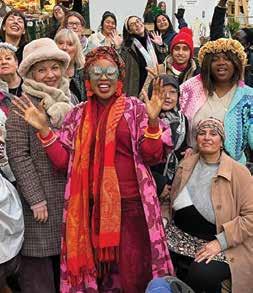
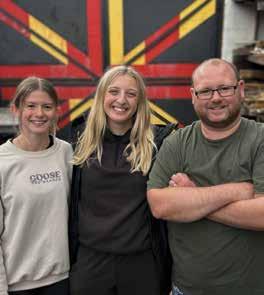
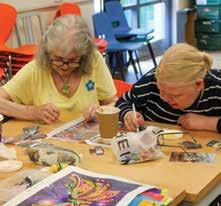
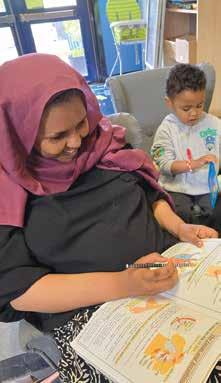
Cover photos: North Tyneside Disability Forum, Children North East, Blyth Shed (Laura Moscrop), Unfolding Theatre, The Millin Charity
This print is carbon captured. Printed on FSC® / PEFC™ certified paper, sourced sustainably and made carbon neutral through The Woodland Trust.