Click the paint brushes for direct links
2026 FAEA Annual Conference Registration Info and Conference FAQs | 16
Keynote Spotlight: Michael Albert | 18
Keynote Spotlight: Steven & William Ladd | 20
Florida Seal of Fine Arts: Highlights Across the State | 24
Where Are They Now? An Interview with Britney Garibay | 28
Arts in the Community: Art as a Catalyst for Kindness | 34
Welcome Back: Building Inclusive Art Classrooms Where Every Student Can Thrive | 40
The Role of AI in Art Education | 42
President's Canvas | 4
2026 & 2027 Board of Directors | 5 Calendar 2026 | 5
Board Consultant's Report | 6 Division Updates | 8
Summer at the Ringling Museum: Workshops Recap | 32 2026 & 2027 FAEA Committees | 33
OUR
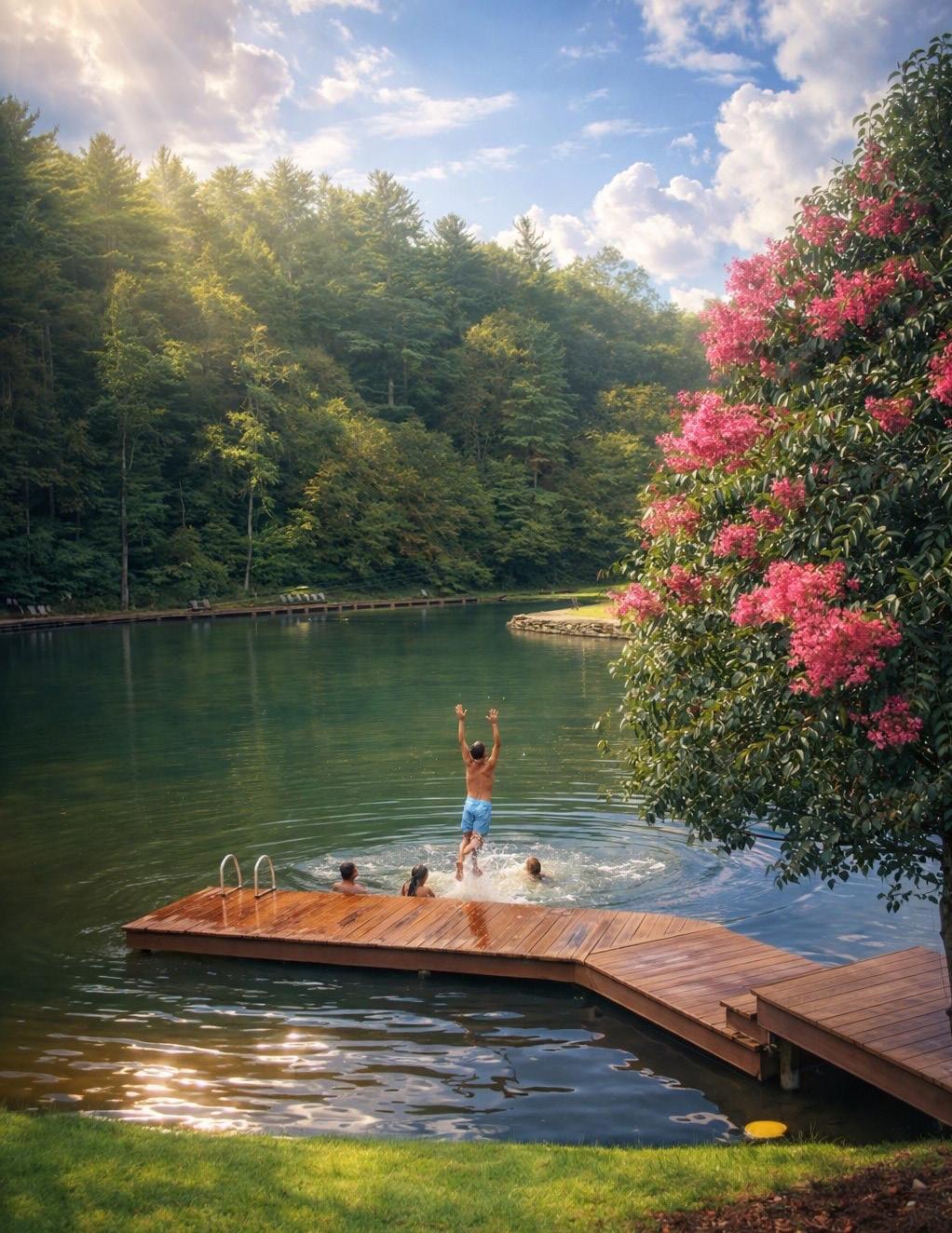
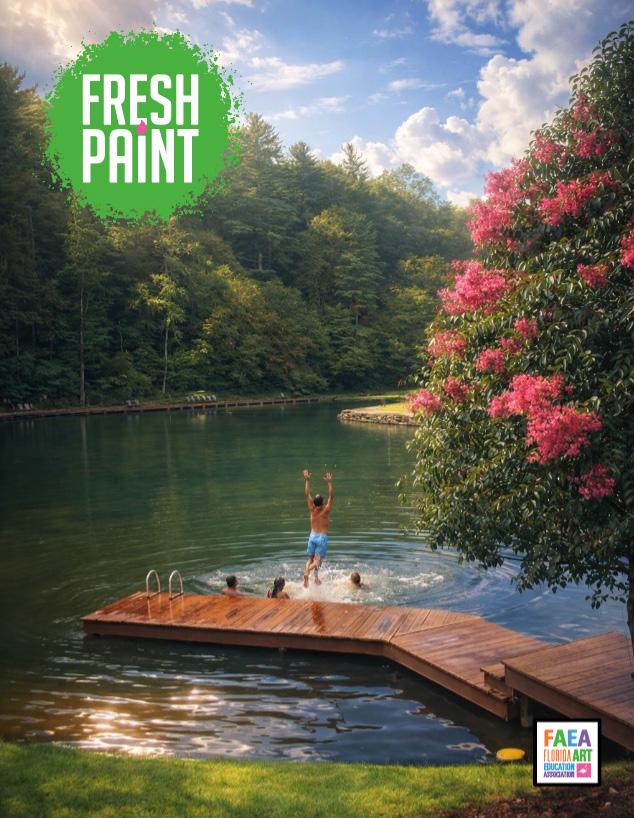
Camila Martinez (Grade 10)
Summer Bliss
Photography
Westminster Christian School Teacher: Kimberly Comber Miami-Dade County
About Fresh Paint Magazine:
Fresh Paint is an award-winning, quarterly publication of the Florida Art Education Association, Inc. (FAEA) located at 402 Office Plaza Drive, Tallahassee, Florida, 32301-2757. The purpose of Fresh Paint is to provide members and stakeholders with information about FAEA programs, the latest advocacy reports on issues impacting art education, and articles of interest to art educators of all levels. This publication is distributed to over 800 art teachers, district art supervisors, museum educators, higher-education professionals, community art educators, and artists, as well as other state and national art associations. All issues are published digitally by FAEA.:
Fall Issue Conference Issue Winter Issue
FAEA 2026 Editorial Committee
Laurie Hoppock, EdD, Chair
Jeffrey Broome, PhD
Nicole Crane, PhD
20
Latonya Hicks
Amanda Holloway
Lauren Kennedy
Ellen Kramer

18
Britt Feingold
Glenda Lubiner, EdD
Fresh Paint is made possible, in part, by the participation of the businesses whose advertisements appear in this issue. They make it possible to provide membership with a high quality publication and we gratefully acknowledge their support of Florida Art Education Association’s (FAEA) mission. We hope that you take special notice of these advertisements and consider the products and services offered. This is another important way you can support your professional association and the enhancement of Florida art education.
The publisher does not endorse any particular company, product, or service. FAEA is not responsible for the content of any advertisement and reserves the right to accept or refuse any advertisement submitted for publication.
Dear
Members of the Florida Art Education Association, August brings a distinct, electric energy found in the smell of fresh paint, a newly organized supply closet, and the quiet anticipation of empty classrooms and studios soon to be filled with creativity, experimentation, and artistry. As we begin the 2026–2027 school year, I want to welcome you all back and hope your summer was filled with restorative rest, travel, and quality time with family and friends. More than anything, I hope your studios were filled with the kind of creativity that leaves you inspired and ready for the year ahead
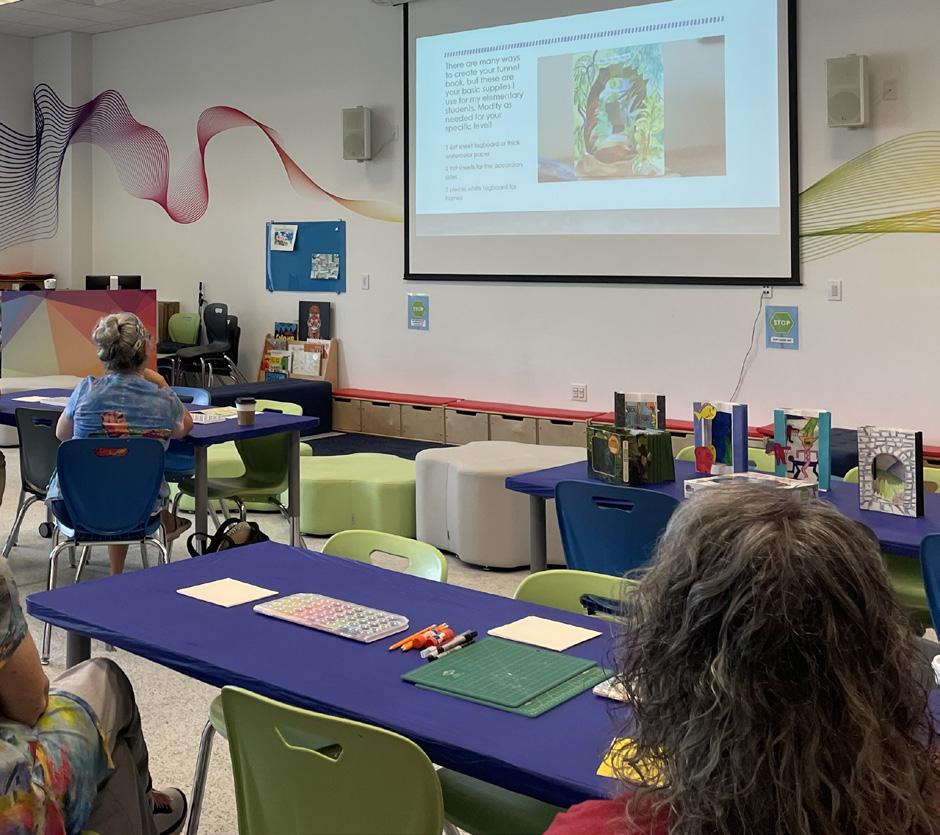
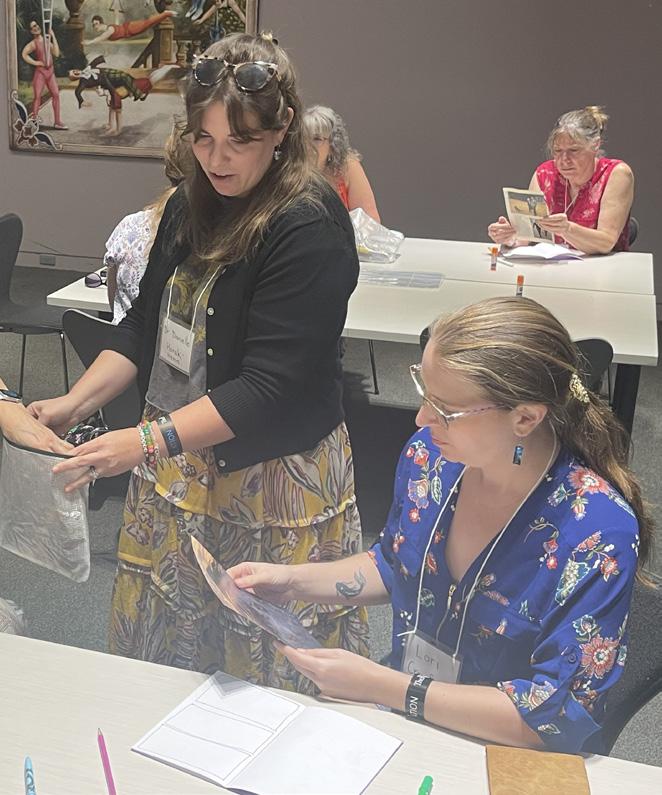
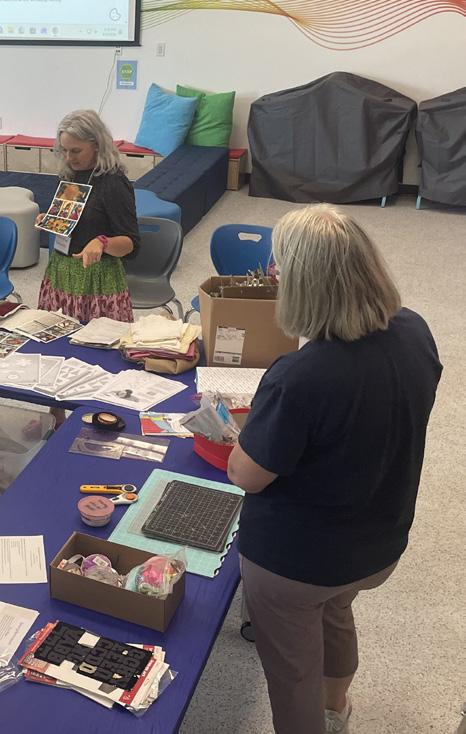
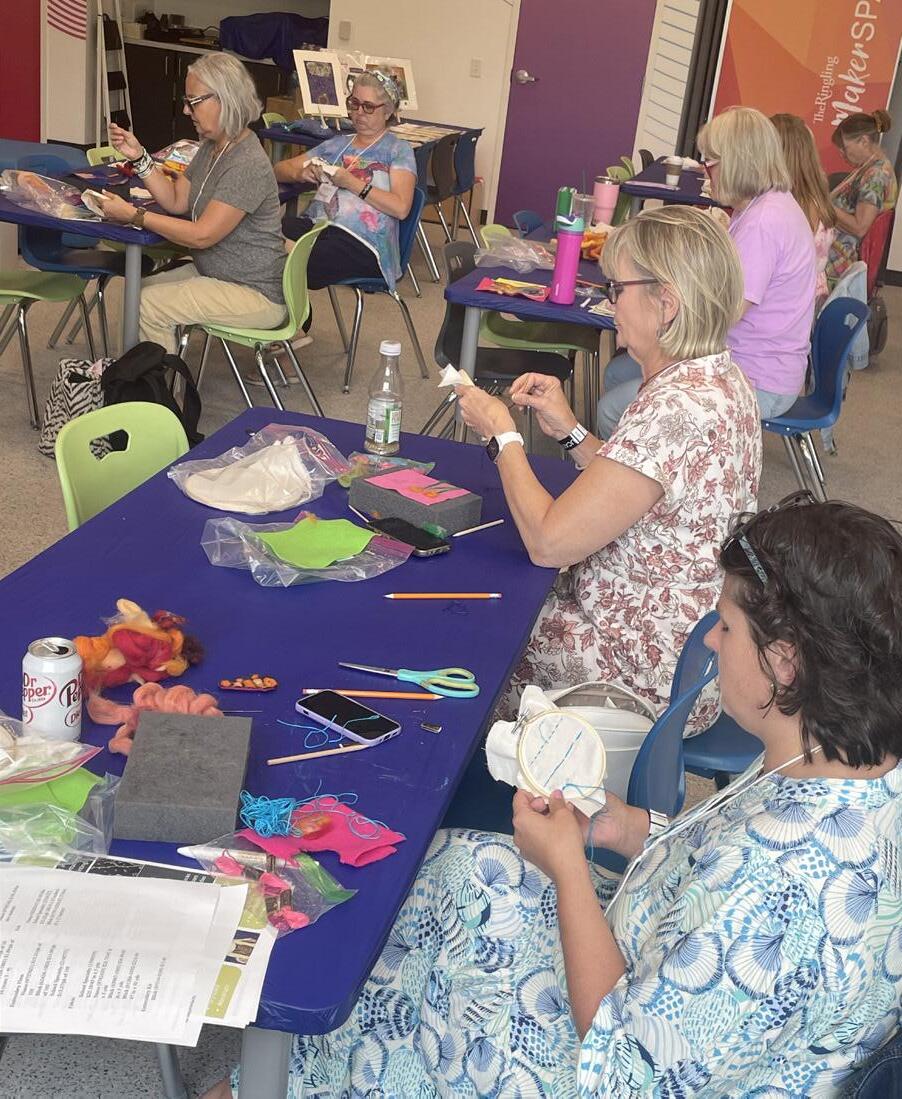
For many in our FAEA community, that creative spark was lit early this summer at our FAEA Summer at The Ringling Museum workshop series in Sarasota, FL. Over the course of three incredible days, FAEA members from across the state gathered to learn, experiment, and collaborate surrounded by world-class art. From tunnel books to fiber art, the vibrant energy, new techniques, and innovative lesson plans introduced during those days are exactly what we hope to carry forward into the new year.
As we return to the demands of a new school year, it is important to remember that our role extends beyond our studio and classroom walls. We know that art educators across our state continue to navigate the complex landscape of education. Our Advocacy Committee stands fully dedicated to supporting you through any institutional changes.
If you face program reductions, position shifts, or barriers to administrative access, please utilize our Advocacy Assistance Request Form. This connects you directly with our leadership, who will provide you with the strategic guidance and the resources you need.
Mark your calendars and get ready for October, when we will flock together at the Hilton St. Petersburg Bayfront for the FAEA Annual Conference October 15-18, 2026. It will be our opportunity to collaborate, share innovative strategies, and fuel each other’s passion for the arts. Be on the lookout for some exciting “glow ups” this year.
To the veteran teachers returning with years of wisdom, to those stepping into schools for the first time, or new art leaders in our state: THANK YOU. Thank you for your dedication, your resilience, and the passion you bring to the work you do. You are the reason your students show up ready to learn, and you make our communities more beautiful.
As the year begins, remember that you have an entire community behind you cheering you on each day. Hold onto the peace you found this summer, protect your creative energy, and remember that the work you do transforms lives every single day. Welcome back!
With warm regards,
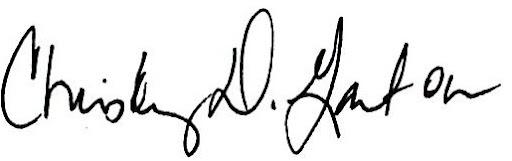
Ch risty Garton President, Florida Art Education Association
FAEA Membership Renewal Now Open
FAEA Conference Early Registration
August 3 - September 14, 2026
Youth Art Month Flag Competition
September 14 - November 20, 2026
2026 FAEA Annual Conference
October 15-18, 2026 St. Petersburg, FL
FSAA Submissions
November 30, 2026 - February 12, 2027

MISSION STATEMENT
The mission of the Association is to promote art education in Florida through professional development, service, advancement of knowledge, and leadership.
ADVERTISERS
BLICK ART MATERIALS | 23
ARTFUL EVALUATION | 27
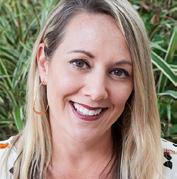
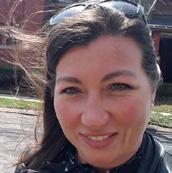
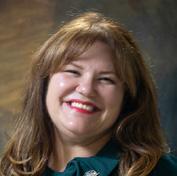
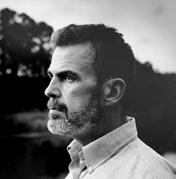
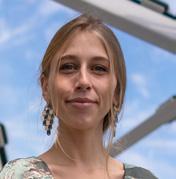
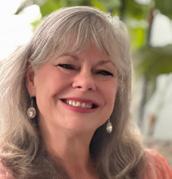
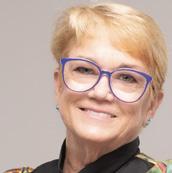
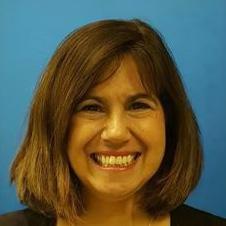
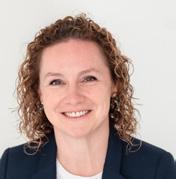
PRESIDENT Christy Garton
Orange County
PAST PRESIDENT
Latonya Hicks Pinellas County
PRESIDENT-ELECT
Jeffrey Broome, PhD
Leon County
SECRETARY
Ashley DeMaio Nassau County
ELEMENTARY DIVISION
Lindsay Thibault Orange County
MIDDLE SCHOOL DIVISION
Zachary Thompson Pinellas County
HIGH SCHOOL DIVISION
Britt Feingold
Palm Beach County
SUPERVISION/ADMINISTRATION DIVISION
Donna Haynes
Broward County
HIGHER EDUCATION DIVISION
Martin Murphy
Sarasota County
MUSEUMS & CULTURAL ORGANIZATIONS DIVISION
Sumaya Ayad
Pinellas County
LOCAL ART EDUCATION ASSEMBLY REPRESENTATIVE
Ellen Kramer
Orange County
RETIREES’ REPRESENTATIVE
Debi Barrett-Hayes
Leon County
MEMBER-AT-LARGE
Nancy Puri
Polk County
MEMBER-AT-LARGE
Laurie Hoppock, EdD
Duval County
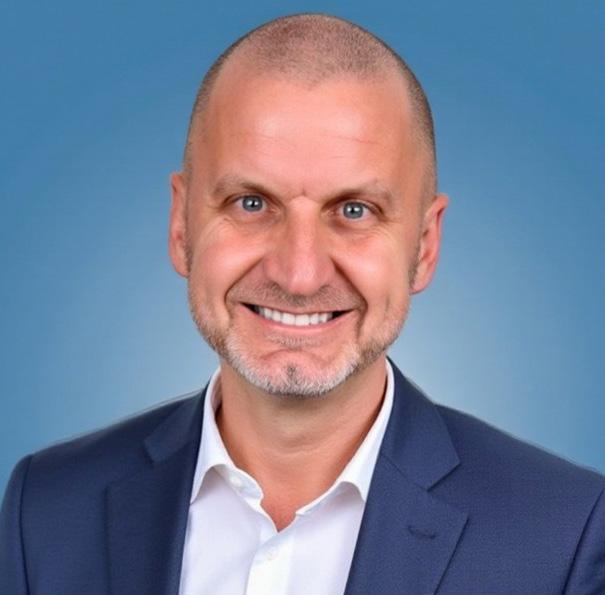

Scott Evans Board Consultant, FAEA
Welcome back, FAEA family! I always love the energy that comes with the start of new school year. The excitement of students and teachers is infectious and the knowledge that students are about to engage in the art making process guided by outstanding art educators brings me great joy.
As art educators, you play a vital role in nurturing creativity. You equip young people with opportunities to learn techniques and engage in thoughtful critique. More than that, you provide an outlet for young people to be seen, heard, and celebrated.
In addition to our role as educators, we have a responsibility to fulfill our civic duty as residents of our communities. As we approach the fall elections, I ask each of you to educate yourselves about the issues that affect our classrooms, our programs, and our students and then vote your conscience. Local and state decisions shape arts funding, curricular priorities, and the opportunities available to young artists. Being informed helps us protect what we teach and whom we serve. FAEA provides tools to help. Please visit the advocacy page on the FAEA website for up-to-date resources to guide your civic awareness and advocacy work. Use those resources to inform your own choices and conversations, keeping classroom dialogue nonpartisan and focused on the value of opportunity and participation rather than politics. Art is important for all students, all families, and all residents of our community.
I look forward to connecting with many of you during my ongoing Listen and Learn Tour across the state and to see you in person at the FAEA Fall Conference. As art educators, it’s easy to feel isolated in our classrooms so I encourage you to make a commitment to yourself and join your colleagues at the fall conference. Whether you are funding it personally or through school resources, this investment is incredibly worthwhile. It is something you owe to yourself as an educator who gives back to others.
Wishing you a fabulous start to the school year. Celebrate the joy you bring to young people and the incredible impact you have on countless students. Thank you for all you do!

Scott Evans
Sponsored by
Thursday, October 15, 2026 • 7:00 - 9:00 PM
Imagine Museum • 1901 Central Ave., St. Petersburg, FL 33713
All FAEA conference attendees are invited to celebrate the start of conference at the President’s Welcome & Exhibitor Appreciation Reception on Thursday evening at the Imagine Museum! Meet and network with fellow art teachers and vendors while enjoying light snacks and full access to the museum galleries. This event is free to attend with your conference badge.
Friday, October 16 7:00 - 9:00 PM
Dali Museum
Celebrate this year’s Member Virtual Exhibition accepted artworks and award winners at The Dali Museum! This reception is free with your conference badge and includes hors d’oeuvres and access to the galleries.
Sponsored in part by
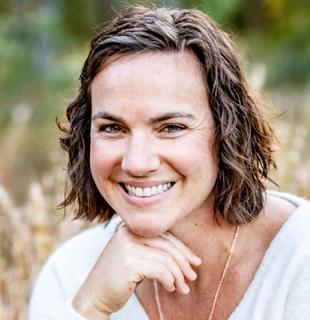
Lindsay Thibault Hillcrest Elementary School Orange County
Welcome back, everyone!
One of my absolute favorite things about being a teacher is that every year brings new beginnings and possibilities. We have an opportunity to continue to build upon what worked in the art room last year and to change the things that didn’t. Every year, I find opportunities to make a few small tweaks and sometimes larger changes that improve how my art room functions. Entering my 20th year of teaching art, I feel grateful and empowered to have the flexibility to adapt and refine my classroom in ways that best support my students and my teaching. I get to choose the direction of my year, and so do you.
What are some things that you know could use a change? How could you implement those changes? My small tweak that ended up hugely affecting my classroom management last year was buying large floor stickers and numbering them for line up. A major change I made was expanding my art materials with kindergarten and taking more risks which resulted in some incredible projects and more advanced skills. It was so rewarding to see the effects of these changes.
I hope you enjoy a new year of possibilities, and I look forward to continuing to connect with you as your Elementary Division Director.
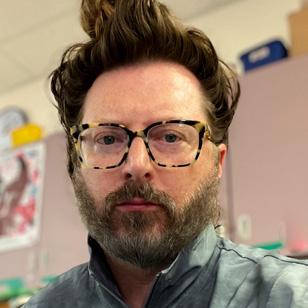
Zachary Thompson
Richard L. Sanders School Pinellas County
As we begin the 2026–2027 school year, I would like to extend a warm welcome to each of you on behalf of the Florida Art Education Association. I am honored to serve as your Middle School Division Director and wish you a year filled with creativity, growth, and inspiration.
Middle school art educators have a unique opportunity to guide students during some of their most important developmental years. Your dedication and passion continue to make a lasting impact in classrooms across Florida.
As the fall semester begins, consider establishing clear intentions with your students during the first week of school. Creating a positive studio culture, setting expectations, and encouraging creative risk-taking can help build a strong foundation for the year ahead.
This is also an ideal time to plan curriculum, interdisciplinary projects, and collaborative lessons with core academic teachers. Meaningful connections between visual arts, literacy, science, mathematics, and social studies can deepen student engagement and learning. Explore funding opportunities through your district, school, PTA, grants, and community partnerships to support innovative projects and experiences.
Stay connected with your local art education association (LAEA) and participate in professional learning opportunities throughout the year. Begin planning field trips to museums, galleries, and cultural institutions that can enrich student learning beyond the classroom.
Be sure to watch for announcements regarding FAEA student exhibition opportunities at the district, regional, and state levels.
Most importantly, remain confident in your abilities. You have the tools, knowledge, and passion to make this school year a success.
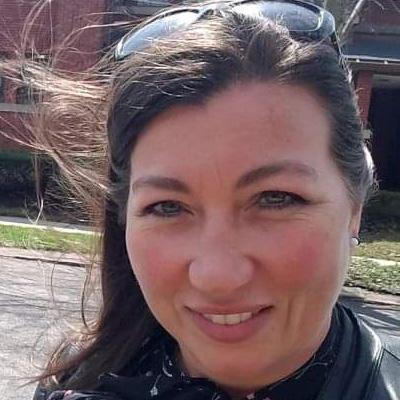
Lake Worth Community High School
Palm Beach County
High School Division Members,
Welcome back! I bet summer went by REAL quick! Hopefully, you had the chance to enjoy yourself, take a break, do something fun, and maybe even travel a bit. I went to London to visit a friend and then cruised to Scotland, Norway, and Iceland! It was incredible!
September 21st is International Day of Peace, and I ask ALL of my students to participate (for a grade, of course) in Pinwheels for Peace! Students create a pinwheel and participate in an art installation project started by two art teachers from Coconut Creek, Florida. I find this is an easy way to start the school year off and important as well! Here is the link: http:// www.pinwheelsforpeace.com/Pinwheels_for_Peace/home. html
Another thing I wanted to share is an amazing opportunity offered to educators by the Guy Harvey Foundation. The GHF hosts multiple educational conservation trainings each year that are *free* to attend. If more than 2 teachers attend a training, your school can apply to become a GH Conservation School. They also offer $300 teacher grants to attend the trainings as well as $1000 field trip grants. It is an amazing opportunity and I highly recommend looking into it. This is the link: https://guyharveyfoundation.org/education-3/cet/
Make sure to inform and/or remind students about the Florida Seal of Fine Arts—what a tremendous honor. Besides that, I can't wait to see you at FAEA 2026 in St. Petersburg and I hope back to school August 2026 is a breeze!
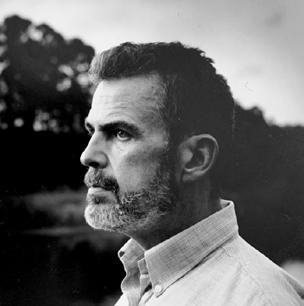
Martin Murphy Ringling College of Art and Design Sarasota County
Welcome back. The new school year brings fresh energy, new faces, and for many high school students, the first serious conversations about college. Fall is when early action deadlines loom, applications begin to take shape, and campus visits take place. At many colleges, like Ringling, we welcome high school visits and love seeing your students on campus. This is a meaningful moment for art educators to help students understand not only how to build a strong portfolio, but also the habits and resilience they will need to thrive at college.
Many students, especially first-generation college students, arrive brimming with creative talents yet are unfamiliar with the independent time management, self-advocacy, and support-seeking skills that college requires. These expectations can represent a fundamental shift from how learning and support were structured throughout their K-12 experience. Faculty are increasingly recognizing that helping students navigate challenges, communicate needs, and access support systems early is just as vital as developing strong creative work. The habits and resilience students develop in your classroom travel with them. If you have space in your curriculum, consider sharing your own college experiences and the lessons that shaped your success. I am always happy to help with these conversations; feel free to contact me at highered@board.faea.org.
I am eager to connect at the conference in October and am looking forward to presenting. If you are not already involved with your local art education association, I encourage you to join and share your experiences. Connecting locally strengthens everything we do statewide.
This summer I spent time reaching out directly to Studio Art faculty across Florida. Please join me in these recruitment efforts; think about the professor or colleague who shaped how you see, make, and teach art. Invite them into our FAEA community. Personal invitations make a real difference.
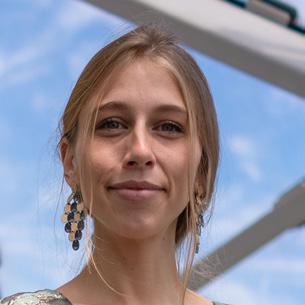
Sumaya Ayad The Dali Museum Pinellas County
Dear Museum and Cultural Organization Educators, I hope your summer was both enjoyable and enriching as we prepare for the busy season of school tours and the return of our snowbird residents. Whether you had the chance to lead programs, work behind the scenes, or get out of town entirely, we’ll look forward to more connections with our constituents and our division in the fall.
As students head back to school and teachers begin their planning, ensure all of your field trip information and student exhibition guidelines are up to date. If you have any special announcements, events, or changes in your school programs, please share them with the division. No matter how you might connect with FAEA members, the beginning of the school year is one of the best times to share those reminders.
Please stay in touch with the organization and our division for anything you may need. In the coming months, look out for exhibit booth reservations for Conference and brainstorm ways to easily engage attendees.
Encourage fellow Museum and Cultural Organization educators and leaders to join FAEA, especially ahead of this year’s conference! In addition to building connections with the greatest single group of teaching artists in Florida, new members gain access to a breadth of resources and amplification opportunities.
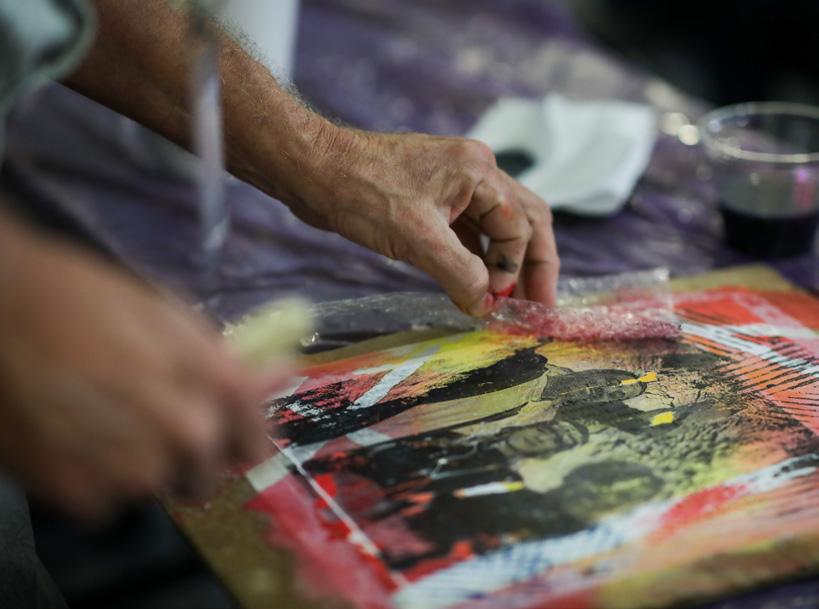
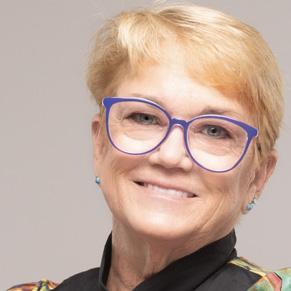
Debra Barrett-Hayes Leon County
I hope everyone is planning to attend our FAEA conference in St. Petersburg! In my recent travels as your representative, I have realized the importance of our presence—our roles, guidance, and experience are needed.
Sure, the topic of AI is everywhere we go but that doesn’t change the complexity of maintaining, managing, and thriving in a multitasking Art Room. We play a vital role in our state organization and your input remains vital to the health of the organization. For these and many other reasons, I want to see your faces among the FLOCK at FAEA. It’s going to be Flamazing!
We will have “The Big Give”, “Speed Dating” & the annual “Social Gathering of the Rats”. This Summer I came across a fun book by Amie McNee, We Need Your Art: Stop Messing Around and Make Something She has a chapter called “On Voice”.
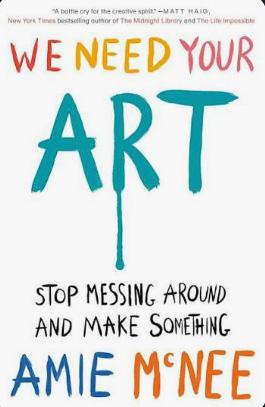
She quotes: You: “There’s too much noise! There’s No Space For Me!”. Me: There’s no noise like your noise. We need Your Voice!” (pg. 40.) I cannot agree more… “There’s no noise like your noise. We need YOU!
Membership is open to all art teachers, art supervisors, arts administrators, cultural professionals, university professors and students, those who are retired from the profession, and anyone passionate about our goals.
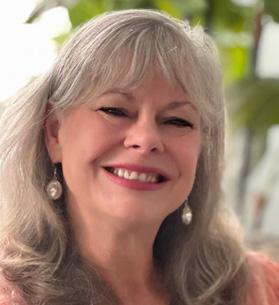
Ellen Kramer Wedgefield School Orange County
Welcome back, Florida art educators! I hope your summer vacation was filled with restful moments, personal studio time, and plenty of creative inspiration. Whether you traveled, experimented with a new artistic medium, or simply enjoyed a well-deserved break from the classroom bells, your dedication to nurturing the minds of Florida’s students remains the backbone of our creative community.
This past summer, many of you stayed connected by participating in FAEA’s workshops, sharpening your skills, and gathering fresh ideas for the upcoming year. As we step back into our classrooms, I want to carry that collective energy forward through our local art assemblies. If you do not have an LAEA, start one! Begin small! Contact a few art teachers and create one workshop that interests everyone. Include nibbles or plan to gather afterwards for a social hour. Whatever suits your needs and brings you together is a great way to start. My priority this year is simple: connecting with you to collaborate directly and either create a local art assembly that addresses your real-world classroom needs or improve the function of your current association. I am here to help! Contact me at laea@board.faea.org.
Finally, don’t forget, the FAEA annual conference, The Flamingo Effect: Rejuvenate, will be in St. Petersburg October 15-18, so make your plans to attend now! Our strength lies completely in our numbers and our shared passion. To keep our community thriving, please take a moment to renew your FAEA membership today if you haven’t already!
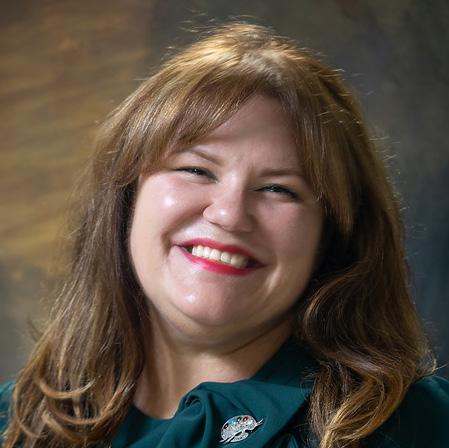
Division Director
Donna Haynes
Broward County Public Schools Broward County
As we begin a new school year, we have a fresh opportunity to inspire curiosity, build relationships, and foster creative thinking. The start of the year is more than establishing routines—it is a time to create a classroom culture where creativity, confidence, and student voice can flourish.
Many art educators begin the year with projects that help students connect with one another while exploring artistic expression. Whether through collaborative artwork, school displays, or community-based initiatives, these experiences help students feel welcomed and invested in the creative journey ahead.
One of the most powerful ways to advocate for the arts is by making student learning visible. Showcasing artwork throughout schools and communities helps families, educators, and community members understand the important role the arts play in a well-rounded education.
This year also presents exciting opportunities as emerging technologies continue to influence art and design. As educators, we are uniquely positioned to help students navigate these tools thoughtfully, balancing innovation with creativity, craftsmanship, problem-solving, and human-centered thinking.
The Florida Seal of Fine Arts provides an important opportunity to recognize graduating seniors who have demonstrated exceptional dedication and accomplishment in the arts. As we begin the school year, please help ensure eligible students are aware of this opportunity by sharing application information and encouraging participation.
As we welcome students back, may the year be filled with creativity, connection, innovation, and opportunities for every learner to discover and share their artistic voice.

Support Florida art education by becoming an FAEA Patron! With your donation, FAEA will continue to grow its programs for teachers and students, strengthen united advocacy efforts, and improve professional learning opportunities for members. Visit FAEA.org/donate.
Thank the following individuals who have graciously donated to the Association.
Donna Haynes (In Memory of Barbara Mazur)
Shannon Livingston (In Dedication to Pat Ketring)
Colleen Rigel Cherelle Smith (In Memory of Cora Lee Ashley)
Kelly Warne Vermelle Wright Anonymous (3)

Sponsored in part by Friday, October 16 | 9:00 - 11:00 PM
(directly following the Member Virtual Exhibition Reception)
FloridaRAMA 2606 Fairfield Ave S Building 5 St. Petersburg, FL 33712

Continue your Friday night fun at the Art After Dark event at FloridaRAMA! From 9:00 PM to 11:00 PM, you can explore this wildly imaginative, interactive, and immersive art experience. Show your conference badge to receive free admission and discounted game activities at $4 each.
April 1, 2026
Dear Administrators,
The Florida Art Education Association (FAEA) is the professional association for Art Educators in the state of Florida. FAEA’s mission is to support the growth and development of art educators through professional learning and programming. Each year, FAEA hosts a Professional Learning Conference dedicated to this mission.
I am delighted to announce that the 74th Florida Art Education Association Professional Learning Conference will be held October 15-18, 2026, at the Hilton St. Petersburg Bayfront and surrounding museums. The Florida Art Education Association’s annual conference is the largest professional learning event in Florida for visual art educators and will include over 170 clinic sessions, hands-on workshops, along with a variety of educational learning opportunities developed to meet the needs of art educators today.
We hope you will encourage and support your art teachers’ participation in this valuable opportunity by providing release time and funding for registration, travel, and lodging. The conference offers 100% art education content that can be immediately applied to enhance instructional programs. Sessions will cover a wide range of topics, including standards-based instruction, assessment, classroom management, and skills development designed to improve student engagement and achievement.
Investing in your art teachers’ professional learning at the FAEA conference will strengthen their instructional practices and positively impact your school’s visual arts program. We appreciate your support in empowering our educators to continue inspiring and nurturing creativity in their students.
Thank you for considering this important opportunity.
Sincerely,
Christy Garton, President Florida Art Education Association
The Neon Artist Party
SATURDAY, October 17, 2026
7:00 - 11:00 PM
Hilton St. Petersburg Bayfront

Step under a canopy of vibrant neon lights and glowing palm trees for the ultimate celebration of creativity, connection, and inspiration. It’s the perfect way to cap off a phenomenal week of collaboration and rejuvenation! More details coming soon.
October 15-18, 2026, Hilton St. Petersburg Bayfront, St. Petersburg, FL
Early Registration August 3 - September 20, 2026
Join FAEA in St. Petersburg this Fall for an unforgettable conference filled with hands-on workshops, insightful presentations, and fantastic networking opportunities designed to ignite your passion for art education. Take advantage of early registration prices by registering online before September 20, 2026.
Registration Type Early Registration Price Regular Registration Price (available until Sept. 20) (after Sept. 20)
Guest/Spouse
1.Full registration refunds are available for cancellation requests made by September 25, 2026.
2.No registration refunds will be made for cancellations made after September 25, 2026, except for emergency situations. These will be reviewed on a case-by-case basis.
3.Refunds must be requested in writing (email to val@faea.org).
4.Emergency-related requests for refunds must be received no later than November 13, 2026. Requests received after that date will not be processed.
5.All refunds will be issued after the conference is completed.
6.All silent auction, raffle, and special event tickets and membership fees are non-refundable.
Do I have to be an FAEA member to register for the Conference?
No, you do not need to be a member to register, but the non-member cost is higher. Members may renew their membership during registration.
Are there additional fees to attend workshops or special events at the FAEA Conference?
Yes, all hands-on workshops and ticketed special events (e.g., Awards Ceremony and the Saturday Night Event) require an additional fee to your conference registration to attend. These sessions and events will be marked with a $ in the online schedule. Since the hands-on workshops and special events have limited availability, it is recommended to register and pay for them as soon as possible.
Which workshops and events are included in my registration?
All Art Forum sessions, Opening and General Sessions, division meetings, free evening receptions (e.g., President’s Welcome Reception and the MVE Reception), and access to the Exhibit Hall are included in your conference registration. All sessions and events not marked with a $ in the online schedule are free to attend and do not require an additional registration.
Do I sign up in advance to attend the Art Forum sessions?
No, the Art Forum sessions are included in your conference registration and seating is available on a first-come, first-served basis.
Is there a certain hotel I should stay at if I am attending the FAEA Conference?
FAEA has a room block at the conference hotel, Hilton St. Petersburg Bayfront. To learn more, visit faea.org/conference/ hotel-information.
do I get around St. Petersburg during the FAEA Conference?
Most FAEA sessions and events will be held at or within walking distance of the conference hotel, Hilton St. Petersburg Bayfront. The online conference schedule will indicate if a session or event is held at an off-site location. Conference attendees are encouraged to use the free trolley transportation, such as the Downtown Looper and the Central Avenue Trolley, to travel around downtown St. Petersburg. To learn more about the available public transportation in St. Petersburg, visit FAEA.org/conference/transportation.
If I have questions about the FAEA Conference or my membership, who should I contact?
You can call the FAEA Office at (850) 205-0068 or info@faea.org.
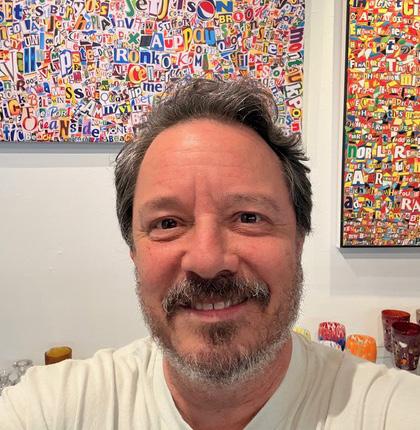
Michael Albert has been creating art since his college days at New York University, where he studied business (BPA, 1984-1988). After visiting many of the great museums in NYC and viewing some of the world’s greatest masterpieces of art, he began his own artistic pursuits.
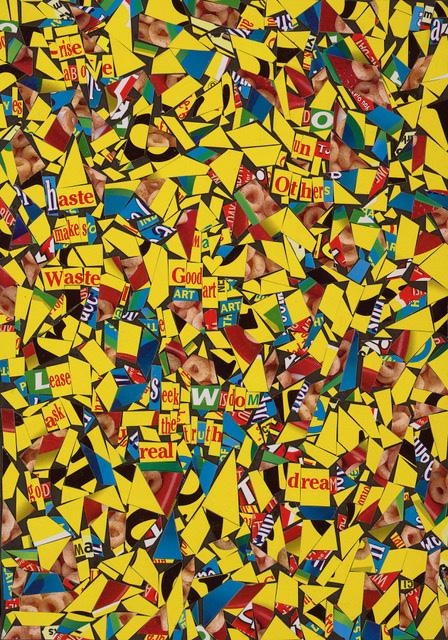
His art has evolved from doodles and pen-andink sketches to serious wax-oil drawings, ultimately leading to the cubist mosaic cereal box collages that define his reputation. In the past two decades, he has been creating large-scale “Epic” collage works on various themes including history, literature, religion
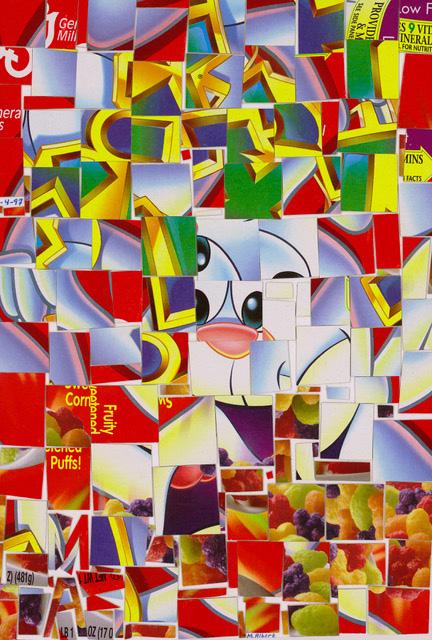
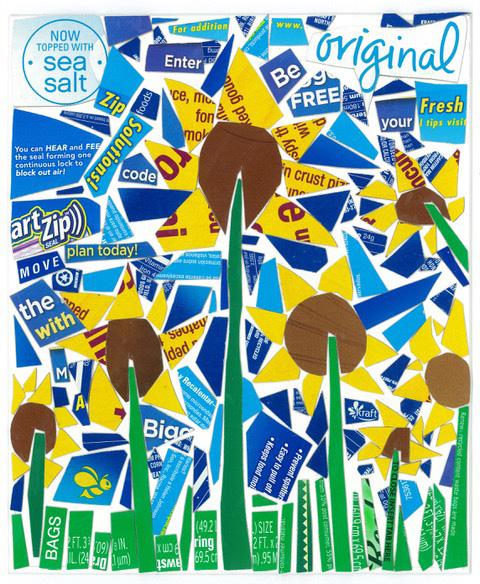
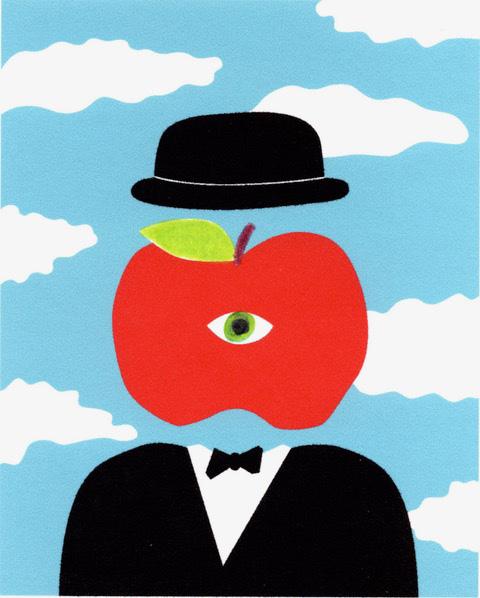
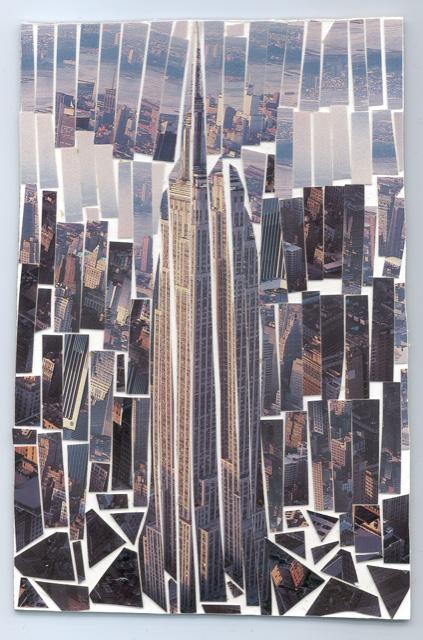
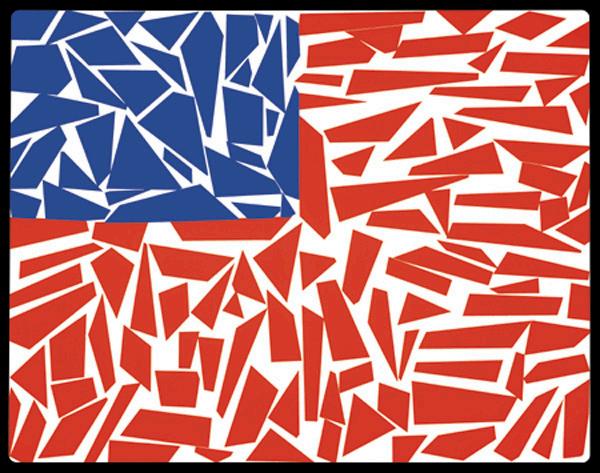
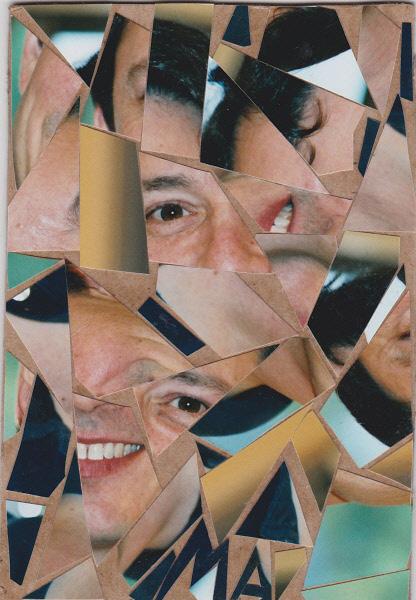
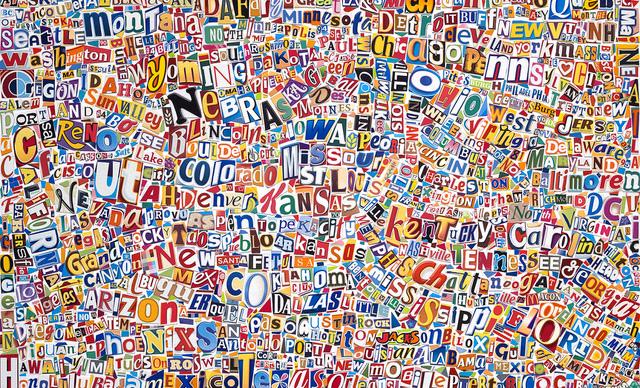
& philosophy, music, poetry & lyrics, botany, logo montages, color studies, mathematics & geography. Since the publishing of his autobiographical book titled "An Artist's America" (Henry Holt, 2008), Albert has developed a traveling Pop Art Enrichment Program & Hands-On Collage Workshop for kids (school age & up), teens, adults and as a multi-genera-
Albert is also the founder/owner of Sir Real, a brand of fruit juice and natural foods. Empire State Building, 2000
tional event called the “Modern Pop Art Experience” which he has brought to more than 1,500 schools, libraries, museums, art festivals and special events in most of the United States (48 so far!) and in Canada, México and Europe.
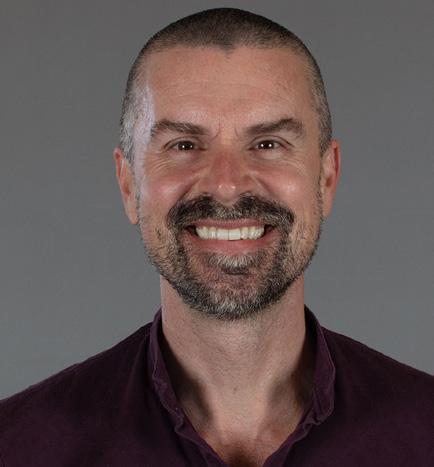
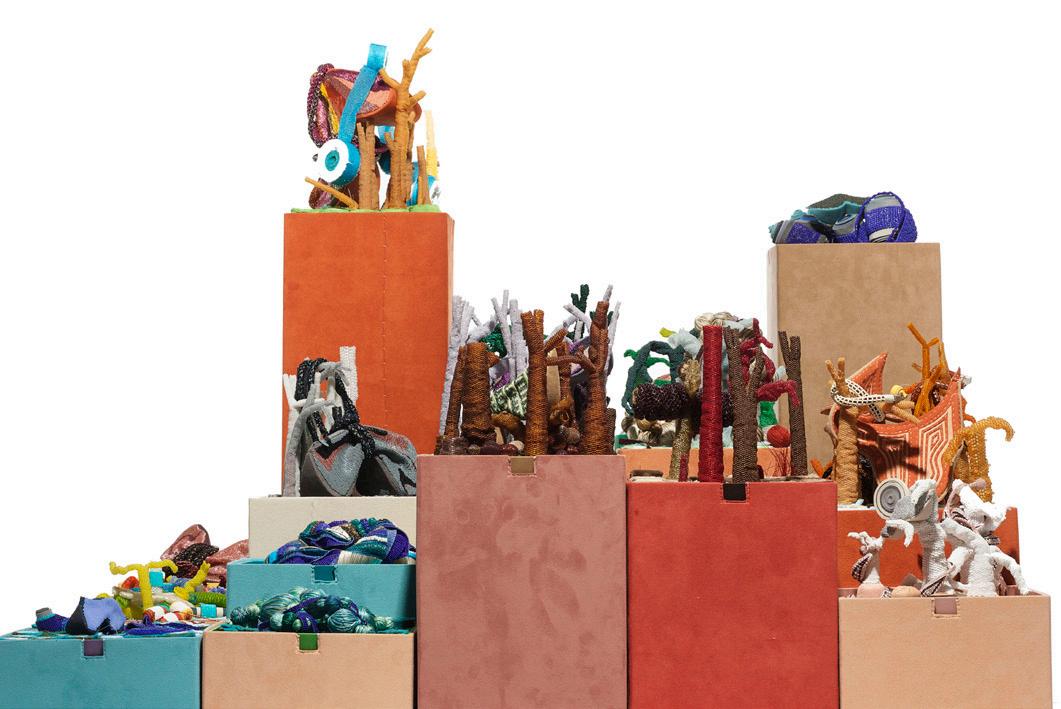
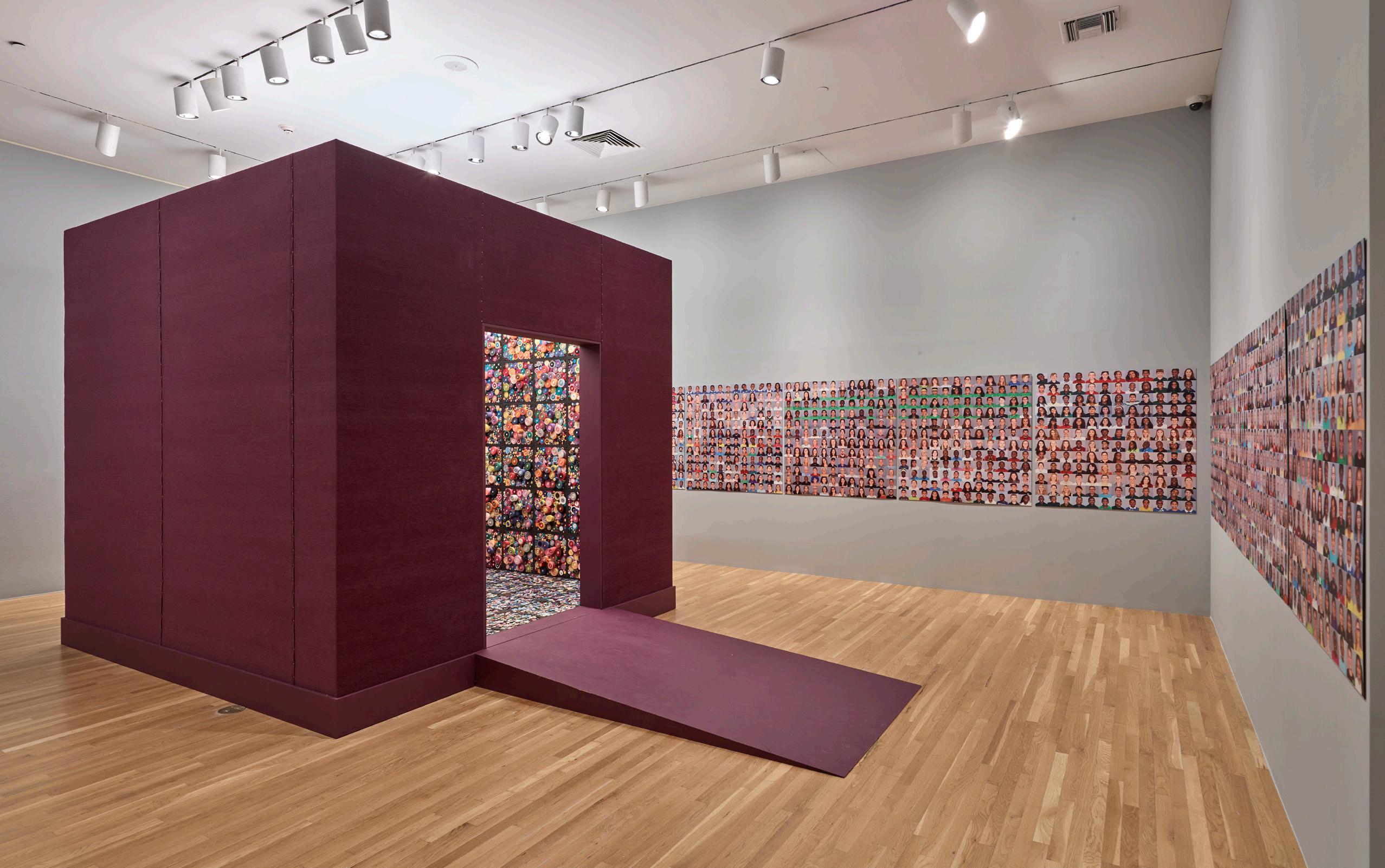
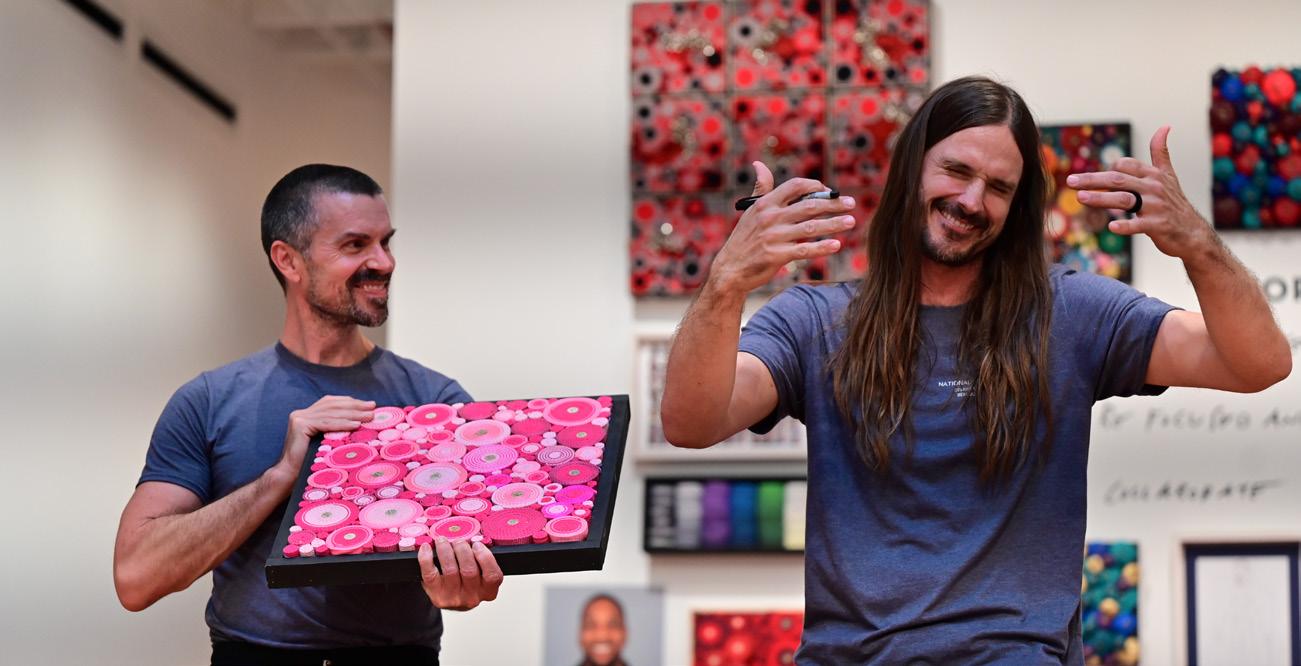
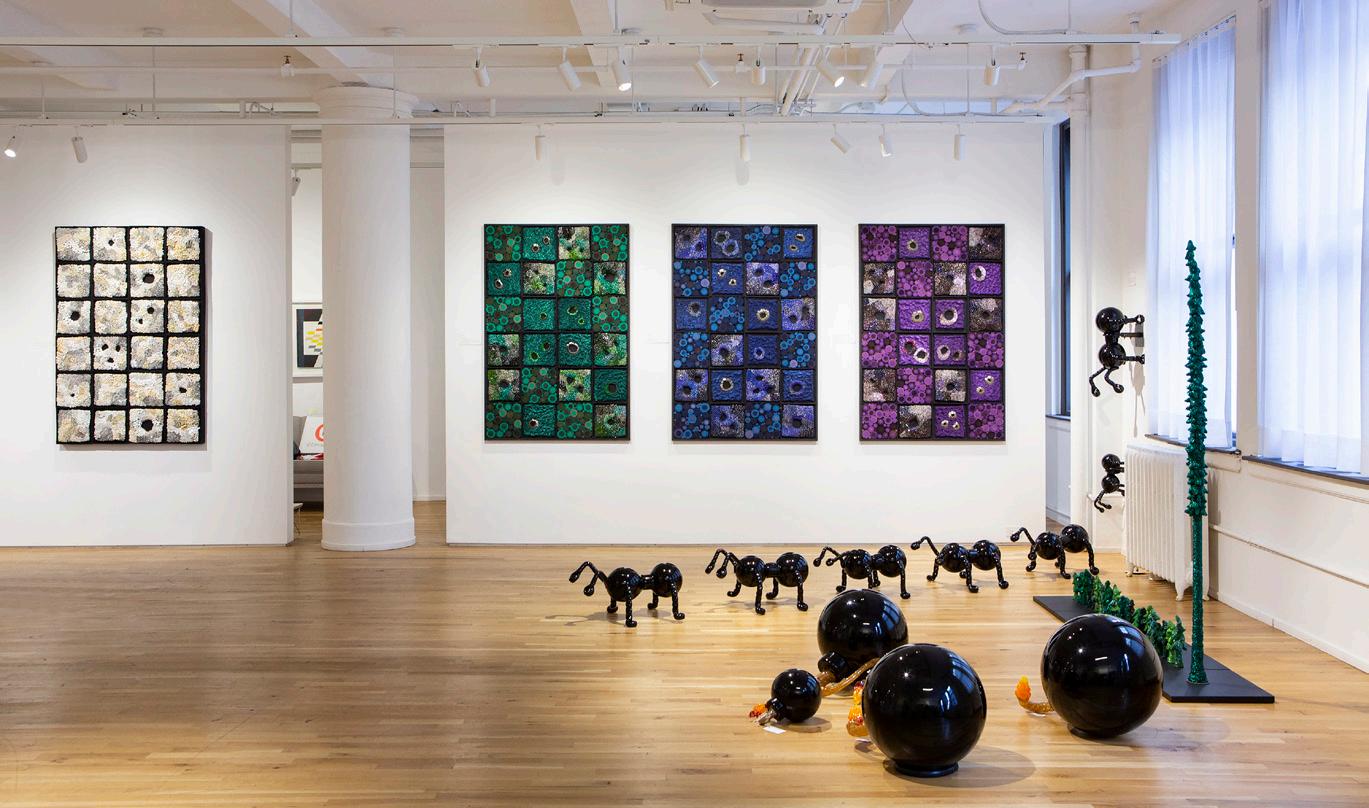
Steven and William Ladd are American artists and brothers whose collaborative practice merges material innovation, storytelling, and large-scale public engagement. Working together since 2000, they have developed a distinctive visual language rooted in hand-crafted processes—transforming textiles, beads, and reclaimed materials into intricate sculptures and immersive installations. Central to their practice is Scrollathon®, a participatory program through which thousands of individuals contribute hand-made elements that are later assembled into expansive collective works. These installations, often presented in museums and public spaces, operate simultaneously as artworks, archives, and social frameworks—foregrounding individual voice within a shared visual system. Their work bridges fine art, design, and social practice, emphasizing the role of craft as a vehicle for connection, visibility, and cultural memory. They have exhibited internationally, including at the Musée des Arts Décoratifs, Paris; the Cooper Hewitt, Smithsonian Design Museum; and the John F. Kennedy Center for the Performing Arts in Washington, D.C.
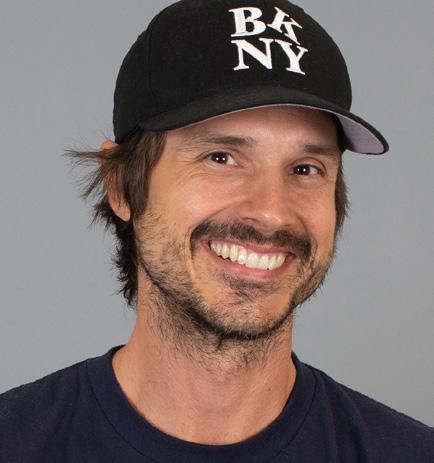
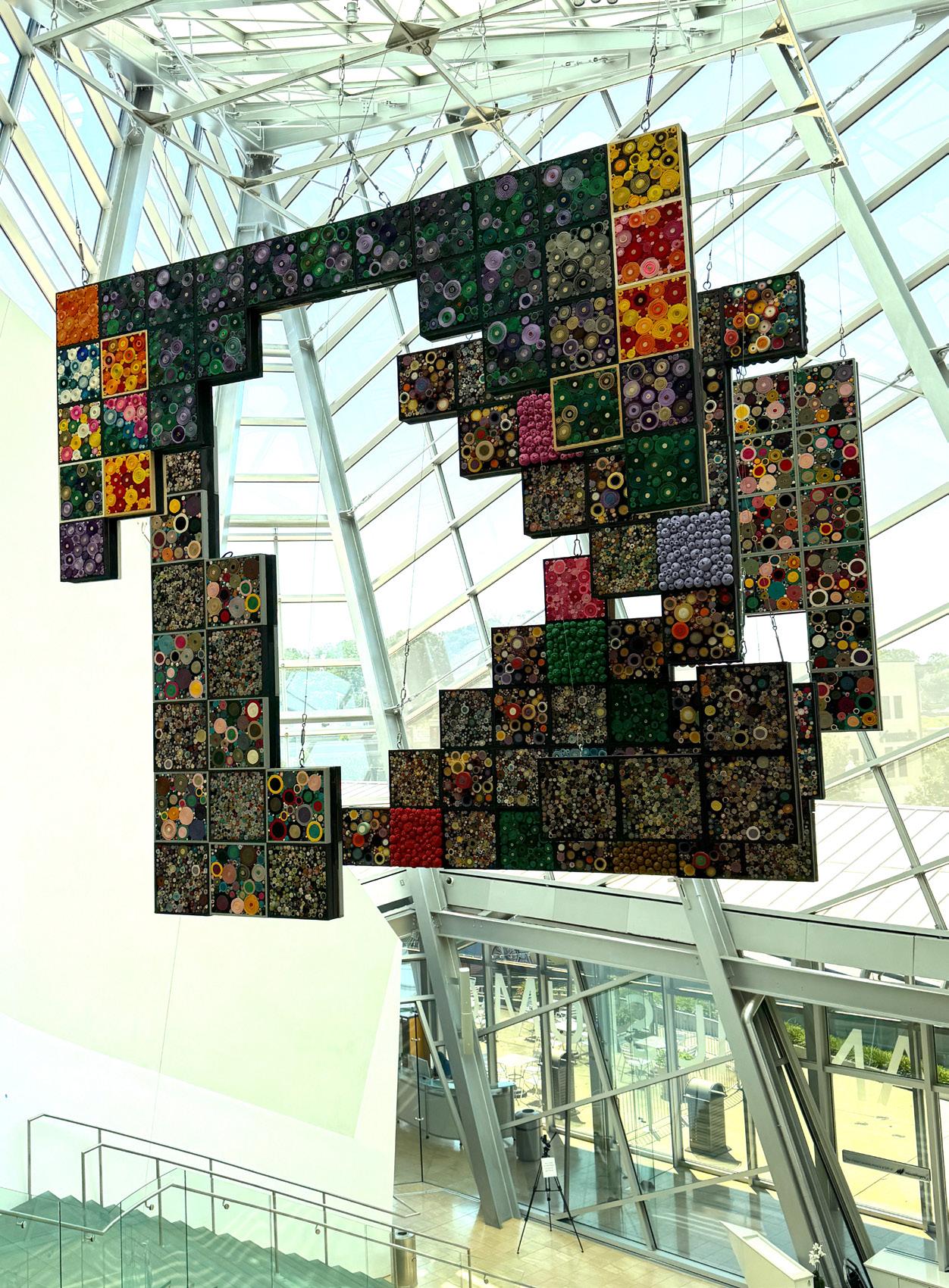
Installation view, Scroll Space, 2019
PRIMARY ELECTION DAY: AUGUST 18, 2026 GENERAL ELECTION DAY: NOVEMBER 3, 2026
From local school boards to state leadership, the representatives we elect shape Florida’s cultural landscape. Research the candidates and make your voice heard.
FLORIDA GENERAL ELECTION VOTER REGISTRATION DEADLINE: OCTOBER 5, 2026
RegisterToVoteFlorida.gov

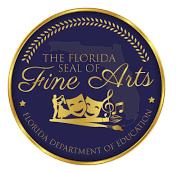
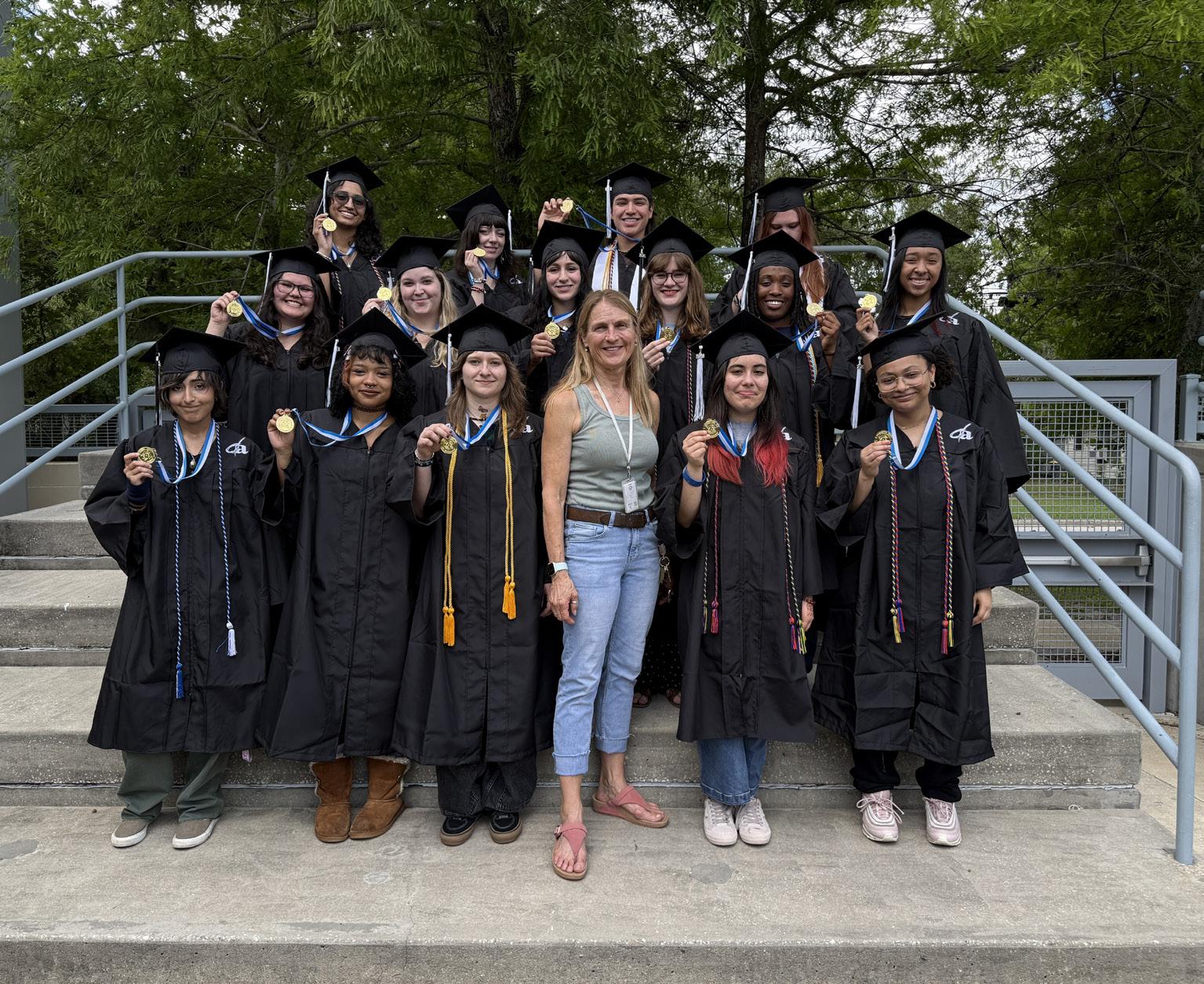
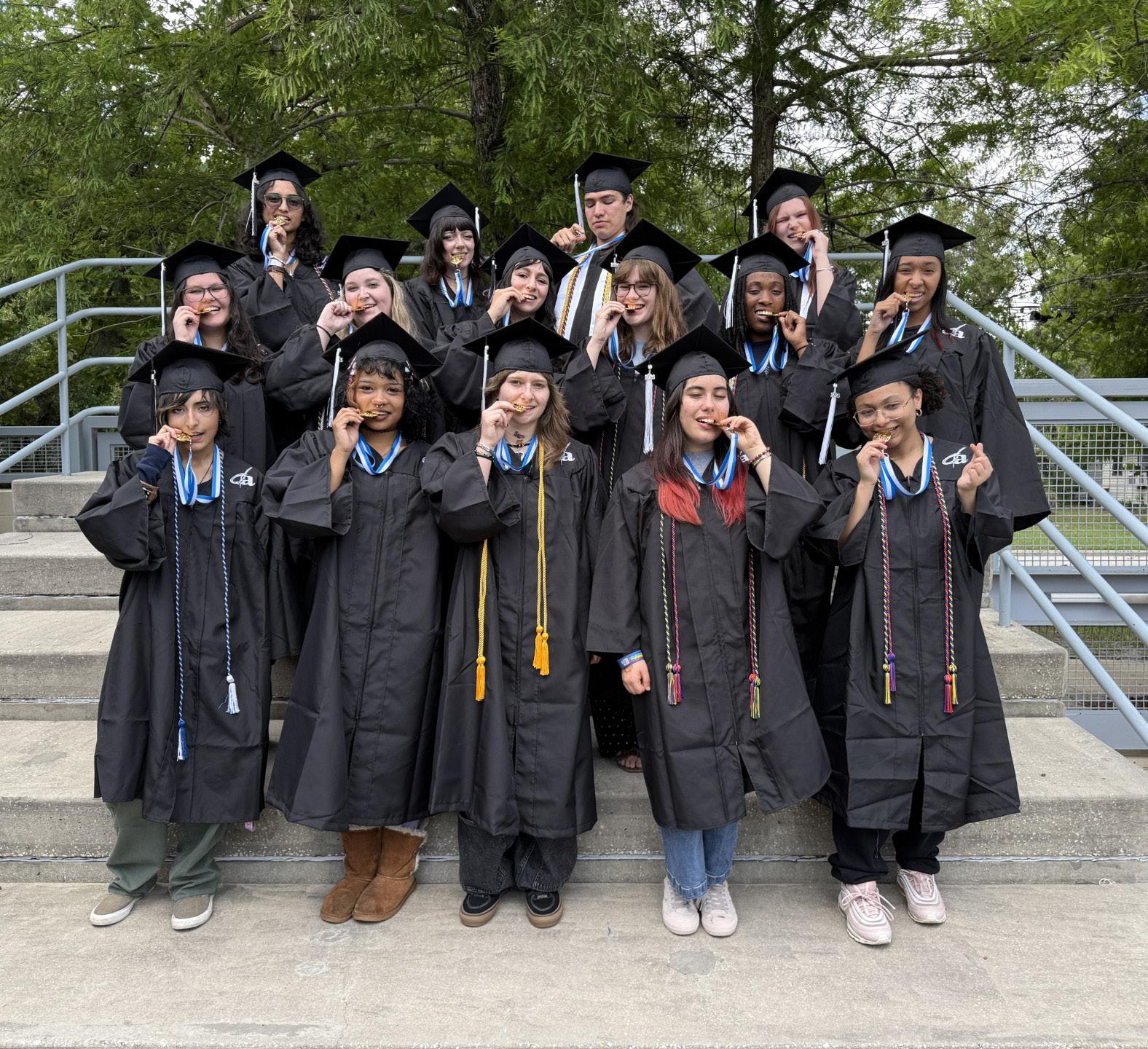
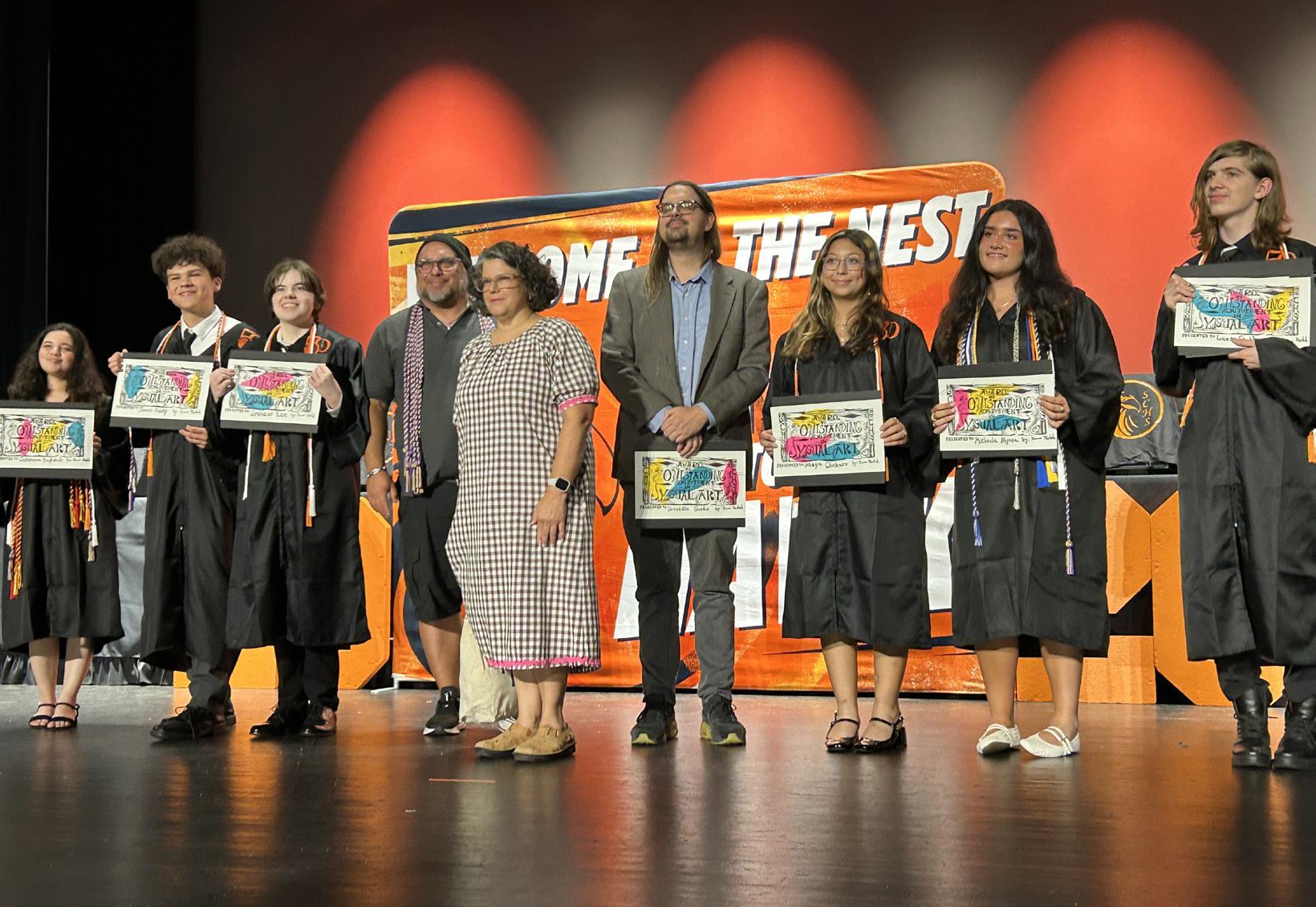
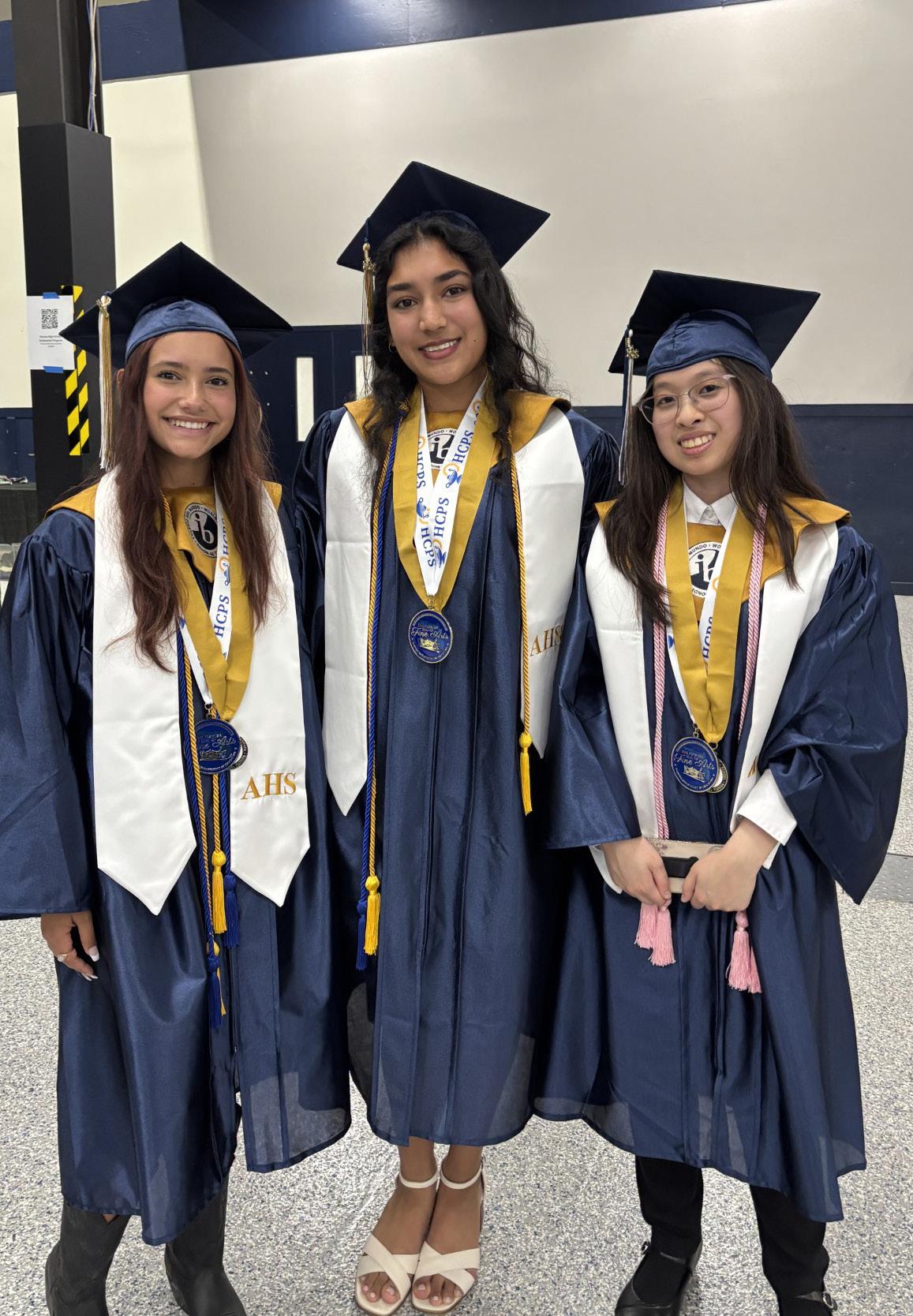
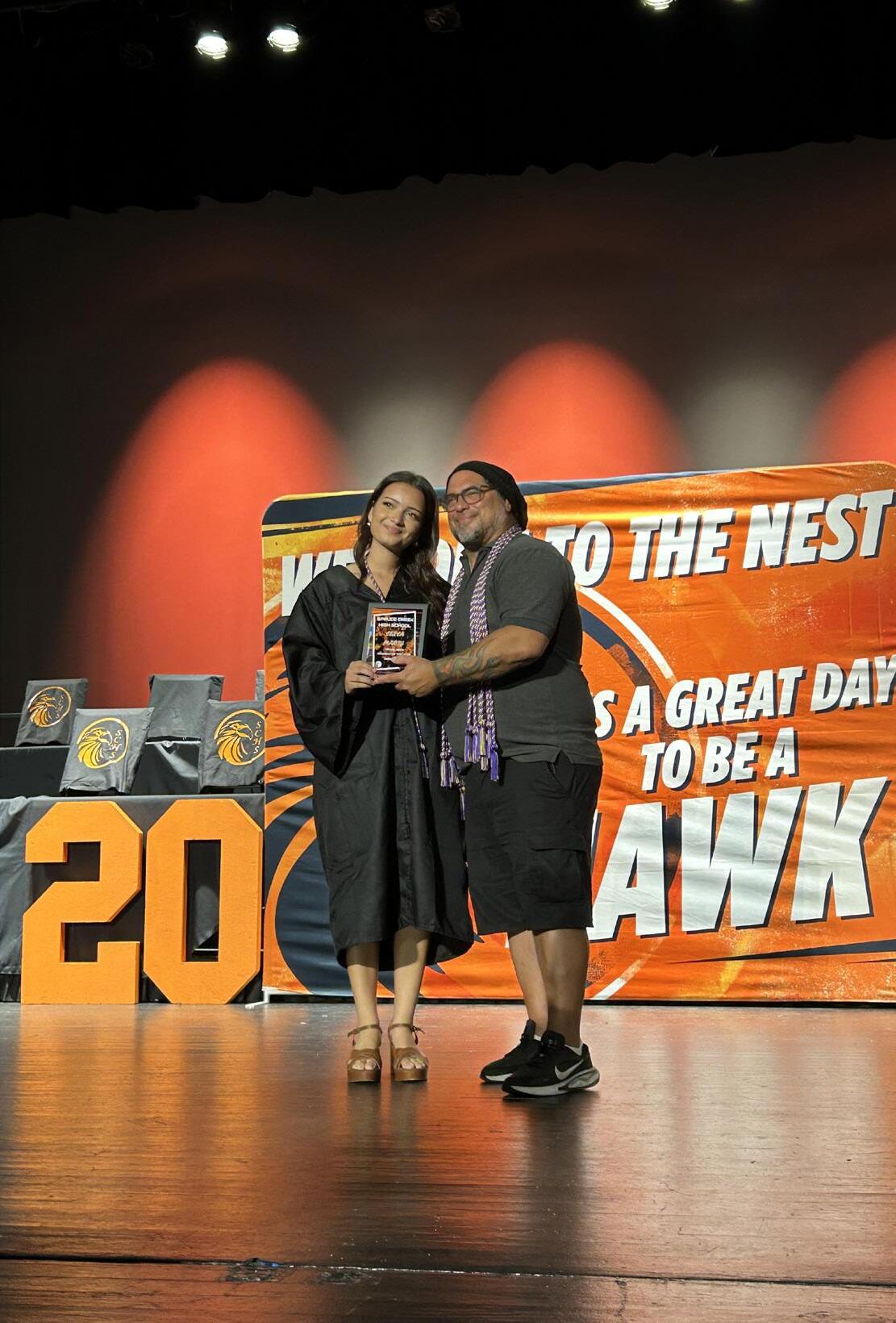
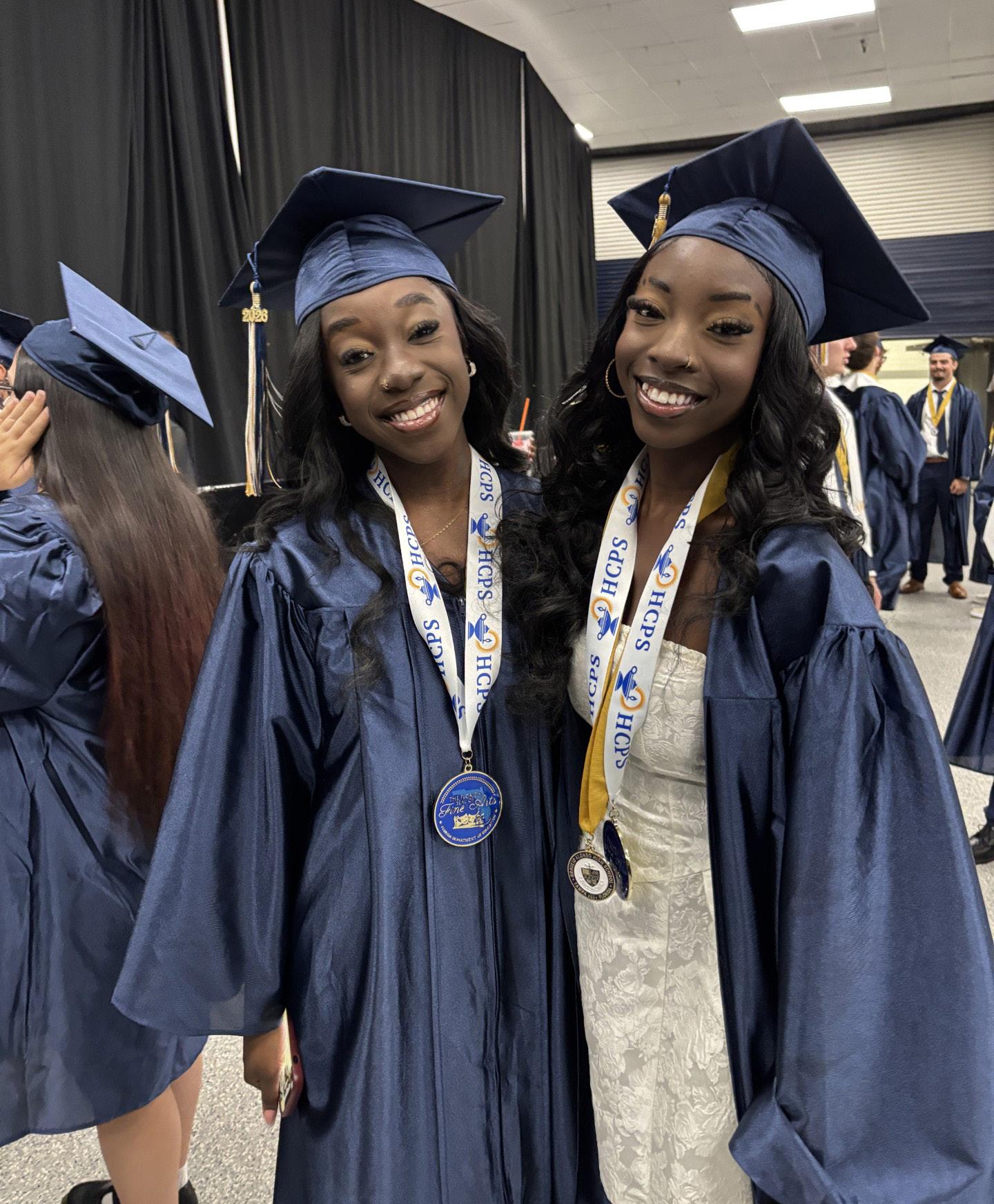
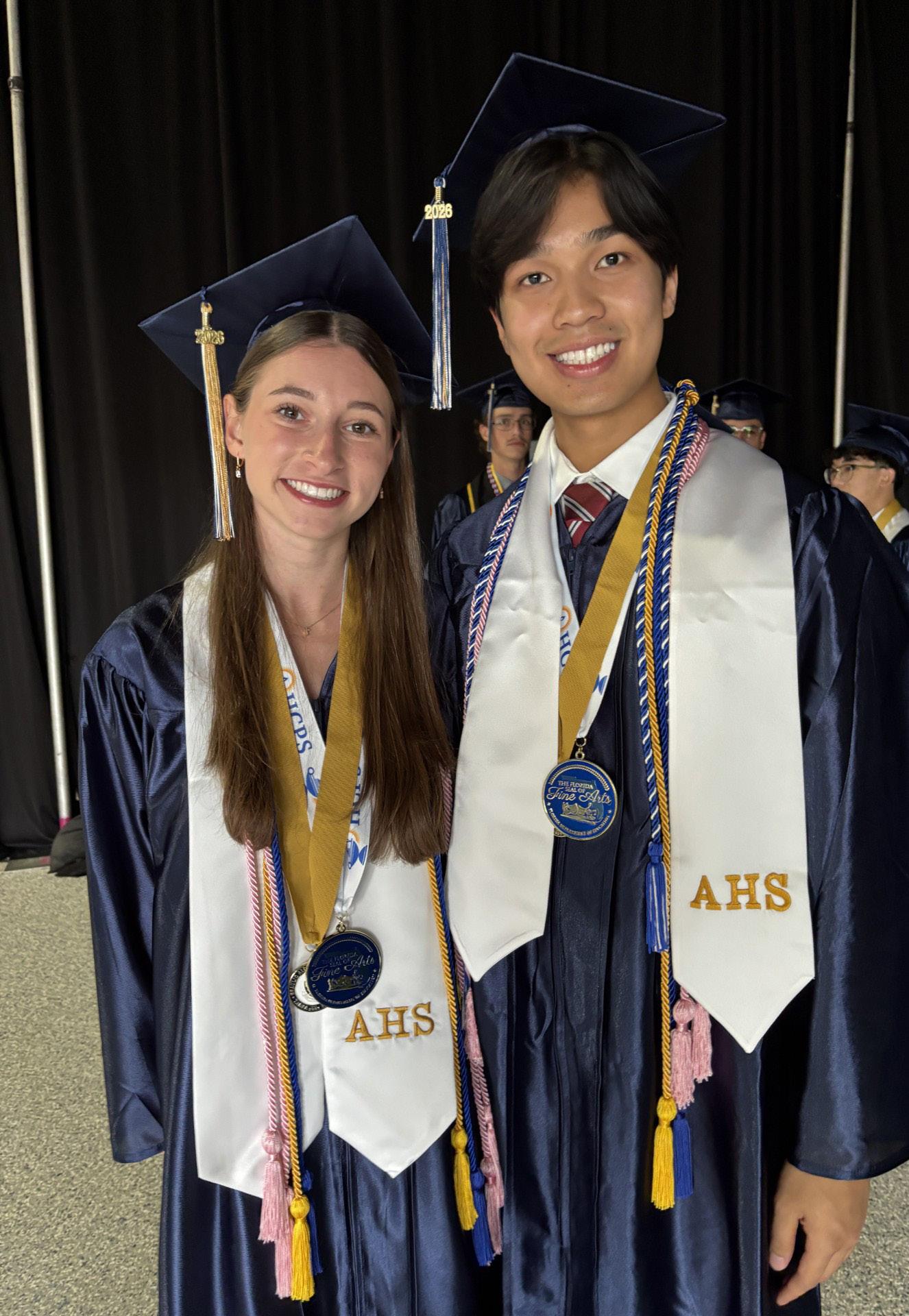
Now in its second year as a statewide program, the Florida Seal of Fine Arts honors graduating high school students who have dedicated a significant amount of their high school journey to the study of and proficiency in the fine arts. The state of Florida recognizes students who earn the Seal of Fine Arts with a Seal sticker on their high school diploma, but as this program expands, districts around the state signify this accomplishment in additional ways.
The class of 2026 has now walked across the stage and is taking on their next adventure, but as we start a new school year, let’s take one look back at how some of these students were able to share their honor with their community.
Graduates in Volusia County Schools receive gradua-
tion chords to signify that they have earned the Florida Seal of Fine Arts.
Duval County Public Schools distributes district Excellence in the Arts medals for the award-winning graduating seniors to wear at graduation.
Hillsborough County Public Schools created medals that mirror the design of the Florida Seal for Fine Arts insignia.
Are there additional ways your school or district celebrate your graduating seniors earning this award? We would love to hear about how you celebrate your students and share with our membership. This program is a big win for fine arts education programs in our state and we look forward to expanding the ways it can honor our state’s student-artists.

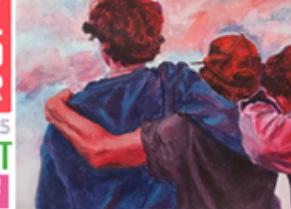
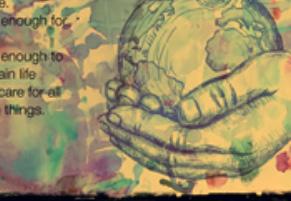
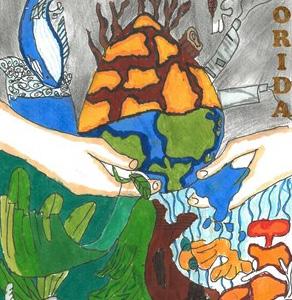
Student Entries Accepted September 14 - November 20, 2026
Signed Release Forms Due November 20, 2026
• A rtworks must incorporate the theme: Your Community, Your Story
• Creatively use images that represent Florida, such as the outline of the state’s border, the word “Florida,” or symbols that remind viewers of Florida
• Design can be vertical or horizontal, but must fit a 3:5 or 5:3 ratio
• A rtwork must be created by a K-12 student without the assistance of another student, teacher, or artificial intelligence (AI)
• A signed release form is required for artwork entry to be eligible
• There is no cost to enter student artwork submissions
• Members can enter their students’ submissions by logging into their FAEA account
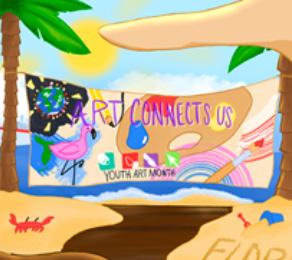
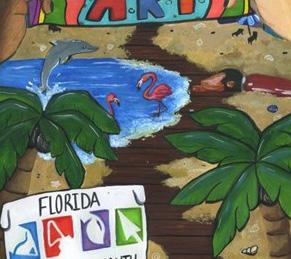
Encourage your students to participate in the FAEA Youth Art Month (YAM) Flag Competition! This competition is open to all K-12 students to design a flag representing Florida that incorporates the theme “Your Community, Your Story.”
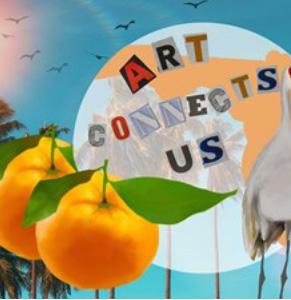
The winning design will be displayed among other state winners at the National Art Education Association Convention in New York City in March 2027.
By Amanda Holloway, Art Teacher at Global Leadership Academy High School in Duval County
Where Art They Now? shines a spotlight on recently graduated art students from Florida and their artistic journeys. In this article, Amanda Holloway interviews Britney Garibay on how her experience as a high school art student led to her career as a professional artist.
Amanda Holloway (AH): I have followed your work for years, and you continue to impress me with your personal voice and unique interpretation of the world, but for others who are unfamiliar with your portfolios, would you mind just briefly telling our readers about yourself and the work you create?
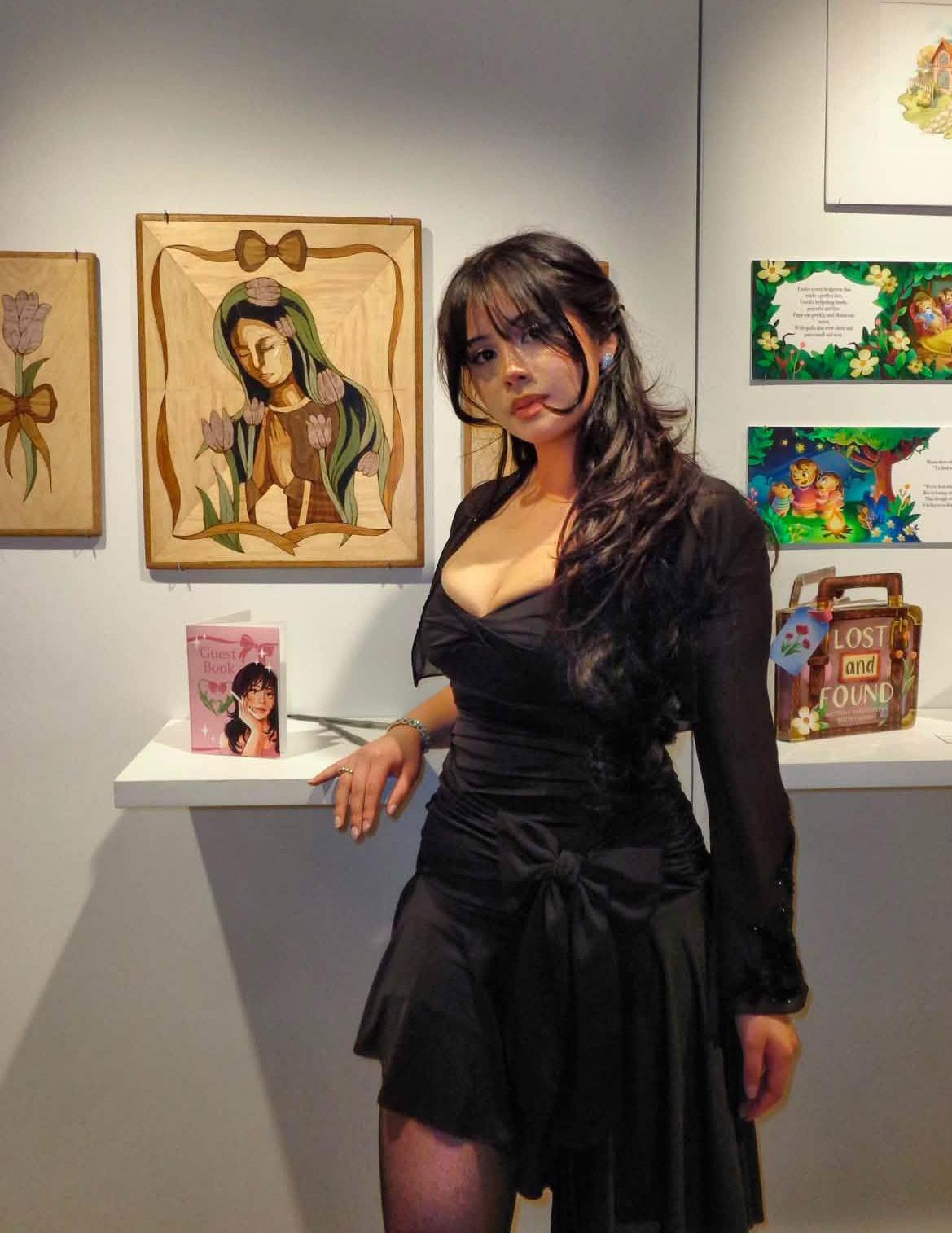
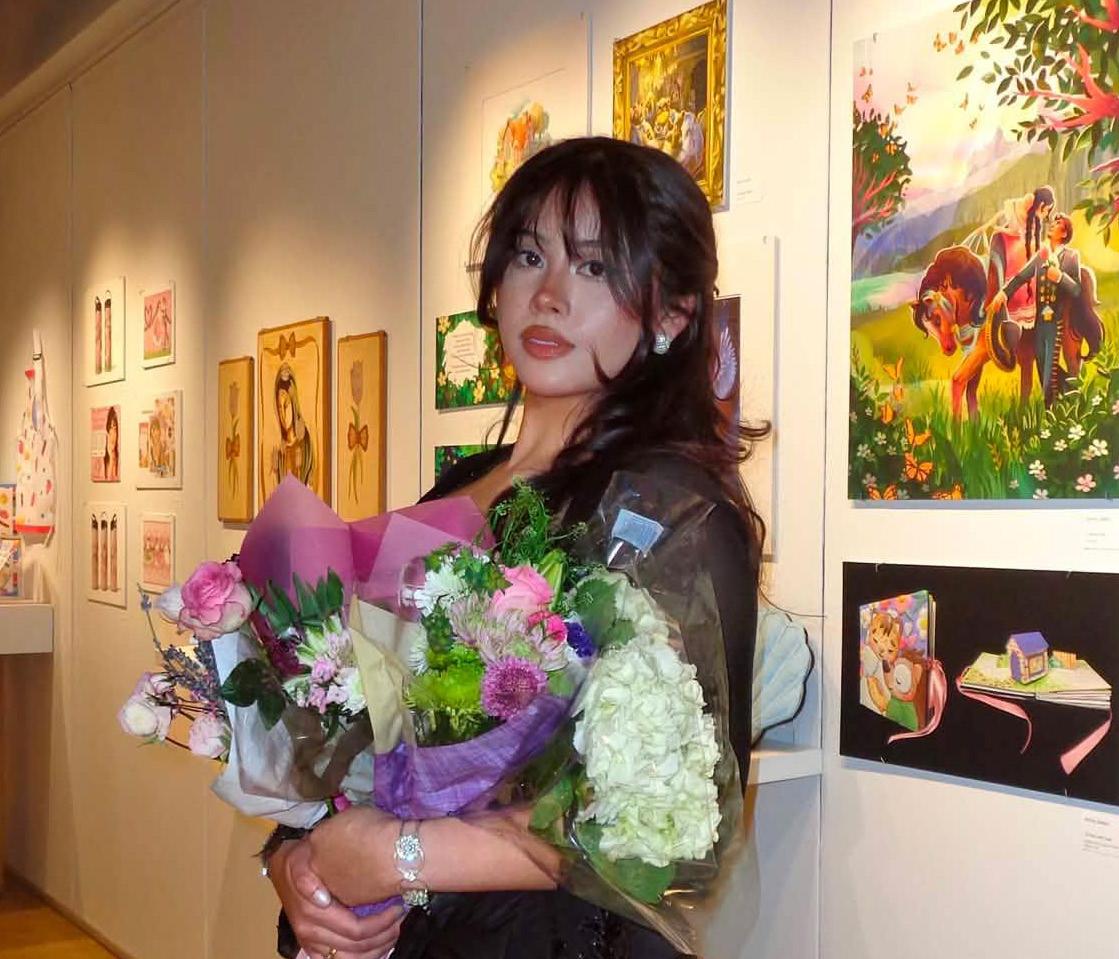
Britney Garibay (BG): I'm Britney Garibay, a 22 year old Mexican-American Author, Illustrator and designer born and raised in Jacksonville, Florida. I recently received my BFA at Rhode Island School of Design, with my main sources of inspiration coming from my childhood and the richness of my culture. I'm a multi-disciplinary artist, and my work teeters from large political paintings inspired by my immigrant parents, to whimsical digital illustrations in the forms of posters, stories, and product design. I'm currently passionate about children’s media, and intend to become a published children’s book illustrator, focusing on cultural books for bilingual children.
AH: How did participating in regional opportunities like the Scholastic Art Awards influence your confidence, work ethic, or sense of identity as an artist?
BG: Like many artists, art was never intended to become a career for me. I was accustomed to thinking of art superficially, treating it as a hobby for the enjoyment of the act of drawing. Never thinking beyond what was directly put in front of me.
I was then introduced to the Scholastic Art Awards at Douglas Anderson, and in my sophomore year, I submitted an observational self portrait. I hadn't won anything big that
year, but when I went to the regional gallery, I was taken aback by the range of work in front of me. The sensations I felt were new, making me reflect on the purpose in my own work and it quickly became a personal obsession. How could my work become more than just a piece of paper? How could I make others feel what I had just felt?
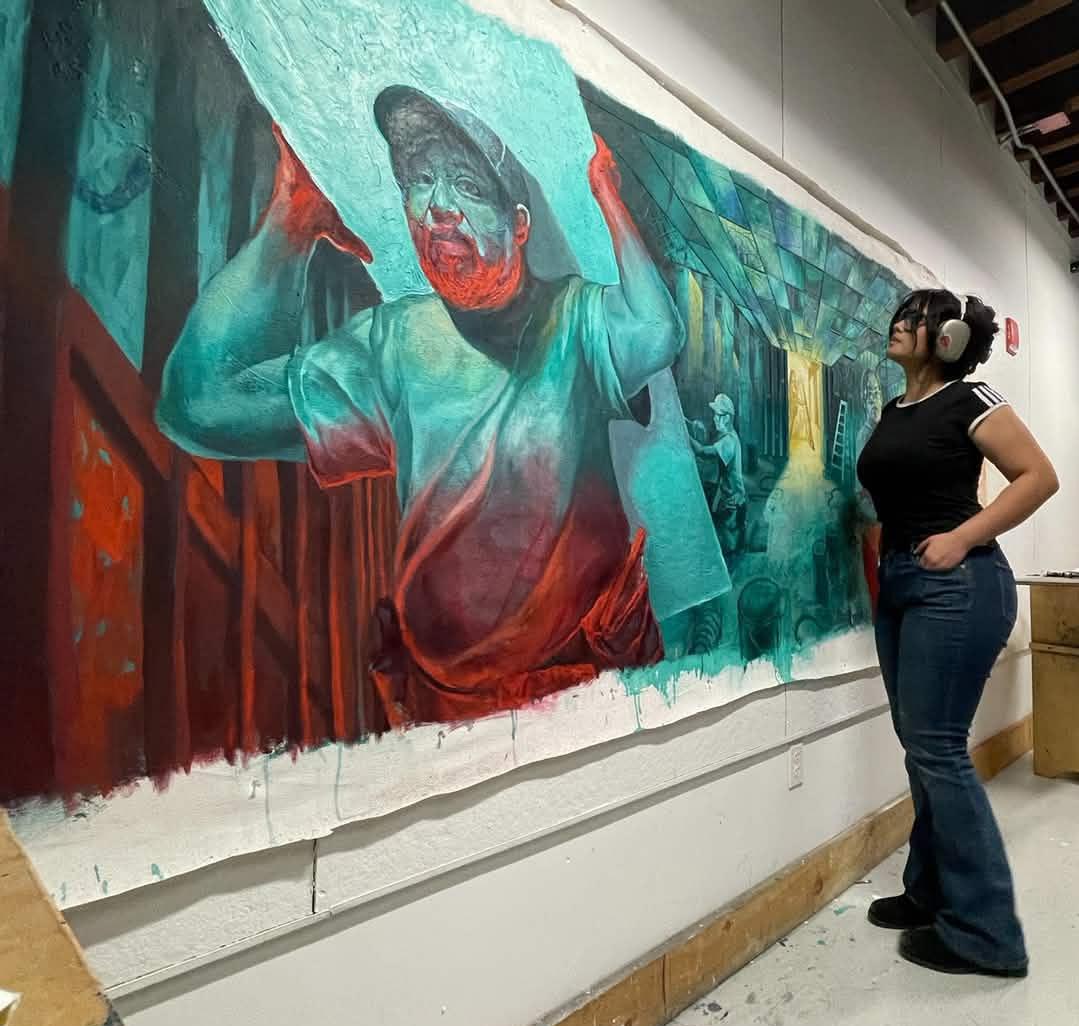
These feelings would force me to push myself harder, both technically and conceptually, making my senior portfolio surrounded around deportation and the effects it had on family dynamics. I made this collection because of my own personal experiences, and that year I won 14 gold keys and 3 National Medals.
The outreach was incredible, so many people saw themselves in my work, and I was able to successfully make an online art store, gaining virality on social media and even getting interviewed on the news.
I had always loved art, yet I didn't feel it was enough to make it a career. Scholastic, and the recognition that came with it, was my silent confirmation that it was more than enough. So with this shot of confidence, I secretly applied to my dream
school with no intention of actually attending, just as a form of personal validation. I was later accepted to Rhode Island School of Design (RISD) with a full scholarship. That wouldn't have happened if Scholastic didn't show me what I could have been, and if I hadn't presented myself as transparently as I had.
AH: Can you speak about the role your art teachers and mentors played in your development—either technically, conceptually, or personally?
BG: The two largest mentors in my art development in high school were my painting teacher, Mrs Hogue and my mom. Reflecting back, these two women had such similar energies that it sometimes felt like I was always around the same person, both sharing one common trait: they forced me to be uncomfortable.
Mrs Hogue really made me feel special, as a student, but more impactfully, as an artist. My mother, in the same vein, as her daughter. In oddly similar ways, they were my most consistent critics. Mrs. Hogue forced me to be more conceptual. When I thought a piece was done, she knew it wasn't. She always forced me to take it a step further, to do something different, to do more even when I didn't know what more meant—to view shapes and colors as more than just shapes and colors, but as symbols, and to create new meaning.
My mother was always pushing me technically. Even as someone with no artistic background, she would stay up with me on my 3 am painting nights, hovering behind me, critiquing my technique, actively commenting on lines that were too thick and colors that were too light, telling me to fix a compo -
sition or to look at my references harder. At the time I found it incredibly annoying, and almost unencouraging, but now I think I owe a lot of my technical skill to my mother. She claimed not to be an artist, yet her eye was sharper than most. She knew how much her daughter was capable of before her daughter knew.
AH: Many students don’t realize the level of rigor involved in high school art programs. What did your creative process look like then, and how did it prepare you for the expectations of a college-level studio environment?
BG: My process in high school was ever evolving and extensive, and as all processes, one with many parts. With that, I think one of the most important parts of a creative process is intention. To clearly acknowledge firstly “What do I want to make?” and secondly “Why do I want to make it?”. If this foundation isn’t strongly built in the beginning, you're left with many decisions to make later.
For me, that was documenting many references, pictures and videos that would later inspire what I would end up creating. The more material I had to work with, the less I had to go looking for. Having built these habits, I used this same
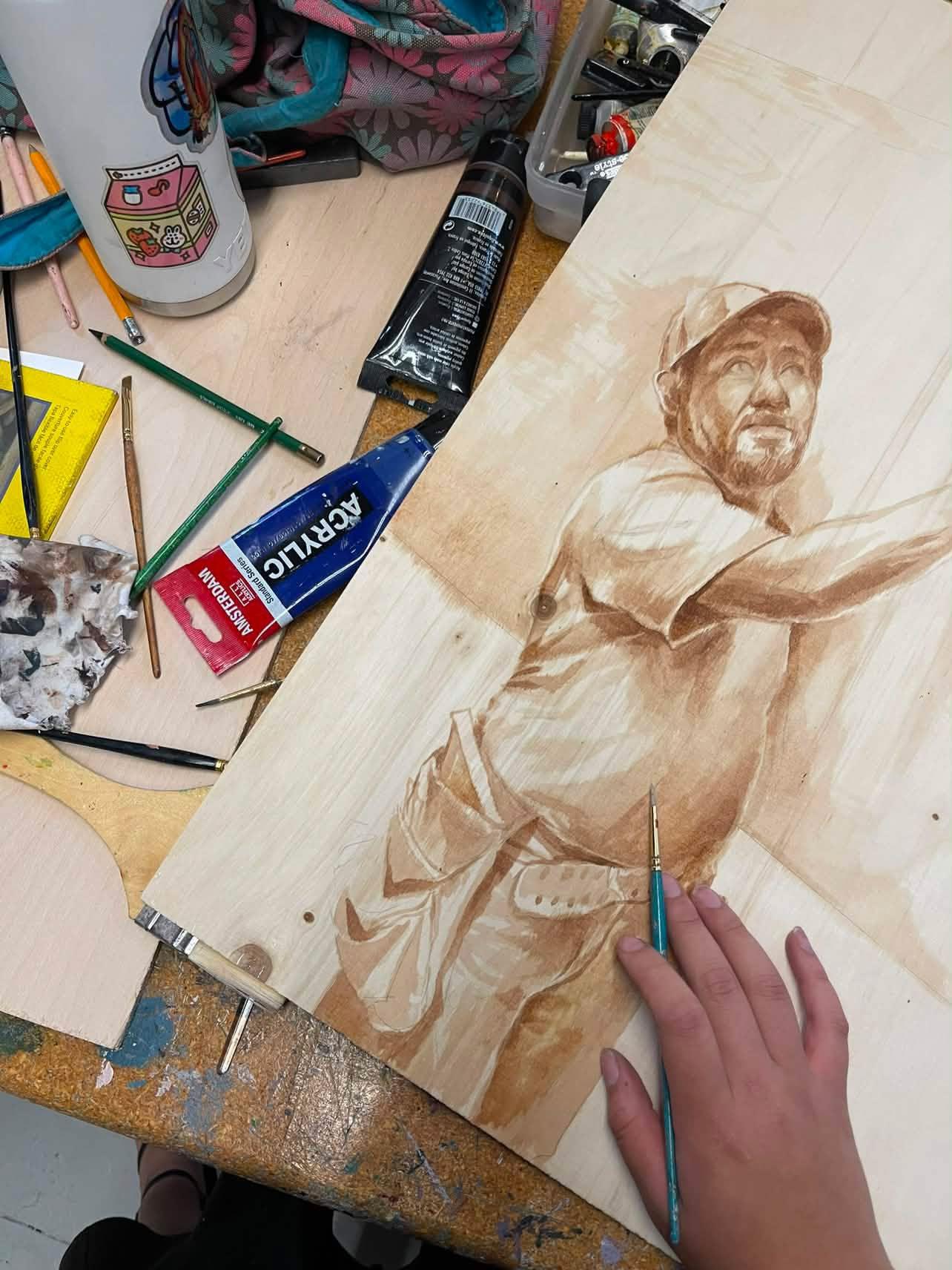
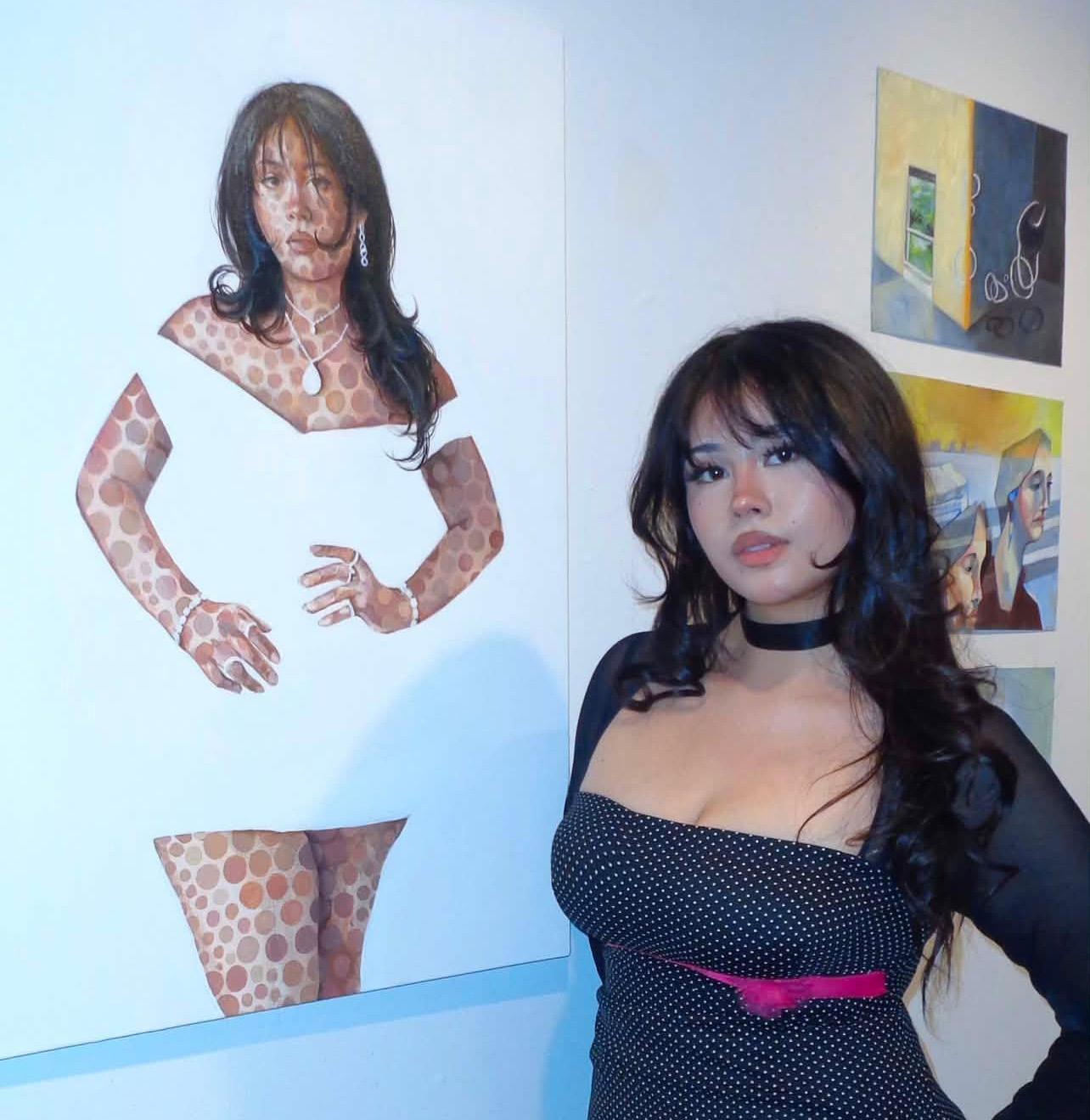
method at RISD, documenting inspiration every summer I'd return home: childhood photo albums, construction zones, old stained clothing, the aging in my parents' faces. The most mundane things become compelling when they're no longer at your disposal.
AH: What advice would you give to current high school art students in our region who are hoping to pursue art at the collegiate level?
BG: I have always been a firm believer that one can only receive how much they are willing to put in, and that is a belief that reflected greatly after pursuing my education at RISD, and even more so after graduation. To succeed in any way will always require a certain level of compromise or even sacrifice. Sometimes, that sacrifice needs to be hope. To elaborate, you need to let go of the idea of a “maybe”, and adapt this possibility in the form of a fact.
Like mentioned earlier, I never intended for art to become my career. I was going to attend college for engineering, a decision made for safety. But the closer I got to actually making that decision, the less safe it felt to my interest, to my happiness, to my sense of self. I know there is a level of uncertainty and stigma around pursuing art. But in the same sense, is there ever certainty in anything? If I had pursued engineering, would that actually make anything easier?
Everything in life has a struggle behind it; you just need to decide what is worth the struggle for you. For me, that has always been, and always will be, art. RISD has become the most unique and transformational period of my life, to be surrounded by like minded, creative individuals will alter you like nothing else, and I’d hope reading this will allow you to at least take the shot; it's worth the struggle.
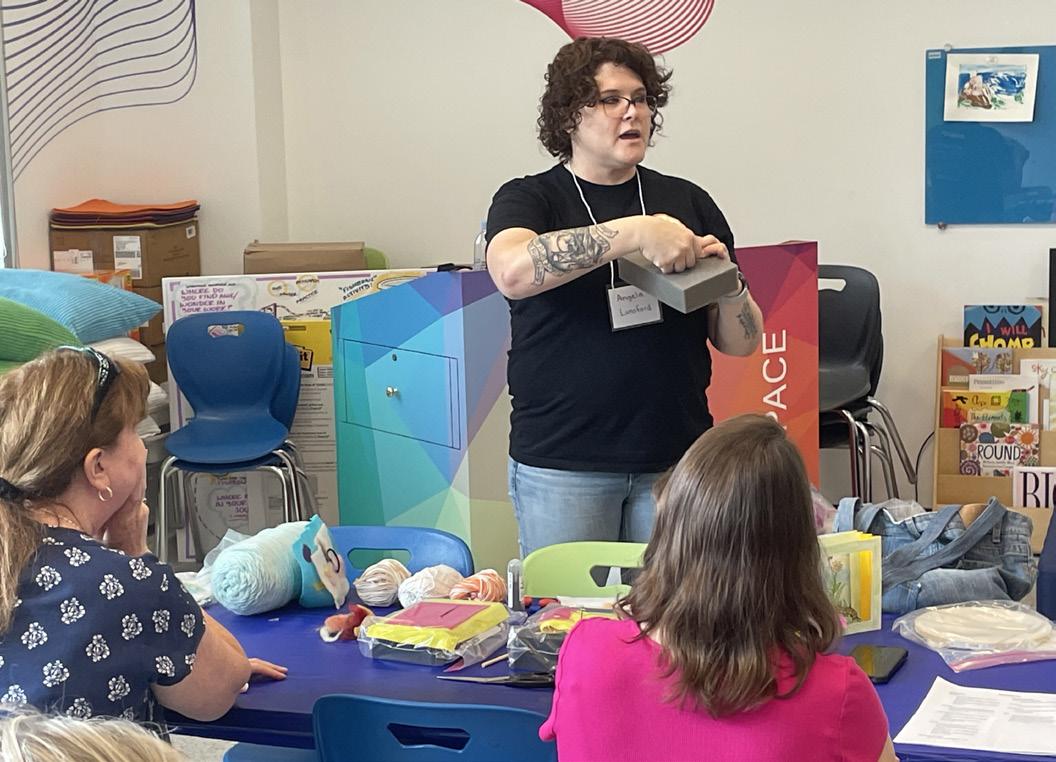
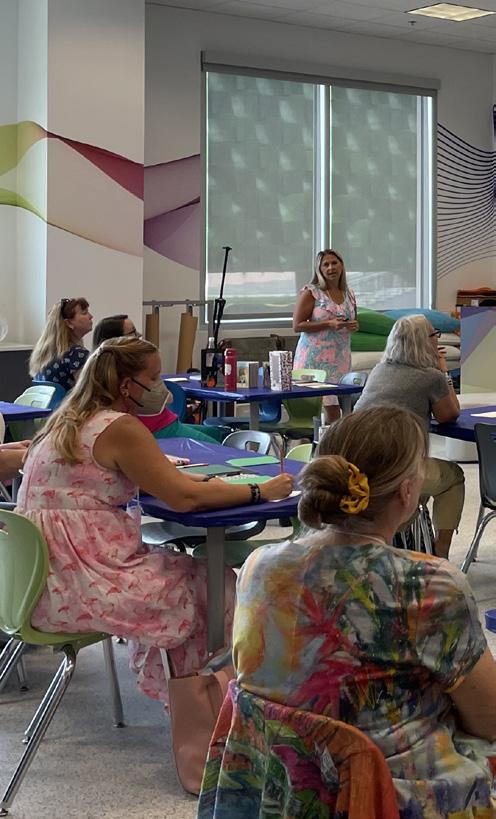
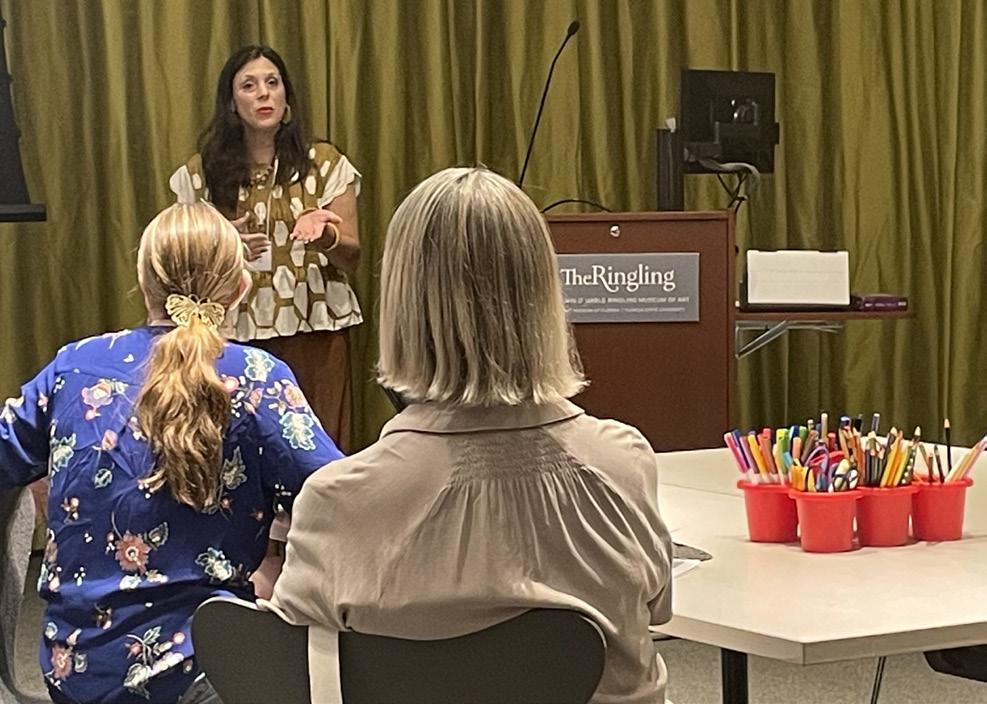
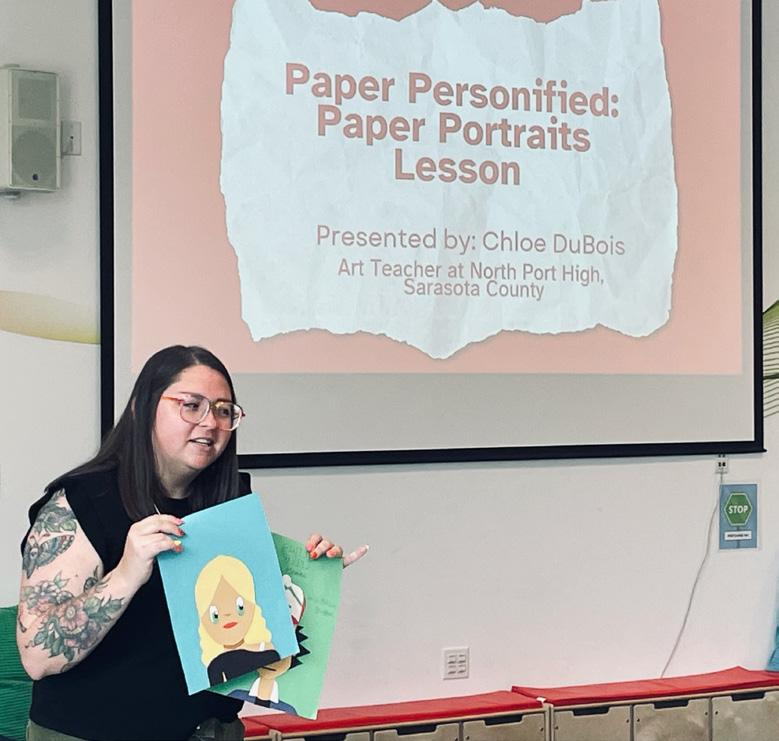
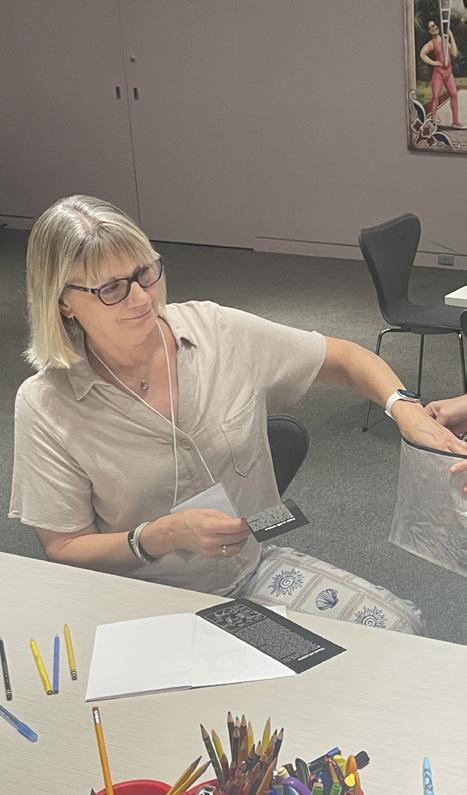
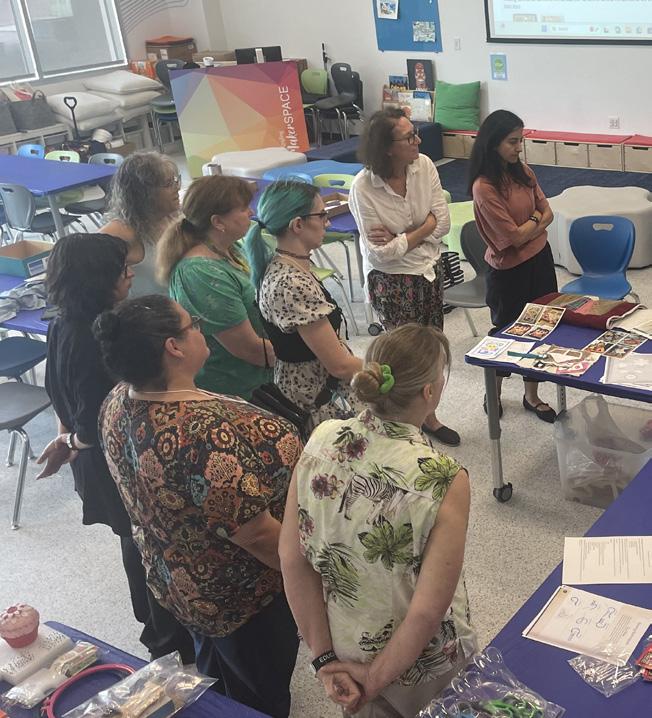
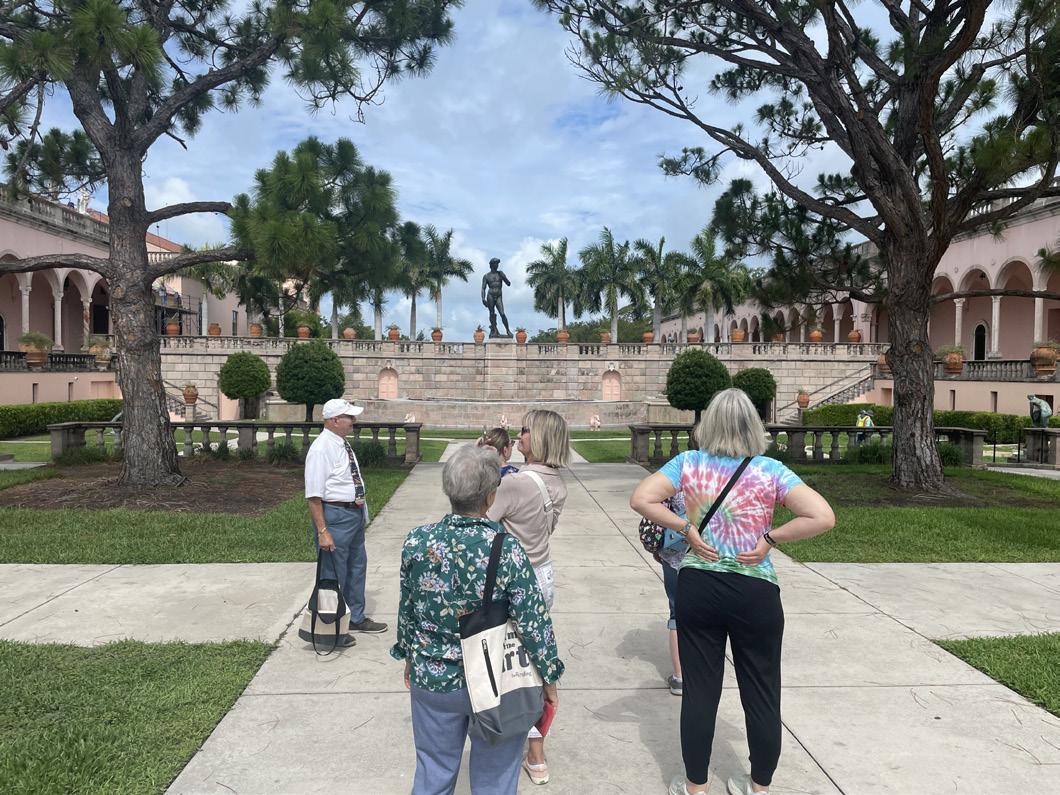
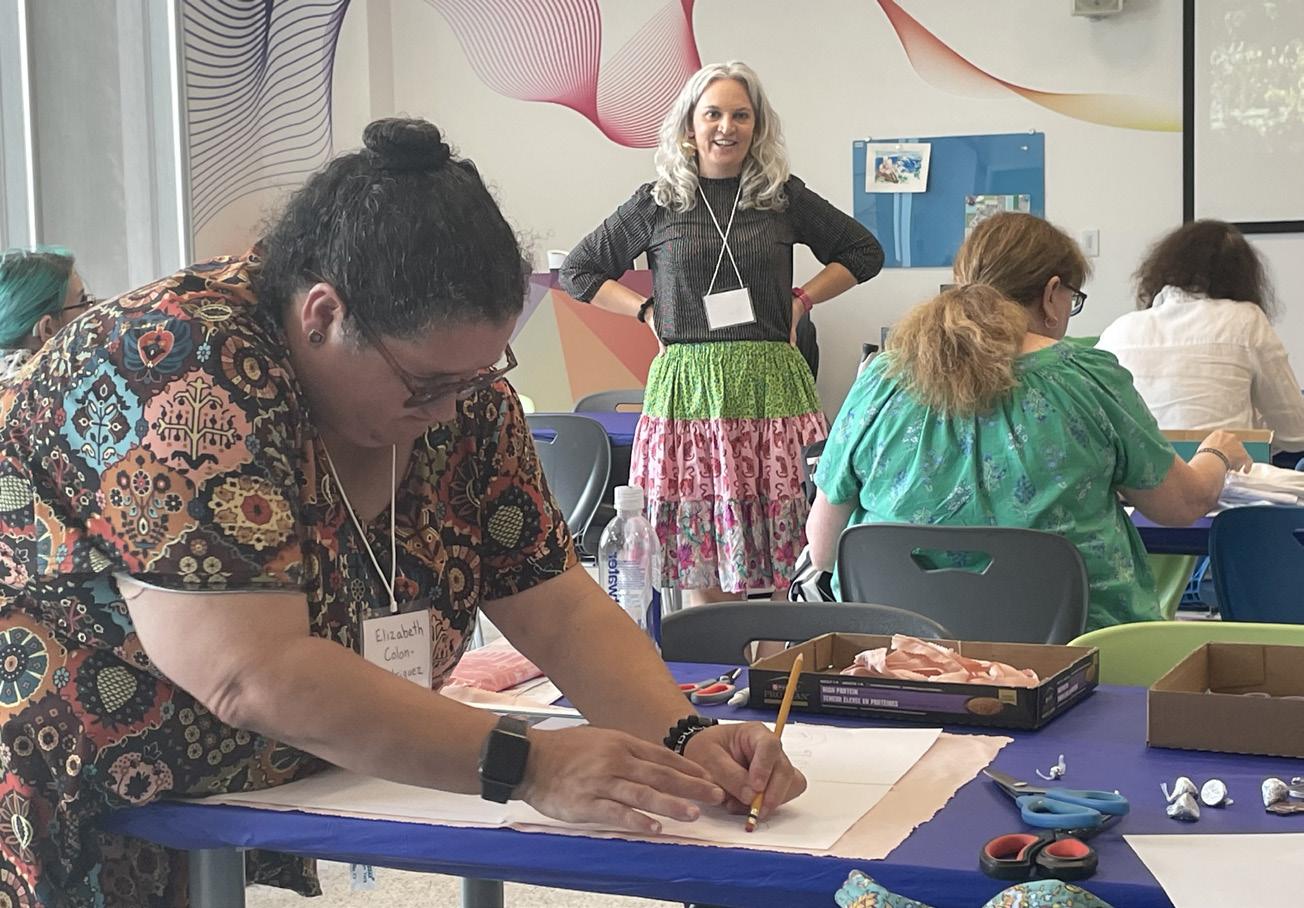
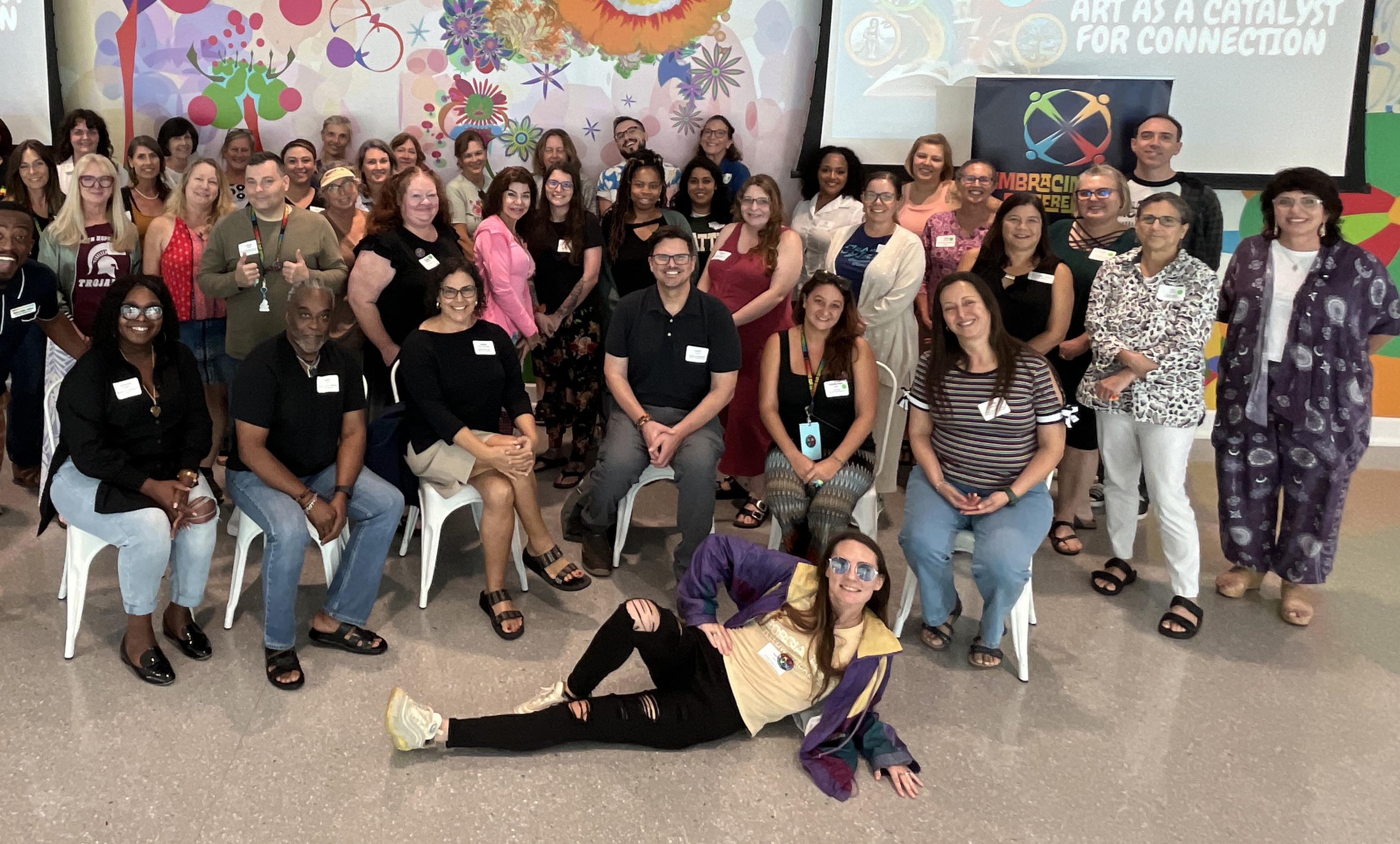
This June, FAEA hosted a threeday summer workshop for members at the Ringling Museum of Art in Sarasota. This professional learning opportunity provided attendees with a series of hands-on experiences, access to the Ringling Estate, and a guided tour of the museum. Participants experimented with tunnel books, fiber arts, sketchbooks, shadow puppetry, paper portraits, and textile collages.
Thanks to all of our attendees for their participation and to our dedicated presenters: Joanna Davis Lanum, Angela Lunsford, Dr. Danielle Horak-Henn, Egda Claudio, Chloe DuBois, and Chrissy Schebilski.
FAEA also extends sincere gratitude to the Ringling staff and Dr. Brooke Keller, Education and Community Program Leader, for hosting the event and organizing the guided tour of the Museum of Art and access to the grounds.
Summer workshops are held annually, and members can look forward to additional professional development opportunities in summer 2027.

ADVOCACY COMMITTEE
Laura Hobby, Chair advocacy@board.faea.org
AWARDS COMMITTEE
Latonya Hicks, Chair pastpresident@board.faea.org
EDITORIAL COMMITTEE
Laurie Hoppock, EdD, Chair editorial@board.faea.org
EXHIBITIONS COMMITTEE
Donna Haynes, Chair supervisor@board.faea.org
FINANCE/EXECUTIVE COMMITTEE
Christy Garton, Chair president@board.faea.org
PARTNERS & SPONSORS COMMITTEE
Nancy Puri, Chair partnerst@board.faea.org
PROFESSIONAL DEVELOPMENT COMMITTEE
Christy Garton, Co-Chair
Jeffrey Broome, PhD, Co-Chair presidentelect@board.faea.org
SOCIAL MEDIA COMMITTEE
Sumaya Ayad, Chair museum@board.faea.org
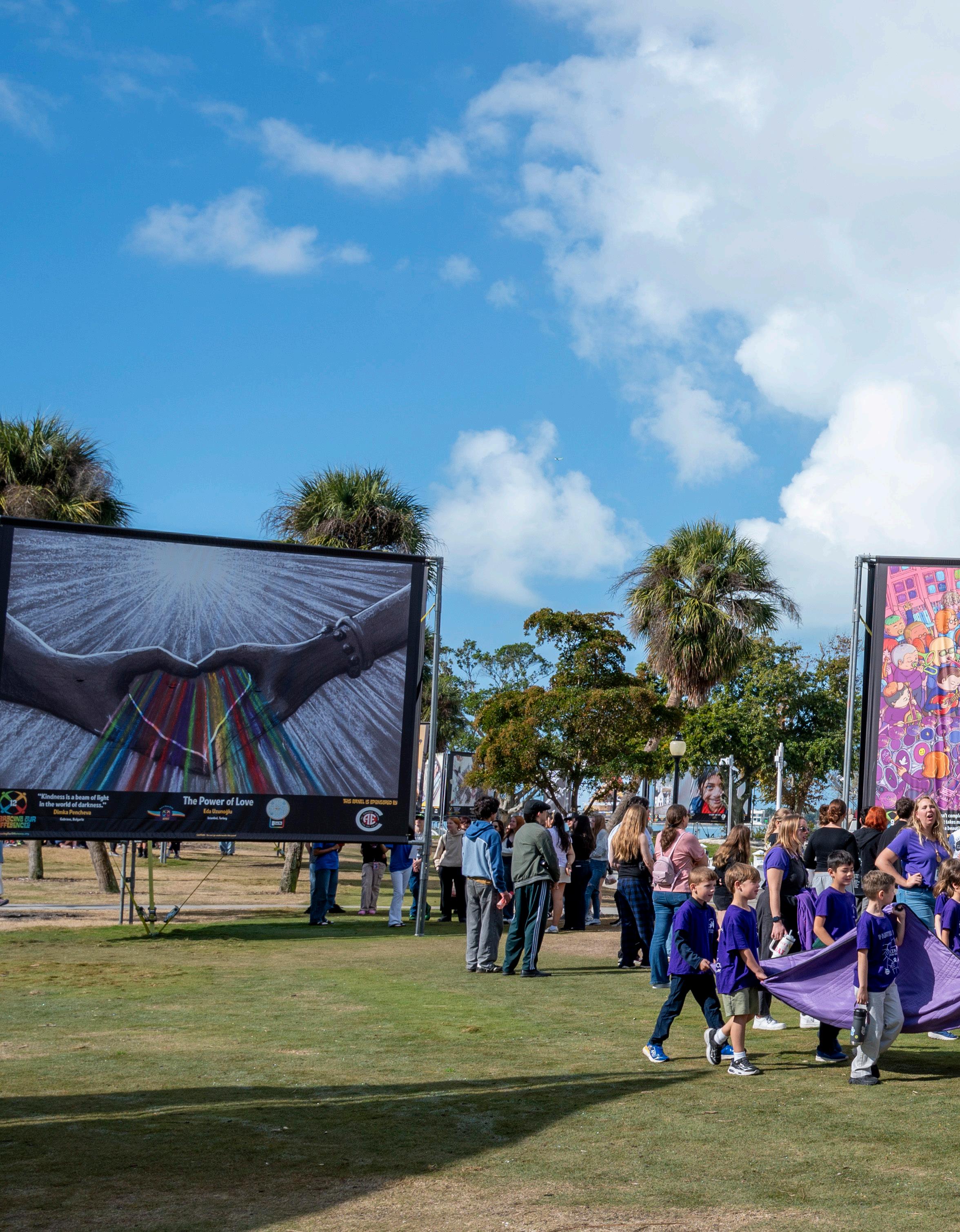
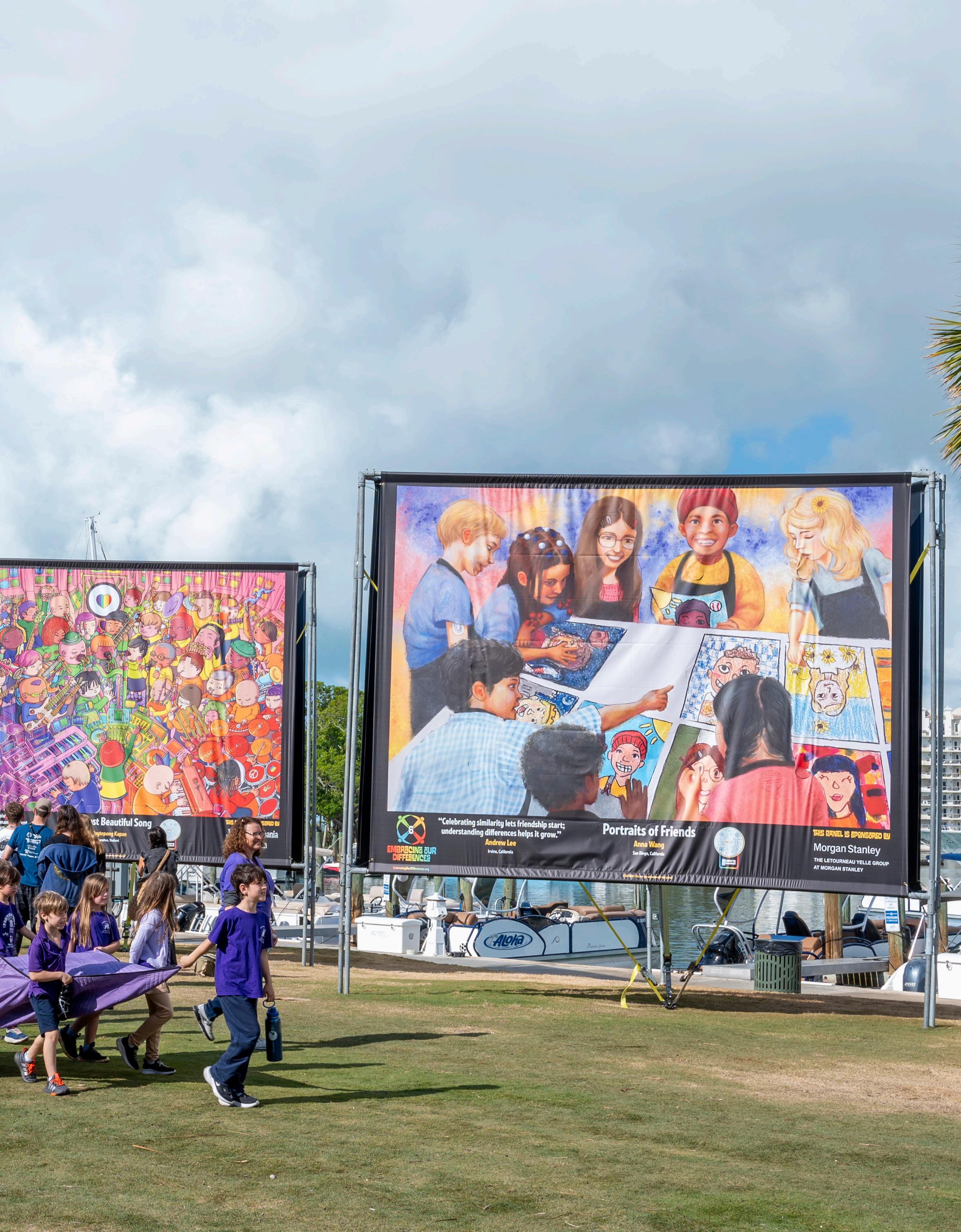
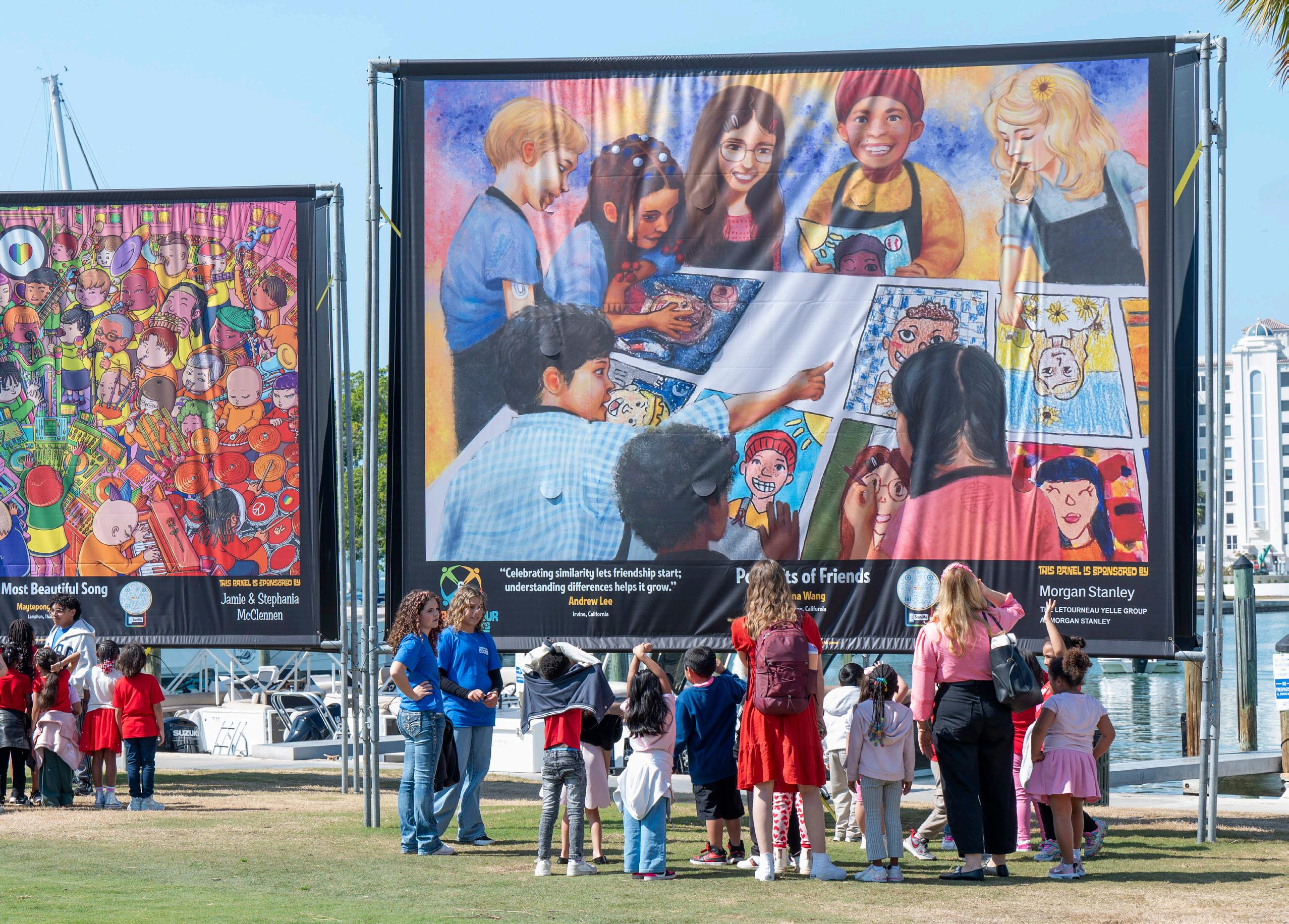
Every spring, thousands of students, educators, families, and visitors walk through two of Florida’s most vibrant public spaces and encounter something extraordinary: towering works of art paired with thought-provoking quotations that invite reflection, conversation, and connection.
This column provides FAEA members with information about Florida cultural organizations and the academic offerings they provide.
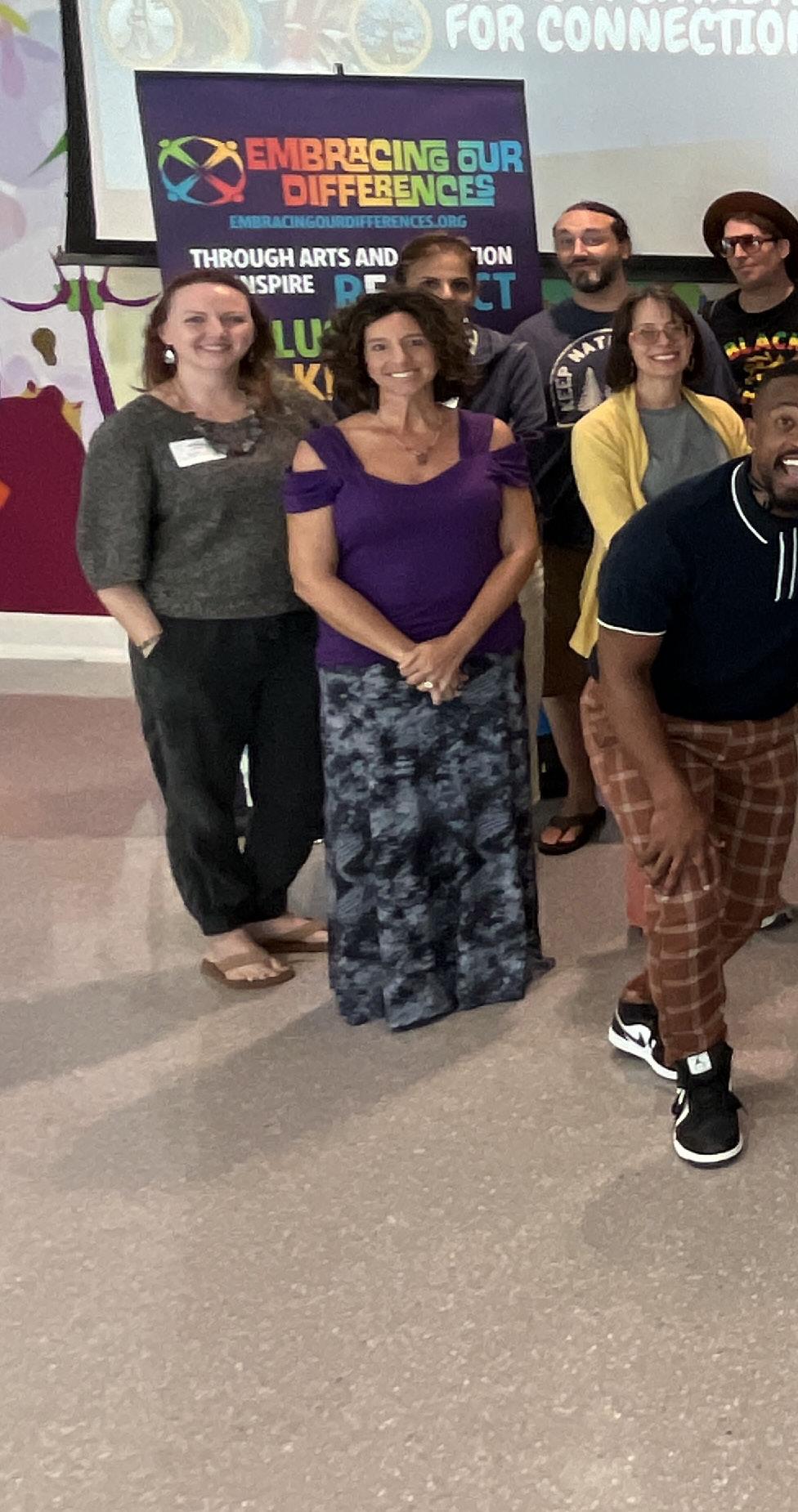
This is Embracing Our Differences (EOD), an international outdoor art exhibition and education initiative rooted in the belief that kindness, inclusion, and respect can transform communities.
For more than 20 years, Embracing Our Differences has used the power of art and education to create opportunities for dialogue across differences. What began as a local exhibition in Sarasota has grown into a nationally recognized initiative engaging hundreds of thousands of visitors annually through
large-scale public art experiences, arts education programs, literacy initiatives, teacher professional development, and student leadership opportunities.
At the heart of EOD’s work is a simple but powerful idea: art has the ability to help us see one another more fully.
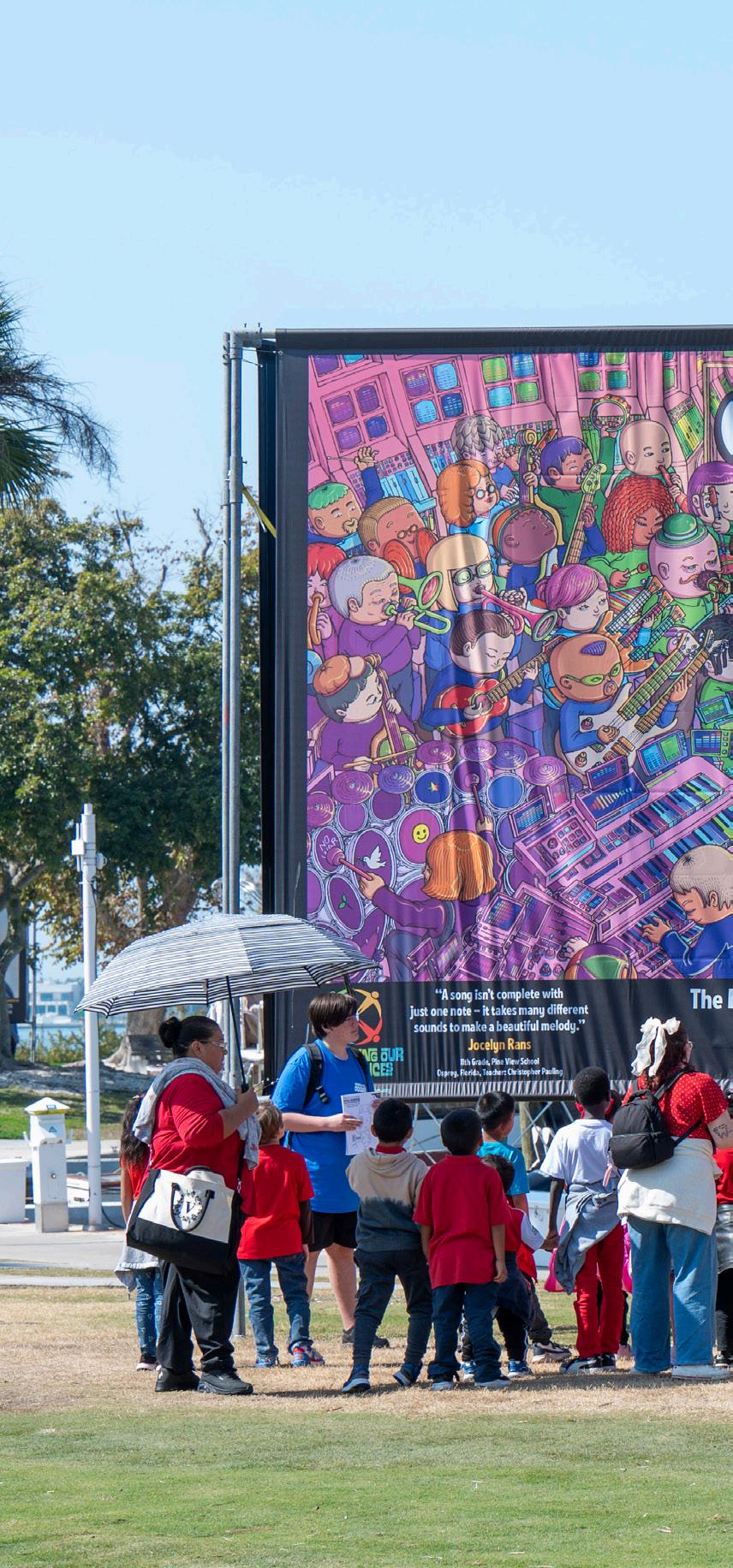
Each year, artists, writers, students, and educators from around the world submit original artwork and inspirational quotations reflecting themes connected to humanity, identity, kindness, justice, resilience, and belonging. Fifty
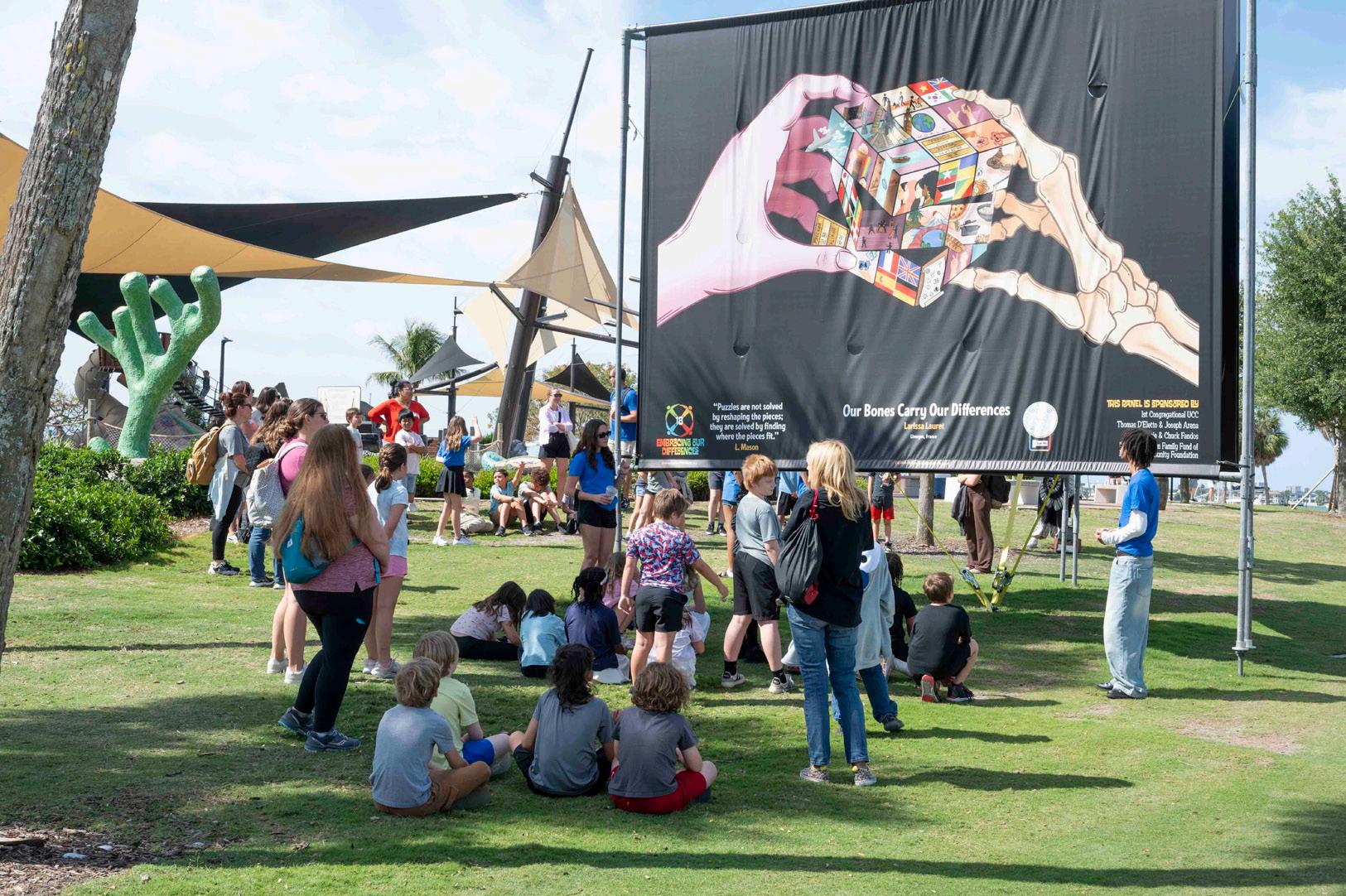
works are selected for the annual juried exhibition and transformed into billboard-sized installations measuring 16 feet wide by 12.5 feet high.
The exhibition is presented every spring at Sarasota’s Bayfront Park and in St. Petersburg, Florida, allowing audiences across the Gulf Coast region to experience art in an accessible, outdoor environment. The exhibition is free and open to the public, making it one of the state’s most accessible arts experiences. In 2025 alone, more than 382,000 visitors
experiences is its field trip program, which welcomes thousands of students annually to docent-led tours of the exhibition. Using Visual Thinking Strategies (VTS), students are encouraged to closely observe artwork, share interpretations, ask questions, and respectfully listen to one another’s perspectives. Rather than searching for a single “correct” answer, students learn that multiple viewpoints can coexist, an essential lesson in both art education and civic engagement.
This year’s Art Intensive will be hosted on September 19 at The Ringling in Sarasota, providing educators with immersive arts experiences, creative workshops, and opportunities to collaborate with fellow teaching artists and arts-integrated educators. The intensive is designed not only to inspire classroom creativity, but also to equip educators with practical tools for fostering inclusive learning environments through the arts.
attended the exhibition.
For educators, however, Embracing Our Differences is much more than an exhibition.
Throughout the school year, EOD offers a wide range of educational programs designed to help students build empathy, strengthen social skills, and engage in meaningful conversations through the arts. These programs intentionally intersect visual art, literacy, dialogue, and community engagement. One of the organization’s cornerstone
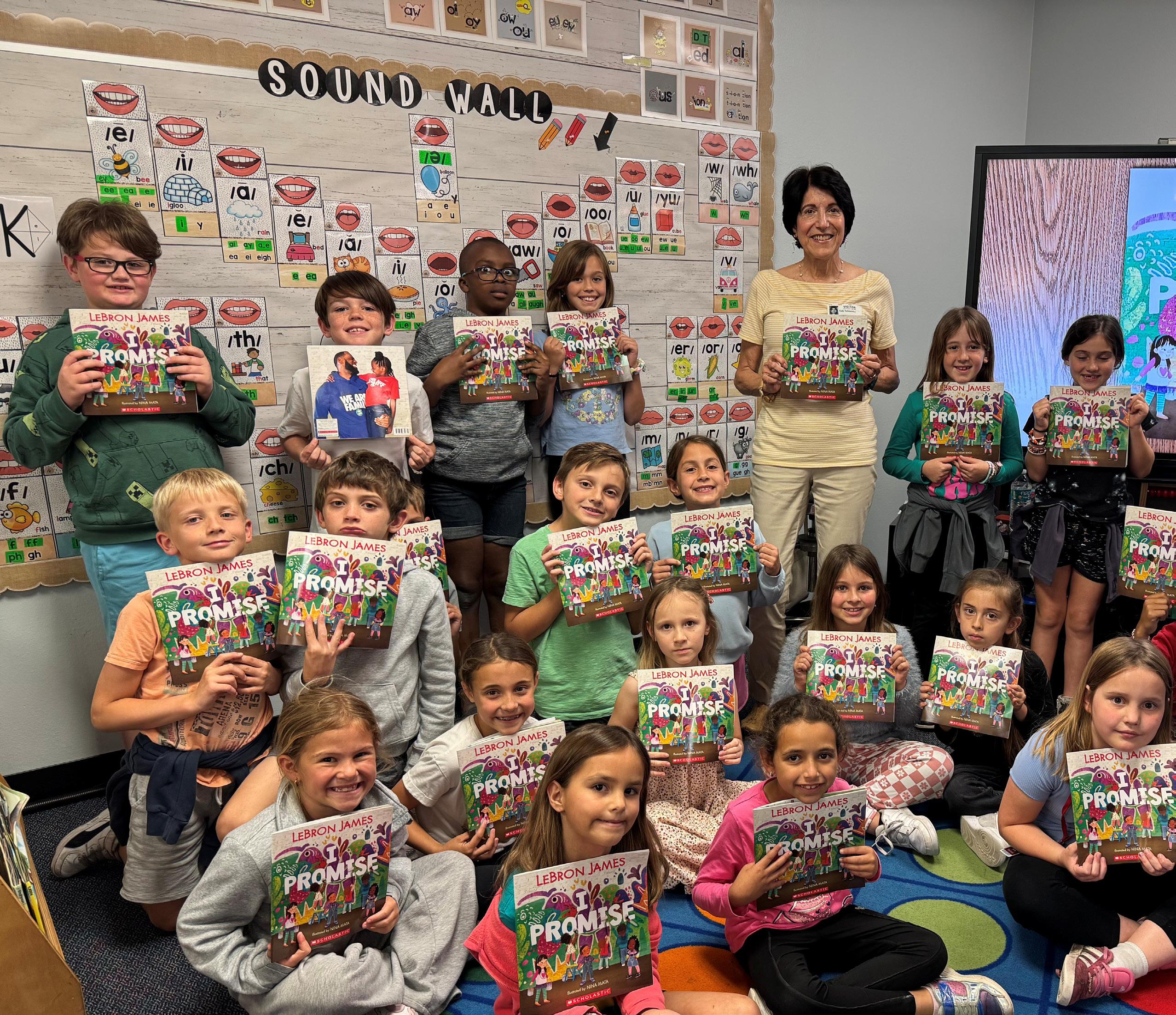
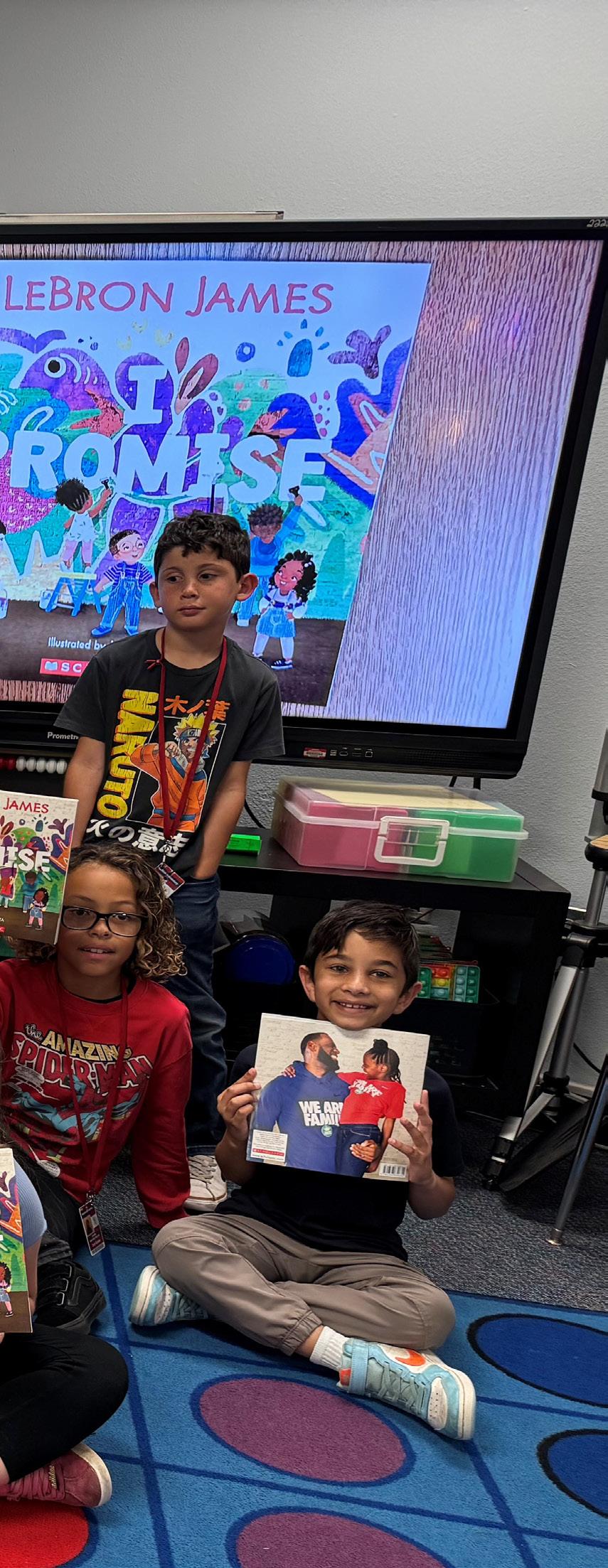
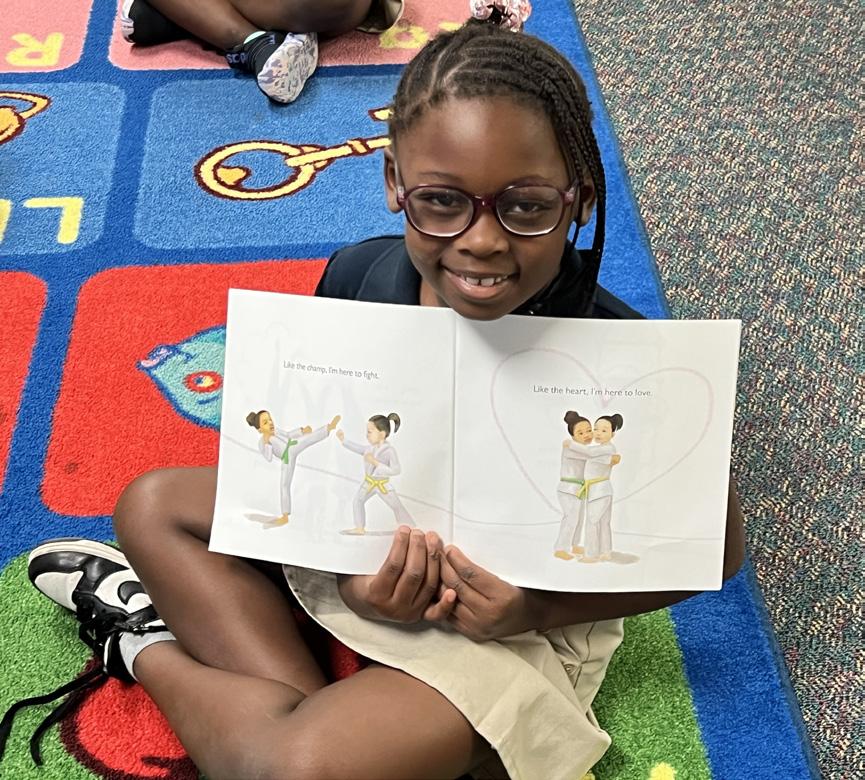
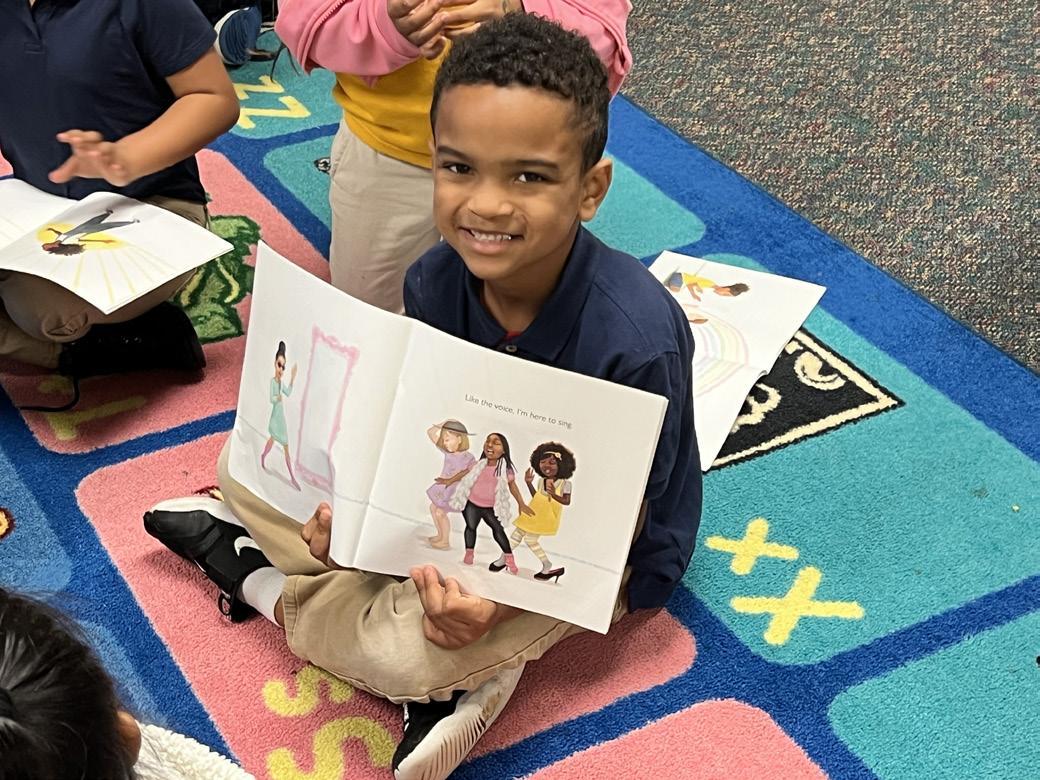
EOD extends learning beyond the exhibition with initiatives like Reading Day, which brings community volunteers into classrooms to read books centered on kindness, inclusion, and respect. These literacy-based programs bridge visual storytelling and character-building skills while empowering students to see themselves reflected in stories and conversations that affirm their humanity.
For educators seeking professional development and creative inspiration, EOD’s annual Art Intensive has become one of the organization’s most anticipated offerings.
The program reflects EOD’s broader philosophy: that arts education is not separate from community-building; it is community-building.
This commitment to accessibility and engagement is one reason educators across Florida continue to connect deeply with EOD’s mission. Visual arts educators, language arts teachers, counselors, school leaders, and teaching artists all find meaningful entry points into the organization’s programming because the work transcends any single discipline.
At its core, Embracing Our Differences invites students and educators alike to consider how creativity can foster empathy.
That invitation extends directly into the exhibition’s annual call for art and quotations.
Students and adults from anywhere in the world are encouraged to submit original artwork and quotations for consideration in the 2027 exhibition. The submission deadline is July 1, 2026. Selected works are professionally enlarged for display in the outdoor exhibitions, offering artists and writers a rare opportunity to have their voices shared with hundreds of thousands of visitors.
The competition also includes significant recognition and cash awards. Awards are presented in Best-in-Show Adult, Best-in-Show Student, and People’s Choice categories. Adult winners receive $2,000, while student winners receive $2,000 to be split with their school’s art or writing program.
Importantly, students do not need to be professional artists to participate. Some of the exhibition’s most compelling works emerge from classrooms where educators encourage students to
explore personal experiences, cultural identity, social issues, and dreams for a more compassionate world.
For many young people, seeing their artwork displayed at monumental scale becomes a transformative moment that validates both their creativity and their voice.
As schools and communities continue navigating polarization, isolation, and the challenges facing young people today, organizations like Embracing Our Differences remind us that art still has the power to gather people together.
Not simply to admire beauty, but to practice empathy.
Not simply to observe differences, but to embrace them.
Educators interested in submitting artwork or quotations, registering for educational programs, or learning more about the annual Art Intensive can visit Embracing Our Differences.
By Zach Thompson, FAEA Middle School Division Director and Art Teacher at Richard L. Sanders School in Pinellas County
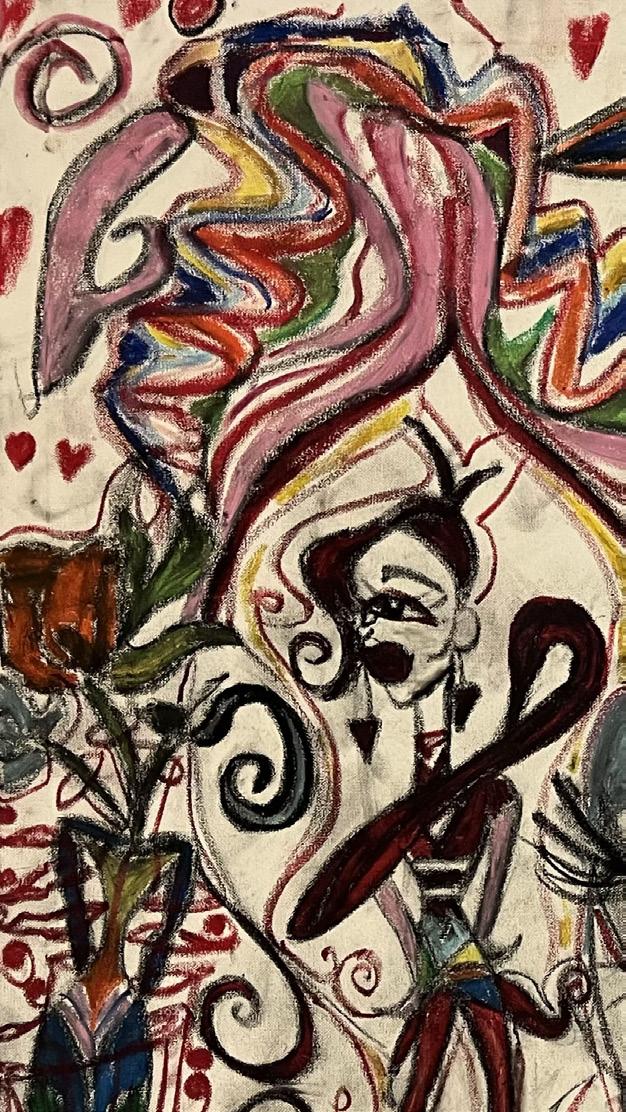
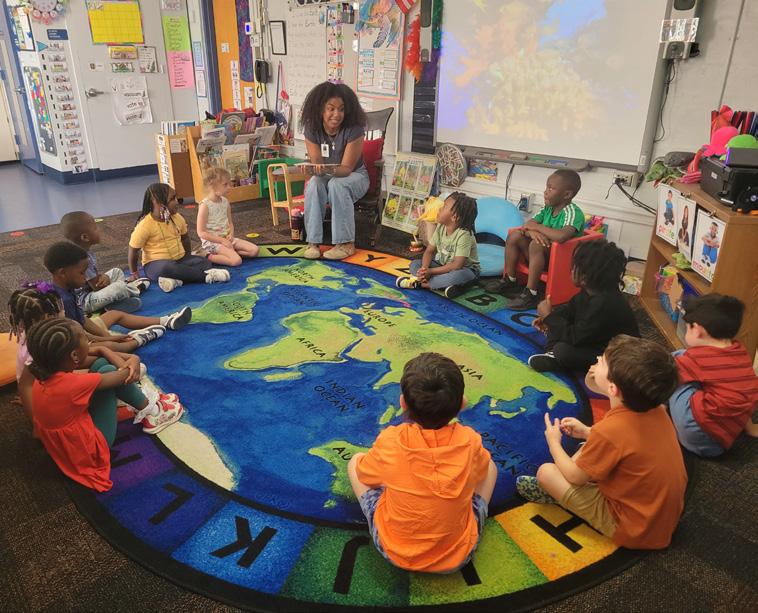
As a new school year begins, art teachers across Florida are preparing their classrooms, organizing supplies, and imagining the creative possibilities that await their students. For those of us working with Exceptional Student Education (ESE) populations, the beginning of the year is also an opportunity to establish classrooms that celebrate differences, honor individual strengths, and provide meaningful artistic experiences for every learner.
Whether you teach elementary, middle, or high school students, one truth remains constant: every student deserves access to creativity, self-expression, and success. The art room is uniquely positioned to become one of the most inclusive spaces on campus because visual art naturally supports multiple learning styles and communication methods. Students who struggle with verbal language, social interactions, executive functioning, emotional regulation, or behavioral challenges often find success
through artistic experiences that allow them to communicate in ways traditional academic settings may not.
One of the most effective approaches to creating an equitable art classroom is embracing the principles of Universal Design for Learning (UDL). When we provide information through multiple modalities—visual demonstrations, verbal instruction, written directions, modeling, peer collaboration, and hands-on exploration—we increase access for all learners. What benefits a student with autism spectrum disorder (ASD), ADHD, intellectual disabilities, or emotional and behavioral challenges often benefits every student in the classroom.
Beginning the year with predictable routines can create immediate success. Clear visual schedules, consistent procedures, designated supply areas, and structured transitions help students feel safe and confident. Many behavioral challenges stem from uncertainty or anxiety. When students understand ex-
pectations and know what comes next, they are better able to focus on creativity and learning.
Creating spaces that support regulation and self-management is equally important. Students with sensory sensitivities, anxiety, or emotional challenges often need opportunities to decompress within the learning environment. These supports do not need to be elaborate. Sometimes the most effective solutions are also the simplest.
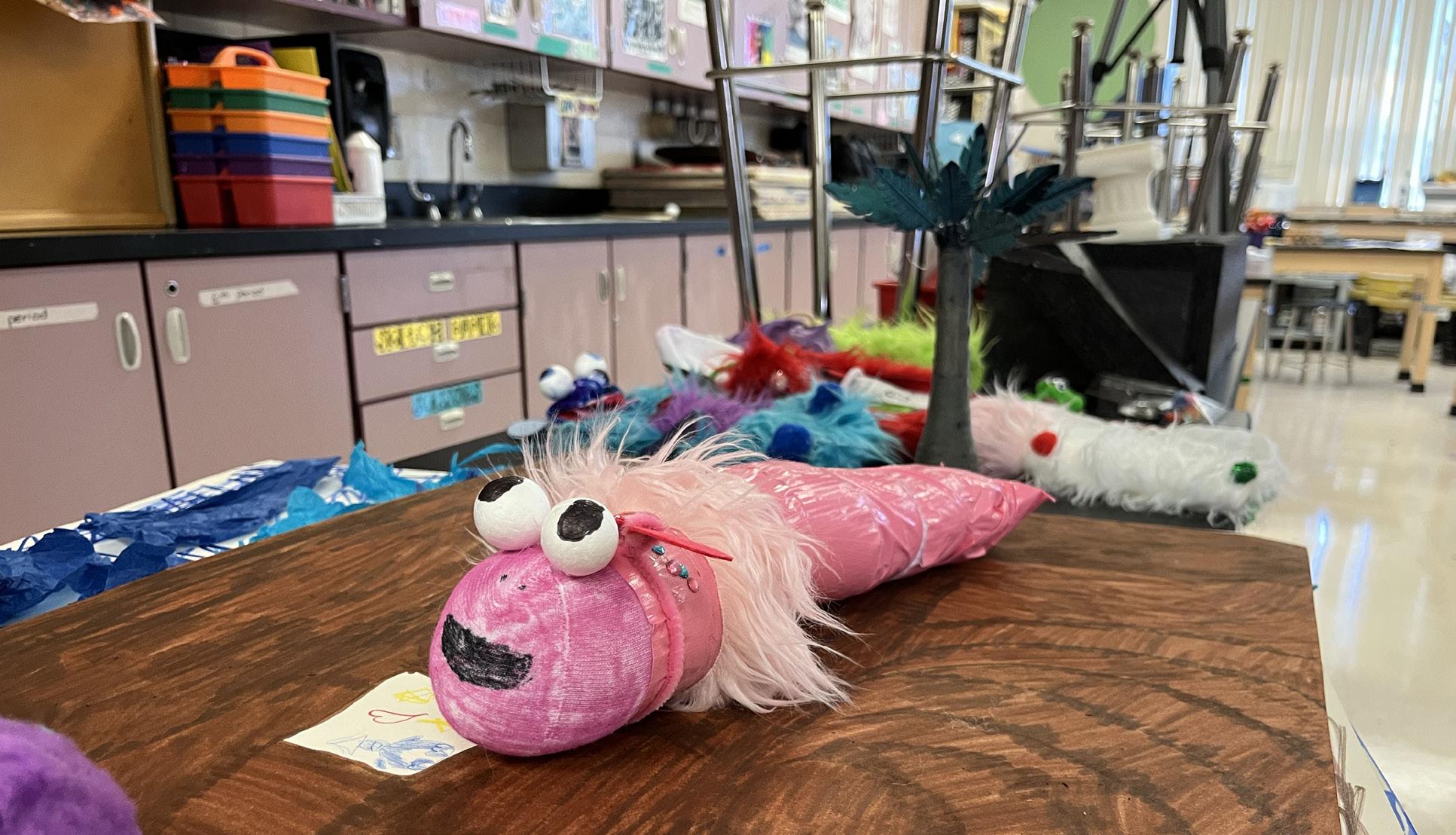
For elementary and middle school classrooms, consider creating a collaborative “Art Fort” project. Using donated cardboard boxes, students work together during the first weeks of school to design and decorate a creative fort or quiet space. The structure becomes a classroom resource where students who complete their work may spend the final few minutes of class reading, sketching, or regrouping. Students take ownership of the project because they helped build it, while those who need occasional sensory breaks have
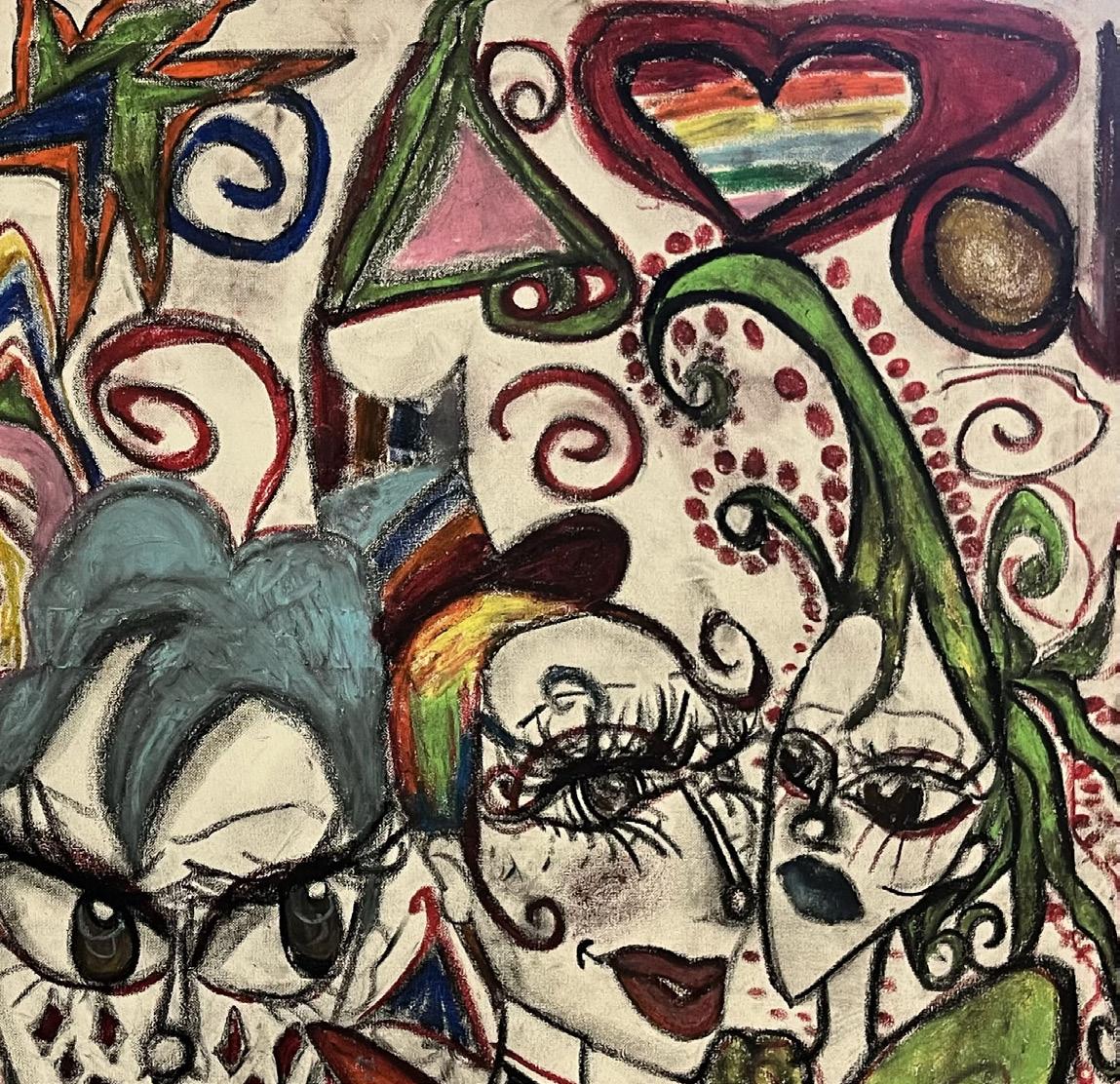
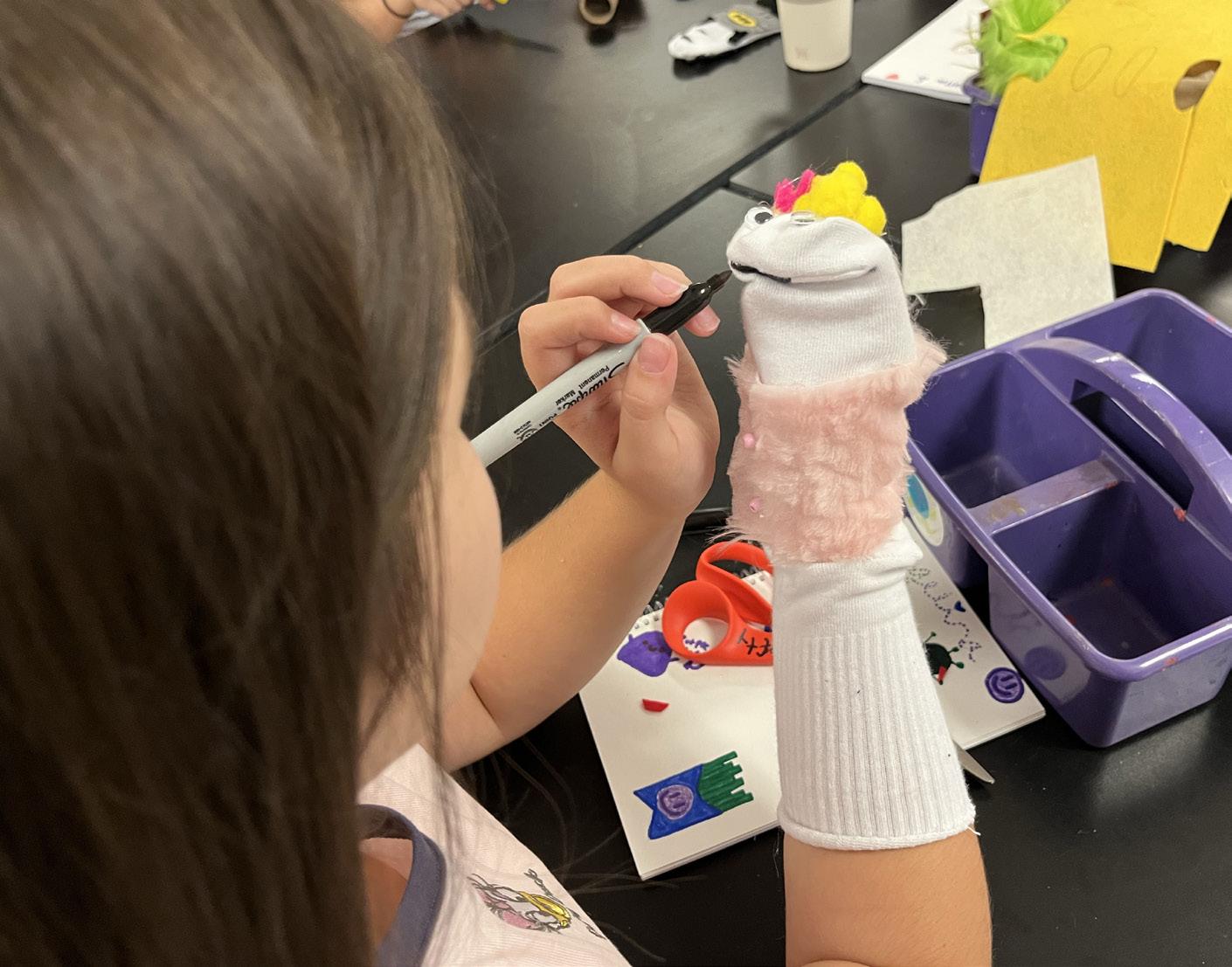
a safe and welcoming environment available to them. The project itself becomes a lesson in collaboration, empathy, design, and community building.
At the high school level, a similar concept can be approached through fiber arts and fabrication. Students might work collectively on a weaving, textile, or soft sculpture project designed to create sensory-friendly wraps or comfort textiles. These pieces can be used by students who benefit from tactile sensory input or simply appreciate a calming experience. Projects like these encourage discussions about accessibility, compassion, and designing for others while demonstrating how art can positively impact a community.
As educators, we must remember the importance of focusing on strengths rather than limitations. Too often, students with cognitive or behavioral challenges are defined by what they struggle to do. The art room provides an opportunity to recognize what they can
do. Some students possess remarkable visual memory, persistence, imagination, pattern recognition, or attention to detail. When teachers identify and celebrate these strengths, confidence grows and engagement follows.
The beginning of the school year is also a time to extend grace—to our students and to ourselves. Successful inclusive classrooms are not built upon perfection. They are built upon patience, flexibility, creativity, and relationships. Every adjustment made to support a student, every alternative pathway provided, and every opportunity for self-expression contributes to a culture where all learners feel valued.
As you welcome students back this year, remember that you already possess the tools necessary to create meaningful change. Your creativity, compassion, and willingness to adapt are among the most powerful resources any classroom can have. By providing multiple pathways for success, creating
sensory-supportive environments, and fostering a culture of acceptance, you help ensure that every student has access to the transformative power of art. Together, we can continue building art classrooms where differences are celebrated, creativity is accessible, and every student has the opportunity to succeed.
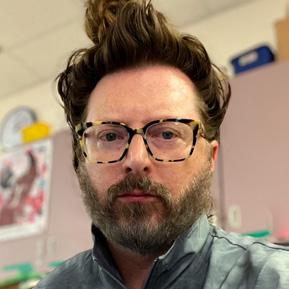
Zach Thompson is a Florida art educator starting in 2007 with adaptive and cognitive behavioral students across a wide range of exceptionalities and disabilities. For two decades, his work has focused on students who have experienced significant emotional and physical trauma. Through conceptual, mental-health-centered art projects, he encourages students to explore identity, resilience, and personal expression while building a supportive and inclusive classroom culture. Thompson is passionate about advocating for ESE students and helping all learners discover the transformative power of art. Zach lives in St. Petersburg, FL and has a M.A. in Art Education with Minors in Philosophy and Film Studies.
By Christy Garton, FAEA President and Orange County Public Schools Visual & Performing Arts Senior Administrator
Introduction
Artificial Intelligence (AI) represents the most recent cultural and artistic turning point, where new and emerging digital media challenge what we traditionally believe to be creativity while simultaneously establishing new avenues for artistic production, investment, and product design (Sweeney, 2023). Critics of AI believe that it devalues human creativity and artistic skill. Others see AI as a new medium with the potential to become not just a digital tool but a collaborator in the artmaking process (Leonard, 2020). The interest in the potential of new technologies is emphasized by the fact that in 2023, 25% of all U.S. startup investments went to AI companies (Sweeny, 2023). Throughout history, the introduction of new technology
has been considered a threat to artists; for example, the camera was considered a threat to traditional painting (Park, 2023). Artists like Marcel Duchamp pushed boundaries with their work, challenging the artist’s role in the creative process and shifting the artist from creator to an interpreter of the world (Park, 2023).
In contemporary times, we have entered a “postdigital” era in which digital technology impacts and influences everything around us (Sweeny, 2023). AI art is transforming how art is created, shared, and understood, creating questions about copyright, ethics, and, at its core: what art is. In 2022, artist and video game designer, Jason Allen, entered an art piece, Théâtre D’opéra Spatial, created using the AI program, Midjourney,

and sparked controversy when his art submission won the Colorado State Fair (Kuta, 2022). In 2023, the U.S. Copyright Office ruled that AI work could not be copyrighted, interpreting the requirement of “works of authorship” to mean “human authorship” despite Allen’s numerous revisions and refinements made in other programs (U.S. Copyright Office Review Board, 2023). Evolution forces art educators to reexamine their concepts of creativity and personal expression and embrace post-humanist pedagogy, recognizing AI as a collaborative actant, equipping art students with the tools to navigate questions of artistry, originality, ethics, and digital citizenship in a postdigital world.
In "Entanglement Art Education: Factoring Artificial Intelligence and Nonhumans Into Future Art Curricula" (2020), Nicholas Leonard identified a critical disconnect between the advancement of AI and the traditional human-centered, anthropocentric views of art education, citing a lack of a post-human perspective in current literature. In contrast, the majority of publications reviewed applied an instrumental theory perspective to digital tools, in which humans are solely responsible for the transformation that takes place in a work (Leonard, 2020). Leonard posited that by ignoring the potential of digital technologies, art educators miss opportunities for future artistic innovations. While counterintuitive to traditional concepts of art, Leonard challenged art educators by connecting the post-human perspective and AI technology to materiality in art, in which the medium, such as marble, influences both the artist and the work.
Grounded in Karen Barad’s theory of agential realism, Leonard (2020) proposed entanglement art education (EAE) in which the human-centered approach is deconstructed, requiring educators to view themselves as part of an apparatus in an intra-action with technology. By applying this new post-human perspective to art and aesthetics, art education would be dramatically changed. An EAE-influenced art curriculum would encourage students to consider a variety of perspectives to explore the influence of digital materiality on art creation and the world around them (Leonard, 2020). While Leonard warned that post-human perspectives in art may be met negatively, his research supports an observed shift in students’ views of computers as more than a tool for artmaking. Art education is dynamic and must be willing to change in order to remain relevant in a postdigital world. The EAE framework represents a paradigm shift, promoting discussions of
entanglement and intra-action to explore new possibilities for the future of art and art education (Leonard, 2020).
In "Creative and Critical Entanglements With AI in Art Education" (2023), Ye Sul Park advocates re-envisioning art education to account for the evolving relationship between the artist and AI. With AI usage expected to rise by 48.15% by 2026, Park suggested examining the social impact of AI and its entanglement with humans to enable students to navigate the postdigital world critically and ethically. This shift is driven by developments in AI algorithms, such as Generative Adversarial Networks (GANs) and AI creative adversarial networks (AICANs), that go from automation to creative outputs (Park, 2023). Therefore, Park recommended a shift from an instrumental view of technology in the creative process to an entanglement that reframes the human-AI relationship.
Challenging the human-centered view of the creative process, Park (2023) identified new concepts that challenge the definitions of creativity and traditional art education. The concept of metacreativity addresses the “cultural variable” that develops when non-humans engage in the creative process. Computational creativity occurs when the use of computational systems go from simple tasks to ideation and creation. Lastly, the concept of AI as a symbiotic collaborator has been explored by several contemporary artists, raising questions of the meaning of creativity or if AI can be creative without artist interaction. All of these concepts require art educators to develop “technologically responsive pedagogies” (Park, 2023). For students to successfully engage in creative entanglements, art educators must equip students with the skills they need to be ethically responsible digital citizens capable of navigating the postdigital society.
In "If Art Education, Then Critical Digital Making: Computational Thinking and Creative Code", Knochel and Patton (2015) asserted that computational thinking and coding skills are crucial in art classrooms, allowing students to create innovative, code-based artworks. Defined as an algorithmic problem-solving method by Seymour Papert in 1996, Knochel and Patton (2015) connected dispositions such as persistence and confidence in solving complex problems related to computational thinking to similar skills needed in the art studio. Since the late 1980s, art educators have been challenged to include coding and the manipulation of digital forms in the art
curriculum and to consider the relationship between the tool and the student (Knochel & Patton, 2015). Knochel and Patton proposed incorporating coding into the curriculum as an essential part of the 21st-century art classroom to improve digital literacy and provide opportunities to explore the materiality of digital formats.
Based on Papert’s theory of constructionism, Knochel and Patton (2015) viewed creating and manipulating programmable objects to make meaning and understanding the world as an act that art educators should support. To successfully integrate engaging with code in the art classroom, the authors advocated for students becoming critical digital makers who are capable of using code as a critical text, with openness, and as a digital material capable of making meaning (Knochel & Patton, 2015). Knochel and Patton encouraged art educators to develop art education pedagogy that incorporates computational thinking and coding as a medium to empower students to think critically in the postdigital world. The authors challenged art educators to take a more active role in defining digital literacy and allow students to utilize code as a means of expression and critique (Knochel & Patton, 2015).
The application of AI in the visual arts classroom is quickly changing the landscape of arts education at all levels. In 2024, the National Art Education Association (NAEA) issued a position statement that acknowledged the creative opportunities that AI development brought to the field of art education and the potential challenges. NAEA’s position emphasized the ethical use of AI and respect for intellectual property, while maintaining authentic personal expression in works of art (National Art Education Association, 2024). Legal precedents such as the U.S. Copyright Office ruling that AI artwork lacks “human authorship,” thereby prohibiting works from being copyrighted, further challenge the use of AI in art and the concept of originality (U.S. Copyright Office Review Board, 2023).
In 2024, the College Board instituted a policy on plagiarism and AI for its Advanced Placement (AP) Art and Design courses. The policy emphasized the originality of works from ideation to production, connecting the use of AI to plagiarism (College Board, 2024). In addition, the College Board offered guidance on disabling AI features in software to ensure the artist is the primary actor in the process. School districts are increasingly being asked to develop AI policies. For example,
Orange County Public Schools (OCPS) held a district-wide discussion about the governance and acceptable usage of AI. The district focused primarily on academic integrity and ensuring AI did not overshadow the importance of developing foundational artistic skills (Orange County Public Schools, 2025). These local efforts further underscore the need for Park’s (2023) technologically responsive pedagogy to ensure that AI’s potential is balanced with ethics in a postdigital society.
Access to AI and its application in the visual arts classroom represent a critical need to develop proactive policies that preserve the innovative opportunities AI presents while protecting the integrity of artists and art-making. Art educators must become facilitators of critical entanglements and adopt technologically responsive pedagogies (Park, 2023). To integrate computational thinking, incorporating programs such as Processing or Scratch gives students the opportunity to learn code in the context of visual arts (Knochel & Patton, 2015). While utilizing AI in the ideation process is an efficient way to experiment, documenting and citing intra-actions ensures students
have integrity in their practice. In addition to changes in pedagogy, art educators must consider alternative forms of creativity, such as metacreativity, and challenge human bias in art (Park, 2023). No shift is possible without ongoing professional learning that addresses the ethical concerns of AI and handson experiences with digital materiality for art educators.
As definitions of art, artists, and creativity continue to evolve in the postdigital world, art education needs to evolve as well. Pedagogy addressing entanglements and the intra-actions of students, educators, and technology requires educators to continue discussions and experimentation to determine the next steps for art education (Leonard, 2020). Shifting from viewing technology as a tool to a collaborator requires openness to consider creativity and authorship beyond human bias (Park, 2023). Supported by the research of Leonard (2020), Park (2023), and Knochel and Patton (2015), entanglement art education is becoming a necessity for 21st-century art classrooms as the relationship between humans and technology continues to evolve. By creating a learning environment that prioritizes
FAEA promotes visual arts education through professional development, service, advancement of knowledge, and leadership. We present public programs; sponsor institutes, conferences, and programs; publish journals, reports, and surveys; and work with other agencies in support of visual arts education.
The core of FAEA is volunteer-driven, which provides leadership, advocacy, learning, sharing, and much more. Year after year, our volunteers produce quality programs, events, and information used by visual arts educators. This past year, thousands of hours were generously donated to FAEA.
critical and ethical digital artmaking, art can remain an essential form of human and post-human expression (Sweeny, 2023)
References
College Board. (2024). AP Art and Design plagiarism and artificial intelligence policy [Policy Document]. https://apstudents.collegeboard.org/ap/pdf/ap-art-and-design-plagiarism-and-artificial-intelligence-policy.pdf
Knochel, A. D., & Patton, R. M. (2015). If art education then critical digital making: Computational thinking and creative code. Studies in Art Education, 57(1), 21–38. https://doi.org/10.1080/00393541.2015.11666280
Kuta, S. (2022, September 6). Art made with artificial intelligence wins at state fair. Smithsonian Magazine. https:// www.smithsonianmag.com/smart-news/artificial-intelligence-art-wins-colorado-state-fair-180980703/
Leonard, N. (2020). Entaglement art education: Factoring ARTificial intelligence and nonhumans into future art curricula. Art Education, 73(4), 22–28. https://doi.org/10.1 080/00043125.2020.1746163
National Art Education Association. (2025, June). NAEA position statement on use of artificial intelligence (AI) and AI-generated imagery in visual arts education. https://www. arteducators.org/wp-content/uploads/2025/06/NAEAPosition-Statement-on-AI_2025.pdf
Orange County Public Schools. (2025, December 9). Artificial intelligence in OCPS [Presentation slides]. Park, Y. S. (2023). Creative and critical entanglements with AI in art education. Studies in Art Education, 64(4), 406–425. https://doi.org/10.1080/00393541.2023.2255084
Sweeny, R. W. (2023). Digital and postdigital media in art education. Studies in Art Education, 64(4), 401–405. https://doi.org/10.1080/00393541.2023.2273706
U.S. Copyright Office Review Board. (2023, September 5). Second request for reconsideration for refusal to register Théâtre D’opéra Spatial (Correspondence ID 1-5T5327I; SR 1-11743923581). Library of Congress. https://www. copyright.gov/rulings-filings/review-board/docs/Theatre-Dopera-Spatial.pdf
Have you wanted to share your genius lesson plan, cool collaboration with others, revealing research, bulletin board ideas, motivation tricks, classroom management tips, journey of perseverance, or something else? As educators, we don’t hide our light under a basket; we share our triumphs and ideas with others. Fresh Paint wants your articles!
Get the scoop on the basic submission items needed by CLICKING HERE . Additionally, the Editorial Committee needs help to complete our duties. If you want to be a part of the team that is responsible for the content in the quarterly periodical and website, give us a holler. Many hands and voices improve our association and boost our work. Don’t be shy, act now!
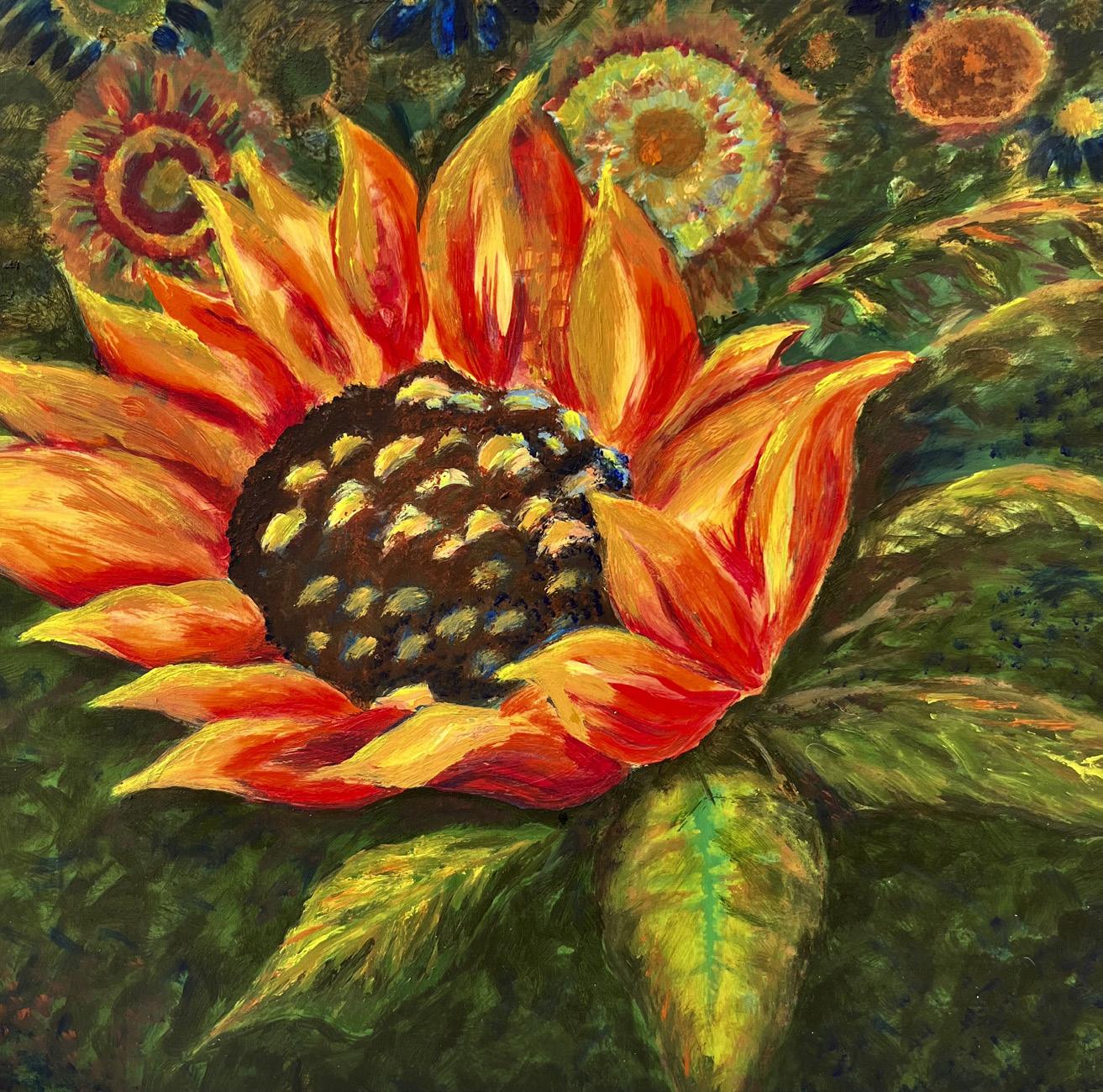
Dwayne Shepherd
Burst of Color
Acrylic painting
COST PER ENTRY $15 SUBMISSIONS ACCEPTED THROUGH AUGUST 20
TODAY! CLICK HERE or Login to FAEA.org.
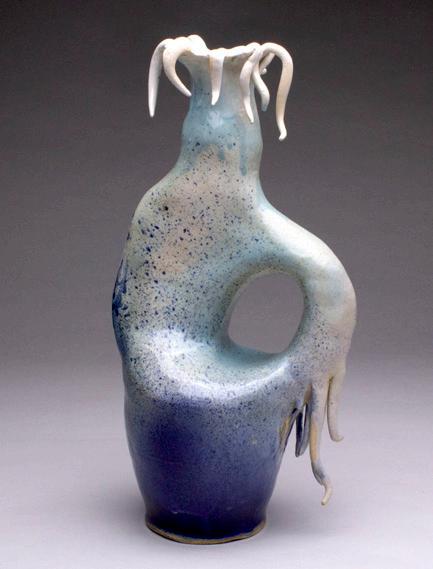
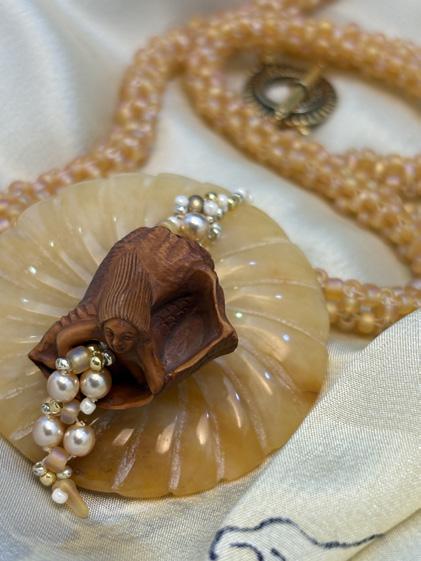
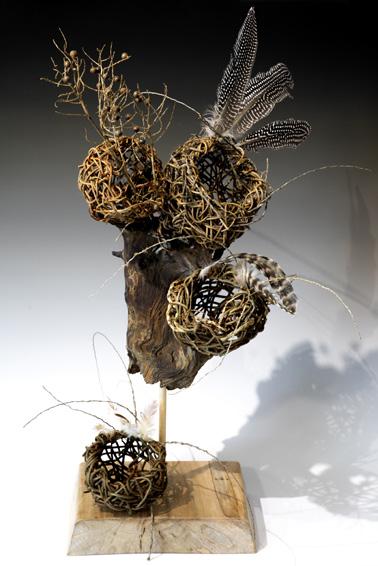
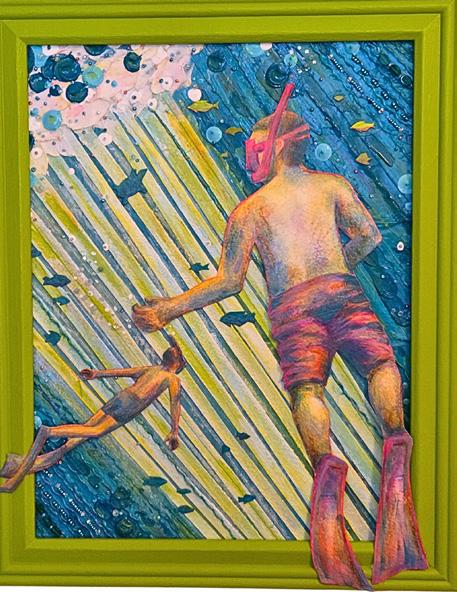
FAEA is pleased to announce the opening of submissions for the 2026 Member Virtual Exhibition (MVE). The MVE provides an official platform for FAEA members to showcase their professional artistry through an annual juried competition among peers.
We invite all current FAEA members to submit their latest work for consideration. Artworks accepted into the MVE are eligible for awards and are celebrated at the 2026 FAEA Conference and on the FAEA website.
• Participating artist must be a current FAEA member
• A rtworks must be recently created within the past two years
• Artworks previously accepted in a past MVE are not eligible
• A rtist’s name and/or signature should not be visible
• Members can submit up to five entries per year
Fresh Paint is the award-winning publication of the Florida Art Education Association (FAEA) that contains articles of interest to art educators of all levels – from kindergarten through college level. It is produced 4 times annually and distributed to more than 800 art teachers, school district art supervisors, museum educators, higher education professionals, community art educators and artists, as well as other state and national art associations.
Fresh Paint is a terrific marketing tool for businesses and organizations to reach art educators and decision-makers.
Learn more at FAEA.org/advertising