HEALTH& SAFETY BULLETIN


From20 to24 July2026,theagricultural industry once again comes together to support Farm Safety Week, the annual campaign led by the Farm Safety Foundation(YellowWellies).Nowinits14 year,thecampaignhasbecomeoneofthe mostrecognisableandinfluentialinitiatives in the farming calendar, bringing together
th
Agriculture continues to have one of the poorest safety records of any industry. However,safetyshouldneverbeviewedas an unavoidable consequence of farming. The Farm Safety Foundation rightly emphasises that many accidents can be preventedthroughsaferbehaviours,better decision-making and a culture that places safety at the centre of everyday activities. The campaign encourages everyone in the industry to recognise that making farms safer is a shared responsibility. Employers must provide safe systems of work and healthy working environments; workers must take responsibility for their own actions and look out for others; and the industry as a whole must continue to challenge unsafe practices and drive improvement.
Throughouttheweek,differentthemeswill explore the human consequences of accidentsandtheactionsthatcanbetaken topreventthem.Thecampaignwillhighlight howasingleshortcut,amomentarylapsein concentration or a seemingly routine task canresultinlife-changinginjuries.Itwillalso celebrate the individuals and organisations whocontinuetochampionsafetyacrossthe sector and demonstrate that positive changeispossible.
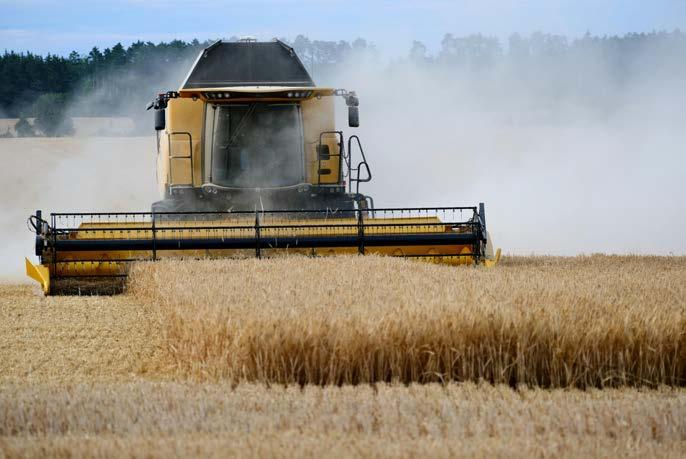
For farms and estates, Farm Safety Week providesanidealopportunitytopauseand reflect on current working practices. With harvestwellunderwayformanybusinesses, workloads are increasing, hours are becoming longer and machinery movements are intensifying. These are precisely the circumstances in which risks can increase. Taking time to review risk assessments, inspect machinery, discuss safety expectations with staff and contractors and encourage near-miss reporting can play a valuable role in preventingincidentsbeforetheyoccur.
At Ceres Rural, we believe that successful healthandsafetymanagementisnotabout paperwork for its own sake. It is about protectingpeople.Everysafedecisionmade onafarmorestatecontributestoensuring thatworkersreturnhomesafelyattheend oftheday. Whetherthatinvolveswearinga seatbelt in a telehandler, isolating equipment before maintenance, using proper access equipment rather than a makeshift ladder, or challenging unsafe behaviourwhenitisobserved,smallactions oftenhaveasignificantimpact.
As supporters of Farm Safety Week 2026, we encourage all farms and estates to engage with the campaign, share its messages and start conversations about safetywithintheirbusinesses.Usetheweek as an opportunity to discuss hazards, reinforce safe behaviours and remind everyone that accidents are not inevitable. Most importantly, remember the central messageofthisyear'scampaign:it'sabout people.
Every accident changes a life. By working together, we can help ensure that fewer lives are changed by preventable injuries and that our farms and estates become safer places to live, work and visit for generationstocome.
The agricultural industry relies heavily on the knowledge, experience and commitmentofolderworkers.Acrossmany farms and estates, it is common to find individuals in their sixties, seventies and beyondcontinuingtoplayanactiverolein day-to-dayoperations.Theirpracticalskills, understanding of the land and problemsolving abilities are often invaluable. However, the latest statistics from the Health&SafetyExecutive(HSE)highlightan important health and safety challenge that theindustrycannotaffordtoignore.
Recent analysis of agricultural fatalities shows that approximately 40% of fatal injuriesinagricultureinvolveworkersaged 60 and over, despite this age group representingamuchsmallerproportionof the national workforce. Common accident scenarios include falls from ladders and buildings, being struck by moving machinery and vehicles, livestock handling incidents,fallsonunevenground,andlone workingsituations.Thisstatisticreinforcesa clearmessage:whileexperiencecanreduce somerisks,thephysicalandmentaleffects of ageing can increase vulnerability to seriousinjuryandfatalaccidents.
There is no single explanation but importantly,experiencecansometimeslead to complacency. Many older workers have spentdecadesundertakingthesametasks withoutincidentandmaythereforebecome morewillingtoacceptrisks,take
shortcuts or believe that accidents are something that happen to “other people.” While experience is one of farming's greatest assets, it can result in a reduced perception of risk, making it important to regularly review working practices, challengeunsafehabitsandremainvigilant to hazards that may have become normalisedovertime.
Other combinations of factors can also increaseriskaspeopleage:
Reduced strength and mobility can make tasks involving climbing, lifting andmanualhandlingmoredifficult.
Slower reaction times may affect the abilitytorespondquicklytounexpected events.
Deterioration in vision or hearing can reduce awareness of hazards, particularly around machinery and vehicles.
Existing medical conditions such as arthritis, diabetes, heart disease or reduced balance can affect safe working.
Longer recovery times following injury may mean that incidents which would be minor for a younger person have muchmoreseriousconsequences.
Many older farmers and workers continue to perform physically demanding tasks because they have “alwaysdonethem,”despitechangesin theircapabilities.
Importantly,noneoftheseissuesmeanthat older people cannot work safely. Rather, they highlight the need for farms and estates to adapt work activities appropriately.
Thereareseveralmeasuresthatfarmsand estates can implement to support older workersandreducerisk.Theseinclude:
Reviewingphysicaldemands–consider whether tasks requiring significant physical effort remain suitable. Review activities involving repetitive lifting, carrying heavy loads, climbing or prolongedkneeling.Wherepossible,use telehandlers or other mechanical aids, minimise manual handling, store materialsatconvenientworkingheights, andreducetheneedforclimbing.
Improving access and egress – ensure that steps, ladders and walkways are maintained, handrails are installed where appropriate, yard surfaces are evenandwellmaintained,andadequate lighting is provided around workshops, grain stores, livestock buildings and accessroutes.
Avoidworkingatheight–considerusing extendabletoolsformaintenancetasks, employingspecialistcontractorsforroof work,andinstallingfixedaccesssystems and edge protection where access is regularlyrequired.
Review driving and machinery operations–payparticularattentionto vehicle access and egress, fatigue management, visibility and lighting, seatbelt use, and refresher training for machinery operators. Regular driving licence checks and operator assessments can also help identify potentialconcerns.
Manage lone working – use reasonable safeguardsincludingmobiletelephones or radios, lone-worker monitoring systems,regularcheck-inarrangements and emergency contact procedures, avoiding high-risk tasks when working
Encourage health monitoring – many healthconditionsdevelopgraduallyand may not be immediately apparent. Promote regular eyesight and hearing tests, routine medical check-ups, occupationalhealthassessmentswhere appropriate, and open conversations about health issues that may affect work. The right safety culture should make employees and family members feel comfortable discussing health concernswithoutfearofcriticism.
Experience should not create a sense of invulnerability:seekingassistanceshouldbe viewed as good judgement rather than a sign of weakness. Agriculture benefits enormously from the contribution of older workers.However,thefactthataround40% of agricultural fatalities involve workers aged 60 and over demonstrates the need for businesses to recognise how risk changes with age and adapt accordingly. Experience is one of agriculture's greatest assets: the challenge is ensuring that it is protected.
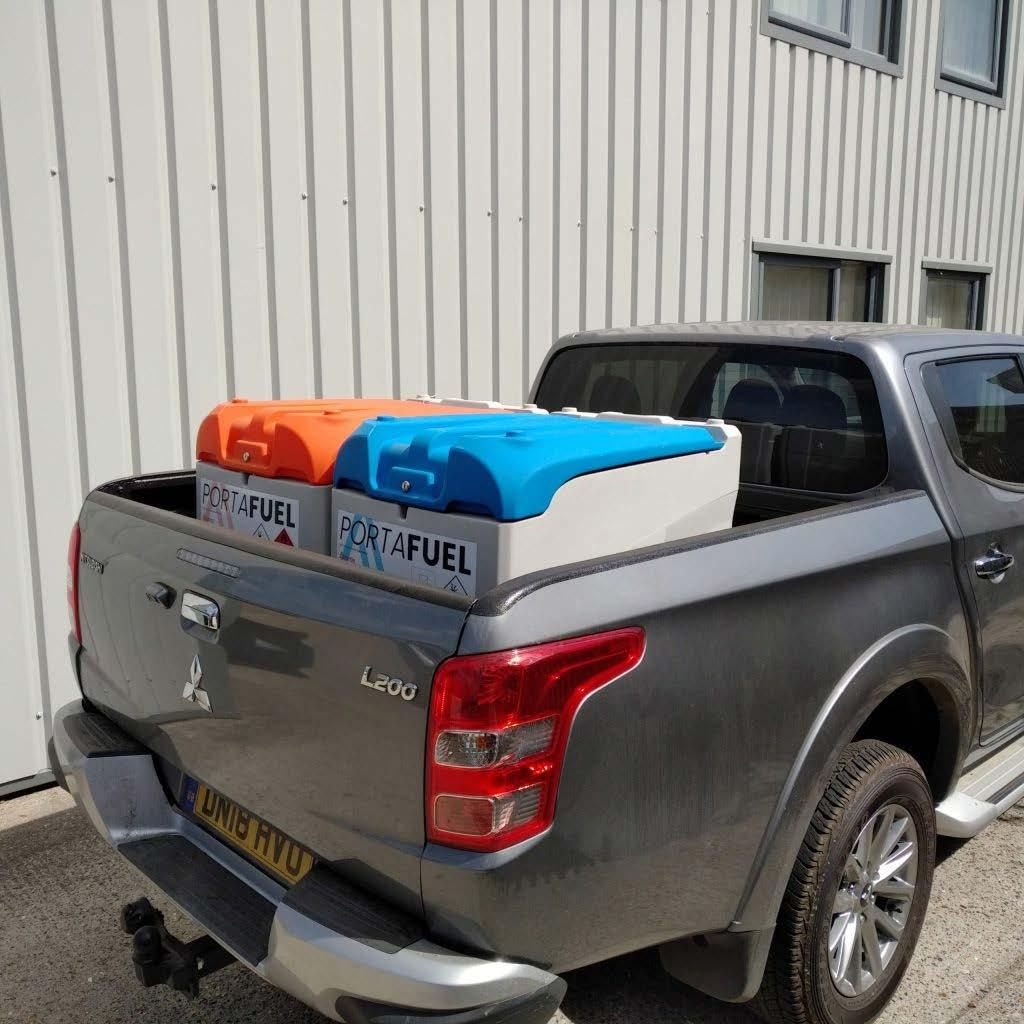
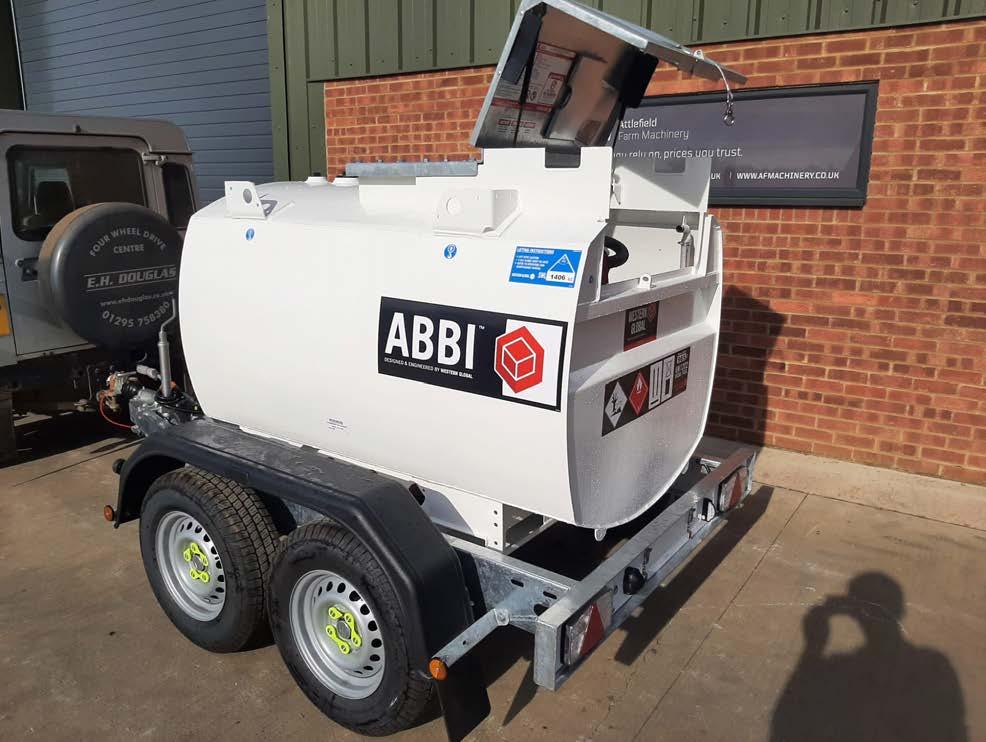
At this busy time of year and with machineryoperatingconsiderabledistances awayfromfarmyardsandfixedtanks,fuelis frequently moved around farms and estates.Whethertakingdieseltoacombine harvester, refuelling a baling tractor in a field, supplying a generator for an off-site grain store, or moving fuel between holdings, the use of bowsers and intermediate bulk containers is a routine part of agricultural operations. However, fuel is also a dangerous good and if transportedincorrectly,canpresentserious fire, explosion, spillage, environmental and roadsafetyrisks.
The transport of fuels is governed by the Carriage of Dangerous Goods & Use of Transportable Pressure Equipment Regulations 2009, which implement the international ADR (European Agreement concerning the International Carriage of DangerousGoodsbyRoad)requirementsin Great Britain. These regulations establish requirements for the classification, packaging, labelling, transport and emergency arrangements associated with dangerous goods, including diesel, petrol and certain fertilisers. The purpose of the regulationsisstraightforward:toreducethe risk of injury, fire, explosion and environmental damage when dangerous goods are transported on public roads. Depending on the type and quantity of product being moved, full ADR requirements can involve specific vehicle standards, driver training, documentation, emergency equipment and packaging requirements.
RECENT
InFebruary2026,theNFUannouncedthat agriculture's existing exemptions had been successfully maintained, meaning that farmers and growers can continue to transportcertainfuelsandfertilisersunder arrangements that recognise the practical realities of agricultural operations. Alongside this decision, agriculture-specific guidancehasbeenproducedtohelpfarms and estates understand the rules surrounding fuel transport, bowsers, intermediatebulkcontainers(IBCs),vehicle requirements, driver responsibilities and loadsecurity.Theguidanceaimstoimprove consistencyandensurethatexemptionsare applied correctly and safely. Importantly, these exemptions do not remove the obligation to transport fuels safely: the message from regulators and industry bodies is that exemptions reduce administrative burden, but they do not reduceresponsibility.
Whilethedetailedrulesvarydependingon the quantity and type of fuel being transported, several core principles apply acrossallagriculturaloperations:
Fuel should be transported in suitable and approved containers, tanks or bowsers.
Bowsers, tanks and IBCs should be maintained in good condition and inspectedregularly.
Loads must be secured to prevent movement, leakage or damage during transport.
Drivers should understand the hazards associated with the fuel being carried and know what action to take in the eventofanemergency.
Suitable firefighting and spill-response equipmentshouldbeavailable.
Any required markings, labels and identification should remain clearly
Businesses should ensure that fuel movements are appropriately considered within their health and safety and environmental management
With this in mind, please take note of the
Fuel bowsers are an essential tool during harvest and throughout the farming year, but they must be used responsibly. The recent work undertaken by the NFU, DfT andCDGPFhassecuredthecontinuationof important agricultural exemptions, recognising the practical nature of farming operations.However,theseexemptionsare .
machinerymovementsandtraffic levelsarehigher.
DO maintain hazard labels and markings where they are required.
DO stop immediately if leaks, damaged equipment or unsafe conditionsareidentified.
DO report and investigate fuel spills, near misses and incidents topreventrecurrence.
notasubstituteforgoodriskmanagement. Safefueltransportstilldependsonsuitable equipment, competent operators, secure loads, effective maintenance and proper emergency arrangements. By focussing on thesefundamentals,farmsandestatescan transport fuel efficiently while protecting people,propertyandtheenvironment.
We all hope that we will never be in any kind of emergency on our farms and estates.Butiftheunthinkablehappens,itis importanttobepreparedbeforetheevent occurs. The first few moments following a serious accident are extremely important and can exponentially affect the casualty’s prospects of survival and recovery. Significant health and safety events may not be catastrophic and could be survivable,butthisdependsonthecorrect life preservation and first aid techniques beingrapidlyadministered,evenbeforethe emergencyservicesarrive.
RecentlylaunchedbytheRoyalAgricultural Benevolent Institution (RABI), the Farmers Aidappprovidesrealtimeguidanceinthe form of clear step-by-step instructions for serious on-farm accidents. Developed with clinical and frontline expertise to ensure guidance is accurate, practical and usable, the app is designed to strengthen emergency preparedness and be accessed onanysmartphone.
Commenting on the app, Professor Stuart Maitland-Knibb(airambulancecriticalcare consultant) remarks that “this app is not about replacing the emergency services. Thisappisaboutbuyingtimetoallowthe emergency services to do what they need to do. This is about preparing people in society to be able to save lives. Download theFarmersAidappandhavethiswithyou atalltimes.”
Forfurtherinformation,clickbelow:

Modern agriculture depends on powerful machinery. Tractors, telehandler, combine and other harvesters, grain handling systems, PTO-driven implements and workshop equipment all help farms and estates operate efficiently, but they also present some of the most serious health andsafetyrisksintheindustry.Manyfatal and life-changing injuries occur when people come into contact with moving machinery. In numerous cases, the root causeisnotequipmentfailurebutmissing, damagedorbypassedguards.
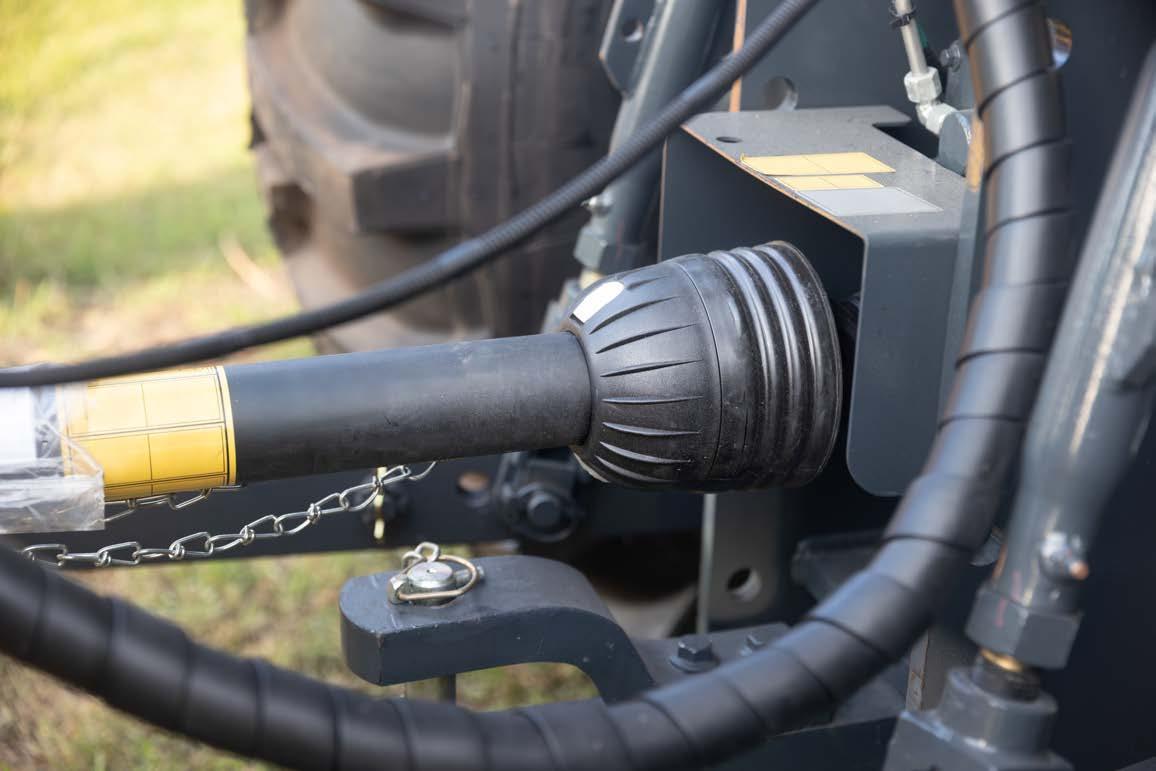
Guarding is important because agricultural machinery contains many hazards capable of causing devastating injuries within seconds, including PTO shafts and drives, chains, belts, sprockets, augers, conveyors, feed rollers and rotating shafts, and flywheelsanddrivemechanisms.
It is also relevant for workshop machinery suchassaws,grindersanddrills,anddueto thecrushingandtrappingpointscreatedby moving components. Entanglement is one of the greatest dangers, whereby loose clothing, gloves, drawstrings or hair can becomecaughtbeforeanoperatorhasany opportunity to react. PTO shafts are particularly unforgiving, with numerous serious incidents occurring every year becauseguardsweremissing,damagedor inadequatelymaintained.
The Health and Safety at Work Act 1974 placesadutyonemployerstoensure,sofar as is reasonably practicable, the health, safety and welfare of employees at work, including the provision of safe plant and equipment. It also requires employers to provide suitable information, instruction, trainingandsupervision.
Morespecificrequirementsaresetoutin the Provision & Use of Work Equipment Regulations1998(PUWER),whichrequire guardsandprotectivedevicesto:
Be so constructed or adapted that theyallowoperationsnecessarytofit orreplacepartsandformaintenance work, restricting access so that it is allowed only to the area where the work is to be carried out and, if possible,withouthavingtodismantle theguardorprotectiondevice.
Besuitableforthepurposeforwhich theyareprovided.
Be of good construction, sound materialandadequatestrength.
Bemaintainedinanefficientstate,in efficient working order and in good Notgiverisetoanyincreasedriskto healthandsafety.
Notbeeasilybypassedordisabled.
Besituatedatsufficientdistancefrom thedangerzone.
Not unduly restrict the view of the operating cycle of the machinery, wheresuchaviewisnecessary.
Good machinery safety comes down to a fewsimplebutcriticalprinciples,including:
Never operate machinery with guards removed or damaged. If a guard is defective, the machine should be taken outofserviceuntilitisrepaired.
Use safe stop procedures. Before carrying out maintenance, clearing blockages or investigating faults, lower implements, place controls in neutral, apply the handbrake, switch off the engine, remove the key and allow sufficient rundown time for all components to come to a complete stop.
Inspectguardsregularly.Includethemin daily or pre-use checks and ensure any defects are reported and repaired promptly.
Maintain machinery properly. Effective maintenance should include safety devices and guarding, not just the machine'soperationalcomponents.
Train and supervise operators. Workers shouldunderstandboththehazardsand the purpose of guarding. Even experienced operators can become complacentovertime.
Machineryguardsarenotaninconvenience: theyareacriticalsafetydevicedesignedto keep people away from dangerous moving parts.Themosteffectiveguardisoftenthe simplestone–arobustphysicalbarrierthat preventsaccesstoharm.Thenexttimeyou walk around a tractor, combine or other harvester, baler or grain handling system, takeamomenttolookattheguards.They maynotbethemostimpressivepartofthe machine,buttheyareoftenthecomponent standingbetweenaroutineday'sworkand alife-changinginjury.
Twice yearly, we bring you examples of recent health and safety accidents and prosecutions, both from agricultural and non-agriculturalsettings.
A 60-year-old drilling operative sustained life-changing injuries when a temporary wooden platform collapsed during refurbishment works at a multi-storey buildinginLondon.Theworkerwascarrying out concrete cutting operations beneath a platform that had been installed to catch concrete cores and debris. The structure suddenly gave way, causing concrete and timber to fall onto him. He suffered fracturestohisneckandbackaswellasa bleedonthebrain,andhasbeenunableto returntoworksincetheincident.
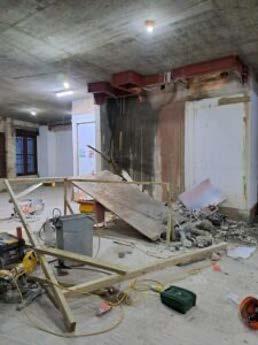
TheHSEinvestigationfoundthattherewas no design for the temporary platform and no assessment had been undertaken to determinetheloadsitcouldsafelysupport. Althoughinspectionshadbeencarriedout, thepersonresponsiblewasnotcompetent to assess the temporary works. Investigators also found shortcomings in planning, monitoring and supervision, together with inadequate coordination betweencontractors.TheHSEstressedthat temporary structures must be properly designed, inspected and managed to ensure they remain safe throughout the work.
The principal contractor and specialist contractor both pleaded guilty to breaching Regulations 15(2) and 16(2) of the Construction (Design and Management) Regulations 2015 and were fined a combined £32,333 pluscostsof£11,096.
A 59-year-old maintenance worker was fatallyinjuredwhileattemptingtorepairan electrically operated overhead door at a printing facility in Cardiff. While retensioning the door springs using an industrialwrench,thetoolslippedandthe spring unwound violently, ejecting the wrench and striking him. He sustained catastrophic injuries and died the followingday.
TheHSEfoundthatthecompanyhadfailed tomaintainitspowereddoorsdespitetwo previous incidents involving door failures that had injured employees. No routine inspection or preventative maintenance programme was in place, allowing the equipmenttodeteriorate.Theinvestigation also established that the deceased employeehadrepeatedlybeenpermittedto carryouthigh-riskrepairswithoutsuitable training, risk assessment, safe working proceduresorappropriateequipment.The HSE reminded employers that powered industrial doors are work equipment and must be properly maintained and safely managedinaccordancewithPUWER.
The company pleaded guilty to breaching Section 2(1) of the Health & Safety at Work Act 1974 and Regulation 5(1) of the Provision & Use of Work Equipment Regulations 1998andwasfined£400,000 pluscostsof£17,854.
An 18-year-old employee suffered serious leg fractures after his foot slipped into an unguardedconveyorwhileloadingbinsata clinical waste management facility in Oldham. The incident occurred when the young worker's foot entered an exposed conveyor channel, causing multiple fractures to his right leg. An 18-year-old employee suffered serious leg fractures after his foot slipped into an unguarded conveyor while loading bins at a clinical waste management facility in Oldham. .
The incident occurred when the young worker'sfootenteredanexposedconveyor channel, causing multiple fractures to his rightleg.
The HSE investigation concluded that the companyhadfailedtocarryoutasuitable andsufficientriskassessmentandhadnot fittedadequateguardingtopreventaccess to dangerous moving parts. The regulator highlightedthatdangerousmachinerymust be effectively guarded to prevent workers enteringdangerzonesandthatemployers haveadutytoensureappropriatecontrols are maintained at all times. The incident was described as entirely preventable had basic machinery safety measures been implemented.
Thecompanypleadedguiltyto breaching Section 2(1) of the Health & Safety at Work Act 1974 and was fined £300,150 plusvictimsurchargeof£2,000 andcostsof£3,932.
A 43-year-old yard operative suffered serious and life-changing injuries after beingstruckbyareversingforklifttruckat AberdeenHarbour.Theworkerwasonfoot carrying out loading activities when a reversingforkliftcollidedwithhisrightleg, pulling him to the ground. He sustained multiple fractures together with a severe de-gloving injury, requiring surgery, skin grafts and ongoing treatment. He has not returnedtoworksincetheincident. .

TheHSEfoundthatalthoughthecompany hadatrafficmanagementplan,itfailedto provide sufficient detail or controls to ensure safe separation between pedestrians and vehicles. Loading and unloadingoperationsroutinelytookplacein thesamearea,exposingworkersonfootto moving vehicles. Investigators concluded that the risk of collision was reasonably foreseeable and that more robust traffic managementarrangementswererequired.
The HSE continues to emphasise the importance of segregating vehicles and pedestrianswhereverpracticable.
A 34-year-old contractor was killed and a colleague suffered life-changing injuries whenacherrypickerstruckan11,000-volt overhead power line at a biogas facility in Devon. The two men were carrying out maintenance work on a biodigester when theaccessplatformmadecontactwiththe live conductor. Electrical current passed through the metal basket, fatally electrocuting one worker and seriously injuringtheother.
The HSE investigation identified multiple failures by both companies involved. The site operator had previously been advised to relocate the overhead power line but failed to do so and implemented no adequate alternative controls, such as exclusion zones or height restrictions. The contractor'sriskassessmentwasalsofound to be inadequate, with insufficient training and supervision provided. The HSE reiterated that work near overhead power lines must be carefully planned and managed,andthatcontactrisksshouldbe eliminatedwhereverpossible.
The company pleaded guilty to breaching Section 33(1)(c) of the Health&SafetyatWorkAct1974 and Regulation 17(1) of the Workplace (Health, Safety & Welfare) Regulations 1992 and was fined £146,700 plus victim surchargeof£11,000.
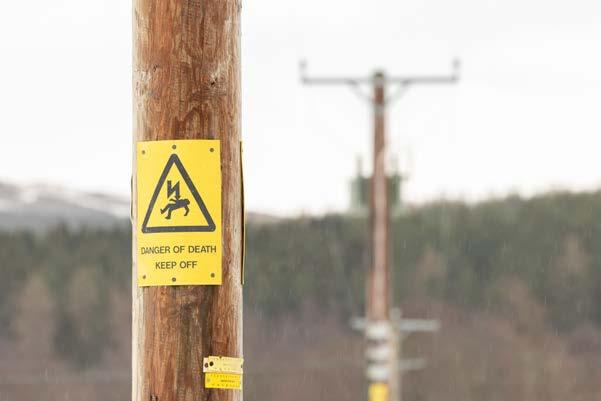
Both companies pleaded guilty to health and safety offences under the Electricity at Work Regulations 1989, Management of Health & Safety at Work Regulations 1999, and Work at Height Regulations 2005, and received combined fines of £81,000 together with costs of £36,467.

These cases once again demonstrate recurringthemesseeninseriousincidents across agriculture: poor machinery guarding, inadequate contractor management, unsafe work at height, insufficient traffic management, failures in maintenance and inspection, and inadequate controls when working near overhead power lines. Many of these incidents could have been prevented throughrobustriskassessment,competent supervision, effective training and the implementation of well-established safety controls.
If you would like to discuss any topics raisedinthisbulletin,donothesitateto contact our Health & Safety Guidance expert,RobertGazely.