


Welcome to Ceres Rural’s Health & Safety Bulletin. Each quarter, we update you on industry news, topical issues, and safety alerts with the aim of supporting you in achieving best practice on your farm or estate. This edition highlights recent concerns over telescopic ladders failing required safety tests. We remind readers of the risks of UV radiation and skin cancer, and the need to put control measures in place to protect outdoor workers. We continue to focus on workshop safety and recommend a series of steps to operate as safely as possible. We also consider telehandlers before concluding with three prominent examples of recent enforcement activity.
A product surveillance study of telescopic leaning ladders sold online and in-store has found that 80% of the work at height equipment failed the required safety tests to keep users safe. More than half of the failed ladders were certified and sold as ‘compliant’ to standards such as CE marking.
The ‘Step Up to Safe Ladders’ campaign has been launched to raise awareness of the safety risks associated with poor quality telescopic ladders and to stop their sale. One of the key campaign messages is that virtually all telescopic ladders in the UK are imported, with little or no checks being made by the importer. Although trading standards has powers to take enforcement action against businesses in the UK when safety concerns are raised, they are powerless to act against sellers who are based overseas.
Previously, telescopic ladders had gained popularity due to requiring only a small storage space, being lightweight and compact, and having an adjustable size and height. However, the study found various failures including structural failure, excessive distance between rungs increasing the risk of a fall from height, unreliable locking mechanisms, and even ladders which failed the strength test before the test load could be fully applied, meaning the ladder could buckle beneath the user.
Falls from height are the leading cause of fatal accidents in UK workplaces, with 35 deaths reported in 2020-21. Ladders are rarely the most appropriate tool to use for work at height on farms and estates, which should be carefully planned to ensure it can be completed safely or to assess if a specialist contractor is required.
Skin cancer is the most common type of cancer in the UK and Britain sees 1,700 people diagnosed every year as a direct cause of occupational sun exposure. Especially during the summer months, it is key that awareness is raised around the potential dangers of over-exposure to ultraviolet (UV) radiation.
UV rays come from the sun and offer many benefits. When exposed for too long however, UV rays are strong enough to damage the skin. There are three distinct types:
1 2 3
UVA rays contribute to skin burning, skin cancer and premature ageing.
UVB rays damage skin cell DNA and cause sun burn and skin cancers.
UVC rays are created artificially during industrial processes such as welding. 3

In 2020, industrial skin care company, SC Johnson Professional, surveyed health and safety officials at 114 UK companies Among the key findings, one in three health and safety professionals stated that their organisation did not provide any UV protection to outdoor workers. This may be due to 40% of safety professionals claiming that employees provided their own UV protection. This is despite the Health & Safety at Work etc. Act 1974 stating that every employer has a legal duty to safeguard, as far as is reasonably practicable, the health, safety and welfare of their employees. Indeed, according to Health & Safety Executive guidelines, UV radiation should be considered an occupational hazard for those who work outdoors.
Many farm and estate workers will frequently work outside both in planned and unplanned situations Machinery servicing, fence and hedge maintenance, and building improvements are undertaken. Breakdowns and reactive machinery repairs often occur and have to be urgently addressed, quite often in bright sunshine. As with other risks such as abrasion, electric shock or vehicle impact, the risk associated with UV radiation must be considered and appropriate control measures put in place.
SC Johnson Professional encourage a '5S' approach when working outside, you can see this below
Workshops are fundamental to undertaking machinery servicing and repairs as well as general maintenance and fabrication. Many hazards can arise including crushing, cutting, entanglement, trapping, impact, high pressure injection, abrasion, falls from height, fire, explosion, electrical contact, hazardous substances, hot and cold surfaces, musculoskeletal injuries, disc and wheel shatter, repetitive actions, stressful postures, fatigue, noise, vibration, dust, exhaust fumes, slips, trips and falls. Types of injury and illness range from death, serious injury and considerable downtime, to nuisance injuries that stop work for a short period, make work slower, or reduce productivity.
One of the most important factors to consider is the plan and layout of the workshop
Smooth flow of work, machinery and equipment is not only efficient, but safer for employees, contractors, and bystanders. Poor design and layout can lead to cramped working conditions, unnecessary manual handling, exposure to dust, noise, excessive heat and ultraviolet light, and risk of collision between vehicles and pedestrians. The workshop should have safe plant and systems of work, safe means of access and egress, and be a safe working environment with adequate light, heating and welfare facilities.
Keep the workshop tidy & avoid tripping hazards like hoses and cables
Ensure floors, gangways, entrances & exits are clear & free of obstructions.
Use the correct tool or equipment for the task, check for defects or damage.
Apply brakes, chock wheels & disconnect batteries before starting work.
Prop hydraulic bodies & exhaust air suspension before working underneath.
Use the correct pins for axle stands.
Keep welding gas bottles secured upright on a trolley.
Use local exhaust ventilation or respiratory protective equipment for all welding.
Weld in a protected area to protect bystanders from ultraviolet light & arc-eye.
Ensure the pillar drill is secured to the ground & has a chuck guard present
Ensure bench grinders are fixed, wheels are dressed & rests suitably adjusted.
Charge batteries in a well-ventilated area away from sources of ignition
Ensure a safe means of escape from inspection pits.
Control noise levels from plant such as compressors
Maintain, regularly inspect & test electrical installations and equipment.
Provide a safe means of access to raised storage areas or mezzanine floors
Use PPE, maintain in good condition & restock when necessary.
Use lifting equipment & mechanical handling aids to reduce the risk of injury.
Wash hands before eating or drinking, ensure welfare facilities are maintained.
Ensure first aid kits & fire extinguishers are present & adequately maintained.
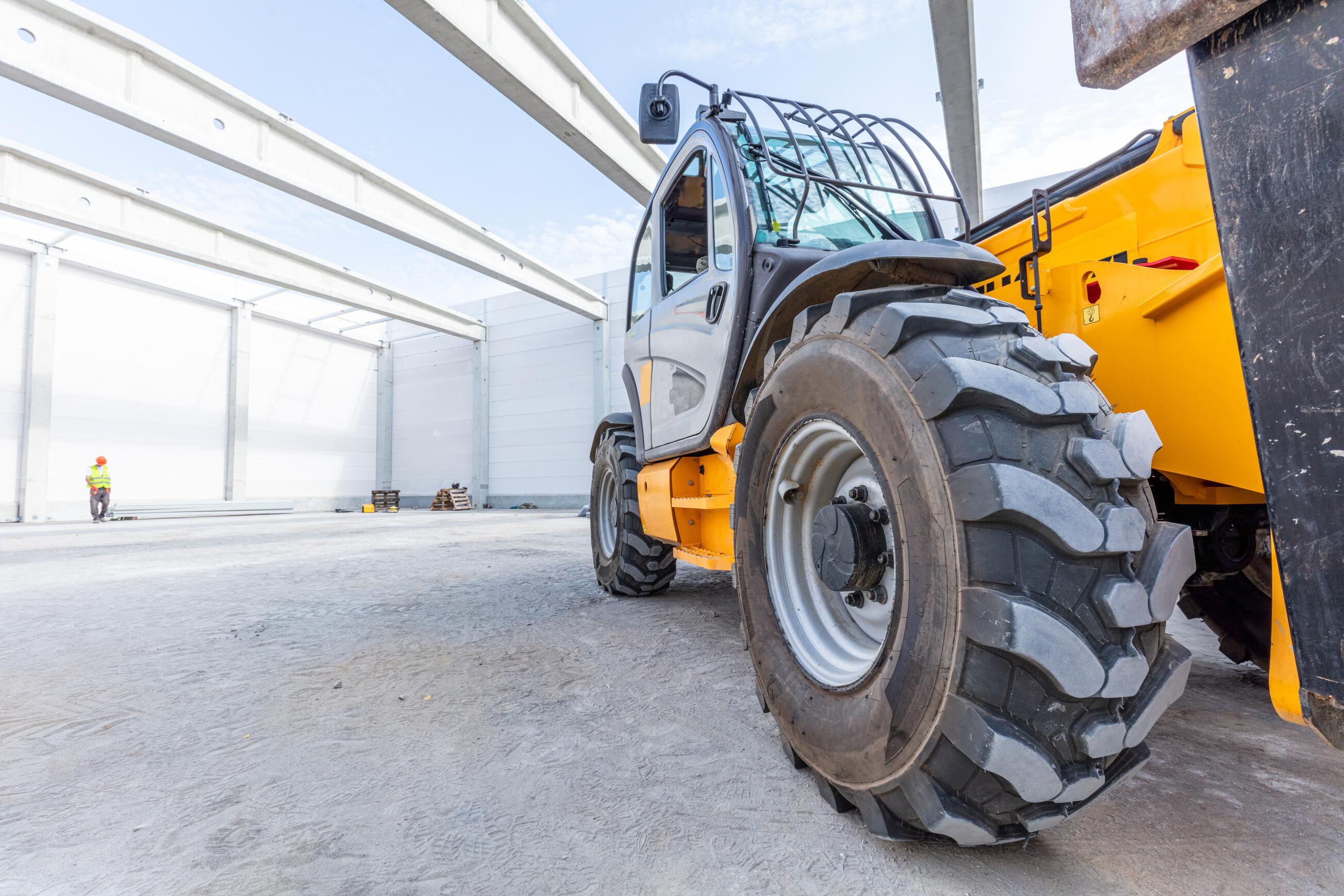
Telehandlers are one of the most versatile items of farm and estate machinery, allowing materials to be loaded, unloaded, handled, transported and placed at height. Their versatility means they are sometimes used for tasks that are outside of their scope, putting both the operator and machine in danger. As a result, there have been a number of serious accidents, some including fatalities.
In the last 12 months, a 93-year-old member of the public in a mobility scooter was struck by a telehandler while using a farm track and later died. Elsewhere, a 72year-old was crushed and killed when he overturned a telehandler and rolled down an embankment. He was ejected from the cab and crushed as the machine rolled.
As with all lifting equipment, safe operation of telehandlers depends on a number of factors including the selection and maintenance of the machine, planning and supervision of its use, and competence of the operator. If any of these are deficient, the risk of a serious accident increases significantly. It is therefore essential that farm and estate managers ensure that all telehandler operations are planned, supervised and carried out safely by competent workers.

Before starting, the telehandler must have a current thorough examination report and be suitably maintained. The operator must be trained to operate telehandlers and familiar with the machine being used. Daily safety checks must be carried out and recorded and site conditions assessed to ensure adequate segregation of vehicles and pedestrians as well as risks of uneven ground, slopes, gradients and possible overturning.
During use, the telehandler should be operated within its manufactured capabilities and should never be overloaded. Visibility should be maintained, windows and mirrors in good working order, and lights and flashing beacons operational. The seat belt should always be worn if fitted, this could save the operator’s life! When used on the public highway, all legal requirements should be met.
After operation, the telehandler should be safe-stopped on firm, level ground and the boom and attachment lowered to the ground. Faults, damage or defects should be reported for repair and the telehandler withdrawn from use if necessary until these can be arranged and carried out.
The Lifting Operations & Lifting Equipment Regulations 1998 stipulate that lifting equipment should be thoroughly examined at least every 12 months or, in the case of lifting equipment for lifting persons or an accessory for lifting, every six months.
The following are examples of recent prosecutions, and conclusions for safe practice on farms and estates.
A goat farm has been fined after a 53 year old female worker stepped out of a corridor into the path of a reversing telehandler and was killed. The telehandler driver was unable to see the worker so could not take action, and the victim was struck by the vehicle.
The business pleaded guilty to breaching Section 2(1) of the Health & Safety at Work etc. Act 1974 and was fined £180,000 and ordered to pay costs of £20,000.
The HSE commented that, “pedestrians and vehicles need to be kept apart at all work sites and this includes agriculture. This incident could so easily have been avoided by simply segregating vehicles and pedestrians.”
The law requires every workplace to be organised in such a way that pedestrians and vehicles can circulate in a safe manner. The Workplace (Health, Safety & Welfare) Regulations 1992 require there to be sufficient separation of vehicle and pedestrian traffic.
Communication is key. Risk assessments and method statements alone are not enough – these must be communicated to all employees who need them, who must be trained in and subsequently follow the correct operating procedures. Workers on rural farms and estates frequently manoeuvre heavy and awkward loads using telehandlers, forklifts and manual handling, so this non-agricultural example is highly relevant to agricultural businesses.
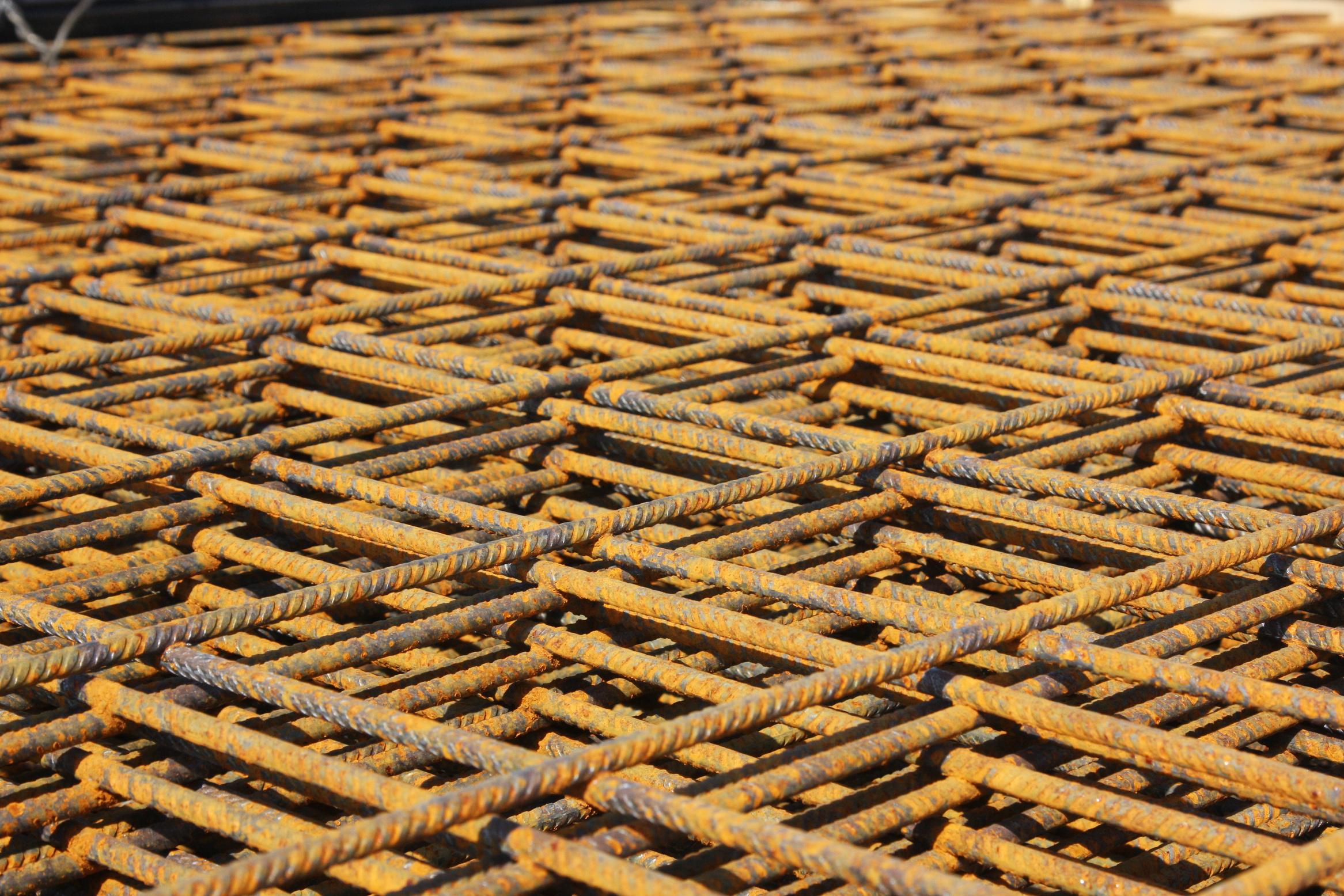
Builders’ merchant Jewsons has been fined after a tonne of iron mesh sheets fell onto two of its workers, leaving one with life-changing injuries. Three workers were involved in using a forklift to unload 20 steel mesh sheets that had been delivered. The forks of the truck went into the mesh sheets but, as it lifted them and reversed, a few sheets got caught at the back. Two of the men, the delivery driver and yard man, walked behind the sheets to help free the tangled mesh but, as they did, the forks dropped and the load fell onto the two men. The weight of the load was approximately one tonne.
Although the delivery driver escaped with a glancing blow, the yard man was trapped underneath the sheets, which crushed his legs and caused multiple fractures including one foot and ankle that were almost completely shattered. The worker has since undergone five operations, remains in a wheelchair and the chances of him working again are limited.
The company pleaded guilty to breaching Section 2(1) of the Health & Safety at Work etc. Act 1974 and was fined £600,000 reduced to £400,000 for an early guilty plea and ordered to pay costs of £23,094.
A civil engineering firm was fined after a missing seven year old child was found dead by workers on a construction site. He had become trapped in a drainage pipe and suffocated.
The safety watchdog found that there was insufficient fencing in place to prevent unauthorised persons from accessing the construction site due to a combination of poor planning, management and monitoring of the site and its perimeter.
The company admitted breaching Regulation 13(4)(b) of the Construction (Design & Management) Regulations and Section 3(1) of the Health & Safety at Work etc. Act 1974 and was fined £600,000 and ordered to pay costs of £42,952.

In parallel to construction sites, the dangers to children of gaining access to farm and estate yards and buildings and treating them like playgrounds is an ongoing problem which must be addressed. The industry must ensure children are not exposed to the inherent risks they present to prevent tragedies such as the one above occurring.
If you would like to discuss any topics raised in this issue of the Health & Safety Bulletin, do not hesitate to contact our Healthy & Safety Guidance expert.

ROBERTGAZELY PARTNER|SAFFRONWALDEN
robert.gazely@ceresrural.co.uk 07592 041 617