Cotality Realestate.com.au e DITO r I a L e NQ u I r I e S
Century 21 Australia (02) 8295 0600 a DV er TISING e NQ u I r I e S
Century 21 Australia (02) 8295 0600
DISCL a IM er
We have in preparing this information used our best endeavours to ensure that the information contained therein is true and accurate, but accept no responsibility and disclaim all liability in respect of any errors, inaccuracies or misstatements contained herein. Prospective buyers and sellers should make their own enquiries to verify the information contained herein. All information contained in the CENTURY 21 Australia Pty Ltd website is provided as a convenience to clients. All links to property prices displayed on the website are current at the time of issue, but may change at any time and are subject to availability.
For more information on our Privacy Policy please refer to: www.century21.com.au/privacy
H O u SING Va L ue S u P IN J a N uary
D e SPIT e a FFO r Dab ILIT y ST ra IN BY COTALITY
Australian home values rose by 0.8% in January according to Cotality’s Home Value Index, a subtle acceleration from the 0.6% increase recorded in December. While every capital city and broad rest of state region recorded an increase in home values through the month, the start of the year returned a mixed result.
Sydney and Melbourne are weighing on the headline numbers , recording a 0.2% and 0.1% increase respectively in January; a marginal pickup following the slight falls recorded in December. Both markets have values slightly down on their peak levels, with Sydney -0.1% below the November 2025 peak and Melbourne values remaining 0.7% lower than record highs recorded in March 2022.
The mid-sized capitals have continued their solid growth run, however some momentum has left the upswing in these cities as well. Perth values were 2.0% higher in January, the strongest gain across the capitals, but well below the cyclical high of 2.9% MoM growth recorded in November last year. Similarly, Brisbane’s monthly gain has slowed from 2.0% in October last year to 1.6% in January, and Adelaide’s monthly increase
dropped back to 1.2% from a 1.8% rise in December.
Tim Lawless, Cotality’s research director, noted the market’s resilience, but suggests further momentum is likely to leave the market. “Despite the most unaffordable conditions on record in many cities, along with a rebound in cost of living pressures and prospect of a rate hike as early as this Tuesday, we are still seeing a broad-based rise in housing values,” he said.
“The ongoing capital gains reflect persistently low inventory in the face of above average housing demand, however we are likely to see demand side pressures gradually ease in 2026.”
“Affordability and serviceability constraints are likely to naturally dampen demand, but also renewed cost of living pressures and a strong
chance that interest rates will rise. There is also slowing population growth to consider.”
Cotality estimates the number of homes advertised for sale was 19% below levels at the same time last year, and 25% below the five-year average for this time of year. At the same time, the rolling quarterly number of home sales was estimated to be 2.7% higher than a year ago and only 1.8% below the five-year average.
Digging a little deeper, most cities are continuing to see homes at the lower end of the value spectrum supporting growth , especially for houses. Across the combined capitals, lower quartile house values were up 1.3% in January compared with a 0.3% rise across the upper quartile.
“This trend of stronger growth conditions at lower price points is
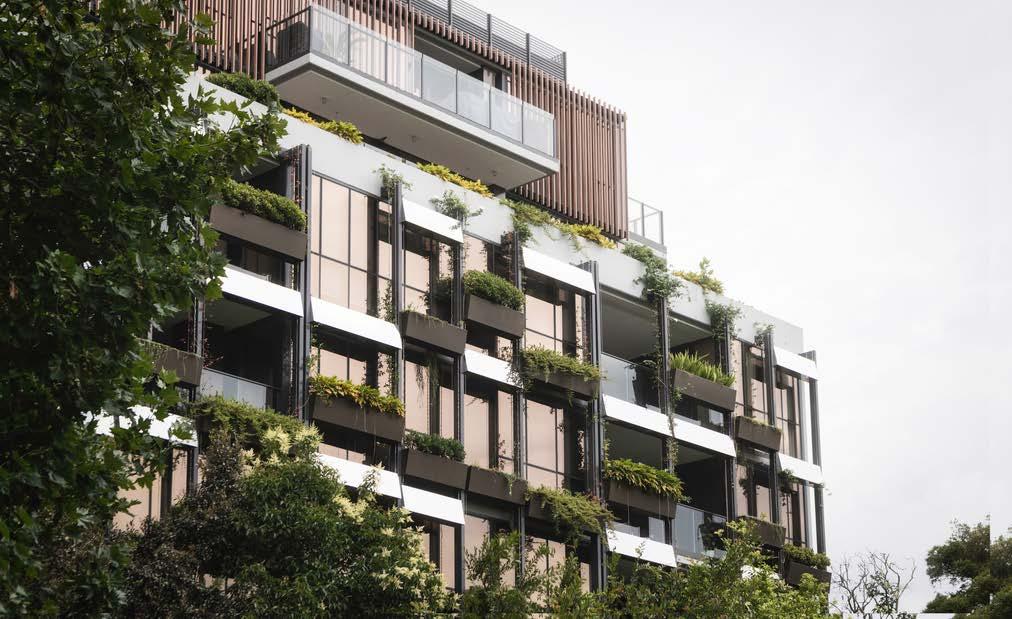
Image: Cotality
supported by intense competition for more affordable houses,” said Mr Lawless.
“This is where first home buyers, investors and, progressively, mainstream demand is most concentrated.”
Regional markets have delivered a stronger growth outcome , with the combined regionals index up 1.0% in January compared with a 0.7% rise across the combined capitals.
Read the full report
bu DG e T C a N
K e yO u WITH DI y Pa INTING
From refreshes to whole-home transformations, here’s what you can achieve with a DIY paint job – whether you’ve got $200 or $2000 to spend.
When it comes to affordable home improvements, painting remains one of the quickest and most effective ways to bring a space to life.
Whether you’re planning a weekend project or a top-to-bottom revamp, knowing exactly how far your budget will take you is key.
We’ve broken down what’s possible at four different spend levels – $200, $500, $1000 and $2000 – so you can plan your next project with clarity.
$200 – SMALL SPACE, bIG IMPACT
According to Haymes Paint senior product manager Murray Tocchet, even the smallest of budgets can make a noticeable difference.
“It’s possible to achieve a great deal with even a small investment in time and money,” Mr Tocchet said.
At this price point, you could recoat a single feature wall, refresh an entryway, or give a narrow hallway a lift.
For compact rooms, light pastels or neutrals can help open them up, while avoiding stark white, which can feel sterile.
If you w ant a bold statement, try colour drenching – painting walls, trims and ceilings in the same striking shade to create depth and blur the boundaries of the space.
$500 – REFRESH HIGH-TRAFFIC ZONES
With $500, you can focus on the rooms you use most, such as the living area, or update several bedrooms. This budget also stretches to smaller but high use spaces like the kitchen or bathroom.
Adding personality through colour is an easy way to elevate a room’s feel. The Haymes Paint Colours of Australia palette, inspired by local landscapes, offers combinations that work seamlessly together.
“Each colour has been meticulously chosen to work together cohesively,” Haymes Paint colour lead Rachel Lacy said.
Think coastal greens and sandy hues in Victoria, moody winter blues in NSW, or warm sunset tones for Queenslanders.
$1000 – THE WHOLE INTERIOR
With around $1000, you can repaint the entire interior of an average-sized three-bedroom home. This budget allows you to choose a consistent palette for flow, while experimenting with feature walls for added interest.
Preparation matters – cleaning surfaces, priming where needed, and ensuring crisp lines will elevate the final result and make it last longer.
$2000 – INSIDE AND OUT
At this level, your budget extends to exterior projects. You could refresh trims or undertake a full facade repaint if your home needs a bigger lift.
For exterior work, choose paints designed for the Australian climate, and don’t cut corners on preparation – it’s the step that ensures a professional-looking finish and lasting protection.
Vivien Topalovic Property Journalist 11 Dec 2025, 3:54pm Realestate.com.au
If you’re looking to sell, don’t just be visible, be unmissable, with a Luxe listing on realestate.com.au. With exclusive features to help you showcase your property, you’ll stand out in front of the largest possible audience. Ask your agent to elevate your home with a Luxe listing on realestate.com.au.
Australia’s #1 address in property.
T H e HO u S e
TH aT HOLDS yO u : D e SIGNING
FO r e MOTION a L
S a F e T y aT HOM e
Home is more than walls and windows. Discover how to design a space that feels secure, grounded and emotionally safe, no matter what life looks like outside.
HOME IS WHERE YOU FEEL MOST LIKE YOURSELF
While we often focus on looks, the feeling of a home plays a powerful role in how we function day to day. Your home holds space for you to be yourself, rest, feel safe and process life’s noise.
Designing for emotional safety can be done through small, thoughtful choices that support calm, comfort and a sense of belonging. Here is how to bring more of that into the space you already live in.
START WITH WHAT CALMS YOU
Everyone’s version of calm is different. For some, it is soft lighting and warm textures. For others, it is open windows, minimal furniture and natural flow. The key is to recognise what makes you feel at ease and build around that.
Tip: Reflect on the last time you felt completely at peace at home. What was the room like? What time of day was it? Try to recreate the atmosphere of that moment.
DESIGN WITH SOFT EDGES AND FLOW
Harsh corners, overfilled rooms or narrow walkways can add a sense of restriction. Instead, create smoother pathways through your home and break up straight lines with soft furnishings like curved cushions, rugs or layered throws.
Tip: Clear space around entryways and high-traffic zones. Even one metre of clean floor can dramatically shift the energy of a room.
USE LIGHTING TO SIGNAL SAFETY
The way a space is lit can signal whether we are on alert or able to rest. Cooler lighting tends to energise. Warm, lower lighting tells the body it is time to unwind. Natural light also plays a major role in regulating our emotional state.
Tip: Add a lamp or light with a dimmer switch in your bedroom or living room. Use it after sunset to encourage a gentler transition to the evening.
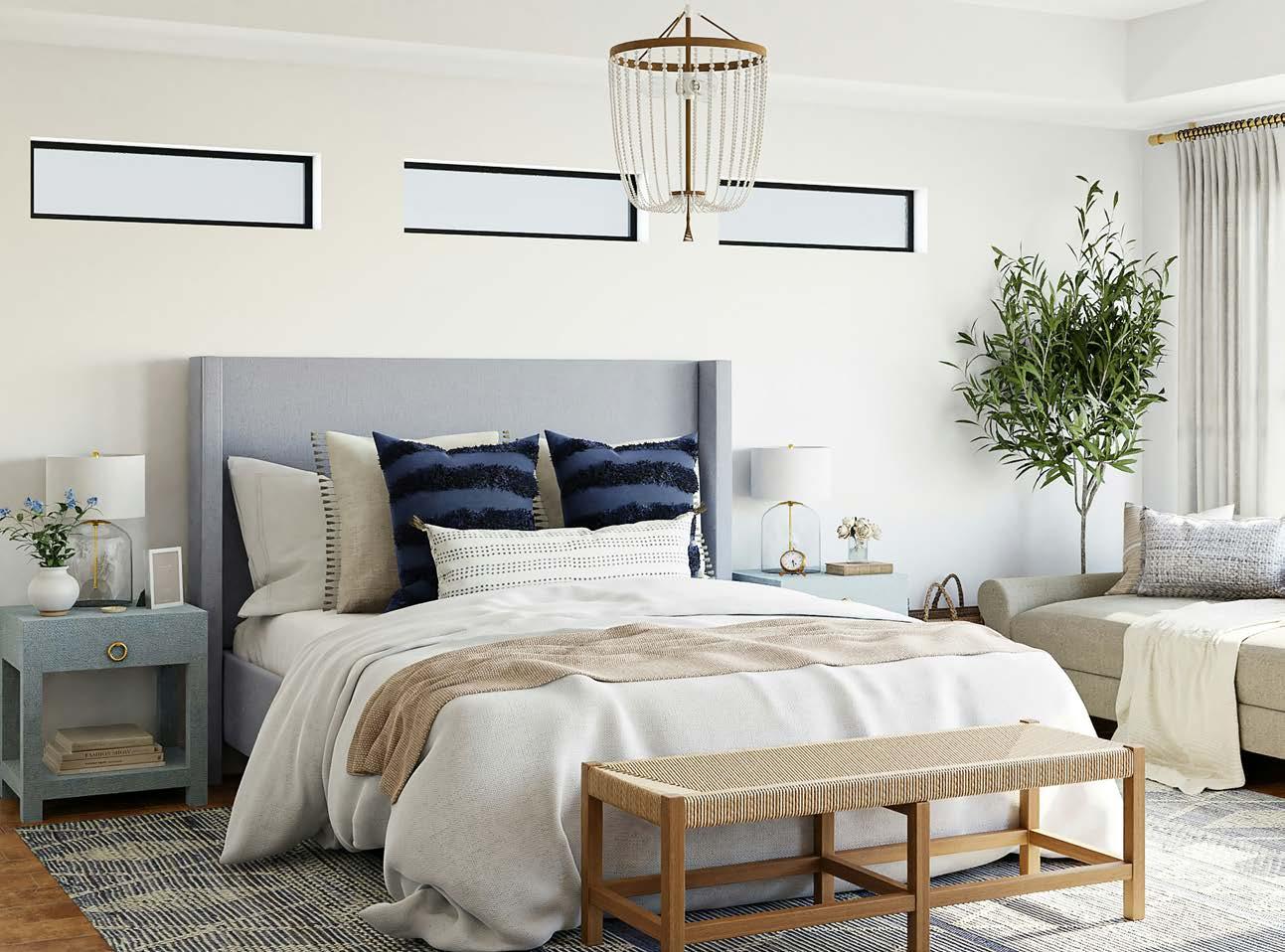
Image: Spacejoy on Unsplash
Image: Clay Banks on Unsplash
CREATE A PRIVATE RETREAT ZONE
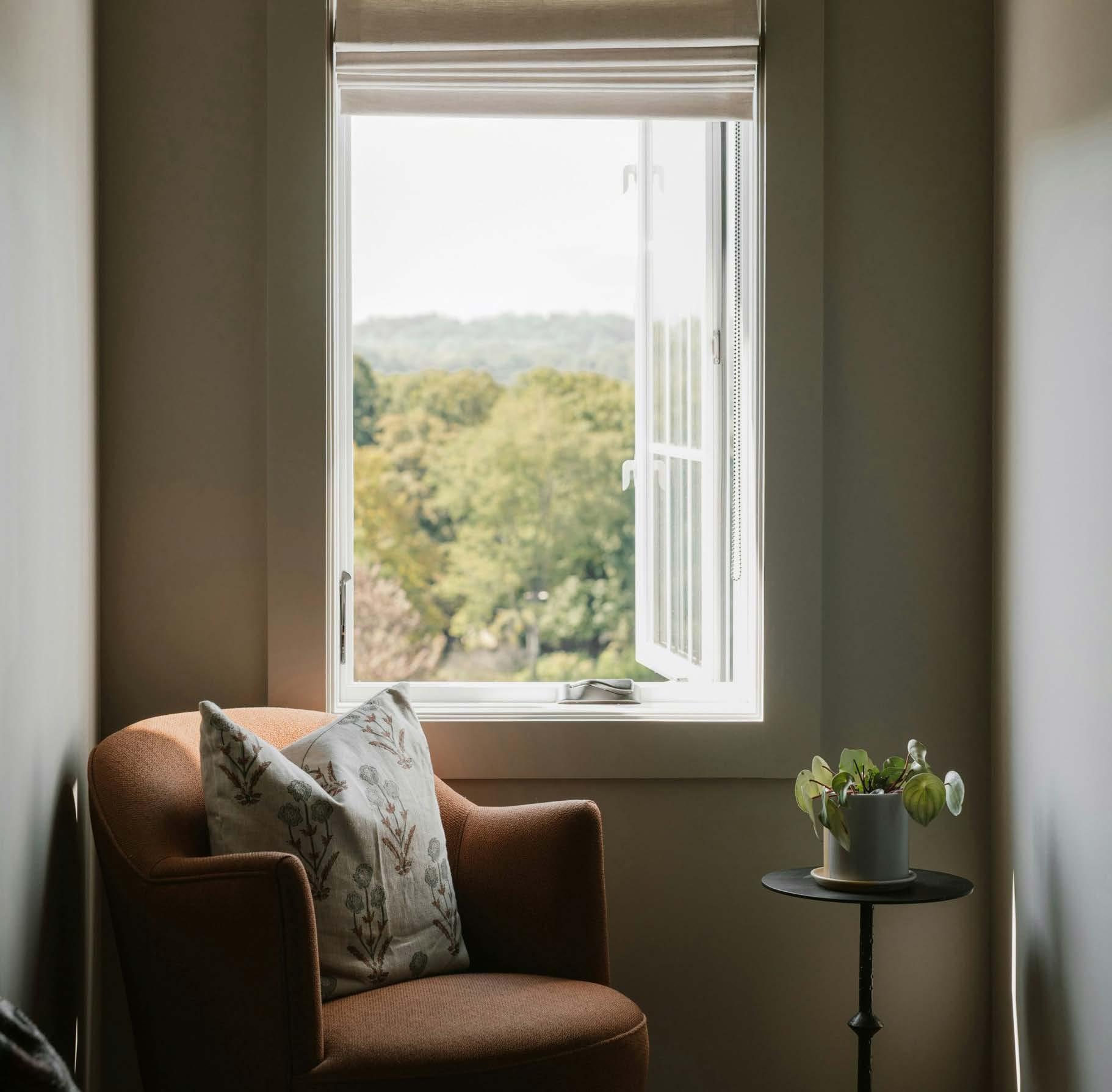
Everyone needs a place to reset, even in a busy household. It does not need to be a whole room. A chair in a corner, a soft mat by a window or a space where you can close a door is enough. Emotional safety often starts with having permission to be alone when needed.
Tip: Name your space. When you call it your quiet corner or wind-down spot, it builds emotional association and makes it easier to retreat when needed.
ADD TEXTURE THAT GROUNDS YOU
Touch is one of the fastest ways to regulate the nervous system. Think soft knits, natural timbers, linen bedding or smooth ceramics. These tactile elements subtly remind the body it is safe and at home.
Tip: Place textured objects where you naturally rest your hands, such as the arm of a couch, the edge of a table or your bedside
A HOME THAT FEELS LIKE A HUG
You do not need to start from scratch to feel more grounded at home. Emotional safety comes from layering small design choices that support how you want to feel. A space that welcomes you back after a long day. A place where your shoulders drop. A home that gently holds you while the world keeps moving.
Image: Clay Banks on Unsplash
C e NT ury 21 P r IM e VISTa : ST re NGTH e NING S er VIC e IN Sy DN ey ’S NO
TH W e ST
Century 21 Australasia is proud to announce the official launch of Century 21 Prime Vista, led by respected real estate professional Hema Bhatu, who brings more than a decade of industry experience to the Hills District and Western Sydney markets.
Strategically positioned in the heart of the Norwest business precinct at 2/1 Maitland Place, Norwest NSW 2153, the new office will service some of Sydney's fastest-growing and highest-demand suburbs, in and around the Norwest area.
Over the last decade, North West Sydney has transformed into a series of vibrant urban hubs and commercial districts following the completion of the $8 billion North West Rail Link. This activity has led to strong property price growth and heightened demand for new housing.
Century 21 Prime Vista Principal, Hema Bhatu said that her team were excited by the prospects of the new business with service being at the centre of everything they do.
�Our vision for Century 21 Prime Vista is to create a service-driven identity that puts clients first. We are committed to transparency, personalised guidance and delivering an elevated property
experience at every stage of the property transaction process. We joined Century 21 because we wanted to align with a trusted, reputable network offering strong support, proven systems and a powerful platform for growth. It's the ideal brand to help us deliver the level of service our clients deserve.�
The Chairman and Owner of Century 21 Australasia, Charles Tarbey welcomed Mrs Bhatu to the global Century 21 family and expects her team to make a large impact in this fast-growing region.
�Anyone who has driven on Windsor Road heading west can testify to the tremendous amount of change and construction through the region. New housing suburbs, transport infrastructure, shopping centres and large apartment complexes are just some of the changes one sees.
�The North West region of Sydney has been one of the strongest property markets in the country
over the last decade and I believe its prospects for the future are extremely bright.”
�Century 21 Prime Vista's central location combined with its experienced team bode well for the business to flourish within this high activity area and the global Century 21 network,� said Charles Tarbey.
Century 21 is a global real estate leader with nearly 130,000 independent sales professionals across 79 countries, and the largest residential real estate network in the Asia-Pacific region.