Asthe most fertile and genetically-superior animals on the farm, heifers play a crucial role in influencing net-farm income. Not only is raising replacement heifers among the top expenses on a dairy, but data shows there are significant opportunities to enhance heifer non-completion rates (heifers born alive but don’t make it to the milking herd), pregnancy rates, and more. This publication focuses on heifer management and explores ways you can “get more" from your heifer program.
According to the CentralStar team, key areas offering significant improvement opportunities include calf-health, inventory-management, genetic-strategy, and reproductive efficiency. Research indicates eliminating health issues from birth results in higher production and longer-herd retention. Records Analysis Consultant Kelly Sporer emphasizes what she experiences first-hand with the long-term benefits of early calf-health practices.
With record-high replacement and beef-on-dairy prices, you may be reconsidering genetic strategy. Genetic and Reproductive Consultant Tom Brown uses a recent experience that will help you answer if a sexed- and beef-semen strategy is profitable for you.
Reproductive failure is the second-leading cause of heifer loss, incurring significant rearing costs that outweigh the salvage value. Records Analysis Consultant Laura Styczynski illustrates how three herds transformed heifer reproduction. While it
starts with a pregnancy, confirmation is equally as important to reproductive success. Customer Solutions Advisor Michelle Kaufmann shares common confirmation-program challenges, and two producers share the advantages of blood-pregnancy testing. Additionally, eight CentralStar team members offer insight on the greatest heifer opportunities they encounter most often.
Establishing and reviewing benchmarks is important to evaluate the performance and potential of your heifer program. Target benchmarks of where and how your heifer herd should be performing today are included inside these pages. These reproduction goals should be attainable in the short term on the way to achieving the “gold standards” established by the Dairy Calf & Heifer Association (DCHA).
If you find yourself far from these benchmarks, don't be discouraged, the CentralStar team can help establish plans and goals for more-attainable first steps.
Kelly Sporer, Ph.D., CentralStar Records Analysis Consultant

Thefirst day, week, and month of a calf's life are critical in determining their future productivity and health. Research has repeatedly shown when calves face health challenges early in life, there are long-lasting effects on reproduction and production.
Over the past two and a half years, I have worked closely with a Michigan dairy that has had a long-standing relationship with CentralStar using Select Sires genetics. Despite impressive milk production and quality in this herd, we identified concerns around heifer age at first service. Looking at the data (Chart A), the age was too spread out, and there was a greater proportion of heifers bred at 15-16 months of age than desired. Digging into the data, we learned these animals experienced early-life health issues such as scours and respiratory infections, often occurring within the first one to two weeks of life.
Once the source of the problem was identified, several changes were implemented including improvements to the heifer-nutrition program, and the addition of calf-health products to improve gut health and immunity. Additionally, the farm put additional focus on equipment sanitation and increased the frequency of calf-health checks. These measures aimed to reduce the health issues that were delaying the heifers' readiness for their first breeding.
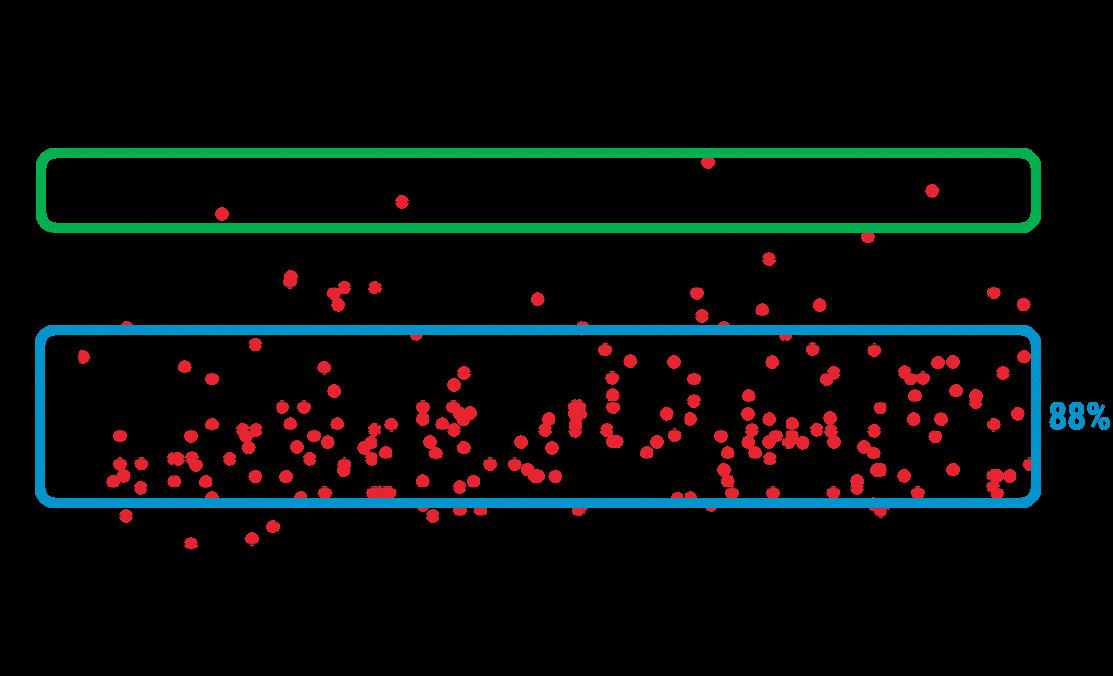
Since implementing improvements, including efforts focused on breeding strategy and inventory management, the results have been remarkable (Chart B). The percentage of heifers receiving their first service within the optimal 30-day window increased from 65% to 88%. This improvement directly correlates with fewer heifers experiencing health setbacks in their early days. Moreover, our data shows that heifers bred within this 30-day window had a 71% first-service-conception rate, significantly higher than those bred later.

Further analysis revealed that when the age at first service is more spread out, so is the age at first calving, negatively impacting productive life and longevity in the herd. Today, most of the heifers calve at 23 months, which has proven to be the sweet spot for maximizing energy-corrected-milk production and overall profitability on dairies I work with. Both heifers calving in earlier than 23 months and later than 23 months incur additional feed costs without sufficient milk yield to justify the expense (Table 1).
To quantify this, I used a calculator developed by CentralStar Regional Consulting Manager Emily Middleton-Gyomory that compares the cost of extra days on feed compared to milk income. In this instance, it showed that heifers that calved after 23 months of age were not producing enough milk to cover the extra costs, leading to financial losses for the farm.
This real-farm example underscores the critical importance of early-life management. By reducing or eliminating health incidences in the first month of life, we can significantly improve heifer-reproductive efficiency, decrease non-completion rates, and enhance overall herd productivity and profitability. Focusing on early calfhood health and management can transform their future productivity, proving that day one, week one, and month one truly matters.
To learn more on this topic, scan the QR code for my presentation during the Michigan State University Extension Heifer Management Webinar Series. If you would like help on your farm, reach out to me at kelly.sporer@mycentralstar.com or talk with your local CentralStar Consultant.
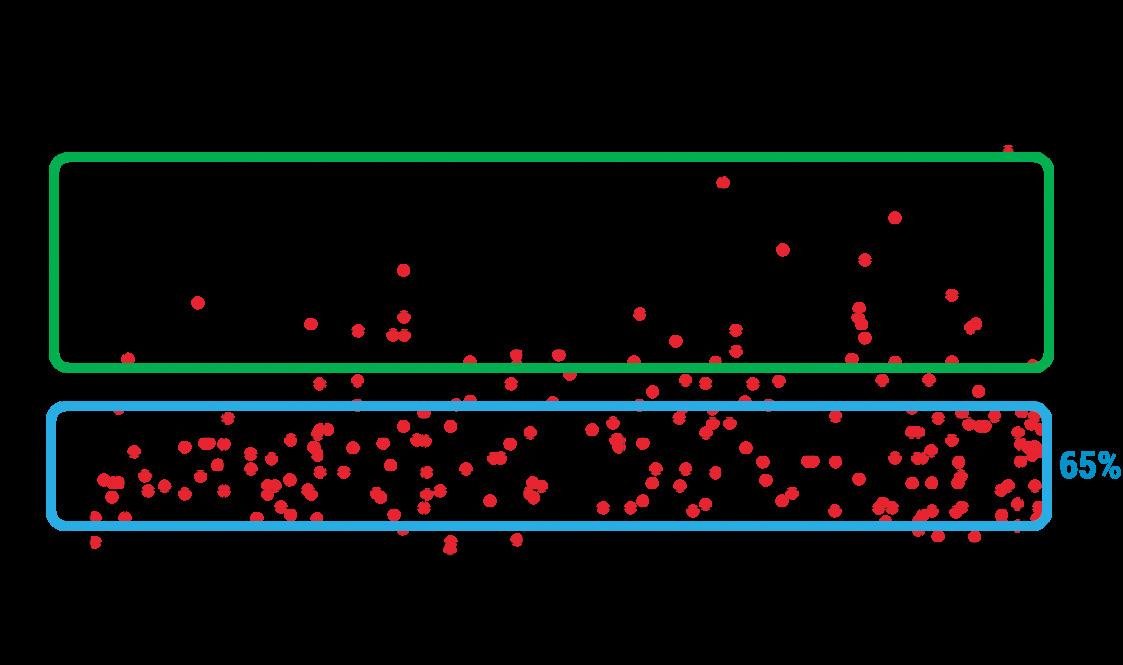
Due to improvements in early calf health, right-sizing inventory, and fine-tuning details, this herd has reduced its breeding window by one month and increased the number of heifers receiving their first service within 15 months by 23%.
"We joined the NxGEN program because we wanted better genetics faster, and to use the absolute best genetics to move our herd forward."
Jarrod Kollwelter
Gain access to our most elite genetics and maximize your herd's genetic gain by joining the NxGEN program!
Our current lineup provides chart-topping sires with diverse pedigrees and well-balanced profiles.
Laura Styczynski, CentralStar Records Analysis Consultant

Despite the importance of efficient heifer reproduction, many farms still have room to enhance their breeding programs. As a Records Analysis Consultant, I work with a diverse range of dairies, each with its own unique challenges. However, one constant remains: Integrating CowManager® into heifer-reproduction programs consistently leads to significant improvements in performance and efficiency.
Three herds that vary in size (250 – 1,300 cows) and management have all successfully implemented CowManager in their heifers. At Wolf Farms LLC in Bonduel, Wis., heifers are housed “out of sight”, meaning they seldom got the attention they deserve. Since tagging heifers with CowManager 12 months ago, they have eliminated the need to watch for heats or walk and chalk, saving time and labor.
Using 50% sexed-semen on heifers, the dairy has increased conception rate to 61% and has continued to improve heifer non-completion rate (heifers that are born alive but don’t make it to the milking herd), reducing it by 2% in just 12 months. With accurate heat alerts, owner Allan Wolf said, “We are getting the best conception rates ever with next-to-no shots (synchronization). CowManager has changed the way we farm.”
Another recent success story comes from Allen Vande Hei in Seymour, Wis. Heifers are raised off-site for this 1,300-cow dairy. CowManager was installed 12 months ago. Using the CowManager mobile app, CentralStar A.I. Specialist Zach Clayton can identify heats more efficiently, resulting in fewer animals being locked up for breeding and for a shorter period. Being able to view the
most up-to-date repro. status, including voluntary-waiting period (VWP), irregular heats, etc., for each animal has contributed to a 10% increase in conception since installation, which has led to an increased pregnancy rate, while reducing non-completion rate.
At Hedrich Rivers Bend Dairy in Hilbert, Wis., all 600+ cows and heifers are tagged with CowManager. With limited labor and a large cropping operation, the decision was made to add CowManager three years ago so they could monitor heat and health of the herd when they weren’t physically present. Once heifers were tagged with CowManager, it eliminated the need for CentralStar
A.I. Specialist Garret Carnahan to “walk and chalk” heifers, and significantly reduced the use and costs of synchronization. Currently the heifer herd has a 73% submission rate and 50% conception rate. Implementing CowManager has made their breeding program much more efficient, using less semen to create the proper number of heifer-calves each month.
These examples are consistent with the type of improvements we see across the country in heifer programs when CowManager is installed. CowManager provides a host of benefits including, 24/7 monitoring, reduced labor, reduced costs, and increased reproductive outcomes. To learn more about the return on investment when adding CowManager to your heifer program, talk with your CentralStar team.
Tom Brown, CentralStar Genetic and Reproductive Consultant

Dairy producers often ask if their farms can maintain reproductive success while using a sexed- and beef-semen strategy. Given the current beef-on-dairy calf prices, this question has become a hot topic. As a Reproductive Consultant, I aim to balance the number of dairy replacements while trying to maximize producer profits. When I’m asked this question, my short answer varies between "yes" or "not quite yet," as it is a delicate balance to achieving good reproduction rates while increasing revenue through the beef-ondairy market. I firmly believe it requires a very good reproduction protocol along with an A.I. Specialist or in-house breeder that has exceptional communication.
Given the frequent inquiries I’ve received, let's explore a recent request for a sexed- and beef-semen strategy. After in-depth discussions with CentralStar team members and a fresh backup of herd data, I used the Genetic-Strategy Calculator to create an all-sexed NxGEN® and beef-semen strategy for the producer. I considered the total cost of semen and arm service over the past 12 months, along with the total number of sexed, conventional, and beef units used during the same time. Comparing the past yearly
total with the proposed strategy, I first found an increase of $3,000 in semen and reproduction costs.
Armed with this information, I met with the producer so we could discuss the strategy in detail. Using the data, he calculated the potential revenue from the proposed strategy using four different price scenarios: his highest recent calf price, the lowest price he has received, and two intermediate prices. At each price point, the return on investment would be achieved if beef calves consistently fetched $35 more than Holstein bull calves. That’s something I would bet on any day! With a potential increase of $50,000 in revenue, despite the $3,000 rise in reproduction costs, the opportunity was compelling.
Seeing an opportunity to be more profitable, he asked: "Tom, should I do this?" I reminded him that successful implementation would require regular tracking using his dairy-management data. I also suggested waiting until fall, after the heat-stress period, to start the strategy. He agreed to the implementation strategy, and no matter the outcome, it was a road worth pursuing.
If you are unsure on if a beef- and sexed-dairy-semen strategy is a profitable move for your dairy, contact your CentralStar team.
Beef sire selection for your dairy herd is just as important as the attention you put into selecting dairy sires for your next generation. Just like you wouldn’t use a high-type specialty sire if your goal is milk production; you shouldn’t use “something cheap and black” for beef-on-dairy matings. For the farm above, we prioritized calving ease and fertility when selecting beef sires for use on heifers. Other farms I work with look at additional traits like Rib Eye Area (REA), and others rely on ProfitSOURCE® sires as they are designed to meet fertility and calving-ease expectations, as well as offering different profiles for growth and carcass traits desired by beef supply chain partners.
Wherever and however you market beef-on-dairy cattle, selecting superior genetics using traits that align with the preferences of your buyers is critical. Using this approach lets you meet market demand and enhances the overall value and profitability of these animals. If you aren’t familiar with the ProfitSOURCE program or sires, talk with your CentralStar team to make more informed decisions.



"When it comes to raising profitable replacement heifers, the most important time is day one. Getting a large volume of high-quality colostrum into the calf will go a long way to getting that calf through the first month healthy. A dry, clean environment is critical. The next challenge is the transition from milk to solid feed and potentially individual housing to group housing. Monitor growth in order to evaluate that aggressive growth continues during this phase. Poor-doing heifers should be culled at all stages. Cutting losses early will save dollars. Healthchallenged cattle will not be profitable.
There should be a specific plan to get heifers bred in a timely manner. Either synchronize heifers to start the process at a specific age or size or give a designated period for natural-heat detection and synchronize any heifer not showing heat after a few weeks. Getting heifers initially bred in a timely manner and having regular pregnancy checks will keep most heifers from getting too old. Old heifers cost too much to raise and don’t return as much in lifetime profitability."
Dave Sattler, Team Leader

"The easiest and most beneficial opportunity with heifers is to increase palpation rate, which is a direct effect of increasing detection rate. With increased heat-detection rate, hormone and CIDR® usage is minimized by catching more animals in natural heat. Putting sensors (CowManager) in heifers one month prior to the voluntary-waiting period (VWP) gives dairies a chance to identify cycling and non-cycling animals and plot the data. Therefore, when heifers reach the VWP, there is reliable information to accurately identify heats, to make more effective decisions on when to inseminate. This is particularly important when using sexed-semen."
Scott Hecker, Reproductive and CowManager Specialist

"The greatest opportunity I see is in getting calves started off right. This may include sanitation in the maternity areas, colostrum management, and the use of products like First Day Formula® CR Deluxe colostrum replacer or a direct-fed microbial like CONVERT™, Tri-Start Jr+, and others. Getting calves started off right ensures they’re ready when they reach the breeding pens and when they freshen and enter the milking herd."
Darrin Stein, A.I. Specialist

"With the continued rising cost of replacements, I believe the greatest opportunity with heifers is to zone in on the best VWP for the dairy. Look at the records and walk the pens to really understand what’s happening. Are heifers well-grown and healthy? Is it taking more than one service to conceive? When reproduction struggles, I call one of our (CentralStar Dairy Records Analyst) Consultants and ask them to dig into the data and help identify the challenges and what needs to change to get better results. The more efficiently a farm gets heifers pregnant, the more profitable they will be."
Deanna Pleiman, A.I. Specialist

"I think opportunity heifers genetically animals through and then breeding for that producer’s goals. producers use great genetics skip this step on heifers and/or labor. Those genetic advancement leaving money on Matt Staner, and CowManager

"The greatest opportunity in herd sustainability is the genetic value of heifers. Through genetics, dairies can change their herd makeup to meet their needs, whether for health and fitness, production, or other characteristics. The secondgreatest opportunity is to strategically manage the heifer inventory to create replacements, as well as replacements to sell, given the dairy has room and feed to do it. Additionally, dairies can capitalize on the value of crossbred beef-on-dairy calves, now."
Rex Reinholt, Area Sales Manager

"Due to the importance of profit potential within the youngest members of dairy herds, I would say the greatest opportunities with heifers starts at the beginning, which is the planning phase. Using CentralStar’s genetic-consulting staff to determine the number of progeny needed offers the best return-on-investment for dollars and time. Whether the goal is herd expansion or maintenance, dairies can maximize the value of every retained heifer and sold-wet calf."
Jordan Freund, Team Leader
think the biggest opportunity with heifers is identifying genetically superior genomic testing, them to the best bulls goals. I sometimes see genetics on their cows but heifers due to lack of facilities Those farms are slowing advancement in their herds and on the table."
Genetic Consultant
CowManager Specialist
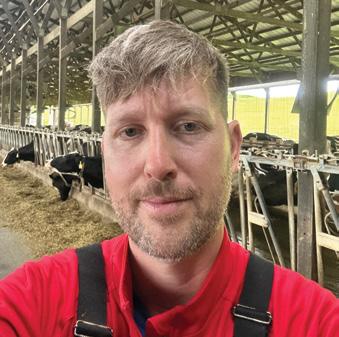
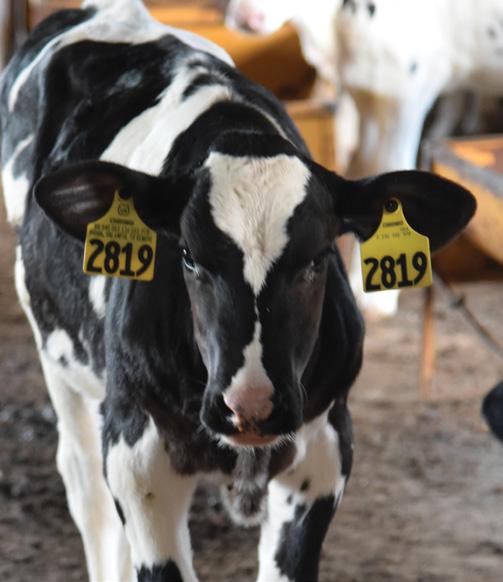
"Lifetime production and profitability are influenced by calf viability and health. When a calf stays healthy and makes it to the milking herd without ever being sick or challenged, the dairy is rewarded with a more profitable cow. Every dairy can benefit from taking another look at calf-raising practices and protocols to ensure the best payoff possible of their genetic investment."
Brian Pionek, A.I. Specialist
The CentralStar consulting team routinely monitors these key metrics in herds they work with and shares what they often see as the "sweet spot." Naturally, goals for your heifers should be adjusted based on management practices. When you're ready to optimize your heifer program, ask your CentralStar team to assist with a plan tailored to meet your goals.
Age at calving: 23 months
Opportunity: 90% bred within 30 days of VWP

Michelle Kaufmann, CentralStar Customer Solutions Advisor

Youmay do a good job getting heifers bred “in a timely manner” but are 90% of them pregnant within 150 days of your voluntarywaiting period (VWP)? If they are not pregnant, they are likely to land on the cull list and become another costly “non-complete” heifer.
On average, raising a heifer costs as much as $3/day, and any delay in pregnancy increases total-rearing cost, and time required to recuperate those costs after she enters the milking herd. Minimizing the number of days that elapse between your VWP and the date of conception is a crucial piece in monitoring and achieving 90% pregnant at 150 days. Without rapid identification of open heifers, this goal is hard to achieve.
Pregnancy confirmation challenges
On many farms, pregnancy confirmation is performed during routine herd-health days, typically scheduled around the cow herd. This approach has many challenges for heifers, as they are often housed in separate facilities or a different location. Herd size also influences the frequency of herd-health checks, making weekly checks impractical. As a result, heifers can become the forgotten group, with pregnancy checks happening only a few times a year, if at all. This oversight

Plan for sample-collection day, at least 28 days post-breeding.




Gather sample-collection supplies. Available at CentralStar or local farm stores.
Collect single blood sample from each animal and write ID on vial. Refrigerate until shipping.
Package samples with ice pack for shipment, including sample-submission form.

Ship via US Postal Service, UPS, or FedEx.

can lead to increased age at first calving, higher rearing costs, and elevated non-completion rates. To avoid these issues, many farms have switched to using blood-pregnancy testing for confirming pregnancies in heifers.
In 2017, Barclay Dairy in Seymour, Wis., added blood-pregnancy testing to their heifer-confirmation program. “We started using it, because we can check sooner,” shared Doug Barclay. “We pull samples at 28 days post-breeding, then the vet confirms again at 40 days. We find the blood test to be very accurate. Early-pregnancy detection has helped us improve pregnancy rates in both cows and heifers.”

For the past seven years, Travis Brantner has been confirming pregnancies in both heifers and cows using blood pregnancy tests. At his dairy in Mondovi, Wis., Travis collects blood samples and has them analyzed by CentralStar. “Since implementing this protocol, we find open heifers right away, at most 45 days post-breeding, so we can get them bred back sooner,” said Travis. “When a heifer comes back open, we use Lutalyse® and a (Eazi-Breed™) CIDR® to return them to heat. Blood-pregnancy testing works well; it’s the only way we do it for both cows and heifers. I especially like the convenience of pulling samples on my own schedule.”
Using a blood sample to confirm pregnancy in heifers offers numerous benefits:
• Early detection: Testing can be performed as early as 28 days post-breeding, allowing you to quickly rebreed open animals, so they calve as close to the target age as possible.
• Flexibility: Collect and ship samples at your convenience—no appointment needed.
• Accuracy: The test is 98% accurate, comparable to traditional methods.
• Quick turnaround: Results within 24 hours of sample receipt allows for quick decisions regarding open animals.
Optimizing results
The age a heifer gives birth to her first calf has a major impact on her productive life within the herd. Calf health and breeding efficiencies play a significant role in determining that age. Identifying and rebreeding open heifers in a timely manner is crucial to maintaining the optimal age at first calving.
If your program does not yet achieve 90% confirmed pregnant within 150 days of your VWP, it’s time to reassess your approach. Along with increasing the frequency of pregnancy checks to weekly, there may be other areas to fine-tune, in turn helping to achieve that goal. Talk with your CentralStar team for assistance.
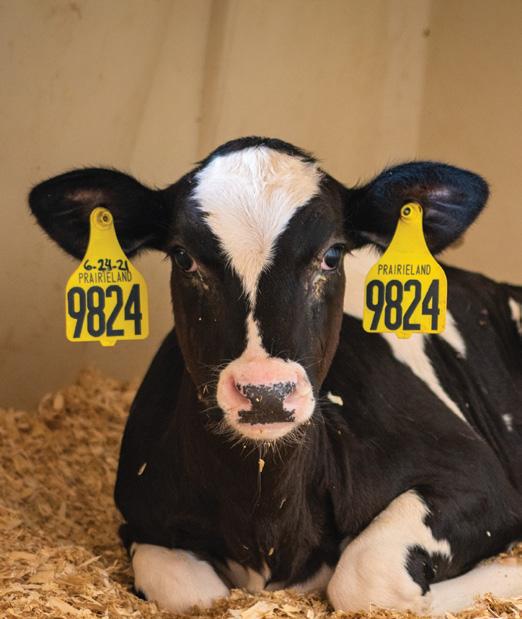
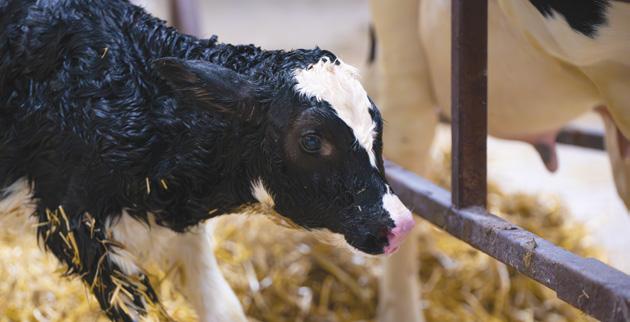
Provide support against the constant barrage of environment challenges your heifers face with solutions that address the light(l), moderate (l), and heavy (l) challenges.
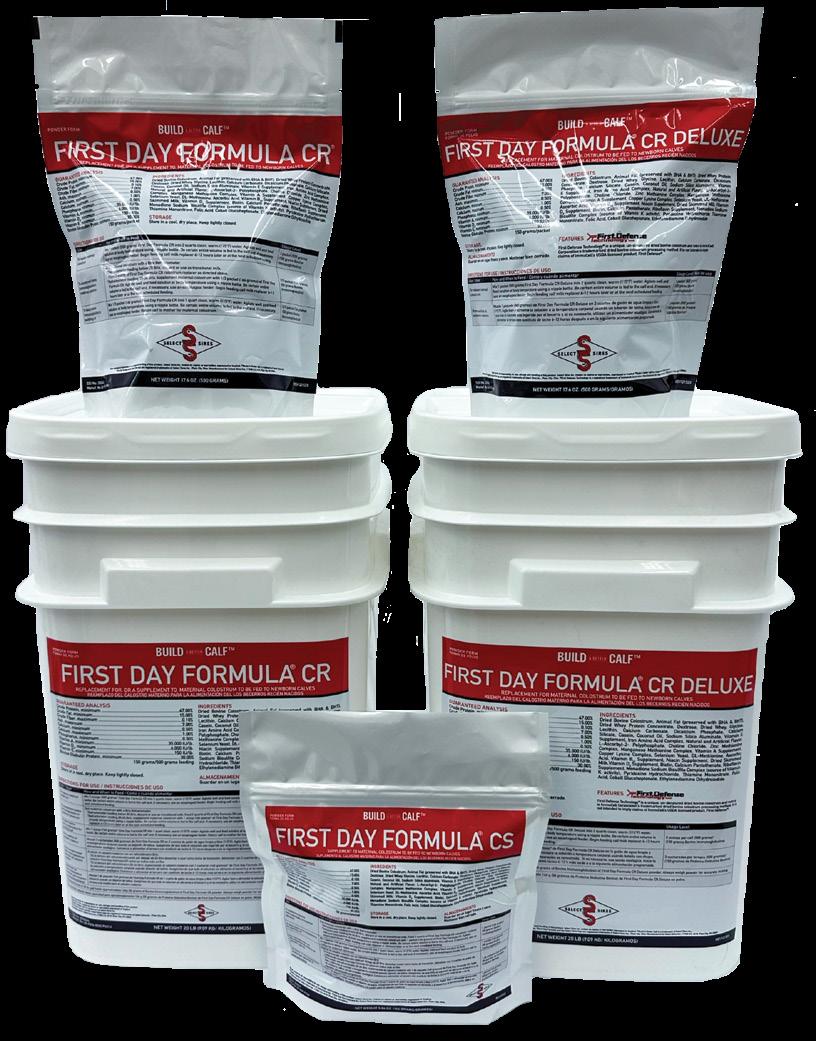
Fortified with essential vitamins and chelated trace minerals. High-qualitywhey-protein concentrate from select Grade A dairies, free of organisms causing colostrum-transmissible diseases, like Johne’s disease. Each dose contains 150 IgG. CR Deluxe includes First Defense Technology™.
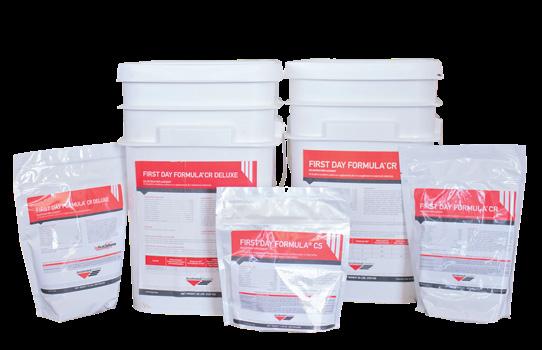
A0043 - CR (replacer or supplement) 500gram
A0044 - CR (replacer or supplement) 20lb
A0045 - CR Deluxe (replacer) 500gram
A0046 - CR Deluxe (replacer) 20lb
$39.25
$655.00
$46.25
$780.00
A0047 - CS (supplement) 200gram $16.95
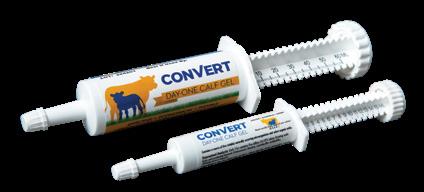
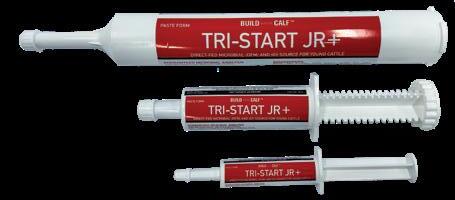
Contains beneficial bacteria and egg-based specialized proteins which assist in the reduction of scour-causing organisms by altering their growth environment. Antibiotic-free. Use at birth or when calves are lethargic, not eating, or doing poorly. Also available as a bolus.
AC9057 - Single Dose 15cc
AC9006 - Multi Dose 60cc
$7.50
A direct-fed microbial bolus that benefits both the rumen and intestinal tract of calves. Each capsule has a guaranteed viable (live) count of 20 billion colony forming units (CFU) of naturally occurring microorganisms. Helps to stimulate feed intake during periods of change. Contains beneficial microbes to jump-start a calf’s stalled digestive system.
A0052 - 36ct
Dietary feed supplement that provides pure, natural essential oils that have a strong antibacterial effect to improve the natural immune system. Combines live, naturally occurring microorganisms to enhance the environment of the digestive tract. Contains nutraceuticals, intestinal bacteria, and live cell yeast; to reduce the severity and occurrence of scours.
A0051 - 36ct
Scouring dairy calves treated with antibiotics gave 1,086 lbs. less milk during their first lactation.1

A probiotic source to improve digestive microflora. Promotes the early establishment of beneficial digestive bacteria necessary for proper digestion of milk and grain. Aids in rumen development when transitioning to a dry feed. Reduces the occurrence and severity of scours and helps re-establish digestive bacteria following antibiotic treatment, illness or environmental stress.
Helps stimulate feed intake during periods of change. Contains live, viable, naturally occurring microorganisms, a shortchain fatty acid, egg protein (IgY), vitamins, and selenium. Enhances the environment of the digestive tract to activate the naturally occurring beneficial digestive microbes.
A complete electrolyte. Contains potassium and sodium to replenish electrolytes and restore proper fluid balance. Blended with glycine and citrate to improve electrolyte and water absorption. Dextrose provides nutritional energy and buffers to help minimize metabolic acidosis. Easily mixes with water.
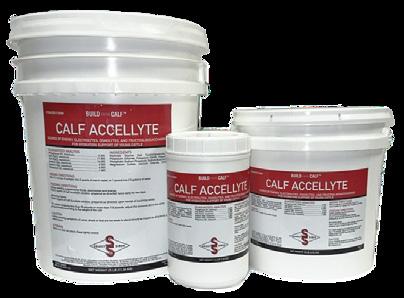

$49.00
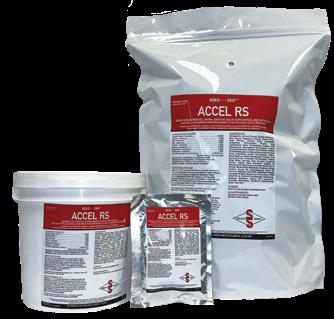
A recovery solution aiding in hydration and digestive health for calves. Contains Tri-Mic WD as a source of live, viable, naturally occurring microorganisms. Accel RS works to restore, re-energize, recolonize, and rehydrate calves.
A0596 - Single Dose 4oz
A0599 - 6lb
- 25lb

$89.50

Beneficial bacteria and egg-based specialized proteins improve nutrient absorption, restrict pathogen growth, enhance immune function, and stimulate starter-feed intake. Use from birth through weaning. Mix in milk or milk replacer.
Dairy calves treated for scours are almost three times more likely to calve after 30 months.2
Alleviates symptoms of respiratory disease and supports recovery from respiratory distress. Helps reduce irritation of the throat and suppresses coughing, stimulates appetite, and drives feed intake. Contains MannonOligosaccharides (MOS), Beta-Glucans and Nucleotides to protect against secondary pathogens.

A0040 - 4.4lb $74.00
A0041 - 22lb
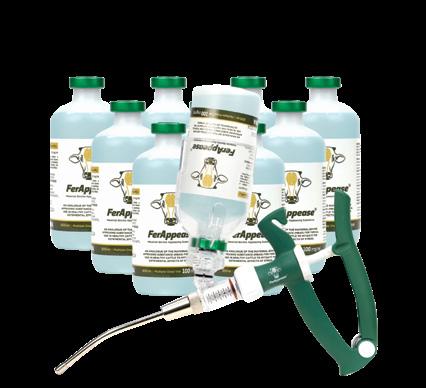
A synthetic analogue of the Maternal Bovine Appeasing Substance (MBAS). Use every time animals are exposed to stressors, where suppression of threat perception is desirable (i.e. castration, dehorning, weaning, vaccination, parturition, breeding, freshening, etc.) Topical administration to the nuchal skin and the skin above the muzzle.
AC2849 - 300mL
AC2850 - Applicator
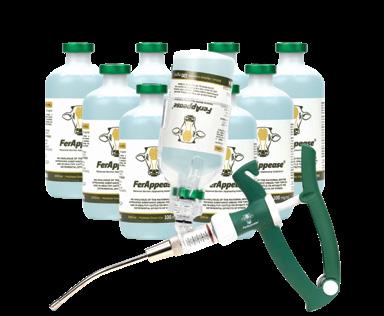
$90.00
$48.00
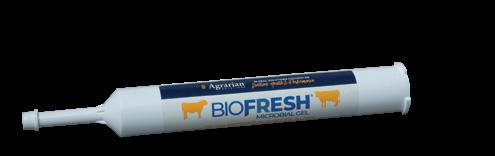
Enhances feed intake, improves ruminal fermentation, and supports immune function for dairy and beef cattle of all ages. Use at weaning, receiving, transporting, calving, off-feed, or during low-intake periods. Supplies beneficial bacteria, egg-based specialized proteins, and critical vitamins and minerals.
AC11020 - Tube 280cc
AC11022 - Gel Applicator Gun
Tri-Start Bolus
Encapsulated, highly concentrated source of rumenspecific microbes. Enhances the rumen environment to improve digestive performance and repopulate rumen microflora after periods of stress.
A0003 - 25ct
A0004 - 100ct
Tri-Mic 1:50
Contains specialized electrolytes to replace those lost during stress, minerals needed to compensate for deficiencies from reduced feed intake, and vitamins necessary for life. Use as a drench, add directly to water, or mix dry into feeds. Suitable for cows and calves.
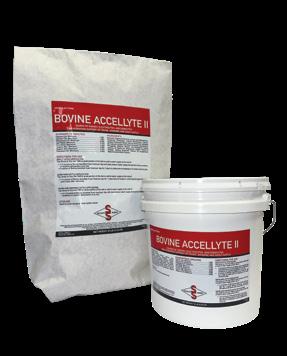
Aids in boosting immune function, digestion, and fights environmental challenges. Producers report increased estrus expression and improved feed intake. Contains two types of L-form Lactobacillus, two sources of yeast, four digestive enzymes, microbial sugars, and specialized proteins.
AC9003 - 50lb
$55.00
$46.00

$53.00
$185.25
Improves rumen function and health by establishing beneficial microbial populations which helps crowd out pathogens. Beneficial microbes improve feed utilization, re-establishes beneficial microbial populations following treatment or stressors.
A0000 - 4lb
A0001 - 20lb
T-Hexx® Dry™

$32.00
$149.50

$234.00
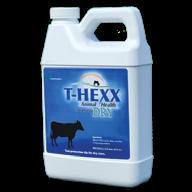
Apply pre-calving. External teat sealant creates physical barrier to aid in mastitis prevention. Triclosan-free. HEXXB132 - 1qt
Research-tested and field-proven effective for protecting cattle against mycotoxin challenges. Proprietary cell wall-deficient bacteria provide broad-range protection against mycotoxins. Use when symptoms are present and feed tests show problems. Available in concentrate for easy mixing at feed mills.
AC9004 - 50lb
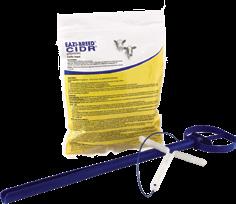
Produces tighter estrous synchronization. Insert is easily administered into the vagina, continuously releasing progesterone, allowing breeding programs to start at any stage of the estrous cycle.
AC21274 - 10ct
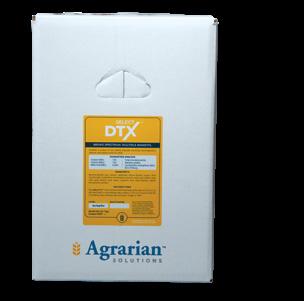
$292.00





There’s only one opportunity for successful transfer of passive immunity. First Day Formula® is simple, safe, and scientifically proven when used as a replacement for, or supplement to, lowquality maternal colostrum. Order from your CentralStar team.