Budget
Summary 2026-2027
At a glance
Rates increase 3.7% average increase in general rates for ratepayers
Utility charges same increase as last year for sewerage (6.0%) and waste (5.5%), while water increase reduced to 8.5%.
$239 M total budget spend including $73 M capital investment $ 4.7 M debt repayment
Vacant land sewerage and water charges have been reduced
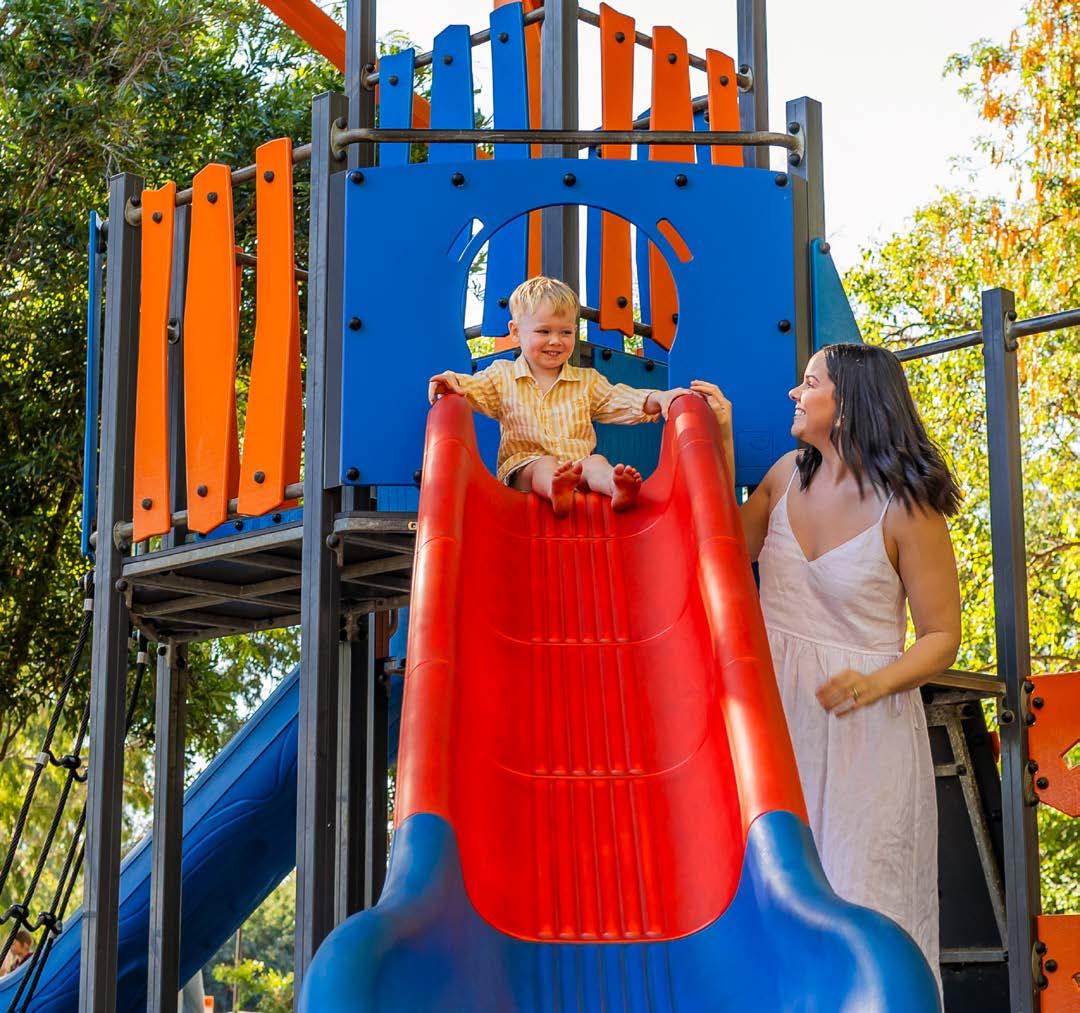
Emerald Botanic Gardens playground.
Message from the Mayor
Considered and Progressing
This budget details how Central Highlands Regional Council plans to play our part in improving liveability across our vibrant and diverse region over the next financial year.
As the third budget of this current council term, I am pleased to be here alongside my fellow Councillors to adopt the Central Highlands Regional Council’s 2026-2027 Budget and Operational Plan.
Over the last two years, council has completed a rates review, is reviewing water and wastewater utilities, put a focus on efficiencies to get the basics right and paying down debt.
In setting this budget, council has considered the broader financial impacts on the cost of living and the costs to deliver council operations.
Costs have risen and continue to rise, for both our community and council. Council knows many in our region are doing it tough, and we take seriously our responsibility to get the balance right for delivering all the services needed to keep our region moving forward.
This year’s $239 million expenditure budget represents the total cost of council’s operating activities and capital works requiring funding in 2026–27. Operationally, we have deliberately committed over $5 million to deliver strategies and plans that will set a clear path forward for improved communications, customer experience, libraries, cemeteries and the visual amenity of our towns.
While striking a balance between meeting community expectations, planning for the future and being financially responsible, this year’s budget has equally considered our towns and rural communities, so that we can keep delivering for today and preparing for tomorrow.
Overall, the 2026-27 budget reflects a considered financial approach to progressing liveability across the Central Highlands now and into the future.
Our Approach to Setting Rates, Utility Charges, and Fees and Charges
In setting this year’s rates, utility charges and fees, council has carefully considered keeping increases as low as possible while continuing to deliver essential services and protecting council’s long-term financial position.
General Rates
General rates will increase on average by 3.70%, which translates to an increase in total general rates revenue of 3.62%. This represents a modest increase, lower than last year’s 3.90% and below current CPI inflation forecasts.
Last year, we listened to the community and reviewed our general rating system. This resulted in a rate in the dollar that better reflects land values and the general rates being paid. Most ratepayers have now transitioned off capping, and in 2026-27 just over 300 are expected to remain capped, which is down from 8,900 at the end of the 2024–25 financial year.
As part of the rating review transition, some categories have had minimum general rate increases above the overall rate rise, while some ratepayers will see a decrease in their general rates this year. The majority of ratepayers will see only moderate
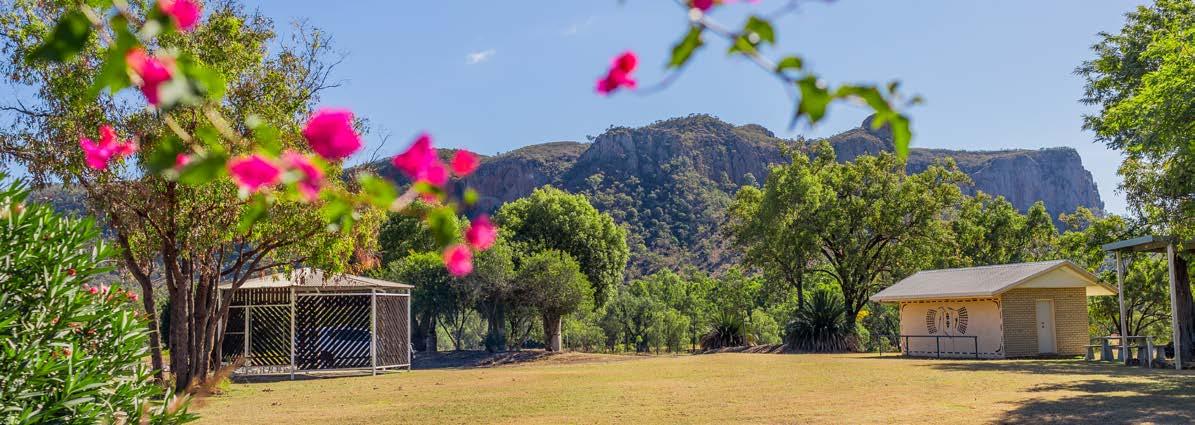
Capella.
changes, however those affected by large property revaluations or previous land use classification changes will have their increases eased through a cap of 24.44%.
As rate reforms are complex, council will continue the transition of the rating review changes into 2026-27.
Utility Charges
Overall, utility charges have been maintained in line with the full cost pricing paths developed by council in line with National Competition Policy.
In setting these charges, council must comply with relevant legislation and regulatory requirements, while balancing affordability and recognising that these services operate on a user-pays basis and should not be subsidised by general rates.
As a result, sewerage and waste charges will increase at the same rate as last year, being 6.00% and 5.50% respectively. Water charges will increase by 8.50% in 2026-27, which is lower than the 10.00% increase applied last year.
Council commenced a review of its utility charges in 2025-26 to ensure the charges for these services reflect the true cost of delivering high-quality services to the community, both now and into the future.
We will continue this review during 2026-27 but an important outcome for ratepayers to date is the reduction in charges for vacant land.
Water infrastructure charges for vacant land have been reduced to 50% of the full connected land charge in 2026-27, having previously been set at the same level as connected land.
Sewerage charges for vacant land have also been reduced. Previously these charges were set at the
same level as the first pedestal charge for residential and non-residential properties. In 2026-27, the vacant land charge will be reduced by 42% to align with the lower charge applied to additional nonresidential connections.
Fees and Charges
For fees and charges—such as licences, permits and hiring council facilities—you’ll see an average increase of 3.70%, which is below current CPI inflation forecasts. Council has kept this increase as modest as possible, while still recovering the cost of providing these services, rather than relying on general rates to subsidise them.
Regional Capital Works Program
In this budget, council will continue to deliver a robust capital program of $73 million, which includes $20 million in funding from our state and federal partners to benefit this region.
This year’s capital program includes upgrades to roads, water and sewerage systems, and improvements to community facilities and other infrastructure throughout the region.
Looking Forward
Council has budgeted an operating surplus of $7.2 million for 2026–27. This surplus will support the planned debt repayment of $4.7 million, while also providing capacity to respond to unexpected funding opportunities and maintaining a prudent approach to managing the rising cost of service delivery in the current economic environment.
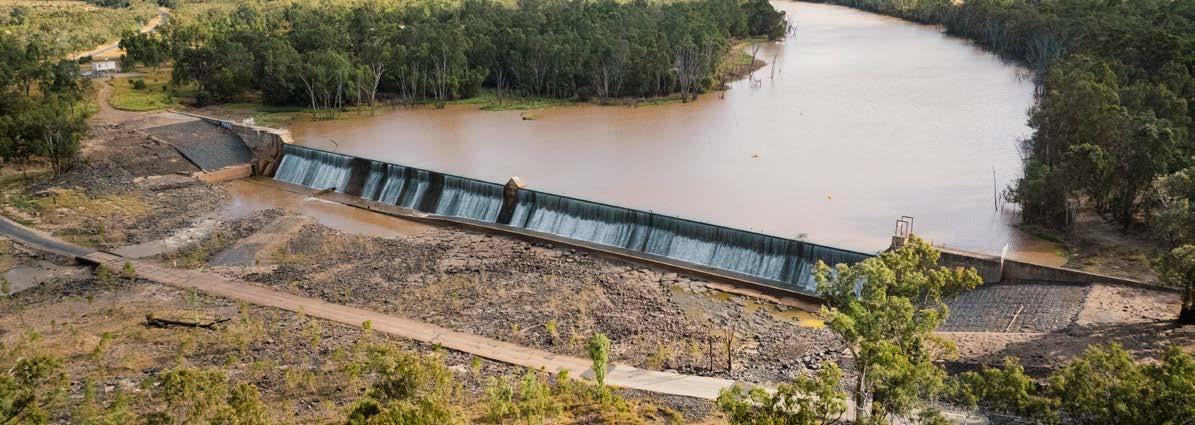
Springsure.
Council remains focused on improving long-term financial sustainability and strengthening its capacity to manage future risks and uncertainty without reducing service levels. To support this, council’s strategy consists of clear benchmarks tailored to its specific risks and operating environment.
These benchmarks are in addition to the financial sustainability targets set by the Department of Local Government and focus on 3 core areas: Operating Capacity, Financial Flexibility, and Sound Asset Management Practices.
The 2026–27 budget is continuing to progress these benchmarks. Over the past two years, council has repaid more than $50 million in legacy debt to significantly strengthen its balance sheet and reduce ongoing financial commitments. This disciplined approach will continue in 2026–27, with total debt reducing below $15 million by the end of the year and leaving only two low-interest loan accounts on the balance sheet.
This achievement is not just about reducing debt— it’s about increasing council’s financial flexibility. By lowering interest costs and freeing up cash flow, we are better positioned to respond to unexpected events and invest in the services and infrastructure our region needs.
Conclusion
In 2026-27, council will continue to partner with state and federal governments; to listen, engage and work with our communities and businesses; to advocate for more regional investment and to improve the liveability and prosperity of the Central Highlands.
I would like to thank my fellow Councillors, Acting CEO Graeme Kanofski and all council staff for making this budget possible and preparing the Operational Plan.
As Mayor, I am pleased with the considered and progressive approach council has taken in shaping the 2026-2027 Budget, which I commend to you all.
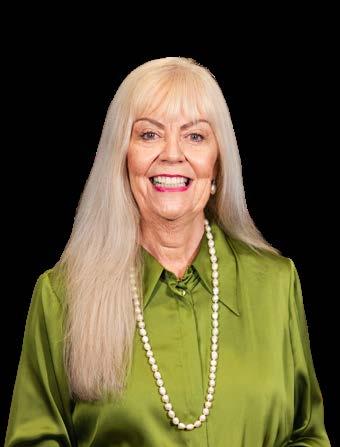
Cr Janice Moriarty Mayor
Central Highlands Regional Council
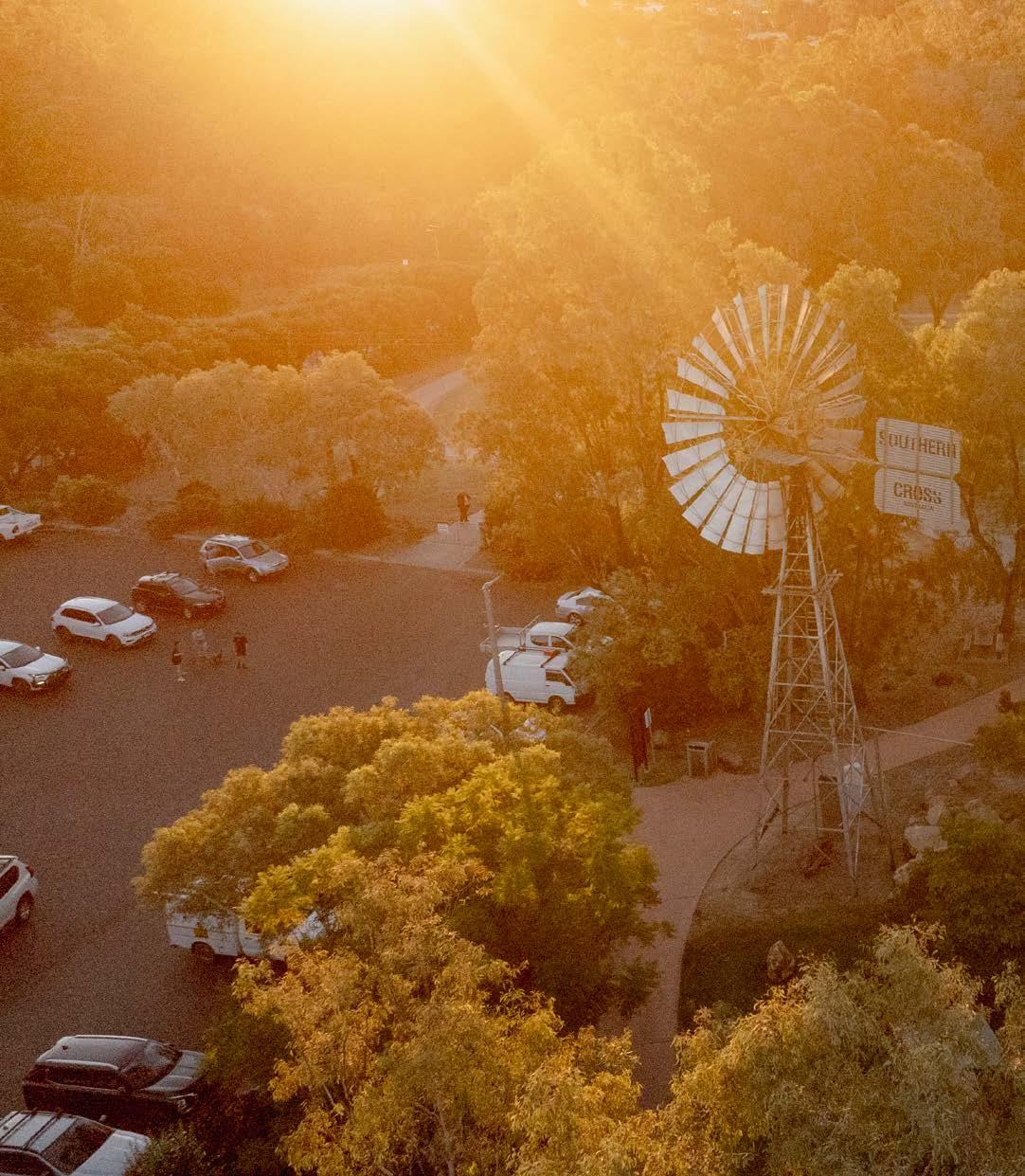
Bedford Weir.
What we look after
$2 billion in assets including:
4,605 km council road and bridge network
29,000 residents 13 communities
14,800 rateable properties 60,000 square kilometres
Delivery of 60 core services 430 staff
Long-term destination goals
This budget is guided by our seven long-term destination goals, as outlined in the Central Highlands Regional Council Corporate Plan 2022-2027. These goals respond to our opportunities and challenges and represent what we want to achieve and where we want to be in the future.
132 km of footpaths
15 water treatment plants
426 km of water mains
7 wastewater treatment plants
17 resource recovery facilities
191 parks and open spaces
10 library locations
7 aquatic centres
2 art galleries
17 cemeteries
7 customer service centres
1 airport and 5 rural landing strips
1 saleyard
1. Deliver, enable and advocate for reliable services for our community
2. Protect and grow a diverse and prosperous economy
3. Support and enhance resilient, safe, vibrant and inclusive communities
4. Drive our council and the region towards a digital future
5. Develop a future-focused workforce to support council and our region
6. Responsibly manage our natural environment
7. Prepare for a low carbon future and adapt to a changing climate
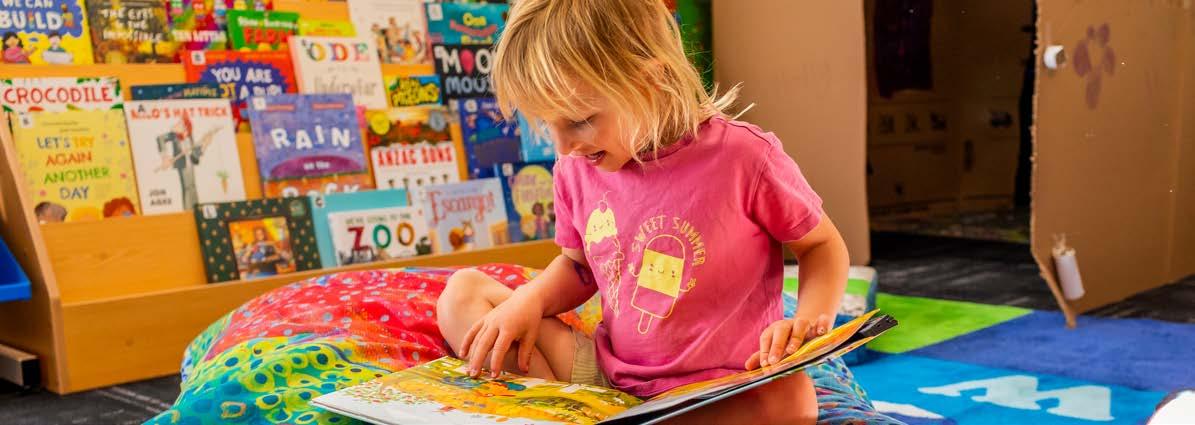
Springsure Library.
$239 M Total Expenditure Budget |
Operating Budget
$160 M operating budget, which includes: excluding depreciation expense of $57 million
$41.2 M Utilities to manage our utilities so that we can deliver reliable water, wastewater and waste services (excluding capital)
$34.5 M Roads to maintain our region’s 4,605 km road and bridge network (excluding capital)
$6.8 M Our Organisation for our council to attract, retain, train and develop staff, and ensure a safe workplace
$6.6 M Airport Operations to deliver modern state of the art airport facilities for the traveling public
$2.2 M Arts Culture and Libraries to deliver cultural events and workshops, art programs at our galleries, library services and heritage programs
$1.8 M Community Building to develop and support youth services, indigenous support, and community wellbeing including through grant programs, concessions, sponsorships and donations
$1.8 M Saleyards Operations to deliver an efficient saleyard facility for our graziers
Capital Works Budget
$73 M capital works budget, which includes renewals, upgrades and new assets:
M rural road network projects including floodways and drainages
projects including pathways and kerb and channel
Capping
Council continues to transition ratepayers off capping. This year a 24.4% cap applies for general rate increases which will result in around 300 ratepayers remaining on the cap. This compares with 8,900 ratepayers being on a cap in 2024-2025, and 1,316 last financial year.
Rates and utility charges
For the average residential ratepayer in 2026-2027 there will be:
general rates rise for an average residential ratepayer in Emerald (after discount) per week $1.02
average increase in combined residential utility charges (after discount) per week $4.38
For vacant land owners in 2026-27
Water infrastructure charges reduced to 50% of the full connected land charge
Sewerage charges reduced by 42%
Blackwater Ghungalu Nunee Parkland.
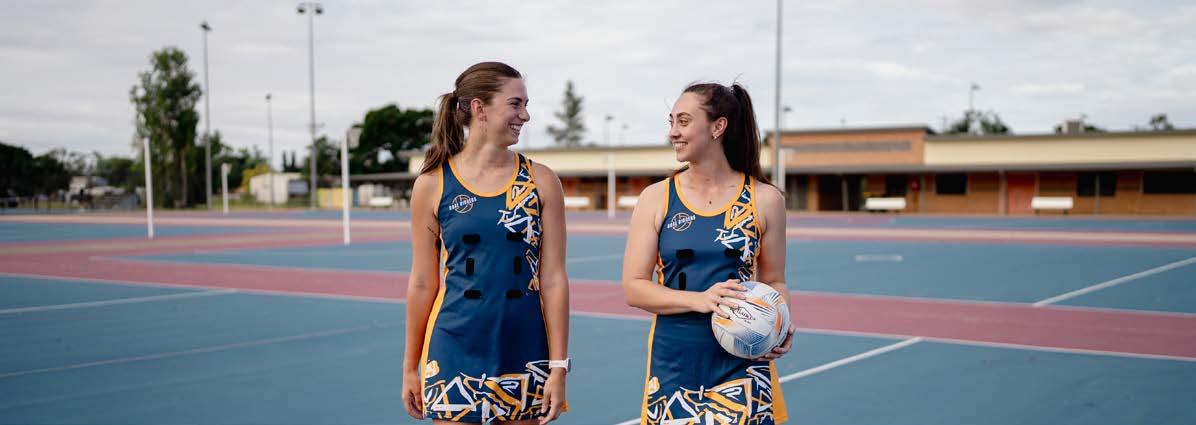
Emerald Rundle Park netball courts.
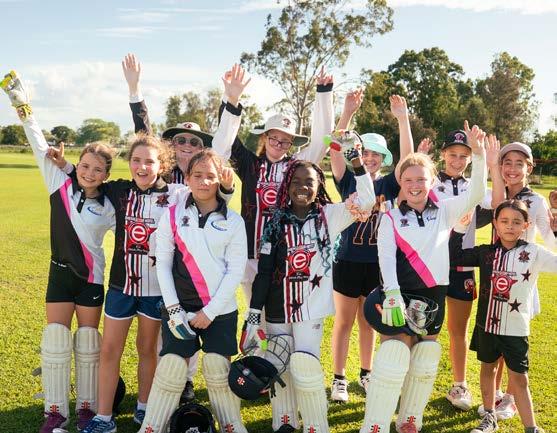
Magpies Cricket Club junior girls players.
Utility
charges
Council invests your utility charges directly back into your community to cover costs associated with water, wastewater, and waste management.
Council provides various options to help ratepayers meet their rating commitments: Financial assistance options
up to a 100% rebate on general rates for eligible not-for-profit organisations
deferred payment arrangements
suspension of interest when a ratepayer is in a deferred payment arrangement
periodic prepayment of rates and water charges
50% concession to eligible pensioners on all residential rates and charges (except for water consumption and QLD State Fire Levy). This is in addition to the 20% state government pensioner rebate (capped at $200 per annum).
Capital budget by asset type
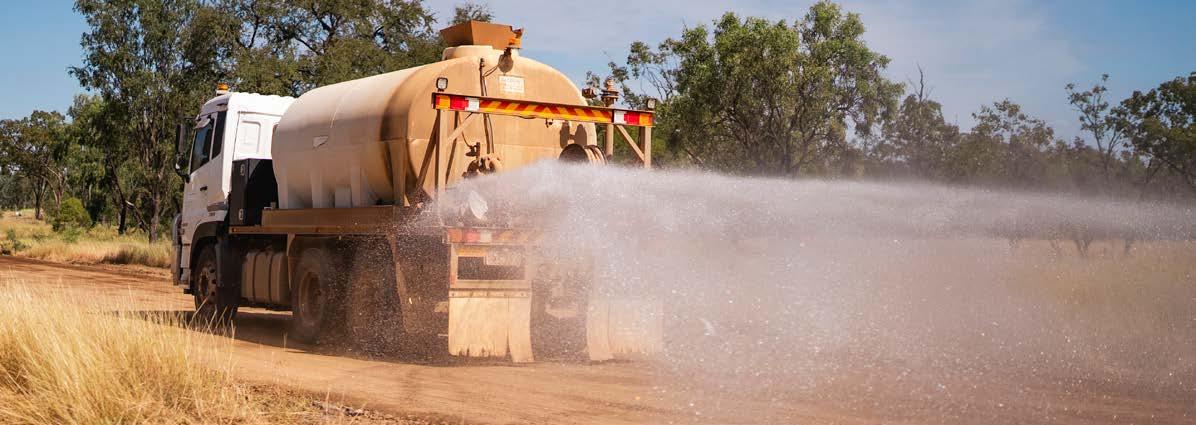
Roadworks on Milroy Downs Road.
Another view
Total budget by destination goal
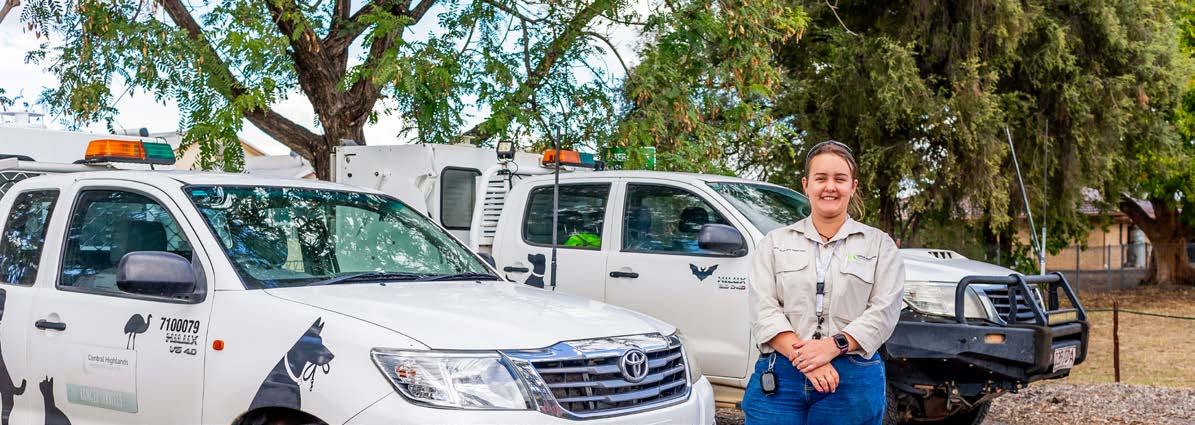
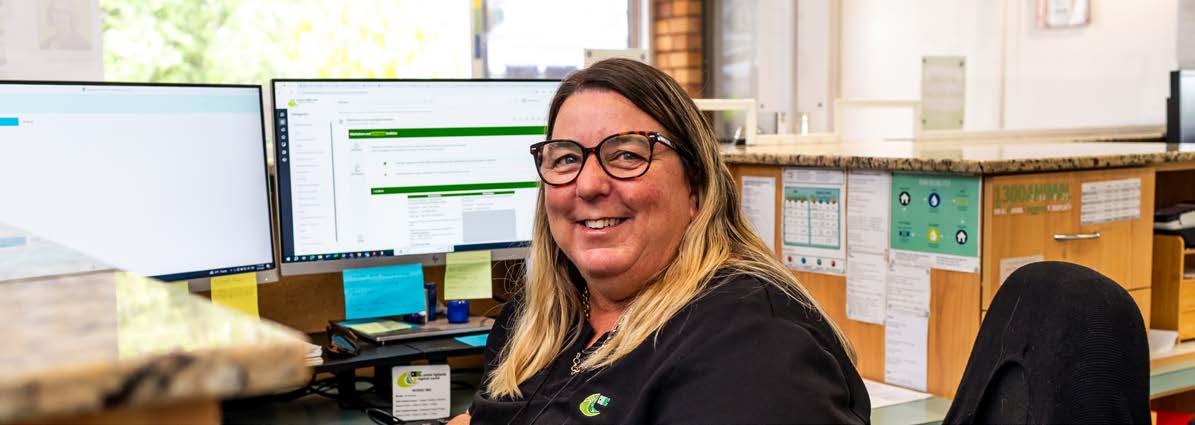
Blackwater customer service staff member.
2026-2027 key projects
External funding
This year we have secured $19.9 M in external funding. Partnerships with other levels of government and outside organisations are crucial in keeping charges down, as well as ensuring the growth and sustainability of our region. We will continue to prioritise our advocacy efforts to attract our fair share of funding back to our region so we can keep enhancing and developing our towns and communities.
Resources Community
Fund The delivery of projects funded by the Queensland Government Resources Community Infrastructure Fund will continue in 2026-27.
Regional Botanic Gardens Redevelopment - Includes pedestrian bridge across Nogoa River
capital projects by town (*includes external funding)
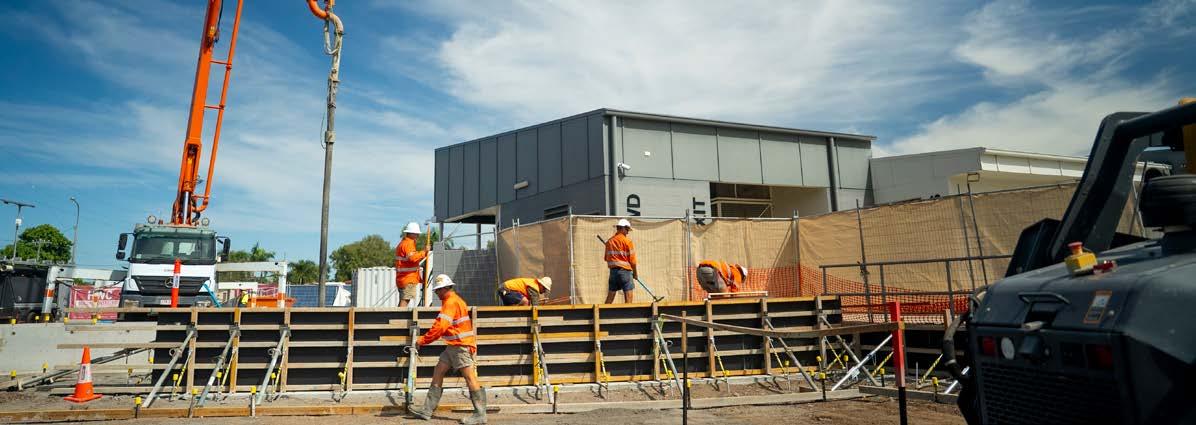
Concrete pour at McIndoe Park.
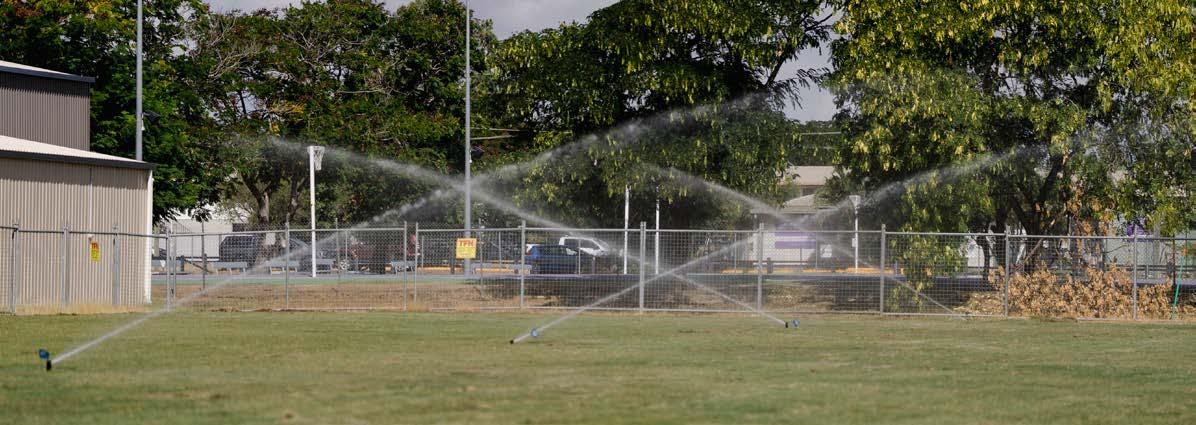
Hunter Street sporting complex returf project.
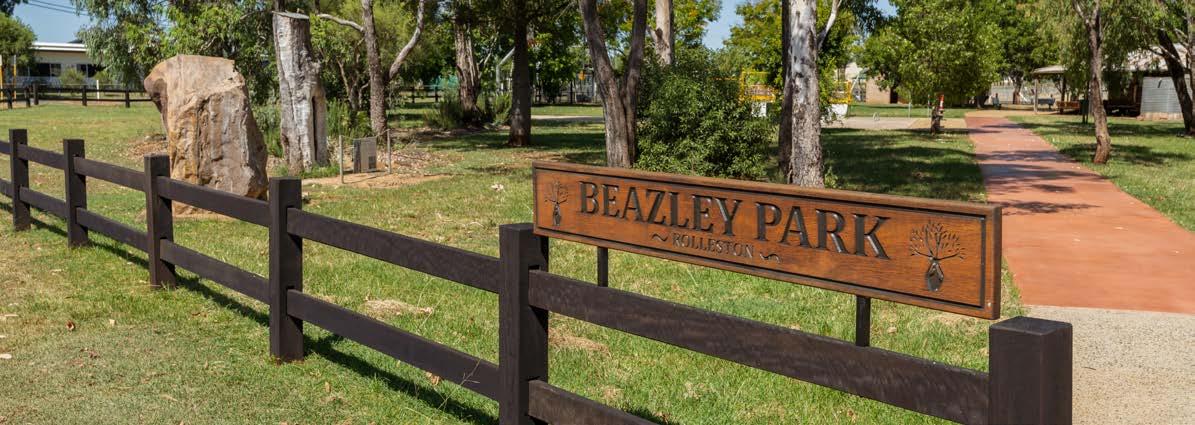
Beazley Park, Rolleston.
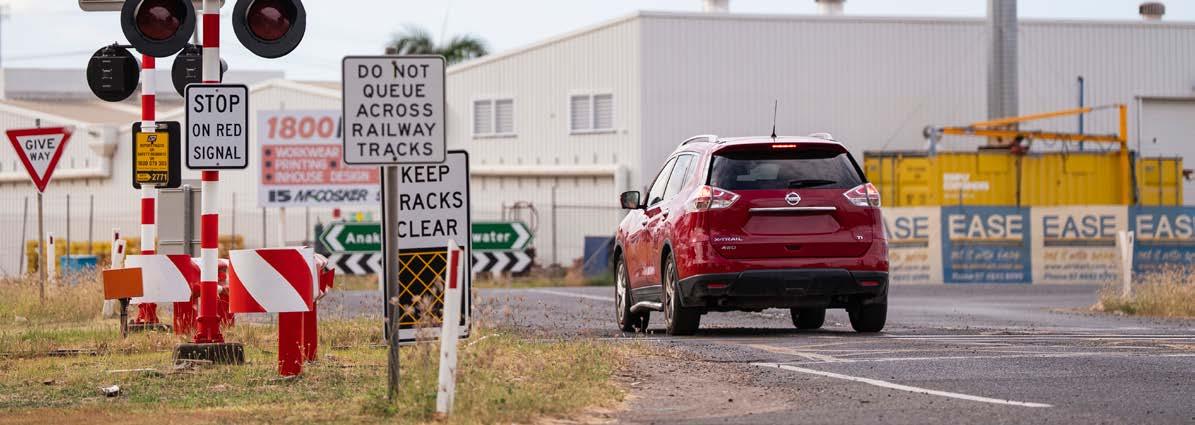
Level crossing at Selma Rd, Emerald.
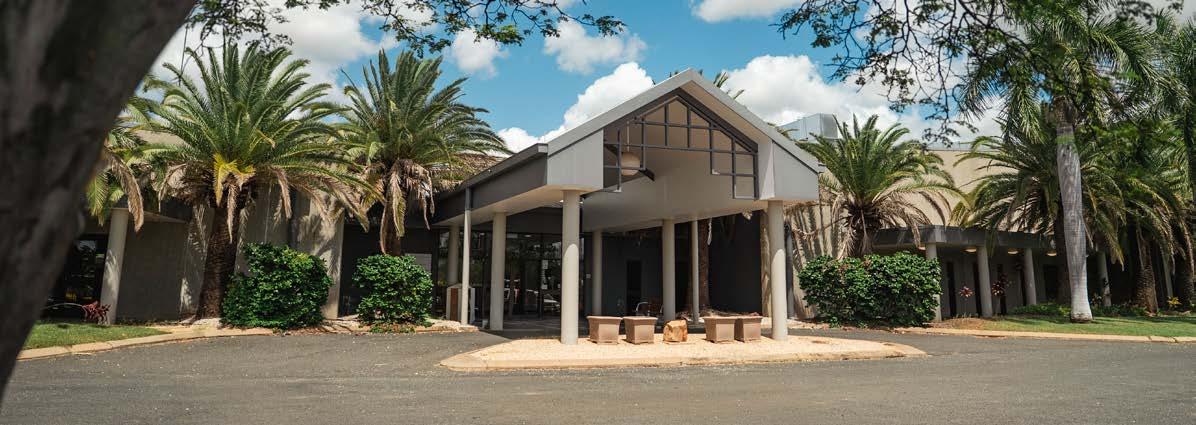
Capella Cultural Centre
2026-2027
key projects
Operational Plan project highlights
Improved community amenity plan - $1 M
Roads strategy - $1 M
Electrical compliance works - $500,000
Review Lochlees Landfill capacity and future infrastructure needs - $250,000
Business governance – Airport/Saleyards stage 3 – 250,000
Facility condition assessment - $200,000
Biosecurity weed management - $145,000
Regional entry signage - $150,000
Regional showgrounds land management plan - $150,000
Safety software uplift - $150,000
New asset management system - $130,000
Draft Local Government Infrastructure Plan amendment - $120,000
Springsure Hospital Museum options report - $120,000
Cemetery strategy - $100,000
Liveability survey of the Central Highlands community - $100,000
Water and wastewater supervisory control and data acquisition implementation - $100,000
Store management uplift - $100,000
Meeting agenda and minute management uplift - $100,000
Flying fox management - $75,000
Customer experience strategy - $70,000
Library services strategy 2027-2032 - $60,000
Creative cultural futures and heritage strategy - $60,000
Communications strategy - $50,000
Major planning scheme amendment - $35,000
Priority waste reduction and recycling initiatives - $30,000
Review council’s compliance functions and priorities - $30,000
For more information on this year’s budget please head to council’s website.
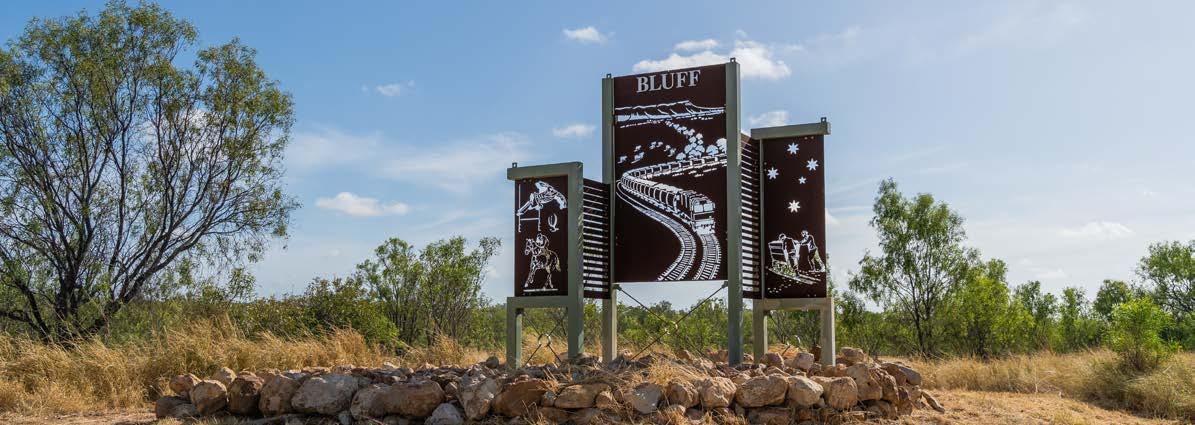
Bluff town entry.

“While striking a balance between meeting community expectations, planning for the future and being financially responsible, this year’s budget has equally considered our towns and rural communities, so that we can keep delivering for today and preparing for tomorrow.”
chrc.qld.gov.au