Black LGBTQ Community Survey 2020/2021 Overview Report
& Sponsors:
ABOUT THE CENTER FOR BLACK EQUITY AND COMMUNITY MARKETING & INSIGHTS (CMI)
Center for Black Equity
The Center for Black Equity (CBE) was founded as the International Federation of Black Prides (IFBP), a 501 (c)(3) with headquarters in Washington DC. IFBP organized during DC Black Pride in May 1999 as a coalition of Black Pride organizations representing Chicago, North Carolina (Charlotte), New York, Atlanta, Detroit, Minneapolis (Twin Cities), and Washington, D.C. The Black Prides organized to network, develop sponsorship strategies, foster community development, provide technical assistance, and to mentor and support one another. In 2012, the International Federation of Black Prides Board of Directors voted to rebrand and restructure the organization. The new name, Center for Black Equity (CBE), refocuses and elevates the deep commitment to our mission of achieving equality and justice for Black LGBTQ+ communities through expansive platforms focused on Health Equity, Economic Equity, and Social Equity. This branding shift also fosters a much-needed sense of urgency to increase the public’s understanding of the myriad of challenges LGBTQ+ communities face daily. The CBE believe that the new identity and expanded platform will facilitate the erosion of misconceptions and prejudices against our members and revitalize the public’s commitment to advocate collaboratively for immediate institutional changes in laws, policies, programs and resource availabilities that allow everyone, including Black LGBTQ+ people, to compete effectively in the marketplace. Today, the CBE currently has forty-seven US-based members in twenty-nine states.
Community Marketing & Insights (CMI)
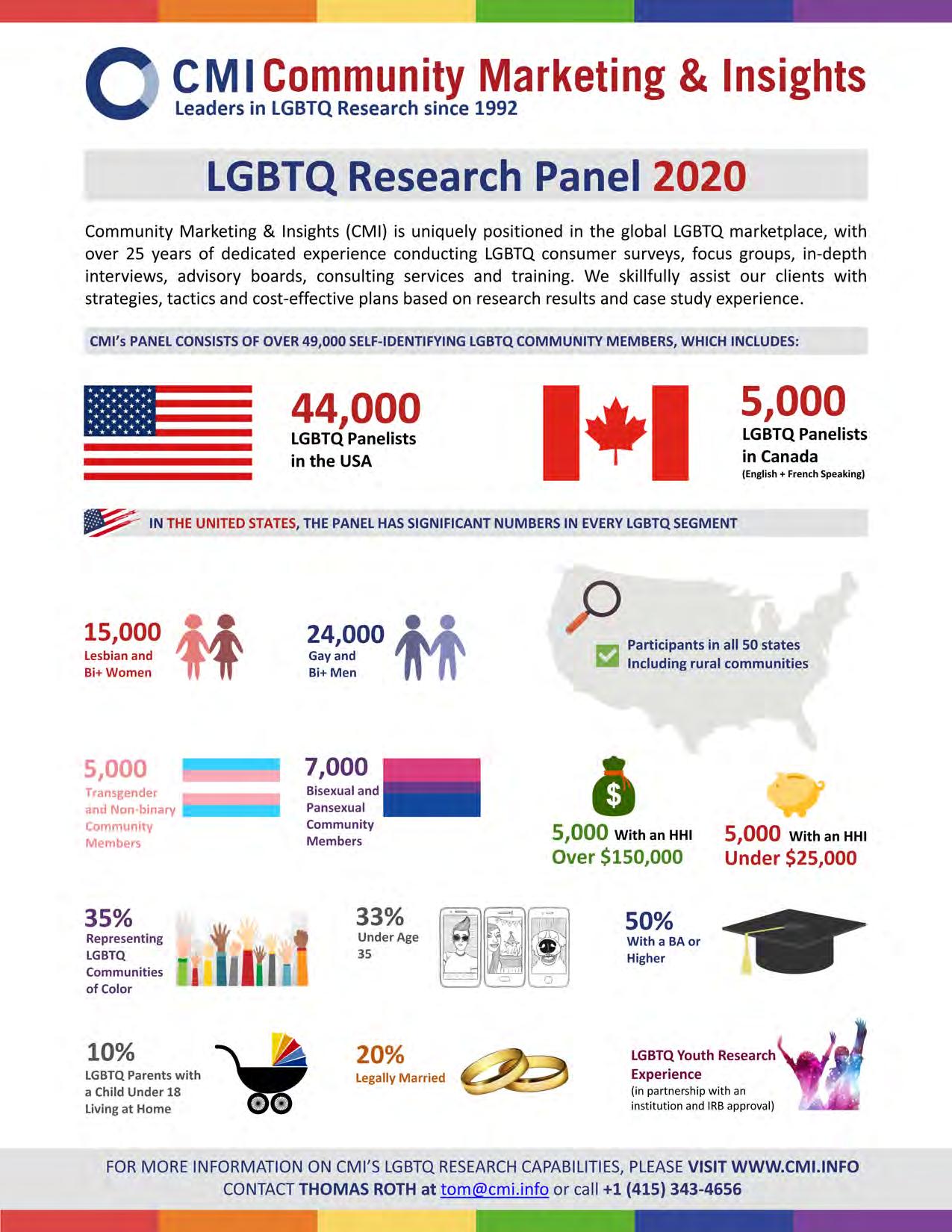
Community Marketing & Insights has been conducting LGBTQ community research for over 25 years. Our practice includes online surveys, in-depth interviews, on-site focus groups, virtual focus groups, and LGBTQ recruitment assistance to university and government LGBTQ research initiatives. CMI maintains our own panel of 50,000 LGBTQ research participants. Our work is worldwide, with an emphasis on the United States and Canada. Industry leaders around the world depend on CMI’s research and analysis as a basis for feasibility evaluations, positioning, economic impact, creative testing, informed forecasting, measurable marketing planning, and assessment of return on investment. Additionally, our team of experts offers strategic consulting and marketing planning based on consumer insight, and we produce custom LGBTQ sales/marketing/best practices training symposia, workshops and presentations. The company is an NGLCC Certified LGBT-Owned Business Enterprise.
1 Section
Research
Methodology
ABOUT THE BLACK LGBTQ COMMUNITY SURVEY • METHODOLOGY
SURVEY DESIGN & INVITATION TO PARTICIPATE
The question set was developed by Community Marketing & Insights (CMI), the Center for Black Equity, the four research partners, and several of the Black LGBTQ media partners. Invitations were sent to Black / African American members of CMI’s LGBTQ research panel and readers/supporters of approximately 60 media, organizations, events and thought leaders who serve the Black LGBTQ community. Invitations were distributed by email, social media posts, and banner advertising depending on the media/ organization. A total of 1,815 Black LGBTQ adults in the United States completed a 15-minute online survey between September 21 and October 30, 2020. Overall, 46% of participants came from the CMI LGBTQ research panel and 54% from media and organizations. See the next two slides for partici pating community organizations.
LIMITATIONS OF RECRUITMENT METHODOLOGY
Because the project has little control over media outreach response, we do not profess that the results are fully representative of the entire Black LGBTQ community. Instead, these results are a large sample of Black LGBTQ community members who interact with LGBTQ media, organizations, events, and cultures. CMI views these results as most helpful to marketers and organizations that want to reach the community through LGBTQ advertising, marketing, and/or sponsorship outreach. More than likely, the sample overrepresents for people who are fully or mostly out, LGBTQ community members with higher levels of education, and residents of urban areas. More than likely, the sample underrepresents community members who are not “out,” community members who identify as bisexual, people with lower incomes, older community members, and those with lower levels of education. Regardless, the overall sample is quite large and diverse.
SEGMENTATION & WEIGHTING
The goal of the study is to provide a reasonably balanced representation by age group and gender identity. The overall sample did trend somewhat higher for men and somewhat higher for younger people. By gender identity, participants were divided into three groups: cisgender gay/bi+ men, cisgender lesbian/bi+ women, and transgender and non-binary participants. We weighted the data 45% cisgender men, 45% cisgender women, and 10% transgender and non-binary participants.
All participants were age 18 or over. By age, participants were divided into three categories: Millennials+ (born 1981 to 2002), Generation X (born 1980 to 1965) and Baby Boomers+ (born 1964 to 1942). Millennials+ includes a limited number of Gen Z. Baby Boomer+ includes a limited number of older participants. Cisgender men and women were weighted equally by the three major generations (33% each). Transgender and non-binary participants were weighted equally between Millennials+ (50%) and the combination of Generation X and Baby Boomers (50%). We did this because the gender-expansive group trended much younger.
CMI allocated these percentages to balance the perspectives by gender and age. Because the U.S. Census does not provide reasonable weighting assumption data, CMI prefers to take this weighting approach, which we acknowledge is imperfect.
BLACK LGBTQ COMMUNITY SURVEY: CMI is proud to partner with these LGBTQ community media and influencers for the 2020 study outreach.
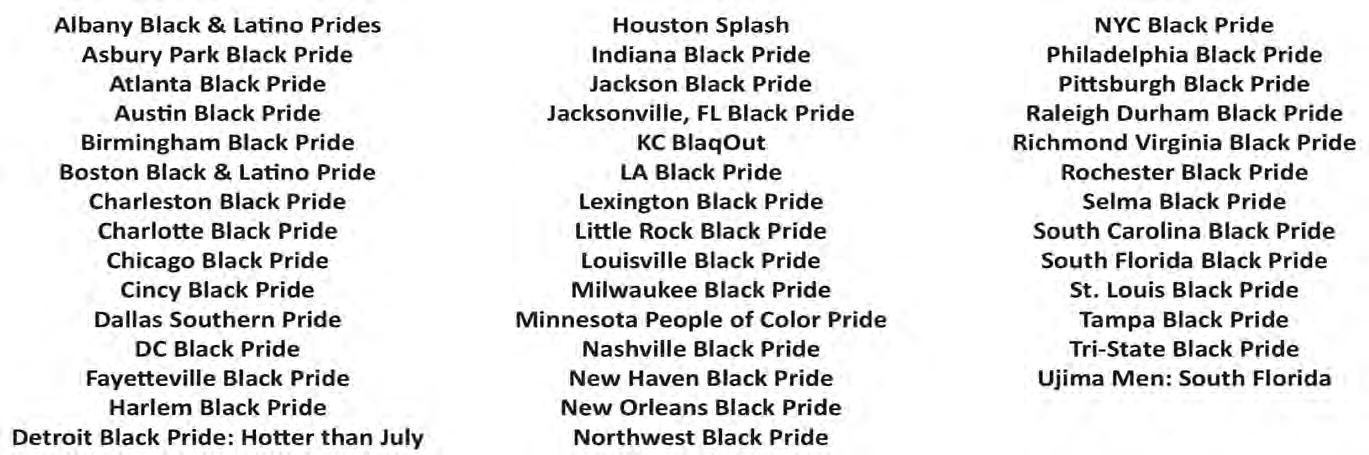
BLACK LGBTQ COMMUNITY SURVEY: Thank you to the Center for Black Equity for the participation of these Black Pride organizations in the survey outreach.
BLACK LGBTQ COMMUNITY SURVEY: Participant Profile by Percentage
Total Completes N=1,815 Participants
BLACK LGBTQ COMMUNITY SURVEY: Profile by Number of Participants
BLACK LGBTQ COMMUNITY SURVEY: Executive Summary of Key Findings (1 of 7)
Research Methodology Overview
• 1,815 Black LGBTQ adults in the United States completed a 15-minute online survey between September 21 and October 30, 2020
• 46% of participants came from the CMI LGBTQ research panel and 54% from Black LGBTQ media and organization invitations
• Participants trended somewhat younger (46% age 18 to 39) and cisgender male (50%)
• Results were weighted to balance the opinion by gender identity and generation (see methodology)
• 56% of all Black LGBTQ participants reported being “fully out,” with the remaining 44% being at different stages of being “out”
• 67% of the participants live in urban areas, 18% suburbs, 9% small cities, and 6% small towns or rural areas
• Results are representative of “out” Black LGBTQ adults in the United States who may be reached through LGBTQ media and organizations
LGBTQ Pride
92% of survey participants feel pride in being an LGBTQ person. Very view disagree with the statement, "I feel Pride in being an LGBTQ person.”
Cannot Be Their Full LGBTQ Selves
While Black LGBTQ participants feel pride in being an LGBTQ person, many cannot be fully themselves at work, school, or in their neighborhood. Only 49% definitely agree that they can be themselves at school and work, and 47% definitely agree they can be themselves in their neighborhood. Overall, cisgender Black lesbian women appear to experience greater acceptance than gay men and bisexual participants. Transgender and nonbinary participants report the least acceptance in the workplace, school, and their neighborhoods.
Some Disconnect with LGBTQ Organizations
When participants were asked if they feel connected to LGBTQ social or political organizations, only 29% definitely agreed and 36% somewhat agreed. These percentages point to a need for all LGBTQ organizations to be more representative and inclusive of the Black LGBTQ community, and to work towards addressing concerns that are specific to the community.
BLACK LGBTQ COMMUNITY SURVEY:
Executive Summary of Key Findings (2 of 7)
The Black LGBQ Community Values Education
Black LGBTQ community survey participants value education: 48% of participants have a bachelor's degree or greater. Importantly, 84% of participants pursued education after high school, either through graduating from college, currently in school, obtaining an associate’s degree, starting college but not graduating, or obtaining vocational training. Cisgender lesbians had the highest education levels, especially earning a master's degree. Transgender and non-binary participants were least likely to have a four-year degree. However, there was a clear trend for transgender and non-binary participants to have started post-high-school education, but not yet receiving a four-year degree. This may indicate that more fiscal, emotional, and practical support is needed to ensure educational goal completion.
Household Debt and Student Loans
11% of all Black LGBTQ participants reported having no debt. Unpaid credit card debt is the most common form of debt. Of note is the substantial percentage of participants, especially Millennials, with student loans (44% of all participants and 64% of Millennials). The findings suggest that participants, especially younger Black LGBTQ adults, may be overburdened with student loan debt.
Suppressed Household Income
The participants’ median 2019 household income of $59,400 is lower than the overall median household income in the United States ($68,700) but higher than the median household income for all Black adults in the U.S. ($45,400). However, this income level appears to be suppressed given the education levels of participants and the urban locations where most participants were living. This may imply that employment and wage discrimination is occurring in the Black LGBTQ community. At the same time, there is an opportunity for income growth due to community education levels.
Changes in Household Finances
Black LGBTQ participants’ evaluation of their financial situation was mixed. Much like in the broader economy, COVID-19 has had very different economic impacts depending on the survey participant. 32% of the study participants said that they are doing better than last year, 41% about the same, and 27% worse. There is also fiscal optimism that 2021 can only get better (61% said next year would be better). Black LGBTQ participants with a four-year college degree or higher were more likely to report doing better than those without (36% vs. 28%). Transgender and non-binary participants were the least likely to report doing better (24% vs. 33% for cisgender participants).
BLACK LGBTQ COMMUNITY SURVEY:
Executive Summary of Key Findings (3 of 7)
Relationship Status
More study participants describe their relationship status as single than living with a partner or married. This has important implications because relationship status influences many aspects of daily life, including purchasing patterns. Black cisgender lesbian and bi+ women are more likely to be married or in a relationship than the cisgender gay and bi+ men or transgender and non-binary participants. 40% of the cisgender women report being married or living with a partner, compared to 30% of cisgender men, and 31% of transgender and non-binary participants.
Many Different Family Structures and Living Situations
While most of the study participants are single, only 40% indicated living alone. Most participants live with their partners, their children, parents, other family members, friends, or roommates. Of note—because older people often have more significant social isolation concerns—was that nearly half (49%) of the Baby Boomers lived alone.
Support by Their Local Cities and Towns
70% of all participants said that their city or town was supportive of its local LGBTQ community. Fewer (55%) indicated that their city or town was supportive of its local Black community. And even fewer (42%) indicated support for the local Black LGBTQ community. Participants often find that they experience more community discrimination due to their race/ethnicity than being part of the LGBTQ community. Further, the combination of being Black and LGBTQ offers even lower levels of community support.
Discrimination
Black LGBTQ community members face many forms of discrimination (racial, sexual orientation, gender, gender identity, and age discrimination). 76% of Black LGBTQ participants indicated at least one form of discrimination experienced in the past three years. Discrimination during consumer interactions and workplace discrimination were the most common.
High Levels of Discrimination for Transgender and Non-Binary Community Members
Black transgender and non-binary participants report the highest levels of racial, gender, and gender identity discrimination across all related questions in the survey.
BLACK LGBTQ COMMUNITY SURVEY: Executive Summary of Key Findings (4 of 7)
Discrimination from Within the LGBTQ Community
Just under half of the participants (47%) reported racial discrimination or prejudice from within the LGBTQ community during the past three years. The most common was during dating or in bars and nightclubs serving the community.
Political Views
The vast majority of the Black LGBTQ study participants trend liberal (54% liberal and 31% moderate to liberal). However, 43% would describe themselves with some moderate leaning (moderate to liberal, moderate, or moderate to conservative). Only 3% consider themselves conservative. The vast majority of the Black LGBTQ study participants are politically active. The survey was conducted the month before the November 2020 U.S. General Election, resulting in increased political activity. 87% indicated they are registered to vote, and 84% said that they would vote in the November election. Fewer, 60% said they voted in the primary election.
Voter Concerns
Participants were asked to prioritize their concerns when considering voting for one political candidate over another. Overall, discrimination and police violence were the most pressing voter issues, followed by healthcare (including COVID-19). Economic concerns, local crime, foreign policy, and cybersecurity were the least pressing issues.
Black Lives Matter Protests and Engagement
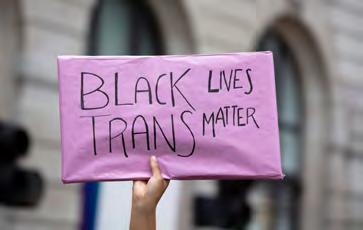
75% of all Black LGBTQ study participants were involved in some type of Black Lives Matter protest or engagement. In general, younger community members were more engaged in activities, especially marches and protests.
Own or Rent a Home
A third (33%) of the Black LGBTQ participants own the home in which they live. This percentage is much lower than the 65% of all Americans who own their home, or the 42% of all Black Americans who own their home. Research from CMI and Freddie Mac in 2018 demonstrated that LGBTQ community members in the United States are less likely to own a home than the general population (49% of all LGBTQ people). Reduced homeownership rates for Black LGBTQ community members is the result of many factors: Income, employment, and racial discrimination contribute, along with the fact that Black LGBTQ people are more likely to live in big cities where homeownership is less common. Also, LGBTQ people are less likely to be married or have children, which are key drivers of homeownership. Over half of Black LGBTQ participants (55%) fear racial discrimination in the home buying process. There are also fears of discrimination due to sexual orientation, gender identity, age, and disability.
.
BLACK LGBTQ COMMUNITY
SURVEY: Executive Summary of Key Findings (5 of 7)
Being Out in Their Family
78% of participants felt at least somewhat accepted by their parents as an LGBTQ person. However, only 42% felt entirely accepted by their parents. There is a much higher level of acceptance among siblings (59% fully accepted). For participants who identify as transgender or non-binary, there is much less acceptance among family members. For example, parents were fully accepting of 45% of the cisgender survey participants vs. only 25% of the transgender and non-binary participants.
Experiencing Homelessness
Online surveys are unlikely to attract community members currently experiencing homelessness. What is concerning is the very high percentage of Black LGBTQ community members in this survey (31%) who had experienced homelessness at some point in their lives, especially among transgender and non-binary participants (44%). Other studies have examined the large percentage of homeless youth who identify as LGBTQ. This data appears to confirm that LGBTQ people have far too much personal experience with homelessness at some point in their life.
LGBTQ Parents
A large number of Black LGBTQ adults in the United States are parents and grandparents: 28% of all participants indicated being a parent of a child of any age. The concentration of LGBTQ parents of children under age 18 is greater among lesbian and bi+ women (14%). Also, there is a large percentage of Black transgender and non-binary parents of children under age 18 (13%). About a quarter of Baby Boomers (23%) report having grandchildren. When asked about becoming parents in the future, 54% of Black LGBTQ Millennials would like to become parents sometime in the future.
Retirement Living
Black LGBTQ community members age 45 and over want to live in their own home or apartment during retirement years. There is also an appeal to living in an LGBTQ-friendly resort community or assisted living facilities. Participants age 45 and over have a significant fear of racial (55% of participants) and sexual orientation (53%) discrimination if they ever need to enter an assisted living situation for older people. Also, 62% of transgender and non-binary community members have concerns based on gender and gender identity.
BLACK LGBTQ COMMUNITY SURVEY:
Executive Summary of Key Findings (6 of 7)
Health Concerns
The survey asked a broad question about 18 potential health concerns. Health concerns are gender and age-specific. What was striking about the results was the high level of mental health concern, especially among younger participants and transgender and non-binary participants. Physical and/or mental health effects resulting from racial discrimination was also a consistent concern for all demographic groups. Preventing or treating HIV/AIDS was a major concern for all the men in the survey. Getting to a healthy body weight was a concern across many demographic groups, especially for women in the survey. For transgender participants, getting gender confirmation surgery and starting, maintaining, or access to gender confirmation hormones were important health concerns.
Health Insurance Coverage
Results show that many Black LGBTQ community members do not have health care coverage (11% of all participants), and especially for participants under age 35 (20%).
COVID-19
COVID-19 was a health concern for all, but especially participants over age 55. COVID-19 has impacted all of us. The most common COVID-19 negative impacts for participants were social isolation (60%) and mental health (44%). A quarter (25%) of the participants report the death of a friend or family member, and that percentage increases to 31% for Baby Boomers.
Religion and Spiritual Beliefs
The majority of Black LGBTQ participants consider themselves spiritual (88%), but fewer than half consider themselves religious (35%). Most grew up in a religious family (76%). The survey asked the participants who grew up in a religious family if their childhood religious group would accept them as an LGBTQ person, and only 17% said yes. Thirty percent said they currently attend religious or worship services (16% Millennials vs. 40% Baby Boomers), and of those, only 56% are fully out to their religious community.
BLACK LGBTQ COMMUNITY SURVEY: Executive Summary of Key Findings (7 of 7)
Companies in the U.S. Are Not Reaching the Black LGBTQ Community
92% of research participants agreed that companies supporting racial equality are more important than ever. In addition, 89% agreed that companies that support LGBTQ equality are more important than ever.
However, Black LGBTQ participants also feel that companies are not doing a good job in their efforts to reach their community. Only 4% of research participants felt that companies in the United States do a good job at outreaching to the Black LGBTQ community.
How to Reach the Black LGBTQ Community
Research participants prioritized different ways in which companies can better connect with Black LGBTQ community members in the United States. All the strategies were deemed necessary, but some appear to be more important than others. Genuinely listening and understanding the community ranked as the top initiative, followed by supporting non-discrimination laws and policies, acknowledging past discrimination, and conducting diversity and sensitivity training in the workplace were the highest priorities. Advertising in the Black LGBTQ media and sponsoring Black LGBTQ events were also important strategies to authentically reach the community.
Outreach Strategies
Organizations and companies have many media and event options to reach the Black LGBTQ community, including print, digital, and social media specifically by and for the Black LGBTQ community.
Events specifically for the Black LGBTQ community (including Black Prides) are popular. Organizations and companies should also consider that when they sponsor events for the entire Black community, LGBTQ people are also attending, creating additional outreach opportunities.
3 Section
Profile of the Study Participants
Being Out: 56% of all Black LGBTQ participants reported being fully out, with the remaining 44% at different stages of being out. Only 5% said that they were out to just a few people or not out at all. Research like this is unlikely to reach many who are more closeted. There were large demographic differences in the ability to be fully out. Cisgender lesbians were most likely to be fully out; bisexual community members were least likely to be fully out. Most participants came out before age 24. Among Millennials, 33% reported coming out before age 18.
How “out” are you as an LGBTQ community member? Please choose the best response.
At what age did you "come out" as an LGBTQ person? We know coming out is a process. Please provide the best answer.
Base: Weighted All Black LGBTQ participants N=1,815 "Prefer not to answer" for both questions received 1% of responses.
Sexual Orientation and Gender Identity: Sexual orientation and gender identity (SOGI) is complex. CMI tracks 30 different SOGI identities on our panel and through survey questions. We consolidate groups for reporting purposes. These charts give readers a better understanding of the overall participants and the diversity of the response from Black LGBTQ adults living in the United States. Participants were allowed to choose multiple responses.
Sexual Orientation by Demographic Cohort
Base: Weighted
State of Residence: 67% of the participants live in urban areas, 18% suburbs, 9% small cities, and 6% small towns or rural areas. The Black LGBTQ community members in this survey are primarily urban. The distribution of participants is somewhat influenced by the locations of the various media and organizational partners. Compared to the general Black population in the United States, the LGBTQ survey results most likely overrepresent in the Washington DC region and somewhat overrepresents in California and New York. However, CMI would expect that many Black LGBTQ community members moved to these LGBTQ-friendly regions over time.
What type of environment best describes the primary place in which you live?
Top 15 States of Participants
Base: Weighted All Black LGBTQ participants N=1,815, individual state data is presented unweighted The community size descriptions are self-reported as part of a multiple choice question
The survey attracted participants from all 50 states, Washington DC, and Puerto Rico.
Education: Black LGBTQ Community Survey participants value education: 48% of participants have a bachelor's degree or greater. Importantly, 84% of participants pursued education after high school, either through graduating from college, currently in school, obtaining an associate’s degree, starting college but not graduating, or obtaining vocational training. Cisgender lesbians had the highest education levels, especially earning a master's degree (21%). Transgender and non-binary participants were the least likely to have a four-year degree. However, there was a clear trend for transgender and non-binary participants to have started post-high-school education, but not yet receiving a four-year degree. This may indicate that more fiscal, emotional, and practical support is needed to ensure educational goal completion.
Education
Have not yet received high school diploma or GED
High School graduate (includes GED equivalency)
Some college but did not graduate
Associate's Degree or Professional Certification
Bachelor's Degree
Master’s or Graduate Degree
Vocational school or certificate
Other or Prefer not to answer
Relationship Status: More participants describe their relationship status as single vs. living with a partner or married. This has important implications as relationship status influences many aspects of daily life, including purchasing patterns. Black cisgender lesbian and bi+ women are more likely to be married or in a relationship than the cisgender gay and bi+ men or transgender and non-binary participants. 40% of the cisgender lesbian/bi+ women report being married or living with a partner, compared to 30% of cisgender gay/bi+ men and 31% of transgender and non-binary participants.
Which of the following best describes your current relationship status? Please mark all that apply.
Relationship Status: When Categories Are Collapsed
Base: Weighted All Black LGBTQ participants N=1,815, multiple choices allowed
Responses of "other" at 1% and "prefer not to answer" at 1% were recorded
Describing Relationships: Not all relationships are described in the binary (same-sex or opposite-sex couples). Many LGBTQ community members are in a relationship where at least one partner identifies as other than a cisgender man or woman. Among the cisgender bisexual and pansexual participants, only 34% indicated being in an opposite-sex relationship. This percentage is low compared to many other research study findings and may mean that the bi+ participants in this study are more connected to LGBTQ community, media, and organizations.
You indicated that you are in a relationship. How would you describe your relationship? Please mark all that apply.
same-sex couple
couple)
Male same-sex couple (male-male couple)
Non-binary / transgender couple (where one or both partners identifies as transgender or outside the gender binary)
Base: Weighted participants in relationships N=868, multiple choices allowed
Responses of "other" at 1% and "prefer not to answer" at 1% were recorded
Income: The study data should not be used as a guide to income levels for the entire Black LGBTQ community. Instead, this is a market research study of largely “out” Black LGBTQ community members who may be reached through Black and LGBTQ media and organizations. The participants' median 2019 household income of $59,400 is lower than the overall median household income in the United States ($68,700) but higher than the median household income for all Black U.S. residents ($45,400). However, this income level appears to be suppressed given the education levels of participants and the urban locations where most participants were living. Transgender and non-binary participants have much lower incomes than cisgender participants. While cisgender men and women have similar household incomes, cisgender women are more likely to be in dual-income families and somewhat higher education levels. These observations about participants' income may imply that employment and wage discrimination is occurring in the Black LGBTQ community.
Household Income in 2019 (with 8% prefer not to answer)
$200,000 or more
Prefer not to answer
Household Income in 2019
(recalculated without 8% prefer not to answer)
Household Income in 2019 (recalculated without 8% prefer not to answer)
Cisgender Lesbian & Bi+ Women
Cisgender Gay & Bi+ Men
& Non-Binary Participants
4 Section
Intersectionality
and the Black
Community
Support by Their Local Community: 70% of all participants said that their city or town was supportive of its local LGBTQ community. Fewer (55%) indicated that their city or town was supportive of its local Black community. And an even smaller number (42%) indicated support for the local Black LGBTQ community. This is a theme in the research: Participants often find that they experience more community discrimination due to their race/ethnicity than being part of the LGBTQ community. Further, the combination of being Black and LGBTQ offers even less community support.
What type of environment best describes the primary place in which you live?
Of participants living in a small city, small town, or rural area, only 43% felt support for the LGBTQ community and 26% felt support for the Black community.
LGBTQ Pride: 92% of survey participants feel pride in being an LGBTQ person. Very few indicated disagreeing with the statement. There were some demographic differences, but these differences fell more between definitely agree and somewhat agree.
I feel Pride in being an LGBTQ person I feel Pride in being an LGBTQ person
Being LGBTQ in the United States: While Black LGBTQ participants feel pride in being an LGBTQ person, many can not fully be themselves at work, school, or in their neighborhood. When participants were asked if they feel connected to LGBTQ social or political organizations, only 29% definitely agreed and 36% somewhat agreed. These percentages point to a need for all LGBTQ organizations to be more representative and inclusive of the Black LGBTQ community, and to work towards addressing concerns that are specific to the community.
All Black LGBTQ Participants
As an LGBTQ person, I can be myself at work or school
As an LGBTQ person, I can be myself at work or school
As an LGBTQ person, I can be myself in my neighborhood
As an LGBTQ person, I can be myself in my neighborhood
I feel connected to LGBTQ social or political organizations
I feel connected to LGBTQ social or political organizations
Acceptance by Demographic: Cisgender Black lesbian women appear to experience greater acceptance than G, B or T participants. But even among the cisgender women, just over half can fully be themselves in their jobs, schools, and neighborhoods. Among the generational groups, Baby Boomers experience the greatest acceptance in their neighborhoods, most likely because they found more supportive places to live through time.
How much do you agree or disagree with these statements about being an LGBTQ person?
Percentage who indicated definitely agree
Being Out in Their Family: While most participants do not feel fully accepted by their parents, 73% felt at least somewhat accepted. There is a much higher level of acceptance among siblings. However, for participants who identify as transgender or non-binary, there is much less acceptance among family members. For example, parents were fully accepting of 45% of the cisgender LGB community members, but only 25% of the transgender and non-binary participants. That fully accepted percentage gap also existed with the siblings of transgender and non-binary participants (62% for cisgender LGB participants, and 40% for transgender and non-binary participants).
Given your LGBTQ identity, how accepted do you feel by these three generations within your family?
Please provide the best answer given your family relationships.
All Black LGBTQ Participants
Connection with Two Communities: Participants’ answers are relatively evenly distributed on their feelings about their deeper connection to either the Black community or the LGBTQ community, or both. We do see an increase among bisexual and pansexual participants to a greater Black community connection.
Do you connect more with the Black community, the LGBTQ community, or both?
Choose the answer which best applies.
I don’t have much of a connection with either community
Base: Weighted All Black LGBTQ participants N=1,815
"Prefer not to answer" was also an option and received less than 1%
5 Section
The Black LGBTQ Community and Discrimination
Facing Many Types of Discrimination: Black LGBTQ community members face many forms of discrimination, with consumer interactions and workplace discrimination being most likely. 76% of Black LGBTQ participants indicated experiencing at least one form of discrimination in the past three years.
Looking back over the past three (3) years, have you experienced discrimination or prejudice in any of these ways? Please mark all that apply.
Racial Discrimination or Prejudice
As
Working
While
Renting
While
Buying
Sexual Orientation Discrimination or Prejudice
All Black LGBTQ Participants
Gender or Gender Identity Discrimination or Prejudice
While
Buying or
Renting
None of the above
Age Discrimination or Prejudice (age 45 and Over)
Applying for a job
As
a
Working
While
Renting
While
Buying or
None of the above
Racial Discrimination by Demographic
• Most participants (52%) reported racial discrimination as a customer at a store, bar or restaurant
• Black transgender & non-binary participants report the highest levels of racial discrimination across all categories
• Younger Black LGBTQ participants report higher levels of discrimination when looking for a job and working for an employer
• Cisgender Black women, transgender and non-binary participants report higher levels of healthcare discrimination
Looking back over the past three (3) years, have you experienced racial discrimination or prejudice in any of these ways?
Please mark all that apply.
Gender and Gender Identity Discrimination by Demographic
• Black transgender & non-binary participants report the highest levels of gender and gender identity discrimination across all categories
• Cisgender women report higher levels of gender discrimination than cisgender men, especially in the workplace
Looking back over the past three (3) years, have you experienced gender or gender identity discrimination or prejudice in any of these ways?
Please mark all that apply.
Base: Weighted All Black LGBTQ participants N=1,815
Sexual Orientation Discrimination by Demographic
• Overall, Black LGBTQ community members report higher levels of racial discrimination than sexual orientation discrimination (see earlier slide)
• Sexual orientation discrimination rates are reasonably consistent between cisgender men and women; lesbian, gay, or bisexual
• Black transgender and non-binary participants report the highest levels of sexual orientation discrimination across all categories
Looking back over the past three (3) years, have you experienced sexual orientation discrimination or prejudice in any of these ways?
Please mark all that apply.
Base: Weighted All Black LGBTQ participants N=1,815
Age Discrimination by Demographic
• Among Black LGBTQ community members age 45 and over, age discrimination applying for jobs and working for an employer is most prevalent
• Age discrimination as a customer at a store, bar or restaurant is also more common
Looking back over the past three (3) years, have you experienced age discrimination or prejudice in any of these ways? Please mark all that apply.
Question asked for participants age 45+ only
Black Lives Matter Protests and Engagement: 75% of all Black LGBTQ participants participated in some type of Black Lives Matter protest or engagement. In general, younger community members were more engaged in activities, especially marches and protests.
Have you participated in the following Black Lives Matter (BLM) related protests and activities in the past 12 months? Please mark all that apply.
Discrimination
From Within the Community: Just under half of the participants reported racial discrimination or prejudice from within the LGBTQ community during the past three years. These percentages may be higher than they initially look. For example, few may have accessed services from an LGBTQ non-profit, or many in the survey may not live close to an LGBTQ neighborhood. Another example, 38% of single participants experienced racial prejudice when seeking a relationship in the past three years.
Looking back over the past three (3) years, have you experienced racial discrimination or prejudice within the LGBTQ community in any of these ways? Please mark all that apply.
All Black LGBTQ Participants
While dating or seeking romantic or sexual partners
While dating or seeking romantic or sexual partners
At a bar/nightclub dedicated for the LGBTQ community
At a bar/nightclub dedicated for the LGBTQ community
While walking outside in an LGBTQ neighborhood
While walking outside in an LGBTQ neighborhood
By a non-profit organization serving the LGBTQ community
By a non-profit organization serving the LGBTQ community
None of the above
None of the above
Political Priorities 6 Section
Political Views: The vast majority of the Black LGBTQ study participants trend liberal (54%). However, just over half indicate only liberal views. 43% would describe themselves with some moderate leaning. Only 3% consider themselves conservative. The groups with higher moderate leanings are cisgender men and Baby Boomers. Of interest is the 9% “prefer not to answer” response, which was unusually high for this question compared to other questions in the survey.
How would you describe your political views? Please choose the best answer on the following scale.
Including the “Prefer Not to Answer” Response
All Black LGBTQ Participants
Removing the “Prefer Not to Answer” Response
43% with some moderate leanings
Base:
Prefer not to answer
Political Activities: The vast majority of the Black LGBTQ study participants are politically active. The survey was conducted the month before the November 2020 U.S. General Election, resulting in increased political activity. Younger participants, often less politically engaged than older generations, were quite active in the 2020 election cycle. Younger people were somewhat less likely to vote in the primary elections or to make political donations.
Have you already, or do you plan to do any of the following in 2020? Please mark all that apply.
All Black LGBTQ Participants
I am registered to vote
I will vote in the national election in November I voted in a primary election
I will watch the news coverage on election night
I post or share political news/information on social media
I have donated to a political candidate
Attended a political rally or event for a candidate (in person or virtual)
I volunteer for a political candidate
I do not plan to vote in November
Voter Priorities: The goal of this question was to prioritize many vital issues. Participants could only select up to 10 of the 18 concerns listed. The response was relatively consistent across demographics, with a few notable exceptions noted on the chart. Overall, discrimination and police violence were the most pressing voter issues, followed by healthcare. Economic concerns, local crime, foreign policy and cybersecurity were the least pressing issues.
Which of these concerns are most important to you when considering voting for one political candidate over another?
While all of these may be important, please limit your choices to no more than ten.
All Black LGBTQ Participants
Racial discrimination
LGBTQ equality
Police reform / police violence
Healthcare quality and cost
Ability to respond to the COVID-19 pandemic
Women’s issues including reproductive rights
Criminal justice reform / incarceration reform
Fair elections / voter repression
Transgender rights and safety concerns
Environment and climate
Increasing employment opportunities / wages
Court / supreme court appointments
Education quality and cost
Immigration policy reform
Economic and tax policy
Crime rates in your local area
Foreign policy
Cyber security
for Cisgender Women
for Baby Boomers+
for Transgender Participants
29% for Millennials+
for Millennials+
Buying and Renting a Home 7 Section
Own or Rent Your Home: A third (33%) of the Black LGBTQ participants own the home in which they live. This percentage is much lower than the 65% of all Americans who own their home, or the 42% of all Black Americans who own their home. Research from CMI and Freddie Mac in 2018 demonstrated that LGBTQ community members in the Unites States are less likely to own a home than the general population (49% of all LGBTQ people). Reduced home ownership rates for Black LGBTQ community members is the result of many factors. Income, employment, and racial discrimination contribute, along with the fact that Black LGBTQ people are more likely to live in big cities where home ownership is less common. Also, LGBTQ people are less likely to be married or have children, which are key drivers of home ownership.
Do you own or rent the home in which you live?
Home Purchase Priorities: Value for the price of the home is a priority for most homeowners. The neighborhood is the second -highest priority. Finding a neighborhood supportive of the Black community was somewhat more important than an LGBTQ-friendly neighborhood.
What are the motivating factors that influenced you to purchase your current home? Please mark all that apply.
Value price for quality of home
Quiet neighborhood
Neighborhood has low crime rate
Appealing yard or outdoor space
Close to stores and restaurants
Close to public transportation
Neighborhood supportive of the Black community
Close to parks and outdoor recreation
Close to friends and/or family
New home or recently built home
Completed upgrades or good condition
Neighborhood supportive of the LGBTQ community
Base: Homeowners N=603, “none of the above” was 4% for this question
Discrimination in the Home Buying Process: Over half of Black LGBTQ participants fear racial discrimination in the home buying process. There are fears of discrimination due to sexual orientation, gender identity, age, and disability.
Regardless of whether you want to purchase a home or not, do you fear any type of discrimination in the home buying process?
All Black LGBTQ Participants
Fear Any Type of Discrimination in the Home Buying Process
Among All Participants (Not Just Those Indicating "Yes")
51% of all Black LGBTQ participants fear racial discrimination in the home buying process
54% of transgender and non-binary participants fear gender or gender identity discrimination
33% of lesbians, 27% of gay men and 31% of bisexual/pansexual participants fear sexual orientation discrimination
24% of LGBTQ participants over age 55 fear age discrimination
59% of LGBTQ participants with a disability fear discrimination due to their disability
Base: Weighted All Black LGBTQ participants N=1,815
Experiencing Homelessness: Online surveys are unlikely to attract community members currently experiencing homelessness. What is concerning is the very high levels of Black LGBTQ community members in this survey who had experienced homelessness at some point in their lives, especially among transgender and non-binary participants. Other studies have examined the large percentage of homeless youth who identify as LGBTQ. This data appears to confirm that LGBTQ people have far too much personal experience with homelessness at some point in their life.
Have you experienced homelessness in your life?
All Black LGBTQ Participants
Base: Weighted
Retirement Living: Black LGBTQ community members age 45 and over want to live in their own home or apartment during retirement years.
There is also an appeal to live in an LGBTQ-friendly resort community or assisted living facility where there is less risk of discrimination based on sexual orientation or gender identity.
Let’s think about your retirement years. How would you describe your ideal environment for your retirement?
Please mark all that are both ideal and realistic for you.
Black LGBTQ Participants Age 45 and Over
Stay in my current home or apartment
Own a home during my retirement years
Live in a place with lower cost of living
Live in a resort community known to be LGBTQ-friendly
Live in a LGBTQ-friendly assisted living community
Downsize to a smaller home or apartment
Live with friends or roommates to share costs and tasks
Rent a home during my retirement years
Live with my children, siblings, or other relatives
None of the above
Bases: Weighted Black LGBTQ community members age 45+ N=789
Note: 3 questions in the survey were delivered to just people age 45+, an alternative weighting was used for these questions to better balance by age
Fear of Discrimination and Assisted Living: Participants age 45 and over have a significant fear of racial and sexual orientation discrimination if they ever need to enter an assisted living situation for older people. Also, 62% of transgender and non-binary community members have fear based on gender and gender identity.
When you think of the potential of moving into an assisted living situation for older Americans, such as an assisted living apartment or a long-term care facility, do you fear any type of discrimination? (Please mark all that apply.)
Black LGBTQ Participants Age 45 and Over
Yes, I fear discrimination based on race or ethnicity
Yes, I fear discrimination based on race or ethnicity
Yes, I fear discrimination based on race or ethnicity
Yes, I fear discrimination based on my sexual orientation
Yes, I fear discrimination based on my sexual orientation
Yes, I fear discrimination based on my sexual orientation
Yes, I fear discrimination based on my gender or gender identity
Yes, I fear discrimination based on my gender or gender identity
Yes, I fear discrimination based on my gender or gender identity
No, I do not fear this type of discrimination Not Sure
No, I do not fear this type of discrimination Not sure
No, I do not fear this type of discrimination Not sure
Bases: Weighted Black LGBTQ community members age 45+ N=789
Note: 3 questions in the survey were delivered to just people age 45+, an alternative weighting was used for these questions to better balance by age
All percentages above are very similar for participants ages 55 and over.
8 Section
Living
and Financial Situation
Living Situation: While most of the study participants are single (see slide 22), only 40% indicated living alone. Black LGBTQ community members live in many different types of households. Most participants live with someone (partners, children, parents, other family members, friends, or roommates). Of note—because older people often have more significant social isolation concerns—was that nearly half (49%) of the Baby Boomers lived alone.
With whom do you live? Please mark any living in your household.
Base: Weighted All Black LGBTQ participants N=1,815 For this question other responses included, "with others in a group setting like assisted senior housing" 0%, "other relationships" 1% and "prefer not to answer" 1%
Also: 46% of all Black LGBTQ participants cared for a pet in the home
LGBTQ Parents: A large number of Black LGBTQ community members are parents and/or grandparents. 28% of all participants indicated being a parent of a child of any age. The concentration of LGBTQ parents of children under age 18 is greater among lesbian and bi+ women (14%). Also, there is a large percentage of Black transgender and non-binary parents. 23% of LGBTQ Baby Boomers report being grandparents. 54% of Black LGBTQ Millennials would like to become parents sometime in the future.
Base: Weighted All Black LGBTQ participants N=1,815
Non-parents were asked
“Do you want to become a parent in the future?”
Becoming a Parent and Discrimination
We asked participants if they ever experienced discrimination while trying to become a parent (foster care/adoption/ medical services). 44 participants reported racial discrimination and 34 reported sexual orientation discrimination.
Caring for an Adult at Home: The responsibility for caring for an adult loved one is common in the Black LGBTQ community; 11% reported currently caring for an adult and 40% previously. The responsibility for adult care falls reasonably consistently across all demographics.
Are you or have you ever been a caregiver to an adult loved one (does not have to be family) who has suffered a temporary or permanent illness, ailment or disability where they cannot fully care for themselves?
Please choose the best response.
Yes, currently a caregiver to an adult
Previously a caregiver to an adult,
No, I have never been a caregiver for an adult
Prefer not to answer
Changes in Household Finances: Black LGBTQ participants’ evaluation of their financial situation was mixed. Much like the broader economy, COVID-19 has had a wide range of economic impacts on survey participants. There is also fiscal optimism that 2021 can only get better. Black LGBTQ participants with a four-year college degree or higher were more likely to report doing better than those without (36% vs. 28%). Also, transgender and non-binary participants were the least likely to report doing better (24% vs. 33% for cisgender participants).
All Black LGBTQ Participants
Past Year
Thinking about your personal finances, would you say that you are better off or worse off financially than you were a year ago?
Future Year
Now looking ahead, do you think that a year from now you will be better off, worse off, or about the same financially as you are now?
Household Debt: 11% of all Black LGBTQ participants reported having no debt. Unpaid credit card debt is the most common form of debt. Of note is the substantial percentage of participants, especially Millennials, with student loans. As reported earlier (see slide 21), most of the participants pursued education after high school. Yet, their overall household incomes did not appear to reflect the level of education achieved (slide 24). This might suggest that many in the Black LGBTQ community are struggling with student loans.
Do you currently have any of these types of debt? Please mark all that apply.
not to answer
Religion and Spiritual Beliefs: The majority of Black LGBTQ participants consider themselves to be spiritual, but fewer than half consider themselves religious. Most grew up in a religious family. The survey asked the participants who grew up in a religious family whether their childhood religious group would accept them as an LGBTQ person, and only 17% said yes. Thirty percent said that they currently attend religious or worship services (16% Millennials vs. 40% Baby Boomers), and of those, only 56% are fully out to their religious community.
How much do you agree or disagree with these statements about religion and spirituality?
All Black LGBTQ Participants
I am a spiritual person
I grew up in a religious family Agree Disagree Not applicable to me I am a spiritual person
I am a religious person
I am a religious person
I grew up in a religious family
Base:
30% said that they currently attend religious or worship services
Q: How out are you as an LGBTQ person in the place in which you currently worship?
9 Section
Black LGBTQ Community Health
Most Important Black LGBTQ Community Health Concerns
The survey asked a broad question about 18 potential health concerns. Because health is gender and age specific, we listed the top concerns by demographic group.
Q: Please mark the health issues that are of greatest concern for you. This may be because you are currently dealing with the health concern or perhaps you worry because of test results, family history or activities that put you at risk.
• Depression/anxiety/PTSD or other mental health concern
• Getting gender confirmation surgery
• Getting or maintaining health insurance
• Getting to a healthy body weight
• Managing chronic pain
• Physical and/or mental health effects resulting from racial discrimination
• Preventing or treating asthma/respiratory diseases
• Preventing or treating cancer (of any type)
• Preventing or treating COVID-19
• Preventing or treating diabetes
• Preventing or treating heart disease or stroke
• Preventing or treating high blood pressure
• Preventing or treating HIV/AIDS
• Preventing or treating liver or kidney diseases
• Preventing or treating sexually transmitted infections
• Preventing or treating sickle cell disease
• Reducing or treating substance use (of any type)
• Sleep issues / Improving sleep
Age 18 to 34
Cisgender Gay and Bi+ Men
Age 55+
Age 35 to 54
Base: Cisgender Men Age 18+ N=812
Age 18 to 34
Cisgender Lesbian and Bi+ Women
Age 35 to 54 Age 55+
Transgender & Non-Binary Participants Age 18+
Health Insurance Coverage: Results show a large number of Black LGBTQ community members who do not have health care coverage, especially participants under age 35.
Do you have any kind of health care coverage, including health insurance, prepaid plans such as HMOs, or government plans such as Medicare, or Indian Health Service?
Health Insurance
Base: Weighted All Black LGBTQ participants N=1,815, "Prefer not to answer" was selected by 1%
Impacts of COVID-19: COVID-19 has impacted everyone. The most common negative impacts are social isolation and mental health. Baby Boomers reported increased isolation (65%), which is a concern because isolation is a serious issue for many older people. Also, 56% of Millennials are reporting negative mental health impacts. A quarter (25%) of the participants reported the death of a friend or family member, and that percentage increases to 31% among Baby Boomers.
How has the COVID-19 pandemic impacted you? Please mark all that apply.
All Black LGBTQ Participants
COVID-19 has negatively impacted my social health / made me more socially isolated
COVID-19 has negatively impacted my mental health
A close friend or family member has become very sick from COVID-19
COVID-19 has negatively impacted my financial well-being
A close friend or family member has died from COVID-19
COVID-19 has negatively impacted my employment status
COVID-19 has negatively impacted my physical health or well-being
COVID-19 has negatively impacted my ability to pay my rent or mortgage
COVID-19 has negatively impacted my ability to get a quality education
COVID-19 has negatively impacted my children’s ability to get a quality education
COVID-19 has negatively impacted my childcare options
Other None of the above
Base:
Section
Outreach to the Black LGBTQ Community
Corporate Outreach to the Black LGBTQ Community: Research participants indicated that corporate support for the Black community and the LGBTQ community is more important than ever. However, survey participants also agreed that companies are not doing a good job in their outreach efforts, and especially to the Black LGBTQ community.
All Black LGBTQ Participants
Companies that support racial equality are more important than ever
92% Agree. 6% Neutral. 2% Disagree.
Corporate America does a good job outreaching to the overall Black community
6% Agree. 24% Neutral. 69% Disagree.
Companies that support LGBTQ equality are more important than ever
89% Agree. 10% Neutral. 2% Disagree.
Companies that support social justice initiatives are more important than ever
91% Agree. 7% Neutral. 2% Disagree.
Corporate America does a good job outreaching to the overall LGBTQ community
13% Agree. 37% Neutral. 50% Disagree.
Corporate America does a good job outreaching to the Black LGBTQ community
4% Agree. 18% Neutral. 78% Disagree.
How to Reach the Black LGBTQ Community: Research participants prioritized different ways in which companies can better connect with the Black LGBTQ community in the United States. All the responses were deemed necessary, but some more important than others. Genuinely listening and understanding the community ranked as the top initiative, followed by supporting non-discrimination laws and policies.
What types of initiatives should companies do to better reach the Black LGBTQ Community?
Please mark those that are most important to you. All Black LGBTQ Participants
Listen and attempt to truly understand the community
Support federal, state and local non-discrimination policies
Acknowledge past discrimination
Conduct diversity and sensitivity training at the workplace
Feature Black LGBTQ community concerns in mainstream media and social media
Sponsor Black LGBTQ non-profit and community organizations
Support the Black transgender community
Sponsor Black LGBTQ events including Black Pride
Advertise in Black LGBTQ media (print and digital)
Create social justice strategies and toolkits
Other ideas
None of the above
Media Outreach Opportunities:
Organizations and companies have many media options to reach the Black LGBTQ community, including print, digital, and social media specifically by and for the Black LGBTQ community.
What types of media do you view at least once per month? Please mark all that apply.
* While percentages are smaller, they are quite impressive considering the limited number of media outlets specifically for the Black LGBTQ community.
Event Outreach Opportunities:
Events specifically for the Black LGBTQ community (including Black Prides) are popular. Organizations and companies should also consider that when they sponsor events for the entire Black community, LGBTQ people are also attending, creating additional outreach opportunities.
When is the last time you attended any of these events?
Local LGBTQ Black Pride Near My Home
Base: Weighted All Black LGBTQ participants N=1,815
Section
Priorities for Major Purchases: The survey asked a limited number of questions about major purchases. These questions aim to better understand the spending goals for different demographic segments within a community. These major purchases are often not made in the next year because of the product's price point, but percentages give direction for purchasing priorities.
In the next 12 months, do you plan to purchase any of these products or services? Please mark all that apply.
Major Purchases
Entertainment: Most of the participants are purchasing entertainment. The person’s age matters in the type of entertainment that is purchased.
Have you paid for any of the following entertainment during the past 12 months? Please mark all that apply.
Beverages
In the past 30 days, have you purchased any of these types of beverages in a store? Please mark all that apply.
Base: Weighted All Black LGBTQ participants N=1,815
FOR MORE INFORMATION:
CMI's highly specialized services are based on 28+ years of dedicated experience, producing LGBTQ market intelligence for leading corporate, university, government, and non-profit clients across the USA and around the world.
Serving a variety of industries and organizations, we leverage our in-house proprietary panel of 50,000 community-representative LGBTQ consumers to produce consumer survey studies, focus groups, interviews, etc. Additionally, our team of experts offers strategic consulting and marketing planning based on consumer insight, and we produce custom LGBTQ research/sales/marketing/best practices symposia, corporate training and conference presentations.
Contact CMI to learn more about custom research, analysis, and reporting on the variety of topics explored in our LGBTQ consumer studies, including:
o Financial Outlook
o Purchasing Behavior
o Media Consumption
o Living Environment
o Terminology
o LGBTQ Social / Peer Circles
o Brand ‘LGBTQ-friendliness’
o Social Concerns
o Technology
Let us help you better understand your opportunities, grow your LGBTQ market share, and improve return on investment.
Community Marketing & Insights
145 Corte Madera Town Center #202
Corte Madera CA 94925 USA
Voicemail/Fax +1 (415) 343-4656
www.CMI.info @LGBTQInsights
o Travel Behavior
o Motivations
o Sports and Recreation
o Social Media Habits
o Product Categories
o Custom Surveys, Focus Groups, In-Depth Interviews and other research methodologies
For more information, contact David Paisley, Senior Research Director david@CMI.info
o Segments Within LGBTQ Member
LGBTQ Market Research:
There is a difference!
LGBTQ research is meant to help marketers understand the LGBTQ community and make educated decisions about strategies and tactics to reach them.
Community Marketing & Insights (CMI) leverages our own proprietary panel to generate the valid , communityrepresentative data that our clients depend on. As an LGBTQ -founded, owned and operated company, we understand the LGBTQ community’s unique life experience. And because we have been serving clients for over two decades and have conducted over 300 LGBTQ-specific research projects, we have the professional experience needed to deliver actionable results and recommendations.
CMI’S PROP RIETARY PANEL
Community Marketing & Insights (CMI) has recruited for our proprietary research panel over the past 25 years by partnering with over 300 LGBTQ media, organizations, events, social media and i nfluencers throughout the USA, Canada, the UK, Germany, Australia, China and beyond. The panel is highly representative of LGBTQ consumers who interact with LGBTQ community organizations and media. Our panelists come from diverse sources, allowing for broad LGBTQ research projects or targeted segments within LGBTQ.
CMI research is trusted by and frequently quoted in New York Times, USA Today , Wall Street Journal, Forbes, Newsweek, U.S. News & World Report, Los Angeles Times, Chicago Tribune, Miami Herald, Ad Week, Christian Science Monitor, NPR, CBS News, CNN, eMarketer, Mashable, Reuters, Associated Press and many others. CMI’s research is considered the definitive resource for insights into the LGBTQ community
LGBTQ PANEL DIVERSITY IS IMPERATIVE, BECAUSE THERE IS NO “ LGBTQ MARKET”
Community Marketing & Insights emphasizes that there is no “ LGBTQ market,” just as there is no single “Asian market.” The LGBTQ communities represent a broad and dynamic spectrum of interests, sensitivities, preferences and priorities. Add to that variations in geographical location, age, income, education, relationship status, gender identity and more, and it becomes essential to discover which opportunities within LGBTQ will help you achieve your goals. Fine- tuning your approaches based on highly refined, well-targeted matches within LGBTQ will make your outreach initiatives more efficient and cost-effective, optimizing your marketing investment.
Note: General market surveys that may include a very small subset of “LGBT responses” just scratch the surface of the diverse and varied of opportunities marketers can enjoy if properly explored and understood.
CMI’S INDUSTRY-STANDARD QUANTITATIVE SURVEYS
CMI has conducted hundreds of LGBTQ-dedicated quantitative surveys since the early 1990s , covering a wide variety of topics, industries and interests. Through these studies, we both observe and influence the trends of this market. Size does matter when it comes to surveys. Our panel has grown to 50,000 qualified and active LGBTQ consumers the largest of its kind, by far. Our Annual LGBTQ Community Survey® study (now in our 14th year) has attracted up to 45,000 survey participants representing 150 countries, making it the largest such study in the world. We leverage our long history, experience and expertise to guide you, fine- tuning our portfolio of research panels, methodologies and approaches to best match your market intelligence goals.
Note: Without access to this enormous resource of qualified LGBTQ consumer panelists, other companies ha ve to compromise on the quality and demographic representation of their panel or “reinvent the wheel” at your expense. It’s not possible to fathom the diversity and complexities within LGBTQ (see below) through a small sample. CMI fields surveys of 1,000+ responses. You might see some research with small samples, but they miss the opportunity to derive statistically -significant crosstabs based on gender, geographical location, age, income, experience, product choice, etc. Can you really make an assumption that a Millennial lesbian techie couple in Seattle has the same purchasing motivations and behaviors as a 67 -year-old gay retiree in Miami? Generalities and sweeping statements about “the LGBTQ market” based on comparatively small samples can distort the validity of research findings, wasting your investment of time and resources.
GAIN A DEEPER UNDERSTANDING OF THE LGBTQ COMMUNITY: QUALITAT IVE RESEARCH
For over two decades, CMI has produced the most consistent, longest-running series of LGBTQ community surveys in the world. But we don’t stop there. Quantitative (data) research is important, but it’s just one side of the coin. Our range of research services uncover the rest of the story through qualitative research, most notably derived from focus groups and in-depth Interviews (IDI), modified and updated for virtual production .
We pre-qualify our focus group participants from among our survey panelists, identifying the best candidates based on characteristics such as age, gender, relationship status, geographical location, and even a propensity or hist ory of using the client’s products or services. We maintain sufficient numbers of panel ists to conduct groups in most major metro areas across the USA and Canada. Sometimes the same creative, tested in different regions, may yield different perspectives. Isn’t it wise to know that and adjust your plans before investing in marketing campaigns ?
CMI is the only LGBT Q-dedicated research provider that produces and facilitates qualitative research, including focus group studies (both in-person and online), in-depth interviews, online communities and advisory boards, w hich can round out a comprehensive market intelligence plan.
Note: By producing online surveys only, other research companies are telling only half of the story ...at best. Without actual consumer interaction, they cannot fathom the deeper insights hiding behind the bar graphs and pie charts. Nor can they adequately advise you on the sensitivities and complexities that can only be uncovered by qualitative research extremely important considera tions that averages and assumptions extrapolated from survey statistics are likely to miss.
IN-HOUSE EVERYTHING. WE DON’T OUTSOURCE!
Community Marketing & Insights maintains our own research panels and utilizes advanced research software. We conduct all of our research in-house, because nobody knows this market segment as well as we do.
Note: Unlike many other firms, CMI will never sell or represent another research company’s services. Nor will we outsource your projects and report on the results of a third party’s work. Without being intimately involved in every aspect of a project discussing client goals, designing the study, building and implementing the survey, and engaging directly with consumers in qualitative exploration it is difficult to gain the insights that we regularly deliver. CMI’s hands -on LGBTQ research specialization spanning over two decades is unmatched.
VALUE FOR THE INVESTMENT
You might think that with this kind of specialization and experience, you’d have to invest considerably more for Community Marketing & Insights services than for research from other companies. With our specific focus on LGBTQ market intelligence, however, and the cumulative 60+ years of LGBTQ-dedicated experience among the CMI team, we’re able to keep your costs within budget. We don’t spend your money locating qualified survey or focus group participants, and we won’t waste time trying to source comparative data or case studies. We’ve already done all that, for your benefit, over the past 25 + years.
Note: At CMI, we’re not running a large operation juggling many accounts and projects with varied focus. Our client dedication and LGBTQ market specialization delivers superior intelligence at a fraction of the cost.
WE ARE TRUSTED. WHY THIS IS IMPORTANT :
Community Marketing, Inc., founded in 1992, pioneered LGBTQ consumer research. Because our company is LGBTQ-owned and -operated, and well known in the community, we have earned the recognition and trust of our survey panelists. LGBTQ consumers recognize that we use research data to build corporate relationships that ultimately lead to social progress, better conditions for LGBTQ employees, and more sensitive communications.
One of the questions in HRC’s Corporate Equality Index application is whether the applicant company includes LGBT Q-owned suppliers when procuring products and services. When you contract with Community Marketing & Insig hts, you not only gain the benefit of our long-standing leadership in this field, you are working with one of the world ’s only LGBT Q-owned market research providers. LGBTQ, Inc. is an NGLCC Certified LGBT -Owned Business Enterprise.
CMI is involved in the LGBTQ community: We volunteer time, donate resources and raise funds for numerous communitybased organizations. We also participate in leading business and advocacy organizations, events an d conferences within the community, such as Out & Equal, HRC, National LGBT Chamber of Commerce, GLAAD, NCLR and the International Gay & Lesbian Travel Association. Our community connection is not only the right thing to do, it is essential for maintaining authentic community relationships to benefit our clients.
Inc.,
LGBTQ Research and Corporate Training
Proud to serve these and other companies, organiza ons, universi es, government ins tu ons and researchers: