Nighttime Economy
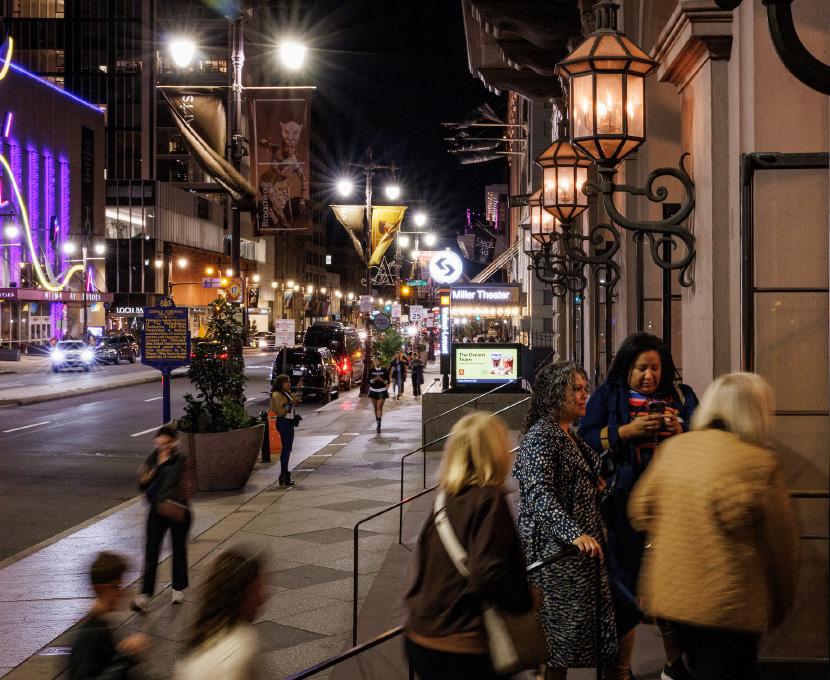
When you picture a vibrant nightlife scene, what comes to mind?
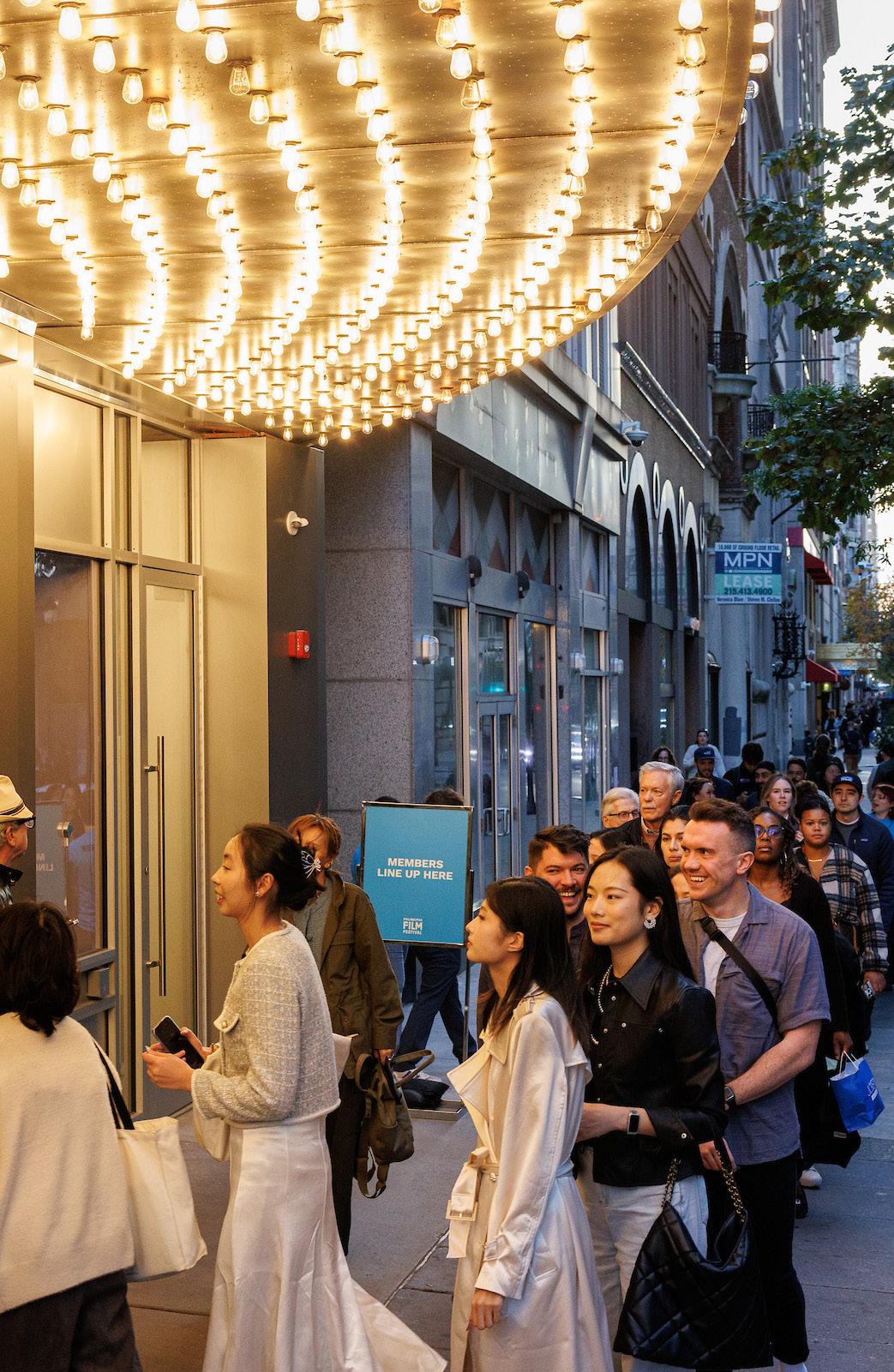
Theatergoers heading to a show, couples out for dinner, crowds gathering for a concert, and streets filled with people whose evenings are just beginning. Center City is where this happens nearly every night of the year, and the numbers suggest after sundown, downtown is firing on all cylinders.
Between hybrid work, SEPTA’s ongoing challenges, and muted tourism levels driven by macroeconomic forces, daytime pedestrian volumes in 2025 remained below 2019. But after business hours, foot traffic in 2025 exceeded 2019 volumes. Why is that?
Pedestrian Volumes, Core Center City, 2019 & 2025
Source: Placer.ai
Since 2010, core Center City’s residential population has grown by 28%, and the area has added more than 12,500 housing units. This creates a reliably consistent and ever-growing base of people who are always in Center City and whose activities sustain foot traffic outside of business hours. On average, Center City saw more foot traffic from 8 p.m. to 6 a.m. in 2025 than it did in 2019.
And while evening activity across Center City is up modestly above 2019 levels, Midtown Village has seen much stronger growth, with average pedestrian volumes between 6 p.m. and 2 a.m. increasing 24% since 2019.
That around-the-clock residential base, plus the visitors who frequent Center City at night, sustains a nighttime economy unrivaled elsewhere in the region.
Hourly Pedestrian Volumes, Midtown Village, 2019 & 2025
Source: Placer.ai
No discussion of Philadelphia’s nighttime economy is complete without its sports scene. With all four major professional sports teams playing in South Philadelphia, the city hosts at least 343 games and major sporting events each year, roughly half of them at home, before even counting playoff runs. Many of those games end around 10 p.m., sending fans into Center City in search of food, drinks, and places to continue the night. The Broad Street Line makes that connection especially direct, linking the sports complex to downtown, while NRG Station alone handled more than 1.3 million riders in 2025.
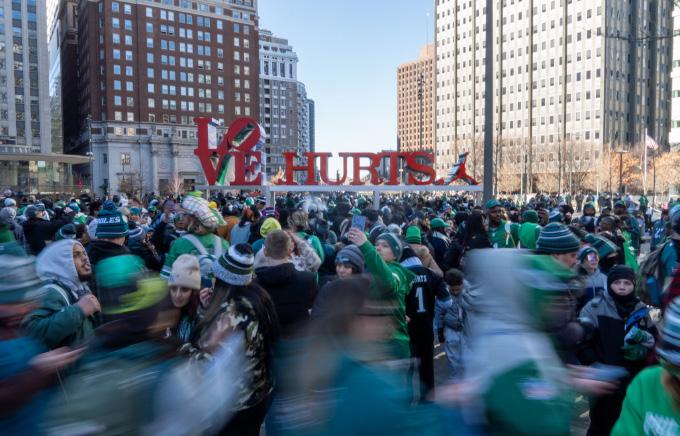
The pedestrian volumes during the Eagles’ 2025 championship run help illustrate this point. During the first three playoff games, pregame hours averaged 5.4% higher than the early afternoon average for January and February Sundays in 2024. Game-time hours were 11.1% higher than 2024’s 3–7 p.m. average, and postgame hours were 30% higher than the 7 p.m.–12 a.m. average. And that doesn’t even factor in the Super Bowl victory itself, which, as we all saw, kept plenty of people in Center City late into the night.
Source: Placer.ai
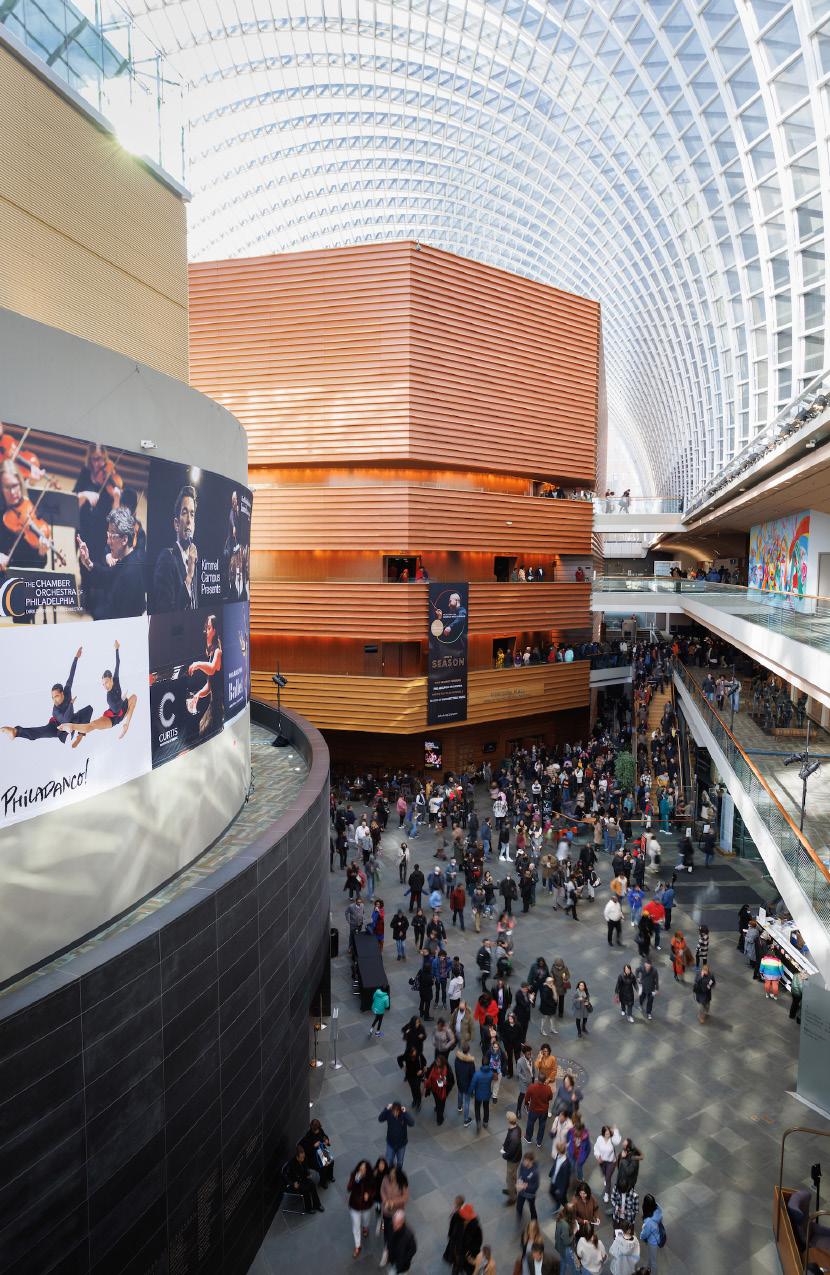
If sports are one pillar of Center City’s nighttime energy, arts and culture are another. Center City has a higher concentration of cultural institutions than any American downtown other than Manhattan. Within the district alone, there are more than 210 arts and cultural institutions, including 17 performing theaters, five movie theaters, and four music, concert, and comedy venues. Together, they help ensure that there are few quiet nights during the year and that people continue to fill the streets well into the evening.
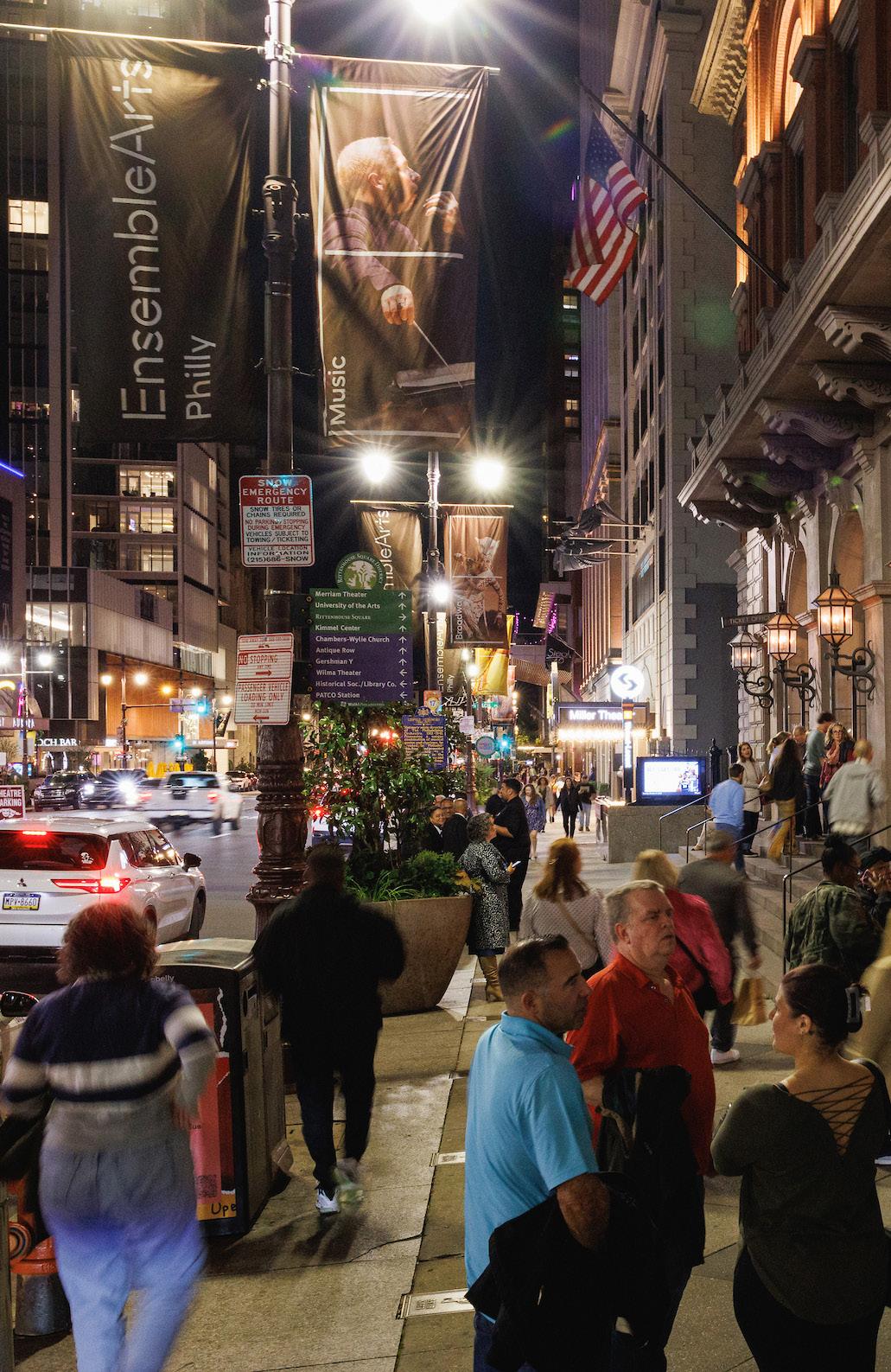
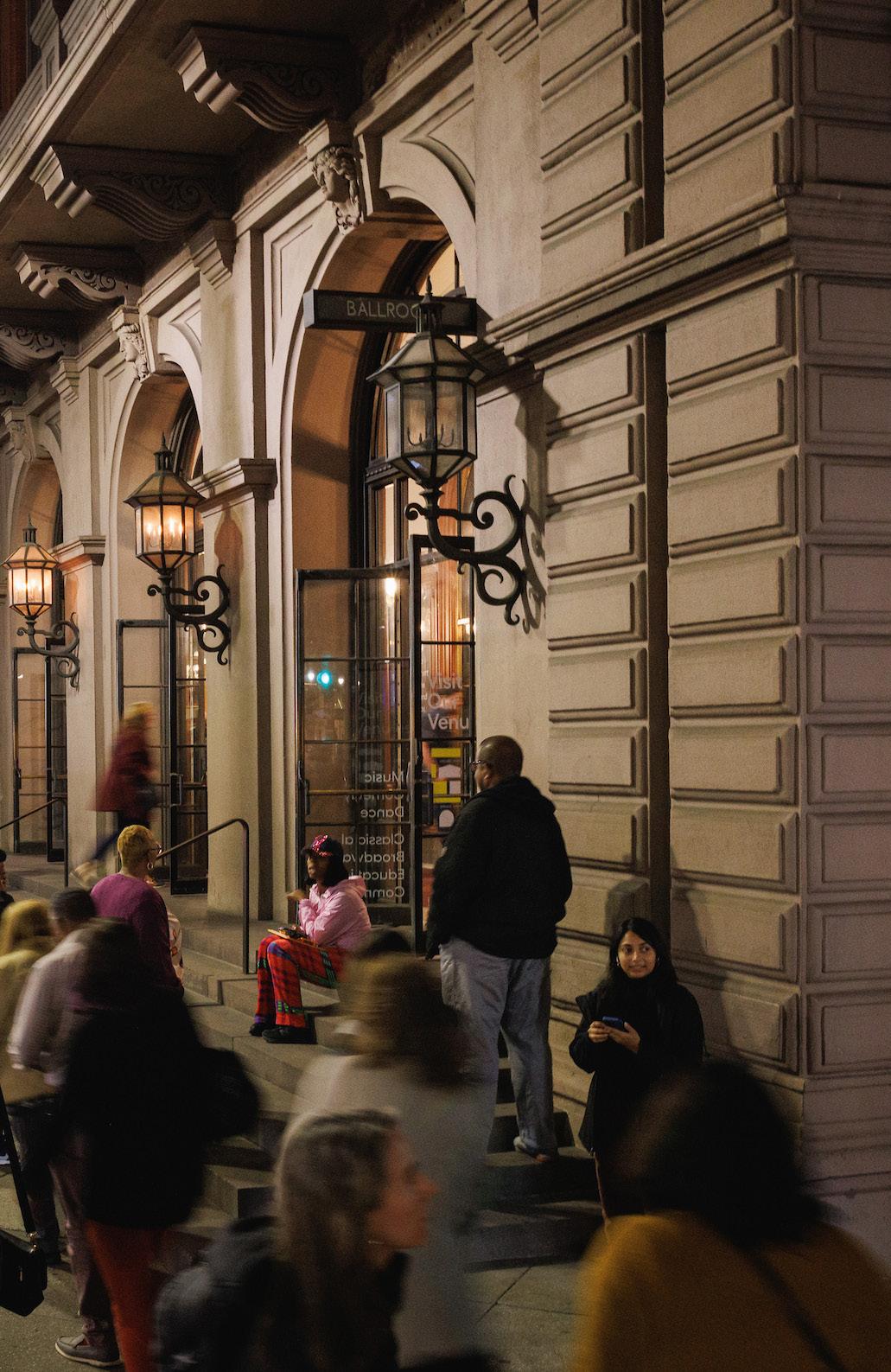
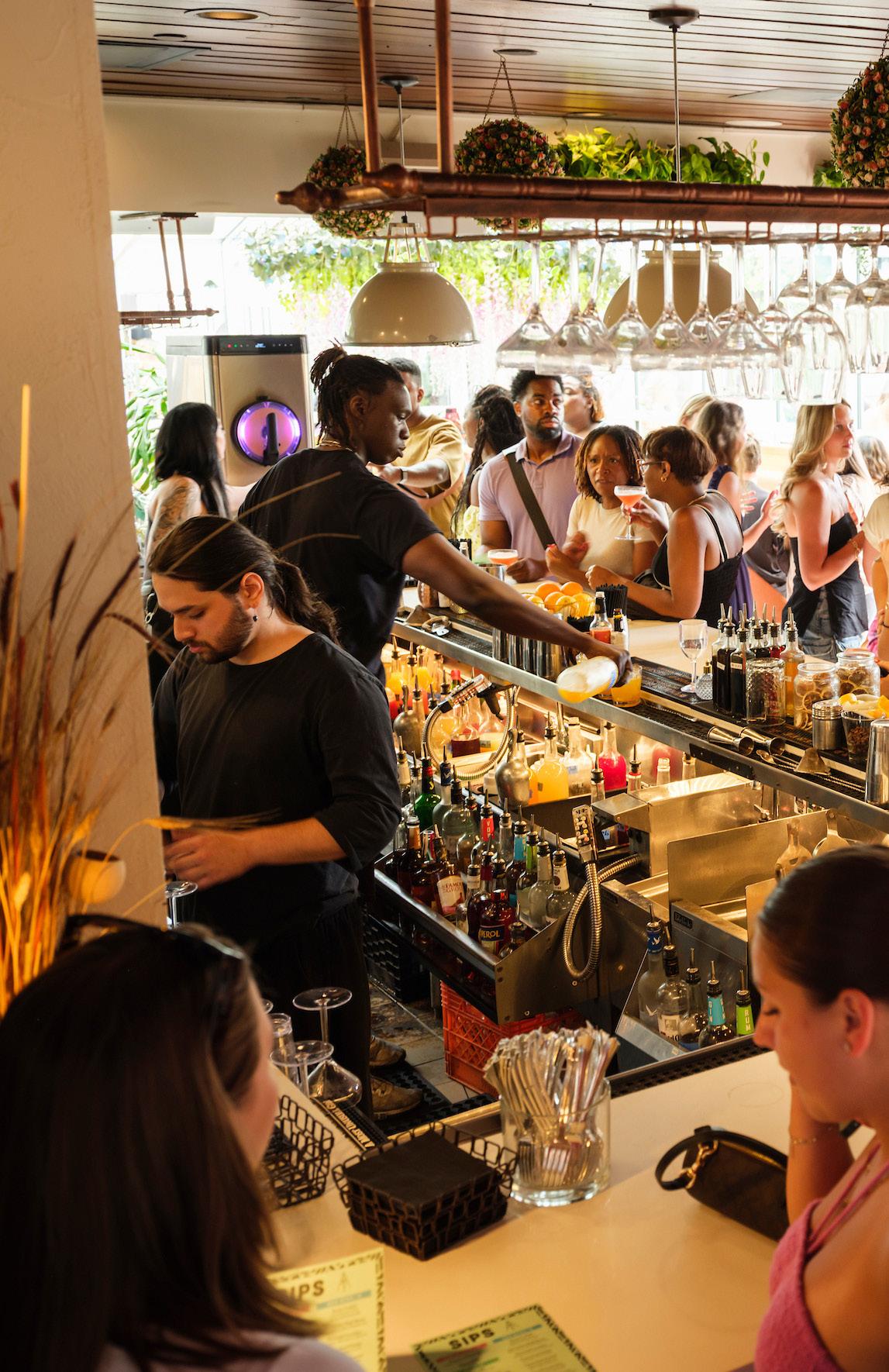
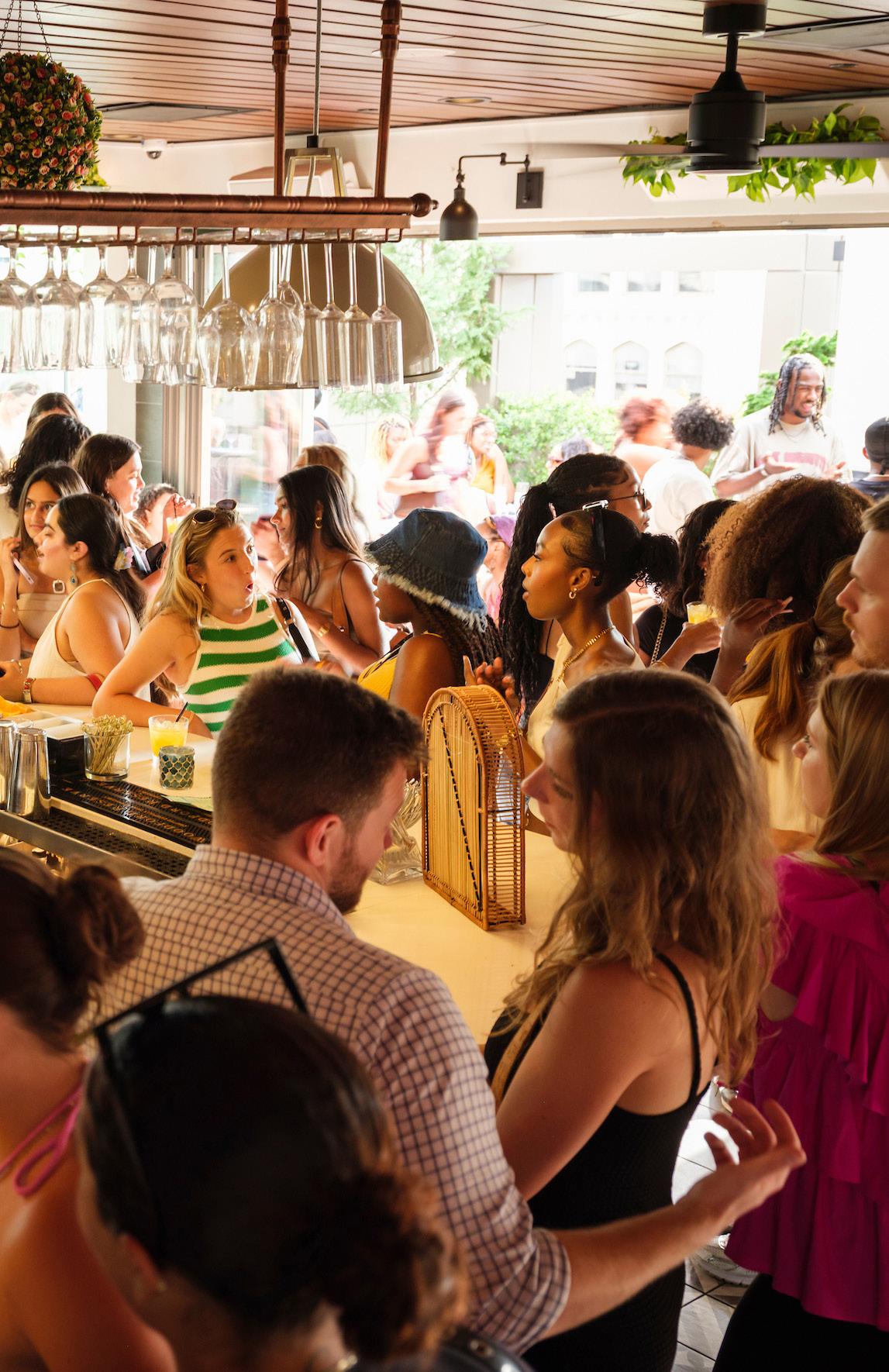
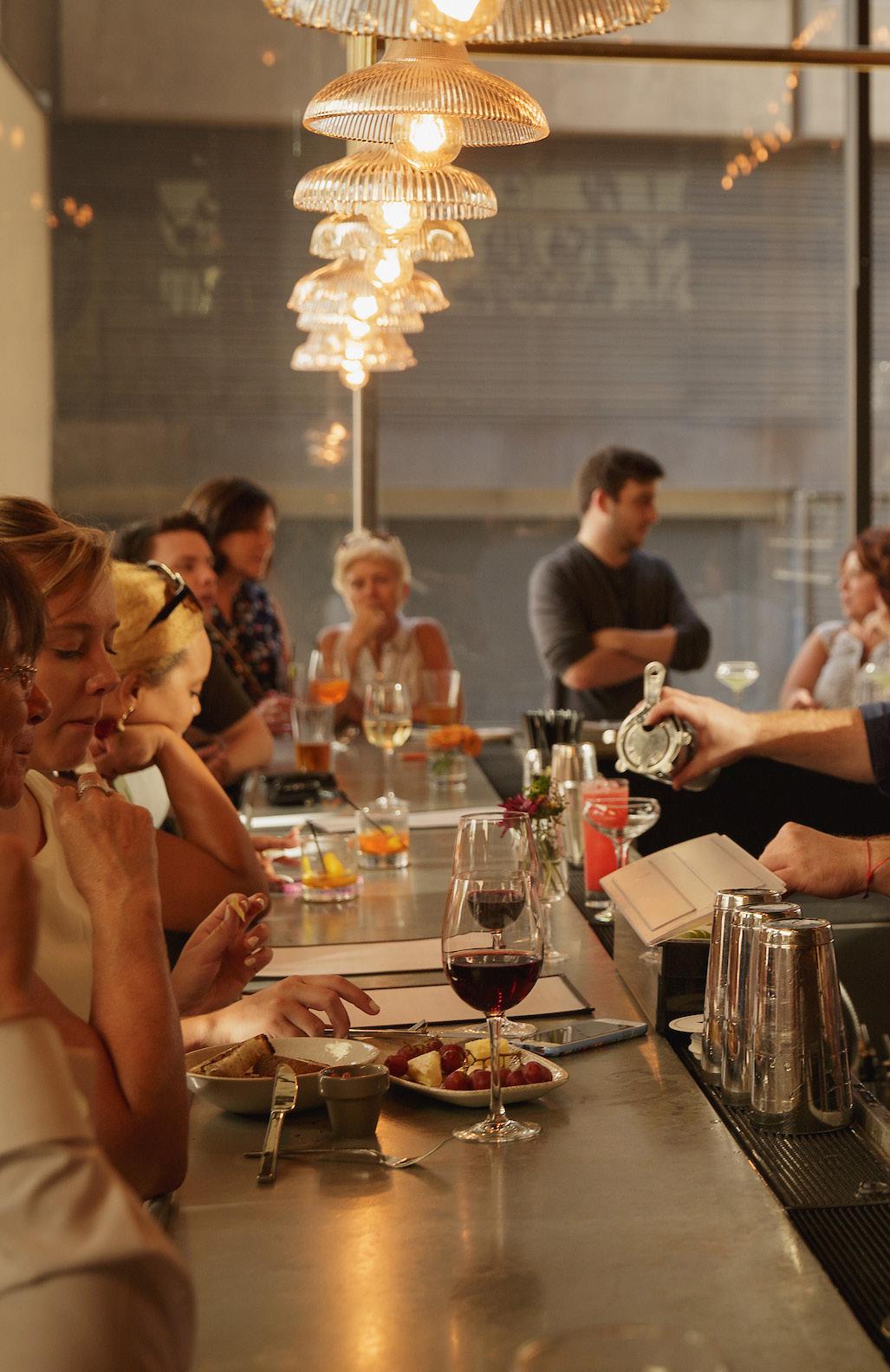
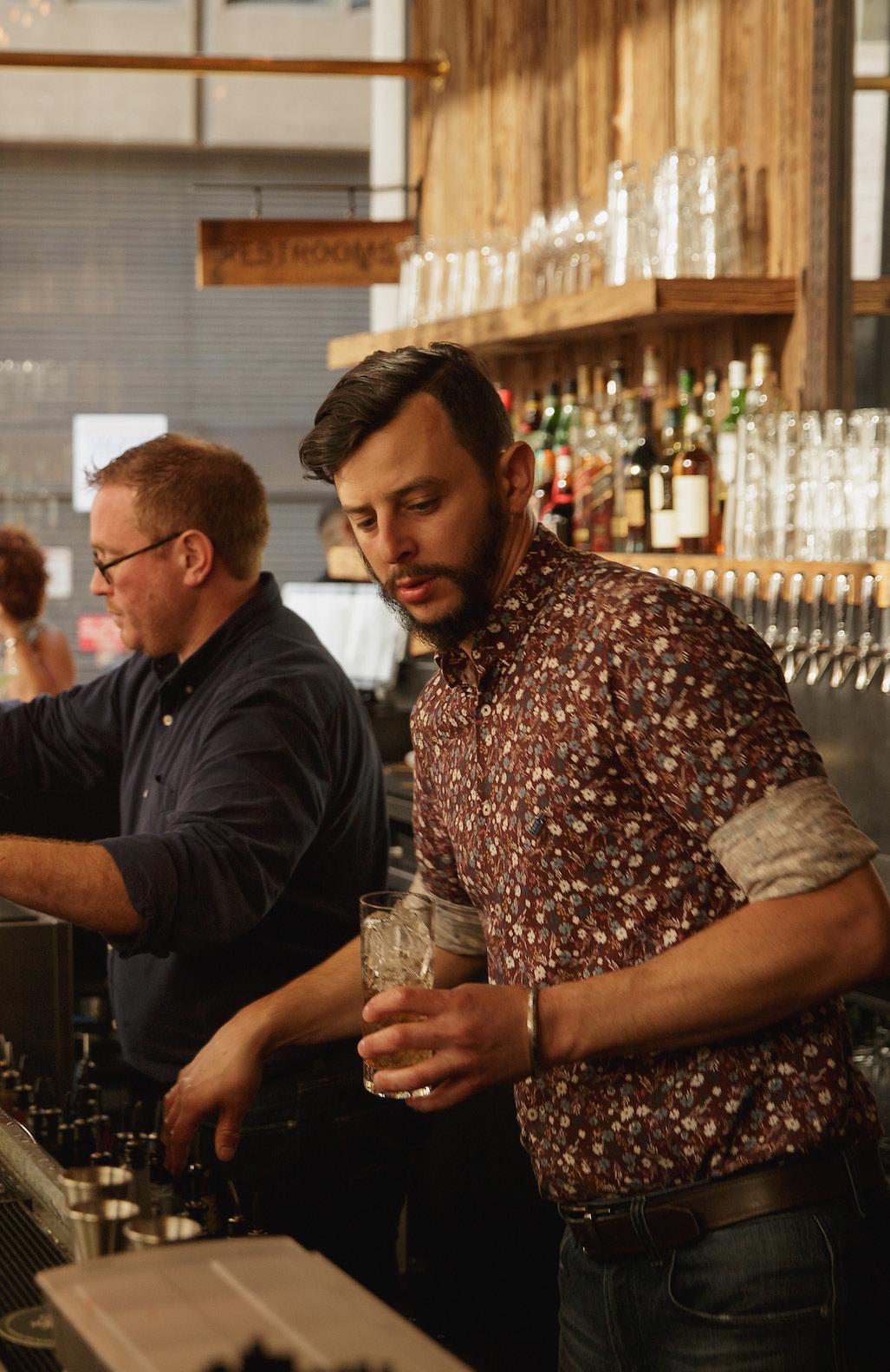
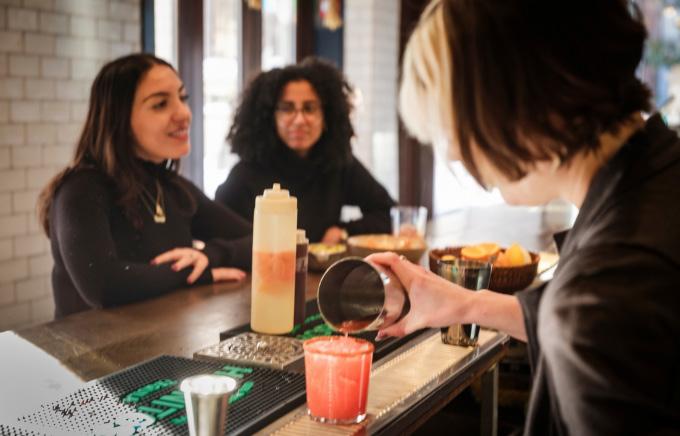
The district is home to more than 450 restaurants and more than 70 bars and nightlife venues, many of which stay open late and anchor the area’s after-hours activity. But over the last decade, night owl staples like diners and Wawa have disappeared, shrinking options for partiers and shift workers awake when the rest of us are asleep. These provide a smattering of options on both sides of Broad Street, though the east side of town benefits from more thanks to the presence of Jefferson Hospital.
Here is a current sampling of late-night and round-the-clock businesses:
• Taco Bell
1037 Chestnut Street (24 hours)
• Wawa
912 Walnut Street (24 hours)
• Healthy Picks
23 S. 19th Street (24 hours)
• Yummy Picks
1122 Walnut Street (24 hours)
• 7-11 multiple locations (24 hours)
• Pizzeria Cappelli
209 S. 19th Street (4 a.m. nightly)
• Wishbone Center City
210 S. 13th Street (4 a.m. on weekends)
• Brooklyn Dumpling Shop 1504 Sansom Street (3 a.m. Thursday through Saturday)
• Rittenhouse Deli & Juice Bar 1510 Sansom Street (3 a.m. on weekends)
• Tacoteca Mexican Grill 1829 JFK Boulevard (3 a.m. on weekends)
• Insomnia Cookies multiple locations (3 a.m. Thursday through Saturday, 1 a.m. other days)
• David’s Mai Lai Wah 1001 Race Street (2:30 a.m.)
• Paulie Gee’s Slice Shop 412 S. 13th Street (2 a.m.)
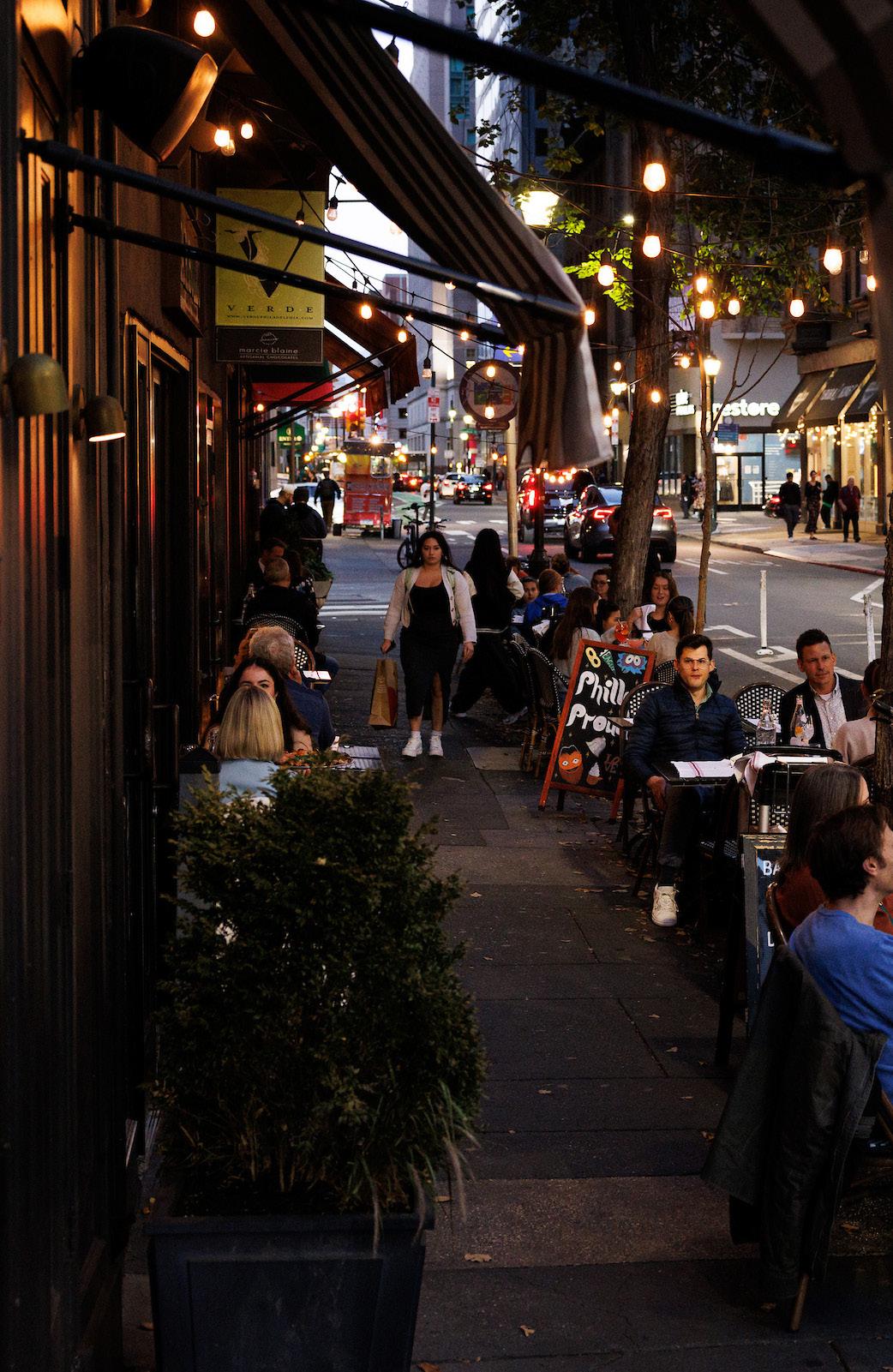
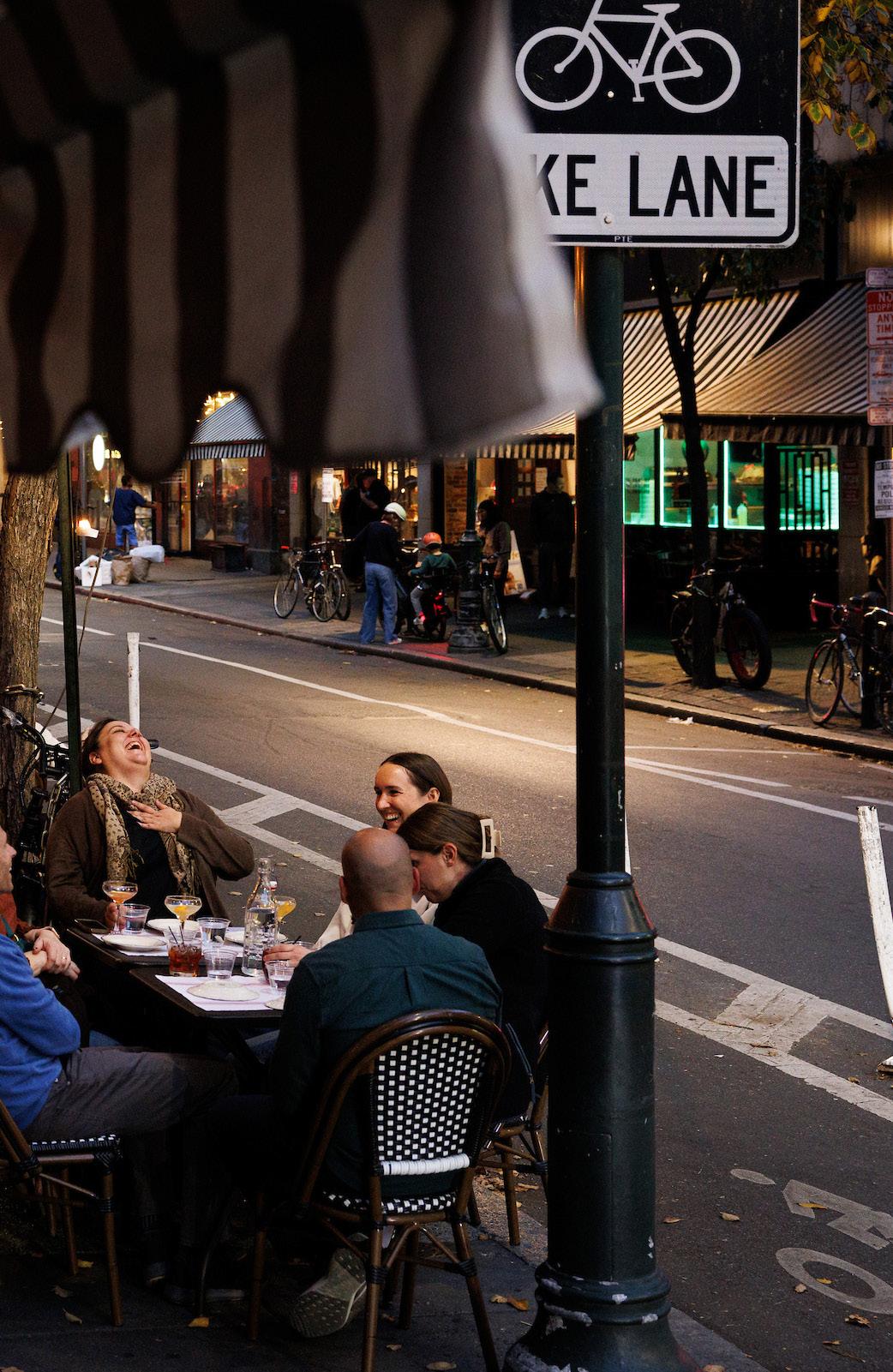
Under Pennsylvania law, bars and restaurants generally must stop serving alcohol and close by 2 a.m. This summer, however, the state approved a temporary measure allowing some establishments to stay open until 4 a.m. to accommodate major events, including the FIFA World Cup, the MLB All-Star Game, and America250. The following Center City establishments are expected to stay open until 4 a.m. More late-night licenses may be approved after the time of publication.
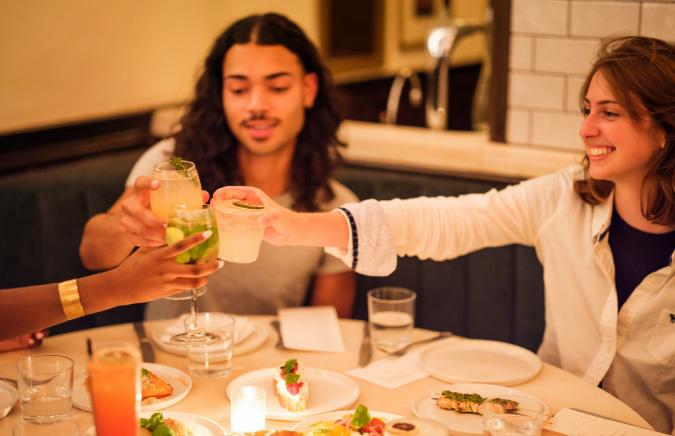
• Lucy’s 1720 Chestnut Street
• Concourse Dance Bar 1635 Market Street, Lower Level
• Woody’s
200-202 S. 13th Street
• Yakitori Boy 211 N. 11th Street
• 1518 Bar and Grille 1518 Sansom Street
• Hearsay/Celine 1222-1224 Walnut Street
• Cellar Dog
254-258 S. 15th Street
• Sueño 114 S. 12th Street
• Uptown Beer Garden
1500 John F. Kennedy Blvd
• Fadó Irish Pub & Restaurant 1500 Locust Street
• Confetti 116 S. 12th Street
• Barcade Center City 1326 Chestnut Street
• Mona 1309 Chestnut Street
• Helium Comedy Club 2031 Sansom Street
• Franky Bradley’s/B.West 1320 Chancellor Street
• Franklin Mortgage & Investment Co. 1715 Rittenhouse Square
• Brü Craft & Wurst 1318 Chestnut Street
• Midnight & The Wicked 1500 Sansom Street
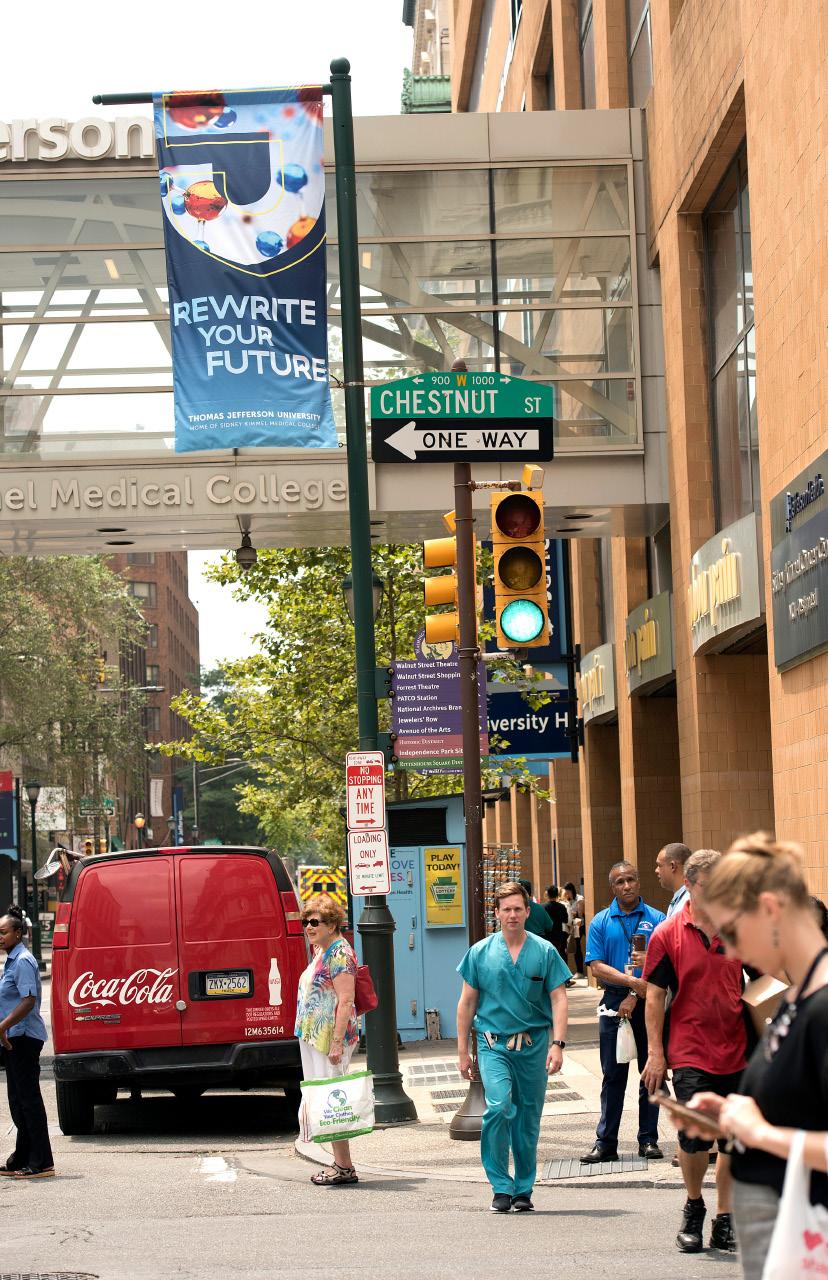
The nighttime economy is not just about bars, restaurants, and entertainment. Many of Philadelphia’s largest employment sectors, especially eds and meds, along with finance, remain active late into the night. Jefferson, Penn, and Temple Health employ thousands of workers around the clock, in addition to police officers, firefighters, EMTs, transit workers, janitorial crews, sanitation workers, and delivery drivers who keep the city running after dark.
A recent Econsult Solutions study revealed just how broad that activity is. It found that 33% of Philadelphia’s nighttime economy is comprised of essential services such as healthcare, transportation, utilities, and public safety. Another 14% is in food, beverage, and hospitality; 9% is in sports and recreation; and 5% is in arts and culture. Many of those sectors are concentrated in and around Center City, helping explain why places like Chestnut Street’s MilkBoy often are busy first thing in the morning.
Taken together, these trends point to a clear opportunity: there is room for more late-night and 24/7 options in Center City. That could mean another place to grab a drink after a late shift, a sandwich shop that stays open past midnight, a grocery store, a gym, or a convenience store to pick up medicine or other essentials.
Cities are defined by movement at all hours, and Center City is no exception. The loss of all-night venues and the truncating of business hours is not unique to Philadelphia since the pandemic, but the concentration of people in Center City after dark makes a strong case for rebuilding and expanding the area’s nighttime offerings—not just for visitors heading out after a night on the town, but for the residents and essential workers who rely on the neighborhood every day.