CELIAC Canadian

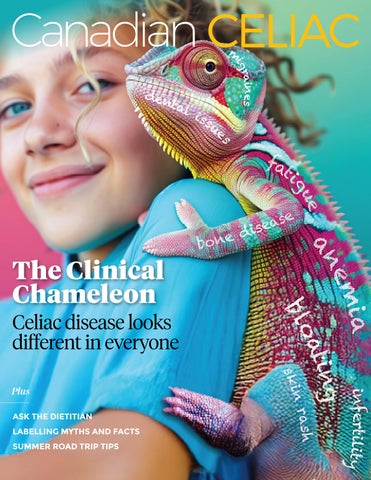
The Clinical Chameleon
ASK THE DIETITIAN
LABELLING MYTHS AND FACTS
SUMMER ROAD TRIP TIPS Celiac
ASK THE DIETITIAN
LABELLING MYTHS AND FACTS
SUMMER ROAD TRIP TIPS Celiac
President + Chair: Doris Foster (ON)
President Elect + Vice Chair: Rumi Jasavala (ON)
Past President: Lizbeth Wall (BC)
Treasurer: Don Leslie (BC)
Secretary: Raman Sehmbi (BC)
Eyobe Amberber (ON)
Nancy Dale (ON)
Stu Guttman (QC) Roberta Kramchynsky (ON)
Seán Murphy (AB)
Steven Poirier (ON)
National Executive Director: Melissa Secord, CAE
CONTACT US: CELIAC CANADA
6733 Mississauga Rd., Suite 700 Mississauga, ON. Canada L5N 6J5
Phone: 905.507.6208 or 800.363.7296
Fax: 905.507.4673 | Email: info@celiac.ca www.celiac.ca
A MAGAZINE FOR CANADIANS WITH CELIAC DISEASE AND GLUTEN SENSITIVITY
Executive Director: Melissa Secord, CAE
Director of Marketing: Lindsay George
Dietitian: Caleigh McAulay, RD
Marketing Coordinator: Leah Vlasic
Contributing Editors: Mervyn Dean (NL), Kirsten Millar (NS), RonniLyn Pustil (ON), Lizbeth Wall (BC)
Design: Gayle Grin, Art Director, www.gaylegrin.design
Layout & Composition: Deborah Doucette, epubsupport.com
STORY CONTRIBUTORS
Lindsay George
Steven Hubley
Caleigh McAulay
Kirsten Millar
COVER PHOTO: ADOBE STOCK-ANNA
JoAnne Murray
Melissa Secord
Leah Vlasic
Lizbeth Wall


In Canada, it takes an average of 10 years to get a celiac disease diagnosis after the first onset of noticeable symptoms. The autoimmune disease is like a clinical chameleon that appears in over 200 different forms, which can be very different even among family members. This Celiac Awareness Month we are once again raising awareness of this disease that seems to hide in plain sight.
We hope that you will join Celiac Canada in talking about the disease with your family and friends. Encourage them to complete our new Symptom Checklist and discover what their “Symptom Pie Chart” looks like. They might be surprised to see the many different symptoms.
We will be asking Members of Parliament and Senators to complete the checklist during our Gluten-Free Breakfast and Awareness Day on Parliament Hill on May 5. There, we will highlight some of the key issues facing our community, including tax fairness, affordability, access to safe food, and the need for greater awareness.
Awareness efforts aren’t happening just on Parliament Hill—we’re also raising awareness through local events across the country. More than 200 students

across Canada are participating in the third annual Kids Teach Kids Day on May 13 – one of our favourite events. Young ambassadors will teach their classmates about celiac disease and share delicious brownies, thanks to our program sponsor, O’Doughs. Gluten free can taste so sweet!
Another highlight of Celiac Awareness Month is the Shine-A-Light on Celiac events on May 16, when nearly 100 landmarks around the world are lit up in “celiac green.” You can find a list of local events online, or create your own celebration at home with friends and family. Don't forget to tag us in your photos on social media!
Celiac disease is having its moment. More than ever there is increasing awareness and respect for people with this disease. Your support of Celiac Canada— donating to support our programs, sharing information with your friends and family, speaking with your doctor, or educating food service teams when you dine out—helps drive positive change every day.
Let’s make this the best Celiac Awareness Month ever!
Melissa Secord, National Executive Director
At Celiac Canada, we’re working to strengthen the future of gluten- free health in Canada as part of our mission to find, treat, and cure celiac disease.
Advancing National Recognition
❚ We’re focused on ensuring that celiac disease is treated as a public health priority and helping reduce the average 10-year gap from symptoms to diagnosis. Early diagnosis dramatically improves health outcomes, reduces long term complications, and lowers costs for the healthcare system.
To help move this effort forward, we’re hosting our third annual Gluten-Free Breakfast and Advocacy Day on Parliament Hill on May 5. We’ll be joined by our Celiac Caucus Chair, Sonia Sidhu, MP for Brampton South, to educate parliamentarians, senators, and staff about celiac disease and our community’s challenges.
Strengthening Gluten-Free Food Safety
❚ As Health Canada moves to modernize Divisions 24 and 25 of the Food and Drug Regulations, Celiac Canada has been working to ensure that gluten-free foods are not left
behind in this process:
– by recommending creating a distinct “GlutenFree Foods” subcategory within Divisions 24 and 25;
– by calling for strengthening the rules around gluten-free claims, reiterating that only the term “gluten free/sans gluten” should be permitted on packaging to help avoid confusion and risk;
– by urging Health Canada to embed the 2015 gluten-free oats criteria (such as the requirement that oats “do not contain more than 20 ppm of gluten”) into the updated framework; and
– by recommending new regulatory definitions and voluntary fortification standards for gluten-free flours, pasta, and cereals.
Advocating for Precautionary Allergen Labelling (aka "May Contains" Statements)
❚ We continue to advocate for clearer, evidencebased standards for Precautionary Allergen Continued on next page
Our goal is a labelling system that improves consistency and transparency, and protects people with celiac disease.
Labelling (PAL) by collaborating with global celiac patient organizations to create standardized, risk-based PAL requirements that ensure warnings are used only when there is a real risk of gluten cross-contact (sometimes called crosscontamination). Our goal is a labelling system that improves consistency and transparency, and protects people with celiac disease.
Advocating for Financial Relief for Gluten-Free Foods
❚ The government has responded to our tax relief and affordability petition, and we’re now
claim require legislation, which takes time, but our Parliament Hill event on May 5 will give us an opportunity to speak to food security, red tape, and improving fairness in recovering medical costs.
❚ Children are particularly vulnerable, and selfadvocating can be challenging, especially when someone else is in control of your food. We’re calling for an inclusive National School Food Program; the government recently announced permanent funding for this in-school initiative. As part of the national Healthy School Food Coalition, we’re raising awareness of the needs of students with celiac disease and working to ensure access to this public program. u 35+ GLUTEN-FREE OPTIONS. PLUS DE 35 PRODUITS SANS GLUTEN.









Question: I’ve been following a strict gluten-free diet, but I still don’t feel well. What could be going on?
Answer: This is one of the most common questions I get. It’s frustrating, but the good news is that it’s not always due to ongoing gluten exposure.
First, review your diet for potential sources of crosscontact at home and when eating out. Even small amounts of gluten can trigger symptoms –like double-dipping a knife into butter or using the same toaster.
That said, ongoing symptoms are often due to other factors.
Fibre intake is a big one. Many people with celiac disease aren’t getting enough fibre, and the
gluten-free diet can make this even more challenging. Many people swap regular products for gluten-free versions but don’t replace the fibre those foods provide. Not getting enough fibre and variety can impact digestion and lead to symptoms like bloating or constipation.
Tip: Include a variety of gluten-free grains to diversify your fibre intake. Don’t forget about options like quinoa, gluten-free oats and buckwheat, many of which are also available as flours and easy to incorporate into meals.
Regular bowel movements are important too, and it’s one of the first things we look at as dietitians. Your poop tells us a lot about your digestive
Canadians are diagnosed differently across the country.
health. If you’re not going regularly, that can contribute to discomfort. Use the Bristol Stool Chart as a guide.
Other possibilities include food sensitivities (such as lactose or FODMAPs), changes in the gut microbiome, or healing that is still in progress, especially within the first six to 12 months after diagnosis.
If your symptoms persist or your bloodwork isn’t improving, follow
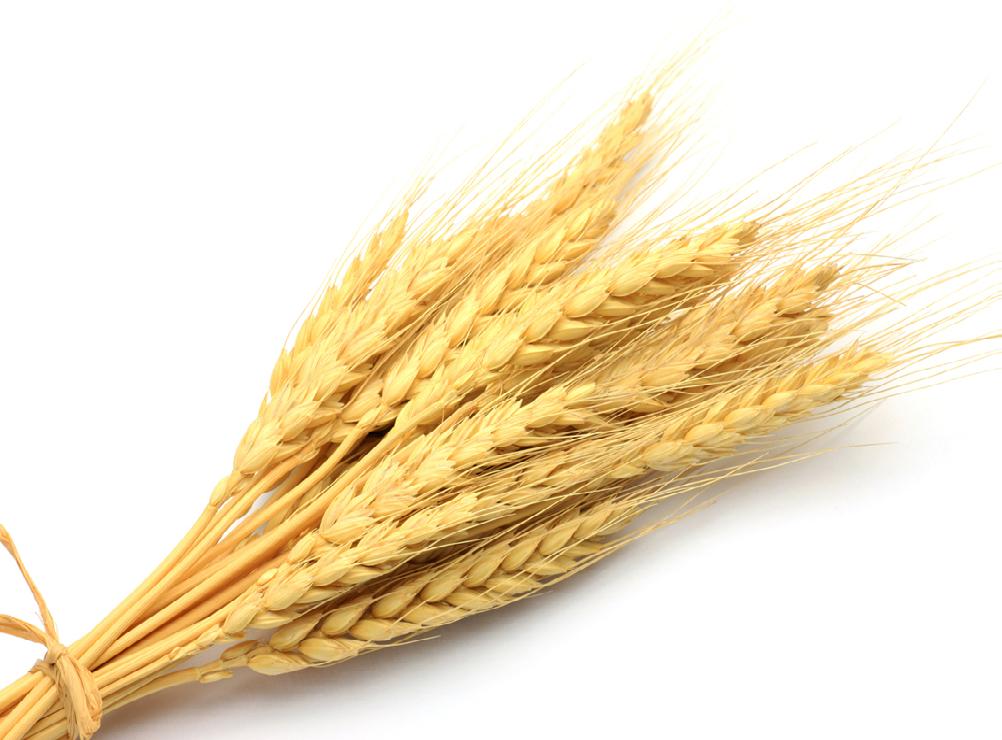
Understanding food labels is essential for safely following a gluten-free diet, but there is also a lot of confusion and myths floating around online. Let’s break down some common ones!
Myth
“Wheat free means gluten free.”
Fact:
Wheat free products are not necessarily gluten free. Gluten is also found in barley and rye, so check for other glutencontaining ingredients. Products labelled “wheat-free” may be okay for someone with a wheat allergy, but that doesn’t mean it’s gluten free.
Myth:
“If a product says ‘gluten free’ but also ‘may contain wheat’ it is not safe.”
Fact:
In Canada, “gluten free” means the product contains less than
20 ppm of gluten, which is safe for people with celiac disease. A “may contain wheat” statement is meant for individuals with a wheat allergy, who must avoid trace amounts. This means a product can have both statements and still be safe for someone with celiac disease.
Myth:
“Gluten can be hidden on labels.”
Fact:
In Canada, all allergens and gluten sources must be declared in plain language. If an ingredient is derived from wheat, barley, or rye, it must be identified on the label.
Myth:
“Malt is always unsafe.”
Fact:
Malt can be derived from grains including corn, rice, wheat, or barley. If it comes from barley or wheat, it is not gluten free; if it comes from corn or rice, it is. Always check the ingredient list for the source.
Myth:
“Maltodextrin contains gluten.”
Fact:
Maltodextrin is highly processed and is considered gluten free in Canada, even if it is derived from wheat.

Myth:
“Glucose syrup made from wheat is unsafe.”
Fact:
Wheat-based glucose syrup is safe because it is highly processed. The manufacturing process removes the protein (gluten), regardless of the starch source.
Myth:
“Wheat starch is never safe.”
Fact:
Regular wheat starch must be
avoided; however, specially processed wheat starch that contains less than 20 ppm of gluten is permitted in glutenfree products. If you see “gluten-free wheat starch,” it has been processed to meet these standards.
Myth:
“Yeast extract always contains gluten.”
Fact:
Yeast extract is gluten free unless a gluten-containing source is specified; for example,
if you see "yeast extract (barley)," it is not gluten free.
Myth:
“Certified gluten-free products are always required.”
Fact:
Many safe products are not certified but still meet the strict criteria for a gluten-free claim. Certification adds reassurance, but it is not the only indicator of safety (e.g., vegetables, cheese, yogurt, or canned beans may not be certified but are still safe). u

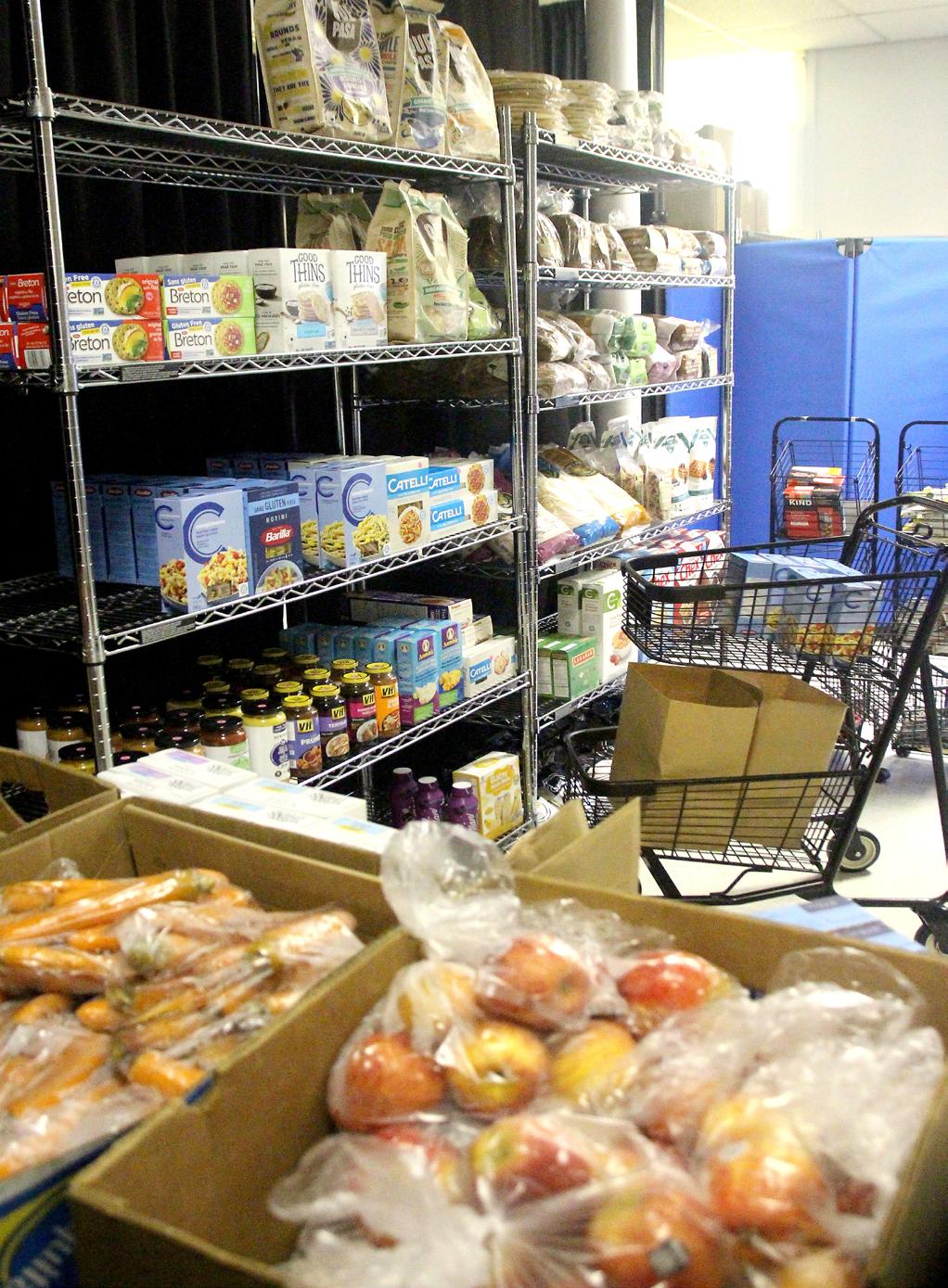
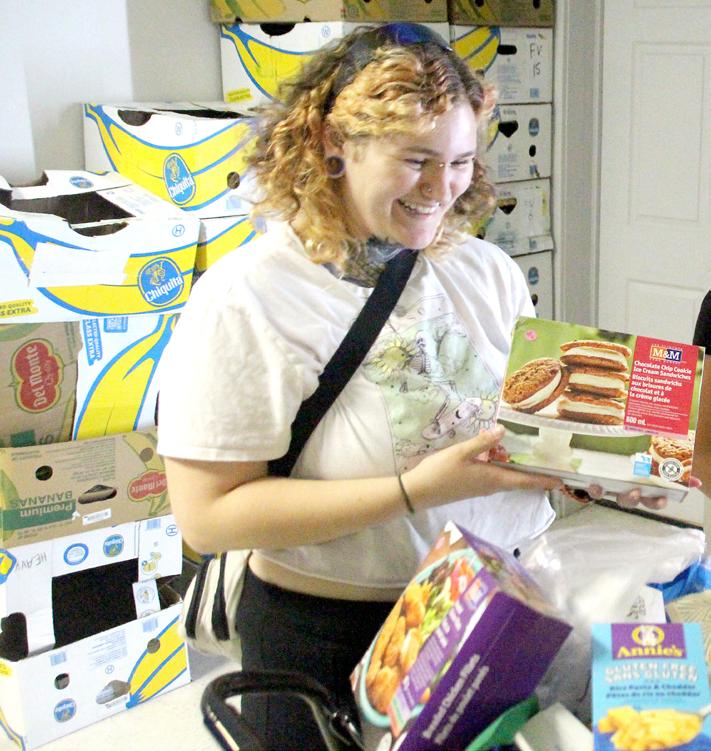
In 2025, the team at Encounter Food Bank in Sackville, Nova Scotia, started seeing an increase in guests asking about gluten-free options. When they started receiving referrals from 211 Nova Scotia for people seeking gluten-free food, they realized something important: This wasn’t an occasional request; it was a pattern.
“We usually only had one or two donated gluten-free items at a time. Nowhere near enough to meet the demand or to support someone who relies on glutenfree foods every day,” says Vanesa Fung, Special Projects Coordinator at the Encounter Food Bank. “It became clear that there was a real and growing gap in access within our community.”
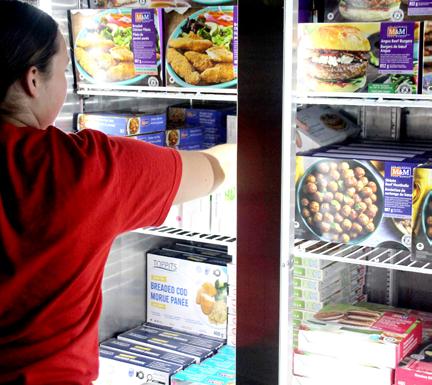
The team set out to create a reliable, dedicated way for people with celiac disease or gluten intolerance to access safe, nutritious food. Thanks to a 2025 Access Grant from Food Banks Canada, they launched Encounter Gluten-Free Food Share as a pilot program— carefully designed to provide guests with consistent variety,
appropriate products, and a dignified shopping experience.
From the beginning, the impact was clear. The program’s guest list increased from four to 67 people in just four months, with families travelling from across—and even beyond— Halifax Regional Municipality. Continued on next page

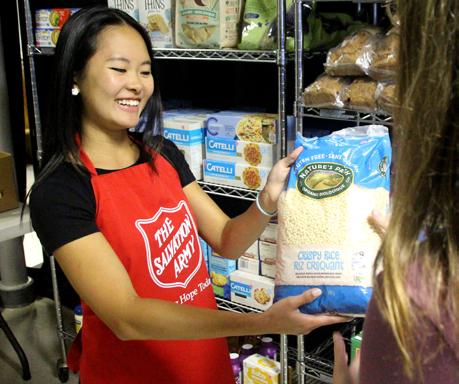
"This is an opportunity that you won’t find elsewhere. And I think it’s cool that it is set up like a market and I get to choose the items instead of just receiving a box of food with stuff that you may not like or be able to consume.... It is helping so many people.”
“Groceries in general are expensive, but glutenfree products are twice as expensive. This program allows me to feed my family food that’s bettering their health, which means less trips to the doctor’s office.”
Many described financial relief and, perhaps most importantly, people said they felt “seen” for the first time—recognized in a system that often overlooks specialized dietary needs.
The demand was there, but running the program had its challenges.
“Finding consistent, reliable sources for gluten-free groceries was new territory for us. We had to build relationships with multiple grocery stores to ensure we could access the items our guests needed,” Fung says.
The team also needed to manage coordination with multiple retailers and find creative storage solutions. But the program led to valuable partnerships with local stores, new volunteers, and a deeper understanding of the community’s needs.
The pilot program ended in October 2025, but they have received funding through the 2026 Access Grant from Food Banks Canada and are developing a plan to continue serving the Gluten-Free Food Share members in the months to come. In the meantime, they’re sharing what they’ve learned: “This revealed that individuals with gluten intolerance or celiac disease are often overlooked, highlighting the need for community support to help them feel seen, safe, and cared for.” u

Purchase and donate glutenfree items to your local food bank. Clearly label your donations as “Save Me for Gluten-Free.” Encourage food banks to set aside gluten-free food for those who need it. www.celiac.ca/

LIVED EXPERIENCE
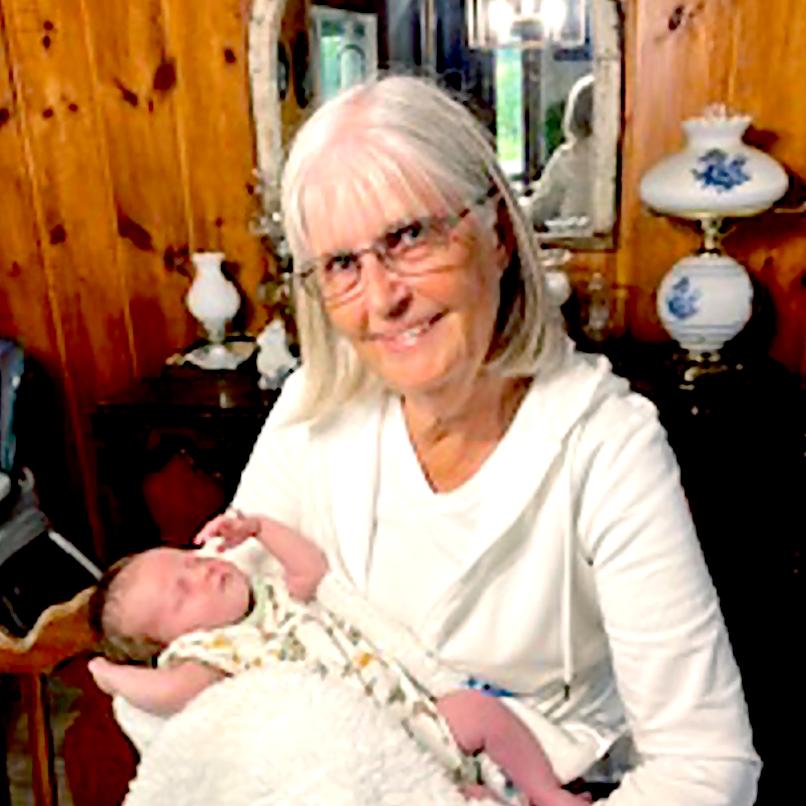
From a young age, Dolores often felt sick after eating, but adults believed she was just a picky eater. She grew up trying to ignore symptoms that never went away.
Her health challenges became more serious over time. As she moved into adulthood, Dolores continued to face problems such as low nutrition, dental issues, and ongoing stomach trouble, without knowing the cause. She experienced delayed and painful periods, endometriosis, and even an ectopic pregnancy—problems that doctors later linked to long, undiagnosed celiac disease.
“My main symptoms prior to diagnosis were iron deficiency, constipation, lots of cavities as a child, ridges in my teeth and fingernails, low weight and slight frame, allergies to medications, canker sores in the mouth, night sweats, brain fog, and lots of bloating,” Dolores says. “It was disheartening to have professionals and others believe that I was imagining the symptoms and that there was nothing wrong
with me. It was very difficult to regularly have to cancel my plans with others because I didn’t feel well enough.”
Everything changed in 2004. While being treated for ferritin overload, further testing finally revealed the truth: Dolores had celiac disease. Confirmed by a biopsy, the diagnosis brought relief after many years of confusion.
Continued on next page
There are thousands of people just like Dolores across Canada. They rely on the support, information and advocacy provided by Celiac Canada. You can help keep these programs strong by making a special Celiac Awareness Month gift today.
At first, Dolores had little guidance and struggled on her own. That began to shift when she joined a local Celiac Canada support group. There, she found people who understood her experience and helped her learn how to manage her condition. Increasingly, she turned to Celiac Canada’s many resources to help manage her gluten-free diet. She attended the annual


conference and became a loyal supporter, giving regularly year after year.
Today, in her late 70s and a proud greatgrandmother, Dolores continues to face the longterm effects of celiac disease with strength and determination. She knows Celiac Canada will be with her along the way. u Celiac Canada offers educational resources, recipes, and tips for personalizing your gluten-free diet, as well as topical webinars and more. Please give generously.

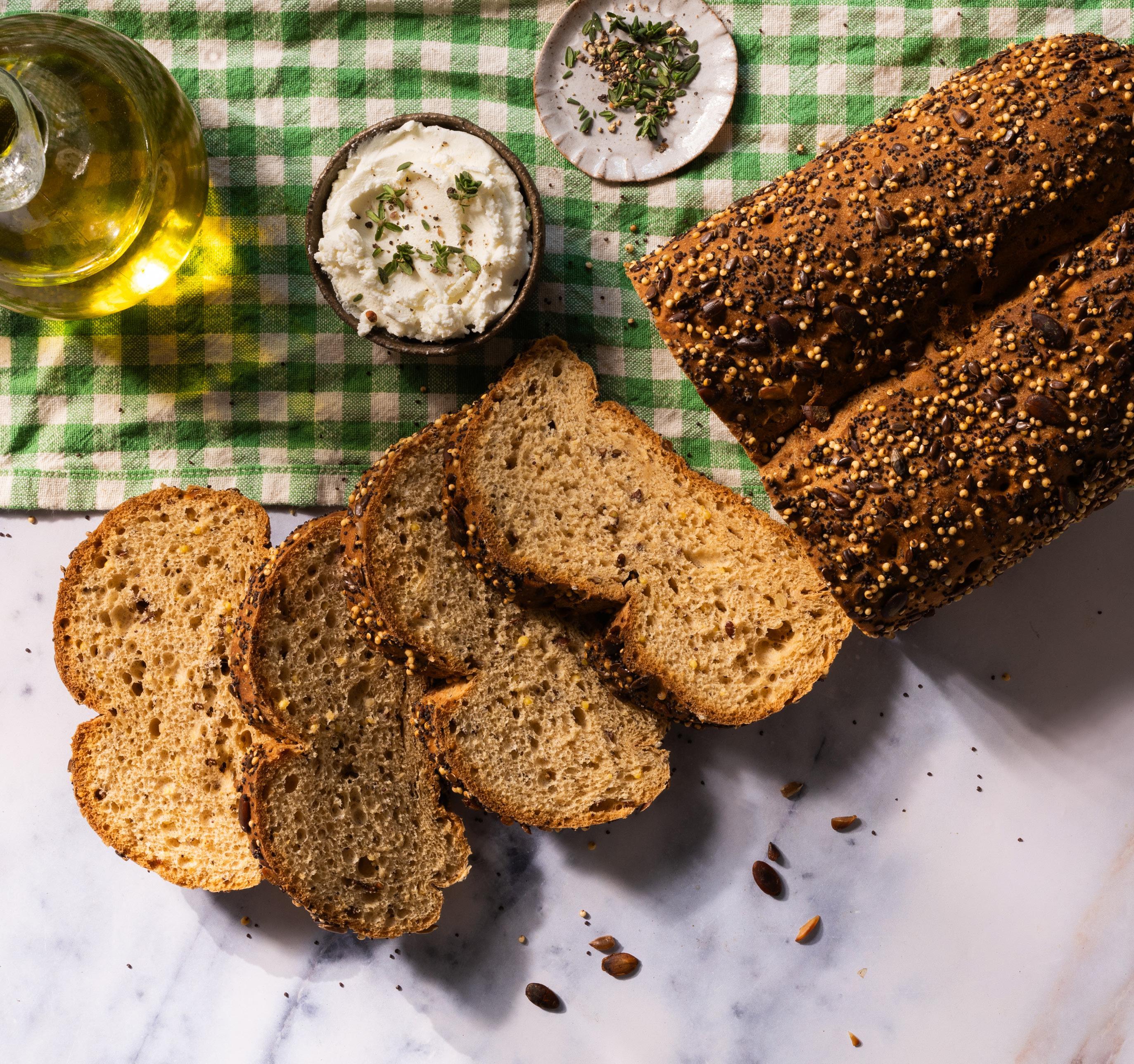

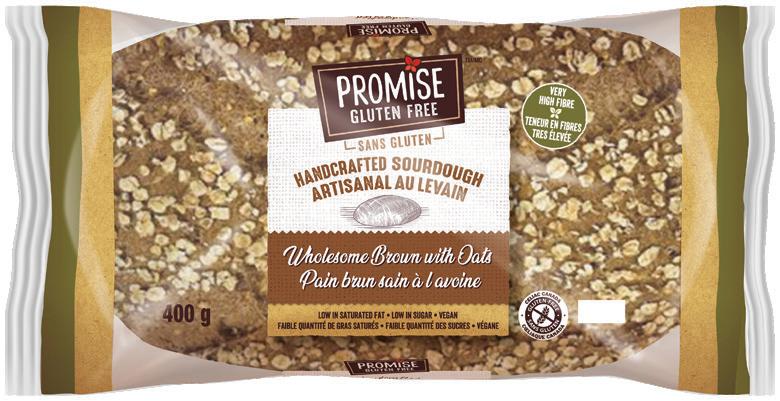



CELEBRATE CELIAC AWARENESS MONTH WITH CANADA’S #1 GLUTEN FREE BREAD BRAND
Our handcrafted sourdough range is carefully baked to deliver exceptional taste and texture - without compromise. High in fibre. Low in sugar. Low in saturated fat. Discover the range in stores and online now.
BETTER BREAD. THAT’S A PROMISE.

COVER STORY
Celiac disease can look different in everyone. While some people experience classic symptoms like chronic diarrhea, abdominal pain, or weight loss, others face less obvious issues. With more than 200 possible symptoms, diagnosis can be tricky. Atypical signs may include anemia, osteoporosis, extreme fatigue, oral ulcers, infertility, dental enamel defects, and neurological symptoms such as headaches or coordination problems. Symptoms can affect people at any age, and for many, there are no outward signs at all.
Because of this, people with celiac disease—and those caring for them—regularly have to advocate for themselves in medical settings, at work or school, with family, and in any situation involving food.
But the good news is: You’re not alone.
Celiac Canada is dedicated to helping Canadians find, treat, and cure celiac disease. We support research, develop practical tools, and work with
Continued on next page

government and industry to reduce the daily burden of living gluten free.
And the celiac community is strong and welcoming. You can connect through Celiac Canada’s Facebook Support Group, volunteer with a local chapter, or attend gluten-free events to build your support network.
To mark Celiac Awareness Month, we invited five members of our community to share their stories and advice—and we hope their experiences help guide and inspire you.

59
Primary symptoms:
Bloating and stomach pain
I had issues for years with bloating and stomach pain. I was taken by ambulance to emergency a few times, but they told me I had a UTI even though I had no symptoms, and they never tested me for celiac.
When visiting Barbados in 2023, I experienced severe stomach pain. I saw a doctor there, and after taking my history she ordered blood work to test for celiac. The results indicated I likely had celiac disease. After returning home, I was referred to a gastroenterologist who did an endoscopy that confirmed celiac disease. I’d never heard of celiac disease. It was devastating when I realized I had yet another autoimmune disease (I was diagnosed with Type 1 diabetes at age 27).
I realized that I needed to educate myself and not only check food for carb and sugar content vs. insulin doses but also figure out if foods contain gluten. It’s like back to being a Girl Guide—my motto is “Always Be Prepared.” I know that with time, celiac disease will become easier to manage. u

Diagnosed: age 17
Primary symptoms: Low iron, stomach discomfort
Living away from home for school and hockey, I had to talk to my coaches and teachers to ensure there were gluten-free options. It was challenging on hockey road trips because there were limited places to stop, like fast food or gas stations.
Having celiac disease hasn’t affected my ability to be active in sports. I’ve played competitive hockey for 14 years along with basketball, lacrosse and other sports. Eating gluten free improved my energy. I gained weight easier for having better absorption of nutrients. The most challenging part has been eating away from home at places like rink concessions and smaller-town restaurants. Because I couldn’t always be assured post-game meals would be gluten free, I always brought a backup.
The most rewarding part is that I could still compete at a high level and achieve goals alongside others who didn’t have to plan for gluten-free life. I’m actually quite proud of that. u
I wish people understood cross-contamination better.— Sadie

Meet Sadie and her father Matthew Diagnosed: age 2
Primary symptoms: Iron-deficient anemia, thinning hair, leg cramps
Sadie: A few people on my dad’s side of the family have [celiac disease] and a few people on my mom’s side of the family, but no one else in my immediate family.
For the past two years, I told [my teachers] about me having celiac at the beginning of the year, but there was no real follow-up or much talk about it. For friends, I have to explain it to them a few times before they understand. I like it when they remember and some of them are good at looking out for me.
I wish people understood cross-contamination better. I wish I didn’t have to tell my friends not to touch my food after they’ve had theirs; sharing a bag of chips is stressful for me when my friends are eating gluten. I keep my food in my own bag and
I put it in my backpack or the corner of the room. I also don’t let other people touch my food or heat it up if I think there’s a chance of cross-contamination.
Matthew: Sadie was a very smart and articulate toddler, which made it easier for us to explain things to her. We told her that our diet was going to change a little bit, but that she would still be able to eat the foods she loved, just a little bit differently. We also tried to teach her right off the bat that she’d have to advocate for herself. When she was little, Sadie was very good about speaking up and double-checking if foods were gluten free and prepared in a safe space. I would say as she has entered the teen years, she is a bit more reserved and apprehensive; she doesn’t love to inconvenience people and doesn’t want to hurt people’s feelings when they try to accommodate but don’t fully understand.
Our entire kitchen is gluten free, including our toaster, air fryer, and all the groceries that enter our house. We want Sadie to have a safe place where everything she reaches for is gluten free, and it’s the one place she doesn’t have to read labels. u
Walty: Learn how to cook, and advocate confidently for yourself because you can’t expect people to know what you need.
Sadie: If there’s something you really want that’s not gluten free, you can try to make it. I make really good chocolate chip cookies now!
Susan: Take the time to allow yourself to grieve. And in the meantime, learn as much as you can about managing celiac disease.

Matthew: Ask, doublecheck, and then triplecheck with servers and managers at the restaurant.
Rumi: If in doubt, don’t touch it. If you’re going to be out of the house, pack some snacks.
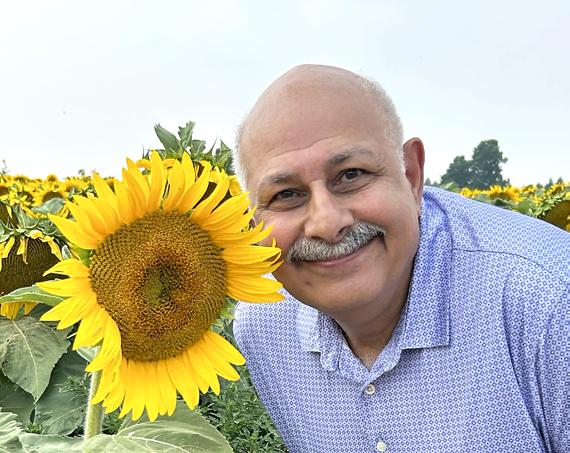
Meet Rumi
Diagnosed: age 46
Primary symptoms: Joint pain, exhaustion
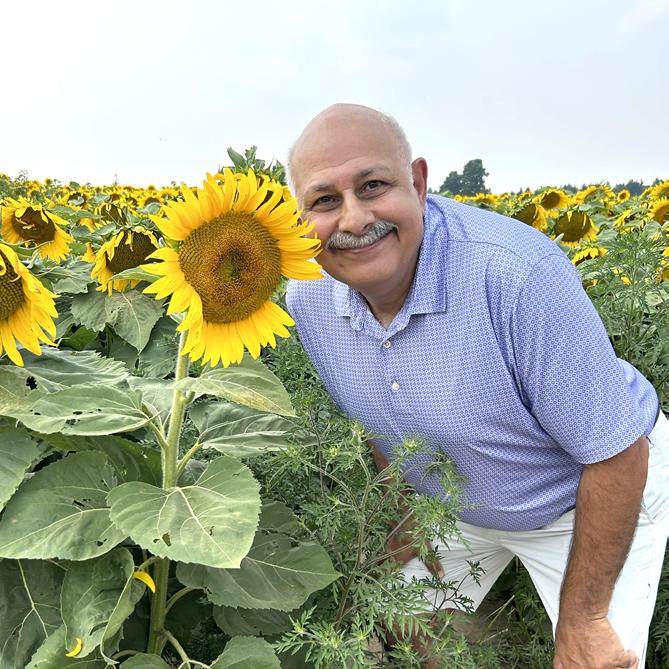
Being of South Indian descent, this is largely unheard of in our culture. I’m sure many people may have celiac disease but continue with their lives undiagnosed. Giving up gluten would be extremely difficult for most in our community.
I was diagnosed at a time when celiac disease was not widely understood. Dining out or even finding safe packaged foods required constant vigilance and often felt overwhelming. Fortunately, I’ve been lucky to have a supportive wife who enjoys cooking, which has made managing my condition much easier over time.
My daughter, who was diagnosed while at university, had a much more challenging experience. Catering staff did not always take the necessary precautions or fully understand the seriousness of cross-contamination. There was also a lack of awareness among her friends, which made social situations difficult. Eating out with them was often stressful, as she had to repeatedly explain her condition and sometimes avoid joining in altogether to stay safe.
Raising awareness remains an ongoing challenge. It’s important for people to understand that if celiac disease is not diagnosed and managed early, it can lead to serious long-term health complications. u

With celiac disease, most people don’ t experience


When most people think of celiac disease, they think of digestive symptoms like bloating or stomach pain. What surprises many people is that celiac disease doesn't always show up that way. In fact, it can look very different from person to person.
While some people experience classic gastrointestinal symptoms like diarrhea, bloating, gas or abdominal pain, others may have little to no digestive symptoms. Instead, you might feel constantly tired, struggle with low iron, experience frequent headaches, brain fog or joint pain, or have skin issues like dermatitis herpetiformis. In children, signs may include poor growth, delayed puberty, dental issues or irritability. For some, there are no obvious symptoms at all.

If you’re experiencing ongoing or unexplained symptoms, it’s worth considering whether celiac disease could be a possibility. Celiac Canada offers a self assessment tool to help you better understand your symptoms and decide whether testing may be appropriate. If you suspect celiac disease, speak with your healthcare provider about screening. Early diagnosis can help prevent long-term complications and support better health outcomes.
Important reminder: Do not start a gluten-free diet before being tested. Removing gluten beforehand can interfere with accurate diagnosis.
Symptom Spotlight: Iron Deficiency
Iron deficiency is one of the most common presentations of celiac disease. In fact, up to 67.8% of people with celiac disease experience Continued on next page
iron-deficiency anemia (1). For some individuals, it may be the first, or only, sign of celiac disease.
Celiac disease damages the small intestine, where iron is absorbed. This can make it difficult for the body to absorb enough iron, even if you’re eating enough. Common symptoms include fatigue, weakness, dizziness, shortness of breath, and feeling cold.
In addition, many gluten-free products are not fortified like their wheat-based counterparts. One study found that gluten-free products may contain up to 55% less iron (2), which can further increase the risk of deficiency.
Even after starting a gluten-free diet, iron deficiency can continue if levels aren’t checked or if you’re not getting enough iron.
Tip: Pair iron-rich foods with vitamin C (like citrus, peppers or strawberries) to improve absorption. u
1. Pulido, O., Zarkadas, M., Dubois, S., Maclsaac, K., Cantin, I., La Vieille, S., ... & Rashid, M. (2013). Clinical features and symptom recovery on a glutenfree diet in Canadian adults with celiac disease. Canadian Journal of Gastroenterology, 27(8), 449-453. doi: 10.1155/2013/741740
2. Jamieson, J., Weir, M., & Gougeon, L. (2018). Canadian packaged gluten-free foods are less nutritious than their regular gluten-containing counterparts. PeerJ 6:e5875; DOI 10.7717/peerj.5875

On May 13, 2026, more than 200 young people will participate in Celiac Canada’s Kids Teach Kids program at schools and clubs across the country—sharing their experiences and helping their friends and classmates understand what it means to have celiac disease.
For Bella, the program has become so much more than a school activity—it’s become part of who she is.
Bella participated in the program for the second time in 2025, and what started as a simple classroom presentation the previous year blossomed into something bigger, braver, and more meaningful the second time around.
Bella stepped up in a way that made her family incredibly proud. She presented to her after-school Pathfinder/Ranger unit, which included 31 youth aged 12-17, plus five adult advisors. Using a slideshow she created herself, Bella talked openly about her diagnosis, what living with celiac disease is really like, and the small but important ways friends and leaders can help—from watching out for cross-contamination to choosing safe snacks.
At school, Bella didn’t just participate in the program, she led it. She created posters for every classroom and hallway, reaching nearly 500 students from junior kindergarten to grade 8. She helped write morning announcements, visited classrooms to share what celiac disease is, and ended the day by passing out gluten-free brownies, thanks to the support of the Kids Teach Kids program sponsor, O’Doughs. Teachers and the principal cheered Bella on every step of the way.
Bella’s mom Megan shared that this program has made her daughter more confident speaking in front of others, more sure of herself, and more empowered in managing her celiac disease.
Kids Teach Kids didn’t just give Bella a platform— it gave her a voice.
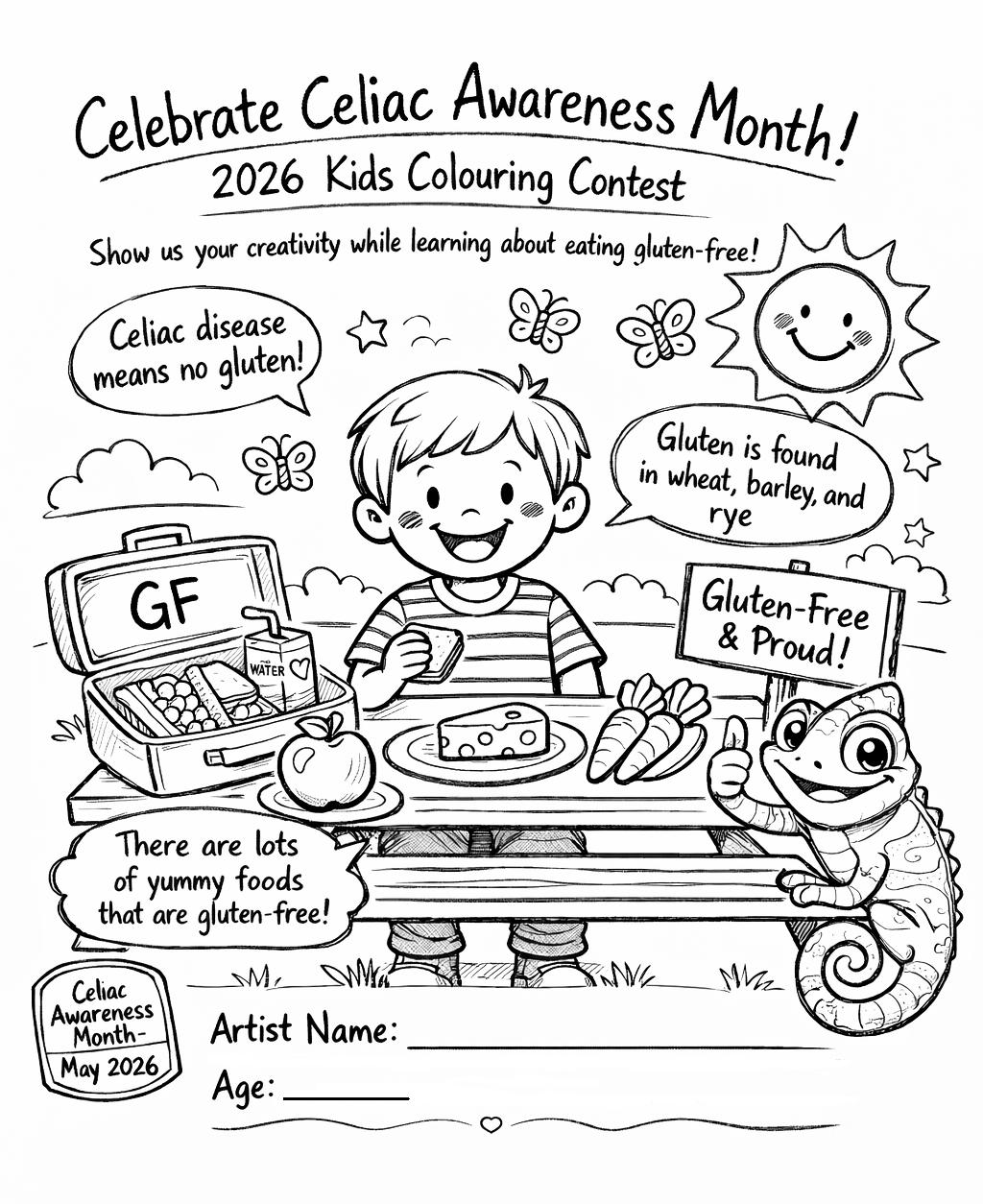
Celebrate Celiac Awareness Month with our 2026 Kids Colouring Contest! This fun and creative activity gives young artists the chance to learn about celiac disease while colouring a page designed just for their age group.
We’re excited to offer two categories: a simple, playful colouring page for children 5 and younger, and one for children ages 6-12.
Download your page, colour it in, and send us your masterpiece for a chance to win.
One winner from each category will be announced in the May 31 edition of the Connects newsletter.
GET YOUR CRAYONS OUT!
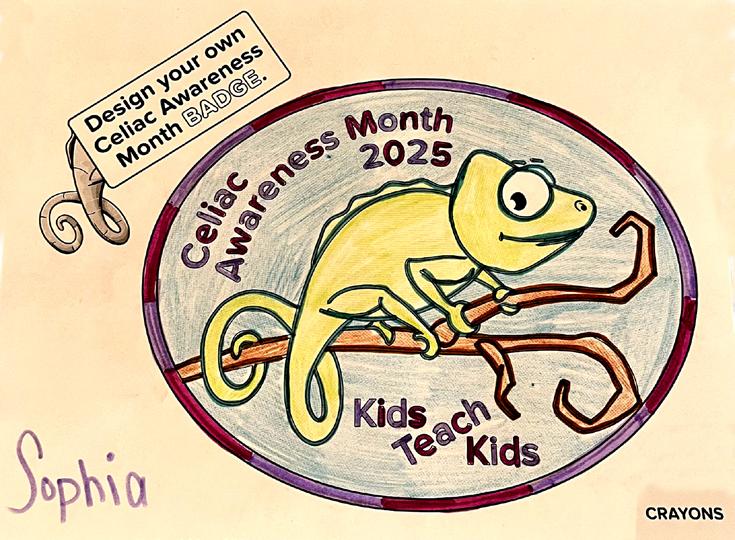
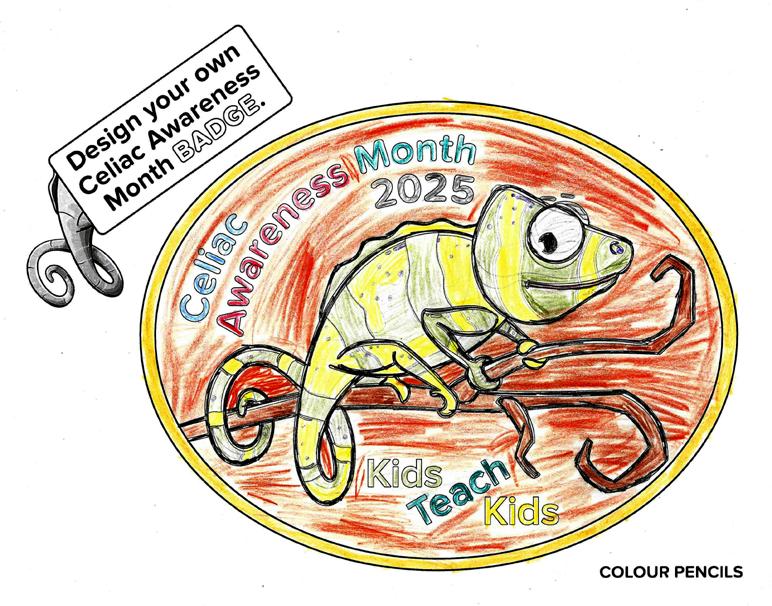
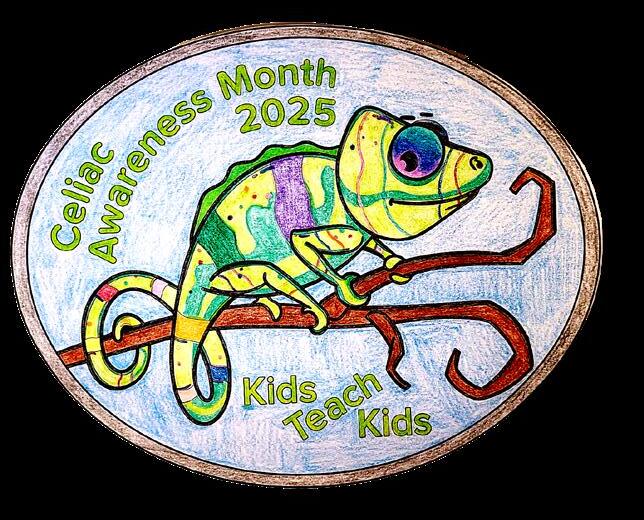
Celebrations are happening across Canada to help raise awareness for celiac disease. From #ShineALight events, where city landmarks are lit up in green, to local events that bring the community together, there’s lots to see and do this Celiac Awareness Month!
❚ May 1: Our colouring contest is open! Download one of the colouring sheets, colour it in, and send us a photo for your chance to win! More details on page 22.
❚ May 5: Celiac Canada is in Ottawa for our Gluten-Free Breakfast and Advocacy Day, hosted by Sonia Sidhu, MP for Brampton South and our Celiac Caucus Chair.
❚ May 9-10: Our annual GiveA-Thon! Look out for Power Hours on our social media channels to help make your donation go even further, thanks to our sponsor, Promise Gluten Free.
❚ May 13: It’s Kids Teach Kids Day! More than 200 students from across the country will take the lead and teach their friends and classmates about celiac disease. Thanks to our program sponsor, O’Doughs.
❚ May 16: International Celiac Disease Awareness Day! We’re joining organizations around the globe to #ShineALight on celiac disease. Be sure to share your Shine A Light photos and stories with us on Instagram, Facebook and X.
❚ May 20: Join our Gluten free 101 webinar for information and support to help you master your gluten-free diet.
❚ May 27: Join Celic Canada for a specialty webinar : Persistent Symptoms on a Gluten-Free Diet.
Throughout May, Celiac Canada chapters are hosting events designed to connect community members—whether you’re newly diagnosed, gluten free for years, or supporting someone you love. Find your local event, join in, and help us raise awareness from coast to coast to coast!
Joseph Street East (Québec City)
Forks (Winnipeg)
(Edmonton)
Building (Edmonton)
City Hall
Tepee (Medicine Hat)
City Hall
Place* (Vancouver)
Bridge* (Vancouver)
Place (Sails of Light) (Vancouver)
World* (Vancouver)
Convention Centre*
City Hall*
Airport Control Tower*
Moody City Hall
(Victoria)
City Hall (6 – 7 p.m.)
and Telus Spark
Continued on next page



❚ May 16: Annual General Meeting—A catered luncheon for members at Club D’Age D’Or, Dieppe, NB.
❚ May 1 from 10 a.m. – 3 p.m : Celiac Awareness Month display table at MUHC.
❚ May 23: Gluten Free Food Drive in Kingston—For more information email the Kingston Chapter
❚ May 16: Dining Out at The Forks Common—Enjoy an inclusive dining experience with the Manitoba celiac community—great food, conversation, and connection.
❚ May 27 | 7 p.m. (Zoom): A Manitoban’s Guide to Being Gluten Free—A practical virtual session with local tips, resources, and guidance for navigating gluten-free living in Manitoba.
❚ May 16 | 10 a.m. – 4 p.m.: Beyond Wheat: A Celiac Awareness Event at the Agora, Strathcona County Community Centre—A gluten-free market and symposium focused on education, shopping, and community connection.
Calgary and Southern Alberta
❚ May 1: Bring Back the Porch Podcast Release: Celiac Awareness and Rural Outreach—A special episode highlighting celiac awareness in rural communities.
❚ May 2: Calgary Celiac Association 45th Birthday Party at Parkdale Community Centre, Calgary (ticketed, children’s event)— Celebrate 45 years of advocacy and community with a fun, family-friendly party.
❚ May 4 | 6–7:30 p.m.: Lethbridge Focus Group at the Library Main Branch, Lethbridge—A community discussion about glutenfree living and local support needs.
❚ May 6 | 7–8:30 p.m.: Medicine Hat Focus Group at The Root Cellar, Medicine Hat—Share experiences and insights into living gluten free in the region.
❚ May 9 | 10 a.m. – 3 p.m.: Celiac Awareness Community Booth at Medicine Hat Mall—Learn more about celiac disease and connect with local advocates.
❚ May 14: Pedal Pub (adult ticketed event), Inglewood—A social, energetic way to connect with others living gluten free.
❚ May 16 | 9–11 a.m.: Celiac Awareness Day Pancake Breakfast at The She Shed, Medicine Hat (ticketed event)— Celebrate with a fully gluten-free breakfast and community gathering.
❚ May 16 | 10 a.m. – 2 p.m.: Celiac Awareness Day Event at Grammie’s Little Bakery, Lethbridge— Drop in for gluten-free treats, conversation, and celebration.
❚ May 21: Celiac 101 (in-person) the Calgary Celiac Association, Calgary—An introductory session for those newly diagnosed or seeking a refresher.
❚ May 23–24: Calgary Marathon: Celiac Charity Challenge—Walk, run, or race in support of the celiac community, from a 5K walk to full marathon distances.
*Dates and/or locations awaiting confirmation; subject to change.
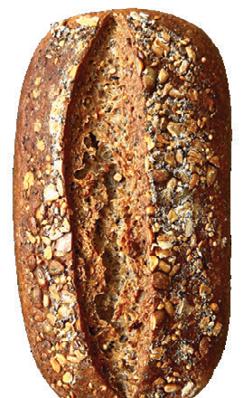




Udi’s delivers the gluten-free baked goods your guests expect—without compromise.
buns,



There is so much to see and do during the summer in Canada! Packing the car and heading out to enjoy nature, explore a new destination, or visit friends and family is something to look forward to. But uncertain restaurant options, unfamiliar kitchens, shared grills, and limited access to your favourite stores and products can make road trips stressful.

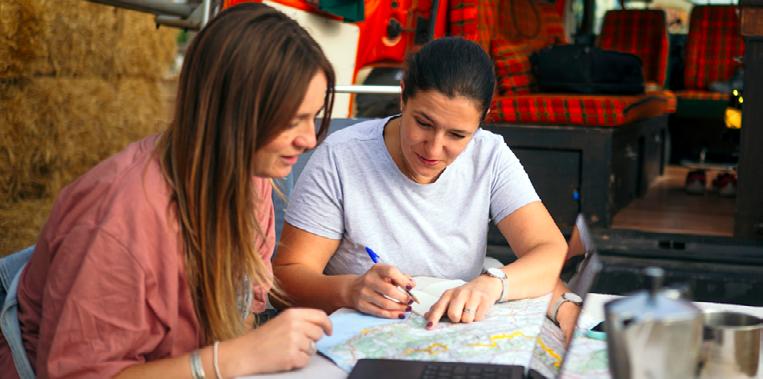


A little pre-planning can help!

Research grocery stores and restaurants on your route— there are often great glutenfree options waiting to be discovered!
Work together to plan meals that are safe for everyone (shop together for added peace of mind).


Designate a separate cooler/ storage for gluten-free foods.
Designate a gluten-free area in shared kitchens (like cottages or rentals).
Bring gluten-free staples like bread, pancake mix, spice mixes, and condiments in squeeze bottles.
Keep healthy snacks (like mixed nuts, dried fruit, glutenfree pretzels and protein bars) in the car for long drives.
Pack a cooler with grab-andgo meals (like sandwiches, salads, cut vegetables and dip) in case gluten-free options are limited.
Get recommendations from Celiac Canada’s Facebook Support Group on local restaurants and grocery stores they trust.
Toaster bags, a grill mat, and dedicated pans and cooking utensils can make camping and cottaging less stressful.
Pack any medications or supplies you may need if symptoms occur.
Focus on whole foods that are naturally gluten-free, and that everyone can enjoy.
Ask questions and clearly communicate your gluten-free needs when eating out.
Celiac Canada’s Gluten-Free Travel Guide has more tools, checklists, and resources to help make gluten-free travel planning easier. Download the full guide .
BY KIRSTEN MILLAR
Barbecuing is a great way to enjoy the weather, connect with friends and family, and share delicious meals. But for people living with celiac disease, barbecuing needs extra preparation to ensure it is gluten free. With a little planning and awareness, hosts and guests can work together to create a safe meal for everyone at the table.
Continued on next page

Enjoy yourself and have fun at every BBQ you attend this year!
❚ Ensure the BBQ grates have been thoroughly cleaned.
❚ Cook gluten-free items on tinfoil or silicone BBQ mats if gluten has been on the grill, as crumbs or residue could remain.
❚ Cook gluten-free items first or keep them on the top rack of the grill (as long as the top rack is exclusively for gluten-free items) to avoid crosscontact.
❚ Use separate cooking utensils. Your tongs should not touch gluten and then touch gluten-free food.
❚ Check for gluten in marinades, spices, and condiments. Always read labels and use squeeze bottle condiments to avoid cross-contact.
❚ Keep gluten-free side dishes in a separate area or let gluten-free guests serve themselves first.
❚ Consider hosting a fully gluten-free BBQ. Some options include chicken, pork, corn, potatoes, and side dishes like chips, gluten-free pasta salad, and fruit. (Use basic ingredients, not processed or treated cuts.)
❚ Talk to the BBQ host ahead of time to discuss your dietary needs. Offer to arrive early to help the host prepare your food safely.
❚ Bring a gluten-free side dish to enjoy and share.
❚ Serve yourself first and watch out for crosscontact from other guests.
❚ If you have any uncertainty, consider bringing your own meal. u

Sunshine, patio season, and tasty meals go hand-in-hand. Whether you’re packing a cooler for a picnic by the water or firing up the grill for a backyard BBQ with family and friends, these gluten-free recipes make summer eating simple, delicious, and stress-free!
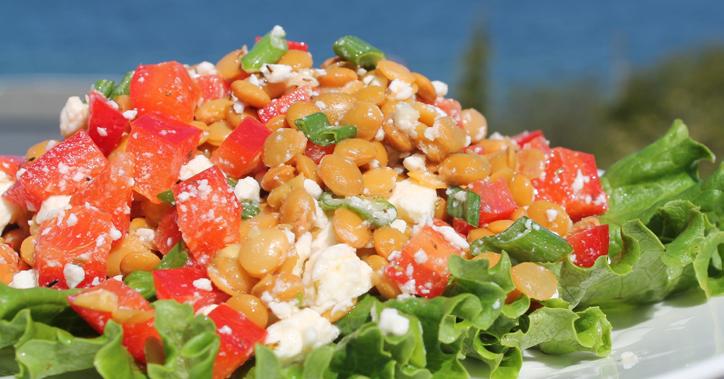


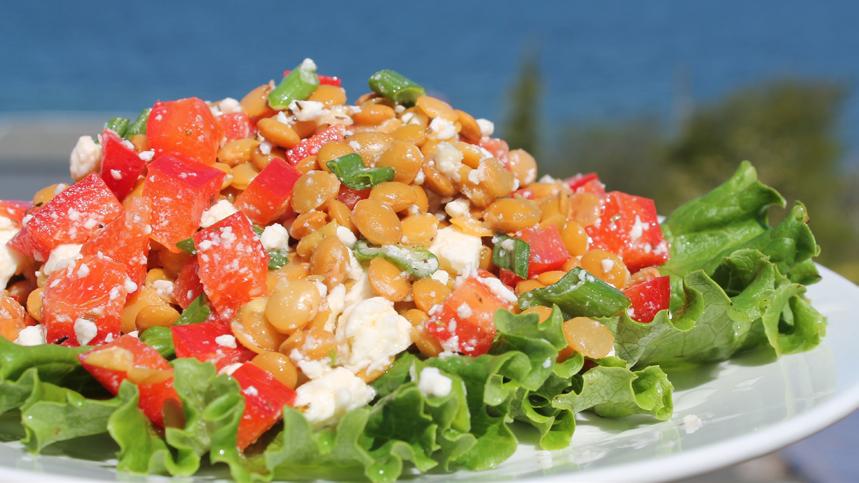
This versatile salad is a great source of protein and fibre. Enjoy it as-is or try it in a gluten-free wrap.
These burgers go great on a gluten-free bun, and you can turn them into a tasty appetizer by making them half-sized and serving them with a lemon-dill dipping sauce.
These gooey, sweet squares are a fun, crowd-pleasing treat for kids (or adults!) of any age and a perfect alternative to the classic Rice Krispies™ square!
BY LIZBETH WALL AND JOANNE MURRAY
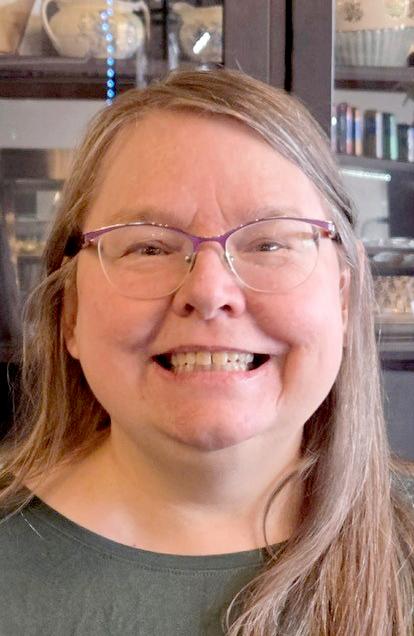
Behind the scenes of Celiac Canada’s 30,000+ member Facebook community is a quiet force of dedication, empathy, and integrity: Beverley Muntain. Beverley volunteers countless hours of her own time—seven days a week— moderating the group to ensure it remains a safe, respectful, and supportive space for people with celiac disease.
Beverley’s role goes beyond moderation. She responds to member questions with clarity and compassion, often in real time, drawing on both evidencebased guidance and lived experience. She helps correct misinformation, reinforces celiac-safe practices and skillfully de-escalates sensitive conversations during emotional or difficult moments. All of this is done unpaid—motivated by her commitment to the community and to helping others feel less alone.
Beverley joined the Celiac Canada Facebook group around 2012, quietly reading, learning, and offering thoughtful comments. Over time, she became a regular contributor, blending insights from trusted
mentors with her own careful research. Her confidence and knowledge grew steadily, as did the respect she earned from the community. Today, she is recognized as a trusted and credible voice—someone members know they can rely on.
What makes Beverley especially remarkable is her
ability to explain complex science in a way that’s accessible and reassuring. She stays current with emerging research while maintaining a warm, welcoming tone that invites learning rather than judgment. Her lived experience (living in a retirement home in Regina and managing multiple autoimmune conditions) deepens her compassion and understanding for those facing complex health journeys.
As I’m not able to get out much, I’m grateful for this opportunity to help from home.
I’m happy I get to share my experiences and knowledge to help people starting out on the gluten-free life.”
– Beverley Muntain
Beverley upholds community guidelines with grace, balancing firm boundaries with kindness. She is a gentle warrior.
Celiac Canada is grateful for Beverley Muntain and the immeasurable impact she is having on thousands of lives. u
Managing celiac disease goes beyond simply following a gluten-free diet. It involves ongoing follow-up to support long-term health. That’s why Celiac Canada designed a practical, easy-to-use follow-up tool to support conversations with your healthcare team, promote ongoing care, and help people with celiac disease feel confident managing their health long-term.
The chart provides a high-level overview of what follow-up care may look like over time. It includes important elements such as symptom review, dietary adherence, and routine medical assessments. A central component is blood work, which may be used to monitor markers like celiac serology, iron status, thyroid function, liver enzymes and vitamin D levels, and more.
The tool also highlights the importance of regular check-ins with healthcare providers, including physicians and registered dietitians. These visits provide an opportunity to address persistent symptoms, review the gluten-free diet and ensure
your nutritional needs are being met. Follow-up may also include consideration of bone health and other individualized assessments depending on age, symptoms, and medical history.
Follow-up care for celiac disease is not one-size-fits-all. This chart is intended as a general guide, and your primary care provider will determine the appropriate timing and type of follow-up, including any necessary blood work, based on your individual needs.
Print the tool, bring it to your appointments and use it to advocate for your health. u
Continued on next page
Clinical Review
Assess symptoms
Physical exam
Mental health and quality of life
Family medical history
Anthropometrics
Weight, height, BMI
Bloodwork / Labs
Celiac Serology (tTg-IgA)
Iron studies (e g , ferritin)
Vitamin D
Liver and Thyroid Function Tests
Other (e g , B12, folate, zinc)
Nutrition Review
GFD adherence
Cross-contact risk
Diet quality
Nutrient intake
Food skills
Food insecurity


Celiac Canada sat down with James King, a PhD student, celiac disease researcher, and previous J.A. Campbell Research Award recipient, to talk about his work and where celiac disease research is heading.
Celiac Canada (CCA): Why did you choose celiac disease research?
James King (JK): During my undergraduate training, I had been feeling unwell and symptoms like chronic fatigue and iron deficiency just kept worsening. Eventually I got a confirmed diagnosis of celiac disease; it was the catalyst that changed my career trajectory.
I was diagnosed around the time "gluten-free" and "wheat-free" diets became popularized in the mainstream. I wanted to learn how this phenomenon impacted the experience of living with celiac disease, which became the basis of my first research project. Since then, I’ve come back to pursue further education and advance my research training and have been lucky to be surrounded by incredible mentors and colleagues.
CCA: What are the biggest gaps in celiac disease research?
JK: One is having large, high-quality databases and registries for people with celiac disease. This can be further complicated in Canada because so many healthcare responsibilities fall under provincial and territorial jurisdiction—with different health systems, sources of data, and delivery of healthcare across the country, the data may not be directly comparable or even linked. There are advancements to address some of these challenges, and my hope (and what I work toward in my research) is to build out these resources and help us get a better grasp on the scope of celiac disease in Canada. Having this kind of data tracked and analyzed makes it easier to translate the information to policymakers and health systems for planning and resource allocation, and for reducing the overall burden of celiac disease in Canada.
Continued on next page
We're seeing more research on inequities in diagnosis and follow-up care, as well as the impact on families.
CCA: What’s something that you’re particularly excited about?
JK: The growing focus on food insecurity and the broader social factors that shape the lives of people with celiac disease. Recent studies have shown how challenging this can be, including a recent global study reporting that one in three patients struggle to adhere to the diet. We’re also seeing more research on inequities in diagnosis and follow-up care, as well as the impact on families. I think these issues getting studied in more detail is helping legitimize the condition in a meaningful and serious way and not just as a dietary choice or inconvenience.
At the same time, there’s movement toward "precision medicine," which recognizes that symptoms and healthcare needs vary widely from person to person. Now that we can better measure
these differences, we’re in a stronger position to communicate them and develop strategies that genuinely improve quality of life for people with celiac disease.
CCA: How did your experience as a J.A. Campbell Research Award recipient shape your research?
JK: It helped to support my Master’s thesis, which examined how celiac disease has been diagnosed around the world. That project gave me a deeper appreciation of the global history of the condition, highlighted regions with particularly high incidence, and introduced me to some of the leading hypotheses for why diagnosis rates vary so widely. I often look back on that work as the foundation of my understanding of celiac disease epidemiology—it shaped how I think about the field and inspired many of the questions I continue to pursue. u