CELIACCanada
Gluten-free on the go Travel with confidence
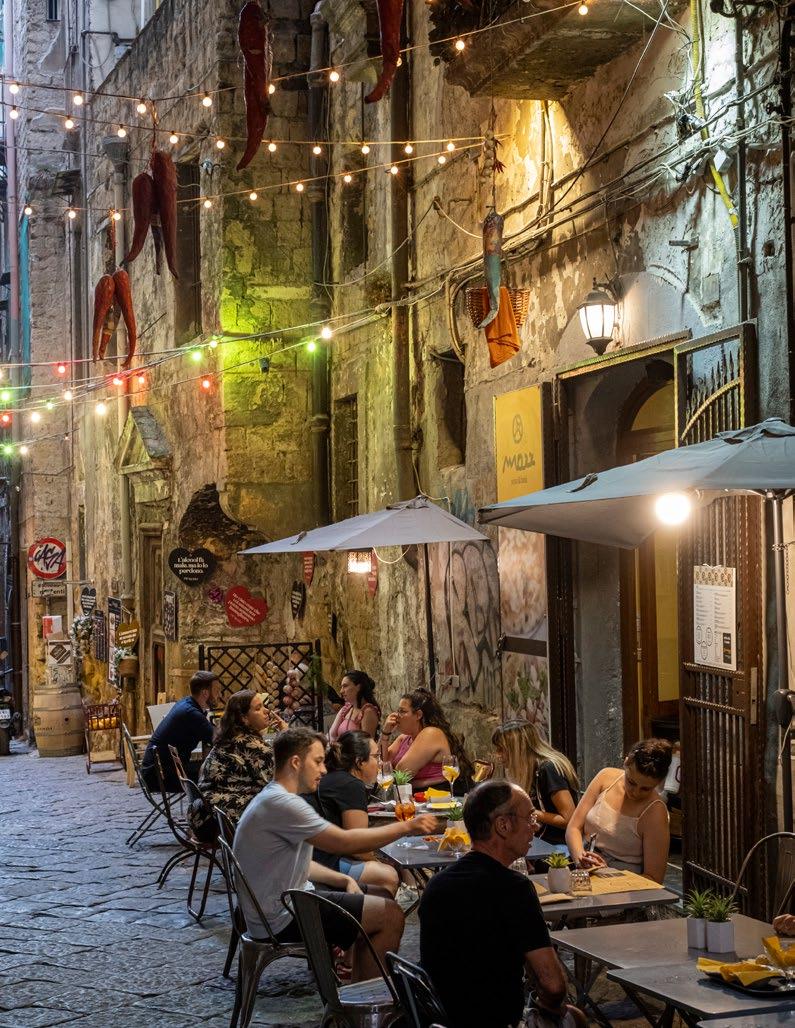
Featuring KNOW BEFORE YOU GO TIPS FOR DIFFERENT MODES OF TRAVEL GLUTEN-FREE TRAVEL CHECKLIST
Featuring KNOW BEFORE YOU GO TIPS FOR DIFFERENT MODES OF TRAVEL GLUTEN-FREE TRAVEL CHECKLIST
Travelling — whether around the world or just across town — can feel overwhelming when you’re living with celiac disease. Finding safe, gluten-free meals, avoiding cross-contact, and explaining your needs to people who may not fully understand celiac disease can quickly turn an exciting trip into a stressful experience.
This guide was created to help you take back the joy of travel. With the right planning, tools, and support, gluten-free travel is not only possible — it can be empowering and enjoyable.

This resource is for anyone with celiac disease who wants to travel more confidently, whether it’s your first trip or your fiftieth. It’s also helpful for caregivers, parents, and travel companions who want to better support a gluten-free traveller.
What You’ll Find Inside
z Planning Basics: How to prepare before you go, from booking accommodations to packing essentials
z Dining and Transportation Tips: Guidance for flights, cruises, trains, road trips, and dining out
z Communication Tools: How to explain your needs clearly and reduce the chance of cross-contact risks
z Emotional Support: Encouragement for navigating
the mental load of travelling gluten-free
z Real-Life Strategies: Community insights, useful apps, and tips for everyday challenges
Gluten-Free Travel: Key Strategies at a Glance:
z Research before you go
z Choose accommodations with food control
z Pack backup food
z Communicate early and often
z Use translation tools
z Lean on community support
Whether you’re planning a weekend getaway or an international adventure, we hope this guide helps you feel informed, supported, and ready for the road ahead — with confidence. u
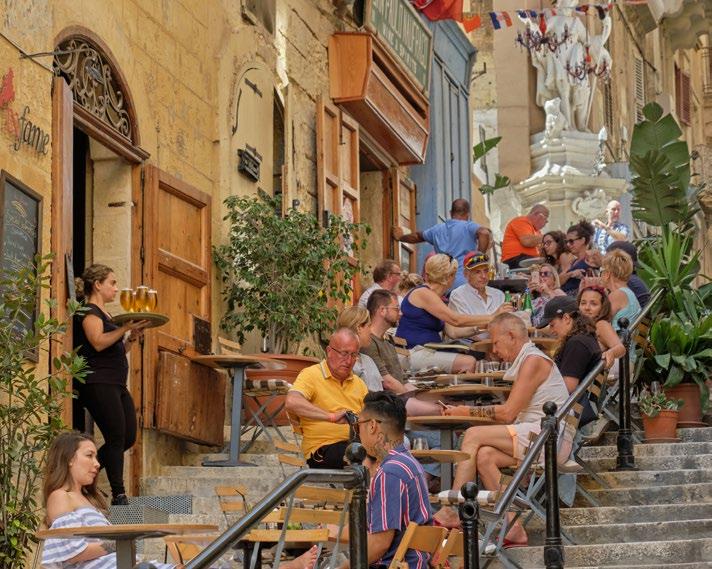
Thoughtful planning is the key to a successful gluten-free journey. From choosing the right destination to knowing what to pack, preparation can help you feel confident and in control while travelling.
When choosing where to travel, it’s important to understand how accessible safe gluten-free food will be at your destination. Check the websites of local celiac associations — such as AIC in Italy or the Polish Celiac Society — for vetted lists of restaurants, accommodations, and grocery stores.
Traveller reviews and blogs can also be valuable sources of up-to-date information. Be aware that the availability of gluten-free options and staff awareness can vary significantly between countries and regions; for example, some parts of Asia and Africa may have fewer gluten-free offerings compared to Europe.
Strategy: Research restaurants, grocery stores, and local celiac organizations before you travel. Community reviews and Facebook groups can help you avoid higher-risk situations and identify celiac-safe options.
If you’re travelling internationally, connecting with a local celiac association can be especially helpful. Many countries have national celiac organizations that provide destination-specific advice, restaurant suggestions, and guidance on food labelling. You can explore international celiac organizations by searching for the national celiac association in your destination country (e.g., Coeliac UK, Associazione Italiana Celiachia, Coeliac Australia).
International Travel Tips: Going Global on a Gluten-Free Diet
a. Understand local labelling laws (and their limits): Gluten-free labelling laws vary by country. While many regions use a similar gluten threshold, ingredient disclosure and allergen rules differ, which is especially important when travelling internationally. Continued on next page
Canada Foods labelled “gluten-free” must contain less than 20 ppm of gluten. Gluten-free oats are permitted.
USA Foods labelled “gluten-free” must contain less than 20 ppm of gluten. Gluten-free oats are permitted. Allergen disclosure requirements vary slightly (e.g., barley and rye are not required allergens in the United States).
Europe/UK Foods labelled “gluten-free” must contain less than 20 ppm of gluten. Gluten-free oats are permitted. (Europe allows a separate “very low gluten” claim).
Australia/NZ Foods labelled “gluten-free” must contain no detectable gluten (stricter than the 20 ppm standard used in many other countries) and cannot contain oats or malted gluten-containing cereals. This is one of the strictest gluten-free standards globally.
Other regions Gluten-free definitions, labelling requirements, oat regulations, and enforcement vary widely. Always review ingredient lists carefully and verify local regulations when possible.
Important: Labelling laws apply to packaged foods only. They do not guarantee that meals prepared in restaurants are gluten free. Always communicate your dietary needs and verify ingredients when eating out.
Note: When foods are not labelled gluten free, ingredient disclosure rules differ by country. For example, in the United States, barley and rye are not required to be identified on food labels. When in doubt, choose naturally gluten-free foods (such as plain rice or potatoes, eggs, meat or fish, vegetables, and fruit) or packaged foods clearly labelled gluten-free, and use translation tools to clearly communicate your dietary needs.
b. Celiac-Friendly Countries
Some countries are widely recognized for higher awareness of celiac disease and more accessible gluten-free food options:
z Italy: Strong national awareness and widespread availability of gluten-free foods, even in many
smaller towns
z Finland : Excellent food labelling practices and high public knowledge
z Spain and UK: Expanding gluten-free markets and improved labelling
z Australia: Very high regulatory standards and welltrained food service staff
While these destinations may be easier to navigate, careful verification is still essential when dining out.
c. Essential International Tools
z Translation cards and/or translation apps that explain celiac disease and strict gluten-free requirements in the local language
z A list of common gluten words in the local language
z A supply of safe, shelf-stable foods (e.g., energy bars, instant meals, crackers)
z Doctor’s letter explaining your dietary needs, if carrying food through customs (helpful in some situations,
but not guaranteed to override restrictions)
2. CHOOSE THE RIGHT ACCOMMODATION –FINDING A SAFE PLACE TO STAY:
Consider booking an apartment, Airbnb, or hotel room with a kitchen. Having the option to prepare your own meals can be a helpful backup when gluten-free dining options are limited. A mini fridge in a hotel room can also be useful for storing safe foods and snacks. When using a kitchen, focus on practical cross-contact risks. Shared toasters are a common source of gluten exposure and should be avoided unless clearly designated gluten free. Also be cautious of heavily scratched pots and pans, as they can harbor gluten residues.
a. Hotels vs. Vacation Rentals
z Hotels may offer in-house dining — but check in advance if they can accommodate celiac needs. Ask about gluten-free options, staff training, room service
and access to a mini-fridge or kitchenette.
z Vacation Rentals/Airbnbs give you more control over food preparation. Look for listings with a kitchen, cookware, and space to store and prepare your own meals.
b. Shared Kitchens
If you’ll be using a shared kitchen:
z Use clean utensils and prep your food separately from gluten-containing foods
z Avoid shared toasters unless they are clearly gluten-free
z Wipe down surfaces before preparing your meals
z Bring a few personal items for peace of mind, such as toaster bags, a cutting board, or basic utensils
c. If You Plan to Cook, Pack Wisely
z Small containers for leftovers
z A few shelf-stable gluten-free ingredients (e.g., oats, pasta, crackers, soy sauce)
Continued on next page

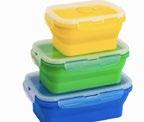
z Reuseable utensils and a collapsible bowl
z A small knife (checked luggage only)
d. Booking Tips Abroad
z Search for reviews using terms like “celiacsafe” or “gluten-free friendly”
z Choose accommodations near gluten-free grocery stores or restaurants
z Inquire about local food culture — some hosts may be able to offer helpful guidance or gluten-free options if you ask
When booking flights, cruises, resorts, or joining tour groups, always inform them of your strict gluten-free dietary requirements ahead of time. Upon arrival, reconfirm your needs directly with the staff.
When reaching out to airlines, hotels, or cruise lines, ask specific questions to clarify how well they can accommodate your needs:
Airlines:
z Do you offer a gluten-free meal option?
z How far in advance do I need to request it?
z Can I bring my own gluten-free snacks or meals onboard?
z Are any in-flight snacks or beverages gluten-free?
Hotels or Vacation Rentals:
z Do you offer gluten-free meal options or room service?
z Is your kitchen staff trained in preventing crosscontact?
z Do rooms include a kitchenette, refrigerator or microwave?
z If I plan to cook, can you confirm what kitchen equipment is available (e.g., cutting boards, colanders, baking sheets)?
z Can you accommodate a medically necessary gluten-free diet?
z Are meals prepared in a way that minimizes cross-contact?
z Do you provide dedicated gluten-free preparation areas?
z Are à la carte dining options safer than buffet-style service?
z Can I speak with a chef or dining manager upon arrival?
Bringing non-perishable gluten-free backup snacks is a must. When safe options are limited, energy bars, mixed nuts, rice cakes, and individually packaged foods can be lifesavers. If you plan to cook, pack a few staple gluten-free ingredients that may be hard to find locally. Be sure to check the customs regulations of your destination country regarding food imports and declare items as required. Sometimes, a doctor’s note may help, though it’s not always guaranteed to ease restrictions.
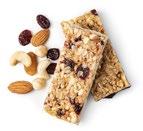
Ensure you bring enough prescription and over-thecounter medications, as well as vitamins and supplements, to last the entire trip. Verifying whether medications are gluten-free abroad can be challenging, so travelling well-stocked is best. u
Once you’re on the go — whether you’re at your destination, dining out, or navigating new environments — having the right tools ready can help you stay safe, calm, and confident.

Italian Gluten Free Restaurant Card
Sono affetto da celiachia (intolleranza al glutine), devo seguire una dieta assolutamente priva di glutine.
Qualsiasi cibo contenente farina/amido di grano (frumento), segale, orzo, avena, farro, spelta, kamut e triticale può causarmi gravi malori.
Mi può dire se questo cibo contiene farina di grano (frumento), segale, orzo, avena, farro, spelta, kamut o triticale? Se non è sicuro degli ingredienti di questa pietanza la prego di informarsi in cucina e di dirmelo.
Posso mangiare cibi contenenti riso, granoturco (mais), patate, qualsiasi verdura e frutta, uova, formaggio, latte, carne e pesce purchè non siano stati preparati con l'aggiunta delle farine a me vietate, pangrattato, pastella, crostini di pane o salse fatte con amidi e farine a me vietati.
Grazie per il suo aiuto, è molto importante.
© Copyright Celiac Travel.com
Translation cards are one of the most effective tools for communicating your dietary requirements, especially if you’re unfamiliar with the local language. These cards clearly explain in the local language that you must avoid foods containing wheat, barley, and rye, and highlight the importance of preventing cross-contact. Many celiac organizations, such as CeliacTravel. com, offer free or paid downloadable cards. Printing multiple copies

Portuguese Gluten Free Restaurant Card
Eu tenho uma doença chamada doença celíaca e tenho que seguir uma dieta rigorosa sem gluten
Ficarei muito doente se comer comida contendo farinhas ou grãos de trigo, centeio, cevada e aveia.
Esta comida contem farinha ou grãos de trigo, centeio, cevada ou aveia? Se nao tem a certeza absoluta do que a comida contem, por favor diga-me.
Eu posso comer comida contendo arroz, maizena, batatas, todo o tipo de legumes e fruta, ovos, queijo, leite, carne e peixe - desde que nao sejam cozinhados com farinha de trigo, polme, pao ralado ou molho.
Obrigado pela sua ajuda.
© Copyright Celiac Travel.com

Polish Gluten Free Restaurant Card
Choruję na celiakię i muszę ściśle przestrzegad diety bezglutenowej.
Nie wolno mi jeśd niczego co zawiera mąkę oraz ziarna zboża (pszenica, żyto, jęczmieo lub owies). Po spożyciu mąki ciężko choruję.
Czy to jedzenie zawiera mąkę lub ziarna pszenicy, żyta, jęczmienia lub owsa ? Proszę mi powiedzied jeśli Pan/Pani ma jakiekolwiek wątpliwości co do składników tego dania.
Wolno mi jeśd wszystko co zawiera ryż, kukurydzę, ziemniaki, wszystkie rodzaje warzyw i owoców, jaja, sery, jak również mięso i ryby o ile nie są przyrządzane z dodatkiem mąki, bułki tartej (panierowane), sosów zagęszczanych mąką itp. Nie wolno mi jeśd zup zagęszczanych mąką.
Dziękuję za Pana/Pani pomoc
© Copyright Celiac Travel.com
Translation cards are one of the most important tools for international travel.
in case you lose one is a good idea.
Download translation cards here: celiactracards
What to do:
z Carry translation cards in the local language
z Consider printing “I have celiac disease” cards for quick communication in dining settings
2. LANGUAGE AND TRANSLATION TECHNOLOGY:
Even just a few phrases in the local
language can make a big difference when you’re dining out or grocery shopping. Many apps and devices can help you learn essential gluten-free phrases before you go and translate on the fly while you’re travelling.
Learn Before You Go:
Language apps can help you learn how to express your dietary needs confidently. Try basic phrases like “I have celiac disease” or “Is this gluten-free?” in the local language. Continued on next page

Popular language learning apps include:
z Duolingo: Great for quick, beginner phrases
z Babbel: Focused on practical conversational skills
z Memrise: Uses spaced repetition to help you remember
z Rosetta Stone: Immersive learning for deeper familiarity
Familiarity with common phrases can help open doors and show respect for local culture, and learning food-related vocabulary can make ordering safer and more enjoyable.
Technology can also help you translate in real time:
z Google Translate: Offers text, photo, and conversation translation in many languages, and you can download languages for offline use.
z AirPods and Live Translation: Some earbuds and smart headphones now support live translation features when paired with phone apps, which can be helpful during conversations.
z Built-in phone translation assist: Both iOS and Android devices have translation widgets and features that can help you speak or read the local language.
Tip: Download the languages you need before you travel so you can use translation features even without Wi-Fi.
Location-aware gluten-free apps like Find Me Gluten Free, can help you locate gluten-free-friendly establishments nearby. Additionally, mainstream review platforms like Yelp and TripAdvisor, combined with local celiac communities (e.g., Celiac Canada’s Facebook group) and travel blogs (e.g., glutenfreeglobetrotter), provide valuable insights. However, remember that app data relies heavily on user reviews, which can sometimes be incomplete or unreliable. Always cross-reference multiple sources for the most accurate information.
z Use gluten-free apps like Find
Me Gluten Free, Gluten Dude, or Spokin to find reviewed spots
z Check for labels like “celiac-safe,” “certified gluten-free,” or “dedicated kitchen”
z Read recent reviews — especially from other people with celiac disease
z Save a list of celiac-friendly restaurants on your phone in advance Notes: Apps are great for discovery, but please always verify details with the restaurant directly.
When speaking with restaurant or hotel staff, use your translation card and also verbally explain that you have celiac disease and require a strict gluten-free diet. Even small amounts of gluten can trigger symptoms and intestinal damage, so preventing cross-contact is essential. Ask about ingredients and kitchen practices (separate utensils, clean surfaces, shared fryers/toasters, and how gluten-free orders are handled). Don’t hesitate to ask detailed questions — your safety is more important than worrying about
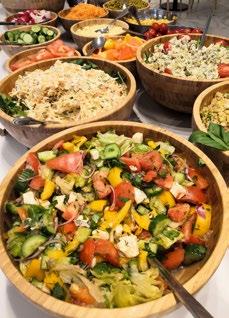
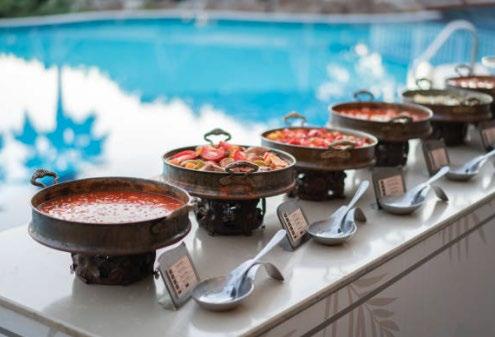
If you must eat at a buffet, try to go early when food is freshly served. When possible, choose à la carte dining or ask whether a meal
can be prepared separately in the kitchen using clean equipment.
inconveniencing the staff.
Quick Script for Staff “Hi! I have celiac disease and must eat strictly gluten-free. Even small amounts of gluten can make me very sick. Is there someone I can speak with to ensure my food is prepared safely, without cross-contact?”
out. Buffets can be particularly hazardous. Shared serving utensils, prep surfaces, and food movement can make it difficult to ensure safety. If you must eat at a buffet, try to go early when food is freshly served. When possible, choose à la carte dining or ask whether a meal can be prepared separately in the kitchen using clean equipment.
Cross-Contact Risks to Watch For
z Shared fryers, grills, prep areas
z Buffets with shared utensils
z Misleading “gluten-free” claims without celiac-safe protocols
6. EXPLORE NATURALLY GLUTEN-FREE FOODS:
Many cuisines offer naturally gluten-free dishes based on rice, corn, beans, vegetables, fruits, meat, and fish. Familiarize yourself with naturally gluten-free options in different cuisines and learn to identify hidden gluten sources, such as wheatbased soy sauce.
7. COMMUNICATION TIPS: QUESTIONS TO ASK AT:
a. Restaurants and Cafés:
z Do you have a gluten-free menu or gluten-free options?
z Is your kitchen trained in handling food allergies or celiac disease?
z Can my meal be prepared using separate cookware, cutting boards, and utensils?
z Is there a risk of cross-contact with gluten-containing ingredients (e.g., shared fryers, toasters, prep surfaces)?
or kitchen staff?
z Do you have access to gluten-free bread or snacks?
c. Buffets and Shared Dining Spaces:
z Can items be brought from the kitchen instead of the buffet line?
z Do you use separate serving utensils for gluten-free items?
z Can I request food to be prepared separately to avoid cross-contact?
8. TIPS FOR SAFE TRAVELLING:
When you’re far from home, extra safety planning can give you peace of mind.
a. Tips for Reducing Risk:
z Pack toaster bags, utensils, and a small cutting board
z Choose simple, naturally gluten-free meals when in doubt
z Ask detailed prep questions, even at familiar chains or “gluten-free” labelled venues
b. Airport and Security Tips :
z Bring shelf-stable gluten-free snacks in your carry-on
z Liquids/spreads must follow the 100ml rule (e.g., single-serve nut butters)
z Declare specialty food if travelling to countries with strict customs rules
z Carry a doctor’s note if you’re bringing medically necessary food
c. Emergency Planning:
z Learn key phrases like “I have celiac disease” in the local language
z Save local hospitals or clinics on your phone before you travel
5. WATCH OUT FOR CROSSCONTACT:
Cross contamination is one of the most significant risks when dining
b. Hotels and Resorts:
z Is breakfast or room service able to accommodate gluten-free requests?
z Can I speak directly with the chef
z Keep insurance info handy, and consider travel insurance that includes emergency care
z If you feel glutened: rest, hydrate, and seek medical care if needed. u
How you prepare depends on the type of trip you’re taking. Tour groups and cruises may offer more built-in support, while independent travel offers flexibility, but requires more planning.
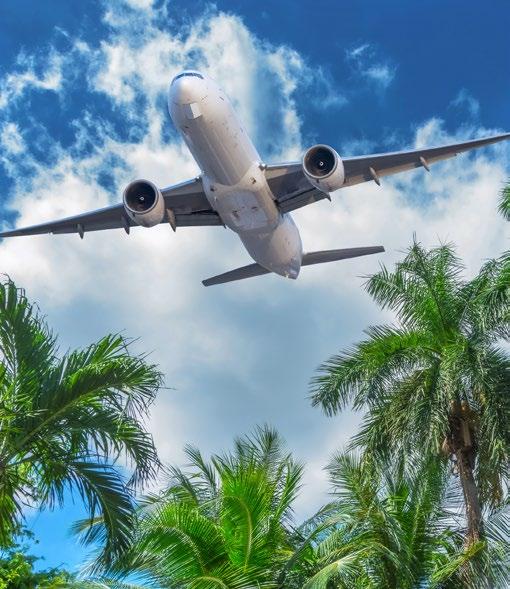
International and long-haul domestic flights often offer gluten-free meal options, but these must be requested in advance. When checking in and again when your meal is served, reconfirm that it is gluten-free and free from cross-contact, and check the meal packaging labels carefully. Always carry backup snacks in case of flight delays or meal issues. Gluten-free dining options at airports vary widely, so it’s wise to research ahead using airport websites or traveller forums.
2. Cruises:
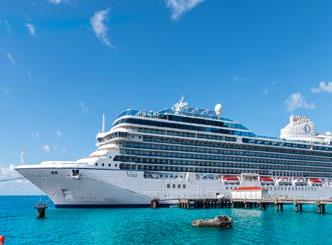
The cruise industry generally handles food allergies well. Contact the cruise line ahead of time to notify them of your dietary needs. Dining in the main dining rooms is usually safer than buffets, as it allows for personalized service and reduces the risk of cross-contact.
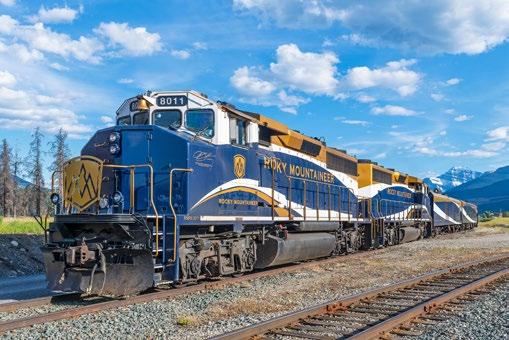
Train journeys, especially long-distance ones, can vary greatly in terms of gluten-free availability. Some trains, like those in Europe, allow pre-ordering special meals — be sure to request a gluten-free meal in advance if possible. However, onboard options may still be limited. Bringing your own gluten-free meals and snacks is highly recommended. Check if the train allows you to bring a cooler bag or thermos to store your food safely during longer trips.
Onboard options may still be limited. Bringing your own gluten-free meals and snacks is highly recommended. Check if the train allows you to bring a cooler bag or thermos to store your food safely during longer trips.
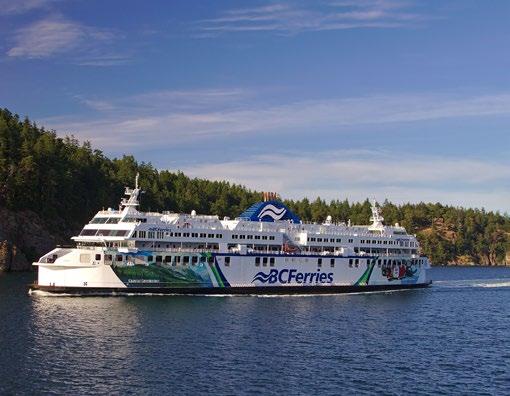
Gluten-free options on ferries vary significantly depending on the provider, route, and onboard vendors. While some ferry services, such as BC Ferries, offer pre-packaged gluten-free items like muffins, burritos, and soups, these may change without notice and are not always available across all vessels. It is strongly recommended to bring your own gluten-free meals and snacks, especially for longer crossings. If you have severe allergies or require refrigeration, contact the ferry operator ahead of time to inquire about food storage and heating accommodations. Dining areas on ferries often operate like food courts or cafés, where the risk of cross-contact may be high, especially in buffet-style or shared-preparation environments. Check the ferry company’s website or call in advance to confirm available gluten-free options and their allergen protocols.
Continued on next page

Road trips offer maximum control over your food choices but require planning. Pack a cooler with safe, gluten-free meals and snacks to avoid relying on roadside restaurants with uncertain gluten-free options. Research grocery stores and gluten-free friendly restaurants along your route before departure. If staying overnight, look for accommodations with kitchen facilities, and plan stops where you can safely restock supplies.

Similar to cruises, advanced communication is crucial. À la carte restaurants tend to be safer than buffets. Higher-end resorts often have better food safety protocols and more thoroughly trained staff.
This option offers the greatest flexibility but requires more research and preparation. Staying in accommodations with a kitchen is a key strategy for independent travellers. Use local celiac organizations or
online communities to find safe dining spots and grocery stores. For specific gluten-free food policies by Canadian airlines, train providers, and ferry services, please refer to our separate Transportation Policy Checklist, page 20 u
When ordering food or speaking to staff, you can use the following sentences to clearly explain your needs:
1. General Statement:
Hi, I have celiac disease, which means I cannot eat any gluten.”
Even a small amount of gluten will make me very sick .”
2. About Cross-Contact:
I can’t eat food that has touched gluten, like shared tongs or toasters.”
Please make sure it’s prepared with clean hands, surfaces, and utensils.”
3. Asking About Food Safety:
Can you please check if this dish 100% gluten free?” Are the ingredients and sauces gluten free?”
Was this made in a separate area to avoid cross-contact?”
4. When Bringing Your Own Food:
I brought my own food because of medical reasons. Is it okay if I eat it here?”
Do you have a fridge or microwave I could use to store or warm up my gluten-free food?”
5. Polite but Firm Reminders – Emphasizing Medical Importance:
This is a serious medical condition. Even small amounts of gluten can make me very sick for days.”
This is a strict medical requirement, not a preference.”
I really need to be sure the food is completely gluten free, or I could have a severe reaction.”
Thank you for taking this seriously — it truly affects my health and safety.” u

Travelling with celiac disease can bring feelings of anxiety and frustration. It’s important to acknowledge these emotions and seek support when needed.
z Normalize the Challenges:
It’s completely normal to feel that travelling isn’t as carefree or spontaneous as it was before your diagnosis. The extra planning can be tiring, and that’s okay.
z Celebrate Small Wins:
Finding safe food, enjoying a delicious meal, or encountering staff who understand and support your needs are all victories worth celebrating. Each positive moment is a step toward building confidence.
z Seek Community Support:
Joining online or local support groups for people with celiac disease can provide a sense of communi-
ty, practical advice, and reassurance that you’re not alone. Organizations like Celiac Canada have active Facebook communities where members share tips and experiences. Sharing your own travel stories can also inspire and help others.
z Share Your Story:
When it feels right, take a moment to share with friends, family, or service staff what living with celiac disease really means and why a strict gluten-free diet is so important. Helping others understand your needs can make your travel more smooth and more enjoyable. Sometimes, a simple conversation can open doors to greater support and awareness. u
Travelling with celiac disease requires extra preparation and vigilance, but it is entirely possible. You can minimize risks and fully enjoy your journey with thorough research, the right tools and resources, clear communication of your needs, and a keen awareness of food handling practices.
Remember, you are not alone. There is a strong community and a wealth of resources ready to support you every step of the way. u

z Research gluten-free friendly restaurants and grocery stores at your destination
z Download language or translation apps before you go
z Download or print allergen translation cards in the local language
z Notify airlines, cruise lines, hotels, or resorts of gluten-free needs in advance
z Save maps or screenshots of gluten-free spots in offline mode
z Check the destination’s gluten labelling laws
z Arrange travel insurance that covers medical emergencies
z Create a gluten exposure recovery plan (hydration, meds, clinic location)
z Join local or international celiac support groups online (Facebook, Reddit, etc.)
Carry-On or Day Bag:
z Gluten-free snack bars

z Dried fruit, nuts, trail mix (check labels)
z Gluten-free instant oatmeal or noodle cups (which just need to add hot water)
z Single-serve nut butters or hummus (under 100ml for flights)
z Rice cakes or crackers
z Reusable water bottle
z Electrolyte packets


Luggage (Checked or Road Trip):
Gluten-free:
z Pasta, bread, or wraps
z Cereal or granola
z Protein or energy bars
z Soy sauce or tamari
z Spices and seasonings
z Ready to eat meals
z Toaster bags
z Mini cutting board
z Collapsible bowl or plate
z Reusable utensils (spoon, fork, knife, chopsticks)
z Dish soap and sponge (travel-size)
z Zip-top bags or small food containers
z Travel-sized condiments
z Paper towels or reusable cloth napkins
Continued on next page
i
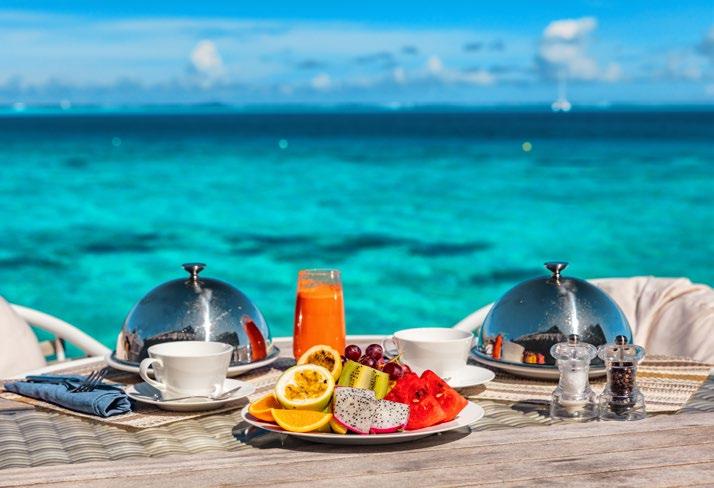
z Confirm access to mini-fridge, microwave, or full kitchen
z Request photos of cooking surfaces and equipment (if Airbnb)
z Ask about breakfast options (buffet vs. à la carte) and how gluten-free foods are protected from cross-contact
z Bring your own small essentials (e.g., toaster bags, cutting board, sponge, travel-size dish soap) if cross-contact risk is a concern
z Doctor’s note explaining celiac disease (for customs or emergencies)
z List of medications and supplements (check gluten status in advance)
z Emergency phrases in the local language (save in your phone)
z Travel insurance documents
z Printed hotel and restaurant reservations
z Celiac information card (laminated, translated if needed)
z Local embassy, clinic, or hospital information
z Gluten-free travel apps (Find Me Gluten Free, Spokin)
z Offline translation apps (Duolingo, Babbel, Memrise)
z Airport/airline apps (for meal confirmation or delays)
z Maps saved offline with starred gluten-free locations
z Notes app with go-to food phrases in the local language
z Anti-nausea or stomach medication
z Electrolytes or rehydration tablets

z Prescription meds (bring enough for the entire trip and extras)
z First-aid basics (Band-Aids, sanitizer, tissues)
Be cautious if you notice any of the following:
z Shared toasters or cutting boards (e.g., used for both gluten and gluten-free foods)
z Vague or unclear ingredient lists or “gluten-friendly” claims with no specific assurance
z Buffet settings without clearly labelled gluten-free options or separate serving utensils
z Staff who seem unfamiliar with celiac disease or downplay the seriousness of cross-contact
z Condiment bottles or spreads shared across tables or guests without dedicated portions
z No option to verify ingredients or preparation methods — especially when food is pre-prepared
z Last-minute meal substitutions without confirmation they are gluten free
z Responses like “We can remove the bun” or “just pick it off”, which don’t eliminate cross-contact risks
z You are not taken seriously, or your requests are treated as an inconvenience u
Watch out for:
Shared toasters or cutting boards (e.g., used for both gluten and gluten-free foods), or responses like “We can remove the bun” or “just pick it off”, which don’t eliminate crosscontact risks

Note: The information provided in this checklist is based on publicly available sources (e.g., official websites) as of January 2026. Most transportation agencies use the term “Gluten Free” or “Gluten Intolerant” without clarifying if meals are safe for individuals with celiac disease. Cross-contact (or cross-contamination) is rarely addressed in detail. We recommend that travellers with celiac disease contact service providers directly for confirmation before travelling.
AIR CANADA
GF Meal Available?
Advance Request Required?
Cross-Contamination Disclosure?
Bring Your Own Food?
Support for Food Storage/Heating?
Notes/Links
“Gluten Intolerant Meal” available on flights where meal service is provided (NOT Bistro flights).
Yes. At least 24 hours before the first flight in your itinerary.
No explicit guarantee of allergen-free handling; meals are gluten free by ingredient only.
Yes. Passengers may bring their own snacks and meals onboard, considering customs restrictions.
Not mentioned.
special-assistance/special-meals

GF Meal Available?
Advance Request Required?
Cross-Contamination Disclosure?
Bring Your Own Food?
Support for Food Storage/Heating?
Notes/Links
“Gluten Intolerant Meal” is available for pre-order ONLY on Trans-Atlantic and Trans-Pacific routes, and ONLY in Business and 787 Premium/Economy cabins. Not available on Boeing 737 flights.
Yes. Must call customer service with a booking reference at least 24 hours before departure. Special meals cannot be guaranteed if the cabin is upgraded after check-in.
Meals are prepared with gluten-absent ingredients (no wheat, rye, barley, oats, or bran), but WestJet does not guarantee 100% gluten-free meals due to risk of cross-contact.
Yes. Passengers are encouraged to bring their own food and snacks if dietary needs are not met by the special meal options.
Not mentioned.
Special meals cannot be customized or combined. If the flight is rescheduled or cancelled, passengers must rebook their special meal. food-and-beverages
GF Meal Available?
Advance Request Required?
Cross-Contamination Disclosure?
Bring Your Own Food?
Support for Food Storage/Heating?
Notes/Links
Gluten-free meals are part of the airline’s 15 special meal options.
Yes. Order must be placed up to 72 hours before departure.
Not specified. Meals are prepared with gluten-absent ingredients (free of wheat, gluten, barley, rye or oat products). No clear mention of allergen-free preparation or cross-contamination policies.
Yes. Passengers are allowed to bring their own food onboard.
Not mentioned.
special-meals experience economy-class
GF Meal Available?
Advance Request Required?
Cross-Contamination Disclosure?
Bring Your Own Food?
Support for Food Storage/Heating?
Notes/Links
Special meals, including gluten free, are available
Yes. Must notify the airline at time of booking or at least 24 hours prior to the flight.
Not explicitly addressed. Meals are prepared in-house, and no allergen handling procedures are disclosed, cross-contamination risk may exist.
Yes. Encouraged, especially for passengers with severe allergies or dietary needs.
Not available. The airline explicitly states it cannot refrigerate or heat passenmeals.
flight-service allergies-and-dietary-needs
GF Meal Available?
Advance Request Required?
Cross-Contamination Disclosure?
Bring Your Own Food?
Support for Food Storage/Heating?
Notes/Links
GF Meal Available?
Advance Request Required?
Cross-Contamination Disclosure?
Bring Your Own Food?
Support for Food Storage/Heating?
Gluten-free meals (GFML) are available.
Yes. At least 5 days before departure.
Allergen-free environment is not guaranteed. Passengers are advised to carry their own medication.
Yes. Passengers with allergies are allowed and encouraged to bring their own food onboard.
Not mentioned. flight-services
Notes/Links Not specified
Passengers requiring a buffer zone due to severe allergies should contact Disability Assistance at least 48 hours prior to departure.
Acknowledged but not preventable. “We cannot control or eliminate the possibility or risk of cross-contamination...”
Yes. Passengers may bring their own food and snacks if dietary needs are not met by in-flight offerings.
Not mentioned.
inflight/food-and-drinks disability-assistance/allergies
GF Meal Available?
Advance Request Required?
Cross-Contamination Disclosure?
Bring Your Own Food?
Support for Food Storage/Heating?
Notes/Links
GF Meal Available?
Advance Request Required?
Cross-Contamination Disclosure?
Bring Your Own Food?
Support for Food Storage/Heating?
Notes/Links
GF Meal Available?
Advance Request Required?
Cross-Contamination Disclosure?
Bring Your Own Food?
Support for Food Storage/Heating?
Notes/Links
No special meals offered. Flair does not provide meals on board, only limited snacks and drinks may be purchased.
Not applicable.
Flair states they cannot guarantee that any food items are free from allergens, including gluten. Passengers with severe allergies are advised to include their own food items and inform in advance.
Yes. Passengers are allowed to bring their own food, subject to standard airport security and customs regulations.
Not mentioned.
accessibility/allergy-policies
Not specified.
Not applicable.
Canadian North states it cannot control all caterers or suppliers, and passengers with allergies must bring their own protection and medication.
Yes. Passengers are encouraged to bring their own food due to potential allergens in onboard meals.
Not mentioned. accessible-travel
Not specified. Not applicable.
Not mentioned. Not mentioned. Not mentioned. N/A

GF Meal Available?
Advance Request Required?
Cross-Contamination Disclosure?
Bring Your Own Food?
Support for Food Storage/Heating?
Notes/Links Not specified.
Passengers can request a buffer zone or preboarding to sanitize their seat area by contacting reservations 48 hours before departure.
PAL explicitly states that they cannot guarantee an allergen-free environment, and food providers may use shared facilities that process allergens including wheat. Other passengers’ food may also lead to residue or cross-contact on tray tables or seats.
Yes. Strongly recommended by PAL Airlines for passengers with severe food allergies, including celiac disease.
Not mentioned. accessibility
GF Meal Available?
Advance Request Required?
Cross-Contamination Disclosure?
Bring Your Own Food?
Support for Food Storage/Heating?
Notes/Links Not specified. Not applicable.
Calm Air does not serve peanuts but acknowledges that other passengers may bring items with allergens (including potential gluten). Travellers with severe allergies can notify Reservations.
Yes. “You are welcome to bring your own food onboard.”
Not mentioned. special-services
PERIMETER AVIATION
GF Meal Available?
Advance Request Required?
Cross-Contamination Disclosure?
Bring Your Own Food?
Support for Food Storage/Heating?
GF Meal Available?
Advance Request Required?
Not mentioned. Not mentioned. Not mentioned. N/A
Notes/Links Not specified. Not applicable.
Cross-Contamination Disclosure?
Bring Your Own Food?
Support for Food Storage/Heating?
Notes/Links Not specified. Not applicable. Not mentioned. Not mentioned. Not mentioned. N/A
GF Meal Available?
Advance Request Required?
Cross-Contamination Disclosure?
Bring Your Own Food?
Support for Food Storage/Heating?
Notes/Links
GF Meal Available?
Advance Request Required?
Cross-Contamination Disclosure?
Bring Your Own Food?
Support for Food Storage/Heating?
Not specified. No dedicated gluten-free meals mentioned.
Notify a Charter Sales Representative of any specific dietary restrictions, such as diabetic or vegetarian. Not mentioned. Not mentioned. Not mentioned. wasaya
Notes/Links Not specified. Not applicable. Not mentioned.
Yes. Carry-on food permitted as per baggage policy. Not mentioned. carry-on-baggage/
GF Meal Available?
Advance Request Required?
Cross-Contamination Disclosure?
Bring Your Own Food?
Support for Food Storage/Heating?
Notes/Links Not specified. Not applicable. Not mentioned.
Yes. Passengers can carry the snacks and medications on the person. Not mentioned. . baggage-info-and-dangerous-goods-policy

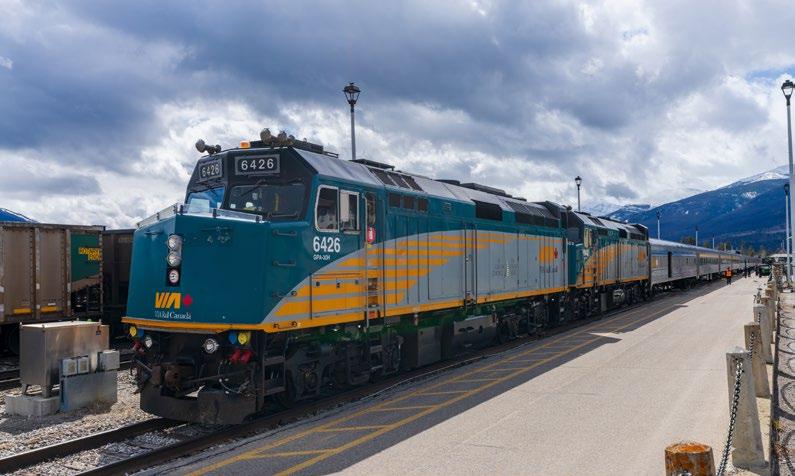
VIA RAIL CANADA
GF Meal Available?
Gluten-friendly meals available in certain classes/routes only:
z Corridor - Business
z Montréal-Halifax, The Ocean – Sleeper Plus class
z Toronto-Vancouver, The Canadian – Sleeper Plus and Prestige class Not available in Economy or Touring class.
Advance Request Required?
Cross-Contamination Disclosure?
Bring Your Own Food?
Support for Food Storage/Heating?
Notes/Links
Yes.
z Corridor - Business: 48 hours notice
z Montréal-Halifax, The Ocean – Sleeper Plus class: 72 hours notice
z Toronto-Vancouver, The Canadian – Sleeper Plus and Prestige class: 10 days notice
VIA cannot guarantee meals are allergen-free; risk of cross-contamination exists.
Yes. Passengers are encouraged to bring their own meals and snacks if they have food allergies.
Possible refrigeration and heating available, but cross-contamination cannot be ruled out.
GF Meal Available?
Advance Request Required?
Cross-Contamination Disclosure?
Bring Your Own Food?
Support for Food Storage/Heating?
Notes/Links
Gluten-free options are available on board by request.
Yes. Must notify dietary restrictions at least 60 days prior to travel; guests with food allergies must submit a Food Allergy Form.
Not mentioned.
Not mentioned.
Not mentioned.
faq/in-travel
GF Meal Available?
Advance Request Required?
Cross-Contamination Disclosure?
Not available. Amtrak does not offer meals designated as gluten-free, wheat-free, or allergen-free.
Not applicable.
Amtrak cannot guarantee a peanut-free or allergen-free trip, and food preparation practices do not prevent cross-contact Passengers are advised to take medical precautions.

Bring Your Own Food?
Support for Food Storage/Heating?
Notes/Links
Yes. Passengers may bring their own food for consumption at their seats or in Sleeping Car accommodations. However, personal food cannot be consumed in Dining or Lounge Cars.
No. Amtrak personnel cannot heat or refrigerate personal meals due to health regulations.
onboard/meals-dining/special-menus-special-dietary-requirements onboard/meals-dining/personal-food-beverages-medication
GF Meal Available?
Advance Request Required?
Cross-Contamination Disclosure?
Bring Your Own Food?
Support for Food Storage/Heating?
Notes/Links
Not specified.
Not applicable
Yes. The environment cannot be guaranteed allergen-free; residue may remain from other passengers’ products. Passengers must prepare accordingly.
Yes. Strongly advised. “Passengers…bringing their own food/snacks on board” is listed as a proactive preparedness measure.
Not mentioned.
z Allergen notice and advice: https://www.ontarionorthland.ca/en/travel/onboard-policies
z Monthly specials menu (no gluten-free labelling): menu-specials
GF Meal Available?
Advance Request Required?
Cross-Contamination Disclosure?
Bring Your Own Food?
Support for Food Storage/Heating?
Notes/Links
Not available. There is no food service on board.
Not applicable.
Not mentioned.
Yes. Passengers are allowed to bring their own lunch, provided that the size of the carrying bag does not exceed the hand luggage size limit.
Not available. No equipment (plates, utensils, glasses, or reheating/refrigeration) is provided.
food-and-beverages le-train/faqs/
GF Meal Available?
Advance Request Required?
Cross-Contamination Disclosure?
Bring Your Own Food?
Support for Food Storage/Heating?
Notes/Links
Not specified.
Not applicable.
Not mentioned.
Yes. Not mentioned in Exo’s website but it is allowed by Canadian Transportation Agency (CTA).
Not mentioned.
customer service
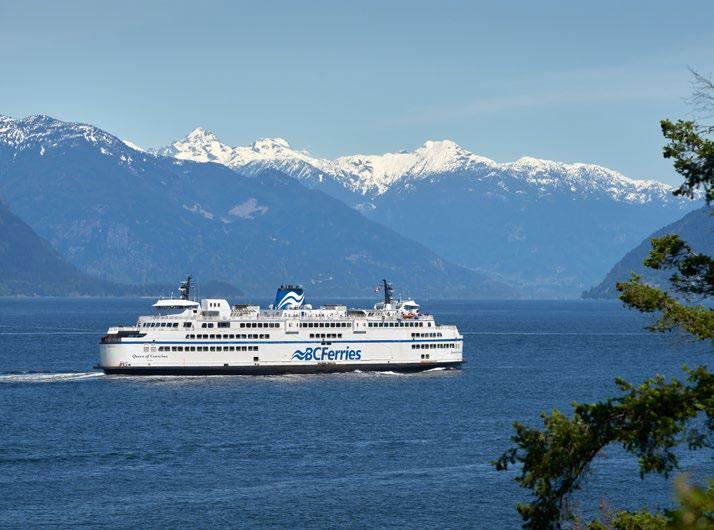
BC FERRIES
GF Meal Available?
Advance Request Required?
Cross-Contamination Disclosure?
Bring Your Own Food?
Support for Food Storage/Heating?
Notes/Links
Self-serve cafés (Coastal Cafe, Canoe Café, Coffee Express) and Seascapes Lounge offer pre-packaged gluten-free pastries, gluten-ffree sandwiches, and Amy’s gluten-free burrito
Not applicable
Not specified
Yes
Not mentioned

GF Meal Available?
Advance Request Required?
Cross-Contamination Disclosure?
Bring Your Own Food?
Support for Food Storage/Heating?
Notes/Links
Gluten-free meals can be arranged with advance notice.
Yes. Advance notice is essential. Requests for gluten-free meals and environmental sensitivities accommodations must be submitted with supporting documents (e.g., doctor’s note) to the Customer Relations Department prior to travel (Mon–Fri).
Marine Atlantic does not screen food brought by passengers, allergens may be present in public areas. There is no guarantee of an allergen-free environment, and cross-contact precautions in food preparation are not explicitly detailed.
Yes. Passengers may bring their own food. Marine Atlantic does not monitor or restrict the contents of personal meals.
No. Marine Atlantic does not provide refrigeration or heating for personal food items or goods while on board or on carrier premises.
travelling-allergies-we-can-help information/travel-information/terms-and-conditions
GF Meal Available?
Advance Request Required?
Cross-Contamination Disclosure?
Bring Your Own Food?
Support for Food Storage/Heating?
Notes/Links
Not specified
Not applicable
Not specified. Providing cleaning supplies for seating areas for persons with allergies upon request.
Not mentioned
Not mentioned
accessibility/
GF Meal Available?
Advance Request Required?
Cross-Contamination Disclosure?
Bring Your Own Food?
Support for Food Storage/Heating?
Notes/Links
Not specified
Guests with severe allergies should notify at least 48 hours prior to travel and again at check-in.
Allergen-free environment cannot be guaranteed; open to public, and potential allergen exposure exists.
Not mentioned
Not mentioned
guests-with-disabilities/allergies
GF Meal Available?
Advance Request Required?
Cross-Contamination Disclosure?
Bring Your Own Food?
Support for Food Storage/Heating?
Notes/Links
Not specified.
Not applicable.
Not mentioned.
Not mentioned.
Not mentioned.
our ferries u

Did you know you can donate your Aeroplan travel points to Celiac Canada?
Help ensure Celiac Canada can have an active presence at local, national, and international events to deliver on our mission and help find, treat, and cure celiac disease.
DONATE TODAY