Where three great rivers meet, one extraordinary landscape remains.
Protecting the 100-year Confluence floodplain for the benefit of wildlife, historic waterfowling, agriculture, clean water, and people.
The Confluence Region
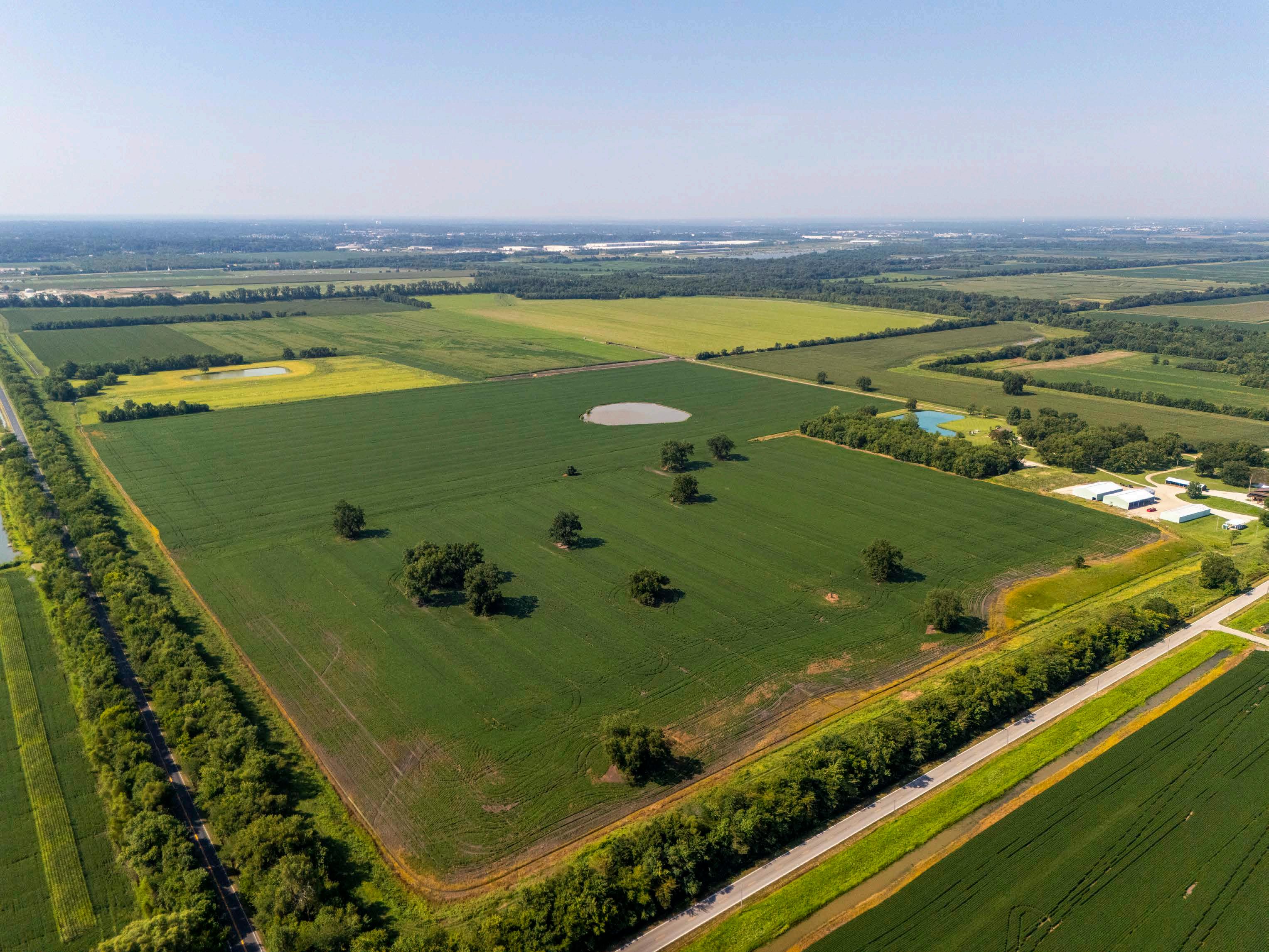
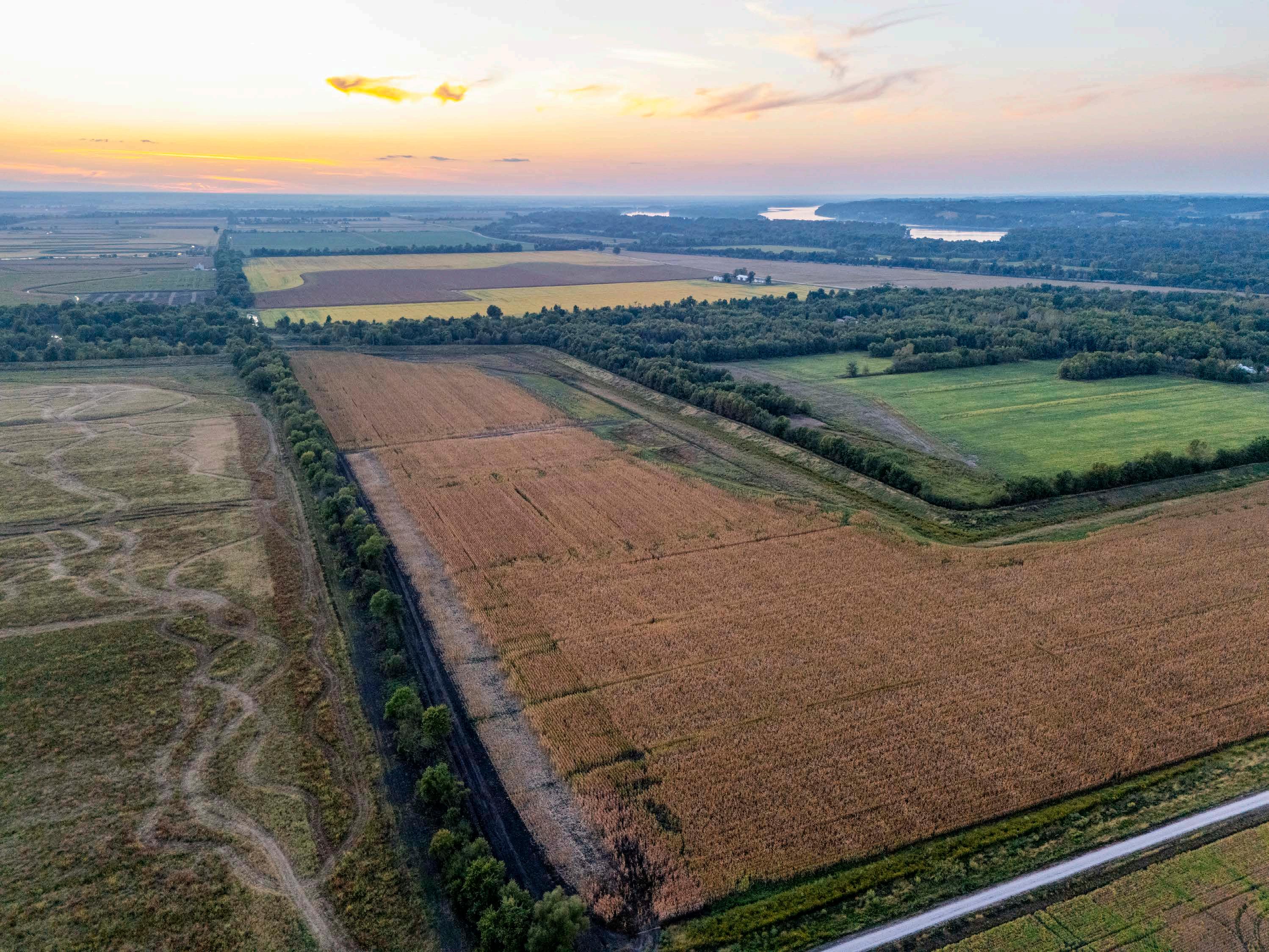
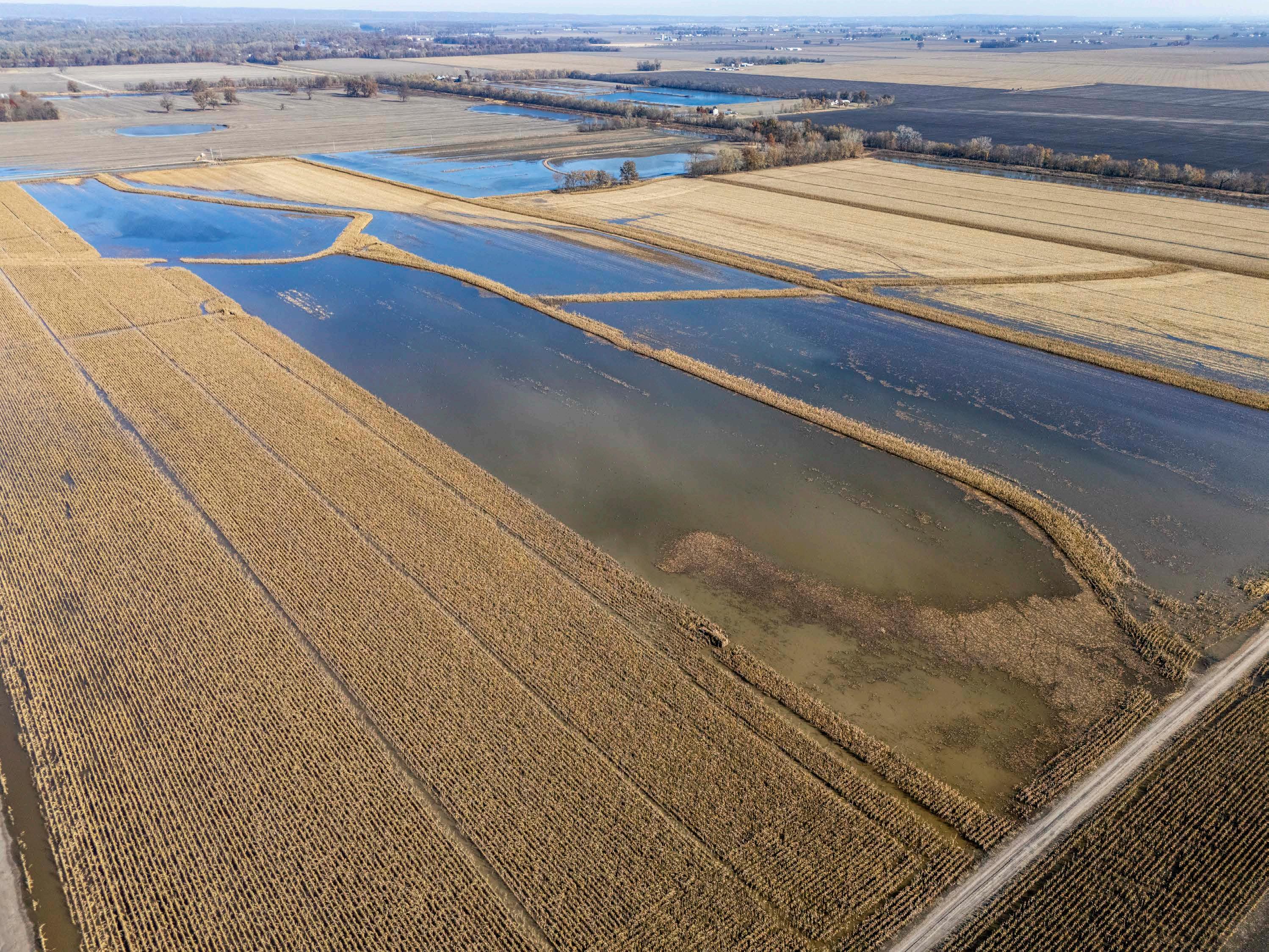
At the meeting point of the Missouri, Mississippi, and Illinois Rivers lies the most important floodplains in North America.
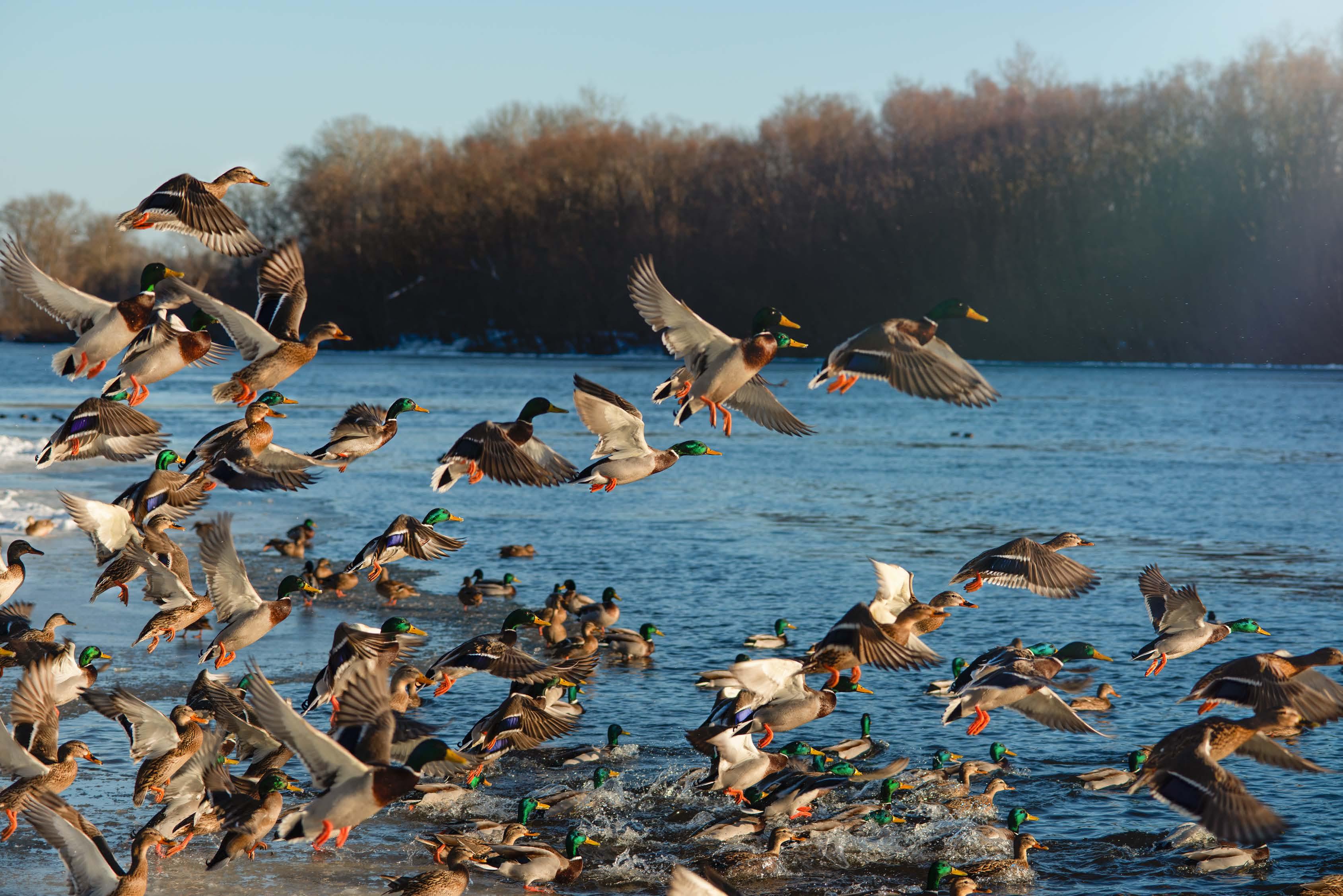
This vast landscape serves as a critical staging and migration corridor for North America’s waterfowl and migratory birds, supports clean water and agriculture, and provides natural flood protection for surrounding communities.
The Confluence is not only a regional treasure, it is a place of national ecological significance.
Protecting the Confluence should be a national priority for all who love wildlife and clean water.
Floodplains are nature’s original infrastructure.
Why Floodplains Matter
When rivers are allowed room to move, floodplains absorb and store floodwaters, filter pollutants, recharge groundwater, and support an extraordinary diversity of plants and wildlife. These natural systems reduce downstream flooding, improve water quality, and create resilient landscapes that benefit both people and nature.
When left intact, floodplains can support agriculture, outdoor recreation, and education. When they are filled, built upon, or fragmented, those benefits disappear permanently.
A nationally significant landscape—on par with America’s most iconic natural places.
Strategic Focus: The Confluence Floodplain
The Scale of the Opportunity
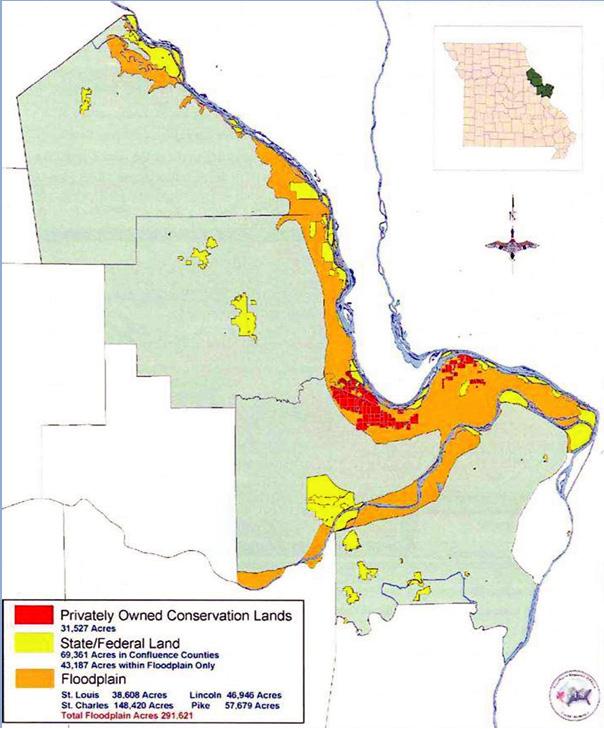
•290,000 acres Confluence Floodplain - One of the largest intact floodplain systems in the central United States
•69,000 acres of State & Federal land - Forming the backbone of public access, habitat protection, and recreation
•13,000 acres of privately conserved land - Voluntary conservation easements protecting working agriculture, wetland ecosystems and hunting landscapes
Why this matters
•Most of the Confluence floodplain is privately owned, making partnership-driven conservation essential
•Protecting this landscape preserves flood storage, clean water, wildlife habitat, cultural heritage, and agriculture at scale
Pike
St. Charles
St. Louis Co
St. Louis City
Lincoln
Over the past century, more than 90 percent of historic wetlands in the Confluence
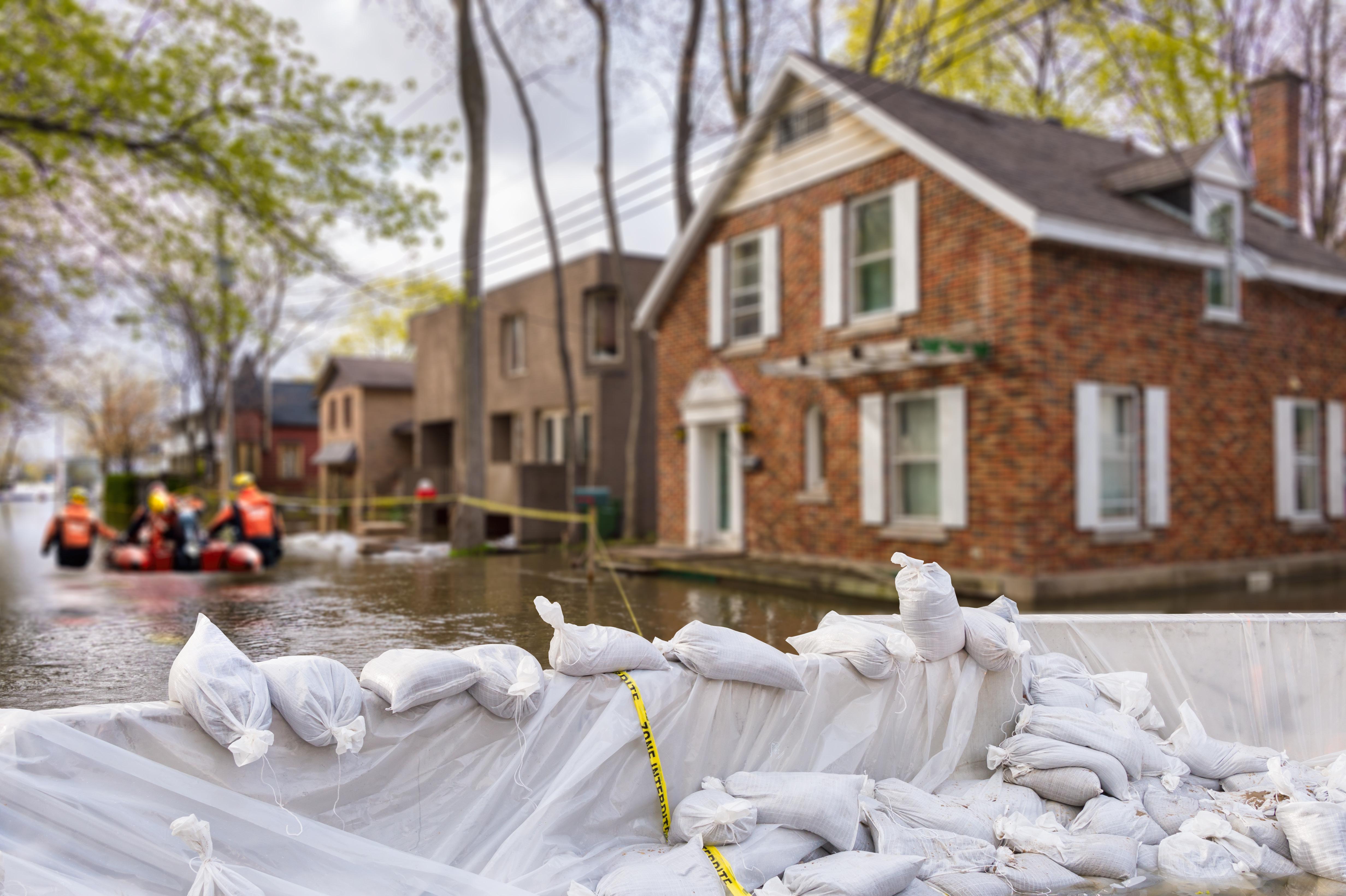
As floodplains are developed, green space and natural water storage disappear. Rivers rise higher and move faster, increasing damage to homes, infrastructure, and farmland. Communities then pay the price repeatedly through disaster relief, insurance claims, emergency response, and costly public repairs for flooding that
This cycle is not inevitable. It is the result of policy choices and with foresight and
The Cost of Building in the Floodplain
Floodplains are designed to flood. When they are allowed to function naturally, they absorb excess water, slow river flows, and protect communities downstream. When they are filled, paved, or constrained by development, that protection disappears.
Building in the Confluence floodplain replaces natural water storage with impervious surfaces and levees that push floodwaters elsewhere. As storms grow more intense and river systems carry higher volumes of water, the consequences compound—higher flood peaks, faster flows, and greater damage across the region.
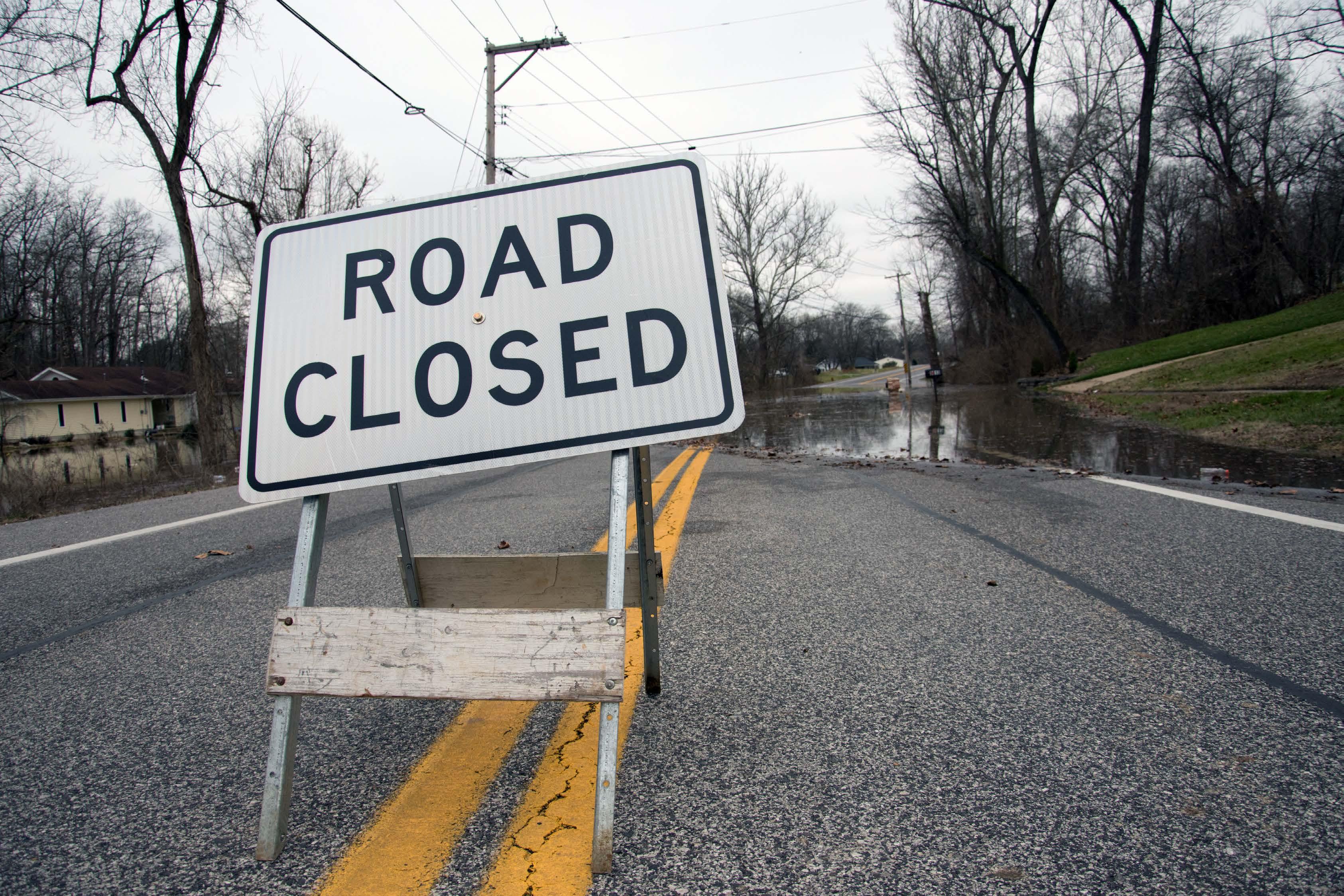
The result is a familiar and costly pattern: development in high-risk areas, followed by repeated flooding, emergency response, infrastructure repair, and public disaster assistance. Taxpayers and those paying for insurance absorb these costs again and again, while the underlying risk continues to grow.
Protecting floodplains is not about stopping growth. It is about choosing smarter growth and directing development away from areas that are essential for flood protection, clean water, and community resilience. In the Confluence region, the choice is clear: protect the floodplain, or pay the price repeatedly.
Why Great Rivers Habitat Alliance Exists
Great Rivers Habitat Alliance was founded in 2000 by local conservation leaders who recognized what was at stake.
As development pressure intensified across the Confluence floodplain, these leaders saw a narrowing window of opportunity to protect land before it was permanently lost. GRHA was created to act decisively using science-based conservation tools, collaboration with willing landowners, and strong public-private partnerships.
Early successes securing conservation easements and building trusted regional relationships proved that conservation could work here at meaningful scale, benefit of the wildlife, communities, the public, and agriculture.
Our Mission & Vision
Our Mission
To protect the 100-year Confluence floodplain for the benefit of wildlife, historic waterfowling, agriculture, clean water, and people. GRHA honors the Confluence’s long-standing hunting and conservation heritage while ensuring these lands serve clean water, education, and public benefit for all.
Our Vision
The vision of Great Rivers Habitat Alliance is a natural Confluence floodplain protected for the benefit of all.
GRHA’s work is guided by four core pillars:
•Protection
•Conservation
•Education & Public Awareness
•Organizational Strength
Together, they ensure that land protected today continues to deliver environmental, economic, and community benefits far into the future.
A Shared Vision for the Confluence
We envision a Confluence floodplain that is protected, connected, valued, and conserved.
Protected
Permanently conserved lands that reduce flood risk, protect clean water, and sustain wildlife habitat.
Connected
Linked wetlands and natural corridors that allow rivers and wildlife to function as healthy systems.
Valued
Places where people can learn, recreate, and connect with the natural world.
Conserved
Safeguarded through stewardship and science—breaking the costly cycle of floodplain loss for generations to come.
Conservation & Land Protection in Action
GRHA protects floodplains by working collaboratively with landowners, conservation partners, and public agencies to secure land and conservation easements where they matter
Using proven wetland science, we restore habitat, protect flood storage capacity, and apply bu ers and green space that help shield downstream communities from flood damage. This approach balances ecological health with practical land use and long-term resilience. Historically, hunters and anglers played a foundational role in conserving wetlands and wildlife. Today, that conservation ethic continues—serving the broader public good while
A Partnership-Driven Approach
GRHA succeeds by bringing people together around shared goals.
Private leadership and philanthropic investment help unlock public funding, agency expertise, and large-scale conservation outcomes. Our partners include Ducks Unlimited, the Missouri Department of Conservation, Missouri Conservation Heritage Foundation, The Nature Conservancy, federal agencies, local governments, landowners, Land Learning Foundation, Safari Club International, Delta Waterfowl, and community nonprofits.
Together, these partnerships allow GRHA to serve as a catalyst for connecting resources, aligning interests, and delivering results no single organization could achieve alone.
Major Initiatives
Through strategic partnerships, GRHA supports large-scale conservation e orts across the
These initiatives include floodplain land protection, agricultural wetland programs, emerging revolving land partnerships, and public-facing projects such as the St. Charles County Visitor Center, Foster Rollins Floodplain Education and Conservation Area, and the restoration of Twin Hollow. Each e ort contributes to a broader strategy of protecting land, restoring natural function, and expanding public benefit by adding acres of wetlands to the
GRHA also assists conservation easement programs by helping landowners navigate due diligence and technical requirements—removing barriers that often prevent good conservation from moving forward.
Henges Conservation & Education Center
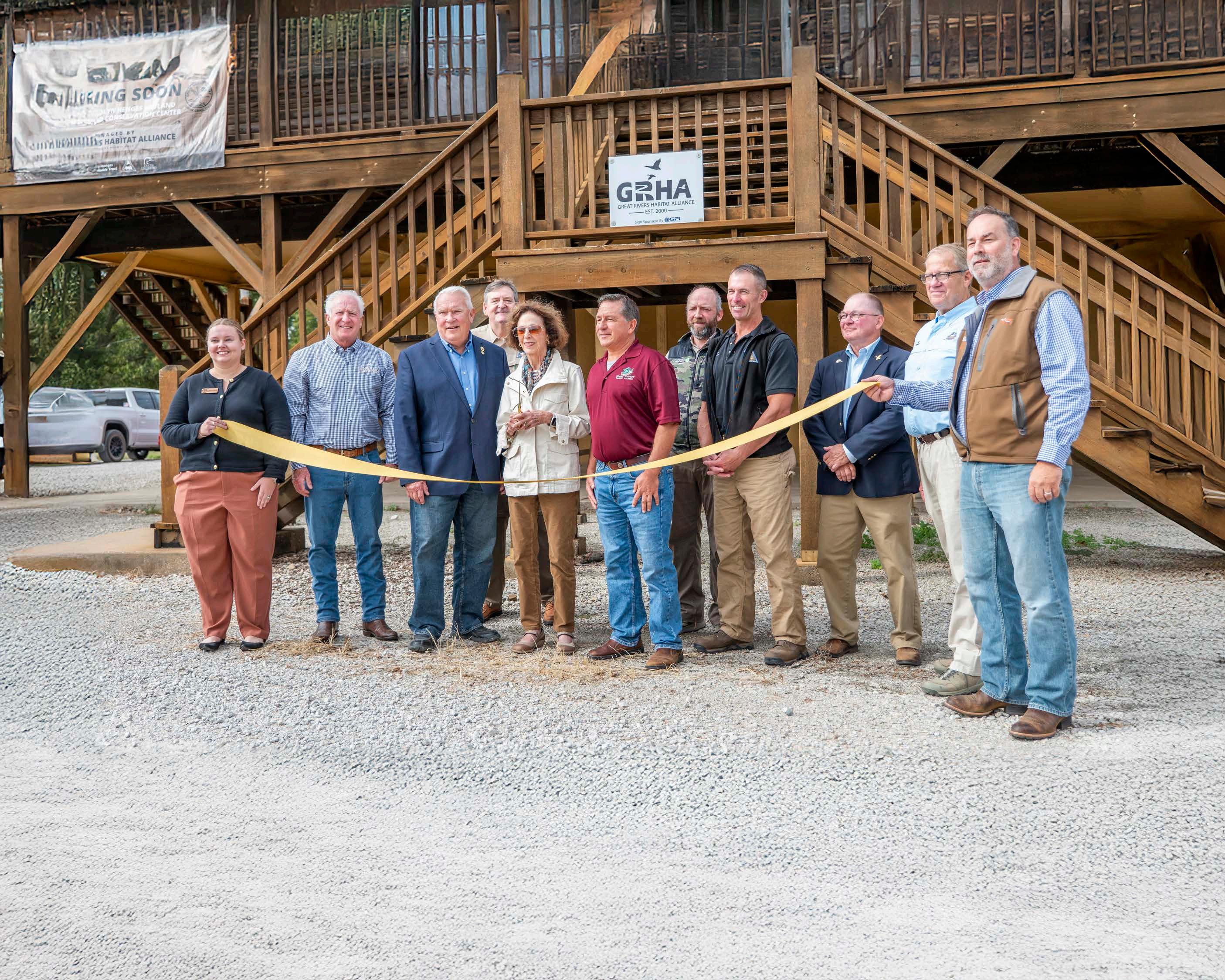
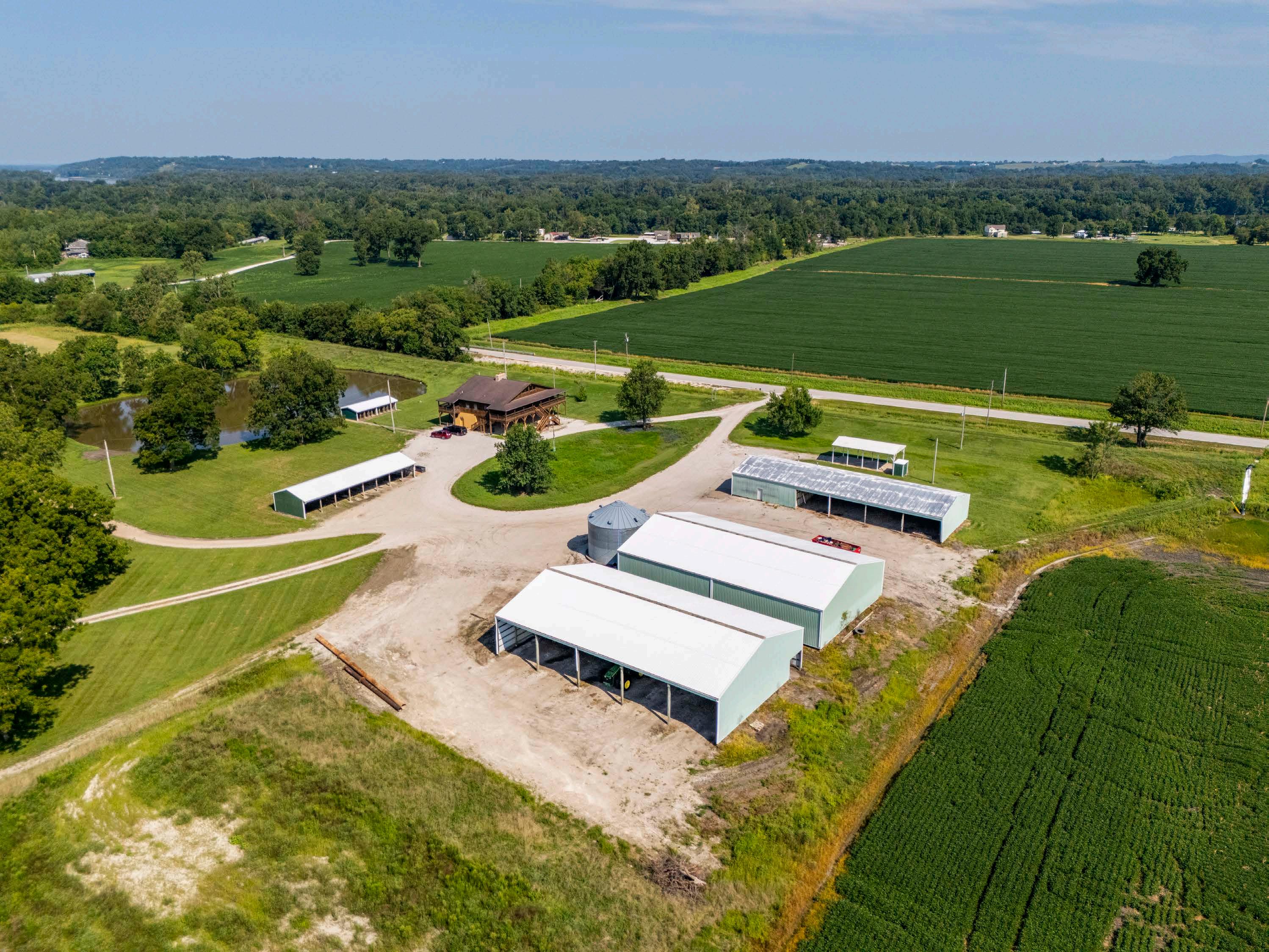
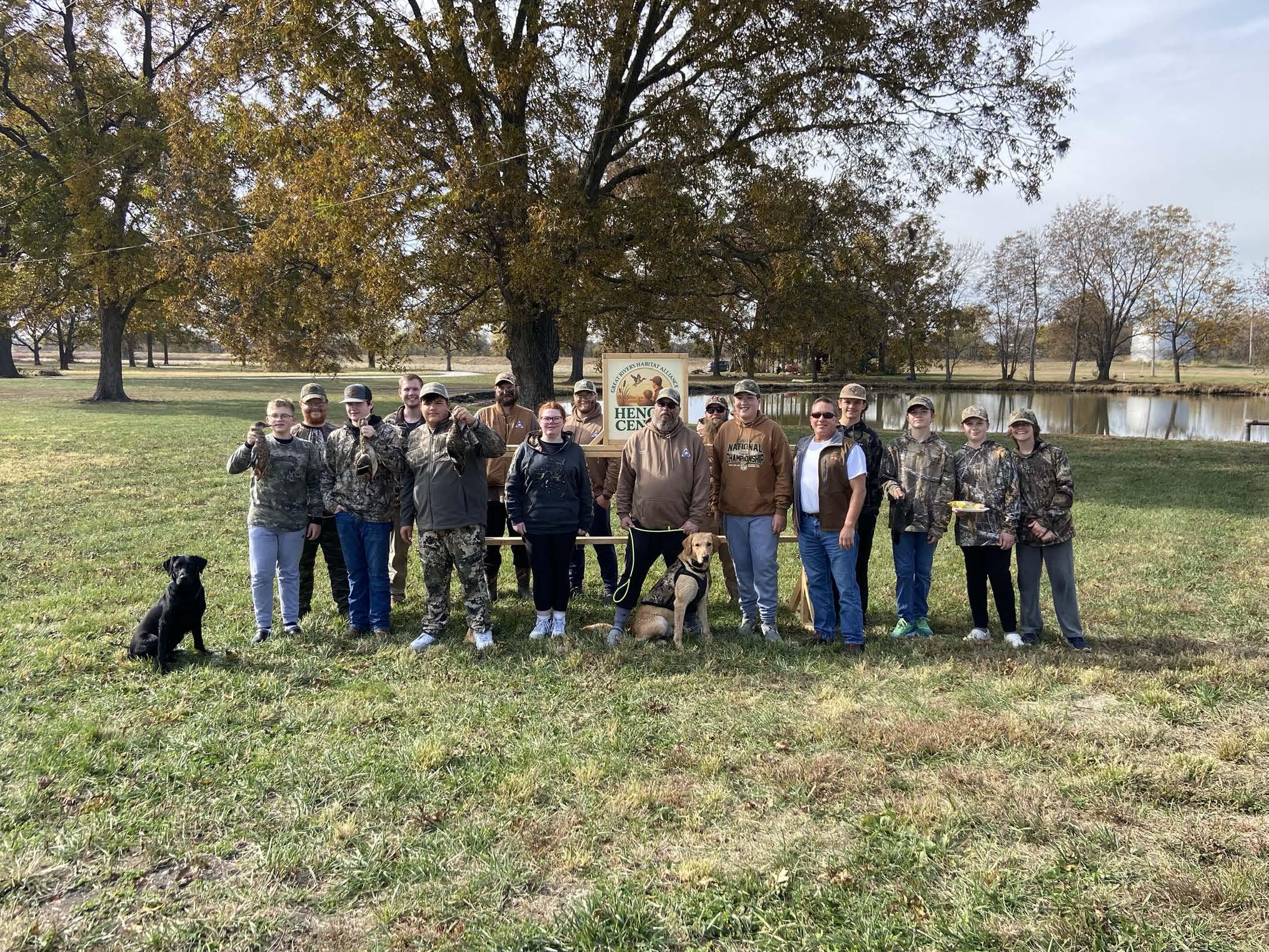
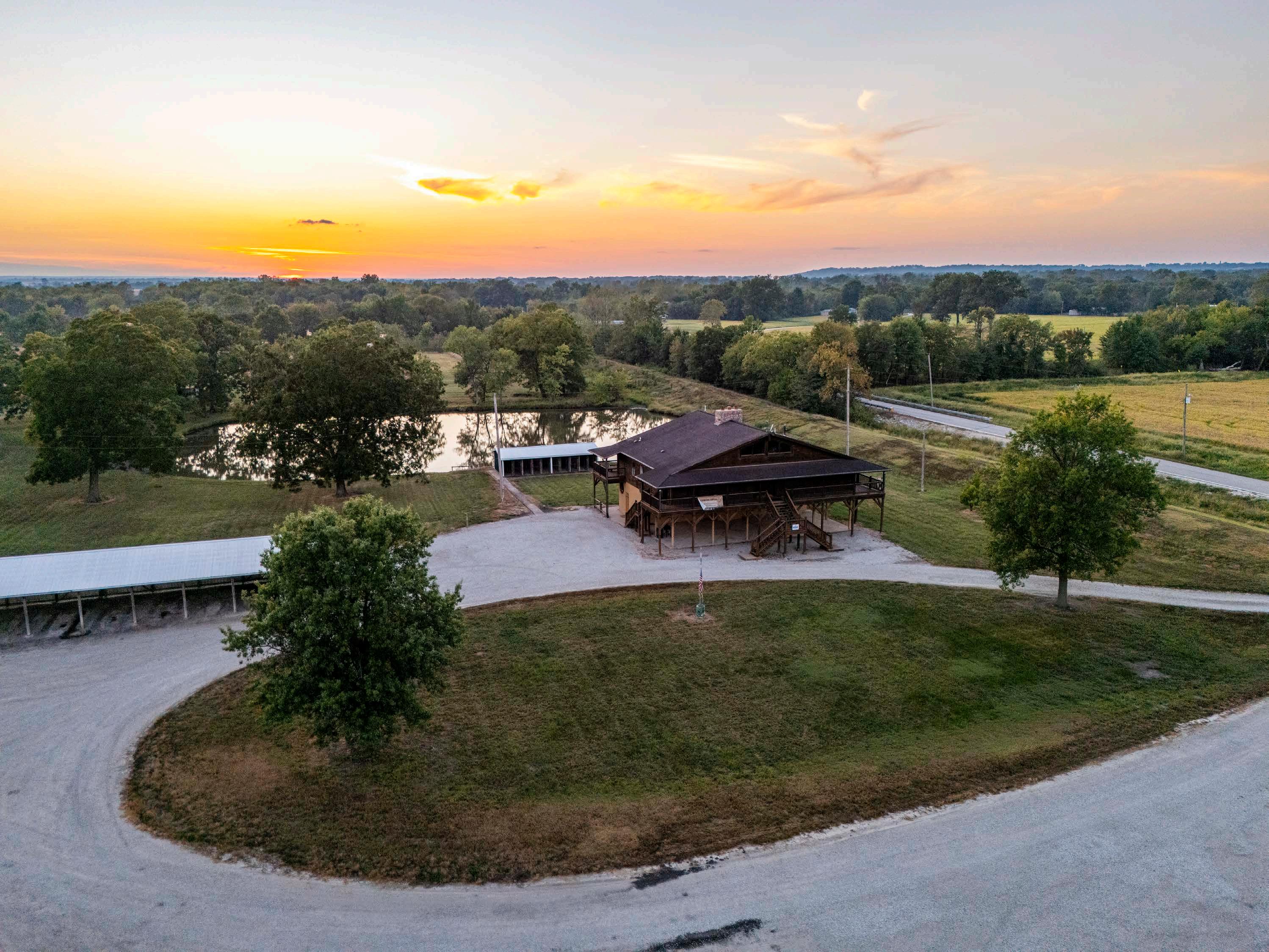
The Henges Conservation & Education Center is GRHA’s flagship achievement.
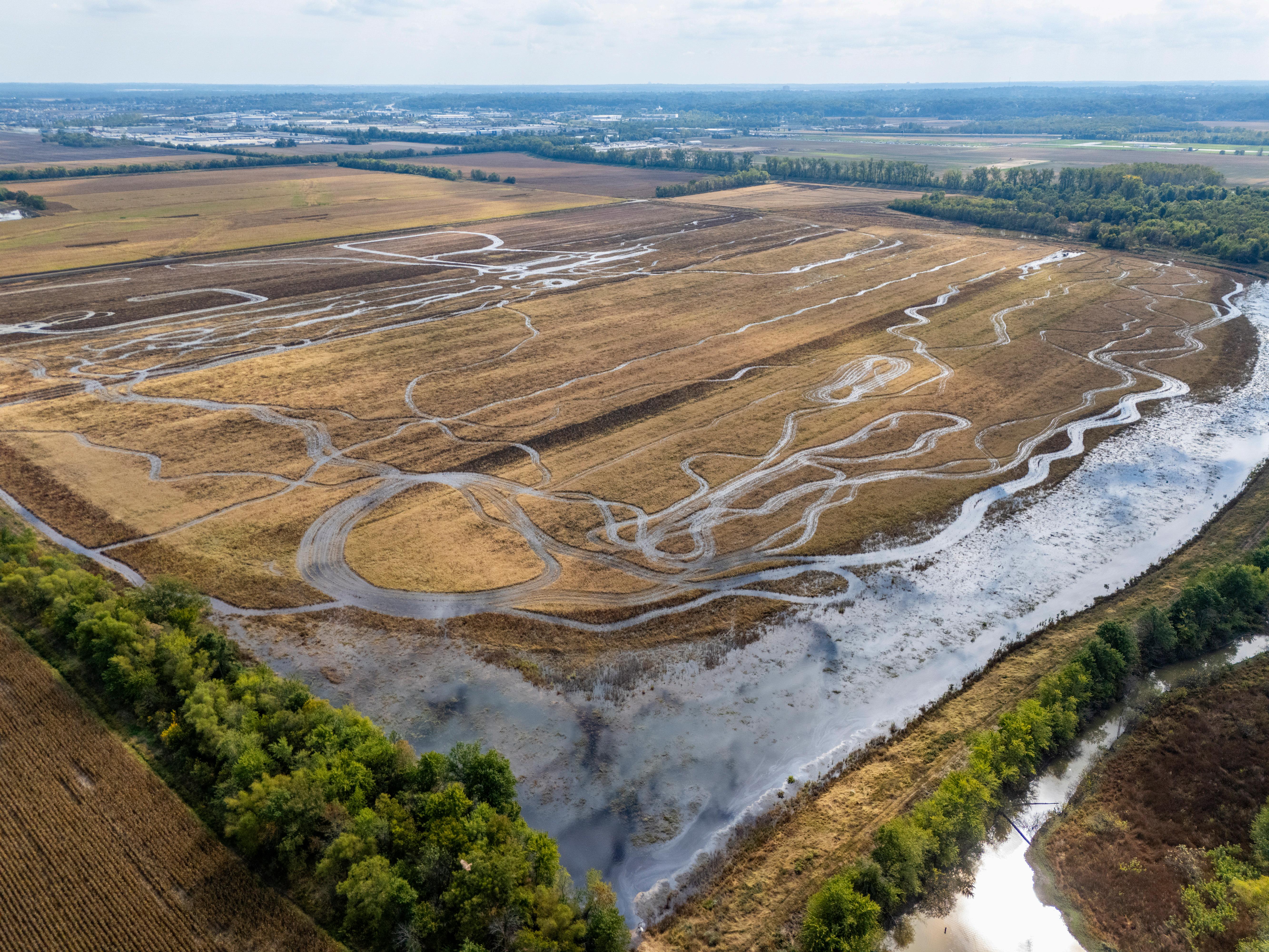
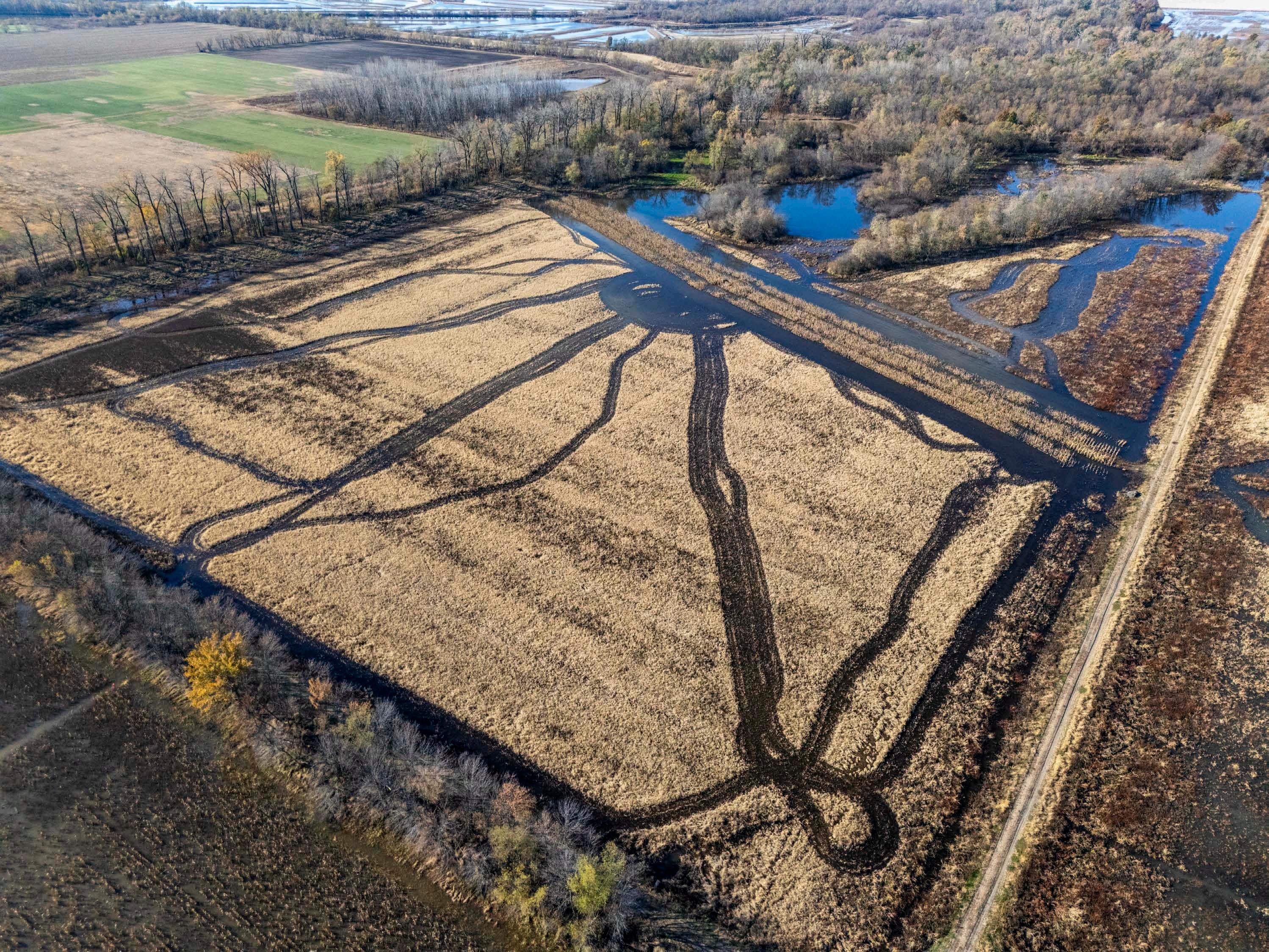
Spanning 785 acres in the Confluence floodplain, Henges Center demonstrates what is possible when conservation, public access, education, and water quality protection come together in one place. The site supports habitat restoration, improved floodplain function, and meaningful opportunities for learning and engagement.
In its first year alone, the Henges Center has delivered visible ecological improvements and strong community participation—tangible proof that GRHA turns vision into reality.
Completing the Henges Center’s Vision
Significant progress has been made to secure and activate Henges Center, but the work is not finished.
Approximately $4 million remains to retire the acquisition investment and fully realize Henges Center’s long-term potential. Completing this e ort ensures permanent public benefit, expanded education programming, and enduring conservation impact at one of the Confluence’s most important sites.
The $10 million comprehensive campaign supports clear, measurable conservation outcomes, including:
•Completing the Henges Conservation & Education Center
•Acquiring and protecting additional floodplain acreage
•Expanding education and urban youth programming
•Restoring habitat and improving water quality
•Ensuring long-term stewardship and land management
Every investment directly advances conservation on the ground—where it matters most.
Policy, Education & Community Impact
Protecting floodplains is also smart public policy.
By preventing development in high-risk flood zones, conservation reduces man-made flooding and long-term taxpayer and insurance costs. GRHA works to educate policymakers, landowners, and communities about practical, science-based approaches to floodplain protection.
Impact & Legacy
For more than 25 years, Great Rivers Habitat Alliance has been a trusted voice for floodplain protection in the Confluence region.
Our work has protected thousands of acres, strengthened regional partnerships, and delivered lasting environmental, economic, and community benefits. Most importantly, we protect land for public benefit—not private use—ensuring the Confluence remains a shared resource for future generations.
Join Us
The future of the Confluence floodplain depends on action today.
By supporting Great Rivers Habitat Alliance, you help complete landmark projects like Henges Center, expand conservation across the floodplain, and ensure this extraordinary landscape continues to serve wildlife, communities, and clean water.
Together, we can protect what matters most, now and forever.
Through leadership support, donors help secure a permanent legacy in the Confluence.