CECI: RLO:
PLWDS:
PWDS:
POCS:
EUTF:
UNHCR:
OPM:
CRRF:
KMC:
ACAV:
HIV/AIDS:
CBO:
VHT:
MHPSS:
TB: RWC:
LC:
COVID-19: SOPS:
GBV:
VSLA:
PPE:
IEC:
GALS:
CSO: FGD:
CWC:
VAWG:
Community Empowerment for Creative Innovation
Refugee Led Organizations
Persons Living with Disabilities
Persons with Disabilities
Persons of Concerns
European Union Trust Fund
United Nations High Commissioner for Refugee
Office of the Prime Minister of Uganda
Comprehensive Refugee Response Framework
Koboko Municipal Council
Associazione Centro Aiuti Volontari
Humane Immuno Virus/Acquired Immune Deficiency Syndrome
Community Based Organization
Village Health Team
Mental Health and Psychosocial Support
Tuberculosis
Refugee Welfare Council
Local Council
CoronaVirus Disease
Standard Operating Procedures
Gender Based Violence
Village Saving and Loan Associations
Personal Protective Equipment
Information, Education, and Communication
Gender Action Learning Systems
Civil Society Organization
Focus Group Discussions
Communicating with Communities
Violence Against Women and Girls
103,882
Youth, women, girls, children, PWDs, elderly, groups, and leaders reached in 2020-2022 with 641% being refugees
234
Businesses established by women and girls, youth, and PWDS with support from CECI.
accumulated in VSLA savings with 196 loans accessed and used to start a business.
01
Community radio established in Bidibidi Refugee Camp serving over 5,872 people, including 3,660 children
84,281
people empowered to protect themselves and their communities against malaria, HIV/AIDS, typhoid, tuberculosis, COVID-19, and drug and substance abuse
100
Gardens established to grow vegetables for household consumption and for sell
Women reached through our programs
formed with 330 members accessing 230 loans.
3,943
Households of refugees and hosts sensitized and supported with PPEs and handwashing facilities for covid-19 prevention
05
Acres of land secured for growing trees and 3 degraded wetlands secured for restoration
595 youth, women, and community leaders trained as local peacebuilders, equipped with skills in peacebuilding, conflict resolution, and trauma healing
495
Refugee Women and girls received dignity kits
203
People with impaired sight regained their vision
13,824
Children reached through our programs.
20
acres of land secured for refugee farming in Bidibidi Refugee Settlement
15
Local peace committees formed and strengthened to resolve local conflicts and promote peace
450
Women and youth received emergency livelihood support to improve their wellbeing and lead dignified life during COVID
4,580
Students sensitized on sexual and reproductive health and human rights abuses reporting, linkage and referral
841
Parents, caregivers, foster parents, youth and women have better understanding of positive parenting, human rights abuses and covid-19 prevention/response
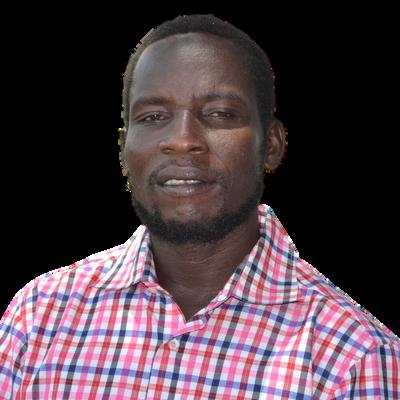
I am delighted to present to you the Impact Report 2020-2022 of the Community Empowerment for Creative Innovation (CECI Uganda) This report showcases the transformative outcomes of our collective efforts in empowering youth, women, and girls in both refugee and host communities
In this report, you will discover inspiring stories of resilience, hope, and empowerment that demonstrate our team's unwavering dedication, our partners' generosity, and the remarkable strength of those we serve
Our strong commitment to promoting peace, self-reliance, and dignity is rooted in the foundation laid by our founder and vision bearer, Patrick Chandiga Justine Abure His lived experiences as a thirdgeneration refugee, deprived of education and confronted with hate speech, discrimination and violence, inspired our resolve to create an enabling environment for healing, reconciliation, and peaceful coexistence This flame continues to fuel our work which helps thousands of refugees improve their wellbeing and safety, build resilience, rebuild livelihoods, and ensure their children receive an education
With the COVID-19 pandemic, the Ebola epidemic, and rising inflation, we stood shoulder to shoulder with fellow refugees, their families, and host communities, keeping them safe and now aiding in their recovery With funding from OXFAM Novib, OXAM IBIS, the European Union, War Child Canada, and the Children's Rights and Violence Prevention Fund, we have improved the safety and wellbeing of 103,882 youth, women, girls, children, Persons with disabilities, elderly, and other vulnerable groups in Koboko, Yumbe, and Obongi districts, Uganda, through providing local and community-driven solutions to poverty, the COVID-19 pandemic, conflicts, and educational disruptions caused by COVID-19 By equipping them with start-up kits and capital and knowledge and skills in peacebuilding, conflict resolution, trauma healing, business management, and financial literacy, we empowered them to build resilience, prevent conflicts, rebuild livelihoods, and actively participate in their own development
As we end the final year of our 2020-2023 Strategic Plan, our priority is supporting refugee youth and women in their recovery from COVID-19 to enhance their safety and wellbeing, particularly through access to capital, vocational training, business and technology skills, financial literacy, entrepreneurship, and farming tools and seeds We also aim to increase school enrollment and retention rates for children and girls, build a local recreational centre for youth and women, and promote community engagement in environmental protection and resilience-building We actively seek to strengthen and expand our partnerships with existing and potential partners while actively adapting and innovating our programs to better meet the needs of refugees and their host communities
We are deeply grateful and inspired by all our remarkable staff, tireless board members, passionate volunteers, resilient communities, and invaluable partners who poured their hearts and souls into our shared vision of a peaceful, self-reliant community, making 2020-2022 a tapestry of success Thank you!
With deep gratitude,

Benson Khemis Soro Lako, Executive Director
Community Empowerment for Creative Innovation (CECI Uganda) is a refugee-led community-based organization founded in May 2017 to address ethnic cleavages, conflict tensions, and other challenges refugees face, such as poverty, unemployment, and cultural intolerance. We prevent, reduce, and transform violent conflicts in refugee communities through locally-led innovations in peacebuilding, education, livelihood, and environment driven by local needs. Founded by a group of young refugees, including students, teachers, evangelists, and social activists, we empower youth, women, and girls with the necessary tools to build resilience, prevent conflicts, rebuild livelihoods, and participate actively in their own development All our work is led by youth and driven by our core values of professionalism, teamwork, honesty, commitment, personal development, accountability and transparency
To promote peace, self-reliance and dignity through recreational activities, education and other innovations going beyond relief and development.
An Empowered, Peaceful and Selfreliant community
seek to:
Build peace and improve social cohesion among refugees and with host communities. Build skills to support development and peace. Promote girl child education and early childhood development. Increase community knowledge and understanding of HIV/AIDs care and prevention.
Eradicate Gender-Based Violence. Green the environment. Foster creativity and innovation among youth.
Strengthening the role of youth and women in preventing and resolving conflicts to promote the peaceful resolution of disputes and reconciliation, build and increase peaceful coexistence and social cohesion
Building skills that support development and peace, build resilience, and increase employability among youth and women in both refugee and host communities
Improving primary and accelerated education access for women and girls and early childhood development programs for children to promote positive development
Engaging youth and women to promote community-led environmental conservation and climate action in refugee and host communities.
Our journey began in 2016, when our founder and vision bearer, Patrick Chandiga Justine Abure, fled his home in Yei, South Sudan, due to the outbreak of war, becoming a thirdgeneration refugee with his siblings, all deprived of education He faced hate speech, discrimination, and violence due to his ethnicity in Rhino Refugee Settlement, Uganda, where he sought refuge, all while enduring the lasting impact of his past as a child labourer
After finding safety in Koboko, Uganda, and becoming a Christian evangelist, Abure found a new purpose – to help bridge divides and unite refugee communities for peace, reconciliation, and tolerance In May 2017, while serving as a full-time Evangelist of Koboko Seventh-Day Adventist Church, he founded the Community Empowerment for Creative Innovation (CECI Uganda) to tackle conflict tensions and ethnic cleavages arising from ethnic discrimination, cultural intolerance, hate speech, resource access and utilization, trauma and limited employment opportunities in refugee communities
He mobilized a team of young refugees who shared his passion for promoting peace and selfreliance in their communities through education, innovation, and recreational activities They were from diverse ethnicities, professions, and backgrounds, but all were united in their commitment to fighting discrimination and violence
On August 14, 2017, Abure, along with Vita Geofrey, Dominic Wani, Baba Michael Nigo, Juma Robert John Paul, and Hakim Bosco, registered CECI Uganda as a Community-Based Organization with the Koboko District Local Government (Reg No 563/124) Later, CECI Uganda was incorporated as a Company Limited by Guarantee (Reg No 80020002697777) This milestone marked a new phase of growth and impact for us in preventing, reducing, and transforming conflicts through locally-led innovations in peacebuilding, education, livelihood, and environmental sustainability
Since then, we have been working with 58,524 youth, women and girls to stop violence and increase social cohesion among and between refugees and host communities We campaigned against all forms of hate speech and incitement to violence and provided community-based and data-driven solutions to the problem of hate speech, disinformation, and misinformation We have also strengthened local peace structures to respond to and prevent conflicts, rebuilt the livelihoods of 6,839 youth, women and girls, increased their safety and wellbeing, and improved access to education for over 13,824 children
Our focus on empowering youth and women to participate actively in local leadership, peacebuilding, and development has been unwavering Today, we have expanded our services to benefit 147,098 refugees and hosts in Koboko, Yumbe, and Obongi districts We are strengthening their participation by increasing access to education, financial resources, knowledge and skills in conflict resolution and peacebuilding, business, technology, entrepreneurship, and vocational training
H I G H L I G H T S

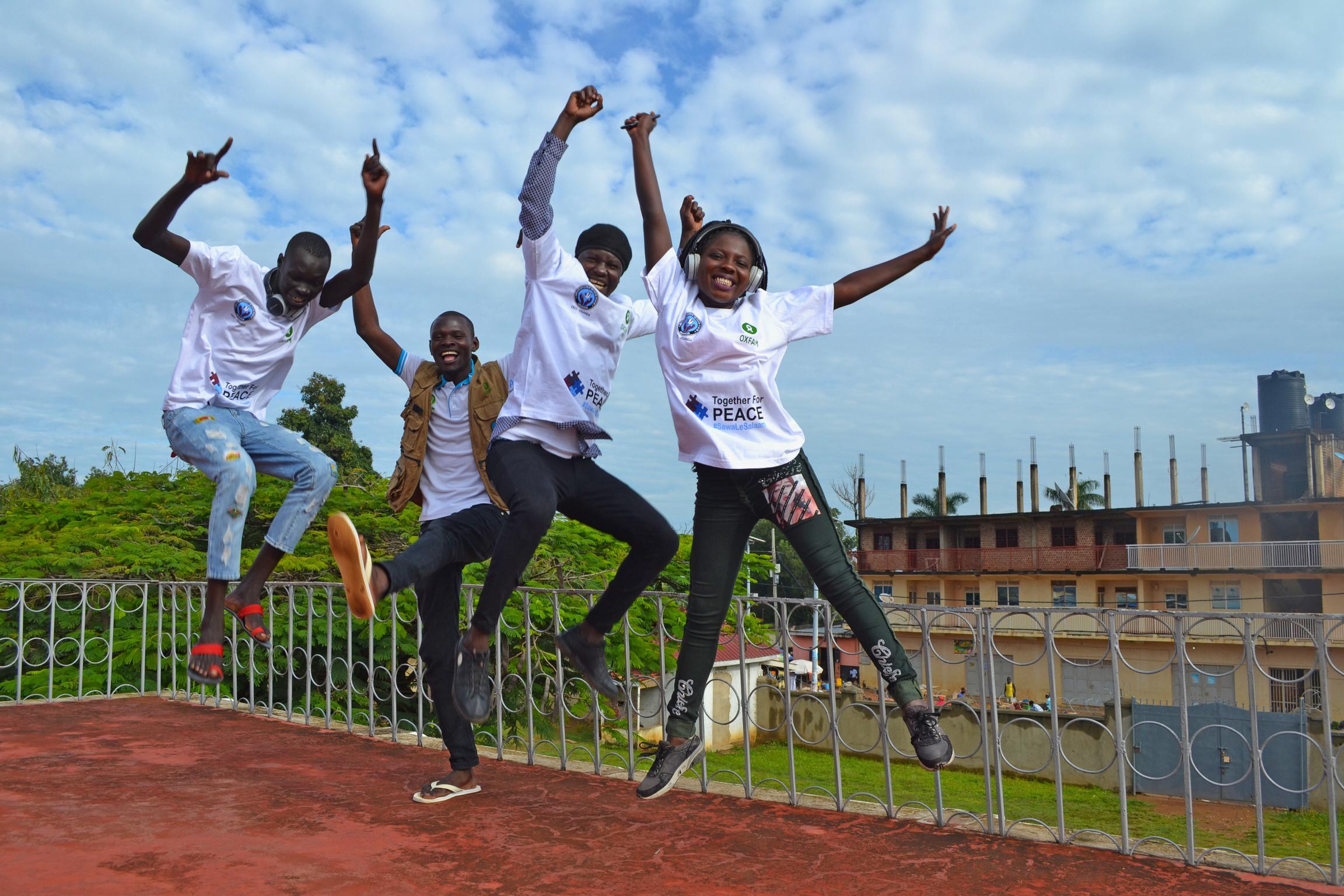

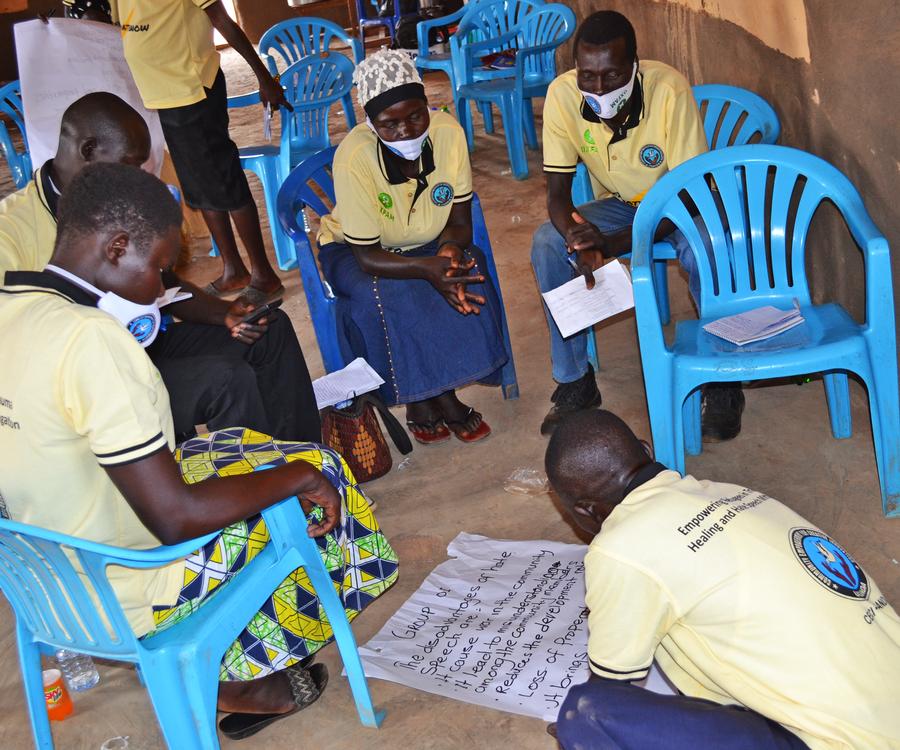
CommunityleadersofVillage1,Zone3inBidibidiRefugeeSettlementpicturedtogetheraftercompletingpeacebuildingandconflict resolutiontrainingtoenhancetheircapacityineffectivelyrespondingtoconflictswithintherefugeeandhostcommunities(2020)
We empowered 56 community leaders in Bidibidi Refugee Settlement, Zone 3, enhancing their capacity in peacebuilding and conflict resolution Among those trained, 70% were refugees and 30% were hosts These leaders effectively respond and resolve conflicts within their communities, counter divisive messages, and raise awareness in the face of the COVID-19 pandemic To support their efforts in curbing and responding to the increasing cases of crime and conflicts in their communities, we provided monthly airtime facilitation, enabling them to address issues such as gender-based violence (GBV), Violence Against Women and Girls (VAWG), disputes over firewood, discrimination, hate, and crop damage caused by stray animals
Covid restrictions and lack of airtime for communication posed challenges in timely reporting and responding to local issues within my community. However, when CECI provided me with airtime, it eased my work a lot, especially in reporting cases over the phone. I have reported 13 cases, mainly related to GBV and water shortage, to the responsible partners Out of these, 10 cases involving domestic violence and conflicts at waterpoints have been resolved, while the others are currently being addressed Additionally, the water shortages are being addressed, resulting in reduced violence at boreholes I am now coordinating and reporting COVID suspects and new arrivals, while also actively engaging in community mobilization ~ Hakim Alias, RWC1 Village 3
We formed 15 local Peace Committees (Clubs) with mixed memberships, led by youth, women, and community leaders in Bidibidi Refugee Settlement, and subgranted them to engage their communities in peacebuilding, conflict resolution, and development of local solutions to local problems They engaged 203 people, including 141 refugees and 62 host community members, in safe and inclusive community dialogues, mediation, and focus group discussions, resulting in collective resolutions to conflicts affecting peace and social cohesion in their communities. We also enhanced their capacity to mobilize resources within and outside the settlement through training in concept note writing, budgeting, and reporting, enabling them to access additional funding and support for their initiatives outside CECI. Over 16 protection partners actively utilize these clubs, which have been integrated into the Zonal protection referral pathways, for feedback and complaint reporting and handling.
3 of 15 peace committees we formed have grown into registered Community-Based Organizations, actively engaging hundreds of youth, women, and girls in their communities in education, climate action, gender equality, agriculture, and peacebuilding.
The dialogues and FDGs undertaken by our Peace Committees resulted in the development of key Resolutions agreed to by both refugees and host communities to improve peaceful coexistence. They include:
Seeking permission from landlords in case of the need for farmland, thatching grass and firewood by refugees
Signing agreements between land-users and landlords in the presence of at least 3 witnesses from each side to avoid farmland grabbing, giving out land that belongs to another person and renting out the same piece of land to different people at the same time Also, educating refugees on the procedures of requesting land from landlords
Reporting cases of theft, land grabbing, and sexual abuse to RWCs and LCs and police
Planting trees in areas allocated by the host communities, with support from local partners
Providing reproductive health and sex education, and involving parents, teachers, and stakeholders in community activities
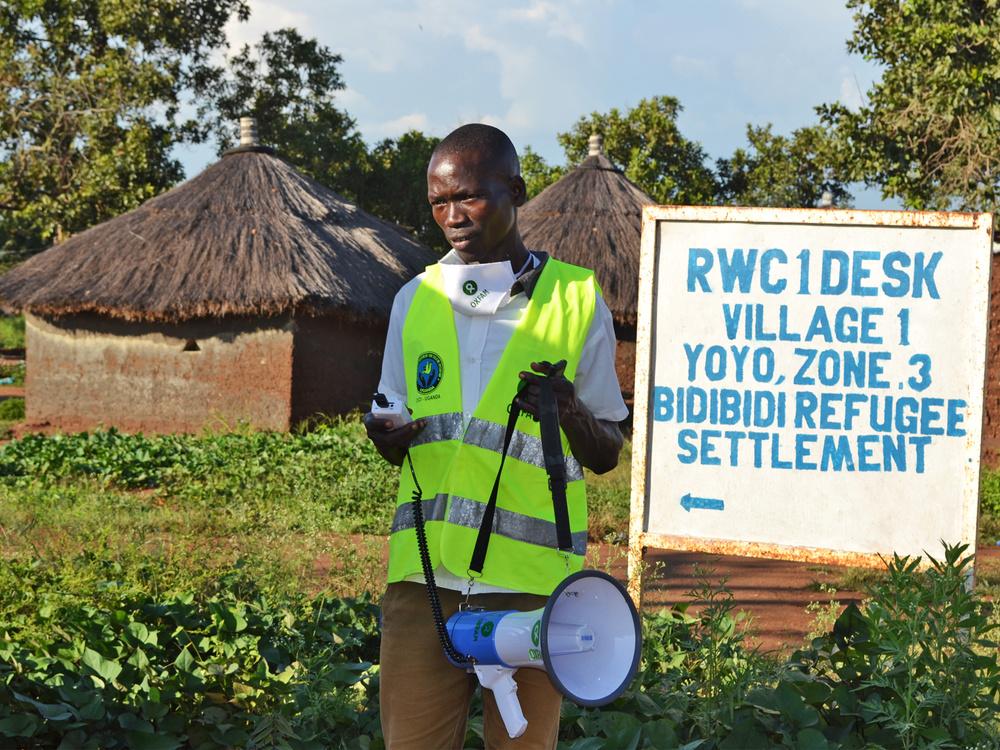

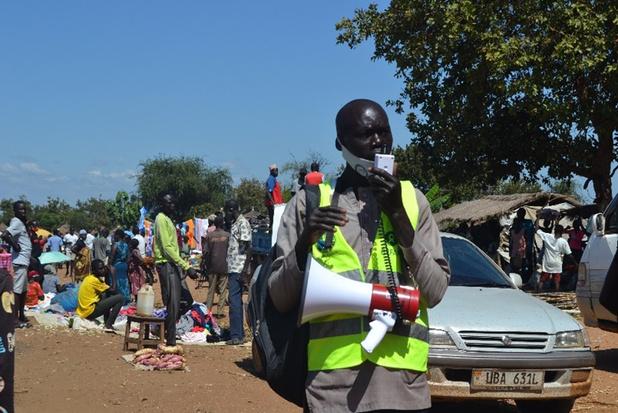
I am Vincent, a 29-year-old father of 3 children living in Village 1. Since arriving in 2016, I have seen many cases of violence involving women and youth during firewood collection and at boreholes in my village However, I believed it was the job of community leaders to resolve it until November 2020, when I was trained as a Local Peacebuilder under the Sawa Le Salaam project by CECI. Since then, I have successfully mediated and resolved micro-conflicts in 10 households related to domestic violence, theft, teenage pregnancy, and children. I co-organized a joint community dialogue with both refugee and host communities through our mixed peace committee, enabling refugee communities to access grass and firewood freely Now violence cases reported per month to our RWC have reduced from 25 to 2-3 cases in the past 5 months This shows that small acts can make big changes, and could change my community forever. ~ Towongo Vincent, Local Peacebuilder
Our mass community awareness and sensitization program on peaceful coexistence and COVID-19, which utilized pre-recorded Audio Peace Plays in Arabic, Aringa, and English, directly reached 6,008 people from 902 households, including 1,114 host community members and 4,894 refugees, in Bidibidi Refugee Settlement, Zone 3, through doorto-door visits and Boda-Boda-Talk-Talk An additional 1,500 people were reached during food distribution These plays significantly increased community knowledge and understanding of COVID-19 prevention and encouraged communities to adopt peaceful conflict resolution mechanisms, report disputes to leaders, and stop hate speech and tribalism IRC also adopted these plays for mass awareness creation
3,058
Children reached with child friendly awareness messages on COVID-19 prevention
4,642
Women educated on COVID19 prevention, reporting, and conflict resolution.
7,508
Refugees and hosts sensitized on COVID-19 prevention and conflict resolution
03
Audio Peace Messages recorded in Aringa, Arabic, and English by local communities

Click to view Video: https://youtu be/CV82dikUKQw
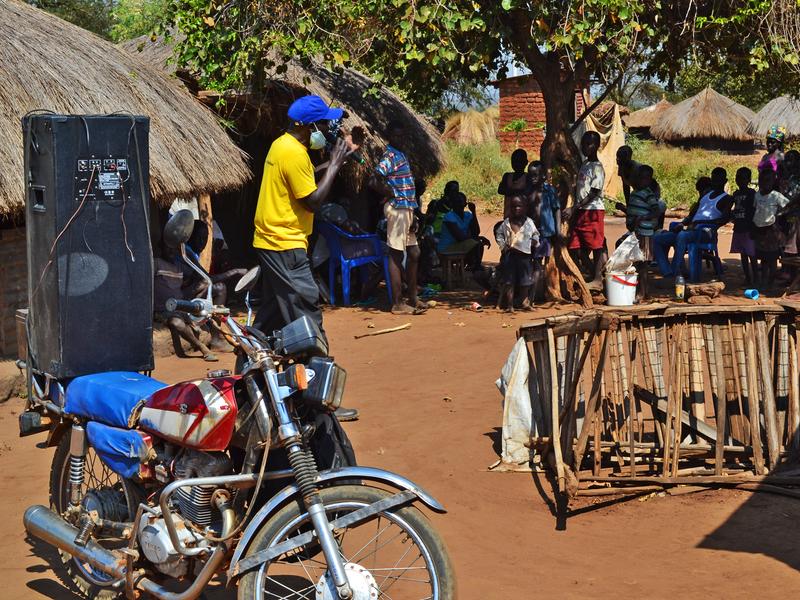
Our Sawa Le Salaam (Together4Peace) Song, recorded by 3 diverse South Sudanese and Ugandan musicians in five commonly used and understood languages, including Arabic, English, Aringa, Dinka, and Bari, addresses local conflicts related to resource sharing, and encourages peaceful coexistence and collective community action to fight against COVID-19. It has been used to raise awareness on peaceful coexistence in Bidibidi Refugee Settlement by Community-based Volunteers, local leaders and partners. Premiered on 6th December 2020 on Arua One FM and Spirit FM, the song has reached over 18,500 people in Uganda through local radio stations in Koboko, Yumbe, Arua districts and through Facebook, Twitter, YouTube, and Instagram.
In 2021, we shot and produced video of the song and broadcast it in local communities in Bidibidi through 5 Community Peace-Talk Shows attended by 100 women, youth, students, community and religious leaders Sensitized them on peaceful conflict resolution mechanisms they can adopt, and the need for water, firewood, grass, farm land, schools and health facilities to be shared peacefully among refugee and host communities. As well on the need for joint efforts by host and refugee community members to address tensions, resolve violent conflict, prevent violence, and promote reconciliation and social cohesion, resulting in increased community dialogues, reconciliation efforts, and reduced conflicts related to resource sharing. It was also broadcast widely on YouTube, Facebook, Twitter, and Instagram, reaching over 5000 people. This project positively impacted musicians by providing a platform to showcase their talent, reach a wider audience, receive positive feedback from the community, and become role models for youth in the settlement.
12,731
Women, children, youth, men, PWDs, and elderly persons sensitized to realistically protect themselves from COVID-19
495
Women and girls provided with reusable sanitary towers
35
Youth trained to raise COVID-19 awareness and provide mental health and psychosocial support
2,546
Households of refugees and hosts sensitized about COVID-19
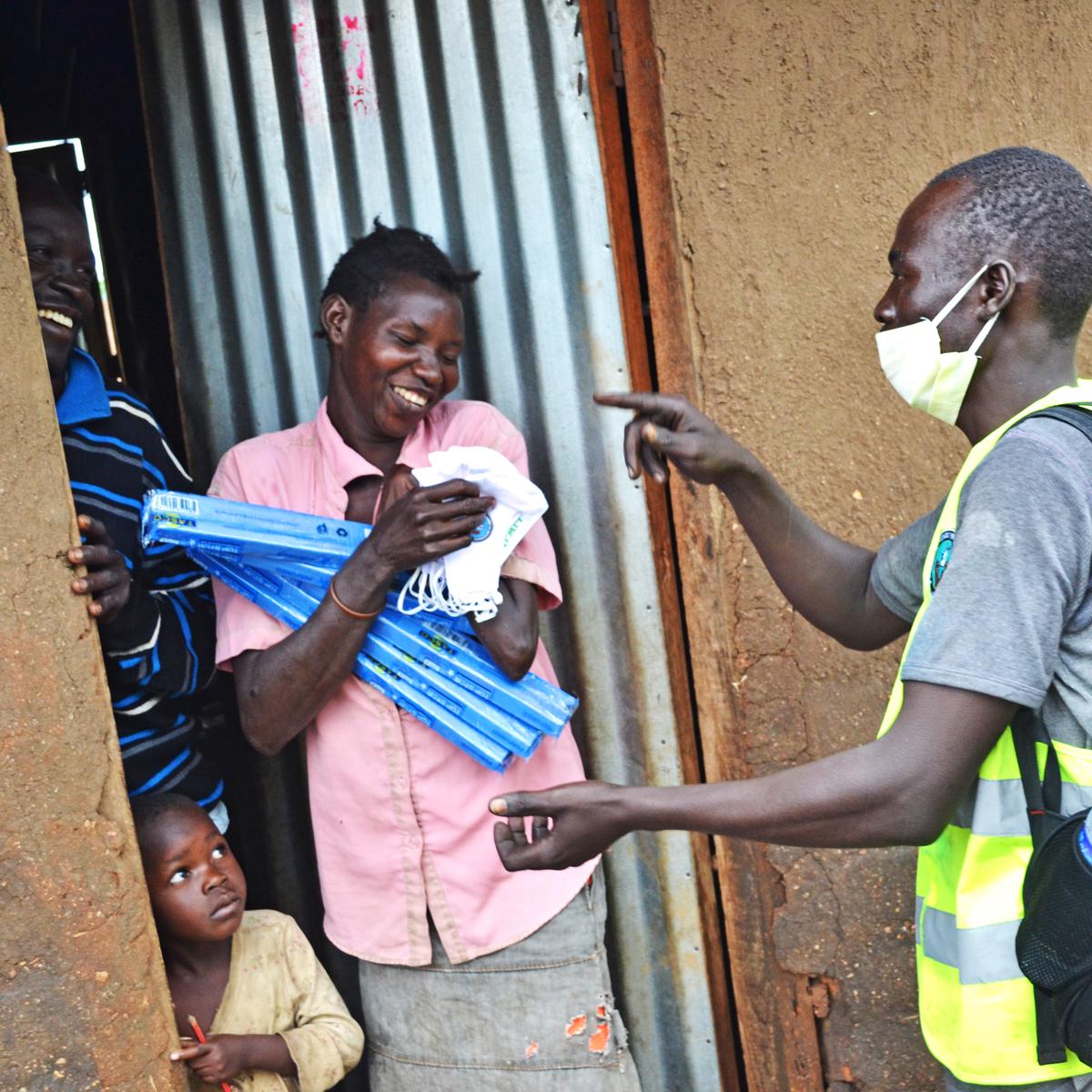
We distributed care packages (dignity kits) to 495 vulnerable women and girls aged 14-35, containing soap, reusable facemasks, and reusable sanitary towels, which helped with menstrual hygiene and protection from COVID-19 at home, school and when going out to markets, church, food distribution points, meetings and other social gatherings We distributed it to diverse women and girls, including school dropouts, teenage mothers, persons with disabilities, school-going girls, teenagers, and other vulnerable youth
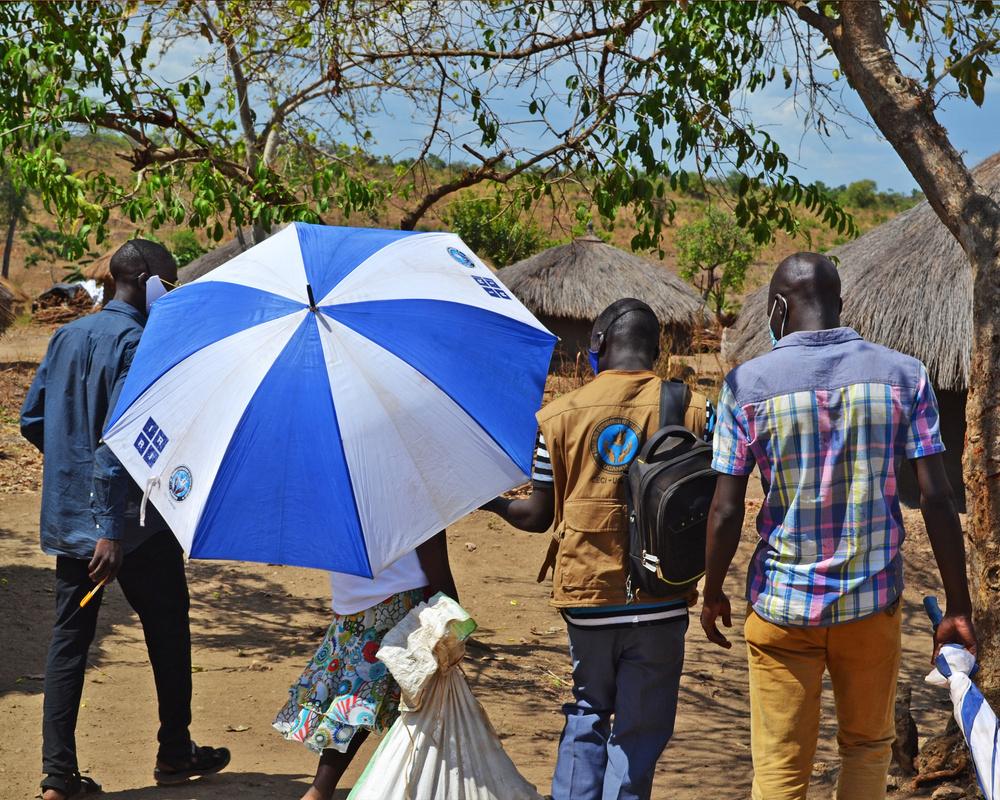
We trained 35 youth aged 18-35 from 9 villages as Safety and Wellness or Salama Champions in Bidibidi, with 457% and 2286% of those trained being female and hosts, respectively The training equipped them with in-depth knowledge of COVID-19 and mental health and psychosocial support (MHPSS) to become advocates for good practices of COVID-19 management in their respective communities
Equipped with Umbrellas, Waterbottles, facemasks, hand sanitizers and other personal protective equipment (PPEs), the Champions conducted door-to-door community sensitization on COVID-19, reaching 2,546 households and 12,731 people, to spread awareness and influence positive attitudes towards the implementation of COVID-19 preventive measures They taught household members, including children, women, men, young people, PWDs, and older adults, how to properly wash their hands, wear masks, social distance, and install and use handwashing facilities They also provided MHPSS and counselling sessions for household members struggling with sicknesses like HIV/AIDS and TB 70% of the people reached were children, women, and young people aged 35 years and below from refugee and host communities in Bidibidi
INCLUSIVE URBAN DEVELOPMENT AND MOBILITY IN THE MUNICIPALITY OF KOBOKO
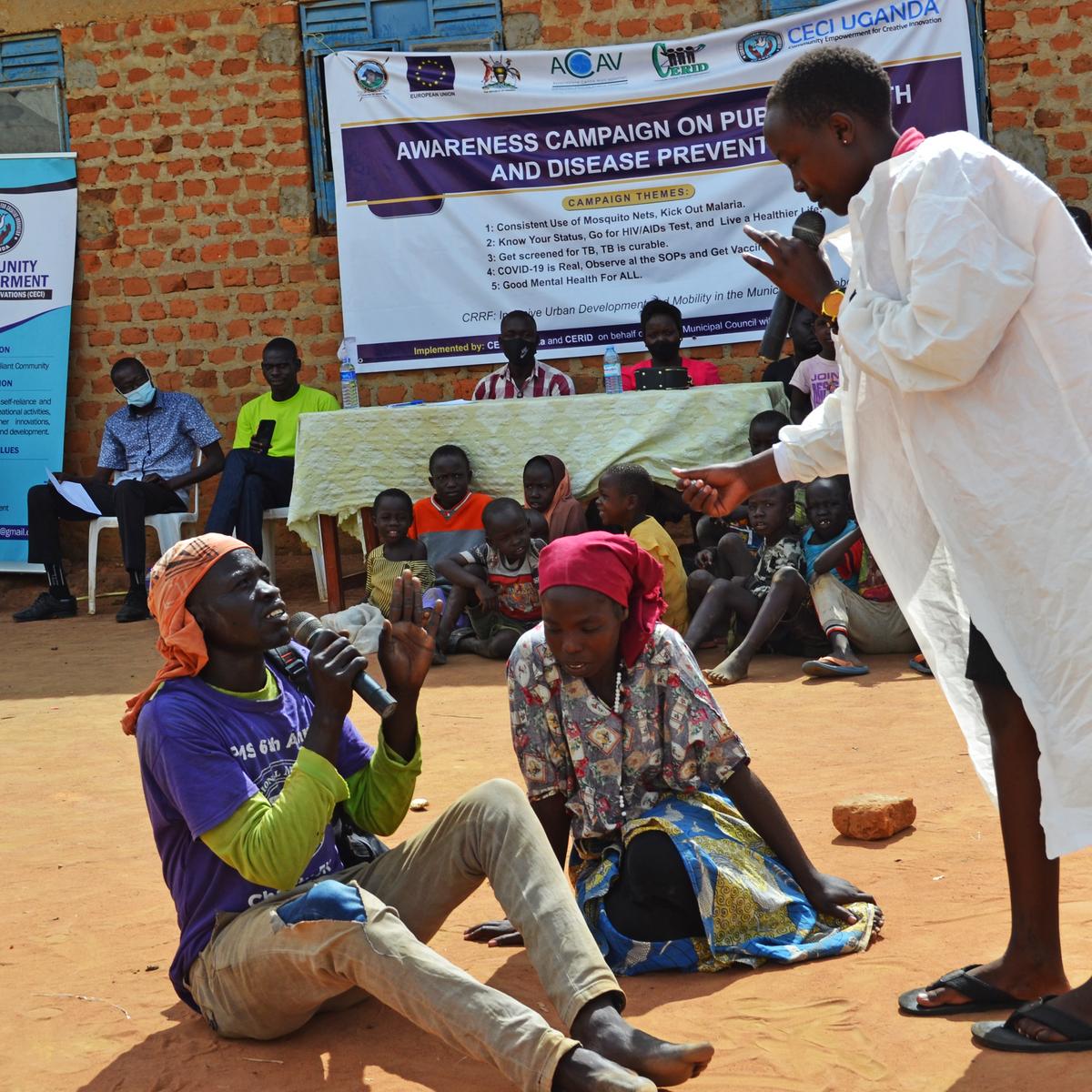
Our 3 health awareness campaigns, which included home-to-home visits, educated 2,047 people on the causes, spread, prevention, care, and treatment of malaria, HIV/AIDS, typhoid, tuberculosis, COVID-19, and drug and substance abuse in Koboko Municipality, with Koboko Referral Hospital reporting over a 10% increase in hospital attendance
Our campaigns engaged with the Municipal Health Office, 5 medical workers from Koboko Referral Hospital, 72 Village Health Teams (VHTs), 26 community leaders, 19 health clubs, musicians, and youth clubs, leading interactive sessions that included localized dramas, music performances, presentations, and Q&A sessions conducted in local languages We also recorded and aired 10 radio spot messages on Spirit FM, reaching over 20,000 people
203
People with impaired sight regained their vision
People with impaired sight received white canes
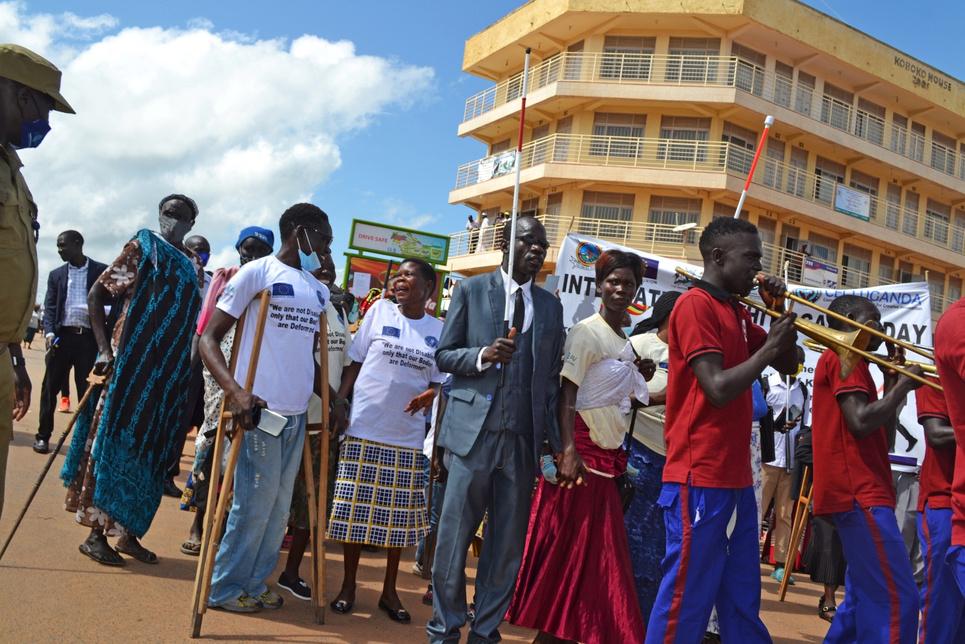
Additionally, we organized a White Cane Day celebration on October 15, 2021, in Koboko municipality that brought together over 228 persons with impaired sight, medical workers and government officials This event raised awareness about the protection challenges faced by individuals with impaired sight directly to duty bearers in Koboko It also provided persons with impaired sight with valuable information about the wide range of services and support systems available to them at the hospital As part of the event, we distributed white canes to 5 individuals with impaired sight, enabling them to navigate their surroundings independently and with increased confidence Also, a radio talk show was conducted, amplifying the awareness of the human rights of individuals with impaired sight and further disseminating information about the available services and support systems
Koboko Hospital reported increased attendance at the eye clinic department from 17 to over 25 persons daily. Over 300 people responded for screening in November 2021 alone, with 207 receiving eye surgery. Among them, 203 people recovered their sight, with 2 individuals able to see for the very first time in their lives, allowing them to fully participate in their daily activities and experience the world around them in all its beauty. Also, 2 persons with visual impairment were supported with white canes, enabling them to navigate their surrounding with increased confidence and independence.
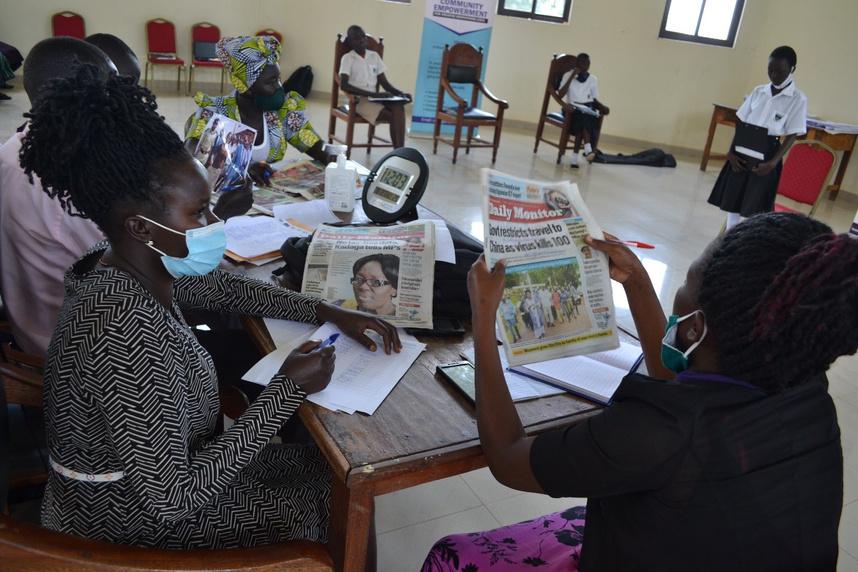
JudgesverifyingevidencepresentedbyastudentdebaterfromTeremungaPrimarySchoolto supportherargumentsduringtheInter-schoolKarlPopperDebatetournamentinKoboko(2021)
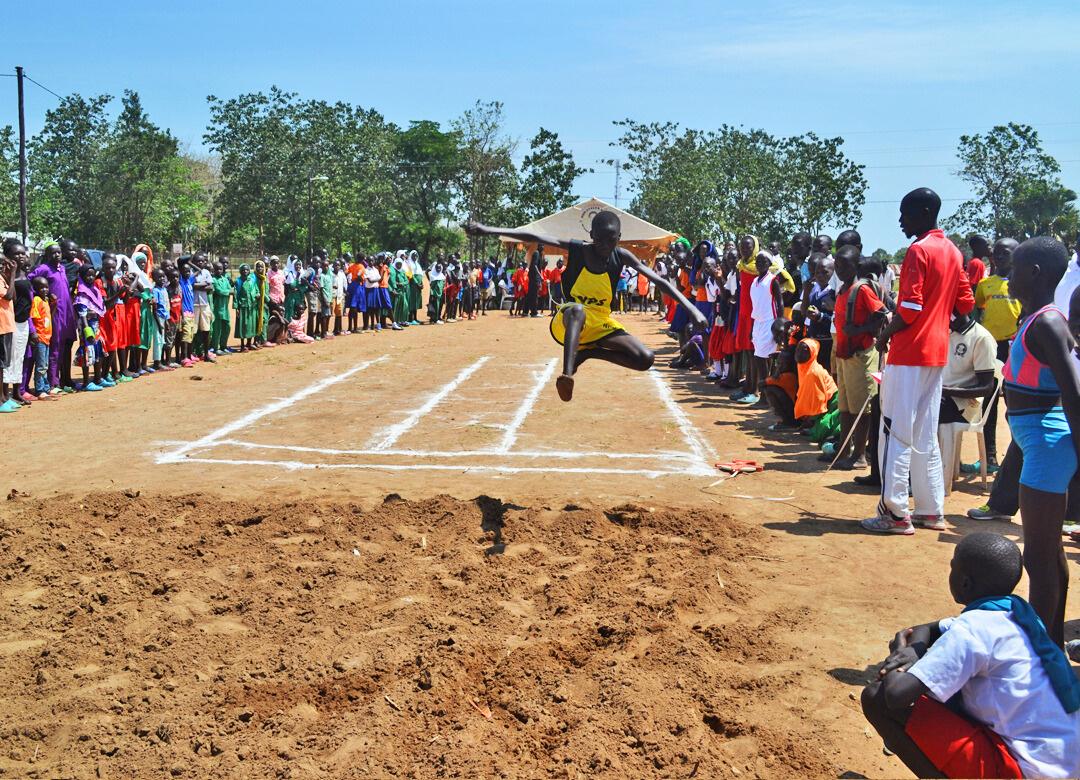
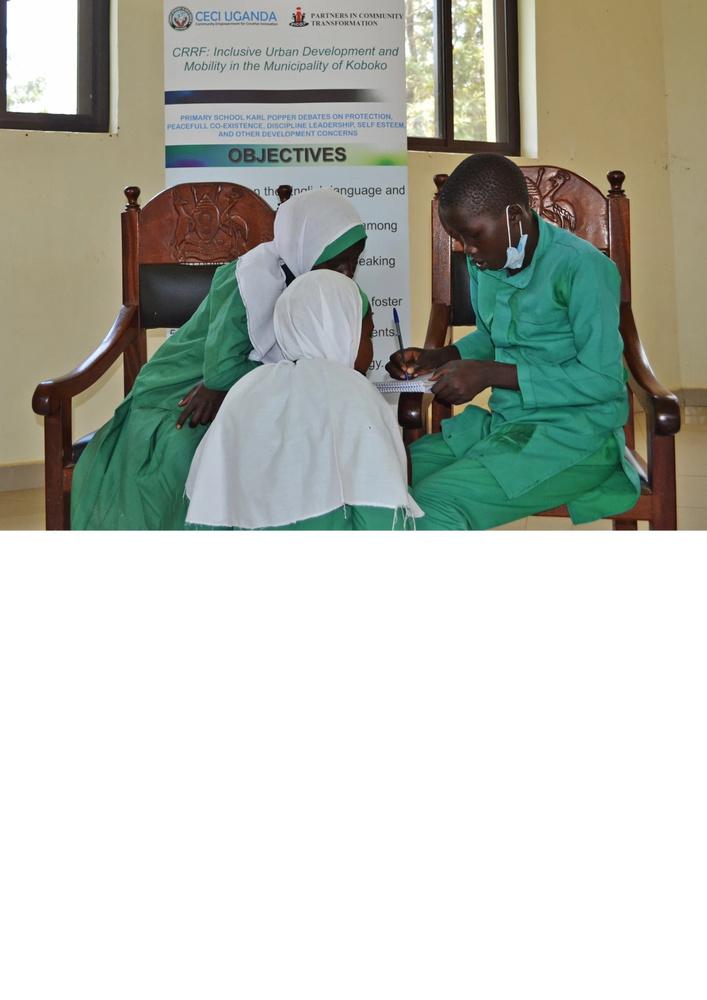
We trained 21 debate patrons and matrons from 10 government primary schools on the Karl Popper Debate Approach. Then, we organized an inter-school debate tournament that brought together 145 boys and girls from 10 public primary schools in Koboko. They debated motions on key issues around protection, human rights, peaceful coexistence, and other development concerns. This helped to improve their English grammar, confidence, and public speaking skills. It also fostered peaceful co-existence amongst pupils, created awareness on human rights, and prepared pupils for future leadership We also established and strengthened 10 debate clubs of 167 pupils in Teremunga, Nyarilo, Nyangilia, Ombachi, Noor Islamic, Gbukutu Islamic, Apa, Abele, Ogo, and 'Birijaku primary schools
StudentdebatersfromNoorPrimarySchoolreviewingtheir argumentsduringtheInter-schoolKarlPopperDebate tournamentinKoboko(2021)
We formed 6 women groups of 90 members from refugee and host communities in 6 cells in Koboko Municipality We trained these groups on micro and small business management, financial literacy, savings, group dynamics, enterprise selection and management, marketing and customer care, business record keeping and behaviour change, and Life skills for personal development The groups consist of sex workers, single mothers, widows, women with disabilities, and persons living with HIV/AIDS who are engaged in micro or small businesses in Koboko Municipality We also supported each member with start-up capital in the form of tools for work, including equipment, tools, and assorted stock such as sewing machines for tailoring, knitting and weaving, purchase and supply of agricultural produce and assorted stock of merchandise based on the choice of group enterprises This boosted their incomegenerating activities for the members and groups, improved their livelihoods and household wellbeing, and empowered them to become active contributors to the local economy, creating jobs and providing essential goods and services to the community All the women groups have independently initiated vibrant Village Savings and Loan Associations (VSLAs), enabling members to access loans and expand their businesses.

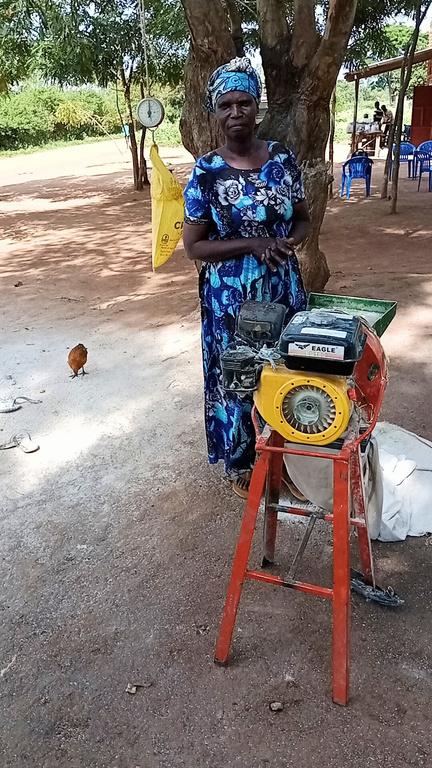
The startup capital of 600 kgs flour and 100 kgs beans our group received helped me start a produce-buying-and-selling business, allowing me to provide food, medication, and education for my children. Now, our group owns a general merchandise shop and a grinding mill, enabling us to process our own flour and generate income. We also lend out the earnings as loans with low-interest rates to other women for farming, business expansion, and school fees. ~ Alomo Betty (65), widow and Kululu Women's Group Representative
841
Parents, caregivers, foster parents, youth, and women have better understanding and information on human rights abuses and COVID-19 prevention and response
450
Youth and women received emergence livelihood support improve their wellbeing and le dignified life during COVID-1 emergence.
4,580
Students sensitized on sexual and reproductive health and human rights abuses reporting, linkage and referral.
100
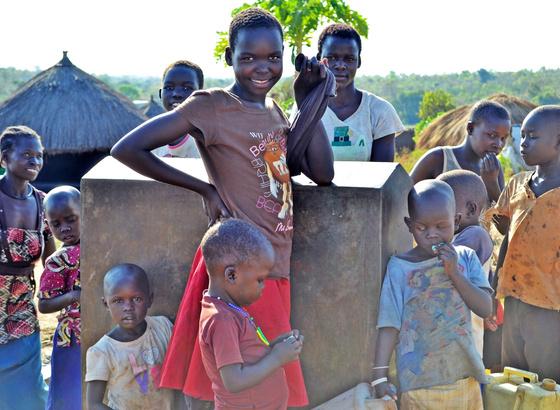
h and women established etable gardens to grow oes, cabbages, onions, and ens both for household nsumption and for sale.
34,534,000 UGX
Savings accumulated in 10 months by 10 Village Saving and Loan Associations (VSLAs) operated by youth, women and girls in Lobule Refugee Settlement An equivalent of 9,5928 USD
We trained 11 of our staff and volunteers on child protection, sexual gender-based violence, adolescent reproductive health, youth in conflict with the law, psycho-social support, COVID-19 prevention, and response This equipped them with the knowledge and skills to keep children safe, prevent the spread of the virus, and sensitize local communities on protection-related matters and COVID-19 response
Our 28 community awareness sessions on child protection, HIV/AIDs, and COVID-19 prevention, conducted in small groups of 30 for 841 parents, caregivers, foster parents, youth, and women in Kuku, Adranga, and Waju II in Lobule Refugee Settlement, provided them with tools to protect themselves and their loved ones and improve their resilience It enhanced their parenting skills and reduced risk factors for children and adolescents during the pandemic This increased awareness on human rights abuses and the COVID-19 pandemic as community members became more vigilant and took proactive measures to protect themselves and their loved ones
Sarah Ajonye (20 years), an orphaned refugee taking care of her 7 siblings, has started a venture selling vegetables and fish following her participation in our business skilling training and receipt of start-up capital She has been able to purchase goats and ducks, ensuring her family's basic needs are met and enabling her to provide three meals a day
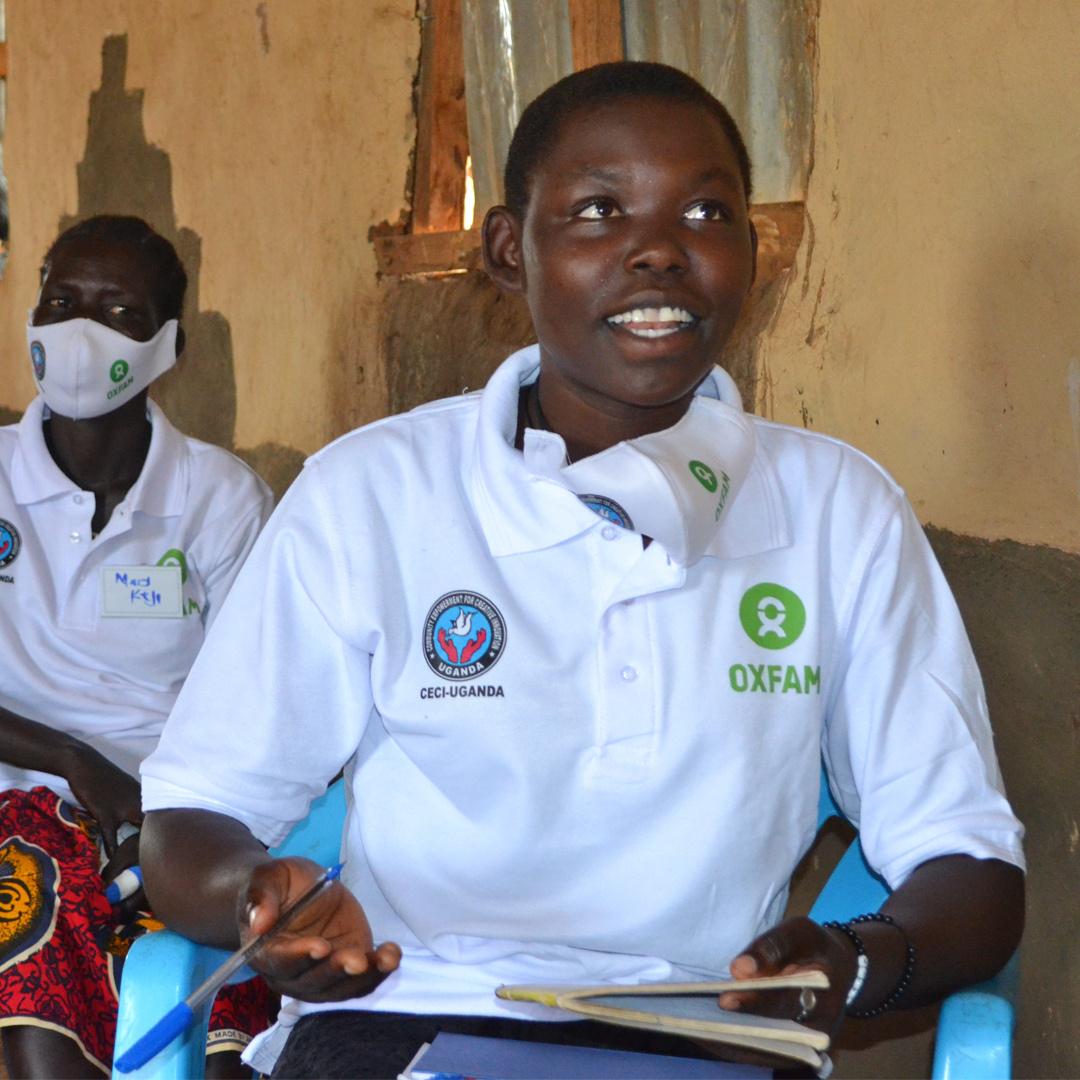
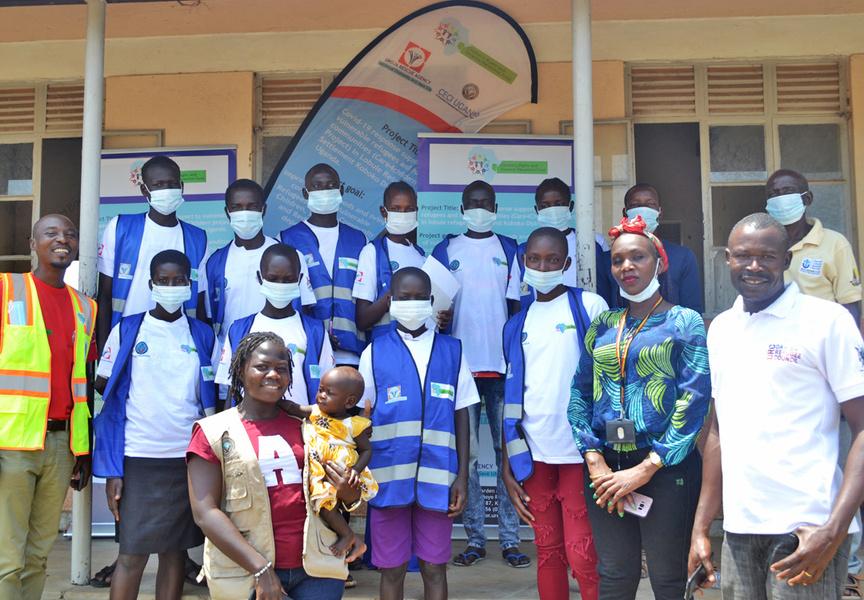
Our 3-day training for 10 students, aged 15-24, as community-based adolescent and youth peer educators, increased their knowledge and understanding of sexual and reproductive health, COVID-19 impact, linkage and referral, and information management. It provided them with the skills needed to mentor fellow colleagues, collect data and report on right violations, and disseminate information on COVID-19 prevention messages at the community level in Lobule Refugee Settlement. The peer educators raised awareness among children, adolescent girls, and boys in 4 secondary schools, reaching 4,580 students.
We supported 108 children in Lobule Refugee Settlement who were on individual case management with dignity kits and referral support, such as transportation and medical examination, to help them receive the care and support they needed We also supported 7 children with hearing and vision loss in accessing free education through case conferencing As a result, 6 of them were enrolled in a specialized school for blind and deaf children in Arua and Koboko, with the support of UNHCR
We developed and disseminated 1,181 child-friendly IEC materials on COVID-19 and child labour to homes of refugees and hosts in Koboko Municipality and Lobule Refugee Settlement, ensuring that even the youngest members of the community had access to information on how to stay safe during the pandemic
We formed 10 Village Saving and Loan Associations (VSLAs) in Lobule Refugee Settlement with 313 youth, women, and girls aged 15-28, including 74% refugees, classified into three age groups. We provided VSLAs with start-up capital of 10,000,000 UGX (2,777.7 USD) to lend to their members to start or expand their businesses. The savings from the 10 VSLA groups have now grown to 34,534,000 UGX (9,592.8 USD) in 10 months. 196 members borrowed loans and started their small businesses, increasing their household incomes and improving their livelihoods.
Our 2 trainings in financial literacy, record-keeping, group management, and leadership for 50 VSLA leaders equipped them with necessary skills to manage their activities effectively, including conflict resolution, finances, and building viable businesses. VSLAs received stationery and ongoing mentorship, boosting their performance and improving their livelihoods. 300 members enhanced their financial literacy and savings habits through VSLA savings.
We also trained 8 women with disabilities from extremely vulnerable households in Bidibidi Refugee camp on business skills and trauma healing. Each received start-up capital of 514,300 UGX ($139), enabling them to start small businesses and generate income for themselves and their families. Our year-long mentorship honed their skills, fostered personal growth, and increased their business value to an average of 1,500,000 UGX. This fostered positive coping mechanisms, improved their livelihoods and wellbeing, and turned their aspirations into reality.
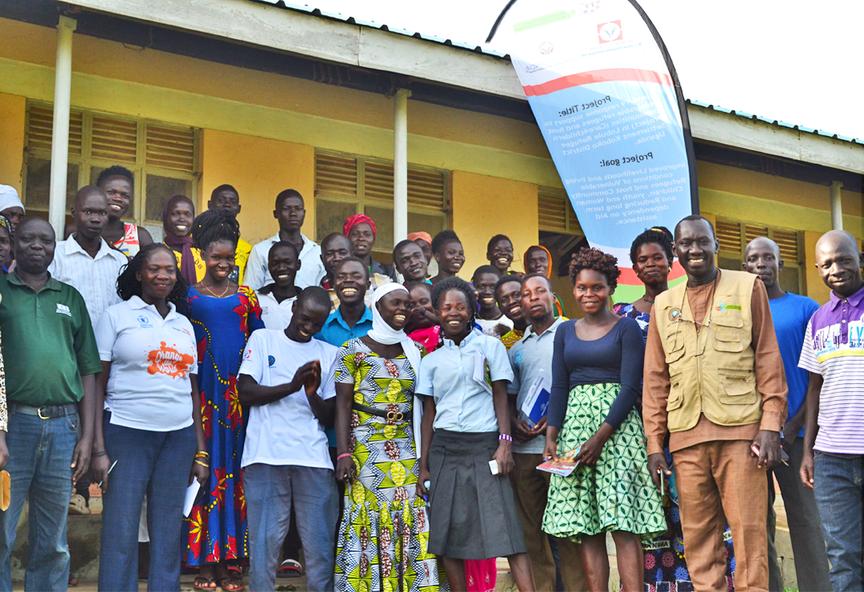
We trained and supported 100 youth and women from vulnerable households with vegetable seeds to improve their livelihood through kitchen gardening in Lobule Refugee Settlement These small farmers were trained at the household level to establish and manage nursery beds, plant vegetable seeds, manage pests and diseases, prepare and apply manure, and irrigate their gardens They were able to grow and sell vegetables such as tomatoes, cabbages, onions, and greens, increasing their income
Farmers also received year-long individual household mentorship and coaching on good agronomic practices, vegetable growing, post-harvest practices, and irrigation This helped boost their vegetable production, food security, nutritional status, and household income
I learned to grow vegetables and create organic fertilizers from local resources. I planted the vegetable seeds I received and earned 400,000 UGX from selling tomatoes from my kitchen garden. With the earnings, I bought a goat, met basic needs, and rented more farmland for next season.
~ Rose Apunike, Farmer
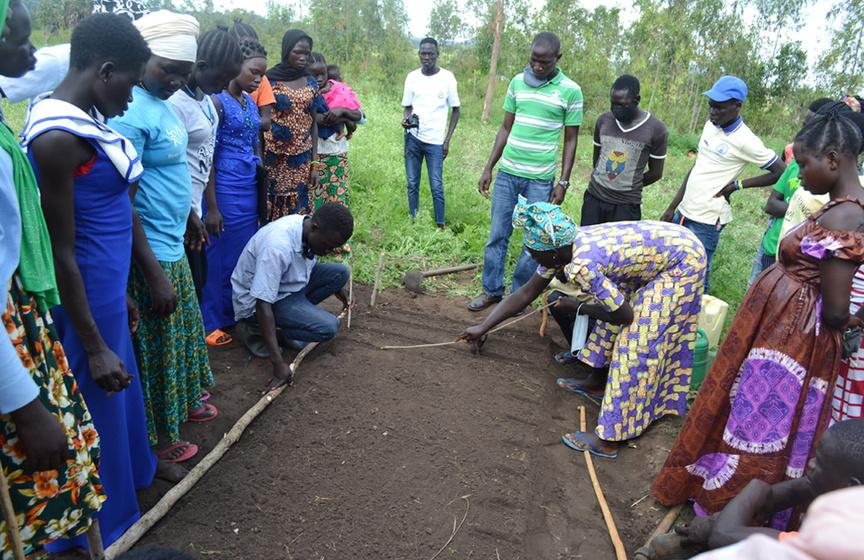
Our basecamp on Design Thinking and Gender Action Learning Systems engaged 20 refugee and host youth aged 15-25 in groups of 5 They learned the design thinking model and the gender action learning systems to develop their entrepreneurial and social skills. They identified local challenges in their communities and developed localized solutions to problems such as drug abuse, peaceful coexistence, unemployment, underemployment, and business management. One of the basecampers received immediate support of 1,080,000 UGX (an equivalent of 300 USD) and 5 tailoring machines for her entrepreneurial idea, which she used to start a tailoring school that has since trained and graduated 17 girls from vulnerable backgrounds
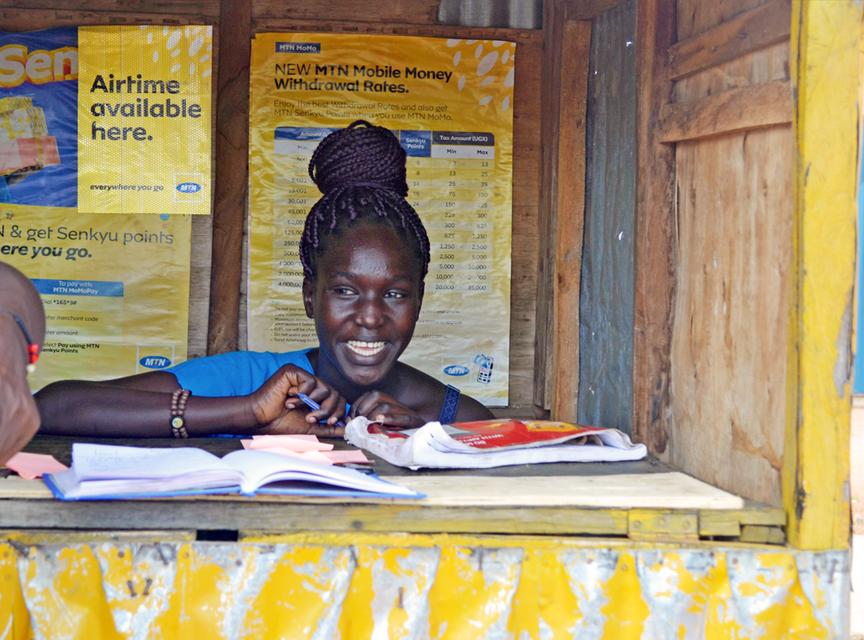
Ropani Faiza, a resident of Koboko Municipality, now owns and operates a tailoring school and a mobile money business. Faiza is one of 20 youth who attended CECI’s Watson Basecamp in March 2022. The design thinking and Gender Action Learning Systems (GALS) training assisted her in developing an innovative business idea, which has since received $300 and 5 tailoring machines from one of our social media followers, which she used to start a tailoring school and mobile money business "I make monthly profits exceeding UGX 200,000/from my mobile money business alone, and I can now assist my husband in paying our household bills.", she told our team. Faiza's goal is to care for her ill parents and grow her businesses while using her tailoring school to enhance the livelihood of vulnerable girls. 17 girls have already trained and graduated from Faiza's tailoring school
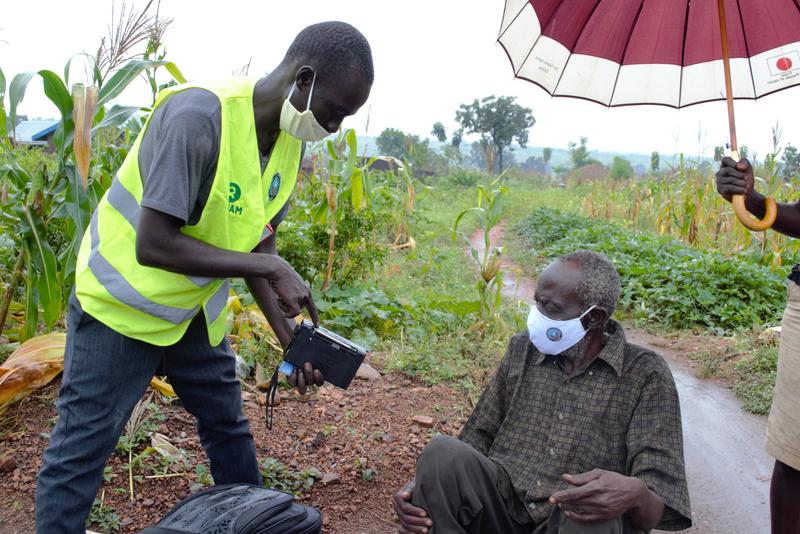
CECIFieldCoordinator,AlexKhemis,teachesarefugeeelder(Musa)howtooperatea radio,wearafacemaskanddohandwashinginBidibidiRefugeeSettlement(2020)
798peoplefrom105 HouseholdsofPWDsand elderlysupportedwith PPEs,Radiosandeducated aboutCOVID-19
210childrenofPWDs& elderlyattending homeschoolingregularly
We supported 105 households of Persons living with disabilities (PLWDs) and older adults aged 60 and above with 525 bars of soap for handwashing, 525 reusable facemasks, 105 hand sanitizers, and 70 AM/FM radio receivers in Bidibidi Refugee Settlement. We also educated each household about COVID-19, including its causes, transmission, and prevention. The education sessions were attended by 798 children, youth, women, and men. This helped improve their safety and hygiene as they regularly practiced handwashing and wearing facemasks. It also reduced the difficulties PLWDs and the elderly face in undertaking preventive measures against COVID-19 and combated misinformation.
The radio receivers helped over 210 refugee children attend the homeschooling program on radio regularly. They also improved household access to timely and reliable information on COVID-19 and other relevant information such as news and family affairs.
I have been hearing about masks but did not know what they really were, and even how to use them. But at least now we have masks in our home and use them well. These days, I wear my face mask every time I move out of the house. We are now able to wash our hands regularly with the soap we received, not as before where we were using ash due to a lack of soap. We even use the soap for other purposes like bathing and washing clothes. ~ Musa Bukki, a 75-year-old PLWD.
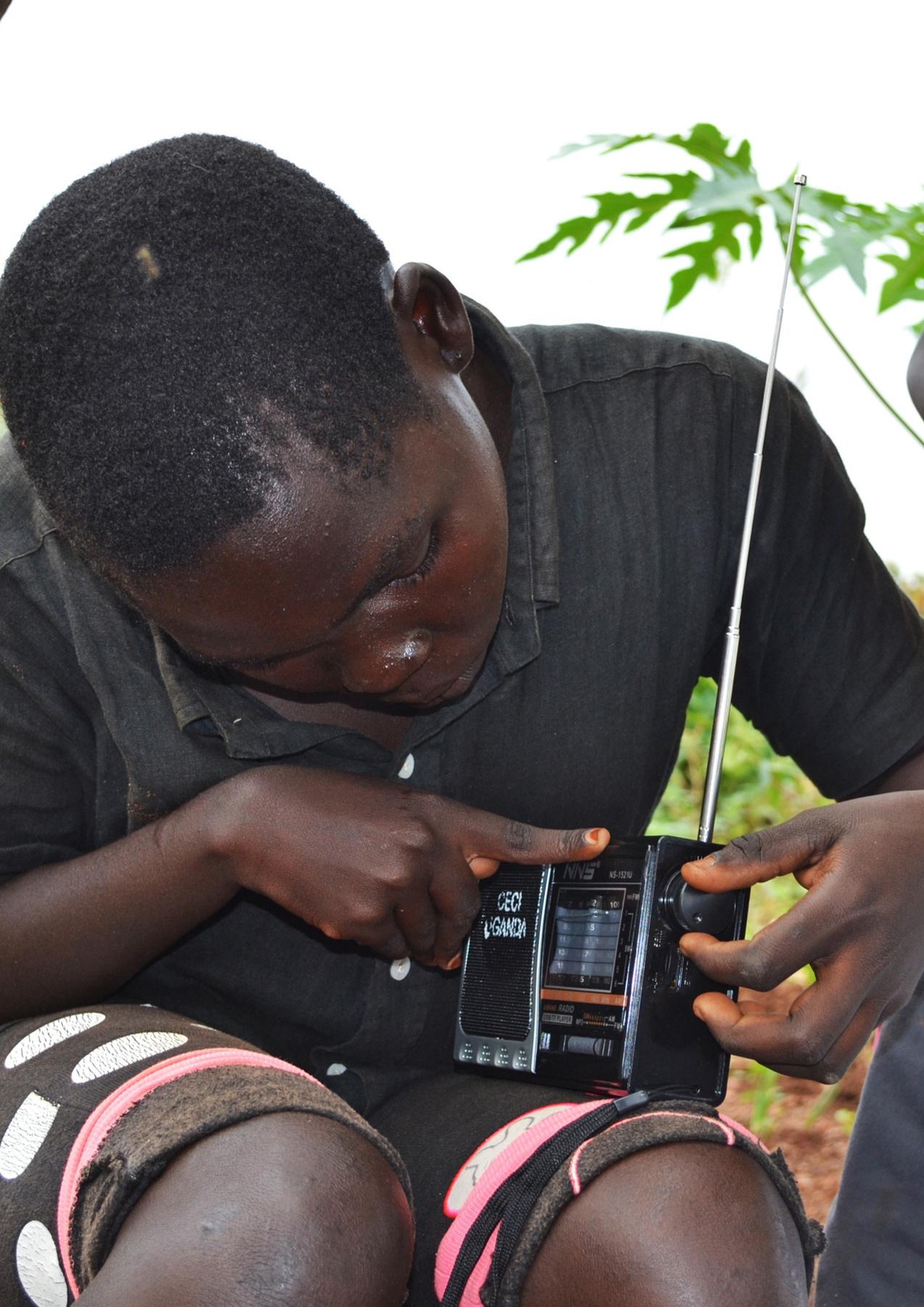
We never had a radio since our arrival in 2016 We always had to wait for information from the community leaders [...]. My family now attend news, radio talk shows, and closely follows the COVID-19 situation right at our home […] with the radio received from CECI. These days my children don’t miss any of the home learning lessons conducted on the radio ~ Cosmas, Father of a 15-year Child living with a disability.
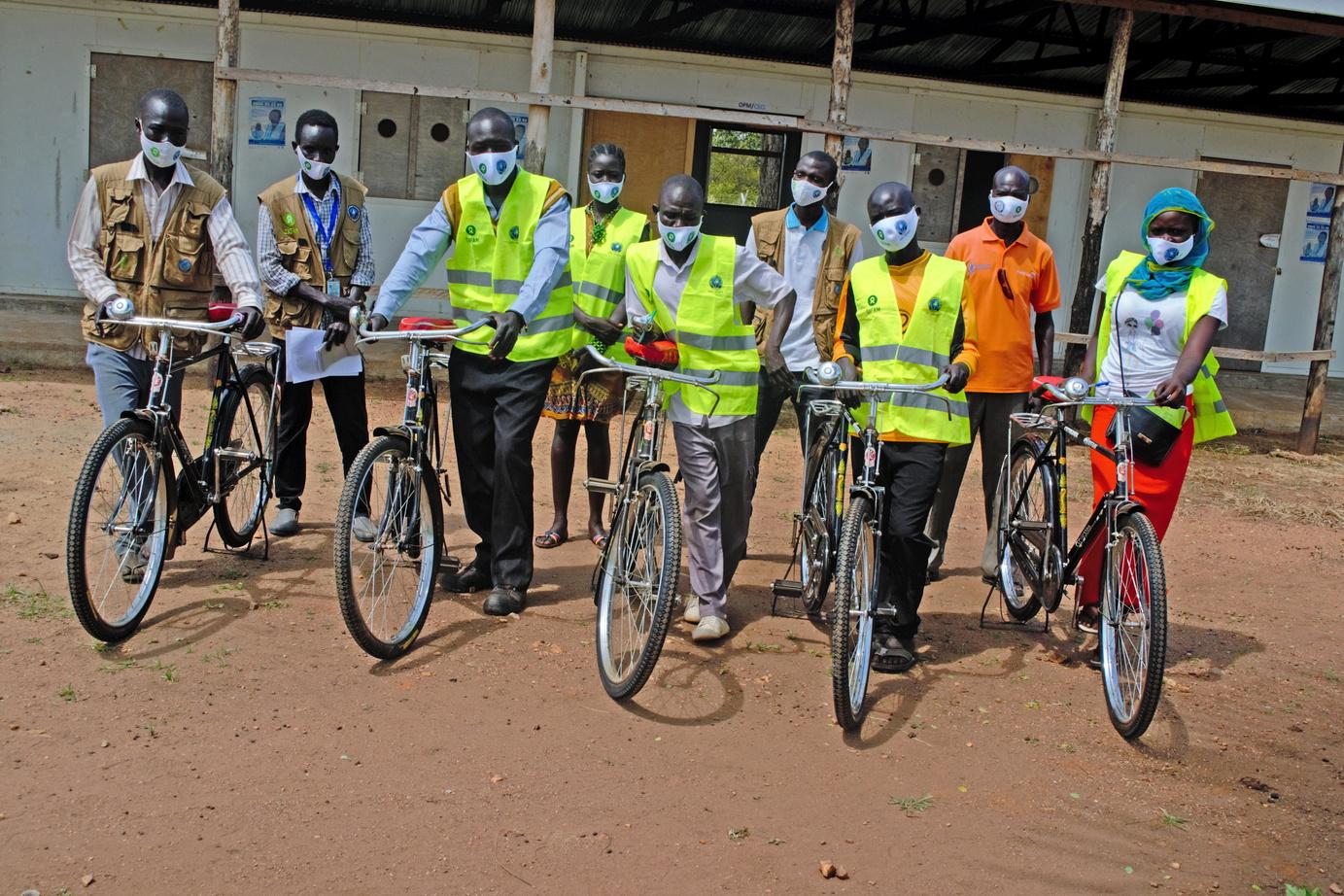
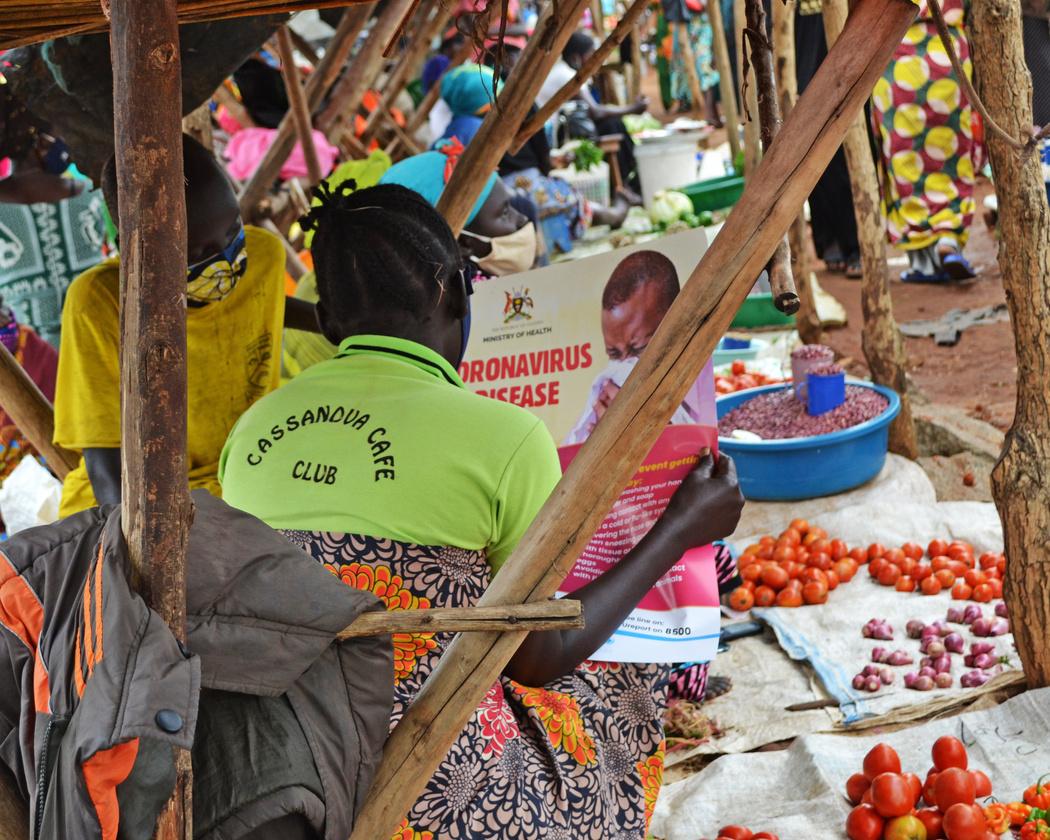
We helped 11,896 individuals from refugee and host communities access reliable information about COVID-19 and undertake preventative measures through our Bicycle Initiative on COVID-19 The initiative worked with 75 VHTs and hygiene promoters from 20 villages, with women comprising 59% of those reached The VHTs used megaphones mounted on bicycles with pre-recorded messages to spread awareness about COVID-19 in hard-to-reach areas in their communities They installed tippy-taps in households for handwashing, installed touchfree handwashing facilities in 320 families and in 10 water points, health centers, food distribution points, and markets They also displayed over 700 Coronavirus Pictorial Posters and banners, translated and displayed in commonly spoken local languages, including Bari, Arabic, English, Lugbara, Dinka, Nuer, Murle, and Kiswahili, in homes and public places, increasing the practice of handwashing and mask-wearing, and reducing the spread of COVID-19 in the refugee and host communities we serve
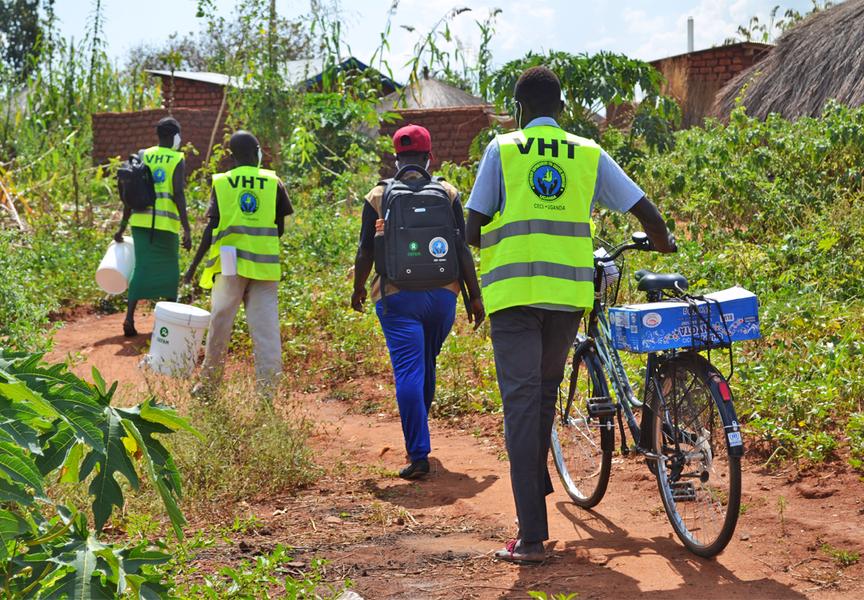
VHTsmovehouse-to-housedistributingPPEsandspreadingCOVID-19awarenessinBidibidiRefugeeSettlement(2020)
It is a time where innovative local initiatives led by refugees like CECI need to be encouraged through funding and technical assistance, as OXFAM is doing, so they can continue providing important support to our persons of concern during times of crisis such as this. ~ Banga Abubakar, UNHCR Focal Person, Bidibidi Refugee Settlement.
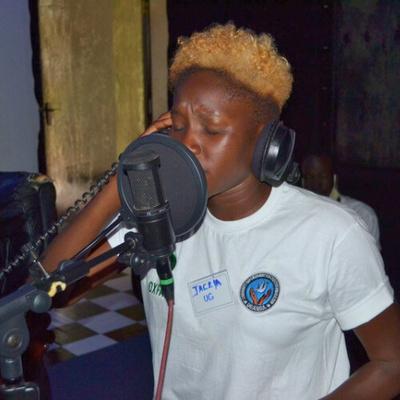
Our ‘It’s Real and Dangerous’ coronavirus awareness song, produced by influential refugee and host musicians from diverse ethnic backgrounds, including Saab Jay, Jackia UG, Fify Hafy, Alwizzy, and Khaled TBangz, has had a significant impact in improving mass community awareness and sensitization regarding COVID-19
The song, recorded in five local languages commonly spoken by both refugees and host communities: Arabic, Bari, Dinka, Nuer, Lugbara, and English, effectively filled the information gap in the community and combated widespread misinformation about COVID-19 by addressing key issues such as the origin, transmission, signs and symptoms, prevention, and myths in a culturally appropriate and engaging way, as set out by the Ministry of Health
Aired on some of the most listened-to radios in West Nile, such as Arua One FM, Radio Pacis, and Spirit FM, which are most followed by refugees, the song became one of the most requested and held the first spot on the Top 20 Countdown for three months straight
Moreover, the song received over 2,000 views on YouTube and 16,000 views on Facebook, demonstrating its effectiveness in reaching a wider audience, both locally and internationally
...among all the Corona projects I worked on, this song stands out for its consistency with the Ministry of Health guidelines and the representation of many languages. The song fills an important gap for those who have not received the Corona message due to language barriers. It provides them with a better chance to learn and protect themselves from Corona. ~ Joshman, producer, Malcom Records
Our establishment of 3 Community Information Centers in Rhino and Bidibidi Refugee Settlement has significantly impacted the local communities during the COVID-19 pandemic The fully equipped centers provide solar power for electronic device charging and Wi-Fi internet connectivity, benefiting over 500 refugees These centers combat misinformation by providing access to reliable information from reputable sources, with a rumor tracker system for reporting fake news and receiving updates This has improved community access to trusted information, sensitizing refugees and hosts, and reducing the spread of COVID-19

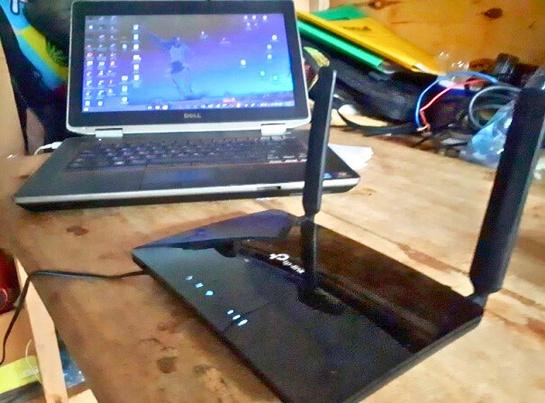
The 3 refugees we trained on Rumour Data Collection effectively collected and recorded identified rumours related to COVID-19 in Bidibidi Refugee Settlement, Zone 1 and 3 The Rumour Data Collectors recorded over 311 rumours using a Rumour Tracker Tool on Kobo Collect installed on Tablets and met with 482 people from Refugee and Host communities, including RWCs, Children, Youth, Women, Men, Elders, and persons living with disabilities Most of the recorded rumors were on up-play, prevention, cure, partner/government response towards COVID-19, symptoms, and community down-play of the virus
We analyzed the collected data and shared it with partners in the Communicating with Communities (CwC) Taskforce during coordination meetings This helped partners understand how the community understood COVID-19, how they spoke about it, how to effectively respond to those rumors in the community, community concerns related to COVID-19, and the general challenges the community is facing as a result of COVID-19
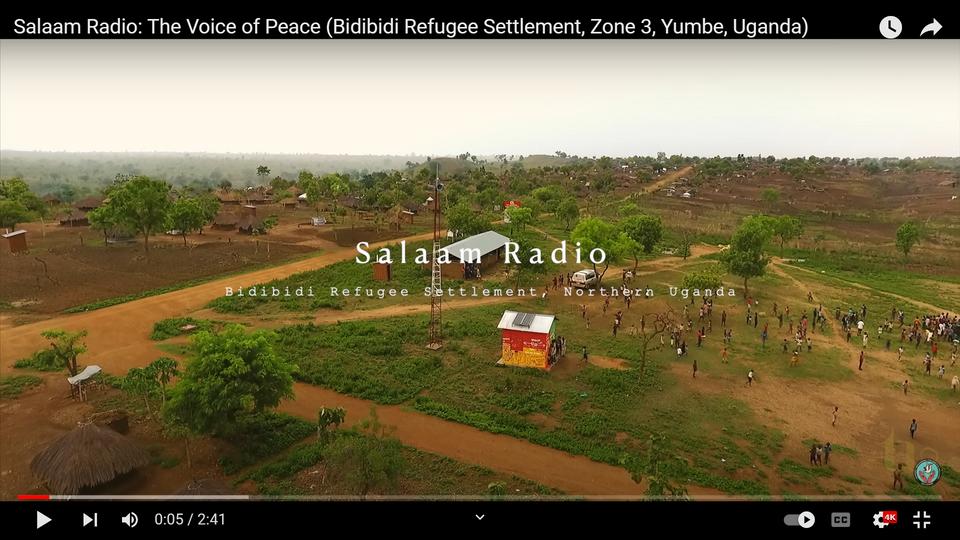
Click to View Video: https://youtube/0vr0-pHsLRk
In March 2021, we established the first and only radio station and tower in Bidibidi Refugee Settlement, the world's largest refugee settlement The community named it "Salaam Radio the Voice of Peace" in recognition of the role it plays in promoting peace and dialogue
This solar-powered radio operates for 8 hours daily, serving 5,872 people, including 3,660 children, within a 45 km square outreach in 3 villages It has provided refugees and host communities a platform to come together to dialogue, voice their concerns, and share information on critical issues such as COVID-19 awareness, food distribution, early and forced marriage, combatting GBV, identity-based violence, girl child education, and farming tips
It also broadcasts 10 peace messages weekly and 78 episodes of educational lessons for refugee children aged 4-12 years who have been forced to stay home due to the pandemic, enhancing their access to education Local partners and community leaders also use it to disseminate vital information on health, food, employment, and online education during the COVID-19 pandemic, strengthening communication with communities
Installed in a safe, secure, accessible, and semipermanent community structure, and managed by the local community and operated by presenters from the local communities, the radio has become an effective tool for healing Diverse people feel safe coming together to play, speak, and interact, breaking down barriers and fostering greater understanding between different groups, which is essential for social cohesion and peaceful coexistence
The establishment of this community radio station will alleviate the burden of mobilizing local communities by leaders and partners, who previously had to rely on megaphones and batteries ~ Wenger Moses, RWC III Chairperson

Our hate speech mitigation and trauma healing training for 28 community leaders, teachers, women, and youth from 5 clusters in Bidibidi Refugee Settlement built their capacities to identify and prevent hate terms and communication, respond to increasing cases of trauma and hate speeches in their communities and schools, and support victims of hate and trauma to recover and live meaningful lives once again
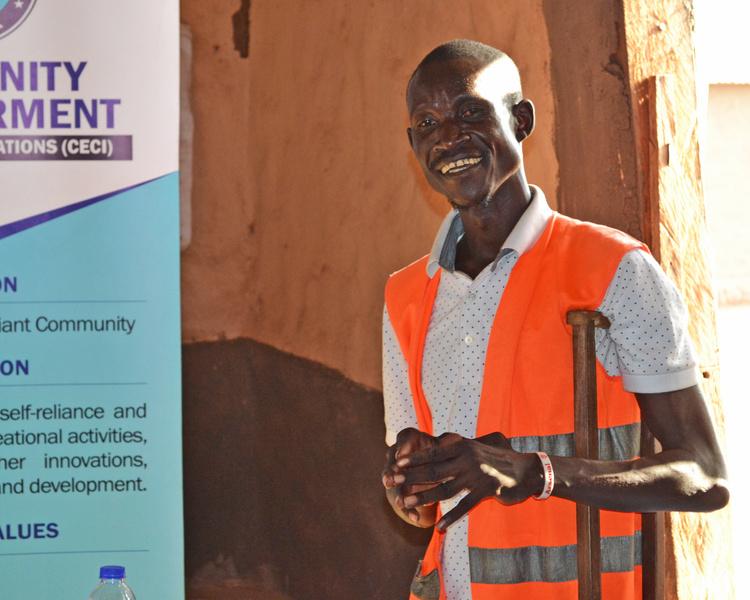
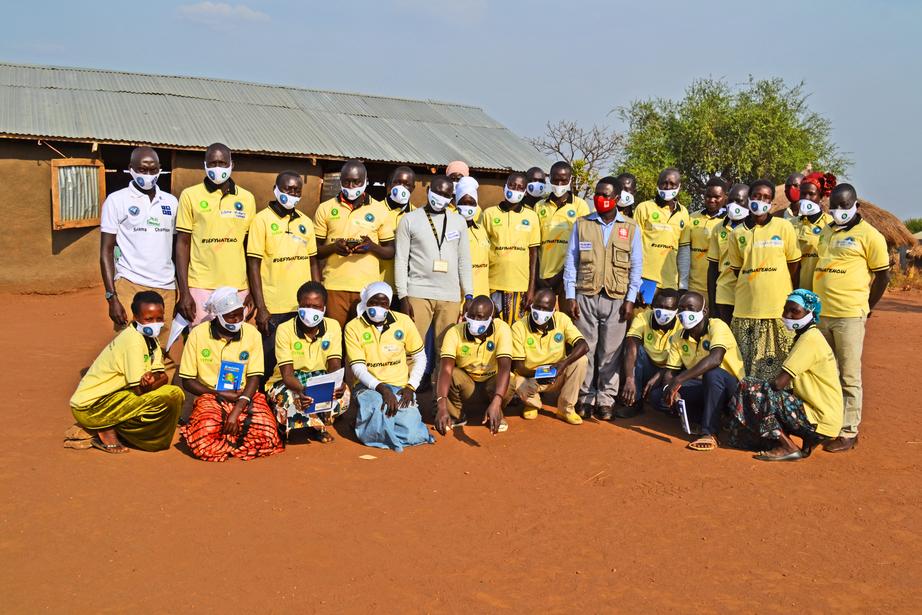
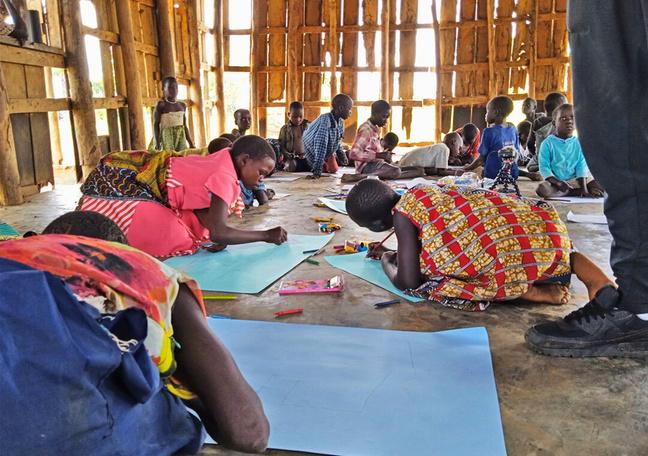
We empowered 200 children affected by conflict, including unaccompanied minors, from diverse backgrounds in Lobule and Bidibidi refugee settlements through art and drawing as tools for trauma therapy and social cohesion Together, they formed a supportive community, using teamwork and communication skills to heal from ongoing trauma and grief Through drawing, they found emotional healing, reconciling with their past traumas by destroying bad memories and focusing on positive ones View Video
https://youtube/dMFWbM3OcCo
https://youtu.be/dMFWbM3OcCo
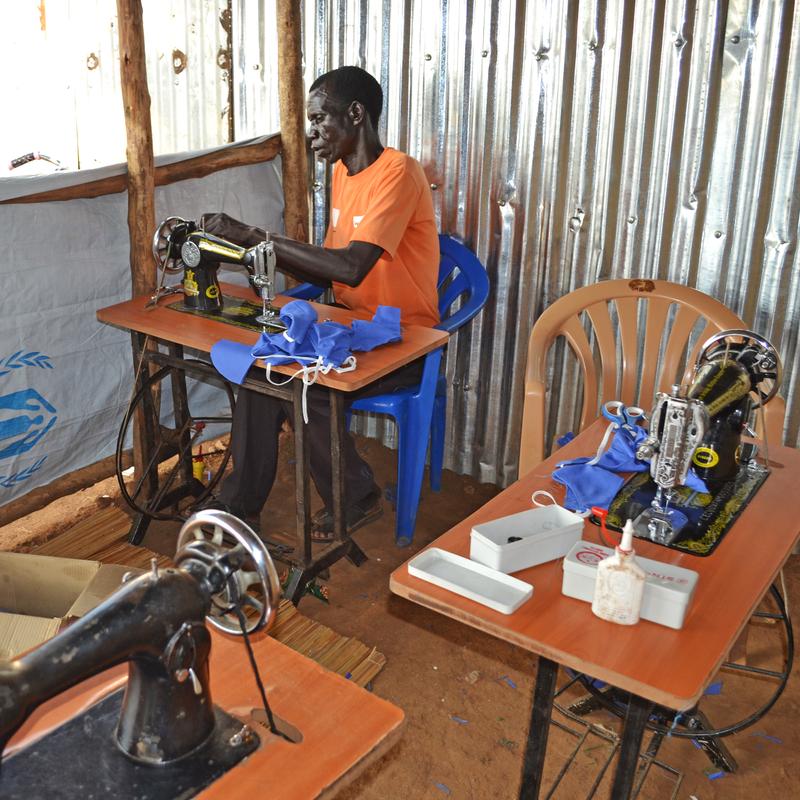
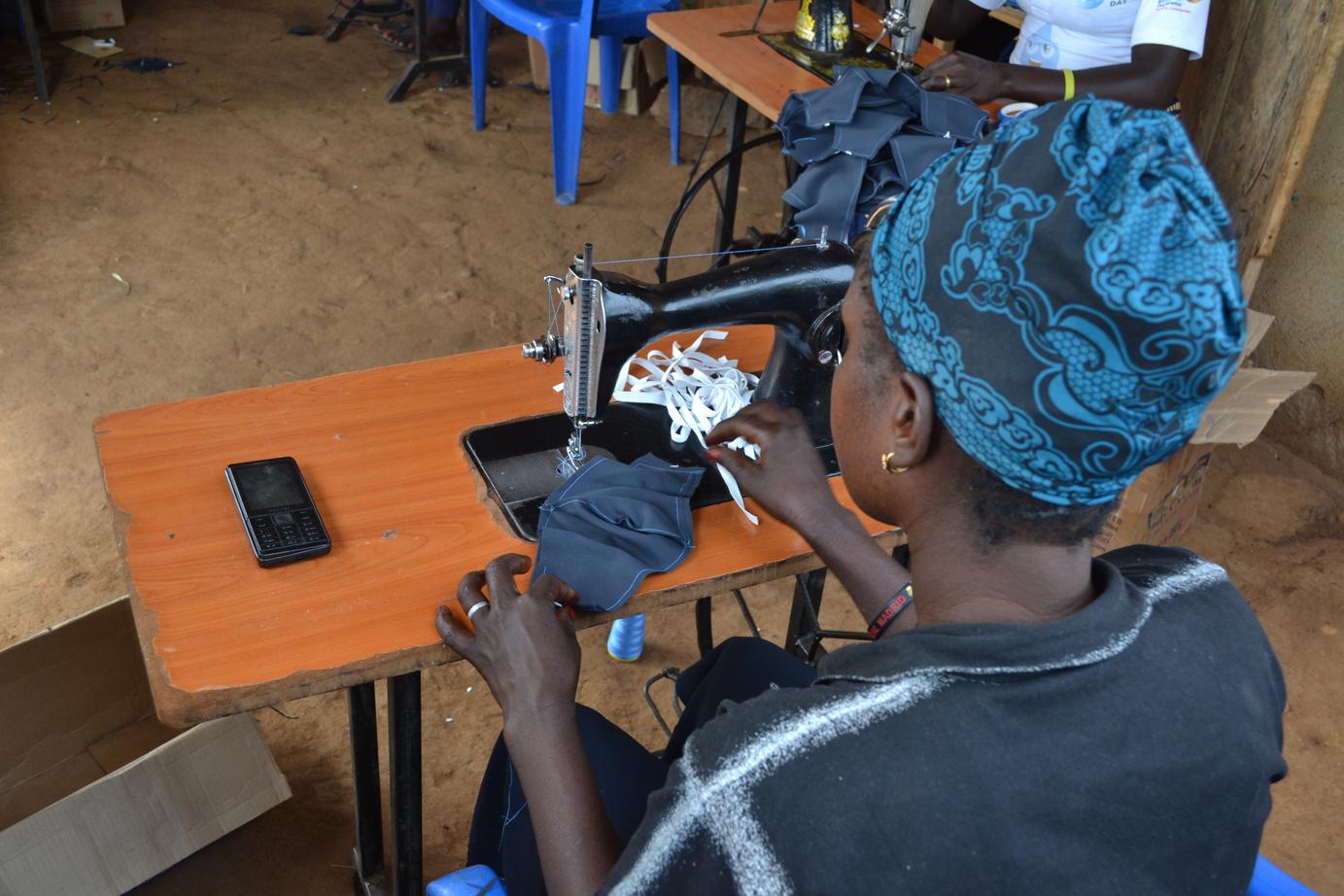
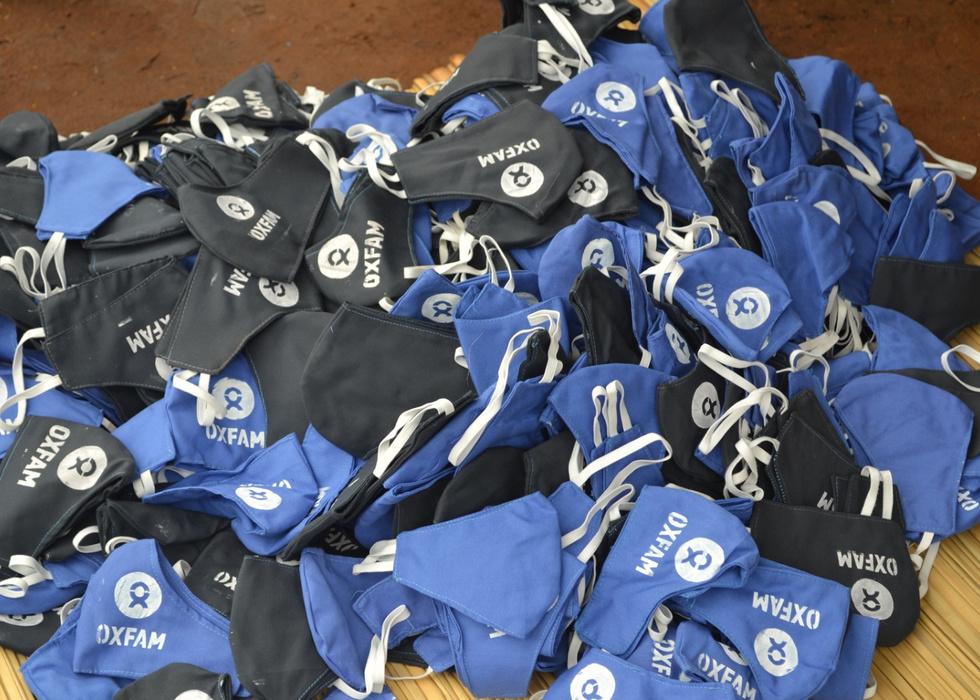
We established a Local Facemask Production Centre in Bidibidi Refugee Settlement, run and managed by trained refugee youth and women and equipped with tailoring machines and approved fabrics to produce quality reusable facemasks at very low costs for distribution to vulnerable groups
In 2021, the centre produced and distributed facemasks with peace and COVID-19 messages printed on them to 1,500 people, including persons with disabilities, elderly persons, children, and other persons with special needs The centre improved COVID-19 preparedness and access to PPEs like facemasks for vulnerable refugees and host communities and provided cash-forwork support to identified tailors, leading to improved household income It also improved access to information about peaceful conflict resolution mechanisms that individuals, households, or communities can adopt
As of 2022, the centre expanded its services to providing tailoring lessons for tens of refugee women and girls, offering them an opportunity to acquire valuable sewing and garmentcutting skills The centre has trained and graduated 57 women and men, increased the number of tailoring machines from 3 to 7, and is now exploring the production of reusable sanitary towels for women and girls
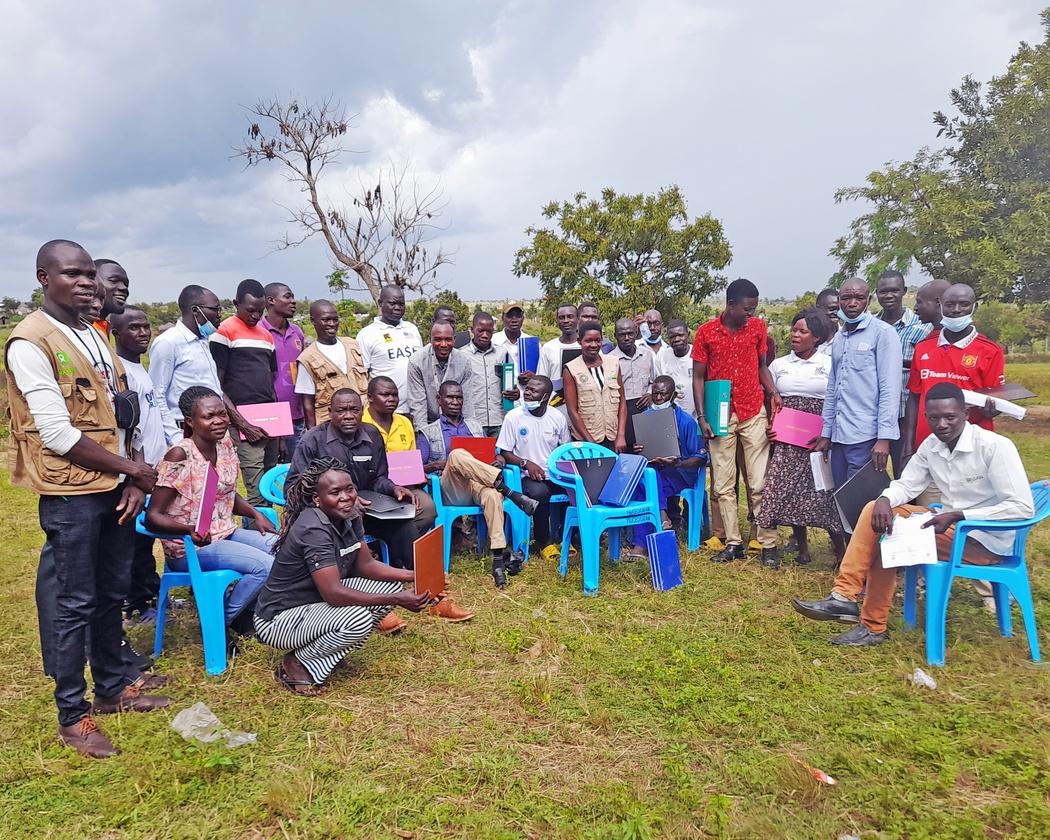
LeadersofRLOs,CBOs,CSOs,peacecommittees,RWCs,andLCsposeforaphotoaftertraininginservantleadership,resourcemobilization andmanagement,communicationfordevelopment,traumahealing,conflictsensitivity,andpeacefulcoexistence Bidibidi(2022)
We mapped and trained 25 RLOs, CBOs, CSOs, peace committees, RWCs, and LCs in Bidibidi Refugee Settlement in response to identified gaps in their work that affected their ability to engage in effective service delivery and conflict mediation This training built the capacities of these local actors in servant leadership, resource mobilization and management, communication for development, trauma healing, conflict sensitivity, and peaceful coexistence It increased their ability to mobilize, coordinate, and link with implementing and operating partners to improve service delivery and dispute/conflict mediation We also supported them with assorted office equipment and materials, including 50 chairs, 50 books, and 25 box files, helping them document and report cases of trauma, GBV, and violence
These actors have now established an Alliance of Cultural and Religious Leaders with 30 members, a Women's Forum with 20 members, and a male Salaam Champions Group with 20 members Collectively, these groups advance the women's leadership and participation, promote peaceful coexistence, and address challenges faced by vulnerable communities, including trauma, GBV, and violence They conduct regular sessions on promoting women's rights and participation in decision-making processes, including participating in sports during the 16-days of activism Their efforts influence their peers, family, and community members to support women's rights and participation, as well as support and advocate for local issues and effective service delivery in refugee and host communities
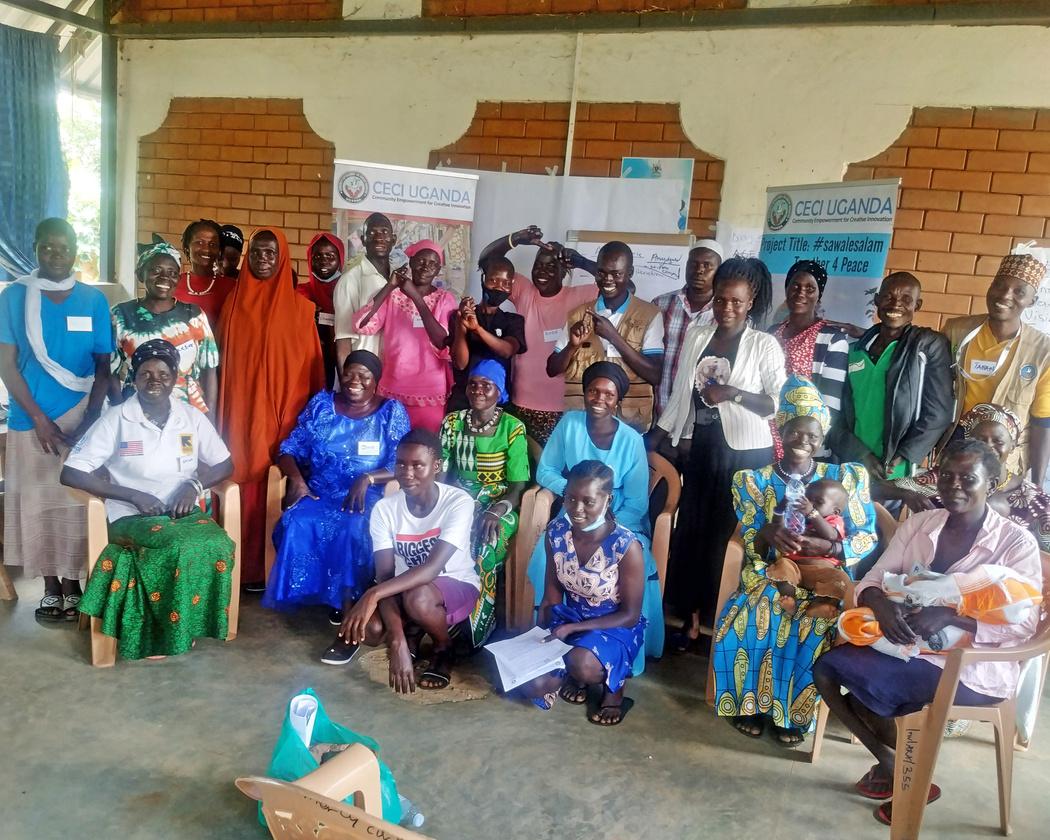
Our training on gender transformative leadership, human rights, and peacebuilding for 28 women and girls, which integrated a Gender Analysis and Learning Systems (GALs) lens, strengthened women's role and participation in leadership, planning, decision-making processes, and peacebuilding interventions at the local level
The training introduced them to knowledge and skills in leadership, human rights, and women's rights, including the legal framework for women's leadership They also learned about trauma healing, mental health and psychosocial support, as well as social structures and spaces for women's participation in their communities
Representatives of UNHCR, OPM, the CDO, and the Kululu Sub County local government, and RWC 3 participated in the training and introduced opportunities for women's participation in leadership and development This made these women and girls better equipped to expand their contributions beyond traditional household chores and take up leadership roles, participate actively in decision-making processes and socioeconomic activities in their households and communities, and promote gender equality and peaceful coexistence
We established and trained an alliance of 30 cultural and religious leaders. The alliance was created to promote peaceful coexistence and mitigate the escalation of conflicts if they arise in refugee and host communities. The training focused on educating members of the alliance on the role of alliance, conflict sensitivity and peacebuilding and drawing a plan of action for their work. The alliance includes refugees, hosts, local leaders, landlords, and Parish Chiefs, selected based on their positive work towards promoting peace. The leadership structure coordinates and links the alliance and its activities to CECI and other peacebuilding and protection partners. OPM and UNHCR representatives emphasized the alliance's importance in creating awareness and addressing issues such as drug abuse, laziness among youth, and negative vices leading to gender-based violence In quarterly meetings funded by CECI, the alliance identifies conflict-sensitive issues, including natural resource sharing, tribalism, religious differences, youth unemployment, and crop and livestock conflicts caused by stray animals They hold joint community meetings to dialogue, create awareness of peace, and resolve conflicts in the settlement and community Members of the alliance work collectively to promote peaceful coexistence and address challenges faced by vulnerable communities, including trauma, GBV, and violence They use water points, schools, community centers, markets, religion and sports, and local events such as marriages, weddings, and cultural galas as bridges for unity The alliance plays a significant role in supporting and advocating for local issues and effective service delivery in refugee and host communities
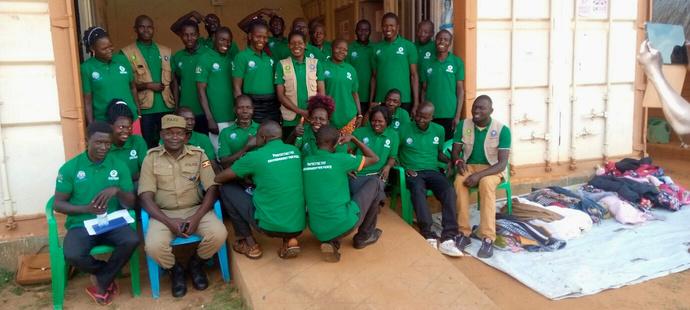
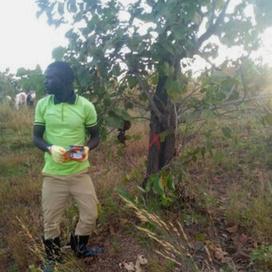
Since its inception in 2022, the Alliance has resolved 12 GBV cases, facilitated access to livelihood resources in 6 cases, and referred 18 cases to partners and stakeholders for further support. Through their community engagement, a landlord in Zone 3 of Bidibidi refugee settlement has generously allocated 20 acres of land for refugee farming and 2 acres for tree growing, protecting the environment.
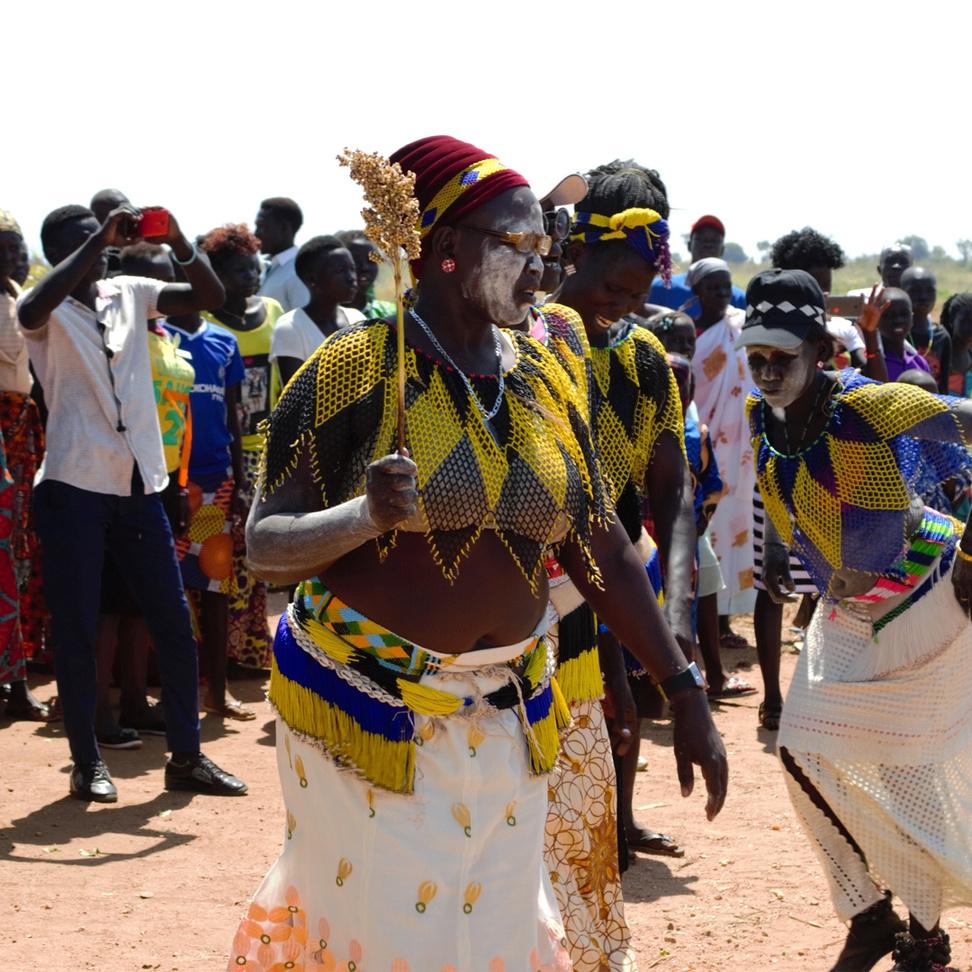
Our 3 community dialogues in 3 villages in Bidibidi Refugee Settlement brought together 190 refugees and host community members to dialogue, resolving 3 cases of violent conflict between these two communities associated with natural resource sharing and management, clash in religious values and beliefs, and livelihood challenges at the domestic level.
The dialogues revealed an urgent need to integrate MHPSS into peacebuilding efforts. Communities reported alarming cases of suicides, drug abuse, and food insecurity. In response, we are conducting targeted awareness sessions on mental health for youth, integrating trauma healing with livelihood, prioritising environmental greening for climate change resilience, and engaging refugees and hosts, OPM, landlords, and local government representatives in Kululu Sub County and Yumbe District in finding lasting solutions to land-grabbing.
Our 2 radio talk shows on the Salaam Radio brought together the RWC III Chairperson, RWC II chairpersons, and youth leaders to discuss the reduction in food ratios, advocate for partners to support accountability through the get-together function and promote public health and peace Through these conversations, 1,720 refugees and hosts were educated on the importance of being vigilant during the Ebola outbreak and reporting any suspected cases of Ebola, violence, or tensions to the implementing and operating partners for prompt responses The youth leaders sensitized their peers and the community on the dangers of drug and substance abuse, theft, and fights They also encouraged engagement in gainful activities such as sports, labour for cash, and bricklaying during the dry season
Our support of the Zonal Football and Netball Tournament, with 398 jersey kits for 398 boys and girls from 10 teams, and IEC materials, including T-shirts and banners with messages on peacebuilding, mental health and psychosocial support, gender-based violence, and climate change, was used throughout the tournament where Zone 3 emerged as the winner This promoted community awareness and participation in activities that foster peace and environmental sustainability among the 2,308 spectators Additionally, our distribution of 90 T-shirts to members of the Women Forum, Male Champions, environmental and peacebuilding partners, and local leaders helped spread awareness on peacebuilding, mental health and psychosocial support, Gender-Based Violence, and climate change in their households and communities
We mapped and selected 3 degraded wetlands for restoration and secured 5 acres of land for growing natural weather-resistant trees Through our awareness sessions which engaged refugees, hosts, and local leaders, including LCs and RWCs, we secured the declaration of the 5-acre land for tree growing in Jomorogo village, Kululu Sub County We have also established 5 environmental protection groups of 5 members from the refugee and host communities, providing them with necessary tools and equipment, such as slashers, gumboots, tins of paint, etc These groups are actively planting weather-resistant trees and grasses in degraded wetlands, conducting awareness sessions on environmental protection and have created fire lines to prevent bush burning in the 3 wetland areas and the tree-growing site, protecting trees from wildfires and mitigating conflicts associated with shared ecosystems
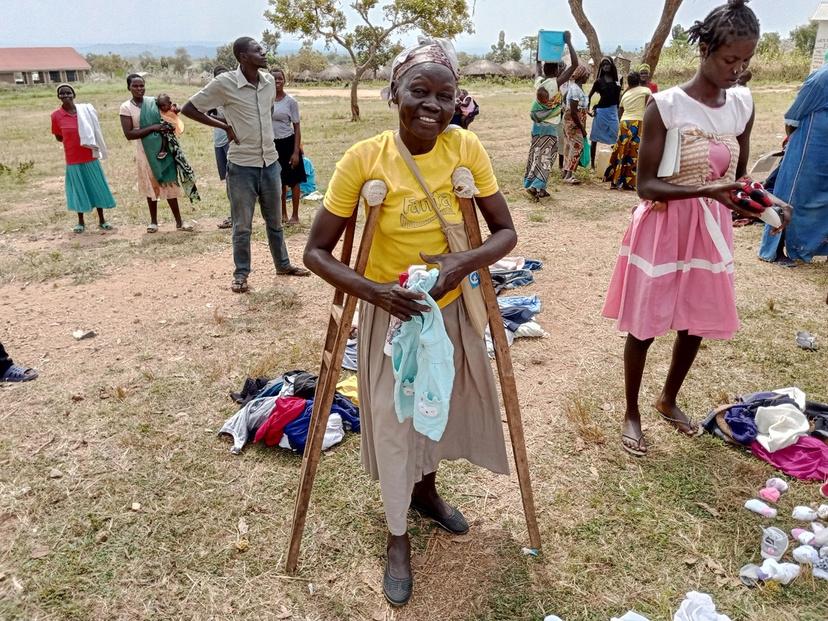
We distributed shoes and clothes, including jackets, skirts, dresses, blouses, shorts, and trousers, among others, to 301 extremely vulnerable individuals, including persons with disabilities, teenage mothers, elderly persons, and separated and unaccompanied children in Koboko and Bidibidi Refugee settlement in 2022.
SECURED 5 ACRES LAND FOR GROWING TREES.
SECURED 3 DEGRADED WETLANDS FOR RESTORATION.
"The clothes my children received have made them so happy Having five outfits to choose from fills me with gratitude It makes them feel good about themselves and more confident. Thank you for your kindness"
~ Yeta Joyce
This helped them maintain physical hygiene and cleanliness and improved their safety and protection, enhancing their well-being, dignity, confidence and mental health and reducing potential stigmatization or marginalization based on appearance.
Integrating Mental Health and Psychosocial Support (MHPSS) into livelihood and peacebuilding programs significantly improves household income, wellbeing, and reduces conflict and suicidal tendencies in refugee camps By addressing the underlying mental health and psychosocial needs of refugees and providing them with necessary skills and resources, such as livelihood opportunities and basic necessities, we have witnessed a decrease in tensions, conflicts, and suicide rates and an increase in household food security, income and wellbeing. This emphasizes the importance of incorporating MHPSS within broader development and peacebuilding interventions, as it enhances individual wellbeing and strengthens the overall resilience and stability of conflict-affected communities.
The cluster (consortium) partnership model is valuable for achieving project goals, fostering collaboration, and creating synergies among local, national, and international partners It enhances learning, strengthens systems, and improves service delivery, ensuring the sustainability of humanitarian, development, and peacebuilding interventions Collaborating with and strengthening local community structures, including women and youth groups, peace committees, and local leaders, fosters community participation and ownership of programs This approach helps identify and address actual local needs and priorities, resulting in improved outcomes, community resilience, sustainability and accountability to affected persons Prioritizing collaboration, community participation, and ownership is crucial for successful program implementation tailored to local needs, strengthening resilience, and promoting sustainability
Engaging local environmental groups is crucial for promoting peaceful coexistence and sustainable livelihoods in refugee and host communities. Immediate action is required from partners, donors, and governments to support local environmental groups in promoting re-afforestation and reducing dependency on wood fuel. This can be achieved through investing in skills training programs for alternative energy sources like briquettes, reducing conflicts over firewood. Additionally, promoting income-generating activities such as agriculture, sewing, beauty services, and construction can enhance living conditions and encourage healthier lifestyles Failure to act will perpetuate environmental degradation, poverty, conflicts, and health risks in affected communities
Collaborating with and empowering local actors, including Refugee-led Organizations like CECI, yields remarkable outcomes with minimal investments. By enhancing their capacities in governance, management, and programming and entrusting resources directly to RLOs, donors and INGOs can maximize and foster local ownership, community participation, and long-term sustainability of humanitarian, development, and peace interventions. By being part of the communities we serve, earning their trust in our work, and receiving resources from trusted partners, CECI demonstrates the ability of RLOs to deliver quality and effective interventions that address actual local needs, adhere to core humanitarian standards, and contribute to positive and sustainable change.

Focus on vocational skilling, enhance Village Savings and Loan Associations (VSLAs) capacities, and agriculture skilling and support for 1000 youth and women.
Increase school enrolment and retention of children in refugee and host communities by empowering 2,080 girls, boys and children in and out of school through educational and holistic programs focused on early childhood development, life skills, peace education, critical thinking, physical activity, cultural exchange, health information, and reproductive health for women and girls
Improve wellbeing among households through income enhancement, resilience, and coping mechanisms by assisting 1,000 youth, women, and girls, and persons with special needs to develop basic skills in business, technology, financial literacy, entrepreneurship, and farming that empower them to become active participants in their own development
Increase community engagement in environmental protection and resilience-building by empowering 940 community members and local environmental groups to combat climate change through educational sessions, campaigns, and training programs and promote energysaving practices and sustainable agriculture
Design and implement local, creative, and innovative trauma healing sessions, games and sports, community outreaches, trainings, youth exchange visits, and conferences to improve social cohesion and peaceful coexistence among refugees and between refugees and host communities in Koboko, Bidibidi and Palorinya refugee settlements; strengthen local peace structures to actively respond and mitigate conflict; and target 3,545 people
Mobilize $34,935 to establish a fully equipped, accessible, and inclusive Local Innovation Centre in Koboko to address barriers to empowerment and healing for vulnerable communities. This centre will empower youth, women, and girls in technology, business, financial literacy, and leadership. It will also provide a safe space for local groups to convene, discuss, dialogue, and host workshops and events focused on gender-based violence prevention and response, mental health and psychosocial support, and building healthy relationships. With a capacity to host at least 100 people, the center will serve as a vital hub for our community and house a trauma healing centre that provides holistic and individualized care for trauma survivors to heal and connect with others. Additionally, it will be a haven for children, offering inclusive indoor and outdoor playing facilities, including stadiums for football, netball, and basketball, and a learning resource centre. The center aims to nurture resilience, promote social integration and early childhood education, and empower individuals to reach their full potential by providing dedicated spaces for learning, healing, recreation, and sports.
Strengthen organizational capacity and funding through training governance structures and staff, responsive development and submission of funding proposals and concept notes, and fostering strategic partnerships and coordination
Our sincere thanks to the many people, organizations, and partners who donated their time, expertise, funds, and materials in 2020-2022 We are immensely grateful for all your support
Patrick Chandiga Justine - Chair
Education and Leadership program Assistant, BGC London, Canada.
Benson Khemis Soro - Secretary Executive Director, CECI Uganda.
Ayoo Irene Hellen - Member Finance and Admin Officer, TOCH Uganda.
Topista Pamela Oleru - Member & Chair
Finance and Audit Committee
Finance and Admin Officer, CEFORD.
Luate Emmanuel, Member & Chair
Strategic Planning Committee, Programme Manager, CAFOT, and Managing Director, E-NET Consults.
Vita Geofrey, Co-founder & Ex-Officio Member
Benson Khemis Soro, Executive Director
Taban Rashid, Programs Manager
Atim Elizabeth, Finance & Admin
Onjima Peter, Project Accountant
Gire Unia Lomoro, Project Accountant
Alima Knight Achila, Project Officer
Asina Fikira, Program Officer
Metaloro James, Field Officer
Brenda Joan, Field Officer
Batali Moses, Field Officer
Eunice Nabawesa, Procurement Assistant
Akandu Mary, Office Assistant
Anthony Aligo, Field Officer
Muki Emmanuel, Driver
Taban Michael, Senior Security guard
Buruga Charles, Asst Security guard
Asara Jesca, Cleaner
Patrick Chandiga Justine Abure, Founder & Vision Bearer
Juma Robert John Paul, Founding Member
Baba Michael Nigo, Founding Member Dominic Wani, Founding Member
Hakim Bosco, Founding Member Vita Geofrey, Founding Member
Bobole Isaac, Intern
Aligo Anthony, Intern
Lupai David, Intern
Luate Joseph, Volunteer
Angaika Peace, fmr Finance & Admin
Badaru Kevin, fmr Accountant
Mundele Innocent, fmr Project Officer
Alex Khemis, fmr Field Officer
Keji Esther, fmr Gender Officer
Amude Stella, fmr Project Officer
Amule Moses Michael, fmr Procurement Officer
Awule Alfred, fmr Community-based Facilitator
We sincerely thank Lydia Ayikoru, whose immeasurable contributions and invaluable technical support fueled our growth, empowered lives, and inspired positive change
Our sincere thanks to the many people, organizations, and partners who donated their time, expertise, funds, and materials in 2020-2022. We are immensely grateful for your support.






Donor Grants
OXFAM IBIS: IRRI:
European Union: CRVPF:
Other incomes
COVID-19 Innovation Prize: Forex Exchange gains:
50,398,895 17,830,000 41,207,483 2,670,480 6,000,000 7,608,262
Total: 119,715,120
Direct Expenditure
Peacebuilding: Livelihood: Education: Monitoring and Evaluation: Administration Expense Transport: Office Rent: Communication: Stationary: Internet: Overhead costs: Bank Charges:
Support costs Personnel costs: 10% NSSF Contribution: Volunteers' Facilitation: Partner Support Fees:
Capital Expenses Computers/other Electronics: Motorcycles: 35,496,113 31,476,000 13,460,000 6,100,000 7,400,000 2,463,600 2,588,000 952,000 450,000 3,967,037 323,894 23,443,100 741,500 2,395,000 2,569,606 4,700,000 6,560,000 Total: 145,085,850
Donor Grants
European Union:
OXFAM Novib:
War Child War:
Other incomes
CRVPF: Forex Exchange gains: 44,693,514 113,171,029 47,029,600 2,152,600 1,378,346
Total: 208,425,089
Direct Expenditure
Peacebuilding Initiative: CRRF:
Bridge: Administration Expense
Transport and Fuel: Office Rent:
Stationary and printing: Overhead costs: Bank Charges: Airtime:
Repair and Maintenance: Meals and Refreshments: Office Expenses:
Accounting system: Audit: Withholding Tax: 10% NSSF Contribution:
Support costs Personnel costs: PAYE:
Capital Expenses
Computers/other Electronics: 42,862,000 30,939,450 2,950,000 1,331,810 4,800,000 1,830,100 4,407,740 1,570,165 496,000 2,615,000 653,000 506,900 3,000,000 4,000,000 1,104,300 8,690,458 42,138,800 2,575,670 6,050,000 Total: 162,521,393