CECILIA BROCK
UVA SCHOOL OF ARCHITECTURE 2025 UNDERGRADUATE PORTFOLIO
ypm7jm@virginia.edu
TABLE OF CONTENTS
INDEPENDENT UNDERGRADUATE THESIS
Spring 2025, Peter Waldman & W.G. Clark
INTERSTITIAL GROUNDS
Fall 2024, Luis Pancorbo
GORDON STREET LIBRARY ADDITION
Spring 2024, Jess Vanecheck
THE LOOM
Fall 2023, JT Bachman
RECYCLED PLASTIC SIDE TABLE
Fall 2024, JT Bachman
SKETCHES
Vicenza Summer 2024
CONVERGENCE OF CULTURE, LAND, AND SEA ON A BARRIER ISLAND
UNDERGRADUATE INDEPENDENT THESIS STUDIO
SPRING 25 \\ ARCH 4995 \\ PETER WALDMAN & W.G. CLARK
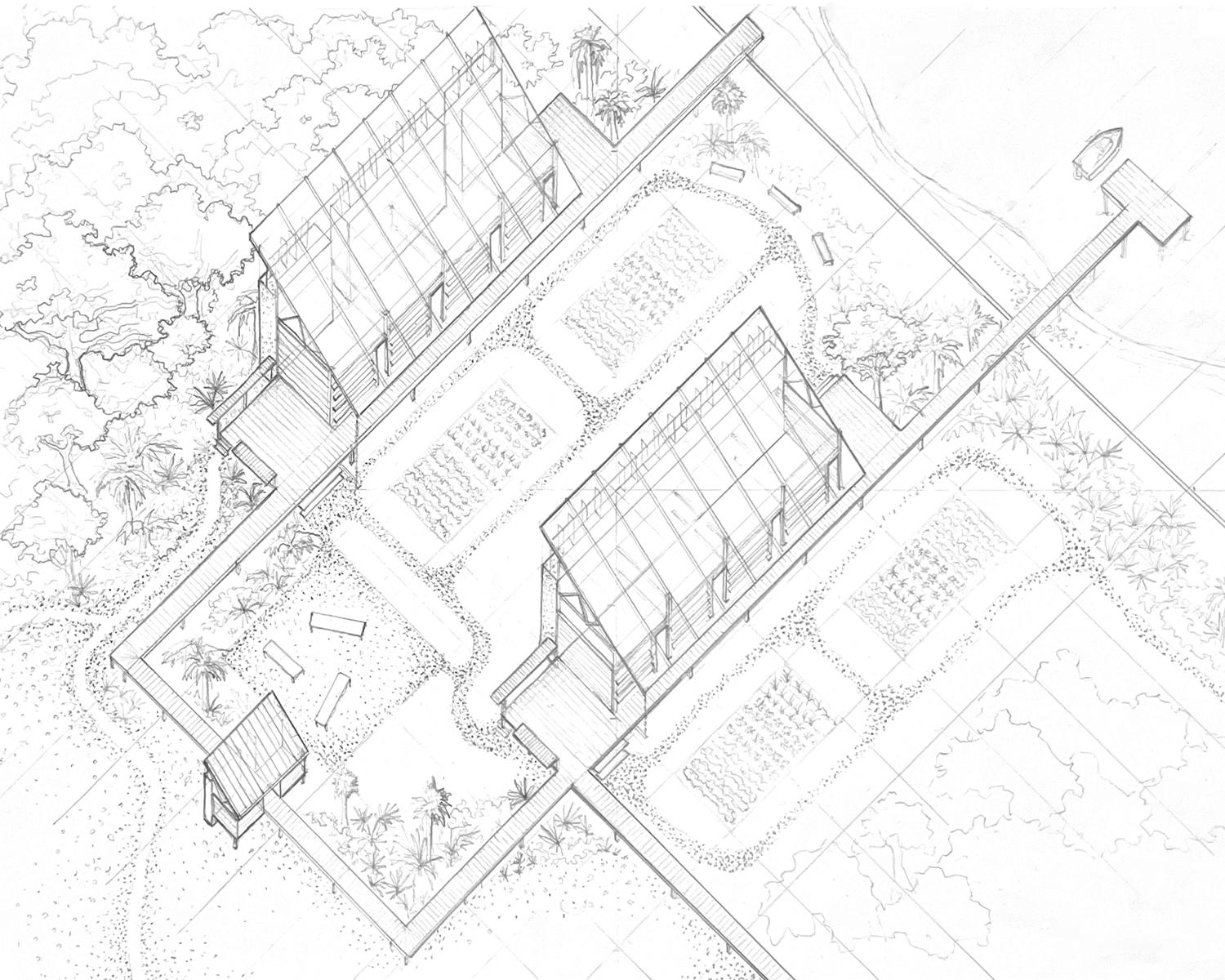
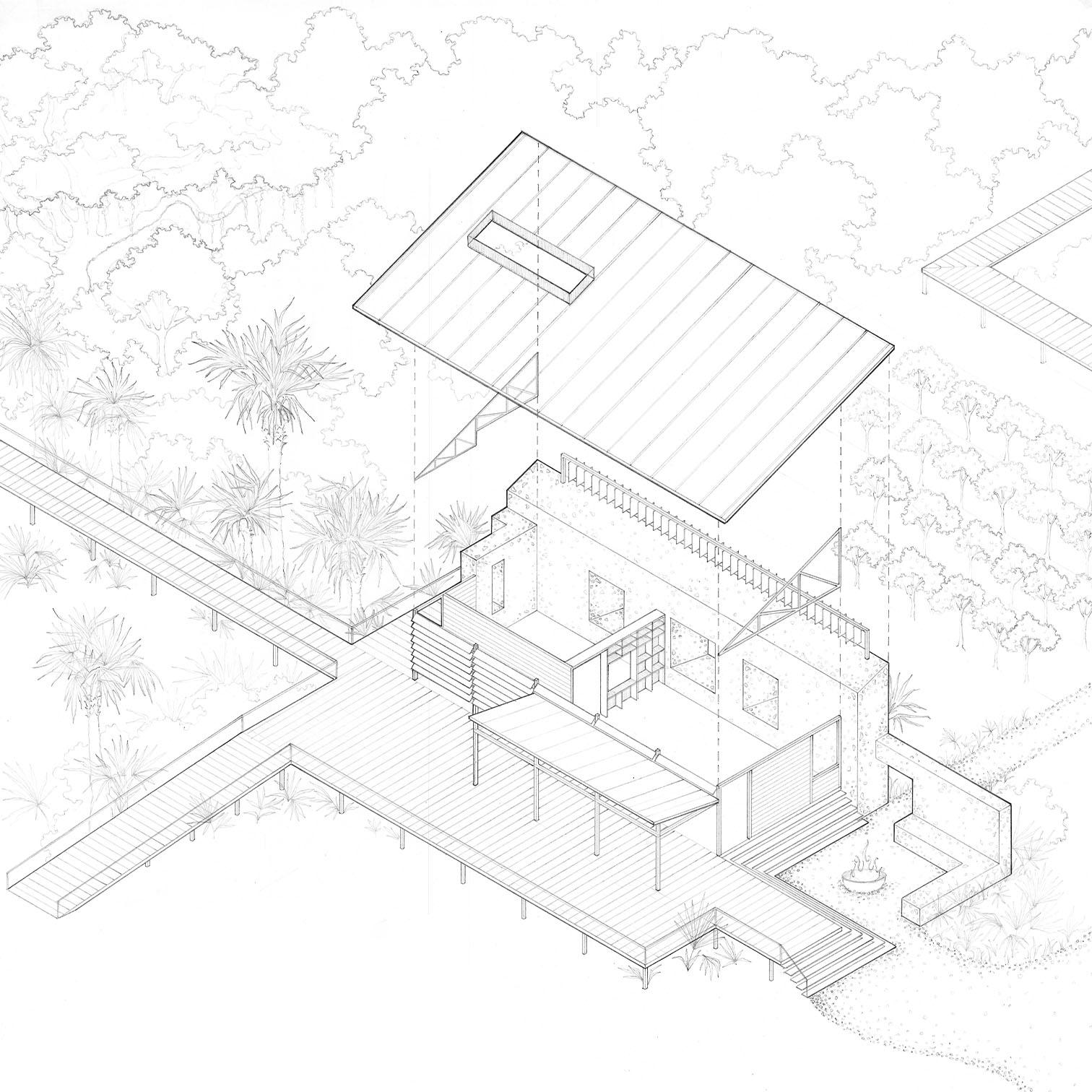
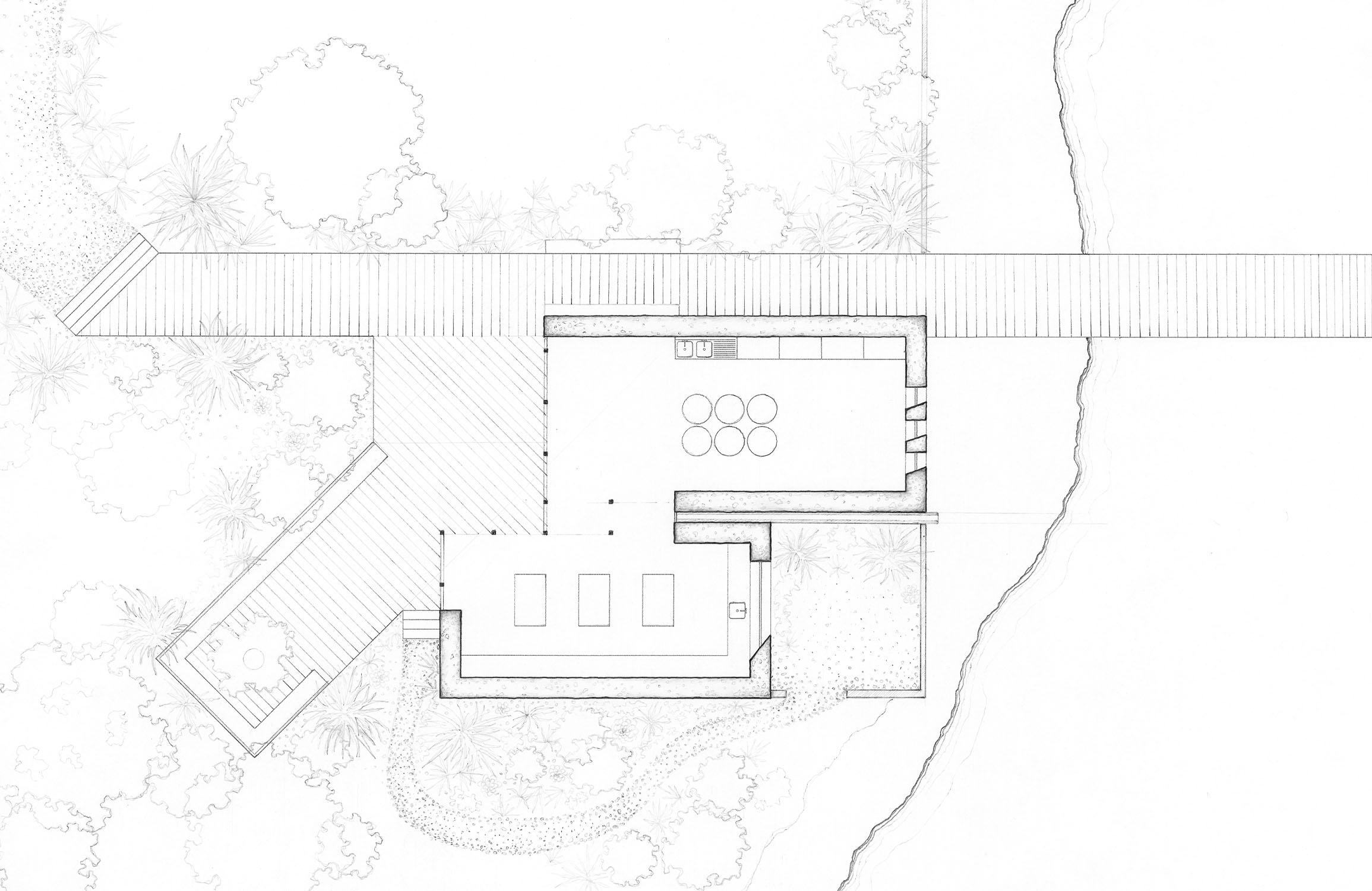
This thesis explores a new model of coastal community living on Sapelo Island, Georgia, rooted in the cultural and environmental knowledge of the Saltwater Geechee. Rather than simply preserving the existing community of Hogg Hammock, the project envisions a future where marine farming and agriculture sustain both the local economy and the local population.
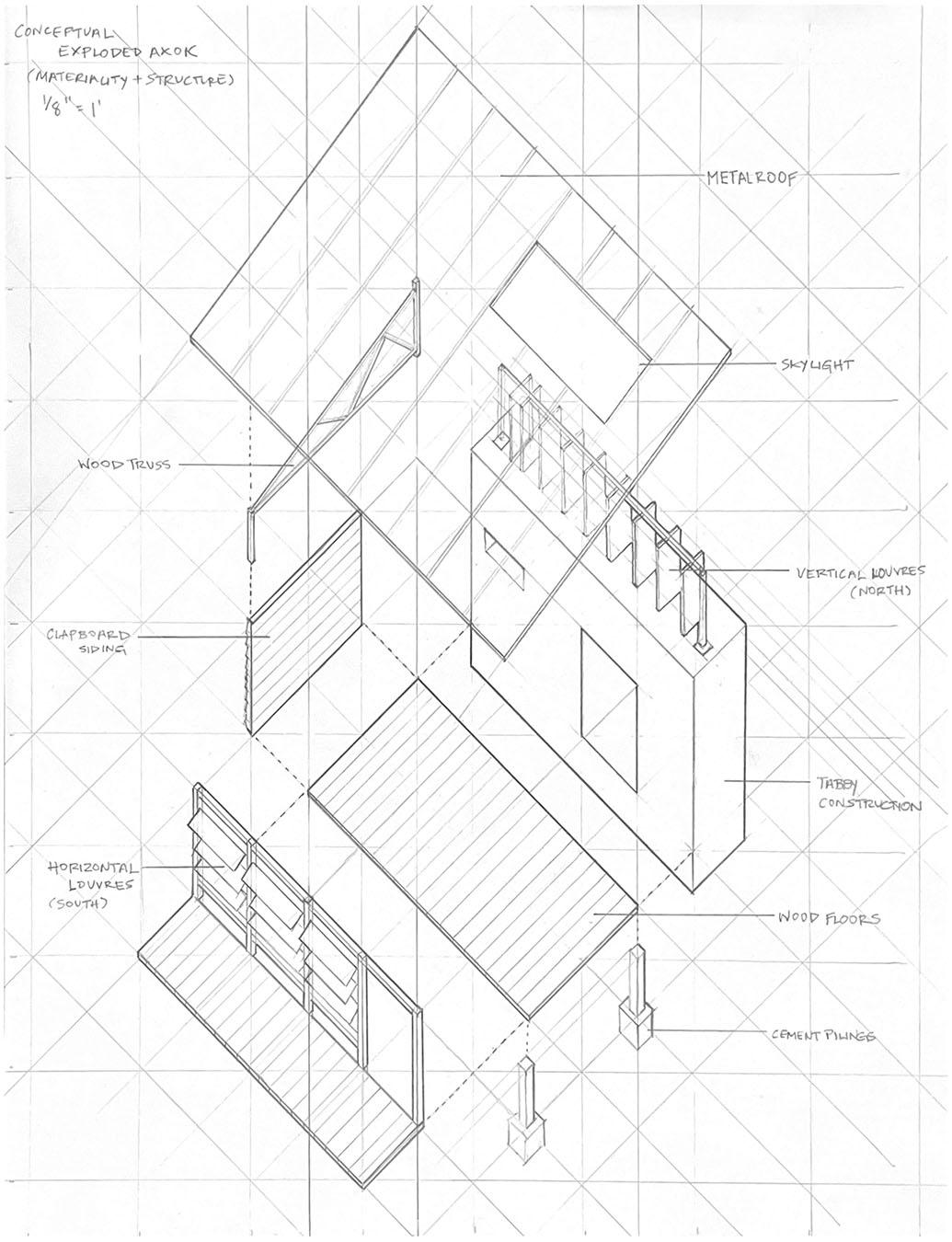
Gathering Center + Communal Kitchen Axonometric
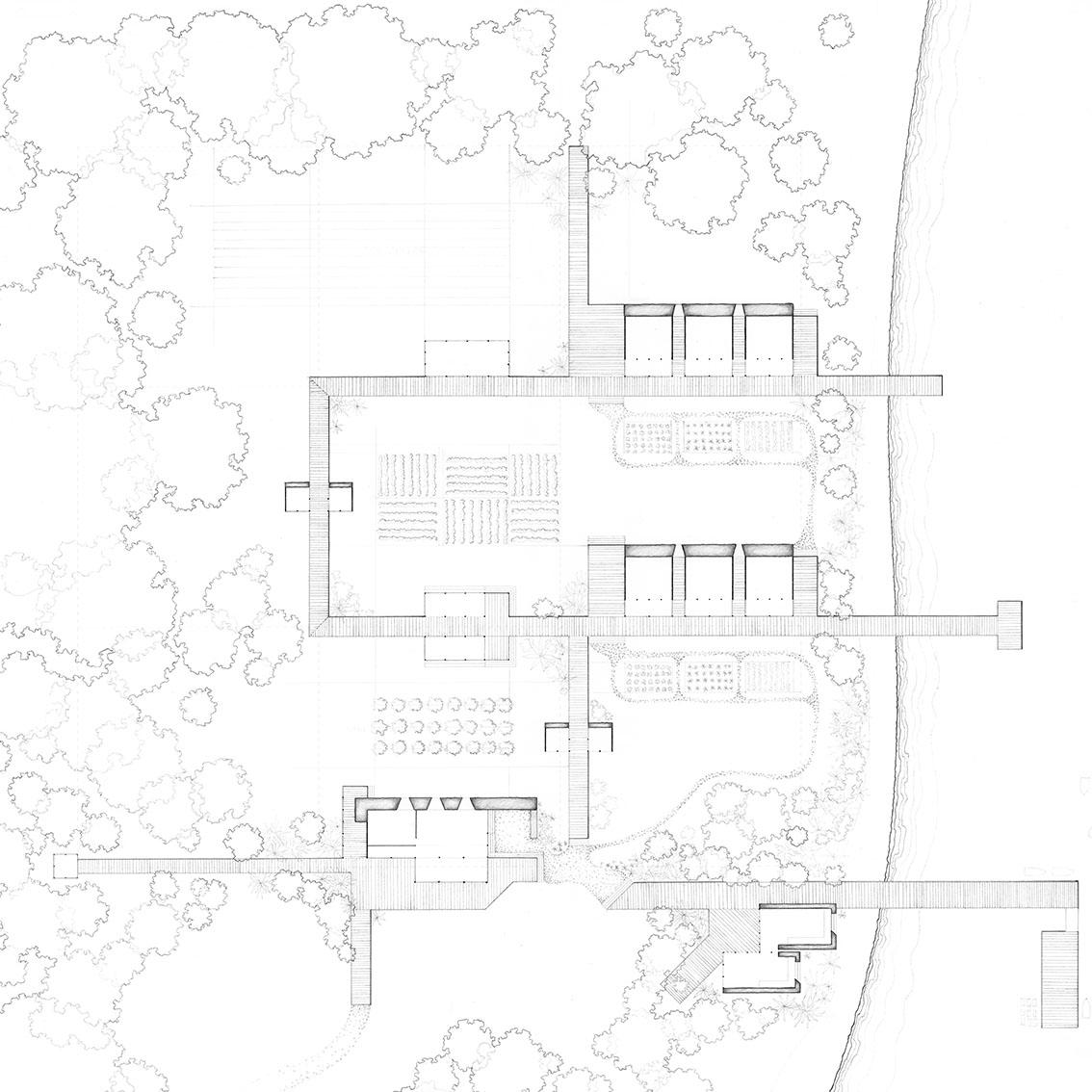
Plan
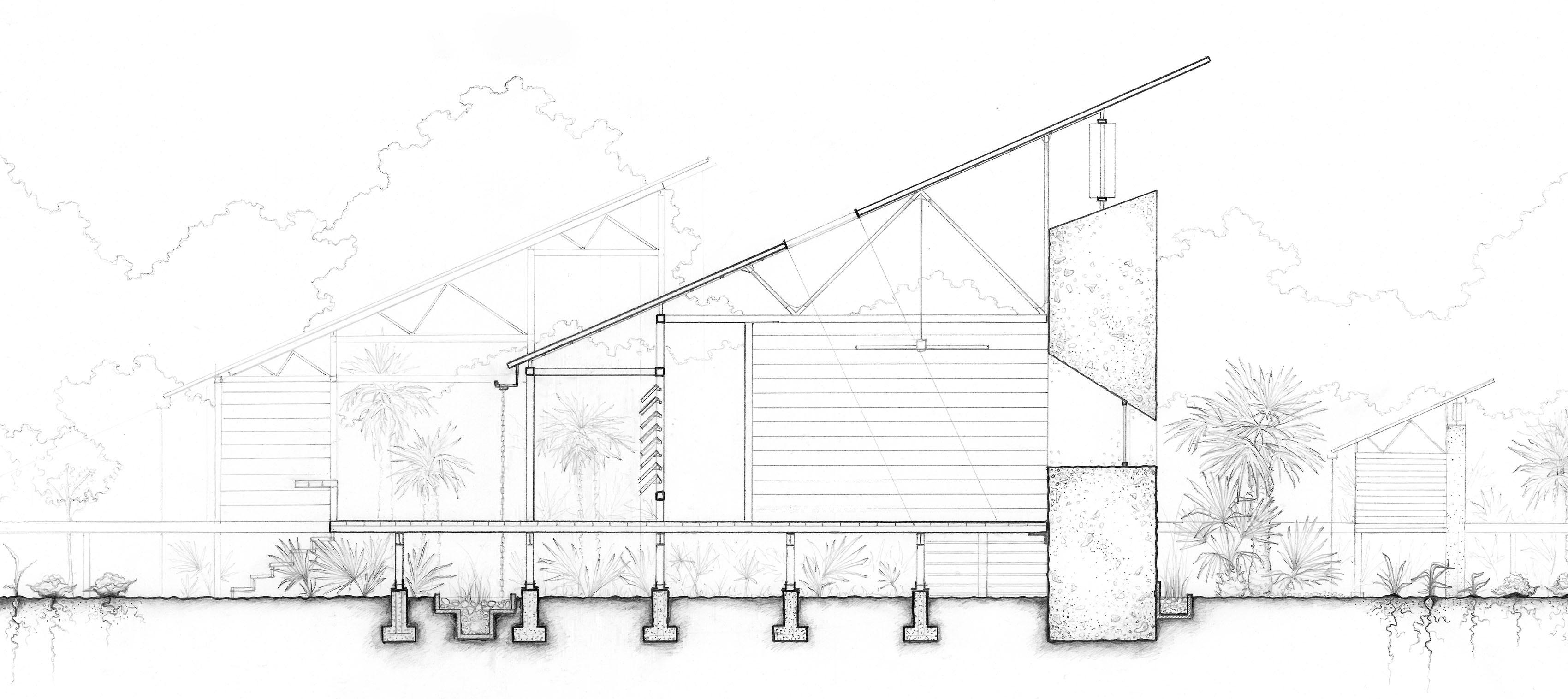
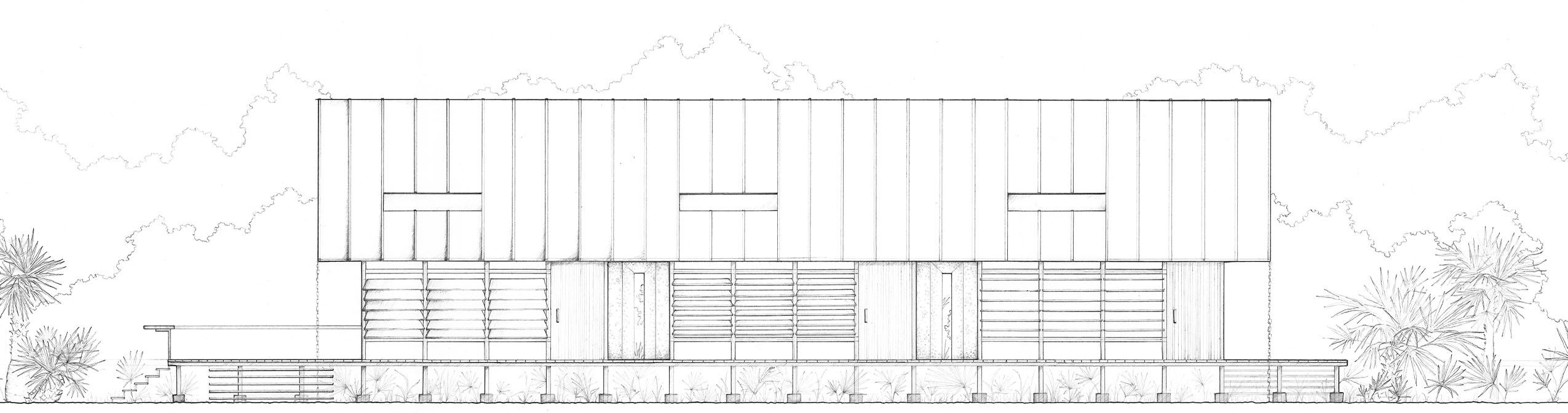
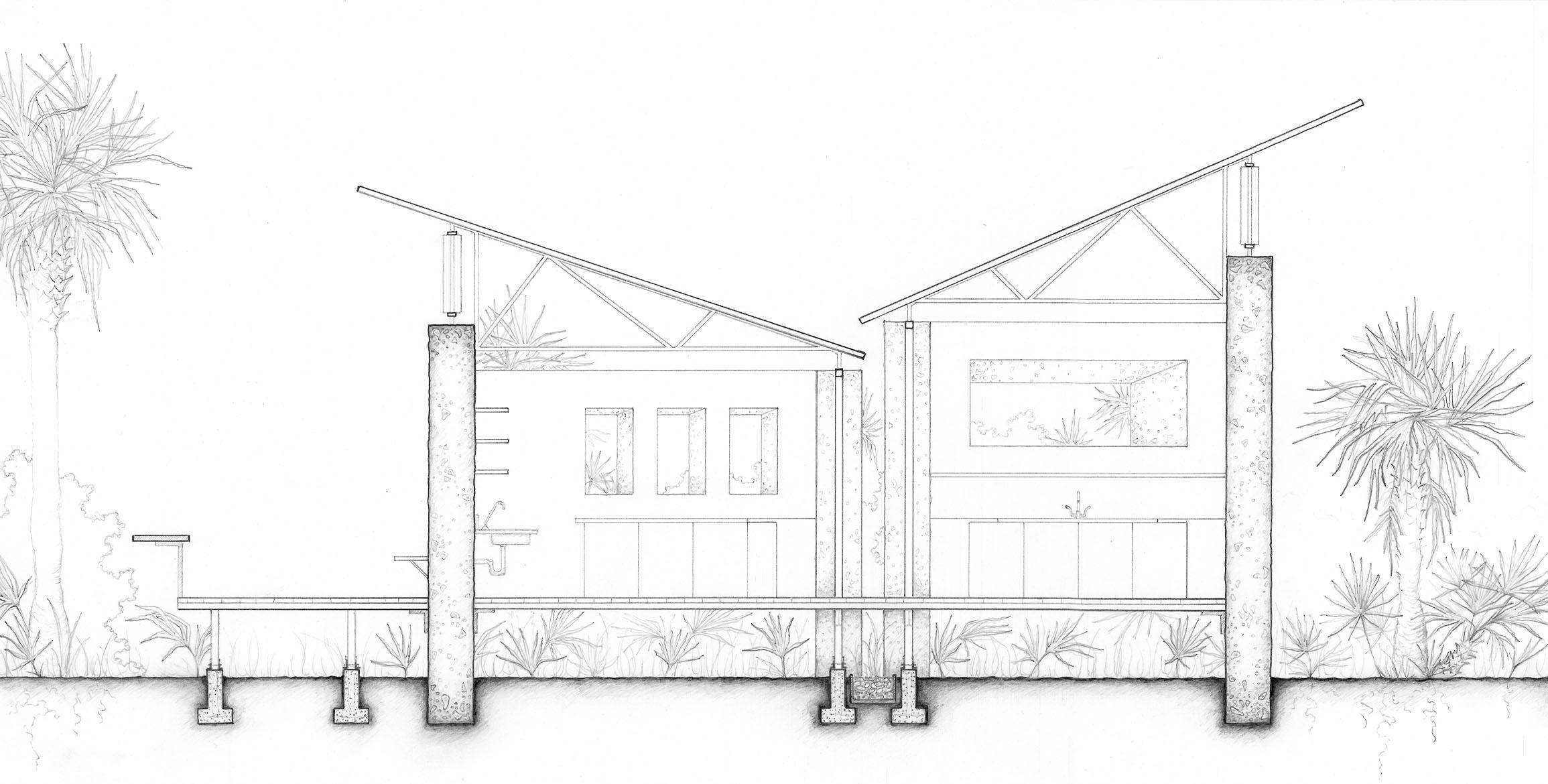
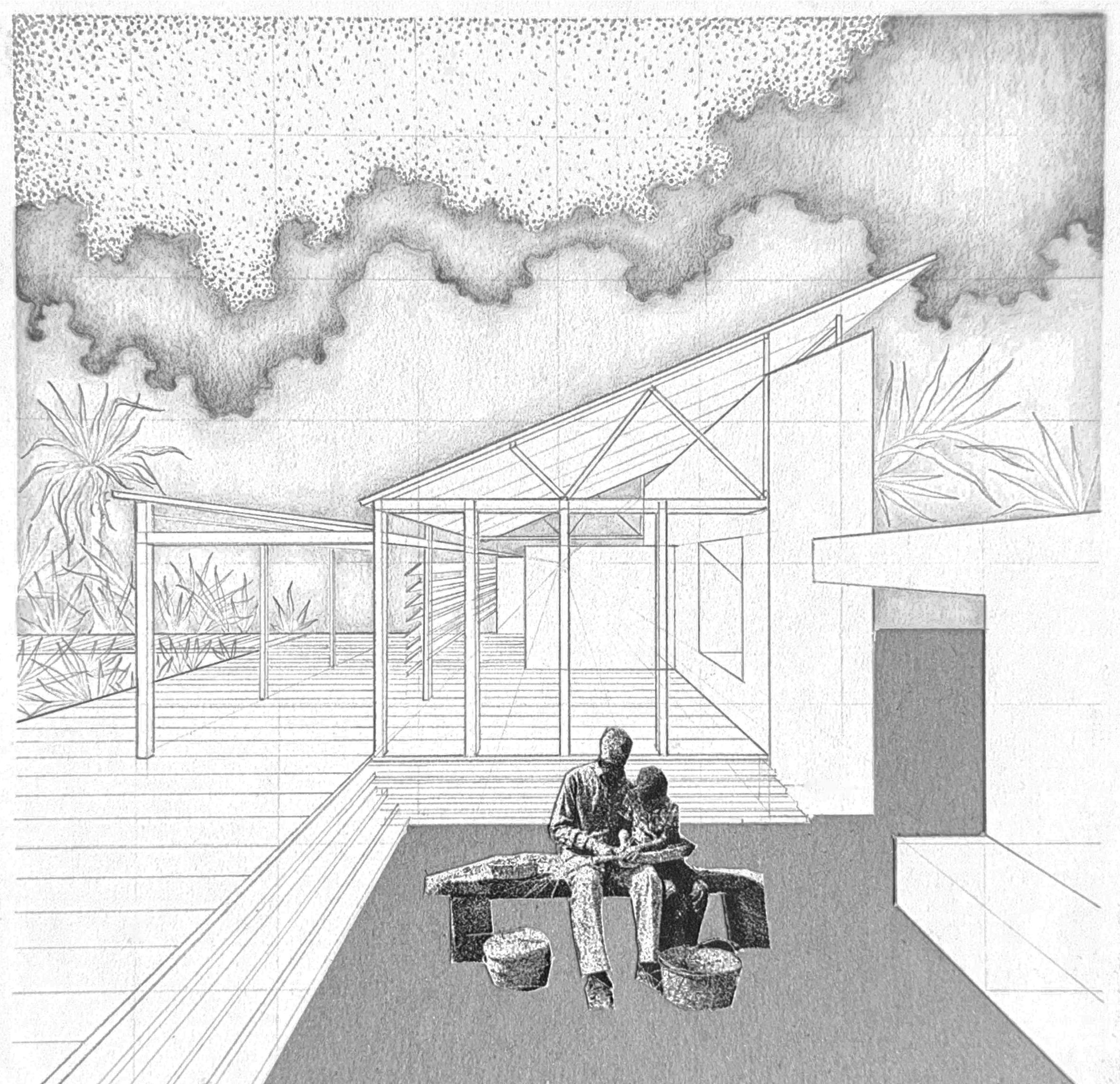
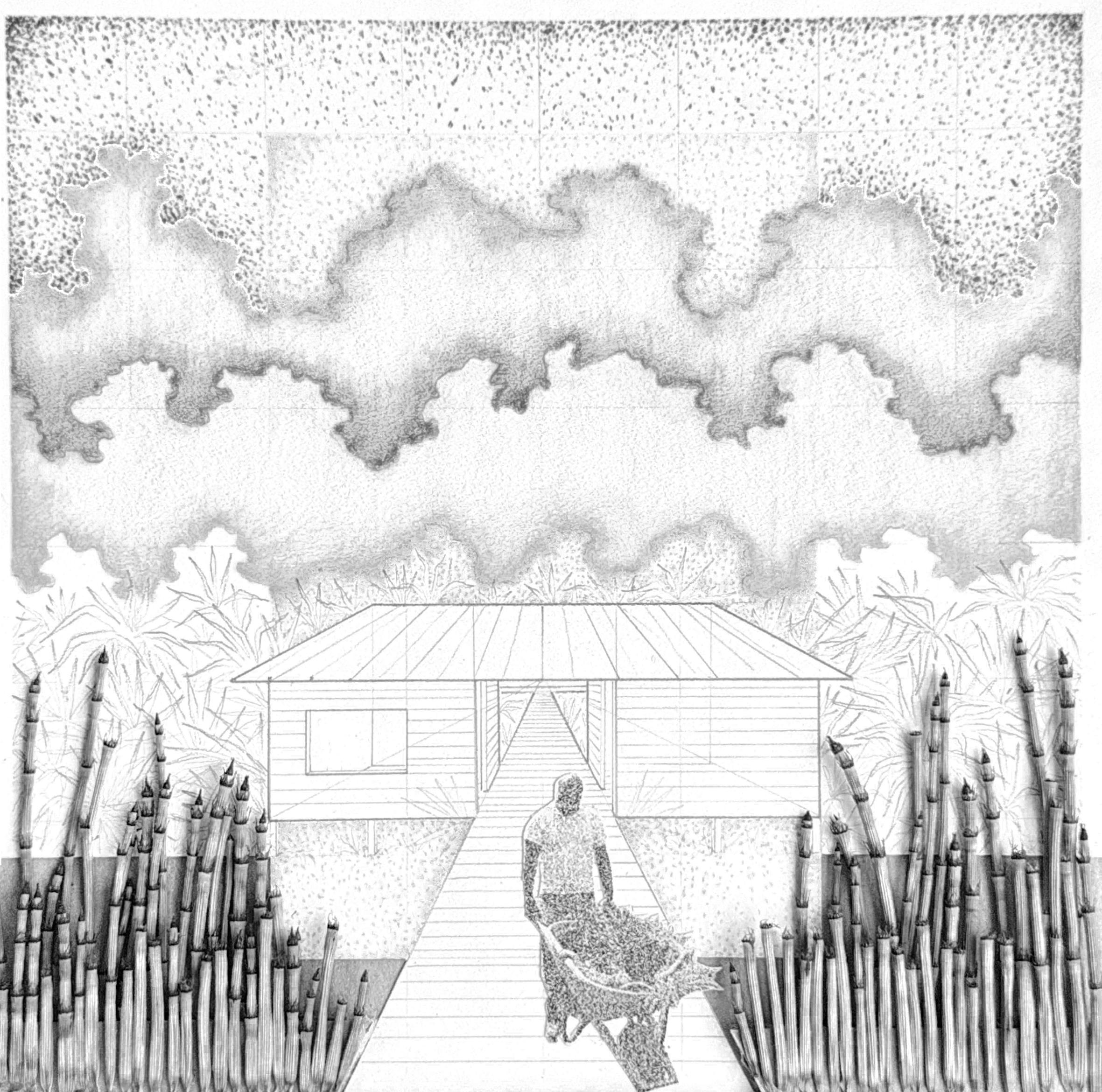
Explored entirely through hand-drawing, the design moves beyond conventional buildings, focusing on spaces defined by activity rather than form. It considers housing not as isolated structures but as a network of small, essential elements—tools for living that support daily rhythms, seasonal changes, and the evolving needs of the community. Local materials are prioritized, with the structures being composed of wood from the site, tabby made from native oysters, and salvaged metal. These materials combine into passive systems which address increasing environmental threats.
Housing South Elevation
Conceptual Site Model
Sea Farming and Oyster Processing- Section + Plan Exploration of Stucture + Material Typology
At the heart of the project is a sea-farming operation, extending from the land into the water as a continuous, working landscape from west to east. Housing clusters, gardens, porches and paths emerge from this axis. This project ultimately serves as a home for students from the University of Georgia Marine Institute and volunteers from Sapelo’s SOLO Program, who support the cultivation of the island’s three main agricultural products: Purple Sugarcane, sour oranges, and Sapelo Red Peas. By designing for the patterns of daily life—hour to hour, season to season—the project aims to create an adaptable, living architecture that strengthens both community and environment.
INTERSTITIAL GROUNDS
SHIELDED SEAS:THE FORTIFIED CARIBBEAN CITY
FALL 24 \\ ARCH 4010 \\ LUIS PANCORBO
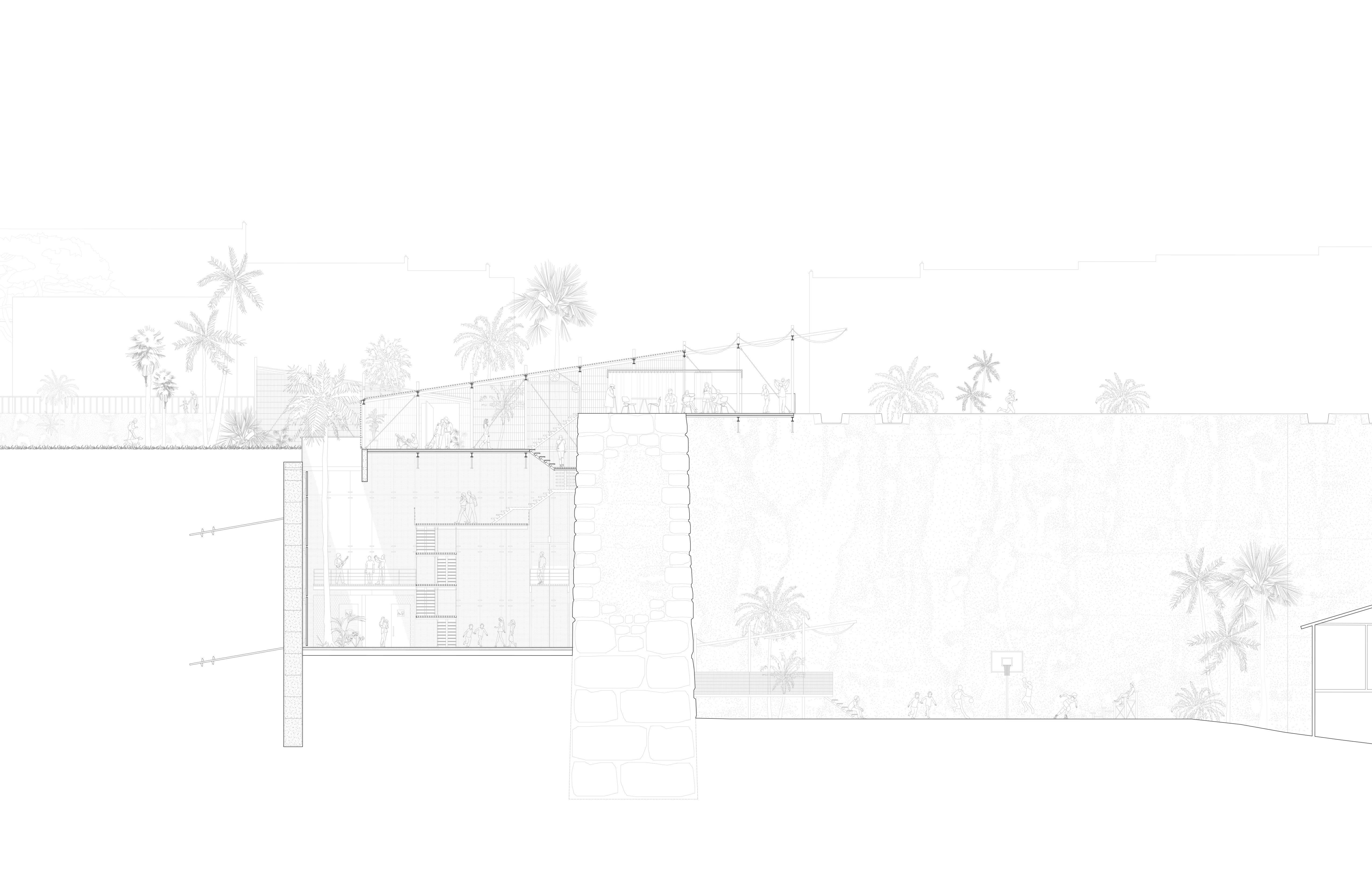
Driven by the geometric rules of Old San Juan’s historic military bastions, this intervention seeks to break up the linear and dividing function of the city wall without destroying it. The structure itself is drawn from the informal and community-driven construction of houses in La Perla, built with easily attainable and cheap construction materials, with ever-evolving interiors. The structure operates as a gateway and a resting point, connecting the historic fortifications while fostering a dialogue between the unique cultural identity of La Perla and the broader context of Old San Juan.
entering from Old San Juan- rest + community
meandering through temporary structures- slow down + learn section
SPRING 24 \\ ARCH 3020 \\ JESS VANECHECK
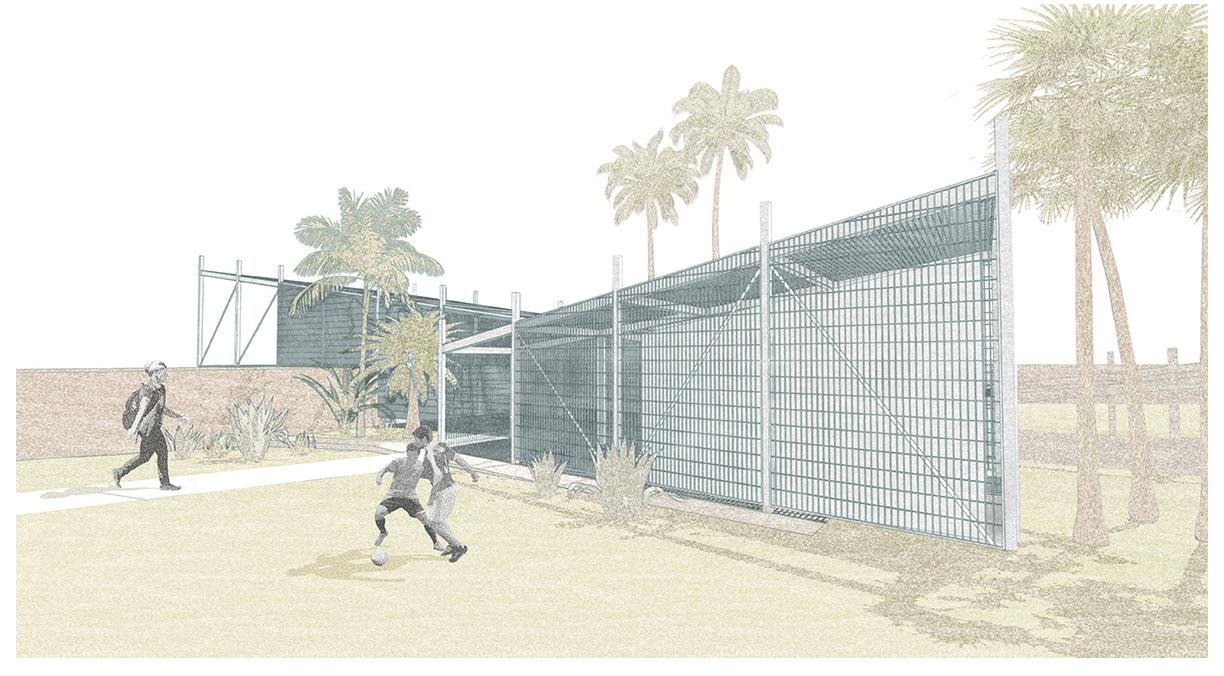
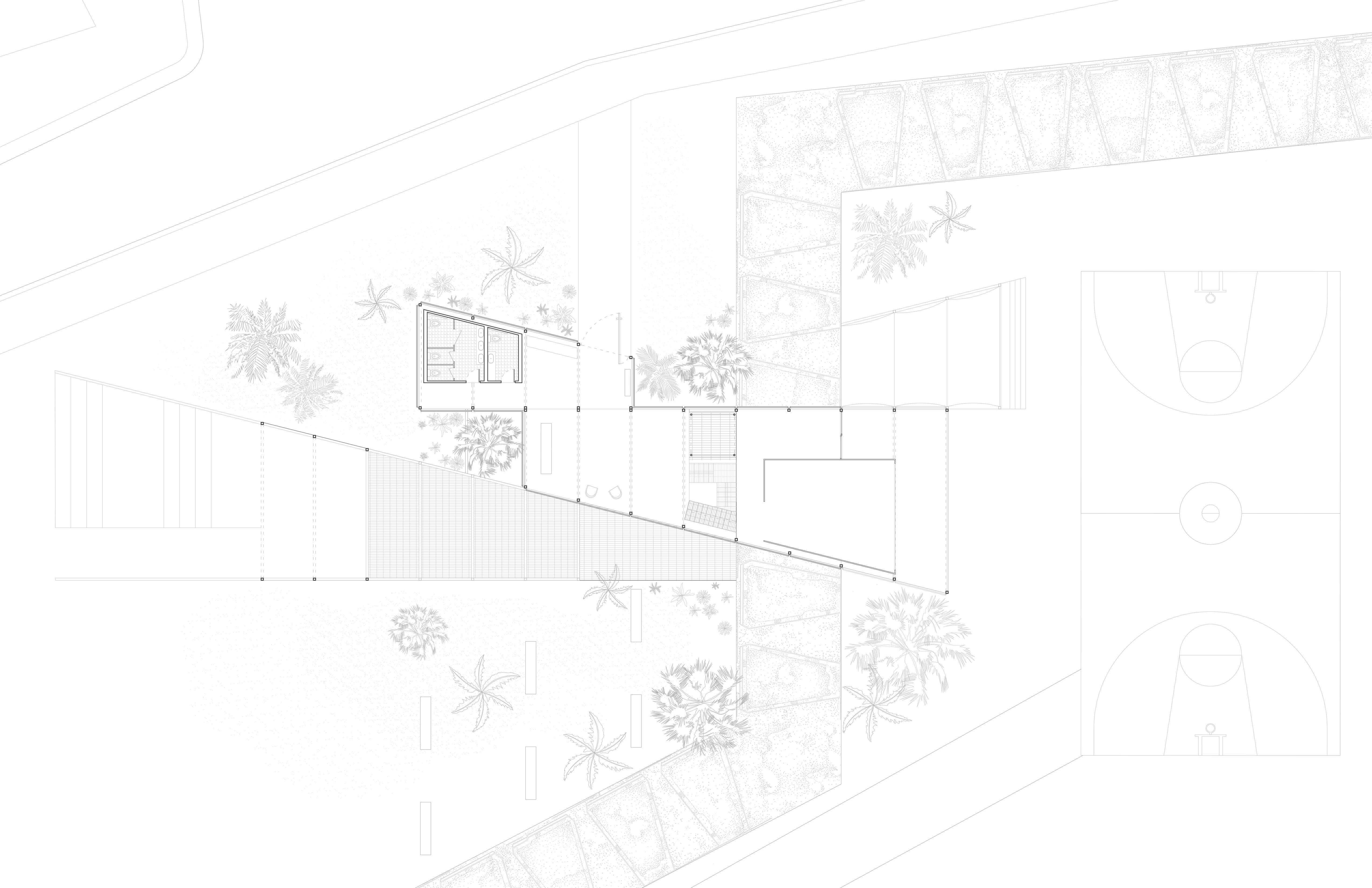
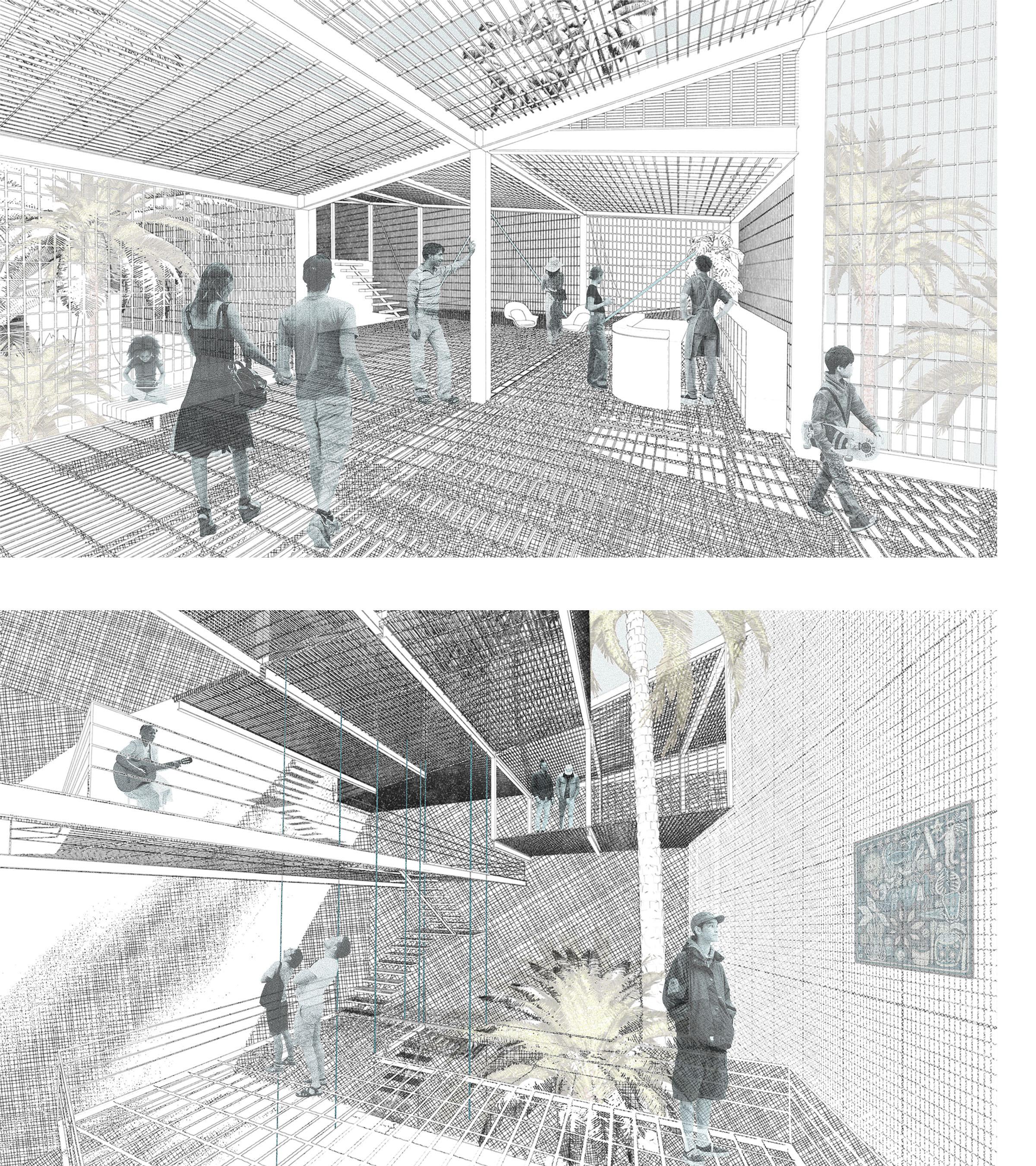
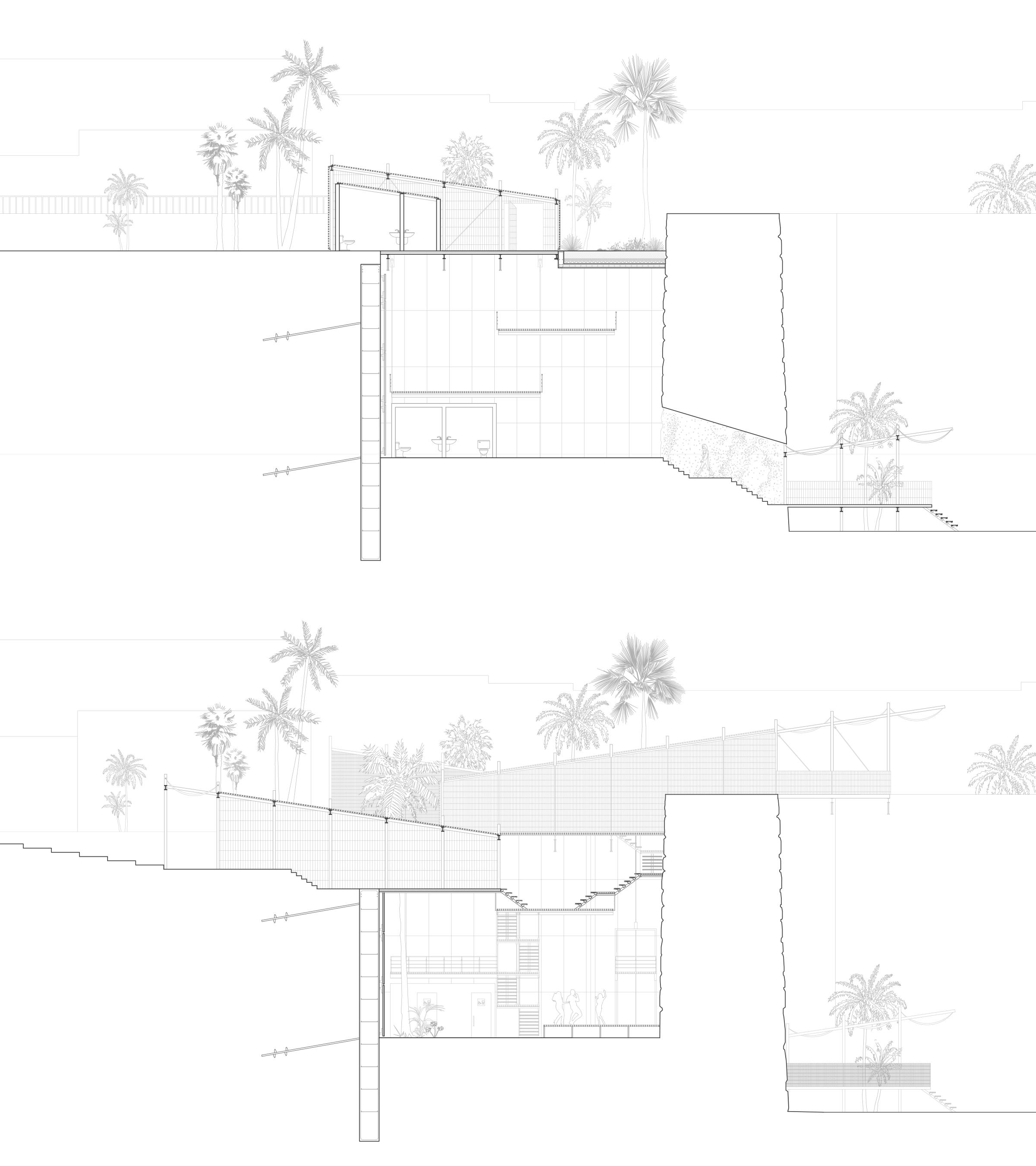
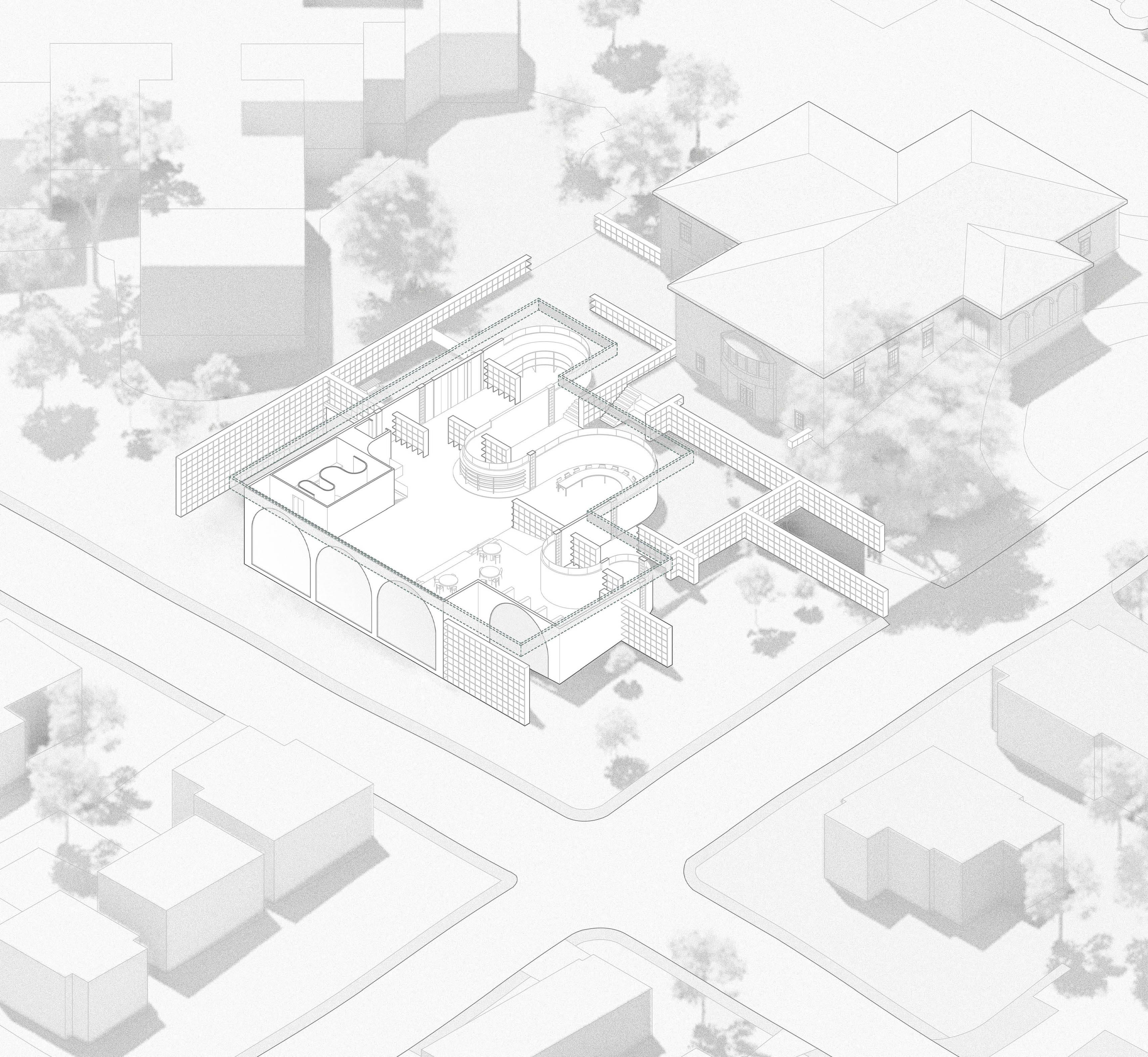
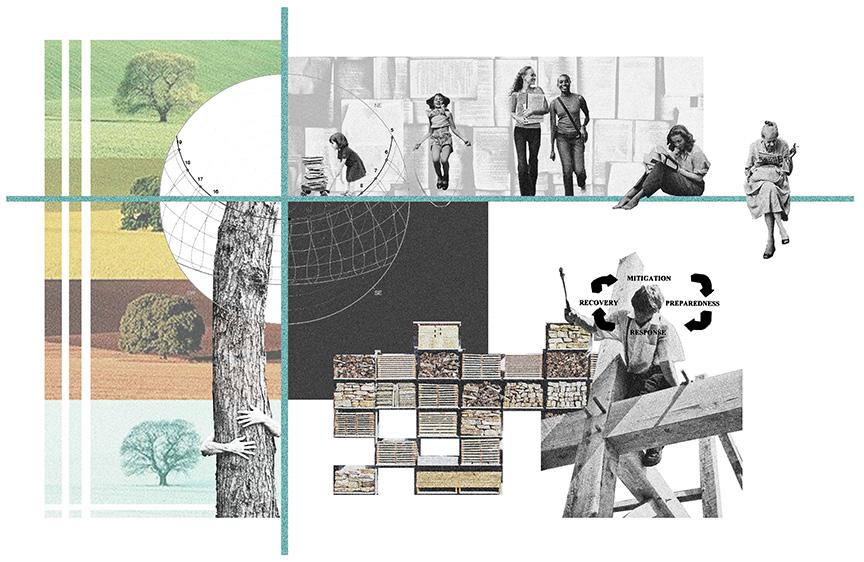
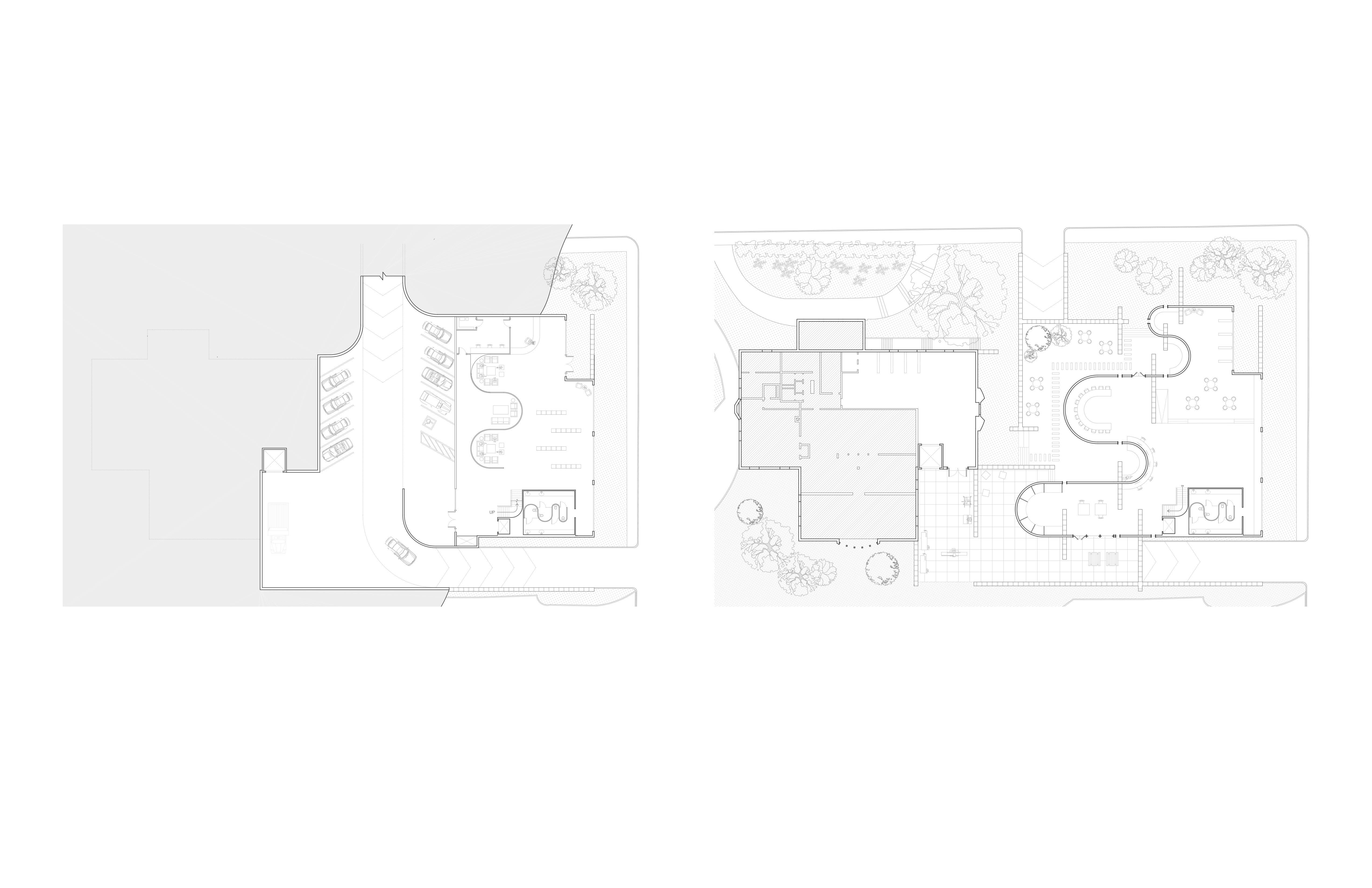
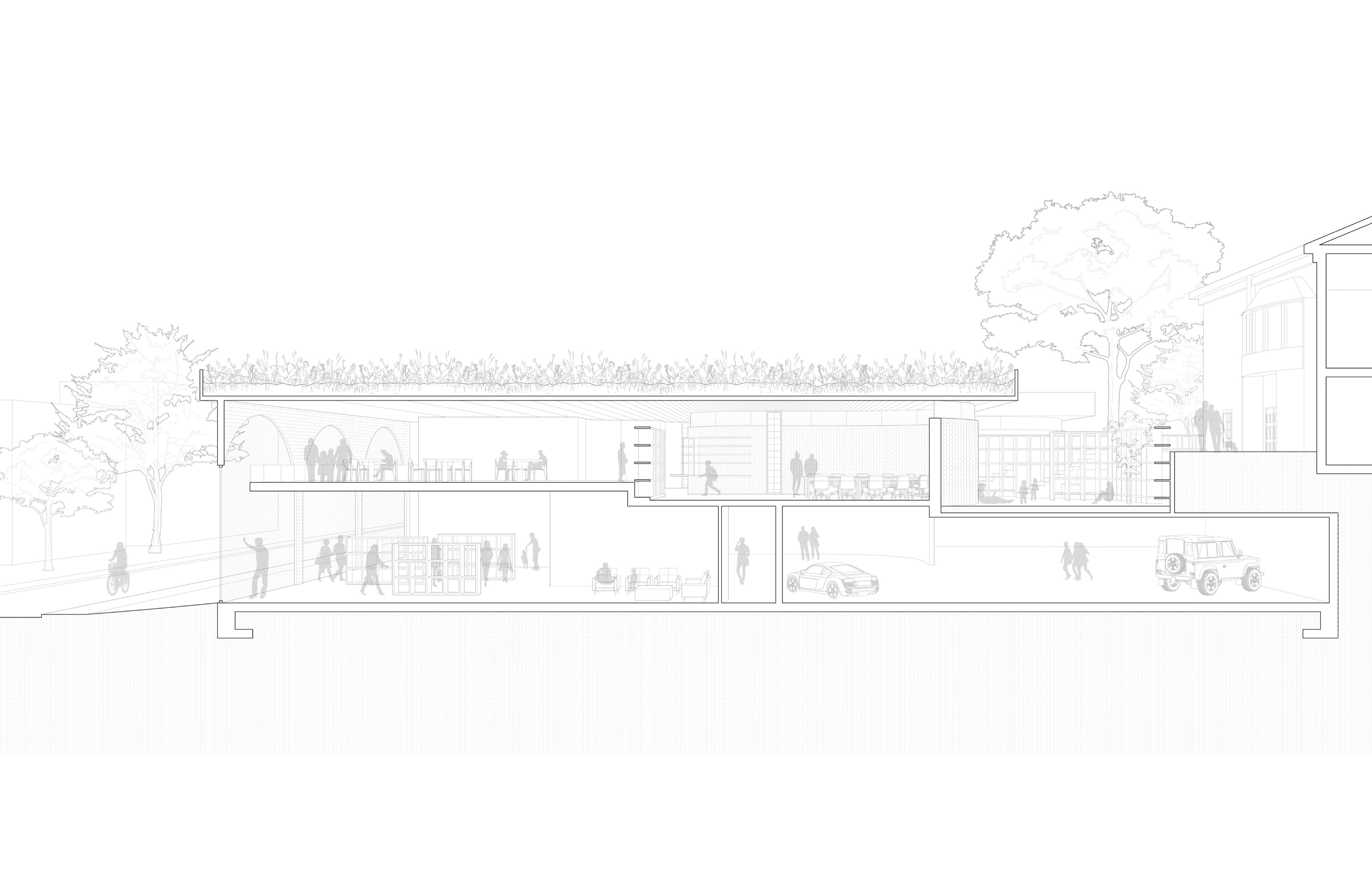
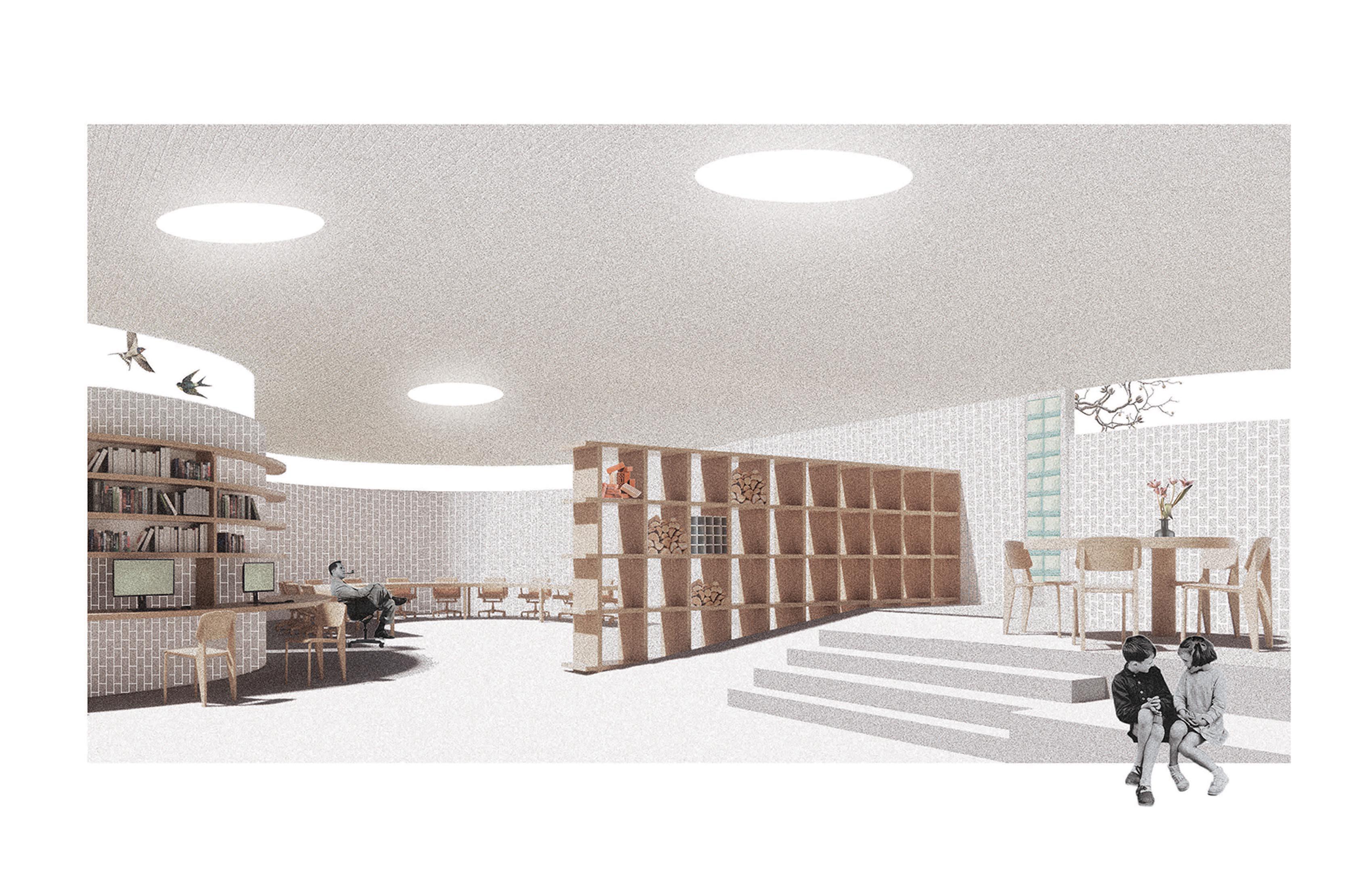
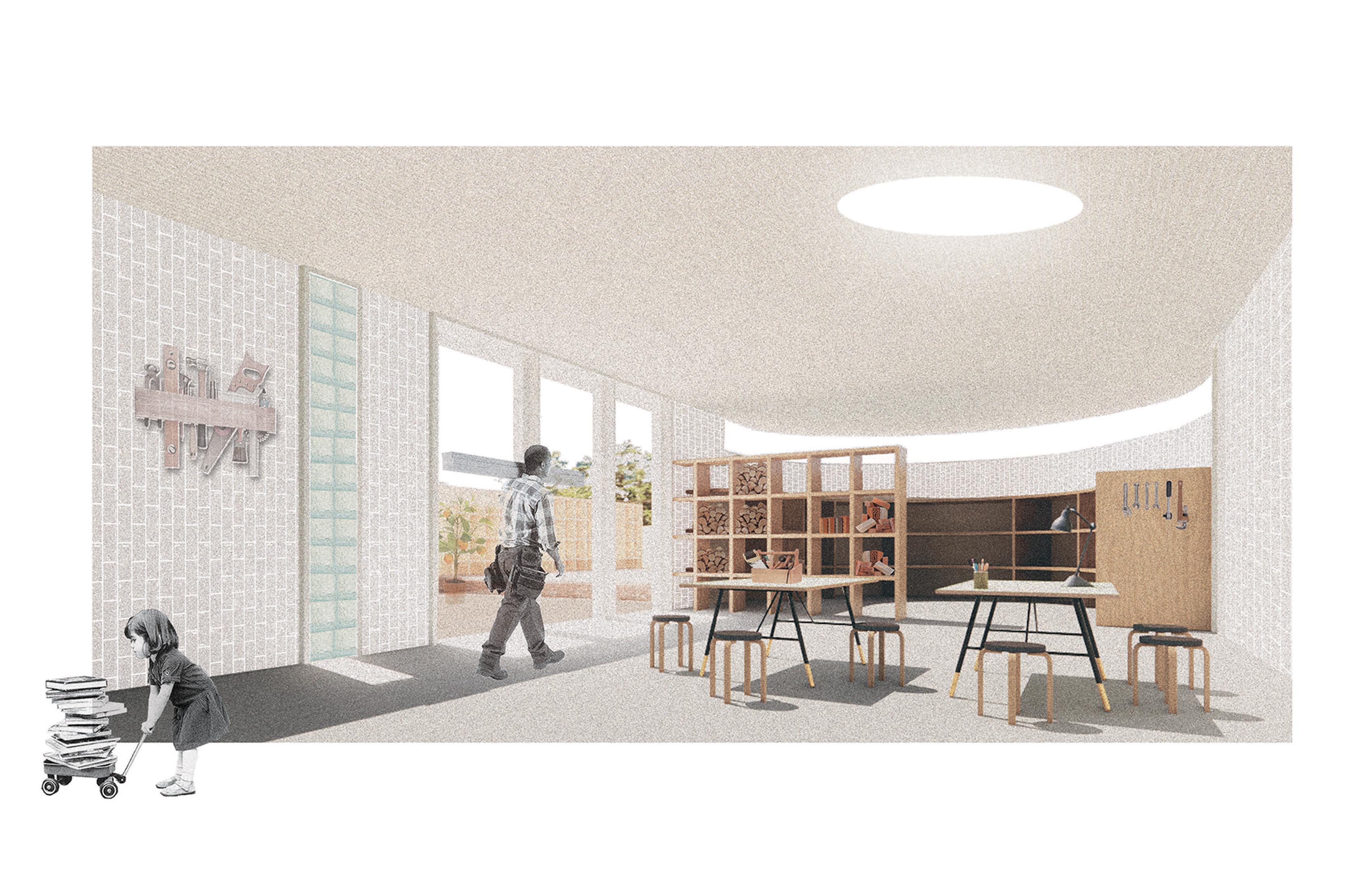
As Charlottesville faces the challenges of climate change and evolving community needs, the Gordon Avenue Library must evolve as well.The proposed library extension provides a multifunctional space that serves as both a material library and refabrication hub. The program also introduces a restore + salvage center which offers a unique opportunity for community members to find materials they need at little to no cost, promoting economic resilience and reducing financial barriers to access while simultaneously fostering a sense of communal support.
The material library serves as an educational resource, showcasing a diverse array of building and construction materials as well as used books. By delving into the history, recycling methods, and future applications of these materials, the library empowers visitors to make informed decisions about sustainable construction practices.
THE LOOM
GOOD RIDDANCE: TEXTILE RE-USE HUB ON 14TH STREET FALL 23 \\ ARCH 3010 \\ JT BACHMAN
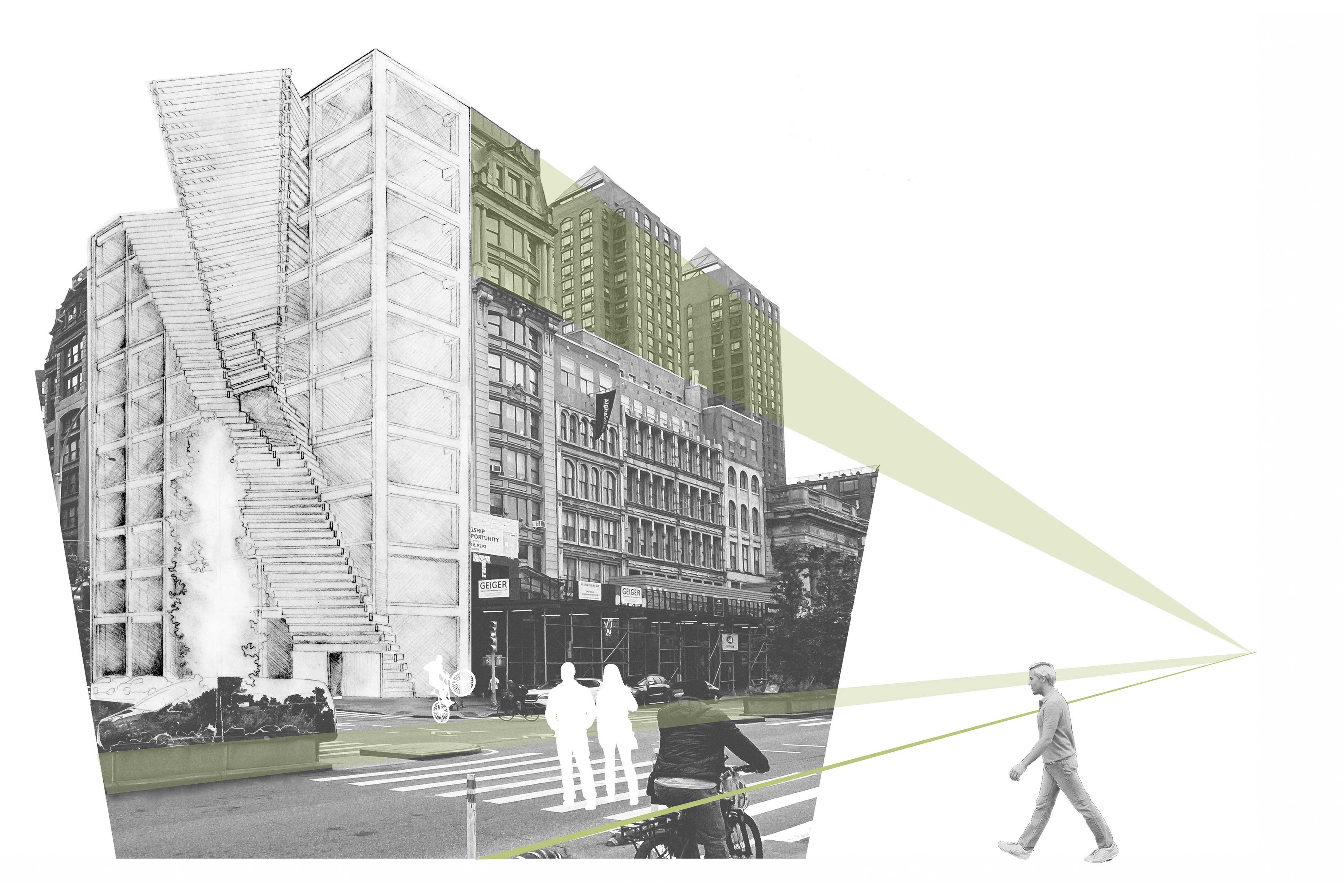
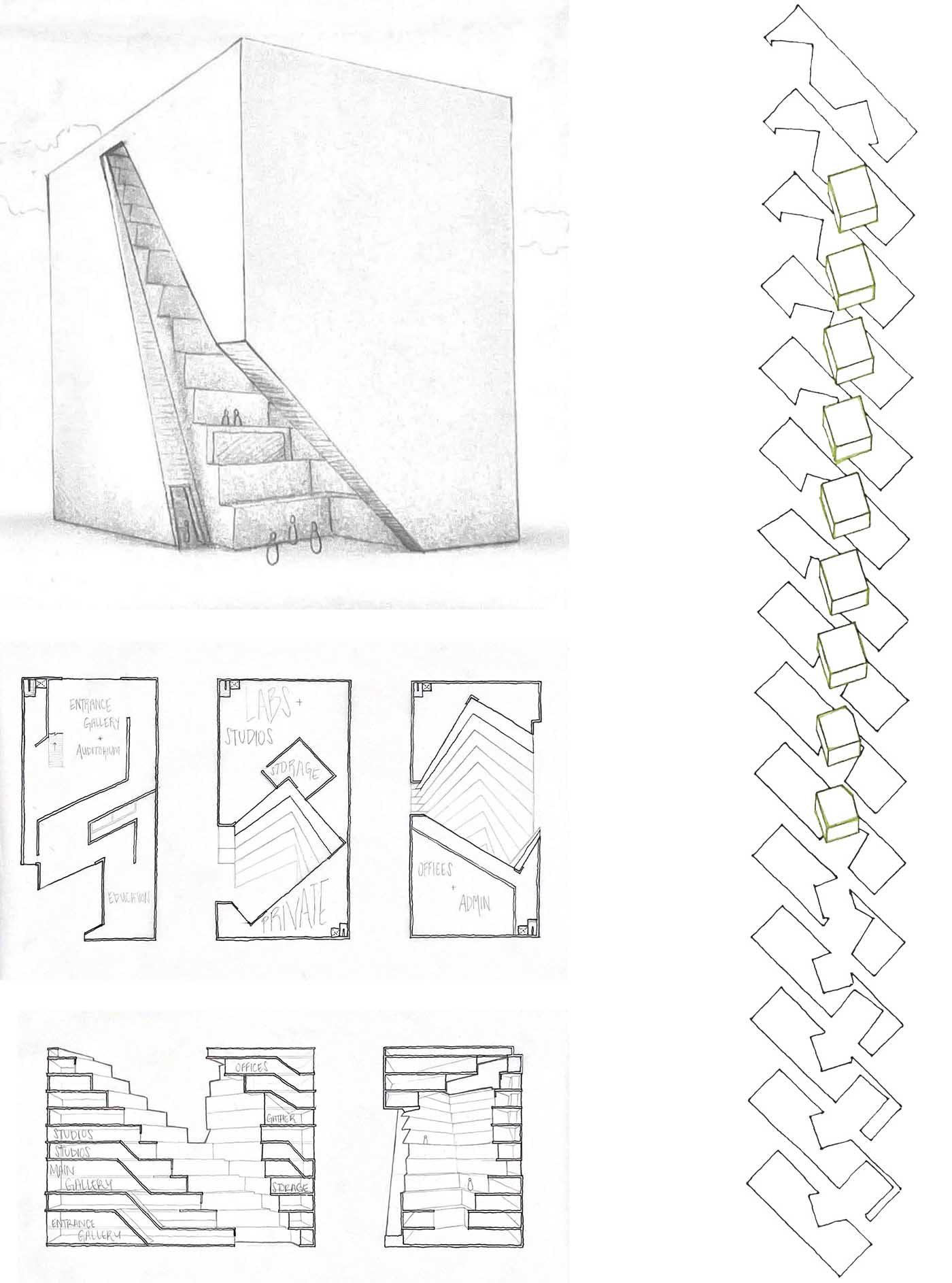
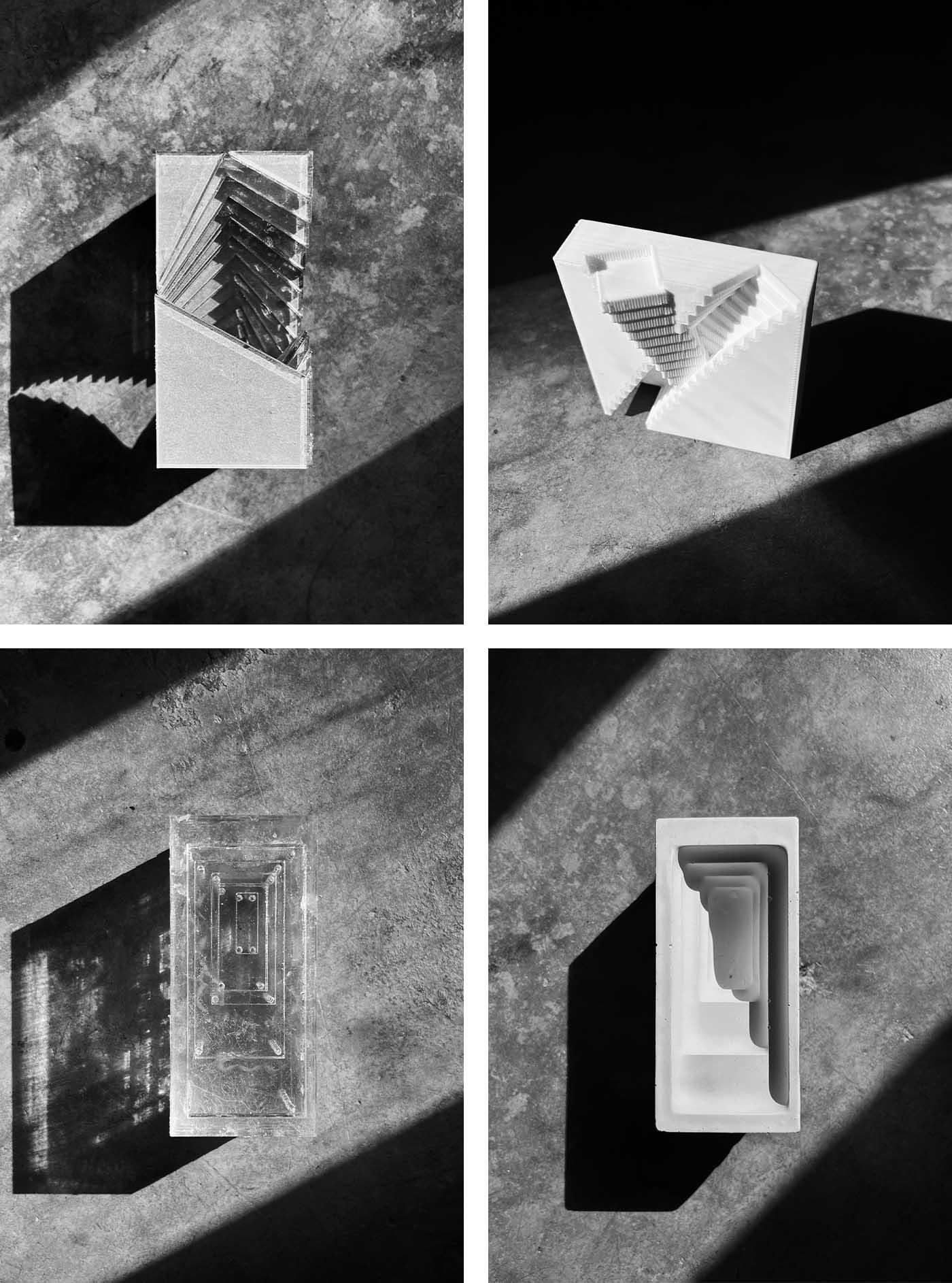
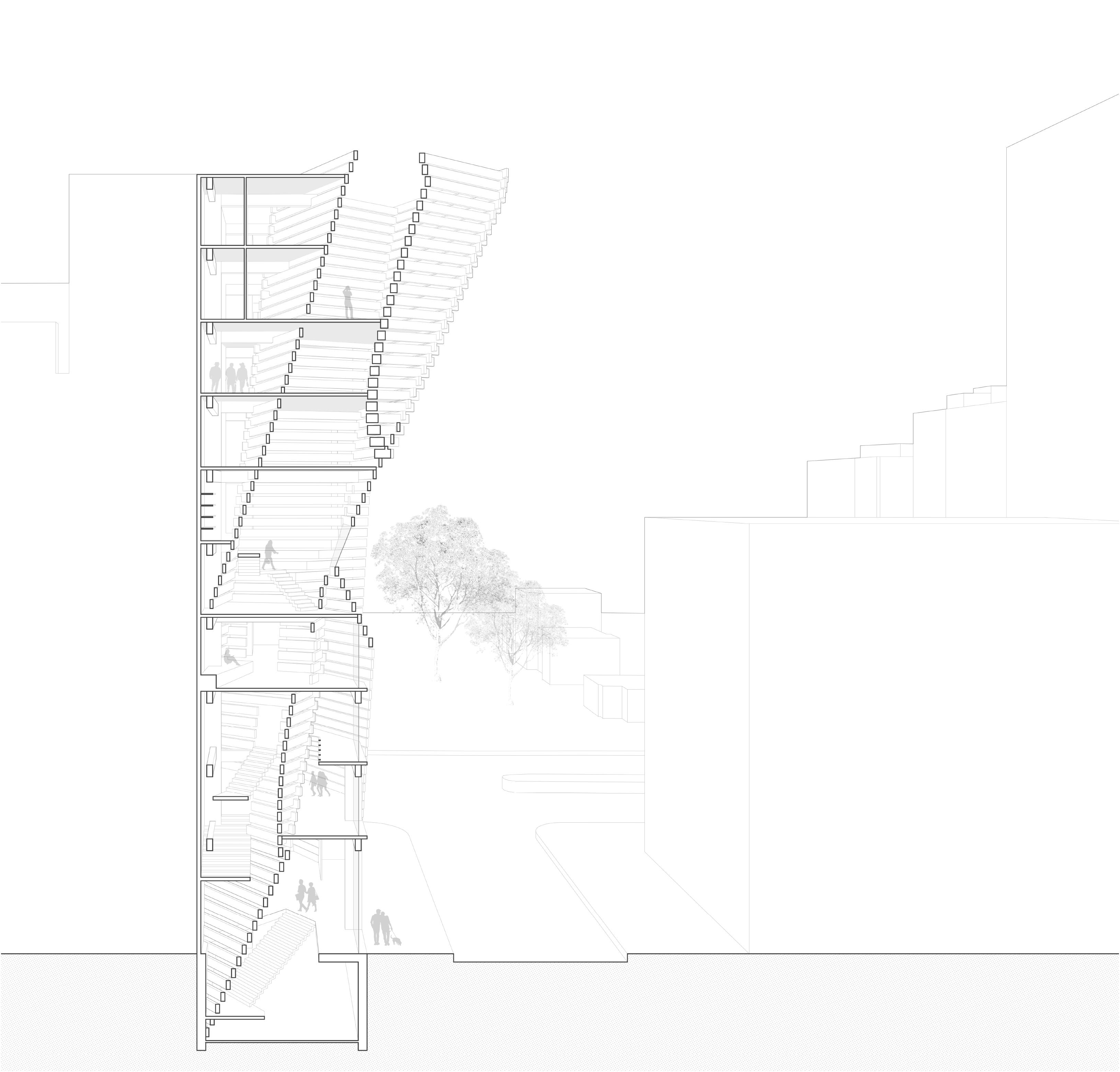
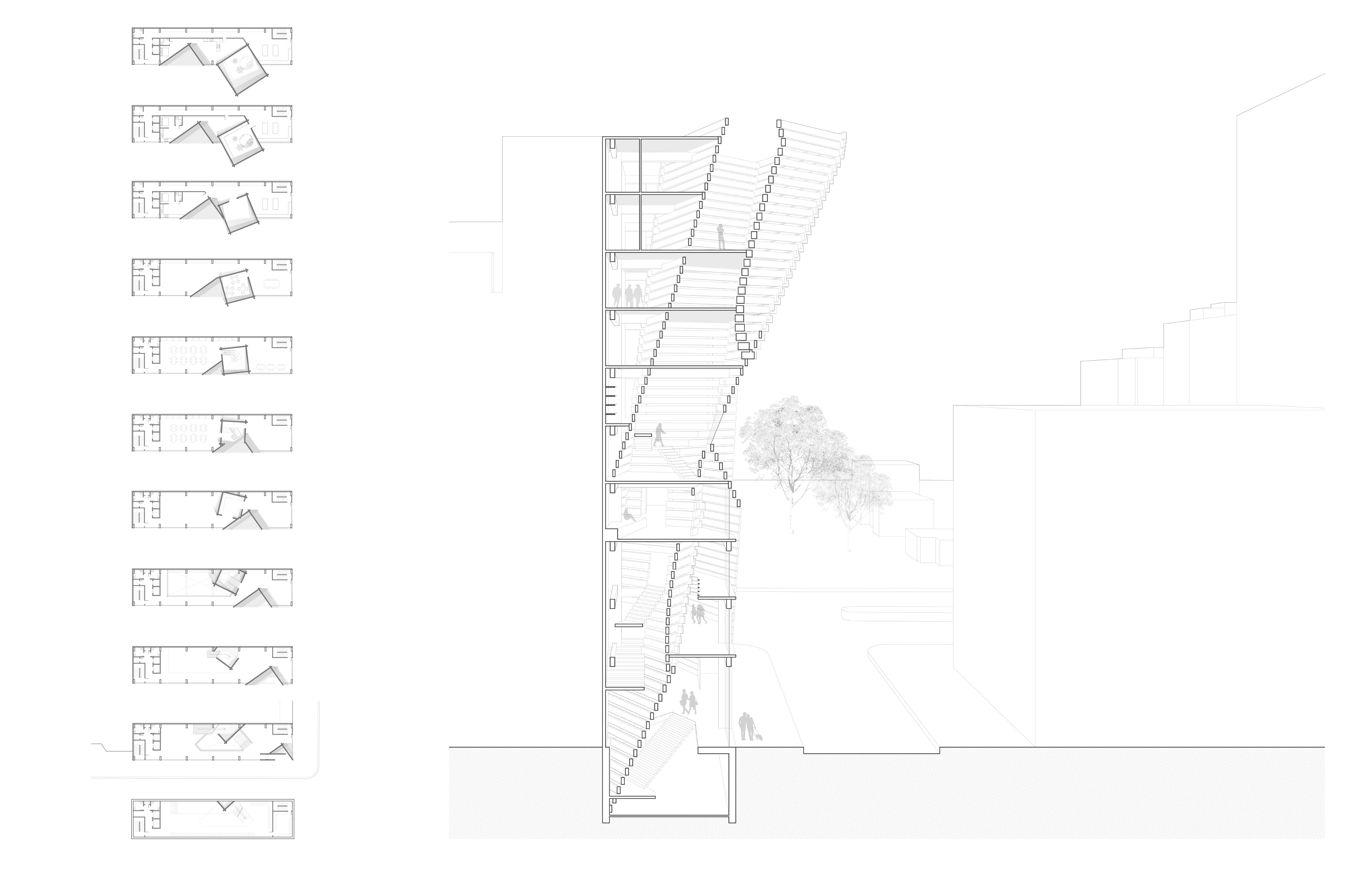
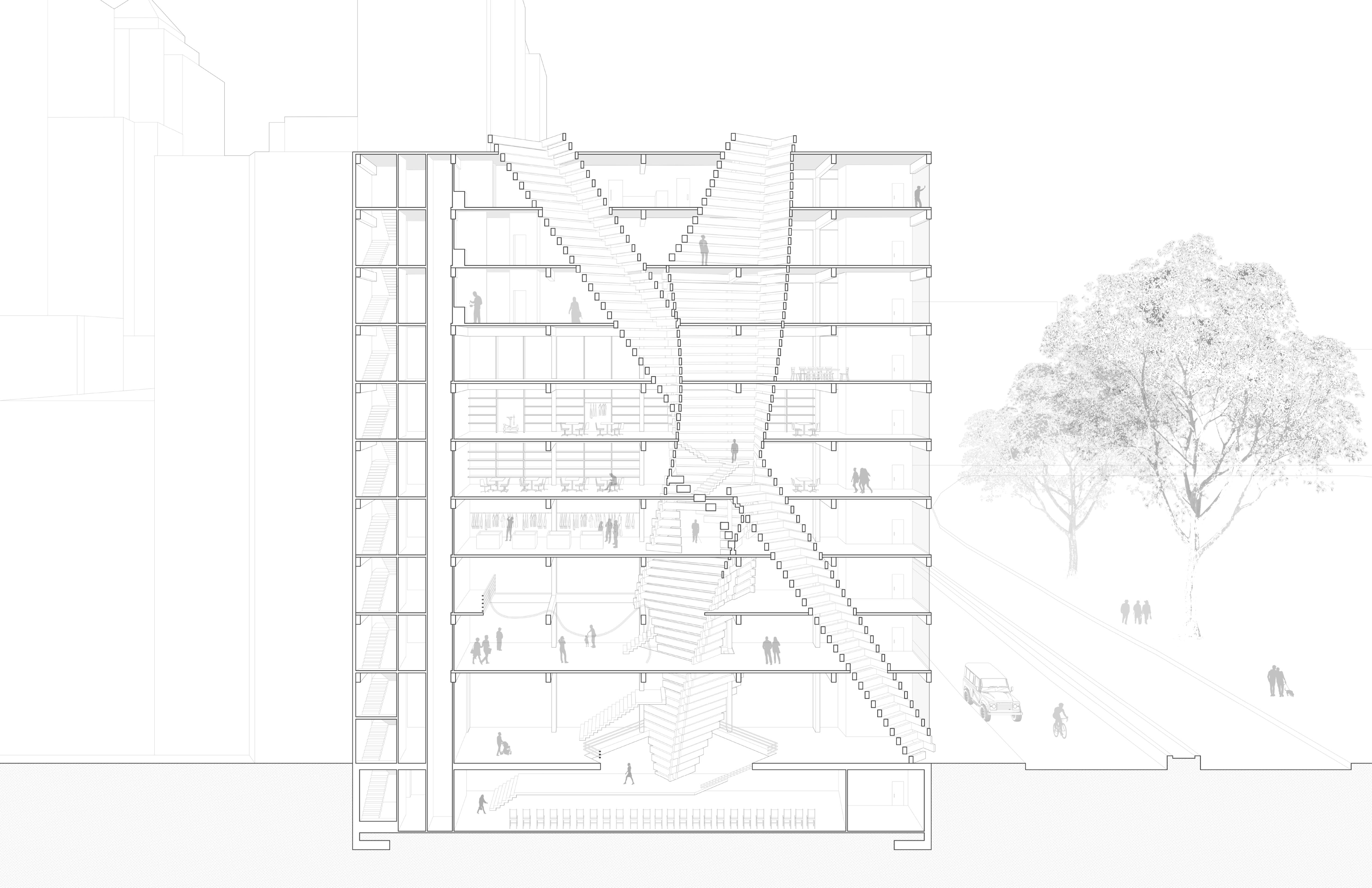
New Yorkers throw out 200,000 tons of clothing and textiles every year. The Loom aims to educate and provide studios for the artistic reuse of textiles with the ultimate goal of creating a circular system in fashion. The design incorporates visual connections throughout the building to both literally and figuratively stimulate consciousness of the resources we discard to landfills every day.
Two central cuts in the structure of the building, one solid and one void, divide the program into areas for artistic and industrial activities. The Loom weaves together spaces for reuse, research, artistic endevours, fashion design, and display.
RECYCLED PLASTIC SIDE TABLE
PROCESSING THE ANTRHOPOCENE
FALL 24 \\ ARCH 5500 \\ JT BACHMAN
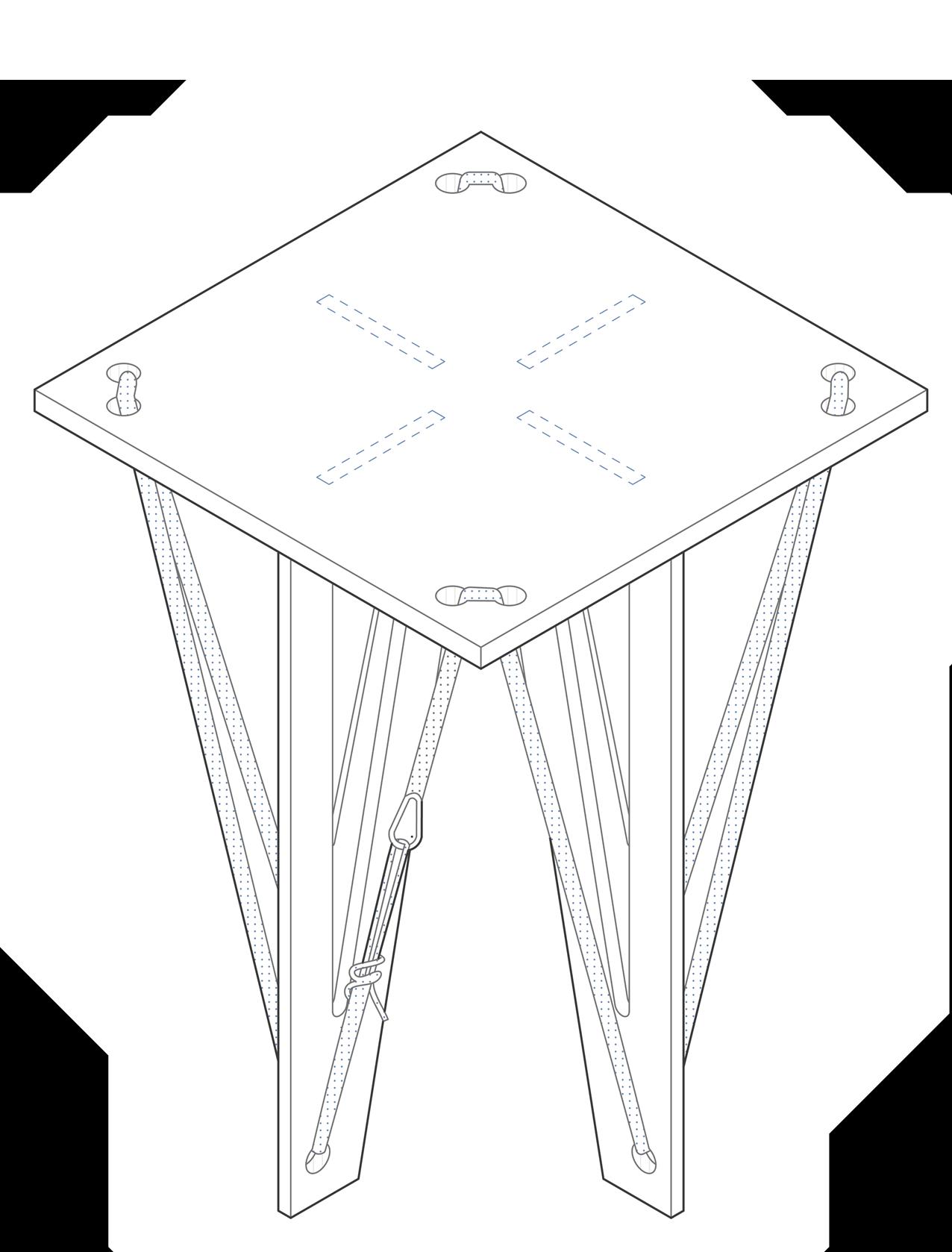
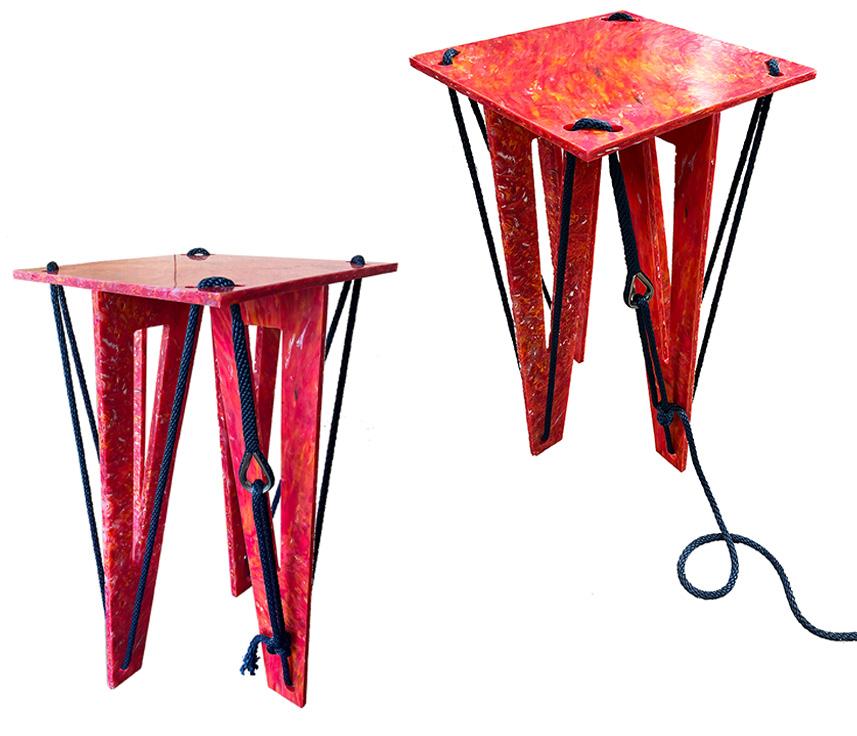
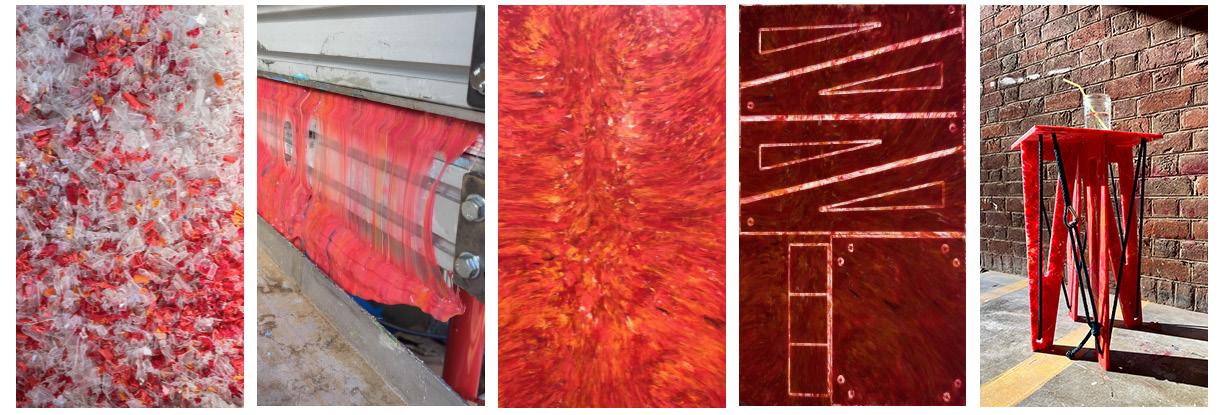
This course examined the life cycles of discarded materials, with the primary goal of establishing circular closed-loop recycling methods for plastic waste material via inhouse processing and fabrication techniques. We transformed everyday waste into functional objects, artifacts of the Anthropocene
shred melt press
CNC cut assemble
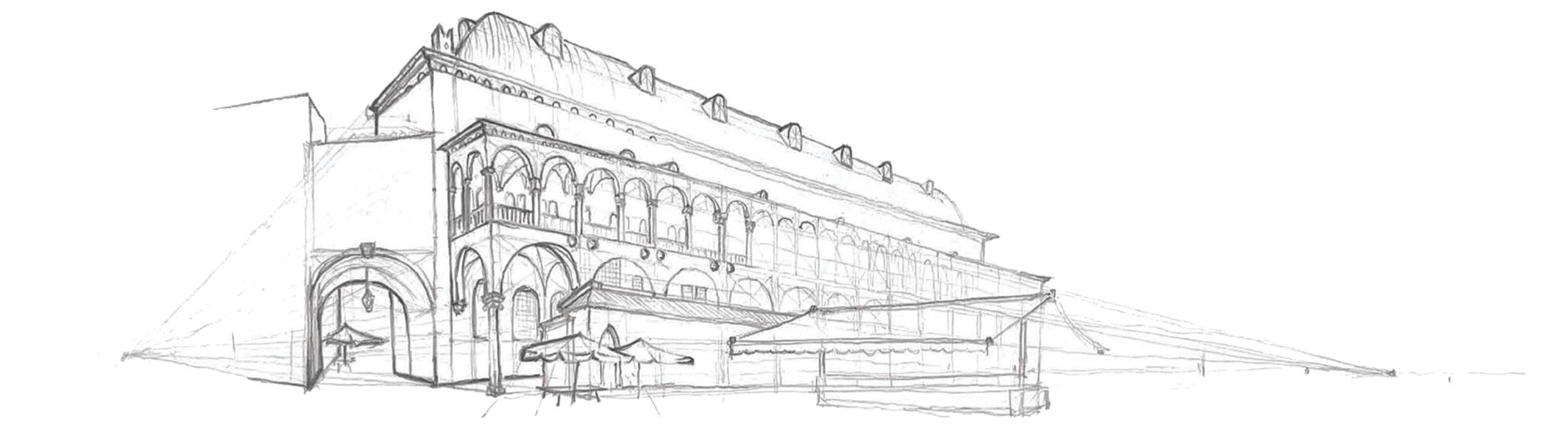
SKETCHES
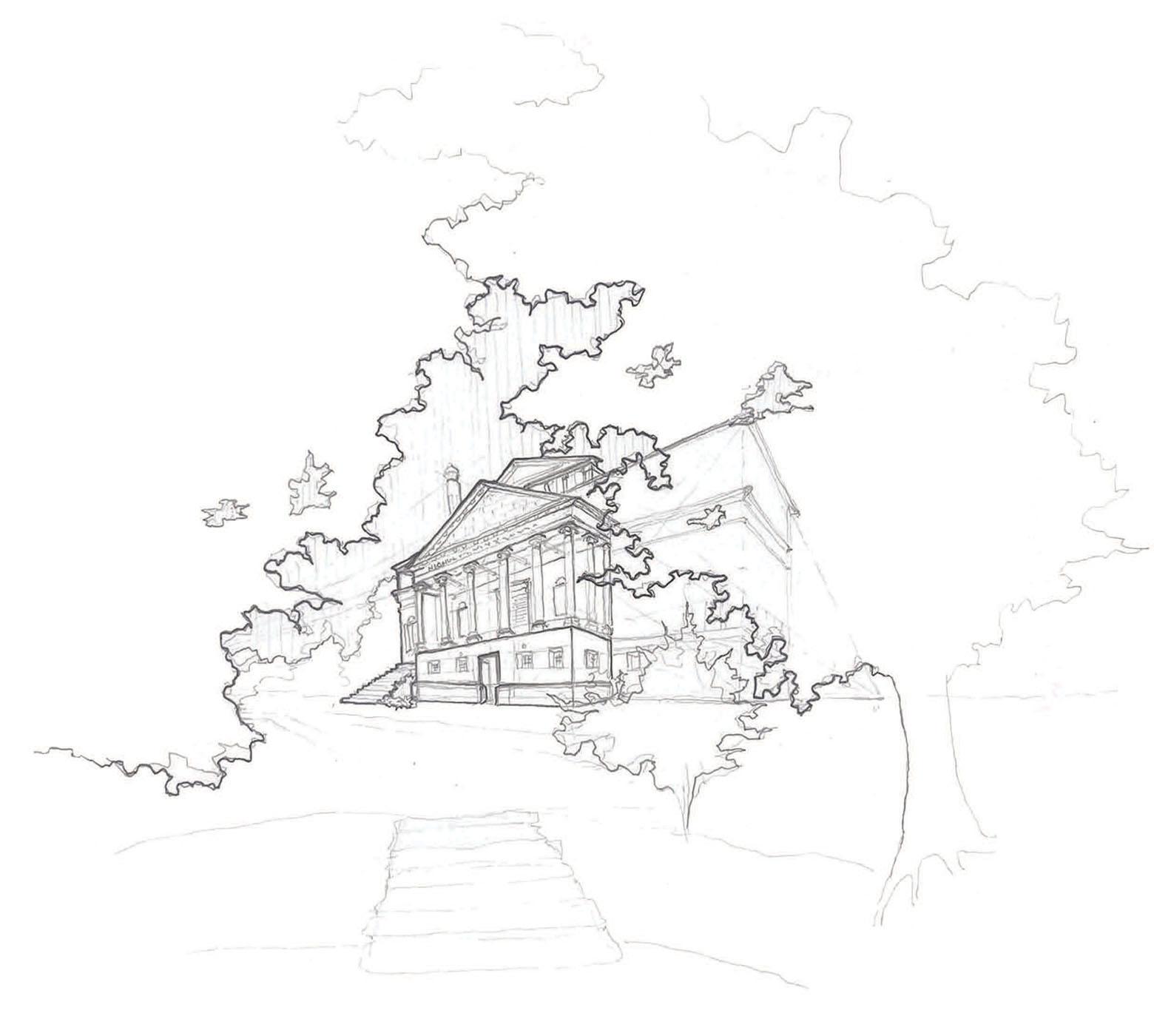
VICENZA AND THE VENETO
SUMMER ‘24 \\ LUIS PANCORBO + INES MARTIN ROBLES
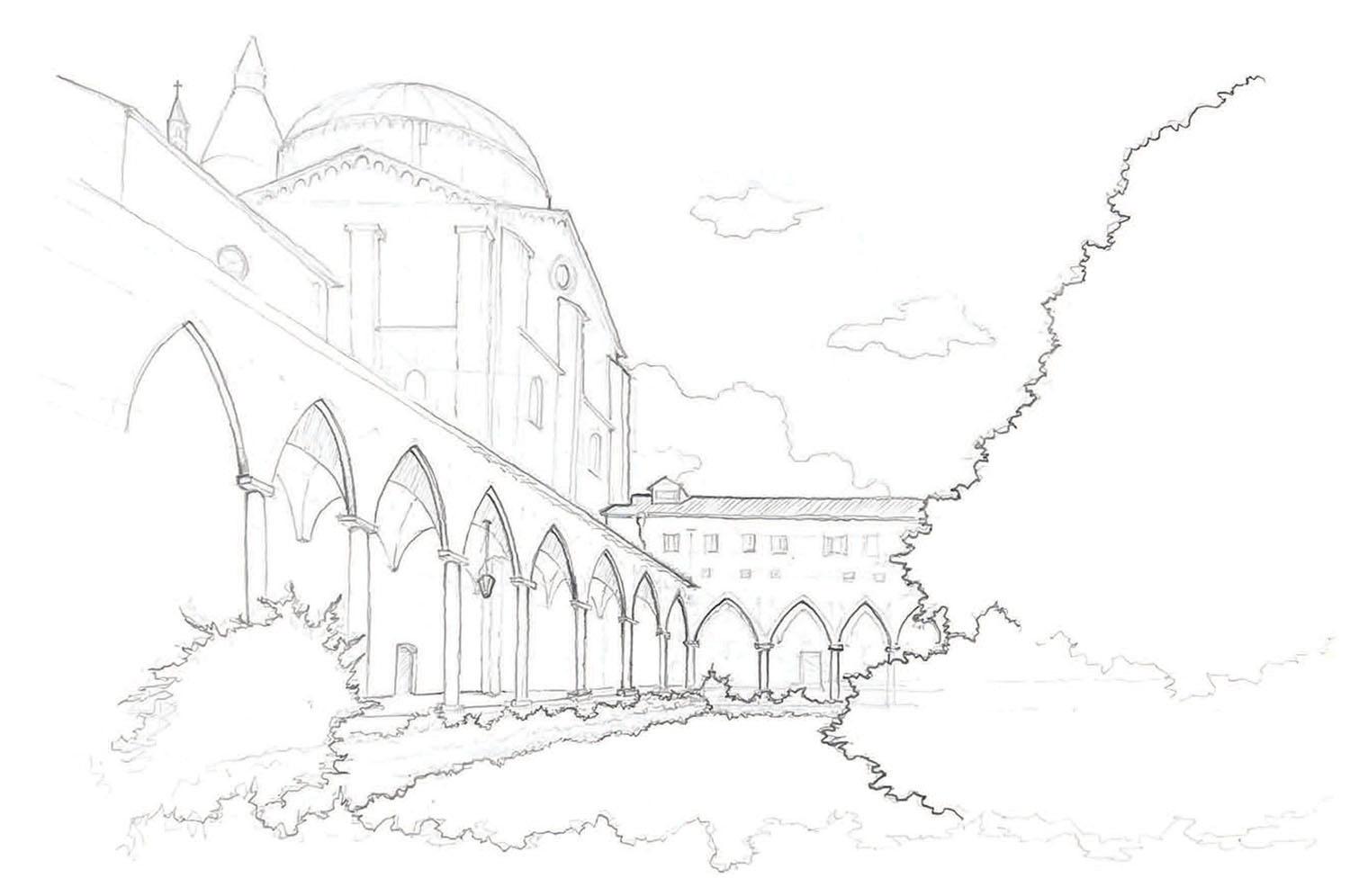
Basilica di San Antonio di Padova
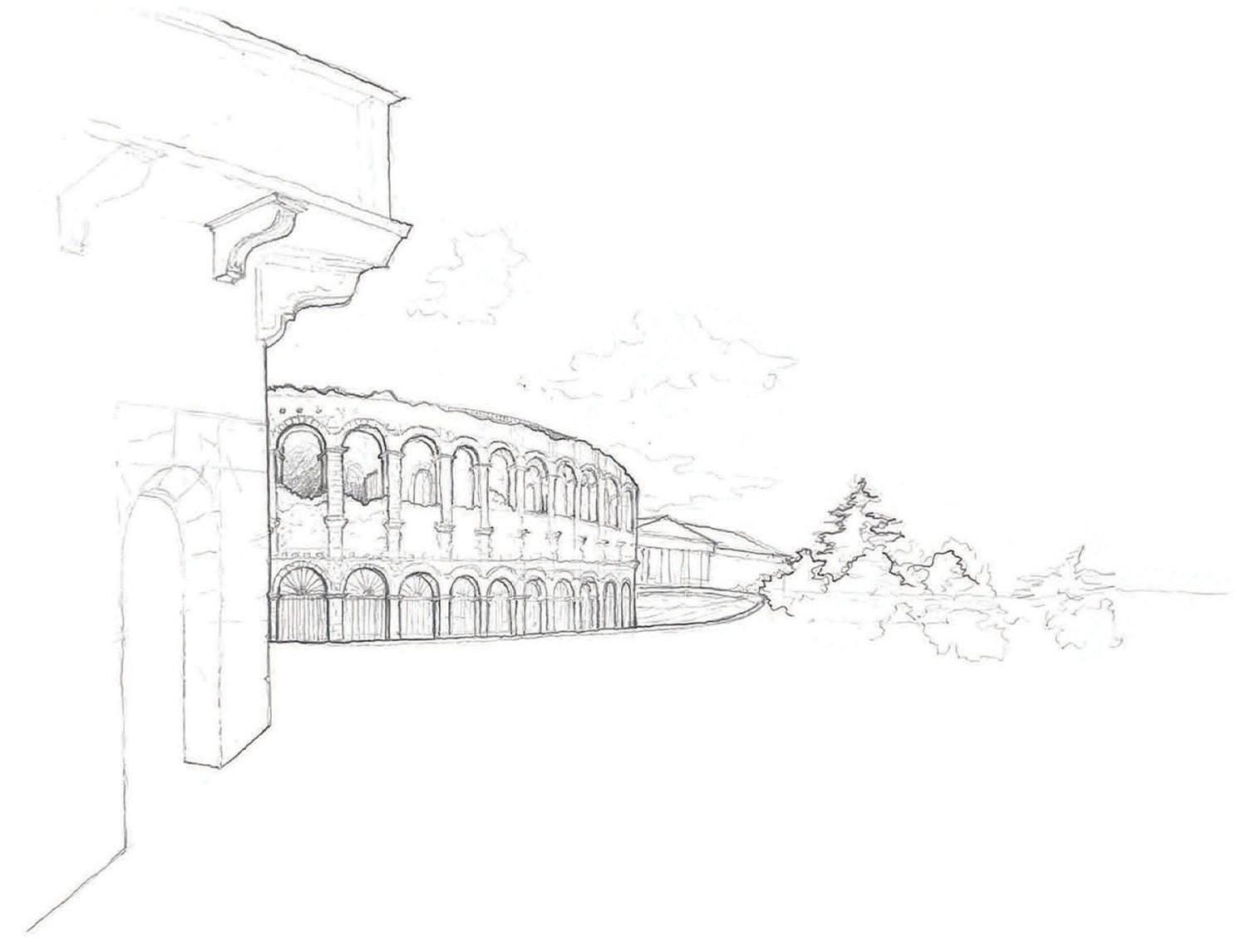
Verona Roman Ampitheater La