


Engelsk for Helse- og oppvekstfag
© CAPPELEN DAMM AS, Oslo 2026
Materialet i denne publikasjonen er omfattet av åndsverklovens bestemmelser. Uten særskilt avtale med Cappelen Damm AS er enhver eksemplarfremstilling og tilgjengeliggjøring bare tillatt i den utstrekning det er hjemlet i lov eller tillatt gjennom avtale med Kopinor, interesseorgan for rettighetshavere til åndsverk. Enhver bruk av hele eller deler av utgivelsen som input eller som treningskorpus i generative modeller som kan skape tekst, bilder, film, lyd eller annet innhold og uttrykk, er ikke tillatt uten særskilt avtale med rettighetshaverne. Bruk av utgivelsens materiale i strid med lov eller avtale kan føre til inndragning, erstatningsansvar og straff i form av bøter eller fengsel.
Design og sats: Welt, Erlend Askhov Omslagsdesign: Erlend Askhov Omslagsillustrasjoner: Jon Arne Berg
Forlagsredaktører: Birger Nicolaysen og Patricia Kathleen Bronte
Bilderedaktør: Birger Nicolaysen
Trykk: Livonia Print Sia, Latvia 2026
Utgave 1 Opplag 1
ISBN 978-82-02-89692-8
Papiret i Cappelen Damms bøker er hentet fra bærekraftig skogsvirke. Ingen av forlagets produkter bidrar til avskoging eller forringelse av skog. Cappelen Damm arbeider for å redusere miljøbelastningen fra våre bøker så mye som mulig.
Les mer om Cappelen Damms miljøarbeid ved å scanne QR-koden: www.citizens.cdu.no www.cdu.no
Referring to this textbook using APA 7th
In a text: (Holm & Stensrud, 2026, p. 000) 000 = the page number where the quote/information is found
In List of References: Holm, T. & Stensrud, M.O. (2026). Citizens YF Fagdel – Engelsk for Helseog oppvekstfag. Cappelen Damm.
We are pleased to present an English textbook created especially for you as a student of Healthcare, Childhood and Youth Development. As you work through the different topics in this book, we hope you will find them interesting, relevant to your studies and helpful for developing your skills so you can become a confident English user in your future profession.
The textbook is organised into three main chapters, each focusing on essential aspects of your education and future working life. At the end, you will find a vocational glossary to support your language learning, with definitions of terms and Norwegian translations.
This chapter explores a variety of jobs within your field. You will meet people working in different professions, learn about day-to-day tasks and key skills, and reflect on your own ambitions and career choices. You will also have the opportunity to practise writing a job application and to consider what makes work meaningful and rewarding.
Here you will learn about the tools, equipment and procedures used in your line of work. The chapter covers workplace vocabulary and provides practice in understanding and following written and oral instructions. You will also reflect on the importance of clear communication in the workplace and see how English is used in authentic professional situations. The chapter also includes practical tasks for talking about equipment and learning procedures.
The final chapter focuses on challenges and safety issues in your future profession. You will explore important topics such as health and safety routines, recognising occupational hazards, reporting accidents and dealing with workplace problems. Through real-life stories, scenarios and tasks, you will reflect on responsibility, reputation and how to handle difficult situations. The chapter helps you develop language for risk assessment and promotes safe, professional working habits. Other topics include workplace challenges related to ethical behaviour, for example professionals who “cut corners” at work.
Each chapter offers a variety of texts and tasks to help build your English skills and professional competence. At the end of each chapter, you can review your progress and reflect on what you have learned. Throughout the book, you will find opportunities to develop speaking, reading, listening and writing skills — always connected to your education programme.
Our hope is that this textbook will support you as you improve your English, and that you enjoy the learning experience.
We wish you every success in your studies!
Monica & Therese
Vocational Glossary
Note:
→ Listening texts and recordings of reading texts: citizens.cdu.no
→ Challenging tasks are marked with a darker colour like this:
→ Exam preparation: information, examples of exam tasks and useful tips for answering them at citizens.cdu.no
In this chapter, you will:
→ listen to, understand and use words and phrases related to your future profession
→ learn about different professions within Healthcare, Childhood and Youth Development
→ reflect upon various aspects of careers in Healthcare, Childhood and Youth Development
→ learn how to write a job application
Discuss with a partner:
A What is most important to you when choosing a future career: good pay, good colleagues or interesting work?
B Is it important for you to work where you already live, or would you like to travel to work somewhere else?
C Have you always known what you want to become, or are you curious and open to possibilities?
Chapter keywords
→ career
→ profession
→ occupation
→ t ask
→ skill
→ quality
→ professional
→ workplace
→ job application
Below are interviews with two students from Healthcare, Childhood and Youth Development. The interviews were carried out when the students were almost done with their first year.
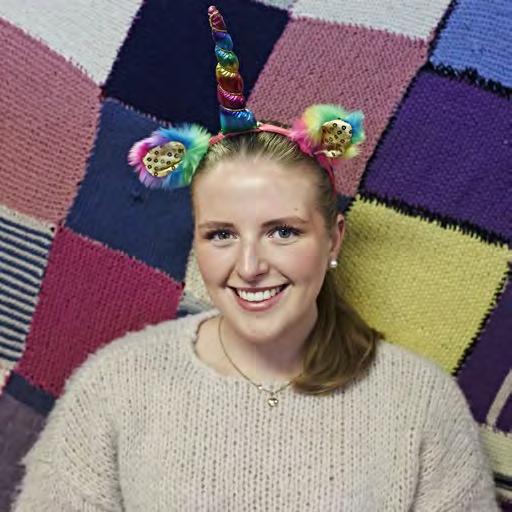
Why did you choose Healthcare, Childhood and Youth Development?
MILLA (16): I have always known that I wanted to work with people. The guidance counsellor at my lower secondary school told me that Healthcare, Childhood and Youth Development had many different professions to choose from, all of which focused on working with people. Also, some of my friends applied to the same education programme, so that made it feel safer.
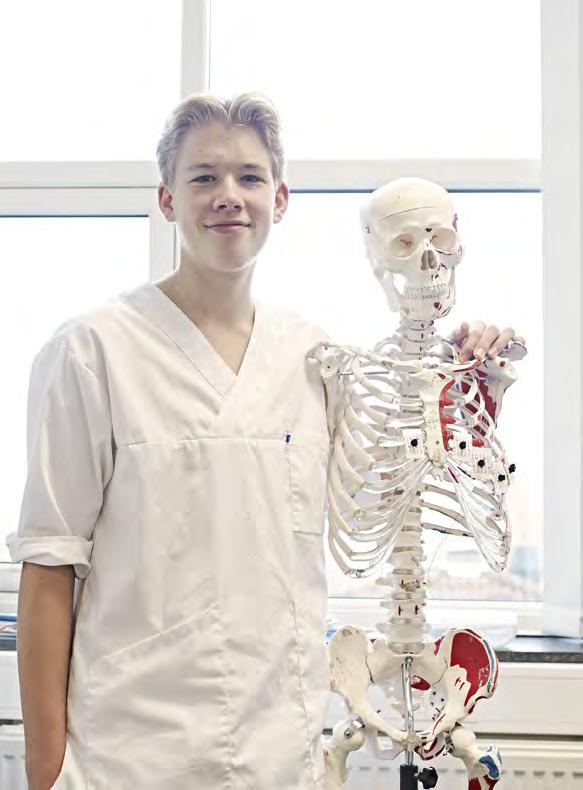
TOR (17): Basically, I have wanted to be an ambulance service technician since I was about five years old. My friends wanted to be police officers or firefighters, but I wanted to be a first responder. My mom is a nurse, and she bought me the coolest ambulance toy car when I was a kid. This is something that has stuck with me ever since.
guidance counsellor rådgiver/ rådgivar lower secondary school ungdomsskole/ungdomsskule profession yrke ambulance service technician ambulansearbeider/ ambulansearbeidar kindergarten barnehage work placement praksisperiode to assign her: å plassere service user bruker/brukar employee ansatt/tilsett
What would you like to work as, and how will English be relevant for you in your future profession?
MILLA: I’m pretty sure that I want to be a childcare and youth worker. I really like working with children, and I’ve had my work placement in a kindergarten this year, which I enjoyed a lot. The kids are very sweet and funny, and the days pass quickly. I think good English skills will be important if I end up working with children, because many kids in Norway learn English at a very early age by using screens. Also, I might need to talk to children and parents who do not speak Norwegian very well, so we might have to use English instead.
TOR: When I started here in August, I was completely sure that I wanted to be an ambulance service technician. But during my first work placement, I didn’t get the chance to try that, so I was assigned to a retirement home as a health worker. To my surprise, I really enjoyed it. Both the service users and the other employees were great to spend time with. No matter which healthcare profession I choose, English will be important for talking to colleagues who do not speak Norwegian well and for communicating with service users or patients who need me to speak English with them.
What have you learned about the importance of communication within Healthcare, Childhood and Youth Development?
MILLA: I’ve learned that it’s important to have good communication skills when working with kids, because they need to understand what I mean, and I need to understand what they mean. What I say and how I say it both matter, and so does the body language I use. I also have to communicate a lot with my colleagues, for example by sharing information about the kids and their day.
TOR: Good communication in healthcare is everything. Everyone needs to be on the same page, because misunderstandings can lead to serious consequences.
skill evne, ferdighet / evne, ferdigheit to be on the same page å ha den samme informasjonen / å ha den same informasjonen
Are the statements below true or false? Correct the false statements with information from the interviews.
�� Milla chose Healthcare, Childhood and Youth Development only because some of her friends did so.
�� Milla wants to be a childcare and youth worker.
�� Milla thinks that communication skills have no value since she will be working with children.
�� Tor has wanted to be a health worker since he was a child.
�� Tor does not think English will be very important in his future profession.
�� Tor believes that communication is very important in professions within Healthcare, Childhood and Youth Development.
�� In pairs, interview each other using the questions below. While your partner is speaking, take notes rather than writing full sentences.
Question 1: Why did you choose Healthcare, Childhood and Youth Development?
Question 2: What would you like to work as, and how do you think English will be relevant for you in your future profession?
Question 3: When and why do you use English outside the classroom?
�� After you have finished the interview, use your notes to write a short text in the same style and structure as the one you have just read. Make sure your text includes the key information from the interview and is written in complete sentences.
Transport of patients In acute situations –prov ide lifesav ing aid
Control and maintenance of call-out vehicles
Good communicat ion skills
Playful
Patient
Personal qualities
Stimulate play and lear ning

Key tasks
Plan and carry out activities with children and youth
Private sector
Public sector
Teach necessary life skills
Works in the healthcare sector
Institutions
Registration of fees and diagnosis
Greet patients
Key tasks
Kindergarten
Works in private and public inst itutions
Health worker

Assessing need for emergency assistance
Medical secretary
Personal qualities
Good communication skills
Works in a range of public and
Willing to cooperate with other professionals
Schools/ After-School Programmes (AKS/SFO)
Youth clubs
Prov ide health services
Key tasks
Record keeping and documentation
Practise good hygiene
Personal qualities
Flex ible and open to change
Doctor’s
Hospital
Health centres
Interest in helping people
Work well in teams
�� On your own, make a quiz with five questions based on the mind map. Example: In which occupation is a good knowledge of maths necessary? ( Answer : pharmacy technician)
�� Swap quizzes with a partner. See who can answer the most questions correctly.
The following occupations were not included in the mind map on pp. 8–9:
skin care worker – orthopaedic technician – chiropodist –medical orderly – dental assistant
Choose three of these occupations and create a mind map with the same kind of information as in the mind map on p. 8.
My chosen occupation
Look at the questions below and make sure that you understand what they mean before listening to Julie Hargreaves from New Zealand at citizens.cdu.no.
�� What is the text mainly about?
1 A g irl named Julie who wants to move from New Zealand to New York.
2 A g irl who wants to quit school.
3 A g irl who wants to be a chiropodist.
4 A g irl who hates feet.
�� What is the main purpose of this text?
1 To present the occupation chiropodist.
2 To present Julie’s job choice.
3 To present New Zealand.
4 To make more people interested in feet.
�� What is true about Julie? (More than one answer is correct.)
1 She wants to help people have healthy feet.
2 She is from Australia.
3 She dislikes touching other people’s feet.
4. She wants to be a chiropodist.
There are many different jobs within Healthcare, Childhood and Youth Development. Below you can check out some of them. Note: a job can also be called an occupation, a profession, a career, a vocation or a trade.


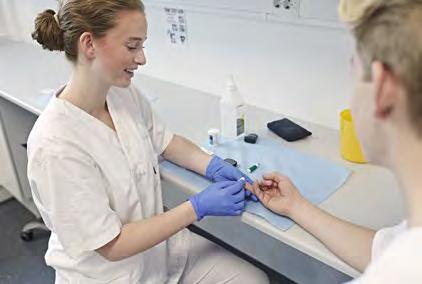

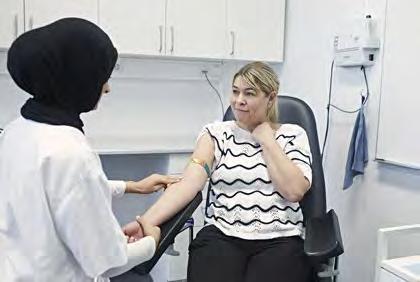
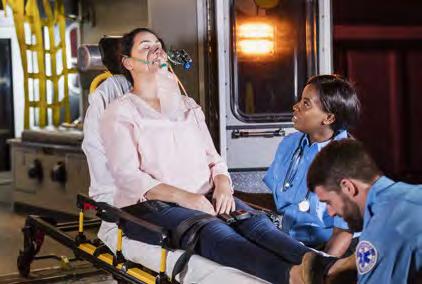
Who does what? Which picture matches each description?
�� A health worker is talking to a patient.
�� A medical secretary is using a glucometer to measure blood sugar.
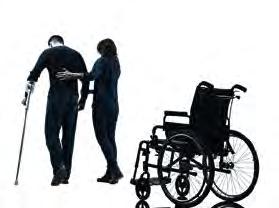
�� A health worker is helping a woman in a wheelchair.
�� A childcare and youth worker is reading to a couple of children.
�� Ambulance service technicians are loading a patient into an ambulance.
�� A chiropodist is checking the custom foot insole of a patient.
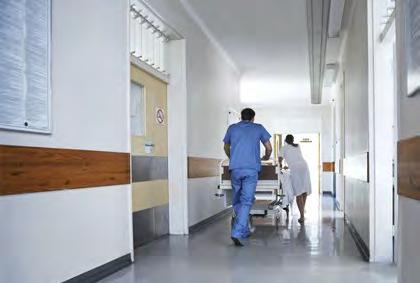
�� A medical orderly is moving a patient.
�� Below are possible occupations you can choose as a student of Healthcare, Childhood and Youth Development. Match the Norwegian title with the correct English translation.
aktivitør chiropodist
ambulansearbeider health worker
apotektekniker skin care worker
barne- og ungdomsarbeidermedical orderly
fotterapeut ambulance service technician
ortopeditekniker dental health secretary
helsefagarbeider pharmacy technician
helsesekretær orthopaedic technician
hudpleier assistant occupational therapist
portør childcare and youth worker
tannhelsesekretær medical secretary
�� Here are short descriptions of some of the jobs in task 2A. Find out which job matches each description:
1 Does clerical work in a doctor’s office or hospital. Can also administer various tests on patients (blood tests, ECG, breath tests, etc.) and help assess the medical condition of patients.
2 Treats and prevents foot problems, as well as providing advice about shoes and soles.
3 Performs lifesaving first aid in addition to transporting patients to and between different institutions within the healthcare system.
4 Collects and delivers patients, equipment, food and medicines between hospital departments and between health institutions.
5 Provides guidance and sells medicines and other products at a pharmacy. For help answering this task, see the Vocational Glossary (p. 101).
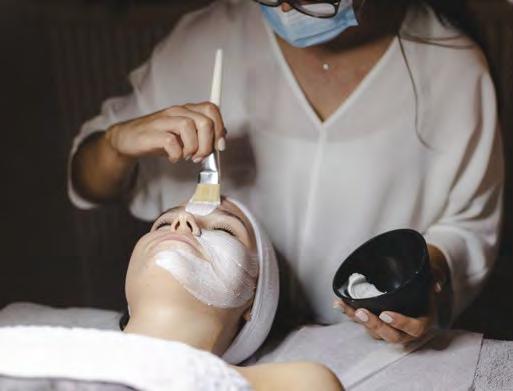
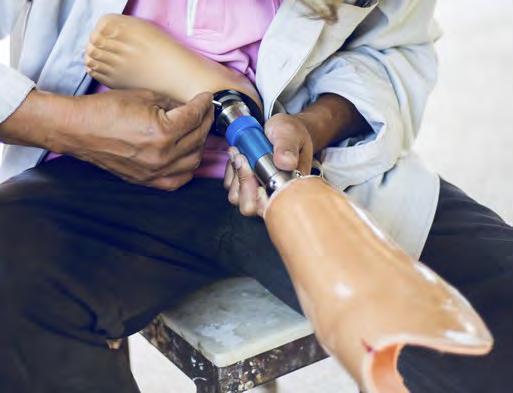
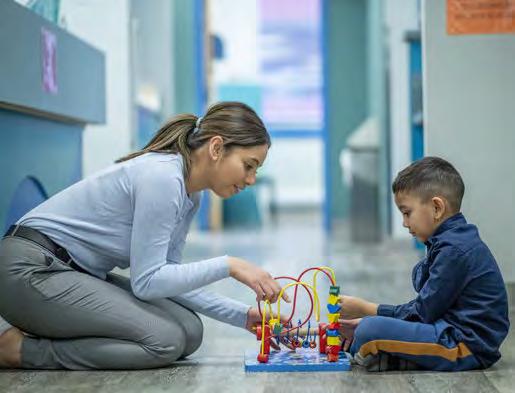
Write a caption (bildetekst) for each of the photos below where you describe what is happening in the photo, and who is doing it. Write the captions using the -ing form.
Example: A medical orderly is moving a hospital bed. Use the name of the correct occupation for each photo, and combine it with one of the verbs:
Occupations: pharmacy technician – skin care worker –orthopaedic technician – childcare and youth worker
Verbs: play – apply – manufacture – help

A In pairs, divide the words below between you and find out what they mean. Use each word in a sentence to show that you understand its meaning.
Student 1: efficient – extensive – dental assistant –accurate – ambulance service technician
Student 2: childcare and youth worker – medical equipment – skin care worker – require – maturity
B Then explain the words to each other, using your sentences as examples.
When choosing a future career, you should consider both your personal interests and job opportunities. Maybe you are someone who loves to help others and wants to make a difference in someone’s life, or perhaps you prefer a fast-paced job where you can support people when accidents happen. The text on the next pages gives short descriptions of four occupations, including information about each job and the skills it requires.
Glossary: see p. 108
What do they do?
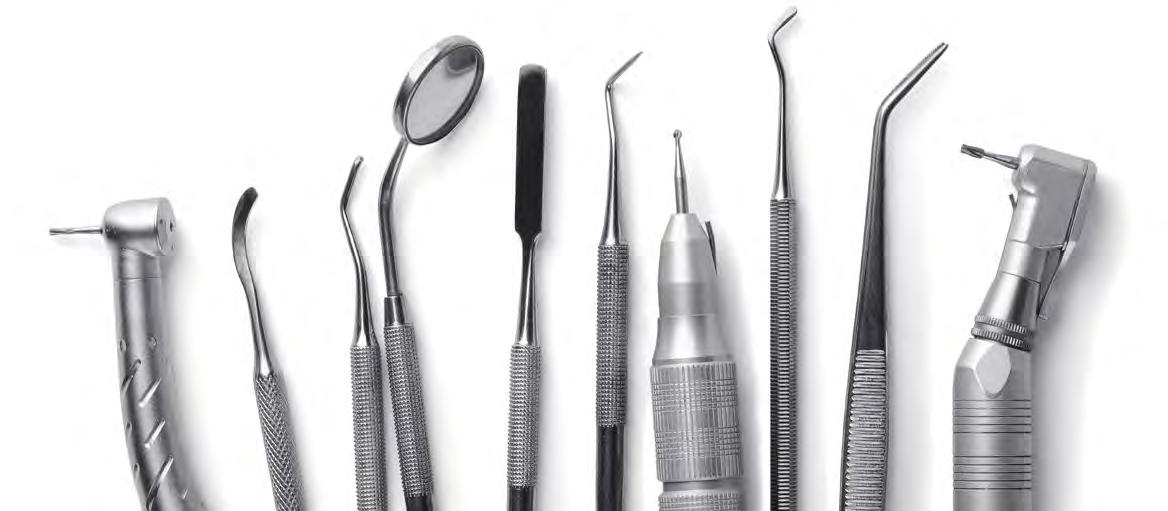
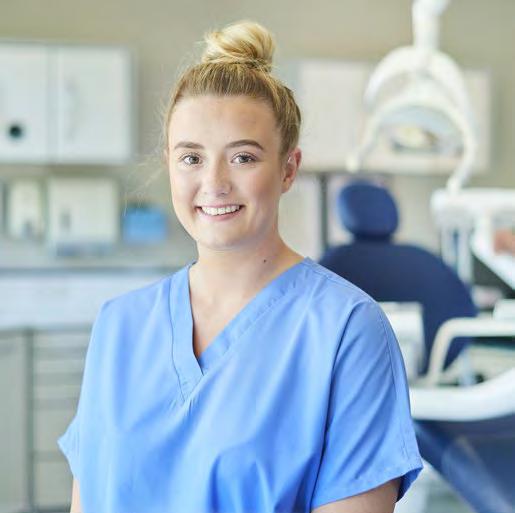
Dental assistants have a variety of tasks. Some of their duties include preventive dental work, assisting during treatments, sterilising and maintaining instruments and equipment, and office procedures and record keeping. It is common to have several tasks throughout the day, which makes the work exciting.
What qualities or skills do they need?
If you want to become a dental assistant, you should enjoy both teamwork and working independently. You also need to be accurate, systematic and efficient. Good communication skills are important, since patients may come from different cultures. Dental assistants are the link between the patients and their dentist.
What do they do?
Skin care workers have an extensive knowledge of the skin and the body’s normal functions, as well as an understanding of abnormal conditions. Their work includes skin and body care, such as special treatments for the face and body. Skin care workers use different massage techniques and know how to use a variety of products. Some also work with make-up and colour analysis. In addition, they may have responsibilities like sales, marketing, planning and documenting their work.
What qualities or skills do they need?
As a skin care worker, you are in close contact with your clients and must understand the responsibility you have towards them. You need good communication skills, because you need to give your clients advice on skin care. The job also requires accuracy and responsibility, and you need to be creative and have an eye for what looks good on people.
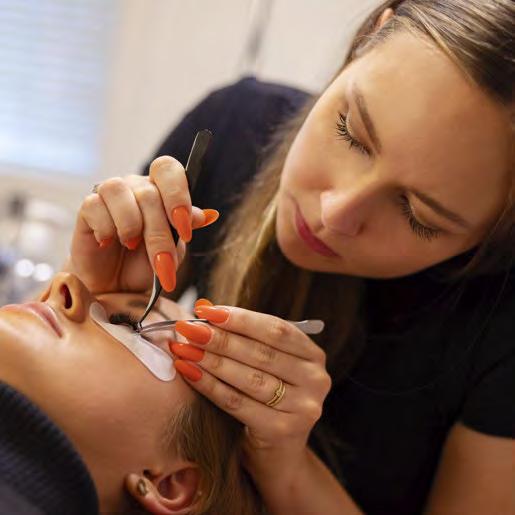
a Name two tasks carried out by a dental assistant and two tasks carried out by a skin care worker.
b Why do you need good communication skills in these two occupations?

What do they do?
Childcare and youth workers choose and organise teaching methods for working with children and young people, turning theoretical knowledge into practice. They plan, manage and evaluate educational activities for children. They may find jobs in many workplaces, such as kindergartens, schools, hospitals or youth clubs.
What qualities or skills do they need?
To work as a childcare and youth worker, you need to communicate well with people from different social and cultural backgrounds. It is important to build relationships and collaborate with children, their parents and your colleagues. You must be a role model, take responsibility and work well with others.
What do they do?
Ambulance service technicians work for hospitals or private organisations. They are responsible for emergency care outside the hospital. Some tasks include transporting patients in all weather and road conditions, monitoring vital organ functions, prioritising among patients if several of them need urgent help, giving first aid and starting medical treatment. They also inspect and maintain medical equipment.
What qualities or skills do they need?
There are many important qualities needed to be a good ambulance service technician. First of all, it is important to keep calm and not panic in emergencies, as you are often the first professional on the scene. You need to be well organised and efficient, quickly understand situations and make good decisions. The job also requires professional knowledge, maturity and independence. In this profession, you need to show compassion and empathy, and you must communicate in a clear way to avoid misunderstandings. Good physical and mental health are also required.
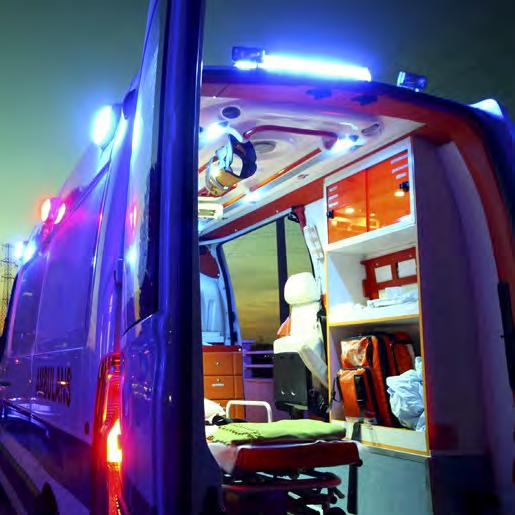
a Name two tasks carried out by a childcare and youth worker and two tasks carried out by an ambulance service technician.
b Why do you need good communication skills in these two occupations?
checklist: Go to citizens.cdu.no to find a list of the most important points from the text you have read.
According to the text, who …
�� works with people’s teeth?
�� works with children and young people?
�� provides emergency medical treatment?
�� transports patients to hospital?
�� works with people’s skin?
�� assists the dentist in treatment situations?
�� plans and carries out educational activities?
�� may work in kindergartens or schools?
�� maintains instruments and keeps them clean?
�� must remain calm in all situations and be in good physical and mental health?
�� gives special treatments for the face and body?
�� provides make-up and colour analysis?
�� Read through the text again to find words. Copy the table below and write at least four words in each category.
Word list A I know what these words mean!
Example: quality –egenskap
Word list B I think I know what these words mean. Check in a dictionary or ask someone.
Word list C I do not know what these words mean. Check in a dictionary or ask someone.
Example: maturity Example: compassion
�� Write a sentence for each word you have written in word lists B and C.
�� Choose two words from your list B and two words from your list C. Write an explanation in English for each word.
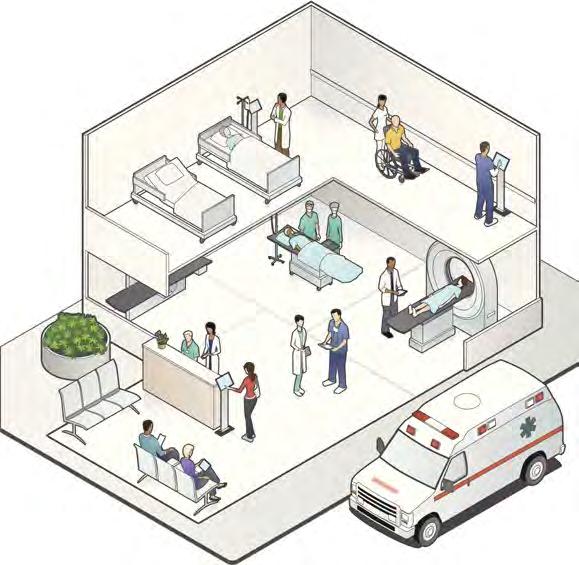
�� Below are some of the objects you can see in the illustration above. Work together to translate the words into Norwegian.
ambulance, hospital bed, wheelchair, lab coat, scrubs, hair net, examination table, MRI machine, nurse, doctor, medical orderly, health worker
�� Play I Spy with one or more partners. I Spy is a guessing game where one player chooses an object on the illustration and announces to the other player(s) that “I spy with my little eye something beginning with ...”, naming the first letter of the object (in English). The other player(s) tries to guess what the first player is spying. You get one point for each correct guess. Take turns.
Choose an occupation (see list on p. 101) within Health, Childhood and Youth Development which was not mentioned in this text and write a similar text about it, answering these two questions:
→ What do they do?
→ What qualities or skills do they need?
Read the poem by Michael Rosen, written for the 60th anniversary of the National Health Service (NHS). The NHS is the medical and healthcare service in the UK.
Everyone living in the UK can use the NHS without paying the full cost of the service.
By Michael Rosen
These are the hands
That touch us first
Feel our head
Find the pulse
And make your bed.
These are the hands
That tap your back
Test the skin
Hold your arm
Wheel the bin
Change the bulb
Fix the drip
Pour the jug
Replace your hip.
These are the hands
That fill the bath
Mop the floor
Flick the switch
Soothe the sore
Burn the swabs
Give us a jab
Throw out sharps
Design the lab.
And these are the hands
That stop the leaks
Empty the pan
Wipe the pipes
Carry the can
Clamp the veins
Make the cast
And touch us last.
Reflect
�� What is the poem about?
�� Which occupations is Rosen referring to? Use examples from the poem to explain your choices.
�� “These are the hands / That touch us first” are two lines at the start of the poem. Who do these hands belong to? What is happening here?
�� “And touch us last” is the very last line of the poem. Who do these hands belong to? What is happening here?
bin søppelkasse
jug kanne, mugge to soothe å lindre, å døyve swab bomullspinne jab (sprøyte)stikk sharps skarp gjenstand som blad, kniv, skalpell pan beholder/behaldar to clamp å klemme fast, å forbinde vein vene, blodåre cast gips(bandasje)
Work in pairs. Each of you chooses three different people: Jennifer, Peter and Gary, or Ruth, Bruce and Harriet.
A Individually, read the three texts and write down 4–5 keywords about each of the people you have chosen.
B Use the keywords to tell your partner about the people you have read about.
pro·fes·sion·al·ism
noun
The competence or skill expected of a professional. The key to quality and efficiency is professionalism.
OXFORD ENGLISH DICTIONARY

Having professional pride means being proud of your work. Here, six workers in jobs within Healthcare, Childhood and Youth Development explain what makes them proud of the work they do.

JENNIFER FRENCH:
I work as a health worker at the Santa Clara Retirement Home. My patients are in their eighties and nineties, and I’m only twentyfive. But that’s not a problem. I was really moved – and a little proud – last week when a patient’s daughter visited. She took me aside and said, “Jennifer, my mom really appreciates you. She says you’re like another daughter to her.” It’s moments like that which make me proud.
Glossary: see p. 20
PETER BROWN:
I am a pharmacy technician. The best part of my job is meeting new and interesting people every day. Even if I only talk with them for a few minutes, they bring me joy. I even like dealing with difficult customers, because I take pride in never getting angry or raising my voice, even with the most stubborn or rude people. Usually, I can even turn their frown upside down by solving their problem or calmly explaining what they need to do to solve it themselves.

RUTH WILSON:
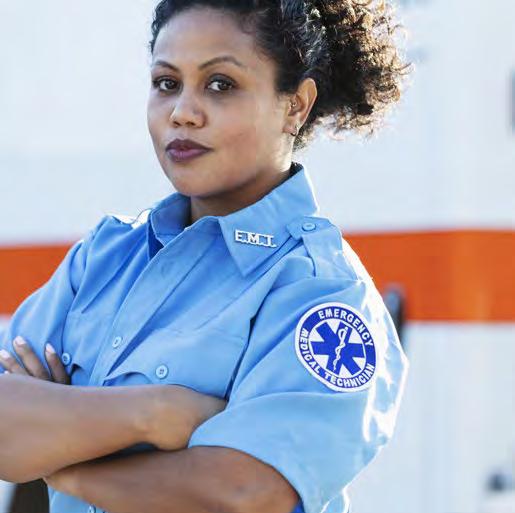
I have been an ambulance service technician for two years. It’s a very hectic but exciting job. You never know what’s going to happen when you start your shift, so you need to be prepared for anything at any time. I have always wanted to be a first responder, but I also felt some nervousness because I was unsure how I would react during real medical emergencies. I am proud to say that I have managed to stay calm in every situation so far, thanks to my expert training and support from my colleagues.
GARY LEECH:
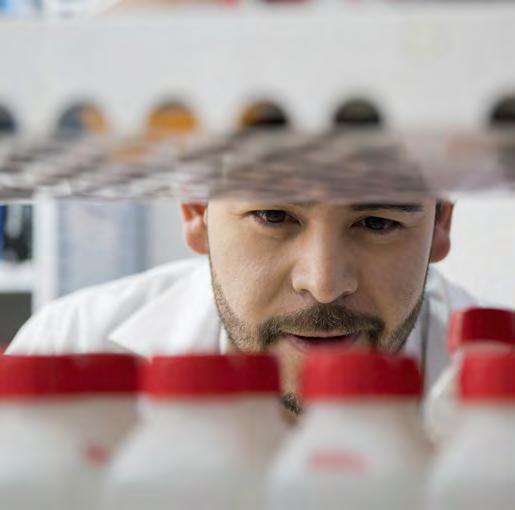
I have worked as a childcare and youth worker at a youth club for five years. I work mostly with at-risk young people aged 11 to 18. When I started, the club was only open two afternoons a week, but I quickly realised that this was not enough to keep these kids off the streets and out of trouble. So my colleagues and I formally requested more money from the city so the youth club could be open five afternoons a week instead. After nearly three years of petitioning and persuading, we finally got the chance to offer more to the city’s youth. I’m so proud of what we have achieved, and what we continue to achieve every afternoon when these kids come and spend time with us.
HARRIET STANTON:
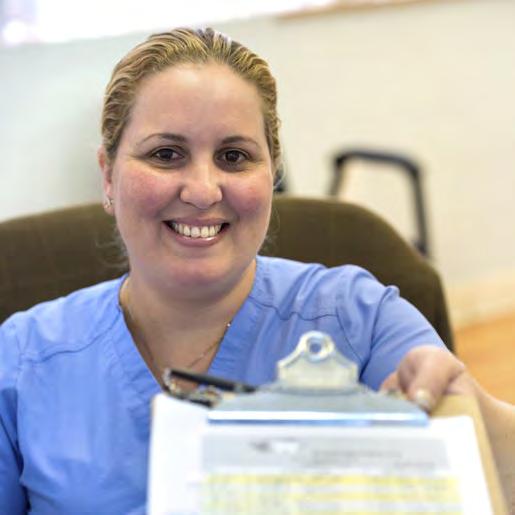
I work as a medical secretary at a doctor’s office. It is a bit ironic that I ended up in this job, as I was terrified of going to the doctor when I was growing up. But life is funny like that – I overcame my fear, and here I am! I think my old fear of doctors has made me more aware of other people’s worries. I remember my own experiences when talking to anxious patients and their families, and I try to speak to them in ways that make them feel heard and supported. That usually helps to calm them down. I take great pride in being able to help patients relax and make their visit to the doctor’s office a little more comfortable.
BRUCE HENDERSON:
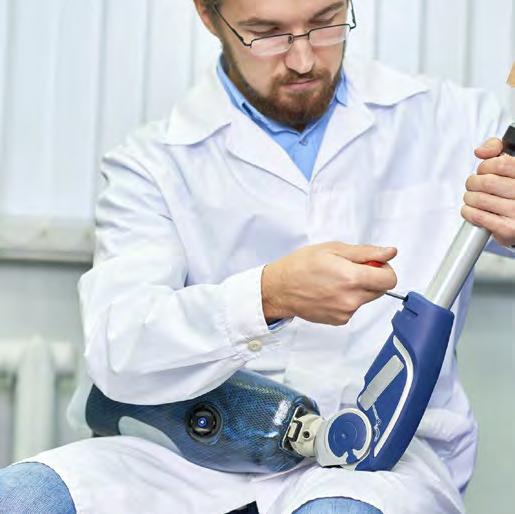
I have a job that few people may have heard of, but for me, it’s the most rewarding job in the world and I can’t imagine doing anything else. I am an orthopaedic technician at an orthopaedic workshop. Here, I help design, manufacture, adapt and maintain orthopaedic aids such as special footwear, prostheses and insoles. I also work closely with customers to make sure that they get the correct orthopaedic aids for their needs. I can’t begin to describe how proud I feel when customers come back for their follow-up appointments and tell me that the aid has made their lives easier.
p. 18:
checklist: Go to citizens.cdu.no to find a list of the most important points from the text you have read.
professional pride yrkesstolthet/ yrkesstoltheit efficiency effektivitet to appreciate å sette pris på / å setje pris på p. 19:
pharmacy technician apotektekniker / apotekteknikar frown rynket panne, misnøye / rynka panne, misnøye at-risk i faresonen / i faresona
to petition å be om, å søke om / å be om, å søkje om
p. 20: orthopaedic technician ortopeditekniker/ortopediteknikar to manufacture å lage, å framstille to maintain å vedlikeholde / å halde ved like aid hjelpemiddel, hjelp
After working in pairs and presenting the different people to each other, you should now be able to discuss the following questions:
�� What do these people work with? What kind of skills does each of them need in their job, do you think?
�� What makes them proud of their professions?
�� In your opinion, who has the best reason to feel proud? Explain your answer.
�� Match the person/job with the correct workrelated keywords. It is likely that many of the words are new to you, so use dictionaries and other sources for help.
Peter, pharmacy technician computer, sample cup, syringe, adhesive bandage Ruth, ambulance service technician scissors, stretcher trolley, neck collar, ECG machine Bruce, orthopaedic technician cash register, prescriptions, dispensing labels, gloves Harriet, medical secretary 3D printer, screwdriver, measuring tools, moulds
�� Translate the work-related keywords into Norwegian.
�� Work in pairs. Write the names of all the items in the list in task 2A on pieces of paper. Place the pieces face down on the table. Student A chooses a piece and tries to describe the item to Student B who tries to guess what it is.
Choose one of the following tasks:
�� Write a text about an imaginary person who is one of the following: a dental assistant, a skin care worker, a medical orderly or an occupational therapist.
Use the texts on pp. 18–20 as models. You should include:
→ what tasks this person performs at work
→ what skills this person needs to do this job
→ what makes this person feel proud at work
�� Write a text about having pride in the work you will do in the future. Include the following:
1 Introduction: Describe the job you have chosen to focus on. What tasks will you have to do? What skills and knowledge will you need? Make sure to include at least one sentence telling the reader what your short text is going to be about.
2 Second paragraph: Write about one aspect of the job that you think will make you feel proud. Explain this part of the job and give examples to show why you think it will make you feel proud.
3 Third paragraph: Write about another aspect of your job that you believe will make you feel proud. Explain how and why this aspect is important to you.
4 Conclusion: Sum up your ideas from paragraphs two and three. Reflect on how being proud of your work can make you a better employee.
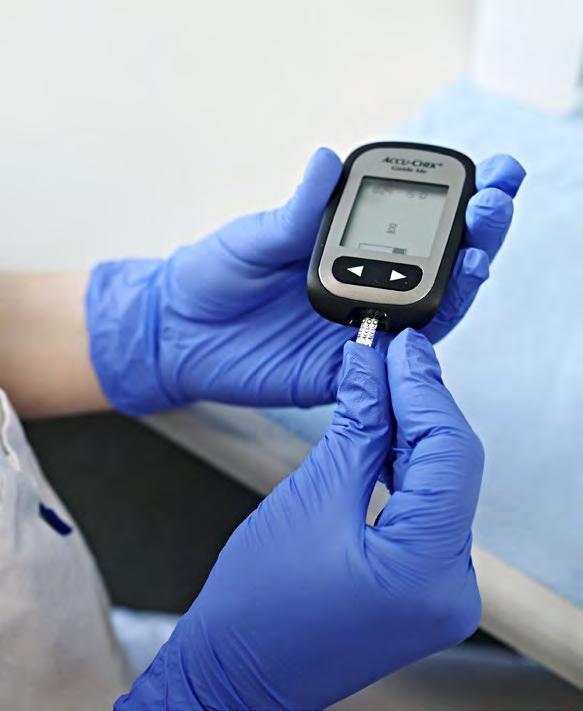
Measuring blood sugar levels is a task medical secretaries perform.

Match up these words from the audio recording with the correct translation:
pharmacy technician – ailment – chiropodist –apprentice – orthopaedic technician – work placement –vocational – guidance
råd – plage – utplassering i arbeidslivet – fotterapeut –ortopedteknikker/ortopedteknikar – apotektekniker/ apotekteknikar – lærling – yrkesfaglig/yrkesfagleg
In this interview, you will meet three young Norwegians speaking with a British journalist. He is visiting Norway to write an article about the vocational courses available in Norwegian upper secondary schools. To learn more, he has decided to meet three students from Healthcare, Childhood and Youth Development.
Listen to the interview at citizens.cdu.no before working with the tasks.
Glossary: see p. 108
Listening for information
Who’s who? Place the descriptions with the correct person: Ole, Markus or Ingrid.
�� Who wants to become an orthopedic technician?
�� Who says that working with chiropody has been their dream for a long time?
�� Who is creative but not forgetful, and therefore well suited to become a pharmacy technician?
�� Who wants to treat disorders related to the skin, nails, bones and muscles of the foot?
�� Who needs to be good at communicating with users as well as handy with materials and tools?
�� Who must be discreet when helping customers who are embarrassed about the products they are buying?
Choose one of the tasks below.
�� Write a text where you explain the differences between the three occupations presented in the interview.
�� Based on the interview, which of the occupations do you find most interesting? Write a text in which you explain why.
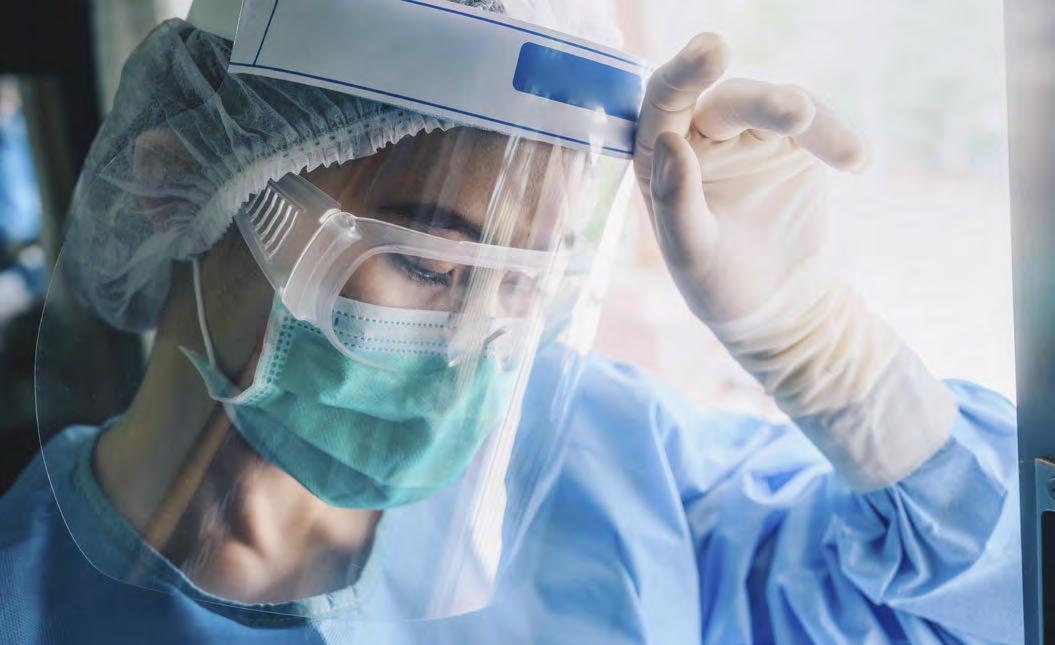
By Jean-Noël Fabiani and Philippe Bercovici (illustrator)
In your future professions within Healthcare, Childhood and Youth Development, you will work with children, the elderly and others who may be more vulnerable to illness. One of your main responsibilities will be to keep them safe and healthy. You do this by following hygiene guidelines and by wearing proper personal protective equipment (PPE). But how did people first learn to protect themselves from disease? How did we go from mysterious illnesses that people did not understand to having vaccines, hygiene guidelines and PPE?
Cholera is one of history’s most dangerous infectious diseases. In the graphic novel excerpt on pp. 24 –27 you will learn about this disease and how people managed to fight it.
While reading the graphic novel on the next pages, find answers to these questions:
�� Why can a person die within days of getting cholera?
�� How many people died of cholera in Paris in 1832?
�� How did Thomas Latta try to heal patients with cholera?
�� Who “discovered” cholera?
�� How did he find out how cholera was spread? (Hint: It involves a map.)
�� What did Reverend Henry Whitehead find out when he tried to prove that John Snow was wrong?
�� Who invented the cholera vaccine?
Cholera, caused by a bacterially produced toxin, can lead to death in a matter of days as a result of dehydration due to diarrhoea and vomiting.
IT’S COMING OUT BOTH ENDS!!
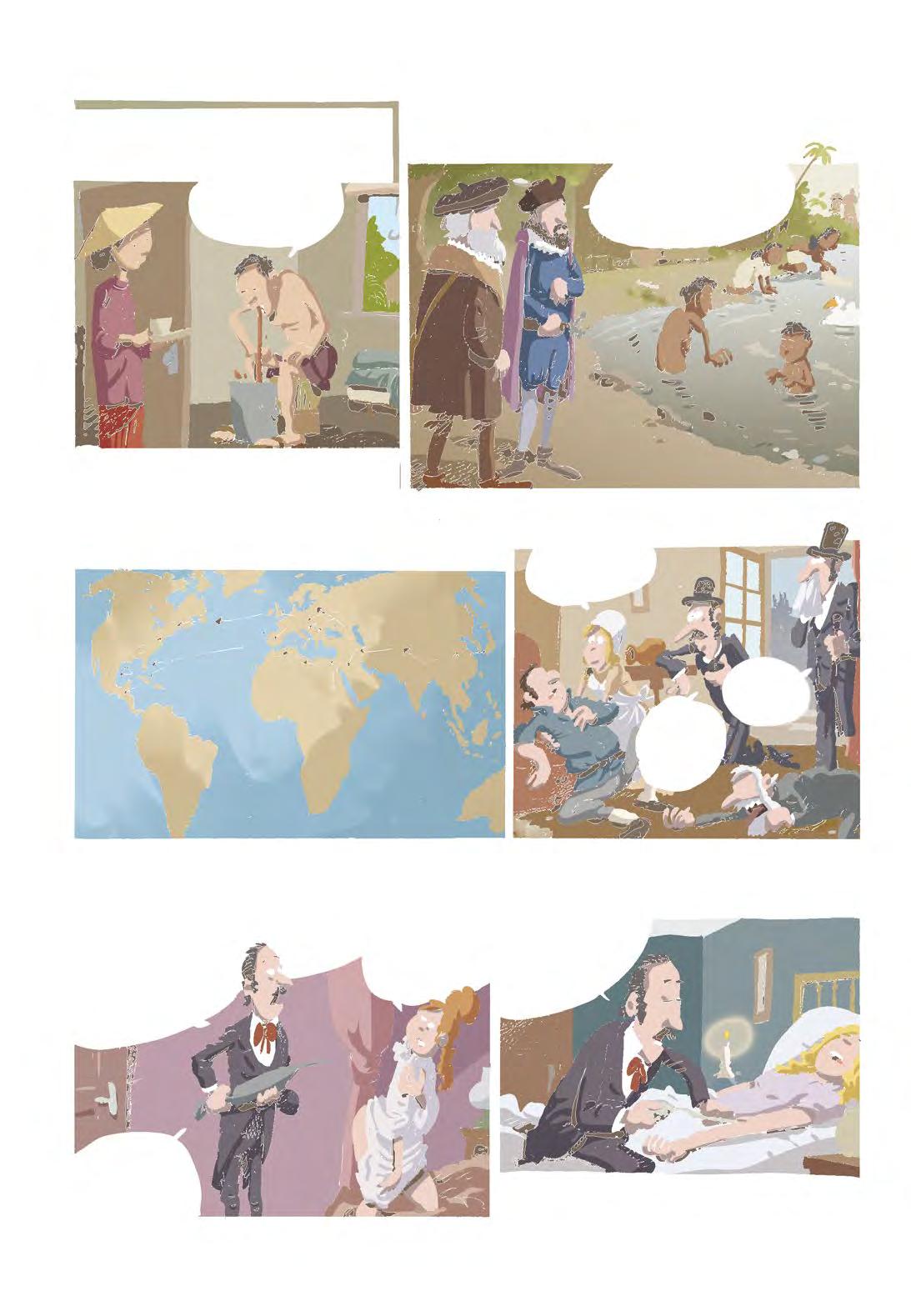
The first European to describe the disease was an officer of Vasco da Gama’s, in 1503. In India, he witnessed an epidemic of calamitous diarrhoea that swiftly proved fatal.
I MUST SAY, THAT RIVER THOSE PEOPLE ARE BATHING IN IS MORE LIKE A SEWER.
The disease’s breeding ground was Asia and the Middle East.
In the 19th century, six major cholera pandemics shook the world, all spread by new forms of transport.
The 1832 epidemic in Paris claimed around 100,000 lives.
FLEE! THE VERY AIR IS POISON!
That same year, in Edinburgh, surgeon Thomas Latta had an idea: rehydrating patients with saline injected into the colon.
I ATTEMPTED TO RESTORE THE BLOOD TO ITS NATURAL STATE, BY INJECTING WARM WATER COPIOUSLY INTO THE LARGER INTESTINES, TRUSTING IN THEIR POWER OF ABSORPTION.
THAT LOOKS QUITE A LOT, DOCTOR!
IT’S COMING OUT BOTH ENDS!! A PUNISHMENT FROM GOD!
Faced with this initial setback, he tried gradually injecting six pints of (non-sterilized) saline into the arm via a goosefeather quill.
I FANCY I CAN FEEL HER PULSE AGAIN!
BUT BY THESE MEANS I PRODUCED, IN NO CASE, ANY PERMANENT BENEFIT.
Thomas Latta had just invented the intravenous catheter.
In the 19th century, everyone thought cholera was spread through noxious fumes (miasma).
Someone needed to “discover” cholera. That man was John Snow.
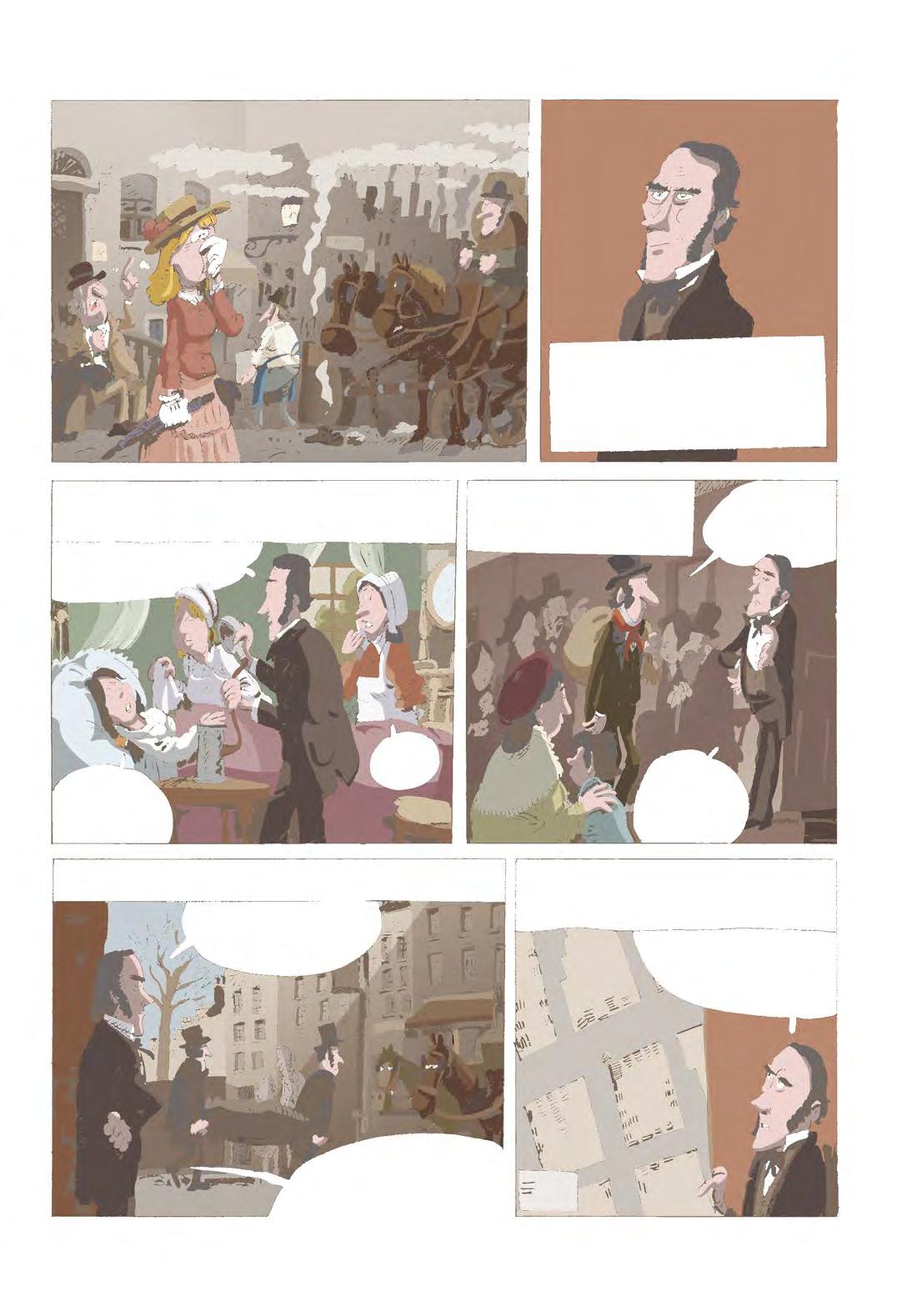
He became famous after administering chloroform to Queen Victoria during Prince Leopold’s birth in 1853.
YOUR MAJESTY, THIS WILL BE THE FIRST DELIVERY UNDER ANAESTHESIA.
OH, I FEEL SO GOOD! SWEET JESUS!
In 1854, a cholera epidemic was raging in London, in Snow’s own neighbourhood.
I JUST CAN’T CREDIT THE MIASMA THEORY.
Snow was festooned with degrees. The founder of a temperance movement, he first entered the budding field of anaesthesia with an ether inhaler of his own invention, then grew interested in chloroform.
He then opened a general practice at 54 Frith Street, attending to the paupers of Soho.
FOR
IF YOU ASK ME, I THINK THEY’RE INGESTING SOME KIND OF POISON from THE WATER… AND I’LL PROVE IT!
QUEEN OR PAUPER, I DO MY BEST FOR BOTH!
His revolutionary idea was to compile a statistical analysis, charting the 578 addresses of the victims on a map of the city.
I WAS RIGHT! ALL THOSE PEOPLE GOT THEIR WATER FROM THE BROAD STREET PUMP!
After initial resistance, he succeeded in having the Broad Street pump closed. And the epidemic stopped.
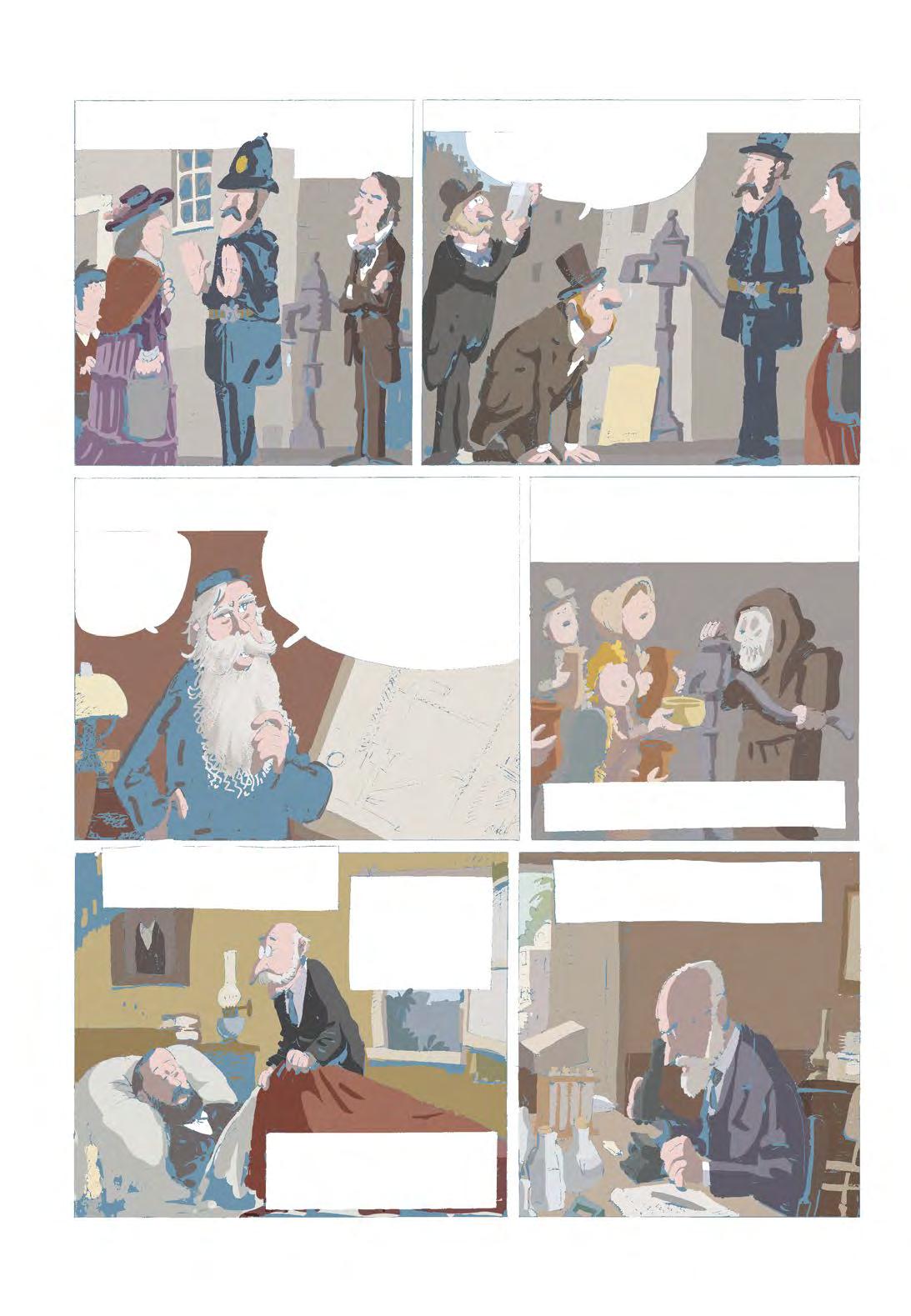
Believers in miasma remained sceptical, however.
WOT’S SNOW ON ABOUT, THEN? CAN’T SEE NUFFINK IN THIS WATER! * The word means “tiny animal”, since microbes were yet to be defined.
The Reverend Henry Whitehead sought to prove Snow wrong, but his investigations had the opposite effect.
SNOW WAS RIGHT!
THE PUMP DRILLS DOWN LESS THAN A YARD AWAY FROM A DRAIN WHERE DIRTY WATER WAS THROWN AFTER CLEANING A BABY’S NAPPIES — AND THAT BABY HAD CHOLERA!
Snow had demonstrated that water was the cause of the epidemic. He further proposed that an “animalcule”,* once ingested, developed in the intestine before being evacuated via excreta.
In 1883, a fresh epidemic was raging in Egypt.
The Germans and the French dispatched missions to study it. They met with failure.
Pasteur’s colleague Louis Thuillier contracted cholera and died.
He had just invented a new science: EPIDEMIOLOGY.
The following year, Robert Koch discovered the bacillus in Calcutta.
The cholera vibrion was a wormlike bacterium that Koch named “Komma bacillus” (vibrio comma) after its comma-like shape.
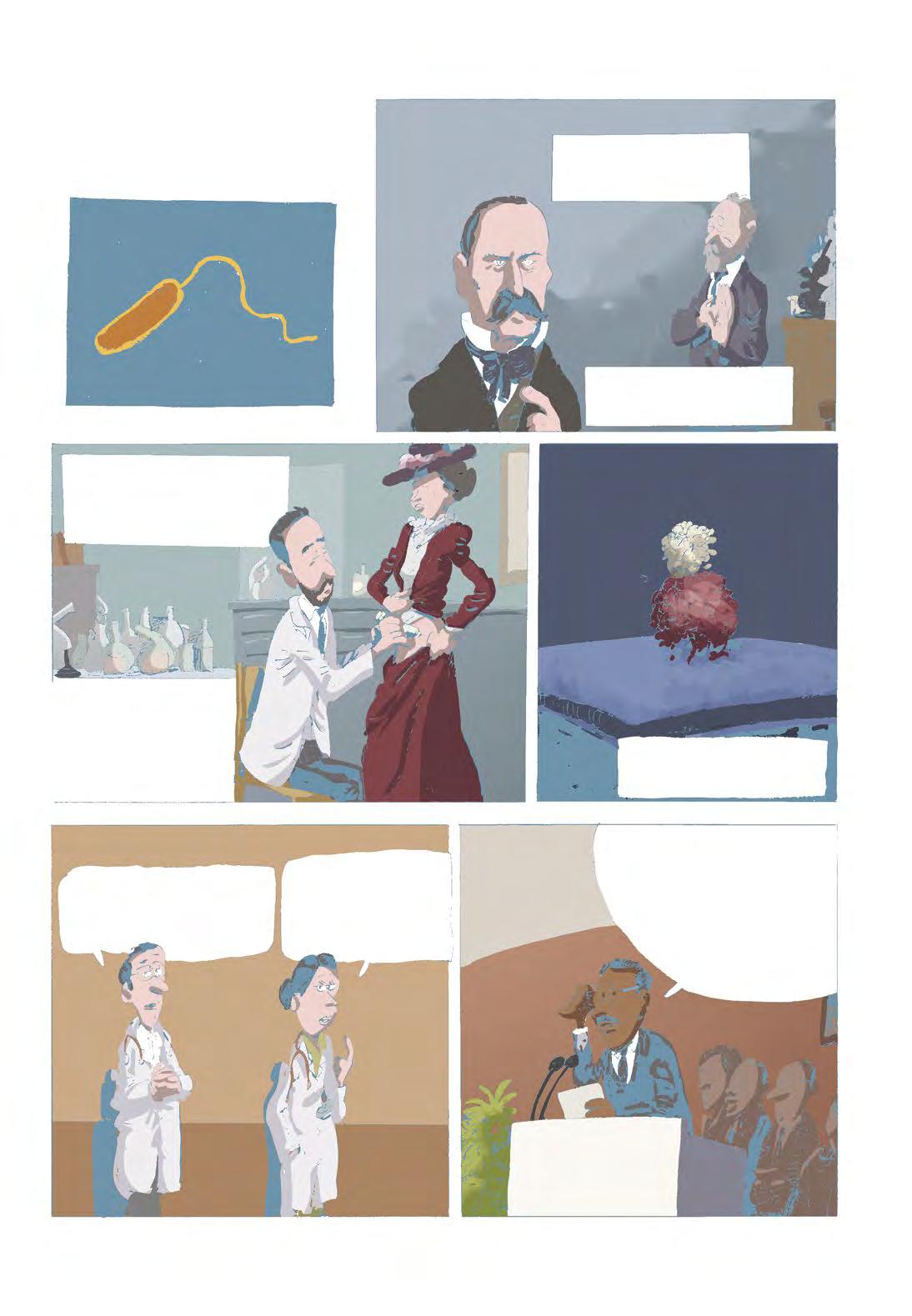
The Catalan doctor Jaume Ferran was the man behind the first cholera vaccine, in 1885.
In fact, Filippo Pacini had already described the germ in 1854!
But no one noticed, and Koch was unaware of the fact.
I SWEAR!
The germ is now called Vibrio cholerae Pacini.
In the 1950s, Sambhu Nath De and N.K. Dutta showed that the cholera vibrion produced a powerful exotoxin responsible for diarrhoea.
The toxin attached to the intestinal wall
He was also behind one of the first large-scale human vaccination campaigns in Europe.
Today, an oral vaccine is available.
IT CONSISTS OF WHOLE CELLS OF DEAD V. CHOLERAE AND A SUB-UNIT OF CHOLERA TOXIN.
IT’S MEANT TO PREVENT CHOLERA IN POPULATIONS AT RISK of EPIDEMICS.
But despite all this, the disease remains widespread.
Which resulted in abnormal loss of salt and water (diarrhoea).
…so say the W.H.O.
ACCORDING TO THE W.H.O., 221,226 CASES OF CHOLERA TOOK 4,946 LIVES IN 45 COUNTRIES ACROSS ALL CONTINENTS IN 2009, WITH THE EXCEPTION OF SOUTH AMERICA.
Talk in pairs or small groups.
�� Did you like reading this text? Explain why or why not. What did you learn from it?
�� Were there any facts in the text that surprised you? If so, what?
�� Does the invention of a vaccine mean that cholera is no longer widespread? Explain.
�� Do you see anything in the text that indicates negative views towards women or other groups of people? Explain using examples from the text.
�� How would you describe the style of the drawings? Do you find it strange to use this style for a serious topic such as cholera? Why do you think it was chosen?
Imagine that you are John Snow and that you have just “discovered” cholera. Use information from the graphic novel excerpt and your own imagination to write a diary entry about the discovery. Alternatively, you can write a letter to a friend telling him about your discovery.
Reading skills
Read the text and answer the questions below.
Cholera is relatively simple to treat in most cases. People with mild to moderate forms can usually recover with fluids and oral rehydration salts, which are easy to administer. Those who are severely dehydrated may need intravenous fluids and hospital care. In such cases, they should be admitted to a Cholera Treatment Centre (CTC). Without treatment, the mortality rate can reach 50 per cent, but with proper care, it drops to around two per cent.
�� What is this text mainly about? (One alternative is correct.)
1 How difficult cholera is to treat.
2 That it is very important to take the cholera vaccine.
3 What Cholera Treatment Centres are like.
4 How simple cholera is to treat in most cases.
�� What is true about the treatment of cholera? (One alternative is correct.)
1 There is no treatment for cholera.
2 If left untreated the risk of dying can be as high as 50%.
3 Never give fluids to patients with cholera.
4 If you get cholera, you have a 98% chance of dying.
�� What are the English words for the words in the list below? Look up words you are unsure of. diagnose / infeksjon / prognose / smitte / smittevei / smittsom / blodprøve / urinprøve / dråpesmitte / symptom / immun / immunforsvar / medisin / helberedelse / vaksine / epidemi / pandemi / feber / dehydrering
�� What are the Norwegian words for the words in the list below? Look up words you are unsure of. sore throat / headache / cough / fever / toothache / backache / dizziness / earache / sneezing / nausea / runny nose
�� Make flashcards for all the terms in tasks 4A and 4B. Write the Norwegian word on one side and the English word on the other. Work together with a partner and take turns quizzing each other. Do one round where you show the English word and ask for the Norwegian translation and one round where you show the Norwegian word and ask for the English translation.
Interview someone who works in your future profession to find out about the laws and regulations that are put in place to keep them, their co-workers and their patients, clients or service users safe. Present your findings in class.
Use the internet to find out how to best prevent food poisoning, and make a poster that could hang in a grocery store or in a kitchen in a private home.
Think about robots that help people in their homes or in working life. Answer the questions below individually or in pairs:
→ How can robots be useful?
→ Are there any problems with using robots?
→ Would you like to use or work with robots? Why or why not?
Robotic nurses are machines that help carry out tasks in hospitals, retirement homes and other care facilities. These robots can take on work that healthcare professionals usually do. But is this a move in the right direction?
retirement home sykehjem, omsorgsbolig / sjukeheim, omsorgsbustad care facility helse- og omsorgsinstitusjon
artificial intelligence (AI) kunstig intelligens (KI) increased use økt bruk / auka bruk
privacy personvern job shortages mangel på arbeidsplasser / mangel på arbeidsplassar available tilgjengelig, ledig / tilgjengeleg, ledig ageing aldrende/aldrande
Robotic nurses use artificial intelligence (AI). This means they respond to different situations based on the data technicians have given them and the information they gather from their sensors. AI technology helps make the robots more useful in hospitals and care homes. However, not everyone is happy about the increased use of AI and robotic nurses.
There are several reasons why people are concerned about the increased use of this type of technology in healthcare. Some do not trust the technology because they are worried about safety and privacy. Others fear that robots will take jobs from people working in the healthcare sector, since robots do not need breaks, do not get tired and can be cheaper to employ. This worry is strongest in places where there are already job shortages, meaning that there are more qualified people than available positions. These concerns can cause stress for workers who feel that their skills are no longer valued.
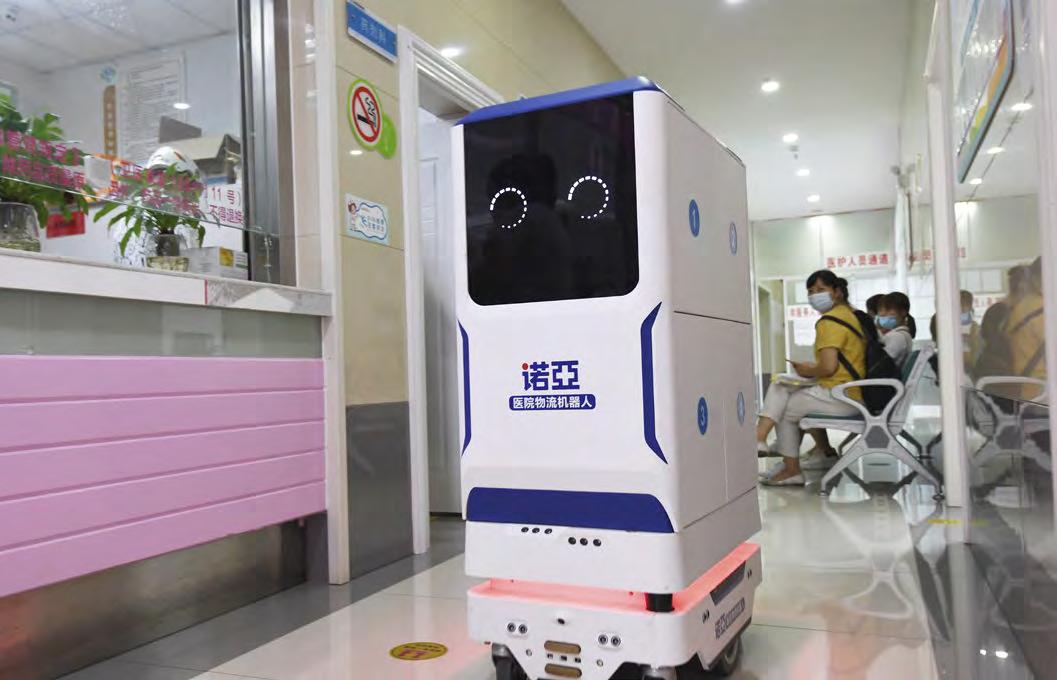
A robot delivers medicines at a hospital in
When we want to see what these robots can do, we just have to look to Japan. The country has an ageing population, which means that the number of elderly people is increasing. This is one reason why the use of robots in Japanese hospitals has been growing for many years. A first, these robots helped with simple tasks like lifting patients or delivering medicine and supplies, so nurses and health workers did not have to spend time walking back and forth. Robots also gave hospital visitors directions and answered their questions, again freeing up time for healthcare workers to focus on more urgent tasks.
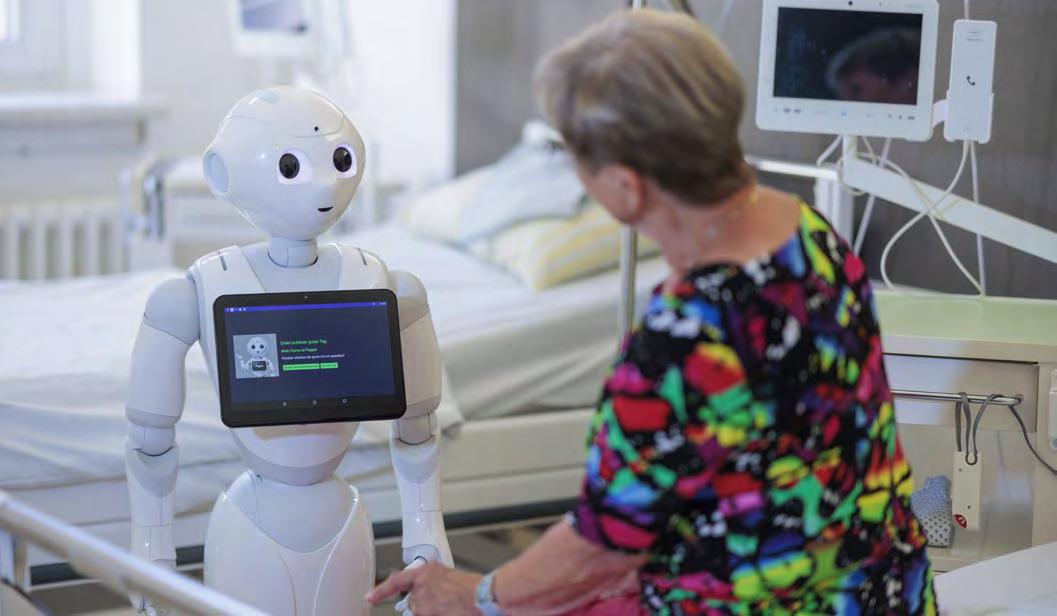
O ver time and with the development of AI, the robots have become more advanced. They now help check patient information, set schedules and can even warn nurses about possible medical problems. This kind of support helps healthcare professionals make better decisions and reduces mistakes. It also gives nurses and health workers more time to focus on caring for patients.
Other robots help calm and support patients with conditions like dementia. They can “talk” with patients or give emotional support. This means that they follow instructions to respond in a way that sounds like a real conversation. Often, they look like small, cuddly animals, and they make patients feel less lonely when human caregivers are needed elsewhere and do not have time to sit with them for long periods of time. These robots cannot replace human interaction, but they can function as substitutes for short periods of time.
Even though technology is advancing, experts believe that robots will not fully replace nurses and health workers. By the year 2030, it is expected that 90 per cent of nursing tasks will still be done by humans. The reason for this is that nurses and health workers connect with patients in ways that machines cannot. They comfort families, notice small changes in health, respond to unexpected situations and give personal care. This is what makes nursing and healthcare such valuable work. Therefore, the future of healthcare will likely include both robots and health professionals working together to give the best care possible.
checklist: Go to citizens.cdu.no to find a list of the most important points from the text you have read.
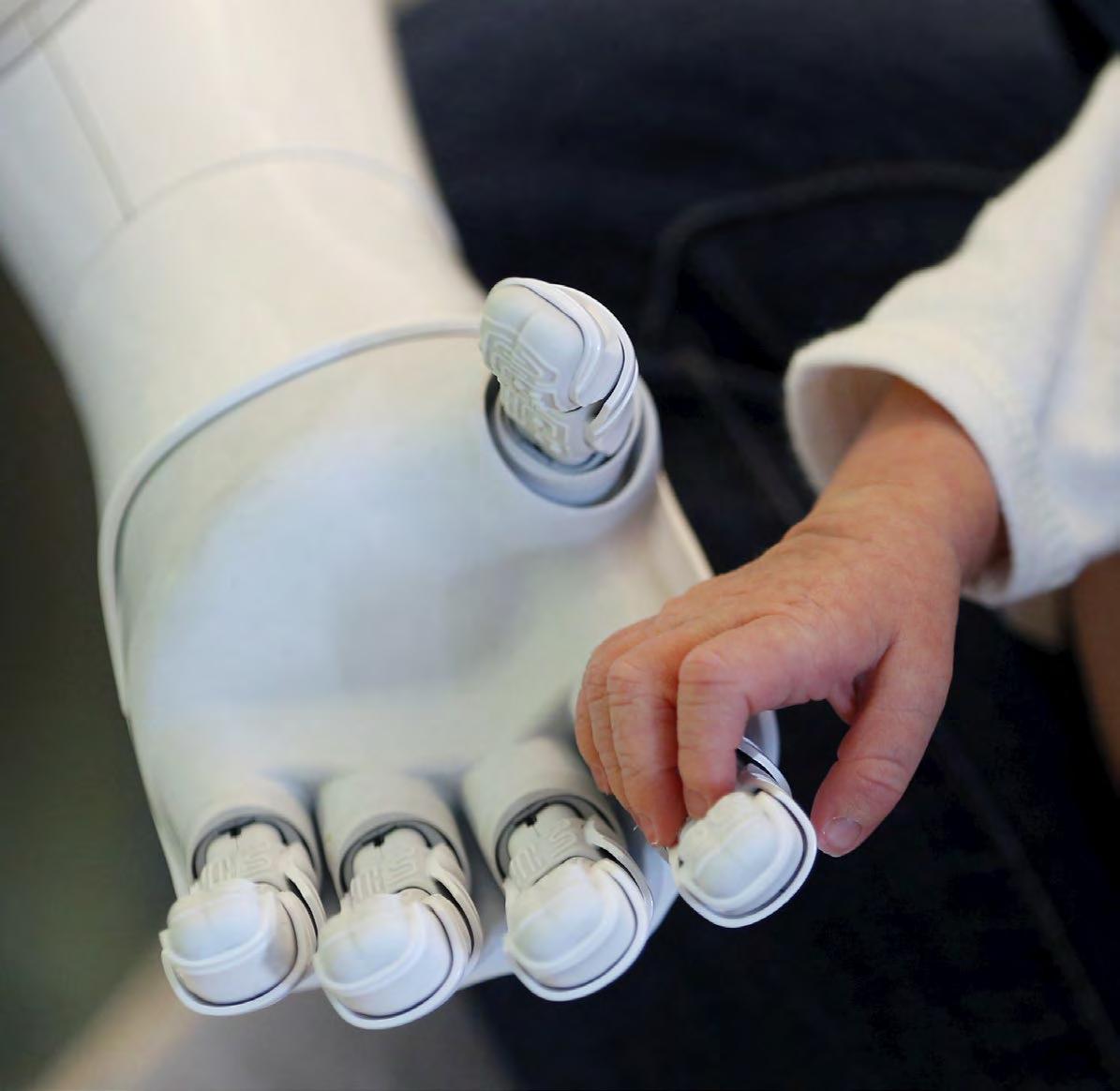
"Pepper" is a humanoid robot, which means that it looks and acts somewhat like a human. Researchers at Brandenburg University in Germany want to see how elderly patients can interact with and use this robot.
development utvikling to warn å varsle emotional support følelsesmessig støtte / kjenslemessig støtte interaction samhandling substitute her: erstatning to advance å utvikle seg, å gå framover to comfort å trøste / å trøyste valuable verdifull
�� What are some worries people have about robots in healthcare?
�� Why has Japan started using more robotic nurses?
�� What kinds of tasks can robotic nurses do in hospitals and care homes?
�� What are some positive effects of using robots in healthcare?
�� According to experts, why will nurses and health workers still be important in the future?
Work with a partner and prepare a short presentation (2–3 minutes) about robots in the workplace.
→ St art with the notes you wrote in the pre-reading task (p. 29).
→ Include information from the text “The Robots are Coming to Healthcare”.
→ If necessary, go online to find more information.
In your presentation, answer these questions:
→ How can robots be useful?
→ Are there any problems with using robots?
→ Would you like to use or work with robots? Why or why not?
@RobotsGottaLoveThem has read the text “The Robots are Coming to Healthcare” and has posted about it on his social media. Write a response to his comment. In your response, refer and respond to the text and contribute with your own perspectives. Comment on and question, agree and/or disagree, with what has already been written.
The recommended length for this text is 150 –200 words.
@RobotsGottaLoveThem:
Wow, I love this! I already have a robot vacuum, a robot lawnmower, and even a smart fridge at home, and they all make my life so much easier. So why not use robots in healthcare too? Patients need care and attention, and if robots can help with routine jobs, nurses and doctors will finally have more time for their patients. To me, this is the future, and I can’t wait to see more robots working alongside humans.
All the verbs below have something to do with healthcare in one way or another. In each line there is one verb which has nothing to do with the other three. Can you find the “odd one out” in each line? Make sure you know what the words mean and be prepared to defend your choices to the rest of the class afterwards.
�� care for nurse look after write
�� aid assist help talk
�� move transport feed drive
�� clean t idy maintain neaten
5 Create
Design your dream robot, machine or piece of equipment for work. It should make life easier or just more fun in your future workplace. Example: “The DiaperNator 3000” – a machine that safely and hygienically changes diapers.
�� Draw the robot, machine or piece of equipment (on paper or digitally). Give it a name. Write what it is used for. Label its parts or features.
�� Write a short text that says what it does and why workers in your field would love it, and add information about any special features such as it being self-cleaning, solar-powered, mind-controlled, etc.
�� Share all your inventions in class. Which two inventions did you like best?
An application letter is a document where you state your interest in a job, scholarship or something similar. Competition can be tough, so your application letter needs to stand out. Here is what you should include. (Note that some companies use standardised formats that you fill in when you apply for a job there.)
of the text:
This is one way your application letter can be structured if it is sent as a separate document attached to an email, e.g. in Word or as a PDF.
1 The address and contact information of the sender. If you are writing an email, you include your contact information at the bottom, after your signature.
(2 The address of the receiver – if this is mentioned in the advertisement)
3 The date
4 A polite greeting, for example: Dear Sir/Madam, Dear Mr Brown, Dear Mrs Johnson
5 a) Explain why you are writing the letter and introduce yourself
b) Information on your background
c) Explain why you think you are suitable for the job/scholarship/position
d) If applying for a part-time job, you should include when and how much you are able to work
6 Closing politely, for example: I am looking forward to hearing from you, Thank you for your consideration
7 Polite ending, for example: Sincerely, Yours sincerely
8 References: the names of people a potential employer can contact to find out more about you, for example a former employer or teacher.
It is always important to tailor your application letter to what you are applying for. Some advertisements (ads) may require you to provide specific information. Read the ad carefully to make sure you include what is asked of you.
What you should include in all application letters:
→ Polite phrases that show respect for the person you are addressing. This is important in formal letters.
→ Linking words that tie the text together.
→ Positive words that help you “promote” yourself.
Do not:
→ use abbreviations: write “do not” and “I am”, not “don’t” and “I’m”.
→ w rite much longer than a page. The purpose of an application letter is to get you an interview, so it should be short and precise.
Example ad and application letter
Jamie is looking for a part-time job. He wants to work mainly on weekends. He studies Healthcare, Childhood and Youth Development, and he would like a job that is relevant to his studies. He sees this notice in the window of his local nursing home:
Adelaide Care Home is looking for an assistant to help out on weekends and during busy periods. You will carry out tasks like:
→ helping patients with practical matters and during meals
→ par ticipating in treatment schemes for the patients
→ par ticipating in activities
Full training will be given, but you should have good people skills and be well suited for the job.
Apply to: manager@adelaidecare.co.uk
Sender →
Jamie’s application letter:
POLITE PHRASES LINKING WORDS POSITIVE WORDS
Jamie Payne
27 Colmore Row
Birmingham B3 2EW
email: Jamiepayne@hotmail.com
Telephone: (020) 838 6454
Date →
Opening greeting → Why he is writing →
Background: work experience →
14 March 2026
Dear Sir or Madam
I wish to apply for the position of assistant at Adelaide Care home, as advertised in your window. My name is Jamie Payne, I am 17 years old and go to Birmingham City College. Here I am studying Healthcare, Childhood and Youth Development, and hope to become a certified health worker when I am finished.
I have previously worked as a babysitter, which I enjoyed a lot. Furthermore, I have had a summer job at St Mary’s Nursing Home, where I helped in the kitchen and assisted with other practical tasks. As a result, I have excellent references you may call.
Background: interests →
Why he is suitable →
What kind of employment he is looking for →
Closing politely →
Polite ending → Signature →
References →
My interests are rugby and drawing. I like to keep fit, as it gives me the energy to do the heavy work I know that care work requires. In addition, I play the guitar, which may perhaps come in handy in this position.
I think the position of assistant is perfect for me. I have a true passion for working with people. Also, I have a good understanding of what the job demands from my previous summer job, and I know I can handle it. I see myself as caring and warm, with a good sense of humour
I am looking for a job on weekends, although I am flexible. If there are busy periods I can help out on weeknights and during holidays as well.
I am looking forward to hearing from you at your earliest convenience.
Yours sincerely, Jamie Payne
References:
Gertrude Cooper, head nurse at St Mary’s Nursing Home 07700 901042
Miriam Tremblay, babysitting customer 07700 909183
Akal Singh, teacher 07700 901278
1 You are applying for a job in your field (choose a profession from the list of job titles on p. 101). The employer wants to know what kind of person you are and why they should hire you. Write a text (80 –120 words) where you describe yourself using positive words (adjectives).
What to include:
Who you are (a short introduction) – What you are good at (skills and qualities) – Why you would be a good worker for this job
Helpful adjectives you can use (look them up if you are uncertain of what they mean): hardworking – reliable – responsible – motivated – skilled – flexible – friendly – eager to learn – precise – meticulous – adaptable – quick learner – respectful – trustworthy – patient – innovative – team-oriented – honest – safetyconscious – attentive – diligent – determined – punctual
Sentence starters you can use:
→ I am a … person who …
→ My friends and teachers say that I am …
→ I am good at …, and I always …
→ I believe I would be a good employee because …
2 A representative from your local job centre is visiting your school and leaves behind a leaflet for the students attending vocational courses. The leaflet advertises an international apprenticeship programme for the company Care Across Borders.
Write an application letter, using the structure shown on p. 34 and vocabulary you have practised in this chapter.
LOOKING FOR AN APPRENTICESHIP?
We are looking for students who want to work in professions within Healthcare, Childhood and Youth Development. As we represent a range of employers in a variety of European countries, we would like to get in touch with students wanting an apprenticeship outside Norway.
We are looking for someone who:
→ is a vocational student
→ is hard-working and responsible
→ has good references from former employers/teachers
→ is enthusiastic about their field of study
Please send your application letter and CV to: Care Across Borders c/o Miranda Lawlis mlawlis@careacrossborders.org
We look forward to hearing from you!
3 When you have finished writing your application letter in task 2, swap with a partner and give each other feedback by pointing out two things the application does well and one thing that can be changed to improve it.


Focus points
Use this scale to describe your level for each of the “I can …” statements below:
Very well – Well – Needs some work – Needs lots of work
→ I can understand and use words and phrases related to my future profession.
→ I can talk and write about many different professions within my education programme.
→ I can reflect upon various aspects related to professions within my education programme.
→ I can write a job application suited to the job I am applying for.
Key terms
A In pairs, divide the keywords on page 5 between you and find out what they mean. Use each word in a sentence to show that you understand its meaning.
B Then explain the words to each other, using your sentences as examples.
Discussing and writing paragraphs
A Discuss with a partner: In which of the occupations in this chapter would you most like to work, and in which would you least like to work?
B Write a short reflection note (two to three paragraphs) explaining the choices you discussed in task 3A. Include a topic sentence and supporting sentences in each paragraph.
Make a poster presenting your future occupation using text and pictures.
Target audience: students in Years 9 and 10
Purpose(s): to inform and convince
Your poster should include:
→ a description of what the work involves and typical workplaces
→ a short explanation of the education and training you will need
→ skills you need in this occupation
→ relevant illustrations
When finished, present your poster to your classmates in groups of four. (You may also want to display your posters in your classroom for the rest of the class to see.) For relevant words and phrases that you might need, see pp. 101–108.
In this chapter, you will:
→ learn about different tools and pieces of equipment used in Healthcare, Childhood and Youth Development
→ reflect upon the importance of being able to use English as your language of work
→ listen to, understand and use words and phrases related to your future profession
→ create oral and written texts relevant to your future profession, such as instructions and procedures
A How do you think good English skills could be useful in your future workplace?
B What are some tools or equipment you might use in your future job?
C Why is it important to follow specific procedures or instructions at work?
→ tool
→ procedure
→ equipment
→ communication
→ lingua franca (common language)
→ invention
→ instructions
→ workplace vocabulary