C RESSET. THE
DONOR SOCIETIES NEWSLETTER
News of Your Impact on The Colonial Williamsburg Foundation
Our Centennial Exhibition The Virginia Declaration of Rights
New exhibition explores Colonial Williamsburg’s first 100 years.
4
Where History Meets Hospitality
Meet the smiling faces behind our donor reception center.
8
50Years of
THE COLONIAL WILLIAMSBURG FUND
America’s forgotten founding document was drafted in Williamsburg 250 years ago.
The year 2026 marks a defining moment for both our nation and The Colonial Williamsburg Foundation. As the Foundation celebrates its 100th anniversary, we also commemorate 50 years of the Colonial Williamsburg Fund and fundraising. Five decades of steadfast, unrestricted support from generous donors around the country and the world have allowed us to advance our mission and strengthen our impact, transforming the Foundation from the dream of two individuals into the educational institution that operates the largest U.S. history museum in the world.
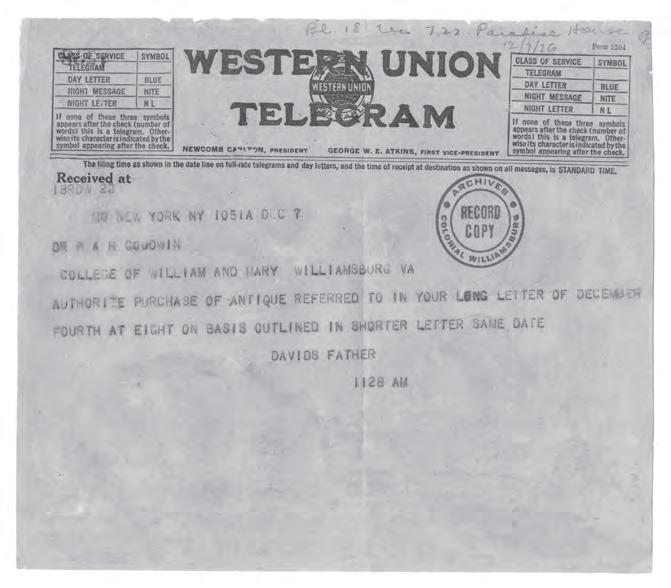
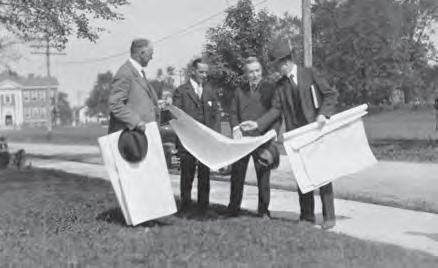
Colonial Williamsburg was formed in 1926 when the Rev. Dr. W.A.R. Goodwin collaborated with philanthropist John D. Rockefeller Jr. to restore Virginia’s colonial capital to its 18th-century appearance. In November of that year, Rockefeller authorized the first funding to study the restoration of Williamsburg’s historic buildings, marking the official start of the restoration project. Then in December, Rockefeller sent Goodwin a cryptic telegram, signed “David’s Father,” authorizing the first purchase of Williamsburg property.
10
What began as a modest initiative to preserve Williamsburg’s 18th-century buildings soon blossomed into a full-scale restoration. This partnership, in which Rockefeller committed to helping Goodwin “to carry out this enterprise completely and entirely,” began a century of research, discovery and storytelling.
For 50 years the Rockefeller family was the principal investor in Colonial Williamsburg. In 1974, the Foundation launched its first organized fundraising
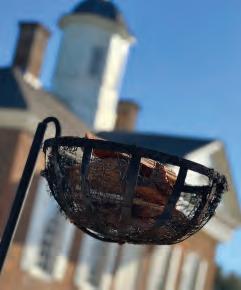
We are pleased to present the spring 2026 issue of The Cresset A sensory experience that helps to define Colonial Williamsburg, cressets line Duke of Gloucester Street. They are used for a small fire, burning as a light or beacon. This newsletter is intended to be just that a beacon to highlight the stories, places, people and projects that demonstrate...
For membership information and assistance, please contact The Colonial Williamsburg Foundation at donorrelations@cwf.org. Continued on page 3
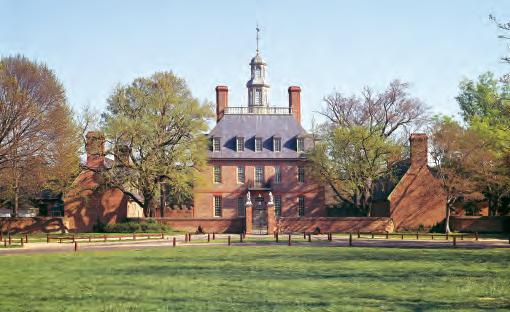
(top) The Rev. Dr. W.A.R. Goodwin and John D. Rockefeller Jr. meet with architects in Williamsburg to discuss the restoration project. (bottom) The Governor’s Palace, as pictured in 1976, the year the Colonial Williamsburg Fund was created.
A Century of History Education, Powered by Philanthropy
Dear Friends,
It’s finally 2026, the 250th anniversary of our nation’s formation. It was here 250 years ago in Williamsburg that the Fifth Virginia Convention took place, where representatives voted to instruct the Continental Congress to declare independence; elected Patrick Henry Virginia’s first governor; and established the Virginia Declaration of Rights. You’ll learn more about the 250th anniversary of this influential document authored by George Mason on page 10.
This year also marks another incredible milestone: the 100th anniversary of the founding of Colonial Williamsburg. A century ago, a bold vision to educate the country about our nation’s past began to take shape, and John D. Rockefeller Jr. became our first philanthropist. Like many of you, he and his family were devoted to Colonial Williamsburg and invited others to join them in investing in our mission. With the establishment of the Colonial Williamsburg Fund 50 years ago, about which you will read more on page 1, each and every one of you carries on the Rockefeller legacy today. In each issue of The Cresset we aim to share with you the impact of your generosity and how your investment in Colonial Williamsburg makes this important work possible. It is because of you that we get to ensure history education and civic engagement remain priorities in this country and Williamsburg’s significance to our founding doesn’t fade into obscurity.
THE CRESSET
This newsletter is published by The Colonial Williamsburg Foundation exclusively for members of the Colonial Williamsburg Burgesses, Colonial Williamsburg Associates, Raleigh Tavern Society and The W.A.R. Goodwin Society.
Cliff Fleet, President & CEO
The Colin G. and Nancy N. Campbell Distinguished Presidential Chair
Sani Silvennoinen, Chief Development Officer
WRITERS
Elizabeth Henderson, Emily MacIntosh and Rachel West
EDITOR Rachel West
CONTRIBUTING
EDITORS
Betsy Edwards and Laura Potts
ART DIRECTOR
Bob McCracken
PROOFREADER
Elizabeth Narney
PHOTOGRAPHERS
Brendan Sostak and Brian Newson
For membership information and assistance, please contact The Colonial Williamsburg Foundation, P.O. Box 1776, Williamsburg, VA 23187-1776 or email donorrelations@cwf.org.
You may also call 1-888-293-1776.
We are now in the final march toward a successful completion of the Power of Place Campaign. In 2025, we raised $85 million — one of our best fundraising years in Foundation history. We also ended the year with $527 million toward our $600 million Campaign goal to support several key priorities. Because of you, this Campaign has funded the restorations of the Williamsburg Bray School and Magazine, and the construction of the Campbell Archaeology Center. We still need support for programming and operations at these sites as well as other initiatives, including reconstructing the Peter Scott Shop and Randolph Stable; relaunching history.org; and restoring and recreating our historic landscapes and gardens like Custis Square.
Thank you for caring so deeply about our nation’s history and its origins right here in Williamsburg. It is because of the power of philanthropy that our mission has endured for 100 years and will endure for another century. We hope to see you in the colonial capital throughout the year to celebrate with us.
Warmly,
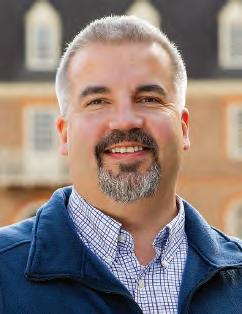
Sani Silvennoinen Chief Development Officer
Continued from page 1 50 Years
efforts, and in 1976, unrestricted financial support was passed to individual donors with the creation of the Colonial Williamsburg Fund. President Carlisle H. Humelsine issued the Foundation’s first public appeal for financial support and established a fundraising program to ensure the Foundation’s long-term financial stability.
By shifting fundraising responsibility to the broader public, the Foundation empowered the very people most directly impacted by its work to help shape its future. In broadening its base of support, the Foundation sought to build a dependable source of annual income, ensuring long-term sustainability and independence. This model not only strengthened the Foundation’s financial stability but also informed donors about its initiatives and plans, and invited them to serve as effective ambassadors for the institution.
Now, The Colonial Williamsburg Foundation is a private 501(c)(3) nonprofit, relying on philanthropic support from individuals, corporations and foundations instead of state or federal funding. The Colonial Williamsburg Fund, the unrestricted annual giving arm of the Foundation’s fundraising operation, sustains our historic preservation, historic trades, coach and livestock, archaeology, museum theater, civics education, online programs and so much more. Unrestricted annual gifts from generous donors provide flexible, stable funding across all areas of the Foundation, allowing funds to be allocated to the areas with the greatest need.
“The work we do would not be possible without the generosity of our donors,” said Colonial Williamsburg’s Vice President of Operations, Matt Webster. “The CW Fund is not only a critical funding source, but also serves as a point of inspiration, representing our donors’ support and trust in our efforts to protect this special place for generations to come.”
Mia Nagawiecki, the Royce R. and Kathryn M. Baker senior vice president for education, added, “We simply could not do what we do without the annual fund gifts that allow us to discover and develop new methods of educating
Americans about the founding of our nation. Unrestricted giving allows us to utilize funds where they are most needed, whether that is reaching students across the country through our expanded digital channels or maintaining and updating our multimedia tools for teachers, such as history.org. Our donors make everything we do possible.”
Alongside restricted gifts meant for a specific purpose, gifts to the Colonial Williamsburg Fund support the Foundation’s $600 million fundraising campaign, the Power of Place Campaign, which is dedicated to preserving our rich history and bringing it to life through innovative educational initiatives and igniting civic engagement. Built on three pillars of preserving the past, educating for the future and inspiring civic engagement, the Campaign aims to grow a strong financial position for accomplishing our goals and substantially advancing the Foundation’s mission and its national and international impact.
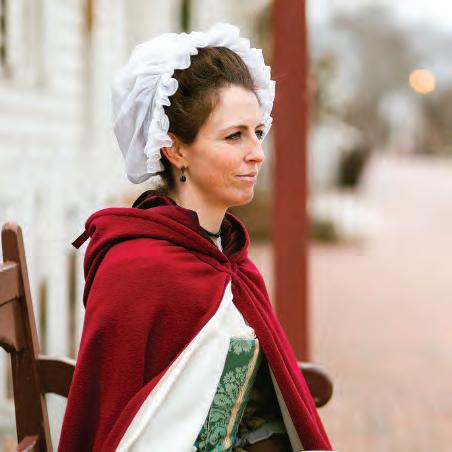
(left) Nation Builder Katharine Pittman portrays Martha Washington in the Historic Area. (below) A vital online educational resource for teachers across the country, history.org is funded by donor support. The Power of Place Campaign aims to grow a strong financial position to advance our mission.
For half a century, the Colonial Williamsburg Fund has embodied the enduring generosity and visionary spirit of Rockefeller and Goodwin, whose shared commitment to preservation, education and civic engagement laid the groundwork for this remarkable legacy. The milestones we mark this year offer not only a moment of celebration but a powerful reminder of the vision and philanthropy that continue to shape the Foundation’s future, all made possible by our generous donors.
Your donor society membership drives the Colonial Williamsburg Fund, and we remain grateful for your tremendous commitment to our mission.
An Exhibition 100 Years in the Making

The exhibition touches on the position of the Foundation as an educational institution that led the way in emerging fields like historical archaeology and architectural preservation in the United States.
its founding to the present. Through more than 200 objects, the exhibition dives into Colonial Williamsburg’s own archives and shares how the organization’s history is intertwined with the passion, research and expertise of the countless people over the years who have made this special place into what it is today.
Former Deputy Chief Curator Margaret Pritchard began planning the exhibition for the Art Museums of Colonial Williamsburg in 2021 and continued as an advisor following her retirement in 2024, working closely with Neal Hurst, curator of textiles and historic dress, and Katie McKinney, the Margaret Beck Pritchard curator of maps and prints. To create an exhibition about Colonial Williamsburg’s history, the curators met with current and former employees from all areas of the Foundation, verifying details about what they had uncovered in the John D. Rockefeller Jr. Library and corporate archives and identifying potential objects to be included for display.
Organized chronologically, the exhibition begins with the history of Williamsburg following the transfer of Virginia’s capital to Richmond in 1780. This has also allowed Hurst and McKinney the rare opportunity to display artifacts related to 19th-century Williamsburg and share information about the changes that the town experienced following the American Revolution through to the beginning of the reconstruction in 1926.
“There is a rifle-musket that’s been in the collection since the [1980s] that’s never been

Williamsburg, a Civil War piece,” Hurst noted. “This is a great place for that.”
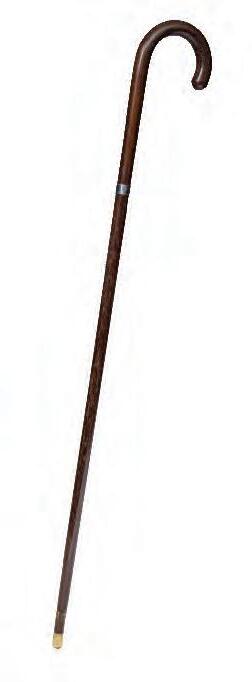
Because of the focus of the exhibition, most of the objects have never been on display to the public before, like a cane belonging to Rev. Dr. W.A.R. Goodwin. Other pieces are technically on loan from colleagues in multiple departments, including prototypes, old shop signs, fragments from the Architectural Collections and a painter’s box covered in layers of paint accumulated over years of use. Part of the story of these practical objects is their use-life, so Hurst and McKinney had to make additional decisions when meeting with the conservation team about how to clean and prepare the items for installation in the galleries.
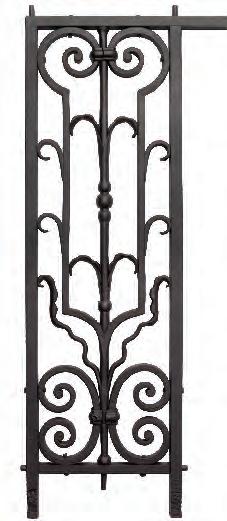
An ironwork railing pattern made by blacksmith Ferrante “Fred” Ferrari in the 1920s for the Governor’s Palace balcony.
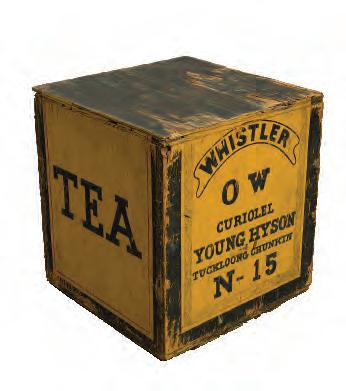
(below) Civil War rifle-musket, ca. 1860. (bottom) A prop tea crate created for the film Williamsburg: The Story of a Patriot.
“Something that the brickyard had, a brick mold, came in with the clay on it, and everything had to go through the conservation lab,” McKinney explained. Instead of having the conservators fully remove evidence of the clay, they requested to leave some of it visible on the mold. “We want people to see those things,” she said.
Two glass fragments excavated at Custis Square help illustrate how Colonial Williamsburg’s research methods have advanced over the years while building on the strong groundwork laid by those who came before. Both fragments cross-mend, showing that they were originally part of the same early 18thcentury windowpane, but they were uncovered over 55 years apart. The larger piece was recovered in 1954 during excavations of a well at Custis Square. It was only when Colonial Williamsburg’s archaeologists returned to the site in 2019 looking for evidence about John Custis IV’s gardens and the enslaved people
Centennial exhibition now open in the Art Museums of Colonial Williamsburg
who maintained his property that the second fragment was found.
“When we go back to excavate a site again and recover artifacts that mend in this way, it reminds me that we are not just adding to the story,” shared Senior Staff Archaeologist Meredith Poole. “But we are connecting old stories to new stories in such a way that we continue the thread, and we continue the work of the researchers who have undertaken this work over the last century.”
Reflecting on what they learned while working on this exhibition, Hurst and McKinney both hope visitors are left with a deeper appreciation for the impact Colonial Williamsburg has had in the museum and public history fields. Generations of historic preservationists, archaeologists, traditional tradespeople, landscape architects and more have worked and trained at the Foundation, developing a deep repository of working knowledge and serving as a resource for other historic sites and museums. Based on the shared vision of Goodwin and John D. Rockefeller Jr., Colonial Williamsburg has been able to maintain its reputation as a trusted source of historical research and craftsmanship thanks to the philanthropy and commitment of our donor community, and this legacy and passion can also be seen in the accomplishments celebrated in this exhibition.
Colonial Williamsburg: The First 100 Years opened in the Henry H. Weldon Gallery in the Art Museums of Colonial Williamsburg on February 28. Funding for the exhibition was generously provided by Elaine and Don Bogus. If you are interested in supporting collections research or new exhibitions at the Art Museums, please contact campaign@cwf.org. CW
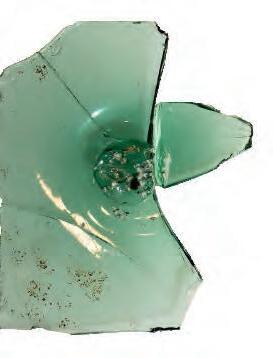
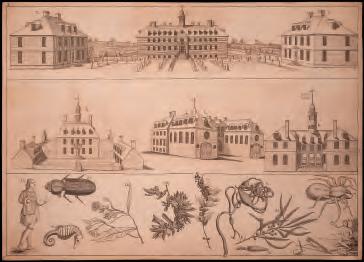
(above) Two fragments of the same 18th-century windowpane, excavated over 55 years apart, illustrate Colonial Williamsburg’s ongoing research. (below) Also included is the Bodleian Plate (ca. 1740), which helped guide the restoration following its rediscovery in 1929.
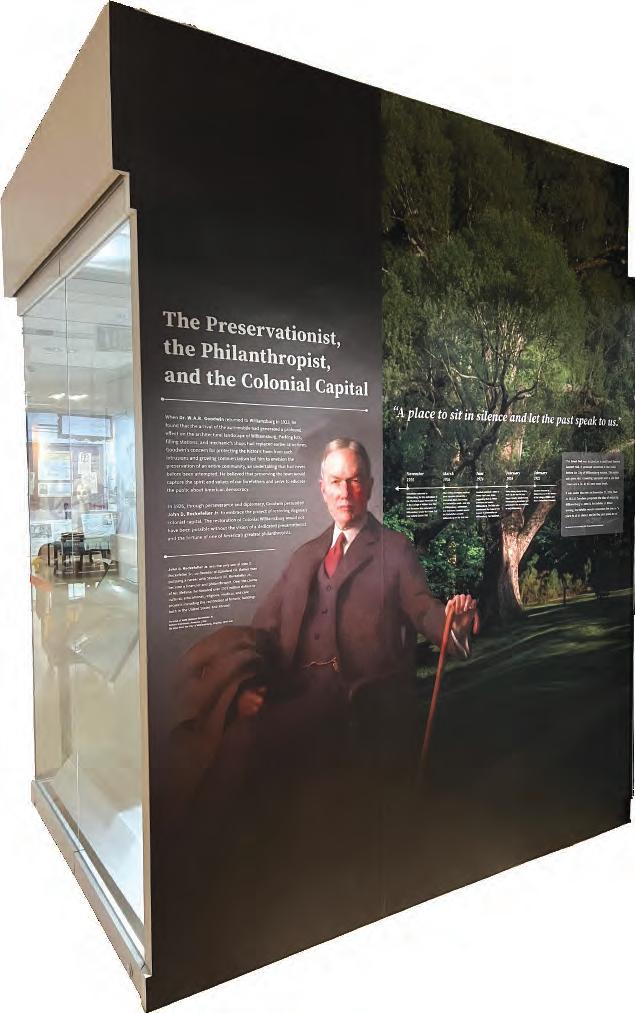
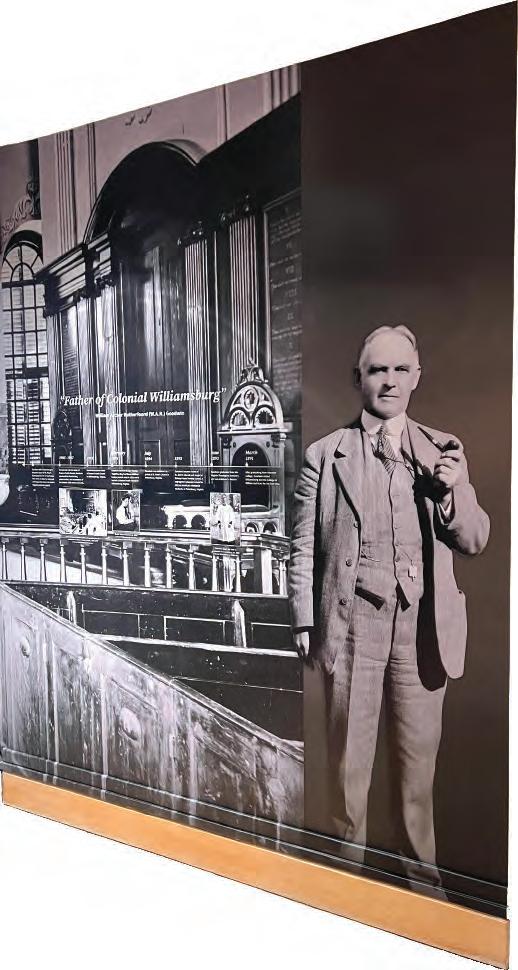
Wall panels dedicated to John D. Rockefeller Jr. and Rev. Dr. W.A.R. Goodwin help tell the story of Colonial Williamsburg’s creation.
The Rev. Dr. W.A.R. Goodwin’s cane.
Donor Spotlight – Mary and Sean Burrows
Finding a Home Away from Home in Williamsburg
Since their first visit together more than 20 years ago, Mary and Sean Burrows have been through multiple moves across the country, but Colonial Williamsburg’s Historic Area has remained a home away from home.
The Burrowses now live in Blacksburg, Virginia, but at the time of Mary’s first trip to Williamsburg, they were located in Upstate New York. Sean had explored the Historic Area before with his family when he was younger, and he and Mary decided a visit together would be the perfect escape from the winter cold.
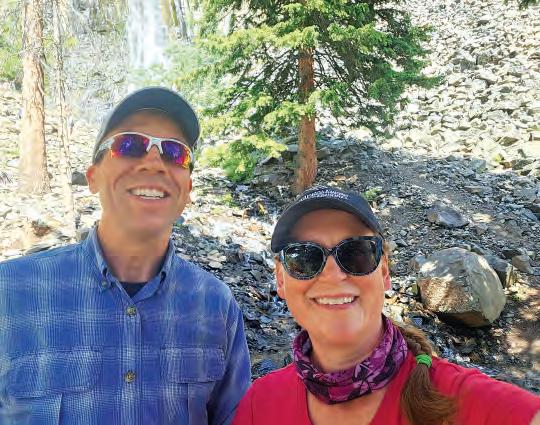
“I thought it would be like Disneyland, but it was far less commercial — and so much more educational — than I imagined,” Mary said.
That first trip together would become the start of a family tradition, strengthened as they began to share it with their daughters, Abi (now 17) and Cora (now 15), on annual visits during the winter holiday season. Making a point to stay in the Barraud House, one of the Foundation’s Colonial Houses exclusive to Raleigh Tavern Society members, the Burrows family found a familiar retreat enriched by the personal connections they made with the staff members they grew closer to each year. They recall milestones like Cora taking her first steps at the Barraud House and the kindness of everyone from resort staff to the interpreters who continue to make their yearly stays so special.
According to Mary, the longtime housekeeper at the Barraud House, Sara Lattimer, was always happy to provide more information about the
area and went so far as to create a makeshift changing table out of towels for Abi during their early years of staying at the property. “She’s been part of the whole experience, and we’re really going to miss her now that she recently retired,” she noted.
These cherished memories and their interest in the teaching and preservation of American history inspired Mary and Sean to give back to Colonial Williamsburg, becoming Raleigh Tavern Society members and more recently joining the President’s Council. In doing so, they not only support the ongoing educational work of the Foundation, but they hope to quietly set an example for others and for their daughters of the value of giving back to improve society.
“It’s something that you just can’t reproduce, the experience. You’re physically there where things happened,” said Sean.
As the warm weather returns, they look forward to sharing photos of the tulips in bloom throughout the Historic Area. An expert in plant pathology, Mary also appreciates the efforts of the historic gardeners and farmers to introduce historical Virginian crops to their plantings.
While they are still new to the President’s Council, Mary and Sean have enjoyed the opportunities their participation has afforded them to speak with others who are passionate about Colonial Williamsburg’s educational mission, in addition to gaining a deeper understanding of the Foundation’s plans for the future. Overall, they encourage their fellow donors to remain engaged and hope they can create the same kind of personal connection to this powerful place and its dedicated staff as they have over the years.
Sean and Mary Burrows.
Let It Snow!
Every season brings its own beauty and charm to the Historic Area. As we look forward to the riot of colors that come with the spring blooms, we hope you enjoy these quiet moments capturing Williamsburg blanketed in snow.
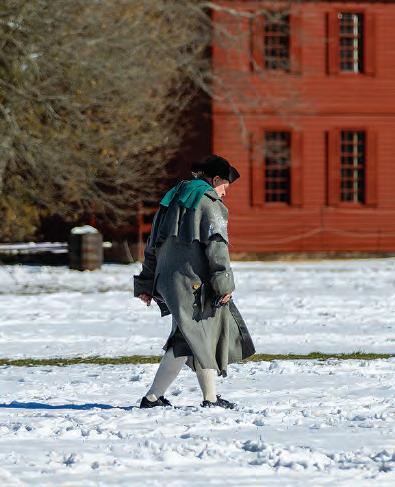
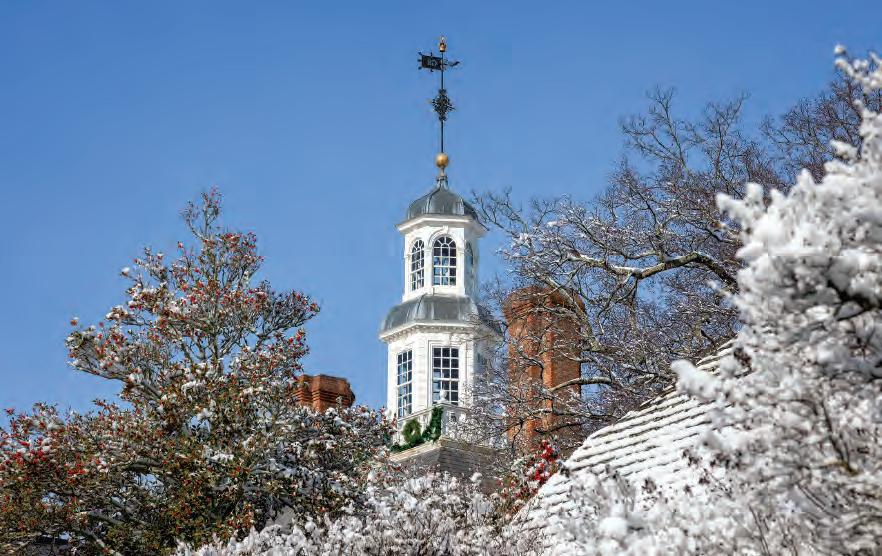
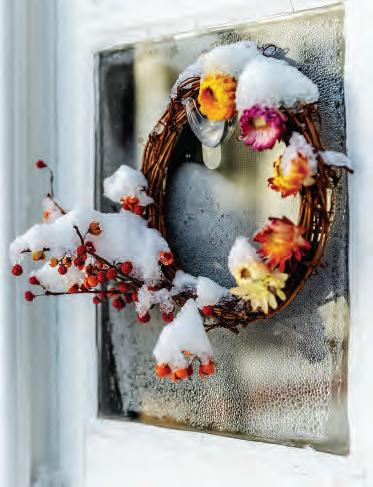
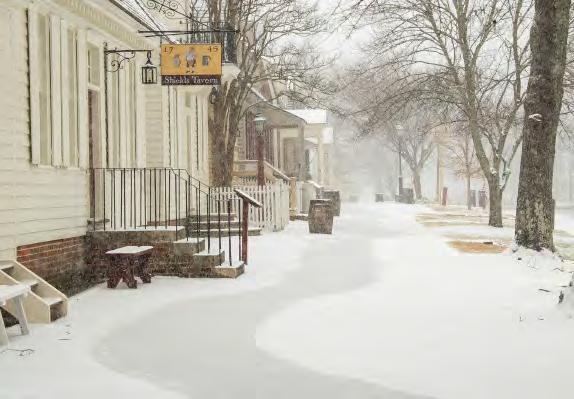
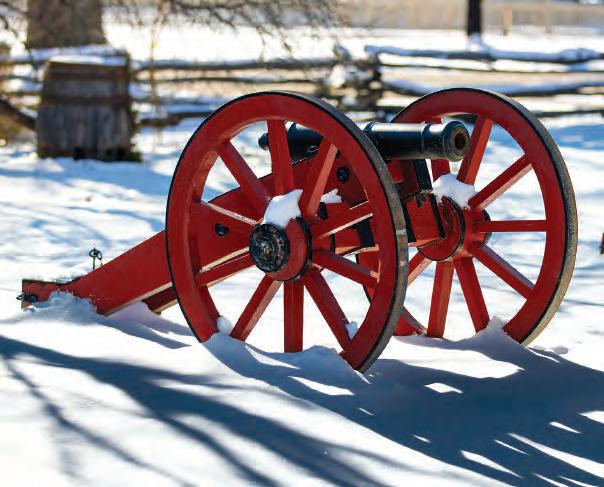
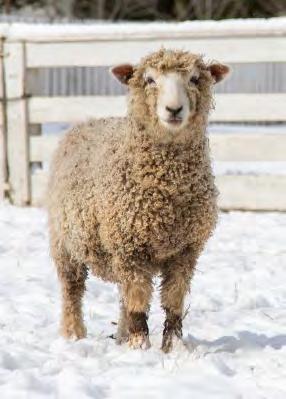
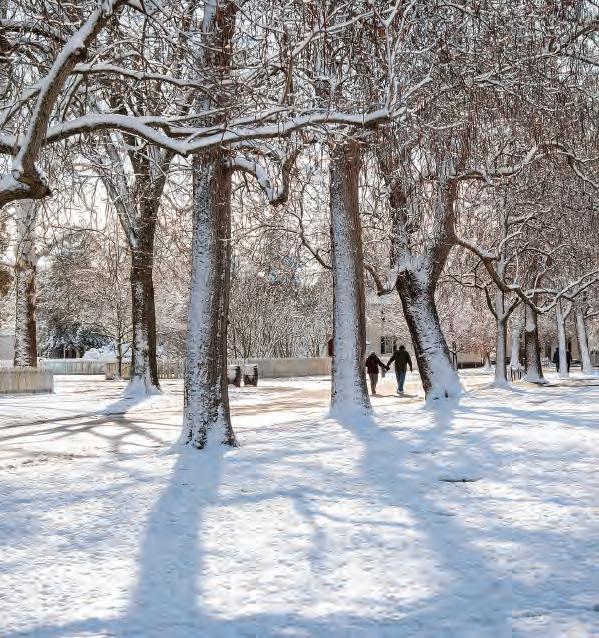
(top) The Governor’s Palace cupola shines bright against the winter sky.
(middle row) Vibrant hues — like the reds of the Peyton Randolph House and the Magazine’s cannons — stand out in the white landscape.
(bottom row) The familiar face of a Leicester Longwool sheep greets visitors who brave the cold for a wintry stroll.
Where History Meets Hospitality
Volunteers keep the St. George Tucker House running.
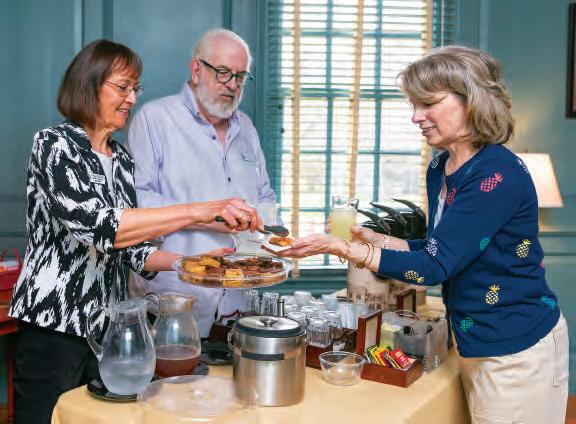
One of the most exciting donor advantages we offer is access to the St. George Tucker House, our premier donor reception center in the heart of the Historic Area. Here, visitors to the house can meet fellow donors, experience exclusive programs, engage with Nation Builders and artisans and enjoy light refreshments. Behind the scenes, and often at the front door, dedicated volunteers are a vital part of what makes this experience special. Their warmth and commitment keep the house running smoothly each day, ensuring every guest feels valued and at home.
I have met so many wonderful people that have become friends, and to have them return year after year shows the importance of this reception center for our donors and their families.”
– Marie Bond, volunteer 22 years
“My favorite part of volunteering at the Tucker House is talking to the visitors about their backgrounds and interests. We meet people from all over the U.S. and overseas who have fascinating stories to tell. Also, learning about the backgrounds of many of the other volunteers. The volunteers in the Tucker House come from all walks of life and carry so many interesting stories about their experiences.”
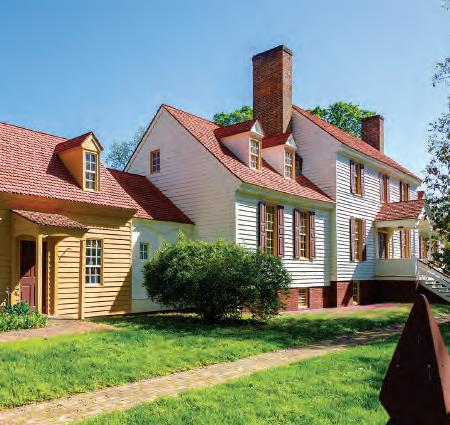
In addition to being the friendly faces that welcome donors with a cookie and a beverage, the Tucker House volunteers are experts on the history of the house — one of our original 89 buildings dating to the early 18th century — as well as knowledgeable tour guides and authorities on Williamsburg. They lead informational tours, answer questions about Colonial Williamsburg and the area, engage with visitors and connect them to the history that surrounds them here.
Hear from some Tucker House volunteers about their favorite parts of their work:
“It is an honor to serve our donors and guests as they stop in for a visit. It is so wonderful to share the history of the Tucker family and the house.
– Alison Cleary, volunteer 1.5 years
“My greatest joys are not only the amazing volunteers and staff that I am honored to work with, but also the wonderfully committed donors who, through their generosity, make it all possible. The icing on the cake has been the innumerable times that I have had the opportunity to spend one-on-one time with some of our amazing Nation Builders. Through it all, as a lover of history, I have acquired not only a great deal of knowledge, but more importantly, a great deal of understanding, and for that I am truly grateful.” – Joe Filko, volunteer 11 years
“I love meeting the donors and enjoy talking to them. It is a wide range of people who all love Williamsburg and keeping this part of history alive.” – Lynette Latham, volunteer 3 months
“The volunteers and patrons are interesting, informed, well-traveled and eager to share information. Every day is a learning experience.” – Norman Cole, volunteer 3.5 years CW
(left) Volunteers Susan Delano, Gary Zinsmeyer and Laura Colgary volunteer at the St. George Tucker House. (right) The St. George Tucker House is one of the Foundation’s original 89 structures.
Tucker House Happenings
Are you planning a visit to Williamsburg? Be sure to stop by the Tucker House for refreshments and to say hello. The house is open and staffed by our wonderful volunteers seven days a week.
Below is a recap of recent donor events at the Tucker House and a reminder to reserve your spot for upcoming spring programs.
Grand Illumination Open Houses: During December’s Grand Illumination celebrations, the
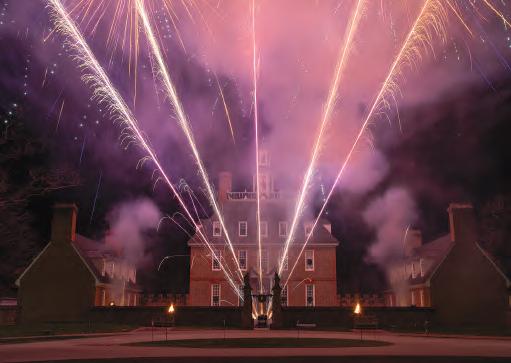
Tucker House opened its doors for a series of special Open Houses, welcoming more than 200 guests on each of the three Saturdays. The events offered visitors a rare opportunity to tour the historic home and experience firsthand the warmth and hospitality of
the Donor Reception Center during one of the most magical seasons of the year. The Open Houses also provided a meaningful opportunity to highlight the Tucker House as a distinctive donor benefit, a space made possible through generosity and shared commitment
to our mission. The enthusiastic response not only generated tremendous interest but also inspired new philanthropic support, underscoring the power of place in connecting community, history and philanthropy.
Make Your Reservations for Spring Donor Programs:
Donor Visit with a Nation Builder programs at the Tucker House are a wonderful way to engage with the historic interpreters in up-close and personal conversations.
Programs are offered on Tuesday and Thursday mornings. Space is limited, so reserve your seats today by calling 1-888-965-7254 (option #5) for this popular program.
Please visit our website for monthly Nation Builder and artisan schedules, and sign up to receive monthly emails from our Donor Relations team featuring more information about upcoming programming and exclusive opportunities. CW
Subscribe to Get Early Access to 2026 Videos
As a thank you for being a donor and supporting Colonial Williamsburg, we’re giving you early access to monthly video content produced by the Foundation highlighting key initiatives commemorating the U.S. Semiquincentennial as well as our own centennial. Donors who are subscribed to receive Development emails will have the opportunity to view the videos two weeks before the public. Your support makes everything we do possible — from our ambitious preservation projects, transformative educational programming and inspirational civic engagement initiatives — you are the reason our educational mission continues to resonate.
Plus, your membership in our donor societies comes with access to incredible trips in the company of special hosts and expert guides.
Raleigh Tavern Society members have the first opportunity to book these trips, with Burgesses, Associates and Goodwin Society members able to book any remaining openings. In order to receive emails about these trips, you must be subscribed to our list.
Scan the QR code to subscribe to our emails by checking The Power of Place – Support Colonial Williamsburg or send an email to cwfund@cwf.org and we’ll help get you subscribed. CW
The Virginia Declaration of Rights A Defining Moment:
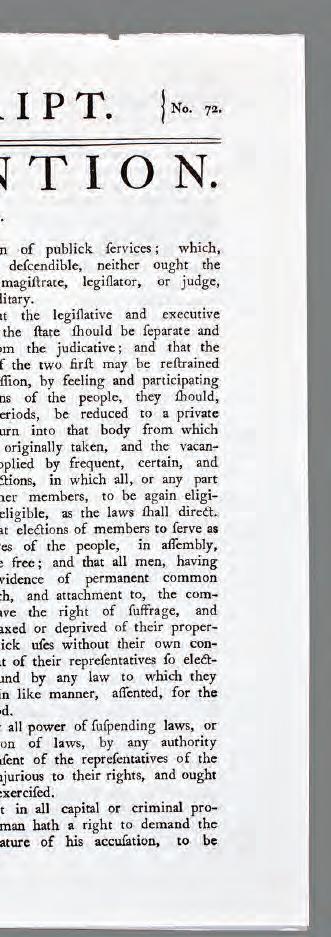
As we honor 250 years of the revolutionary spirit that helped change the course of history, we commemorate the pivotal moments that happened here in Williamsburg. In the spring of 1776, Virginia leaders meeting in Williamsburg’s Capitol made several momentous decisions, among them drafting a Declaration of Rights and a new government framework for the colony. The Virginia Declaration of Rights would go on to shape the Declaration of Independence, Constitution and Bill of Rights, leaving an enduring imprint on the nation’s founding.
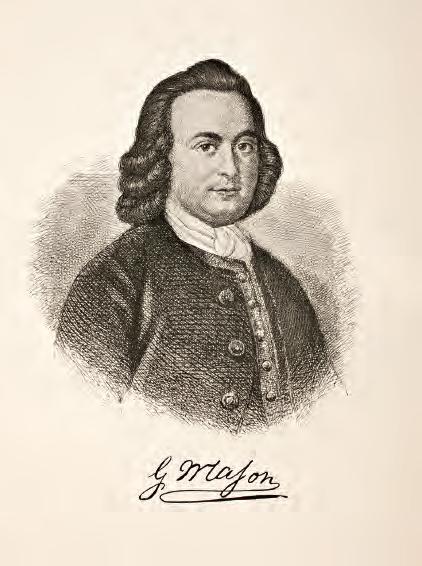
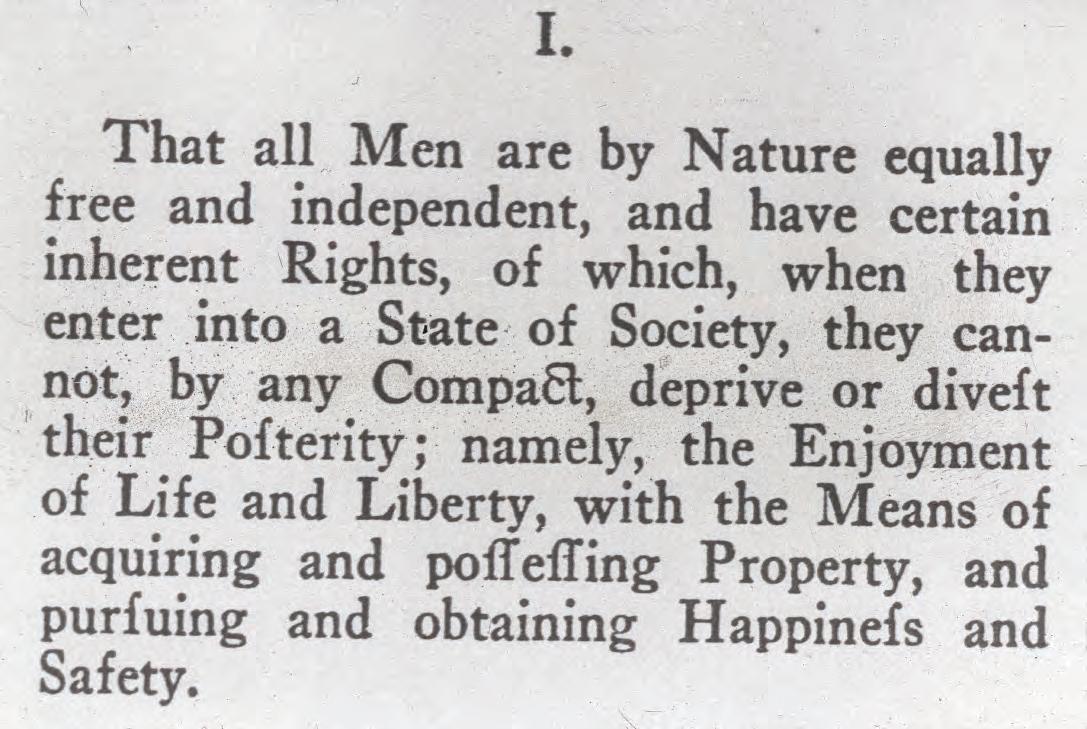
Adopted by the Fifth Virginia Convention on June 12, 1776, the Virginia Declaration of Rights is one of the most important documents of the American Revolution. Its primary author, George Mason, enumerated the highest principles of the revolutionary movement, and provided a glimpse into the tensions in Virginia over government, slavery, religion and the question of equality.
In its 16 articles, the document lays the groundwork for the protection of individual liberties and the establishment of a government accountable to its citizens. It proclaims that all people are, by nature, equally free and possess inherent rights such as life, liberty and property. However, it excludes enslaved and free Black people from its expansive promises of natural rights. It affirms that a government is instituted for the people and must exist solely for their common benefit. The document calls for the separation
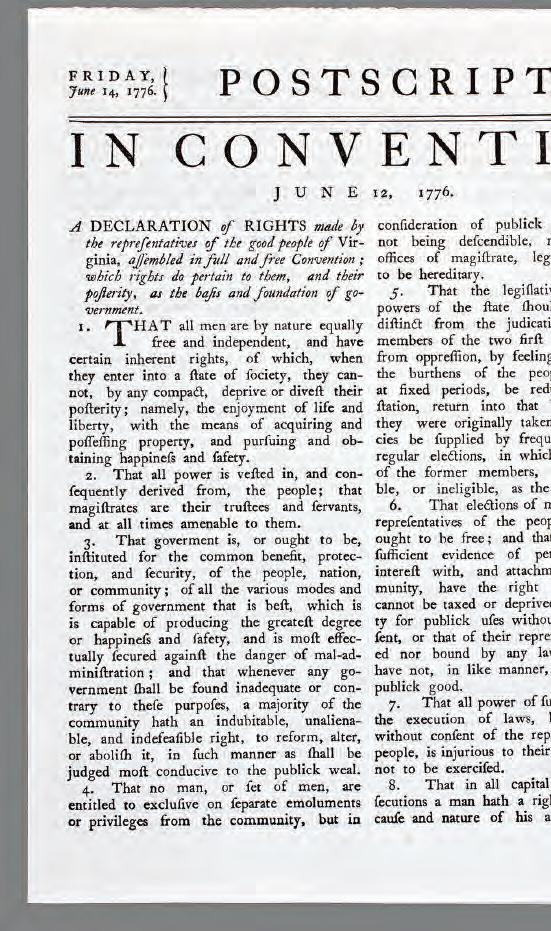
of legislative, executive and judicial powers, and it firmly states that no individual is entitled to authority based on birthright. Many of these notions have since become deeply woven into America’s founding principles and remain central to the ideals that define our nation today.
Donor support makes it possible for us to interpret and commemorate this landmark document and the pivotal moments that led to its drafting in Williamsburg 250 years ago. It is because of our donors’ commitment that we are able to present special programming and signature events that bring these historic milestones to life for visitors, right here in the place where they happened.
Associate Vice President for Performing Arts & Signature Events Robert Currie has been working to plan Colonial Williamsburg’s upcoming commemorations of the Fifth Virginia Convention and the Virginia Declaration of Rights. “This is an incredible moment to be
An illustration of George Mason, primary author of the Virginia Declaration of Rights.
An experiment in self-governance 250 years in the making.
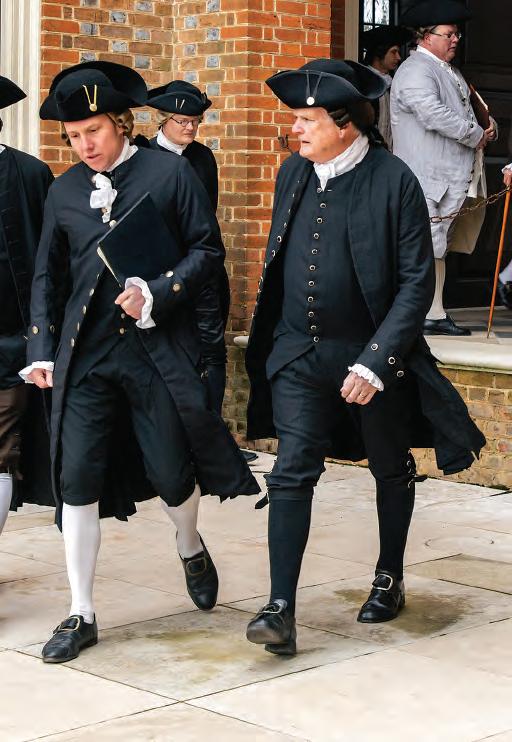
here in Williamsburg, as we have the honor and privilege of commemorating the 250th anniversaries of two extraordinary moments in our nation’s history,” he said. “It was here, on these grounds and in front of some of the very buildings that still stand after more than 250 years, that Virginians found their collective voice and called for independence. Our work honors their roles in leading the charge to Revolution and Virginia’s pivotal place in our shared American history.”
Along with Currie, the Performing Arts team has been preparing the productions for these two commemorations. For the Fifth Virginia
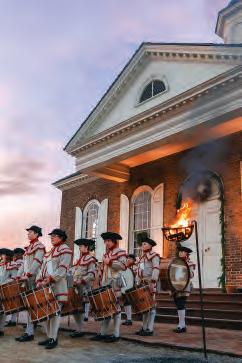
Convention, Nation Builders Katharine Pittman and Kurt Smith, who portray Martha Washington and Thomas Jefferson, have written and will direct a special commemorative program entitled The Flame of Revolution, a multimedia theatrical experience to be presented on May 15 and 16. This event will be free and open to the public.
On June 12 and 13 at the Kimball Theatre, we will present First Virginia Declaration of Rights, featuring an ensemble cast of Nation Builders who will reflect on the impact of this landmark document, which set a precedent for future declarations. This program will require an admission ticket.
Gifts to The Colonial Williamsburg Foundation and our Power of Place Campaign allow us to celebrate and commemorate the important moments of 2026 on a global stage. The eyes of the nation and the world are on Williamsburg, and we are excited to continue bringing history to life this year and beyond.
America’s origin story began in Williamsburg.
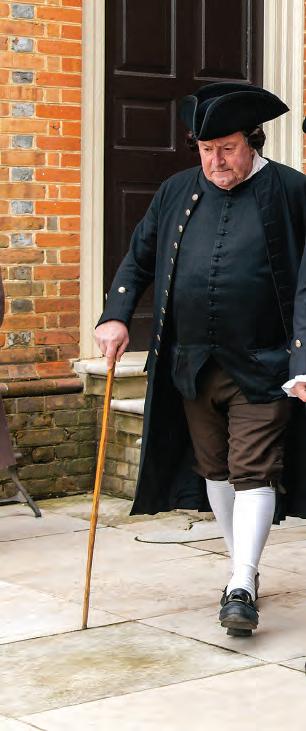
(left) Interpreters portraying delegates leave the Capitol building following Fifth Virginia Convention proceedings.
A Grateful Start to a Historic Year
Save the Date
2026 Special Events
Commemorating the Fifth Virginia Convention
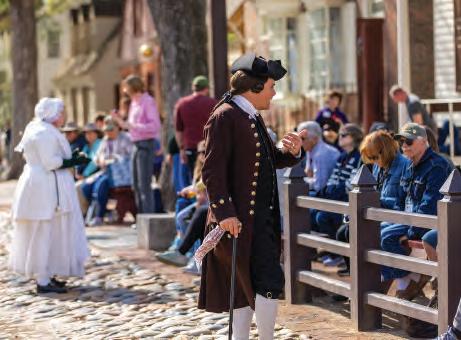
As we look ahead to an important and exciting year, we extend our heartfelt gratitude to you — our Colonial Williamsburg Fund supporters — whose generosity makes our mission possible every day. Many of you have been part of this community for years, even decades, and your enduring commitment and loyalty are never taken for granted. Your generosity preserves the buildings, collections and landscapes that define Colonial Williamsburg. You help protect fragile artifacts, restore historic structures and ensure that future generations can walk these streets and learn from the past. Your long-standing commitment has safeguarded this special place in extraordinary ways, and we look forward to your continued support and partnership.
CW
May 15-16
250th Anniversary of the Virginia Declaration of Rights
June 12-13
Independence Day Weekend
July 2-5
Friends of Collections
September 11-12
Goodwin and Raleigh Tavern Society Meetings
October 2-4
African Baptist Meeting House and Burial Ground Dedication
October 9-10
Centennial Celebration
November 14
If you have any questions about special events, please contact our Development staff at (757) 220-7279 or cwevents@cwf.org. To receive our emails, including meeting and special event links, send an email to donorrelations@cwf.org.
Thank you for your generous and continuing support.
THE
C RESSET.
DONOR SOCIETIES NEWSLETTER
P.O. Box 1776, Williamsburg, VA 23187-1776