


OFFICERS
• President, Michael Passero
Mayor of New London
• 1st Vice President, W. Kurt Miller
Chief Administrative Officer of Seymour
• 2nd Vice President, Carl Fortuna, Jr. First Selectman of Old Saybrook
BOARD OF DIRECTORS
• Arunan Arulampalam
Mayor of Hartford
• Jason Bowsza
First Selectman of East Windsor
• Pete Bass
Mayor of New Milford
• Dorinda Borer
Mayor of West Haven
• Mary Calorio, Town Manager
Canterbury, Chaplin & Pomfret
• Fred Camillo
First Selectman of Greenwich
• Justin Elicker
Mayor of New Haven
• Joseph P. Ganim
Mayor of Bridgeport
• N. Warren “Pete” Hess III Mayor of Naugatuck
• Matthew Hoey
First Selectman of Guilford
• Matthew S. Knickerbocker
Former First Selectman of Bethel
• Rudolph P. Marconi
First Selectman of Ridgefield
• Connor Martin Mayor of East Hartford
• Maureen Nicholson
First Selectman of Pomfret
• Brandon Robertson
Town Manager of Avon
• John L. Salomone
City Manager of Norwich
• Caroline Simmons
of Stamford
• Gerard Smith
Selectman of Beacon Falls
• Molly Spino
of Torrington
• Steve Stephanou
Town Manager of Manchester
• Mark B. Walter
Town Administrator of Columbia
• Executive Director & CEO, Joe DeLong
• Deputy Director & COO, Ron Thomas
• Managing Editor, Joseph Thornton
• Writer, Christopher Gilson
• Layout & Design, Matthew Ford






Joe DeLong Executive Director & CEO
Across Connecticut, one issue continues to shape conversations around affordability, fairness, and the future of our communities: property taxes.
For residents, property taxes affect far more than a bill that arrives in the mail. They influence housing affordability, help fund schools and essential local services, and impact the financial health of our towns and cities. Yet despite decades of discussion, property tax reform remains one of the most challenging and complex policy issues facing our state.
That is exactly why the Connecticut Conference of Municipalities (CCM), in partnership with Yale University, the University of Connecticut, and the Connecticut State Comptroller’s Office, has launched a groundbreaking new initiative: Connecticut’s Citizens’ Assembly on Property Tax Reform.
As one of the first of its kind in the nation, this effort brings together a representative group of Connecticut residents to study, deliberate, and develop recommendations on a state-level policy issue that affects every household, municipality, and taxpayer.
At a time when public trust in institutions and policymaking is under increasing strain, this initiative offers a different approach: one rooted in transparency, collaboration, and public engagement.

A Citizens’ Assembly is designed to give everyday residents a meaningful role in tackling difficult issues. Participants are selected through a process intended to reflect the geographic, demographic, and socio-economic diversity of Connecticut. Over several months, Assembly members will hear from experts, review data, ask questions, discuss competing perspectives, and work together toward informed recommendations.
Because property tax reform cannot be solved through simple talking points
or one-size-fits-all solutions. It is deeply connected to how Connecticut funds local government, supports public education, addresses housing challenges, and ensures long-term economic competitiveness. These are issues that deserve thoughtful discussion and broad public understanding.
This collaborative effort also reflects the strength of the partners behind it. CCM brings decades of municipal expertise and advocacy on behalf of Connecticut’s towns and cities. Yale University and UConn contribute research, academic rigor, and experience in democratic innovation. The State Comptroller’s Office offers critical fiscal insight and a commitment to accountability and public trust.
Together, we are building a process designed to be balanced, credible, and impactful.
Most importantly, this initiative creates an opportunity for Connecticut residents to help shape the future of an issue that directly affects their families, communities, and finances.
We believe this work has the potential not only to advance the conversation on property tax reform here in Connecticut, but also to serve as a model for public problem-solving nationwide.
This is an important moment for our state. A moment that invites residents into the policymaking process in a new and meaningful way.
We look forward to sharing this journey with you.
Sincerely,
CEO & Executive Director






CCM, with the support of its members, spread the message of affordability
We thanked Governor Ned Lamont and legislative leadership when they announced an increase of funding for towns and cities to the tune of $270 million -- $170 million for school funding and an additional $100 million in municipal aid out of the state’s Affordability Fund. In a statement, we said that this “represents an important and welcome step toward addressing the growing fiscal pressures facing municipalities, school districts, and local taxpayers.”
These funds were not part of the Governor’s State of the State in early February, despite a call for a Blue Ribbon Commission on K-12 Education that came to fruition in mid-April. The clue to the change of heart comes directly from his press statement announcing the additional funds: “I have heard directly from mayors, first selectmen, superintendents, students, and taxpayers across Connecticut who are feeling the squeeze of rising costs.”
CCM has endeavored to make sure that these voices were heard, not just with the Governor himself, but the people of the State of Connecticut, as well. Through a concerted campaign of traditional, legacy, web, and social media, the CCM Communications team put school funding messaging front and center with the simple message: Fix the Fund.
We counted over 8.2 million combined responses from our campaign – that includes video views, social media likes, link clicks and more. That’s enough of a response to cover every person in Connecticut twice. By the end of the legislative session, our ECS Funding landing page was our most visited page on our website by nearly 15,000 views.

Property taxes and a ordability remain challenges for Connecticut families. This Year, state leaders took meaningful steps forward.
Thank you to the Governor and General Assembly for recognizing the need for action. There’s more work ahead. But progress matters.

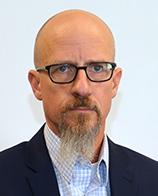
This work was not done in a vacuum; we had incredible opportunities to submit testimony to the Education Committee, a press conference in which our members reiterated real world facts about their needs, and a press conference with the School + State Finance Project where dozens of people showed up to once again implore the Governor and Legislature to fix the fund.
All of this resulted in over two dozen articles on our efforts alone, with many more coming from your efforts and those of partners.
Governor Lamont emphasized in his statement that “By closing funding gaps for our schools and municipalities, we can help communities avoid raising property taxes while keeping classrooms running and local services strong.” n

CCM Public Policy & Advocacy
fter the 2026 legislative session adjourned sine die, we want to update you on some of the most important pieces of legislation that were either passed or halted during the legislative session. We sincerely thank all our members who participated in public hearings, press conferences, and engaged with their state legislators. Your collective voice was heard and mattered! It was paramount to influencing the actions of the legislature for the betterment of towns and cities and the people of Connecticut.
As the session progressed, many of you became experts on a variety of topics, from education and solar energy to municipal camp safety, fire inspections and transportation issues. We truly relied on your insights and knowledge. Our team at CCM worked tirelessly to defend municipalities and advocate for the interests most important to them.
Your advocacy was instrumental in accomplishing many aspects of CCM’s legislative agenda such as securing additional ECS funding, restoring the Mashantucket Pequot and Mohegan Fund, establishing a pilot program for fire marshal inspections, extending DOT’s micro-transit initiative and increasing rail funding as well as making changes to the siting of grid-scale solar arrays for municipalities that have been most
impacted by these projects. In addition, while they did not become law, significant progress was made on public meeting notice requirements and for towns and cities to receive a portion of funds from the meal and beverage tax.
However, our work does not stop here. We will be building on this year’s successes by engaging CCM’s Policy Committees and encouraging all members to participate as much as possible to help craft our priorities for the 2027 session.
Thank you once again for your dedication and involvement!
SB 1 AAC Affordability enacted adjustments to the state budget with a stated goal of providing increased affordability, education funding, municipal aid, and early childhood initiatives. It passed the legislature with bipartisan votes and provides direct relief to municipalities by increasing state support for education and local governments in order to reduce pressure on local property taxes.
While overall municipal aid in the form of ECS, PILOT and other statutory grants remained largely unchanged from the levels adopted in 2025, the budget did provide an additional $280 million in one-time support for towns and cities.
The supplemental municipal aid came as one-time allocations to keep spending within the state’s fiscal guard rails and were provided in two main areas; increased education funding and direct municipal aid.
The adopted budget adjustments provide approximately $190 million in additional resources for local schools, which includes $152 million more for Education Supplemental Grants and a commitment to increase
ECS funding by at least the same amount in 2027. The supplemental education grants can be used to offset local education spending that is in excess of the local minimum budget requirement or if spending was not above the MBR, the funding will be directed to a town or city and spent at the discretion of the local or regional board of education.
SB 1 also provides additional support for magnet schools, Open Choice, charters, and vo-tech programs and increased investments in Early Childhood support with invests in early childhood education/child care expansion (via an endowment funded by surplus revenue), which can indirectly benefit municipalities by supporting families and potentially reducing long-term social service needs.
Furthermore, SB 1 also provided direct municipal aid of $100 million in the form of supplemental Mashantucket Pequot and Mohegan Funds (MMPF). This funding was provided to towns and cities for general municipal support with the only restriction being that municipalities must report to OPM what the funds were used for.
SB 1 also provided additional tax relief measures that include, but are not limited to:
• Increases the property tax credit against the state income tax.
• Sales tax exemptions on certain clothing, school supplies, household appliances, and prepared grocery items.
• New renter tax credit and family caregiver credit.
• Full deduction of Social Security benefits from state income tax.
SB 1 was characterized by legislative leaders as a budget that responded to the requests from municipal leaders for more state support to avoid further increasing local property taxes by providing increased education and general aid to help stabilize
or reduce the need for property tax increases in many towns and cities.
Sections 26 and 27 of HB 5464 establish notice requirements for the Department of Transportation (DOT) when removing homeless encampments located on state highway rights-of-way (ROW) and mandate a joint study with the Department of Mental Health and Addiction Services (DMHAS).
The bill requires the DOT to provide at least 14 days’ advance written notice before removing any encampment on a state highway right-of-way. The notice must include the scheduled date and time of the removal, and a clear statement that no individuals or personal property may remain on the right-of-way after the removal date. DOT must post the notice, printed in both English and Spanish, in visible locations at the encampment’s apparent entrances, exits, and common areas.
The language does provide for an Emergency Exception to the 14-day requirement if the DOT Commissioner determines that the removal is necessary due to a transportation operations or infrastructure emergency, or a public safety emergency. In such cases, the Commissioner must document the reasons for the emergency determination in writing. It does not, however, include public health as a reason for an emergency exception, putting the public’s health at risk unnecessarily.
The new 14-day requirements only apply to property in the DOT ROW and does not include state transit stations, rest areas or stops.
Furthermore, the bill requires the DOT Commissioner and the DMHAS Commissioner to jointly conduct a study and develop recommendations regarding best

practices and standards for responding to, managing, and removing encampments located on state highway rights-of-way.
Section 24 of HB 5464, delays electric school bus mandates. This section delays and may reduce costs for local and regional boards of education (BOEs) by:
• Eliminating the requirement for all school buses to be zero-emission or alternative fuel by January 1, 2035.
• Changing the target to 90% of school buses being zero-emission by January 1, 2040, instead of 100%.
• Mandating that 50% of school buses in distressed municipalities be zero-emission by FY 2036.
• Removing the requirement for environmental justice communities to fully transition to zero-emission buses by January 1, 2030.
• Requiring municipalities to submit plans outlining how they will meet these new requirements. This adjustment aims to provide more flexibility for our schools while still supporting the transition to cleaner transportation.
The most comprehensive labor bill that was passed and signed by the Governor this session was HB 5003. The bill, among other things:
• Extends “portal-to-portal” workers’ compensation coverage to public works department employees under certain circumstances, such as when they are responding to a direct order to appear at work when nonessential employees are excused from working.
• Requires entities, including municipalities, that take over certain service contracts at covered locations, contract out services, or receive property in a sale or transfer to retain the terminated contractor’s employees for at least 90 days.
• Allows municipalities that do not participate in CMERS to create a deferred retirement option plan for their employees.
• Creates a grant program for junior firefighter programs run by volunteer fire departments.
• Requires the state comptroller to study health insurance coverage for retired police officers and firefighters in the state.
• Expands an optional municipal property tax abatement for the spouses of first responders who died in the line of duty to also cover domestic partners.
Notable housing and zoning bills that CCM was able to defeat included:
• SB 151 - Restrictions to Local Zoning: The bill would have restricted towns zoning ability by prohibiting municipalities from adopting or enforcing certain zoning provisions.
• HB 5396 - Affordable Housing on Religious Organizations Land: The bill would have required all municipalities to consider proposed affordable housing developments that a religious organization property to approve through summary review rather than going through the normal zoning process.
• HB 5507 - Accessory Dwelling Units: The bill would have repealed a provision allowing municipalities to opt out of allowing accessory dwelling units on residential lots as of right and effectively require these units in all towns to be as of right.
CCM successfully blocked another proposal, HB 5260 An Act Prohibiting a Municipality from Imposing a Penalty for the Performance of Certain Activities of Daily Living, which would have prohibited municipalities from enforcing local ordinances on public land when homeless people perform certain activities on them. The bill also explicitly allowed panhandling. Current law stands, and towns and cities are still allowed to enforce public health and public safety ordinances and codes on public land.
SB 157 | Municipal Camp Safety
Presents a more moderate approach compared to SB 6 from the 2025 legislative session. The questionnaire sent to municipalities is not final; it will be refined throughout the summer in consultation with the Office of Early Childhood (OEC), the Parks and Recreation
Association, and CCM. Your input will be essential, so please don’t hesitate to reach out with any questions, concerns, or comments.
Key provisions of SB 157 include:
• Mandated Reporting: Municipal camp employees aged 21 and older are required to report any reasonable suspicion or belief that a child is being abused or neglected to the appropriate authorities.
• OEC Reporting: The OEC must submit a report on Connecticut municipal youth camps to the Committee on Children. This report will be developed in collaboration with the OEC, the legislature, CCM, and the Parks and Recreation Association.
Key details of the report (due by January 1, 2027) include:
1. A list of each municipal youth camp in the state.
2. Details about each camp’s physical environment, facilities, and settings.
3. The number and age range of children served by each camp in the prior year.
4. The number of employees at each camp in the prior year.
5. Each camp’s operating schedule, including dates when children attended.
6. Requirements for employee training, including frequency of emergency first aid and CPR.
7. Whether camps authorize employees to administer medication and if they provide related training.
8. Whether camps accept child care assistance subsidy payments (Care 4 Kids).
9. Written policies and procedures for employee hiring and training, including criminal background checks.
10. Written policies and procedures for facilities and equipment safety and maintenance.
11. The extent to which each camp’s policies meet OEC regulatory requirements for licensed youth camps.
We believe this information is crucial for CCM and municipalities, highlighting the significance of municipal camps as affordable and accessible forms of child care for working families.
Reauthorizes Connecticut’s rooftop solar incentives until 2035 and is headed to Gov. Ned Lamont’s desk for his signature.
This legislation builds on the state’s existing residential, commercial, and community solar programs, maintaining a target budget of $85 million a year-representing nearly a 10% savings over historical costs. Installations paired with battery storage will be exempt from this budget.
The bill also establishes regulations for plug-in solar panels, expedites solar permitting, and imposes a one-year moratorium on new approvals for large solar arrays in East Windsor and Enfield, where solar development is most concentrated. While some concerns have been raised about the costs associated with subsidizing rooftop solar, this bill is an important step toward making solar energy more accessible and affordable for Connecticut residents.
HB 5222 - Fire Marshal
Among other things, requires the state fire marshal to create a two-year risk-based residential fire inspection pilot program to improve the scheduling, documentation, and prioritization of fire inspections of multi-family dwellings. n




At a time when public trust in institutions is strained and complex policy challenges seem increasingly difficult to resolve, a subtle but innovative civic advancement is gaining traction.
Once considered exploratory and developmental, citizens’ assemblies are now being used around the world to tackle issues that traditional policymaking often struggles to address. The appeal is simple and straightforward: bring together a representative group of everyday people, give them the tools and time to understand an issue and ask them to work together toward solutions.
Sound simple? In practice, it is anything but.
A citizens’ assembly begins with the selection process. Participants are chosen through a civic lottery of random invitations sent to thousands of residents followed by a selection process that ensures the final group closely reflects the broader population. The goal isn’t to recruit experts or advocates, but to create a miniature representation of society: people of different ages, backgrounds, ideologies, regions, and perspectives.
This diversity isn’t accidental, but rather essential. It ensures that conversations include voices that are often absent from traditional policymaking and that recommendations are founded in lived experience, not just ideology.
Once convened, the assembly moves into a structured, multi-phase process. Participants begin by learning. They are provided non-partisan materials and information to study and also hear from experts, stakeholders, and advocates representing a range of perspectives. Importantly, this phase is carefully designed to provide balanced, accessible information while giving participants a shared foundation of understanding.
From there, the process shifts to deliberation. In groups, participants discuss what they’ve learned, ask questions, and begin to weigh trade-offs. These conversations are guided by trained facilitators who help ensure that discussions remain focused and grounded in respect and inclusivity.
This is where the model distinguishes itself. Unlike public hearings and political debates -- which often reward volume and risk -- citizens’ assemblies prioritize listening, reflection, and dialogue. Participants are emboldened to reconsider their assumptions, engage with opposing views, and work toward commonly agreed upon middle grounds.
Finally, the assembly moves to decision-making. Through a combination of discussion and voting, participants develop a set of recommendations: often detailed, practical, and grounded in a sophisticated understanding of the issue at hand.
The result isn’t just a list of ideas. It’s a body of work shaped by informed deliberation.
What makes this approach particularly effective is its ability to navigate the complexity of an issue. Many of today’s most pressing policy challenges aren’t defined by a lack of solutions, but more so by competing priorities. Climate policy, housing affordability, healthcare, education funding, taxation… all involve trade-offs that have proven difficult to reconcile in traditional political settings.
Citizens’ assemblies establish the environment to confront those trade-offs, honestly.
Participants aren’t running for office. They aren’t bound by party platforms or election cycles. Instead, what they are
given is a unique opportunity to think longterm, consider evidence, and collaborate across differences. That shift in incentives is designed to lead to recommendations that are both practical and proactive.
Equally important is the legitimacy that emerges from the process. Because participants reflect the broader public and engage deeply with the issue, their conclusions often carry a level of credibility that traditional processes often struggle to reach. Policymakers may still disagree with specific recommendations, but the process of hearing from informed constituents is difficult to dismiss.
That credibility can help unlock progress on historically challenging issues.
In recent years, governments at national and local levels have begun to recognize this potential. Citizens’ assemblies are increasingly being used as tools that can inform decision-making, build public trust, and bring fresh perspectives into the process.
Connecticut is among the places now exploring this approach. State leaders and institutional partners have proposed using a citizens’ assembly to examine property tax reform: an issue that has proven both complex and politically sensitive. While currently in development, the effort reflects a growing recognition that traditional approaches alone have proven not to be enough to address the deeply rooted challenges.
If implemented effectively, the assembly could help bring forth new ideas, build broader understandings and create a stronger foundation for policy decisions. Equally as importantly, it could demonstrate that everyday people potentially have a meaningful role to play in helping shaping viable outcomes. Which may be the most significant impact of all.
Citizens’ assemblies do more than gen-
erate recommendations. They demonstrate what constructive civic engagement can look like when people are given the time, information, and space to work through difficult issues together. They can unify a divided landscape with thoughtful dialogue, they encourage listening alongside advocacy and remind us that solving complex challenges is a shared responsibility. At a time when public trust and civic discourse are under strain, that example just may matter.
No process is a cure-all, and citizens’ assemblies are not without challenges. They require careful design, meaningful investment by organizers and participants, and a clear connection and desire toward decision-making. But where they have been used well, they have shown that everyday people, given the right conditions and an opportunity, are capable of extraordinary outcomes.
Citizens’ assemblies offer a promising path for governments seeking to tackle complex challenges and rebuild public trust. Rather than replacing existing institutions, these assemblies are designed to complement and strengthen them.
After all, in the end, the quality of our decisions reflects the quality of the conversations that shape them. n
From across the pond to left-of-the-dial, Brian Scott-Smith settles into his new role hosting Morning Edition on WSHU
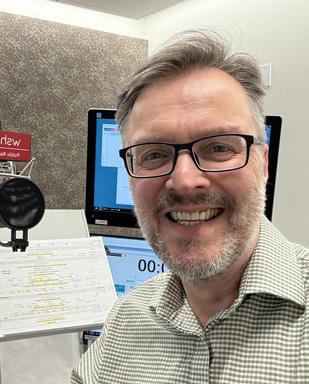
WSHU just announced award-winning journalist Brian Scott-Smith would take over the reins of their flagship daily news program, Morning Edition. CCM caught up with him after a morning shift to talk what drew him to Connecticut and why local media is still important.
Chris: The first thing I want to bring up is based on something that you said from when I first met you, I think in New London. Obviously, readers can’t hear your accent in a magazine interview, but you’re not from around here.
Brian: I certainly am not, no.
Chris: You had a funny joke about that.
Brian: I’m from the South, but not from the south of the country. I’m actually from southern England. Because often people go, “Oh, you’ve got an accent.” And it’s like, yeah, it’s just not from this country.
Chris: The first question then is how did you land in Connecticut?
Brian: Gosh, I think this is now my 16th year I’ve been in the U.S., and I was initially in New York for about a year, and I was doing the reverse commute to everybody else. I was catching Metro North into Connecticut because I was doing some work at the time for Connecticut Public, the TV side. But I then started doing some work for WSHU. Ultimately, I decided, hey, let’s just move to Connecticut because I was getting much more work in Connecticut.
But when I decided to come to America, it was always a decision that I wanted to be on the East Coast. So, it had the seasons and, you know, New England to me is home.
Chris: Other than being your home, what draws you to the stories of Connecticut?
Brian: Because I think when you get a good story about a person or a business, and you tell it well, and you let them put across their side of what it is they’re doing, people are genuinely interested. I mean, one of the things that I like about living here in Connecticut is I think people are very much about local businesses and keeping things local, and the state has really started pushing “buy local, grow local.”
Chris: Right. And I’m sure that your regional podcast, Connecticut East, was a little bit of a stepping stone to this much larger radio show, Morning Edition. It’s got very dedicated listeners, including some of our staff here at CCM. So what drew you to this show?
Brian: Well, because I’ve been working with WSHU for a number of years, in fact, I’m coming up for my 14th year. So out of the, you know, the 15, 16 I’ve been here, I’ve known them for a long time.
I did some fill-in hosting as well for them and doing the reporting, and they had two, you know, long-term hosts leave a few years back, Tom and Bill. So there were gaps, and so jobs came up, and they are rare at NPR. Of course, I had to speak to my husband because it is a big lifestyle change. I’m really enjoying it, and I’m grateful that felt that I was still someone that they wanted to have as the host of what is one of their flagship shows.
Chris: What are some things that you would be interested in changing about the show? Are you going to make it your own?
Brian: I think as a local host for Morning Edition there is opportunity for you to make it your own, but also you have to remember who the listeners are. We have to bear in mind that there is a format and way that they like to hear WSHU and NPR.
That doesn’t mean that we don’t have the opportunity to change things. We have the opportunity as local NPR affiliates to actually put our own content into [end of hour slots]. And what I would like to do maybe down the road is have somebody on live – that could be just a general newsmaker, that could be a state legislator, it could be a business. But I think that would be quite nice to actually have a little live element, because the rest of it is live.
Chris: What kind of stories do you want to bring to the listeners, to the people of Connecticut?
Brian: The human-interest stories. I did a story only the other day about Gold Star Memorial remembrance, and I was able to get to the sub base in New London. So it’s a sad story, but it’s a story that needs to continually be told to the public because it’s about not only the fallen military members who have done their service for this country, but it is about the families that they leave behind. And I don’t think the American public -- as much as they understand our veterans and our service members -- don’t realize how that then affects the family.
Chris: Why do you feel like telling local stories then is so important? Why do this at all?
Brian: Because we have to remember why we are here, and I think public radio can help to remind people of those things.
You know the media is disappearing fast, and sadly, we see our local newspapers disappearing. Public radio is another facet of the media, and I think it is extremely important that we continue to tell those stories because they are relevant to the audience, and people need to know what’s going on.
If you don’t have information, reliable, trusted information from things public media or your local newspaper, you can’t make the choices about where you live. You’re uninformed, and there’s nothing worse than having an uninformed public. We have the right to information. We need to make sure that we keep the media, um, there in its various forms so that the public get exactly what they want because that’s what helps to create a good democracy, is having a free and good press and media out there to help people understand the world that they live in. n

“Because we have to remember why we are here, and I think public radio can help to remind people of those things.”
- Brian Scott-Smith
The 3rd Annual Connecticut Women in Government Summit is taking place on Wednesday, July 15, 2026 at Aria in Prospect, CT from 9 a.m. to 1 p.m.
CCM Events
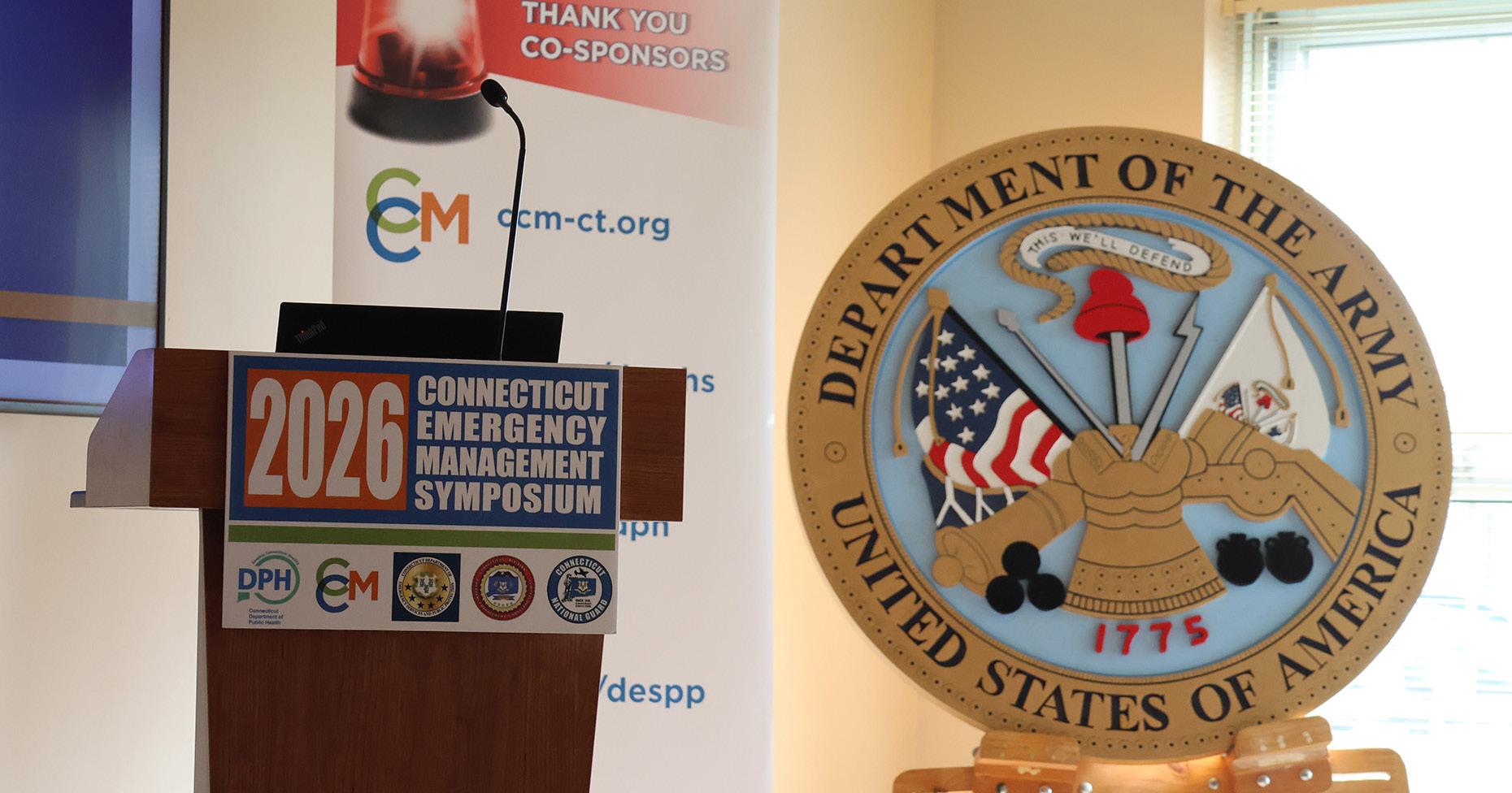
Thank you to the Connecticut National Guard, the CT Division of Emergency Management and Homeland Security (DEMHS), the CT Department of Emergency Services and Public Protection (DESPP), and the CT Department of Public Health (DPH) for helping CCM make the the 19th annual Connecticut Emergency Management Symposium a success.
Held once again at Camp Nett in Niantic, over 400 individuals from around the state convened to discuss emergency management, network with peers, and visit an extensive exhibit hall with over 30 exhibitors.
We look forward to seeing you next year!
Connect with the women in government that drive Connecticut city/town services and help make our state thrive. Learn how to lead in your work environment through networking opportunities, in-person training, and our panel of women who excel.
Tickets costs $110, and the last two years we have had to close registration early due to overwhelming demand. Sign up early!
Representation Matters has been a highlight of CCM’s yearly agenda for six years going, with two virtual days of training. This year, we are expanding our efforts to add an in-person mixer at the CCM offices on August 13 from 5 to 7 p.m. Save the date and pay attention to CCM’s social media accounts for more information! n



Incorporated : 1820
Population: 22,020
COG: WestCOG
Both the 1975 and 2004 versions of The Stepford Wives were filmed in Darien. The Smith House by Richard Meier is just one of the architectural gems to call Darien home.




1781

1806
1820
After some contentious debates the name Darien was decided upon when it was suggested by a sailor who had traveled to the Isthmus of Darien in Panama.
The Post Road is chartered as “The Connecticut Turnpike”
Torys who had remained loyal to the King, staged a raid on Middlesex Meetinghouse during Sunday worship.
Downtown Darien, originally known as "Darien Depot", grew up around the train station.

1964
1976
Louise Tharp writes Tory Hole, a thriller set within a framework of carefully researched Darien history.
The historic Bates-Scofield house is moved to it’s current location where it serves as the home of the Museum of Darien.

Notable Residents:
★ Gus Van Sant, Director
★ Brian Cashman, NY Yankees Manager
★ Helen Frankenthaler

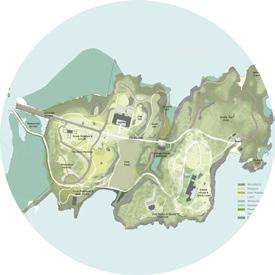
Darien purchased 60 acre Great Island, a coastal landmark where history, nature and community converge. 2023
The town has a rich equestrian history, with local stables o ering world-class training, boarding, and a riding academy.
The Tokeneke neighborhood is ranked as the wealthiest place in Connecticut. It boasts an average household income exceeding $588,000!
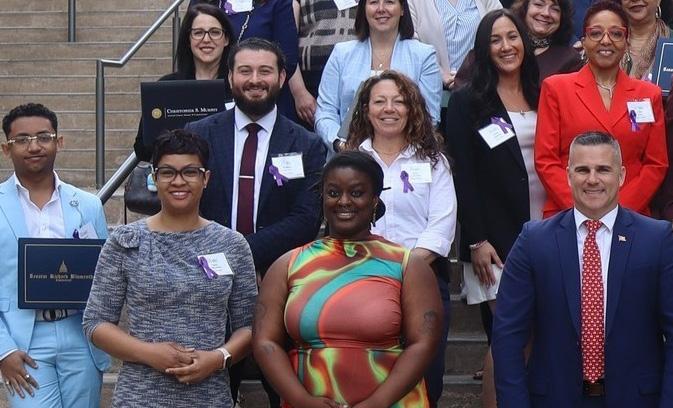
The Connecticut Coalition Against Domestic Violence (CCADV) has officially named Danielle Walker and Korbi Kelly-Banks to its First 100 Plus Class of 2026. This prestigious honor recognizes their outstanding leadership and their specific success in bridging a critical partnership between organizations to develop a specialized educational series for Connecticut’s municipal and community leaders.
Korbi Kelly-Banks and Danielle Walker have been instrumental in fostering a collaborative environment where resources are shared to better serve the state. Their partnership resulted in the coordination of a comprehensive workshop series designed to provide local officials the tools needed to handle the complexities of domestic abuse. The curriculum provided a foundational exploration of the dynamics of family and intimate partner violence, ensuring that lead-
ers can identify subtle methods of control and specific legal protections that support survivors in the workplace.
Their efforts lead toward greater awareness and importance of these sessions to local officials. Specifically, they ensured that leaders were part of essential discussions on how factors like race, culture, and socio-economic status create unique barriers to safety. This was paired with a deep dive into the nature of trauma and its impact on human functioning, showing leaders how to foster trauma-informed environments and lean into protective factors. Furthermore, the series provided clarity on the intersection of advocacy and authority by examining law enforcement’s response, detailing the specific role officers play and how community leaders can work alongside police to ensure a unified, empathetic support system for every municipality.
Korbi and Danielle were recognized with other award recipients at CCDAV’s 15th An-
nual First 100 Plus Breakfast on Friday, May 15th, at the Hartford Marriott Downtown. Their dedication to bridging organizational gaps stands as a model for transforming community awareness into life-saving action.
Congratulations to our employees who are reaching milestone anniversaries this quarter!
Alison Geisler, Municipal Services & Data Administrator– 10th
Michael LaCroix, Help Desk & Server Administrator – 10th
Kaitlyn Higgins, Communications Associate: Kaitlyn Higgins graduated from Carnegie Mellon University in May with a BFA in Art and an additional major in Environmental and Sustainability Studies. She previously interned with CCM Communications in 2025. Originally from Clinton, Kaitlyn brings a creative perspective to her work. In her free time, she enjoys painting, playing Scrabble, and watching “Survivor.” She will be joining the Communications team to assist with writing, graphic design, social media, and events.
Joe DeLong, Executive Director & CEO of the Connecticut Conference of Municipalities, was awarded the NESA Outstanding Eagle Scout Award from the Connecticut Rivers Council during its 2026 Adult Recognition Dinner on Thursday, May 7, at the Westbrook Elks Lodge.
The National Eagle Scout Association (NESA) created the NESA Outstanding Eagle Scout Award (NOESA) in 2010 to commemorate the 100th anniversary of the Boy Scouts of America. The award honors Eagle Scouts who have demonstrated exceptional
“A Scout is trustworthy, loyal, helpful, friendly, courteous, kind, obedient, cheerful, thrifty, brave, clean, and reverent.”
— Scouts BSA Handbook
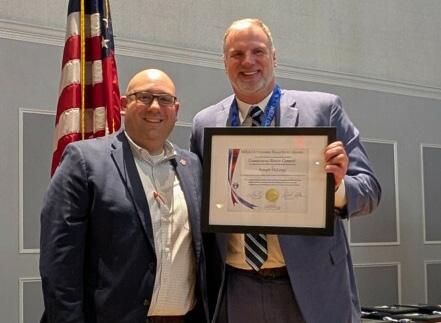
achievement and leadership beyond their Scouting experience through distinguished careers, community service, and personal integrity. While highly prestigious, the NOESA has less stringent requirements than the Distinguished Eagle Scout Award (DESA).
Recipients are nominated through local council NESA committees and approved by NESA’s national awards committee. Honorees are recognized for inspiring others through excellence in fields such as business, government, science, medicine, academics, military service, media, and entrepreneurship. The award is intended to be presented with the dignity of a national honor, helping elevate the public reputation of Eagle Scouts and strengthen community goodwill. n







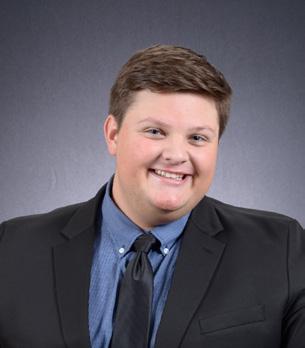
OBrendon Dukett SCRCOG


ur Certified Connecticut Municipal Officials program is among the most popular offerings at CCM — with programs and workshops taught by experts and peers, as well as events like the CCM Convention and Emergency Management Symposium to earn you credits, becoming a CCMO is a no-brainer. Don’t trust us, though, hear from graduates!

“I chose to pursue the Connecticut Conference of Municipalities’ Municipal Official (CCMO) certification because it broadened my understanding of the diverse challenges and responsibilities municipalities face. The program exposed me to new topics and perspectives that I might not encounter in my daily role, giving me a stronger foundation in municipal governance. As a Municipal Services Coordinator at a Council of Governments, this certification enhances my ability to support local governments with knowledge, resources, and collaboration that help communities thrive.
Brendon Dukett, SCRCOG
“As a 28-year Human Services professional and Director of Westport’s Human Services Department, I pursued the CCMO designation to strengthen my ability to serve all residents with fairness, empathy, and professionalism. The Connecticut Municipal Leadership Academy offered a powerful blend of practical insight and collaborative learning that deepened my understanding of municipal leadership. It challenged me to think strategically, build meaningful partnerships, and lead with integrity across departments and communities. This experience reaffirmed my commitment to inclusive governance and responsive public service.
Elaine Daignault, Town of Westport
We’re always looking to elevate the CCMO program to create an even more meaningful and engaging experience for our members to help you advance in your municipal careers. Keep an eye out for future partnerships and email updates over the year.
If you have any questions or comments about the CCMO program or to submit a testimonial, please contact Danielle Walker, Training Coordinator at dwalker@ccm-ct.org n
In today’s environment, public entity leaders need more than insurance coverage. They need a partner who provides stability, insight, and a long-term commitment to safeguarding their communities.
Selecting an insurance provider has always been an important decision; today, it is a strategic one.
Municipal leaders are navigating a risk landscape defined by rising property losses, cyber threats, evolving legal exposures, and
So what should you look for?
1

increasing financial pressure. At the same time, the commercial insurance market continues to introduce uncertainty through rate volatility, shifting appetites, and reduced coverage.
The difference between simply purchasing insurance and selecting the right partner can directly impact your organization’s ability to maintain services, protect employees, and manage long-term financial stability.
First, prioritize proactive risk prevention, not just protection.
The strongest partners do not wait for losses to occur. They work alongside you to reduce risk before it affects your operations. This includes data-driven insights, specialized training, legal guidance, and hands-on support to create safer workplaces and more resilient communities. The goal is not only to insure risk but also to actively manage and mitigate it.
Second, demand financial strength and rate stability.
Unpredictable rate increases and coverage reductions can strain municipal budgets and disrupt long-term planning. A strong partner provides consistency, backed by disciplined underwriting, strong capital reserves, and a model built for long-term sustainability. For example, CIRMA’s financial position includes $463 million in assets, $260 million in Members’ Equity, and decades of stable rate performance. These results demonstrate how a member-focused approach can deliver predictability in an otherwise unpredictable market.
3

2

Third, look for a proven track record of trust and retention.
Retention is a strong indicator of value and reliability. Organizations that consistently maintain high retention rates do so because they deliver results over time, not just at renewal. With retention rates exceeding 99 percent and broad participation across Connecticut municipalities, CIRMA reflects the strength of a model built on partnership and undeniable long-term commitment.
Fourth, ensure your provider brings specialized expertise, especially at the local level.
Public entity risk is complex and highly specific. It requires a deep understanding of local governance, regulatory environments, and operational realities. The strongest partners combine disciplined underwriting with specialized claims response and proactive risk management to protect municipal assets and operations. This includes immediate access to experienced claims professionals, coordinated recovery support, and practical risk management tools, such as training, contract guidance, and early-detection technologies, to help prevent losses.
Finally, evaluate how claims are handled.


A policy is only as strong as the response behind it. Leading providers combine technical expertise with a people-first approach to ensure rapid response, clear communication, and coordinated recovery. Whether supporting injured employees or restoring critical infrastructure after a loss, the focus should always be on minimizing disruption and achieving the best possible outcome.
The bottom line is simple. Insurance is not a commodity. For public entities, it is a critical component of operational resilience and financial stability.
Choosing the right partner means selecting an organization aligned with your mission. It means selecting a provider that understands the challenges you face, invests in your long-term success, and stands with you through both routine operations and unexpected events.
Protecting your community requires more than coverage. It requires a partner built for the long term.
We’re excited to welcome two new members to our team. CIRMA employees help our members navigate all that can go wrong by remaining committed to doing what is right. We are excited to have them
on board and look forward to their positive impact,” said David Demchak, ARM, President and Chief Executive Officer of CIRMA.
Carroll
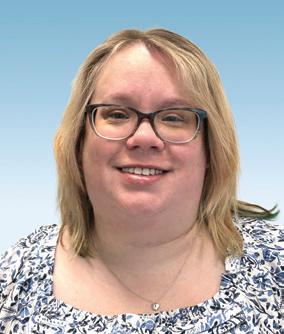
Stephanie Carroll is the newest addition to CIRMA’s Workers’ Compensation Claims Department in the position of Workers’ Compensation Claims Representative. In her new role, Stephanie manages Workers’ Compensation claims from inception to resolution working closely with injured employees, medical providers and legal professionals. She received her MBA from Southern New Hampshire University and joins CIRMA with over nine years of claims experience.
Jake Mattei recently joined CIRMA’s Workers’ Compensation Claims team in the role of Workers’ Compensation Claims Assistant. In his new role Jake will provide clerical, administrative and technical support to CIRMA Claims Representatives and Unit Managers, as well as the Self-insured Services Unit. Jake received a Bachelor of Science Degree in Sports Management from Southern Connecticut State University and is currently pursuing his Masters of Science in Sports Management.

Ken Sansone, Senior Partner, SL Environmental Law Group
Kyla Tengdin, Education & Outreach, SL Environmental Law Group
For municipalities in Connecticut and across New England, wastewater treatment has recently become more challenging and costly due to new regulations. Some states have implemented new PFAS (per- and polyfluoroalkyl substances) testing requirements for wastewater effluent or biosolids, while Maine and Connecticut have fully prohibited the use or sale of biosolids as soil amendments. While intended to reduce the spread of PFAS, also called “forever chemicals,” often found in biosolids, the new rules also increase costs and operational difficulties for municipal utilities already working with limited budgets.
Meanwhile, at the federal level, the U.S. EPA has announced its intention to retain the hazardous substance designation of the two most common PFAS compounds, PFOA and PFOS, under CERCLA (the Comprehensive Environmental Response, Compensation, and Liability Act), or Superfund. PFOA and PFOS were used in AFFF (Aqueous Film-Forming Foam), which municipal airports and firefighting training facilities used in emergencies and training exercises for decades without being warned of any danger. PFOA and PFOS may also be found in wastewater due to their presence in industrial and consumer products. Now, through no fault of their own, municipalities that have handled or disposed of substances containing PFOA or PFOS may be
vulnerable to liability through third-party lawsuits. Congress has introduced the bipartisan Water Systems PFAS Liability Protection Act to provide some protection, but until it passes, municipalities face potential CERCLA liability.
Confronted with these unprecedented challenges, local government leaders have found creative solutions to continue serving their communities while protecting taxpayers from the current and potential future costs of PFAS management. One forward-thinking strategy is to hold polluting PFAS manufacturers accountable through legal action. Building on the success of drinking water utilities, which have reached multibillion-dollar settlements with PFAS manufacturers 3M and DuPont, municipalities that manage wastewater, airports, and firefighting training facilities are using litigation as a proactive funding source — whether or not they have yet incurred PFAS-related expenses.
By understanding the legal and financial risks that PFAS may present and exploring available funding opportunities, local government leaders can build resilience.
Direct land application of sewage sludge was already illegal in Connecticut in 2024, and most sludge here is incinerated. However, pelletized biosolid-based fertilizers were permitted until October 2024, when An Act Concerning the Use of PFAS in Certain Products was enacted. The law prohibits the use or sale of any biosolids or wastewater sludge containing PFAS as a soil amendment.
Prior to the passage of this legislation, some municipal wastewater treatment operations in Connecticut were contributing biosolids to compost operations to support sustainability and economic goals. Now that this is prohibited, incineration may increase, replacing a revenue center with a cost center. Additionally, incineration of biosolids may not be an option forever, as more research suggests that incineration does not completely destroy PFAS compounds and may, in fact, transfer them to the air.
PFAS chemicals have been linked to an increased risk
Connecticut’s biosolids ban is not the first of its kind in the region. State regulations across New England are increasingly calling on wastewater systems to shoulder cleanup costs. In 2022, Maine became the first state in the country to ban the land application and sale of biosolids and compost containing sewage sludge. Since the ban was enacted, some Maine utilities have seen disposal costs triple due to the elimination of land application as an affordable disposal method, while landfills have quickly reached capacity.
As requirements similarly tighten in Connecticut, municipalities can learn from New England’s most proactive wastewater leaders. Many are positioning themselves for cost recovery through litigation, which puts the burden of responsibility squarely where it belongs: on the manufacturers that created the problem in the first place.
For example, the Portland Water District and York Sewer District, both located in Maine, have filed lawsuits against 3M, DuPont, and other PFAS manufacturers after detecting PFAS in their wastewater. Similarly, the Town of Camden, Maine, which manages wastewater, and the Mid-Coast Solid Waste Corporation, which operated a landfill whose leachate was treated at Camden’s wastewater plant, also filed a lawsuit against 3M, DuPont, and other PFAS manufacturers. All four entities seek to recover costs associated with managing PFAS within their operations.
Municipalities do not produce or benefit from PFAS, but the current regulatory landscape puts increasing pressure on them to

address these “forever chemicals.” As utility managers in other regions have already experienced, this can lead to exponential cost increases and major disruptions to systems that have worked for decades. While some state and federal funding has been made available for utilities affected by PFAS, these sources often do not cover all expenses.
Local government leaders know the importance of proactive planning to protect budgets against current and potential future costs, leading many to explore alternative funding options. An Aqueous Film-Forming Foam multi-district litigation (AFFF MDL) has been formed, which streamlines the legal process by combining lawsuits filed over PFAS from courts all over the country into a single proceeding. While the AFFF MDL has already led to settlements totaling over $14 billion for drinking water providers, claims for PFAS impacts to wastewater will continue to be litigated and are expected to be resolved by future settlements or litigation. That means there is still time for municipalities impacted by wastewater and/or soil contamination to explore potential claims that may lead to funding opportunities.
While the shifting regulatory landscape may cause disruption, municipalities can be better prepared by understanding potential risks and funding options. Proactive leadership goes a long way to building resilience and a safer, more affordable future for Connecticut communities. n
Practical strategies for navigating market volatility, controlling public energy costs, and building a stronger future for your community.
By Titan Energy, Exclusive Partner of the CCM Energy Purchasing Program
For municipal leaders across Connecticut, energy has become more than a line item in the budget. Schools, public works buildings, police and fire stations, wastewater facilities, libraries, and community centers all depend on reliable energy. When markets rise unexpectedly, local budgets must absorb those increases or reallocate dollars from other priorities.
Electricity affordability remains a major topic in Connecticut and across New England in 2026. Connecticut continues to rank among the states with the highest electric rates, making energy costs a top concern for residents, businesses, and local governments alike. It is now a strategic issue tied to taxpayer costs, facility operations, sustainability goals, and long-term planning. From volatile wholesale markets to grid modernization and public pressure for cleaner energy, today’s energy environment requires a more proactive approach than ever before.
Many municipal decision-makers ask the same question: why are prices still so unpredictable?
The answer is that New England’s power market remains heavily influenced by natural gas. ISO New England reports that natural gas generated 54% of the region’s electricity in 2025. Because of that reliance, fluctuations in natural gas supply and pricing often drive wholesale electric prices.
Winter conditions remain especially impactful. In early 2026, colder weather and higher demand pushed wholesale electricity prices significantly higher across the region. February real-time power prices averaged $127.38 per megawatt-hour, while January prices were even higher.
For municipalities, this means timing matters. Contract renewals, procurement strategy, and market monitoring can directly influence annual operating costs.
Too often, municipalities are presented with energy decisions only when an electricity or natural gas contract is about to expire. By that stage, options may be limited, pricing opportunities may have passed, and decisions are often made under unnecessary time pressure.
Leading municipalities are moving away from reactive renewals and toward yearround energy management. This more strategic approach allows towns and cities to monitor market movement, evaluate procurement options in advance, and align purchasing decisions with budget cycles and operational priorities.
A proactive energy strategy includes:
• Monitoring market trends and pricing opportunities throughout the year
• Evaluating contract timing months before expiration

• Comparing fixed, indexed, and blended purchasing structures
• Coordinating electricity and natural gas procurement together
• Forecasting future utility costs for budget planning
• Identifying grants, rebates, and infrastructure incentives
• Integrating sustainability goals into procurement decisions
One of the most important decisions municipalities face is selecting the right purchasing structure. There is no one-sizefits-all answer. The best fit depends on budget priorities, risk tolerance, market outlook, and internal resources.
A fully fixed contract locks in the commodity portion of energy pricing for the contract term, while certain regulated passthrough charges may still vary.
For municipalities, fixed pricing is often attractive because it creates predictability. Budget officers know what to expect, departments can plan with confidence, and communities are protected from sudden market spikes during the contract period.
Best for: Municipalities prioritizing budget certainty, Communities with tight annual appropriations, Organizations that prefer a hands-off approach after execution
Considerations: If market prices fall after locking in, the municipality may not benefit from lower rates, Timing the market still matters when entering the agreement
An indexed structure ties energy costs to the wholesale market. Rather than locking a single fixed rate, pricing moves with market conditions.
This option can create savings opportunities during favorable market periods and may offer more flexibility than a traditional fixed contract. Some indexed structures also allow a municipality to convert portions of usage to fixed pricing later.
Best for: Municipalities comfortable with market exposure, Communities seeking to capture lower market pricing opportunities, Buyers with active oversight and procurement support
Considerations: Monthly costs can be less predictable, Budgeting may be more challenging during volatile periods, Requires closer market monitoring

A blended strategy combines fixed and indexed components. This may involve layering purchases over time, fixing a percentage of anticipated usage while leaving the titanenergyne.com

remainder indexed, or strategically locking pricing in stages throughout the contract term.
For many municipalities, this approach offers the best balance between stability and opportunity. It can reduce the risk of locking all usage at a market peak while still providing some budget protection.
Best for: Municipalities seeking both stability and flexibility, Communities with larger or multi-site energy portfolios, Buyers looking for a more sophisticated procurement strategy
Considerations: Requires planning and active management, Decisions on when and how much to lock are important
These decisions are especially important for municipalities managing multiple facilities, aging infrastructure, seasonal usage swings, or decentralized purchasing processes. A town hall, school district, public safety complex, wastewater plant, and recreation center often have very different load profiles and operational needs.
The right procurement strategy should reflect those realities, not simply the nearest contract expiration date.
Titan Energy helps municipalities evaluate market conditions, compare purchasing structures, and build customized strategies that support fiscal responsibility, operational resilience, and long-term community goals.
Municipal energy strategy should not begin when a contract expires. It should be an ongoing process aligned with operational goals and fiscal stewardship.
In a time of uncertain markets and increasing public expectations, municipalities that plan ahead will be better positioned to protect budgets, modernize facilities, and serve their communities effectively.
Titan Energy is proud to be the exclusive partner of the CCM Energy Purchasing Program and a resource to municipal leaders across Connecticut. Whether your town is seeking immediate savings, long-term stability, sustainability progress, or a clearer path forward, our team is ready to help.
Because in today’s market, the smartest energy decision is rarely the easiest one. But with the right partner, it can be. n
By Kevin Bielmeier, CEDAS President
Iam originally from Buffalo, NY, but the city I grew up in is not the one you would find it today. Buffalo is often touted as a “poster child” for turning blighted industrial sites into vibrant assets. But this transformation did not happen overnight. It took strategic, steadfast, careful planning.
Effective municipal economic development requires a rigorous planning framework, as growth without strategy leads to short-term gains and long-term instability. Professional planning is also often a prerequisite to funding opportunities. To be eligible for certain grants from the U.S. Economic Development Administration (EDA), for example, requires Economic Development Districts (EDDs) to develop Comprehensive Economic Development Strategic Plans (CEDS). In Connecticut, our Councils of Government (COGs) often serve as the EDDs, charged with the development of the CEDS.
Additionally, municipalities in Connecticut are required to update their Plan of Conservation and Development (POCD) every ten years by state statute. The economic development component of the POCD should be consistent with housing, capital facilities, utilities, transportation, land use, and parks. This is essential for strategic alignment, infrastructure readiness, risk mitigation for investors, and the cultivation of a desirable “quality of place.”
Beyond the POCD, local municipalities often prepare other types of economic development plans, including strategic action plans and ones focused on areas of particular economic importance, such as: downtowns and regional commercial centers, industrial parks, and neighborhood commercial districts. These local economic development plans can produce recommendations of specific implementation actions, such as: incentives for business attraction or expansion, funding programs, targeted infrastructure investments, workforce development programs, vacant of blight properties rehabilitation, designation and support of industry-specific focus areas, such as arts and cultural districts, industrial parks, or tourist attractions. These plans are often prerequisites for eligibility to receive state grants.
Given that funding of economic development initiatives is often tied to planning, one would expect that professionals in these two areas would work in lock sync. Yet planning and economic developers often operate in separate silos, sometimes at odds with one another. Planners prioritize long-term land use and more sustainable growth, while economic developers
often focus on business recruitment and expansion, leading at times to disputes over density, zoning, and infrastructure investments.
Understanding the benefits of collaboration, the Connecticut Economic Development Association (CEDAS) developed its Best Practices in Economic Development and Land Use Planning certification program to educate, encourage and reward this joint approach.
In Connecticut and beyond, the housing capacity and affordability crisis has forced both professions to rethink their methods. The old models of managing growth separately have contributed to housing stagnation in some areas. Of course, many factors to this crisis are out of either profession’s control – interest rates, labor and material shortages, supply chain issues, etc. A lack of housing capacity and affordability are having a crippling effect on economic development initiatives. If we cannot house the workers in our communities, jobs remain vacant or workers must live farther from their place of employment. This leads to traffic congestion, reduced revenue, lack of economic mobility, and lower standard of living. All of these make recruitment and BRE efforts exponentially more difficult.
Cities and towns across Connecticut are looking to update legacy zoning ordinances that currently do not allow for the types of developments desired by younger generations and those looking for more diverse housing options.
The problem requires fresh, integrated thinking. Economic developers and planners must find “common ground” and work together to address the crisis in ways that neither could solve alone. Leveraging all the data and tools available. Communicating and engaging with one another, leadership, and the community to understand the constraints and opportunities of existing zoning ordinances. Quantifying and qualifying proposed economic developments and the impact that proper housing options will have on them. Coordinating with developers, site selectors, administrators, and other stakeholders, to review and analyze designed scenario plans.
Perhaps Connecticut can mitigate this crisis by doing as Picasso recommended: Plan and Act upon it - vigorously. n

By Christine Schilke, Communications & Strategy Director, Connecticut Main Street Center
ctmainstreet.org
Connecticut Main Street Center (CMSC), in partnership with the Northwest Hills Council of Governments (NHCOG), has officially launched Phase Two of the Northwest CT Main Street PROMISE Program— an innovative regional effort designed to strengthen Main Streets and village centers across Northwest Connecticut.
PROMISE—short for Partnership to Revitalize Our Main Streets with Integrated Solutions and Efforts—is a four-year collaboration supporting the twenty-one towns in the Northwest Hills region. With Phase Two now underway, the program is shifting from assessment to action, providing communities with the tools, training, and coordinated support they need to turn local aspirations into achievable downtown strategies.
Why This Regional Approach is Different – and Needed

While many towns rely on their Plans of Conservation and Development (POCDs) to guide their downtown strategies, NHCOG recognized more was needed to move the needle for its main streets. The region’s towns—many of them small and rural—face real capacity challenges, including limited staff, constrained budgets, and few dedicated resources for downtown management to realize plans for improved streetscapes, infrastructure, property redevelopment, business recruitment and support, placemaking, tourist attraction, and more.
main streets are for everyone.
Rather than leaving each town to navigate these challenges on its own, NHCOG chose to take a proactive approach to encourage municipal economic development efforts to be informed by neighboring towns. By partnering with CMSC, the COG invested directly in on-the-ground information gathering, education on Main Street management best practices, and hands-on guidance for communities seeking to better manage and activate their town centers.
This partnership allows CMSC to work side-by-side with NHCOG and local communities to: Gather real-time, on-theground insight into downtown conditions; Create GIS-based downtown inventories that map key assets, businesses, parcels, and opportunities; Provide education and training on proven downtown management practices; Guide towns through visioning and action planning; Train local stakeholders to curate and sustain their downtowns over time; and Create opportunities for collaboration between towns and planning decisions to be informed by surrounding communities.
Phase 1: A Street-Level View of Downtown Challenges and Opportunities
Phase One of the PROMISE Program focused on Readiness Assessments, conducted by CMSC in seventeen towns
throughout the region. These assessments included walking tours with municipal leaders and local stakeholders, providing a fresh, street-level perspective on community assets, challenges, and opportunities.
The results were illuminating. While each town is unique, the assessments revealed common themes across the region, including: Infrastructure gaps, particularly around sidewalks and pedestrian connectivity; Opportunities for traffic calming and safer streets; Untapped potential to jointly market recreational, cultural, and tourism assets; A widespread need for stronger downtown organization and management capacity.
At the same time, the Readiness Assessments highlighted the region’s collective strengths—from historic village centers and natural amenities to deeply invested community volunteers. Phase One helped the towns better understand their current capacity and laid the groundwork for addressing shared challenges together, honoring individual community identity while leveraging collective regional strength. As CMSC says about the region: each town is its own shining star, but together they’re a beautiful constellation – a phrase Rista Malanca, NHCOG Director of Community & Economic Development, shares widely to describe the program’s intent.
With this foundation in place, Phase Two is all about meeting communities where they are and helping them move forward.
CMSC is now working directly with participating towns to help them articulate a clear, locally driven vision for their downtown. At the same time, CMSC is assisting NHCOG in developing regional strategies around the shared priorities identified in Phase One, including: Marketing regional assets to support tourism and outdoor recreation; Infrastructure improvements, such as enhancing sidewalks and pedestrian access; Traffic calming measures to improve safety and create more welcoming downtown environments.
“In Phase One, we worked closely with towns to understand their current conditions, challenges, and strengths. Now, we’re building on that knowledge with a tailored approach – helping each community define its vision, develop realistic actions steps, and build the local capacity needed to manage and sustain their downtown over time,” said Michelle McCabe, CMSC Executive Director.
One of the most significant advantages of CMSC’s
Readiness Assessment was that it revealed the greater role NHCOG can play on behalf of its towns. By viewing the results both individually and collectively, the COG is able to: Assist with early-stage planning and concept development; Identify and pursue funding opportunities tied to shared priorities; Provide administrative and technical support that towns may lack internally.
For many small municipalities, getting a project off the ground can be the biggest barrier. PROMISE helps towns move projects from ideas to viable concepts, putting them in a stronger position to pursue funding and implementation.
Beyond specific projects, PROMISE is helping communities better understand what Main Street management is and why it matters. Effective downtowns don’t happen by accident—they require coordination, communication, and often a dedicated group of people focused on maintaining momentum.
In Phase Two, some towns are ready to establish Downtown Working Groups or formalize how their Main Street is managed. Others are still learning what downtown management entails and why it’s important. PROMISE is intentionally flexible, recognizing that progress looks different from town to town.
By providing training, guidance, and practical tools, we are helping communities build the foundation they need to sustain downtown success over time. “PROMISE is as much of a commitment from NHCOG to our towns as it is a program,” says Ms. Malanca.
If you’re struggling with downtown challenges or unsure where to start, reach out to Connecticut Main Street Center. Their experience and statewide perspective can help clarify the next steps to take. As Phase Two of the PROMISE Program continues, the focus remains on collaboration, capacity building, and practical progress. By aligning local vision with regional strategy, CMSC and NHCOG are helping Northwest Connecticut communities move from readiness to action—one downtown at a time.
CMSC is the state’s premier resource for downtown vibrancy. We provide education, training, resources, and technical assistance, and function as the statewide champion for CT’s diverse downtowns and Main Streets. Our network of over 120 member communities benefit from our comprehensive Main Street Management Assessment, an annual assessment comprised of 80+ data points that measures the health and vibrancy of a downtown, with personalized reports and customized recommended action items. n
By Andrew Ferguson
Connecticut has 169 towns and cities — each with its own character, institutions, and remarkable people who show up, year after year, to make their community stronger. These volunteers and civic leaders are the connective tissue of civic life: the board members, the coaches, the food pantry directors, the block association chairs, the emergency responders, the municipal staff, the organizers who serve their neighbors, and more.
Despite sharing common motivations and challenges — volunteer recruitment and retention, succession planning, and civic fragmentation — these leaders struggle to connect across towns and cities, and sometimes even within their own community. Connecticut lacks infrastructure to connect and support them.
The Neighborhood: Connecticut’s Network for Service exists to build that infrastructure. We envision a Connecticut in which the state’s most active volunteers and civic leaders are woven together in a genuine peer community that makes their impact more sustainable, their problems more solvable, and their solutions more scalable.
We’re building a statewide network that makes Connecticut one connected neighborhood — where volunteers and civic leaders across towns know each other, learn from each other, and support each other’s work. In a neighborhood, people look out for one another, share resources, and celebrate each other’s contributions. That’s the Connecticut we’re building: a place where geographic distance doesn’t prevent neighborly connection, where good ideas spread
organically from one community to another, and where showing up for your community means joining a larger movement.
The moment is now and the people doing the work are saying so clearly. Between February and April 2026, founding team members Andrew Ferguson, Gerry Goldberg, and Don Kendall conducted a statewide listening tour across 13 Connecticut communities, convening 15 focus groups with 149 active volunteers and civic leaders in total. Sessions engaged residents from: Hamden, New Haven, Madison, Milford, New Britain, Norwalk, Redding-Georgetown, Simsbury, Stamford, Stonington, Stratford, Torrington, and Weston.
The focus groups explored questions like: What motivates active volunteers and civic leaders? What support do active volunteers and civic leaders need? What challenges are active volunteers and civic leaders experiencing, and how could a network for service help them? What would it take to double the number of active volunteers and civic leaders in every Connecticut town and city?
Here are five of the top themes that emerged consistently across all focus groups:
1. Love of place is the deepest and most durable civic motivator. Across every community, the most fundamental driver of service was not abstract duty or institutional affiliation; it was a profound, personal love of place. The through line is unmistakable: people serve because it is their home. This is not a sentiment unique to one community or one demographic; it appeared
in every community, in every part of the state. Therefore, it is the animating frame of The Neighborhood.
2. The problem is distribution, not supply. Connecticut’s civic sector does not lack working organizations, effective practices, or inspiring initiatives. What it lacks is the connective tissue to make these resources findable, shareable, and navigable across fragmented communities and regions. Volunteers struggle to find organizations that need them. Programs that work in one town go unshared with a neighboring community facing the same challenge. Civic leaders doing identical work in adjacent towns have never met. The Neighborhood’s core function is to address this distribution challenge.
3. The volunteer and civic leader sustainability crisis is real and worsening. Across all focus groups, people described a volunteer ecosystem under severe and accelerating strain. The same small pool of highly committed individuals carries a disproportionate share of civic work — and when they burn out or age out, programs shrink or close. Post-COVID, the volunteer pipeline has thinned further, and the burden falls ever more heavily on a shrinking core. This is not merely a volunteer sustainability crisis; it is also a paid leadership succession crisis. Across Connecticut’s social sector, a wave of senior leadership departures is building with an inadequate pipeline to respond to it.
4. Recruitment is almost entirely relational. In focus group after focus
What would it take to double the number of active volunteers and civic leaders in every Connecticut town and city?
group, participants traced their path into civic life to one moment: someone they knew and respected asked them personally. Not a website. Not a flyer. Not social media. A neighbor knocked on a door. A friend said “you should come to this event.” The personal, specific ask from a trusted relationship is the near-universal entry point — and the near-universal mechanism for retaining volunteers once they arrive.
5. Active volunteers and civic leaders are isolated and they want a peer community. Beneath impressive records of service, a quieter emotional theme ran through every session: the loneliness of leading. The most active, most committed civic contributors in their communities are also among the most isolated — working in roles that few people around them fully understand, carrying responsibilities that rarely get acknowledged, and solving problems that their neighbors don’t know exist. What participants consistently described wanting from The Neighborhood was community: peers who understand the work, who have already solved the problems they face, and who make the work feel less isolating.
Visit www.neighborhoodct.org to learn more about The Neighborhood and how to get involved. n

Cars are an essential part of our daily lives — and some cars are incredibly fun to drive. However, we can all agree that safety features such as seatbelts, airbags, and tire pressure monitors keep us safe as we use and enjoy cars.
The exact same is true for AI. While we’re used to cars and have a long history with them, AI is still new and shiny. As our society navigates the intoxication phase of AI, we see new uses, tools, and innovations occurring every day while millions of people — from scientists and technologists to consumers just playing around with ChatGPT or Copilot — are relentlessly experimenting.
In all the fun, it’s easy to overlook the AI version of seatbelts: Policies.

It’s likely you’re embracing AI in some way at your municipality, and it’s easy to just start using tools without thinking about wider repercussions. That’s where some baseline AI policies can give you a seatbelt and an airbag before you go too far and introduce unnecessary risk into your municipality.
In this article, we discuss four essential AI policies that your municipality needs to mitigate the risk of AI misuse.
An AI Use Policy is a set of guidelines that explains how your employees are allowed to use AI tools inside your municipality. It’s the equivalent of an IT acceptable use policy but tailored to AI’s unique risks and opportunities.
You need this policy because:
• Employees might accidentally share confidential information in a public AI tool.
• You may violate a regulation or get sued because you published incorrect information generated by AI.
• An employee might copy, paste, and publicly share AI-generated content that’s off-message, misleading, or inconsistent.
An AI Training Policy provides guidelines on how employees are trained to use AI tools responsibly, effectively, and safely while learning about the mechanics, risks, limitations, data use restrictions, and expectations around these tools. It’s a way to standardize AI knowledge across your
An AI Incident Response Policy outlines
how your municipality identifies, reports, investigates, and resolves incidents involving the use of AI. You need this policy in case:
• AI produces harmful, discriminatory, or unsafe outputs
• You leak sensitive data through AI tools
• There is an unauthorized use of AI systems
• AI system failures or unexpected AI behavior disrupts operations
It’s just like a cybersecurity incident response plan, but focused on the unique risks and potential failures of AI tools.
An AI Governance Handbook is a comprehensive guide that defines how AI tools are selected, used, managed, monitored, secured, and evaluated across your entire municipality. It should act as the single source
of truth that ensures AI aligns with your municipality’s values, legal requirements, and organizational goals.
With these four policies, you’ll have a strong foundation upon which you can build your AI strategy moving forward. To get started, we recommend using the NIST AI Risk Management Framework as an excellent model that follows industry best practices.
It’s important to note that policies alone aren’t enough. While they will set expectations and reduce ambiguity, they’re most effective when supported by technical controls and enforcement mechanisms to help prevent unauthorized or risky AI usage.
That might include limiting AI use to approved tools, putting technical restrictions in place to prevent sensitive information from being shared, and having oversight processes that help catch and correct misuse early. In practice, policy defines the rules of the road while technical controls act as guardrails to ensure those rules are followed. n



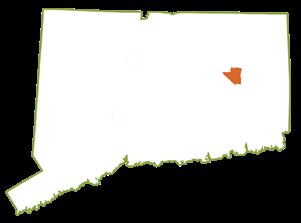
For those that followed CCM on the journey from our Disconnected Youth roundtables through the Young People First report, the name EASTCONN might be familiar to you. In addition to their unflagging advocacy for the children in their area, which they felt often went overlooked, they are also boots on the ground. Recently, they were awarded a Farm to School Grant from the USDA Food and Nutrition Service.
This grant is intended to aid EASTCONN in farm-to-school efforts. Currently, a large portion of the population in their territory are facing food insecurity, and many of the local schools lack the equipment to prepare nutritious meals from scratch. Partnering with more than 30 area farms, they will be serving “over 2,300 students with fresh produce, meats and grains sourced through CLiCK’s Food Hub in Willimantic,” according to their press release.
They noted that during the first year of the grant, there will only be one kitchen, located in Columbia, with staff receiving proper training in food safety. The pilot menus will be launched at three schools, with the goal of reaching all of the schools in the area.

Their release states that the centralized kitchen model is designed for equity as well as efficiency. This model has been piloted by their partner in CLiCK for several years.
CLiCK, which stands for Commercially Licensed Cooperative Kitchen, inc, was founded to support small to mid-size producers, with a focus on supporting historically marginalized BIPOC producers, to manage the aggregation, distribution, processing, and development of agricultural products, per their website. Their local farm collaborative includes milk and dairy farms, egg farms, orchards, apiaries, and more.
The grant was sponsored and supported by Congressman Joe Courtney, according to an article in the Willimantic Chronicle, through the House Education and Workforce Committee, where he serves as a senior member. The federal grant was awarded under the 2026 Patrick Leahy Farm to School Grant program for $116,858.
These kinds of partnerships can turn one small need into an ecosystem of help. Not only will our children, many of which are facing food insecurity, be receiving nutritious meals, but local farms will be supported through the very same efforts. This regional type approach, through one singular kitchen, already builds in efficiencies that makes the entire program work. Thanks to the work of organizations like EASTCONN and their continued advocacy, they can be assured that the youth in their region are not being overlooked. n
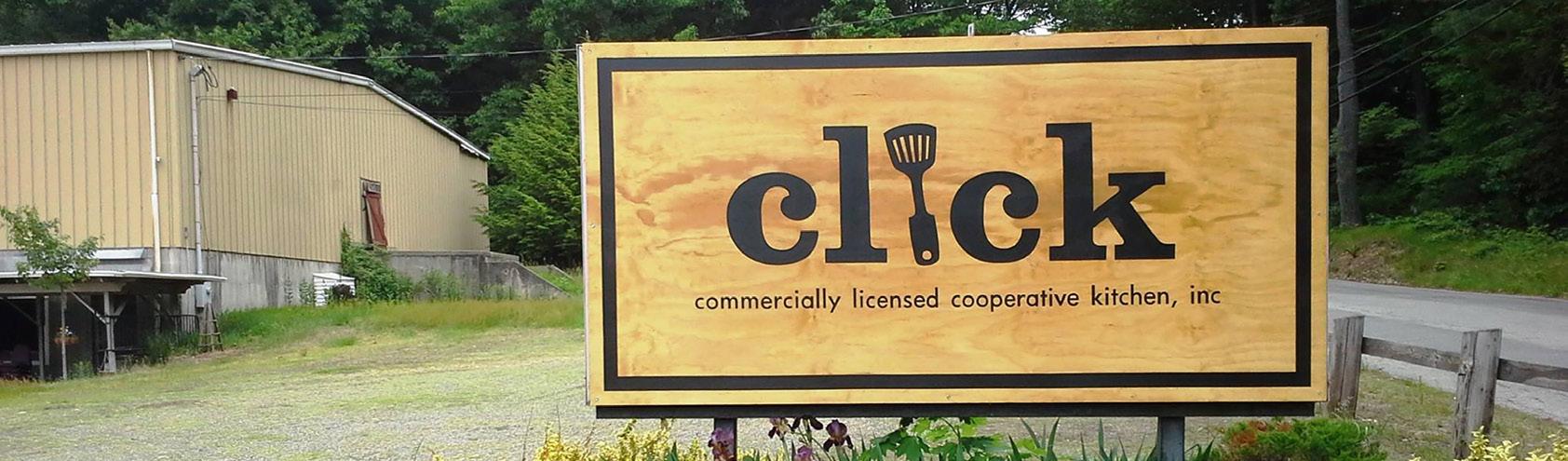


By: Lara Burt
The mental health of mothers in the United States is in crisis. Approximately, 20 percent of mothers are impacted by mental health conditions during pregnancy and postpartum, affecting 800,000 families annually, and making it the most common complication of pregnancy. These conditions not only harm the mothers but can also have a profound effect and lasting impact on the health and development of their infants. Preventing and treating maternal mental health conditions should be top of mind for cities as it is both crucial for the well-being of the mother, as well as the healthy trajectory of their children.
The perinatal period is defined as the time during pregnancy and up to one year postpartum. During this time, women are particularly vulnerable to the emergence
or exacerbation of mental health conditions. Depression is the most common of these conditions, but others include anxiety disorders, obsessive-compulsive disorder, post-traumatic stress disorder and psychosis. While anyone can experience perinatal mental health problems, certain populations — such as women of color, those impacted by poverty and military service members and spouses — often face stress and health disadvantages that increase their likelihood. According to the CDC, maternal mental health conditions have become one of the major underlying causes of pregnancy-related deaths in the United States. Despite its prevalence, several barriers, such as lack of access to healthcare, feelings of shame, stigma and guilt, and logistical challenges — including not being able to take off work or find child care — make it difficult for women to access the care and support they need.
Research has found that poor maternal mental health impacts the baby even before they are born. A study published in the journal JAMA Pediatrics found that anxiety and depression during pregnancy could expose the fetus to increased concentrations of the stress hormone cortisol, leading to changes in brain function and reducing the flow of blood, oxygen and nutrients. Infants born to mothers with untreated mental health conditions are also at higher risk for preterm birth, low birth weight and longer stays in the neonatal intensive care unit. The consequences of untreated conditions are not restricted to infancy, but can extend into toddlerhood, preschool age and even school age. These include risks of insecure attachment, behavioral and cognitive delays and emotional problems.
Municipal leaders have an important role to play in addressing the maternal mental health crisis. Increasingly, cities are demonstrating that local leadership can drive meaningful change.
Baltimore, Md.
Baltimore has adopted a multisector, community-driven approach to provide comprehensive support for mothers and infants. This includes their B’more for Healthy Babies Initiative (BHB), a long-standing initiative which is run by the Baltimore City Health Department in partnership with more than 150 public, private and community organizations (PDF). Rather than relying on a single program, Baltimore has built a coordinated system that aligns home visiting, mental health care, care coordination and neighborhood-level partnerships to meet families’ needs.
A core component of BHB is the Maternal & Infant (M&I) Care Program, which provides free, voluntary home visits to pregnant women and infants by nurses, social workers and community outreach workers. These visits integrate health education, mental health screening, referrals and care coordination, helping families access prenatal, postpartum and supportive services while reducing stigma around maternal
mental health. Baltimore also compliments direct services with accessible public education through the BHB online hub which offers accessible resources on topics such as pregnancy support, postpartum mental health and self-care. To deepen impact, the city has also expanded its neighborhood-based service sites in historically underserved communities, enabling providers to build trust, coordinate services locally and tailor mental health and family supports to specific neighborhood needs.
Drawing from lessons across all three examples, cities can take the following practical steps:
1. Build on what already exists: Strengthen and connect existing city assets such as home visiting programs, community wellness centers, health departments and early childhood systems, rather than creating new, standalone programs.
2. Leverage the city’s convening power to align partners: Bring together health departments, early childhood agencies, community-based and Black-led organizations, hospitals and philanthropy around shared goals.
3. Meet families where they are: Deliver services through trusted settings including home visiting programs, neighborhood hubs and community-led events.
4. Combine services with education and connection: Pair direct services such as screenings, referrals, care coordination with accessible public education, peer support and resources that reduce stigma and increase awareness.
5. Start small when needed: If multiyear investments are not feasible, fund partnerships, support community-led programming and strengthen referral pathways.
This article has been adapted from NLC’s CitiesSpeak Blog. For the full article, visit the link here: https://www.nlc.org/article/2026/05/06/moms-are-stressed-howcities-can-help/ n



What are you doing for America 250?
July 4, 2026 isn’t that far off – and in many ways, July 4, 1776 isn’t either. The Spirit of ’76 is deeply embedded into every aspect of American civic life. But with such a monumental anniversary such as this 250th celebration of the founding of our country, it is an auspicious time to look both backward to our young country’s history and forward to what our future holds. Durham is like many towns and cities across the country that are holding celebrations throughout the year to encourage civic engagement and pride in our communities, state, and nation.
The State of Connecticut developed four key themes for municipalities – Tell Inclusive Stories, Power of Place, Doing History, and For the Common Good. Under “doing history,” the planning guide says that “to renew public engagement with history, the public must be invited to participate in the process of doing history.”
Durham has created an America 250 Committee for the purposes of planning events and activities surrounding the anniversary to do just that. Of note, they are planning tours of the historic Main Street
District (which has been on the National Register of Historic Places for nearly 40 years now), cemetery tours, a reading of the Declaration of Independence and committal of a time capsule, and even mock battles to “learn what civilian and camp life was like for those fighting for American Independence” will take place at the equally historic Durham Fairgrounds.
Throughout the year, the town will also be holding periodic lectures from community members and local historians. Founded in 1708, Durham has had the privilege of having “been there,” with many buildings and areas still remaining. Brendan Rea, Jr. will discuss the Town of Durham’s historic origins and present a survey of the surviving colonial architecture. For Earth Day, Leslie Martino, a local landscape designer discussed colonial gardening.
It has been said that “the past is a foreign country.” For Durham, for Connecticut, for the United States of America, it does not always feel that way. The past is alive, and often all around us – sometimes it just takes an anniversary for us to see it. n
If your town or city would like to be featured in a future issue of CTC for something related to America 250, just send an email to communications@ccm-ct.org with a description of the event

Durham Founded 1708
Good planning has put West Hartford in a good position
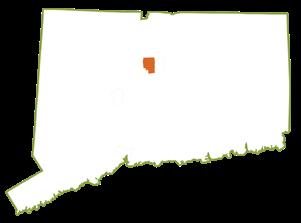
In the face of rising energy costs, municipalities are looking for savings just like the families and businesses that make them up. While some of the stressors are new, many factors that led to these higher costs could have been predicted years ago, in fact, were predicted years ago. And towns like West Hartford have taken to planning for rising costs for nearly two decades now – first through a comprehensive energy plan and then a most ambitious goal to use 100% renewable, clean energy. But how achievable is that?

In 2008, the town’s Clean Energy Task Force was concerned only with finding efficiencies and increasing renewable energy sources in the Town’s building, lighting and vehicle fleet, according to their Comprehensive Energy Plan. It was a foundation on which to build: “The plan did not address clean energy and energy efficiency opportunities for residents and businesses, but recommended that future versions broaden the scope of the plan to include all of West Hartford.”
By 2021, the scope had increased by orders of magnitude. In June of that year, they became the first town in Connecticut to commit to 100% clean energy. It was part of an initiative through the Sierra Club called “Ready for 100” that aimed to get towns and cities around the country to aspire to something bigger, to act on goals that could not be realized overnight, but over years. At the time of the pledge, Mayor Shari Cantor said to CT Insider: “I hope this is a living, breathing document that we refer to often and gives us direction.”
And that it did, outliving even the original “Ready for 100” campaign and Clean Energy Task Force. Just this past April, West Hartford was once again in the news for several new green initiatives that included solar panels and public food scrap bins that turn the waste into compost and electricity. (The Clean Energy Task Force was folded into a new commission called Sustainable West Hartford that operates through our partners in Sustainable CT!)
Now that energy prices are spiking, many of these actions seem sensible. But they are the fruits of planning that harkens back to the old adage: The best time to plant a tree was 20 years ago. The second-best time is now. And while West Hartford did start their journey to a renewable and green future nearly 20 years ago, towns and cities that did not can always start their journey today. n








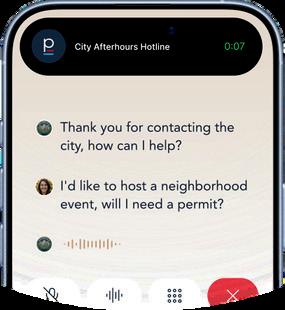

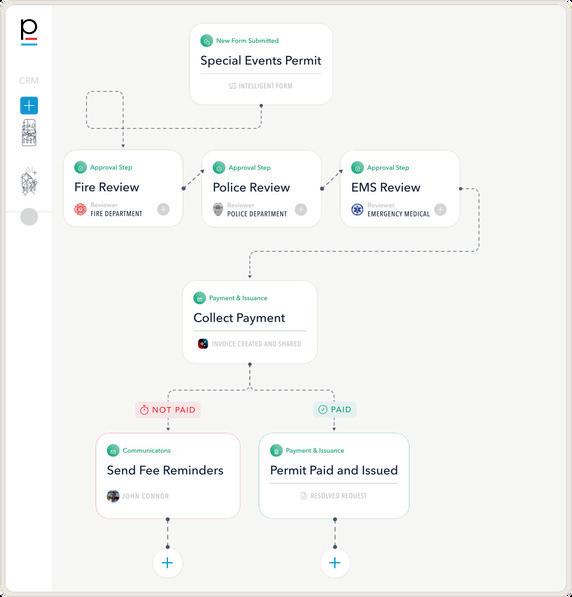
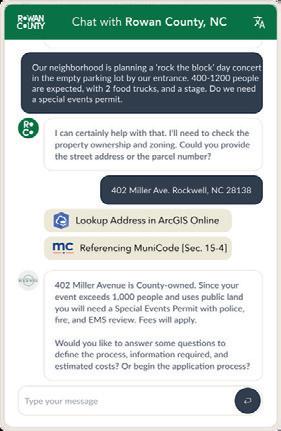
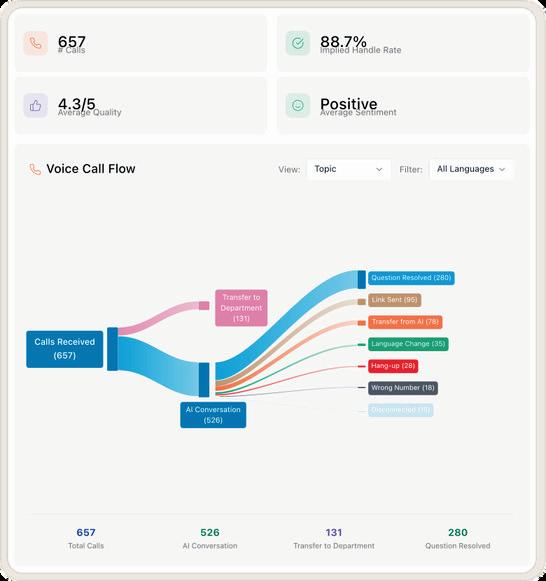
Take the following steps to identify improvements and implement projects that add up to real savings for your community.
1
Schedule a no cost, no obligation energy efficiency evaluations with ESC to review existing facility conditions, analyze utility usage and summarize recommendations and associated costs.
2
Eliminate contracting hurdles by leveraging ESC’s status as a pre-approved provider of energy efficiency retrofits and cost savings services with the Connecticut Department of Administrative Services.
3
Capitalize on a variety of incentive programs offered by local utility providers working with ESC to support project implementation, including interest-free financing for up to one million dollars per municipality.