
Lab & Land
Director’s Welcome
Hello
Murdoch University, to landing new projects and pushing our research across Australia and beyond, the team has had their hands full.
We’ve packed in five seminars, a two-day workshop and numerous Centre tours for visiting policymakers, industry stakeholders and agricultural researchers. With that in mind, I’d like to give a huge thanks to everyone who visited us over the month to explore collaborative opportunities - these connections are what make the work truly exciting.
Aside from exciting visits, we’ve also been hard at work delivering cutting-edge research in Australia and abroad, some of which is included below.
Happy reading!
Professor Rajeev Varshney FRS FAA Director, CCFI; Director, SABC
International Chair-Agriculture and Food Security
LATEST UPDATES
Murdoch University meets with GRDC’s senior leadership team
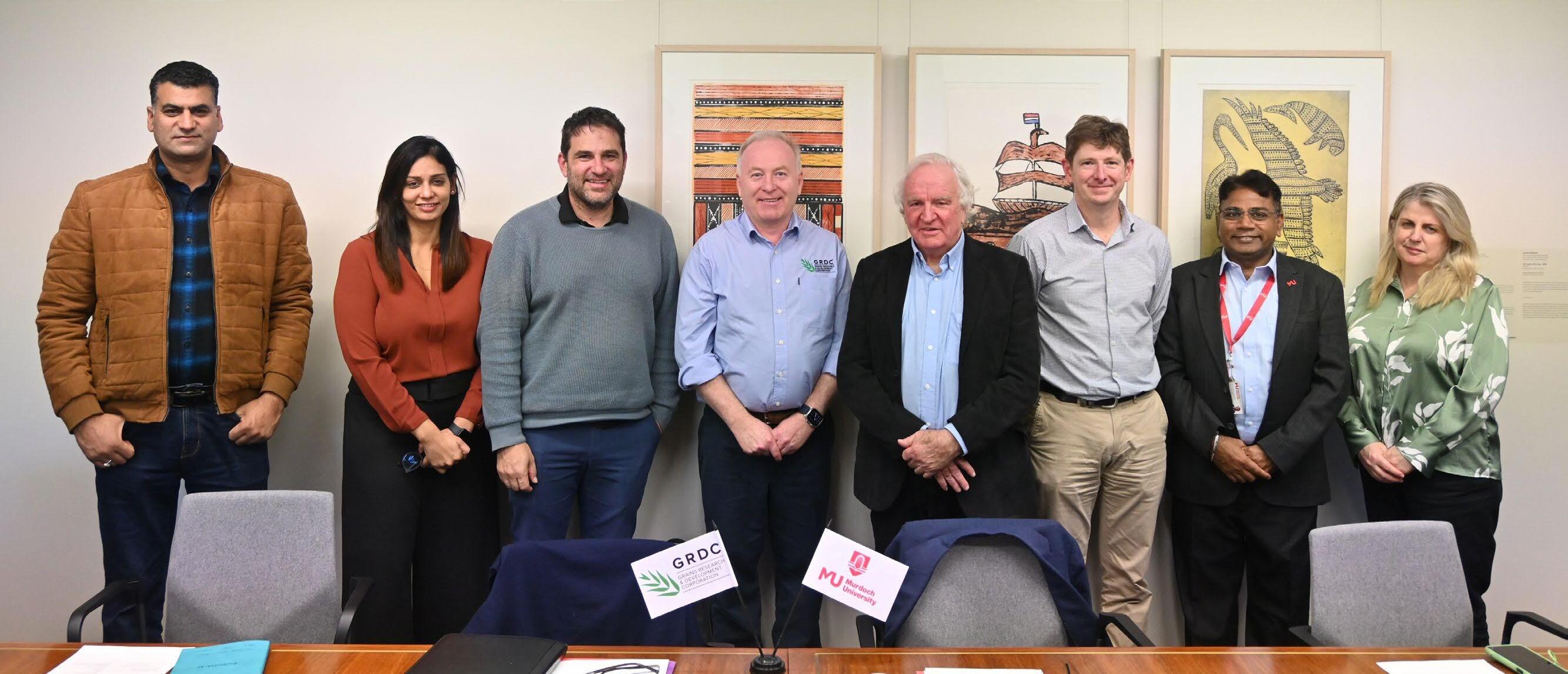
In June, we hosted GRDC Managing Director Nigel Hart and the GRDC General Manager for Genetic Technologies, Biosecurity & Regulation, Dr Juan Juttner, for an afternoon of discussions on our ongoing research activities.
The meeting offered a unique opportunity to learn more about GRDC’s research investment strategy, highlight CCFI’s ongoing research efforts and explore new ways to advance grain research across the country.
GRDC have been a tremendous supporter of CCFI and Murdoch University over the years, so it was a privilege to be able to showcase our facilities and have high-level discussions on how we can work together to the benefit of Australian grain growers.
CCFI hosts Genome Data Analysis and Integration Workshop
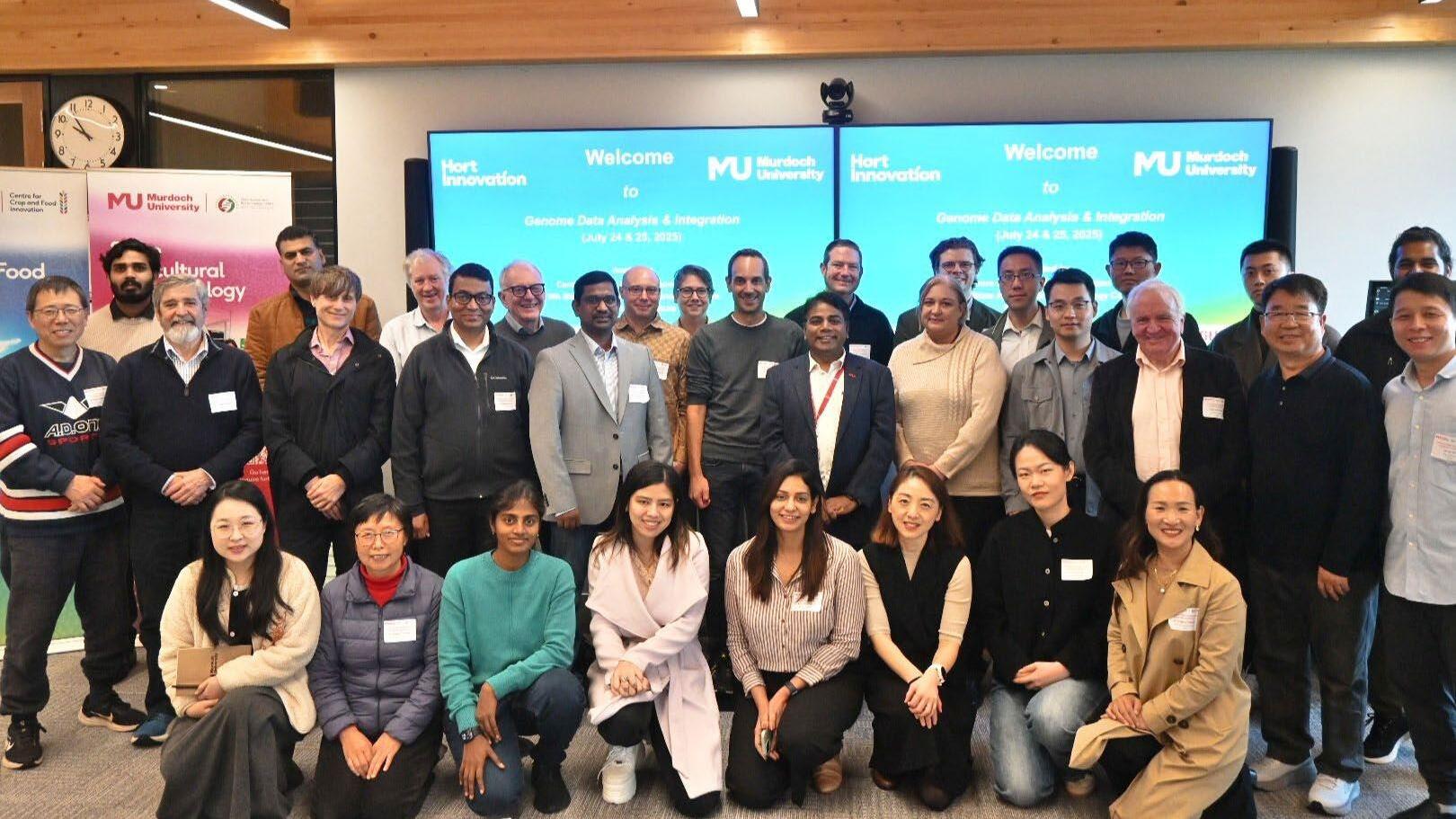
In July, CCFI had the pleasure of hosting the Genome Data Analysis and Integration Workshop at Murdoch University, which brought together leading genomics, genetics, and bioinformatics experts from around the globe.
Over two intensive days, attendees explored cutting-edge research spanning:
Reference genome development across diverse crop types
Decoding plant complexity through advanced methodologies
Pan-genome exploration and analysis
Novel bioinformatics approaches poised to revolutionise the field
Attendees were given ample food for thought and inspiration to apply these newfound insights in their research endeavours, and the eagerness to collaborate will undoubtedly benefit global crop productivity and resilience.
A heartfelt thank you to our exceptional speakers and presenters, especially those who travelled from Canada, China, France, Germany, the USA and the East Coast of Australia to share their expertise with us.
Could climate change reduce soil water repellency in sandy farming areas?
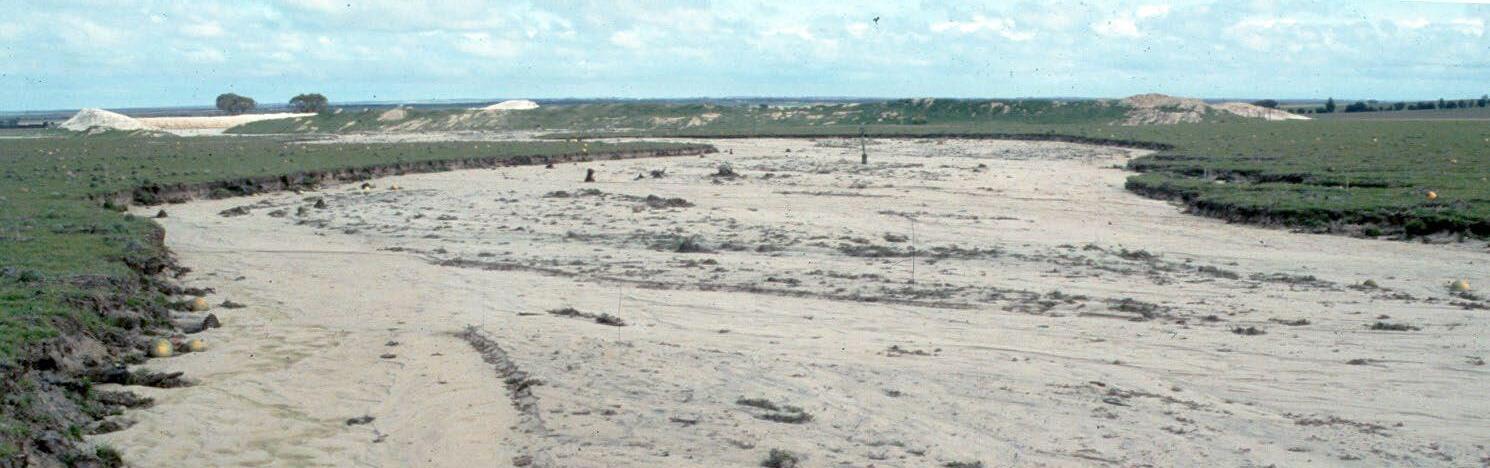
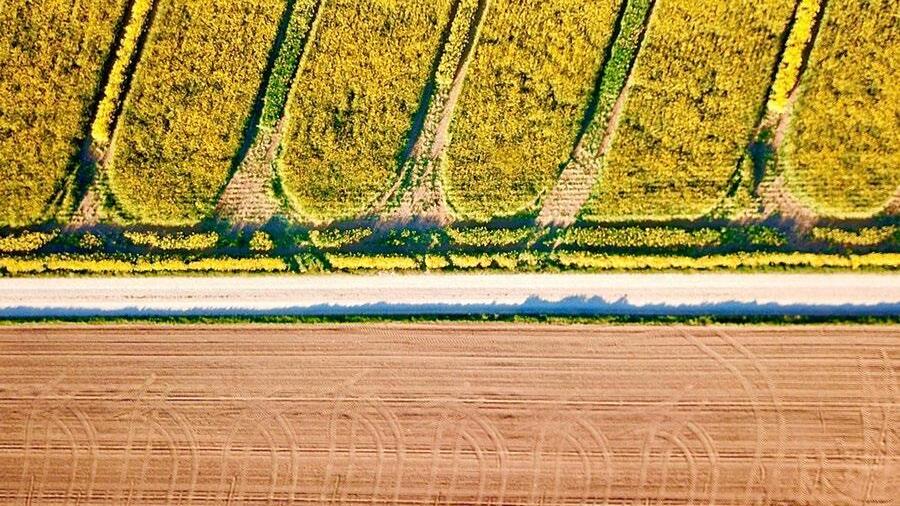
CCFI Research Theme leader Prof Richard Harper has been leading research into soil water repellency(SWR), a major challenge reducing yields over 10million hectares of Australian cropland. It reduces crop germination and increases run-off, in some cases causing severe erosion (as seen above).
As part of this work, Dr Maria Then has been developing approaches to predict where SWR will be most severe. After studying 355 sites across southwestern Australia, Dr Then and colleagues found a number of surprising findings that challenge conventional thinking, namely:
SWR isn't just a sandy soil problem. While most severe in sandy soils, water repellency occurs across soils with varying clay content, depending primarily on organic carbon levels. Higher organic carbon increases SWR severity, while higher clay content reduces it.
Rising temperatures may help. Contrary to earlier predictions, the study found that higher maximum temperatures reduce SWR, suggesting that climate change-induced increases in temperature could potentially lessen the severity of water repellency issues in some regions.
Carbon farming creates a dilemma. Since SWR increases with organic carbon content, soil carbon storage projects aimed at climate mitigation could inadvertently worsen water repellency problems. The researchers recommend that carbon farming protocols consider this potential side effect.
The findings provide new direction for managing a persistent soil challenge. You can read more about this research in Catena Supporting 15 years of Bangladesh soil research
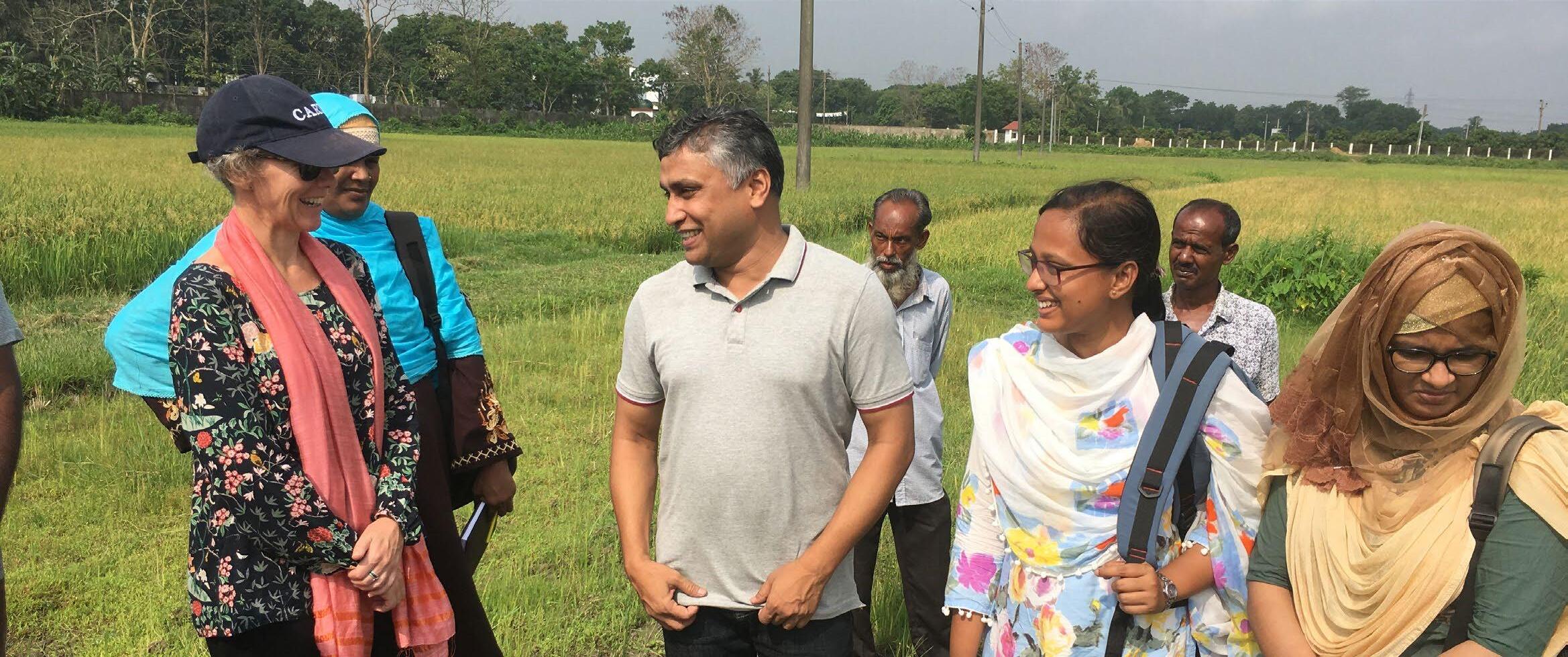
CCFI Research Theme Leader Prof Richard Bell’s long-term agricultural experiments in Bangladesh are yielding crucial insights for farmers and policymakers alike. Since 2010, Prof Bell and his team have been running five field experiments through ACIAR project investment, and partnering with the Bangladesh Agricultural Research Institute to test whether current fertiliser recommendations truly work for intensive three-crop-per-year systems.
The Good News: The team has shown that 20 years’ application of the recommended fertiliser rates are indeed optimal for crop yield and profitability.
The Challenge: The research team discovered significant nutrient imbalances. While farmers are applying the right amounts overall, potassium levels in soil are declining over time, while phosphorus and sulphur are building up beyond what crops need.
What This Means: Future fertiliser recommendations will likely reduce phosphorus and sulphur rates while increasing potassium applications—a shift that could save farmers money while protecting soil health.
The team’s research demonstrates the power of long-term field studies in revealing trends that shortterm experiments simply can't capture. You can read the team’s findings in the ‘Published Papers’ section below.
CCFI Research Theme Leader secures GRDC grant for barley heat tolerance project
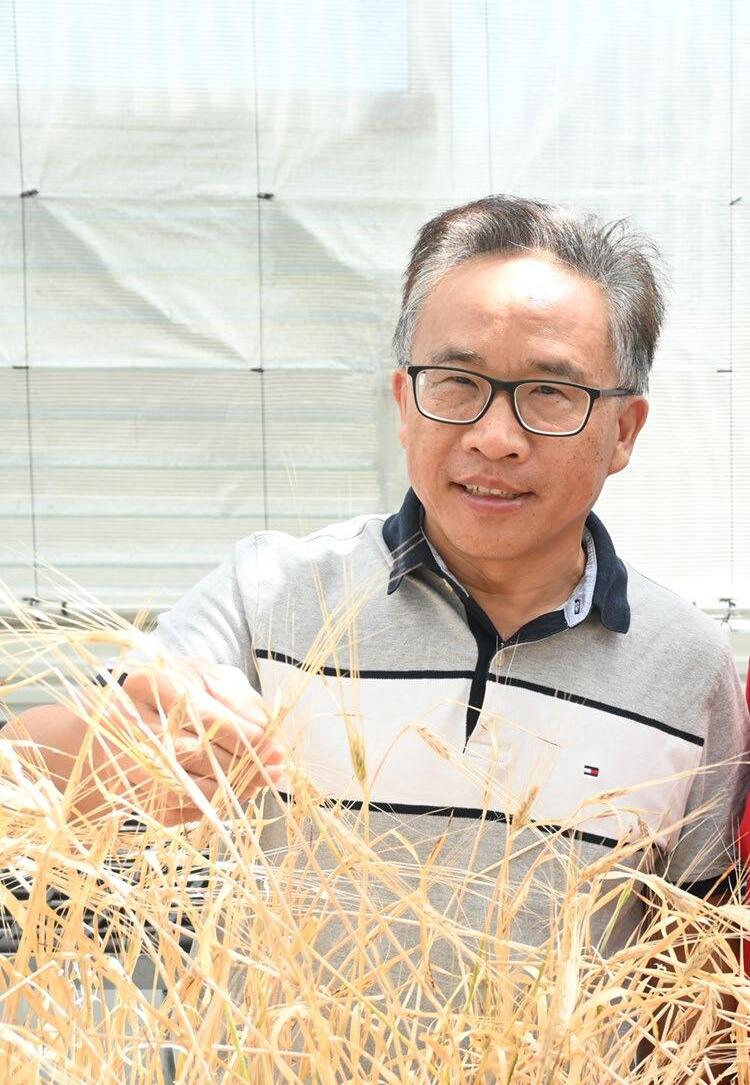
CCFI Research Theme Leader and Director of the Western Crop Genetics Alliance, Prof Chengdao Li, will lead a new, five-year (20252030) GRDC project which aims to enhance barley heat tolerance during flowering and grain fill.
In partnership with DPIRD, Adelaide University,
the University of Melbourne, the University of Tasmania, InterGrain, Australian Grain Technologies, RAGT, and SECOBRA, the research team will build on the substantial genetic resources and foundational knowledge learnt during the discovery phase of previous pre-breeding research efforts. In the next phase, these advances will be leveraged, expanded, validated, integrated, and delivered to commercial barley breeders.
Project details can be found here.
Enhancing Australia’s oat industry through international collaboration
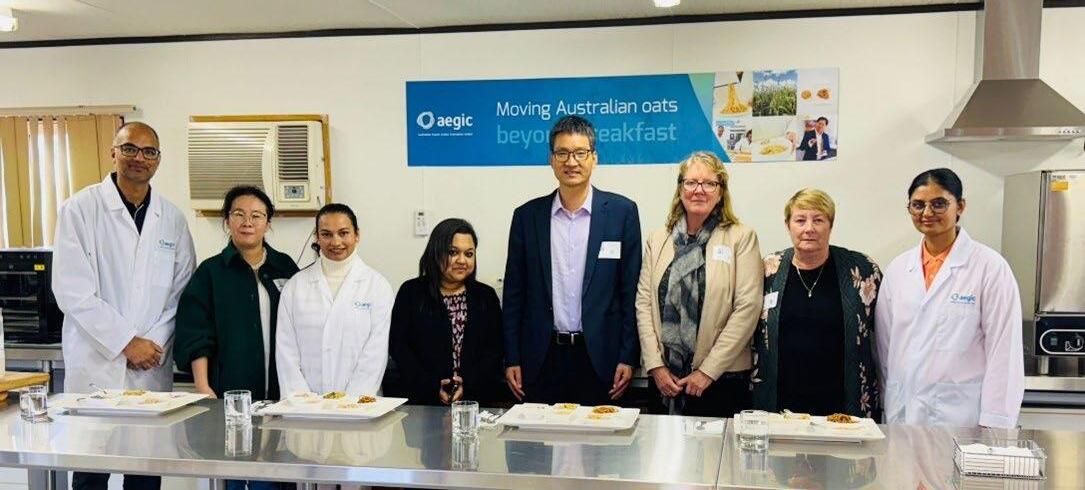
CCFI Research Theme Leader Dr Wendy Hunt and Prof Vicky Solah had the pleasure of welcoming Prof Xin-zhong Hu from the College of Food Engineering and Nutritional Science at Shaanxi Normal University to Murdoch University. Prof Hu is an international expert in cereal science, with a research focus on oats and buckwheat processing and evaluation of their functional, nutritional and health properties.
Prof. Hu’s visit is part of a collaborative research project, led by InterGrain and Dr Haelee Fenton.
During his visit, Prof. Hu delivered a presentation on Oat Nutritional Components and Health Benefits to
Murdoch University staff and students, providing valuable insights into the nutritional components of oat, particularly oat bioactive compounds and their functional roles in human health. He also met with industry stakeholders from across the supply chain, including the team from Sustainable Innovative Food Technology WA, and was especially interested in the High-Pressure Processing (HPP) equipment and overall food processing capabilities of the Food Innovation Precinct of Western Australia (FIPWA).
Prof Hu’s visit facilitated the sharing of knowledge and also reinforced the importance and value of our international partnerships, which provide opportunities for learning and extending our research into a global setting. We look forward to building on the momentum of his visit and advancing our shared goal of elevating the global profile of Australian oats.
You can read more about Prof Hu’s visit here. Prof. Hu’s visit, held from 2nd to 15th June, is part of a collaborative research project, led by InterGrain, which includes Shaanxi Normal University and Murdoch University as research partners.
Murdoch University signs MoU with Chandigarh University
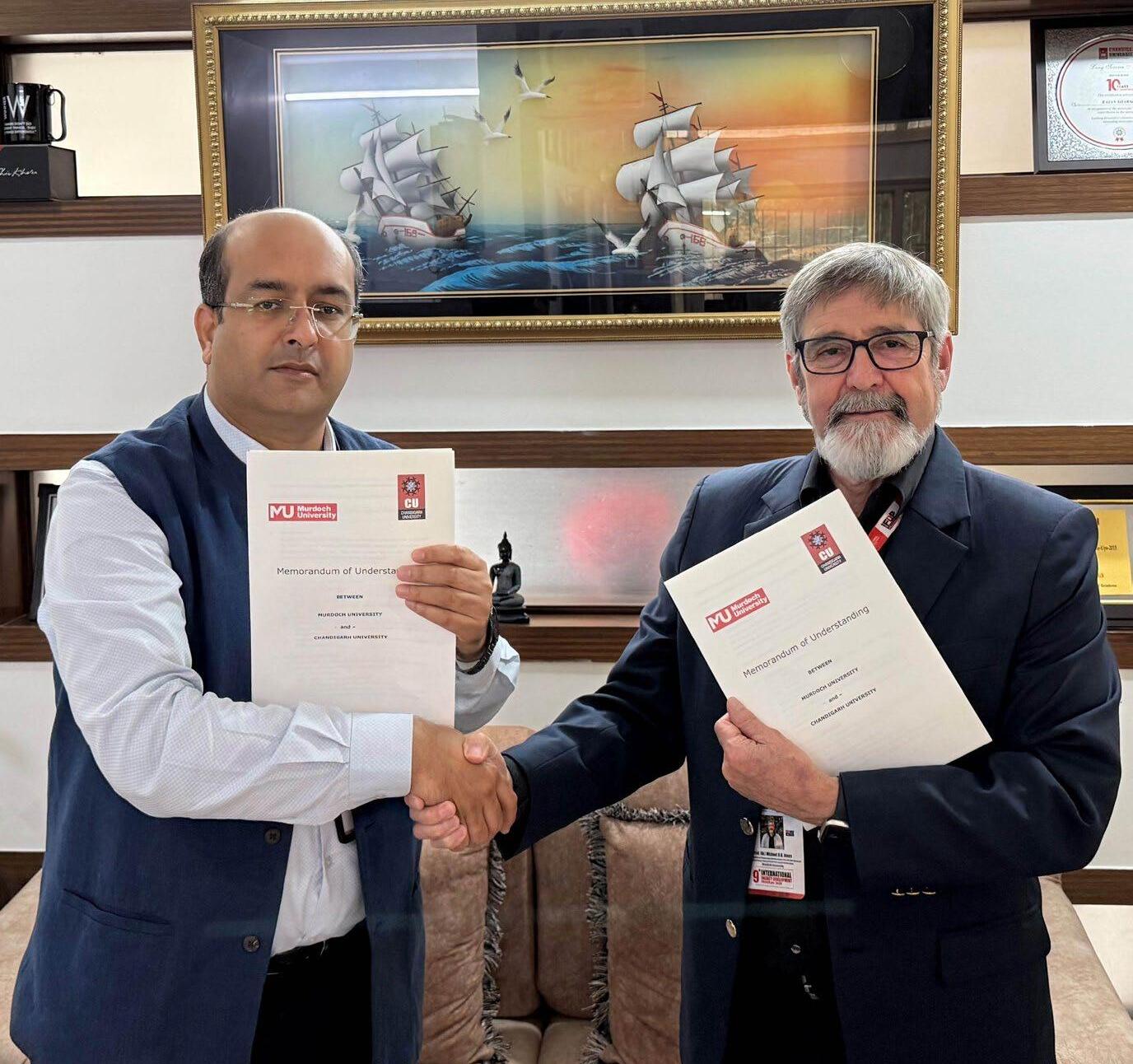
On behalf of Murdoch University, CCFI Research Theme Leader Prof Michael Jones has signed an MoU with one of India’s topranked private universities – Chandigarh University (CU), to extend collaboration in research and facilitate staff and student exchanges.
In a statement, CU Executive Director of the Office of International Affairs, Prof Rajan Sharma said:
“It was truly a privilege to host such a diverse and accomplished group of faculty from around the world. Together, we explored new dimensions of global education, pedagogical innovation, and collaborative growth.”
We are eager to foster mutually beneficial knowledge-sharing activities with CU.
New Nature paper highlights the potential of barley’s closest wild relative
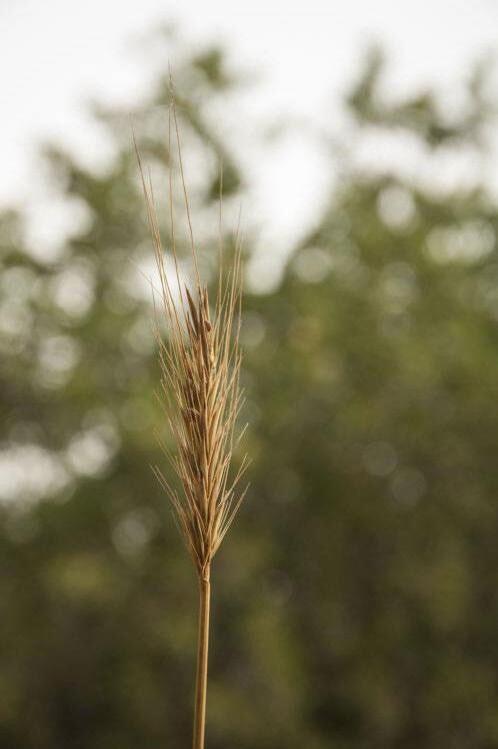
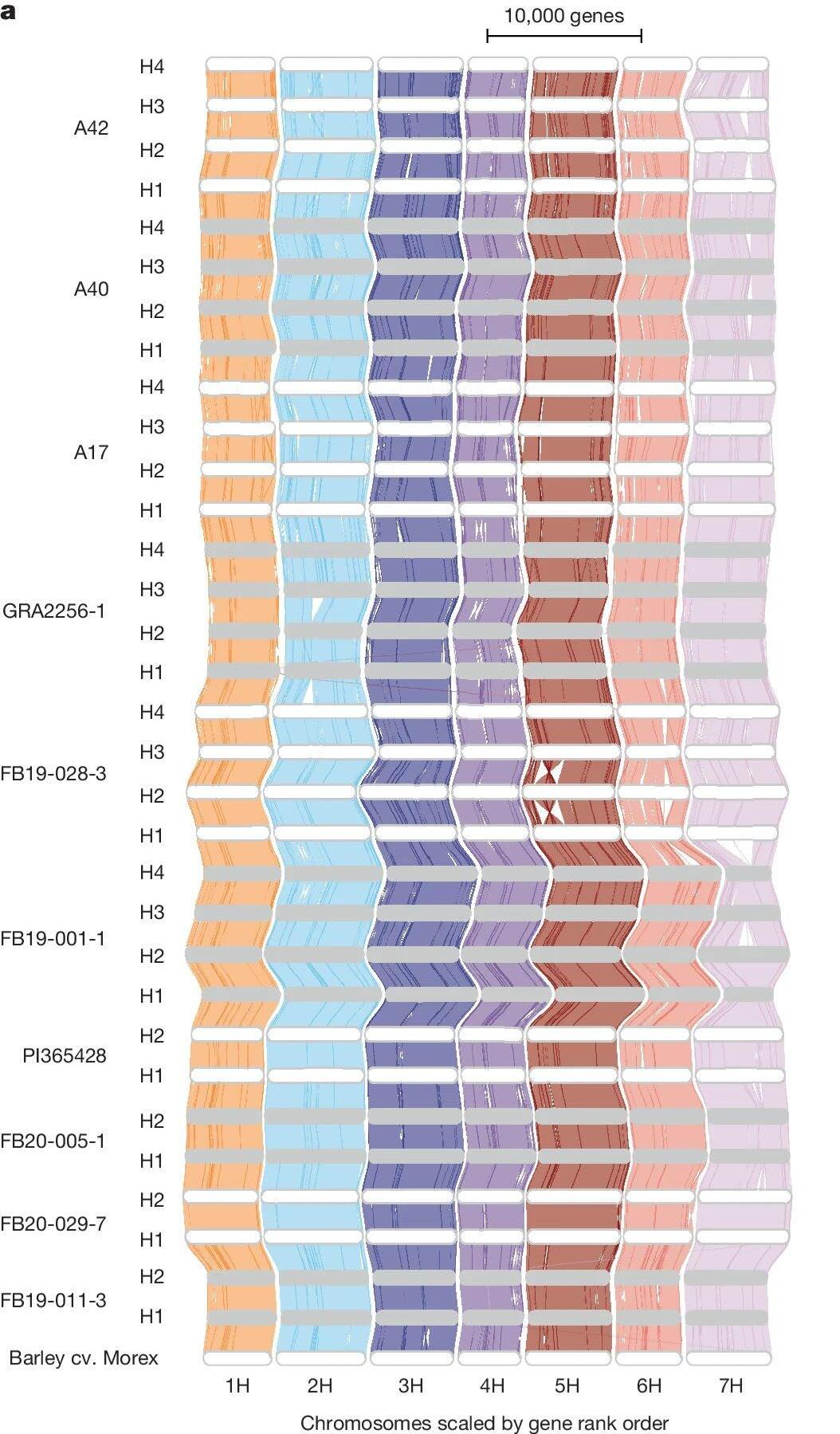
CCFI-affiliated researchers have constructed a pan-genome of barley’s closest wild relative, Hordeum bulbosum, with their
findings published in Nature.
Led by researchers from the Leibniz Institute of Plant Genetics and Crop Plant Research (IPK Leibniz), the international team of scientists has studied the structural genome evolution of barley and H. bulbosum, assembling and annotating ten reference-quality chromosome-scale genomes of bulbous barleys.
In a statement, Head of IPK’s Domestication Genomics Research Group and CCFI Adjunct Associate Professor, Dr Martin Mascher, explained that:
“This is without question the most promising crop-wild introgression in barley to date, and the only one close to being deployed in commercial varieties. It provides qualitative resistance to the devastating barley yellow dwarf virus, which affects several cereal crops. Having genome sequences for crop wild relatives will be useful for more targeted introgression breeding in the future.”
Another CCFI-affiliated researcher, Adjunct Associate Professor Manuel Spannagl, Deputy Research Group Leader at Helmholtz Munich, is also a co-author of this paper.
Read the Nature paper here
Learn how this research can contribute to global barley breeding programmes here.
Experts discuss translational research at The Crop & Biotech Seminar Series
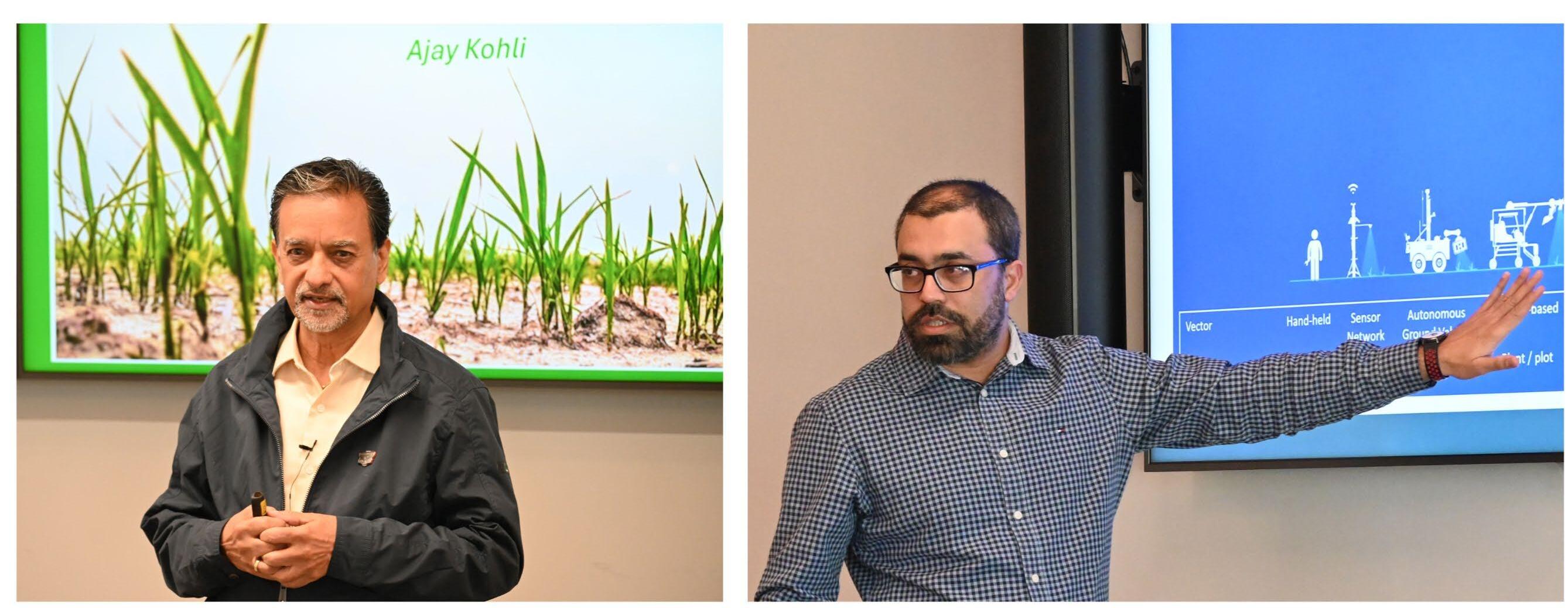
This month, CCFI and SABC hosted two sessions of the Crops Biotech Seminar Series, which brings leading authorities from Australia and abroad to Murdoch University to discuss their outstanding research.
In Session #7, we hosted Dr Ajay Kohli, Ignite Life Sciences Foundation Scientific Advisory Board Member and former Deputy Director General of Research and Innovation at the International Rice Research Institute. Dr Kohli, who is internationally recognised for his contributions to plant molecular biology and abiotic stress tolerance in rice, gave a fascinating presentation on the links between stress tolerance, grain quality and nitrogen remobilisation.
In Session #8, we heard from Adj A/Prof Hammad Khan, Director of the WA Node of the Australian Plant Phenomics Network (APPN) at DPIRD, who provided an overview of APPN, the role the network plays, and the technologies being used to support field-based phenotyping of WA crops.
Both presentations were packed with a rapt audience consisting of agricultural scientists from across the State, and we’re looking forward to hosting the next session of this popular Seminar Series.
Published Papers
CCFI researchers have led/contributed to the following scientific papers published in the past month:
Abbas A, HeJ, Wang Y, Jiang W, Naznin A, Budhathoki R, Bose J, Donavan-Mak M, Zhou M, LiC, Varshney RK, Chen ZH. (2025) Linking key genes to the stay-green phenotype for climate-smart Triticum aestivum L BMC Plant Biology 25: 864. DOI: 10.1186/s12870-025-06831-0
Dong Y, An Q, He Y, Zhang Y, Guo G, Zhang C, Zhang Y, Xia X, Wang Y, Zhang S, Yang D, Ma W, Whitford R, Yang X, Zhang Z, Li G. (2025). The metacaspase–Peps–PEPR immune module confers resistance to Fusarium head blight in wheat The Plant Cell DOI: 10.1093/plcell/koaf177
Haque ME, Bell RW, Cheng M, Satter Md A, Hossain Md B, Jahiruddin Md, Jahangir MMR, Islam Md A,
Lab & Land 04: Cultivating connections at Murdoch University
Akhter S, Miah Md M, Rahman AKMA. (2025). On-farm evaluation of fertilizer recommendation methods: impacts on rice yield and economic benefits in subtropical soils. Agriculture and Food Sciences Research 12, 54-68.
DOI: 10.20448/aesr.v12i1.6819
Islam KZ, Murray D, Diepeveen, Jones MGK, Sohel F. (2025). Deep Learning based Payload Optimization for Image Transmission over LoRa with HARQ Internet of Things, 33, 101701. DOI: 10.1016/j.iot.2025.101701
Jin W, ZuM, Huang L, Umer Md J, Xiao Y, Li S, Wang R, Varshney RK, Hong Y, Chen X, Lu Q,Wang W, Liu H. (2025). A single-nucleus transcriptomic atlas of peanut seedlings unveils gene regulatory dynamics governing hypocotyl development
The Crop Journal. DOI:10.1016/j.cj.2025.06.022
Kumar U, Maniruzzaman Md, Cheng M, Islam Md A, Islam Md J, Nasreen SS, Haque E, Akhter S, Jahiruddin M, Bell RW, Jahangir MMR. (2025). Are recommended fertilizer rates able to maintain nutrient balance in soil and optimize crop profit in intensive rice-based crop rotations: Evidence from a 20-year study. Journal of Soil Science and Plant Nutrition. DOI:10.1007/s42729-025-02550-5
Prasad SH, Bignell G, Copeland RG, Garg V, Chitikineni A, Henry RJ, Dillon N, Rouf Mir R, Varshney RK. (2025). Integrating multiomics and modern breeding tools for accelerating genetic improvement in Annonas. Functional & Integrative Genomics 25, 155. DOI:10.1007/s10142-025-01653-7
Quick links:

Contact us:
Centre for Crop and Food Innovation
Murdoch University
90 South St, Murdoch, WA 6150
Australia
Tel: +61 08 9360 1726
Email: director.ccfi@murdoch.edu.au
Web: