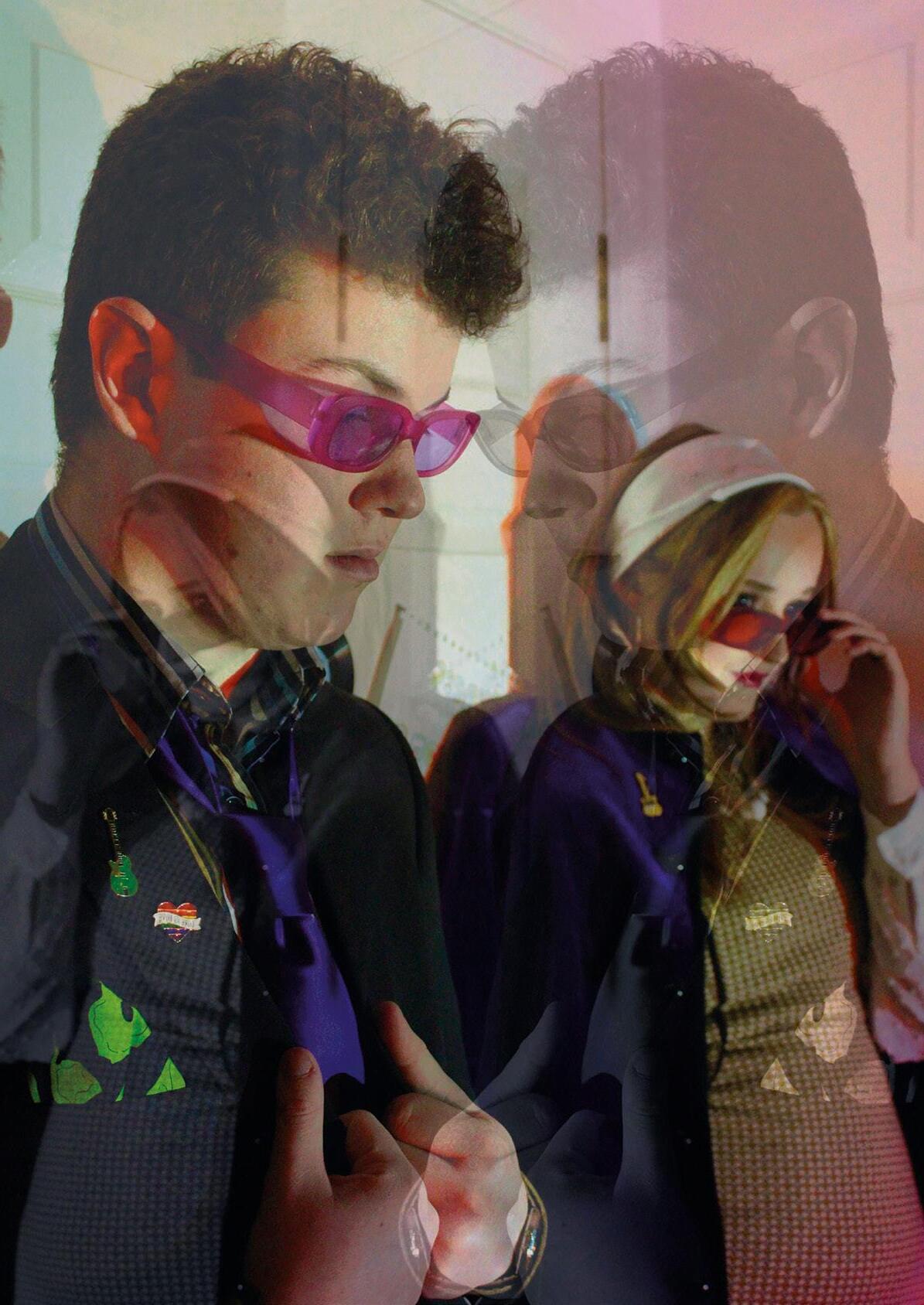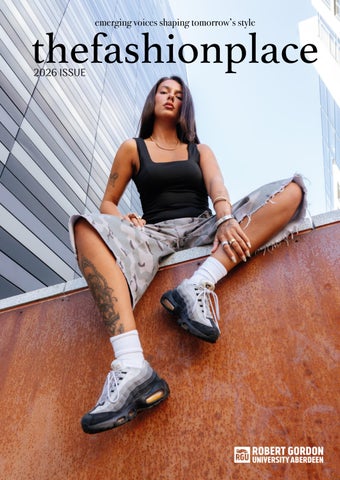
emerging voices shaping tomorrow’s style
thefashionplace
2026 ISSUE




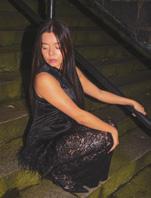
Text : Arwyn Peden
Styling : Elle McArtney
Photography : Olena Samusieva
Model : Kaitlin Milne
ENTS

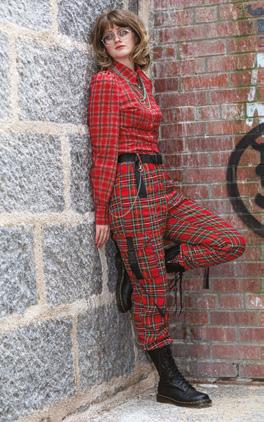
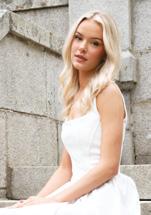
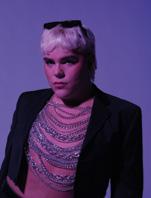

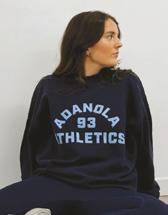
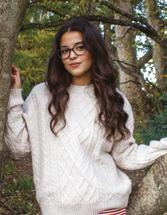
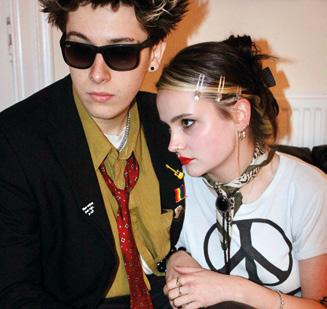

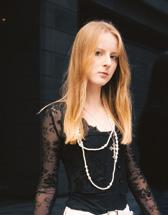
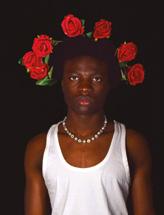
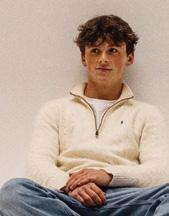
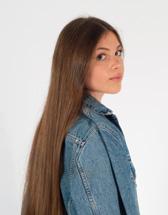

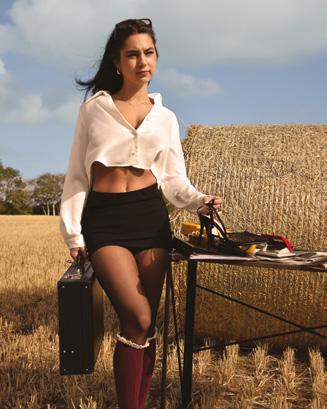
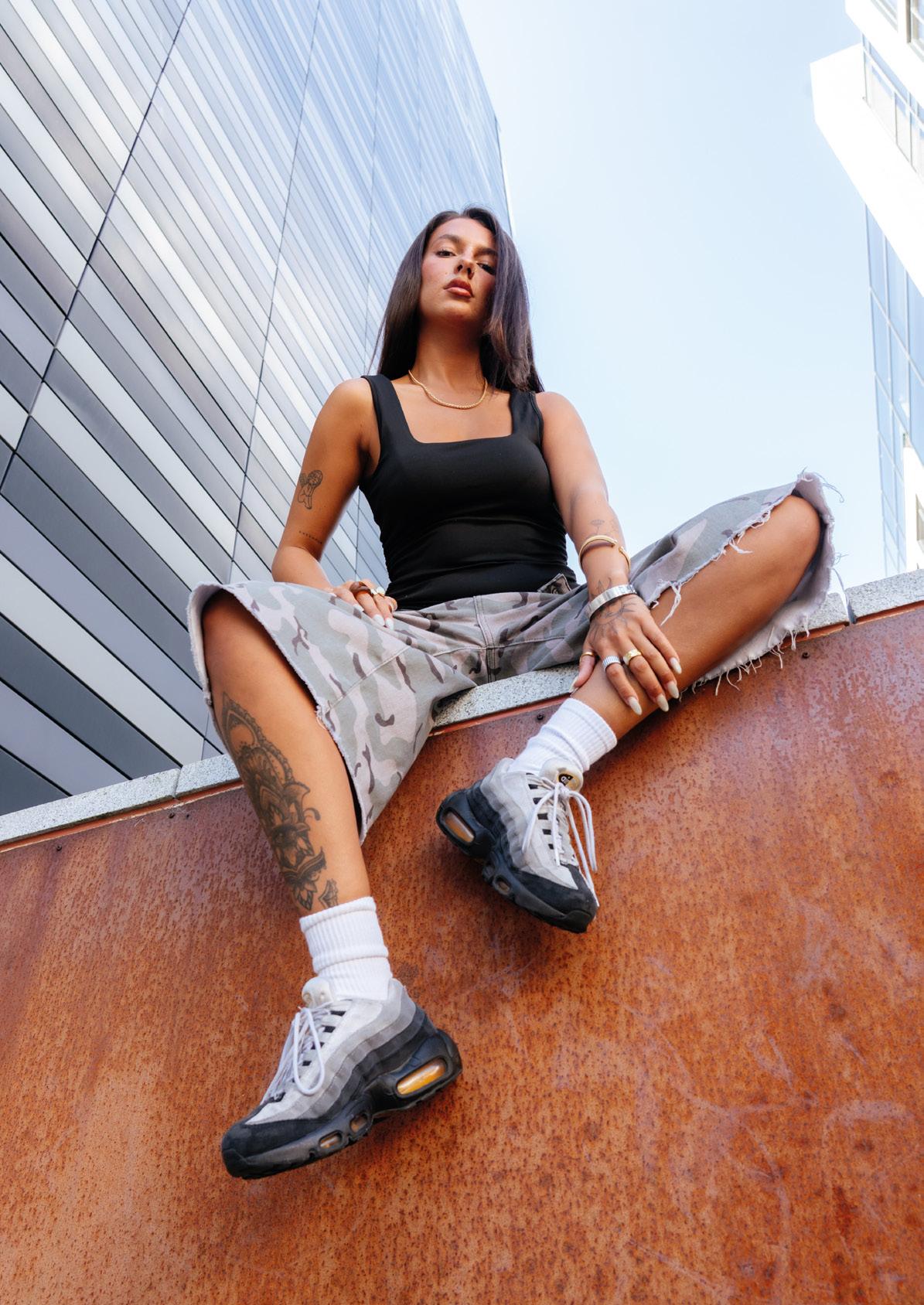
Style IN THE STREET
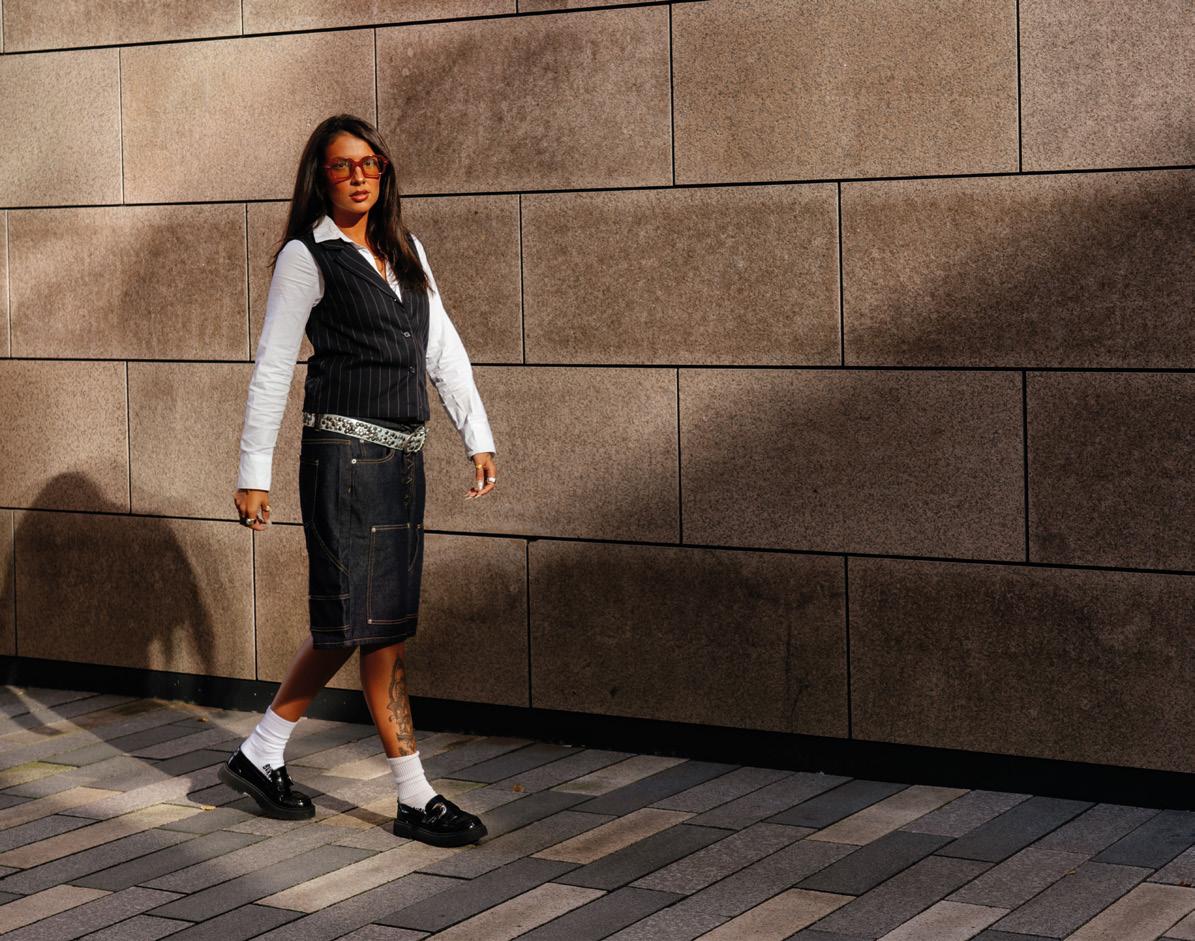
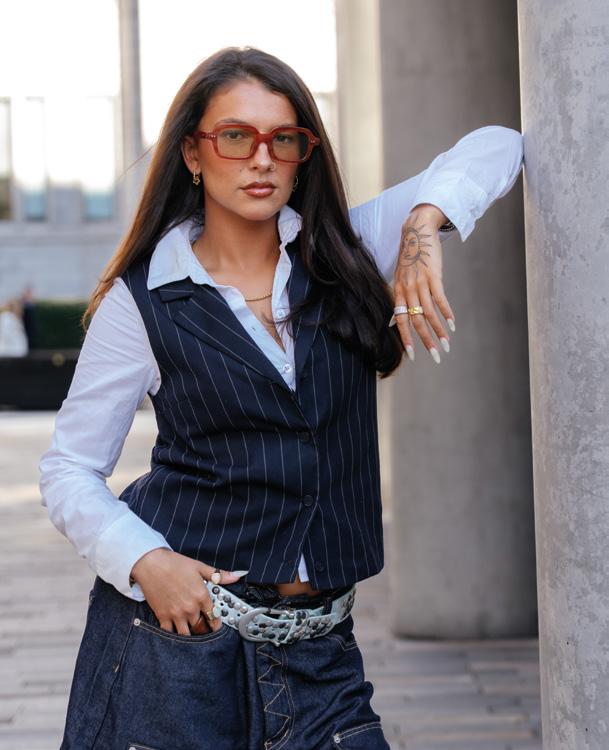
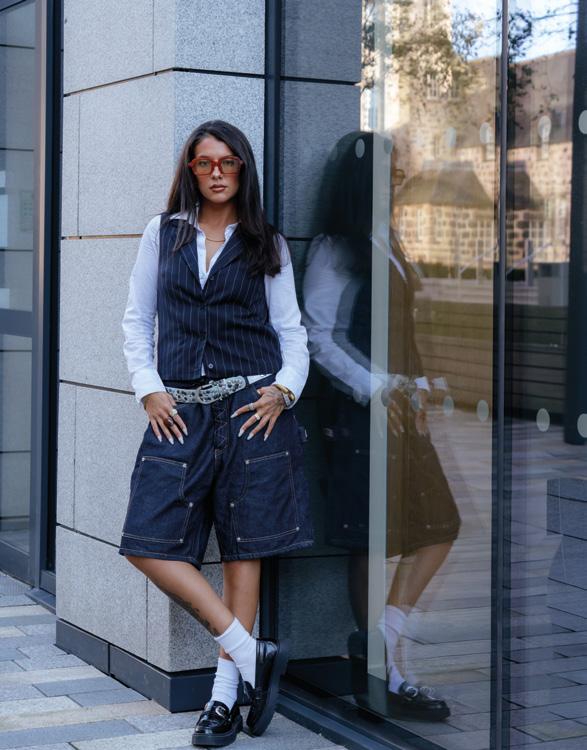
Photography by: Olena Samusieva Model : Kaitlin Milne
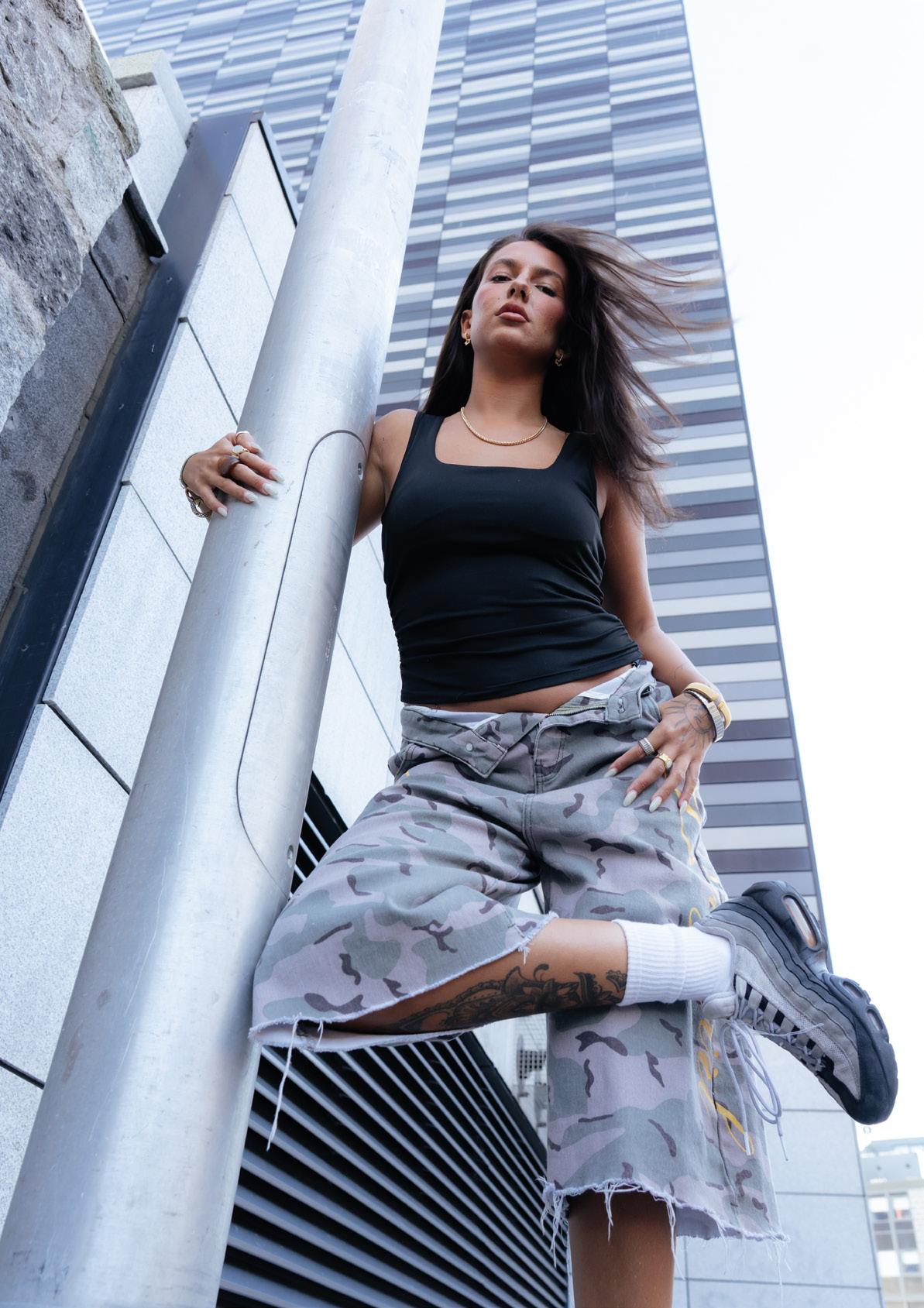
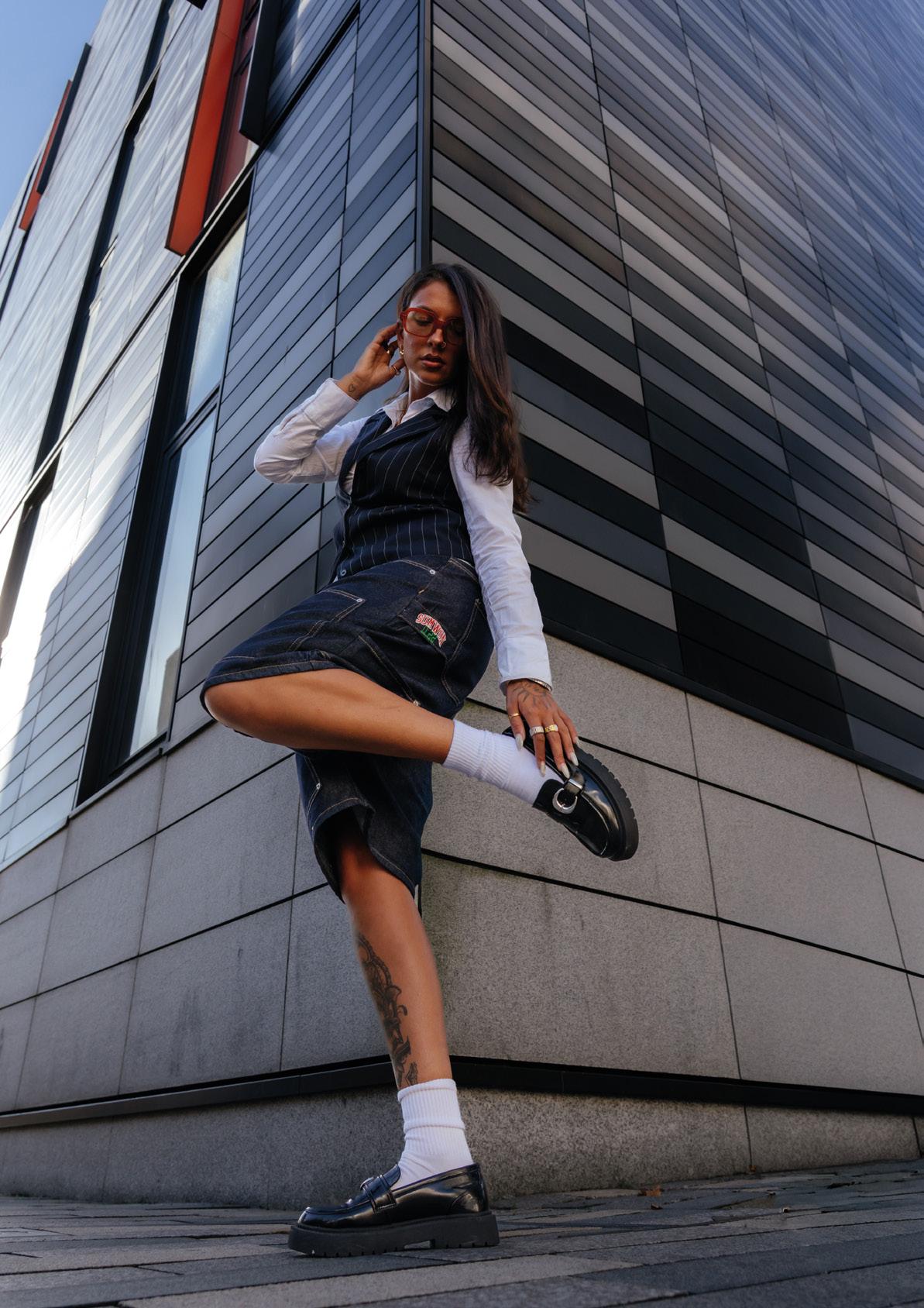
Shirt: H&M
Waistcoat: H&M
Jorts: Sumwon
Belt: TK Maxx
Socks: H&M
Shoes: New Look
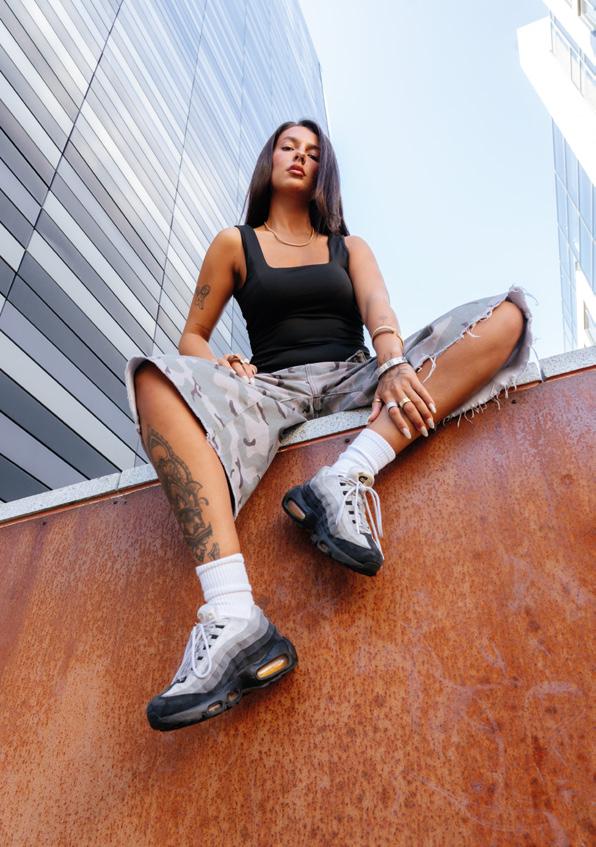
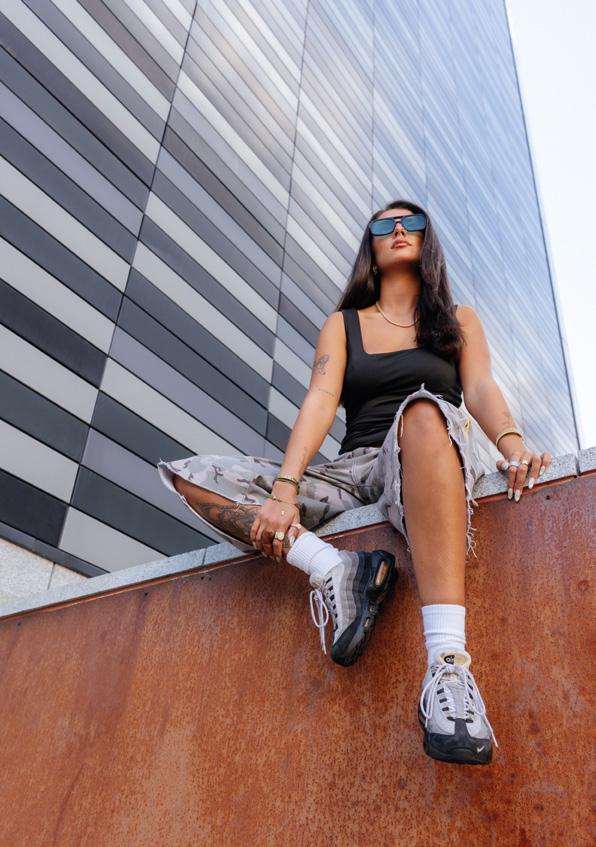
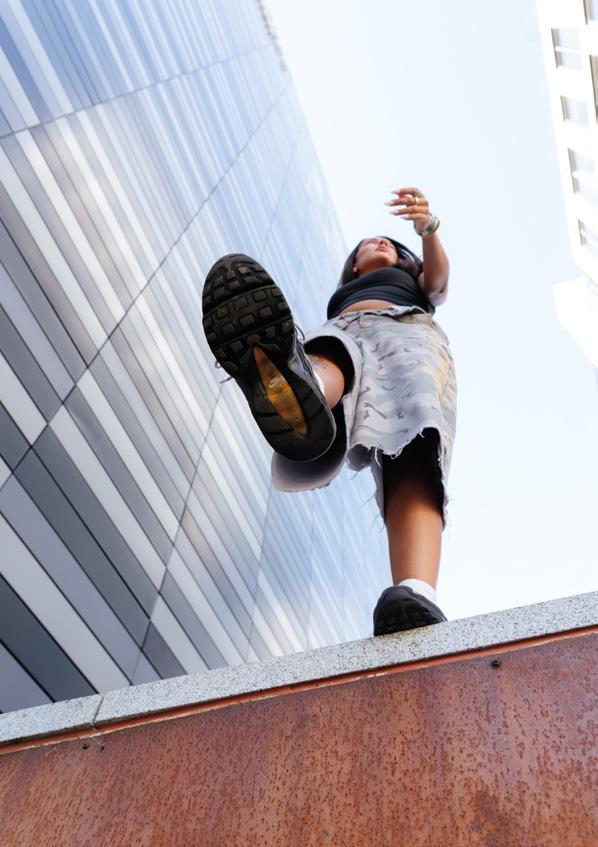
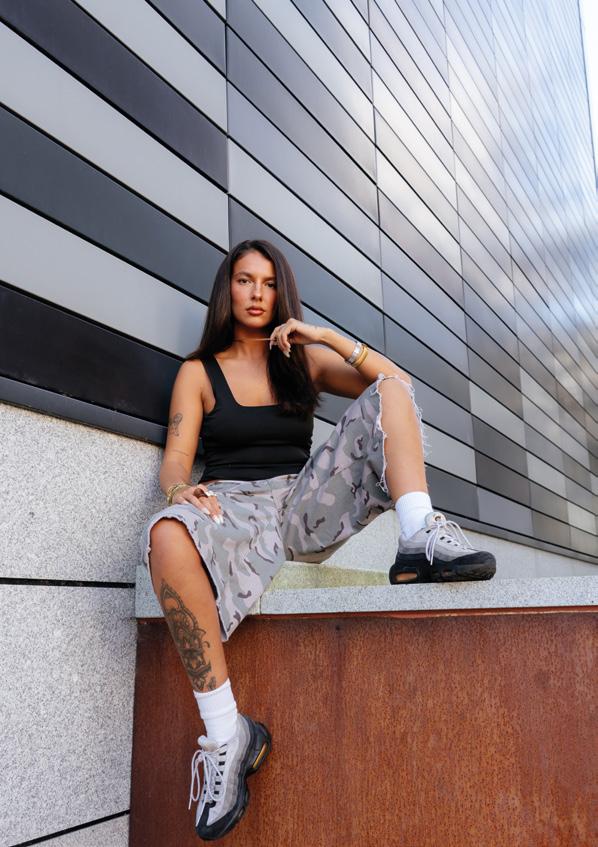
Top: ASOS Jorts: Shein
Socks: H&M
Shoes: Nike
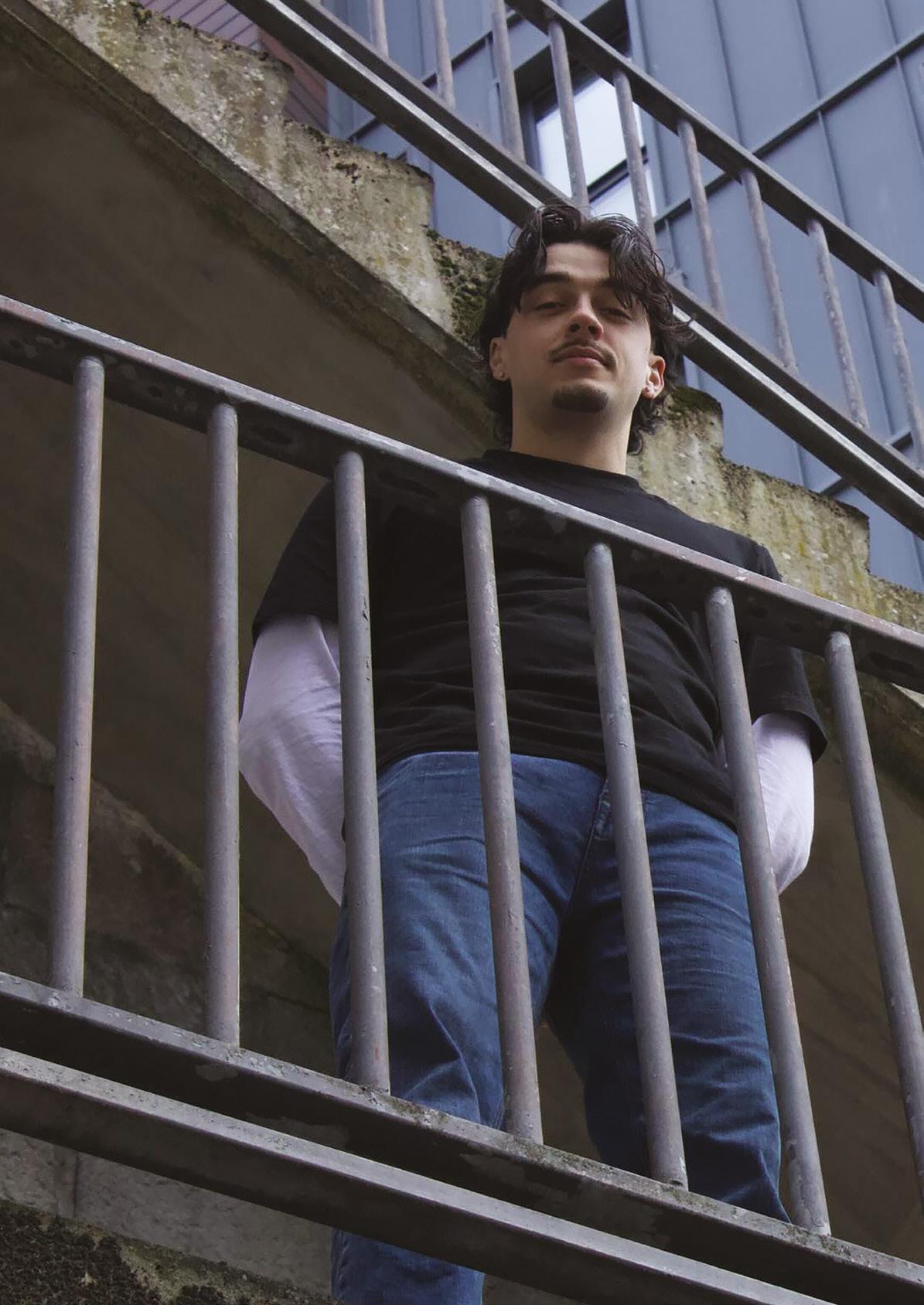
Long Sleeve T-shirt- Primark
£4
T-shirt- Primark
£2.50
Jeans- Primark
£20
Loafers- Primark
£20
CITY LIMITS
DRESS LIKE YOU DON’T CARE, BUT REALLY DO
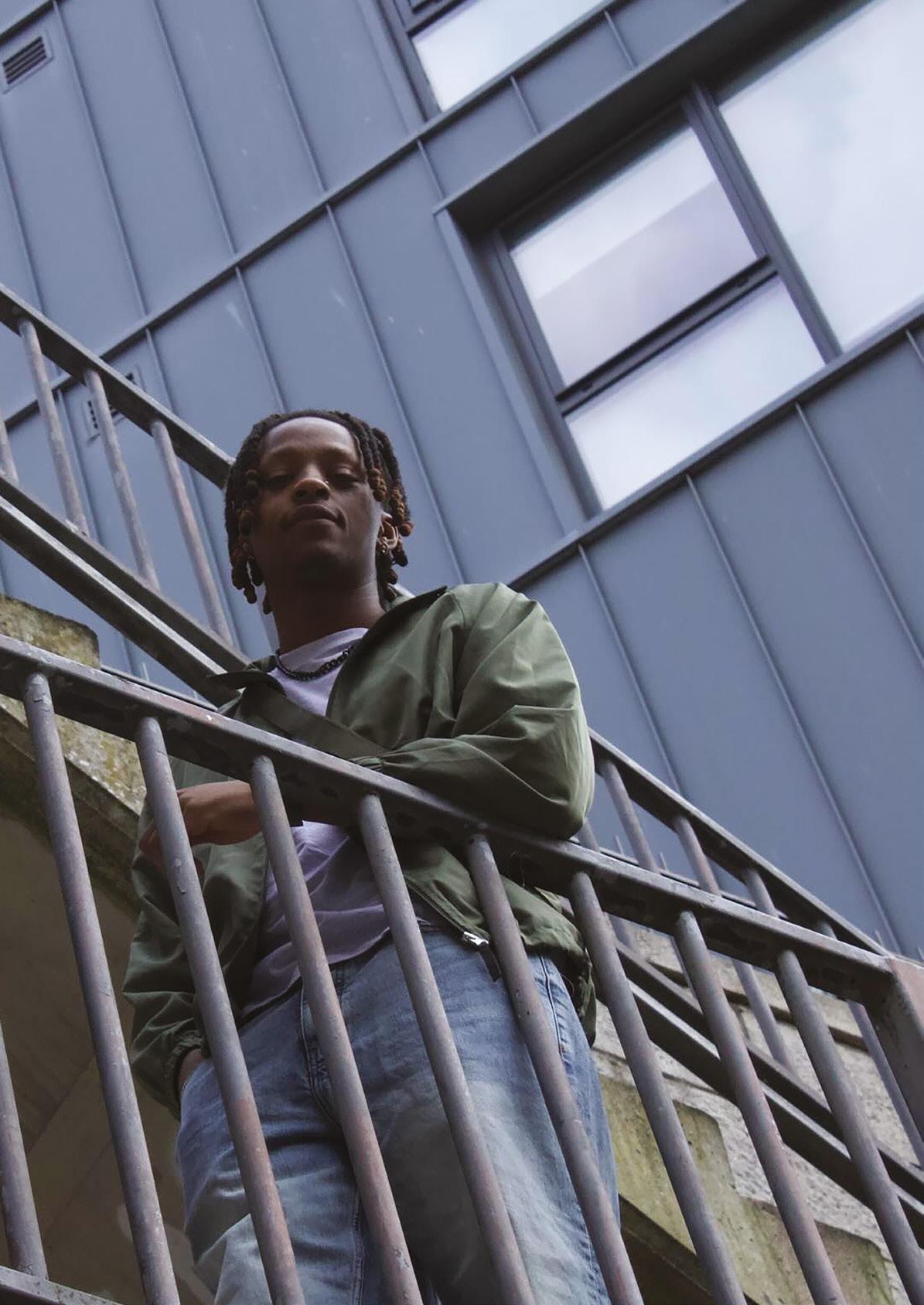
T-shirt- Primark £2.50
Jeans- Primark £20
Jacket- Skillful Original Collection £15
Bag- Adobe Shoes- Nike P600 £110
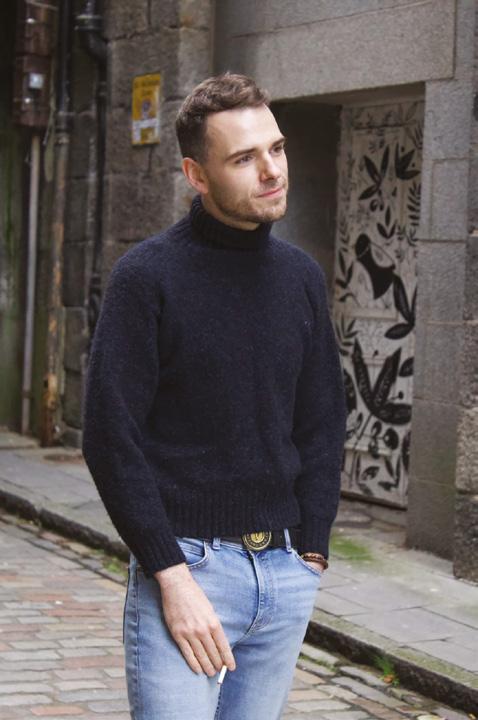
Jumper- Shetland Designer £105
Jeans- ASOS £10
Belt- Versace £126
Shoes- Adidas Y3 £105
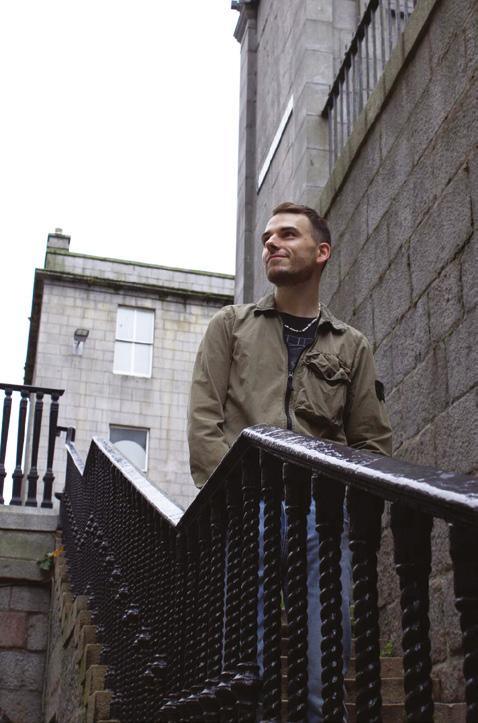
T-shirt- Pixies Band Tee £25
Jeans- ASOS £10
Jacket- Stone Island £481
Shoes- Adidas Y3 £105
Necklace- CraftD £79.99
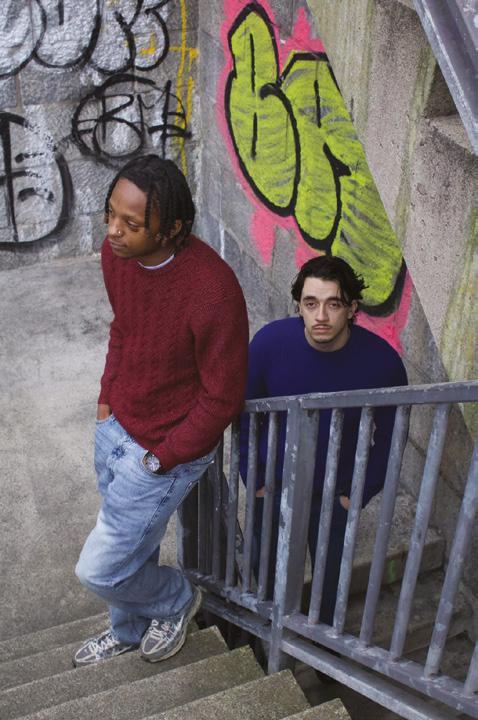
T-shirt- Primark £2.50
Jeans- Primark £20
Jumper- M&S £45
Shoes- Nike P600 £110
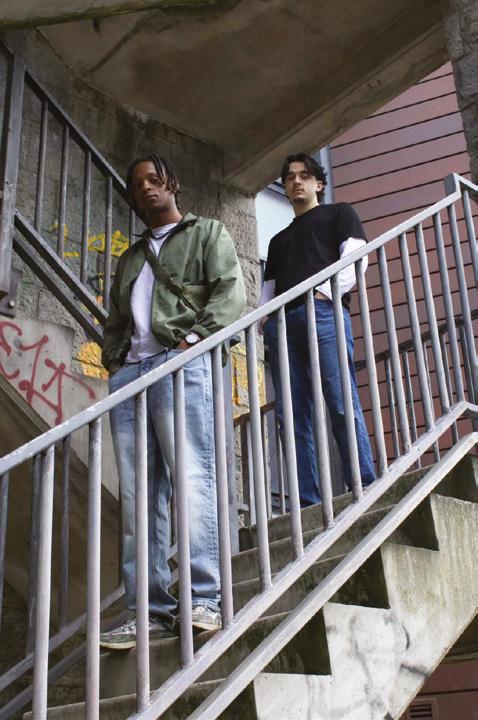
Jumper- M&S £45
Jeans- Primark £20
Loafers- Primark £20
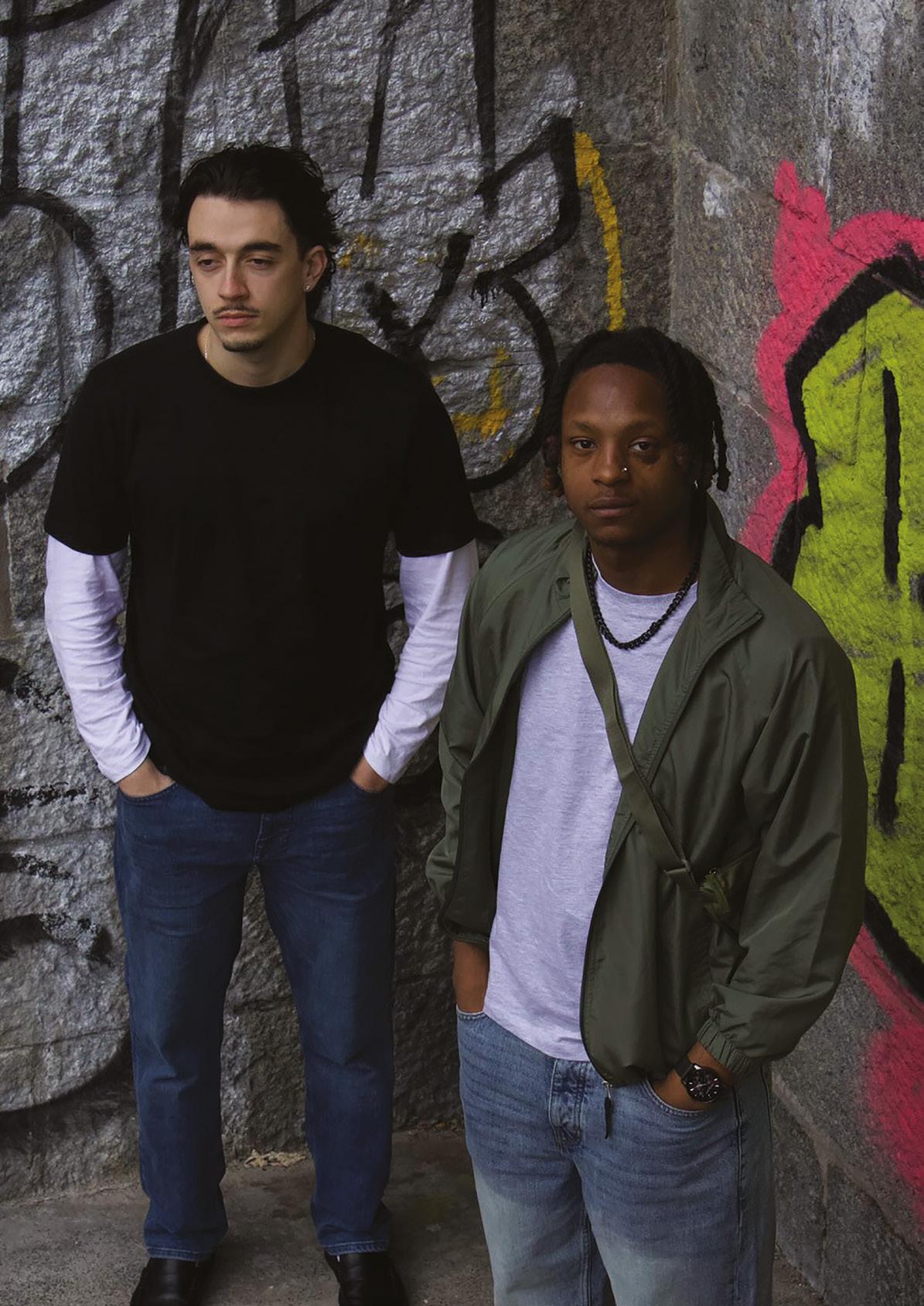
Stylist: Tay Campbell
Photographer: Soley Inkster
Models: Lee Graham Matt Walsh
Jordan Mundowa
By Violet McKee
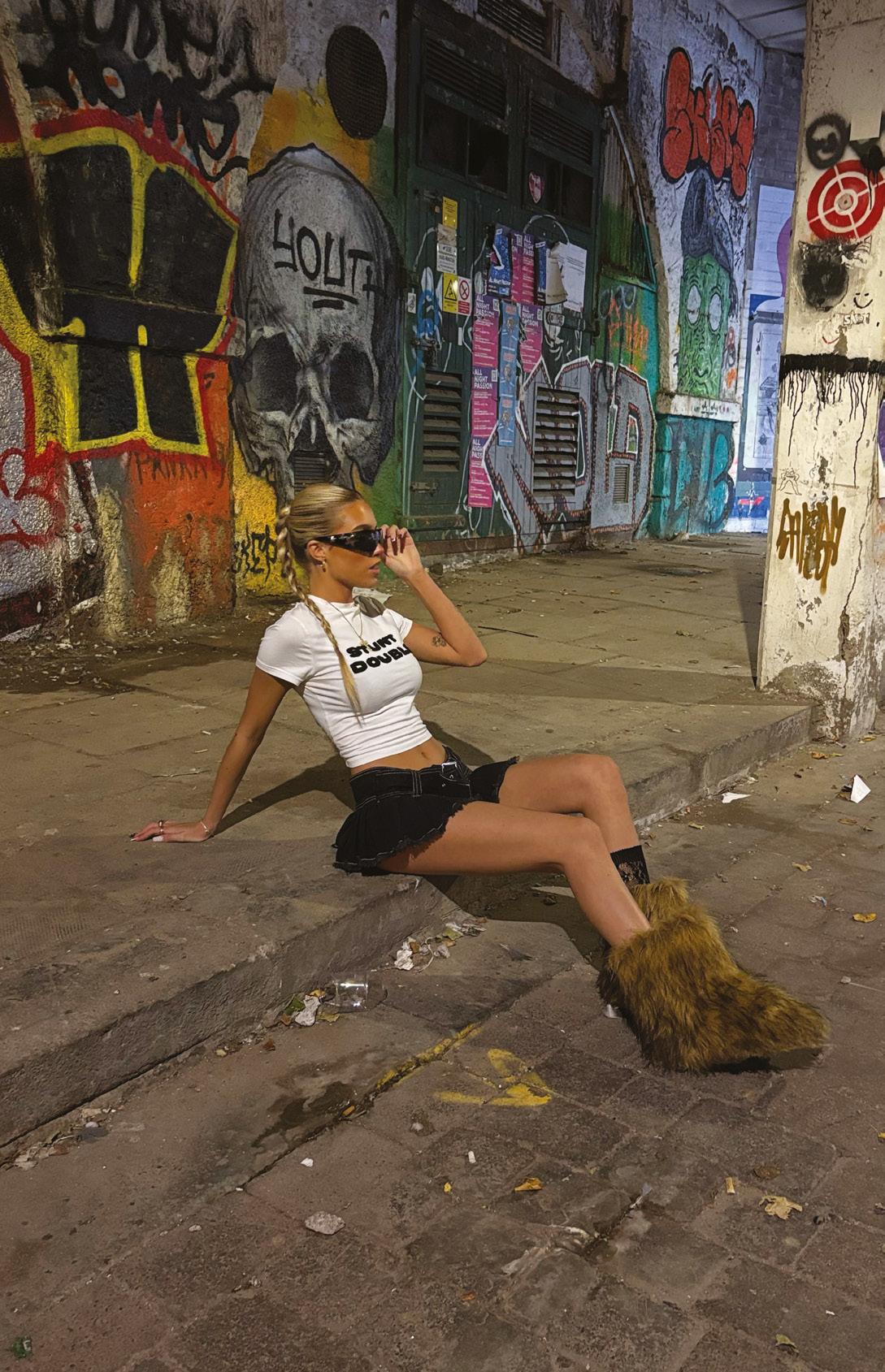
RAVE CULTURE COUTURE
Model: Taylor Barclay
Top: Sister and Seekers
Skirt: Shein
Boots: Cider
Socks: ASOS
Glasses: Fashion Nova
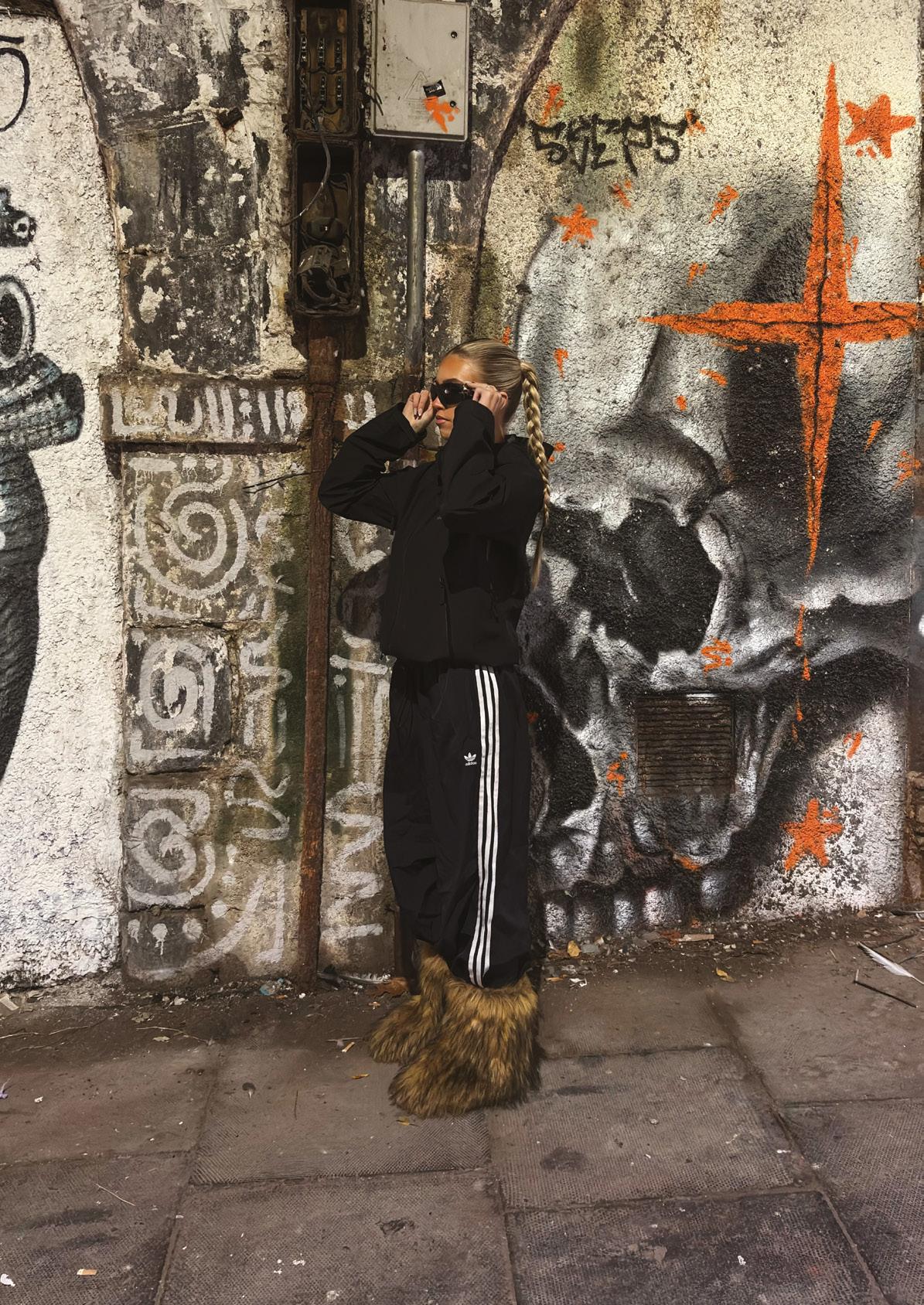
Jacket: Arc’teryx
Trousers: Adidas
Location: Tunnels
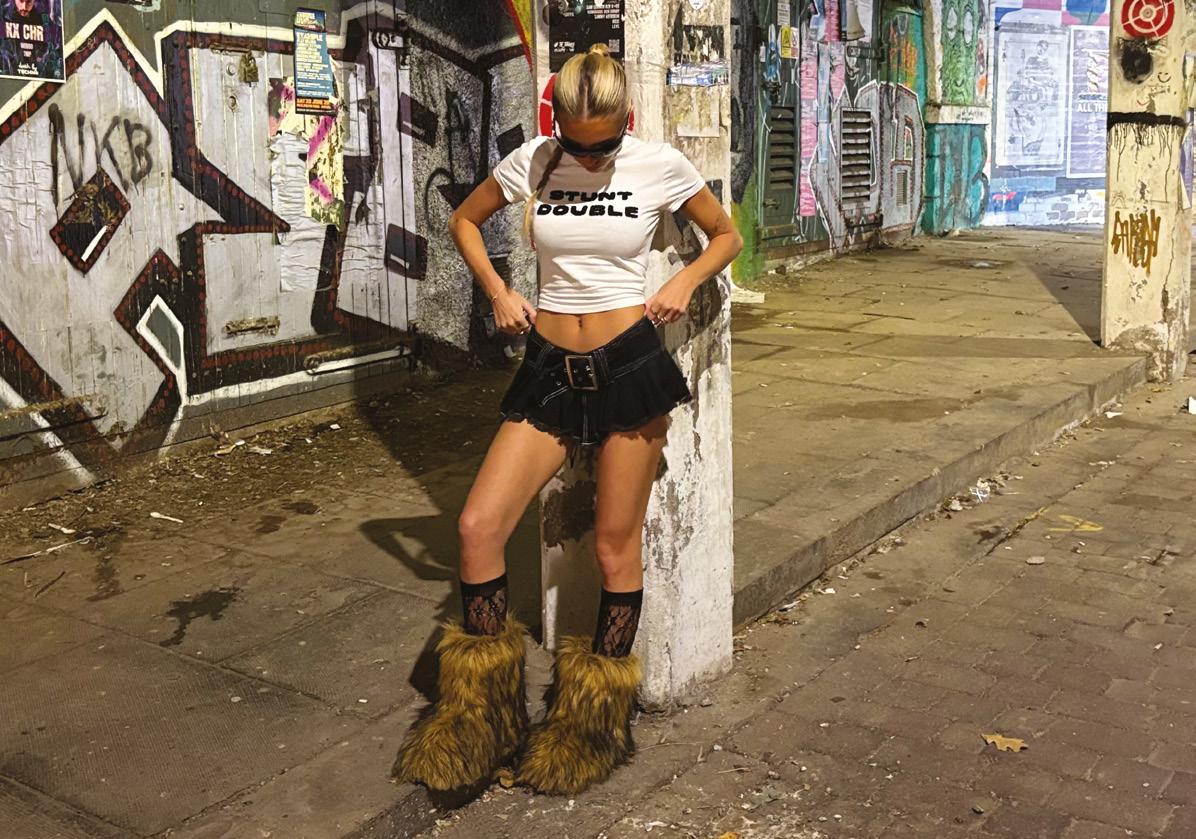
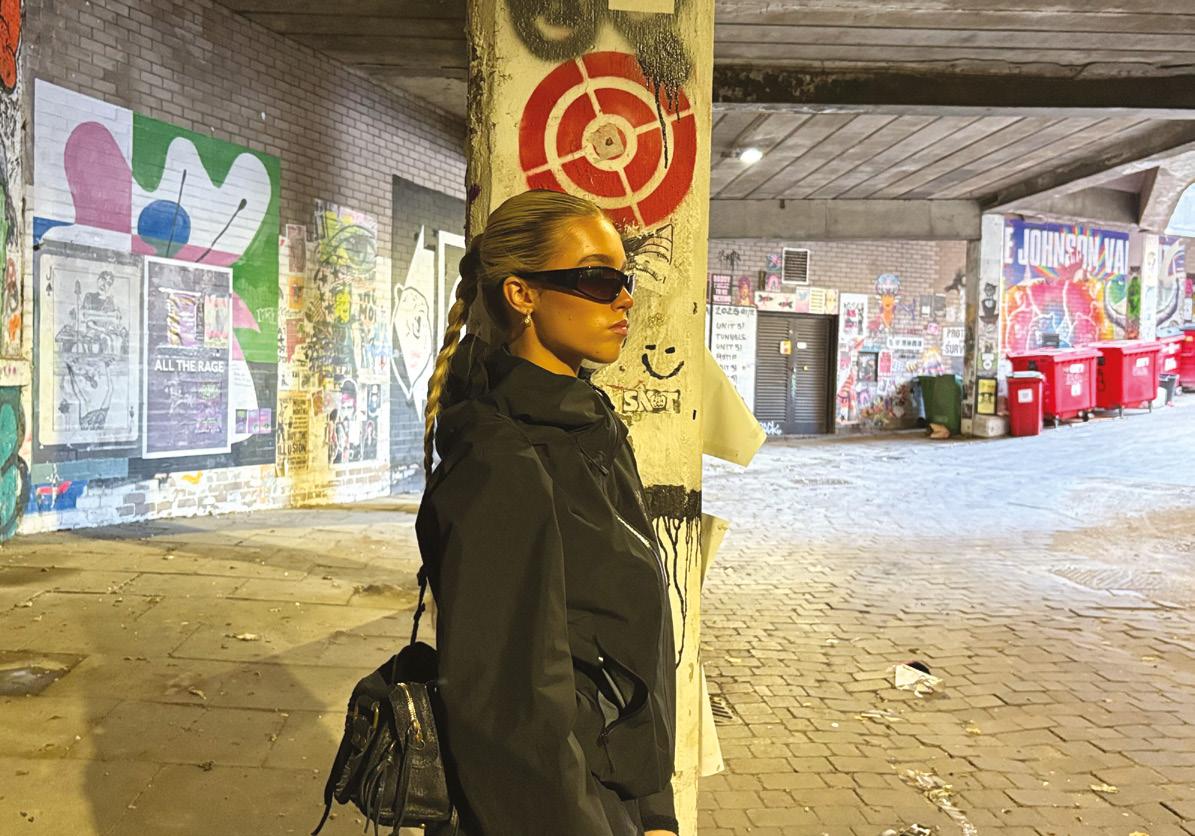
Bag: Macies Sunglasses: ASOS
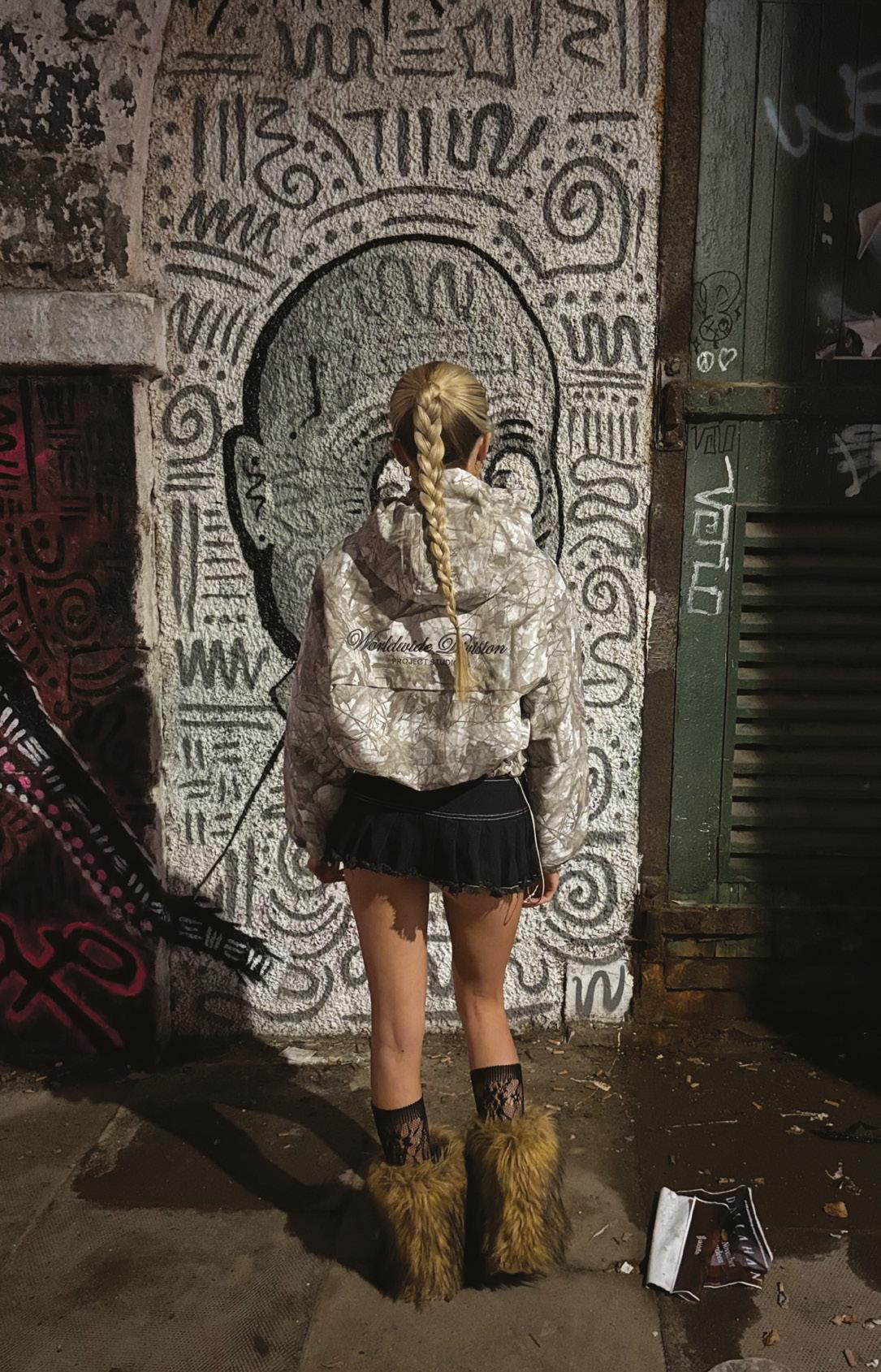
Jacket: Bershka
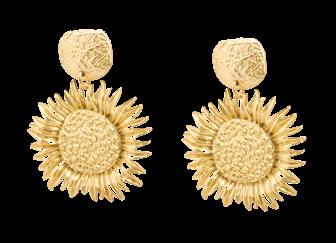
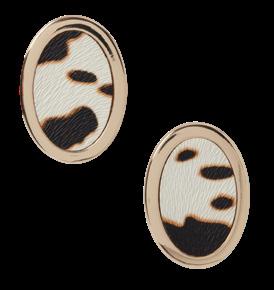
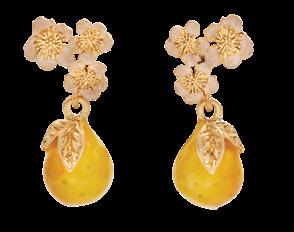
The Statement Earring
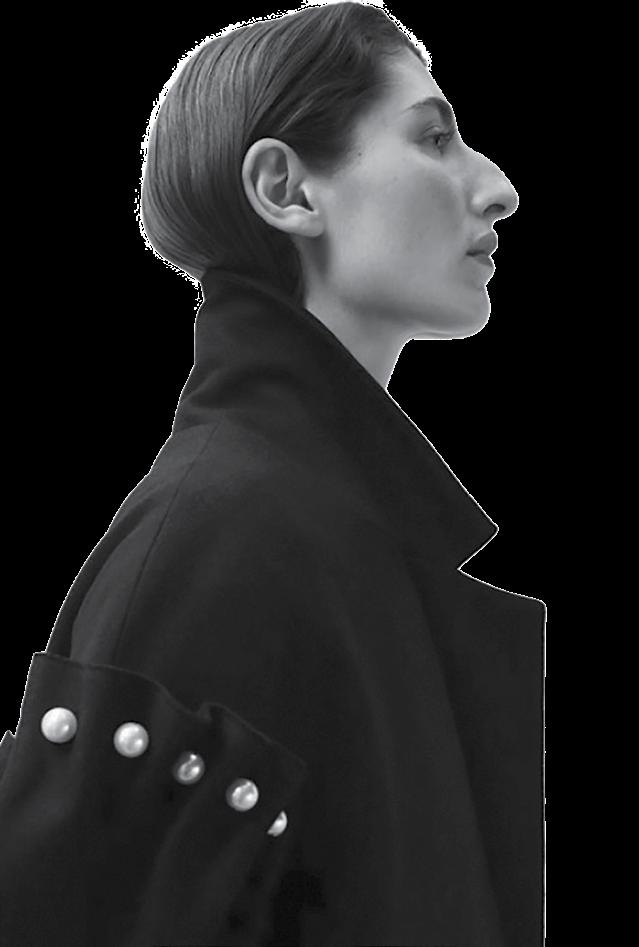
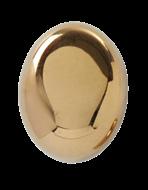
1. M&S Earrings £20
2. Mariana Textured Sunflower Gold Tone Statement Earrings £22.50
3. M&S Earrings £15
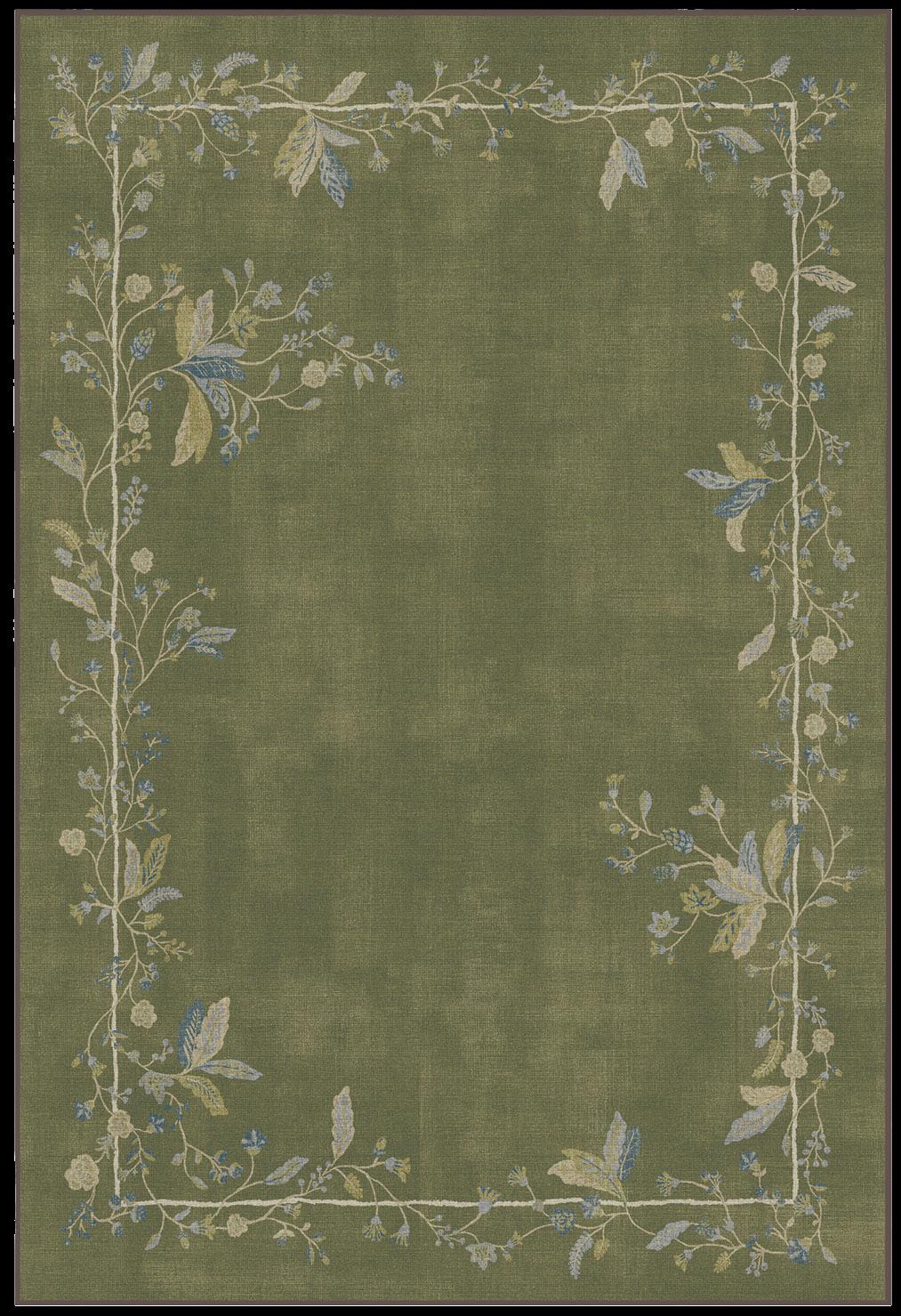
4. Fable England Pear Drop Gold Earrings, £34 Background. Ruggable Daphne Olive Green Rug
Tay Campbell

SUBTLE IS THE STATEMENT
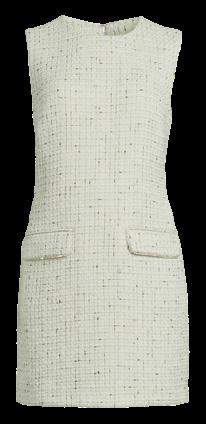
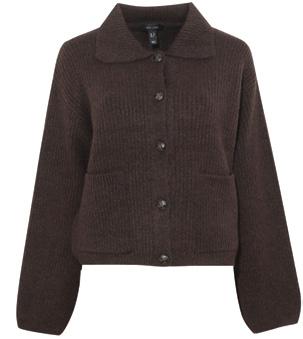
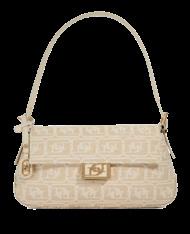
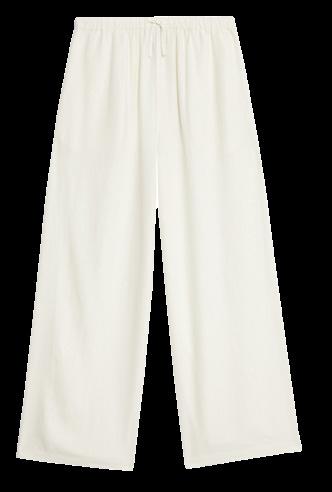
From ivory, cream, and beige to stone, taupe, grey, and deep espresso, neutrals form a timeless spectrum of elegance. These tones move effortlessly between seasons, offering endless ways to layer, contrast, and refine. Soft and versatile, yet undeniably powerful, neutrals prove that understated shades can be the most striking statement of all.
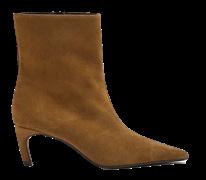
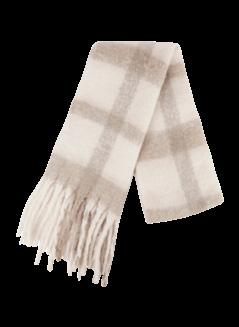
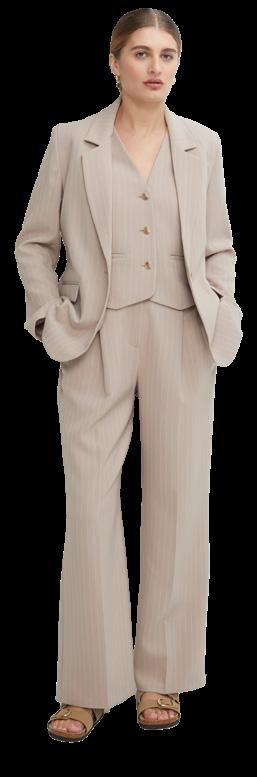
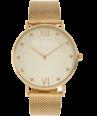
By Rachel Dagleish
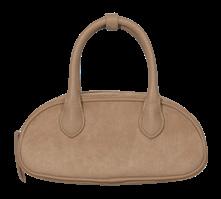
New Look Brown Suedette Bag £19.99
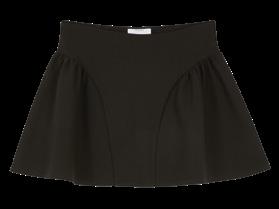
Primark Jersey Crepe Mini Skirt £12
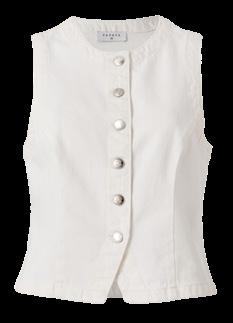
Matalan Ecru Waistcoat £18
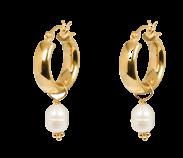
Oliver Bonas Pearl Charm Hoops £120
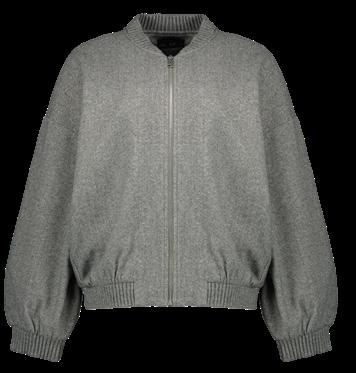
F&F Grey Zip Front Bomber £29.50
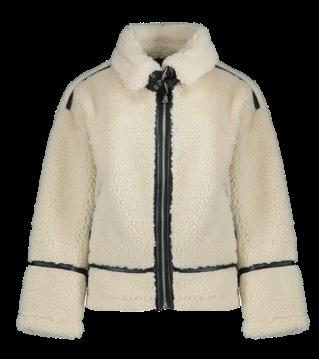
F&F Borg Aviator Jacket £39.50
Tu Neutral Dad Trainer £20
Dune London Cream Highgate Bag £119
Marks & Spencer Cream Trousers £20
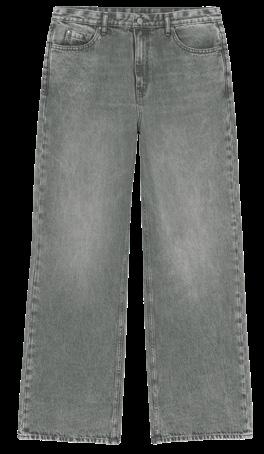
John Lewis Anyday Grey Jeans £35
TK Maxx Grey Scarf £3.99
River Island Kitten Boots £66
New Look Collared Knit Cardigan £32.99
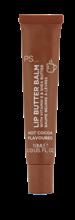
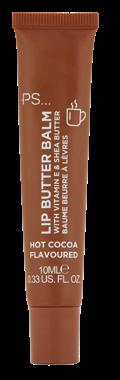
Primark Lip Balm Hot Cocoa £2.50
Very Boucle Dress £50
TK Maxx Watch £25
Iolla Vanilla Sunglasses £85
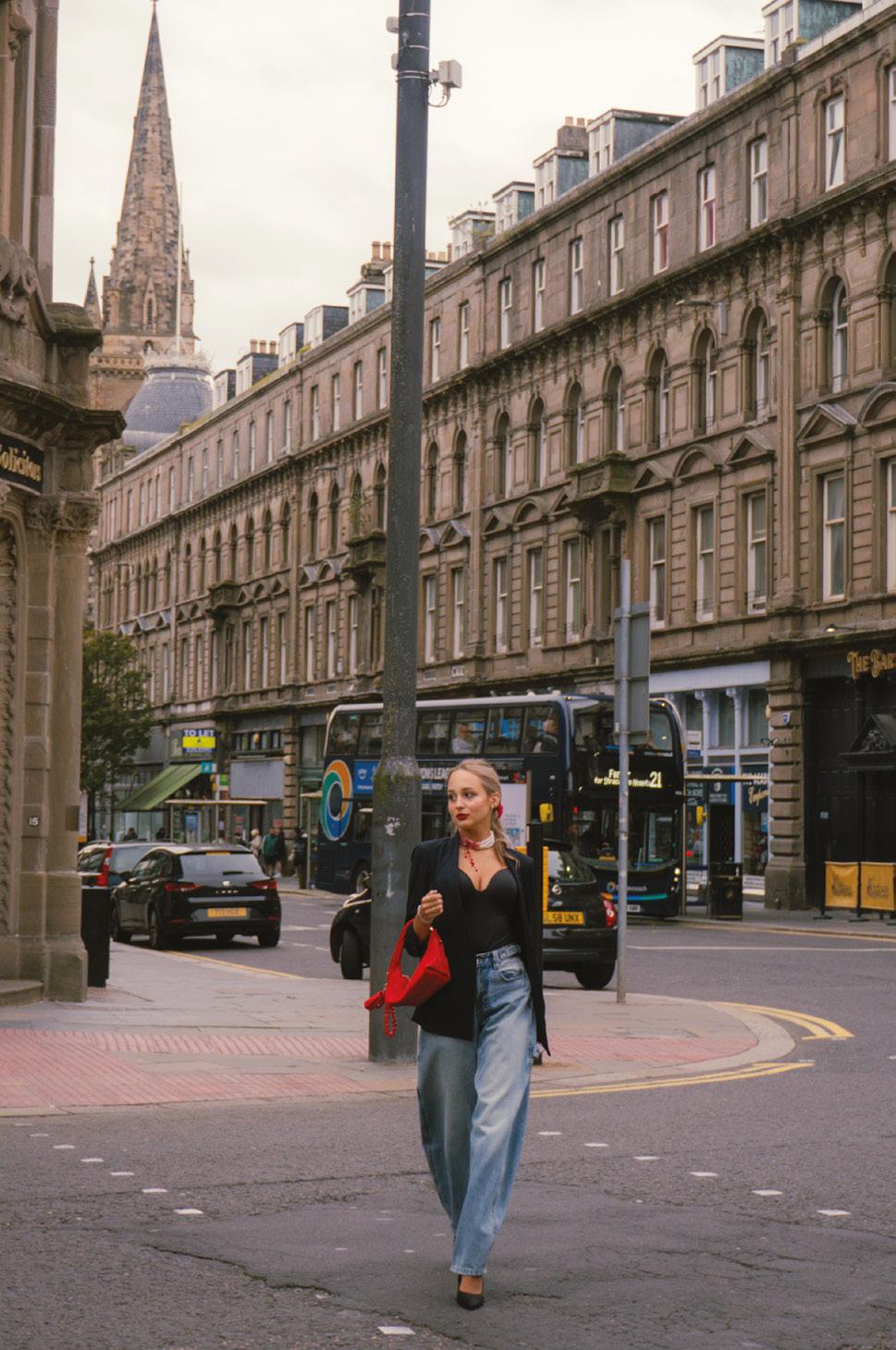
Chic in the city
Let your mood lead the way. Dress like you mean it.
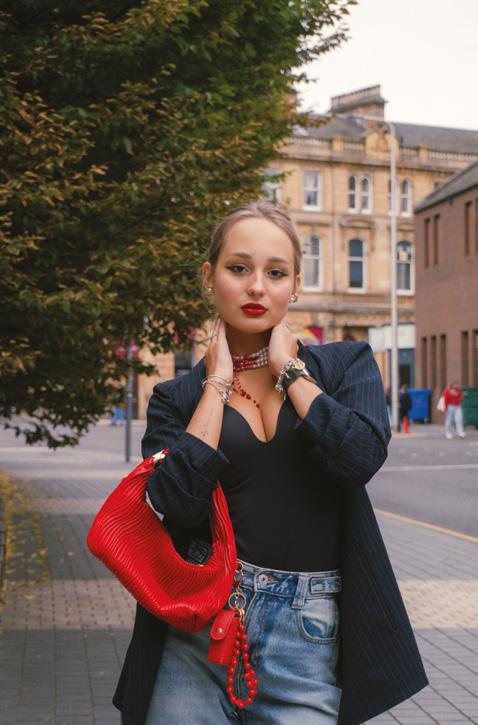
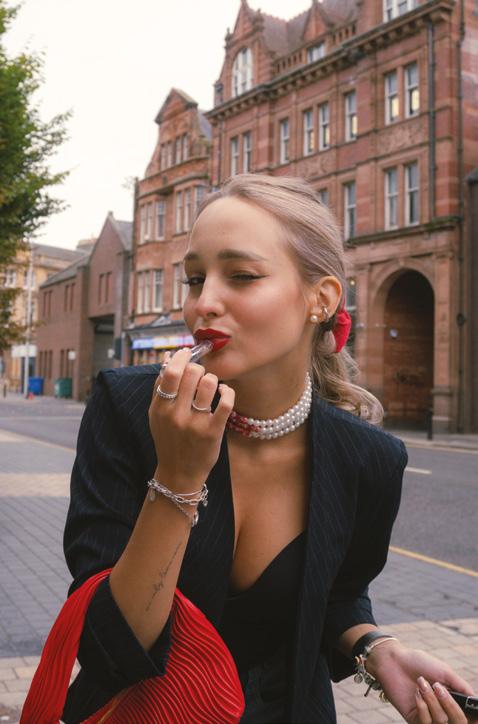
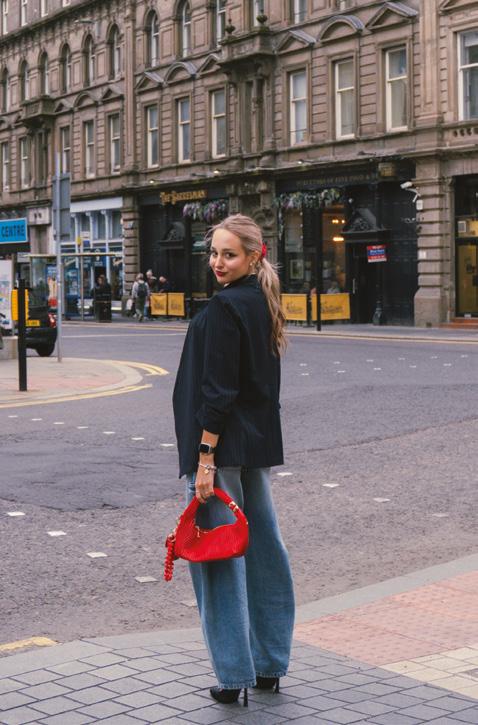
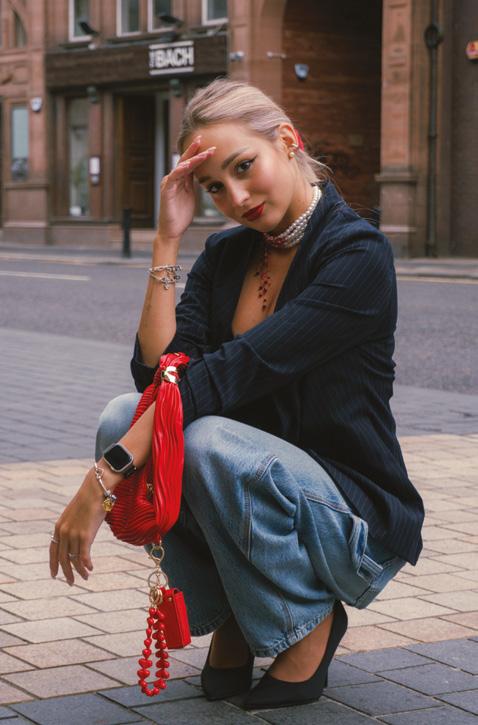
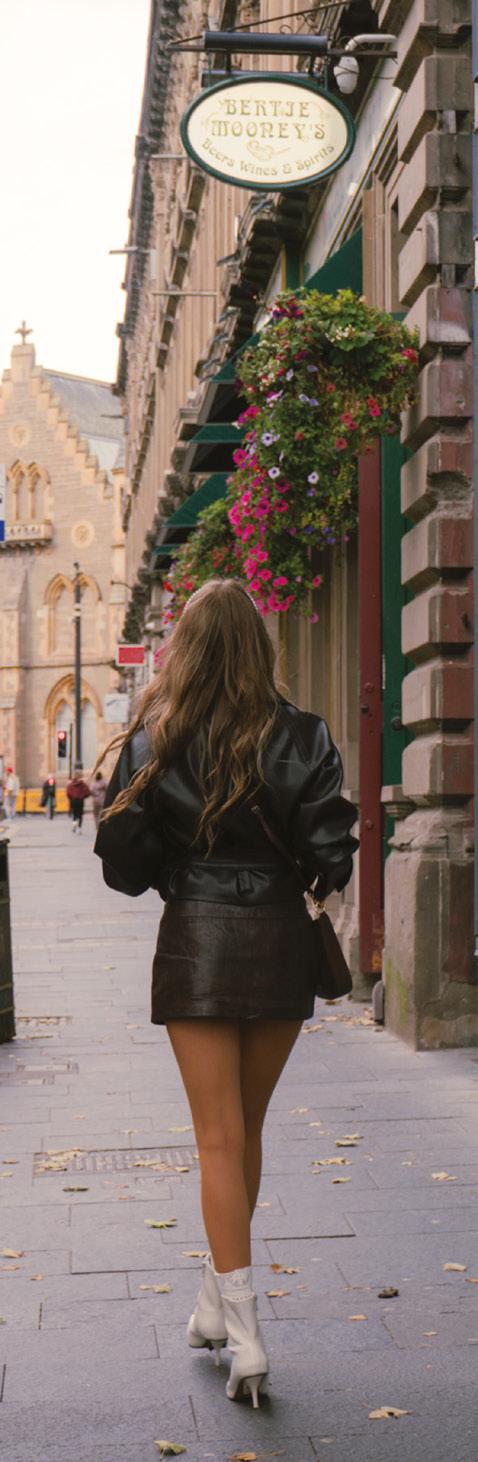
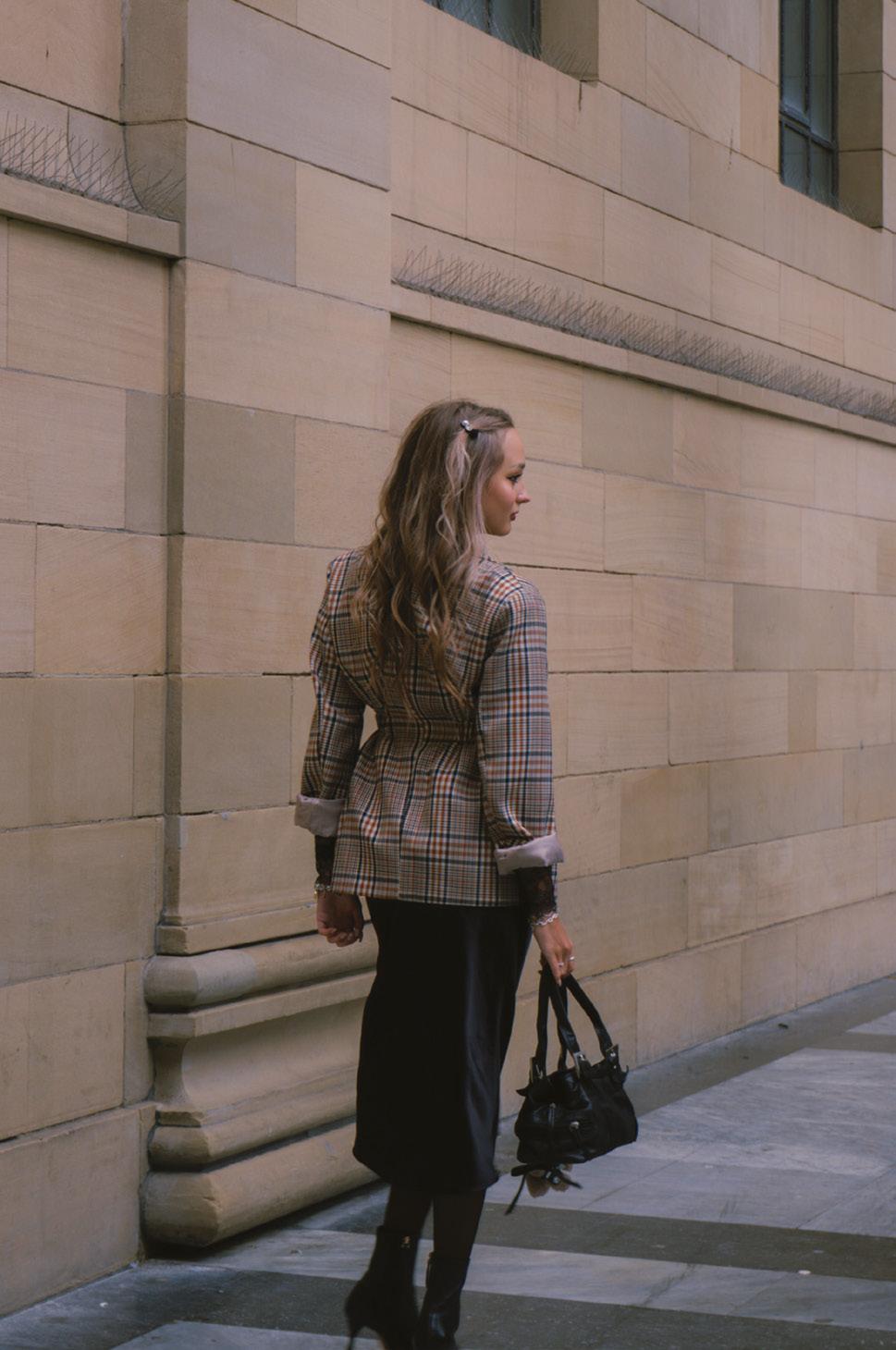
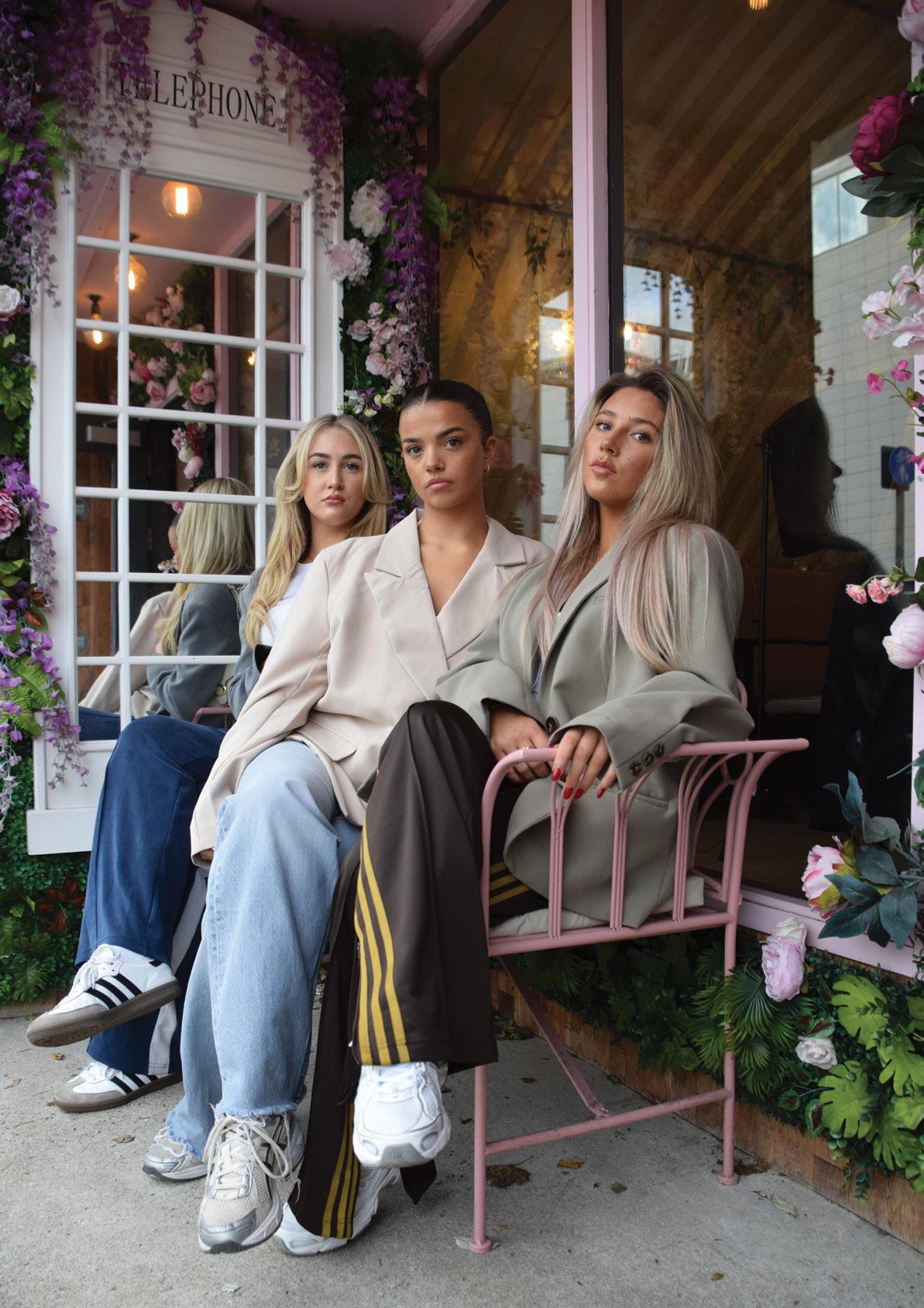
Blazer: ASOS
Body top: SKIMS
Jeans: Bershka
Heels: Zara
Bag: TK Maxx
Accessories: Pandora / TK Maxx
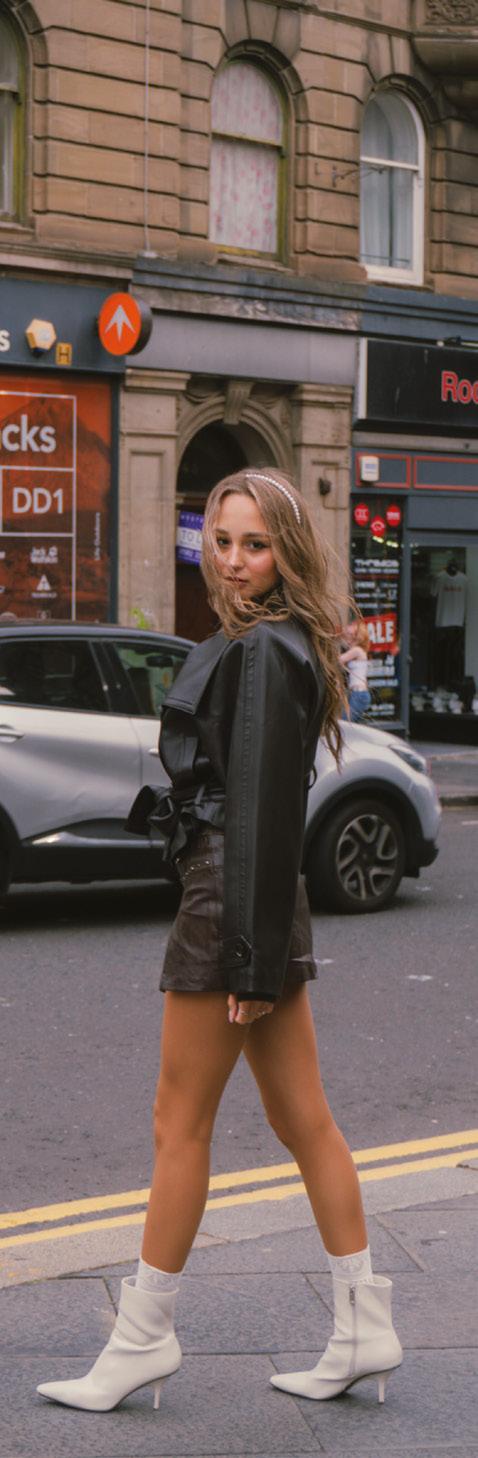
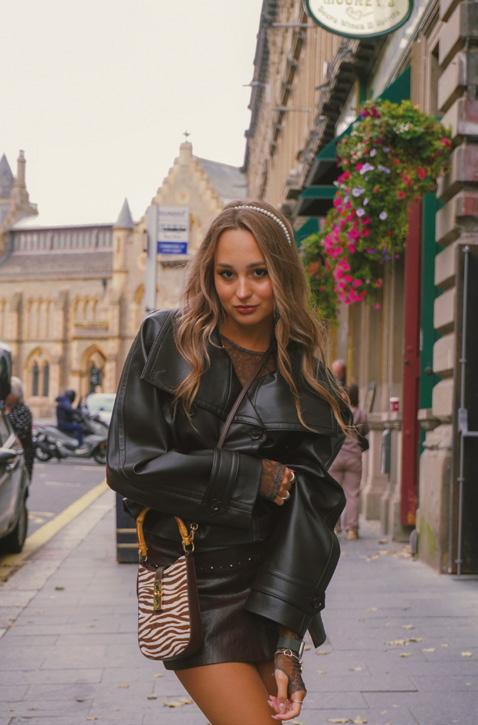
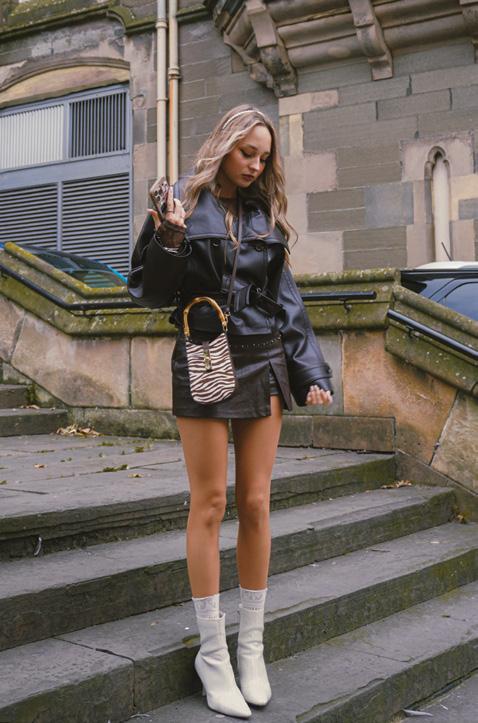
Jacket: Mango Long sleeve top: ASOS
Skirt: Bershka
Ankle boots: River Island Bag: River Island
Accessories: Pandora / TK Maxx
#CityStyleVibes
#ChicInTheCity #UrbanGlam
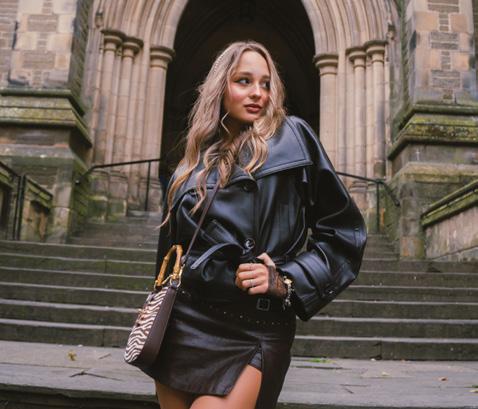
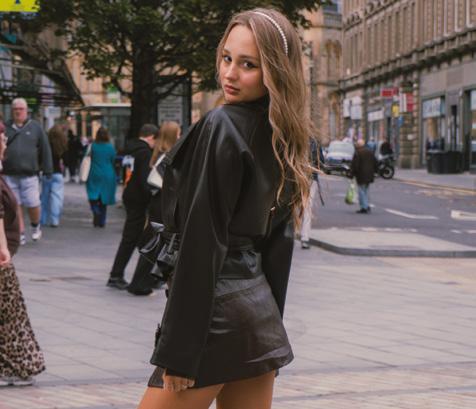
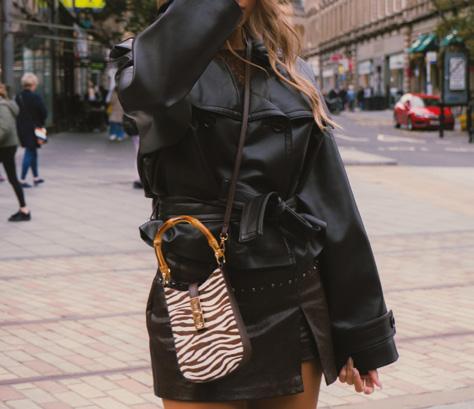
Photographer: Liubov Taranenko
Model: Diana Tabalina
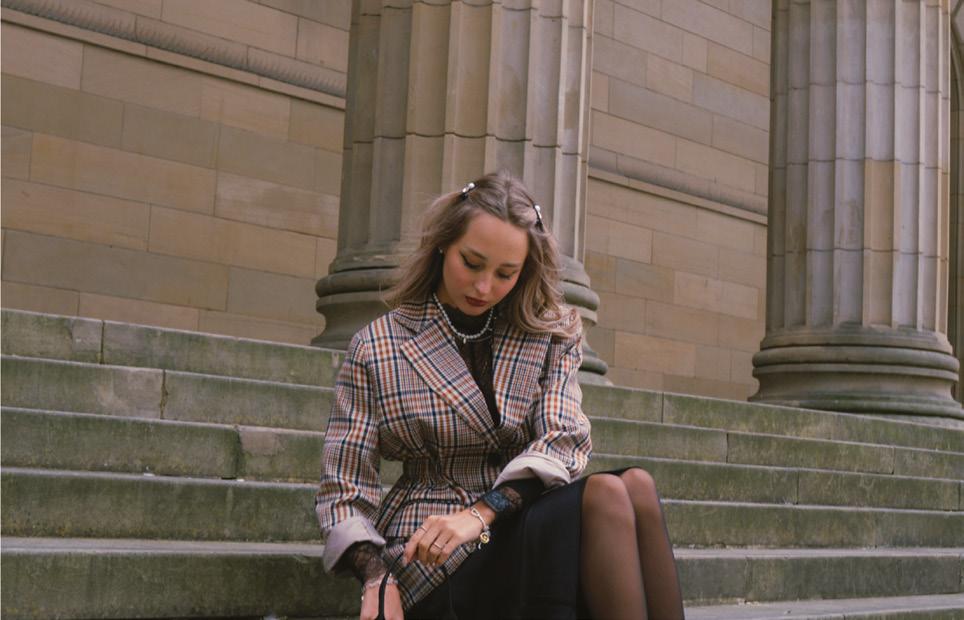
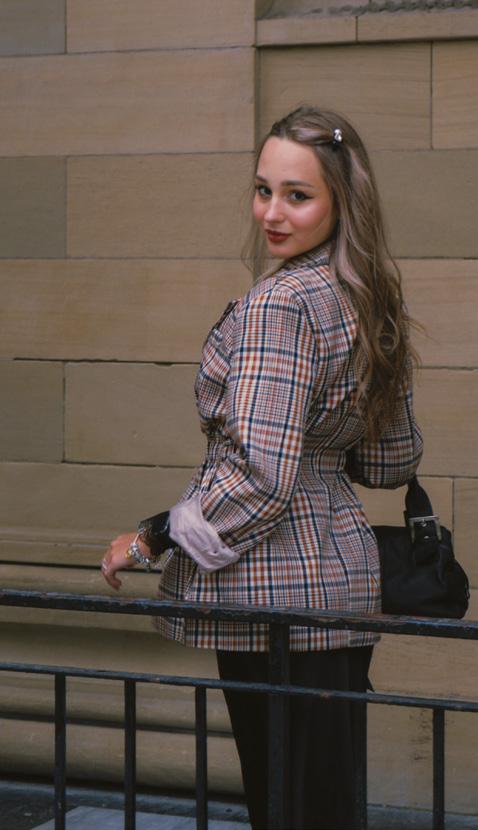
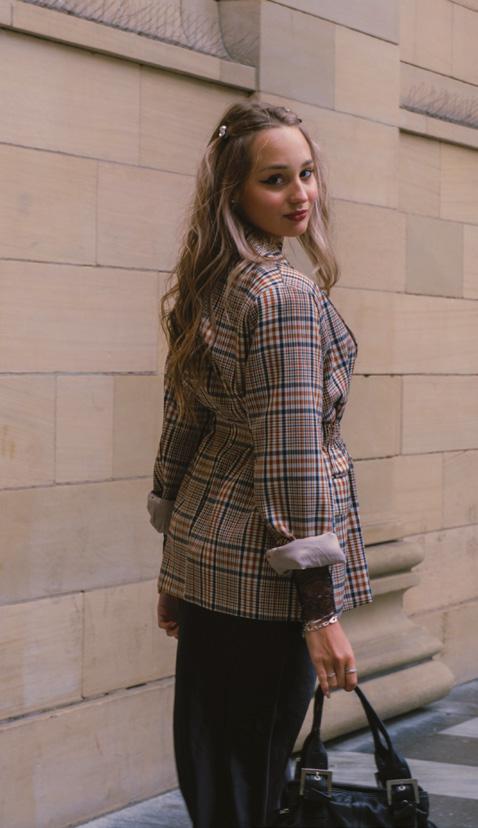
Blazer: ASOS
Long sleeve: Intimissimi
Skirt: Zara
Ankle boots: TK Maxx
Bag: TK Maxx
Accessories: Pandora / TK Maxx
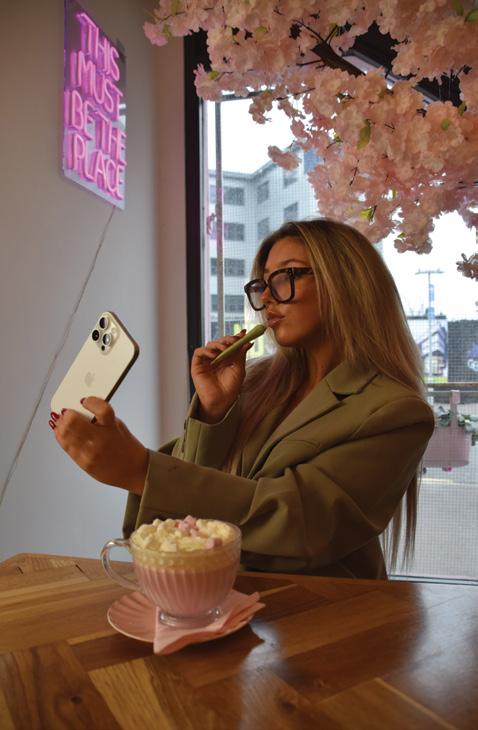
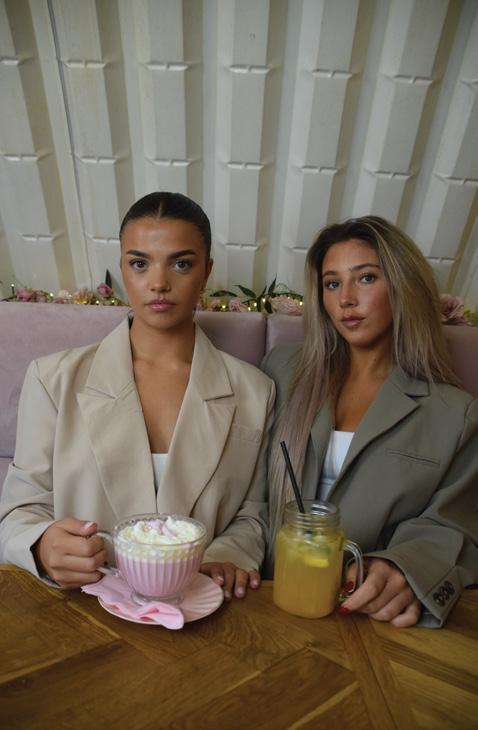
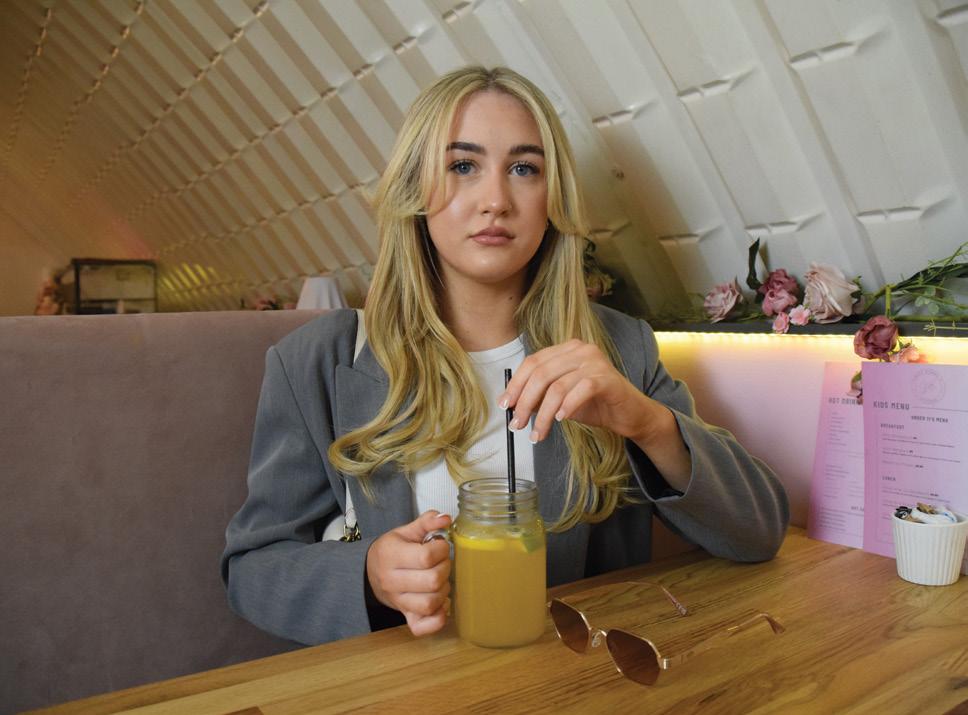
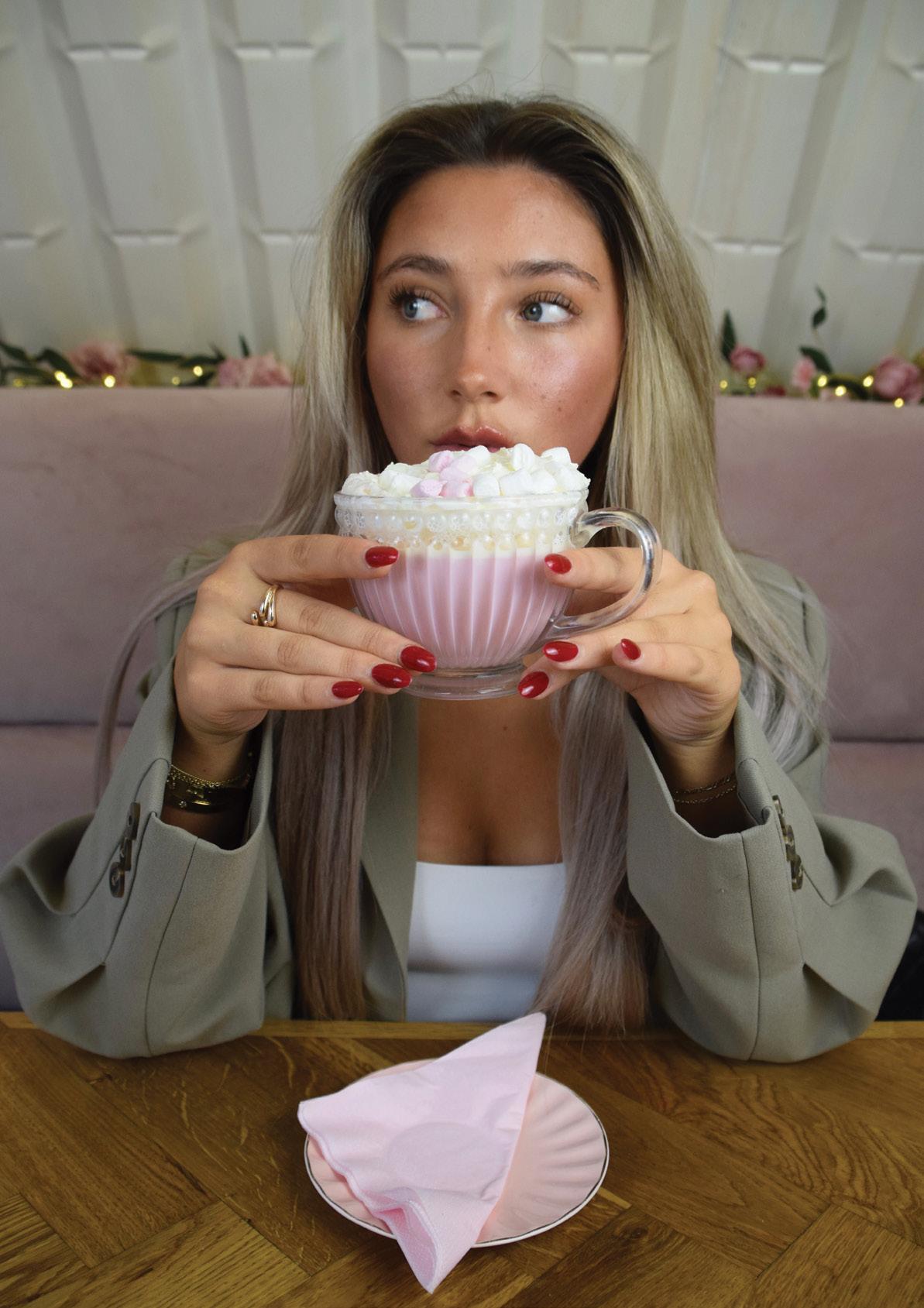
The Blazer Blend
Style in Every Sip
Photographer: Natalie Hood
Styled by: Callie Yeats
Models: Charlotte Colman
Corryn Ross Callie Yeats
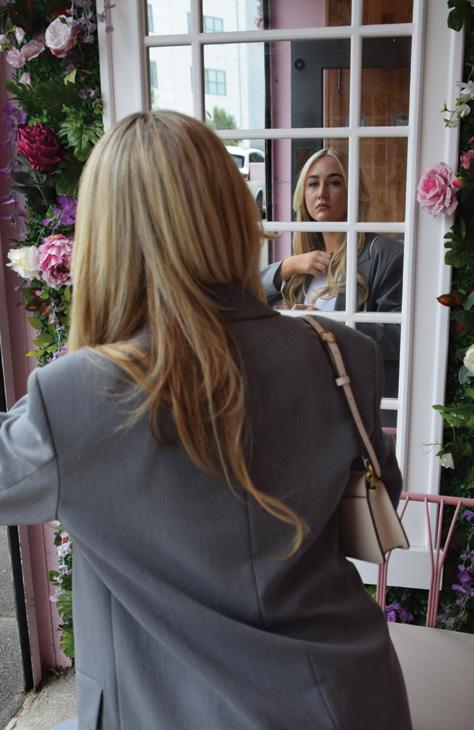
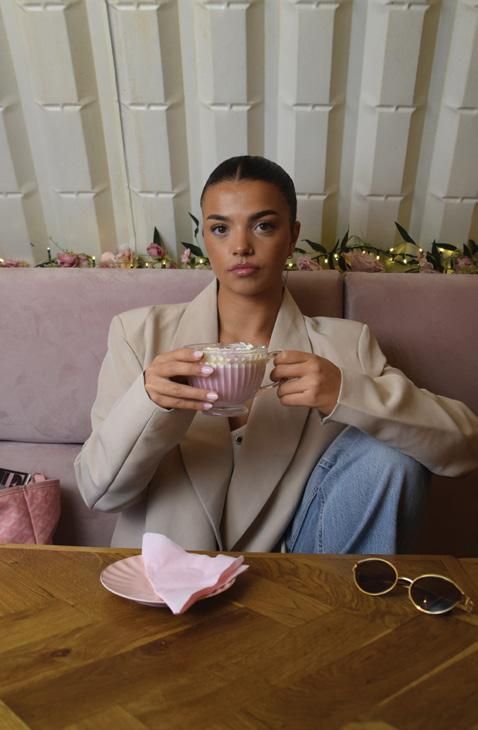
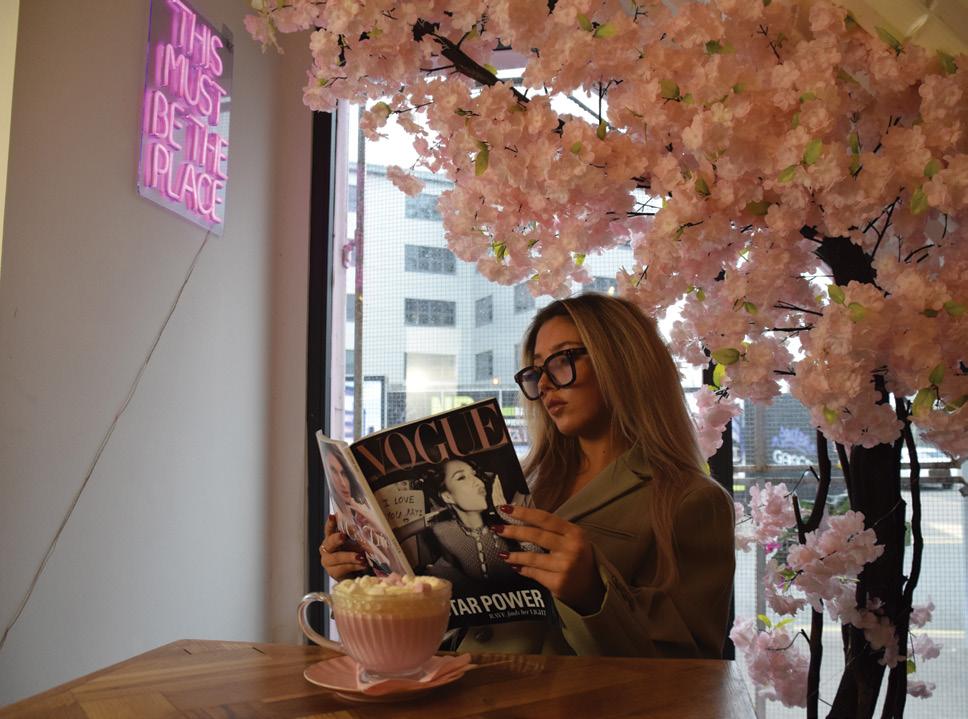
Blazer: PrettyLittleThing
Jeans: Zara Sunglasses: River Island
Blazer: Sisters & Seekers Glasses: Amazon
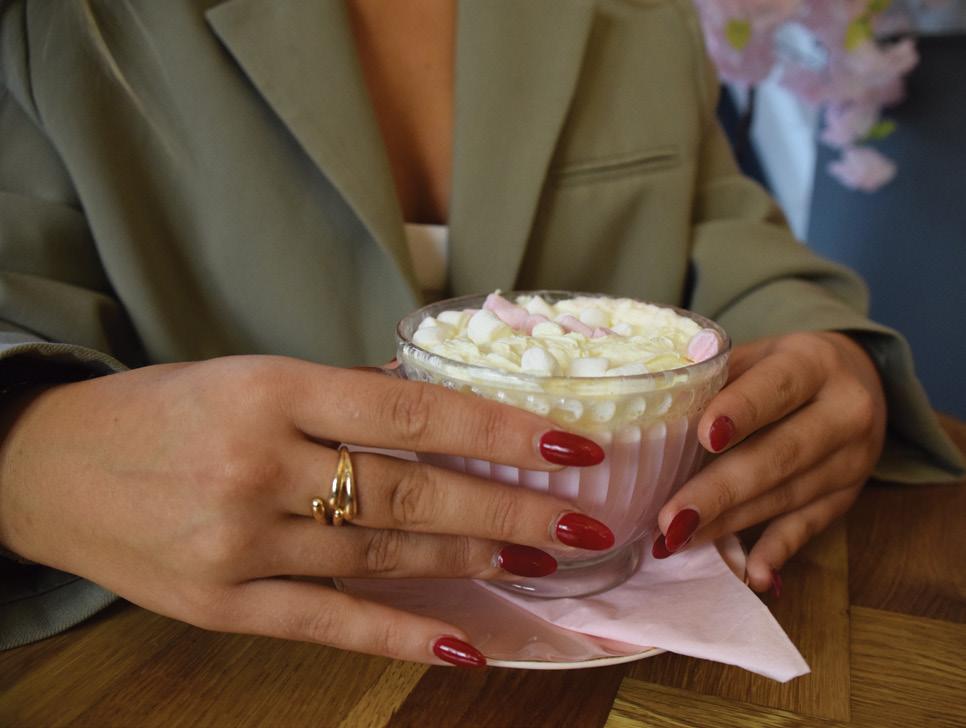
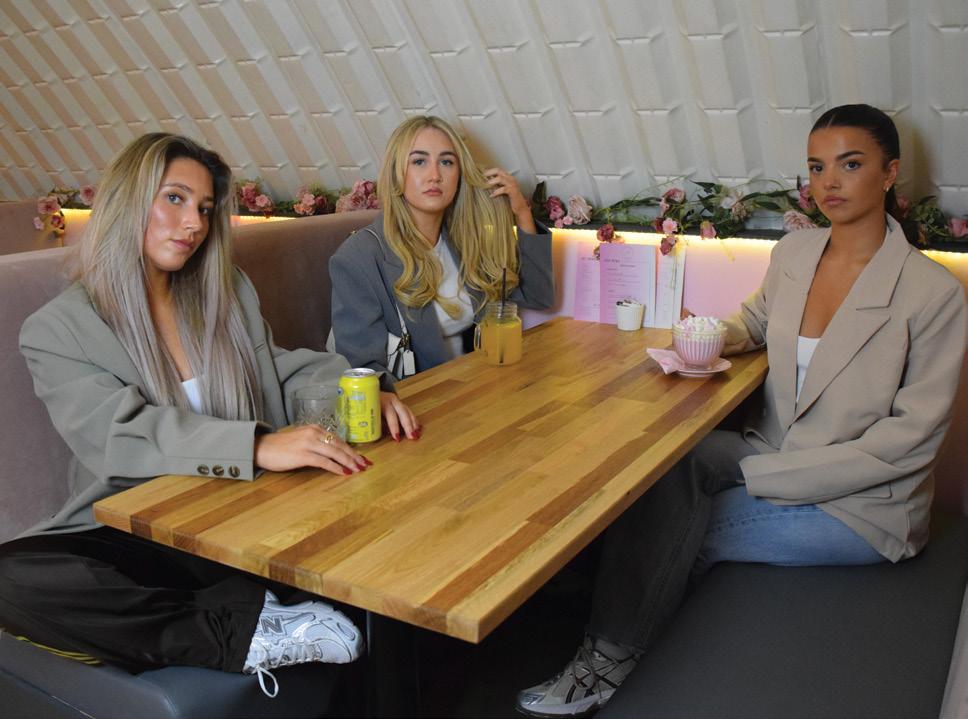
Location: Sweet Mummas Kitchen
Ring: Model’s Own
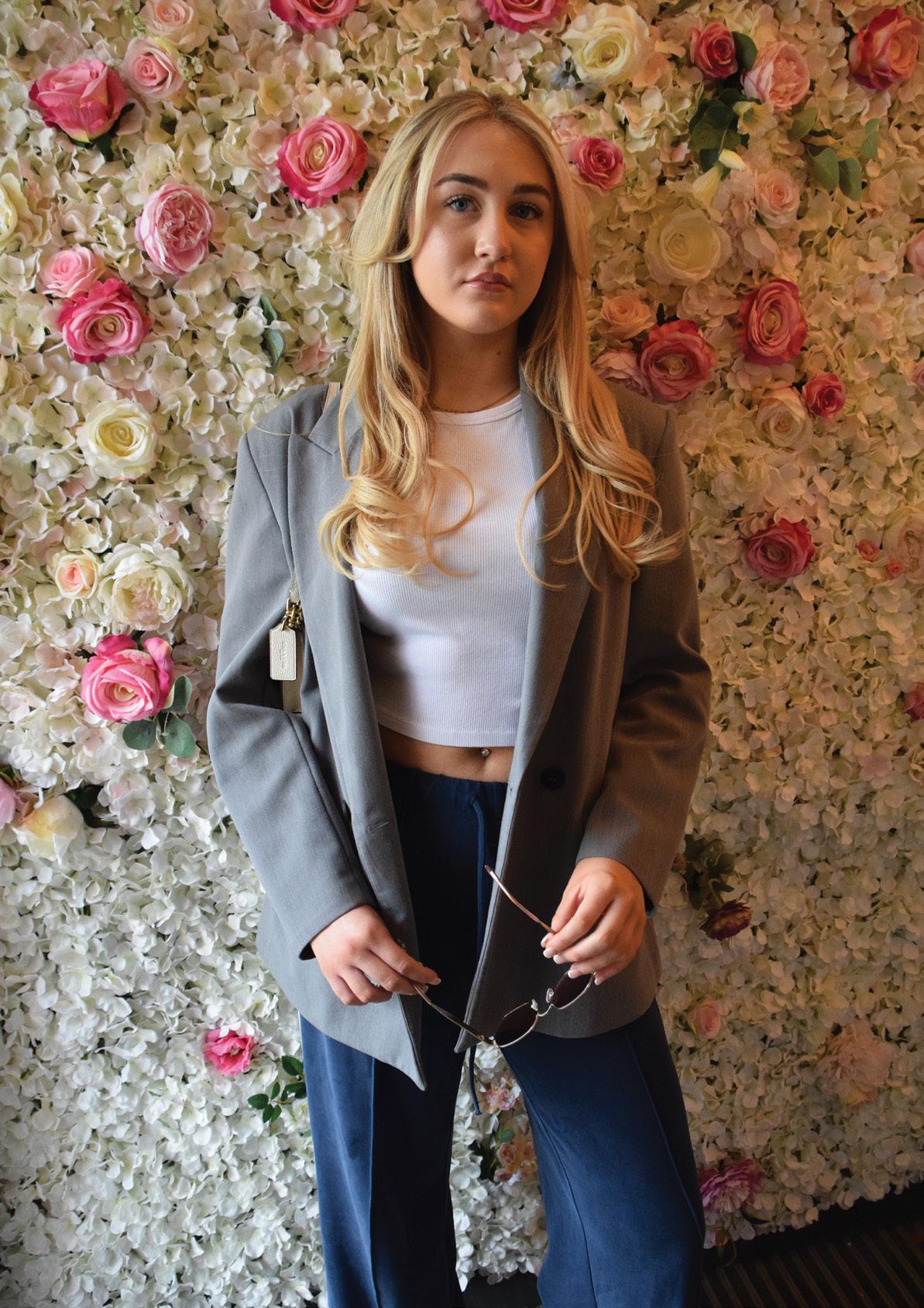
The Sweet Blazer Look
Blazer: Zara White Top: Zara Joggers: Stradivarius Bag: Coach
Girl Boss Essentials
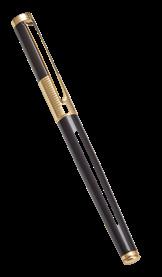
3. Homesense gifting black and gold ballpoint pen £8.99
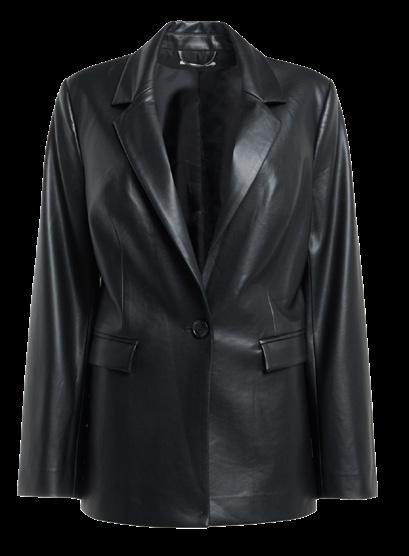
4. Tu Black Faux Leather Coord Blazer £28
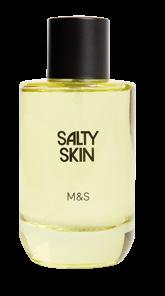
10. M&S salty skin fragrance £10
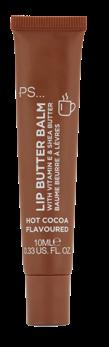
2. Primark PS lip butter balm hot cocoa £2.50
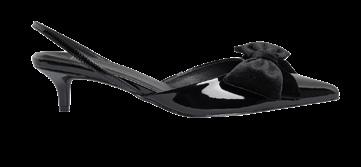
1. Tu Black bow sling back kitten heel £22
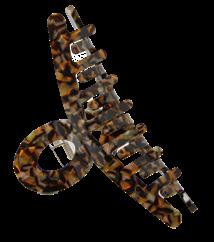
6. Resin twist claw clip £10
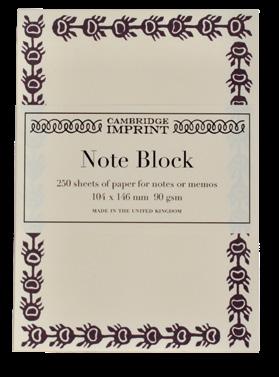
7. Refill block of bordered notes in petrol blue £12
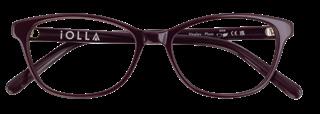
5. Iolla healy in plum £85
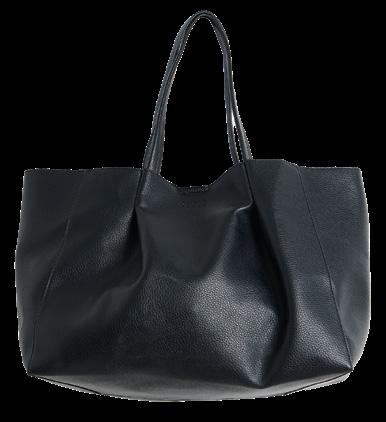
8. Oliver Bonas Aria slouch tote bag £65
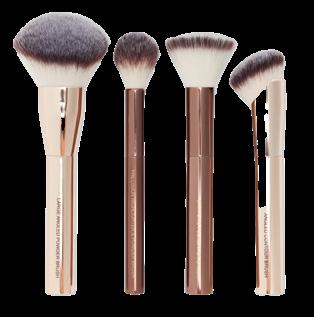
9. Primark pro complexion brush set £10
Kerys Livie
Before The Industry
Where Education Meets Style

Outfit Details:
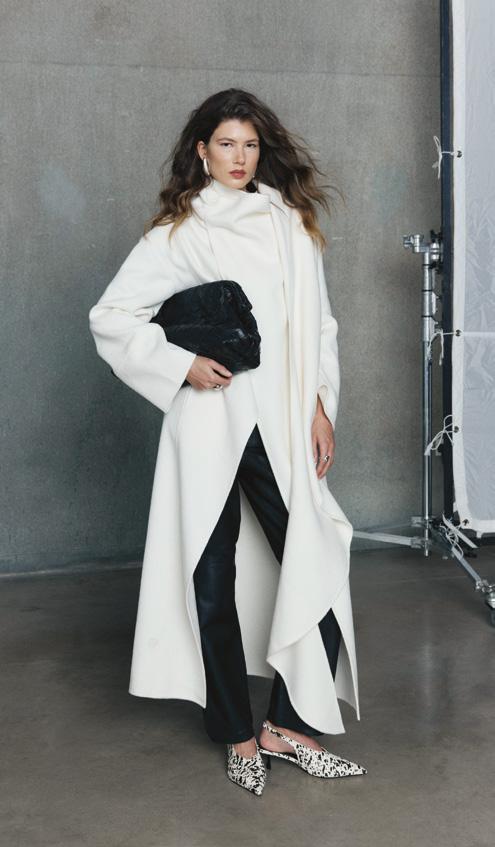
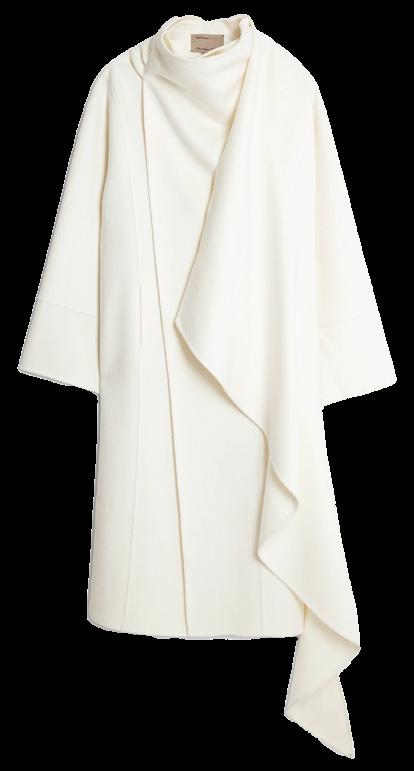
RI Cream Handmade Blanket Coat, River Island £220
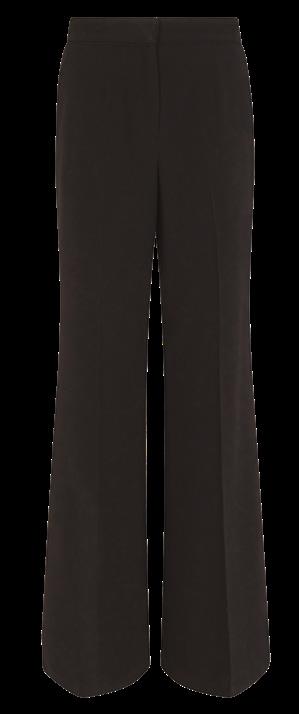
Erin Flared Tailored Trousers Black, Monsoon £85
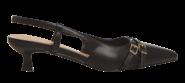
Black Sling Back Kitten Heels, Tu £20
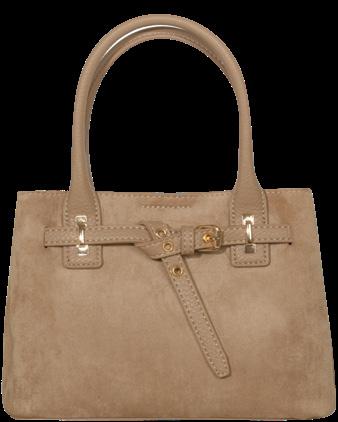
Camel Faux Suede Crossbody Bag, New Look £24.99
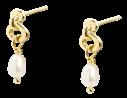
Rita Pearl Double Loop Gold Plated Drop Earrings, Oliver Bonas £39.50
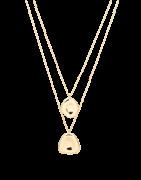
Delta Pebble Pendant Gold Tone Layered Necklace, Oliver Bonas £28
Page by Arwyn Peden
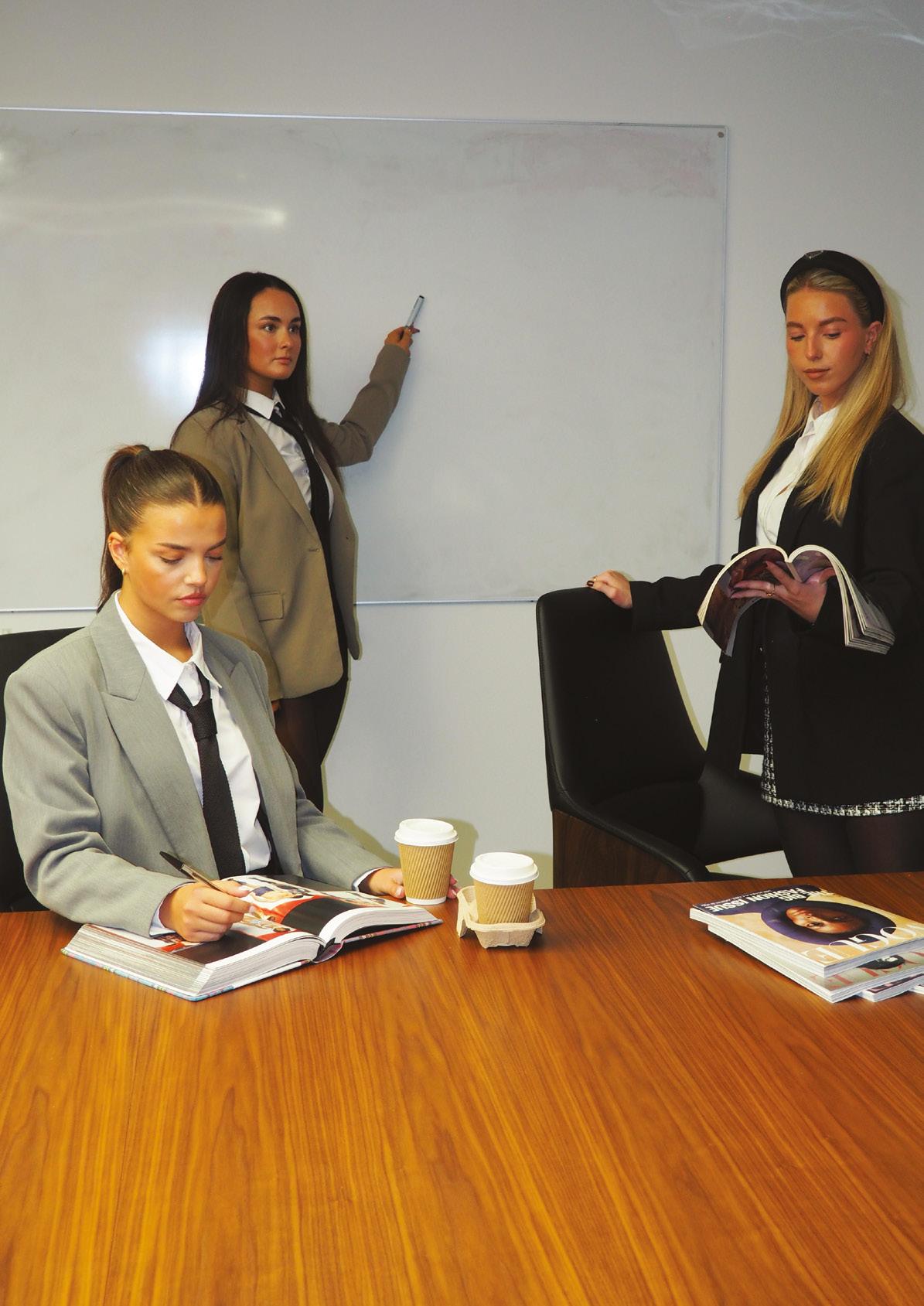
She. Means. Business.
Models - Callie Yeats, Ava McRae and Gabi Pirie (pictured left to right)
Photographer - Isla Leiper Venue - H1, Hill of Rubislaw, Aberdeen
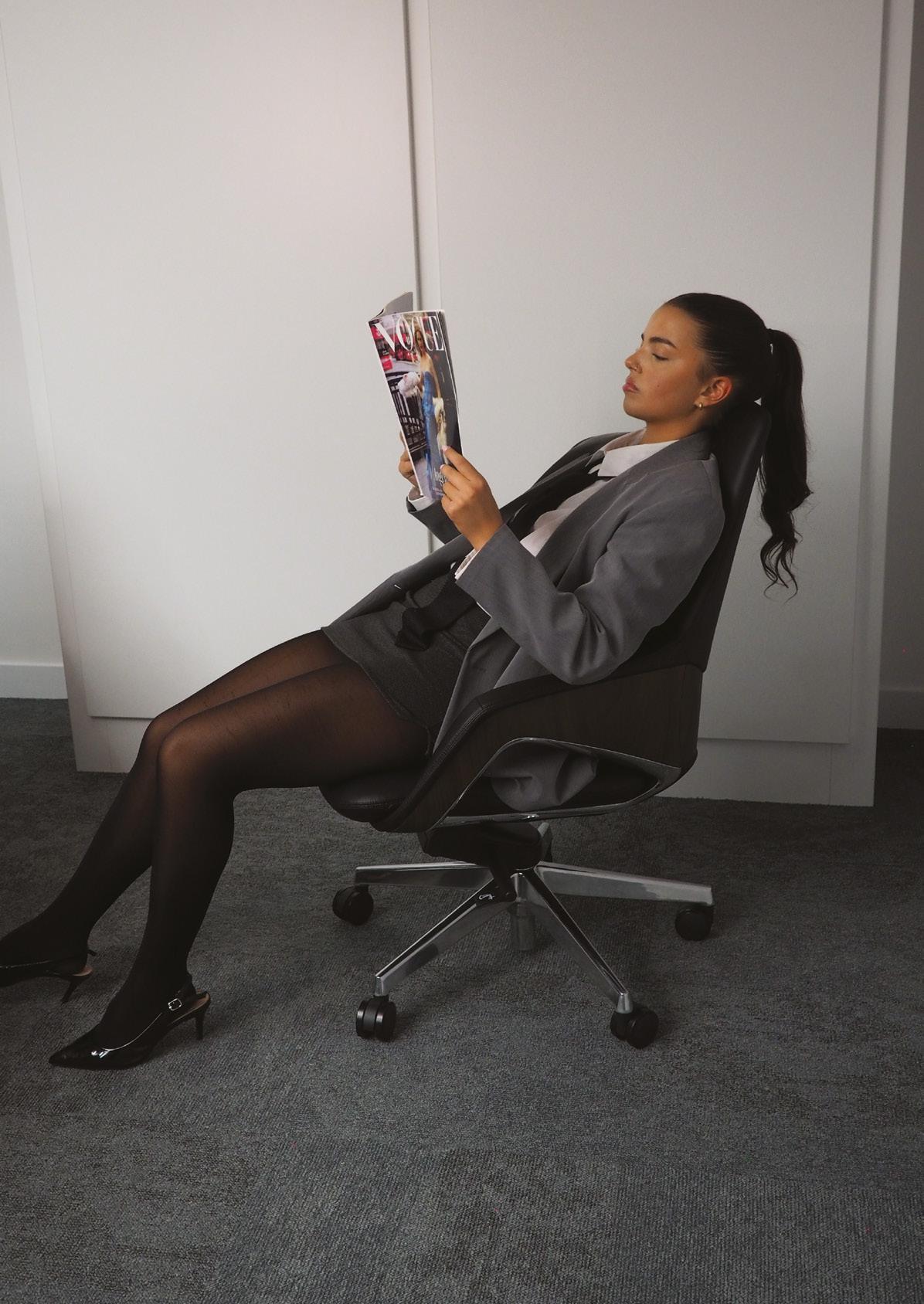
Outfit details: Blazer - Zara Shirt - Asda Tie - TM Lewin
Tights - M&S
Heels - Boohoo
Outfit details:
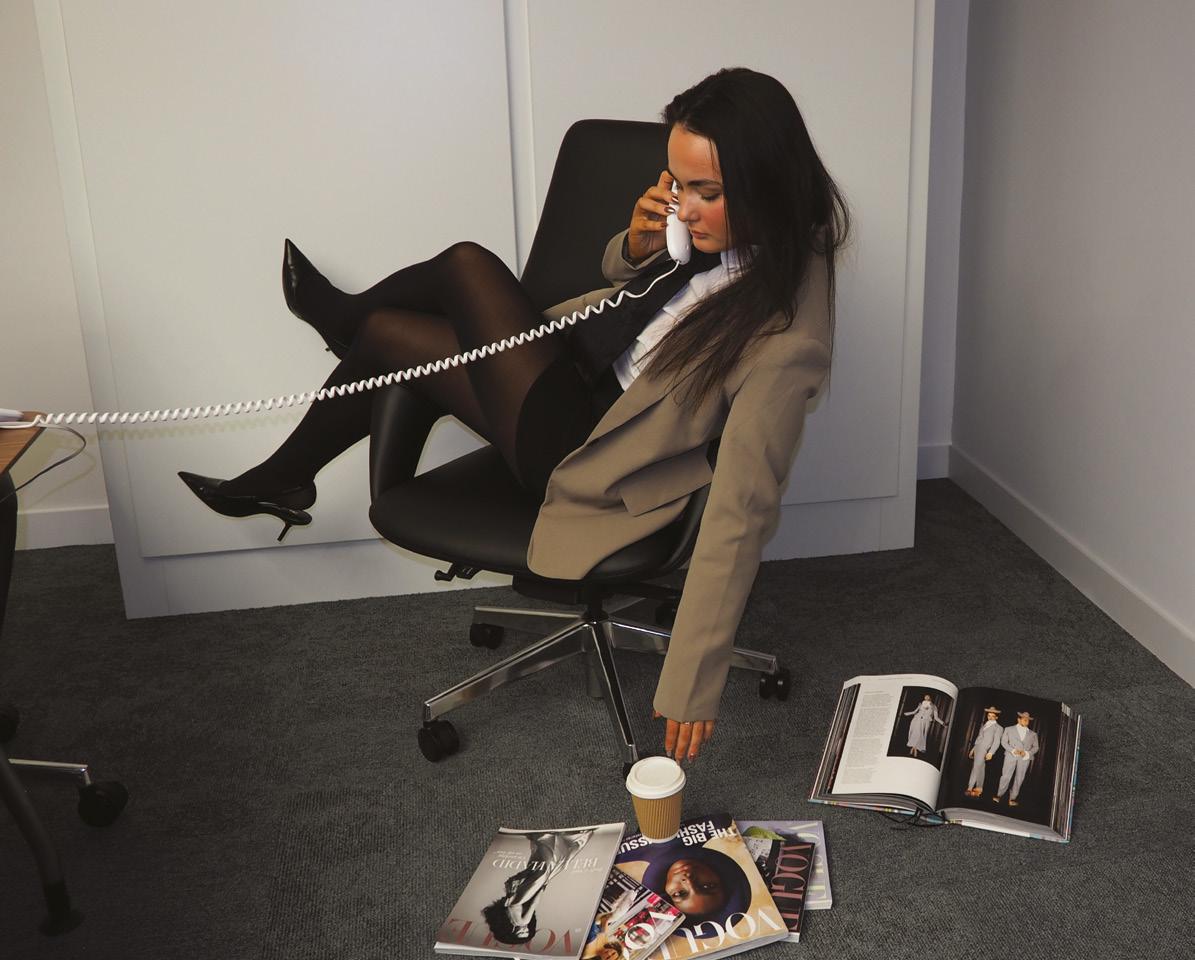
Tights - M&S
Skirt - PrettyLittleThing
Heels - Zara
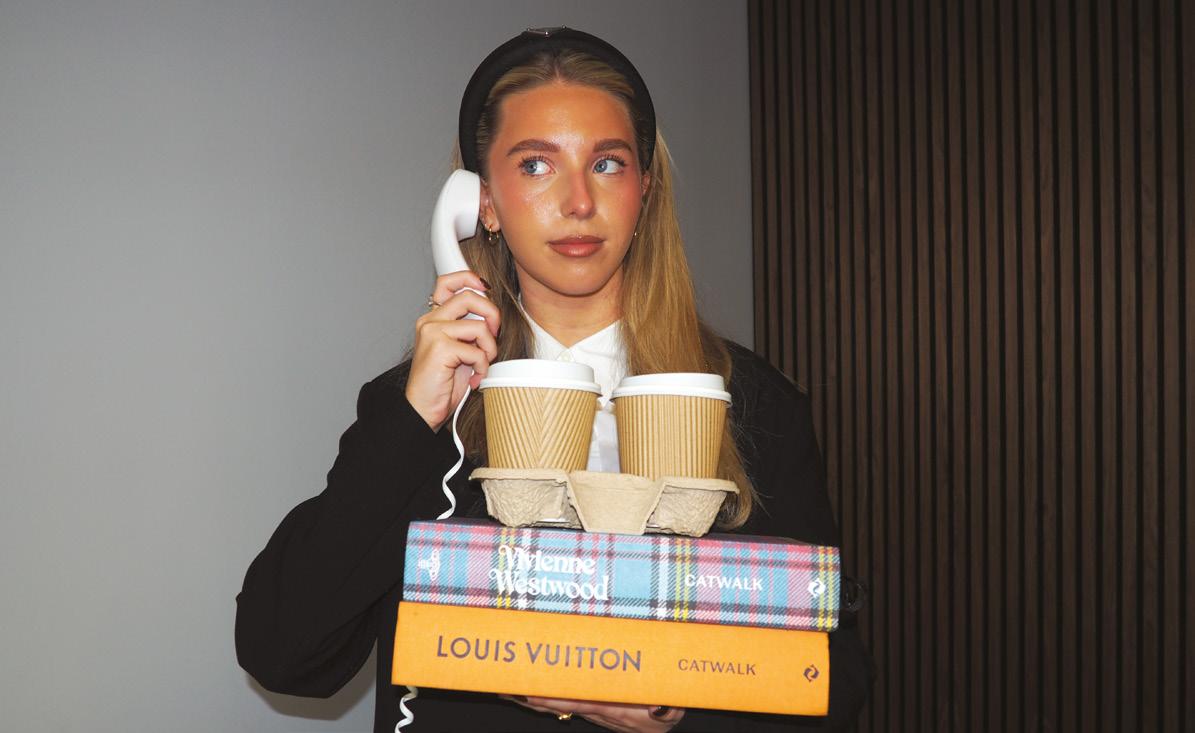
Blazer - Pull and Bear
Shirt - M&S
Tie - Dolce & Gabbana
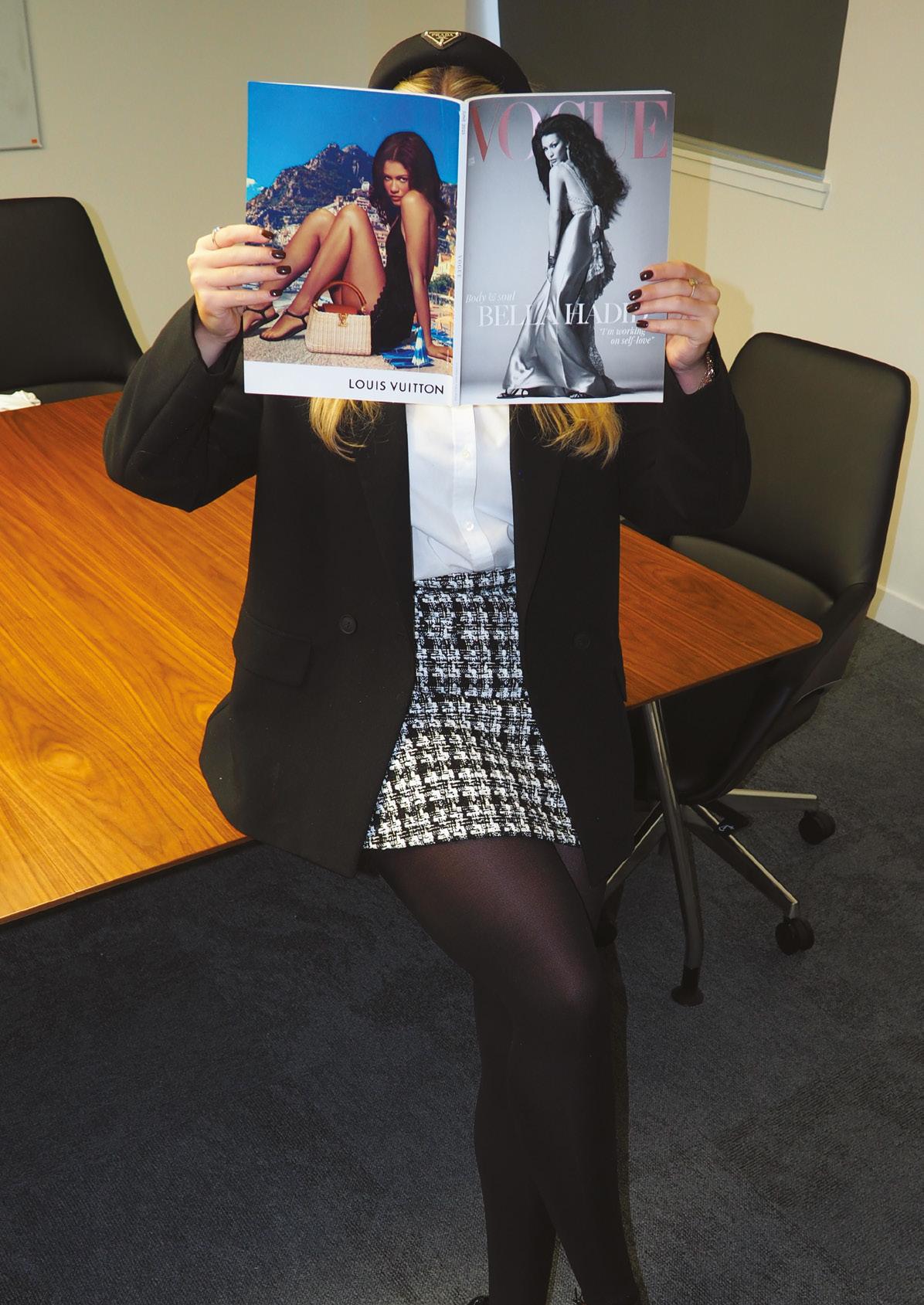
Outfit details:
Blazer - Zara
Shirt - Ralph Lauren
Tights - M&S
Skirt - H&M
Heels - Zara
Headband - Prada
Location
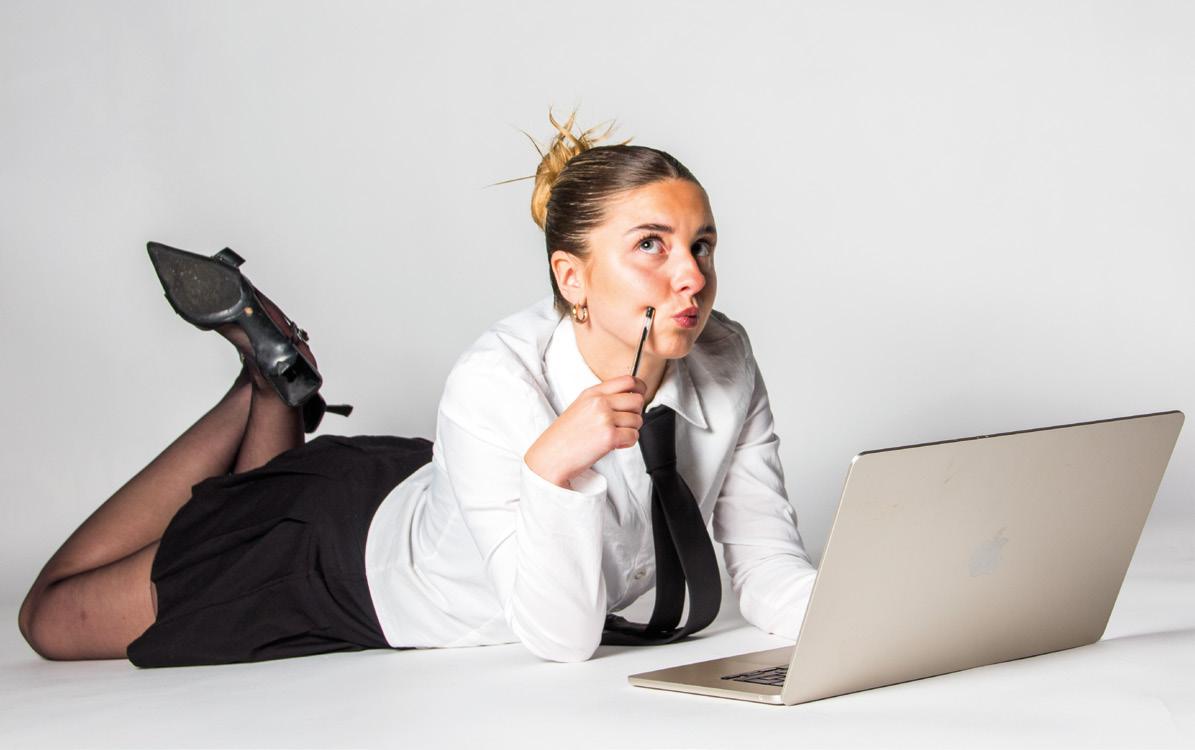
POWER IN EVERY POSE
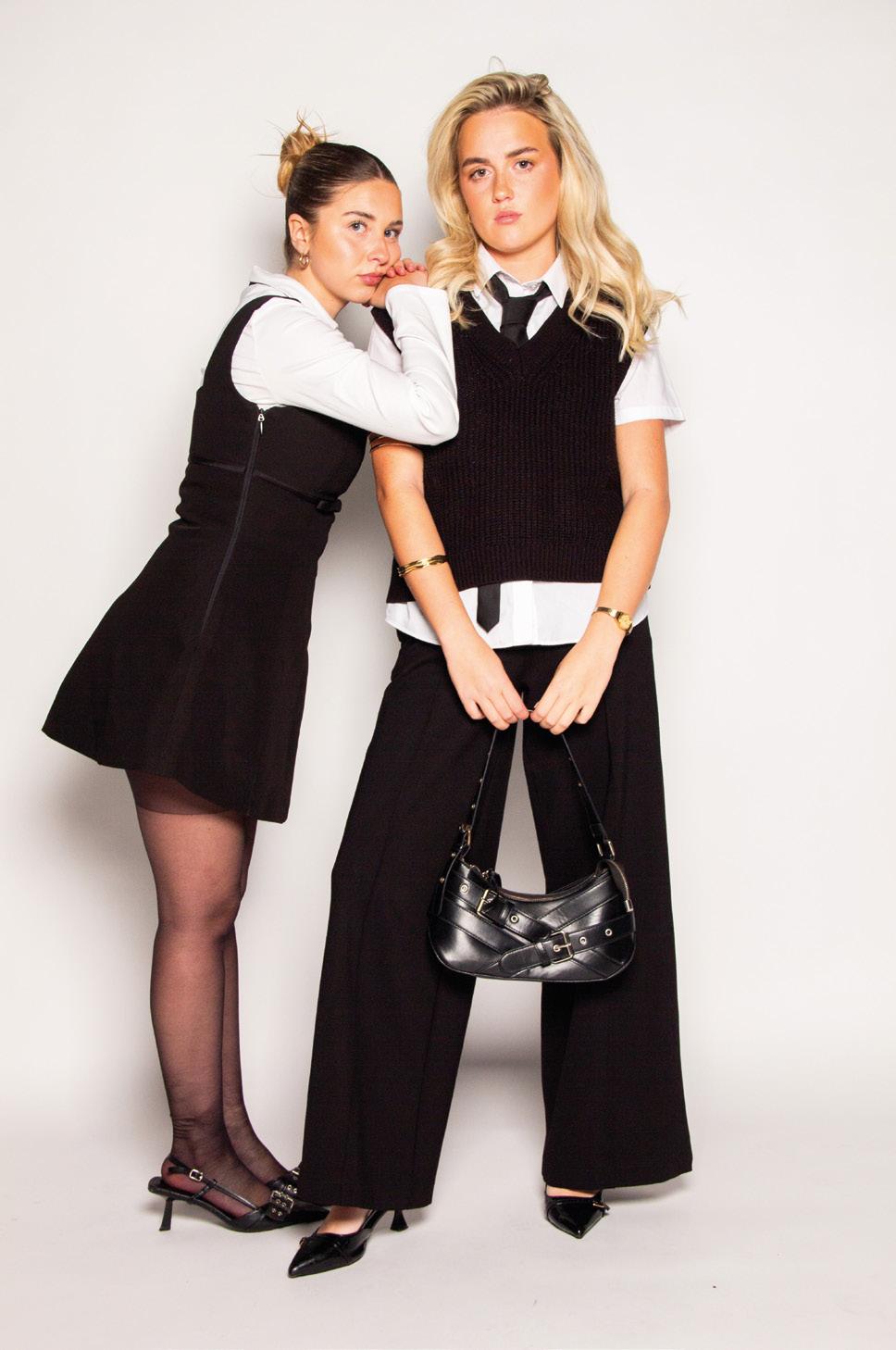
Models: Kayla Spry & Kerys Livie
Photographer - Aldred Gibson
Idea Creator - Kerys Livie
- NESCol Studio
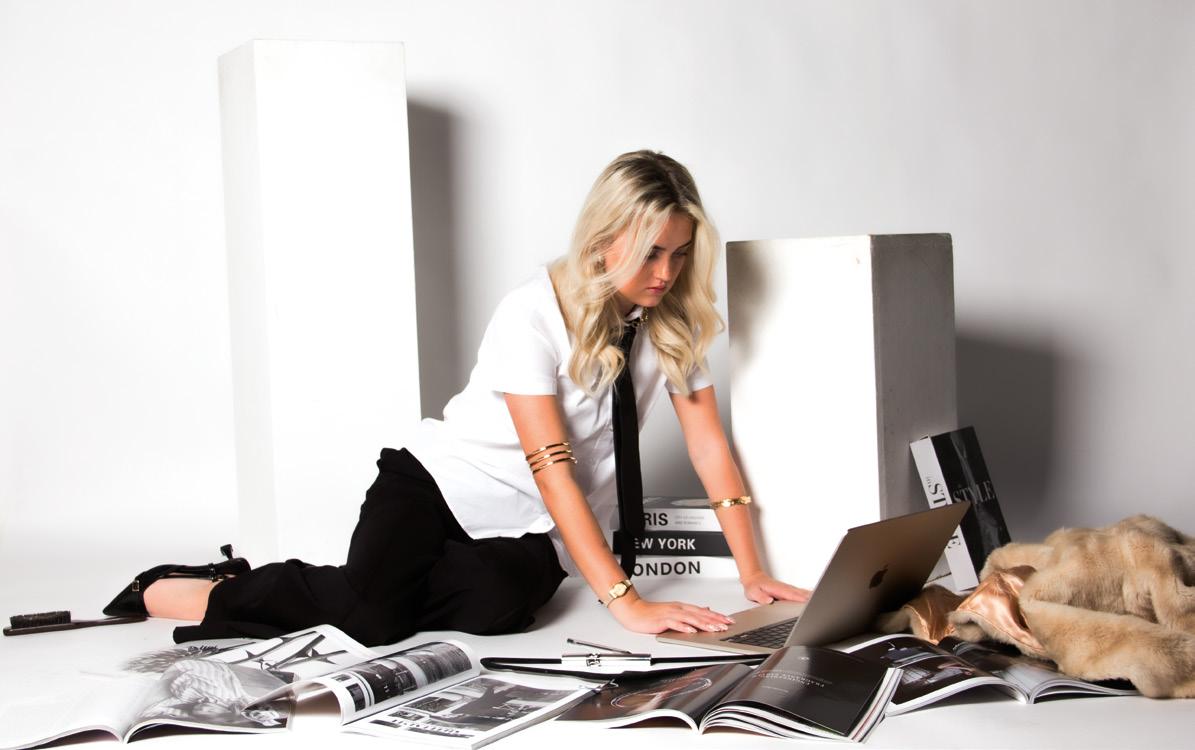
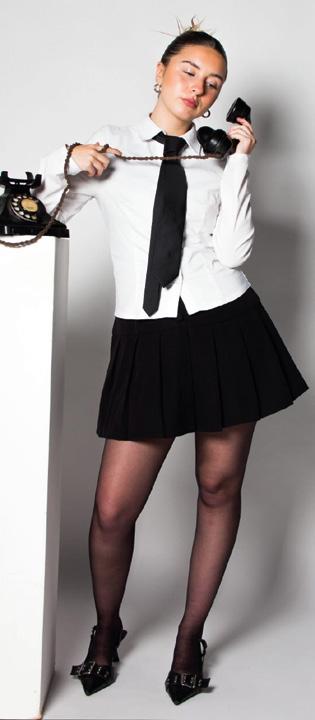
Trousers - George at Asda Shirt - Marks and Spencer Tie - Hugo Boss
Heels - Shein
Bag - PrettyLittleThing
Dress - PrettyLittleThing Shirt - PrettyLittleThingHeels - Ego
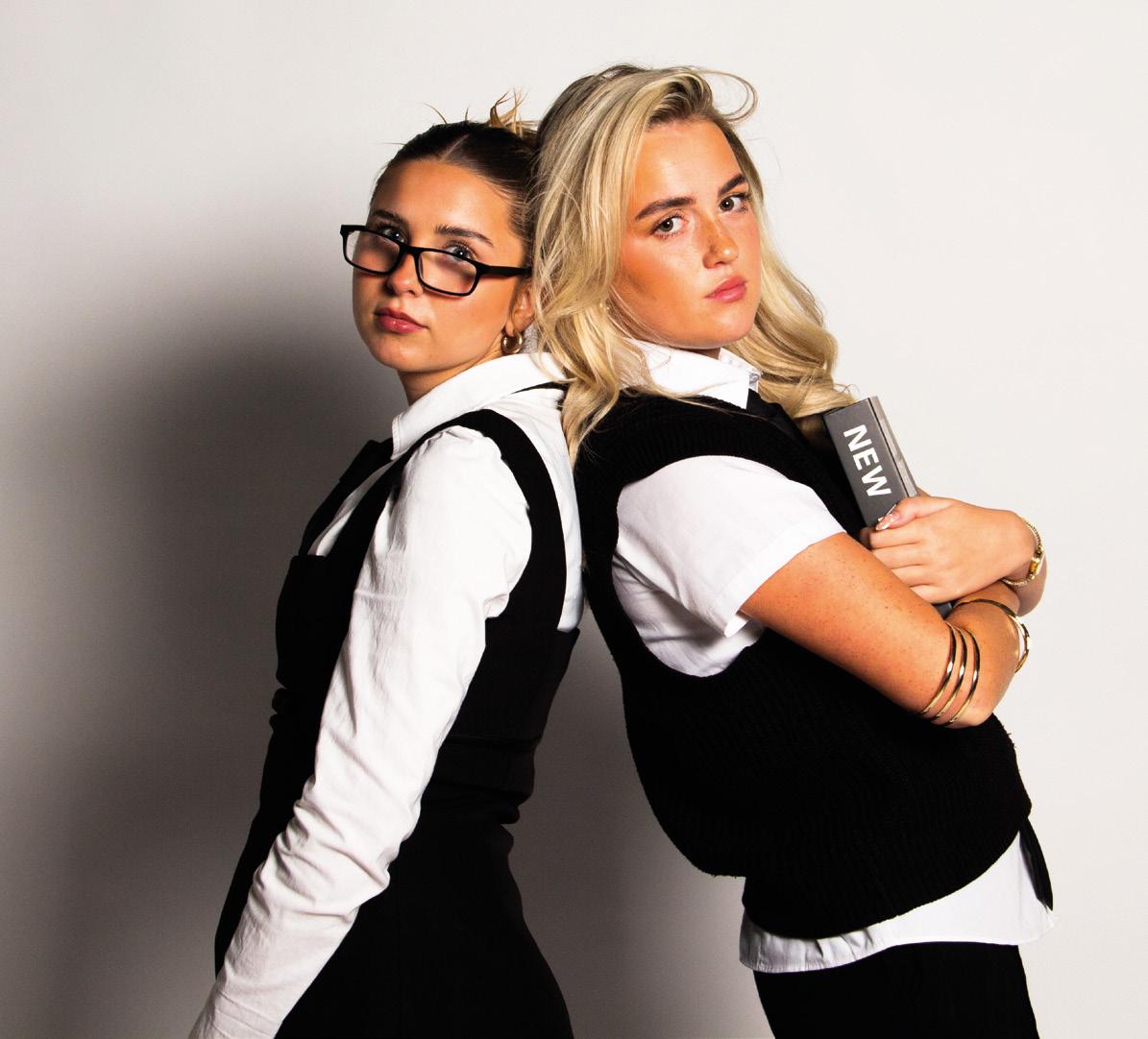
BOSS BABE
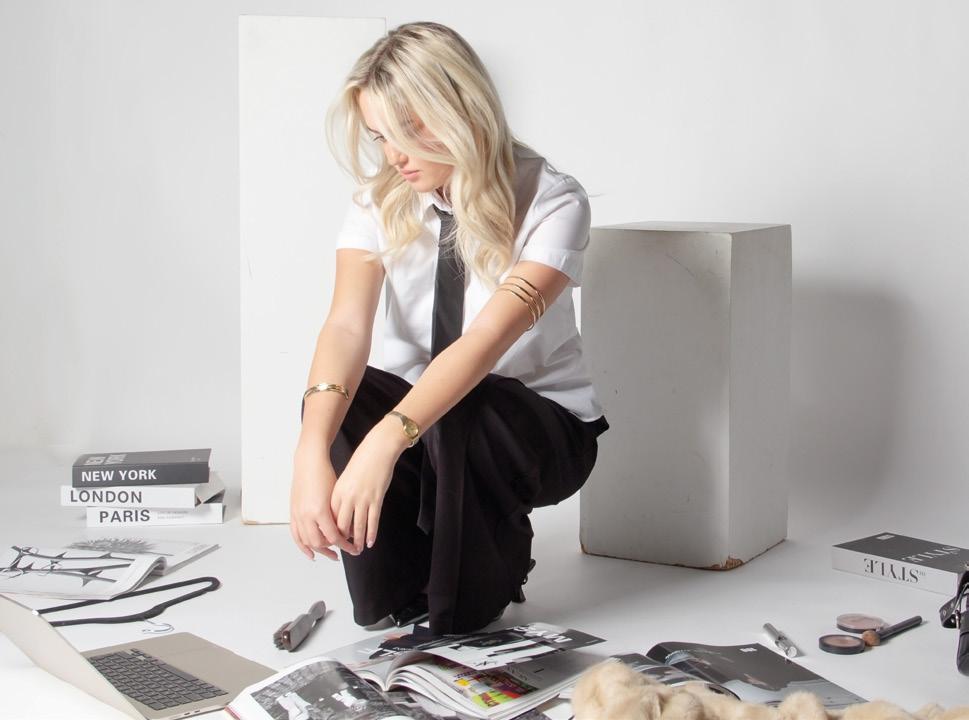
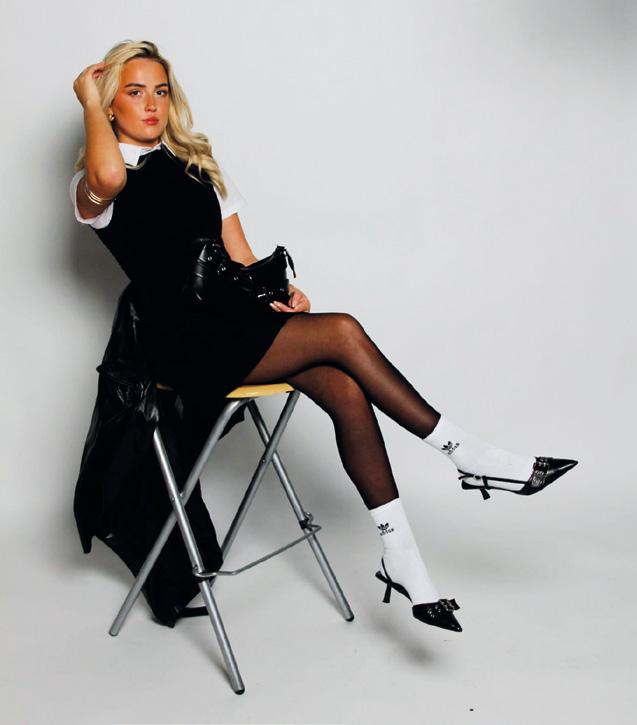
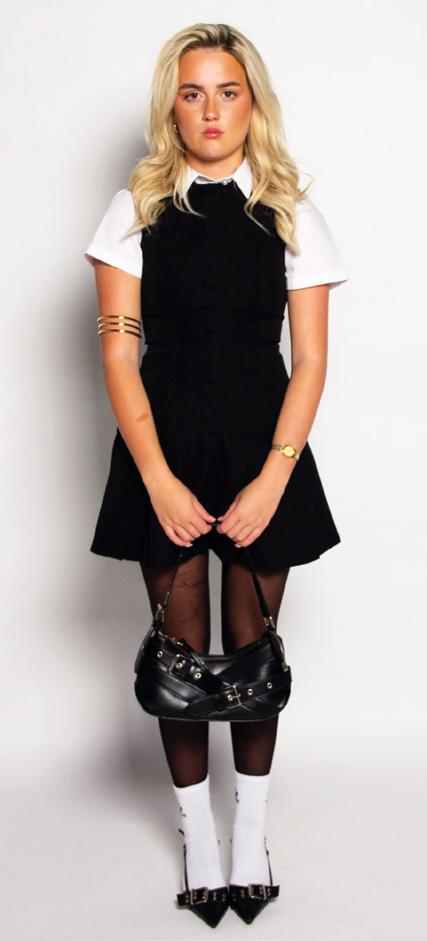
Dress - PrettyLittleThing Shirt - Marks and Spencer Heels - Ego Bag - Ego
Socks - Adidas
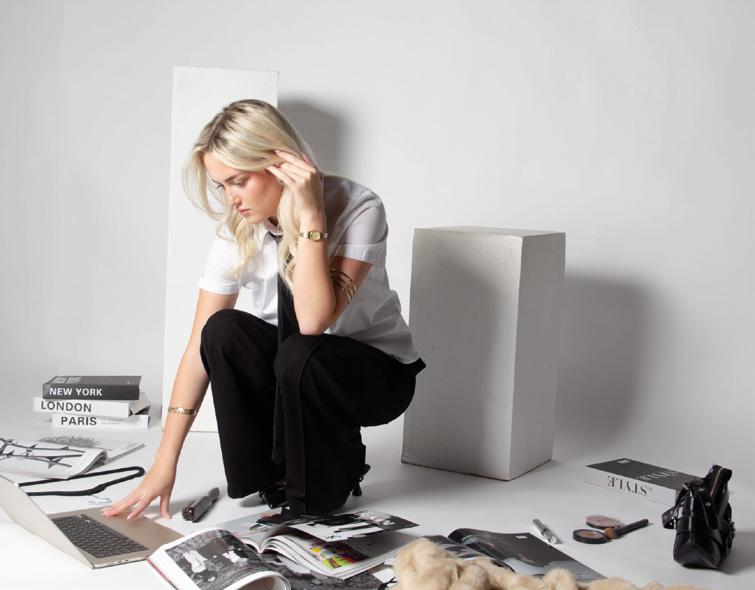
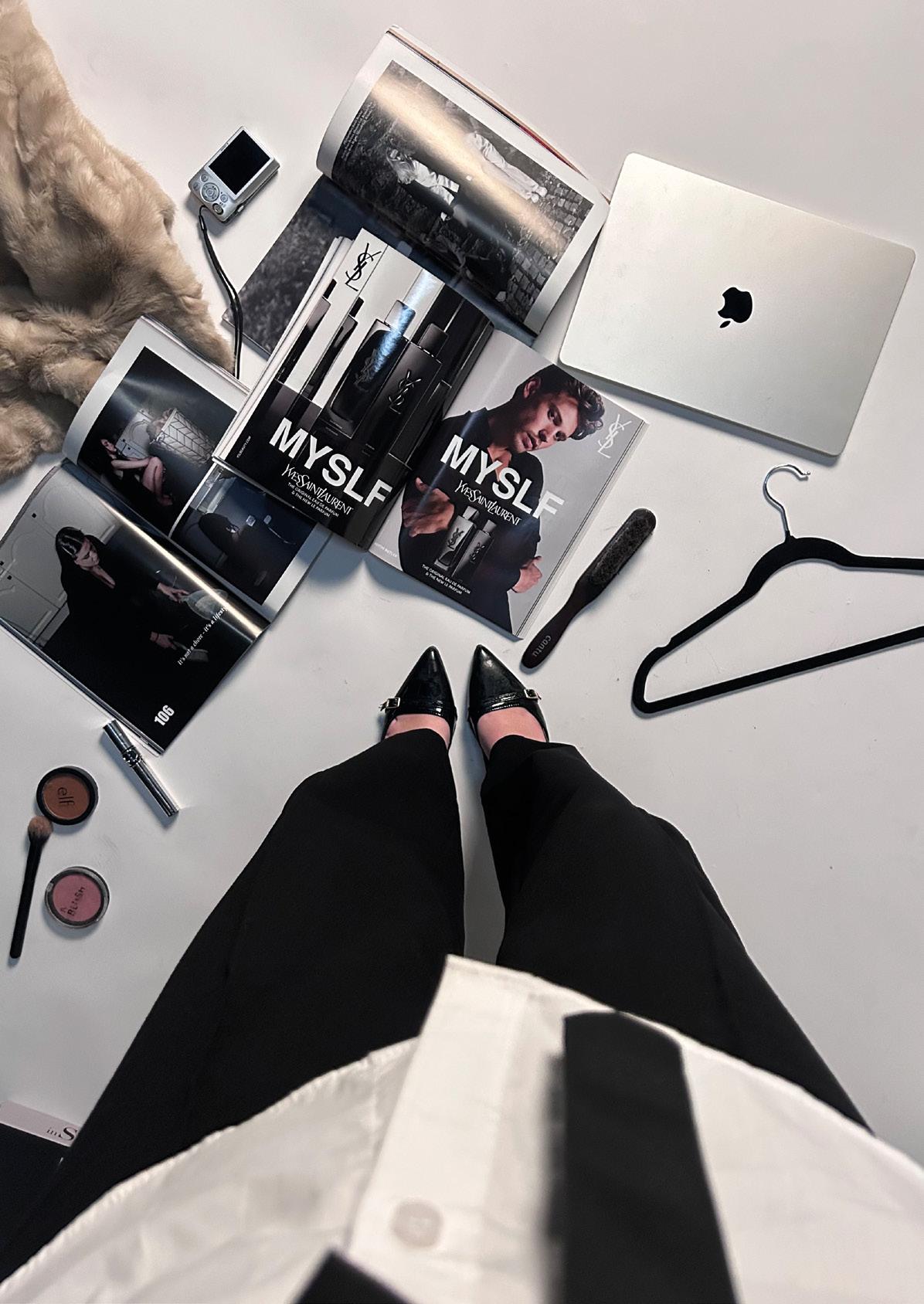
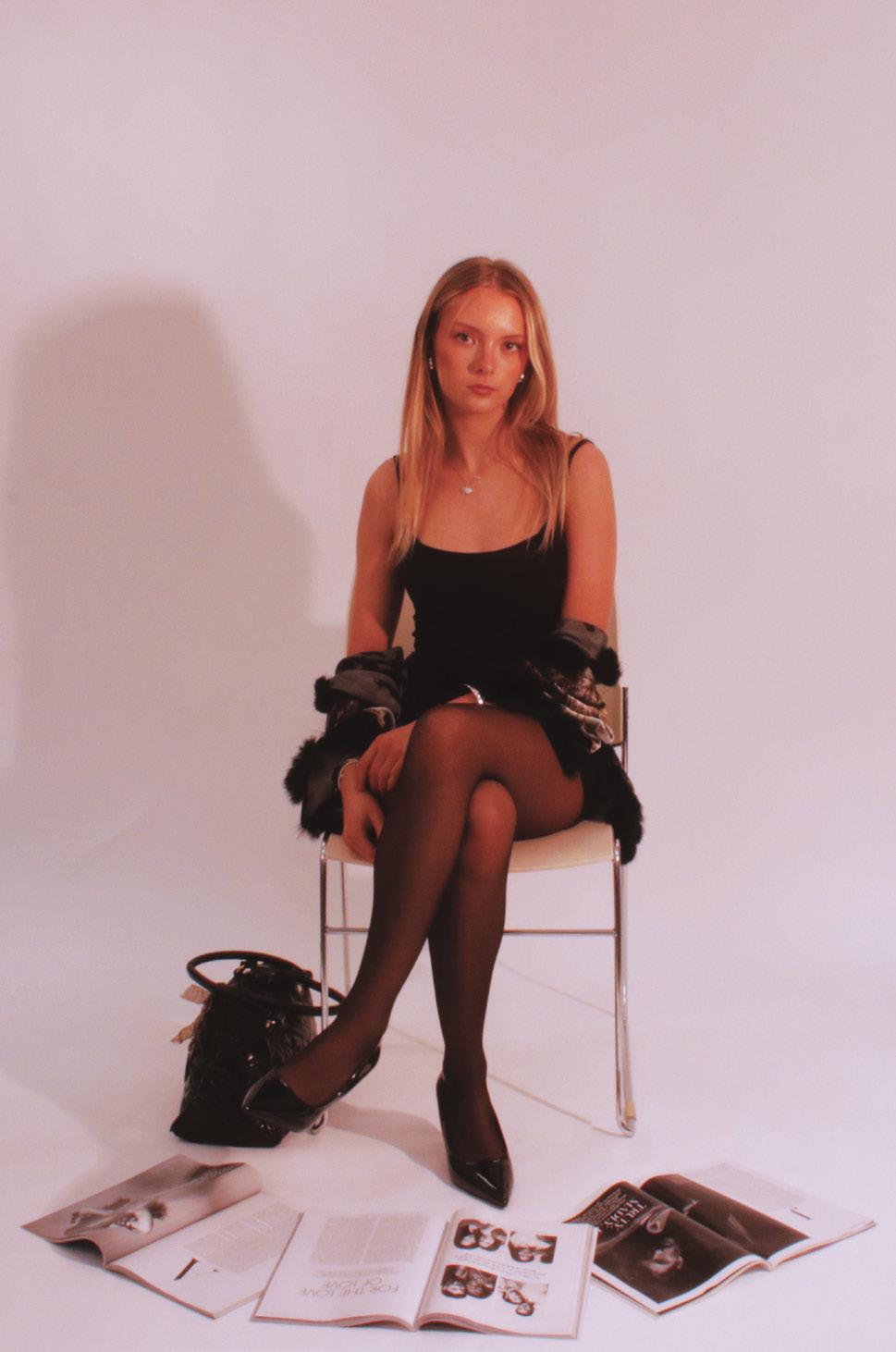
Before the Industry
Where Education Meets Fashion
Model: Josie Ball
Photographer: Arwyn Peden
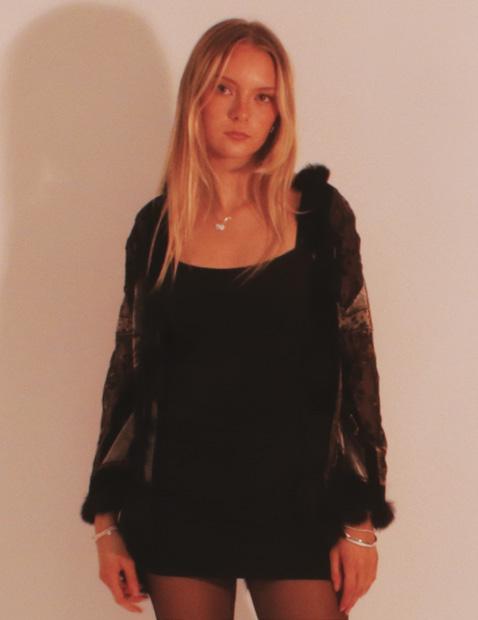
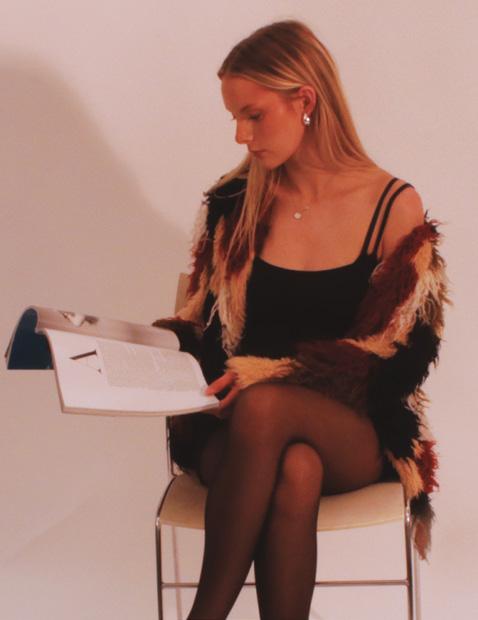
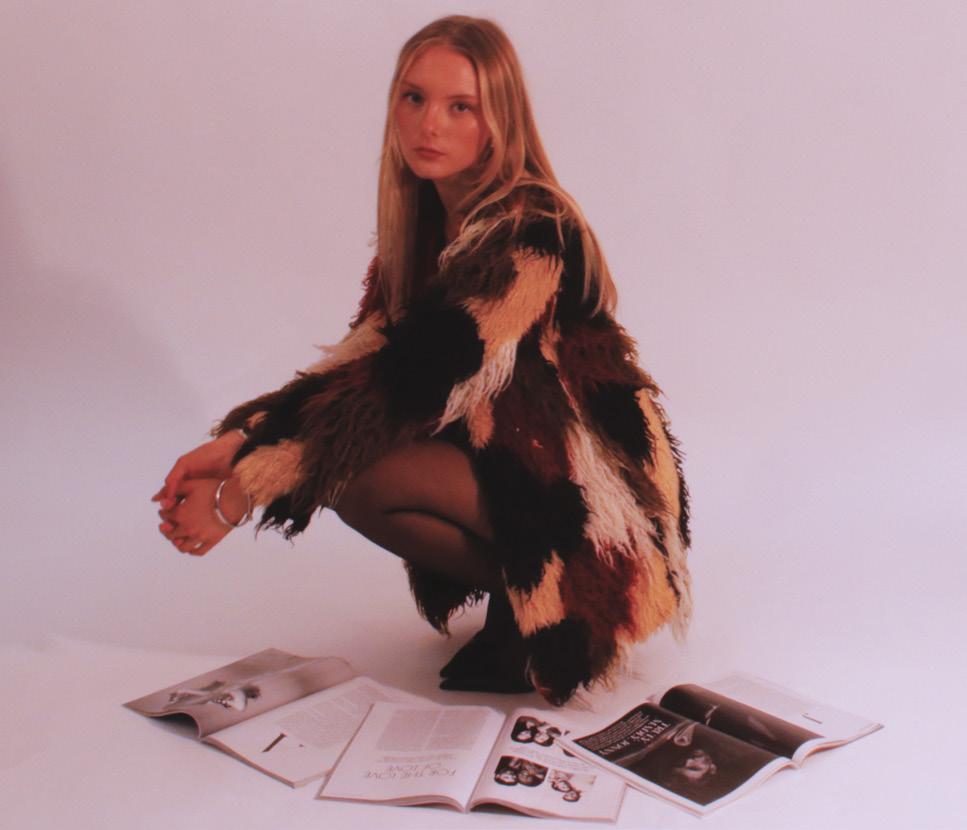
Jacket: New Look
Jumper: H&M
Top: Zara
Skirt: H&M
Shoes: Boohoo Bag: Thrifted
Jacket: F&F Clothing
Top: Zara
Skirt: H&M
Shoes: Boohoo Bag: Thrifted
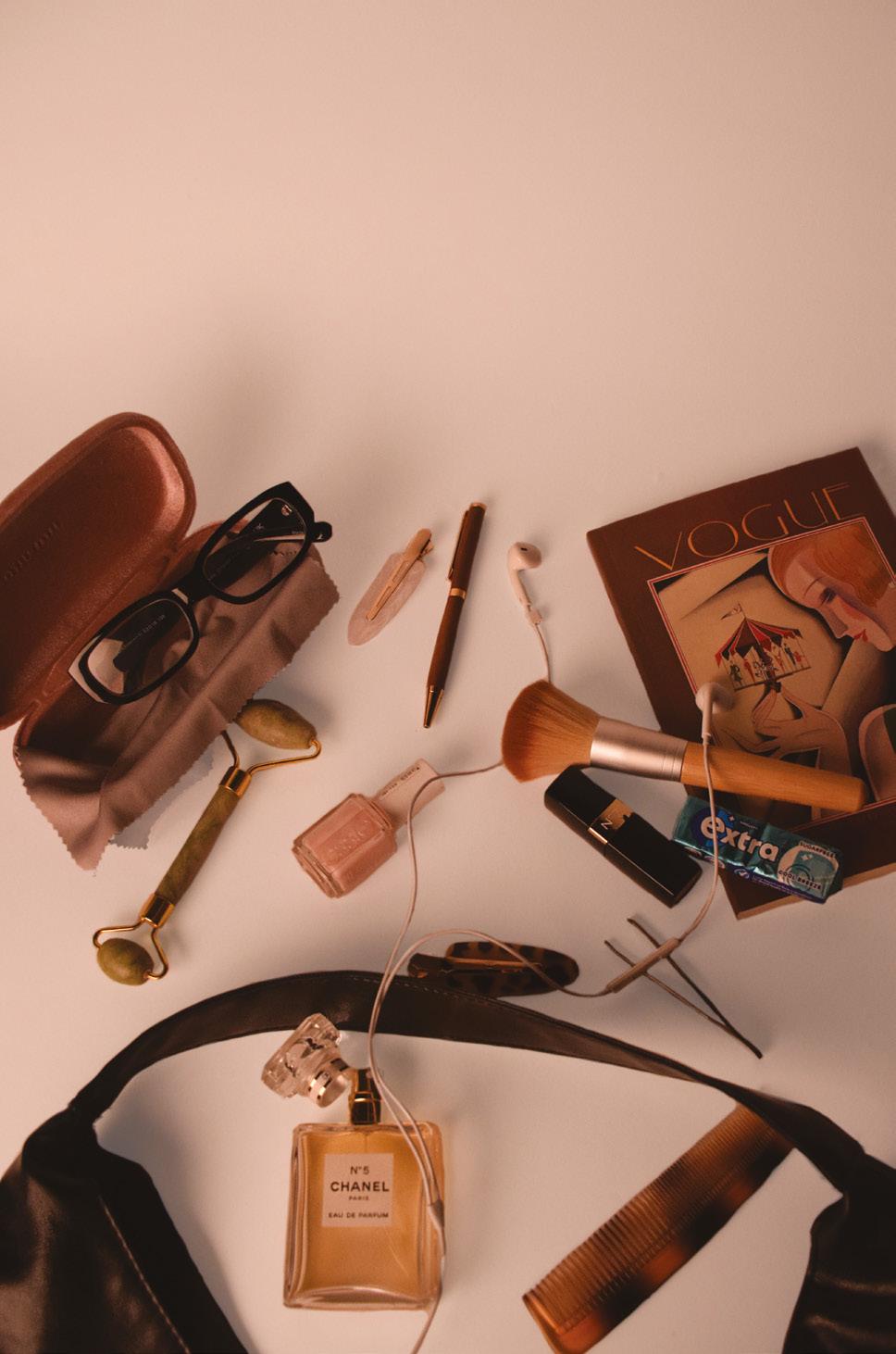
SpillTheBag
When the bag’s too heavy not to share...
Photographed by Emillie Porter
Designed by Isla Coull
Perfume - Chanel N°5 Eau De Parfum in 50ml - £109, Comb - Boots Basics Hair Pocket Comb - £2, Nail Polish - Essie in shade Romper Room - £8.99, Lipstick - N°7 in shade Velvette Matte - £12.95, Face Roller - ECOBATH London - £10.99
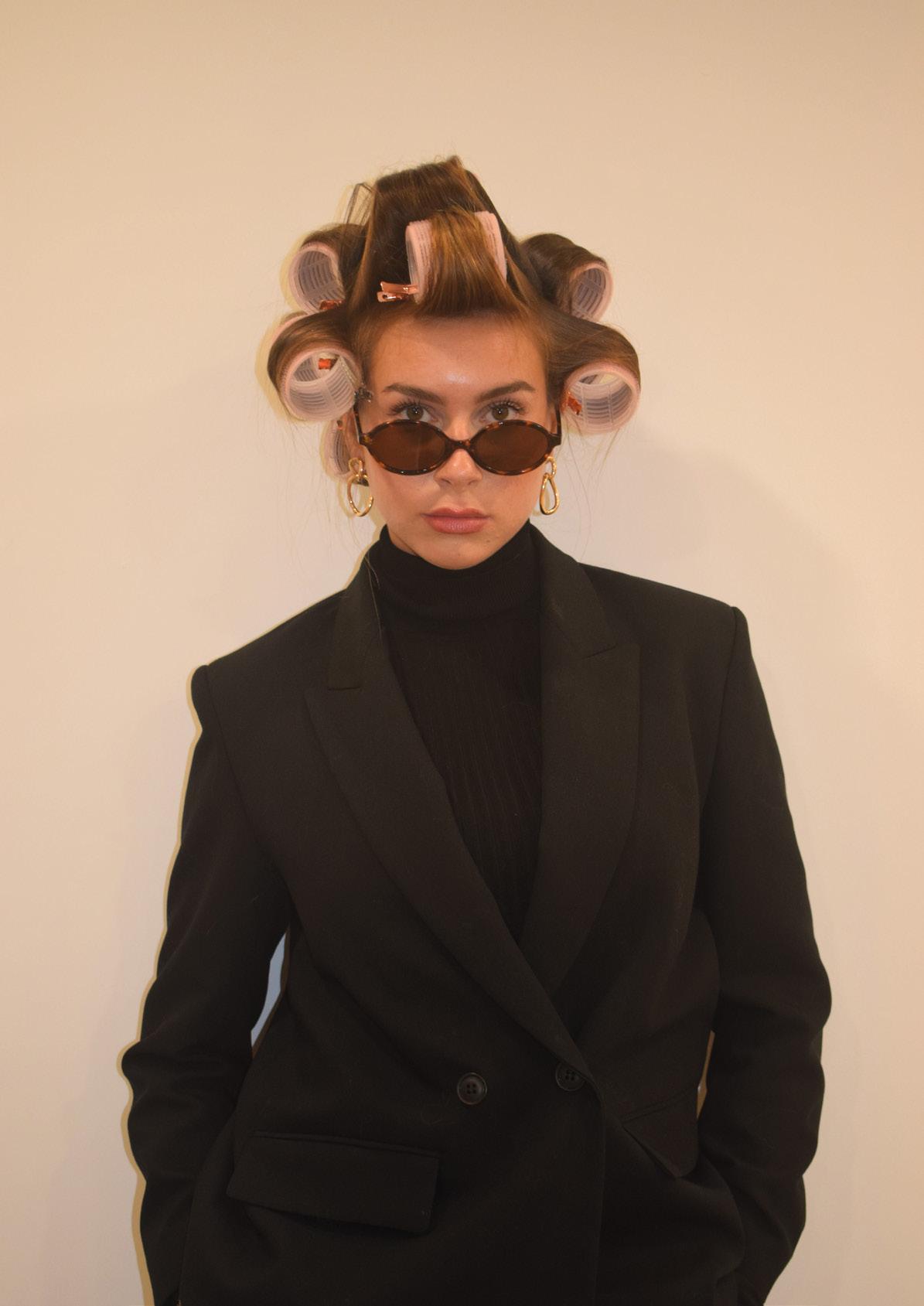
VIP VOLUME
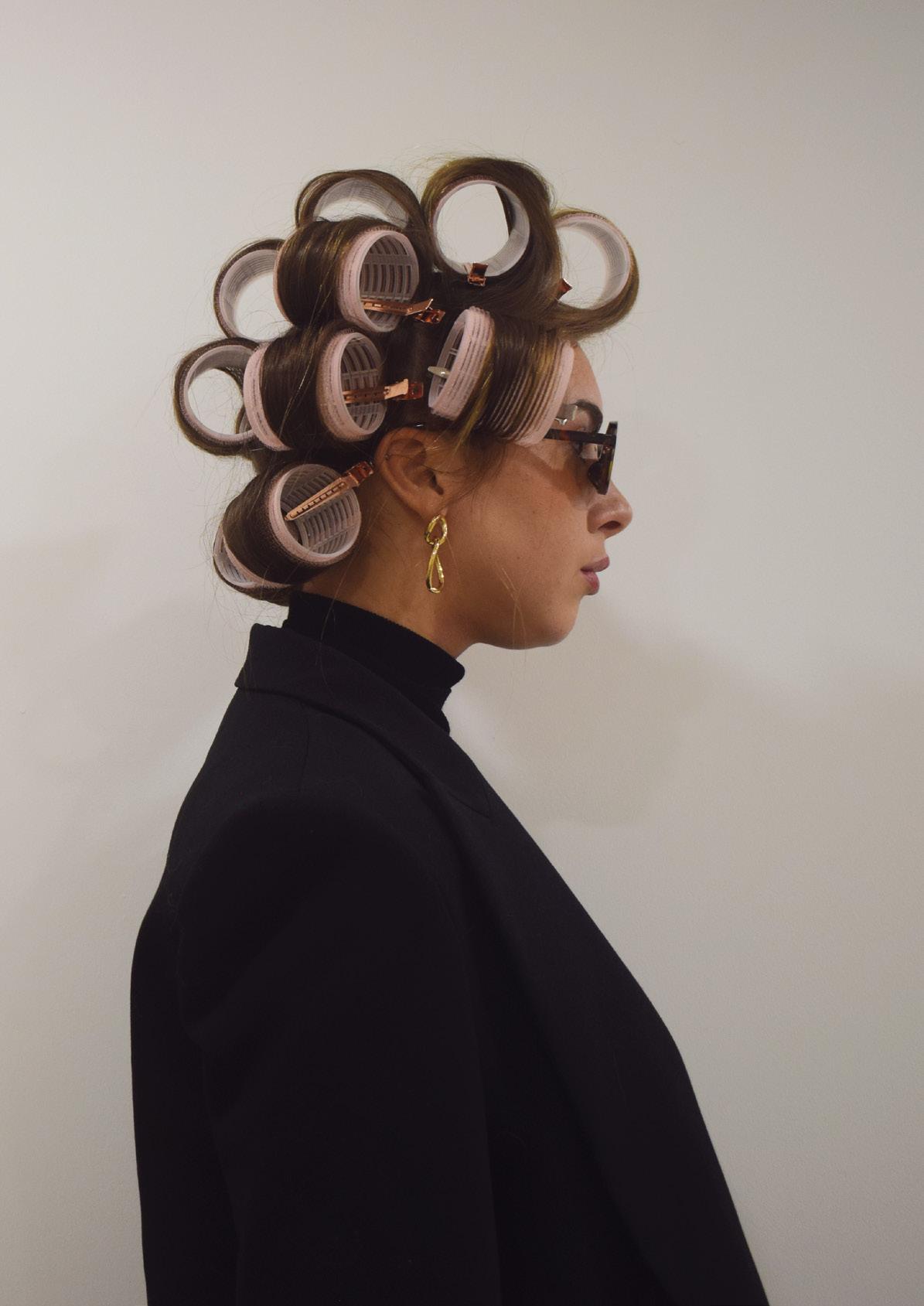
Blazer - Zara
Top - Zara
Sunglasses - EGO
Earrings - Primark
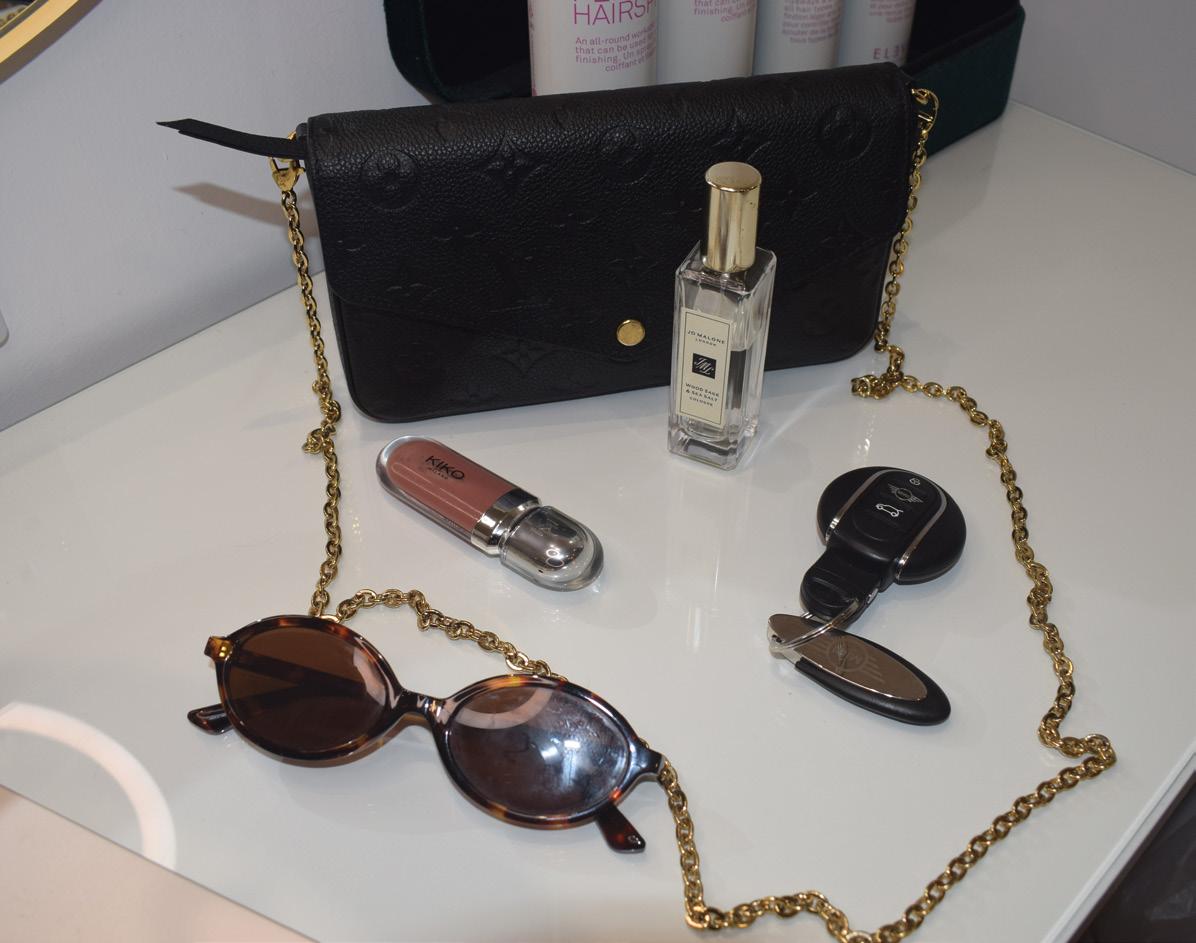
Handbag - Louis Vuitton
Lipgloss - KIKO Milano
Perfume - Jo Malone London
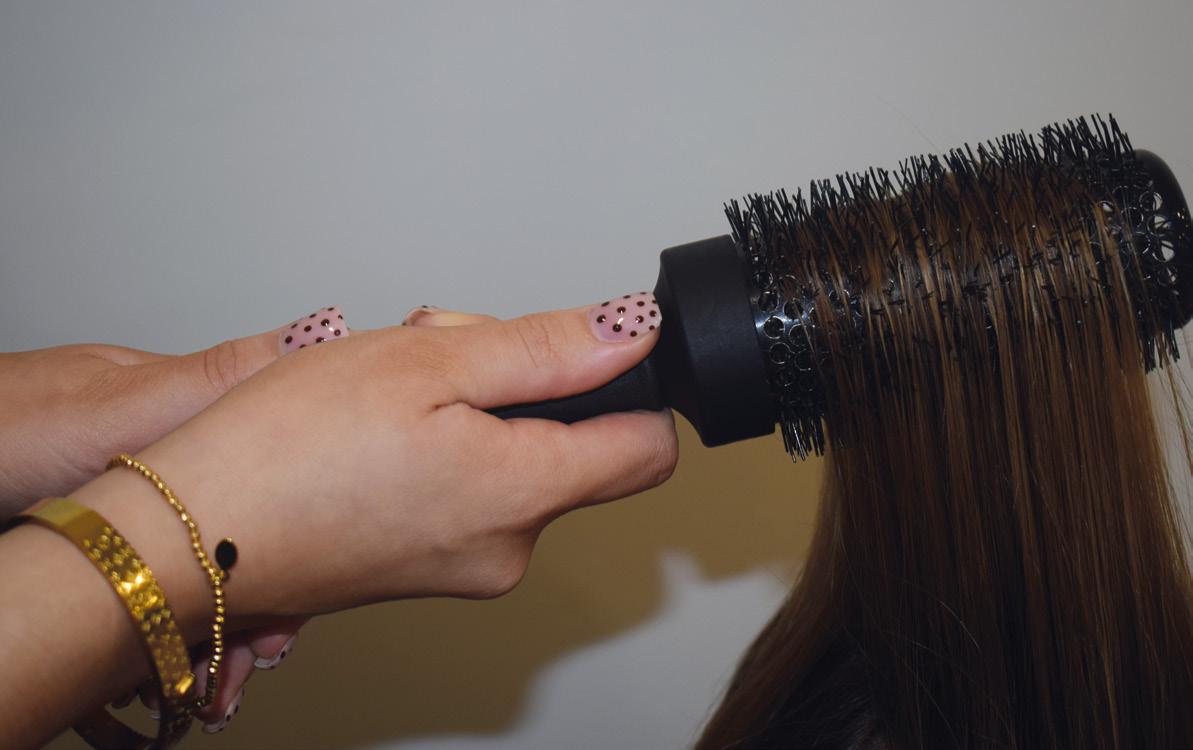
Hairbrush - GHD
Bracelets - Model’s Own
Model - Darcy Bratton
Stylist - Diaz Kidd
Photographer - Ava McRae
Location - Heritage Salons, Inverurie
Gift Guide Wellness Girl for the
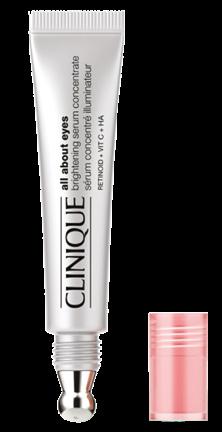

1. Clinique All About Eyes Brightening Serum, £45
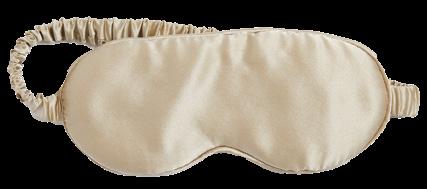
2. M&S Pure Mulberry Silk Eye Mask, £16
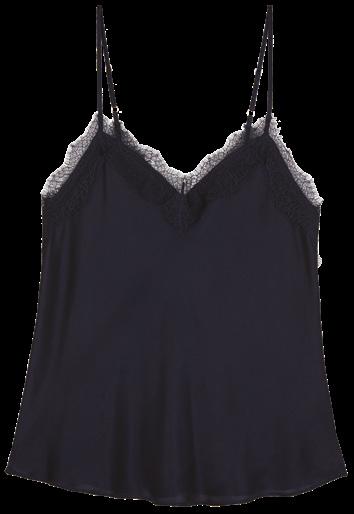
3. Primark Silk Cami, £14
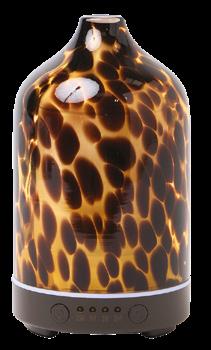
4. Oliver Bonas Tortoiseshell Aroma Diffuser £49.50
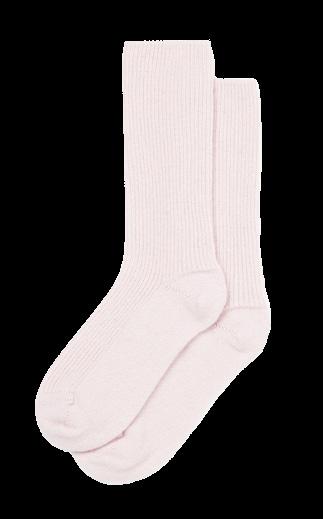
5. Bedfolk Cashmere Socks, £60
6. TRIP Orange Blossom CBD Oil, £15
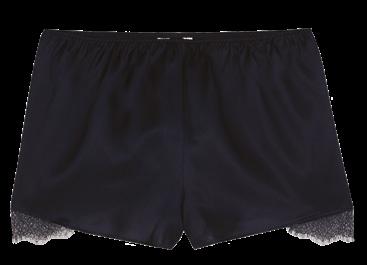
7. Primark Silk Short, £14
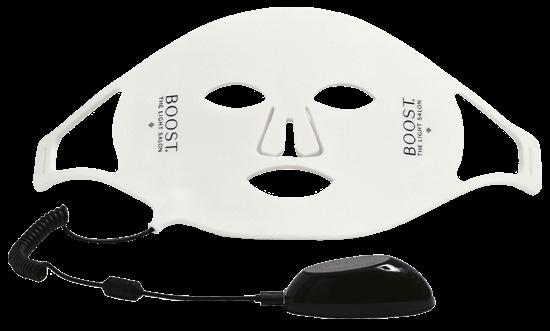
8. Light Salon Boost LED Face Mask, £395
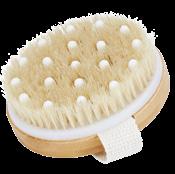
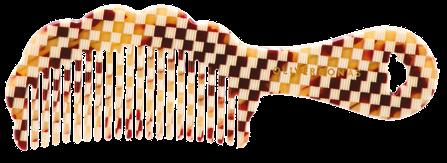
9. TK Maxx Body Brush £4.99 10. Oliver Bonas Checked Resin Hair Comb, £18
10.
Designed By Violet McKee
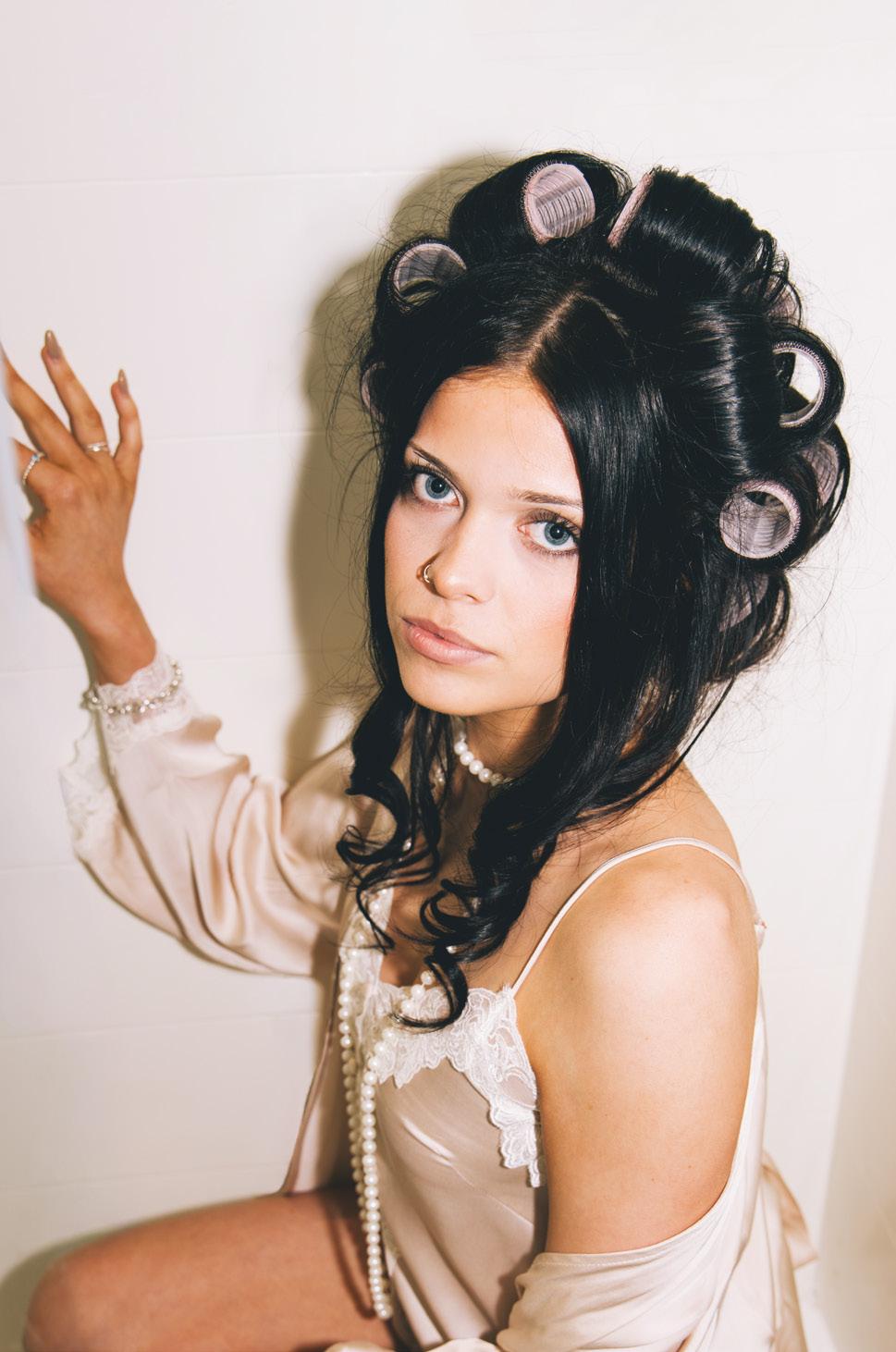
Lipstick and Lace
A girl’s bathroom, in a girl’s world
Stylist: Arianna Boyd
Model: Isla Coull
Photographer and Editor: Charley Craig
Assistant Editor: Katy Mitchell
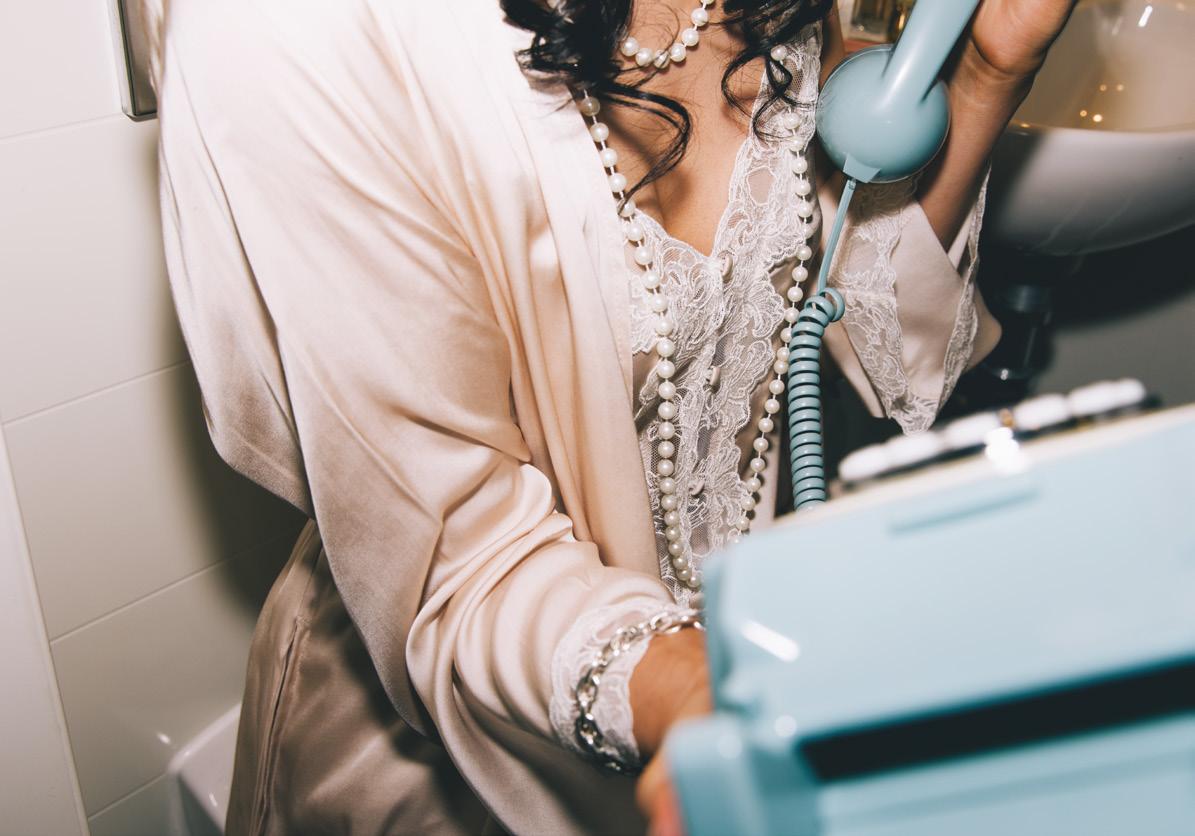
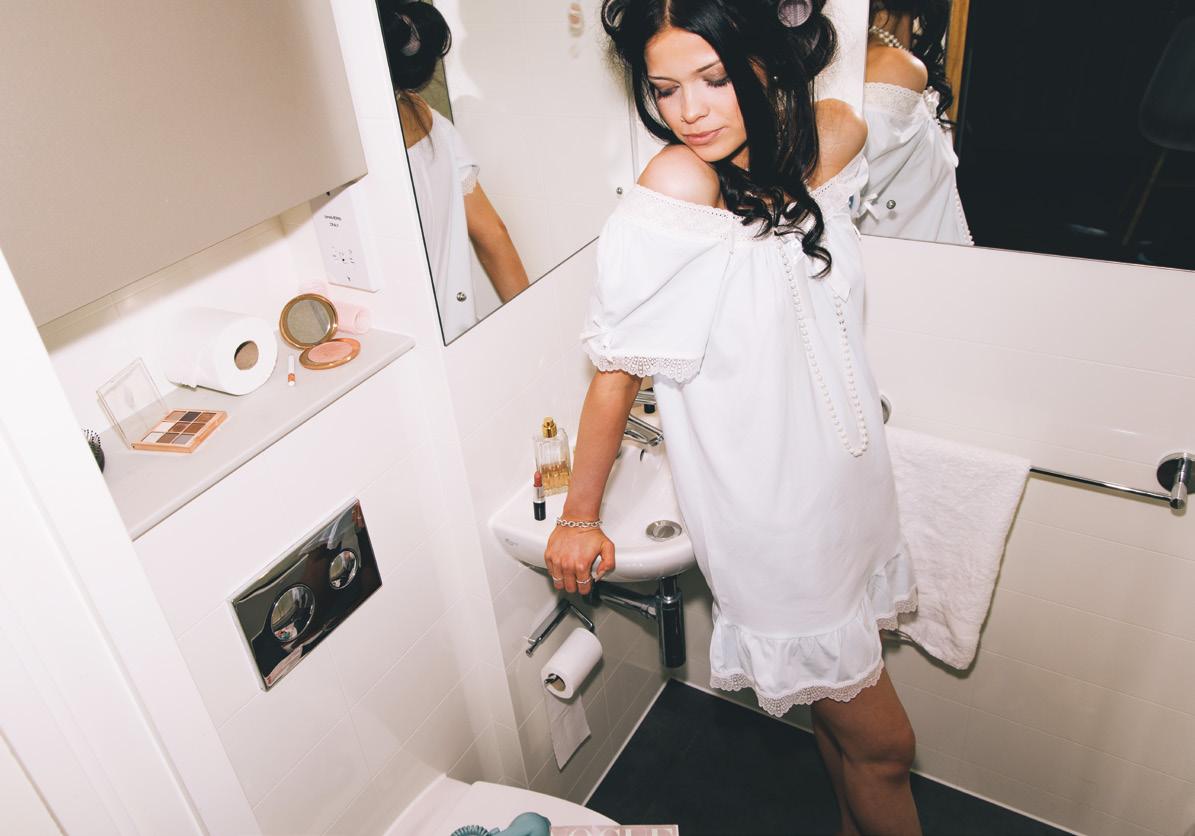
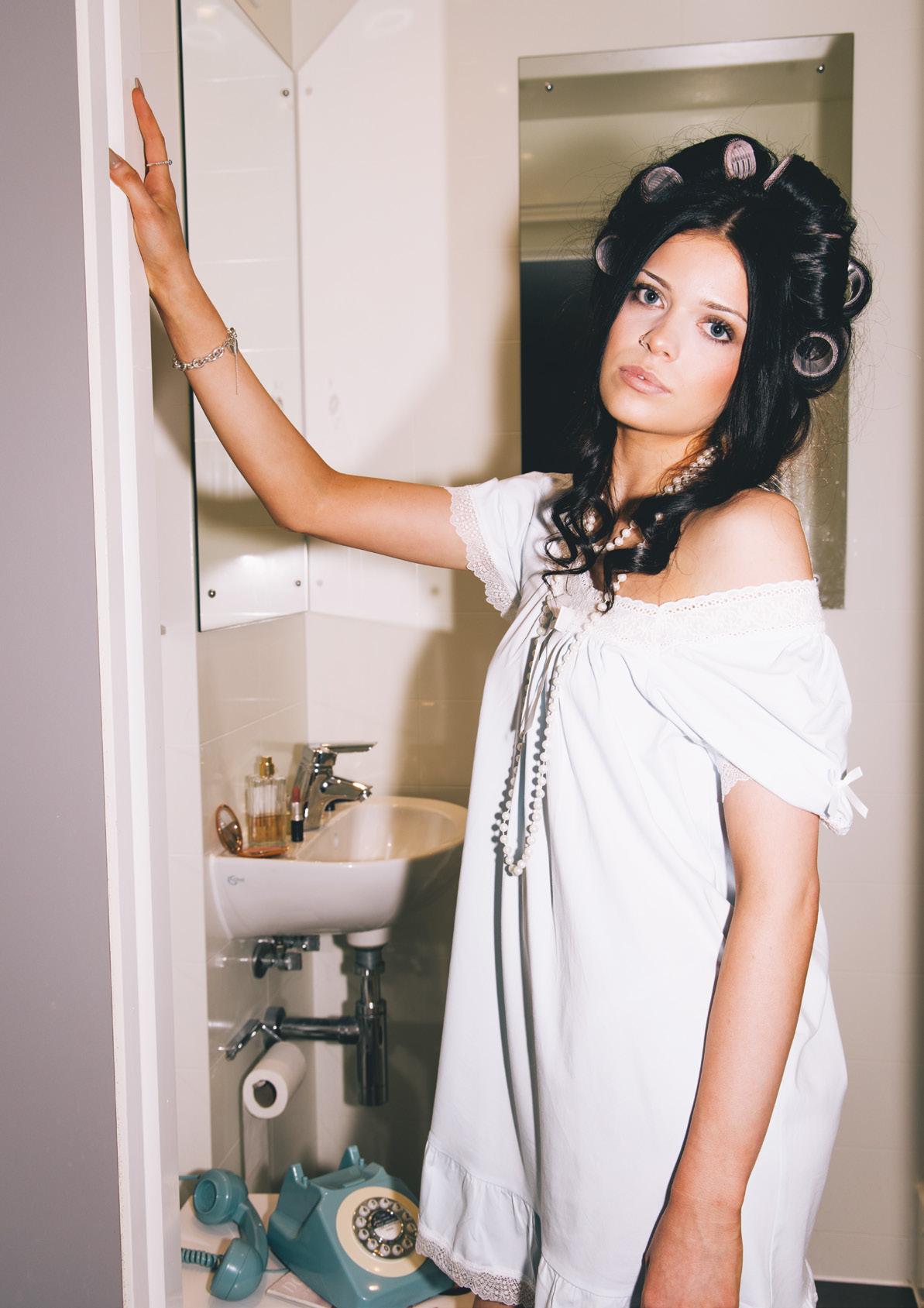
Nightgown: Primark
Camisole top: Primark Shorts: Primark
Babydoll nightgown: Amazon Pearl necklace: Depop
GUIDE TO GLASS SKIN
Photographed and Created by Lucy Stout
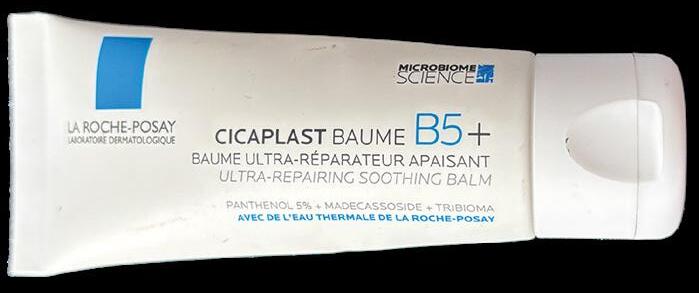
7. La Roshe-Posay Cicaplast Baume B5+ 40ml - £11 2.
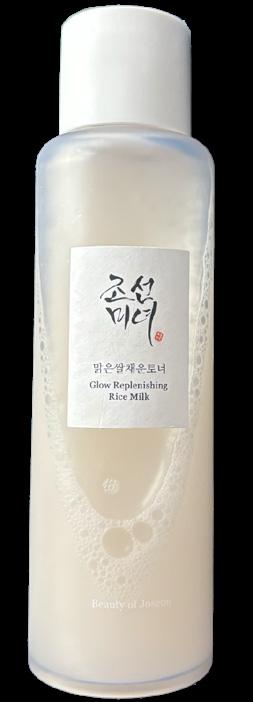
1. Beauty of Joeson Glow Replenishing Rice Milk 150ml - £15.50
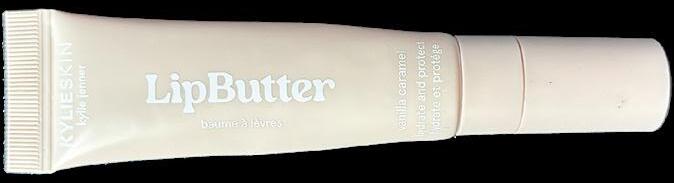
2. Kylie Skin Lip Butter 10g - £20
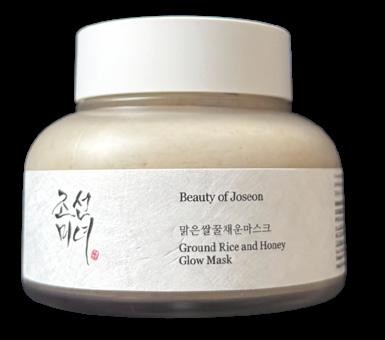
3. Beauty of Joeson Ground Rice and Honey Glow Mask 150ml - £15.50
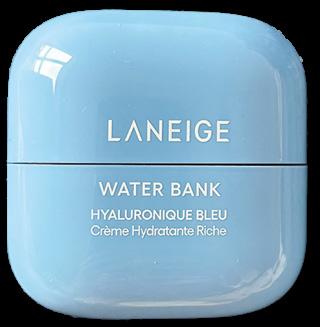
4. Laneige Water Bank Blue Hyaluronic Intensive Moisturiser 50ml - £33.50
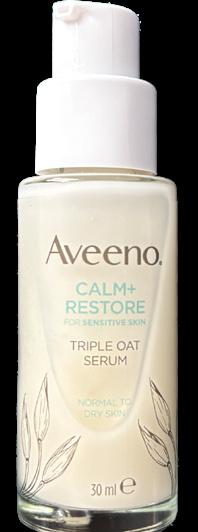
5. Aveeno Face Triple Oat Serum 30ml - £13.99
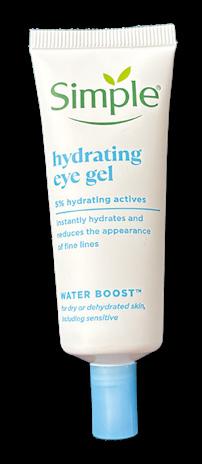
6. Simple Hydrating Eye Gel 25ml - £8
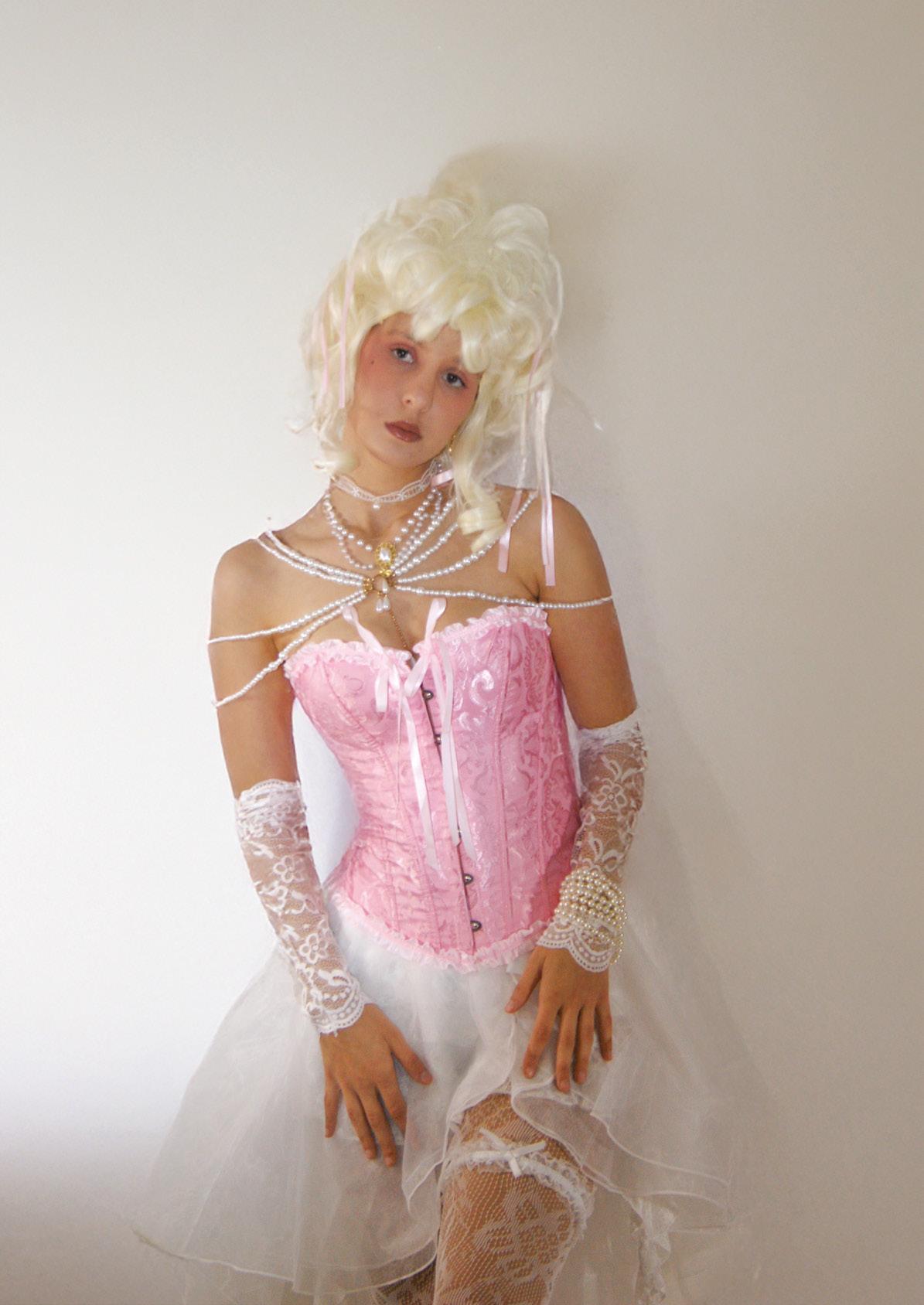
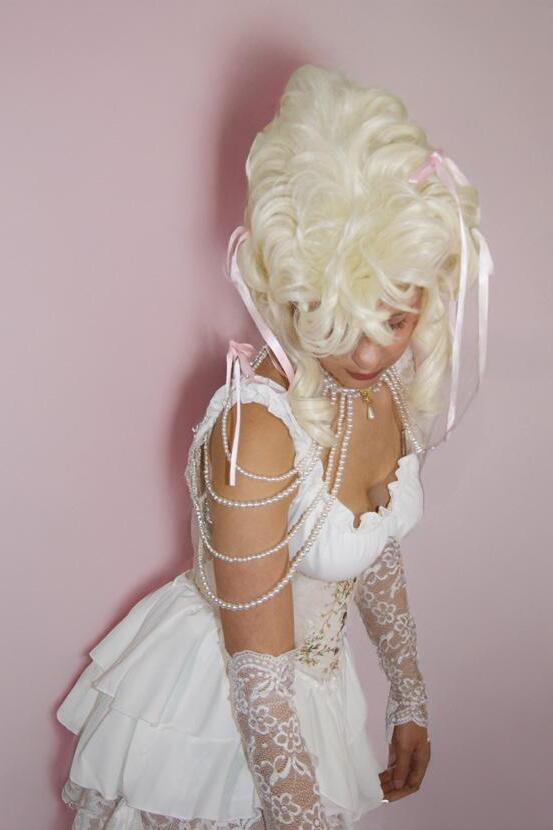
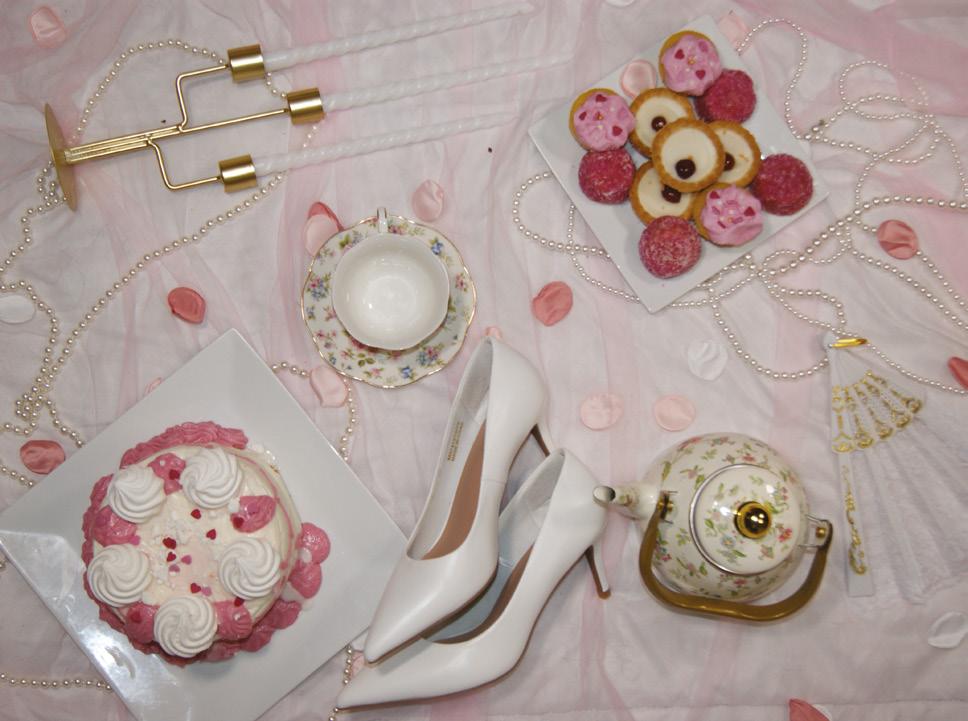
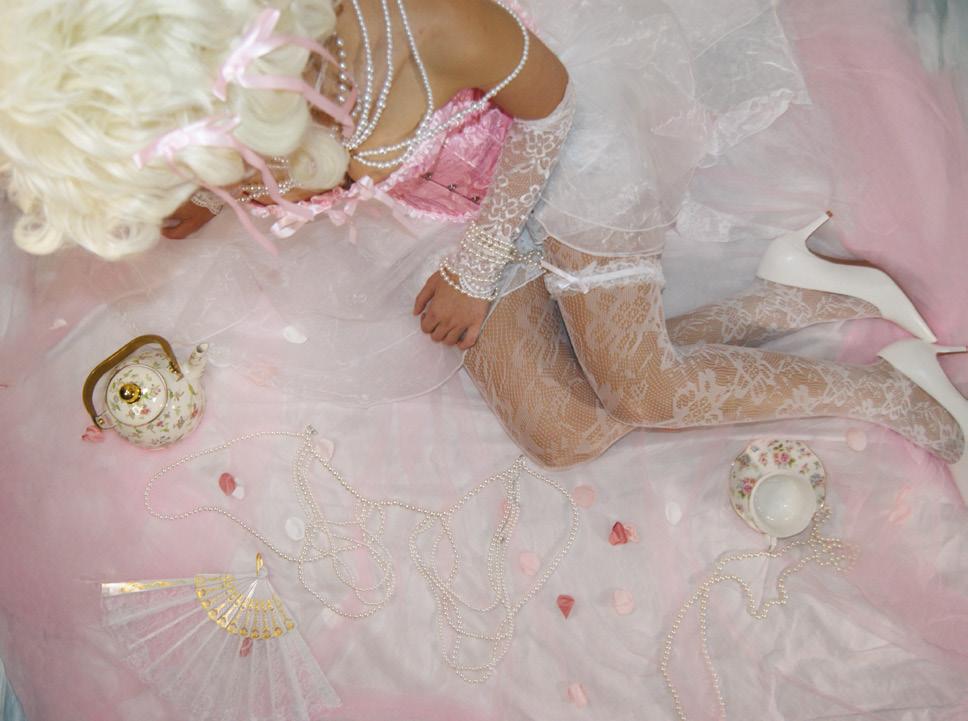
Marie Antoinette
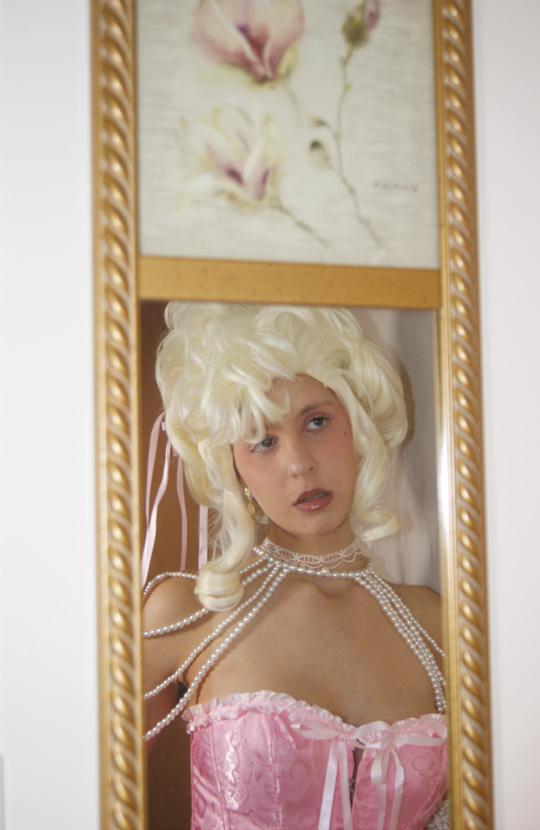

Bodychain: Shein
Dress: Shein
Shoes: New Look
Socks: Primark
Corset: Amazon
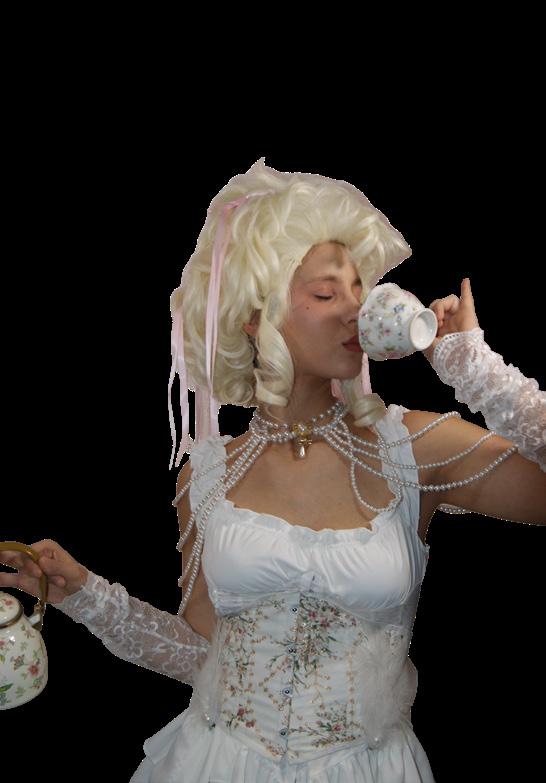
Fan: Etsy
Teacup: Thrifted
Skirt: Amazon
Candle holder: Amazon
Kettle: Thrifted
Garter: Amazon
Corset: Amazon
Shorts: Primark
Gloves: Shein
Wig: Amazon
Necklace: Shein
Petticoat: Amazon
Tights: Primark
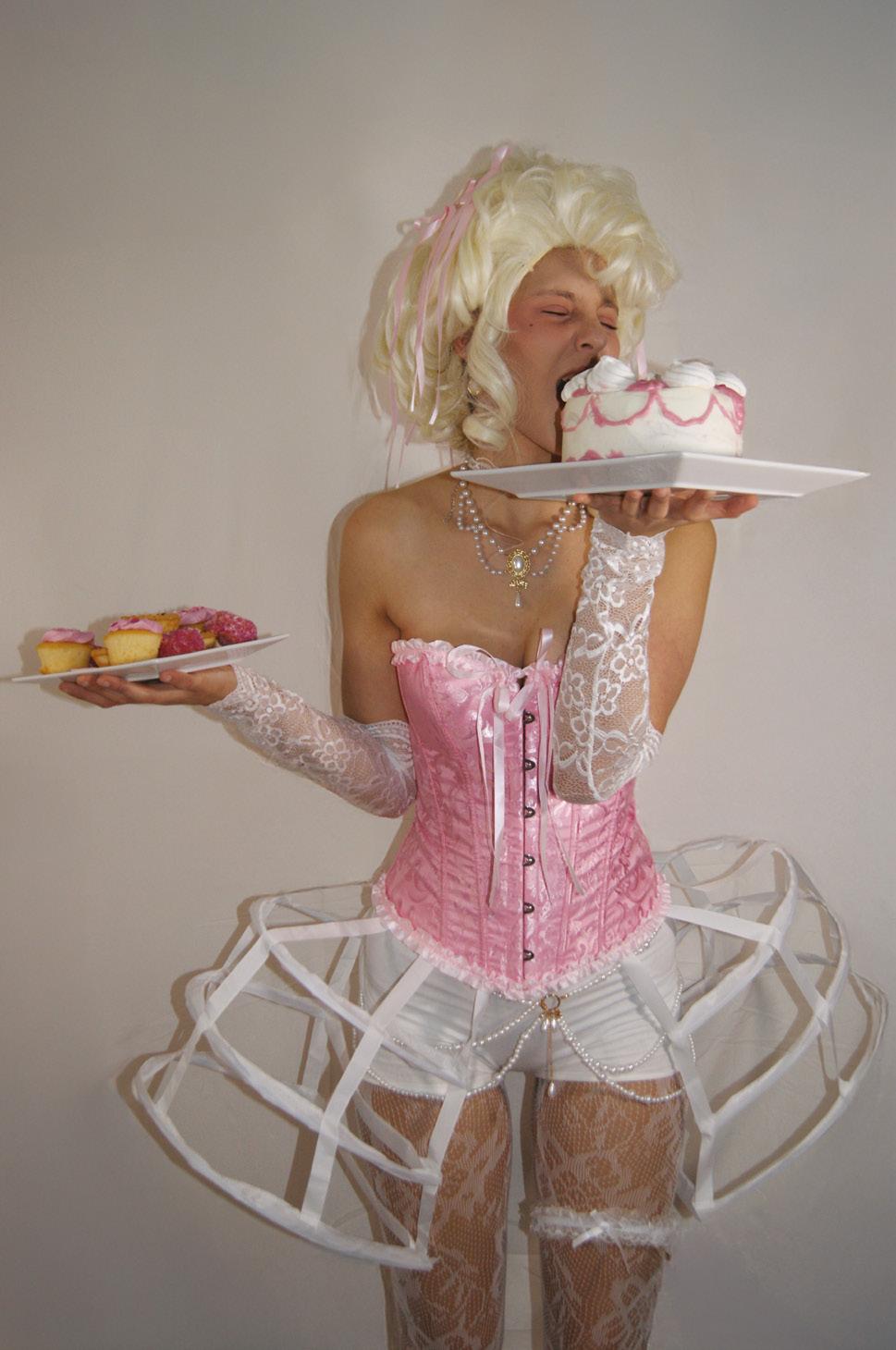
Model, Stylist and Creative Director: Julieta Salazar
All images photographed by: Paola Da Cruz
Creative Assistant: Andreina Sanchez
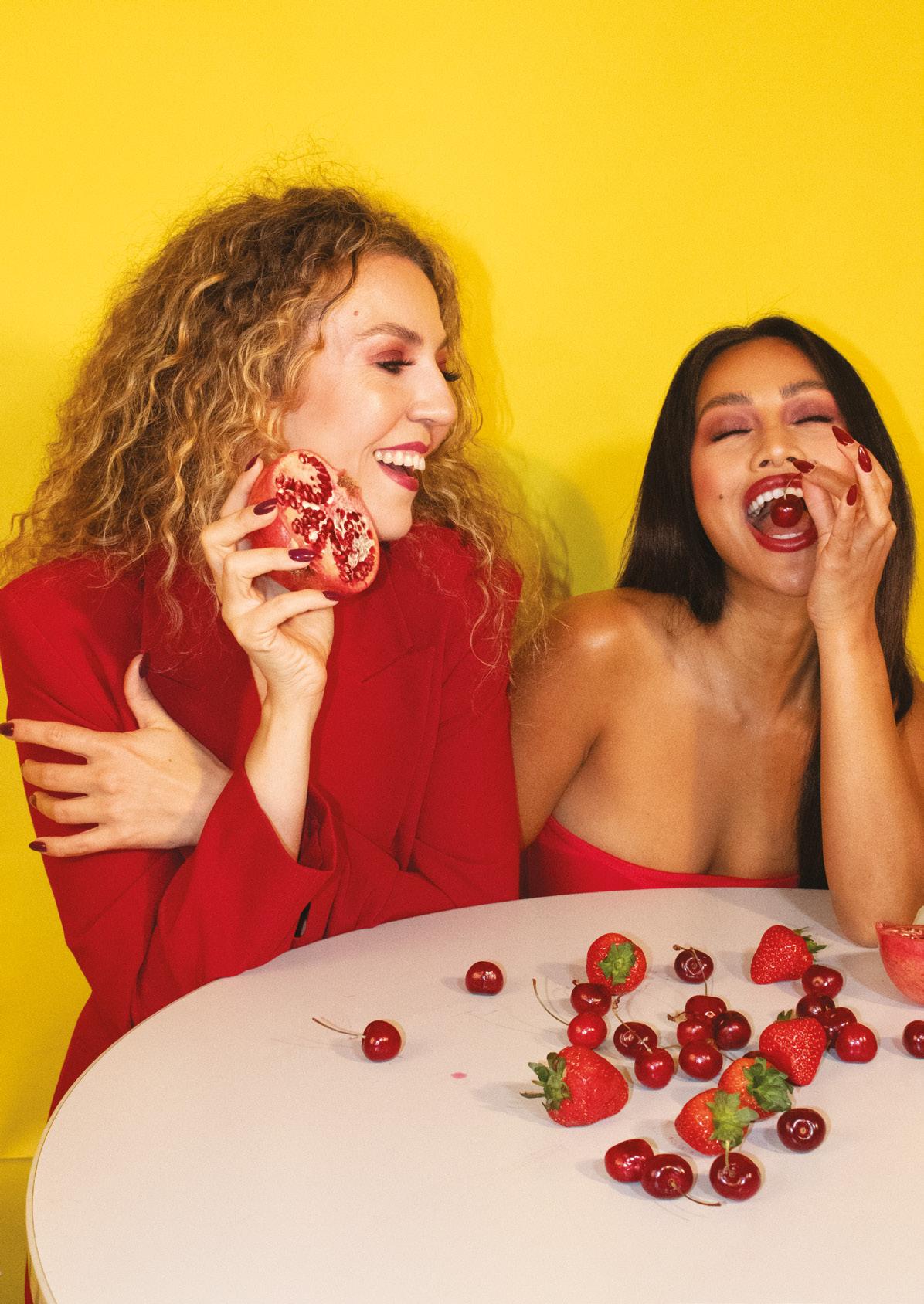
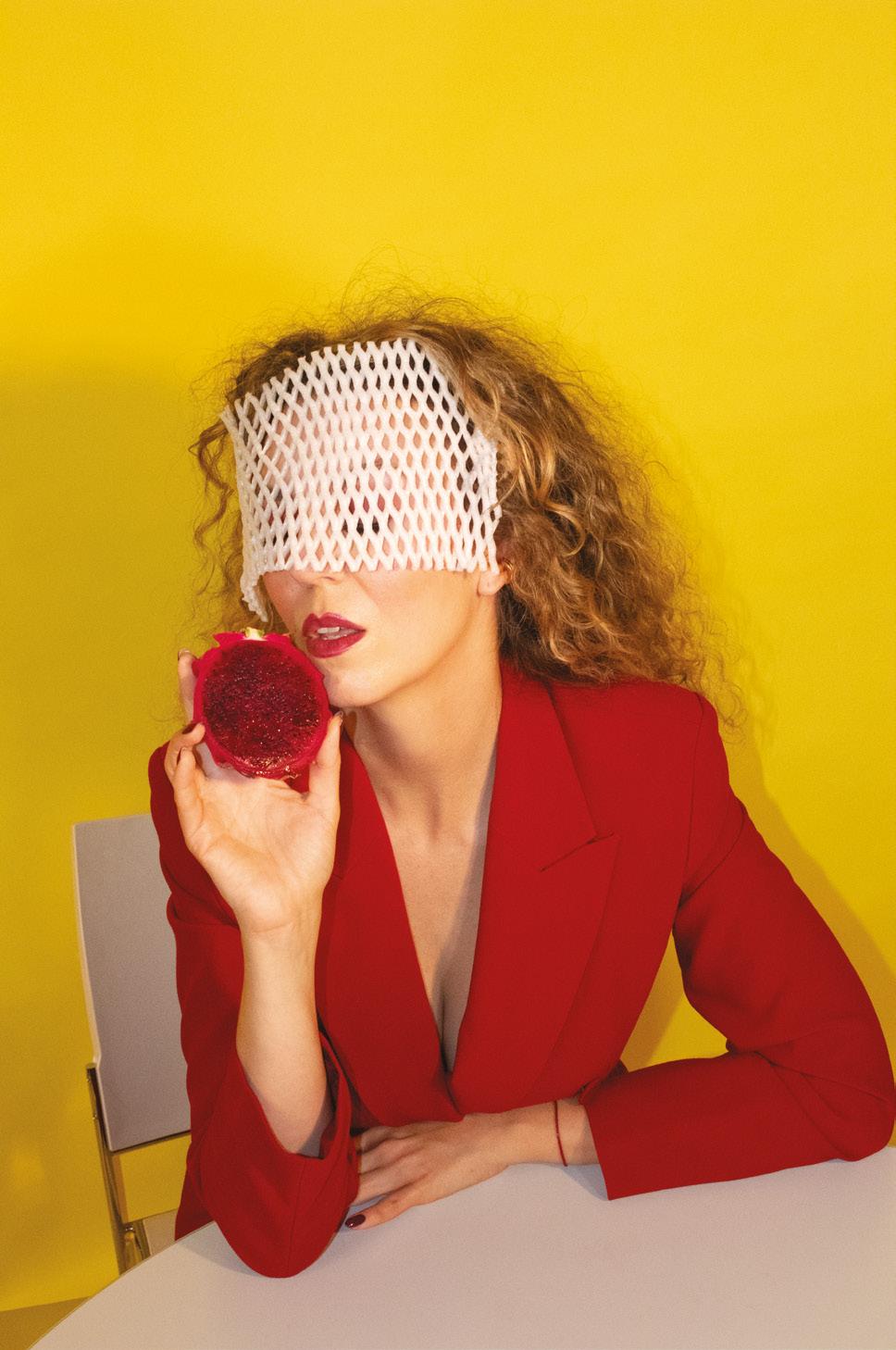
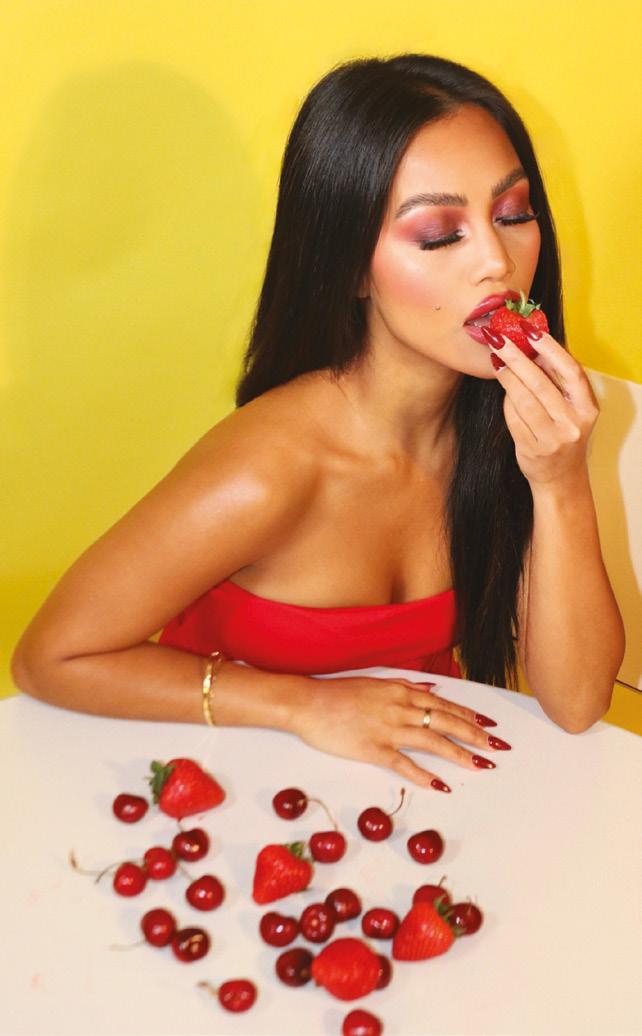
FRUITALISM
THE ART OF FRUIT AND FASHION
Stylist and Photographer - Flavio Silva
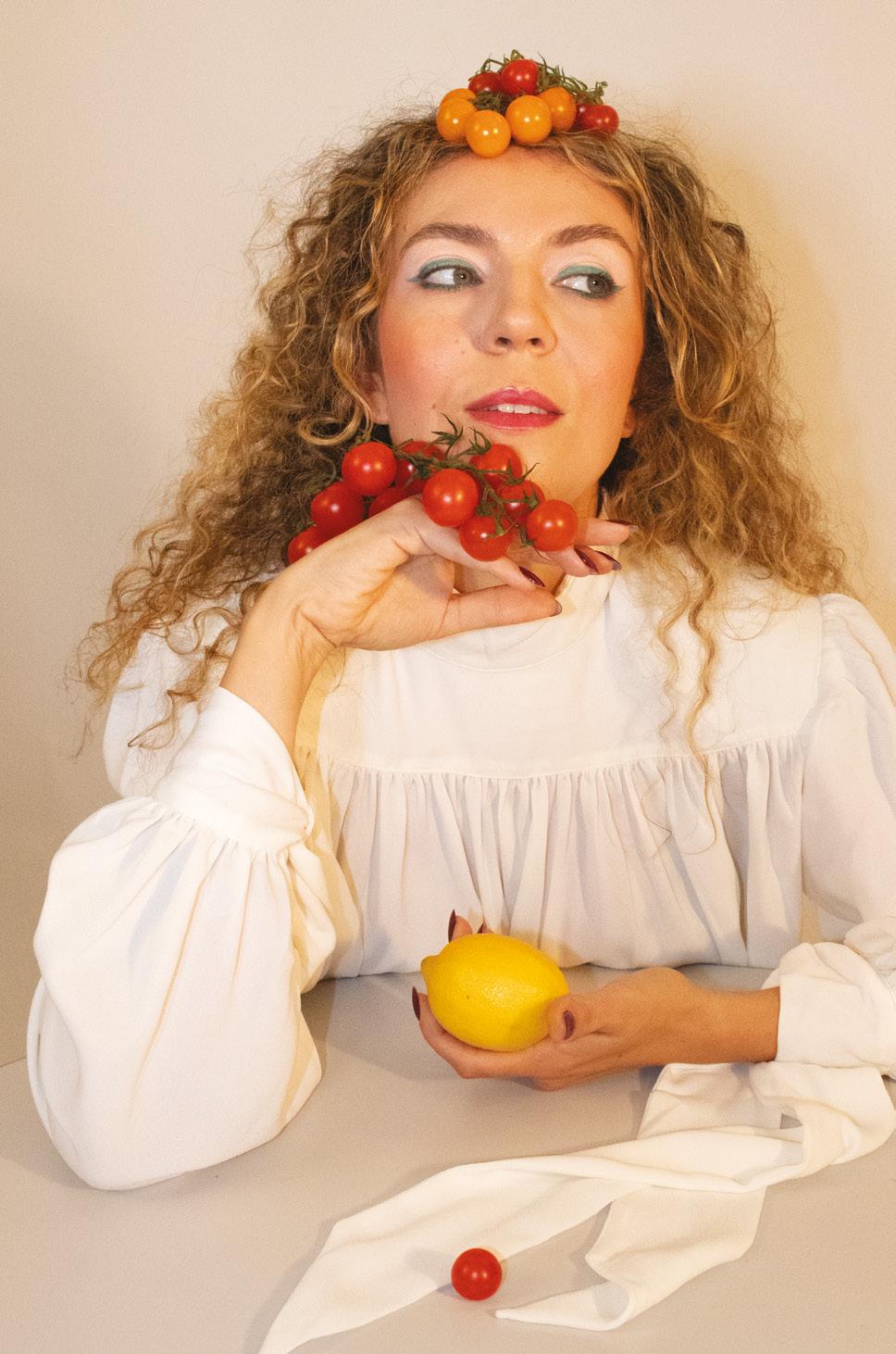
Top long sleeve - H&M Model - Helen Nazarenko
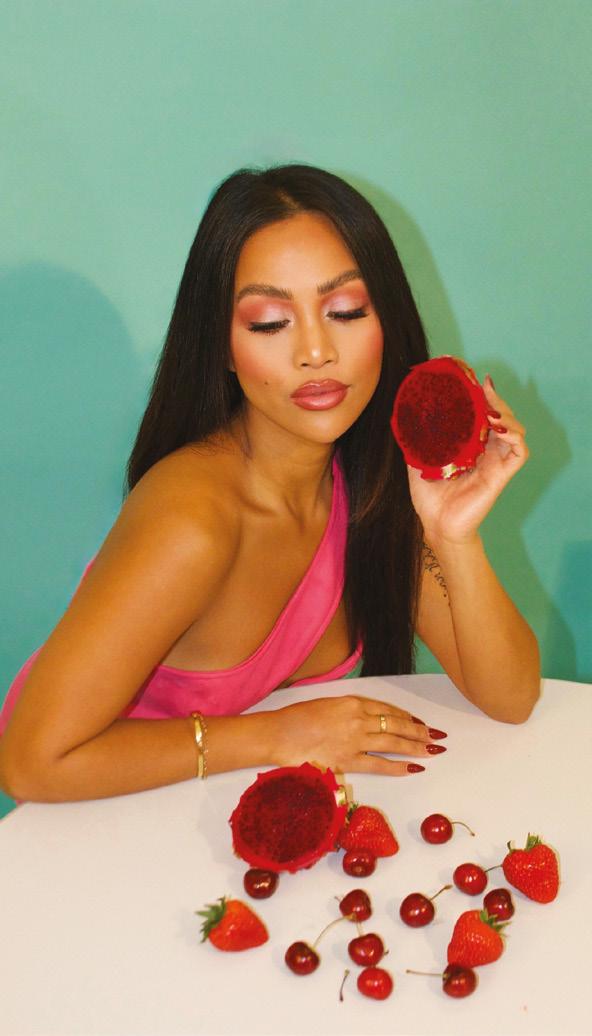
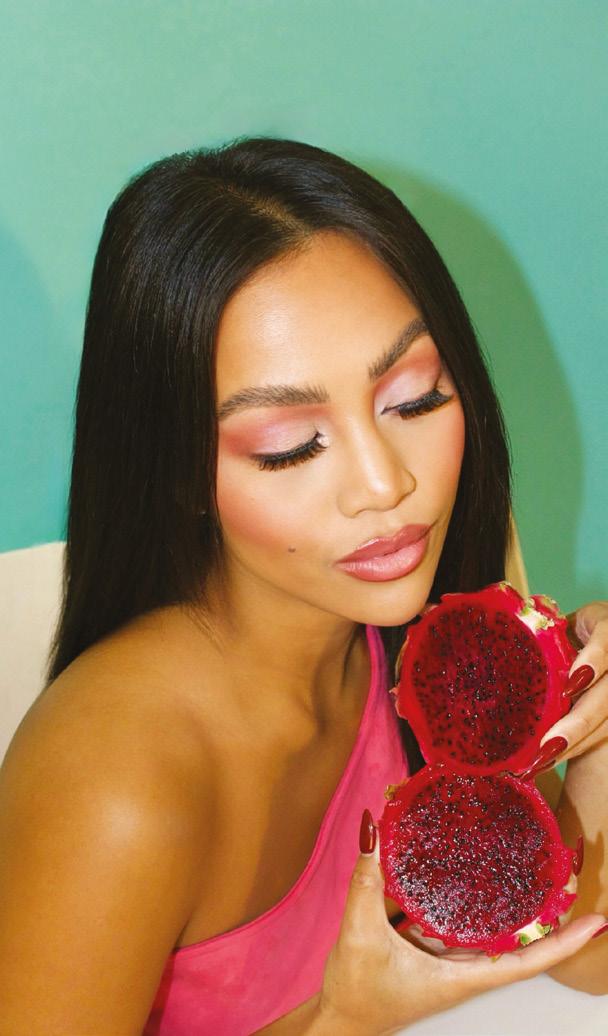
Dress - PLT Model - Lyka Monique
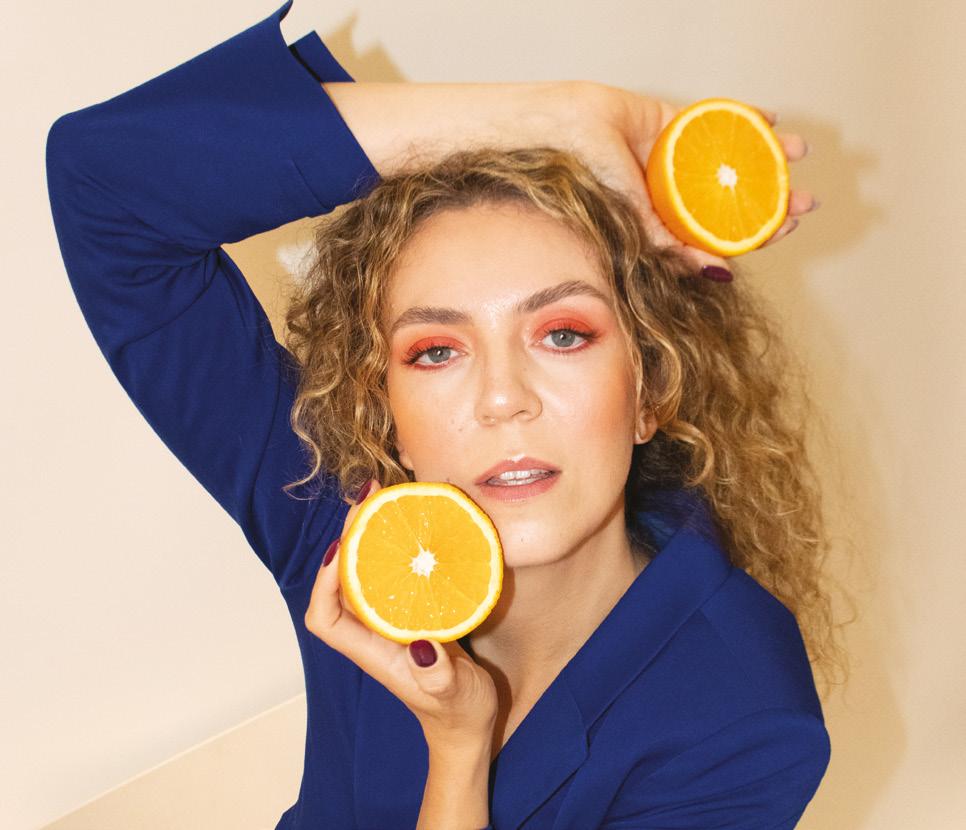
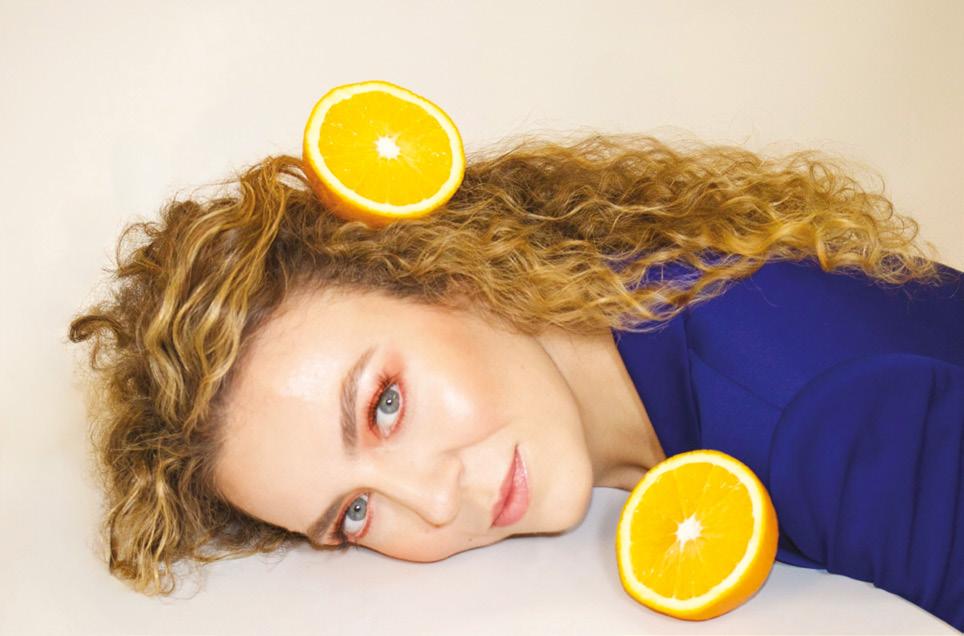
Model’s own outfit
Model - Helen Nazarenko
MEET THE PORTUGUESE SEAMSTRESS
Elisabete Paulo
Elisabete Paulo, born in Fundão, Portugal, began her career in the textile industry at the age of 13, and remains active in this area to the present day. She has been a member of the team of the prestigious designer, Carlos Gil in Portugal, for over 15 years. Carlos Gil is known for his unique style and has taken part in fashion shows in Milan, Lisbon, and Poland. For Elisabete the most gratifying part is following each step of the creative process side by side and watching it gain life and form. Define the relationship with the team in just one word – Family – a reflection of the environment full of unity and dedication that a person feels in each collection.
When did you figure out that you wished to pursue seamstress as a professional career rather than just a hobby activity?
At the beginning, I was simply looking for a job that could help me pay my expenses. But working beside a designer who is so committed and always gives his complete best has changed things for me. He passes that energy to the whole team, which is and feels very rewarding. That was what made me start loving sewing. It is more than just a hobby for me; I truly enjoy sewing and all the hard work and dedication that goes into the craft.
What were the most significant challenges you encountered at the outset of your career? Starting my career at 13 posed a bunch of challenges for me, the main one being my age and then experience. I feel like the most difficult challenge, at the start, was learning how to use a sewing machine. It requires a lot of concentration, and one little slip could ruin the whole thing.
Is the art of sewing difficult?
Yes, it is. You really have to love this area to understand it. Sewing requires a lot of patience and persistence, because things don’t always happen at the time or pace we want. And we always have to pay attention to the details that each piece needs.
Is there a specific type of piece that you particularly appreciate creating? If so, what is the reason?
The pieces I enjoy making the most are definitely blazers and coats. I always tell the people around me that a blazer is the architecture of fashion. For me, it’s a very versatile piece that looks good on almost any occasion.
Can you describe your experience working with various fabric types?
I’ve worked with loads of different fabrics and have had successes and failures along the way. I’ve made some mistakes of assuming that I can make the same product with different fabrics, but the results don’t always end up successful. It means that I really need to think and learn how to work with those fabrics so that in the end the product turns out how I expect it to look.
How do you ensure your garments are good quality and long-lasting?
I think the most important thing is the fabric. It makes a piece more durable, and it really adds to the overall quality. Then it just comes down to how much care and detail you put into creating and sewing the product so that, in the end, it turns into what you envisioned. Everything really does come down to the right choice of fabric.
How do you handle tight deadlines, especially during periods of high pressure?
Being anxious can get incredibly stressful for me, especially when the deadlines are tight. It always feels like such a race against the clock; the hours get eaten away so fast when I’m creating the pieces. However, with great effort and dedication, I’m always able to get it all done in due time.
Have you ever experienced a mistake that taught a significant life lesson?
It is a perpetual lesson, because there are always things
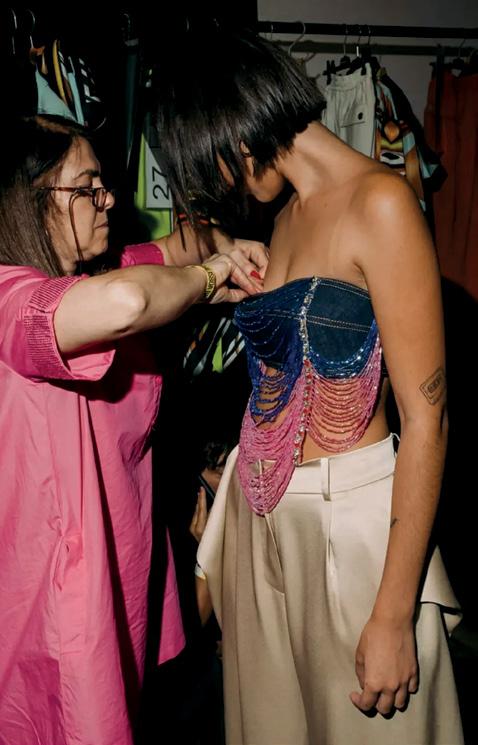
Elizabete at Lisbon Fashion Week 2025
to enhance and fix or unforeseen situations that occur in those moments, which, in the end, always helps me to progress. One of the most important lessons for me was to be attentive to details, because it helps to greatly enhance the outcome of each piece while demonstrating to the audience the care and dedication that I put into each creation.
How do you handle demanding customers or very specific requests?
It can be tough sometimes because all our pieces (creations) are one of a kind, so all our customers’ requests are unique and different, which is something understandable because this originality is our trademark. I always keep an open mind about all my (our) requests. My boss knows his clients very well, so that alone helps us all.
Has any customer’s response to wearing one of your creations significantly remained with you?
Yes, of course. There’s this one repeat customer I have who is always so appreciative of all the pieces she buys. She all the time shows how grateful she is for the joy that the pieces bring her. I remember all of her responses, and I can tell they’re always filled with love and happiness. I love it all the time.
a last touch-up, or we might need to switch the models for certain pieces. Everything happens very fast because the time frame is too short.
What has been the most challenging project of your career, and why?
All projects are challenging in their own way, but the most difficult one for me is Milan Fashion Week. The logistics are much bigger and the pressure is much higher, so the whole process becomes more intense. The collaboration with Carlos Gil.
When did your collaboration with Carlos Gil begin?
My collaboration with Carlos Gil started at a time when I was unemployed. I decided to send him a message on Facebook asking if there were any vacancies in his studio/ team, and luckily his answer was yes. Which made me very happy. Since then, we’ve been working side by side on all his projects, and it’s been now roughly 15 years.
“Blazers are the architecture of fashion”
How do you stay up to date with the latest fashion trends?
For my topic of interest, the internet is very useful because that is the primary resource for searching up trends. Also, collaborating with Carlos Gil is a big bonus. He keeps us updated and is always up to date with the newest trends.
When did you first attend a fashion week, and which season was it?
My first fashion week was in Lisbon. I was very dazzled because I had imagined something different, but seeing all the preparation, organisation and the last adjustments was an amazing experience. I do not remember the season, but it’s been a while. I always give my all to the people I work with, and I feel that fashion week is the moment where we can show to a bigger audience all the work we do as a team.
How would you describe the work environment in the days leading up to a runway show?
The days before a runway show are full of adrenaline, stress and a bit of nervousness. But at the end of each show, the feeling is very rewarding. Still, the mental and physical tiredness is always there, especially for me, because I’m a very anxious and nervous person. Even so, the final result makes all the effort worth it.
In your opinion, what do people not realise goes on behind the scenes at a fashion week?
The public has no idea of what really happens behind the scenes at a fashion week. The backstage is crazy in every way. Sometimes there are unexpected problems with certain pieces; for example, a pair of trousers might end up too short or too long for a model, some pieces might need
What do you admire the most about his style or creative vision?
I admire both his style and his creative vision. Since we’ve been working together for a long time, we’ve ended up influencing and shaping each other in our own ways. I think that combination is what makes the work so special and why the brand is such a success, and his personal view on fashion.
What does fashion represent for you in the most personal sense?
I’m not really into following trends or keeping up with what’s new in fashion, but it is something I really enjoy. I love how we can be ourselves and be really free in how we decide to express ourselves. We can even express our emotions or moods through our outfits. It can be by putting together an outfit with different colours or a distinct combination of fabrics. All of this explains how I feel about fashion on a very personal level.
In your own view, how important is artisanal work in a world that is being dominated by fast production? Artisanal work is important in the world of fast production because of its uniqueness. It keeps the craft and the habit of manual technique creation alive. It makes each work/ creation one of a kind. In fast production, which is very industrial, each work is the same, and you can see there is no creative spark.
What words do you have for all the young seamstresses wishing to join the fashion industry? Put love into the work you do, and do it with passion and dedication. In this industry, you have to be persistent because it’s a profession that’s always changing and growing. Sometimes things (life) will go wrong, but you just have to keep moving forward and always be positive! You might get rejection in some cases, but new opportunities will always come up. Move with the flow and be ready for any new opportunities.
by Flavio Centeio
Claudia Skoda
Interview by Quinn Kohlhoff
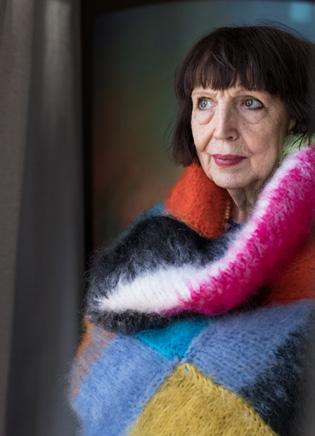
At the age of 83, the self-taught knitwear designer Claudia Skoda reflects on her five-decade career. In this interview, she discusses her turbulent life, the highs and lows of being a designer, and having her own fashion brand. She talks about feeling the need to move away from designing and explore other forms of art for a while, going international, and building a recognisable brand and customer base.
Can you introduce yourself in three sentences please?
My name is Claudia Skoda, I am a fashion designer, self-taught, used to be an editor, and I got into fashion by making things for myself that attracted a lot of attention in the late 1960s and early 1970s, which then led me to my later career as a fashion designer specialising in knitwear.
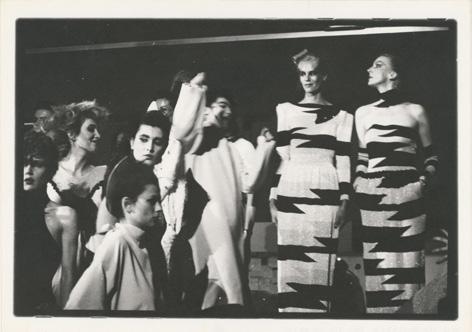
How or when did you decide to turn it from something you produced just for yourself into a brand that produces for sale?
Because the clothes I made were very eye-catching, we were featured in the press a few times and then I couldn’t keep it a secret anymore, so I had to start a company, which is synonymous with branding, and the name Claudia Skoda became a fashion brand. Ever since 1975.
Was it a conscious decision to focus on knitwear and stick with it?
Yes, it was a very conscious decision. I discovered it as my medium because my father was a master tailor (really old school) and I often visited him in his workshop and thought, no, that’s not for me. So I thought I’d try knitting something, and it turned out to be so special and unique that I thought, this is exactly my medium, I can express myself well with it,
and that’s actually remained the case to this day. Of course, I’ve done other things sometimes, but I’ve always stuck with knitting, quite deliberately.
Was there a highlight in your career?
Several. One highlight, for example, was my time in New York, where I had a shop for over five years. That was such a highlight that I then realised where I stood with my brand, how it should be classified, how people, i.e. an international audience, judged it. That was very important for me. Besides, it was exciting to be in New York, which I would definitely describe as a highlight in retrospect.
Would you say there was also a low point?
Yes, there are always low points in fashion, and that was the case in the 70s or early 80s, for example, when knitwear was so trendy and everyone started knitting. Even the Green Party members in the Bundestag were knitting jumpers, and I thought, ‘This is terrible, ’ and I wanted nothing to do with it for a while. Then I started making a bit of music and even released an album, but somehow I ended up going back to knitting.
Has the knitting trend died down again?
Well, let’s put it this way, I helped spark the trend, you could say, by making knitted items that didn’t exist before, not just jumpers, but everything. Dresses in particular, that was my strength, and today you can’t imagine a collection without knitwear, so it is thanks to my efforts that knitwear has become totally integrated into fashion. It’s impossible to imagine life or fashion without it now, which wasn’t the case before.
Do you mainly produce with the help of machines or do you still knit by hand?
Well, both. In previous years, I only knitted by machine, but now we also do a lot by hand. At the moment, I’m even crocheting, so that’s a whole new direction I’ve taken, as long as it’s wool or yarn I will experiment with it. In the home textiles sector, I’m currently making blankets, cushions and so on, and I actually make all the prototypes myself by hand before they go into production.
it was exciting to be in New York
How would you describe your process from design to production and then to sale?
Well, I’ve been around for 50 years now, which is quite an achievement for a self-taught person to keep a company going for over 50 years. A small company, but at least it still exists and there are
Photograph Amelie Losier
Photograph Rüdiger Trautsch
still customers, albeit fewer and fewer, because the competition is fierce and growing, especially the cheap offers. So, the fact that they can knit things in other countries, even by hand, that you couldn’t produce in Germany at all, means growing competition. The layman doesn’t notice that the quality is much worse, he sees something nice, colourful and knitted and thinks, I’ll buy it. And it might cost a fraction of what you would pay if you bought it from me. And that is, of course, a problem that has become much more acute in recent years.
but still in her own style, which I think is really great. She’s probably not well known internationally or in Scotland.
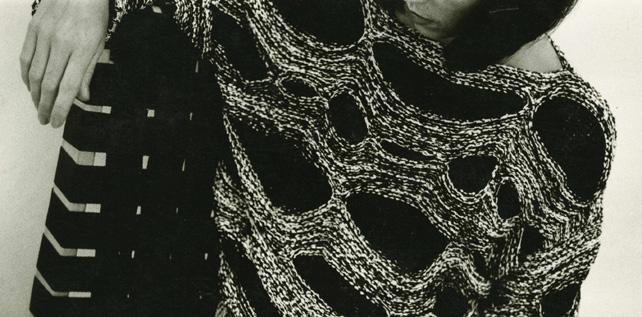
Internationally, it used to be Cher, from Sonny and Cher, whom I always thought was great, and for men it’s very different, there are lots of them, too many to list here. Since we create a lot of fashion for men too.
What sets you apart from other brands or fashion designers?
My own style, which is very distinctive. Anyone who has seen my work can immediately say: that’s Skoda. And it’s not somehow copied from other designers, but rather I have really developed my own style, so to speak, and it is recognisable, and that is also an art and achievement, to maintain that over the years.
Do you find inspiration in other people, brands or nature, or are you your own inspiration?
You could say I draw inspiration from thin air, so to speak. In earlier collections, I always had my themes, I would look for a theme to work on, and that theme often had nothing to do with fashion. These were themes where you think, what kind of theme is that? How can you translate that into fashion? But that was always the challenge and excitement for me and also always the common thread around which many of my things developed. It went so far that people thought, where did she get that from? Why is she doing that? And that’s part of my style.
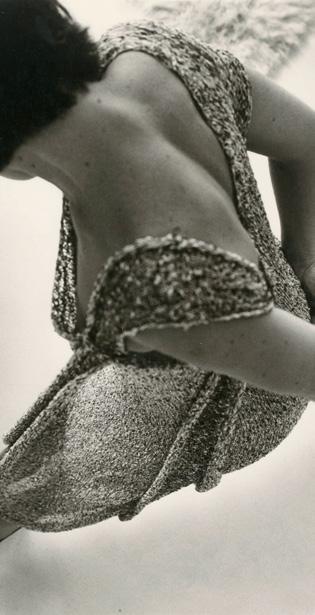
Is there anything you would like to be remembered or recognised for?
The fact that I was always involved in multimedia on the side, I also did other things. I was an actress, then I was a musician, and then the fact that I collaborated a lot with other artists, and so that’s probably a bit of a hallmark of mine. And also the exhibition in Berlin, in the Berlin gallery, where you could see that too. Yes, and the fact that I ended up in the museum, in one of the the state museums in the capital, which have purchased all my documents and photos, means that I will probably not be forgotten.
Since you started doing fashion, has your approach to your projects changed, or do you still do things very much the same way as you did at the beginning?
I’m very spontaneous, I get involved in lots of things, but I never lose sight of the fact that it has to be unexpected, there always has to be an aspect that hasn’t been seen before in this form, even if it’s sometimes very simplified or very challenging, but that’s my approach.
...it is thanks to my efforts that knitwear has become totally integrated into fashion.
Is there anyone you would like to see wearing your fashion in public?
For women’s fashion, Lisa Eckhart, who is a poetry slam cabaret artist who is now very well known and very intelligent, and my absolute idol, and of course she always appears in amazing clothes, not exaggerated in the sense that she is overdressed, but they are very erotic and sexy
How do you feel when you look back on your career and then look to the future?
I’m now 83, which is quite an age, and I would say that my life has been very turbulent. Through my profession, I have met many artists and interesting people whom I would never have met if I hadn’t had this job and career. So, fashion is also a medium of communication and recognition. When you present yourself there and people are interested, you notice that there are similarities and points of interest and that people simply find it interesting.
Photographs this page Silke Grossmann
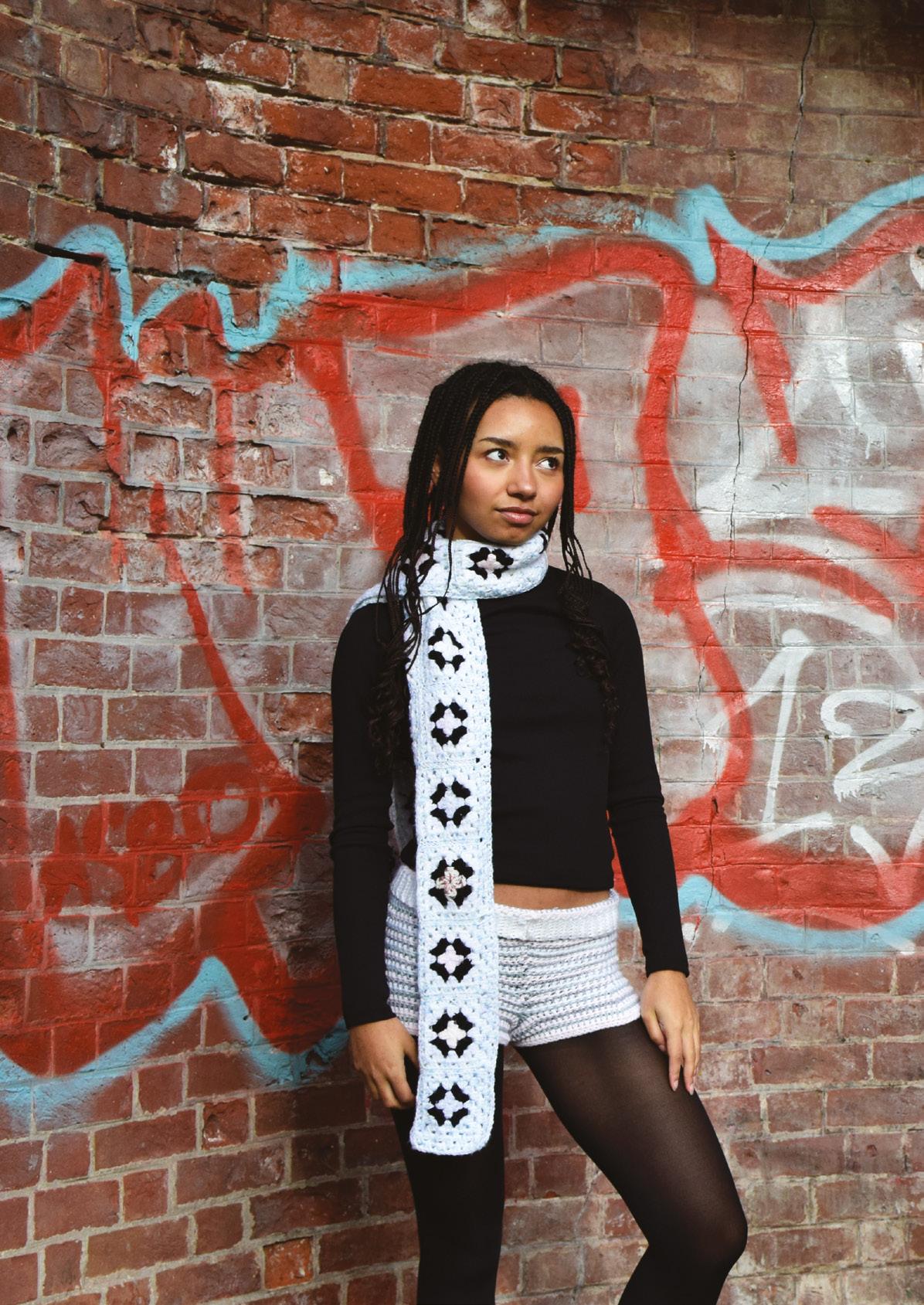
Photographer and Stylist: Arianna Castillo
Assistant Photographer: Aon Shah
Models: Daniella Arndt, Karina Sood
Location: Bon Accord Terrace Gardens
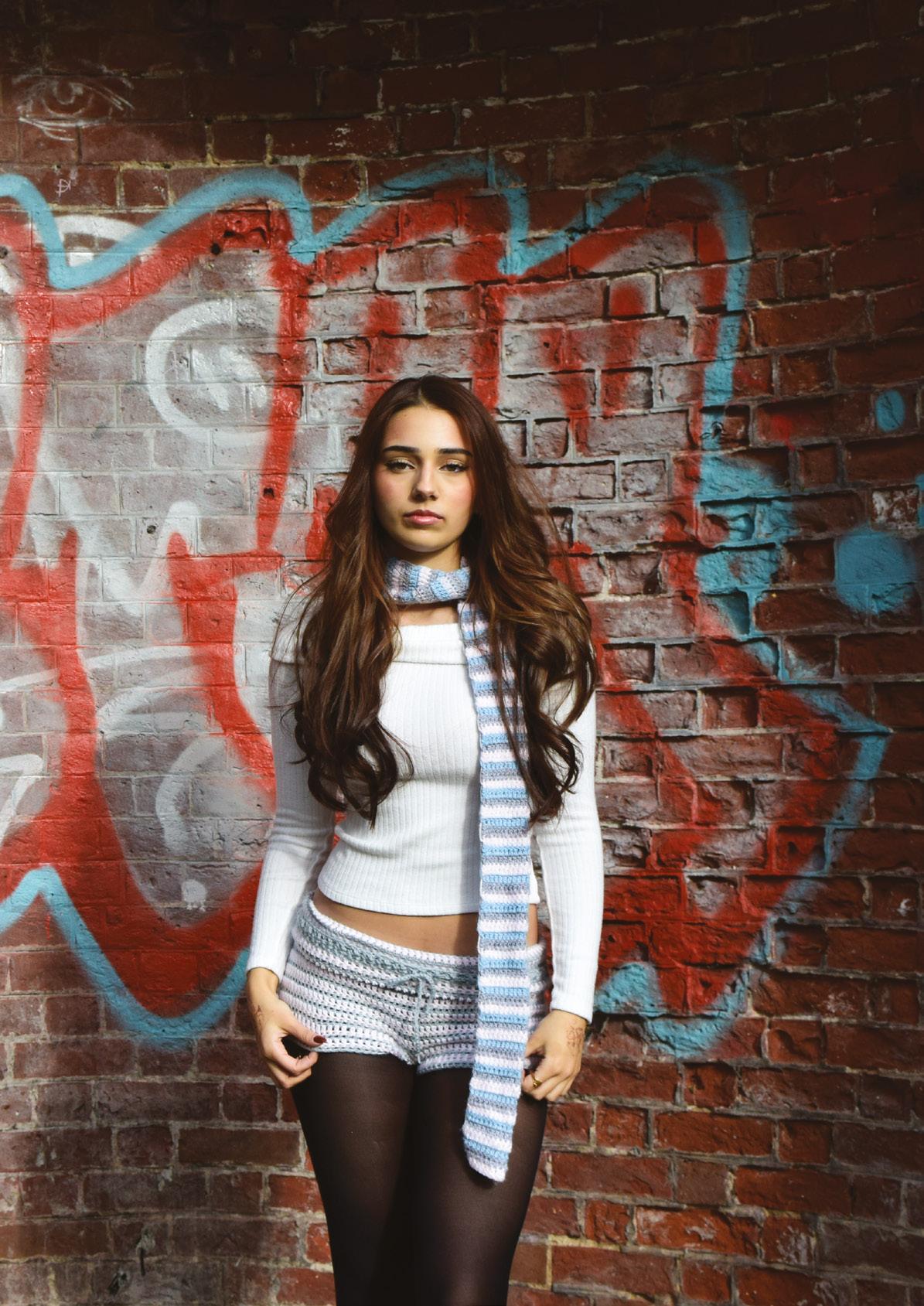
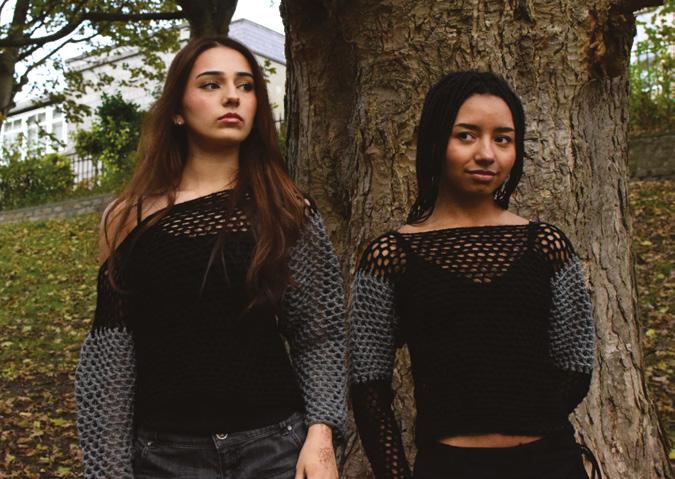
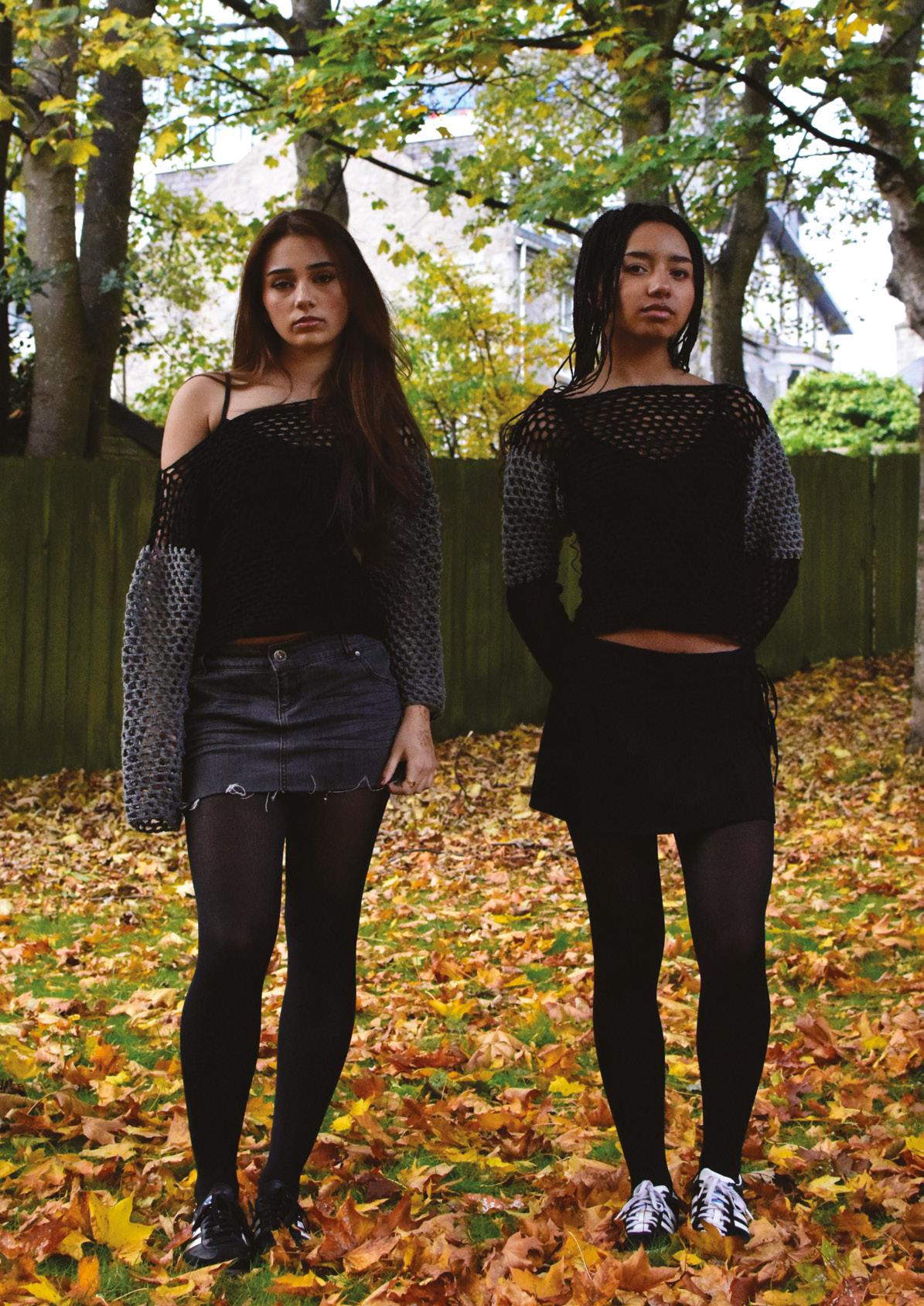
Hooked
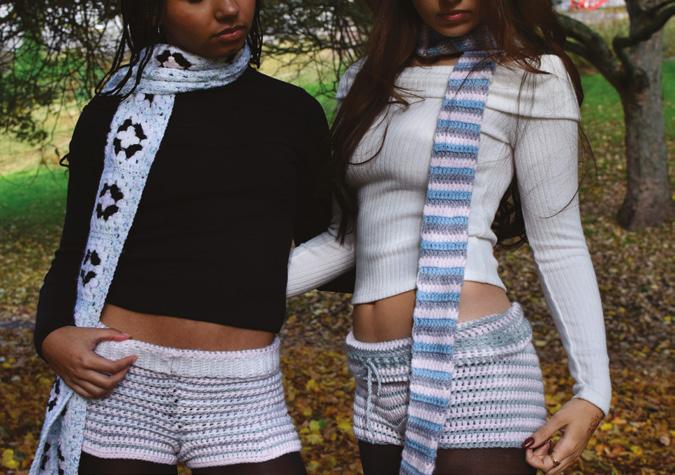
All items labelled as crochet are made by Arianna Castillo
Shorts: Crochet
Scarf: Crochet
Tights: Primark
Shoes: Adidas
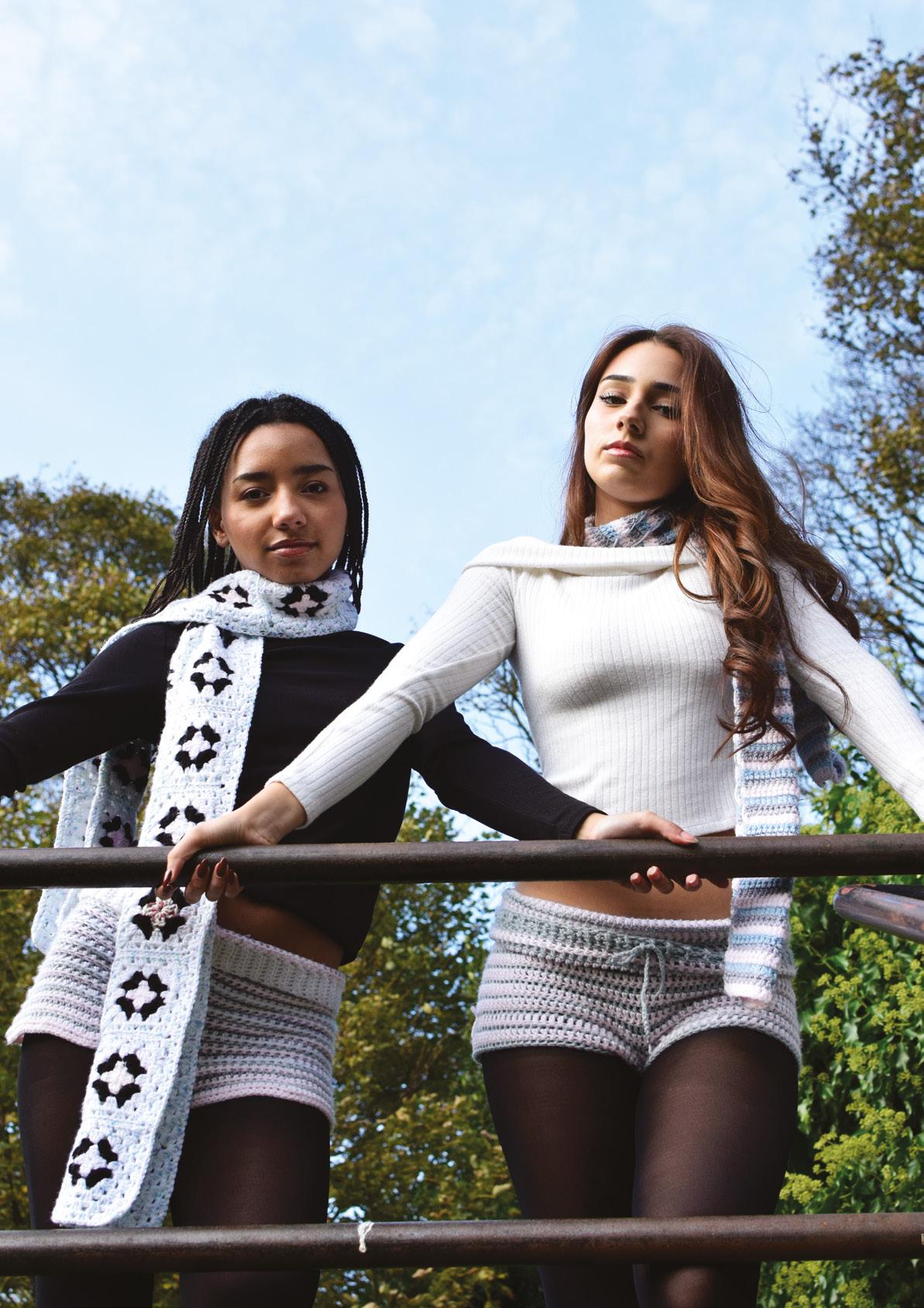
Shorts:
Scarf: Crochet
Tights: Primark
Shoes: Adidas
Top: New Look
Top: Stradivarius
Crochet
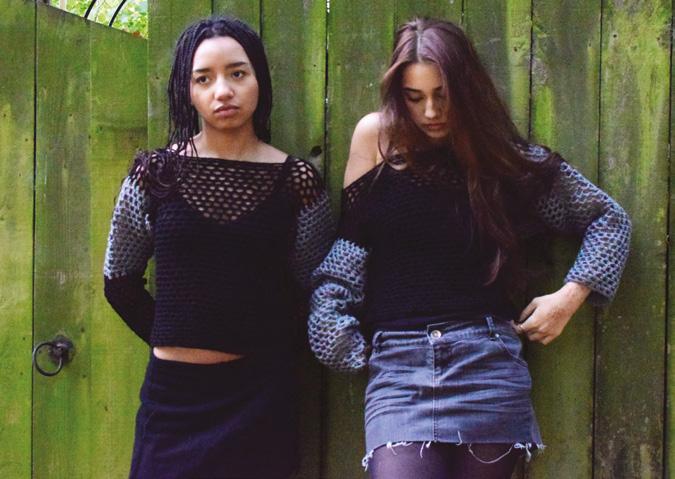
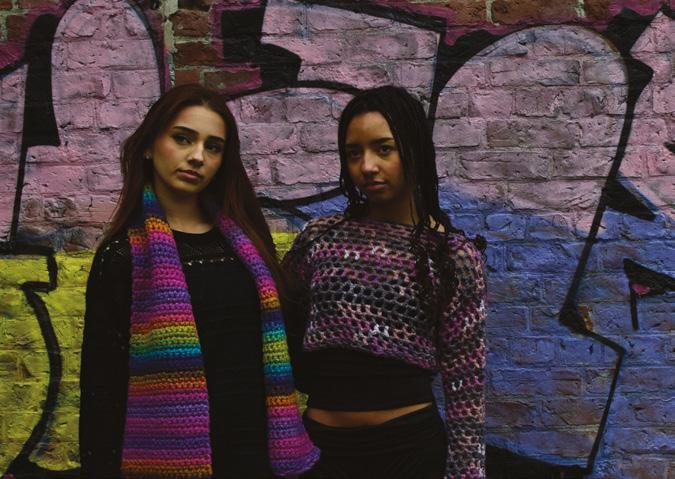
Top: Diversion
Shorts: H&M
Tights: Primark
Scarf: Crochet
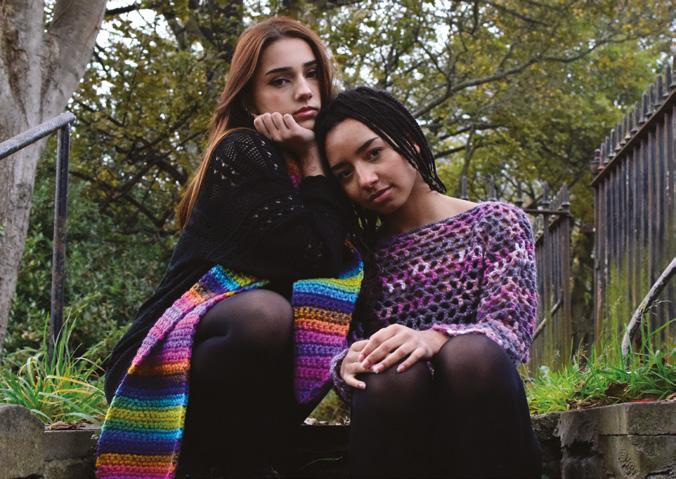
Right:
Top: Crochet
Shorts: Primark
Tights: Primark
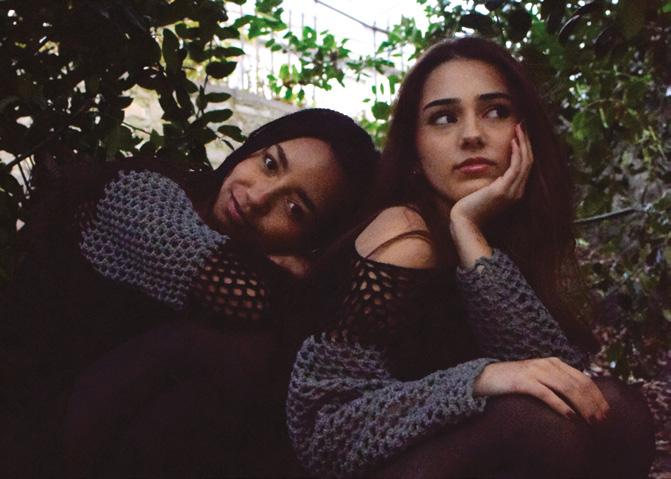
Left:
Tank Top: H&M
Tank Top: H&M
Top: Crochet
Skirt: Primark
Tights: Primark Shoes: Adidas
Tank Top: Tu Top: Crochet
Skirt: Stradivarius
Tights: Primark Shoes: Adidas
The Future Of Fabrics
Weaving a Greener Future In Fashion
Isla Coull
The fashion industry, once celebrated and renowned for creativity, talent and self expression, now faces tough barriers regarding the current state of the environment. As consumer demands for inexpensive and easily accessible garments increases, so do the unfortunate hidden costs. Textile waste, expanding landfill mountains, worker exploitation and many more. But can anything be done to limit such damage?
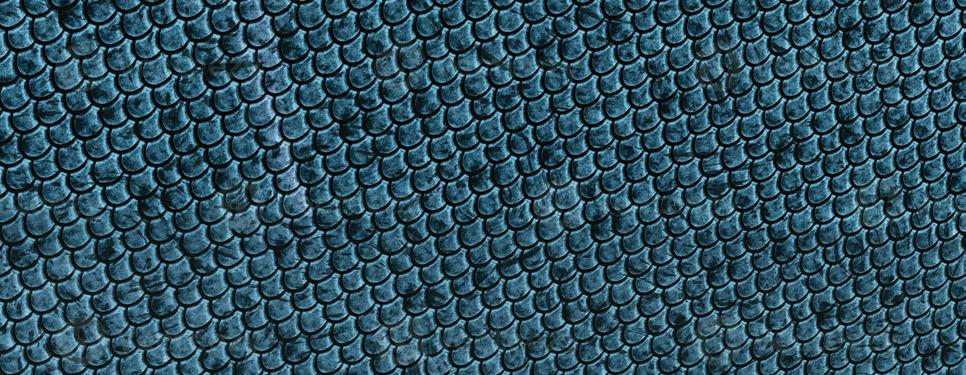
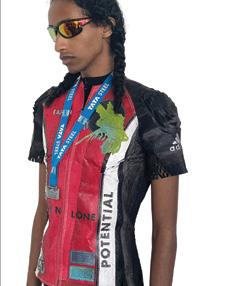
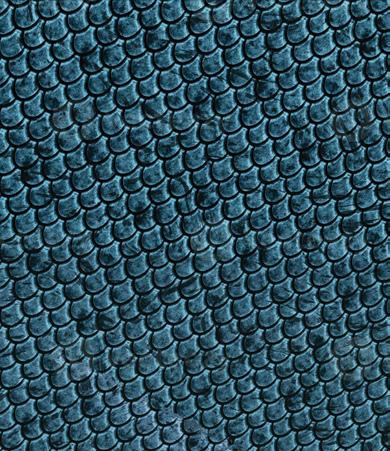
Discussed within this article are the steps society can take to make a change, as well as the rise of alternative innovations of textiles and ethical practices. Will we witness the comeback of traditional textile production? Take for example, fish skin leather, which is slowly but surely being introduced by upcoming designers such as Isabelle Taylor. Could this potentially chart a viable path forward?
“FOCUS
surge of ultra-fast fashion companies such as Shein - an online fashion store who produce over 6000 new styles to their website everyday giving their customers the ability to now purchase items faster, cheaper, and more conveniently than ever before (Lin, 2022).
In general, 1.92 million tonnes of textiles waste is produced every year, with the prediction that the apparel industry’s global emissions will increase by 50% by 2030 according to Igini (2023).
ON STYLE, NOT FASHION”
The textile sector, especially within the fast fashion industry, relies heavily on synthetic fibres derived from fossil fuels, and with such a grand portion of the clothing either ending up in landfill or being exported to countries that lack adequate waste management infrastructure – there seems to be little optimism for a mainstream sustainable textile rise.
The data is blatant. The global fashion ecosystem produces alarming and increasing volumes of garments each year, of which most are worn only a few times before being discarded.
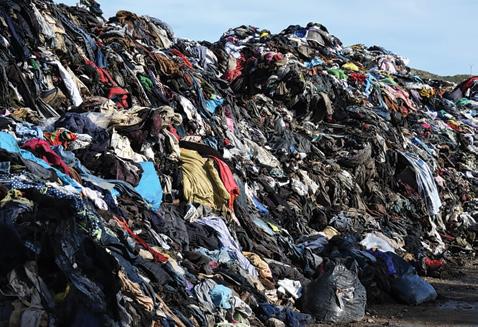
According to Ian Palmer from Wrap, an environmental NGO, one whole quarter of an adult’s wardrobe has not been worn within the last year. So why do consumers feel the need to continue purchasing new garments?
One clear contributing factor towards this epidemic may be the
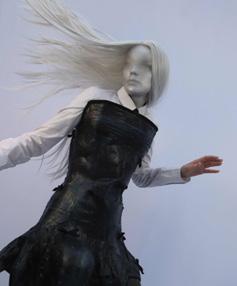
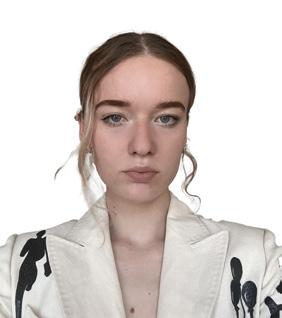
However not everyone has lost hope. Isabella Taylor is a designer graduate from The University of Edinburgh whose work is dependent on her enthusiasm for the unique practice of creating fish leather. Using discarded fish skins donated by her local fishmonger, Isabelle constructs expressive and inventive pieces, turning what could be waste into art.
Interestingly, the practice dates to centuries ago. Examples include Arctic societies along rivers and coasts, specifically Inuit, Yup’ik and Athabascan of Alaska and Canada - as well as the Icelandic tradition of using catfish leather to craft shoes.
I spoke to Isabelle after discovering her on TikTok to find out what inspired her to learn such a fascinating process for her designs.
What first drew you into working with fish leather?
How under-explored/over-looked it was as a textile in fashion really intrigued me. Fish are my favourite animal, and I think their skin is incredibly beautiful, so it made no sense to me why we wasted so much of it, especially when fashion is so desperate for more sustainable materials.
After some initial research into making fish leather, I realised it was very accessible to get started so there was no reason not to try myself, especially as I lived next to a fishmonger at the time of starting (initiated by a sustainability project at university).
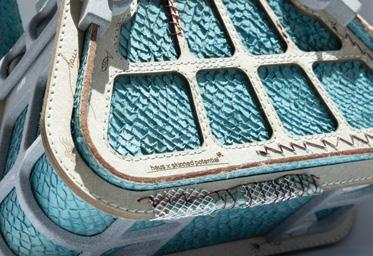
Oliver Haus X Skinnedpotential
Images provided by Isabelle Taylor
Can you walk me through the process of how fish leather is made - From waste product to finished fabric?
I collect the skins from local fishmongers, remove flesh and scales, clean them with a few different cleaning methods to remove oils and unwanted parts of the skin. Then I lime and then tan them using a vegetable or chemical tanning process, depending on what outcome I’m aiming for (in terms of flexibility, strength, amount of tanning versus preserved parchment).
Then I dye them using any dye process that works best for the application of the textile, sometimes acid dye, cold-water dye, or natural dye - just anything that gives a good outcome for the intended colour. I either pin the leather to be dried or drape them for sculpting. The flat pieces I will stretch and oil to make flexible before sewing into panels to make into garments/larger pattern pieces.
How does fish leather compare to traditional animal leathers in terms of texture, durability and sustainability?
Fish leather has a high collagen percentage to many other leathers including cow leather, so it tends to be firmer/less flexible as the collagen fibres are super interwoven. However, this makes it very strong and has a higher tensile strength to cow leather (up to 9 timesstronger).Fishleathercanbemadetobeflexiblewithcertain tanning and stretching/oiling processes. Fish leather is also more sustainable to make than cow leather as the liming process is a lot lessharsh(chemicalwise),ascowandmanyanimalskinshavehair which need to be dissolved off with harmful chemical solutions, but fish skin just has scales which are mechanically removed (doesn’t require an acidic solution). I’m not familiar with other types of animal leathers so I’m unsure how it compares to them. But leather is a great way to utilise any animal skin to prevent it going to landfill and thereby, creating toxic water streams and disease, and a massive wastage problem.
What challenges do you face in sourcing fish skins – is there enough supply for it to become more mainstream?
First off, you need enough freezer space to store the collected fish skins, if you aren’t able to prepare them all on the day of collection. You just need a fishmonger or collection of fishmongers that are willing to donate or give you their waste skins (maybe for small fee), and that depends if they have freezer space to store them in their building and maybe other factors too. I’ve sourced from factories before, but they don’t need a way to utilise waste as many large factories already have a system in place like sending their skins to biofuel or low value products like pet food. It’s mainly smallerbusinesses,thatdon’thaveasysteminplacetoutilisewaste skins, other than the council collecting them for incineration.
Have you ever encountered stigma or misconception about using “fish” as a fashion material, and how do you challenge that perception?
Yes,mostpeoplehaveaweirdconnotationwithit,especiallyasfish smell so strongly. However, fish leather is a completely different textile to raw or cooked fish. Everything is removed other than the collagen, so these misconceptions don’t make sense that it is smelly or gross. I don’t mind too much if people have the wrong idea or don’t vibe with it, as I’m not making things commercially at the moment. So I quite like a bit of backlash as an artist, as it makes me feel more of a punk. However, commercially it would be a problem so it would be important to do a lot of marketing and education to get people to buy it.
What do you think the fashion industry needs to change most urgently to address fabric waste?
I think we need to do a made to order business model more often, so companies don’t make way too many garments that just go to landfill. Also, industries should work in a cross disciplinary way to reducewaste,justlikefashionworkingwiththeseafoodindustryto use fish skins. I’m sure if we looked elsewhere, there would be lots of material useful to fashion in other industries to reduce waste.
Fish leather in the market may appeal highly to consumers looking for sustainable garments, however, do you see conflict with those consumers with strong animal ethics, for example, the vegan community?
Many vegans don’t mind it as they appreciate sustainability but there are many who do mind it too. The aim isn’t to please all people, but just those who are interested. We need a diverse range of fabrics available to use to be sustainable, so we keep quantities down, and using resources local to us; as opposed to a small range that leads to mono-forestry and then a reduction of biodiversity. And then consumers wear whatever fabric they align values with. We don’t need every fabric to be pop-culture, we just need solutions for when they are necessary.
What message do you hope your work sends to both designers and consumers?
Just buy second hand the majority of the time and only buy new things when it’s necessary. Focus on style not fashion - use what you have in different ways to create new things.
Isabelle’s work with fish leather offers a refreshing reminder that innovation does not only have to mean invention, but also reimagination.
By turning what would otherwise be discarded into something enduring and unique, designers, like Isabelle, not only challenge our perceptions of waste but also redefine what the future of textiles looks like. Who knows - maybe fish leather will become the next new trend.
“WE DON’T NEED EVERY FABRIC TO BE POP - CULTURE”
Designer, Isabelle Taylor
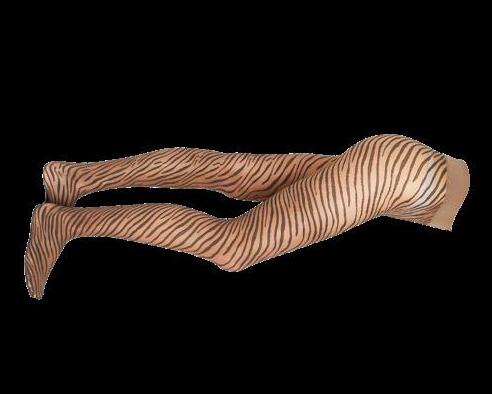
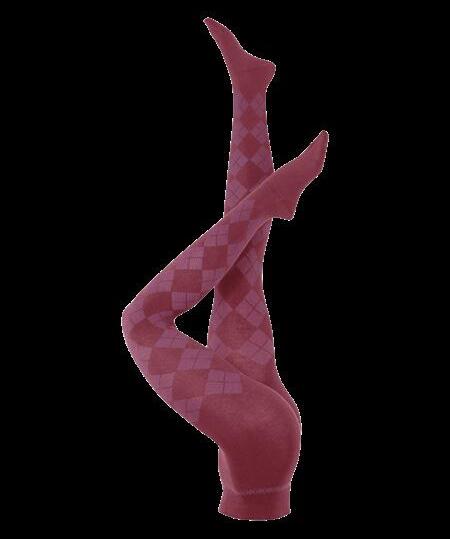
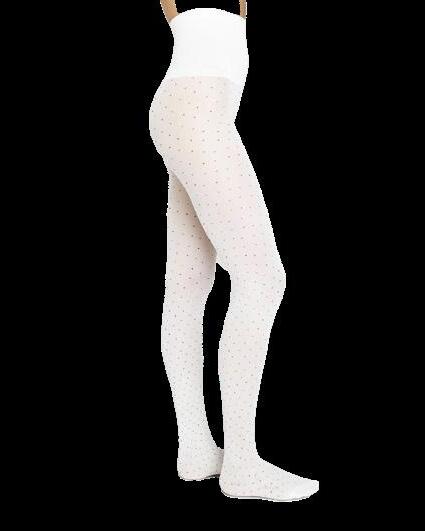
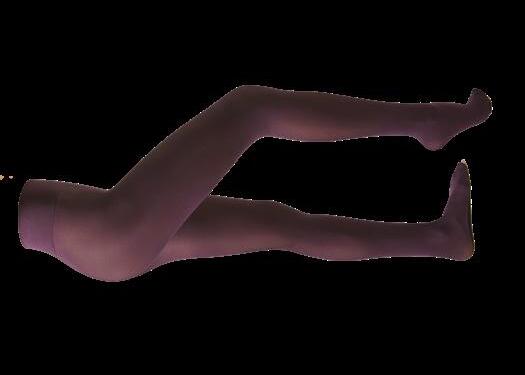
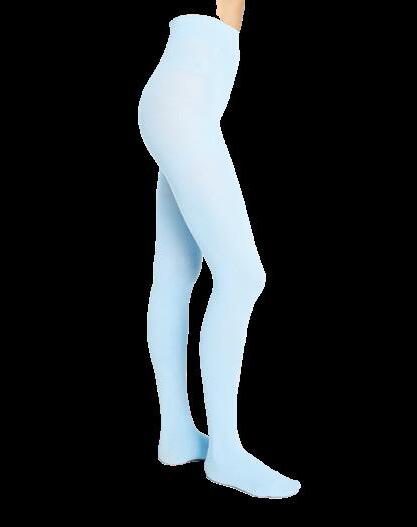
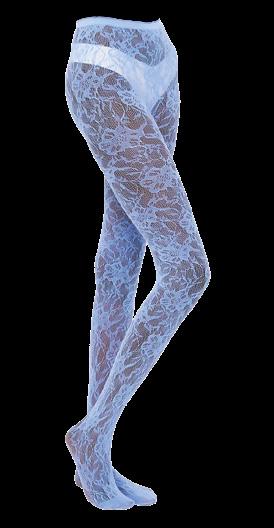
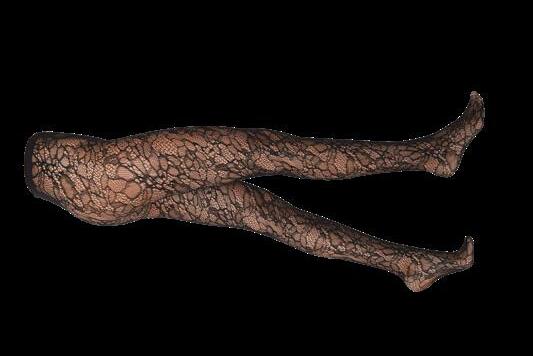
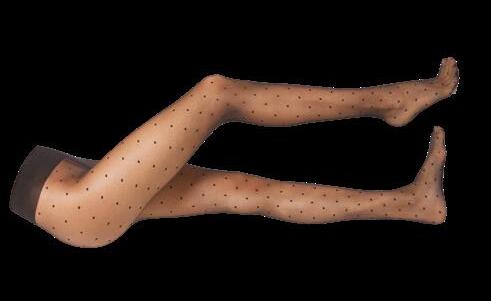
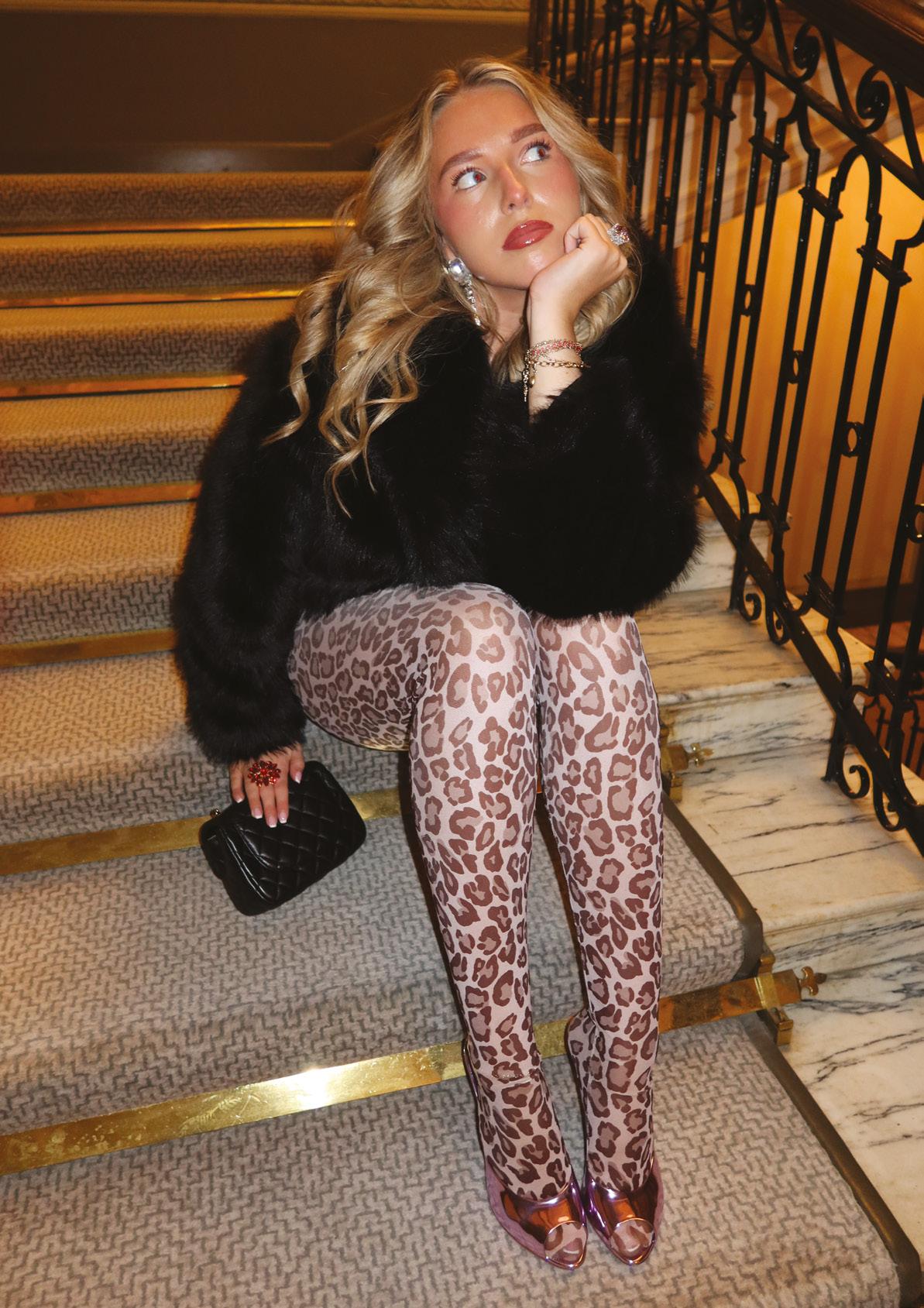
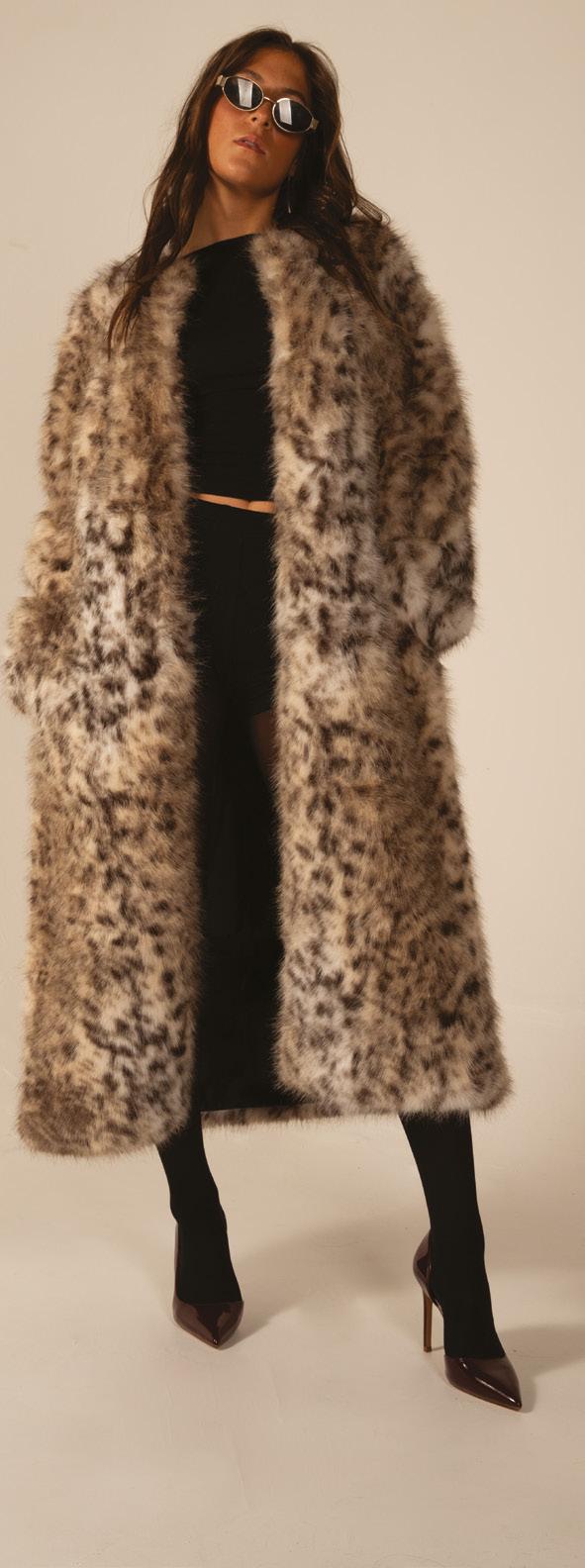
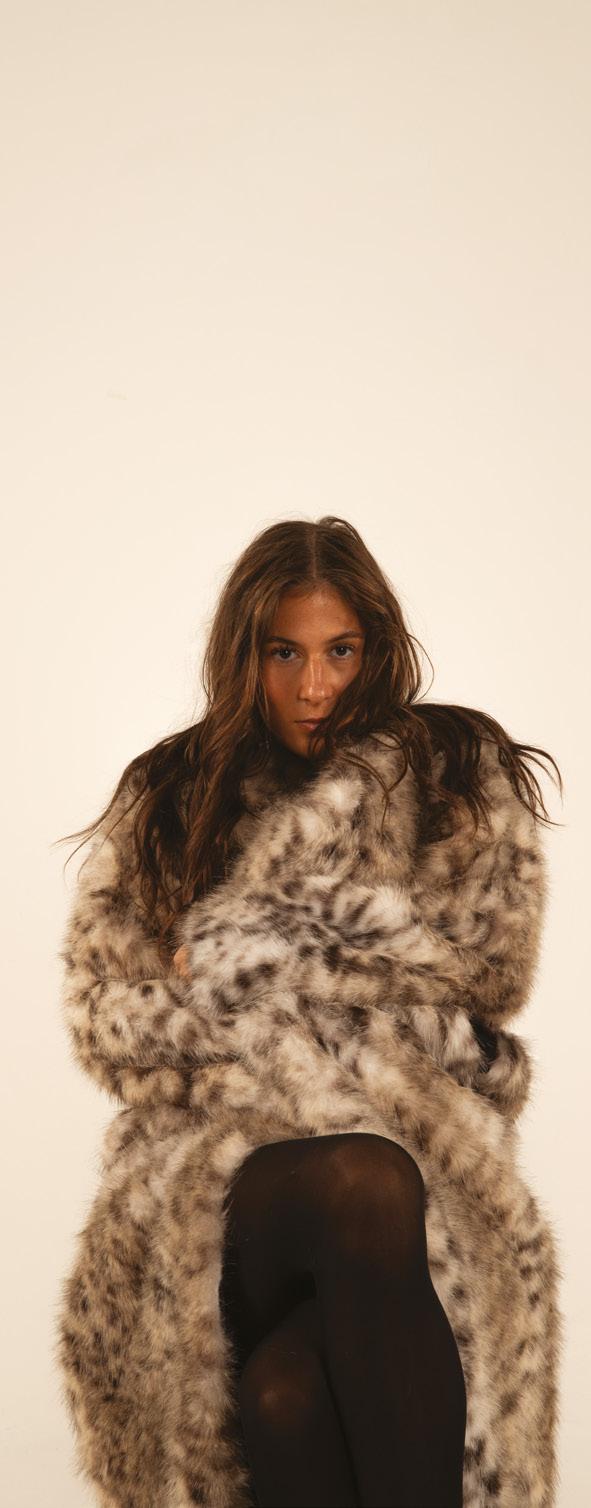
Leopard Luxe
Quiet confidence, fierce detail - the art of statement luxury.
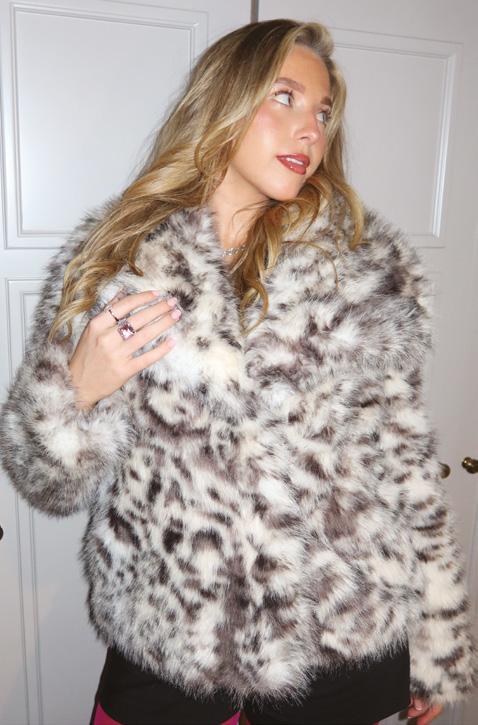
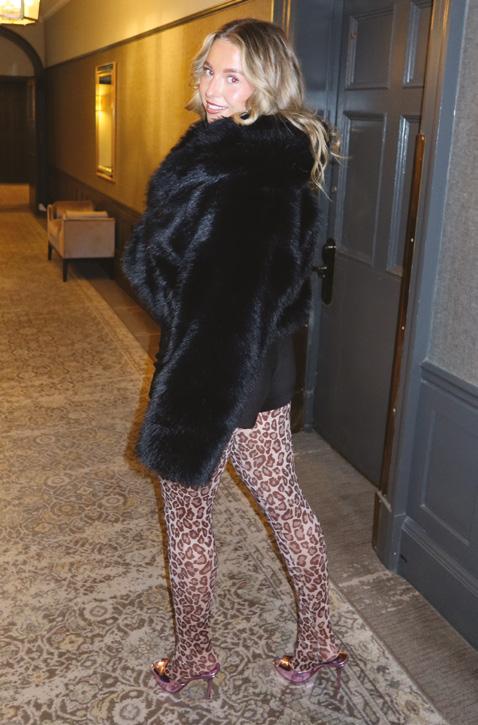
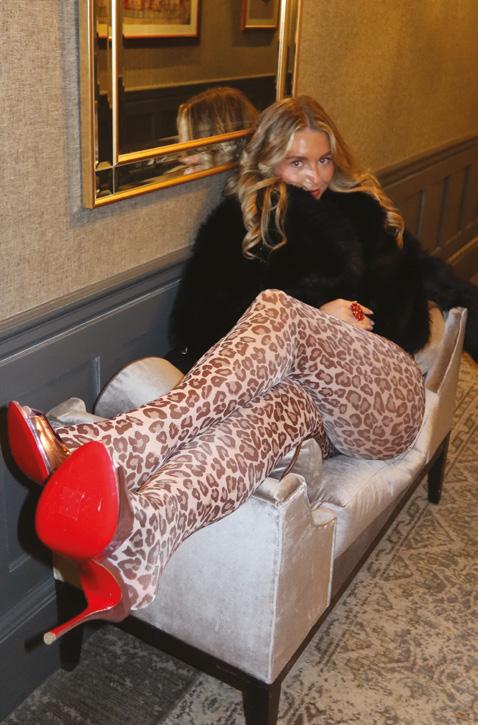
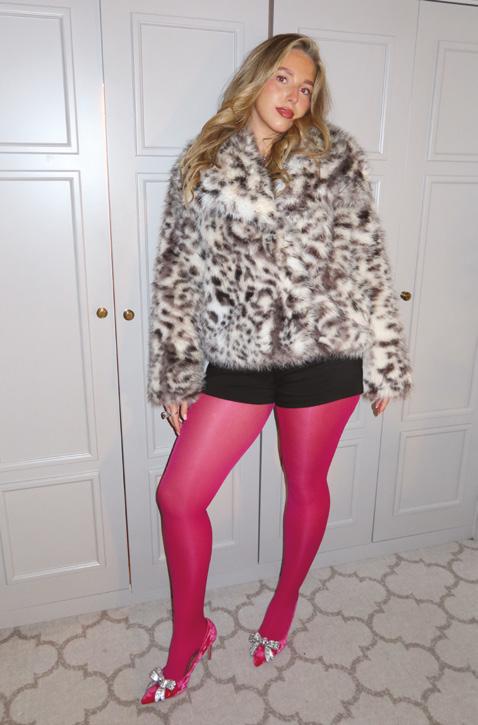
Jacket: Zara
Shorts: Zara
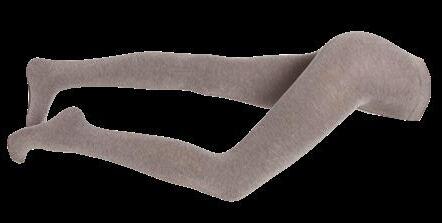
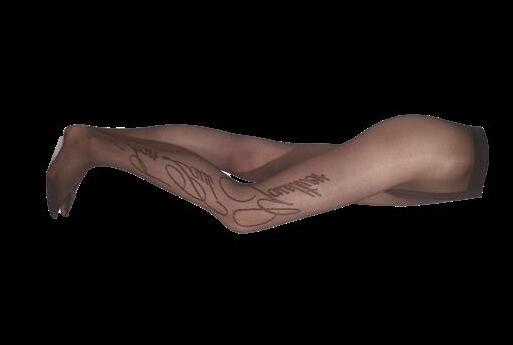
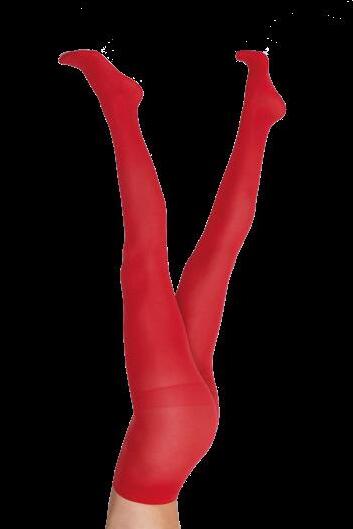
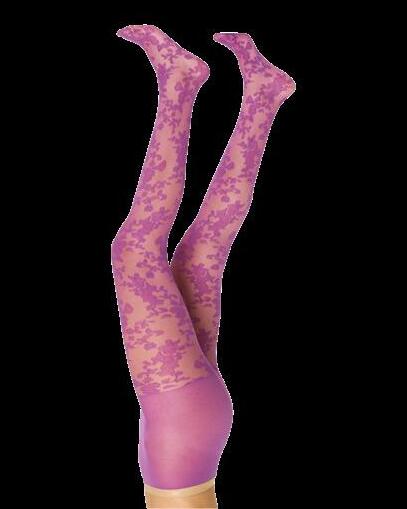
Tights: Shein
Shoes: Christian Louboutin Bag: Chanel
Jacket: Zara
Shorts: Zara
Tights: Shein
Shoes: Kurt Geiger
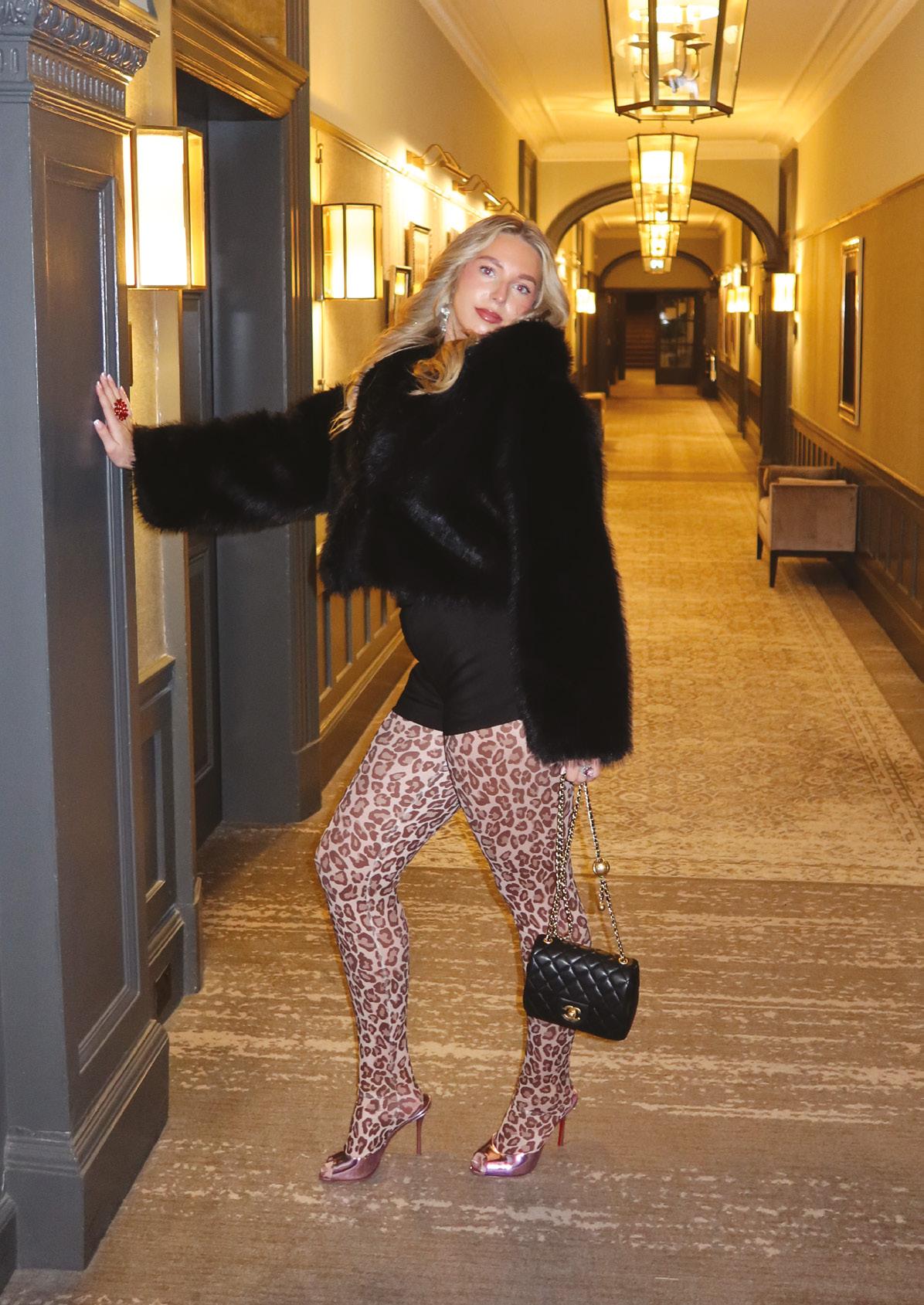
Model: Gabi Pirie
Photographed by: Lucy Simpson
Styled by: Gabi Pirie

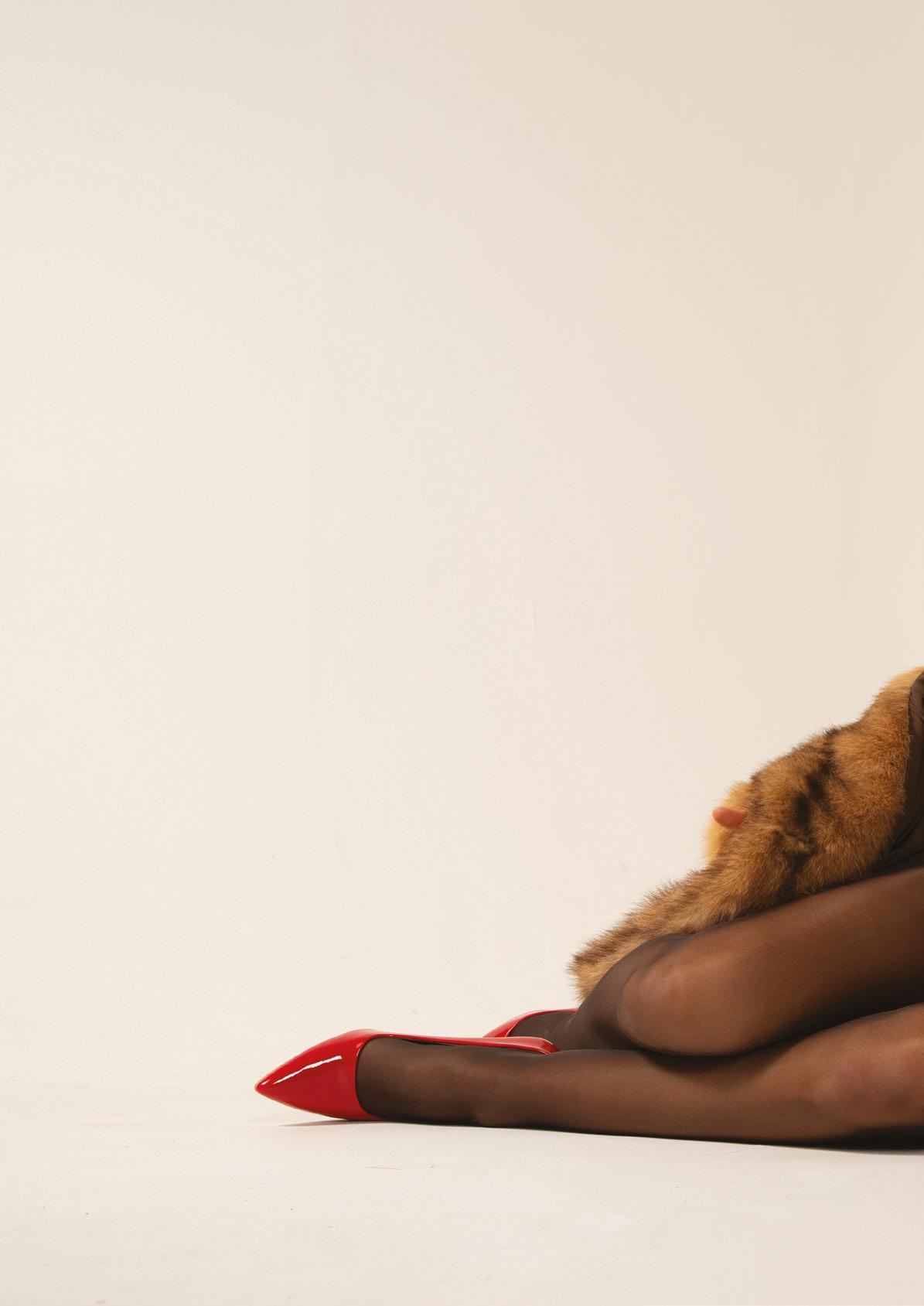
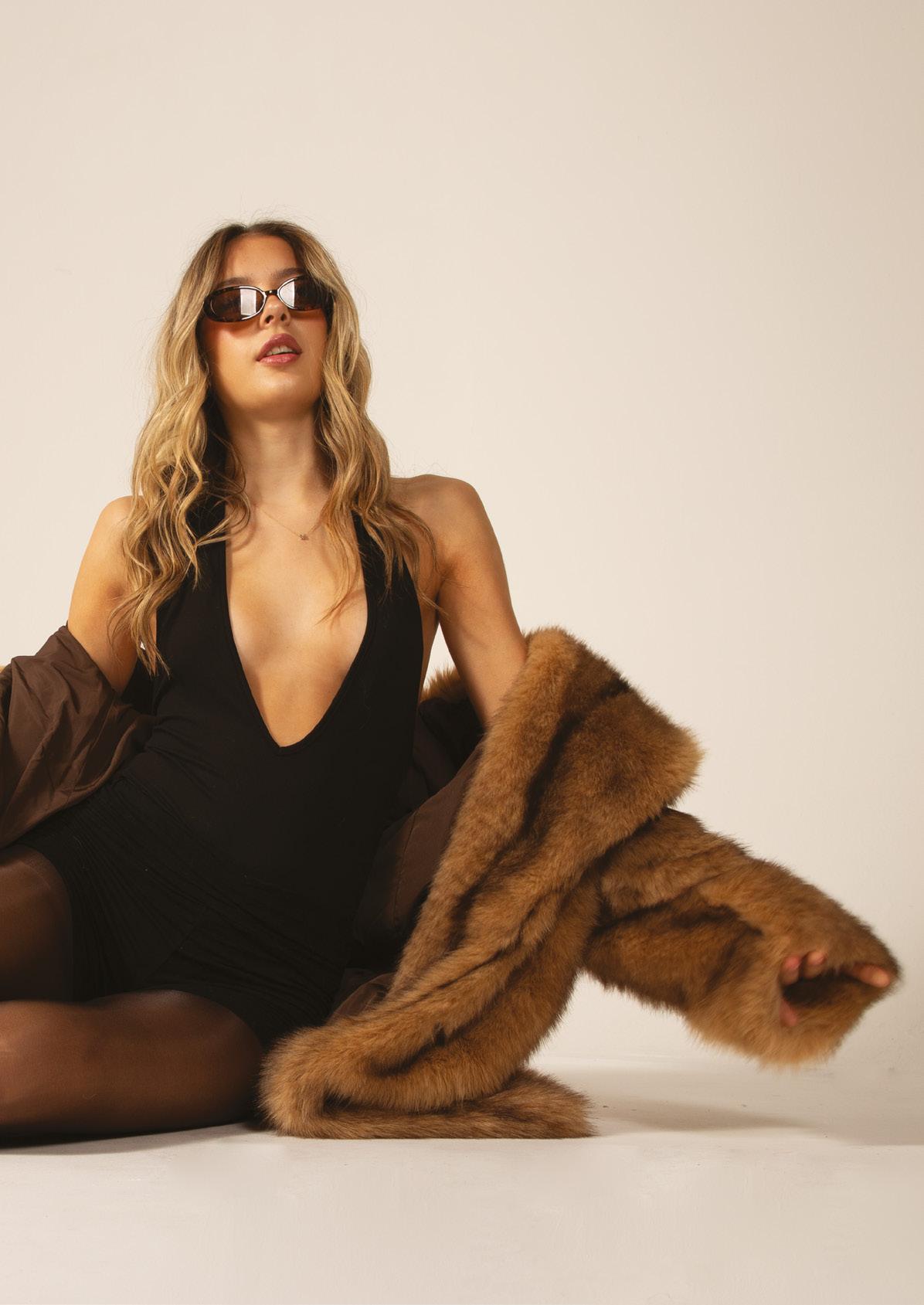



Top: PrettyLittleThing
Shorts: Shein
Tights: Primark
Heels: Mango Coat: ASOS
Models: Maja Kasiuba, Nell Leguy
Stylist: Nell Leguy
Photographer: Finlay Dyce, Nell Leguy
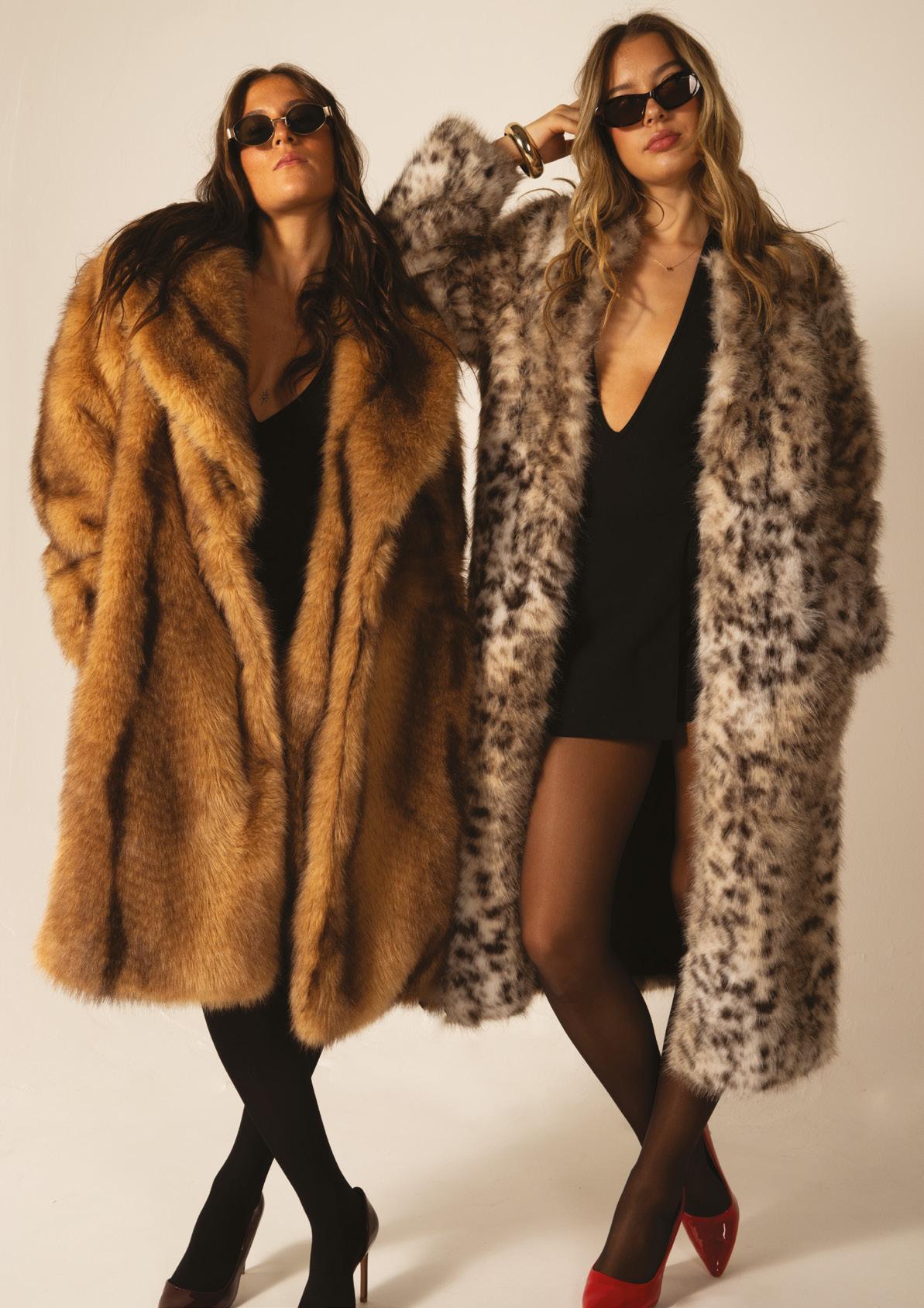
Coat: ASOS
Skirt: Zara
Tights: Matalan
Heels: Mango
Top: PrettyLittleThing
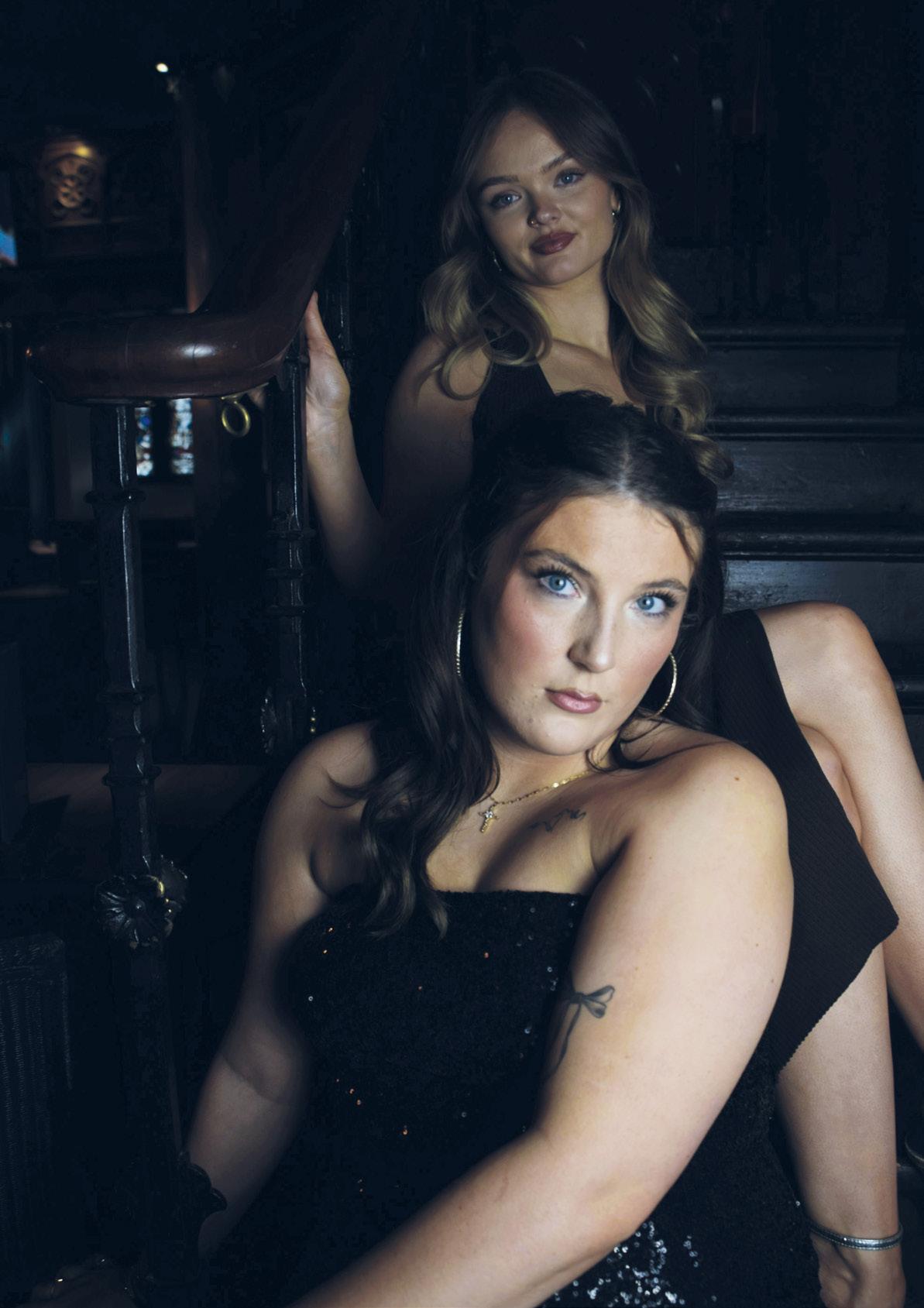
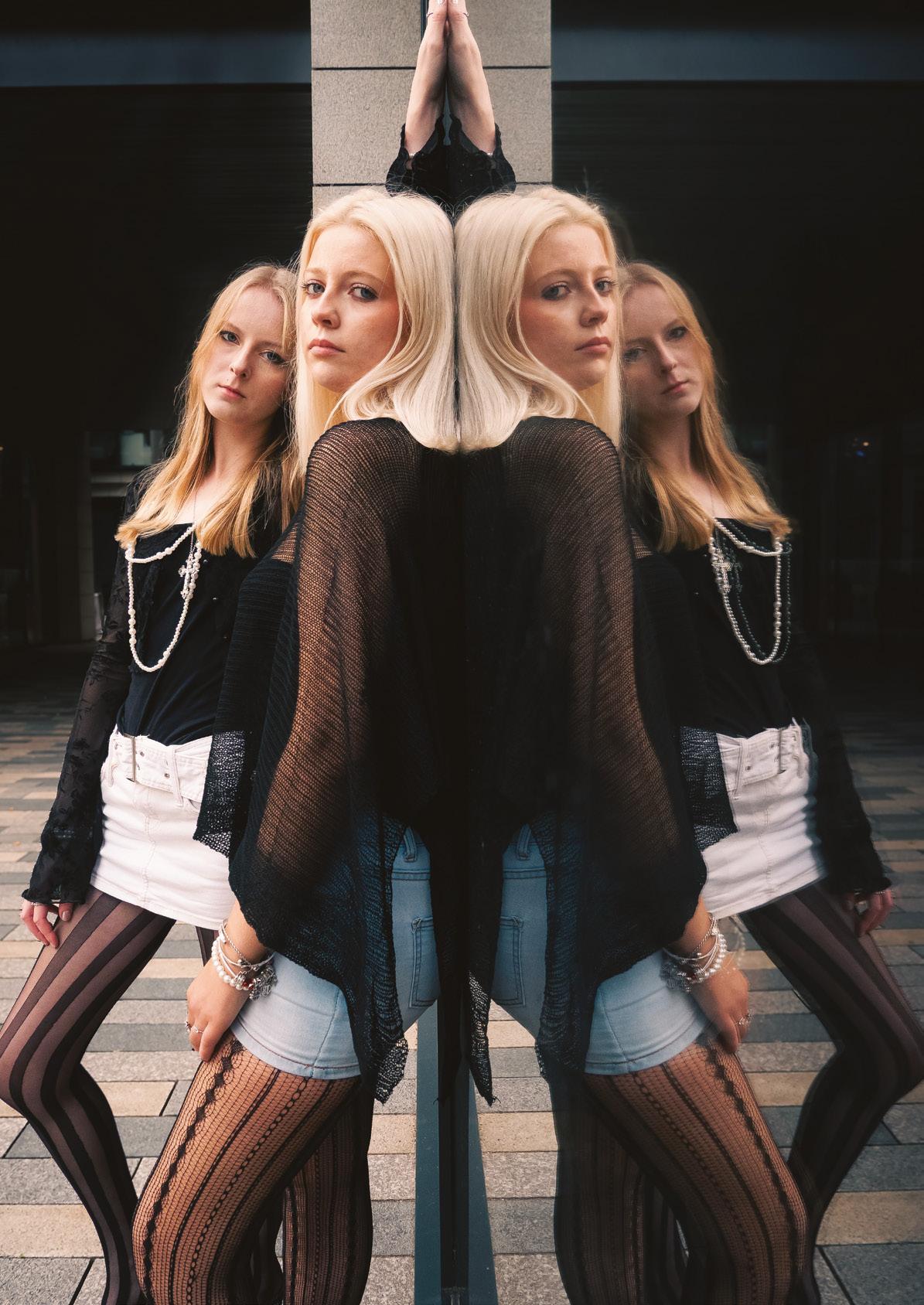
Red Carpet Ready
Two flames meet the spotlight
Models - Rebecca Russell & Holly Shepherd
Photographer - Natalie Hood
Location - Soul Bar
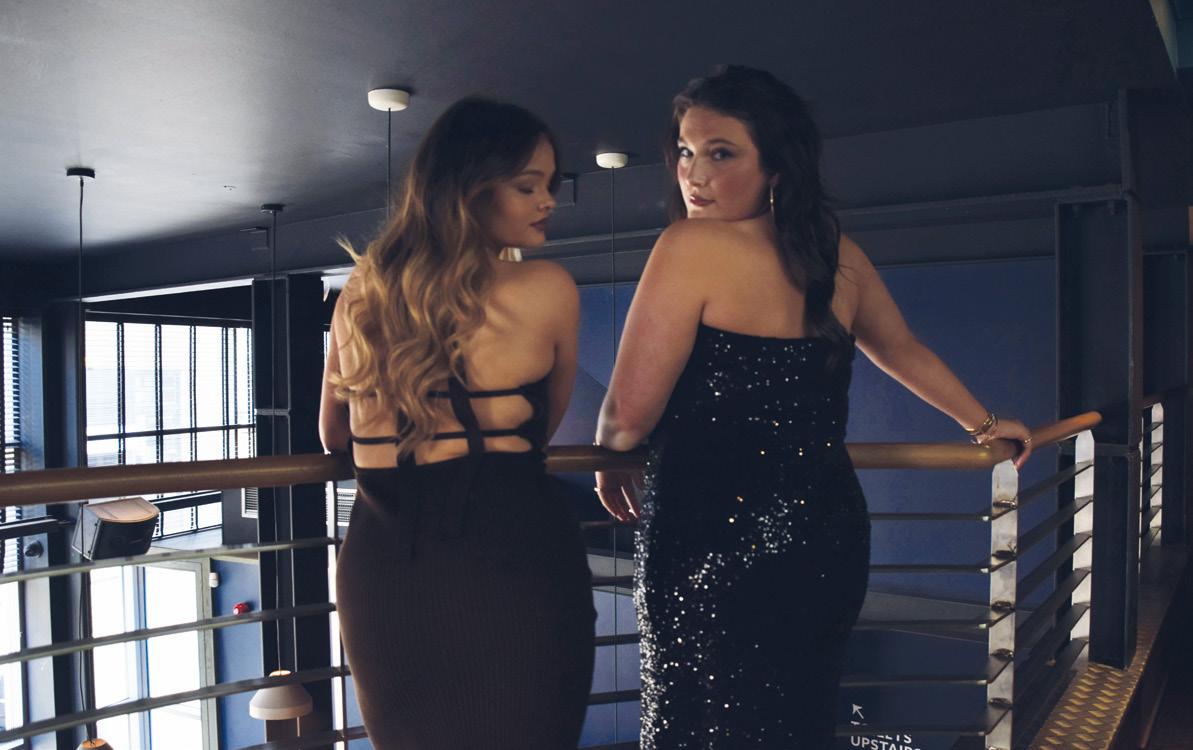
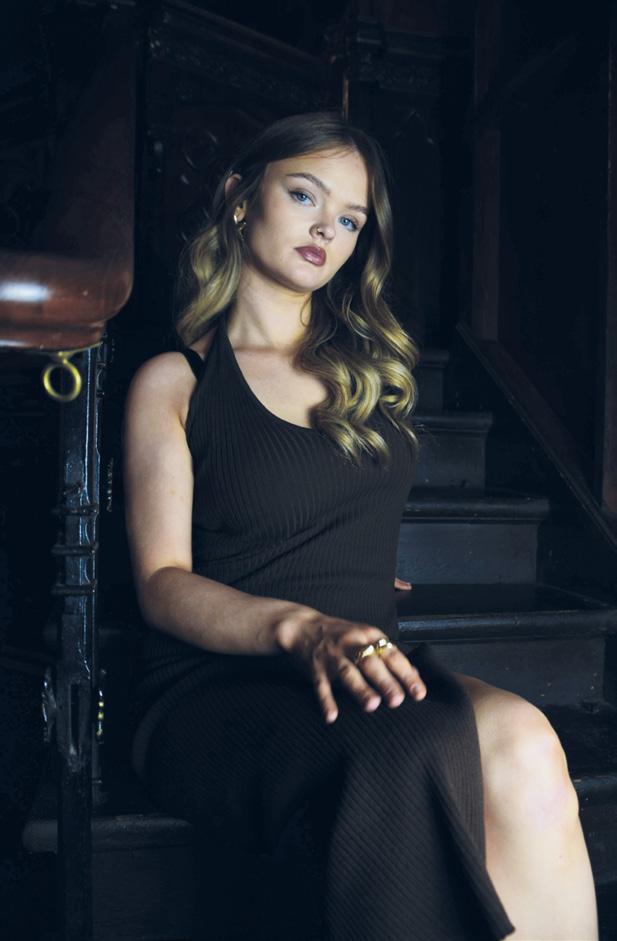
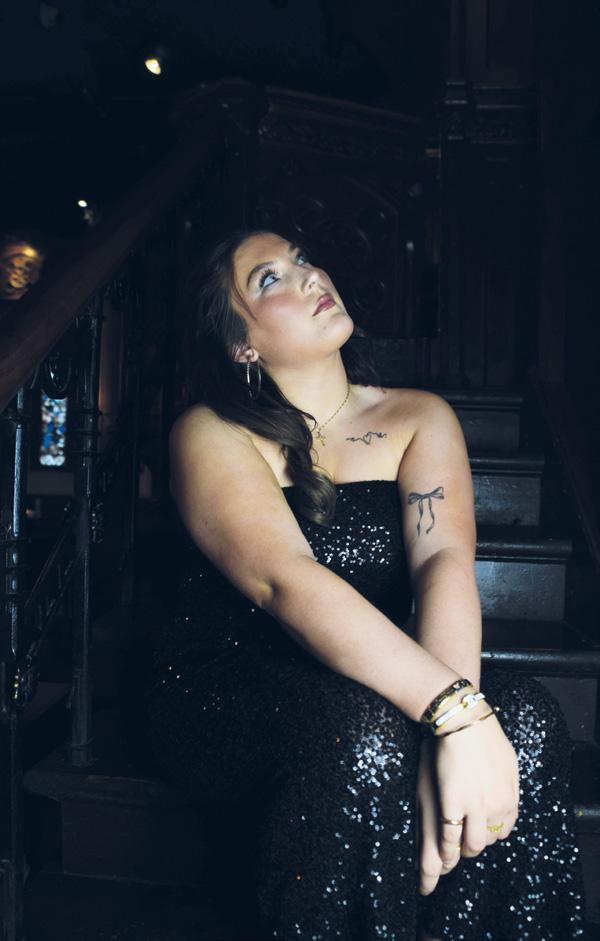
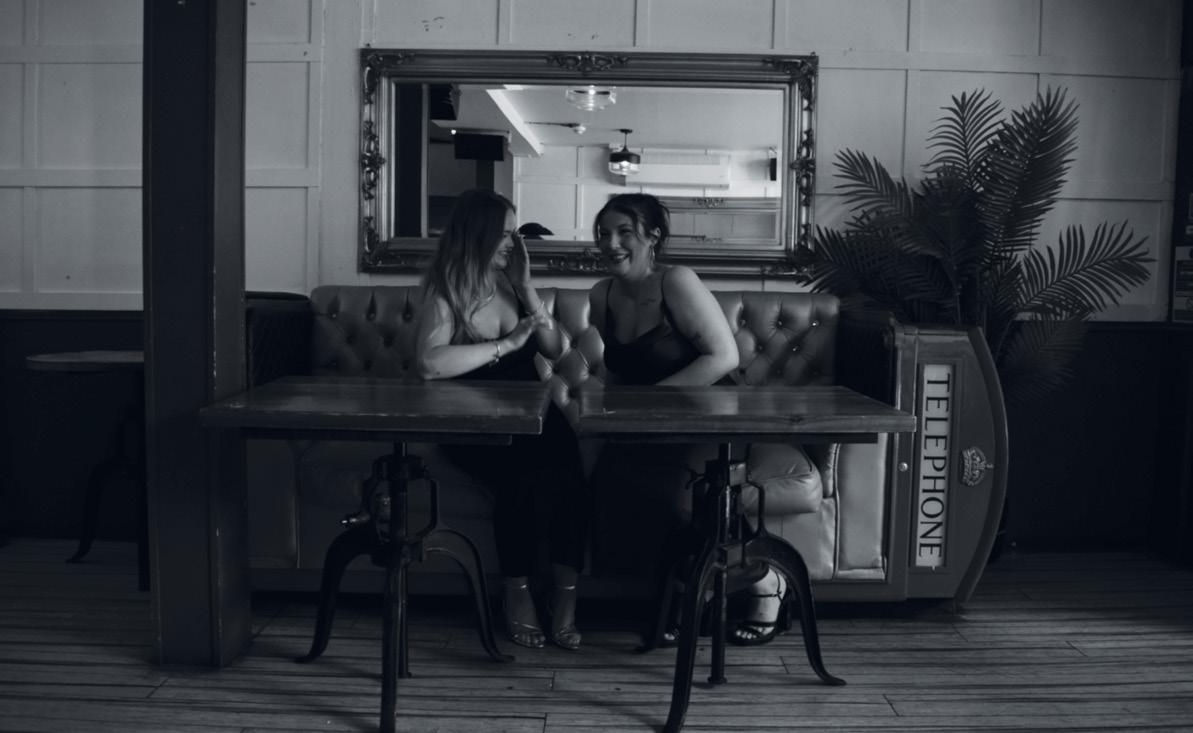
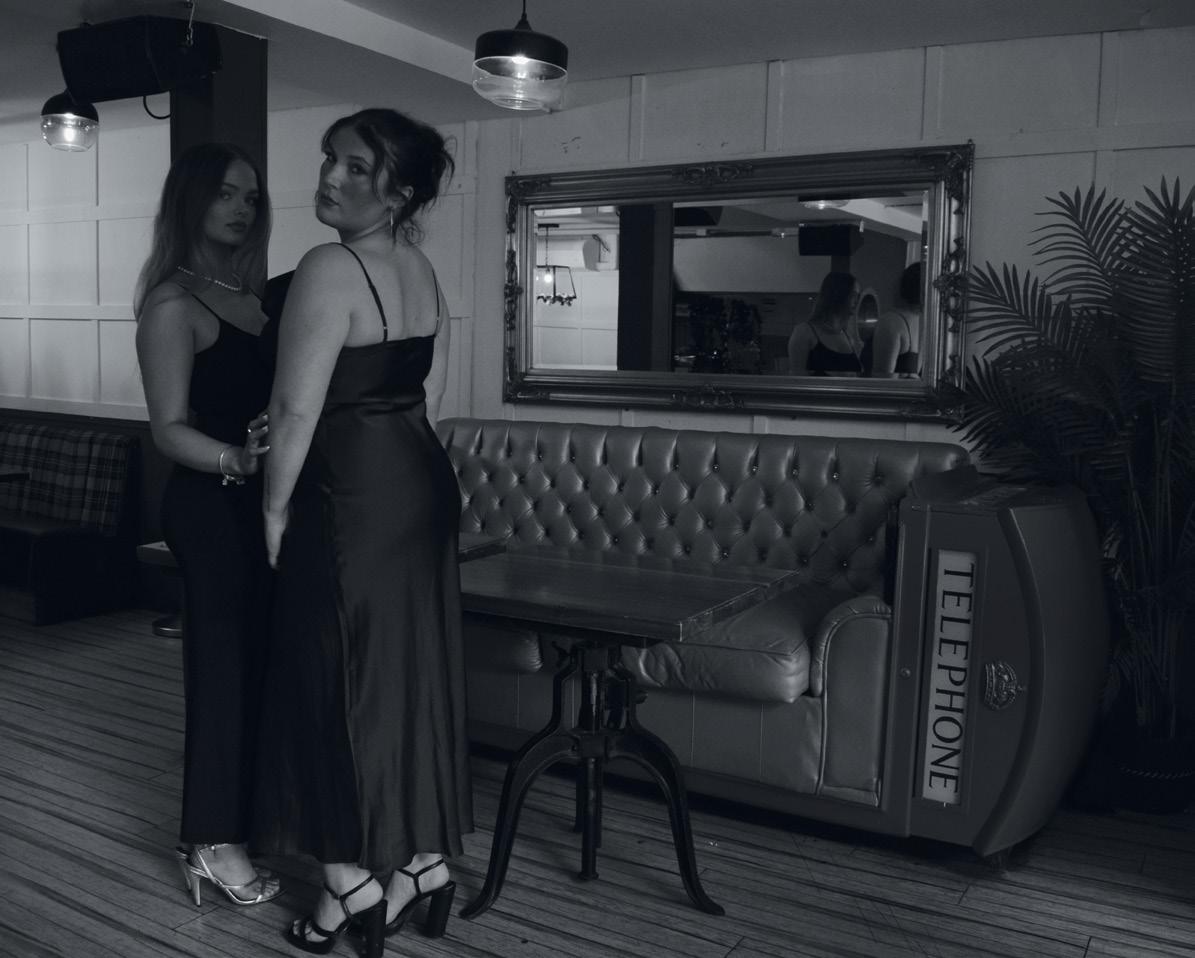
ClothingSparkly dress - Primark Halter neck dress - Bershka Silver heels - New Look

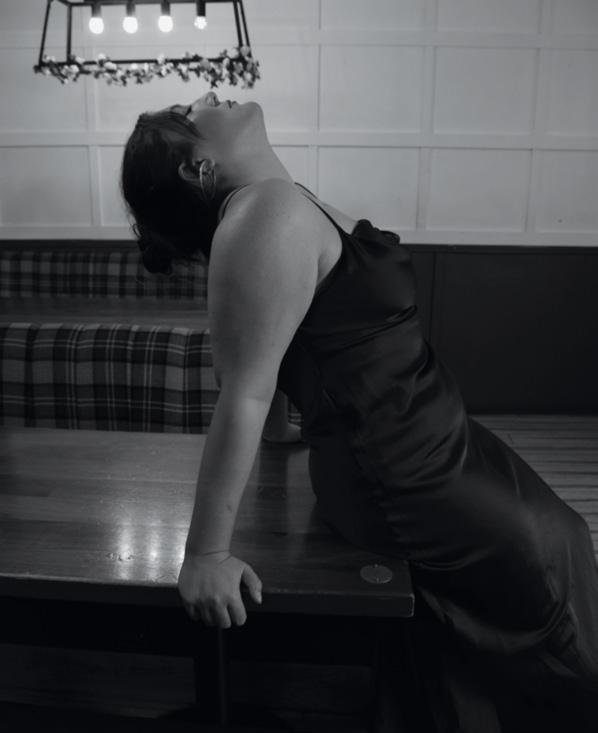
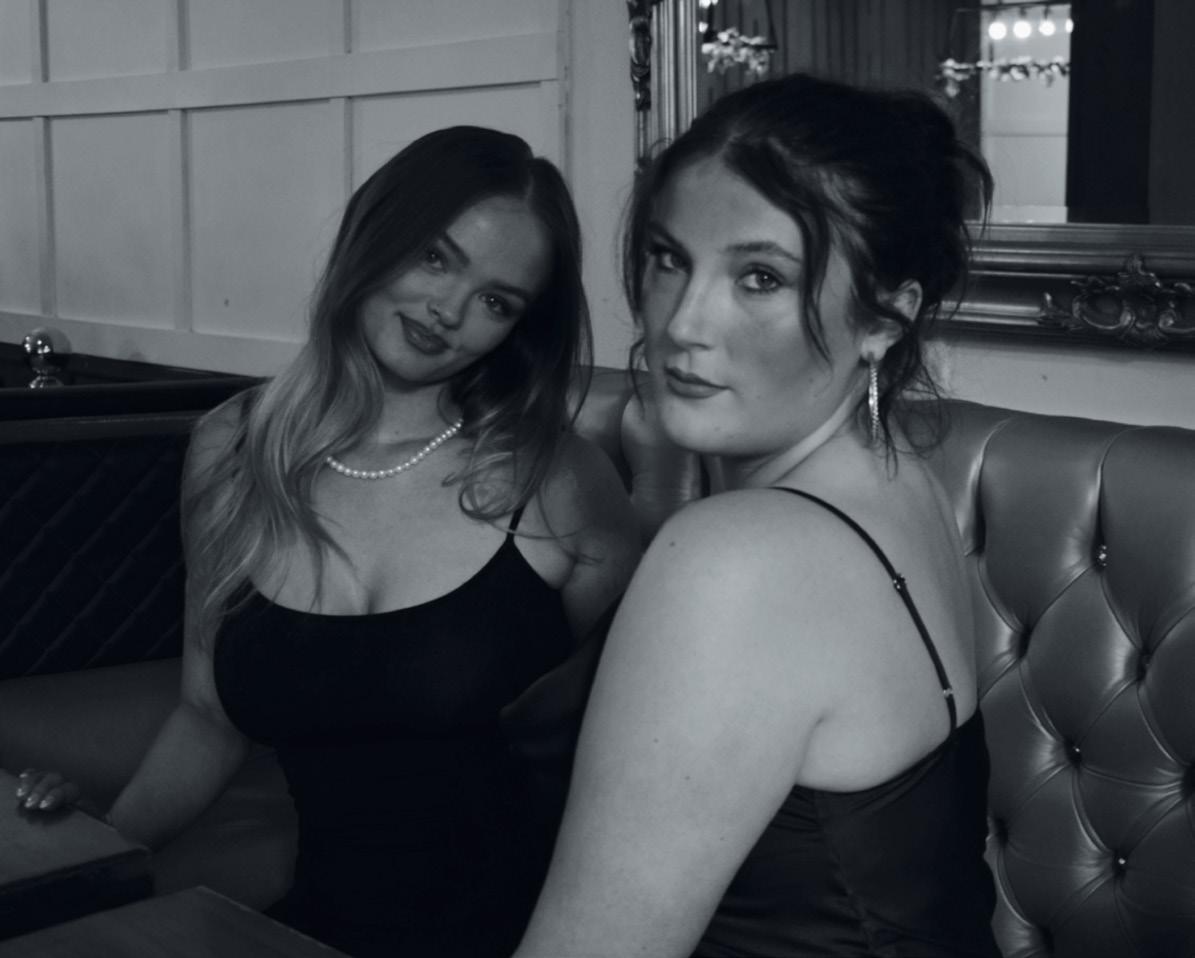
Clothes-
Left hand dress - Bershka and heels - New Look
Right hand dress - New Look and heels - Primark
The Silver Screen
Models - Rebecca Russell & Holly Shepherd
Photographer - Natalie Hood
Location - Sibeira Bar and Hotel
NIGHT OUT ESSENTIALS
Everything you need on a night out
By Cordelia Esson
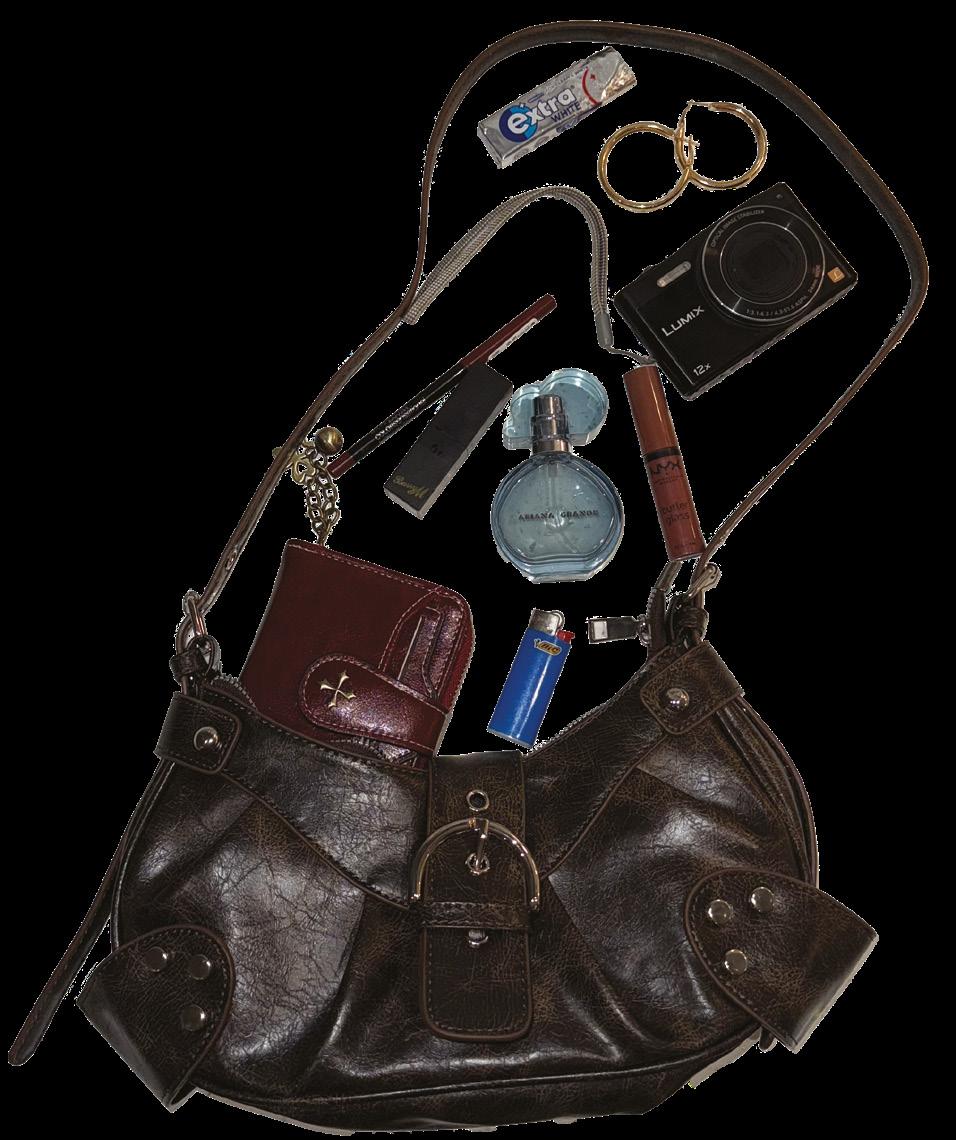
From bottom to top: Women’s crossbody bag Shein £13.58; Women’s leather tassle purse Shein £6.78; Bic Mini lighter 85p; Ariana Grande Cloud eau de parfum spray 30ml £26.00; Barry M Velvet lip paint dirty rose £4.99; Maybelline Color Sensational shaping lipliner 56 Almond Rose £4.99; NYX Professional Makeup butter lip gloss Tiramisu £7.49; Panasonic Lumix Optical zoom compact digital camera £149; Lovisa waterproof gold plated stainless steel fine hoop earrings £13.00; Wrigley’s Extra White chewing gum £1.00.
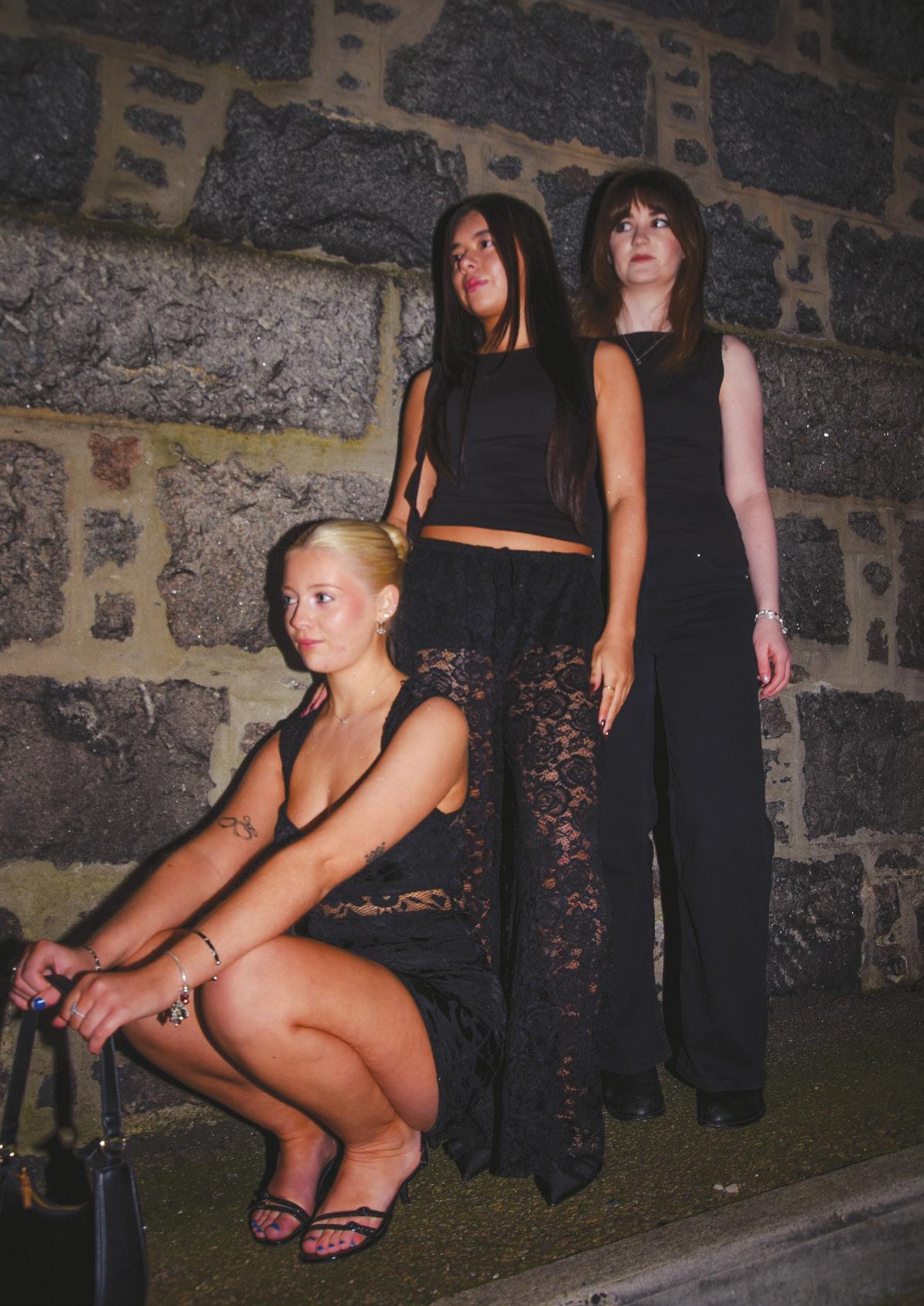
Midnight Lace
Models: Tabitha Pirie, Kayleigh Duncan & Abbie Mackintosh
Photographer: Ari Shyndiapin
Stylist: Lucy Stout
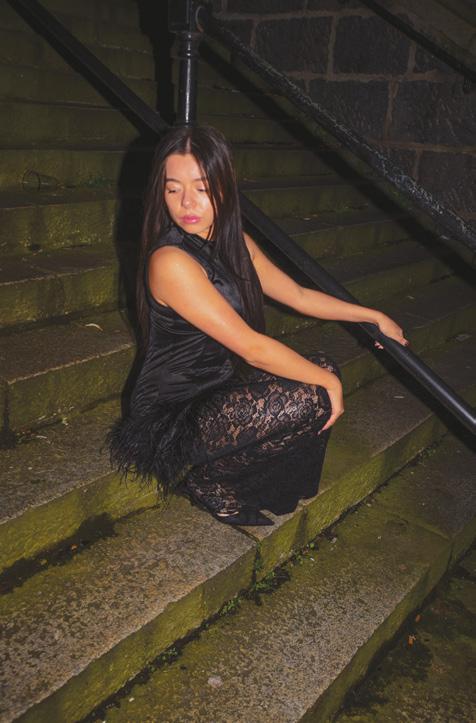
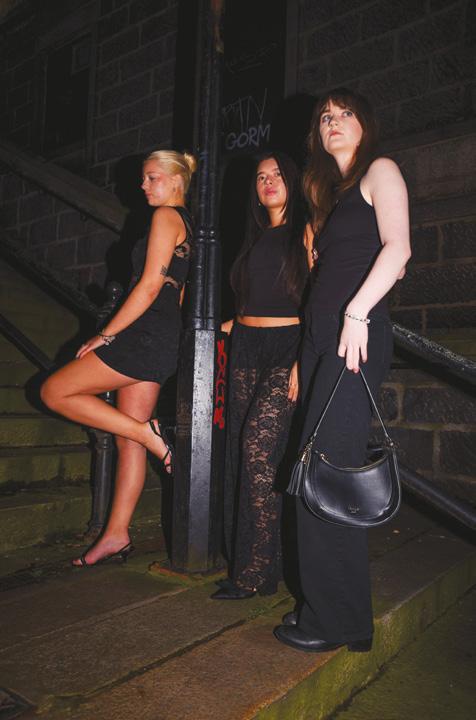
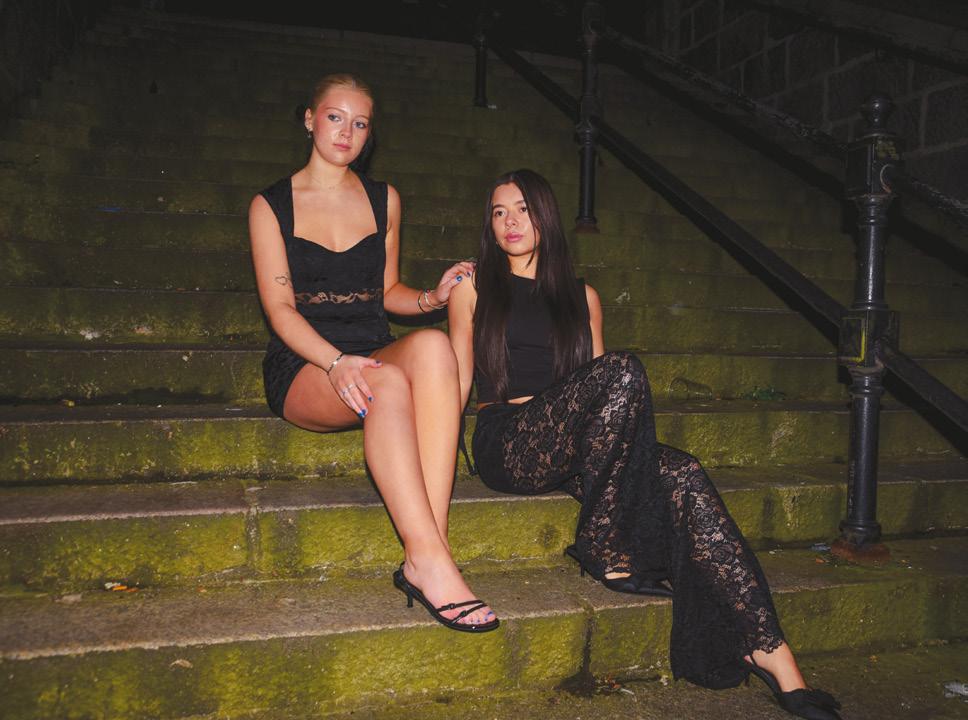
Both Tops: H&M Trousers: H&M
Heels on left: Primark
Heels on right: Zara
Dress: River Island
Dress: Nadia The Collection Trousers: South Beach
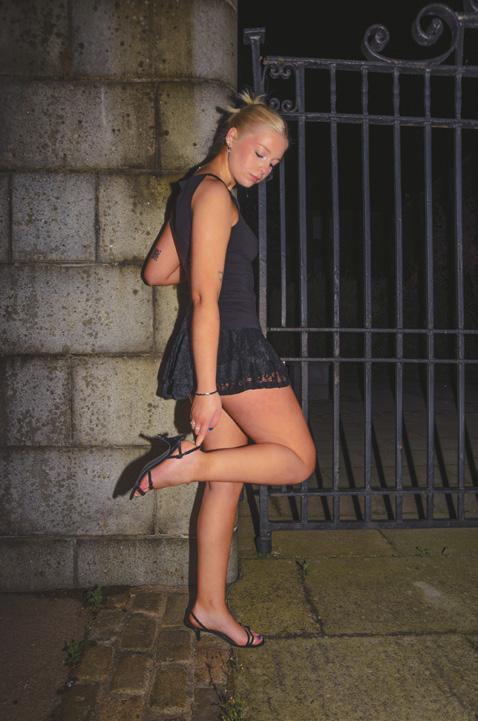
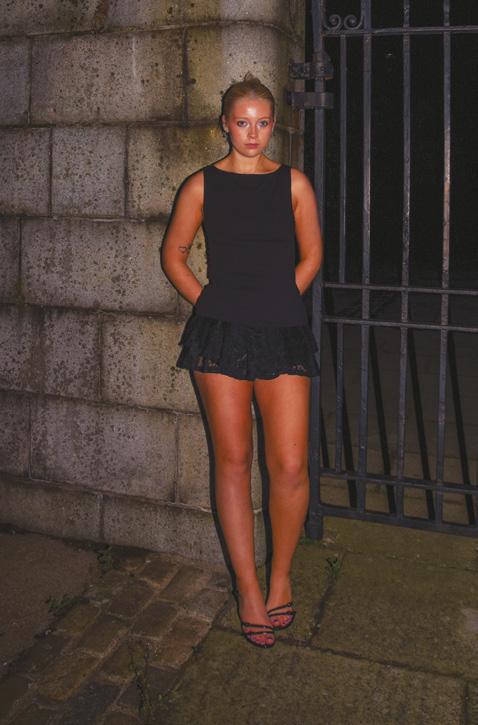
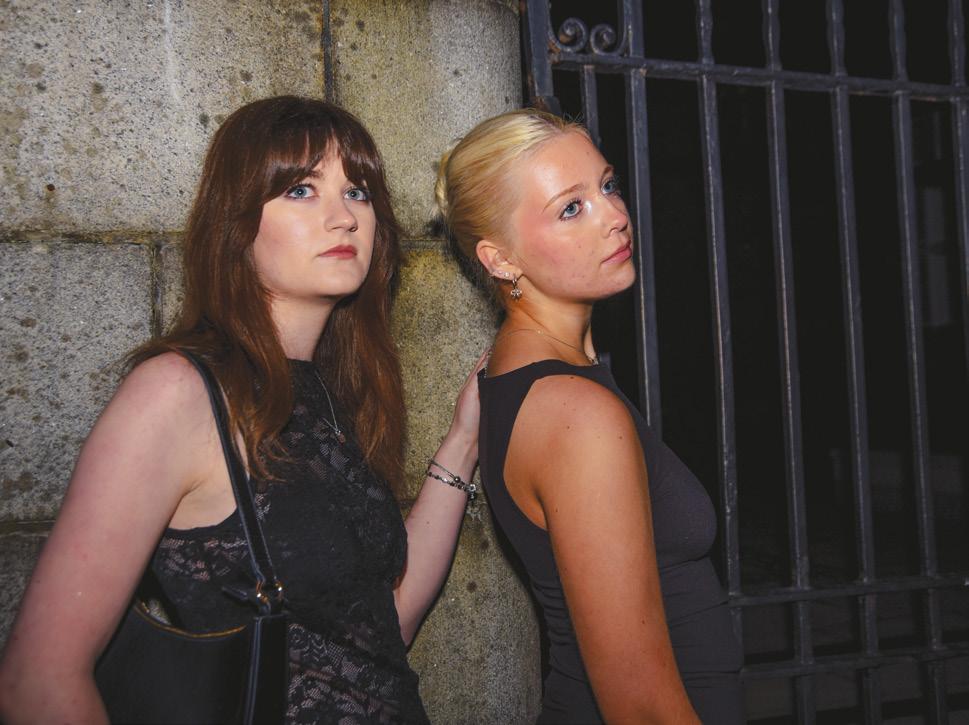
Top: H&M Skirt: H&M
Top: Shein Bag: Dune
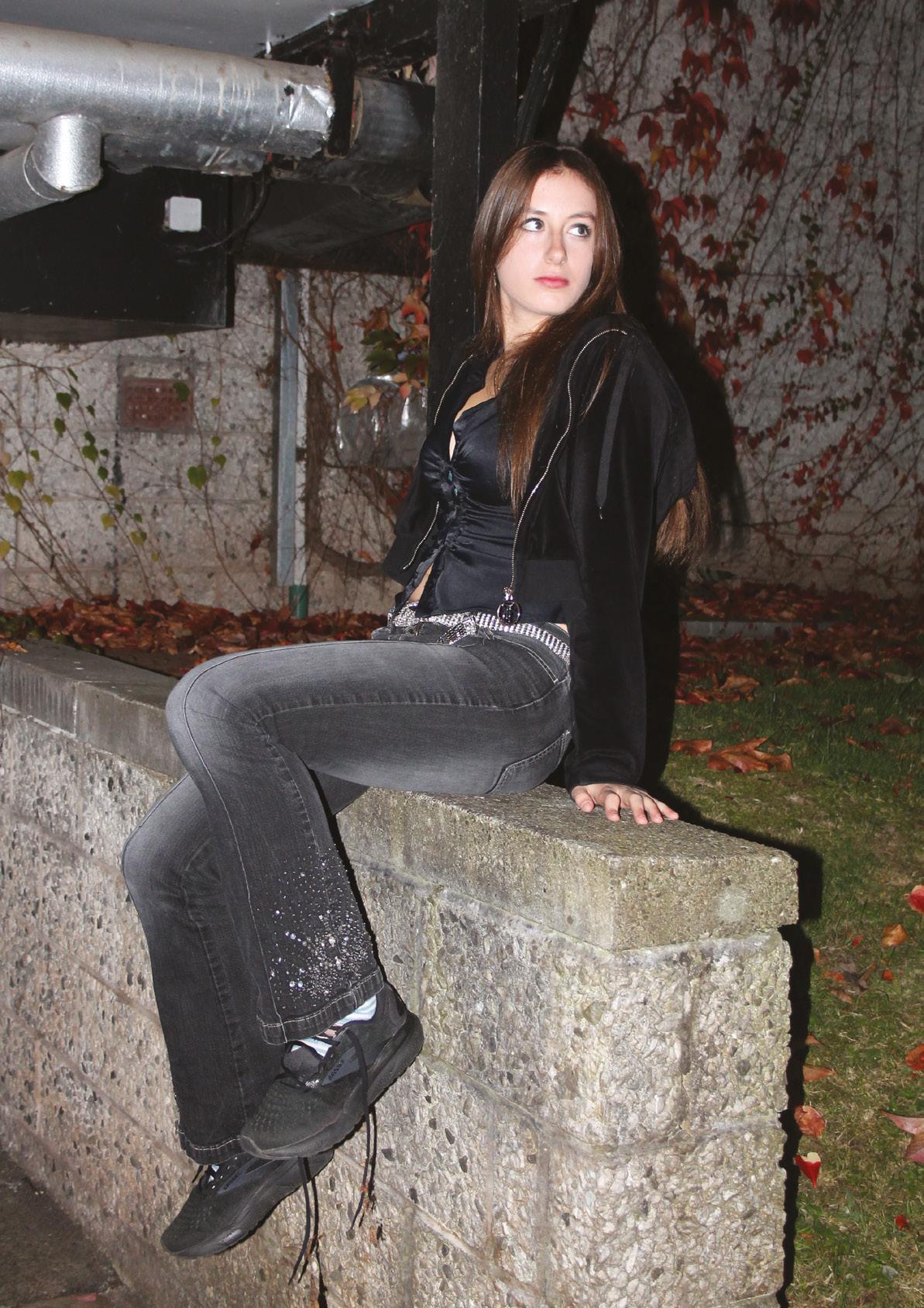
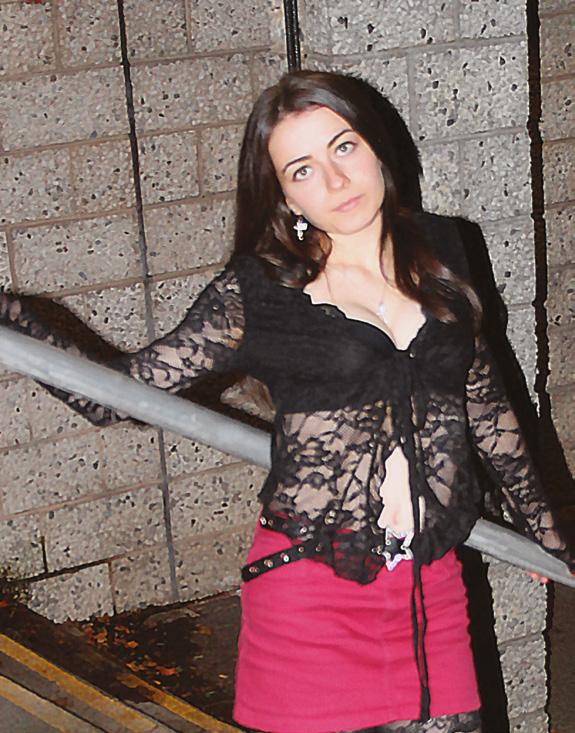
DARK NIGHTS IN DARK FABRICS
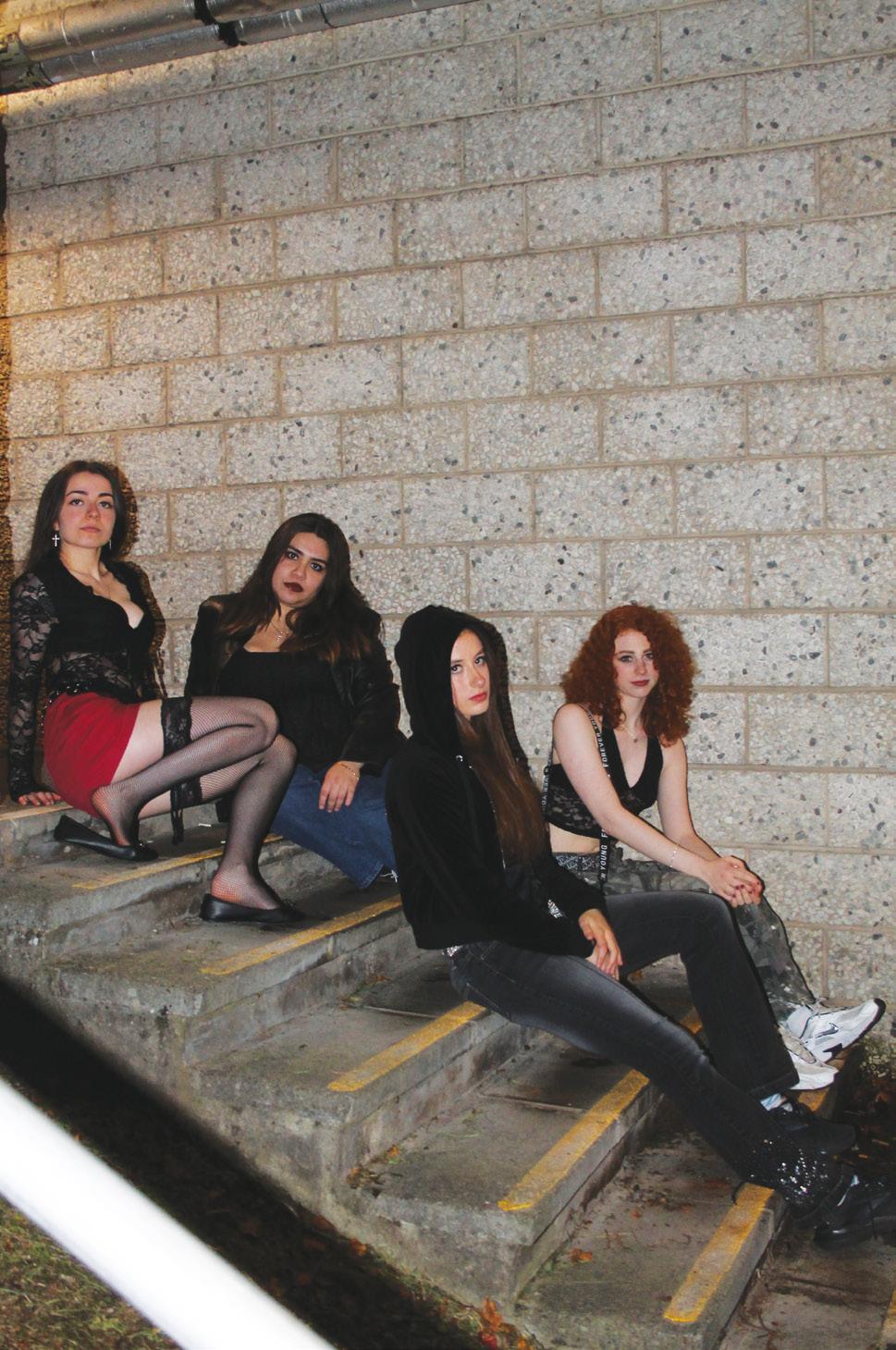
Photographer and Stylist: Alannah Robertson
Models: Alice Craig, Ashley Aguirre, Jessica Swan, Mariah Power
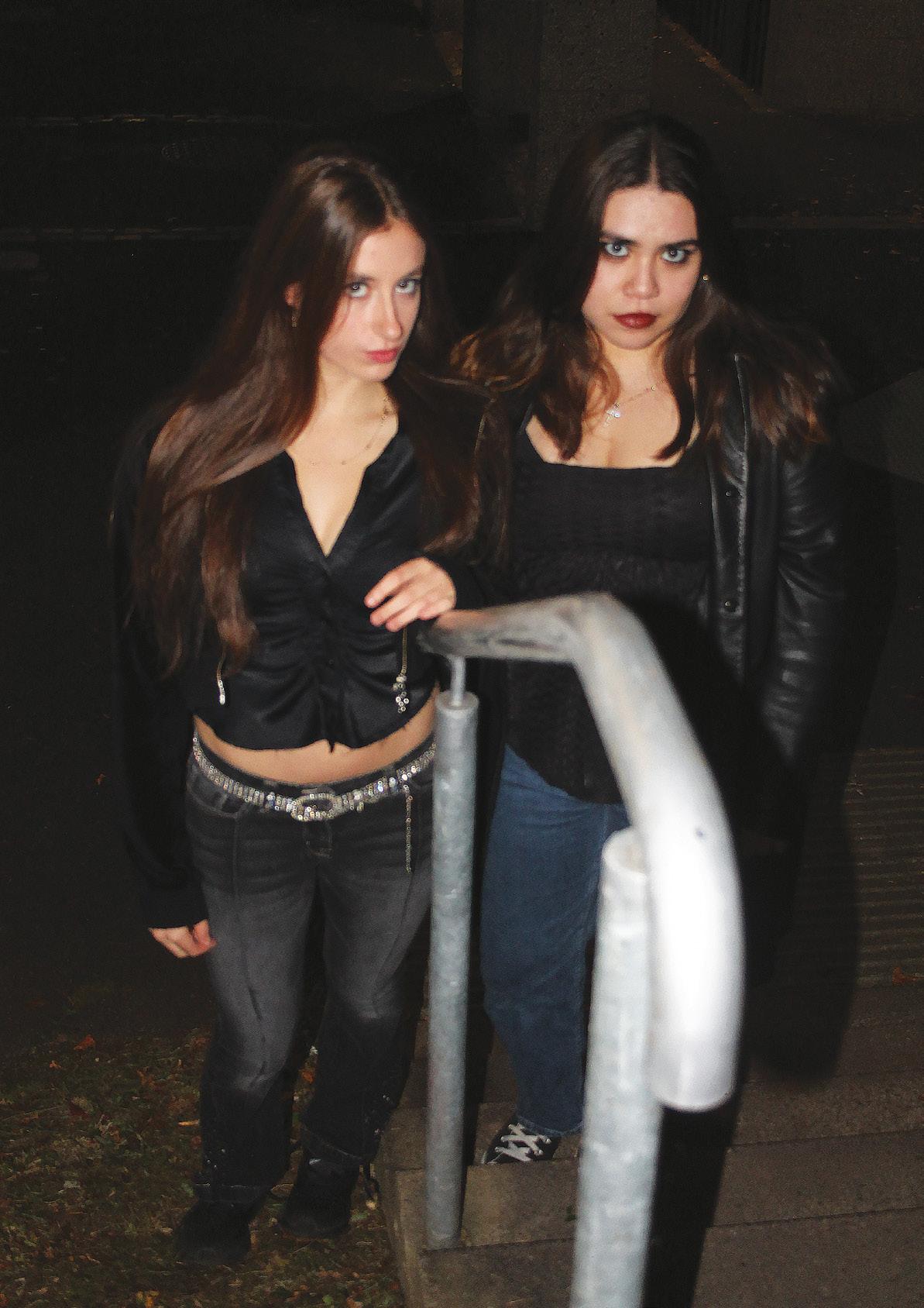
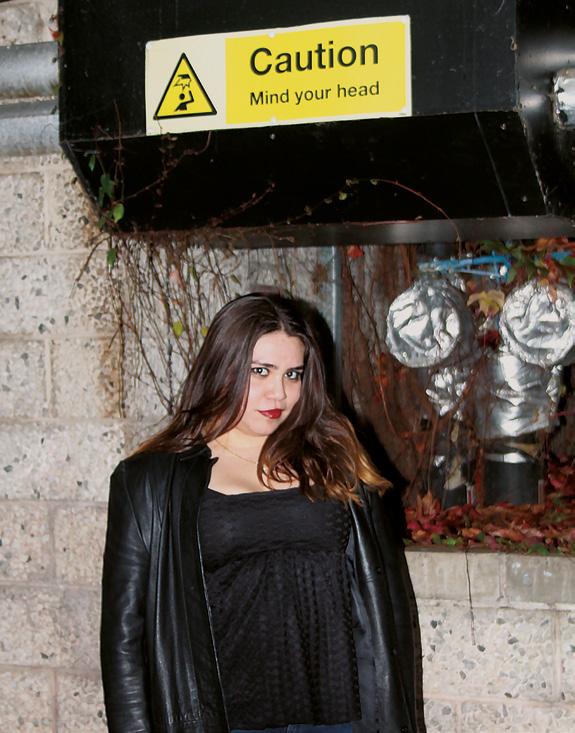
Coat- Marks & Spencer
Top- Faded Rose Jeans- Calvin Klein Shoes- Converse
Hoodie- Juicy Couture Shirt- Zara Belt- Primark Jeans- Next Shoes- Brooks
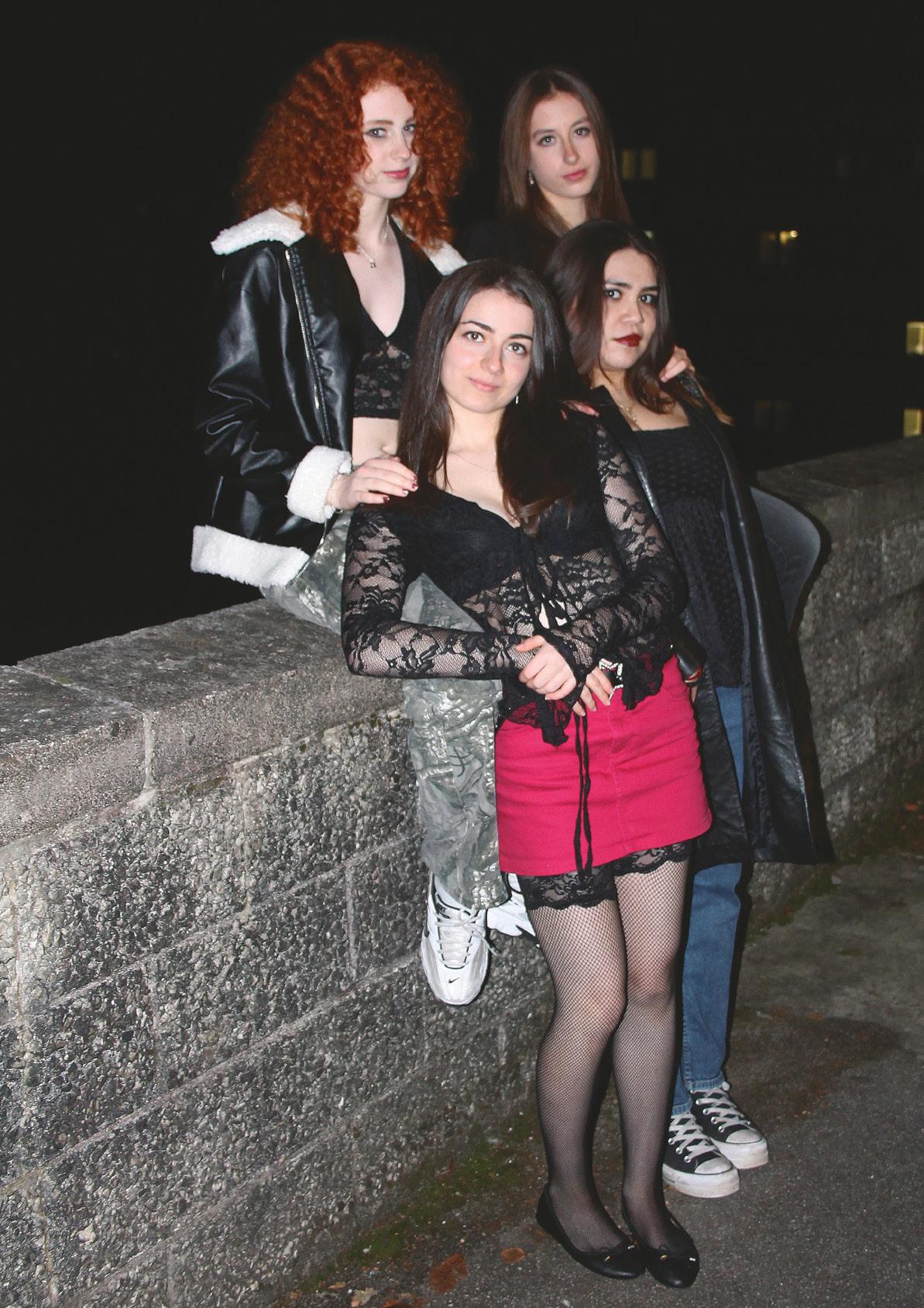
Stockings- Shein
Lace Top- Shein
Skirt- H&M
Belt- Shein
Shoes- F&F
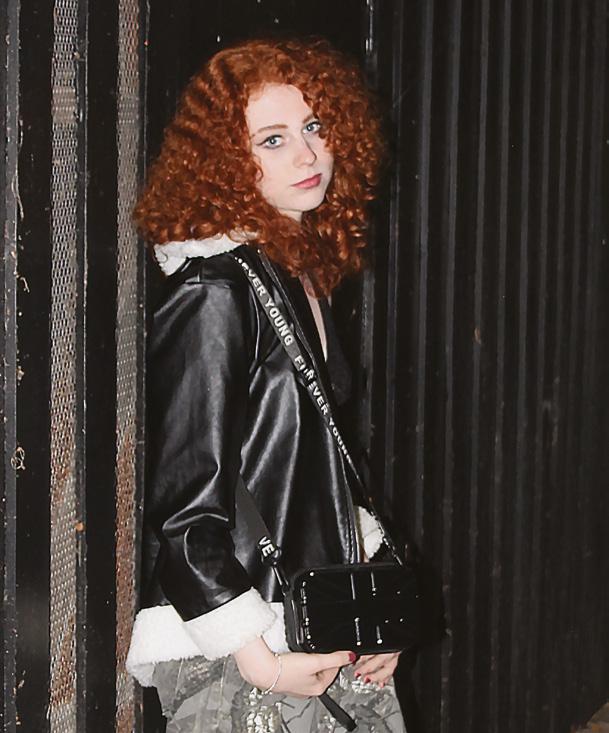
Jacket- Shein
Lace halter- Shein
Belt- DKNY
Jeans- Shein
Shoes- Nike
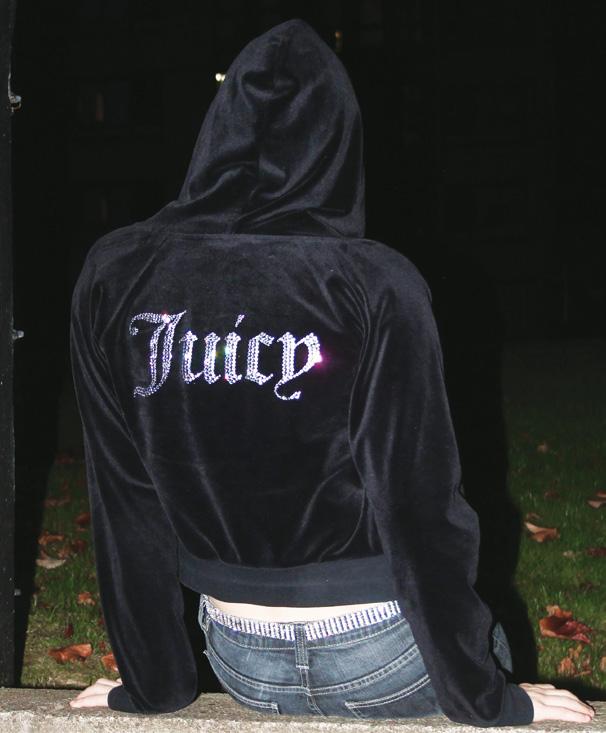
THE DAY DOESN’T END AT DUSK.
DailyOutfit
By Rylee Gray
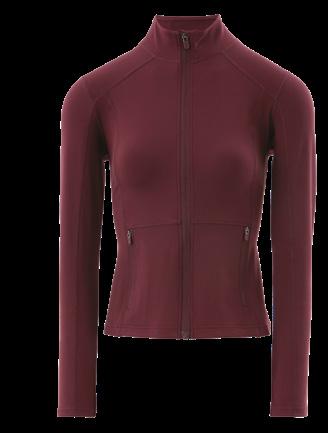
Matalan
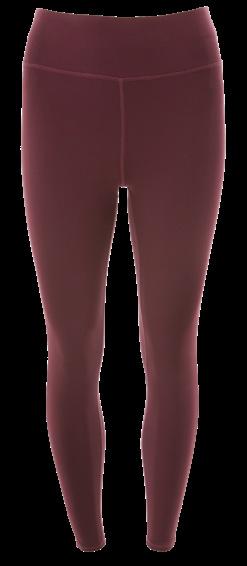
Burgundy Zip Through, £18
Burgundy Leggings, £12.50
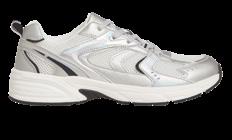
Tu Grey Trainers, £20
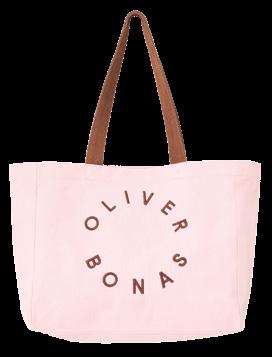
Oliver Bonas
Tote Shopper Bag, £24
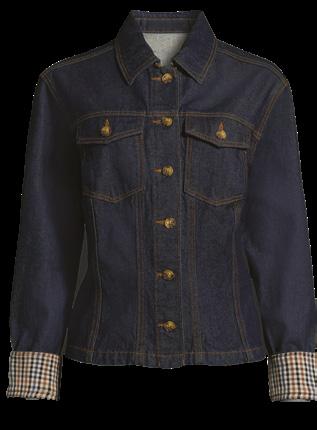
Very Jacket, £45
DIARIES
John Lewis & Partners
Trenchcoat, £89
New Look
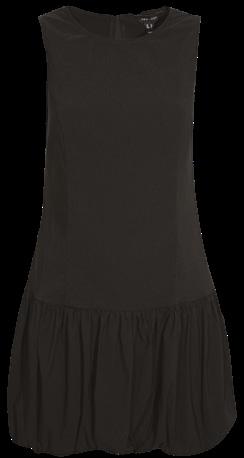
Puffball Mini Dress, £31.99
M&S
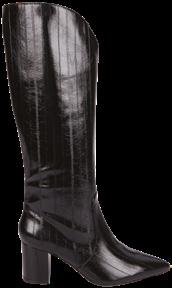
Heeled Boots, £76
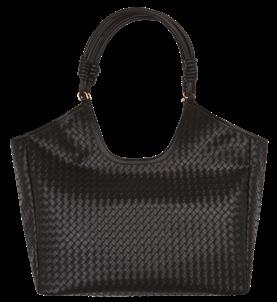
George Black Bag, £22
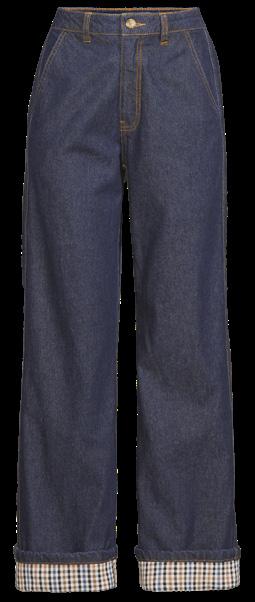
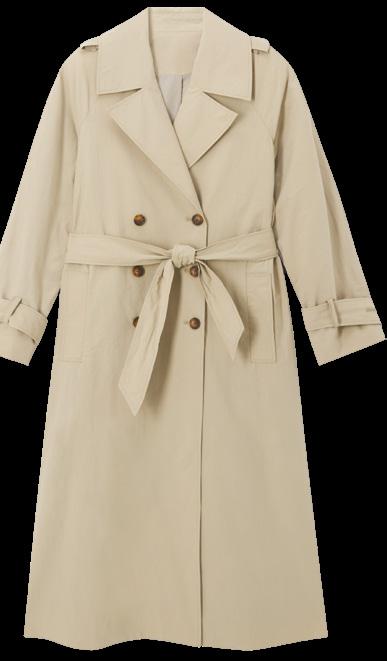
Jeans, £35
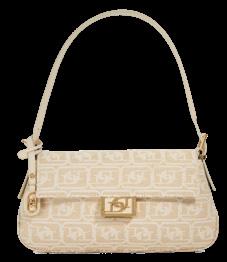
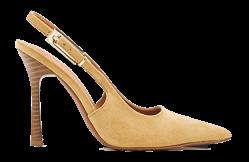
River Island Slingback Heels, £42 Dune Cream Bag, £119
Primark
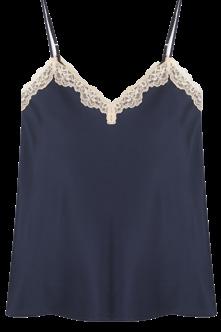
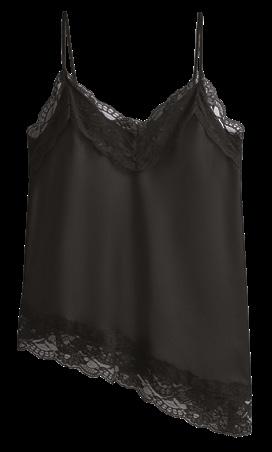
Lace Cami, £8
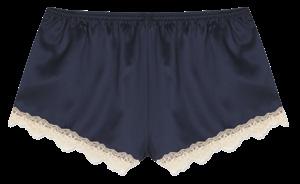
Lace Shorts, £8
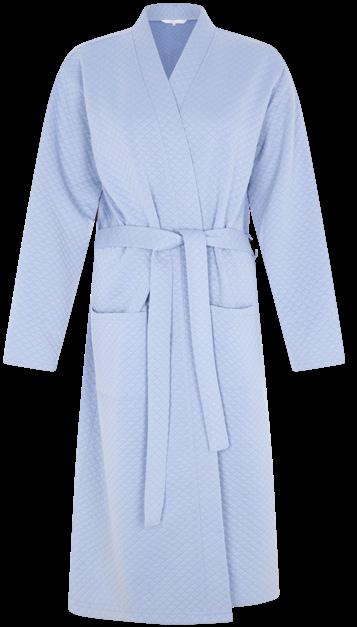
Bonmarche Quilted Robe, £24
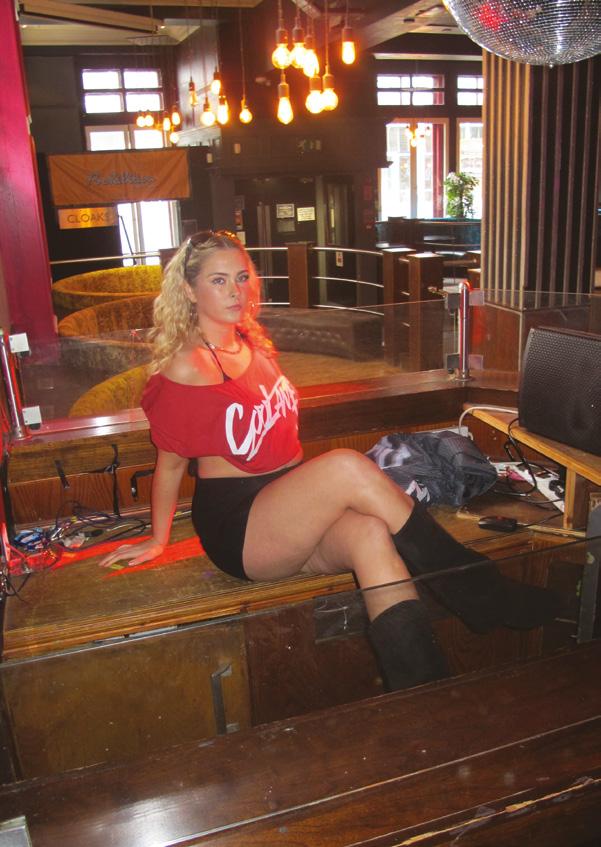
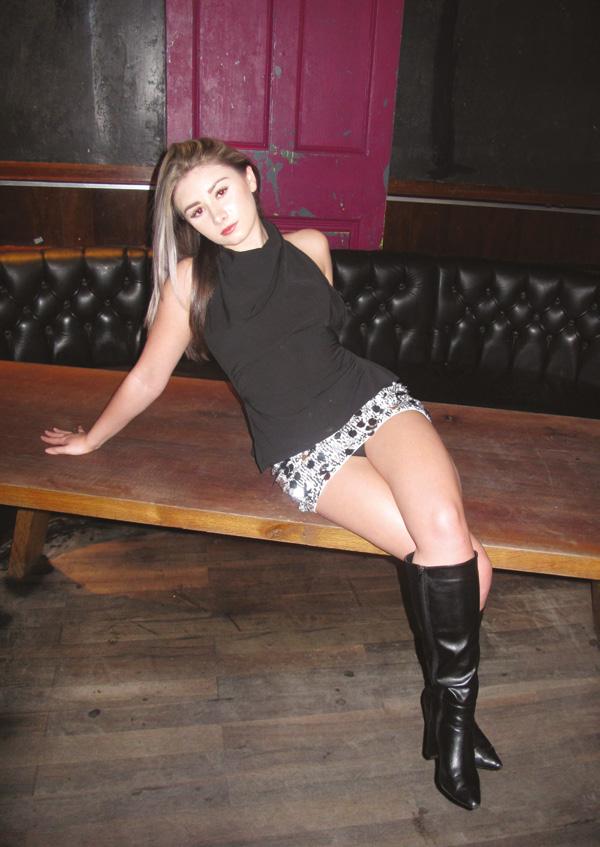
NOIRE NIGHTS
Fashion spread: Cordelia Esson
Photographer: Cordelia Esson
Models: Kayla Cromar, Amy Stewart, Lauren Ratter, Megan Kirwan
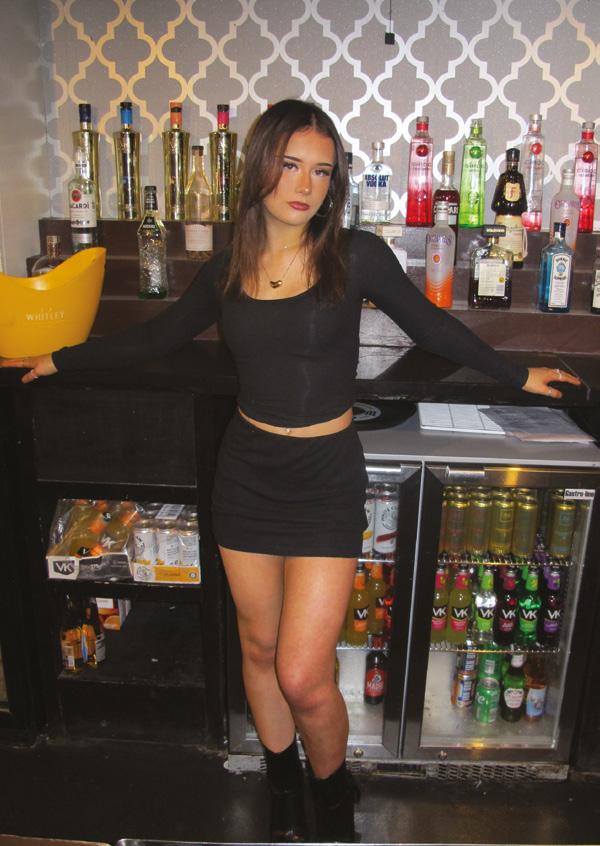
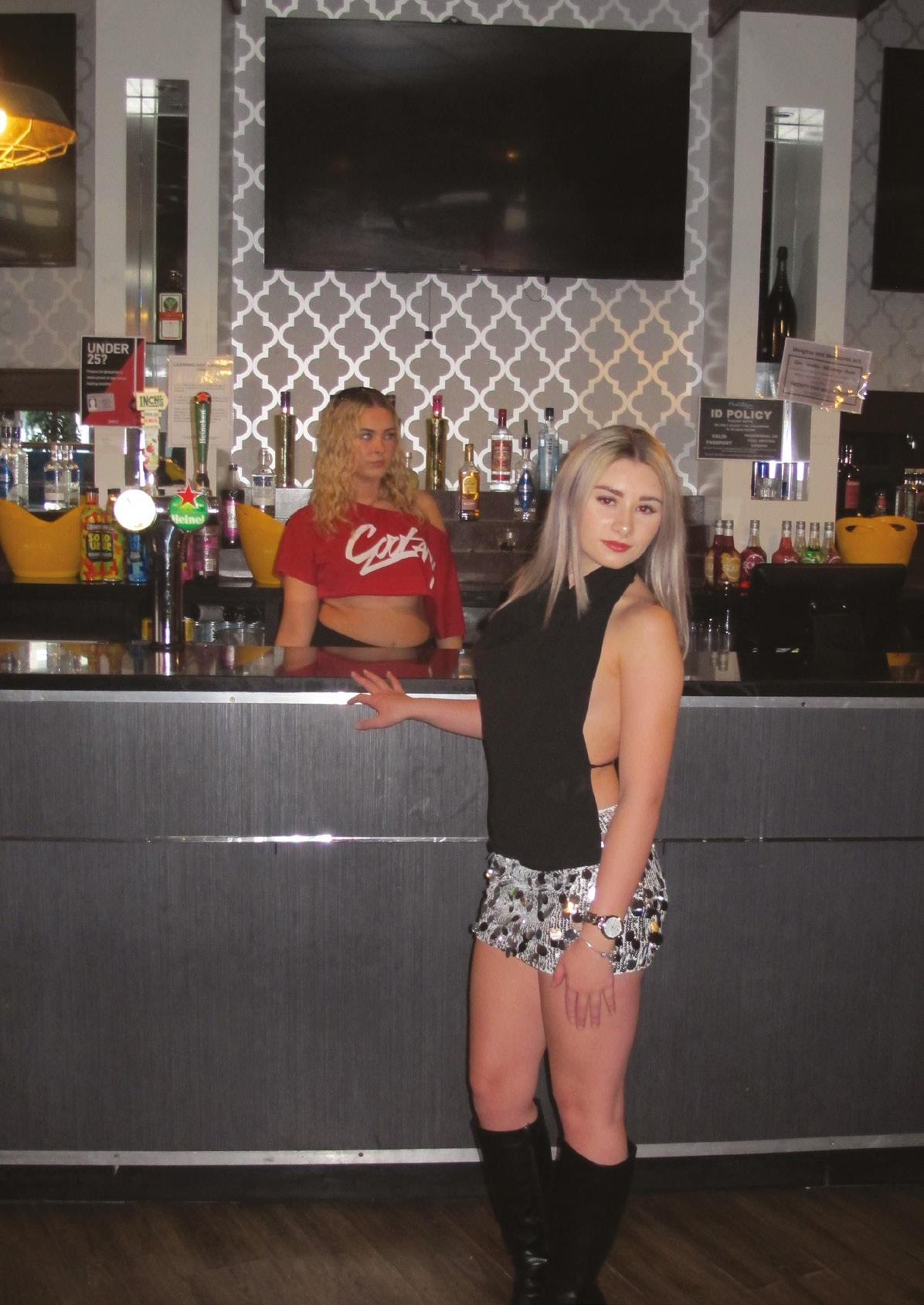
Top: Shein
Skirt: PrettyLittleThing Boots: H&M
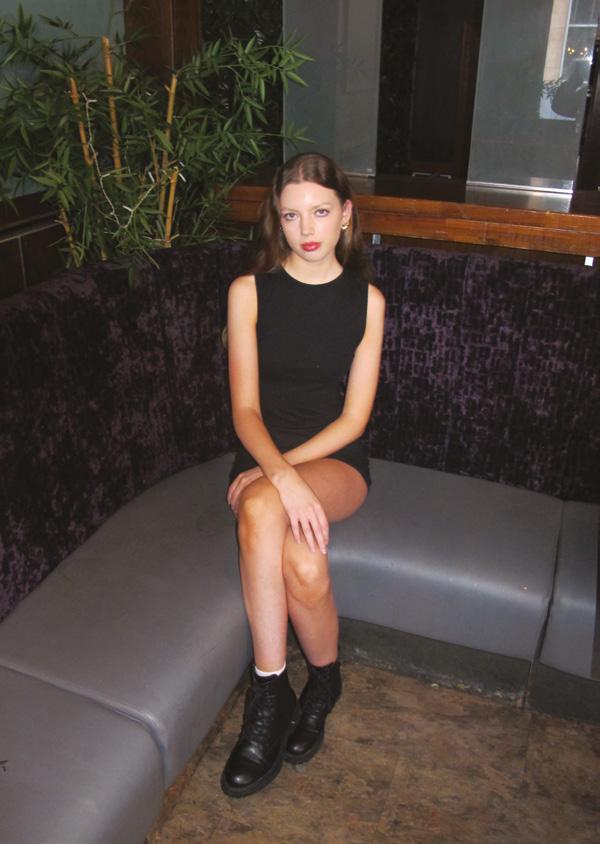
Top: H&M Skirt: Shein
Dress: Motel Rocks
Top: Shein
Skirt: PrettyLittleThing Boots: Shein
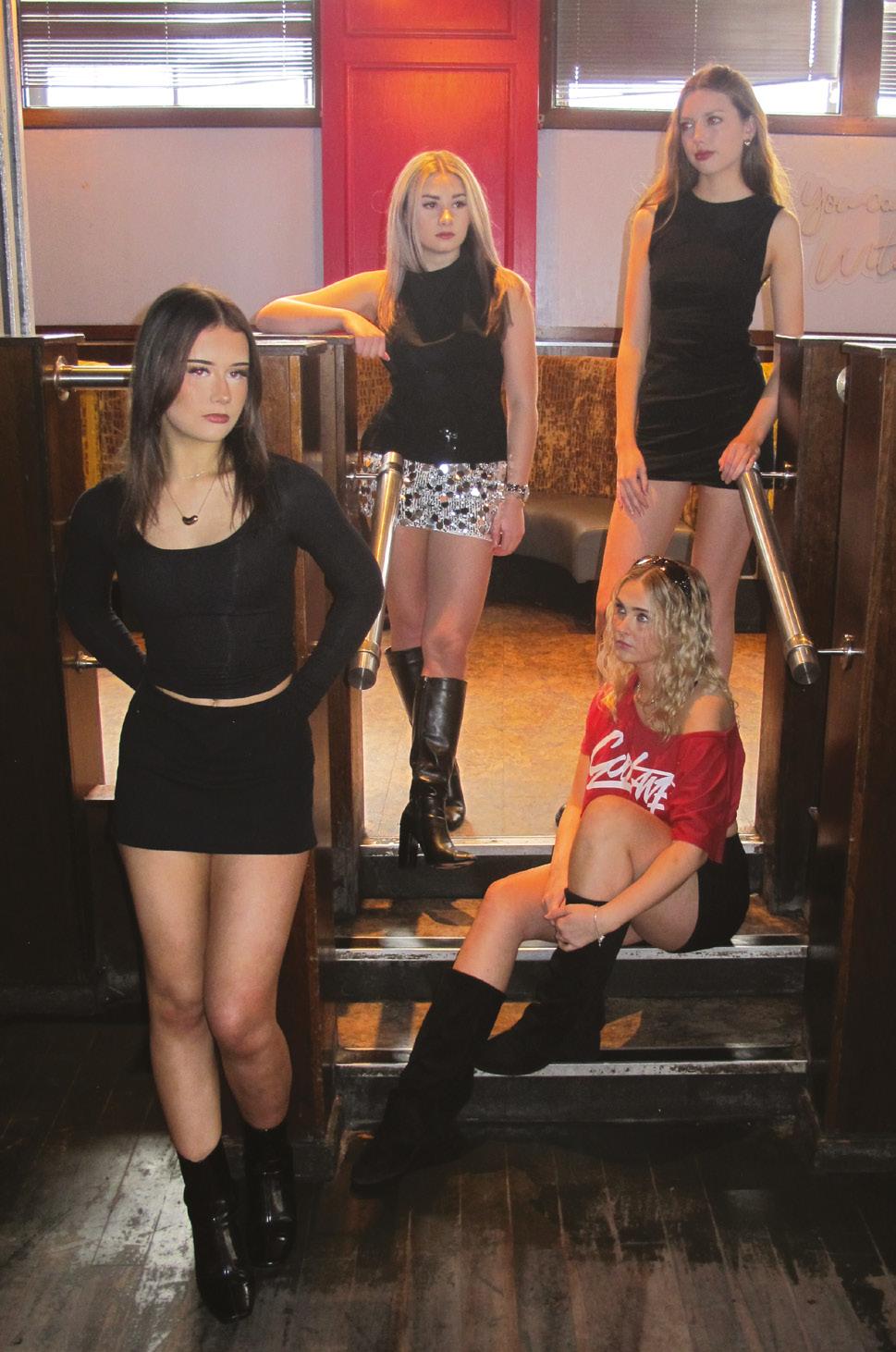
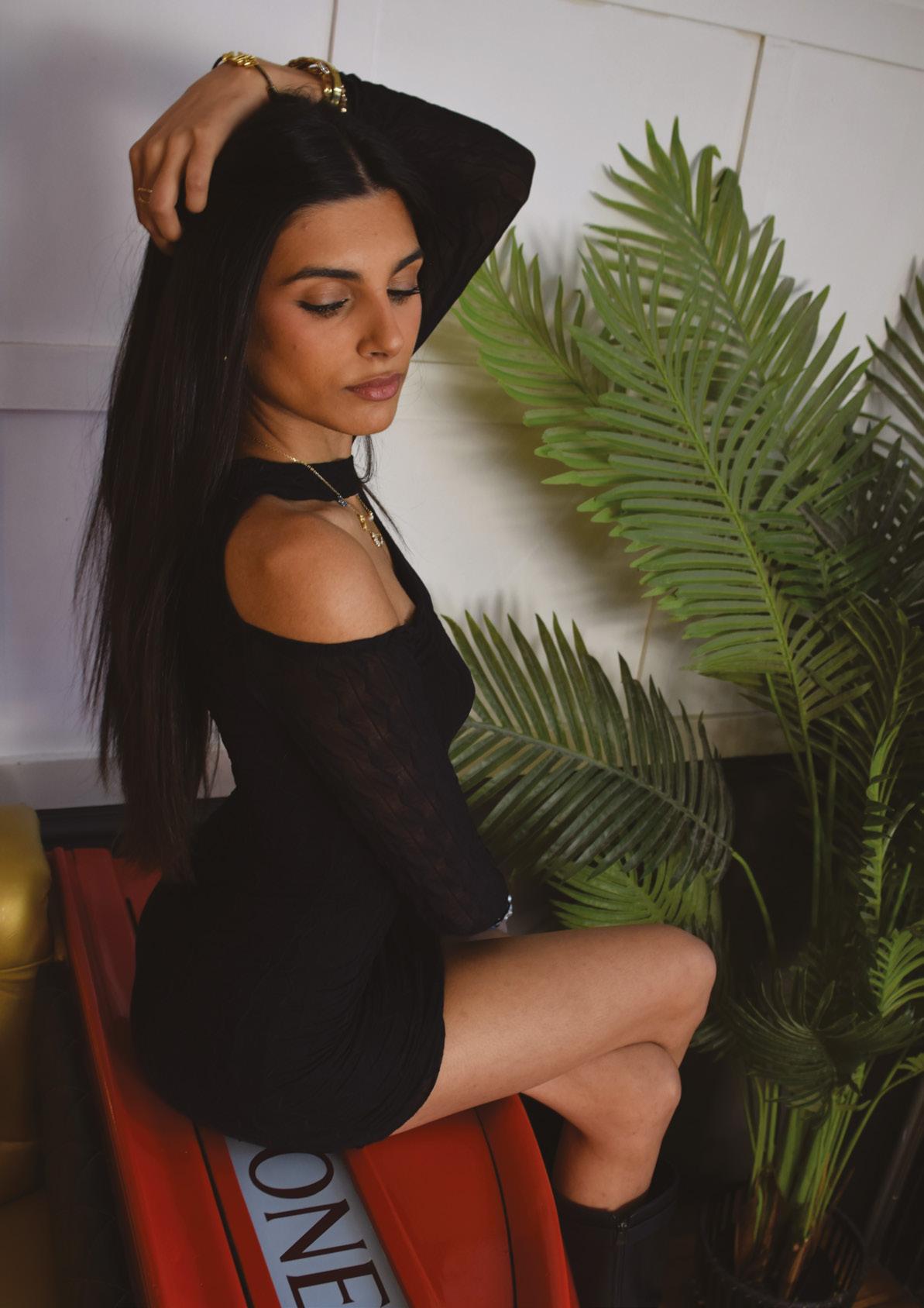
Feminine Nior
Find your look
Location : Siberia Bar & Hotel
Photographer : Natalie Hood
Model : Saachi Sharma
Stylist : Saachi Sharma
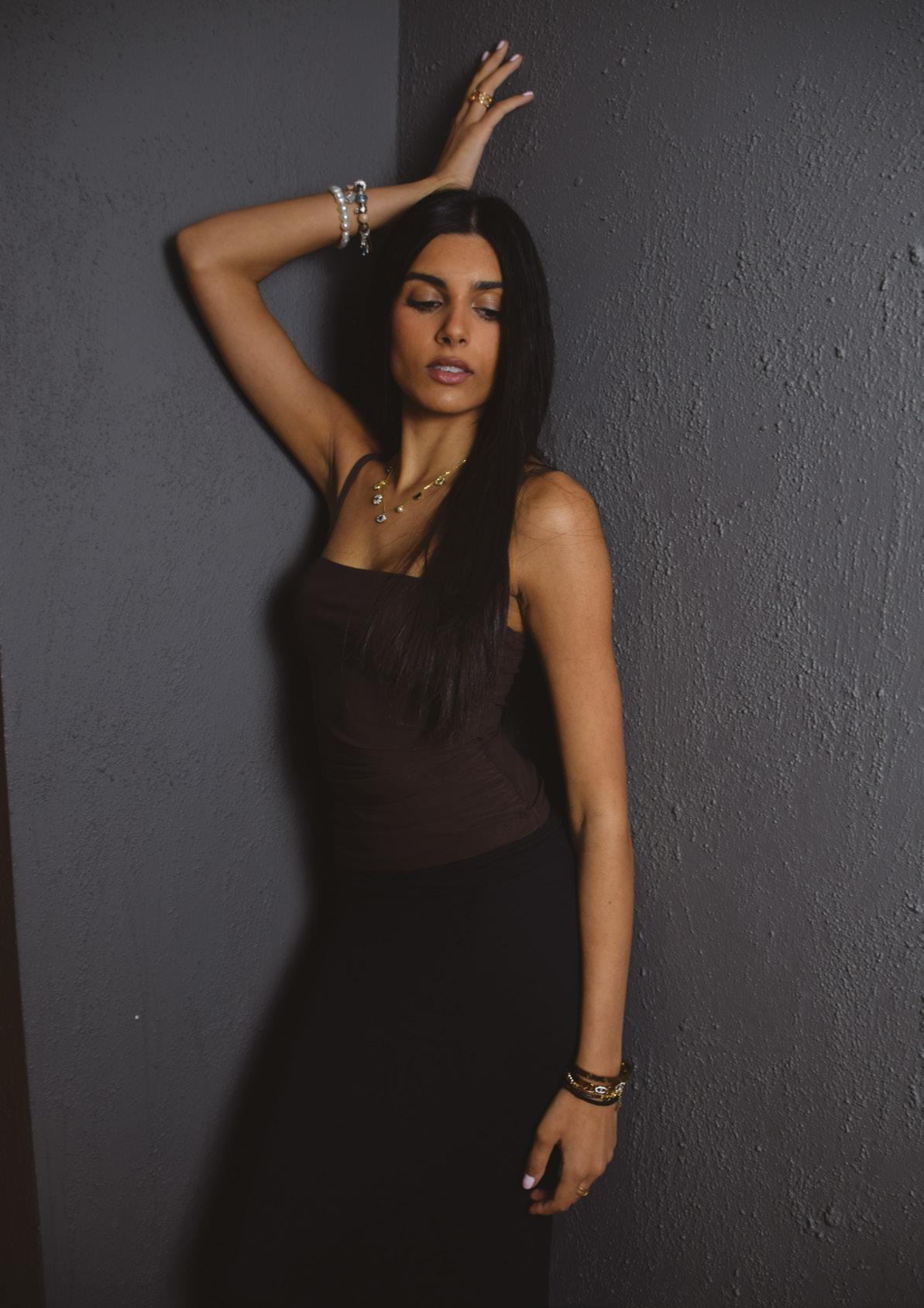
Top : Dynamite Skirt: H&M
Necklace : Swarovski
Heels : Primark
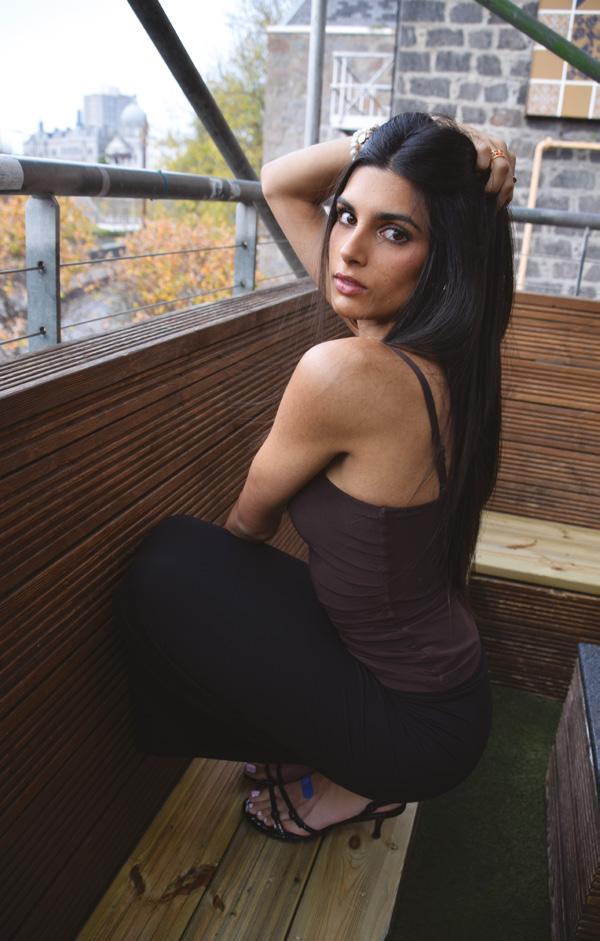
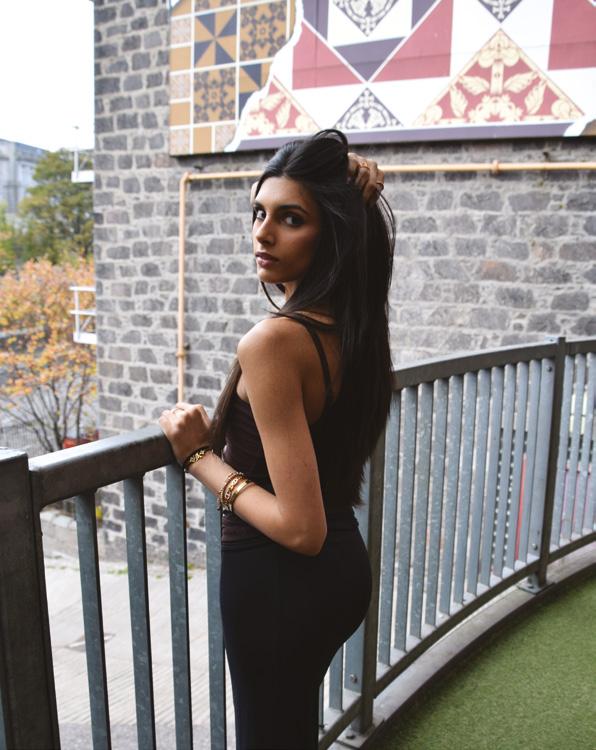
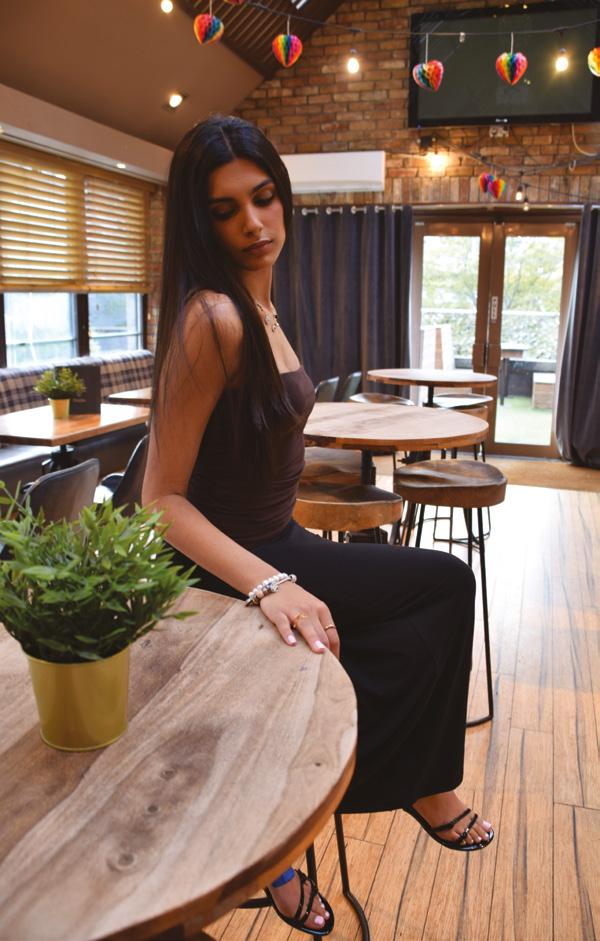
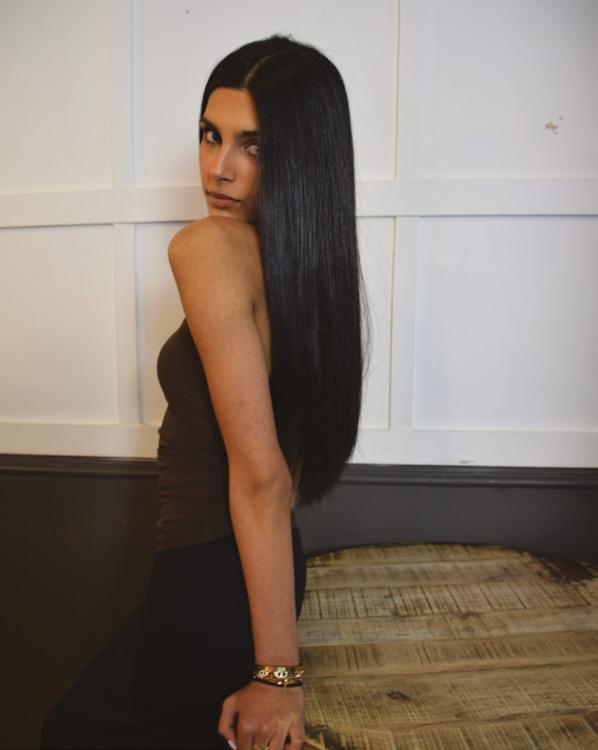
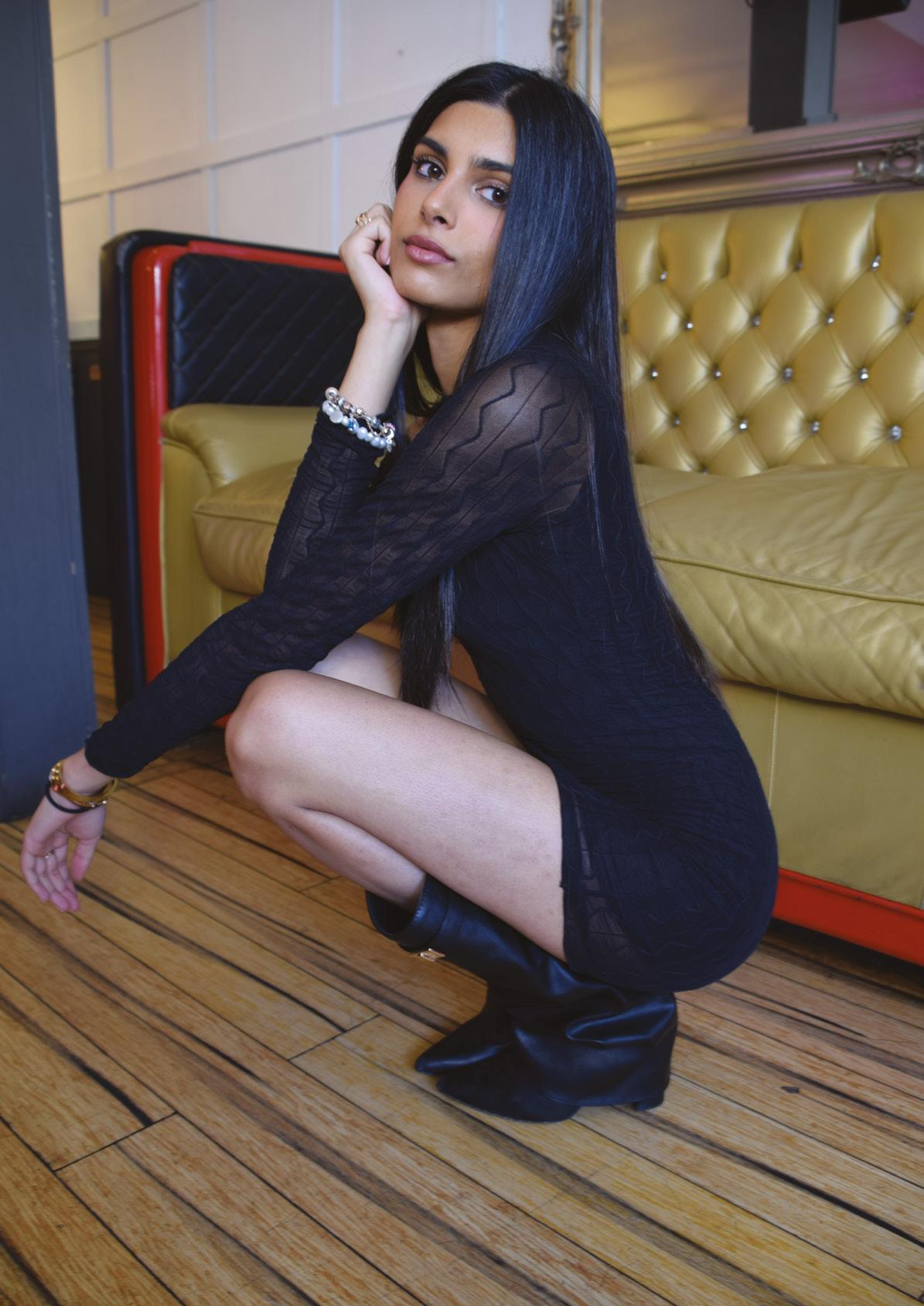
Dress : Motel Rocks
Boots : Ego
Jewellery : Model’s own
2000s Rewired
Revamping the past, the 2000s reborn
Models - Tabitha Pirie and Maja Niemiec
Photographer - Milita Constantin
Stylist - Tabitha Pirie
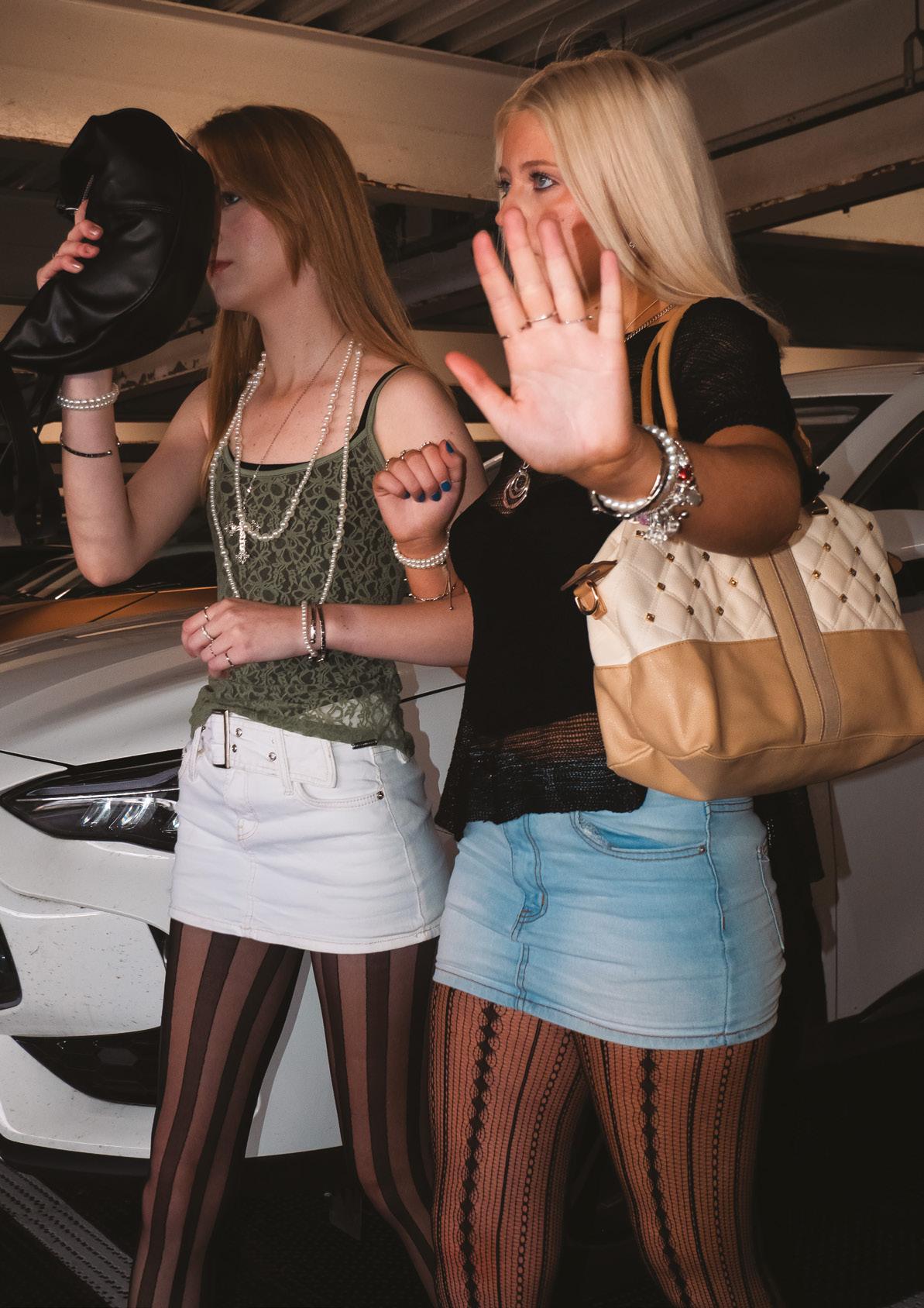
Top - Missguided
Skirt - Bershka
Tights - Lunluofo
Bag - H&M
Bag - River Island
Top - Primark
Boots - Amazon Skirt - ASOS
Tights - Lunluofo
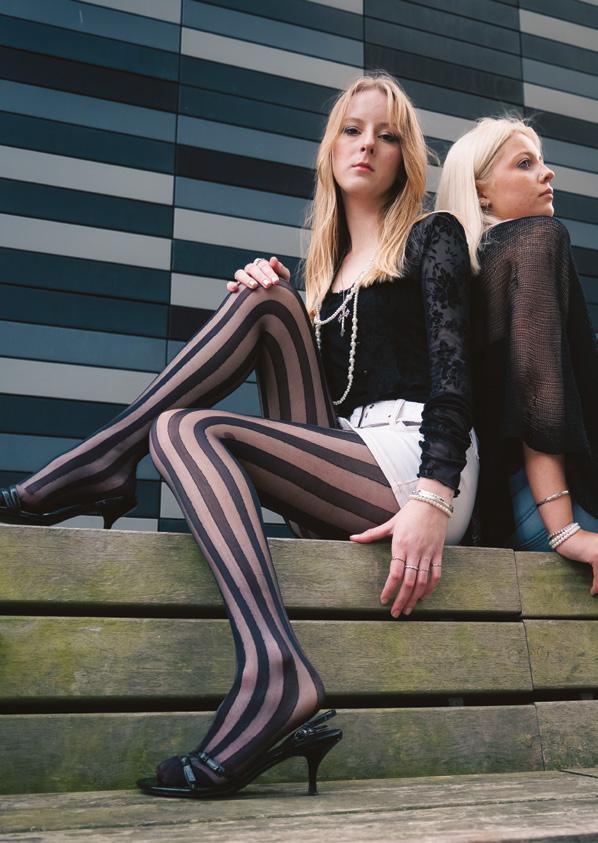
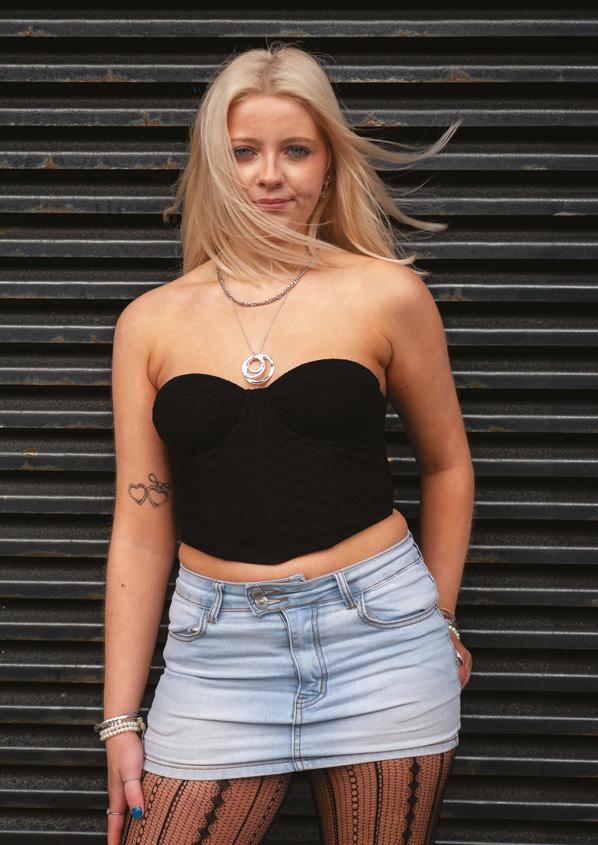
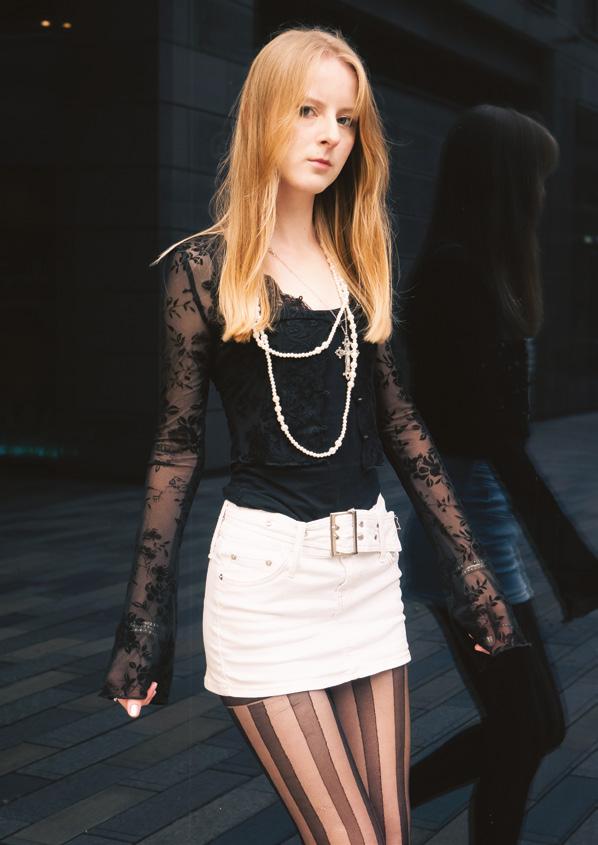
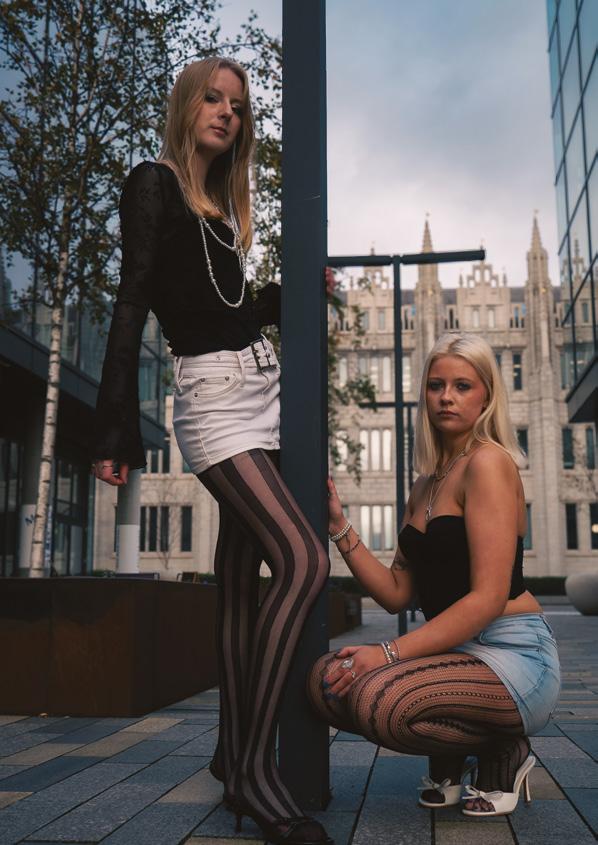
Top - ASOS
Heels - Primark
Top - Primark Heels - New Look
Classic ‘Fits Never Fade
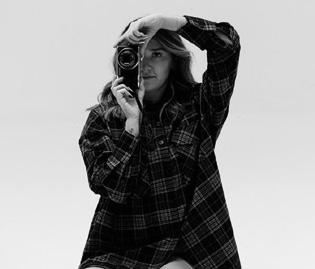
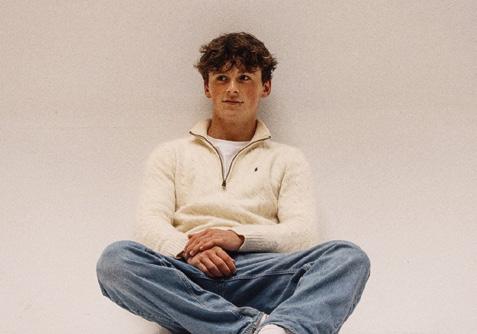
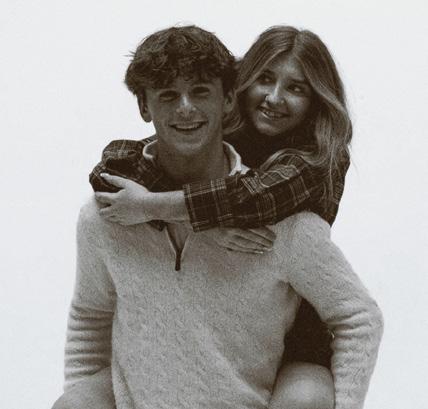
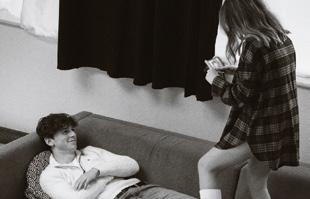
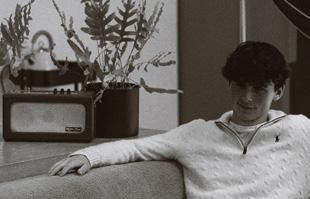
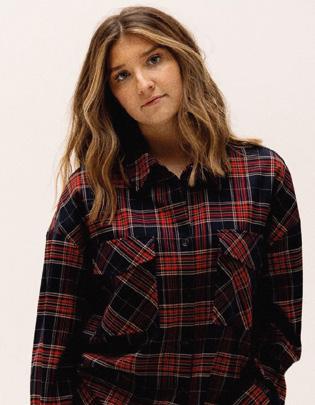
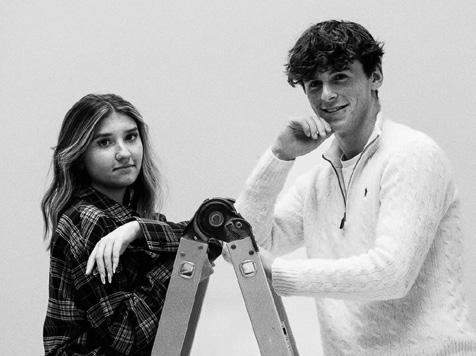
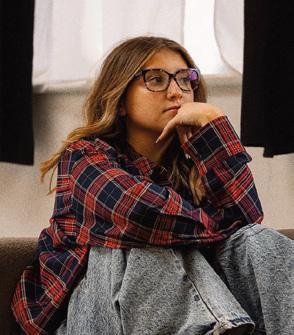
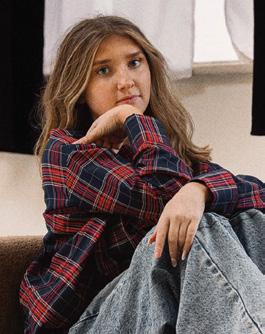
Male model - George Insley Photographerml.wildlifephotography
Stylist - Rebecca Dickson Clothes - Stylist’s Own
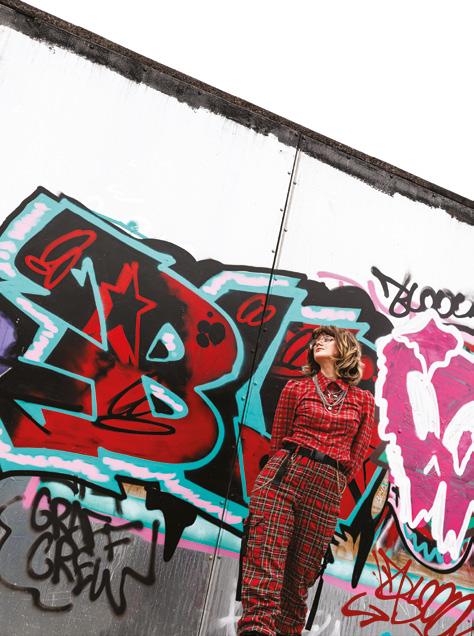
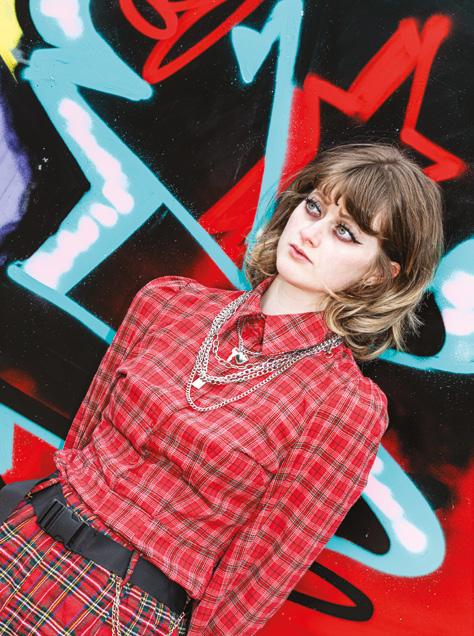
Alternative Vintage
Where old meets modern
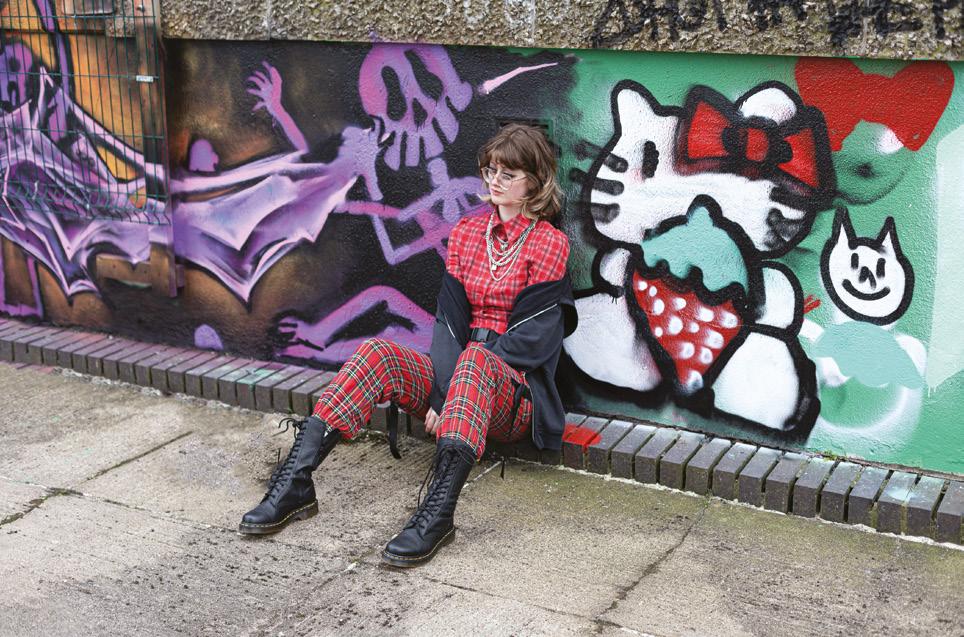
Model: Cara Prentice
Photograher: Paul Irvine
Stylist: Cara Prentice
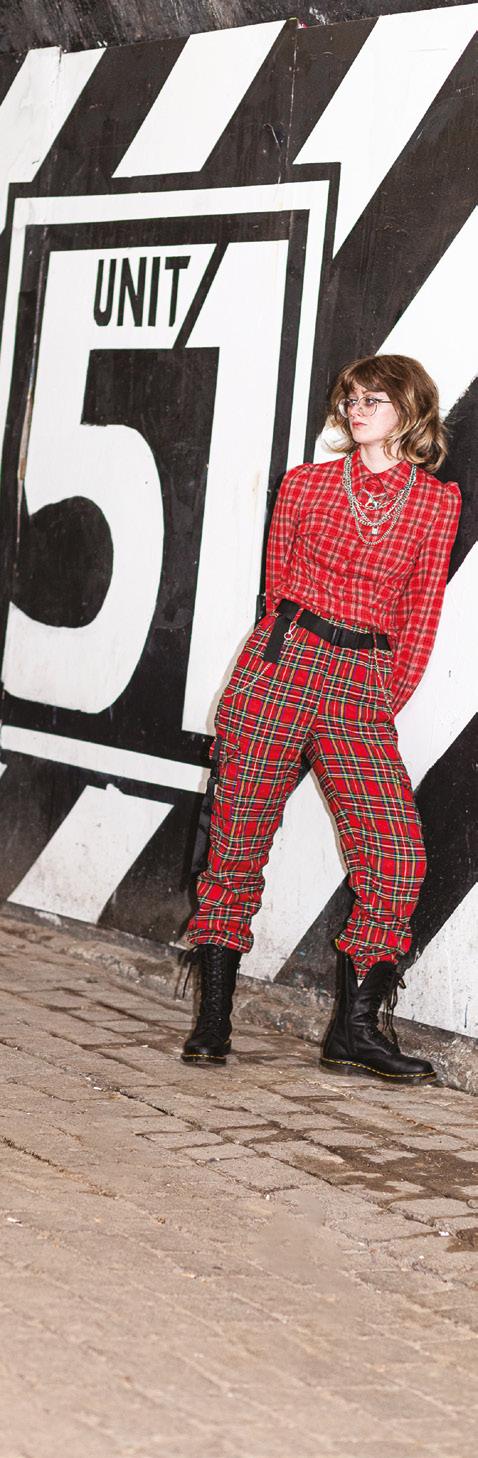
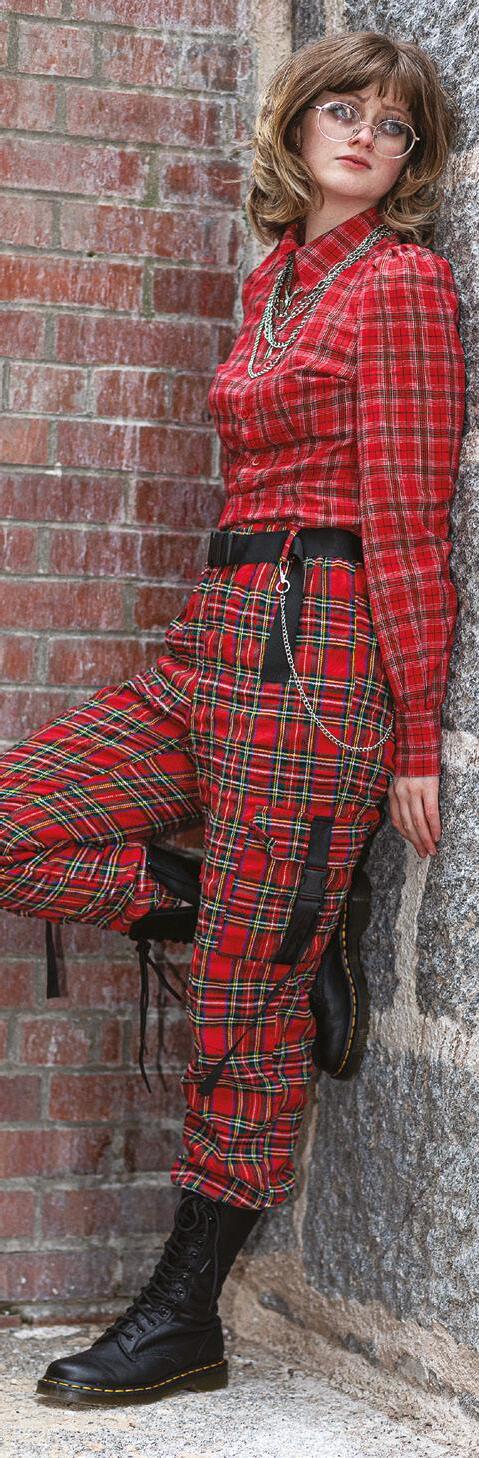
Shirt: PrettyLittleThing
Hoodie: Gildan Chains: Amazon Belt + Trousers: Thrifted Shoes: Dr. Martens
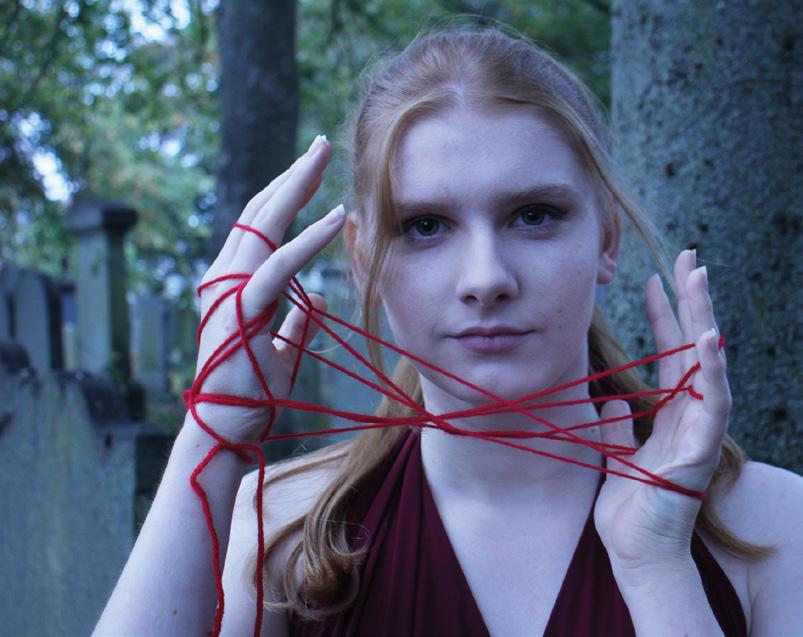
Alternative Core
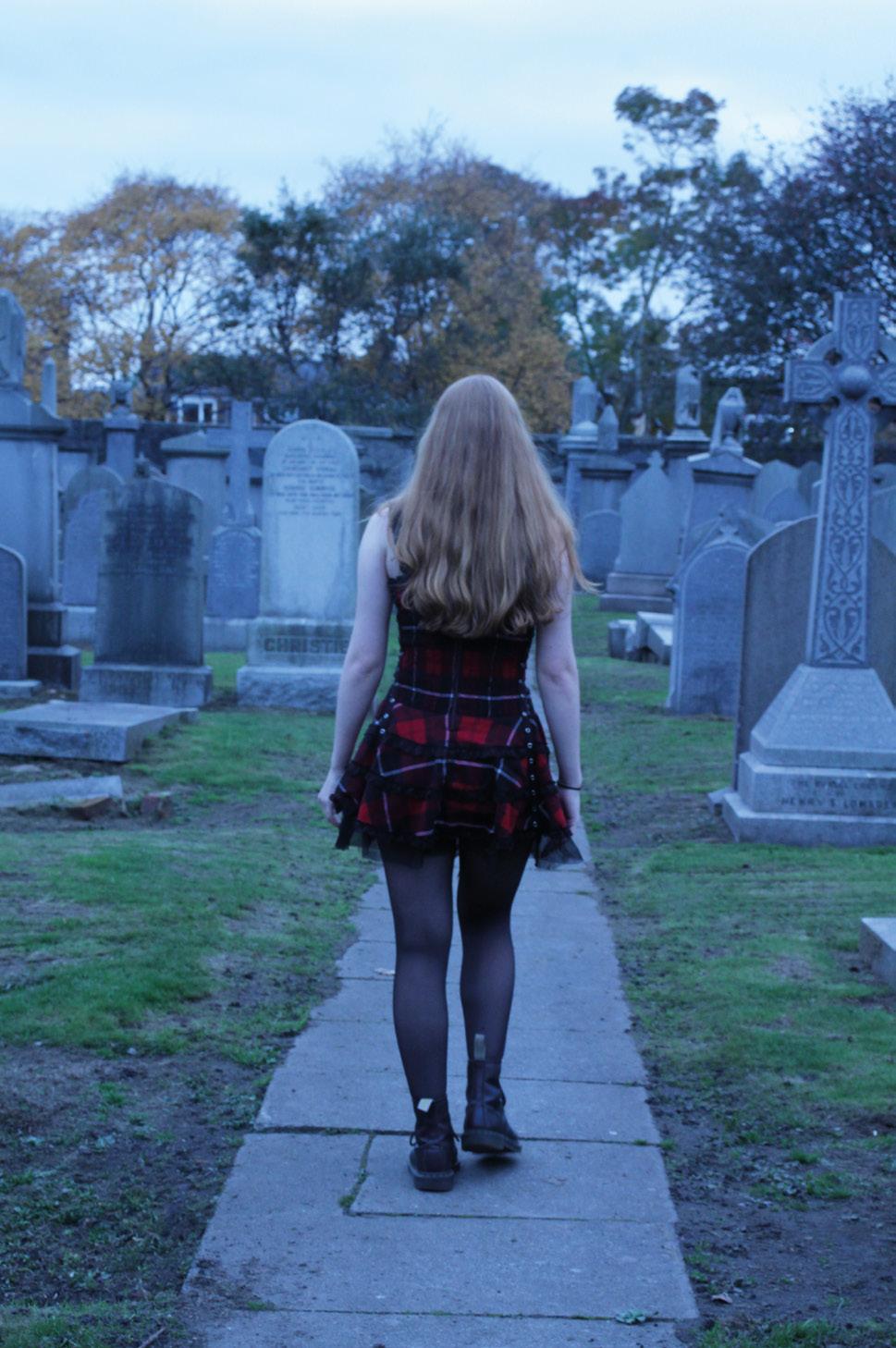
Lace Up Boots
£110
Dr. Martens
Model- Mia Wilson Photographer- Chloe Grant
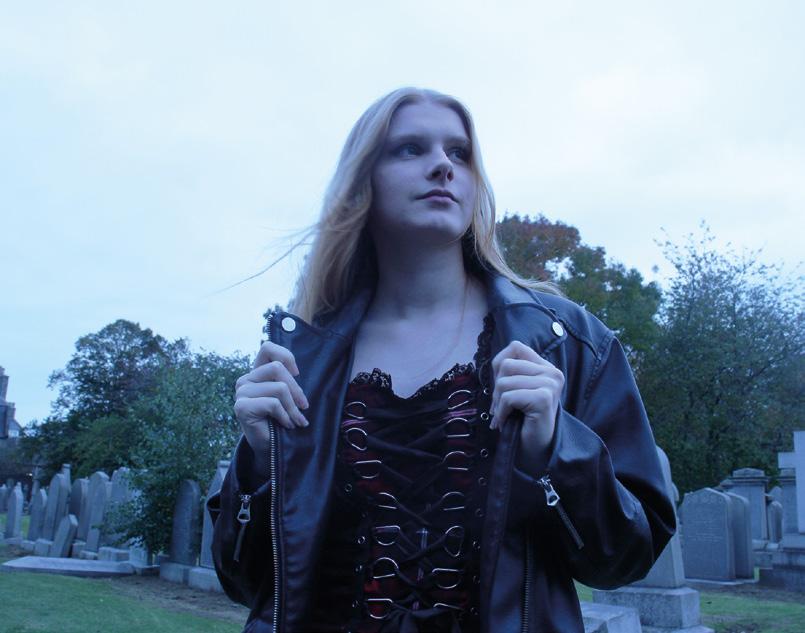
Dress
£28 New Look
Biker Jacket
£32.24
Embellished Beanie
£10.99
New Look
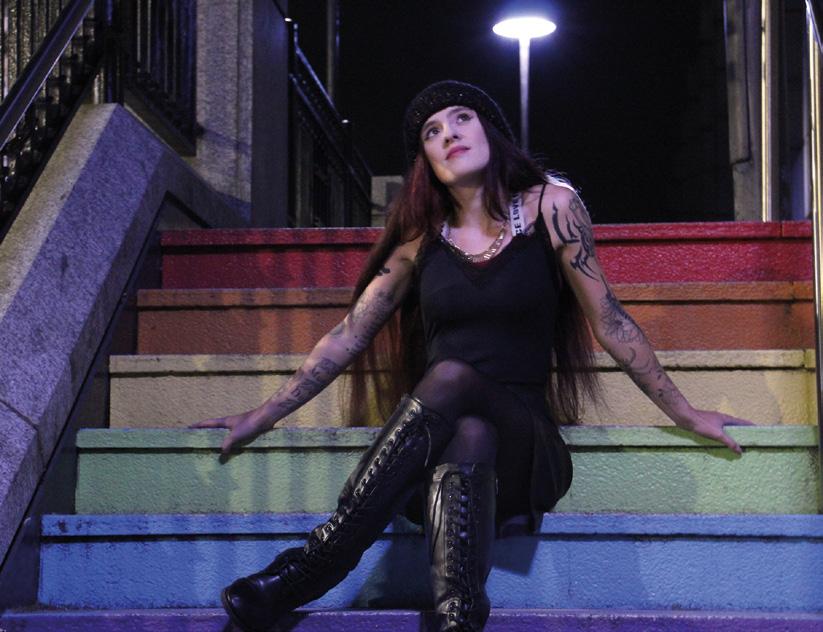
Knee High Boots
£38.99 Amazon
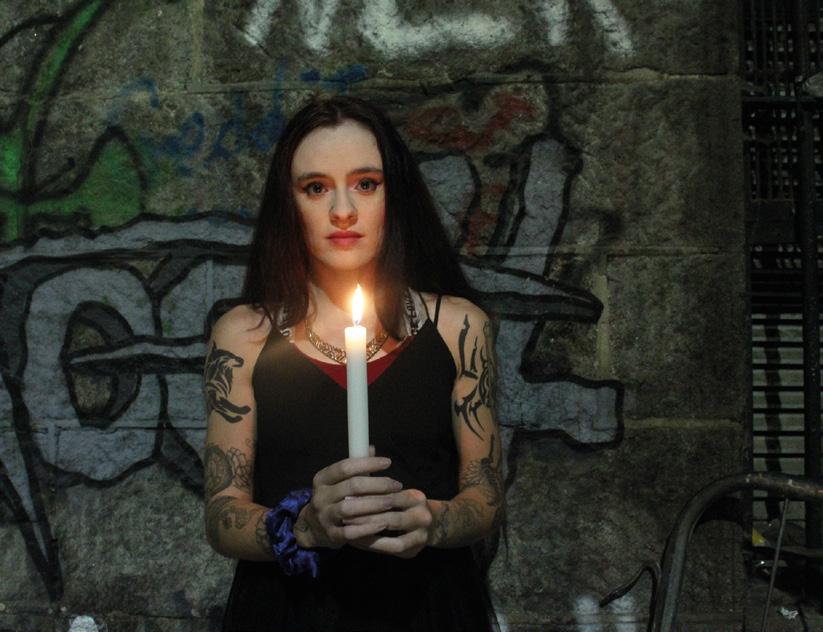
Plunge Neckline Dress
Vintage New Look
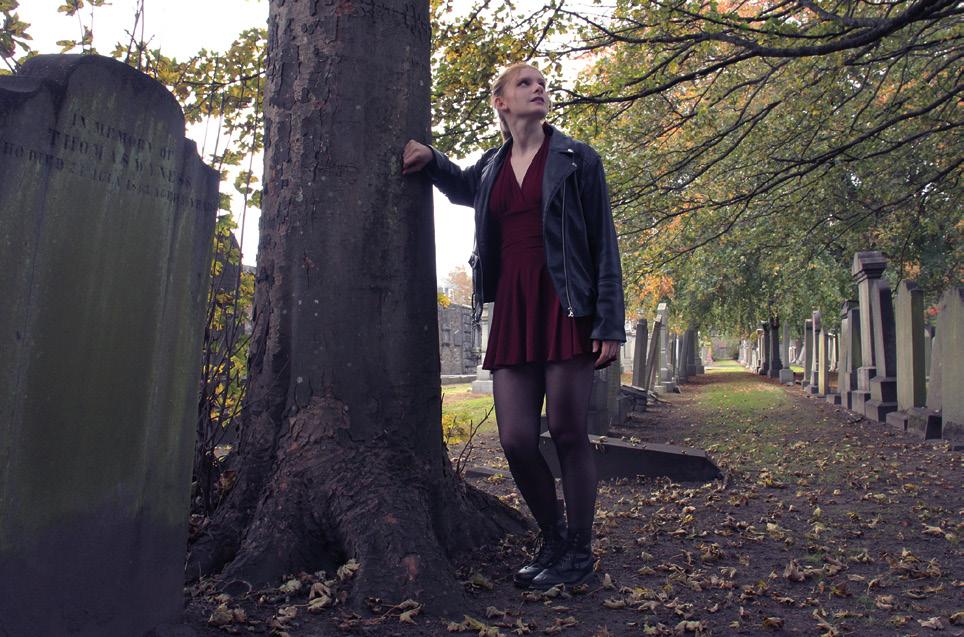
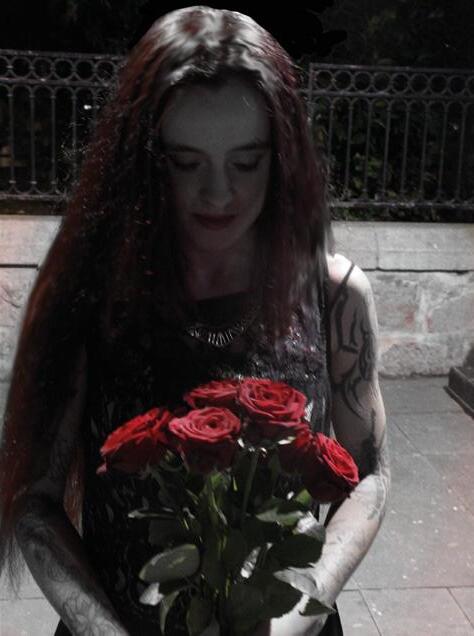
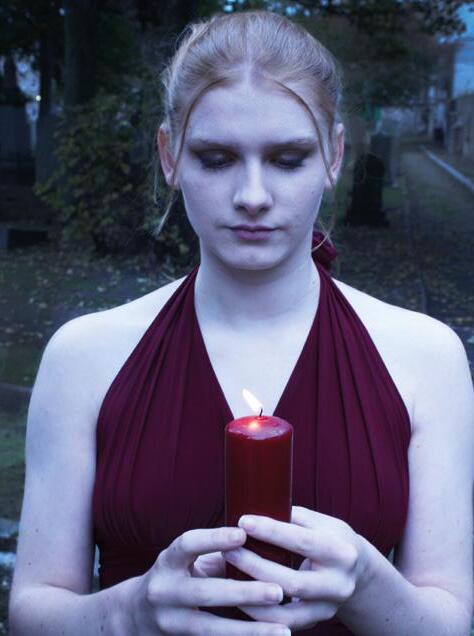
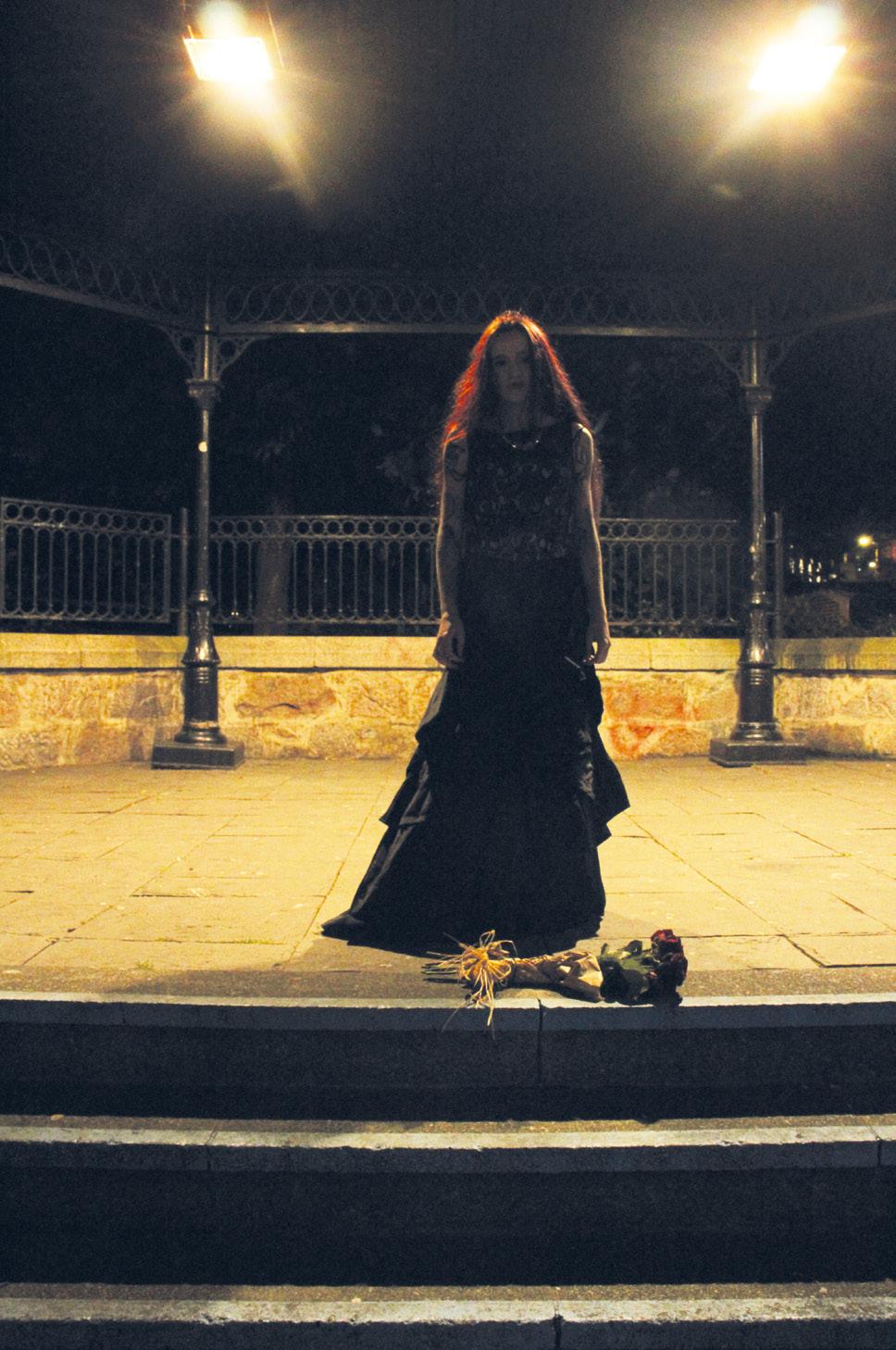
Black Lace Dress
Vintage Karen Millen
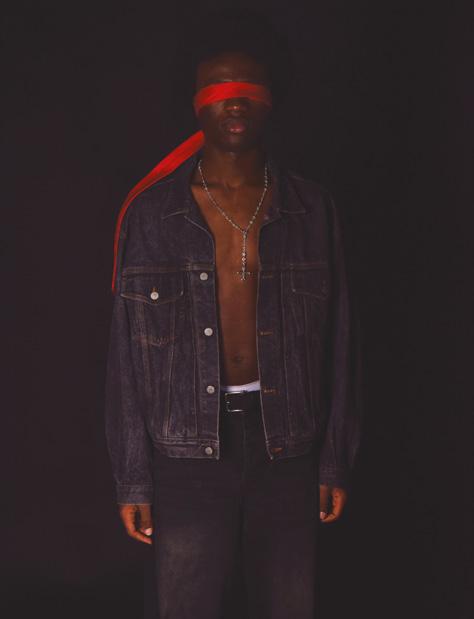
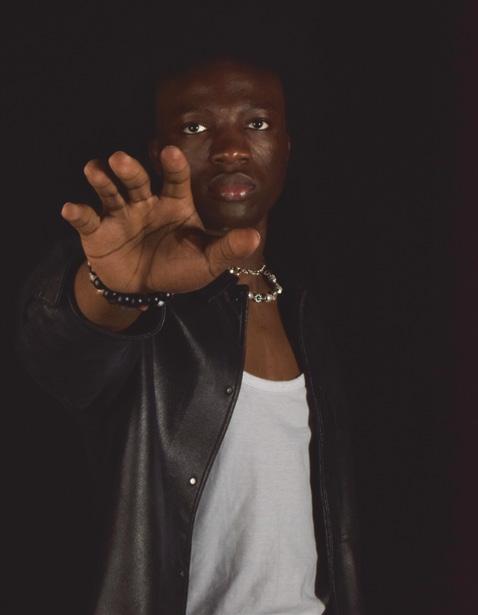
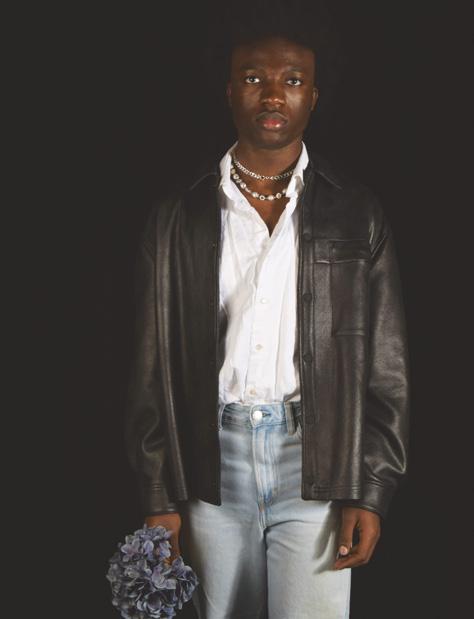
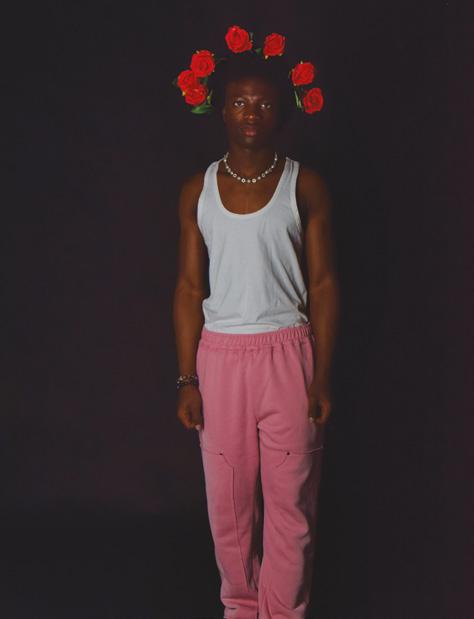
Tie: Amazon, Necklace: En Route, Jacket: Model’s Own, Jeans: BohooMAN
Jacket: Zara, Shirt: Primark, Jewellery: En Route
Jeans: BohooMAN, Shirt: Hugo Boss, Jacket: Zara
Shirt: Primark, Sweatpants: BoohooMAN, Necklace: En Route
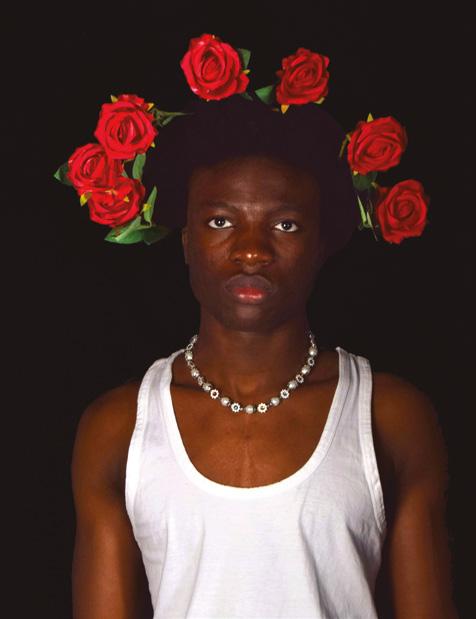
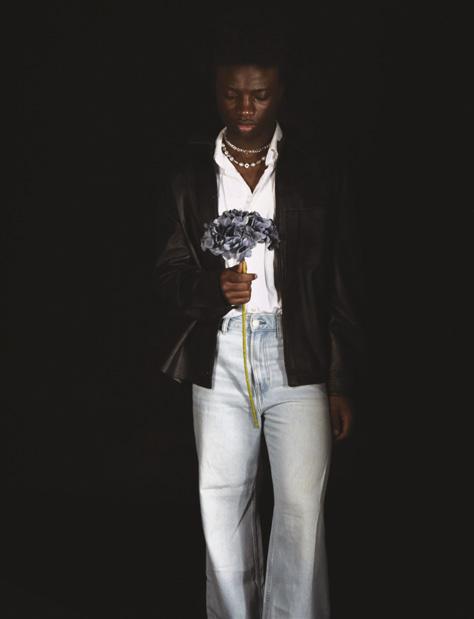
SHADOWS
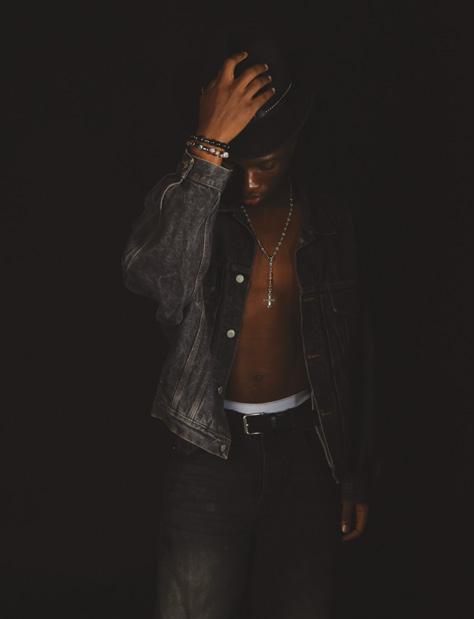
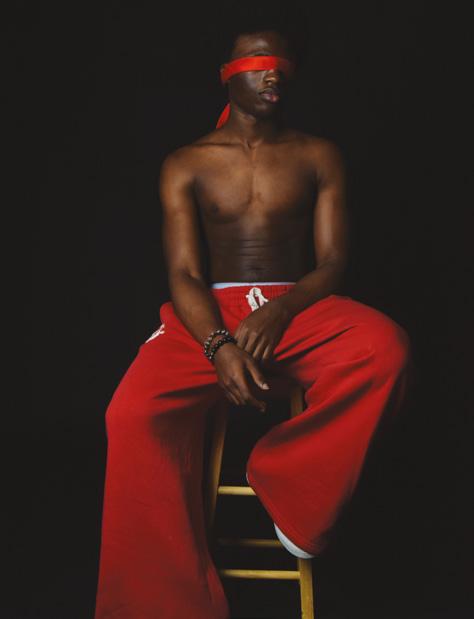
Model: Ebipamowei Preye Oseke
Styling & Concept: Quinn Kohlhoff
Photography: Caelinn Angus
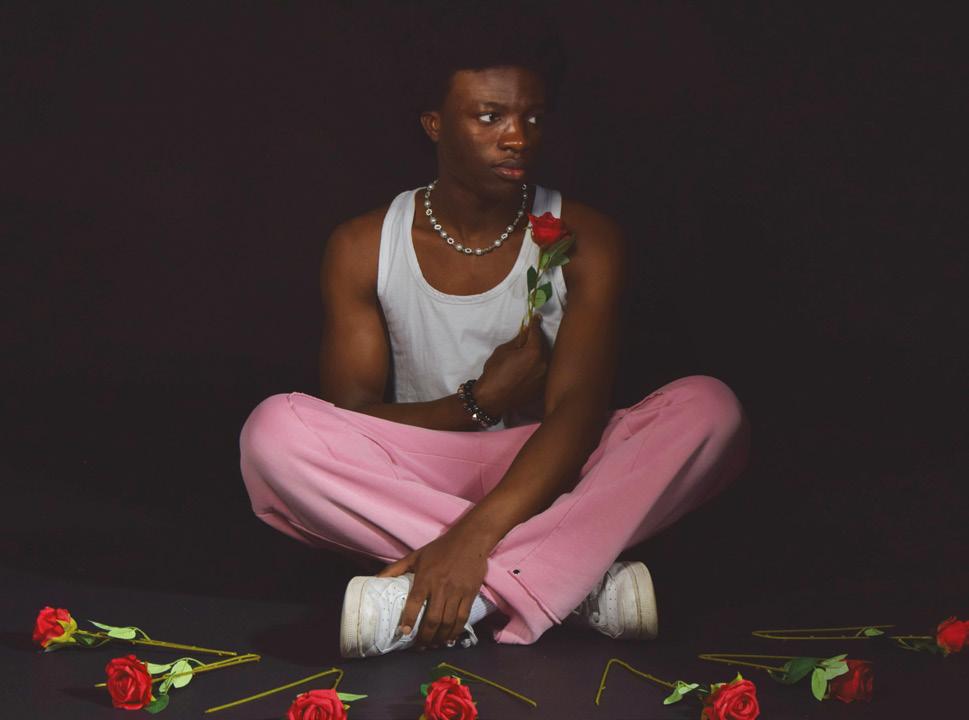
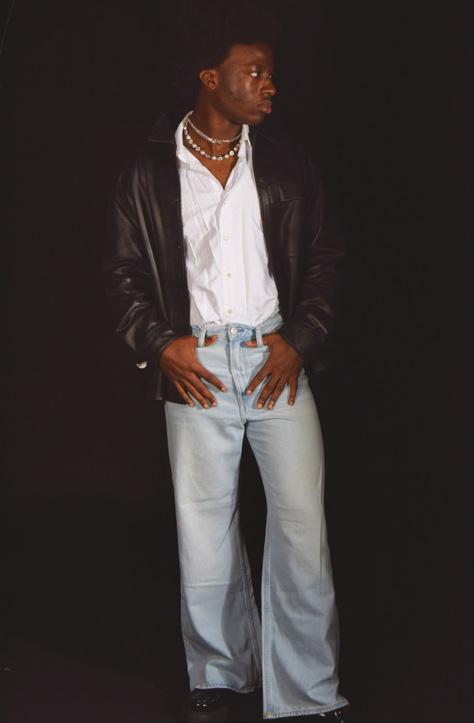
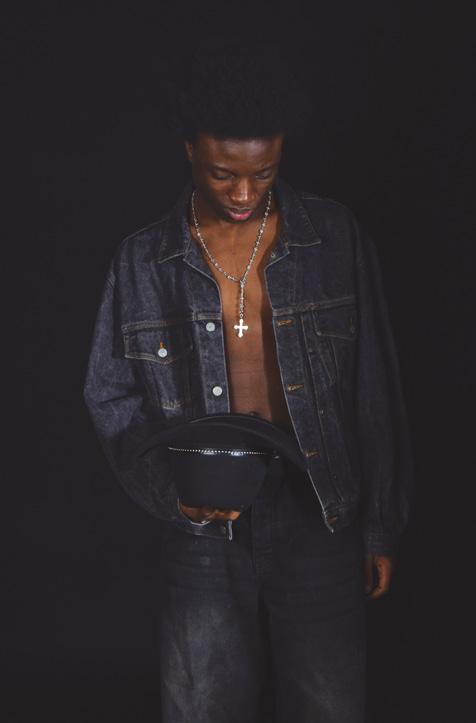
Shoes: Nike Hat: Amazon
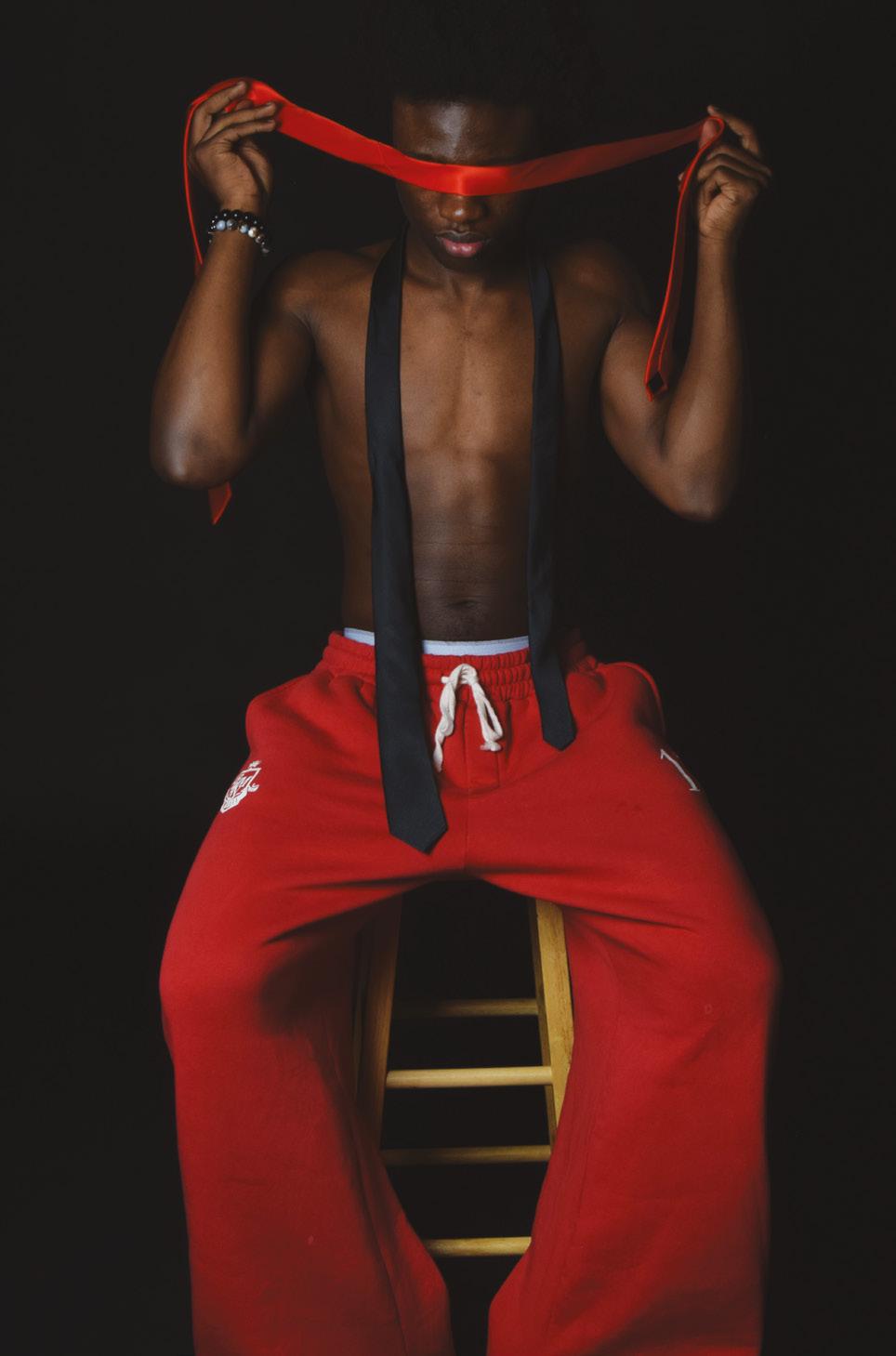
Tie: Primark
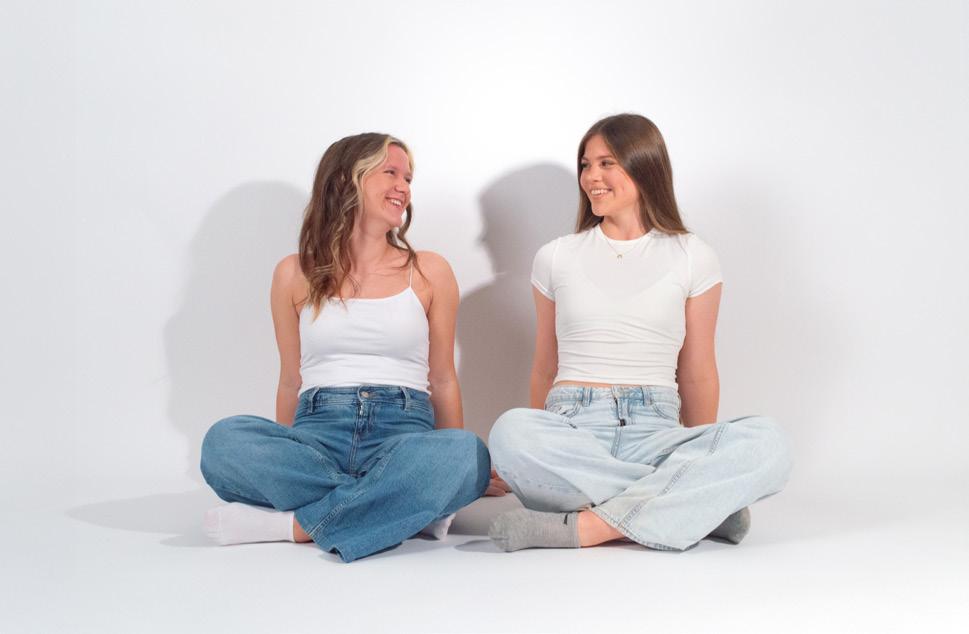
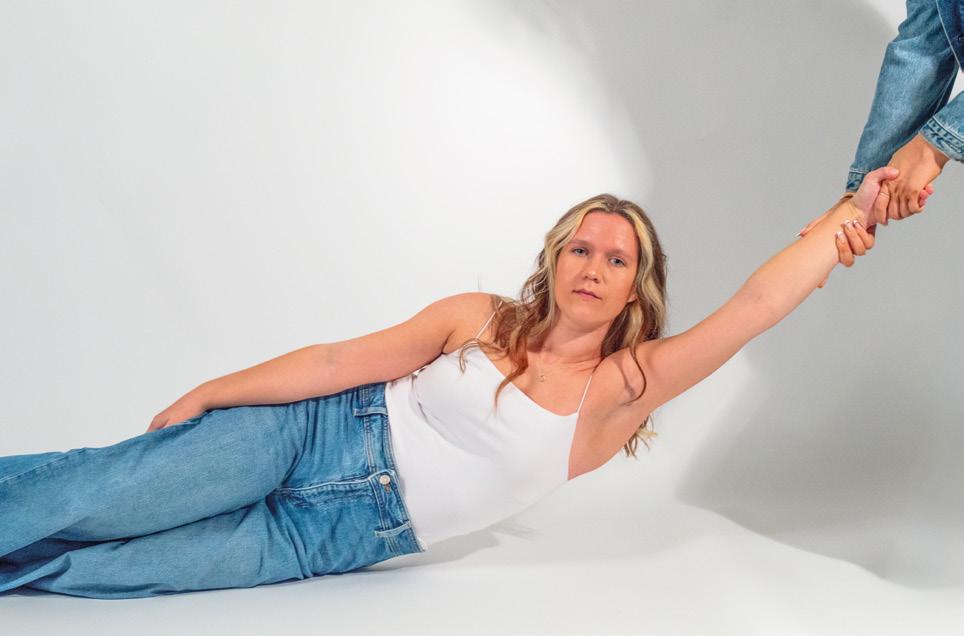
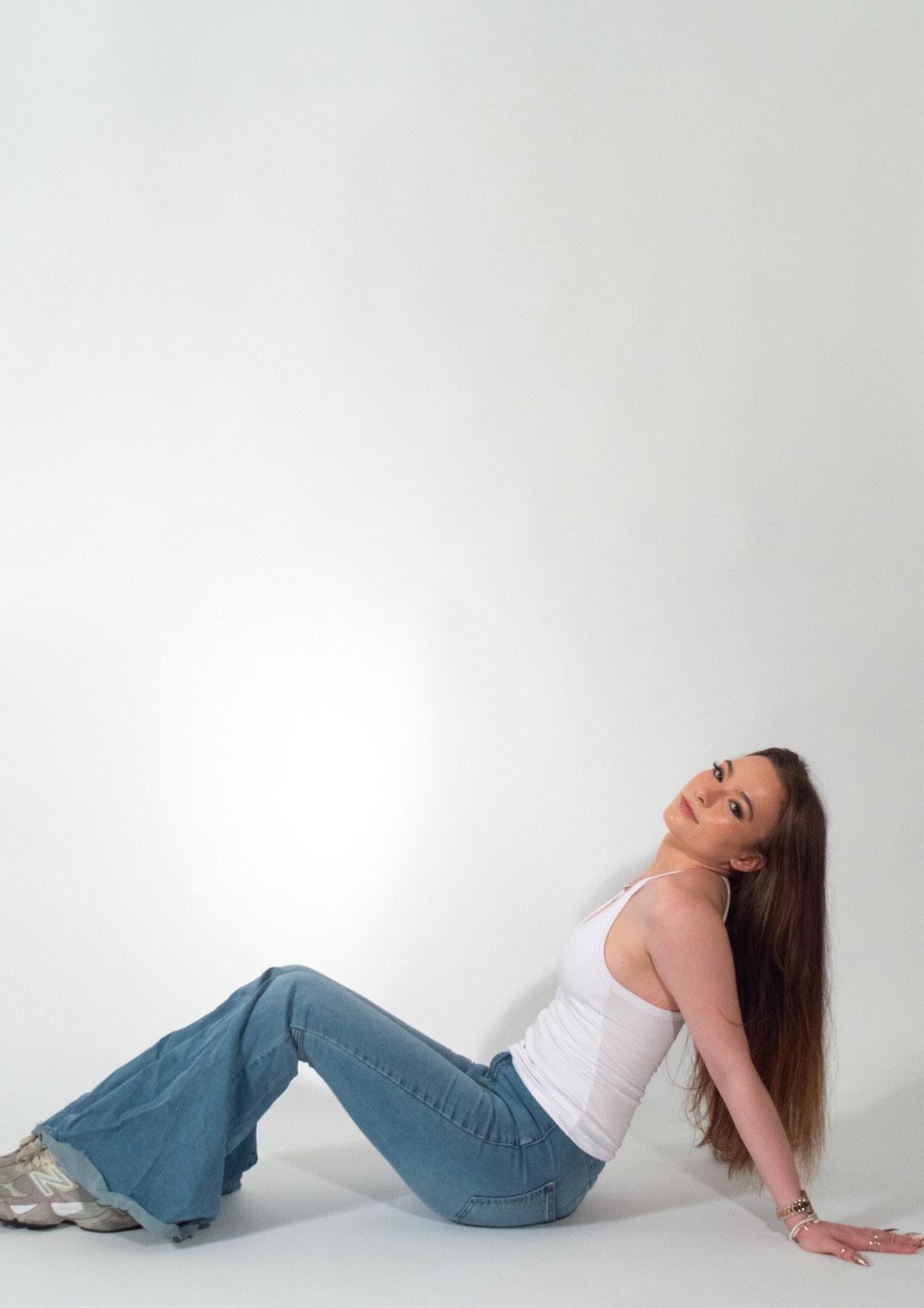
All in the Jeans
Model Natalia Panka
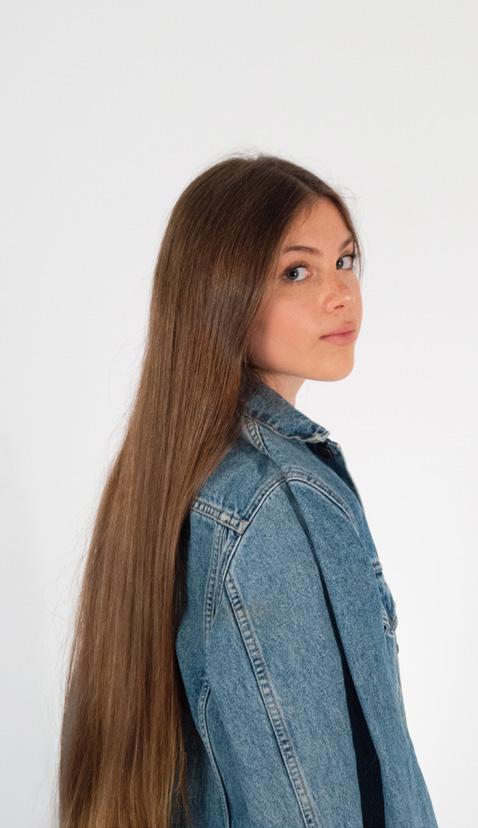
Solemenly Faded
playfully frayed
Model: Lauren Pittman
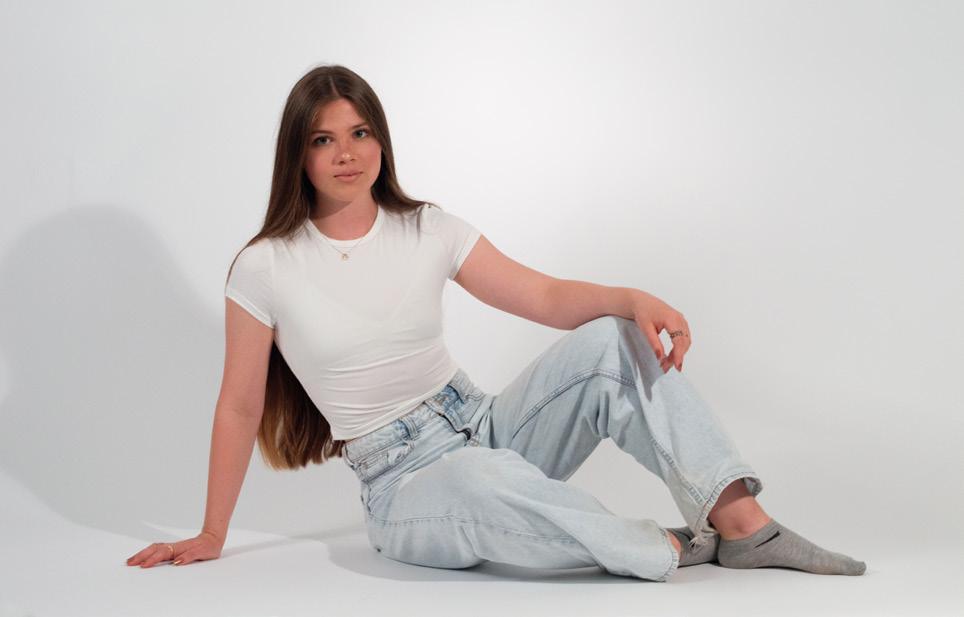
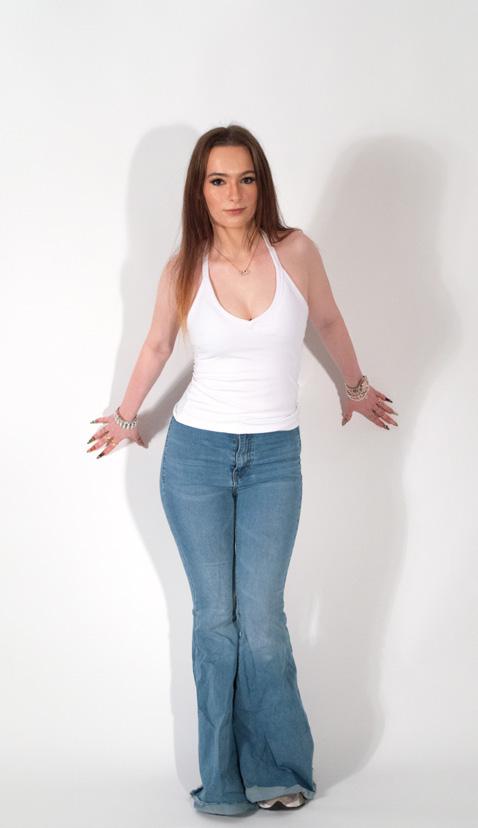
Model: Lauren Winterburn
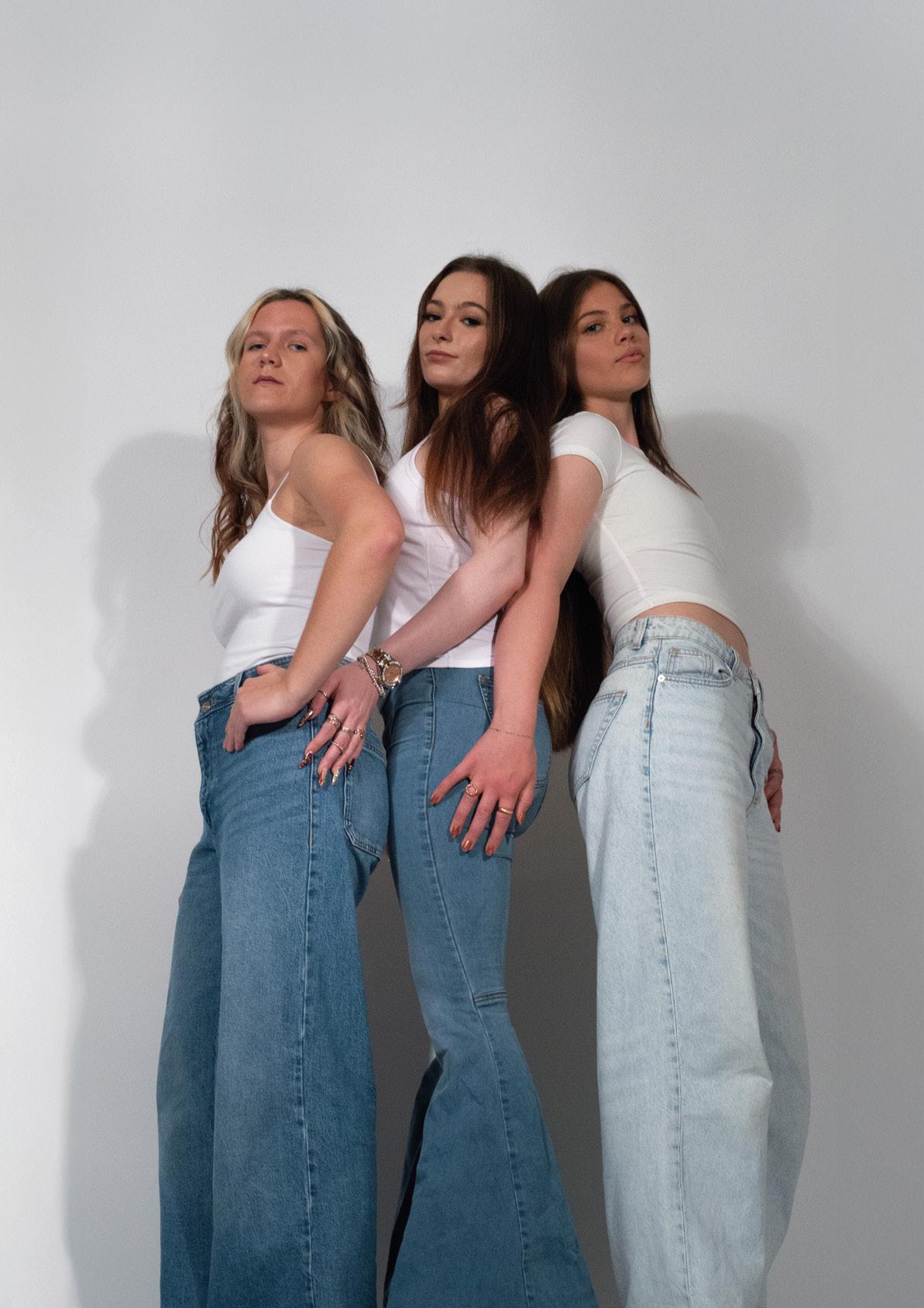
Stylist: Caitlin Lennox Photographer: Dennis Romans
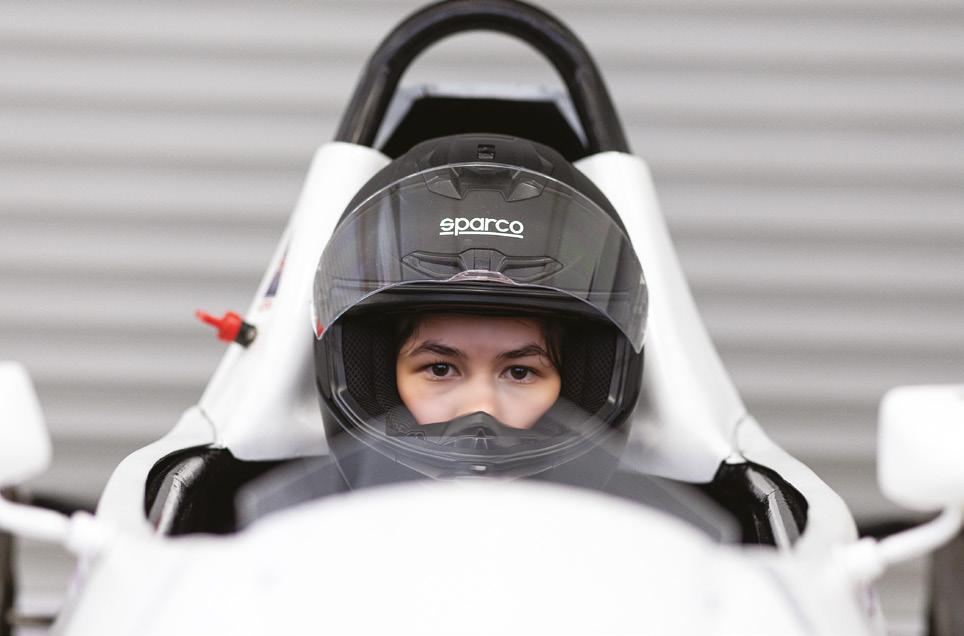
Full Throttle Femininity
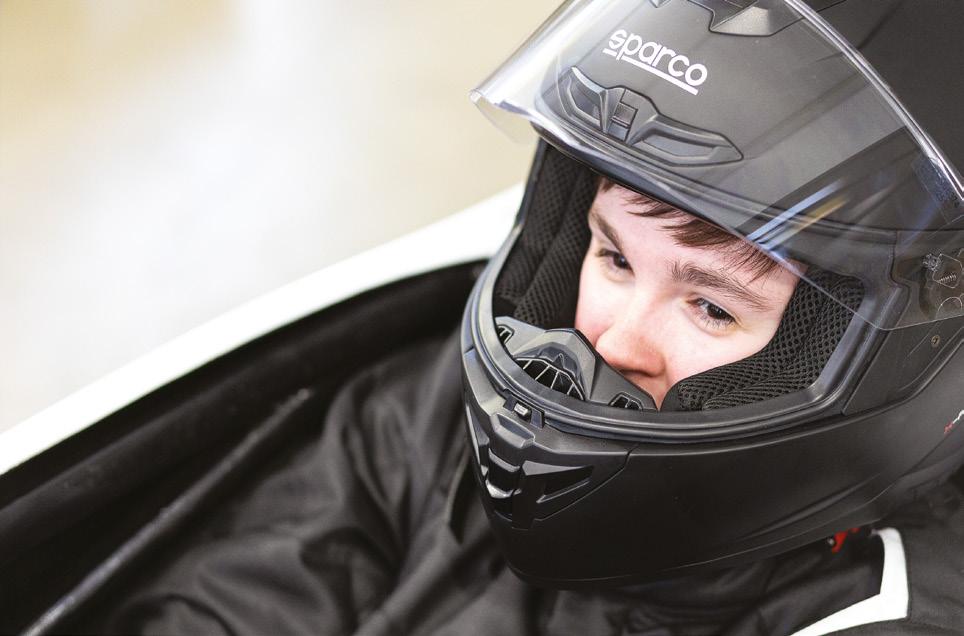
Shoot concept: Cara Prentice Photographer: Paul Irvine
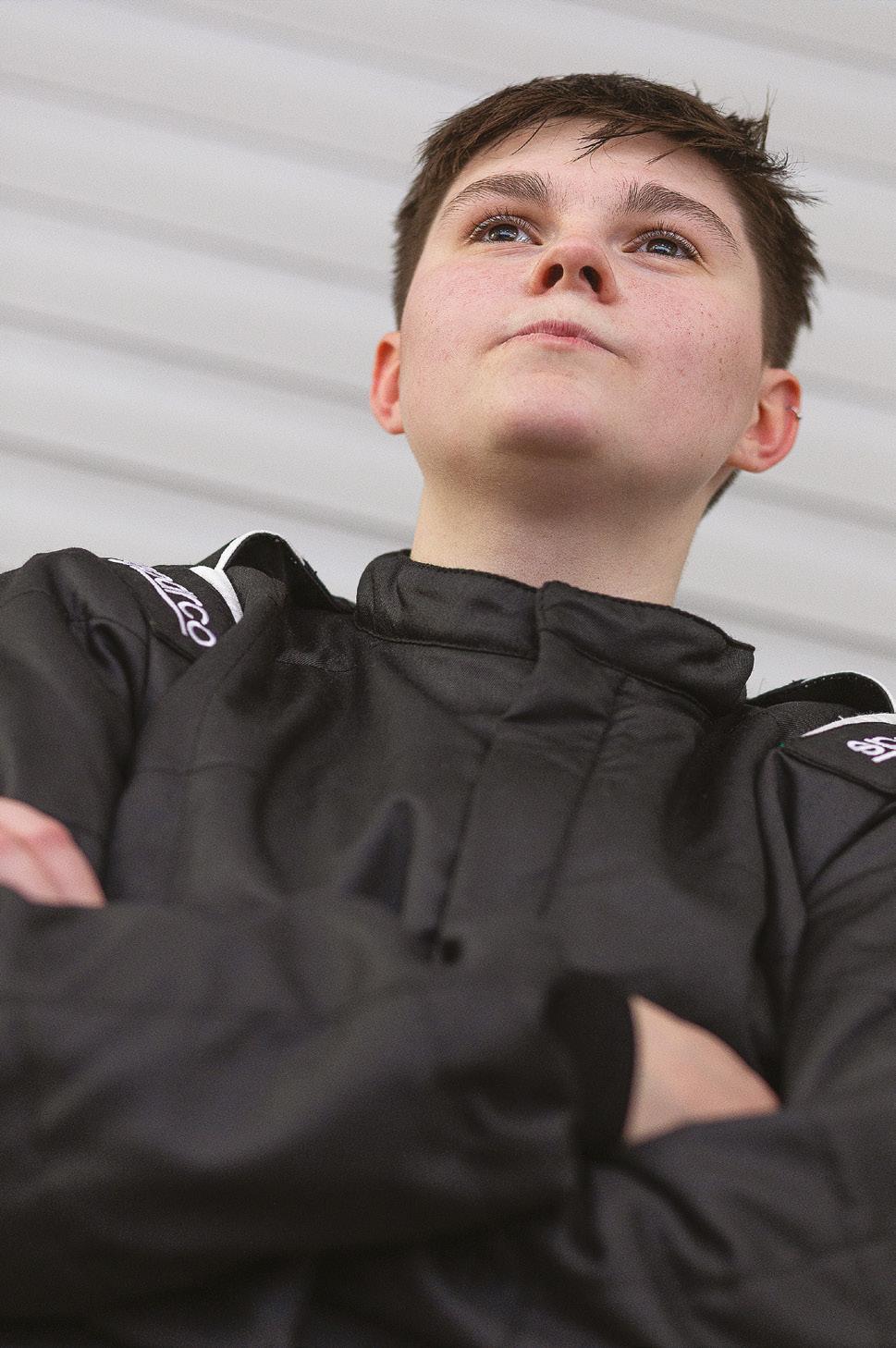
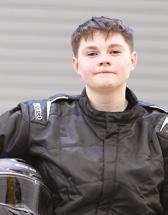
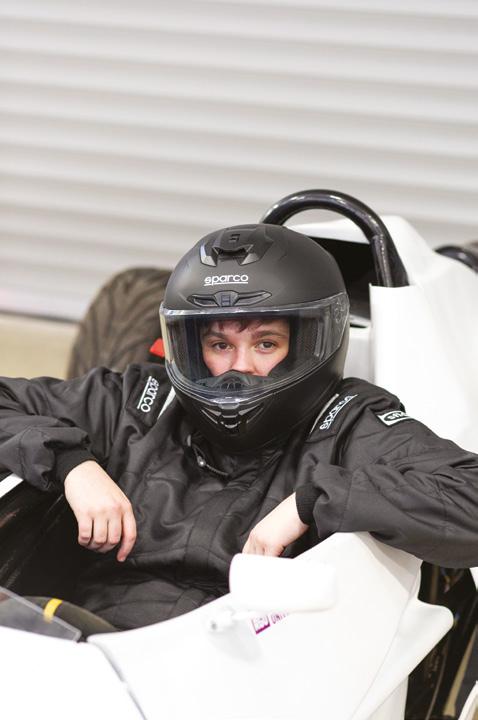
Caitlin Barry’s Sparco sprint suit £426.72
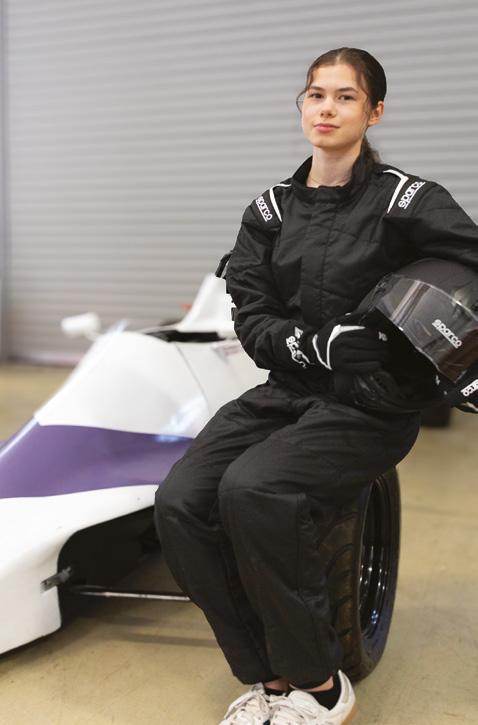
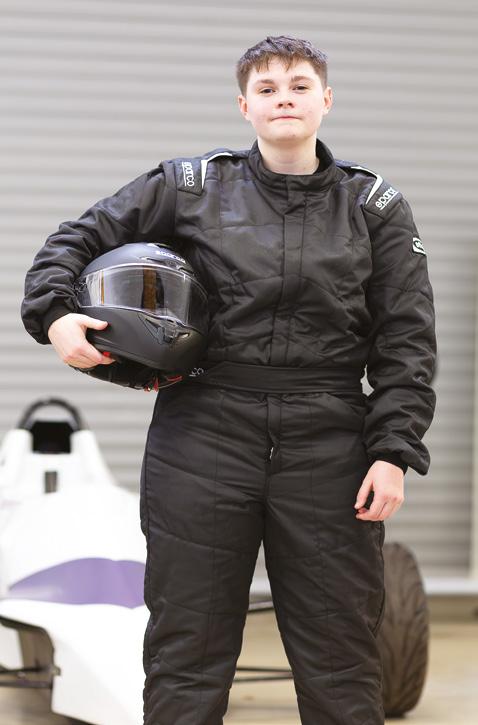
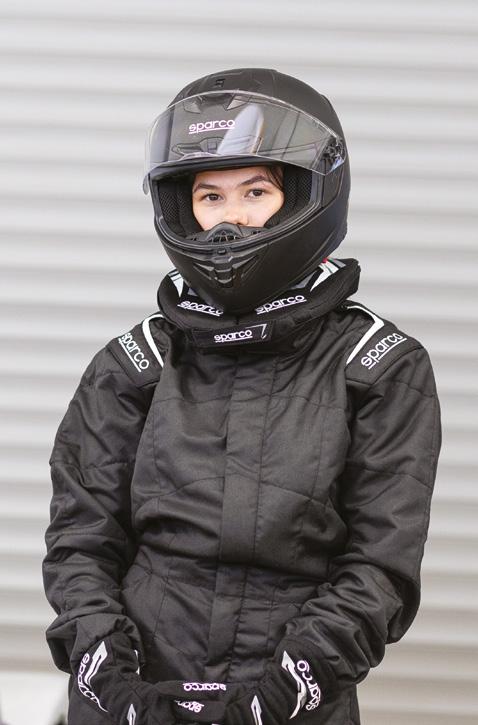
Coryn Walsh’s Sparco sprint suit £426.72
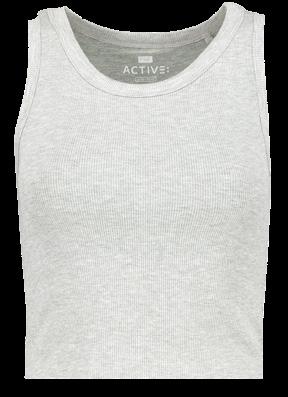
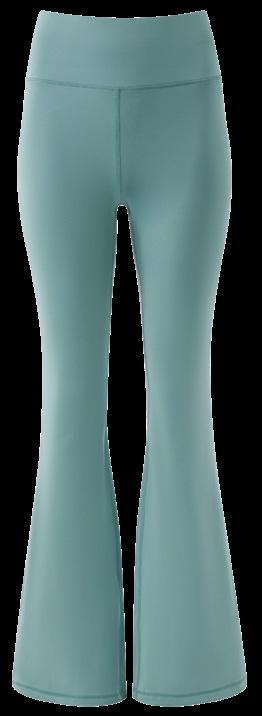
Gym Faves Get sweaty and achieve your goals
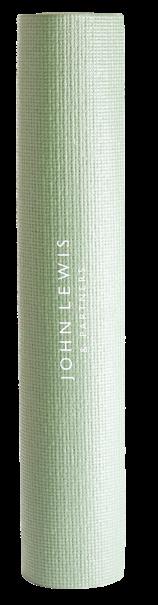
John Lewis Yoga Mat £15
Grey Soft Yoga Vest Top£10
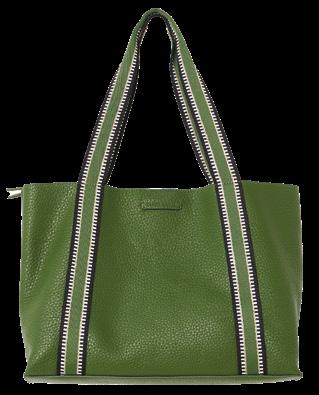
Oliver Bonas Emma Green Tote £65
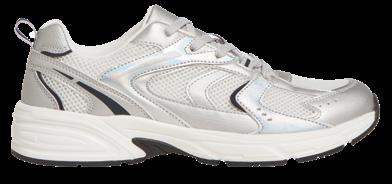
Tu Grey Chunky Trainers £20
Matalan Souluxe Flare Leggings Blue £18
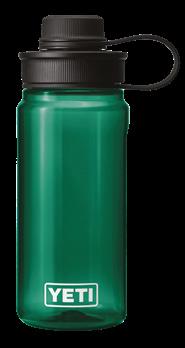
Yonder 600ml Yeti Black Forest Green Bottle £28.75
By Tabitha Jade Pirie
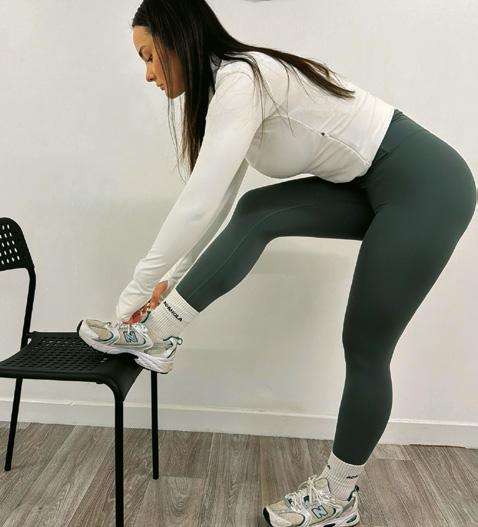
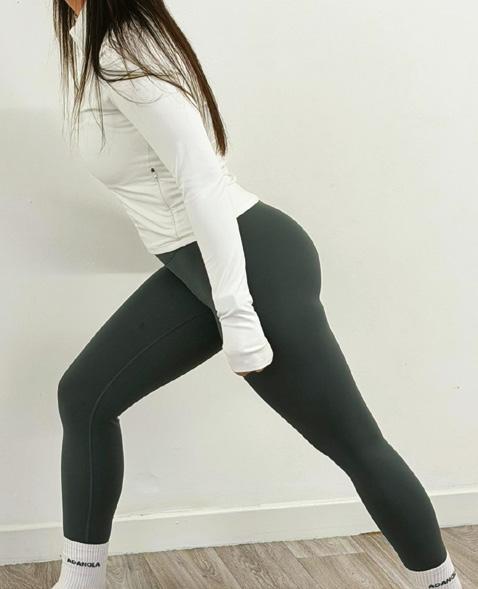
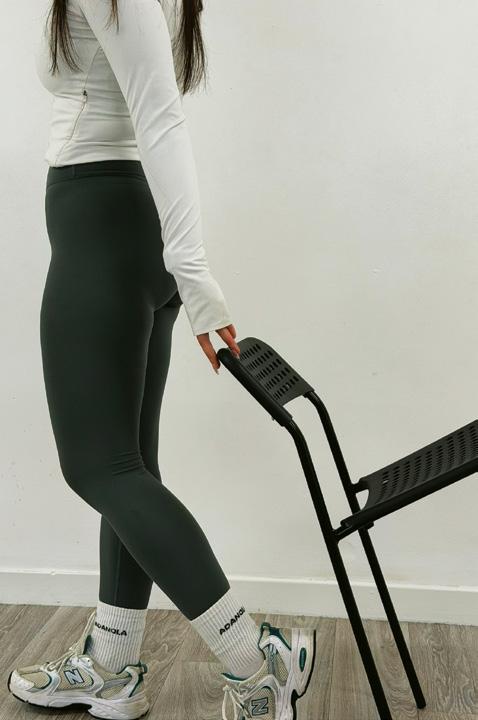
ADANOLA
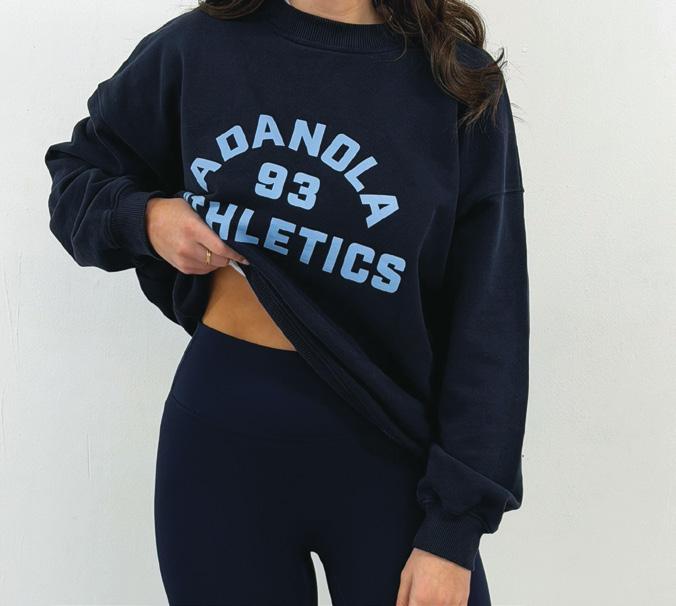
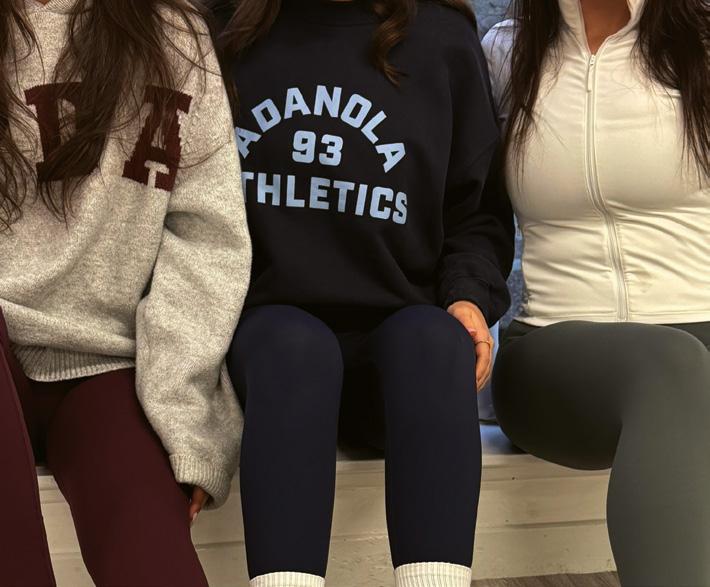
ACTIVEWEAR REIMAGINED
Model: Isla Leiper
Jumper: Adanola Leggings: Adanola
Models: (From left to right) Callie Yeats, Isla Leiper, Ava Mcrae
Photographer and Stylist: Rylee Gray
Shoot Location: Dansation Dance Studio
Socks: Adanola
Trainers: New Balance
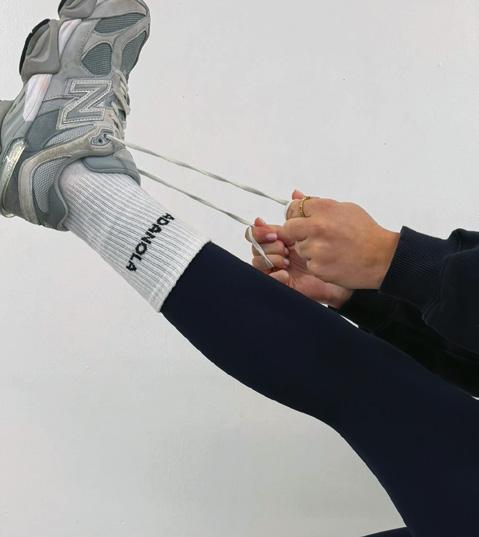
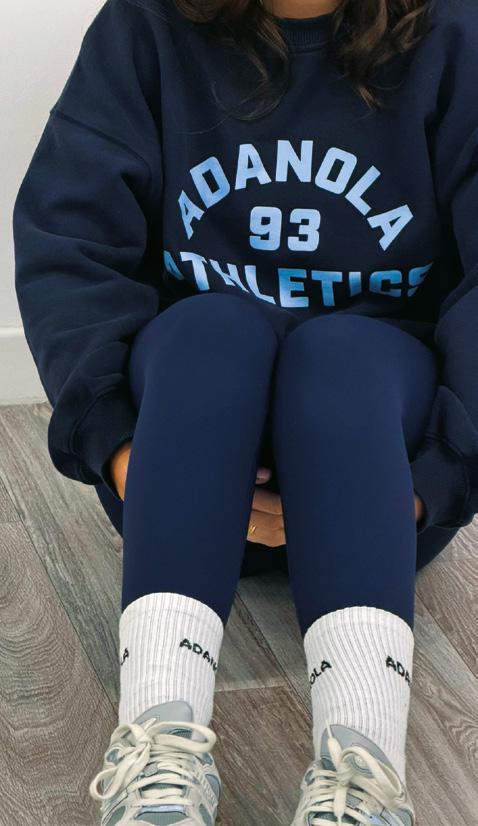
THE BLUE edit
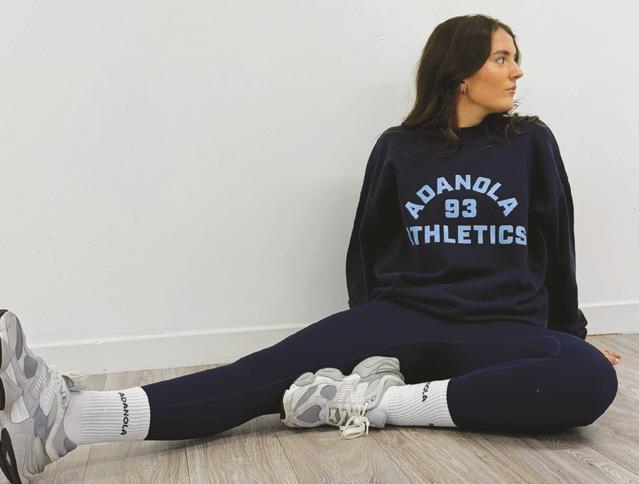
Model: Isla Leiper
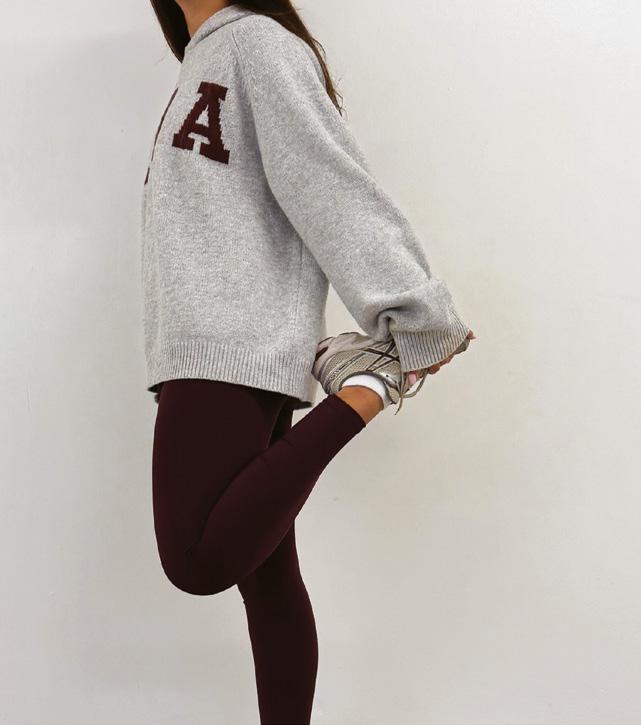
RED IN motion
Jumper: Adanola
Leggings: Adanola
Zip-up: Adanola
Trainers: Asics
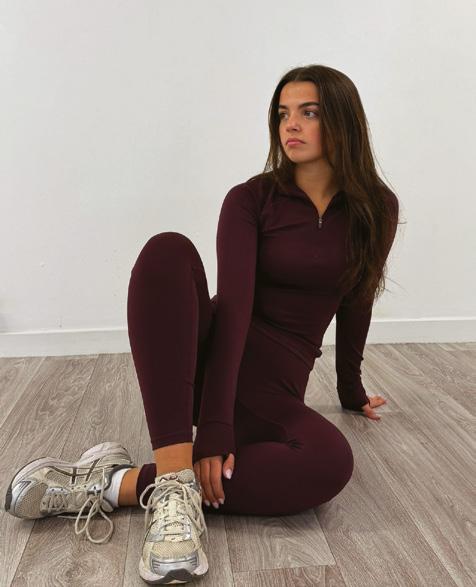
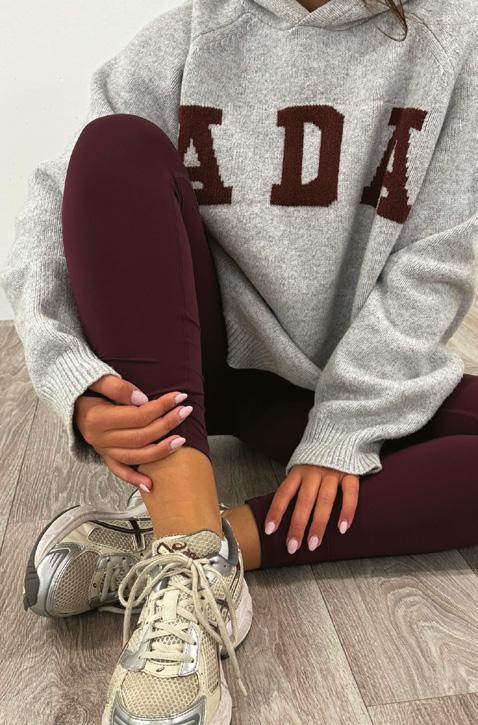
Model: Callie Yeats
GREEN
living
Zip-Up: Adanola
Leggings: Adanola
Socks: Adanola
Trainers: New Balance
Model: Ava Mcrae
ACTIVE nature IN
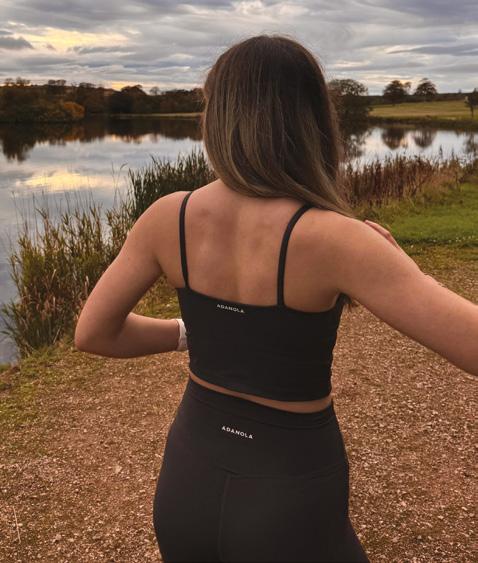
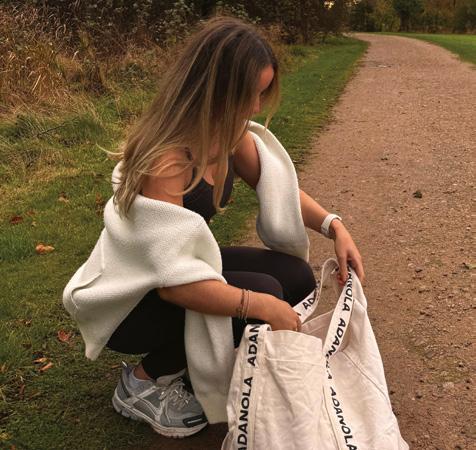
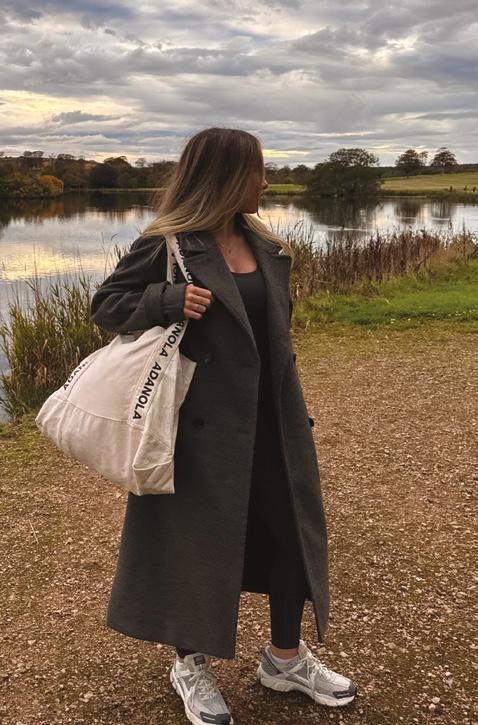
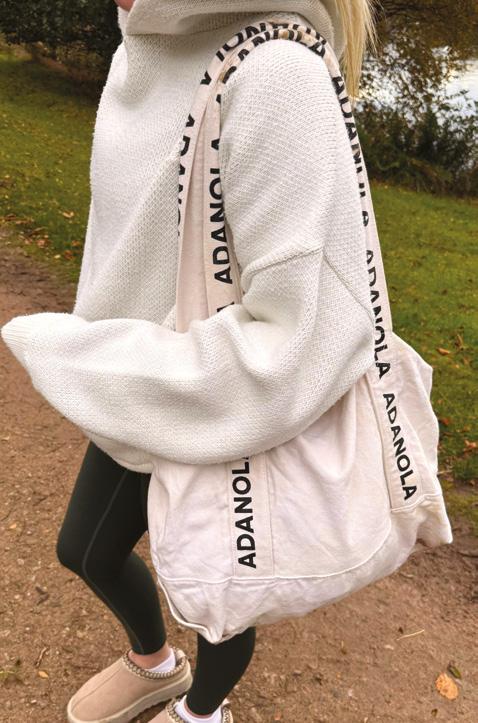
Models: Rylee Gray (Top right, top left and bottom left)
Kayla Waller (Bottom right)
Photographer and Stylists: Rylee Gray and Kayla Waller
Shoot Location: Pitfour Lake
Wool Coat: Bershka
Brown Top: Adanola
Brown Leggings: Adanola
Trainers: Nike
Tote Bag: Adanola
Cream Jumper: Adanola
Green Leggings: Adanola Shoes: Ugg
HOT GIRL WALKS

5. Galia Wavy Shaped Gold Plated Chunky Hoop Earrings
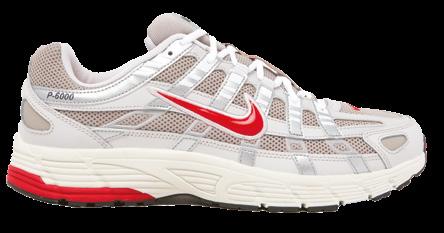
3. Nike P-6000
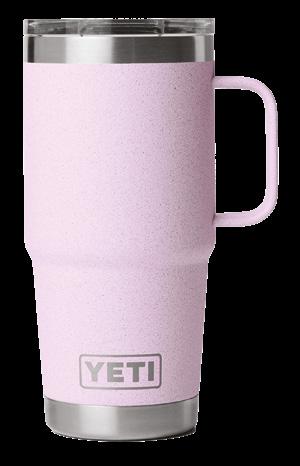
8. Yeti Travel Mug Cherry Blossom
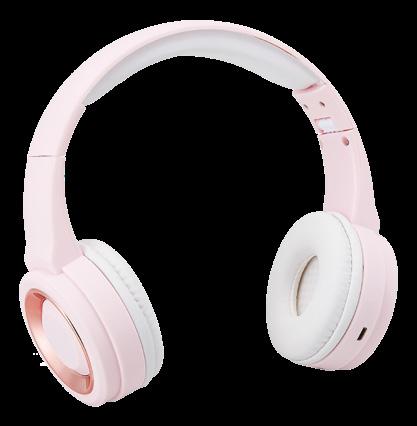
7. Pink Wireless Headphones
6. Primark PS Lip Butter Balm
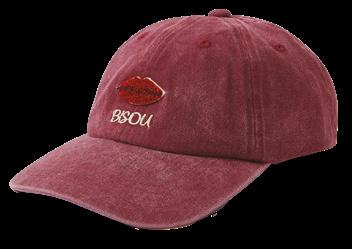
2. Accessorize Burgandy Hat
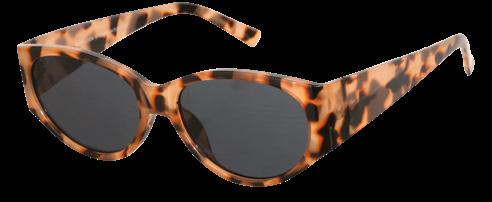
4. Brown Tortoiseshell Oval Sunglasses
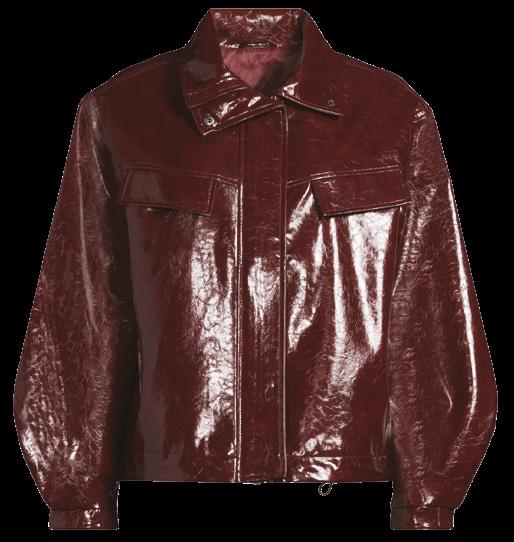
1. Faux Leather High Shine Bomber Jacket
Elle McArtney
Muse The making of a
A student finding her place in fashion
By Arianna Boyd
First you notice the image, the lighting, the expression, the movement and the clothing. But behind the photograph is 17-year-old Ava-Belle Sutherland, a young model stepping into the world of fashion, discovering herself through fabric, form, and expression. Alongside her modelling journey, she is also studying Fashion Management here, at Robert Gordon University.
This intimate interview looks beyond the image, where she shares her experiences, her challenges and her hopes for the future.
1. How did your modelling journey start?
My modelling journey started very early on, as my mum owns a model agency called Modelz Limited. Due to this, I have had runway experience in wedding shows since I could walk. I also attended training academies when I was younger, which gave me experience in modelling choreography and helped build my confidence. The experiences my mum gave me are how I started my journey. It all started with her.
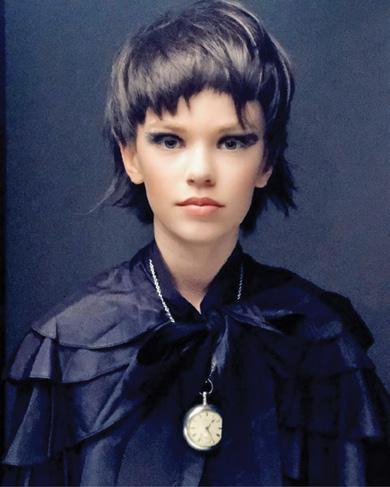
Photographer - Simon Clubb
2. wHat was your first ever modelling job? wHat was it like?
My first ever professional paid photoshoot was when I was 11 for Philip Christie and Simone Clubb. This was my first time on
a proper set seeing how photographers, stylists, makeup artists and hairdressers work together to achieve the images. At the time this was a phenomenal experience and very different for me, as I was styled in a short black wig. However, this did result in bullying at school, as other kids didn’t find it as interesting as me and thought the whole look was ‘embarrassing’ and ‘weird’. This memory is a vivid moment in my career and I didn’t let it stop me from doing what I love and it led me to achieve my biggest dreams at 16. It truly shows how hard work pays off and to always be yourself no matter what other people have to say.
3. How did you Have tHe opportunity to work witH Colours agenC y?
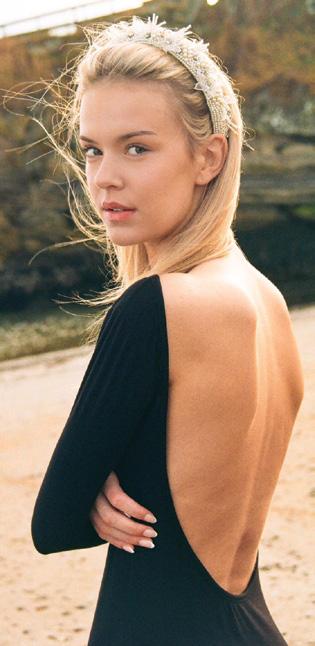
Joining Colours Agency was always a huge goal of mine and in September of 2024, I saw an advert for a casting they were doing, so I decided to message them, expressing my interest. They came back to me and requested a meeting in person as they ‘liked my look’ and didn’t feel the need for me to go through the casting process. So, me and my sister turned my bedroom into a photoshoot and took digitals on my phone to send to them. After this I went to Glasgow to meet them and after a chat they offered me a contract with them. This was one of the best moments of my life and it was something I never truly thought I would achieve at the age of 16. It made me feel unbelievably grateful, fulfilled and for the first time I felt genuinely proud of myself.
4. wHen you tHink baCk to your Colours agenC y sHoot, wHat do you remember most?
My first Colours shoot was in St. Andrews on the beach, which was amazing, however, this was my first time meeting the photographer and my first shoot with Colours Agency, so I was scared but so excited at the same time. The atmosphere was relaxed and the photographer made me feel so at ease, there was not an awkward moment shared. There was such a buzz around the day, as I was so grateful for this opportunity. I remember feeling proud and fulfilled because my hard work had paid off.
Photographer - Hannah Bowker Location - St. Andrews
5. Can you walk me tHrougH your experienCe modelling for students during tHe gray’s fasHion & textiles 2025 graduate sHow? How did tHe Collaboration begin and develop - from fittings to tHe final sHow?
I absolutely loved the RGU fashion show! My process started by applying and going into Gray’s to meet the students. They took a video of me walking and took note of my sizes. After this I went for a fitting and saw the unreal designs for the first time. On the day of the show, it was an early start to meet everyone, to rehearse and get hair and make-up done. This show really highlighted what I love about modelling. I got the opportunity to meet the most amazing and supportive people and work with inspiring young designers which was such a liberating experience.
6. was tHere ever a moment you felt Completely out of your Comfort zone? How did you deal witH it?
A moment I have felt truly out of my comfort zone was with Colours Agency. I met the photographer at her flat after the studio location fell through, and on arrival I met a huge group of young female university students, who all watched the first part of my shoot. I felt as if I was thrown fully in the deep end here. It was also my first shoot out in public, so I was walking along the beach getting photos taken with heaps of people standing watching. However, I knew that there was nothing to fear, so I took a deep breath and remembered how hard I had worked to get to this moment. I took all the confidence I had and carried on, like no one was watching. After a few snaps I felt like I was in my own world, and it all felt natural.
7. would you say tHat modelling brings you Closer to your love of fasHion and How?
dreams to keep going. I would also like to see more inclusivity, as modelling is so powerful and liberating and it is something everyone deserves to experience.
9. do you tHink ai and digital modelling Could affeCt real models’ opportunities in tHe future?
I do think it will become more popular with the rise of AI, however, I don’t think it will last long enough to affect opportunities. Today’s society thrives off relatability and I think using real people and showing natural beauty will always see campaigns succeed more than AI images. I do worry because of the accessibility of AI that it could take over certain aspects of the industry, but some things can’t be faked.
10. wHat does modelling really mean to you, beyond tHe pHotos, tHe make-up, and tHe ClotHes?
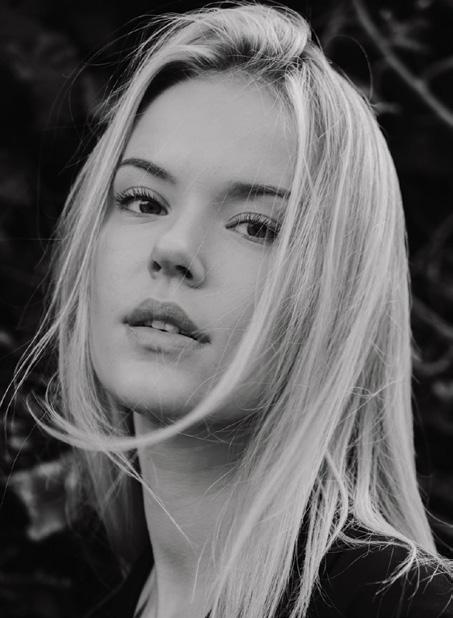
Absolutely, I model because I love the feeling and this has made me love and appreciate fashion so much more. Modelling has made me realise that fashion is truly about feeling like the most beautiful and confident version of yourself. Modelling has made fashion feel like that for me which has made me love it even more and ultimately was a huge reason why I study it now. Modelling has also made me understand the work and determination that goes into every stage of fashion, which has really grown my love and appreciation for the industry.
Modelling is about dreaming big, it’s about being confident and strong. Modelling for me is pushing yourself to the furthest level and learning to never give up. It’s about meeting new amazing people every day and surrounding yourself with people who see you for who you are before the makeup and photos. Modelling is beauty, confidence and strength. It makes me become a version of myself that doesn’t hear the outside world and a version of myself that could do anything.
11. do you Have any future modelling plans?
I turn 18 soon which I hope will be the true start for me. Before being 18, my opportunities are limited as I can’t get many contracted jobs yet. I plan to take on every opportunity and hopefully get some more runway experience. I would love to work with my mum and her agency to allow others to have the opportunities I had growing up and to see the industry through my eyes. I am happy to continue helping the design students at RGU because I love meeting new people and helping their visions come to life.
“After a few snaps I felt like I was in my own world, and it all felt natural”
8. from your experienCes, wHat would you like to CHange about tHe industry if you Had tHe power?
I personally think being young in the industry is difficult due to your opportunities being limited. I would like to expand the opportunities for young people to empower those with big
12. wHat would your dream Campaign or brand be?
This is usually a question that I’m scared to answer, however, if you don’t have a huge goal, you will never have success. My number one goal is to walk in the Victoria Secret Fashion Show, as it has always been something that I have idolised my whole life, and my love for runway fuelled this dream. The opportunity to work with some of the most beautiful people in the world, and walking in the biggest Fashion show ever, is the end goal for my career.
Photographer - Hannah Bowker Location - St. Andrews
Location:
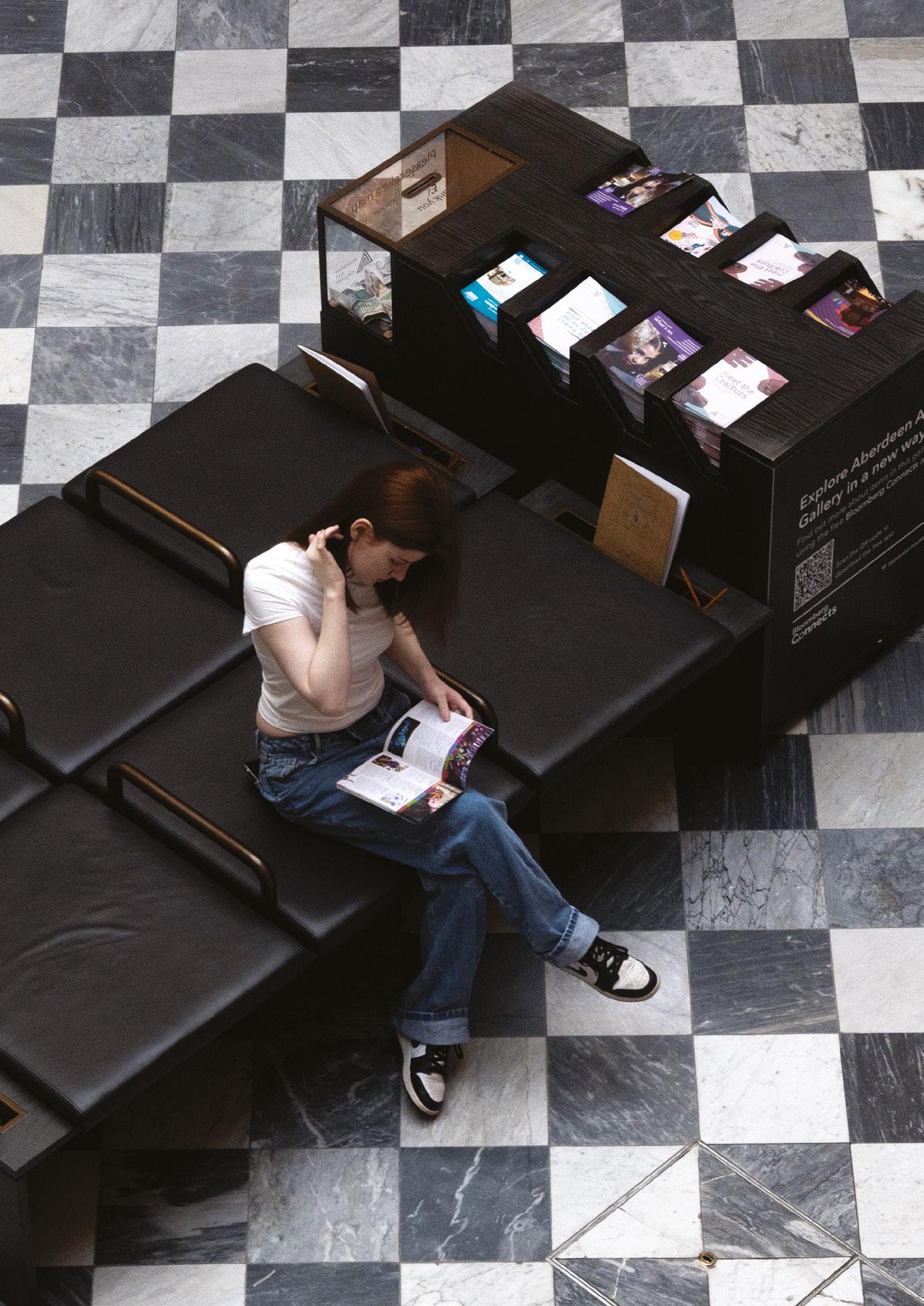
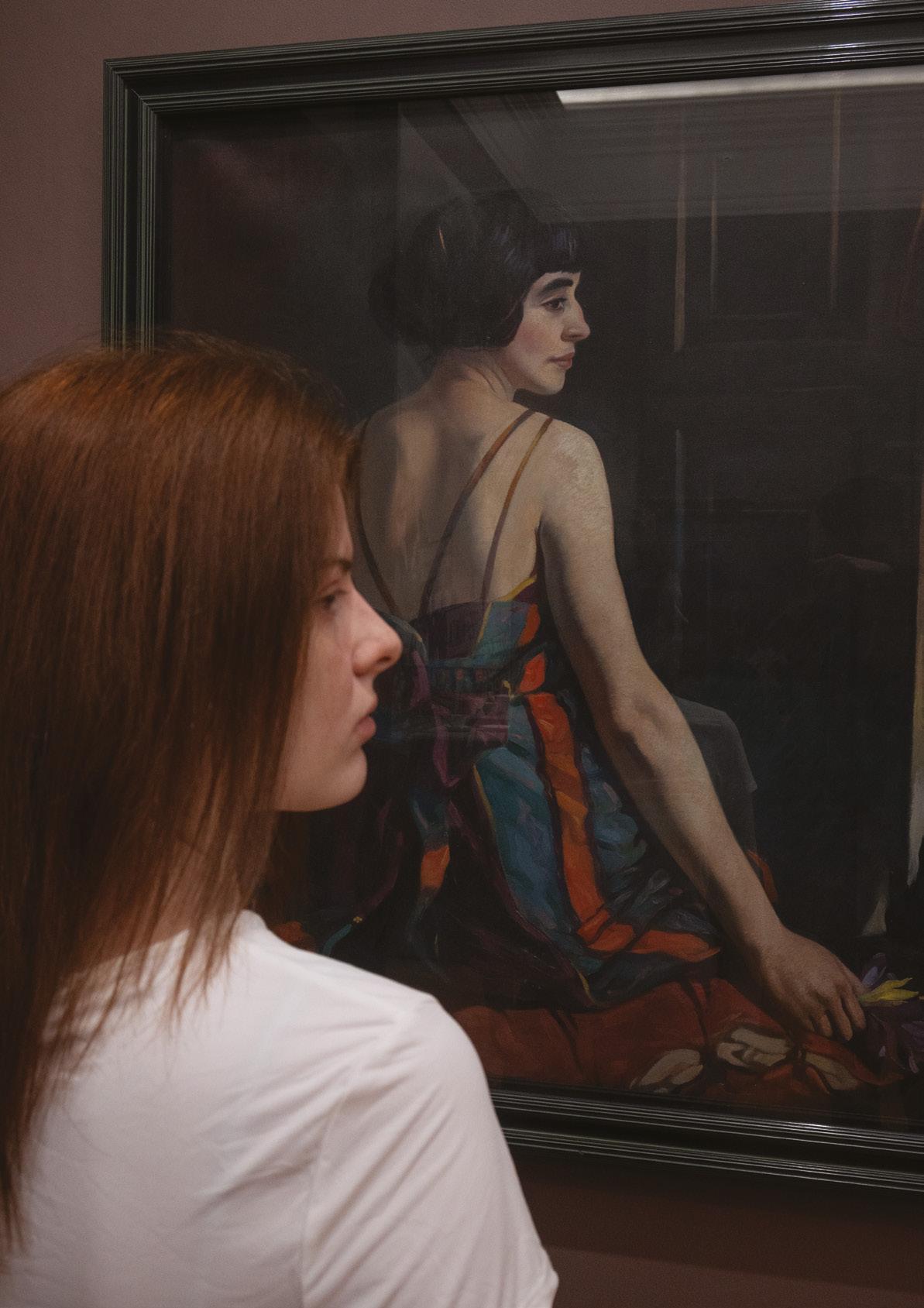
Melancholy Muse
Model: Mhairi Douglas
Photographer: Lucas Kendall
Stylist: Alexia Marcella
Aberdeen Art Gallery
White T-shirt: Primark
Jeans: Model’s Own
Shoes: Nike Panda Dunks, £119.99
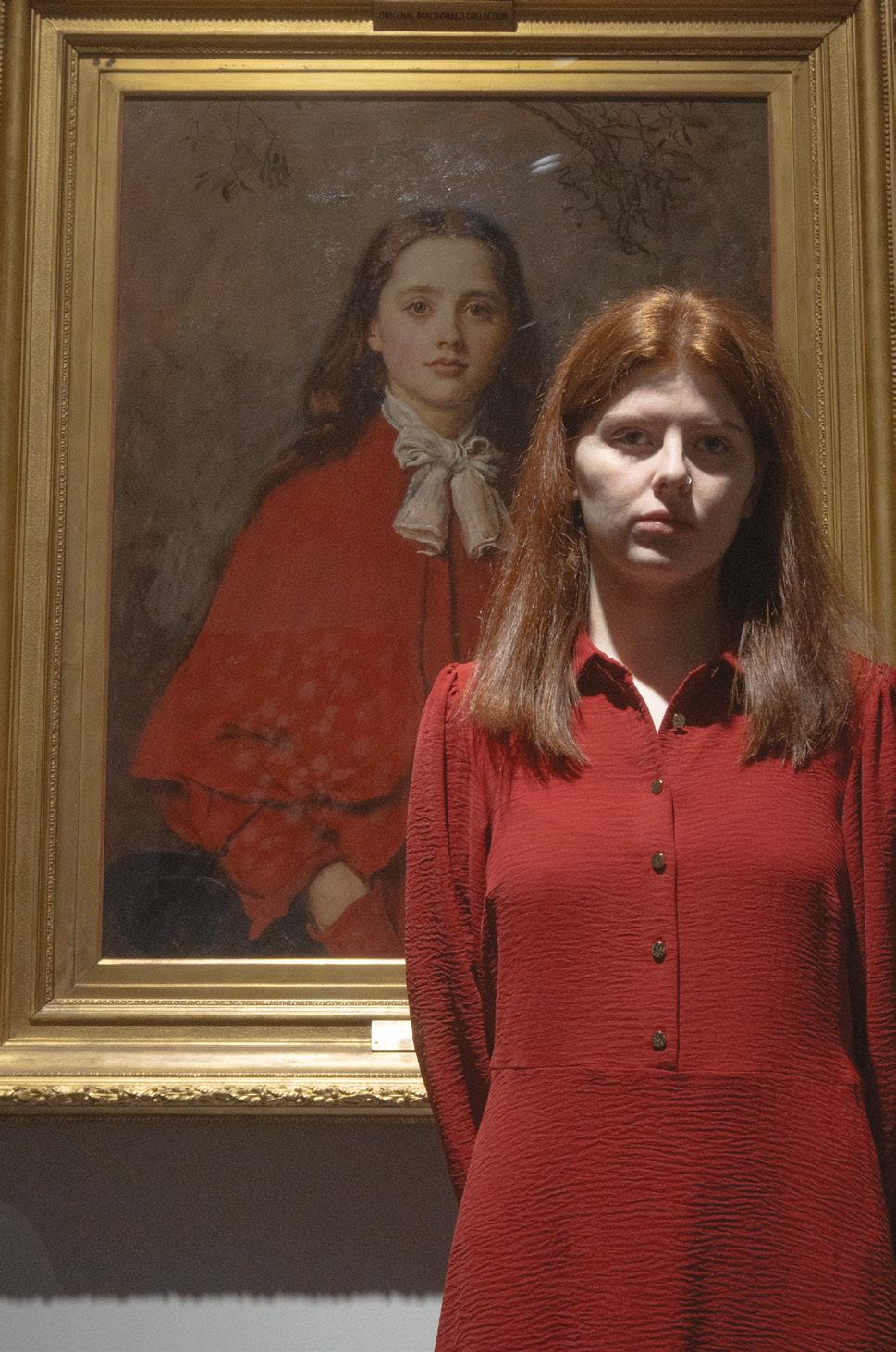
Belted Red Dress: New Look, £29.99
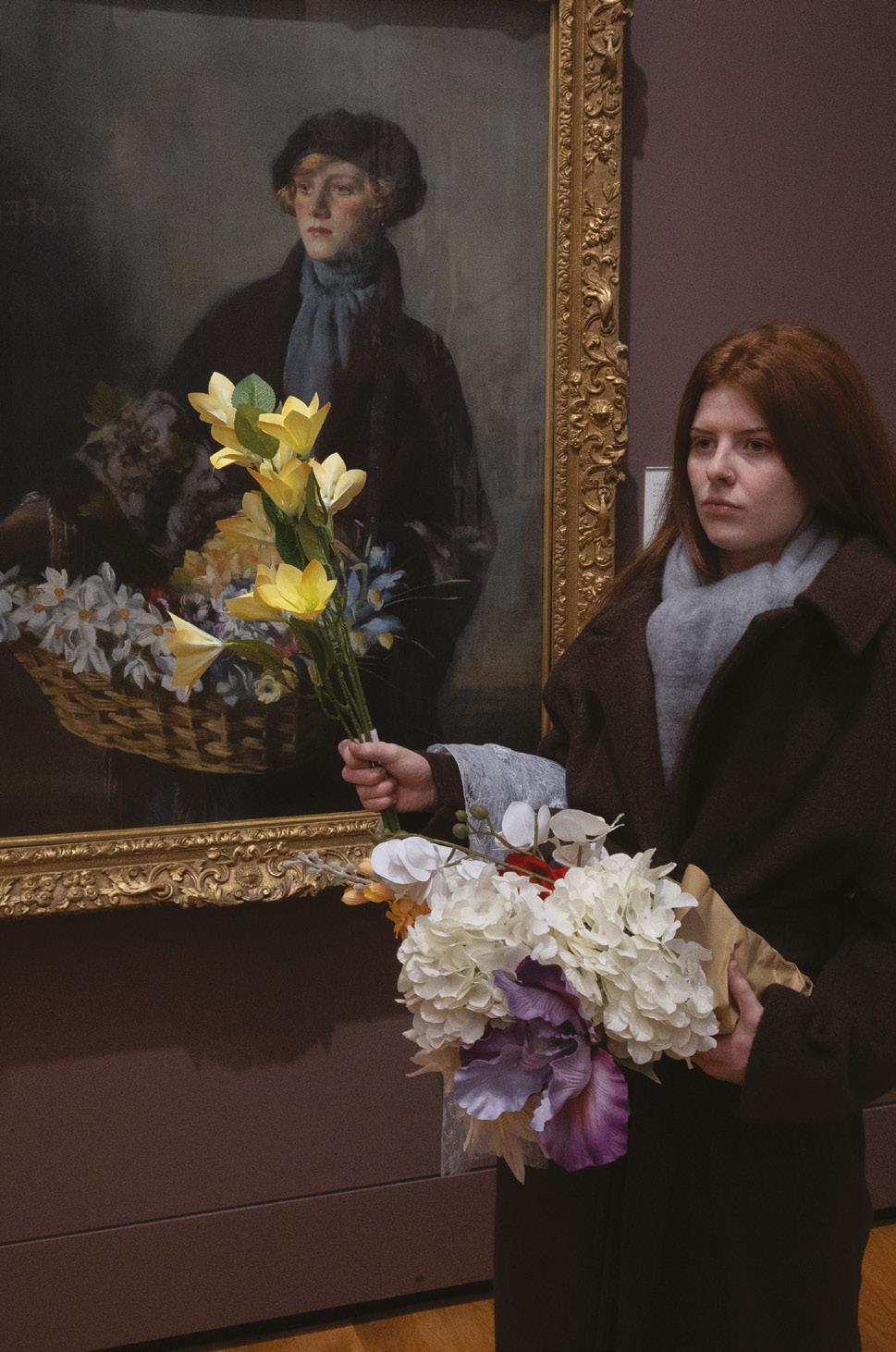
Belted Jacket in Maroon: Primark, £38
Plain Grey Scarf: Primark, £7
Flowers: Primark, £22
Making Memories
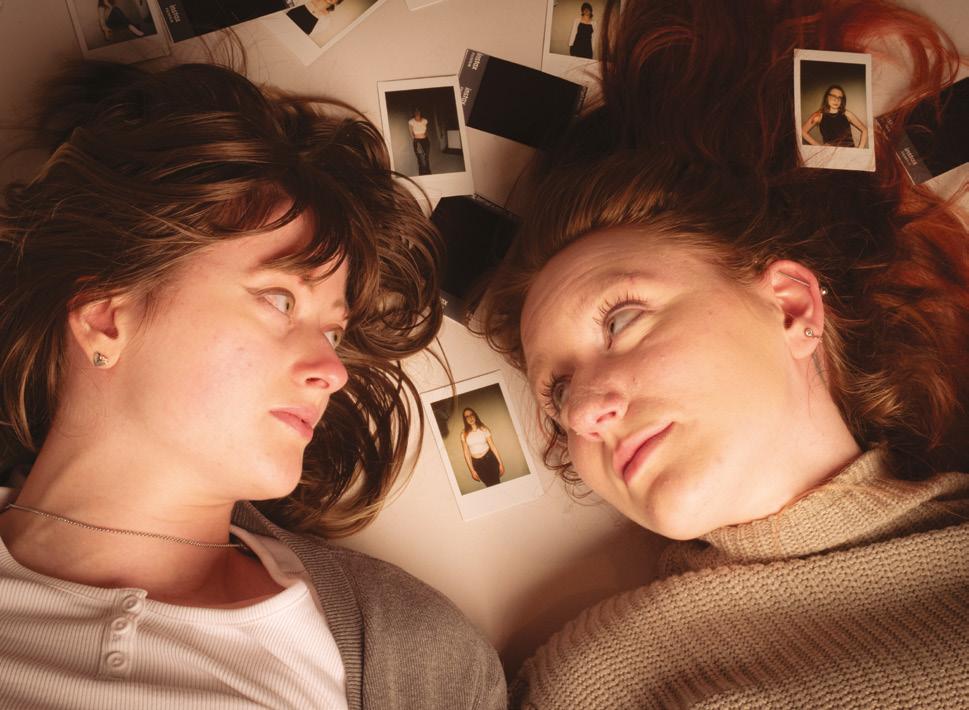
Photographer - Hazel Ramsay Stylist - Kaitlyn Gothard Models - Cara Prentice (left) & Chloe Grant (right)

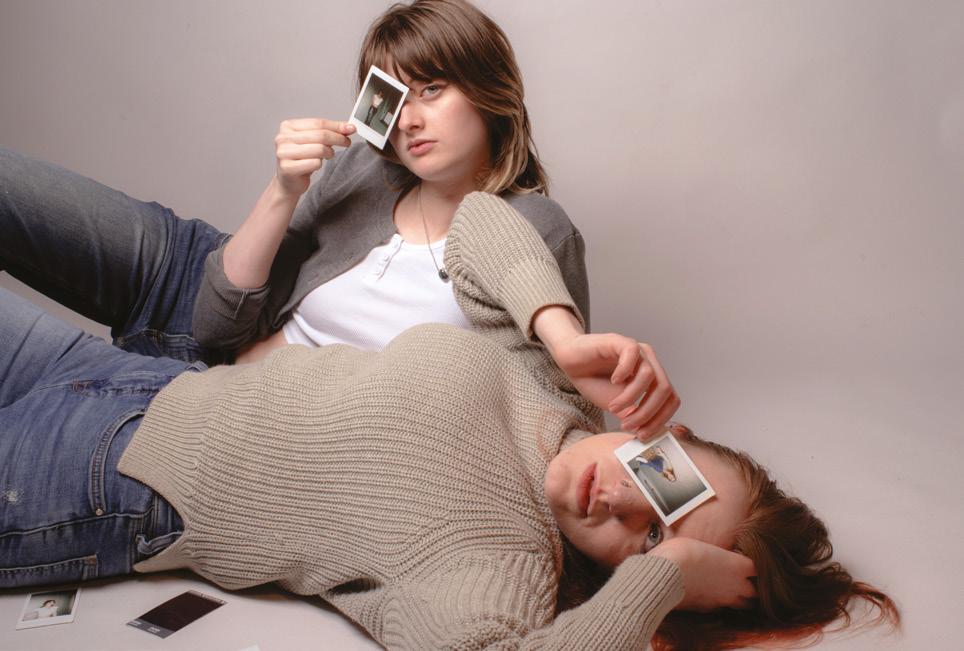
Chain - Guess
Top - Levi’s
Chloe wears: Jeans - River Island Jumper - Ralph Lauren
Cara wears: Cardigan - H&M
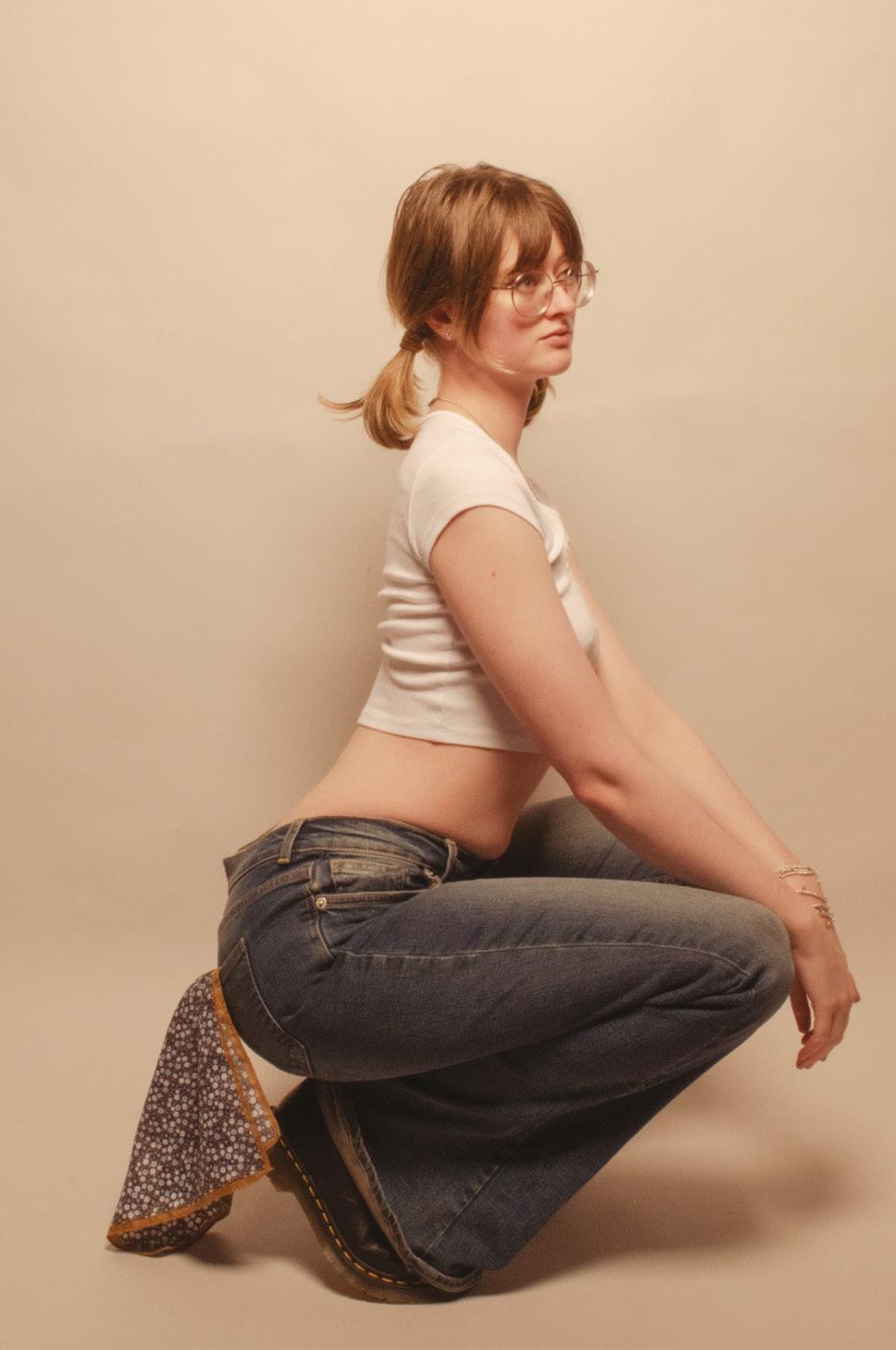
Top - New Look
Jeans - H&M
Boots -Dr. Martens
Scarf - Vintage
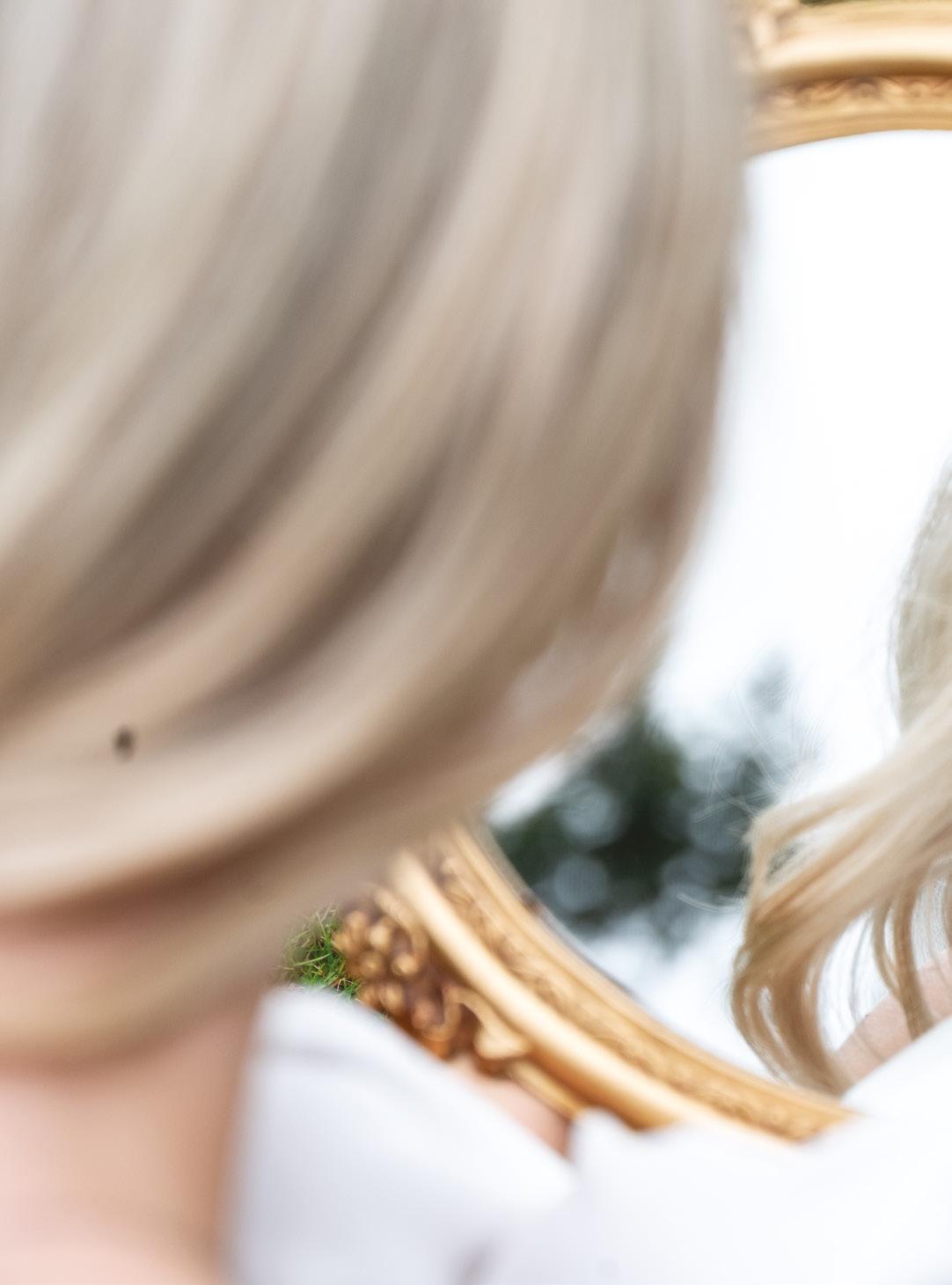
The Mirror Muse
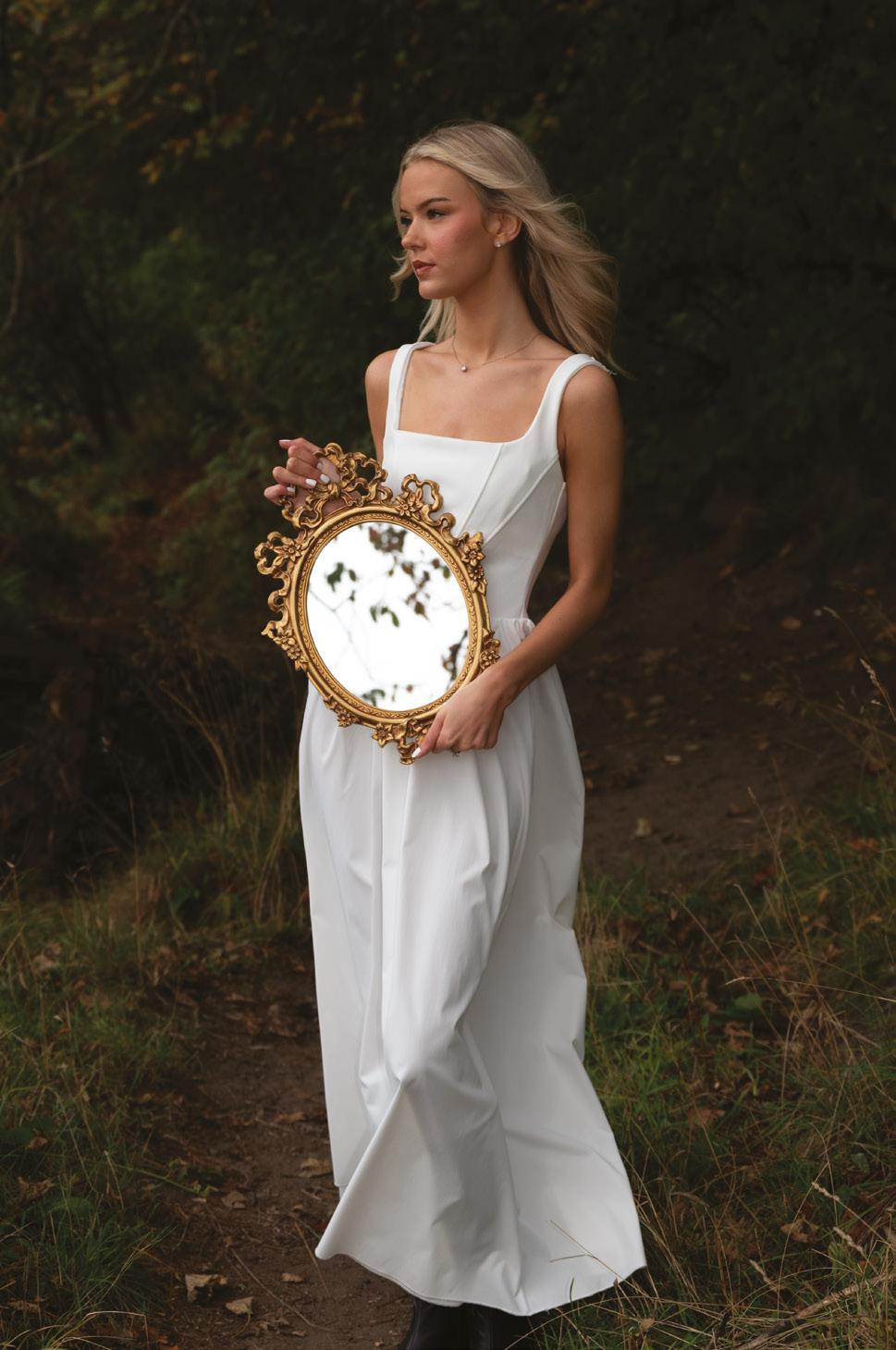
Photographer - Morgan Munro
Model & Editor - Ava-Belle Sutherland
Location - Robert Gordon University - River Dee
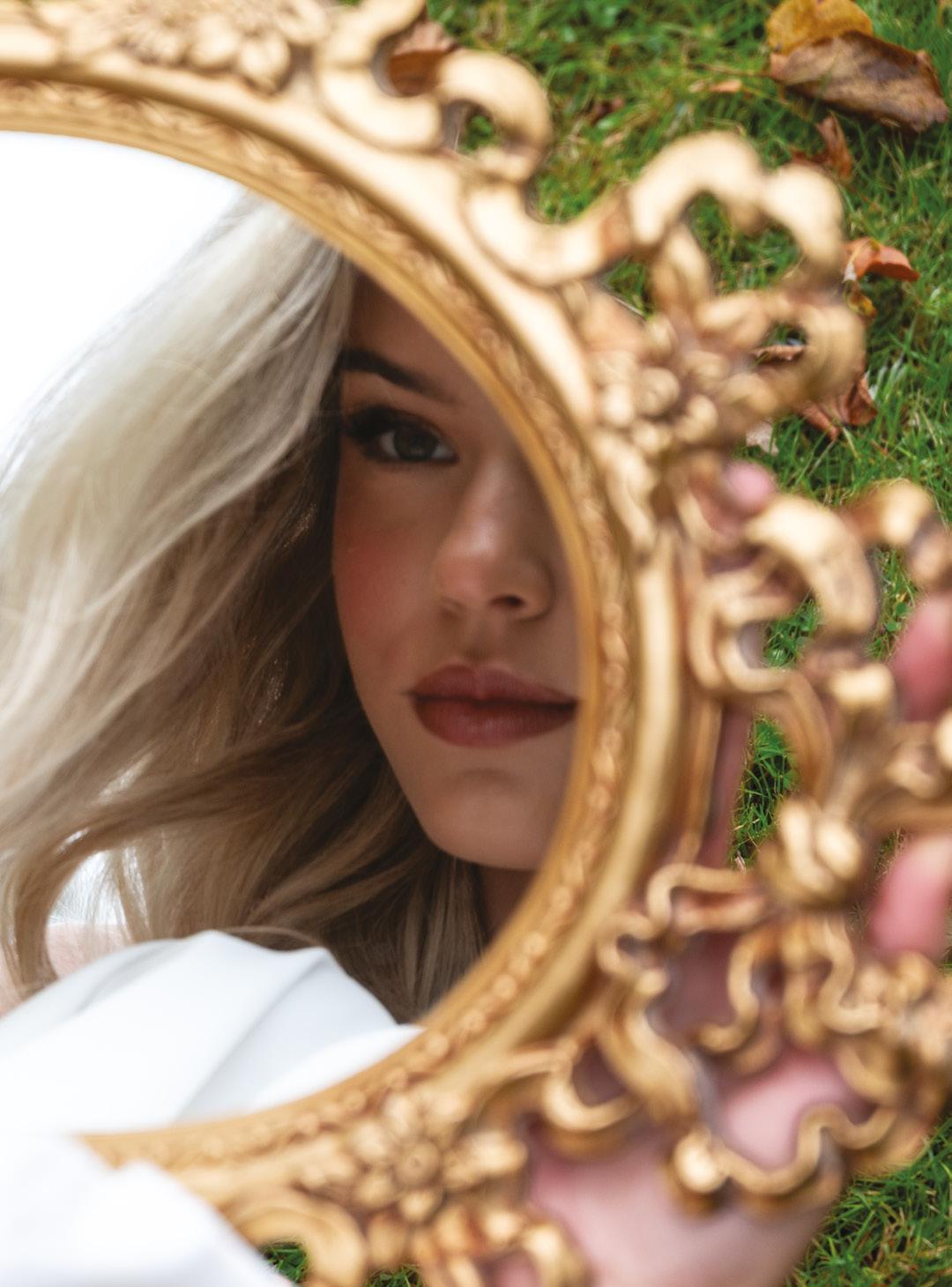
Jacket - Primark £40.00
Dress - Ego £15.00
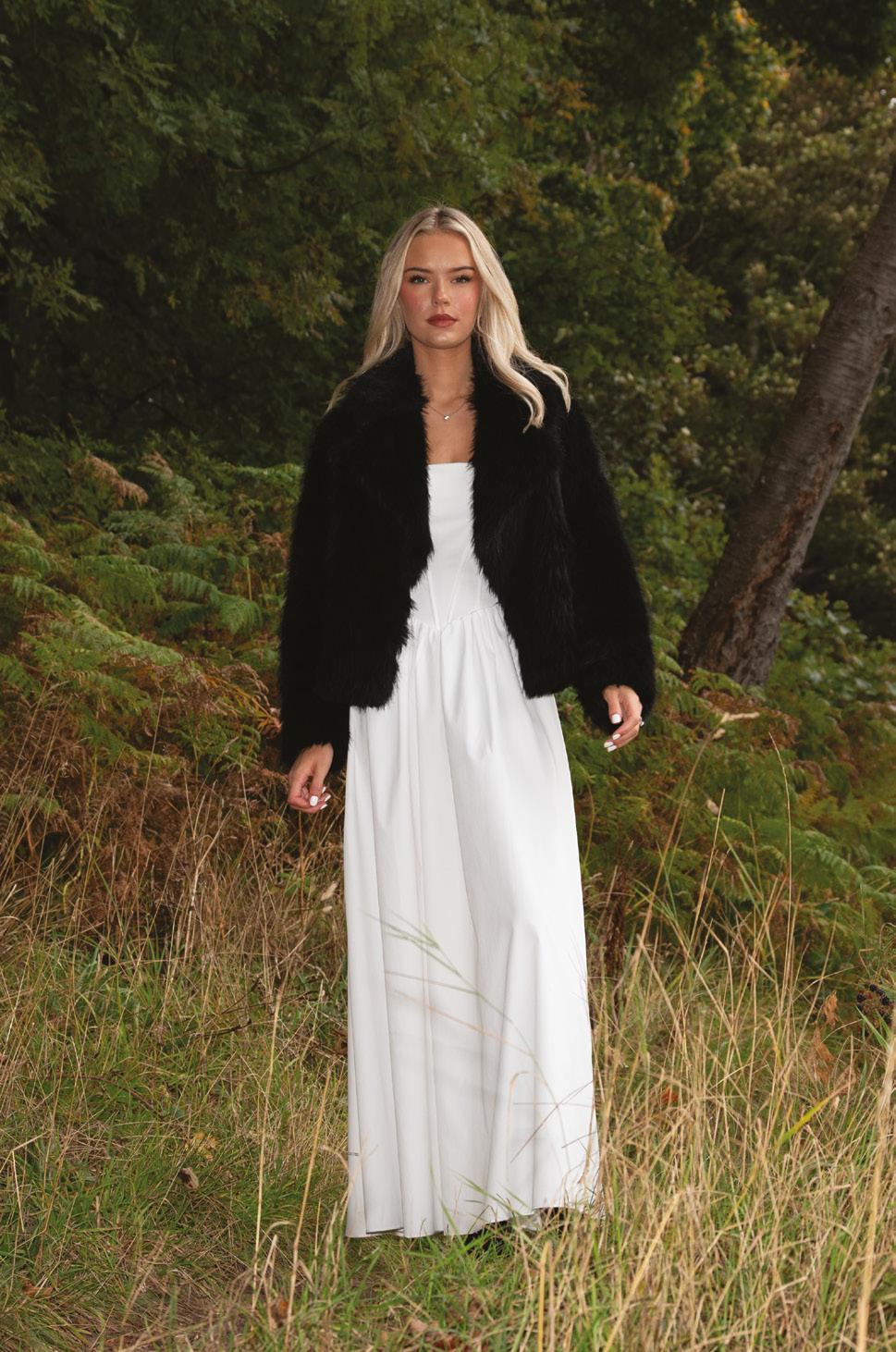
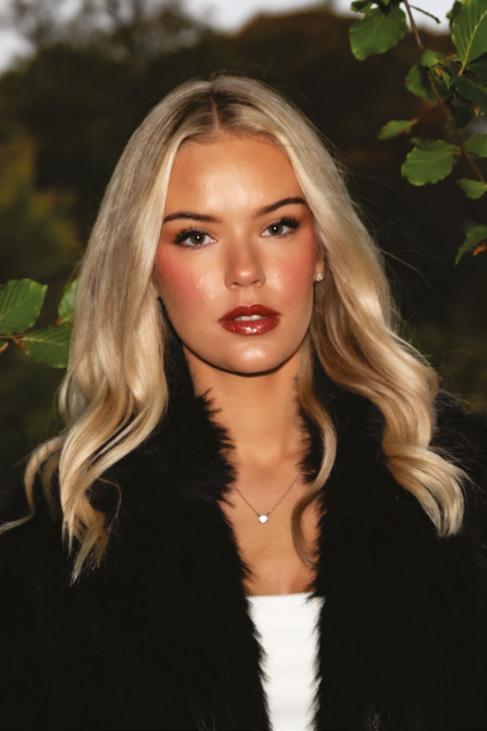
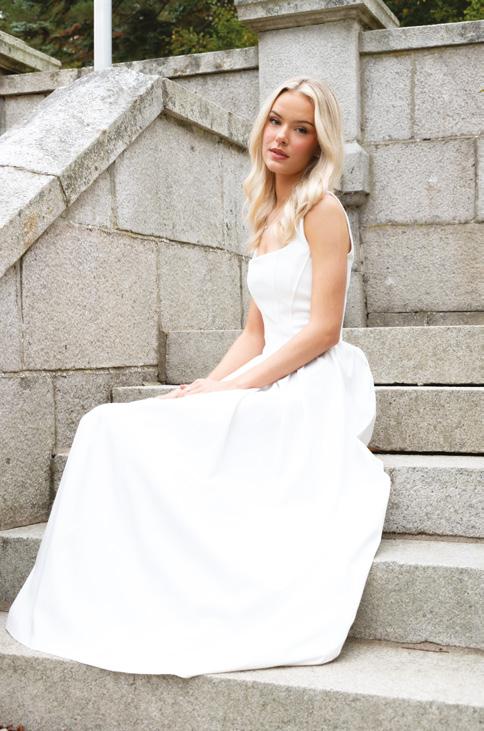
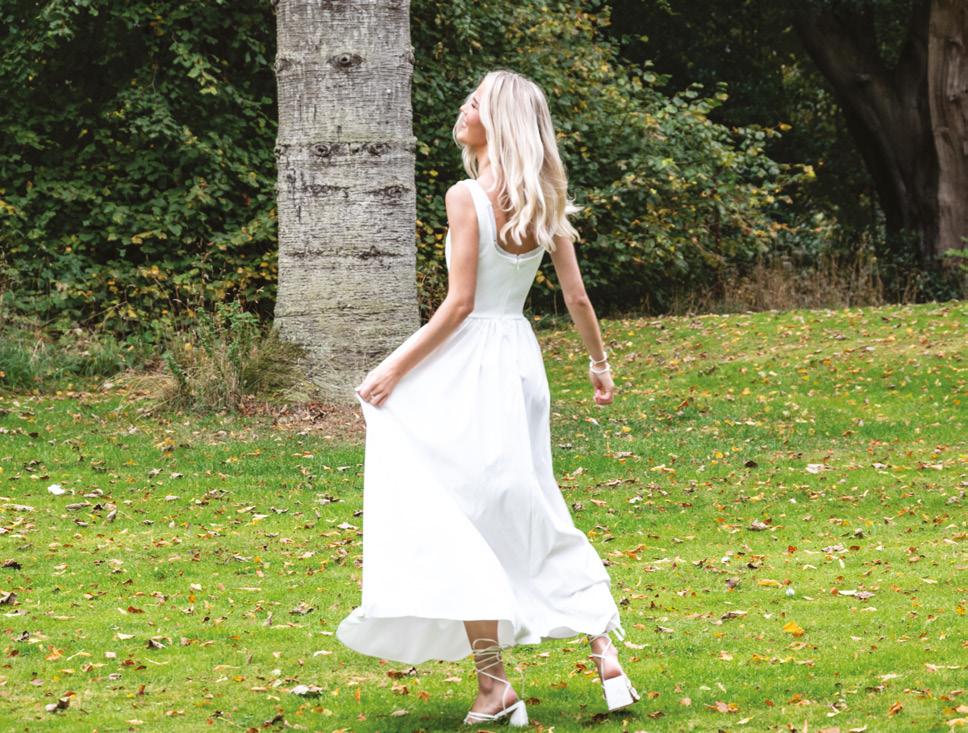
Shoes - Ego £15.00
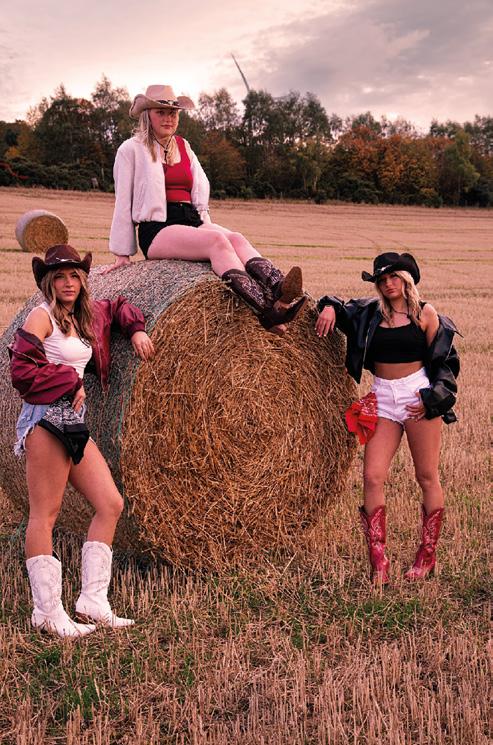
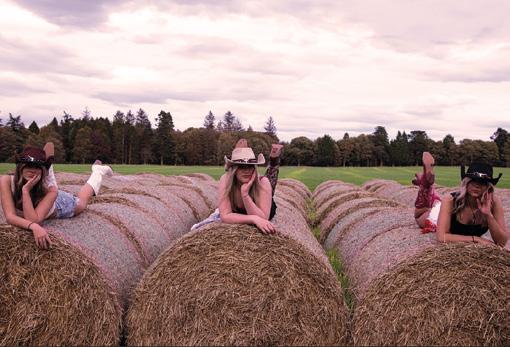
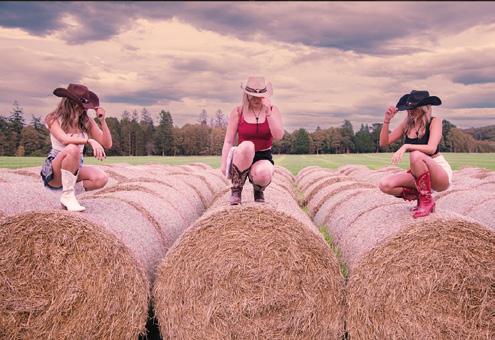
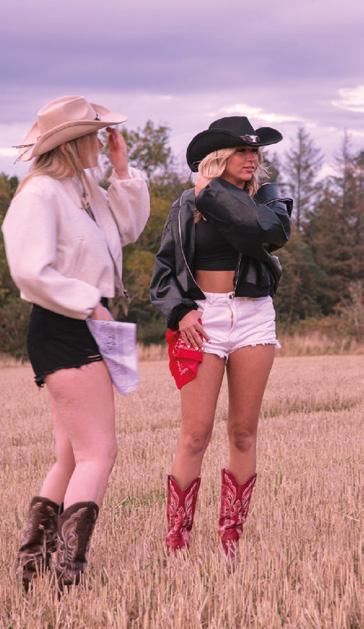
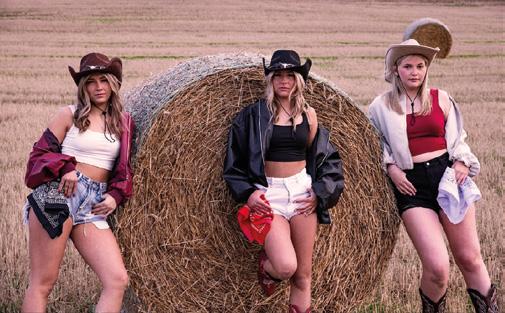
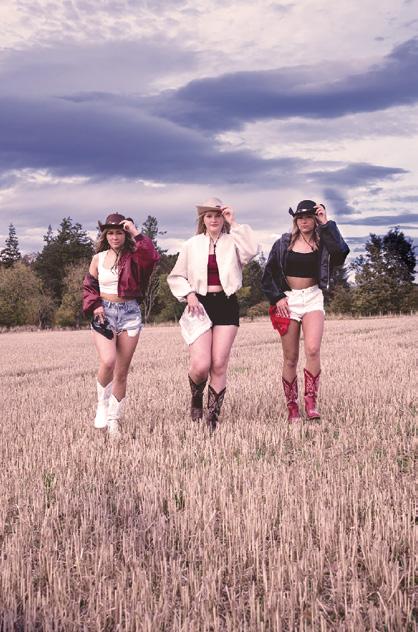
Tops: PrettyLittleThing and Shein
Shorts: Rebellious Fashion and Primark
Beige jacket: Zara
Photographer : Struan Hands
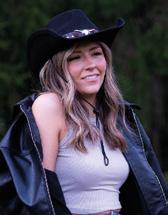
Texas To Thistle
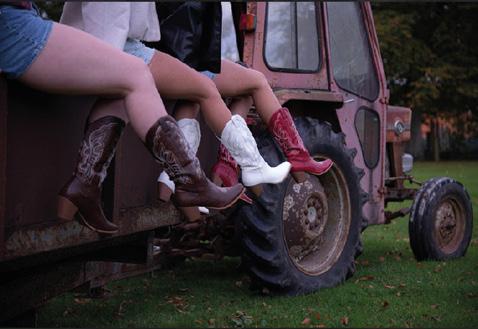
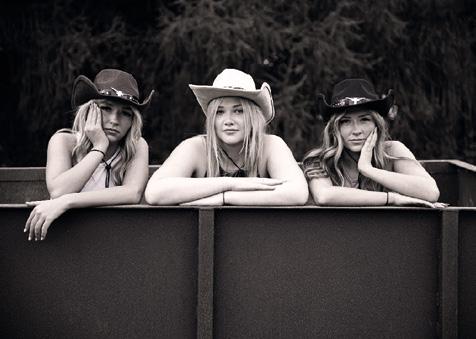
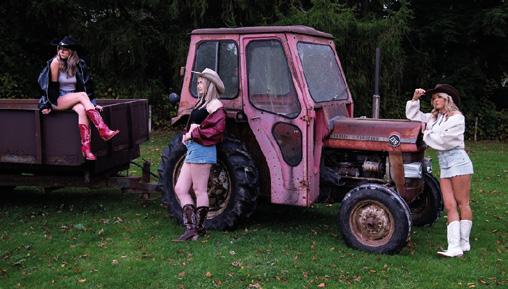
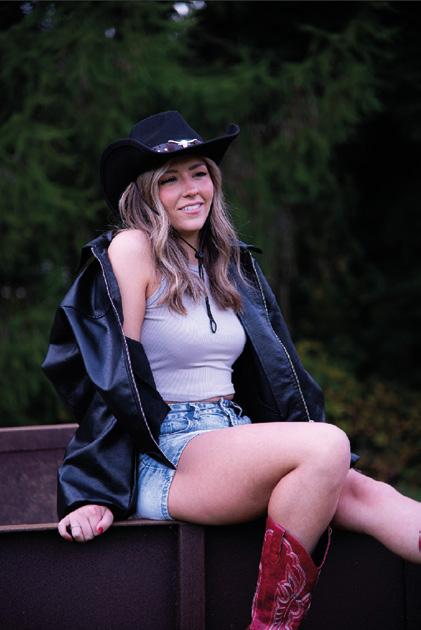
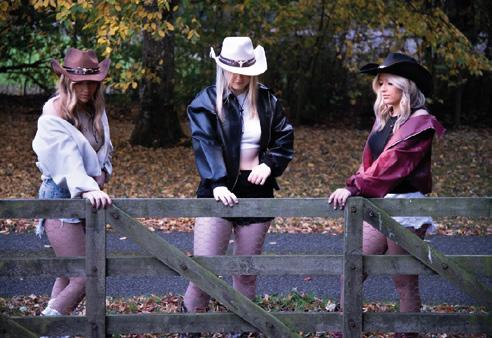
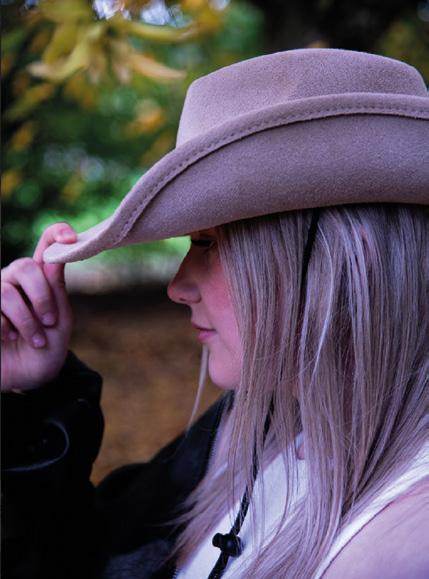
Black leather jacket: EGO
Red leather jacket: EGO
Skirts: Rebellious Fashion and Shein
Cowboy boots: PrettyLittleThing
Cowboy hats: Amazon
Falling Fall for
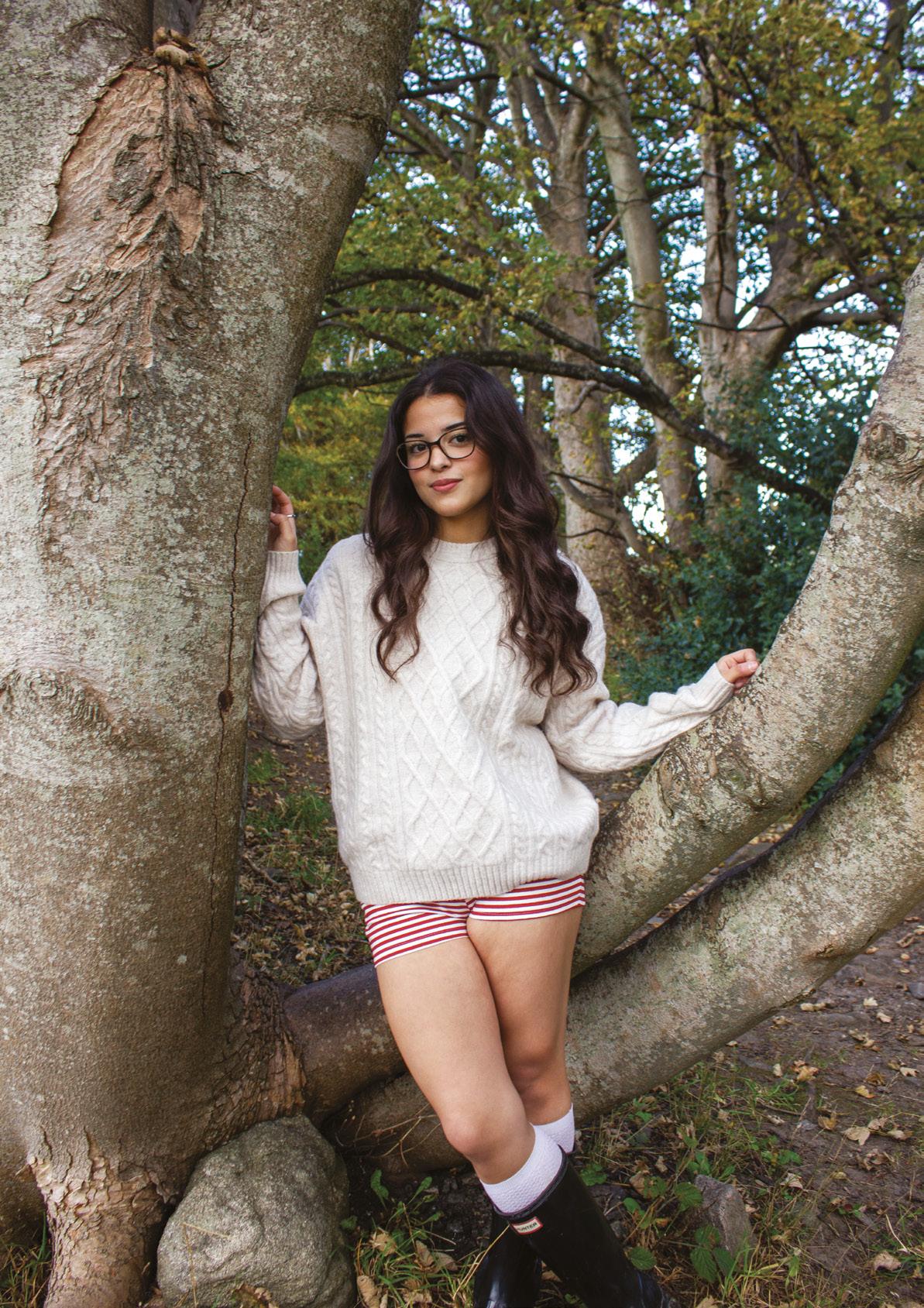
As the season turns, so does style ...
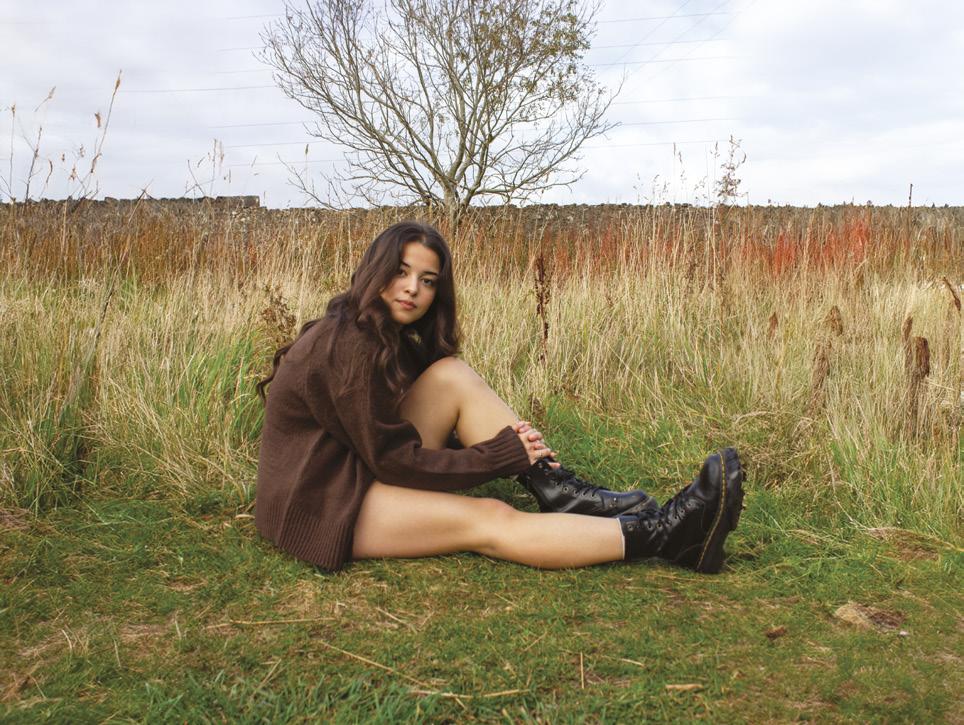
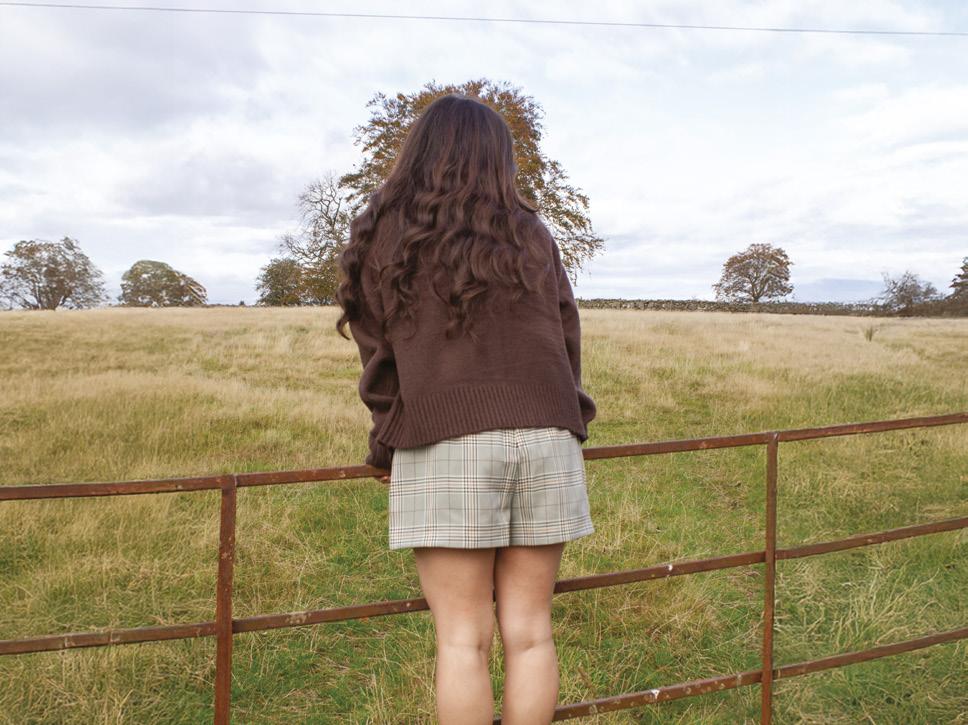
Jumper: H&M
Shorts: Amazon Glasses: Boots
Model: Arianna Castillo
Stylist: Rachel Dagleish Photographer: Rachel Dagleish
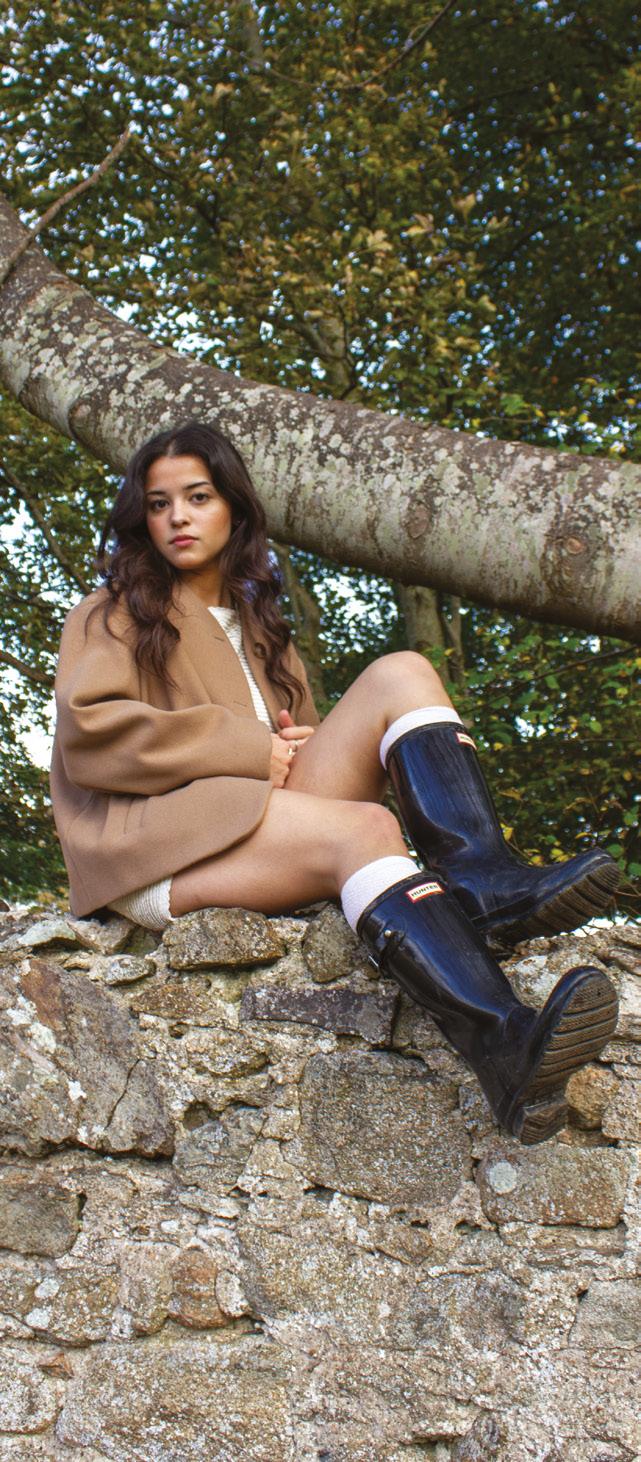
Bag: Mulberry
Welly Boots: Hunter Coat: M&S Socks: Primark
Cardigan: TK Maxx Boots: Dr. Martens
Shorts: Primark
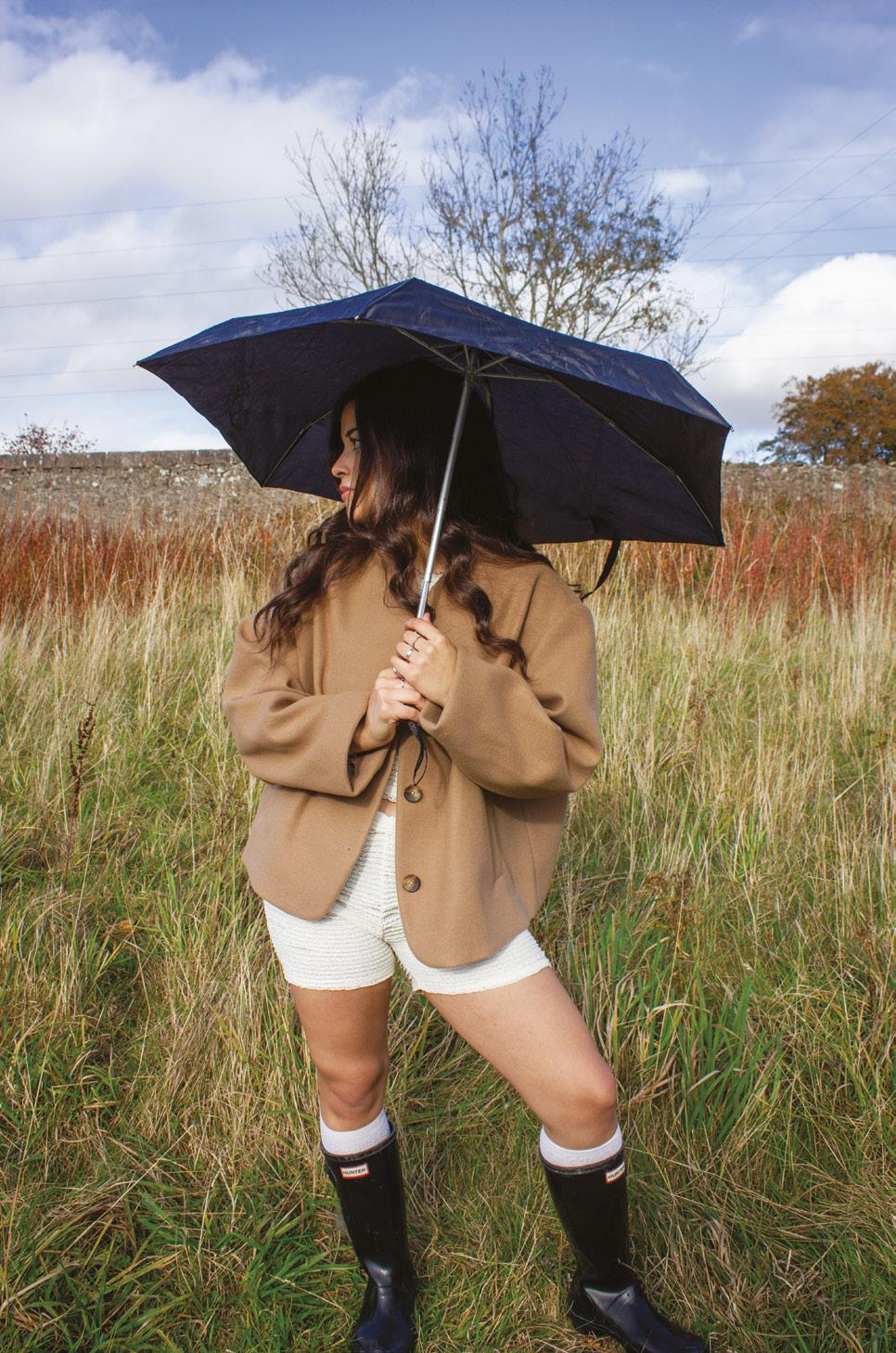
Top: Pink Vanilla Shorts: Pink Vanilla Umbrella: H&M
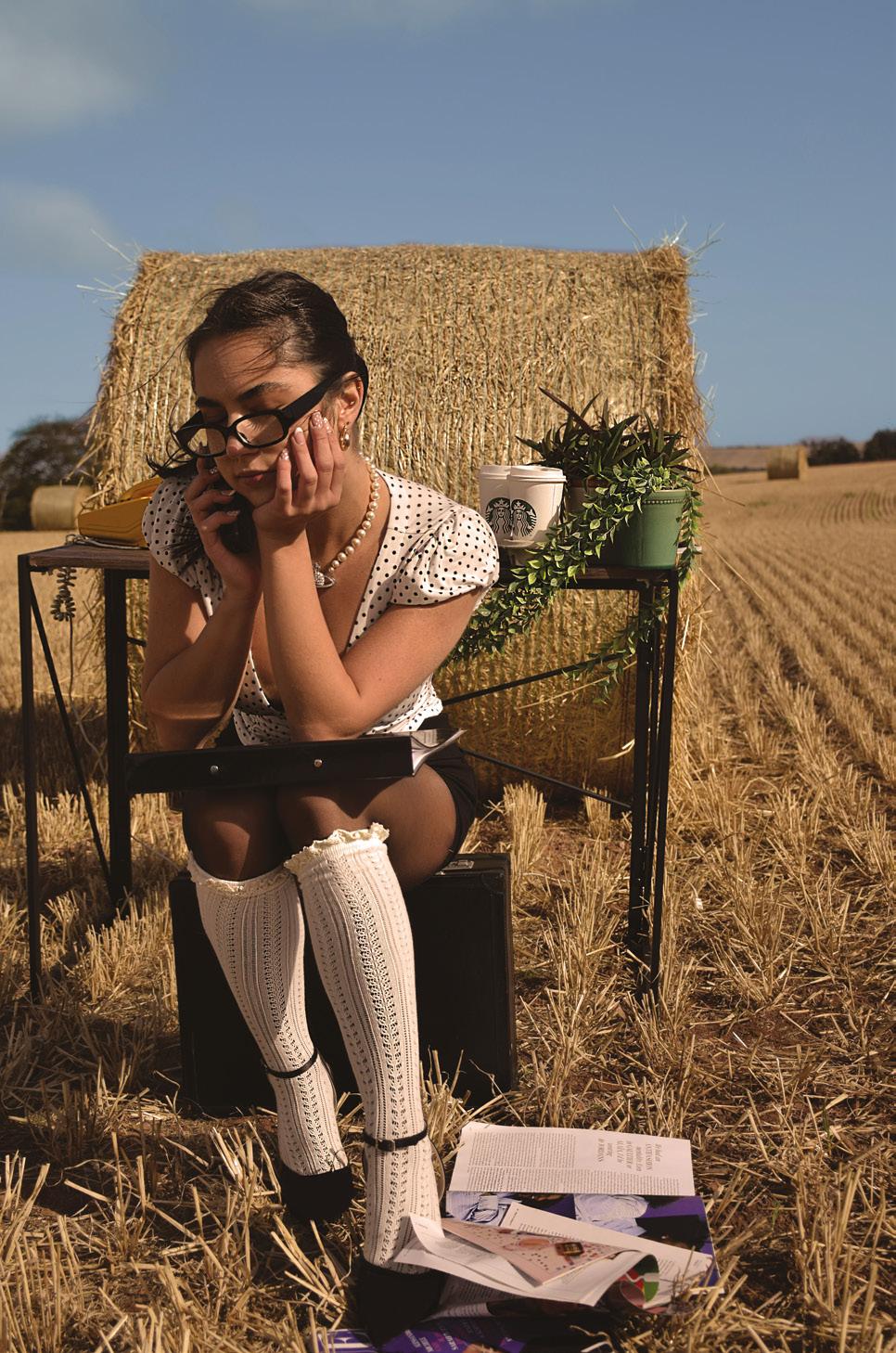
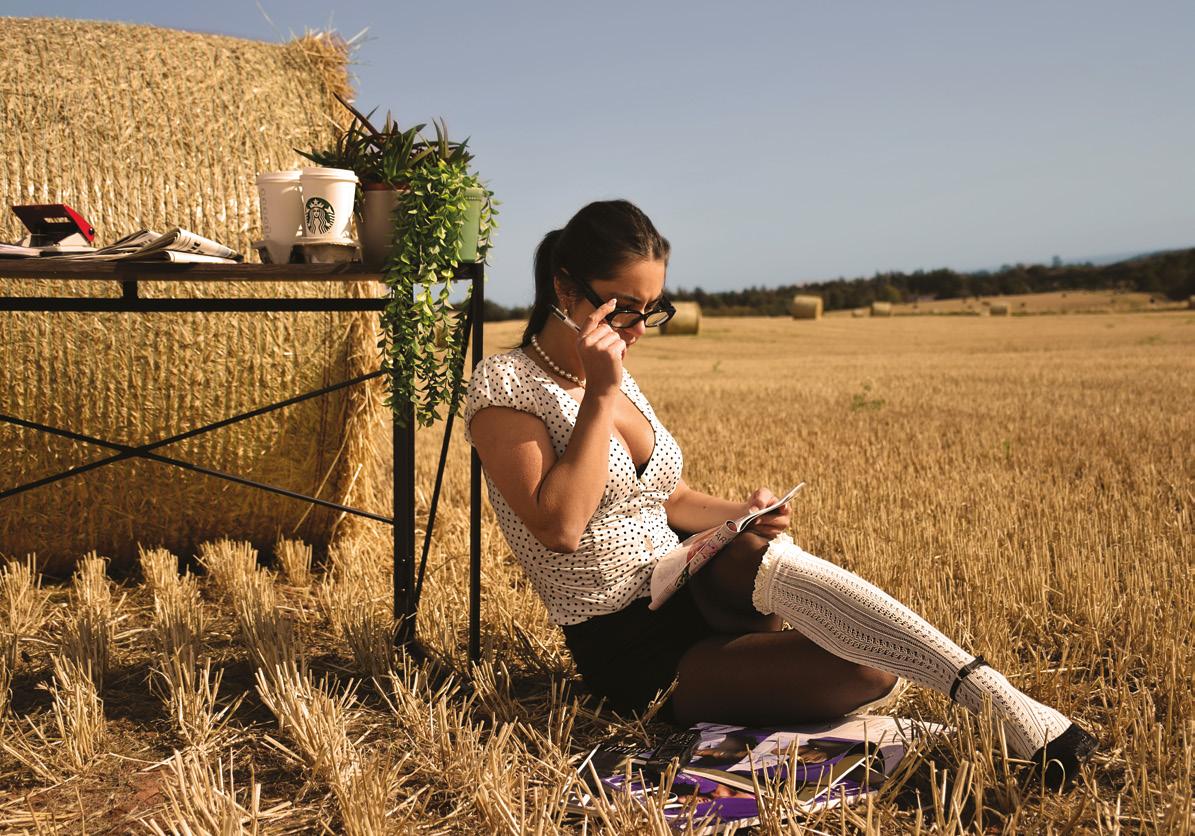
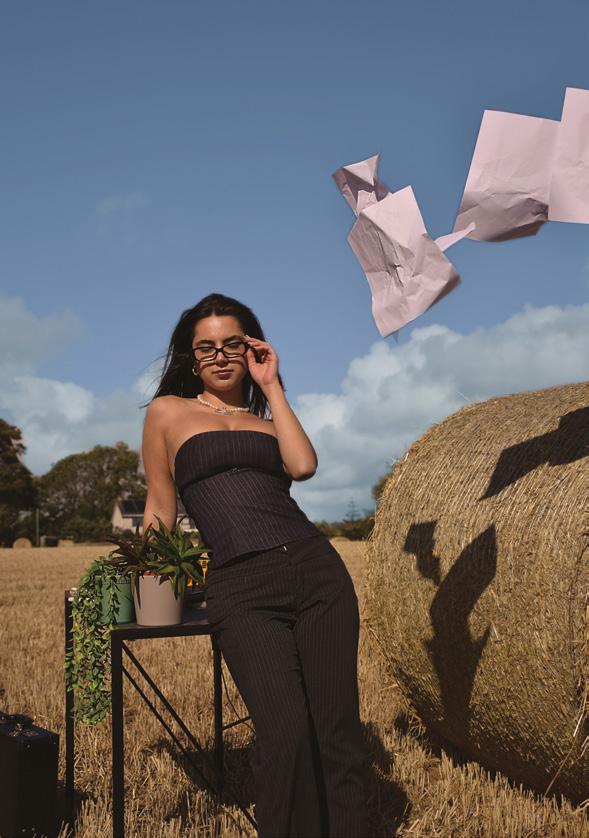
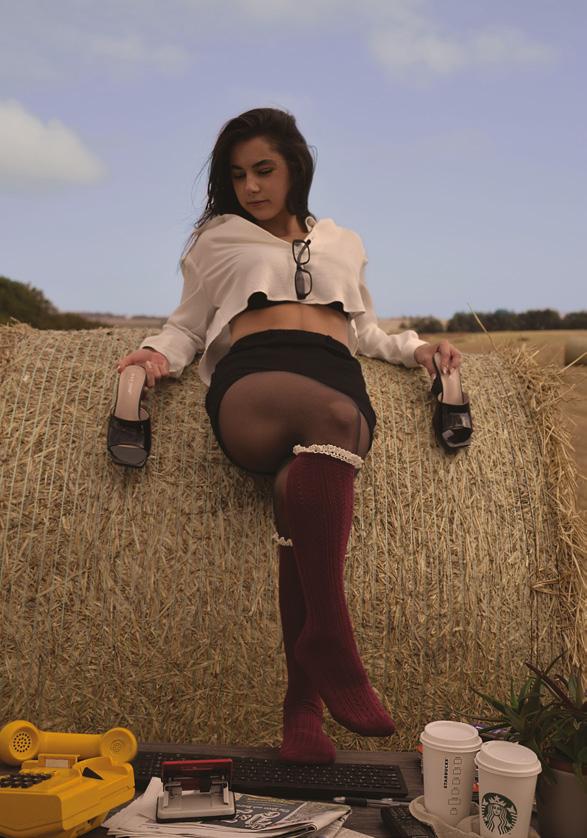
Out Of Office
Location: Stonehaven
Model: Oliwia Chwalisz
Photographer: Emillie Porter
Stylist & Director: Isla Coull
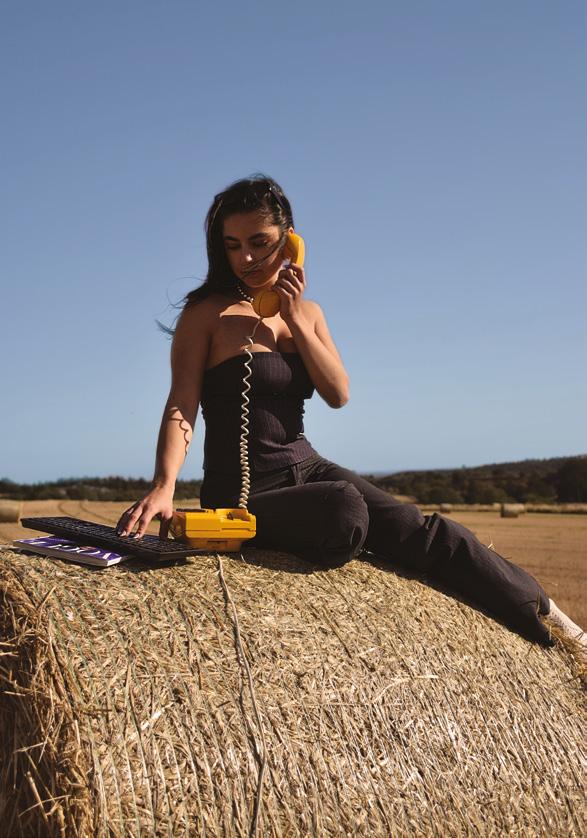
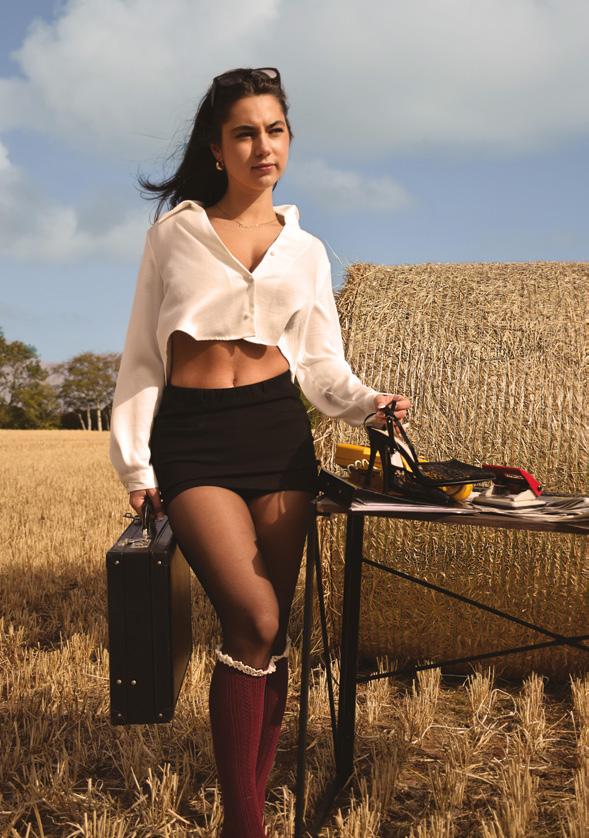
Trousers: Brandy Melville
Top: ASOS
Blouse: ASOS Socks: Primark
Top: Urban Outfitters
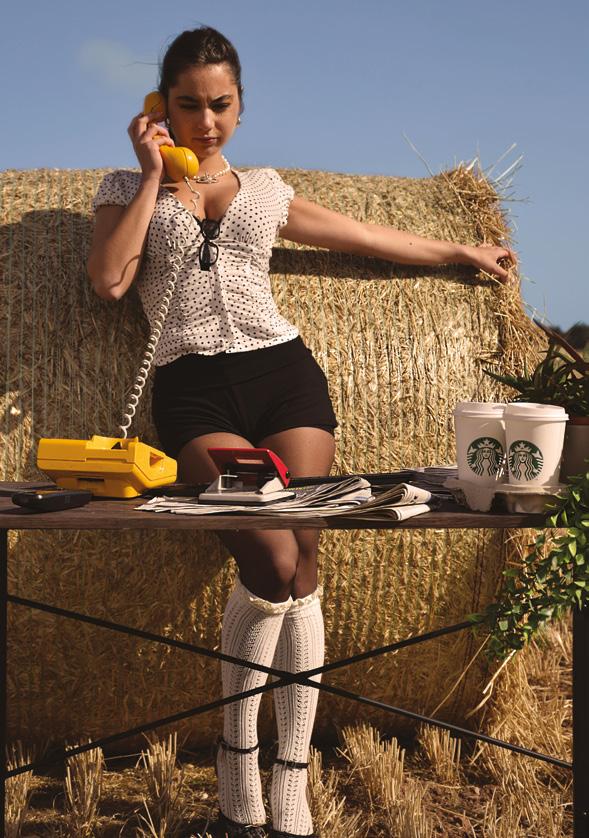
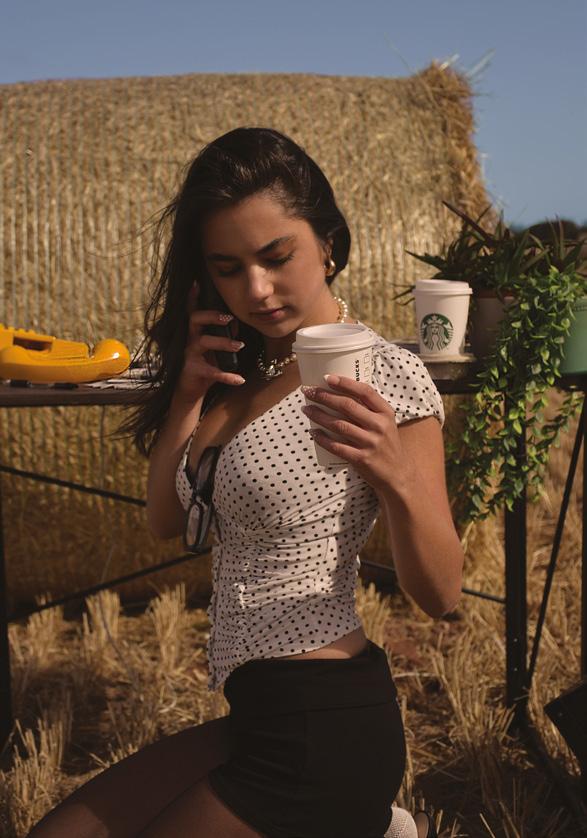
Necklace: Vivienne Westwood
Glasses: Primark
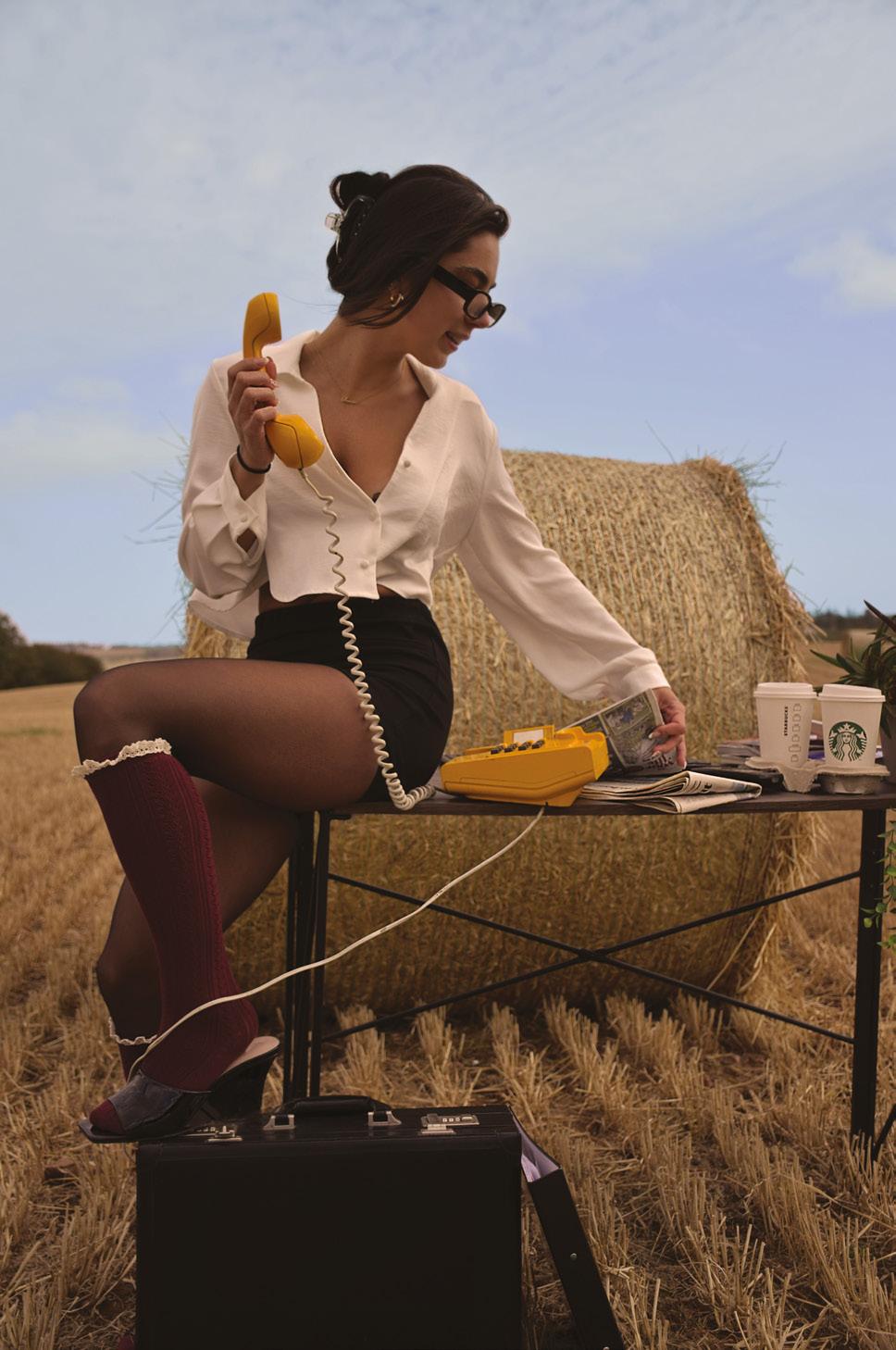
Heels: TK Maxx Skirt: ASOS
Tops- Hollister £25.95
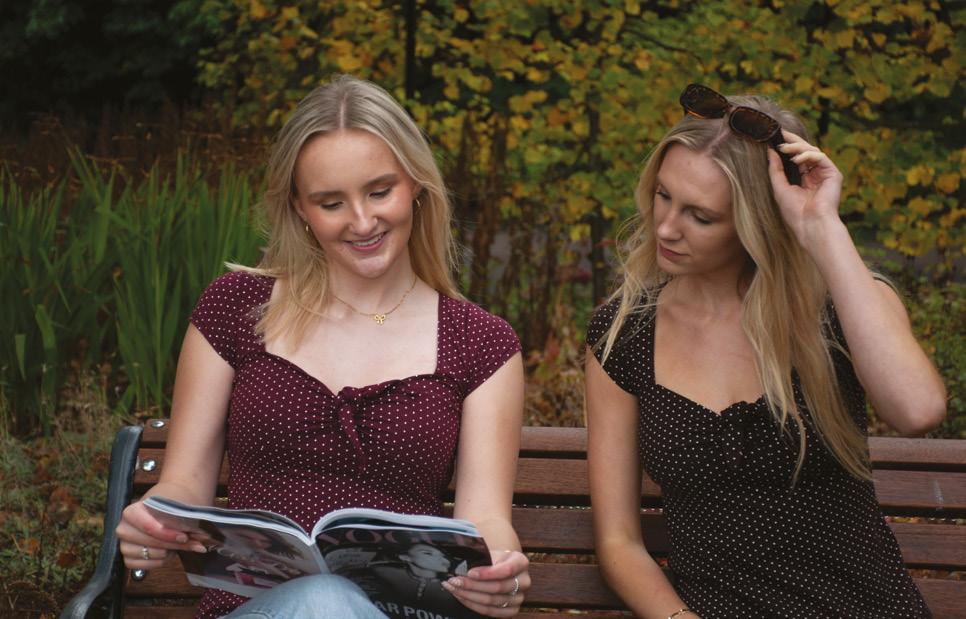
The Autumn Edit
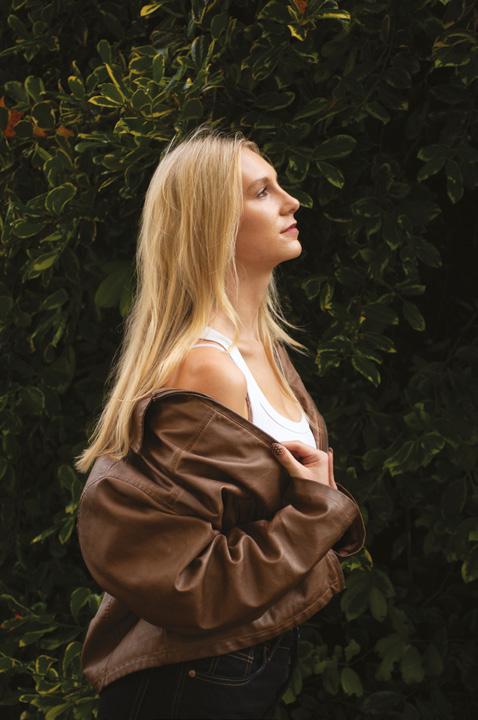
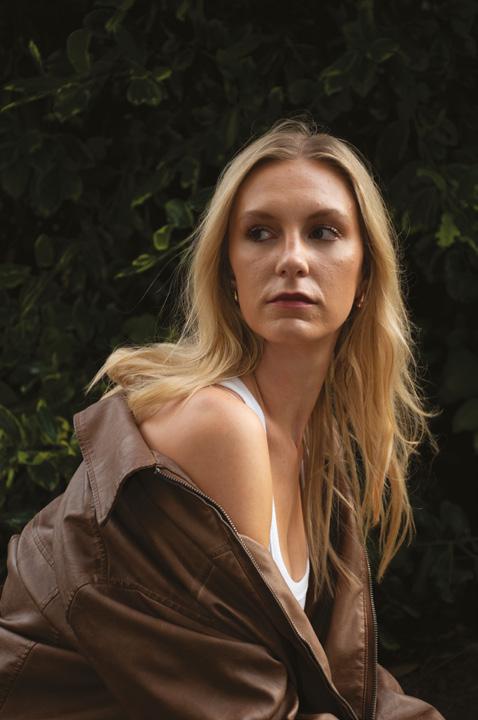
Sunglasses- Shein £2.08
Jacket- Urban Outfitters £69 White Vest- Pull&Bear £8.99
Photographer- Erin Petrie Editor- Sophie Turner
Models- Hannah Turner & Sophie Turner Location- Duthie Park
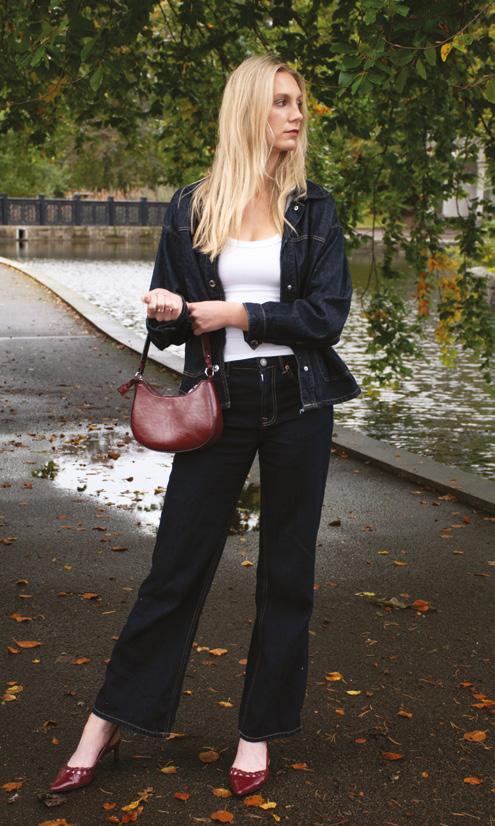
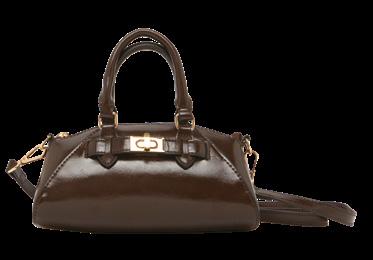
Bag- Stradivarius
£19.99
Shoes- Bershka £29.99
Jeans- Stradivarius £29.99
Creating a Capsule Wardrobe
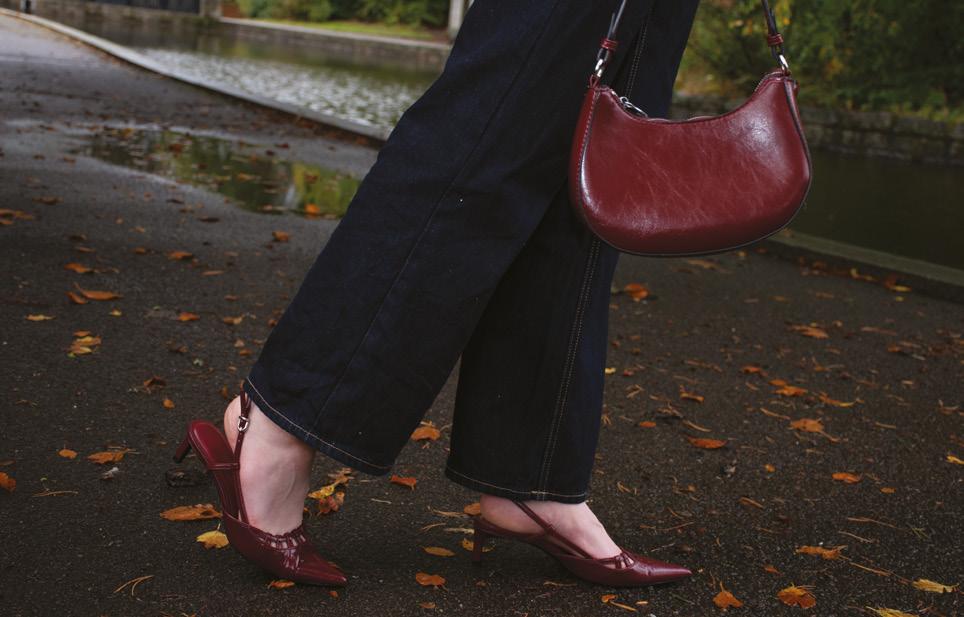
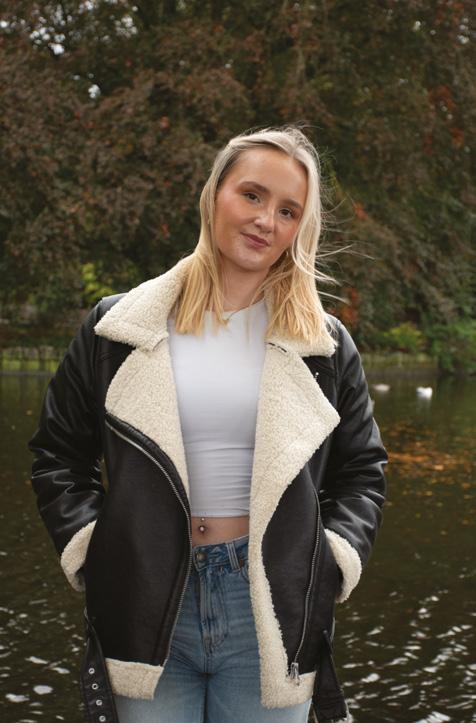
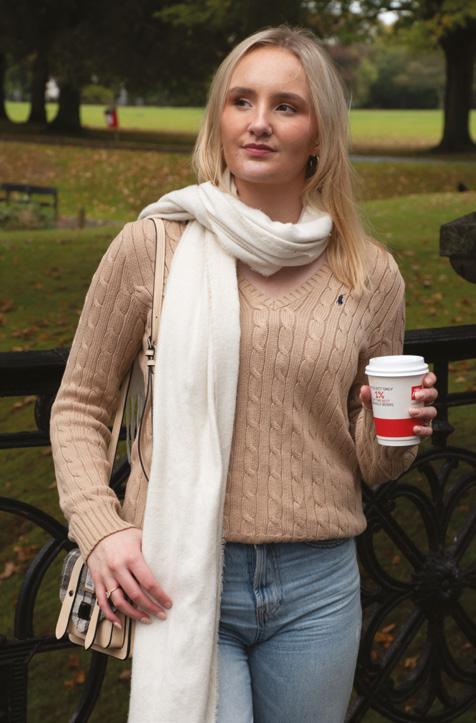
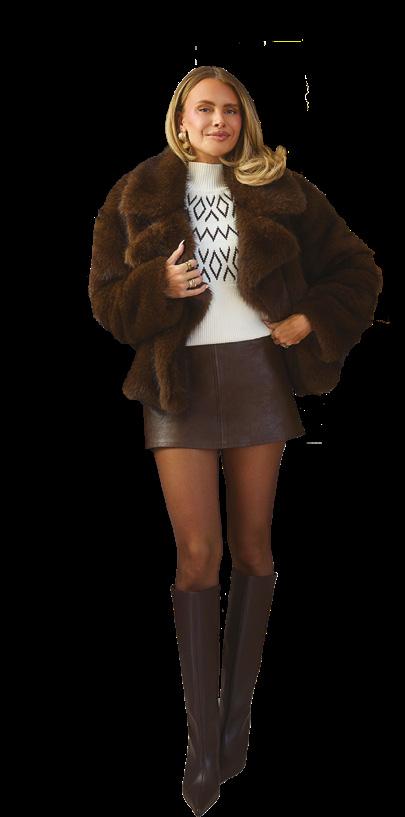
Jacket- H&M £54.99
Top- Pull&Bear £12.99
Jeans- Stradivarius £29.99
Bag-TK Maxx £39.99
Shoes-Briers £19.99
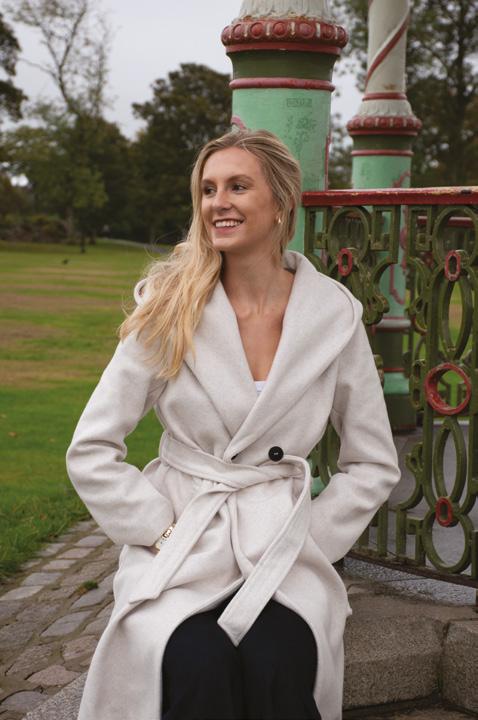
Jacket- Zara £49.99
Jumper- Ralph Lauren £205 Scarf- H&M £9.99
Bag- Harris Tweed £64.95
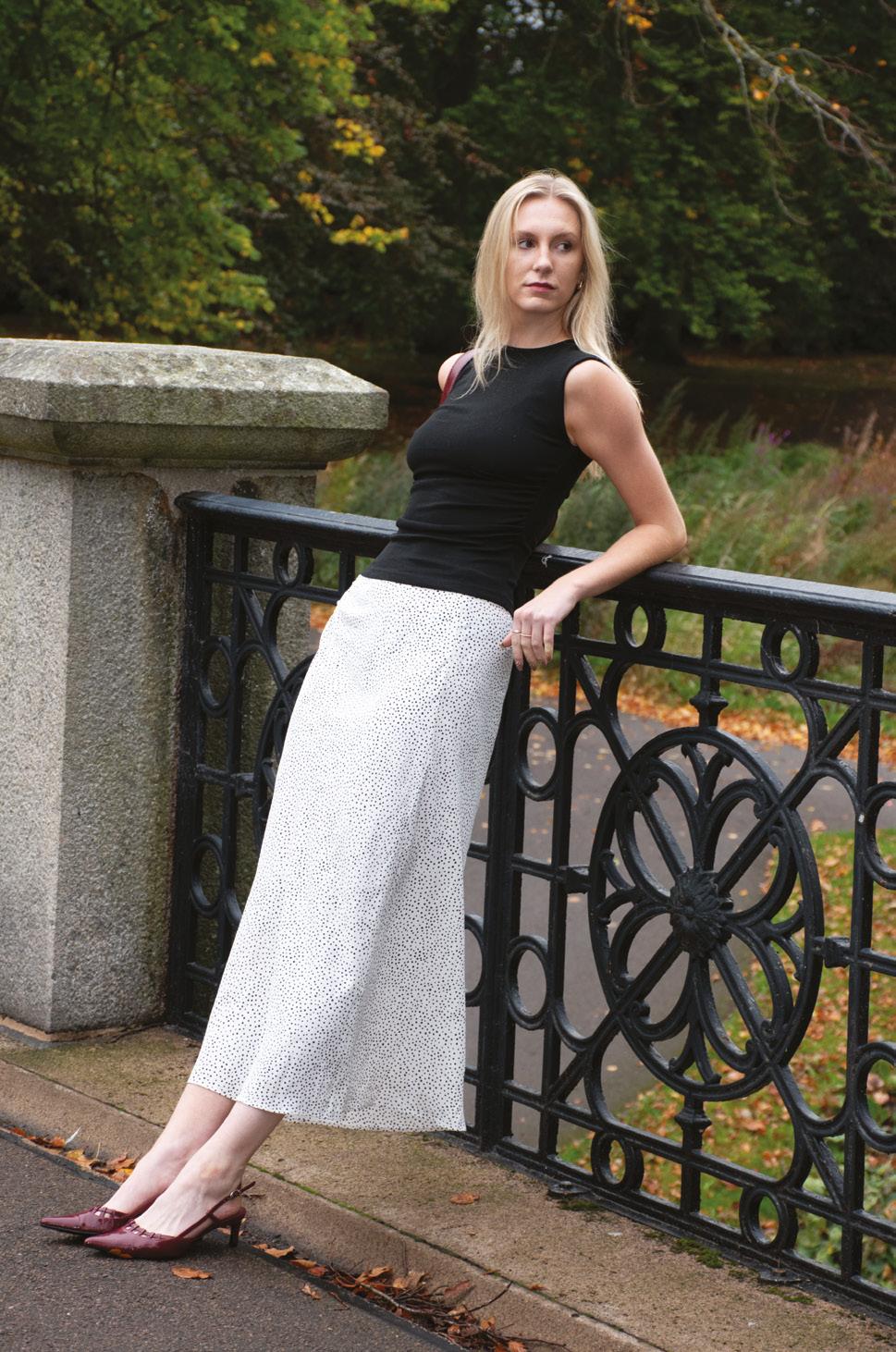
Bag- Stradivarious £19.99
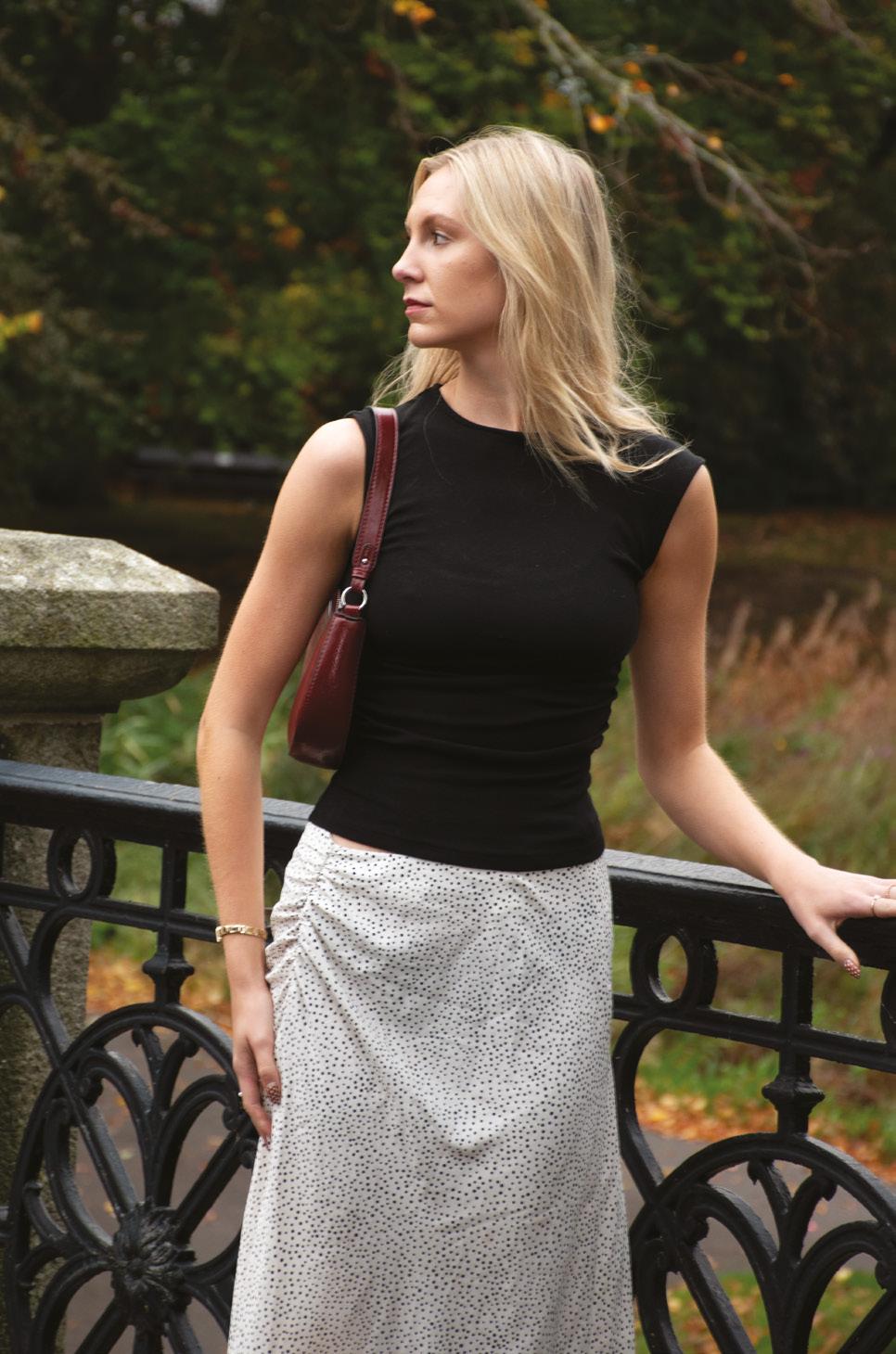
Shoes- Bershka £29.99
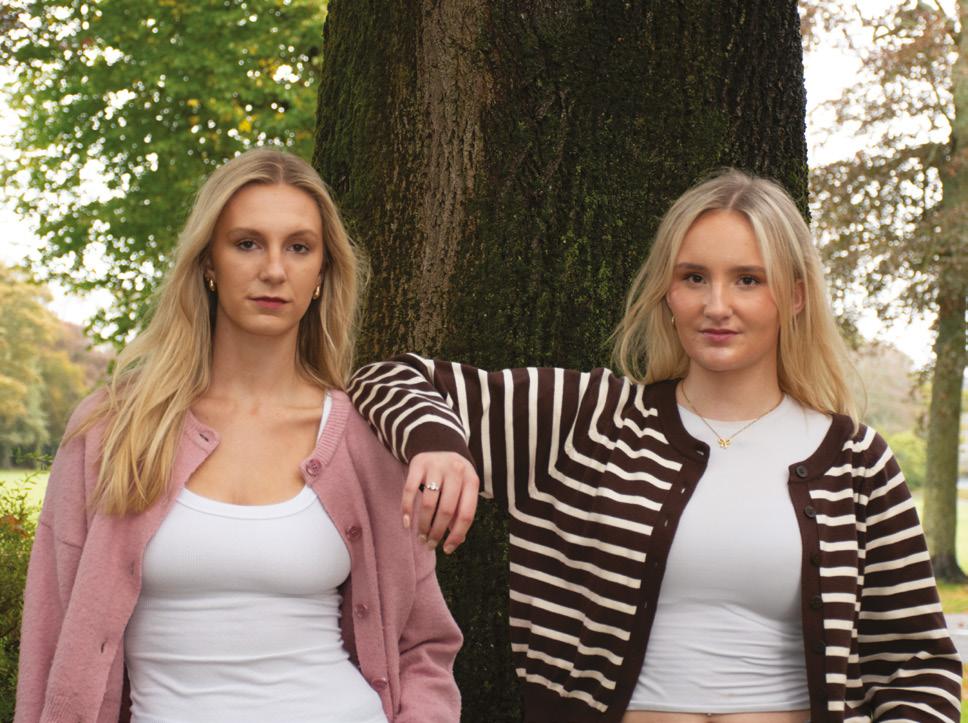
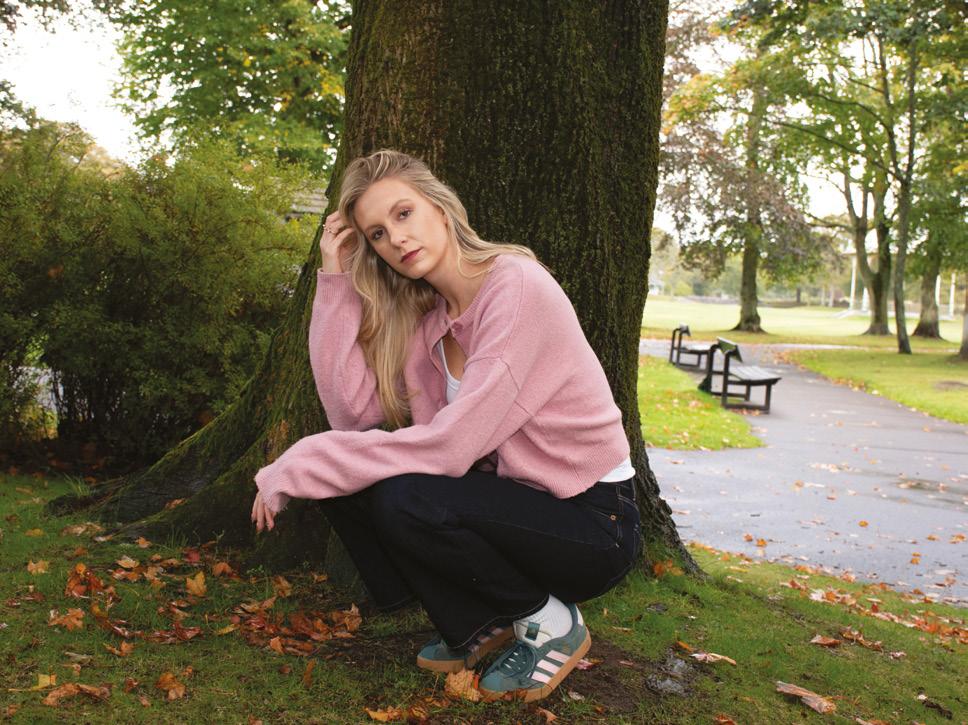
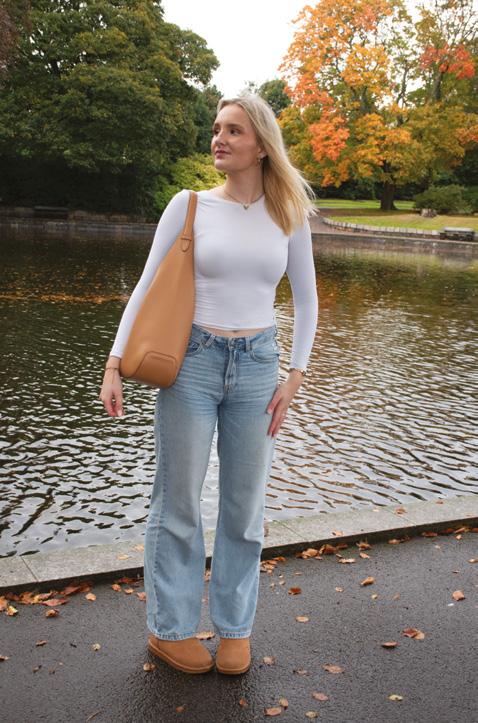
Striped Cardigan- Stradivarius £29.99
Pink Cardigan- Bershka £25.99 Shoes- Adidas Sambas £84.99
Closet Full, Nothing to Wear.
Scrolling, buying, regretting: the new wardrobe routine.
To most people, fashion has been used as a form of communication and self-expression that allows their outfit to speak before they do. Yet in recent years this expression has shifted to feel more like a never-ending need for accumulation. The increase of social media “haul culture” and “musthave” trends are targeted to consumers with the intent to create a constant pressure to keep up to date with the latest trends. This driven culture fuels compulsive buying and has changed shopping from an occasional outing to a daily background habit.
As you stand in front of your wardrobe and scan through the rails of tops, folded jeans and collection of jumpers, nothing feels right, and a familiar thought often comes to mind, “I have nothing to wear”. The contradiction is that we are living in a time where fashion is easily accessible; same-day shipping, free returns and one-click purchases mean that we own more clothes than ever before, and yet still find ourselves dissatisfied, and constantly wanting more. In this article, we explore the idea of fashion overconsumption and how social media and its psychological impact are normalising and encouraging us to keep buying, even when it becomes a problem.
By Violet McKee
Brands have recognised the impact of social media on consumers’ buying habits and now use it as a branch for marketing. Partnering with creators allows for a large volume of clothing to be showcased in just one sitting. ‘Buy more, show more, share more’ the cycle feeds itself as consumers chase trends that disappear as quickly as they arrive.
Consumers’ bedrooms have become the new changing rooms.
Buy More, Show More, Share More.
Social media platforms are flooded with creators unboxing new items and showcasing the latest “must-haves” for the season. The rise of the “haul” videos, where a creator goes through a selection of clothes that they have been gifted for PR purposes or bought themselves, has a huge impact on consumers’ buying habits as they are designed to create a sense of urgency which encourages impulse purchases.
Not only do they get influenced to make new purchases based on the creator’s video, but they are often inspired to create their own videos. Consumers’ bedrooms have become the new changing rooms, and excessive purchasing is now the norm. Whilst these videos shape the shopping behaviours of millions of users, the most common demographic being targeted through digital influence is Gen Z. These videos spark ‘Micro trends’ which are short-lived but highly popular. On one of the current leading social media platforms, the “#haul” hashtag has over 25.8 billion views, which shows us just how popular this craze has become.
There is a psychological side embedded in overconsumption; the constant exposure and pressure to keep on top of new items, trends and influencercurated looks creates a cycle of dissatisfaction, ultimately fuelling more shopping. Despite purchasing new items on a regular basis, consumers will more than often still feel as though they have nothing to wear. The items that are bought are then no longer of use, which psychologists refer to as style obsolescence – where items of clothing feel emotionally obsolete before they physically become obsolete. Our social media consumption has been proven, through recent studies, to be linked with increased feelings of anxiety and low self-esteem, particularly amongst the younger audiences. The idea of these curated “perfections” has become a benchmark that is often used to measure personal worth.
The problem is, the more consumers chase after these curated ideals, the further away they drift from their own authenticity. Recognising this truth is the first step towards breaking it, and where a mindful relationship with fashion is established, consumers can begin to resist the psychological pull of overconsumption.
The environmental burden of fashion overconsumption is not
a by-product of production but stems from consumer choices. The faster consumers buy, the faster items are discarded, and the amount of waste created has an overwhelming impact on our planet.
Research has shown that out of the 100 billion garments manufactured each year, 92 million tonnes of them will be discarded to landfills. Unless consumers make a big change in their choices, this figure is estimated to rise to 102 million tonnes. Additionally, the fashion industry is accountable for 20% of the global water waste. Cotton farming is crowned as being the most intensive for water waste. A striking example of this taking effect on our planet’s natural resources is the Aral Sea in Central Asia. What used to be the fourth largest lake in the world has now lost over 90% of its surface area; this is the result of unsustainable cotton farming that lasted for decades. The loss of this water source that was once home to a thriving ecosystem is now a desert. The now exposed lakebed releases dust from the salts, which are extremely toxic and pollute the air of neighbouring communities. This environmental collapse serves as a warning for how our buying habits can have irreversible consequences on our environment and communities, urging consumers to look beyond the trends and realise the lasting impact that their actions can have. Without this we risk repeating the same mistake on a larger scale.
reducing plastic, food and water waste, although when it came to fashion, only 54% said the same. This highlights the disconnect between consumers’ values and habits, especially when it comes to consuming fashion responsibly. “Closet full, nothing to wear” is no longer a joke; instead, it symbolises the crisis that no new purchase can resolve.
So where do we go from here? Can we potentially reclaim responsible consumption? In the same digital spaces that fuel overconsumption, there is a slow revolution emerging that could be the answer to these questions. This movement is a step in the right direction towards reshaping how people engage with fashion consumption. A new, more hopeful trend named ‘Project Pan’ has recently emerged on social media platforms in which, instead of showcasing excessive purchases, creators are proudly displaying their preexisting products that they have used up completely or “hit pan” on. The idea is simple: “Pan” refers to hitting the bottom of a product’s container, which reveals the metal pan beneath, indicating that there is little of the product remaining.
With the environmental cost of overconsumption being overlooked by many consumers, Gen Z make up a large part of this overconsuming demographic. It is known that they are conscious of sustainability and the negative impact that their buying habits can have on the environment. Although the desire to keep up with social media trends is hard to ignore. Through this, a sense of cognitive dissonance is created as consumers struggle to balance their values with their actions.
The ethical and environmental issues that fast fashion raise clash with the affordability and accessibility that make fast fashion so appealing. A recent study asked consumers about their attitude towards sustainability and what actions they take to be environmentally friendly. In response, 74% of participants said that their actions complied with
The trend aims to encourage people to use each product they own until it is completely empty before considering buying a new one. Creators and everyday users will now create videos showing how many products they have managed to use fully throughout the month.
This relates to the overconsumption of fashion as well, bringing back the idea of style obsolescence, where clothing items are discarded long before they are physically ready to be. If consumers are to apply this mindset to fashion, we must learn to buy less, but better. This looks like investing in higher-quality, timeless pieces that will last for years to come. This will not only aid in reducing waste but also build a wardrobe filled with clothing that encourages an authentic connection with the individual’s personal style. Their garments will evolve with them, rather than expire before their next scroll. Haul culture and the constant cycle of new trends celebrate an endless newness, whereas Project Pan celebrates longevity – proving that adding to your wardrobe won’t bring you true satisfaction; it comes from rediscovering and finally wearing what’s already inside. The familiar phrase “closet full, nothing to wear” isn’t a reflection on having too little but instead a quiet confession that we’ve lost touch with what we already own.
Sustainable Festival Fashion-
How to Party without Hurting the Planet
By Adam Stewart
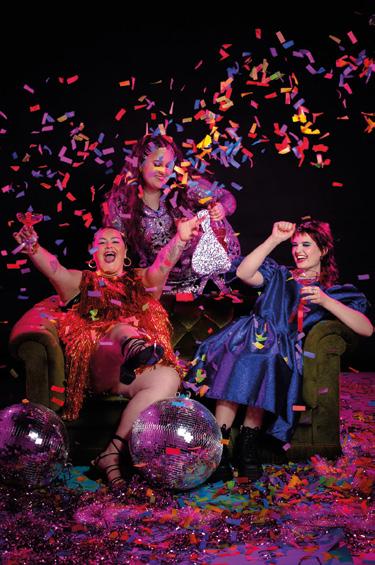
Festival season is the time to express yourself. Sequins, glitter and feathers are highly favoured within the festival community; no outfit is too over-the-top. But while festival attendees create lifelong memories, the trail of fast fashion waste left behind will outlast these moments. As sustainability moves from backup singer to headline act, festival attendees are starting to think twice about what they wear to these music events. For a long time, festival fashion has been closely associated with a onetime-wear mentality - this is where clothing items are worn once, then put to the back of the wardrobe, never to be seen again. In the era of social media, there is a lot of pressure to show new, up-to-date garments in every post. Neon bodysuits, glittery miniskirts and cheap knitted tops flood social media feeds and landfills. Behind the glitter and sparkle lies the dark truth. Cheaply manufactured garments are mostly made up of poorly constructed synthetic materials. The brands behind the manufacturing process of these synthetic items most commonly depend on underpaid, underappreciated workers. What was once a creative, expressive, and fun industry has now evolved into a money-hungry profession. As festival season approaches, maybe it’s time to rethink the environmental damage your outfit could have. According to research, around 13 million items of clothing are sent to landfill in the UK each week, with festivals having a significant impact on this number. In 2019, one of the UK’s biggest festivals generated over 2,000 tonnes of waste, with an estimated 10,000 tents abandoned after the five-daylong event. This throwaway culture highlights a stark contrast with the glamorous festivals that we all know; the aftermath tells a far less attractive story than the event itself. As festival season fast approaches, new eyecatching outfits will be debuted, hopefully taking a more sustainable approach. The good news is that a change is slowly emerging, one sequin at a time. Conscious consumption is now being promoted at festivals. For example, an American music festival that takes place in a desert no longer lets you wear clothing items with embellishments such as rhinestones or sequins on them. This is to minimise “MOOP” (matter out of place) from occurring. “MOOP” contaminates the desert grounds with non-biodegradable embellishments that disturb the environment. Furthermore, “MOOP” can take decades to break down, leaving long-lasting damage to the landscape.
Across social media platforms, the eco-friendly festival movement has gained a lot of attention. In recent years, the hashtag ‘#SustainableFestivalFashion’ has millions of viewers, with influencers posting videos showing people how to upcycle garments into festival-ready couture. Repeating the same outfit on social media more than once was seen as a fashion don’t. Now, some social media influencers demonstrate how they remix their wardrobes, showing viewers that they can restyle clothing instead of feeding into fast fashion trends. Your outfits should last longer than your festival wristband. A misconception around sustainability is that it means wearing old, hand-medown clothing; if anything, it helps to make fashion more organic. When you craft, thrift, or patch your own clothing, you’ve essentially created a oneof-a-kind garment that no one else will have.
Your outfit should last longer than your festival wristband
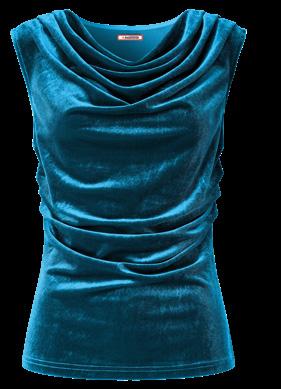
No festival ‘fit is finished without a little sparkle, but that shimmer can be sinister. Regular glitter is made up of microplastics, which are extremely harmful to the environment. It’s estimated that around 35% of microplastics in the ocean come from, synthetic textiles. The sustainable solution? Biodegradable glitter. This is made from a plant called cellulose, which breaks down naturally in water. Not only is this glitter environmentally friendly, but also extremely vibrant, just like regular glitter. Make-up is also
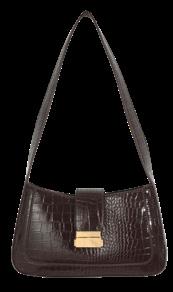
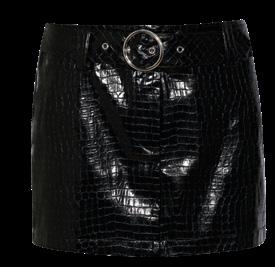
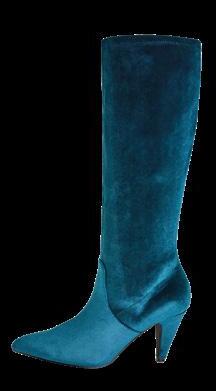
a big contributor to climate change, but luckily, it is heading towards a greener future. In the market now, you can purchase multi-use pigment sticks, the kind you can use for blush, eyeshadow and lipstick. These pigment sticks are great for reducing waste. These easy switches can help individuals be more environmentally friendly during the festival season. Letting you be glam without the guilt. One of the simplest ways to make your festival outfit more eco-friendly is to rent it. With some major fashion companies now offering everything from sequin jumpsuits to lace flares, it is easier now than ever to look incredible without creating the clothing waste. Renting not only makes your wardrobe choices more sustainable and affordable, but it also gives you access to a much wider range of styles, all for a fraction of the cost of buying the garments outright. If renting clothing isn’t for you, small brands are the best for the sustainable festival fashion movement. Large companies can afford to mass-produce fabrics, whereas independent labels use deadstock fabrics, trying to create as little waste as possible. The future of festival fashion is not about owning; it’s about sharing, swapping, and renting.
Festival accessories are also undergoing a sustainable makeover. Essentials like plastic sunglasses, cheaply made jewellery, and synthetic fabric bucket hats often end up broken or torn before the final act, but people don’t feel guilty about this as they are sold and manufactured cheaply. This is a “wear-and-bin” mindset, something that sustainable businesses are trying to change. Repurposed fabrics, plant-based materials, and recycled metals are storming the festival grounds. The era of cheaply made disposable accessories, such as necklaces that are in pieces by sunset, is officially over. Today’s festival goers want dramatic outfits without damaging the environment. Recycled metals bring a fresh look to festival outfits; plant-based fabrics such as bamboo and cork embody an earthy elegance; repurposed fabrics turn scraps into fun accessories bursting with character. These repurposed materials don’t just look better; they carry a story. Not only will they refuse to fall apart mid-mosh pit, but they also survive rain, mud, and every glitter-covered moment. Another exciting shift in sustainable clothing is the return of “heritage fashion”. This is where clothing garments inspired by past decades are worn; this is a rebellion against fast fashion. Trends such as 90s metallic windbreakers to 70s patchwork trousers are all making a comeback. Not because they’re in style for a week, but because these garments are timeless. Festival lovers are rediscovering the beauty of clothing with history and texture. Wearing these vintage garments adds a sense of nostalgia, instead of blending into the crowd by wearing another rainbow tutu ordered last minute. Festival fashion has become a story, with each outfit telling its own tale.
The era of wear-and-bin festival fashion is over
festival attendees to showcase their one-of-a-kind outfits. Imagine an old pair of jeans upcycled into a new, fresh pair of denim shorts with hand-sewn patches of fabric from an old thrifted checkered shirt. Each piece of handcrafted clothing carries a story, presenting the wearer’s personality. What makes upcycled fashion so captivating is its unique, unrepeatable appearance. Unlike mass-produced tutus or bodysuits, no two pieces are ever the same. This helps to ensure festival attendees stand out from the crowd while still wearing outfits that are long lasting. Upcycled outfits aren’t just beautiful; they’re built to be durable, ensuring that outfits withstand more than just a weekend of music. Aside from aesthetic reasons, upcycling is a powerful statement of sustainability, rescuing clothing that may have ended up in landfill. Each patch, embellishment or repurposed fabric tells the story of conscious consumption, transforming every festival outfit into bold statements of sustainable style. Upcycled clothing also helps to encourage festival attendees to experiment; scarves transform into headpieces, and bandannas morph into tops. The mix of patterns, textures and colours allows for outfits to be sustainable, creative, and functional in every look. Each festival clothing item conveys its own story of sustainability, turning scraps into works of art. At festivals, upcycled fashion doesn’t just dress the body; it starts conversations, sparks inspiration, showing that the future of festival fashion is fiercely original. Upcycled fashion proves that true festival style can leave a mark, not just on social media, but on the planet too.
Festival fashion has evolved majorly, from short-lived trends to a celebration of creativity and originality. Repurposed clothing can be upcycled from forgotten garments into festival-ready works of art; this allows
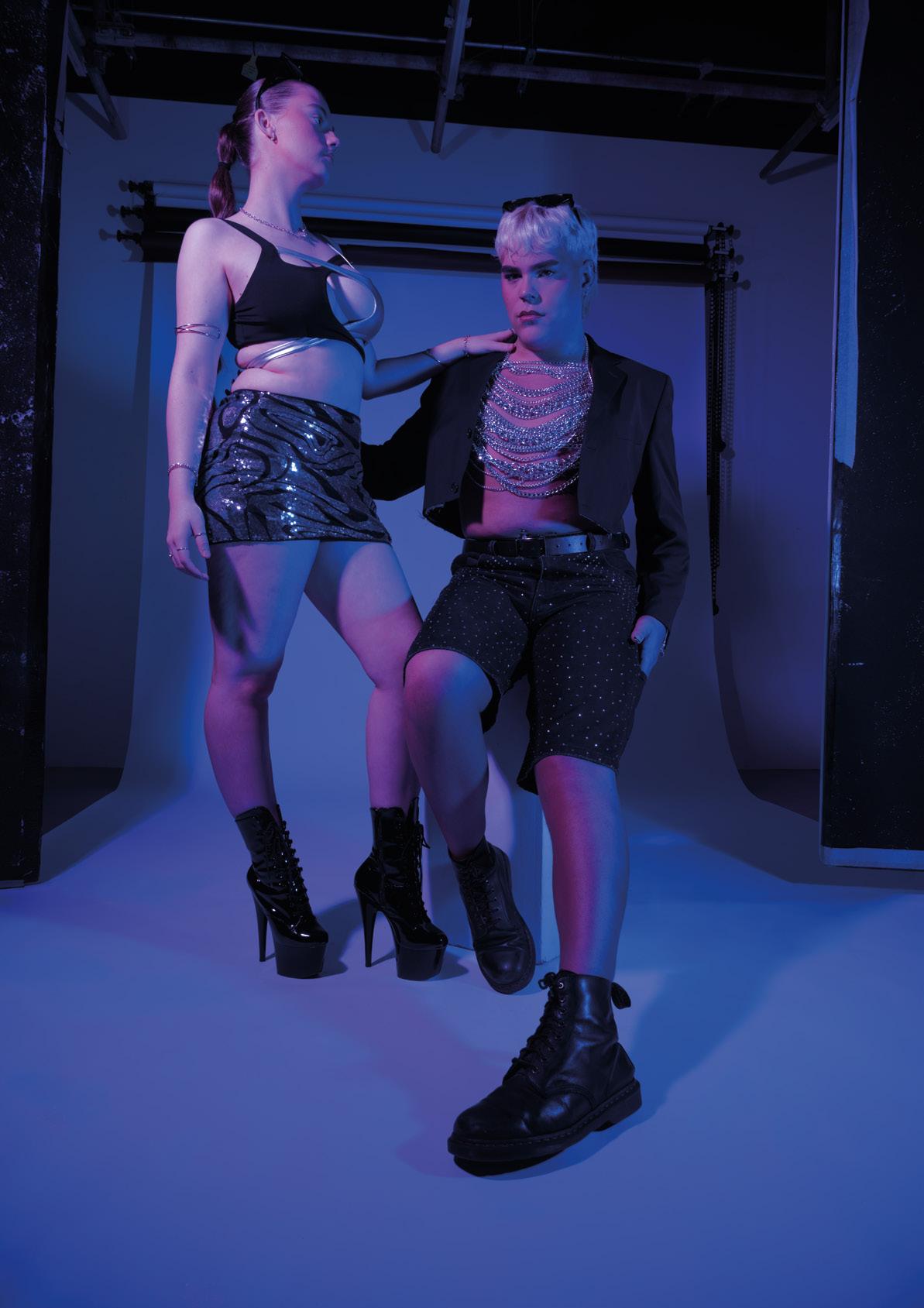
BeRave
By Adam Stewaart
Photographer - Quinn O’Rourke
Model - Frankie Finlay
Location - NESCol Studios
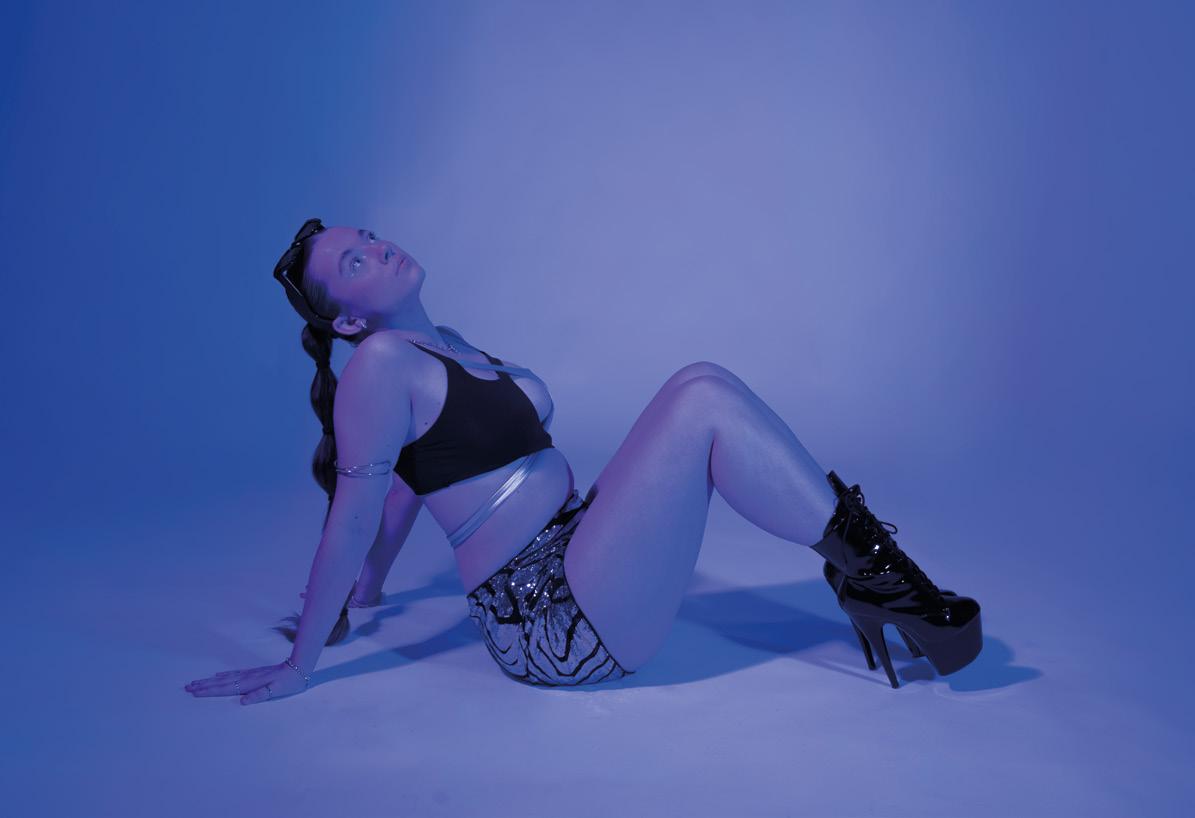
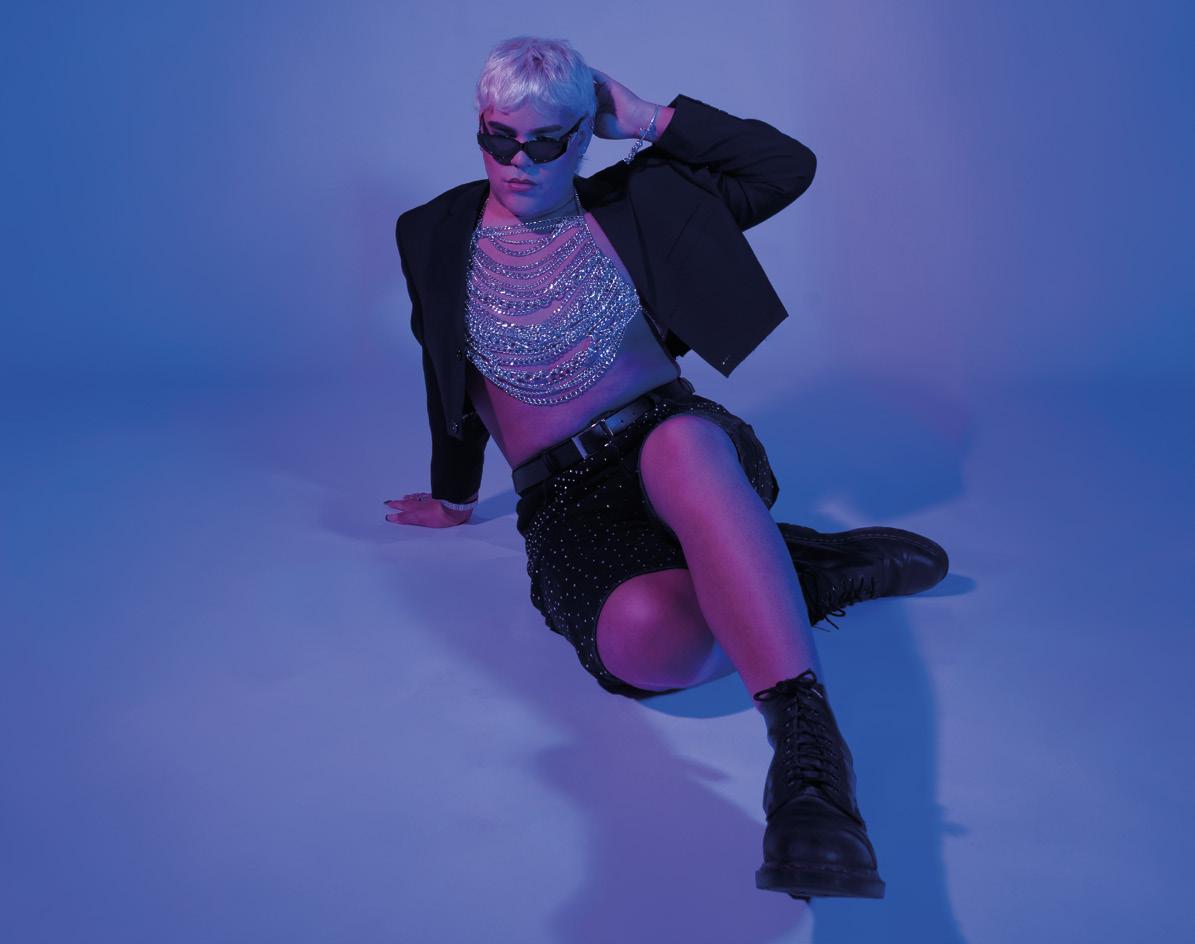
Shoes - Alternative Footwear
Skirt - Shein
Sunglasses - Six Jewellery
Top - Shein
Shoes - Dr. Martens Jorts - Shein Top - Shein Belt - Next
Sunglasses - Valentino Blazer - Boohoo
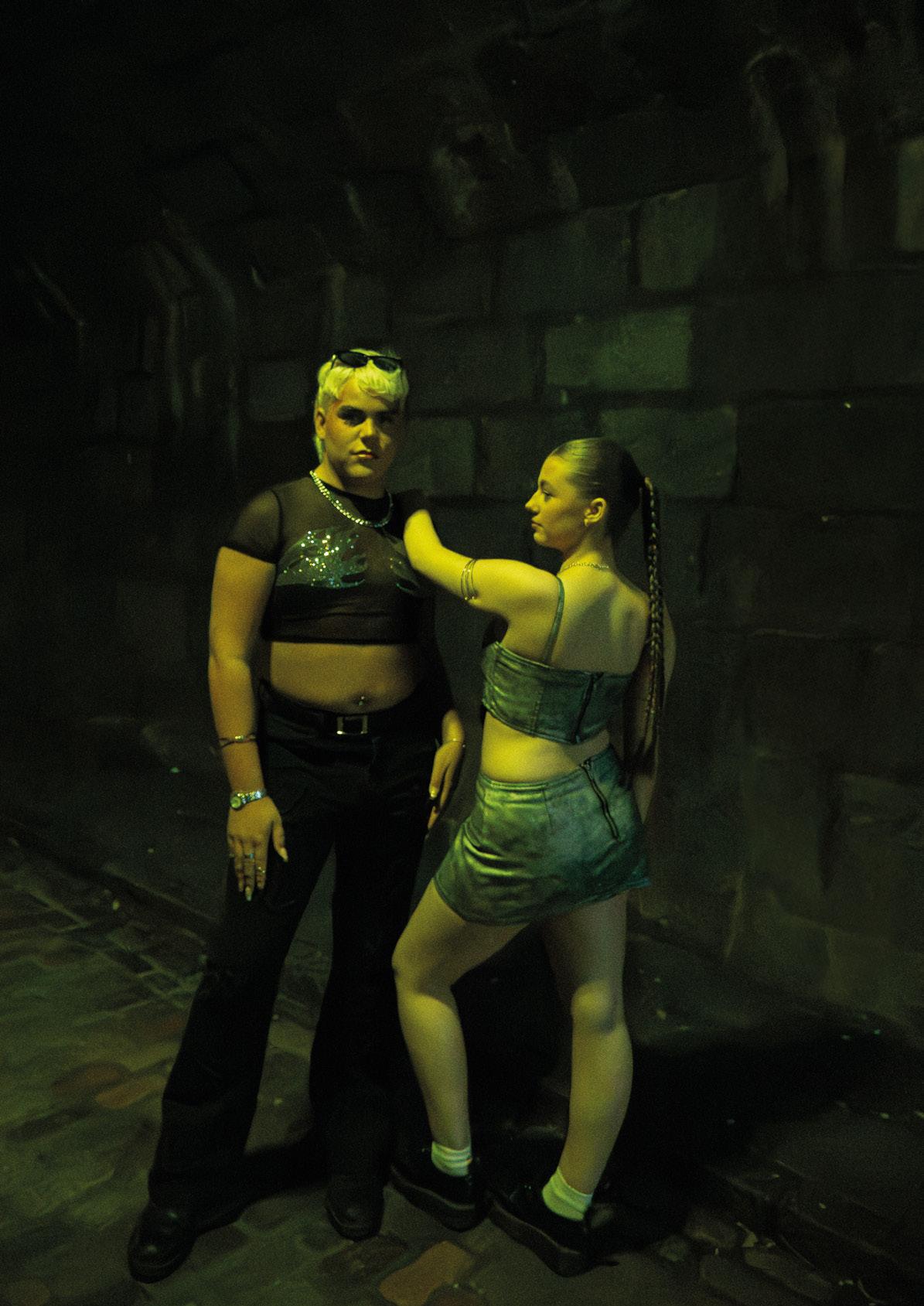
Photographer - Quinn O’Rourke
Model - Frankie Finlay
Location - Correction Wynd
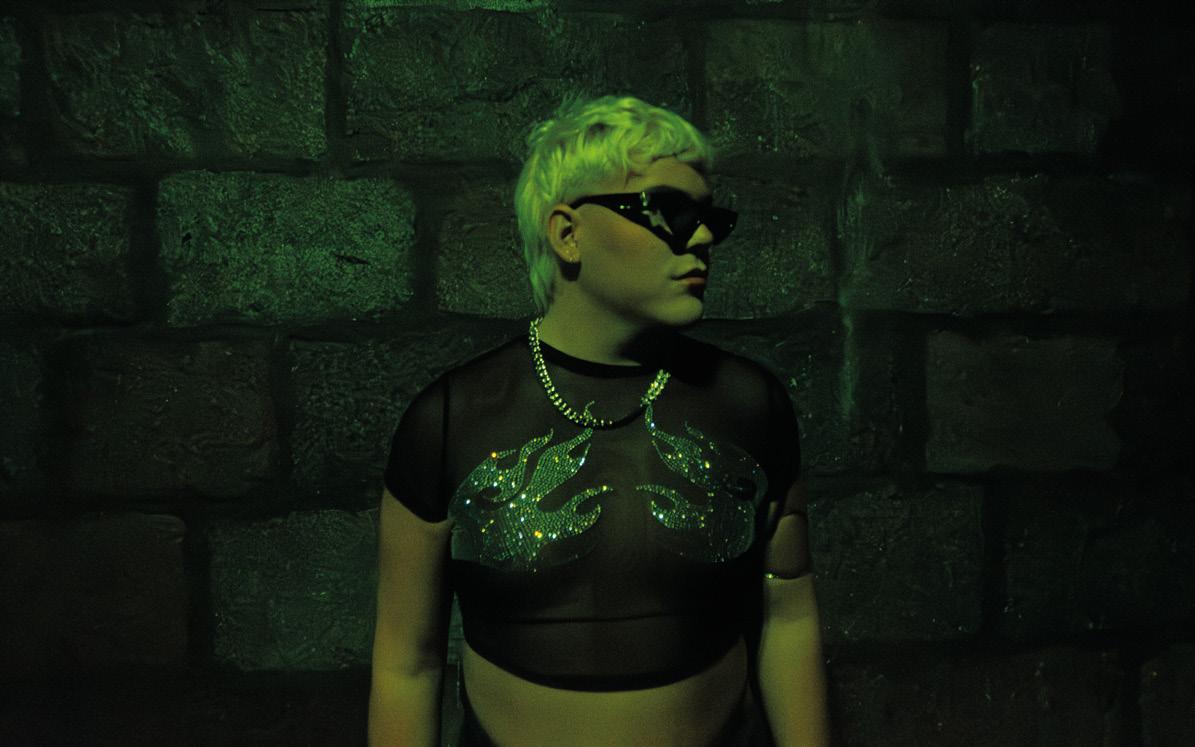
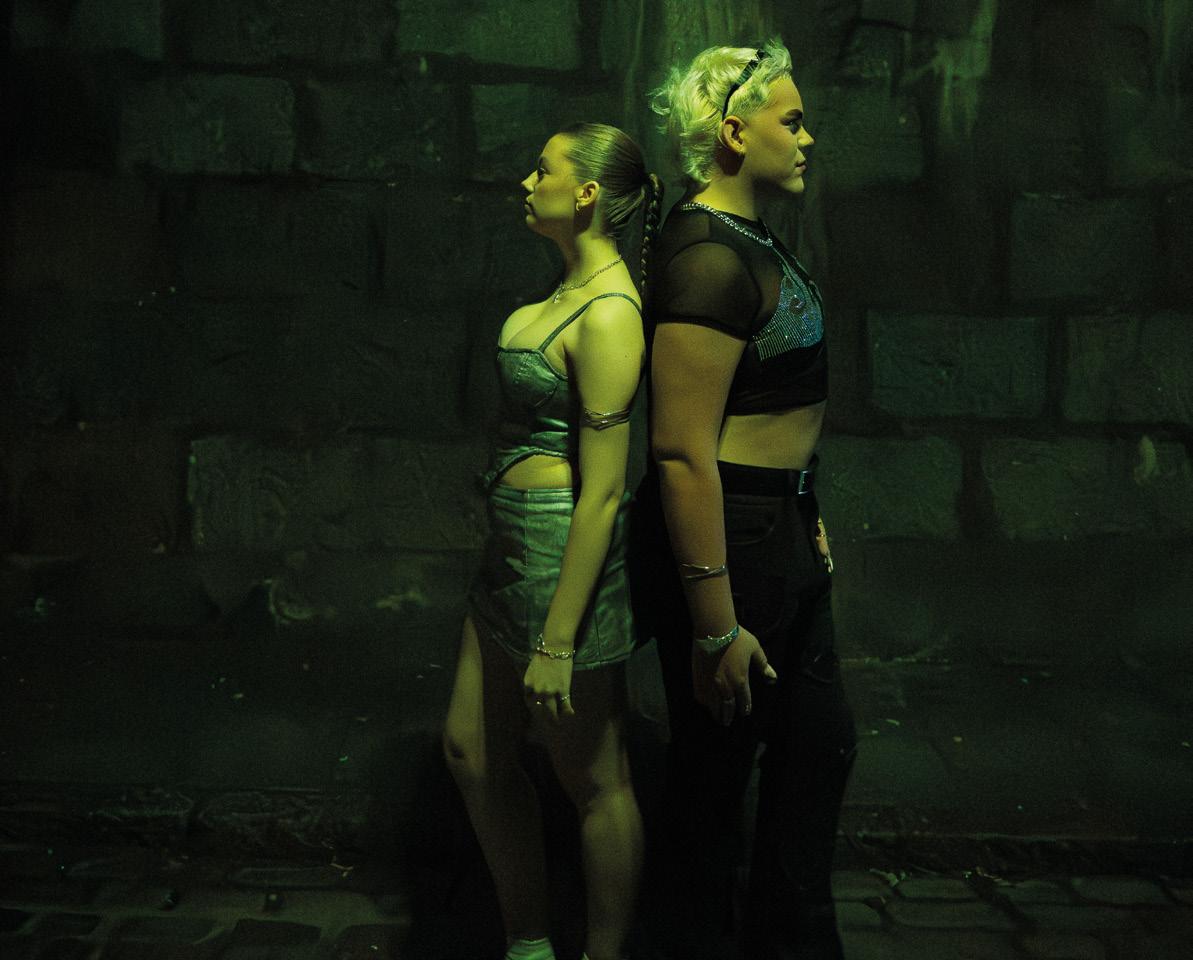
Top - Shein
Chain - Six Jewellery
Sunglasses - Valentino
Corset top - PrettyLittleThing
Skirt - PrettyLittleThing
Shoes - Dr. Martens
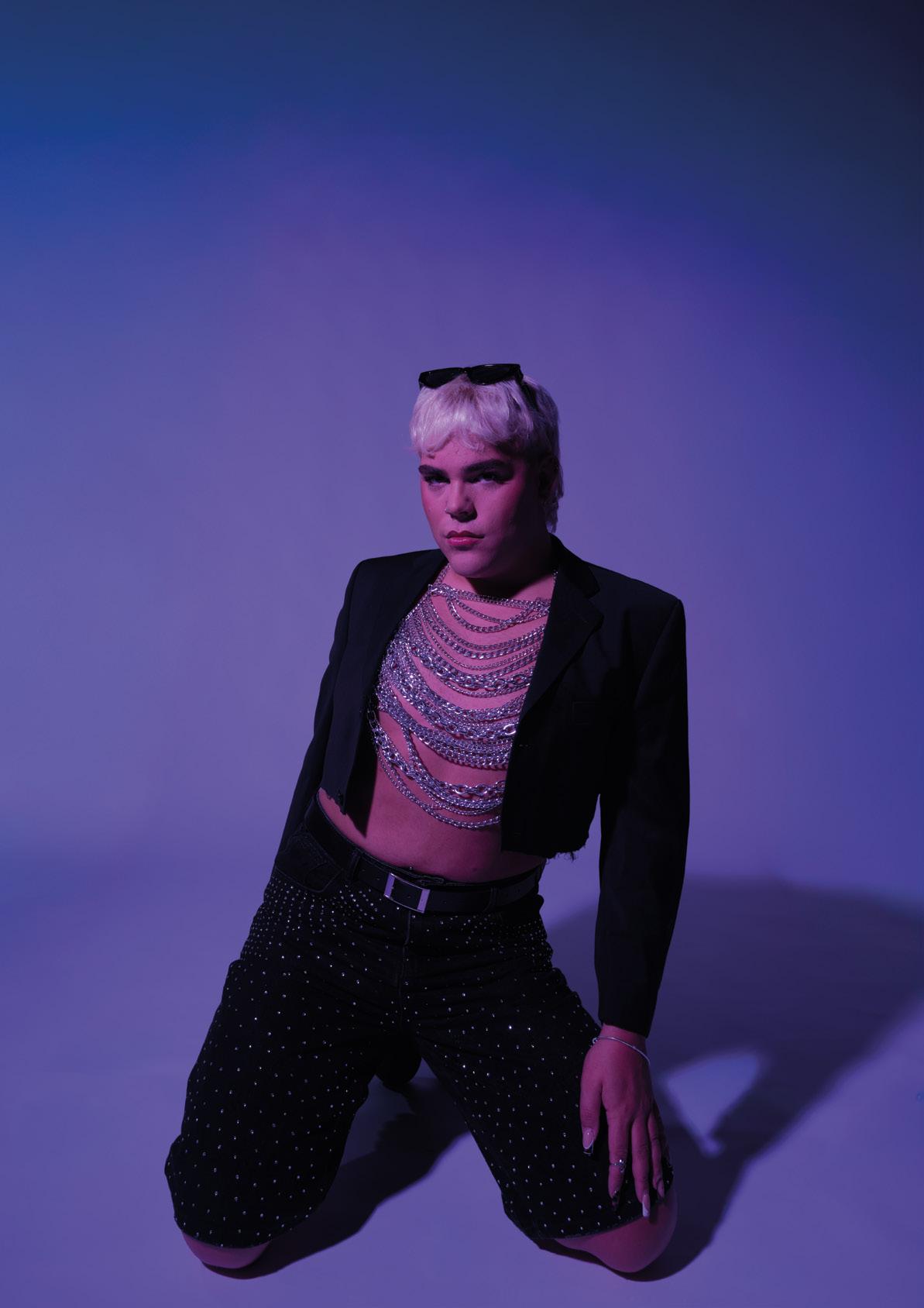
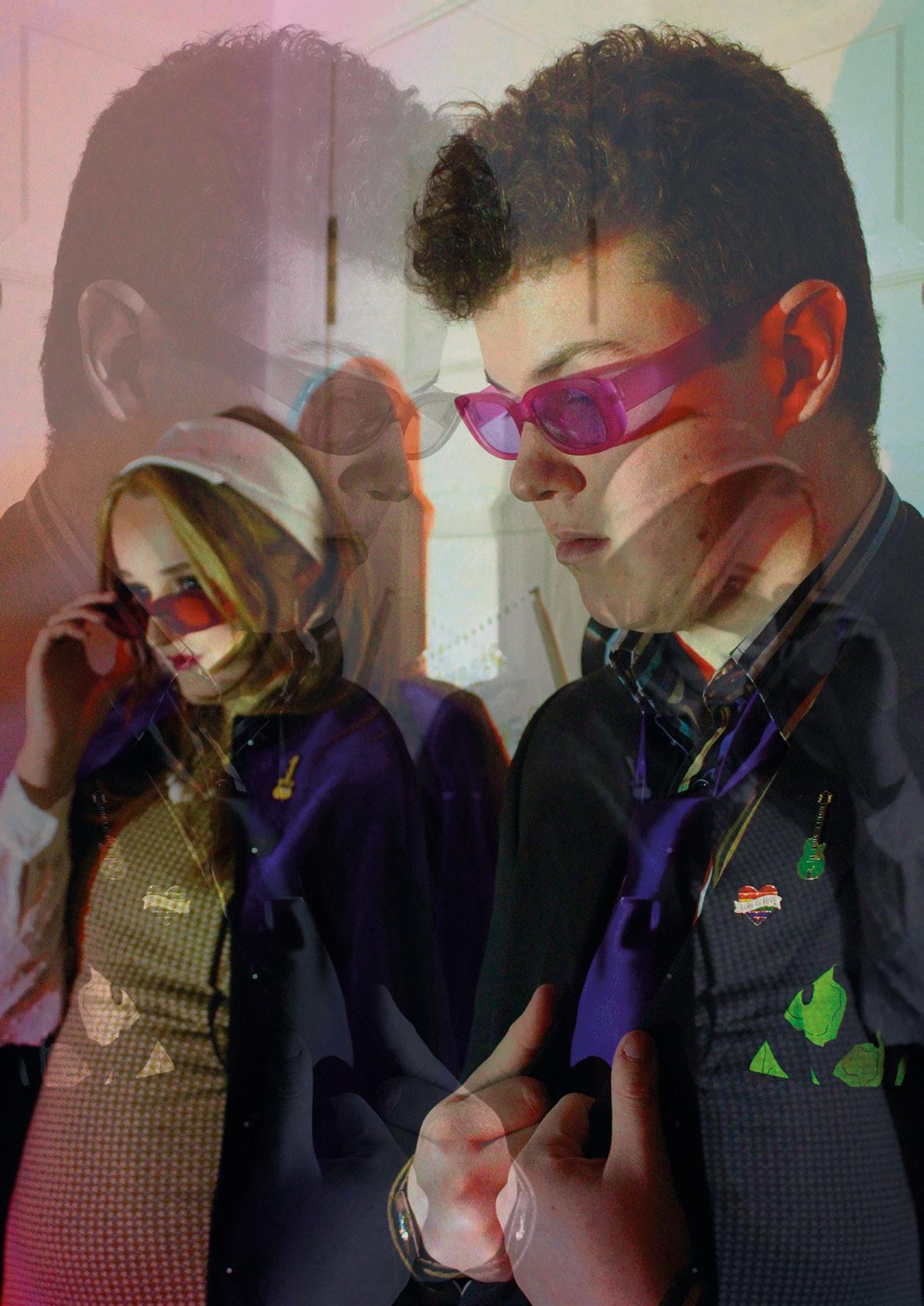
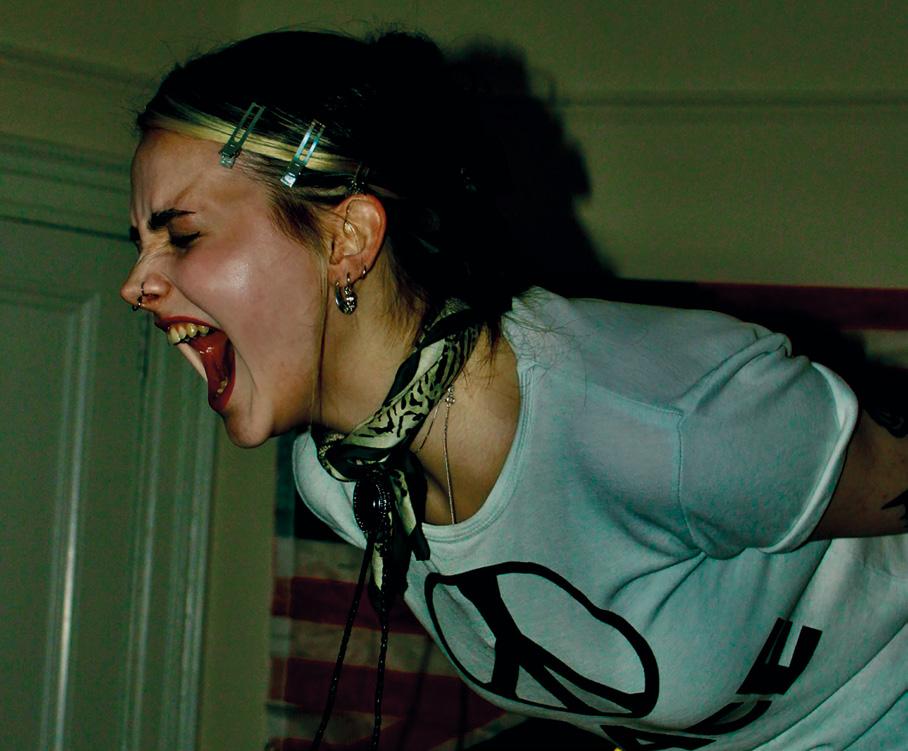
Turn Up The Volume
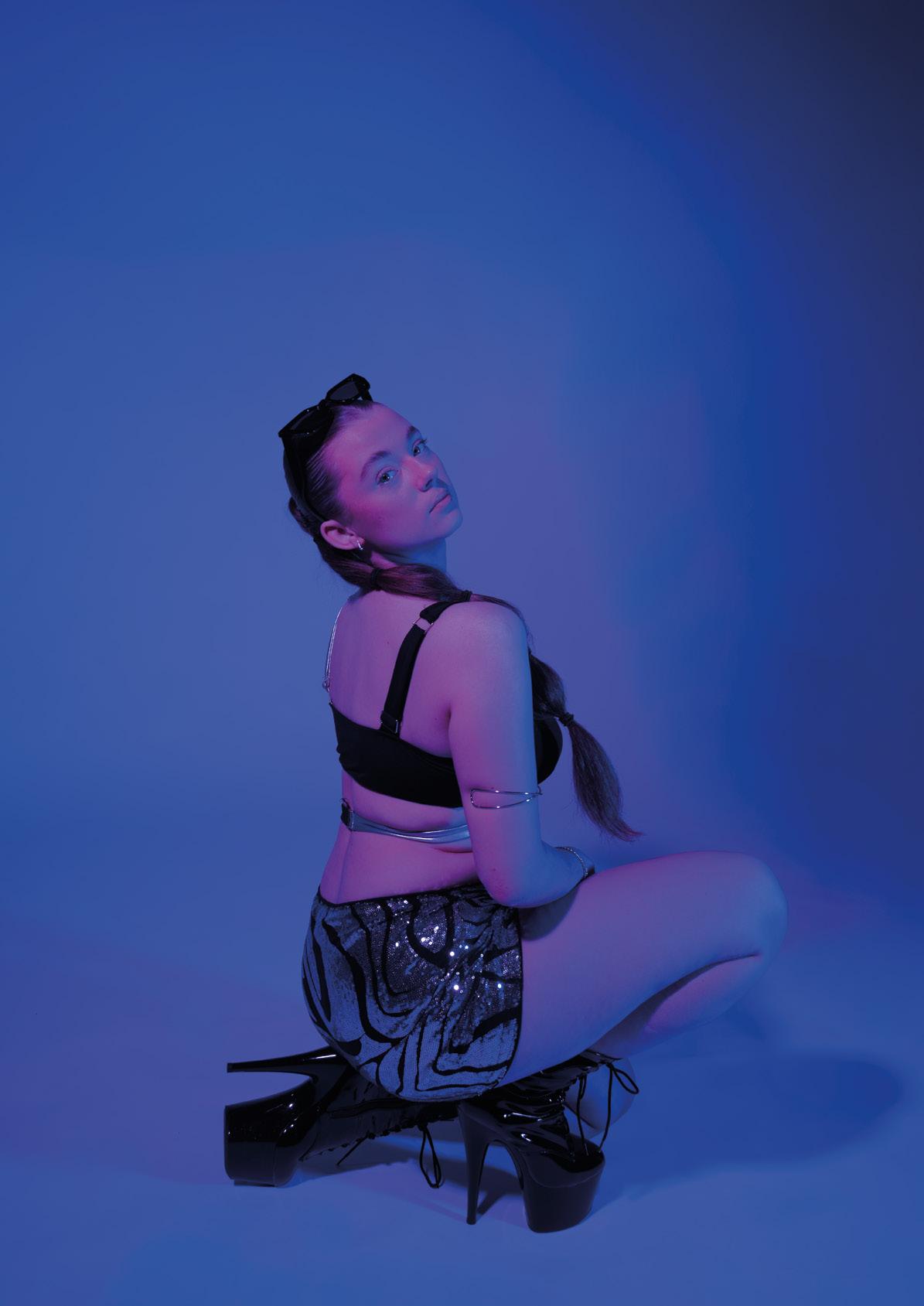
Turn Down The Light
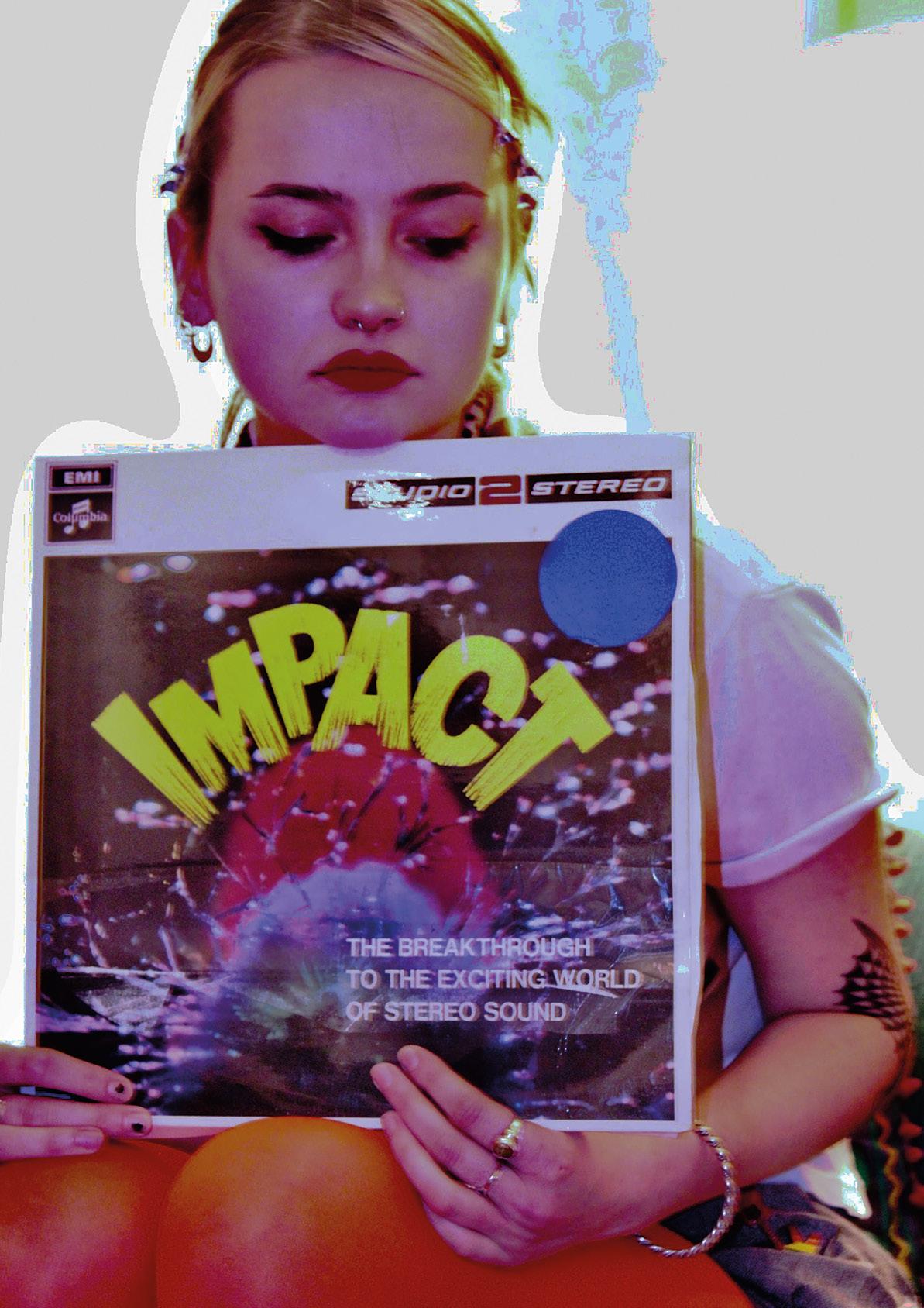
All Photography and Fashion Spread- Grayson Walkey
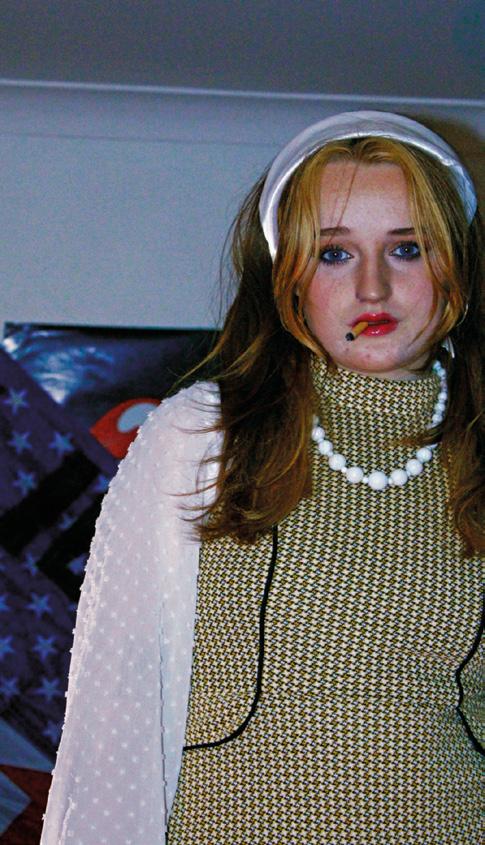
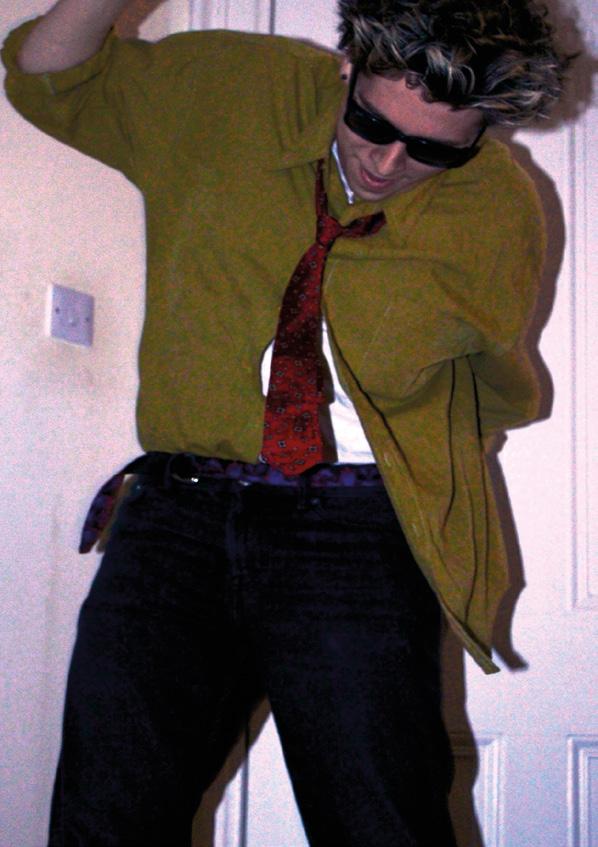
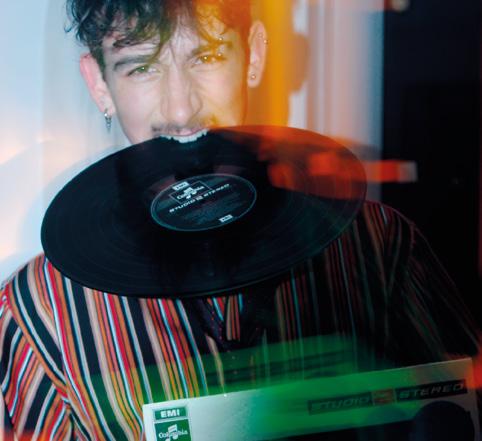
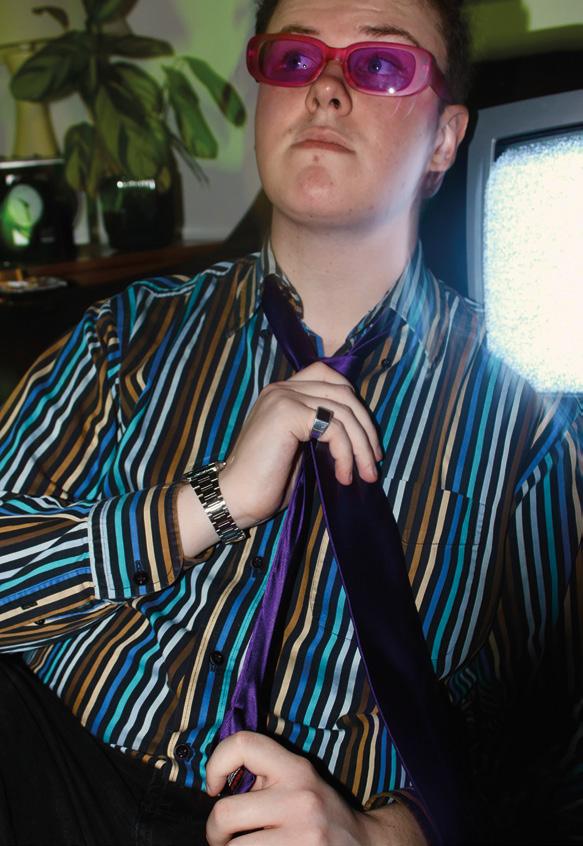
Shirt: British Heart Foundation- £5
Tie: Cancer Research- £3
Undershirt: Bloc Party Tee- £20
Jeans: H&M- £25
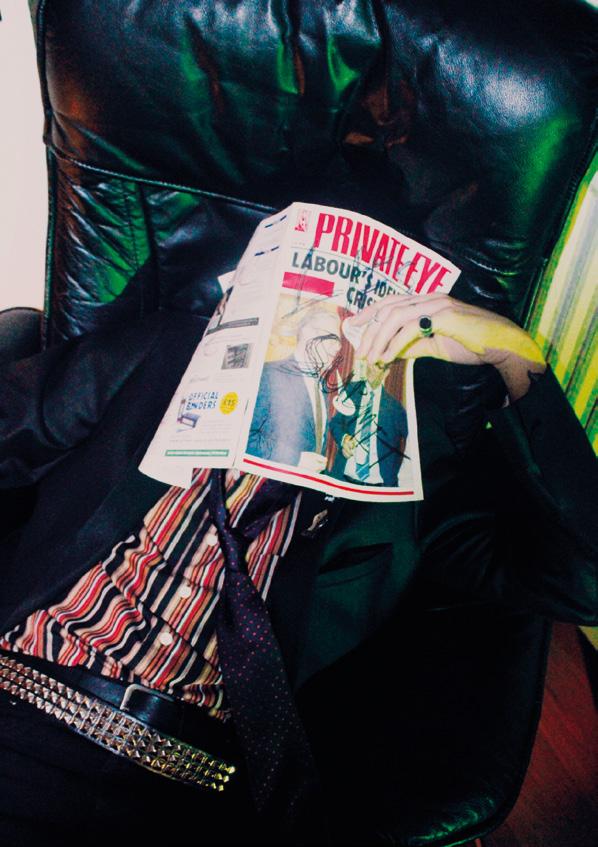
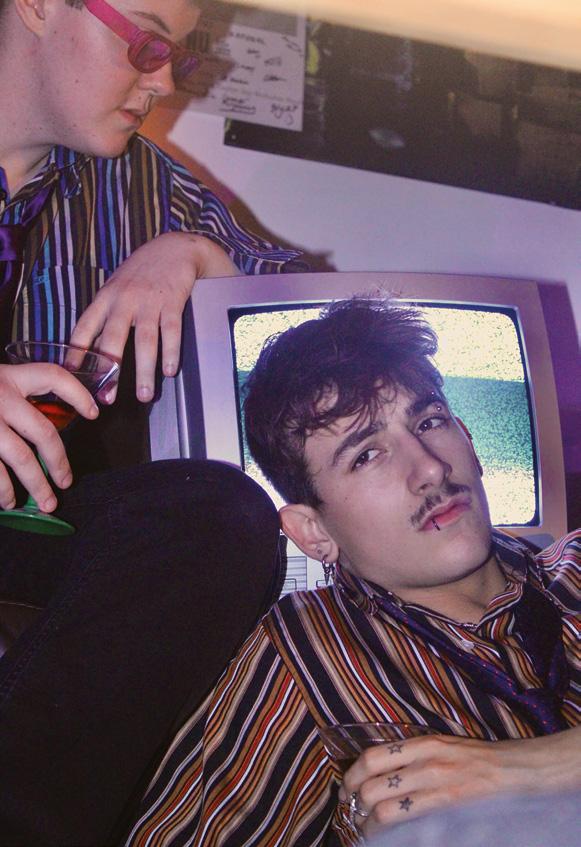
Blazer- Thrifted M&S £10
Shirt: PDSA- £5
Tie- Cancer Research- £2
Belts- British Red Cross- £5 each
Trousers- Amazon
£15
Ring: PDSA- £2
Boots: PrettyLittleThing from Vinted- £9.29
Belt: H&M- £12
Model- Innes Jaffray
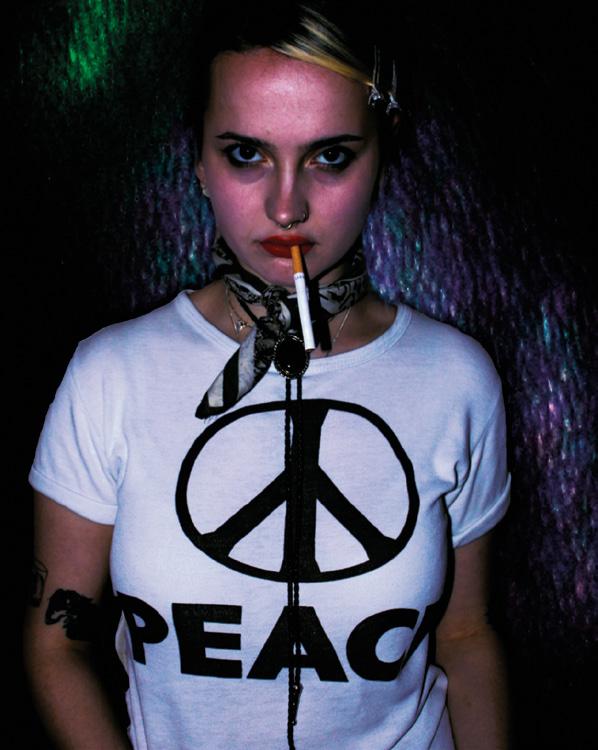
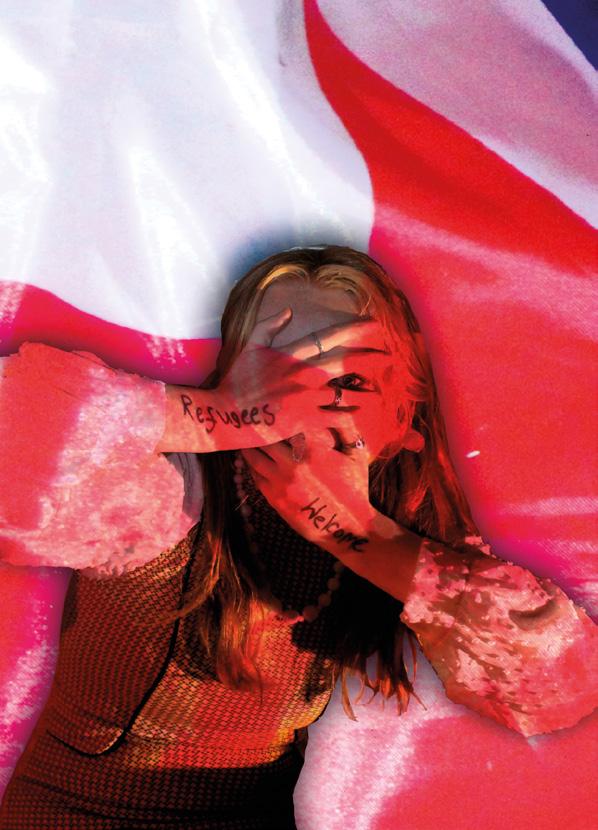
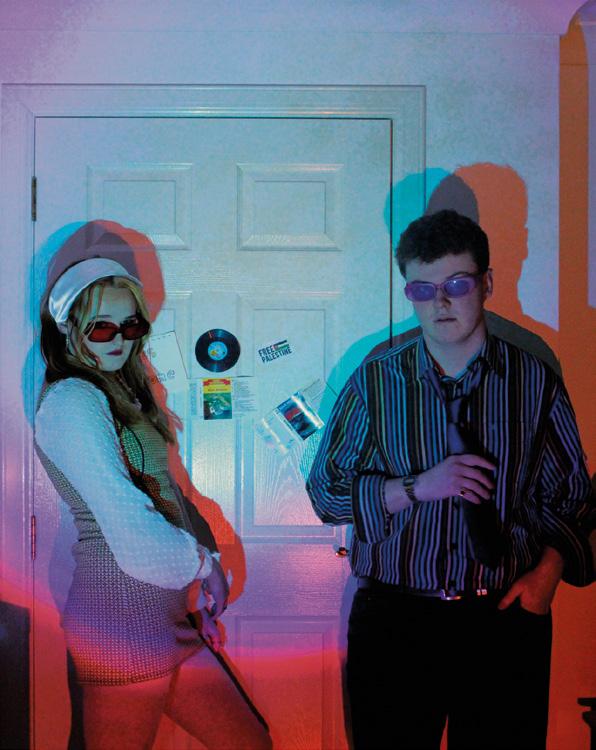
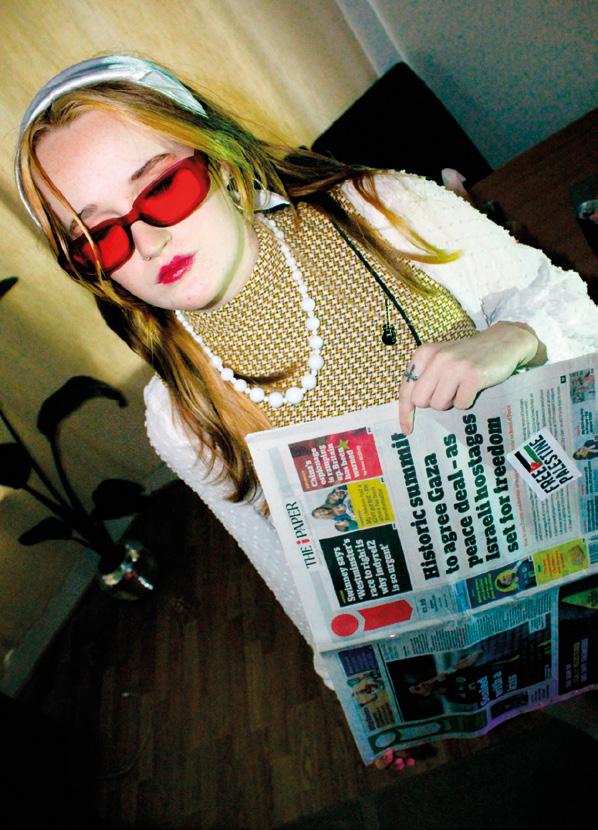
T shirt: PDSA- £2.50
Neckerchief: Vintage Market Aberdeen- £5
Bolo Tie: British Red Cross- £4
Bracelet: British Red Cross- £2
Necklaces: British Red Cross- £5
Shirt: British Heart Foundation- £5
Trousers: Next- £25
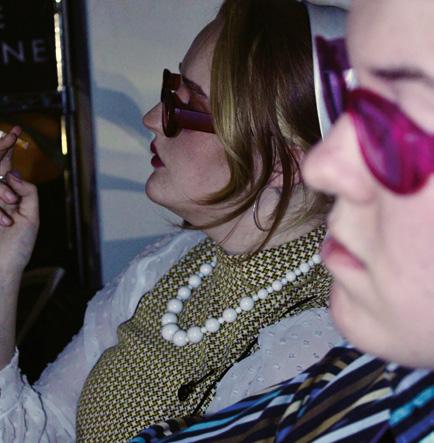
Sunglasses: Vinted- £5
Tie: Cancer Research- £2
Belt: Next - £10
Shirt: Cancer Research- £3 Dress: Cancer Research- £1
Model- Erin Gildea
Sunglasses: Unbranded Vinted- £5 Necklace: PDSA- 99p Headband: Amazon- £5
Model- Darcey Blane
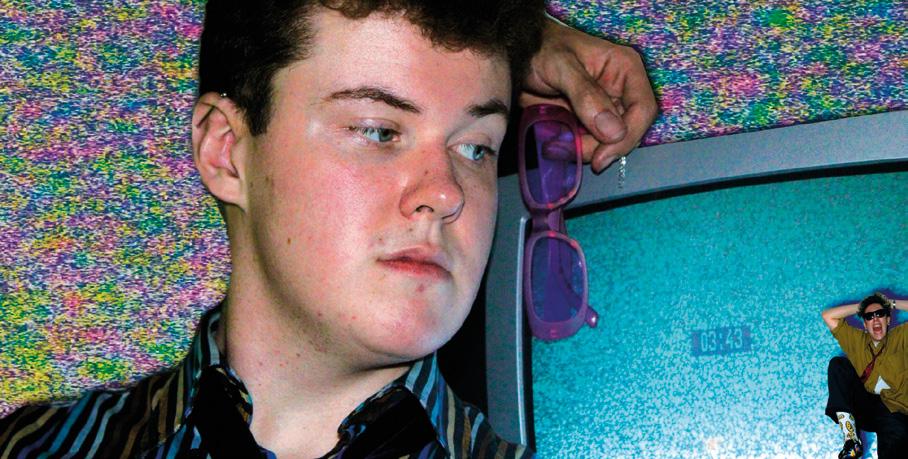
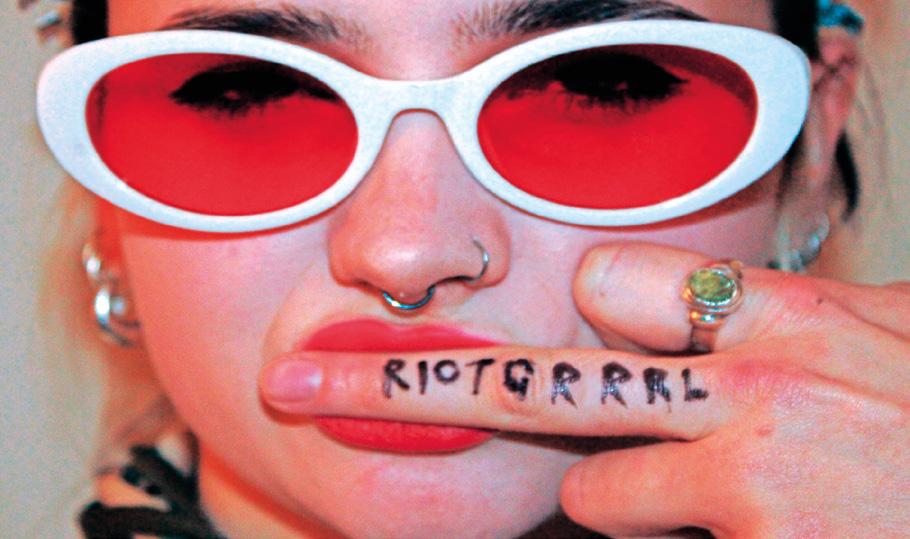
Sunglasses: American Thrift Store- $1 Ring: Camden Market- £6
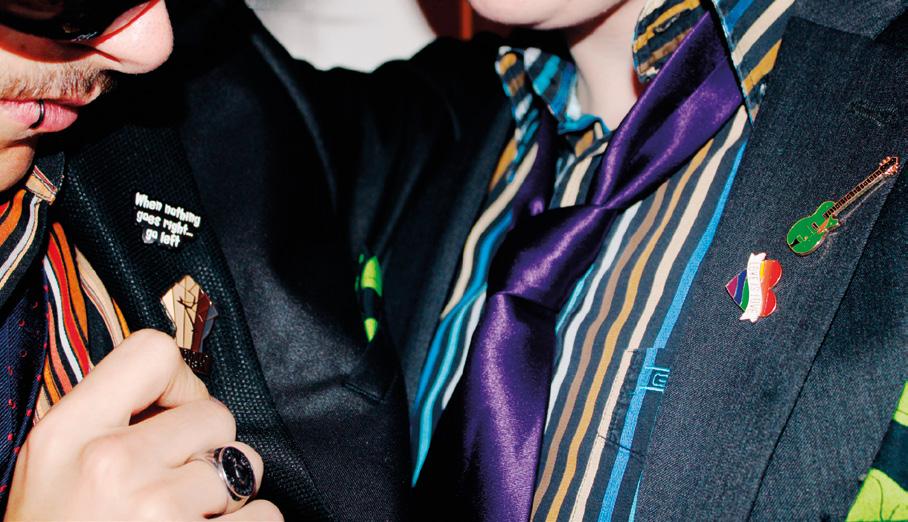
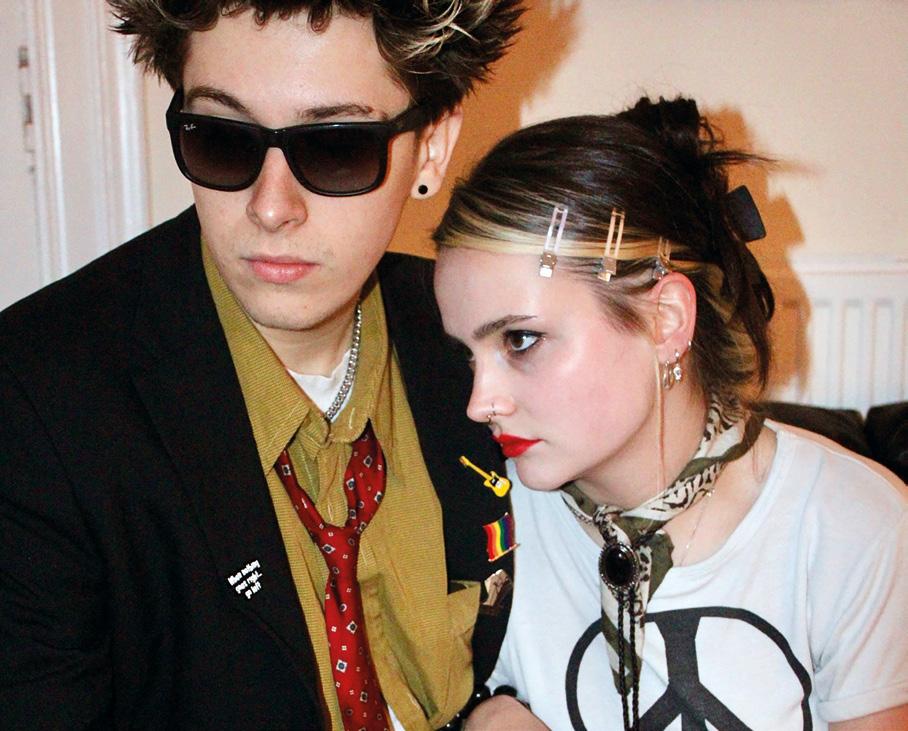
Pins: Amazon- £5 each
Model- Kieron Williamson
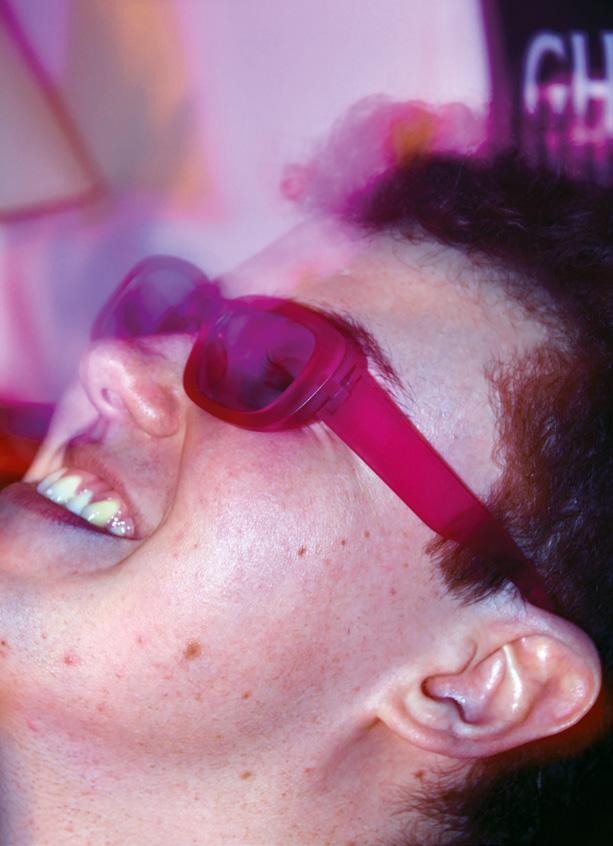
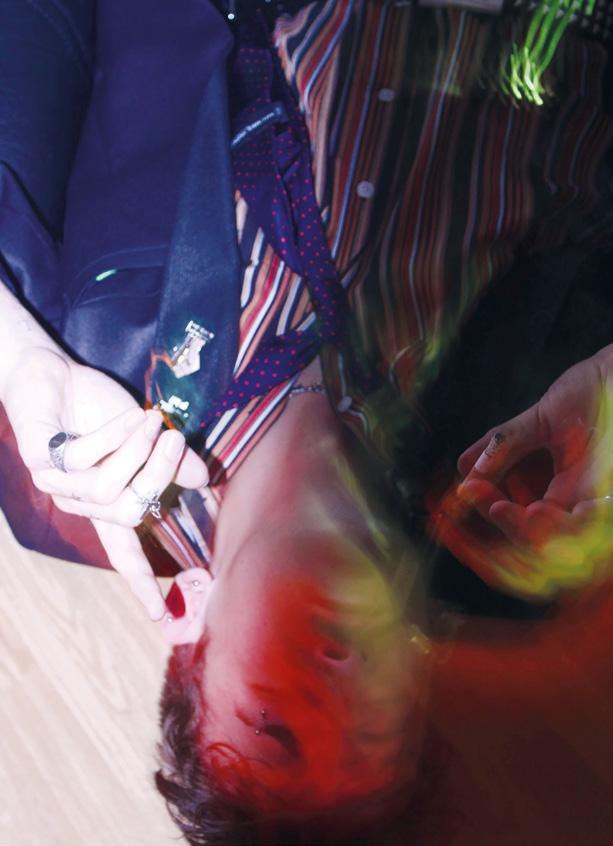
Model- Brodie Forsyth












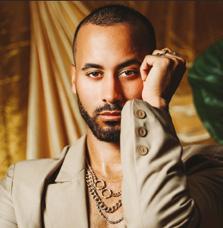
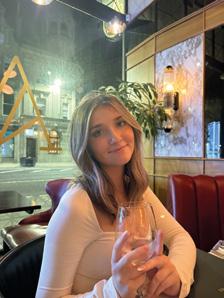


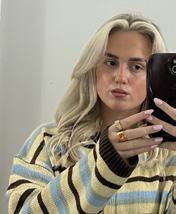
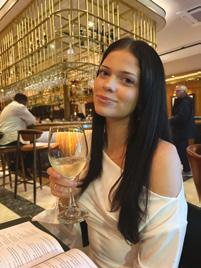








ARIANNA BOYD
CASTILLO FLAVIO
ISLA COULL
RACHEL DAGLEISH BECCA DICKSON
CORDELIA ESSON