osaic

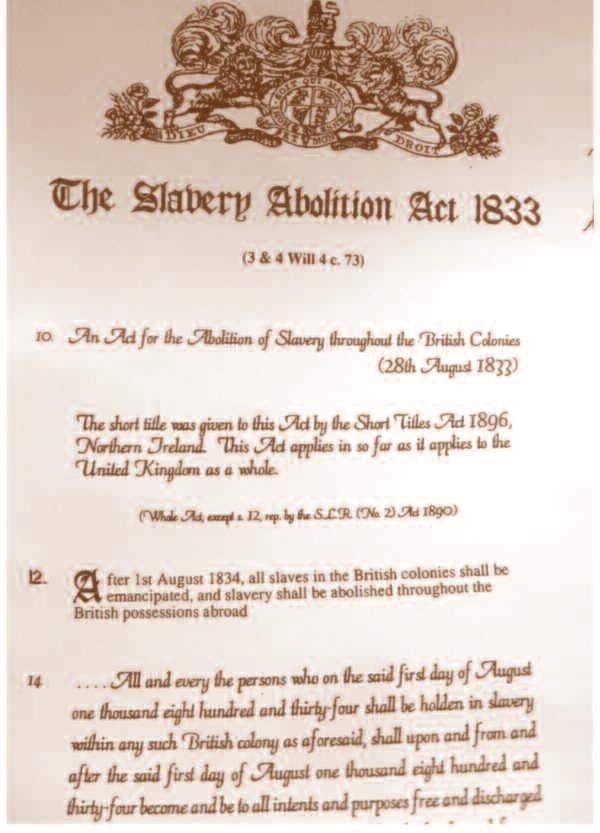
On March 25, 2007, the Canadian Council of Churches hosted a ser vice at First Baptist Church, Toronto, the oldest Black church in the city, to commemorate the 200th Anniversar y of the Ac t to Abolish the Slave Trade in the British Empire. I t took another 26 years for emancipation to happen with the Slaver y Abolition Ac t of 1833…pg. 16
mosaic is published 4 times a year by Canadian Baptist Ministries
Managing Editor: Jennifer Lau
Editor: Laurena Zondo
Copies are distributed free of charge
Bulk quantities available by request Contact us at:
7185 Millcreek Drive
Mississauga, Ontario L5N 5R4
Tel.: 905-821-3533
mosaic@cbmin org
www cbmin org
M ission of Canadian Baptist M inistries
Encouraging passionate discipleship for local and global mission.
Purpose of mosaic
mosaic is a community forum of local and global voices united by a shared mission. mosaic will serve as a catalyst to stimulate and encourage passionate discipleship among Canadian Baptists and their partners.
Dear Editor,
I am not sure I have a solution, but I do have a question As I read more and more of our histor y from the past half centur y, I wonder if we as Christians have hunkered down in our churches, praying for someone else to take action. Not exactly the biblical James’ approach of love and concern for humanity through sacrificial action!
This is obviously true not just in Canada but in Christian communities around the world To stand up and voice our views for injustice is something we seem ver y reluctant to do as individuals
As a countr y, we usually use an excuse that it is between other religious or cultural groups and we don’t want to get involved – unless there are "national interests" at stake, which roughly translates that we want something from our partners or the recipient, usually trade (particularly their resources at not too high a price) We also call this approach "national security", which seems to garner considerable support, forgetting that there can be no security on the home front if there is international insecurity How high must a wall be built to keep out hatred?
What is our position on issues like Sudan? Are we willing to stand by and watch another genocide happen in front of our eyes and take no action? Are we passive onlookers? Have we stood by too long I would propose that we can do something, both as individuals and as a Christian community First, we have the responsibility to read and be aware of global issues We can also raise our concerns in a number of ways: through Christian and inter-faith organizations, the media and our MPs
Personally, I suggest that we urge our Government to remain highly vocal in international circles If one reads what is currently happening, it appears totally hopeless But I am a Christian and I believe in miracles And, at the ver y worst, I would prefer to see failure after tr ying rather than failure to tr y
One last thing Why am I writing this? Because, a much younger Christian has challenged me saying that my generation has stood by and wrung our hands while poverty, genocide and ravaging of God’s creation have run rampant I feel humbled and justifiably chastised
Sincerely,
Joe Foster, member of Bromley Road Baptist Church
Just another beautiful day in the neighbourhood Don't miss our summer issue of mosaic featuring photos of daily life from around the world One of them could even be yours! Submit your best shot (maximum 3 entries per person) for consideration See www cbmin org for more details
Contrar y to popular belief, the church is alive and well. Where’s your church headed? Look at what ’s emerging. by Gar
y Nelson
The findings from the Government of Canada census are fascinating Most strik ing is the fact that 16% of all Canadians check ed the little box nex t to ‘no religion ’ What is even more sobering is that 40% of all those people were under the age of 24
Canadians are not angr y at the church, they simply don’t care about it They are ex tremely spiritual in their searching (over 80% of all Canadians say they believe in God), but the same percentage of people say they do not believe in the church We are a countr y of genuine spiritual inquir y and religious institutional rejection all wrapped into one
Canadians search spiritually in unprecedented ways, but are cer tain that their search will not be respected or even understood by loyal, wellmeaning organized church-goers I t is an interesting place to live as a person of faith and it that challenges all the assumptions and frameworks of what and how we live as the church
outside the walls of the church. Those relationships were only possible because of a church that affirmed through words and programming that those places of relationship outside of the church were impor tant
We are beginning to discover, or perhaps rediscover, the mission agenda of the church Fuller missiologist Walter Shenk writes, “ The Great Commission institutionalizes mission as the raison d'être, the controlling norm of the church To be a disciple of Jesus
They want to become communities of faith genuinely encountering people not inclined to church They want to struggle and be personally challenged by living their faith in the borderlands where “faith, other faiths and unfaith intersect.” We have much to learn, but we are on the journey This is not just another model, it is a way of visioning the church and its mission In truth, it is a recapturing of a fundamental belief about church.
As a star ting point in this new emerging realit y, we must embrace what might be called “ a ministr y of inconvenience ” This is a required attitudinal change in most churches No matter how well you understand the times you are in, it is impossible to be effective as the church without crossing boundaries of comfor t, culture, and convenience On Sunday morning, the average Canadian does not wak e up and wonder which church they should attend They have much more intriguing and urgent things to do with their time No amount of attractive programming is going to woo them back
One of my friends, a new believer, once told me that the most difficult habit he had to break was going for early brunch on Sunday mornings He was brought to faith and church through relationships nur tured
Christ and a member of his body is to live a missionar y existence in the world ” I t is discovering that mission is not just something we do, it is the ver y essence and character of the church
However, romanticizing this call to be “sent ” is not helpful There is a discomfor t to this missionar y life Developing a missionar y mindset will require a wrestling match I t requires that we work outside of ourselves and that we substitute “that which is comfor table to us ” with “that which will be comfor table for you ”
Churches are being captured by this idea of living into the communit y Studying culture is not enough They want to engage it – to move beyond being simply seek er-sensitive or post-modernly relevant in their ministr y
At CBM, we feel it is vital to walk alongside churches as they discover their own “borderlands” Last year, we sponsored a workshop entitled Tipping Sacred Cows, developed by David Morehouse and Kevin V incent, two pastors from thriving Canadian Baptist churches in the Atlantic. These workshops helped church leaders confront the traditions that are hindering the life and witness of the church We’ve also been work ing on a missional church curriculum which provides practical assistance to churches seek ing to re-imagine ‘church’ in fresh new ways We are ver y excited that we will be able to provide this material to our churches later this year Just imagine the possibilities – for churches, their communities and our world!
The so-called emerging church is an expression of this intuitive sense that something must be different if the church is to fulfill its mission at this time in its histor y Frank ly, church histor y has shown that if the present church is unable to respond to the current realities, God will raise up a “people” who will So, we do well by listening to what God is raising up in the life of the church in this time
Rev Dr Gar y Nelson is the G eneral S ecretar y Visit www cbmin org for Gar y ’s full stor y on the emerging church

Are you willing to take apar t the church to bring people to Jesus?
by Mark Buchanan, pastor of New Life Communit y Church in Duncan, B.C.
I’ve never met a pastor who didn’t agree in some measure with Dietrich Bonhoeffer, G erman theologian during WWII. From his prison cell in the Flossenburg concentration camp, he wrote, “ The church is only the church when it exists for others ”
Ever y pastor I k now speaks well, stirringly even, of ser ving and blessing and winning those outside the church walls But, honestly, it ’ s difficult at times to reconcile our speak ing with our doing If action is the fruit of conviction, if “by their fruit you shall k now them, ” then the conclusion is inescapable: many pastors and churches could care less about their communities
I call this “Roof-tile Syndrome ”
I derive that from Mark 2 Jesus is speak ing inside a house, and some men bring a paralyzed man to the place They ’re tr ying to get their friend to Jesus But a crowd k nots the door, creates a barricade of backs There’s no getting past them to reach Jesus So the men tak e the building apar t They rip open the roof and lower their friend through the hole Jesus, seeing their faith (these are some men), forgives the paralyzed man, and then heals him
And, of course, controversy breaks out among the religious folk
Roof-tile Syndrome is when we get so caught up in the preaching of Jesus, we turn our backs to the needs of those still outside the building We become barriers and not gateways I t ’ s when we care more about k eeping things intact than about restoring lives that are shattered I t ’ s when we’re more upset when stuff gets brok en than excited when the brok en are mended I t ’ s when church gets so reduced to the preaching of Jesus that we fail to notice that we’re seeing ver y little of the forgiveness and the healing of Jesus I t ’ s when we are so fear ful about upsetting the religious folk in our midst that we stop tak ing risks, stop going out to highways and byways to invite outsiders inside
I t ’ s when my program, my office, my title, my privilege, my influence, my comfor t, tak es precedence over other ’ s needs
I t ’ s when the church exists for itself ; forget the rest of you
Years ago I was invited to speak at a small church in a semi-rural lak eside communit y I arrived a half-hour before the ser vice, and the building was still lock ed. So I drove down the main drag of the town, which the church was on. There, between the main street and the lak e, were thousands of people gathered for a communit y-sponsored half-marathon A local band was already playing on a flatbed Coffee k iosks were doing a booming business Runners were stretching, limbering up The local radio station was giving live colour commentar y.
I t was a festival
I drove back to the church and found the building open A church deacon met me at the door, took me to a small office and, before we prayed, told me how upset he was: on Friday, the church’s park ing lot had been freshly paved On Saturday, someone (“probably one of those people here for the marathon”) had driven an R V into the lot Turning it around, they ’d creased the soft asphalt


The deacons had called an emergenc y meeting for Sunday night, and the outcome would lik ely be that they ’d use the church’s savings – they had over $50,000 in the bank – to hang a chain across the entrance of the church park ing lot and prevent any fur ther damage
I decided, there and then, to preach Mark 2 I stood up, read the tex t, and ask ed, “ What roof tiles do you need to break? What are you willing to suffer the loss of for the sak e of reaching the thousands of people right outside your door?”
The parishioners sat, unmoving, unmoved
I t was a dirge.
I’ve never seen a congregation clear out more quick ly I don’t think it was to join the festival outside
What are you Protec ting?
Good stor y Problem: it ’ s tak en me a long time to heed its lesson I went back to my own church and happily resumed the business (in my own way) of guarding roof tiles, all the while speak ing about how impor tant it is to care for our communit y
And then one day I realized: this entire church body could perish overnight, and the communit y wouldn’t notice us missing I t was doubtful they would care
We were huddled together, a barricade of backs, enjoying immensely the preaching of Jesus, but seeing ver y little of the bone-deep, hear t-turning forgiveness of Jesus, lesser still of the hear t-stopping, crowd-stirring healing of Jesus We were avoiding controversy, to be sure, but by avoiding those who needed the forgiveness and healing of Jesus
Thus began my own revolution In word and deed (slowly, slowly), I am changing In word and deed (slowly, slowly), so is our church. We are repenting of being a barricade of backs, and training to be a posse of roof-tile break ers
Here’s some of what that means.
We star ted to ask two questions about our communit y :
1 What are their needs and how might we do good unto them (contra, what are our needs and what would mak e us feel good)?
2 What are they already doing and doing well that we can celebrate and thank them for (contra, what are they doing wrong that we should protest and denounce)?
The first question – what are their needs –led us to discover two groups, hidden in plain sight, within our communit y : low-income families (mostly single moms) and First Nations people
For a variet y of reasons (low housing and rental costs, at least until recently, a year-round mild climate, easy access to health care, etc ), our communit y has been a magnet for single mothers on welfare and other low-income families
A few years ago, a lady in our church went, with abrupt suddenness, from being married, owning a new home, tak ing nice vacations, to being divorced, renting a cramped basement suite, and worr ying about having enough gas to drive to church
She couldn’t afford new shoes and back packs and jeans for her daughter to go back to school She couldn’t buy her a new bik e or doll or dress for Christmas She couldn’t even afford haircuts and basic car maintenance
So she star ted something we call JumpStar t We began with the back-to-school season We set up a large free clothing and shoe store with new or as-new items, all free, in all sizes We assembled our mechanics and work ed out a deal with local auto par ts suppliers The mechanics work on peoples’ cars while they and their children shop, get haircuts from our church’s st ylists, and then, on the way out, receive a new back pack stuffed with school supplies for each child.
We’ve done that for three years Though some people abuse it – roof tiles, so to speak, get brok en ever y time – we are also tasting and seeing more and more of the forgiving, healing presence of Jesus in our midst
Last year we launched our first Christmas JumpStar t, two free stores, one for parents to gift-shop for their children, one for children to gift-shop for their parents We even did the gift wrapping We also provided a lunch, with live music and gourmet food

She work ed all day, then pick ed up her daughter and used what little time and energy she had left to be chef, housek eeper, bill-payer, faucet-fixer, and both mom and dad She never got enough sleep She never had enough time. Never made enough money
She’s happily remarried now, and expecting her second child But she’s not forgotten those days. As we ask ed people in the church to dream about reaching and blessing our communit y, whatever the cost in roof tiles, she came for ward (at this point, still a single mom), and described that there were two seasons of the year she loved when she was married and dreaded as a single mom: back-to-school and Christmas
What were once times of excitement and anticipation became seasons of panic and guilt
Whenever we’ve do this, I rally our church people with a speech that goes something lik e this: “ Today, you are Christ ’ s voice, his hands, his feet, his eyes, his hear t If these people see Jesus, it will be in you. And, lik e Christ, we are doing more than rendering a ser vice We are loving them as ourselves We are not just ser ving, but having Jesus’ attitude – being in ver y nature ser vants
“Life and circumstances, and often their own bad choices, have tak en many things from these people But what each of them needs most today is not clothes, or a new backpack, or an oil change. We can give all those things and fail to give the one thing needed, or even worse: we might give all those gifts with one hand, and with the other strip them fur ther of the one thing needed
“ The one thing needed is dignit y I t is their
sense of being loved and wor th loving I t is their sense of their infinite value in the eyes of God, and in the eyes of God’s people
“If we give all those other things today but don’t give them dignit y, we fail
“ Today, give the one thing needed Today, we host k ings and queens, princes and princesses Let us act accordingly ”
We stole their languages and their culture –outlawed their dancing, singing, feasting, their traditional garb We stole their children – removed them by force from their families and sent them to residential schools, where many were sexually, verbally and/or physically abused
We taught them religion, but with a whip And yet they don’t hate us
The RCMP per form vitally impor tant work in our communities, yet they ’re usually only recognized when one of them either fails or dies in the line of dut y Scandals and tragedies mak e us pay attention, but little else
The other group – and many of these people are also among the low-income families – is First Nations people I t would tak e another ar ticle to tell the stor y about how I changed my mind and my ways toward Aboriginal peoples. But in the summer of 2005, God brok e my hear t over this, and then he commanded me to get up and to act What I discovered was the third world (developing world) in my own back yard I discovered people with humble hear ts and noble but wounded spirits who should hate us but don’t We stole their land (literally : all the land in our communit y was tak en from the tribes in 1862 and, though we promised compensation, they never received it).
If all we ever do in this communit y is change for the better the lot of our First Nations neighbors, it will be enough I hope and believe we will do more, but it is clear that, God being our witness and our helper, we must do this So I am calling our church and other local churches (as I am invited to speak), to this: Let God break your hear t and open your hear t to love our First Nations peoples
And then use what power you have to mak e a difference
We work to create meaningful oppor tunities for this to happen Again, that stor y requires another ar ticle. But in just over a year, we have seen the churches of our communit y go from apathy, iner tia, fear and prejudice, all veiled beneath tok en payers and pious speech, to a real desire to love, ser ve and befriend our First Nations neighbours, regardless of what roof tiles get brok en along the way
I can’t wait to see where this one goes, and I’m willing to tear the whole roof off if that ’ s what it tak es!
The second question we’ve been ask ing is, What is the communit y already doing and doing well that we can celebrate and thank them for? This has also led us to two groups: the RCMP (Royal Canadian Mounted Police), and teachers Here are two groups of people who, though modestly paid, pour themselves out, often putting themselves in harm’s way Yet they rarely get thank ed and often get blamed
We decided to do the thank ing.
A RCMP chaplain attends our church, and so we began to work with him to change that, to express our genuine thankfulness in an ongoing and concrete way During the summer we launched a barbeque, on-site at the police detachment, one Friday a month. When we star ted, a few war y officers would come out, grab a burger, have a quick but guarded chat, and quickly leave But repeated effor t pays off
Now, vir tually the whole force shows up O fficers off-dut y will stop by, and they talk to us and each other openly We’ve become friends
What changed the tone of those barbeques besides our consistenc y in doing them, was a banquet we hosted last year for the officers and their spouses I called up a financial planner from our church and told him I needed several thousand dollars to do this right He immediately raised the money, and we set up a team, work ing with the RCMP chaplain, to organize the event
We invited the entire ministerial alliance of our cit y to ser ve the meal Then we had a banquet to end all banquets – an evening of prime rib and creamed potatoes and deep-dish apple pie. We had our drama team tell, in a fast-paced and funny sk etch, the histor y of the RCMP We had a taped inter view with an RCMP couple, reflecting on how their faith had strengthened their marriage throughout their career (the divorce rate for police officers is ver y high) We had a slideshow of local officers and office staff doing their job well
And then I closed, not by preaching, but by thank ing them The closest I came to preaching was when I compared them to the first centur y police force, the Roman centurions
“Jesus, ” I said, “met a lot of religious people he could barely stomach But he never met a centurion he didn’t lik e Thank you for being our centurions ” To close, and we had got prior approval for this, I invited the police chief up to the front and prayed for him on behalf of the entire detachment
There wasn’t a dr y eye in the place O fficers who had come in sk ittish and suspicious left joyful and freshly proud of their calling and their work The chaplain told me that the nex t day at work, all anyone talk ed about was the banquet and the churches
Now we’re about to do something lik ewise for the teachers in our public schools. Here’s another group that does a vitally impor tant work in our communit y, but who hear more complaints than thanks
We’re gearing up for a banquet for them and their spouses, but we also encourage parents to mak e it a habit of thank ing and helping teachers on a week ly basis Our personal commitment to do that has earned our church a growing credibilit y with the schools Recently, I’ve been invited as a “motivational speaker ” to address the teachers at two of our cit y ’ s public schools There is now talk of having me address the entire district of teachers at one of their professional development days At such oppor tunities, I neither hide my deepest convictions nor crusade for them
Mostly, I go to bless, trusting, as Jesus taught us, that “if a man of peace lives there, ” the gospel can tak e root and flourish (Lk 10:5-7)
O f late, I’ve been reading the book of Jonah, chapter 1, side-by-side with Acts, chapters 27 and 28 Both are about a God-worshipper aboard a ship with a pagan crew Both
involve a violent storm, such that the crew must jettison the cargo to k eep the boat from capsizing
But that ’ s where the similarities end
Jonah is on board because he’s fleeing from God When confronted by the pagan sailors, he’s boastful about himself, disdainful toward them I t turns out, there’s only one way for those pagans to sur vive the storm: they have to toss the God-worshipper overboard.
Not so in Acts There, the Apostle Paul is on board precisely because he’s been pursuing God He’s a prisoner of Rome, but an angelos of heaven. When the pagan sailors panic, Paul is wise, humble and helpful He lets them k now he cares deeply for them I t turns out, there’s only one way for those pagans to sur vive the storm: they have to put the God-worshipper in charge.
We’re finding that the more we genuinely care for the people in our storm-wrack ed communit y – the less we boast and denounce, the more we bless and ser ve –the more they let us drive the boat
These days, we’re seeing single mothers and their children, First Nations people and their families, RCMP officers and their families, public school teachers and theirs – and many more besides – come through the doors of our church
All it ’ s tak ing is the willingness to break a few roof-tiles
This stor y is reprinted with permission from Leadership Journal, Winter 2007 –www.leadershipjournal.net.
New Life Communit y Church in Duncan, BC, has recently taken another step, this one global, to develop deeper relationships with some of their neighbours who live in one of the Africa’s worst neighbourhoods, the Mathare Valley, in Nairobi, Kenya. Through CBM’s STEP (Ser ving, Training, Energizing Par tnerships) Program, New Life Communit y Church now par tners with the African Christian Church and Schools in this slum region, to taste and see more of the forgiving, healing presence of Jesus in their midst. For more information on STEP for your church, visit www cbmin org
mosaic asked Pastor Mark Buchanan to share some thoughts and advice from the missional journey of his church, New Life Community.
What have been some of the challenges you’ve faced in tr ying to move your congregation out of the church and into the community?
I face here a common obstacle: the complaint that we ought not to concern ourselves with outsiders when we ' re doing a half-baked job with insiders This complaint has some merit, and foolish is the pastor who doesn't pay heed to it. But mostly, I just turn it around: how do you think a church becomes healthy? A powerful and compelling biblical and empirical argument can be made that the healthiest churches are the ones that reach out, and the unhealthiest those that don't
We (CBM) get a lot of inquiries from churches who are seeking assistance in becoming more missional. What advise would you give them?
The Senior Pastor must throw his or her weight behind this. He or she must preach it and model it. And be willing to pay the price and fight the good fight Also, make sure you have a solid team of intercessors backing your ever y move
You’ve recently signed on as a CBM STEP church to develop a more intentional and deeper commitment with the church in the developing world. What prompted this move?
Acts 1:8. The mandate - empowered by the Holy Spirit, be witnesses in your own city, your region, your Samaria (that ethnic community right beside you that you ' re tempted to go around), and to the ends of the earth - is valid for ever y Christian community until Christ returns. Our church was doing a poor job witnessing to the ends of the earth, and STEP was a gift to do that. Also we ' ve found that global mission stimulates local mission, and vice versa.
What are some of your expectations from STEP?
I believe it's going to be - it's already proving to be - one of our church's greatest catalysts for growth and witness.
Gord – You’ve pastored for 17 years, first in Nova Scotia and now at West End Baptist Church in Newfoundland What ’ s it lik e pastoring on the edge of the world? Well, actually, I prefer to think of this as the gateway to the world It ’ s a wonder ful place to be part of a vibrant church. The opportunities we have here are amazing; new immigrants coming for the oil industr y ; refugees, people transiting through the area This is a new church and our context lends itself to ministering to many cultures. Oh, and by the way, the right name is Newfoundland Labrador!
Some people avoid work ing in multicultural churches, but you seem to thrive on it What ’ s the deal?
We’re learning here that the world is much larger than the issues and lifestyle I was accustomed to when I was growing up Working crossculturally helps me see how God changes lives in and through our world. We’re going out into the world realizing people are hurt Our role is to prepare people to deepen their walk with God and to fulfill their mission that God has given them
An inter view with CBM’s new President of the Board of Direc tors, Rev. Gordon Sutherland by Terr y Smith, CBM’s Director of Par tnerships & Initiatives
You have just become the Chairman of the Board of CBM. Any early thoughts about this role?
Yes, I have ask ed for a recount! No really, I’m excited about playing a role at CBM in this way, excited about our whole mission organization and work ing with the people who are on staff We have an excellent group of people and lots of oppor tunities I t also helps tie my church into the wider work We are on an island which is so far from CBMM ississauga. And it is hard to have the
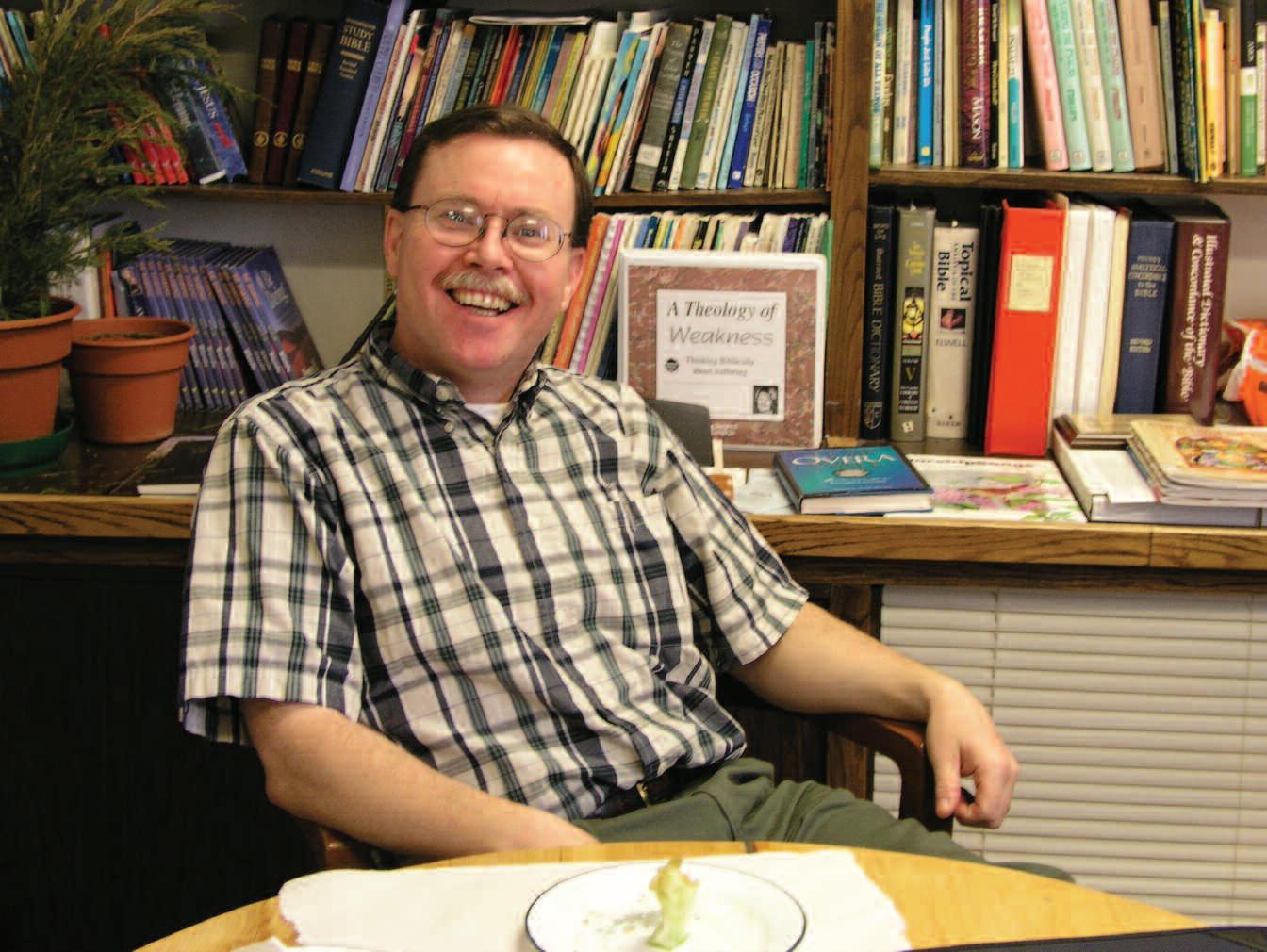
Rev. Gordon Sutherland
When we say the word ‘missional’, what comes to mind for you?
Wow – this is the centre of ever ything we do, having a missional mind, a missional hear t, and missional goal I t ’ s at the hear t of what we do
Have people embraced the idea?
At West End, our folks are saying, “I am par t of a congregation who has a missional hear t I t ’ s at the centre ”
congregation feel connected, so this is a bridge that will help tie it together
How do you see your church as par t of a broader mission in Canada and the world? The goal of the church is growing disciples who take Christ ’ s love to lost and hurting people This is actually our mission statement and it describes who we are and what we do We’re growing disciples and our church has a strong emphasis on small groups We’re engaged in the struggle for affordable housing, helping at a local community centre But we’re also sending people on short-term missions to Kenya and supporting a youth worker in Toronto through Urban Promise
What do you feel is the role of a denominational mission in our ‘post-denominational’ nation?
The Great Commission is for all of us and yet for a small to mid-size church, it is sometimes difficult to see how we can fulfill that and go into the world Therefore, being connected with a wider body helps us to share this call together It helps us to feel we are making a difference with these connections
Tell us something about your family?
My wife, Sandra, is an ordained pastor on staff at the church She previously taught at Atlantic Baptist College We have two kids: Andrew is 17 year old and Laura is 15 years old They always pitch in when needed and are lobbying to go on a trip someday soon As a family, ever since they were children, we have prayed for our missionaries weekly We went to seminar y with the DesRocheses (CBM field staff now in Kenya) It ’ s fun to be part of the same family once again
So, Gord - one last question, do you have a favourite Newfie jok e?
Well, it ’ s an understood practice that if you are from Newfoundland Labrador, you can tell the Newfie jok es, but if you are not from here, you are to just laugh at the jok e
But here goes: What ’ s black and blue that bobs in the harbor? A mainlander who tells a Newfie jok e
Any last thoughts?
I t ’ s a privilege to ser ve with CBM and welcome their prayer for wisdom and insight in all the things that I’ll be involved in
Thanks, Gord!
Attendance was declining as the neighbourhood changed; the roof was losing its shingles; the boiler was giving out; ever y option for redevelopment of the proper t y that at first seemed promising led nowhere The bank account was empt y
No miracles appeared to be for thcoming in 1997 for Fallingbrook Heights Baptist Church
Finally, in a sincere effor t to discern God’s will and as a supreme act of obedience i response to ex tensive private and communal prayer, church leaders put the building up for sale Within four days multiple offers came in and they k new they had done the right thing The deal was signed; surely now things would star t to look up and they could begin facing a more cer tain future But that was not to be – at least, not yet
Merging with other churches in the area was discussed, but the talks went nowhere. The pastor accepted a call to another church. People approached to ser ve as interim pastor weren’t interested in being par t of a dying congregation Would anyone come back after their August break?
In August the search committee inter viewed me (Mel) and agreed that they had found a par t-time interim pastor for two months who they hoped could help them decide whether God wanted them to disband or stay together
Early in the Fall a number of decisions were made. First, church leaders decided that they would stay together, no matter what Secondly, they would rent the building back from the developer while they continued to seek God’s leading Thirdly, they decided that they needed a rest For many months they had experienced disappointment,
Imagine if losing your church building was the miracle you’d been praying for!
by Mel and Susan Finlay
frustration, uncer taint y, and endless meetings I t would be hard to hear God’s voice through the fatigue they felt My job was to feed them spiritually ; theirs was to be fed. The two-month arbitrar y limitation was removed and I began to ser ve “at the pleasure of the church ” (Incidentally, I still do ) O ther decisions became clear as they felt their energy return
A par t-time youth work er was hired and things appeared to be moving in the right direction but there were week ly reminders that the transition was incomplete Each Sunday there were fewer pews, fewer light fix tures, fewer of ever ything – except people, as attendance began to increase – as items were sold or other wise disposed of.
Christmas came and went, and with it a sense that there soon had to be an end to meeting in the now-nearly-vacant building, and a new beginning somewhere else But where?
In early 1998 various venues were visited on Sundays following the ser vice: store-fronts, Legion Halls, vacant office buildings None was suitable Finally, one family suggested Birchmount Communit y Centre where their teens were lifeguards, a modern structure adjacent to a hock ey arena, football and soccer stadium, and baseball diamonds We k new immediately that we had found our home A contract was signed with the Cit y of Toronto to rent the facilities
But how does one transition from a building where we had just celebrated our 50th anniversar y to a new location that had no association with a church?
The Lord provided the answer
Two baptisms were per formed during the final ser vice in the old building and the following week, Palm Sunday, three people were received into membership during the first ser vice in our new home. Clearly the Lord was blessing the decisions that had been made, and honouring the faithfulness of those who had stayed together
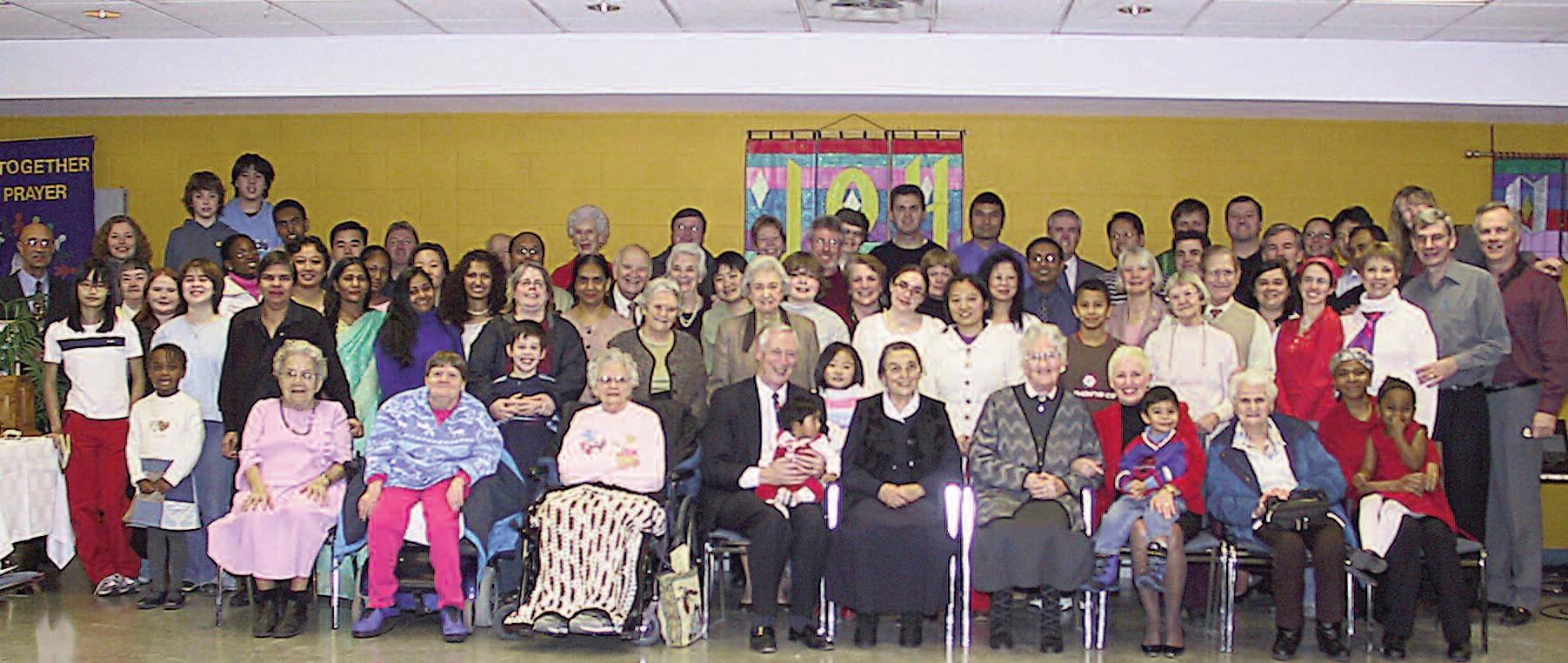
We’ve been in the Communit y Centre for nine years now We’re k nown locally as The Church at the Centre and are the church home for people from 14 different nations
Our church leadership has transitioned smoothly, such that half of them have come to us since we moved to the Communit y Centre and have no memor y of any other time in our histor y. Our k eyboardist has played piano, organ, and now k eyboard for our church for 60 years (before there was a church building) She and her husband have been two of the leaders through all of the transitions
Star t transforming your church today! Change is never easy But to be the church today you’re always going to be in some form of transition Here are some practical suggestions for the process – lessons learned from Fallingbrook Heights Baptist.
1. Star t with love. When you love the Lord and love the folks (all of them), the Lord will do amazing things
2. Pray. More is accomplished through prayer and faithfulness than through all the best laid plans of people
3. Stay together. When you stick together, you’re a lot stronger than when you pull apar t
4. Work with whoever is willing. To ser ve the Lord well, you have to enter into par tnerships with whomever the Lord raises up Some of our most effective work is done through people who never come to one of our ser vices
5. Throw a parade! There are three k eys to success when you par ticipate in communit y parades: bubblegum (to throw out to the crowds), balloons (to draw attention), and brochures (to invite people to join you)
6. Fill the gap. Don’t provide for the world what it can provide for itself Add a dimension to it so that the Lord is honoured
We are a worship ser vice look ing for a place to happen
We’ve held ser vices in the football stadium and the arena, on the Boardwalk along Lak e Ontario, in front of a water treatment facilit y, in seniors’ residences (most notably on Christmas Eve) and in a cit y park We’ve per formed weddings in numerous church buildings (since we don’t have one of our own), back yards, parks and private homes Our seniors meet in a Presbyterian church; our youth for several years met at a Fellowship Baptist Church when they weren’t meeting in an Anglican Church (now they ’re at the Communit y Centre) We baptize in the communit y pool We tak e over a local restaurant for our Annual Meeting, where we enjoy Saturday breakfast before we celebrate the year gone by and also tak e care of business.
We can only imagine what God has in mind for us now!
7. Don’t do it alone. More people get fed when five cross-denominational churches develop a food bank than if just one does it
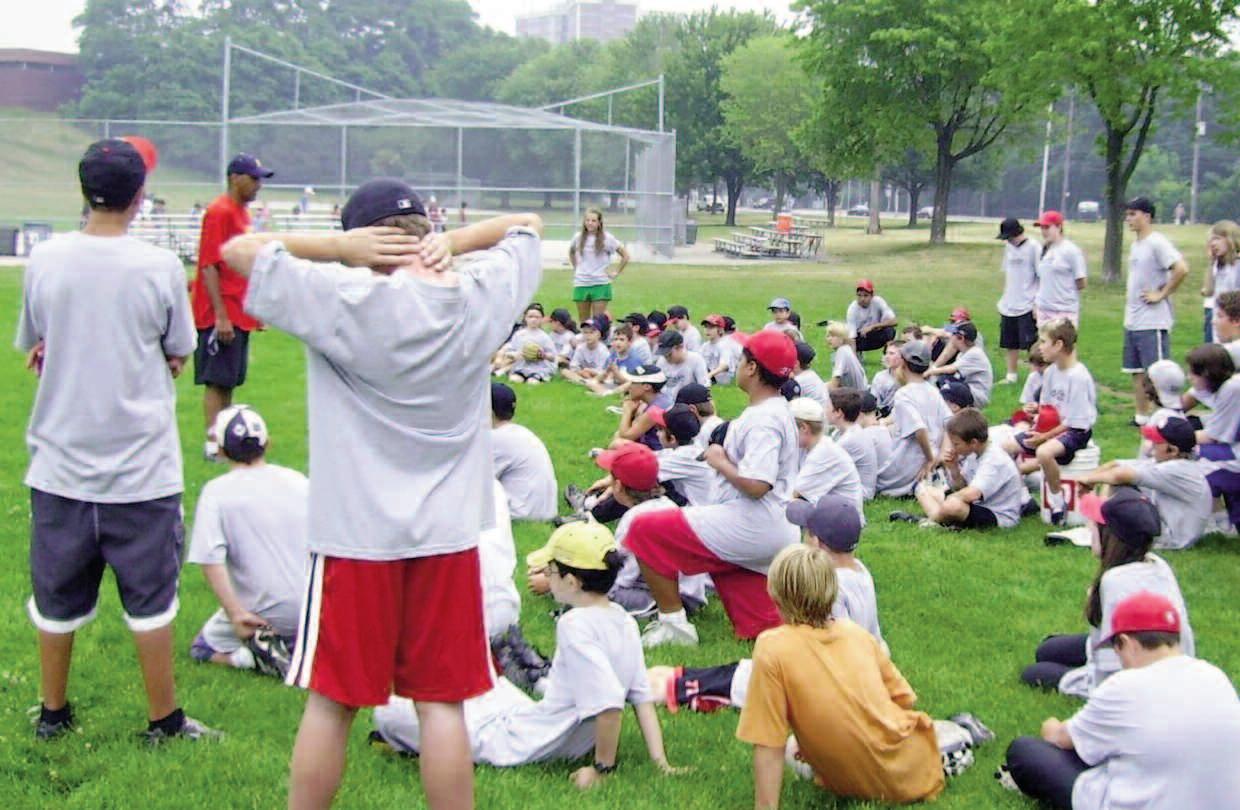
8. Commit. I t tak es time to gain trust and respect in the communit y I t ’ s tak en five baseball camps before some parents will let their guard down around “spiritual” t ypes.
an experience, if we commit it to Him so we can learn from it
9. There’s power in a few. I t doesn’t tak e a lot of multi-person committees to mak e things happen
10. Invest wisely. There’s freedom in not ser vicing a building The time and energy normally spent on church buildings can be redirected into ser ving people for the Lord.
11. Be realistic. Match the number of programs to the number of available people. A church of 100 can’t do what a church of 1,000 can If the Lord doesn’t raise up people to lead a program, He doesn’t want the program provided
12. There’s no shame in failing. The shame comes when you don’t tr y God never wastes
13. Respec t is earned. There are ways to get into schools, but you have to respect their boundaries Our Youth Work er is in the public school regularly and opportunities are opening up in the local high school
14. It ’s all about authentic discipleship. If you’re going to engage the communit y, you need to be well-grounded in your faith You also have to be authentic Non-Christians don’t accept people who are playing at their faith, or who have ulterior motives (See item 1 )
15. Know the rules. I t requires as many lifeguards for a baptism as if ever yone at poolside was in the water (cit y regulations)
Reflec tions of my shor t-term experience in Kenya by
Adam Hay ward
After a three week journey to Kenya there seems to be one question and one comment that I can expect from ever yone I talk to “How do you feel?” and “ Wow! I t must really mak e you appreciate what you have ”
My response is not what anyone expects Many times I even surprise myself I left Canada thinking I was in for a great adventure I bragged I was going to receive six credits for traveling to Kenya I thought it would be a fun and exciting eye-opening experience
When I arrived in Kenya, I realized how blind I really was It hurt to open my eyes and see what the world was really like All the excitement quickly drained and was replaced with feelings of unease, insecurity and self-resentment
“So, how do I feel?”
My response often catches people off guard “Safe, ” I simply reply
I k now they are expecting something more lik e “ Well, I’ve lost some weigh, ” or “ Tired, but the jet-leg will wear off soon ” But the over whelming feeling I have had since we touched down in Halifax is a feeling of safet y
Life is so raw in Kenya it is hard for anyone who has not been there to comprehend this feeling There are no safet y nets No assurance of a steady supply of electricity or water No assurance of safe travel on their crater-filled roads. And certainly no assurance of medical attention when sick or dying There is just this strange feeling that the distance between life and death is so much closer in Kenya, more than we could ever imagine
It is easy to see why the faith of Kenyan people is so strong They must entrust themselves to God because there are no
certainties and there are no guarantees except for those offered by their faith Perhaps the greatest lesson I learned during my visit is how misguided we “ Wazungo” are We’ve shied ourselves from the reality of the world with our material goods We like to think that just because we have computers, the internet and a wealth of books on shelves that we are smarter, more intelligent, more advanced than the rest of the world
We label countries “third world” as if they exist on another planet, completely out of touch with our world What I discovered in Africa is that we are the ones that are out of touch We take our world and many of the people in it and exploit it for all we can We create borders so we can label people “ us ” versus “them” The borders and oceans that separate us from Africa are needed because our so-called civilized society requires that distance, so we are not constantly reminded of our greed and lust for luxuries we possess
However, after visiting Kenya, the 18-hour flight is not long enough to forget the poverty and scarcity we saw in that countr y
This brings me to the comment I continually hear from people after they ask about my experience “ Wow! It must really make you appreciate what we have.”
“No,” is my response “It makes me resent what we have ”
Since I have arrived home, I have not been able to take a shower without thinking, “ There are millions of people who do not have this luxur y ” I have not been able to see a light left on without thinking about how wasteful we are I have not driven one
kilometer without feeling guilty about the ease with which we go about our daily life You cannot appreciate or feel thankful for the fact that you have shoes to put on ever y morning after you have seen so many who do not
Since I have been home, I resent the fact that my life is so easy I feel ignorant that I have lived for 24 years but have had to wait this long to see what living really is lik e I knew this experience would be life-changing, but after being home for only three weeks I do not think I fully appreciate the impact this journey will have on my life I have been told the feelings of guilt and resentment will quick ly wear off, but I honestly hope they do not I hope they stay with me as a constant reminder of what realit y really is lik e I hope they remind me of how ignorant I truly am about this world in which we live And most of all, I hope the feelings of resentment and guilt stay with me and force me to share my experience with all the students that will come into my classroom
Oh, there is one other question that is constantly posed to me “ Would you ever go back?”
“I think I have to ”
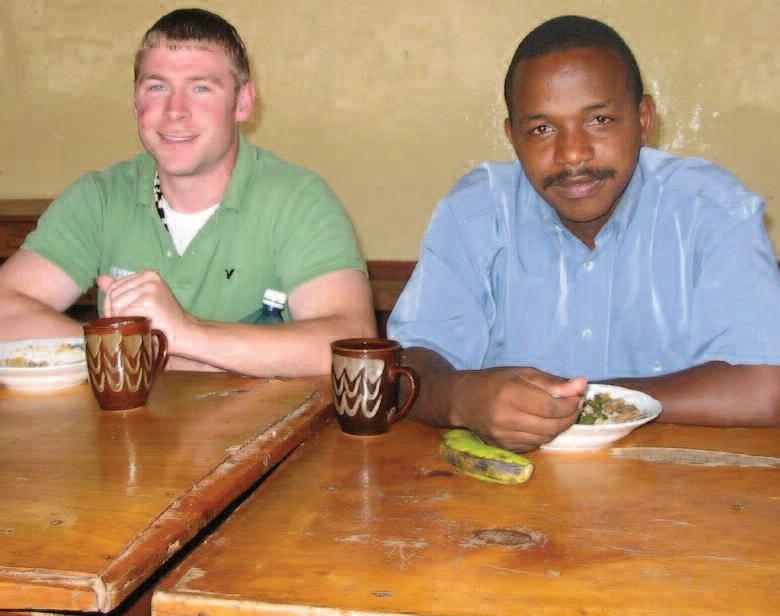
Editor ’ s Note: Adam Hayward was a student intern at Atlantic Baptist University when he participated in this shor t-term mission trip He was one of seven Canadian teachers who par ticipated This experience has been offered for the past six years with over 43 Canadian teachers and 115 Kenyan teachers par ticipating in this oppor tunity for shared training in instructional strategies and counseling sk ills They dedicate their holiday time to par ticipate
I t ’ s par t of a unique, two-year program where Kenyan teachers can receive a diploma in Christian Teacher Education and Counselling from Carey Theological College in Vancouver, one of CBM’s par tners in this program For Kenyan and Canadian teachers alik e, it ’ s a boost to the morale I t provides much-needed encouragement in their vocational call, notes CBM’s Educational Consultant, Carla Nelson She’s been instrumental in developing this program initiated at the request of the Africa Brotherhood Church (ABC), a CBM church par tner in Kenya
After Adam shared his shor t-term mission experience with some of his students back at Dr Losier M iddle School (M iramichi, New Brunswick), they too wanted to do something to help
Their concern was shared by students in another school across the countr y, Edmonton Christian School, after they heard about the experience of their teacher, Elaine Junk
Together, these two schools decided to raise money for a school in Kenya I t ’ s par t of a Guardians of Hope project coordinated by the Kyangala Self Help Group – a group star ted in 2001 by one person, a local church leader who had great concern about the high risk of HIV/AIDS infection for children in his area who cannot go to school. Funds raised by Canadian students will provide school fees, uniforms and nutrition for the most affected students
After their fundraiser officially closed, Adam’s students sent CBM a cheque for $2,700 “ They exceeded ever yone’s expectations including their own, ” says Adam, “and have set out to help other non-profit organizations within the communit y ”
“ These so called ‘at-risk ’ students are now leaders in the school The local paper wrote a stor y about their effor ts and their work has been celebrated within the school They are so excited because they never receive this k ind of attention ”
A Baptist church in the area called and joined their effor ts, helping out with a penny drive in their Sunday school.
To celebrate their accomplishments, Adam distributed a simple, store bought, cer tificate "Wow! I've never received an award in my life!” commented one student. “ When I get home I am going to hang this on my fridge!"
Upon hearing from Adam that the plaque had to be hung on a wall, not a fridge, he countered saying, "Mr Hayward, I have never brought anything home to my mother that she could be proud of and hang on the fridge I am going to find someway to mak e this thing hang on my fridge "
This is one of those moments in teaching I will never forget, says Adam “I know it will help the people of Kyangala, but it has already made a huge difference in the lives of 11 students in a so-called ‘at-risk ’ class ”
Elaine’s class had a similar experience They held a dodge ball tournament to raise money Coincidentally it was held on Dec 1, World AIDS Day, and so it captured the interest of media who came out and interviewed two students as par t of the six o'clock news Students also sold bak ed goods and hotdogs and raised $2,500 which was matched by an anonymous donor for a total of nearly $5,000
“God has called us to tell the truth, but to be merciful and also to mak e a difference, said Elain “My stuents took this to hear t They are incredibly excited and justifiably proud of themselves ”
by Jaime Prins, Grade 6 student at Edmonton Christian School
The AIDS fundraiser was something that did more than just ser ve; it brought hope, love, joy, peace and understanding I realized that in a world that ’ s driving out love, you can’t let a current push you over ; you have to be strong and willing to stand up for what you want in this world
People in Africa have so little yet they have so much Through this fundraiser we will not only be giving them money, but also all the love that we as a school put into this – the love families put into it and gave to this cause
I’ve learnt many things from the people at this school, the people in Kenya and the people in this class We’re all striving to sur vive in this world and the pieces of love they give can open us and let us give love to others Love does not hold back It pushes for ward It shows no end and has no beginning
Who star ted this love? God did He gave us the most amazing gift of love his one and only son. We should not hide it away and keep it all to ourselves R ather, share it and that love will increase in size. Love will never die, it will never grow old
This fundraiser showed me that there is so much love in this world we just have to be willing to give it If you give someone love then they can pass that love on Love always shares This fundraiser may have only lasted for one night but the results, the effort and the love will last for a lifetime!
New Workshop: Transforming Mission
Have you been on a mission trip and want to talk with others who’ve had a similar experience? Do you feel you’ve been deeply changed and are thinking ‘now what?’
Come and share your story We’d love to hear how God is at work in your life and what you’re doing now as a result of participating in short-term mission We’ll also help provide tips and resources for reconnecting and engaging in ministry so that you can continue to support the work in which you played a part
Dates:
Vancouver – September 23
Regina – October 14
Ottawa – Sept 23 (English & French)
Mississauga – October 28
Saint John – October 28
Time: Sunday 12:30pm to 4:00pm
Registration deadline: September 1
To register: Email cmacmillan@cbmin.org or call (905)821-3533
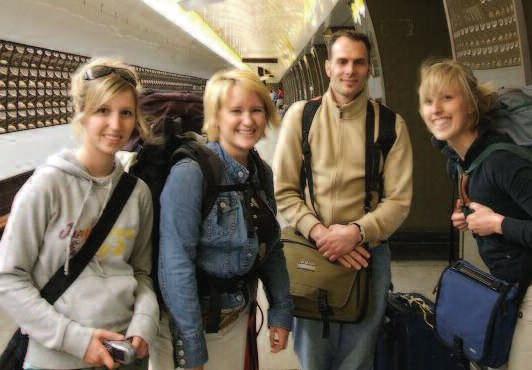
BWA World Youth Conference AND a CBM short-term mission trip!
When: July 30 – August 3, 2008
Where: Leipzig, Germany for the conference
But here’s the twist: CBM Youth is also offering you the chance to gain one week of hands-on global ministr y experience before the conference And you get to choose which trip you’d like to join. For youth and young adults, you can choose from Albania, Belgium, Czech Republic, France and Moldova For young adults, you also have the option of Lebanon, Kenya and Rwanda.
Age requirements: The conference is open to youth 13-29 and youth workers To join a CBM short-term trip you must be at least 16 years old
Registration opens soon: May 1, 2007! Please contact Linda Naves at lnaves@cbmin org or call 506-635-1922, ext. 112 to register. Short-term teams will be filled on a first-come, first-ser ved basis!
To learn more about this incredible STM opportunity and an up-to-date list of all of our short-term trips for 20072008 visit www cbmin org or email
Joao and Nora Matwawana, retired CBM missionaries, are the recipients of the 2007 Denton Lotz Human Rights Award from the Baptist World Alliance The Matwawanas have played a pivotal role in reconciliation and peace effor ts in Burundi, Rwanda, the Democratic Republic of Congo (DRC), and Angola since the 1970s, first as CBM missionaries and in recent years after their retirement, as CBM consultants Their peace effor ts include work ing among the more than one million refugees who fled Rwanda to the DRC in 1994; repeated visits to refugees living in camps in Zambia; visits to Burundi to discuss peace and nation building initiatives with government officials, including with the countr y ’ s president and church and NGO leaders; meeting with a Burundi rebel leader in Holland and South Africa to successfully negotiate peace; the training of Angolan refugees in conflict resolution, mediation, peace and reconciliation; as well as several peace missions in Angola The award will be presented during the BWA Annual Gathering/G eneral Council meeting set for Accra, Ghana in July
A caring community of faith is one of the greatest needs in Quebec today. by
Terr y Smith
Denis Casaubon is a passionate business executive Lik e many Québécois, he led a comfor table and successful life But a near tragic accident set Denis on a radically different course, changing his priorities, values and faith commitment
On November 13th, 1983, while driving back from a sk i trip at Mont Tremblant, he fell asleep at the wheel, hit two lamp posts and ended up in the hospital with a brok en neck When he came to, he was told that his spinal cord was nearly severed and that the nex t 3 months would be crucial. He had a potential 50/50 chance of returning to a normal life again and absolute cer taint y of pain for the rest of his life
At the time of Denis’ accident, the province of Quebec was experiencing a profound spiritual awak ening, quite unlik e anything that has transpired in the last centur y Whereas the quiet revolution of the 1950s and ‘60s brought about the marginalization and decline of the social significance of institutional religious life, a groundswell of renewal in or thodox Christian beliefs and a strong attachment to spiritual roots became increasingly evident in Quebec Many of the today ’ leaders in Quebec’s evangelical movement made professions of a personal faith in Jesus and were (re)baptized as believers during this time in the early 1980’s
While still in the hospital, Denis heard that people in a small local church were praying for his recover y He made a deal with God, promising that he would go to that church and thank ever yone for their prayers on the condition that he could be back sk iing in 3 months
Doctors are probably still wondering how Denis’ incredible healing happened He plays hockey and carries on all his regular activities
But an even greater transformation occurred He kept his promise and went to the church as promised It was one of a very small number of churches that composed Quebec’s Protestant landscape.
mission team to Africa where they met with some of our par tners and Field Staff in Kenya and Rwanda Lik e many Quebec Christians, Denis and Louise never could have been able to predict how their lives would tak e a turn and how, today, they are representing our Francophone par tners in a global mission
The French Baptist Union has set church planting as their highest priorit y In focusing on this, they are par t of a wide network o
c h organizations that have jointly committed hemselves to increasing the number of
As he was heading to the front to say thanks, he star ted cr ying, remembering where he was and the way he had been living He realized then that he needed to ask God for forgiveness and set his life right He became a follower of Christ
After his marriage to Louise, the Casaubons left Quebec for professional reasons They joined a local church and learned about ser ving God as lay leaders Since returning to Montreal several years ago, he became a Board Member of the Église Évangélique Baptiste de Pointe-aux-Trembles
In 2002, he was invited to become the President of the Board of the Union d’Églises Baptistes Françaises au Canada (French Baptist Union), which also led him to ser ve our CBM family as an Executive V icePresident The following year he and Louise had the privilege of joining a shor t-term


onically, the greatest zeal and commitment for this task has come from the ethic communities which compose the culurally rich palette of Quebec society Rapid rbanization, coupled with the nationalist isis are just a few of the reasons for the reat spiritual vacuum in Quebec.



here are only 170 French-Protestant hurches in the five largest cities in the rovince Although Quebec’s population as grown in the past 10 years, the numer of churches hasn’t Specialists estimate that Quebec would need 3,092 new hurches, and 1,346 in Montreal alone, to et the growing population ( This is based on 1 church per 2,000 residents – the same ratio used by the College of Pharmacists to gauge how many pharmacies are needed in a given communit y )
T h e C h u r c h a c r o s s C a n a d a c a n t r u l y celebrate the mar velous ex tension of God’s mission in Quebec – but the challenges still remain!
Terr y Smith lived in Quebec in the early ‘80s before ser ving as a missionar y in France for 20 years with his wife Heather and their family In 2003, he became CBM’s Director of Par tnerships & Initiatives
Through CBM, you can support leadership development and church-planting in Quebec Make an on-line donation today at www cbmin org or call (905) 821-3533
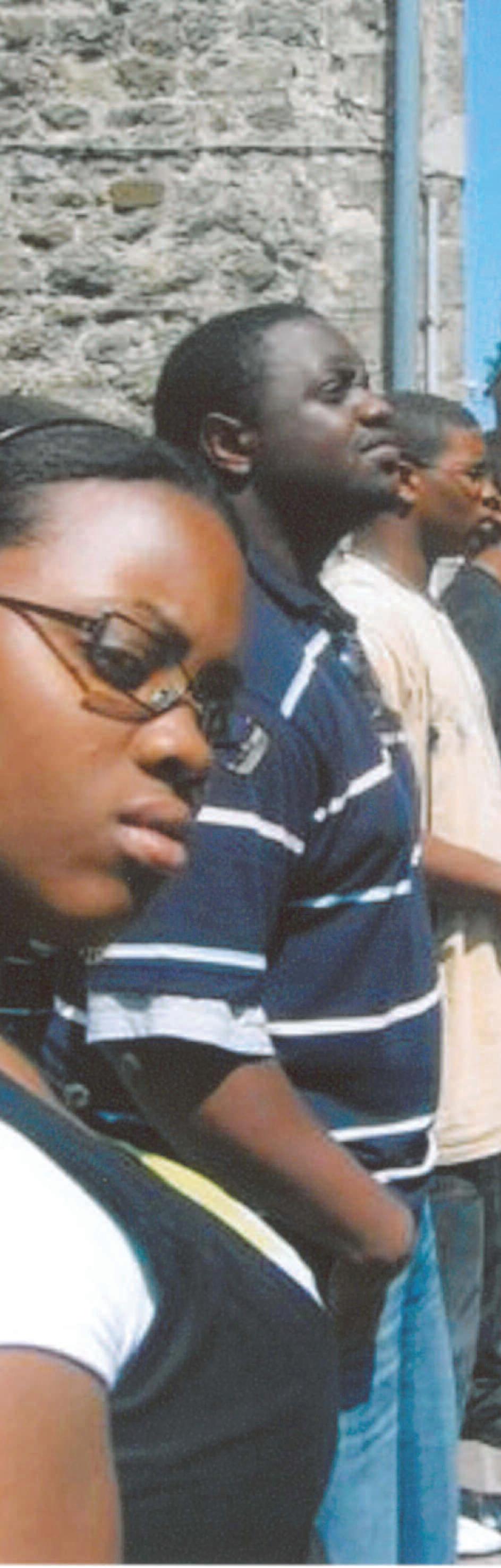
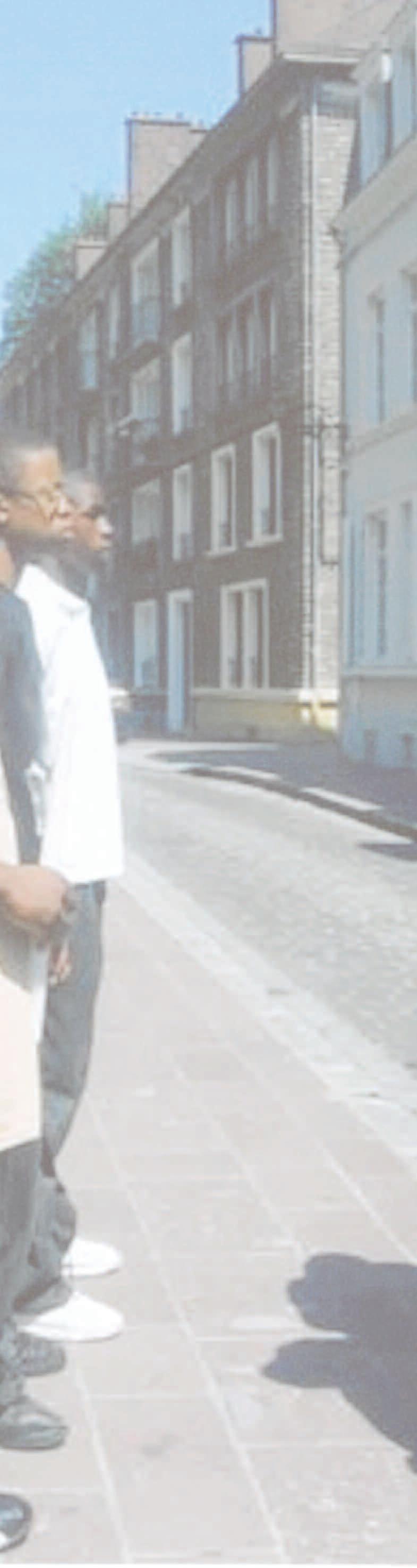
We’ve come a long way, but our struggle is not over. In Toronto, one of the world’s most multicultural cities, much pain from racism and inequality remains. First Baptist is in the middle of the battle – for more peace and justice on the streets.
by R anu Hamilton
After suffering discrimination and being denied accommodation in hotels and membership in white churches, 12 runaway slaves from south of the border set out to star t their own church in their new homeland Thus began not only the first Baptist church in Toronto, but also the cit y ’ s first Black institution of any k ind!
We’re a symbol of perseverance and ser vice in the Black communit y But all is not well In November 2006, as par t of celebrating our 180th Anniversar y, we’ve been challenged to recapture and build upon our heritage, not simply to just sit and celebrate it.
“ To understand where you’re headed, you have to k now where you ’ve come from, ” often exclaims our pastor, M ichael Morris
Connecting with our roots has become an integral par t of our new mission statement: Recovering the Past Activating the Present Discovering the Future
According to our histor y, First Baptist Church in Toronto was organized in 1826 by an African-American missionar y, a former slave from V irginia, by the name of Elder Washington Christian He’s repor ted to also have founded three or more other Black churches throughout Ontario
At first, the new congregation worshipped
outside and in members’ homes until finally being able to lease a space in 1827 They then moved to a schoolhouse and after a lot of land was donated by a local family, a church home was built for the growing congregation in 1841 After weathering a division, the Depression and multiple moves, the church settled in its current location – in the hear t of Chinatown and Kensington Mark et
Historically, the church has always been the centre of the Black communit y. In times of need, it provided food and jobs In times of segregation, it stepped up as a voice to the issue In times of sorrow, it banded together to create an atmosphere of suppor t
But First Baptist is a church that strives to ser ve not only the Black communit y, but also the communit y where it ’ s physically located -- and even the community overseas Internationally, we’ve always suppor ted many missions and missionaries in Africa Two years ago, we practically adopted a village, K igumo in Kenya, through CBM’s Guardians of Hope program, to provide suppor t for those most impacted by HIV/AIDS We were the first Canadian Baptist church to tak e on the suppor t of an entire project --no small feat as many of our members struggle themselves with pover t y Locally, our “Out of the Cold” program ministers to the homeless and congregation food drives help those who need it most Currently, many auxiliaries, groups and choirs hold events and run initiatives to reach many segments of societ y.
First Baptist has also been a par t of social justice initiatives in the cit y From suppor ting our brothers and sisters to the South’s quest for freedom during slaver y to the fight for equalit y and access on its front steps during the civil rights movement, we’ve been an advocate for change
I t ’ s been work that tak es perseverance – and courage Such as the time when Rev H M McNeil, pastor from 1928-1931, won a major victor y for the movement by being one of the first to charge a Ku K lux K lan member –and win. There was a personal cost – he and
his family were threatened and a cross burned in their front yard There are many other stories
“ We [First Baptist Church] have an incredible histor y, “ says Pastor Morris “ The issues that our ancestors faced in Canada are still ver y real issues today ” I t ’ s par t of the reason why Pastor Morris also now ser ves as co-chair of a new group, the African-Canadian Christian Network (ACCN)
Ac tivating the Present.
“ Though Toronto is a far different place today, (we’re the most multicultural city in the world, Blacks are no longer disbarred from some churches, and we’re not the only Black church in the cit y), I am fully convinced that our mission and mandate remain unchanged, ” notes Pastor Morris “God is beginning to re-open doors of oppor tunit y for us to have an impact not only in our church and communit y but also cit y-wide.”
First Baptist continues to strive for social justice in a new era with a new par tner – the government In Januar y 2006, the Ontario Government committed $51 million to implementing the Guns and Gangs strategy In an attempt to mirror the successes of the “Boston M iracle” under Rev Eugene Rivers, the ACCN received $3 million to work within the faith community to tack le gun violence.
The ACCN, created as a result of the rise in gun homicides in 2005 where a majorit y of victims were Black males, has made its mission to build the capacit y and access to funding that will help the Black church along with the government and police to solve this pressing problem
“ The churches are in the at-risk neighbourhoods that we are tr ying to reach; they already have the relationships, networks, buildings and ser vices, ” says Pastor Morris ACCN believes that youth violence is symptomatic of neglect in four areas which they ’ve outlined for improvement: family, education, economic oppor tunities and development, and the justice system (both prevention and rehabilitation)
“ We believe that if these four significant areas are impacted in the lives of young people, not only will they live lives free of violence, but they will be given ever y opportunity to be successful and contributing members of societ y ”
Pastor Morris has seen vivid examples of children whose lives have been changed due to neglect, mostly in the area of education – some in his own church He recalls a situation where a 12-year-old was suspended after being accused of stealing from another classmate and the mother had little k nowledge of the education system or her and her child’s rights On the same Sunday he found out that two other children aged 8 and 10 were also suspended for a week under the Zero Tolerance Polic y “ When I began to recognize the nonsense going on, I needed to do something, ” said Pastor Morris. “If I have the capacit y, then I will and I am ”

Ontario Churches and Government Invest in Black Youth
In December 2006, the African-Canadian Christian Network (ACCN) announced the first set of recipients to benefit from the Ontario Government’s $3 million grant to the ACCN over the next two years to foster and enhance programs for Black youth in under-served communities across the Greater Toronto Area The press conference was fittingly held at First Baptist Church – Toronto, the oldest Black congregation in the city
One of the recipients, Living Hope Community Church in Scarborough, received $67,000 for its work in the community through Hopeworks Connection and its youth initiative, the Toronto Children’s Concert Choir and Performing Arts Company (TC3)
As the commemoration of the 200th anniversar y of the abolition of the slave trade in the British Empire was held at our church on March 25, we continue to deal with the negative legacies of slaver y that are still seen today, including systemic racism, inequalities in education and lack of representation/misrepresentation in society ’ s institutions
“ The historical role of the Black church has been not only to offer spiritual suppor t but to also be a communit y centre, social agenc y and political platform We want to return to playing that role ”
Ranu Hamilton, a member of First Baptist, Toronto, studies public relations at Humber College She is the editor of a new cultural zine being produced by her church to highlight more of the talents and accomplishments of Black youth today and to connect the generations.
TC3 was started in 2001 by Rev Denise Gillard with 11 children and $5 Several youth from First Baptist are members of this group which has come a long way – from performing in churches to opening this past February for the Soweto Gospel Choir. “It is vital for young Black people to have cultural connections at every phase of life,” says Rev. Denise Gillard, the group’s Executive Artistic Director. “There is a historical narrative they have to get in touch with; then they’ll realize the great achievements that Black people have contributed all over the world.”
TC3 youth range in age from 7 to 18 and must audition to be a part of the group Its many initiatives include a Music and Math tutorial program; an academic and creative computer lab development; cultural, contemporar y, classical, festival of gospel and inspirational dance; Youth Performing Arts Conference; supporting youth in Africa suffering due to AIDS; and community and corporate partnerships
Premier Dalton McGuinty and Children and Youth Services Minister Mary Anne Chambers were on hand to congratulate the grant recipients They were treated to a live (and very up close!) performance by TC3
Today’s announcement is an investment of hope, said Premier McGuinty “The hope we have when we see how much potential our young people have, and the hope that is realized ver y time one of our young people reaches that fork in the road and chooses the path of opportunity and a brighter future.”
Think one person can’t do much? God begs to differ. He asks you to reconsider. To join in his delight of the one ordinar y, faithful ac t. I t creates the ex traordinar y.
by Marilyn Smith
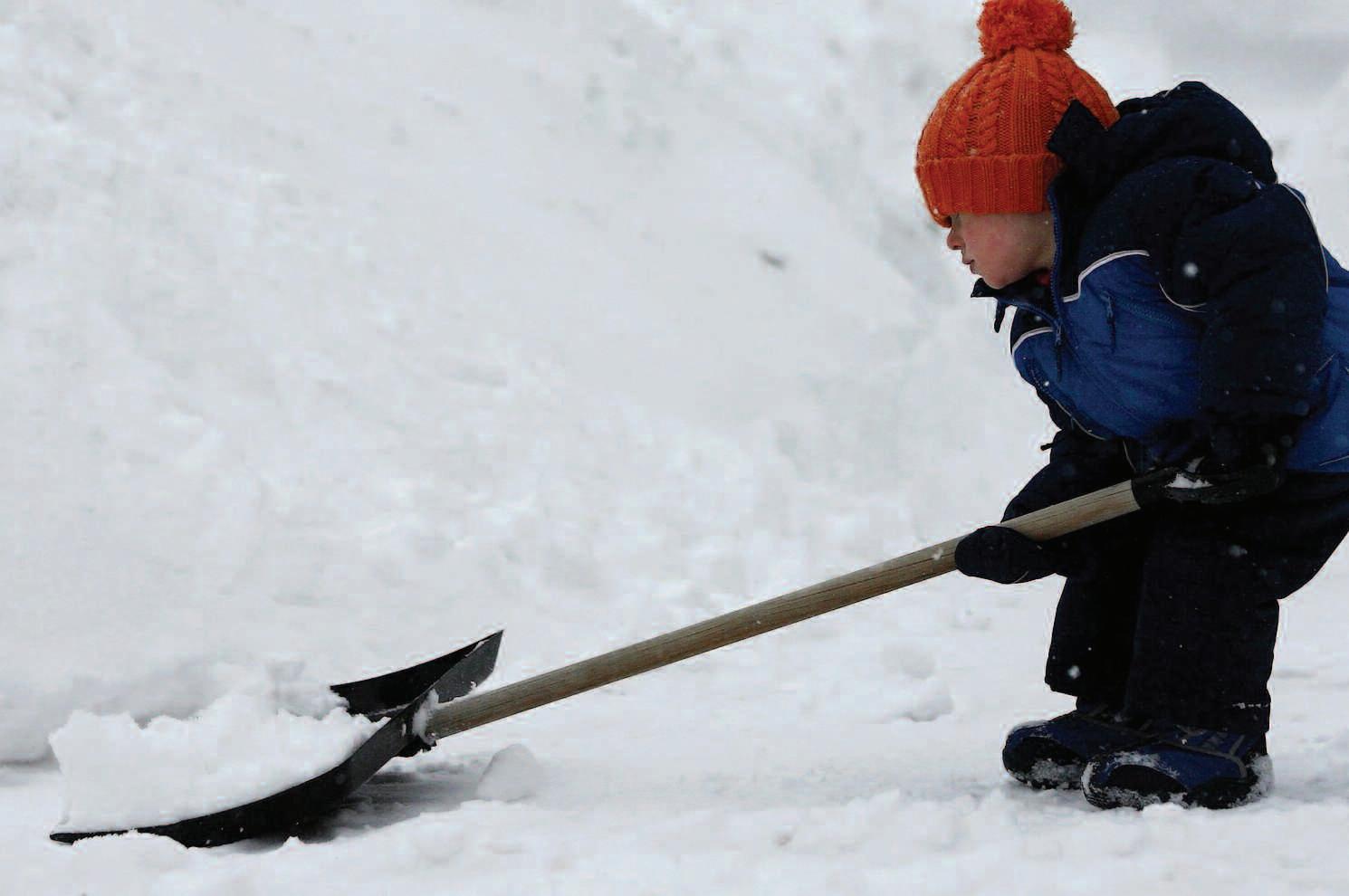
We’ve forgotten about how important the ordinar y is. We live instead for the extraordinar y Seeking big, dramatic miracles, we miss out on the ever yday workings of God in our world. It lowers our expectations. Of God. And of ourselves and our churches
We can end up mired in a lament. “ What can one person do? What can one church do? It ’ s too overwhelming! There’s too much need ”
But then we hear the stor y of one church, First Baptist in Guelph, Ontario, who has started to think differently. They ’ve discovered that one church – and the people in that church – can actually do a lot when they come together to study and encourage each other to keep moving out of their comfort zones
Much is credited to the momentum caused by one ordinar y act: one couple who obtained a copy of the Micah Challenge Toolkit and then began talking about it with others A small group became interested and they decided to work through the
Toolkit and to give feedback to their Pastor (Bill Chapman).
As a result of their interest and encouragement, Rev Chapman developed a series of 10 integrated small group interactions and sermons This was followed up by the development of a series looking at 12 themes in the book of Mark and then a study of the Kingdom, based on The Lord’s Prayer For each of these series, the entire congregation had an opportunity to respond to the sermons on Sundays, as well as to have in-depth discussion on them within their small groups
Change has begun Some members have made charitable responses to poverty and related issues In Guelph, there is a HIV/AIDS clinic
The founder and director, Dr Anne-Marie Zadjlik, has been to Africa and set up clinics there Members of the congregation now help to support this clinic in their city and other clinics in Africa
Other church members have been convicted to go
even further in addressing issues of injustice, locally and globally.
One man became involved in tracking the Millennium Development Goals, which were established by the United Nations in 2000 and are to be achieved by 2015 These goals address the issues of pover t y, hunger, environment, child education, etc He constantly monitors these on the internet and alerts Rev. Chapman and other members to new information
One church member, an environmental lawyer, has become involved in contacting the government about the Kyoto Accord One woman was so convicted about addressing the issue of poverty in Guelph that the church now provides a meal for 150 people, one night ever y 11 weeks, on a rotation with other churches in the city
When asked to describe what ’ s happening in his church, Rev Chapman likens it to striking a grassroots ner ve that has prompted people to ser ve in many different directions, as the Spirit leads “It all started with a few people,” he says “ We are not a huge church, we are just average We are not extraordinar y, but this has revealed to us what ordinar y people can do ”
Average! Ordinar y! These are the kinds of people and churches that God is calling across Canada Those who are challenged by the words of Micah 6:8:
“He has showed you, O mortal, what is good And what does the Lord require of you? To act justly and to love mercy and to walk humbly with your God ”

How often have you heard the phrase: “No Interest! No Payments! For a whole year!”? Daily we’re bombarded with ads for bigger and better – with more ways to get more things – stuff we need, now, without thought of paying for it until later So obsessed with getting the newest, greatest, fastest, we will go willingly into debt for it
Canada is one of the wealthiest nations in the world Yet the amount of individual consumer debt is alarming: $752 billion This equates to a personal debt of $24,258 for ever y man, woman and child living in Canada today! (thecanadianencyclopedia com)
Hard to believe? Consider this:
If you would like to get involved at a deeper level, to explore more about what one church or person can do, we’d like to hear from you Email: Marilyn Smith, CBM,Director of Justice Initiatives at smithmj@eastlink ca or post a comment at www cbmjustice blogspot com/
For a copy of material developed and used at First Baptist Church in Guelph, contact communications@cbmin org
• Canadians have more than 50 million credit cards We charged close to $50 billion on them in 2004 (CBC News Online)
• In 2001, 47% of all Canadian households spent more than their pre-tax income; by 2003, the average Canadian household owed more than it ’ s annual tak e-home pay (Statistics Canada)
Ethically speak ing, don’t you think it ’ s time to break the bond of debt and mak e better financial decisions and investments? CBM works in par tnership with some of the poor-
est people around the world – global neighbours, brothers and sisters in Christ, forced to live on less than $2 a day Our demanding lifest yle is par t of the problem Isn’t it ironic that in the whole process to get “more” we’ve managed to enslave ourselves as well?
We’d lik e to suggest that there’s a better way to spend Wiser ways to invest Challenge ourselves to be good stewards so we may bless others with our blessings
We’d love to hear your thoughts V isit www cbmjustice blogspot com/ for more discussion on justice and faith issues
More resources for critical and ethical reflec tion:
The Irresistible Revolution: Living as an Ordinar y Radical, a book by Shane Claiborne with Jim Wallis, that explores authentic Christianit y What is it and how are we being called to live it out?
Sunday (Nooma V ideo 4), by Rob Bell Why do we do what we do? Guilt? This video challenges some of the “empt y rituals” of Christianit y – God wants more from us – He wants our hear ts
n 1: One person
can make a difference. 2: I t ’s all about attitude and faith. 3: A willingness to just do something.
4: More of ten than not, they may never realize their impac t on others.
communities within the developing world. So we began TheWaterProject.org.
We hope to raise $20,000 over the nex t few months to dig wells and construct rain-water collection and filtration systems in two Kenyan communities. After the projects are constructed, these systems will provide clean drink ing water and bring pover t y and hunger relief to upwards of 3,000 people – not for one day or one week, but for years and years to come
Sk ip the Bottle. Save a Life Main Street Baptist Youth in Atlantic Canada Launch a Water Challenge
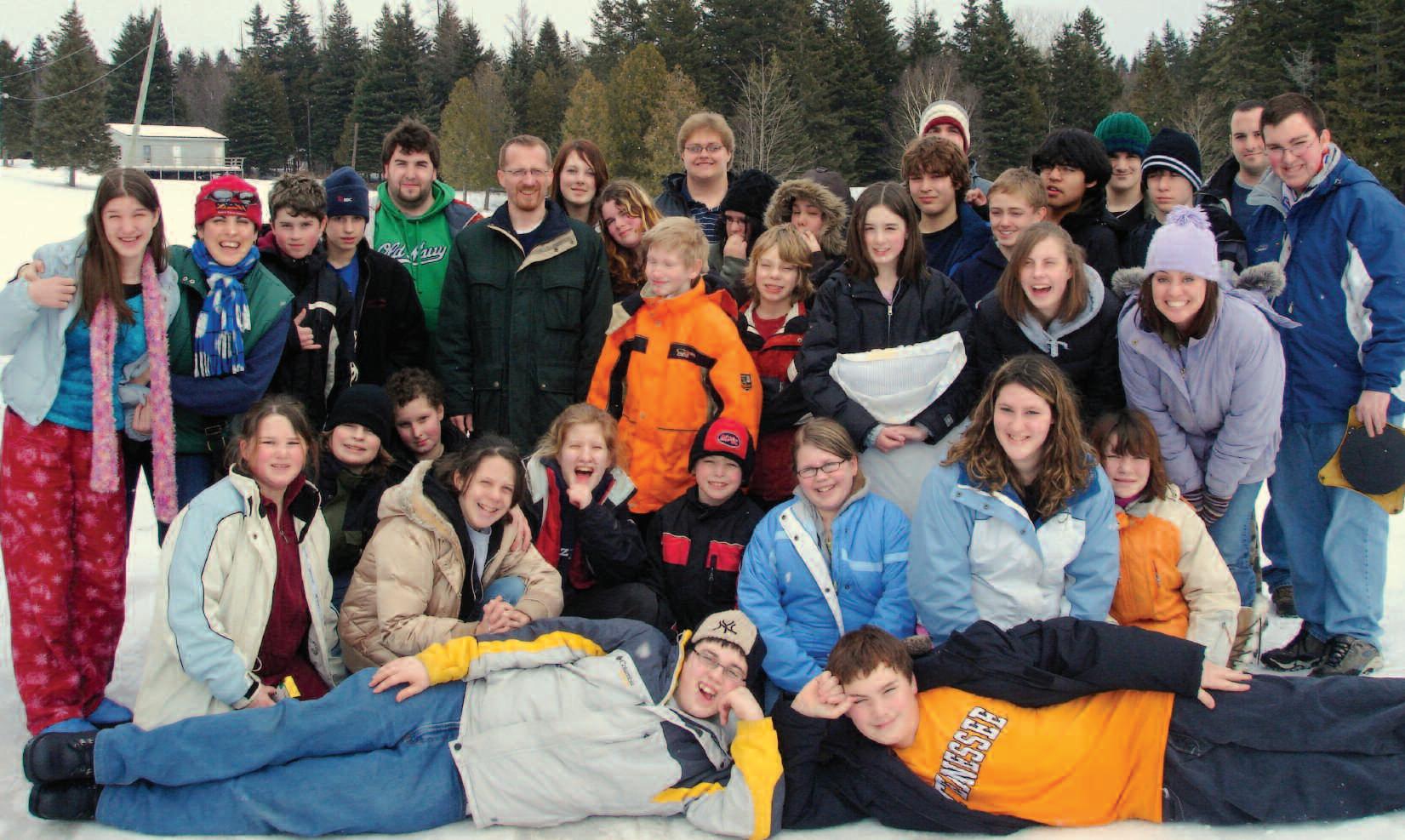
Hi! We feel called to action in response to the crisis of water scarcit y throughout the world. We heard first-hand from the The Sharing Way and their par tner, the Africa Brotherhood Church (ABC) in Kenya and about the devastating effect a lack of clean drink ing water has in
Editor’s Note: So far, the Standing Strong Youth Group, from Main Street Baptist Church in Saint John, New Brunswick, have raised over $11,500 (which includes one anonymous matching gift of $7,000). They ’ve developed their own website ( TheWaterProject.org) as part of their No Bottled Water Challenge (which has caught the interest of youth in the U.S.) and sold Valentine's candy bags and custom printed
Halo dari Indonesia!
Hi, from Indonesia! Children aged 5 to 13 are invited to join another exciting summer mission adventure with Welcome to M y Neighbourhood in Indonesia Explore what life is lik e in the Pacific ring of fire Discover different cultures, food, crafts and games in this nation made up of thousands of islands Even do some FUNdraising and help people in Indonesia! For your FREE copy of this curriculum and/or for more info, contact V ictoria Ford at vford@cbmin org
We believe these essential, life-changing projects will help enable the ABC to demonstrate what love is all about. They will relieve suffering, open doors to education and economic development, and most impor tantly, bring the hope of Jesus Christ
Please join us See TheWaterProject org for more info
Nalgene bottles.Youth became interested in this crucial global issue after one of their pastors, Rev Peter Chasse, heard Titus Kiilu of the ABC speak at the 2006 Assembly of the Convention of Atlantic Baptist Churches. In 2007, The Sharing Way ’s Annual Project focuses on food security which is impacted by water issues Look for information to arrive at your church late summer.