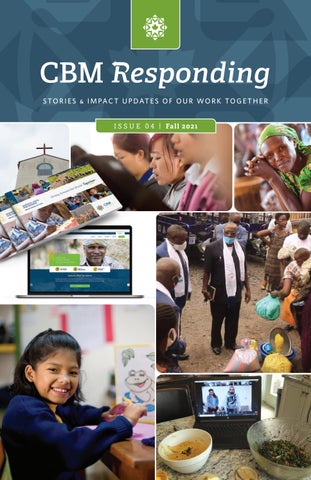
STORIES & IMPACT UPDATES OF OUR WORK TOGETHER
ISSUE 04 | Fall 2021
STORIES & IMPACT UPDATES OF OUR WORK TOGETHER
ISSUE 04 | Fall 2021
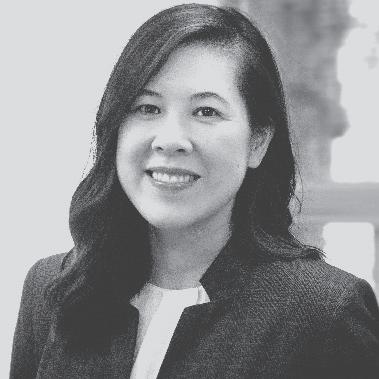
Jennifer Lau · Executive Director
As we enter the fall season, it is with renewed excitement that we share another issue of CBM Responding with you. Another year is almost upon us, and this is already our fourth quarterly issue for 2021 – we aren’t slowing down now!
As Canadians continue to receive vaccinations and navigate the fourth wave of COVID-19 together, CBM has had to pivot in several new ways as we continue to embrace a broken world through word and deed along with our global church partners and staff.
In this issue, we are excited to introduce you to the new Field Staff who have joined the CBM team this year. Both Byron Velásquez and Joseph Lee’s appointments are encouraging signs of a growing ministry despite this pandemic. As our partners struggle with the loss of local pastors, Byron and Joseph will assist in increasing their capacity to respond to needs. We echo the words of Paul as he encourages the Church to build up the body of Christ. I invite you to read the enclosed letter to see how you can help empower the Church in this time of need. Your support builds strong and resilient churches that can weather times of crisis.
Our SENT program has adapted to our new reality and has pivoted in an exciting way. We are taking churches to the field through their computer screens and this is proving to be just as meaningful an experience. It is also an opportunity for churches to get involved and stay connected with Field Staff around the world.
Carla Nelson and Gato Munyamosoko, two CBM Field Staff focused on work in Africa, also share a thoughtful reflection on development and peace efforts ongoing in the Democratic Republic of Congo, emphasizing the importance of local churches everywhere. This is an exciting project that utilizes Gato’s extensive experience in peacebuilding and reconciliation. Exciting progress is being made
as Gato and Polisi Kivava work to bring together divided denominations through the shared goals of restoration and collaboration. We rejoice in the unity that is being built, as the poor and marginalized will benefit greatly from this initiative.
At CBM, we believe that millions of lives are directly impacted by every goal we work toward together. Churches play a significant part in community development work. Their impact rarely makes headlines, but it is a living witness to the power of the gospel to transform lives. We are grateful that we have a role to play in God’s mission, to get to stand in solidarity alongside you and our global partners, together as co-workers in God’s Kingdom.
Thank you for your ongoing partnership in the work of God’s mission. Your commitment continues to help bring transformation to the lives of so many.
Grace and peace,
Jennifer Lau Executive Director
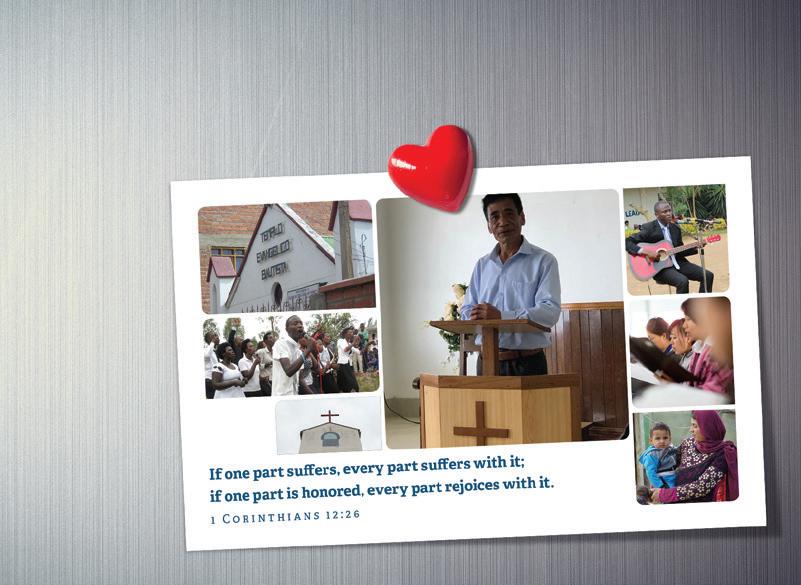
In this mailing, you will find a postcard with photos of various pastors and churches in our global network. We encourage you to hang this postcard on your fridge or in another prominent location in your home. Each time you see it, we invite you to pray for our partner churches, as well as your home church.
7185 Millcreek Drive
Mississauga, ON L5N 5R4
Tel: 905.821.3533
communications@cbmin.org
www.cbmin.org
CBM Responding is published four times a year by Canadian Baptist Ministries. Copies are distributed free of charge. Bulk quantities available by request.
Golden Triangle Region
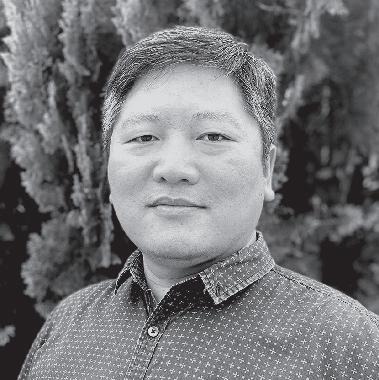
Joseph serves with the Chinese Ministries Team, supporting ministry opportunities within the Golden Triangle region. His role also supports existing partner relationships and helps create new connections with Canadian churches.
As a graduate of Thailand Bethel Theological Institute (TBTI), Joseph has pastored several small churches in Myanmar since 1999, taught Bible courses at TBTI, and trained young Christians through youth training programs. He was also the Director of Mekong River Mission Fellowship in Thailand, helping local churches participate in mission through leading training sessions and organizing short-term mission trips to remote regions in the country.
His passion for serving God through mission work has led him to Malaysia Baptist Theological Seminary, where he is studying to receive a doctorate in missiology. He is married to CBM National Field Staff Lilian Yang.
Q: How did you navigate the decision to work for CBM as National Field Staff?
I was introduced to CBM through Conrad and Fiona Kwok, CBM’s Chinese Ministries Team Leaders. When they relocated to Canada, I was encouraged to continue the ministry of CBM in the Golden Triangle Region and decided to apply because of CBM’s global and integral mission vision. I also received the calling from God to carry out mission work in the Golden Triangle Region. I am proud to be part of the CBM family.
Q: What is one thing God has been revealing to you through your work?
Through my work in the Golden Triangle Region, God showed me the need for local churches to be part of a global mission. I find myself bringing the message of global mission through preaching and teaching, and mobilizing local churches to participate in mission work.
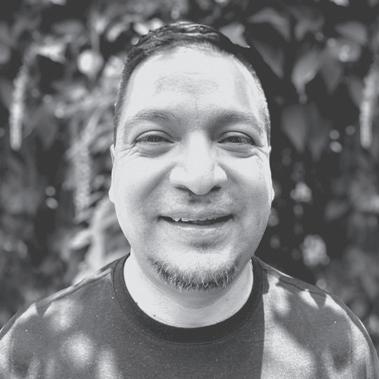
Byron serves alongside the Latin America team, contributing to CBM’s overall ministry in integral mission and global discipleship by facilitating training for church partners, organizing and facilitating SENT trips in Guatemala and El Salvador, and strengthening partnerships and local ministry activities.
Byron is a graduate of Central Florida Community College and Seminario Teologico Centro America (SETECA), studying industrial engineering. He is currently completing a Doctor of Ministry (Theology in Culture). After witnessing a movement for integral mission in Latin America, it changed his understanding to recognize the role of the church in the community as a divine entity of transformation, with the church called to serve the community through word and deed.
For the last 15 years, Byron has been training pastors and churches in Guatemala to have a better understanding of the gospel of Jesus. Since 2017, Byron has been a church and community coach for ENLACE, responsible for training pastors, church leaders, and members so that the gospel of Jesus impacts and transforms communities.
Byron and his wife, Irma Yolanda, have three children (Pablo, Raquel, and Diego David) living in San Miguel Petapa, Guatemala.
Q: How did you navigate the decision to work for CBM as National Field Staff?
I love the mission of CBM because the local church is at the centre, and the expression of the gospel is through word and deed. It has been God’s mission since Genesis 3 and the mission of Jesus. I am looking forward to learning and sharing my knowledge as I work with Canadian churches and CBM’s local church partners in Guatemala and El Salvador. I am excited to see how God is going to use me at CBM.
Q: What is one thing God has been revealing to you through your work?
I learned that the local church is the divine agent of transformation in its community.
cbmin.org/byron-velasquez
An Invitation to Support Our Global Partners
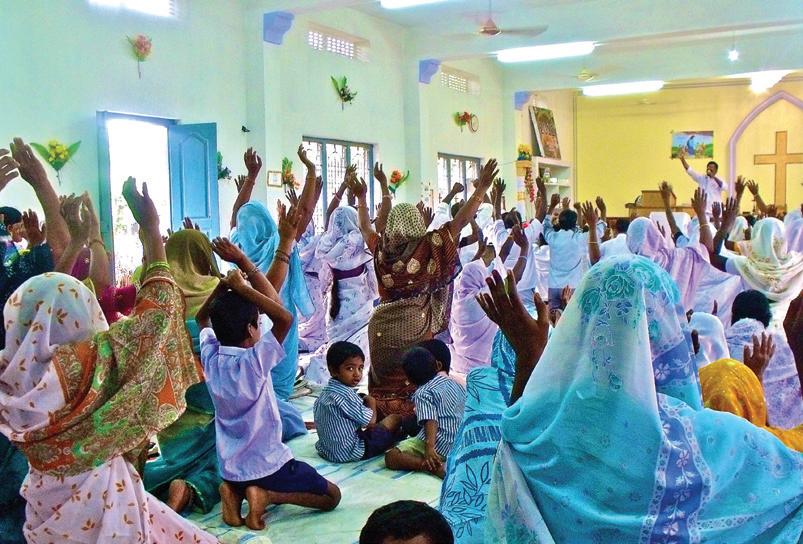
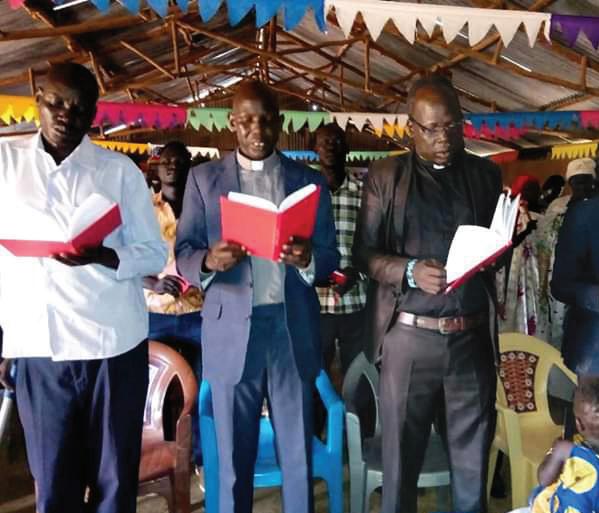
One of CBM’s key causes is to Build the Church around the world. We believe that God brings healing to a broken world through local churches. That’s why we aim to equip and empower congregations to share the gospel and proclaim God’s love in their communities.
As you read earlier in this issue, we have two new National Field Staff, Byron and Joseph. These new team members will be working regionally in Latin America and southeast Asia to support our partners on a strategic level.
Because of the COVID-19 pandemic, these two regions have faced many challenges. Both Byron and Joseph describe two realities in their respective regions.
In rural areas, most churches do not have access to internet, and are continuing to meet in person. However, this poses a large risk, as congregants are in close contact with each other. In urban areas, where there is stronger access to internet, churches are meeting online. However, pastors are reporting that they have lost members, and when they try to call them, people do not want to connect. Another difficulty is paying for the pastor’s income, forcing some pastors to look for other jobs. Several churches have had to close their buildings due to lack of money for rent.
In addition, many pastors and church members have tested positive for COVID-19. Just within our networks, more than 100 pastors in Myanmar have passed away
due to COVID-19. Many did not have access to proper PPE and were continuing to meet for in-person services or to perform funerals for congregants.
The Church in Latin America has also been devastated by COVID-19. Within our global church partners networks approximately 300 pastors in Guatemala have died, and around 200 in El Salvador have passed away.
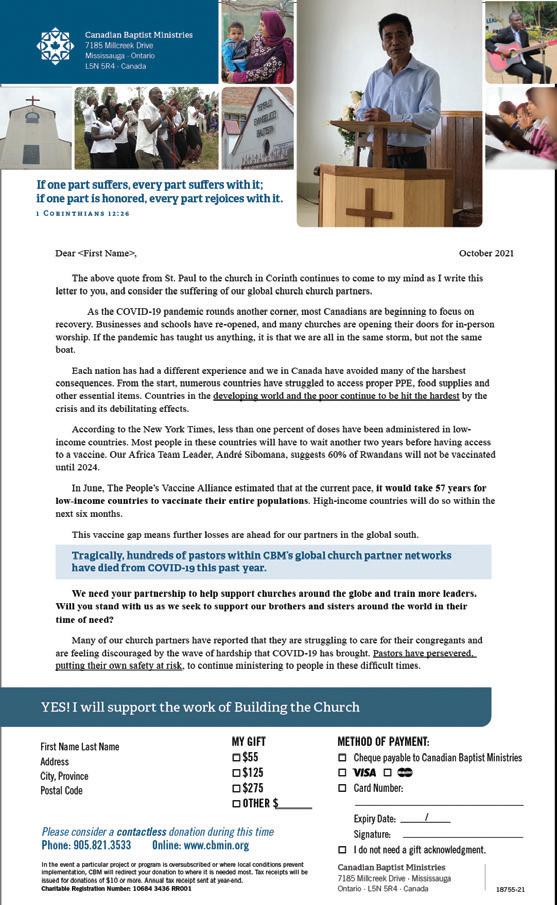
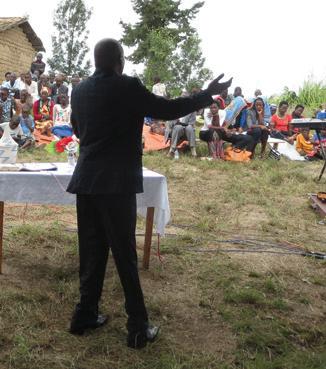
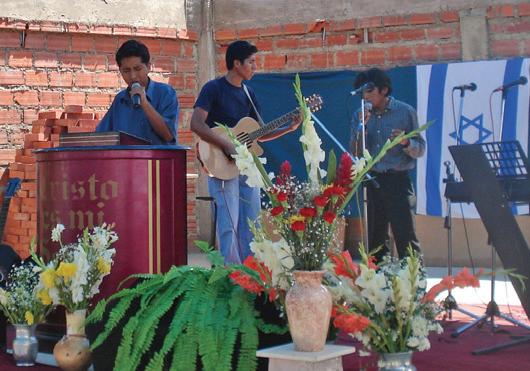
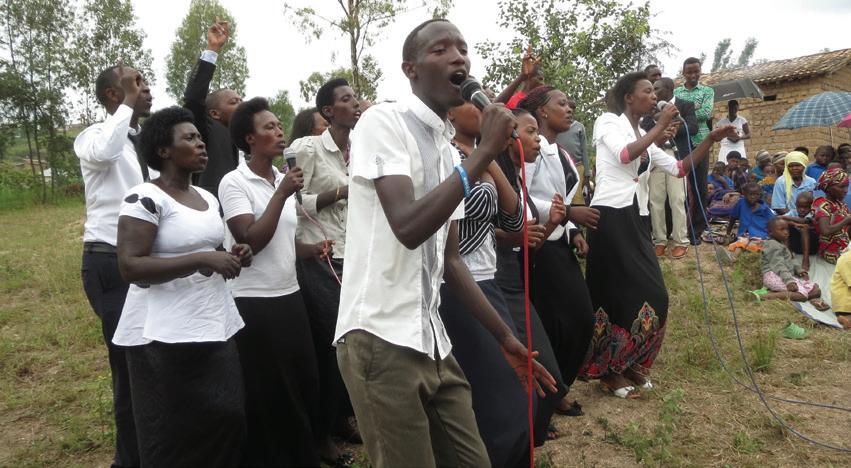
We have seen time and time again how the work of local church leaders can unite communities, promote discipleship and encourage congregations to show the love of God to their neighbours in times of need. CBM is responding to the call to strengthen and build up the body of Christ. Please read the enclosed letter as we invite you to be involved in this work. Join us as we stand alongside our staff in such a time as this.
cbmin.or/fall-appeal-2021
Not on the mailing list? Contact communications@cbmin.org to get on it today.
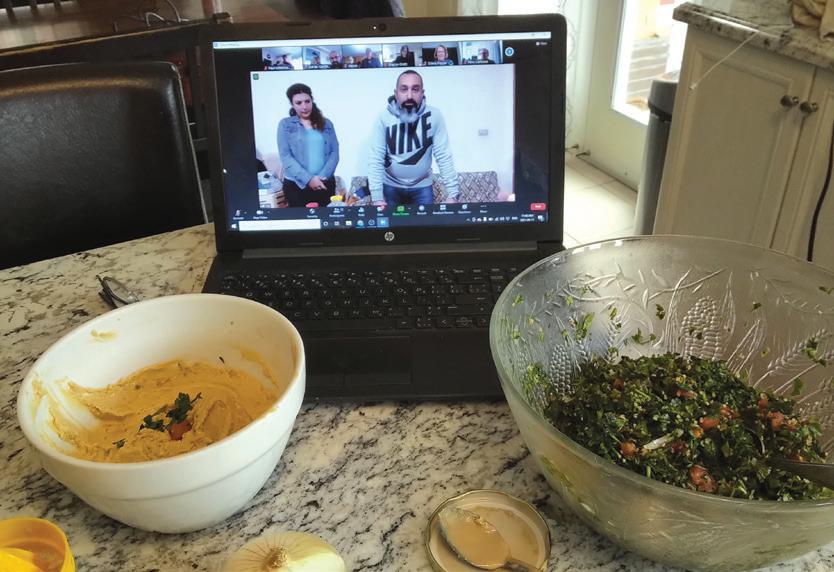
Joe and Alexi Bridi chop parsley and mince garlic in their kitchen at home in Lebanon. It looks like any other day preparing food for their family, except for two computers on their kitchen table – one computer camera facing Joe and Alexi and a second pointing toward their kitchen counter.
Joe reaches for the computer to unmute his microphone as he welcomes the faces that begin to appear on their Zoom screen. It’s not a usual dinner party by any means – I would argue in many ways it’s better. COVID-19 restrictions have paused most social gatherings, including dinner parties and church potlucks; however, it has not restricted the creative ways we can fellowship together.
“Welcome to my home, Paul!” says Joe, as more faces appear on the screen.
Paul Mittelstaedt, a pastor at King’s Community Church in Oakville, proceeds to introduce Joe and Alexi to each person from the church that has gathered ingredients and set aside the next hour for making dinner together.
We call this new experience SENT Online. Each year CBM sends over 200 people cross-culturally to visit, encourage, and serve with our partners globally. We’ve not been able to do that physically since March 2020. However, the desire to be with our partners has not decreased. Throughout the pandemic, CBM’s partners and Field Staff have been able to provide consistent updates on the specific situation in each country and report on the work being done. Our churches have been grateful for updates and have responded through financial support, prayer, and encouragement, but there has been a longing for closer connection to our work through such a difficult time.
One of the highlights of our SENT trips is the opportunity to share a meal. The rich hospitality of our partners paired with local cuisine always make meals together memorable. Through SENT Online, we decided to get creative and gather around the table to share a meal without leaving our homes. Over Zoom, Joe and Alexi have been sharing their favourite hummus and tabouleh recipes with various groups. A list of ingredients is provided for participants to purchase and prep, a time is set and a Zoom meeting link is sent.
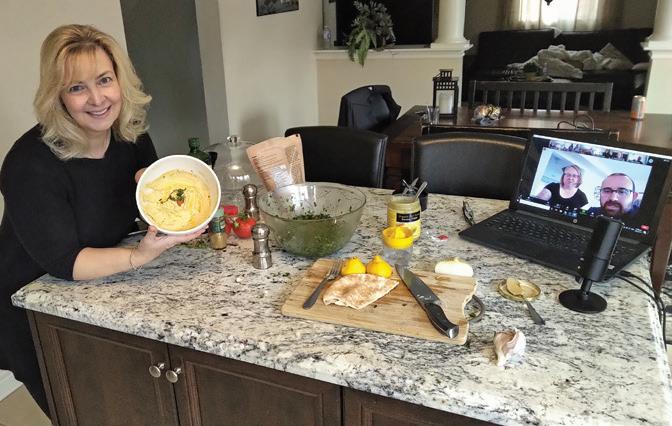
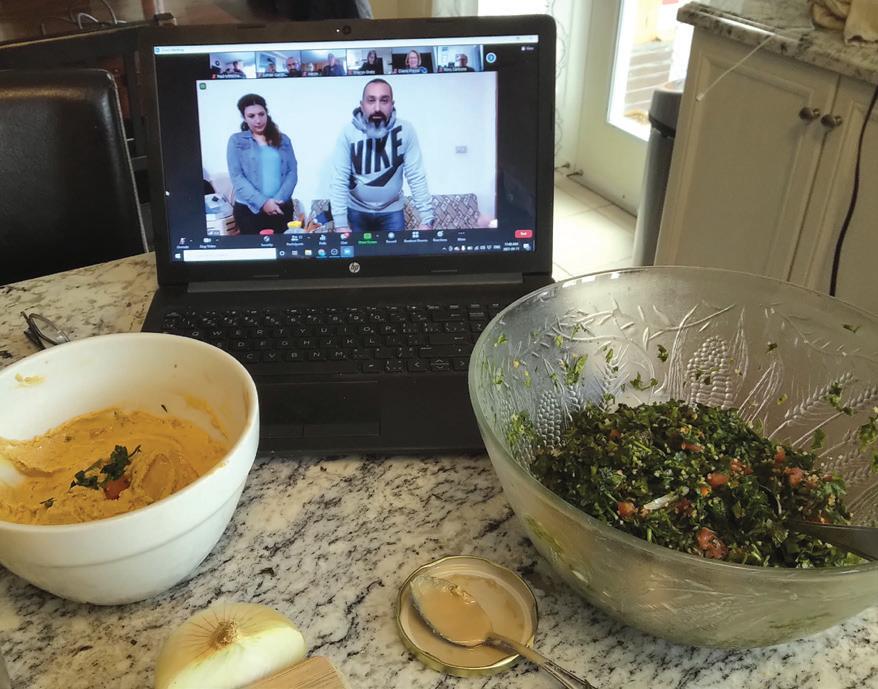
At each dinner party, the Birdi’s lead groups with step-by-step instructions on making hummus and tabouleh together, but they also share stories about their life in Lebanon. Joe talks about his work with local churches. He tells stories of the clean-up and rebuilding efforts after the Beirut explosion and how the Church is present in the rubble. God is near as guests break bread and learn about life and work in Lebanon.
Upon reflecting on this experience, Paul says, “The most refreshing thing (besides the tasty food we made) about this online experience was the level of engagement from our group in asking questions about what was taking place in Lebanon. One question that struck me was from a family with two young children – they asked, ‘Tell us a little bit about what being a family has been like for you during this time, managing time, working at home, online school, etc.’ Joe and Alexi responded by giving us an honest picture of the challenges they faced at home. It was one of those moments where I felt that yes, life is different at so many levels between Beirut and Canada, but those spaces where we live and experience family are not that different, and we can identify with one another in more ways than we might realize.”
Are you interested in joining the Birdis for a taste of Lebanon?
SENT Online is the perfect opportunity for your church, small group or family to see what life is like in the Middle East. While learning how to make some delicious food, you will also have the chance to hear what life is like for some of CBM’s Field Staff.
To learn more about this exciting opportunity for online fellowship, contact Louise Hannem at lhannem@cbmin.org.
Thank you for your continued partnership as we share the hope of Christ through word and deed.
Carla Nelson · Senior Associate – Africa Liaison & Educational Specialist
“This is the fruit of our work under God’s guidance.”
This statement concluded the email Rev. Gato Munyamasoko, CBM’s Peace and Reconciliation Specialist, sent to me a few weeks ago. The email described the efforts made alongside CBM’s partners in the Democratic Republic of the Congo (DRC), the CBCA (Communauté Baptiste au Centre de l’Afrique), and the CEBCE (Communauté des Eglises Baptistes au Congo Est), together with our colleague Polisi Kivava Baudouin, CBM’s Relief and Development Specialist.
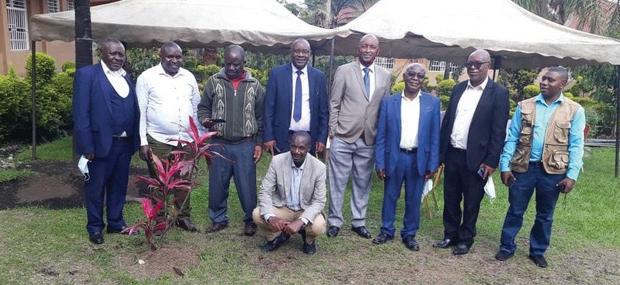
In response to recent violent events in their communities, both church organizations separately approached Polisi, CBM’s Relief and Development Specialist, with requests for assistance to help address the conflict in the area. Polisi wisely ascertained that the place to begin was with each other. He contacted Gato and met with the leaders of both denominations together.
Perhaps a bit of history is in order
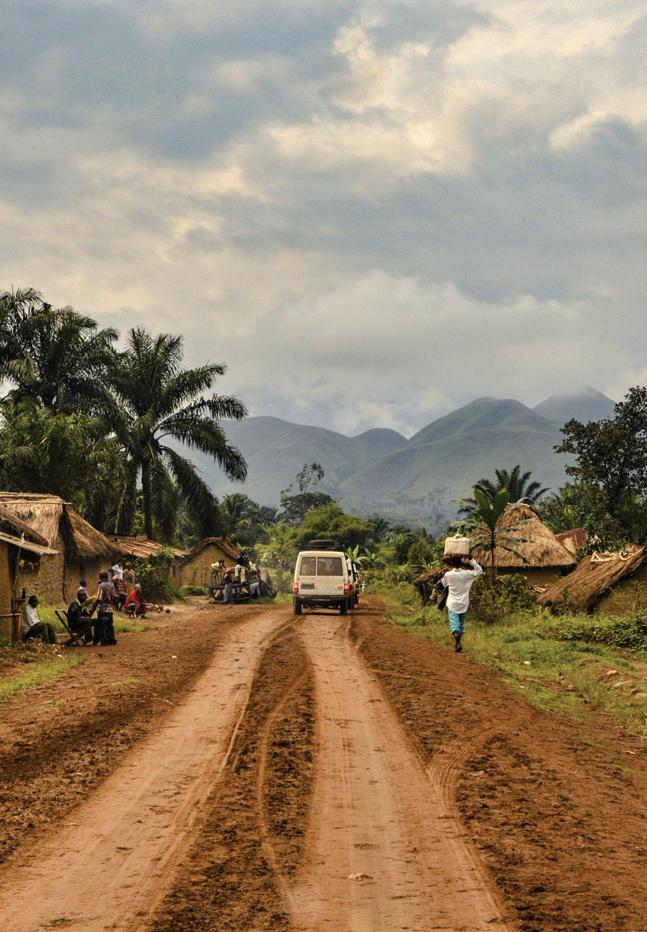
Tribal conflict has existed in the DRC for many years. It started back in 1885 when the Berlin Conference drew borders creating countries to divide resources among the Western Countries at the expense of the African people. These boundaries put some Rwandese in what is now the DRC. These Rwandese became Congolese.
Colonialism under Germany and then Belgium fueled the tribal divides. Colonialists brought additional Rwandese to settle in the DRC in the 1930s to cultivate their coffee and tea plantations.
For these reasons, people of Rwandan heritage settled in the Kivu area alongside native Congolese, who are mainly of the Nande tribe. Most of the church members of the CEBCE have Rwandese heritage, while most of the members of the CBCA are mainly of the Nande people. These denominations have emerged as separate organizations partly because of the history I have described of two heritages coming to live in the same area and partly because of some misunderstanding with missionaries in the late 1950s over education issues and native Africans’ participation in church management.
Tensions significantly worsened in Kivu after 1994 because several thousand Rwandese, including many members of the military and militia who had participated in the genocide, fled there to escape the new Rwandan authorities. These militias exerted their power over the refugees to keep them as a tool to attack the country. Therefore, there was much fighting – insurgents trying to control the refugees and new Rwandan leaders trying to free the refugees from them. The victims of this first war were mainly refugees. Many Rwandese refugees returned to Rwanda though some stayed. Some members of the military and militia of the former government during the genocide stayed as well, becoming rebels who continue to fuel the conflict and violence.
A second war involving at least nine African countries ensued over trade in ‘conflict minerals’ – tin, tantalum, and tungsten, all found in electronic devices. This war formally ended in 2003 and resulted in over 5.4 million deaths. However, years of war and conflict have continued in the North and South Kivu provinces resulting in areas controlled by various militia groups, using sexual violence and forced labour in their pursuit of illicit mining of the conflict minerals (one estimate suggests there are approximately 70 of them). Another tactic of the militia groups is to fuel suspicion and blame between tribal peoples. Destabilizing communities in this way continues to give the militia groups the upper hand.
I am very aware of the danger of oversimplifying a very complex and confusing situation. Ethnic tension, colonialist interests, political factors (especially concerning multiple citizenships accepted in some countries and rejected in others), and economic interests of multinational companies are all at play. But this very reality is what makes Polisi’s and Gato’s work so remarkable.
The churches called them together
Polisi and Gato responded to the two separate requests from the two church denominations to help address the conflict in the area by bringing them together. To address the ethnic conflict in the region of North Kivu, we needed to begin with their relationships. Polisi and Gato facilitated conversations amongst the church leaders of the CBCA and the CEBCE on several occasions, resulting in a formal declaration.
We, leaders of the two above-mentioned ecclesiastical communities, declared on May 18, 2021, that our churches shall do the following joint actions:
• To collaborate and work together for peace promotion actions and peaceful coexistence
• To work on priorities related to peace restoration and peaceful coexistence
• To carry out emergency actions for people affected by violence
• To carry out awareness-raising activities on peace through evangelical approaches
• To pool resources for actions related to conflict prevention
• To establish a think tank to reflect on peacebuilding
• And, to use our two logos for visibility on peace messages
We pray and trust that this formal and public declaration will help the members from both church denominations know the goodwill of their church leaders and encourage each member to continue to work towards peace and reconciliation in their own homes and communities.
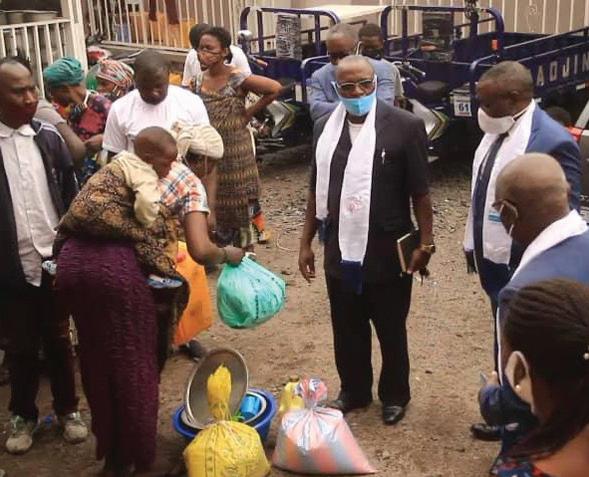
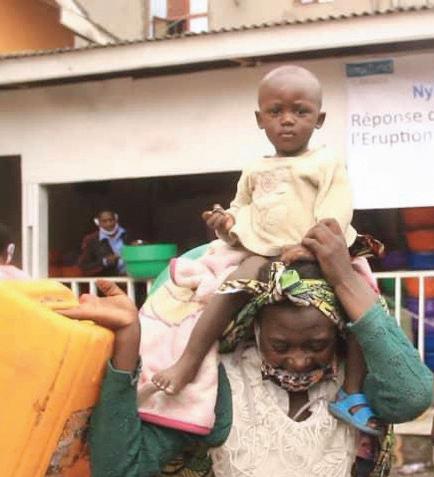
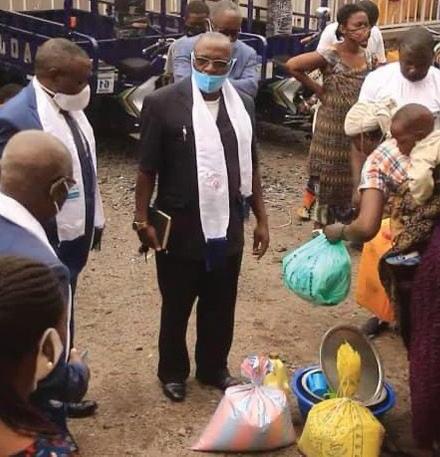
[Left] Rev. Kasokero, Vice-president of the CEBCE and Polisi Kivava, at the food relief distribution in Buhene. [Right] A woman carrying her baby and the food assistance she just received.
God does work through his people, people like Polisi Kivava and Gato Munyamasoko and the leaders of our partner churches in the DRC. Together with you, we are aiming to further the presence and influence of God’s peaceful kingdom. Thank you for your continued support.
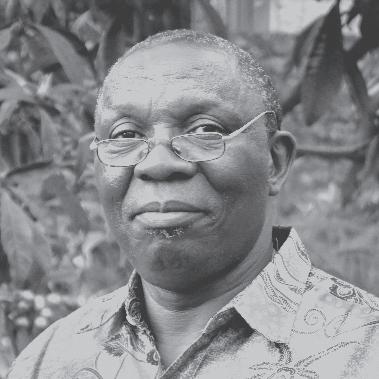
Polisi Kivava, Relief and Development Specialist
In 2019, Polisi began serving with CBM as the Relief and Development Specialist for Africa. This role contributes to CBM’s work in integral mission through relief and community development, and programming alongside partners in the region. He provides oversight and support for projects, including the CBM and the Canadian Foodgrains Bank food assistance projects. He also supports the CBM team and partners in hosting visiting Canadians.
cbmin.org/polisi-kivava
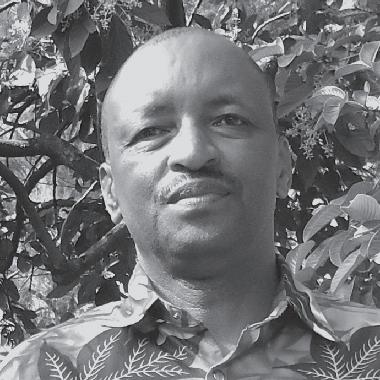
Gato Munyamasoko, Peace and Reconciliation Specialist
Gato joined CBM in 2018 as a Peace and Reconciliation Specialist in Africa, having worked for CBM from 2007 to 2013. Gato supports CBM’s partners in peacebuilding in the region and has developed a Peace & Reconciliation curriculum that is the basis for his work.
cbmin.org/gato-munyamasoko
Support God’s Work Around the World Through Prayer
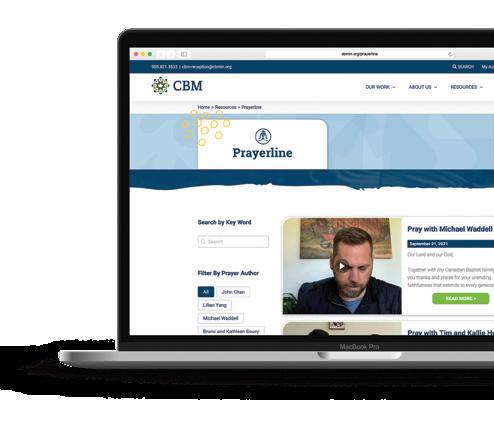
At CBM, we believe prayer is vital to our work. Prayerline is a free, weekly prayer resource in print and video, which you can use to guide your prayer individually or together as a church.
Join us as a different CBM Field Staff member leads us in prayer every week.
PRAY WITH CBM’S FIELD STAFF
October 12: Darrell and Laura Lee Bustin · Global Field Staff, Rwanda
October 19: Xiaodan Fröhlich · National Field Staff, Germany
October 26: Byron Velásquez · Central America Integral Mission and Global Discipleship Coordinator, Guatemala
November 2: Lilian Yang · National Field Staff, Thailand
November 9: Suraj Komaravalli · Team Leader, India
November 16: Carla Nelson · Africa Liaison and Educational Specialist
November 23: Bruno and Kathleen Soucy · Team Leaders, Latin America
November 30: Yuanchuan Ye and Ming Gao · National Field Staff, Germany
December 7: André Sibomana · Team Leader, Africa
December 14: CP Raju · Senior Program Coordinator, India
December 21: Joseph Lee · National Field Staff, Thailand
December 28: Bill and Janice Dyck · Global Field Staff, Bolivia
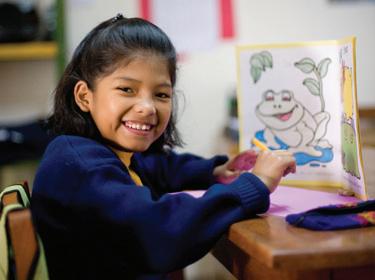
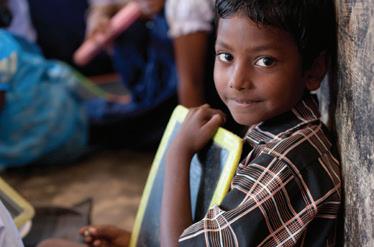
October 11: International Day of the Girl Child
Pray for the unique needs and challenges of girls. Pray against discrimination and oppression and for empowerment and equality and the fulfillment of their human rights.
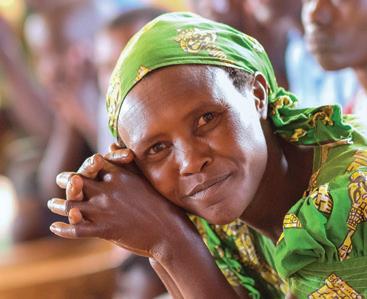
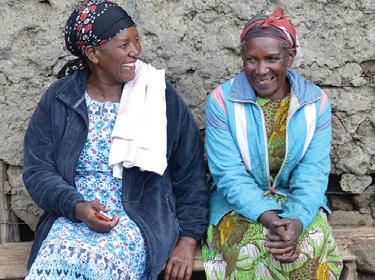
October 15: International Day of Rural Women
Pray for equality in gender norms and for the fulfillment of rural women’s rights and basic needs. Pray for CBM programs that help equip rural women and break down barriers brought on by cultural and societal gender discrimination.
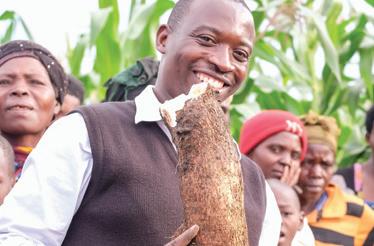
October 16: World Food Day
Pray for awareness and action around food insecurity and world hunger and for CBM food security initiatives in partnership with the Canadian Foodgrains Bank.
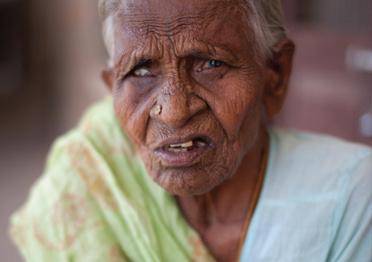
October 17: International Day for the Eradication of Poverty
Pray for persons living in poverty, that doors to better opportunities may open so that they can live a safe and secure life. Pray for CBM’s programs and projects that help reduce poverty.
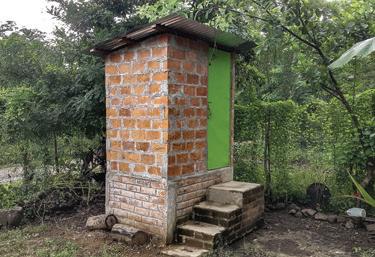
November 19: World Toilet Day
Pray for CBM’s Latrines for Life program in El Salvador, which provides safe sanitation so that those in the community can have a dignified, safe and clean way to answer the call of nature.
November 20: World Children’s Day
Pray for the protection and fulfillment of children’s rights across the globe, especially those who are most vulnerable and in the margins. Pray for CBM programs that serve kids at risk.
December 10: Human Rights Day
Pray for the protection of human rights for all peoples –especially those who are more vulnerable – people of colour, marginalized women and children, and persons with disabilities and special needs.
Have you ever received a gift that was “just right”? A gift so fitting that you felt known, cared for, and your spirit was lifted? You know that giving a gift like that can take time and effort, and when you receive a gift like that it can make a real difference.
At CBM, we want to help church communities across Canada offer a gift of hope through our local church partners around the world. A gift that can make a real difference.
As we have all struggled through this global pandemic, we have been reminded of how much this world needs the hope that is found in Jesus. We’ve also seen the importance of caring for one another. You may have wondered what you and your church can do or how you can respond during this time of increased isolation and deep need. Around the world, our local church partners have identified what needs are present in their areas and what projects can be accomplished to bring lasting change. The Hopeful Gifts Church Campaign will help your church choose a project and give a gift that is “just right” – exactly what is needed most.
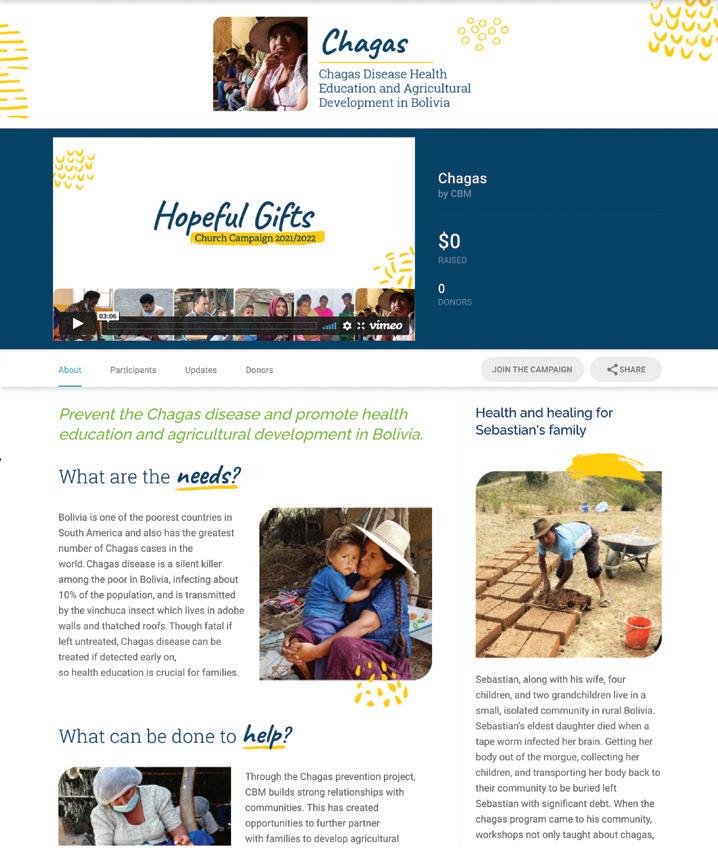
Through our Hopeful Gifts Church Campaign, your whole congregation can come together in mission both online and in-person. Join with churches across Canada to make a significant impact in the lives of the most vulnerable around the world, and witness to your local community concerning what it looks like to love like Jesus.
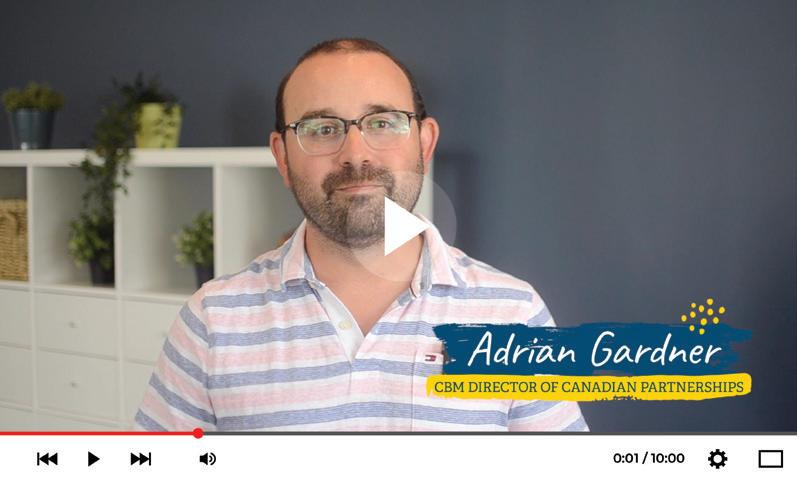
To help engage your church in this campaign, CBM is providing:
• A church web page that will help explain your project and collect donations. We will build this for you, with the option to customize it as you wish. CBM will look after all the logistics and details for you, including donation processing, tracking, and charitable receipts. The website even makes it easy for individuals in your church to promote your project on their own, with a peer-to-peer option.
• Two videos that you can use during online or in-person services. One of these will be an overview of your project and the other will tell a story of its personal impact.
• Printable bulletin inserts focused on your project.
• Related advent readings.
All of these resources will be available to download by November 1st to make it as easy as possible for your church to plan to be involved.
To learn more, contact your regional representative. Together, we can give a gift of hope this Christmas.
If your church has an idea for a fundraiser and wants support using this new platform, your Regional Representative is here to answer your questions.
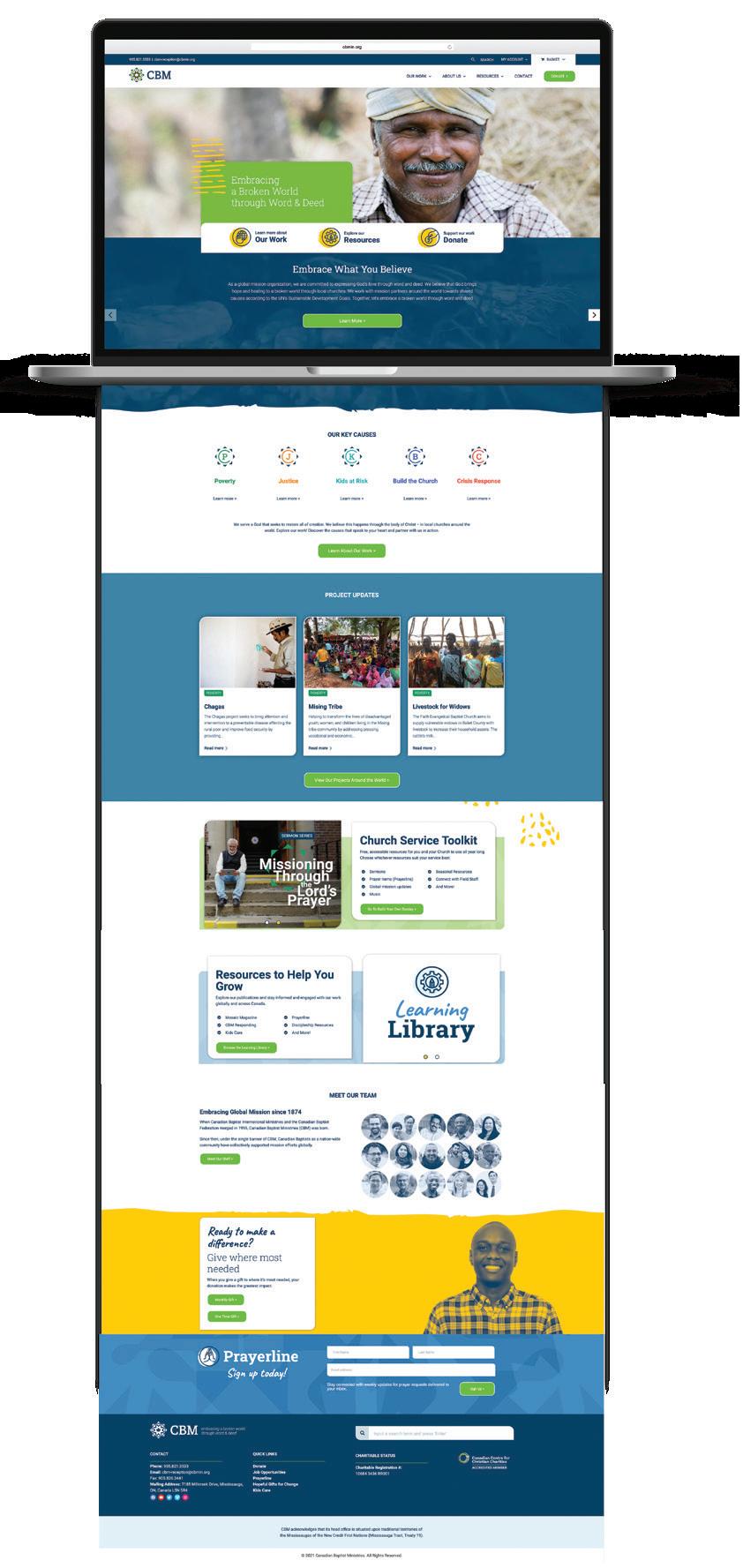
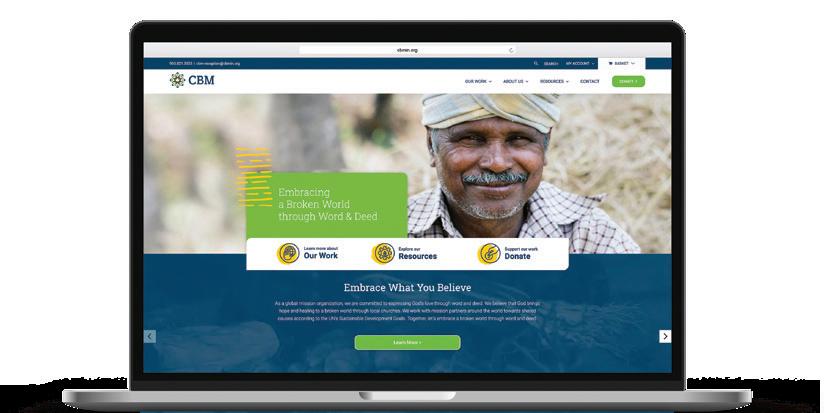
We are happy to announce that CBM has a new website! Since the start of the year, our team has been working hard to design and build the new cbmin.org. It is our hope and prayer that this new website will give you a clearer and deeper understanding of the work we are accomplishing together.
On our home page, we prominently feature our key causes. Through these five areas – Poverty, Justice, Kids at Risk, Build the Church and Crisis Response – we are joining with God in his mission to restore all of creation. Click each of these causes to learn more about how we are responding – through word and deed –around the world.
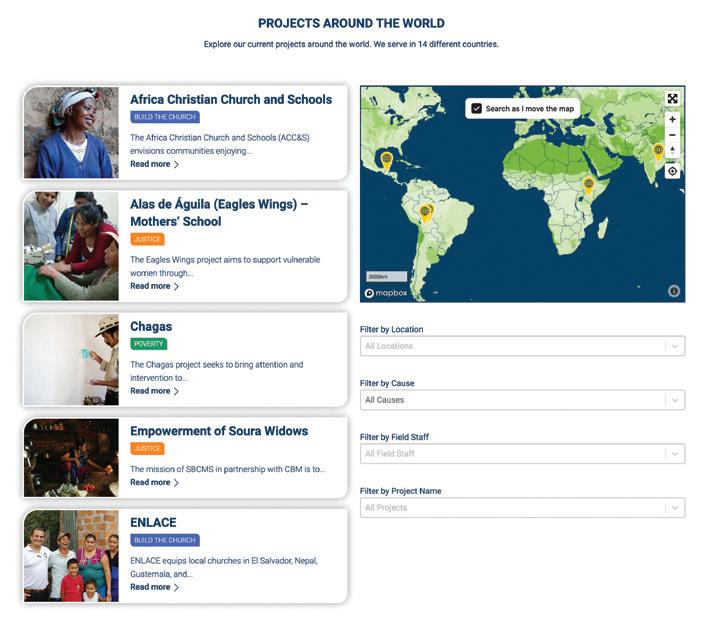
As you scroll, you’ll find a section featuring our projects. By following this link, you will have the ability to search all our projects on an interactive map. You can filter your search by location, cause, Field Staff or by project name.
The ‘Where We Work’ tab features detailed project pages for our partner countries. Learn more about the country of your interest with statistics, project details and frequently asked questions. You can also give a one-time or monthly gift to a country or a specific project within the country.
Learn more about us! Under this tab, you can read more about our mission, vision and values. You can also meet our team of international and Canadian staff. Each of our Field Staff have their own profile page where you can read more about their work and watch a video to get to know them. You also have the opportunity to support them through a donation.
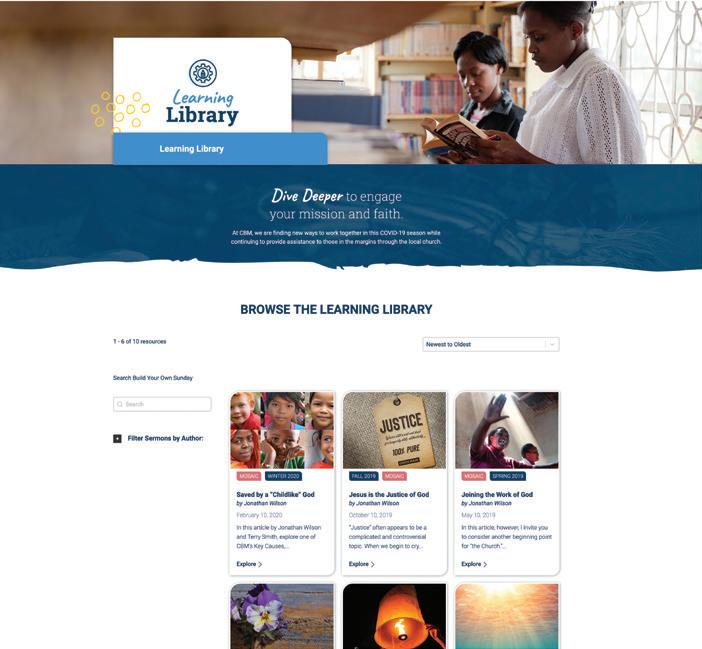
Also available is a growing library of resources for you and your church to engage in mission and faith. These free and accessible resources can be used all year long and are regularly updated. Our Mosaic Magazine has a new and improved home on our website. Here you’ll find thoughtful and engaging articles tackling a variety of topics Christians are facing today. Our array of authors will guide you to dive deeper in faith and mission in a complex and broken world.
In the Build Your Own Sunday section, resources are divided by categories such as sermons, prayers and global updates. You can also search by speaker. At CBM, we are always finding new ways to support and provide assistance to those in the margins through the local church. Do you have a topic that you or your church is passionate about supporting? Let’s talk about building a Sunday that engages your church in faith and mission. Contact us at communications@cbmin.org to learn more about these resources.
Visit the all new cbmin.org to learn more about our work, explore our resources and support our work by donating. Join us as we continue to embrace a broken world through word and deed.
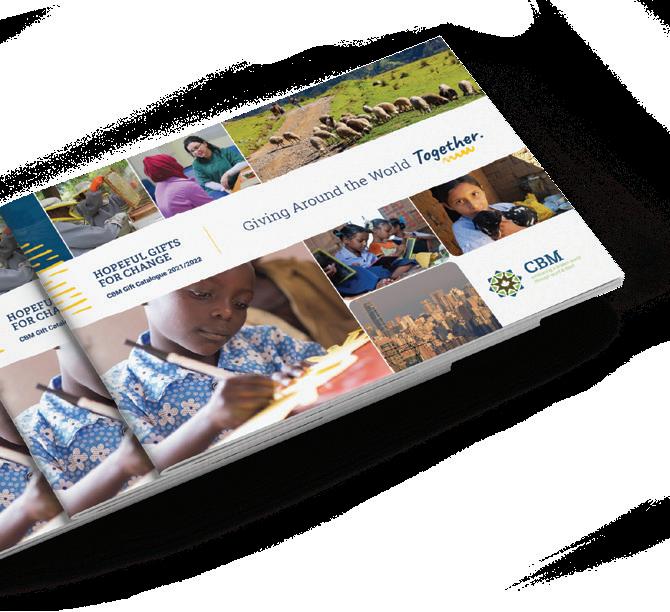
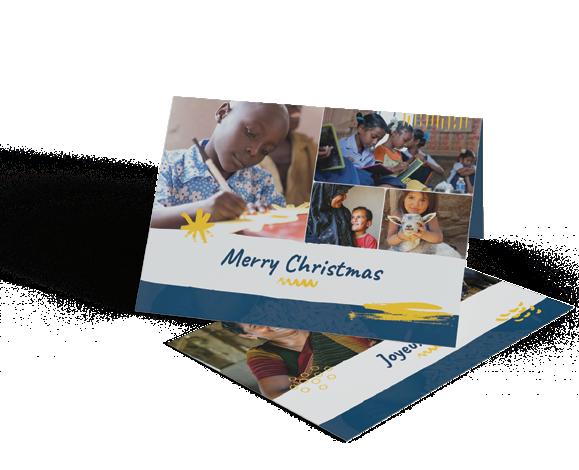
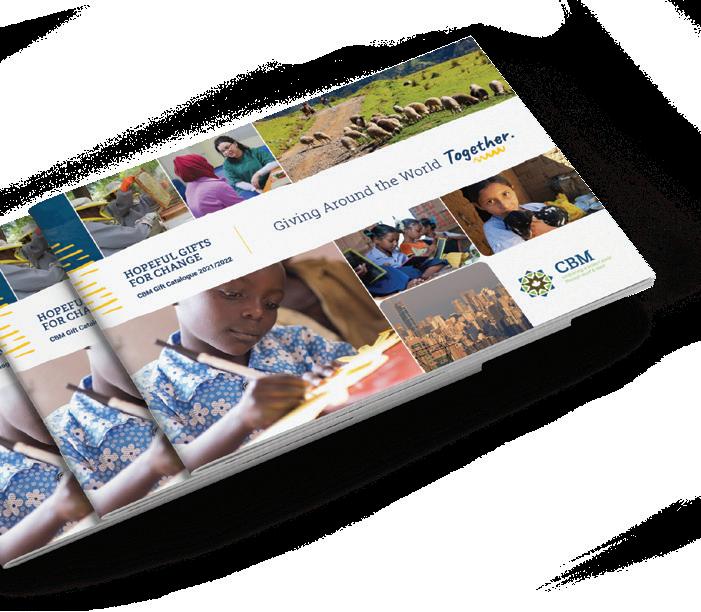
Looking to make a lasting impact this Christmas season?
We invite you to explore our gift catalogue, Hopeful Gifts for Change. From education to justice to poverty reduction to building the church, you’ll find a gift that ignites your passion. You’ll also find the ideal gift for justice-loving coffee drinkers, and the perfect thank you for the teachers in your life. Do you want to teach your children about generosity and good development work? We have the perfect tool for you!
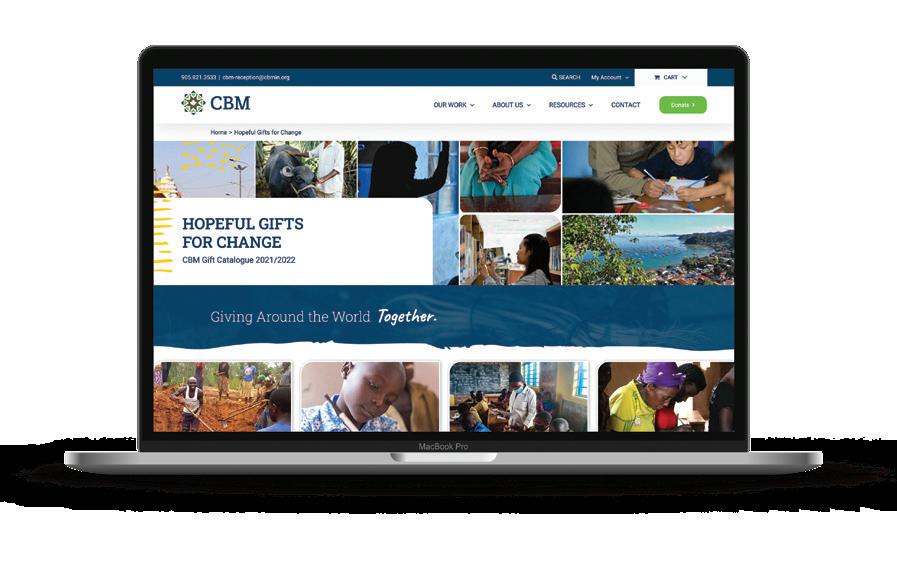
As we work to mitigate the devastating effects of COVID-19, we invite you to find the people, places and causes that resonate with you. We thank you for your faithful generosity as you answer God’s mission call.

facebook.com/cbmin.org
@canadianbaptist @canadianbaptistministries vimeo.com/cbminorg youtube.com/canadianbaptistministries
cbmin.org