

Blake Barthelmess EDITOR
Magali Valdez PHOTOGRAPHER
Jill Baker
GRAPHIC DESIGNER
Ivone Valdez COPYWRITER
(left to right)
Yesenia Carriero Bustos, PSR
Andres Flores, PSR
Sophie Martinez, PSR
As this year drew to a close, I found myself reflecting with deep gratitude on what we had accomplished together.
Across our clinics, pharmacies, outreach, and support teams, you showed up, day after day, with skill, compassion, and an unwavering commitment to the people we serve. In moments of pressure and change, you chose care. In moments of fatigue, you chose purpose. And in doing so, you made a tangible difference in the lives of our patients, their families, and the communities that trust us.
This year asked much of us. We grew. We adapted. We strengthened our systems and expanded our reach. But what matters most to me is not simply what we built - it’s how we built it. With teamwork. With integrity. With a shared belief that access to quality, compassionate healthcare is not a privilege, but a promise. Together we built and opened a new clinic, launched an AI platform to reduce administrative burden, further evolved our school screenings program, and navigated the changing landscape caused by shifting policy … and we continued to serve our communities with compassion.
CBHA’s mission lives through you; through the clinician who takes an extra moment to listen, the pharmacist who ensures continuity of care, the front-desk staff who greet every patient with dignity, the operations and administrative teams who quietly keep everything moving, and the leaders who hold space for both excellence and humanity. Every role matters. Every contribution counts.
Thank you for your resilience, your professionalism, and your heart. Thank you for choosing to serve, even when the work is hard. I am profoundly proud to walk alongside you and honored to lead an organization so deeply rooted in service.
As we look toward the year ahead, may we carry forward the lessons, the momentum, and the shared sense of purpose that brought us here. Together, we will continue to build something meaningful, something lasting - for the communities we are privileged to serve.
With sincere appreciation and respect,

Nieves Gomez, CBHA President and CEO
Our West Pasco Clinic has been having a successful couple of months. We’re excited to share how things have been going at our new West Pasco Clinic since we opened our doors. In this short time, we’ve been focused on making your visits smooth, convenient, and comfortable, while providing a full range of medical, dental, and behavioral health services all in one place.
The West Pasco clinic officially opened on November 17th, welcoming many patients and seeing a strong demand for care. In those first three weeks, we provided nearly 1,400 visits across all our service lines: medical, dental, and behavioral health. These early numbers tell us something important: our community needs accessible, coordinated primary care, and we’re here to provide it.
We have officially started on Phase Two. When we first opened our doors, we started with just one suite of medical exam rooms and half of our dental operatories. Phase Two includes opening our second of three medical suites to include a walk-in clinic,
new providers, including pediatrics, and additional behavioral health services. This means more availability to schedule your appointment and more providers to care for you. In our dental clinic upstairs, we have also brought in additional dentists and hygienists, while opening up the second half of the operatories.
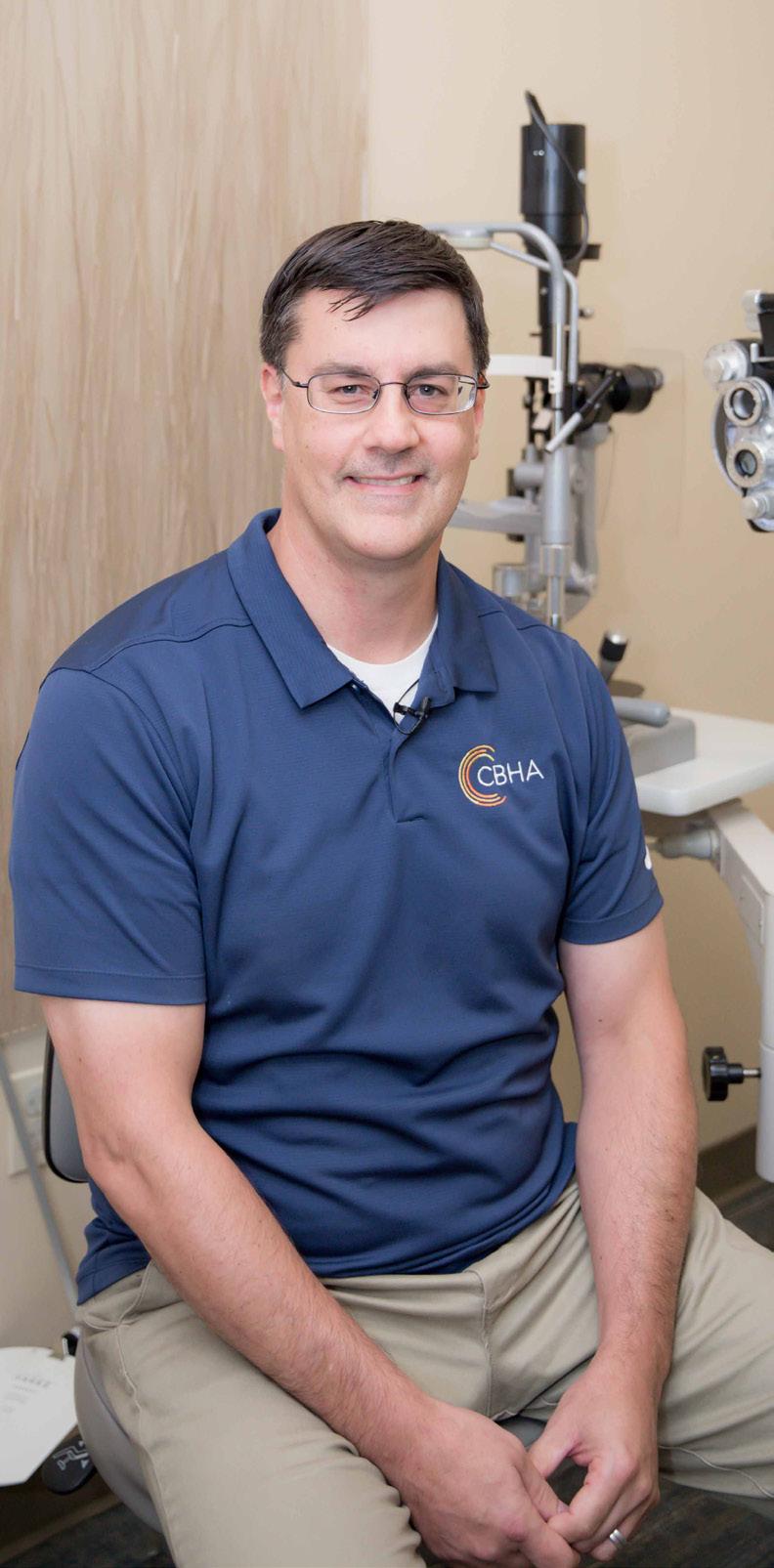
The most exciting part of Phase Two is the opening of our Eye Care Clinic! You can now schedule an appointment with our Optometrist for you and your family and grab a new pair of glasses or contacts. These additions will make your care more accessible, convenient, and supportive of your overall health and wellness.
YOUR FEEDBACK
From the moment you arrive, our goal is to make your visit simple and stress-free. Patients have already expressed appreciation for having everything in one location. “I felt that from the front desk to the provider to the pharmacy was great.”


Patients have also expressed how smooth and confident their appointments feel. "It was quick and very easy when I got to the appointment. The whole staff was great." We’re listening to your feedback, and we’re committed to continuing to make your experience welcoming and seamless.
We see ourselves as more than just a clinic; we want to be your healthcare home. That means caring for you and your family in a way that’s easy to navigate, with providers and staff who are ready to guide you every step of the way.
“We’re ready to serve you with compassion, expertise, and a genuine love for what we do. We work together as a team,

coordinating your care so you’re treated as a whole person, not a set of separate needs,” says, Maria Castillo, ARNP. Whether it’s your first visit or you’ve been a patient with us for years, we want you to feel confident that you have a team here who knows you, listens to you, and works with you to support your health.
Even in the short amount of time that we have been serving this community, it’s clear that opening this clinic was about serving you, our neighbors, in the best way possible. If you haven’t made your first appointment with us, give us a call at 509.488.5256 or schedule online at CBHA.org. We look forward to welcoming you, supporting your care, and continuing to grow as your new healthcare home here in West Pasco.
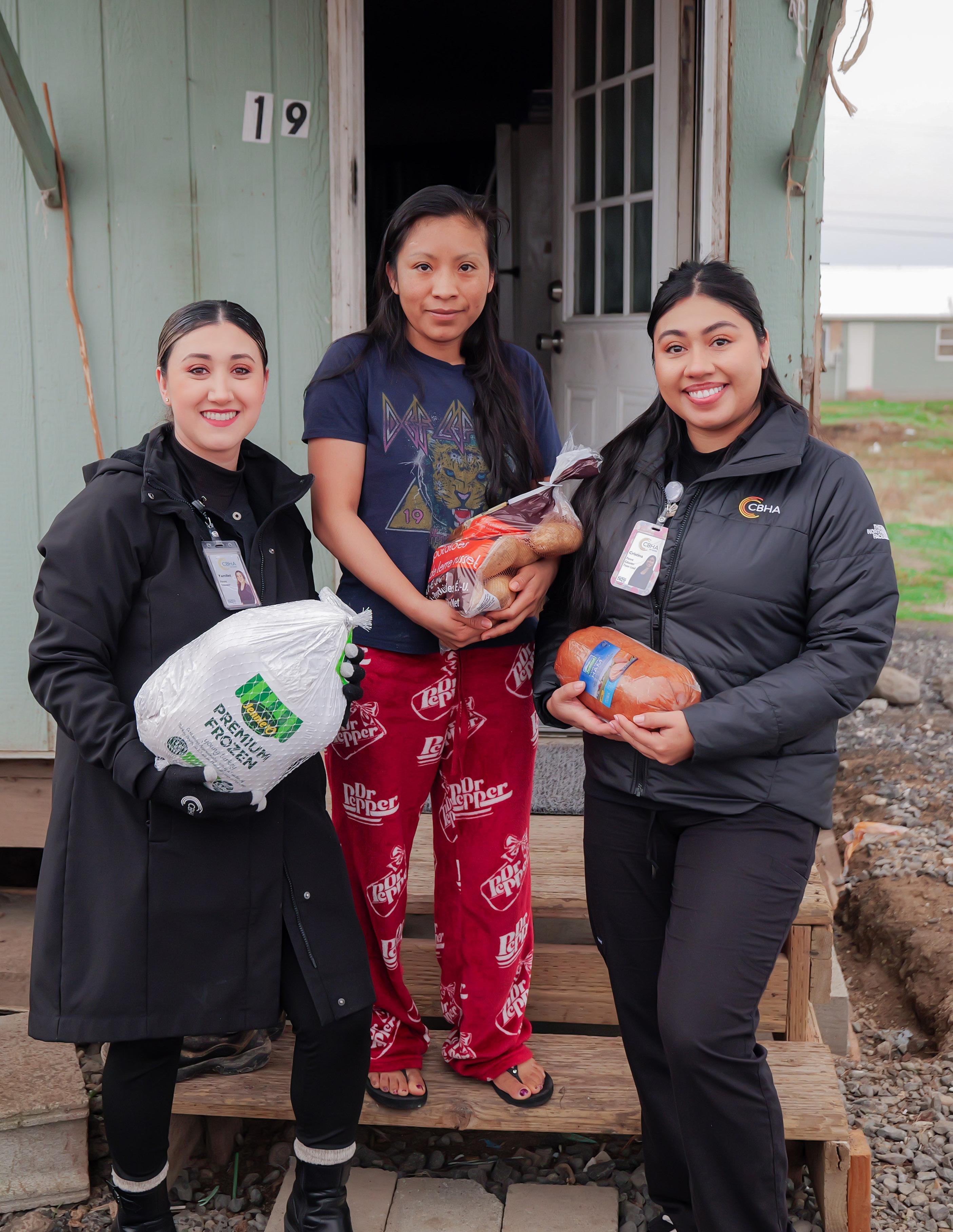


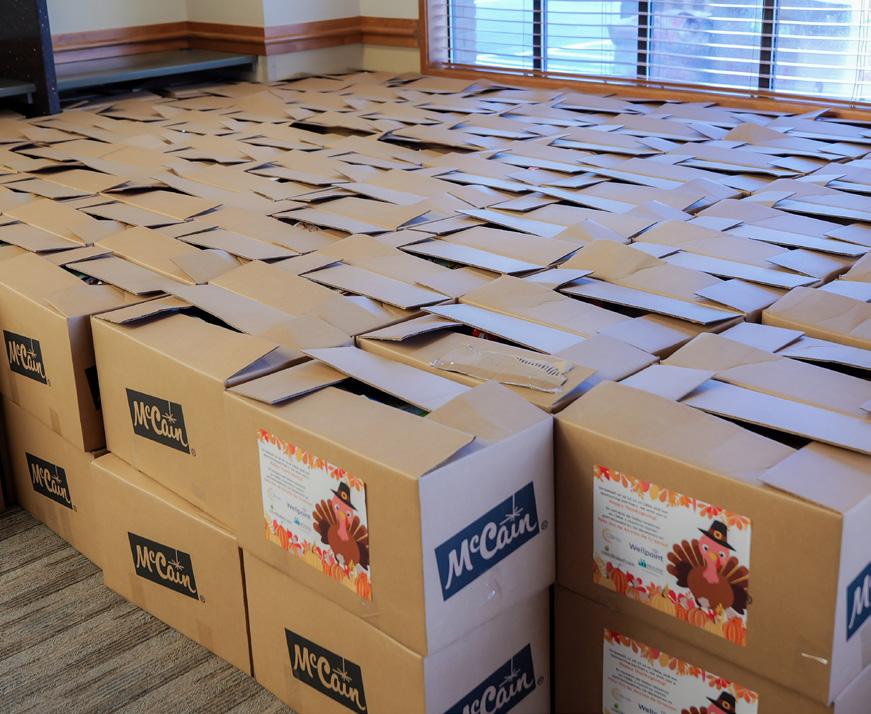
We are grateful to continue a tradition that reminds us of the importance of showing up for one another. With the support of our partners at WellPoint, Molina, and Coordinated Care, we delivered the largest number of Thanksgiving Food Boxes we have ever prepared to families in our communities of Othello, Connell and Mattawa.
Each box held more than a Turkey, mashed potatoes, and gravy; it held care, hope, and the reminder that no one should feel alone during the holidays.
This year, we called this tradition The Gratitude Prescription. We truly believe that food is medicine. Food has the power to nourish the body, support healing, and bring comfort in ways that go beyond nutrition. A healthy meal can strengthen the immune system, fuel energy, and reduce stress, but it can also bring families together around the table. In times of uncertainty or hardship, a

shared meal can give families a moment of peace. It can remind them that their community cares and that hope is still present.
The concept of Food as Medicine continues to gain importance nationwide. More people are recognizing that good health begins long before a doctor’s visit. It begins with access to real, wholesome foods that support long-term wellness. Prioritizing nutritious meals has been shown to improve health outcomes and ease the burden of chronic illness for many families, according to the Office of Disease Prevention and Health Promotion (ODPHP). When people have access to healthy food, they are better able to care for themselves and their loved ones.
As we move forward into the rest of the season, we hope this tradition inspires others to spread kindness in their own way. From our CBHA family to yours, we hope your Thanksgiving was filled with connection, comfort, and gratitude.

As daylight hours continue to shorten, colder days are settling in across the Pacific Northwest.
While winter brings some of the coldest temperatures of the year, it also offers moments of beauty and time to enjoy with family and friends. A little preparation can go a long way in keeping everyone safe and comfortable.
Here are a few simple ways to get ready for the coldest days of the season!
Bitter cold wind and snow can cause frostbite. Dress your child (and yourself!) in several layers for greatest warmth. Dress babies and small children in one more layer than you might wear.
Wearing a hat helps you stay warm by trapping the heat from your head. Children are especially prone to frostbite in colder temperatures because their bodies are smaller, so make sure they have hats that fit for playing outside and going to school.
It’s not safe to play or sled in the street. Make sure children know to stay out of the street, and to come inside when they are wet or cold. Children should wear helmets when tubing, sledding, skiing or playing ice hockey.
PREPARE YOUR CAR FOR AN EMERGENCY
Keeping a blanket, a few bottles of water, and a few days’ worth of nonperishable food in your car or trunk is wise, just in case you end up stranded.
If the tread on your tires is too shallow, it’s time for new tires. Here’s an easy way to measure:
The Quarter Test. Insert a quarter into the groove of your tire upside down, so that the top of Washington’s head is immersed in the tread groove. If some of his head is covered by the groove, you have enough tread. If none of Washington’s head is covered, then you need new tires.
The flu season peaks from December through February but can last as late as May! So, if you haven’t received your flu shot yet, it’s not too late for it to help you. It’s also a good time to check up on your other immunizations, too.
WASH YOUR HANDS
Frequent hand-washing helps prevent the spread of germs that cause cold and other viruses.
TAKE CARE OF YOURSELF
Winter can be a time of more illness and seasonal depression, so if you or someone you care about just isn’t feeling well, has low energy or mood, a cough that won’t go away, or any other unusual symptoms, be sure to see your provider.

Cold and flu season is here, and from December through March, it can feel like everyone is getting sick. Colder weather means we spend more time indoors, germs spread more easily, and common illnesses like colds, flu, RSV, and other respiratory infections become more common. While many symptoms start mild, knowing how to care for yourself early, and when it’s time to visit the clinic, can help you recover faster and protect those around you.
Getting sick can look different for everyone. Some people feel tired and congested, while others may develop a cough, sore throat, fever, or body aches. No matter how symptoms begin, taking care of yourself early is key.
Here are simple, effective things you can do at home when you’re feeling under the weather:
Stay Hydrated
Drinking plenty of water helps your body fight infection, keeps mucus thin, and prevents dehydration, especially if you have a fever.
Get Plenty Of Rest
Your immune system does most of its healing work when you’re resting, so give your body time to recover.
Wash Your Hands Often
Frequent handwashing is one of the best ways to prevent spreading germs to family members, coworkers, and classmates.
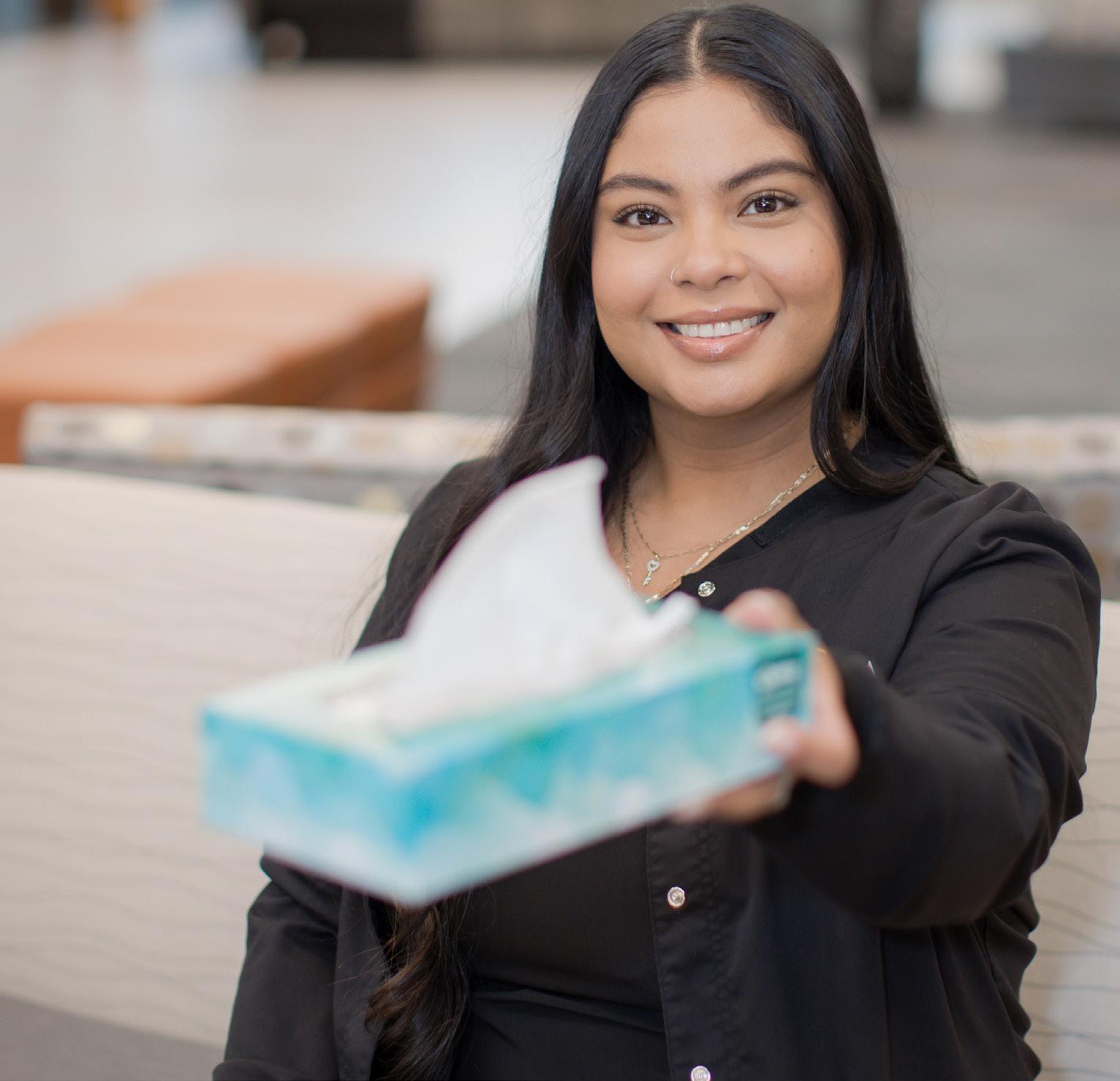
Use Tissues And Toss Them
Dispose of tissues right away and wash your hands after blowing your nose or coughing.
Try A Humidifier Or Warm Steam
Moist air can help soothe irritated airways and ease congestion.
Use Saline Spray Or Rinse
Saline can gently clear nasal passages and reduce irritation.

Cold and flu season can be unpredictable, but you don’t have to manage it alone.
Whether you need guidance, treatment, or preventive care, CBHA’s care teams are here to support you and your family throughout the season.
To schedule an appointment, call/text 509.488.5256 or scan the QR code.
While many colds and mild illnesses can be managed at home, some symptoms signal that it’s time to seek medical care. Visiting the clinic can help you get the right treatment, rule out more serious conditions, and prevent complications.
Seek Care If You’re Experiencing Any of the Following:
Symptoms last more than a few days or keep getting worse
You have a fever, shortness of breath, or persistent cough
Your symptoms are interfering with daily activities
You’re caring for a child, older adult, or someone with a chronic condition
One of the best ways to protect yourself and your family is to get your flu shot. Flu vaccines are available at our clinics, and our care teams are here when you need us.
Dalina Garcia Medical Assistant-Registered

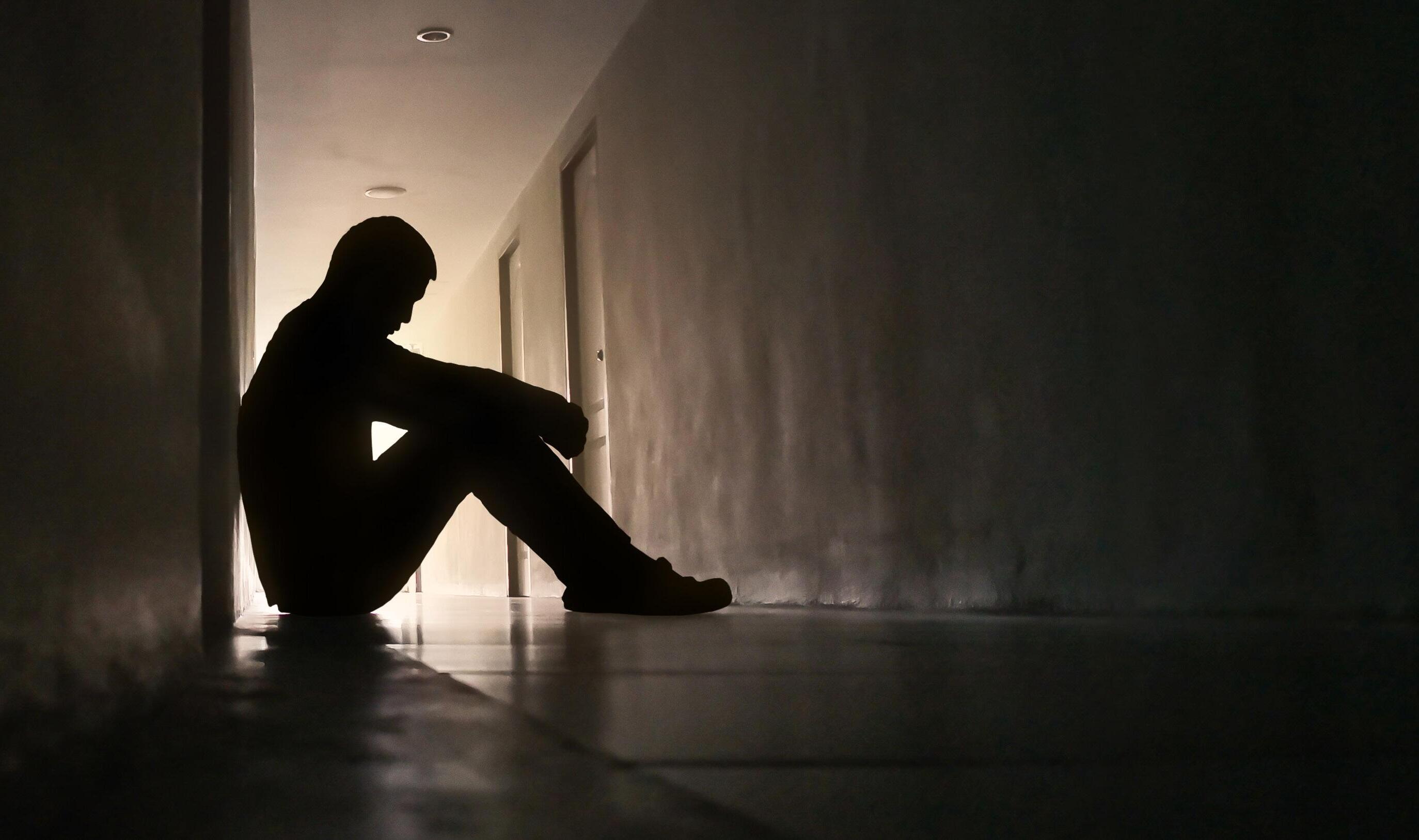
Grief and depression can surface at any time of year. While certain seasons or milestones may bring heightened awareness of loss, the truth is that emotional pain does not operate on a calendar. For many individuals and families, grief is something they carry quietly through everyday life, long after others may assume they have “moved on.”
Grief is a natural response to loss. It is the emotional, physical, and psychological reaction we experience when something or someone meaningful is gone or has changed. Although grief is most commonly associated with the death of a loved one, loss can take many forms. This may include changes in personal health, the loss of someone else’s health, the end of an important relationship, job or financial loss, miscarriage, infertility, unmet life
goals, trauma, or a serious illness. Some people also experience anticipatory grief, which occurs when a loss is expected but has not yet happened, such as when a loved one is facing a lifelimiting illness.
“Certain times of the year or life transitions can intensify feelings of grief because they remind us of what has changed or what is missing,” shares Tamarah Campbell, Psychiatric ARNP. Anniversaries, birthdays, medical diagnoses, or even everyday routines can trigger waves of emotion, especially when a loss is recent or unresolved.
Grief looks different for everyone, and there is no correct timeline or single way to experience it. Some people may feel intense sadness early on that slowly softens over time. Others may
Coping With Grief
Keep simple daily routines
Set boundaries around emotional energy
Allow space for difficult emotions
Honor what has been lost in personal ways
Use grounding activities for stability
Scan To Schedule An Appointment With Our Dedicated Behavioral Health Team.
There is no right way to grieve
Grief can affect the body and mind
Grief and depression may overlap
Seeking support is a sign of strength

feel relatively steady at first, only to experience grief more deeply months or even years later. Physical symptoms are also common and may include fatigue, sleep disturbances, appetite changes, headaches, muscle tension, or difficulty concentrating. Emotional symptoms can show up as sadness, anxiety, irritability, guilt, numbness, or a sense of disconnection from others.
“Many people are surprised by how grief shows up in their bodies, not just their emotions,” explains Deyanira Gonzalez, Behavioral Health Counselor, LMHC, MSW. “Paying attention to those physical and emotional signs is an important part of healing.”
It is also common for grief and depression to overlap. While grief is a response to loss, depression can develop when feelings of hopelessness, low mood, or lack of motivation persist and begin to interfere with daily life. There can be pressure, both internal and external, to feel better quickly or to appear “okay” for the sake of others. This pressure can lead people to suppress their emotions, increasing feelings of isolation.
Grief is not something to fix or rush through. It deserves patience, compassion, and care. Coping strategies may include
maintaining daily routines, setting boundaries around emotional energy, allowing space for difficult emotions, and finding personal ways to honor what has been lost. For those experiencing anticipatory grief, spending intentional time together, having open and honest conversations, and addressing practical matters can sometimes bring a sense of grounding and clarity.
Above all, support matters. “Reaching out for help is a sign of strength, not weakness,” says Elsie Garza, Behavioral Health Counselor, LMHC, MSW. Support can come from trusted family members, friends, faith leaders, primary care providers, or mental health professionals. Talking with someone who understands grief can help ease its weight and remind you that you are

If feelings of grief or depression begin to feel overwhelming, last longer than expected, or interfere with your ability to function day to day, help is available. You deserve care, understanding, and support at every stage of your journey.
If you need someone to talk to, we are here for Call 509.488.5256 or visit CBHA.org to learn more about the behavioral health support and services available to you.