





Buying your first home is exciting, but let’s be real – it can also feel overwhelming. It’s a big step, and with that comes plenty of questions.
• Am I making the right decision?
• Can I really afford this right now?
• Will I be able to make ends meet if I have unexpected repairs?
• What if I lose my job?
But here’s the thing: every first-time homebuyer has these thoughts. Here's some information that can give you a bit of perspective, so you don’t have to worry.
Since homeownership is new to you, you’re probably feeling like it’s hard to know what to budget for. And that can be a bit scary. You’ll have the mortgage, home insurance, and maintenance to think about – maybe even lawn care or homeowner’s association (HOA) fees. It’s easy to let the dollar signs be overwhelming. As Zillow says:
“Buying a house is a big decision, and you might feel confused and indecisive as you assess your current financial situation and try to work through whether or not the timing is right. Making big life choices might come with some self-doubt, but crunching the numbers and thinking about what you want your life to look like will help guide you down the right path.”
The important thing is to focus on what you can control. By partnering with a local agent and a trusted lender, you can get a clear understanding of what you can borrow for your home loan, what your monthly payment would be, and how your mortgage rate can impact it. And since that payment will likely be your biggest recurring expense, the key is to make sure the number works for you.

The maintenance and repairs? Those can be a little bit harder to anticipate. But don’t forget you’ll get an inspection during the homebuying process to give you a better look at the condition of your future house. And with your inspection report in hand, you’ll have a good idea of what needs work. This way, you can start saving up so you’re ready if and when something breaks.
But even then, if this is something that’s still really nagging at you, talk to your agent about asking the seller to throw in a home warranty. Those can cover repairs for some of the bigger systems in the house, like the HVAC, if they break within a specific time frame. While this isn’t a huge expense for the seller, just remember, the likelihood of a seller agreeing to one depends on what’s happening in your local market and how competitive it is right now.
Chances are money will be a little tight – at least at first. And that’s to be expected. A lot of times when someone buys their first home, they cut down on things like shopping and eating out for a while until they get a better idea of how their expenses will shake out in the new home.
But if you’re crunching the numbers and you won't have enough money left for things like gas, food, etc. – it's a sign you’d be stretching yourself too far. The last thing you want is to take on a payment that’s too much to handle. But stretching a little? That’s different. That’s normal.
Don’t forget, you’ll likely earn more down the road, so that slight stretch now won’t seem so bad as time goes on. As you advance in your career, you’ll probably start to make more money, too. So, as your paycheck grows, the payments will get easier. Renting is a short-term option –and it’s one you deserve to get out of. Buying a home is a long-term play.
And just in case you’re worried about what happens if you do lose your job, you should know there are options, like forbearance, designed to help you temporarily pause payments on your home loan due to hardship.

Buying your first home is a big decision, and it’s okay to feel a little nervous about it. That’s normal. But if you’re ready to buy, don’t let fear keep you from moving forward.

A measure of whether someone earns enough to qualify for a loan on a typical home based on the most recent price, income, and mortgage rate data. When home prices and mortgage rates are higher, they can impact affordability.
A report highlighting the estimated value of the property completed by a qualified third party. Lenders rely on appraisals to validate a home’s value and ensure they’re not lending more than the home is worth.
The fees required to complete the real estate transaction you pay at closing. Ask your lender for a complete list of closing cost items, including points, taxes, title insurance, and more.
A number ranging from 300–850 that's based on an analysis of your credit history. This helps lenders determine the likelihood you’ll repay future debts.
Down payments are typically 3.5–20% of the purchase price of the home. Some 0% down programs are also available. Ask your lender for more information about what you may qualify for.
The difference between what your house is worth and what you owe on your mortgage. Many homeowners are realizing they have more equity than they thought and using it to move.
A provision in a contract requiring an inspection to be completed. This essential step gives you information on the home’s condition and repairs.
A loan using your home as collateral. It also may be used to indicate the amount of money you borrow, with interest, to purchase your house. The amount of your mortgage often is the purchase price of the home minus your down payment.
The interest rate you pay to borrow money when buying a home. As mortgage rates fluctuate, consult a lender so you know how it can impact your monthly mortgage payment.
A letter from a lender that shows what they're willing to lend you for your home loan. This, plus an understanding of your savings, can help you decide on your target price range.
Have you been wondering whether you should keep renting or finally make the leap into homeownership? It’s a big decision, and there’s no denying renting can feel like the easier option, especially if buying a home feels out of reach.
But here’s the thing: a report from Bank of America highlights that 70% of prospective buyers fear the long-term consequences of renting, including not building equity and dealing with rising rents. The truth is, if you’re able to make the numbers work, buying a home has powerful long-term financial benefits.
Buying a home allows you to turn your monthly housing costs into a long-term investment. That’s because, as shown in data from the Census and the Department of Housing and Urban Development (HUD), home prices tend to increase over time (see graph below):
Average Sales Price of Houses Sold in the United States, Quarterly
Sources: Census, HUD
Rising home prices directly benefit homeowners. When you own a home, you build equity – meaning your ownership stake in your home grows as you pay down your mortgage and your home’s value appreciates.And that, in turn, grows your net worth.
Maybe that’s why, according to the National Association of Realtors (NAR), 79% of buyers believe owning a home is a good financial investment.
Renting may feel more affordable in the short term, especially right now with today’s home prices and mortgage rates. But the reality is, over time, rent almost always goes up, too. Take a look at the data and you can see that play out. According to Census data, rents have significantly increased over the decades (see graph below):
$1,500
$1,400
$1,300
$1,200
$1,100
$1,000
$0
This means if you decide to rent, you’ll likely face growing expenses each time you renew or sign a new lease – and that’ll happen without building any wealth in return. Plus, those rising costs may make it harder to save up to buy a home down the road.
When you own a home, your payments are an investment in your future. Renting, on the other hand, means your money is gone for good – it helps your landlord build equity, not you. Renting works for those not ready (or able) to buy today. But if you can make the numbers work, buying a home builds equity and sets you up for long-term financial success. So, even though renting may seem easier now, it just can’t match the benefits of homeownership.
If you can afford it, take control of your financial future by making homeownership part of your plan. It’s an investment you won’t regret. Let’s connect if you want to see what starter homes are available in our market.
There’s a growing number of down payment assistance programs designed to help you cover the cost of your down payment. And these programs aren’t small-scale help either. As Rob Chrane, Founder and CEO of Down Payment Resource, shares:
“We are pleased to see a growing number of these programs, and think they are becoming a targeted way to help first-time and first-generation homebuyers struggling to save for a down payment get into a home they can afford. Our data shows the average DPA benefit is roughly $17,000. That can be a nice jump-start for saving for a down payment and other costs of homeownership.”
Imagine being able to qualify for $17,000 toward your down payment. To make it even better, in some cases, you may be able to qualify for multiple programs at once, giving your down payment an even bigger boost. Believe it or not, almost 80% of first-time homebuyers qualify for down payment assistance, but only 13% actually use it (see graph below):
Source: Realtor.com
You don’t want to be one of the buyers that misses out on this great benefit. To find out what’s available and if you’d qualify, talk to a trusted lender.
What’s the best thing to do? Talk with a lender about your options. They’ll help you figure out where you stand today and how to access the resources you may qualify for. Because help is out there, you just need to work with a pro to take advantage of it.

There’s one essential step in the homebuying process you may not know a whole lot about, and that’s pre-approval. Here’s a rundown of what it is and why it’s so important to take care of before you start looking at homes.
Pre-approval is like getting the green light from a lender. It gives you a sense of how much you can borrow for your home loan.
To determine that number, a lender starts by looking at your financial history. According to Realtor.com, here are some of the documents they may ask you for:
• W-2s and tax returns
• Pay stubs and bank statements
• Investment account statements
• A history of where you’ve lived
After they go over everything, you’ll get a preapproval letter showing what you can borrow. Keep in mind, any changes to your finances after this point can still affect your pre-approval status. So, after you receive your letter, avoid switching jobs, applying for new credit cards or other loans, co-signing for loans, or taking money from your savings.

Since it determines the maximum amount you can borrow, pre-approval also helps you figure out your budget.
With home prices expected to rise moderately and mortgage rates still volatile, it’s a good idea to talk to a lender about your home loan options and how today’s changing mortgage rates will impact your monthly payment.
And keep in mind, you may get approved for more than you feel comfortable borrowing, As Freddie Mac says:
“Keep in mind that the loan amount in the pre-approval letter is the lender’s maximum offer. Ultimately, you should only borrow an amount you are comfortable repaying.”
After you know what works for you financially, partner with your agent to tailor your search to homes that match your budget. That way, you don’t fall in love with a house that’s realistically out of your comfort zone.
Once you find a home you want to put an offer on, pre-approval has another big perk.
It not only makes your offer stronger, it also shows sellers you’ve already undergone a credit and financial check.
When a seller sees you as a serious buyer, they may be more attracted to your offer because it seems more likely to go through. As Greg McBride, Chief Financial Analyst at Bankrate, says:
“Preapproval carries more weight because it means lenders have actually done more than a cursory review of your credit and your finances, but have instead reviewed your pay stubs, tax returns and bank statements. A preapproval means you’ve cleared the hurdles necessary to be approved for a mortgage up to a certain dollar amount.”
If you’re planning on buying a home, getting pre-approved for a mortgage should be one of the first things on your to-do list. Connect with a lender to get the process started.
Consistency is the name of the game after applying for a mortgage. Be sure to discuss any changes in income, assets, or credit with your lender, so you don’t jeopardize your application.


Don’t change bank accounts.
Don’t deposit cash into your accounts before speaking with your bank or lender.

Don’t apply for new credit or close any credit accounts.

Don’t co-sign other loans for anyone.
Don’t make any large purchases.


Before doing anything financial in nature, talk to your lender.
There’s no denying affordability is tough right now. But that doesn’t mean you have to put your plans to buy a home on the back burner. You may just need to think a bit differently about what you plan to buy. Sometimes, expanding your search to include fixer-uppers, townhomes, or even a multi-generational home could be the key to getting your foot in the door.

A fixer-upper is a home that’s livable but requires some renovations. Because of the repairs involved, these homes are usually less expensive up front than move-in-ready options. According to a survey from StorageCafe, fixer-uppers come with price tags that are about 29% lower, making them a solid choice if you’re having trouble finding anything in your budget. As The Mortgage Reports notes:
“If you’re a house hunter who’s not afraid of sweat equity, buying a fixer-upper could be your ticket to homeownership. Doing so could lead to big savings, even in some of the nation’s largest and most popular housing markets. Plus, adding the right features could help your investment.”
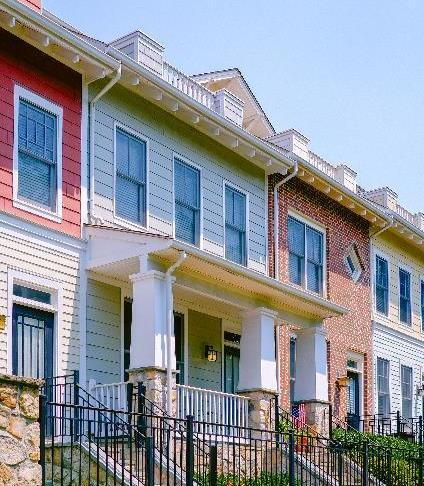
Similarly, townhomes typically cost less than single-family homes – due to their more limited size. As Realtor.com says:
"In today's market, affordability remains a key priority for homebuyers, making townhomes an attractive option because they are often priced more reasonably than single-family homes."
So, if you're trying to buy but feel stuck because of prices, shifting your focus to townhomes could be one way to get into homeownership without maxing out your budget.
Another way to break into the market is by purchasing a home with friends or loved ones. That way you can split the cost of things like the mortgage and bills to make it easier to afford a home. According to Money.com:
“Buying a home with another person has some obvious advantages in the mortgage department. With two incomes in the mix, buyers can likely qualify for a larger mortgage a big help in today’s high-cost market.”
You have options – you just need someone who knows how to find them. Let’s connect so you can explore what’s available where you live. Sometimes there’s a hidden gem you wouldn’t find otherwise. And remember, no matter what type of home you buy, you’ll be set up to build equity that can fuel a move up in the future.

Buying a home is a major milestone, so it's important to have the right people helping you out. And while it’s tempting to just look up advice or homes online, that’s not the best resource for you. A good agent is.

Here’s why your agent’s expertise is so important. They'll:




Keep you up-to-date on today’s market conditions. The housing market is always changing and what’s happening in one place may not be the same thing that’s happening somewhere else. You need someone by your side who will keep you informed on the latest trends in your area and what they mean for you.
Explain the ins and outs of contracts. When it comes to buying a home, you’ll sign various disclosures and contracts as part of the process. Before you give any of these legally binding documents your autograph, your agent will help explain the terms and conditions.
Serve as your advisor in the negotiation process. Even after the contract is signed by the seller, there’s a lot of room left for negotiating terms after the home inspection and appraisal. Your agent will handle all the backand-forth communication and look out for your best interests along the way.
Give advice and share their experience. There are a lot of firsts you’ll encounter along the way. When your offer isn’t accepted, your musthaves aren’t realistic, or you don’t know what to do, you want someone who knows what they’re doing. Your agent’s expert advice and know-how will give you peace of mind.

Do you have questions about the process of buying a home, what to expect as a first-time buyer, or what’s happening in the market? Don’t hesitate to reach out.
Whether it’s housing market-related, or something about your specific situation, I’ve helped other buyers find their first home – and I can help you too.


Tracy Bowker
REALTOR® Coldwell Banker Brown Realtors Edwardsville, IL tracybowker.realtor@gmail.com brownrealtors.com/tracybowker (618) 709-3865
