Q1 2026
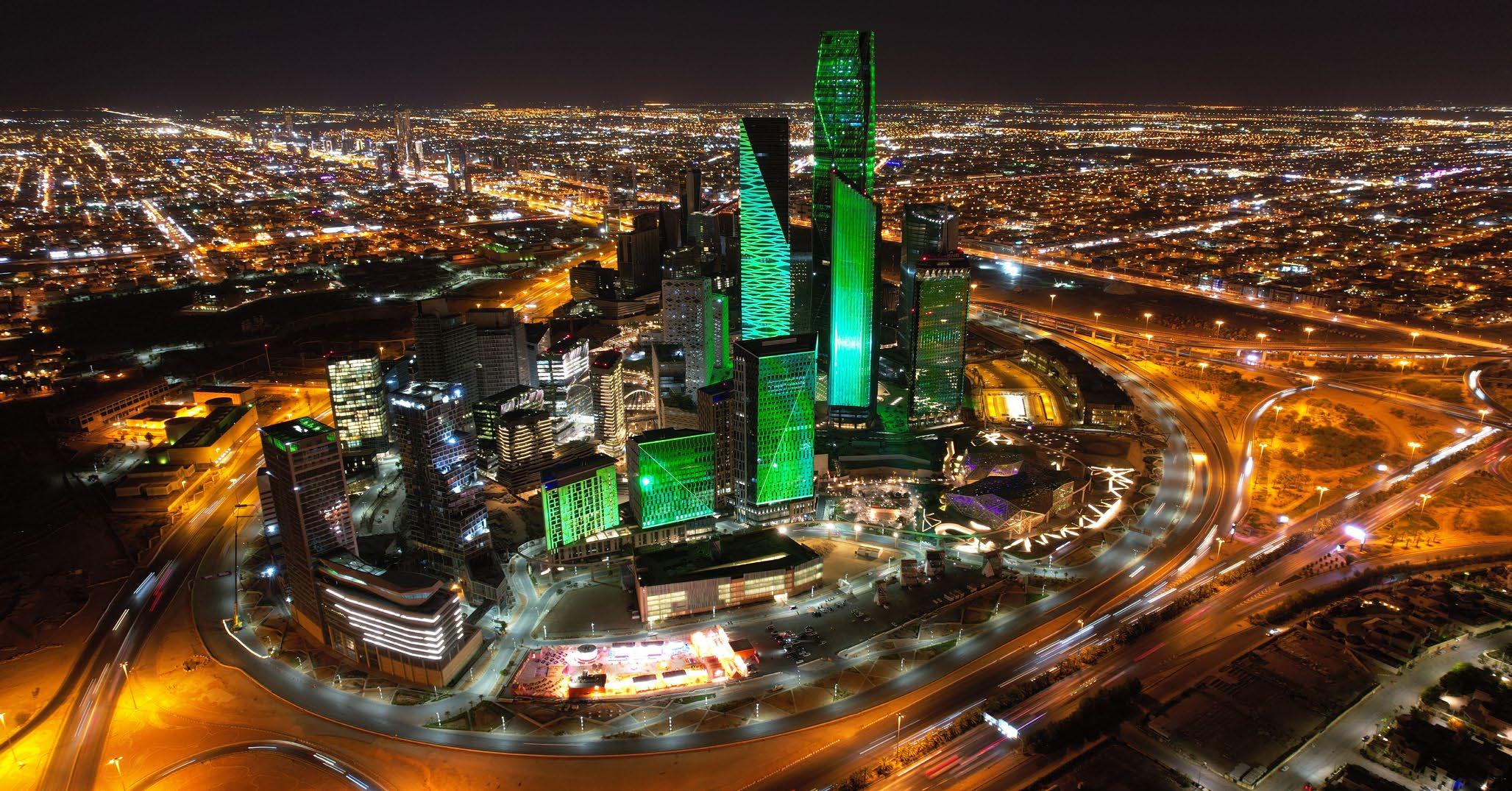
Saudi Arabia's economy expanded by 3.0% in real GDP terms in Q1 2026, with both oil and non-oil activities recording growth of 2.9% year-on-year. While regional geopolitical developments introduced volatility in energy markets and disruptions to regional trade routes during the quarter, the broader economic impact remained contained, with higher oil prices providing a partial offset.
Against this backdrop, residential market performance varied across Riyadh, Jeddah, and Dammam. Riyadh recorded around 8,800 residential sales transactions in Q1 2026, up 11.6% quarter-on-quarter but 64.4% below Q1 2025, as affordability constraints, tighter financing conditions and seasonal factors weighed on activity. Jeddah remained comparatively subdued, with approximately 5,800 transactions, down 25.3% quarter-on-quarter and 31.5% year-on-year. By contrast, Dammam recorded approximately 2,900 transactions, up 41.4% quarter-on-quarter and 24.7% year-on-year.
Pricing trends also varied across the three markets. In Riyadh, apartment and villa sales prices increased by 3.7% and 6.9% year-on-year respectively, although quarterly movements suggested that pricing momentum had begun to weaken. Rental rates remained above year-earlier levels but softened modestly over the quarter, with the September 2025 rental freeze tempering upward pressure for existing tenants. Jeddah recorded modest growth in residential sales prices, while rental rates for apartments eased slightly quarter-on-quarter. Dammam continued to register steady price appreciation across both apartments and villas, alongside resilient rental performance.
Residential supply pipelines continued to expand across all three cities, although at varying scales. Riyadh's residential stock reached approximately 1.94 million units in Q1 2026, with a further 31,000 units expected by the end of the year and substan
additional deliveries planned through 2027 and 2028. Jeddah's stock stood at approximately 1.1 million units, with around 17,500 additional homes expected during 2026, while Dammam's stock of approximately 430,000 units is set to expand more gradually over the coming years.
Looking ahead, market conditions are expected to remain differentiated across the three cities. Riyadh is likely to experience modest downward pressure on prices as supply increases and demand remains measured, while Jeddah and Dammam are expected to maintain more stable pricing trends.
31,000
Saudi Arabia’s economy expanded by 3.0% in real GDP terms in Q1 2026, with growth broadly balanced between oil and non-oil activities, both of which recorded growth of 2.9% year-on-year. While the headline figure reflects a resilient performance, regional developments through the quarter contributed to increased volatility in energy markets, and disruptions to regional trade routes. Higher oil prices during the period provided a partial offset, while the Kingdom maintained export continuity supported by its diversified energy infrastructure.
On the fiscal side, government expenditure rose 20% year-on-year to SAR 386.7 billion, reflecting continued implementation of the Vision 2030 investment programme. The Kingdom recorded a budget deficit of SAR 125.7 billion in Q1 2026, although public debt levels remain relatively contained, preserving fiscal flexibility to support ongoing development
The labour market remained stable, with overall unemployment declining to 3.1% in Q1 2026, down 0.4 percentage points quarter-on-quarter. Business confidence remained above the neutral threshold, with the Business Confidence Index standing at 52.1 points in March 2026, easing from 60.7 points in February as sentiment moderated through the quarter.
Foreign direct investment flows remained active, with gross inflows of SAR 26.6 billion and net flows of SAR 23.1 billion in Q1 2026, indicating continued investor participation despite short-term volatility.
Looking ahead, the IMF projects full-year GDP growth of 3.1% in 2026, revised down from an earlier estimate of 4.5%, reflecting a more moderate global outlook and heightened regional uncertainty. The medium-term outlook remains supported by continued government investment, non-oil sector expansion, and the expectation that regional conditions will gradually stabilise over time.
Saudi Arabia’s residential markets are well positioned for continued long-term growth, supported by resilient economic fundamentals, expanding housing supply and sustained demand. While Riyadh is moving towards a more balanced phase, Jeddah and Dammam continue to offer stable pricing dynamics and encouraging momentum.
Kevin Duffield Director, Head of Built Asset Consulting
Riyadh recorded around 8,800 residential sales transactions in Q1 2026, representing an 11.6% increase compared to the previous quarter, signalling a modest recovery following a subdued end to 2025. Despite the quarterly improvement, transaction volumes remained 64.4% lower than a year earlier, reflecting a normalisation in activity from the elevated levels recorded during late 2024 and early 2025. Buyers also continued to face higher financing costs and affordability constraints, while the timing of Ramadan and the Eid holidays, coupled with broader macroeconomic and regional uncertainty, weighed on market activity during the quarter. On a monthly basis, March 2026 recorded around 2,700 residential sales transactions, down 66.6% compared to the same month last year.
The total value of residential sales transactions in Riyadh reached approximately SAR 13.4 billion in Q1 2026, representing a 4.3% increase compared to the previous quarter but remaining 72.5% below Q1 2025.
Jeddah's residential market remained subdued in Q1 2026, with approximately 5,800 sales transactions recorded during the quarter, down 25.3% compared to Q4 2025 and 31.5% year-on-year. Activity continued to moderate throughout the quarter, with the monthly pace of transactions easing from January onwards. The timing of Ramadan and the Eid holidays, alongside heightened regional uncertainty, further dampened activity towards the end of the quarter, with residential sales transactions falling to approximately 1,200 in March 2026, a decline of 49.5% compared to the same month last year.
In terms of sales value, residential transactions in Jeddah totalled approximately SAR 7.2 billion in Q1 2026, declining by 24.7% compared to the previous quarter and 30.5% year-on-year. Meanwhile, the average transaction value stood at approximately SAR 1.3 million.
Dammam's residential market recorded a strong start to 2026, with approximately 2,900 sales transactions completed in Q1, up 41.4% quarter-on-quarter and 24.7% year-on-year. Transaction activity continued to strengthen as the quarter progressed, with March recording the highest monthly sales volume despite heightened regional uncertainty, highlighting the resilience of housing demand in the city.
Residential transactions in Dammam totalled approximately SAR 3.6 billion in Q1 2026, up 70.7% quarter-on-quarter and 47.6% year-on-year. The stronger growth in transaction value relative to transaction volumes indicates an increase in the average transaction value during the quarter, which reached approximately SAR 1.3 million.
Riyadh's residential stock reached approximately 1.94 million units in Q1 2026, following the delivery of nearly 3,000 homes du quarter. Looking ahead, the development pipeline remains robust, with a further 31,000 residential units expected to be deliver of 2026, bringing total stock to approximately 1.97 million units, with an additional 24,500 and 37,000 units anticipated in 20 respectively.
The growing pipeline reflects a combination of sustained market demand and government policy initiatives aimed at expanding housing supply. Over recent years, demand has consistently outpaced available stock, driving residential values and rental rates higher increasing pressure on affordability. The expansion of the White Land Tax has been one of the key measures to encourage the development of underutilised land, supporting new project launches and increasing the supply of residential units. Combined with Vision 2030 housing targets, the acceleration in planned deliveries through 2027 and 2028 highlights the Kingdom's commitment to improving housing availabili ty and supporting a more balanced market. As new supply enters the market, it is expected to help ease supply constraints, supp more balanced relationship between demand and pricing over the medium term.
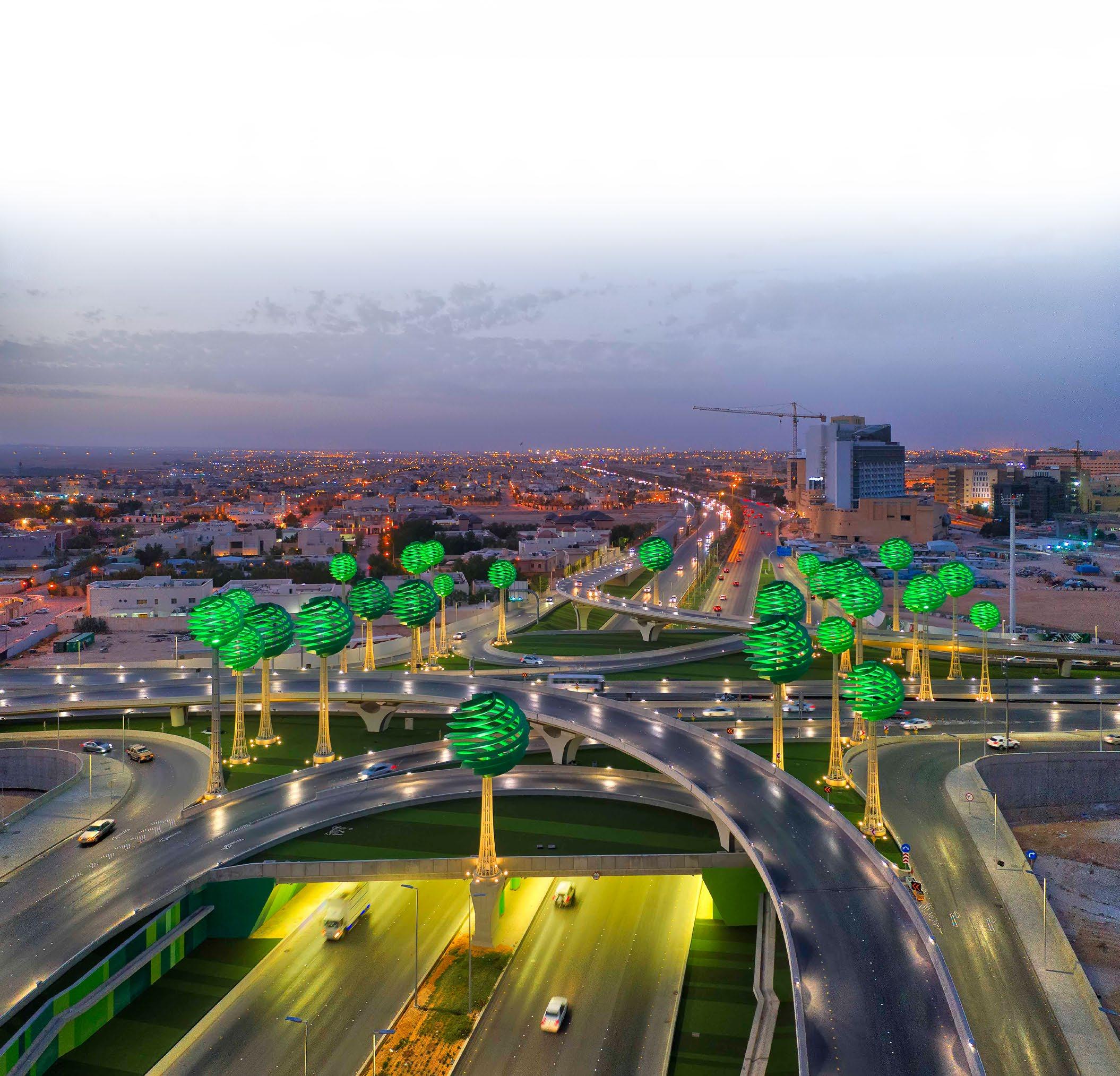
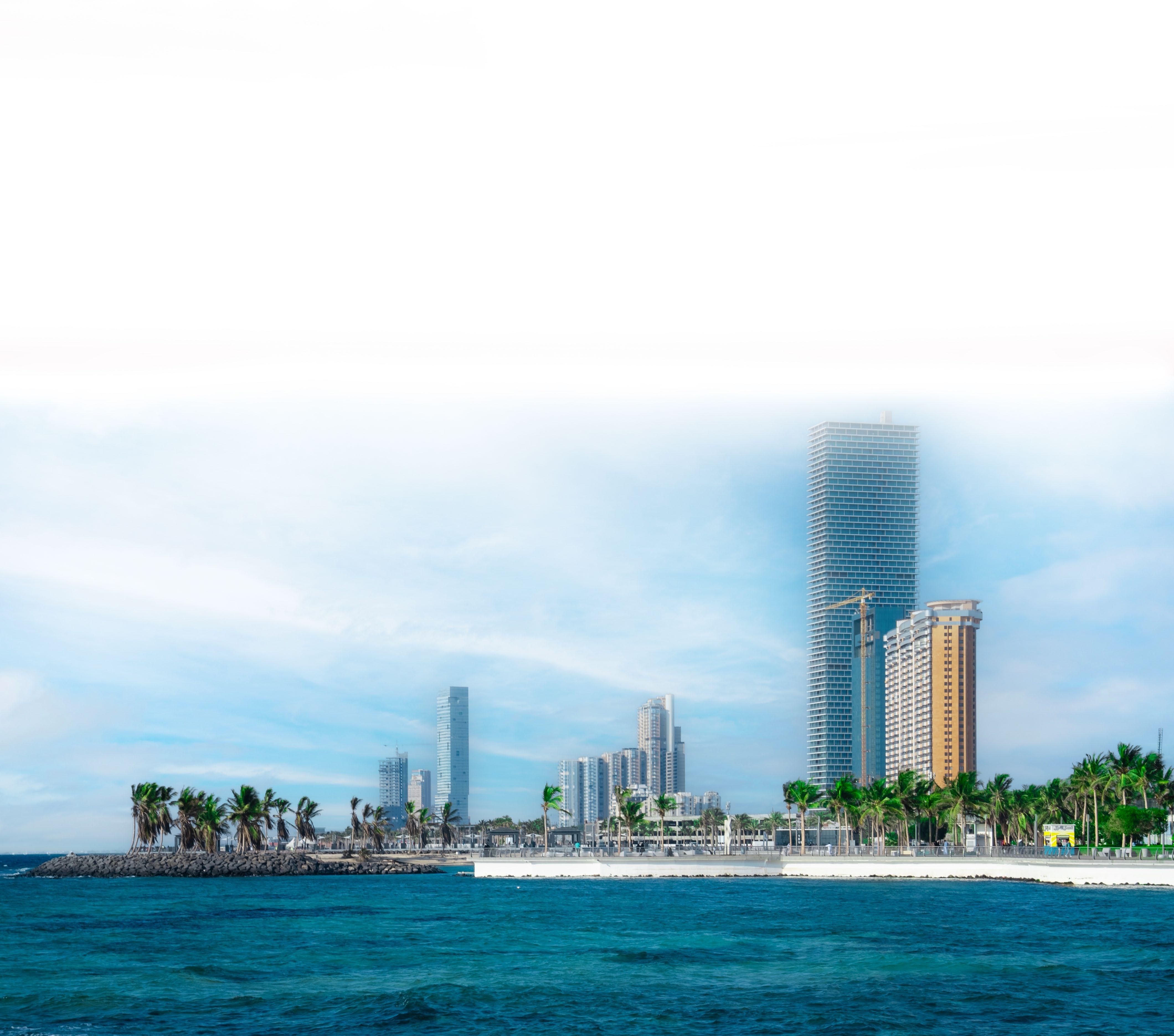
Jeddah's residential stock reached approximately 1.1 million units in Q1 2026, following the delivery of nearly 1,500 homes during the quarter. Looking ahead, a further 17,500 residential units are expected to be completed by the end of 2026, bringing total stock to approximately 1.12 million units, with an additional 20,800 and 25,100 units anticipated in 2027 and 2028, respectively. The continued expansion of Jeddah's residential stock supports the city's broader urban development ambitions under Vision 2030. As new homes are delivered over the coming years, the additional supply is expected to broaden housing choice and support Jeddah's evolving residential needs.
Source: Cavendish Maxwell, General Authority for Statistics, MEED Projects
*The projected supply is based on the information available at the time of preparing the report and may differ from other projections. It is subject to
Dammam's residential stock stood at approximately 430,000 units in Q1 2026, following the delivery of a limited number of homes during the quarter. Looking ahead, nearly 4,800 residential units are expected to be completed by the end of 2026, bringing total stock to approximately 435,000 units. Residential deliveries are expected to accelerate thereafter, with a further 10,600 units scheduled for completion in 2027 before moderating to around 3,500 units in 2028, although actual completions may vary as project timelines are often adjusted over the course of development.
Source: Cavendish Maxwell, General Authority for Statistics, MEED Projects
*The projected supply is based on the information available at the time of preparing the report and may differ from other projections. It is subject to revision as
become available in the future.
about
Residential sales prices in Riyadh continued to rise on an annual basis in Q1 2026, although the pace of growth moderated as market conditions eased. Apartment sales prices averaged approximately SAR 6,200 per square metre, up 3.7% year-on-year but down marginally by 0.4% quarter-on-quarter. Villa sales prices reached around SAR 5,700 per square metre, representing annual growth of 6.9% while remaining broadly stable quarter-on-quarter.
Rental rates also rose year-on-year, with apartment and villa rents up 5.8% and 5.1%, respectively. However, both segments recorded modest quarterly declines, suggesting the rapid pace of rental growth seen in recent years has begun to moderate. This moderation can be attributed to the September 2025 rental freeze, which capped rent increases for existing tenants, alongside affordability constraints and a gradual expansion of housing supply, both of which have tempered upward pricing pressure across the market.
Jeddah's residential sales prices edged higher in Q1 2026, with modest growth recorded across both apartments and villas. Apartment sales prices averaged approximately SAR 4,400 per square metre, up 1.9% year-on-year and 1.3% quarter-on-quarter. Villa sales prices reached around SAR 5,200 per square metre, increasing by 3.3% year-on-year and 1.0% over the quarter.
Rental rates followed a similar pattern, with both segments recording year-on-year increases. Apartment rents rose by 2.7% compared to Q1 2025, while villa rents were 0.9% higher over the same period. However, apartment rents saw modest quarterly softening, indicating that rental growth is gradually easing as affordability constraints limit further upward movement.
Dammam's residential sales prices increased in Q1 2026, with apartments recording growth of 4.1% year-on-year and 0.6% quarter-on-quarter, while villas rose by 2.2% year-on-year and 0.5% quarter-on-quarter. Rental rates showed a similar trend, with villa rents up 2.1% year-on-year and 0.5% quarter-on-quarter. Apartment rents rose 3.2% year-on-year but edged down marginally by 0.2% quarter-on-quarter.
Rates Change (%)
Saudi Arabia has approved the geographic zones for non-Saudi real estate ownership, providing greater clarity on where eligible non-Saudi individuals and entities may acquire property. Rather than permitting unrestricted ownership across the Kingdom, the legislation establishes a zone-based approach, whereby eligibility to acquire real estate is determined by whether a property falls within a designated geographic area. Each zone is subject to specific ownership rights, eligibility criteria, and other regulatory conditions, with the framework administered by the Real Estate General Authority (REGA).
In Riyadh, designated locations include Qiddiya, New Murabba and the King Abdullah Financial District, amongst others, while Jeddah includes over 55 areas, including parts of the city centre. Several of the Kingdom's flagship giga-projects and Special Economic Zones, including NEOM, The Red Sea Project, Amaala, AlUla and King Abdullah Economic City, also fall within the approved framework. Separate provisions continue to apply in the holy cities of Makkah and Madinah, where ownership within designated zones is restricted to Muslim buyers. Around 12 geographic zones have been identified in Makkah and 10 in Madinah.
From a market perspective, the introduction of the geographic zones provides greater transparency around where non-Saudi ownership is permitted and establishes a clearer basis for future investment decisions. The long-term impact on transaction volumes and pricing will depend on the level of non-Saudi demand, the types of projects located within the designated areas, and the pace at which the supporting regulatory framework is implemented over the coming years.
Saudi Arabia’s real estate market outlook for 2026 is set against a backdrop of steady macroeconomic conditions and ongoing structural transformation. While regional geopolitical developments during the quarter contributed to volatility in energy markets, the overall economic impact remained contained, with higher oil prices providing a partial offset and supporting fiscal stability.
Against this macro backdrop, residential markets across Riyadh, Jeddah and Dammam continue to display differing levels of maturity and momentum. Riyadh remained the most active market, although transaction volumes have normalised from earlier peaks as affordability pressures and higher financing costs moderated demand. Jeddah remained comparatively subdued, with activity largely driven by end-user demand. Dammam, by contrast, showed relatively stronger momentum from a lower base, supported by steady demand growth.
Supply conditions are also evolving across all three cities, with development pipelines continuing to expand across the Kingdom. Riyadh is expected to see the most significant volume of new deliveries over the medium term, while Jeddah’s supply growth remains more measured and broadly aligned with underlying demand trends. In Dammam, additions are expected to remain modest in the near term. Collectively, this expanding pipeline is expected to play an increasing role in shaping market dynamics and gradually improving the balance between supply and demand over time.
Against this backdrop, sales prices across the three cities are expected to follow diverging trajectories through 2026. In Riyadh, prices are expected to face modest downward pressure as the impact of rising supply and more measured demand becomes more evident, with recent quarterly trends already pointing to weakening pricing momentum. Jeddah and Dammam are expected to maintain more gradual and stable pricing paths,
although affordability constraints will continue to limit the pace of any upward movement. On the rental side, Riyadh will remain influenced by the September 2025 rental freeze, with further softening possible as additional supply enters the market, while Jeddah and Dammam are expected to remain broadly stable with only marginal movement.
Overall, while short-term market activity is expected to remain influenced by affordability constraints, financing conditions and external uncertainty, the medium-term outlook for Saudi Arabia’s residential sector remains supported by population growth, sustained government investment, and ongoing economic diversification.
Authors
Key Contacts
Saudi Arabia
+966 11 207 4496
Kevin Duffield Director, Head of Built Asset Consulting kevin.duffield@cavendishmaxwell.com
+971 56 344 2177 / +966 59 496 3815
Building 13, Laysen Valley, King Khalid Highway, Riyadh, Saudi Arabia Dubai Abu Dhabi S harjah Ajman
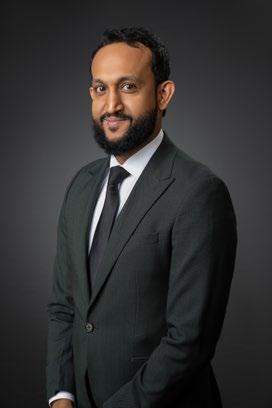
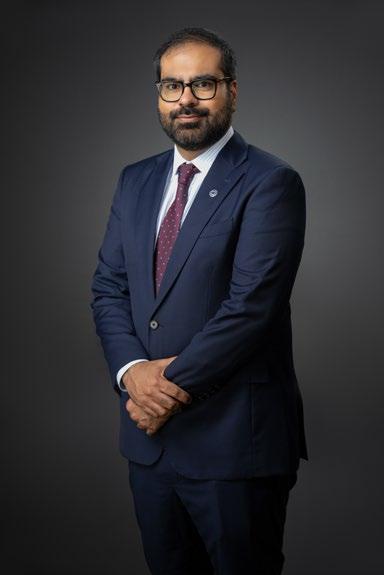
Siraj Ahmed Director, Head of Strategy and Consulting siraj.ahmed@cavendishmaxwell.com
+971 50 382 4409 / +966 59 529 3235
cavendishmaxwell.com
Disclaimer: