
Oman Hospitality Market Performance
Q1 2026

Executive Summary with Key Trends
Oman’s hospitality sector recorded a softer performance in Q1 2026, with key demand indicators moderating during the quarter. Airport passenger traffic declined by 2.4% year-on-year, while guest volumes in 3–5-star hotels decreased by 5.9% and occupancy declined by 5.4% year-on-year. Performance was stronger at the start of the year before weakening in February and March, reflecting shifting seasonal travel patterns following the earlier timing of Ramadan, alongside regional airspace disruptions that affected travel activity towards the end of the quarter.
Despite softer demand conditions, hotel revenues remained supported, increasing by 8.4% year-on-year during the quarter. Revenue growth was primarily driven by room revenues, which increased by 13%, supported by stronger performance during January and February when average room rates recorded strong year-on-year growth. While guest volumes moderated during February and March, hotels were able to sustain revenue growth through February before revenues declined in March as travel activity weakened further.
On the supply side, around 430 hotel keys were delivered during Q1 2026, with a further pipeline expected to increase total inventory to approximately 41,400 keys by year-end. The phased nature of upcoming supply should help limit near-term pressure on market performance, though absorption will ultimately depend on how quickly visitor volumes normalise.
Looking ahead, government initiatives aimed at strengthening Oman’s tourism proposition are expected to support longer-term demand growth and contribute to a more diversified tourism base. However, the impact of these initiatives is expected to materialise gradually, with near-term performance continuing to depend on broader travel conditions in the region and visitor sentiment.

Oman’s hospitality market faced some demand pressure in Q1 2026, partly linked to shifting seasonal travel patterns and regional disruptions. Even so, hotels continued to record revenue growth, supported by stronger room rates. Looking ahead, the combination of measured supply growth and continued tourism initiatives should help support the sector’s long-term development.
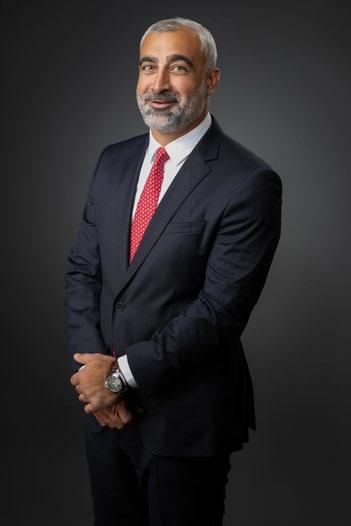
Khalil Al Zadjali
Head of Oman
Tourism Sector Overview and Performance
Airport Passenger Volume Trends
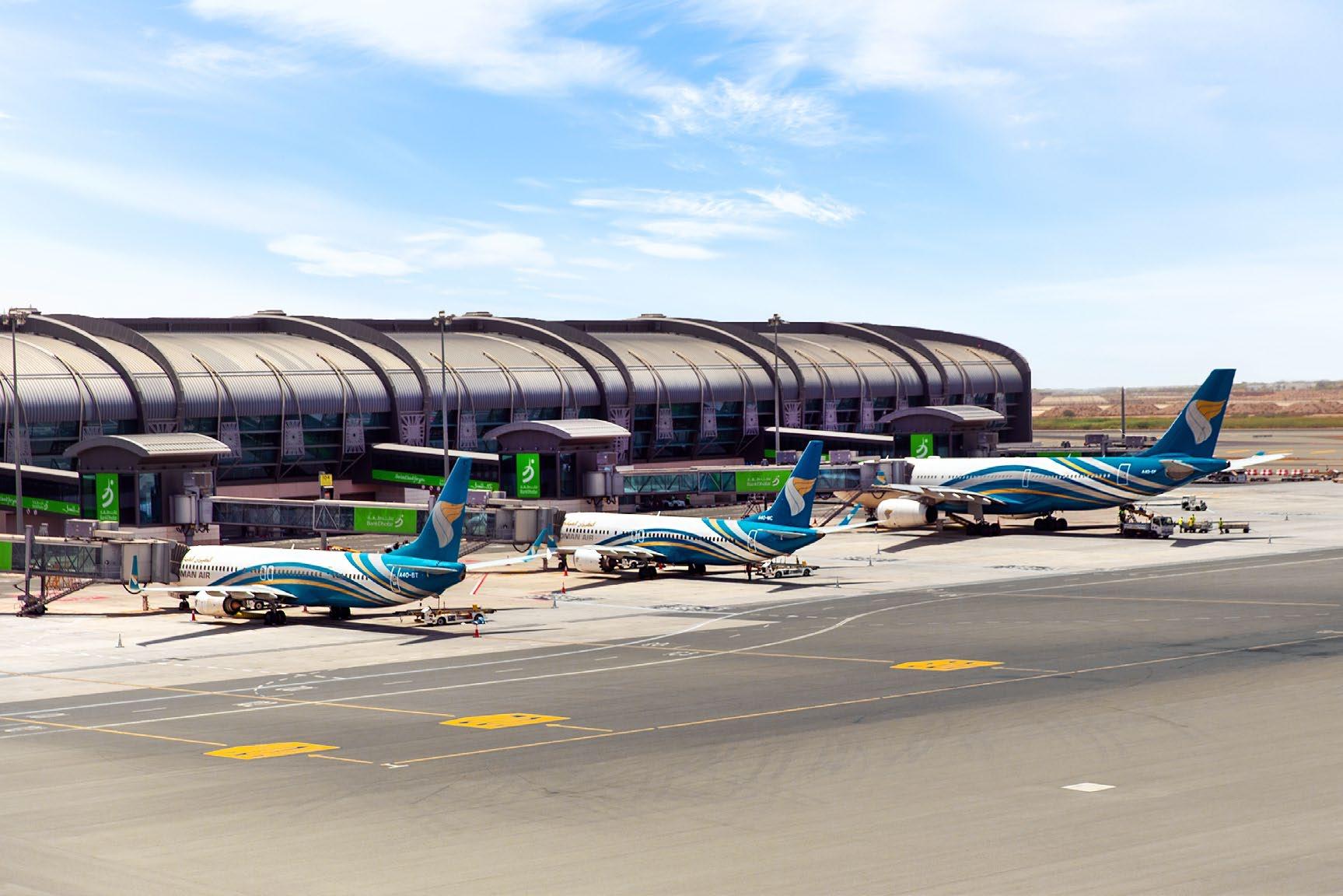
Airport passenger traffic reached 3.46 million in Q1 2026, representing a 2.4% decline year-on-year. Performance during the quarter was mixed, with passenger volumes increasing in January before softening in February and declining more sharply in March. The weaker performance towards the end of the quarter likely reflected a combination of seasonal and external factors, including the earlier timing of Ramadan, which shifted travel patterns, as well as regional disruptions that affected air travel across the Gulf.
Despite the overall decline, domestic passenger traffic remained resilient, increasing by 3.5% year-on-year during the quarter. In contrast, international passenger traffic declined by 3.2%. Given that international passengers accounted for 86.6% of total passenger movements, any changes in international travel patterns would have an impact on overall airport performance.
Muscat International Airport continued to dominate Oman’s aviation sector, handling 3.12 million passengers in Q1 2026 and accounting for 90.2% of total airport traffic, with passenger volumes declining by 2.1% year-on-year. Salalah International Airport followed with around 329,000 passengers, representing 9.5% of total traffic, although volumes also declined by 4.0% year-on-year. Meanwhile, passenger traffic at Suhar and Duqm airports remained limited during the quarter.
Source: Cavendish Maxwell, National Centre for Statistics and Information, Oman Airports
Source: Cavendish Maxwell, National Centre for Statistics and Information, Oman Airports
Number of Guests (3-5 Star Hotels)
The number of guests staying in 3–5-star hotels reached 572,000 in Q1 2026, representing a 5.9% year-on-year decline compared with the same period last year. Hotel guest activity was mixed during the quarter, increasing by 7.3% year-on-year in January before declining by 12.5% in February and 15.7% in March. The softer performance towards the end of the quarter reflected a combination of seasonal and external factors, including the earlier timing of Ramadan, which shifted travel patterns, and regional disruptions that affected travel during the Eid holiday period and weighed on expected seasonal demand.
Total Number of Guests in 3-5 Star Hotel (in Millions)
European visitors remained the largest source market for Oman’s 3–5-star hotels in Q1 2026, accounting for 36% of total guests despite declining by 11.4% year-on-year to 206,000. Omani nationals represented the second-largest segment, contributing 30.9% of total guests, with arrivals increasing by 3.1% year-on-year to 177,000. Asian visitors accounted for a further 15.2% of total guests and recorded a modest 1.2% year-on-year increase. By contrast, most other source markets recorded lower guest volumes during the quarter, with arrivals from the GCC (-13.8%), Other Arab countries (-11.0%), Africa (-15.3%) and Oceania (-51.7%) declining year-on-year, while arrivals from the Americas (-0.1%) remained broadly stable.
Number of Guests (3-5 Star Hotels) by Source Market
Source: Cavendish Maxwell, National Centre for Statistics and Information
Source: Cavendish Maxwell, National Centre for Statistics and Information
performance, increasing by 13% year-on-year to OMR 53.2 million, while other revenue rose by a more modest 1.9% to OMR 32.3 million. However, revenue performance weakened towards the end of the quarter as the earlier timing of Ramadan and regional disruptions weighed on travel activity.
The sector’s revenue performance was also accompanied by continued growth in employment, with the total number of employees across Oman’s 3–5-star hotels increasing by 2.1% year-on-year to 11,285 in Q1 2026.
3-5 Star hotel revenue (in Omani Rial Millions)
Source: Cavendish Maxwell, National Centre for Statistics and Information
Existing and Future Hotel Room Supply
A total of 432 hotel keys were delivered in Oman during Q1 2026. A further 1,200 keys are currently scheduled for completion during the remainder of 2026, which would bring total hotel supply to 41,400 keys by year-end. Beyond this, an additional 1,600 keys and 1,100 keys are expected to be delivered in 2027 and 2028, respectively, taking total inventory to approximately 44,100 keys by the end of 2028.
The near-term impact of the upcoming 2026 supply additions will depend on the pace of demand recovery following the disruptions experienced during the latter part of Q1 2026. If leisure travel patterns normalise in the second half of the year and broader tourism activity strengthens, the additional capacity should be gradually absorbed by the market. Over the longer term, the planned additions in 2027 and 2028 remain relatively measured and are unlikely to materially alter market dynamics in isolation, with their impact largely dependent on the pace of demand growth and the market’s ability to absorb new inventory.
Hotel Room Supply - Number of Keys (in Thousands)
Source: Cavendish Maxwell, MEED Projects
Occupancy Rates (3-5 Star Hotels)
The occupancy rate of Oman’s 3–5-star hotels averaged 56.1% in Q1 2026, down 5.4% year-on-year from 59.3% recorded during the same period last year. Performance was stronger at the start of the year, with occupancy rising 10.8% year-on-year to 69.7% in January, before declining by 7.0% year-on-year to 67.4% in February. March recorded a sharper contraction, with occupancy falling to 31.3%, representing a 27.2% year-on-year decline. The weaker occupancy performance in February and March likely reflected the earlier timing of Ramadan, during which hotel activity typically moderates, alongside regional disruptions that affected travel patterns and guest arrivals towards the end of the quarter.
Monthly Occupancy Rates for 3–5 Star Hotels (%)
Source: Cavendish Maxwell, National Centre for Statistics and Information
Average Room Rates in Omani Rials (3-5 Star Hotels)
Average room rates (ARR) in Q1 2026 stood at OMR 57.5, representing a 15.5% year-on-year increase compared with the same period last year. The increase was supported by strong rate performance during the first two months of the year, with ARR rising by 18.7% year-on-year to OMR 58.3 in January and by 20.4% year-on-year to OMR 60.9 in February. In March, ARR stood at OMR 49.6, broadly unchanged from the same period last year (+0.2% YoY), indicating that hotels maintained rate levels despite softer travel activity during the mon
Source: Cavendish Maxwell,
Hospitality Market Outlook
Oman’s hospitality sector enters the remainder of 2026 amid softer operating conditions, with Q1 2026 performance indicators pointing to near-term pressure on demand. The moderation in airport passenger traffic, hotel guest volumes and occupancy during the latter part of the quarter highlights the challenges facing the sector as it navigates regional uncertainties and shifting travel patterns. While hotel revenues and room rates remained relatively supported during Q1 2026, the weaker performance towards the end of the quarter indicates that the pace of recovery will depend on improving demand conditions and broader market factors, such as regional stability.
On the supply side, the addition of new hotel inventory will require monitoring given the current demand environment. However, the phased nature of upcoming developments should help limit the risk of significant market imbalance in the near term.
Looking ahead, government initiatives aimed at strengthening Oman’s tourism proposition, improving connectivity and expanding international reach through partnerships with airlines and travel trade partners are expected to support longer-term demand growth and contribute to a more diversified tourism base. However, the impact of these initiatives is expected to materialise gradually, with near-term performance remaining dependent on broader travel conditions in the region and visitor sentiment.

Key Contacts


Khalil Al Zadjali
Head of Oman khalil.alzadjali@cavendishmaxwell.com
+968 92 511 188


Ali Siddiqui Research Manager ali.siddiqui@cavendishmaxwell.com
+971 50 877 0190


Ahmed Al Shukairi
Tamas Steinfeld Director, Commercial Valuation tamas.steinfeld@cavendishmaxwell.com
+968 71 700 451
Senior Valuer ahmed.alshukairi@cavendishmaxwell.com 973 187
Siraj Ahmed Director, Head of Strategy and Consulting siraj.ahmed@cavendishmaxwell.com
Siraj Ahmed Director, Head of Strategy and Consulting siraj.ahmed@cavendishmaxwell.com
+971 50 382 4409
+971 50 382 4409 Roche Chief Economist Cavendish Maxwell oche@cavendishmaxw
Zacky Sajjad
Zacky Sajjad Director, Business Development & Client Relations zacky.sajjad@cavendishmaxwell.com
Director, Business Development and Client Relations zacky.sajjad@cavendishmaxwell.com
+971 50 644 5089
+971 50 644 5089