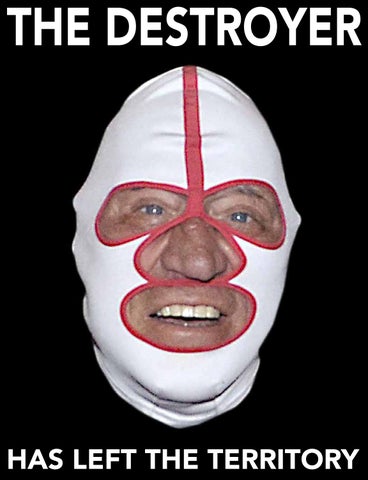
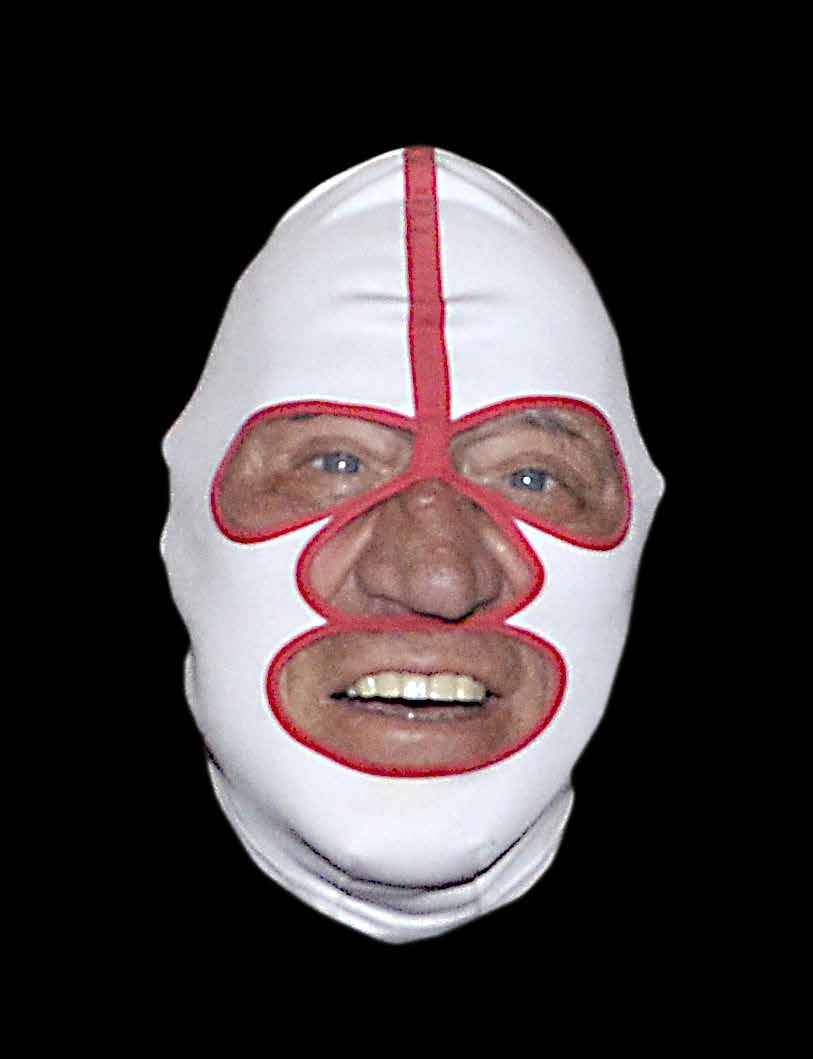
THE DESTROYER HAS LEFT THE TERRITORY
Dick’s Park Golf
by Dan Murphy - December 2013 issue.
Dick Beyer has made a career out of exceeding expectations, from captaining the 1952-1953 Syracuse Orangemen to their first Orange Bowl appearance to drawing more than 70 million television viewers for his epic clash with Rikidozan in 1963. On the surface, his latest endeavor may sound equally implausible: introducing America to park golf, a game popularized in Japan which combines elements of traditional golf with croquet.
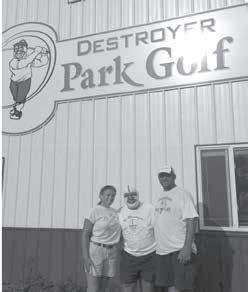
With the help of his daughter Kris and her husband Chris Jones, The Destroyer has succeeded once again, establishing the first official park golf course in the United States, right next door to his home in Akron, New York. The aptly-named Destroyer Park Golf officially opened on June 22, 2013. The 18-hole course was inspected and certified by Japan’s NIPPON Park Golf Association.
Developed in Japan in 1983, park golf is a more relaxed game than traditional golf. Only one club is used throughout the entire game; the same club used for driving is also used for putting. The ball is about the same size as a billiard ball. The holes are eight inches in diameter. The longest hole is just 104 yards, and a full round of 18 holes can be played in about two hours. Players of all ages and experience levels can enjoy the game.
On September 28, more than 20 competitors (myself included) took part in the inaugural Destroyer Park Golf Open tournament. The event attracted duffers of all ages, from pre-teens to senior citizens. As the golfers played two 18-hole rounds, The Destroyer wheeled around the course on a golf cart, dispensing equal parts advice and trash-talk.
“Hey Coach, I could really use some advice on this putt,” one golfer (a former swimmer under Beyer’s tutelage at the Akron Central School District) called out.
“I recommend you put it in the hole,” Beyer helpfully responded, in his gruff, unmistakable inflection.
“Great shot,” The Destroyer chirped as my ball careened over the green and 15 meters past the hole. “Well, really not a good shot for this hole, I mean, but maybe on another hole, you know, it would have been a great shot.”
Beyer has been a fixture at the course that bears his name, greeting golfers and chatting with them about golf, wrestling and anything else under the sun.
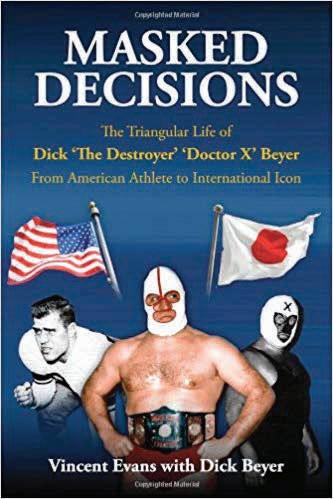
In addition to the 18-hole course, Destroyer Park Golf features a museum and gift shop. Classic photos of The Destroyer and Dr. X adorn the walls, along with title belts and framed articles on Beyer and his daughter Kris, once a standout swimmer at Syracuse University. Tee shirts and copies of Beyer’s biography, “Masked Decisions: The Triangular Life of Dick ‘The Destroyer’ Beyer,” are available for sale. For wrestling fans, a walk through the Destroyer museum is a must.
According to Kris, there are more than 1,300 Park Golf courses in Japan, and the sport has spread to eight countries, with the U.S. being the most recent.
For more information on Destroyer Park Golf, please visit www.destroyerparkgolf.com. There, you can find a host of great resources, including a primer on the history of Park Golf, articles on how the game is played, more photos and info about the Destroyer himself.
CONTRIBUTORS
Dick joined the Cauliflower Alley Club board in 1993. Also joining at that time were Dan Gable, Freddie Blassie, Verne Gagne, Killer Kowalski, Penny Banner, Joe Garagiolo (Major League Baseball player and announcer), Ilio DiPaolo, Ella Waldek, Tom Burke, Willie Pep (World Featherweight Boxing Champion, in one bout he won a round without throwing a punch. His defense was that superb), Dean Silverstone, Mike Lano, and Royal Duncan.
Dick’s Books
“Masked Decisions”
by Vincent Evans with Dick Beyer
A crisp, jaw-dropping biography with never-before-revealed details of a Buffalo, New York sports hero, whose athletic skills and life choices led to international success and stardom, but not without personal sacrifice and profound tragedy.
• From learning-challenged student to highly acclaimed student athlete
• From college football and amateur wrestling standout to professional villain
• From wartime fear of Japan to becoming one of America’s - and Japan’sbiggest stars
Masked Decisions unveils a portrait of one of the world’s pioneering sports and multimedia celebrities.
“This is a hall of fame life and story! Fans of college football as well as wrestling enthusiasts will be thoroughly entertained by Dick Beyer’s untold tales and experiences.” -Floyd Little, Syracuse University
All American, NFL Hall of Fame
“An international Super Star, Beyer remains the most recognizable Ambassador of Pro Wrestling in the World.”
- Don ‘The Bruiser’ Manoukian, Champion Wrestler/Former Destroyer Tag Team Partner w/Vince

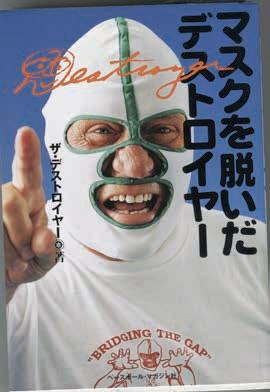
“Discussing/ Explaining the Mask” by The Destroyer and Tokio Tsukada (written in Japanese)
“Everything you wanted to know about one of Japan’s favorite people”
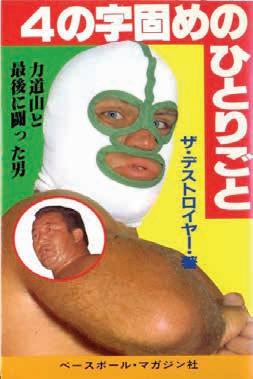
“Yon No Ji Gatame No Hitorigoto” -(One Man’s Story Of The Figure Four Leg Lock) by Toshi Kuramori (written in Japanese)
Evans
photo: Dan Westbrook
Dick, Kris, and her husband Chris in front of Destroyer Golf Park in Akron, NY photo: Dan Murphy
ANNOUNCING FOR 2020:
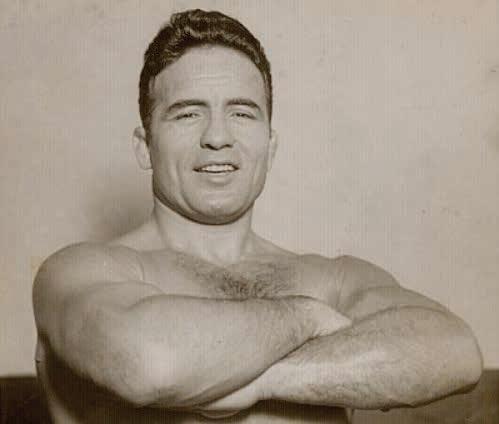
2020 POSTHUMOUS AWARD
JIM LONDOS

Dear CAC Stalwarts,
Our national treasure is gone.
I’m sure a few will question why we’ve done a single issue on Dick Beyer. I’ll answer that in one sentence. DICK BEYER WAS OUR GREATEST MEMBER. I’m doing this because this is what Dick deserved. Dick met Mike Mazurki in 1962 and came to CAC luncheons and reunions from their beginnings. He was a member, a board member, ran ads in the “Ear” for his merch, held seminars, won CAC’s Men’s Wrestling Award & Iron Mike Award, fronted the Ilio DiPaolo Scholarship Fund, and was omnipresent.
A loyal, steadfast, dependable, honorable, affable, approachable, fun, stand-up guy, with great character, and true-blue to our club. Wilma told me how upset he was when he couldn’t make the Reunion, even in his failing days.
His presence made us a better club. He was always himself. He was our steady eddie. Dick’s Ear graces the masthead.
On another note, this will be my final issue as Editor of the “Ear”. Vern May, a very competent replacement will take over next issue. I’ll still publish the “Ear” and will be an Advisor. The “Ear” is in good hands with Vern. As always * = were or are a member of the CAC.

Published by: * As with any project this size, photos are provided wwith no copyright or unknown photographer. We appreciate and thank the photographers that have taken these photos.
On July 25, 2014 at the age of 84 Dick put his wrestling boots on again as he repelled 27 stories down the face of Niagara Falls Seneca Casino. Why? Charity of course. This time the Special Olympics of New York. Dick and Kurt both did the job. Kris promoted. The event was called “Over the Top” and raised over $100,000. Dick personally raised $10,000.

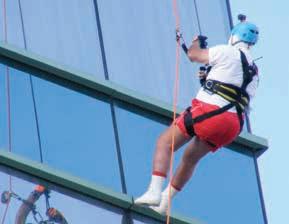
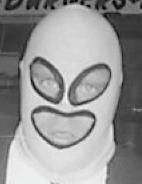

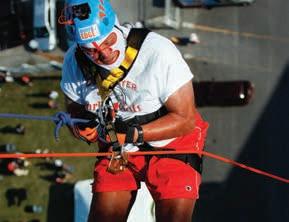

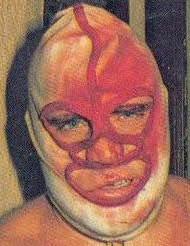
Photo: Dan Westbrook
In his street mask
photo: Glenn Bray
photo: Craig Wilkins
photo: Craig Wilkins
DICK BEYER
This interview conducted by Scott Teal in November 1995. (Type smaller due to length of articles) Dick was the son of the late Dewey Beyer, a bush league pitcher in the old International Baseball League. During the early ‘50s, Dick starred in football, basketball, track and baseball at Buffalo’s Seneca Vocational High School, then went on to Syracuse University to play guard on a football scholarship. In 1952, he was captain of the Syracuse team, which won the Eastern Championship and an invitation to the Orange Bowl.
Joe McDaniel, the wrestling coach at Syracuse, hearing that Dick was a roughhouse wrestler, met with him at the gym one afternoon after football practice and convinced him to try his hand at amateur wrestling. Dick began wrestling and went to the finals of the Eastern Inter-Collegiate tournament during his junior and senior years. He also won three AAU titles and was runner-up twice in national meets.
Q. What led to your pro wrestling career?
A. My first year of amateur wrestling, in the spring of ‘51, was during my sophomore year at Syracuse. I only had a handful of matches before I entered the Niagara AAU District tournament and found myself wrestling Don Beitelman in the finals. It was only my third or fourth match ever.
Q. Was that the same Don Beitelman who later wrestled as Don Curtis*, the Buffalo Bomber?
A. That’s right. In fact, the promoter from Buffalo, New York, Ed Don George*, was in the stands and trying to recruit Don for the pros. Don beat me 5-3 and took me down three times during the match with a bearhug. That was unusual, because nobody takes anybody down with a bearhug. It was a very unusual move. It shows how stupid and green I was at that particular point in my amateur career to let somebody get so close to me that they could take me down with a bearhug. But that was his favorite move. After the match, Ed Don George walked over, gave me a nice compliment and told me to let him know if I’d be interested in wrestling pro. He also told me that I had free passes to the matches in Syracuse, Rochester or Buffalo anytime I wanted. So, for the next couple of years, I went to all the matches in Syracuse. I returned to compete in the Niagara tournament for the next two years and I won both times. Ed was there each time and told me to come see him when I finished school.
When I graduated, I went back and got my Master’s. It was after I got my Master’s that I told him I was interested. Of course, I had seen him twenty or thirty times since the first time. Every time I went to the matches in Syracuse, I talked to him and he’d sit down alongside me and explain this and that about pro wrestling. He sent me to Columbus, Ohio to train under Al Haft.
Q. Who else did you train with?
A. With a wrestler by the name of Eddie Albers, a local from Columbus, who later wrestled under the name of Count Edmund von Albers. Years later, he wrestled as Ed Miller, Bill Miller’s brother. He came out of the Marines at about 6’6” and 300 pounds. Al Haft told me that when I trained him down to 280 pounds, he’d book us in our first match on television over in Dayton, Ohio. So our first match was held on October 15, 1954. Eddie took a fall, I took a fall, and we wrestled to a 45-minute draw.
Q. Were there other pros around who helped you in the early days?
A. Sure. The wrestling office was at 261 South Heights Street on the second floor. Most of the boys hung around the office during the day and would come up to the third floor, where the ring was, and watch us work out. Some of the guys who helped us out, who were in the territory at the time, were Ed Francis*, Bill Miller, Dick Hutton*, Ray Stevens*, Whitey Whittler, Whitey Wallberg and Joe Scarpello. If they saw you in the ring, they’d say “Hey, kid. Come over here and let me show you how to use that headlock”.
Q. How long did you wrestle for Al Haft?
A. For about four months. Kenny Marshall, who promoted wrestling in Bowling Green (KY), came up in early ‘55 and asked Al if he had any wrestlers he could spare. There was another wrestler there by the name of Leon Graham, so we went as a tag team down to the Kentucky territory.
Q. Was Marshall tied in with Roy Welch and Nick Gulas?
A. No. This office had nothing to do with Tennessee. Marshall’s office was in Bowling Green, where he also promoted country western shows at the Quonset Hut. I met a ton of stars who came through there. I sold hot dogs at their concerts and was probably the only white kid that watched Fats Domino perform there.
Q. Did Marshall run a full schedule of wrestling in Kentucky?
A. Oh, yeah. I wrestled every night. Starting in Evansville, Indiana on Monday, the circuit was Bowling Green, Glasgow, Hopkinsville, Paducah and we finished in Somerset on Saturday. Marshall promoted all those towns weekly and every once in a while, he ran a spot show on Sunday. He didn’t have a lot of talent, so I wrestled Jules LaRance and Tor Morgan almost every night for three months. We got to know each other real well. They brought in midgets and girls once in awhile. But they never had any wrestling there before that. I averaged about $100-125 bucks a week. I worked as a lifeguard at a pool on my days off. I stayed there through June, then came back home and worked for Ed Don George. From September through the end of the year, I worked in Chicago for Fred Kohler and his booker, Billy Goelz*. I was named Rookie of the Year while I was there. I worked at the Amphitheatre in Chicago and used to sit in the press box at all the Bears games with the TV wrestling announcer, who did the Bears and Cubs games for WGN for years and years (Jack Brickhouse). I stayed there until Christmas.
I was pretty lucky, because they guys I was working with were big names and I was young. I was a tag team partner in one town, it was a spot show, with Sandor Kovacs against Argentina Rocca. I remember thinking ... What was I doing wrestling with guys like that? I had just gotten out of college.
I went to Hawaii in February ‘56 for Al Karasik* and was there through March. At that time, you only worked once a week. I’d play pinochle with Al everyday at the office. They had a gym and I’d work out in the ring. I trained Sammy Steamboat to wrestle there. Don Beitelman came through there from Australia and that’s when I got to wrestle him again. I whipped his butt that time. I saw Don at the last Cauliflower Alley banquet. He’s a great guy. He went to Riverside High School here in Buffalo and I went to Seneca. He played football and wrestled at the University of Buffalo and I did the same at Syracuse.
Q. Weren’t you on the coaching staff at Syracuse during football season?
A. Yes, I always stayed around home during football season and was an assistant coach at Syracuse from ‘54 through ‘61. I didn’t wrestle that much, maybe three nights a week, because I was busy at Syracuse. I was happy. I was single.
Q. You also saw service in the Army Reserve, didn’t you?
A. Yes, in fact, in late March of ‘56, my dad called and said that if I didn’t get home I’d be drafted into the Army. I hadn’t been going to the weekly Reserve meetings, because my commander told me I didn’t have to, but while I was gone, my company commander was transferred. The guy that came in was a gung-ho guy and wanted everything on the up and up. He said, “Where’s this guy, Beyer? He hasn’t been to a meeting in six months!” So, by the time I got home, I was One-A on the draft list and almost gone. The only thing that kept me out was that I had turned 26, and they can’t draft you after the age of 26. So they tried to get me for another reason. I renewed my relationship with the Reserve and got back on good terms.
After leaving Hawaii, I spent the next couple of years wrestling in and around Syracuse, Rochester, Buffalo and Toronto. Then, in the first part of ‘58, I made one or two shots in Indianapolis for Jim Barnett. I also worked some in Columbus and spent a few months in Tennessee.
In 1959, Billy Red Lyons, Ilio DiPaolo* and myself bought the town of Rochester from Pedro Martinez*. We got a TV show and I did play-by-play commentary and interviews for the show. Our villain at the time was Fritz von Erich. I also worked for Pedro putting tags on his Cleveland and Toledo tapes. I’d do an opening, closing and a promotion for the town. That was my early experience on the mike.
I returned to Hawaii in January of ‘62. I was booked in there by Karasik, but he sold the territory to Ed Francis shortly after that. Lord Blears* was Ed’s booker. The first match I had in Hawaii was against Maurice Vachon*. I was the baby face and he was the villain. Freddie Blassie*, who was the WWA World champion out of Los Angeles, came in shortly after I got there and I wrestled him for the title. We sold the place out. By the time I left for Los Angeles in April, I was a full-fledged heel and Vachon was the baby face.
Q. What made you decide to shed the “All-American Good Guy” image?
A. Well, as an assistant coach at Syracuse, the University brass told me not to cause any waves or storms or anything. They felt it would give a bad name to the school if I coached there and didn’t represent myself in a positive light. I was always introduced as “Dick Beyer, former football star of Syracuse and line coach of the team.”
So when I got over there ... that was a long way from Syracuse. They had started a TV show and I told Ed Francis that I’d been working clean too long. I wanted to be a heel. I didn’t want to change my wrestling style, but wanted to act like an insolent, cocky guy from the East. I’d talk about the merits of attending Harvard, Yale and Syracuse, then put down UCLA, the University of California, and Hawaii.
Well, Blassie went back and told the LA promoter, Jules Strongbow, “You’ve got to get this guy, Dick Beyer. He’s the greatest baby face since Buddy Rogers*.” Fred built me up so big. I got a call from Strongbow and he asked me to come to Los Angeles. At the time, I had a commitment to work for Don Owen in Portland. I called Don and told him about my chance to go to LA. He wasn’t too happy about it, but he made me promise to come work for him as soon as I finished up in LA.
Q. Didn’t Don Owen have a stake in the promotion in Hawaii?
A. Well, most people didn’t know it at the time, but Don owned Hawaii. It was Don’s money that backed Ed Francis. Don had seen me wrestle in Hawaii and was the first promoter that actually asked me to come in. When a promoter asks you to come in, he’s gonna make you money. Jules Strongbow was the second one.
Anyway, while Blassie was back in LA, Blears and I were training Neff Maiava* right on the Honolulu TV program to wrestle against Blassie. Blears would tell him one thing and I’d tell him something else. Blears and I got into it and it got a lot of heat from the fans. After two weeks of that, the promotion fired me right on television. I told them I wasn’t fired ... I was going to train Freddie Blassie to wrestle Maiava.
A few weeks later, Blassie comes back to Hawaii. When he gets over there, the place has been sold out for two weeks. He goes back to LA and says, “Hey, this Dick Beyer isn’t a baby face. He’s a heel!”
Dick Beyer left Hawaii and arrived in Los Angeles on Thursday, April 26th. When he went to the commission office to pick up his wrestling license, he was surprised to find that his name wasn’t on their records. The name Dick Beyer vanished from the wrestling scene and never turned up on a card in Los Angeles.
... So I talked to Don (Owen) and I promised, “When I finish in LA, I’ll come in for you.” So when I went into LA, I went in there on a Thursday. I talked to the office and said, “You guys must not want me to come in here. I’m down here at the commission office and my name isn’t even in here to get a license.” Jules Strongbow says, “Well, you’re not in here as Dick Beyer.” “What the hell have you got me wrestling under?” He says, “We’re going to put a mask on you and call you The (Destroyer).” I said, “I don’t even have a mask.”
When I went in there, I went in under the impression that I was going to be ‘Dick Beyer.’ Now, while I was still in Honolulu, I had gotten heel pictures made. Five hundred copies of five different pictures. I had one with the figure four leg lock on Lord Blears because he taught me how to do it. Buddy Rogers had just retired, so I thought, “Good, then I’ll use the figure four leg lock.” So, I used the figure four leg lock in one, and had four other heel pictures. I shaved my head and went the whole nine yards. I’ve still got them in a box downstairs.
The first night that I wrestled with my hood on was a Friday night in San Diego. I don’t even remember my opponent. (pause) Don Duffy ... Don Duffy might have been the guy.
I mentioned this to Jim Melby. He checked his records and found that you worked with Seymour Koenig* (aka Sid Freeman) on April 27, 1962.
That might be right. Anyway, Hardy Kruskamp* was the promoter. After the match, I went back to the dressing room and said, “All right, Hardy. You guys have had your rib. You go back and tell the office that I’m through as The Destroyer. That was the first and last match of The Destroyer.” He looks panicked and says, ‘No, you’ve got to work for at least four weeks. We’ve booked you that far ahead.’ “Well, after four weeks, I’m taking it off.”
Q. Was that because it was hard to work in?
A. It was several things. First of all, I had no masks. The first mask I used was given to me by Vic Christy* and it was a joke. Vic was the biggest ribber in the business. It was full of moth holes and was a full body outfit. It slipped down over my head. It had two eye holes, no nose, and no mouth. I told them, “I ain’t wearin’ this.” I couldn’t breath. I couldn’t see. I couldn’t do anything with it, and I had never worked under a hood.
Q. What changed your mind?
A. Ox Anderson* was in the dressing room that night. He says, ‘Dick, try this on,’ and he threw me a mask. It was very similar to the one I wear now. I put it on and said, “Hey, this isn’t bad. I can breathe with it ... I can eat with it ... I can see ... I have peripheral vision. What’s this made out of?” Ox says, ‘It’s made out of a woman’s girdle.’ I said, “Can I use this tomorrow night in San Bernardino,” because that’s where I was wrestling the next night. He said, ‘Yeah.’ So I used it and, on Sunday, my wife and I went shopping for girdles. That’s a true story. I tell people that when I speak at banquets.
My wife made them from then on. We bought what was called a pantyhose garter belt. They were kind of like a girdle and a garter belt. Women used to wear silk stockings, so they had these garters that hung down to hold the stockings up. We went into a Woolworth’s department store and I put these on upside down. Here I am, standing in the lingerie department with my wife, putting girdles on my head. Large ones ... long, narrow ones. They had them small, medium, large ... short, medium, tall ... so I took a dozen of the small-tall. Before I was through, there was about twenty people standing around, looking at me trying on these girdles. (laughs) My wife’s pulling the garter belts up around my head, trying to see if she could finish off the top. She bought some bias binding ... red, blue, green. That was the start of the “Destroyer”.
After four weeks, though, I had tripled the best income I ever made. I thought, “Well, I’ll try it for awhile.” A year and a half later, Jules came into the dressing room and said, ‘We’re going to take the mask off tonight.’ I said, “Uh-uh. Uh-uh. That’s why I know how to wrestle. Nobody’s taking this off.” They said, ‘We have to.’ “You don’t have to ... and you’re not going to. There isn’t anybody in this dressing room that’s strong enough or mean enough to take this mask off.”
They said, ‘We told the people we were going to take the mask off of you.’ I said, “Well ... not tonight.” I didn’t take it off. They had about six people at ringside to keep me from getting out, but in the middle of the match, I left the ring, up the aisle, and didn’t come back. I left the (Los Angeles) territory and went to work for Don Owen*, since I had promised him to come in there when I left Honolulu. The story behind that is that Don had loaned Ed Francis the money to get the promotion started in Honolulu. Don came to Honolulu and was sitting at ringside for the first live studio wrestling program. It was the first time that I had started to work heel. I didn’t just go into the ring and start kicking, stomping, and booting. I talked like I was a very educated person from the East. I said, “I went to Syracuse University, not a ‘Mickey Mouse’ University here in Hawaii. The Ivy League schools are the educated ones.” I used that kind of angle to build my heat.
Don Owen pulled me aside and asked, ‘How about coming to Oregon?’ I said, “I’d love to. Could I start at the end of April?” So, I got a date booked and planned to go to Oregon from Honolulu, then back to Syracuse. As I mentioned before (in Whatever Happened to ...? #4), (Fred) Blassie got me booked in LA, so I had to postpone my Oregon trip.
(Note: The Destroyer finished up in LA on August 7, 1963, losing to Hercules Cortez. His first match in Portland (OR) was August 9, 1963 with Abe Jacobs.)
THE DESTROYER
This interview conducted by Scott Teal in May 1996. Six months later, Los Angeles is calling me. ‘Oh, God. You’ve got to come back.’ I said, “Why would you want me back?” They said, ‘Well, we made a mistake. The people are dying to have you come back.’ I said, “See, I was a lot smarter than you thought I was.” I thought I could do better there, so I went back.
Q. Where did you come up with the nickname, ‘The Intelligent, Sensational Destroyer’? A. When I was introduced in the ring, they called me ‘The Destroyer’, and I used to say, “Until you know who I am, you will introduce me as The Intelligent, Sensational Destroyer. They wouldn’t do it, so I would just refuse to wrestle until they did. Psychologically, that got a lot of heat.
Q. Who did you enjoy teaming up with in the early days?
A. Jules Strongbow said Don Manoukian* and I were the greatest tag team he had ever seen. He thought Mr. Moto* was the greatest performer of his time. He said that Moto was like Red Skelton. He could make the people laugh and cry in the same story. Moto could make people laugh, and want to kill him, in the same match. This was our style. Manoukian was more or less a short, stocky comedian ... so to speak ... and I was the serious nasty wrestler. Jules said that our mix, along with the fact that we both knew how to wrestle and work, made us a great tag team, and we made a lot of money in LA.
Q. You spent a lot of time in Japan.
A. During the time I was wrestling in Los Angeles, I went to Japan for the first time in May ‘63, as the WWA World’s champion. Japan Pro Wrestling was the only group there at the time. There would only be one group today if Rikidozan was still alive. I only went over for one match and wrestled Rikidozan in Osaka. Seventy million people watched that on television, a TV rating of seventy percent. To this day, it’s the second highest rated television show in Japanese history. The highest rated show was the Tokyo Olympics in ‘64. I made the most money I ever made for one match. The money was divided three ways. (The Great) Togo* got some, Jules Strongbow got some, and I got some ... and it was still the best payoff I ever had. Q. Why do you think The Destroyer got over so well and made such a hit with the Japanese wrestling fans?
A. Nothing more than being in the right place at the right time. They liked my style. There were masked wrestlers there before me. Mr. Atomic -- who was Steve ... (pause) Clyde Steeves.
That’s right. Also The Zebra Kid ... George Bollas. But none got over like The Destroyer. To this day, people there tell me they remember me walking into the ring and slapping (Killer) Kowalski* in the face. I had known Kowalski for years before then. He was wrestling Rikidozan in the final match of a tournament that had been running for seven weeks. (Note: The tournament was the Fifth World League Tournament and this incident took place on May 17, 1963.)
They had a full house. The next night, I’d be defending the WWA title against Rikidozan. So, I got right in front of Kowalski and he says, ‘Don’t shake my hand. Just look at me.’ He’s standing there, staring at me. He says, ‘Now, slap me as hard as you can.’ So, I slapped him. It was instant shock to the people, because Kowalski was a big star over there. My first night there, I go into the ring and slap the big star. I turned my back, walked over, and shook hands with Rikidozan.
Two nights later in Osaka, I wrestled Rikidozan to a one-hour draw. Fred Atkins was the referee. I think it was a one hour draw, with the return match set for December. Anyway, I beat him once, he beat me once, and we had a count-out.
(Note: The Destroyer was the only American wrestler ever to defeat the late Rikidozan more than once. During the short time he was there, The Destroyer also beat The Great Togo (Nagoya, 5/21/63), Giant Baba (Shizuoka, 5/22/63), and went to a No Contest in a return title match with Rikidozan (Tokyo, 5/24/63).
When I went back to Japan, they tried to abuse me, but I wouldn’t let ‘em. That’s what was good about being able to wrestle. They could say, ‘Hey, we want you to lose,’ but I’d say, “No, I don’t lose to anybody. If you want to beat me, you go in the ring and try and beat me.”
Actually, in 1954, while I was in graduate school. I was a pretty good amateur wrestler and went to the National AAU tournament in San Diego. I believe it was in April, because I graduated in May or June with my Master’s degree. The winner of that tournament was going to go to Japan ... and I wanted to go to Japan. Don’t ask me why. When I was eleven years old, I was walking home from Sunday School on December 11th. I walked into a candy store and that’s when I heard they had bombed Pearl Harbor. We were always enemies as far as I was concerned, but in ‘54, I wanted to go to Japan. I lost in the finals to Dale Thomas, who is the wrestling coach at Oregon University. He’s been there ever since back then. It’s ironic that ten years later I went to Japan as the WWA World’s champion.
The WWA World’s Title really meant something then. The WWA was started by Lou Thesz*. When the NWA took his title away, or whatever happened, he went to LA and Jules Strongbow made him the WWA Champion. Lou had Frank Gotch’s belt, and that’s the belt they used. I went to a jeweler and had it appraised for $7,000. I had a backing put on it by a jeweler. When I went to Japan, Rikidozan borrowed it one day. A year later, he has a duplicate. He made an exact copy of that belt.
Q. On December 4, 1964, you lost a match with Toyonobori for the WWA Title in Tokyo. It wasn’t acknowledged in the U.S., was it?
A. No. Actually, I wasn’t the champion. I had lost the belt, but when I went to Japan, they said, ‘We’ve gotta have a title match.’ I said, “You can call it anything you want, but I’m not the champion.” I lost it to ... I don’t know ... Cowboy (Bob) Ellis or somebody. They introduced me as the champion. (laughs) I couldn’t convince them to forget the idea.
Did you ever hear what happened to Kowalski in Indianapolis? He used the claw hold, so they gave him a telephone book one day and told him to tear it. He said, ‘I can tear this.’ He got on TV and couldn’t tear it ... and he couldn’t tear it ... and he couldn’t tear it. He lost all his heat. He had the iron claw, but couldn’t tear a phone book. (laughs)
In ‘70, Vic Christy was in Honolulu and he was using the claw. We’re were both being interviewed on TV. This is when I worked there for three months as The Destroyer, working as a heel. Vic was The Executioner. Anyway, they threw a phone book in for him to tear. He grabs the book. I said, “Give me that book! That’s the biggest insult in the world ... throwing this thin, little Honolulu phone book in here for you to tear? You’ve gotta be kidding.” So, I threw it away. “Give us that L.A. book, that big thick one.” He whispered, ‘Thanks, Dick. You saved my life. I don’t think I could have ripped it.’ I said, “I know it. I heard the story about Kowalski.”
Q. In 1966, there was a Destroyer who worked in Australia with Bruno Sammartino. Was that you?
A. No. I didn’t go to Australia. That’s another hour story.
Q. When did you go to Buffalo?
A. That was in ‘66. Fritz von Erich, Billy Red Lyons, Ilio DiPaolo and myself put our money together to get a license to promote wrestling in Buffalo. It would be in opposition to whoever was here at the time. When we were about ready to get going, Fritz pulled out, and he was our top heel. Instead, he went opposition with Ed McLemore against Morris Siegel. I lived at home here in Buffalo and started working for (Dick the) Bruiser and (Wilbur) Snyder in Indianapolis, and Detroit for The Sheik*. In ‘67 or something, I wrestled Verne Gagne* in the Chicago Amphitheatre. Now, when I wrestled Verne in Chicago, he was working out of Minneapolis and I was in there coming from Indianapolis.
I first met Verne when I was wrestling as an amateur in Syracuse. He was a big card there in ‘52 or so. One day, when he was booked there, he came to the Syracuse University gym and rolled around the mat with me ... as an amateur. He gave me a few pointers back then. I turned pro in ‘54, then he came up to work in Syracuse and Albany in ‘55. Why did you change your name from the Destroyer to Dr. X when you started wrestling for Verne?
At the time, Indianapolis and Minneapolis were co-promoting Chicago. I was working Indianapolis as The Destroyer, but didn’t start wrestling as Dr. X until ‘67 or ‘68. Verne was the boss in Minneapolis and called all the shots. A real egomaniac. Wally Karbo was the front man. All Wally had was a piece of Minneapolis, but he worked the book, took care of all the headaches, called all the sh--. Verne was the guy that just stirred it up.
Anyway, after the match in Chicago, Verne sent one of the policeman, who took me to and from the ring, to my dressing room with a note. He wanted to talk with me and asked me to meet him at the Playboy Club in downtown Chicago. We had a hell of a match. He was a great wrestler. Obviously, he liked the match and liked my style. He asked me to come to Minneapolis, but he said, ‘I don’t want The Destroyer.’ I said, “Why?” He said, ‘It’s been in a couple of magazines that you’re Dick Beyer.’ I said, “That’s a bunch of bullsh--!” He said, ‘Well, I want you to come, but you’ve gotta come in under the mask. I don’t care what it is, but think of something.’
Q. Who came up with the name for Dr. X?
A. I don’t know. For two or three weeks in a row, I went to the TV studio with a paper bag over my head. I had some kind of mask under the bag. I didn’t do or say anything ... just sat in the studio audience. One day, while Gagne was wrestling (Jack Pesek), I jumped in the ring and put the figure four on him. I went into Minneapolis with an all-black outfit. The ‘Dr. X’ mask hid my nose. I did everything opposite of what The Destroyer did. When I finally went into Chicago as Dr. X, and not The Destroyer, not one person said ‘That’s the Destroyer.’ (Note: Dick continued to wrestle as The Destroyer in Honolulu and Japan.)
Q. Did you go back to Woolworth’s to check out new girdle material for the ‘Dr. X’ mask?
A. (laughs) No, I got it wherever you get wrestling stuff ... I can’t remember. Back then, it was probably Karl and Hildegard.
Yeah. That’s who it was. I wrote and said, “Make me a mask and put a beak on it.” I was just called ‘The Masked Man’ at first. The next thing, the Crusher* was on TV saying, ‘He looks like a duck with that bill. He must be a doctor. He’s a quack! He’s a doctor ... I CALL HIM DR. X! He’s a quack doctor.’ He got it across that I was a duck and a quack. It sold tickets. I got into the character, walking like a duck, and the people chanted ‘Quack, quack.’
(Note: Dr. X won the A.W.A. World Heavyweight Title from Verne Gagne on August 17, 1968 in Minneapolis, Minnesota.)
In 1962, Dr. Bill Miller wrestled as the masked Mr. M. He was the only other masked wrestler to hold the A.W.A. World Heavyweight Title.
You know, I don’t even remember winning the title from Verne. You remember a lot of things that I don’t.
Q. Wrestling News magazine used to advertise your masks, which probably makes you one of the first wrestlers to sell your gimmick through a national magazine.
A. I actually did much better at the arena than through the magazines. I sold masks, a cigarette lighter, T-shirts. Every once in awhile, Norman Keitzer sends me an order. The masks have gone from $2.95 to $3.95 to $5.00. They’re $9.95 now. Giant Baba’s wife made a ton of money selling masks for me. I used to go to Japan with three suitcases full of masks. (continued on page 16)
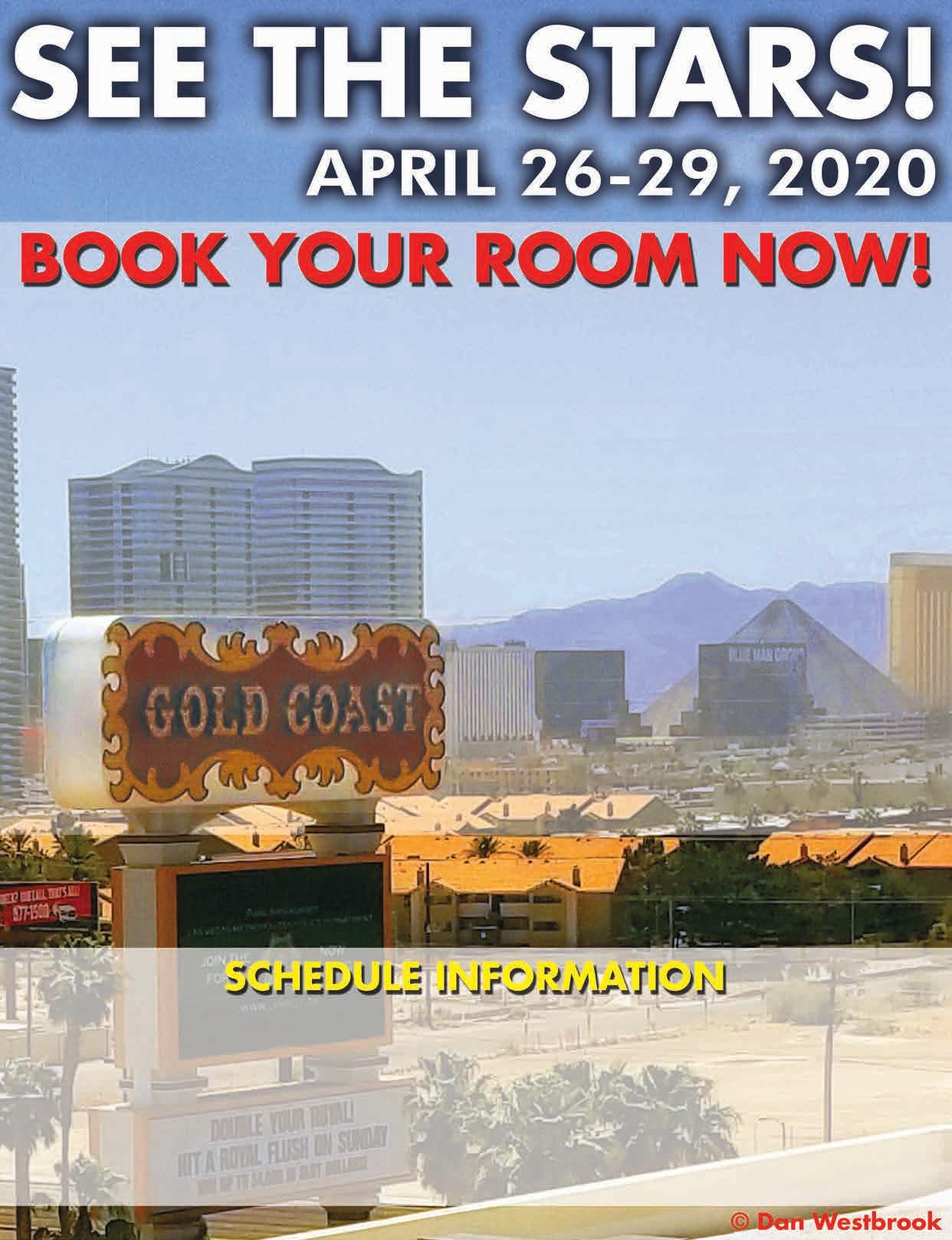
In order to book a room at the Gold Coast and receive the CAC discounted room rate, it is necessary to first be a member in good standing of the CAC and secondly, purchase your banquet ticket. AFTER you purchase your banquet ticket, you will be emailed the Gold Coast Passkey code which will allow you to book your room(s) online thru their website.
Hospitality Room
Sunday 11 am until 2 pm
Monday 9 am until 3 pm
Tuesday 9 am until 3 pm
Blowout dinner starts Tuesday 5 pm
Banquet dinner starts Wednesday 5 pm Ken Ramey bowling tournament starts Wednesday at noon
Vendor set up starts Monday at 8 am
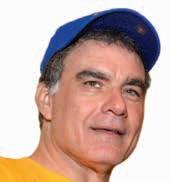
BIO: I’ve been a newsstand magazine photographer/ writer since the sixties and covered every CAC event since the late eighties.
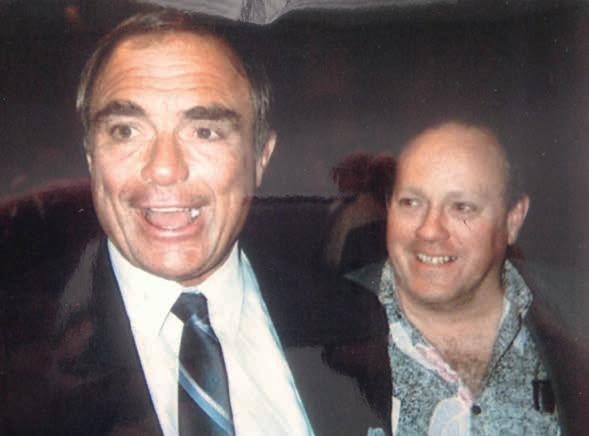
We’re honoring not only a fantastic referee next year, but also an incredible person beloved in the SoCal Eaton/Lebell Hollywood Wrestling Office from the 60’s on in Art Williams*. I worked as one of the promotion’s ringside/locker room program photographers there for my immediate boss Jeff Walton* (2019 honoree) who successfully did all of Mike Lebell’s* publicity as well as putting the program together. We both have immense respect and love for Art, as we do Gene Lebell* and everyone affiliated with our territory. He may have lost a leg after a driver plowed into his car ending his reffing days, but he transcended that tragedy to nearly run an entire large circuit for years before getting the call-up to become overall Lebell Office Manager, working 24/7 for the wrestling industry he dearly loved.
I interviewed Art for over 2 hours. He was born and raised in Rochester, NY and when he was 5 years old, he fell in love watching Fred Kohler International Amphitheater syndicated Chicago wrestling shows in the area. “Fred had the biggest stars: Thesz*, Rocca, Rogers*, Gorgeous George*; just an array of talent. I fell in love with those flickering black and white late-night images and couldn’t take my eyes off it as a kid. I loved sports, but this was the greatest stuff ever. My dad later took me to the matches to see Sky High Lee, Thesz, Rocca with Pedro Martinez* (CAC Honoree) booking. We later moved out to San Bernardino, California when I was in high school I went to the matches there. I was still hooked on it. My upstate NY upbringing may be why I clicked with Dick Beyer*, Johnny Barend (Johnny’s wife is a member) and other longtime friends.”
bloodbaths, until that drunk driver cut short his brilliant in-ring career. Art’s tragic accident occurred 2/9/69 in the Los Angeles Valley town of Van Nuys after he’d finished reffing another big card in San Bernardino (several hours away). While on his way home, his car stalled and he got out to push it all the way to his apartment. An intoxicated driver hit Art from behind breaking both his legs. He spent 3 months in the hospital, had 6 surgeries and weeks of physical therapy. But after the 2nd surgery, his doctors decided to amputate his left leg. Although his right leg was also broken, it was reset. After all of that, he then spent over 6 months

learning how to walk again. “I’m sorry I can’t recall the bouts I reffed that night for you Mike, it’s still a blur.” When he was able, he went to work full-time in Jules office as the overall Southern California/Hollywood Office Manager and stayed through 1975, when CAC honoree Louie Tillet* fully took over the book. “I was hired by the Santa Monica Police Department that year, wanting to try something new. But I stayed in touch with all my friends.”
Art was always close to nearly all the boys who came through the Southern Cal office, especially Dick Beyer, John Tolos*, Kinji Shibuya*, Fred Blassie and more. He saw Strongbow and Charlie “Mr” Moto* put together emotional classics for the fans. “Jules, in 1965, had health problems increase which was why he had me doing his legwork too. I was now at the Olympic Monday-Wednesday doing the programs, printed press, then Thursday I’d do the long drive to Bakersfield getting all the local radio and tv appearance interviews ready for that night, setting them up for the following week, did all the newspaper copy, made sure the boys showed up everywhere they had to be, especially KUZZ(English) and KWAC(Hispanic-language)radio stations. January 1st of ‘65, Sandor Szabo* sold his 50% stake to Charlie Moto*, who began helping Jules with booking(Moto was a legendary heel at the time, who Art said had at least 100 or more great matches with fellow heel Blassie).
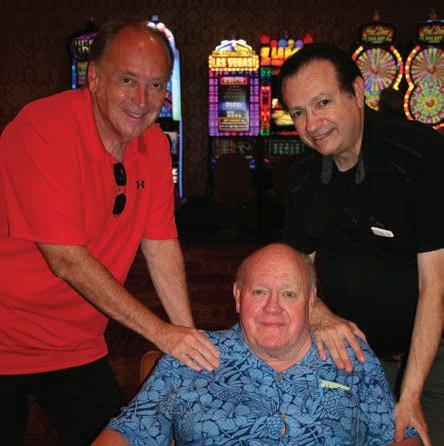
Art began his career as a referee in February, 1965 after he’d been successfully doing all the legwork and publicity for head booker/matchmaker Jules Strongbow’s ancillary town of Bakersfield. There were many towns, sometimes two a night, revolving around the main Eaton/Lebell* rented venue of the famous L.A. Olympic Auditorium. Art spent 3+ days every week setting up tv and radio interviews and spots for popular KUZZ radio station (owned by legendary country music star Buck Owens) that loved having the colorful wrestlers on-air hyping matches for Jules’ area promoter Roy Warner (Art did all of Roy’s heavy-lifting gaining quick respect from everyone). Art also got all the Hispanic speaking wrestlers each week on Spanish radio station KWAC. Plus providing newspaper copy and ads for major newspapers. Then he’d work 2+ days for Jules in L.A.. Thanks to Art’s hard work, Strelich Stadium’s business there grew. A grateful Jules asked Art if there was anything else he wanted to do in the biz. Art said “I’d like to referee!” He then became one of the most well-known and respected refs for some four years. “Jules liked my radio and print journalism for he and Roy, while bringing up the territory, so my reward was being able to ref.” He then spent years refereeing some of the biggest matches in Southern California history, like many Blassie*/Buddy “Killer” Austin

Art also was close with Northern California promoting great Roy Shire* who often asked Art to send him enhancement talent for his tv. “When I sent Cowboy Buddy Rose, a good jobber, he was thrilled Roy put him in his Cow Palace opener and paid him $400, a lot at the time.” (Mike: this was the Phoenix worker Bill Anderson knows who did an allpink cowboy gimmick). Gagne* sent AWA rookie trainee Paul Perschman to Japan by way of working one show in L.A. on the way there in 1974, Paul ‘lifted’ the other Buddy Rose’s name after he squashed him at the Olympic and certainly made that name more famous as his own Playboy creation. “Roy always appreciated that I could find talent, even at the last minute for him to have drive up to the funeral.”
Art’s been coming to Vegas for many years, after attending all the years while we were still in L.A. “I first began going to CAC not long after Mike Mazurki founded it when it was more of a casual thing for all the boys. Wrestlers, boxers, people in entertainment. You couldn’t be a peripheral person or fan at Mike’s meetings and luncheons back in the 60’s and 70’s; you had to have been a wrestler, ref, promoter, announcer, people in those capacities. With so many great legends, they were always a lot of fun.”
We’re all appreciative that Art is getting honored at next year at Cauliflower Alley.
On November 15th 2019, The Destroyer Memorial will take place at the Ota-ku General Gymnasium in Tokyo. The Beyer family will be in attendance to celebrate the legacy of Dick. - Slam Wrestling
John Tolos, & Art Williams photo: Mike Lano
Mike Tenay, Art Williams, & Dan Westbrook photo: Mike Lano
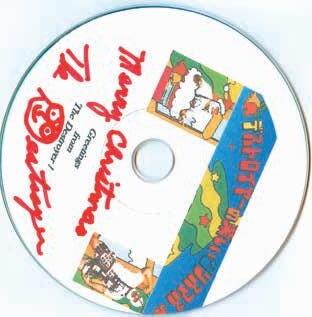
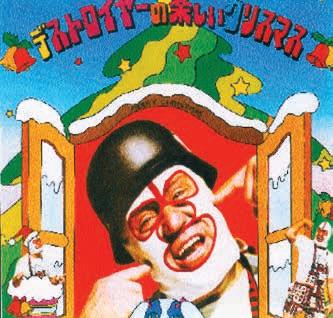
“Destroyer’s Merry Christmas” CD
Greetings from The Destroyer
The Destroyer
Colorado Mountain Goat/Cockroach Media
In 1976, the producers of Uwasa no Channel in Japan, decided to release a Christmas album by The Destroyer. The nal album, which combined traditional Japanese seasonal songs with U.S. Christmas tunes was released by RCA and was awarded the No. 1 Christmas Album of the Year!
Track 1: Taiko Drum Opening with Jingle Bells (00:00 – 03:52)
Track 2: I’m Dreaming of a White Christmas (03:52 – 09:12)
Track 3: Santa Claus is Coming To Town (09:12 – 11:12)
Track 4: I Saw Mommy Kissing Santa Claus (Japanese) (11:15 – 14:04)
Track 5: Jingle Bells Instrumental (14:04 – 16:26)
Track 6: Holiday Medley (Japanese) (16:26 – 22:27)
Track 7: Walking In A Winter Wonderland (22:27 – 24:43)
Track 8: Rudolph The Red-Nosed Reindeer (24:43 – 27:03)
Track 9: Silent Night (With Christmas Story in Japanese) (27:03 – 32:03)
Track 10: Oshogatsu (New Year) (32:03 – 34:36)
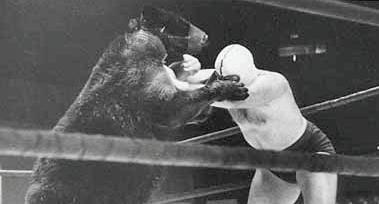
Dick vs. Victor the Bear (Thanks to Steve Yohe)
2/17/65 - Victor bt. The Destroyer by dq - Los Angeles
3/11/65 - The Destroyer bt. Victor - Bakersfield
4/13/65 - The Destroyer bt. Victor - Long Beach
11/25/67 - Victor bt. Dr. X by dq - St. Paul
12/14/68 - Victor bt. Dr. X by dq - Minneapolis
12/17/68 - Victor bt. Dr. X (sub for Chris Markoff) by dq - Moline 2/6/69 - Victor bt. Dr. X by dq - Minneapolis
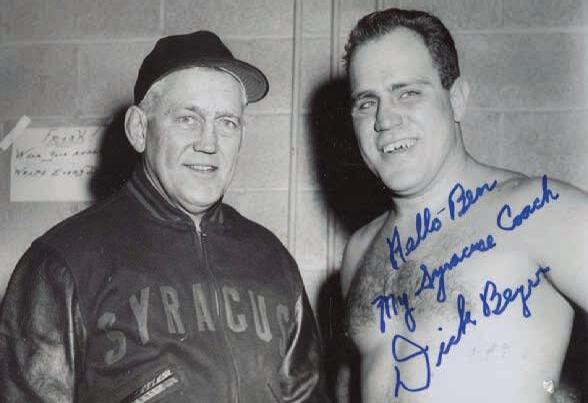
Ben Schwartzwalder
(Dick’s college football coach)
• Syracuse’s most successful football coach from 1949-1973 (153 wins - 91 loses - 3 ties) (total career 178-96-3)
• Served as a paratrooper in the Army during WWII with the 82 Airborne. He parachuted in on D-Day in 1944 onto Normandy Beach. Fought in the Battle of the Bulge.
• Awarded 4 battle stars, a Bronze Star, a Silver Star, and a Purple Heart.
• Won the 1959 National Championship, with a record of 11-0 allowing only 96 yards per game. The offense averaged 39 points per game.
• Coach Jimmy Brown, Larry Csonka, Floyd Little, John Mackey, Jim Nance, and Ernie Davis. He coached the first African American to win the Heisman Trophy.
• In 1967 he was elected President of the American Football Coaches Association.
• Won 4 Lambert trophies (best college team in the East Division)
• Took his teams to 7 bowl games.
• Eddie Robinson Coach of the Year winner in 1959
• Amos Alonzo Stagg Award winner in 1977
• Inducted into the College Football Hall of Fame in 1982. Also, in the West Virginia University Hall of Fame (where he played center at 146 lbs. and was captain of the team in 1933).
• His 1946 Muhlenberg College team beat St. Bonaventure in the Tobacco Bowl.
• Ben said “The alumni wanted a big-name coach. They got a long-name coach.”
• The Ben Schwartzwalder Trophy annually goes to the winner of the West Virginia University and Syracuse.
• Dennis Quaid portrayed Ben in the movie about the tragic life of Ernie Davis called The Express.
• As a player at West Virginia he was coached by Pro HOFer Greasy Neale.
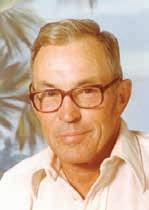
Joe McDaniel
(Dick’s college wrestling coach)
• Member of the National Wrestling Hall of Fame
• 3x National AAU champ
• Coached 11 years at Syracuse, including a 4th place national finish.
• In 30 years of coaching his record was 257-105
• As a wrestler, won 3 National Championships at OSU (Oklahoma State University)
• Named outstanding wrestler at the 11th NCAA wrestling tournament.
GUEST PHOTOGRAPHER
Glenn Bray (b. 1948)

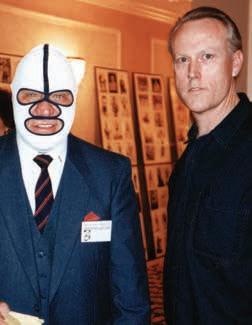
Publisher/Editor of books on: Basil Wolverton: (GJDRKZLXCBWQ COMICS, 1972, Foopgoop Frolics, 1975, The Original Art of Basil Wolverton, 2007), Harvey Kurtzman: (the first comprehensive study of the MAD comics legend, The Illustrated Harvey Kurtzman Index, 1975); pro-wrestler Fred Blassie: Pencil Neck Geek, a vinyl recording, 1975, Stanislav Szukalski (www.szukalski.com), the Polish sculptor (Troughful Of Pearls, 1980, Inner Portraits, 1982, The Lost Tune, 1990, Struggle, 2000); the Fantagraphics publication of his personal original art collection, The Blighted Eye, 2014, and To Laugh that We May Not Weep: The Life & Times of Art Young, co-edited with Frank M. Young, 2017. He also appears in the Leonardo DiCaprio produced documentary for Netflix, Struggle: The Life and Lost Art of Szukalski, 2018. He resides in Southern California with his wife Lena Zwalve.

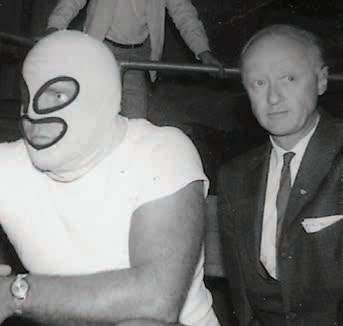
In his street mask with Jimmy Lennon* photo: Glenn Bray
w/Glenn Bray photo: Glenn Bray

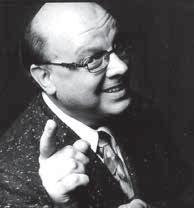
Dave Burzynski first caught the wrestling bug at the tender age of 6 when he found out his upstairs neighbor at his family’s 2 story home was in fact, the most popular wrestler in the Detroit area at the time, Leaping Larry Chene. Larry took Dave to his first live wrestling show at the Channel 7 studios prior to his Olympia Stadium match in 1961.
Following Larry’s untimely death in 1964, it wasn’t until the Summer of 1965 that Dave would attend his first live event at Cobo Arena. From that day on, he would be a regular fixture along with his camera at every show. Within years, his articles and photographs could be found in all the national wrestling magazines, he was a founding member of the Wrestling Fans International Association (WFIA), and traveled the country as a teenager for all things wrestling.
With the help and influence from promoter Les Ruffen, he landed the dream job of photographer for Big Time Wrestling and eventually began writing many of the stories that appeared in the promotions top notch program, The Body Press. He traveled the territory, most times with many of the top stars who appeared in the area, but writing and photography were taking a back seat to his dream of becoming a wrestling manager. Thus, in October of 1974 at age 19, Supermouth Dave Drason began his quest of becoming the top manager in the wrestling business at the time unheard of for someone his age. Winning the 1976 WFIA Manager of the Year award, over the years he guided the careers of Ben Justice, Killer Brooks*, The Fabulous Kangaroos*, Mickey Doyle, Al Snow*, Malcolm Monroe, Eric the Red, Hartford Love and so many other iconic champions. But the highlight of his career was when he became the manager of the greatest villain in wrestling history, The Sheik*.
Supermouth has been a huge supporter of the Pro Wrestling Hall of Fame, the Cauliflower Alley Club and continues to give back to the business he fell in love with over 50 years ago. You can also view many of his photos that appear in various tribute videos on the stars of the Golden Era of wrestling on the Dave Burzynski YouTube channel.
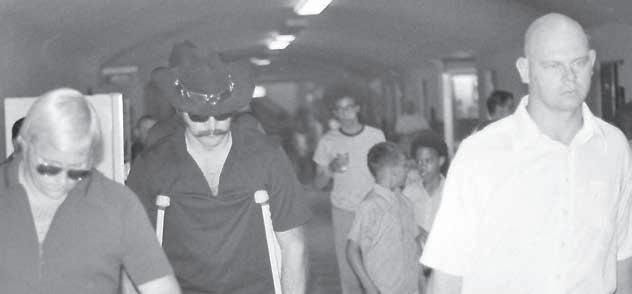
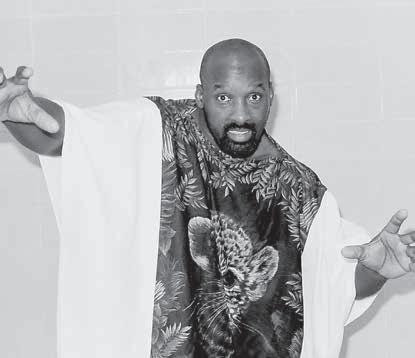


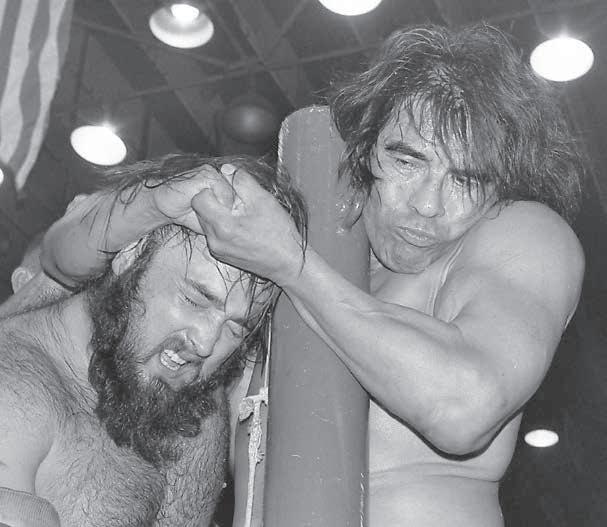
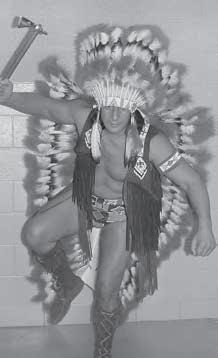

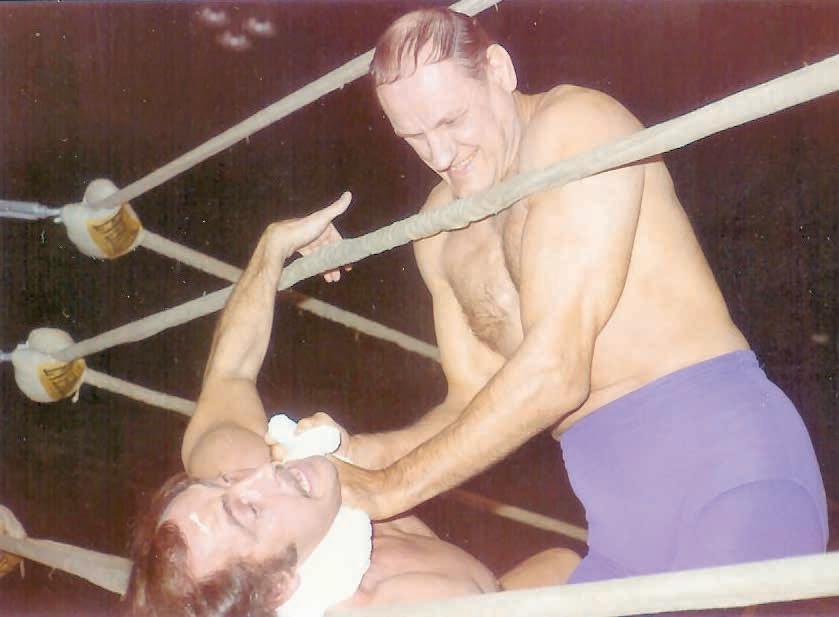
Even the ring post isn’t safe when Luis Martinez goes against Killer Brooks*.

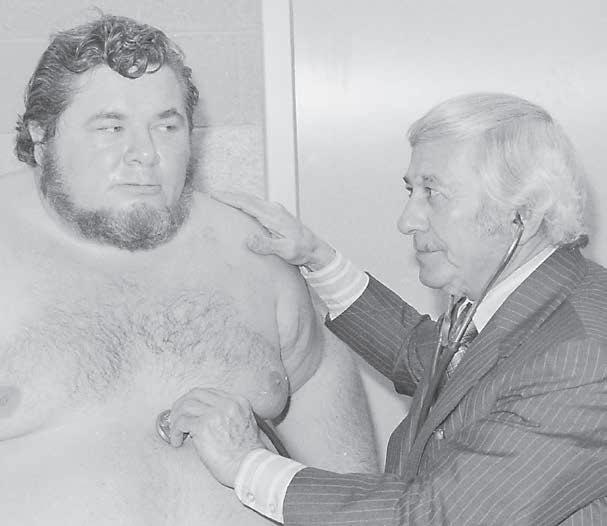
George Cannon* asks “How’s my heart Doc”? The doctor said “George, you don’t have one”.

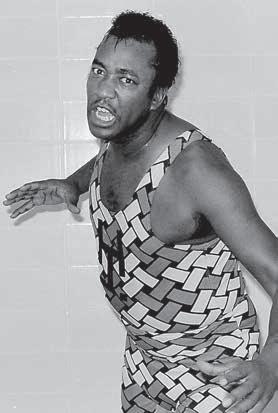
Sonny King*
Bobby Heenan*, Blackjack Lanza and Baron Von Raschke*
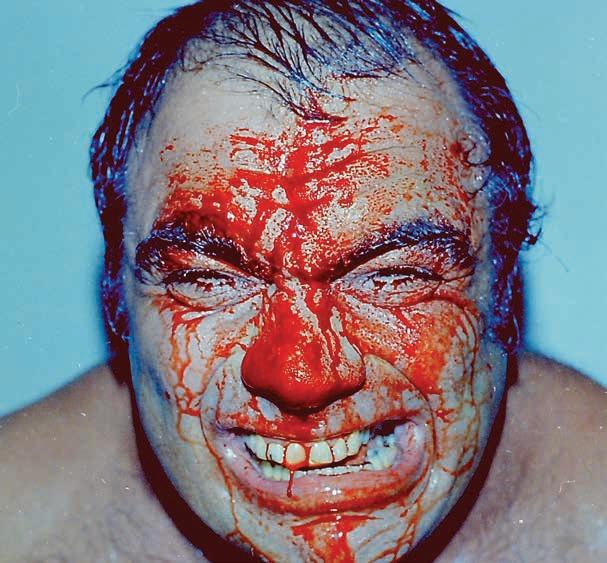
A bloody John Tolos*
Chief Jay Strongbow

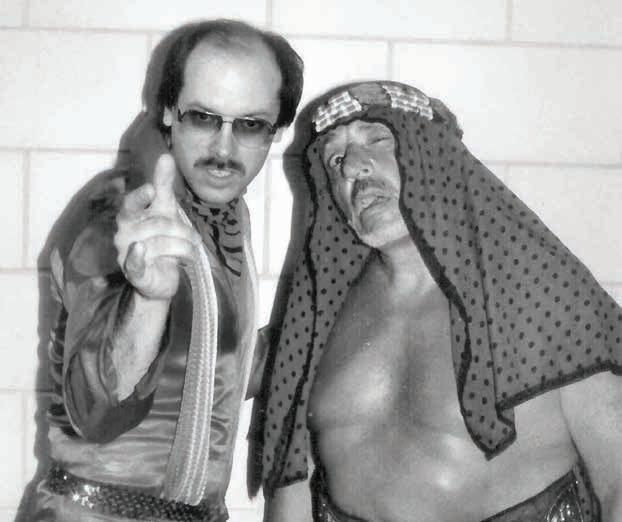
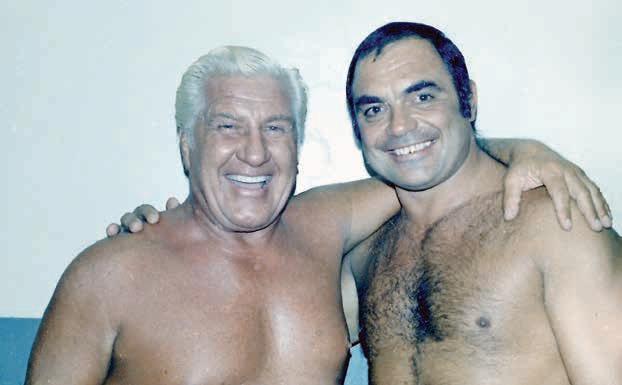

Supermouth Dave Drason* & The Sheik*
Dandy Dan Miller
A kayfabe photo of Fred Blassie* & John Tolos* before they went to war in the ring.
The Student* (George Steele)
The Great Kabooki* (Rey Urbano)
The only known photo ever taken of The Sheik* with his 2 former managers Eddie Creatchman and Abdullah Farouk.
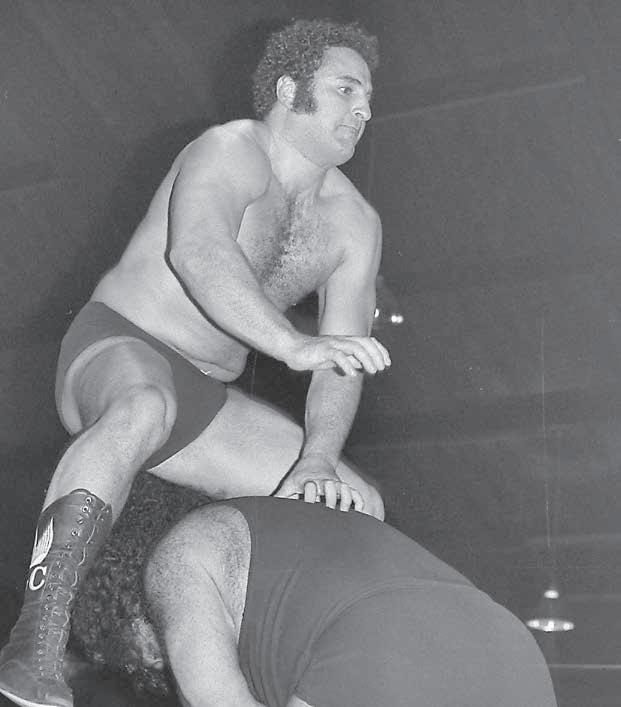
Flying Fred Curry* leaps over Pampero Firpo*
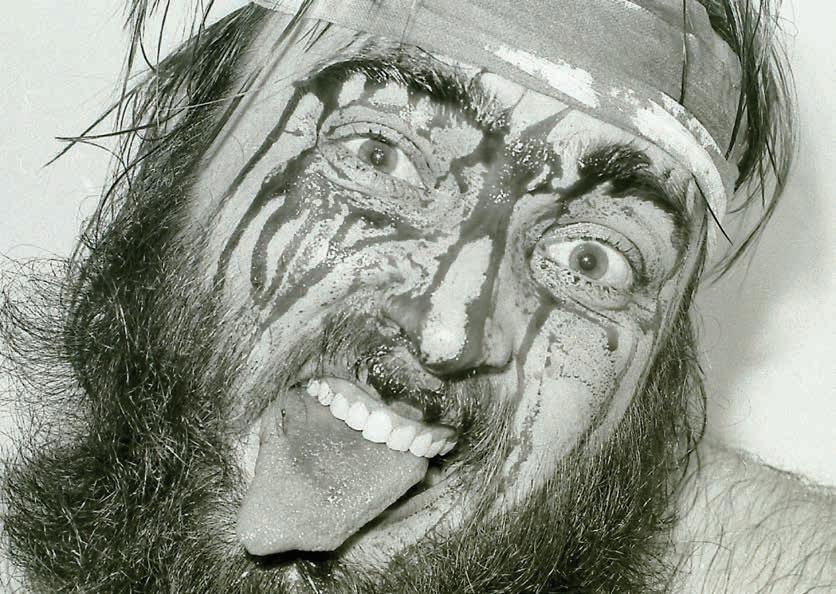

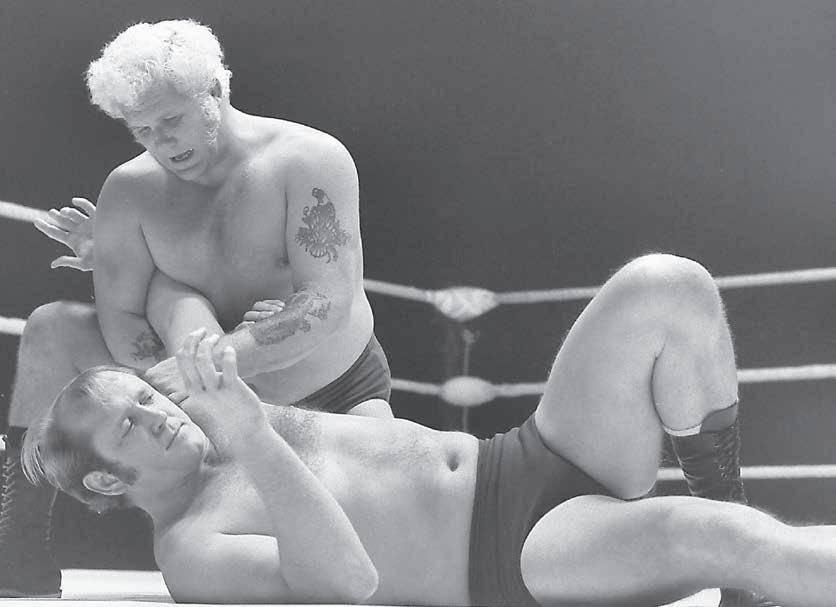





A bloody Killer Brooks*
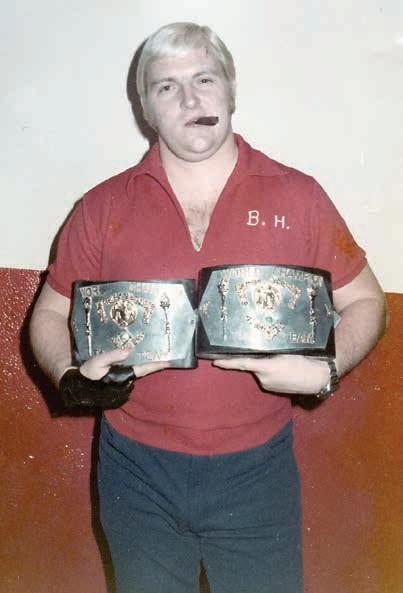
Bobby Heenan* with the WWA Tag Team Belts
Big Money Hank James
Killer Kowalski* has his way with Tex McKenzie*
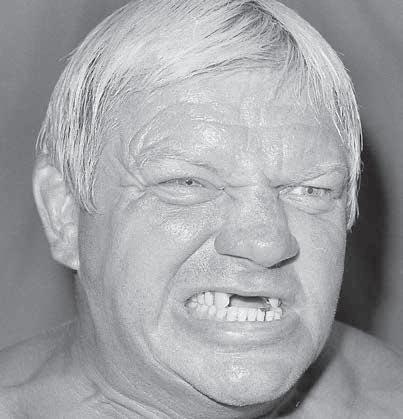
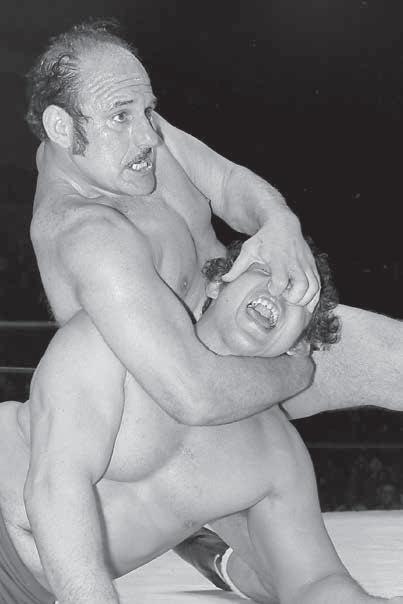
All Dick the Bruiser wants for Christmas is his 2 front teeth.
Harley Race* vs Dory Funk Jr.*
Al Costello* reconstructing Ben Justice
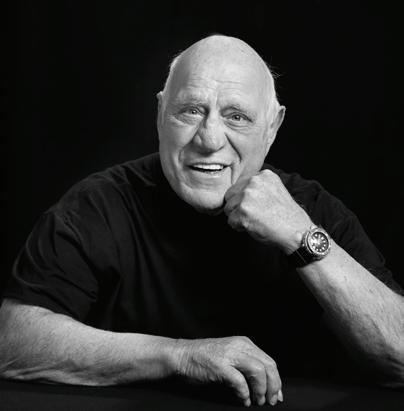
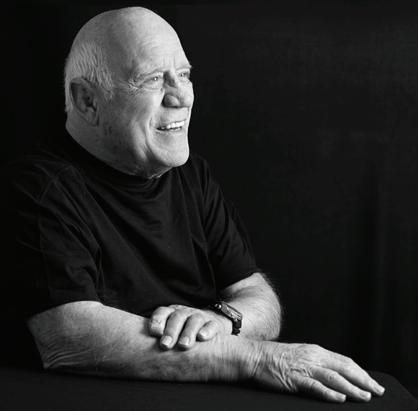
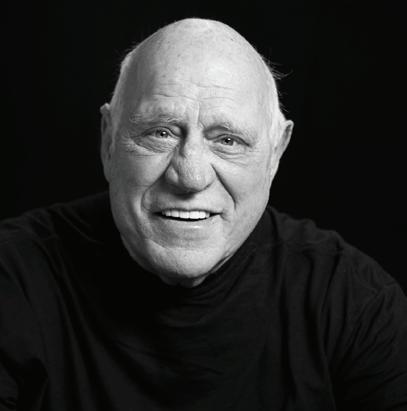
A Black & White Study
by Karen Melvin
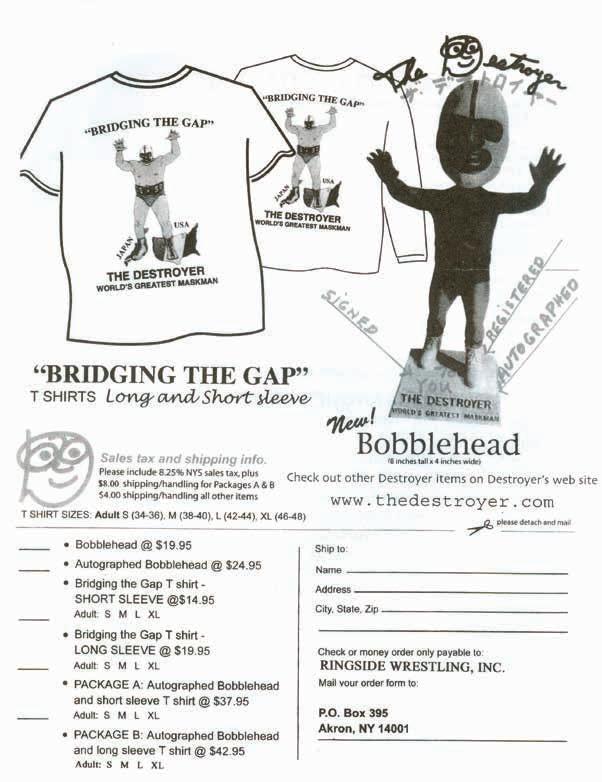
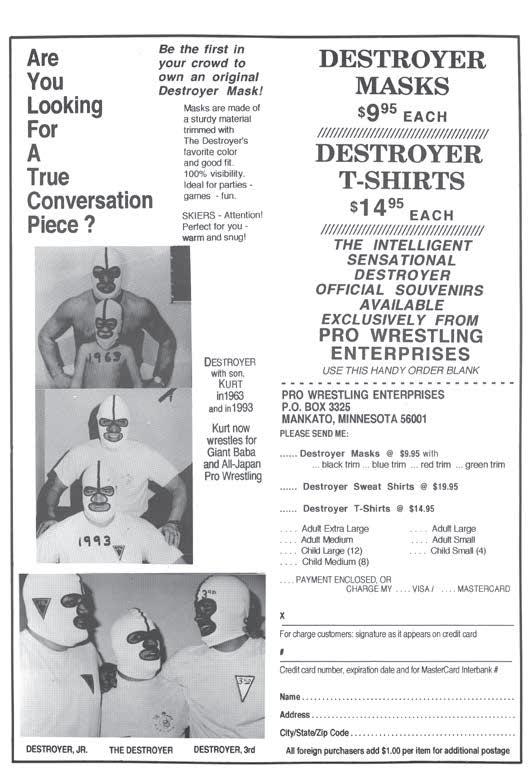
Dick’s ad from the March 1993 issue
Dick’s ad from the April 2005 issue
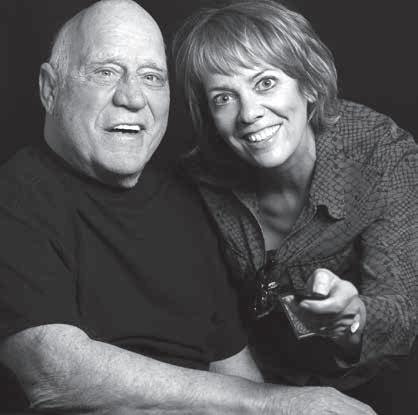
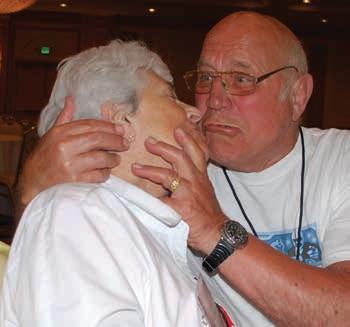
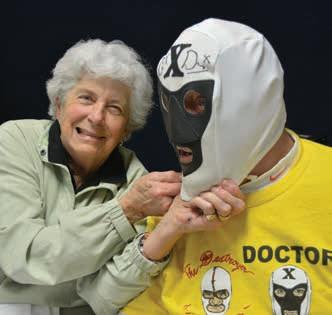
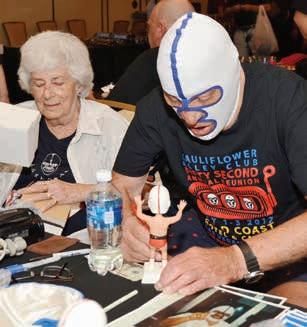
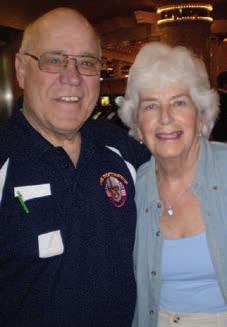
DICK & WILMA
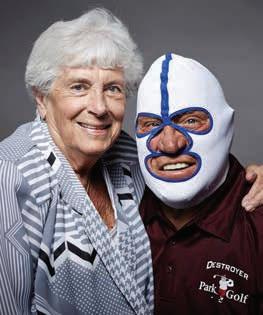

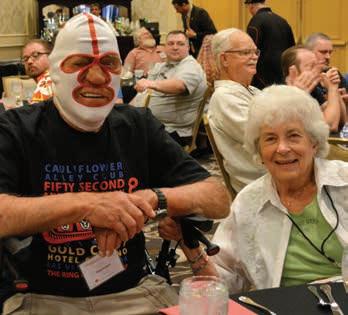

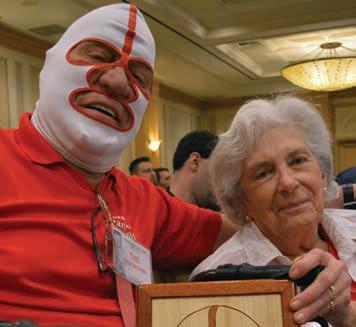

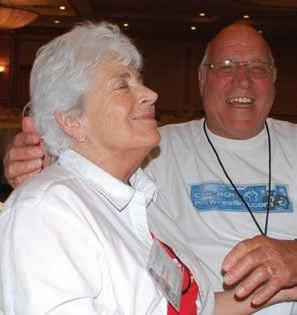





DESTROYER CRIBBAGE

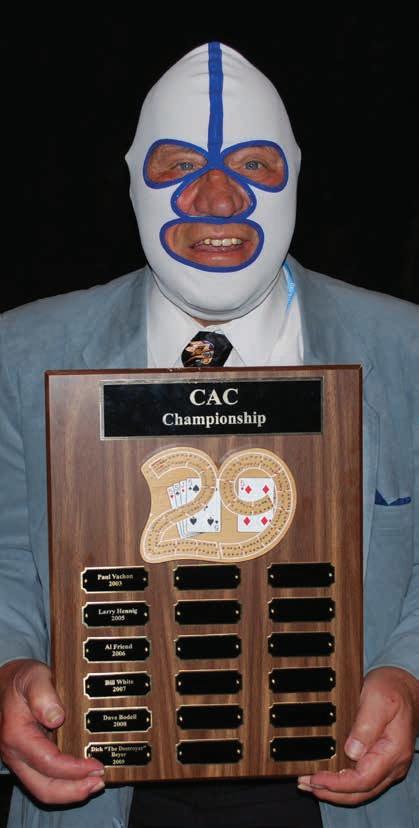

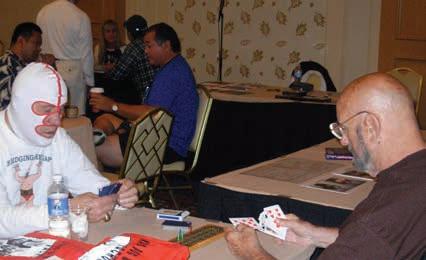
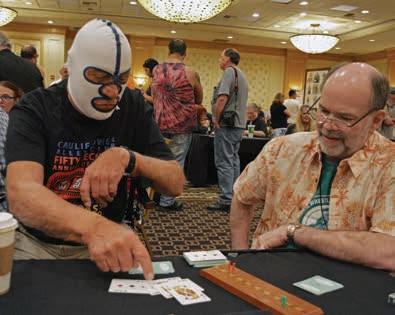

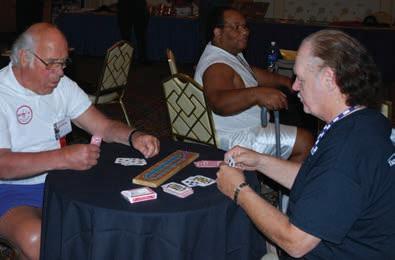

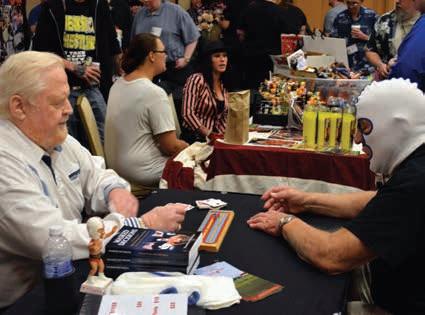

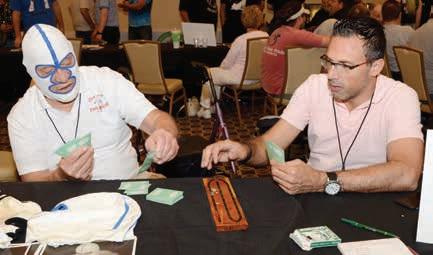

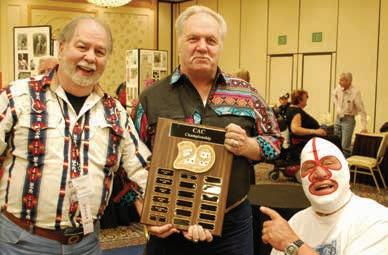

photo: Andrea Kellaway
photo: Joyce Paustian
photo: Joyce Paustian
photo: Joyce Paustian
photo: Joyce Paustian
photo: Johnny Bradford photo: Joyce Paustian
photo: Joyce Paustian
w/Tim Dalton photo: Joyce Paustian
w/Mad Dog Vachon photo: Joyce Paustian
w/Al Friend & Bill White photo: Joyce Paustian
photo: Joyce Paustian
w/Larry Hennig photo: Joyce Paustian
w/Pat Laprade photo: Johnny Bradford
w/Bill White photo: Joyce Paustian
THE DESTROYER

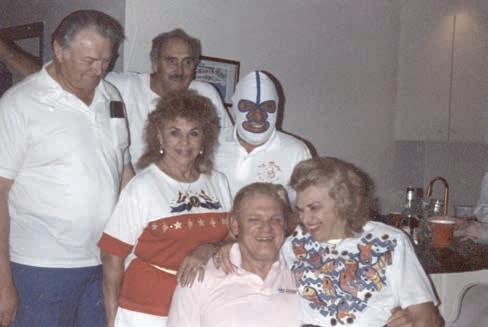











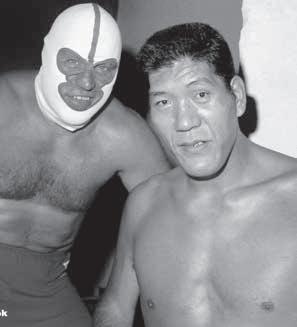
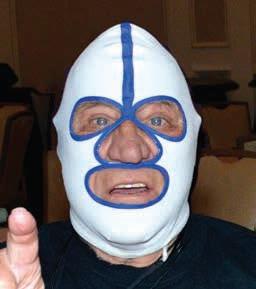

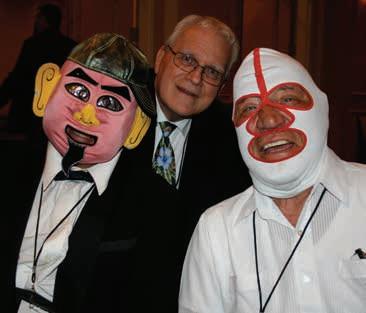

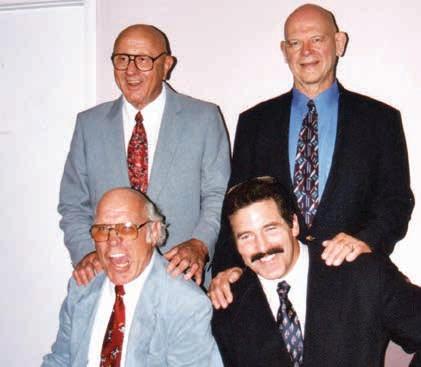






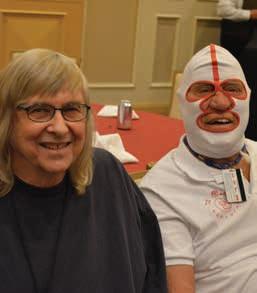

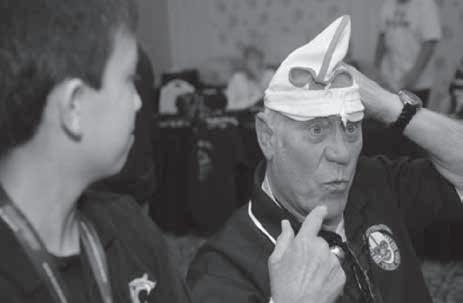
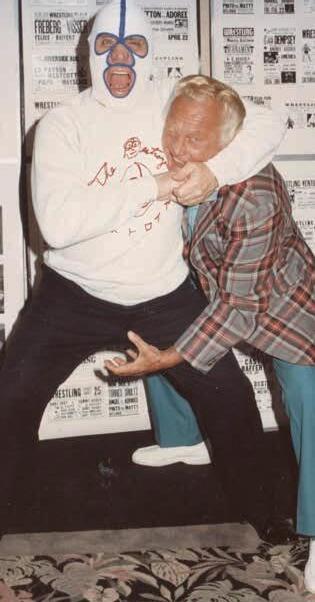

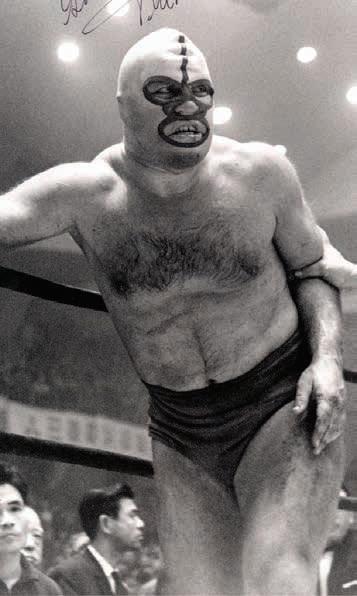
w/Steve Yohe photo: Joyce Paustian
w/Standing Left: Bob Geigel, Seated: Dan Severn, & Standing Right: Baron von Raschke photo: Joyce Paustian
w/Larry Hennig photo: Johnny Bradford
w/Kikutaro & JJ Dillon photo: Mike Lano
w/Salvador Lothario photo: Dan Westbrook
photo: Joyce Paustian
w/Shohei Baba photo: Dan Westbrook
w/Bob Leonard photo: Joyce Paustian
w/Terry Funk & Mike Neporadny photo: Mike Lano
photo provided by Glenn Bray
w/Kurt & Wilma Beyer photo: Joyce Paustian
photo: Dan Westbrook
October 1994
w/Don Leo Jonathan, Tex McKenzie, Fabulous Moolah, Johnny Valentine, & Mae Young photo: Mike Lano
Issue: 1990
w/Antonio Inoki photo: Mike Lano Issue: April 2004
w/Buddy Rogers shows a good way to break Dick’s headlock@25th CAC Reunion 3/92 Cauliflower Alley JUNE 2012 6/6/12 7:15 AM Page 14
Dick unmasking at CAC photo: Scott Romer
THE DESTROYER

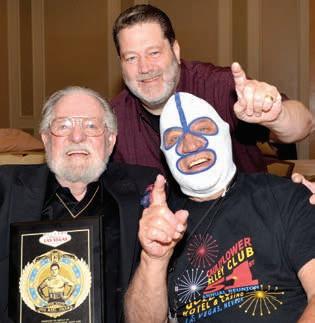


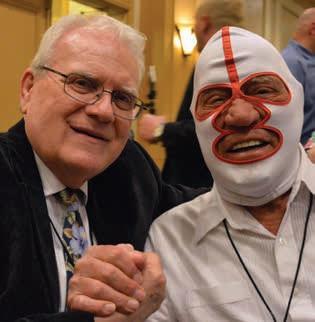

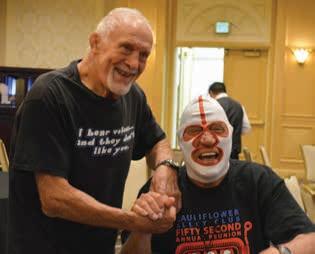




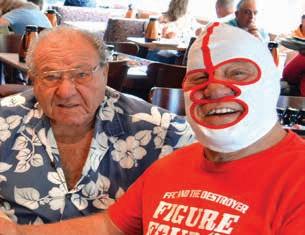

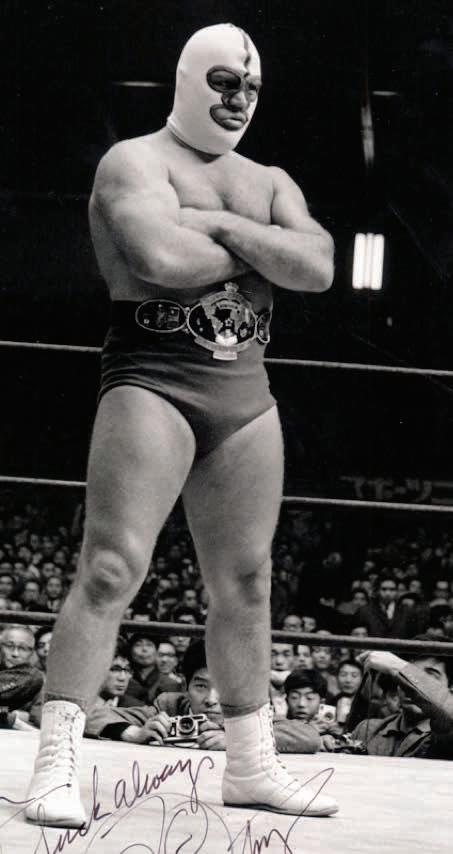


Issue: June 2016










March 2013

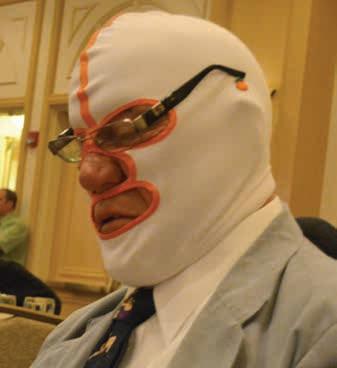

w/Hans Schroeder
photo: Dan Westbrook
w/Reggie Parks photo: Joyce Paustian
photo: Dan Westbrook
w/Dan Westbrook photo: Dan Westbrook photo: Joyce Paustian
w/Pepper Martin, & Kurt photo: Dan Westbrook
photo: Joyce Paustian
w/Baron von Raschke photo: Joyce Paustian
w/Don Manoukian photo: Dan Westbrook
photo: Johnny Bradford photo: Johnny Bradford
w/LeBell, Jonathan, Race, Dibiase, Funk, & Bockwinkel photo: Joyce Paustian
photo provided by Glenn Bray
w/Jesse Ventura Issue: October 2003
w/Mil Mascaras photo: Mike Lano Issue:
w/Ken Patera photo: Mike Lano
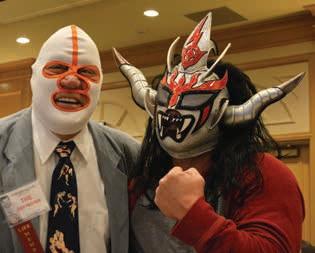
w/Liger photo: Joyce Paustian
w/JJ Dillon photo: Joyce Paustian
Q. How did Jim Osborne come into the picture as ‘Double X’?
A. That was my idea, because they didn’t know how to use him. I said, “Give him to me as a partner. I’ll call him Double X.” It worked pretty well, until one night ... he got goofy and wanted to fight me in the car, on the road. (laughs)
Q. What did Verne promise you to convince you to unmask?
A. He didn’t promise me anything. I was leaving to go around the world. I went to the office and asked for a years’ leave of absence, but wanted to be able to come back. The way they did it was alright, because they didn’t say I was Dick Beyer. We used the first and last names of two sportswriters and sportscasters.
Q. How was Baba as a worker in the early days?
A. Very, very good -- especially in the early days. He was a national ping-pong champion of Japan ... and a starting baseball player for the Tokyo Giants, but he had fallen through a glass shower door and severed all the tendons in his elbow, so he couldn’t pitch anymore. He was a good athlete. I mean, he looked like hell because of the thorasic condition that he had, but he was a good athlete.
What made Baba in Japan was wrestling me in Los Angeles. I was the world’s champion, but Baba was just a baseball player. It was handled by The Great Togo, who was the interpreter and booker for the American wrestlers. I don’t know the exact dates, but I wrestled Baba three times in early ‘63. So, the first night I’m wrestling Baba, I don’t know him from a bag of tomatoes, but it was my three biggest payoffs up to that time. I got eight percent of the house in Los Angeles. Baba got twenty-five dollars.
Jules Strongbow comes in and says, ‘The place is sold out -- a $22,000 house.’ I say, “Holy sh--.” Then I’m multiplying eight times twenty-two. He says, ‘We have to do something to bring this back. Ringside is five rows of Japanese. There’s eight Japanese photographers here to watch this match.’ So, Strongbow says, ‘What are we gonna do?’ I say, “What do you mean what’re we gonna do? We’re gonna make that big Jap look like a million dollars. You let me handle it.”
I went out, made it look good enough, and we brought it back for two more matches. He never won the title, but when he went back to Japan, he had all this publicity about wrestling me. He was bigger than Rikidozan.
The problem was, at the time, Baba was working for Rikidozan. By the time I got there, every preliminary boy had beaten Baba in the middle of the ring, because Rikidozan couldn’t stand the heat. When I saw Baba standing on the platform, he looked like a whipped puppy dog. They just beat the sh-- out of him. I had treated him with kid gloves and made him look like the world’s greatest wrestler.
So, that was ‘64. I went back every year after that. In ‘72, Japan Pro Wrestling folded. That was the group that I went to work for. When Baba formed his group, he asked me to come over, but I couldn’t. I was working as the booker in LA. That must have been the fall of ‘72. I went there in December of ‘72 for his second series, and he had nobody. Nobody. I got with the TV people and said, “You need me.” They said, ‘What do you mean?’ I said, “You need me as Baba’s partner.” So, I got on the TV and said, “I’ll wrestle Baba on TV, and if I can’t beat him, I’ll join him.” We had a hell of a bout on TV, because Baba and I could have a hell of a bout. He didn’t beat me, and I didn’t beat him, but he got his hand raised. I said, “I don’t like the way things happened, but I’m a man of my word. I didn’t beat him, so I’ll join him.” Right then, they announced that Baba and The Destroyer would wrestle Moose Morowski and Cyclon Negro in Korakuen, where the Tokyo Giants play baseball. The fans carried us out on their shoulders.
I told him I’d come over for one year. Well, after one year, I couldn’t get away if I wanted to. I should have stayed only four years, but I stayed six. I got a lot of mainstream publicity there, mainly when I became a regular on a comedy television program in Japan. At the end of the six years, I went home and started working as a high school swimming and football coach. I’d do occasional tours of Japan in the summers.
Q. Tell us what you remember about Gorgeous George*.
A. I wrestled George for the first time in Mobile (AL) in ‘58. Ray Stevens was in there with me at the time.
Q. What was the story behind your famous match with him in Los Angeles when he had his head shaved?
A. The way that came about ... Gorgeous George had a beer bar on (a highway that) runs the whole coast. You can get on at Bakersfield and get off down at Long Beach. I went over to his beer bar on the way to Bakersfield one day. I walked in ... and this beer bar was probably seventy-feet long by twenty-feet wide. He had pictures from the ceiling to the floor of every movie star in Hollywood you could think of ... he had two life-size manequins at the front entrance ... but there’s nobody in there. It’s three o’clock in the afternoon. “George, how ya doin’?” ‘Things are doin’ good. You come in here at five o’clock and you won’t be able to get in.’ I stopped back in on our way back from Bakersfield, and there’s nobody in there again. I stopped by another time and he says, ‘Dick, have you got a minute?’ I said, “Sure, George, but just a few. I’m on my way to Bakersfield.” He said, ‘I lied to you a couple weeks ago. We’re not doing too good here at all. Business is not good. I need a payday and would like to wrestle against you at the Olympic. I’d put my hair up against your title.’ I said, “Geez, George. You’re not in shape.” He said, ‘I’ll work out and get in shape.’ I said, “You’ll have to shave your head.” He says, ‘That’s okay. I’ll have my two hairdressers there to do it.’ So, I went back to the office and told Jules, “I ran into Gorgeous George and he wants a match with his hair against my mask. If he loses, he’ll have his hair shaved right in the middle of the ring.” Jules (Strongbow) didn’t think it would draw at all, so he went with it on a Wednesday night ... instead of going with it as a special Friday night show. I said, “Jules, let’s go with a Friday night special bout.” Jules said, ‘He’s a drunk, he’s this, he’s that.’ I said, “Hey, give the guy a chance. He was a big name at one time.” He was the biggest money-maker ever, until Hulk Hogan. Made millions, back in the forties. Made a ton of money. The poor guy. Alcohol just got the best of him. He got in pretty good shape and we had a halfway decent match. I beat him and they shaved his head. We both got a pretty good payday, but it could have been twice as much if they had run a special Friday night show. Hardy Kruskamp, the promoter in Long Beach and San Diego, said that he wanted that match down in San Diego. ‘We’ll do it again. This time, we won’t just shave it, we’ll razor it.’ George got on TV, did his promos, and we drew a pretty good house. George died a few months later. I had Primo Carnera’s last match, too. And wrestled against Rikidozan in a six-man tag on the night before he was murdered. That was in Hamamatsu, a city about two hundred miles from Tokyo, on the way to Nagoya. The match was Buddy Austin, Ilio DiPaolo, and myself against Rikidozan, The Great Togo, and Michiaki Yoshimura.
The 2018 Destroyer CAC seminar
2:00 PM: “All in the Family; From America to the
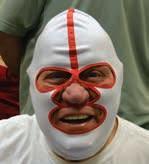
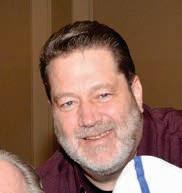
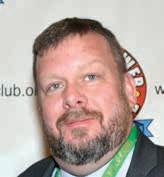
Featured guests: Dick “The Destroyer” Beyer*, Kurt Beyer* Host: Dan Murphy*
There aren’t too many wrestlers around with the pedigree and credentials of the legendary Dick “The Destroyer” Beyer. The “World’s Greatest Masked Man” has had a career that began in the mid-1950’s and has taken him around the world capturing titles wherever he went including the Los Angeles based World Wrestling Association World Heavyweight Championship three times and the American Wrestling Association championship once which he won as “Dr. X” by defeating Verne Gagne*. He inducted Gorgeous George* into the WWE Hall of Fame in 2010 and in November of 2017 was awarded with the prestigious “Order of the Rising Sun, Gold and Silver Rays” by the Japanese government for his outstanding contributions to the promotion of mutual understanding between Japan and the United States. Along with Rikidozan, “The Destroyer” to this day holds the record for the most watched live professional wrestling match of all time with 70 million viewers watching the 1963 Japanese pro wrestling match.
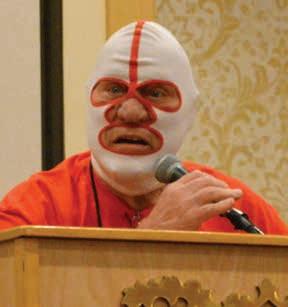

Dick’s son Kurt has, naturally, been around the pro wrestling business all his life. He followed his dad and uncle, perennial Canadian favorite Billy Red Lyons, into the grappling game after training with his dad and, later, Japanese legend Kenta Kobashi at the All Japan Dojo. Working extensively in Japan, Kurt debuted for All Japan Wrestling in Jan. 1993 and later that year worked the first ever father-son tag team match in Japanese wrestling history. Kurt has also competed in Germany, wrestled in the United States and put his family’s patented “figure four leglock” submission hold up against the “spinning toehold” of Dory Funk Jr. in a submission hold vs. submission hold match held in front of a capacity crowd at the Budokan Arena in Tokyo.
Together for the first time in a CAC seminar setting, this father and son tandem will discuss their careers including their career highlights and what it’s like to train at the All Japan Dojo. What it’s like working and living as a gaijin in Japan. The differences between working inside and outside of North America and, in Kurt’s case, what it’s like being the son of a wrestling legend and whether or not there were pressures and/or expectations put on him.
Hosted by the very knowledgeable and articulate Dan Murphy (who like the Beyers is also an upstate New York native) this CAC Learning Series presentation will definitely be one that you won’t want to miss!
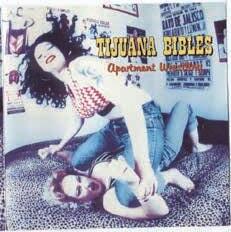
Apartment Wrestling by
the Tijuana Bibles on Trophy Records
The Bibles are a hard drivin’ band that at times reminds you of the Ramones, The Ventures, Duane Eddy, Dick Dale, and George Thorogood all in one, backed by the Bible-ettes. Their songs include Ring y Lucha, Suplex, & The Gorilla Stomp. Think Mexican surf punk. Not bad for a band from Canada. Anyway, they are special in that they thanked The Destroyer and Dr. X in their liner notes and used the words “sensational & intelligent” in their theme song “Tijuana Bibles”.
Dick Beyer photo by Joyce Paustian Kurt Beyer photo by Dan Westbrook Dan Murphy photo by Dan Westbrook
photo: Joyce Paustian
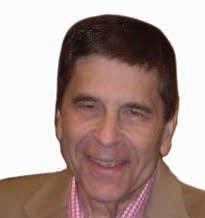
BIO: Dean began working in the Northwest area in 1958 and left the business in 1976 after promoting in Washington, Oregon, Idaho, British Columbia and Alaska. Dean became a CAC Director in 1993 and was named to the Executive Committee in 1999.
Dean and his late wife, Ruth, were the co-editors of “The Ear,” the official newsletter of the Cauliflower Alley Club, from 1995 until 2012.
Japanese baseball legend Ichiro Suzuki was my next door neighbor when he played for the Seattle Mariners baseball franchise. Dick Beyer* and he had appeared on television together in Japan dozens and dozens of times as arguably, they were the most two recognized talents in all of professional sports anywhere in Japan.
Dick and Wilma Beyer attended nine of our annual Northwest Wrestler’s Reunions and one time he actually got Ichiro to walk on over and partake in our annual gathering. I recall Kinji Shibuya* too embarrassed to meet him, because he wasn’t fluent in Japanese, but several wrestlers managed to chat with Suzuki, including Dick Beyer, Hard Boiled Haggerty*, Harry Elliott*, and Dean Higuchi*.

Our house is right on Lake Sammamish (which is the Native American word for kayfabe) and Dick would wear his Destroyer mask while posing for the group picture. He literally stopped boat traffic on the lake as they drove by and spotted a man wearing a ladies girdle covering his facial features.
Several times he would attend the reunion here (near Seattle) and then fly on to Japan where he would conduct his annual Japanese training tournament.
5th Pole of the Mat:.... …Baron Von Raschke* sent his $25 check to renew his CAC membership for another year. His check arrived with a handwritten note: Baron von Raschke, the George Clooney look-alike… …The 55th reunion slated for the Gold Coast Hotel & Casino in Las Vegas, April 26th-29th, 2020 WILL absolutely be a complete sell out. Advance sales thus far are way ahead of last year at this time, so just keep it in mind, when we sell out, we sell out. I urge you to get your room early as well as your reunion/banquet tickets…. … Received a great letter from CAC member Deborah Chmidling* and her husband Timothy*. “My brother,” she writes, Tim Chmidling had always dreamed of being a wrestler, but in 1981 his dream was destroyed when he was hit by a vehicle while riding his bicycle. When he recovered, he told me that he wanted to financially assist wrestlers who are in need so we would like to donate $20 each month to your benevolent fund, because they all gave so much to entertain us.” Thank you Deborah, we appreciate the support your family has given us… … Cribbage starts on Tuesday next
year and the Ken Ramey Bowling tournament will be held Wednesday at noon. By the way, both the Bockwinkel Blow-out on Tuesday and the awards banquet on Wednesday, get under way at 5 pm… … Arrangements are currently being made so you can register and get your name badge starting Sunday, which is a day sooner than normal. This will decrease some of the congestion we encountered on opening day… …
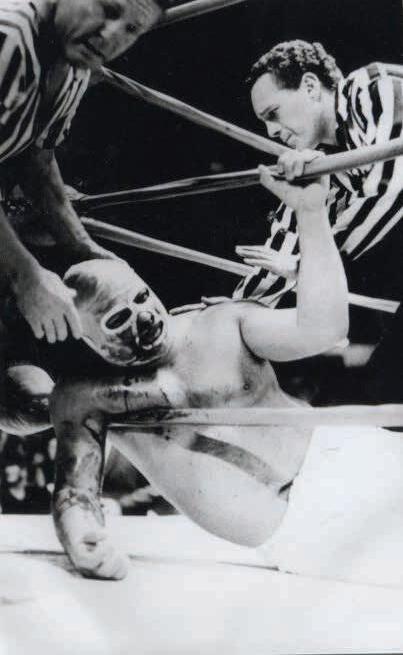
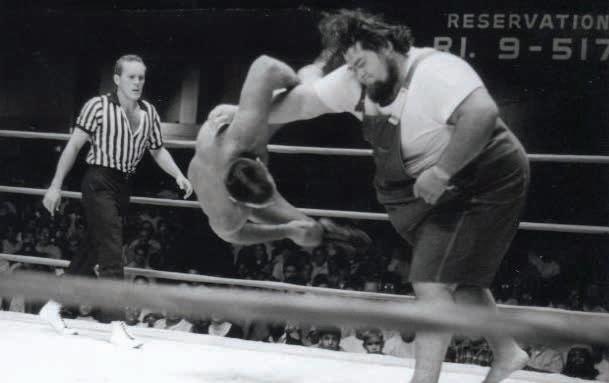
The CAC Promoter Award winner this year, Jeff Walton* has nothing but praise for Art Williams*. “A good referee helps to tell his story, not “hog” the spotlight. Art Williams told many stories working for the Hollywood Wrestling Office in the Southern California territory. Calling it down the middle was no easy chore when you had to be the third man in the ring with the likes of Freddie Blassie*, Mr. Moto*, Sandor Szabo, Giant Baba*, the Sensational Intelligent Destroyer*, and countless others. Art was one of the youngest and wellrespected officials in the business at the time. He called ‘em as he saw ‘em.”

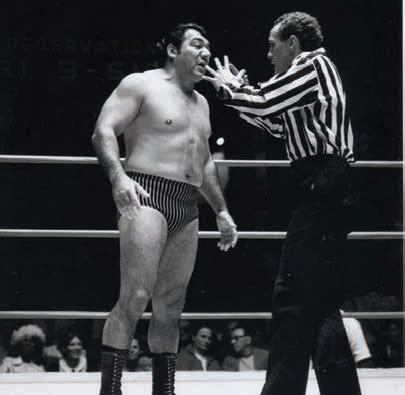

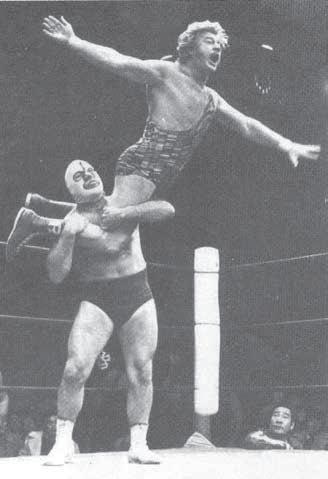

“I first began going to CAC,” Art said, not long after Mike Mazurki* founded it (1965) and I go to Las Vegas almost every year since they moved the reunion to the Gold Coast.”


Art Williams refs match at L.A.’s Olympic Auditorium with Haystack Calhoun. photo: Theo Ehret
In this 1968 photo, The Medic* (Luis Hernandez) broke his nose. Referee’s are Red Shoes Dugan* and Art Williams* photo: Theo Ehret
Referee Art Williams* attempts to explain to Tony Romano what a ve count means. photo: Theo Ehret
In Japan our fearless leader Red Bastien hits the ying headscissors on The Destroyer. - Issue Sept. 2012 photo: Koichi Yoshizawa
w/Ernie Ladd at Mobile Reunion
w/Karl Lauer
The Destroyer vs. Gorgeous George
“Mask vs. Hair”
November 7, 1962 - The Olympic Los Angeles, CA (reprinted from Inside Wrestling May, 1969 - Stanley Weston* Editor and Publisher)
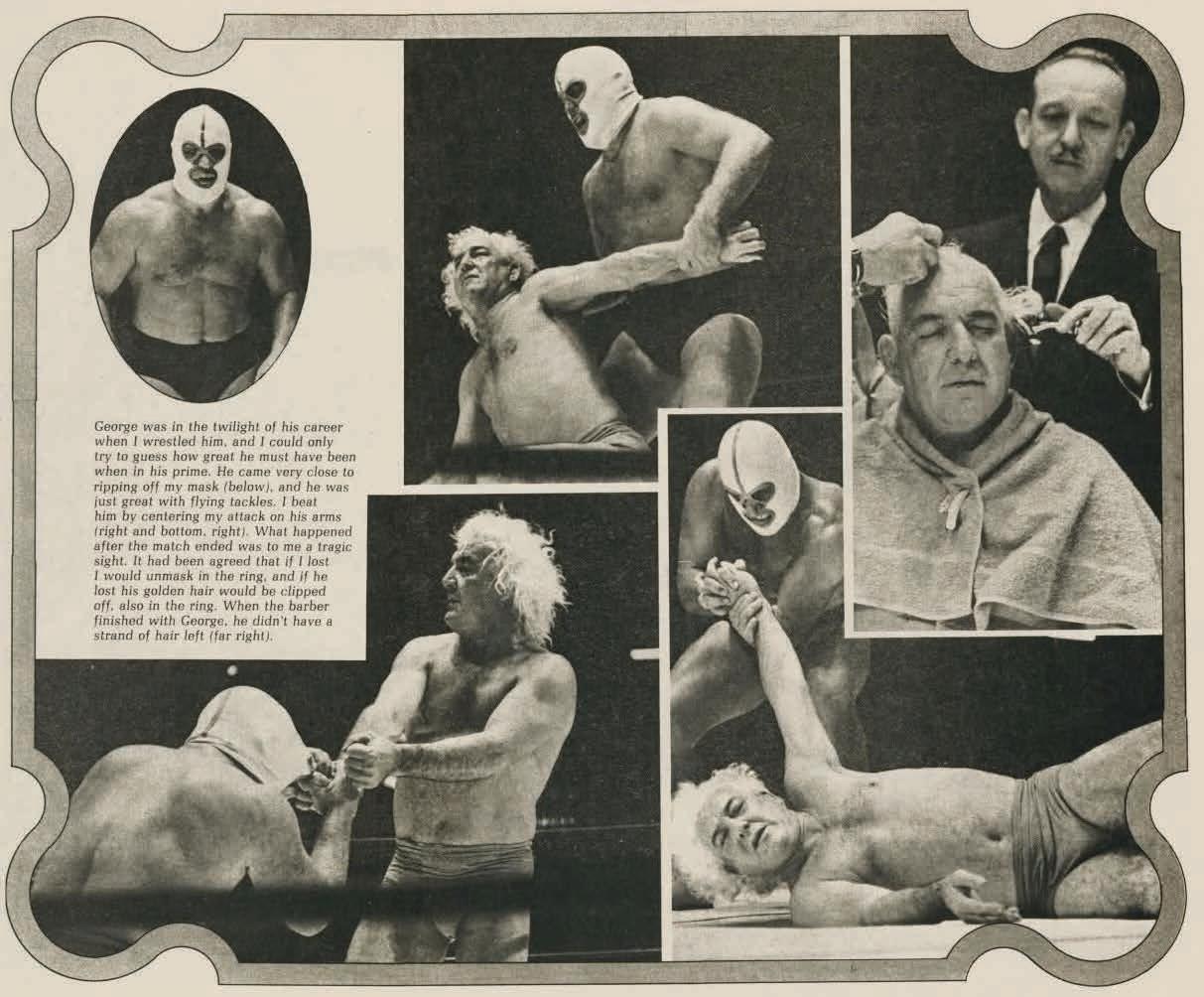
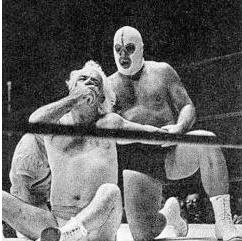



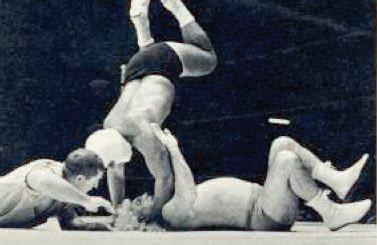
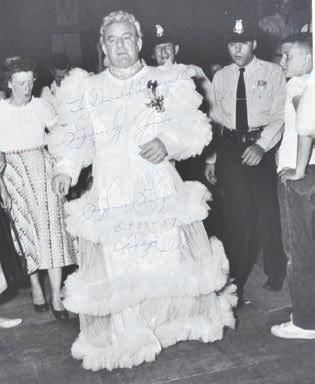

photo: Glenn Bray
George’s left arm remained The Destroyer’s prime target throughout the half-hour match.
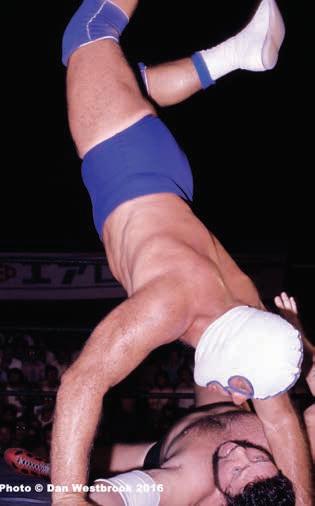
With a mighty heave of his body, The Destroyer lifted himself into the air, taking dead aim on George’s arm.
CAULIFLOWER ALLEY CLUB MEMBERSHIP
NEW RENEW
AMERICA ANNUAL:
$25 via Check*
$27.50 via Credit Card**
AMERICA LIFETIME:
$300 via Check*
$307 via Credit Card**
CANADA ANNUAL:
(U.S. Funds)
$35 via Check*
$37.50 via Credit Card**
CANADA LIFETIME: (U.S. Funds)
$450 via Check*
$460 via Credit Card**

PAYMENT OPTIONS
• Check • Money Order




OVERSEAS ANNUAL:
(U.S. Funds)
$45 via Money Order*
$47 via Credit Card**
OVERSEAS LIFETIME: (U.S. Funds)
$550 via Money Order*
$565 via Credit Card**
To pay via PayPal please visit: www.cauli oweralleyclub.org
*To pay via Check or Money Order mail form to:
Cauli ower Alley Club 4138 187th Ave SE Issaquah, WA 98027
**To pay via Credit Card mail this form to above address with Credit Card information; or phone CAC at (425) 644-2658.
Open seven days a week noon to 5pm Pacific Time.
***To pay via PayPal go to www.caulifloweralleyclub.org/shop and follow instructions.
Name _____________________________________________
Ring Name _________________________________________
Address ___________________________________________
City __________________ State _________ Zip __________
E-mail _____________________________________________
Phone _____________________________________________
Accomplishments in wrestling (or send resume) __________
To charge membership via mail Credit Card # ______________________________________
Amt. Charge _________ Expiration Date ________________
Name of credit card holder ___________________________
2020 CAC BANQUET/BOCKWINKEL BLOWOUT
Gold Coast Hotel & Casino in Las Vegas, NV
Blowout: APRIL 28, 2020 Banquet: APRIL 29, 2020
Total number of Tickets You Wish to Order __________
PRINT & MAIL FORM TO:
CAULIFLOWER ALLEY CLUB 4138 187TH AVE SE ISSAQUAH, WA 98027 or Call in your Credit Card seven days a week, noon to 5pm PST (425) 644-2658
NO BANQUET TICKETS SOLD AT DOOR!
ALL ORDERS BY CHECK MUST BE IN U.S. FUNDS, INCLUDING CANADIAN and OVERSEAS ORDERS
TICKET OPTIONS
MEMBERS PAYING VIA CHECK:
DOMESTIC: $125 per person for both nights
CANADIAN:
$131 (U.S. Funds) per person for both nights
MEMBERS PAYING VIA CREDIT CARD:
DOMESTIC:
$127.50 per person for domestic orders for both nights
CANADIAN:
$131.00 per person for Canadian residents for both nights
OVERSEAS:
$132.00 per person for overseas residents for both nights
MEMBERS PAYING VIA PAYPAL: Please visit: www.cauli oweralleyclub.org
(List the RING NAME of each person who will be using the tickets) PRINT NAME CLEARLY
Enclosed is a check in the amount of __________________ or charge my credit card in the amount of ____________________ for _____ tickets.
If paying by credit card: Credit Card #______________________________________ Amt. Charge___________ Exp. Date____________ Name of credit card holder __________________________ E-mail _________
*To pay via Check or Money Order mail form to:
Cauliflower Alley Club 4138 187th Ave SE Issaquah, WA 98027
**To pay via Credit Card mail this form to above address with Credit Card information; or phone CAC at (425) 644-2658.
Open Seven days a week noon to 5pm Pacific Time.
55th Anniversary of The CAC Gold Coast Hotel/Casino, Las Vegas April 26 to April 29 2020