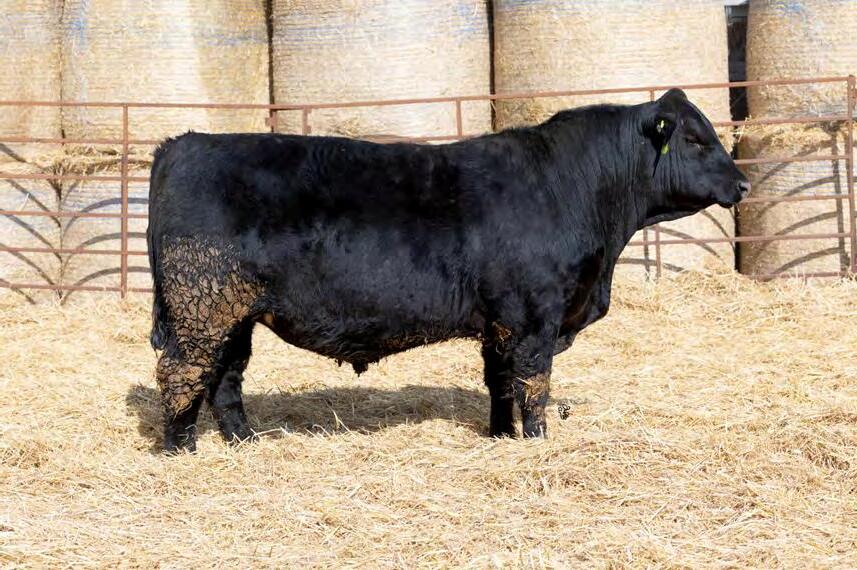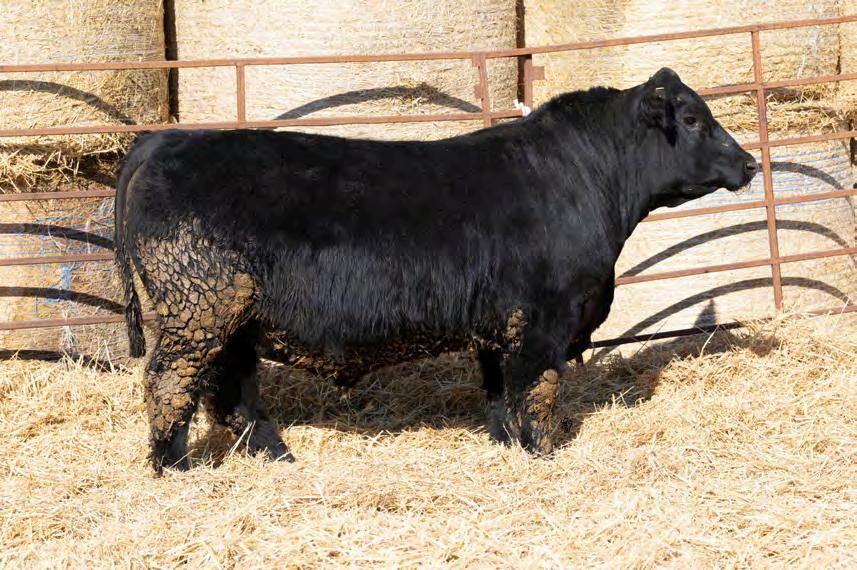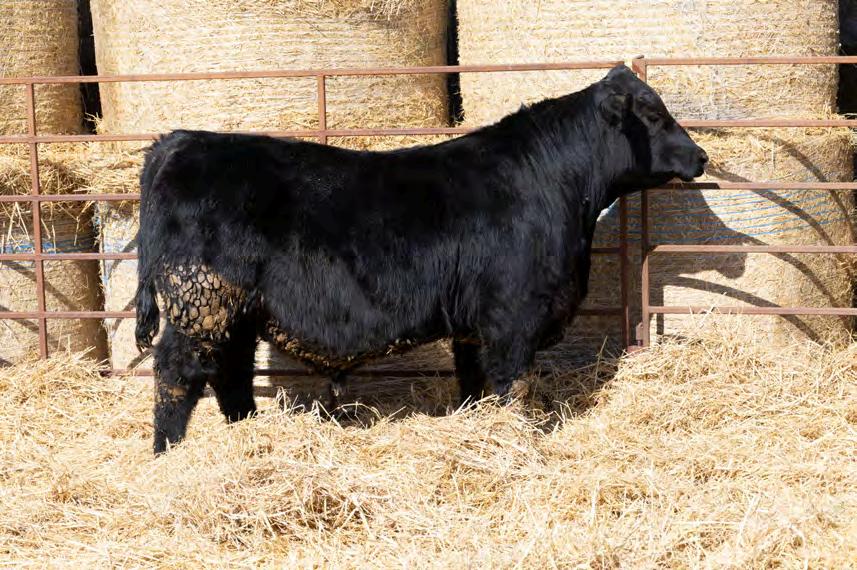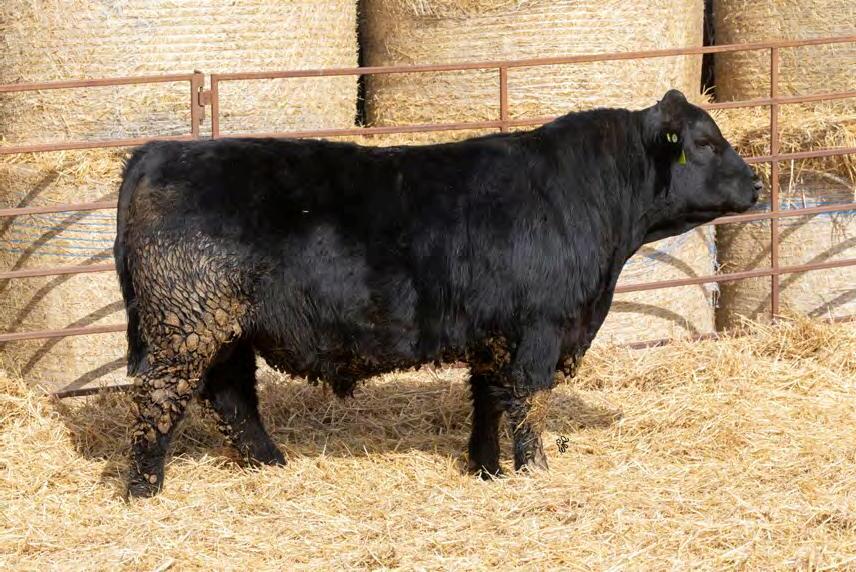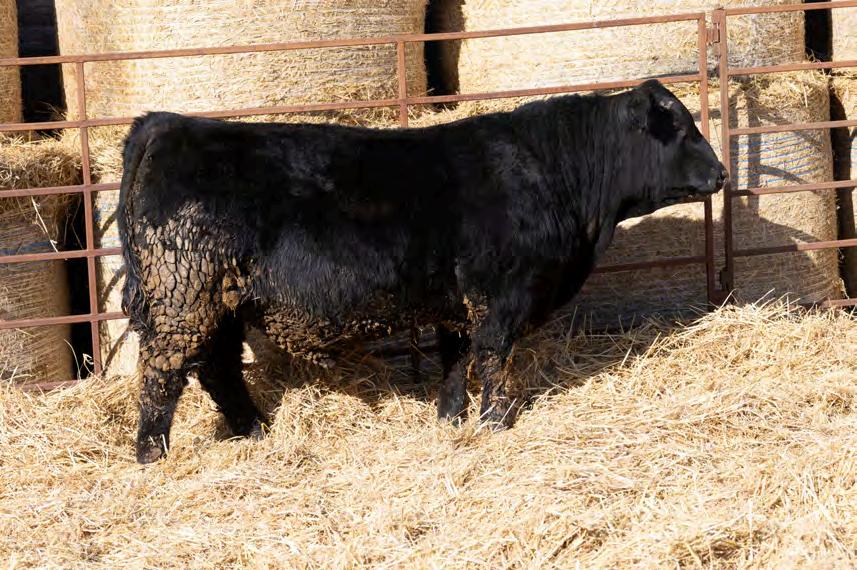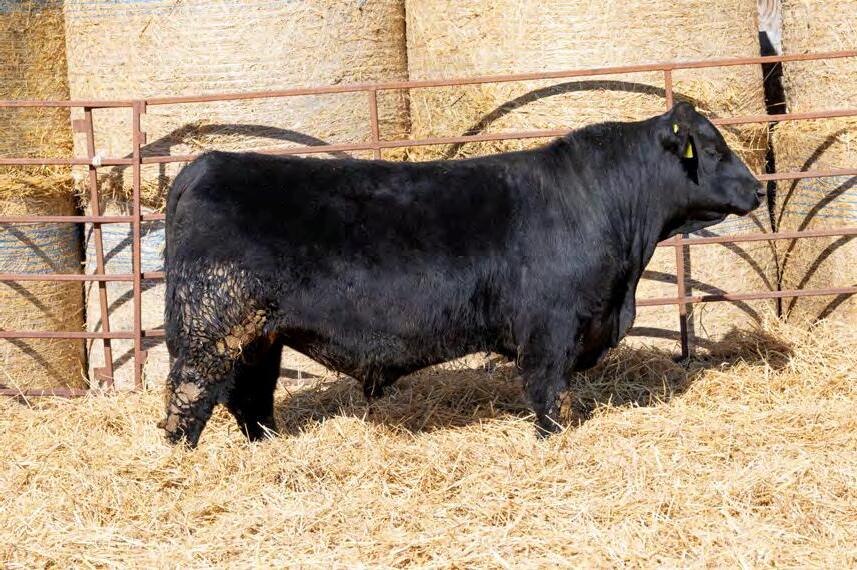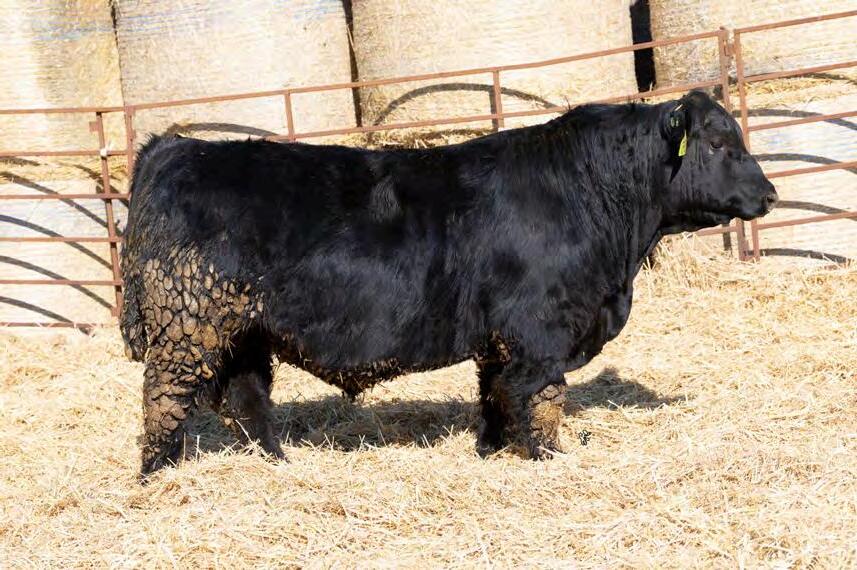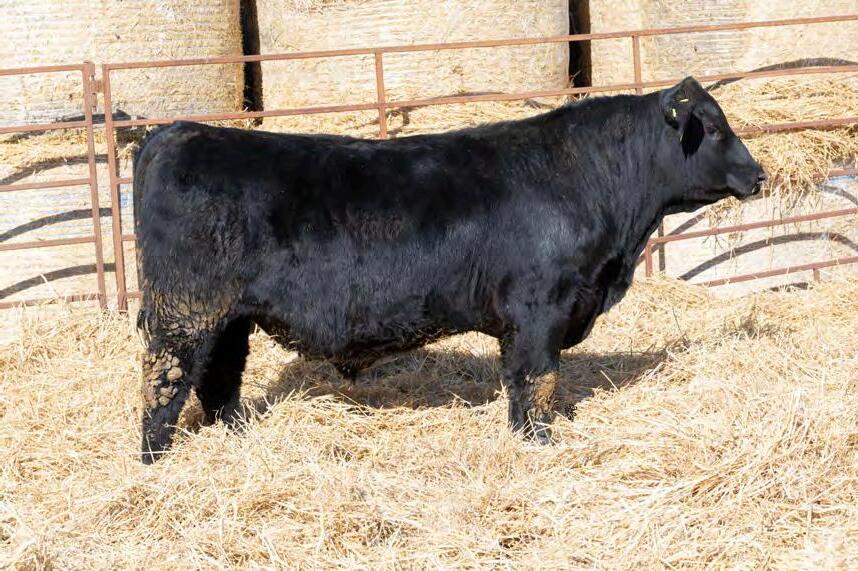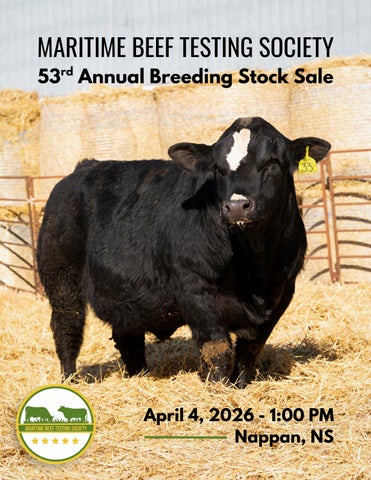

April 4, 2026 - 1:00 PM

DEFINITIONS, TERMS & CONDITIONS
These terms are applicable to all animals described within this Catalogue except where specifically noted for Yearling Bulls described within this Catalogue or Replacement Heifers described within this Catalogue.
ON TEST WEIGHT
OFF TEST WEIGHT
The weight taken on November 12, 2025, after the bulls completed the normal adjustment period and started on official test (recorded in pounds).
The weight on completion of test, that being the weight taken March 4, 2026 (recorded in pounds).
BIRTH WEIGHT (BW) Birth weight (recorded in pounds)
AVERAGE DAILY GAIN (ADG)
AVERAGE DAILY GAIN INDEX (ADG IN)
Total gain while on test divided by 112 days.
Is the ADG expressed as a percentage for all bulls on test of that breed.
EXAMPLE: An ADG index of 115 indicates that the bull had an ADG 15% above the average of all bulls of that breed.
WDA Average Weight Per Day of Age Gain
WDA IN
ADJUSTED YEARLING WEIGHT (ADJ YW)
RESIDUAL FEED INTAKE (RFI)
AVERAGE BACK FAT (BF)
Is the WDA expressed as a percentage for all bulls on test of that breed.
EXAMPLE: An WDA index of 115 indicates that the bull had a WDA 15% above the average of all bulls of that breed.
A MBTS calculated Yearling weight based off of the March 4, 2026, weigh in.
Residual feed intake (RFI) is a measure of feed efficiency. It is the difference between the expected feed intake of the animal based on its body weight and growth rate, and what they actually consume. More efficient animals eat less than expected and have a negative or low RFI. Less efficient animals eat more than expected and have a positive or high RFI.
Heritability of RFI is about 40% and is independent of other production traits. Selecting for lower RFI will decrease feed intake with no detrimental effects on growth or size of the animal.
The ultrasonic measurement of fat cover in millimeters and gives an indication of the relative back fat cover on bulls in the Sale. The average on the SALE BULLS is 3.71 mm so buyers can compare bulls to this average.
RUMP Rump fat measured in millimetres (Measurements taken in mid-February)
SCOT
SEMEN TESTING
DEFERRED
CALVING EASE SCORE
Scrotal Circumference in centimetres (Measurements taken mid-February)
All bulls in the sale have been semen tested, with final results indicated on the sale-day supplement sheet
Bulls that have been recommended for semen re-evaluation after the initial test.
A rating assigned by the breeder to indicate the ease of calving. Rating indicated by the following letters:
U Unassisted
E Easy Pull
H Hard Pull
RIB EYE (ADJ REA)
MARBLING - % OF INTRAMUSCULAR FAT(ADJ IMF)
M Mal Presentation
S Surgical
V Voluntary Pull
The Rib Eye area gives an indication of overall carcass muscling. Rib Eye is measured using Real Time Ultrasound. The "scan" is taken at the grading site between the 12th and 13th ribs. In grading, Rib Eye area and fat cover are used to estimate lean meat yield, measured in square inches.
low = 12.4 sq. in. and under
Average = 12.5 sq in - 14.3 sq in.
High = 14.4 sq in and up
Marbling is an indication of intramuscular fat. Marbling is measured using Real Time Ultrasound. The "scan" is taken at the grading site between the 12th and 13th rib. The following table correlates the percentage of intramuscular fat to the Canadian Grading System.
Single A (A) = 1.0 - 3.9
Double A (AA) = 4.0 - 4.9
Triple A (AAA) = 5.0 - 7.9
ESTIMATED PROGENY DIFFERENCE (EPD)
BIRTH WEIGHT (BW) EPD
CALVING EASE (CE) EPD
WEANING WEIGHT (WW) EPD
YEARLING WEIGHT (YW) EPD
MATERNAL MILK (MILK) EPD
TOTAL MIXED RATION
SALE SELECTION
GLOBAL INDEX
An EPD (Expected Progeny Difference) is an estimated average number for a particular animal's trait. Those traits are things like birth weight; calving ease; weaning weight; yearling weight and maternal milk. EPDs are not absolute figures; they are estimates based on averages. EPDs are based on the animal's own performance and pedigree records as well as those of its sire, grandsire, siblings and of course, offspring. Something to keep in mind is that EPDs can only be used to compare within breeds. Each breed has its own average values for EPDs.
EPD's are current as of approximately March 10, 2026.
A bull's birth weight EPD shows the expected difference in average birth weight (pounds) for his progeny. Positive values signify heavier than average birth weights for that breed, whereas negative values signify lighter birth weights.
Calving ease is expressed as a percentage of unassisted births, with a higher value indicating greater calving ease in first-calf heifers. It predicts the average difference in the ease with which a sire's calves will be born when he is bred to first-calf heifers
A weaning weight EPD shows the ability of the calf to grow between birth and weaning, expressed in pounds of gain.
A yearling weight EPD value shows the ability of a bull's offspring to grow from birth to one year of age, expressed in pounds of gain.
Maternal milk EPD is one that signifies the ability of a sire's daughter to provide the calf with milk and mothering ability expressed as pounds of calf at weaning time.
Indicates the bulls were fed on a silage-based Total Mixed Ration.
Based on the combination of the Global Performance Index and consignor confirmation of sale interest. The Sale Committee chooses the leading bull for each breed.
Global index is an index that measures the ranking of multiple different traits within a contemporary group. It gives producers a broad picture of how a bull ranks across multiple traits.
Included in our Global Index is:
ADG (35%) WDA (20%) Carcass traits - REA & IMF (15%), RFI (15%) & Conformation (15%). Sale Eligible and Sale Order were both based off the bulls’ Global index scores. This allows us to ensure the bulls in the sale are well balanced, that are strong in multiple traits.
For More Information, please contact:
Auctioneer: Lars Deleeuw (519) 717-0680
Nova Scotia: Jacy McInnis (902) 694-9946 or Kara Chisholm (902) 957-2699
Prince Edward Island: Maggie McCormick - (902) 314-0827
New Brunswick: Beth Trueman (506) 953-4563
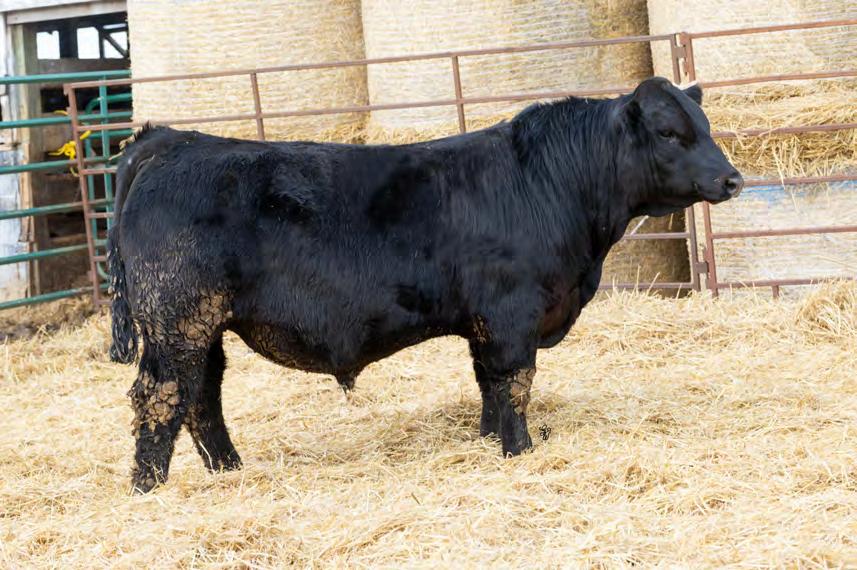
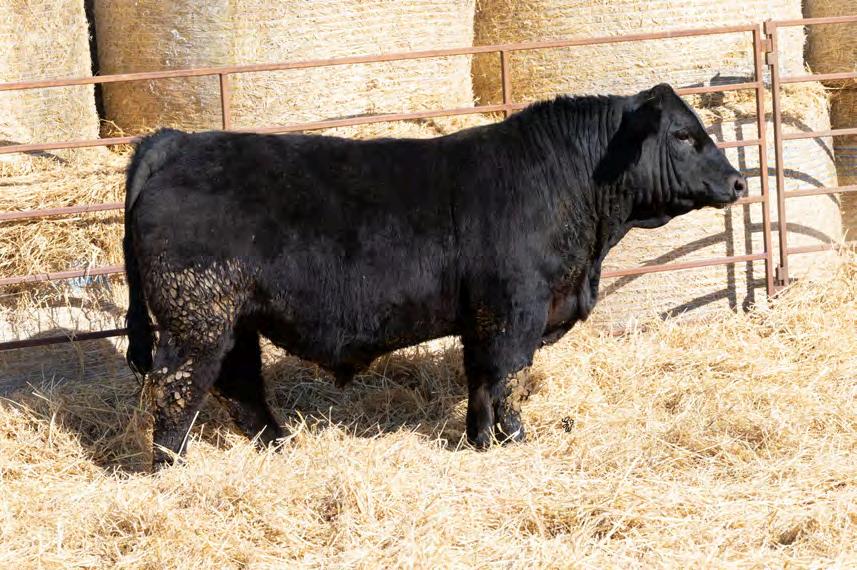
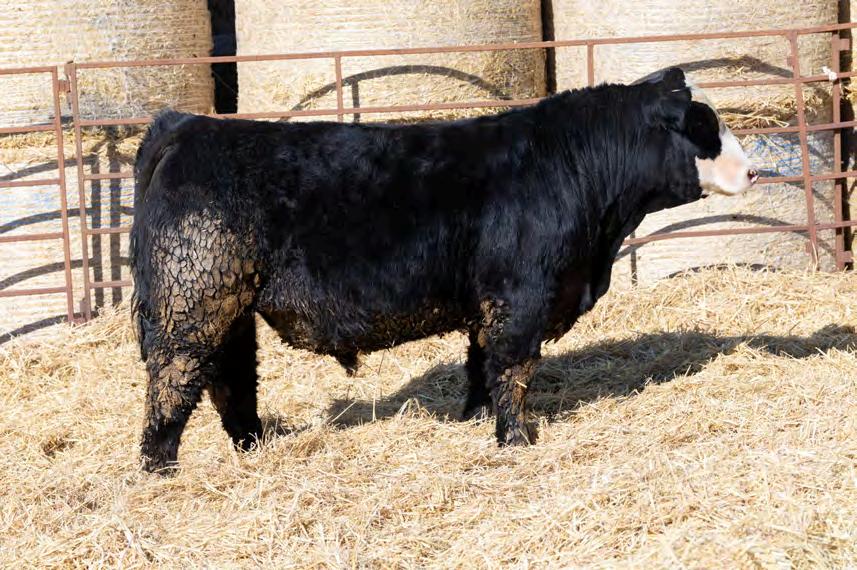
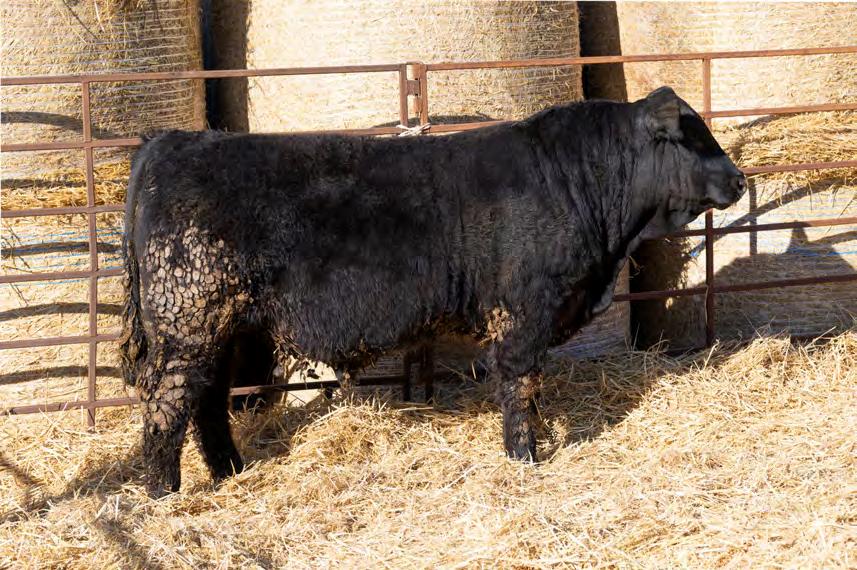
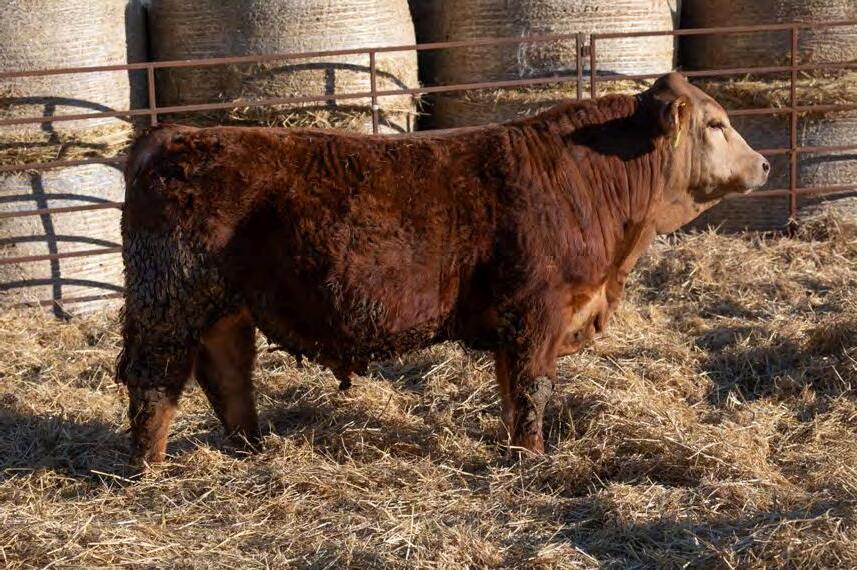
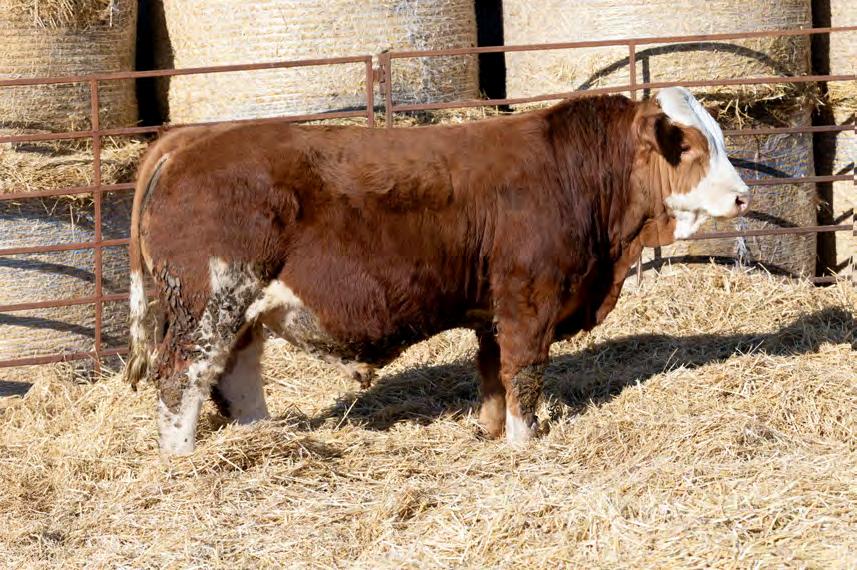
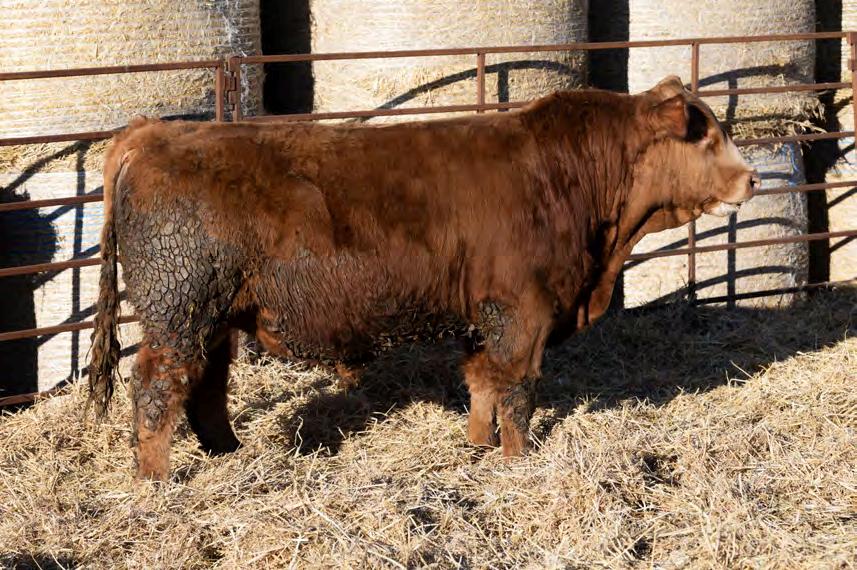
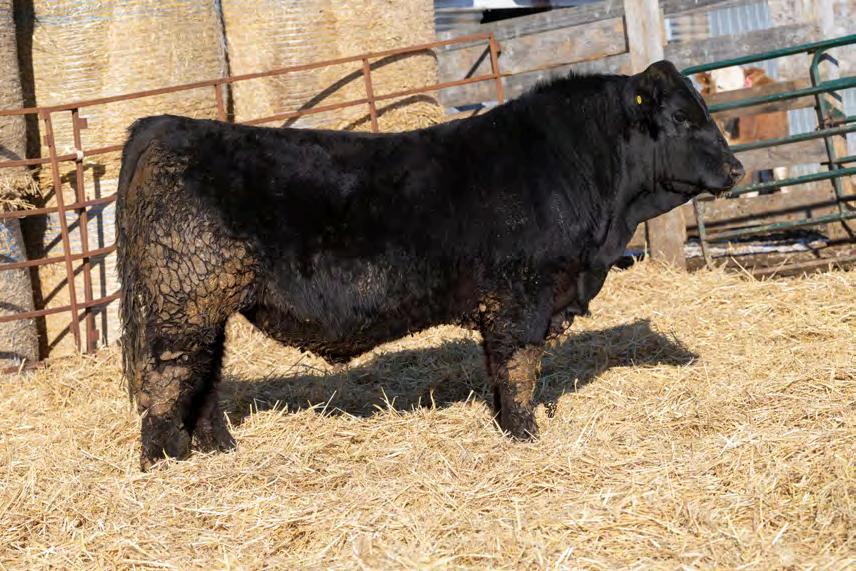
Videos can be found at cattlevids.ca. Photos and videos by Jill Renton, Gone West Media.

CONDITIONS OF SALE
Yearling Bulls - Should any bull, after reaching the age of 14 months, fail to prove a breeder after being used for a reasonable period on cows known to be breeding, the matter shall be reported in writing to the consignor who shall then have the privilege of a reasonable period in which to prove the bull a breeder before refunding the purchase price or making other settlement satisfactory to the buyer. To qualify as a breeder, a bull must be able to perform natural service.
Yearling Bulls - Transportation of any animal(s) being returned to the consignor shall be paid by the shipper. The Sale Management acts as an agent only and under no circumstances will it accept financial responsibility between buyer and seller for any health, breeding or other problems that may arise following the Sale.
CONSIGNOR STATEMENTS
All statements have been prepared by the consignor. The MBTS does not confirm or adopt the statement.
ERRORS
Every attempt has been made to properly describe each lot. Neither the Management nor the compilers of pedigrees assume any responsibility for errors, which may occur in the Catalogue.
ANNOUNCEMENTS
Any announcements from the auction stand will take precedence over any printed information.
BIDS
Every animal is pledged to absolute Sale (unless withdrawn for just cause prior to being offered for Sale). The Sale Management shall have the right to set a floor price applicable to all animals. The floor price for bulls is $2,500 and there is no floor price for heifers. The auctioneer or Sale Management may reject any bid which it considers irresponsible. Every animal meeting the floor price will be sold to the highest bidder.
DISPUTES
In case of disputes, bidding will be reopened between the parties involved. If no further bidding is made, the buyer will be the person from whom the auctioneer accepted the last bid. The auctioneer's decision in matters will be final.
PAYMENT
Cash, a satisfactory cheque, eTransfer, Interac or credit card (There will be a processing surcharge administered to all card payments). Payment shall be made to the clerk. Sale and release of the animals will be given only when satisfactory settlement has been made by the buyer.
CERTIFICATE OF REGISTRY
Yearling Bulls - All animals eligible for registration or recordation are recorded or will be recorded in the Herd Book of the Breed Association. Transferred registry certificates will be forwarded to the purchaser of each purebred animal. All transfers will be completed on the day of the Sale to the buyer of record. Replacement Heifers - Only purebred animals specified are eligible for registration.
RISK
All animals are at the purchaser's risk as soon as sold.
ACCIDENTS
The Sale Management, the auctioneer, nor the owners of the cattle will in any way be responsible for the condition of the grounds or the behaviour of the cattle being sold and disclaim any liability in the event of personal accident or property loss.
COMMISSION FEE
The MBTS administers a spring breeding stock sale after the completion of the testing program. The Sale is an opportunity for consignors to market animals collectively. To cover the costs of administering the Sale, the MBTS shall charge all animals that sell a commission of 10% of the sale price for bulls and heifers. Any animal which does not sell for a predetermined floor price will be charged the cost of cataloguing the animal.
SALE MANAGED BY: MARITIME BEEF TESTING SOCIETY
THESE TERMS AND CONDITIONS SHALL BE A CONTRACT BETWEEN THE BUYER AND SELLER OF EACH LOT.