APOLOGETICS for EVANGELISATION
Canon Marcus Holden Rector of the Pontifical Beda College
Fr Andrew Pinsent Professor, Athenaeum of Ohio
All booklets are published thanks to the generosity of the supporters of the Catholic Truth Society
Images
Page 8: Purple nebula. Photo by Cardens Design/Shutterstock.com
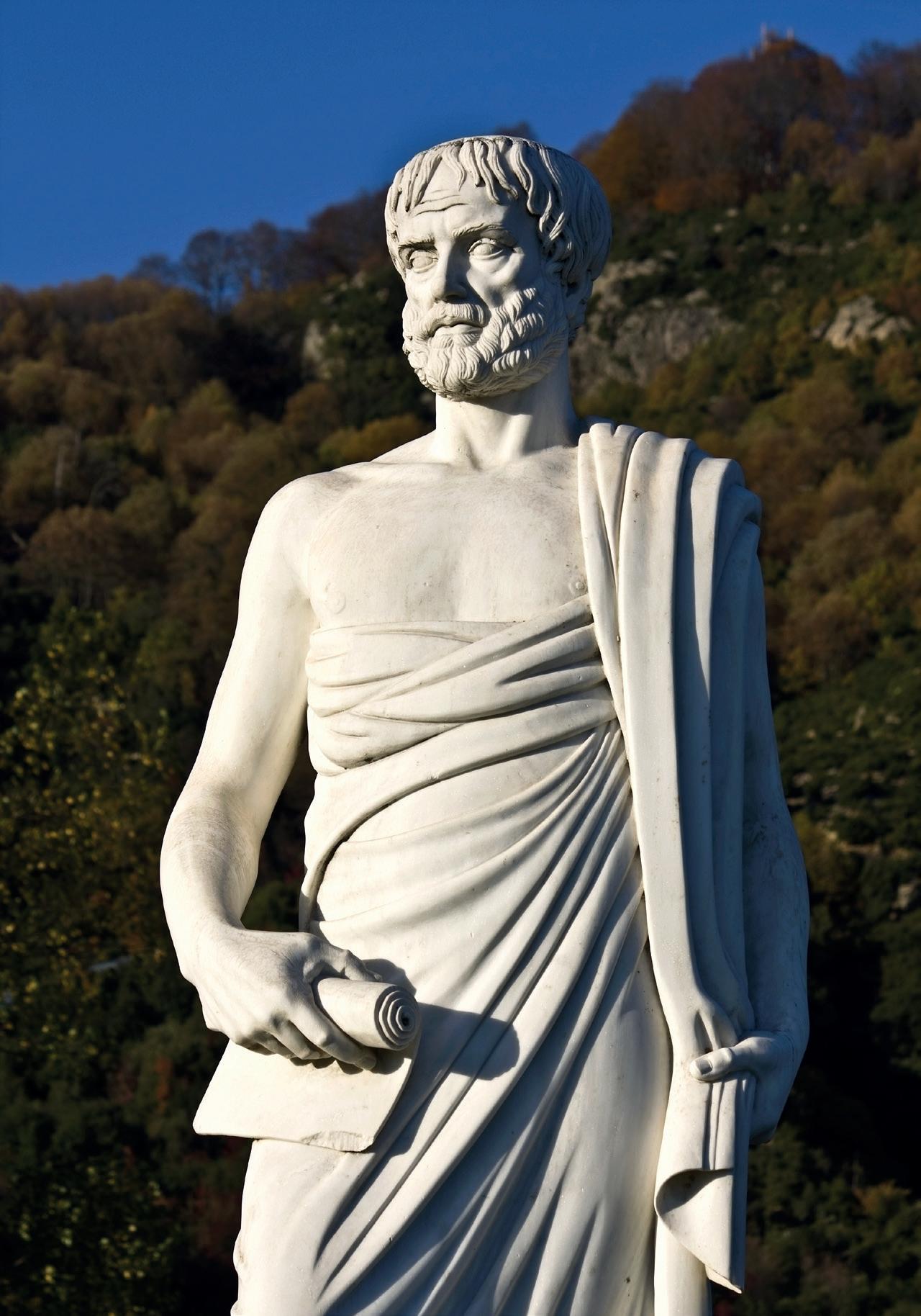
Page 11: Statue of Aristotle. Photo by Panos Karas/Shutterstock.com
Page 20: The Creation of the World, fol. 10v from the Stammheim Missal, The Getty Museum.
Page 26: Adoration of the Shepherds by Bartolo di Fredi, 1374. The Cloisters Collection, 1925. Metropolitan Museum of Art.
Page 38: The Crucifixion by Ugolino da Siena. Bequest of George Blumenthal, 1941. Metropolitan Museum of Art.
Page 41: Scenes from the Passion of Christ: The Descent into Limbo by Andrea di Vanni. Corcoran Collection (William A. Clark Collection). National Gallery of Art, Washington.
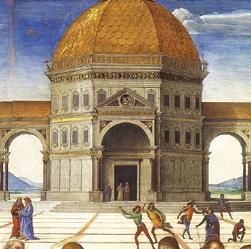
Page 44: Delivery of the Keys to St Peter, 1481 by Pietro Perugino. The Sistine Chapel, Vatican. Wikimedia Commons PD-Art.
Page 47: Pope Leo XIV, Vatican City, Rome. Photo by ErreRoberto/ Shutterstock.com
Page 56: The Virgin of Guadalupe with the Four Apparitions by Nicolás Enríquez. Purchase, Louis V. Bell, Harris Brisbane Dick, Fletcher, and Rogers Funds and Joseph Pulitzer Bequest and several members of The Chairman’s Council Gifts, 2014. Metropolitan Museum of Art.
All rights reserved. First published 2026 by The Incorporated Catholic Truth Society Cabrini Community Campus, Forest Hill Rd, Honor Oak, London SE23 3LE Tel: 020 7640 0042. www.ctsbooks.org.
Copyright © 2026 Canon Marcus Holden and Fr Andrew Pinsent.
ISBN 978 1 78469 921 5
This is an age of apologetics
We find ourselves in a restless world. We are hungry for truth, yet weary of the thin fare we receive. Beneath this malaise, a ‘quiet revival’ is stirring across Britain and the West: it represents a renewed openness to God, to Jesus Christ, and to his Church. Surrounded by a myriad of ideologies and creeds competing for their allegiance, many people find themselves unsatisfied, unconvinced, and still quietly searching. Alongside the menus packed with images, ideas, cheap deals, and half-promises, those who hunger need real nourishment. This book delivers that solid food.
Here are clear and compelling answers to the most common questions raised today. These are asked by sincere seekers and by thoughtful objectors alike. This book is written for the many souls who sense they are on a journey home, drawn again to the ancient and deeper wisdom of the Catholic faith, but who also need more than vague reassurances, who hunger for real, substantial truth.
For the great questions of life do have answers. And those answers are not constructed but received. They come from God, are revealed in Christ, and are entrusted to the Church. This booklet is divided into questions surrounding those three interconnected fonts of wisdom. They represent the ancient schema of apologetics that first speaks of questions of natural reason, then of the credibility of revealed truth itself, and finally of the coherence of the Church’s articulation of teaching and the persuasive power of that history.
Christian faith cannot be reduced to a private opinion or one option amongst many. The Catholic Creed has shaped civilisations, and it retains within itself the power to shape the future. It speaks not only to individuals, but to whole cultures, and, indeed, to the whole human family. If this were not so, could Christianity truly claim to be the definitive revelation of God for all of humanity?
Apologetics begins with the conviction that philosophical, moral, and religious truth is real, can be known, and can be defended. From its earliest days, the Church has embraced this mission, not to apologise for the truth, but to proclaim it with clarity and confidence, to give ‘a reason for the hope that is in you’ (1 Pet 3:15).
And perhaps this moment, albeit marked as it is by much disillusionment with many shallow answers and half-truths, is not a crisis but a grace and an opportunity. This could be a moment of extraordinary possibility for evangelisation.
Among whom you shine as lights in the world, holding fast to the word of life
Philippians 2:15b-16a