THE REAL MIDWIFE OF AUSCHWITZ
The Life of Stanisława Leszczyńska
Dr Gosia Brykczyńska
All booklets are published thanks to the generosity of the supporters of the Catholic Truth Society
All rights reserved. First published 2026 by The Incorporated Catholic Truth Society, Cabrini Community Campus, Forest Hill Rd, Honor Oak, London SE23 3LE. Tel: 020 7640 0042. www.ctsbooks.org. © 2026 The Incorporated Catholic Truth Society. ISBN 978 1 78469 920 8
Foreword
Dear Reader,
I am happy to say that you have before you an exceptional work, which brings to life a portrait of the Servant of God Stanisława Leszczyńska, a humble and deeply pious woman, caring wife and mother, committed midwife and heroic defender of life�
This modest publication reveals not only the remarkable piety of Stanisława Leszczyńska, but in particular her path to sainthood� The constant, simple prayer that accompanied her everyday domestic tasks and her professional assistance at births, did not emerge spontaneously behind the gates of the Auschwitz-Birkenau concentration camp, nor did it end with the camp’s liberation in 1945� In fact, it accompanied her from the very start of her thirty-eight year professional practice until the final moments of her life in the grim reality of communist Poland�
This book not only gives you the biographical facts relating to the life of Stanisława Leszczyńska, together with first-hand accounts of witnesses to that life; it includes
key additional information and explanations for overseas readers, allowing them to understand the context of the events being described�
The great value of this approach, as is the case with other publications dedicated to outstanding figures and saints, is that it helps to shape a positive collective memory� Usually when we think of the dramatic chapters in the history of our civilisation we remember people like Dr Mengele, the camp doctor at Auschwitz, known as the ‘Angel of Death’, but we forget or simply do not know about those who at the same time and in the same place restored people’s faith in humanity and kept hope alive�
I would like to offer my sincerest thanks to Dr Małgorzata Brykczyńska, the author of this publication, for the work to ensure that this portrait of the life of the Servant of God Stanisława Leszczyńska can also reach readers abroad� I trust that this book will be of great interest, particularly today, when values such as respect for life, being true to one’s promises and perseverance in the face of adversity are needed more than ever�
+ Cardinal G Ryś, Łódź Metropolitan Archbishop of Łódź 2017-2025
Introduction
People are often identified with the work which they perform� In time, their chosen occupation provides the essential backdrop for any meaningful description and analysis of their personality� Their chosen labour determines the colour and timbre of the story of their life; as their work becomes their vocation it takes over their whole existence� This is often the case for people working in the professions, or for dedicated artists and writers or even skilled workers such as master cabinet-makers or clock-smiths� The lifework of these individuals, which is usually freely and willingly embraced, is so treasured by them that, in effect, it starts to define who they are, who they become, and their life’s trajectory�
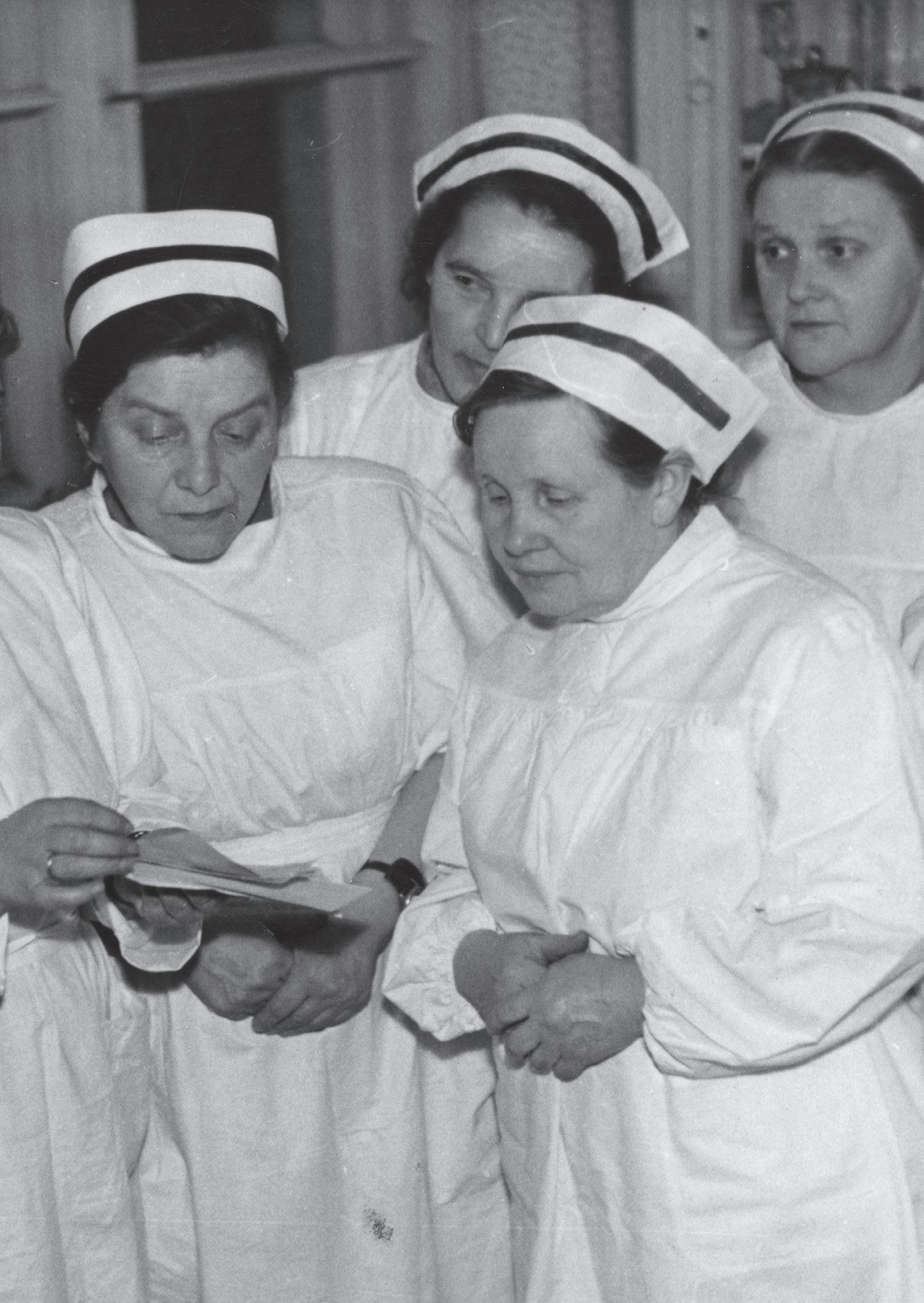
This has certainly been the case for thousands of healthcare professionals, including countless nurses and midwives� Amongst this latter group, Servant of God Stanisława Leszczyńska stands out for particular scrutiny� She spent almost forty years working as a professional community midwife in her home town of Łódź in Poland, of which two years were spent working as a midwife in the
Nazi concentration camp Auschwitz-Birkenau� It is the two years she worked as a midwife in the notorious women’s concentration camp in Birkenau, which have now come for many to define Stanisława’s entire life, and yet she worked as a midwife for many years before the outbreak of the Second World War and for several years after the conclusion of that conflict�
It needs to be said therefore, that Stanisława was not only a midwife who delivered infants in the horrific conditions of a Nazi concentration camp� She was also a caring wife, a devoted mother, an excellent home-maker, a talented musician, and finally a great friend and neighbour to scores of women and children in her home town of Bałuty, in Łódź� She was also for most of her life a Franciscan Tertiary� Above all else, she was a committed and faithful Christian, a follower of Christ�
The time has come to tell Stanisława’s entire story, however briefly, covering the whole of her life, not just a review of the two years of her life spent in the concentration camp� It is, after all, her life prior to her time in AuschwitzBirkenau which formed and moulded her character and which resulted in her ability to defy the orders of the Nazi camp physicians� It is her life spent after the atrocities of war which best illustrate the state of her mature heart, mind and soul�
This biography of Servant of God Stanisława Leszczyńska is but a small contribution to the growing volume of literature
about this courageous Christian midwife, now a candidate for sainthood� I trust it will contribute to informing an English language readership about her Christian midwifery vocation and help in the appreciation of her faith-filled life and powerful spirituality�
Childhood
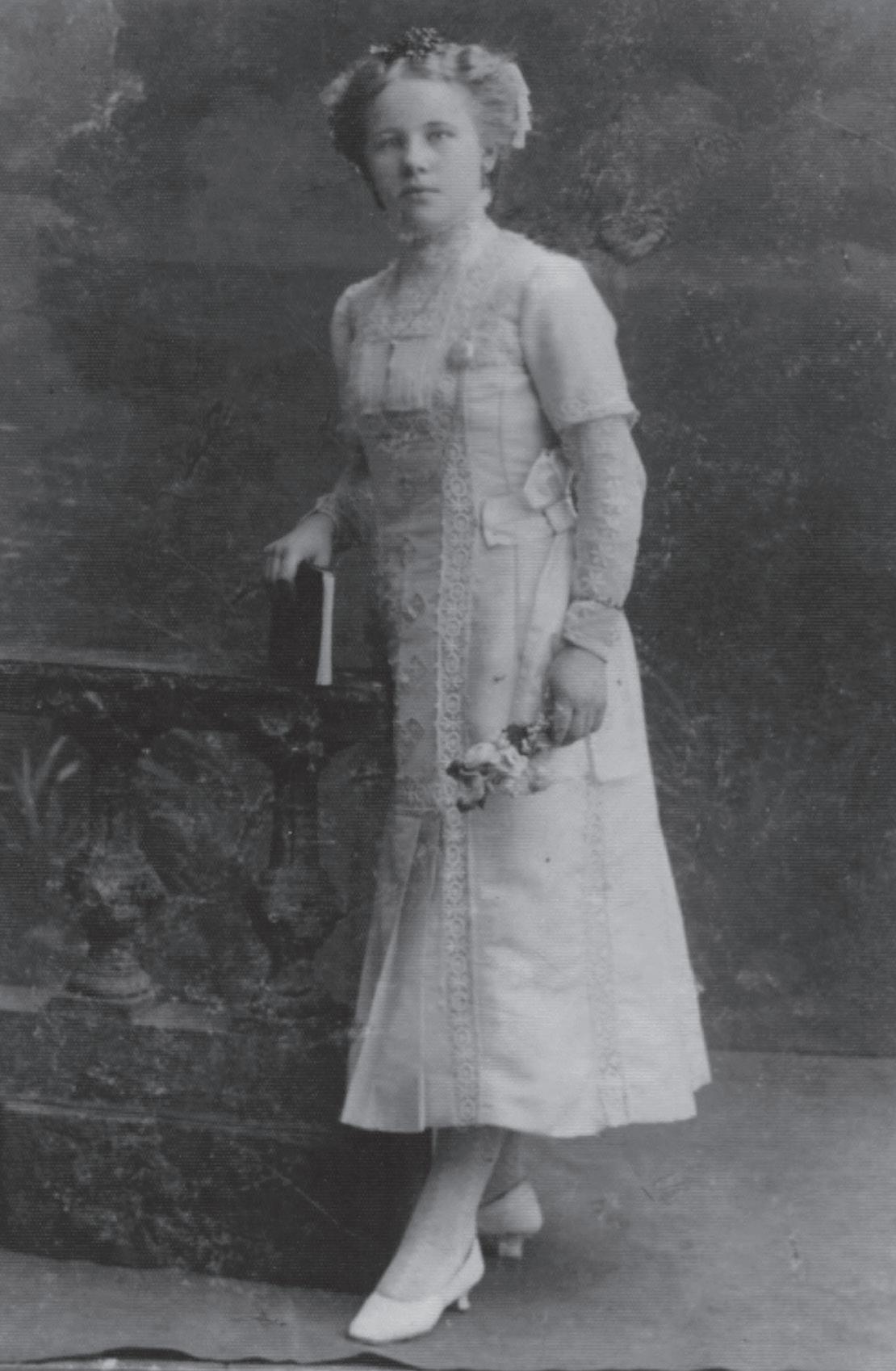
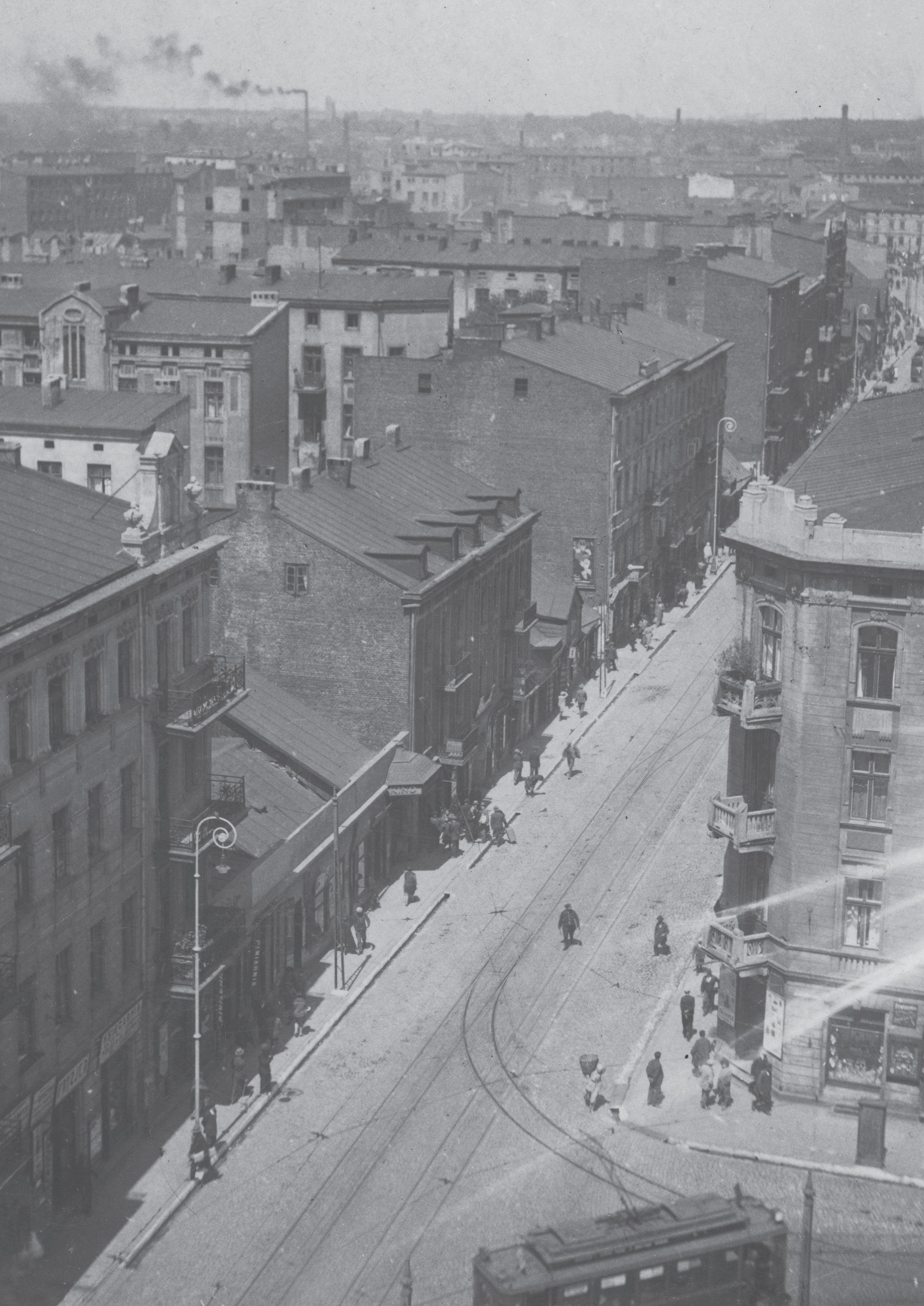
Stanisława Zambrzycka was born on 8 May 1896 in a working-class district of Łódź called Bałuty, situated on the northern side of the industrial city� Baby Stanisława was baptised the very next day in the local parish church of the Assumption of the Blessed Virgin Mary, just down the road from the family home� It may be that because 8 May is celebrated in Poland as the feast of St Stanisław (1030-1079), an early Polish bishop and martyr and one of the main patron saints of Poland, that her parents decided to name her after this great historical Church figure� It is a popular name both for boys and for girls and was often shortened by family members and later also by close friends to Stasia�
Stanisława’s father Jan Zambrzycki and her mother Henryka, who had converted to Catholicism from the Evangelical Lutheran Church of the Augsburg Confession, had to accommodate the social and political demands of the Tsarist Russian authorities� Up until 1918, central Poland was incorporated into Tsarist Russia and Russia maintained total political control of the multi-ethnic town� Because the town of Łodź was under Russian imperial
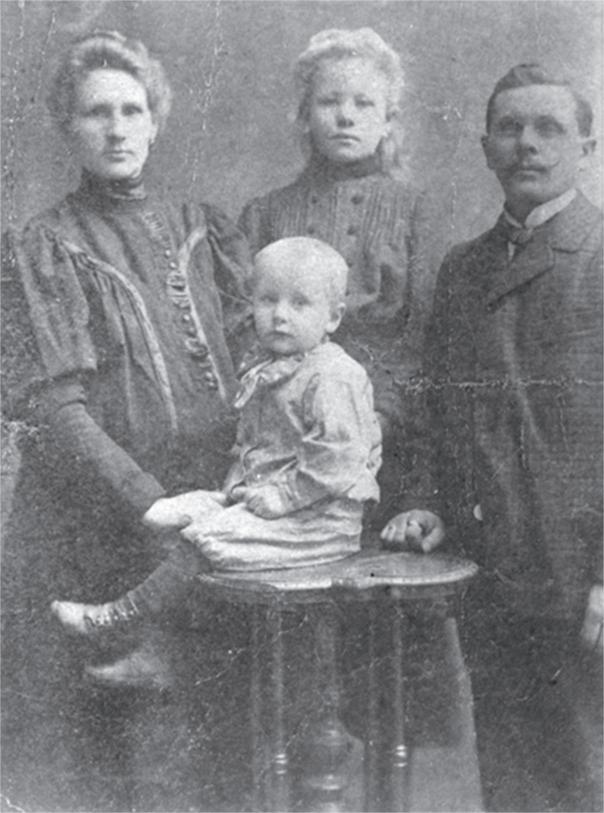
control, Stanisława’s parents, while speaking Polish amongst themselves at home and with the children, were also fluent Russian speakers� Stanisława herself spoke not only Polish and Russian but also Yiddish and in time several other European languages�
The Zembrzycki family lived at 7 Źurawia Street� At that time the Bałuty district had a population of around 100,000 inhabitants� Towards the end of the nineteenth century there began a big influx of poor Polish peasants from the surrounding region into Bałuty� Abandoning their poor yielding fields and farms, many flocked in huge numbers to the industrial town of Łódź to work in the cotton mills and textile factories, which they calculated would provide them
with a more dependable income� This impoverished area of the town was also home to a large, and extremely poor Jewish population, the vast majority of whom attempted to make a living by working long hours in the textile factories and cotton mills that had been built in and around the area� At the time of Stanisława’s birth almost a third of the inhabitants of the town of Lódź were poor, Jewish labourers� Most of the population lived in crammed rooms in dark, dirty and unsanitary buildings, without access to running water or other amenities� Water was still drawn from wells, while pumps were located in almost every courtyard and on many street corners� The Zambrzycki family, while considering themselves working-class, were not as poor or destitute, however, as some of their close neighbours�
NURTURED FAITH
Stanisława’s father, Jan Zembrzycki, did not have a permanent job� Rather, he augmented his salary as a skilled cabinet maker by undertaking sporadic manual labour� He worked mostly from home where he had his workshop� But when Stanisława was still a small child he was called up to serve in the Russian army and spent five years in Turkistan (today part of Chinese central Asia)� Meanwhile, her mother was forced to work twelve-hour shifts in the famous Poznanski’s factory and cotton mill on Ogrodowa Street� Although this was a huge and prosperous factory, the workers’ salaries were not good and working conditions
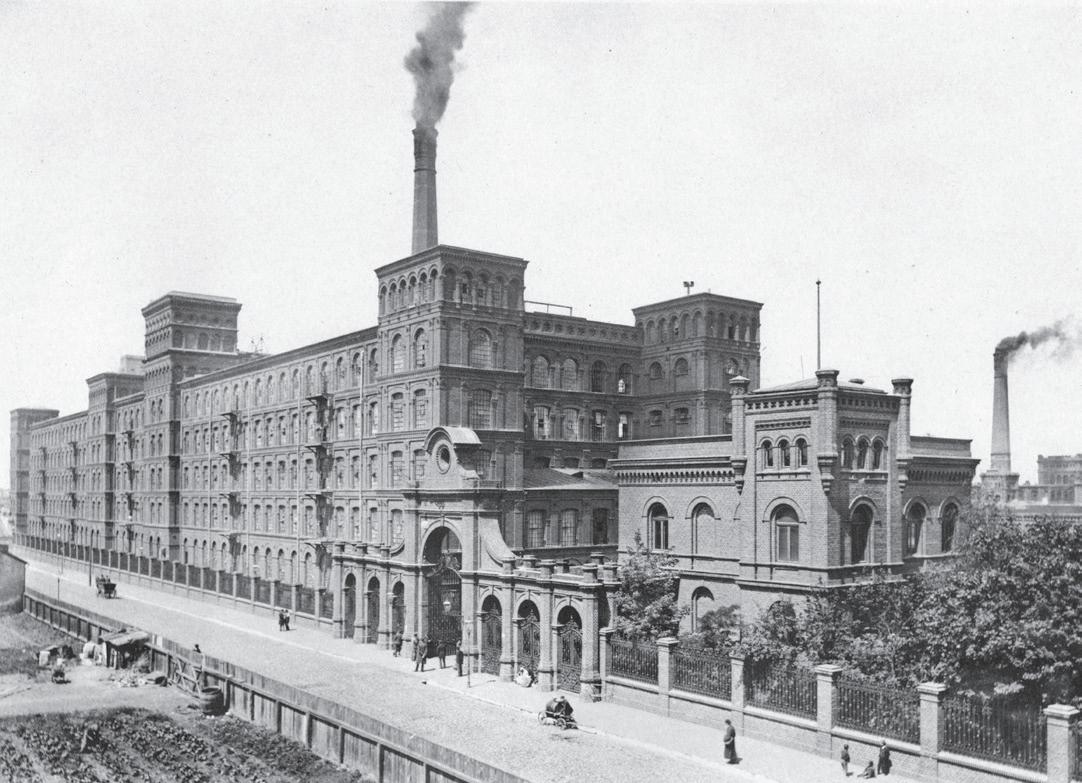
were poor� The factory workers were very dissatisfied and often protested� In 1905 there was a massive industrial strike of the cotton mill workers, which was brutally put down�
In order to keep food on the table and provide for her family, Stanisława’s mother had to work hard� Including the time it took to get to work and back she was out of the house for most of the day� It was, however, a life shared by many of her neighbours in the booming industrial town� During the long hours away from the house, little Stasia was cared for by her paternal grandmother, Marianna Zambrzycka� Years later, Stanisława was to say about this time in her life, with her characteristic sparse use of words that, ‘she grew up in harsh conditions.’
Stanisława’s parents were both Franciscan Tertiaries (lay people who follow the Franciscan spirituality of detachment from wealth and solidarity with the poor) and cared deeply about transmitting their love of the Roman Catholic Faith to their children� The family prayed together and went to services together in the local church� During the month of December, in the darkness before the first lights of dawn, little Stasia would eagerly set out with a small lit lantern to attend the early morning Advent Mass in her parish church� On Candlemas day, she would return triumphantly home, carrying high her lit candle, bringing light and blessings into the quiet and dark house� During the month of May, armed with flowers which she picked herself, she attended Marian devotions� At around ten years of age she received her First Holy Communion in her local parish church, where she had been baptised and where her parents had been married, but unfortunately there is no record of this event�
Stanisława’s faith was carefully nurtured by her parents and it developed and matured over the years� It is not surprising, therefore, that while still a young girl she followed the example of her parents and enrolled into the secular Third Order of St Francis� This enrolment most likely took place in the Franciscan pilgrimage church in Łagiewniki, just outside of Łódź, where the family were known to go on major feasts�