Imagine going for a week without brushing your teeth. You continue eating, drinking coffee or juice, speaking with friends, and going about your daily routine. After a few days your mouth begins to feel unpleasant. Your breath is no longer fresh. Perhaps even a dull pain begins to appear. Sooner or later, you realize something is wrong and that you need help.
Brushing our teeth daily helps maintain oral health and prevent decay In a similar way, examining our conscience regularly helps us remain attentive to our spiritual health. Our spiritual lives can slowly accumulate the effects of sin, often without us noticing (others may notice before us) until the discomfort becomes impossible to ignore. Even the most diligent person occasionally needs more than daily care. Sometimes deeper healing is required. This is where the Sacrament of Reconciliation comes in.
Just as we go to the dentist when something is wrong, we approach the sacrament when we recognize the need for God’s mercy, grace, and healing. Both experiences aim at cleansing, restoration, and renewal.
What We Believe
Key Beliefs:
Sin wounds our relationship with God
Christ gave the Church the ministry of forgiveness
Confession brings healing
Priests act in the person of Christ
Related Scripture:
John 20:22–23
Matthew 9:12–13
James 5:16
2 Corinthians 5:18
Sin harms the soul just as disease harms the body The Catechism explains: “If a sick person is too ashamed to show his wound to the doctor, the medicine cannot heal what it does not know.” (CCC 1456).
The temptation of the devil is to deny our sins or hide them in darkness. Healing requires light. In confession we allow the light of Christ to shine into our lives. We acknowledge our sins honestly and bring them before God.
Jesus himself used the image of healing when speaking about sinners: “Those who are well have no need of a physician, but those who are sick.” (Matthew 9:12) The Sacrament of Reconciliation therefore continues Christ’s mission of healing souls.
Why It Matters
Benefits of Reconciliation
Forgiveness of sins
Restoration of grace
Peace of conscience
Strength to resist future sin
Why Confess to a Priest? After his resurrection, Jesus entrusted the forgiveness of sins to his apostles:
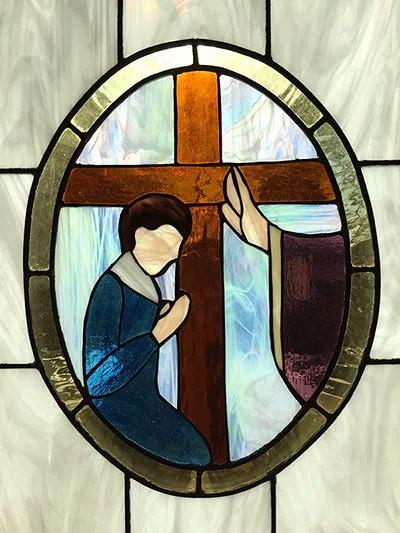
“Receive the Holy Spirit. If you forgive the sins of any, they are forgiven them; if you retain the sins of any, they are retained.” (John 20:23) Through the Sacrament of Holy Orders, bishops and priests continue this ministry of reconciliation in the Church. Acting in the person of Christ, they pronounce God’s forgiveness. The priest does not forgive sins by his own power Christ himself forgives through the sacrament
Confession also reminds us that sin is not merely a private matter Our actions affect our relationship with God, with the Church, and with others. Through reconciliation we are restored to communion with both God and the community of believers.
How We Live It
Living Reconciliation
Regular examination of conscience
Honest confession of sins
Sincere contrition and conversion
Performing the penance given
Reflection Question:
What areas of my life are in need of healing?
The heart of the sacrament is contrition, sincere sorrow for sin and the firm resolution not to sin again (CCC 1451).The Gospel word often used for repentance is metanoia, a Greek word that means a change of mind. True repentance means allowing God to reshape our thinking, our choices, and ultimately our way of life.
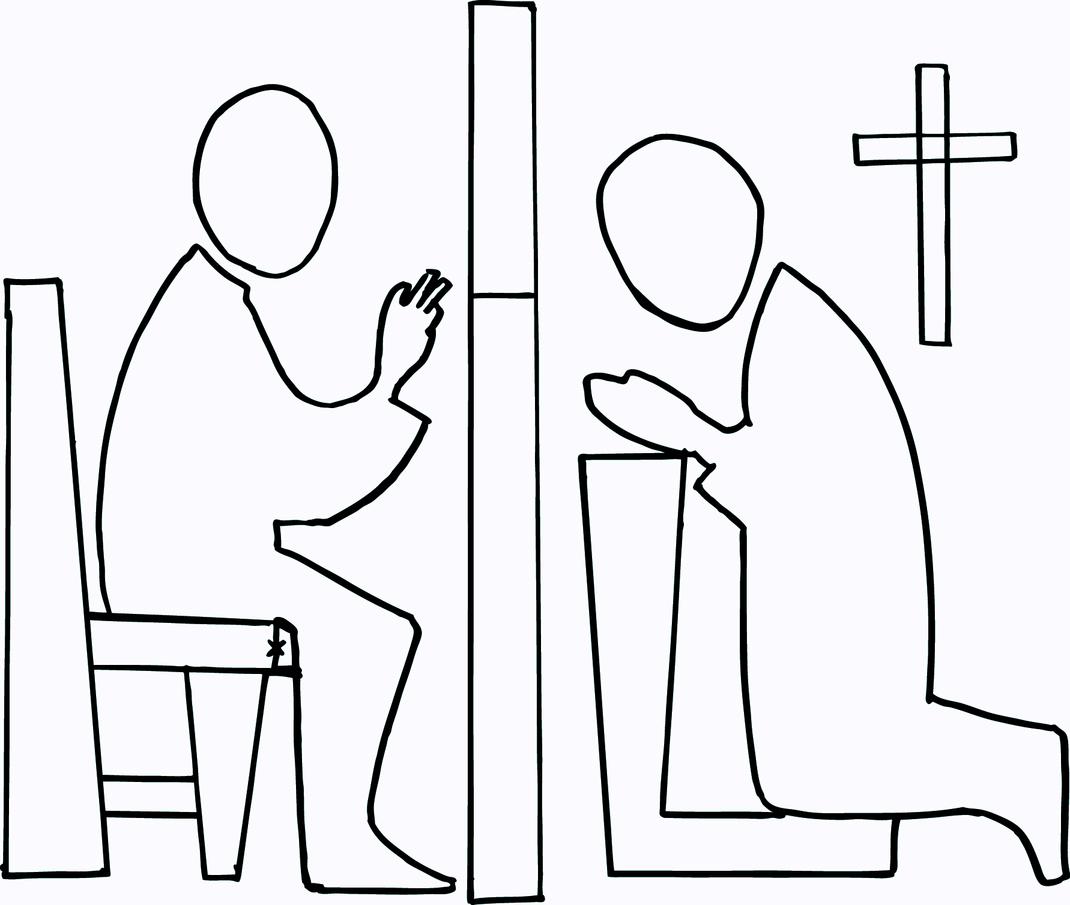
Many people hesitate to go to confession because of fear or embarrassment. Yet people often share their deepest struggles with friends, therapists, or even on social media. Does shame keep us from the dentist? In the confessional we are not speaking merely to another person but to Christ, who already knows our hearts and desires our healing.
The Church also protects the sacredness of confession through the seal of confession, which is unbreakable. A priest may never reveal what is heard in confession. Catholics who have reached the age of reason are required to confess serious sins at least once a year, and anyone conscious of mortal sin should receive the sacrament before receiving Holy Communion. During Lent many parishes also offer penance services to help the faithful prepare spiritually for Easter.
Please do not ever worry about not knowing how to confess The priest will guide you through it.
In Conclusion
Confession is not merely about listing sins; it is about encountering the mercy of Christ Just as we seek medical care when our bodies are wounded, we turn to this sacrament when our souls need healing. Just as a toothache points to the need for a dentist, examining our conscience and paying attention to the pains in our heart and life often reveal our deeper woundedness.
The invitation of Christ remains open to all. In the Sacrament of Reconciliation, we discover again that God’s mercy is greater than our sin and that his grace restores us to new life.