
Birds of Catalina Island Free Bird Checklist

Birds of Catalina Island
Catalina Island is a biodiversity hotspot for birding. More than 42,000 acres, or 88%, of Catalina Island is preserved and protected by the Catalina Island Conservancy. The Island supports over 60 endemic plants and animals found nowhere else on earth, including several unique bird species.
This checklist documents bird species found on Catalina Island and within one mile of surrounding waters. It draws from decades of accumulated data, including recent community science observations from eBird and iNaturalist. Birders are encouraged to contribute sightings to these platforms. Your observations, photographs and sound recordings provide valuable scientific data.
Endemic Species
Endemic species are those found naturally only in a specific geographic area and nowhere else in the world. Notable endemic and near-endemic species on Catalina include:
Two Catalina Island endemics: Catalina Hutton's Vireo (Vireo huttoni unitti) and Catalina California Quail (Callipepla californica catalinensis)
Five Channel Islands endemics: San Clemente Spotted Towhee (Pipilo maculatus clementae), Island Loggerhead Shrike (Lanius ludovicianus anthonyi), San Clemente House Finch (Haemorhous mexicanus clementis), Island Horned Lark (Eremophila alpestris insularis), and Western Flycatcher (Empidonax difficilis insulicola)
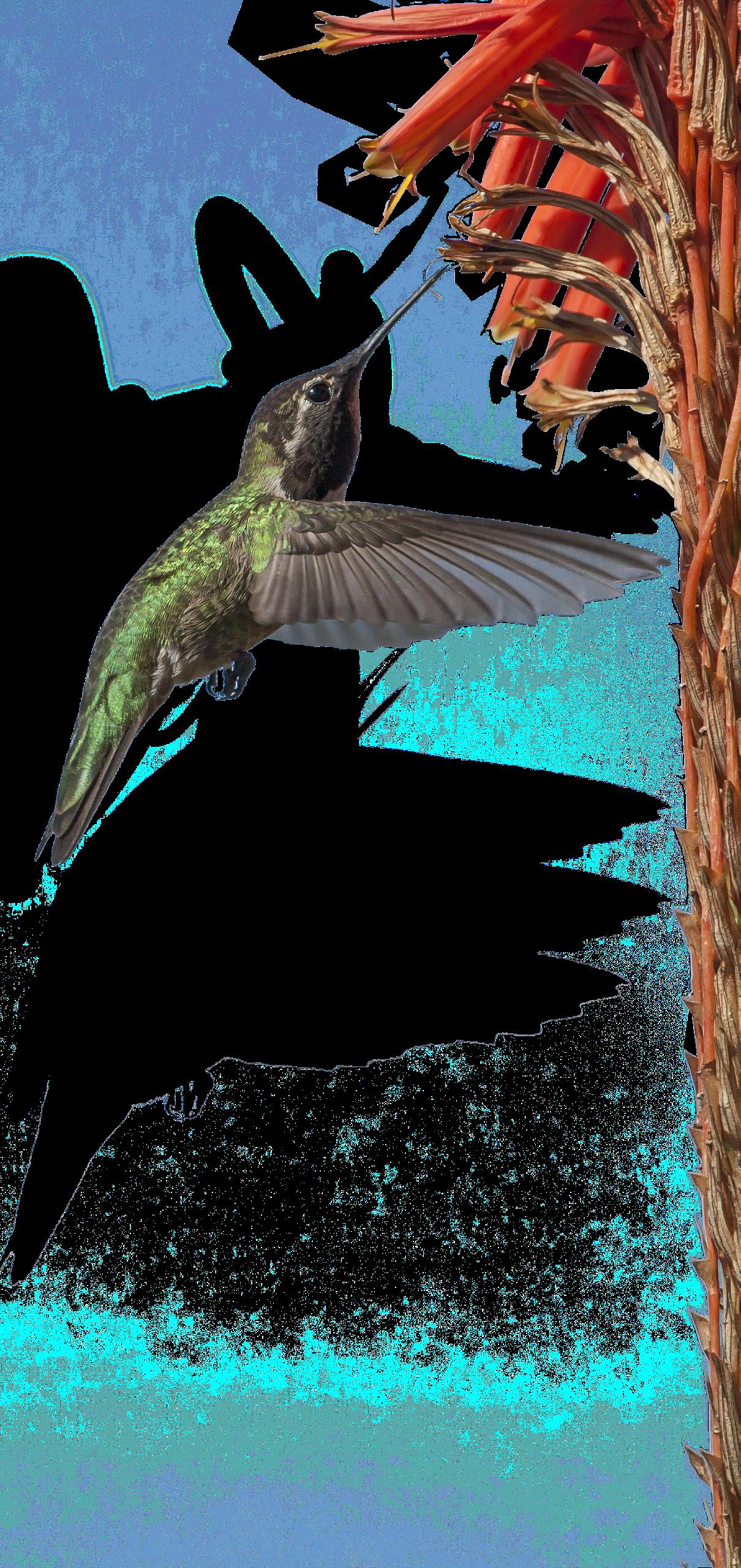
Two near-endemics with limited mainland populations: Dusky Orange-crowned Warbler (Leiothlypis celata sordida) and Allen's Hummingbird (Selasphorus sasin sedentarius)
How to Use This Checklist
Species naming and order follow the American Ornithologists' Union Checklist of North American Birds (65th supplement, 7th edition). Birds are grouped by family. This list provides an accessible, updated reference for birders visiting or living on Catalina Island. The annotations provide context for the abundance and time of year each of the bird species is likely to be seen.
Abundance Codes
Common: Likely to be seen in suitable habitat.
Uncommon: Known to be present in suitable habitat, but not certain to be observed.
Rare: Historically known to be present in very low numbers, but not every year.
Endemic Status Codes
CI: Catalina Island Endemic
CH: Channel Islands Endemic
NE:
Near-Endemic (primarily found on Channel Islands, limited mainland populations)
Join a community of birders and share your sightings.

Geese and Swans (Anatidae)
Snow Goose
Greater White-fronted Goose
Brant
Cackling Goose
Canada/Cackling Goose
Ducks (Anatidae)
Blue-winged Teal
Cinnamon Teal
Northern Shoveler
Gadwall
American Wigeon
Mallard
Northern Pintail
Green-winged Teal
Redhead
Ring-necked Duck
Lesser Scaup
Surf Scoter
Bufflehead
Hooded Merganser
Red-breasted Merganser
Ruddy Duck
New World Quail (Odontophoridae)
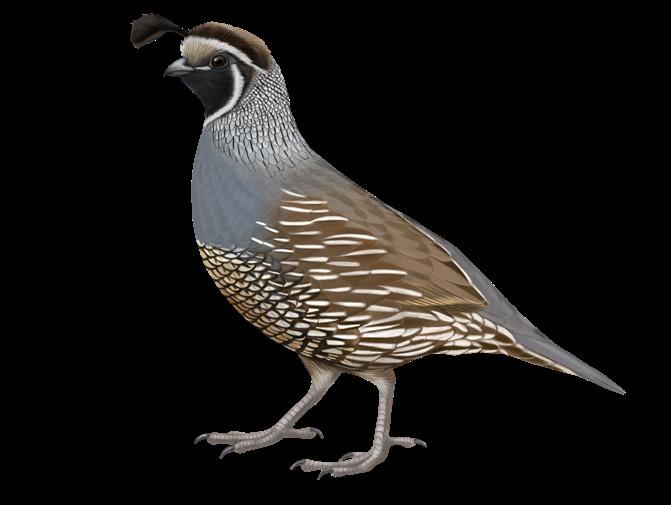
California Quail (C. c. catalinensis) CI
CATALINA
CALIFORNIA QUAIL
Callipepla californica catalinensis
Catalina’s own quail, this island subspecies is found naturally nowhere else and is often seen moving in lively coveys (small groups of quail) through scrub and canyon habitat.
Grebes (Podicipedidae)
Pied-billed Grebe
Horned Grebe
Eared Grebe
Western Grebe
Clark’s Grebe
Pigeons and Doves (Columbidae)
Rock Pigeon
Band-tailed Pigeon
Eurasian Collared-Dove
Spotted Dove
White-winged Dove
Mourning Dove
Nightjars (Caprimulgidae)
Common Poorwill
Swifts (Apodidae)
Vaux’s Swift
White-throated Swift
Hummingbirds (Trochilidae)
Black-chinned Hummingbird
Anna’s Hummingbird
Costa’s Hummingbird
Rufous Hummingbird
Allen’s Hummingbird (S. s. sedentarius) NE
Rails, Gallinules, and Coots (Rallidae)
Virginia Rail
Sora
Common Gallinule
American Coot
Stilts and Avocets (Recurvirostridae)
Black-necked Stilt
American Avocet
Oystercatchers (Haematopodidae)
Black Oystercatcher
Plovers (Charadriidae)
Black-bellied Plover
Killdeer
Semipalmated Plover
Snowy Plover
Sandpipers, Phalaropes and Allies (Scolopacidae)
Whimbrel
Marbled Godwit
Ruddy Turnstone
Black Turnstone
Surfbird
Sanderling
Baird’s Sandpiper
Least Sandpiper
Pectoral Sandpiper
Western Sandpiper
Short-billed Dowitcher
Long-billed Dowitcher
Wilson’s Snipe
Spotted Sandpiper
Solitary Sandpiper
Wandering Tattler
Willet
Greater Yellowlegs
Red-necked Phalarope
Red Phalarope
Skuas and Jaegers (Stercorariidae)
Pomarine Jaeger
Parasitic Jaeger
Auks, Murres and Puffins (Alcidae)
Common Murre
Scripps’s Murrelet
Cassin’s Auklet
Rhinoceros Auklet
Gulls, Terns and Skimmers (Laridae)
Black-legged Kittiwake
Bonaparte’s Gull
Heermann’s Gull
Short-billed Gull
Western Gull
California Gull
Herring Gull
Glaucous-winged Gull
Caspian Tern
Royal Tern
Elegant Tern
Black Skimmer
Loons (Gaviidae)
Pacific Loon
Common Loon
Northern Storm-Petrels (Hydrobatidae)
Ashy Storm-Petrel
Leach’s Storm-Petrel
Fulmars and Shearwaters (Procellariidae)
Northern Fulmar
Sooty Shearwater
Pink-footed Shearwater
Black-vented Shearwater
Frigatebirds (Fregatidae)
Magnificent Frigatebird
Boobies (Sulidae)
Brown Booby
Cormorants (Phalacrocoracidae)
Brandt’s Cormorant
Pelagic Cormorant
Double-crested Cormorant
Pelicans (Pelecanidae)
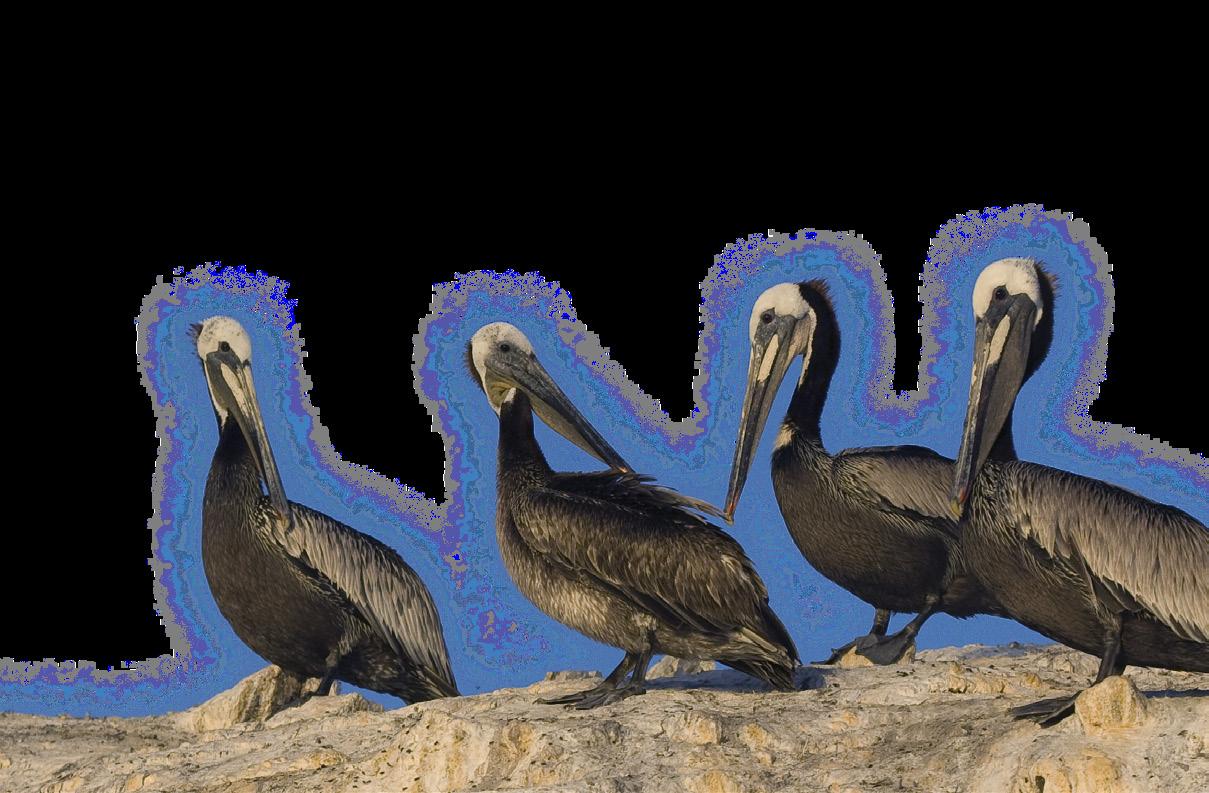
Brown Pelican
Bitterns, Herons and Allies (Ardeidae)
Great Blue Heron
Great Egret
Snowy Egret
Cattle Egret
Green Heron
Black-crowned Night Heron
Ibises and Spoonbills (Threskiornithidae)
White–faced Ibis
New World Vultures (Cathartidae)
Turkey Vulture
Ospreys (Pandionidae)
Osprey
Hawks, Kites, Eagles and Allies (Accipitridae)
White–tailed Kite
Golden Eagle
Northern Harrier
Sharp-shinned Hawk
Cooper’s Hawk
Bald Eagle
Red-tailed Hawk
Barn Owls (Tytonidae)
Barn Owl
Typical Owls (Strigidae)
Burrowing Owl
Northern Saw-whet Owl
Kingfishers (Alcedinidae)
Belted Kingfisher
Woodpeckers (Picidae)
Lewis’s Woodpecker
Acorn Woodpecker
Yellow-bellied Sapsucker
Red-naped Sapsucker
Red-breasted Sapsucker
Northern Flicker (Red-shafted)
Falcons (Falconidae)
American Kestrel
Merlin
Peregrine Falcon
Tyrant Flycatchers (Tyrannidae)
Ash-throated Flycatcher
Cassin’s Kingbird
Western Kingbird
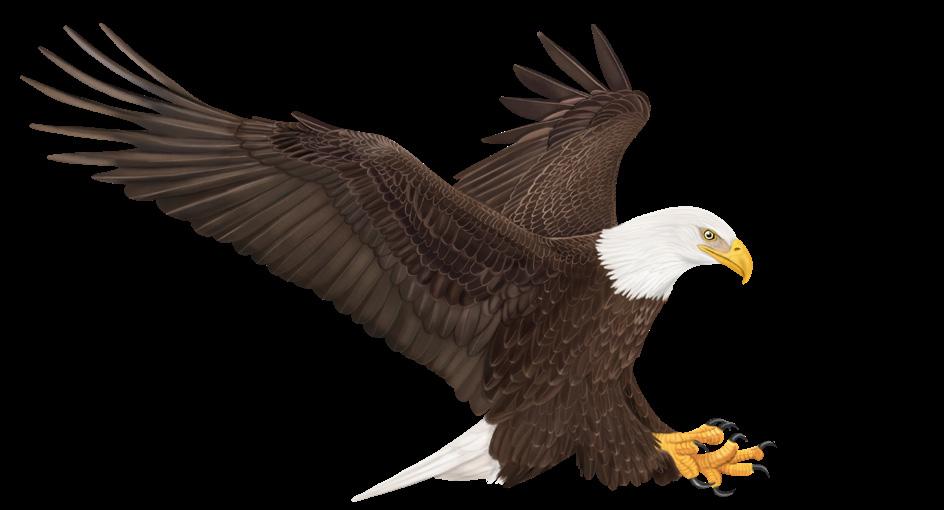
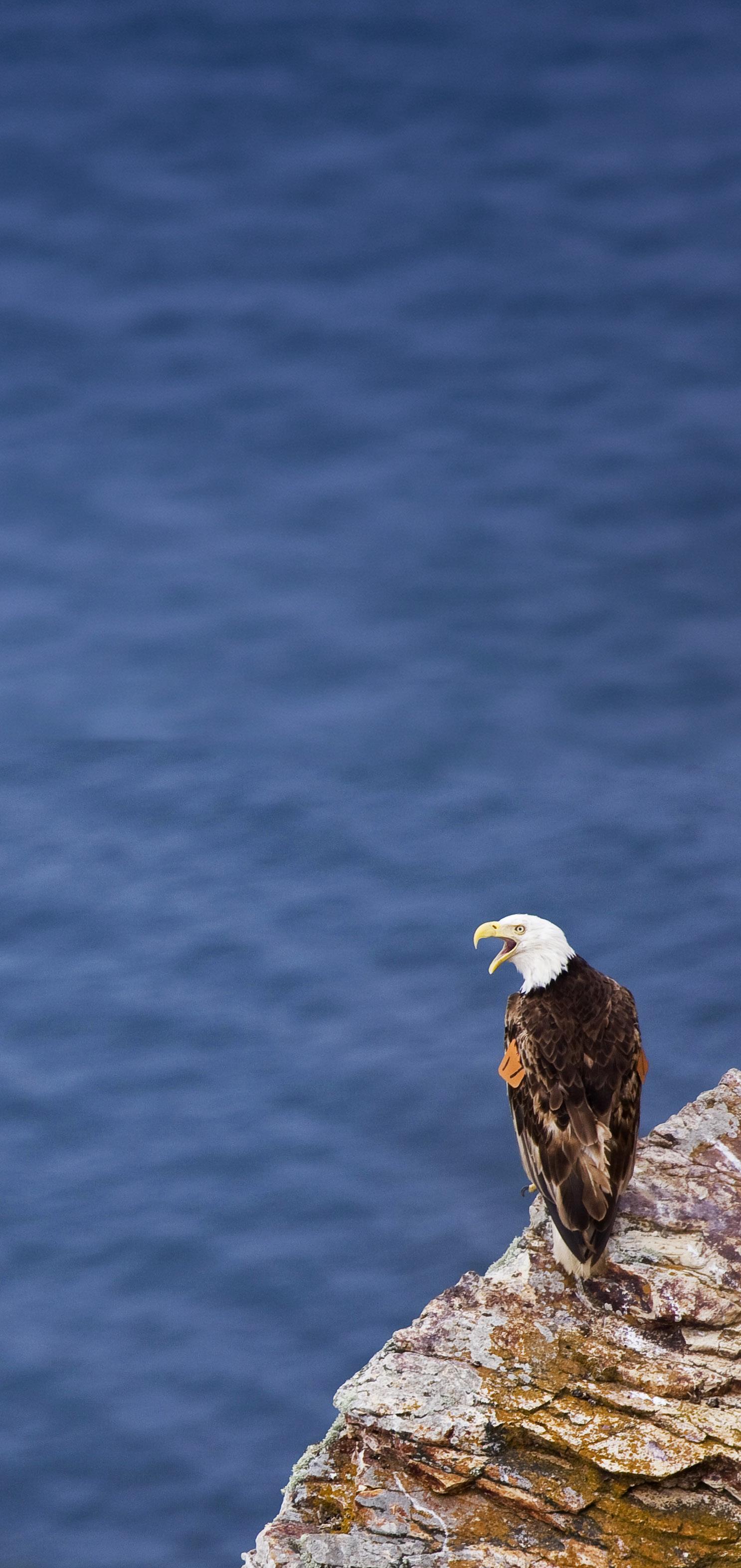
BALD EAGLE
Haliaeetus leucocephalus
A powerful symbol of recovery, bald eagles once again soar over Catalina’s skies.
Olive-sided Flycatcher
Western Wood–Pewee
Willow Flycatcher
Hammond’s Flycatcher
Western Flycatcher (E. d. insulicola) CH
Black Phoebe
Eastern Phoebe
Say’s Phoebe
Vermilion Flycatcher
Vireos (Vireonidae)
Hutton’s Vireo (V. h. unitti) CI
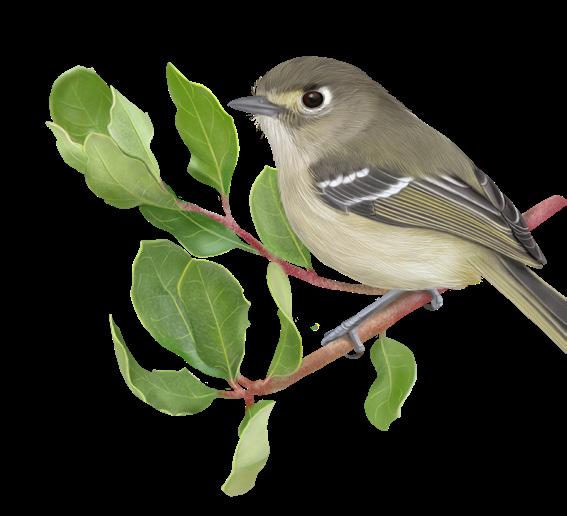
CATALINA Hutton’s Vireo
Vireo huttoni unitti
Catalina’s only endemic songbird, this olive-colored resident is best known for its steady, rhythmic song echoing through the scrub oaks.
Cassin’s Vireo
Warbling Vireo
Shrikes (Laniidae)
Island Loggerhead Shrike (L. l. anthonyi) CH
Jays and Crows (Corvidae)
American Crow
Common Raven
Larks (Alaudidae)
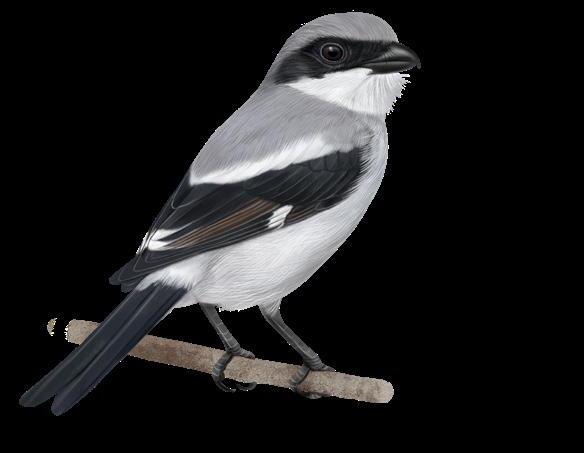
ISLAND LOGGERHEAD ShRIKE
Lanius ludovicianus anthonyi
A Channel Islands endemic, this sharp-eyed hunter is known for its fierce survival skills.
Horned Lark (E. a. insularis) CH
Swallows (Hirundinidae)
Bank Swallow
Tree Swallow
Northern Rough-winged Swallow
Violet-green Swallow
Barn Swallow
Cliff Swallow
Long-Tailed Tits and Bushtits (Aegithalidae)
Bushtit
Kinglets (Regulidae)
Ruby-crowned Kinglet
Golden-crowned Kinglet
Waxwings (Bombycillidae)
Cedar Waxwing
Silky-Flycatchers (Ptilogonatidae)
Phainopepla
Nuthatches (Sittidae)
Red-breasted Nuthatch
Creepers (Certhiidae)
Brown Creeper
Gnatcatchers and Gnatwrens (Polioptilidae)
Blue-gray Gnatcatcher
Wrens (Troglodytidae)
Rock Wren
Bewick’s Wren
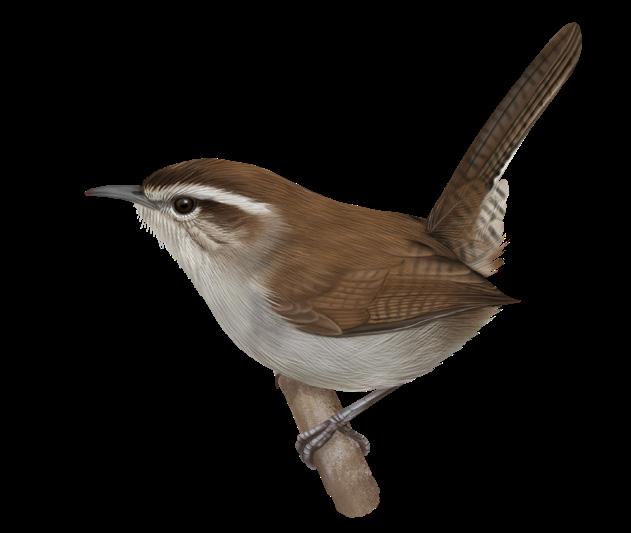
BEWICK’S WREN
Thryomanes bewickii
Small but full of personality, this lively wren stands out for its bold song and upright tail.
House Wren
Marsh Wren
Mockingbirds and Thrashers (Mimidae)
Sage Thrasher
Northern Mockingbird
Starlings (Sturnidae)
European Starling
Thrushes (Turdidae)
Mountain Bluebird
Townsend’s Solitaire
Swainson’s Thrush
Hermit Thrush
American Robin
Varied Thrush
Old World Sparrows (Passeridae)
House Sparrow
Wagtails and Pipits (Motacillidae)
Red-throated Pipit
American Pipit
Finches and Allies (Fringillidae)
House Finch (H. m. clementis) CH
Purple Finch
Pine Siskin
Lesser Goldfinch
Lawrence’s Goldfinch
American Goldfinch
New World Sparrows (Passerellidae)
Grasshopper Sparrow
Lark Sparrow
Chipping Sparrow
Clay-colored Sparrow
Brewer’s Sparrow
Fox Sparrow
Dark-eyed Junco (Oregon)
White-crowned Sparrow
Golden-crowned Sparrow
White-throated Sparrow
Vesper Sparrow
Savannah Sparrow
Song Sparrow (M. m. cooperi)
Lincoln’s Sparrow
Green-tailed Towhee
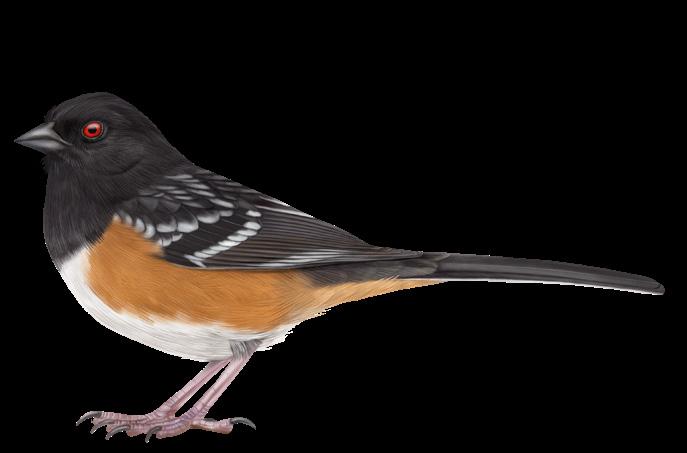
Spotted Towhee (P. m. clementae) CH
SPOTTED TOWHEE
Pipilo maculatus clementae
A Channel Islands endemic, this striking bird is often heard rustling through brush before it is seen.
Yellow-Breasted Chats (Icteriidae)
Yellow-breasted Chat
Blackbirds and Orioles (Icteridae)
Bobolink
Western Meadowlark
Hooded Oriole
Bullock’s Oriole
Scott’s Oriole
Red-winged Blackbird
Brown-headed Cowbird
Rusty Blackbird
Brewer’s Blackbird
Great-tailed Grackle
Wood-Warblers (Parulidae)
Northern Waterthrush
Black-and-white Warbler
Tennessee Warbler
Orange-crowned Warbler (L. c. sordida) NE
Lucy’s Warbler
Nashville Warbler
Virginia’s Warbler
MacGillivray’s Warbler
Common Yellowthroat
American Redstart
Yellow Warbler
Black-throated Blue Warbler
Palm Warbler
Yellow-rumped Warbler
Black-throated Gray Warbler
Townsend’s Warbler
Hermit Warbler
Wilson’s Warbler
Cardinals and Allies (Cardinalidae)
Summer Tanager
Western Tanager
Rose-breasted Grosbeak
Black-headed Grosbeak
Blue Grosbeak
Lazuli Bunting
Indigo Bunting
Dickcissel
Domestics and Escaped Exotics
Swinhoe’s White-Eye
Accidental Species
Species with rare, isolated sightings on the Island that fall outside their normal range.
Graylag Goose (domestic)
Ross’s Goose
Wood Duck
Eurasian Wigeon
Canvasback
White-winged Scoter
Common Goldeneye
Yellow-billed Cuckoo
Lesser Nighthawk
Black Swift
Red Knot
Sharp-tailed Sandpiper
Dunlin
Wilson’s Phalarope
Buff-breasted Sandpiper
Guadalupe Murrelet
Ancient Murrelet
Tufted Puffin
Ring-billed Gull
Glaucous Gull
Red-billed Tropicbird
Short-tailed Albatross
Blue-footed Booby
Red–footed Booby
American White Pelican
Long-eared Owl (Former Resident)
Short-eared Owl
Northern Flicker (Yellow-shafted)
Crested Caracara
Tropical Kingbird
Thick-billed Kingbird
Eastern Kingbird
Scissor-tailed Flycatcher
Yellow-bellied Flycatcher
Least Flycatcher
Gray Vireo
Yellow-throated Vireo
Blue-headed Vireo
Plumbeous Vireo
Red-eyed Vireo
Pinyon Jay
Clark’s Nutcracker
Purple Martin
White-breasted Nuthatch
Pacific Wren
Brown Thrasher
Scaly-breasted Munia
Evening Grosbeak
Chestnut-collared Longspur
Lark Bunting
Black-chinned Sparrow
Harris’s Sparrow
Swamp Sparrow
Rufous-crowned Sparrow (obscura)
Yellow-headed Blackbird
Orchard Oriole
Baltimore Oriole
Tricolored Blackbird
Prothonotary Warbler
Hooded Warbler
Cerulean Warbler
Magnolia Warbler
Bay-breasted Warbler
Blackburnian Warbler
Chestnut-sided Warbler
Blackpoll Warbler
Pine Warbler
Yellow-throated Warbler
Black-throated Green Warbler
Canada Warbler
Scarlet Tanager
Painted Bunting
African Collared-Dove
Muscovy Duck
Painted Redstart
Yellow-crowned Night Heron
Broad-winged Hawk
Field Sparrow
Cape May Warbler
Catalina Island Conservancy staff developed this list with data and guidance from Paul W. Collins and Justyn Stahl, authors of Birds of California’s Channel Islands (Collins et al., 2025).
Collins, Paul W., and Justyn T. Stahl. 2025. Birds of California’s Channel Islands. Santa Barbara Museum of Natural History Monograph No. 9: Studies in Biodiversity No. 7. Santa Barbara Museum of Natural History, Santa Barbara, CA.
GIVE TODAY
Home to birds found nowhere else and a vital stop for migrating species, Catalina offers food and shelter across 42,000 protected acres. Your gift helps safeguard the habitat they depend on.


Brown Pelican
Pelecanus occidentalis
A familiar sight along the Catalina coastline, brown pelicans feed by plunge-diving and scooping fish into their expandable throat pouches.