
Transforming Lives Through Cardiovascular Excellence
Learn how the Heart and Vascular Program at UT Southwestern is delivering innovative care and advancing the field of cardiovascular medicine. 4
Clinical Care
Our team of expert clinicians provides personalized care to treat the full spectrum of cardiovascular conditions.
Research
UT Southwestern researchers are discovering new ways to support heart and vascular health.
Education
Future cardiovascular clinicians receive instruction and training in a variety of settings.
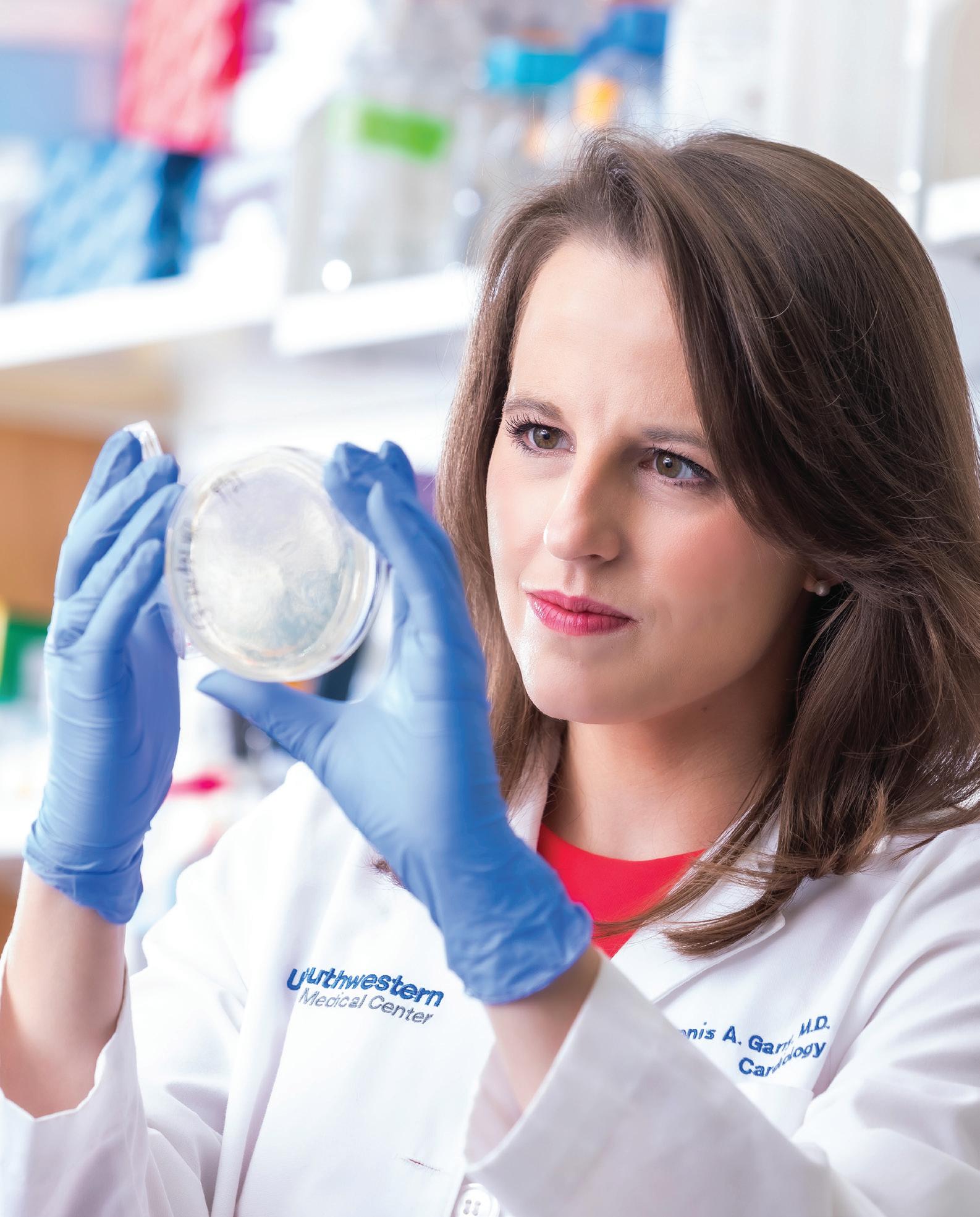
Glynnis Garry Bann, M.D.
Advancing Our Mission: A Message from UT Southwestern’s Heart and Vascular Leadership
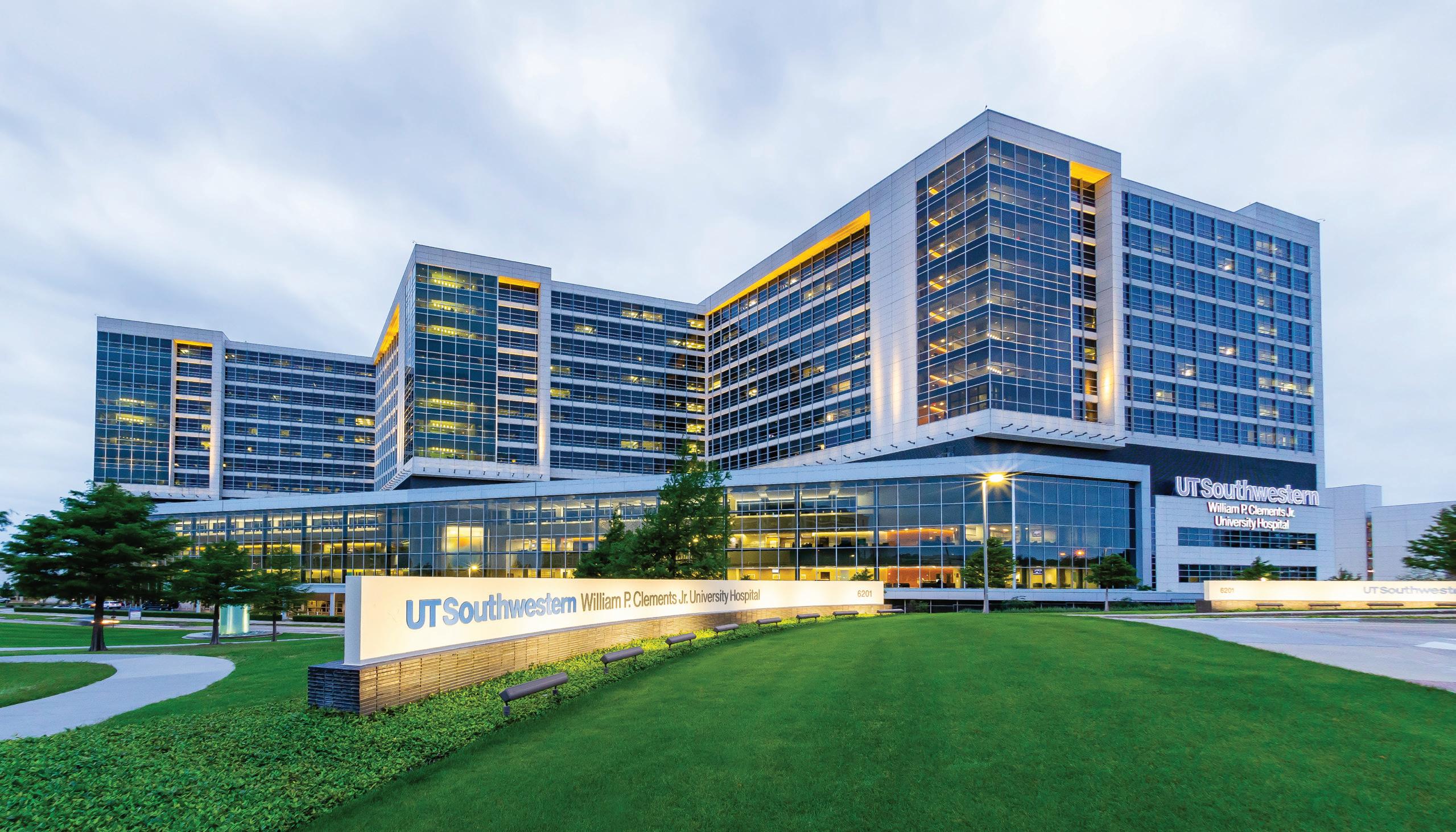
It is our privilege to welcome you to UT Southwestern’s inaugural Heart and Vascular Annual Report. This publication reflects who we are as the No. 1 hospital in Dallas-Fort Worth for the ninth consecutive year, according to U.S. News & World Report, and the only academic heart and vascular program in the DFW area. As you explore these pages, we invite you to learn more about our approach to care, which brings together renowned clinicians, scientists, and educators dedicated to advancing cardiovascular health.
Our service line is distinguished not only by the depth of our clinical expertise but also by our commitment to quality. UT Southwestern is proud to hold the prestigious Comprehensive Cardiac Center (CCC) certification from The Joint Commission and the American Heart Association, an achievement earned by only a select group of hospitals nationwide.
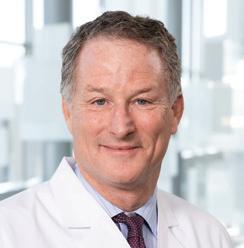
James de
Lemos, M.D. Chief of the Division of Cardiology
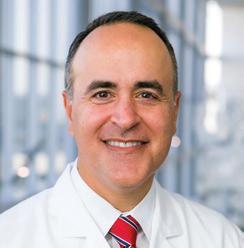
Amit Khera, M.D. Clinical Chief of Cardiology
This recognition reflects the strength of our programs and the collective effort of our teams across the continuum of care.
Guided by UT Southwestern’s mission to educate, discover, and heal, this report highlights our program’s exceptional accomplishments in 2025. From pioneering research and innovative clinical programs to excellence in training the next generation of cardiovascular leaders, our progress this year underscores a simple truth: Breakthroughs take a comprehensive team approach. Every milestone we achieved was made possible by the collaboration, dedication, and compassion of the extraordinary individuals who make up the Heart and Vascular Service Line.
As we look ahead, we remain steadfast in our commitment to exceeding expectations, elevating standards of care, and transforming heart and vascular health for the communities we are privileged to serve.
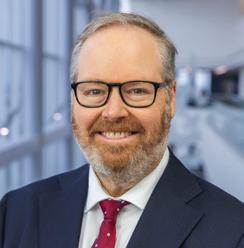
Joshua Beckman, M.D. Chief of the Division of Vascular Medicine
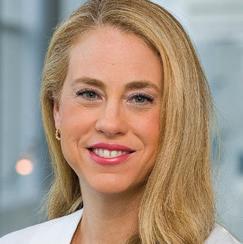
Melissa Kirkwood, M.D. Chief of the Division of Vascular Surgery
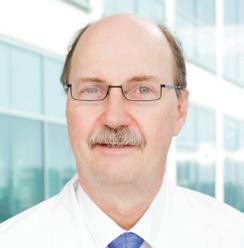
Michael Jessen, M.D. Chair of Cardiovascular and Thoracic Surgery
Providing Personalized, Expert Care
The Heart and Vascular Program at UT Southwestern delivers advanced, personalized care through an exceptional group of cardiovascular clinicians who are noted for their depth of expertise and their collaborative, teambased approach to lifesaving care.
A MULTIDISCIPLINARY TEAM
We recognize that caring for patients with complex cardiovascular conditions requires a coordinated approach. Our team includes cardiologists, vascular specialists, cardiovascular and thoracic surgeons, imaging experts, heart failure/transplant leaders, and a broad range of subspecialists.
CONNECTIONS THROUGHOUT NORTH TEXAS
Our clinicians work closely with providers and medical centers across the Dallas-Fort Worth area. UT Southwestern physicians also provide
comprehensive care at Parkland Health, Dallas County’s only public hospital and one of the largest in the nation, and Children’s Health, the only Level I Trauma Center for children in North Texas. In fact, more than half of the doctors practicing in Dallas received some or all of their training at UT Southwestern.
UNIQUELY COORDINATED CARE
Patients in UT Southwestern’s Heart and Vascular Program receive support at every step of their treatment journey. A dedicated nurse coordinator guides each patient and their family through treatment options based on their individual needs. Patients also meet with both their medical and surgical providers, a distinctive feature of the UTSW program that is based on coordinated care, clear communication, and enhanced understanding of the treatment plan. This approach leads to better health outcomes and a more positive health care experience.
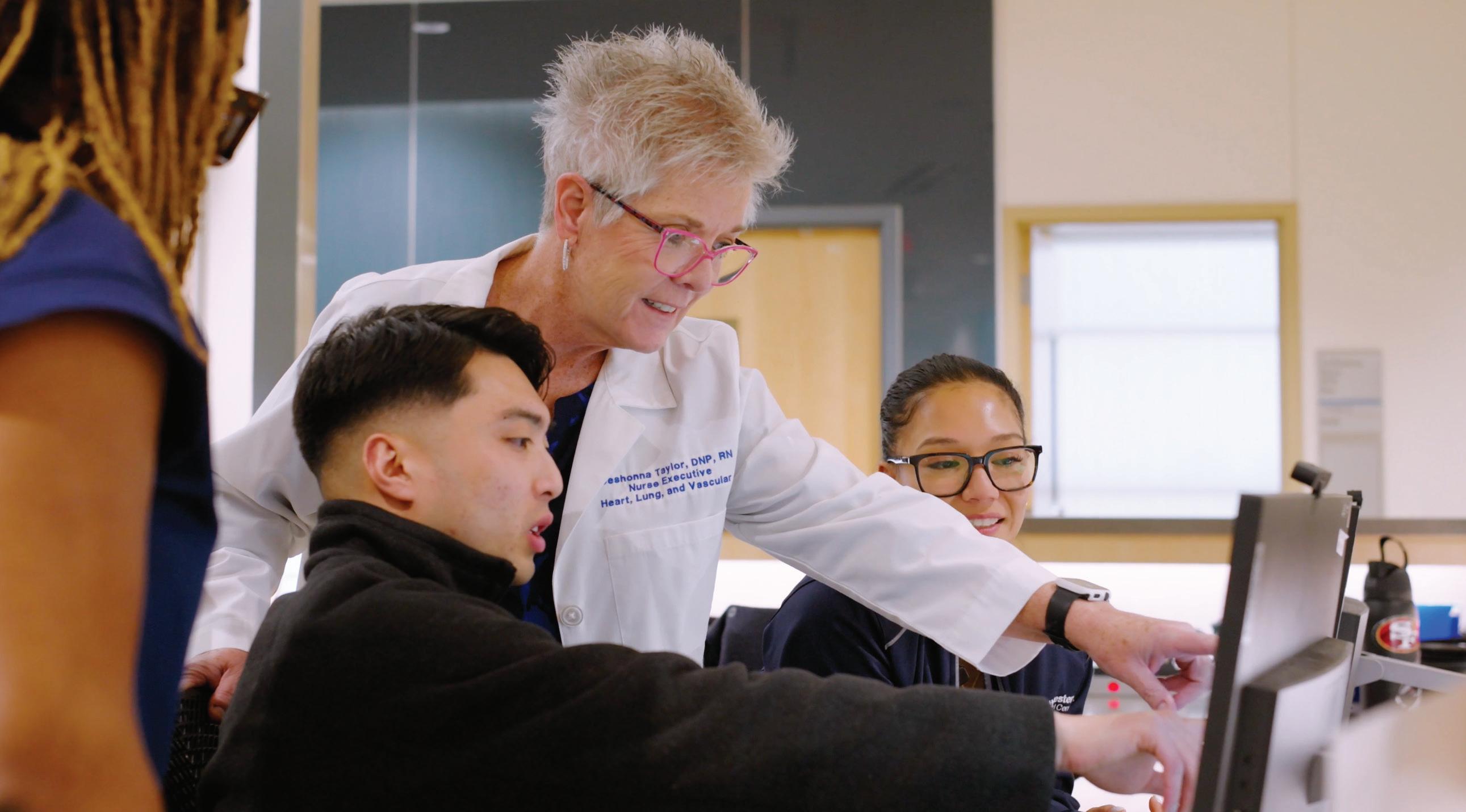
Deshonna Taylor, D.N.P., RN, CCRN (center), collaborates with the nursing team.
Improving Preventive Care
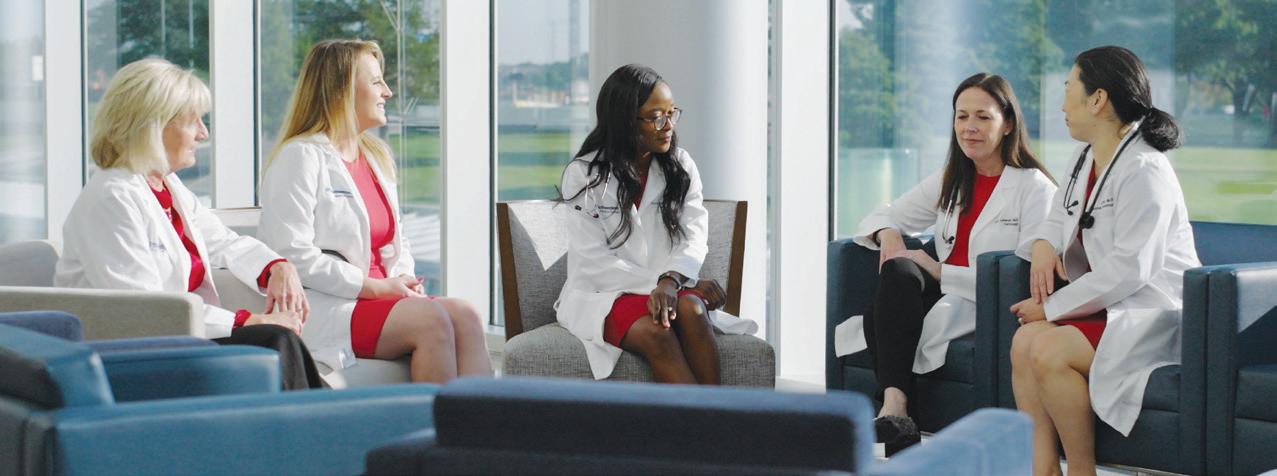
“The science of prevention has been the foundation of our clinical program at UT Southwestern for decades,” says Amit Khera, M.D., Director of Preventive Cardiology and Clinical Chief of Cardiology. In 1985, UTSW researchers Michael S. Brown, M.D., and Joseph L. Goldstein, M.D., were jointly awarded the Nobel Prize in Physiology or Medicine for their work studying cholesterol.
Fast-forward to 2004, when UTSW launched its Preventive Cardiology program aimed at identifying, evaluating, and managing risk factors for cardiovascular disease – to either prevent its initial onset or prevent further complications in patients who already have heart conditions. A few affiliated programs within Preventive Cardiology include:
SOUTH ASIAN HEALTH
South Asians have about twice the risk of cardiovascular disease as other groups. This program merges science and clinical medicine and includes culturally appropriate care to help narrow this gap for local members of the South Asian population.
WOMEN’S CARDIOVASCULAR HEALTH
This program brings together cardiovascular, Ob/Gyn, and maternal-fetal medicine providers to care for women who are pregnant and have complications related to cardiovascular disease and those with preexisting heart problems.
FAMILIAL HYPERCHOLESTEROLEMIA
The fields of cardiovascular preventive care and endocrinology come together to treat familial hypercholesterolemia. “We use the full armament of different medicines and treatments available for these patients with challenging-to-manage conditions,” Dr. Khera says.
“ Our commitment to clinical excellence and patient-centric care is what sets us apart. ” ANTHONY BAVRY, M.D., M.P.H.
Innovations in Heart Valve Surgery
UT Southwestern’s Structural Heart Program is dedicated to providing comprehensive, minimally invasive treatments for patients with heart diseases or defects. Our team delivers state-of-theart, personalized care for even the most complex conditions, using less-invasive procedures to help patients recover faster with better outcomes than traditional surgeries.
Among the innovative structural heart procedures our team offers are transcatheter aortic valve replacement (TAVR), a minimally invasive alternative to open-heart surgery for patients with severe aortic stenosis; transcatheter mitral valve repair (TMVr), which uses devices such as
the MitraClip to treat patients with a leaky mitral valve (mitral regurgitation) who may be too high risk for open surgery; patent foramen ovale (PFO) closure for stroke prevention, done with conscious sedation and same-day discharge; and left atrial appendage occlusion (LAAO) to treat atrial fibrillation in patients not suited for anticoagulation.
“Our commitment to clinical excellence and patient-centric care is what sets us apart,” says Anthony Bavry, M.D., M.P.H., Director of the Structural Heart Program at William P. Clements Jr. University Hospital. “Every procedure is approached with the goal of delivering the best possible outcome.”
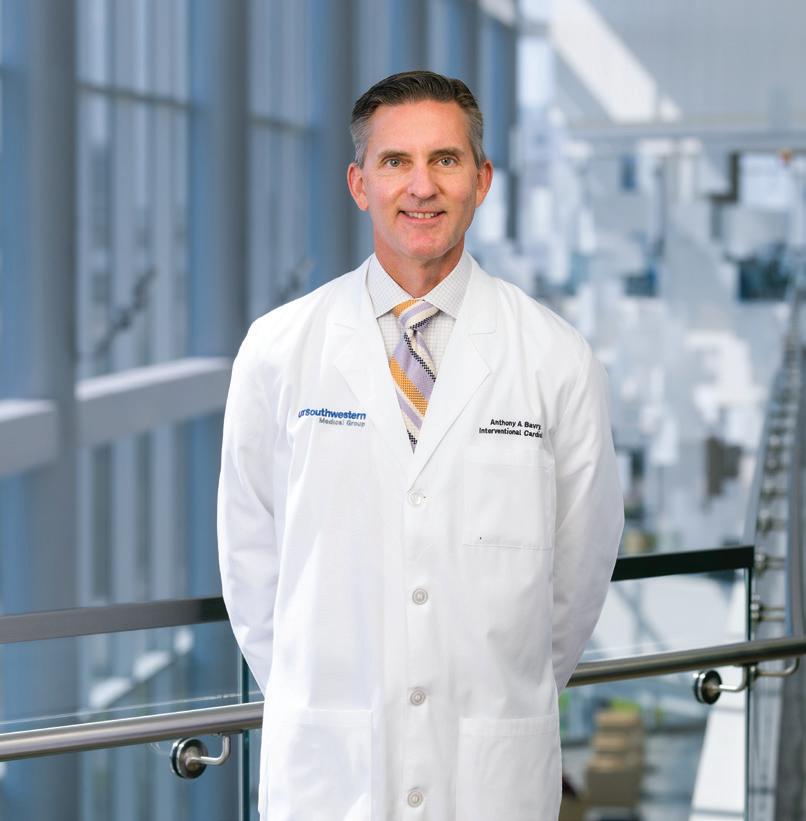
Anthony Bavry, M.D., M.P.H.
UT Southwestern Medical Center is home to one of the highest numbers of women in cardiology in the country.
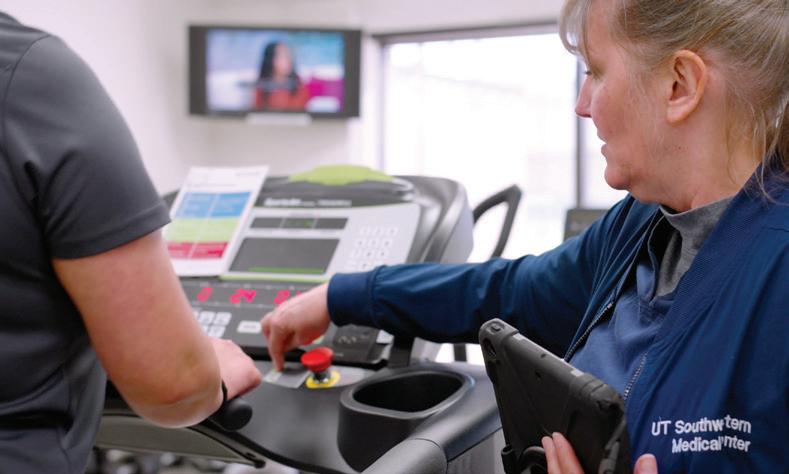
Rebuilding Strength and Stamina Through Rehab
Receiving treatment is just one step toward a healthier life for patients in the Heart and Valve Program at UT Southwestern. As part of being a nationally recognized Comprehensive Cardiac Center, our Cardiac Rehabilitation Program provides a personalized approach to recovery and significantly improves patient outcomes and survival rates. Through personalized, monitored exercise plans, our rehab program is designed to help every patient:
• Improve their heart health
• Lower their risk of future cardiovascular disease
• Prevent future cardiac surgery
• Work and take part in the activities they enjoy
The UTSW cardiac rehab program is nationally certified and peer-reviewed by the American Association of Cardiovascular and Pulmonary Rehabilitation. Cardiologists, registered nurses, exercise physiologists, physical therapists, registered dietitians, and pharmacists work together to help every patient meet their needs and goals.
THE BENEFITS OF REFERRING TO UTSW
When providers refer to UT Southwestern for cardiac rehabilitation, their patients benefit from having seamless coordination of care from a multidisciplinary team. As part of being a Comprehensive Cardiac Center, our cardiac rehab program provides patients with immediate access to the full spectrum of advanced cardiovascular services and technologies, along with a tailored exercise and education program that is medically supervised with continuous monitoring, ensuring safety and confidence in recovery.
A Legacy of Treating Congenital Heart Disease
Our ACHD Program is nationally accredited by the Adult Congenital Heart Association, representing one of only two in North Texas.
For more than 20 years, the Adult Congenital Heart Disease (ACHD) Program at UT Southwestern has provided lifelong, specialized care to patients from across the region and around the world. The goal is to minimize complications, improve quality of life, and support long-term outcomes. The ACHD Program delivers seamless care across three health systems: UTSW, Children’s Health, and Parkland Memorial Hospital.
In addition to Director Keri Shafer, M.D., the program’s leadership includes equally renowned ACHD specialists Katherine Kearney, M.D., Weiyi Tan, M.D., M.P.H., and Beth Brickner, M.D.
The program also features a transition nurse coordinator who helps guide patients and their families through the transition of care from childhood to adulthood as their needs evolve, as well as a clinical social worker and a pharmacy technician. In addition, UTSW’s ACHD Patient and Family Advisory Council also provides support by collaborating with providers and staff to ensure patient and family perspectives are heard and channeled to program leadership to improve the experiences and quality of care throughout patients’ health care journey.
Transitioning From Pediatric to Adult Care
Because congenital heart disease is lifelong, we partner with Children’s Health Dallas in a structured program that ensures a smooth and supportive transition from pediatric to adult care with:
• Joint care planning between pediatric and adult cardiologists
• A dedicated transition nurse coordinator to guide patients and their families through the changeover in care from childhood to adulthood as needs evolve
• Coordinated initial ACHD visits, often with pediatric providers accompanying patients
• Patient and family education and support
UT Southwestern adult congenital cardiologists also host dedicated clinics at Parkland Health, where they provide care for underserved and underrepresented communities.
Ginger Griffin, M.Ed., M.S., ACSM-CEP, RCEP, CCR, Cardiac Rehab Program Lead, works with patients to optimize their cardiovascular endurance after major cardiac procedures.
PATIENT-FIRST CARDIOMYOPATHY CARE
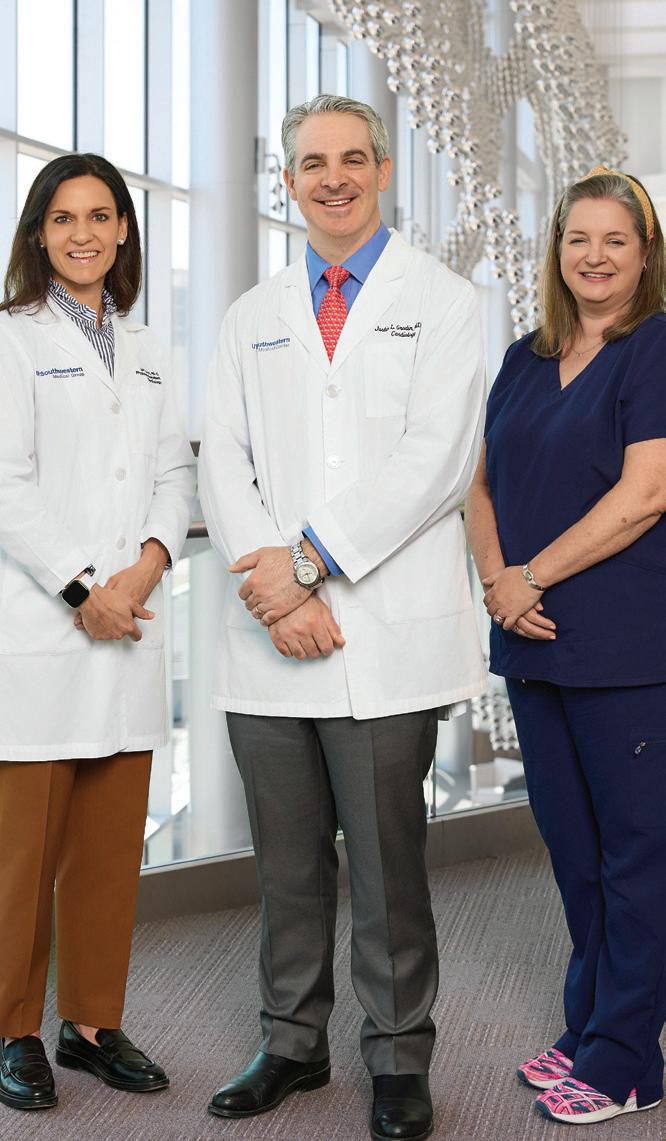
Cardiovascular Amyloidosis Team
UT Southwestern is a recognized Center of Excellence for treating both hypertrophic cardiomyopathy (HCM) and cardiac amyloidosis – one of only four such centers in the U.S. and the first certified in North Texas. Both HCM and cardiac amyloidosis can lead to arrhythmia and heart failure. HCM is estimated to affect 1 in 500 people – at least 600,000 –in the U.S. HCMA Centers of Excellence are recognized for providing comprehensive diagnostic, treatment, education, and research programs for the disease.
TAKING A GENOTYPEFIRST APPROACH
The patient experience begins with extensive education, addressing the uncertainty within the disease process and providing reassurance. With a focus on personalized medicine, treatment
The Future of Coronary Artery Care
Chronic total occlusions (CTOs) are blockages in coronary arteries that have been there for more than three months – and often much longer. Of people with coronary artery disease, 15% to 20% have at least one CTO.
The blockages are hard, calcified, and fibrous, so they’re difficult to navigate with equipment such as wires, balloons, and stents. Treating them requires a high level of expertise and operator experience.
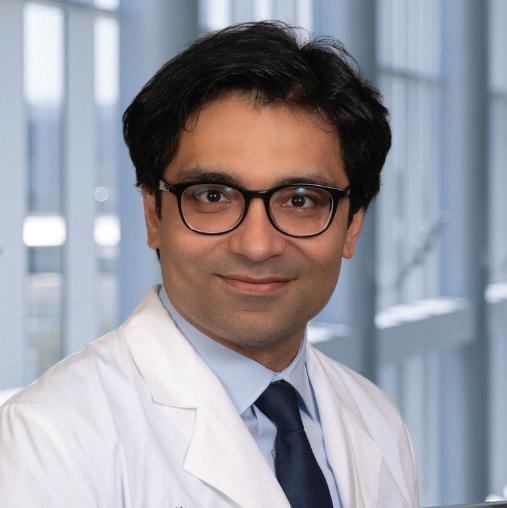
“We often can’t visualize the vessel clearly, so advanced techniques are required, such as dissection reentry and retrograde approaches,” says Salman Allana, M.D., Director of UT Southwestern’s Complex Coronary Artery Disease and Chronic Total Occlusion Program. “These techniques are not commonly taught to most interventional cardiologists.”
SUCCESS WITH ADVANCED CTO TECHNIQUES
uses a genotypefirst approach.
“Sometimes these diseases can be hereditary and caused by mutations,” says Justin Grodin, M.D, M.P.H., Medical Director of the Internal Medicine Clinical Trials Unit. “A patient’s natural history can inform how severe the heart condition is and whether other organs may be involved.”
This approach inspires collaborations with clinical geneticists for genetic counseling and cascade screening of families. “For about 30% of everybody I see, it’s hereditary,” Dr. Grodin says.
To better personalize care for patients, the cardiomyopathy program coordinates care with oncologists, neurologists, gastrointestinal specialists, and other experts.
Performing these innovative procedures and complex coronary interventions makes the UT Southwestern Heart and Vascular Program one of the few in the U.S. to offer the full spectrum of CTO techniques. These advanced offerings, in combination with a programmatic approach to treatment, set UT Southwestern apart, resulting in a high technical success rate (85%-90%), low complication rates, and better outcomes overall.
90%
Advanced CTO offerings contribute to a technical success rate as high as 90%.
1 in 5
As many as one in five people with coronary artery disease have at least one CTO.
Salman Allana, M.D.
Restoring the Heart’s Rhythm
UT Southwestern’s Electrophysiology (EP) team has performed thousands of procedures treating heart rhythm disorders, especially atrial fibrillation (AFib).
Our team specializes in performing pulsed field ablation (PFA), which uses energy to destroy the tissue causing AFib. “Pulsed field ablation is a newer technology that can sometimes reduce arrhythmia recurrence by about 80%,” says Richard Wu, M.D., a specialist in heart rhythm disorders and electrophysiology. As a Comprehensive Cardiac Center, UT Southwestern is proud to be involved in device registries and off-label use of PFA for ventricular tachycardia, with promising results.
Advanced Heart Failure Therapies
UT Southwestern’s Heart Transplant Program is highly performing and nationally recognized, delivering advanced heart failure therapies across the full continuum of care. In 2025, the program tied its all-time annual volume record, completing 56 heart transplants, including nine multiorgan cases, which marked the second consecutive year of exceeding 50 transplants and placing the center in the top 25% nationally.
The team also performed 24 LVAD implants and has long been a pioneer in mechanical circulatory support, being one of the first U.S. centers approved for destination therapy and participating in landmark trials such as REMATCH. For patients with severe cardiac or respiratory failure, we provide advanced ECMO support and are designated a Gold Level Center of Excellence by the Extracorporeal Life Support Organization, reflecting our commitment to quality and outcomes.
Other procedures include implanting the Watchman device, which helps AFib patients stop using blood thinners; placing pacemakers and leadless pacemakers, which can mimic the heart’s natural conduction; and, in complex cases, extracting devices in collaboration with cardiothoracic surgery.
THE LATEST IN ABLATION IMAGING
Our EP Program is currently renovating two labs to implement the latest in ablation imaging, replacing the fluoroscopy to minimize radiation exposure while maintaining the best image quality to identify where arrhythmias are originating. The advanced imaging capabilities will result in more efficient treatment.
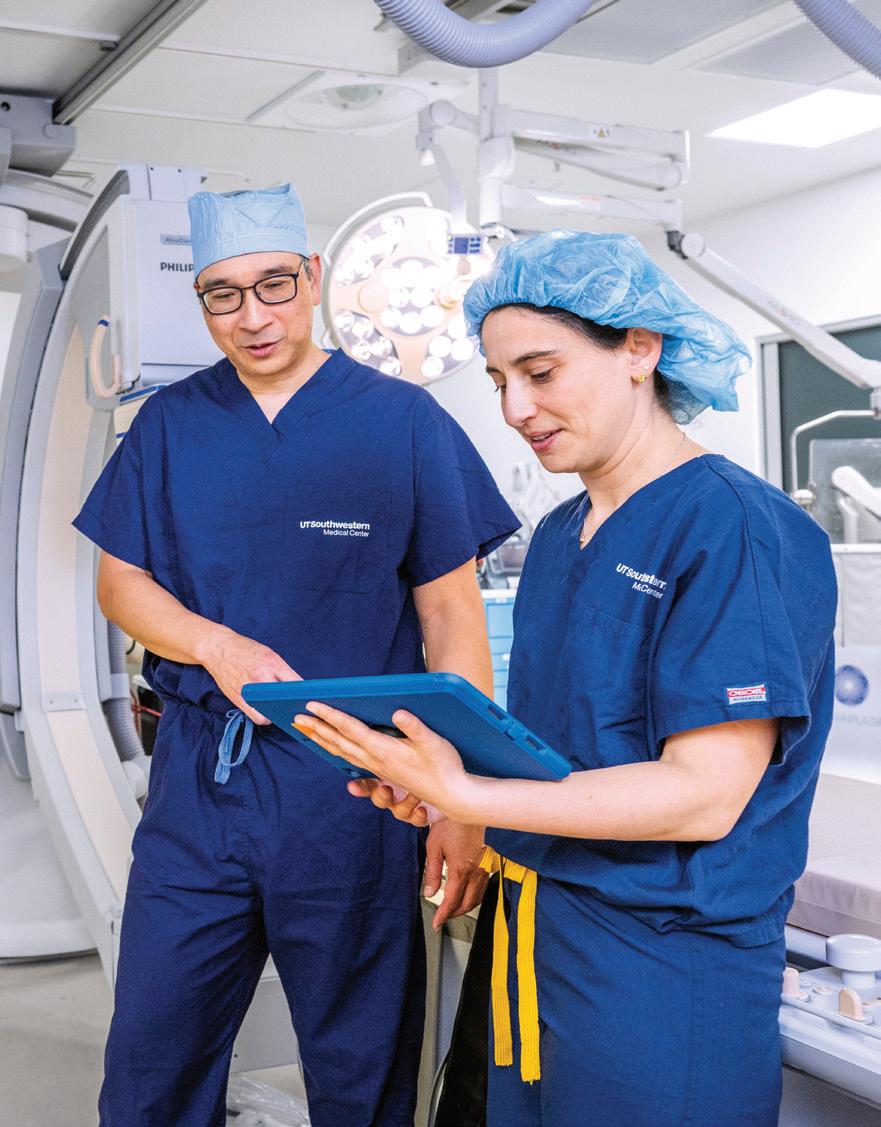
Heart Health for Cancer Patients
UT Southwestern’s Cardio-Oncology Program, the first in North Texas, began in 2016 with a half-day clinic. By 2020, it had become a full CardioOncology Clinic supported by both the Department of Internal Medicine and Harold C. Simmons Comprehensive Cancer Center and integrated with hematologyoncology and cardiovascular specialties. Simmons Cancer Center is one of 57
NCI-designated Comprehensive Cancer Centers in the U.S. and the only one in North Texas.
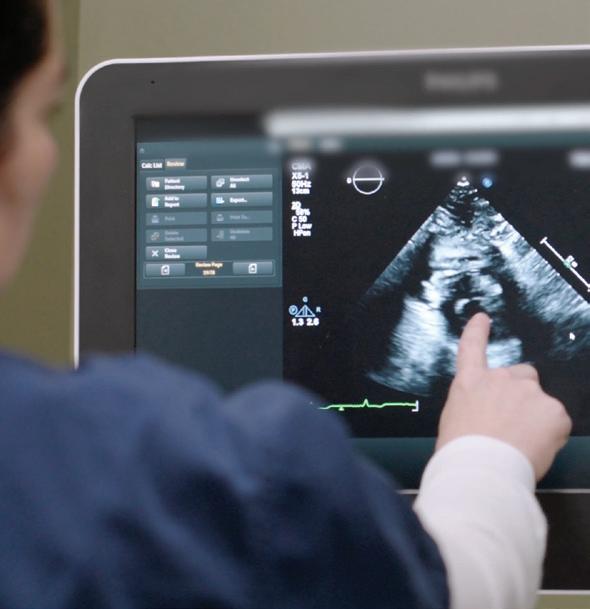
Today, the clinic, which optimizes cancer treatment effectiveness while actively protecting and monitoring heart health, has five physicians, two advanced providers, and imaging resources, including two dedicated echocardiography labs.
Our Cardio-Oncology team prioritizes cardiovascular care for cancer survivors, starting at diagnosis, to ensure their heart health is considered throughout their cancer journey.
EXPANSIONS COMING SOON
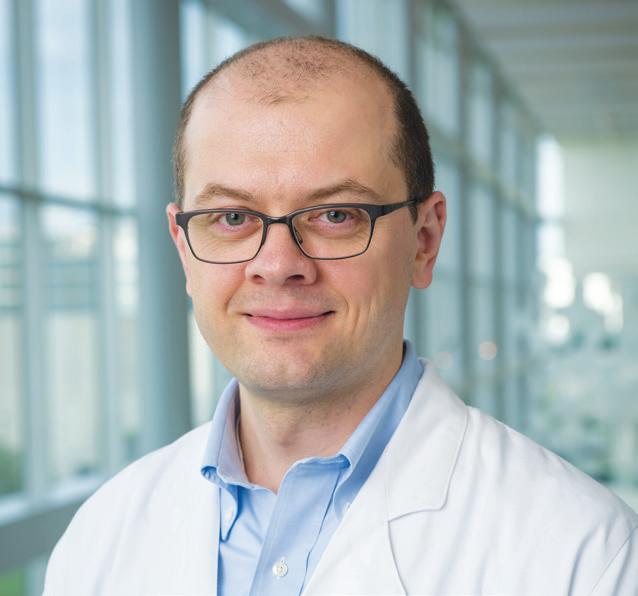
The Cardio-Oncology Program is expanding to Parkland Memorial Hospital, where it will have dedicated clinical space and imaging capabilities. “This will broaden our reach and provide more training opportunities,” says Vlad Zaha, M.D., Ph.D., Medical Director of the Cardio-Oncology Program.“We also aim to extend our services to regional centers in Richardson, Plano, and Fort Worth.”
Vlad Zaha, M.D., Ph.D.
Richard Wu, M.D., and Anna Rosenblatt, M.D., in the EP lab
A Merited Distinction
The Joint Commission and the American Heart Association have certified UT Southwestern as a Comprehensive Cardiac Center (CCC), a designation earned by only 24 hospitals in the U.S.
“This designation reflects excellence in cardiac and vascular care across prevention, diagnosis, treatment, and recovery, including specific vascular and cardiovascular interventions, such as coronary bypass and valve surgery,” says Joshua Beckman, M.D., Chief of Vascular Medicine.
Collaborative Care
In partnership with Children’s Health, UT Southwestern operates the only clinics in the Dallas-Fort Worth area devoted to hereditary disorders such as Marfan syndrome, aortic disease, osteogenesis imperfecta, and other skeletal growth conditions.
UT Southwestern is also the only medical center in the region designated by the Marfan Foundation as a site for expert care for patients with connective tissue disorders, bringing together medical and surgical specialists to manage lifelong vascular risk.
Excellence in Vascular Care
The Vascular Program at UT Southwestern delivers comprehensive, collaborative care for complex vascular disease, uniting nationally recognized expertise in vascular medicine and vascular surgery to improve outcomes across the full continuum of care.
DEDICATED TO VASCULAR MEDICINE
The Division of Vascular Medicine at UT Southwestern is proud to be part of one of the few academic medical centers nationwide with a dedicated program and division in this specialty. Vascular medicine specialists focus on prevention, diagnosis, and long-term management of vascular disease, working closely with colleagues across surgery, cardiology, radiology, and genetics.
Together with the UTSW Vascular Surgery team, we provide coordinated medical and surgical care for conditions including abdominal aortic aneurysms, aortic dissections, peripheral vascular disease, claudication, venous disease, deep vein thrombosis, narrowed blood vessels, and more.
RESPONDING TO A GROWING NEED
Now in its second year, our Vascular Medicine Program continues to grow, offering consultative care for complex vascular conditions at our main campus in Dallas’ Southwestern Medical District and at our Coppell, Park Cities, and RedBird locations. This growth reflects rising demand for specialized vascular expertise and UT Southwestern’s commitment to delivering advanced care closer to where patients live.
ADVANCED SURGICAL CARE FOR COMPLEX VASCULAR DISEASE
The Vascular Surgery Program at UT Southwestern offers some of the most advanced interventional therapies and surgical procedures available to treat all forms of vascular disease. Each year, our vascular surgeons perform more than 1,000 vascular operations, including minimally invasive endovascular procedures, complex open reconstructions, and deep vein arterialization procedures to salvage limbs that would typically be amputated.
UTSW vascular surgeons specialize in advanced techniques such as fenestrated aortic endografts, innovative treatments for carotid artery disease, and management of graft infections. Care is delivered by a multidisciplinary clinic team that includes experienced surgeons, nurse practitioners, nurses, vascular technologists, and specialized support staff, ensuring expert, compassionate care at every stage of treatment.
Our vascular surgeons work closely with colleagues in cardiology, radiology, orthopedics, neurology, internal medicine (including diabetes, rheumatology, and hematology), and physical medicine and rehabilitation to provide comprehensive evaluation, coordinated treatment, and long-term follow-up for patients with complex vascular disease.
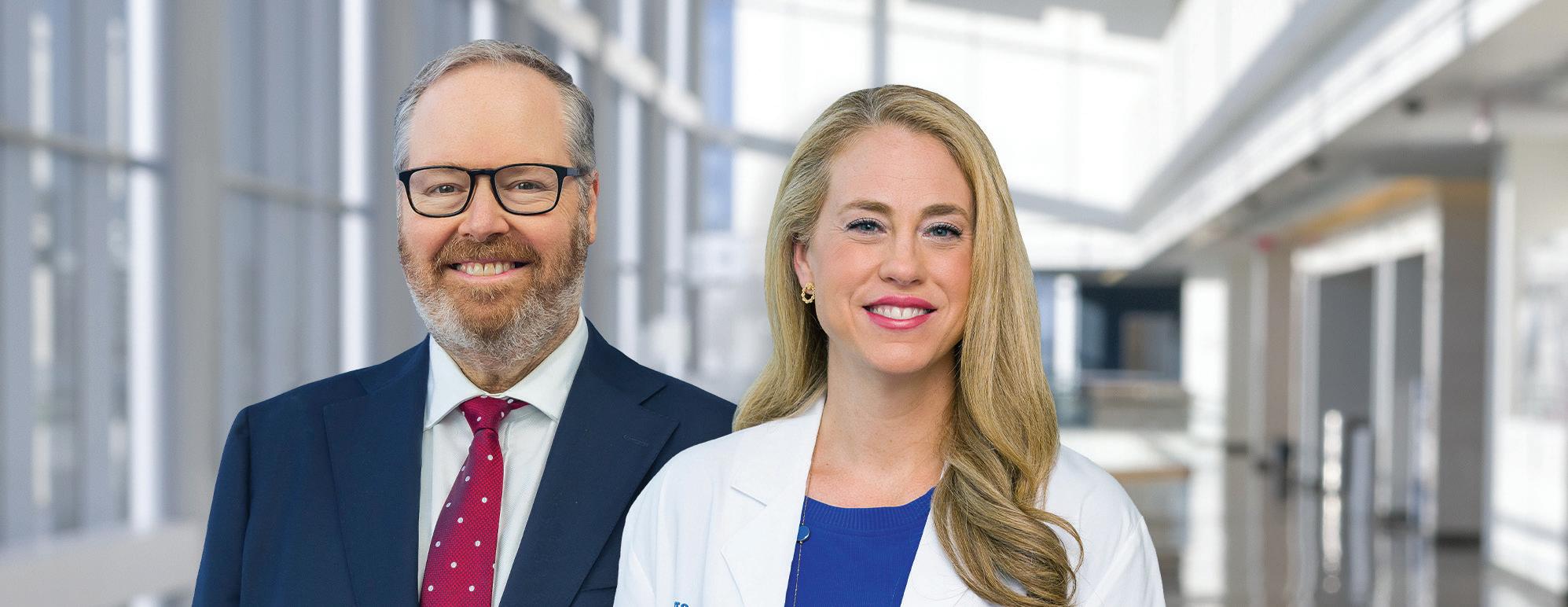
Joshua Beckman, M.D., and Melissa Kirkwood, M.D.
Leading the Way in Cardiac Surgery Trials
UT Southwestern’s heart and vascular researchers are conducting leading-edge studies in the field of cardiac surgery.
JARVIK FOR INFANTS
Ryan Davies, M.D., is examining the Jarvik 2015 VAD for circulatory support for pediatric heart failure patients. The trial tests a novel intracorporeal pump for use in children and has the potential to dramatically alter our ability to provide mechanical circulatory support to the smallest children.
BIORESORBABLE POLYMER FOR VALVES
Tre Welch, Ph.D., and his team are developing a heart valve for infants based on a biodegradable scaffold that will fill with the patient’s cells, creating a hybrid biomaterial-tissue valve. The scaffold will resorb over time, leaving a valve made of natural cells that may grow with the patient.
1 2 3 4
“ Our findings support HP-13C MRI as a noninvasive metabolic imaging modality for myocardial metabolic assessment and lay the foundation for future multicenter clinical trials. ”
GAURAV SHARMA, PH.D.
HYPERPOLARIZED 13C IMAGING
Gaurav Sharma, Ph.D., is leading a team that conducted hyperpolarized 13C metabolic imaging studies in four subjects with ischemic heart disease, before and after coronary bypass grafting. The work suggests that HP-13C MRI can amplify information on mitochondrial substrate oxidation and map areas of metabolic activity or silence in the myocardium.
TRANSPLANT PRESERVATION
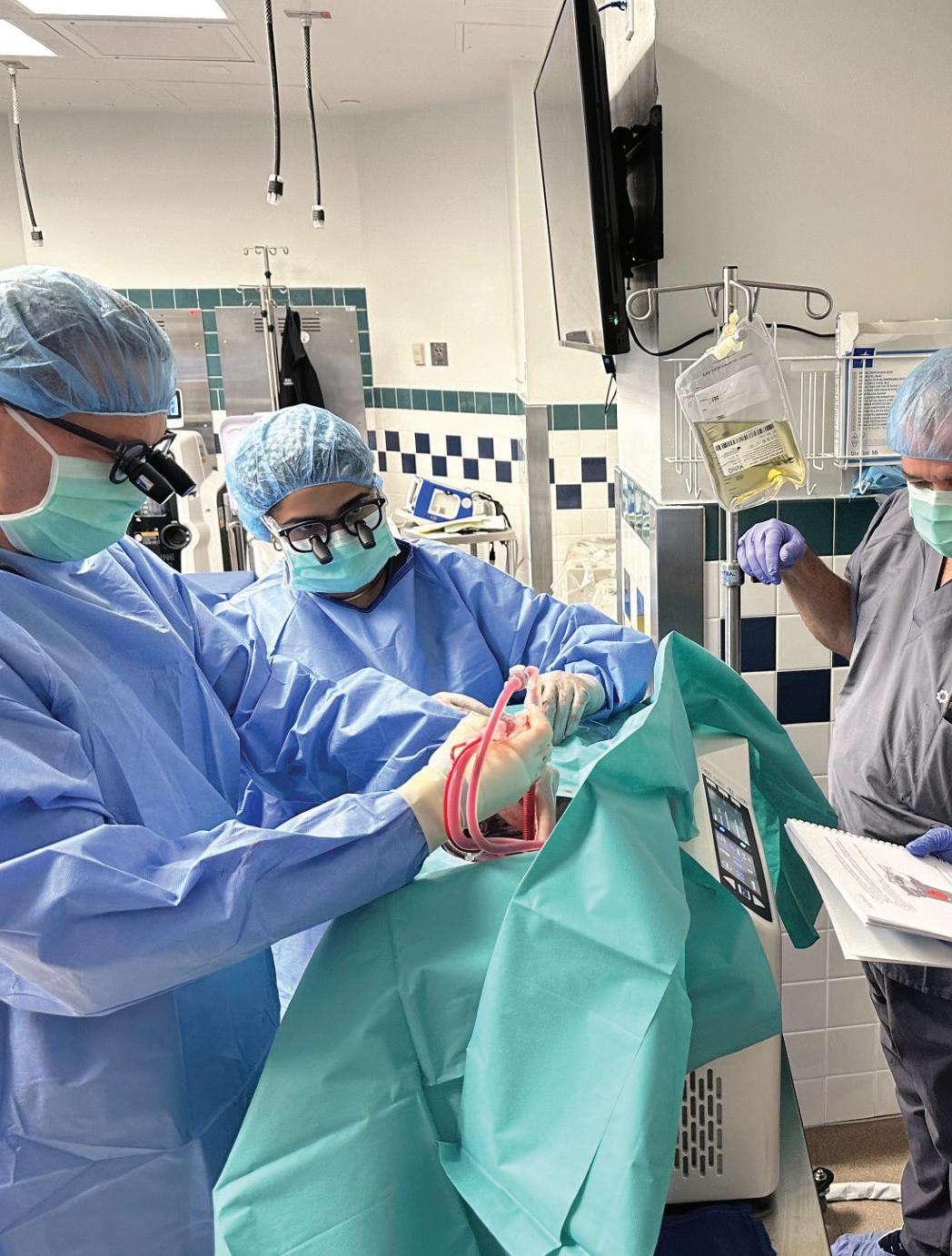
UTSW researchers are advancing the understanding of metabolic interventions that may improve outcomes following transplantation. They are testing a custom ex vivo lung perfusion (EVLP) system that enables perfusion of procured lungs and measurement of gas exchange and hemodynamics while also allowing lung tissue sample collection for analysis.
Matthias Peltz, M.D. (left), leads a team that prepares a donor heart that was received using warm perfusion technology.
Comprehensive Vascular Research
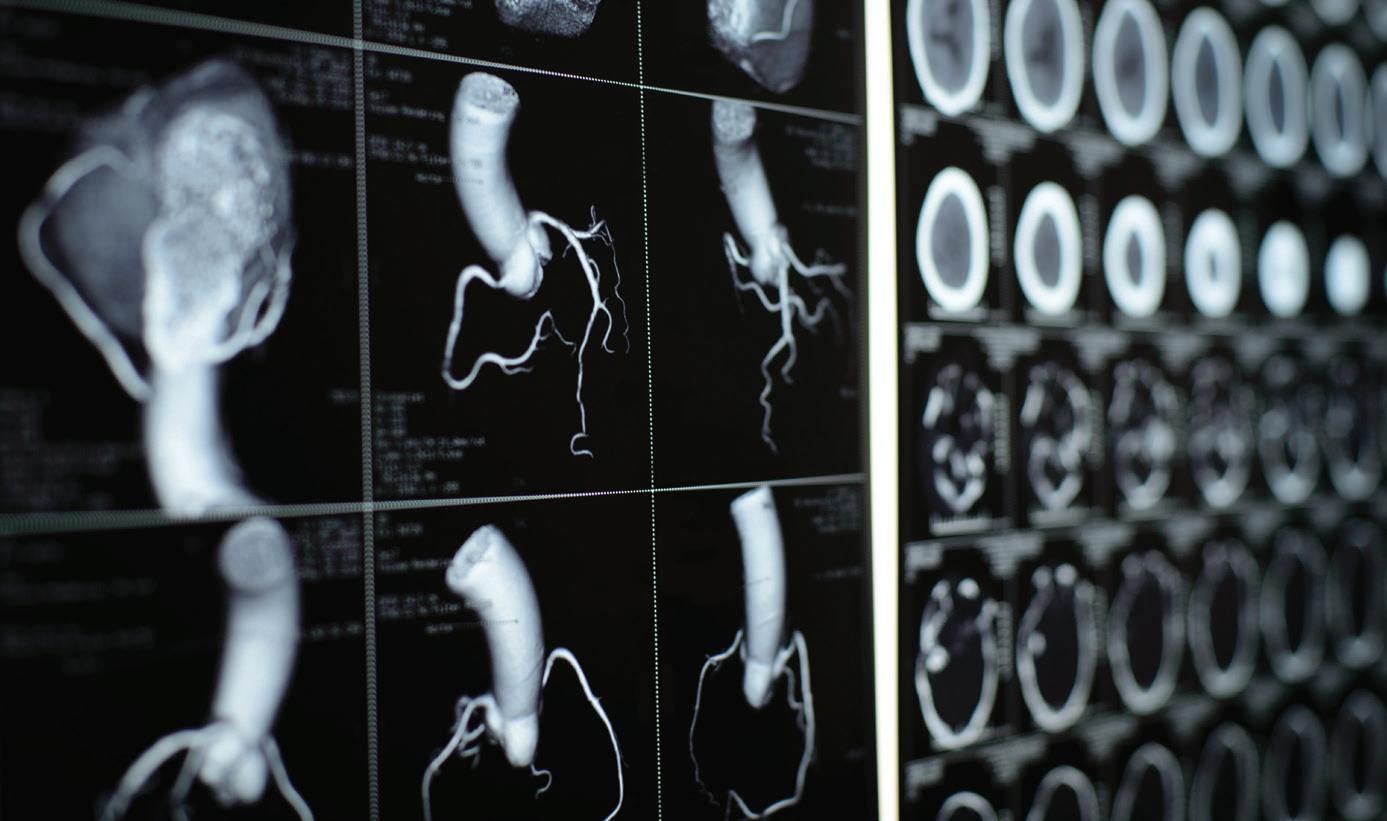
Within dedicated Divisions for Vascular Medicine and Vascular Surgery, researchers at UT Southwestern are conducting clinical trials designed to improve health and outcomes for patients with vascular disease.
Vascular Surgery
TREATING AORTIC ANEURYSMS
Shadman Baig, M.D., is involved in two studies pertaining to the GORE® EXCLUDER® Thoracoabdominal Branch Endoprosthesis. One study is evaluating the device’s safety and efficacy in treating thoracoabdominal and pararenal aortic aneurysms. The second, a post-approval study, includes expanded access to the device. Dr. Baig is also participating in a study that assesses long-term endovascular abdominal aortic aneurysm (AAA) intervention using the GORE® EXCLUDER® Conformable AAA Endoprosthesis or Iliac Branch Endoprosthesis.
CLEARING ILIAC ARTERIES
Melissa Kirkwood, M.D., is participating in the GORE VBX FORWARD Clinical
Study: A Comparison of the GORE® VIABAHN® VBX Balloon Expandable Endoprosthesis to Bare Metal Stenting for patients with complex iliac occlusive disease. The study aims to determine if the balloon expandable endoprosthesis is superior to bare metal stenting.
FOCUS ON PERIPHERAL ARTERY DISEASE
Michael Siah, M.D., is studying the safe use of drug-eluting devices for treating lesions in peripheral blood vessels as part of the Drug-Eluting Registry: Real-World Treatment of Lesions in the Peripheral Vasculature (ELEGANCE) trial. Dr. Siah is also evaluating the outcomes of pedal artery treatment with the Serranator device in a retrospective multicenter series. This treatment may improve blood flow and wound healing and prevent amputation.

Vascular Medicine
REDUCING LEG EDEMA
Rafael Cires-Drouet, M.D., is the lead investigator of the Role of Compression Stockings in Heart Failure Patients (ROCK-HF) study. Heart failure is associated with severe leg edema, and in some cases leg ulcers, which can be difficult to treat and resistant to diuretics. Also, compression of the lower extremities has been avoided in patients with heart failure due to the risk of cardiovascular decompensation.
The ROCK-HF study evaluates the benefit of compression stockings in this population, as well as the safety of their use. The goal is to originate preliminary information to develop future studies using compression stockings for patients with heart failure.
RESOLVING PULMONARY EMBOLISM
Dr. Cires-Drouet is also principal investigator of a pilot observational study on the association of nitric oxide-mediated vascular changes and poor thrombus resolution in patients with pulmonary embolism. Using noninvasive ultrasound imaging of the brachial artery, the study measures nitric oxide response to ischemia. The information obtained is correlated with the amount of residual thrombus in patients diagnosed with an acute pulmonary embolism that has been treated with anticoagulation alone.
The hypothesis is the same response obtained in the brachial artery will be obtained in the pulmonary artery, indicating interventions targeting nitric oxide release would enhance thrombus resolution.
Advancements in Cardiac Transplants
Innovations in cardiac transplantation can make more healthy hearts available to patients who need them.
UT Southwestern researchers are participating in the PRESERVE Heart Study, a clinical trial measuring the safety and effectiveness of the XVIVO Heart Preservation System, which preserves and transports hearts from higher-risk donors, including hearts with structural issues or higher risk of rejection.
XVIVO will likely seek approval for heart transplant centers that participated in the trial to keep using the system while it seeks Food and Drug Administration approval.
UTILIZING PERFUSION TECHNOLOGIES
Two other innovative technologies, warm and cold perfusion, reenergize and restore hearts for transplantation. These devices maintain oxygen flow in the donor heart during transport, support energy metabolism, and extend the life of the tissue.
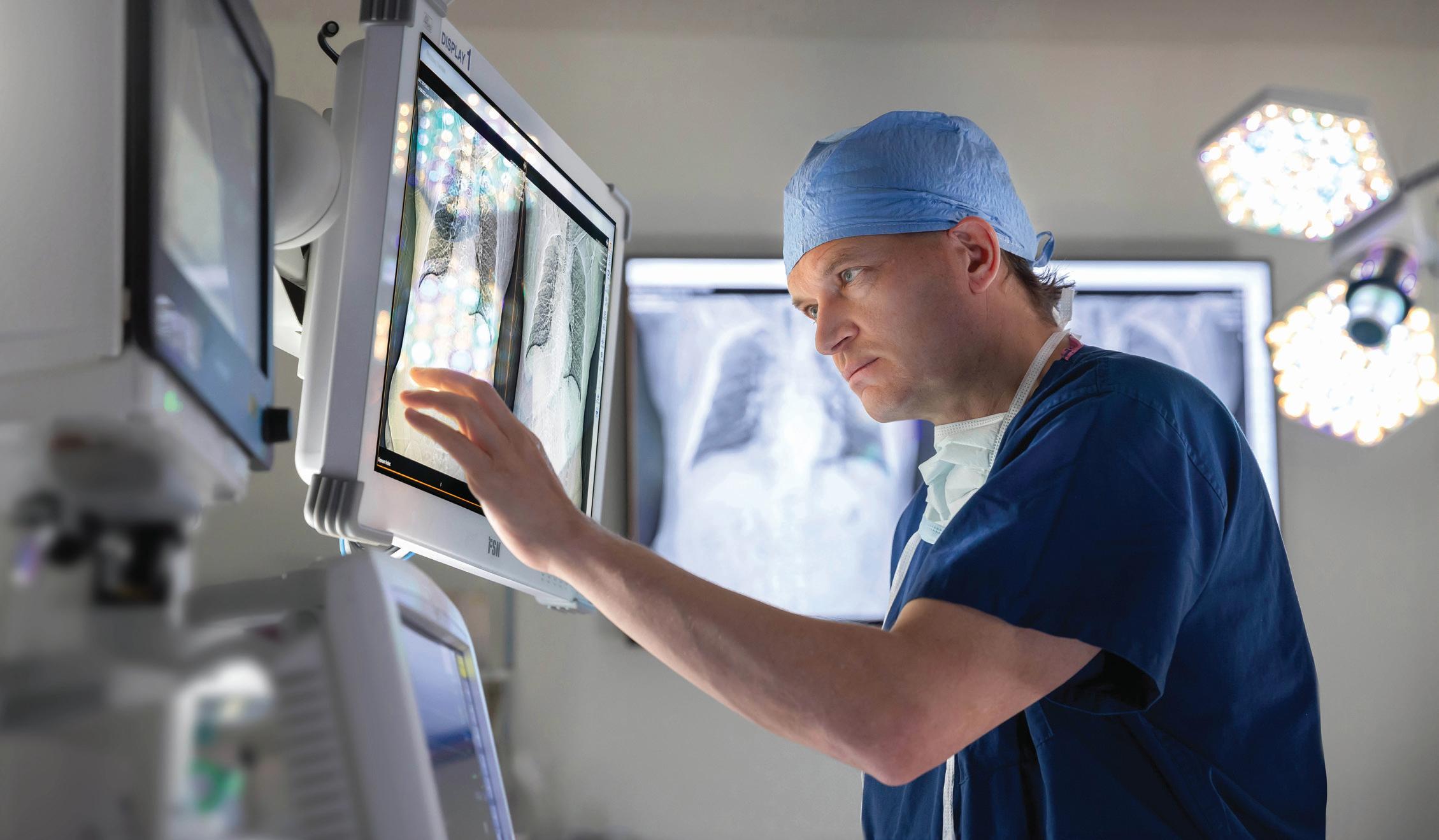
“Perfusion technologies have created a wider, deeper donor pool. Hearts that once were unrecoverable due to distance or circulatory death can now give our patients a second chance,” says Matthias Peltz, M.D., Surgical Director of Cardiac Transplantation and Mechanical Circulatory Support.
For warm perfusion, the transplant team attaches the donor heart to a machine that oxygenates the organ, restores the heartbeat, and maintains a temperature of 93°F. With cold perfusion, the donor heart is attached to a machine that perfuses it with an oxygenated gas mixture and maintains it at 46°F.
While it is not yet clear whether warm or cold perfusion is preferred, Dr. Peltz says experts agree that transporting an oxygen-perfused heart is better than packing one on ice.
Matthias Peltz, M.D.
New Treatments for High Lipoprotein(a)
A study of patients with high Lp(a) who do not already have cardiovascular disease is the first of its kind.
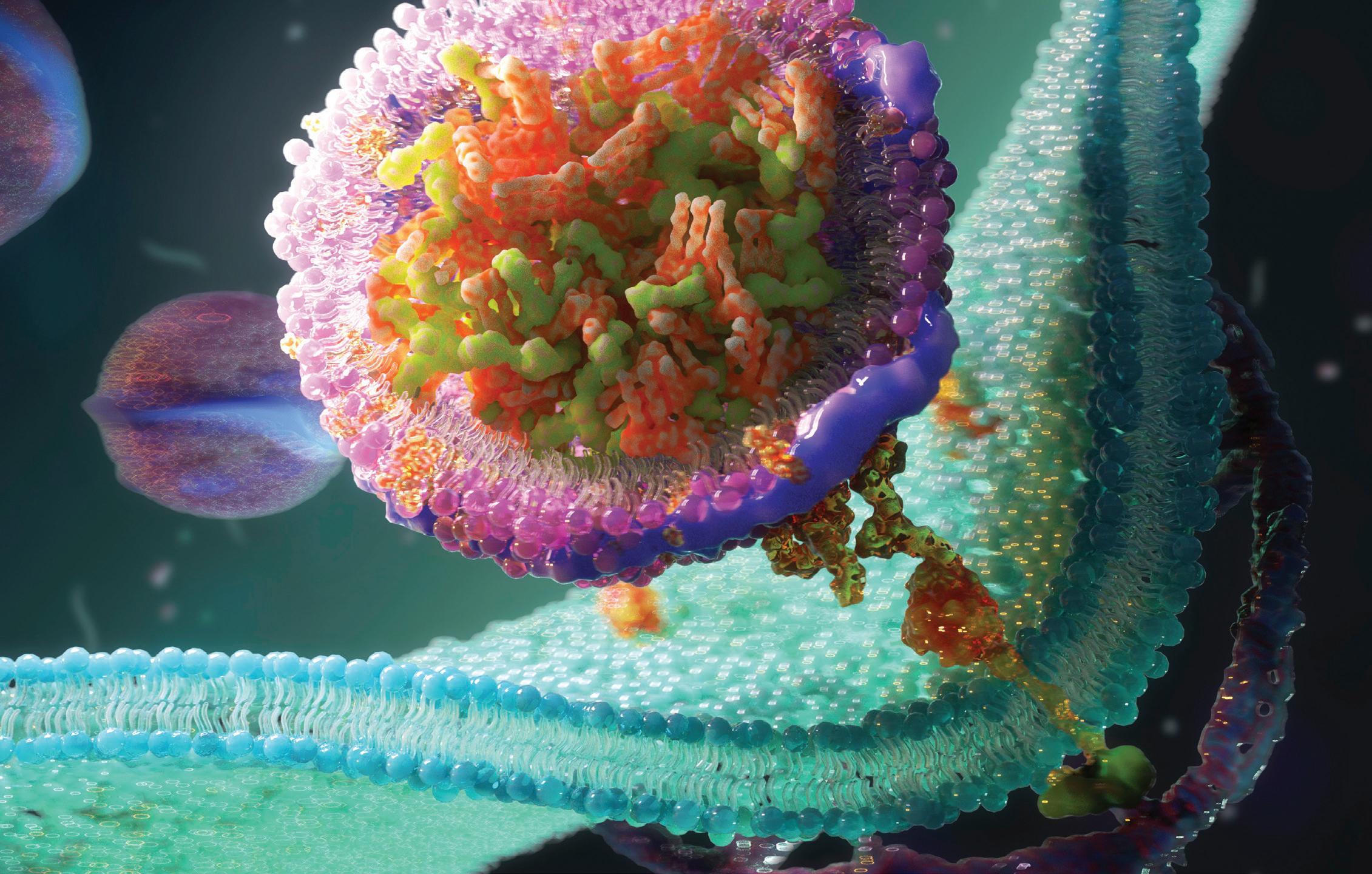
Evidence supports a close relationship between increasing lipoprotein(a) [Lp(a)] levels and coronary artery disease. Lp(a) is a particle formed when an apo(a) protein binds to an LDLcholesterol particle.
There are no approved medications to lower Lp(a), so people with high Lp(a) may be at high risk for coronary artery disease. Cardiologists in the Heart and Vascular Program are helping to change that.
Ann Marie Navar, M.D., Ph.D., a preventive cardiologist at UT Southwestern, is studying whether lepodisiran, a drug that lowers Lp(a) by over 90%, can prevent heart attacks and strokes in people with high Lp(a). This is also the first cardiovascular outcomes trial to enroll patients with high Lp(a) who do not already have cardiovascular disease.
Another milestone related to Lp(a) is the development of an oral medication for lowering Lp(a) called muvalaplin, which
inhibits the binding of apo(a) to the LDL particle, preventing the creation of the Lp(a) lipoprotein. Dr. Navar helped contribute to the phase two study for muvalaplin.
Recognizing the importance of Lp(a) and the potential availability of treatments to lower risk in people with high Lp(a), cardiologists and providers across the UT Southwestern campus are increasingly measuring it in people with or at risk for heart disease.
Ann Marie Navar, M.D., Ph.D., presented on the efficacy and safety of enlicitide, an oral PCSK9 inhibitor, at the 2025 AHA Scientific Sessions, highlighting the clinical impact of our research.

Reducing Cardiovascular Risk for People with Diabetes
Research suggests a link between oral semaglutide and fewer adverse cardiovascular events.
Darren McGuire, M.D., Lead Physician for the Parkland Health Cardiology Clinic, was principal investigator for the large SOUL trial, Oral Semaglutide and Cardiovascular Outcomes in High-Risk Type 2 Diabetes, published in The New England Journal of Medicine in March 2025.
The study included 9,650 participants and followed up with them over approximately four years. It found that, for people with Type 2 diabetes and one or both of atherosclerotic cardiovascular disease and chronic kidney disease, oral semaglutide was associated with a significantly lower risk of major adverse cardiovascular events than placebo, without an increase in serious adverse events.
“ Cardiologists should be routinely prescribing GLP-1s, just like statins. ”
— DARREN MCGUIRE, M.D.
Glucagon-like peptide-1 (GLP-1) receptor antagonists are level 1A guideline-recommended medications for people with Type 2 diabetes and atherosclerotic cardiovascular disease, whether or not they are indicated for glucose control. “Cardiologists should be routinely prescribing GLP-1s, just like statins,” says Dr. McGuire.
Dr. McGuire notes that cardiologists should tell patients to expect some gastrointestinal side effects at the start, but that they abate after a few doses for almost everyone. “The key is to prescribe the lowest dose and up-titrate only when GI symptoms are at bay,” he says.
Phosphate Intake Linked to Hypertension
Study shows the flavor enhancer increases a hormone that leads to high blood pressure.
Wanpen Vongpatanasin, M.D., Director of the Hypertension Section in the Division of Cardiology, co-authored an article published in The American Journal of Physiology that explores the link between inorganic phosphate and cardiovascular health. Inorganic phosphate is used as a preservative or flavor enhancer in ultraprocessed foods.
“We found that a diet high in phosphate leads to hypertension in rats by increasing a hormone called FGF23
that crosses from the body into the brain,” Dr. Vongpatanasin says. “This hormone stimulates a certain part of the brain, causing increased sympathetic nervous system activity that leads to hypertension.”
Dr. Vongpatanasin also co-authored updated clinical guidelines for managing high blood pressure in adults, released in 2025 by the American Heart Association and American College of Cardiology.
“Nearly half of U.S. adults are affected by high blood pressure, making it the most common and modifiable risk factor
for cardiovascular disease,” says Dr. Vongpatanasin. “The new guideline aims to support clinicians and empower patients to take proactive steps toward better health.”
The guidelines introduce the PREVENT risk calculator to help clinicians estimate long-term cardiovascular risk and guide treatment decisions. It also highlights the connection between high blood pressure and cognitive decline, recommending tighter control to help protect brain health.
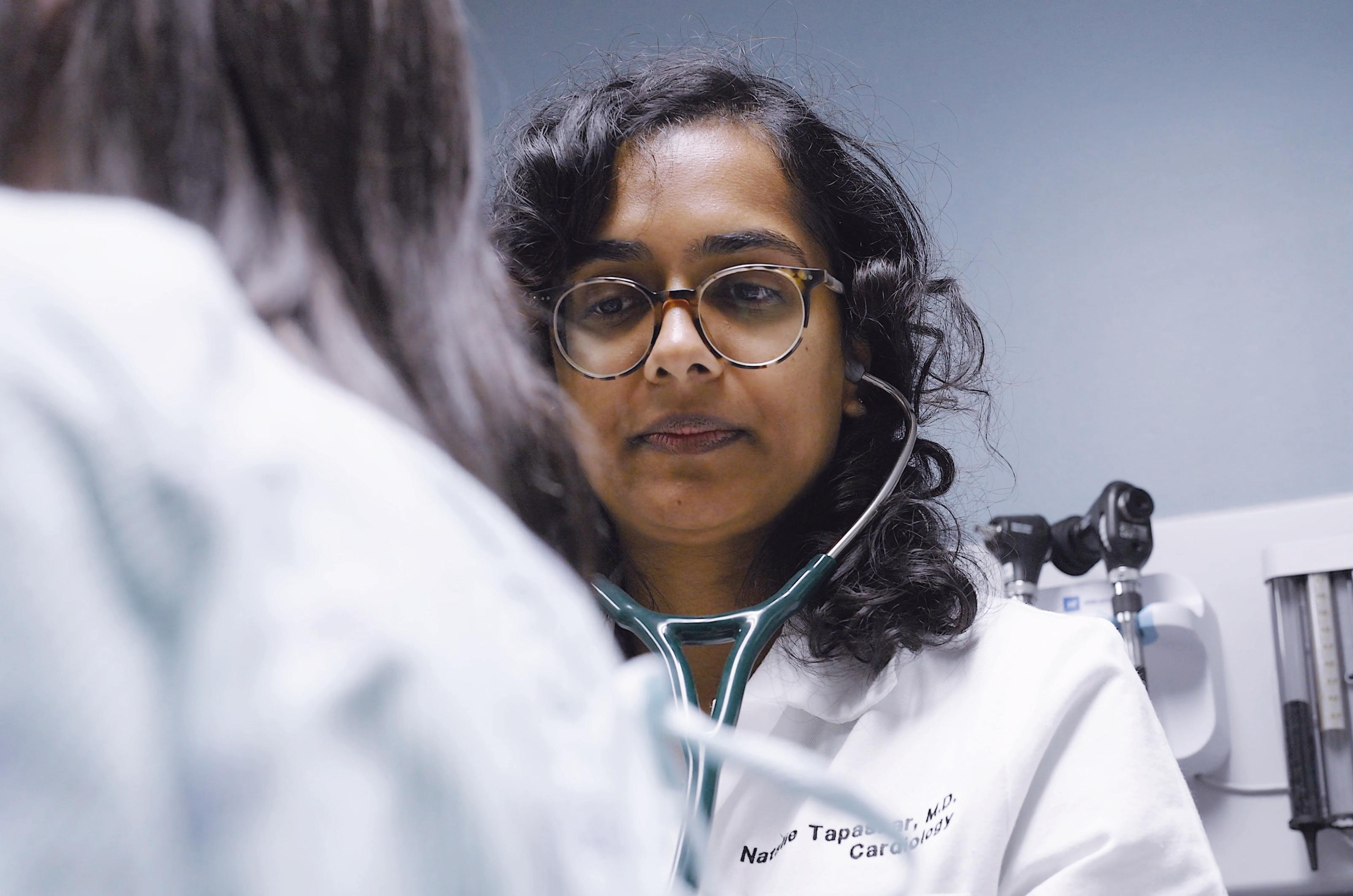
Natalie Tapaskar, M.D.
Shaping the Future of Cardiovascular Medicine
Training at UT Southwestern is grounded in comprehensive clinical experiences and academic excellence.
The Heart and Vascular Program at UT Southwestern is shaping the future of cardiovascular medicine by preparing physicians and researchers who advance care in North Texas and at leading institutions across the nation. Our program builds on a foundation of academic excellence to train the next generation of cardiovascular specialists, who gain practice in a variety of clinical settings.
Clinical providers have extensive opportunities for leadership development, coaching, and advanced education. Our programs ensure access to innovative and modern training pathways and experiences in traditional and unique
cardiac subspecialties, including structural interventional cardiology, cardio-oncology, cardiac amyloidosis, structural echocardiography, and more. Clinical programs emphasize progressive training supported by high patient volumes, expert faculty supervision, and integrated didactic instruction. Postdoctoral fellows benefit from a wide range of research opportunities across multiple laboratories, while our state-of-the-art Simulation Center provides hands-on training in cardiovascular procedures. Plus, we offer a comprehensive and leading-edge weekly conference curriculum for fellows and faculty.
OUR FELLOWSHIP PROGRAMS
Fellowships at UT Southwestern attract top talent from leading medical schools across the nation, providing emerging leaders in the field opportunities to advance both their knowledge and careers. Our fellowship programs span three broad areas: combined clinical and research training, basic research, and advanced clinical training.
CARDIOLOGY FELLOWSHIP
With clinical experiences at UT Southwestern’s flagship hospital, William P. Clements Jr. University Hospital, as well as Parkland Health, Children’s Health, and the VA North Texas Health Care System, our fellowships provide an environment that ensures fellows gain a robust and diverse experience with ample opportunities for hands-on, leading-edge procedures. Our fellows
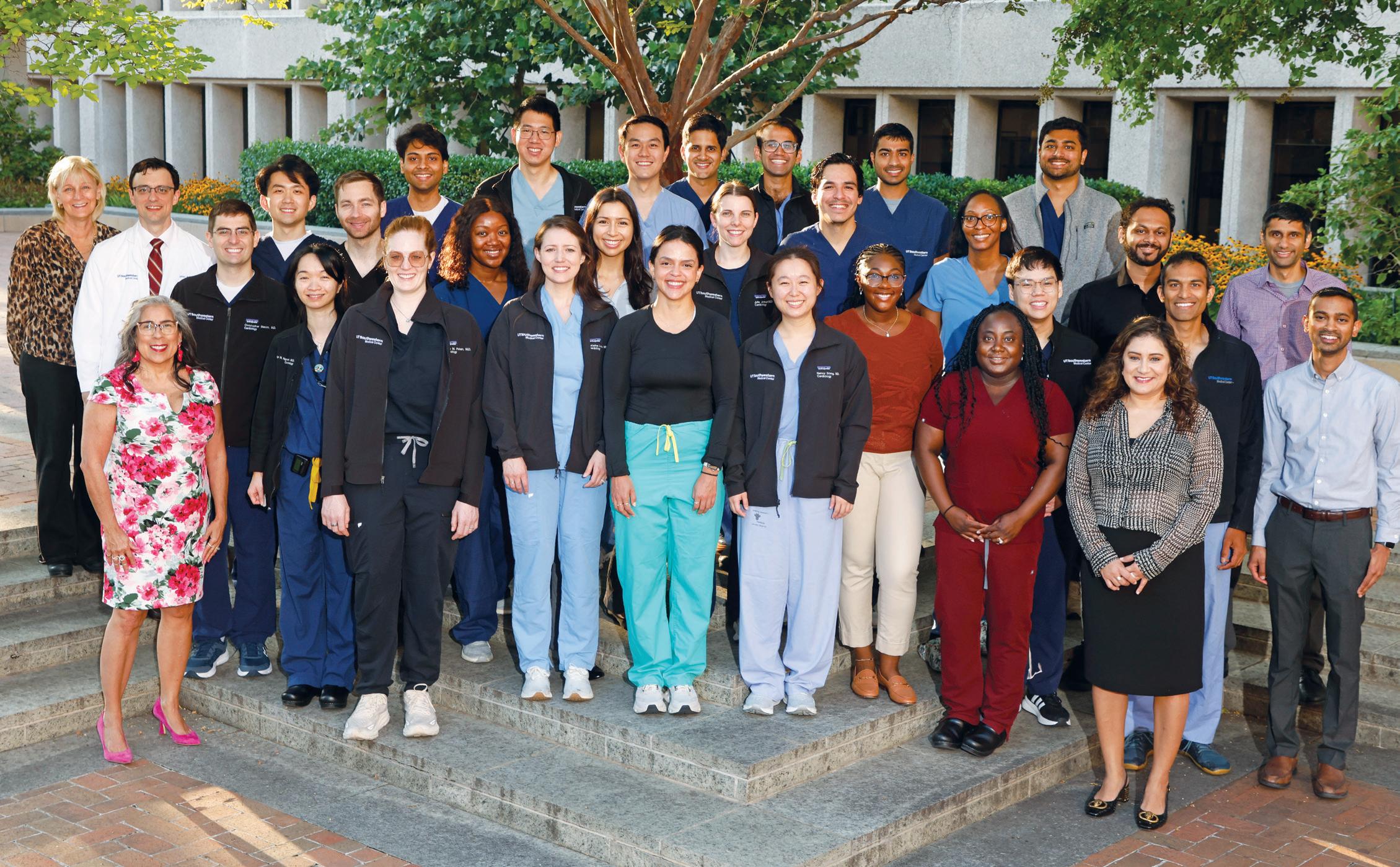
2025-2026 Cardiology Fellows and Leadership
benefit from exposure to high patient volumes and have the opportunity to work with a wide range of patients, including underserved populations, veterans, and those with complex conditions.
We are dedicated to developing competent, highly skilled cardiovascular specialists from diverse backgrounds who deliver equitable, compassionate, and patient-centered care. Our combination of research, mentorship, leadership training, and medical education empowers fellows to grow into academic leaders.
Our experienced and diverse faculty are recognized as national and international leaders. They serve as mentors who help fellows discover their interests, passions, and strengths, guiding them to build meaningful careers and prepare for what’s ahead in their professional journeys.
Given this high level of individualized training and mentorship, our cardiology fellows thrive in a collegial and inclusive culture that promotes wellbeing and success.
CARDIOTHORACIC SURGERY FELLOWSHIP
The Thoracic Surgery Fellowship Program, the cornerstone of the department’s educational mission, graduates two residents each year. Designed to train the next generation of clinicians, investigators, educators, and leaders in a rapidly changing health care and technological environment, the program receives more than 100 applications annually from ACGMEaccredited general surgery fellowships.
We prepare physicians to master all contemporary aspects of cardiac and thoracic surgery so they are ready for thoracic board certification, independent clinical practice, advanced fellowship training, or academic careers. The program offers two tracks:
• Conventional Pathway – a five-year general surgery residency followed by a three-year thoracic fellowship
• “4-3” Pathway – a four-year general surgery residency followed by a three-year thoracic fellowship
Additional Heart and Vascular Fellowships at UTSW
As one of the nation’s premier academic medical centers, UT Southwestern is shaping the next generation of heart and vascular leaders through education, training, and discovery.
Adult Congenital Heart Disease
Adult Structural Interventional Cardiology
Advanced Echocardiography
Advanced Heart Failure and Transplant Cardiology
Cardio-Oncology
Electrophysiology
Interventional Cardiology
Vascular Medicine
UTSW is one of only 20 programs nationally to offer the “4-3” model. In both tracks, fellows benefit from experience with high clinical volumes, diverse patient populations, and broad exposure to all facets of cardiothoracic surgery, while being supported by experienced faculty.
The training includes the major components of cardiothoracic surgery (adult cardiac, general thoracic, and congenital cardiac surgery) to provide for a comprehensive experience and ensure our graduates can thrive in any practice setting with the skills to care for patients across socioeconomic and educational backgrounds.
VASCULAR SURGERY FELLOWSHIP
The Vascular Surgery Fellowship encompasses the full spectrum of cases, ranging from traditional procedures to exceptionally complex open and endovascular interventions. In fact, UT Southwestern is widely recognized for its endovascular work, in large part because of both our high volumes and complexity of cases.
At UT Southwestern, our comprehensive training experience includes multiple training sites that allow for exposure to various practices and procedures. Because our fellows train in various care settings, they also benefit from a diversity of patient populations.
Our Vascular Surgery fellows finish the program with more than 1,100 cases (which includes 700+ major vascular cases). Our program is designed for individuals preparing for an academic career or community practice.
With exposure to and experience with the latest operative techniques, our fellows gain a competitive advantage in the field. We strive to graduate fellows who are among the best-trained vascular surgeons in the nation and to produce independent practitioners who will be leaders locally and nationally in community or academic practice.
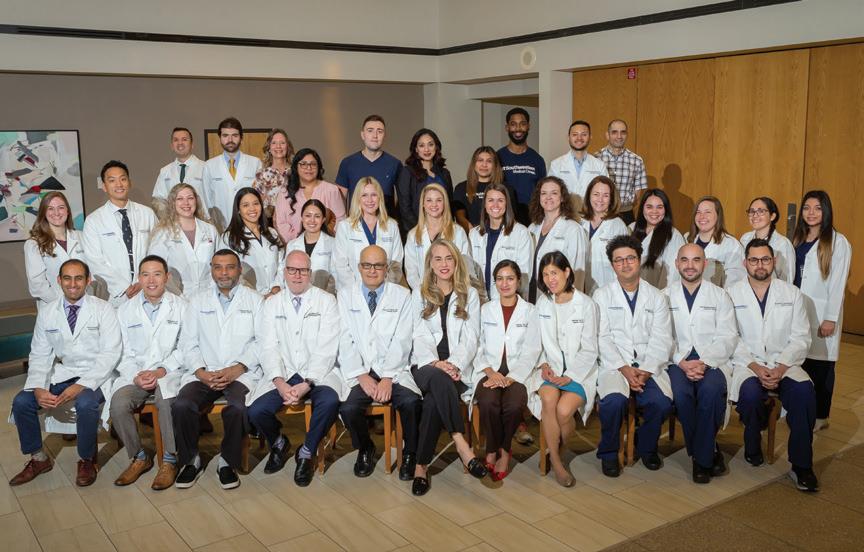
Division of Vascular Surgery Team
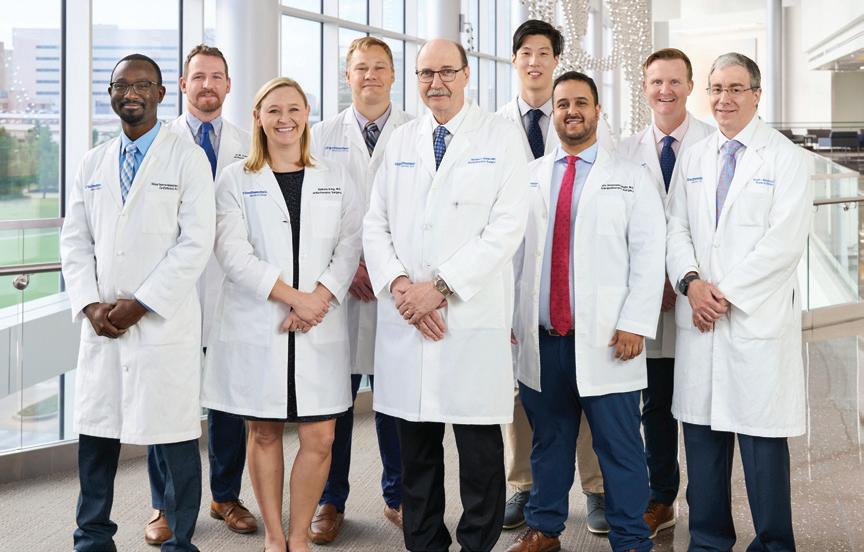
Cardiothoracic Surgery Fellowship Team
MILESTONES & ACCOLADES
RECOGNITION
80+
UT Southwestern had more than 80 presenters across all career stages, including residents, fellows, and other trainees, representing UTSW at the 2025 AHA Scientific Sessions, reflecting our strong culture of mentorship and scientific inquiry.
2%
UT Southwestern cardiac electrophysiologists were among the first 2% of physicians worldwide to receive training on the leadless, dual-chamber pacemaker.
The Aorta Program was recognized as an official Marfan Foundation site for specialized care of patients with Marfan syndrome.
UT Southwestern is the only center in North Texas dedicated to adult patients with Vascular Ehlers-Danlos syndrome, Loeys-Dietz syndrome, and related conditions, ensuring these high-risk patients receive coordinated
care from specialists experienced in managing fragile vasculature, complex anatomy, and life-threatening complications.
UT Southwestern has been certified as a Center of Excellence by the Hypertrophic Cardiomyopathy Association, one of fewer than 50 Centers of Excellence nationwide and the first in North Texas.
AWARDS
U.S. News & World Report named UTSW as one of the top 20 centers in the nation for cardiology, heart, and vascular surgery.
American Heart Association 2025 Gold Award, Target: Type 2 Diabetes
National Cardiovascular Data Registry (NCDR) Gold Performance Achievement Award, Chest Pain – MI Registry

American Heart Association 2025 Bronze Award, Coronary Artery Disease NSTEMI
UT Southwestern is one of just 24 hospitals in the nation to be certified as a Comprehensive Cardiac Center, earning the Gold Seal of Approval® from The Joint Commission and the American Heart Association.
1 of 2
The Adult Congenital Heart Disease (ACHD) Program is one of two ACHD centers in North Texas accredited by the Adult Congenital Heart Association.
20+
In 2024, the Preventive Cardiology Program celebrated 20 years of serving patients.
U.S. News & World Report named UTSW as a High Performing Hospital for heart arrhythmia, heart attack, heart failure, and aortic valve surgery.
UTSW Earns Elite Comprehensive Cardiac Center Designation
UT Southwestern Medical Center’s commitment to excellence is put into practice every day. And in 2025, it became one of just 24 hospitals in the country to earn The Joint Commission’s Gold Seal of Approval® as a Comprehensive Cardiac Center (CCC), a designation recognizing hospitals that meet the rigorous standards for comprehensive cardiovascular care developed by The Joint Commission and the American Heart Association (AHA).
This elite certification demonstrates that UTSW delivers the highest standard of cardiovascular care and has proven excellence across the continuum – from prevention and diagnosis to treatment and recovery.
“Our clinical and operational teams take great pride in earning the Comprehensive Cardiac Center certification,” says James de Lemos, M.D., Professor of Internal Medicine and Chief of the Division of Cardiology. “Through hard work and close collaboration, we are committed to elevating cardiovascular care and delivering the best outcomes for our patients.”
To earn the certification, UTSW underwent a thorough on-site review with The Joint Commission’s reviewers evaluating the clinical operation to ensure it integrated evidencebased, guideline-driven care across all areas of cardiovascular medicine.
During the multiyear preparation process, UTSW made several enhancements to
its cardiovascular program, including reducing variations in care, streamlining communication across teams, and continuously improving the patient experience. New initiatives also included a 24/7 cardiac night service, a dedicated Cardiac ICU, a cardiovascular patient navigation program, and optimized education materials for patients.
As a result of the team’s dedication, UTSW far surpassed the minimum requirements for the CCC certification. But the impact went beyond this recognition. The process inspired new levels of collaboration and innovation, advancing the future of cardiovascular care.
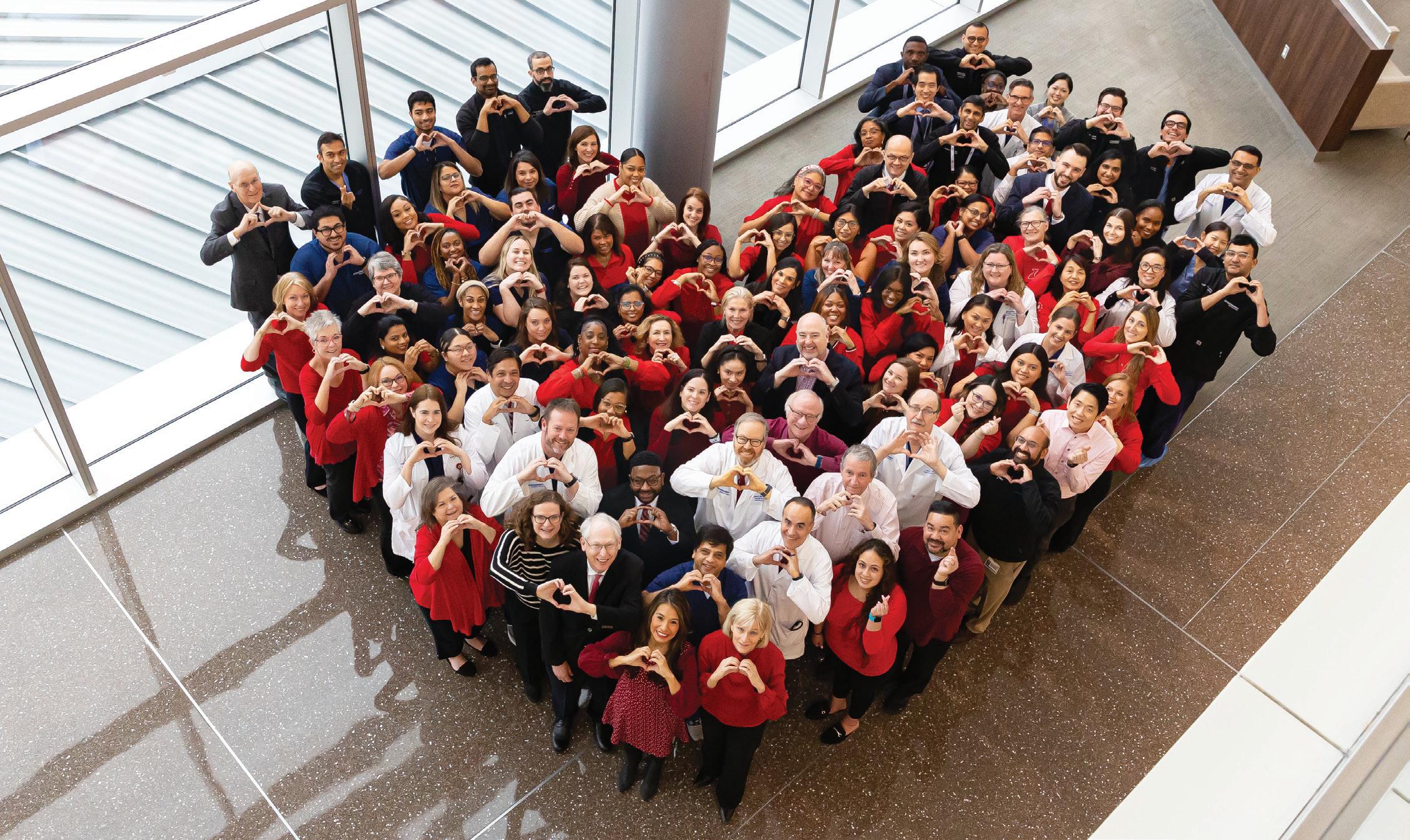
United in the mission to fight heart disease, the UTSW Heart and Vascular faculty and staff joined forces on #WearRedDay to raise awareness for cardiovascular health.
CELEBRATING HEART AND VASCULAR HEALTH
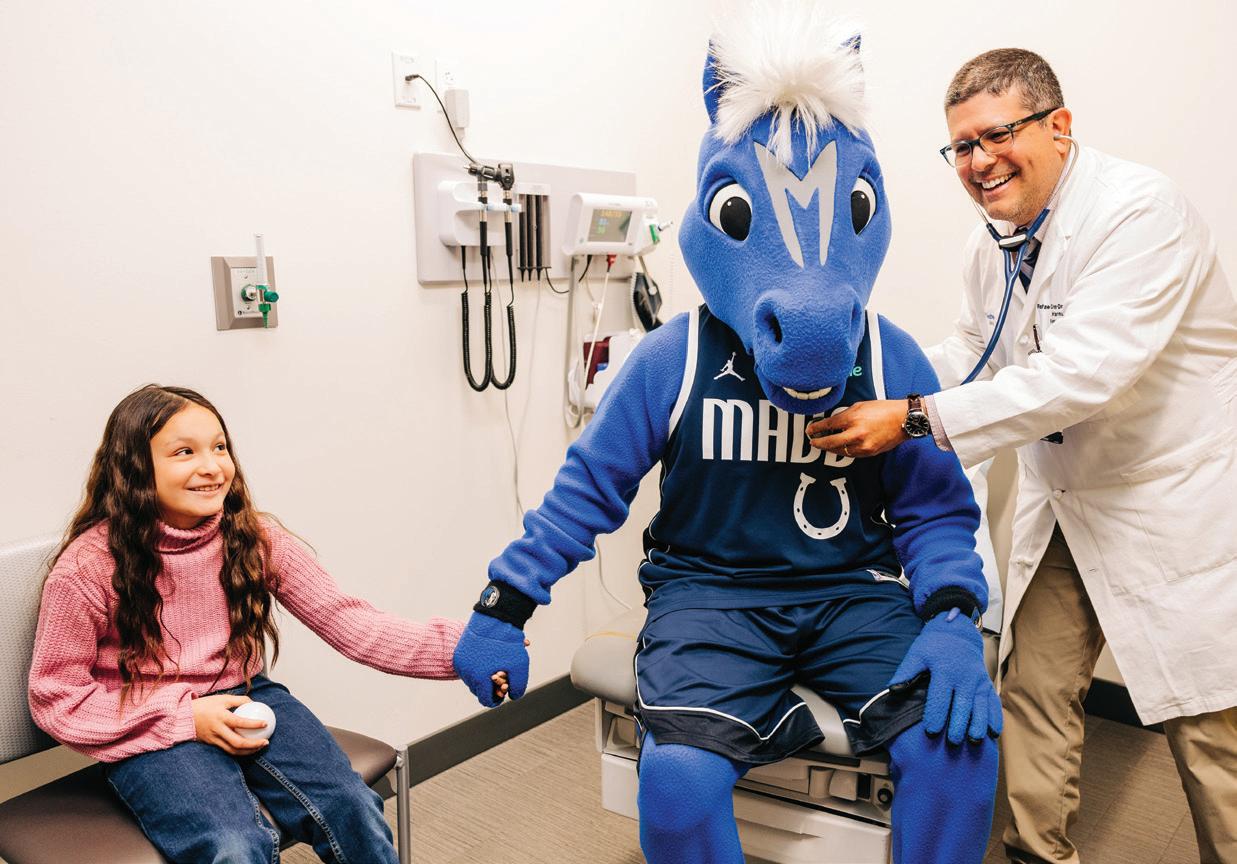
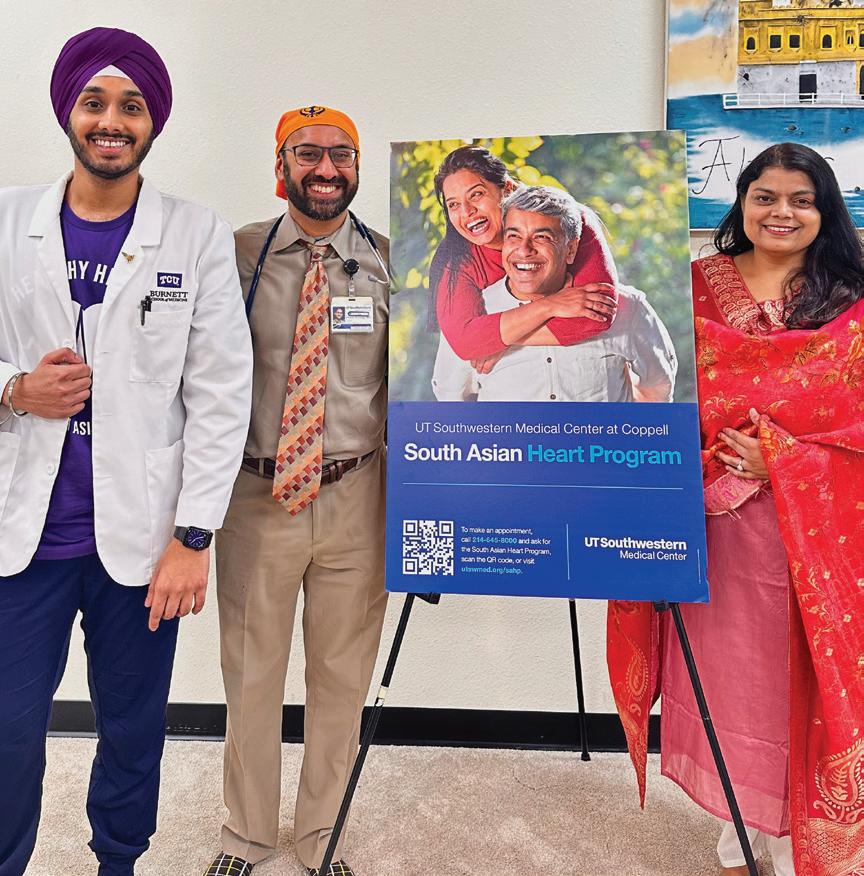
1 Dallas Mavericks mascot Champ gets a helping hand from Elena Thielemann as Rafael Cires-Drouet, M.D., checks his heart. 2 Anand Rohatgi, M.D., and Parul Sharma, Ph.D., RDN, LD, CNSC, share their knowledge at the “Healthy Hearts in the Sikh Community” event hosted by Albert Schweitzer Fellow Parminder Deo, M.P.H.
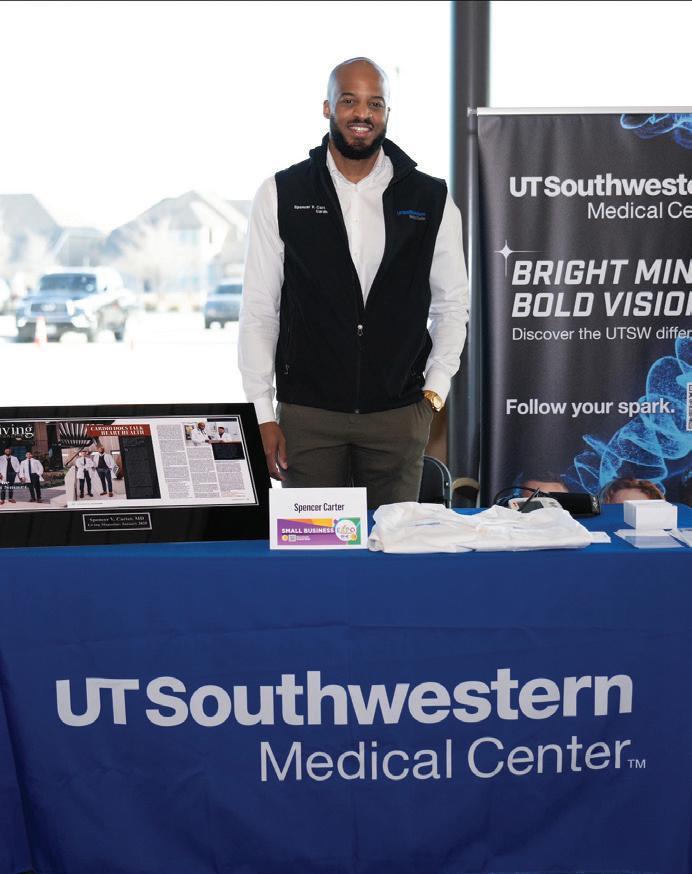
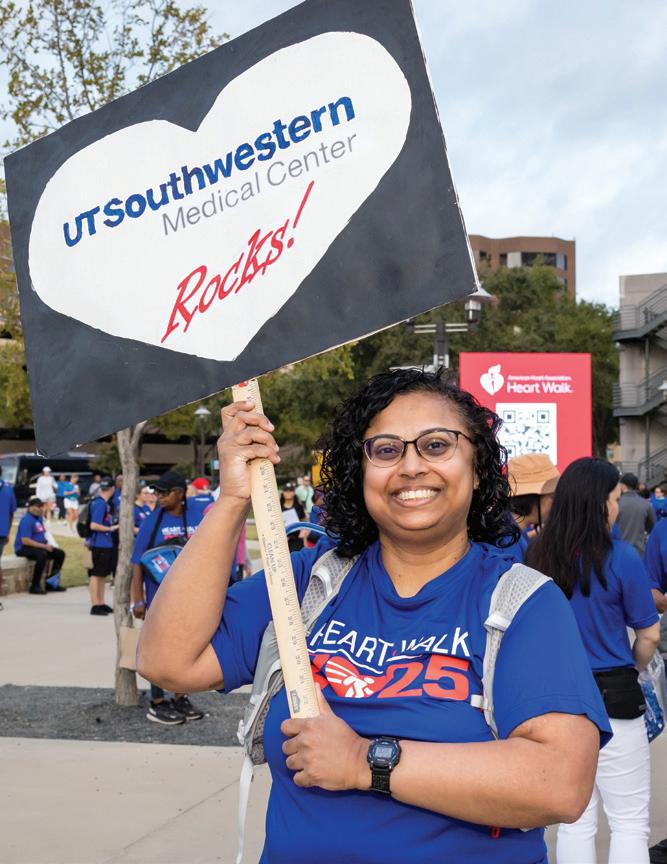
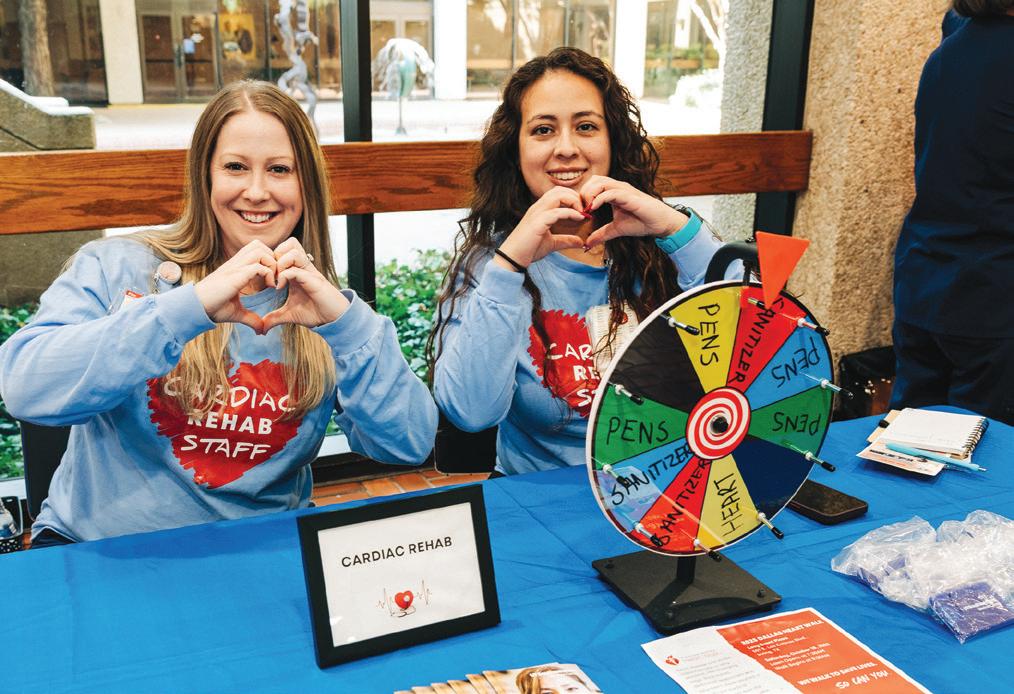
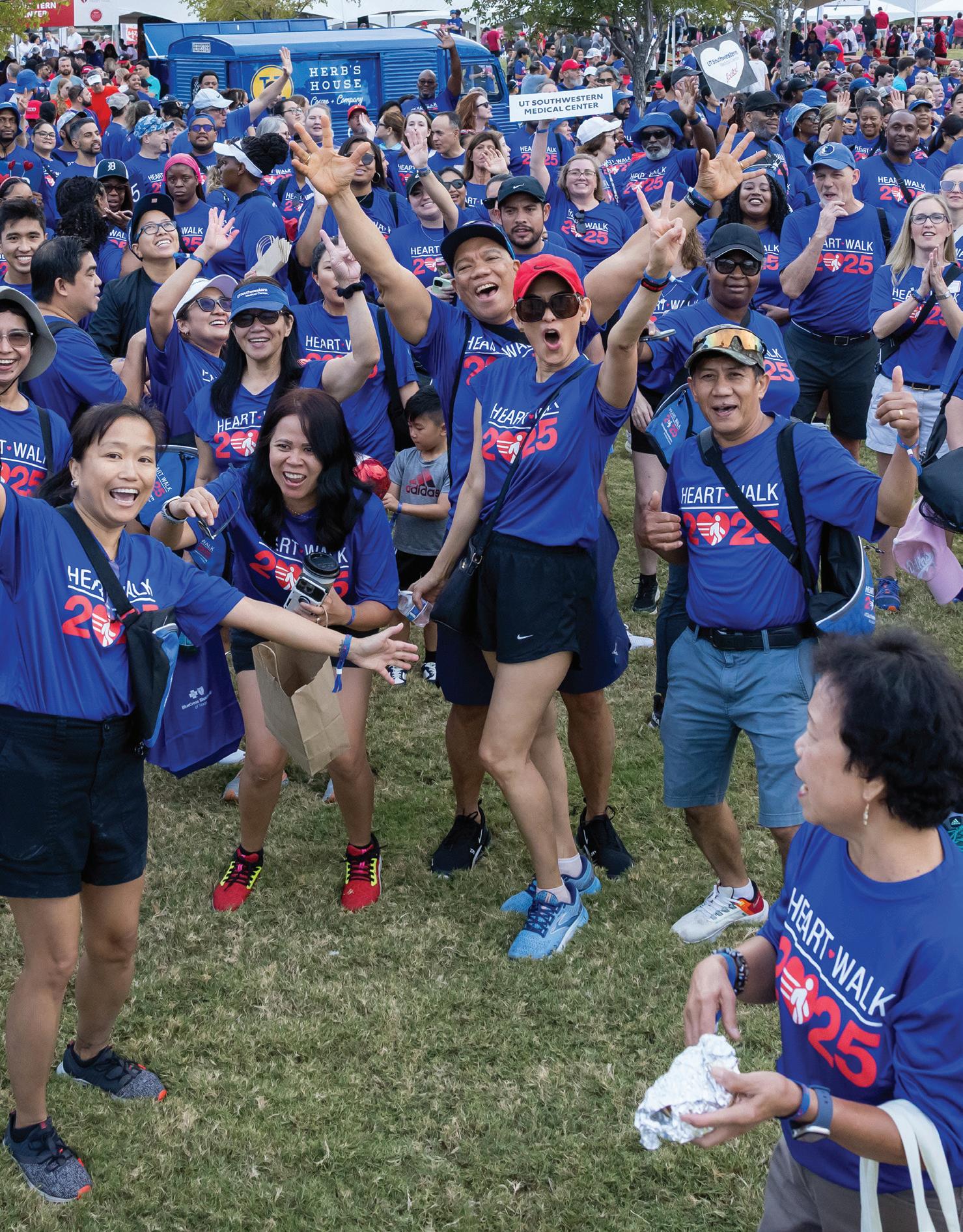
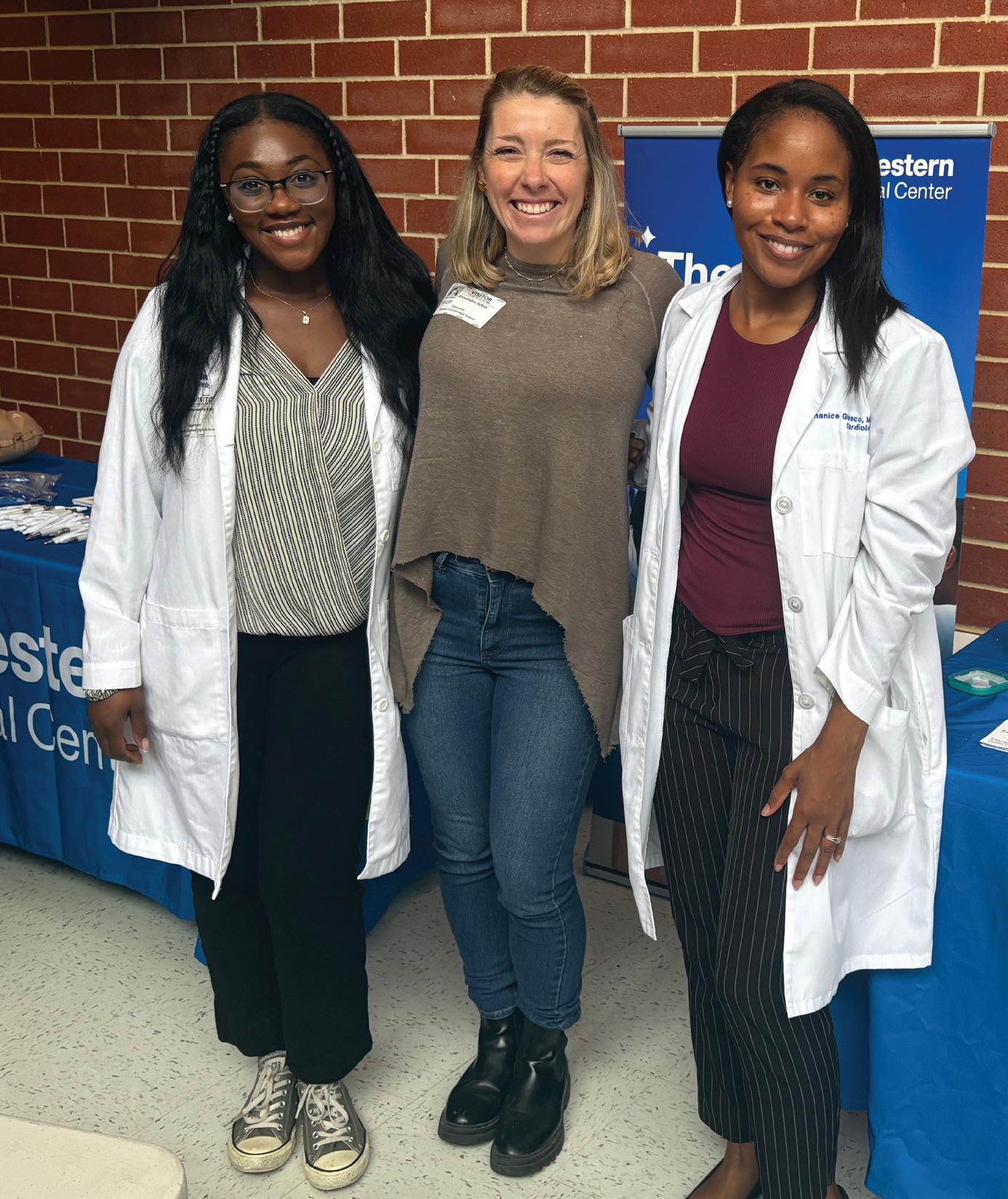
3 The Cardiac Rehabilitation team joins the 2025 Heart Fair on South Campus. 4 Team members from UT Southwestern host a Heart Health & Wellness Booth at Conrad High School. 5 Spencer Carter, M.D., administers free heart health screenings at his church as part of our community outreach. 6 and 7 2025 AHA Dallas Heart Walk.
8 Dallas Mavericks Heart Health Awareness Night presented by UT Southwestern. Pictured: Amit Khera, M.D., Clinical Chief of Cardiology, and Laura Thielemann, M.P.A., Associate Vice President of the Heart and Vascular Service Line.



WHAT’S NEXT
What’s Next?
As the North Texas region’s population grows, UT Southwestern’s Comprehensive Heart and Vascular Program is expanding its services.
When people need health care, they want two things: excellence and convenience. At UT Southwestern, we’re expanding our cardiovascular services to make sure expert heart and vascular care is always close by when patients need it.
The City of Dallas Economic Development projects that by 2030, the Dallas-Fort Worth Metroplex will surpass Chicago to become the nation’s third-largest metropolitan area. With that kind of growth ahead, expanding health care services is essential to ensure every resident has access to the care they need.
Our mission is to provide the best possible care, to advance medical knowledge through research, and to educate the next generation of health care leaders. To support the region for years to come, UT Southwestern’s Heart and Vascular Program is preparing for what’s next.
EXPANDING CARE OPTIONS
We’re proud to expand our advanced cardiovascular services with new locations in Frisco, Fort Worth, and beyond. This growth means patients can access the full spectrum of expert cardiovascular care right in their own communities.
One exciting example of our growth is the launch of our highly specialized Cardio-Rheumatology/Cardio-Dermatology Program – one of the first in the nation dedicated to patients with immune-mediated inflammatory disorders. These patients have an increased risk of cardiovascular disease and will benefit from our fully integrated model of care. In this program, cardiologists, rheumatologists, dermatologists,
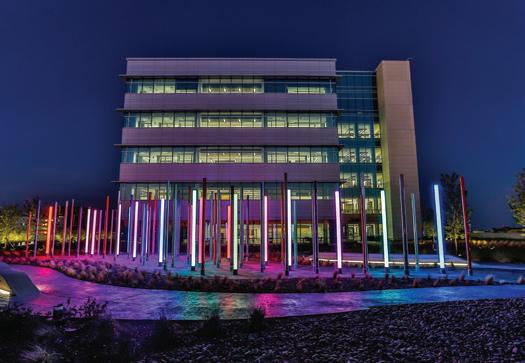
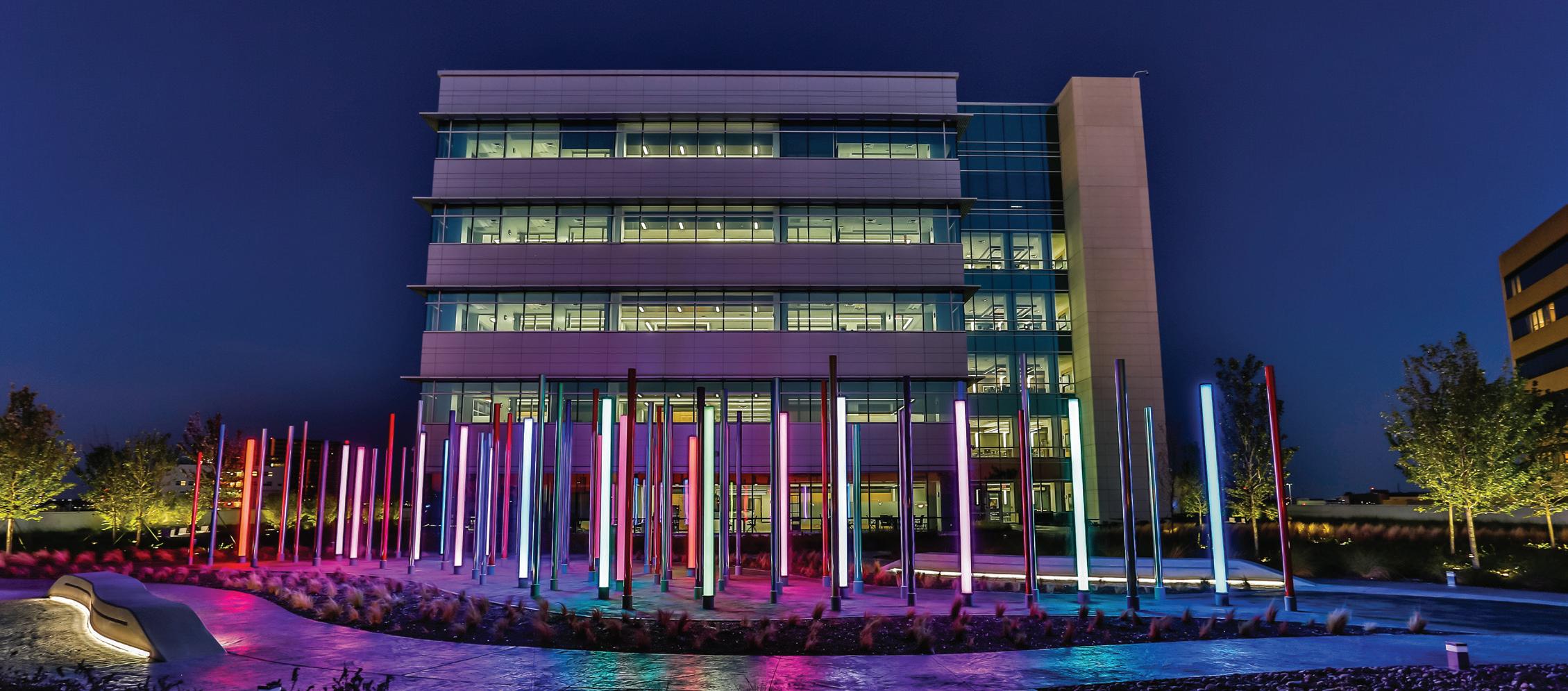
ForestofLight, a collaborative art installation by Tom Orr and Frances Bagley, illuminates the rooftop garden of West Campus Building 3.
and other specialists work together to detect cardiovascular effects of systemic inflammation early, guide prevention, and closely monitor patients. They also work to advance research in the field. Through this collaborative approach, we believe we can help reduce risk and improve outcomes for this high-risk population.
Whether patients need preventive care, general cardiology services, or complex treatment, they’ll find it close to home without the added burden of travel and with shorter wait times. In addition, our ongoing commitment to research means patients can also participate in novel clinical trials, gaining access to treatment options not available anywhere else.
To achieve this vision, we are continuing to recruit top talent to join our team of cardiovascular providers and staff. Because we’ll be able to offer more training opportunities, our expansion will also significantly enhance our training and recruitment efforts.
EMPHASIS ON THE PATIENT EXPERIENCE
As the No. 1 hospital in DFW and a top 20 program nationally, UT Southwestern places service to the community at the heart of everything we do. Our designation as a Comprehensive Cardiac Center by The Joint Commission reflects the highest standard of excellence in cardiovascular care.
As our Heart and Vascular Program grows, we will remain focused on ensuring that every patient who walks through our doors receives compassionate, expert care, and that we continue to lead the way in cardiovascular medicine in the DFW community and beyond.
Let’s Connect
We hope you enjoyed our 2025 Heart and Vascular Annual Report. Our team at UT Southwestern would love to hear from you.

Refer a Patient to UT Southwestern
We are proud to partner with providers throughout the Dallas-Fort Worth area, ensuring their patients have access to advanced cardiovascular care.
PHONE/FAX
Phone: 214-645-8000
Fax: 214-645-7999
Monday-Friday, 8 a.m.-5 p.m.
ONLINE/EMAIL
Web: bit.ly/provider-referrals
Email: UTSWNewPatientReferrals@ utsouthwestern.edu

Learn About Our Program
Visit our website to learn more about the Heart and Vascular Program, where you’ll find everything from provider profiles to advanced care options and the accomplishments that set us apart.

Join Our Team
Do you want to join a nationally ranked top 20 program dedicated to transforming cardiovascular care through collaborative excellence and pioneering research? If so, the UT Southwestern Heart and Vascular Program is the place for you. Here, you will work alongside leading experts to shape the future of heart health for North Texas and beyond.
5323 Harry Hines Boulevard, Dallas, TX 75390-8519
UT Southwestern is an Affirmative Action/Equal Opportunity Employer. Women, minorities, veterans, and individuals with disabilities are encouraged to apply.
REFER A PATIENT
Our team welcomes the opportunity to partner with physicians in providing cardiovascular care.
If you would like to refer a patient to UT Southwestern, please call 214-645-8000.
Insurance and medical records are requested with new patients, and we will schedule an appointment within a few days of referral. Once we have been able to schedule a time convenient for your patient, we will notify you.
WHY REFER TO UT SOUTHWESTERN
UT Southwestern respects the relationship you have with your patients, and we are committed to open communication throughout the course of treatment. We look forward to collaborating with referring physicians to provide the highest quality of care to your patients.