Cass County Electric Cooperative is a member-owned, not-for-profit electric distribution cooperative serving southeastern North Dakota. We deliver dependable, highquality power solutions to more than 7,000 commercial members, supporting businesses of every size and sector.
Cass County Electric Cooperative was built by local members to serve local members. As a not-for-profit electric cooperative, our focus is simple: provide safe, reliable and affordable energy to our communities.
• Any excess revenue is returned to members.
• A locally elected board of directors provides leadership and oversight.
• Member involvement continues to shape our growth and direction.
• We are committed to being a long-term energy partner for your business.
District 1: Paul
District 2: Douglas
District 3: Vanessa Kummer
District 4: Stacey Ackerman
District 5: Tom Seymour
District 6: Terry Kraft
District 7: Wendy Loucks
District 8: Kalvin
Capital Credits
Your business earns capital credits as a member of Cass County Electric Cooperative. These credits represent your share of the cooperative’s margins and reflect your investment over time.
If your business is sold or closed, capital credits may stay with the seller or transfer to the new owner. To ensure proper allocation, notify us of any ownership changes and keep your contact information current.
TYPES OF UTILITIES
INVESTOROWNED
Privately owned by shareholders/ investors
Operate for a profit
MUNICIPAL SYSTEMS
Owned by cities, counties, or states Not-for-profit
COOPERATIVE
Owned and operated by the people they serve Not-for-profit
When you sign up for service with Cass County Electric Cooperative, you become a COOPERATIVE member.
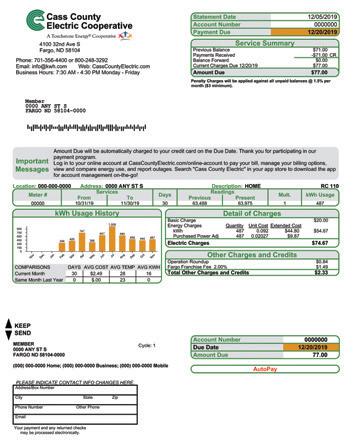
YOUR MONTHLY BILL
BASIC CHARGE
Monthly charge that covers the cost to provide electrical service (infrastructure)
Included in capital credit allocation
FRANCHISE FEES
1 Cass County Electric tracks how much electricity you buy and how much money you pay for it throughout the
Fee charged by the cities of Valley City, Fargo, Horace, and West Fargo Not included in capital credit allocation CREDIT ON BILL: Members with an active account
2 We pay the bills for things like power generation, maintenance, and new construction.
3
Then, at the end of the fiscal year, the cooperative determines if there are excess revenues, called margins.
03/15/26
4
Next, the cooperative allocates those margins to members as capital credits based upon their electric bill.
$
ENERGY CHARGE
Charges for energy consumed during the billing period
Included in capital credit allocation
PURCHASED POWER ADJUSTMENT
A variable component calculated from the cooperative’s monthly wholesale power cost Included in capital credit allocation
5
Lastly, your board of directors decides to retire, or pay, the capital credits when our financial condition permits.
$2 .75 million
CHECKS ISSUED: Inactive, former members A minimum $5 capital credit amount must be met Search our list of unclaimed capital credits at CassCountyElectric.com/capital-credits to see if
The Cass County Electric board of directors has approved the retirement of capital
Programs and Services
At Cass County Electric Cooperative, we power your business with reliable electricity and dependable service. As your trusted energy advisor, we partner with commercial members to provide programs and solutions that support efficiency, growth and long-term success. We encourage you to contact us with any questions.
Rate Analysis/Forecasting
We can provide annual or on-demand rate analysis and forecasts for your budgetary needs. We will work with you to determine if your business is on the best rate option for your operation.
Energy and Lighting Audits
We can review your business’s energy load profile, advise on energy use and demand levels, and provide a walk-through of the facility to identify areas for energy-saving opportunities.
Demand Response/Generator Program
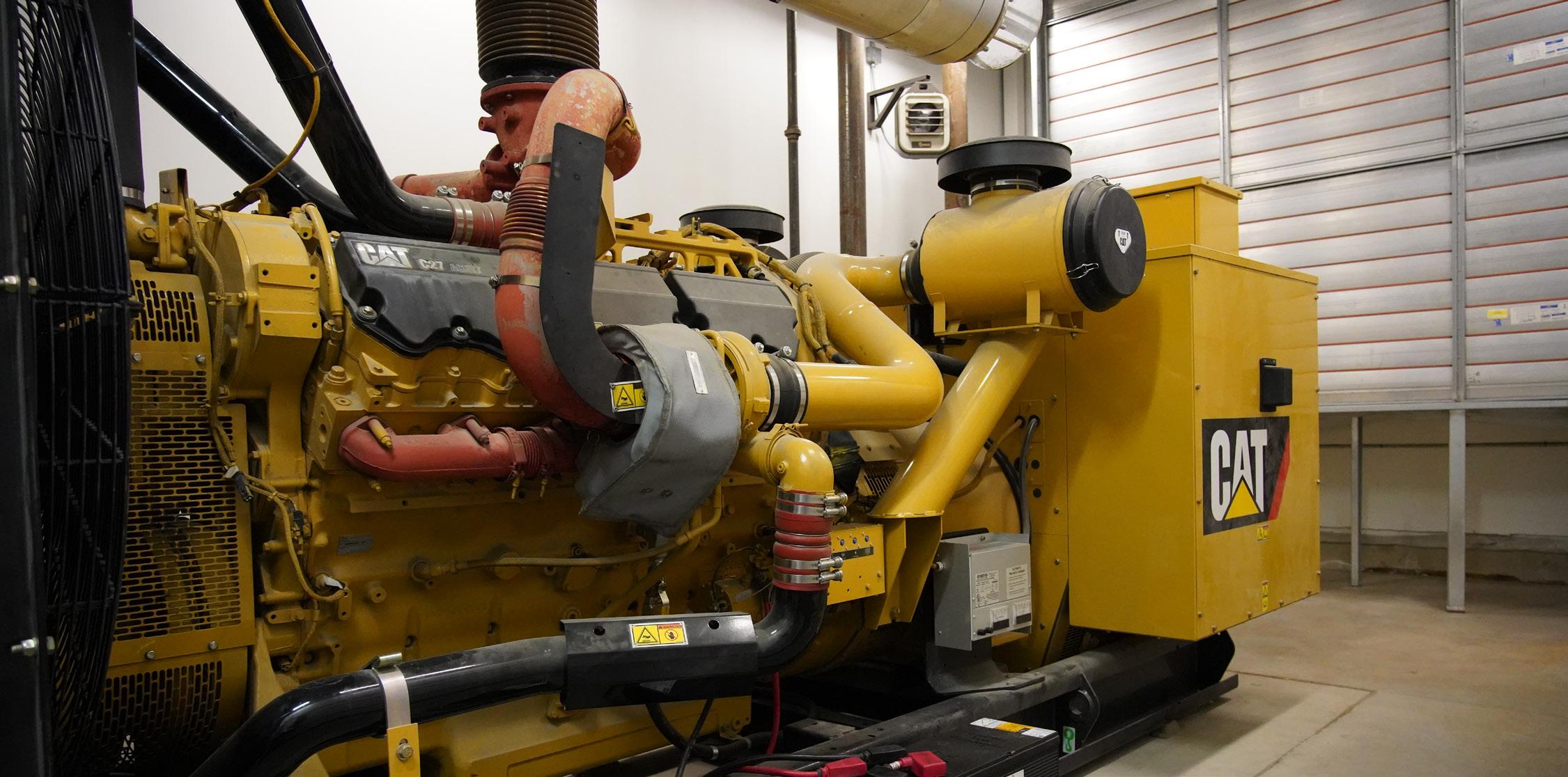
We have a demand response rate for consumer-members looking to save money on energy demand charges. Businesses can receive lower off-peak rates by managing their consumption during peak energy demand periods, by transferring to on-site backup generation, under our Incremental Pricing Plan.
(See page 7)
Online Account Management
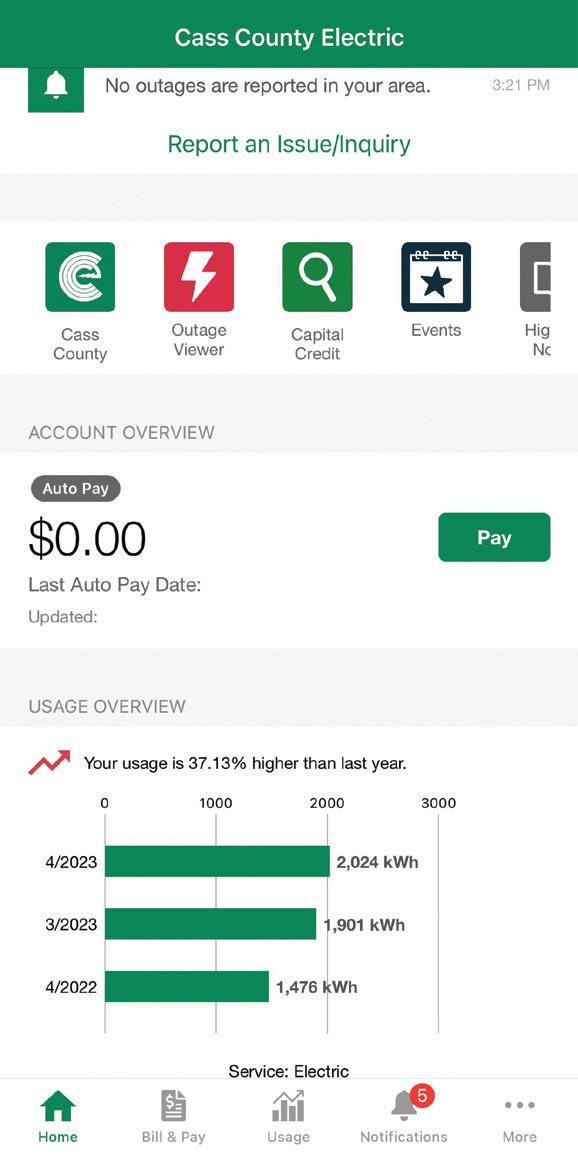
Use our mobile app or website to pay your bill, view energy use, access the outage viewer, and manage other account settings.
(See page 11)
Electric Vehicles
Cass County Electric supports electric transportation across our service area. In 2020, three fast chargers were installed in partnership with local organizations, and we continue expanding our all-electric service fleet. Programs and incentives are available for members installing an electric vehicle charger on an off-peak rate.
(See page 14)
Renewable Energy Options
Using energy wisely is the cooperative difference. We offer solar energy credits or you can purchase green energy credits. Renewable Energy Credits (REC) can help your business accomplish your renewable energy goals.
Demand Response/Generator Program
Cass County Electric Cooperative works with businesses to identify rate options that align with your operations and energy goals. One opportunity for savings is our demand response rate, designed for businesses that can shift energy use during peak periods.
Through our Incremental Pricing Plan, businesses that temporarily switch to on-site backup generation
Incremental Pricing Plan
Green Zone
Yellow Zone
Red Zone
during times of high demand often see savings of 15-25% or more.
Review the chart below to compare rate options and learn how your business can reduce energy costs. Backup generators must meet current EPA emissions standards to participate in the demand response program.
During normal times when we are within our capacity; energy purchased at our low off-peak rate.
When demand exceeds our capacity, but wholesale market prices are reasonable; just pay the additional adder.
When energy needs reach a critical or peak emergency situation; charges are passed along directly.
Financial Stability
Employees, management and the board of directors at Cass County Electric Cooperative are dedicated to sound financial management that protects our members’ investment and delivers long-term value.
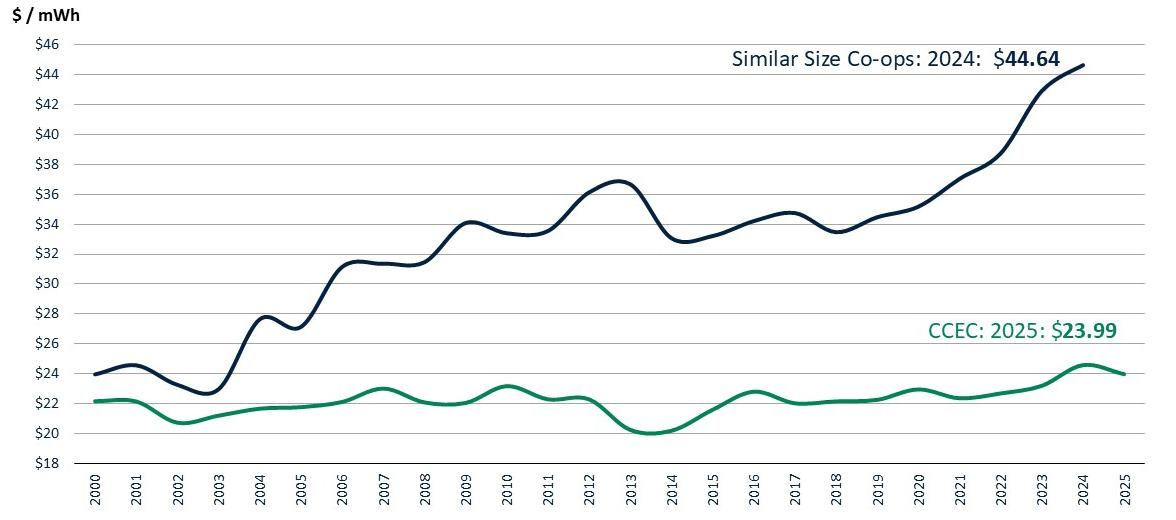
Cost of Operations
The cost to operate your cooperative has remained stable, consistently outperforming like-sized cooperatives.
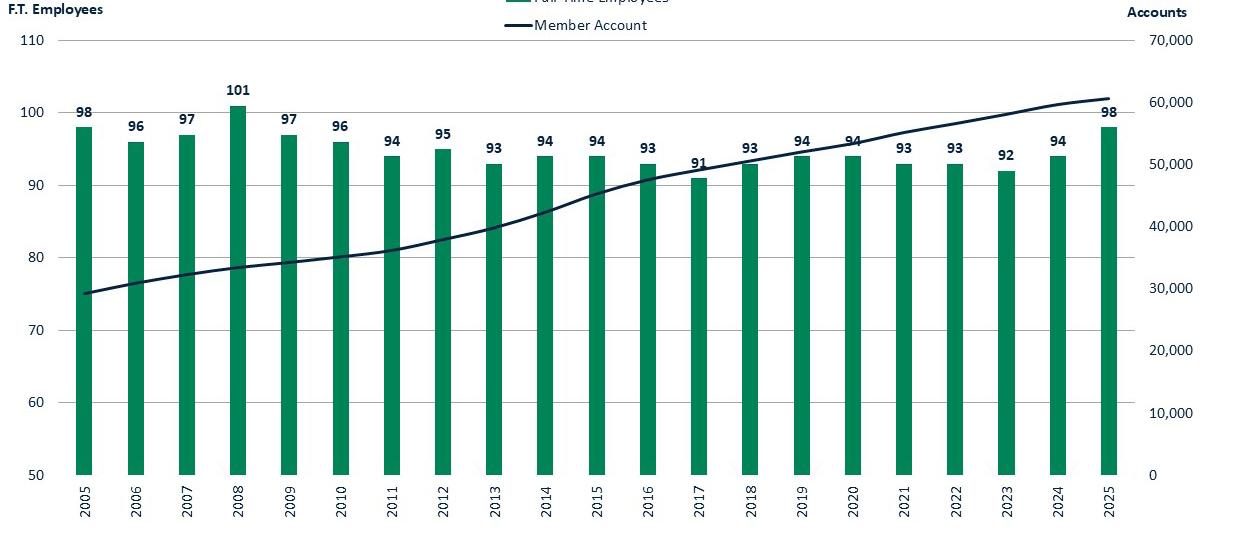
Employee Count vs. Member Growth
Adding new accounts and maintaining employee count by utilizing innovative technology helps us maintain cooperative expenses, saving you money.
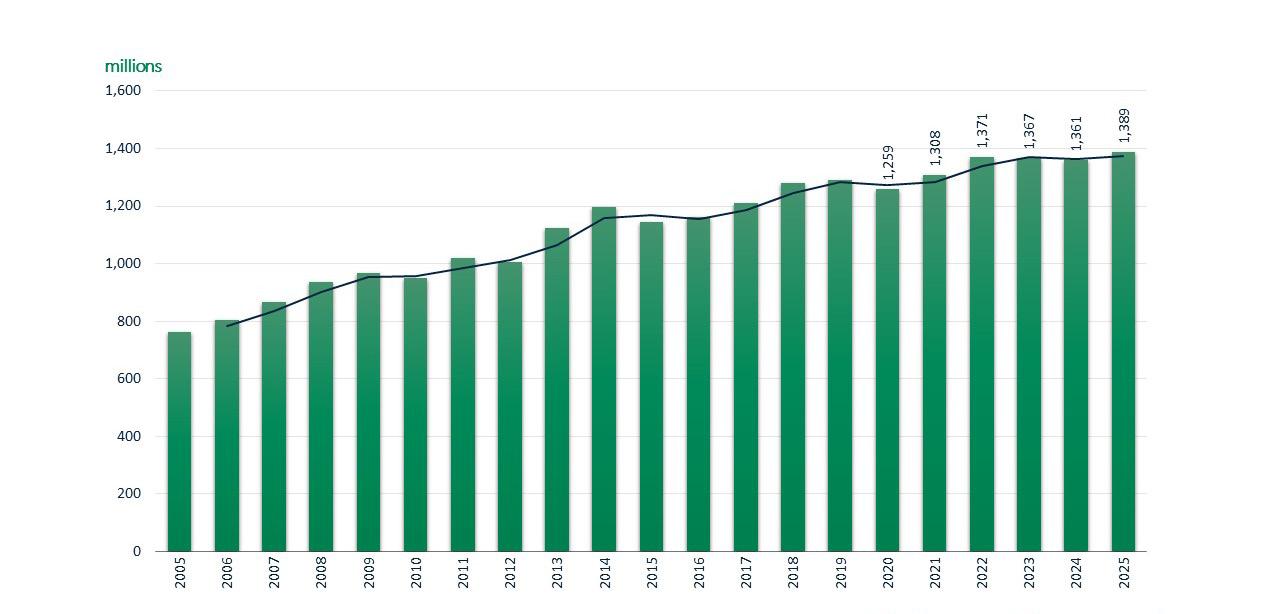
Sales in Kilowatt-Hours
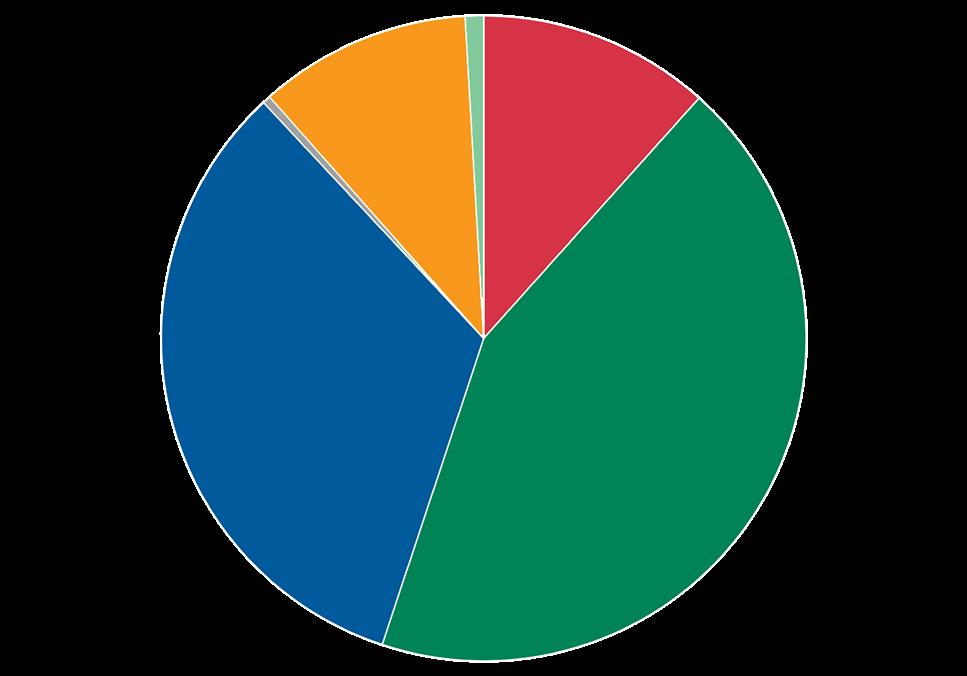
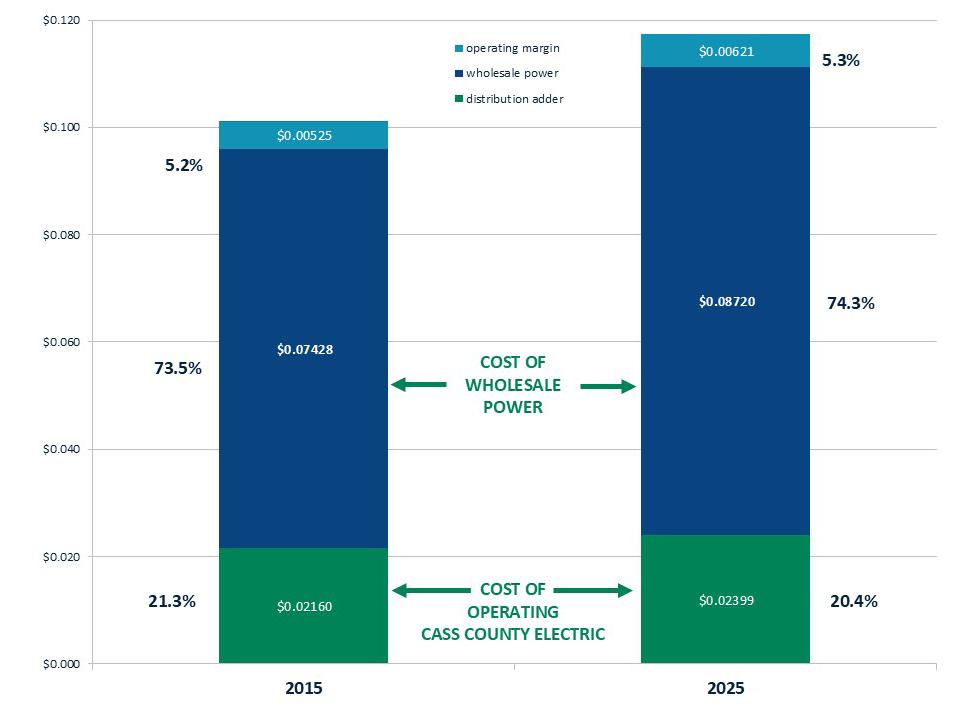
Electricity Cost Components
Wholesale power is purchased from Minnkota Power Cooperative.
Communication
MOBILE APP
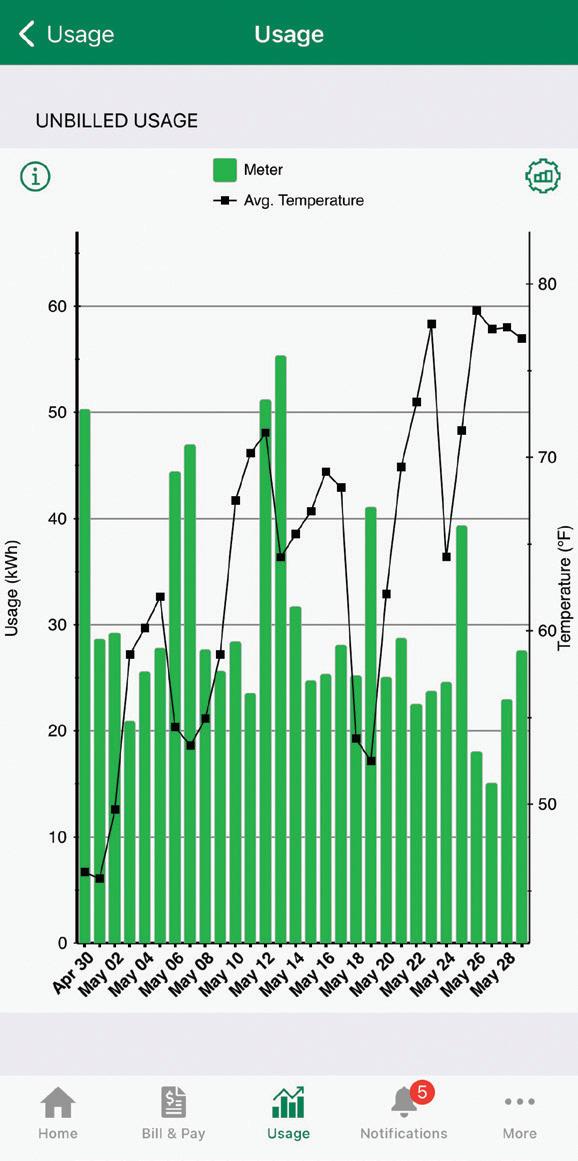
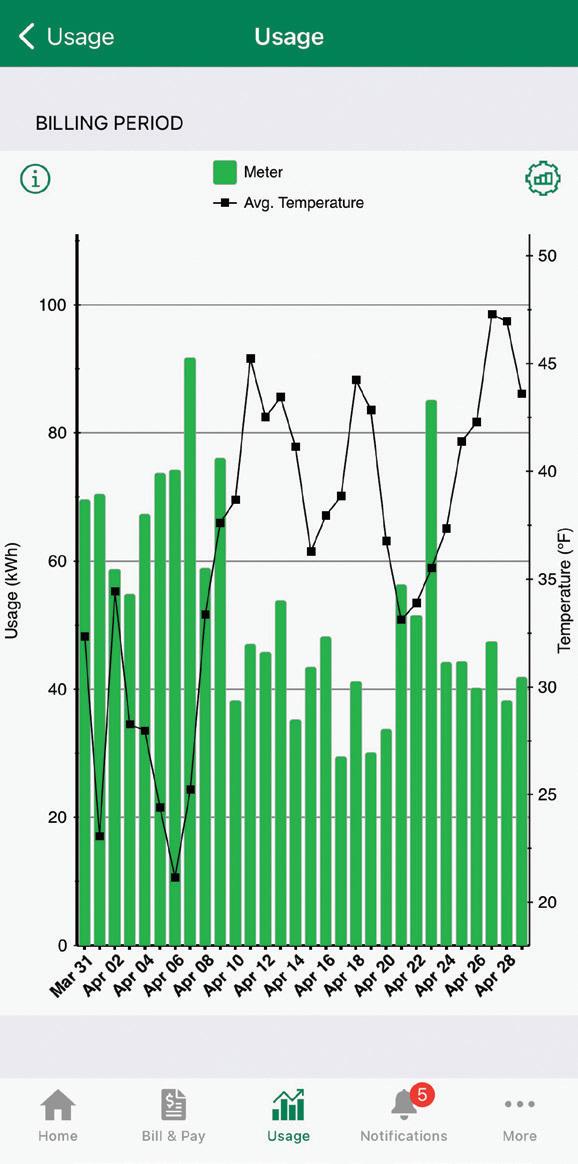
The Cass County Electric mobile app helps you manage your energy consumption. By viewing peaks in use and hours, with weather overlays, you can stay in control of your power.
HIGHLINE NOTES
Our monthly magazine includes feature articles, safety information, technology, energy saving tips, and more!
CO-OP CURRENT
Our monthly e-newsletter is full of timely topics to aid with using energy efficiently, as well as subjects that will help to run your operation smoothly. If you are not receiving this today, sign up at energy@kwh.com.
WEBSITE
Quickly discover information on our programs and services, read educational articles, or watch videos on ways to stay safe around electricity. We also feature new electronics and technology and tips for you to save energy.
LOAD CONTROL NOTIFICATIONS
Alerts are available via text and/ or email to notify consumermembers when we are in peak conditions for those business members that participate in the Demand Response or Energy Management programs.
OUTAGE NOTIFICATIONS
We offer real-time outage notifications via text, email, and voice call for multiple contacts. We also post updates for large outages on our Cass County Electric Facebook page.
Online Account Management
Managing your electric account is simple with Cass County Electric Cooperative’s online platform and mobile app. Whether you use a desktop, smartphone or tablet, you have secure, 24/7 access to the tools you need to monitor and manage your account.
Getting started is easy. All you need is your account number.
Key Features:
• Access and manage one or multiple accounts anytime.
• Monitor energy use with hourly, daily, weekly and monthly usage graphs.
• Receive notifications when your bill is ready.
• View current and past bills, payments and usage history.
• Choose convenient payment options, including autopay, prepay and paperless billing.
• Report outages and check status updates.
• Connect with smart assistants like Google Home or Alexa for bill updates and energy reports.
• Access Highline Notes, energy-saving tips and other helpful resources.
• Stay informed and take control of your energy use anytime, anywhere.
Reliability
Reliability You Can Count On
At Cass County Electric Cooperative, delivering reliable power remains one of our highest priorities. In 2025, CCEC maintained strong system performance across our service territory and continued to provide highly reliable electric service for members.
Reliability in urban areas remained exceptionally strong throughout the year. Rural system reliability was impacted by an extreme weather event June 20–22, which significantly affected outage duration and lowered overall performance in those areas. As a result, rural reliability recorded an Average Service Availability Index (ASAI) of 99.6384%, or 1,863 outage minutes.
Overall system reliability remained among the best in the industry. The System Average Interruption Duration Index (SAIDI), which measures the average outage time per member, was 23.72 minutes when excluding major event days. When including major event days such as the summer storms, the SAIDI number totaled 299.9 minutes.
Our overall Average Service Availability Index (ASAI) reached 99.9429%, meaning power was available to members nearly 100% of the time. This level of performance places Cass County Electric Cooperative among the top tier of electric cooperatives nationwide.
Smart Investments in a Stronger Grid
While outages cannot always be prevented, we work to minimize both their frequency and duration through strategic investments in maintenance and advanced technology.
Our electric system is supported by an integrated network designed to detect, isolate, and respond to issues quickly:
• Advanced Metering Infrastructure, or AMI
• Supervisory Control & Data Acquisition, or SCADA
• Fault Location, Isolation & Service Restoration, or FLISR
• Outage Management System, or OMS SCADA technology is installed at every substation and on all distribution feeder breakers. We have also connected 10 CAT 2 MW emergency generators and deployed 41 remote-controlled SCADA devices across the system, all operating on our private radio network.
These tools allow real-time monitoring and automated switching. If an issue occurs, power can often be rerouted within seconds to restore service to most members while crews are dispatched to repair the isolated area.
Looking Ahead: Proactive Reliability
Our focus is not only on restoring power quickly but also on preventing outages before they happen. One example is the use of a thermal imaging drone that inspects infrastructure, identifies hot spots, and detects potential equipment concerns before they lead to service interruptions.
By combining advanced technology with a skilled and dedicated team, Cass County Electric Cooperative continues to strengthen system reliability and build a more resilient grid for the future.
Preparedness
Cass County Electric Cooperative is committed to delivering safe, reliable electric service to our members. Through proactive system maintenance and ongoing investment in advanced grid technology, we work to reduce outages and voltage fluctuations whenever possible. Still, no electric provider can guarantee uninterrupted service.
Even brief power disruptions can affect business operations, productivity, and equipment. That’s why we encourage commercial members to take proactive steps to safeguard their facilities and maintain continuity. The following solutions can help your business stay prepared.
Backup Generation
• Reduce costly downtime with on-site emergency generation.
• Generators can automatically start and power critical operations during an outage.
• Participate in our off-peak generator program and save up to 25% on your commercial electric rate.
Uninterruptible Power Supplies (UPS)
• Provides battery backup for sensitive equipment such as computer servers and control systems.
• Many systems include built-in surge protection.
• Ideal for short-term outages or maintaining power until generators activate.
Phase Loss Protection
• Protect three-phase equipment from damage caused by phase loss or electrical imbalance.
• Simple, cost-effective devices can shut down motors or trigger alarms when irregularities occur.
• Helps prevent severe damage to valuable equipment and systems.
Surge Protection Devices
• Install transient voltage surge suppressors to guard against sudden power spikes.
• Redirect excess voltage away from sensitive electronics and equipment.
• Best protection comes from multi-point installation at the service entrance, distribution panels, and individual circuits.
Stay Informed with Outage Notifications
• Receive automated outage notifications by text or email for multiple business contacts.
• Track outages in real time at outage.kwh.com or through the Cass County Electric mobile app.
• Get updates during major outages on our Facebook page.
• To update your business outage contacts, call 701356-4400 or email energy@kwh.com.
How to Report an Outage
You have multiple options to report an outage and receive updates:
• Call our 24/7 outage line at 701-356-4400 and use the automated reporting system.
• Report outages quickly through the Cass County Electric mobile app.
Power interruptions are never convenient, but preparation can significantly reduce their impact.
Cass County Electric Cooperative is here to help your business stay powered, protected, and informed.
Electric Vehicle Charging
Electric vehicles (EV) are continuing to grow in popularity. CCEC offers several rate options and incentives for EV chargers. Simply plug in to start saving!
STRAIGHT RATE OPTION
STRAIGHT RATE
$0.89/KWH
BEST OPTION FOR THOSE THAT WANT TO CHARGE ANY TIME THEY WANT
CHARGER REQUIREMENTS NONE
CHARGING TIMES
CHARGE WHEN IT IS CONVENIENT AT THE REGULAR RATE
TIME-OF-DAY RATE OPTION
PEAK RATE $.222 PER KWH
NON-PEAK RATE
$.052/KWH
MONDAY-FRIDAY 6-9 AM AND 4-8 PM
THE BEST OPTION FOR THOSE THAT WANT TO SAVE MONEY AND THERE ARE NOT ANY OTHER OFF-PEAK LOADS IN THE HOME. THE WHOLE HOUSE WILL BE ON THE TOD RATE AND BENEFIT FROM LOAD SHIFTING
CHARGER REQUIREMENTS NONE
CHARGING TIMES
OFF-PEAK RATE AS LOW AS *$.052/KWH
CHARGER REQUIREMENTS
CHARGING TIMES
CHARGER INCENTIVE
CHARGE WHEN IT IS CONVENIENT WITH THE GREATEST SAVINGS DURING NON-PEAK TIMES
OFF-PEAK RATE OPTION
THE BEST OPTION IF YOU WANT TO SAVE MONEY AND THERE ARE OTHER OFF-PEAK LOADS IN THE HOME
MUST BE CONTROLLED ON OFF-PEAK AND SUB-METERED ADDITIONAL $5/METER CHARGE
LEVEL 2 CHARGER MUST BE RATED AT 240 VOLTS AND ON A DEDICATED 240-VOLT CIRCUIT
OCTOBER - MAY: NOON TO 5 PM AND 11 PM TO 7 AM
JUNE - SEPTEMBER: MIDNIGHT TO 10 AM
$50/KW ($750 MAX PER CHARGER) UPON INSPECTION
CASS COUNTY ELECTRIC PROVIDES THE RIPPLE CONTROL
MEDIUM DUTY $1,500 MAX PER CHARGER
HEAVY DUTY $2,250 MAX PER CHARGER
CASS COUNTY ELECTRIC PROVIDES THE RIPPLE CONTROL
* Doesn’t include the variable purchase power adjustment (PPA).
Please visit with our Energy Management Team for details, terms, and conditions about specific offers and credits available. Marketing promotions/incentives may be subject to change, conditions, or restrictions. To be eligible, the member must install the charger on Cass County Electric’s off-peak program. The incentive will be applied in the form of an energy credit after a CCEC technician has verified the account.
Energy Strategy
A Balanced Energy Strategy for Reliability
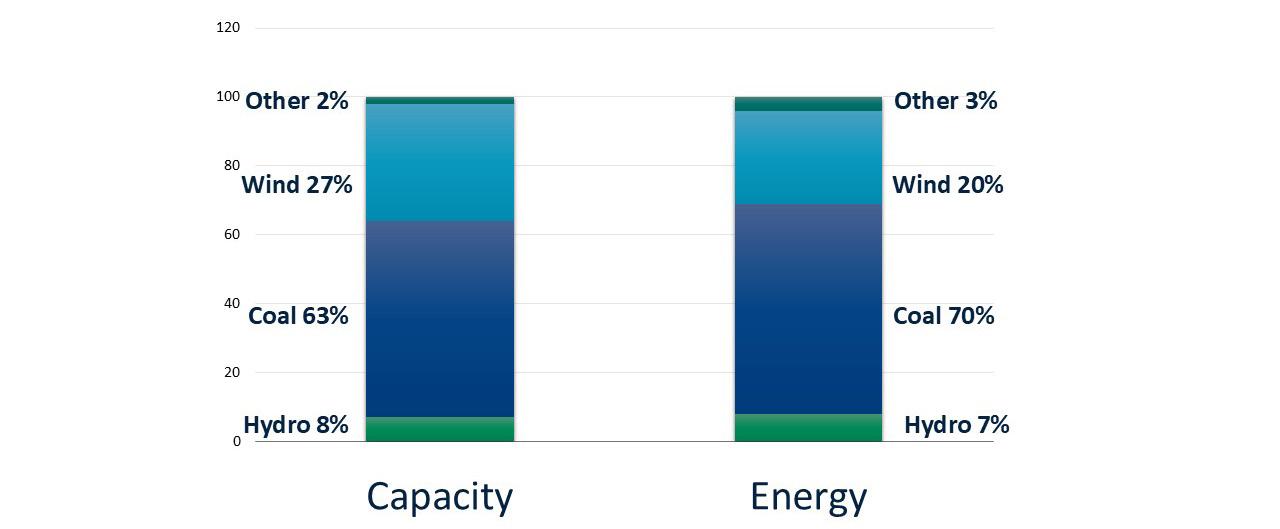
At Cass County Electric Cooperative, we believe in an “all-of-the-above” approach to power generation. Our energy mix reflects a strong commitment to renewable resources, with 27% of our generation capacity coming from North Dakota wind farms. However, renewable energy alone cannot ensure the consistent, year-round reliability our members depend on.
Baseload power, particularly from North Dakota’s lignite coal, remains essential to maintaining system stability. These around-the-clock resources provide dependable electricity when renewable generation is limited, such as when the wind is not blowing or extreme cold affects turbine performance.
Capacity vs. Energy
CCEC and Minnkota Power Cooperative are working toward a cleaner electric grid, but achieving that goal does not mean eliminating all fossil fuel generation or relying solely on wind and solar. In our region, reliability must remain the top priority. During extreme winter conditions, when temperatures drop well below zero, members need electricity they can trust without hesitation.
Our mission is clear: to serve our members with safe, affordable, and reliable electricity. That means using a balanced mix of energy resources and every available tool to keep the lights on, no matter the season.
Our plants are equipped with emission control technologies that meet or exceed all current state and federal air quality standards. ND Lignite 63%
ND Wind 27%
Three wind farms and two independent turbines with a nameplate capacity of 357 megawatts are under contract with NextEra Energy.
ND Hydro 8%
Power from Garrison Dam in western North Dakota comes from Western Area Power Administration.
Prairie Sun Community Solar
Cass County Electric Cooperative’s Prairie Sun Community Solar was the first community solar garden established in North Dakota. Located just off 52nd Avenue South near 63rd Street in Fargo, the solar array has been delivering clean, renewable energy to the grid since 2016.
By participating in Prairie Sun, members support renewable energy while receiving monthly bill credits based on their panel’s energy production and the current electric rate. If electric rates increase, your solar credit increases, too—adding even more value over time.
102 kWh
A kilowatt-hour is how we measure energy consumption This is enough to sustain the power in 15-20 homes.
Each full panel (approximately $396.67, prorated) is expected to produce between 10 and 45 kWh per month, depending on weather and seasonal conditions. At today’s rates, that translates to an average credit of around $35 annually per panel.
All Cass County Electric Cooperative members are eligible to participate, with the option to purchase the output of panels that cover up to 75% of their lowest monthly energy usage. Participation is subject to a review of account standing.
324
Solar
panels
Each panel is 77 × 39.05 × 1.57 inches, contains 72 cells, and weighs 60.8 pounds.
Emissions Reduction
Cass County Electric Cooperative supports an all-of-the-above energy strategy that delivers affordable, reliable and safe power while advancing environmental stewardship.
Minnkota Power Cooperative, our wholesale power provider, invested $425 million in advanced emission control technologies at the Milton R. Young Station, enabling the plant to meet or exceed Environmental Protection Agency standards for sulfur dioxide, nitrogen oxides and mercury.
These upgrades continue to deliver significant
panels are still available as of February 26, 2026
Any Cass County Electric consumermember can participate in the program.
emission reductions while providing dependable baseload power for our region.
See the progress for yourself. Visit CassCountyElectric.com/energy-environment to view detailed emissions charts and performance trends over time.
Minnkota also continues to evaluate emerging technologies that could further reduce carbon emissions as part of a balanced, long-term energy strategy.
Infinity Renewable Energy Program
Your energy. Your way.
Supporting Your Renewable Goals
Cass County Electric Cooperative makes it easy for your business to support renewable energy through our Infinity Renewable Energy Program. This flexible option allows you to determine how much of your electricity use is backed by renewable resources. We take care of the rest.
How the Program Works
• You choose the percentage of your monthly energy use you would like attributed to renewable sources.
• CCEC allocates that amount and reflects it as a separate line item on your monthly bill.
•Your participation is supported by Renewable Energy Credits, or RECs, that verify renewable energy was generated and designated specifically on your behalf.
What is a Renewable Energy Credit?
Each Renewable Energy Credit represents
one megawatt-hour of renewable energy delivered to the grid. All RECs used in the Infinity program are certified through the Midwest Renewable Energy Tracking System, known as M-RETS, ensuring transparency and preventing double counting. Once you select your participation level, the corresponding RECs are retired on your behalf.
Program Details
• No long-term contract required.
• Available to all Cass County Electric consumer-members.
• Renewable energy charges appear as a separate line item on your monthly statement.
• Pricing varies based on market conditions—contact Todd Bollinger or Chad Brousseau for current rates.
With Infinity, renewable energy can be part of your business strategy on your timeline and aligned with your sustainability goals.
In North Dakota, we can’t slow down when it’s 30 below. Our electricity can’t, either. That’s why we’re all in on all-of-the-above energy.
Safety
Electrical Safety in Commercial and Industrial Facilities
Electrical issues remain one of the leading causes of structure fires in commercial and industrial buildings. For businesses and manufacturing operations, the risks extend beyond property damage. Electrical failures can result in employee injury, production downtime, equipment loss and significant financial impact.
Routine inspection, preventive maintenance and proper load management are essential to protecting people and operations.
Temporary Wiring and Extension Cords
Extension cords are intended for temporary use only. In commercial and industrial environments, damaged or improperly used cords create serious fire and shock hazards.
Frayed insulation, exposed conductors or missing grounding prongs increase the risk of arc flash and electrical shock. Cords running through doorways, across floors or under heavy equipment can become pinched or damaged in high-traffic areas.
Best practices include:
• Using only commercial or industrial-grade cords
• Ensuring cords are properly grounded
• Removing damaged cords from service immediately
• Replacing long-term temporary wiring with permanent installations
If your facility relies on extension cords as a permanent solution, consult a licensed electrician about installing additional outlets or circuits.
Electrical Panels and Distribution Equipment
Electrical panels, switchgear and breaker systems are critical control points. Loose connections, aging breakers and overloaded panels can generate excessive heat and increase fire risk.
Warning signs may include:
• Frequently tripped breakers
• Warm or discolored panels
• Buzzing sounds near electrical equipment
•Burning odors in electrical rooms
Regular inspections and infrared thermal scans can identify hot spots before they lead to failure or fire.
Overloaded Circuits and Improper Load Management
Manufacturing equipment, welders, compressors, HVAC systems and large motors place significant demand on electrical systems. When circuits are overloaded or loads are improperly distributed, wiring can overheat and breakers may trip repeatedly.
In three-phase environments, phase imbalance can damage motors and reduce efficiency. Dedicated circuits for high-load equipment and proper phase balancing support safe, reliable operations.
Relying on power strips or extension cords for production equipment increases fire risk.
Aging Wiring and Equipment
As facilities expand, original wiring may no longer support today’s electrical load. Voltage drops, flickering lights and nuisance breaker trips may signal an undersized system.
Older motors and appliances can develop loose connections or deteriorating insulation, increasing the likelihood of overheating and failure.
Routine maintenance and professional evaluations help ensure your electrical infrastructure supports current operations.
Protecting Your Business
Electrical safety protects employees, safeguards equipment and prevents costly downtime. A proactive approach to inspections, load management and professional maintenance reduces risk and supports long-term reliability.
If you suspect your facility’s electrical system may be outdated or overloaded, consult a qualified electrician to evaluate your infrastructure and recommend improvements. Reliable power starts with safe practices.