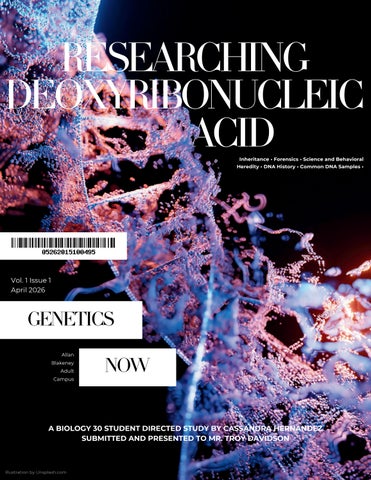
RESEARCHING DEOXYRIBONUCLEIC

Illustration

Cassandra Hernandez
We all know puzzle pieces are what builds it together. Similarly, coding is the
foundation for modern technology, pioneering world connection and accessibility. But do we all know that DNA is what molds us, humans, to who we are, shaping our identity and overall biological attributes? A project dedicated to exploring scientific topics of our personal interest was what I just needed to commit to researching DNA. Throughout this project, I will tackle my curiosity on DNA in specificity: how it links to inheritance, forensics, behavioral sciences, its history, and the common scientific procedures associated with DNA tests.
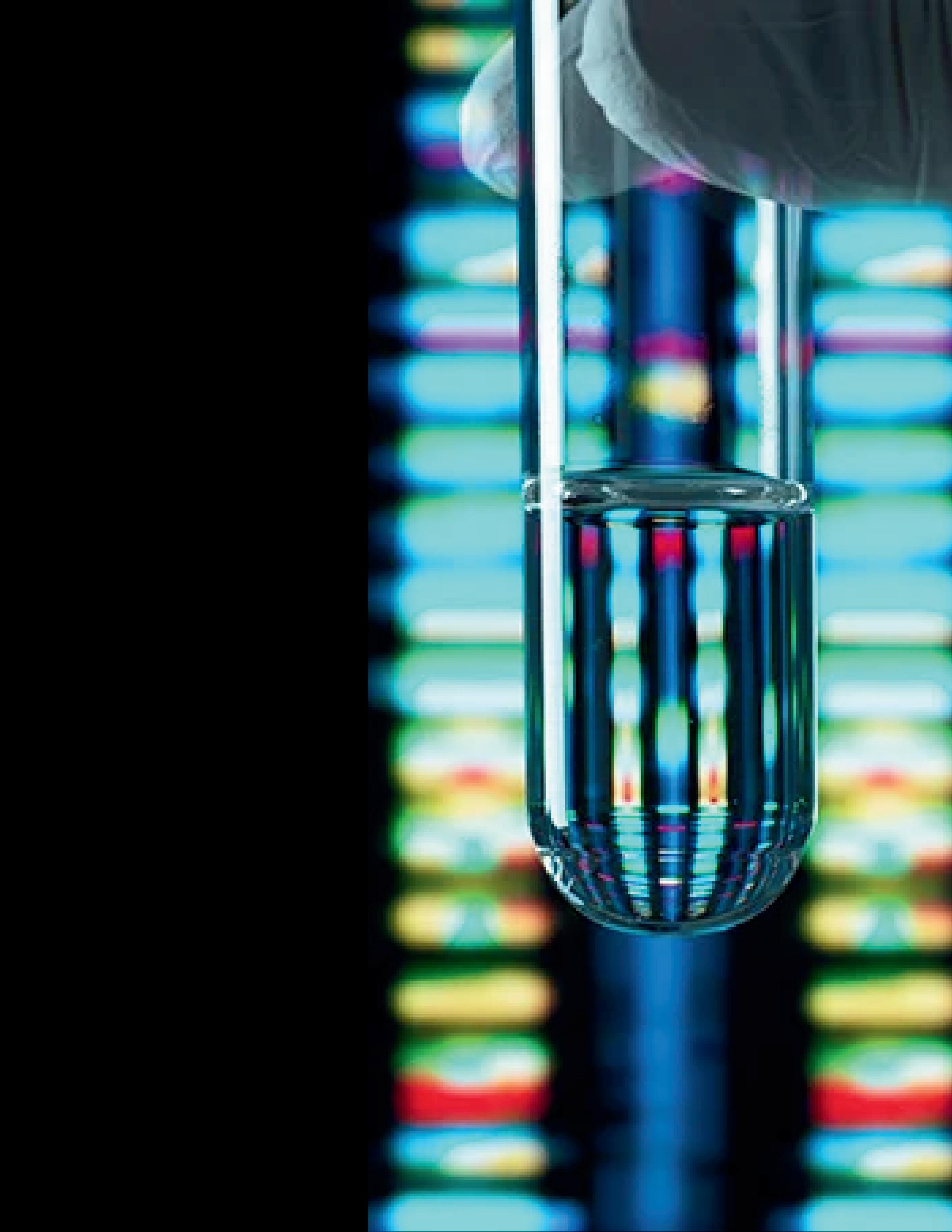
DNA stands for Deoxyribonucleic Acid, a segment of an organism’s genes (Robinson, Spock). This doublehelix shaped-pentose sugar contains our genetic information which are the codes to our identity. When compressed together, DNA builds the puzzle of our being. Through reproduction, humanity has found a scrupulously way to transfer this information from generations to generations.
This is the very reason that modern biotechnology is proficiently able to conduct DNA tests, which are used for various reasons and one of many is finding out family connections or inheritance patterns. Maternity and paternity tests specifically analyze biological relationships of a child and their mother and father. These tests commonly study a person’s autosomal DNA, or the first twenty-two pairs of chromosomes to determine familial matches.
MENDEL (1822-1884), AN AUSTRIAN BIOLOGIST FOUND OUT THE BASICS OF INHERITANCE BY BREEDING PEAS DURING THE 1800'S.
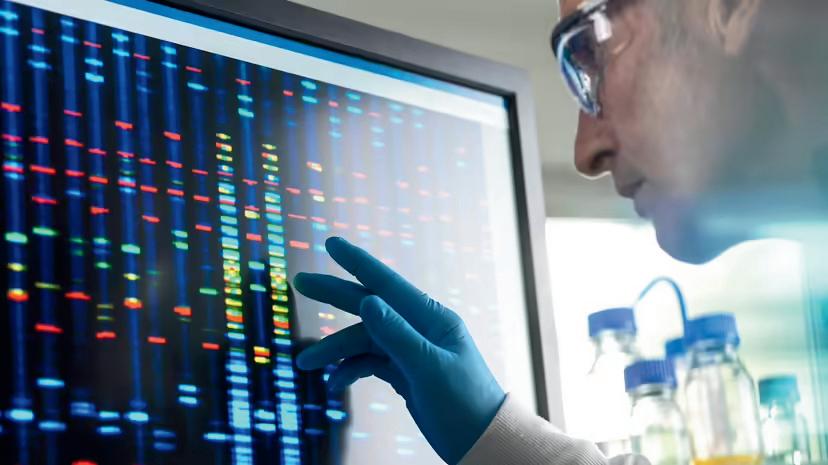
Forensics is a polar opposite field that DNA has revolutionized. The utilization of DNA in crime investigative work has significantly
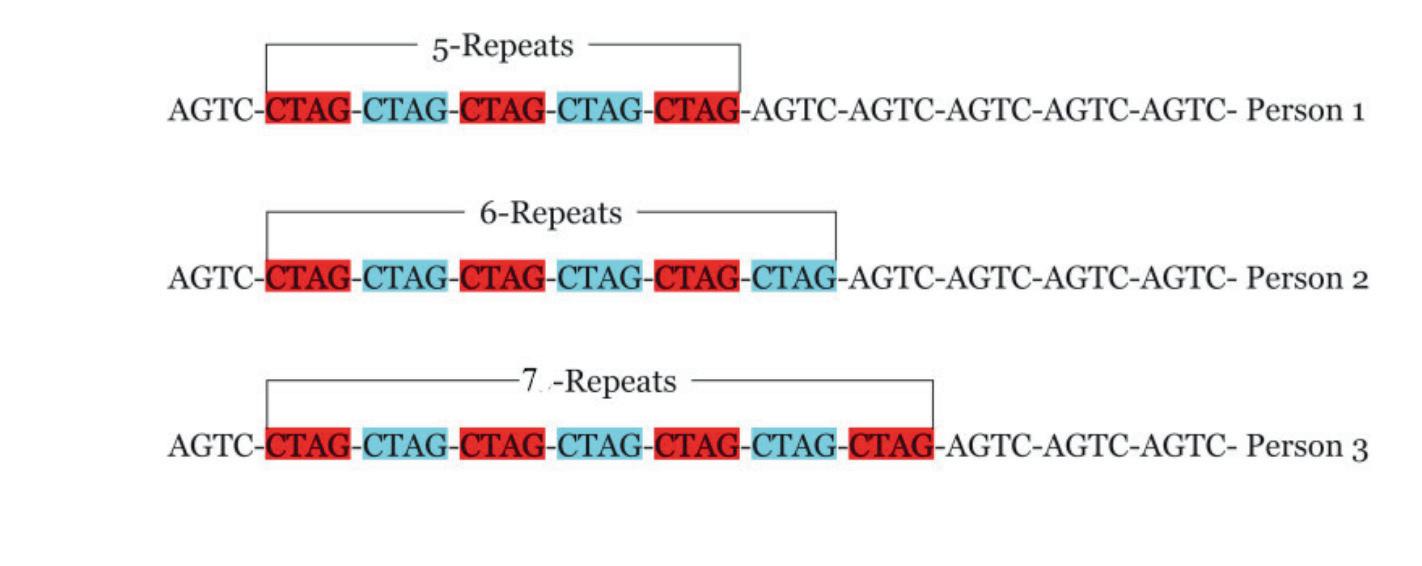
benefited the sector since the 1990s (Wilson). Forensic DNA conducts specific types of processes to identify the relation of an evidence and as specific gene source. This is called DNA profiling. In forensics, a technique called touch DNA, involving minimal traces of skin cells are collected to help identify a suspect or victim. In the absence of more profound evidence such as dried saliva or blood, these cells are collected by swabbing the surfaces that a person might have touched, leaving their fingerprints on it.
hands so far is already indisputable which acts as a big catalyst to the future we’re moving towards. Rest assured that wherever we take forward, DNA will continue to code and mold our evolution as the building blocks of the world's biggest puzzle piece —humanity.
TOGETHER, THE BASE PAIRS HAVE THEIR HYDROGEN BONDS: ADENINE AND THYMINE HAS 2 H BONDS CYTOSINE AND GUANINE HAS 3 H BONDS
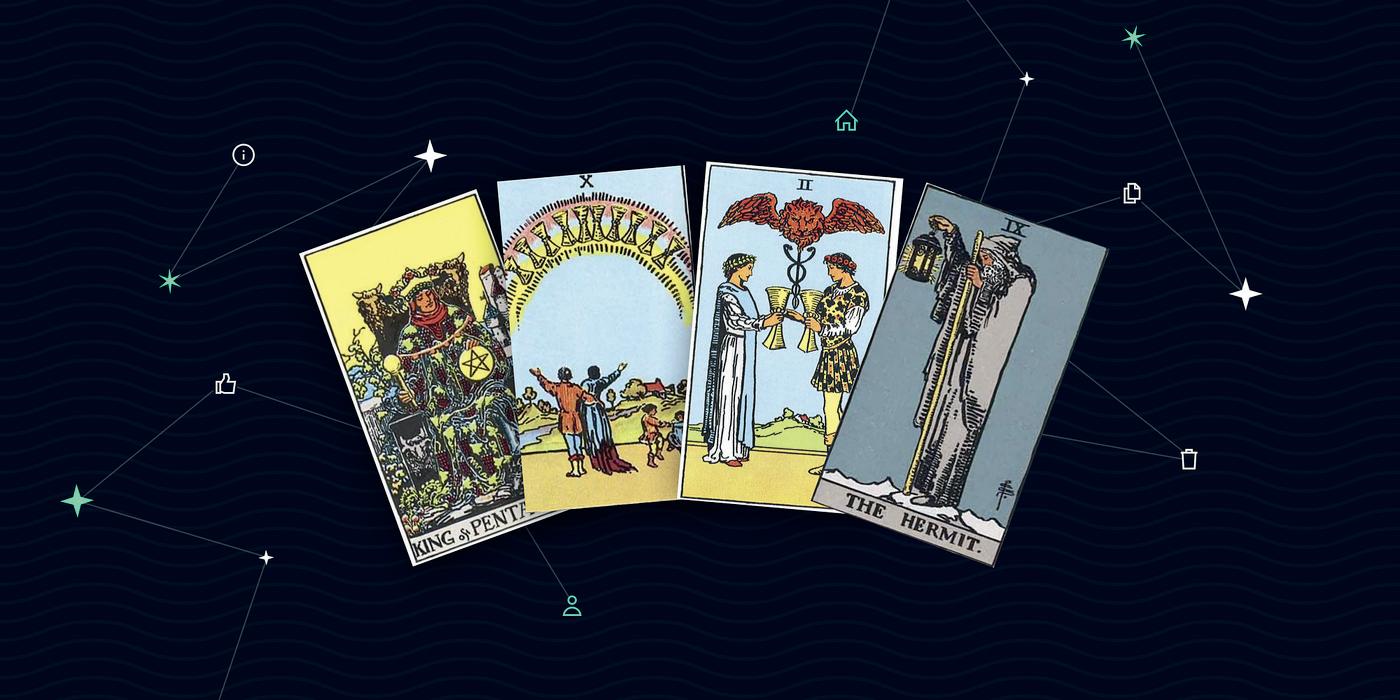
Your DNA could be the one that determines your fate that those tarot cards had been trying so hard to debunk—you just didn’t know.
The information we know on heredity, in a general sense, is how physical traits are an expression of descent. Our eye color, nose, skin color, and height are some of which of all traits that are called phenotypes that come from genotypes. However, what we’re yet to discover is how our cognitive ability and personality traits can also be determined from our genetics.
The big question, “can DNA predict your future?”, is finally challenged. In a podcast with an American sociologist Dalton Conley, discussing his book, “The Social Genome”, he reiterated a longstanding controversy in the world of science: nature vs. nurture. Nature refers to our genetics and nurture refers to the kind of environment and upbringing styles a person develops in. Dalton referenced this in his book: nature and nurture are interconnected; “[h]ow your genes matter depends on the environment. How the environment matters depends on your genes”. According to him, “in the last 50 plus years, thousands of studies of twins, comparing fraternal and identical twins to see, which gives you a way to back out how much is “nature” and how much is “nurture.” A paper analyzed these and showed “the median or average heritability, meaning the nature side across all those traits was 49%, and 51% was environmental.”
But until what age do we hold a person morally responsible for actions they consciously did?
“OUR LIFE IS A CREATION OF OUR MIND.”
- Gautama Buddha
There is no certain age as to when these inherited traits of cognitive abilities and personality traits “just stop” because it solely depends on how a person chooses to grow, modify, or alter anything within themselves as they turn older. In conclusion, we cannot predominate the genes we’re born with but how we adapt and react to the environment we move in significantly redefines how it’s expressed.
Following those vital enlightenments, clarity sets the record straight: ever since, science has been firm that our genetic information can’t entirely predict our future behavioral tendencies but rather, it can probabilistically predict just certain aspects of our behavior. Science utilizes Polygenic Scores to determine the likelihood of a trait being inherited from both parents and it cannot always be 100% true.
Throughout the years, humanity has had the power to evolve and naturally reshape their biological “destiny”. For instance, “now we are having more and more babies being born that have been polygenically selected” (Dalton).
Now we know that DNA can partially take part in how we think, behave, and perceive to be, the responsibility lies on us not to abuse this information to justify whatever we studiously decide to do. Our fate in life is something of personal matter, what the result is the cause of decisiveness. That alone, is something those tarot cards will never crack.
SCI BUZZ >
n the 1860s, Freidrich Miescher, a Swiss chemist, isolated DNA from white blood cells while examining its components in Tubingen, Germany. The term DNA was derived from what he first called the nuclein.
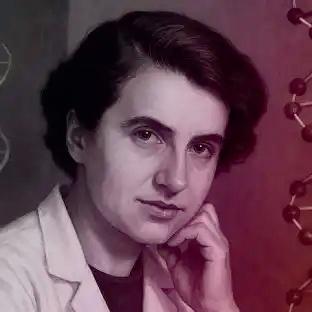
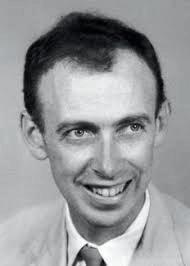
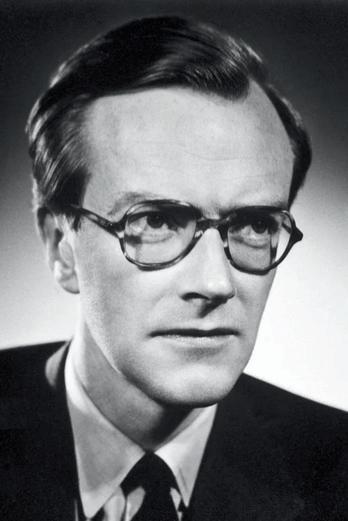
Like many scientists, Miescher’s discovery was kept unrecognized for a long time. By then, many scientists emerged and followed the discovery, expanding to the knowledge we know today. Crick, Franklin, Watson, and Wilkins get the credit for the fundamental information that DNA is a double-helix structure.
DETAIL >
1
2
3 4
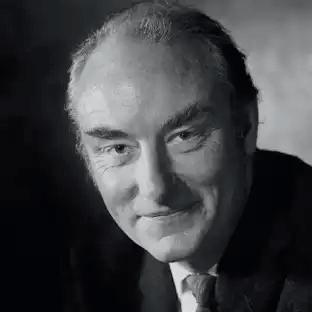
Francis Harry Compton Crick, an English molecular biologist. Born 8 June 1916. Died 28 July 2004.
Rosalind Elsie Franklin, an English chemist. Born 25 July 1920. Died 16 April 1958.
James Dewey Watson, an American molecular biologist. Born April 6, 1928. Died November 6, 2025
Maurice Hugh Frederick Wilkins, a British biophysicist. Born 15 December 1916. Died 5 October 2004.
air strands.
HDroplets of saliva.
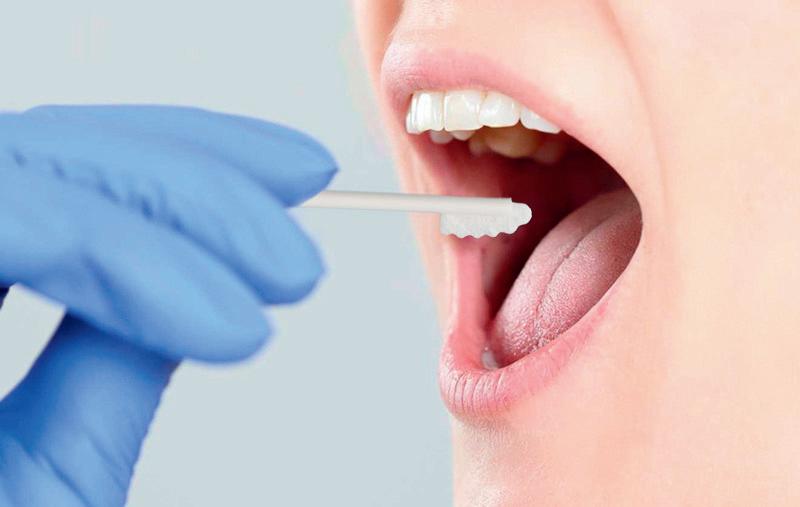
Swab tests.
These things are no surprise to us used in DNA tests. But what could be a factor of astonishment is the fact that these couldn't just be taken and expect a successful result. There are layers as to how and why hair strands, saliva, and swabbing are DNA tests’ most common samples.
If a person wants to use hair as the sample, they need to make sure that the hair strand has the root on it as hair follicles are what’s tested. Simply taking a part of the hair strand barely guarantees that the genetic information is present in the subject. Following that, saliva is what’s commonly used for genetic testing. In DNA testing, this is considered to be the most efficient method as it can be done at home, at a cheap cost, and provides more than enough genomic information. Lastly, cheek swabbing is when a cotton is wiped inside the cheeks to collect epithelial cells
Although these samples, for the most part, warrant viable outcomes, there is still one greater than the other and the likelihood of it to be accurate is what science has always eyed for.

For instance, hair is often less reliable as it requires effort to be taken out from the head to contain the root. Naturally-falling out hair strands may be considered but easily contaminated and generally doesn’t have enough genetic material quantity in the follicle to anticipate best results. On the contrary, saliva is often used and compared to blood samples that achieve best and reliable DNA results and comparable to saliva, swabbing is efficient and painless, providing a consistent and assured result for DNA testing and is also used in forensics.
It really is no surprise that regardless of which we use to identify our genetic patterns and heredity, we would still get results. It is just a matter of what makes it better. Indeed, it’s just scientifically right to say every part of us is composed of DNA.
99.9% MATCH OF PRIOR KNOWLEDGE AND SCIENCEBACKED INFORMATION.
Writer explains what she learned in this project and her personal connection to the topic.

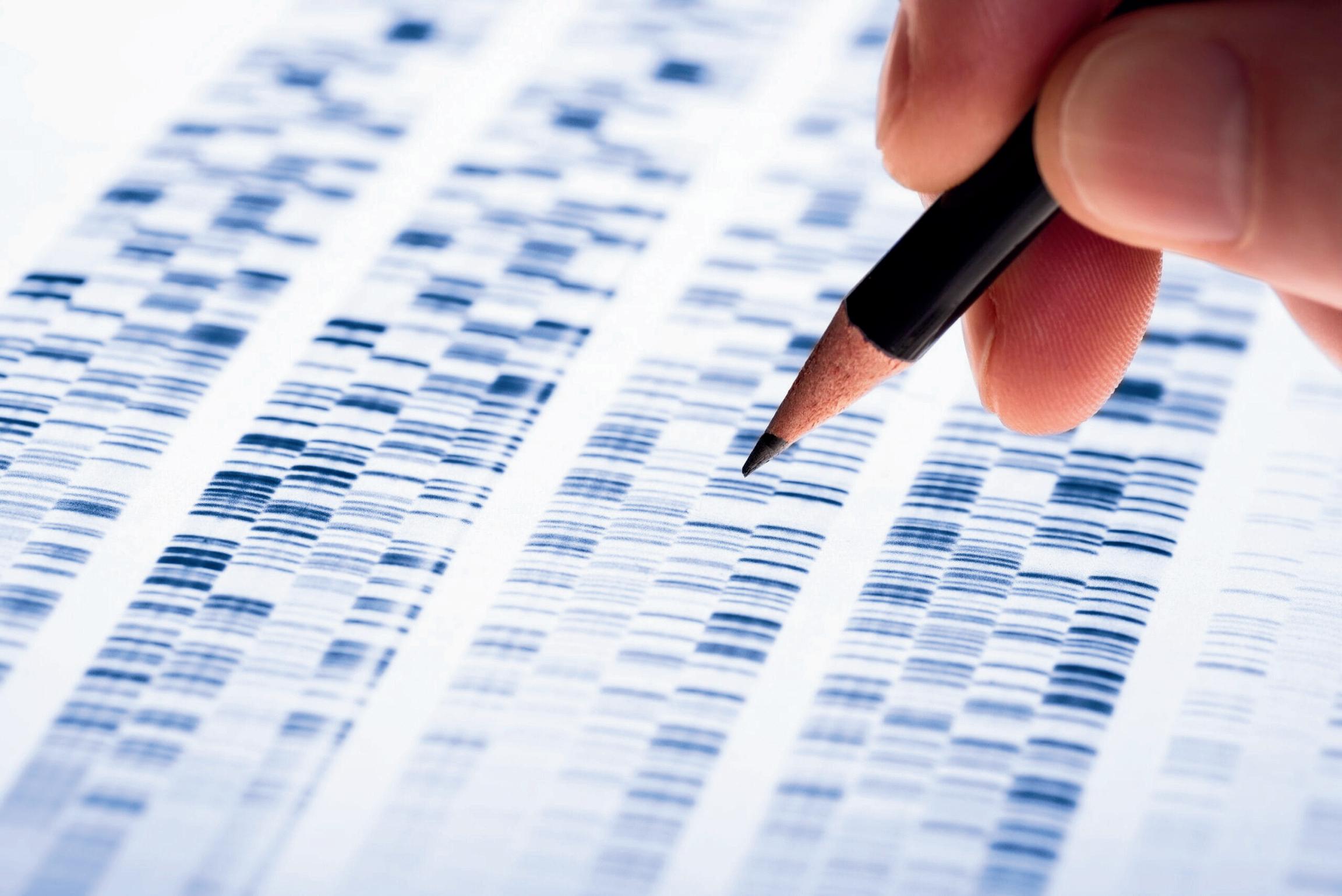
As I started researching more about my topic, I finally understood why our genetic information or DNA is compared with computer codes because they literally contain every bit and piece of data that makes us, us. In forensics, I just have always known that DNA profiling is conducted through an apparatus that allows professionals to visualize the line up of DNA from the person. However, what I did not know until now was that those genes lining up are actually our acid pairs. I also figured that DNA tests may still work with dried evidence. That is why we still find out genetic patterns. Moreover, I was really amazed by the fact that our DNA also contains cognitive and personality traits we inherited from our parents. The question if DNA “pre-determines” our behavior is actually coherent, although the environment in which a person grows up to discover themselves totally influences the way our genotypes become expressed. Overall, I learned how our DNA is basically a passcode to enter and analyze the depths of humanity.
I chose this topic because I grew up watching documentaries of people trying to find their loved ones they lost a long time ago. So, when I was given this Student Directed Study, I immediately set my mind on researching DNA that has piqued my interest ever since. However, I would also like to broaden the topic to forensics and behavioral tendencies.
1. DNA Test - Purpose, Results, Normal Range, and more (n.d.). Apollo Hospitals. Retrieved March 22, 2026, from https://www.apollohospitals.com/diagnosticsinvestigations/dna-test.
2. Kaplan, J. (2025, September 8). Francis Crick, Rosalind Franklin, James Watson, and Maurice Wilkins: These four scientists codiscovered the double helix structure of DNA, which formed the basis for modern biotechnology. Science History Institute Museum & Library. https://www.sciencehistory.org/education/scientific-biographies/franciscrick-rosalind-franklin-james-watson-and-maurice-wilkins/.
3. Meeker-O’Connell, A. (2004). How DNA evidence works. Howstuffworks, Incorporated. https://ironwoodwilson.wordpress.com/wp-content/uploads/2020/04/dna-articlepbs.pdf.
4. Metzl, J. F. (2019). Hacking Darwin: Genetic Engineering and the Future of Humanity. Sourcebooks, Incorporated.
5. Robinson, T.R., & Spock L.C (2020). Genetics for dummies. John Wiley & Sons, Incorporated.
6. The University of Chicago & Conley, D. (2025, April 17). Can your DNA predict your future?, with Dalton Conley [Podcast]. UChicago News. https://news.uchicago.edu/big-brains-podcast-can-your-dna-predict-your-future.
7. Wilson, D.B., Weisburd, D., & McClure, D. (2011, September 12). Use of DNA testing in police investigative work for increasing offender identification, arrest, conviction and case clearance. Campbell Systematic Reviews, 7: 1-53.
https://onlinelibrary.wiley.com/doi/full/10.4073/csr.2011.